7 things to know about the Royal Enfield Classic 350 Gorkha Edition

7 things to know about the Royal Enfield Classic 350 Gorkha Edition

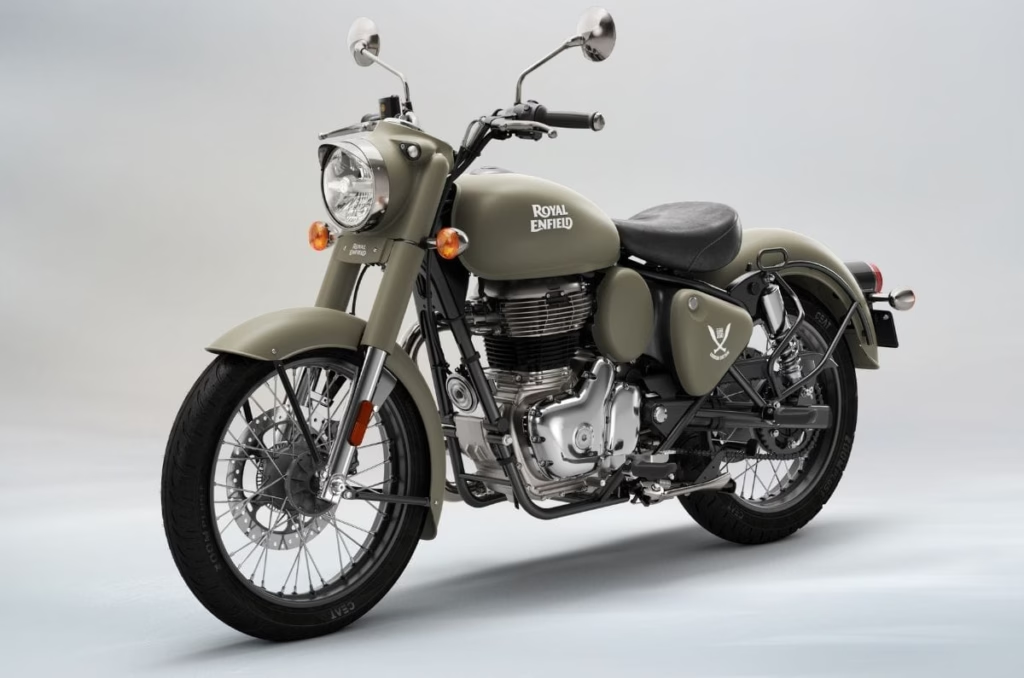
Royal Enfield has just announced a new, commemorative edition of the Classic 350 Gorkha Edition. Meant as an acknowledgement to the bravery and discipline of the Gorkha Regiment of the Indian army, the variant has prominent hat-tips to the most celebrated army unit in the world. If all of that sounds appealing to you and you want to bring one home, here’s what you need to know about it.

1. How is the Gorkha Edition different from the regular Classic 350?

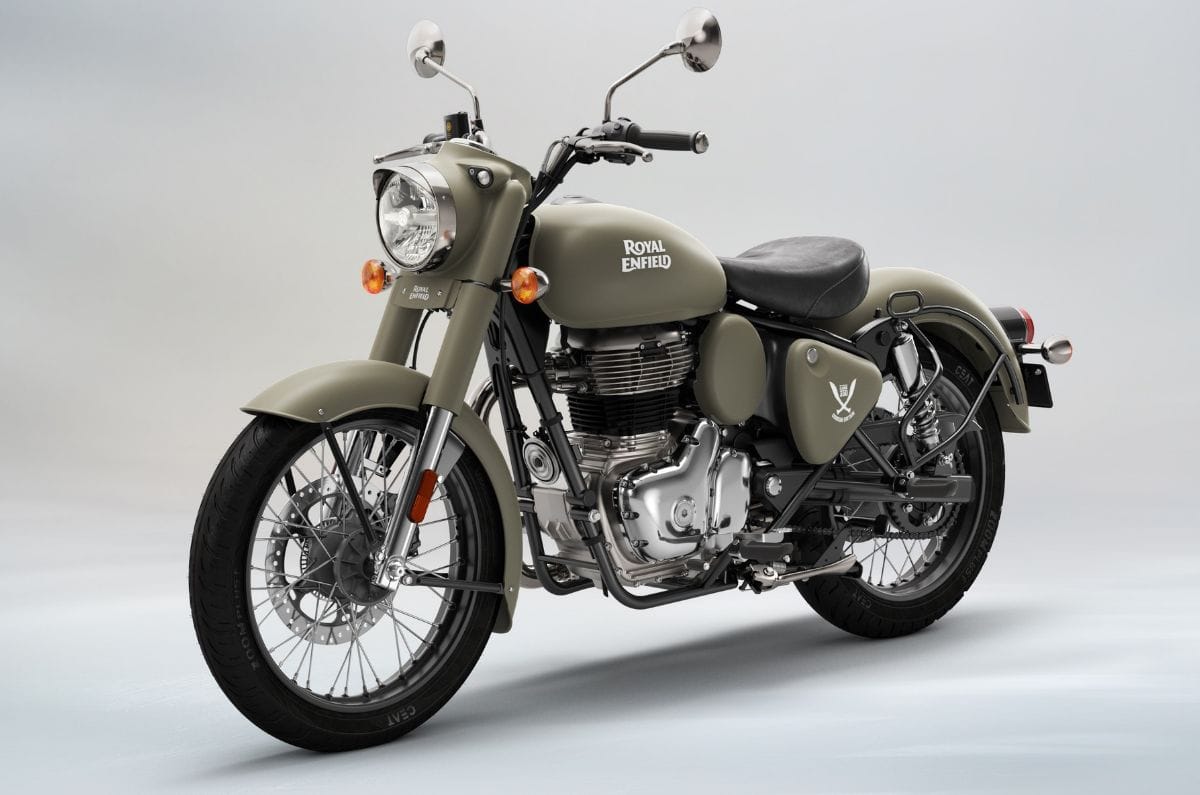
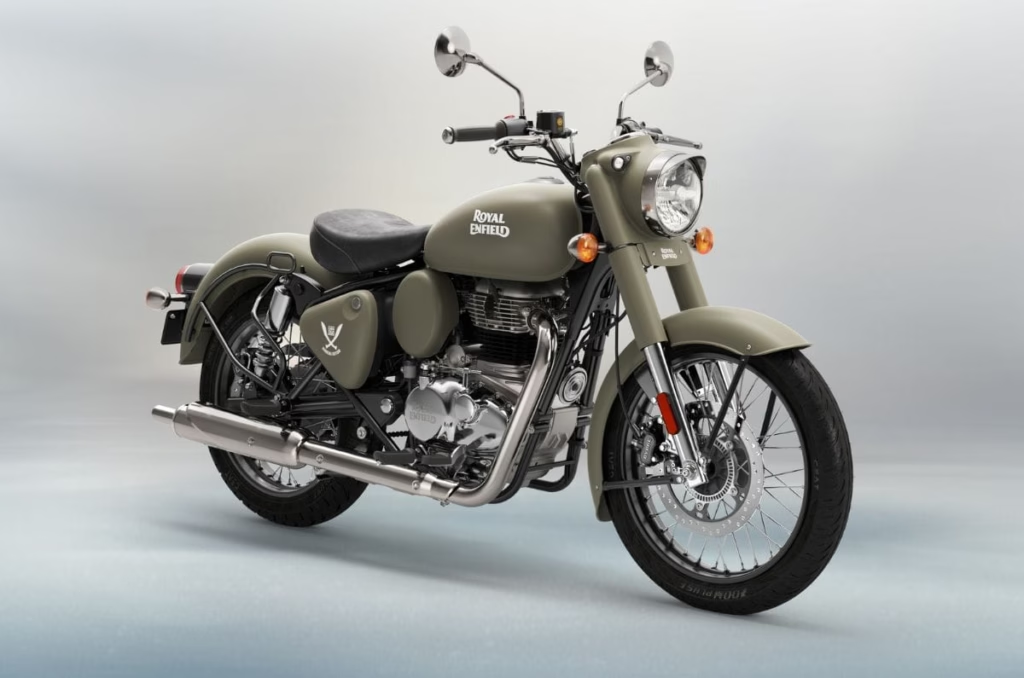
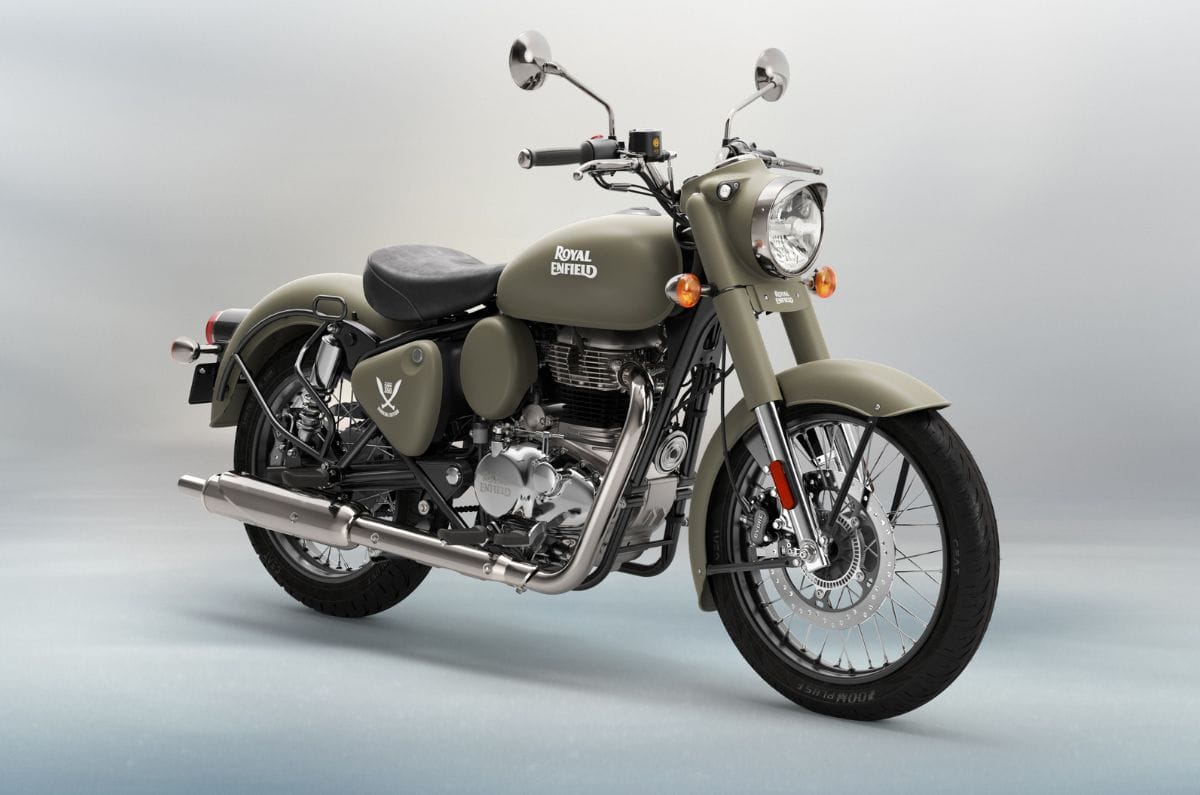
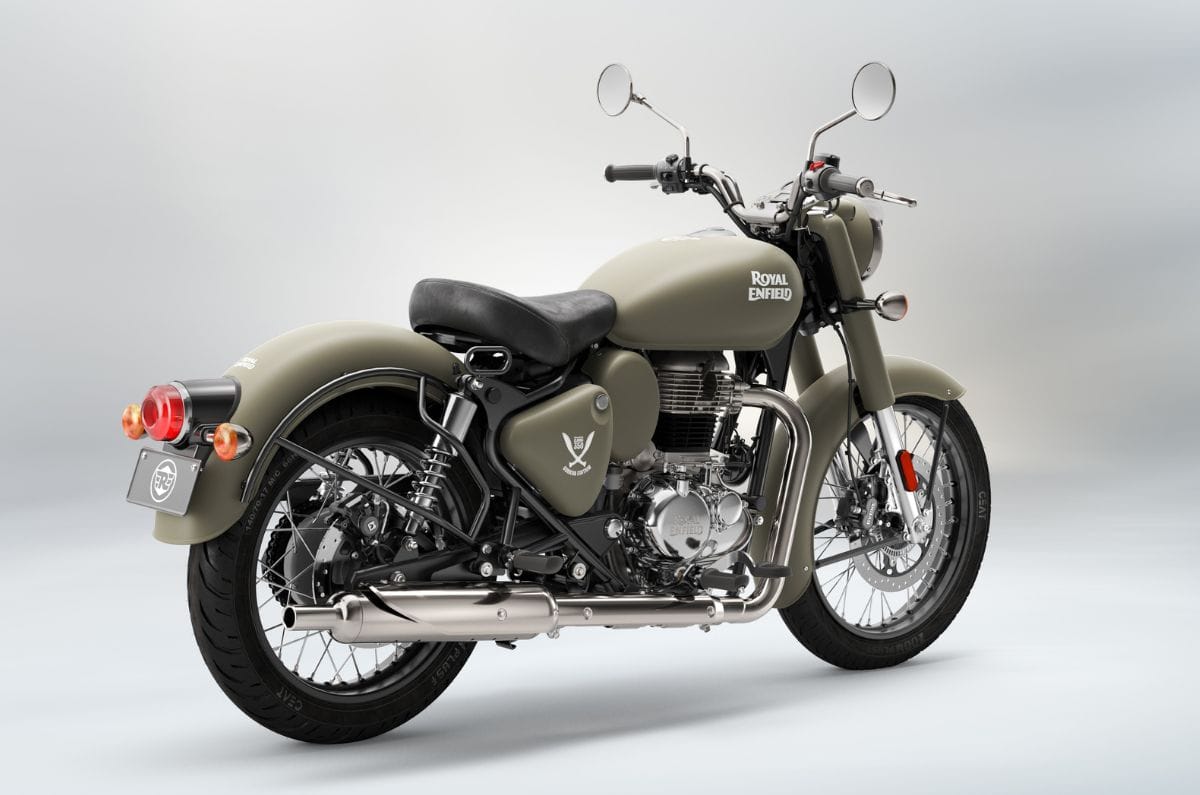
Being a commemorative edition, the Gorkha Edition has a special colour called Gorkha Green which resembles a lot of army vehicles. It features two crossed Khukris on both the side panels, the official insignia of the Gorkha Regiment. There’s also a ‘Gorkha Edition’ sticker on the fuel tank, just above the fuel lid. The overall design and the dimensions remain unchanged otherwise.

2. How much does the Gorkha Edition cost?

Royal Enfield has priced the Classic 350 Gorkha Edition at Rs 2.11 lakh (ex-showroom, Delhi) which puts it right in the middle of the range that starts at Rs 1.87 lakh and goes all the way up to Rs 2.24 lakh. There’s another variant called ‘Commando Sand’ which also costs the same as the ‘Gorkha Edition’.

3. Which engine does the Classic 350 Gorkha Edition have?

The Classic 350 Gorkha Edition continues with Royal Enfield’s tried-and-tested J-series engine. Unveiled first with the Meteor 350 back in 2020, this single-cylinder, air-cooled unit has 20.2hp of power and 27Nm of torque. 

4. What is the seat height of the Classic 350 Gorkha Edition?

The seat height on the Classic 350 Gorkha Edition is 805mm (unchanged from the regular Classic 350).

5. What features does the Classic 350 Gorkha Edition get?

The Classic 350 Gorkha Edition has a semi-digital instrument cluster, assist and slipper clutch, and a type-C USB port for charging your devices on the go. Note that Royal Enfield had recently updated all variants of the Classic 350 with the exact same feature set.

6. Does it get dual-channel ABS?

What separates the Classic 350 variants mainly are two things, the colour scheme and ABS. Of the eight available colours, the base ‘Redditch Red’ variant has single-channel ABS, with all the other colours—including the Gorkha Edition—getting dual-channel ABS as standard. Braking duties too are covered by the same 300mm disc at the front and 270mm disc at the rear.

7. What’s the weight and ground clearance like?

They continue unchanged as the Classic 350 at 195kg kerb weight and 170mm of ground clearance. If you like the Royal Enfield J-series engine but are fazed by the weight, the Hunter 350 remains the lightest Royal Enfield motorcycle you can buy today with a lighter kerb weight figure of 181kg but do note that its ground clearance is 160mm although it’s unlikely that the 10mm reduction will ever be an issue.

What Brazil’s 50-year ethanol experiment tells us

What Brazil’s 50-year ethanol experiment tells us
E20 fuel in Brazil

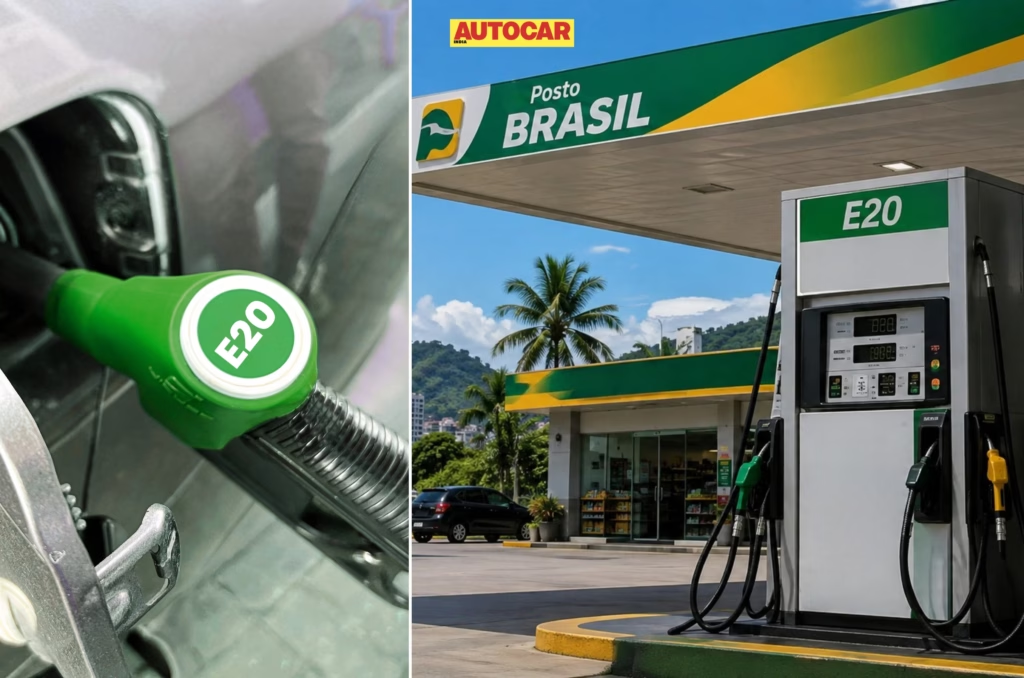
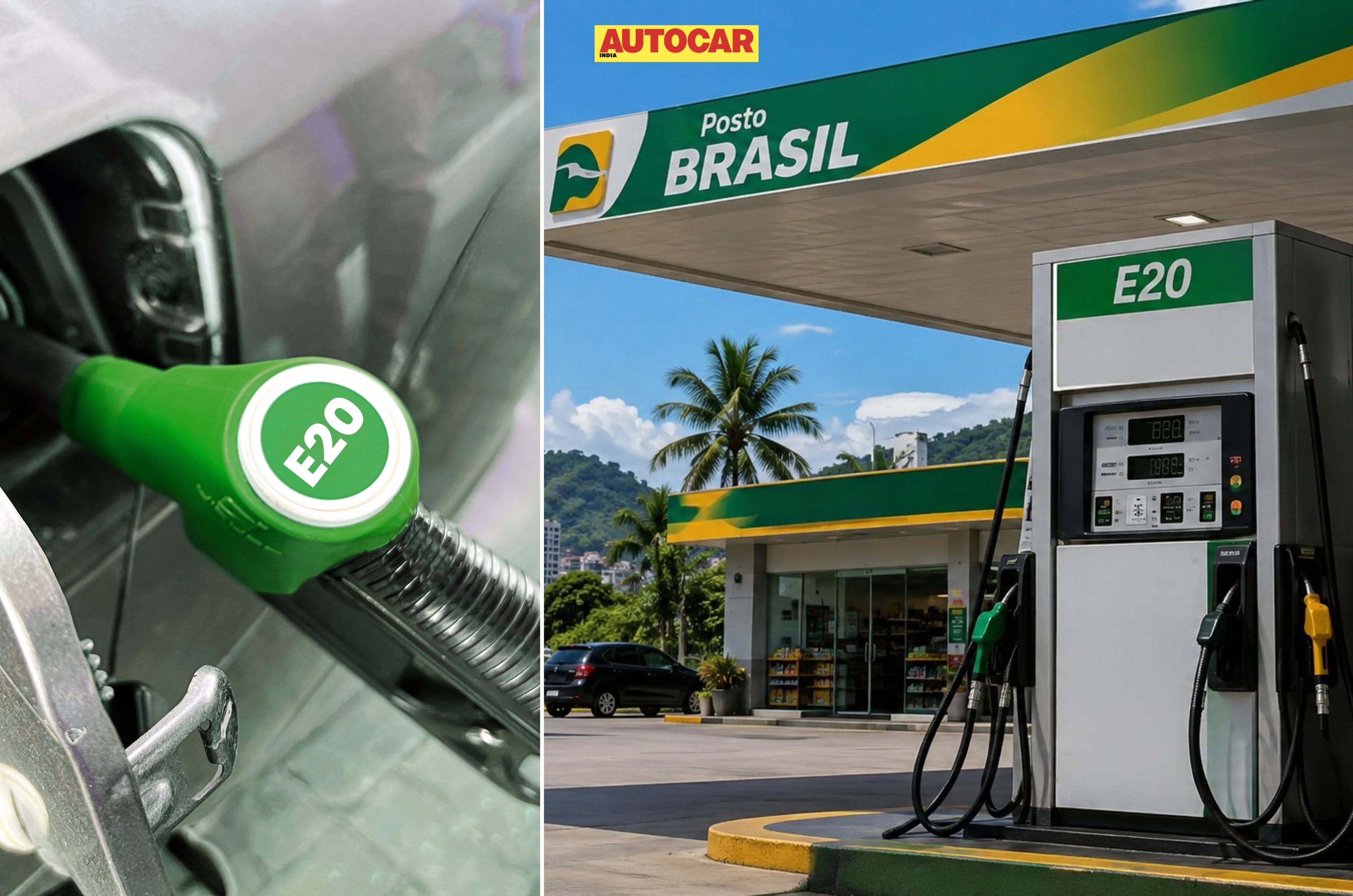
The forced introduction of E20 has set social media ablaze, with outraged car and bike owners complaining bitterly of damage to their vehicles and a drop in fuel efficiency. The anger isn’t irrational. The efficiency drop is real and, going by Autocar India’s own tests, larger than the figures the government itself has acknowledged. 

But while there’s no debate over the mileage penalty, the bigger fear is long-term damage to the vast majority of cars on our roads that are not E20-compliant. It’s a worry fanned by social media and by the way the government has handled the concern. Field trials conducted by the Automotive Research Association of India (ARAI) before the rollout reportedly found no major compatibility issues even in legacy vehicles. 

However, that report has never been made public, which has only deepened suspicion among car and bike owners. Most damaging of all was the Society of Indian Automobile Manufacturers (SIAM) formally flagging alarming levels of contamination in a letter it was later forced to publicly withdraw. Crucially, SIAM’s concern was contaminated fuel carrying worrying levels of chlorine, not the blend itself. That distinction has been lost in the noise, and it sits at the heart of the confusion, even panic, among customers fearing the worst.

So, is E20 the menace it is being made out to be, or is fuel contamination the bigger issue? The fact is, there is no workshop epidemic yet, though sceptics will argue it’s only a matter of time before engines start giving trouble. What social media is amplifying right now is the theoretical damage of a higher blend. That doesn’t make the concerns baseless, since long-term effects take years to show, but the truth is that panic and outrage are currently running well ahead of the evidence. Which makes it worth studying the one country that actually has the evidence, gathered over 50 years: Brazil.

The Brazil experience

If you think India’s leap from E10 to E20 was abrupt, consider what happened there. In November 1975, squeezed by the oil crisis and desperate to protect its foreign currency reserves, the Brazilian government launched Proalcool and shoved its motorists in at the deep end. “The blends with gasoline started at 20 percent. It went very soon up to 30 percent, and it was imposed by the government,” says Peter Gilbert, head of Operational Marketing and Customer Tech Services at Infineum Brazil, a fuel and lubricant additive specialist company whose business, it should be said, depends on ethanol-blended fuels working well. 

The documented history broadly bears him out, with one point worth noting: there was a brief low-blend ramp-up with E10, but that lasted roughly two to three years against the five decades of E20 and above since. Compare that with India, which took nearly two decades from its 2003 blending programme to reach E10. And like India, Brazil never kept an escape hatch. “There was no E0 when E20 was introduced,” says Gilbert, and there is none today: the mandated blend has since climbed through 25, 27 and 30 percent, and since August this year, all pumps in Brazil, including the super-premium ones, dispense E32.

But what is telling is the kind of cars running around on E20 in the late 1970s. Back then, cars were mainly carburetted with no fuel injection, no closed-loop control and no lambda sensors – machinery far cruder than even the oldest E10-era car on Indian roads today. So what broke?

According to Gilbert, remarkably little that could be pinned on E20 itself. “There weren’t any major issues reported,” he says. “There were issues related to the materials of the fuel system, the gaskets and the rubbers used at that time, but that has changed.”

His colleague Leandro Benvenutti, Infineum’s product manager for Latin America, says the trouble in 1970s and 1980s Brazil came almost entirely from dedicated alcohol cars running pure hydrous ethanol (E100), not from petrol cars on E20. “Everything we can remember from that time is related to these alcohol vehicles, not to the gasoline vehicles using E20,” he says. Carburettor corrosion, clogged jets, perished hoses and O-rings: all of it, in their experience, traced back to E100. “If there were problems in the other [non-flex fuel] vehicles, they were really not important at all.”

A caveat both experts volunteer: 1970s Brazil is not 2020s India, and the comparison is not like-for-like. “It’s difficult to correlate to vehicles today,” Gilbert admits. What the Brazilian record offers is not proof that nothing will go wrong here, but a large, long-running natural experiment in which the E20-specific damage everyone feared did not show up.

So what about India’s E10 cars?

Asked what he’d tell a worried Indian owner running an E10-era car on E20, Benvenutti replies, “There is no reason for panic. We don’t expect any immediate impact.” Note the word immediate. The honest answer regarding the long term is unknown, and to their credit, neither of Infineum’s experts pretends otherwise. Over years, rubber components in cars whose materials weren’t specified for E20 may embrittle sooner, and Benvenutti concedes older cars and motorcycles “may see issues with time”. But complicating the issue is attribution – what is due to ethanol and what is not. Rubber parts perish with pure petrol, too. 

Benvenutti recalls his father’s flex-fuel car whose fuel hose dried out and leaked after years of use. “Was that really caused by the ethanol, or was that something going to happen anyway after five or ten years?” If there is a cost to owners, in other words, it is most likely a shortened life for cheap parts such as hoses, gaskets and O-rings rather than failures of expensive ones. “The risk for the metal components, the hard components like valves, injectors and pumps, is much lower if you maintain this product within spec,” explains Gilbert. That last clause matters, and we’ll revisit it.

On material margins, Benvenutti is careful not to overclaim. He believes manufacturers build in buffers. “If I am developing an engine, I would prefer to keep some buffer,” he remarks but adds that he is not a materials specialist and that the buffer may mean a component lasting eight years instead of 10. Whether every manufacturer selling in India engineered that headroom is a question only the manufacturers can answer.

Calibration is key

The more concrete near-term issue isn’t corrosion. It’s calibration. E20 carries less energy per litre, so the engine management system must inject more fuel to keep the mixture correct. Most closed-loop systems that have been around since the move to BS-II fuel-injection in 2000 should easily adapt, but if an older car’s injectors or fuel-trim maps run out of adjustment range, the mixture runs lean. The tell-tale? “Probably the most impactful result will be a light on your cluster. You will see the malfunction indication light on,” says Benvenutti. If your check engine light comes on after the switch to E20, that’s your car telling you it can’t fully compensate. Whether yours will is a manufacturer-by-manufacturer, even model-by-model chance.

Then there is Brazil’s import experience, which is genuinely striking and even reassuring. European and Japanese cars homologated for E10 markets are sold in Brazil and run on E30, now E32, every day. “I haven’t seen any report on issues with those engines,” says Gilbert. And there is no exemption at the top of the market. With no E0 sold anywhere in the country, every Ferrari, Lamborghini and Porsche in Brazil fills up on E32; even the super-premium pumps dispense it. Ask whether a supercar owner can escape the blend, and the answer is emphatic. “No way,” says Benvenutti. 

Low volumes are no excuse to offer a special blend, unlike in India, where supercars have the safety net of a high-priced E0 premium fuel. Benvenutti points out that even a manufacturer bringing in a handful of sports cars must ensure the car is fit for the market’s fuel. “I would not imagine any OEM bringing one unit and selling it if that’s not prepared for that market.” The one genuine weak spot he flags concerns independent, grey-market imports, which arrive exactly as built for the European or Japanese market with no local adaptation. Much of ethanol’s impact is based on anecdotal data rather than any controlled study, but it is decades of anecdotes across millions of cars, from hatchbacks to hypercars.

How much evidence of ethanol impact is there?

Enough of it to take seriously. Start with a fact that rarely features in the Indian debate: Brazil is not a country of new cars. Punishing taxes on new vehicles and tight credit mean Brazilians hold on to their cars for a long time, and the tax system actively rewards them for doing so. Most states have long exempted the oldest cars from the annual IPVA vehicle tax, and a constitutional amendment now makes that exemption national for anything 20 years or older. The result, as per the Brazilian auto components association Sindipeças, is a fleet averaging over 11 years old, with 7.3 million vehicles past 16 years and some 220,000 past 25. Every one of them fills up on E27-to-E32 petrol because nothing else is sold. No doubt, much of this ageing fleet is flex-fuel, engineered from birth to drink anything up to E100, so their survival may seem overplayed, but only up to a point. 

Flex-fuel technology arrived in Brazil only in 2003 with the Volkswagen Golf, which means the country’s first two and a half decades on E20-and-higher blends were served entirely by ordinary petrol cars, and the earliest of those were designed for no ethanol whatsoever; the blend was simply imposed on them, which is exactly what’s happening in India today. The cars that predate the flex era and the imported non-flex cars still running on E32 haven’t seen a trend of ethanol casualties. There is no scrapyard full of ethanol victims; the old cars are still on the road.

Then there’s the formal testing. Before Brazil raised its mandate from E27 to E30 in August 2025, a working group under the country’s Ministry of Mines and Energy ran durability tests on vehicles representative of the national fleet. ANFAVEA, Brazil’s association of vehicle manufacturers (the counterpart to our SIAM), reported that the tests showed no adverse effects on engine durability or performance, with one telling condition attached: provided fuel quality standards are met. Independently, a year-long University of Nebraska-Lincoln study ran E30 in ordinary non-flex-fuel state government vehicles in the US and found no adverse effects either. None of this is a guarantee for every ageing car in India, but it is consistent, multi-source evidence that corroborates Infineum’s findings.

The dangerous C word 

So is the all-clear justified? Only conditionally, and the condition is the same one ANFAVEA attached: clean fuel made and blended to specification. And this is where India’s real problem appears to lie. If genuine damage is occurring in Indian fuel systems, the evidence points not to the ethanol blend but to what’s riding along with it: chloride contamination picked up during the production process and from storage tanks. SIAM’s now-withdrawn letter reported chloride levels of up to 500 ppm in samples from vehicle tanks and 350 ppm at retail outlets, figures the petroleum ministry has vehemently contested. Ministry officials say their own testing found high chlorine levels at just two pumps and that plastic sample containers had corrupted some tests and thrown up false readings. Yet, even a fraction of SIAM’s figures would dwarf the 3 ppm the ministry itself treats as the acceptable ceiling. 

Also, 3 ppm is only a guideline. India has yet to mandate BIS limits for chloride in fuel ethanol – something Brazil has enforced by law at 1 ppm for years. Chlorides corrode fuel pumps, injectors and valves regardless of whether a car was designed for E10 or E20, which is precisely why blaming the blend misdiagnoses the disease. The Brazilian experience, in short, largely acquits ethanol. It says nothing to acquit the fuel quality actually coming out of Indian pumps, and fixing that is a question of standards and enforcement, not of retreating to E10. 

The E20 debate, now thoroughly political, will no doubt rage on: the government and its agencies on one side, and on the other, opposition parties and a swarm of influencers and social media experts riding the outrage for popularity and views, but few of them have bothered to put an independent expert on record. The good thing is that science and first-hand experience – Brazil’s, in this case – take no sides. And that’s the side we are on.


2026 BMW X1 LWB review: BMW’s big small SUV

2026 BMW X1 LWB review: BMW’s big small SUV
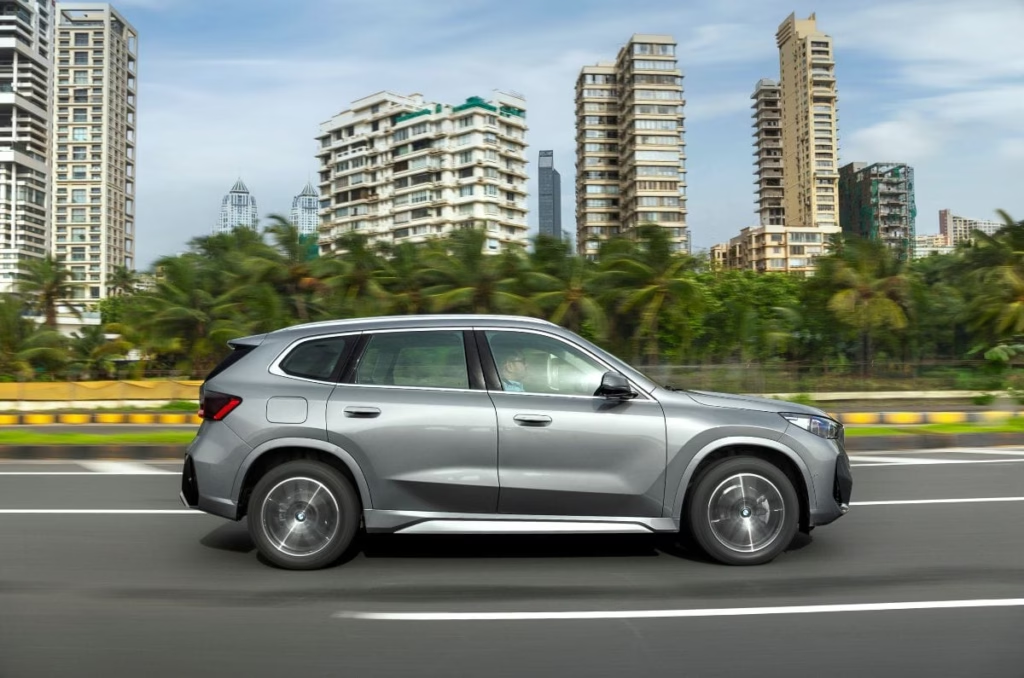
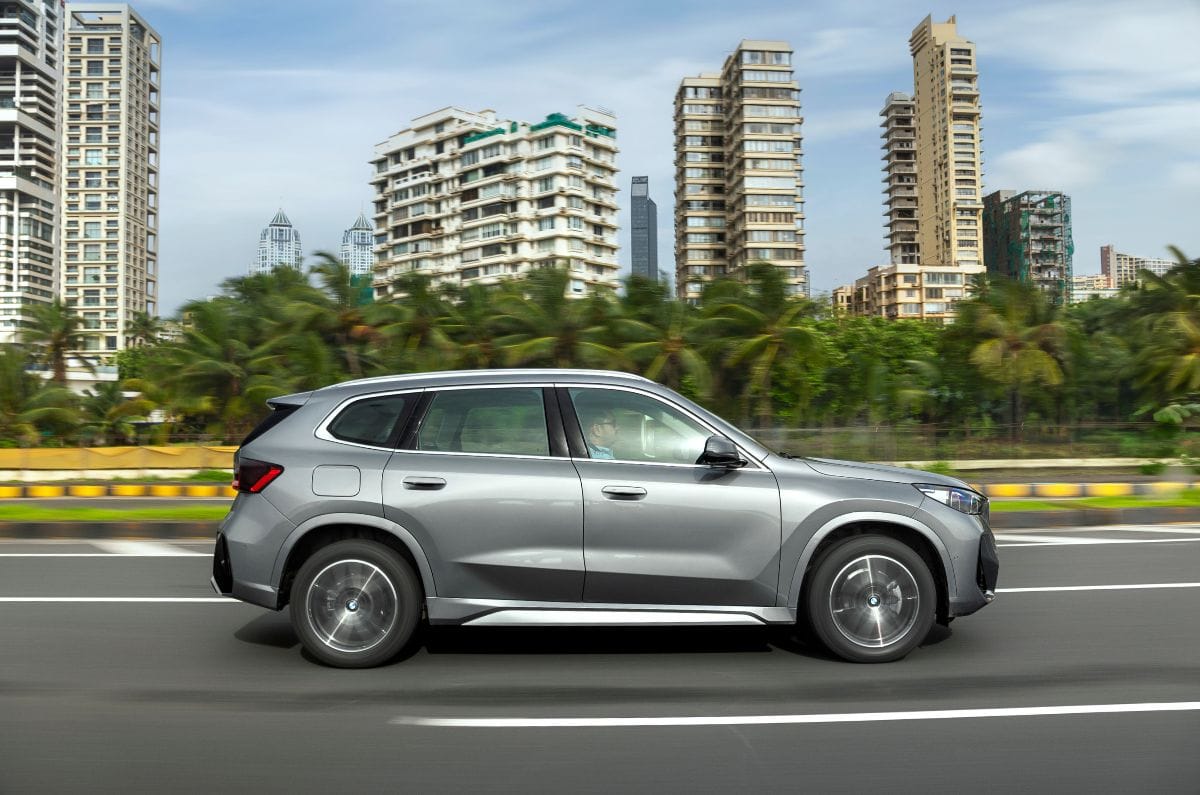
BMW X1 LWB side tracking

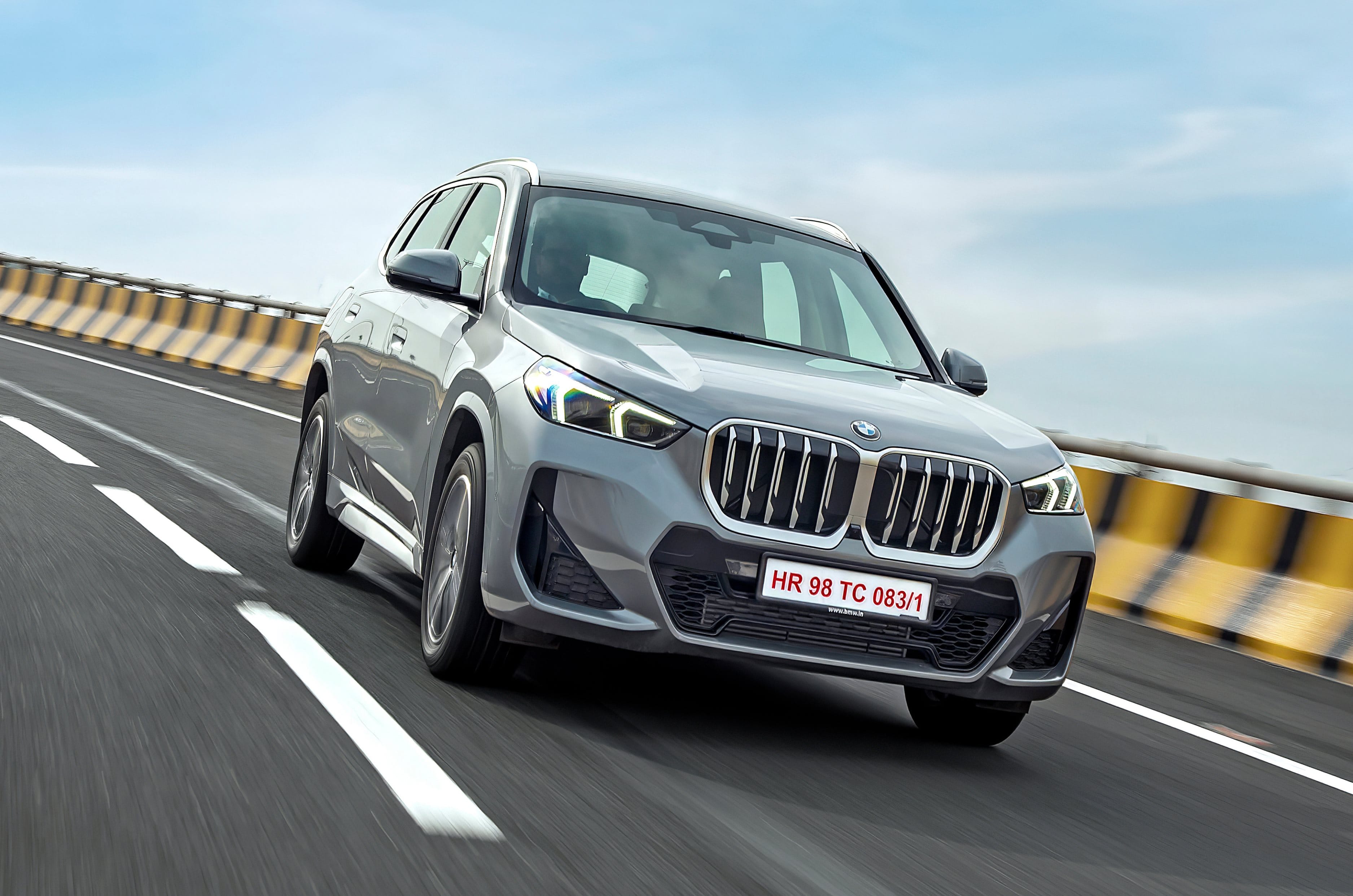
A long-wheelbase BMW X1 isn’t a new idea. China has had an extended-length X1 for years, and we got it in India last year in the form of the all-electric iX1 LWB. The X1 LWB brings the formula to the ICE X1 range. BMW says the standard-wheelbase X1 will continue to sell, though we assume the LWB will be the only X1 down the road.

BMW X1 LWB Exterior Design and Engineering – 7/10

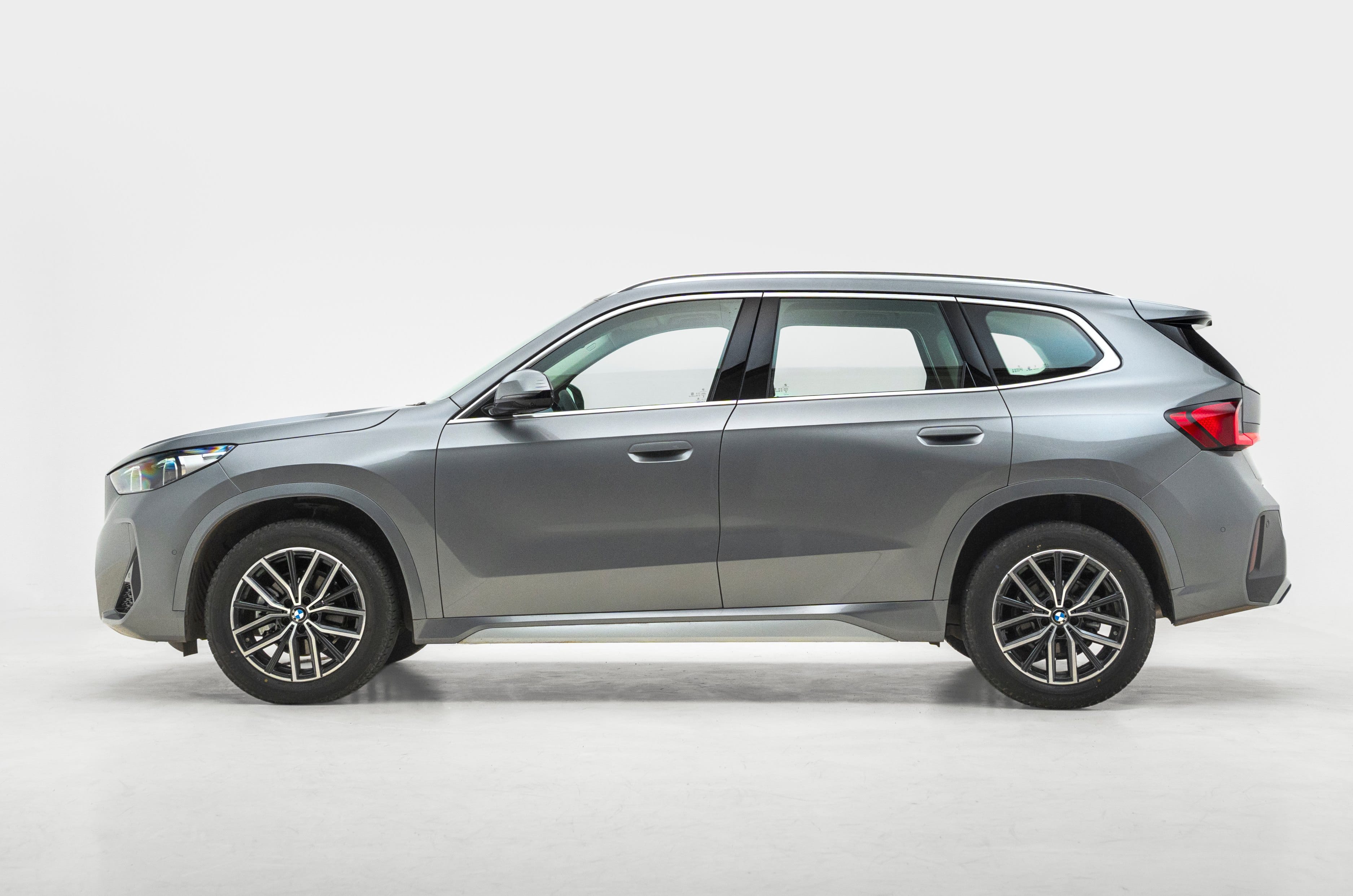
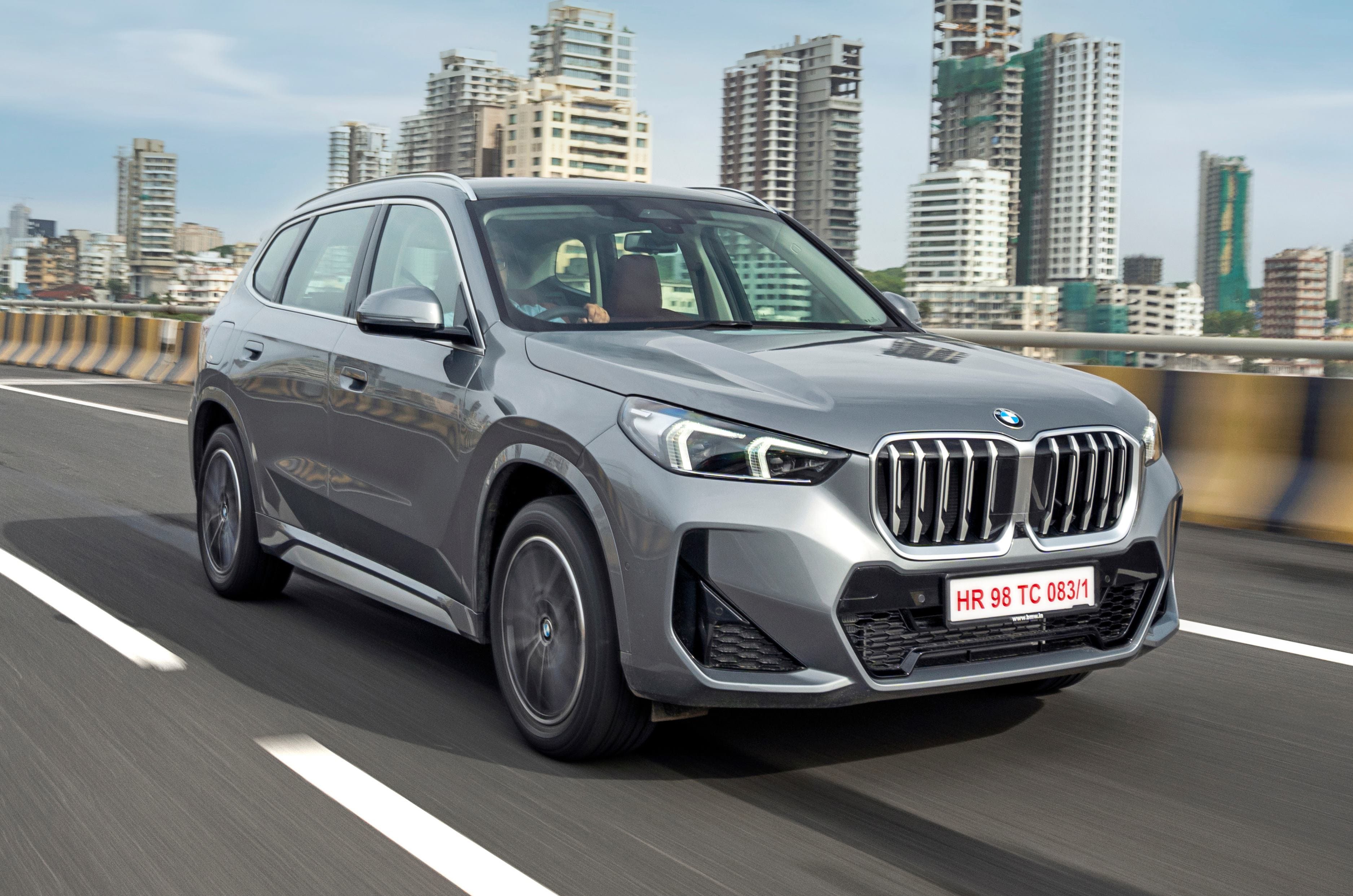
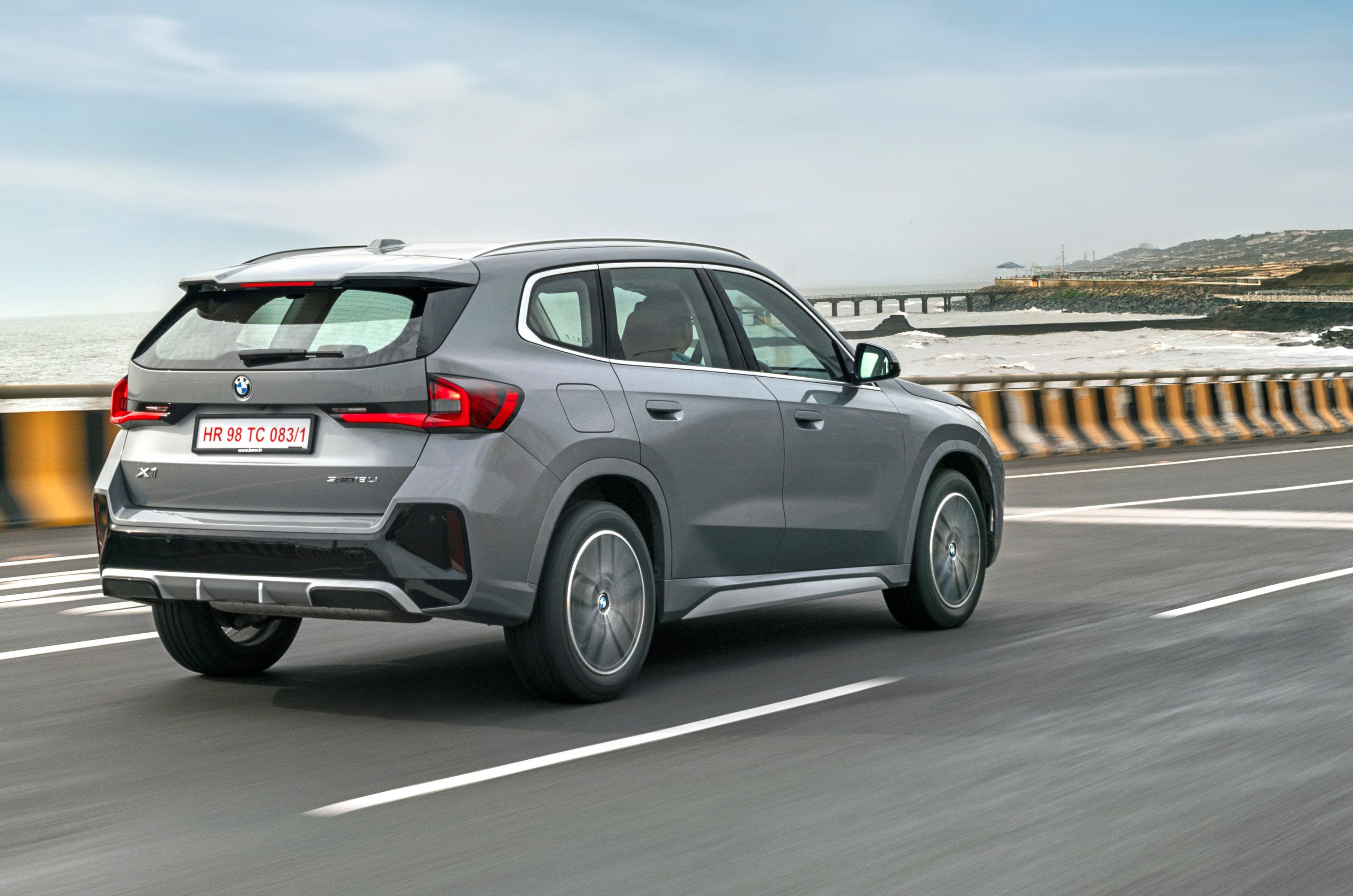
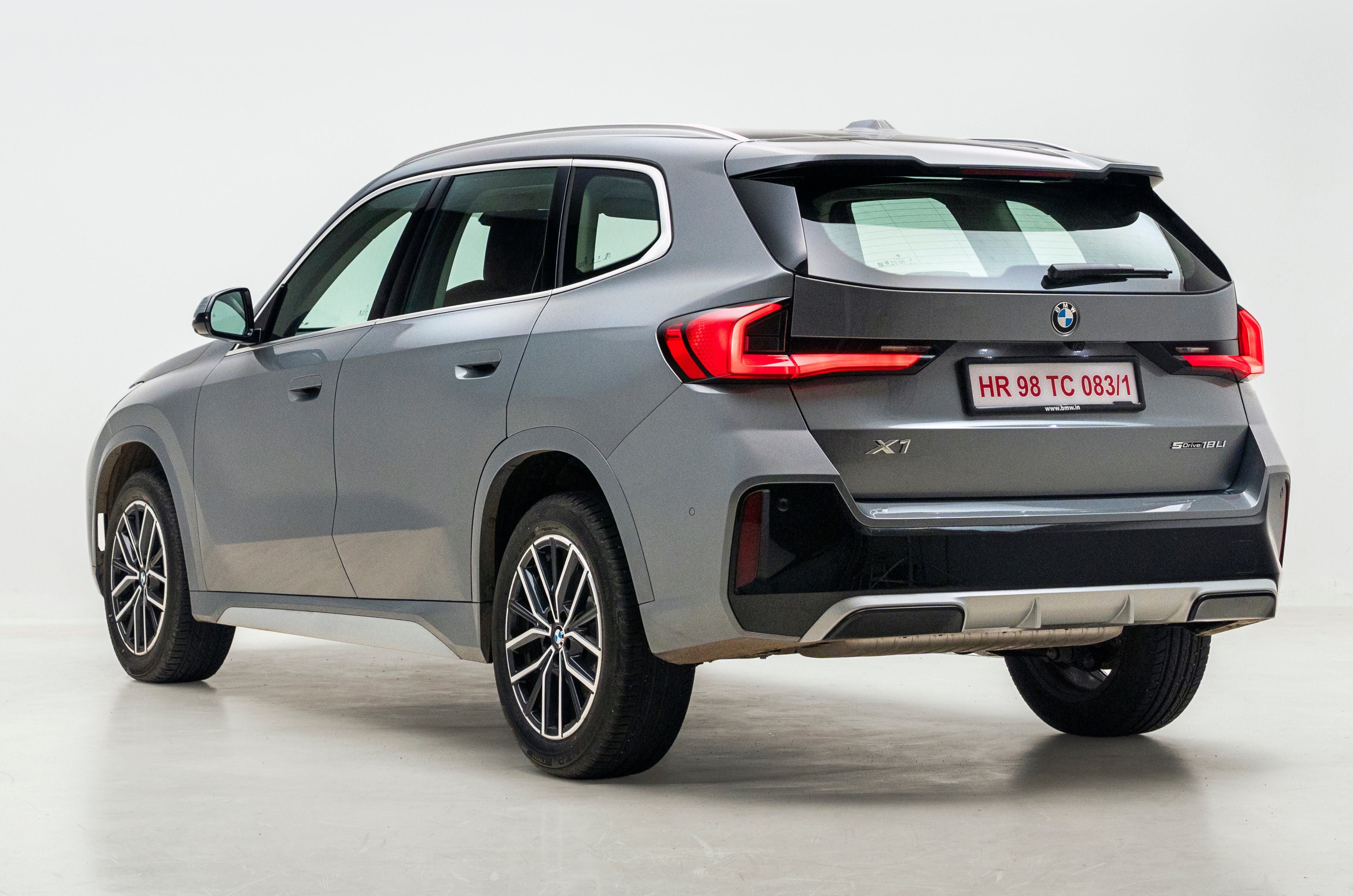
The X1 might be BMW’s smallest SUV, but it’s not particularly small anymore. It’s 116mm longer overall with 108mm of that added length at the wheelbase alone. Importantly, the longer wheelbase doesn’t look unusually long, and so the proportions work.

Lengthened body but well-proportioned design

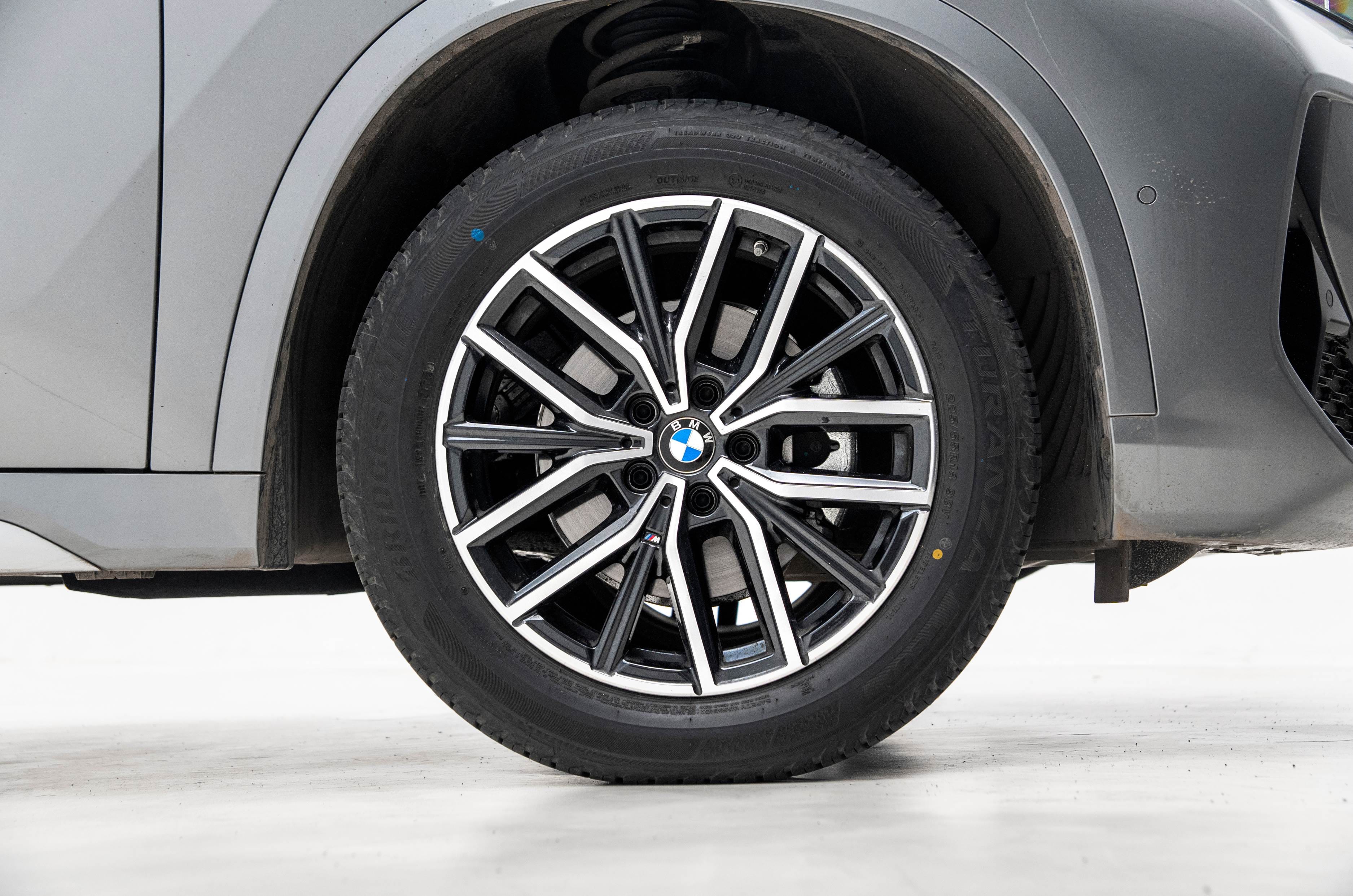
In person, the X1 LWB doesn’t look vastly different to the standard wheelbase model. It’s got the same peeled back headlamps, same M Sport styling pack and same edgy tail lights. The 18-inch rims are shared with the other X1s, but a more exciting design and or a larger size would have done much for the look. A chrome surround for the large windows is a small detail distinction to the standard X1 that uses a black effect, while the conventional grille here serves as a distinguishing element to the iX1 that sports a closed-off grille.

18-inch wheels shared with regular X1; larger wheels would have done much for the look. 

BMW X1 LWB Interior Space and Comfort – 8/10

Long wheelbase opens up huge space at the back

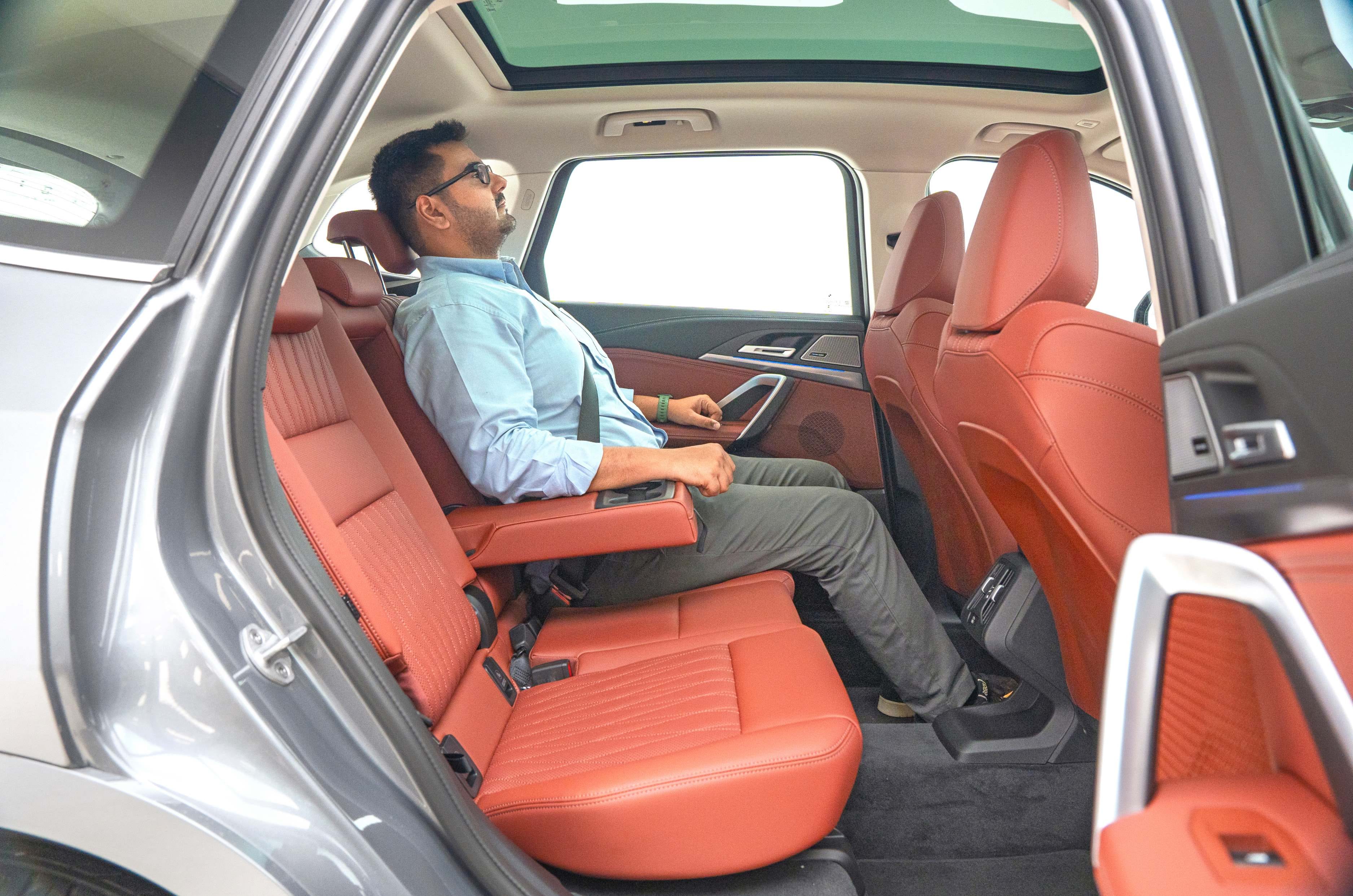
Thanks to wide opening rear doors and a large door aperture, getting into the back of the X1 LWB is very convenient. And once you’re inside, you’ll be amazed by the sense of space that you get there.

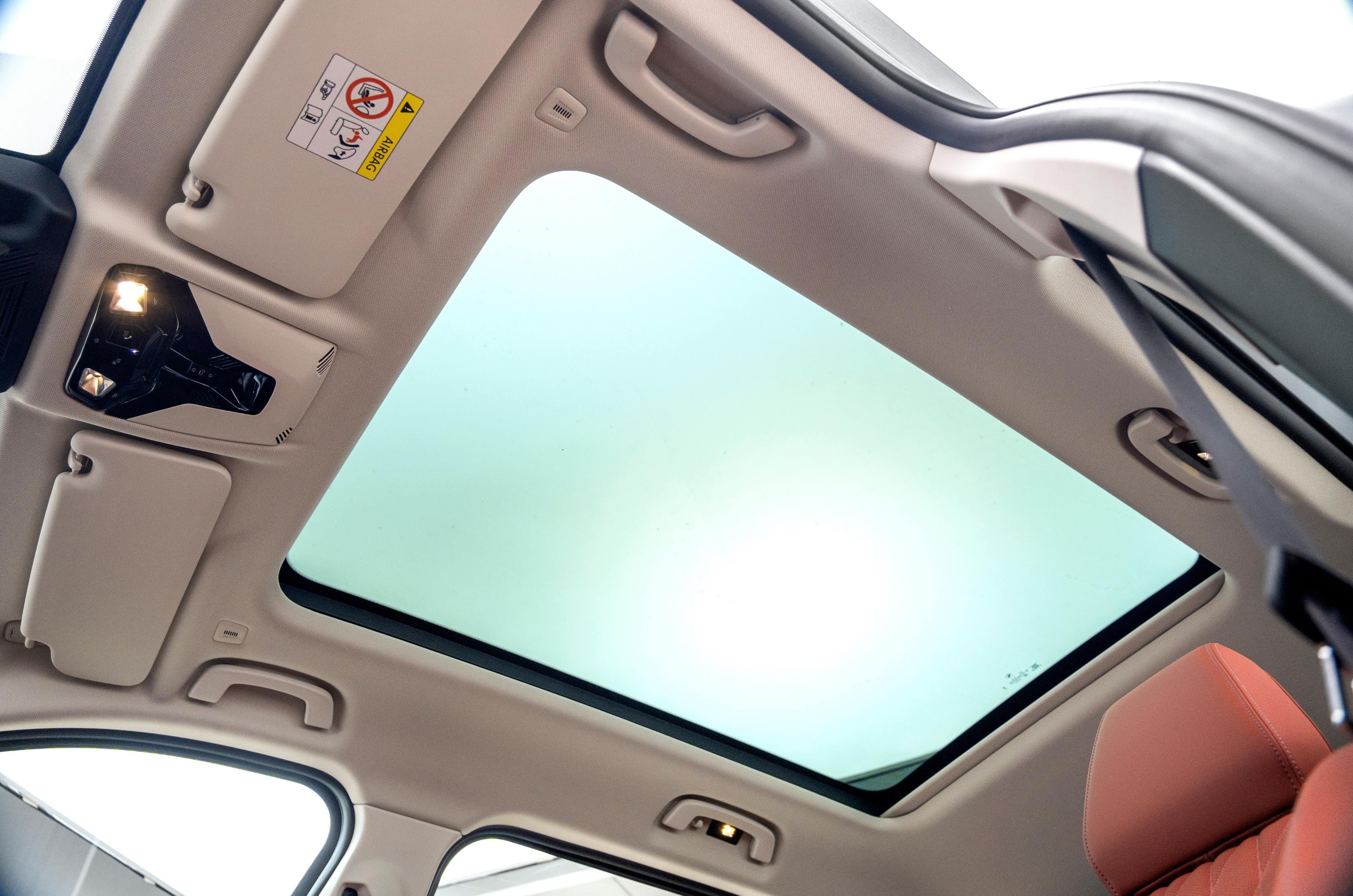
Even six footers will find legroom generous and helping the feeling of space is the large glasshouse. The panoramic glass roof (it doesn’t open) lets in lots of light and the rear windows are also large. Pity, they don’t get adjustable sunshades.

Rear seat gets a longer base and enhanced cushioning for better comfort. 

Like the iX1 LWB, the X1 LWB also benefits from a redone rear seat. There’s enhanced cushioning while a 15mm longer seat base adds a bit more by way of thigh support. The seating position itself is very good, and if you want a more relaxed setting, you also have the option to recline the backrest by a couple of degrees. The extra leg room also makes the X1 LWB that little bit comfier for a middle passenger who will have more space to keep his or her feet on either side of the high centre tunnel. Still, the rear seat is best for two.

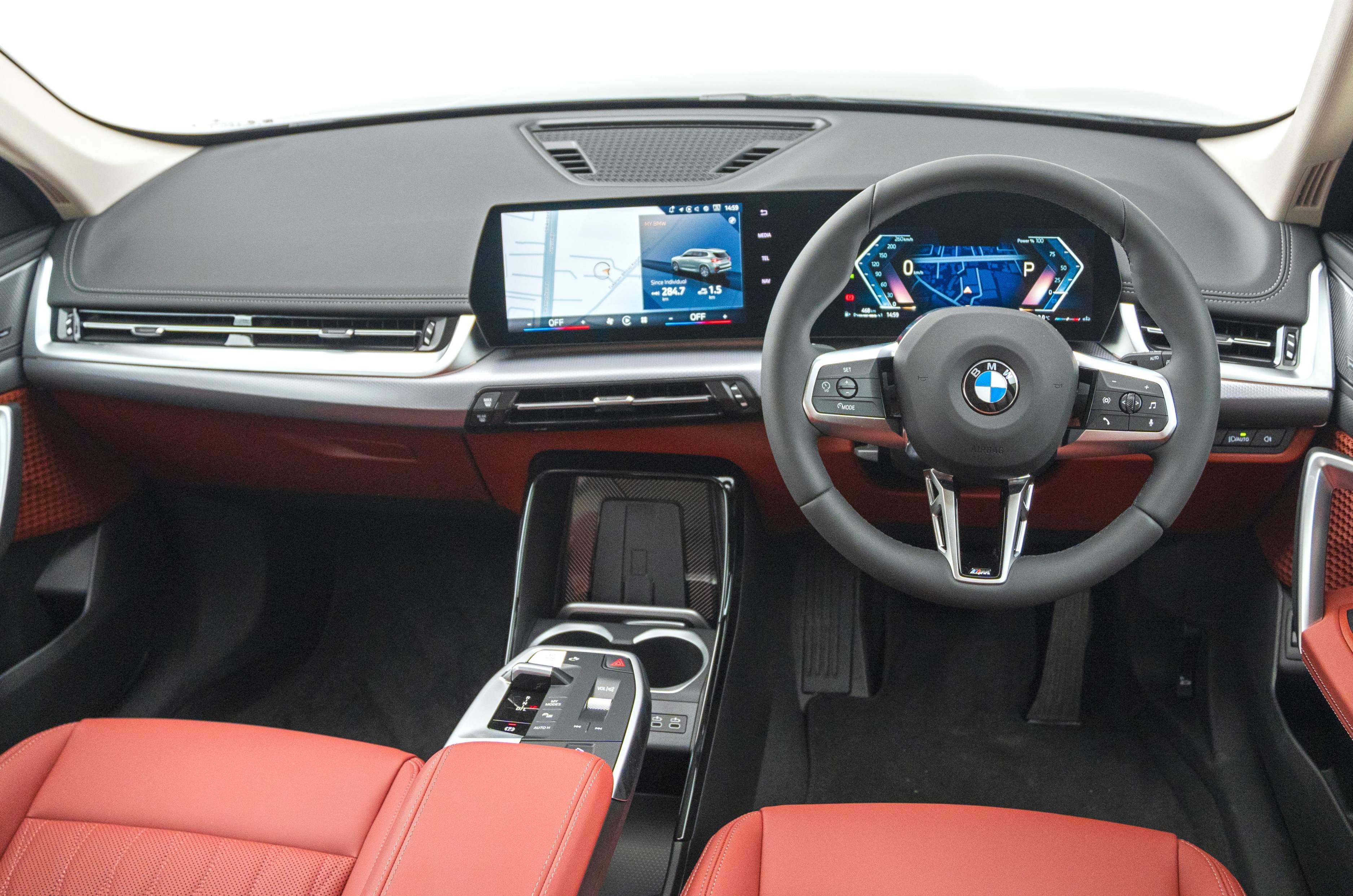
Dashboard is identical to the standard wheelbase X1. 

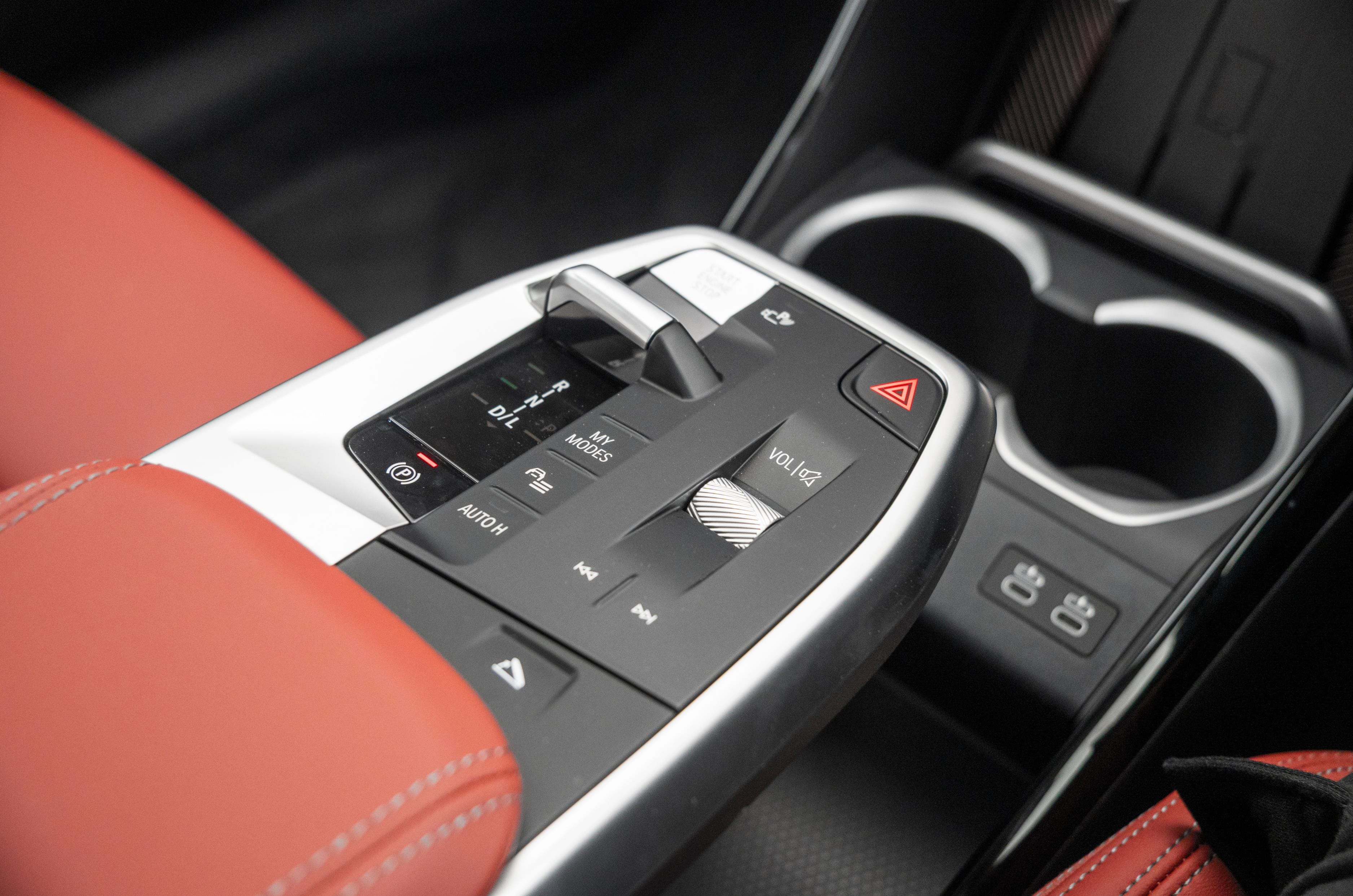
Up front, the X1 LWB is no different to the standard wheelbase X1. The dash with its asymmetric AC vents looks youthful and what also adds some flavour to the X1’s cabin is the upright wireless phone charging pad at the base of the dash. There’s also a floating centre console, which houses a few key buttons, such as for the gear selector, volume control and driving modes. There’s some storage under the front centre armrest but oddly, the lid opens towards the passenger side.

Floating centre console gets a few physical controls and some storage underneath. 

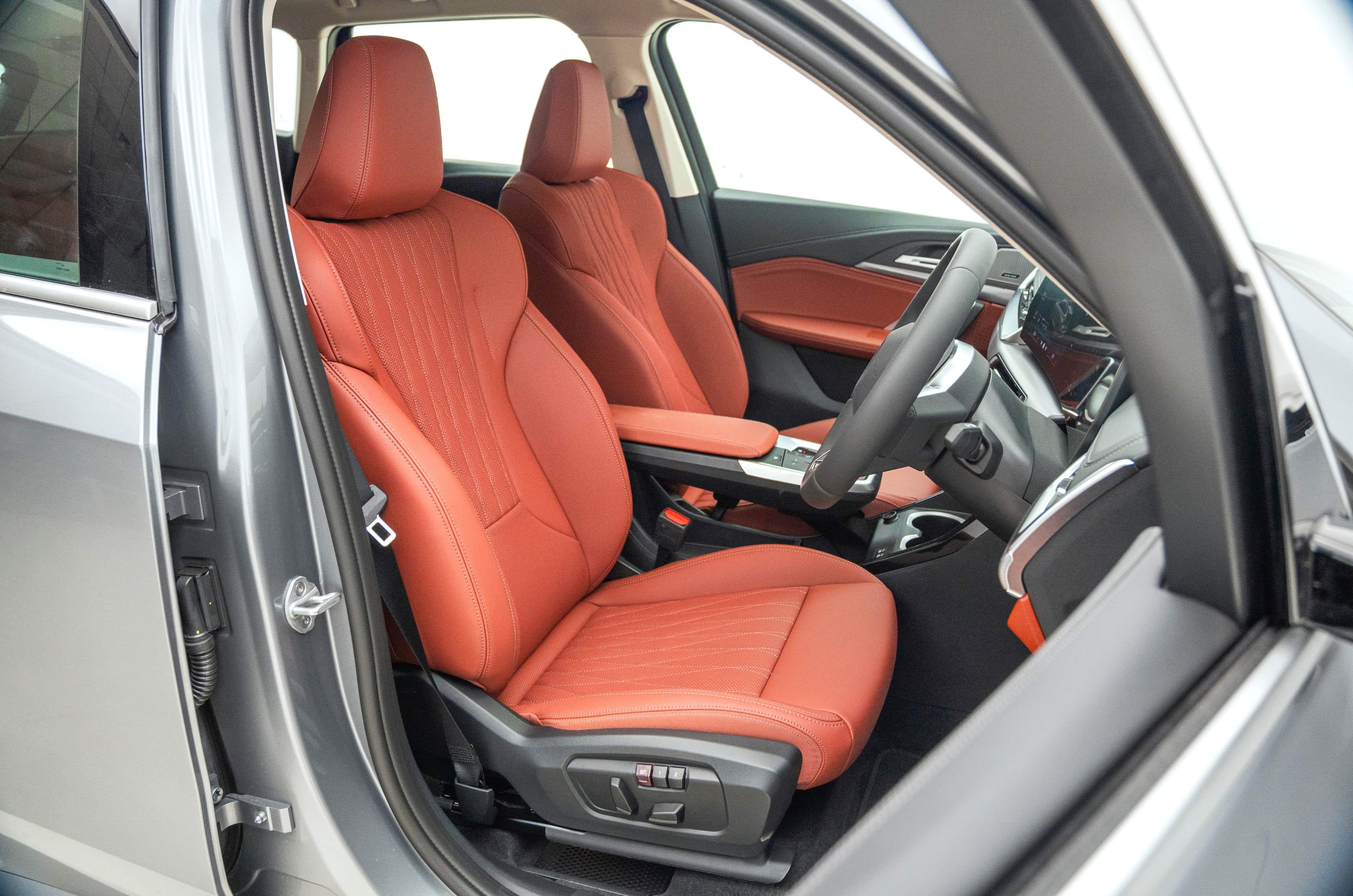
Upholstery choices include the brown you see here as well as a white on black theme which we suspect would be a pain to keep clean. The front seats themselves look sporty and also hold you really well, but unfortunately, the X1’s seat massage function has been dropped on the long wheelbase model. There’s also no seat ventilation function. An M Sport steering is standard but feels a bit too chunky in most hands, and also misses on paddleshifters. 

Front seats are sporty, but they miss out on ventilation and massage functions. 

In terms of quality, key touch points look and feel good. There are padded materials on the dash and the textured metal-like effect is nicely done. However, it’s not quite got the same attention to detail as pricier BMWs. The USB slots on the dash, for one, aren’t backlit, so you’ll fumble with wires in the dark. The ambient lighting, too, isn’t as vibrant as, say, in a Mercedes GLA. BMW says boot capacity stands at 540 litres and there is plenty of space for large bags. Packaged under the boot floor is a space-saver spare tyre.

BMW X1 LWB Features and Safety – 7/10

X1 LWB is available in a single M Sport trim

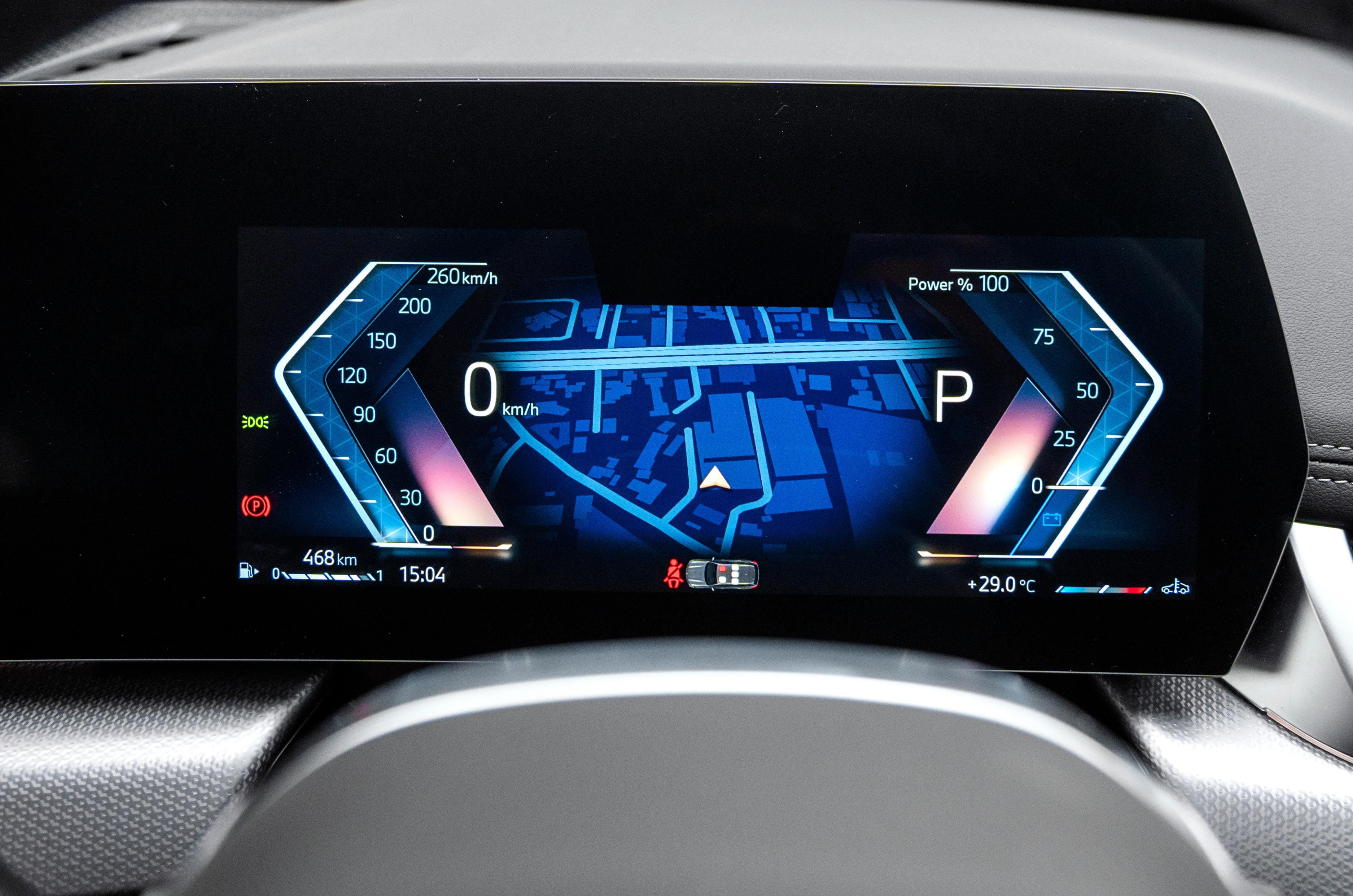
The X1 LWB sports BMW’s twin screen Curved Display. The 10.25-inch digital instrument cluster does give all the info you need, but the presentation with hexagonal themes isn’t appealing even after all these years. The 10.7-inch touchscreen has its highs and lows, too. It’s crisp and responsive, but packs in way too much, including the climate control settings. The menus, frankly, can feel overwhelming on the go. The crisp 360-degree camera does get our vote. A Reversing Assistant that retraces the path in and automatically backs out (up to 50m) is a handy function to get you out of tricky situations.   

Instrument cluster offers lots of information, but the presentation with hexagonal themes isn’t appealing. 

Interestingly, BMW offers a subscription service to unlock more advanced maps, customizable icons, and more screen themes and modes. Other features include a digital key, allowing you to share access with up to 18 friends and family members, while the 12-speaker Harman Kardon sound system is rather nice, too. 

Headlining the list of comfort features is the panoramic glass roof, and there’s power adjust for both front seats. Rear seat passengers get dedicated rear AC vents but there’s no dedicated zone for the rear section of the cabin. A fold-down armrest and USB type C charging port are other functions at the back. 

Panoramic glass roof lets in lots of light, but isn’t openable. 

Safety kit includes 8 airbags, ABS, ESC and Isofix child seat mounts among other features. The X1 LWB also packs in a few ADAS functions such as auto emergency braking and lane departure warning and assist. Adaptive cruise control, however, is missed.

BMW X1 LWB Performance and Refinement – 7/10

1.5-litre, three-cylinder turbo-petrol is only engine on X1 LWB

BMW is launching the X1 LWB in S-Drive 18 Li form, which is a complicated way of saying that it’s powered by a 1.5-litre three-cylinder turbo petrol engine. Yes, you read that right. The engine is E25 compliant, but there’s no diesel option for the moment, and buzz is there won’t be one in the future either. 

Performance is adequate but unexciting

The X1 LWB’s petrol engine makes 156hp and 230Nm and all the power goes to the front wheels only, via a seven-speed dual-clutch transmission. A fact to note, 156hp is the upgraded power figure. On the standard wheelbase X1, the engine makes 136 horsepower.

Unfortunately, the power bump doesn’t magically transform the X1 LWB into something sporty. In ordinary city driving, you really won’t have a problem with the performance on hand. There’s enough power for the urban grind. It’s just that when you pick up the pace, you’ll miss that reserve of power that you just expect in a luxury car.

Refinement is good but the engine thrums when extended

Sport mode does make the engine feel a bit more urgent, but it’s also in Sport mode that the engine can’t hide its three-cylinder-ness. When it’s time to overtake, for instance, and you press down on the accelerator pedal, there is a bit of a delay, then you hear the engine thrum, and that’s not a very BMW sound. Performance is also not very BMW. We managed a 0-100 kph time of 9.58 seconds.

Then again, the X1 LWB’s USP is the rear seat, and there will be buyers who rarely, if ever, take the wheel. If you’ve instructed your chauffeur to drive in an easygoing manner, you will note that engine noise is actually pretty well-contained.

BMW X1 LWB Mileage and Efficiency – 8/10

While we haven’t put the X1 LWB to the full test it should prove to be more efficient than rivals’ four-cylinder turbo-petrol units. Of course, it won’t be outright frugal because the X1 LWB is a substantial vehicle. We expect real-world fuel economy in the 7-10kpl band with the figure rising to 9-12kpl over highway drives. 

BMW X1 LWB Ride Comfort and Handling – 8/10

Suspension has been tweaked for better comfort on the X1 LWB

The X1 LWB might be front-wheel drive only but there is a crispness to the way it changes direction. You will like the feel at the steering wheel and you get a good sense of connect too. Unfortunately, the handling isn’t supported by the engine. Long story short, this is not the BMW for keen drivers. 

As for ride comfort, BMW has tweaked the suspension for the X1 LWB, and they’ve done a pretty good job of things. The suspension works quiet, it feels absorbent, and it’s only when you’re really paying attention that you’ll notice a distant firmness to the setup.

BMW X1 LWB price and verdict – 8/10

X1 LWB makes for a great backseat SUV

Prices for the X1 LWB will be announced on August 21. We expect BMW to keep pricing within the Rs 50-55 lakh (estimated, ex-showroom) band, which would make the X1 LWB a very enticing proposition.

Rear seat space is the highlight and immediately gives the BMW bragging rights over the Mercedes GLA and Audi Q3. Thing is, the X1 LWB’s appeal is almost too tied to the rear seat experience. The drive experience is just so-so. Performance is fine for the daily grind but the three cylinder unit does little to excite. If that’s not a deal breaker for you, the BMW X1 LWB is sure worth a long, hard look. 

Skoda evaluating CNG with 1.0 TSI-powered Slavia, Kushaq, Kylaq

Skoda evaluating CNG with 1.0 TSI-powered Slavia, Kushaq, Kylaq

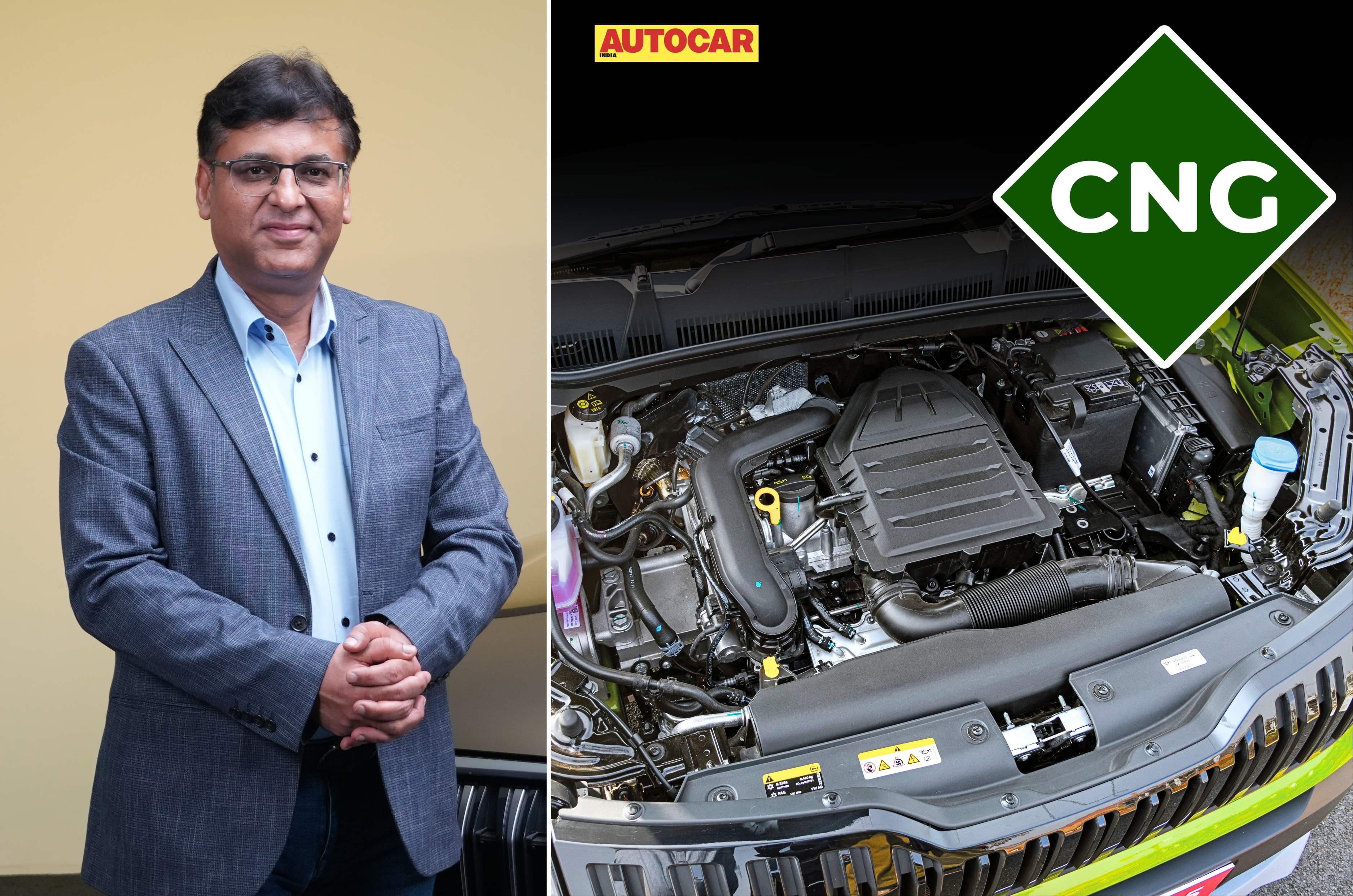
Skoda is planning to expand its product portfolio in India, including the possible introduction of a CNG powertrain with the 1.0-litre turbo-petrol engine powering the Kylaq, Slavia and Kushaq. Speaking about the plans, Skoda India brand director Ashish Gupta told our sister publication Autocar Professional, “The 1.0-litre engine and the MQB A0-IN platform are common across the Kylaq, Kushaq and Slavia. So, all three products are open.”

Skoda’s CNG plans in India

Skoda’s powertrain diversification plan is an attempt to stay relevant in India

Talking about the CNG plans, Gupta further said, “The Middle East crisis and policy noise on ethanol blending have affected consumer sentiment on petrol, resulting in a drop in market share. To stay relevant, we have to diversify.” “The Kylaq segment is the priority where we are trying to tackle CNG,” he added.

The Skoda Kylaq is powered by a 1.0-litre, three-cylinder, direct-injection turbo-petrol engine, which it shares with the larger Slavia and Kushaq. The engine produces 115hp and 172Nm and is available with both manual and automatic transmission options.

For the potential CNG version, Skoda is evaluating how to balance fuel efficiency with the performance expected from its models. Gupta said, “Compared to petrol, a 10-15 percent drop in performance with CNG is acceptable to customers. So I have to make sure that I get the right product, right solution, at the right value proposition, at the right time.”

Gupta also believes there is scope for CNG-powered cars at relatively higher price points, beyond the traditionally budget-focused segment. “There is a potential for the right car at the right price point. Even premium customers who are okay with buying a CNG car purely for the economic benefits they derive,” he said.

Skoda India to bring EVs as limited imports next year

Skoda India to bring EVs as limited imports next year
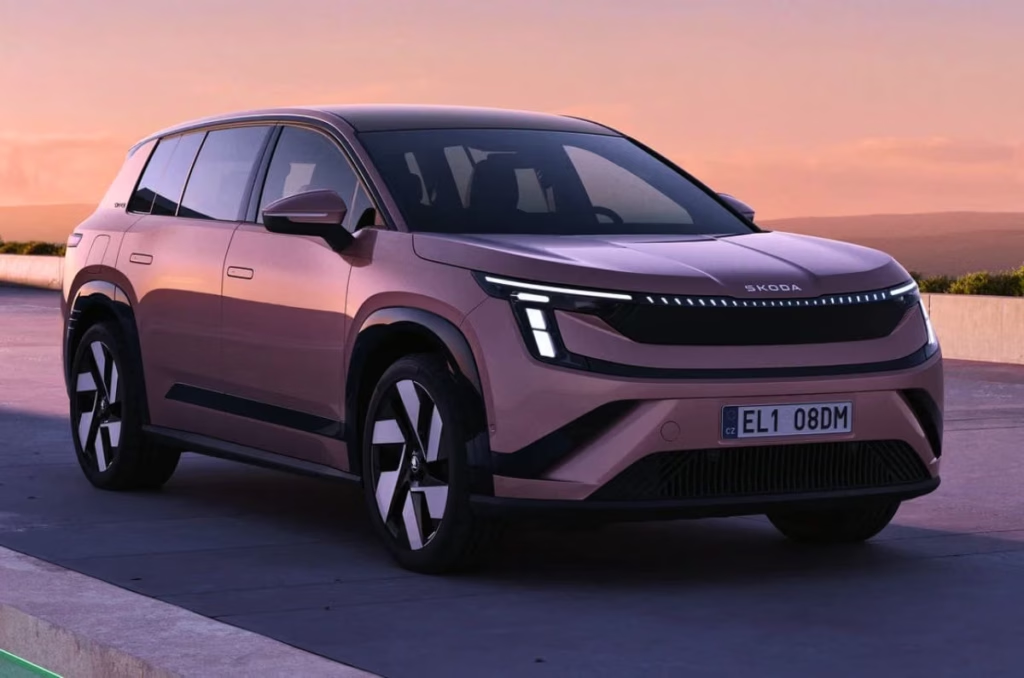
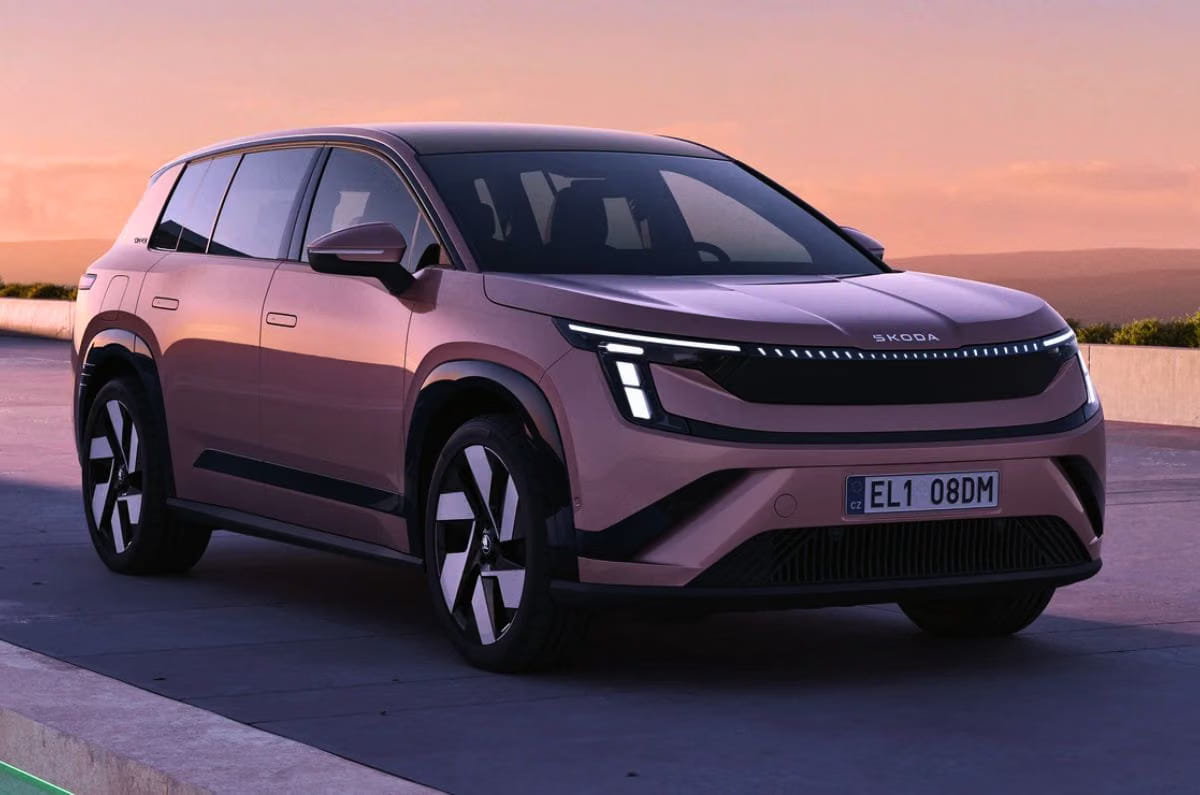
Skoda Peaq front quarter static

Skoda Auto India plans to bring electric vehicles from its global portfolio to India in limited volumes next year as the Czech automaker looks to establish its presence in the EV market. According to Ashish Gupta, Brand Director, Skoda Auto India, the company needs an electric vehicle in its portfolio not only to meet future regulatory requirements but also to remain relevant as EV adoption gathers pace in India.

Skoda India to bring EVs: Additional details 

“A lot of things are under discussion. So, for meeting the CAFÉ norms, there are a lot of opportunities available along with electrification, which has to be the cornerstone of meeting all compliance regulations. So that is something which we are aggressively working on,” Gupta told our sister publication, Autocar Professional.

Gupta added that the company needs an electric car in its portfolio since adoption has grown in the last 3 months owing to increasing fuel prices. While Skoda has yet to announce a specific locally manufactured EV for India, Gupta confirmed that the company plans to introduce EVs from its global line-up next year.

“It may not be a local EV, but yes, we just had two blockbuster launches globally of the Epiq and the Peaq. The Elroq is the best-selling EV in Europe. So these are opportunities available to us in limited batches,” he said. He added that in the current duty structure, it will not be possible to bring them at price points that will get volumes. “But definitely we need to urgently showcase our EV credentials and the proof point to India,” he added. 

This will allow Skoda to establish a presence in the EV market without immediately committing to the significant investment required to localise an electric model. With imported EVs still facing a challenging cost structure, Gupta said the initial objective would be to demonstrate the brand’s technology and capabilities rather than chase mass-market volumes. 

Skoda India’s hybrid ambitions take a slow gear 

Skoda’s approach to hybrids, meanwhile, appears less certain. Gupta said the company had previously viewed hybrids as a potentially stronger opportunity than EVs in India, but market data over the past two years has changed his assessment.

“Two years ago, I would have said I would take a bet on hybrid more than EV. But the tax structure has not helped anybody. In the last year, pure hybrids have stayed at 2% of the market. They have not gone beyond that. So, I am not sure whether hybrid is the right way to go. And what the last 6 months have also shown us is that people are more than willing to go for EVs now,” he said. 

The current trade and taxation structure also influences the company’s hesitation. Gupta said the India-EU Free Trade Agreement, while potentially creating opportunities for imported petrol and diesel models, does not provide similar benefits for EVs and hybrid electric vehicles. “I think from a global portfolio point of view, and if I want to bring the cars from the global portfolio with the contours of the FTA as they are, petrol and diesel will definitely be an opportunity. The diesel opportunity opens up; HEVs and electrics do not have any benefit, unfortunately,” he said. 

Gupta said the brand’s positioning in India is a bit above mass and below luxury. “That’s our natural positioning; that’s why customers buy us as well, and if we try to sell to cheap customers, they don’t buy us. If we try to sell to expensive customers, they don’t buy from us. So we have to stay true to our positioning and how customers see us,” he said. The immediate priority, Gupta adds, is to get EVs into the country as the company continues to assess which powertrains can deliver the right combination of regulatory compliance, customer demand and commercial viability.

With inputs from Ketan Thakkar

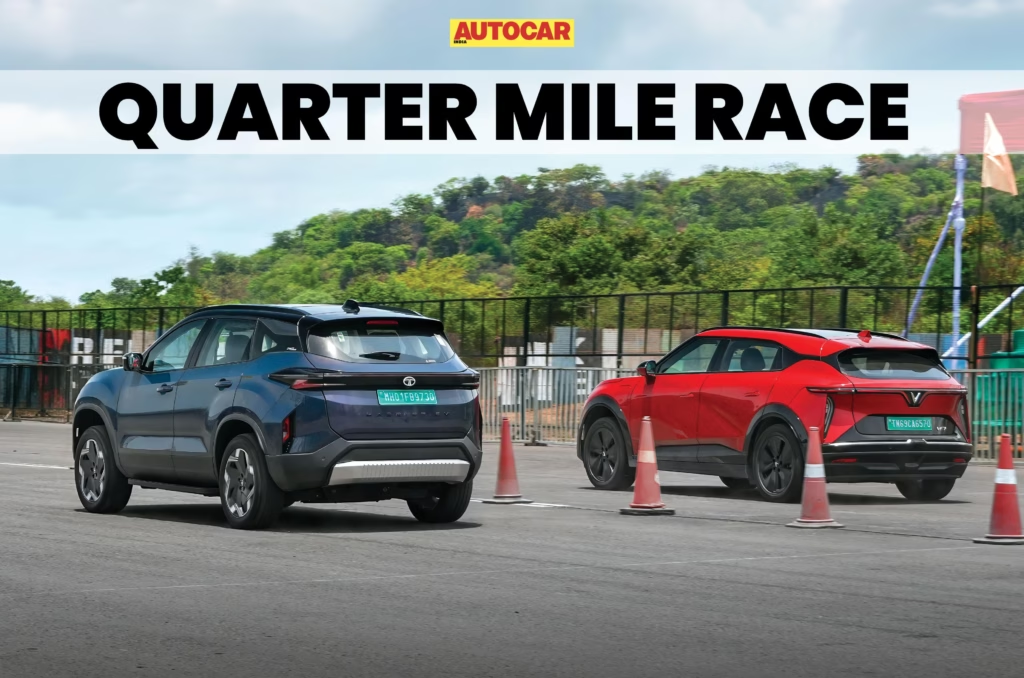
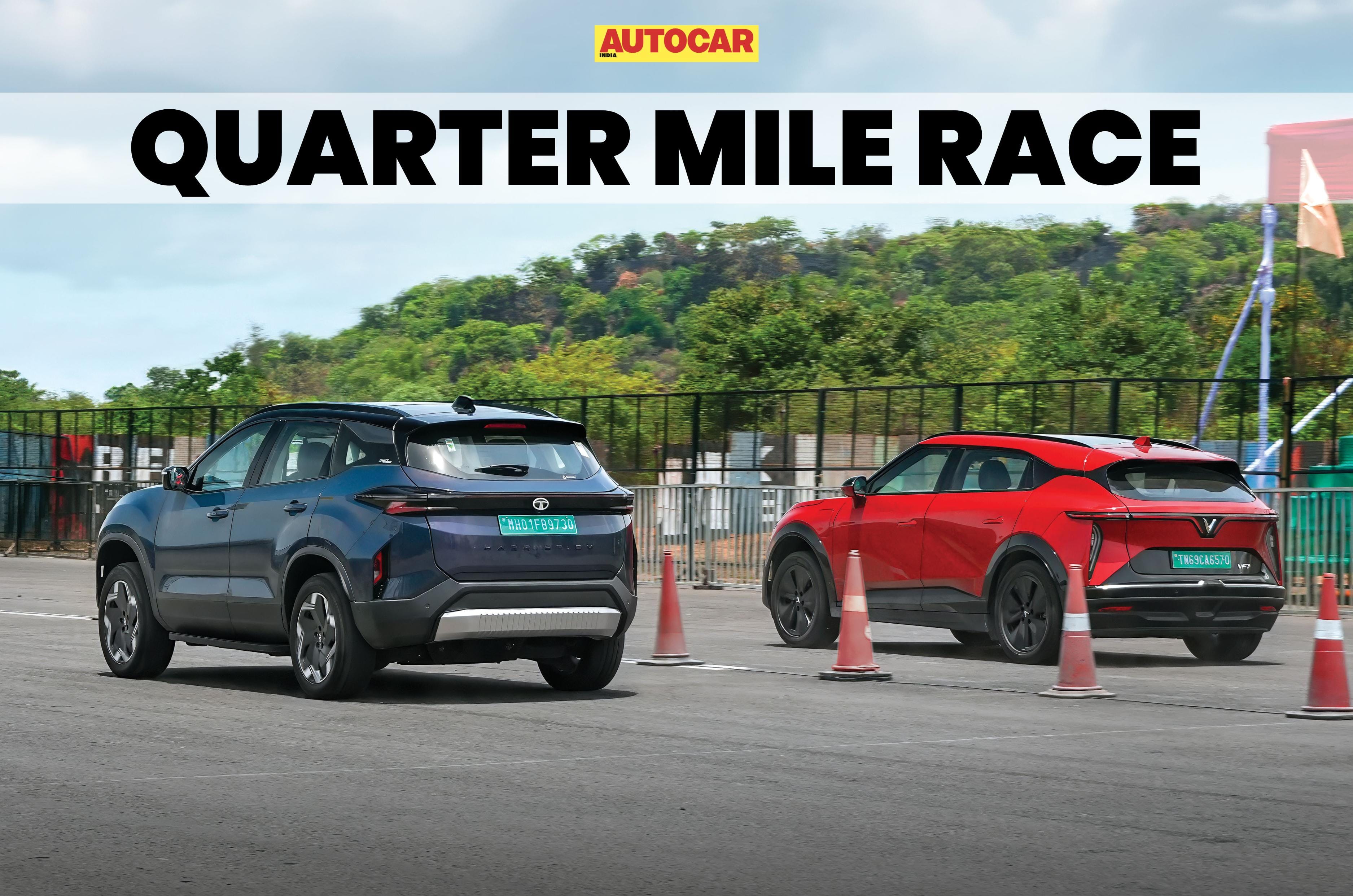
Tata Harrier EV vs Mahindra XEV 9e vs Vinfast VF 7: quarter mile race

Tata Harrier EV vs Mahindra XEV 9e vs Vinfast VF 7: quarter mile race
Tata Harrier EV vs Vinfast VF 7 performance

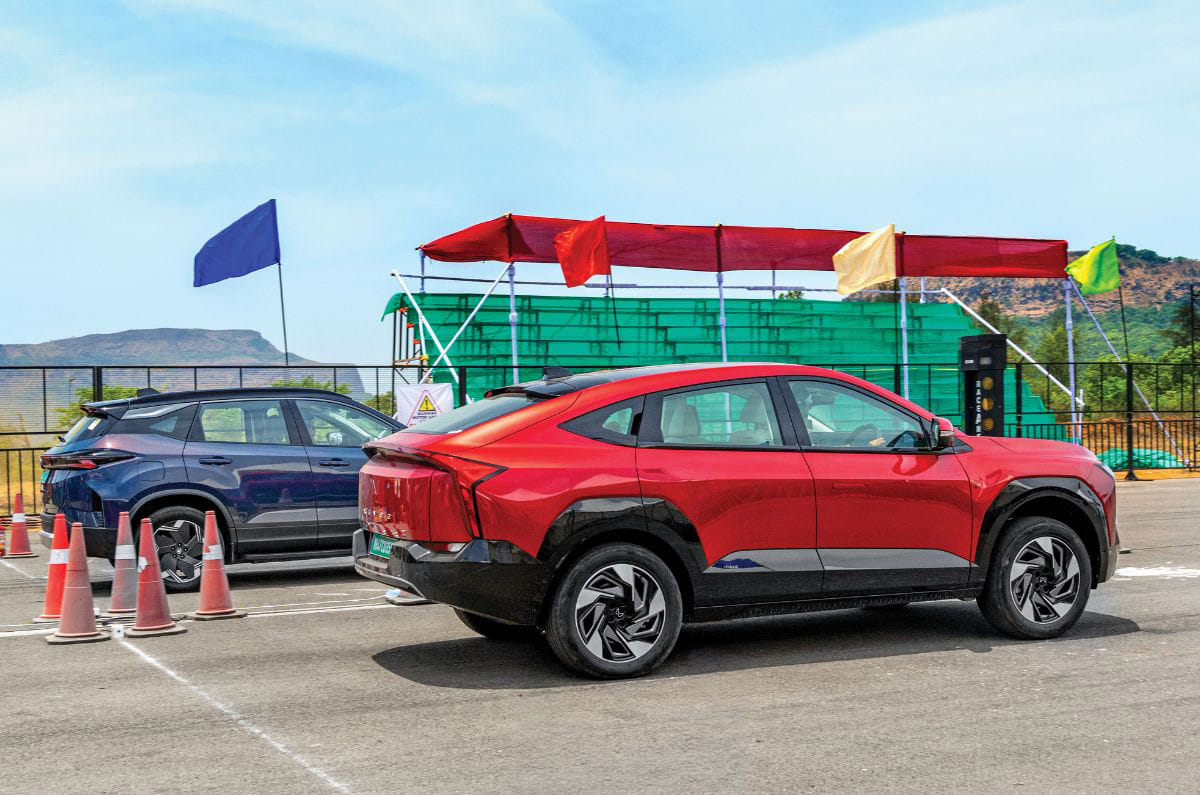
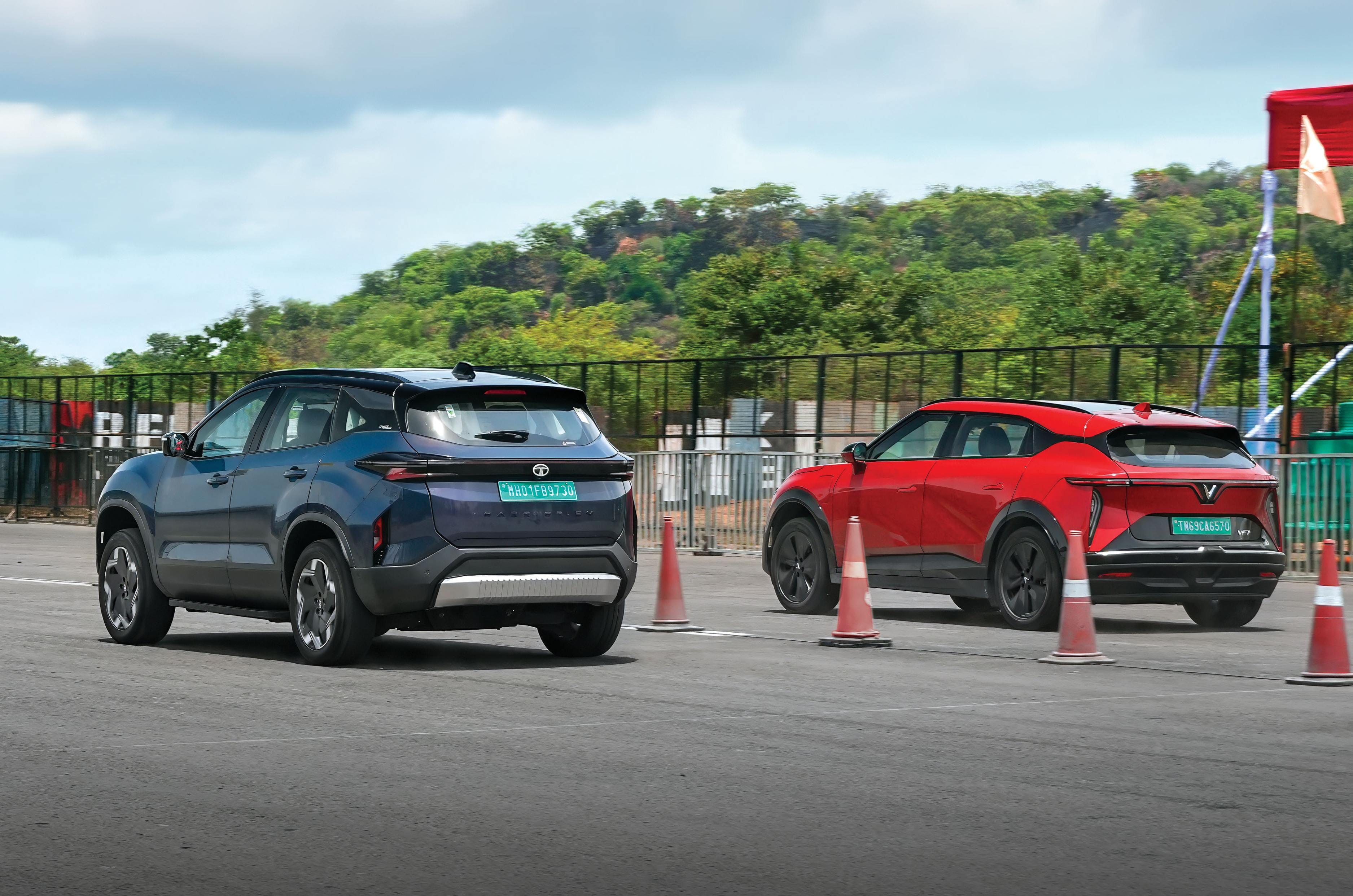
There’s no simpler way to compare one car’s performance to another than with a head-to-head quarter-mile race. Following the shootout between the newest crop of midsize SUVs, in this edition of Autocar India’s quarter-mile racing series, we’ve brought together three premium electric SUVs including the Tata Harrier EV, the Mahindra XEV 9e and the Vinfast VF7. Let’s find out which one here is the quickest down the drag strip.

Round 1: Tata Harrier EV vs Mahindra XEV 9e 

ModelTata Harrier EVMahindra XEV 9e
Battery 75kWh 79kWh 
Electric Motor setupDual Motor, AWDSingle Motor, RWD
Power 313hp286hp
Torque 504Nm 380Nm 
Weight 2335kg 2201kg 

Between these two homegrown EVs, the Harrier EV has an advantage for not only being more powerful, but it also has all-wheel drive as opposed to XEV 9e’s rear-wheel drive setup. Both SUVs are heavy-weights, but the Mahindra has an advantage for being 134kg lighter. On whose favour will the scales tip? Let’s find out.

The Harrier EV’s all-wheel drive system gives it a clear advantage in this race, giving it a comfortable win in Race 1 by a big margin of over seven tenths. Despite not being able to turn off traction control, the grip from the AWD system is enough for it to gap the Mahindra. Race 2 is a repeat, but the Mahindra does manage to close the gap, losing by half a second this time around.

Model 

Tata Harrier EV

Mahindra XEV 9e

Race 1 

14.35 sec 

15.02 sec

Race 2

14.26 sec 

14.92 sec 

Round 2: Tata Harrier EV vs Vinfast VF 7 

ModelTata Harrier EVVinfast VF 7 
Battery 75kWh 70kWh 
Electric Motor setupDual Motor, AWDDual Motor, AWD
Power 313hp353hp
Torque 504Nm 500Nm 
Weight 2335kg 2218kg 

After winning the home-grown battle, the Harrier EV is lined up against another similarly powered, similarly priced and AWD-equipped EV in the form of the Vietnamese Vinfast VF7. This time, however, the Harrier EV is on the back foot – it’s less powerful, weighs more and the advantage of all-wheel drive has been wiped away. 

The Vinfast does allow you to turn traction control off, which results in a much better launch than the Harrier EV. In Race 1, both SUVs are neck-and-neck off the line, but the VF7 soon builds a lead and manages to maintain it all the way till the finish, crossing the line four tenths faster than the Tata. The Harrier EV does manage to narrow the gap in Race 2, but the advantage the VF7 gains at launch is hard for the Tata to overcome, and it loses out by 0.29sec.   

Model 

Tata Harrier EV

Vinfast VF7 

Race 1 

13.85 sec 

14.25 sec

Race 2

13.94 sec 

14.23 sec 

Autocar India’s testing standards

Before we conduct our performance tests, we check and maintain tyre pressures based on the manufacturer’s recommendation and ensure the car has a full tank of fuel. The car is then tested in a controlled environment and the data is collected via highly accurate GPS-based timing equipment.

With inputs from Saptarshi Mondal 

KTM 390 Duke vs RE Guerrilla 450 Apex: Price and Specification Comparison

KTM 390 Duke vs RE Guerrilla 450 Apex: Price and Specification Comparison

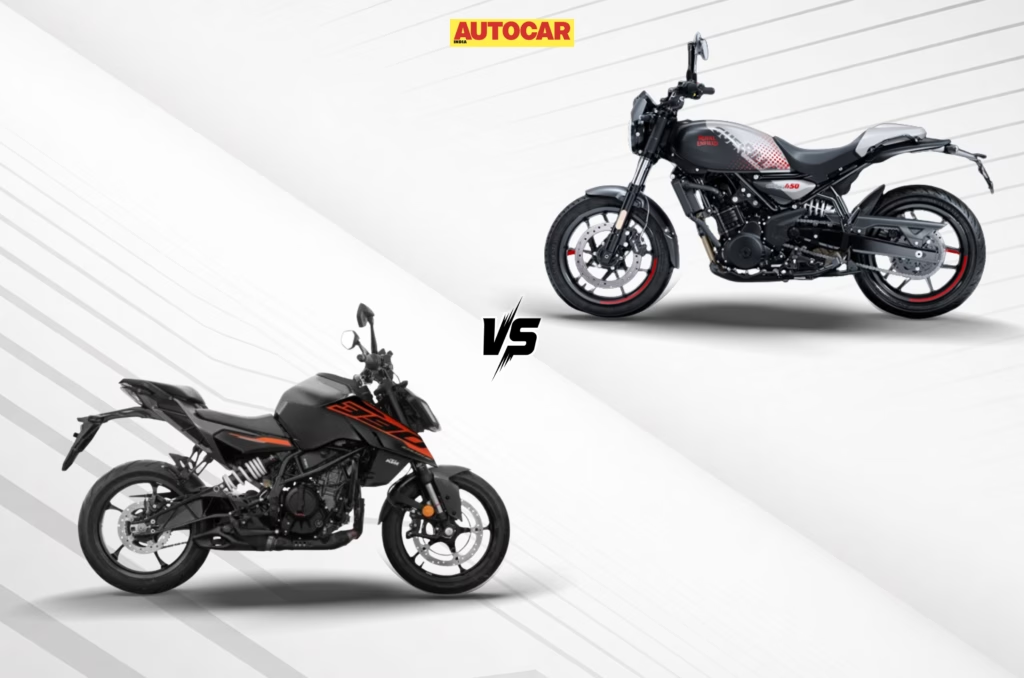
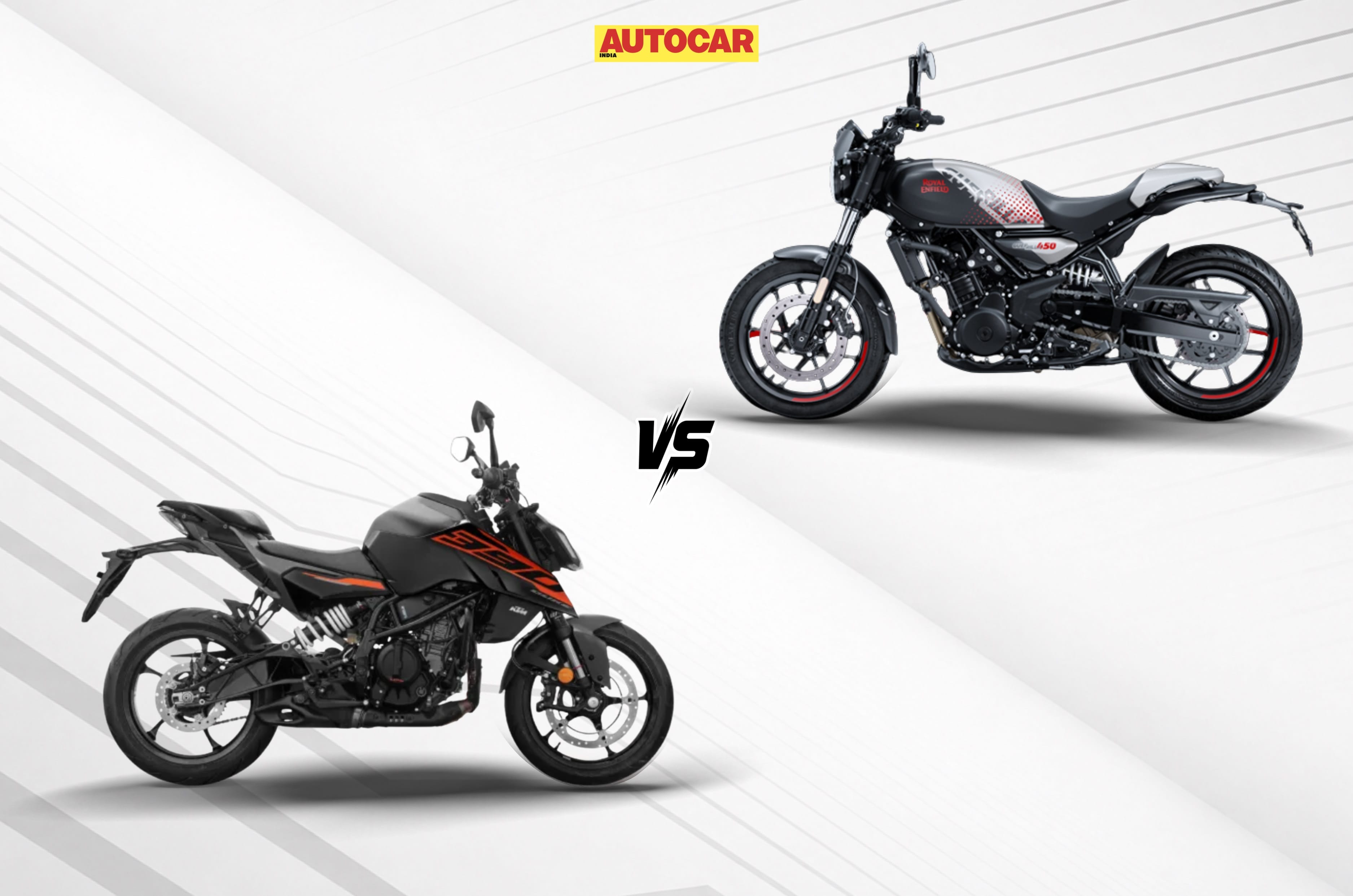
When the Guerrilla 450 first launched in 2024, comparisons to the KTM 390 Duke (now known as the Duke R) were inevitable. In 2026 though, things have changed because, following the revised GST structure on motorcycles, Bajaj decided to downsize all of its 400cc manufactured bikes to fall below the 350cc threshold. So, we now have a 390 Duke with a 349cc engine and the 398cc version continues on as the 390 Duke R. Meanwhile, the Royal Enfield Guerrilla 450 is now available in a new, sportier Apex variant. Let’s see how the motorcycles compare on paper with these redrawn boundaries.

KTM 390 Duke vs Royal Enfield Guerrilla 450 Apex: Engine and output

KTM has more power, Guerrilla has more torque


KTM 390 Duke

Royal Enfield Guerrilla 450 Apex

Engine

349.32cc, single-cylinder, liquid-cooled

452cc, single-cylinder, liquid-cooled

Power

41.5hp at 8,600rpm

40.02hp at 8,000rpm

Torque

33.5Nm at 7,000rpm

40Nm at 5,500rpm

Transmission

6-speed

6-speed

Power-to-weight ratio

246.58hp/tonne

216.32hp/tonne

The biggest reason for this comparison is the KTM’s downsized 349cc engine. It now makes 41.5hp of power (vs 46hp on the Duke R) and 33.5Nm of torque (vs 39Nm on the Duke R). Both are now delivered slightly later in rev range as well. KTM achieved this with an 8mm shorter stroke length, although the bore remains unchanged. The Guerrilla 450 Apex, on the other hand, has not changed on the engine front and retains its 452cc engine with the same power and torque figures. Thus, the Guerrilla offers quite a bit more torque than the Duke and it’s delivered much earlier in the rev range too. Which means you will have to work the throttle and gearbox comparatively less on the Royal Enfield. Thus, if you spend most of your time in the city, it will be the less cumbersome bike to ride in this regard. 

KTM 390 Duke vs Royal Enfield Guerrilla 450 Apex: Dimensions and weight

Duke is lighter despite a 30 percent larger fuel tank


KTM 390 Duke

Royal Enfield Guerrilla 450 Apex

Fuel tank capacity

15 litres

11 litres

Ground clearance

183mm

169mm

Kerb weight

168.3kg

185kg

Seat height

800mm

780mm

Wheelbase

1357mm

1440mm

The 390 Duke continues to be far lighter than the Guerrilla, which weighs a staggering 17kg more. Another pertinent detail is that despite the lower weight, the Duke gets a 4-litre larger fuel tank compared to the Guerrilla. The Guerrilla does get a 20mm lower seat height and its ground clearance is 14mm lesser than the Duke. However, it’s worth noting that both bikes are perfectly usable on our roads, pothole-ridden or otherwise.

KTM 390 Duke vs Royal Enfield Guerrilla 450 Apex: Tyres, brakes, and suspension

Duke has adjustable suspension and better brakes


KTM 390 Duke

Royal Enfield Guerrilla 450 Apex

Tyres (F, R)

110/70R17, 150/60R17

120/70R17, 160/60R17

Brakes (F, R)

320mm front disc, 240mm rear disc; dual-channel ABS

310mm front disc, 270mm rear disc; dual-channel ABS

Suspension (F, R)

43mm USD fork, monoshock

43mm RSU fork, linkage monoshock

Moving on to one of the most important links between the rider and the tarmac, the tyres. The Guerrilla gets slightly wider tyres than the Duke at both ends, but the disc brakes on the Guerrilla are slightly smaller at the front, and slightly larger at the rear. However, the KTM comes with a more sophisticated radial calliper at the front, whereas the Guerrilla makes do with a simpler axial unit. As for suspension, the Duke gives you an USD fork which is compression and rebound adjustable; and the rear monoshock is rebound and preload adjustable. The only adjustability the Guerrilla gets is for its rear preload.

KTM 390 Duke vs Royal Enfield Guerrilla 450 Apex: Features

KTM continues its tech-forward approach

KTM has always offered a myriad of tech features and rider aids on its motorcycles. Royal Enfield on the other hand has always been restrained on that front, prioritizing simplicity and ease of use instead. Depending on your preferences, you will gravitate towards one or the other. KTM offers you slip-and-assist clutch, ride modes, traction control, launch control, lean-sensitive ABS, bi-directional quickshifter, cruise control, turn-by-turn navigation, track screen, and a type-C charging port. Royal Enfield, to its credit, has given the Guerrilla a decent feature-set comprising a TFT instrument cluster which allows you to screencast Google Maps, two ride modes and a slip-and-assist clutch.

KTM 390 Duke vs Royal Enfield Guerrilla 450 Apex: Price

Guerrilla is more affordable with a bigger engine but has less features

 KTM 390 DukeRoyal Enfield Guerrilla 450 Apex
PriceRs 2.84 lakh (ex-showroom, Delhi)Rs 2.51 lakh (ex-showroom, Chennai)

Last but not least, the other reason necessitating the comparison, is the price. With its downsized engine KTM was able to meet a lower GST slab and thus the 390 Duke now costs Rs 2.84 lakh (ex-showroom, Delhi). The Guerrilla 450 Apex still manages to undercut it and by a good deal, starting at Rs 2.51 lakh and going up to Rs 2.58 lakh for the Apex Green colour.


Royal Enfield Classic 350 Gorkha Edition launched at Rs 2.11 lakh

Royal Enfield Classic 350 Gorkha Edition launched at Rs 2.11 lakh

Royal Enfield has launched a new ‘Gorkha Edition’ of the Classic 350 at Rs 2.11 lakh. The renowned retro roadster remains mechanically unchanged. Named after the Gorkha regiment of the Indian Army, this colourway is meant to commemorate the unit’s bravery and discipline.

  1. Mechanically similar to the regular Classic 350
  2. A tribute to the Gorkha Regiment, an infantry unit of the Indian army
  3. Gets exclusive tributary decals of the regiment

New colour, with tributes to the Gorkha regiment

Though the underlying design itself remains unchanged, this edition of the Classic 350 gets a few specific additions to emphasise on the fact that it’s a tribute. Apart from the matte military green colour that’s typically associated with army vehicles, the sidepanels feature the crossed Khukris, the regiment’s official insignia. The fuel tank also gets a ‘Gorkha Edition’ sticker.

Mechanically the same

Same features as the latest Classic 350

As we had reported earlier, the Gorkha Edition remains mechanically and electrically the same as the regular Classic 350. Which means it still has the same J-series 349cc, single-cylinder engine with 20.2hp of power and 27Nm of torque and a 5-speed transmission. The brakes also remain the same with dual-channel ABS. The bike remains unchanged by way of electronic features too, sticking to the semi-digital instrument cluster, but the tripper pod is missing. However, it should be available as an accessory, if you have a need for it.

Royal Enfield currently offers the Classic 350 in seven different colours with the main differences being single or dual-channel ABS. The base variant gets single-channel ABS with the others getting dual-channel ABS as standard. Royal Enfield has given the Gorkha Edition features like assist and slipper clutch as well as a USB type-C port; the regular Classic 350 had also received it recently. The Gorkha Edition has been launched at Rs 2.11 lakh, slotting right in the middle of the line-up. Royal Enfield says booking starts today.

Porsche reveals a one-off 911 Slantnose

Porsche reveals a one-off 911 Slantnose
Porsche 911 Slantnose revealed

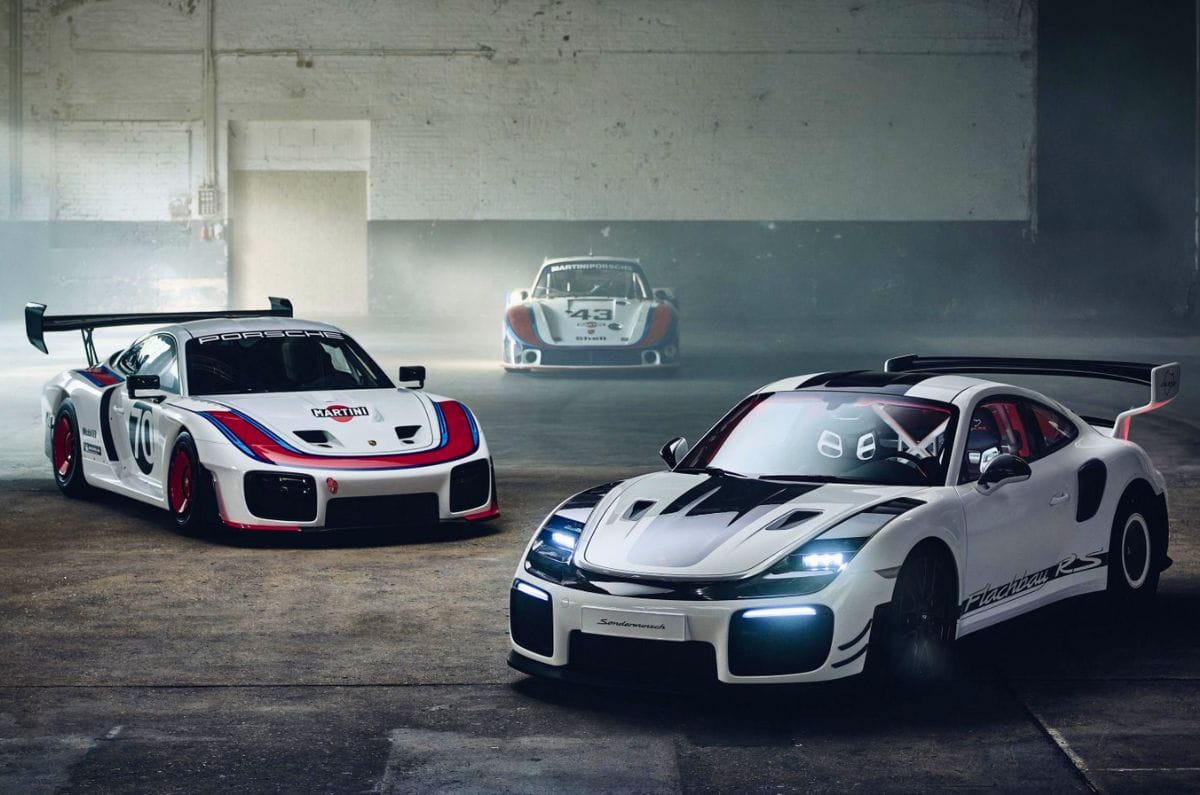
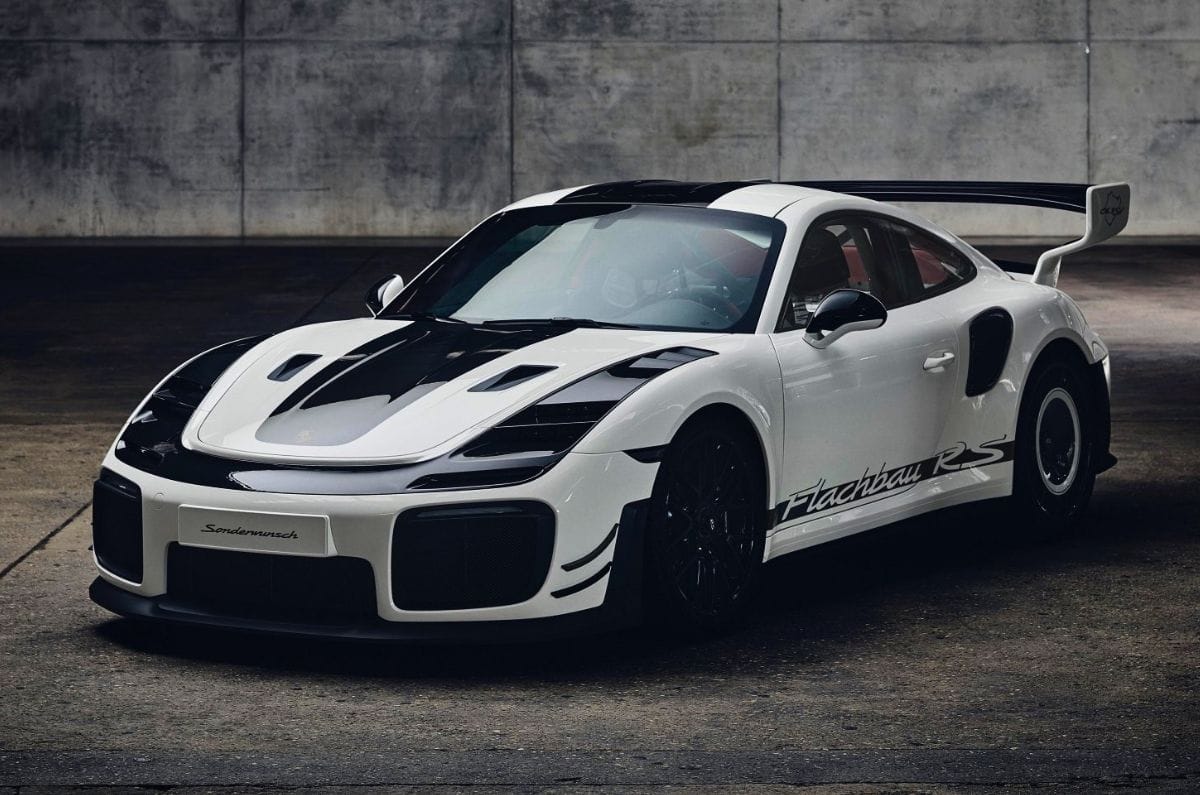
Porsche revealed a one-off 911 Slantnose, also known as the Flachbau, at the 2026 Monterey Car Week. It’s mechanically based on a 991.2-generation 911 GT2 RS with the Weissach Package from 2018, while the design has been inspired by the 1978 Porsche 935 Le Mans race car called ‘Moby Dick’. The brand claims teams from Weissach and Manthey, alongside its own in-house design studio, motorsport division and the Sonderwunsch (‘special request’ in German) department, took three years to complete this project.

  • Gets staggered headlamps, a custom rear wing and unique detailing
  • Loses rear seats, infotainment & audio systems and sound-deadening
  • Weighs 31.6kg less due to aggressive weight-saving measures
  • Claimed top speed is 340kph

Porsche 911 Slantnose exterior

Features a custom Manthey Kit and some elements inspired by the 911 GT3 R rennsport

Porsche 911 Slantnose front fascia

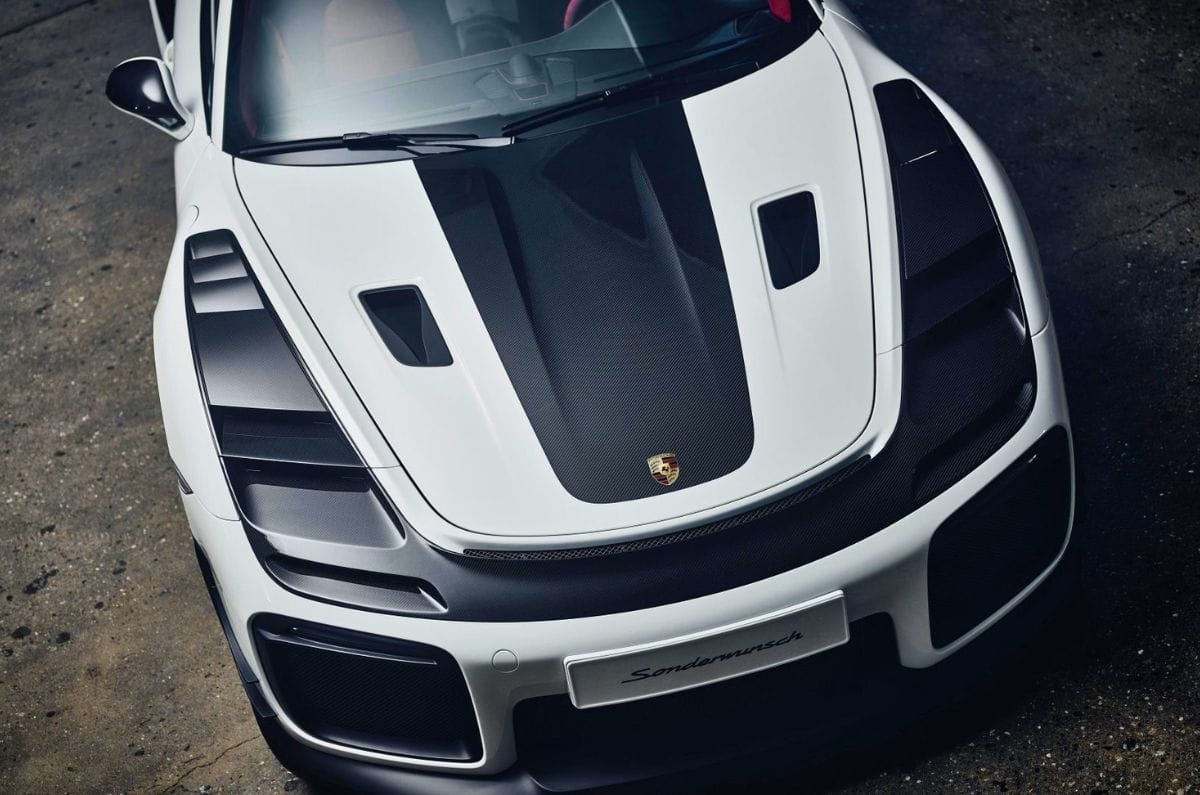
The silhouette of this Porsche 911 GT2 RS is understandably different due to its Slantnose conversion. The front fascia sports new, staggered LED headlamps that look sleek– the low-beam, high-beam and DRL elements are stacked above one another. These are integrated into the black U-shaped portion around the bonnet, which extends to right above the lowered front fenders. The latter has specially designed vents to prevent the build-up of air pressure in the wheel arches, claims Porsche.

Porsche 911 Slantnose front quarter

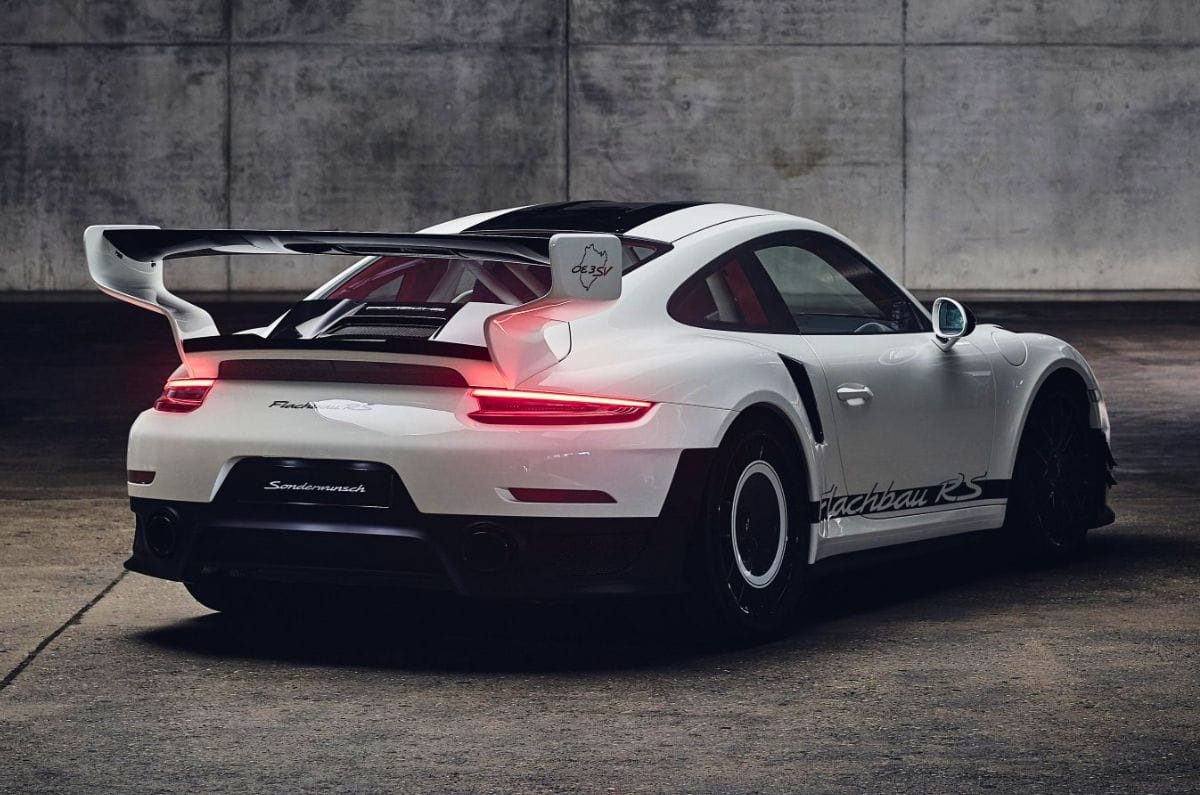
The custom Manthey Kit brings along a redesigned front bumper with small canards on the sides, a new underbody structure, plus a different front splitter and rear diffuser. While the front alloy wheels are of a conventional design, the carbon-fibre aero discs used for the rear units help reduce drag, according to Porsche. The Slantnose gets a large rear wing with S-shaped mounts inspired by the 911 GT3 R rennsport, allowing three manually adjustable positions. At the car’s top speed, Porsche claims that this wing generates 554kg of downforce.

Porsche 911 Slantnose rear quarter

The one-off Slantnose is painted in the brand’s Grand Prix White colour, but gets contrasting black accents and a black finish on the bonnet and roof. Adding more contrast are the black brake callipers and exposed carbon-fibre trim. There are ‘Flachbau RS’ lettering and decals, too, while the Nordschleife is depicted on the rear wing. Since the shape of the front fenders had been altered, the fuel-filler flap and its underlying mechanism also has to be modified, says Porsche. “Our aim was to reinterpret the iconic look of the 935 without compromising on safety, technology or road legality”, Alexander Fabig, Vice President Product Offering & Individualisation at Porsche, said.

Porsche 911 Slantnose interior

The brand has stripped this interior bare of most of its convenience features

Porsche 911 Slantnose door sill

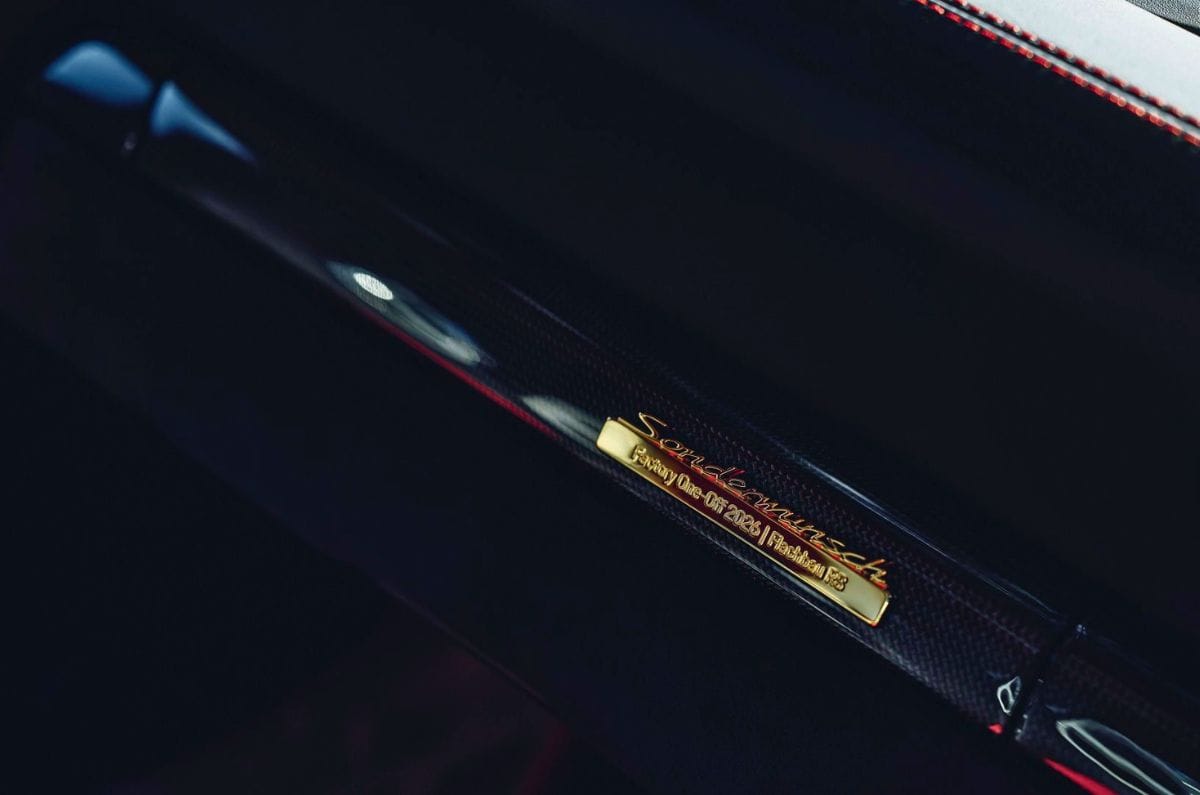
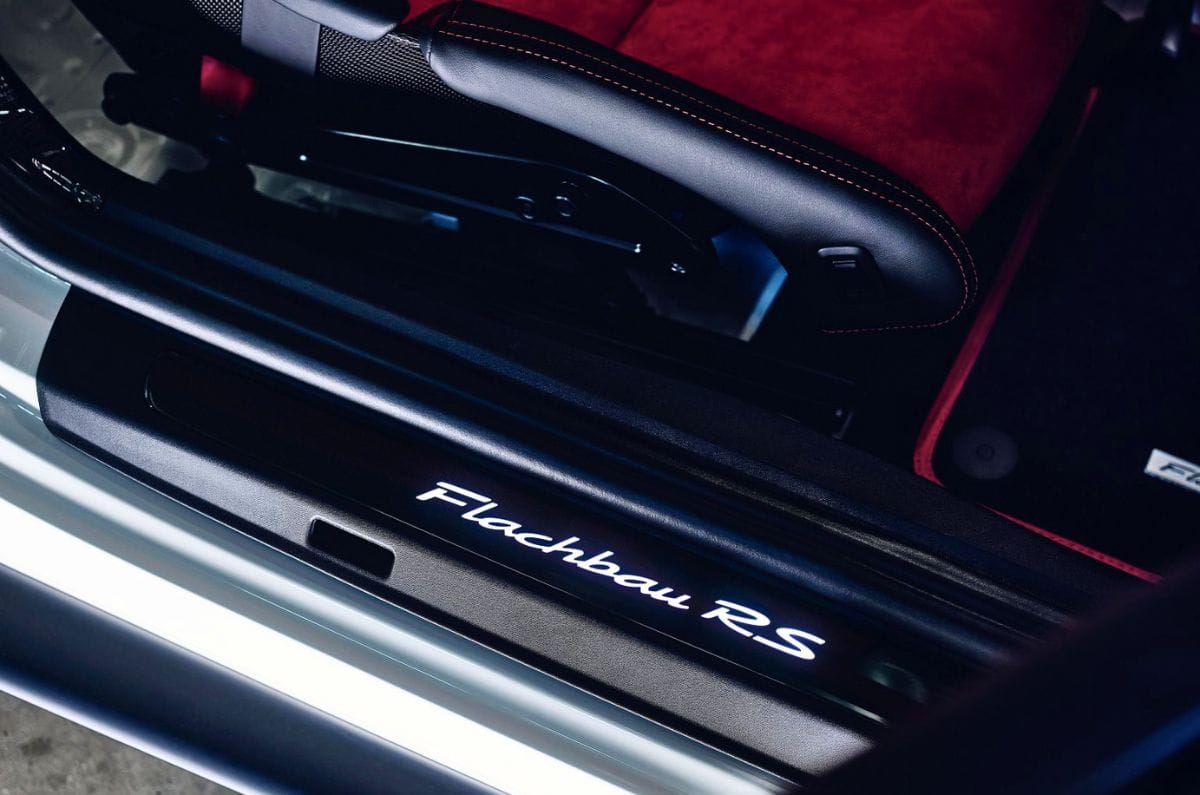
Opening the doors will reveal ‘Flachbau RS’ branding on the sills and seat headrests. There’s an outline of the Nordschleife drawn behind the front seats, along with a small gold-coloured plaque mentioning ‘Sonderwunsch’ and ‘Factory One-Off 2026 | Flachbau RS’ on the dashboard. Meanwhile, the interior continues to use the red Alcantara, black leather and exposed carbon-fibre trim originally available in the customer’s 911 GT2 RS.

Saving weight has been another important goal with this one-off Slantnose. To that effect, Porsche says it has removed the rear seats and individual wires, instead opting for simpler protective sheaths to cover newly laid wiring. Generous use of carbon fibre aside, the brand has removed the donor car’s infotainment system, replacing it with a leather-trimmed storage compartment.

Porsche 911 Slantnose dashboard

Other features to have been deleted include the audio system, floor coverings in the cabin and luggage space, and sound-deadening materials throughout the car. The end result of all these weight-saving measures means that this Slantnose is 31.6kg lighter than the donor vehicle it’s based on.
Porsche 911 Slantnose powertrain and other details

This one-off model retains the donor vehicle’s powertrain setup

Powering this one-off Slantnose is the same 3.8-litre twin-turbocharged six-cylinder engine found in the 991.2-generation 911 GT2 RS. This unit churns out 700hp and 750Nm of torque, and it drives the rear wheels via a 7-speed dual-clutch transmission. The claimed top speed of this one-off 911 is 340kph.
Porsche 911 Slantnose front

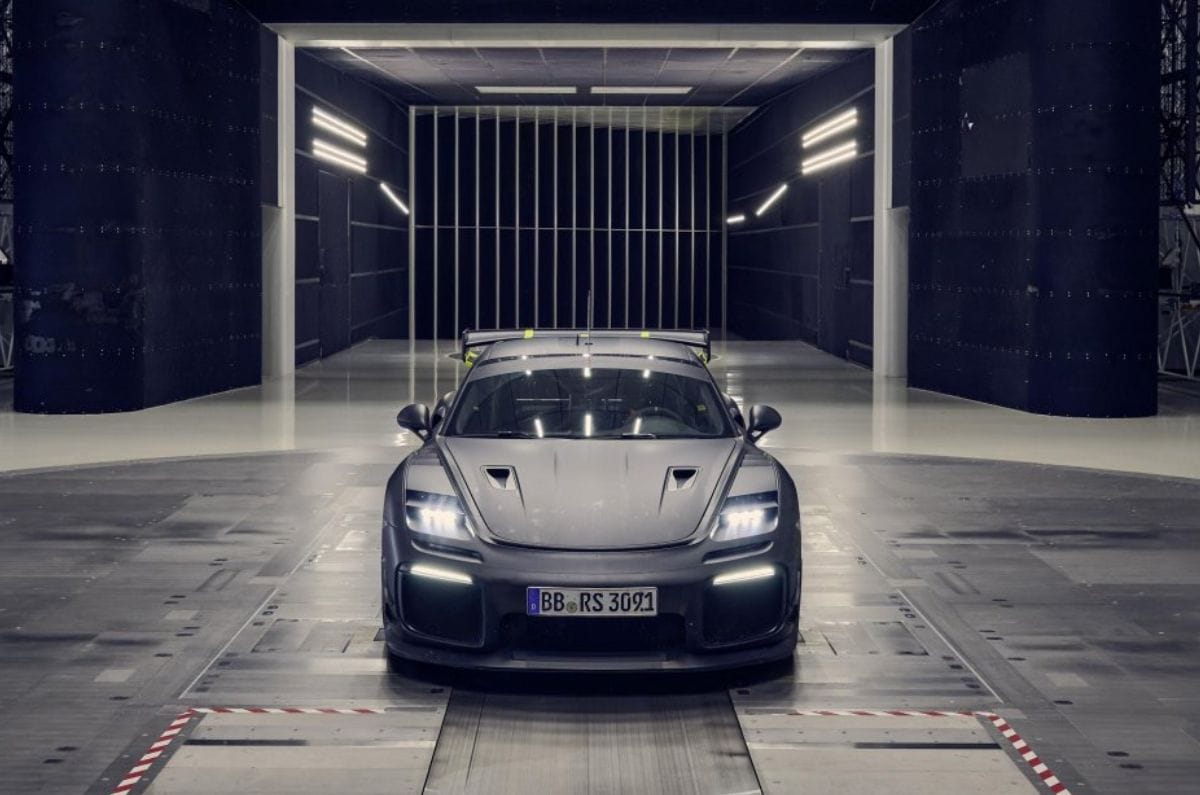
Porsche says that it built three test vehicles for validating data, while aerodynamic calculations being carried out using Computational Fluid Dynamics (CFD) to further optimise the overall design. These prototypes were subjected to multiple wind-tunnel tests, real-world road tests, and 50 laps on the Nurburgring-Nordschleife.
Also read

Ferrari Luce ‘Chassis 0’ sells for record USD 40 million at auction

GMA S1 reinterprets iconic McLaren F1 for the modern era

Is Hero bringing the Impulse back?

Is Hero bringing the Impulse back?
New Hero dual-sport motorcycle

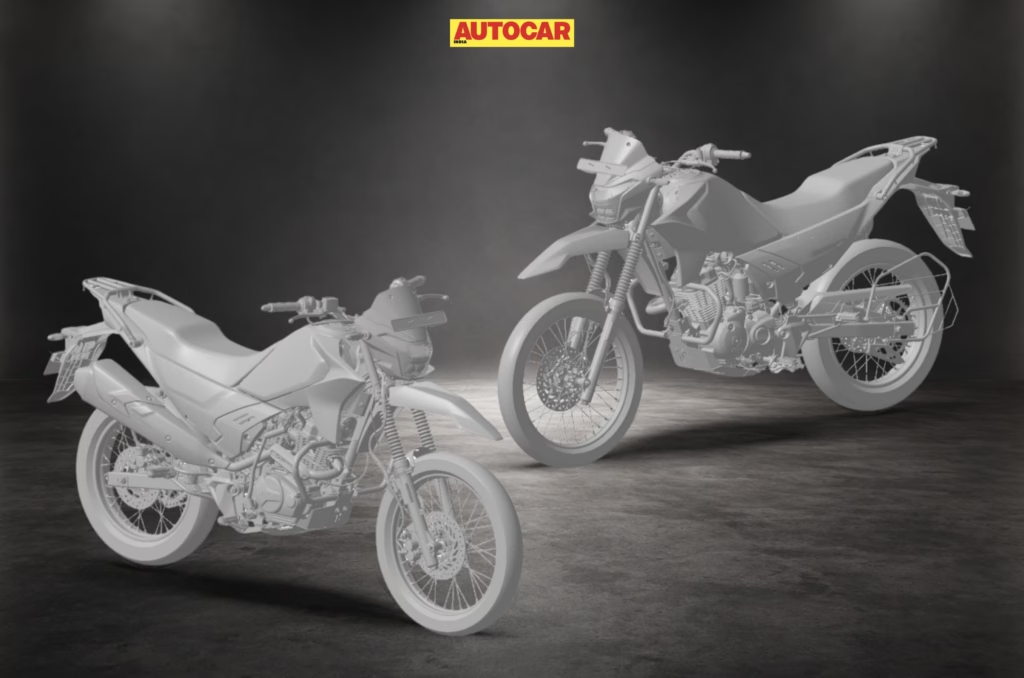
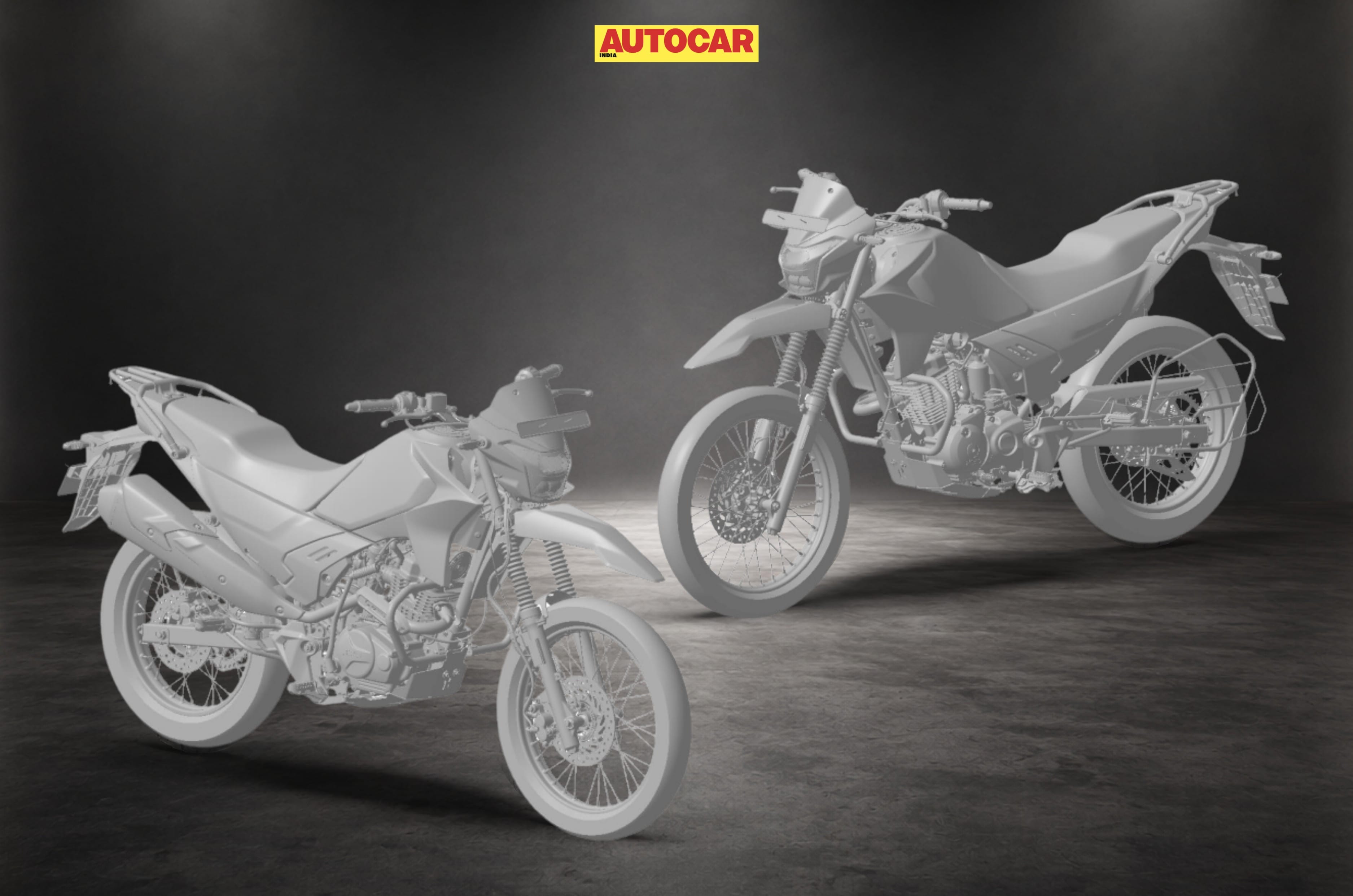
Hero MotoCorp has filed a design patent for a new dual-sport motorcycle, with some details indicating that the model could enter a segment the brand last played in with the Impulse.

  1. Air-cooled engine with kickstarter visible in the patent drawings
  2. Carburettor suggests it could also be for export markets
  3. Disc brakes at both ends with what looks like long-travel suspension

New Hero dual-sport motorcycle: What the patent reveals

Design cues drawn from existing Hero models across different segments

The new motorcycle in the patent filing has an air-cooled engine with no oil-cooler, suggesting that it will likely be a smaller-capacity powerplant displacing somewhere in the 150-200cc range, well below the liquid-cooled Xpulse 421 that’s currently under development. The images also reveal that the engine will feature a kickstarter, but it’s safe to assume that an electric starter will also be present. If this is indeed a small-capacity engine as we suspect, the Impulse moniker could even be in contention for a revival. 

While this means the new model could sit close to the existing XPulse 200 4V and XPulse 210, the overall profile appears slimmer, and the potentially smaller engine could also make it lighter and easier to handle.

The overall silhouette and tank shrouds also bear a closer resemblance to the old Impulse than to the current XPulse range. Lighting elements seem to be drawn from existing Hero models – the tail lamp resembles the unit on the Xtreme 125R and XPulse 210, while the headlight is similar to the Xtreme 160R and now-discontinued Passion Pro 110 XTEC unit. Other visible elements include a raised front mudguard and a high-mounted exhaust, a telescopic fork and monoshock suspension setup, and disc brakes at both ends.

However, there is one aspect that is a little puzzling. In the images, we can see what looks like a fuel tap on the left side of the engine and a choke knob on the left handlebar – both indicating a carburetted setup. It’s highly unlikely that it would comply with our country’s emission norms, so the bike in this specific form could be intended for export markets where carburetted engines are still permitted.

That said, other details suggest a different version of the bike seen here could make it to India. Regulatory requirements like the front number plate and a saree guard are both visible, suggesting Hero could also be designing the bike with the local market in mind.

There’s little other information right now, but we’ll update this story as we learn more. A patent filing also doesn’t necessarily mean that the bike will go on sale in the near future. In terms of confirmed upcoming products from the brand, we can expect the production-ready Xpulse 421 to make its official debut at EICMA 2026.