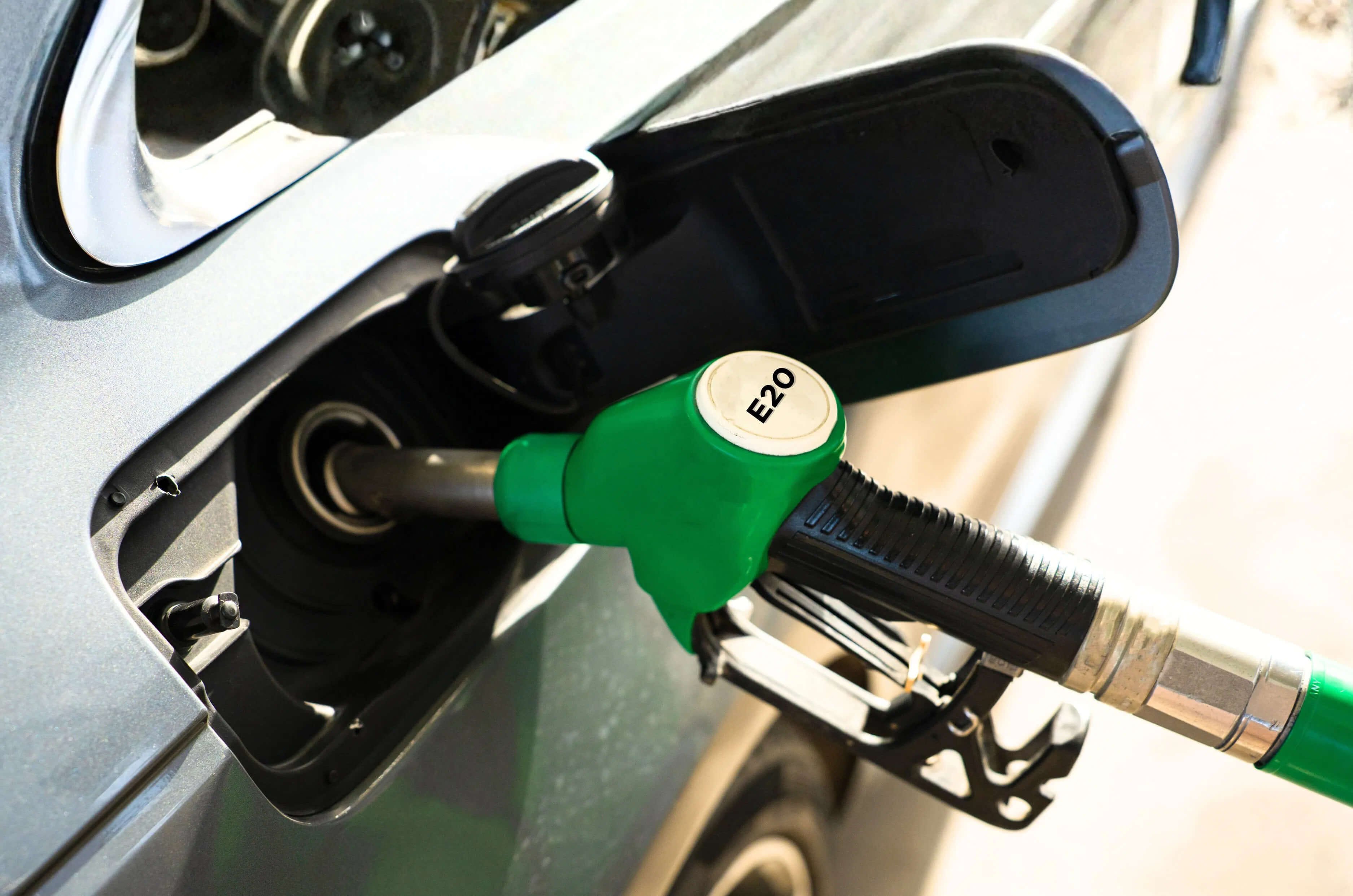
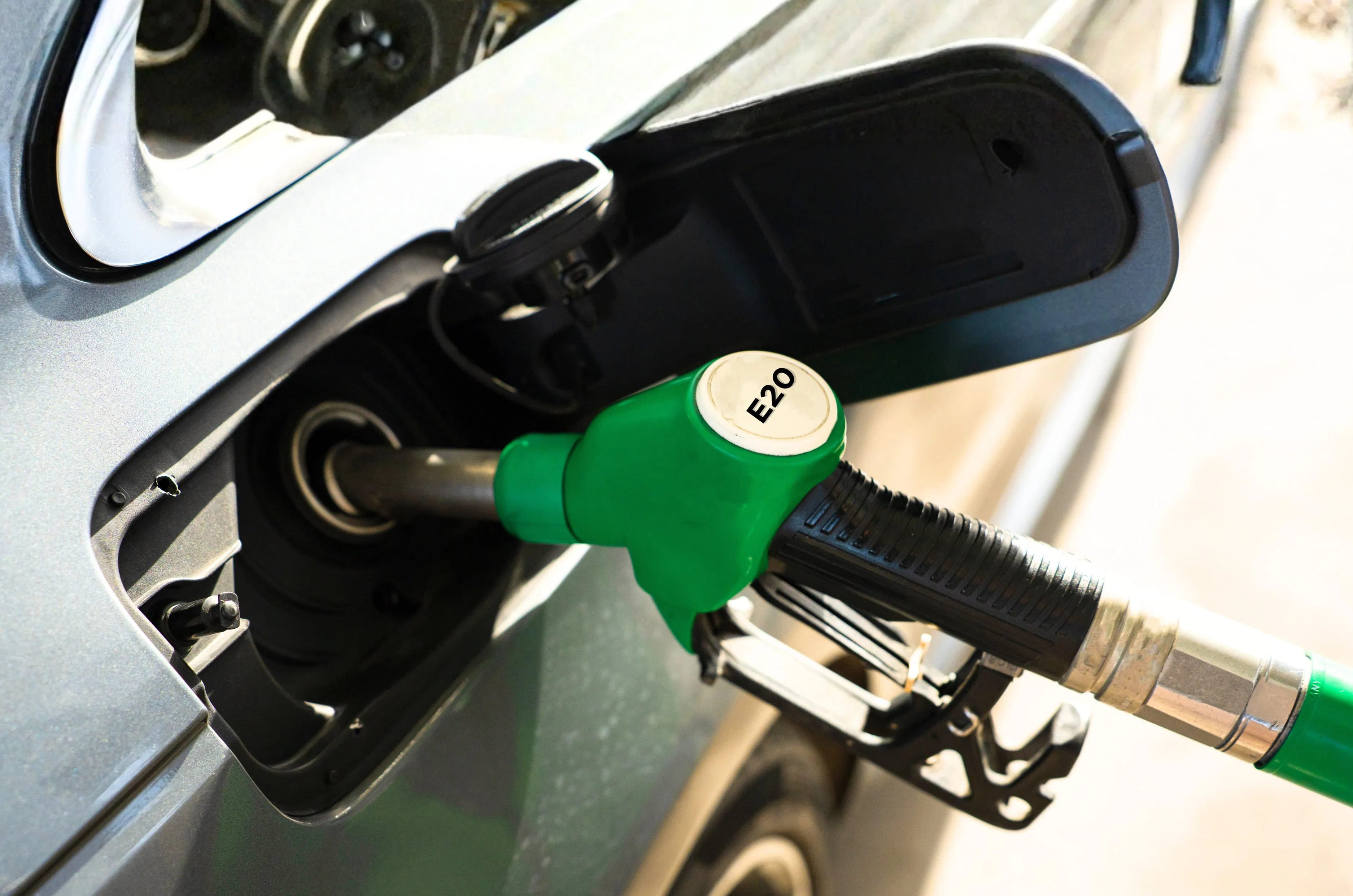
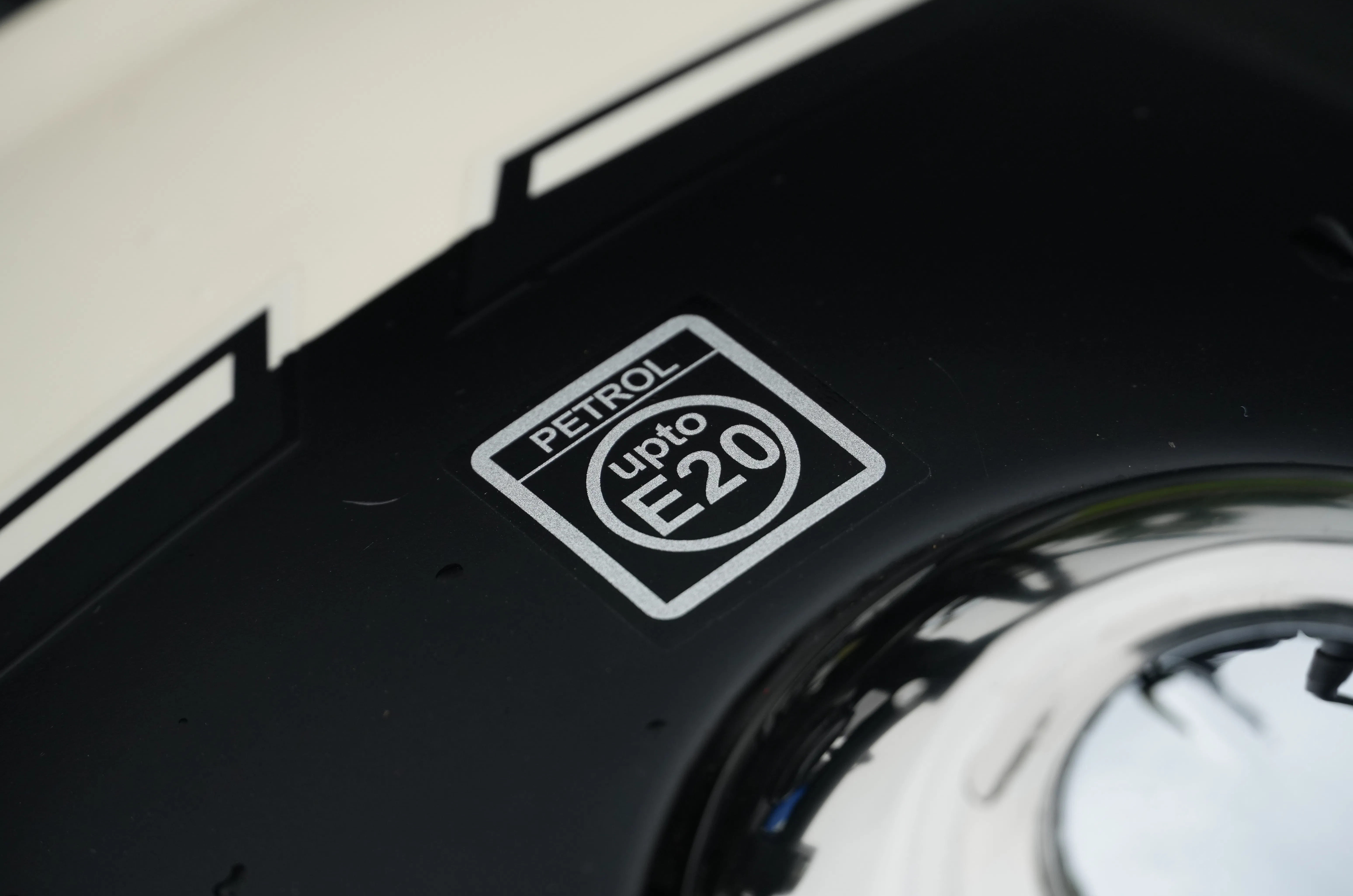
भारत में E20 पेट्रोल को लेकर बहस के बीच पुराने गाड़ियों के लिए E10 पेट्रोल उपलब्ध कराने पर विचार हो रहा है। सरकारी ऑयल मार्केटिंग कंपनी BPCL के चेयरमैन और मैनेजिंग डायरेक्टर संजय खन्ना ने गुरुवार को यह जानकारी दी। हालांकि, उन्होंने साफ कहा कि E20 को हटाकर दोबारा E10 लागू करने का कोई प्रस्ताव नहीं है।
E10 और E20 में क्या अंतर है?
E10 पेट्रोल में 10% इथेनॉल और 90% पेट्रोल होता है। वहीं E20 में 20% इथेनॉल और 80% पेट्रोल होता है। E20 को लेकर पुरानी गाड़ियों के मालिकों की चिंता रही है। इसमें माइलेज, फ्यूल सिस्टम के पार्ट्स और मरम्मत से जुड़े सवाल उठे हैं।
पुरानी गाड़ियों के लिए E10 पर विचार
ऑयल मार्केटिंग कंपनी BPCL के मुताबिक, पुरानी गाड़ियों के लिए अलग से E10 उपलब्ध कराने का विकल्प देखा जा रहा है। संजय खन्ना ने कहा कि मौजूदा इंफ्रास्ट्रक्चर से E10 की सप्लाई करना संभव है। हालांकि, E10 और E20 को एक साथ उपलब्ध कराने के तरीके पर अभी चर्चा चल रही है।
E10 की सप्लाई में क्या दिक्कत है?
ऑयल मार्केटिंग कंपनी BPCL को E10 की सप्लाई में कोई बड़ी लॉजिस्टिक दिक्कत नजर नहीं आती। लेकिन अगर E10 और E20 दोनों को एक साथ बेचना है, तो अलग ग्रेड के पेट्रोल की सप्लाई संभालनी होगी। इसी वजह से सरकार और कंपनियां इसके तौर-तरीकों पर काम कर रही हैं।
E20 को वापस लेने का प्लान नहीं
सरकार पहले ही कह चुकी है कि E20 से वापस E10 या E0 पर जाने का कोई प्रस्ताव नहीं है। पेट्रोलियम राज्य मंत्री सुरेश गोपी ने 10 अगस्त को राज्यसभा में कहा था कि देशभर के एक लाख से ज्यादा पेट्रोल पंपों पर E0, E10 और E20 की अलग-अलग सप्लाई रखने से लॉजिस्टिक्स और स्टोरेज की लागत बढ़ेगी।
हालांकि, BPCL के ताजा बयान से साफ है कि E10 को E20 के विकल्प के तौर पर नहीं, बल्कि पुरानी गाड़ियों के लिए एक अलग विकल्प के रूप में देखा जा रहा है।
E10 की मांग क्यों उठी?
E20 को लेकर पुरानी गाड़ियों के मालिकों की चिंता बढ़ी है। लोगों का कहना है कि ज्यादा इथेनॉल वाले पेट्रोल से माइलेज पर असर पड़ सकता है। कुछ पुरानी गाड़ियों में फ्यूल सिस्टम के पार्ट्स की अनुकूलता को लेकर भी सवाल हैं।
मुख्य आर्थिक सलाहकार वी. अनंत नागेश्वरन ने भी 17 अगस्त को एक लेख में सुझाव दिया था कि पुरानी गाड़ियों के मालिकों की परेशानी दूर करने के लिए पेट्रोल पंपों पर E10 के साथ E20 भी उपलब्ध कराया जा सकता है।
E20 की शुरुआत कैसे हुई?
केंद्र सरकार ने 1 अप्रैल से ऑयल कंपनियों को 20% तक इथेनॉल मिला पेट्रोल बेचने का निर्देश दिया था। इस पेट्रोल का न्यूनतम Research Octane Number यानी RON 95 होना भी जरूरी किया गया। इसके बाद पुरानी गाड़ियों के मालिकों में माइलेज और गाड़ी की सेहत को लेकर चिंता बढ़ी।
फिलहाल तस्वीर यही है कि E20 की व्यवस्था जारी रहेगी। पुरानी गाड़ियों के लिए E10 उपलब्ध कराने का विकल्प जरूर सरकार और ऑयल कंपनियों की चर्चा में है।
Disclaimer: यहां मुहैया जानकारी सिर्फ सूचना के लिए दी जा रही है। यहां बताना जरूरी है कि मार्केट में निवेश बाजार जोखिमों के अधीन है। निवेशक के तौर पर पैसा लगाने से पहले हमेशा एक्सपर्ट से सलाह लें। मनीकंट्रोल की तरफ से किसी को भी पैसा लगाने की यहां कभी भी सलाह नहीं दी जाती है।
Skoda is planning to expand its product portfolio in India, including the possible introduction of a CNG powertrain with the 1.0-litre turbo-petrol engine powering the Kylaq, Slavia and Kushaq. Speaking about the plans, Skoda India brand director Ashish Gupta told our sister publication Autocar Professional, “The 1.0-litre engine and the MQB A0-IN platform are common across the Kylaq, Kushaq and Slavia. So, all three products are open.”
Skoda’s CNG plans in India
Skoda’s powertrain diversification plan is an attempt to stay relevant in India
Talking about the CNG plans, Gupta further said, “The Middle East crisis and policy noise on ethanol blending have affected consumer sentiment on petrol, resulting in a drop in market share. To stay relevant, we have to diversify.” “The Kylaq segment is the priority where we are trying to tackle CNG,” he added.
The Skoda Kylaq is powered by a 1.0-litre, three-cylinder, direct-injection turbo-petrol engine, which it shares with the larger Slavia and Kushaq. The engine produces 115hp and 172Nm and is available with both manual and automatic transmission options.
For the potential CNG version, Skoda is evaluating how to balance fuel efficiency with the performance expected from its models. Gupta said, “Compared to petrol, a 10-15 percent drop in performance with CNG is acceptable to customers. So I have to make sure that I get the right product, right solution, at the right value proposition, at the right time.”
Gupta also believes there is scope for CNG-powered cars at relatively higher price points, beyond the traditionally budget-focused segment. “There is a potential for the right car at the right price point. Even premium customers who are okay with buying a CNG car purely for the economic benefits they derive,” he said.
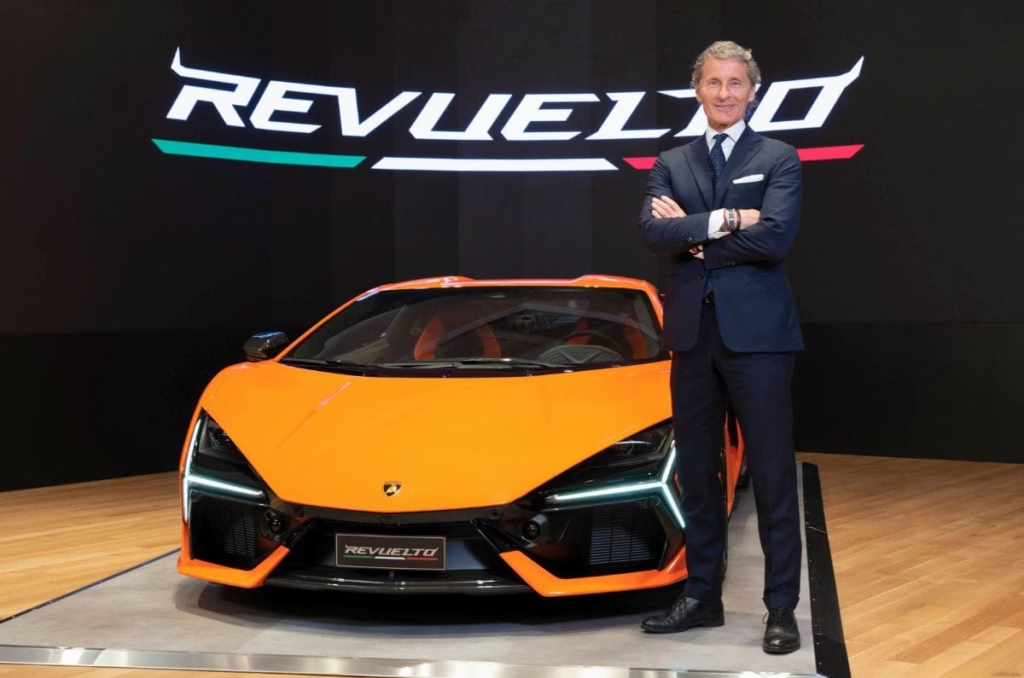
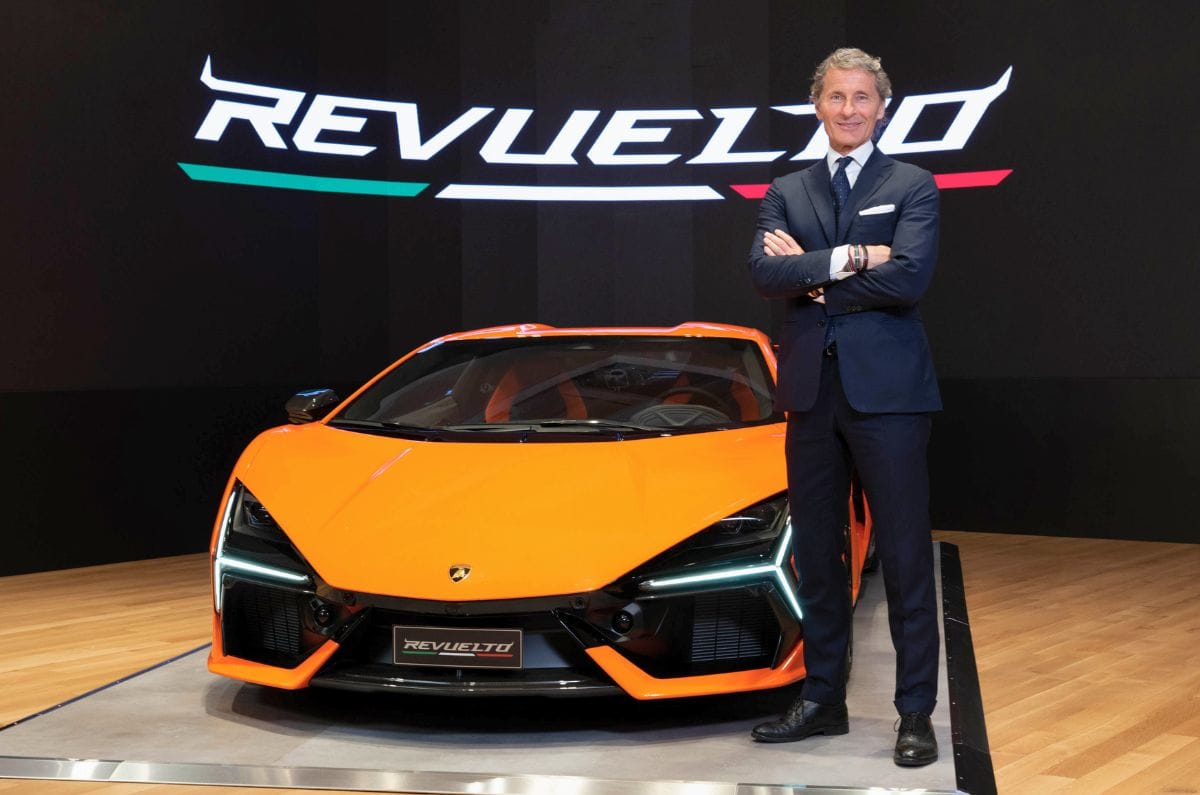
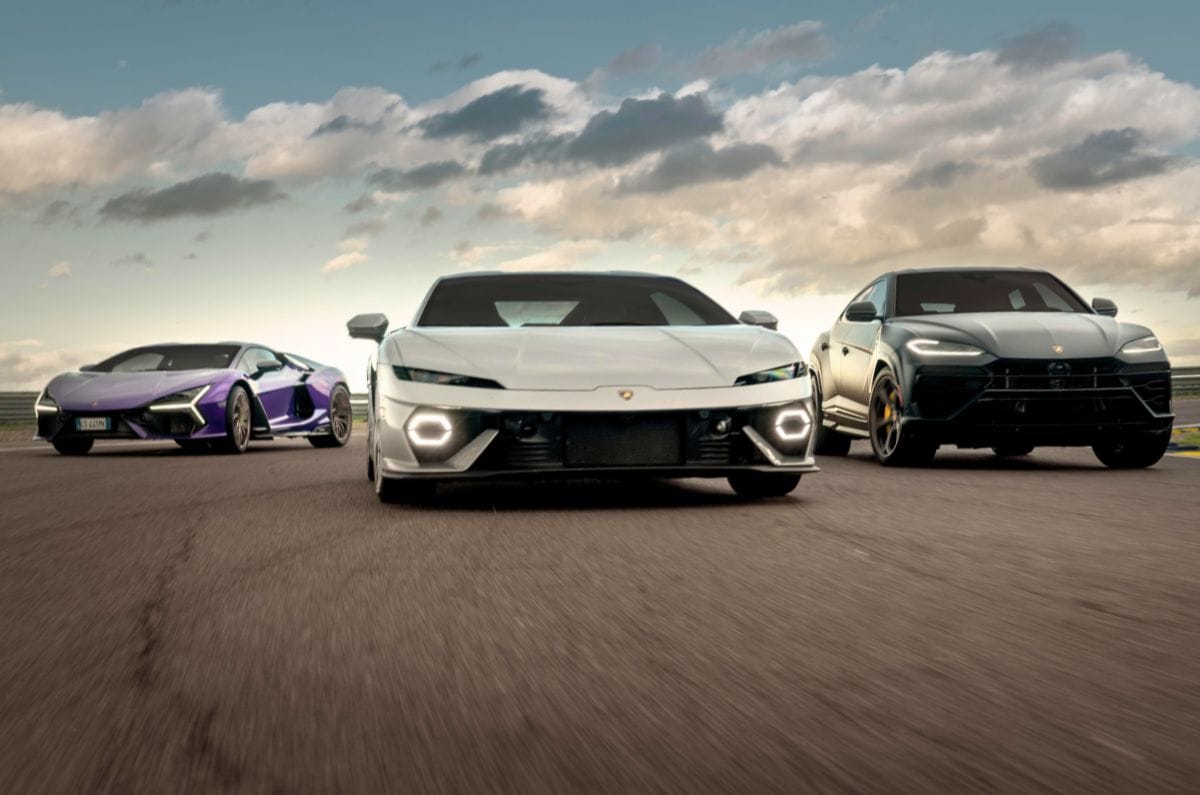
On the sidelines of the world premiere of the Lamborghini Revuelto SV, the brand’s president and CEO, Stephan Winkelmann, spoke to journalists about the new flagship hybrid supercar, the move away from EVs and even the Indian market.
India-EU FTA hybrid uncertainty could pose a problem
A hot topic at the moment is the India-EU free trade agreement (FTA) soon to come into effect, which promises to make imported cars a whole lot more affordable. While that’s great news for most super-sportscar brands, it’s not so for Lamborghini, as the India-EU FTA offers no clarity about benefits for hybrid cars, which make up the Italian brand’s entire range.
“The decision was made, I think, at the beginning of the year to lower the import taxes, but not for PHEVs,” said Winkelmann, responding to a question from Autocar India. “So, we see a drop in the market due to the uncertainty which is created by this. And there is still not enough clarity.”
While other brands do have some pure-ICE models, the prices of which are already being reduced ahead of the FTA’s introduction, at present, hybrid and EV models continue to attract the full import duty as before. Having moved away from pure-ICE models entirely, Lamborghini unfortunately bears the full brunt, at least for now.
Lamborghini’s current line-up features only hybrid models.
“I think this will come only in four years’ time. And this, for sure, is not helping the decision to buy a plug-in hybrid car, which is coming from [Lamborghini].”
Can ethanol-blended petrol work in Lamborghinis?
Regarding another hot topic in our country at the moment, Winkelmann responded to another question from Autocar India, suggesting that given the uncertainty around traditional fuels, blended biofuels were not off the table for Lamborghini.
“In Europe, we are extremely positive about it and are going to make a decision on biofuels soon,” he said, highlighting that any decision around the matter would have to start from its home region. “For us, this is a very important market, as you might know.”
He was quick to point out that the quality of fuel is what’s most important for any of Lamborghini’s models and their high-performance plug-in hybrid powertrains. While ethanol blending does increase the RON (Research Octane Number) of the fuel, it also depends on the petrol it is being blended with, which varies from market to market.
“They already exist, those fuels, but it always depends on how good they are. If you have a low octane, then you cannot use them for our type of cars. You have to have a minimum of 95 octane, and this is sometimes, with the few fuels around the globe, not available,” he stated, reiterating that such a decision would have to be globally compatible. “I don’t know exactly how this is in India.”
Revuelto SV arrives before Revuelto Roadster
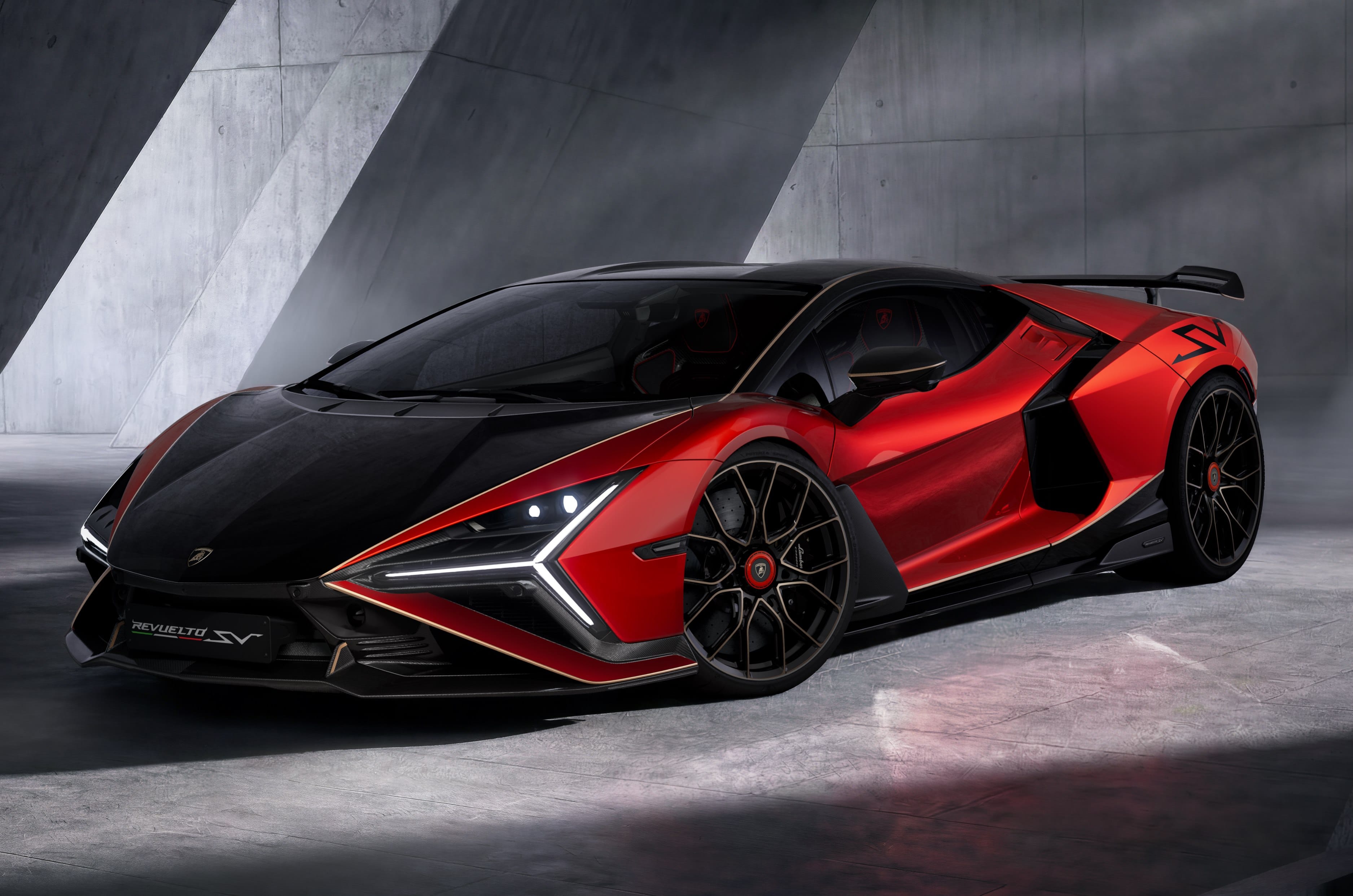
As for the main event, Lamborghini has just revealed the Revuelto SV, the hotter version of its flagship V12 PHEV supercar, limited to 1,963 units. With increased performance, redone suspension and far more advanced aerodynamics, its goal is to surpass the Revuelto to become the highest-performance Lamborghini of them all. SV models date all the way back to the Miura SV from 1971, but this is the first time an SV has been launched so soon after the standard model, arriving before even a convertible Roadster model.
“I have to tell you that the coupe was and is so successful that it was exceeding all our expectations, even the most positive ones,” Winkelmann said in response to Autocar India. “So, we decided to go immediately from Revuelto to Revuelto Superveloce. And the first feedbacks we are getting on the Superveloce are really outstanding.”
The additional 50hp is extracted from an upgraded battery and motor rather than from the V12 engine, which Lamborghini says was intentional, as it allowed for better control and faster distribution of the power.
“We use the battery to create more boost and a better distribution of power output than only with the internal combustion engine. Also, together with the torque vectoring, the feeling of driving a car at speed is very much improved in comparison with the [purely] internal combustion engine guise of the past generations,” Winkelmann said.
Lamborghini customers don’t want EVs
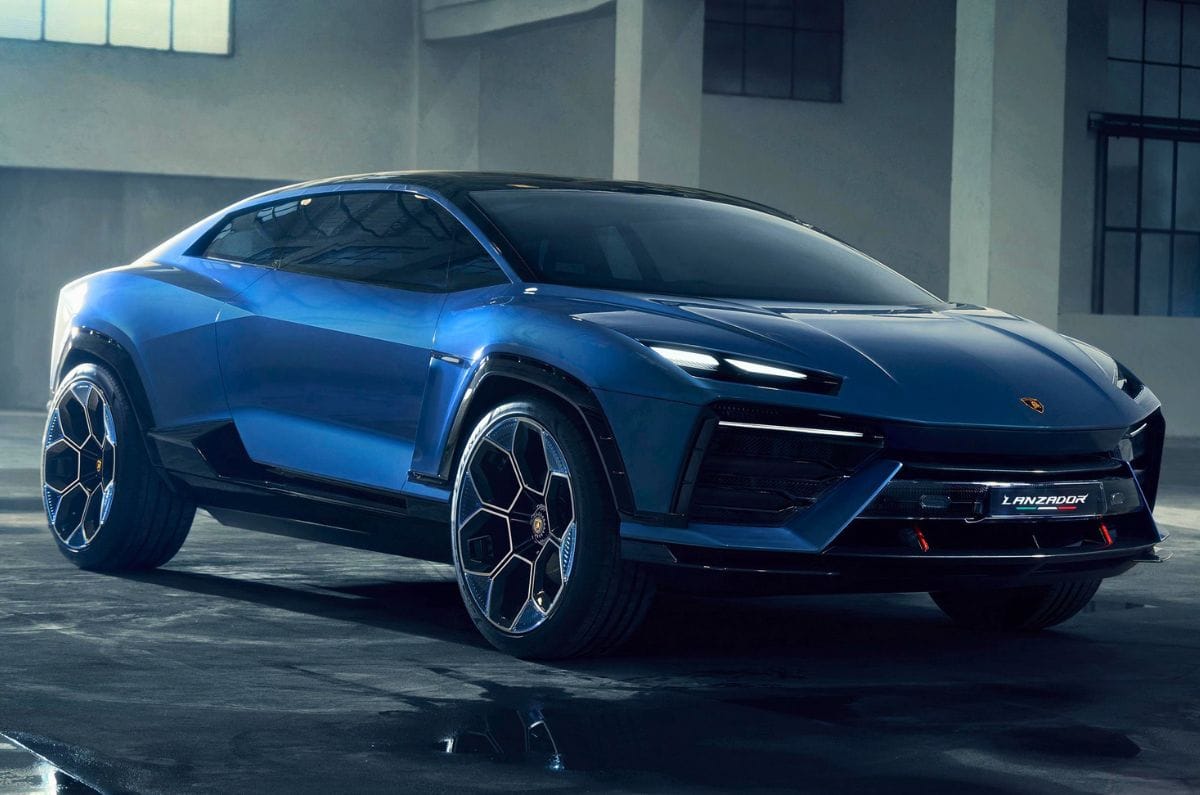
That said, the engine is essential. Not long before rival Ferrari unveiled its first EV, the Luce, Lamborghini announced its decision to delay its own first electric offering, the Lanzador, which was scheduled to launch before 2030. The Lanzador – also a low-slung four-seat crossover – will now get a hybrid powertrain instead, as an EV would simply not be emotional enough for Lamborghini customers.
“Why? Because the customer behaviour towards what we were proposing at the beginning of this decade has changed; they are not adopting electric cars,” said Winkelmann. “I’m talking about our type of customers, because you don’t buy a Lamborghini because you need a Lamborghini or you need a car; you buy it because you want to fulfil your dreams. We are not selling mobility; we are selling emotions.”
He also stated that, Indian regulations aside, the brand’s all-PHEV line-up has proven to be a successful approach, at once helping meet prevailing and upcoming emissions regulations while also retaining the emotional appeal of an ICE engine that’s core to the brand.
“You have the sound, the vibration of an internal combustion engine, but you also have all the advantages of the new technology,” he said. “The combination of battery and internal combustion engine for us is not a transition period, but it’s really something which is here to stay.”
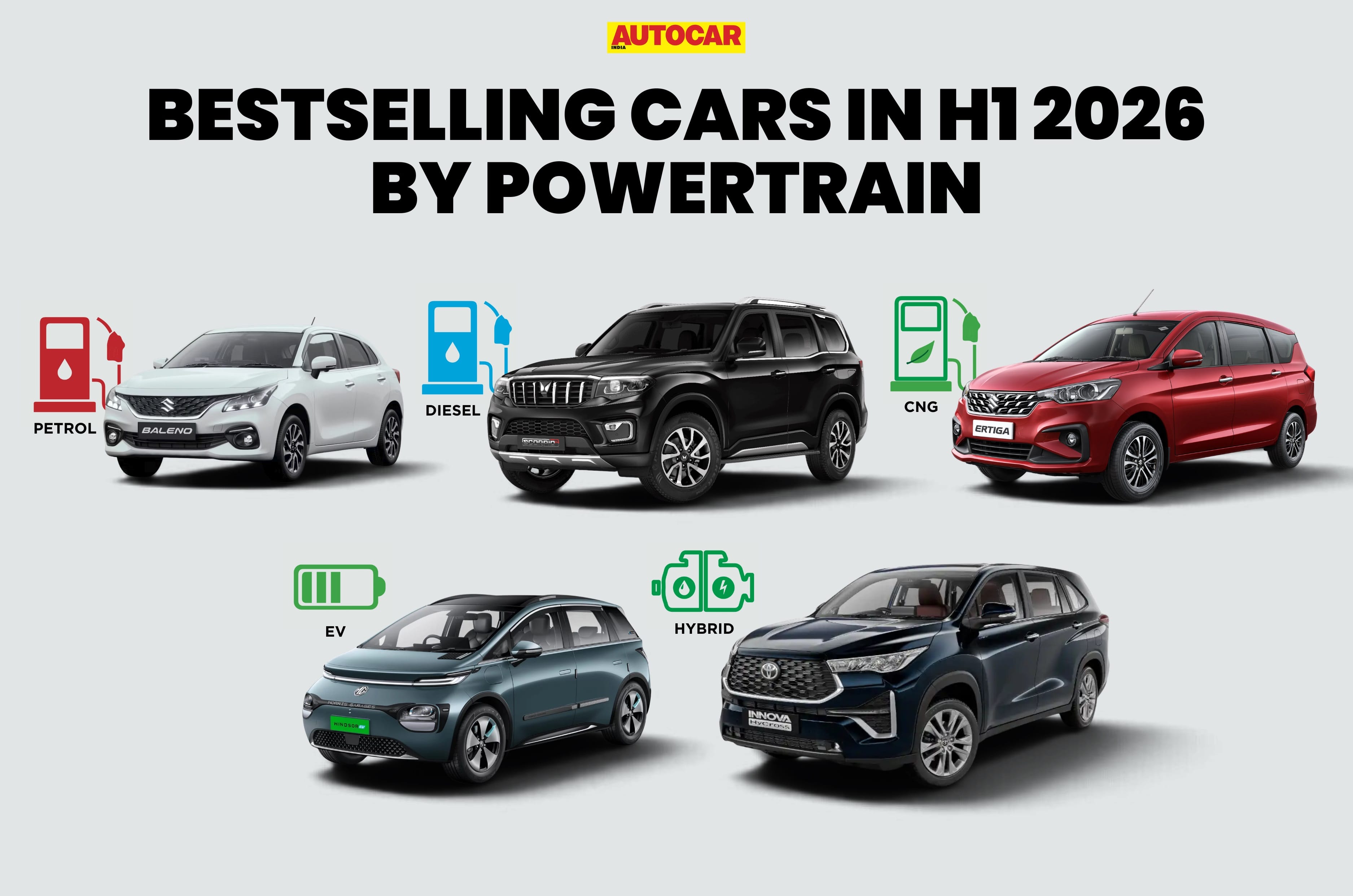
During the first half of calendar 2026, the Indian passenger vehicle market recorded total sales of over 25.91 lakh units across petrol, diesel, EV, CNG, and strong hybrid powertrains. Compared to the 21.88 lakh units sold in H1 2025, that’s a healthy YoY increase of around 18.4 percent. Below, we’ve sorted and listed the 10 bestselling cars of each powertrain type in H1 2026 to give you a more in-depth look at the data.
10 bestselling petrol cars in H1 2026
Model
H1 2026 sales
YoY change (%)
Maruti Baleno
83,552
+19
Maruti Swift
81,046
0
Tata Punch
61,701
+29
Maruti Fronx
61,565
-6
Maruti Alto K10
59,165
+38
Hyundai Venue
55,750
+26
Maruti Dzire
50,865
-1
Tata Nexon
50,240
+31
Maruti Brezza
49,096
-14
Hyundai Creta
49,094
-8
The Baleno ascended to the top spot in petrol car sales during H1 2026, followed closely by the Swift, volumes for which interestingly remained flat YoY. However, thanks to the introduction of the updated Punch at the onset of 2026, the subcompact SUV recorded a substantial 29 percent increase in sales and jumped to third position.
Other notable highlights include a 38 percent YoY uptick for the Alto K10, indicating a renewed interest in the entry-level segment, along with a 4 percent drop for the midsize SUV sales champion, the Creta. However, its younger compact SUV sibling, the Venue, did see a 26 percent YoY bump on account of the second-gen model’s launch late last year.
10 bestselling diesel cars in H1 2026
Model
H1 2026 sales
YoY change (%)
Mahindra Scorpio N+Classic
86,403
+7
Mahindra Bolero+Neo
58,457
+16
Mahindra XUV 7XO
42,190
+29
Hyundai Creta
40,116
-4
Mahindra Thar Roxx
37,945
+19
Mahindra Thar
23,860
+35
Kia Seltos
22,906
+54
Tata Sierra
22,764
N/A
Toyota Innova Crysta
18,498
-5
Kia Sonet
18,290
+67
Though diesel offerings remain limited in the Indian mass market, buyers continue to show up for them. All three diesel bestsellers in H1 2026 were made by Mahindra, and all three recorded a YoY growth in sales, with the XUV 7XO achieving the highest uptick among them at 29 percent. The Thar and Thar Roxx also managed to outperform their H1 2025 sales by healthy margins.
In fact, six out of the 10 diesel bestsellers experienced double-digit YoY sales growth, with only the Creta and Innova Crysta undergoing downturns. The Sierra also made it onto this list, but doesn’t rank even among the top 20 petrol bestsellers of H1 2026, suggesting a large chunk of buyers opted for the midsize SUV’s diesel variants. Its direct rival, the Seltos, edged past by fewer than 150 units, but the other Kia SUV here, the Sonet, clocked a whopping 67 percent boost.
10 bestselling CNG cars in H1 2026
Model
H1 2026 sales
YoY change (%)
Maruti Ertiga
78,764
+23
Maruti Dzire
75,339
+69
Maruti Wagon R
54,267
+5
Tata Punch
41,919
+43
Tata Nexon
41,355
+38
Maruti Brezza
39,871
+8
Maruti Victoris
38,806
N/A
Maruti Eeco
36,075
+31
Hyundai Aura
35,089
+29
Maruti Fronx
33,876
+49
CNG cars put up the most impressive performance on the sales charts, with the top 10 achieving substantial YoY gains in volumes during H1 2026. The Dzire led the pack in this regard with a staggering 69 percent surge in sales, followed by the Fronx at 49 percent and then the Punch at 43 percent.
Seven of the top 10 CNG bestsellers are Maruti Suzuki models, two are from Tata, and only one is a Hyundai, reflecting Maruti’s dominance in this space. A likely reason behind the stellar performance is the uncertainty around ethanol blending in petrol, which could be shifting buyers towards CNG.
10 bestselling EV cars in H1 2026
Model
H1 2026 sales
YoY change (%)
MG Windsor EV
19,080
-10
Mahindra XEV 9S
18,074
N/A
Tata Nexon EV
16,567
+78
Tata Punch EV
15,683
+108
Mahindra XEV 9e
11,242
-14
Tata Harrier EV
10,499
+2,110
Maruti e Vitara
8,572
N/A
Tata Curvv EV
7,281
+212
Mahindra BE 6
6,849
+13
Tata Tiago EV
6,816
-19
The Windsor remains untouched as the top selling EV in H1 2026, though it did record a 10 percent YoY drop in sales. Impressively, the XEV 9S finished in second place with over 18,000 units sold – far ahead of the XEV 9e and BE 6. Nexon EV and Punch EV sales saw strong upticks, especially the latter’s whopping 108 percent YoY surge due to its 2026 facelift.
However, the Tiago EV experienced a 19 percent drop in sales despite also being updated this year. It’s worth noting that while the Harrier EV’s 2,110 percent YoY increase looks bonkers, it is a result of the SUV being launched in June 2025 and thereby counted from a relatively miniscule initial figure. Interestingly, the Curvv EV more than tripled its sales YoY, likely due to discounts and the SeriesX variant rejig in 2026.
Bestselling strong hybrid cars in H1 2026
Model
H1 2026 sales
YoY change (%)
Toyota Innova Hycross
27,812
-6
Toyota Hyryder
18,577
+23
Maruti Grand Vitara
4,086
-54
Maruti Victoris
3,231
N/A
Maruti Invicto
1,418
-26
Toyota Camry
1,188
-1
Toyota Vellfire
914
+60
Honda City
659
+22
Only one new strong hybrid car went on sale in India between H1 2025 and H1 2026, the Maruti Victoris, which slotted in fourth position overall. The Innova Hycross continues to be the highest selling strong hybrid car, but did slip 6 percent YoY in sales. Notably, the Innova Hycross’ rebadged sibling, the Invicto, saw a more substantial 26 percent drop.
A similar phenomenon occurred for the Hyryder and Grand Vitara, where the Toyota SUV’s sales grew 23 percent YoY, but the Maruti’s slid by 54 percent. The City hybrid also looks to have piqued buyer interest courtesy of the facelift, recording a 22 percent YoY growth but still selling in the triple digits. Interestingly, the highest YoY sales uptick was achieved by the most expensive strong hybrid here, the Vellfire, showing the growth of the luxury MPV segment.
Combined car sales in H1 2026 by powertrain type
H1 2026 sales
YoY change (%)
Petrol
13,42,304
+10
Diesel
4,56,076
+15
CNG
5,96,236
+40
EV
1,39,065
+65
Strong hybrid
57,885
0
Total
25,91,566
+18.4
While petrol cars remain the largest chunk of the Indian passenger vehicle market by a huge margin, and even clocked a respectable 10 percent YoY growth in H1 2026, CNG saw much bigger gains during the same timeframe and even recorded the highest absolute volume increase among all powertrain types. The electric segment continues to expand at a healthy rate thanks to a proliferation of capable EVs across different price points, which can’t be said for strong hybrids as they barely receive any subsidies or tax breaks. Diesel car sales impressively keep growing too, despite higher upfront costs over equivalent petrol or CNG models.
Ethanol Blending E20 Petrol Row: पेट्रोलियम मंत्रालय ने एथेनॉल प्रोग्राम का बचाव करते हुए दावा किया है जब ग्लोबल क्रूड ऑयल की कीमतें $135 प्रति बैरल तक पहुंच गई थीं, तब अगर तेल कंपनियों ने फ्यूल में एथेनॉल नहीं मिलाया होता, तो दिल्ली में पेट्रोल की कीमत लगभग ₹125 प्रति लीटर होती। मंत्रालय ने कहा कि लेकिन इसके बजाय ग्राहकों को ₹94.77 प्रति लीटर चुकाना पड़ा। दरअसल एथेनॉल पहले से तय कीमतों पर घरेलू स्तर पर खरीदा गया था। इसने क्रूड ऑयल की कीमतों में उछाल के असर से रिटेल कीमतों को बचाए रखने में मदद की, जिससे संकट के चरम पर लगभग ₹30 प्रति लीटर की बचत हुई।
सरकार ने 28 फरवरी को वेस्ट एशिया में संघर्ष शुरू होने के बाद लगभग 75 दिनों तक पेट्रोल और डीजल की कीमतें स्थिर रखीं। फिर मई में उन्हें 7.5 रुपये प्रति लीटर बढ़ा दिया। दिल्ली में स्टैंडर्ड E20 पेट्रोल (91-ऑक्टेन) की कीमत अब ₹102.12 प्रति लीटर है। जबकि 100-ऑक्टेन पेट्रोल की कीमत ₹169 है। मंत्रालय ने उन आरोपों को भी खारिज कर दिया कि गरीबों के लिए अनाज का इस्तेमाल एथेनॉल बनाने के लिए किया जा रहा था, या इस प्रोग्राम को सपोर्ट करने के लिए सब्सिडी वाले FCI चावल का इस्तेमाल किया जा रहा था।
एफिशिएंसी में 2-6% की कमी!
फ्यूल एफिशिएंसी के सवाल पर सड़क परिवहन मंत्रालय ने लोकसभा में ARAI, SIAM और IOC की एक स्टडी का हवाला देते हुए कहा कि E10 फ्यूल के लिए डिजाइन किए गए BS-III, BS-IV और BS-VI वाहनों में E20 पर चलने पर वाहन की कैटेगरी और उम्र के आधार पर एफिशिएंसी में 2-6% की कमी आ सकती है। मंत्रालय ने पहले 20 जुलाई को राज्यसभा को बताया था कि ऐसे वाहनों में यह कमी लगभग 3-5% तक सीमित है।
दोनों मंत्रालयों ने कहा कि इथेनॉल ब्लेंडेड पेट्रोल प्रोग्राम को एक चरणबद्ध, वैज्ञानिक रूप से प्रमाणित प्रक्रिया के माध्यम से शुरू किया गया था, जिसमें प्रोडक्शन कैपेसिटी और इंफ्रास्ट्रक्चर के बढ़ने के साथ-साथ ब्लेंडिंग का स्तर धीरे-धीरे बढ़ाया गया। सड़क परिवहन मंत्री नितिन गडकरी ने लोकसभा को बताया कि E20 पर स्विच करने का फैसला फ्यूल सिस्टम, इंजन की मजबूती, गाड़ी चलाने में आसानी, मटीरियल की अनुकूलता और उत्सर्जन पर असर की जांच-परख के बाद लिया गया।
इस प्रक्रिया में वाहन बनाने वाली कंपनियों, तेल मार्केटिंग कंपनियों और चीनी एवं अनाज उद्योगों से भी सलाह-मशविरा किया गया। सरकार ने यह भी कहा कि लैब स्टडीज और असल दुनिया के डेटा से पता चला है कि E20 फ्यूल से गाड़ियों की परफॉर्मेंस पर कोई बुरा असर नहीं पड़ता है। साथ ही, 20 करोड़ से अधिक दो-पहिया वाहन और 3 करोड़ से ज्यादा पेट्रोल कारें इन ब्लेंड्स पर चल चुकी हैं। इनमें एथेनॉल ब्लेंडिंग की वजह से इंजन खराब होने का कोई पक्का सबूत नहीं मिला है।
The central government has acknowledged that it has not formally assessed how many vehicles in India are compatible with E20 petrol, despite mandating E20 fuel nationwide and continuing to prepare for higher ethanol blends. The government, however, said laboratory studies and field trials have established the fuel’s safety under prescribed standards.
In a written reply in the Rajya Sabha, Minister of State for Petroleum and Natural Gas Suresh Gopi said the Ministry of Heavy Industries had not assessed the percentage of vehicles in the country that are compatible with E20 fuel.
Government cites laboratory and field trials to support E20 rollout
Mileage drop for E10-calibrated vehicles pegged at 3-5 percent
No verified evidence of widespread E20-related engine failures, says Centre
However, the government’s latest response also raises questions over the rollout timeline. While the Centre formally announced nationwide availability of E20 petrol in mid 2025—five years ahead of its original 2030 target—it now says E19-E20 blends have been in widespread use for more than two-and-a-half years, while E15 and higher ethanol blends have been in active distribution for over three-and-a-half years, covering more than 20 crore two-wheelers and 3 crore petrol passenger vehicles. The response does not explain this apparent discrepancy.
Government reiterates mileage and reliability claims
Addressing concerns around fuel economy, the government said vehicles originally calibrated for E10 petrol could see a 3-5 percent reduction in mileage when running on E20, although actual fuel efficiency depends on driving conditions, driving style and vehicle maintenance.
The government also reiterated that there is no verified evidence of widespread engine failures or vehicle breakdowns linked to ethanol blending.
Government cites laboratory and field testing
According to the government, the Ethanol Blended Petrol (EBP) programme was implemented through a phased process involving NITI Aayog, oil marketing companies, automobile manufacturers, the Automotive Research Association of India (ARAI), the Society of Indian Automobile Manufacturers (SIAM) and the Indian Institute of Petroleum (IIP).
The government said testing covered engine durability, drivability, startability, corrosion resistance, material compatibility, emissions and fuel efficiency. Based on these studies, it said legacy vehicles do not show any significant change in performance or abnormal component wear when operated on E20 petrol.
Government preparing for higher ethanol blends
The government said India’s ethanol production capacity has been planned to meet current E20 requirements while also supporting future petrol demand, higher ethanol blends, flex-fuel vehicles and other biofuel applications, subject to future government approvals. It added that ethanol production continues to follow a diversified feedstock strategy, with only surplus foodgrains being diverted after meeting food security and public distribution requirements.
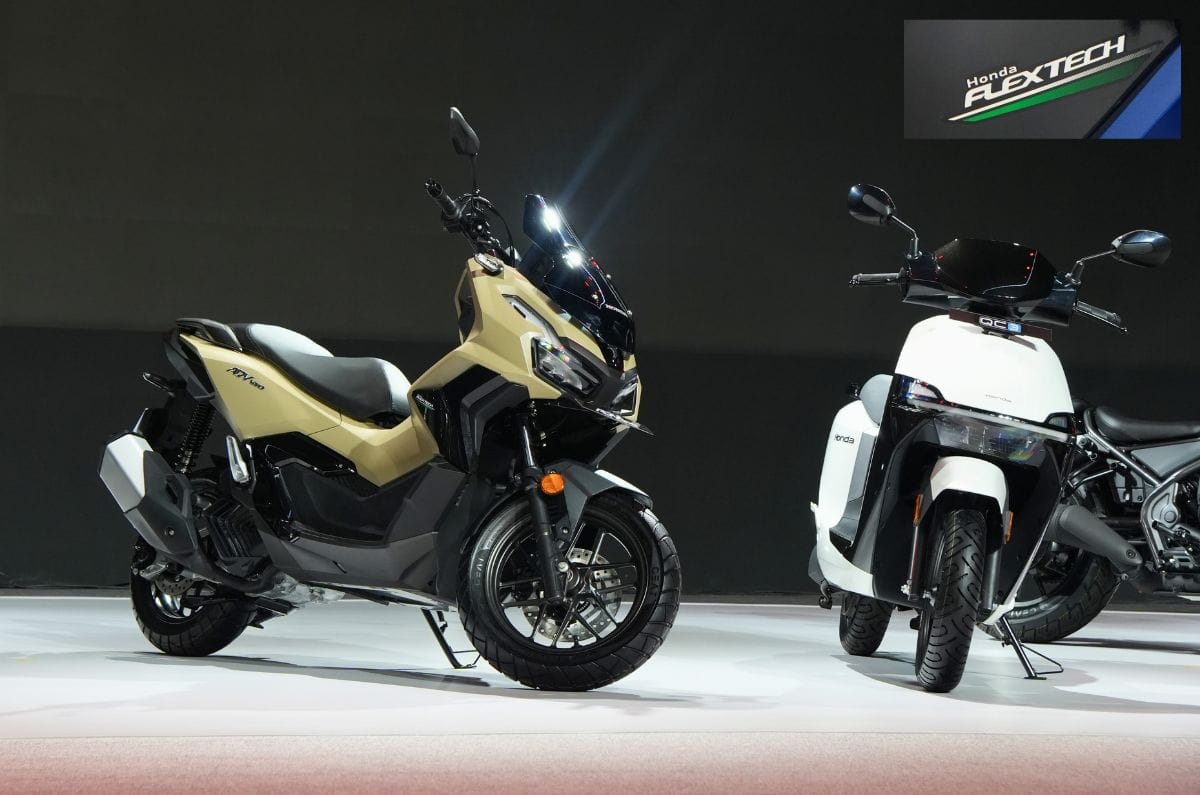
Alongside unveiling the E85 compliant ADV160, Honda Motorcycle & Scooter India has reiterated that flex-fuel technology will remain a key part of its long-term product strategy. The company says E85-compatible models will complement battery-electric vehicles under its multi-pathway approach to future mobility rather than replace them.
1. The future of Honda is multi-fuel and multi-pathway, says GM, product planning. 2. ADV160 is the first flex-fuel scooter to be showcased in India 3. Honda showcased an electric scooter, a roadster, two cruisers, and adventure motorcycle duo alongside the ADV160.
Honda’s multi-fuel pathway: What to expect?
The remarks come as India’s ethanol blending programme gathers pace
Our sister concern, Autocar Professional, got some insights on the Japanese marques product planning strategy. Speaking at the HMSI 2026 event, Krishnakumar, General Manager, Product Planning, Honda Motorcycle & Scooter India, said the company believes the future of mobility will be “multi-fuel, multi-pathway”, with different technologies catering to different customer needs and operating conditions.
“The future of mobility is multi-fuel, multi-pathway, and electric is one important part of that future,” he said while outlining Honda’s product strategy.
According to Honda, its flex-fuel journey began in 2009 with the introduction of the CG Titan Mix in Brazil, which the company describes as the world’s first production flex-fuel motorcycle. The experience gained from that programme has now been extended to products such as the ADV160.
Highlighting the company’s flex-fuel roadmap, Krishnakumar showcased the ADV160, an E85-compatible scooter capable of operating on any ethanol blend from E0 to E85. He said the system automatically adapts to the fuel blend, allowing the engine to optimise performance without any rider intervention. Notably, the ADV160 is also India’s first flex-fuel scooter to be showcased.
The ADV 160 comes powered by a 156.9 cc, liquid-cooled engine producing 16.3hp of power and 14.9 Nm of torque. Once launched, the ADV160 will rival the likes of the HeroXoom 160 and YamahaAerox 155.
Flex Fuel And Electric:
Honda used the event to underline that flex fuel is not being positioned as an alternative to electrification but as a complementary technology within its broader portfolio. Alongside the ADV160, the company showcased electric, roadster, cruiser, and adventure motorcycles, reinforcing its strategy of offering multiple powertrain solutions as customer requirements and infrastructure continue to evolve.
The remarks come as India’s ethanol blending programme gathers pace, with automakers and two-wheeler manufacturers increasingly evaluating flex-fuel technologies alongside battery-electric vehicles to support the country’s broader decarbonisation objectives.
With inputs from KIRAN MURALI AND MUKUL YUDHVEER SINGH
Not long after the success of the Cockroach Janta Party’s (CJP) protests, a new social media-led campaign calling itself the E20 Janta Party has cropped up. It demands that Indian vehicle owners be given the option to purchase ethanol-free petrol alongside E20 fuel, as well as the resignation of Union Road Transport and Highways Minister Nitin Gadkari, who is a major proponent of the government’s ethanol blending policy.
For context, the E20 rollout started in April 2025, and it was mandated as the baseline petrol blend exactly one year later – all in an effort to reduce dependence on crude oil imports. This is despite the fact that E20 compliance was mandated in April 2023 as part of the BS6 Phase 2 emission norms, which means a hefty chunk of vehicles plying on Indian roads are not E20-compliant.
E20 Janta Party wants more transparency and options for fuel
No demands for E20 to be discontinued
Inspired by the CJP’s satirical, meme-driven approach, E20 Janta Party declared itself as a consumer rights movement that is not seeking the withdrawal of E20 petrol, but instead greater transparency and freedom of choice at fuel stations. Although ethanol-free fuel has been available in the form of 100-octane premium petrol (XP100, Speed100, and Power100), it’s sold only at select fuel stations and costs significantly more than standard E20, limiting its feasibility for most motorists.
“Our demand is very clear. E20 Janta Party is a people-powered movement demanding transparency, accountability, and the right of every Indian to know how the E20 policy affects their vehicles, wallets, and consumer rights,” the group said in a social media post. The campaign even referenced CJP’s initial call to mobilisation with a post stating, “What if all bike/car owners come together?”
The E20 Janta Party says it is not opposed to ethanol blending, nor is it asking for subsidies or free fuel. Instead, it wants fuel stations to offer consumers the choice between unblended petrol and ethanol-blended fuel. E20 Janta Party is also demanding transparent fuel labelling, publication of government data on the costs and benefits of different fuel blends, and independent scientific studies into mileage, engine performance, emissions, and maintenance costs, with the findings made publicly available.
Support pouring in for E20 Janta Party
At the time of writing, E20 Janta Party’s Twitter and Instagram accounts have attracted over 31,000 followers cumulatively, and the campaign has even begun attracting support beyond social media. Political commentator Tehseen Poonawalla announced a “Gaadi March” on July 31 against the E20 policy, while the Delhi Taxi and Tourist Transporters and Tour Operators Association planned a march to Parliament on August 4. The taxi association has raised concerns over fuel efficiency, maintenance costs and engine performance, particularly in older vehicles.
Govt continues to stand strong on ethanol blending policy
In recent months, motorists have expressed heightened acrimony surrounding the impact of E20 petrol on fuel efficiency and vehicle durability, whereas the government remains steadfast in its defence of the policy, saying E20 is a safe and cleaner fuel backed by scientific evaluation. A few weeks ago, prominent manufacturers like Maruti Suzuki, Toyota, and Hero Motocorp also backed E20 at a government briefing, notably claiming that they have found no significant concerns regarding accelerated wear and tear in older, non-compliant vehicles.
Petroleum Minister previously ruled out offering pure petrol or E10 alongside E20
Replying to a question in Parliament last week, Minister of State for Petroleum Suresh Gopi said the government had not received any “widespread or substantiated” complaints linking E20 petrol to vehicle performance issues. Petroleum Minister Hardeep Singh Puri earlier shot down the prospect of offering unblended and E10 petrol alongside E20, citing tremendous logistical issues like separate storage, transportation, and dispensing infrastructures.
Ethanol content in petrol could increase; diesel likely to be blended with isobutanol
Mercedes-Benz India has said every car it has sold in the country since January 2026 is compatible with E25 ethanol-blended petrol, making it one of the first luxury carmakers in India to prepare its portfolio ahead of any mandate for higher ethanol blends.
The announcement comes months after India completed the nationwide rollout of E20 petrol. More recently, the Bureau of Indian Standards (BIS) notified technical standards for higher ethanol blends, including E22, E25, E27 and E30, signalling the government’s efforts to prepare the regulatory framework for fuels beyond E20.
Mercedes cars in India have been E20-compatible since 2020
Announcement made at the launch of the AMG E 53 plug-in hybrid
Company to go ahead with a multi-powertrain strategy in India
Mercedes-Benz prepared line-up ahead of future ethanol norms
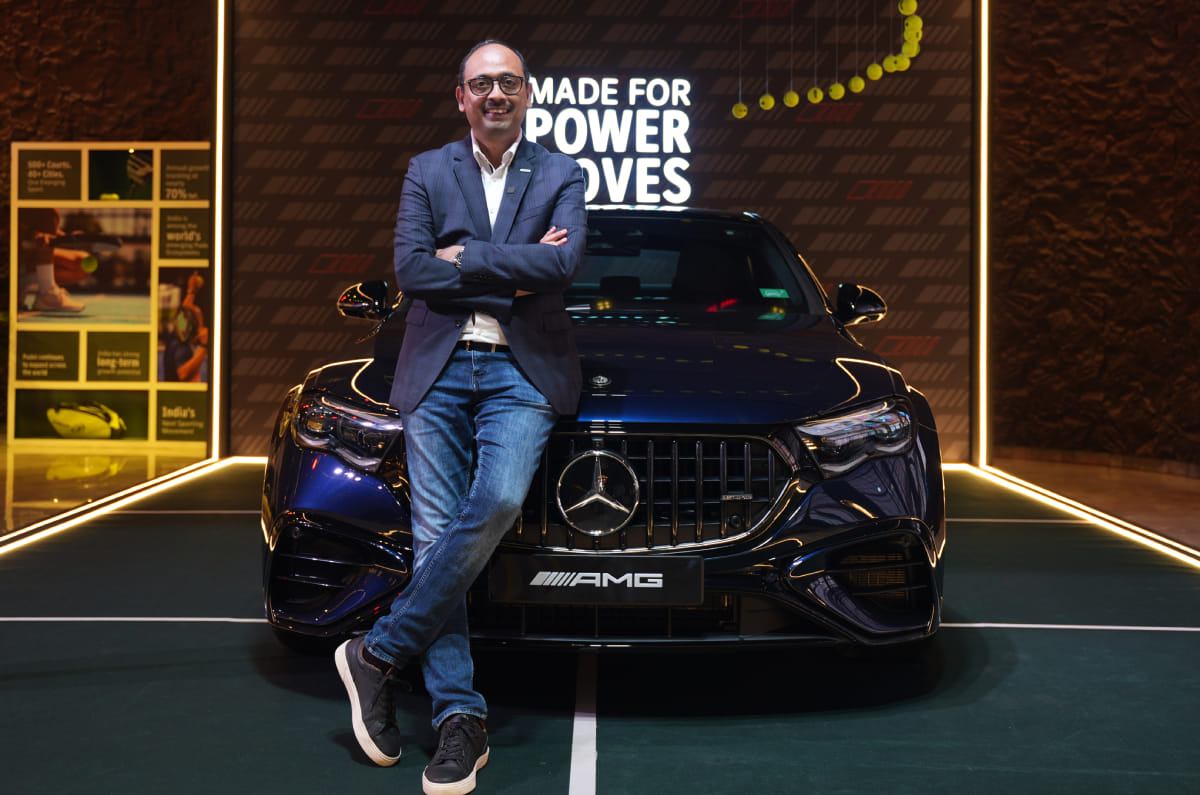
Speaking at the launch of the Mercedes-AMG E 53, Mercedes-Benz India Managing Director and CEO Santosh Iyer said the company upgraded its India portfolio in anticipation of future fuel regulations. Explaining the decision, Iyer said Mercedes-Benz wanted to prepare its products ahead of any future regulation. “The Mercedes customers expect that we will learn the legislation and upcoming trends. There are a lot of discussions on E25. It may not happen, but we want to offer cars which are compliant,” he said.
According to Iyer, Mercedes-Benz adopted E25 compatibility to future-proof its products as discussions continue around increasing ethanol blending beyond E20. He added that the company had similarly made its India line-up E20-compatible from 2020, around three years before the fuel became mandatory.
The announcement comes weeks after Mercedes-Benz highlighted concerns over fuel adulteration, rather than the E20 blend itself. The company had said inconsistent fuel quality could affect vehicle performance and called for stricter quality control as higher ethanol blends are introduced.
Mercedes-Benz to continue offering multiple powertrains
Mercedes-Benz said it will continue offering a mix of internal combustion engine, battery electric and plug-in hybrid models in India instead of focusing on a single powertrain technology. “Our job and responsibility is to offer good options across the spectrum, including gasoline with an E25,” he said.
The AMG E 53 launched alongside the announcement is the brand’s second plug-in hybrid model in India after the recently introduced S-Class Plug-in Hybrid, and the first electrified AMG E-Class in the country. Mercedes-Benz says customer demand in India continues to be spread across conventional ICE models and electrified vehicles, supporting its multi-powertrain strategy.
India completed the nationwide rollout of E20 petrol in April last year, making it the standard grade of petrol sold at fuel stations across the country. E20 contains 20 percent ethanol and 80 percent petrol, replacing the lower ethanol blends that were sold previously.
The transition has raised several questions among vehicle owners about compatibility, fuel efficiency, maintenance, warranties and long-term reliability. We separate the facts from the misconceptions and answer the key questions around E20.
1. What is E20 petrol and why has India switched to it?
E20 is fuel blended with 20 percent ethanol and 80 percent petrol. Ethanol is a biofuel produced from agricultural feedstocks such as sugarcane, maize and surplus food grains. India introduced the Ethanol Blended Petrol (EBP) Programme in 2003 with E5 petrol, and while the blended percentage kept varying for a while, it was eventually increased to E10 before completing the nationwide rollout of E20 in 2025, five years ahead of the planned implementation. According to the government, the programme aims to reduce dependence on imported crude oil, improve energy security, lower emissions and create an additional market for agricultural produce.
2. Can I use E20 fuel in my car or bike?
New petrol cars and two-wheelers sold in India today are compatible with E20 petrol. Under the government’s roadmap, vehicle manufacturers were required to make new petrol models manufactured from April 2023 compatible with E20.
Vehicles manufactured before April 2023 were designed for lower ethanol blends, so compatibility may vary depending on the model and year of manufacturing. However, some brands state that they had E20 material compliance before 2023, for a list click here.
3. How do I know if my car is E20 compatible?
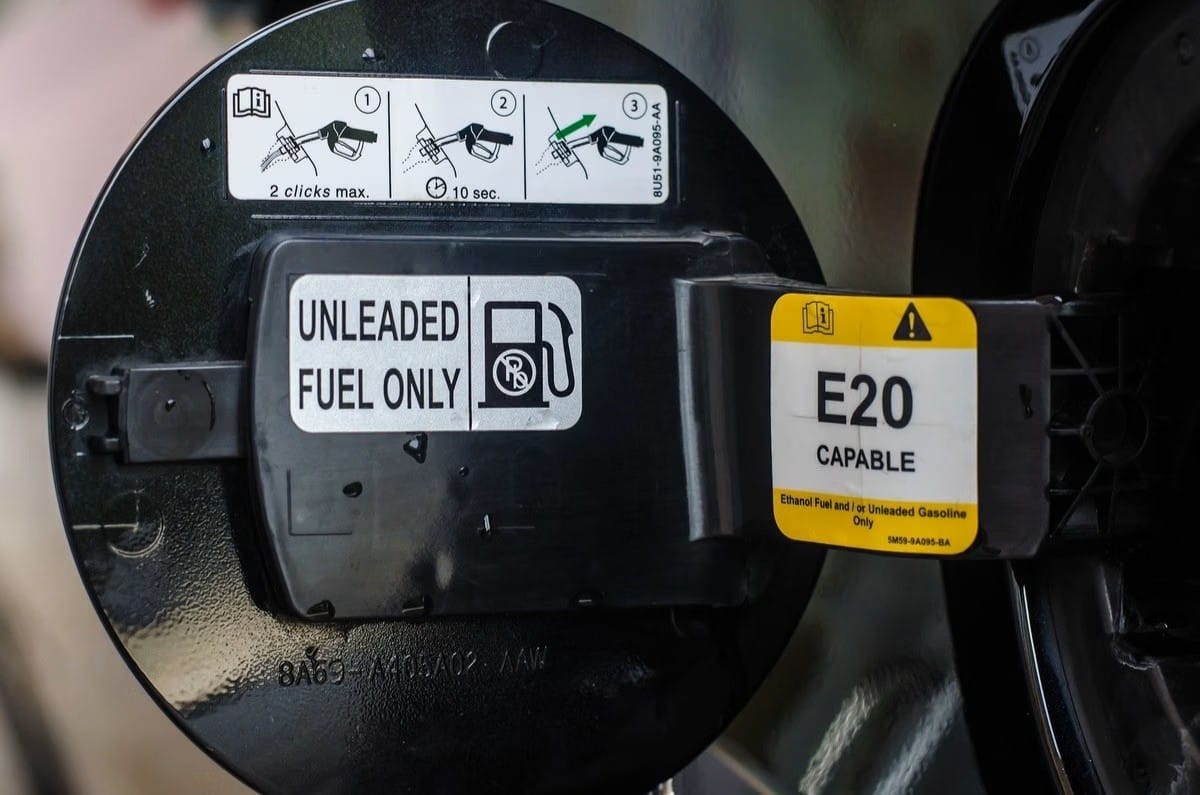
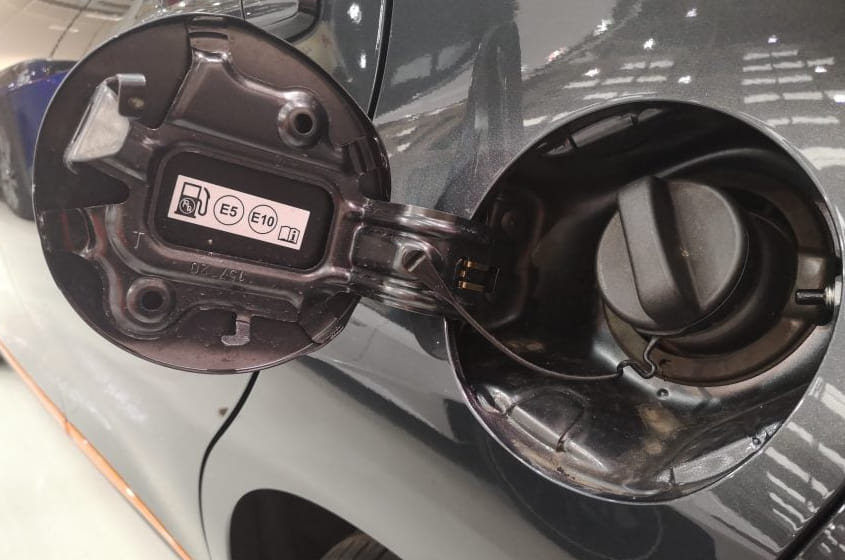
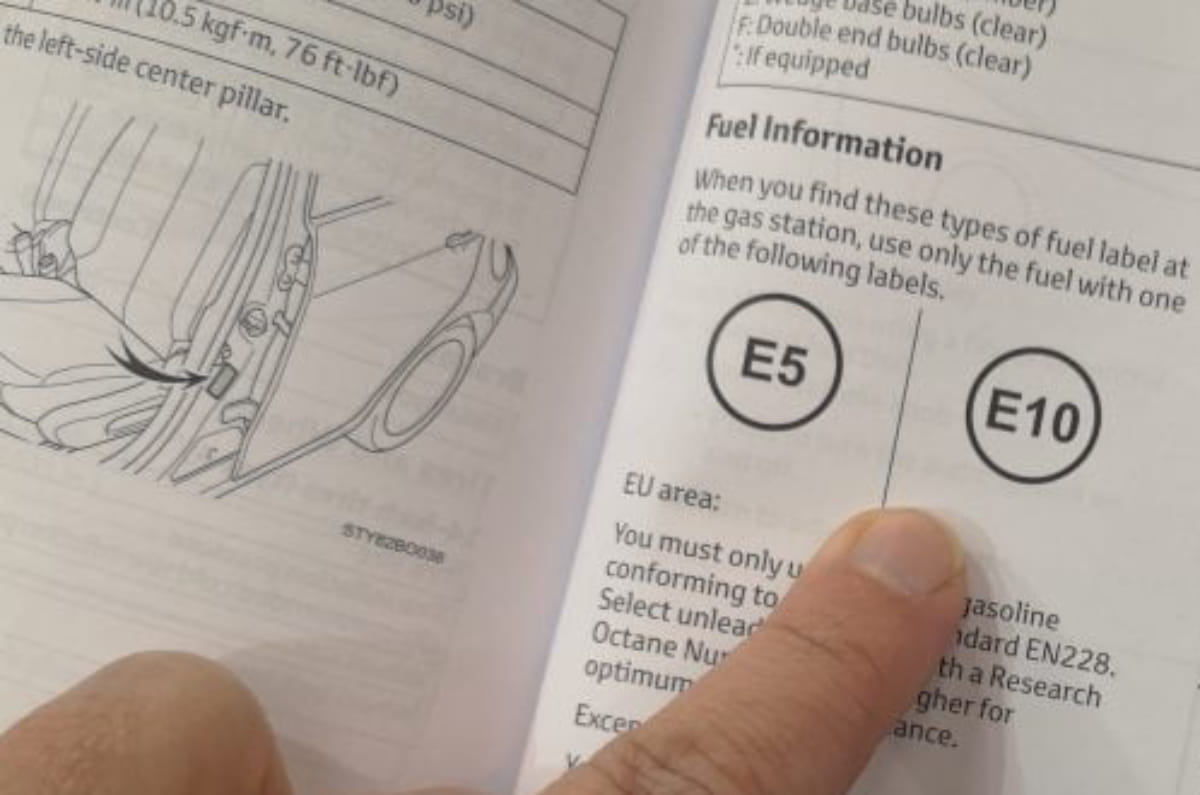
The easiest way is to check your vehicle’s fuel flap or the owner’s manual or contact the manufacturer’s authorised dealership. As part of the government’s E20 roadmap, manufacturers progressively introduced E20-compatible petrol vehicles from 2023 onwards. However, compatibility can vary depending on the model and year of manufacture, so owners should not assume that every petrol vehicle is fully E20-compatible.
4. Can E20 damage older engines or fuel-system components?
Concerns about E20 mainly relate to older vehicles that were not originally designed for higher ethanol blends. While ethanol has not been found to significantly directly affect metal fuel-system components, prolonged exposure to E20 can accelerate wear in some older rubber and plastic parts such as fuel hoses, seals, O-rings, gaskets and certain fuel pipes if they are made from materials that are not ethanol compatible.
Before approving E20, ARAI tested metals, elastomers and plastics commonly used in fuel systems. The study found no significant corrosion of metal components, but certain rubber compounds and plastics used in older vehicles showed greater deterioration than with E10 fuel. These findings prompted manufacturers to use ethanol-compatible materials in newer vehicles. Thus, owners of older vehicles should keep up with regular servicing and follow the manufacturer’s recommended maintenance schedule, increasing the inspection frequency if damage is suspected.
5. Does E20 reduce fuel efficiency?
Yes. E20 fuel generally returns lower fuel efficiency than petrol with a lower ethanol content because ethanol contains less energy than petrol. The exact reduction varies depending on the vehicle, engine and calibration.
E20 vs E10 mileage test results
Creta N Line
Dzire (BS 6)
Polo GT TSI
Dzire (BS 4)
Registration year
2024
2024
2017
2016
Average speed
17.8kph
20.25kph
18.0
19.3
Kpl on E20
10.59
14.24
9.13
9.8
Kpl on E10
12.12
14.81
9.63
11.19
Kpl variance
1.53
0.57
0.50
1.39
% variance
-12.62
-3.84
-5.19
-12.42
ARAI estimates a fuel efficiency drop of 1-6 percent with E20, while some manufacturers put it closer to 7-8 percent. In Autocar India’s real-world testing, both newer E20-compatible cars and older pre-E20 vehicles recorded a measurable drop in mileage when compared with an equivalent E10 blend. Among the newer cars, the Maruti Suzuki Dzire recorded a 3.8 percent drop, while the Hyundai Creta N Line saw a 12.6 percent decline.
Among older BS4-era cars, the Volkswagen Polo GT TSI posted a 5.2 percent drop, while the older Maruti Suzuki Dzire recorded a mileage drop of 12.4 percent.
The results also showed that there is no single figure applicable to every vehicle. Factors such as engine calibration and compression ratio all influence fuel efficiency, meaning some vehicles adapt better to E20 than others.
6. Does E20 improve performance or reduce emissions?
Octane rating test results
Fuel type
RON result
Regular E20 petrol
98.2 RON
XP95
98.8 RON
Yes, but not in a way that most motorists are likely to notice. E20 has a higher-octane rating than regular petrol, which improves resistance to engine knocking and can benefit engines designed to take advantage of higher-octane fuel.
The government says E20 aims to lower emissions by replacing a portion of petrol with domestically produced ethanol which is a renewable fuel. For most motorists, however, the most noticeable effect of switching to E20 is likely to be a small drop in mileage rather than a change in vehicle performance.
7. Is E20’s water contamination issue a real problem?
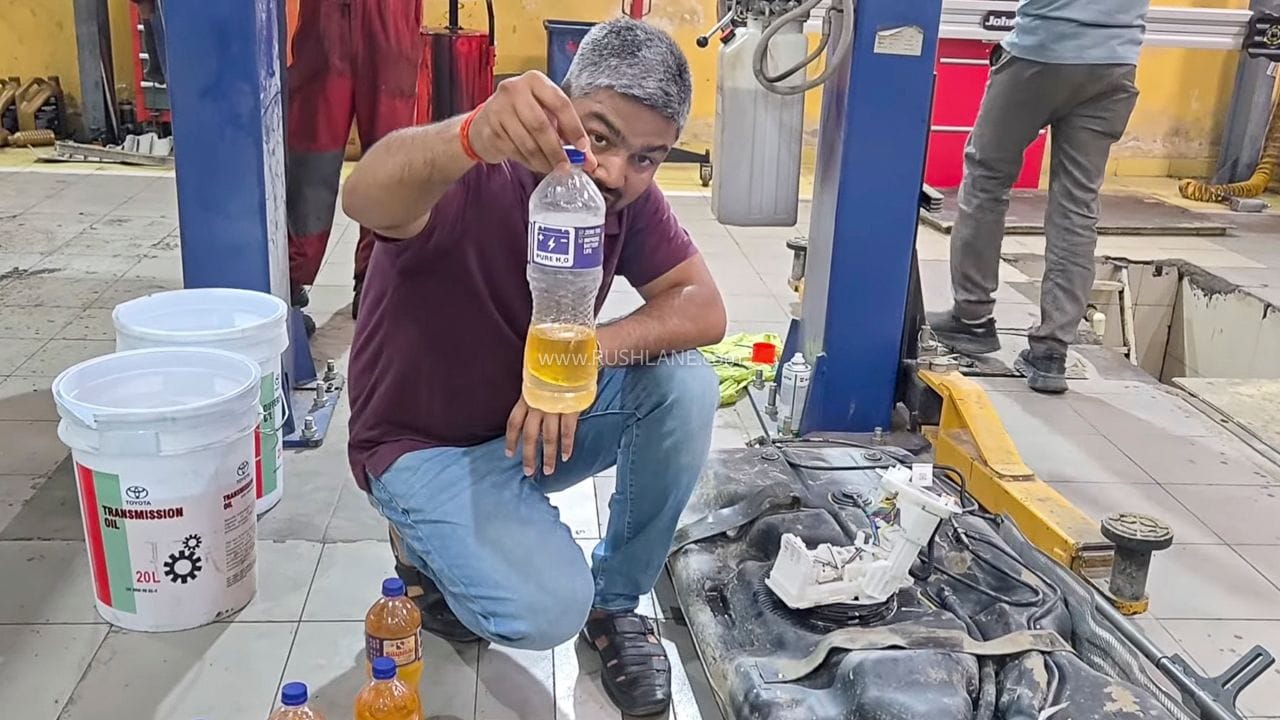
Image credit – Rushlane
Ethanol is hygroscopic, meaning it has the capability to absorb moisture. As a result, E20 is more susceptible to water contamination if excess moisture enters the fuel during storage or handling. In severe cases, this can lead to phase separation, where the ethanol and water separate from the petrol, affecting fuel quality.
Some petrol pump operators have raised concerns that existing underground storage tanks, particularly during the monsoon or in coastal areas, could be more prone to moisture ingress, increasing the risk of phase separation. However, the government and the Federation of Automobile Dealers Associations (FADA) says that there is no evidence linking E20 itself to widespread fuel contamination or vehicle failures.
8. Will using E20 affect my vehicle’s warranty?
For most owners, no. Vehicle manufacturers have said that using E20 petrol will not affect the warranty of their vehicles, and valid warranties will continue to be honoured. The government, SIAM and several manufacturers have stated that vehicles continue to be covered under their standard warranty terms when fuelled with E20, for a full list click here. SIAM has also said that OEMs will honour the warranty committed to customers for E20 usage, and that insurance claims will remain unaffected.
9. Why isn’t E20 petrol cheaper than regular petrol?
Although E20 contains 20 percent ethanol, it is not cheaper than regular petrol because ethanol currently costs more to procure and blend than petrol under prevailing market conditions. The cost of ethanol procurement, tax, transportation, blending and distribution offsets any potential saving from replacing a portion of petrol with domestically produced ethanol.
Any savings from lower crude oil imports are realised at the national level rather than by consumers through lower pump prices.
10. Why can’t I still buy E10 or pure petrol?
Because by policy E20 is now India’s standard petrol. Following the nationwide rollout of the Ethanol Blending Programme, oil companies have standardised regular petrol and premium 95-octane petrol to an E20 blend. Maintaining parallel supplies of E10 and E20 would require separate storage, transportation and dispensing infrastructure, making nationwide distribution significantly more complex.
As a result, motorists can no longer choose between E10 and E20 at regular fuel stations. The only exception is 100-octane petrol, such as IndianOil XP100 and HP Power100, which remains effectively ethanol-free because it is a niche fuel sold in limited volumes. For most vehicle owners, however, E20 is now the only petrol available.
11. Is the government planning to increase ethanol blending beyond E20?
Not yet, but the groundwork has begun. While the government has said no decision has been taken to mandate petrol with more than 20 percent ethanol, it has begun preparing the regulatory framework for higher blends.
In May 2026, the Bureau of Indian Standards (BIS) notified fuel quality standards for E22, E25, E27 and E30 petrol, indicating that the government is laying the groundwork for future adoption. It has also proposed recognising E85 and E100 fuels under the Central Motor Vehicles Rules.
Separately, the government has tasked the Automotive Research Association of India (ARAI) with studying the impact of E25 petrol on existing E10- and E20-compatible vehicles, including its effect on fuel efficiency, durability, emissions and engine performance under long-term use.
However, any move beyond E20 will require extensive testing and consultation with vehicle manufacturers, fuel companies and research agencies to assess engine durability, emissions and fuel-system compatibility before it is introduced.
12. What should owners of older cars do now?
If your vehicle is not certified as E20-compatible, it does not necessarily mean it will experience immediate problems. However, owners should follow the manufacturer’s guidance, keep up with regular servicing and replace worn fuel-system components as required. It would also be prudent to increase the frequency of inspection of your vehicles fuel system to ensure there is no corrosive damage and catch it before it gets acute.
If you own a classic car, an older imported vehicle or a high-performance model designed for lower ethanol blends, using ethanol-free 100-octane petrol may be worth considering.
13. Can I convert my vehicle to run on E20 fuel?
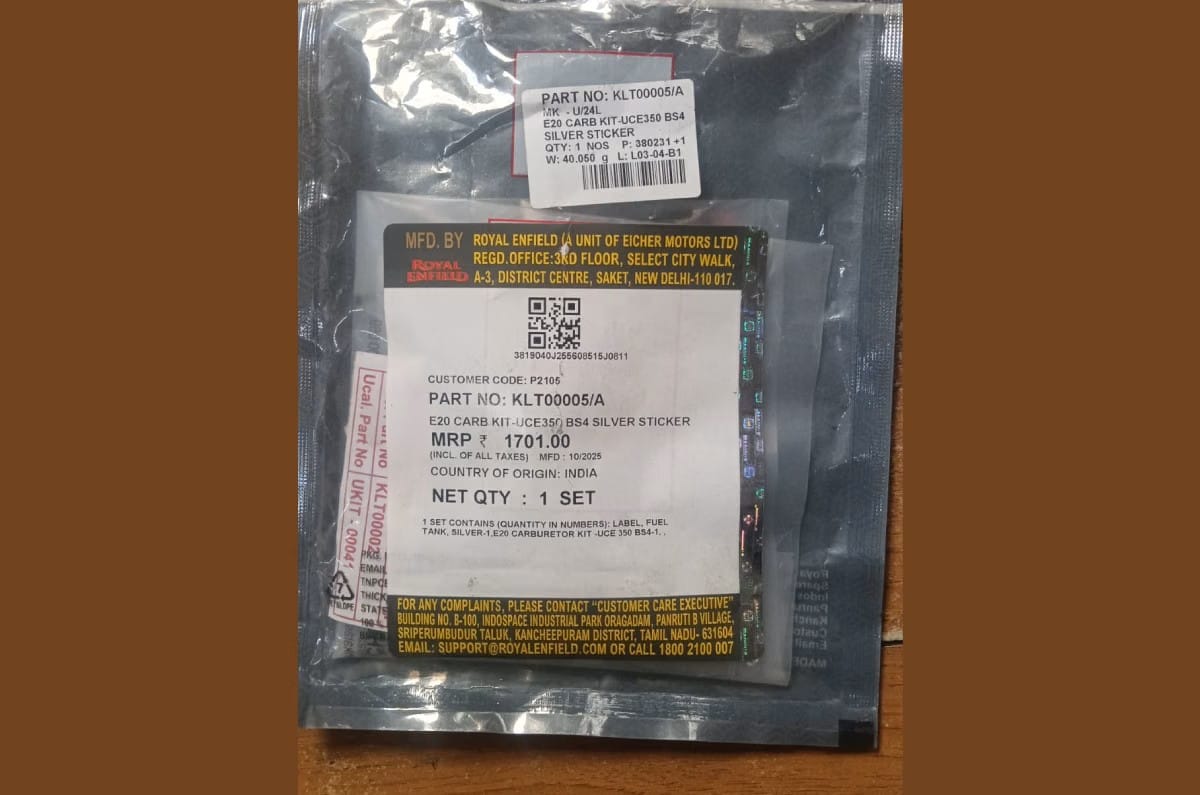
Yes, but official upgrade programmes are currently limited and while a few manufacturers, like Royal Enfield and Maruti Suzuki, had mentioned a plan for these earlier, they don’t have much to say for now. In a recent government press conference that aimed to quell the E20 backlash, Maruti stated that the kits are for R&D purpose only.
Theoretically, it’s possible to replace critical components susceptible to E20 damage with those designed to handle the fuel – especially if your vehicle is still in production – and if you feel the need to, you can go ahead and have parts like fuel lines, fuel pump and gaskets replaced but by your authorised workshops only.
So, should you be worried about E20 petrol?
Not worried, but alert. Modern petrol cars and bikes designed or updated for E20 are engineered to run on the fuel without major issues, and extensive testing by the government, research agencies and manufacturers found no evidence of widespread reliability concerns.That said, E20 is not without trade-offs. Most motorists should expect a small reduction in fuel efficiency.
For owners of older vehicles, it would be wise to pay closer attention to fuel-system maintenance.