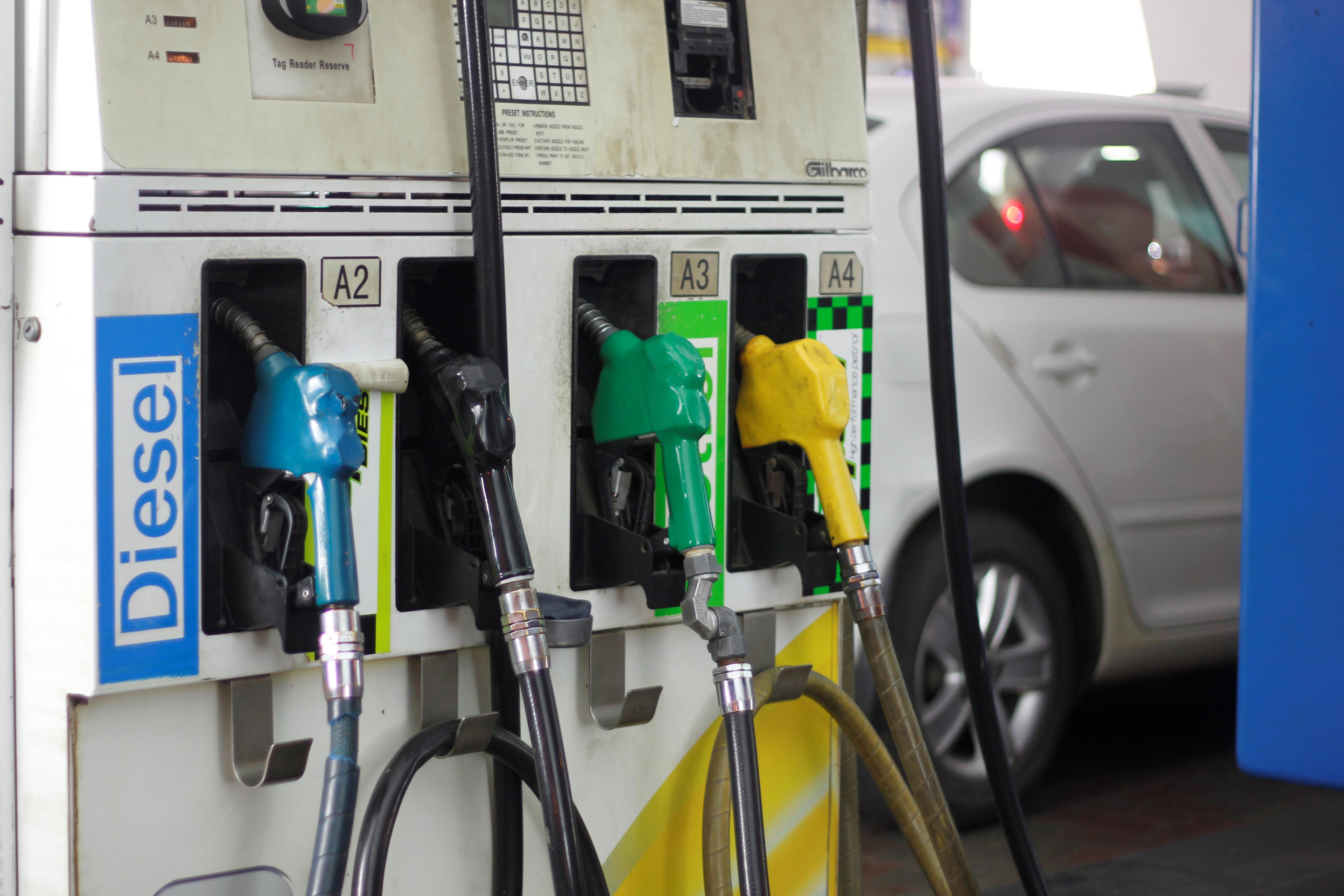
Mercedes-Benz India has said every car it has sold in the country since January 2026 is compatible with E25 ethanol-blended petrol, making it one of the first luxury carmakers in India to prepare its portfolio ahead of any mandate for higher ethanol blends.
The announcement comes months after India completed the nationwide rollout of E20 petrol. More recently, the Bureau of Indian Standards (BIS) notified technical standards for higher ethanol blends, including E22, E25, E27 and E30, signalling the government’s efforts to prepare the regulatory framework for fuels beyond E20.
Mercedes cars in India have been E20-compatible since 2020
Announcement made at the launch of the AMG E 53 plug-in hybrid
Company to go ahead with a multi-powertrain strategy in India
Mercedes-Benz prepared line-up ahead of future ethanol norms
Speaking at the launch of the Mercedes-AMG E 53, Mercedes-Benz India Managing Director and CEO Santosh Iyer said the company upgraded its India portfolio in anticipation of future fuel regulations. Explaining the decision, Iyer said Mercedes-Benz wanted to prepare its products ahead of any future regulation. “The Mercedes customers expect that we will learn the legislation and upcoming trends. There are a lot of discussions on E25. It may not happen, but we want to offer cars which are compliant,” he said.
According to Iyer, Mercedes-Benz adopted E25 compatibility to future-proof its products as discussions continue around increasing ethanol blending beyond E20. He added that the company had similarly made its India line-up E20-compatible from 2020, around three years before the fuel became mandatory.
The announcement comes weeks after Mercedes-Benz highlighted concerns over fuel adulteration, rather than the E20 blend itself. The company had said inconsistent fuel quality could affect vehicle performance and called for stricter quality control as higher ethanol blends are introduced.
Mercedes-Benz to continue offering multiple powertrains
Mercedes-Benz said it will continue offering a mix of internal combustion engine, battery electric and plug-in hybrid models in India instead of focusing on a single powertrain technology. “Our job and responsibility is to offer good options across the spectrum, including gasoline with an E25,” he said.
The AMG E 53 launched alongside the announcement is the brand’s second plug-in hybrid model in India after the recently introduced S-Class Plug-in Hybrid, and the first electrified AMG E-Class in the country. Mercedes-Benz says customer demand in India continues to be spread across conventional ICE models and electrified vehicles, supporting its multi-powertrain strategy.
India completed the nationwide rollout of E20 petrol in April last year, making it the standard grade of petrol sold at fuel stations across the country. E20 contains 20 percent ethanol and 80 percent petrol, replacing the lower ethanol blends that were sold previously.
The transition has raised several questions among vehicle owners about compatibility, fuel efficiency, maintenance, warranties and long-term reliability. We separate the facts from the misconceptions and answer the key questions around E20.
1. What is E20 petrol and why has India switched to it?
E20 is fuel blended with 20 percent ethanol and 80 percent petrol. Ethanol is a biofuel produced from agricultural feedstocks such as sugarcane, maize and surplus food grains. India introduced the Ethanol Blended Petrol (EBP) Programme in 2003 with E5 petrol, and while the blended percentage kept varying for a while, it was eventually increased to E10 before completing the nationwide rollout of E20 in 2025, five years ahead of the planned implementation. According to the government, the programme aims to reduce dependence on imported crude oil, improve energy security, lower emissions and create an additional market for agricultural produce.
2. Can I use E20 fuel in my car or bike?
New petrol cars and two-wheelers sold in India today are compatible with E20 petrol. Under the government’s roadmap, vehicle manufacturers were required to make new petrol models manufactured from April 2023 compatible with E20.
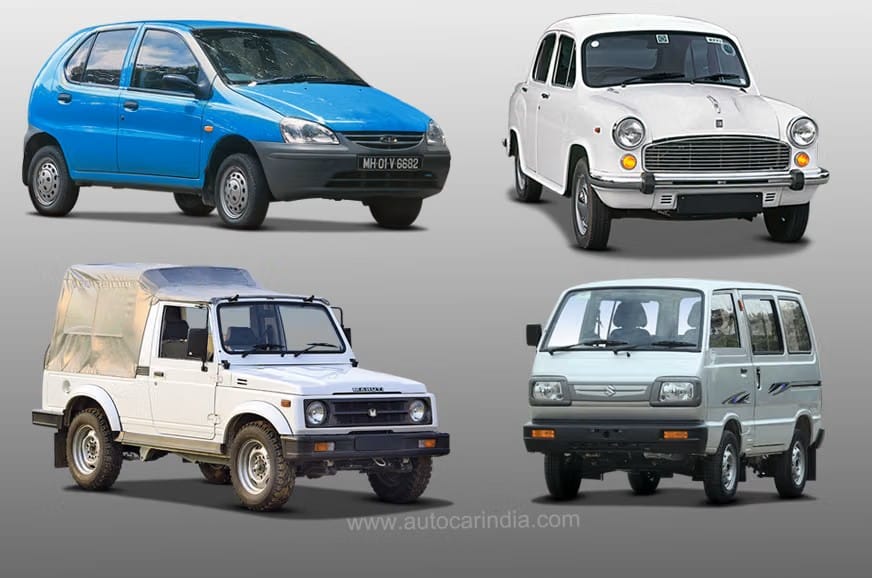
Vehicles manufactured before April 2023 were designed for lower ethanol blends, so compatibility may vary depending on the model and year of manufacturing. However, some brands state that they had E20 material compliance before 2023, for a list click here.
3. How do I know if my car is E20 compatible?
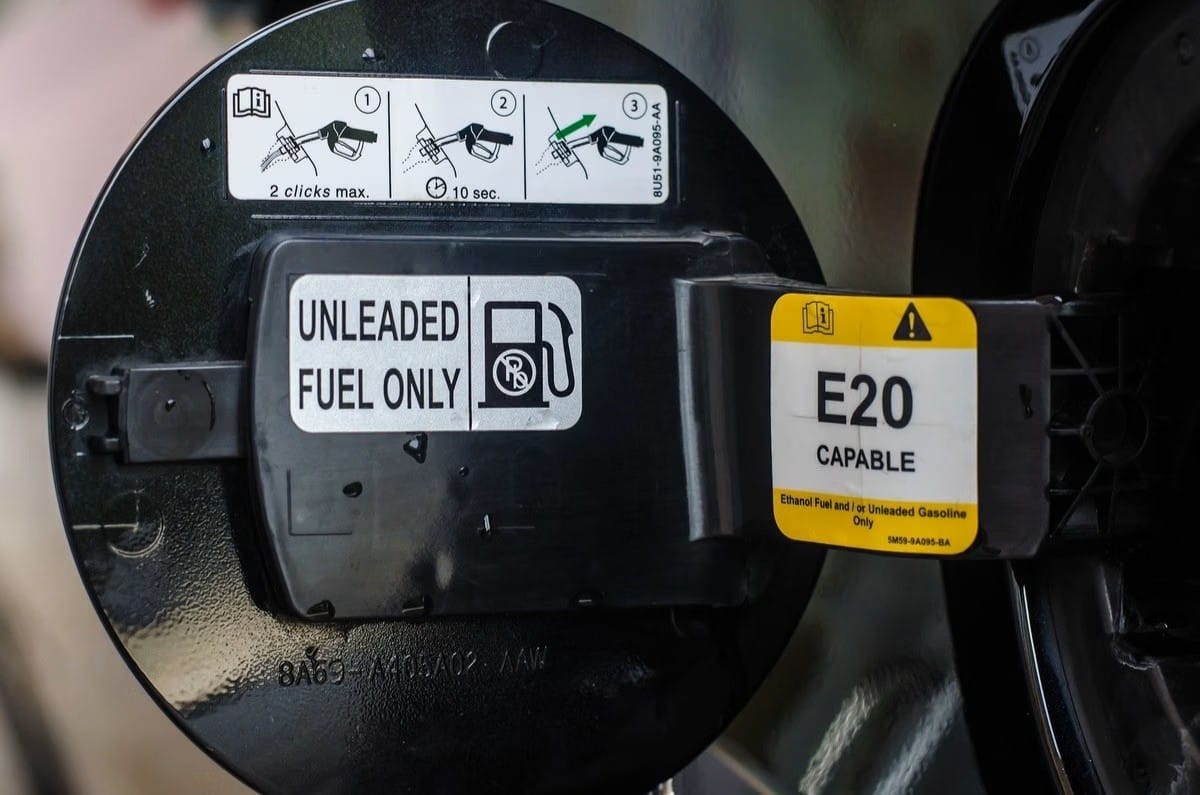
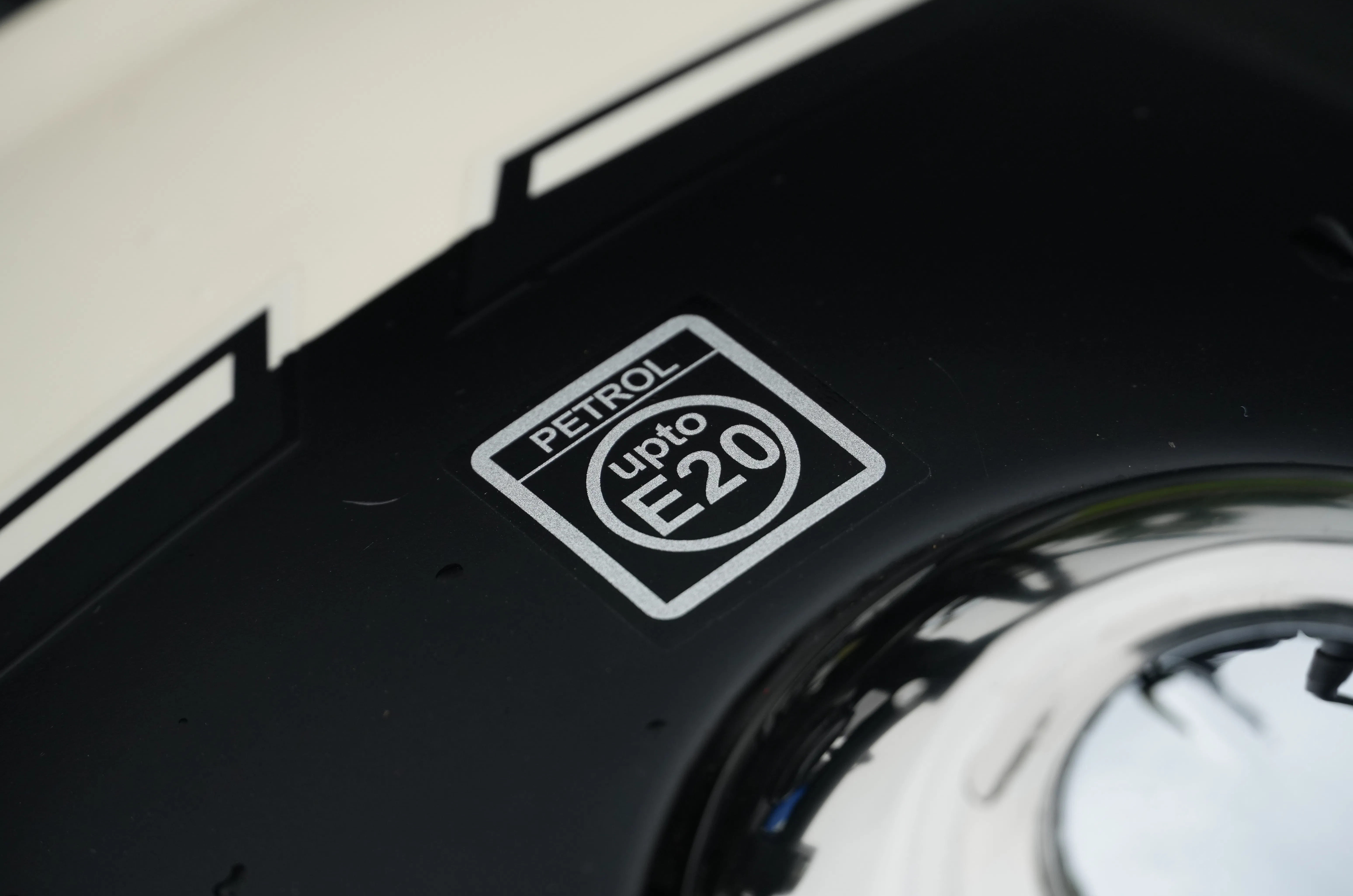
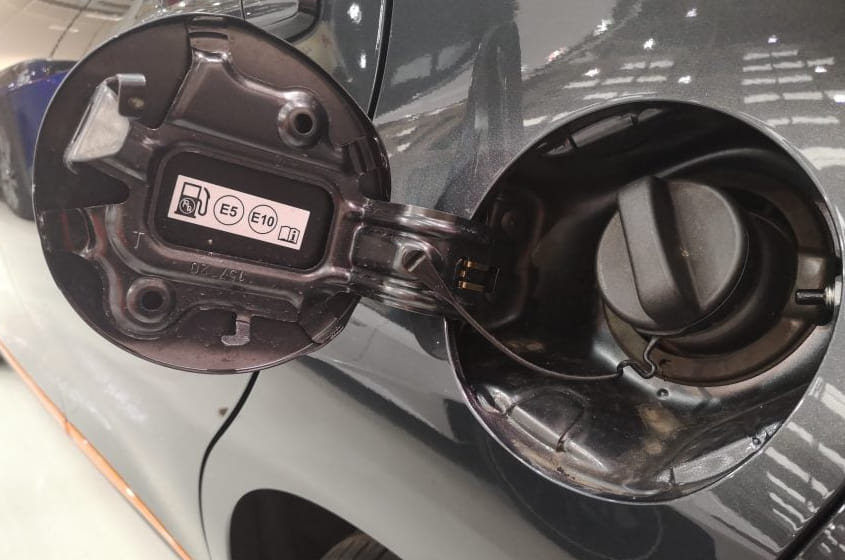
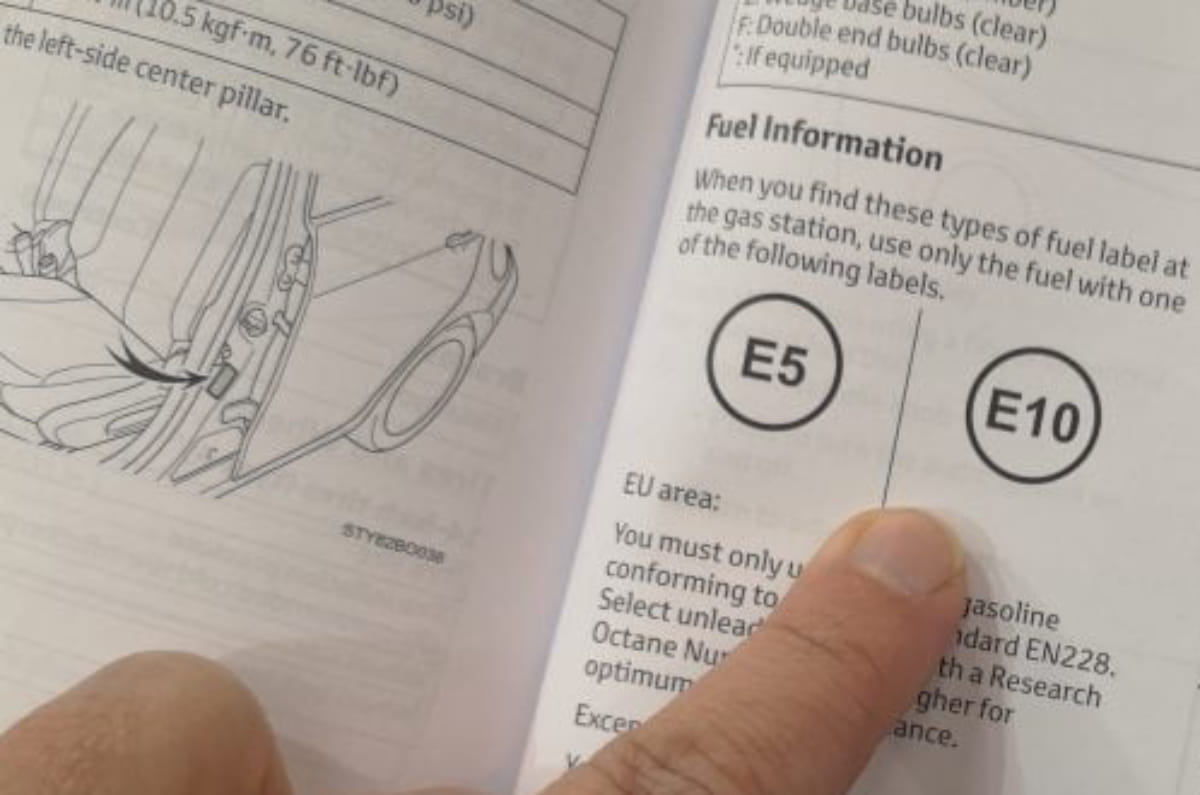
The easiest way is to check your vehicle’s fuel flap or the owner’s manual or contact the manufacturer’s authorised dealership. As part of the government’s E20 roadmap, manufacturers progressively introduced E20-compatible petrol vehicles from 2023 onwards. However, compatibility can vary depending on the model and year of manufacture, so owners should not assume that every petrol vehicle is fully E20-compatible.
4. Can E20 damage older engines or fuel-system components?
Concerns about E20 mainly relate to older vehicles that were not originally designed for higher ethanol blends. While ethanol has not been found to significantly directly affect metal fuel-system components, prolonged exposure to E20 can accelerate wear in some older rubber and plastic parts such as fuel hoses, seals, O-rings, gaskets and certain fuel pipes if they are made from materials that are not ethanol compatible.
Before approving E20, ARAI tested metals, elastomers and plastics commonly used in fuel systems. The study found no significant corrosion of metal components, but certain rubber compounds and plastics used in older vehicles showed greater deterioration than with E10 fuel. These findings prompted manufacturers to use ethanol-compatible materials in newer vehicles. Thus, owners of older vehicles should keep up with regular servicing and follow the manufacturer’s recommended maintenance schedule, increasing the inspection frequency if damage is suspected.
5. Does E20 reduce fuel efficiency?
Yes. E20 fuel generally returns lower fuel efficiency than petrol with a lower ethanol content because ethanol contains less energy than petrol. The exact reduction varies depending on the vehicle, engine and calibration.
E20 vs E10 mileage test results
Creta N Line
Dzire (BS 6)
Polo GT TSI
Dzire (BS 4)
Registration year
2024
2024
2017
2016
Average speed
17.8kph
20.25kph
18.0
19.3
Kpl on E20
10.59
14.24
9.13
9.8
Kpl on E10
12.12
14.81
9.63
11.19
Kpl variance
1.53
0.57
0.50
1.39
% variance
-12.62
-3.84
-5.19
-12.42
ARAI estimates a fuel efficiency drop of 1-6 percent with E20, while some manufacturers put it closer to 7-8 percent. In Autocar India’s real-world testing, both newer E20-compatible cars and older pre-E20 vehicles recorded a measurable drop in mileage when compared with an equivalent E10 blend. Among the newer cars, the Maruti Suzuki Dzire recorded a 3.8 percent drop, while the Hyundai Creta N Line saw a 12.6 percent decline.
Among older BS4-era cars, the Volkswagen Polo GT TSI posted a 5.2 percent drop, while the older Maruti Suzuki Dzire recorded a mileage drop of 12.4 percent.
The results also showed that there is no single figure applicable to every vehicle. Factors such as engine calibration and compression ratio all influence fuel efficiency, meaning some vehicles adapt better to E20 than others.
6. Does E20 improve performance or reduce emissions?
Octane rating test results
Fuel type
RON result
Regular E20 petrol
98.2 RON
XP95
98.8 RON
Yes, but not in a way that most motorists are likely to notice. E20 has a higher-octane rating than regular petrol, which improves resistance to engine knocking and can benefit engines designed to take advantage of higher-octane fuel.
The government says E20 aims to lower emissions by replacing a portion of petrol with domestically produced ethanol which is a renewable fuel. For most motorists, however, the most noticeable effect of switching to E20 is likely to be a small drop in mileage rather than a change in vehicle performance.
7. Is E20’s water contamination issue a real problem?
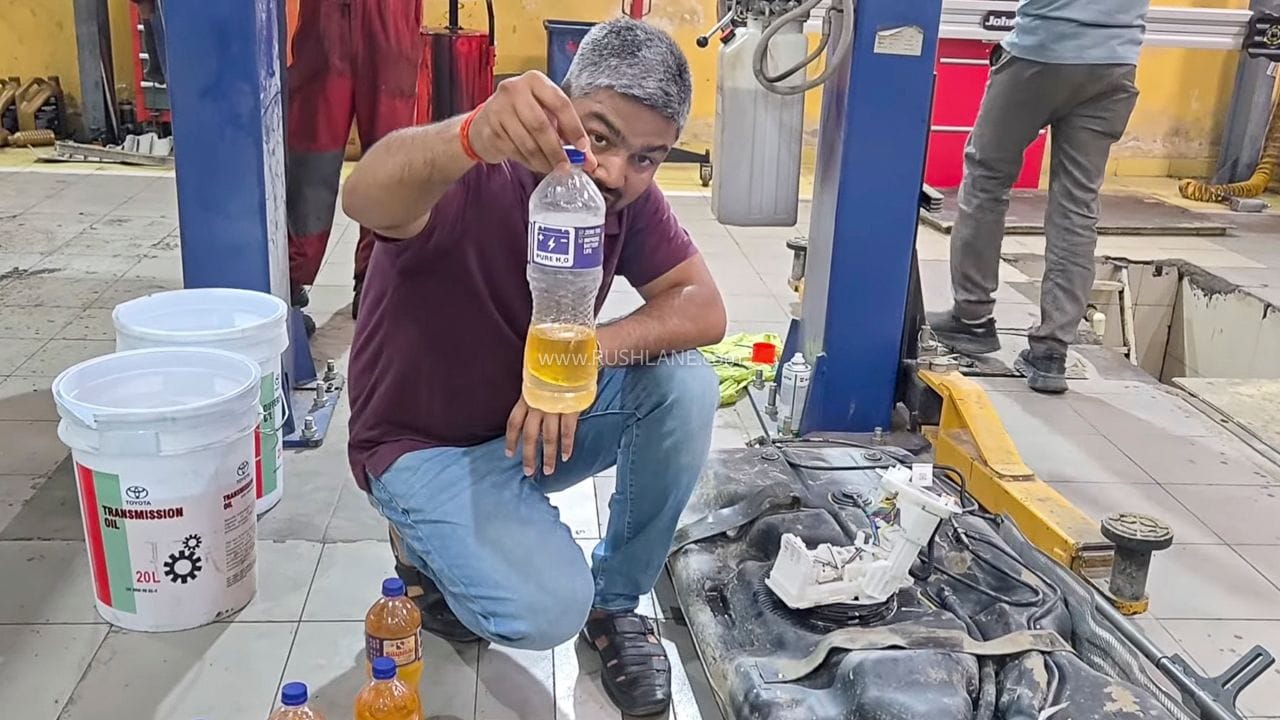
Image credit – Rushlane
Ethanol is hygroscopic, meaning it has the capability to absorb moisture. As a result, E20 is more susceptible to water contamination if excess moisture enters the fuel during storage or handling. In severe cases, this can lead to phase separation, where the ethanol and water separate from the petrol, affecting fuel quality.
Some petrol pump operators have raised concerns that existing underground storage tanks, particularly during the monsoon or in coastal areas, could be more prone to moisture ingress, increasing the risk of phase separation. However, the government and the Federation of Automobile Dealers Associations (FADA) says that there is no evidence linking E20 itself to widespread fuel contamination or vehicle failures.
8. Will using E20 affect my vehicle’s warranty?
For most owners, no. Vehicle manufacturers have said that using E20 petrol will not affect the warranty of their vehicles, and valid warranties will continue to be honoured. The government, SIAM and several manufacturers have stated that vehicles continue to be covered under their standard warranty terms when fuelled with E20, for a full list click here. SIAM has also said that OEMs will honour the warranty committed to customers for E20 usage, and that insurance claims will remain unaffected.
9. Why isn’t E20 petrol cheaper than regular petrol?
Although E20 contains 20 percent ethanol, it is not cheaper than regular petrol because ethanol currently costs more to procure and blend than petrol under prevailing market conditions. The cost of ethanol procurement, tax, transportation, blending and distribution offsets any potential saving from replacing a portion of petrol with domestically produced ethanol.
Any savings from lower crude oil imports are realised at the national level rather than by consumers through lower pump prices.
10. Why can’t I still buy E10 or pure petrol?
Because by policy E20 is now India’s standard petrol. Following the nationwide rollout of the Ethanol Blending Programme, oil companies have standardised regular petrol and premium 95-octane petrol to an E20 blend. Maintaining parallel supplies of E10 and E20 would require separate storage, transportation and dispensing infrastructure, making nationwide distribution significantly more complex.
As a result, motorists can no longer choose between E10 and E20 at regular fuel stations. The only exception is 100-octane petrol, such as IndianOil XP100 and HP Power100, which remains effectively ethanol-free because it is a niche fuel sold in limited volumes. For most vehicle owners, however, E20 is now the only petrol available.
11. Is the government planning to increase ethanol blending beyond E20?
Not yet, but the groundwork has begun. While the government has said no decision has been taken to mandate petrol with more than 20 percent ethanol, it has begun preparing the regulatory framework for higher blends.
In May 2026, the Bureau of Indian Standards (BIS) notified fuel quality standards for E22, E25, E27 and E30 petrol, indicating that the government is laying the groundwork for future adoption. It has also proposed recognising E85 and E100 fuels under the Central Motor Vehicles Rules.
Separately, the government has tasked the Automotive Research Association of India (ARAI) with studying the impact of E25 petrol on existing E10- and E20-compatible vehicles, including its effect on fuel efficiency, durability, emissions and engine performance under long-term use.
However, any move beyond E20 will require extensive testing and consultation with vehicle manufacturers, fuel companies and research agencies to assess engine durability, emissions and fuel-system compatibility before it is introduced.
12. What should owners of older cars do now?
If your vehicle is not certified as E20-compatible, it does not necessarily mean it will experience immediate problems. However, owners should follow the manufacturer’s guidance, keep up with regular servicing and replace worn fuel-system components as required. It would also be prudent to increase the frequency of inspection of your vehicles fuel system to ensure there is no corrosive damage and catch it before it gets acute.
If you own a classic car, an older imported vehicle or a high-performance model designed for lower ethanol blends, using ethanol-free 100-octane petrol may be worth considering.
13. Can I convert my vehicle to run on E20 fuel?
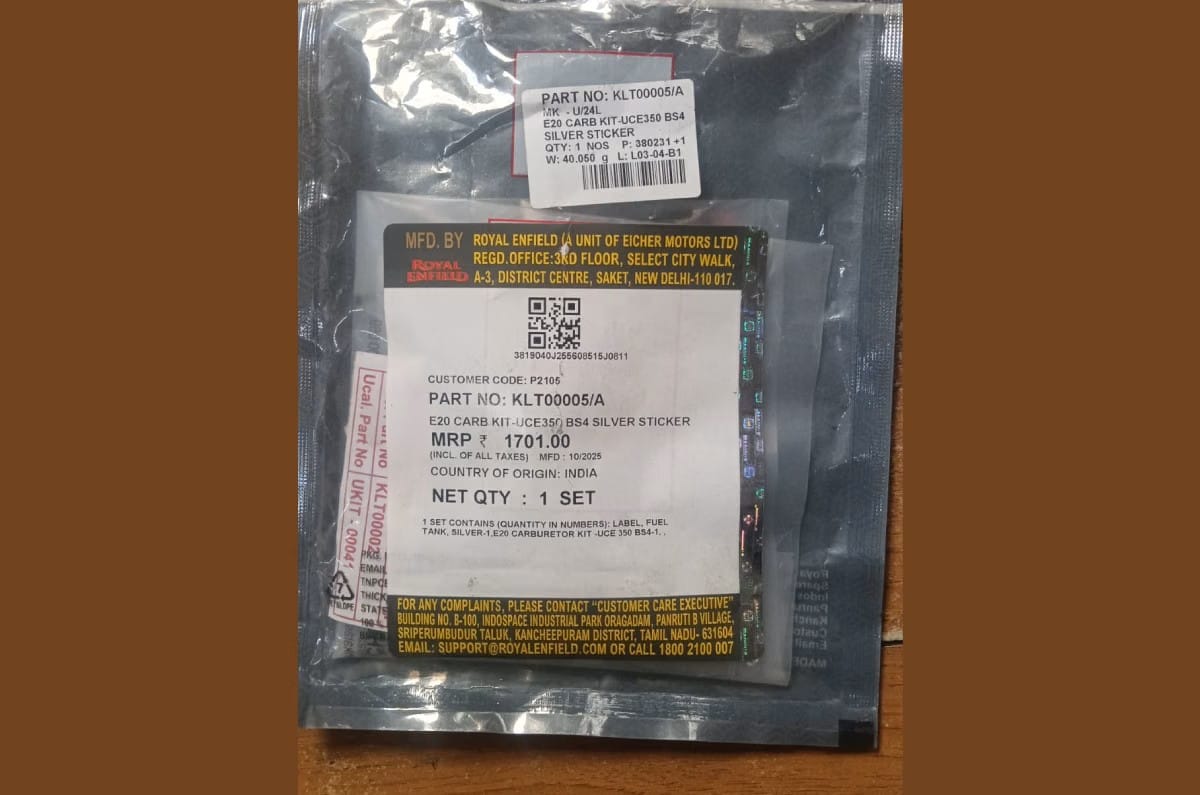
Yes, but official upgrade programmes are currently limited and while a few manufacturers, like Royal Enfield and Maruti Suzuki, had mentioned a plan for these earlier, they don’t have much to say for now. In a recent government press conference that aimed to quell the E20 backlash, Maruti stated that the kits are for R&D purpose only.
Theoretically, it’s possible to replace critical components susceptible to E20 damage with those designed to handle the fuel – especially if your vehicle is still in production – and if you feel the need to, you can go ahead and have parts like fuel lines, fuel pump and gaskets replaced but by your authorised workshops only.
So, should you be worried about E20 petrol?
Not worried, but alert. Modern petrol cars and bikes designed or updated for E20 are engineered to run on the fuel without major issues, and extensive testing by the government, research agencies and manufacturers found no evidence of widespread reliability concerns.That said, E20 is not without trade-offs. Most motorists should expect a small reduction in fuel efficiency.
For owners of older vehicles, it would be wise to pay closer attention to fuel-system maintenance.
Hindustan Petroleum Corporation Limited (HPCL) said that it has completed an extensive nationwide fuel quality surveillance operation across its retail network to monitor ethanol-blended petrol compliance. It said that the inspection cycle concluded with zero reported instances of adulteration, contamination, or critical quality lapses.
HPCL conducted 2,173 unannounced inspections at fuel outlets
Inspection was to specifically verify localized ethanol blending metrics
According to operational data released by HPCL, field officers executed 2,173 unannounced surprise inspections at retail outlets between July 7 and July 13, 2026, specifically to verify localized ethanol blending metrics. These surprise checks were conducted alongside 1,385 regular field inspections scheduled throughout the network between July 3 and July 13, 2026.
The monitoring campaign also involved the company’s dedicated Quality Assurance Cell, which functions as an internal anti-adulteration division. The unit carried out 93 targeted surprise inspections, while technical teams utilized mobile laboratory facilities to test 49 individual fuel samples directly on-site.
The Central government has ruled out offering pure petrol, E10 and E20 simultaneously across India, saying maintaining multiple petrol grades would increase costs and create significant logistical challenges. In a question-and-answer note issued on July 10, the Ministry of Petroleum and Natural Gas reiterated that E20 will continue as the country’s standard petrol blend.
Government cites investments made in ethanol production infrastructure
Separate fuel grades would require parallel storage and distribution
E20 to remain the standard petrol blend across India
Government cites distribution challenges
The ministry said India’s fuel distribution network comprises more than one lakh retail outlets, supported by refineries, terminals, depots, pipelines and storage facilities. Maintaining three different petrol grades across this network would require separate storage, inventory management and distribution infrastructure, increasing handling costs and reducing operational efficiency.
The government also rejected comparisons with premium petrol, saying it is a niche product sold in relatively small volumes and does not require a separate nationwide fuel supply chain.
Investments in ethanol infrastructure
The ministry said substantial investments have been made in ethanol production, including distilleries, storage facilities and logistics infrastructure, to support India’s ethanol blending programme. It added that reverting to E10 as the standard petrol blend could leave ethanol production capacity underutilized and affect investments made by farmers, cooperatives, companies and financial institutions.
According to the ministry, India achieved an average 20 percent ethanol blending between November 2025 and June 2026, compared with 19.2 percent during the previous ethanol supply year.
What it means for older vehicles
The question of offering multiple petrol grades has been raised by owners of older vehicles originally certified to run on E10 petrol. The ministry said vehicle manufacturers, component suppliers, testing agencies and research institutions were consulted before the introduction of E20, covering areas such as material compatibility, engine calibration, fuel systems, durability, emissions and fuel economy.
To support its position, the ministry cited field data from Maruti Suzuki and Hero MotoCorp. It said Maruti Suzuki serviced 2.84 crore vehicles during FY2025-26, including 1.5 crore older vehicles that were not originally certified for E20, and reported no E20-related corrosion, abnormal wear or component-life damage. Hero MotoCorp also reported similar field experience.
The ministry acknowledged that some vehicles may record a 3-5 percent reduction in fuel economy when running on E20. However, it said this should be weighed against the fuel’s higher octane rating, as well as the benefits of lower crude oil imports and reduced emissions.
These are claims made by the Petroleum Ministry in support of the E20 programme. The release does not provide an independent comparison of the additional cost of maintaining multiple fuel grades against the benefit of allowing consumers to select fuel based on their vehicle’s original certification.
Mercedes-Benz India says suspected fuel adulteration is adding to customer concerns around E20 petrol, with some fuel quality issues being mistaken for problems caused by ethanol blending. The luxury carmaker said it has seen a rise in customer queries around E20 fuel. “We’ve seen a lot of anxiety, with a lot of customers asking us and our dealerships,” Mercedes-Benz India managing director and CEO Santosh Iyer said.
Mercedes-Benz says customer queries around E20 fuel have increased
Dealer network equipped with FAQs to address customer concerns
Latest S-Class hybrid already compatible with E25 fuel
Mercedes-Benz clarifies concerns around E20 fuel
Speaking during the company’s half-yearly sales call, Iyer said the company has equipped its dealer network with FAQs to help address customer concerns around E20 fuel.
He added that Mercedes-Benz’s latest models are already compatible with higher ethanol blends and said the company is not concerned about E20 compliance. “We were one of the first to get materially compliant E20 cars, as well as emission-compliant E20 cars. The new S-Class hybrid is already an E25-compliant car,” he said.
Mercedes urges stricter checks on fuel quality
Iyer said some cases of poor-quality fuel are being mistaken for issues related to E20 petrol, making it difficult to distinguish fuel adulteration from genuine ethanol-related concerns. “We have seen increased fuel adulteration happening under the garb of E20, which is also causing concern because we have some customers who may not have filled the right quality of fuel, and then explaining it to them may be challenging,” he said.
He said stronger enforcement at fuel stations would help distinguish genuine fuel-quality issues from concerns related to E20, reducing confusion among customers. “So this is something for the enforcement agencies and regulators to check because under this E20, even we can see a bit of proliferation of fuel adulteration, which is causing anxiety and concern among customers,” he said.
India’s mandatory rollout of E20 petrol has come under renewed scrutiny after a series of public complaints, political criticism and viral social media posts incited fresh debate over the ethanol blending programme. Meanwhile, manufacturers such as Toyota, Maruti Suzuki and Hero Motocorp have publicly defended the E20 policy.
The controversy heightened early last week after reports emerged of Attorney General for India, R Venkataramani, describing the country’s ethanol blending programme as an “experiment” during a court hearing, saying its results would only be known next year. Though the government later denied that the remark referred to the E20 policy and Venkataramani clarified that he was speaking about ethanol supply volumes rather than the fuel itself, the comments have intensified an already growing backlash.
Auto manufacturers express support for India’s ethanol blending programme
No E20-related issues recorded in non-compliant vehicles so far, claim manufacturers
At a government briefing held on July 4, several automotive manufacturers and industry representatives mounted a coordinated defence of the ethanol blending programme. Maruti Suzuki’s Senior Executive Officer for Corporate Affairs, Rahul Bharti, acknowledged the key concern of E20’s impact on E10-compliant and older vehicles.
“India mandated E20 from 2023 for material compliance, and before that it was E10. Obviously, after 2023 both the cars and the fuel are mandated for E20,” he said. For perspective, E20 compliance was mandated as part of Bharat Stage 6 Phase 2 regulations, which went into effect from April 2023 onwards.
However, Bharti claimed that Maruti Suzuki had tested older E10-compatible vehicles on E20 and found no significant concerns related to wear, corrosion, or component durability. “As a manufacturer we have tested E10 cars, which were prevalent before 2023, on E20 fuel for all parameters, and we have not found anything of concern,” stated Bharti.
Hero MotoCorp Chief Business Officer Ashutosh Verma concurred with Bharti’s statement, confirming that analysis of crores of service records had not found a higher incidence of vehicle damage in vehicles running on E20 compared with earlier fuel blends. Vikram Gulati, Country Head and Executive Vice President of Toyota Kirloskar Motor, added that the auto industry features highly stringent regulations, and that vehicles and fuels are put through extensive testing, certification, and homologation before reaching customers.
Gulati also said that ethanol is a cleaner, high-performance fuel that helps cut vehicle emissions and reduces India’s dependence on crude oil imports. Former Engineers India chairman and managing director Vartika Shukla echoed Gulati, stating that the transition to E20 was carried out via a phased, scientifically driven process involving auto manufacturers and testing agencies. She noted that ethanol blending had increased from around 1.5 percent in 2013-14 to 20 percent by December 2025, achieving the government’s target five years ahead of schedule.
Petroleum minister Hardeep Singh Puri remarked at a separate briefing on July 2: “They use it [ethanol] in racing cars also, the acceleration increases. Mileage, yes, it may drop a little.” Puri’s comments are not germane to public concerns at all, as race cars use ethanol solely for performance, and the mileage drop is the central pain point for the overwhelming majority of vehicle owners. Race car engines are also designed to take full advantage of ethanol and are frequently rebuilt, with the latter residing completely outside the realm of reason for the average motorist.
Toyota attributes Innova Hycross issue to fuel contamination
The Hycross in question belonged to Manoj Kashyap, a Bihar-based content creator
Motorists across India have emerged in droves online to voice concerns over reduced fuel efficiency, vehicle performance, and the long-term complications of using E20 petrol. A recent video posted by Bihar-based content creator Manish Kashyap gained immense traction on social media, showing his Toyota Innova Hycross hybrid at a service centre after it reportedly developed engine vibration and knocking issues at around 12,000km.
Kashyap blamed the issue on E20 petrol, criticised Union Road Transport Minister Nitin Gadkari (a major proponent of the ethanol-blending programme), and argued that consumers should have the option of purchasing unblended petrol. Responding to Kashyap’s viral claims, Toyota said it conducted an investigation on the damaged Innova Hycross and found no link between the car’s fault and E20 petrol, and that the culprit was actually contaminated fuel.
Toyota Innova Hycross hybrid. Image used for representation only.
“Based on our detailed technical assessment of the vehicle, the issue was due to fuel contamination,” Toyota noted in its statement. The Japanese carmaker said its technicians drained and cleaned the fuel tank and lines before refilling the vehicle with standard E20 petrol. Following the procedure, the Innova Hycross was found to be operating normally and was returned to Kashyap.
“The incident is not related to E20 fuel usage and was solely caused by non-standard and contaminated fuel,” Toyota added, advising customers to refuel only at authorised and reputed fuel stations. Contaminated fuel is a legitimate issue across the country and is compounded further by the introduction of E20, as fuel-related damage in vehicles becomes more difficult to pin down – ethanol is hygroscopic in nature, which means it can draw moisture from air and rot plastic and rubber components in the fuel system, especially in non-compliant vehicles.
Opposition voices disapproval of E20 policy implementation
Hundreds showed up to an anti-E20 protest in Delhi
Despite the industry’s defence, criticism surrounding the ethanol blending policy continues to grow in the political arena. Opposition leader Priyank Kharge argued that the rollout lacked adequate consultation and that the government could not dismiss consumer concerns while its own assessment remained pending. Political analyst Tehseen Poonawalla staged a protest against the mandatory E20 rollout at Jantar Mantar in New Delhi on July 5, which was attended by hundreds of aggrieved motorists.
The government, meanwhile, has continued to back E20, saying the fuel reduces carbon emissions, cuts crude oil imports, saves foreign exchange and supports farmers by increasing demand for ethanol feedstocks. In fact, the government has signaled an impending increase in baseline ethanol blending beyond E20, with standards notified for E22, E25, E27, and E30. ARAI has also been tasked with carrying out a study on the impact of E25 on existing E20- and E10-compliant vehicles.
Isobutanol-diesel blending under serious consideration
Diesel isn’t safe either, as plans to move forward with isobutanol blending in diesel this year are under consideration – isobutanol is an ethanol-derived compound, but is more energy-dense, less corrosive, and has a lower tendency to absorb water (hygroscopicity). This is despite the fact that none of the diesel cars currently sold in India are compliant with isobutanol-blended fuel.
The Office of the Attorney General for India has issued a clarification stating that media reports published on June 30 claiming the Government described the 20% Ethanol Blended Petrol (E20) programme as an “experiment” before the Supreme Court are incorrect.
It was previously reported that while hearing Bharat Petroleum Corporation Limited (BPCL)’s appeal against a Karnataka High Court Order, the Attorney General told the court that the E20 programme was, quote unquote, an “experiment” and that its impact would be “clear by next year”. The Karnataka High Court’s order mandates that government-owned oil companies must honour their contractual agreements to purchase specific volumes of ethanol from a dedicated factory, preventing them from unfairly reducing orders. The Supreme Court, however, has put a hold on the order as oil companies argued that it could affect the nationwide E20 rollout policy proposed by the Central government.
This comes at a time when the rollout of E20 has caused a lot of stir, especially among owners of older vehicles who have been experiencing drops in fuel efficiency. Moreover, it has been a year since the nationwide rollout of E20 blended petrol was implemented.
What did the clarification mention?
According to the statement, reports suggesting that the Attorney General told the Court the E20 programme was “still an ongoing experiment” or that “the impact of the policy would become clearer by next year” are “completely false” and do not reflect the submissions made on behalf of the Union of India. The Attorney General’s Office emphasised that “at no stage was any submission made that the Government’s Ethanol Blended Petrol (EBP) Programme or the E20 blending programme is an ‘experiment’.”
The Attorney General’s Office said that during the hearing, the submissions before the Supreme Court were confined to the litigation surrounding ethanol allocation to Dedicated Ethanol Plants. It informed the Court that similar writ petitions involving identical issues are pending before different High Courts and that Transfer Petitions are being filed to bring the matters before the Supreme Court for a common adjudication.
According to the clarification, the purpose of the proposed transfer is to avoid parallel proceedings and the possibility of conflicting judicial decisions, while enabling an expeditious resolution of the litigation so that ethanol supplies to Oil Marketing Companies for maintaining 20% ethanol blending with petrol under the national Ethanol Blended Petrol Programme are not affected.
The statement further said that, after considering these submissions, the Supreme Court held that the proposed Transfer Petitions should be filed and that status quo should continue with respect to ethanol allocation for the current Ethanol Supply Year 2025-26, insofar as the present matter is concerned.
E20 Blending Program: केंद्र सरकार ने उन मीडिया रिपोर्टों को पूरी तरह से खारिज कर दिया है, जिनमें दावा किया गया था कि पेट्रोल में 20 फीसदी इथेनॉल मिलाने का प्रोजेक्ट अभी सिर्फ एक ‘एक्सपेरिमेंट’ है। भारत के अटॉर्नी जनरल के कार्यालय ने इस संबंध में एक आधिकारिक स्पष्टीकरण जारी किया है।
यह पूरा विवाद सुप्रीम कोर्ट में भारत पेट्रोलियम कॉर्पोरेशन लिमिटेड (BPCL) और अन्य तेल विपणन कंपनियों (OMCs) से जुड़े इथेनॉल आवंटन मामले की सुनवाई के बाद शुरू हुआ था। आइए जानते हैं कि सरकार ने अपने बयान में क्या कहा है और कोर्ट में असल में क्या दलीलें दी गई थीं।
भ्रामक मीडिया रिपोर्ट्स पर सरकार का कड़ा रुख
30 जून 2026 को कुछ मीडिया चैनलों और वेबसाइट्स पर खबरें छपी थीं कि सुप्रीम कोर्ट में सुनवाई के दौरान सरकार ने E20 प्रोग्राम को ‘अभी भी एक चल रहा एक्सपेरिमेंट’ बताया है, जिसका असर अगले साल साफ होगा।
महान्यायवादी कार्यालय ने साफ शब्दों में कहा, ‘सुप्रीम कोर्ट के समक्ष किसी भी स्तर पर यह दलील नहीं दी गई कि सरकार का इथेनॉल मिश्रित पेट्रोल (EBP) कार्यक्रम या E20 ब्लेंडिंग प्रोग्राम एक ‘प्रयोग’ है। ऐसी रिपोर्टें पूरी तरह से गलत हैं और इनका कोर्ट की असल कार्यवाही से कोई लेना-देना नहीं है।’
सुप्रीम कोर्ट में अटॉर्नी जनरल ने वास्तव में क्या कहा?
इथेनॉल आवंटन मामले में सुनवाई के दौरान महान्यायवादी ने कोर्ट के सामने वास्तविक स्थिति स्पष्ट की थी। डेडिकेटेड इथेनॉल संयंत्रों को इथेनॉल सप्लाई और आवंटन से जुड़े इसी तरह के कई मामले देश के अलग-अलग राज्यों के उच्च न्यायालयों में भी चल रहे हैं। सुप्रीम कोर्ट को बताया गया कि सरकार इन सभी मामलों को एक साथ जोड़ने और उन्हें शीर्ष अदालत में स्थानांतरित करने के लिए ‘ट्रांसफर पिटिशन’ दायर कर रही है।
ऐसा इसलिए किया जा रहा है ताकि एक ही प्रकार के कॉन्ट्रैक्ट ढांचे से जुड़े कानूनी सवालों पर देश की सबसे बड़ी अदालत एक साथ विचार करे। इससे अलग-अलग अदालतों के विरोधाभासी फैसलों से बचा जा सकेगा और कानूनी विवाद का निपटारा भी तेजी से होगा।
यह एक ‘राष्ट्रीय कार्यक्रम’ है, नहीं रुकनी चाहिए सप्लाई
अटॉर्नी जनरल ने कोर्ट में जोर देकर कहा कि इन मामलों का एक जगह निपटारा होना इसलिए जरूरी है ताकि इथेनॉल ब्लेंडेड पेट्रोल (EBP) कार्यक्रम जो कि एक बेहद महत्वपूर्ण राष्ट्रीय कार्यक्रम है। इसके तहत पूरे देश में पेट्रोल में 20% इथेनॉल मिलाने के लिए तेल कंपनियों को होने वाली रेगुलर सप्लाई चेन पर कोई भी आंच न आए।
सुप्रीम कोर्ट ने क्या आदेश दिया?
अटॉर्नी जनरल की इन दलीलों को सुनने और समझने के बाद माननीय सर्वोच्च न्यायालय ने माना कि, सरकार को इस मामले से जुड़ी प्रस्तावित स्थानांतरण याचिकाएं दायर करनी चाहिए। मौजूदा विवाद के संदर्भ में, वर्तमान इथेनॉल आपूर्ति वर्ष के लिए इथेनॉल के आवंटन को लेकर ‘यथास्थिति’ बरकरार रखी जाए।
OnePlus ने भारतीय बाजार में अपना नया OnePlus Nord N6 5G स्मार्टफोन लॉन्च कर दिया है। कंपनी का दावा है कि यह बजट सेगमेंट में सबसे आकर्षक 5G स्मार्टफोन्स में से एक है। फोन की शुरुआती कीमत 19,999 रुपये रखी गई है और इसमें 8,000mAh की बड़ी बैटरी, 120Hz रिफ्रेश रेट डिस्प्ले और 50MP कैमरा जैसे फीचर्स दिए गए हैं। OnePlus Nord N6 5G की बिक्री Amazon Prime Day Sale के दौरान शुरू होगी।
4GB RAM + 128GB स्टोरेज की कीमत 22,999 रुपये है, लेकिन 3,000 रुपये की छूट के बाद इसे 19,999 रुपये में खरीदा जा सकेगा। 6GB RAM + 128GB स्टोरेज वेरिएंट की कीमत 24,999 रुपये है, जबकि ऑफर के बाद इसकी कीमत 21,999 रुपये होगी। इसके अलावा Prime Day Sale के दौरान ग्राहकों को 1,000 रुपये का अतिरिक्त डिस्काउंट और चुनिंदा बैंक कार्ड से भुगतान करने पर 2,000 रुपये का इंस्टेंट डिस्काउंट भी मिलेगा।फोन Midnight Green और Fresh Mint दो कलर ऑप्शन में आएगा।
120Hz डिस्प्ले और मजबूत डिजाइन
OnePlus Nord N6 5G में 6.8 इंच का HD+ LCD डिस्प्ले दिया गया है, जो 120Hz रिफ्रेश रेट को सपोर्ट करता है। कंपनी के मुताबिक डिस्प्ले की 1,200 निट्स पीक ब्राइटनेस तेज धूप में भी बेहतर विजिबिलिटी देती है।
फोन की मोटाई 8.88mm है और इसे MIL-STD-810H ड्यूरेबिलिटी सर्टिफिकेशन मिला है, जिससे यह रोजमर्रा के इस्तेमाल में अधिक मजबूत माना जाता है।
8,000mAh बैटरी और 45W फास्ट चार्जिंग
इस स्मार्टफोन की सबसे बड़ी खासियत इसकी 8,000mAh बैटरी है, जो इस कीमत के फोन में काफी बड़ी मानी जा रही है। इसके साथ 45W SuperVOOC फास्ट चार्जिंग का सपोर्ट भी मिलता है, जिससे बैटरी कम समय में चार्ज हो जाती है। फोन Android 16 आधारित OxygenOS 16 पर चलता है। कंपनी ने इसके लिए 7 साल तक सिक्योरिटी अपडेट देने का भी वादा किया है।
MediaTek प्रोसेसर और 50MP कैमरा
OnePlus Nord N6 5G में MediaTek Dimensity 6360 Apex प्रोसेसर दिया गया है। इसमें 6GB तक RAM और 128GB स्टोरेज का विकल्प मिलता है। फोटोग्राफी के लिए फोन में 50MP का ड्यूल रियर कैमरा दिया गया है, जो 10x डिजिटल ज़ूम सपोर्ट करता है। वहीं, सेल्फी और वीडियो कॉलिंग के लिए 8MP फ्रंट कैमरा मिलता है।
कनेक्टिविटी फीचर्स
फोन में साइड-माउंटेड फिंगरप्रिंट सेंसर, डुअल 5G SIM, Wi-Fi, Bluetooth और USB Type-C पोर्ट जैसे सभी जरूरी कनेक्टिविटी फीचर्स दिए गए हैं।
OnePlus Nord N6 5G के प्रमुख स्पेसिफिकेशन
डिस्प्ले: 6.8-इंच HD+ LCD, 120Hz रिफ्रेश रेट
प्रोसेसर: MediaTek Dimensity 6360 Apex
रैम: 4GB/6GB
स्टोरेज: 128GB
रियर कैमरा: 50MP ड्यूल कैमरा
फ्रंट कैमरा: 8MP
बैटरी: 8,000mAh
चार्जिंग: 45W SuperVOOC
ऑपरेटिंग सिस्टम: OxygenOS 16 (Android 16)
अपडेट: 7 साल तक सिक्योरिटी अपडेट
कनेक्टिविटी: Dual 5G, Wi-Fi, Bluetooth, USB Type-C
अगर आप 20,000 रुपए के बजट में लंबी बैटरी लाइफ, 5G कनेक्टिविटी और दमदार फीचर्स वाला स्मार्टफोन खरीदना चाहते हैं, तो OnePlus Nord N6 5G आपके लिए एक अच्छा विकल्प साबित हो सकता है।
Fuel Crisis News: फरवरी 2026 में जब अमेरिका और इजरायल के हमलों के जवाब में ईरान ने होर्मुज स्ट्रेट (Strait of Hormuz) को बंद कर दिया, तो पूरी दुनिया पेट्रोल-डीजल और LPG को लेकर हड़कंप मच गया। होर्मुज वह रास्ता है जहां से दुनिया का लगभग पांचवां हिस्सा कच्चा तेल गुजरता है। भारत के लिए यह स्थिति किसी बड़ी आपदा से कम नहीं थी। भारत दुनिया का तीसरा सबसे बड़ा तेल आयातक देश है।
भारत अपनी जरूरत का 90% कच्चा तेल और 60% एलपीजी (LPG) आयात करता है। ईंधन संकट की गंभीरता इस बात से समझी जा सकती है कि भारत का 50% तेल और 90% एलपीजी इसी रास्ते से आता था, जो अगले चार महीनों के लिए पूरी तरह ठप हो गया।
संकट के बीच भारत ने दिखाया दम
पश्चिम एशिया में अमेरिका, इजरायल और ईरान के बीच बढ़े संघर्ष के कारण रणनीतिक रूप से महत्वपूर्ण होर्मुज जलडमरूमध्य (Strait of Hormuz) के बंद होने से वैश्विक ऊर्जा आपूर्ति बुरी तरह प्रभावित हुई। इसके बावजूद भारत ने पेट्रोल, डीजल और एलपीजी की निर्बाध उपलब्धता सुनिश्चित करते हुए संभावित ईंधन संकट को टाल दिया। सरकार का दावा है कि करीब चार महीने तक आपूर्ति बाधित रहने के बावजूद देश में कहीं भी घरेलू उपभोक्ताओं के लिए राशनिंग लागू नहीं करनी पड़ी। इस दौरान ईंधन की उपलब्धता सामान्य बनी रही।
जरूरत का लगभग 90% तेल आयात करता है भारत
भारत अपनी कुल कच्चे तेल की जरूरत का लगभग 90 प्रतिशत और एलपीजी का करीब 60 प्रतिशत आयात करता है। इनमें से लगभग 50 प्रतिशत कच्चा तेल और 90 प्रतिशत एलपीजी होर्मुज जलडमरूमध्य के रास्ते आता है। इस मार्ग के बंद होने से अंतरराष्ट्रीय बाजार में कच्चे तेल की कीमतों में भारी उछाल आया। भारतीय क्रूड बास्केट की कीमत लगभग 70 डॉलर प्रति बैरल से बढ़कर 120 डॉलर प्रति बैरल से अधिक पहुंच गई। जबकि ब्रेंट क्रूड 126 डॉलर प्रति बैरल के स्तर तक चला गया। एलपीजी के आयात में भी करीब 46 प्रतिशत की बढ़ोतरी दर्ज की गई।
सरकार ने कई मोर्चों पर बनाई रणनीति
ईंधन संकट के शुरुआती दिनों में ही केंद्र सरकार ने नियंत्रण संबंधी आदेश जारी किए। घरेलू उत्पादन बढ़ाने के साथ-साथ वैकल्पिक देशों से तेल और गैस की खरीद तेज कर दी। सार्वजनिक क्षेत्र की तेल कंपनियों (OMCs) को निर्देश दिया गया कि वे बढ़ी हुई लागत का अधिकांश बोझ खुद वहन करें ताकि आम उपभोक्ताओं पर इसका असर कम से कम पड़े।
सरकार ने पेट्रोल और डीजल पर केंद्रीय उत्पाद शुल्क (एक्साइज ड्यूटी) में 10 रुपये प्रति लीटर की कटौती भी की। इससे उपभोक्ताओं को राहत मिली। इस फैसले से केंद्र सरकार को लगभग 1.7 लाख करोड़ रुपये के रेवेन्यू का त्याग करना पड़ा।
बीते एक दशक में मजबूत हुई ऊर्जा सुरक्षा
सरकार का कहना है कि पिछले 10 वर्षों में ऊर्जा सुरक्षा को मजबूत करने के लिए किए गए निवेश का लाभ इस संकट के दौरान मिला। वर्ष 2014 में जहां देश में 11 एलपीजी आयात टर्मिनल थे। वहीं, अब उनकी संख्या बढ़कर 22 हो गई है। इसी अवधि में एलपीजी आयात क्षमता 12 मिलियन टन प्रतिवर्ष से बढ़कर 32.3 मिलियन टन प्रति वर्ष हो गई।
इसके अलावा भारत अब 27 की बजाय 41 देशों से कच्चे तेल का आयात कर रहा है। लीबिया, गैबॉन, इक्वेटोरियल गिनी और गुयाना जैसे नए देशों को भी सप्लाई चेन में शामिल किया गया है। रूस और अमेरिका से भी आयात में उल्लेखनीय वृद्धि हुई है। सरकार ने वैकल्पिक समुद्री रूट्स का भी इस्तेमाल बढ़ाया, जिससे होर्मुज जलडमरूमध्य पर निर्भरता पहले की तुलना में कम हुई।
एथेनॉल मिश्रण से भी मिली राहत
सूत्रों का कहना है कि पेट्रोल में एथेनॉल मिश्रण बढ़ने से भी कच्चे तेल के आयात पर निर्भरता कम करने में मदद मिली। सरकार का कहना है कि इससे हर साल बड़ी मात्रा में कच्चे तेल की बचत हो रही है।
तेल कंपनियों पर पड़ा भारी वित्तीय बोझ
सरकार के अनुसार, सार्वजनिक तेल कंपनियों ने दो महीने से अधिक समय तक खुदरा कीमतों में बढ़ोतरी नहीं की। बाद में पेट्रोल और डीजल की कीमतों में 7 रुपये प्रति लीटर की वृद्धि की गई। इसके बावजूद कंपनियां एक समय प्रतिदिन लगभग 1,000 करोड़ रुपये के अंडर रिकवरी का सामना कर रही थीं। यह बाद में घटकर करीब 650 करोड़ रुपये प्रतिदिन रह गई। अनुमान है कि चालू तिमाही में तेल कंपनियों को 1 से 1.2 लाख करोड़ रुपये तक का नुकसान उठाना पड़ सकता है।
आसमान छूती कीमतें और सरकार पर बढ़ता दबाव
होर्मुज होते ही अंतरराष्ट्रीय बाजार में कच्चे तेल की कीमतें $100 प्रति बैरल के पार चली गईं। भारत जो तेल $70 प्रति बैरल में खरीद रहा था, उसकी कीमत महज चार हफ्तों में $120 के पार पहुंच गई। वहीं ब्रेंट क्रूड $126 प्रति बैरल के अपने उच्चतम स्तर पर जा पहुंच गया। दूसरी ओर, एलपीजी की कीमतों में 46% की भारी बढ़ोतरी हुई। इससे एक 14.2 किलोग्राम वाले घरेलू सिलेंडर की आयात लागत बढ़कर 1,600 रुपये से अधिक हो गई। जहाजों का युद्ध-जोखिम बीमा (War-risk insurance) भी कई गुना बढ़ चुका था।
संकट के चक्रव्यूह को भारत ने कैसे तोड़ा?
इस अभूतपूर्व संकट के बीच भारत सरकार, तेल कंपनियों और कूटनीतिज्ञों ने मिलकर एक बहुआयामी रणनीति तैयार की, ताकि आम जनता पर इसका सीधा असर न पड़े:-
1. 10 साल की तैयारी आई काम (इन्फ्रास्ट्रक्चर का अपग्रेड)
भारत पिछले 10 वसालों से अपनी ऊर्जा सुरक्षा को मजबूत करने के लिए इंफ्रास्ट्रक्चर (Infrastructure) पर लगातार निवेश कर रहा था। साल 2014 में जहाँ देश में केवल 11 एलपीजी आयात टर्मिनल थे। वहीं, 2026 में इनकी संख्या बढ़कर 22 हो गई। इस वजह से एलपीजी आयात क्षमता 12 मिलियन टन (2014) से बढ़कर 2026 में 32.3 मिलियन टन प्रति वर्ष हो गई। इसने संकट के समय एक बड़े सुरक्षा कवच का काम किया.
2. नए देशों से दोस्ती और नए रास्ते की खोज
भारत ने केवल होर्मुज स्ट्रेट के रास्ते पर निर्भर रहने के बजाय आक्रामक आपूर्ति की नीति अपनाई। साल 2014 में भारत जहां 27 देशों से कच्चा तेल खरीदता था, वहीं 2026 में यह संख्या बढ़कर 41 देश हो गई। भारत ने लीबिया, गैबॉन, इक्वेटोरियल गिनी और गुयाना जैसे नए देशों से तेल मंगाना शुरू किया। साथ ही अमेरिका और रूस से तेल के आयात को और गहरा किया। नए समुद्री रास्तों की खोज की गई, जिससे होर्मुज स्ट्रेट पर भारत की निर्भरता पहले के मुकाबले काफी कम हो गई।
3. घरेलू मोर्चे पर राहत और सरकारी खजाने पर बोझ
सरकार ने तुरंत डिमांड मैनेजमेंट (Demand-management) लागू किया और घरेलू स्तर पर तेल उत्पादन को तेजी से बढ़ाया। इसके अलावा, पेट्रोल में इथेनॉल ब्लेंडिंग (Ethanol Blending) के ऊंचे स्तर ने एक बड़ा सहारा दिया। इससे हर साल भारी मात्रा में कच्चे तेल के आयात की बचत होती है।
सबसे बड़ा फैसला यह था कि सरकार ने कीमतों का बोझ सीधे आम जनता पर नहीं डाला। सरकारी तेल कंपनियों (OMCs) ने दो महीने से अधिक समय तक खुदरा कीमतों को स्थिर रखा। बाद में पेट्रोल-डीजल की कीमतों में केवल 7 रुपये प्रति लीटर की मामूली बढ़ोतरी की। इस वजह से तेल कंपनियों को प्रति दिन करीब 650 करोड़ रुपये से लेकर 1,000 करोड़ रुपये तक का नुकसान उठाना पड़ा। इस तिमाही में उन्हें कुल 1 लाख करोड़ से 1.2 लाख करोड़ रुपये का घाटा होने का अनुमान है।
अर्थव्यवस्था पर सीमित रहा असर
सरकार का दावा है कि पूरे संकट के दौरान विदेशी मुद्रा भंडार 728 अरब डॉलर से अधिक के स्तर पर बना रहा। चालू खाते का घाटा नियंत्रण में रहा। साथ ही खुदरा महंगाई भी भारतीय रिजर्व बैंक की तय सीमा के भीतर रही। जीडीपी वृद्धि दर करीब 7 प्रतिशत के आसपास बनी रही।
दूसरे देशों से अलग रही भारत की रणनीति
रिपोर्ट के अनुसार, जहां कई देशों को पेट्रोल-डीजल की राशनिंग लागू करनी पड़ी। वहीं भारत ने ऐसा कोई कदम नहीं उठाया। श्रीलंका, पाकिस्तान, म्यांमार, बांग्लादेश और इथियोपिया जैसे देशों ने ईंधन संकट से निपटने के लिए अलग-अलग प्रतिबंध लगाए। जबकि जापान, दक्षिण कोरिया और कई यूरोपीय देशों ने अपने रणनीतिक भंडार का उपयोग किया। साथ ही उपभोक्ताओं को सब्सिडी दी।
भारत में घरेलू उपभोक्ताओं के लिए न तो ईंधन की राशनिंग लागू की गई और न ही स्कूल बंद करने या वर्किंग डे घटाने जैसे कदम उठाए गए। केवल कमर्शियल एवं थोक एलपीजी तथा डीजल और एविएशन फ्यूल के निर्यात पर कुछ प्रतिबंध लगाए गए ताकि घरेलू जरूरतों को प्राथमिकता दी जा सके।
अब सामान्य हो रही स्थिति
सरकार के अनुसार, होर्मुज फिर से खुलने के बाद वैश्विक बाजार में कच्चे तेल की कीमतें घटकर लगभग 74 डॉलर प्रति बैरल के आसपास आ गई हैं। भारत के पास फिलहाल कच्चे तेल, एलपीजी और एलएनजी का लगभग दो महीने का भंडार उपलब्ध है। साथ ही रणनीतिक पेट्रोलियम भंडार (ISPRL) की क्षमता बढ़ाने का काम भी जारी है। इससे भविष्य में किसी भी वैश्विक आपूर्ति संकट से बेहतर तरीके से निपटा जा सके। हालांकि, खबर है कि अमेरिका-ईरान के बीच एक बार फिर से तनाव बढ़ने की आशंका है।