5,000 का डिस्काउंट, 10,000mAh बैटरी और 3,500 निट्स डिस्प्ले, सस्ते स्मार्टफोन्स ने मचाया तहलका

5,000 का डिस्काउंट, 10,000mAh बैटरी और 3,500 निट्स डिस्प्ले, सस्ते स्मार्टफोन्स ने मचाया तहलका

xioami smartphones

Xiaomi ने भारत में अपनी Redmi Note 17 सीरीज के दो नए स्मार्टफोन Redmi Note 17 Pro और Redmi Note 17 Pro Max लॉन्च कर दिए हैं। इनमें Pro Max को ज्यादा प्रीमियम मॉडल के तौर पर पेश किया गया है। इसकी सबसे बड़ी खासियत 10,000mAh की सिलिकॉन-कार्बन बैटरी है। वहीं Redmi Note 17 Pro में 9,000mAh की बैटरी दी गई है। दोनों फोन में 6.83 इंच का 1.5K AMOLED डिस्प्ले, 120Hz रिफ्रेश रेट और 3,500 निट्स तक की पीक ब्राइटनेस मिलती है। फोन Android 16 पर आधारित Xiaomi के HyperOS 3 पर चलते हैं।

ALSO READ: EV Scooter को लेकर बड़ी खबर, iQube Orbiter, Bajaj Chetak और Ather Energy क्यों मचा रहे हैं धमाल

Redmi Note 17 Pro की कीमत

Redmi Note 17 Pro को दो स्टोरेज वेरिएंट में लॉन्च किया गया है।


8GB RAM + 128GB: ₹33,999

8GB RAM + 256GB: ₹36,999


इस फोन की बिक्री 17 सितंबर से शुरू होगी।


Redmi Note 17 Pro Max की कीमत


Pro Max की कीमत ज्यादा है, लेकिन इसमें बड़ी बैटरी और ज्यादा पावरफुल फीचर्स मिलते हैं।


8GB RAM + 256GB: ₹44,999

12GB RAM + 256GB: ₹50,999


इसकी बिक्री 23 सितंबर से शुरू होगी।


कंपनी नए फोन पर बैंक ऑफर के तहत ₹5,000 तक की छूट भी दे रही है। दोनों स्मार्टफोन Amazon, Xiaomi के ऑनलाइन स्टोर और चुनिंदा ऑफलाइन रिटेल स्टोर्स के जरिए खरीदे जा सकेंगे।


3,500 निट्स की ब्राइटनेस वाला AMOLED डिस्प्ले


Redmi Note 17 Pro और Pro Max दोनों में 6.83 इंच का 1.5K AMOLED डिस्प्ले दिया गया है। इसका रिफ्रेश रेट 120Hz है, जिससे स्क्रॉलिंग और एनिमेशन ज्यादा स्मूद नजर आ सकते हैं।


डिस्प्ले में:


  • 1.5K रेजोल्यूशन
  • 120Hz रिफ्रेश रेट
  • 3,200Hz टच सैंपलिंग रेट
  • 3,500 निट्स तक पीक ब्राइटनेस
  • 12-बिट कलर टेक्नोलॉजी
  • 68.7 अरब तक कलर्स का सपोर्ट


मिलता है।


स्क्रीन को Corning Gorilla Glass Victus 2 से सुरक्षा दी गई है। दोनों फोन में Dolby Atmos सपोर्ट वाले स्टीरियो स्पीकर भी मिलते हैं। बैटरी में बड़ा अंतर, Pro Max में 10,000mAh


बैटरी इन दोनों फोन की सबसे बड़ी खासियतों में से एक है।


Redmi Note 17 Pro में 9,000mAh की सिलिकॉन-कार्बन बैटरी दी गई है, जो 67W फास्ट चार्जिंग सपोर्ट करती है। वहीं Redmi Note 17 Pro Max में 10,000mAh की सिलिकॉन-कार्बन बैटरी है और यह 100W फास्ट चार्जिंग सपोर्ट करता है।


Xiaomi के मुताबिक Pro Max की बैटरी 1,600 से ज्यादा चार्जिंग साइकल के बाद भी 80 प्रतिशत क्षमता बनाए रखने के लिए रेटेड है। इसमें 27W वायर्ड रिवर्स चार्जिंग का फीचर भी दिया गया है। यानी जो यूजर फोन को बार-बार चार्ज नहीं करना चाहते या लंबे समय तक गेमिंग, वीडियो और दूसरे काम करते हैं, उनके लिए Pro Max ज्यादा आकर्षक विकल्प हो सकता है।

ALSO READ: EV Scooter को लेकर बड़ी खबर, iQube Orbiter, Bajaj Chetak और Ather Energy क्यों मचा रहे हैं धमाल

कैमरा में 50MP का मेन सेंसर


दोनों स्मार्टफोन में डुअल रियर कैमरा सेटअप दिया गया है।


इसमें:


50MP मेन कैमरा

8MP सुपर-वाइड एंगल कैमरा


शामिल हैं।


हालांकि सेल्फी कैमरे में दोनों मॉडल अलग हैं। Redmi Note 17 Pro Max में 32MP फ्रंट कैमरा, जबकि Redmi Note 17 Pro में 16MP सेल्फी कैमरा दिया गया है। फोन में AI आधारित इमेजिंग फीचर्स भी मिलते हैं, जिनकी मदद से फोटो से ग्लेयर, रिफ्लेक्शन और अनचाही वस्तुओं को हटाया जा सकता है।


Pro और Pro Max में अलग-अलग प्रोसेसर


परफॉर्मेंस के लिए दोनों मॉडल में अलग चिपसेट दिए गए हैं। Redmi Note 17 Pro में Snapdragon 6s Gen 4 प्रोसेसर और 8GB तक RAM मिलती है। Redmi Note 17 Pro Max में Qualcomm Snapdragon 6 Gen 5 प्रोसेसर और 12GB तक RAM का विकल्प है। इसलिए दोनों में केवल बैटरी ही नहीं, बल्कि प्रोसेसिंग पावर और RAM के मामले में भी अंतर है।


HyperOS 3 और Android 16


दोनों फोन Xiaomi के HyperOS 3 पर चलते हैं, जो Android 16 पर आधारित है। कंपनी ने इन स्मार्टफोन के लिए 4 साल के OS अपडेट और 6 साल के सिक्योरिटी अपडेट देने का वादा किया है। लंबे समय तक फोन इस्तेमाल करने वाले ग्राहकों के लिए यह एक महत्वपूर्ण बात है।


पानी और धूल से सुरक्षा


Redmi Note 17 Pro सीरीज में मजबूत प्रोटेक्शन भी दिया गया है। दोनों फोन को IP66, IP68 और IP69K रेटिंग के साथ पेश किया गया है। Pro Max में एक फोटोक्रोमिक रियर पैनल का विकल्प भी मिलता है, जो सीधी धूप पड़ने पर अपना रंग/शेड बदल सकता है।

ALSO READ: EV Scooter को लेकर बड़ी खबर, iQube Orbiter, Bajaj Chetak और Ather Energy क्यों मचा रहे हैं धमाल

Redmi Note 17 Pro या Pro Max, किसे खरीदना बेहतर?

अगर आपका बजट करीब ₹34,000-₹37,000 है और आप बड़ी बैटरी के साथ AMOLED डिस्प्ले वाला फोन चाहते हैं, तो Redmi Note 17 Pro पर विचार किया जा सकता है। वहीं अगर आपका बजट ₹45,000 से ऊपर है और आपकी प्राथमिकता बड़ी बैटरी, 100W चार्जिंग, ज्यादा RAM और बेहतर सेल्फी कैमरा है, तो Redmi Note 17 Pro Max ज्यादा फीचर वाला विकल्प है। खास तौर पर 10,000mAh बैटरी और 100W चार्जिंग Pro Max को उन यूजर्स के लिए अलग बनाती है जो बैटरी बैकअप को सबसे ज्यादा महत्व देते हैं।

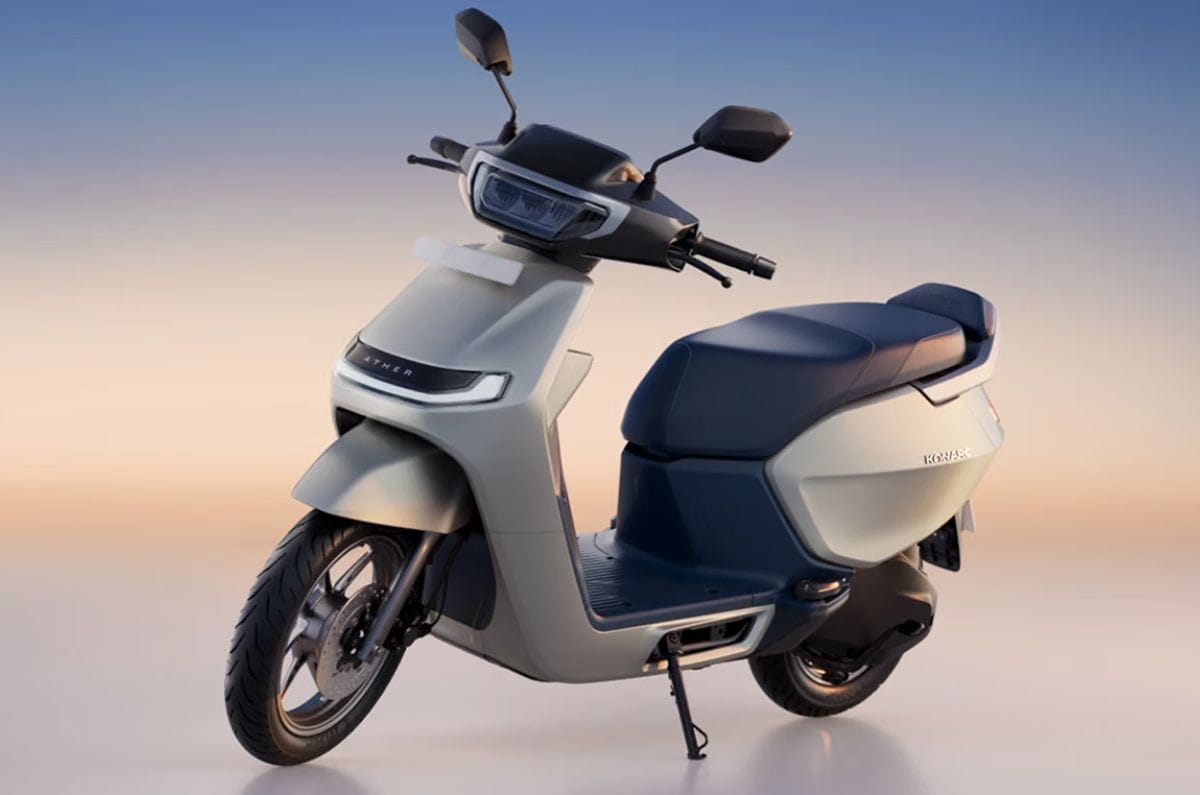
Top 6 Petrol rivals to the Ather Konarc

Top 6 Petrol rivals to the Ather Konarc
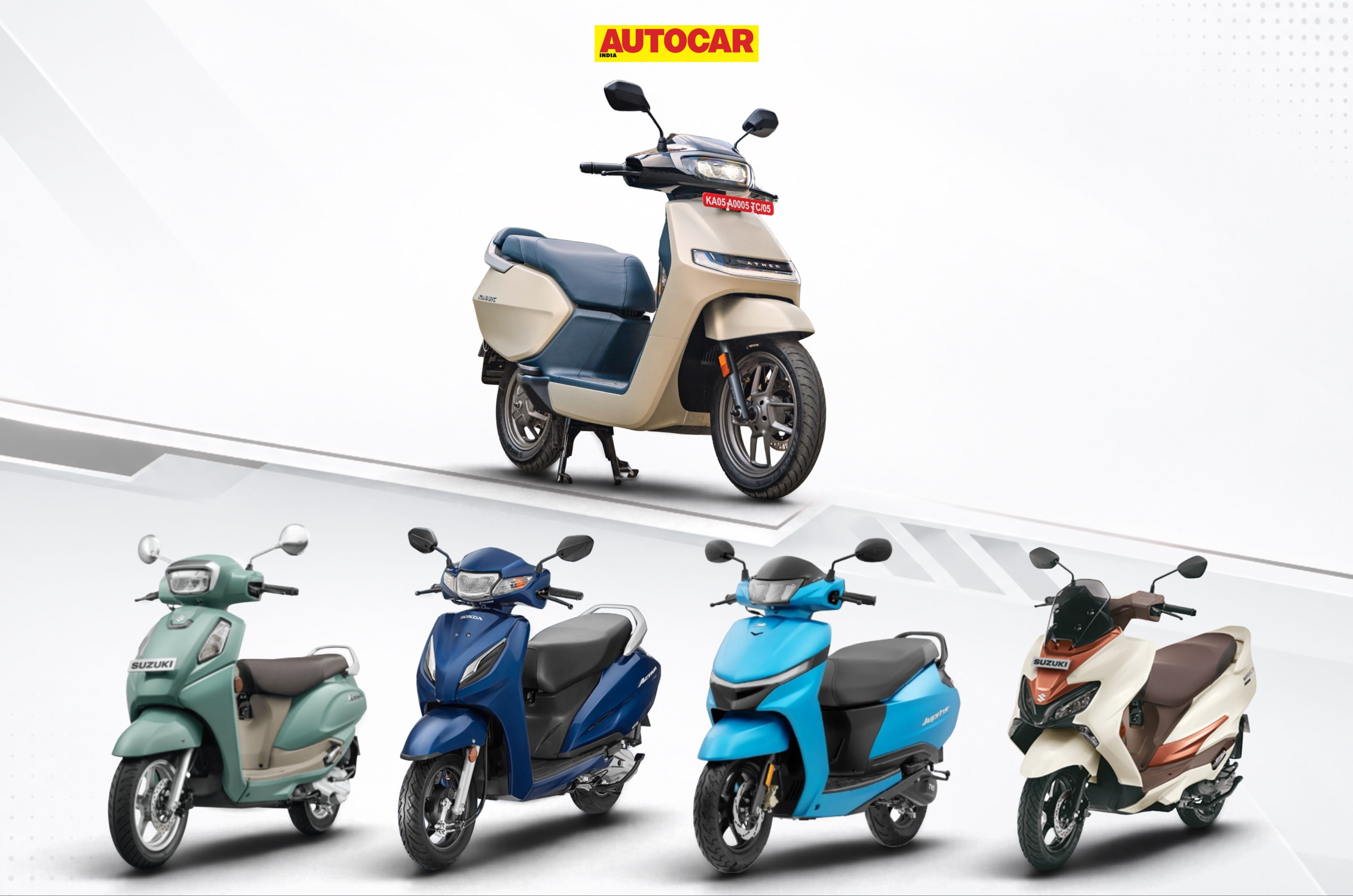
An inside render showing the Ather Konarc at the top; Suzuki Access, Honda Activa 6G, TVS Jupiter, and Suzuki Burgman Street at the bottom.

Family scooter. As soon as you read that, probably one specific scooter comes to your mind, summing up how the scooter industry has functioned the past two decades. However, over the past few years, EVs like the TVS iQube, River Indie, and the Ather Rizta have shown that they can go toe-to-toe with petrol scooters. The brand-new Ather Konarc is poised to add to that arsenal. However, if you aren’t quite convinced yet, here are some internal combustion engine (ICE) scooters you can look at instead.

All scooters are being compared to the Ather Konarc S 100, priced at Rs 99,999 (ex-showroom, Bengaluru). For Konarc, we haven’t considered features that require Ather StackPro subscription. All the other scooter prices mentioned are ex-showroom, Delhi.

Honda Activa

Rs 76,083 onwards

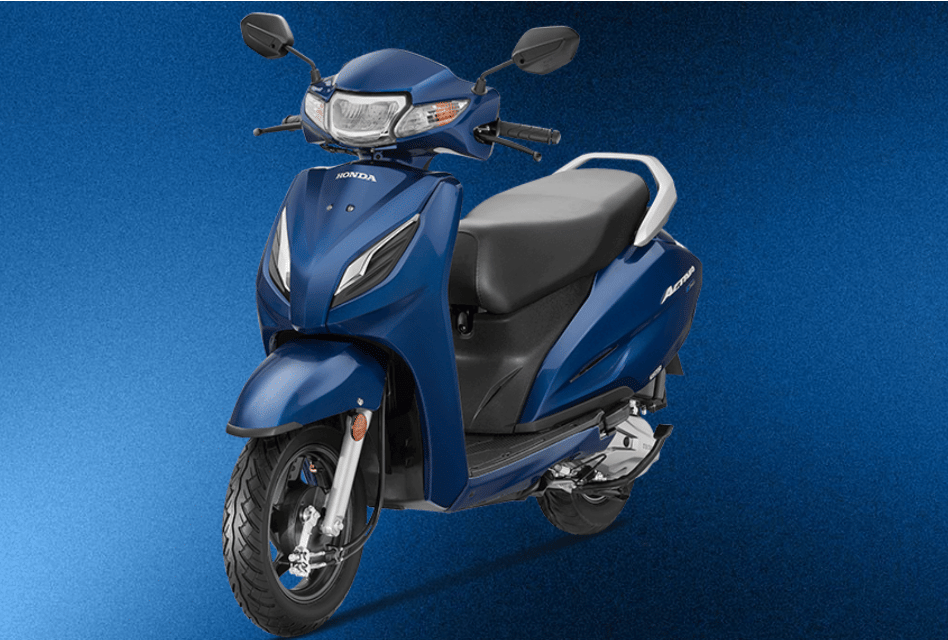
Honda Activa 6G in Decent Blue Metallic colour

The default family scooter and the one your mind reminded you of when you started reading this. You cannot go wrong with the Activa’s reliable 110cc engine and the trust the brand brings you. However, this and the 125 have a lean feature set compared to the other ICE scooters here. The Activa 110 gets a 4-inch TFT instrument cluster with turn-by-turn navigation, smartphone connectivity, a silent start and stop-start system via an Integrated Starter Generator (ISG), and a smart key on the top variant. With the Activa’s 54.4kpl fuel economy, you’re looking at a 270km range before coming to a standstill. The Activa’s prices tops out at Rs 91,082 which makes it close to the entry-level variants of the Ather Konarc and the Simple Wave.

By paying Rs 9,000 more for the Konarc, you’ll get 100km IDC range, 70kph top speed, two ride modes, bigger 14/12-inch front/rear wheels, a bigger 31L under seat storage.

Honda Activa 125

Rs 91,178 onwards

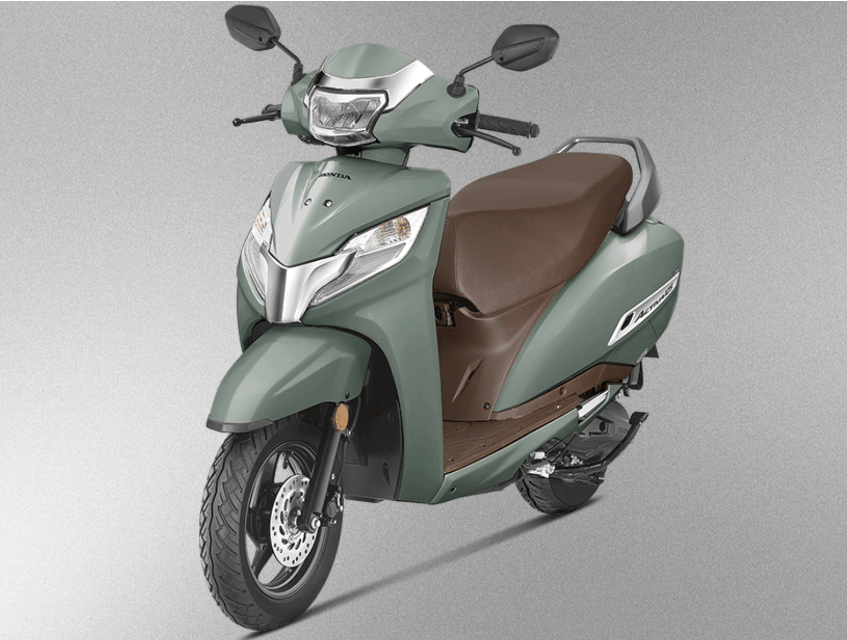
Honda Activa 125 in Pearl Deep Ground Gray colour

The bigger Activa bumps up the cubic capacity to 124cc and increases the power by 0.4hp to 8.3hp and increases the torque by 1.4Nm to 10.5Nm compared to the 110, but is otherwise almost exactly the same as the 110. For that extra power and torque, the Activa 125 bumps up the prices and tops out at Rs 95,622. As such, the extra features you gain by switching to the Konarc also remain the same.

TVS Jupiter (110)

Rs 74,125 onwards

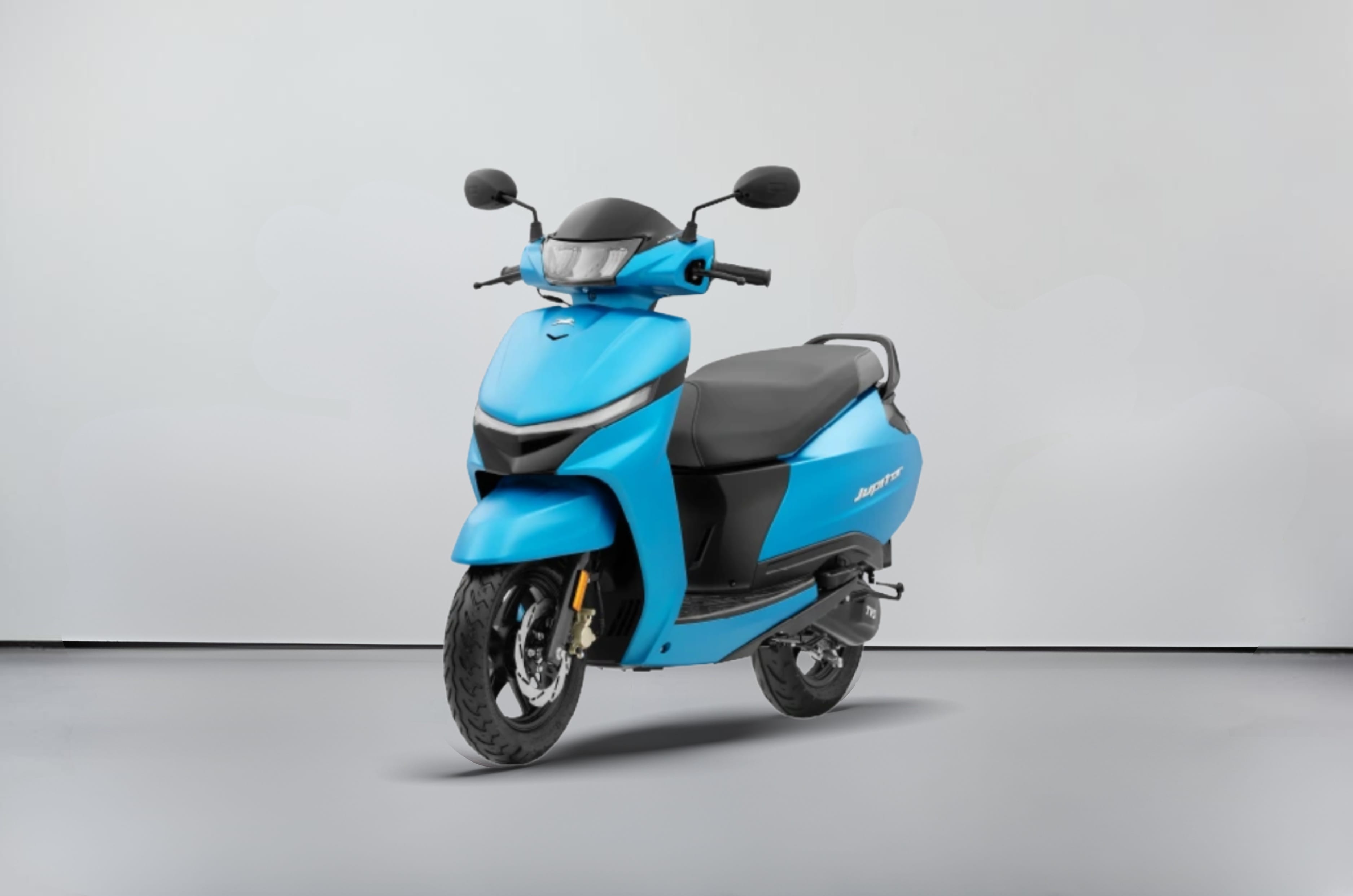
TVS Jupiter 110 in Dawn Matte Blue colour

The Activa’s biggest competitor is the Jupiter which received a comprehensive upgrade in 2024. TVS gave it an all-new 113.3cc engine with 7.9hp and 9.8Nm of torque (with 0.6Nm from the ISG). It also received a much sleekier design over its predecessor. As things stand today, the Jupiter has perhaps the largest feature set of any ICE scooter. Thanks to sharing the platform with its bigger brother, the new Jupiter gets a front fuel tank, 33L under seat storage (that’s still the largest on an ICE scooter). It also gets a wide floorboard, more storage on the front apron storage, an ISG, smartphone connectivity, 12-inch wheels at both ends, a front disc brake on higher variants, and a design that’s much more modern than any of its peers. With its 57kpl fuel economy, the Jupiter also has the Activa beat with a higher 285km range. The Jupiter starts at Rs 74,125 and tops out at Rs 89,825 for the dual-tone variant.

By stepping up to the Konarc by paying an additional Rs 10,174 over the top-most variant, you gain a larger 14-inch front wheel.

TVS Jupiter 125

Rs 81,700 onwards

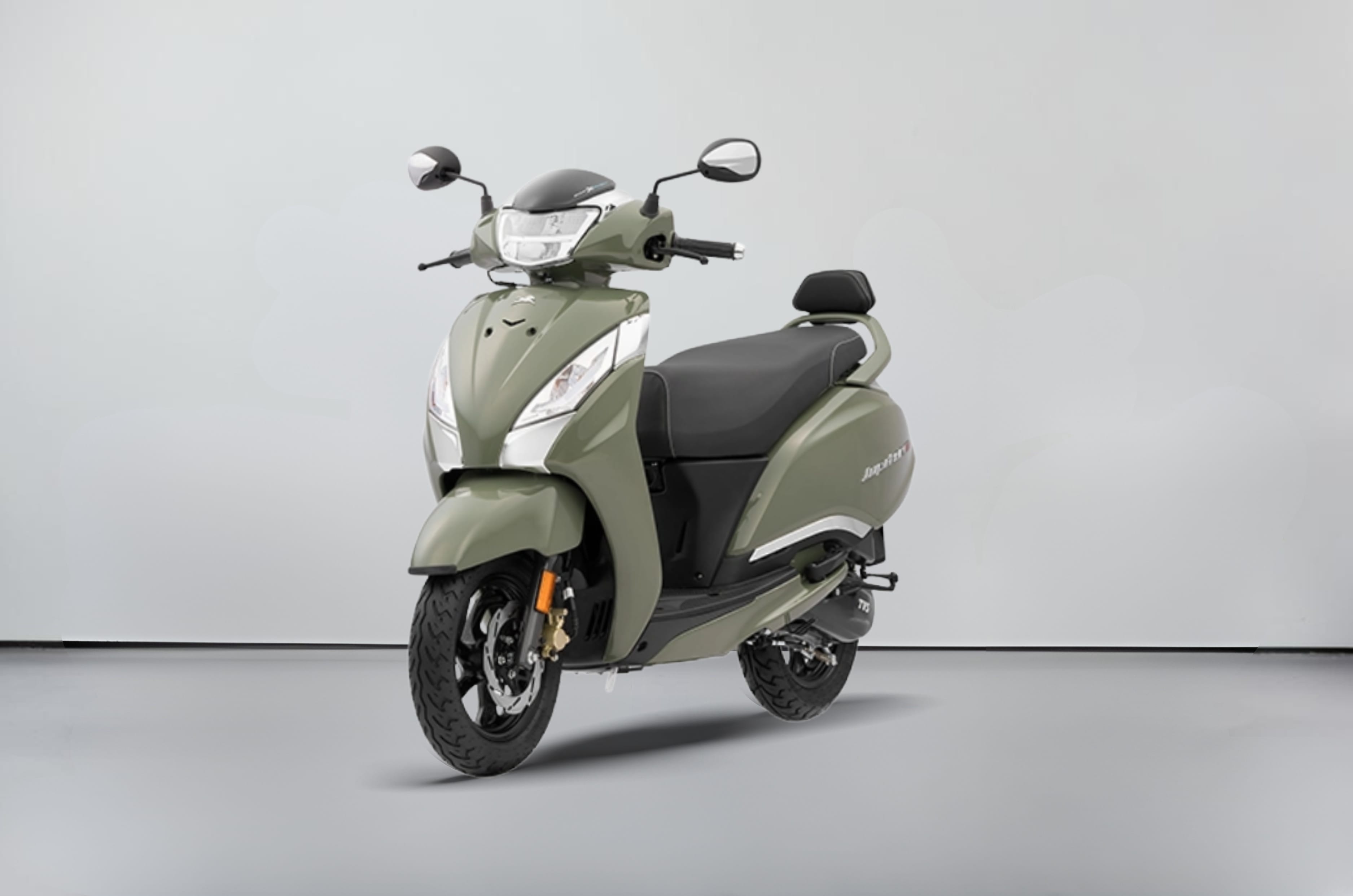
TVS Jupiter 125 in Elite Green colour

The bigger Jupiter unfortunately didn’t quite get the rejuvenation. It’s stuck to essentially the same design from its debut in 2021. With the larger 124.8cc engine, you get 0.5hp extra power and 1.3Nm extra torque over the 110, with the ISG’s assistance; without it, they become 0.1hp and 0.7Nm extra, respectively. Sharing the same platform means that the new 110 has caught up to most of the 125’s features. Though, you do get a TFT display on the 125’s cluster, but it isn’t adding any real value. The Jupiter 125 starts at Rs 81,700 and tops out at Rs 89,935.

By stepping up to the Konarc for approximately Rs 10,000 extra, you gain a larger front tyre.

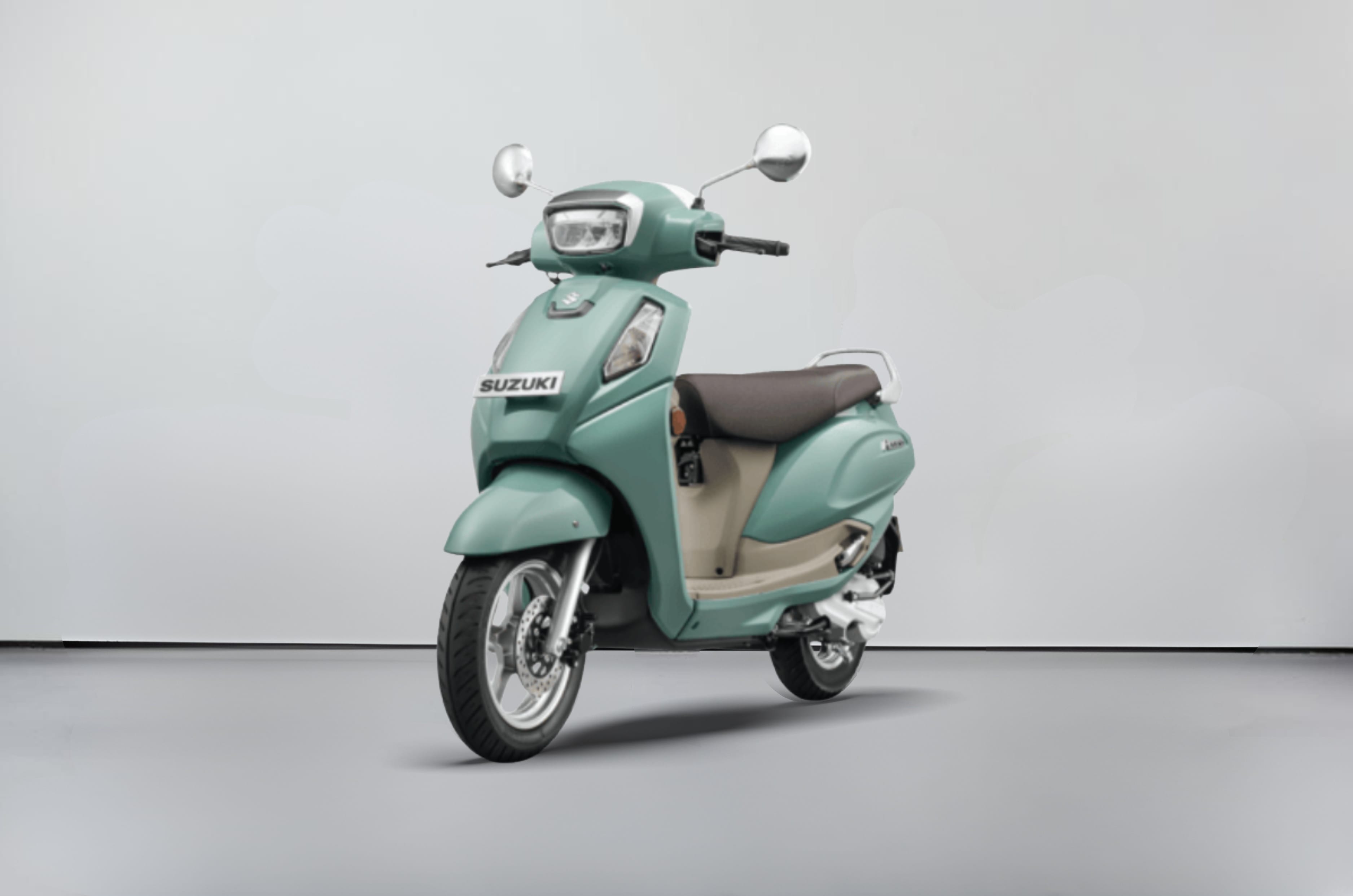
Suzuki Access (125)

Rs 82,185 onwards

Suzuki Access 125 in Solid Ice Green colour

The Suzuki Access has silently been one of the best-selling scooters in the family scooter segment and it received a comprehensive upgrade in early 2025. While there wasn’t a brand-new engine, Suzuki gave it a new frame and made scores of minute improvements to the engine that added up to make it a comprehensively better scooter. However, that also means there aren’t any new features to help the Access’ case. It sticks to a 12/10-inch front and rear wheel setup, a 24.4L under seat storage that now feels measly even for the ICE world. Suzuki did give it a TFT instrument cluster and single-channel ABS on the highest variant, but that’s about it. The Access starts at Rs 82,185 and will set you back by Rs 1.02 lakh for the TFT-ABS variant.

With the Ather Konarc, you will end up paying Rs 3,000 less and gain a larger 14/12-inch front and rear wheels, two ride modes, and a considerably larger 31L under seat storage but the Access is the only scooter here that offers the safety net of an ABS system.

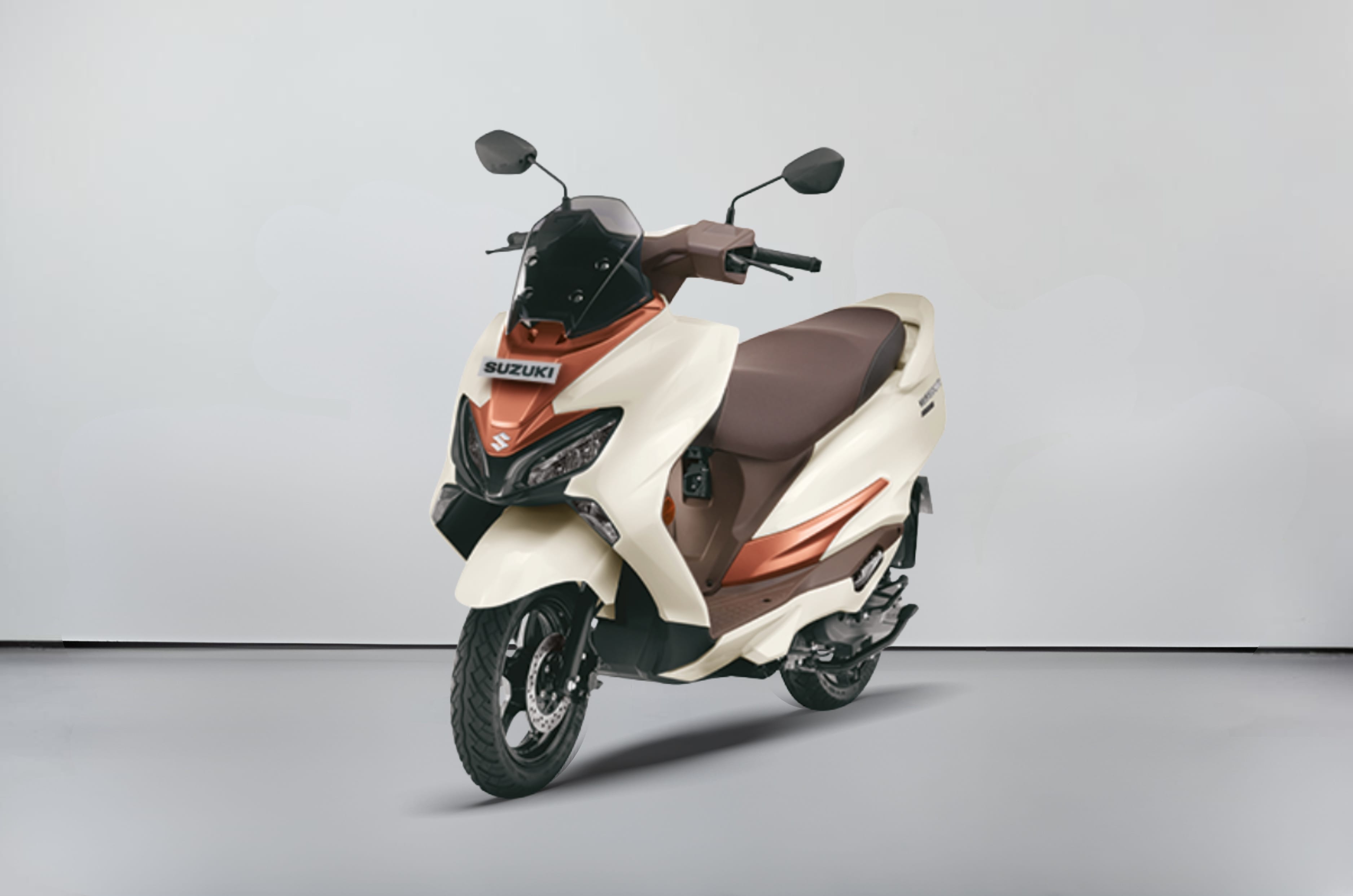
Suzuki Burgman Street

Rs 1.03 lakh onwards

Suzuki Burgman Street in Grace White/Copper colour

The Burgman received most of the same upgrades as the Access in early 2026, with the maxi-scooter stance as its biggest differentiation. The Burgman Street exclusively gets a keyless system on the top-variant, but loses out on the single-channel ABS compared to the Access. On the dimensions front, it gets a 25mm longer wheelbase, 7kg additional weight, and 0.2 litres larger fuel tank compared to the Access. It’s also one of the two Suzuki scooters to have a 12/12-inch front and rear wheel setup in India; the older Burgman Street EX being the other one. Except for these differences and a different design, the Burgman Street shares its mechanicals and convenience features with the Access. The Burgman Street starts at Rs 1.03 lakh and the top TFT variant with the keyless system costs Rs 1.15 lakh.

By getting the Konarc instead, you end up saving about Rs 4,000 (Rs 12,000 compared to the top variant) and you gain a larger 14-inch front wheel, two ride modes, and of course, the larger 31L under seat storage.

Summary and conclusion

Ather Konarc in Celestial Gold colour

We understand that this article makes it seem like there’s no point in choosing the Ather Konarc in most cases; that’s not quite true. Getting an EV scooter might be the best decision for some people, especially ones with a fixed daily travel distance, living in either their own house, or a housing society that’s generous with setting up a home charger, and all the tech enthusiasts who would like to see how far EVs have come in the past few years. Just the novel riding experience of an EV might be enough to choose the Konarc for you. So, take a test ride of the Konarc S 100 when it becomes available. We’d like you to be aware of the closest ICE options, if you end up deciding the Konarc isn’t for you.

With Ather StackPro and Ather Connect subscription, the Konarc S can offer more smart features that none of the others here can hope to match, but there’s an additional price to be paid for them. Hence, if you’re after the most value for your money, there’s no question that ICE vehicles still offer more for their asking price.

Autocar India September 2026: JSW Combat, Scorpio Lifestyler, BYD Denza and more

Autocar India September 2026: JSW Combat, Scorpio Lifestyler, BYD Denza and more
Autocar India Sept 2026 issue

Autocar India turns 27, and rather than quietly celebrating with a cake, we’ve celebrated the way we know best: with scoops, exclusive drives and a frankly unreasonable amount of driving. In this issue, we bring you an exclusive drive of JSW’s new Combat SUV (you heard the name here first), a scoop on BYD’s Denza luxury push, and the last leg of the 20,000km Pune-to-Prague odyssey, alongside a serious collection of new cars and bikes. Oh, and there’s also a Boeing 737 Max aircraft involved. Because apparently cars weren’t complicated enough.

JSW Combat: Review

JSW’s first SUV is a rugged plug-in hybrid based on the Jetour T2. We get an early exclusive drive of the Combat and examine whether this newcomer really has what it takes to shake up the Rs 30-50 lakh SUV market. 

BYD Denza: China’s Luxury Offensive

BYD is bringing Denza to India, with luxury EVs like the D9 MPV and Z9 GT aimed squarely at the established big boys. Having disrupted the mid-range EV market with BYD, it is now going after the high-end market with Denza. 

ADAS Meets Autopilot: Hands Off!/Look ma, no hands!

What do a Hyundai Venue and a Boeing 737 Max have in common? Quite a lot, apparently. We climb into a full-flight simulator to understand how aircraft autopilot works and what it has in common with the increasingly sophisticated systems in our cars. 

Skoda Kylaq: Pune to Prague, Part 2

The Silk Route may have been built for traders, but we’ve used it to find out just how far you can take a small SUV before it starts asking for a holiday. After 19,000km, 70 days and not a single puncture, our Skoda Kylaq finally reaches Prague. 

Autocar’s Day Out: M-ployees of the Month

Most company off-sites involve a resort, a buffet and someone reluctantly joining a team-building exercise. Ours involved six BMW M cars, more than 3,000hp, a deserted concrete ground and a frankly irresponsible amount of tyre abuse. Four M4s and two M2s went head-to-head in slalom, football and drifting, and what began as a relaxing team outing rapidly descended into a war. 

Tesla Model Y vs Hyundai Ioniq 5: Comparison 

Two premium EVs, two very different ideas about what an electric car should be. The Model Y with its recently revised price, and the updated Ioniq 5 go head-to-head to see which makes the stronger case. 

Bentley Supersports: Drive

Take a Continental GT and turn the dial towards something completely unnecessary. The result is Bentley’s Supersports, a rear-wheel-driven beast with considerably more intent. We drive it around Laguna Seca.

Mini Countryman C: First Drive 

The Countryman has grown into a proper luxury SUV, with generous space, loads of kit and a new 1.5-litre turbo. At Rs 47.5 lakh, it’s the biggest and most grown-up Mini yet, and is ready to lock eyes with real luxury SUVs rather than merely be a fashion statement. But has it done that?

5 Ways to Adventure: Feature

Five made-in-India ADVs, 1,300km and one simple question: which is the best way to go exploring? We put the bikes through highway miles, trail riding and plenty of scenic detours to see how their different approaches to adventure stack up.

Ather Konarc: First Ride

Ather’s new Konarc brings the brand’s blend of quality and comfort to a wider audience, with prices starting at Rs 99,999. A compelling new step into the mainstream.

Suzuki e-Access vs Yamaha EC-06: Comparison

Japan finally answers India’s e-scooter boom, and the two takes couldn’t be more different – one built from scratch, the other born from an Indian startup partnership. Which one takes the crown?

Get the latest issue on Amazon and Flipkart.

Autocar India September 2026 issue

Autocar India turns 27, and rather than quietly celebrating with a cake, we’ve celebrated the way we know best: with scoops, exclusive drives and a frankly unreasonable amount of driving. In this issue, we bring you an exclusive drive of JSW’s new Combat SUV (you heard the name here first), a scoop on BYD’s Denza luxury push, and the last leg of the 20,000km Pune-to-Prague odyssey, alongside a serious collection of new cars and bikes. Oh, and there’s also a Boeing 737 Max aircraft involved. Because apparently cars weren’t complicated enough.

JSW Combat: Review

JSW’s first SUV is a rugged plug-in hybrid based on the Jetour T2. We get an early exclusive drive of the Combat and examine whether this newcomer really has what it takes to shake up the Rs 30-50 lakh SUV market. 

BYD Denza: China’s Luxury Offensive

BYD is bringing Denza to India, with luxury EVs like the D9 MPV and Z9 GT aimed squarely at the established big boys. Having disrupted the mid-range EV market with BYD, it is now going after the high-end market with Denza. 

ADAS Meets Autopilot: Hands Off!/Look ma, no hands!

What do a Hyundai Venue and a Boeing 737 Max have in common? Quite a lot, apparently. We climb into a full-flight simulator to understand how aircraft autopilot works and what it has in common with the increasingly sophisticated systems in our cars. 

Skoda Kylaq: Pune to Prague, Part 2

The Silk Route may have been built for traders, but we’ve used it to find out just how far you can take a small SUV before it starts asking for a holiday. After 19,000km, 70 days and not a single puncture, our Skoda Kylaq finally reaches Prague. 

Autocar’s Day Out: M-ployees of the Month

Most company off-sites involve a resort, a buffet and someone reluctantly joining a team-building exercise. Ours involved six BMW M cars, more than 3,000hp, a deserted concrete ground and a frankly irresponsible amount of tyre abuse. Four M4s and two M2s went head-to-head in slalom, football and drifting, and what began as a relaxing team outing rapidly descended into a war. 

Tesla Model Y vs Hyundai Ioniq 5: Comparison 

Two premium EVs, two very different ideas about what an electric car should be. The Model Y with its recently revised price, and the updated Ioniq 5 go head-to-head to see which makes the stronger case. 

Bentley Supersports: Drive

Take a Continental GT and turn the dial towards something completely unnecessary. The result is Bentley’s Supersports, a rear-wheel-driven beast with considerably more intent. We drive it around Laguna Seca.

Mini Countryman C: First Drive 

The Countryman has grown into a proper luxury SUV, with generous space, loads of kit and a new 1.5-litre turbo. At Rs 47.5 lakh, it’s the biggest and most grown-up Mini yet, and is ready to lock eyes with real luxury SUVs rather than merely be a fashion statement. But has it done that?

5 Ways to Adventure: Feature

Five made-in-India ADVs, 1,300km and one simple question: which is the best way to go exploring? We put the bikes through highway miles, trail riding and plenty of scenic detours to see how their different approaches to adventure stack up.

Ather Konarc: First Ride

Ather’s new Konarc brings the brand’s blend of quality and comfort to a wider audience, with prices starting at Rs 99,999. A compelling new step into the mainstream.

Suzuki e-Access vs Yamaha EC-06: Comparison

Japan finally answers India’s e-scooter boom, and the two takes couldn’t be more different – one built from scratch, the other born from an Indian startup partnership. Which one takes the crown?

Get the latest issue on our subscriptions website, Amazon, and Flipkart.

Keeway EZI Hypevolt-R Performance Tested and Explained

Keeway EZI Hypevolt-R Performance Tested and Explained
Keeway EZI Hypevolt-R Performance Tested and Explained Thumbnail

The Hypevolt-R has a 5.04kWh battery pack split into two units. It gets three riding modes, each with a different top speed and throttle response. Eco is limited to 45kph, Normal takes that up to 81kph, while Sport allows the scooter to reach its claimed 115kph.

Keeway EZI Hypevolt-R: Acceleration

During our test, the conditions were damp.

Acceleration (Sport Mode)

Time (seconds)

0-40kph

2.64s

0-60kph

4.54s

0-80kph

7.49s

0-100kph

13.05s

In our performance tests in Sport mode, the Hypevolt-R achieved the 0-80kph sprint in 7.49sec and 0-100kph in 13.05sec, making it quicker than the Ather 450 Apex. It was even slightly quicker than the BMW CE 02 we tested last year. Throttle calibration is well done. Despite the strong acceleration, the scooter never feels intimidating.

Keeway EZI Hypevolt-R: Roll-On Acceleration

The scooter delivers 12kW (16.3hp) of peak power.

Roll-On Acceleration (Sport Mode)

Time (seconds)

20-50kph

2.58s

30-70kph

3.73s

50-80kph

3.96s

Roll-on acceleration times are also quick. In Sport mode, the scooter took 2.58 seconds to get from 20-50kph, 3.73 seconds from 30-70kph, and 3.96 seconds from 50-80kph. Normal mode offers enough punch for quick overtakes while preserving more range than Sport. Eco works well around town, but the 45kph limit makes Normal the more useful everyday setting.

Keeway EZI Hypevolt-R: Braking

Decent braking performance, but rear ABS intervenes quickly.

Braking

Distance

60-0kph

23.60m

The brakes are adequate at city speeds, although the rear ABS intervenes rather quickly when braking hard from higher speeds.

Keeway EZI Hypevolt-R: Specifications and price

The Hypevolt-R is an offering made by EZI, Keeway’s electric sub-brand. 

Peak Power

12kW

Max Torque

72Nm

Battery Capacity

5.04kWh

Kerb Weight

140kg

Brakes (F/R)

Disc / Disc

Tyres (F/R)

110/80-14  / 120/70-14 

Price (ex-showroom)

Rs 2 lakh (ex-showroom, Delhi)

Priced at Rs 2 lakh (ex-showroom), it arrives in India as a CKD and occupies the premium end of the electric scooter market. It is sold through 44 Benelli and Keeway dealerships across India.

Ultraviolette announces new factory in Hosur

Ultraviolette announces new factory in Hosur
Ultraviolette BIGGA Factory

Ultraviolette has announced a new manufacturing facility in Hosur, Tamil Nadu. Named the BIGGA Factory (short for Big Global Ambition), the facility will initially produce the upcoming Tesseract scooter before expanding to support a broader product portfolio. It will begin with an annual capacity of 2.5 lakh units, with infrastructure designed for up to 5 lakh units per year.

  1. BIGGA Factory to be located at SIPCOT Industrial Park, Hosur
  2. Initial capacity of 2.5 lakh units per year, scalable to 5 lakh
  3. Product roadmap image hints at a new X-47 variant and a family scooter for 2027

Ultraviolette BIGGA Factory details

Hosur chosen for its proximity to Bengaluru R&D base and supplier network

The facility will be located at the SIPCOT Industrial Park in Shoolagiri, Hosur, with the land facilitated by the Government of Tamil Nadu. Hosur’s established automotive ecosystem and its proximity to Ultraviolette’s Bengaluru R&D operations and supplier network were cited as key reasons for the location. The BIGGA Factory will operate alongside the company’s existing Bengaluru facility, which will continue its current operations.

Ultraviolette says the facility will use real-time production tracking, collaborative robots for sorting, welding and assembly, and vision-based inspection systems. A dedicated on-site test track will also be used to evaluate every vehicle before dispatch.

Product roadmap hints at new variants and models

Alongside the factory announcement, Ultraviolette shared a product roadmap image showing the silhouettes of two new products planned for 2027. One appears closely similar to the existing X-47, suggesting that a new variant could be in the pipeline. The other is a scooter with a markedly different silhouette compared to the upcoming Tesseract, featuring a more rounded, family-scooter-like profile.

If that is the direction Ultraviolette is taking, it would put the company alongside essentially every other significant EV manufacturer in India currently targeting the mainstream scooter segment. Ather has just launched the Konarc, and Simple Energy has introduced the Wave family scooter range, whereas established players such as TVS, Bajaj and Vida continue to see a majority of their EV sales volumes from models such as the iQube, Chetak and Vida VX2, respectively.

Ultraviolette has not shared any further information on either of the two new products, and the roadmap image remains the only indication of what may be coming. We’ll share further details once more information becomes available.


Electric two-wheeler sales fall 11 percent in August after record July 2026

Electric two-wheeler sales fall 11 percent in August after record July 2026
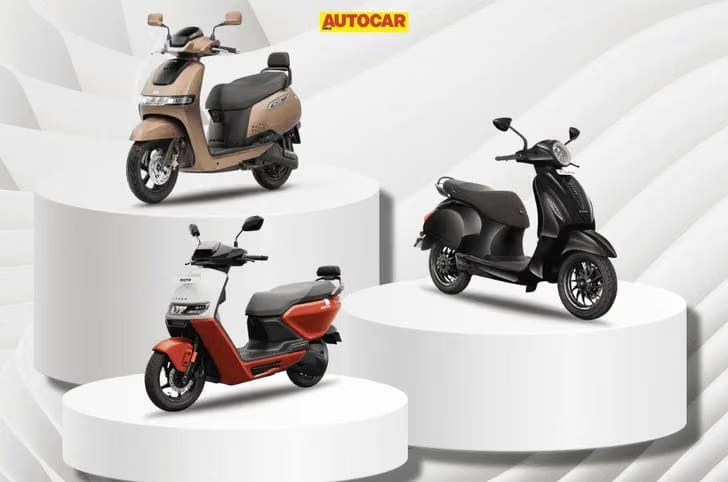
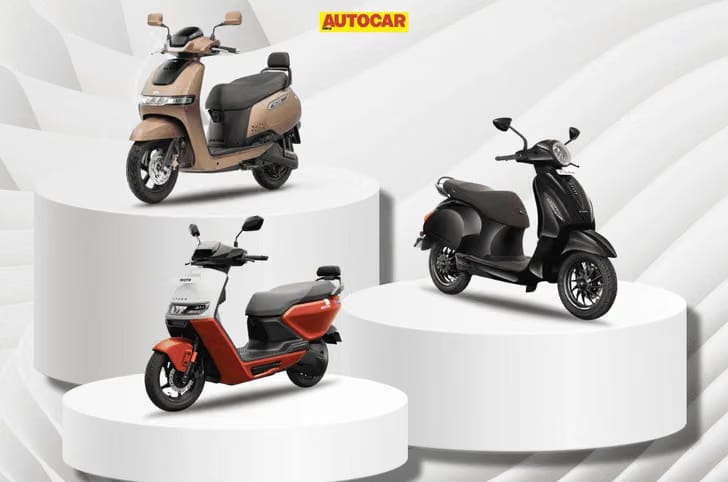
TVS iQube, Bajaj Chetak, and Ather Rizta on a podium graphic

Following a record-setting July that saw the electric two-wheeler segment cross 2 lakh monthly sales for the first time, August delivered a more measured 1,82,936 units – down 11 percent month-on-month but still 67 percent higher than the same month last year. With cumulative sales in the first eight months of the year crossing 13.6 lakh units, already surpassing the full-year tally of 13.4 lakh units in 2025, the 20 lakh annual sales milestone is within reach, with four months and the festive season surge still to go.

  1. Electric two-wheeler retail sales of 1,82,936 units in August 2026
  2. TVS, Bajaj, Ather and Hero Vida account for 75 percent of sales
  3. 2026 sales already exceed the full-year 2025 total

August 2026 electric two-wheeler sales: OEM breakdown

TVS Motor Co: 48,873 units

TVS Motor Company sold 48,873 electric scooters last month – up 91 percent year-on-year and good for a 27 percent market share, up from 23 percent a year ago. While this represents a 12 percent drop from July’s record 55,823 units, cumulative eight-month sales of 3,56,579 units have already exceeded TVS’s full-year CY2025 total of 3,15,082 units. As it stands, TVS is on course to cross 5,25,000 annual electric scooter sales for the first time in 2026.

Bajaj Auto: 41,019 units

Bajaj Auto delivered 41,019 Chetak units in August – a 235 percent year-on-year increase. However, it is worth noting that the comparison is skewed by supply chain disruptions that affected production in August 2025. Like TVS, Bajaj’s sales so far this year, at 3,05,226 units, have already surpassed the brand’s full-year total of 2,79,687 units from 2025. It is now on track to cross 4 lakh annual EV sales for the first time.

Ather Energy: 28,708 units

Ather sold 28,708 units in August, up 49 percent year-on-year, for a 16 percent market share. Cumulative eight-month sales of 2,29,099 units are up 83 percent year-on-year. With the recently introduced Konarc, the brand will be looking to significantly accelerate volumes heading into the festive season.

Vida: 18,978 units

Vida delivered 18,978 units in August, up 38 percent year-on-year but down 17 percent from its best-ever month of 22,989 units in July. Sales from January to August, at 1,48,069 units, are up 151 percent year-on-year, putting the brand on course to cross 2 lakh annual EV sales for the first time.

Ola Electric: 13,849 units

Ola Electric sold 13,849 units in August – down 29 percent from last August and making it the only top-10 brand to register a decline. The company’s eight-month total of 94,307 units is down 39 percent year-on-year. Ola’s market share has dropped sharply to 8 percent from 18 percent a year ago, when it ranked third overall.

Other notable performers

Greaves Electric Mobility delivered 8,612 units, up 89 percent year-on-year, with the Ampere Magnus Neo and the recently updated Magnus G Max both contributing to demand. River Mobility sold 5,134 units of the Indie, up 170 percent year-on-year, while Bgauss Auto sold 4,844 units, up 180 percent from last August. Simple Energy delivered 1,635 units from its One, OneS and Ultra range, with the Simple Wave, expected to go on sale later this month, potentially helping boost those figures further.

Simple Energy crosses 10,000 annual sales for the first time

Simple Energy crosses 10,000 annual sales for the first time
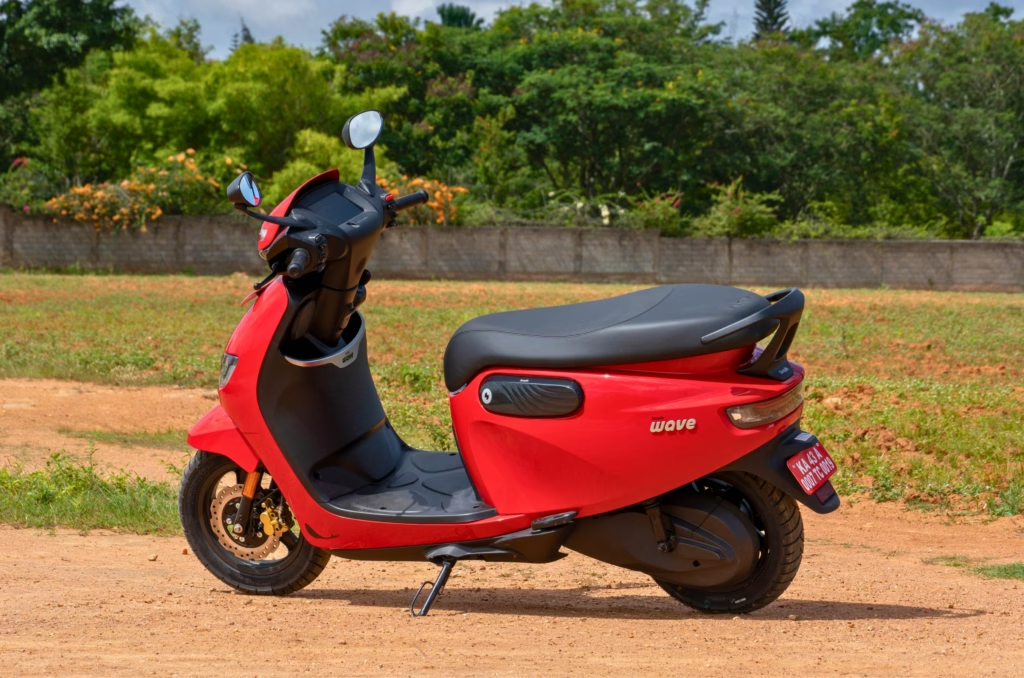
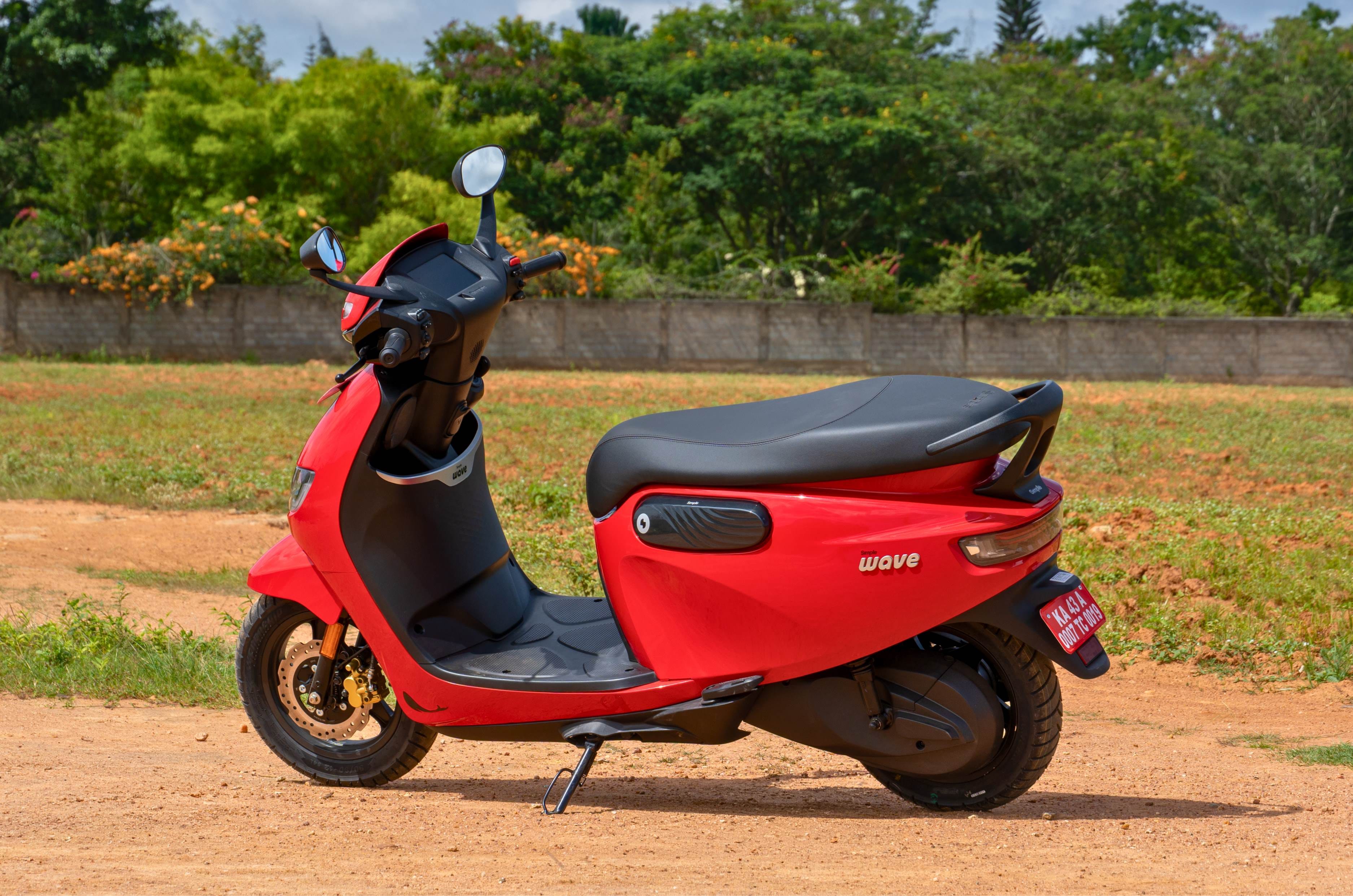
An outside shot showing the left side of the Simple Wave in Coral Red colour.

Simple Energy, which has been a regular in the monthly top 10 electric 2W OEM listing since February 2026 with its Simple One performance EV scooter, has clocked cumulative sales of over 10,000 units in the first eight months of this year. As per Vahan, between January and August 2026, the Bengaluru-based EV startup registered deliveries of 10,429 units, which is 203 percent more compared to last year’s 3,436 units for the same period. This momentum comes just as Simple launched its most affordable scooter yet, Wave, priced at Rs 1.10 lakh (ex-showroom, Bengaluru) and its entry into the family scooter segment.

  1. Wave makes the brand more accessible with a lower Rs 1.10 lakh ex-showroom price
  2. Brand has consistently averaged as the top nine EV seller in India since February 2026

Wave is expected to be the sales topper for Simple

The family EV scooter is based on One, but more practical

With the Wave, Simple Energy is hoping to make, well, waves in the family e-scooter segment, which has been dominated by the TVS iQube, Bajaj Chetak and Hero Vida for the past couple of years. Add Ather Rizta with its steadily growing sales, and the new Konarc to that list of rivals as well. Compared to the more performance-based One, Wave targets a much wider customer with its base S 2.2 variant pricing (Rs 1.10 lakh, ex-showroom) as also the focus around everyday practicality, ride comfort, and usability across different rider demographics.

The scooter has four variants as per the battery capacity. The base Wave S is offered in two battery capacities: 2.2kWh (110km IDC range) and 2.7kWh (132Km IDC range). While the middle variant, Wave, has a 3.7kWh battery and 171km of IDC range, and the top Wave + variant has a 5kWh battery and has a 243km IDC range, the highest in its segment. Simple has announced that deliveries will commence on September 25.

Production capacity and showrooms are being increased

The increased presence is expected to improve the brand’s sales

In tandem with the Wave’s launch and expected market demand, the company states that it is scaling its manufacturing and retail footprint. The company currently has a production capacity of 3,000 units per month, and has over 75 outlets across 63 cities in India including Bengaluru, Delhi, Patna, Nagpur, Bhopal, Agra, Goa, Vijayawada, Hyderabad, Kochi, and Chennai.

Simple Energy Sales

Year

Units

YoY percentage change

CY2023

66


CY2024

1,433


CY2025

6,628

362

CY2026

10,429

203

Cumulative total

18,556


As per Vahan’s data, From January 1 till August 31, 2026

For Simple, whose highest monthly retails were in March 2026 (1,780 units), the new Wave gives it an opportunity to target the highest-selling sub-category in e-2Ws: the family scooter. Simple ranked 13 in CY2025 sales and entered the top 10 for the first time in February 2026 and has consistently averaged ninth position since. The brand has cumulatively sold 18,556 units since sales began in 2023. It remains to be seen if the Wave turns out to be the much needed boost for the brand to climb up higher on that list.

With inputs from Stephen Raj Antony.

Hero MotoCorp aims to be number one Indian EV seller

Hero MotoCorp aims to be number one Indian EV seller
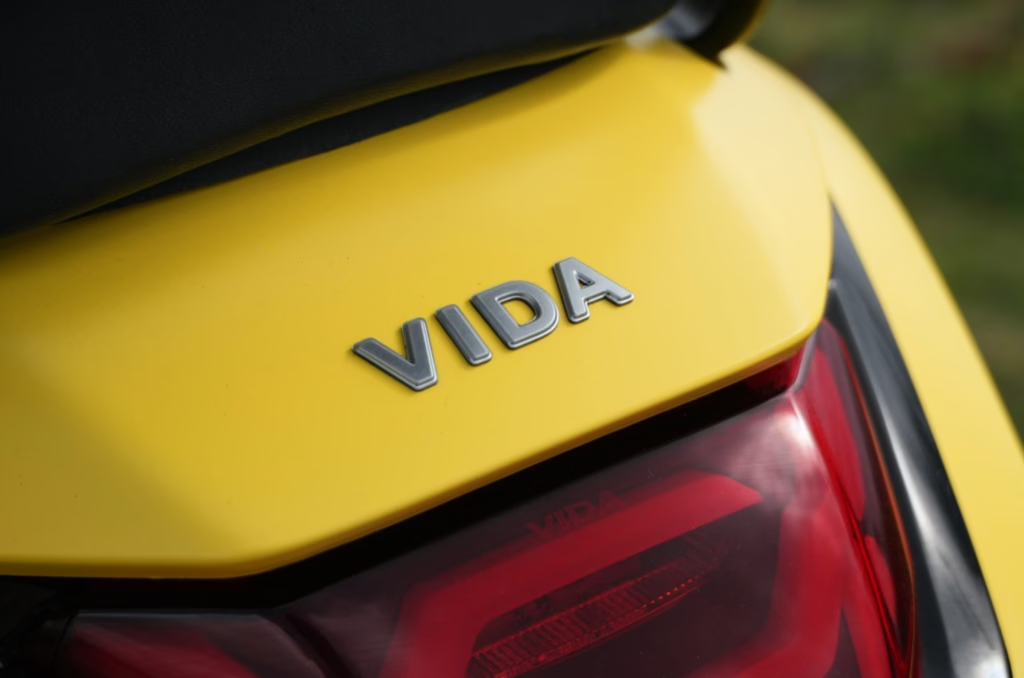
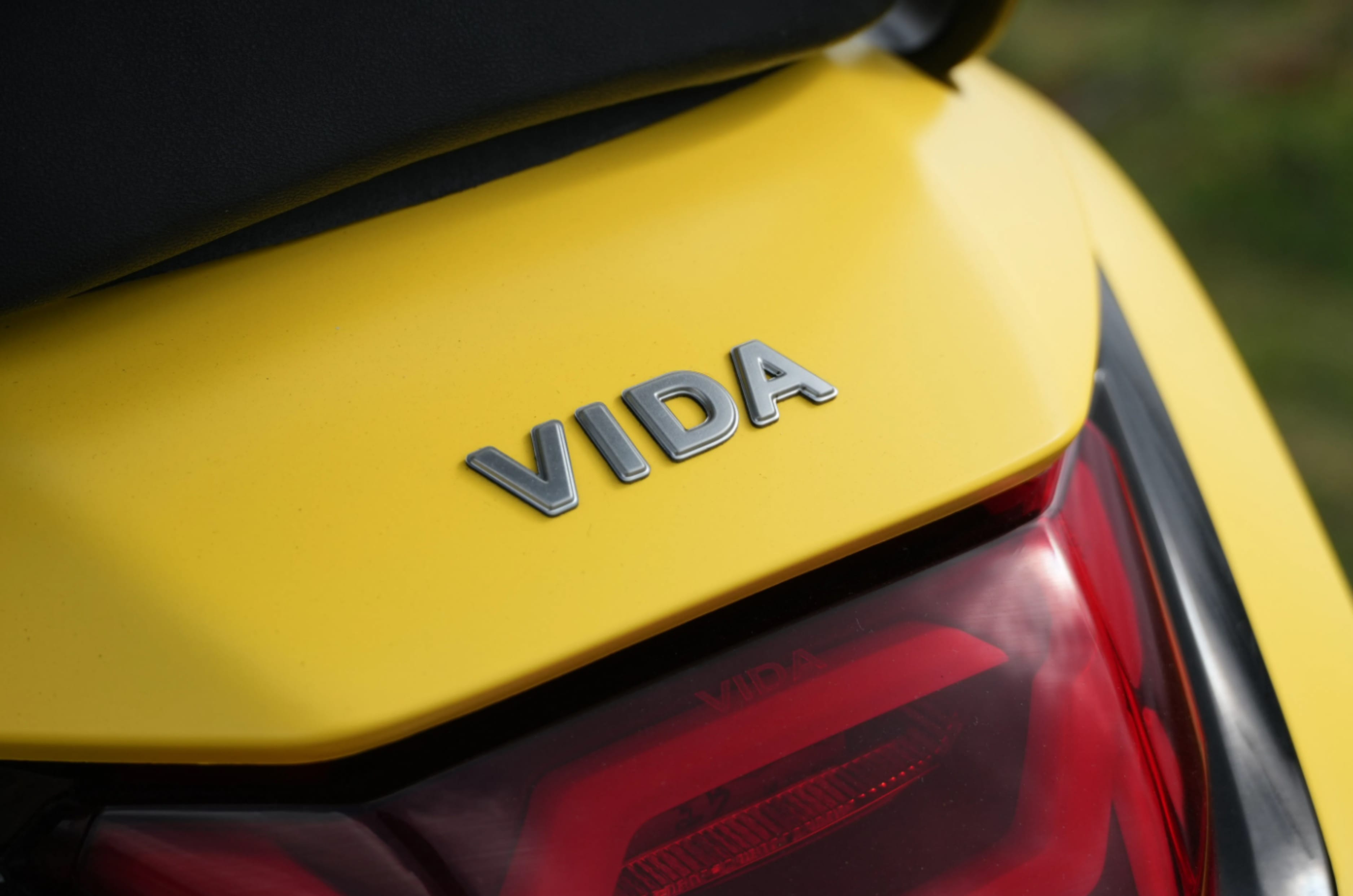
A close-up shot of the Vida logo on the Vida VX2.

Hero is targeting the top position in India’s electric two-wheeler market as it scales up its Vida business and continues to back Ather Energy. “We clearly are focusing on being number one. There we are not shy of that,” Hero MotoCorp CEO Harshavardhan Chitale told Autocar Professional at the SIAM Annual Convention in New Delhi. He added that Vida and Ather sales, taken together, have already occupied the top position during some months. Considering individual sales numbers from January till August this year, Vida is currently fourth, behind Ather.

  1. Hero currently invests in Ather Energy and Euler Motors; recently increased its Ather investment
  2. Vida currently offers scooters with both fixed and removable batteries
  3. Hero CEO says Ather-Hero joint product may happen in future

Vida is Hero’s EV subsidiary

Company is increasing production and exploring different offerings

Hero initially differentiated the brand through removable batteries, targeting, among others, customers living in apartments without convenient access to charging. The company is now pursuing fixed-battery scooters alongside its removable-battery models. Chitale said the two configurations are attracting different sets of buyers. Fixed batteries allow Hero to offer a more competitively priced product, with the difference between the two configurations at around Rs 10,000.

Vida has gained almost 600 basis points (6 percent) of market share over the past year and is seeing year-on-year growth of around 100 percent, according to Chitale. Demand has prompted Hero to increase production. Chitale said EV capacity would rise by almost 50 percent this month compared with the previous month, followed by a further doubling by December. Demand for removable-battery models has remained strong, despite the introduction of fixed-battery alternatives.

Ather-Hero partnership progress

Charging already integrated, joint product might happen in future

Hero’s EV strategy also includes its investment in Ather, which it has continued to support through successive fundraises, including the most recent one of Rs 1758 crore. For now, the two companies will continue pursuing independent product roadmaps rather than integrating their vehicle platforms. However, that could change as the market matures. Chitale said the companies discuss areas including battery-cell sourcing, software, motors and motor components. Joint sourcing could become an option, although no such arrangement is currently underway.

Charging infrastructure is already an area where both the companies are working together. Hero and Ather are part of an interoperable fast-charging initiative which, according to Chitale, now involves close to 20 companies and nearly 6,000 charging points.

Hero also has an interest in electric commercial vehicle maker Euler Motors. Chitale described Euler as potentially the “next Ather in making” and said Hero would continue supporting the company through its fundraises. The combination of Vida, Ather and Euler gives Hero exposure across electric two-wheelers and commercial vehicles as it seeks a larger share of India’s expanding EV market.

With inputs from Mukul Y. Singh, Hormazd Sorabjee, Ketan Thakkar, and Stephen Raj Antony.