Ather’s Phase 2 expansion could happen sooner if EV demand persists: Tarun Mehta

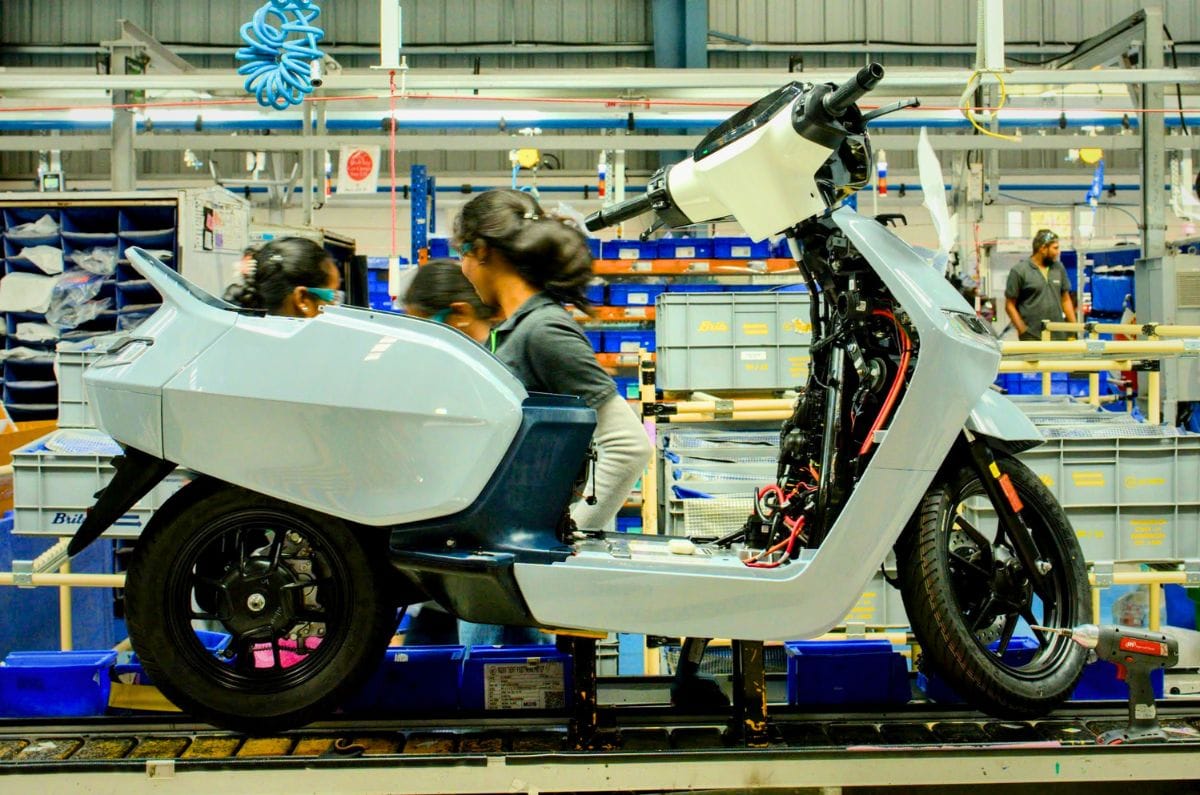
Ather EL scooter being assembled on production line in factory

Ather Energy is exploring whether to accelerate the second phase of its upcoming Aurangabad manufacturing facility as demand for electric scooters continues to outpace expectations, with the company saying its planned capacity could come under pressure if current growth trends persist.

The company’s co-founder and CEO, Tarun Mehta, said the company has begun considering an earlier rollout of Phase 2 after a sharp rise in demand in recent months. He added that the recently completed Rs 2,500-crore fund raise gives the company the flexibility to move ahead with the expansion without waiting for Phase 1 to mature.

  1. EL platform based family scooter to launch on August 29
  2. EL production to initially begin from Hosur, before shifting to Aurangabad
  3. Ather’s electric bike still quite a ways away

Aurangabad Plant to Add 5 Lakh Units Annual Capacity

The comments come as Ather prepares to commission the first phase of its Aurangabad, or AURIC, manufacturing facility in a couple of months.  The company currently manufactures electric scooters from its Hosur plant, which has an annual production capacity of 4.2 lakh units. Mehta said the facility is now operating at almost full utilisation following steady production ramp-up during the first quarter.

Once the Aurangabad plant comes live, it will add another 5 lakh units of annual capacity, taking Ather’s total manufacturing capacity to 9.2 lakh units a year. He added that the Aurangabad facility is progressing as planned, with the assembly line already installed, the paint shop under trial and warehouse and utility work nearing completion ahead of commercial operations later this year. However, Mehta said even that may prove insufficient if the current pace of demand continues.

“GoLive of Auric will take our total capacity up from 4.2 lakh units to 9.2 lakh units later this calendar year. But we believe demand is ramping up very fast. 9.2 lakh units per annum is only 77,000 units a month. We believe on current demand trajectories, even this may be tight in the coming quarters. Which is why I think we were lucky here when we took Aurangabad land. We took a larger land capacity and we had always planned for Auric phase two,” he said.

EV Demand Outpaces Supply

Demand has risen sharply over the past few months, according to the company, resulting in supply constraints across several markets. Mehta said dealer inventories have fallen from 14 days to just three days, while some dealerships have temporarily stopped accepting fresh pre-orders because waiting periods have stretched to around two months or more. The company estimates it could have retailed another 13,000 to 15,000 scooters every month if sufficient production capacity had been available.

“There are 50,000 pre-orders, despite the fact that in many states now, our dealers are no longer even accepting new pre-orders, because the waiting times are now hitting two months or even higher. The underlying demand we strongly believe is very, very high,” Mehta said. “We believe today that of the 30,000 units that we retail average in Q1, we could have probably sold an incremental 13,000 to 15,000 units extra every month.”

New EL Scooter Platform Set to Launch on August 29

Ather expects demand to receive another boost with the launch of its first new scooter based on its brand-new EL platform on August 29. Production of the vehicle has already begun at the Hosur plant, homologation has been completed and high-volume trials are underway.

Initially, production will continue from Hosur before gradually shifting to Aurangabad as the new facility ramps up. The company plans to scale manufacturing capacity for the EL platform to about 60,000 units a month across the two plants. The EL platform will underpin multiple future scooter models and forms part of Ather’s strategy to expand production and meet rising demand for electric scooters.

Ather electric bike still at least 2 years away

Even as it prepares to debut a fresh onslaught of new products based on its EL platform, Ather Energy has no plans to enter the electric motorcycle segment in the near term. According to Ather Energy co-founder and Chief Executive Officer Tarun Mehta, the company’s strategy is to first concentrate on rolling out products based on its new EL platform before entering the electric motorcycle space.

“At this point, we are focused on the EL platform and getting at least the first, maybe two products, maybe another product out on it in the next year,” Mehta said to investors. Ather had earlier said it is developing a dedicated motorcycle platform, codenamed Zenith, alongside its EL scooter architecture. The comments indicate that Ather is now taking a measured approach towards a segment that is still at an early stage of adoption.

“Motorcycles are starting to look interesting. But Ather may not be the pioneer this time. We may watch the market. We want to see how consumers respond, which segments show a willingness and an interest towards the segment before we make our maiden launch here,” Mehta said.

He added that an electric motorcycle from Ather is not expected anytime soon. “So this, I would say, more than a year away, for sure. Probably two years plus.” he said. The company’s strategy comes at a time when India’s electric two-wheeler market continues to be led by scooters, while electric motorcycles account for only a miniscule share of overall EV sales.

Royal Enfield has begun sales of its Flying Flea C6 electric motorcycle on a small scale, while startups including Ultraviolette, Revolt and Oben are expanding their presence. Other legacy players like Bajaj Auto and Hero MotoCorp are also developing their own electric motorcycle platforms, although a debut from either brand is still some time away. Ather, however, plans to observe how the market evolves before committing resources to the category.

‘ऐसी लड़की से ही करूंगा शादी…’ युवक की शर्तें वायरल, लोगों ने जमकर लगाई क्लास

सोशल मीडिया पर आए दिन ऐसी पोस्ट वायरल होती रहती हैं, जो लोगों का ध्यान खींचने के साथ बहस का मुद्दा भी बन जाती हैं। हाल ही में एक्स (X) पर एक यूजर की पोस्ट ने इंटरनेट पर हलचल मचा दी। यूजर ने अपनी होने वाली पत्नी को लेकर कई शर्तों की एक लंबी लिस्ट साझा की, जिसमें उसकी पसंद, जीवनशैली और व्यवहार से जुड़ी बातें शामिल थीं। पोस्ट सामने आते ही लोगों ने इस पर अलग-अलग प्रतिक्रियाएं देनी शुरू कर दीं।

कुछ ने इसे निजी पसंद बताया, तो कई यूजर्स ने इन शर्तों को अवास्तविक और विवादित करार दिया। देखते ही देखते यह पोस्ट सोशल मीडिया पर चर्चा का विषय बन गई और रिश्तों में अपेक्षाओं, आजादी और सोच को लेकर नई बहस शुरू हो गई।

पत्नी के लिए रखीं कई अजीबोगरीब शर्तें

@Only_OneRR नाम के यूजर ने दावा किया कि वह सिर्फ उसी लड़की से शादी करेगा, जो उसकी सभी शर्तों को पूरा करती हो। उसकी लिस्ट में कई ऐसी बातें थीं, जिन्हें देखकर सोशल मीडिया यूजर्स ने सवाल उठाने शुरू कर दिए। उसने लिखा कि उसकी होने वाली पत्नी कुंवारी हो, बिना मेकअप के खूबसूरत दिखे, लंबाई 5 फीट 2 इंच और वजन ठीक 45 किलो हो। इसके अलावा वह हर तरह का खाना बनाना जानती हो, नारीवाद का समर्थन न करती हो, सोशल मीडिया इस्तेमाल न करती हो और उसके कोई पुरुष मित्र न हों।

24 घंटे लाइव लोकेशन शेयर करने की शर्त पर मचा बवाल

यूजर की सबसे ज्यादा आलोचना उस शर्त को लेकर हुई, जिसमें उसने कहा कि पत्नी हर जगह जाने से पहले अनुमति ले और 24 घंटे अपनी लाइव लोकेशन शेयर करे। उसने यह भी लिखा कि पत्नी का कोई अतीत न हो और वह उसके माता-पिता की देखभाल अपने माता-पिता की तरह करे।

सोशल मीडिया पर लोगों ने जमकर सुनाई खरी-खोटी

पोस्ट वायरल होने के बाद कई यूजर्स ने इसे अव्यावहारिक और नियंत्रण करने वाली सोच बताया। लोगों का कहना था कि रिश्ते बराबरी, भरोसे और सम्मान पर टिकते हैं, न कि इतनी पाबंदियों पर। एक यूजर ने लिखा कि ऐसी सोच में साथी नहीं बल्कि किसी को नियंत्रित करने की इच्छा दिखाई देती है। वहीं दूसरे यूजर ने मजाक करते हुए कहा कि ऐसी लड़की शायद धरती पर नहीं, किसी और ग्रह पर मिलेगी।

कुछ यूजर्स ने भी रखा अपना पक्ष

हालांकि कुछ लोगों ने यह भी कहा कि हर व्यक्ति को अपनी पसंद और प्राथमिकताएं रखने का अधिकार है। लेकिन ज्यादातर प्रतिक्रियाओं में यूजर की शर्तों को लेकर आलोचना ही देखने को मिली।

‘पत्नी चाहिए या रोबोट?’ इंटरनेट पर छिड़ी चर्चा

कई लोगों ने तंज कसते हुए कहा कि इतनी शर्तों के साथ जीवनसाथी ढूंढना मुश्किल ही नहीं, नामुमकिन है। कुछ यूजर्स ने इसे रिश्ते की बजाय एकतरफा नियमों की सूची बताया। इस वायरल पोस्ट ने एक बार फिर सोशल मीडिया पर रिश्तों में अपेक्षाओं, स्वतंत्रता और आपसी सम्मान को लेकर बहस तेज कर दी है।

अनार छोड़ शुरू की इस फसल की खेती, आज पैसे गिनते नहीं थकते किसान

Tata Curvv EV benefits in August 2026 go up to Rs 3.35 lakh

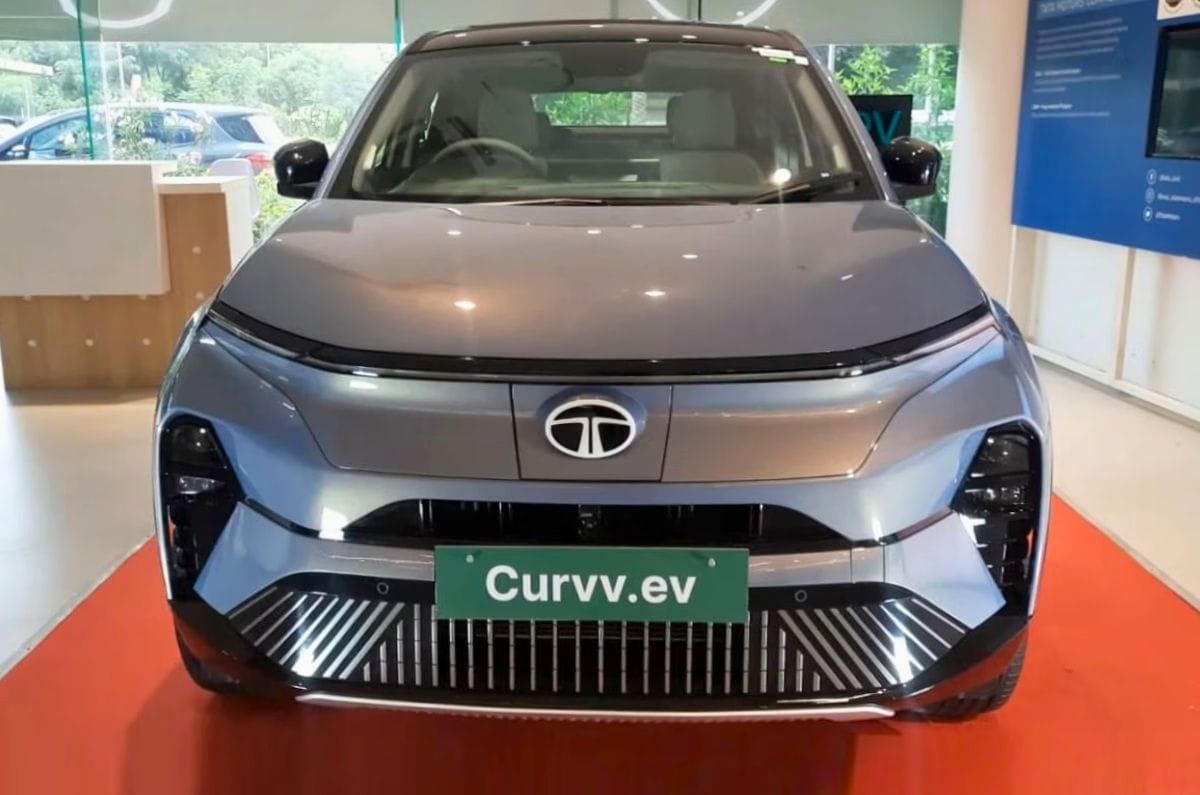
Tata Curvv EV showroom image

Prospective EV buyers headed to a Tata Motors dealership will be offered a variety of benefits in August 2026. Depending on the model and variant, benefits available include cash discounts, exchange offers, plus scrappage and loyalty incentives. Tata’s August 2026 discounts do not include the Tigor EV and Sierra EV, while the Nexon EV gets the lowest benefits this month. The offers mentioned here will be valid till August 31, 2026.

Disclaimer: Offers/benefits may vary by city and are subject to stock availability. Buyers are advised to check with their local dealer for exact figures.

  • Curvv EV gets highest discounts; Nexon EV gets least
  • Curvv EV benefits reach Rs 3.35 lakh, Harrier EV’s Rs 2.75 lakh
  • Select models offered with loyalty benefits

Tata Curvv EV offers in August 2026

Benefits up to Rs 3.35 lakh

Tata is offering select variants of the Curvv EV with exchange benefits worth Rs 30,000 or scrappage incentives of Rs 35,000. Existing Tata customers opting for a new Curvv X series, switching from either an ICE (internal combustion engine) or EV (electric vehicle) model are also offered with loyalty benefits of Rs 30,000. In all, customers of the Curvv EV X variants can avail discounts up to Rs 65,000.

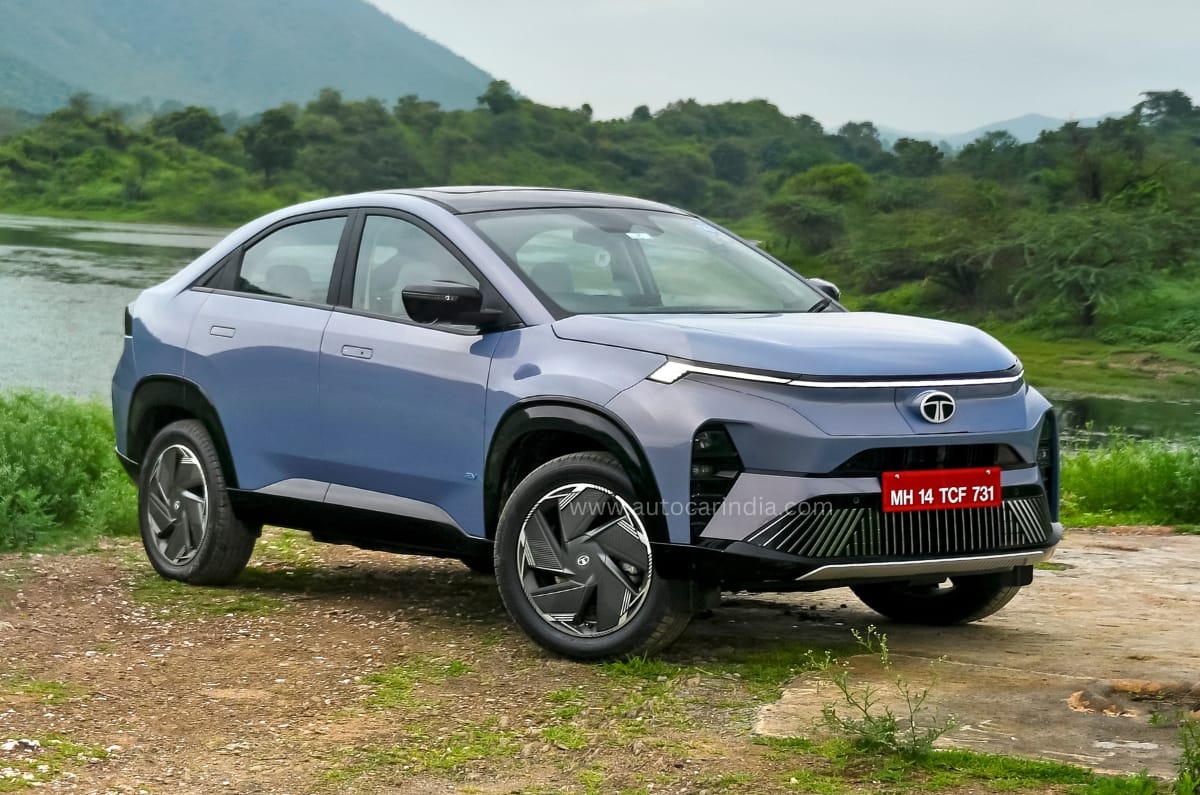
Tata Curvv EV front quarter

Those going for a non-X trim of the Tata Curvv EV can avail maximum benefits of up to Rs 3.35 lakh. This is made possible by a cash discount of Rs 3 lakh, plus scrappage incentives of Rs 35,000. These exchanges/scrappage schemes aside, buyers of the Curvv EV Creative trim will be offered with a cash discount of Rs 2.50 lakh – taking the overall discount to Rs 2.85 lakh.

Tata Harrier EV offers in August 2026

Benefits up to Rs 2.75 lakh

Buyers opting for the Adventure, Fearless+ or Empowered trims of the Harrier EV will be offered an exchange bonus of Rs 50,000 or a scrappage incentive worth Rs 75,000. There are loyalty benefits of Rs 50,000 for those moving from an existing Tata ICE model to a new Tata EV, with existing Tata EV owner moving to a new fully electric model being offered Rs 1 lakh.

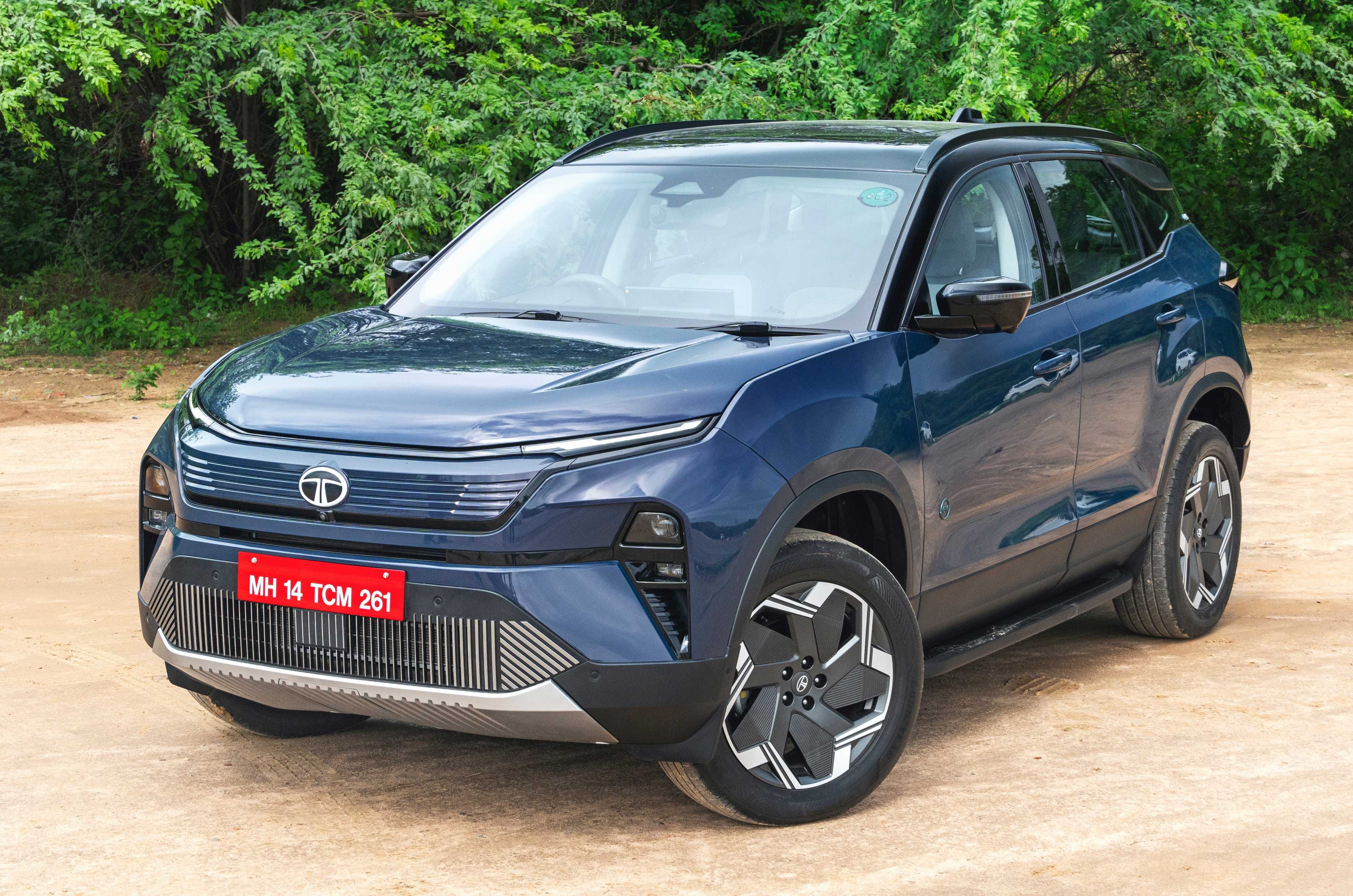
Tata Harrier EV front quarter

Tata is also offering customers the ‘Freedom Offer’ this August. It discounts the price of the Harrier EV Adventure trim by an additional Rs 75,000 and by Rs 1 lakh for the Harrier EV’s Fearless+ and Empowered trims. In total, the former is available with benefits of up to Rs 2.50 lakh this August, while the other two can be had with discounts of up to Rs 2.75 lakh.

Tata Punch EV offers in August 2026

Benefits up to Rs 1.45 lakh

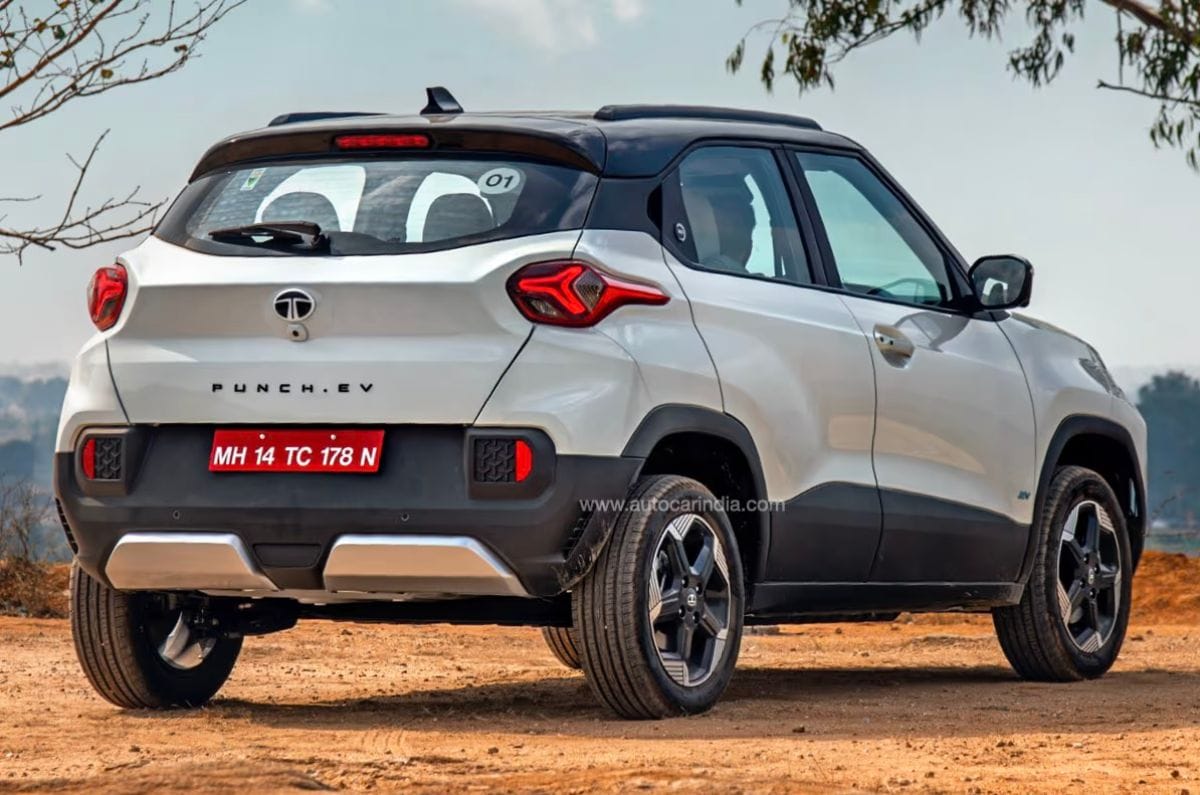
Pre-facelift Tata Punch EV rear quarter

Select variants of the Punch EV Medium Range, Long Range, and Smart variants are available this August with an exchange bonus of Rs 30,000 or a scrappage benefit of Rs 35,000. Additionally, cash discounts on the Medium Range is Rs 90,000 and that on the Long Range is Rs 1.10 lakh – overall benefits for the Punch EV Medium Range and Long Range are Rs 1.25 lakh and Rs 1.45 lakh, respectively. Meanwhile, the Smart trim is available with a cash discount of Rs 60,000, with total discounts amounting to up to Rs 95,000.

Tata Tiago EV offers in August 2026

Benefits up to Rs 1.45 lakh

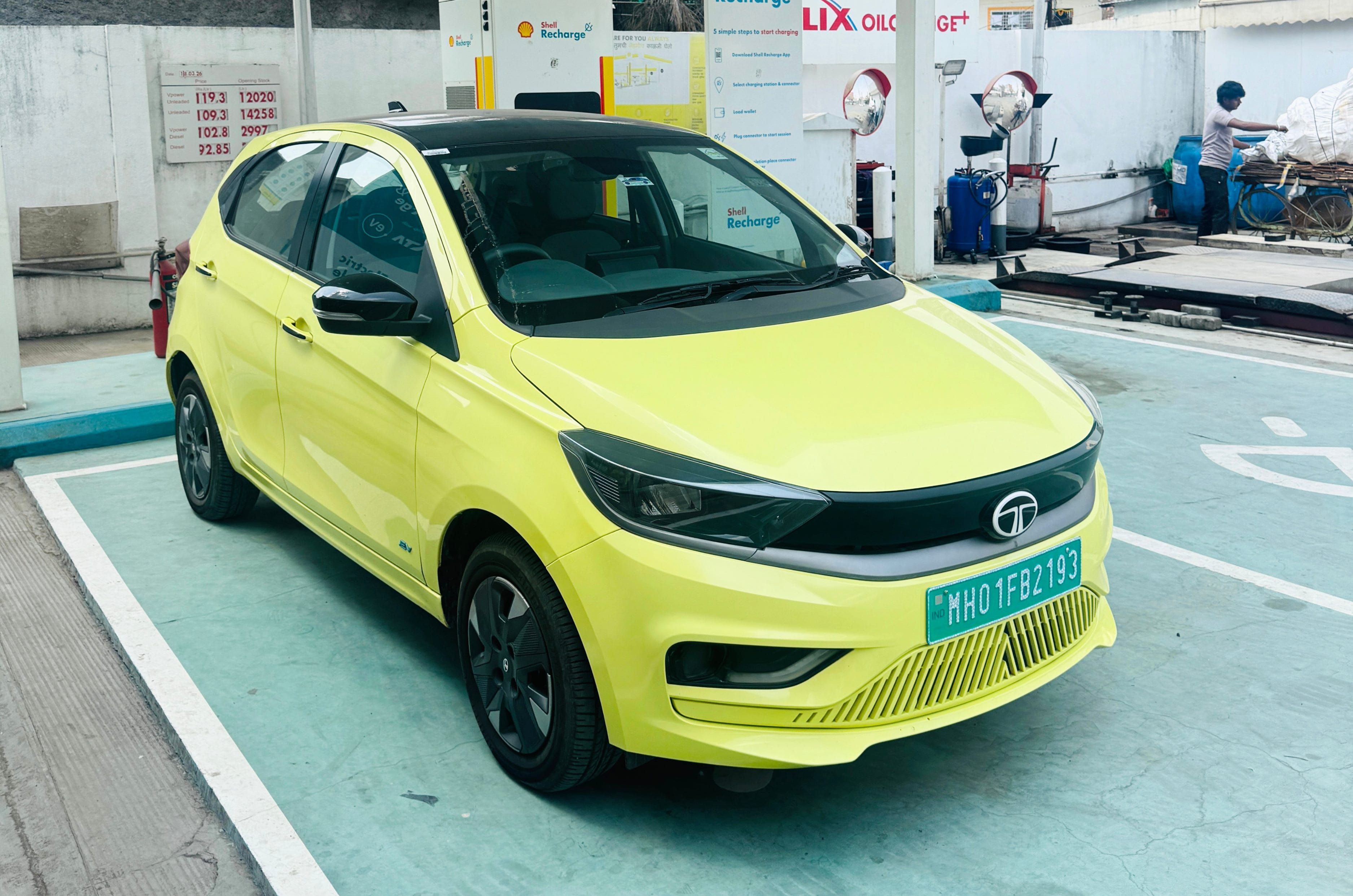
Pre-facelift Tata Tiago EV front quarter

Like the Punch EV, the Tata Tiago EV is also available with August 2026 benefits amounting to up to Rs 1.45 lakh. However, this is only applicable to the LR (Long Range) XT variant of the old model – combining a cash discount of Rs 70,000 and the ‘Freedom Offer’ worth Rs 50,000. Customers can also avail an exchange benefit of Rs 20,000 or a scrappage bonus of Rs 25,000.

The exchange/scrappage benefits are offered with select trims of the Tiago EV MR (Medium Range) and LR (Long Range) variants, too. The former’s total benefits amount to Rs 65,000, whilst the latter’s is Rs 1.25 lakh.

Tata Nexon EV offers in August 2026

Benefits up to Rs 45,000

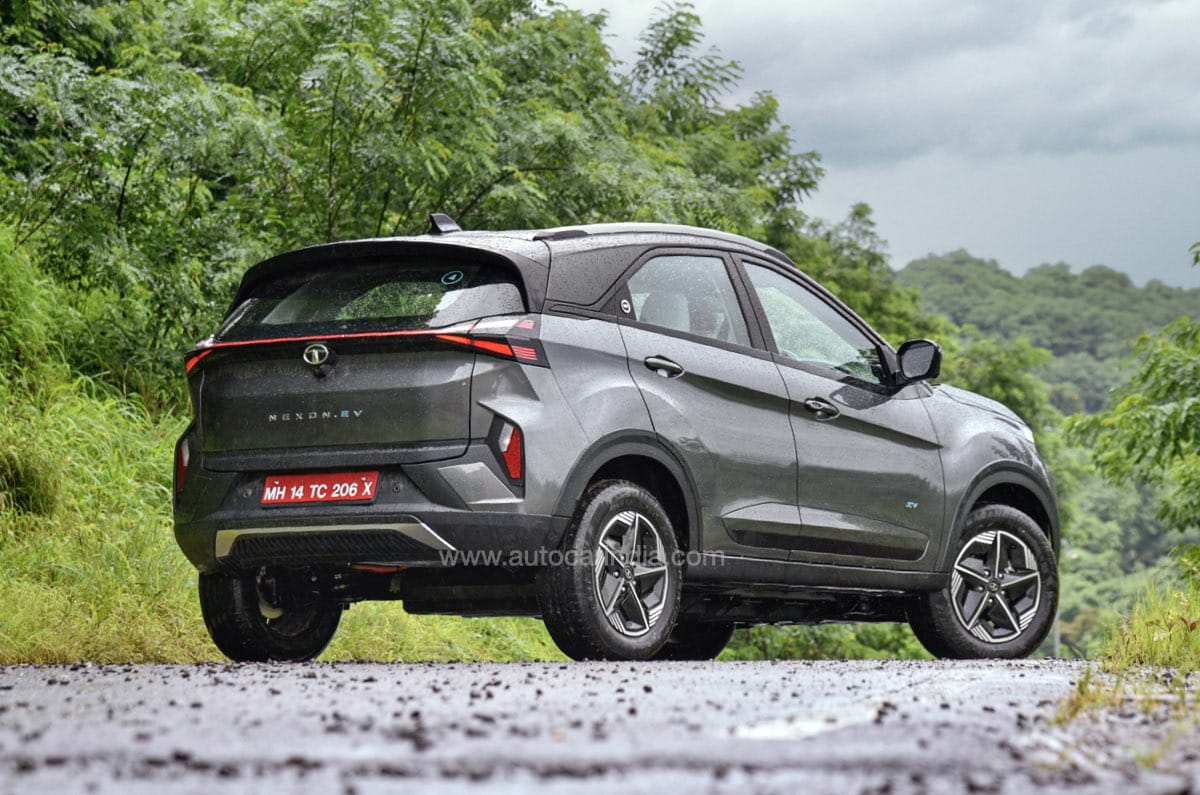
Tata Nexn EV rear quarter

The Tata Nexon EV is available with benefits of up to Rs 45,000 in August 2026. This takes into account a cash discount of Rs 10,000, a scrappage scheme worth Rs 35,000, or an exchange bonus worth Rs 25,000.

Also read

Benefits up to Rs 1.25 lakh on Tata Curvv in August 2026

Kia opens official Sorento bookings ahead of launch


Vida surpasses 3 lakh sales milestone

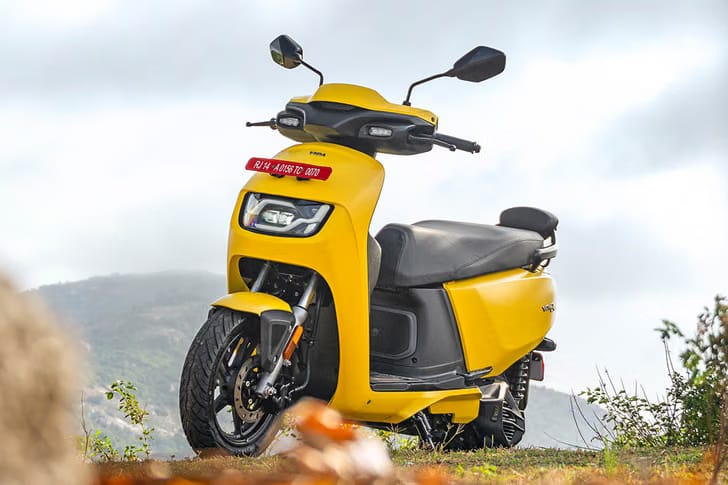
Vida VX2 static

Vida, Hero MotoCorp’s electric two-wheeler brand, has surpassed the 3 lakh retail sales milestone in the Indian market. As per the latest Vahan numbers, cumulative retail sales from November 2022 till August 1, 2026 are 300,458 units.

  1. Vida sold its first 1 lakh units in around 33 months
  2. Whereas, the 2 lakh to 3 lakh sales milestone took just 5 months
  3. With its strong growth trajectory, Vida could garner over 2-lakh sales in a single year for the first time.

Vida’s BaaS has been a key sales driver

Vida currently has coverage across India with over 900 touchpoints

The surge in demand for the Vida e-scooters is seen in the strong growth, particularly over the past year. While the first 1 lakh units were sold in around 33 months, the run from 1 lakh to 2 lakh units took a little over seven months. Now the last 1 lakh units – from 2 lakh to 3 lakh – have taken just five months, reflecting the surging demand for Vida e-scooters this year. With July (22,883 units) being the new monthly high, beating the previous best of June (21,893 units) this year.

From 4 percent in CY2024 to 11 percent in CY2026 Year-to-date, Hero Vida has reaped strong gains in India’s booming e-2W market. Expect it to achieve total retail sales of around 2.25 lakh units this calendar year.

It’s been a noteworthy run for the world’s largest two-wheeler company in the EV space. Vida now stands at No. 4 in the e-2W market share after TVS Motor Co, Bajaj Auto and Ather Energy and is ahead of Ola Electric and Greaves Electric Mobility.

With strong sales tailwinds emanating from a growing number of ICE buyers transitioning to e-mobility due to the multiple price hikes in petrol in May 2026 as well as the upcoming festive season, it can be expected that Vida will maintain the same strong growth trajectory. This would mean Hero MotoCorp’s annual e-2W sales will cross the 2-lakh units milestone in a single calendar year for the first time in CY2026. Estimate them to be in the region of 2.25 lakh to 2.35 lakh units.
Another strategic sales driver for Vida has been the introduction of the Battery-As-a-Service (BaaS) ownership model which significantly reduces the upfront ownership cost, making electric mobility more affordable and accessible to a wider customer base, and has since been adopted by Ather Energy and TVS Motor among a host of other OEMs.

The company, which opened its first Experience Centre in November 2022, currently has coverage across India with over 900 touchpoints spanning 415 cities and 700-plus dealers. Hero MotoCorp enables Vida users to access charging at over 5,900 locations including the Ather Grid network owned by Ather Energy in which Hero MotoCorp is an early investor (with a 29.48 percent stake at present) and has recently invested an additional Rs 1,000 crore.

Manufacturing capacity expansion is also on the cards for Vida. In May this year, Hero MotoCorp revealed details of its planned capital expenditure of over Rs 1,500 crore in FY2027. Cognisant of the strong growth potential in its e-2W business, the company has outlined a strategic manufacturing expansion for its Vida brand. Having already ramped up capacity by 66 percent from 15,000 units per month to 25,000 units, the company has outlined plans for further expansion by doubling monthly capacity to 50,000 units at its plant in Chittoor in Andhra Pradesh to cater to growing demand.
 

What to expect from the BMW 7 Series, i7 facelift ahead of launch

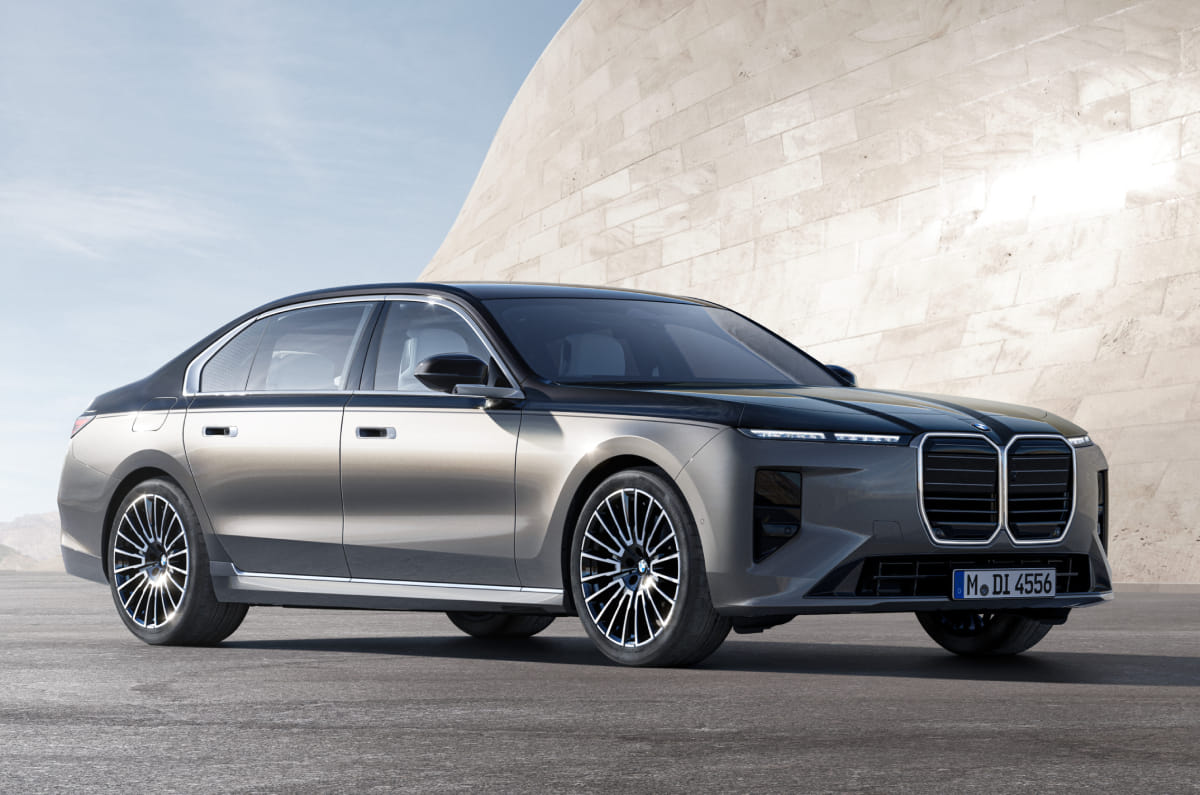
BMW 7 series

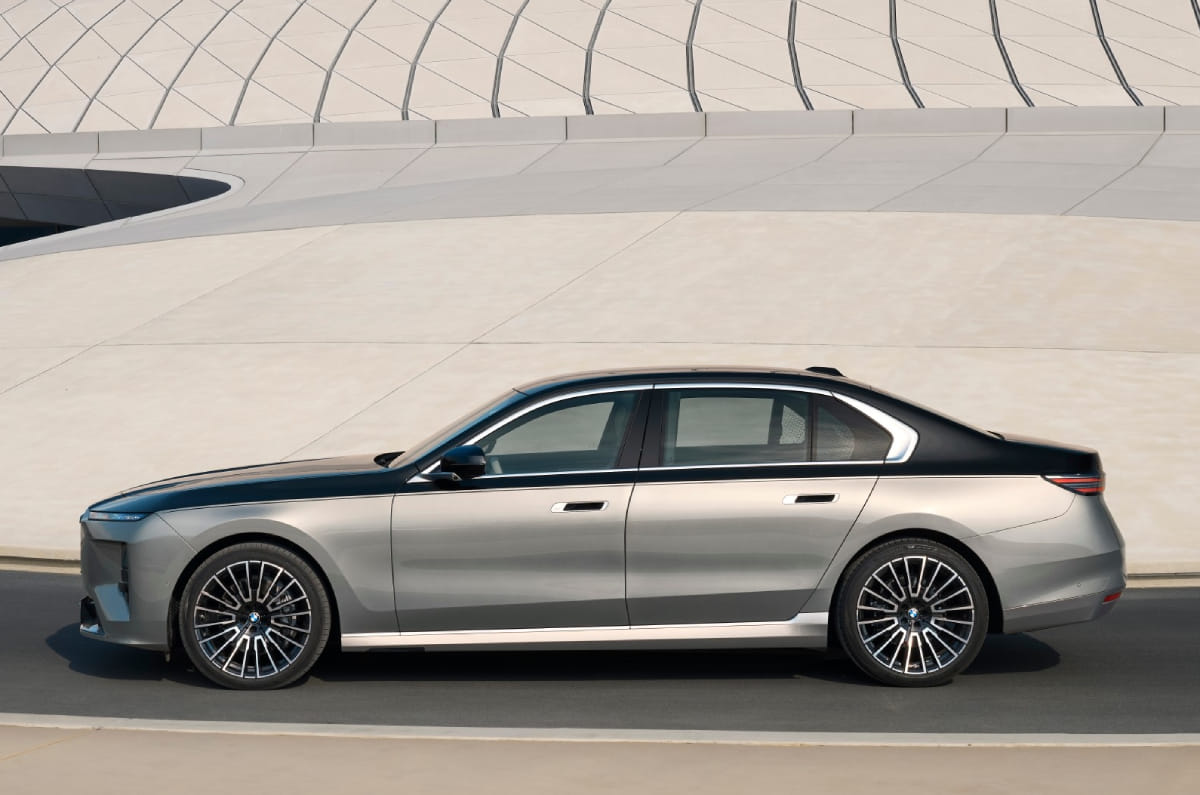
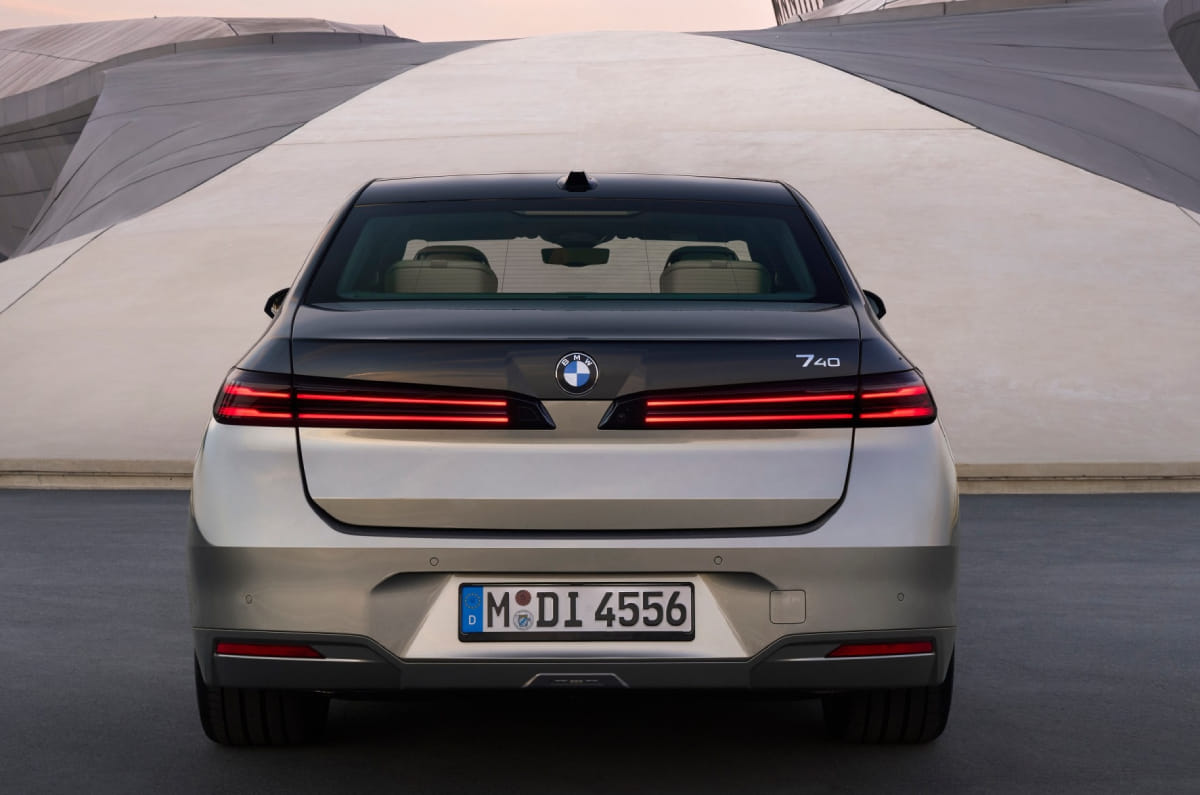
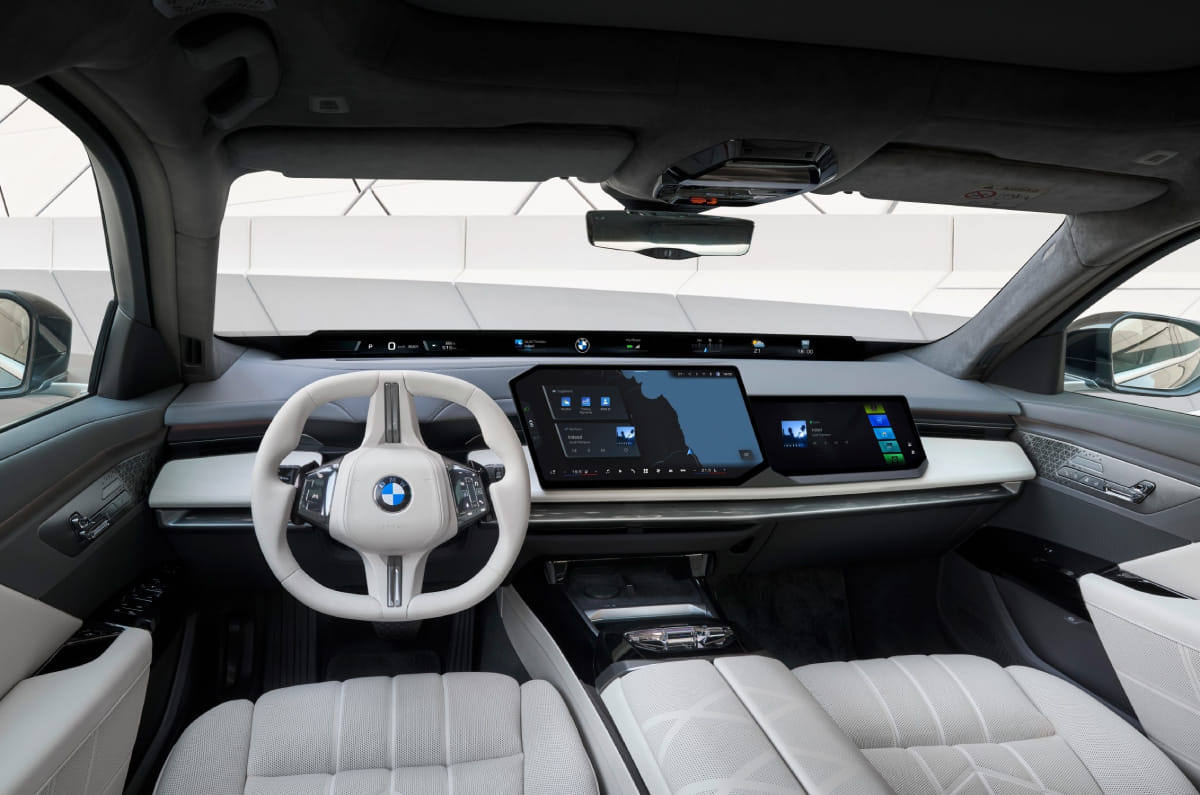
BMW’s flagship 7 Series and i7 luxury sedans are set to receive a mid-lifecycle facelift in India with refreshed styling, a comprehensively redesigned cabin, and upgraded petrol, diesel and electric powertrains. This mid-cycle update also introduces interior elements from BMW’s upcoming Neue Klasse models, including the new Panoramic iDrive display and rhomboidal infotainment touchscreen. With bookings now open ahead of their launch, here’s everything you need to know.

1. What will the BMW 7 Series and i7 facelift look like?

Sharper styling with subtle design revisions

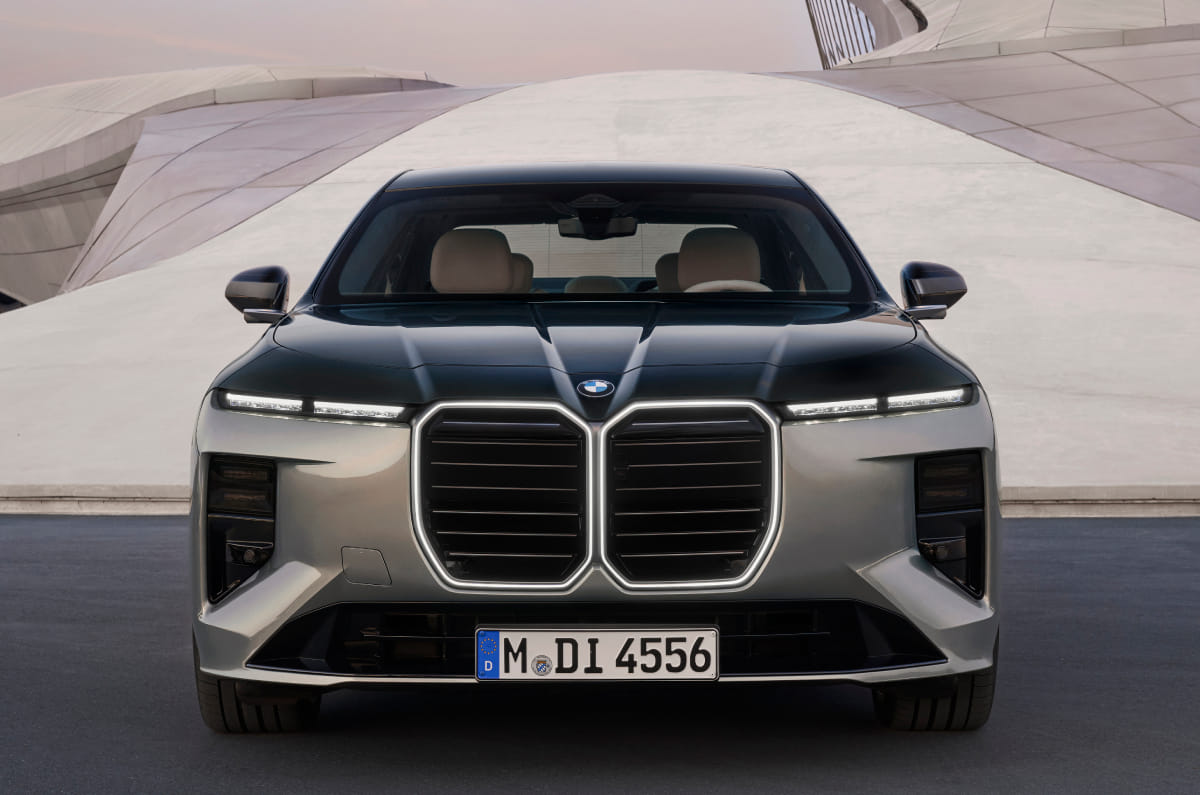
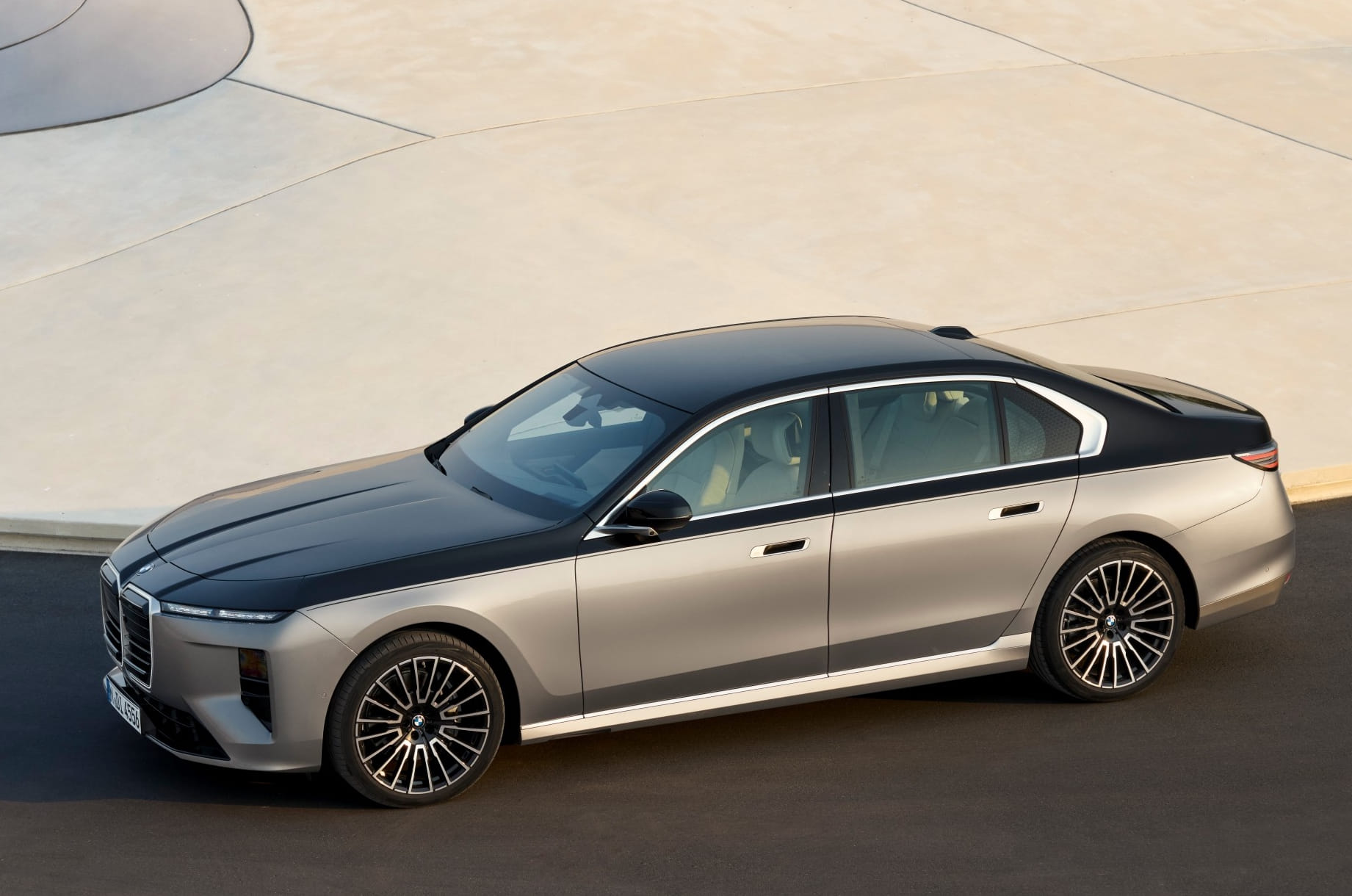
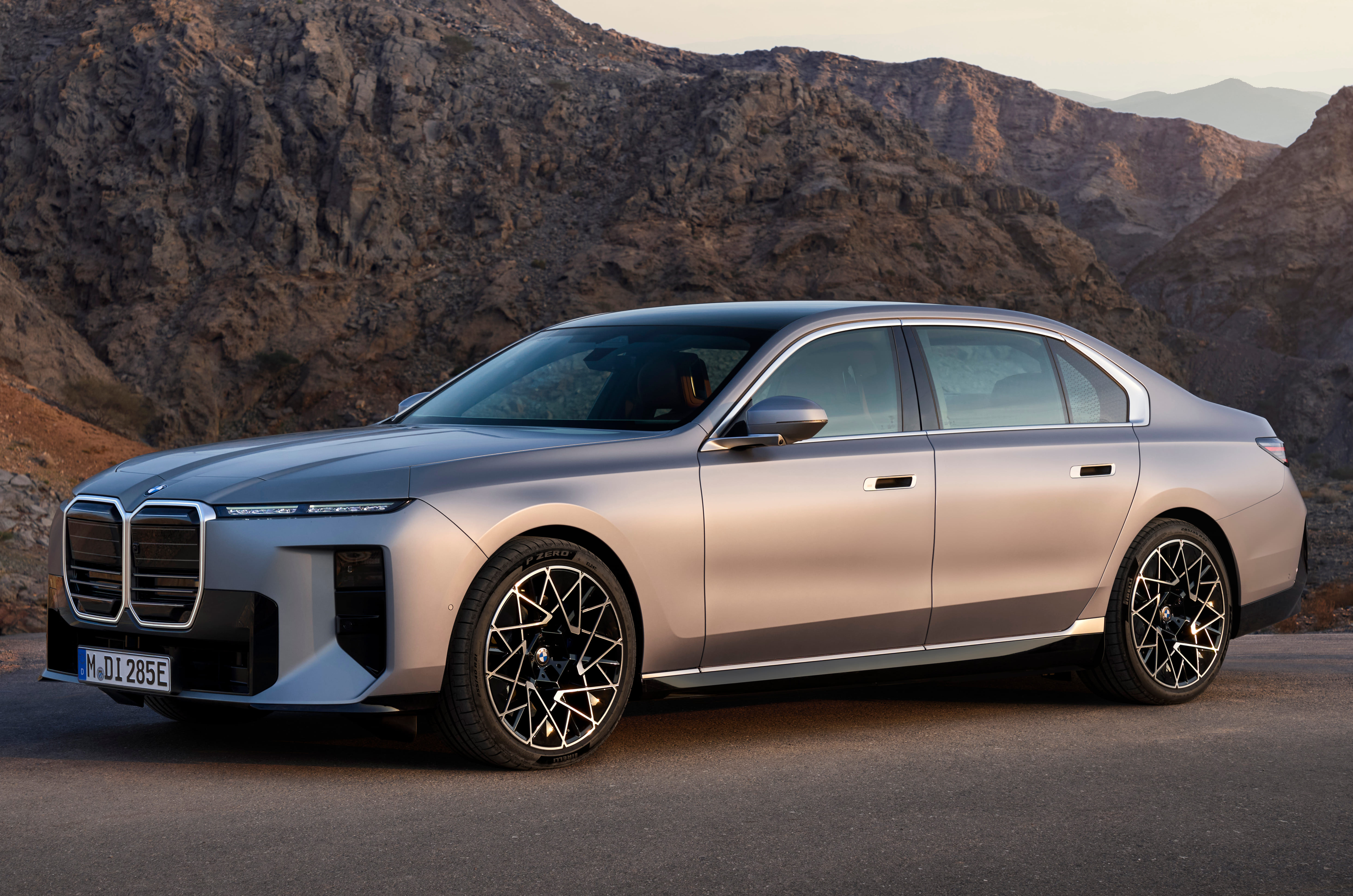
The facelift retains the overall silhouette of the current 7 Series but introduces several styling changes. Up front, it gets a redesigned illuminated kidney grille and revised split LED headlamps. The slim upper lighting elements house the daytime running lights, while the main headlamp units sit lower down in the bumper.

Viewed from the side, the 7 Series continues its clean and elegant design. It retains flush-fitting door handles that blend neatly into the bodywork. BMW has also introduced a new alloy-wheel design with the facelift. Another interesting detail is the embossed ‘7’ on the B-pillar, which becomes visible when both doors on the same side are opened. 

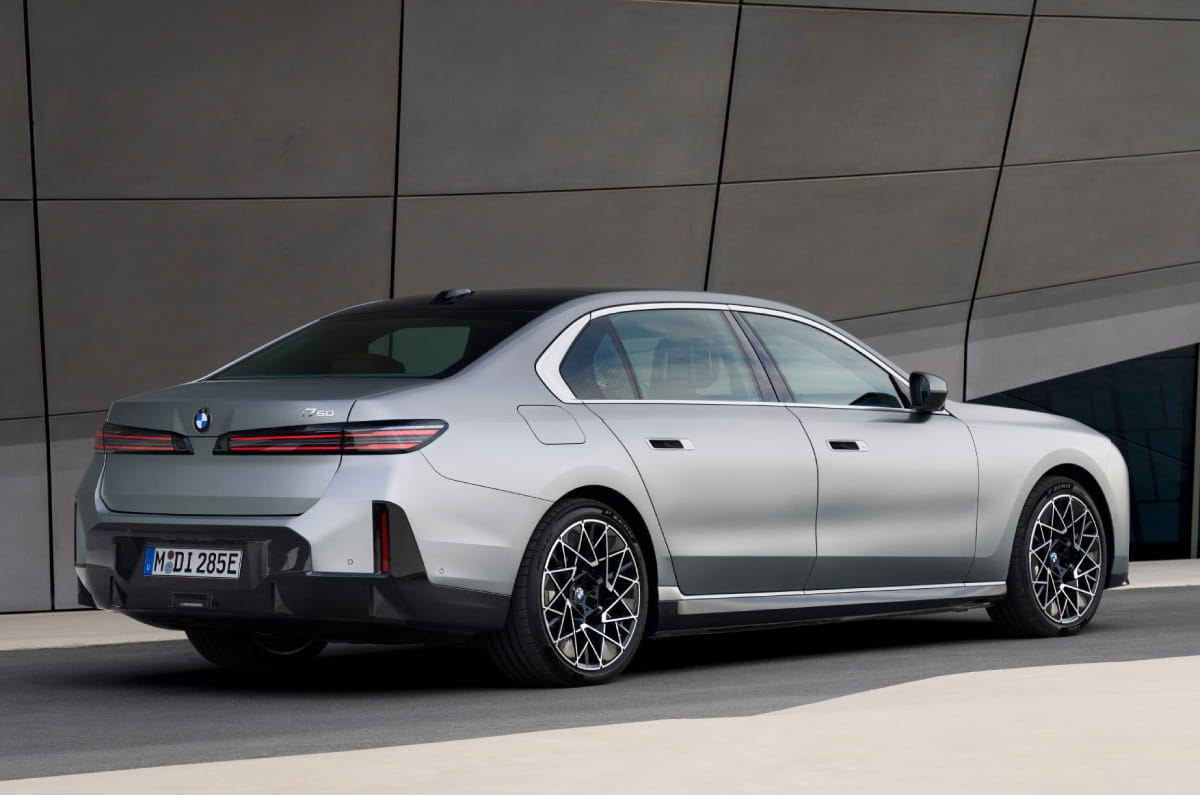
At the rear, slimmer tail-lamps extend further into the tailgate and feature smoked lenses with chrome detailing, while the bumper has been redesigned with a diffuser-style insert.

2. What’s new in the interior of the BMW 7 Series and i7 facelift?

Redesigned dashboard with BMW’s latest Panoramic iDrive

The biggest changes are inside. The facelift introduces BMW’s new Panoramic iDrive, replacing the conventional digital instrument cluster with a full-width projection display at the base of the windscreen. It works alongside a new 17.9-inch central touchscreen and a 14.6-inch front passenger display, both running the latest BMW Operating System X which supports over-the-air updates, wireless Apple CarPlay and Android Auto, and features improved voice controls. 

BMW has also introduced a new four-spoke steering wheel and a redesigned ambient lighting system that spans the width of the dashboard, extends to the rear speaker grilles and features additional lighting behind the front seats.

As standard, the seats come with electric adjustment, heating, ventilation, massage, lumbar support and heated armrests. The front passenger seat can also slide fully forward to create additional legroom for the passenger seated behind. 

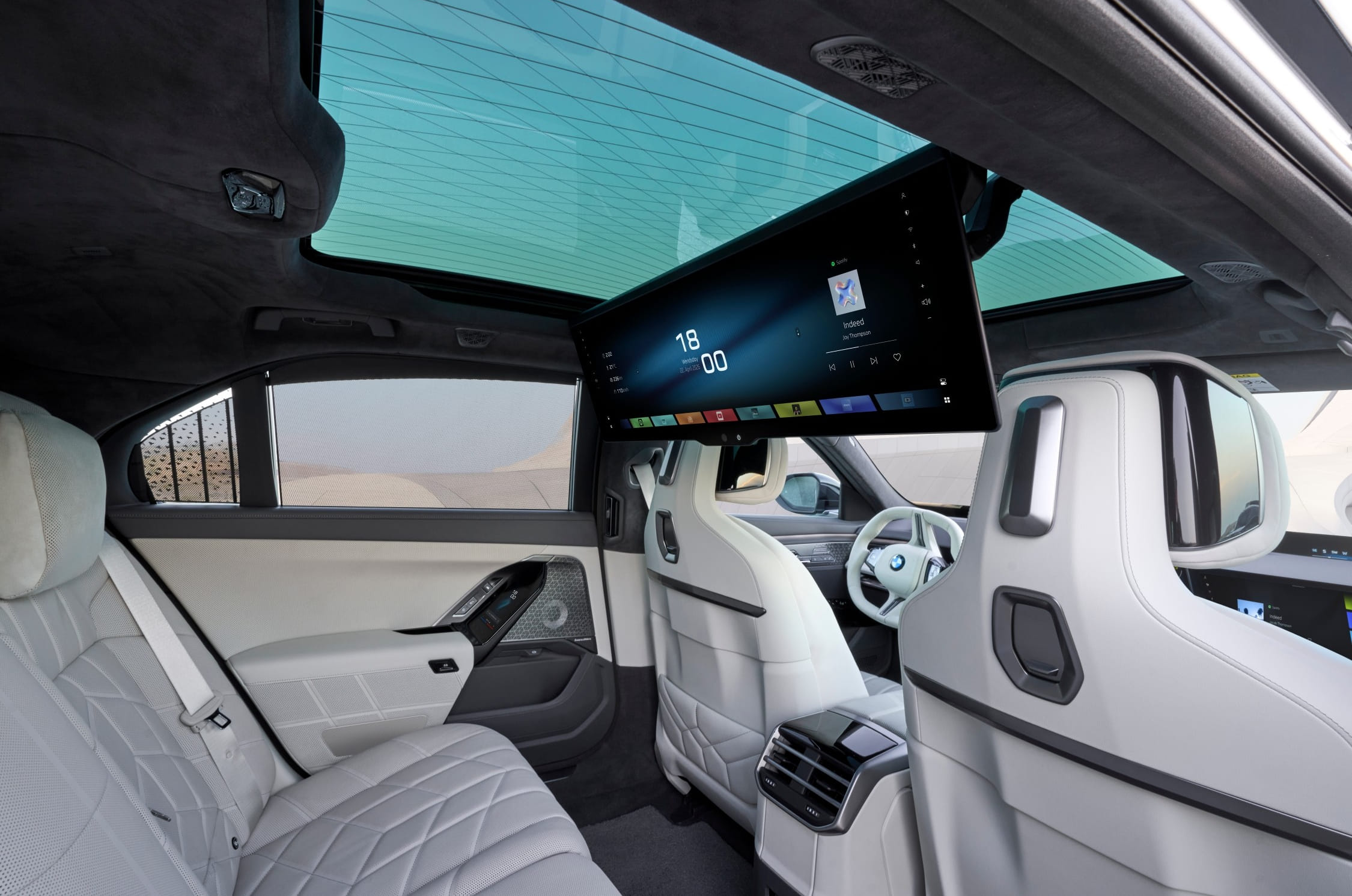
Rear-seat entertainment has also been upgraded. The Theatre Screen, optional in international markets, is now a 31.3-inch 8K touchscreen that supports video calls, streaming and gaming. The displays integrated into the rear doors have also been updated, allowing passengers to reposition the Theatre Screen, adjust its viewing angle and control other cabin functions. BMW has also revised the automatic doors with better-positioned open and close buttons.

3. Which powertrain options will the BMW 7 Series and i7 Lci get?

Petrol, diesel and electric powertrains receive updates

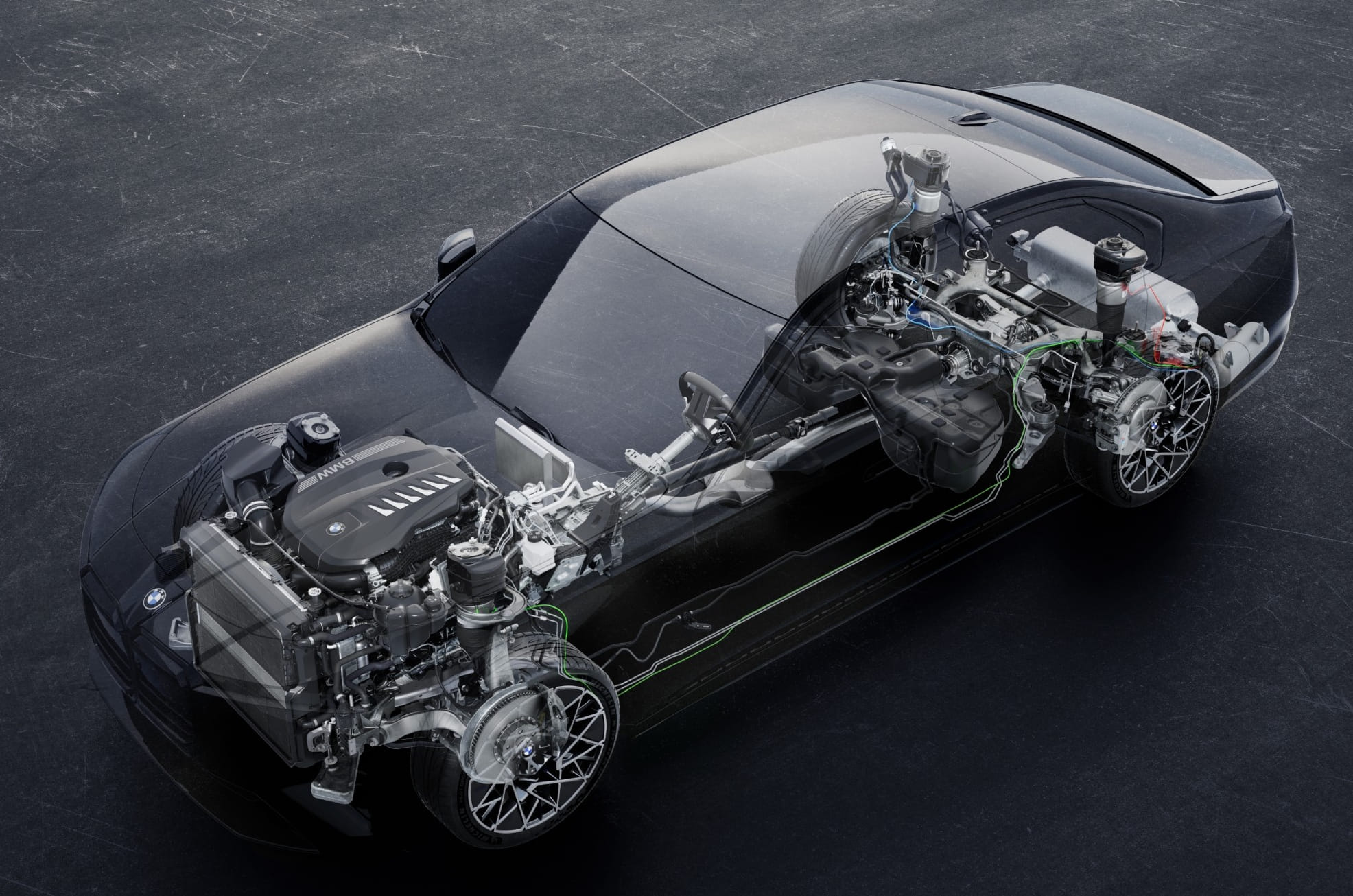
The facelifted 7 Series continues with 3.0-litre inline-six petrol and diesel mild-hybrid engines, both paired with an 8-speed automatic gearbox and all-wheel drive.  The 740i develops 400hp and 580Nm, up by 19hp and 60Nm, while the 740d now makes 313hp and 670Nm, an increase of 27hp and 20Nm over the outgoing model. 

The all-electric i7 also receives updates. The i7 xDrive50 replaces the earlier eDrive50 and now gets dual-motor all-wheel drive along with a larger 112.4kWh battery, replacing the earlier 101.7kWh unit. Output rises to 455hp and 660Nm. The range-topping i7 M70 xDrive also benefits from the larger battery, with outputs increasing to 680hp (from 650hp) and up to 1,100Nm (from 1,015Nm).

4. Will BMW launch the plug-in hybrid 7 Series in India

Yet to be confirmed

BMW i7 60 xDrive

Internationally, the 7 Series facelift is also available with plug-in hybrid powertrains, including the 750e xDrive and M760e xDrive. It remains to be seen whether BMW will introduce either variant in India, especially since its key rival, the new Mercedes-Benz S-Class, is already available with a plug-in hybrid powertrain.

5. How much will the BMW 7 Series and i7 facelift cost?

Prices expected to increase slightly

The current BMW 7 Series is priced at Rs 1.85 crore (ex-showroom) for both the petrol and diesel variants, while the i7 is priced between Rs 2.10 crore and Rs 2.58 crore. Given the additional technology, revised styling and powertrain upgrades, BMW is expected to increase prices slightly for both models.

6. Which cars will the BMW 7 Series and i7 facelift rival?

The 7 Series ‘LCI’ facelift will continue to rival the Mercedes-Benz S-Class in the flagship luxury sedan segment. Meanwhile, the i7 will compete with electric luxury sedans in the same price bracket.

7. When will the BMW 7 Series and i7 facelift launch in India

Bookings are now open

BMW i7 60 xDrive

BMW has started accepting bookings for the 7 Series and i7 facelift through its dealerships across India, with customers also able to register their interest via the BMW India website. The company is yet to announce an official launch date, although the refreshed luxury sedans are expected to arrive in the coming months.

International-spec BMW 7 Series shown for representative purposes only.
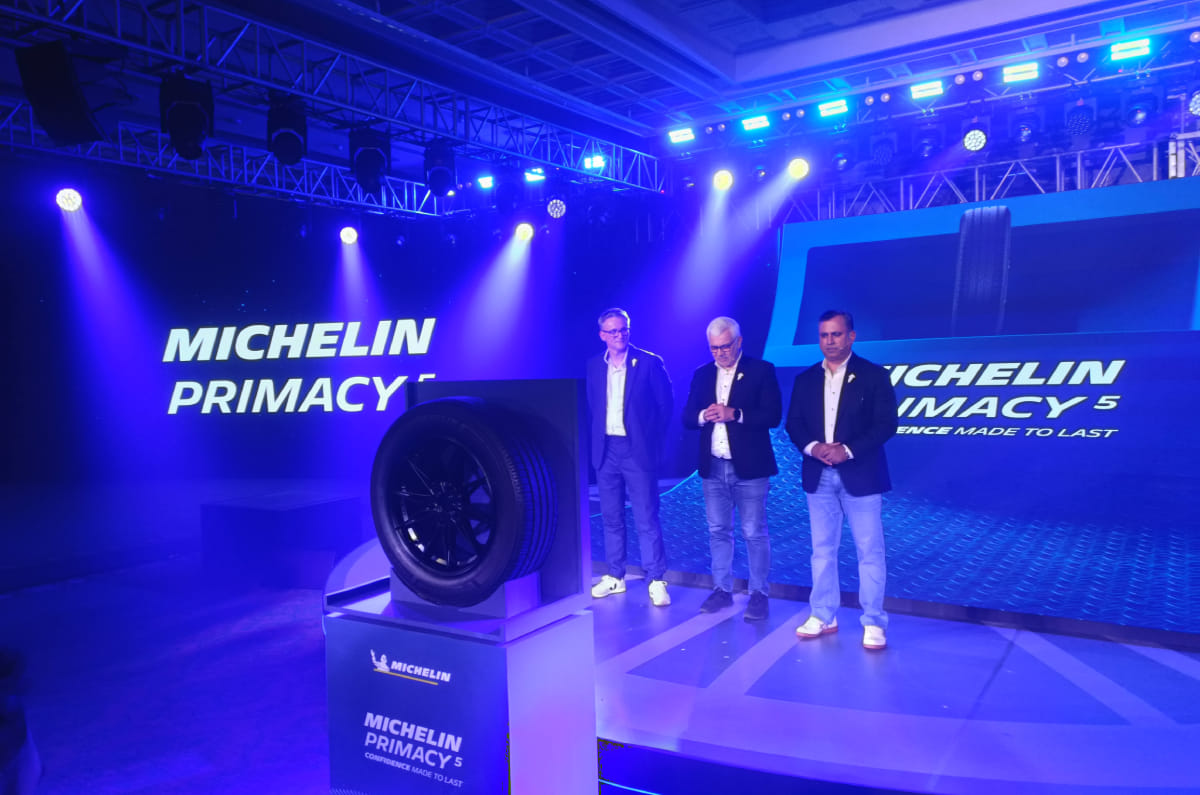
Michelin launches made-in-India Primacy 5 tyre for passenger cars

Michelin launches made-in-India Primacy 5 tyre for passenger cars

Michelin has launched the Primacy 5 as its first locally manufactured passenger car tyre in India, starting at Rs 10,000. The tyre is available in sizes ranging from 16 to 22 inches. While the French company had been locally producing tyres in India for trucks and buses for over a decade, the Primacy 5 marks the brand’s entry into the locally produced passenger vehicle tyre segment. The Primacy 5 is the first of a range of locally made products, with Pilot Sport 4 SUV, Pilot Sport 5 and LTX Trail ST set to follow in a phased manner.
  1. It’s claimed to have 8-meter shorter wet braking distance than rivals
  2. Improves efficiency in ICE vehicle and range for EVs, says Michelin
  3. Now available at Michelin tyres and service stores and authorised dealers across India

Michelin Primacy 5 highlights

Michelin says the Primacy 5 offers 8-meters shorter wet braking distance when new compared to rivals, and up to 9 metres shorter when worn. It also delivers up to 4 metres shorter dry braking distance when new, compared to other tyres. The other highlight, claims Michelin, is that it improves fuel efficiency in ICE vehicles (6.5 percent improvement over its predecessor, the Primacy 4ST) as well range in case of EVs. It also offers 8 percent longer lifespan compared to the Primacy 4ST, while also offering better ride comfort over other tyres, says Michelin.

It will be available in sizes ranging from 16-inches to 22-inches, meaning it will be compatible with the bulk of the mass offerings as well as premium luxury vehicles.

Speaking during the launch event in Chennai, Mr. Shantanu Deshpande, Managing Director, Michelin India, said, “The launch of the made-in-India Michelin Primacy 5 marks a significant milestone for Michelin in the country and reflects our commitment to delivering products that are tailored to the needs of Indian consumers. Manufactured in India for Indian drivers, the Primacy 5 has been developed and tested on the vehicles most driven in the country, benchmarked against leading competitors, and validated by an independent testing agency.”

Alongside the launch of the made-in-India tyre, the brand also said it intends to expand its presence beyond just Tier I and major Tier II cities. In the last one year, the brand has been expanding its distribution footprint to over 800 points of sale.

The French tyre maker sees India as the only country with true potential for exponential growth over the next decade and plans to capitalise on the growing popularity of mid-size SUVs and premium vehicles.

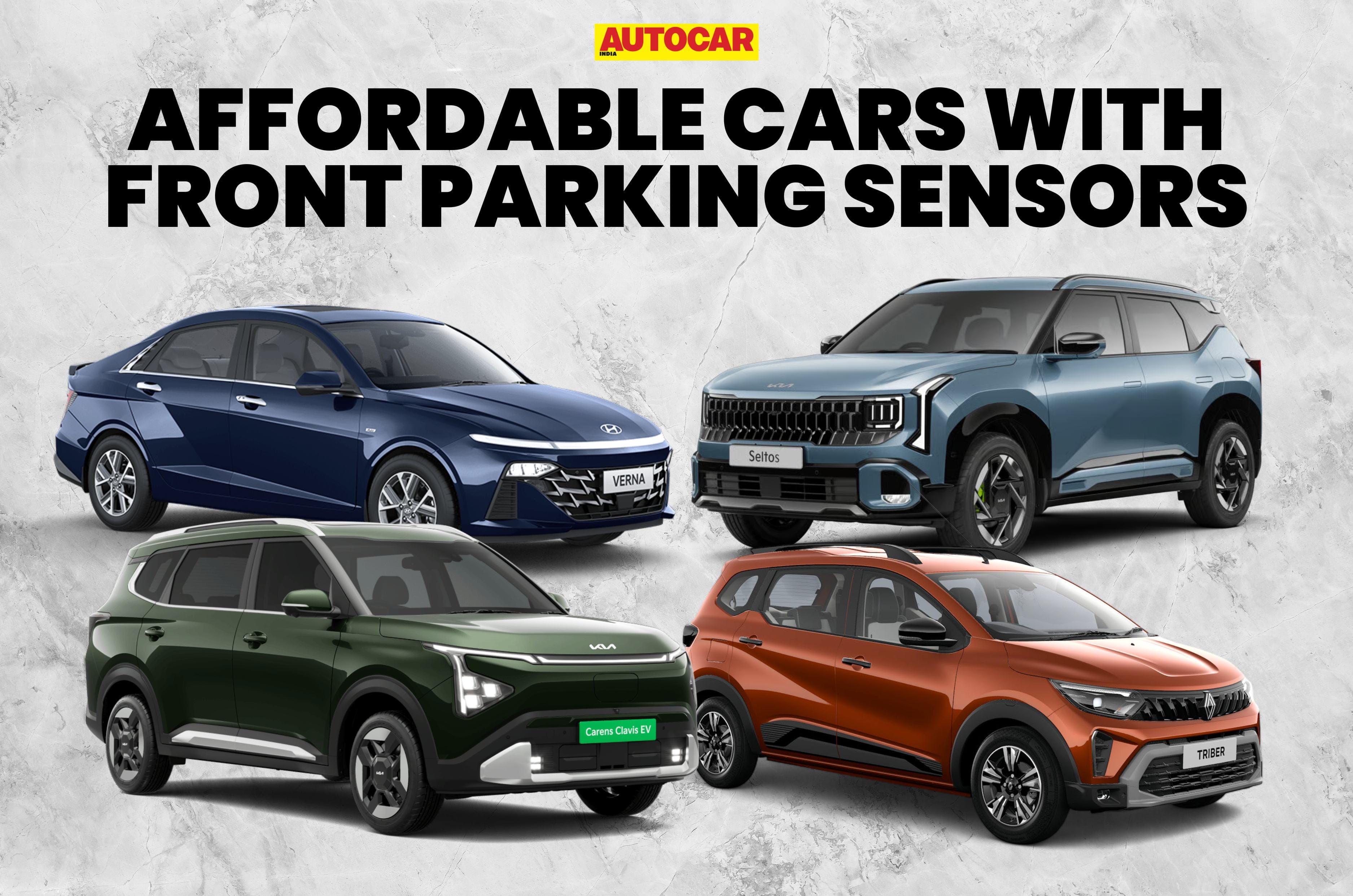
Top 10 cars with front parking sensors under Rs 20 lakh

Top 10 cars with front parking sensors under Rs 20 lakh

While pretty basic in their operation, parking sensors alleviate the strain involved when space is at a premium. Once the dominion of premium models, front parking sensors have now found their way into more affordable ones. We have listed the top 10 cars that get parking sensors at the front as well, and that too at an ex-showroom price of under Rs 20 lakh.

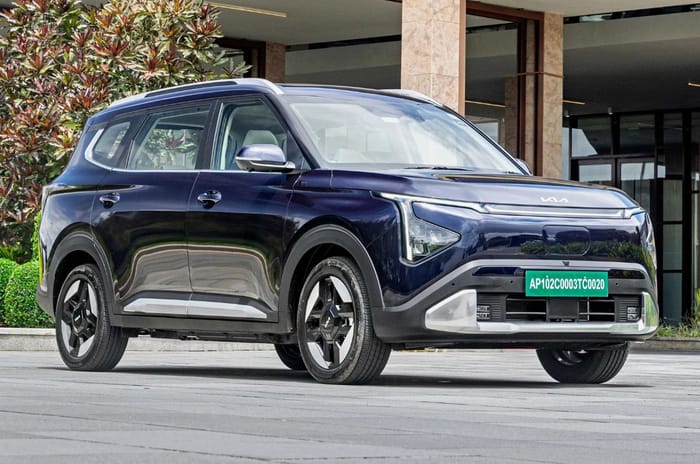
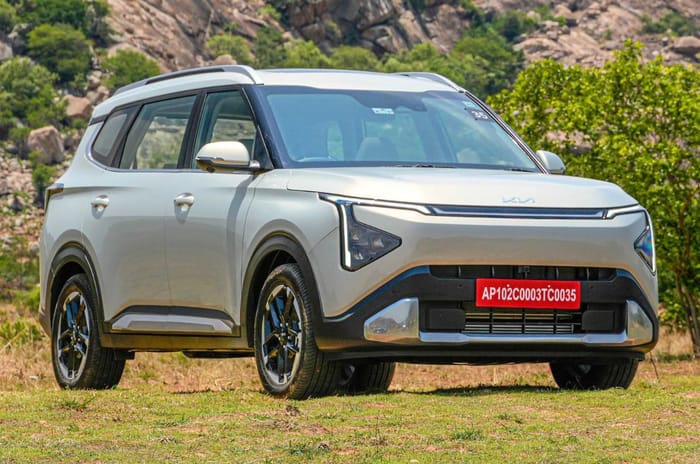
10. Kia Carens Clavis EV

Prices start at Rs 18.04 lakh

Kia Carens Clavis EV front

All variants of the 7-seat Kia Carens Clavis EV get front parking sensors. However, we are only considering the HTK+ and HTX E, since the rest are priced above Rs 20 lakh. These trims are offered with a 42kWh battery pack with an MIDC-claimed range of 404km. The single electric motor of the Clavis EV generates 133hp, while charging the battery from 10-80 percent takes 39 minutes when plugged into a 100kWh DC fast-charger.

Variants

Prices (Rs, lakh)

HTK+

18.04

HTX E

20.00

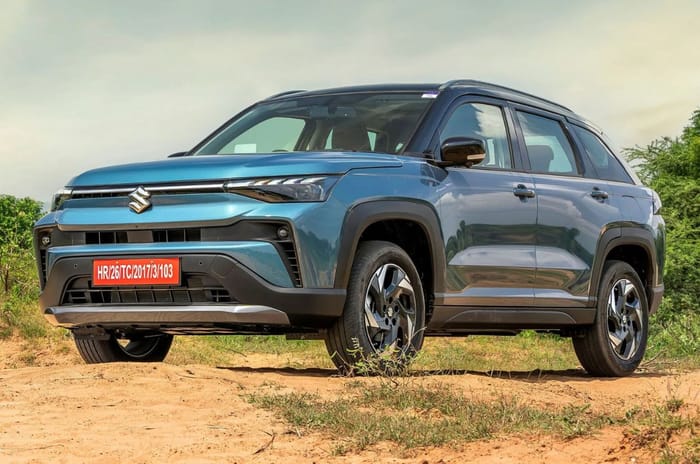
9. Maruti Suzuki Victoris

Prices start at Rs 15.39 lakh

Maruti Suzuki Victoris front

The Maruti Suzuki Victoris gets front parking sensors, but only on the ZXI Plus and the top-spec ZXI Plus (O), priced at Rs 19.99 lakh. These are available with manual and automatic transmissions, petrol and strong-hybrid options, and in front-wheel drive or all-wheel drive configurations. The naturally aspirated (NA) 1.5-litre engine of the Victoris manages 103hp, whereas the strong-hybrid’s powertrain achieves a combined output of 116hp.

Variant range

Price range (Rs, lakh)

ZXI Plus – ZXI Plus (O)

15.39 – 19.99

*Dual-tone options cost around Rs 14,500 more

8. Kia Carens Clavis

Prices start at Rs 15.28 lakh

Kia Carens Clavis front

Front parking sensors are on the equipment list for the HTK+, HTK+ (O), HTX, GTX, and HTX (O) trims. The latter costs Rs 19.96 lakh, with higher trims breaching our stipulated Rs 20 lakh price cut-off. Like its EV sibling, the Carens Clavis is also a 7-seater. Kia is offering three 1.5-litre engines: a 115hp petrol, a 160hp turbo-petrol with direct injection, and a 116hp turbo-diesel. Transmissions include a 6-speed manual, a 6-speed torque converter automatic (AT) and a 7-speed dual-clutch automatic (DCT).

Variant range

Price range (Rs, lakh)

HTK+ – HTX (O)

15.28 – 19.96

7. Hyundai Venue

Prices start at Rs 14.65 lakh

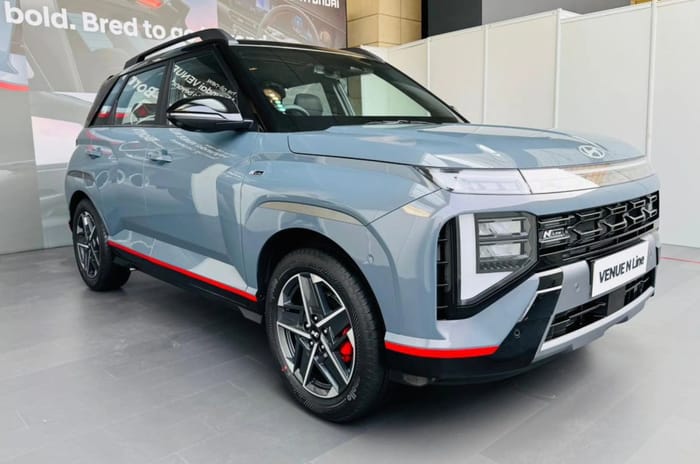
New Hyundai Venue N Line front

The second-gen Hyundai Venue adds front parking sensors to its already lengthy list of features. However, it is only the range-topping Venue HX10 and Venue N Line N10 variants of Hyundai’s compact SUV that get this nifty addition. The top-spec trim has a 1.5-litre turbo-diesel engine with 116hp, and costs Rs 15.65 lakh.

The HX10 also gets a 1.0-litre direct injection turbo-petrol with 120hp, which is shared with the N Line’s N10 trim. The diesel mill’s gearbox options are a 6-speed manual and a 6-speed torque converter automatic, whilst the petrol engine gets the manual and 7-speed DCT options.

Variants

Prices (Rs, lakh)

HX10 Turbo-Petrol (DCT)

14.65

HX10 Diesel (AT)

15.65

N Line N10 (DCT)

15.49

*Dual-tone options cost an additional Rs 18,000

6. Kia Seltos

Prices start at Rs 14.52 lakh

Kia Seltos front quarter

The entry-level HTE, HTE (O) and HTK trims of the Kia Seltos come equipped only with rear parking sensors. To get them on the front as well, you’ll need to step up to the HTK (O) at the bare minimum. Keeping our sub-20-lakh budget, the most expensive Seltos trims with front parking sensors are the GTX (A) and X-Line. Depending on the trim level, the Seltos can be had with one of three 1.5-litre engines and one of five gearboxes. For an in-depth look at those, click here.

Variant range

Price range (Rs, lakh)

HTK (O) – X-Line

14.52 – 20.00

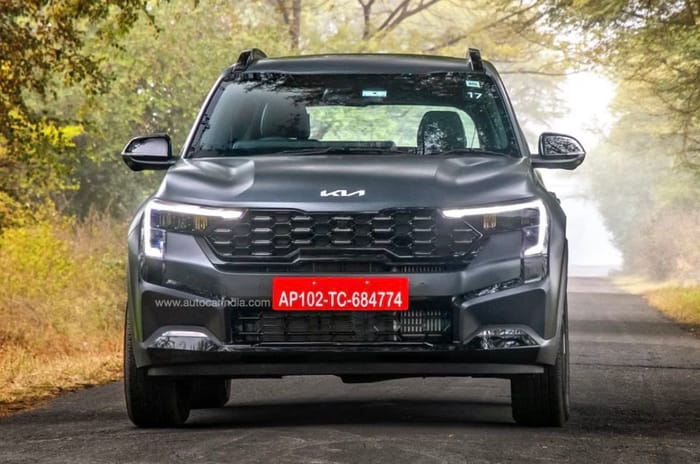
5. Kia Sonet

Prices start at Rs 13.76 lakh

Only the top-two trims of the Kia Sonet get front parking sensors, and these are the GTX+ and X-Line. These trims are only available with the 120hp, 1.0-litre direct injection turbo-petrol engine and 116hp, 1.5-litre turbo-diesel mill. Transmission choices with these trims are a 7-speed DCT and 6-speed AT, respectively. For more information on the Kia Sonet, check out our detailed review.

Variant range

Price range (Rs, lakh)

GTX+ – X-Line

13.76 – 14.37

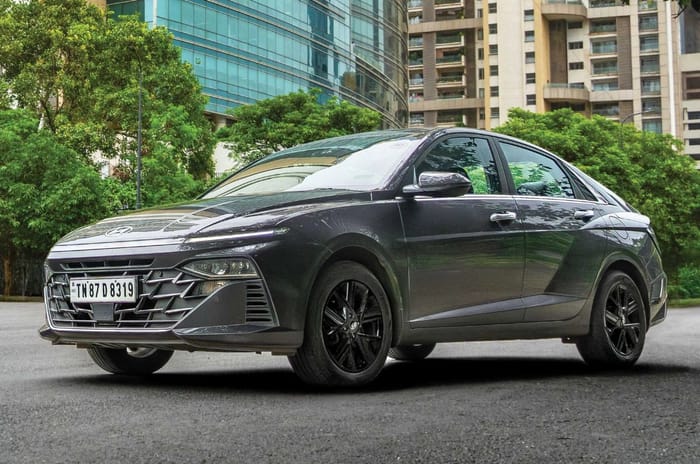
4. Hyundai Verna

Prices start at Rs 13.20 lakh

Hyundai Verna front quarter

Buyers of the HX6, HX6+, HX8 and HX10 trims of the Hyundai Verna will benefit from having front parking sensors. The midsize sedan’s range-topping HX10 trim is priced at Rs 18.26 lakh. There are two 1.5-litre petrol mills; the naturally aspirated unit produces 115hp, with the direct injection turbo-petrol motor making 160hp. While both engines get a 6-speed manual as standard, the NA can be had with an IVT (Intelligent Variable Transmission). However, only the turbo-petrol variants get the 7-speed DCT.

Variant range

Price range (Rs, lakh)

HX6 – HX10

13.20 – 18.26

3. Mahindra XUV 3XO

Prices start at Rs 12.20 lakh

Only the AX7 and AX7 Luxury variants of the Mahindra XUV 3XO get front parking sensors, with the latter costing Rs 15.04 lakh. The sub-4-metre SUV gets a 1.2-litre MPFI (multi-point fuel injection) and 1.2-litre direct injection turbo-petrol engines producing 111hp and 131hp. A 1.5-litre turbo-diesel engine with 117hp is also available, mated to a 6-speed manual or a 6-speed AMT (automated manual transmission). The petrol versions get a 6-speed manual and a 6-speed torque converter automatic.

Variants

Prices (Rs, lakh)

AX7

12.20

AX7 Luxury

15.04

2. Tata Nexon

Prices start at Rs 11.40 lakh

The most affordable Tata Nexon variant with front parking sensors is the Creative + PS. Meanwhile, the most expensive Fearless + A PS costs Rs 13.70 lakh. Tata’s popular compact SUV is available with petrol, diesel and CNG options.

The petrol and CNG versions use a 1.2-litre turbocharged engine with up to 120hp, while the 1.5-litre diesel mill produces 115hp. The transmission choices encompass a 6-speed manual, a 6-speed AMT and a 7-speed DCT.

Variant range

Price range (Rs, lakh)

Creative + PS – Fearless + A PS

11.40 – 13.70

*Dark Edition costs around Rs 18,300 on top of the Dual Tone option

1. Renault Triber

Prices start at Rs 8.05 lakh

The most affordable car with front parking sensors is the Renault Triber. Only the top-end Emotion trim of this three-row MPV gets this feature, and the range tops out at Rs 8.53 lakh. The Triber is powered by a 1.0-litre three-cylinder petrol engine that produces 72hp and 96Nm. While there is only one engine option, buyers can choose between a 5-speed manual or a 5-speed AMT.

Variant

Price (Rs, lakh)

Emotion

8.05-8.53

*Dual-tone options cost an additional Rs 21,000

All prices are ex-showroom.

Also read

Top 5 most affordable cars with hill hold feature

Top 10 most affordable ADAS cars in India

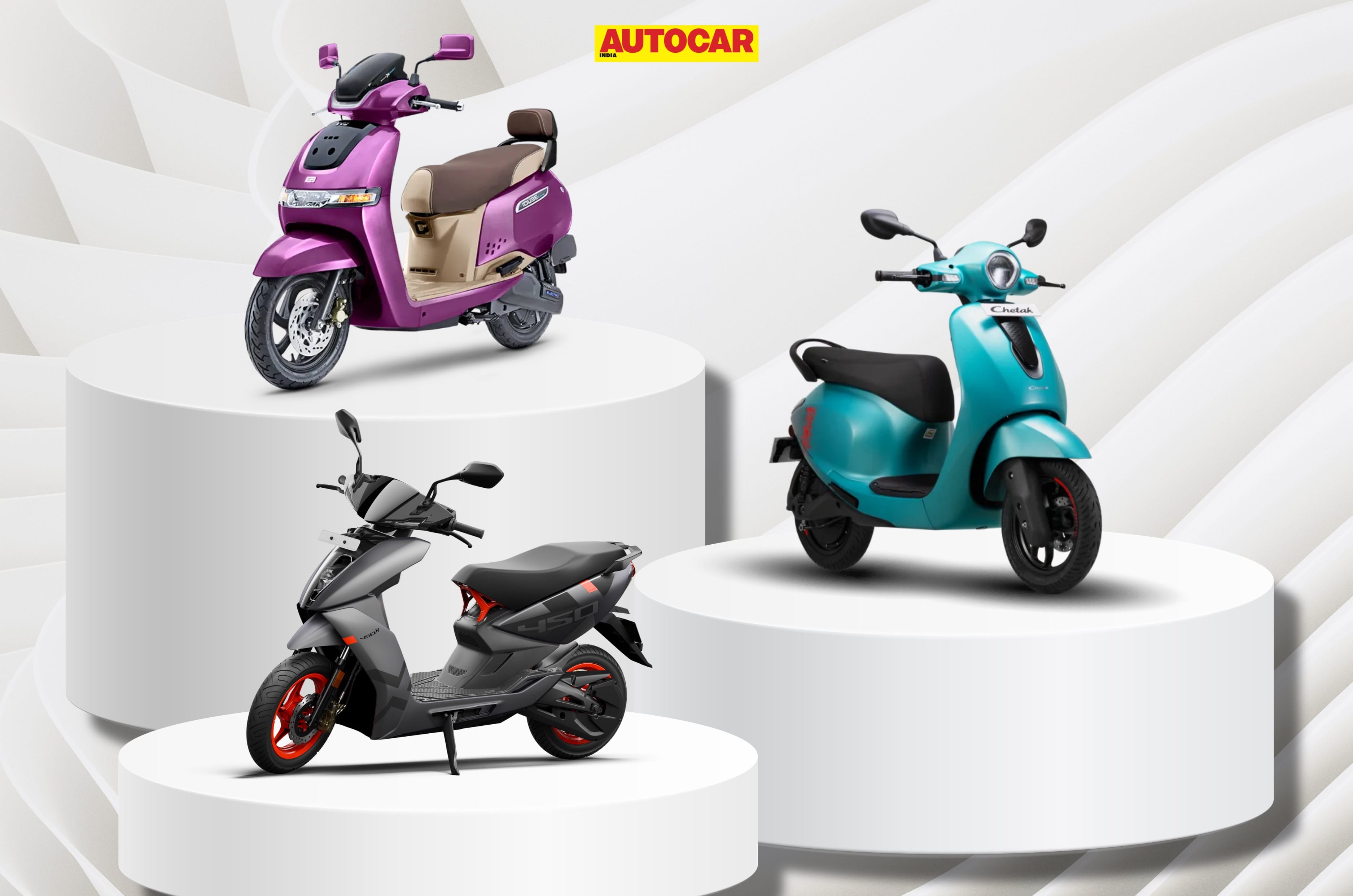
TVS posts record monthly EV sales as electric 2W segment hits new peak

July 2026 electric two-wheeler sales

India’s electric two-wheeler segment crossed the 2 lakh monthly sales mark for the first time, with retail figures of 2,04,266 units in July 2026 – beating the previous best of 1,99,411 units set in March this year. Cumulative sales for the first seven months of 2026 now stand at 11.7 lakh units, up 56 percent year-on-year, while the first four months of FY27 have delivered 7,29,573 units – a 73 percent jump over the same period last year.

  1. Electric two-wheeler sales cross 2 lakh units in a month for the first time
  2. TVS posts best-ever monthly sales of 55,477 units; market share rises to 27 percent
  3. Ola Electric is the only top-10 OEM to register a year-on-year decline

July 2026 electric two-wheeler sales: OEM breakdown

TVS Motor Co: 55,477 units

TVS Motor Company delivered a record 55,477 electric scooters in July – a 135 percent year-on-year increase and the brand’s highest-ever monthly figure, surpassing the previous best of 51,632 units in March. The result gives TVS a 27 percent market share, up from 22 percent a year ago. Cumulative FY27 sales of 1,86,034 units are already 52 percent of its full-year FY26 tally, putting it on course to cross 5.5 lakh annual sales for the first time. The iQube remains TVS’s highest-selling model, with the Orbiter seeing growing demand alongside it.

Bajaj Auto: 45,592 units

Bajaj Auto sold 45,592 Chetak scooters in July, marking a 122 percent year-on-year increase, and giving it a 22 percent market share, up from 19 percent a year ago. This was Bajaj’s second-highest monthly figure after March’s 47,751 units. Cumulative FY27 sales of 1,63,236 units are 54 percent of its full-year FY26 total. Bajaj Auto’s Joint MD Rakesh Sharma noted that the newly launched Chetak 2501 now accounts for approximately 12 percent of the Chetak portfolio.

Ather Energy: 30,323 units

Ather Energy delivered 30,323 units in July, up 70 percent year-on-year, consolidating its position as the third-largest electric two-wheeler maker in India. Cumulative FY27 sales of 1,18,983 units are already 47 percent of its FY26 total. 

In July, Ather also updated the battery chemistry of the 450 and Rizta ranges, with the Rizta now available in both LFP and NMC configurations. The brand will launch its first EL platform-based scooter – expected to be priced between Rs 1 lakh and Rs 1.25 lakh – at Ather Community Day on August 29.

Vida: 22,887 units

Vida posted its best-ever monthly sales of 22,887 units in July – a 111 percent year-on-year increase – surpassing its previous highs of 22,201 units in March and 21,893 units in June. Cumulative FY27 sales of 79,940 units are already 53 percent of its full-year FY26 total. The brand expanded its lineup in July with the VX2 Plus 4.4kWh at Rs 1.43 lakh and the new VX2 Go FB – a fixed-battery variant with a 3.1kWh pack priced at Rs 1.13 lakh.

Ola Electric: 14,105 units

Ola Electric was the only top-10 OEM to register a year-on-year decline in July, selling 14,105 units – down 24 percent from 18,449 units in July 2025. After three months of sequential growth through April, May and June, July also saw a 13 percent month-on-month drop. Ola’s market share has fallen sharply to 7 percent from 17 percent a year ago, when it ranked third overall.

Other notable performers

Greaves Electric Mobility delivered 10,125 units – up 137 percent year-on-year. River Mobility hit its highest-ever monthly sales with 5,951 units of the Indie, up 254 percent year-on-year, following the rollout of its 50,000th unit from its Hoskote plant. Bgauss Auto sold 5,518 units, up 213 percent year-on-year. Simple Energy sold 1,648 units, with the brand’s upcoming Simple Arrive family scooter set to launch on September 2. Lectrix Vehicles rounded out the top 10 with 1,397 units.

The top 10 OEMs combined accounted for 94 percent of all electric two-wheeler sales in July, with the remaining 6 percent approximately 180 other manufacturers.

‘एक बेहतर मुख्यमंत्री की जरूरत…’, बांकीपुर में बढ़त के बाद प्रशांत किशोर का पहला रिएक्शन, जानें क्या कहा

बिहार की राजनीति में एक बड़ा उलफेर देखने को मिल रहा है। जन सुराज पार्टी (JSP) के संस्थापक प्रशांत किशोर बांकीपुर उपचुनाव में जीत की ओर बढ़ रहे हैं। इस सीट पर हार, बीजेपी के लिए किसी बड़े झटके से कम नहीं मानी जा रही है। प्रशांत किशोर की बढ़त से जन सुराज पार्टी के समर्थक काफी उत्साहित हैं। इस बीच प्रशांत किशोर ने बांकीपुर की जनता को धन्यवाद दिया है और सीट पर बढ़त के बाद भाजपा और सीएम सम्राट चौधरी पर हमला बोला।

प्रशांत किशोर ने बोला हमला

बांकीपुर विधानसभा उपचुनाव में बढ़त मिलने के बाद जन सुराज के प्रमुख प्रशांत किशोर ने कहा कि उनकी पहली प्राथमिकता क्षेत्र की जनता के भरोसे और समर्थन का सम्मान करना है। उन्होंने कहा कि बांकीपुर के विकास के लिए हर संभव प्रयास किए जाएंगे और आने वाले दो-तीन महीनों में लोगों को बदलाव भी नजर आने लगेगा। प्रशांत किशोर ने कहा, “मैं बड़े-बड़े वादे नहीं करना चाहता। मेरे विधायक बनने से बांकीपुर एक रात में बेंगलुरु जैसा नहीं बन जाएगा, लेकिन अगले दो-तीन महीनों में यहां कुछ अच्छे बदलाव जरूर दिखाई देंगे।”

उन्होंने कहा कि बांकीपुर की जनता ने इस चुनाव के जरिए बीजेपी नेतृत्व को साफ संदेश दिया है कि बिहार को एक बेहतर मुख्यमंत्री की जरूरत है। प्रशांत किशोर ने कहा कि अगर बीजेपी सम्राट चौधरी की जगह कुशवाहा समाज के किसी दूसरे नेता को मुख्यमंत्री बनाना चाहती है तो यह उनका अंदरूनी फैसला है। उन्हें इससे कोई आपत्ति नहीं है, लेकिन मुख्यमंत्री ऐसा व्यक्ति होना चाहिए जो ईमानदार, सक्षम और बिहार के विकास के लिए काम करने वाला हो। उन्होंने आगे कहा कि सबसे जरूरी बात बिहार का विकास है। इससे फर्क नहीं पड़ता कि चुनाव कौन जीतता है या किस पार्टी की सरकार बनती है। लोकतंत्र में जीत और हार होती रहती है, लेकिन राज्य की तरक्की सबसे ज्यादा मायने रखती है।

जीत की ओर पीके

27वें राउंड के नतीजों में प्रशांत किशोर 50 हजार वोटों के आंकड़ा के पास पहुंच गए हैं। 27वें राउंड में उन्हें 55780 वोट मिले हैं। अभी 4 राउंड की गिनती और बची है। अब यह साफ हो गया है कि प्रशांत किशोर इस सीट पर बड़ी जीत की ओर बढ़ रहे हैं। 27वें राउंड में बीजेपी को 38893 वोट मिले हैं। दोनों पार्टियों के बीच वोटों का अंतर 16887 है।

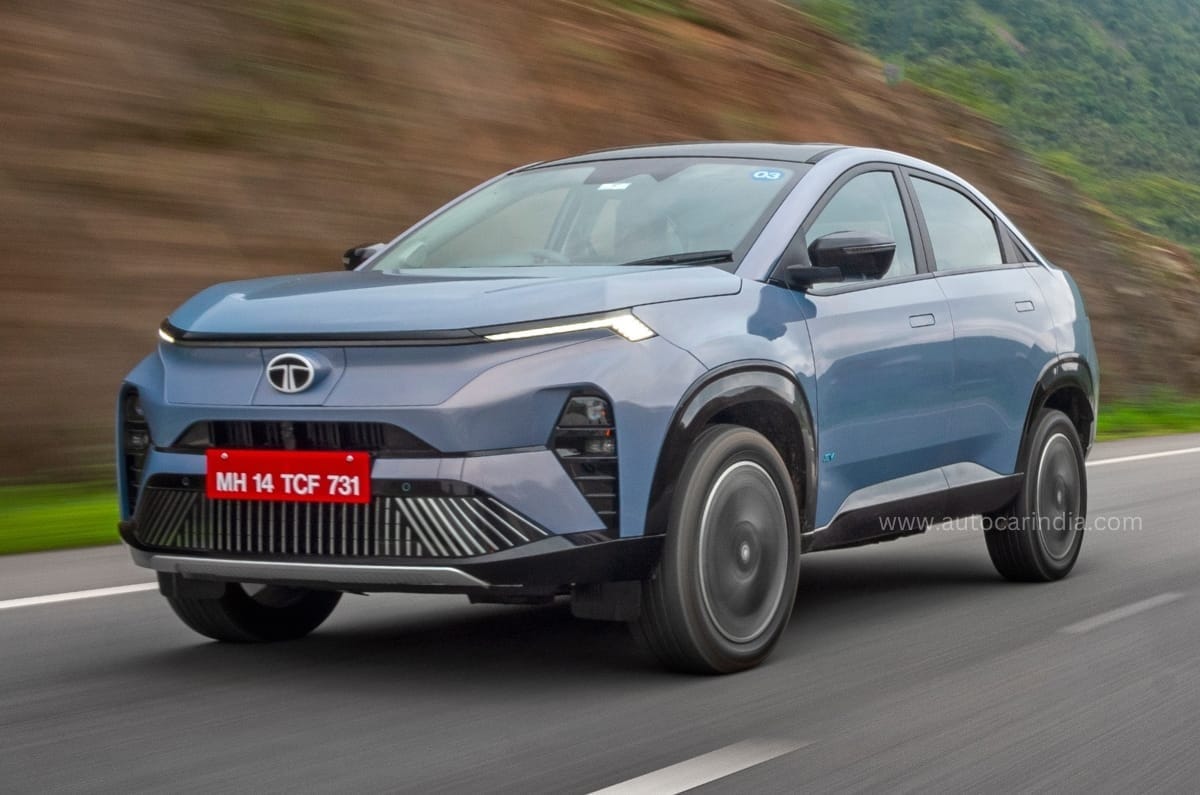
3 reasons to buy the Tata Curvv EV, 2 reasons not to

3 reasons to buy the Tata Curvv EV, 2 reasons not to

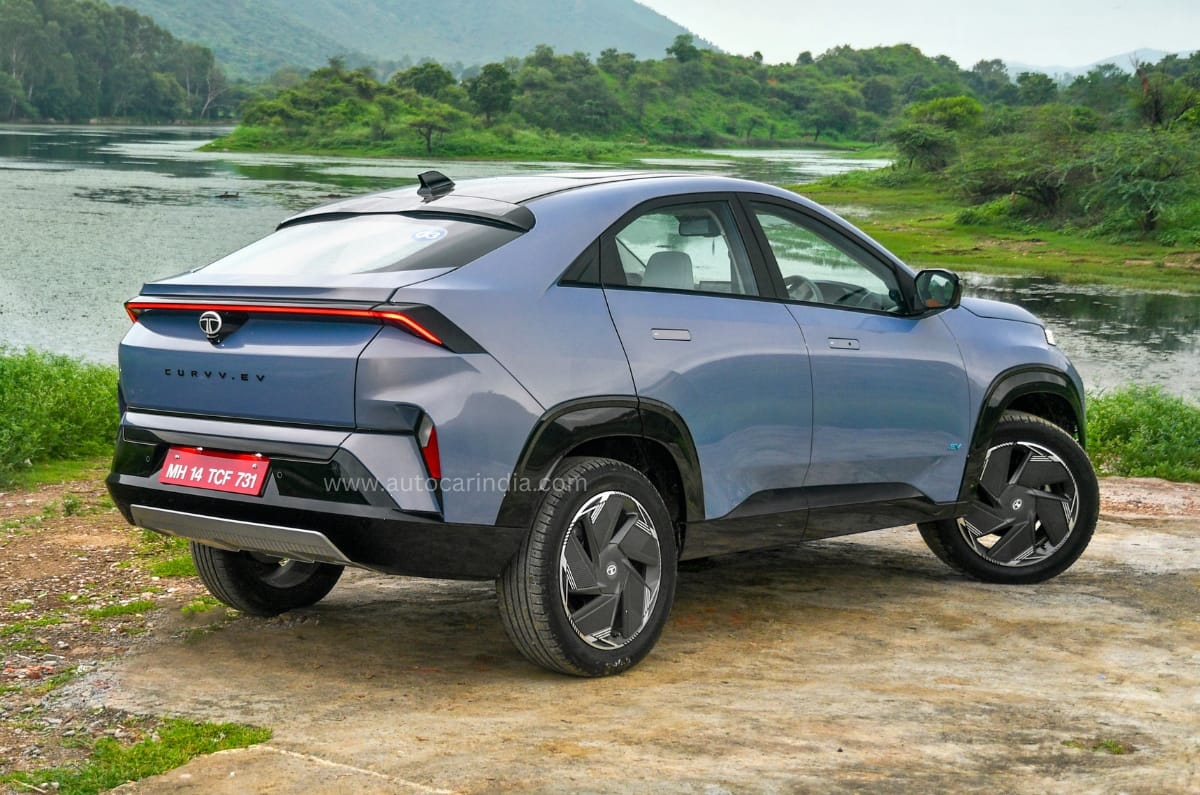
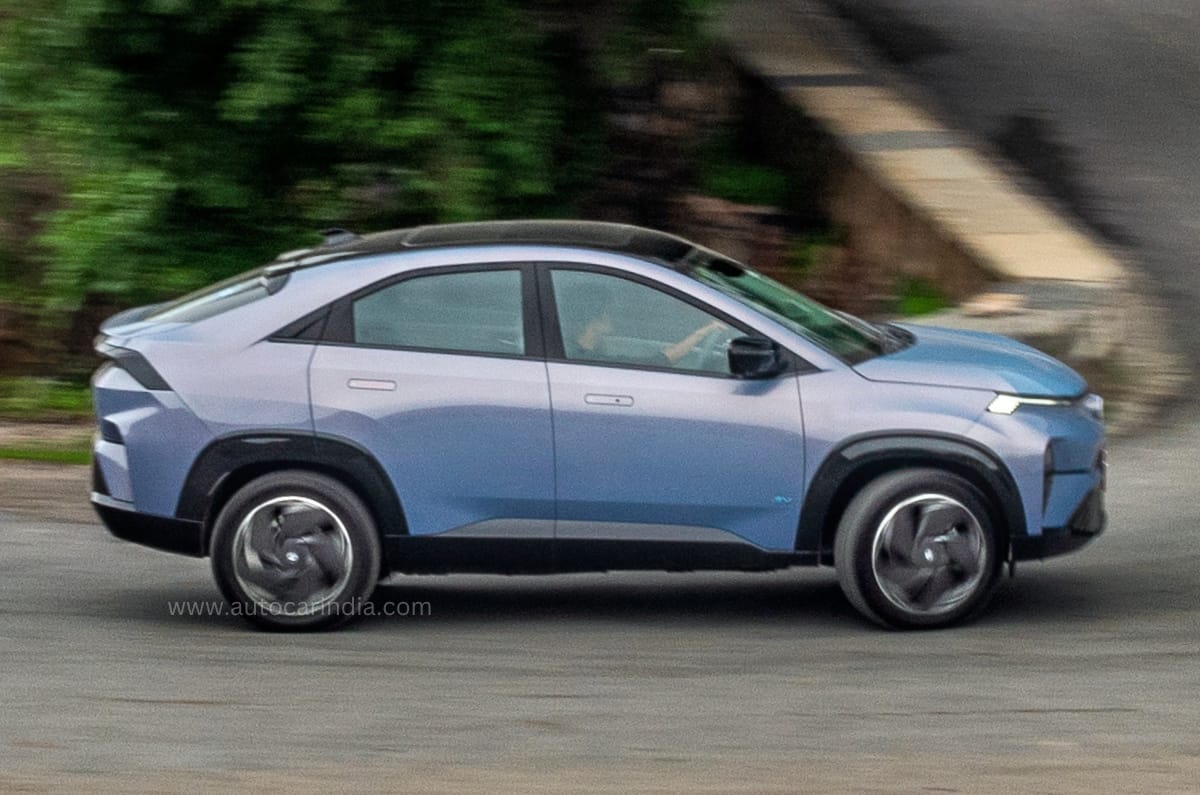
Tata launched the Curvv EV in 2024 as a distinct-looking coupe-SUV in the heavily contested midsize class. In the manufacturer’s lineup, it sits between the smaller Nexon EV and larger Sierra EV, and along with the different looks, it also offers a feature-loaded cabin, spacious cabin, a large battery pack and a powerful electric motor. If you’re interested in the Curvv EV, here are the reasons to consider it, and some reasons to think otherwise.

Reasons to buy

Offers good performance without compromising on range

The Tata Curvv EV is offered with a 55kWh battery pack and produces 167hp and 215Nm from its front-axle-mounted (FWD) electric motor. It gets three drive modes: Eco, City and Sport, which alter the throttle response based on the chosen mode. The Curvv EV is the most energetic in Sport mode, offering full torque reserve at the tap of the accelerator pedal, unlike the other two modes where torque output is restricted to around 70 percent. Tata claims a 0-100kph time of 8.6 seconds for the Curvv, but in our real-world tests, it completed the 0-100kph sprint in 9.25 seconds in Sport mode. The fact that the Tata Curvv EV did a 0-100kph run in 11.6 seconds with the most docile Eco mode shows its quick acceleration.

However, quick acceleration does not come at the expense of efficiency, as in our real-world tests, we found that the Curvv EV’s 55kWh variant offered an economy of 6.64km/kWh, translating to a total range of 365km, which allows for intracity travel.

Offers a lot of comfort and convenience features

Like other Tata EV offerings, the Curvv EV is also loaded with features to its gills. It gets a 12.3-inch touchscreen infotainment system and a 10.25-inch digital driver’s display, the latter of which can be configured to show navigation. However, when using turn indicators, it shows the blind spot monitor feed instead of the navigation. This can be avoided if the blind spot monitor display is configured to display on the touchscreen. Both screens are crisp and have menus, but it is easy to get used to them. The infotainment system is offered with Tata’s arcade.ev app suite, which includes streaming services and games that can be used when the Curvv EV is charging. 

Other features include a panoramic sunroof, configurable ambient lighting, an electric tailgate with gesture control, a 9-speaker JBL sound system, a wireless phone charger with cooling vents, powered and ventilated front seats, and Level-2 advanced driver assistance systems (ADAS). 

It is a value-for-money offering in its class

With prices ranging from Rs 16.99 lakh to Rs 19.19 lakh, the Tata Curvv EV is on par with the petrol/diesel midsize SUVs, and undercuts rivals like the Hyundai Creta Electric, Mahindra BE 6, and Tata Sierra. At this price, it is offered with concept-car-like looks, a spacious interior, a feature-loaded cabin, a large battery and a potent electric motor, making it one of the most value-for-money offerings in its class.

Reasons to skip

Taller passengers may feel uncomfortable on the rear seats

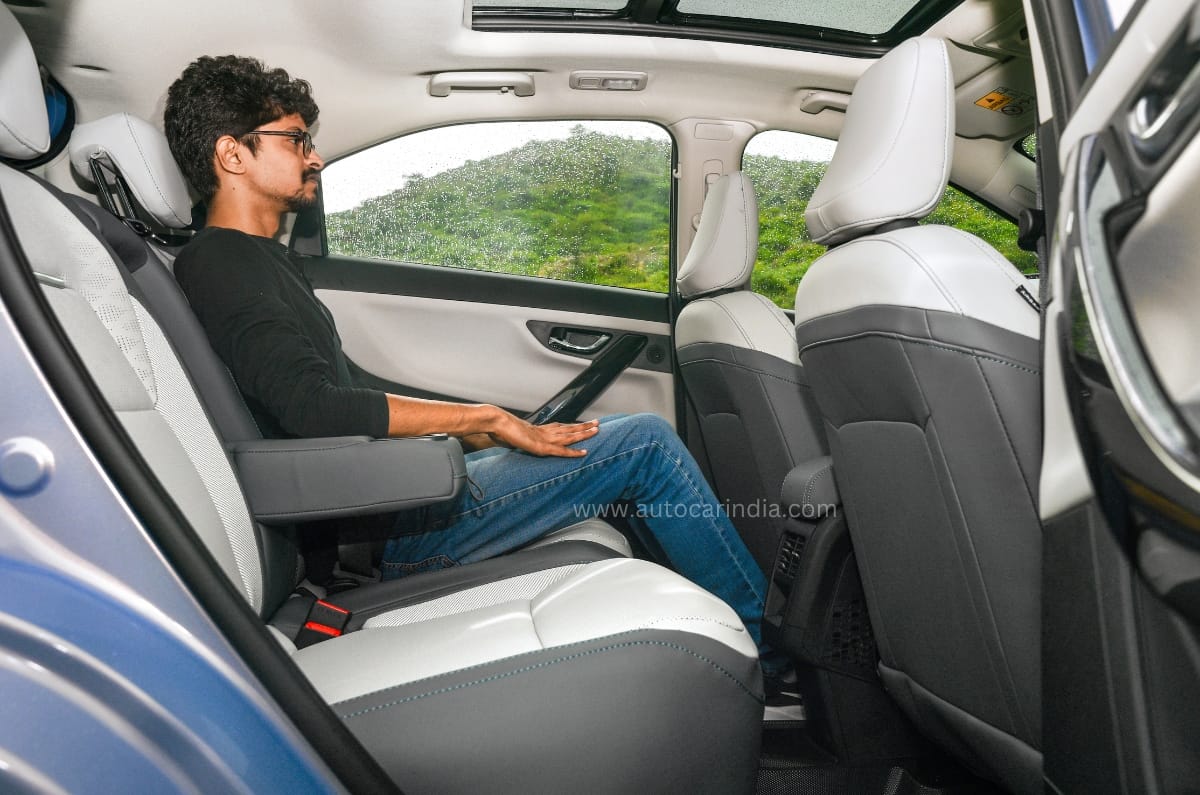
The coupe-SUV design of the Curvv EV eats up the headroom on the rear seats, which will be uncomfortable for taller passengers, especially if they are taller than 6 feet. Such passengers will also find the under-thigh support underwhelming, as they have to sit in a knees-up position due to the battery cells placed under the floor. However, legroom is in plenty and will be appreciated by passengers of all sizes. 

It suffers from some ergonomic issues

The Curvv EV shares much of its dashboard design with the Nexon EV,  and hence, does not get proper cupholders for the front passengers. The cupholders are placed inside the glovebox, which does not make them usable, especially on the move. The phone charging ports are placed ahead of the drive selector knob and are hard to reach. The storage space under the front centre armrest is also small. However, the fit and finish inside the cabin is decent for the Curvv EV’s price.