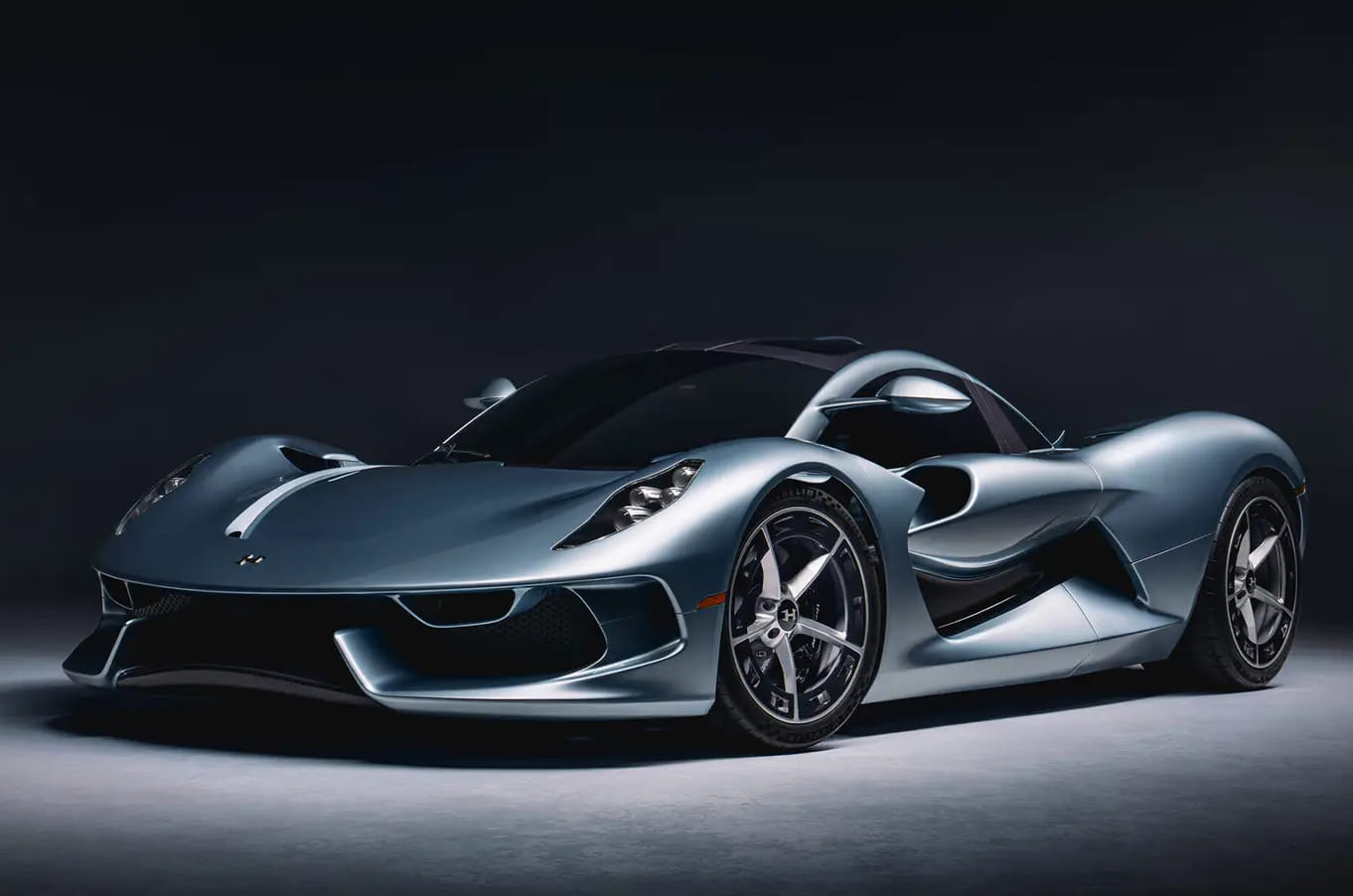
Hennessey Blackbird revealed with naturally aspirated V8, manual gearbox

Hennessey Blackbird

Hennessey has unveiled the Blackbird, its latest hypercar inspired by the Lockheed SR-71 Blackbird reconnaissance aircraft. While the Venom F5 was developed with outright speed and power as its priority, the Blackbird instead places greater emphasis on driver engagement through a naturally aspirated V8, rear-wheel-drive layout, a 6-speed manual gearbox and a screen-free cabin. Production will be limited to 71 units, and customer deliveries are scheduled to begin in 2029.

  1. Naturally aspirated 6.2-litre V8 revs to over 9,000rpm
  2. Targets sub-1,360kg dry weight and 354kph top speed
  3. Screen-free cabin with analogue dials and manual gearbox

Hennessey Blackbird: Engine and performance
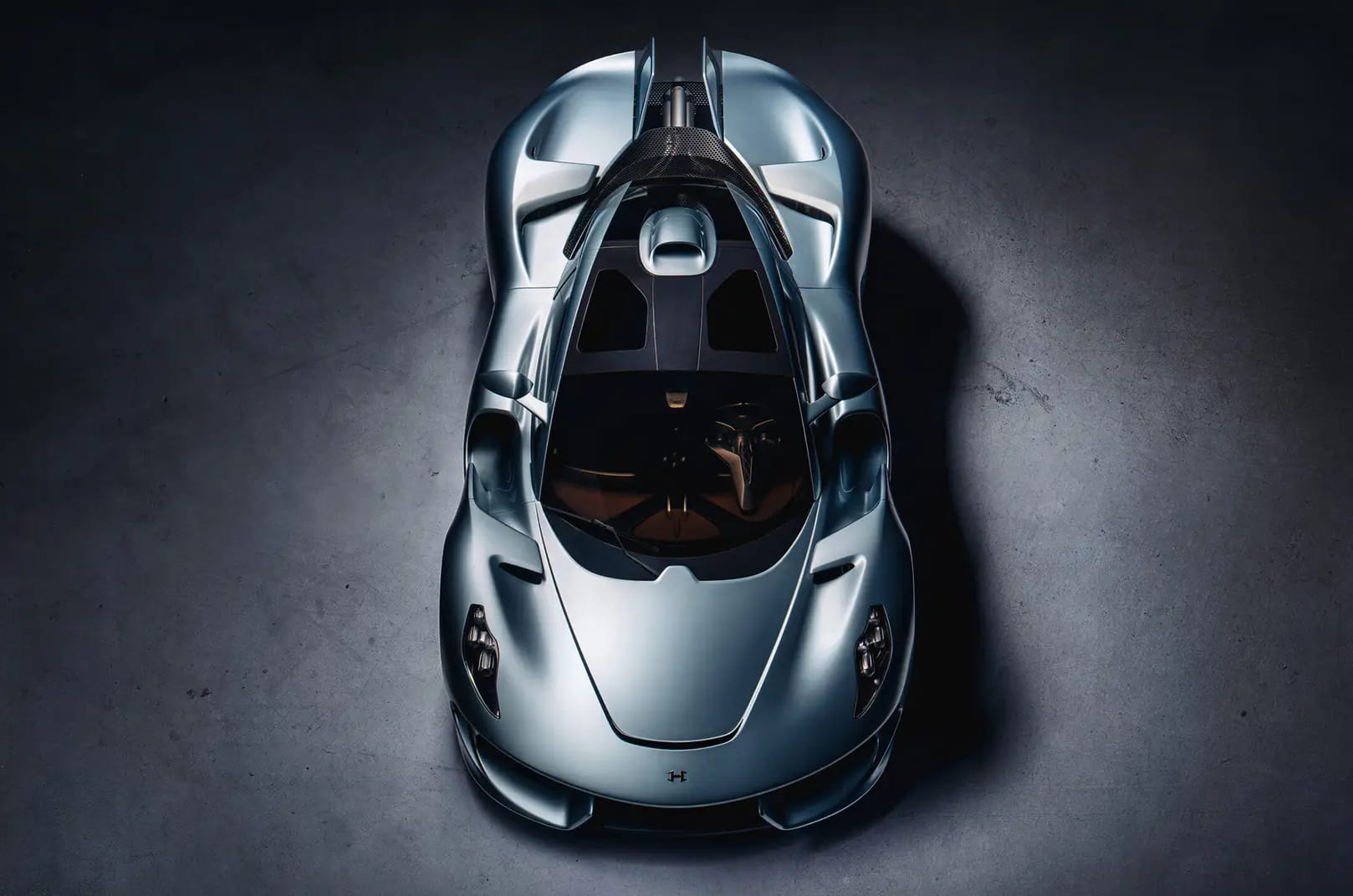
Powering the Blackbird is an all-new 6.2-litre naturally aspirated V8, developed with Ilmor Engineering, the company known for its work in IndyCar and NASCAR. Hennessey says the engine will produce 811-862hp, rev beyond 9,000rpm and be the world’s most powerful production naturally aspirated V8. Power is sent exclusively to the rear wheels via a 6-speed manual gearbox with an exposed gate and an exposed linkage.

Without turbochargers or hybrid assistance, Hennessey says the V8 has been engineered to deliver immediate throttle response, linear power delivery and a more engaging soundtrack.
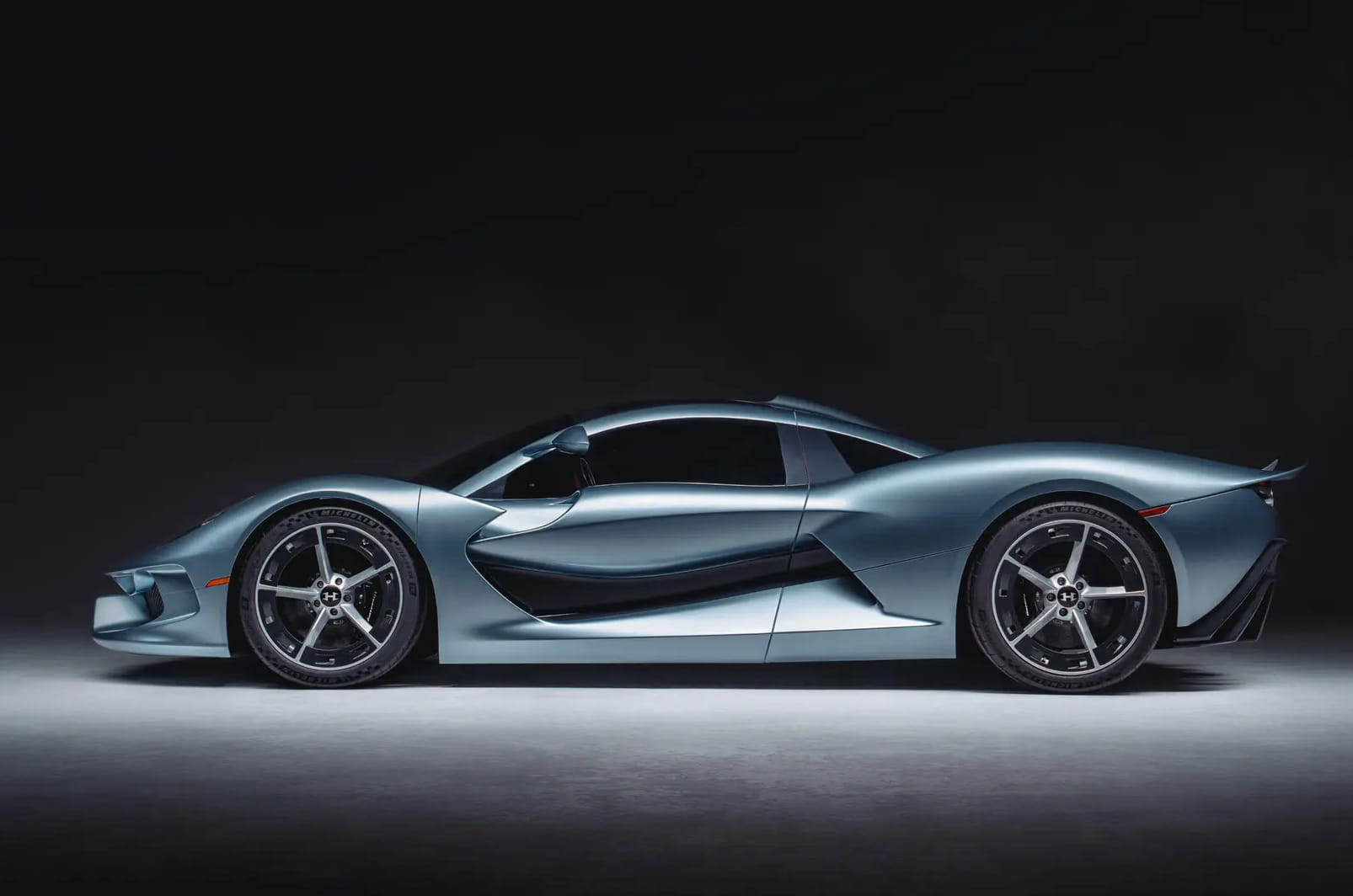
Hennessey claims the Blackbird can sprint from a standstill to 97kph in under 3.0 seconds and reach a 354kph top speed. The Blackbird uses a bespoke carbon-fibre monocoque and carbon-fibre bodywork, giving it a targeted dry weight of under 1,360kg, while also featuring adaptive suspension, Michelin Pilot Sport Cup 2 tyres, ABS and traction control. Despite these performance figures, Hennessey says the focus remains on delivering a more involving driving experience and long-distance usability than on outright performance figures.

Hennessey Blackbird: Exterior design

The Blackbird’s styling takes direct inspiration from the SR-71 Blackbird aircraft. The most distinctive elements are the pair of active vertical stabilisers at the rear, which deploy at speeds above 71mph (114kph) and sit at +/-71 degrees to improve stability and downforce. The diamond-shaped quad exhaust is inspired by the Bell X-1, the first aircraft to break the sound barrier, while the sculpted side pods and bodywork are said to be influenced by Formula 1 and aerospace design. The crisp body-side chine line is another defining styling element of the Blackbird, directly inspired by the SR-71.
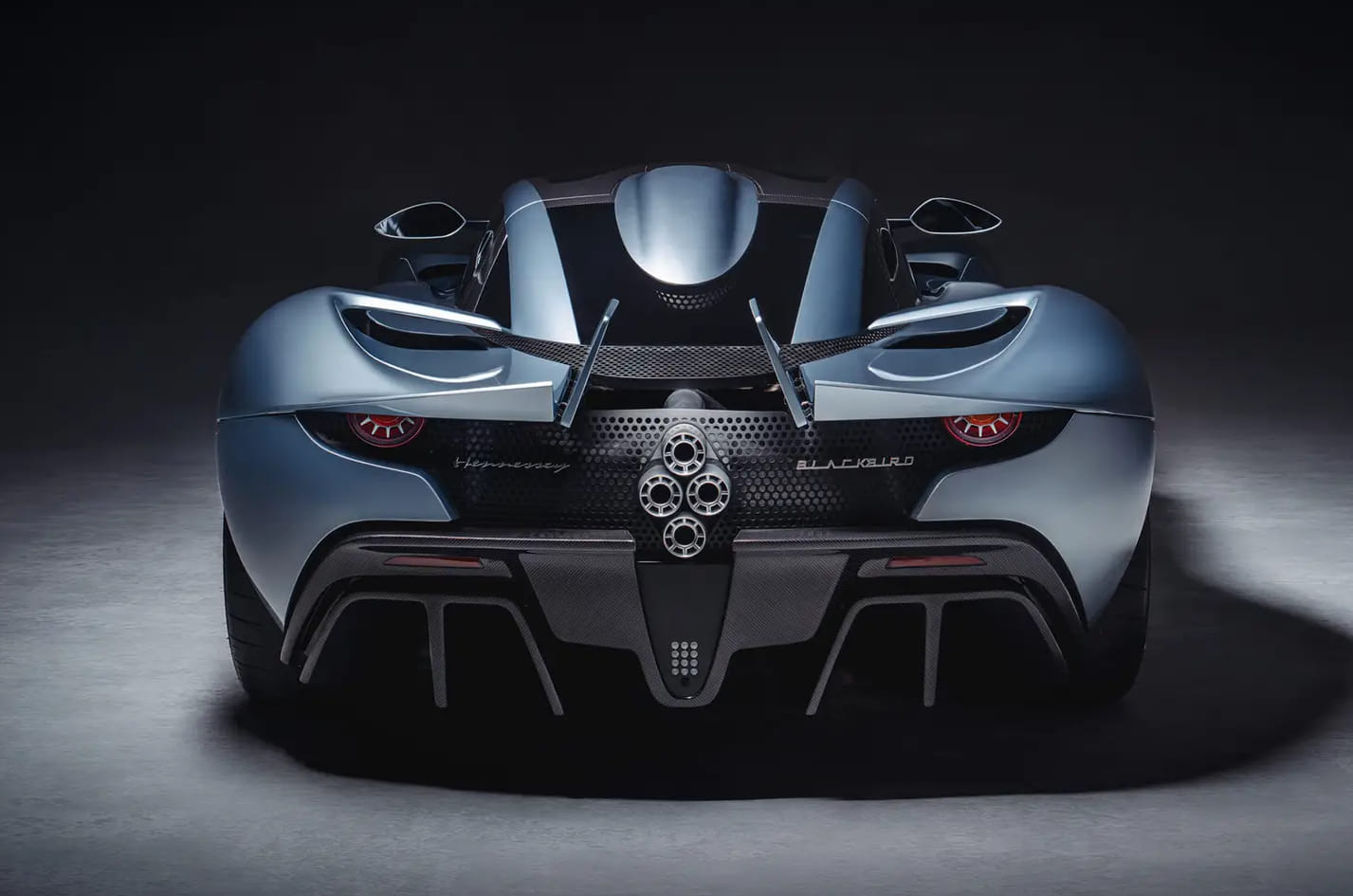
Beyond its aircraft-inspired styling, the Blackbird has been engineered for high-speed stability and improved usability. Hennessey says improvements such as a larger glasshouse, better visibility and increased luggage capacity over the Venom F5 are intended to make the car more practical for longer journeys.

Hennessey Blackbird: Interior
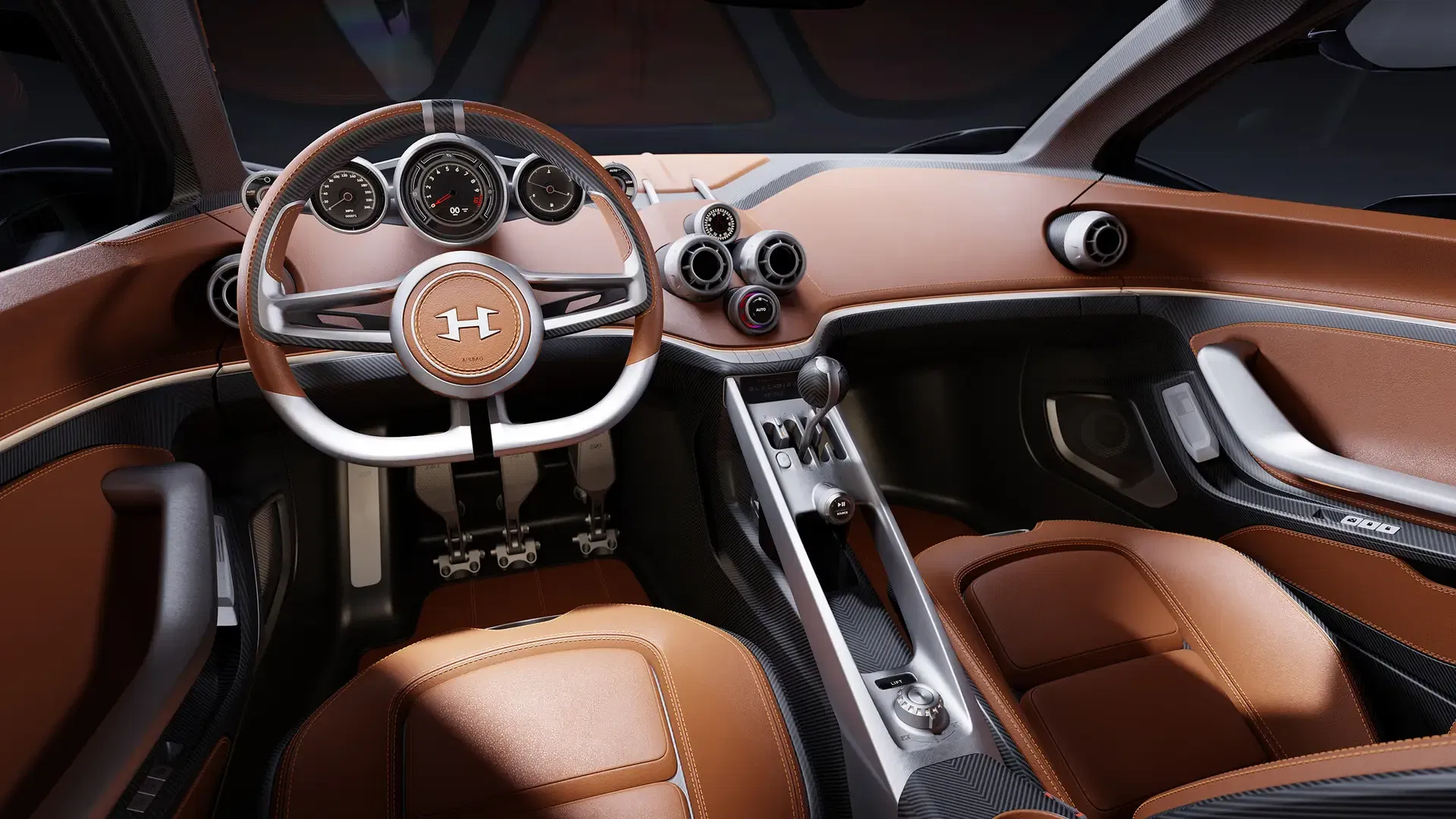
The Blackbird’s cabin adopts a deliberately analogue layout. Instead of a digital instrument cluster and central touchscreen, it gets traditional analogue dials, an exposed gear linkage, physical switchgear and a traditional, insert-and-twist ignition key. Smartphone connectivity is handled through the “Hennessey holster”, a dedicated phone mount rather than an integrated infotainment system, while the steering wheel is free of buttons.
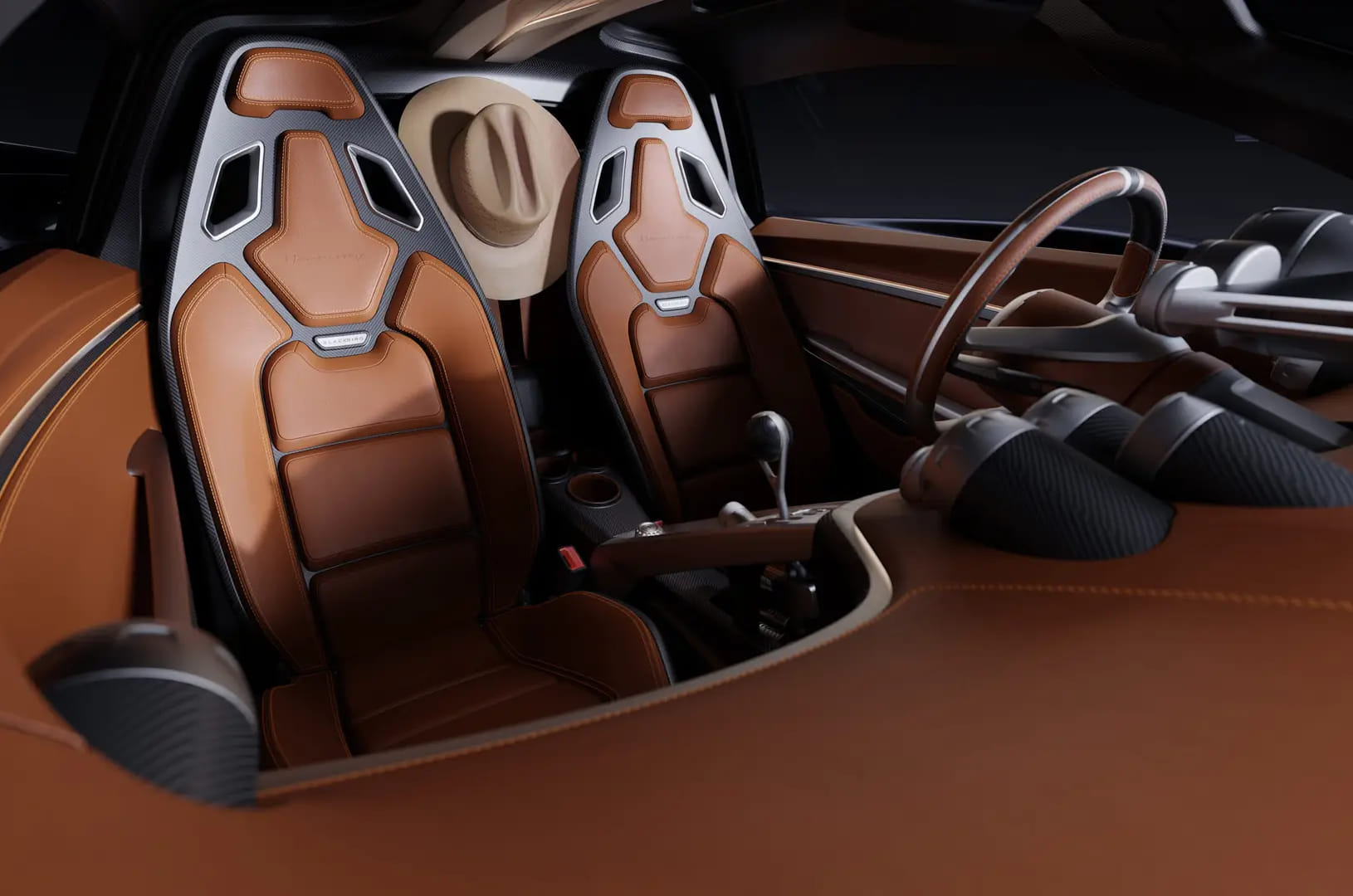
Hennessey says the cabin offers more space than the Venom F5 and enough luggage capacity for two full-size carry-on bags. The company also claims the Blackbird has been designed to cover over 1,200km comfortably in a single day, underlining its touring-focused brief.

Hennessey Blackbird: Production
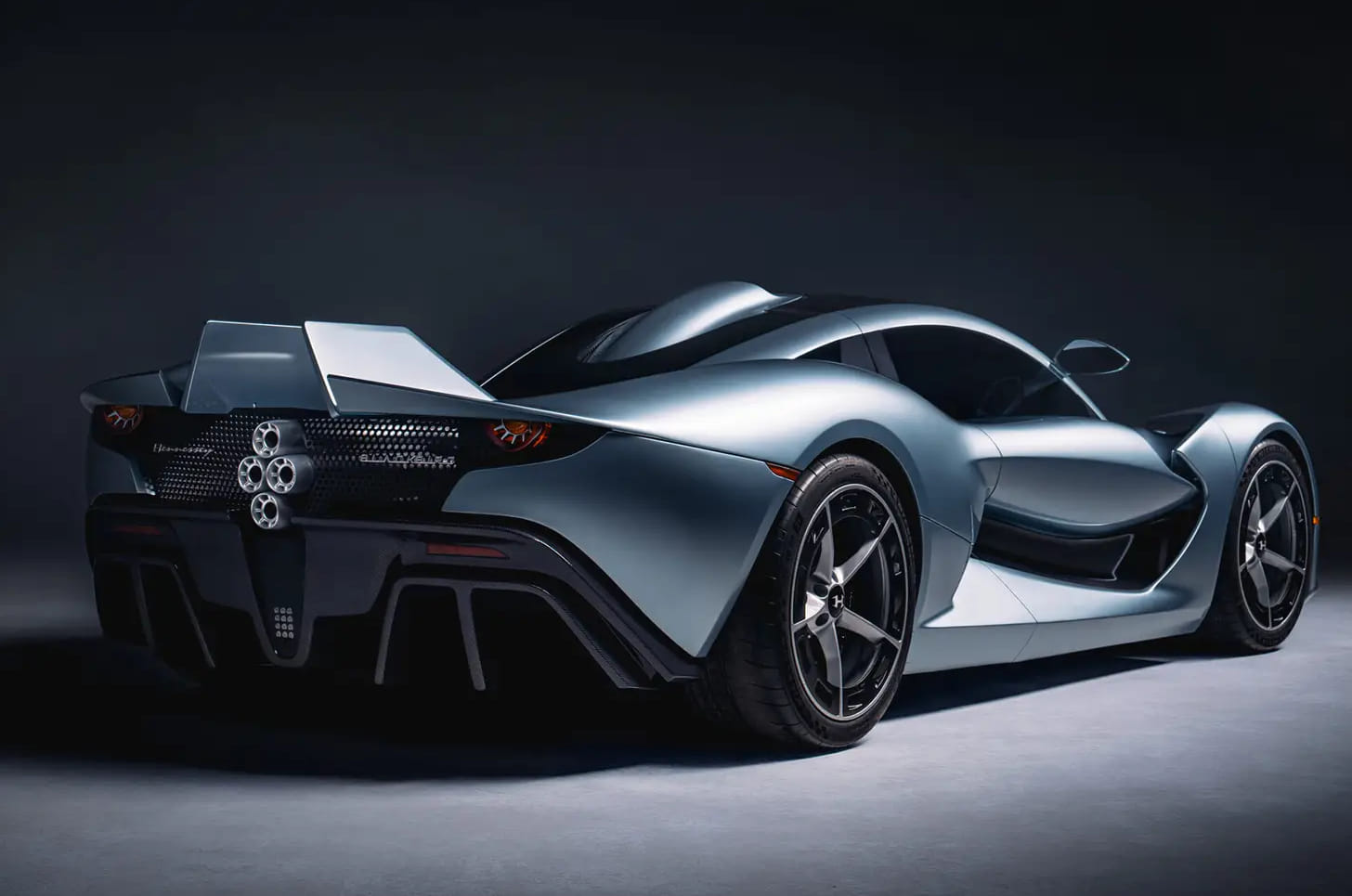
Production of the Blackbird will begin in Texas in 2029, and prices start at USD 2.5 million (around Rs 24 crore), before taxes. Just 71 examples will be built, and more than two-thirds of production has already been allocated ahead of its public debut on August 14 at The Quail during Monterey Car Week in California.


MoRTH proposes mandatory V2V communication systems from October 2028

Vehicle-to-Vehicle communication

The Ministry of Road Transport and Highways (MoRTH) has proposed making Vehicle-to-Vehicle (V2V) communication systems mandatory on all newly manufactured vehicles from October 1, 2028. According to the draft notification, the mandate will apply to L-, M- and N-category vehicles, which include two-wheelers, passenger vehicles and commercial vehicles. The proposal seeks to amend the Central Motor Vehicles Rules (CMVR), 1989.

  • AIS-230 standard introduced for V2V systems
  • Will use On-Board Units operating between 5.875GHz-5.925GHz
  • Public consultation open for 30 days

MoRTH proposes phased rollout of Vehicle-to-Vehicle communication systems

MoRTH’s draft notification proposes a phased rollout of V2V communication systems. Manufacturers voluntarily offering the technology from October 1, 2027, will have to ensure they comply with AIS-230, the new Automotive Industry Standard for V2V communication systems. If approved in its current form, the fitment of V2V communication systems will become mandatory for all newly manufactured L-, M- and N-category vehicles from October 1, 2028.

The Automotive Industry Standard lays down the minimum technical, functional, performance, environmental and cybersecurity requirements for V2V communication systems. These include radio performance, receiver sensitivity and selectivity, Global Navigation Satellite System (GNSS) and positioning requirements, electrical and power-supply requirements, electromagnetic interference and compatibility, cybersecurity and communication security, and performance requirements for road safety applications.

Furthermore, the standard specifies the use of factory-fitted On-Board Units (OBUs) based on Cellular Vehicle-to-Everything (C-V2X) technology operating in the 5.875GHz to 5.925GHz frequency band. The Department of Telecommunications exempted the use of this spectrum from licensing requirements through a notification issued on June 10, 2026.

The standard also defines safety applications such as Emergency Brake Alert, Forward Collision Warning, Wrong-way Driving Alert and Emergency Vehicle Alert, enabling vehicles to exchange real-time information and warn drivers of potential hazards. The draft notification has been opened for public consultation for 30 days, following which the ministry will review the comments received before issuing the final notification.

What is Vehicle-to-Vehicle (V2V) communication?

The technology enables vehicles equipped with V2V communication systems to wirelessly exchange real-time information such as speed, position, direction and acceleration. While conventional Advanced Driver Assistance Systems (ADAS) rely on cameras, radars, other onboard sensors and driver inputs, V2V allows vehicles to communicate directly with one another using Cellular Vehicle-to-Everything (C-V2X) technology.

This enables quicker detection of potential hazards that may not yet be visible to the driver and, according to the ministry, “is therefore expected to complement ADAS and support proactive accident prevention, connected mobility and future intelligent transport applications.” The ministry also says the technology can provide warnings for situations involving sudden braking, forward-collision risks, unsafe lane changes and approaching emergency vehicles.

Challenges on the implementation of V2V communication systems

While the proposal marks a major step towards introducing V2V communication systems in India, it’s not without challenges. Automakers not only need to integrate and validate these systems across various models in their line-up but also ensure they work as intended between vehicles made by different manufacturers.

In terms of costs, earlier estimates had suggested the On-Board Units (OBUs) could add around Rs 5,000 to Rs 7,000 to the cost of each vehicle, although the latest draft notification doesn’t explore the cost angle of integrating V2V technology. With connected-vehicle technologies, there will also be a need for robust cybersecurity measures, while importance must also be given to other factors such as data protection and user privacy.

When first announcing plans to introduce V2V technology earlier this year, Union Road Transport and Highways Minister Nitin Gadkari said that it would allow drivers to “talk to each other like pilots.” However, despite being under development globally for more than two decades, widespread adoption of the technology remains limited.

Also read

E20 fuel contamination linked to rise in engine issues

Govt proposes extending PUCC validity for BS6 cars from 1 year to 3 years

स्पिन के सामने ना डगमगाए पैर, इस कारण इन 4 स्पिनरों को बनाया नेट गेंदबाज

कभी भारत की ताकत मानी जाने वाली स्पिन गेंदबाजी टेस्ट क्रिकेट में भारत की कमजोरी बनकर उभरी है। भारत ने अपने घर में पहले न्यूजीलैंड और फिर दक्षिण अफ्रीका से बिना कोई टेस्ट जीते सीरीज गंवानी पड़ी थी। इस सीरीज में 85 प्रतिशत विकेट स्पिन गेंदबाजों के थे।

श्रीलंका में भी भारत को स्पिन के मुफीद पिचें पेश की जाएंगी। हालांकि यह हो सकता है कि पहले ही दिन से पिच टर्न ना ले जैसा भारत में देखते हैं लेकिन भारत इस सीरीज को 2-0 से जीतने के लिए कितना गंभीर है इसका अंदाजा इस ही बात से लगाया जा सकता है कि भारत के सभी नेट गेंदबाज स्पिनर हैं और अलग विविधता के हैं।

इनमें से हाल ही में टीम इंडिया में शामिल हुए हर्ष दुबे बाएं हाथ के गेंदबाज है। वहीं तनुष कोटियान दाएं हाथ के ऑफ स्पिनर है। दिल्ली कैपिटल्स से खेलने वाले विपराज निगम दाएं हाथ की लेग स्पिन करते हैं। सनराइजर्स हैदराबाद के शिवांग कुमार बाएं हाथ के कलाई के गेंदबाज हैं।

यह चारों स्पिन गेंदबाज भारत के बल्लेबाजों को हर तरह की स्पिन गेंदबाजी का अभ्यास कराएंगे जिससे भारतीय बल्लेबाज टेस्ट मैच में श्रीलंकाई स्पिन गेंदबाजों के सामने धराशाही ना हो।टीम में 4 स्पिनरों को जगह दी है और शीर्ष तेज गेंदबाजी क्रम अनुभवी है।

टीम में कुलदीप यादव, रविंद्र जड़ेजा, अफगानिस्तान के खिलाफ ड्रीम डेब्यू करने वाले मानव सुथार और इस सीरीज में डेब्यू करने वाले स्पिन ऑलराउंडर सारांश जैन को मौका मिला है।

भारतीय टीम इस प्रकार है: शुभमन गिल (कप्तान), केएल राहुल (उपकप्तान), यशस्वी जायसवाल, ऋषभ पंत (विकेटकीपर), ध्रुव जुरेल (विकेटकीपर),रविंद्र जडेजा , कुलदीप यादव, मानव सुथार, मोहम्मद सिराज, प्रसिद्ध कृष्णा, गुरनूर बराड़, देवदत्त पडिक्कल, सारांश जैन।

Audi A2 e-tron to be the brand’s most efficient production car yet

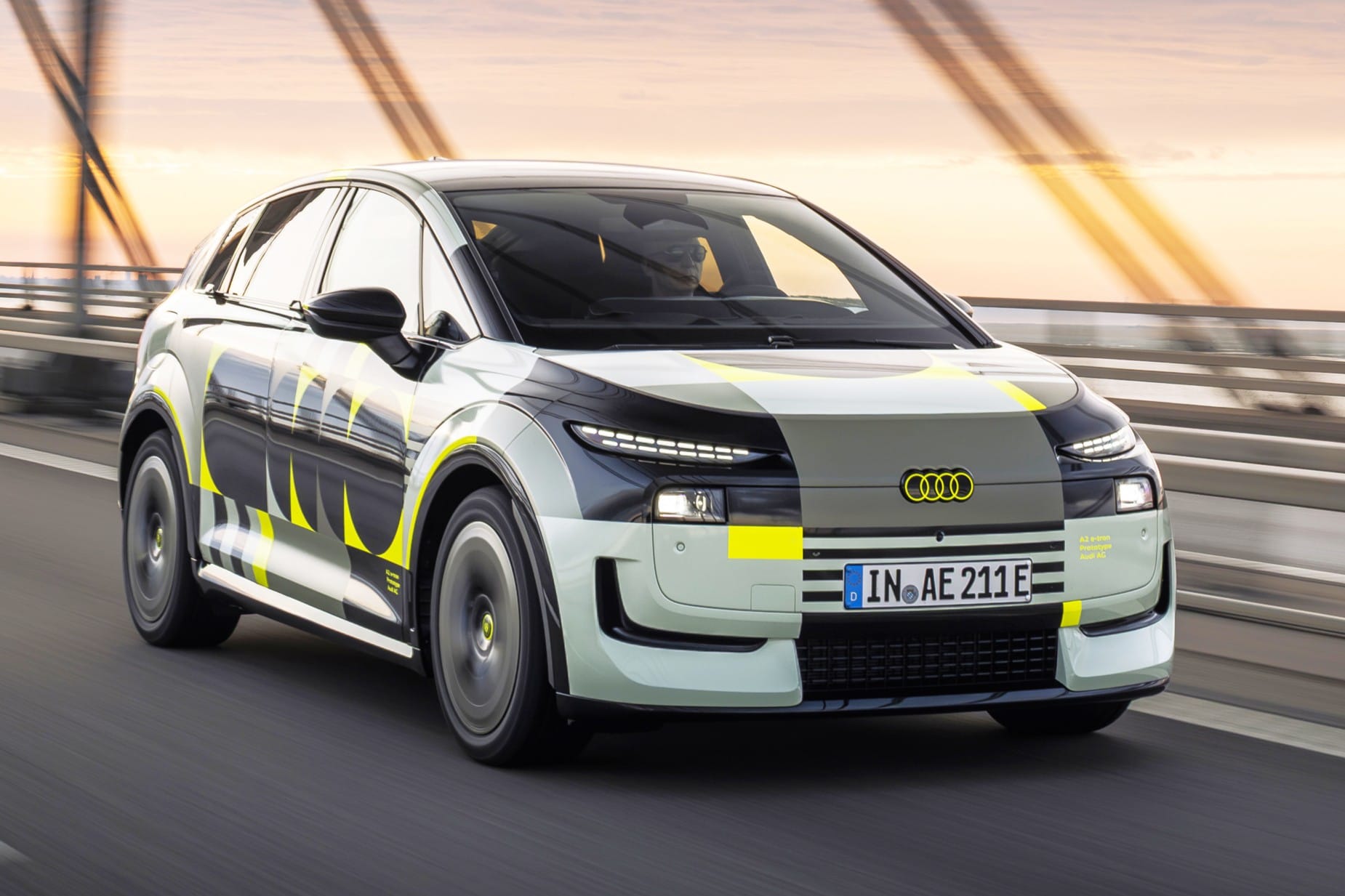
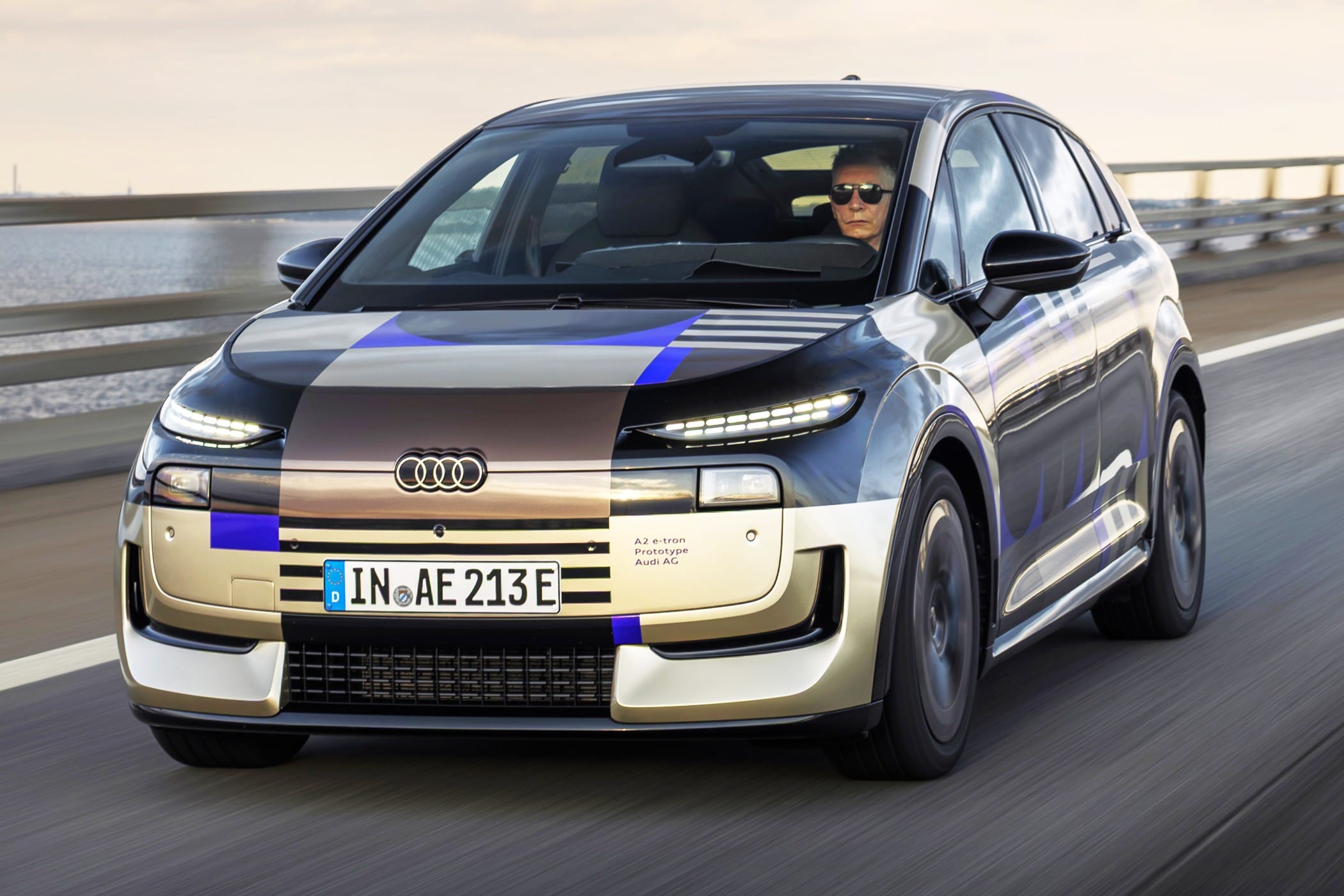
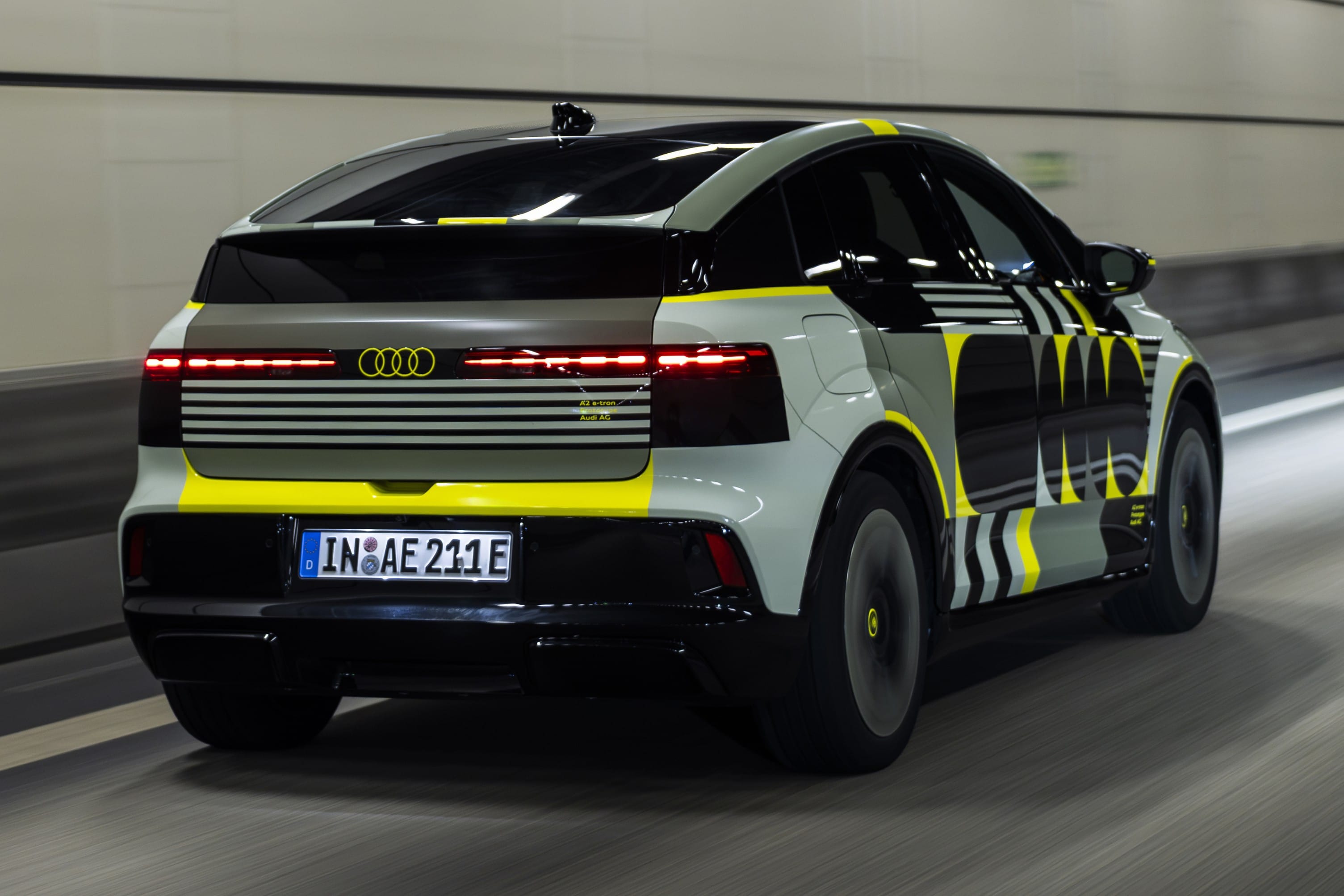
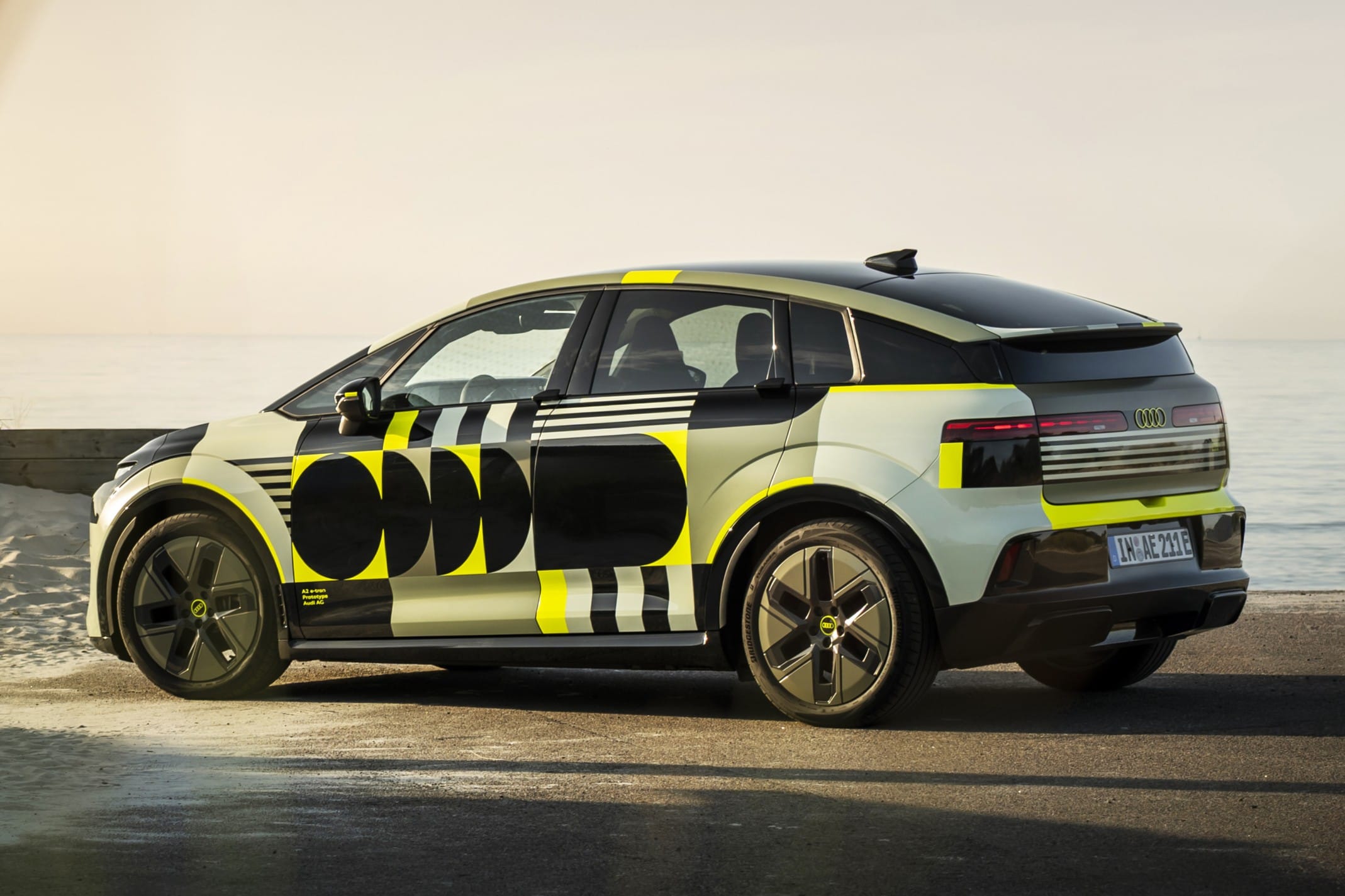
audi a2 prototype on road

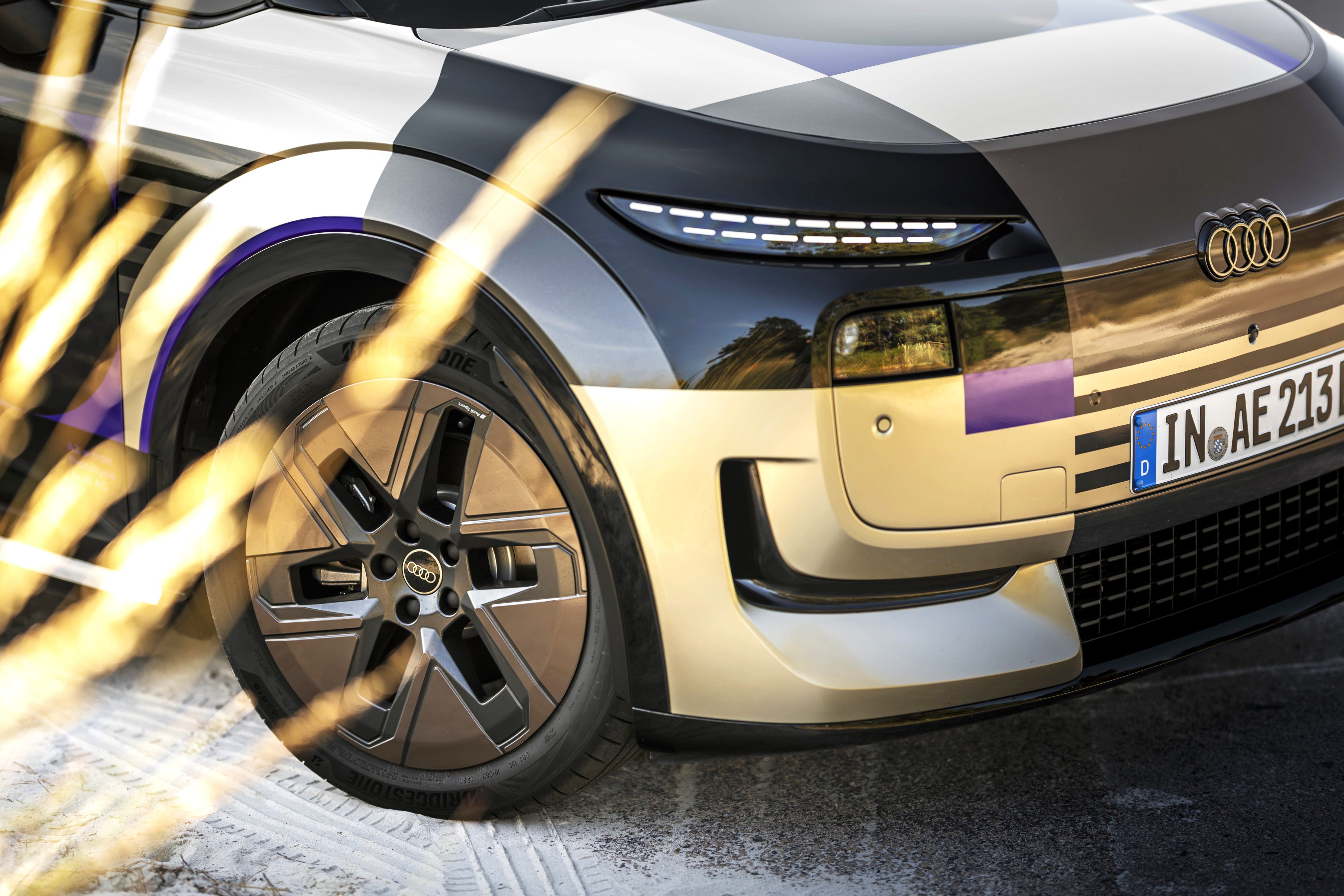
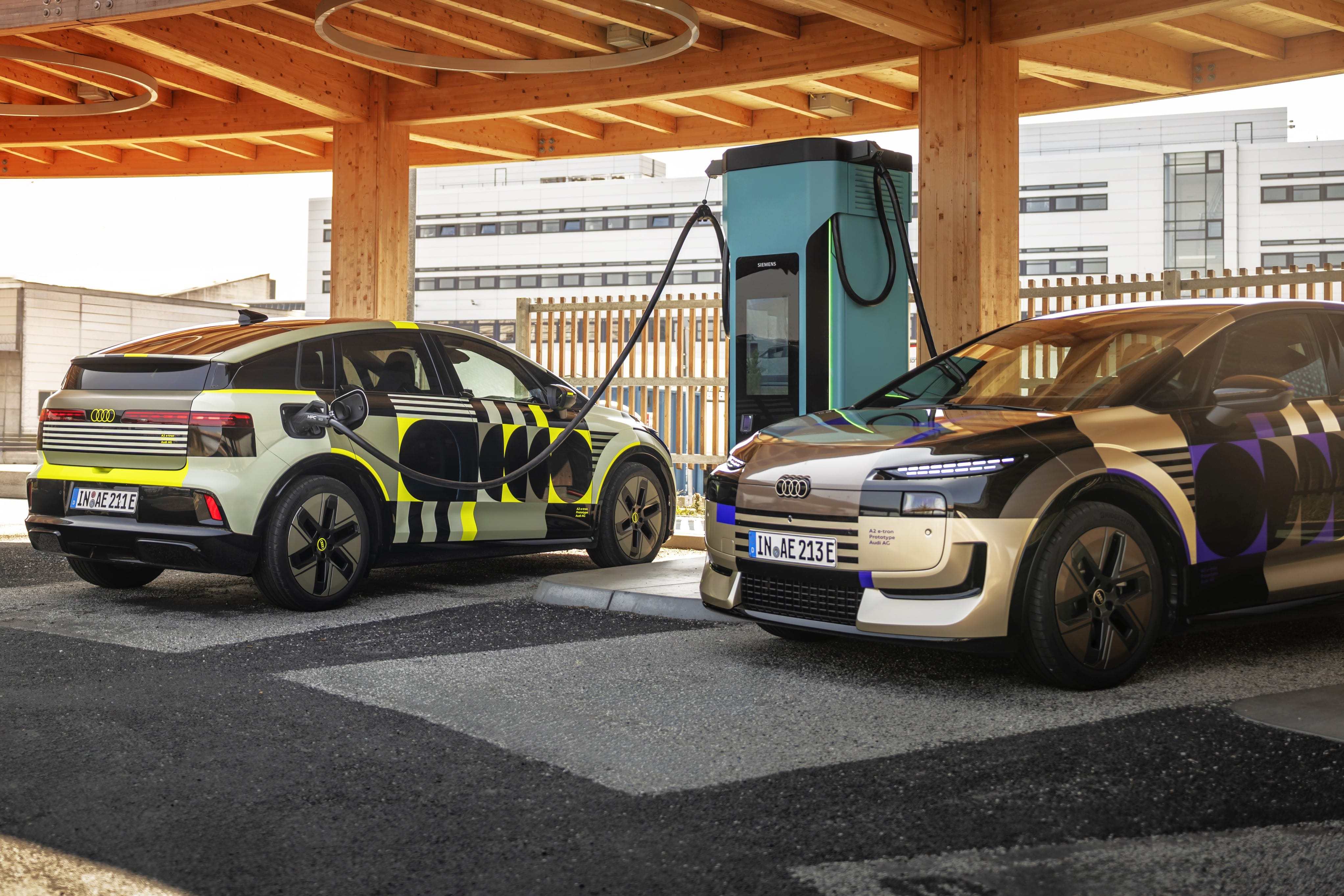
Audi has revealed fresh details and camouflaged prototype shots of the upcoming A2 e-tron, confirming that the electric hatchback will be the most efficient production car the brand has ever built. The A2 e-tron is expected to debut in full this fall, with European sales scheduled to begin in the end 2026 to early 2027 timeframe.

Reborn Audi A2 adopts the original’s efficiency-first ethos

Achieved 7.81km/kWh WLTP energy efficiency in preliminary testing

Equipped with the optional Efficiency Package, the A2 e-tron recorded a preliminary WLTP energy consumption figure of just 12.8kWh/100km (7.81km/kWh), making it the German carmaker’s most energy-efficient model to date. Notably, the original A2 (sold from 1999 to 2005) was built to deliver superb fuel economy, and its EV successor clearly adheres to the same efficiency-first principles.

Audi says the A2 e-tron achieves its impressive claimed efficiency via a combination of advanced aerodynamics, a highly optimised drivetrain, and a battery designed specifically for everyday use. The Efficiency Package lowers the A2 e-tron’s energy consumption by up to 0.9kWh/100km over the standard model.

The A2 e-tron also boasts a drag coefficient of 0.24, the lowest of any compact Audi to date. To achieve this, Audi has equipped the A2 e-tron with a rounded fascia, a flowing roofline, a fully enclosed underbody, air curtains, wheel arch gap reducers, an upright rear end, and an active front cooling intake that remains closed during normal driving to minimise drag. The intake automatically opens during rapid charging, heavy acceleration, or high ambient temperatures to provide additional cooling for the battery and power electronics.

Other observable design highlights on the A2 e-tron prototype include a split-headlamp setup, L-shaped intakes up front, aero-optimised alloy wheels, wide rectangular tail-lamps, subtly flared fenders, and a silhouette that pays homage to the original A2 – the A2 e-tron actually looks quite similar to the Hyundai Ioniq 3 in profile.

Audi A2 e-tron to offer 61kWh battery in base spec

Estimated WLTP range of around 453km

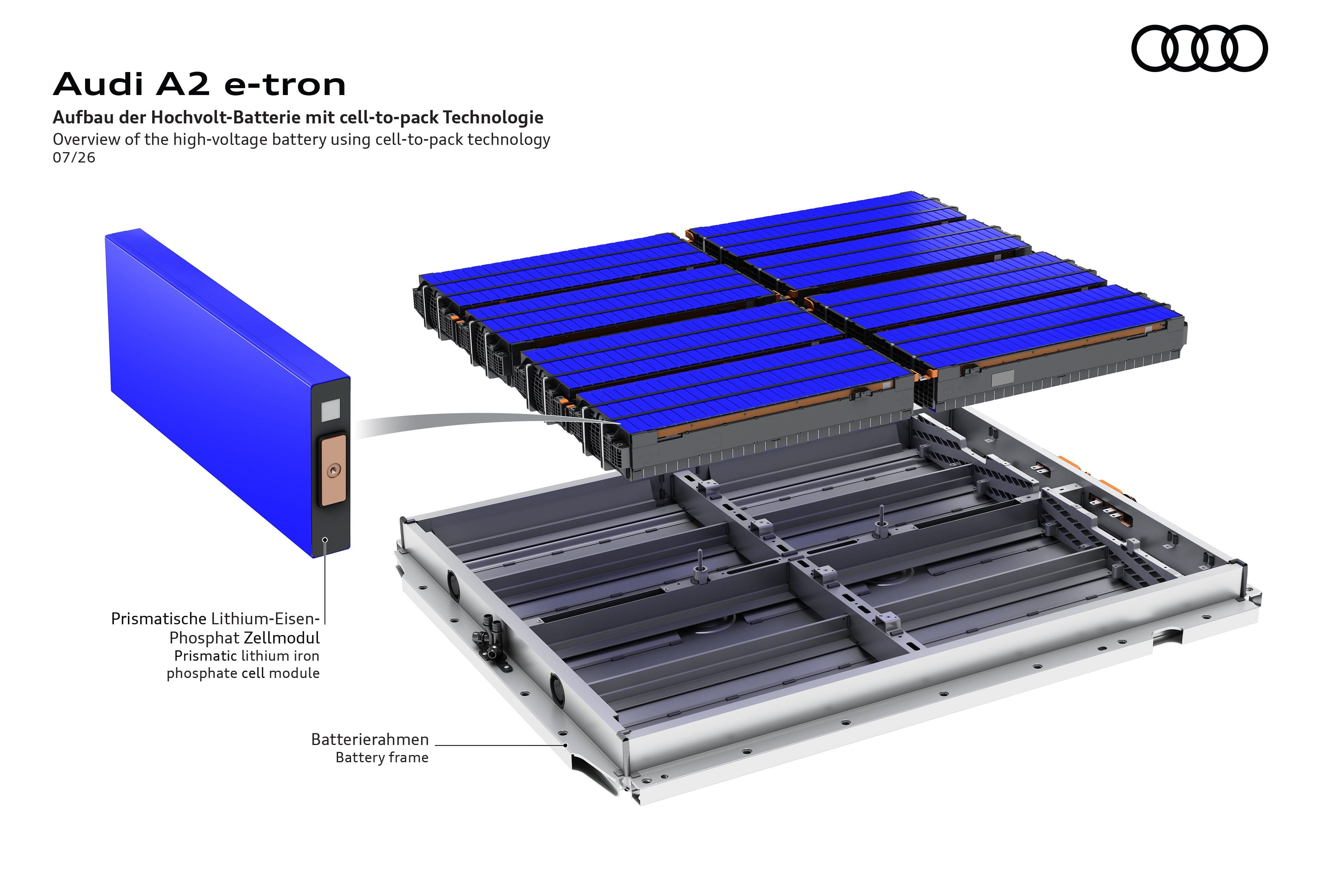
Entry-level versions of the A2 e-tron are confirmed to offer a 61kWh (58kWh usable) LFP battery that powers a rear-mounted 190hp electric motor dubbed APP350. Multiplying the usable battery capacity with the aforementioned 7.81km/kWh efficiency figure yields an indicative WLTP range of 453km.

The A2 e-tron’s battery uses a cell-to-pack design that improves packaging efficiency while eliminating conventional battery modules. It can even be routinely charged to 100 percent without the degradation concerns associated with other battery chemistries. A revised thermal management system also improves home wallbox charging efficiency to 89.6 percent.

According to Audi, the A2 e-tron’s electric drive system is around 10 percent more efficient than previous designs. Improvements include silicon carbide (SiC) power electronics, thinner motor laminations to reduce energy losses, revised stator windings, and a new low-friction transmission oil paired with a tall 10.2:1 gear ratio for improved highway efficiency.

The A2 e-tron will also support vehicle-to-load (V2L) functionality, allowing owners to power external appliances with up to 2.3kW of output, as well as a vehicle-to-home (V2H) feature that enables the vehicle to act as a home energy storage system when paired with compatible charging equipment.

While Audi has confirmed only the 140kW version of the A2 e-tron for now, more variants are expected to be part of the line-up. Since the A2 e-tron shares its underpinnings with the Volkswagen ID 3 Neo, which gets a 79kWh NMC battery option, the Audi hatchback could offer a similarly sized unit.

JSW MG ‘Hector Hawk’ SUV to launch on August 28

MG Hector Hawk

JSW MG Motor India will launch its new SUV on August 28. Expected to be called the Hector Hawk, it will be the first model based on the company’s new ADAPT platform and will be offered with both battery electric (EV) and plug-in hybrid (PHEV) powertrains. 

  1. EV version expected with a 69.2kWh battery pack
  2. PHEV likely to offer up to 125km electric-only range
  3. Likely to rival the Mahindra XEV 9S and XUV 7XO

JSW MG Hector Hawk: what to expect

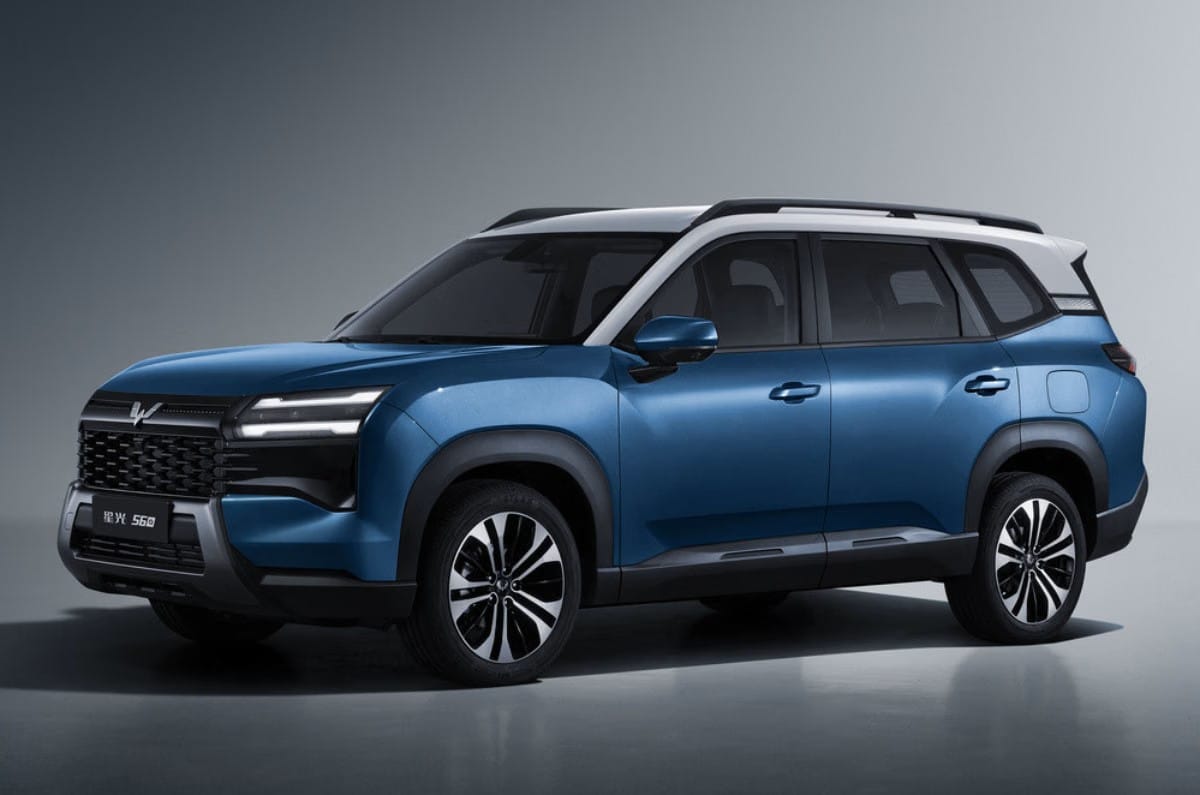
Wuling Starlight EV. Image used for representative purposes only. 

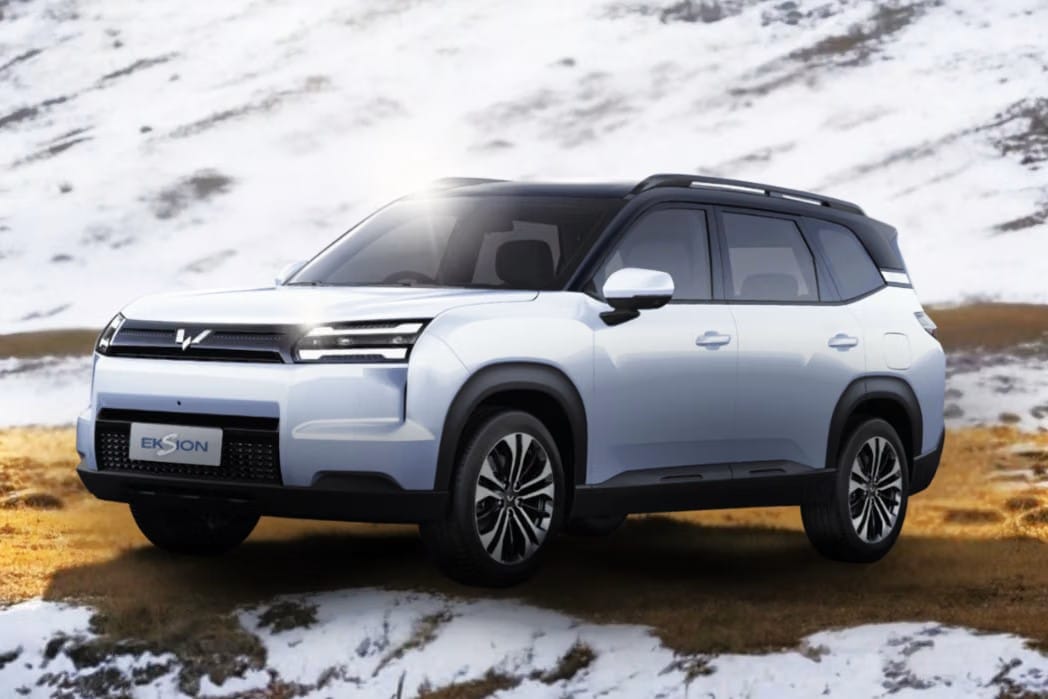
The Hector Hawk is based on the Wuling Starlight 560 sold in international markets which measures 4.7m in length, 1.85m in width and 1.7m in height. The car has been spied testing on our roads with spy shots revealing rectangular LED headlamps with LED daytime running lamps (DRLs) at the top and bottom, a blanked-off grille (expected to be the EV version), wraparound LED tail-lamps, a roof-mounted spoiler and a charging port on the left rear fender. 

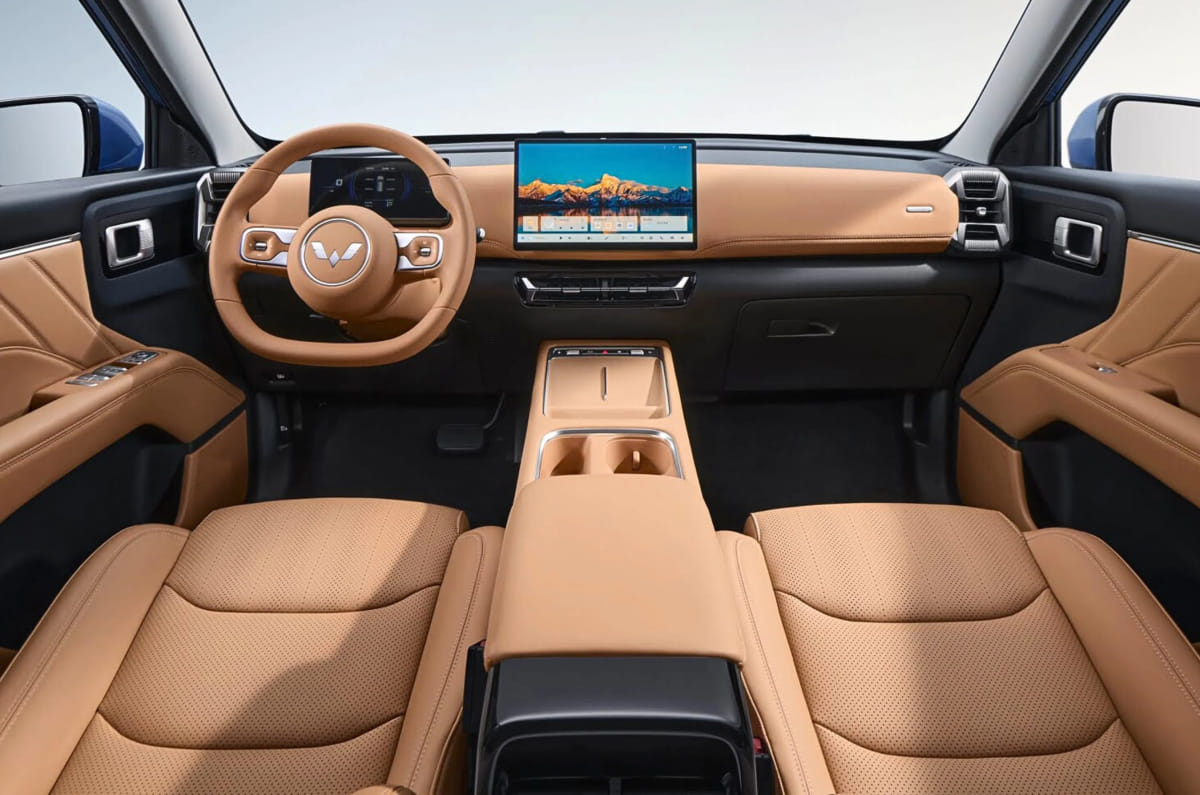
Wuling Starlight 560’s dashboard shown for representative purposes only. 

Inside, the SUV is expected to feature a minimalist dashboard with an 8.8-inch digital instrument cluster and a 12.8-inch touchscreen infotainment system. Other expected features include a panoramic sunroof, powered and ventilated front seats, a 50W wireless phone charger, a 6-speaker sound system and automatic climate control with rear AC vents.

The safety suite could have 6 airbags as standard, a tyre-pressure monitoring system (TPMS), hill-hold assist, an electronic parking brake, a rear parking camera with sensors and advanced driver assistance systems (ADAS).

Powertrains and platform

Wuling Starlight PHEV. Image used for representative purposes only. 

The EV version is expected to get a 69.2kWh battery pack paired with a 201hp, 310Nm front-mounted electric motor, offering a CLTC-claimed range of 530km. The PHEV version is expected to combine a 1.5-litre petrol engine with a 20.5kWh battery pack and an electric motor, offering a total output of 195hp and 230Nm and an all-electric range of 125km.

Strong hybrid powertrain based on ADAPT

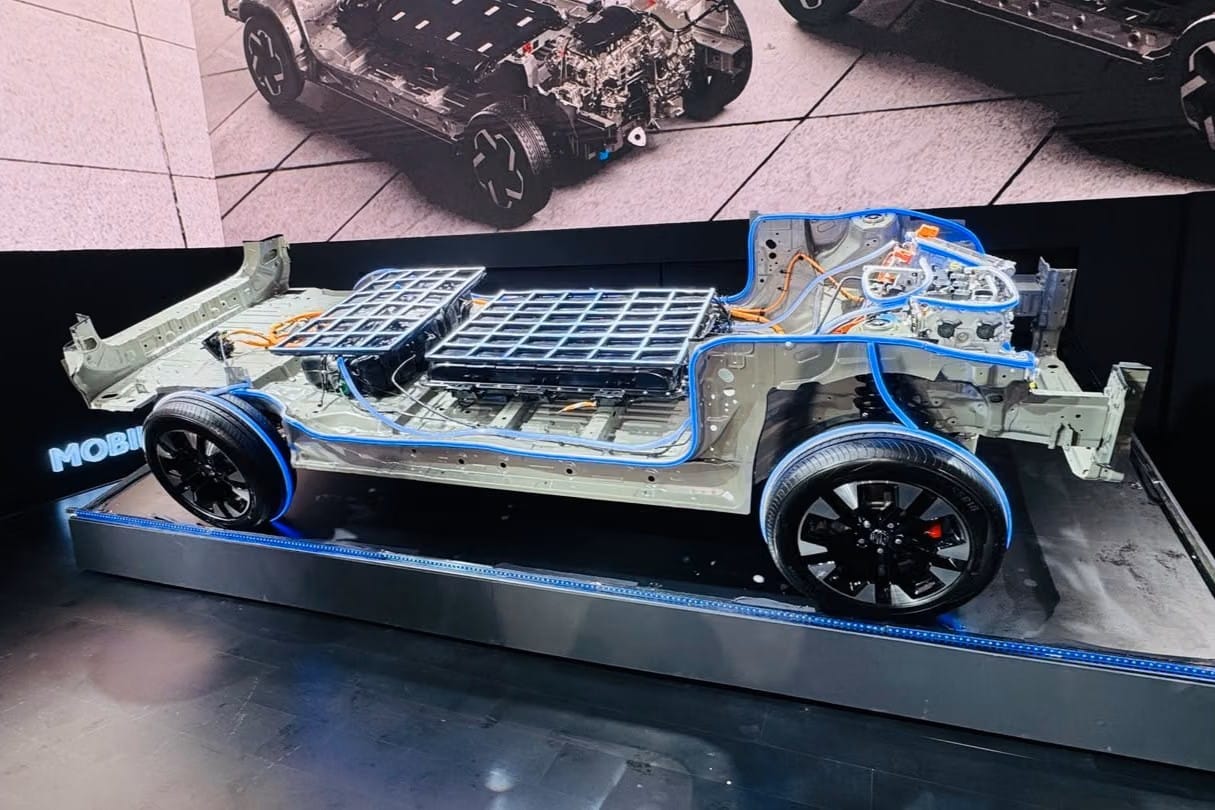
The Hector Hawk will be the first model in India based on MG’s ADAPT platform, which supports battery electric, plug-in hybrid, range-extender and strong-hybrid powertrains. JSW MG has confirmed that it will initially focus on EVs and PHEVs.

In MG’s India lineup, the Hector Hawk is expected to be positioned above the current Hector. The EV version is likely to rival the Mahindra XEV 9S, while the PHEV is expected to take on the Mahindra XUV 7XO and Tata Safari.

पाकिस्तान से आजाद हुआ बलूचिस्तान! 11 अगस्त को मनाएगा स्वतंत्रता दिवस, क्या भारत देगा मान्यता?

Republic of Balochistan

बलूचिस्तान ने पाकिस्तान से आजादी का ऐलान करने के बाद 11 अगस्त को अपना 'स्वतंत्रता दिवस' घोषित किया है। बलूचिस्तान के नेताओं ने दुनिया के देशों से मान्यता देने की अपील की है। इस दावे को पाकिस्तान ने स्वीकार नहीं किया है। बलूचिस्तान को एक स्वतंत्र देश के रूप में किसी भी प्रमुख अंतरराष्ट्रीय संस्था या संयुक्त राष्ट्र ने मान्यता नहीं दी है। ऐसे में सवाल उठ रहा है कि क्या भारत बलूचिस्तान को अलग देश के रूप में मान्यता देगा। ALSO READ: ड्रैगन का 'परमाणु सीक्रेट' बेनकाब! सच निकला अमेरिका का दावा, भारत के लिए भी खतरे की घं


'रिपब्लिक ऑफ बलूचिस्तान' की तरफ से जारी एक बयान में बलूच लोगों से राष्ट्रीय एकता के साथ 'स्वतंत्रता दिवस' मनाने का आग्रह किया गया है और अंतरराष्ट्रीय समुदाय से अपील की कि वे इसे एक स्वतंत्र और संप्रभु बलूचिस्तान के तौर पर मान्यता दें। संगठन का दावा किया कि लगभग 6 करोड़ बलूच खुद को एक स्वतंत्र और संप्रभु राष्ट्र का नागरिक मानते हैं।

रिपब्लिक ऑफ बलूचिस्तान का दावा है कि 11 अगस्त 1947 को ब्रिटिश शासन समाप्त होने से ठीक पहले, बलूचिस्तान ने खुद को स्वतंत्र घोषित किया था। कहा जाता है कि उस वक्त पाकिस्तान ने भी कलात नाम की इस रियासत की स्वतंत्रता को माना था लेकिन बाद में छल से उसने इसे पाकिस्तान में मिलने के लिए मजबूर किया।

मीर यार बलोच ने बलोच राष्ट्र के लोगों से अपने घरों, मोहल्लों, बाजारों, दुकानों, शिक्षण संस्थानों और अन्य सार्वजनिक जगहों पर आजाद बलोचिस्तान का राष्ट्रीय ध्वज फहराने की अपील की। ALSO READ: बांग्लादेश में जो हुआ वो भारत के लिए वॉर्निंग, लेखिका तस्लीमा नसरीन क्‍या मैसेज देना चाहती हैं सरकार को?


बलूचिस्तान ने 8 फरवरी 2026 के दिन अपना संविधान भी छापा था। बलूचिस्तान की आजादी का खाका आधिकारिक तौर पर दुनिया के सामने पेश किया जा चुका है। इसे बलूच नेता मीर यार बलूच ने तैयार किया है।

Renault Kiger discounts go up to Rs 68,000 in August 2026

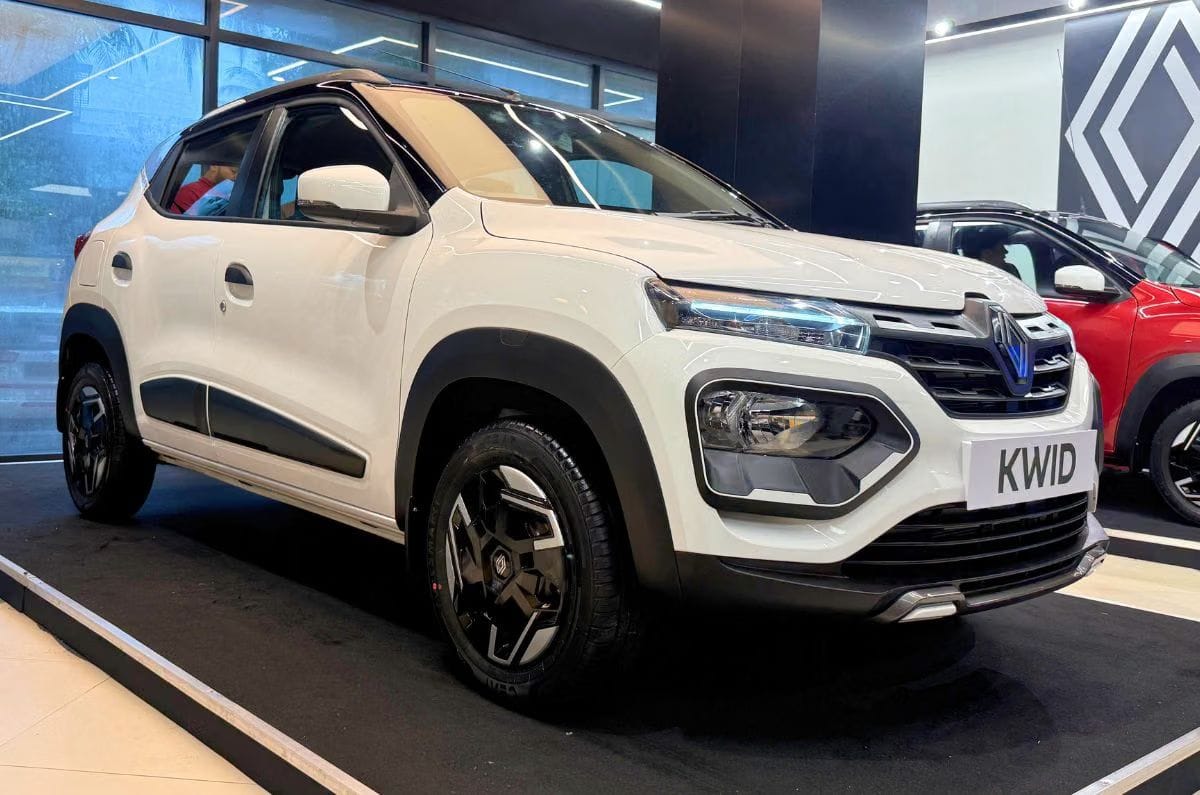
2026 Renault Kwid showroom shot

Renault has announced various discount schemes for customers in August 2026, including cash offers, exchange or scrappage incentives, and corporate benefits. All Renault models (except the Duster) are available this month with a discount. The benefits mentioned here are applicable for bookings made between August 1 and August 31, 2026.

  • Kiger gets highest discounts; Kwid gets the lowest
  • Kiger and Triber offered with loyalty and corporate benefits

Disclaimer: Offers/benefits may vary by city and are subject to stock availability. Buyers are advised to check with their local dealer for exact figures.

Renault Kiger offers in August 2026

Benefits up to Rs 68,000

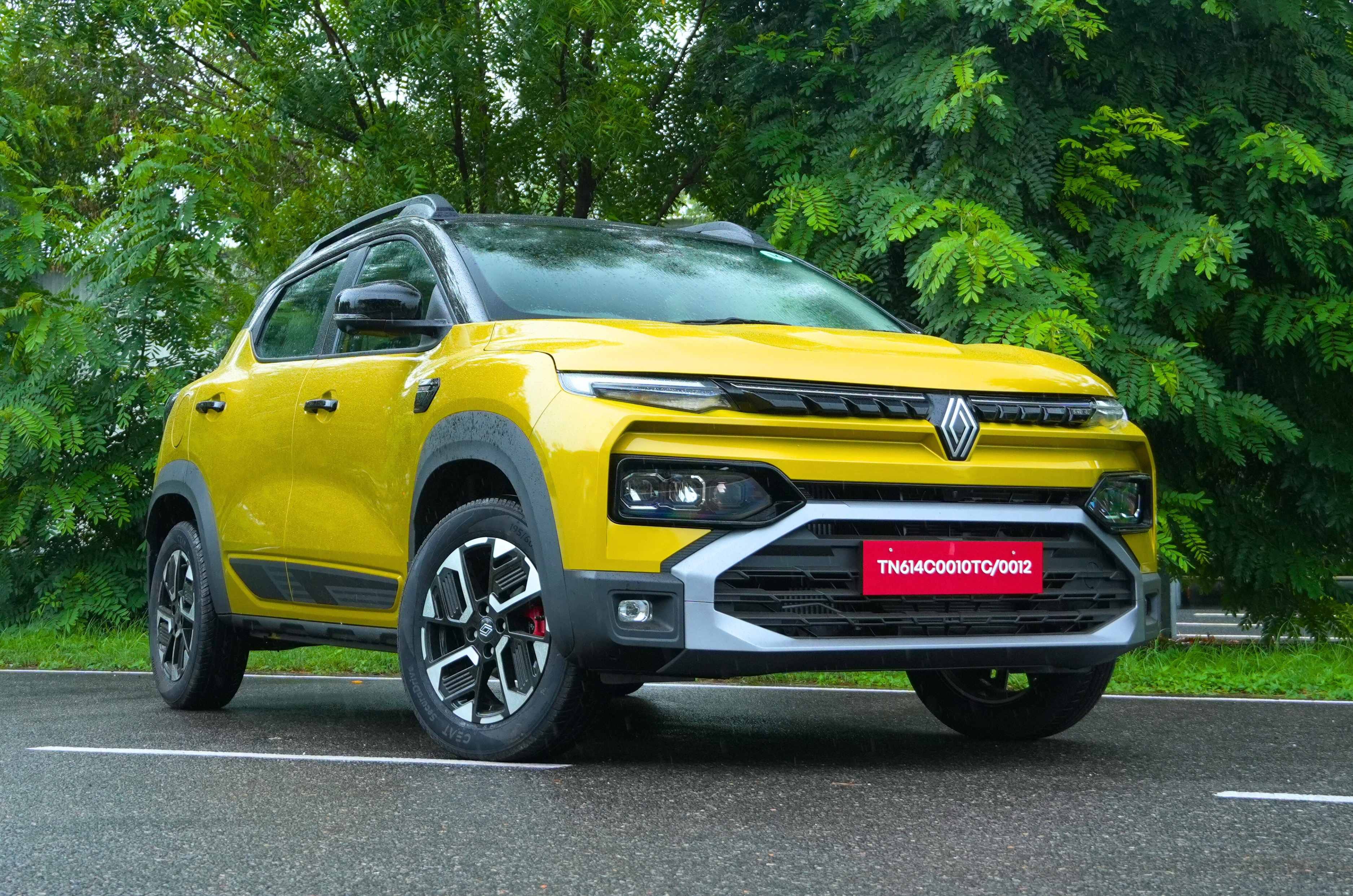
Renault Kiger front quarter

Depending on the trim level, the 2026 Renault Kiger is being offered with benefits of up to Rs 68,000 across India (except Kerala and Gujarat). This includes a cash discount of Rs 20,000, exchange or scrappage benefits of up to Rs 25,000 and loyalty incentives worth up to Rs 18,000. There’s also a corporate discount of Rs 5,000.

For those residing in Kerala and Gujarat, the loyalty benefit and corporate discount remain the same but cash offers and exchange incentives can now be up to Rs 50,000 each. The price of the Renault Kiger is between Rs 5.81 lakh and Rs 10.40 lakh.

Renault Triber offers in August 2026

Benefits up to Rs 60,000

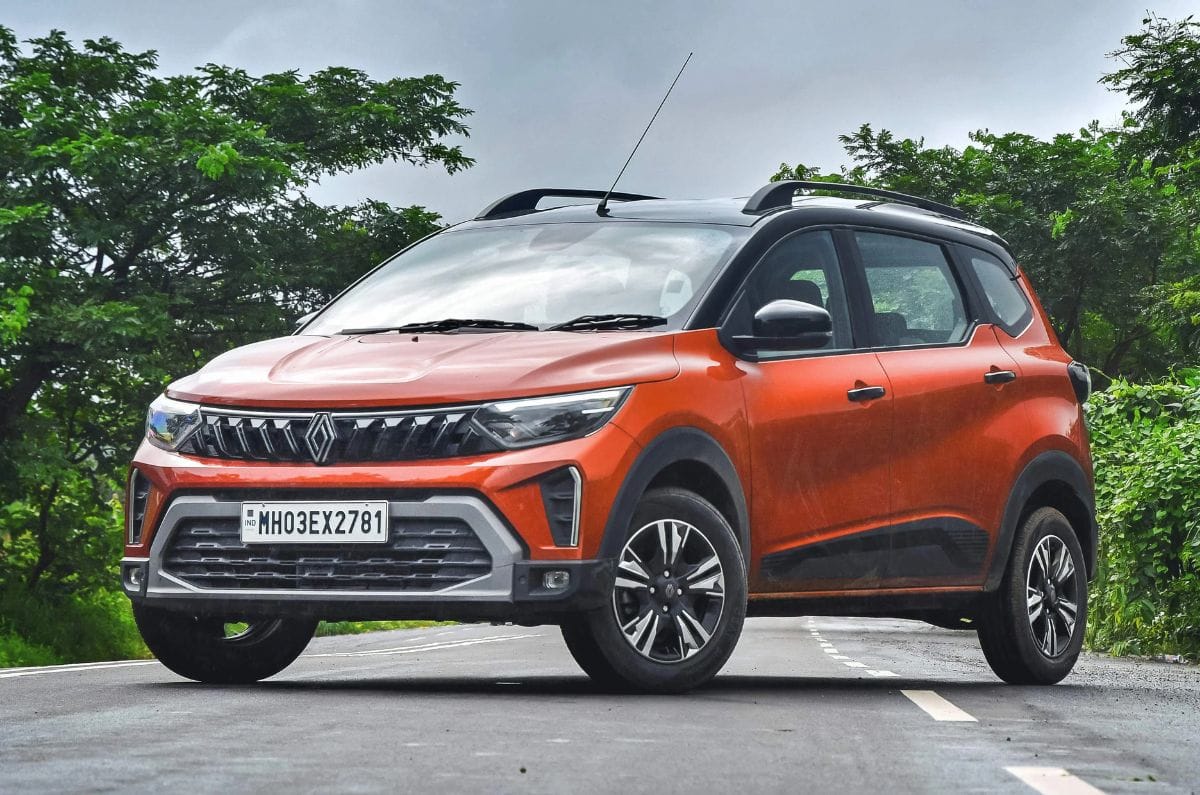
Apart from Kerala and Gujarat, the 2026 Renault Triber MPV is available with benefits amounting to Rs 60,000. Buyers will be offered a cash discount of Rs 15,000, scrappage incentives worth up to Rs 25,000 or an exchange offer of Rs 15,000, and a corporate discount of Rs 5,000.

Renault Triber front quarter

While the scrappage and corporate offers are unchanged, residents of Kerala and Gujarat get cash discounts of up to Rs 30,000 and exchange benefits worth up to Rs 30,000. The 2026 Renault Triber is priced from Rs 5.81 lakh to Rs 8.53 lakh.

Renault Kwid offers in August 2026

Benefits up to Rs 40,000

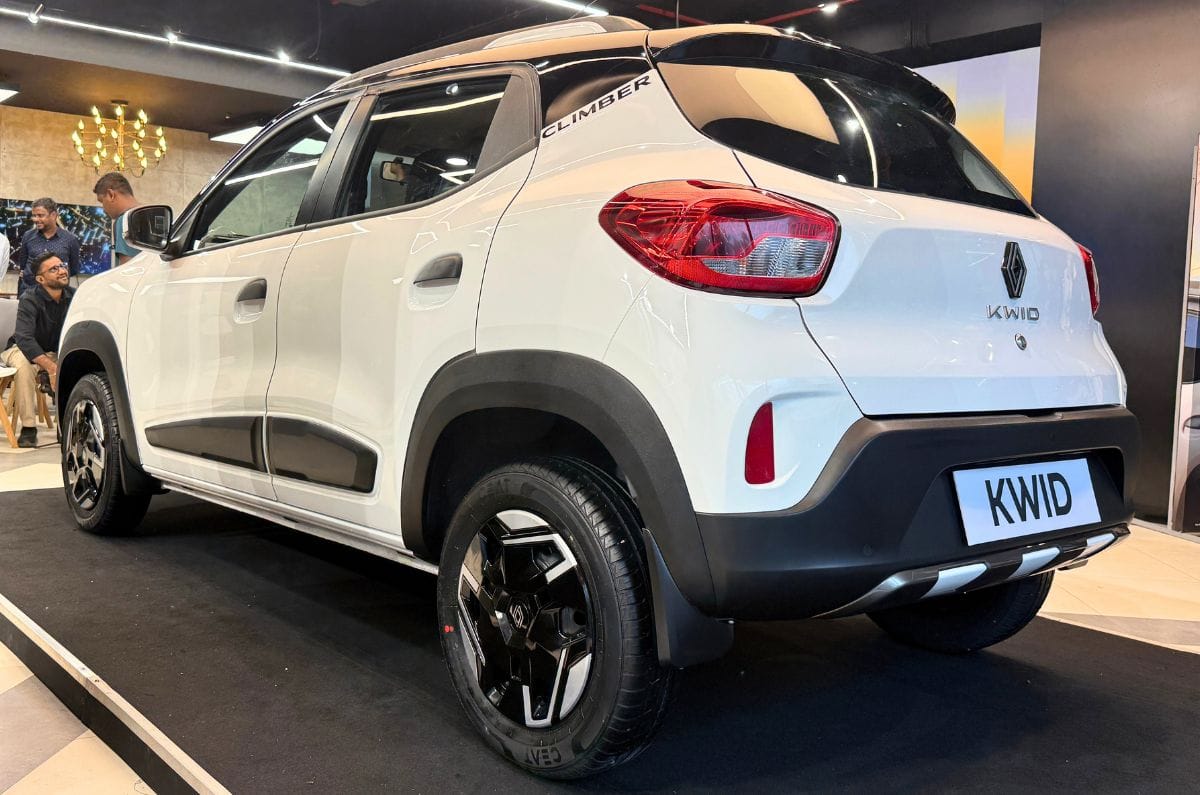
Renault Kwid rear quarter

The 2026 Renault Kwid is being offered with a cash discount of up to Rs 15,000 and a scrappage incentive worth up to Rs 25,000 in most states in India. However, this offer is not applicable for buyers in Kerala, Assam, Karnataka, Odisha, Uttarakhand, Telangana, Chhattisgarh, Arunachal Pradesh and Andhra Pradesh. Buyers here can get the Kwid with cash discounts amounting to up to Rs 30,000, while the scrappage benefit remains unchanged. The 2026 Renault Kwid is priced between Rs 4.53 lakh and Rs 5.61 lakh.

All prices are ex-showroom, India.

Also read

Jeep Meridian offers go up to Rs 1.65 lakh in August 2026

Tata Curvv EV benefits in August 2026 go up to Rs 3.35 lakh

SCOOP! BYD to bring its Denza luxury brand to India with launch of D9 MPV

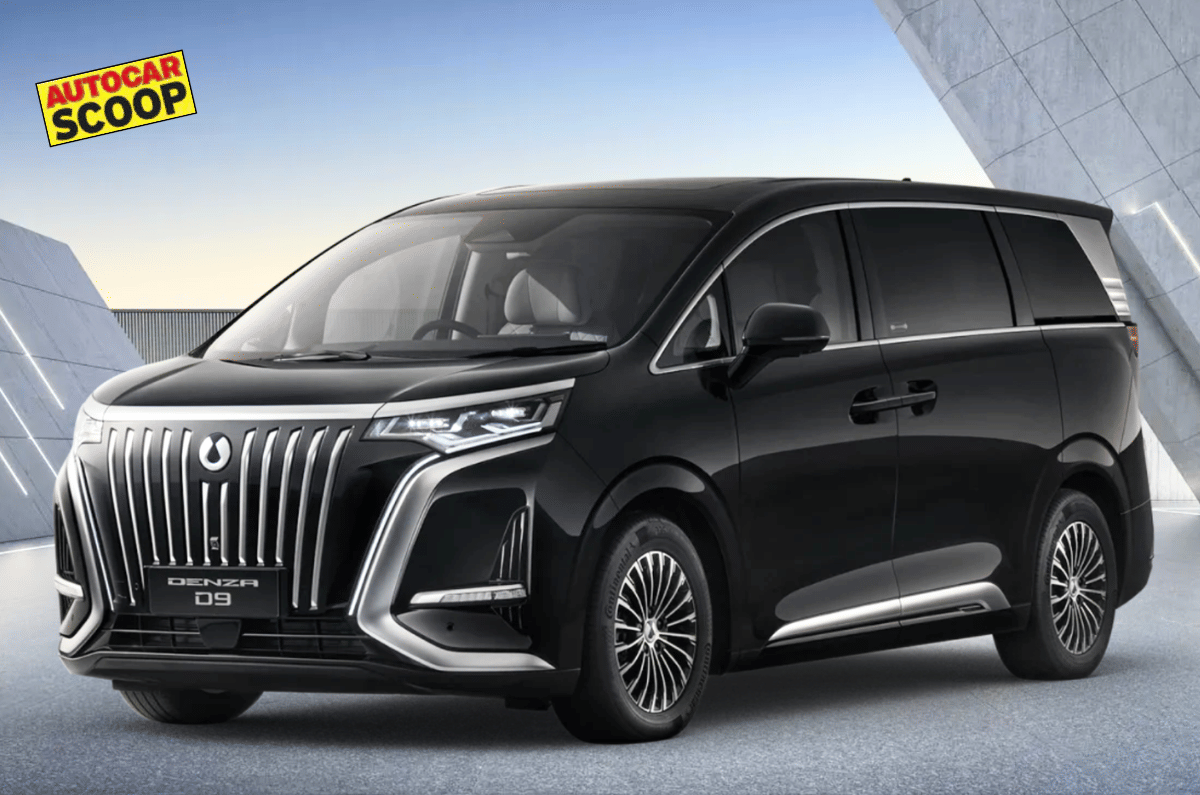
BYD Denza D9

BYD, the world’s largest electric vehicle maker, is in the final stages of bringing its luxury brand Denza to India, with the D9 executive MPV likely to lead the rollout, we have learned. The Chinese carmaker is targeting its first launch around Diwali 2026. However, the launch could move to the Bharat Mobility Global Expo in February 2027 if there is a delay.

It is studying a portfolio of two to three Denza models for India, largely positioned in the Rs 80 lakh-Rs 1 crore price bracket within the first year itself. If the D9 arrives around Diwali, BYD is likely to use the mobility show for a broader showcase of the Denza brand and its proposed India portfolio.

D9 to lead India rollout

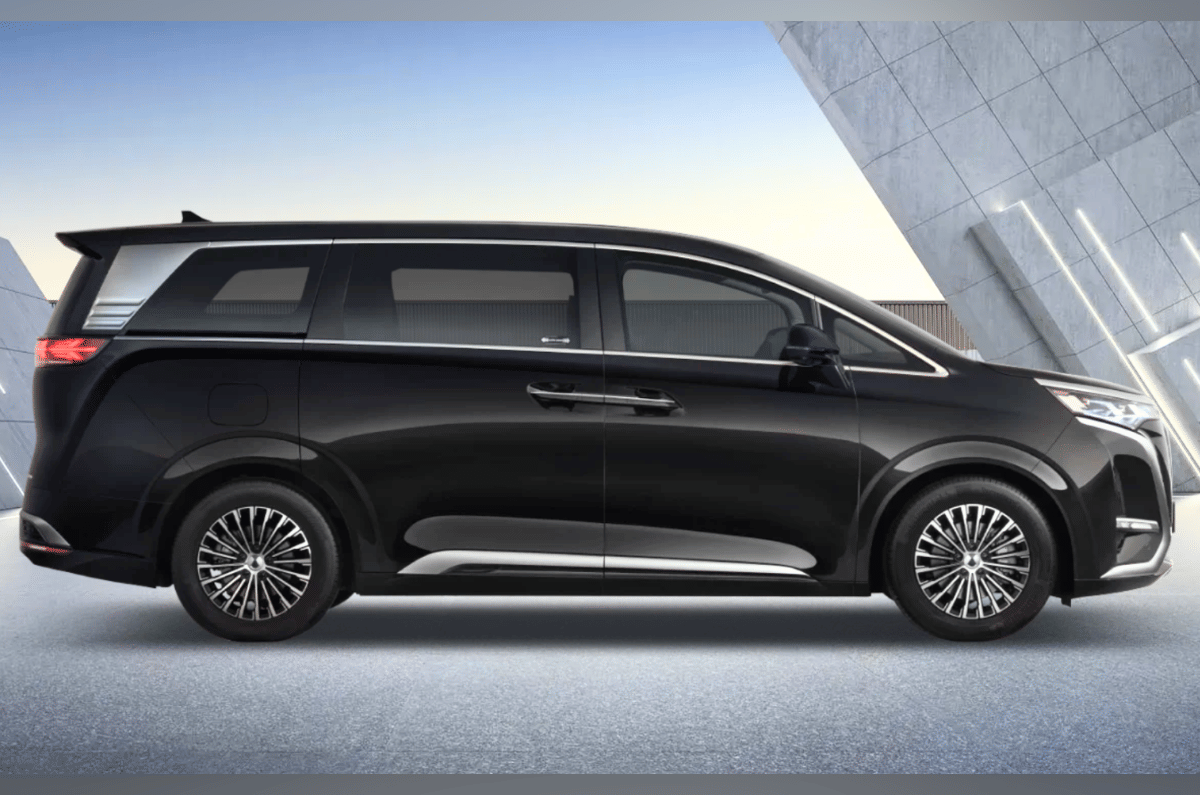
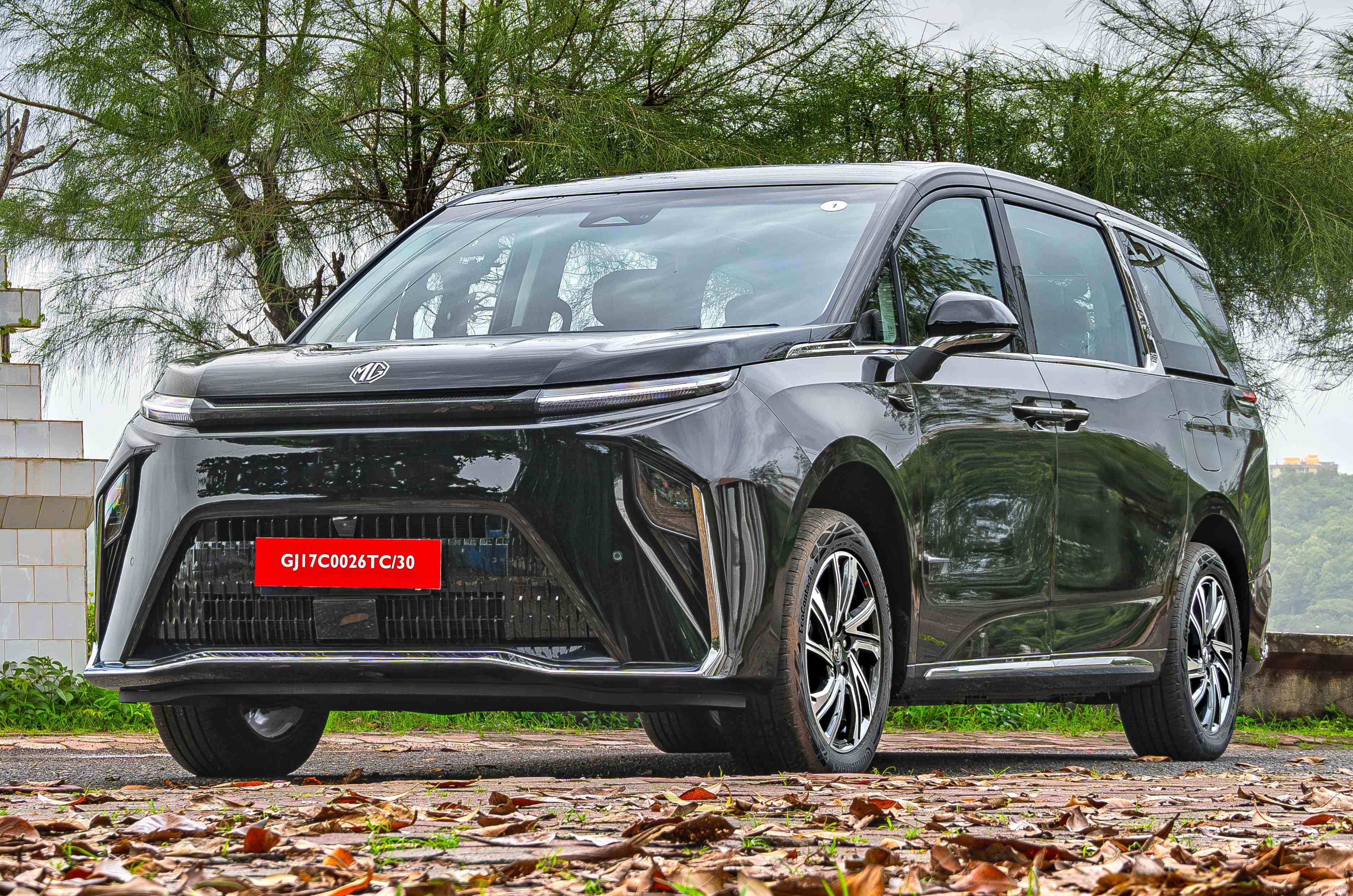
The D9 will compete directly with the electric MG M9 and occupy the space below the Toyota Vellfire and Lexus LM. The Toyota Vellfire is priced between Rs 1.20 crore and Rs 1.30 crore, while the Lexus LM ranges from Rs 2.15 crore to Rs 2.69 crore. This leaves room for BYD to position the D9 as an executive electric MPV in the Rs 80 lakh-Rs 1 crore bracket.

BYD Denza D9
International-spec BYD Denza D9 electric MPV shown for representative purposes only.

The D9 is available globally with electric and plug-in hybrid powertrains. BYD is likely to give priority to the electric version in India. Plug-in hybrids face a significant tax disadvantage over pure electric vehicles, which are subject to 5 percent GST, making the PHEV harder to price competitively. The plug-in hybrid version could be considered at a later stage.

D9 could be sold via dedicated Denza outlets

Initially, the Denza models are expected to be imported as completely built units (CBUs). This will allow BYD to enter the market quickly and assess demand before taking a call on its longer-term India plans. BYD may also set up dedicated Denza outlets rather than sell the models through its existing retail network. This would separate Denza from BYD’s current line-up, which comprises the Atto 3, Seal, Sealion 7 and eMax 7.

MG M9
MG M9 electric MPV.

The D9 will arrive at a time when the executive MPV segment is seeing fresh activity. The MG M9 has brought an electric alternative to the segment, while the Vellfire and Lexus LM operate at significantly higher price points. BYD is likely to position the D9 above the MG M9 but below the two Toyota group models, targeting buyers seeking a chauffeur-driven alternative to a luxury SUV.

Denza will take BYD into a price bracket dominated by established luxury brands. The challenge will not be limited to the product. BYD will also have to convince buyers that its retail and after-sales experience can meet expectations in the Rs 80 lakh-Rs 1 crore segment.

With inputs from Uday Singh.

Kia Sorento to launch on September 4

kia sorento

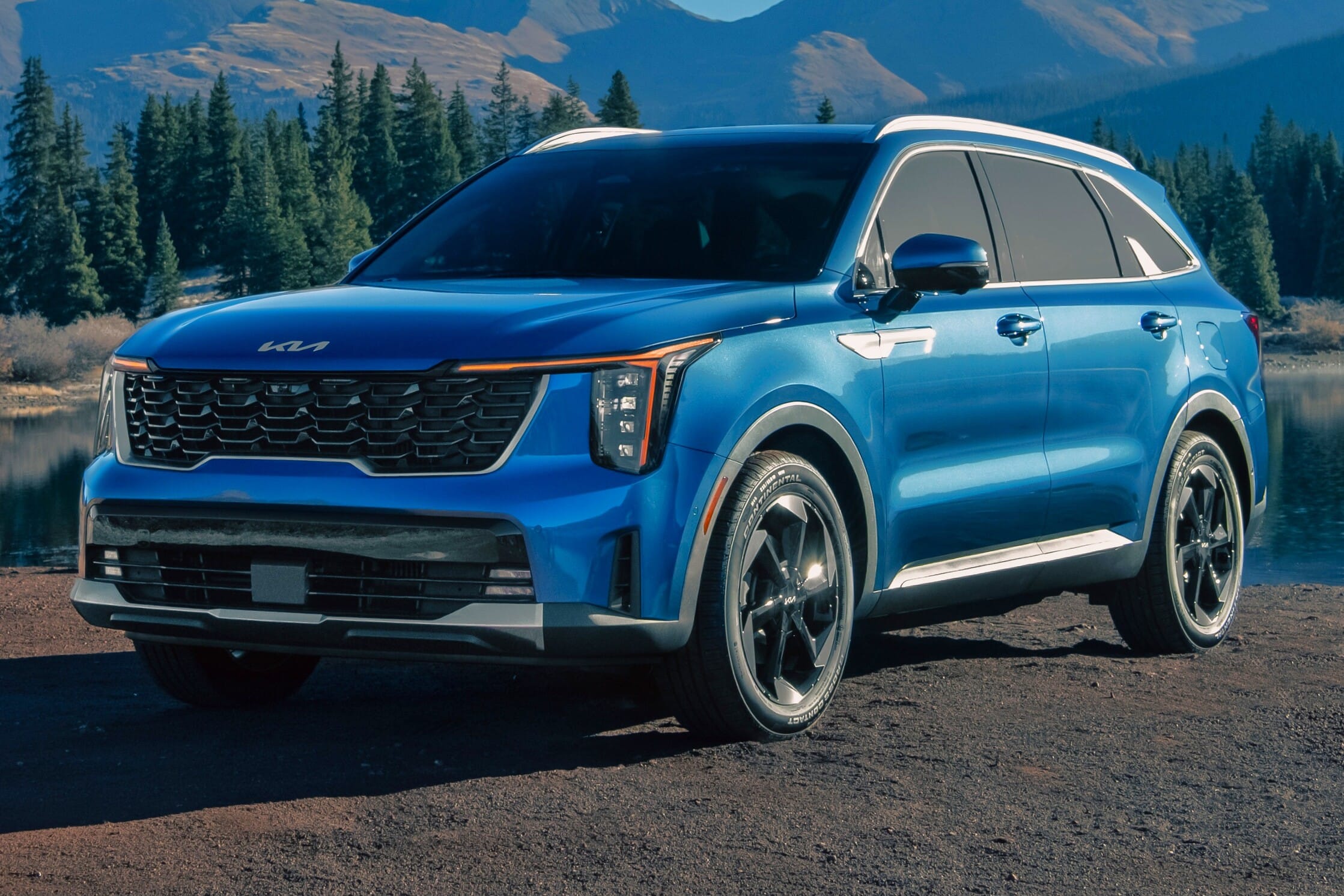
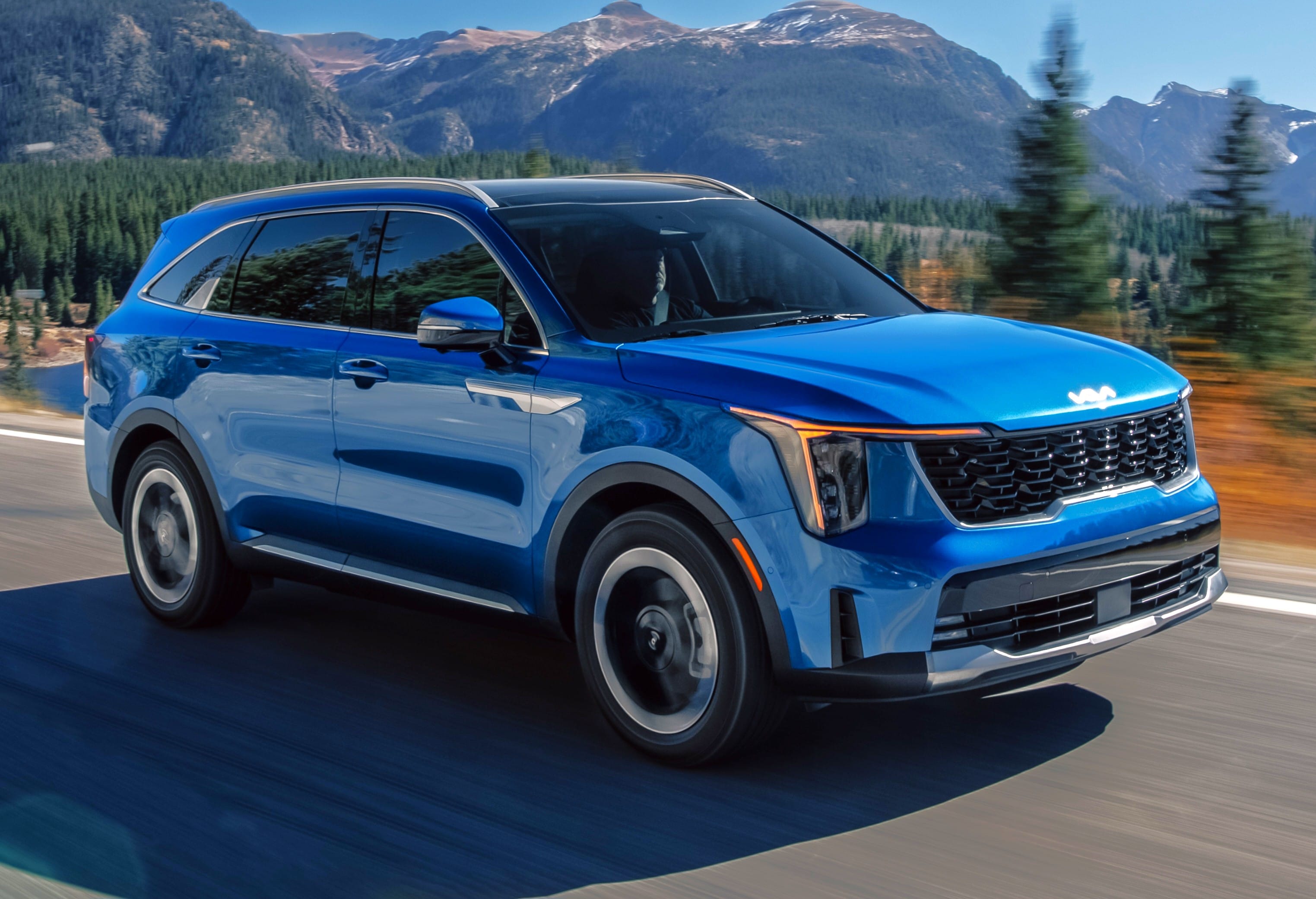
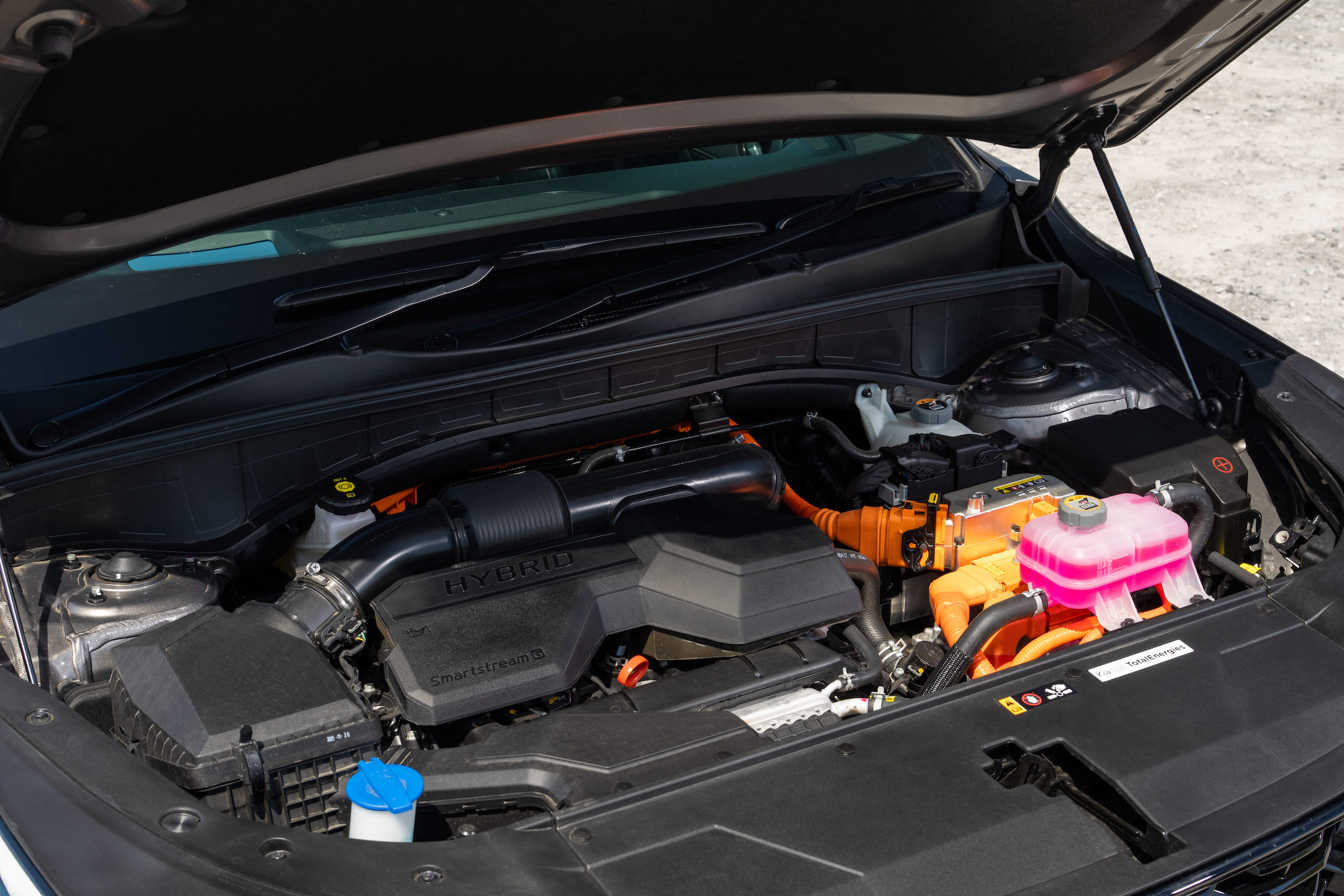
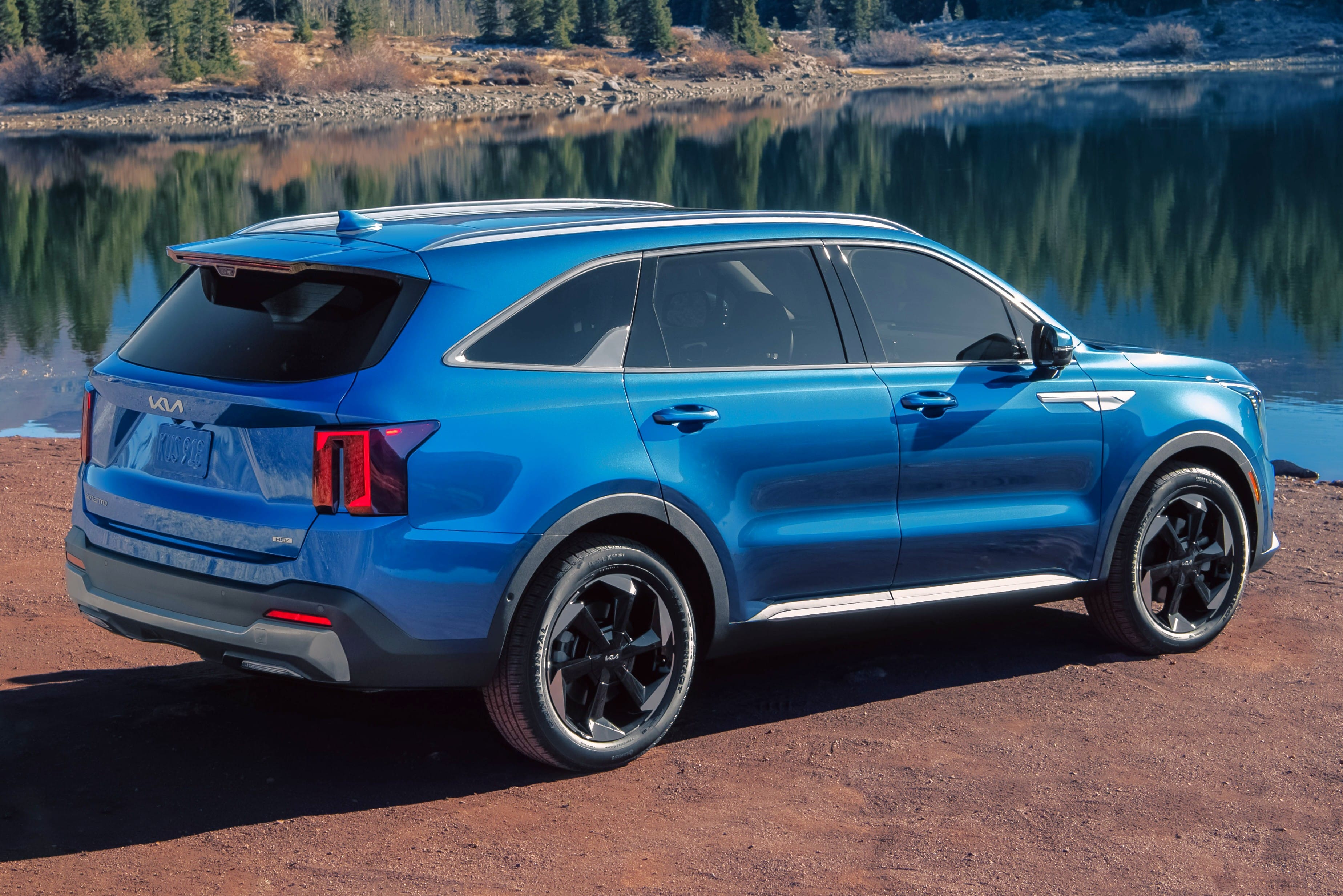
The Kia Sorento three-row SUV will go on sale in India on September 4, 2026. It will be positioned above the Seltos as Kia India’s flagship ICE SUV, and will also be the carmaker’s first hybrid model for the Indian market. Official bookings for the Sorento opened very recently too.

Kia Sorento India price estimate and rivals

US-spec Kia Sorento. Image used for representation only.

Since the Sorento is anticipated to be locally assembled, expect pricing to start at around Rs 40 lakh (ex-showroom). At that price point, the Sorento will rival premium three-row SUVs like the Volkswagen Tayron, MG Majestor, Skoda Kodiaq, Toyota Fortuner, and Jeep Meridian.

Kia Sorento powertrain options

Kia will offer the Sorento with hybrid and diesel powertrains in India. If the international-spec Sorento is anything to go by, the India-spec model could feature a 1.6-litre 4-cylinder turbo-petrol hybrid setup developing 238hp and 380Nm, along with a 2.2-litre diesel engine outputting 202hp and 441Nm – this mill is used in the Kia Carnival too. Both Sorento engines are likely to be paired with automatic transmissions. Though the global-spec Sorento can be had in FWD and AWD guises, it remains to be seen whether the latter drive layout will be available for Indian buyers.

Kia Sorento exterior and interior

The Sorento sports a subtly aggressive design, with highlights like vertically oriented LED headlamps and tail-lamps, T-shaped amber-coloured DRLs, a wide ‘Tiger Nose’ grille, dual-tone alloy wheels, mildly flared wheel arches, and muscular bumpers. In terms of dimensions, the global-spec Sorento measures 4,815mm in length, 1,900mm in width, and 1,700mm in height, along with a wheelbase of 2,815mm. Should these hold true for the India-spec model, the Sorento will be larger than most of its rivals.

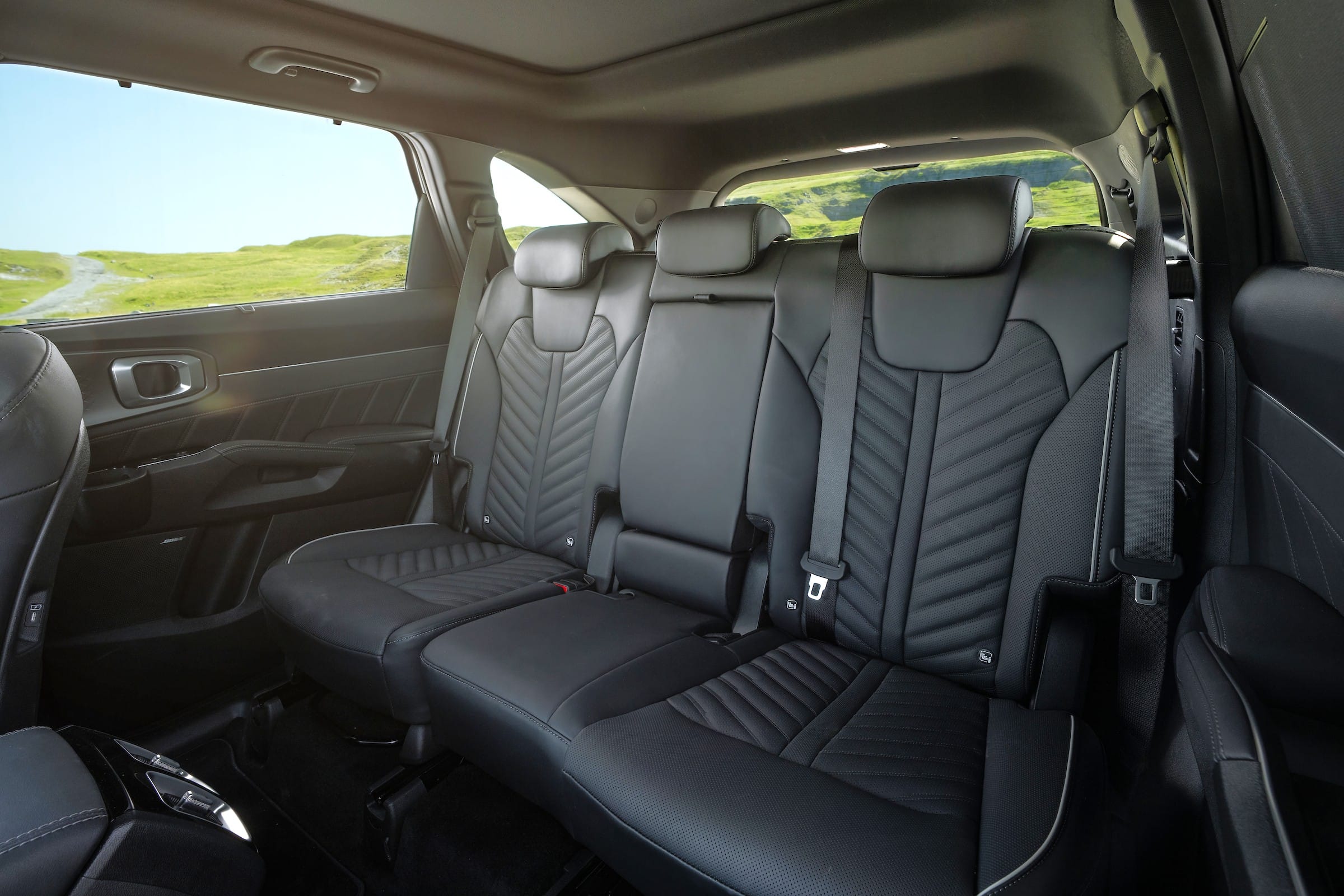
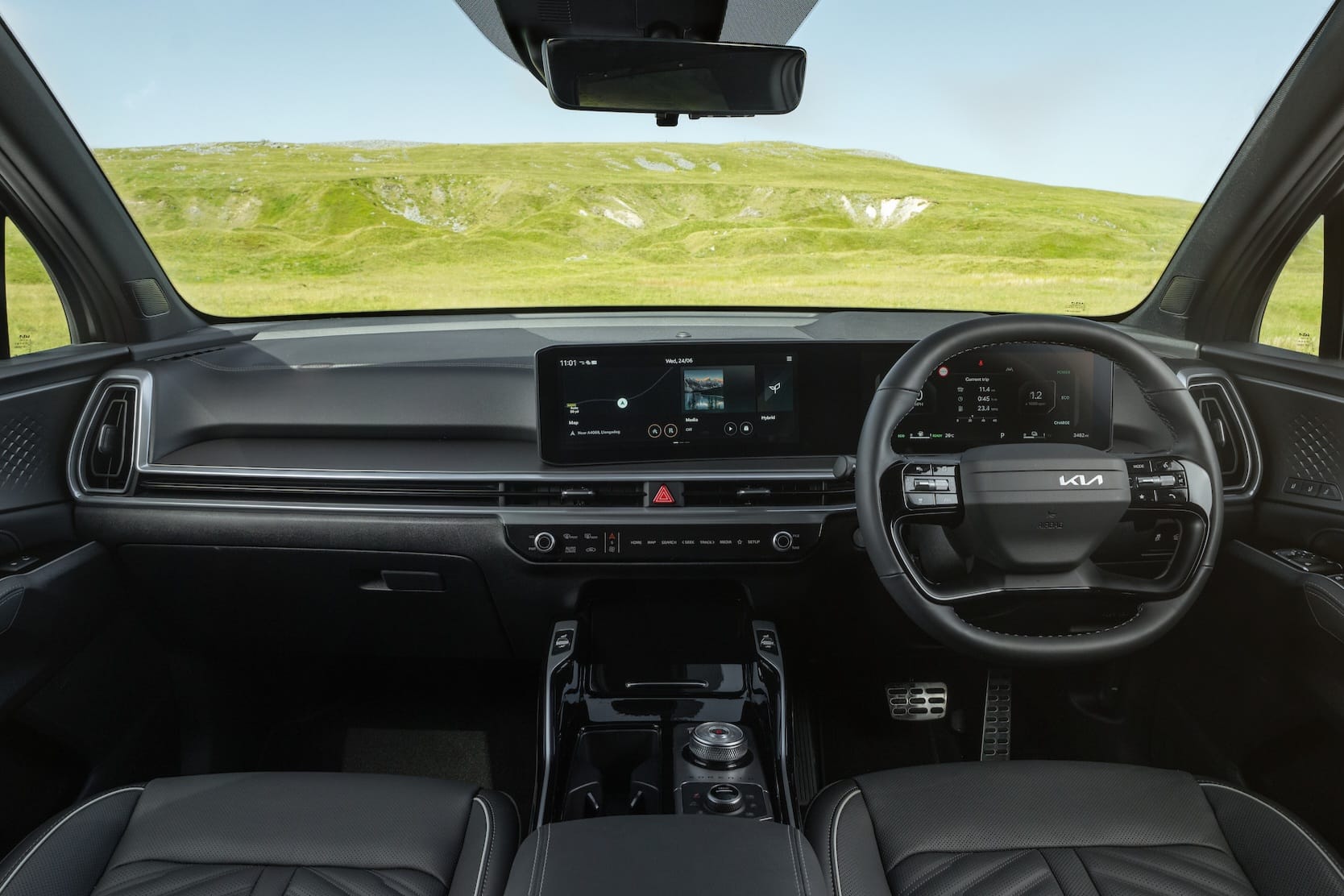
Inside, the India-spec Sorento is likely to be offered with 6-seat and 7-seat configurations. Boot space is rated at 179 litres with all three rows up, extendable to a cavernous 1,996 litres. Notable elements on the premium-looking dashboard include dual 12.3-inch displays, a four-spoke steering wheel with an offset Kia logo, large vertical AC vents on both extremities, a touch-capacitive panel on the centre console, and a rotary drive selector.

The Sorento is expected to pack creature comforts like ventilated front seats, dual-zone climate control, wireless Apple CarPlay and Android Auto, a powered driver’s seat, a panoramic sunroof, Level 2 ADAS, a heads-up display, an electronic parking brake, ambient lighting, a wireless charging pad, and more.
 

बलूचिस्तान ने 11 अगस्त को किया स्वतंत्रता दिवस का ऐलान, पाकिस्तान से आजादी और अब फहराएगा नया झंडा!

Republic of Balochistan: पाकिस्तान से आजादी का ऐलान करने के कुछ ही हफ्तों बाद खुद को रिपब्लिक ऑफ बलूचिस्तान घोषित करने वाले समूह ने 11 अगस्त को अपना राष्ट्रीय स्वतंत्रता दिवस मनाने का फैसला किया है। इसके साथ ही बलूच समुदाय ने दुनिया के दूसरे देशों, ग्लोबल कम्युनिटी से एक स्वतंत्र और संप्रभु राष्ट्र के रूप में बलूचिस्तान को औपचारिक मान्यता देने की अपील फिर से की है।

CNN-न्यूज18 की रिपोर्ट के मुताबिक, रिपब्लिक ऑफ बलूचिस्तान ने एक बयान जारी कर ऐलान किया है कि 11 अगस्त को बलूचिस्तान के स्वतंत्रता दिवस के रूप में मनाया जाएगा। दुनिया भर में रहने वाले बलूच समुदाय से इस खास मौके पर राष्ट्रव्यापी और वैश्विक स्तर पर जश्न मनाने की अपील की गई है।

नया झंडा फहराने और जश्न मनाने का आह्वान

बलूच स्वतंत्रता संग्राम के नेता मीर यार बलूच ने लोगों से अपने घरों, मोहल्लों, बाजारों, दुकानों, शैक्षणिक संस्थानों और दूसरे सार्वजनिक स्थानों पर स्वतंत्र बलूचिस्तान का नया राष्ट्रीय ध्वज फहराने का आग्रह किया है। उन्होंने कहा कि इन आयोजनों का मुख्य उद्देश्य इस दिन के महत्व को बनाए रखना और इसके ऐतिहासिक संदर्भ को आने वाली पीढ़ियों तक पहुंचाना है। बयान में यह स्पष्ट किया गया है कि रिपब्लिक ऑफ बलूचिस्तान 11 अगस्त को ही अपना वास्तविक स्वतंत्रता दिवस मानता है और अब से यह दिन हर साल इसी तरह मनाया जाएगा।

अंतरराष्ट्रीय मान्यता के लिए नए सिरे से अपील

रिपब्लिक ऑफ बलूचिस्तान ने अंतरराष्ट्रीय समुदाय से एक संप्रभु राज्य के रूप में बलूचिस्तान को औपचारिक रूप से मान्यता देने और उनके रुख का समर्थन करने का नया आह्वान किया है। उनका मानना है कि जब तक पाकिस्तान अपने मौजूदा स्वरूप में कायम रहेगा तब तक इस क्षेत्र में स्थायी शांति, विकास और समृद्धि हासिल नहीं की जा सकती। बयान में यह दावा भी किया गया है कि रिपब्लिक ऑफ बलूचिस्तान और उसके लगभग 6 करोड़ बलूच लोग खुद को एक स्वतंत्र और संप्रभु राष्ट्र मानते हैं।

स्वतंत्रता दिवस के लिए 11 अगस्त की तारीख ही क्यों?

बयान के मुताबिक 11 अगस्त 1947 वह ऐतिहासिक दिन था जब भारतीय उपमहाद्वीप से अंग्रेजों की वापसी के दौरान बलूचिस्तान ने सबसे पहले अपनी स्वतंत्रता की घोषणा की थी। बयान में दावा किया गया है कि इस स्वतंत्रता की घोषणा को द न्यूयॉर्क टाइम्स सहित अंतरराष्ट्रीय मीडिया ने कवर किया था और ऑल इंडिया रेडियो ने भी इसका प्रसारण किया था। इसी ऐतिहासिक आधार पर बलूच राष्ट्र लगातार 11 अगस्त को अपना स्वतंत्रता दिवस मानता आया है और भविष्य में भी इसी तारीख को यह दिवस मनाता रहेगा।

पाकिस्तान के इतिहास और भूमिका की कड़ी आलोचना

रिपब्लिक ऑफ बलूचिस्तान ने अपने बयान में भारतीय उपमहाद्वीप के विभाजन के बाद के घटनाक्रमों और पाकिस्तान के रिकॉर्ड की जमकर आलोचना की है। बयान में कहा गया है कि विभाजन के बाद पूरे क्षेत्र में दशकों तक संघर्ष, अशांति, आतंकवाद, आर्थिक अस्थिरता और राजनीतिक संकट का दौर बना रहा। यह भी आरोप लगाया गया है कि पाकिस्तान की नीतियों ने न केवल दक्षिण एशिया बल्कि दुनिया के अन्य हिस्सों को भी प्रभावित किया है।

कई ऐतिहासिक घटनाओं का जिक्र किया गया है। इनमें कश्मीर विवाद, मार्च 1948 में बलूचिस्तान में पाकिस्तान की सैन्य कार्रवाई, 1971 का संघर्ष जिसके बाद बांग्लादेश का निर्माण हुआ, जॉर्डन में फिलिस्तीनियों से जुड़ी सैन्य कार्रवाइयां, सोवियत-अफगान युद्ध, चागाई जिले में 1998 में पाकिस्तान के परमाणु परीक्षण और अमेरिका में 9/11 के हमलों के बाद के घटनाक्रम शामिल हैं। बयान के मुताबिक, इन सभी वजहों से पूरे क्षेत्र में लंबे समय तक अस्थिरता, संघर्ष और खून-खराबा बढ़ा है।

ये भी पढ़ें- Udhayanidhi Stalin arrest: तमिलनाडु में DMK नेता उदयनिधि स्टालिन को चेन्नई पुलिस ने किया गिरफ्तार, एक्ट्रेस तृषा को लेकर विवादित बयान पर विवादों में घिरे

गौरतलब है कि बलूचिस्तान की ओर से 11 अगस्त को स्वतंत्रता दिवस मनाने का यह ऐलान ऐसे समय में आया है जब पाकिस्तान 14 अगस्त को अपना स्वतंत्रता दिवस मनाने की तैयारी कर रहा है, वहीं भारत 15 अगस्त को अपना स्वतंत्रता दिवस मनाएगा।