2 reasons to buy the Maruti Alto K10, 2 reasons not to

2 reasons to buy the Maruti Alto K10, 2 reasons not to

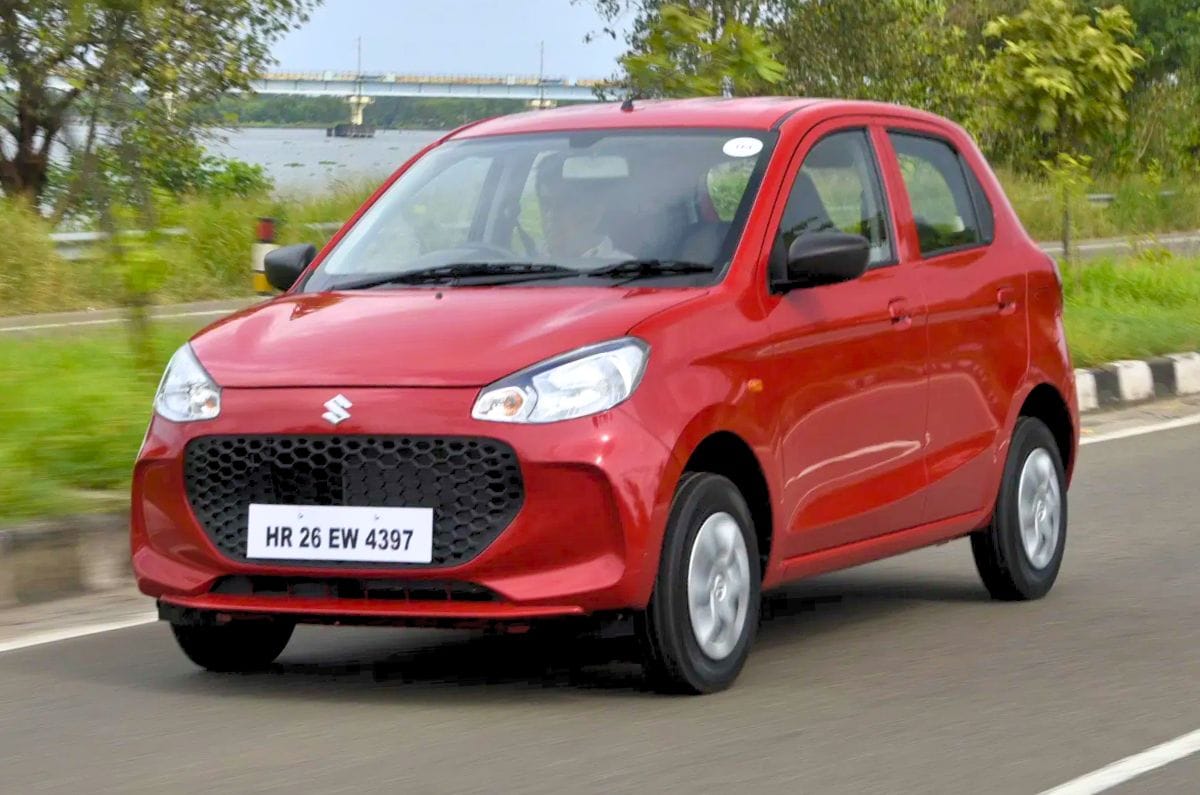
The Maruti Alto K10 is one of the most affordable cars in India. It is offered with a potent engine, a fairly equipped cabin and a price tag that, despite a drop in hatchback sales over the years, has kept the Alto K10 a very relevant car in the market. But should you buy it? Here are two reasons to buy the Alto K10 and two reasons not to. 

Reasons to buy the Maruti Alto K10

Gets a zippy engine
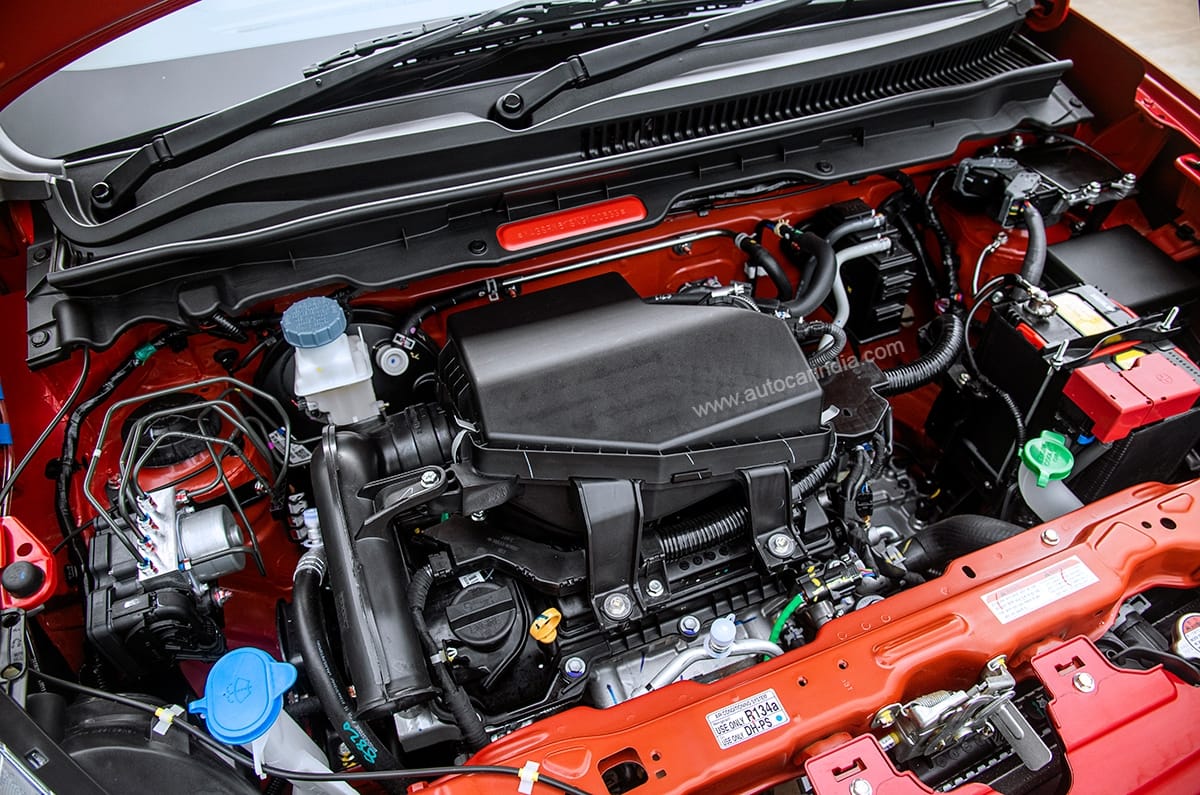
Maruti offers the Alto K10 with a 1.0-litre 3-cylinder naturally aspirated petrol engine mated either with a 5-speed manual or a 5-speed automated manual transmission (AMT). Although producing just 69hp and 91Nm, the Alto K10’s engine feels zippy, especially with the manual transmission, which allows the Alto to accelerate vigorously. 

The engine feels the strongest in the top half of the rev range, where it also gets quite vocal. However, the engine never sounds harsh or strained, even in high revs. At city driving speeds, minor taps on the accelerator pedal are enough to keep up with the traffic. Low-speed jerkiness is, however, felt in stop-and-go traffic.
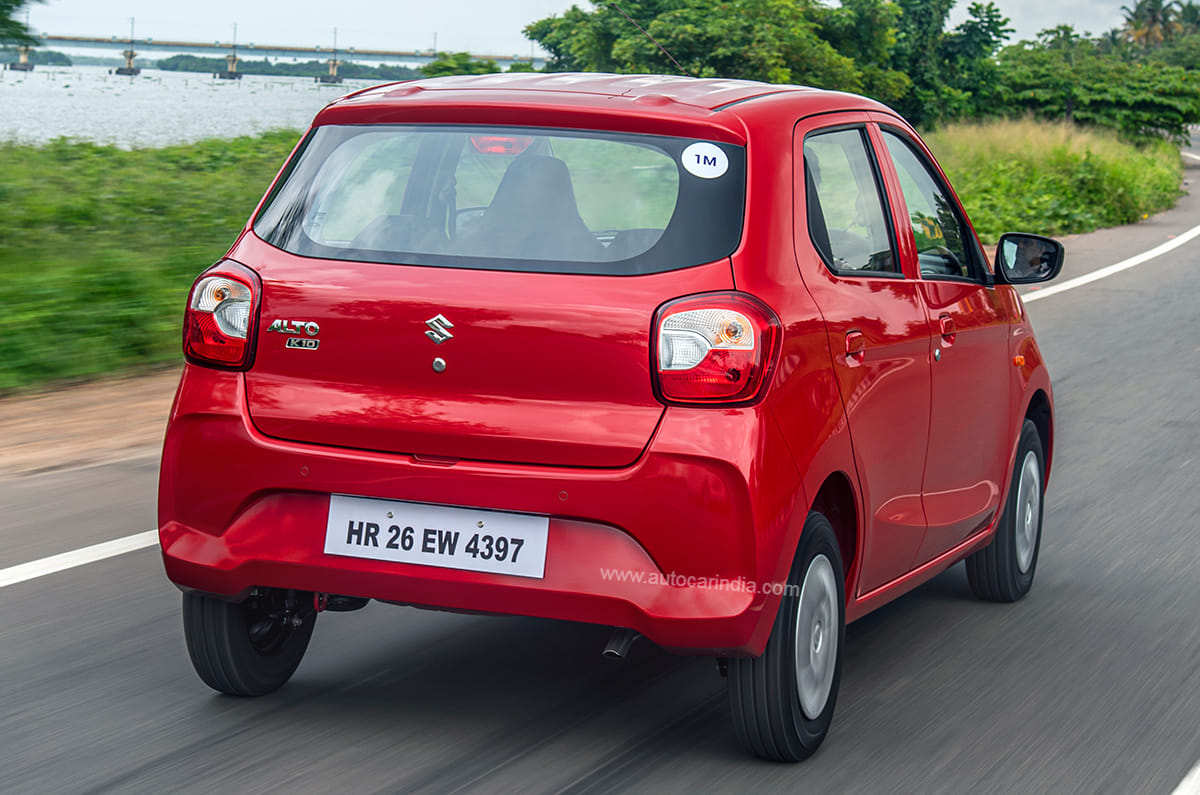
Compared to the manual gearbox, the AMT feels lethargic and takes some time to shift, especially through lower gears. However, the gearbox responds quite well during kickdown, but high-speed overtakes still require planning. It is in city traffic, especially in stop-and-go situations, where the AMT shines with the creep function, making it easier to modulate the throttle while crawling through the traffic. 

Offers an easy ownership experience

The Alto K10, since its dawn in 2010, and even after rising input costs and inflation, has remained one of the most affordable cars in India, priced from Rs 3.70 lakh. Not only is the Alto K10’s initial cost one of the lowest in the market, but its running costs are also low, mainly due to its high fuel efficiency, which Maruti claims is over 24kpl. The cost of parts and service is also relatively cheap, making the Alto K10 easy to maintain over the years.
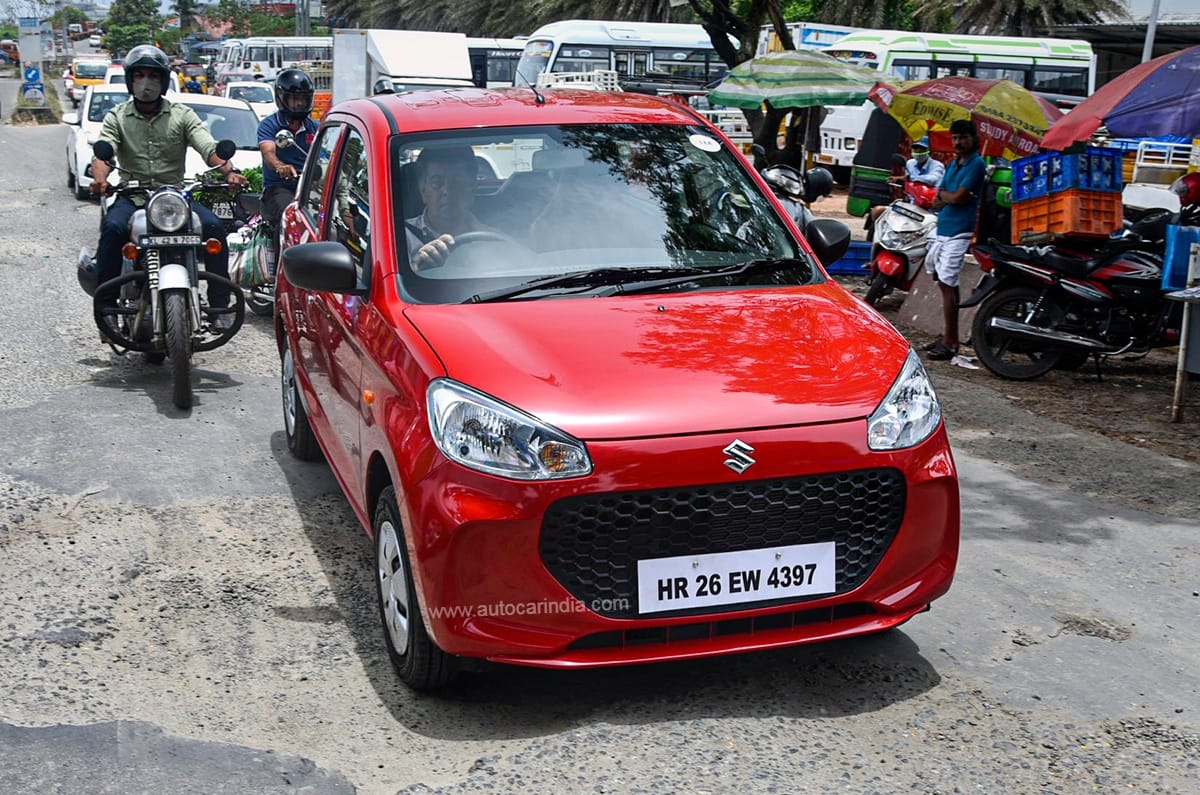
Its compact form factor also makes it easier not only to navigate narrow city lanes, but also to park it in smaller spaces, which will be appreciated by newer drivers. The suspension system also feels robust, and makes the Alto K10 feel built to take a lot of beating without any stress. The quality of materials inside the cabin is quite good and can withstand years of wear and tear.

Reasons not to buy the Maruti Alto K10

Feels unsettled at high speeds
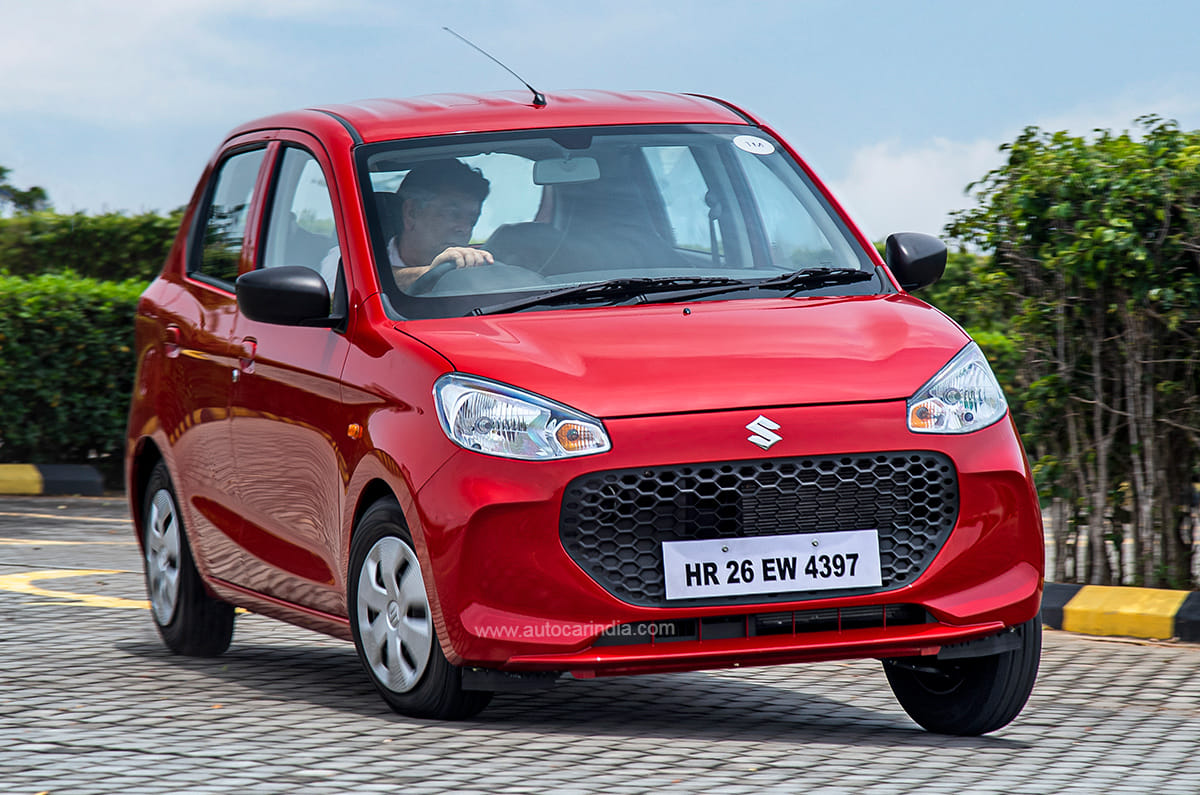
While the Alto K10 gets a peppy engine that loves to rev, the lack of proper steering feel does not inspire much confidence to push the hatchback to triple-digit speeds. At high speeds, a lot of steering corrections have to be made to stay in the correct lines, and a fair bit of body roll is also felt inside the cabin. Under hard braking too, the Alto K10 does not feel sure-footed and shimmies a bit, especially on uneven terrain.

Higher variants are expensive
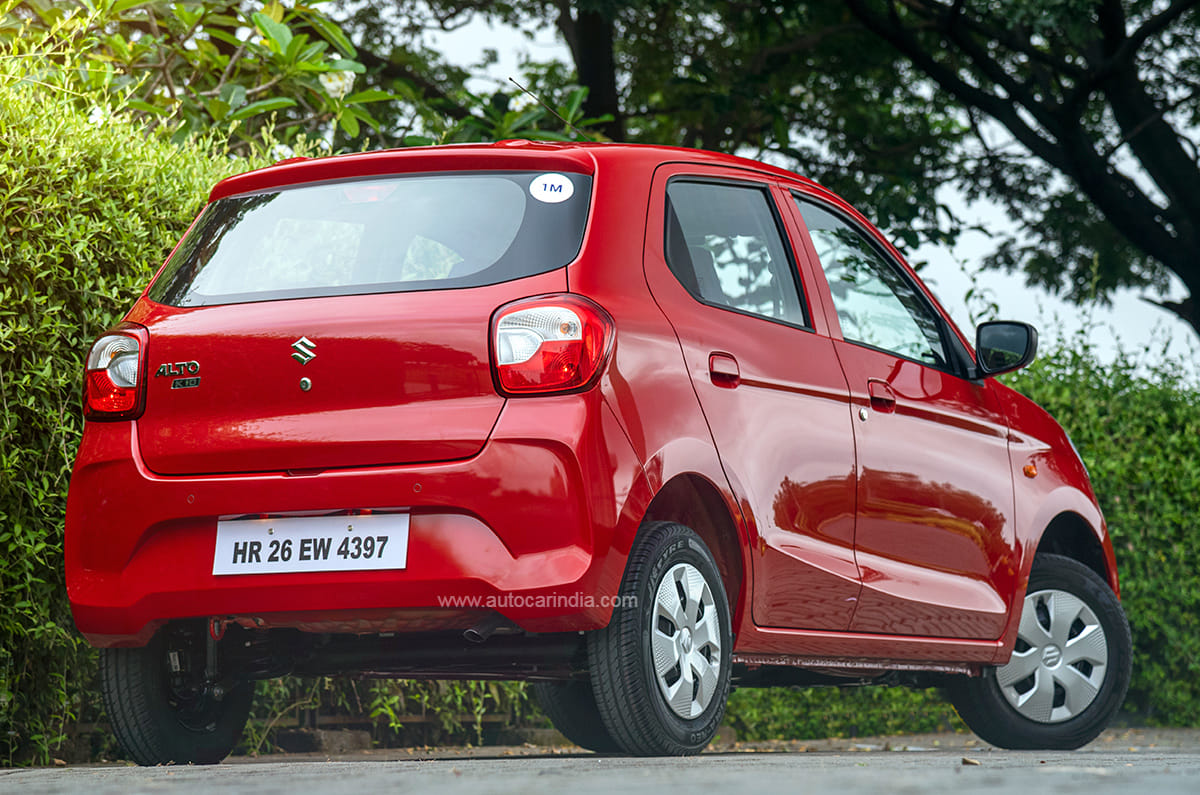
Although the Maruti Alto K10’s price starts at Rs 3.70 lakh, it goes up to Rs 5.45 lakh, which does not feel affordable, especially for a car whose price is at the core of its appeal. The AMT prices, which range from Rs 4.95 lakh to Rs 5.45 lakh, are especially high and feel out of reach compared to the manual variants, making a buyer think twice before choosing an AMT over the manual. 

Prices are ex-showroom, India.

Royal Enfield Himalayan 440 launch likely in September 2026

Royal Enfield Himalayan 440 launch likely in September 2026

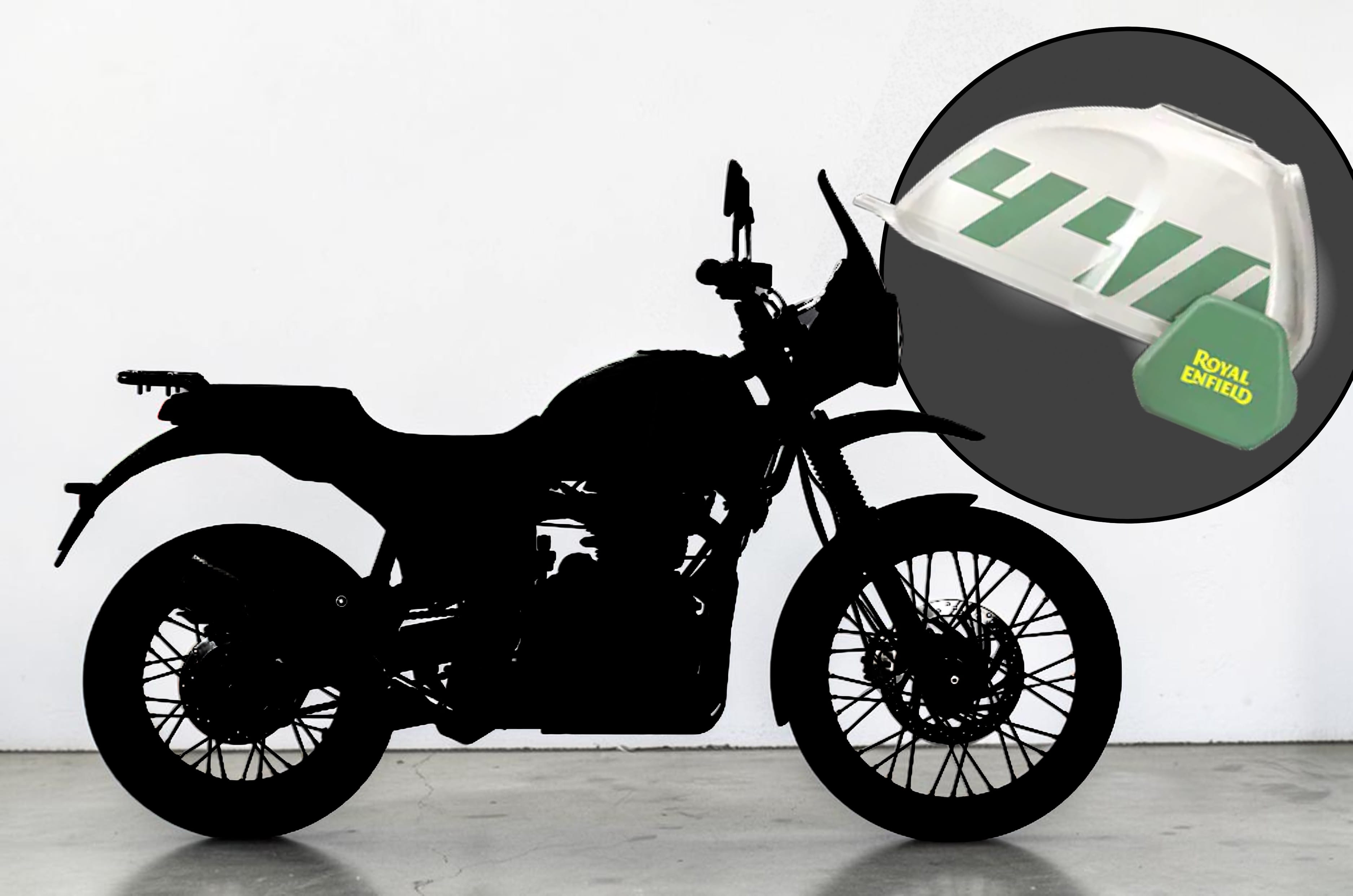
Back in April 2026, Autocar India exclusively revealed that Royal Enfield is working on a Himalayan 440, based on the updated Scram 440 but with the Himalayan 411’s looks. We now have a supposed launch timeline which is in September 2026. The Scram 440 was a miniscule improvement on paper from the Scram 411, but a noticeably better product. We can expect the same with the Himalayan 440 as well.

  1. Launch expected in September 2026
  2. Will share most mechanicals with the Scram 440/Himalayan 411
  3. Unlikely to be as tech-forward as the Guerrilla/Himalayan 450

Why a Himalayan 440?

For fans of the Himalayan 411 who haven’t quite taken to the Himalayan 450

The Himalayan (450) was an improvement over the 411 by all counts. It had a more powerful, modern engine, and features like a TFT instrument cluster, turn-by-turn navigation, and USD front fork; most of which were a first for Royal Enfield. However, many of the Himalayan 411 fans felt that it was more complicated than their beloved ADV.

Although the Scram 440’s sales figures aren’t openly available, Royal Enfield clearly believes that there’s financial sense in making a Himalayan 440. To recap, the Scram 440’s LS440 engine makes 25.4hp at 6,250rpm and 34Nm at 4,000rpm; a marginal improvement over the LS411’s 24.5hp at 6,500rpm and 32Nm at 4,250rpm, thanks to a 3mm larger bore. We don’t expect any changes to the engine on the Himalayan 440, considering the Himalayan 411 and Scram 411 shared identical engines.

Big difference between Scram and Himalayan will be the wheel setup

And possibly 10mm longer suspension travel too

The major difference between the Himalayan 440 and the Scram 440 should be the wheel setup. The Scram, being a road-focused motorcycle, uses a 19-inch front wheel with a 17-inch rear wheel. The 411 debuted with tubed spoke wheels, with alloy, tubeless wheels later coming in with the Scram 440. The Himalayan being off-road-oriented, the front wheel is expected to be a 21-inch unit and it will likely stick to the spoked rims with tubed tyres. The other difference is the suspension travel. The Himalayan 411’s front wheel had 200mm of travel, which dropped to 190mm for the Scrams. We’d expect that to be 200mm again on the Himalayan 440.

Besides that, the Himalayan 440 should be similar if not identical to the Scram 440. Which likely means that it won’t have the new, slightly cumbersome switchgear, a 6-speed gearbox without a slipper clutch, and the tripper pod. Compared to the current Himalayan’s 825mm seat height, the 440’s is expected to be more accessible, around 800mm, which was the 411’s seat height. Currently we don’t have the prices, but the Scram 440 retails for Rs 2.32 lakh (ex-showroom, Chennai) for the top variant, while the Himalayan 450’s top variant costs Rs 3.39 lakh (ex-showroom, Chennai). This gives the Himalayan 440 a nice middleground to slot into, but we will know for sure closer to September 2026.

You’ll only be in the game if you have local assembly in India: Audi global CEO

Audi India plans

Audi is preparing a new plan for India built around a stronger product portfolio, greater local assembly and faster introduction of its global models, as the German luxury carmaker seeks to regain momentum in one of the world’s most promising automotive markets.

Global CEO Gernot Döllner said India is becoming increasingly important to Audi and the company is now working towards the right product and operating structure for the market. “We will see a substantial portfolio, but it has to be focused to be able to be successful in India,” Döllner told Autocar India in an exclusive interview. “Every successful strategy starts with products. Without products, it does not make sense.”

Audi’s renewal plan with focus on new products 

The renewal will begin with the new-generation Q3 in the fourth quarter of 2026, followed by the A5 in the first half of 2027. The Q9 flagship SUV is also being evaluated for India, with work underway to assemble it locally. These three models could reach the market within around twelve months. Audi also plans to reduce the delay between global and Indian launches, which has left parts of its local range out of step with competitors in recent years.

The carmaker is targeting a doubling of its share of India’s luxury-car market from around 8-9 percent to 18-20 percent over the next three to five years.

The new-gen Q3 will be the first to arrive under Audi’s new model onslaught. 

“India is an increasingly important market, and we have to be honest. We have been struggling to find the right setup in that market,” Döllner said. “I hope that we now, with the decisions that we have taken over the past years, are able to step by step find our position in the market. Trade agreements will help in the future, but we still have to clean up some things that we did wrong in the past.”

Audi sees the long-term potential but is still working out the volumes and cost structure needed to make the business viable. “We somehow still have not found the right complete volume and setup and business case behind that for the brand,” said Döllner.

Local assembly is only step one

Greater local content will be necessary for Audi to compete in India, where import duties and adverse currency movements have pushed up prices. “You will be only in the game if you have local content and you follow these rules that are implemented. That’s what we have to do,” Döllner said.

Locally assembled models are expected to account for around 90-95 percent of Audi’s future India business, Autocar India learns. Fully imported vehicles will largely be restricted to niche and brand-shaping models.

Audi currently assembles its core models at the Skoda Auto Volkswagen India facility in Chhatrapati Sambhajinagar. The EA888 2.0-litre petrol engine used across much of the range is also assembled in India. The company is working on the local assembly case for the Q9 and studying what would be required to assemble its 3.0-litre engine in India.

Audi is considering localising the 3.0-litre V6 for the Q9 in India. 

The Q9 will sit above the Q7 and add a new flagship to Audi’s India portfolio. It has been developed with greater emphasis on rear-seat occupants and is expected to offer different seating configurations, an important consideration in India’s chauffeur-driven luxury segment. Deep component sourcing will take longer. The relatively small volumes generated by individual luxury models make it difficult to create a viable domestic supplier base for every part. Audi will widen local assembly first and increase local content where the volumes support it.

New-generation models are becoming more expensive because of additional technology and regulatory requirements. The stronger euro has compounded that increase by raising the cost of imported vehicles and parts.

“The very strong euro compared to the dollar and other currencies is really hitting us badly, especially in markets like India where, due to the big competition, the margins are quite critical,” Döllner said.

Audi does not plan to counter the cost increase by offering stripped-down variants. Its sales data over the past five years shows that Indian luxury-car buyers favour better-equipped versions. The top variant accounts for around 55 percent of sales, the middle version for 35 percent and the entry variant for just 10 percent.

The new Q3 and A5 will therefore be positioned competitively, but pricing alone will not be Audi’s play. The company believes buyers will pay for the latest technology and features if the product delivers enough value.

India-EU FTA opens the door for niche imports 

The RS5 is under consideration for India to be brought as a brand shaper. 

The India-EU free trade agreement, expected within nine to twelve months, adds a second lever. Lower duties open the door to niche imports, what Audi India head Balbir Singh Dhillon calls “brand shapers” and “the cherry on the cake.” This could lift CBUs from 5 percent of the mix to perhaps 10. The RS5 is under consideration, though as a plug-in hybrid it sits in a regulatory grey zone: nobody yet knows whether PHEVs will qualify for concessional duties. Pure-ICE bruisers like the RS Q8 face no such ambiguity.

The India-EU FTA could allow Audi to introduce more niche and high-performance models. Imports, however, will remain a small part of the business, with locally assembled models continuing to drive volumes.

Even with a wider locally assembled range, Döllner expects profitability to remain challenging. “Even with the local content, the margin situation in India is not fun,” he said. 

Bentley Torcal EV interior teased ahead of September 23 reveal

Bentley Torcal EV interior teased ahead of September 23 reveal

The upcoming Bentley Torcal’s interior design has been teased ahead of its global debut on September 23. The Torcal is Bentley’s first take on an all-electric car, whose pre-production began in November 2025 at the manufacturer’s Crewe facility in England. 

  1. The teaser shows physical buttons for dual-zone AC and volume controls
  2. A rotary dial on the centre console is used to select between 4 drive modes
  3. Drive modes alter mechanical settings and the in-cabin environment

Originally slated to debut in 2025, the Torcal has been delayed as Bentley revised its electric plans in response to weakening global demand for luxury EVs.

Bentley Torcal EV interior teased: What was spotted?

Bentley will offer a lot of physical buttons with the Torcal EV

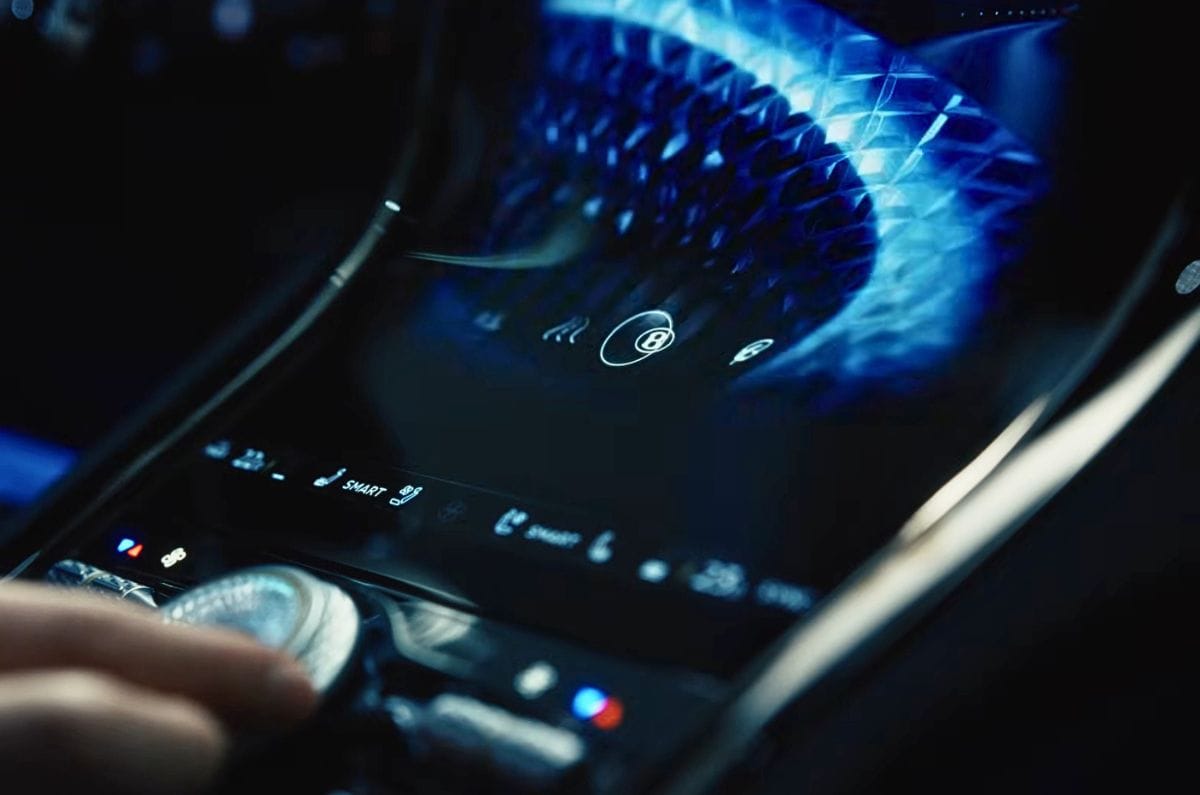
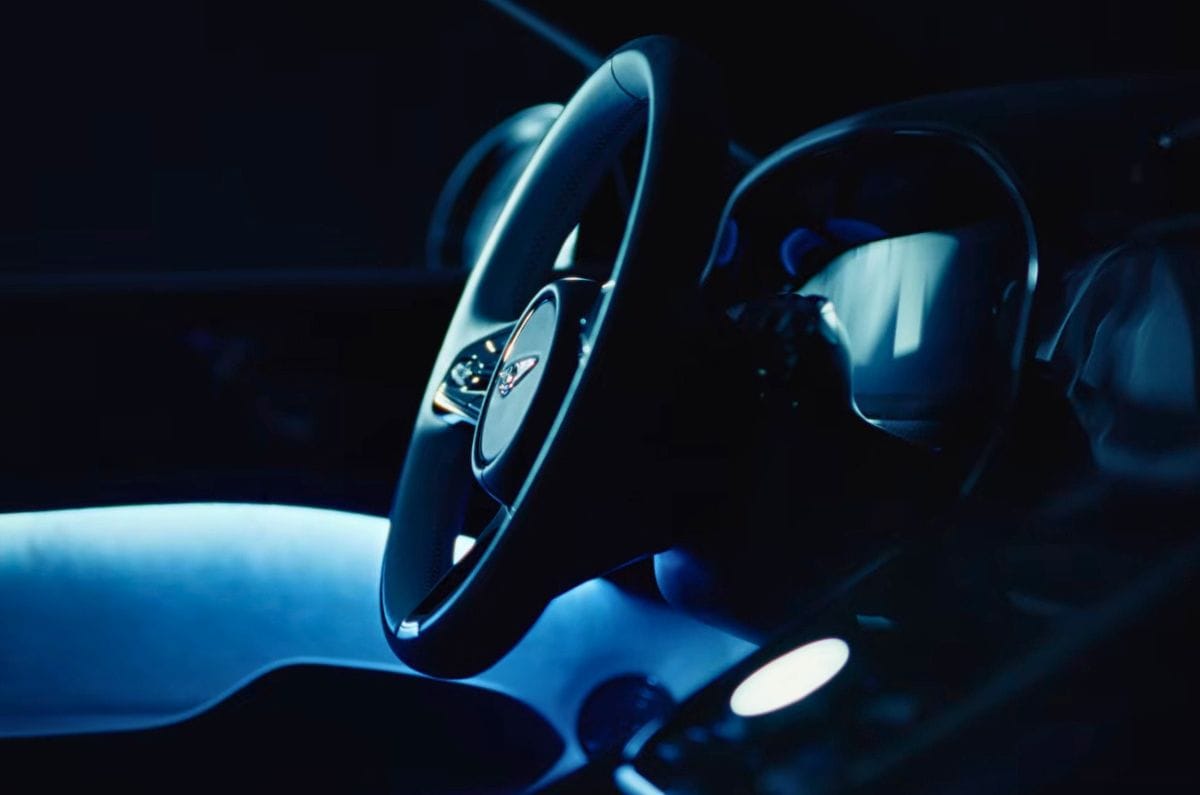
While the full interior will be seen on September 23, the teaser reveals that Bentley, always known for its tactile interior controls, is not doing away with physical buttons on the Torcal. The Torcal will get these physical controls on the steering wheel and the centre console. 

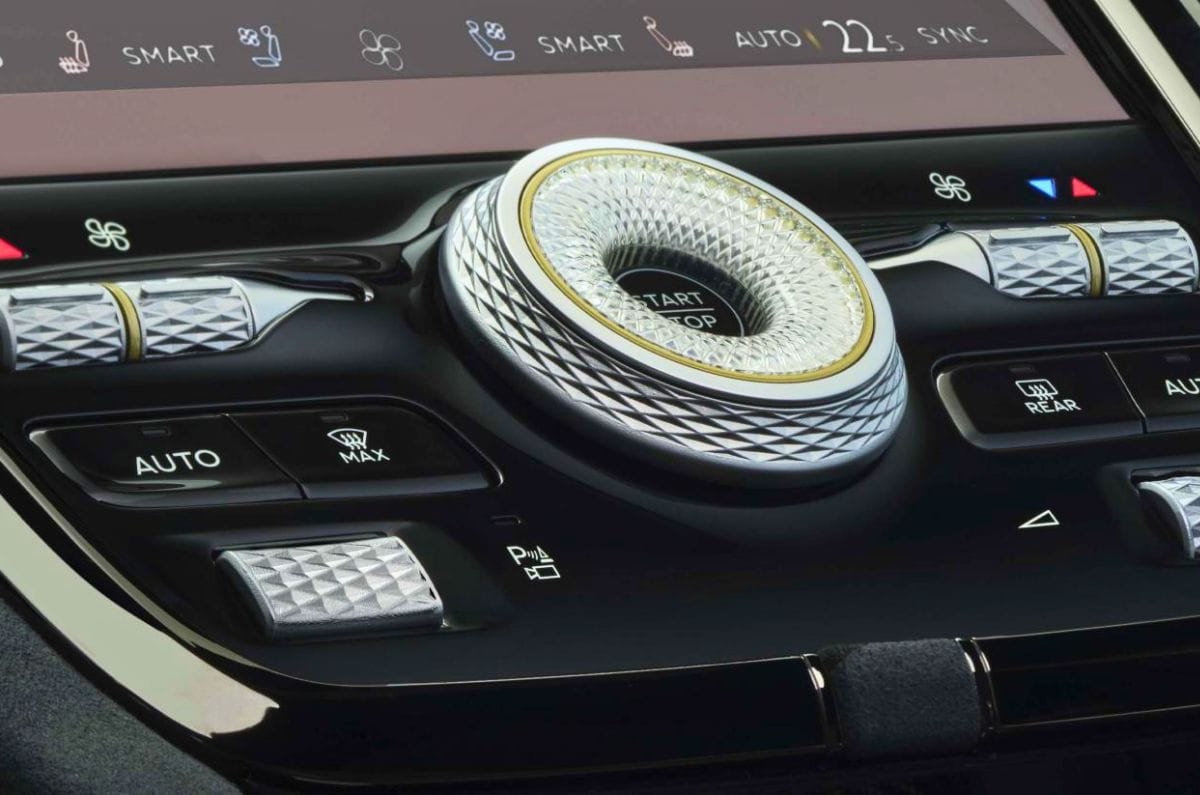
The teaser video also reveals a curved climate control panel on the centre console, which could be integrated with the infotainment system, like on the Porsche Cayenne Electric. Beneath the screen are a slew of physical controls for AC, volume and starting/stopping the EV. In fact, the temperature, blower control buttons and volume scroller are not only finished in silver for added contrast but also textured.

Another standout feature is the illuminated rotary dial surrounding the push-button start/stop. This control operates the ‘Curation Engine’, tailoring the EV’s character through four drive modes: Bentley, Comfort, Sport, and Refresh. Each mode goes beyond adjusting the vehicle’s driving dynamics, also transforming the cabin atmosphere by altering the lighting, soundscape, and even air quality for a distinct sensory experience for the user.

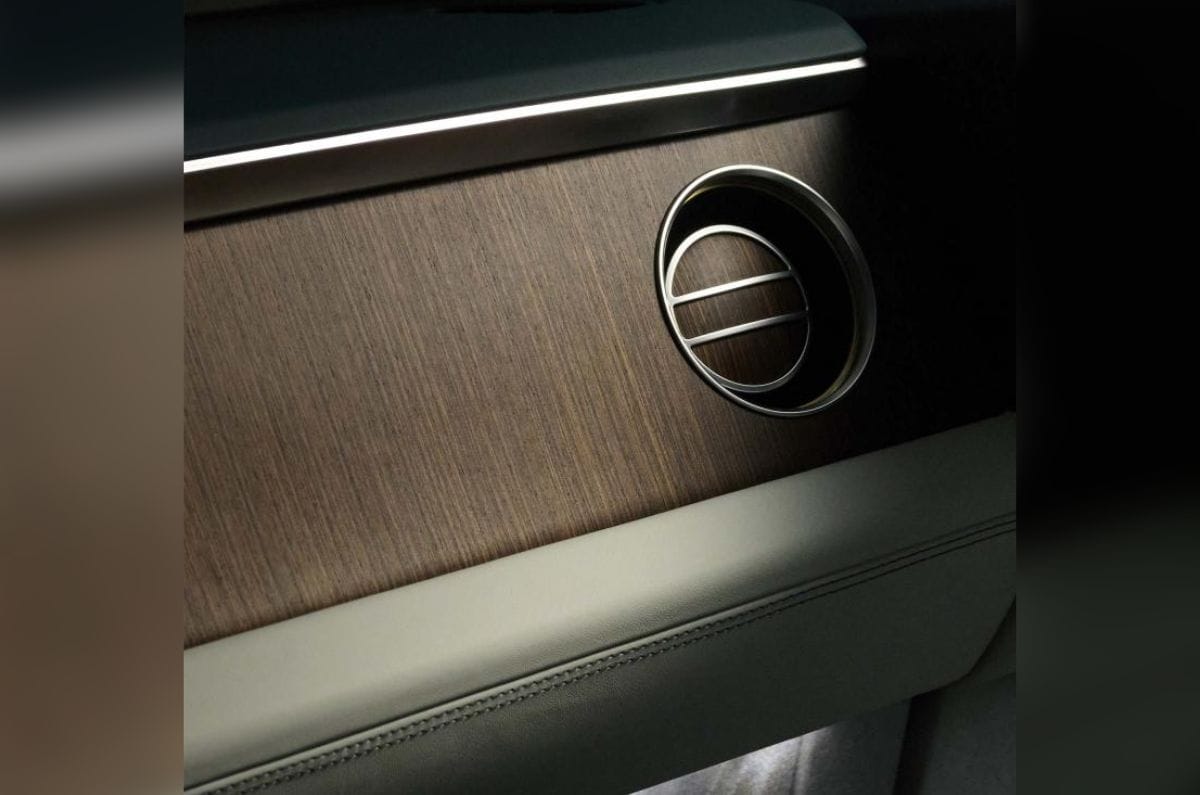
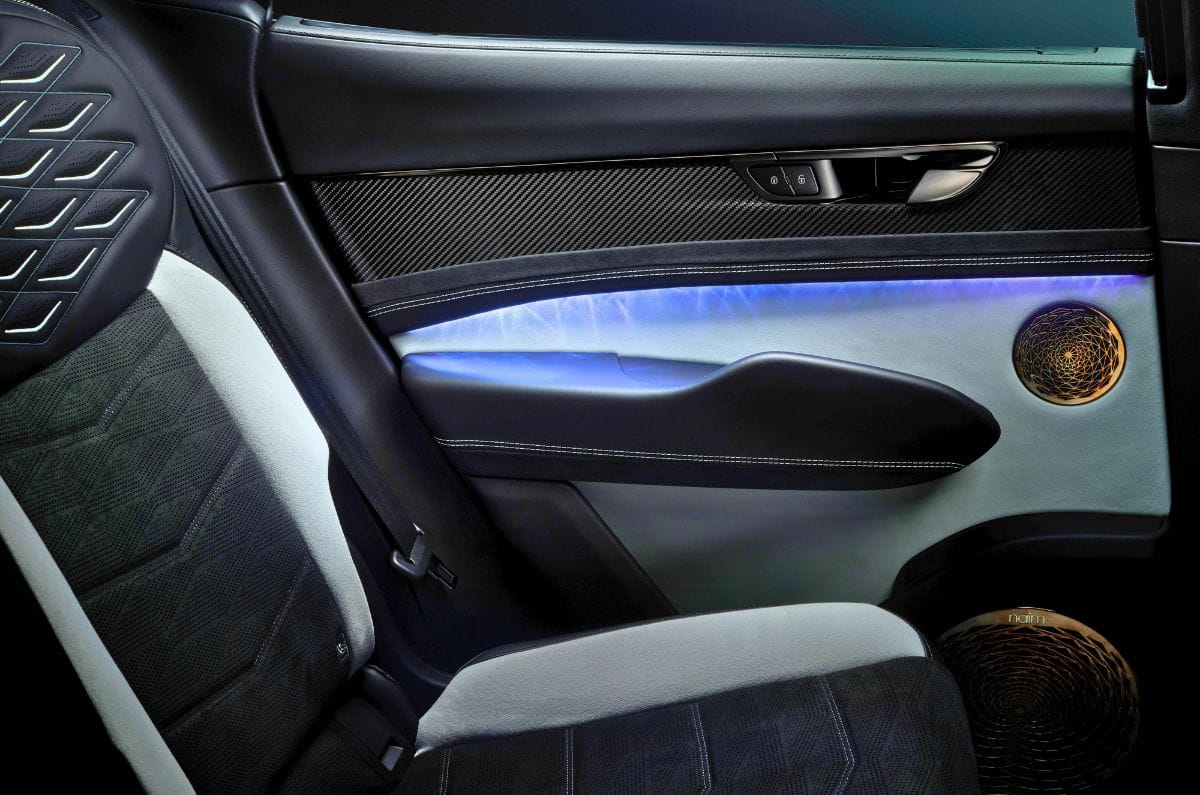
Other bits seen on the teaser include winged seat headrests, light-coloured seat upholstery with embroidered Bentley logos, a mix of fabric, carbon-fibre and leather materials on the door pads with ambient lighting, and carbon-fibre and wooden trims on the dashboard. Physical buttons for locking and unlocking the doors, circular speakers and circular AC vents can also be spotted. 

Bentley Torcal EV: Other details

Built on the PPE platform; will get a 113kWh battery pack with around 500km range

The Bentley Torcal EV shares its underpinnings with the Volkswagen Group’s PPE platform. The Bentley EV will not only share the platform with the Porsche Cayenne Electric, but will also use its 113kWh battery supporting up to 390kW DC fast-charging speeds. Commenting on the Torcal’s range, Bentley’s director of design, Robin Page, previously told our sister publication Autocar UK that “customers are basically telling us that 300-350 miles (483-563km) is that sweet spot”. 

The Bentley Torcal is expected to be offered with a dual-motor all-wheel-drive setup as standard. However, it will be interesting to see whether it matches the Cayenne Electric Turbo’s total output of 1,156hp and 1,500Nm. 

अगले महीने की इस तारीख को होगा भारत बनाम पाकिस्तान का मुकाबला

एशियन क्रिकेट काउंसिल ने गुरुवार को घोषणा की कि 2026 महिला एशिया कप का मुख्य मुकाबला भारत और पाकिस्तान के बीच पांच सितंबर को दुबई अंतरराष्ट्रीय क्रिकेट स्टेडियम में खेला जाएगा। टूर्नामेंट की शुरुआत 28 अगस्त को थाईलैंड और हांगकांग के बीच मैच से होगी। यह महिला एशिया कप का छठा संस्करण होगा जो टी-20 प्रारूप में खेला जाएगा।

आठ टीमों को दो ग्रुप में बांटा गया है; ग्रुप ए में भारत और पाकिस्तान के साथ थाईलैंड, हांगकांग और चीन शामिल हैं, जबकि ग्रुप बी में श्रीलंका, बंगलादेश, यूएई और इंडोनेशिया हैं। टूर्नामेंट का पहला मैच थाईलैंड और हांगकांग के बीच खेला जाएगा।हर ग्रुप की टॉप दो टीमें सेमीफाइनल के लिए क्वालीफाई करेंगी और फाइनल 13 सितंबर को खेला जाएगा। सभी मैच दुबई अंतरराष्ट्रीय स्टेडियम में फ्लडलाइट्स की रोशनी में खेले जाएंगे।

टी-20 प्रारुप में भारत का पलड़ा पाकिस्तान पर हमेशा भारी रहा है। टीम ने कुल 16 मुकाबलों में से 13 मैचों में जीत हासिल की है। हाल में हुए टी-20 विश्वकप मैच में भी भारत ने पाकिस्तान को 60 रनों से बड़ी हार थमाई थी। इसका कारण है पॉवर हिटिंग और स्पिन गेंदबाज जिसका तोड़ सालों साल पाकिस्तान भारत के खिलाफ नहीं निकाल पाया है।पाकिस्तान ने अंतिम बार भारत को इस प्रारुप में साल 2016 के टी-20 विश्वकप में हराया था।

New Bajaj Pulsar 150 leaked before launch

New Pulsar 150 at dealership

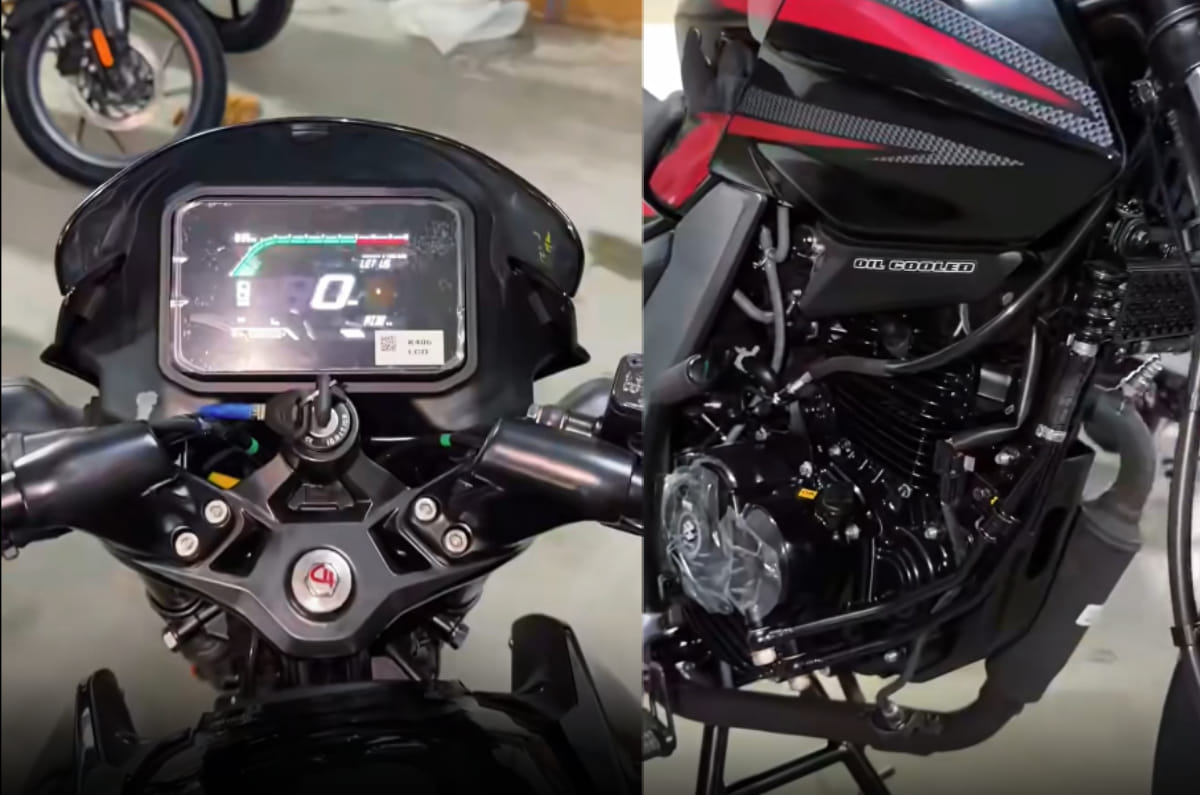
It’s no secret that Bajaj is working on multiple product launches over the next few months. We know the updated Pulsar N160 will launch on August 12, while the all-new Pulsar 125 was also spotted at a dealership earlier this week. Now, the new Bajaj Pulsar 150, too, has been spotted at a dealership, giving a production-ready look at the motorcycle ahead of its expected launch in the near future.

  1. Gets a new air- and oil-cooled engine
  2. Features a new single-downtube frame with monoshock rear suspension

All-new Bajaj Pulsar 150 details

Shares design DNA and platform with the all-new Pulsar 125

The new Pulsar 150 sits on an entirely new platform with a single-downtube frame like the one seen on the all-new Pulsar 125 earlier this week. This replaces the older architecture that has underpinned the Classic Pulsar range for years. Suspension comprises a telescopic fork at the front and a preload-adjustable monoshock at the rear, again mirroring the new Pulsar 125’s setup and marking an upgrade over the outgoing model’s twin-shock arrangement.

More notably, Bajaj has also made a significant change to the engine. The outgoing Pulsar 150 uses an air-cooled motor, but the new unit adds oil cooling. Improved thermal management could also allow Bajaj to extract more performance from the engine, but official output figures are yet to be revealed. For reference, the current Pulsar 150 is powered by a 149.5cc single-cylinder air-cooled engine producing 14hp and 13.3Nm of torque.

Even design-wise, the bike adopts several styling cues from the new Pulsar 125, including a redesigned headlight cowl, the familiar muscular fuel tank with extensions and a sleeker tail section featuring the signature twin LED tail-lights. The updated colour LCD instrument cluster also appears to have been carried over.

Bajaj has scheduled an event for August 12, and we’ve learnt that the updated Pulsar N160 will be among the launches. There is still no official word on whether the all-new Pulsar 125 and Pulsar 150 will also debut at the event. However, given that the new Pulsar 150 has already started reaching dealerships, a launch appears to be just around the corner.

Image source: Akram Saifullah

Ather Konarc spotted testing

Ather Konarc test mule

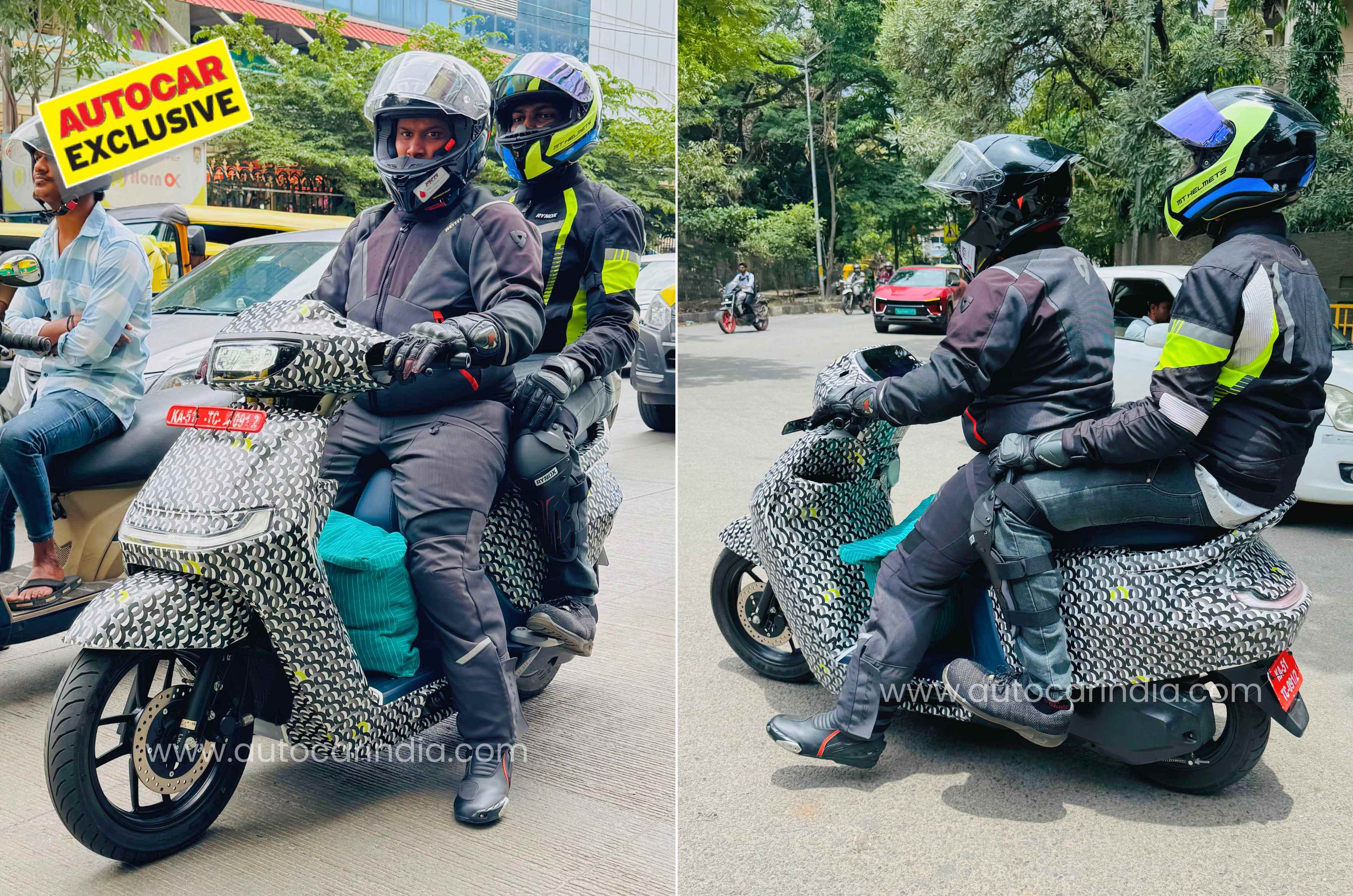
Just yesterday, we learnt that Ather’s upcoming electric scooter will be called the Konarc. Now, the scooter has been spotted testing in Bengaluru ahead of its official launch on August 29.

  1. Ather Konarc launch on August 29
  2. Scooter to feature a swingarm-mounted motor
  3. Will rival TVS iQube and Bajaj Chetak

Ather Konarc: What we can expect

New platform promises easier servicing and longer service intervals

As we’ve learnt from previous sightings of the upcoming scooter, including the assembly line image shared by CEO Tarun Mehta, the latest spy shots once again confirm that the Konarc’s design closely follows the EL01 concept that Ather showcased at Community Day 2025.

The scooter features a handlebar-mounted headlight and a wide LED daytime running light (DRL) on the front apron, giving it a more conventional scooter look compared to the sharper, more angular 450 range. The images also confirm that the Konarc gets an all-new fully digital instrument cluster, but we’ll have to wait until the end of the month to see what features it will offer. That said, Ather has built a reputation for impressive tech, so we’d expect the Konarc to continue that trend.

We also know that the scooter will feature a 14-inch front wheel and a 12-inch rear wheel, with a front disc brake and rear drum brake. The test mule further confirms the use of a swingarm-mounted motor, although its specifications are yet to be revealed. Lastly, the images show that the scooter could comfortably accommodate two adults and features a spacious floorboard.

Expected to be priced in the range of Rs 1 lakh to Rs 1.25 lakh, the Konarc will slot below the Rizta as Ather’s most affordable scooter. At that price point, it will take on the entry-level variants of the TVS iQube and Bajaj Chetak, which currently lead the electric scooter sales charts in India.

23731 करोड़ की गोबरधन स्कीम को मिली मंजूरी, जानिए इससे किसानों के लिए इनकम के कौन-कौन से नए रास्ते खुलेंगे

GOBARdhan Scheme Explained: प्रधानमंत्री नरेंद्र मोदी की अध्यक्षता में केंद्रीय मंत्रिमंडल ने कंप्रेस्ड बायोगैस (CBG) के लिए भारत की नेशनल यूनिफाइड स्कीम गोबरधन (GOBARdhan – National Circular Bioenergy Scheme) को हरी झंडी दे दी है। सरकार ने इस ऐतिहासिक राष्ट्रीय योजना के लिए 23731 करोड़ रुपये का बजट मंजूर किया है। इसका मुख्य उद्देश्य देश में जैविक संसाधनों यानी पराली, गोबर और दूसरे कचरे को साफ-सुथरी ऊर्जा, ग्रामीण समृद्धि और आर्थिक विकास में बदलना है। इस योजना को वित्त वर्ष 2026-27 से वित्त वर्ष 2035-36 तक लागू किया जाएगा। योजनी के माध्यम से ग्रामीण इलाके के कचरे को ही भारत की तरक्की का ईंधन बनाने की तैयार है। सरकार की कोशिश रहेगी कि इस स्कीम से गांव क्लीन एनर्जी प्रोडकेशन के केंद्र बनेंगे और देश की ऊर्जा सुरक्षा में सीधे भागीदार बनेंगे।

किसानों की आमदनी के खुलेंगे कई नए रास्ते

गोवर्धन योजना देश के किसानों और ग्रामीण अर्थव्यवस्था के लिए कमाई के नए मौके लेकर आएगी। अक्सर किसानों के लिए सिरदर्द बनने वाली पराली (फसल अवशेष) और मवेशियों का गोबर अब उनकी अतिरिक्त कमाई का जरिया बनेंगे। इस योजना के माध्यम से किसान, ग्रामीण उद्यमी और सहकारी समितियां (कोऑपरेटिव्स) कचरा और बायोमास जुटाने का काम करके अच्छी इनकम कर सकेंगे। इसके अलावा सीबीजी प्लांट में गैस बनने के बाद निकलने वाली जैविक खाद के उत्पादन और बिक्री से भी किसानों को बड़ा फायदा होगा। इससे न सिर्फ केमिकल फर्टिलाइजर्स पर उनकी निर्भरता और खेती की लागत घटेगी बल्कि जैविक खाद बेचकर कमाई का एक नया रास्ता भी खुलेगा।

सीबीजी उत्पादन में 10 गुना तक होगी बढ़ोतरी

सरकार की इस पहल का लक्ष्य देश में घरेलू स्तर पर CBG के उत्पादन को करीब 10 गुना तक बढ़ाना है। इससे भारत की आयातित फॉसिल फ्यूल (पेट्रोल-डीजल और गैस) पर निर्भरता कम होगी और ऊर्जा सुरक्षा बेहद मजबूत होगी। केमिकली सीबीजी पूरी तरह से प्राकृतिक गैस जैसी होती है और इसे मौजूदा गैस पाइपलाइन नेटवर्क में आसानी से मिलाया जा सकता है। यह योजना पूरे सीबीजी सेक्टर को एक राष्ट्रीय स्तर पर ले जाने के लिए तैयार की गई है।

गोवर्धन योजना के 6 मेन ग्रोथ इंजन क्या हैं?

योजना को सुचारू और सफल बनाने के लिए सरकार ने छह मेन ग्रोथ इंजन निर्धारित किए हैं-

1 – निश्चित सीबीजी खरीद की गारंटी: उत्पादकों को अपनी तैयार गैस बेचने में कोई दिक्कत न आए इसके लिए सिटी गैस डिस्ट्रीब्यूशन (CGD) कंपनियों के माध्यम से खरीद तय की गई है। सीएनजी और पीएनजी में सीबीजी मिलावट का लक्ष्य 2026-27 में 3 प्रतिशत, 2027-28 में 4 प्रतिशत और 2028-29 से 5 प्रतिशत रखा गया है।

2 – स्टेबल प्राइसिंग प्रेमवर्क: सीबीजी उत्पादकों को आर्थिक स्थिरता देने के लिए 2110 रुपये प्रति MMBTU की दर से एक स्थिर मूल्य तय किया गया है। यह कम से कम 10 साल के लिए फिक्स रहेगा। इससे उत्पादकों को लंबे समय तक बेहतर कमाई की गारंटी मिलेगी।

3 – कैपिटल असिस्टेंस: नए सीबीजी प्रोजेक्ट्स को हर दिन 1 टन क्षमता (1 TPD) पर 2 करोड़ रुपये तक की सरकारी मदद दी जाएगी। यह मदद प्लांट की मशीनों के अलावा बायोमास इकट्ठा करने और जैविक खाद बनाने से जुड़े उपकरणों के लिए भी मिलेगी।

4 – पाइपलाइन इंफ्रास्ट्रक्चर का विकास: सीबीजी प्लांटों को मुख्य गैस पाइपलाइनों और सिटी गैस नेटवर्क से जोड़ने के लिए इंफ्रास्ट्रक्चर तैयार किया जाएगा। इससे ट्रांसपोर्टेशन का खर्च घटेगा और बिक्री आसान होगी।

5 – क्रेडिट गारंटी सपोर्ट: एमएसएमई, महिला उद्यमियों और नए डेवलपर्स को बैंकों से आसानी से सस्ता लोन दिलाने के लिए एक विशेष क्रेडिट गारंटी मैकेनिज्म बनाया गया है।

6- इकोसिस्टम चैलेंज फंड: जिला स्तर पर योजना को बेहतर ढंग से लागू करने, कचरा इकट्ठा करने के इंफ्रास्ट्रक्चर को मजबूत करने और नई तकनीक को अपनाने के लिए यह फंड बनाया गया है।

पर्यावरण संरक्षण और आत्मनिर्भर भारत की ओर कदम

पिछले कुछ सालों में सतत (SATAT) पहल और दूसरी योजनाओं के तहत देश में 200 से अधिक सीबीजी प्लांट स्थापित किए जा चुके हैं। अब नई यूनिफाइड ‘गोवर्धन’ योजना पेट्रोलियम और प्राकृतिक गैस मंत्रालय द्वारा संचालित की जाएगी। इससे फैसले जल्दी होंगे और निवेशकों का भरोसा बढ़ेगा। यह योजना वैज्ञानिक तरीके से कचरा प्रबंधन करके ग्रीनहाउस गैसों के उत्सर्जन को कम करेगी। सरकार का दावा है कि कृषि अवशेषों, गोबर और नगरपालिका के जैविक कचरे का सही इस्तेमाल करके यह योजना वेस्ट-टू-वेल्थ और आत्मनिर्भर भारत के सपने को साकार करने में अहम भूमिका निभाएगी

E3 Trion electric scooter launched at Rs 1 lakh

E3 Trion electric scooter launched at Rs 1 lakh

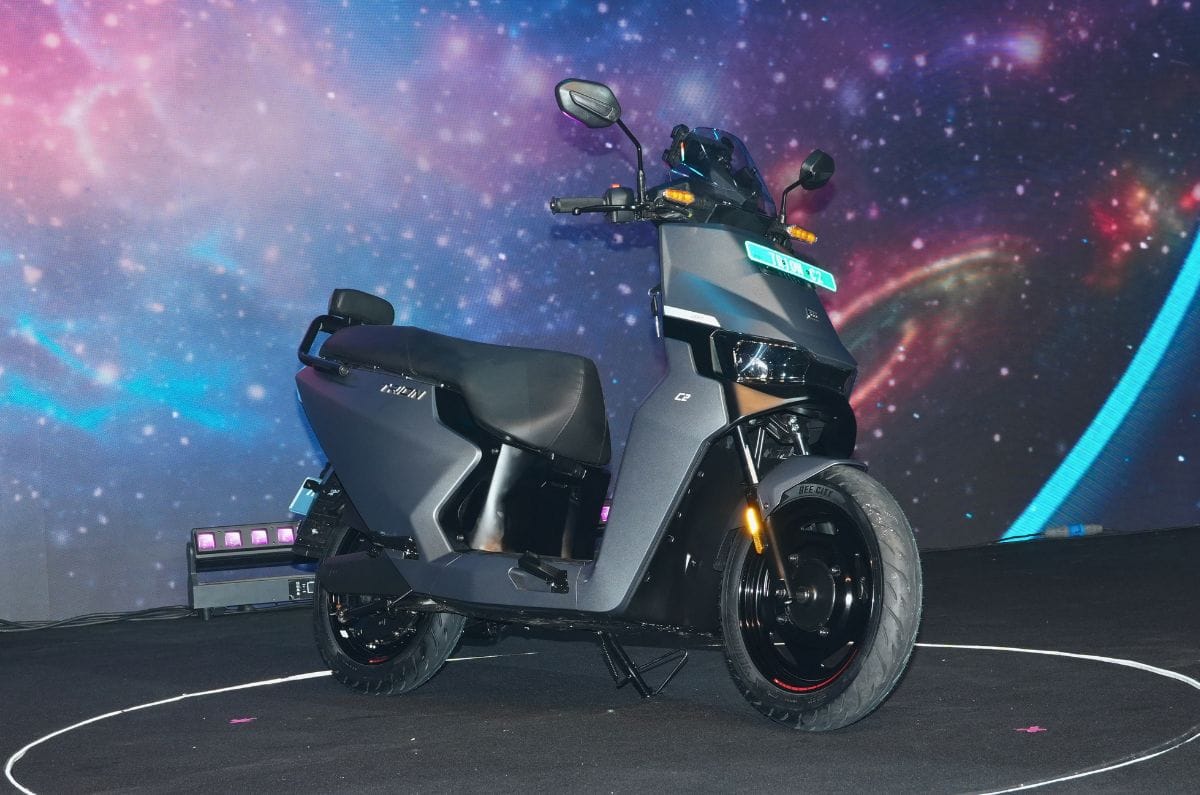
Bengaluru-based electric mobility startup E3 Electric.AI has launched its first electric scooter, the Trion, at an introductory price of Rs 1 lakh (ex-showroom, Bengaluru). The new electric scooter is available in three variants – C1, C1x and C2 – and the company is positioning AI-based predictive features and a modular platform as its key differentiators.

  1. Trion range starts at Rs 1 lakh
  2. Available with 2.3kWh and 3kWh LFP batteries
  3. Top-spec C2 has an 82kph claimed top speed

E3 Trion battery, range and performance

The C1x has a claimed IDC range of 165km

The entry-level Trion C1 uses a removable 2.3kWh LFP battery, while the C1x and C2 get larger, fixed 3kWh LFP units. All three variants use a PMSM hub motor, although E3 has yet to disclose detailed motor output figures.

E3 claims an IDC range of 165km for the C1x. The range figure for the C1 hasn’t been revealed yet. Meanwhile, the range-topping C2 has a claimed top speed of 82kph and can accelerate from 0-40kph in 6 seconds. The C1 and C1x have Eco and Power riding modes, while the C2 adds a Sport mode.

The Trion rides on 14-inch wheels, which are larger than those on most electric scooters currently on sale in India. E3 also says the scooter offers up to 52 litres of combined storage across its underseat compartment, floorboard and glovebox. However, just the underseat storage hasn’t been disclosed. 

E3 Trion features

Its connected suite includes predictive diagnostics, navigation and remote vehicle functions

E3 describes the Trion as India’s first AI-powered intelligent electric scooter. Central to this is what the company calls the E3 CommandCenter, which uses vehicle and cloud data to monitor the scooter and provide predictive diagnostics and service alerts.

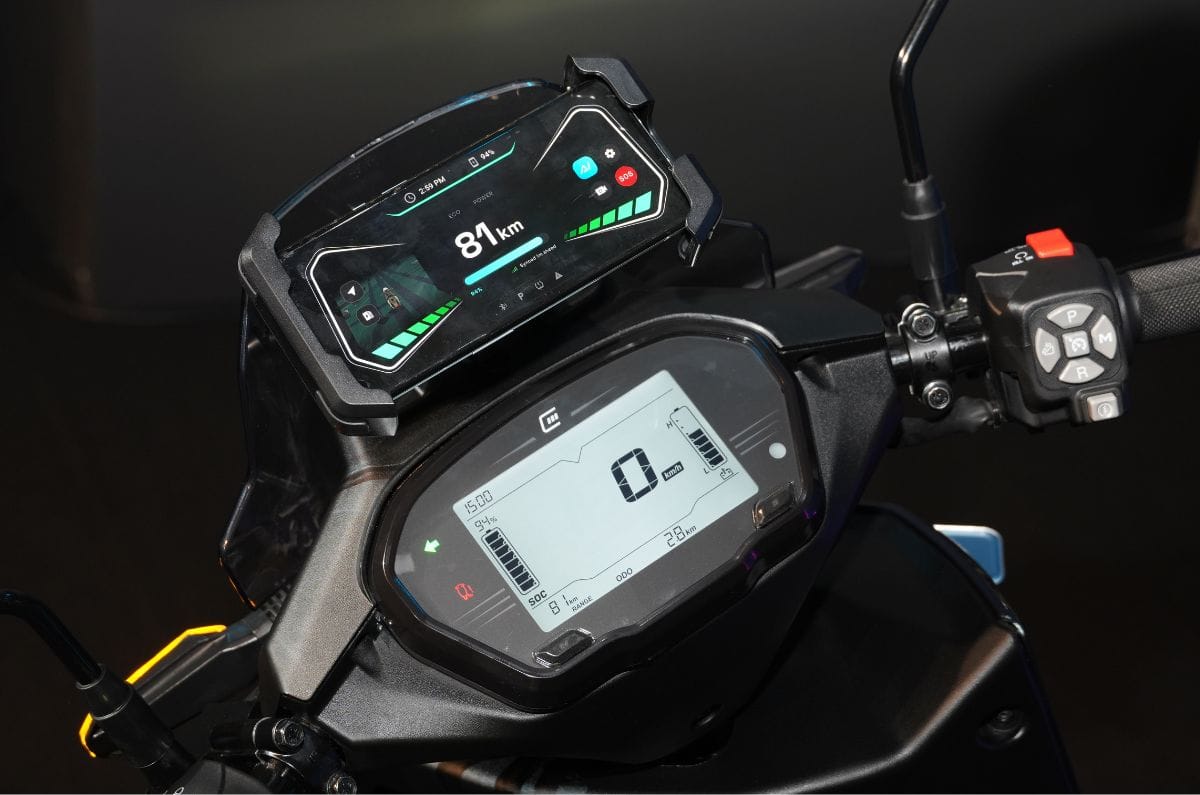
The scooter gets a 5-inch LCD display and connected functionality through the company’s TripSense system, which essentially uses the Rider’s smartphone as a secondary display to provide additional information. Features include navigation, a trip planner with charger locations, remote battery monitoring, vehicle controls, geofencing, SOS assistance and a dashcam. E3 also claims that its AI HealthScan feature can perform vehicle diagnostics in 10 seconds.

The battery system incorporates what E3 calls an AI Digital Twin, which is claimed to provide real-time diagnostics and predictive information about the battery. Both battery options use LFP chemistry.

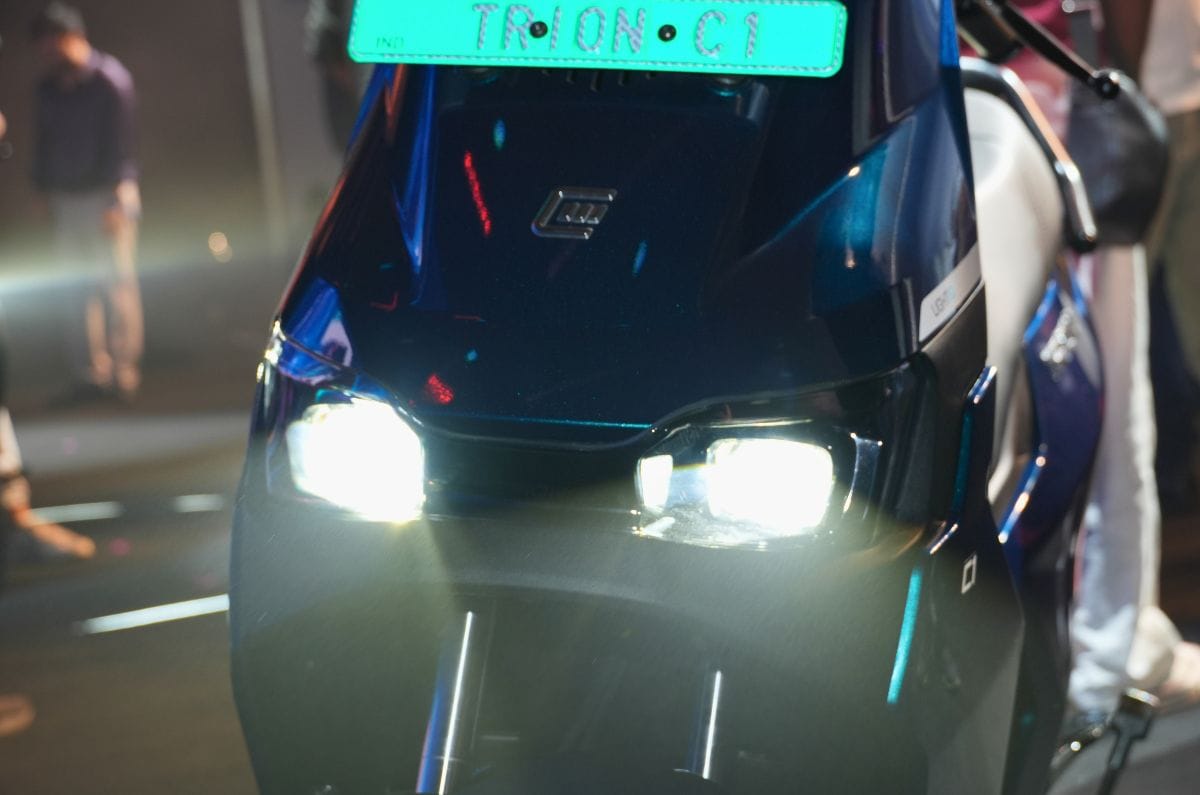
Other equipment includes dual-projector LED headlights, LED tail-lights and IP67-rated weather protection. The Trion is based on E3’s Triaxisframe modular architecture, which has been designed to accommodate different battery configurations and future derivatives.

E3 Trion price, variants and availability

Pre-bookings have opened in Bengaluru, with more markets to follow

The Trion is available in six colours: Solar Red, Misty Green, Graphite Grey, Nova Blue, Teal Blue and Luna White. Accessories include a backrest, helmet, phone holder and pillion footrest.

The E3 Trion C1 has been introduced at Rs 99,999, while the C1x costs Rs 1.10 lakh and the range-topping C2 is priced at Rs 1.20 lakh. All prices are introductory and ex-showroom, Bengaluru.

Pre-bookings have opened in Bengaluru, and E3 says other markets will follow. The company is also offering an extended warranty of up to eight years or 1 lakh kilometres.

बारिश से रद्द हुआ मैच और आयरलैंड को अब खेलना पड़ेगा ODI WC Qualifiers

अफ़ग़ानिस्तान के ख़िलाफ़ पहला ODI बारिश की भेंट चढ़ने के चलते आयरलैंड को अब अफ़्रीका में 2027 में होने वाले वनडे विश्व कप में प्रवेश पाने के लिए क्वालीफ़ायर टूर्नामेंट खेलना होगा। ब्रेडी में रद्द हुए मुक़़ाबले में टॉस भी नहीं हो पाया।

आयरलैंड इस समय पुरुष ODI रैंकिंग में 11वें स्थान पर है और उन्हें विश्व कप में सीधा प्रवेश पाने के लिए ज़िम्बाब्वे, वेस्टइंडीज़ और बांग्लादेश को पछाड़ना ज़रूरी था। हालांकि इसके लिए उन्हें 30 सितंबर की समयसीमा से पहले अफ़ग़ानिस्तान के ख़िलाफ़ 5-0 से क्लीन स्वीप करना था और उनके लिए यह भी ज़रूरी था कि वेस्टइंडीज़ भारत के ख़िलाफ़ दो ODI हारे।

आयरलैंड अब 10 टीमों वाले क्वालीफ़ायर टूर्नामेंट में हिस्सा लेगा जिसका विजेता विश्व कप में सीधा प्रवेश पाएगा। दूसरे, तीसरे और चौथे स्थान पर रहने वाली टीमें विश्व कप के पहले राउंड (सुपर सीरीज़) में खेलेंगी। इसमें शीर्ष पर रहने वाली टीम 12 टीम वाले मुख्य स्टेज में प्रवेश करेगी।

10 टीमों वाले क्वालीफ़ायर में यह टीमें शामिल होंगी: 30 सितंबर 2026 तक ODI रैंकिंग में अंतिम दो स्थान पर रहने वाले पूर्ण सदस्य देश ( मेज़बान साउथ अफ़्रीका और ज़िम्बाब्वे को छोड़कर), CWC लीग 2 से शीर्ष चार टीमें और विश्व कप क्वालीफ़ायर प्लेऑफ़ से शीर्ष चार टीमें। इस प्लेऑफ़ में CWC लीग 2 की अंतिम चार टीमें चैलेंज लीग की चार टीमों के साथ खेलेंगी। इसका प्रारूप तय किया जाना अभी बाक़ी है लेकिन आठ टीमों वाले इस प्लेऑफ़ की शीर्ष चार टीमें विश्व कप क्वालीफ़ायर में प्रवेश पाएंगी।

चैलेंज लीग में 12 टीमें खेलेंगी जिन्हें छह-छह के दो पूल में बांटा जाएगा और इस चक्र में हर टीम तीन राउंड-रॉबिन टूर्नामेंट खेलेंगी। दोनों पूल में शीर्ष दो पर रहने वाली टीमें विश्व कप क्वालीफ़ायर प्लेऑफ़ में प्रवेश करेंगी।