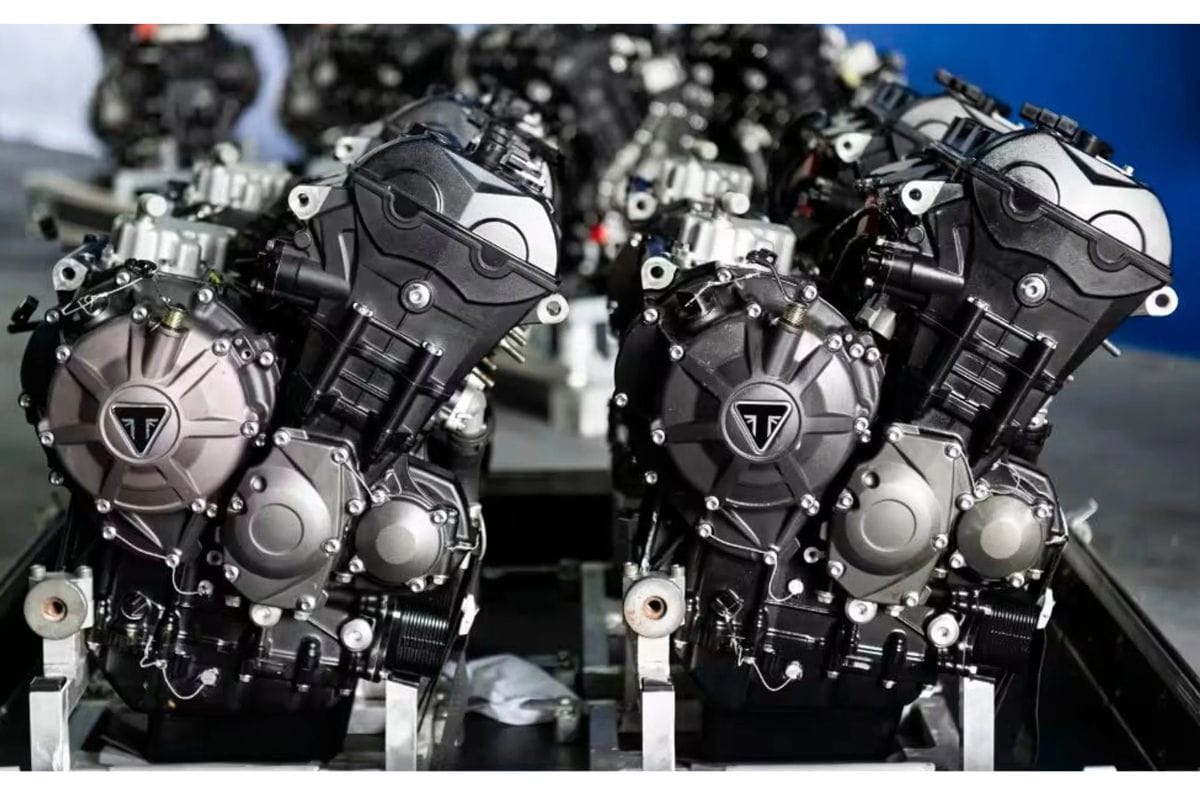
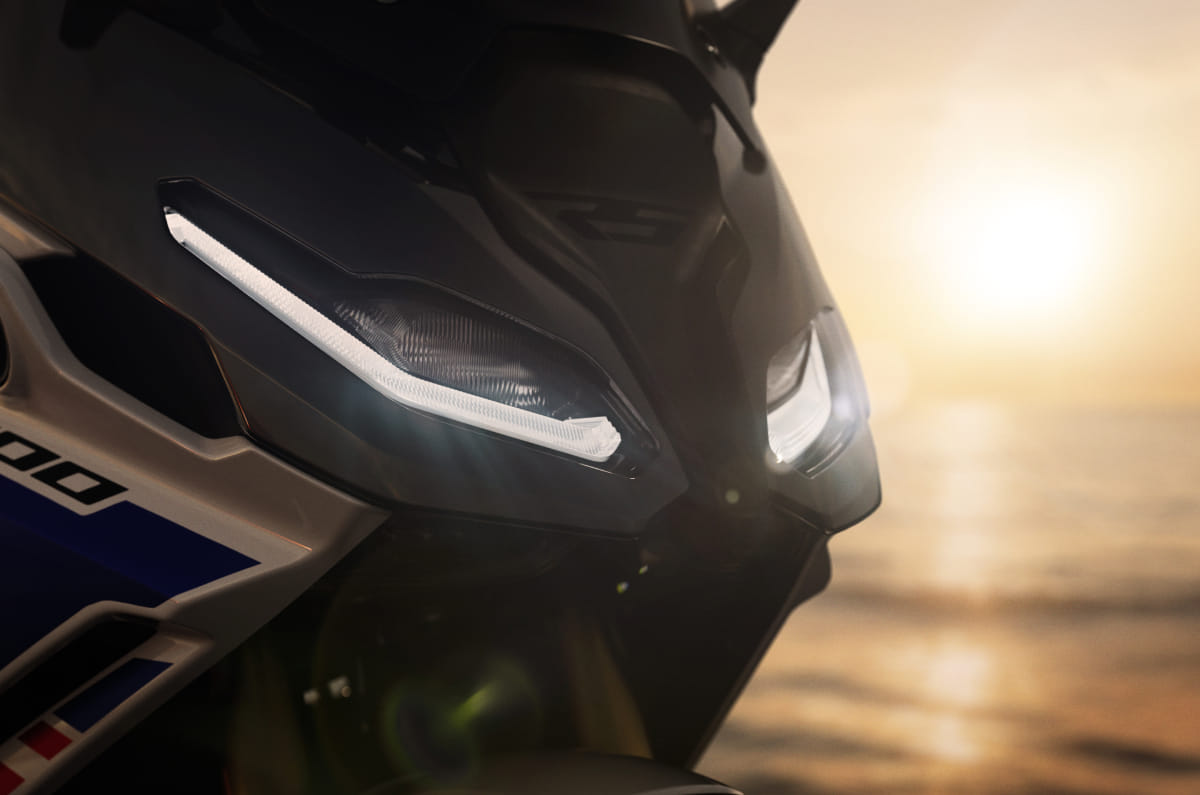
Triumph Motorcycles will introduce a new race engine for the Moto2 World Championship from 2027, with track testing scheduled to begin in the coming months. The new power unit is expected to deliver around 6 percent higher peak power than the current engine and will also bring a change in engine capacity.
Triumph has been the exclusive engine supplier for Moto2 since 2019
Based on data gathered from nearly two million kilometres of racing
This new engine focuses on increasing airflow into the cylinders
Triumph’s new Moto2 engine
This new engine is 2kg lighter and produces 6 percent more peak output
Triumph has been the exclusive engine supplier for Moto2 since 2019, when it replaced Honda. The new engine represents the most significant performance update to the Moto2 power unit since Triumph began supplying the championship.
The development has been based on data gathered from nearly two million kilometres of racing since 2019, along with feedback from Moto2 riders. The existing 765cc three-cylinder engine, derived from the Street Triple 765 RS, has received several updates over the years, including gearbox changes aimed at improving performance.
According to Triumph, the new engine focuses on increasing airflow into the cylinders. It features a redesigned cylinder head, a lower-inertia valvetrain, higher-flow ports and a new combustion chamber. These changes are intended to enable a higher compression ratio and increase torque across the rev range.
The crankcases and internal components have also been redesigned to handle the additional power and torque. Despite the performance increase, the revised engine is around 2kg lighter than the current unit.
The engine upgrade will also require Moto2 chassis manufacturers to develop new designs for the 2027 season. Changes will be required to the air-intake positioning and engine mounting points, among other areas.
Triumph said it has been working with chassis manufacturers for the past 12 months to provide the technical information required for the new engine. The power unit will be made available to Moto2 teams ahead of private testing, with its on-track debut planned for later this year.
Since Triumph became the Moto2 engine supplier, the championship has recorded close to 100 improvements in all-time and race lap records, according to the company.
Steve Sargent, Chief Product Officer, Triumph Motorcycles, said the new engine marks a step forward in the company’s partnership with MotoGP and builds on the development work carried out since 2019.
The new engine will make its competitive debut in the Moto2 World Championship in 2027 and could go on to power the future generation of the Triumph Street Triple as well.
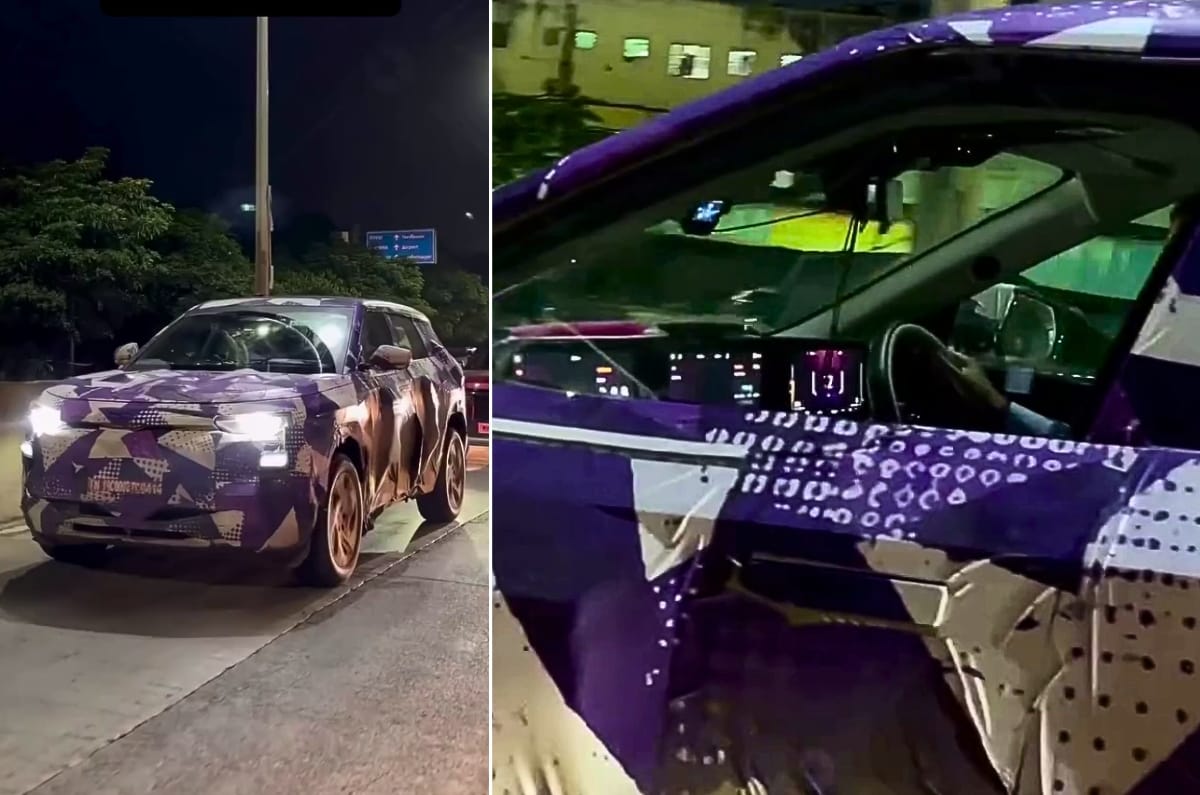
New spy shots of a Mahindra BE 07 test mule have given us the first glimpse of the upcoming electric SUV’s interior. Slated to hit the market in 2027, this SUV will be the production-spec version of the BE 07 concept, and will sit above the BE 6 as the second offering under Mahindra’s BE sub-brand.
Mahindra BE 07 interior details
Credit: CarDekho
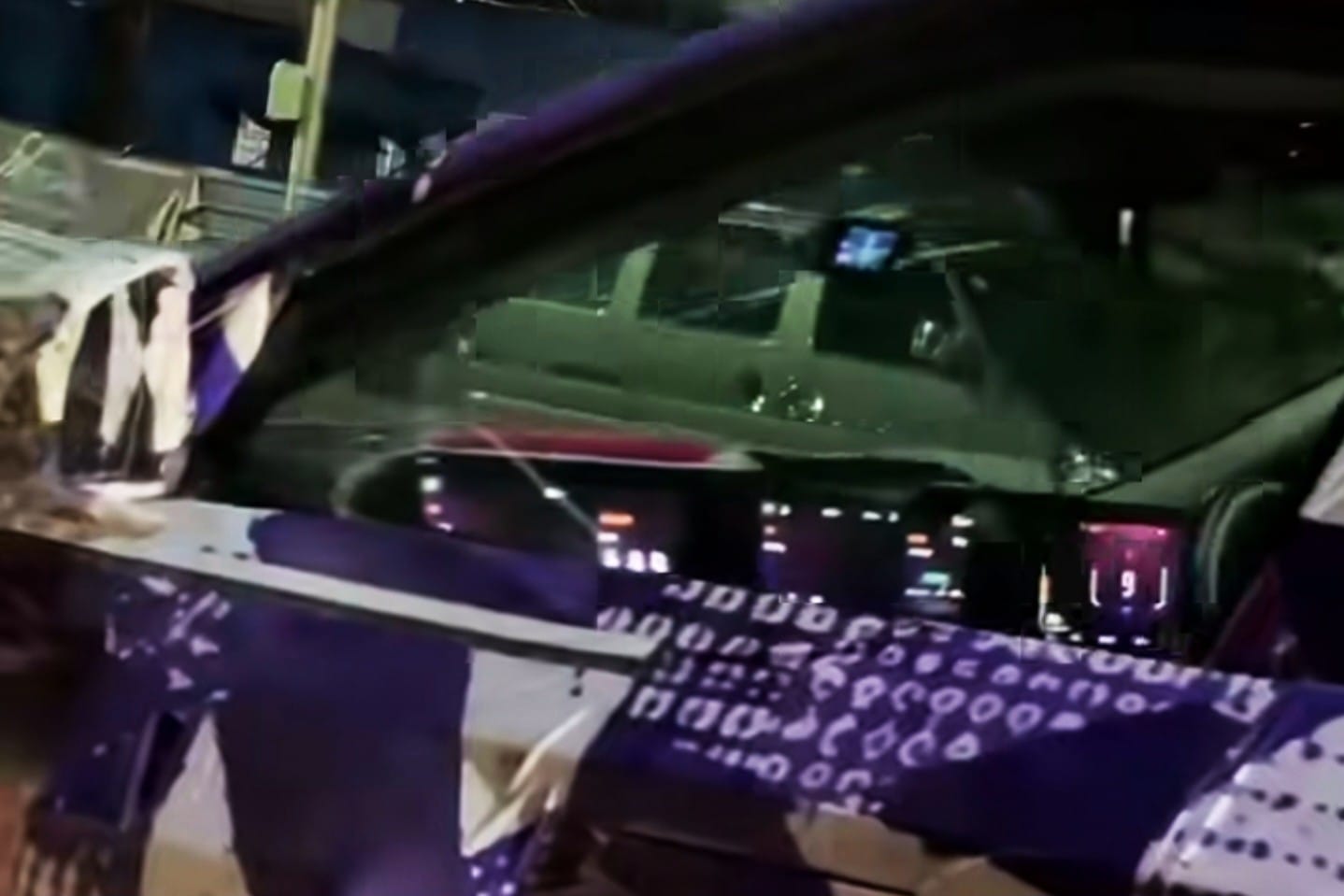
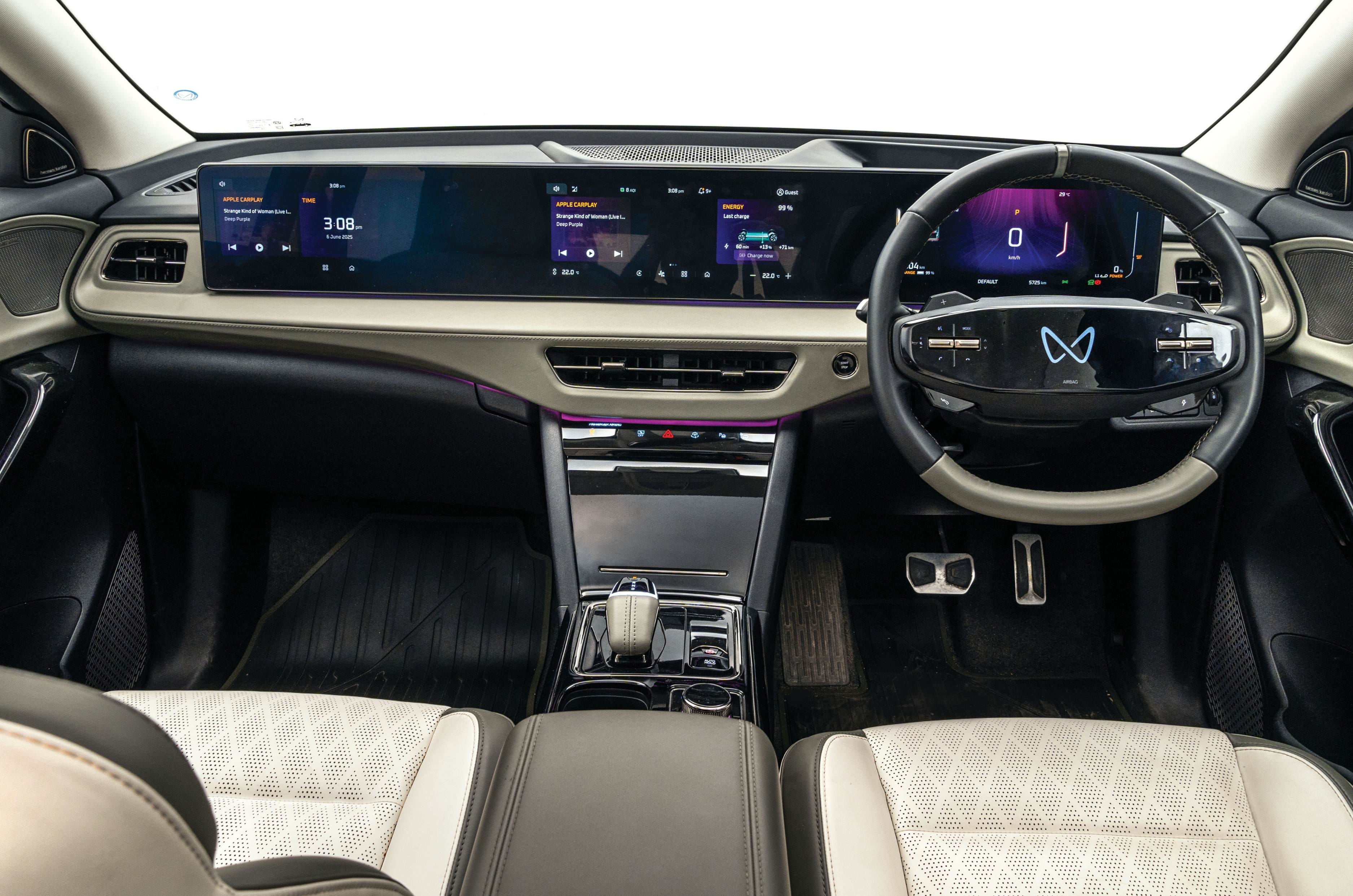
If this test mule is any indication, the production-spec BE 07 will mirror many of Mahindra’s newer models by hopping on the triple-screen bandwagon. A trio of large displays can clearly be seen in the spy shot, spanning the width of the dashboard. The Mahindra XEV 9e and XEV 9s offer similar setups, and a forthcoming updated version of the BE 6 will come with a triple-screen layout as well.
A small dashcam display is also visible on the BE 07’s windscreen, though it remains unclear whether it hints at a built-in unit or is specific to the prototype. For reference, the BE 6, XEV 9e, and XEV 9S feature a dashcam function that uses the 360-degree camera setup to record and save clips during emergency situations. However, continuous general-loop recording (like in a conventional dashcam) requires a USB storage device to be plugged in.
Mahindra XEV 9e interior. Image used for representation only.
Elsewhere, the production-spec BE 07’s cabin is likely to get a two-spoke steering wheel with the ‘butterfly’ Mahindra logo (used exclusively for the carmaker’s born-electric offerings), ambient lighting, a 5-seat configuration, and more.
Mahindra BE 07 battery and range
Credit: CarDekho
The BE 07 is expected to be underpinned by Mahindra’s INGLO platform and retain the BE 6’s 59kWh and 79kWh battery packs. Since the BE 07 will be larger than the BE 6, its range is likely to be lower than the MIDC-tested 548-683km that the latter claims. As for rivals, the BE 07 is expected to butt heads with the likes of the Tata Harrier EV, Vinfast VF7, and BYD Atto 3.
A new BMW M model appears to be in the works for 2027 with emissions filings with the US Environmental Protection Agency (EPA) and the California Air Resources Board (CARB) having independently certified a model listed as the BMW M 1000 RS. The nomenclature suggests that the upcoming model could be a sport-touring derivative of the M 1000 RR.
US EPA and CARB certifications independently confirm a 2027 BMW M 1000 RS
Expected to use the same 999cc inline-four as the M 1000 RR
Likely to feature a sport-touring setup
What to expect from the BMW M 1000 RS
Spy images have revealed that BMW is also likely working on an M 1300 GS
In both the EPA and CARB filings, the M 1000 RS appears alongside the M 1000 RR under the same emissions certification, suggesting it will share the same 999cc inline-four engine. The CARB data for the 2027 M 1000 RR points to the same 205hp at 13,000rpm and 113Nm as the current model.
What distinguishes the RS from the RR is likely to be its intent rather than its engine. BMW has traditionally used the ‘RS’ (Reise und Sport, German for ‘Travel and Sport’) suffix on its sport-touring motorcycles, such as the R 1300 RS, which uses a 1,300cc boxer twin. An M 1000 RS would therefore represent an entirely new product, becoming the first RS model to use an inline-four platform.
Currently, BMW’s global M motorcycle lineup comprises the M 1000 RR, M 1000 XR and M 1000 R, the last of which was recently launched in India at Rs 33.50 lakh. Spy images of what appears to be an M 1300 GS have also surfaced online in recent days, suggesting the M 1000 RS may not be the only all-new M model planned for 2027. BMW is also known to be developing the next-generation S 1000 RR, and a design patent for the motorcycle was filed in India last month.
BMW seems to have several major product unveilings in the pipeline, and with the emissions certifications covering the 2027 model year, an official reveal at EICMA this November appears likely.
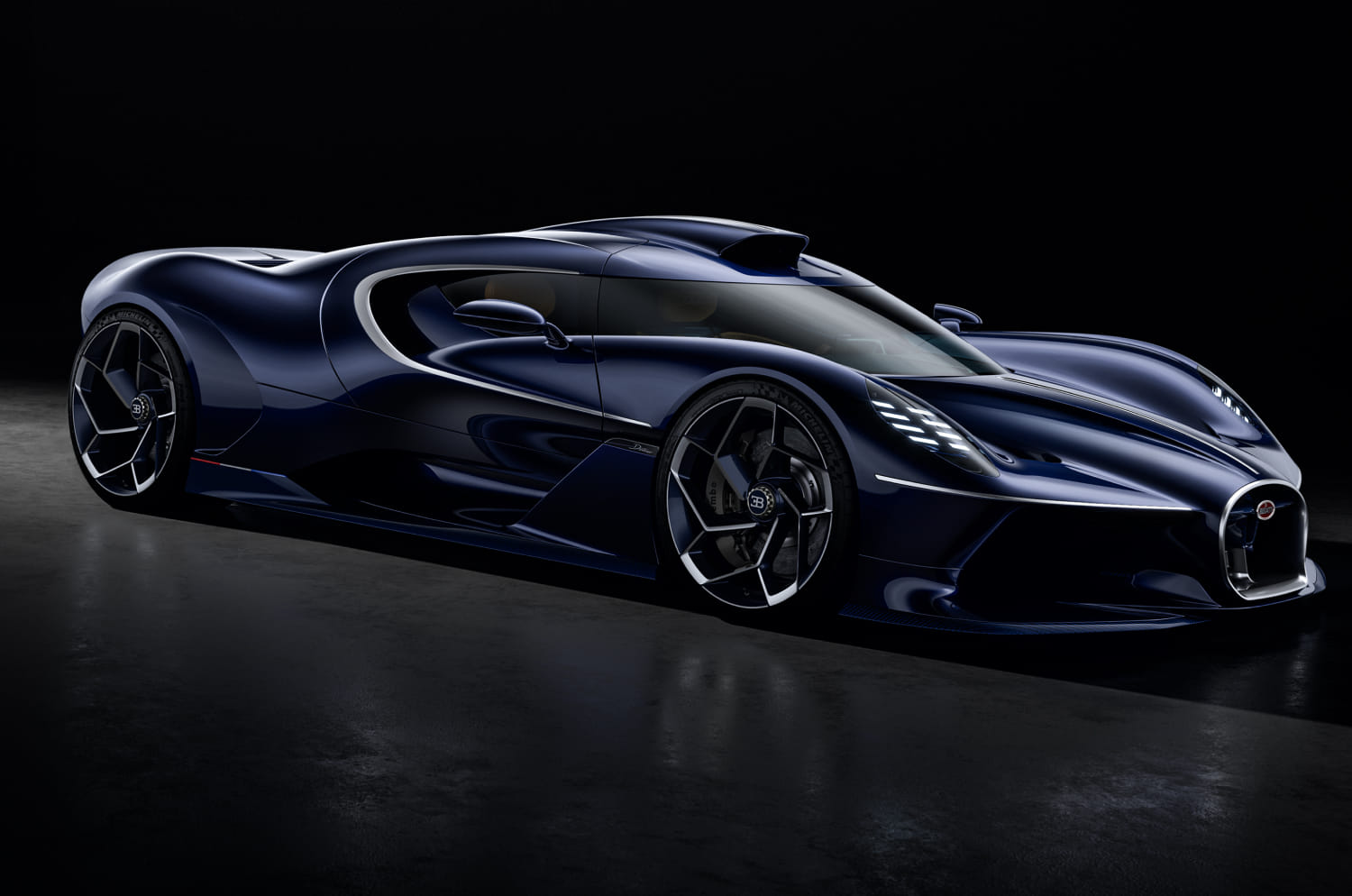
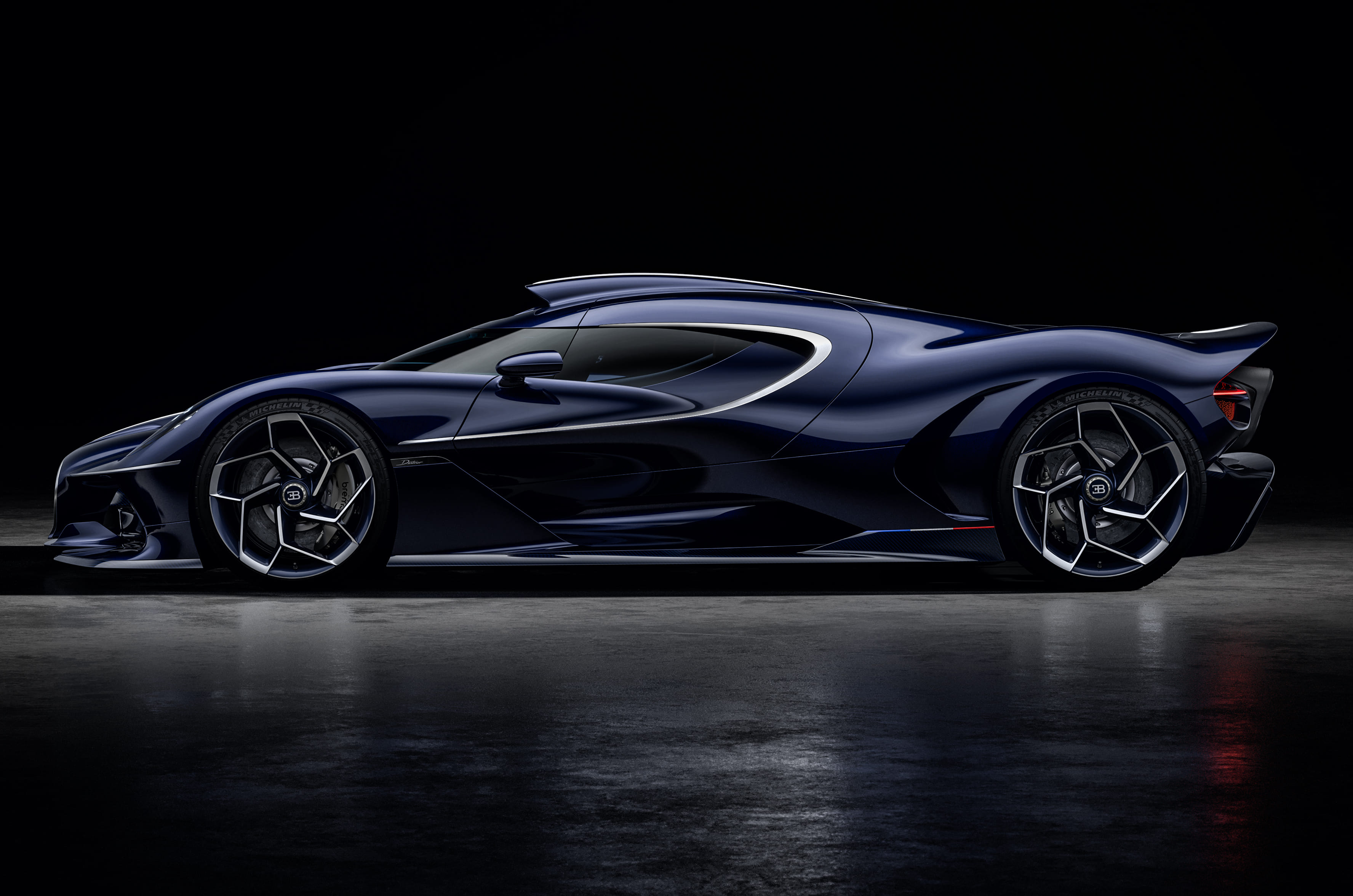
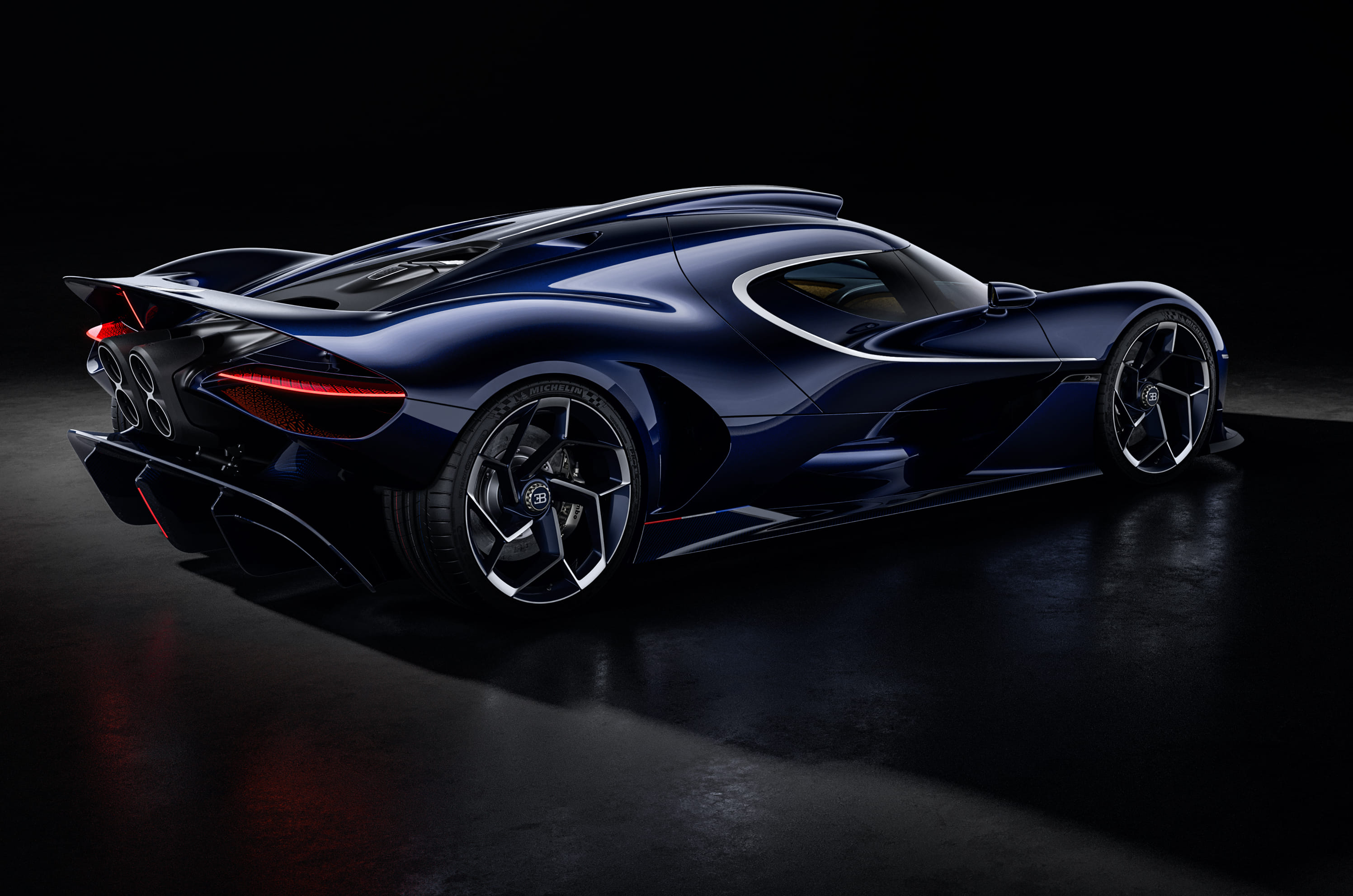
Bugatti has revealed the Destrier, a one-off hypercar created under its Programme Solitaire bespoke division. The third one-off commission after the Brouillard and F.K.P. Hommage, the Destrier is based on the track-only Bolide but adopts an all-new body inspired by the Buggati Type 57SC Atlantic, widely regarded as one of the most beautiful cars ever built. While it retains the Bolide’s W16 powertrain, the Destrier has been conceived as a design-led grand touring hypercar rather than one focused on outright lap times.
Based on the Bugatti Bolide’s carbon-fibre chassis
Retains the 1,600hp quad-turbo W16 engine
Third one-off created under Bugatti’s Programme Solitaire
Bugatti Destrier: exterior
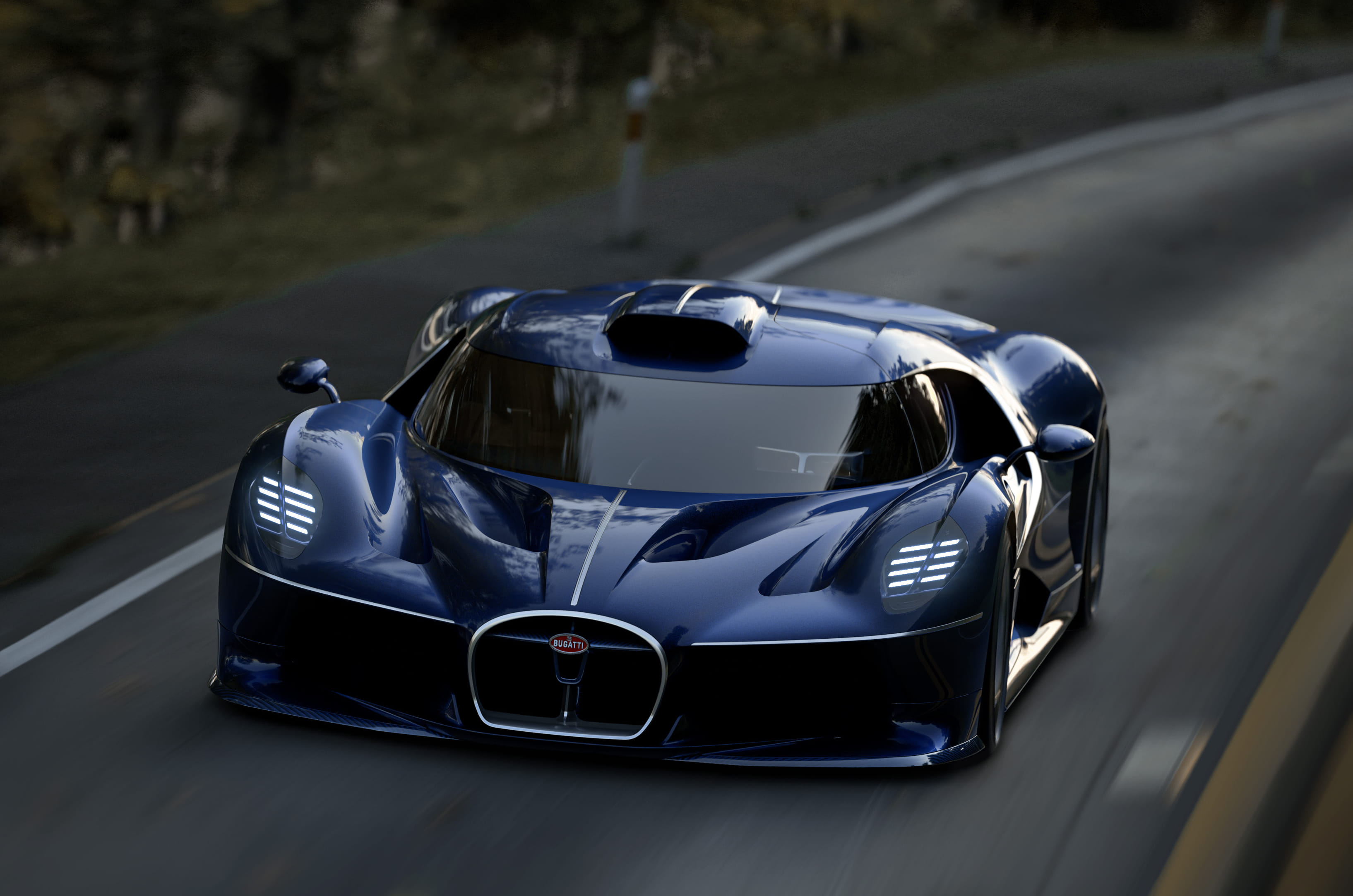
The Destrier shares its carbon-fibre monocoque with the Bolide but wears completely new bodywork. Inspired by the Type 57SC Atlantic, it features a cleaner, more sculpted design with fewer aerodynamic add-ons than its track-focused sibling. The signature Bugatti C-line has been reinterpreted, while redesigned lighting elements, a wider horseshoe grille, blended rear wing and pronounced rear haunches distinguish it from the Bolide.
Standing just 1 metre tall, the Destrier is the lowest Bugatti ever built. It rides on 20-inch front and 21-inch rear wheels, with the proportions intended to resemble those of a medieval war horse, from which the car takes its name. The one-off is finished in a bespoke Sapphire Celeste paint shade created exclusively for its owner, with polished aluminium trim and tinted exposed carbon-fibre accents.
Bugatti Destrier: interior
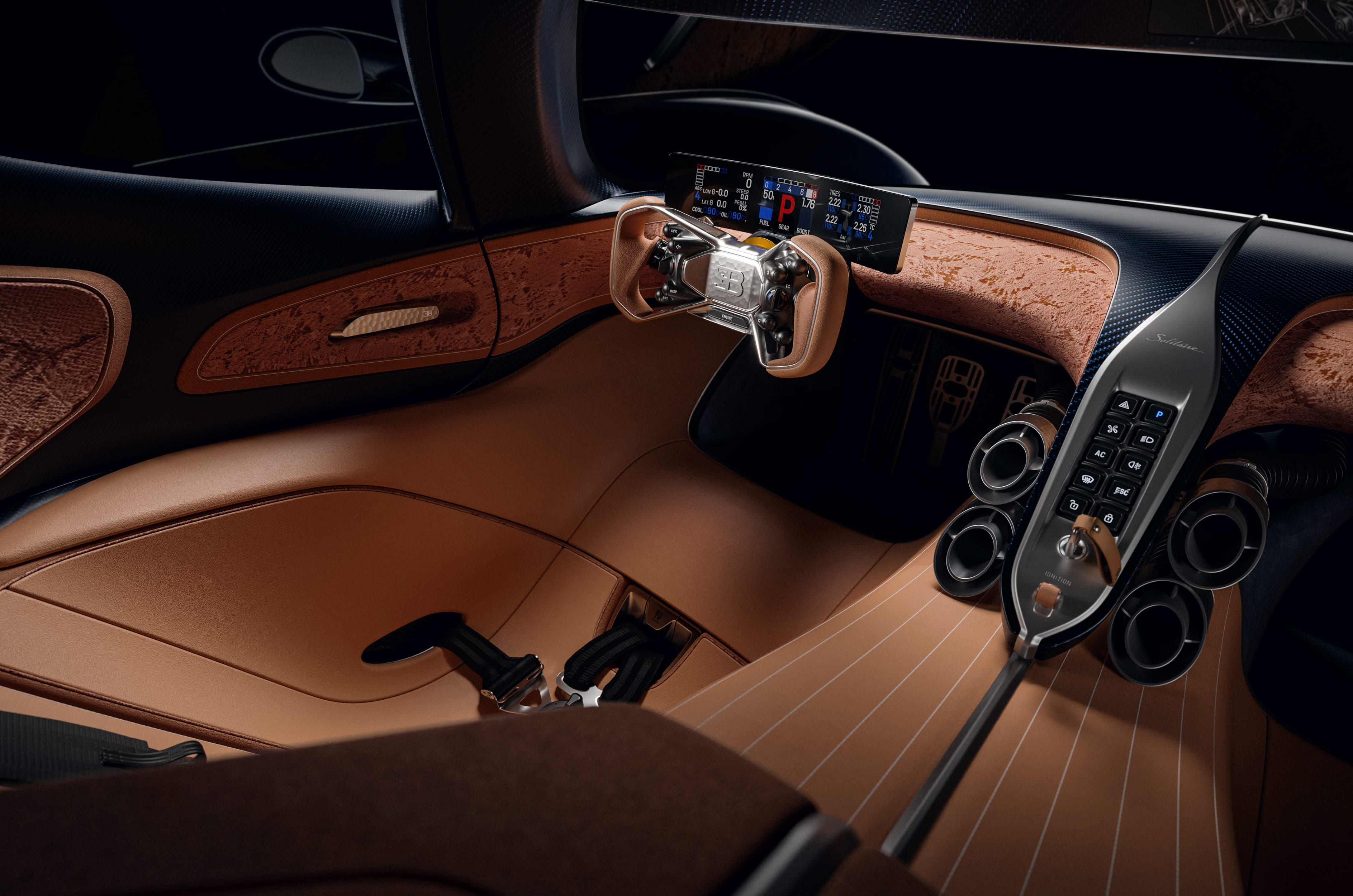
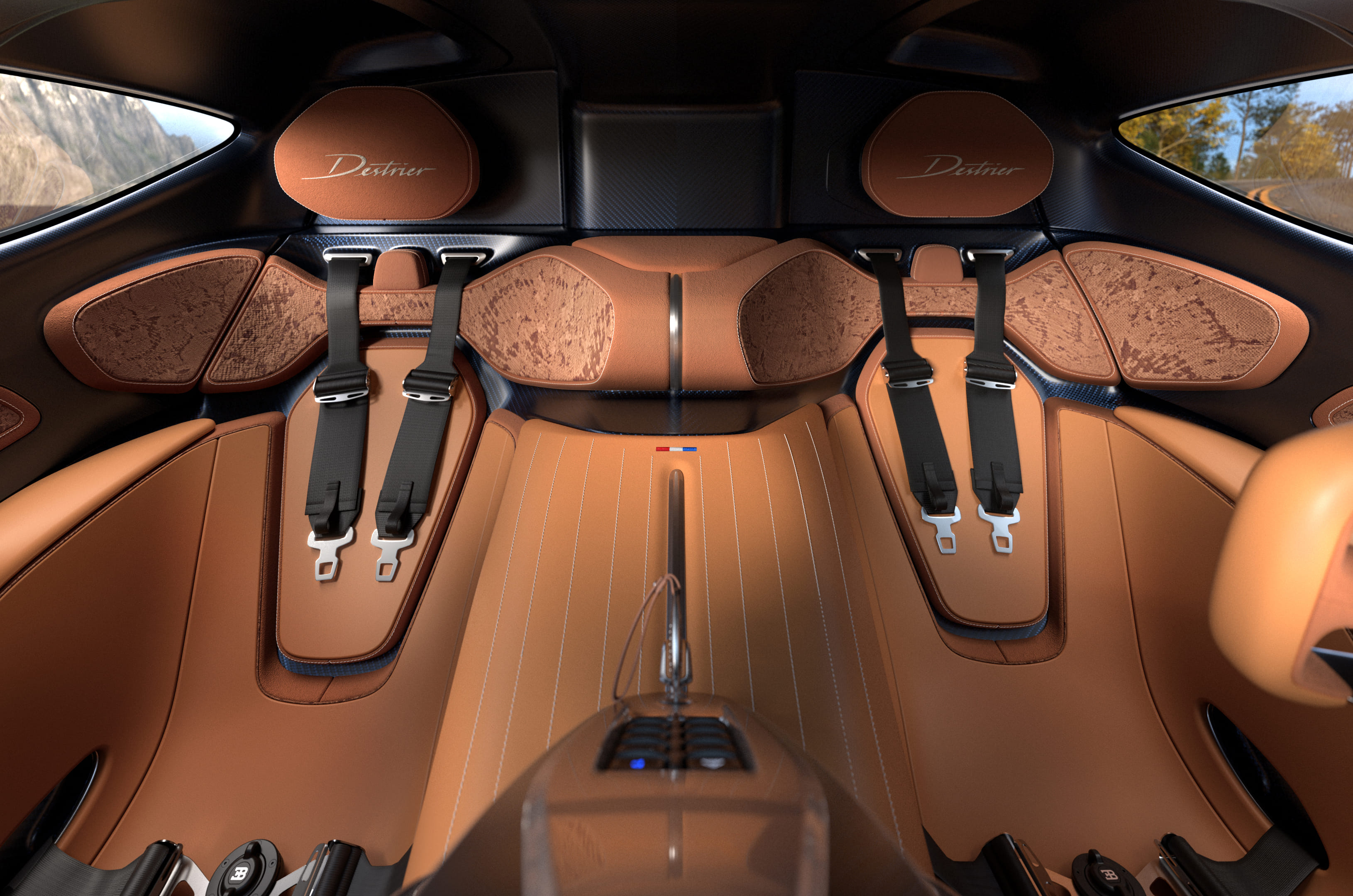
Unlike the stripped-out cockpit of the Bolide, the Destrier’s cabin has been redesigned with a greater emphasis on craftsmanship and luxury. It uses ‘Ambre Voyageur’ leather and nubuck upholstery, together with a bespoke 3D-knitted textile woven with copper yarn.
Hammered metal finishes on the door handles, air vents, steering wheel hub and entry plates reference the car’s medieval inspiration, while a discreet French flag pays tribute to Bugatti’s heritage.
Bugatti Destrier: engine and performance
Power comes from the Bolide’s 8.0-litre quad-turbocharged W16 engine, producing 1,600hp. The company has not disclosed performance figures, stating that the Destrier’s focus is on design and craftsmanship rather than outright speed.
The Destrier continues to use the Bolide’s carbon-fibre chassis and running gear, although Bugatti has not confirmed any mechanical changes beyond the new bodywork.
The Destrier is a one-off (1/1) commission created under Bugatti’s Programme Solitaire and will make its public debut during Monterey Car Week, culminating at the Pebble Beach Concours d’Elegance on August 16, 2026. As with previous Solitaire projects, Bugatti has not disclosed the price.
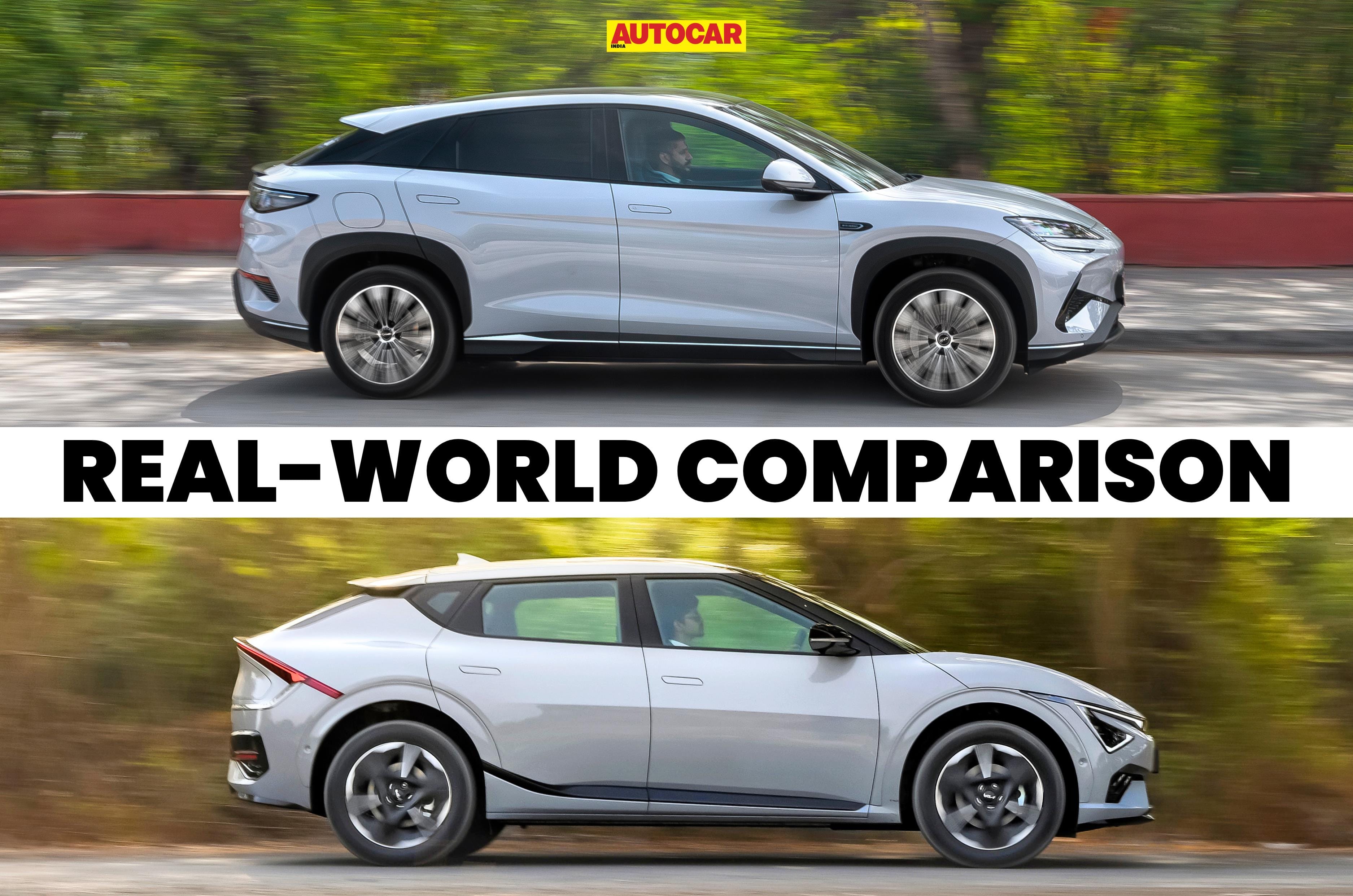
The BYD Sealion 7 and Kia EV6 are premium EV offerings, roughly priced between Rs 50-70 lakh. They’ve both got modern designs, premium cabins and punchy performance. They are also fully imported as completely built units (CBU) and rival cars like the Hyundai Ioniq 5 and BMW iX1. In this story, we compare the performance, range and regen of the respective top-spec variants of both cars.
BYD Sealion 7 vs Kia EV6: Specifications, price
The Sealion 7 is bigger, has more performance and is less expensive
BYD Sealion 7 Performance AWD vs Kia EV6 GT Line AWD: Specifications, price
Sealion 7 Performance AWD
EV6 GT Line AWD
Battery Size (kWh)
82.56
84
Power (hp)
530
325
Torque (Nm)
690
605
Claimed Range (km)
542 (NEDC)
663 (ARAI)
Kerb weight (kg)
2,340
NA
Power-to-weight*
226.49
NA
Torque-to-weight^
294.87
NA
Price (in Rs lakh)
Rs 55.9 lakh
Rs 65.97 lakh
*Power-to-weight is hp per tonne
^Torque-to-weight is Nm per tonne
The BYD Sealion 7 is bigger in every dimension – length, width, height and even wheelbase, but the Kia gets a bigger 84kWh NMC battery (versus an 82.56kWh LFP battery in the Sealion 7). In terms of performance, the Sealion 7 makes 205hp and 85Nm more than the EV6. And while the EV6 is available in an AWD setup only, the Sealion 7 is available in a RWD layout with less performance. The big difference is how they are priced, and the price difference between the top-spec trims of these cars is roughly Rs 10 lakh.
BYD Sealion 7 vs Kia EV6: Performance tests
With 205hp and 85Nm more, the Sealion 7 is quicker in all our tests
BYD Sealion 7 Performance AWD vs Kia EV6 GT Line AWD: Performance tests
BYD Sealion 7
Kia EV6
Winner
0-100kph (sec)
4.43
5.16
Sealion 7
20-80kph (sec)
2.48
2.77
Sealion 7
40-100kph (sec)
2.91
3.49
Sealion 7
With the difference in performance between these two, it was a little easier to predict the outcome. In all the performance tests, the Sealion 7 was faster. It completed the 0-100kph run in 4.43s and is 0.73s faster than the EV6. Again, 20-80kph and 40-100kph runs are 0.29s and 0.58s faster than the EV6, respectively.
BYD Sealion 7 vs Kia EV6: Regen and range tests
Kia EV6 has stronger regen modes and offers better range overall
BYD Sealion 7 Performance AWD vs Kia EV6 GT Line AWD: Regen and range
Regen mode
BYD Sealion 7
Kia EV6
Winner
One-pedal
NA
NA
–
High
236.44m / 18.13s
105.49m / 7.6s
Kia EV6
Medium
–
146.75m / 10.95s
Kia EV6
Low
421.22m / 32.16s
365.88m / 26.85s
Kia EV6
The BYD gets two regen modes – Standard and High, whereas the EV6 gets four, including the option of a single pedal driving mode. In all the modes, the EV6 showed stronger regenerative braking than the Sealion 7. In their respective highest regen mode, the Sealion 7 takes more than twice as long to slow down from 80-20kph when compared to the Kia EV6.
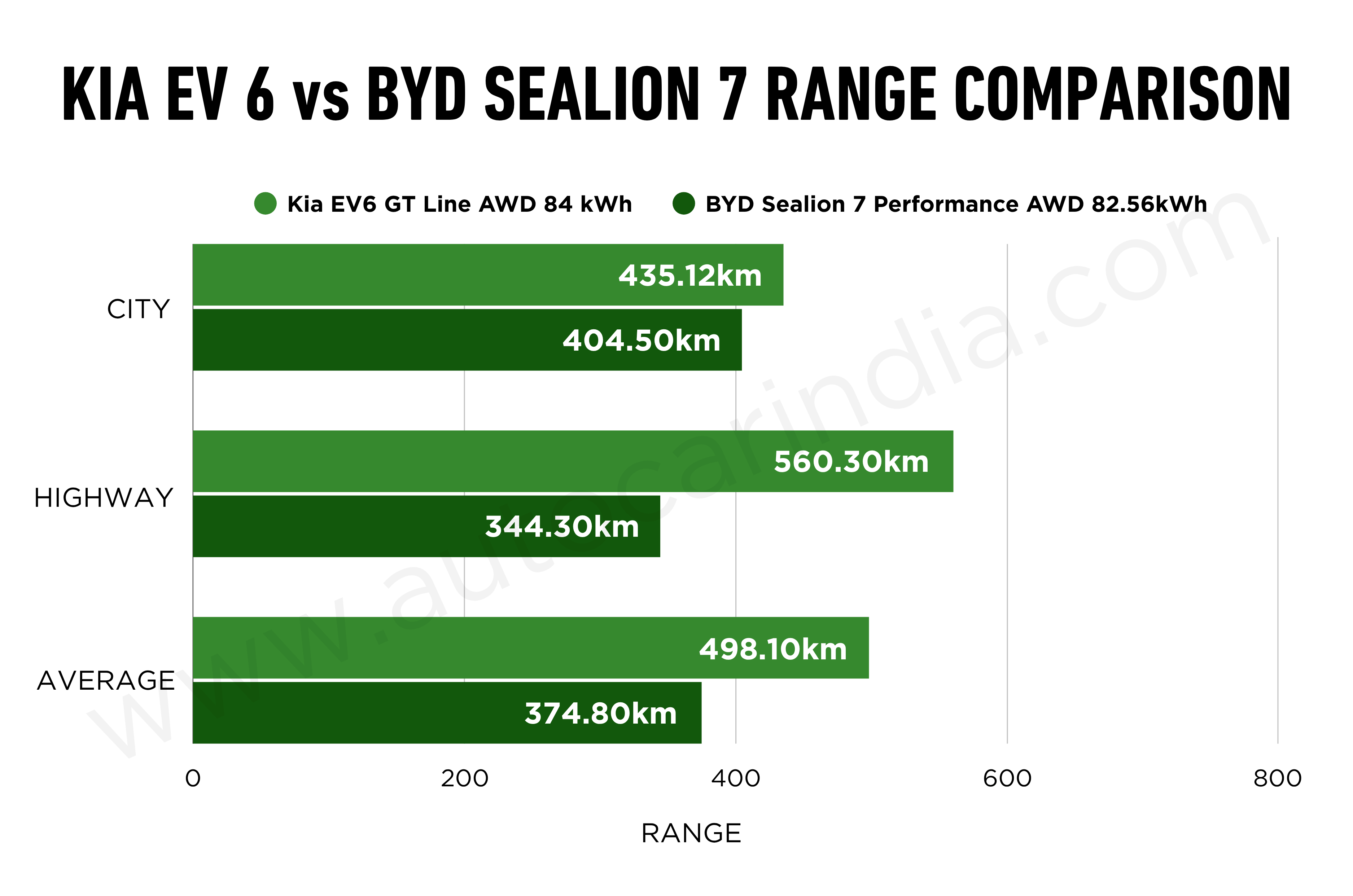
In our real-world range tests, we found the Kia to be more efficient than the BYD. In the city, the EV6 delivered an efficiency of 5.18km/kWh versus 4.90km/kWh for the Sealion 7. Thanks to the stronger regen modes in the EV6, you can expect a real-world range of 435km in the city, whereas with the Sealion 7 you can expect 405km – about 30km less than the EV6.
On the highway, the difference is even wider – the EV6 becomes more efficient (6.67km/kWh), and the Sealion 7 becomes even less efficient (4.17km/kWh) than in the city. One can expect a real-world range of 344km with the Sealion 7, whereas the EV6 will go 216km further!
BYD Sealion 7 vs Kia EV6: Verdict
The BYD Sealion 7 is priced from Rs 49.9 lakh for the RWD variant to Rs 55.9 lakh for the top-spec AWD variant, and is the more affordable option here, while also being the more powerful EV. The Kia EV6 GT-Line AWD is the more expensive pick and costs Rs 65.97 lakh. If budget isn’t an issue, the Kia EV6 will be a better all-rounder. It has better range, faster charging speeds and multiple regenerative braking modes, including single-pedal driving that makes city driving that much easier.
Autocar India’s testing standards
Before we conduct our performance tests, we check and maintain tyre pressures per the manufacturer’s recommendations and ensure the car is charged to 100 percent. The car is then tested in a controlled environment with two people on board, and the data is collected via highly accurate GPS-based timing equipment.
For our real-world range test, we begin with each car’s battery fully charged and tyre pressures set as per the manufacturer’s recommendations. We drive the cars on a fixed loop covering both city and highway stretches while maintaining set average speeds. We then calculate the range based on the percentage of charge consumed. The AC is set to 22deg C in auto mode, and features such as the music system, lights and ventilated seats are used as needed, just as a regular user would. This approach ensures consistency and gives a clear idea of what to expect in daily use.
To test regenerative braking, we pre-select a level of regen braking, completely lift off the throttle pedal and allow the car to decelerate till under 20kph. This procedure is then repeated for as many levels of regenerative braking the EV packs in. The deceleration rate, distance covered and time taken to go from 80kph to 20kph are recorded on a GPS-based Vbox system.
LOOK OUT FOR: Suspension wear, infotainment issues
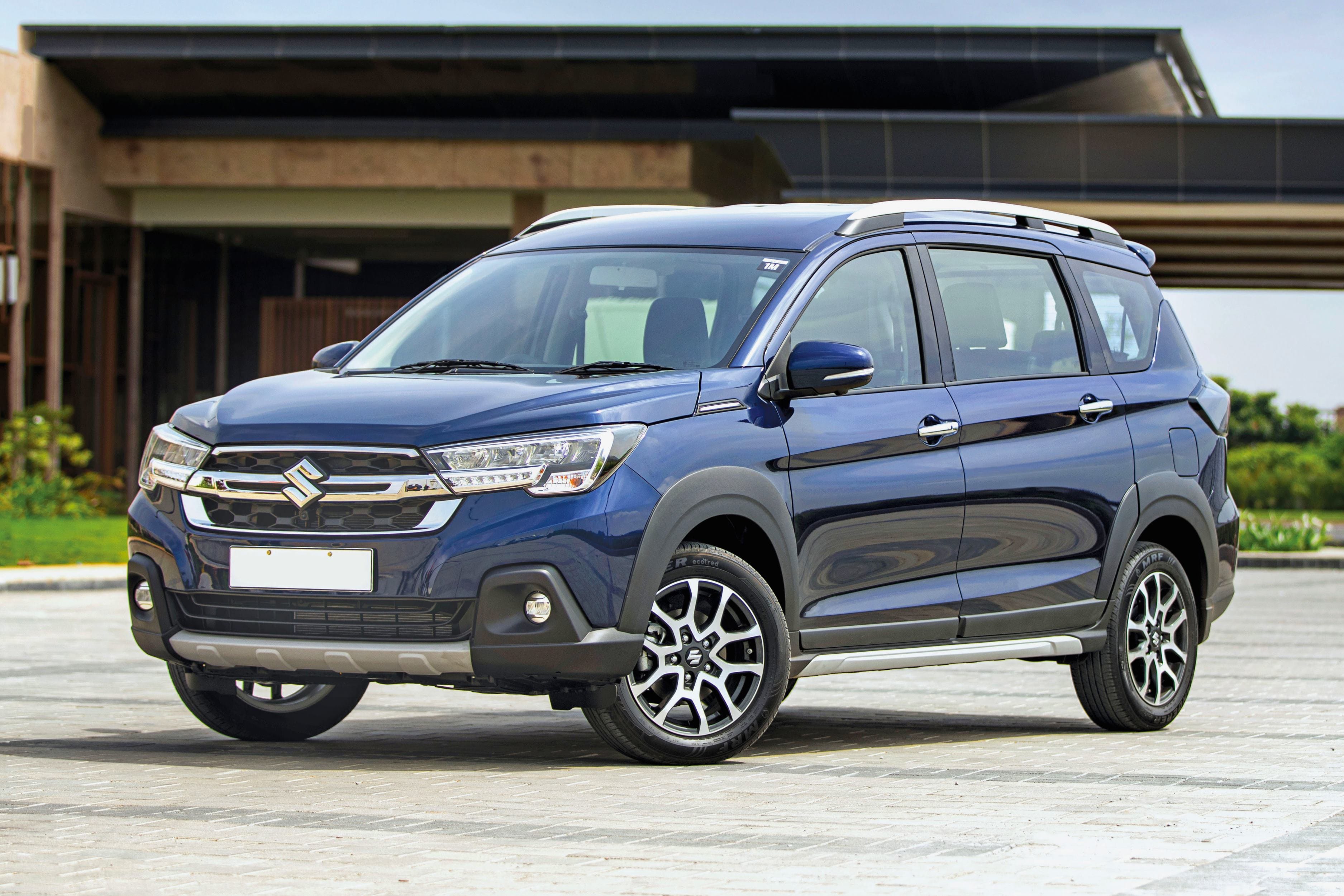
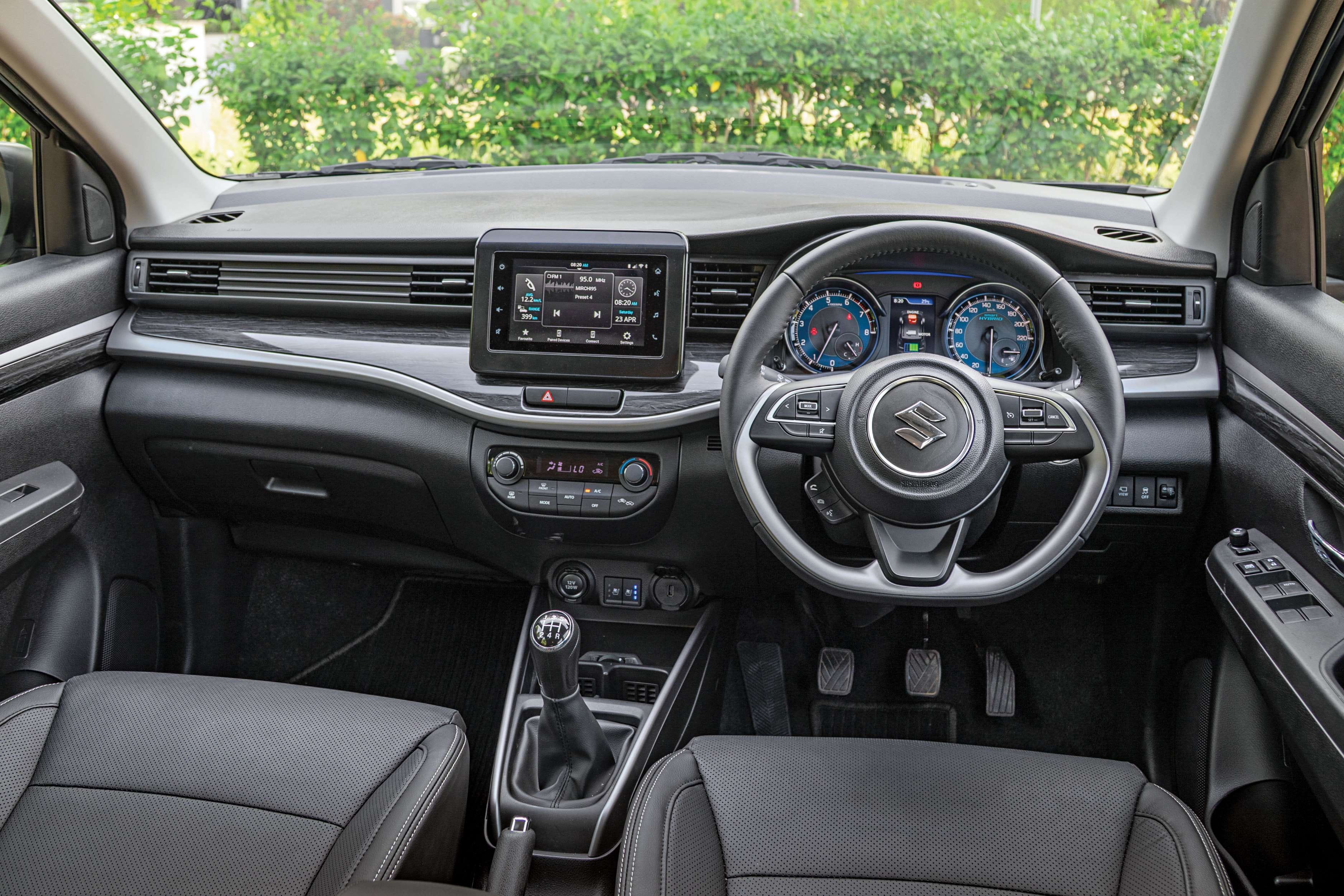
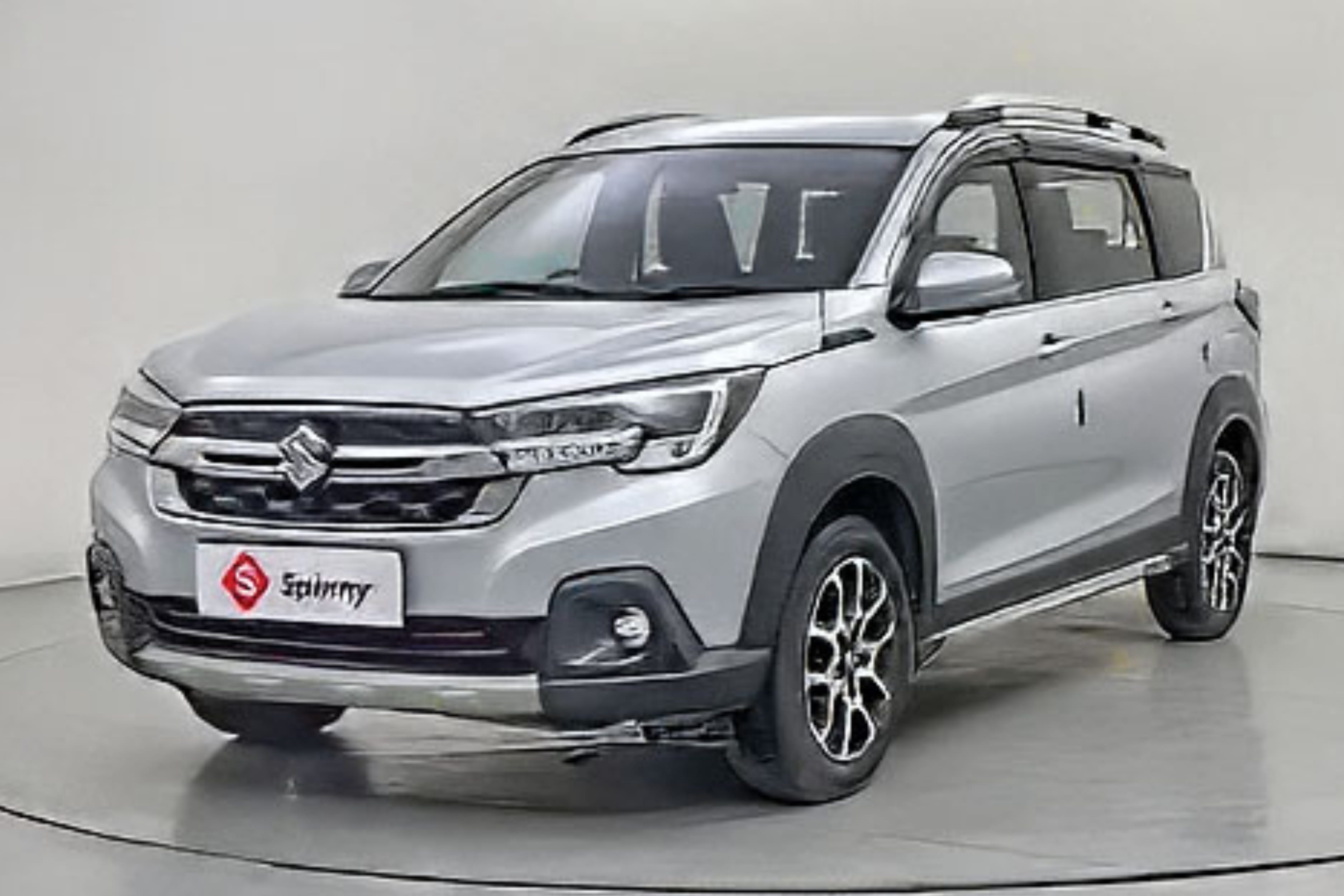
A more premium 6-seat alternative to the venerable Ertiga MPV, the Maruti XL6 has been on sale since 2019 and received a substantial update in 2022. Being a comfortable, practical and easy-to-drive MPV, the updated Maruti XL6 is worth considering as a used buy. Here’s all you need to know.
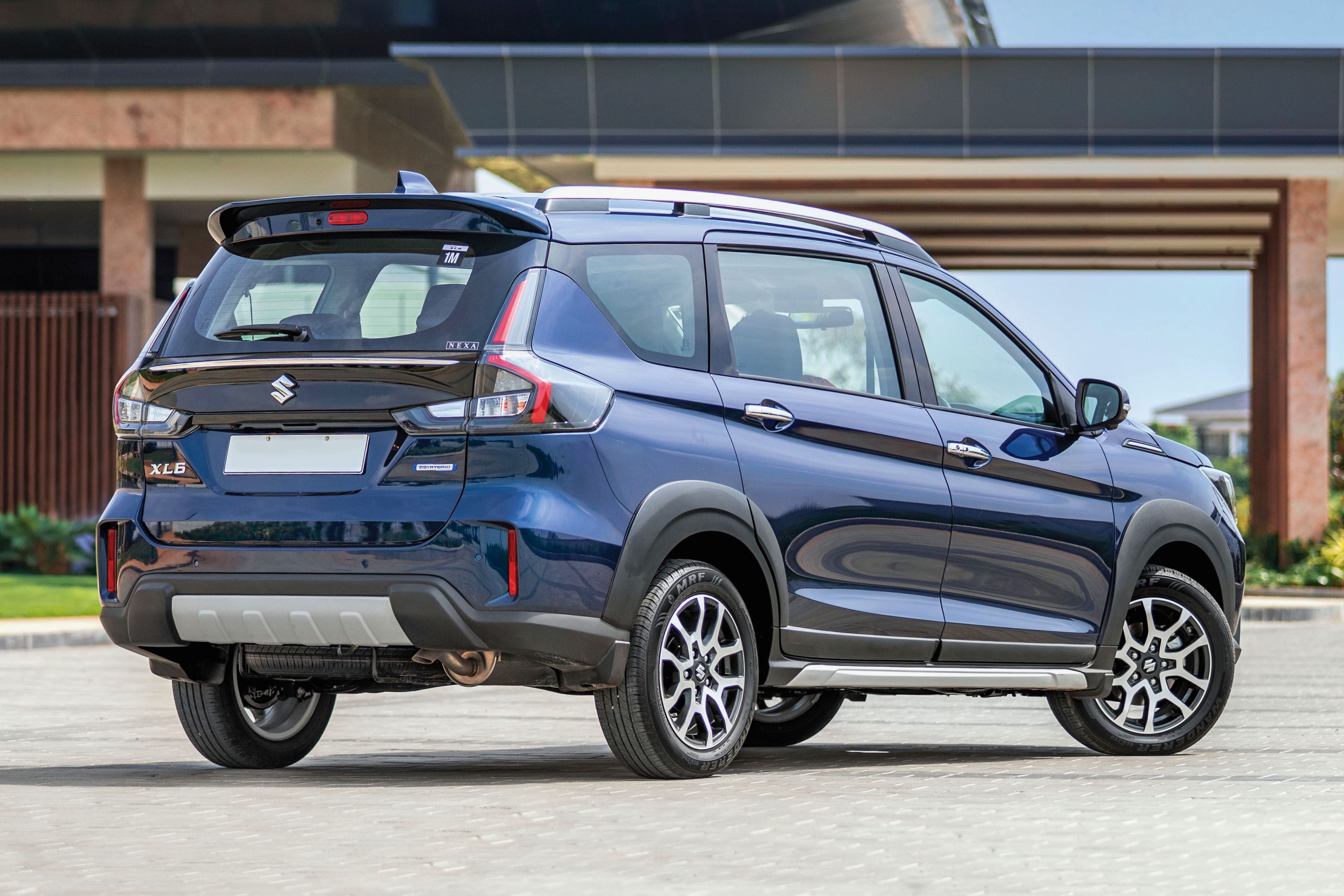
In terms of cosmetics, not much changed for the XL6 when it got an update in 2022. It got a mildly updated grille with more chrome, a new chrome bar on the tailgate, new 16-inch dual-tone alloy wheels and tweaked tail-lights with smoked clear lens effect. It also got new dual-tone colour options – silver, brown and red – with a contrasting black roof.
Petrol and CNG powertrains; up to 20.97kpl claimed mileage
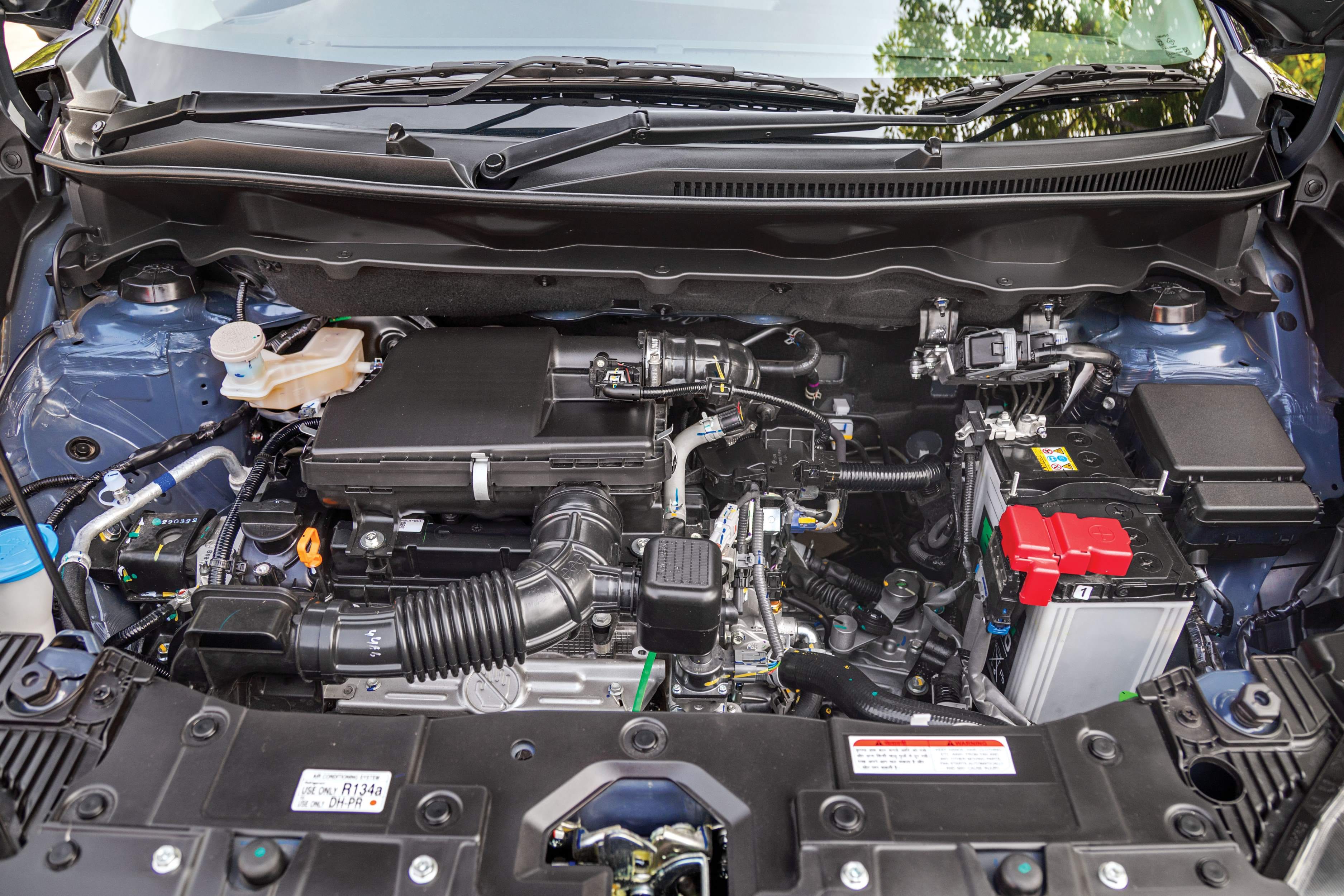
The biggest change was under the hood, with the XL6 receiving Maruti’s then-new 1.5-litre DualJet petrol engine, with two injectors per cylinder, which put out 103hp and 136.8Nm. The other big highlight was the new 6-speed torque converter automatic gearbox with paddle shifters, replacing the older 4-speeder. The standard 5-speed manual gearbox was carried over as is. It also featured Maruti’s mild-hybrid technology with an integrated starter generator and start-stop technology. The updated XL6 has a claimed fuel efficiency of 20.97kpl with the manual gearbox and 20.27kpl with the auto.
Later in 2022, Maruti launched the XL6 CNG, which was offered in a single Zeta variant and cost about Rs 95,000 more than the equivalent petrol variant. Powered by the same 1.5 engine, it put out a lower 88hp and 121.5Nm in CNG mode, and 101hp and 136Nm in petrol mode, and came paired with the 5-speed manual only. Maruti claimed that the XL6 CNG had a fuel efficiency of 26.32km/kg.
The petrol manual is ideal for most users, as it’s easy to drive, efficient and will be the most affordable to buy. Those with most of their running within the city can opt for the automatic for greater convenience, while high-mileage users will benefit from the CNG’s low running costs.
Maruti Suzuki XL6 variants and features
7-inch touchscreen, ventilated front seats, 360-degree camera, and more
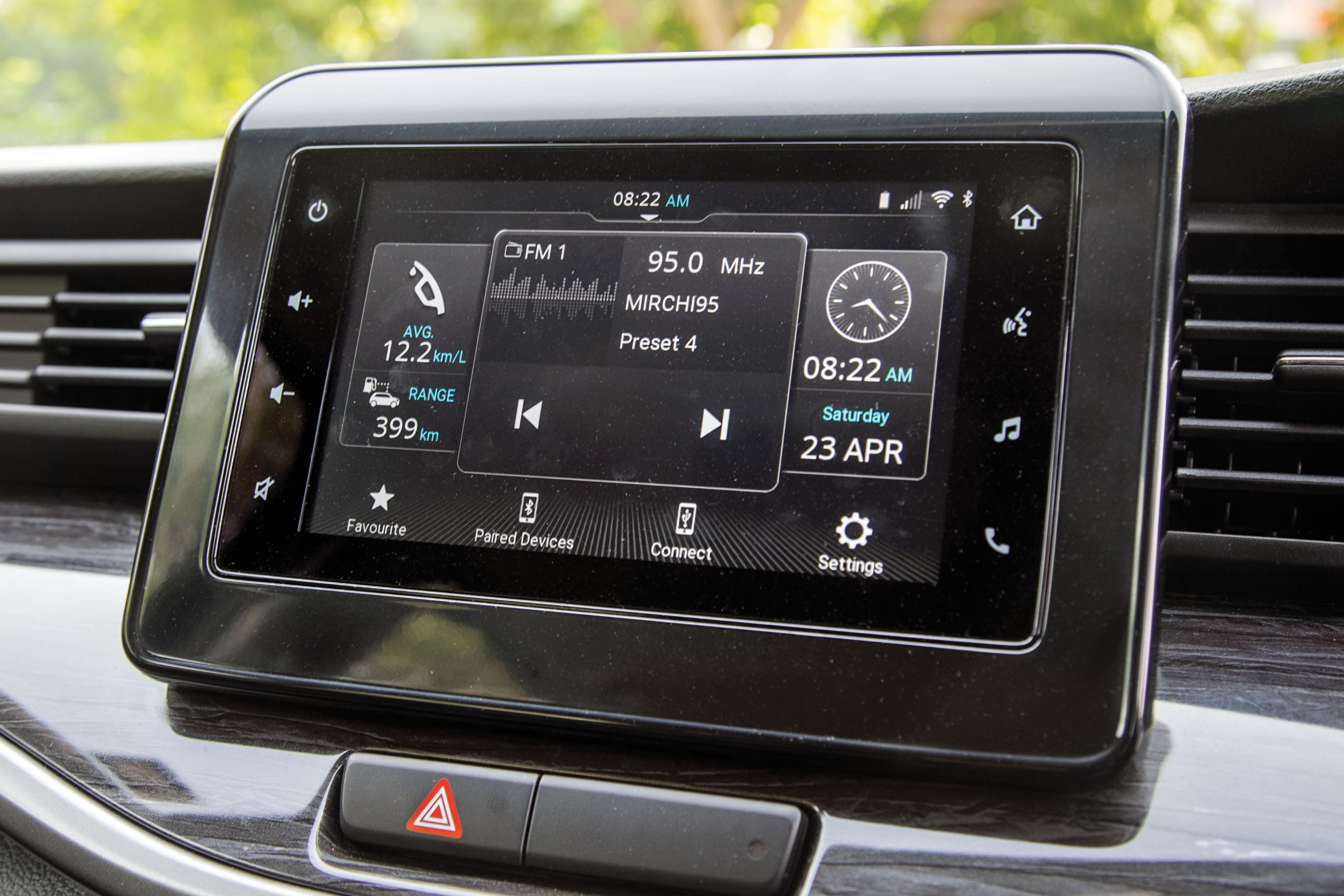
As for variants, there’s three on offer – Zeta, Alpha and Alpha+. The range-topping Alpha+ packs in features like a 7-inch touchscreen infotainment with Android Auto and Apple CarPlay compatibility, auto climate control, leatherette upholstery, LED lights, 360-degree camera, ventilated front seats, connected car tech, cruise control, tyre pressure monitor, traction control and much more. All variants come well equipped, and features like the touchscreen and cruise control are offered right from the base Zeta variant, so choose the one that best fits your budget.
XL6 aftersales details
Being a Maruti product, the XL6 is a proven and reliable MPV that’s also easy to maintain. Spare parts are readily available and affordable, while Maruti’s widespread service network throughout India gives you peace of mind. It’s also worth going for an example that has an extended warranty package, and the XL6’s great resale value also means you’ll recoup a considerable amount when you sell it later on.
What to look out for in a used Maruti Suzuki XL6
Suspension wear
Since the XL6 is a family car, it’s bound to be subjected to heavy loads from time to time. Hence, it’s worth checking out the condition of the suspension. Listen for any noises that come from the suspension, or check if it crashes excessively over bumps and ruts, as these are signs of worn-out suspension bushings. This is not an expensive fix, however.
Infotainment issues
Owners have faced issues with the XL6’s SmartPlay Pro 7-inch infotainment system, like Apple CarPlay/Android Auto disconnections, screen freezing and the display getting stuck. Before purchasing, check that it functions smoothly, pairs up with your phone easily and that the system’s software is up to date.
Potential defect in front seatbelts
XL6 units manufactured between November 2 and November 28, 2022 were recalled by Maruti Suzuki to rectify a possible defect in one of the child parts of the height-adjuster assembly of the front seatbelts, which could lead to seat belt disassembly. Replacement of the faulty part was done free of charge, so make sure this has been taken care of if you’re looking at a car from this time frame.
Second-hand Maruti Suzuki XL6 price and resale value
Rs 8 lakh-12 lakh
The XL6 is still on sale, and being a Maruti, it commands very good value in the resale market. However, refrain from spending over Rs 12 lakh, irrespective of the variant and mileage, as you’d be better off buying a new one. What’s nice, though, is that you’ll also be able to recover a good chunk of your investment once you go on to sell it.
Maruti Suzuki XL6 fact file
Years produced
2022-present
Price when new
Rs 11.29 lakh-14.55 lakh (ex-showroom, India)
Engine
4 cyls, 1462cc, petrol / 4 cyls, 1462cc, petrol+CNG
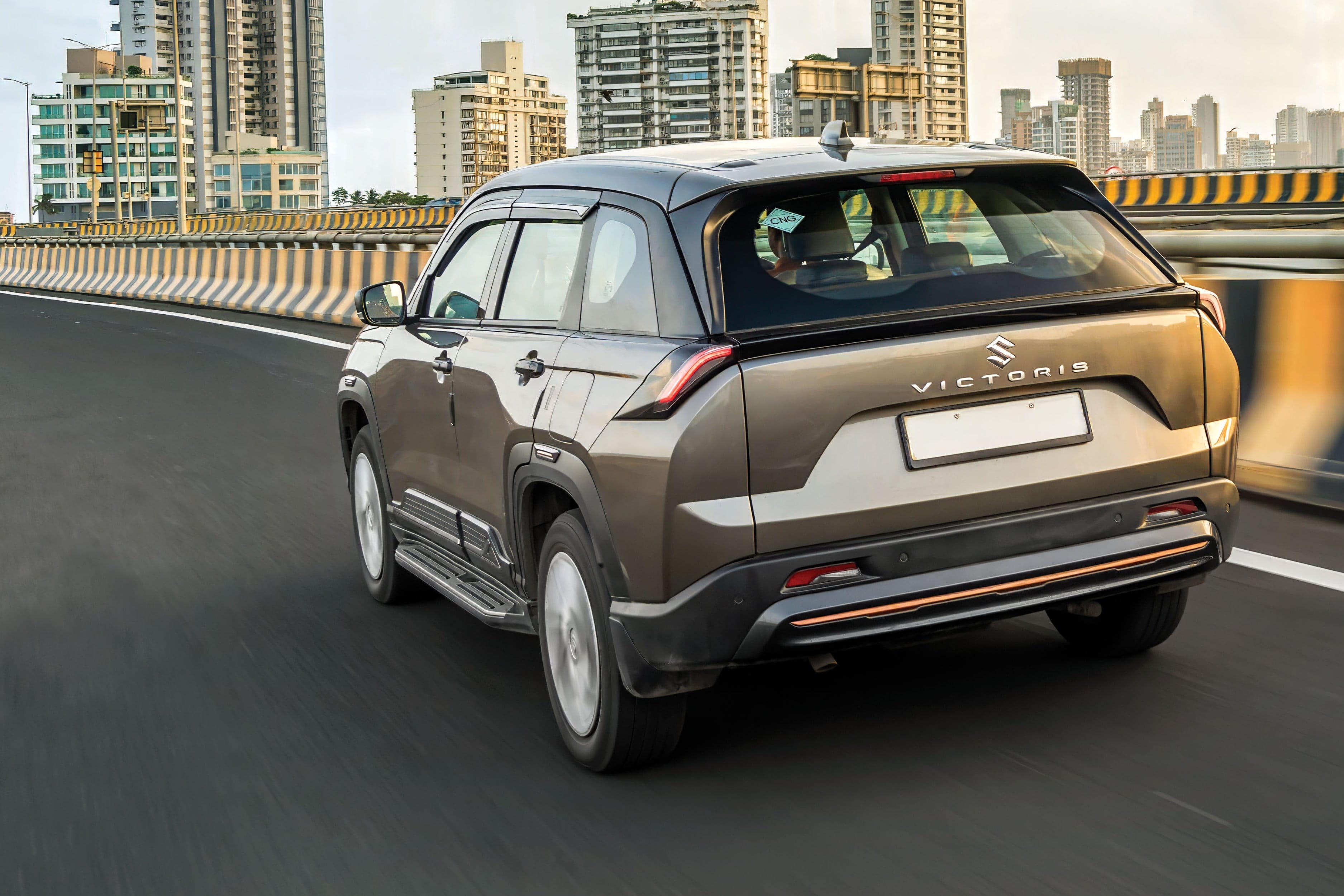
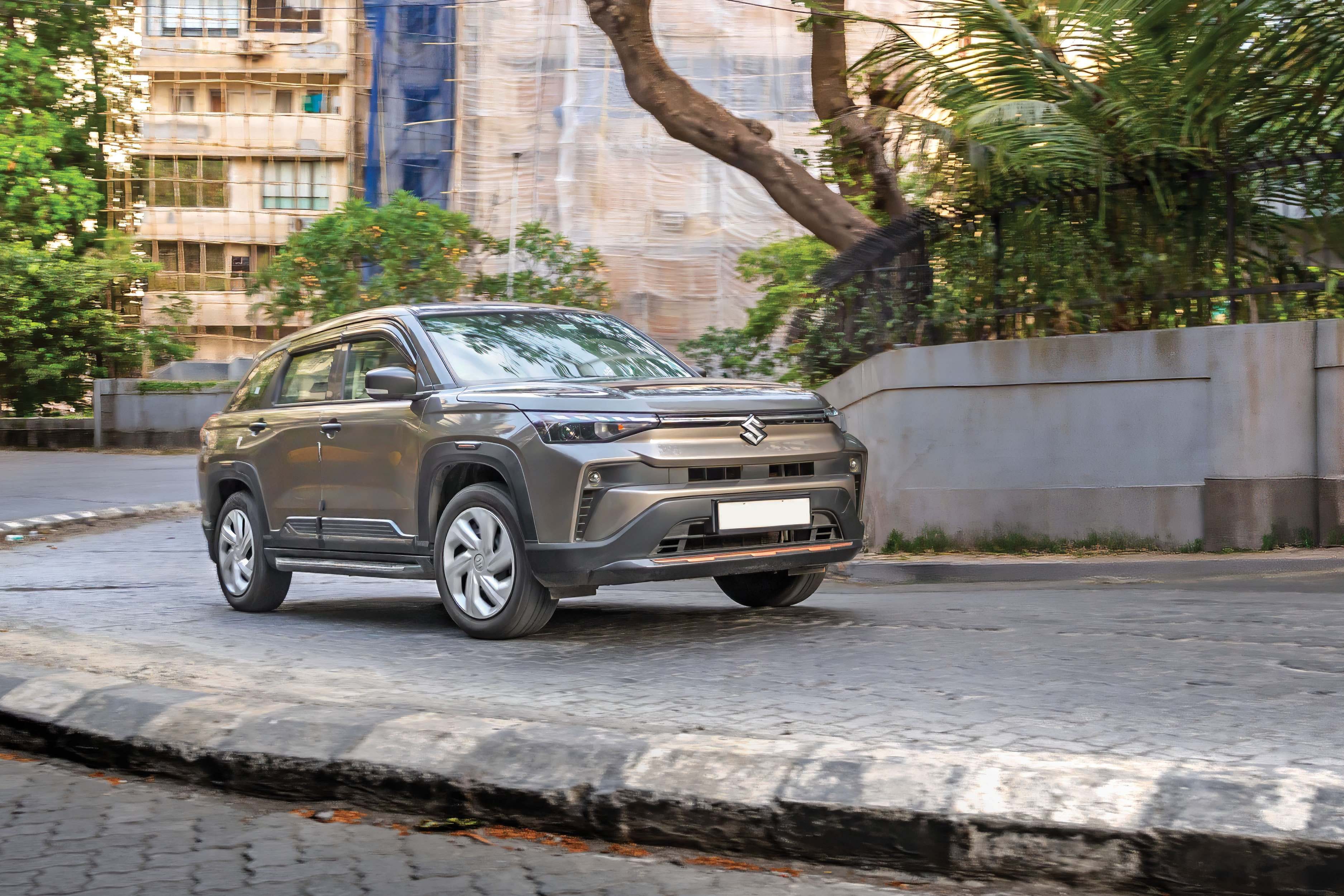
Maruti offers buyers a wide range of powertrain options with the Victoris – a 1.5-litre petrol engine paired with either a manual or automatic transmission, an all-wheel-drive automatic, a strong hybrid, and a CNG version. Interestingly, nearly one in every two Victoris buyers opts for the CNG variant. To understand the reason behind its popularity, we put it through our real-world tests.
City drivability is good; efficiency is impressive.
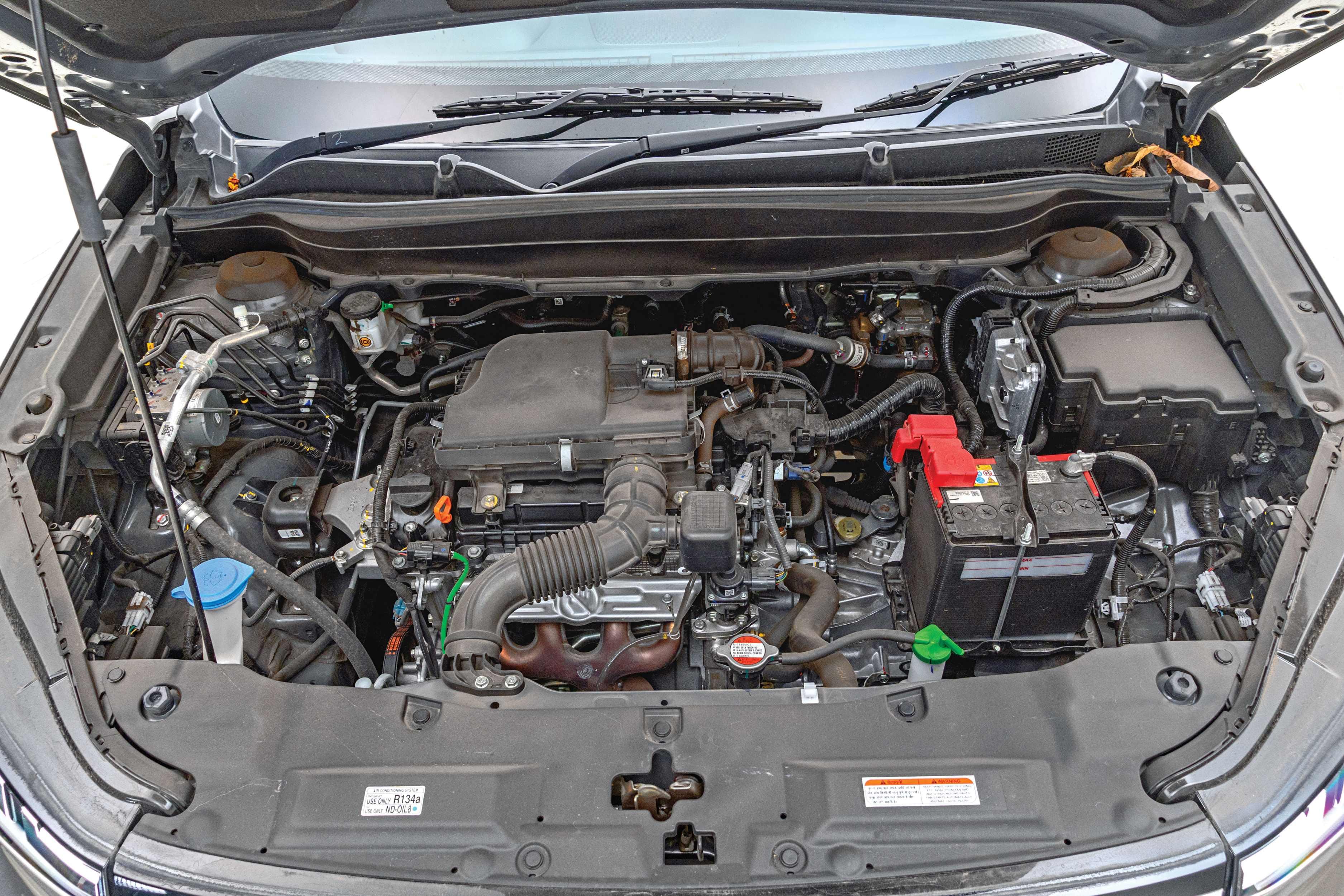
Powered by a 1.5-litre four cylinder engine, the Victoris produces 88hp and 122Nm when running on CNG. While those figures may appear modest on paper, the good news is that the engine feels responsive right from the outset, and overall driveability remains impressive. It is more than capable of keeping pace with city traffic, and up to about 80kph, with the engine spinning below 3,000rpm, there is enough performance on tap to satisfy most users. You do need to be mindful of being in the right gear, and occasionally, you may find yourself revving the engine harder for a quick overtake. On that note, Maruti’s 5-speed manual gearbox remains one of the best in the business, offering precise shifts and a light, effortless action. The clutch is also light, making the Victoris CNG particularly easy to drive.
Maruti Suzuki Victoris S-CNG acceleration times
CNG
Petrol
Speed (Kph)
Time (Sec)
Time (Sec)
20
1.33
1.32
40
3.28
3.22
60
6.31
5.79
80
9.88
8.87
100
15.14
13.43
120
23.44
19.56
That said, performance isn’t effortless, and when it comes to quick overtakes, you’ll need to work the engine harder. But it is only then that the difference between petrol and CNG modes becomes noticeable. In petrol mode, the engine feels freer and more eager to rev, whereas in the CNG mode, it feels slightly more restrained. To put things into perspective, the Victoris accelerates from 0-100kph in 15.14 seconds in CNG mode, making it 1.7 seconds slower than in petrol mode. Performance also tapers off noticeably beyond 100kph, regardless of which mode you are in.
Maruti Suzuki Victoris S-CNG rolling acceleration
Speed (Kph)
Time (Sec)
Time (Sec)
20-80kph (3rd gear)
16.14
15.98
40-100kph (4th gear)
22.45
18.92
Maruti Suzuki Victoris S-CNG mileage – 9/10
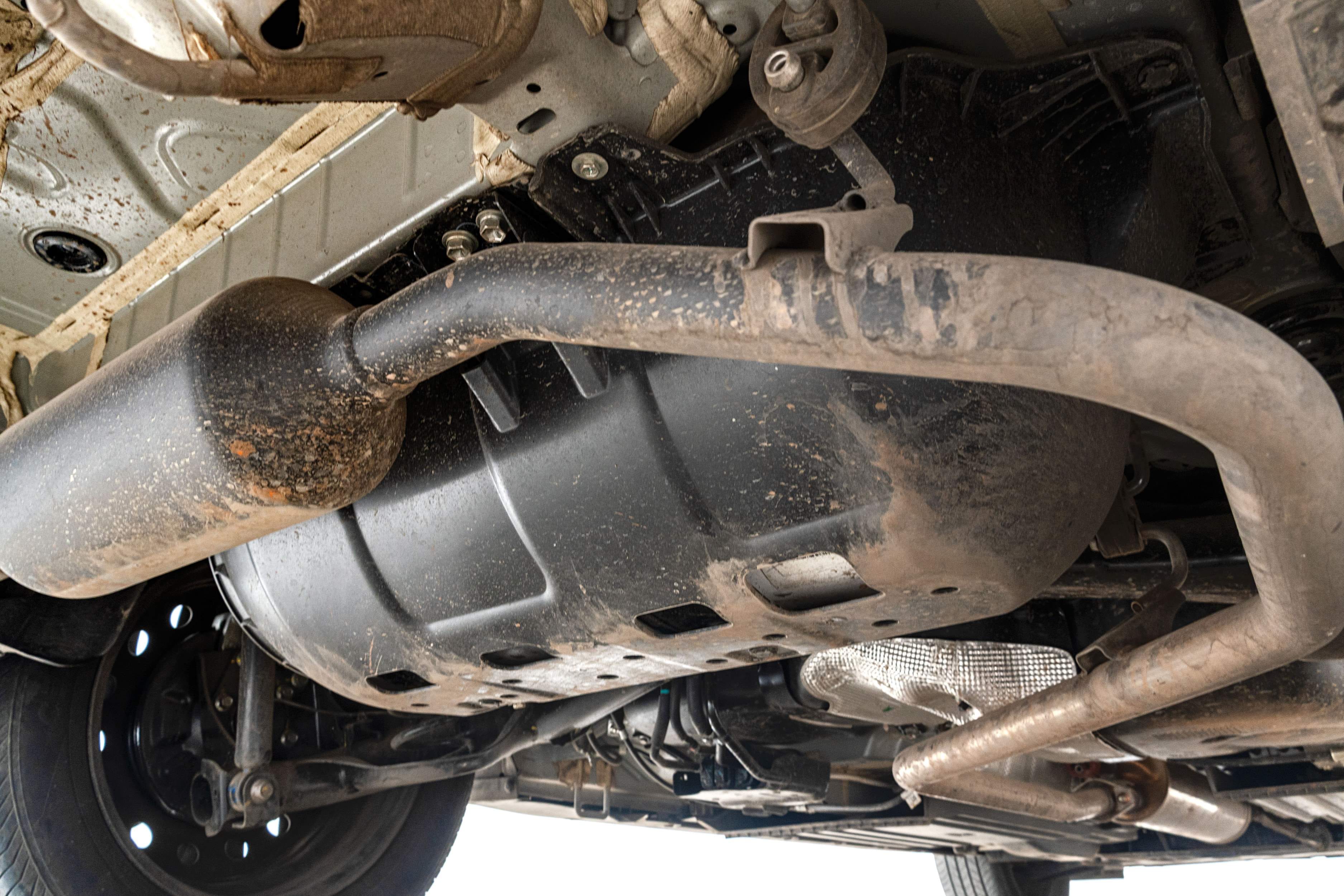
Under-floor CNG tank occupies spare tyre space.
Owners, however, will certainly appreciate this SUV’s efficiency. In our tests, the Victoris CNG delivered 18km/kg in the city and 26km/kg on the highway. The latter figure is particularly impressive, coming close to Maruti’s claimed fuel-efficiency figure of 27.02km/kg.
Its 55-litre CNG tank, mounted beneath the vehicle, can typically hold between 7.4kg and 8kg of gas, depending on ambient conditions and pump pressure. Based on our findings, owners can expect an average real-world driving range of around 180km on a full CNG fill.
Maruti Suzuki Victoris S-CNG ride comfort and handling – 8/10
You’ll need to work its engine harder on hilly terrain or to make quick highway overtakes.
Shifting focus to other aspects, the Victoris inspires confidence on almost every kind of road thanks to its well-sorted underpinnings and expertly judged suspension setup. It feels tough and robust in the way it smothers small undulations and absorbs even sharp road shocks with ease. Even when driven at higher speeds, this Maruti remains composed, riding flat without unnecessary body movements.
Maruti Suzuki Victoris S-CNG features and safety – 8/10
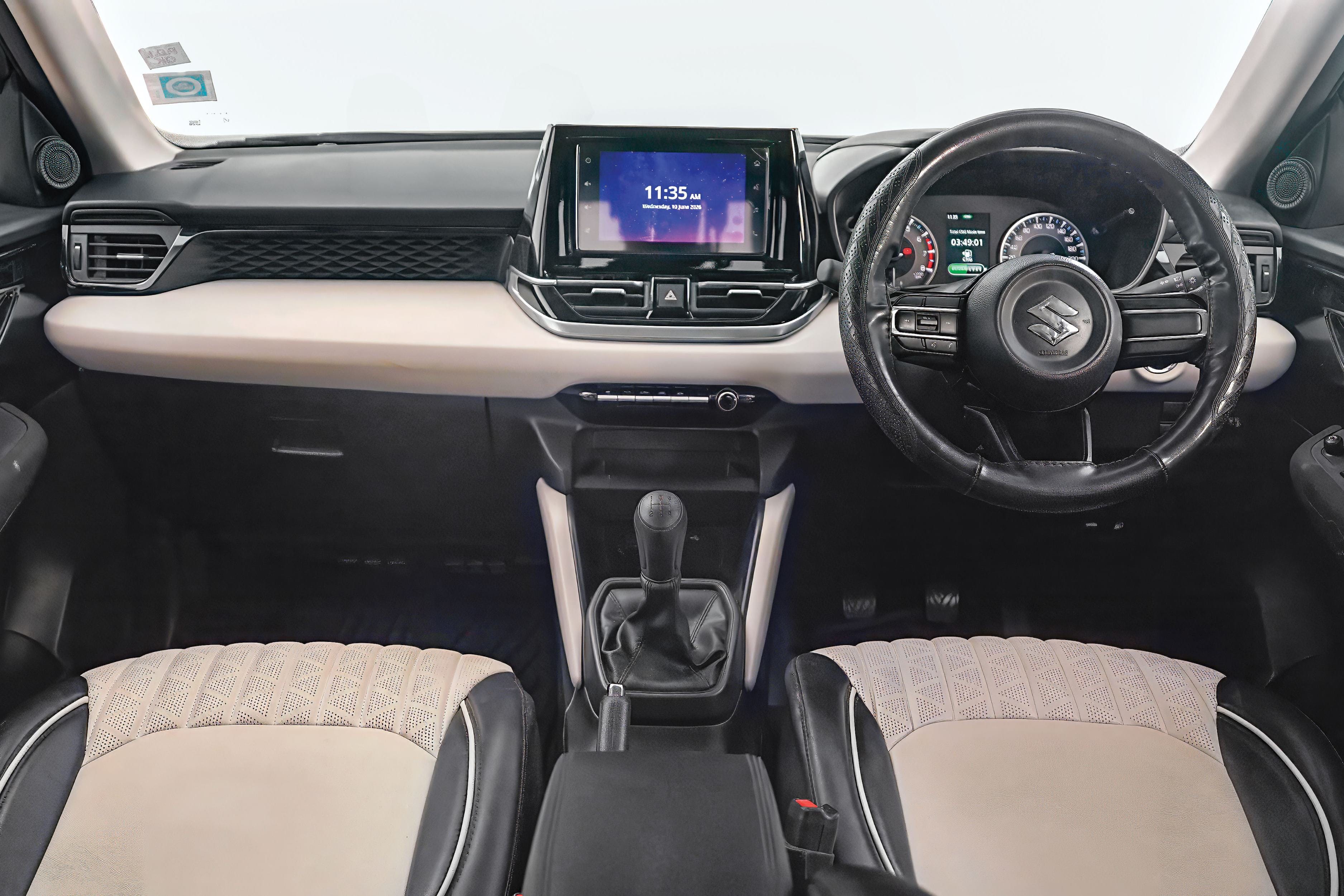
Pleasing dual-tone interiors with generous standard equipment.
As for safety, six airbags, ESP, ABS with EBD and all the essential modern safety features come as standard. Notably, the entry-level LXI variant represents excellent value for money. Priced at Rs 11.5 lakh, it comes equipped with keyless entry, push-button start, automatic climate control, a 7-inch touchscreen with wireless Android Auto and Apple CarPlay, and projector headlamps, among other notable features.
Maruti Suzuki Victoris S-CNG boot space – 8/10
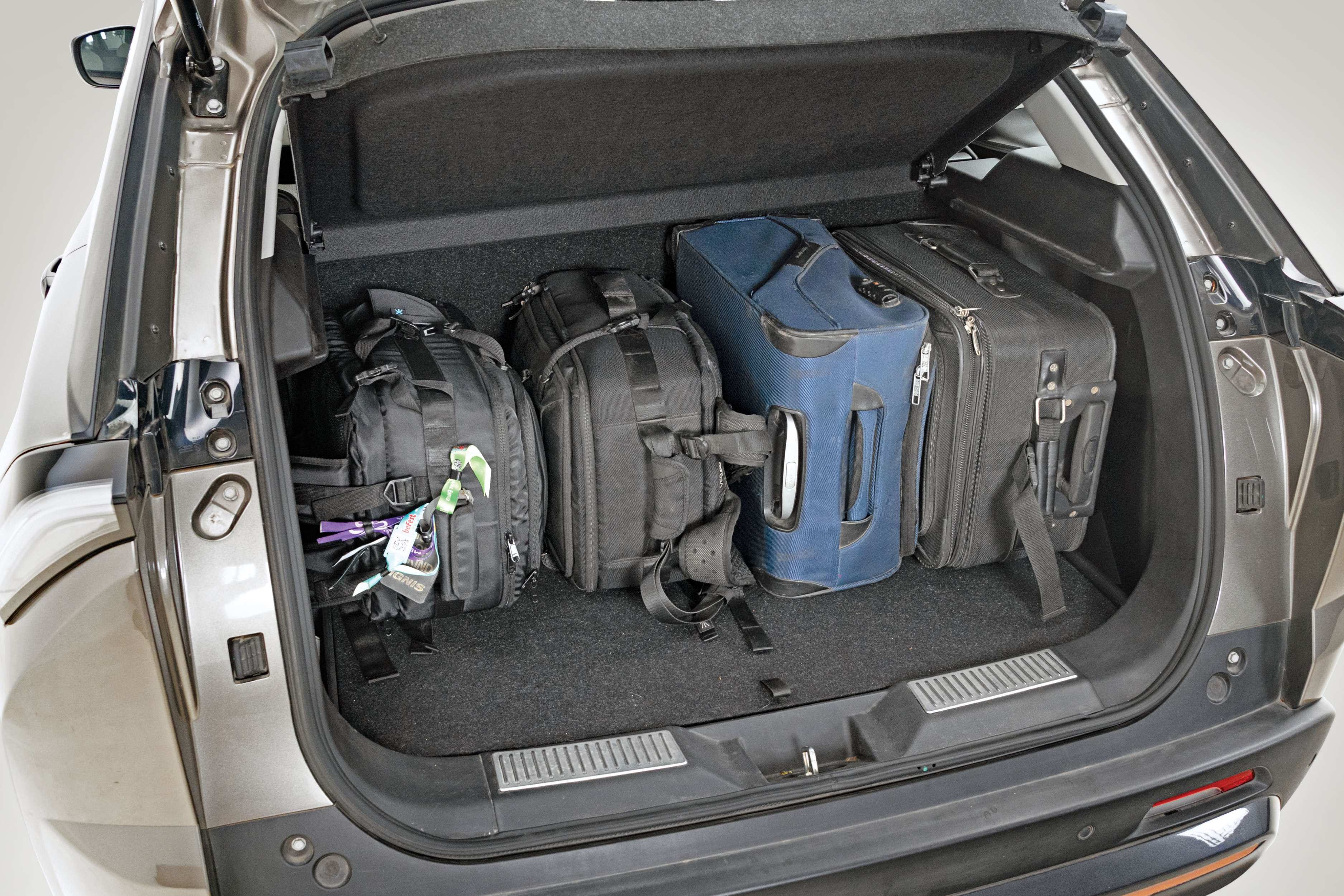
With the under-floor CNG tank, boot space is good.
Maruti has also cleverly packaged the Victoris’ CNG tank beneath the boot floor, which means luggage space remains identical to the petrol version, making it just as practical. The only compromise is the absence of a spare tyre, with CNG variants making do with a tyre inflator kit instead.
Maruti Suzuki Victoris S-CNG verdict- 8/10
It is an efficient, sensible, value-for-money SUV.
In summary, the Victoris is a sensible, efficient and genuinely value-for-money midsize SUV. For buyers with high running requirements who want to keep fuel costs in check, the CNG version is the obvious choice. The drivability is good, the efficiency is excellent, and although it costs around Rs 1 lakh more than an equivalent petrol version, the significantly lower running costs should allow owners to recover that premium over time.
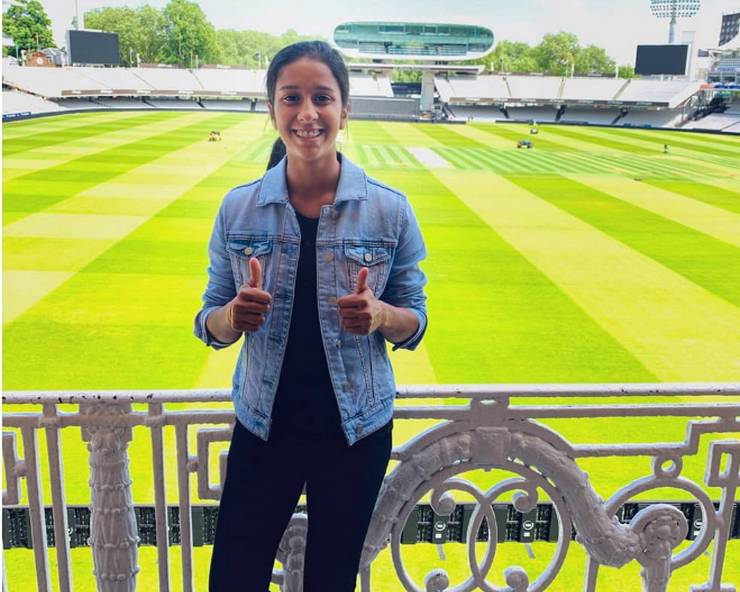
भारतीय बल्लेबाज़ जेमिमाह रॉड्रिग्स हैमस्ट्रिंग चोट के कारण द हंड्रेड से बाहर हो गई हैं।सदर्न ब्रेव ने उन्हें लगभग 76 लाख रूपए में अपनी टीम में अनुबंधित किया था और वह इस सीज़न में टीम की सबसे भरोसेमंद खिलाड़ियों में से एक रही हैं। जेमिमाह ने छह पारियों में 143 रन बनाए हैं, जिसकी बदौलत ब्रेव महिला प्रतियोगिता में 20 अंकों के साथ शीर्ष स्थान पर मौजूद ट्रेंट रॉकेट्स की बराबरी पर है। बेहतर नेट रन रेट के कारण रॉकेट्स पहले स्थान पर हैं। 25 वर्षीय जेमिमाह को इस दौरान दो बार प्लेयर ऑफ़ द मैच का पुरस्कार भी मिला।
उनका बाहर होना ब्रेव के लिए बड़ा झटका है। जेमिमाह इस टूर्नामेंट की प्रमुख अंतरराष्ट्रीय खिलाड़ियों में से एक हैं। ब्रेव के पास सीधे फ़ाइनल में जगह बनाने के लिए अभी दो मैच बाक़ी हैं। उन्हें अपने आख़िरी लीग मुकाबले मैनचेस्टर सुपर जायंट्स और ट्रेंट रॉकेट्स के ख़िलाफ़ खेलने हैं।
यह भारत के लिए भी चिंता का विषय हो सकता है, क्योंकि इस महीने के अंत में UAE में महिला एशिया कप शुरू होना है। जेमिमाह की हैमस्ट्रिंग चोट कितनी गंभीर है, इसका अभी पता नहीं चल पाया है। संभव है कि उनके चोट को बढ़ने से रोकने के लिए यह एहतियाती फ़ैसला लिया गया हो। भारत का अभियान 30 अगस्त को दुबई में थाईलैंड के ख़िलाफ़ मैच से शुरू होगा, जो अब 22 दिन दूर है।
Jemimah Rodrigues Charli Knott
We can confirm that Jemimah Rodrigues will miss the remainder of The Hundred due to an injury.
Charli Knott has been signed as her injury replacement for the rest of the competition.
ब्रेव ने जेमिमाह की जगह ऑस्ट्रेलियाई ऑलराउंडर चार्ली नॉट को टीम में शामिल किया है। नॉट इससे पहले 2024 संस्करण में भी ब्रेव के लिए खेल चुकी हैं। इंग्लैंड में इस T20 सीज़न में उनका प्रदर्शन शानदार रहा है। उन्होंने द ब्लेज़ के लिए वाइटैलिटी ब्लास्ट विजेता अभियान में 404 रन बनाए और 27 विकेट लिए, जो टूर्नामेंट में सबसे ज़्यादा थे।
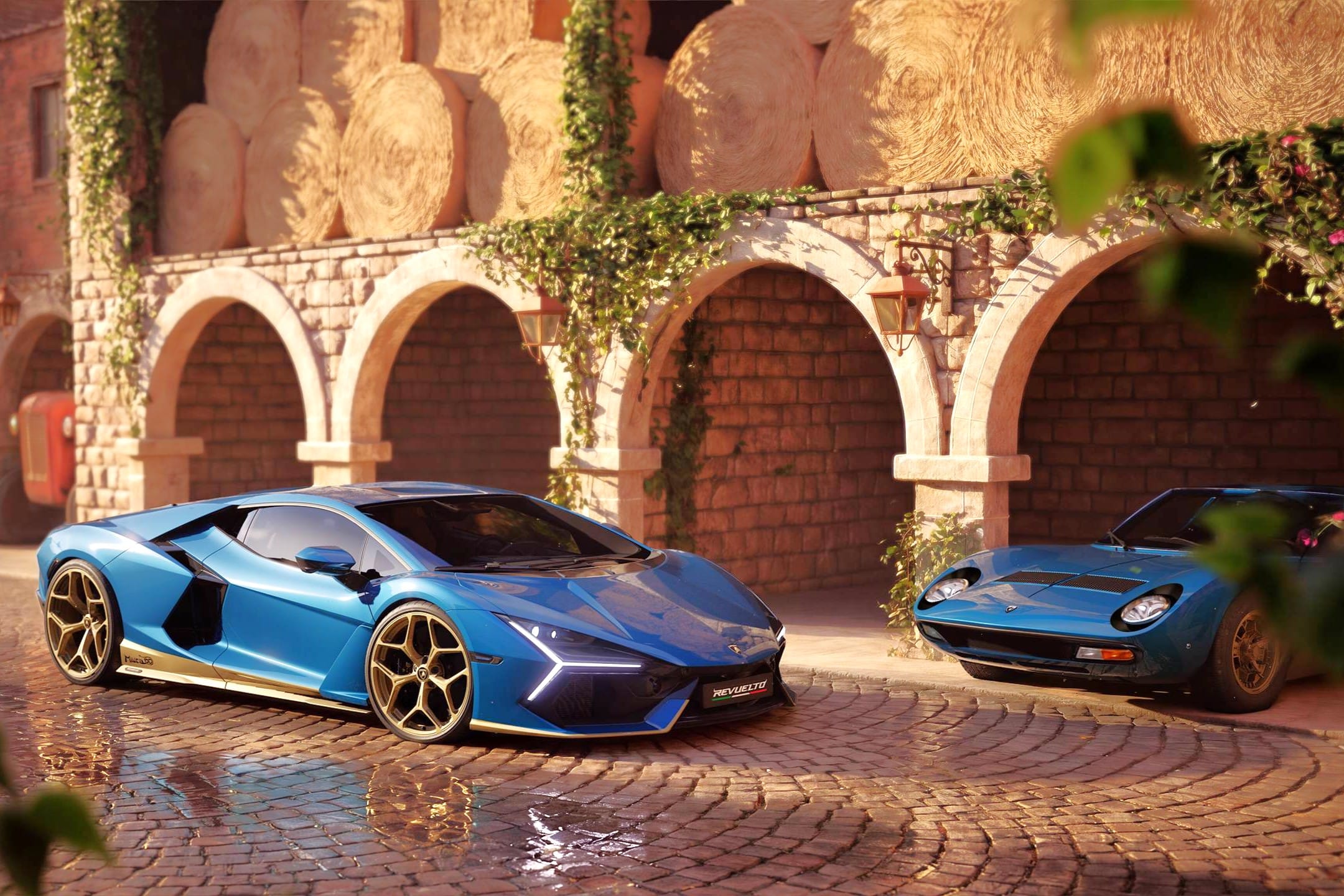
Lamborghini has revealed the Revuelto Miura 60 Homage, a limited-run special edition that marks 60 years of the iconic Miura. Only 99 units will be built, with the Revuelto Miura 60 Homage featuring exclusive heritage-inspired exterior colours, bespoke interior detailing, and Miura-inspired design elements while retaining the standard version’s 1,015hp V12 PHEV powertrain. The Revuelto Miura 60 Homage will make its public debut at the 2026 Monterey Car Week.
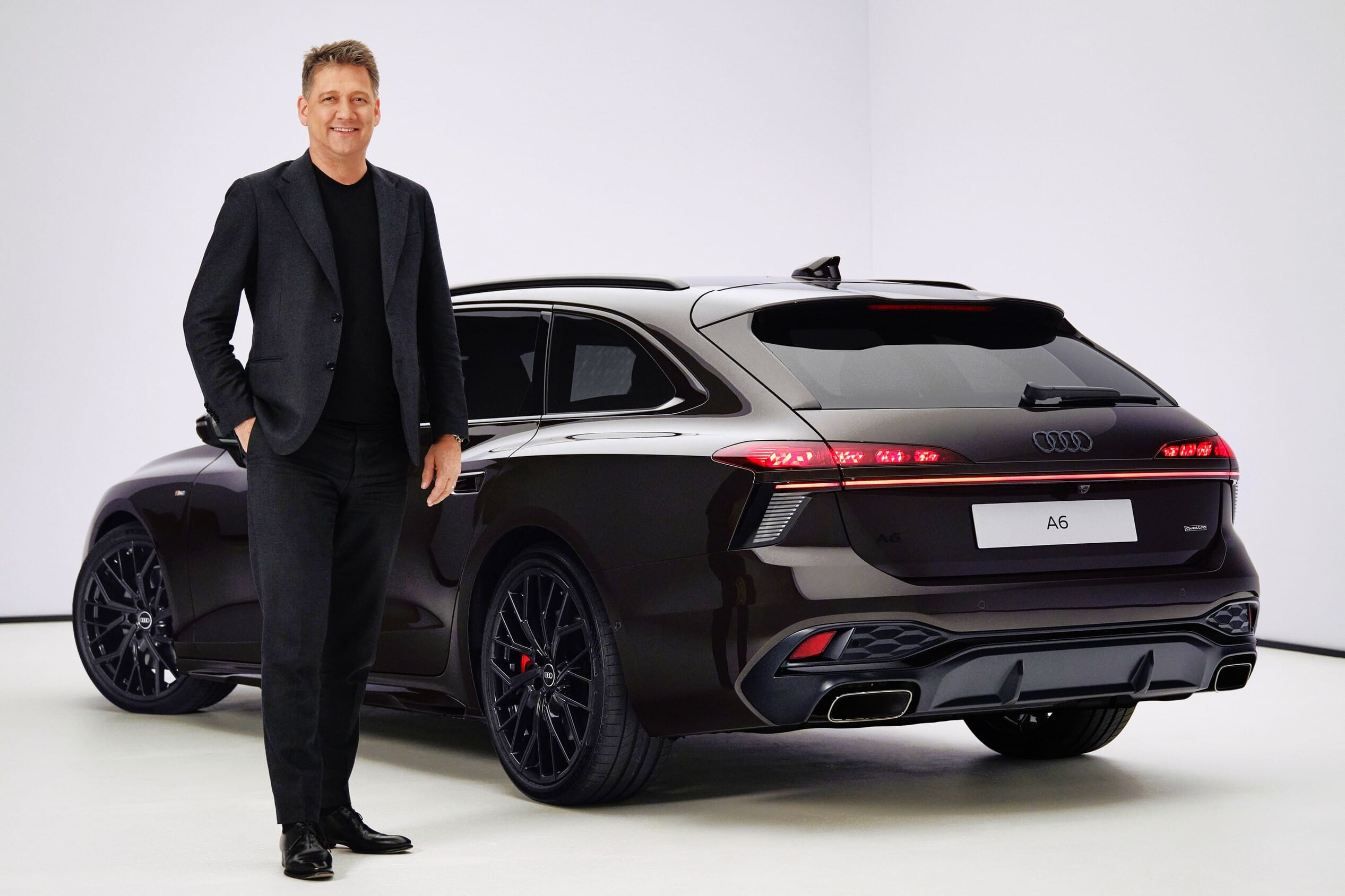
Audi will pursue a broader powertrain strategy spanning battery-electric vehicles, plug-in hybrids and combustion engines, stepping away from its earlier plan to become an all-electric carmaker. Global CEO Gernot Döllner said he reviewed Audi’s all-electric strategy after taking charge and decided that the company needed a more balanced product and powertrain mix to address the varying pace of EV adoption across markets.
“When I joined Audi, there was an all-electric strategy in place, which was one of the first things I reviewed,” Döllner told Autocar India in an exclusive interview. “We found a more balanced strategy between plug-in hybrids, especially important for Europe, combustion engine and electric.”
Global EV sales downturn lent ICE powertrains more time
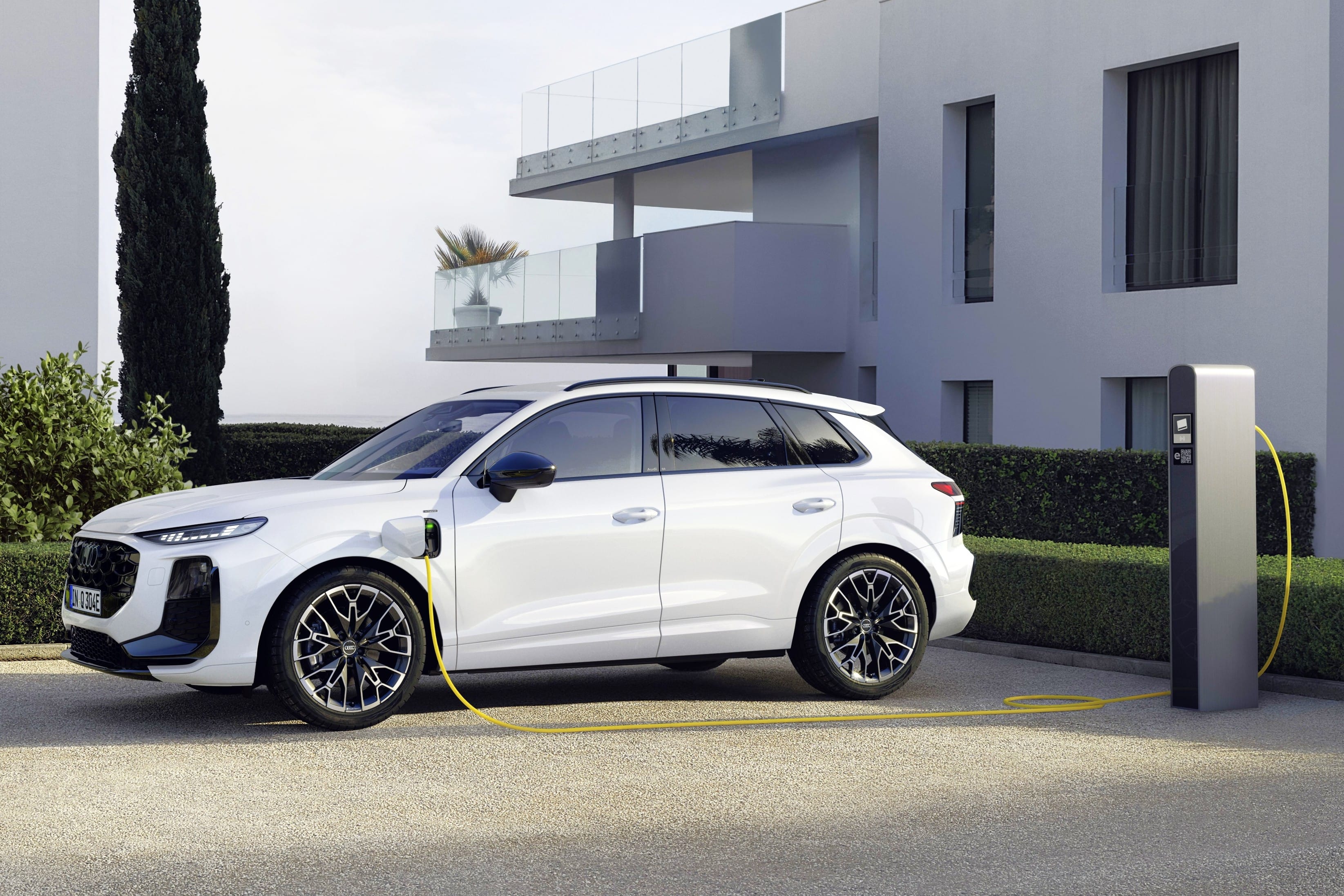
The slower-than-expected pace of EV adoption in several global markets has extended the relevance of combustion engines and plug-in hybrids. Audi expects to retain a focused combustion-engine and plug-in-hybrid portfolio, particularly for SUVs.
Audi Q3 PHEV
The company has recently completed a major investment cycle covering new petrol and diesel engines, plug-in hybrids and battery-electric vehicles designed to meet Euro 7 and other global regulations.
“For sure, the majority of our investment will be in battery electric. That’s a given,” Döllner said.
Audi will continue to invest selectively in combustion engines, including efficiency improvements and transmission technology, but Döllner expects the pace of innovation to be much faster in EVs.
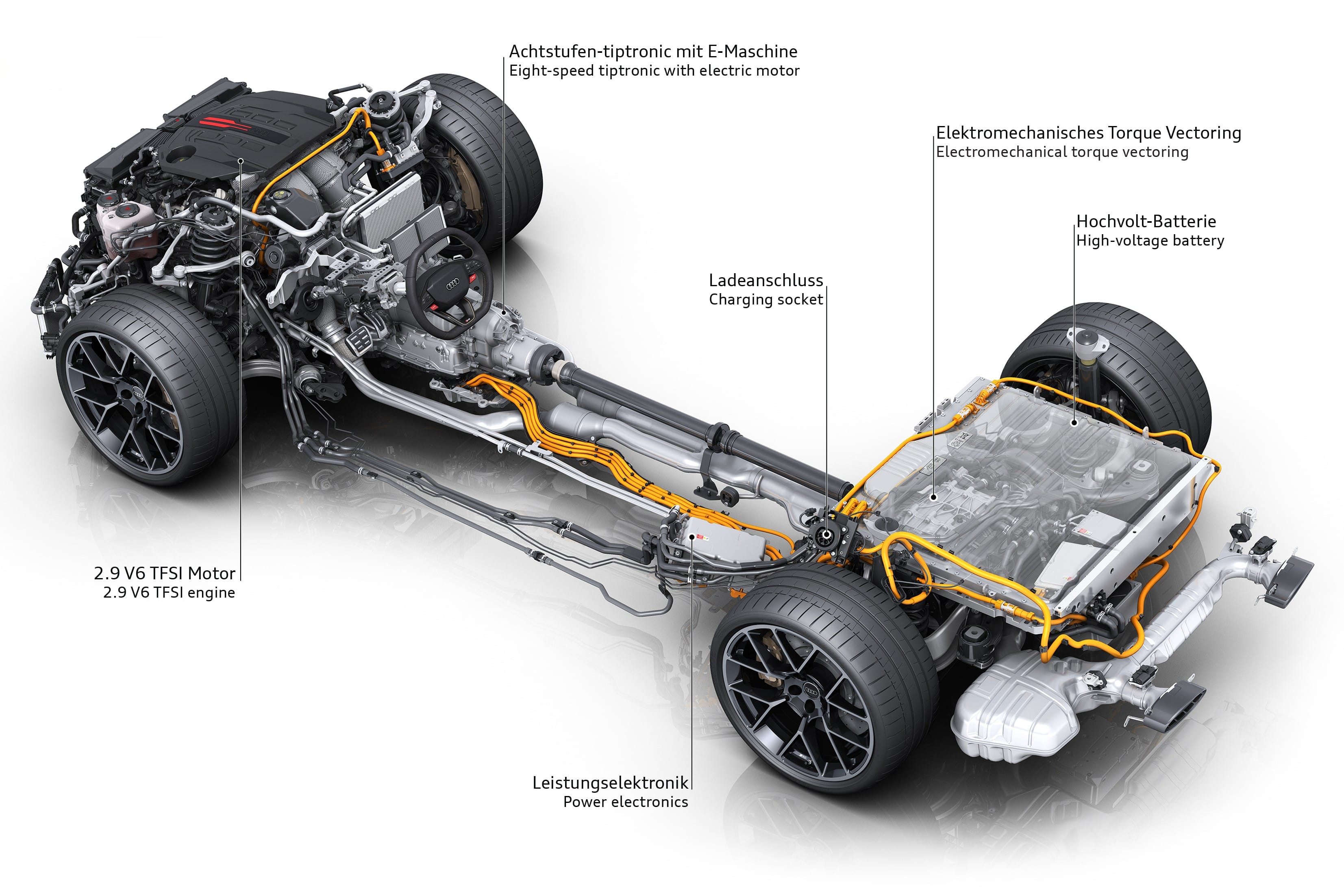
Audi RS5 plug-in hybrid powertrain
“The combustion engine is fairly mature. It’s at the very end of a 100-year innovation cycle, and battery electric is still at the very beginning, to be honest,” he said. “The dominant part of our investment will definitely be on the battery-electric side.”
Electric remains Audi’s leading technology
Audi’s decision to retain combustion engines and plug-in hybrids does not alter its long-term direction towards electric vehicles.
“Electric is, for Audi, still the leading technology,” Döllner said. “It’s our main priority to step by step become more electric.”
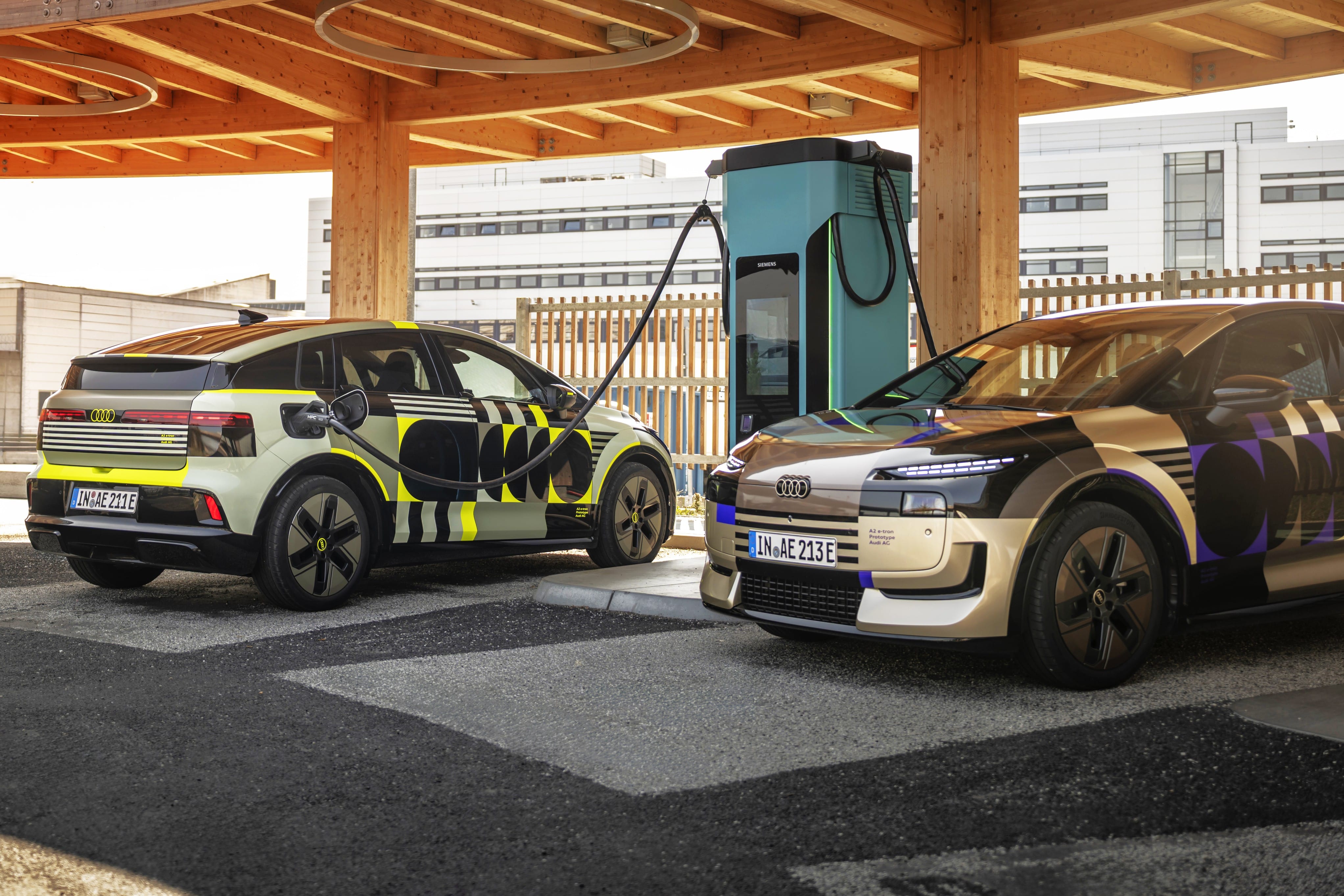
Prototypes of upcoming Audi A2 e-tron
Audi currently has four battery-electric model lines globally and expects to increase this to five by the end of the year, with some available in more than one body style. The company will, however, tailor the powertrain mix to individual regions. Plug-in hybrids will be particularly important in Europe, while the requirements of the US market will influence Audi’s future combustion-engine and PHEV portfolio, especially for SUVs.
In India, Audi’s immediate focus remains on petrol and electric vehicles. Diesel is not part of its current plan. The case for plug-in hybrids will depend partly on whether they receive any benefit under the India-EU FTA. New electric products are also planned for India.
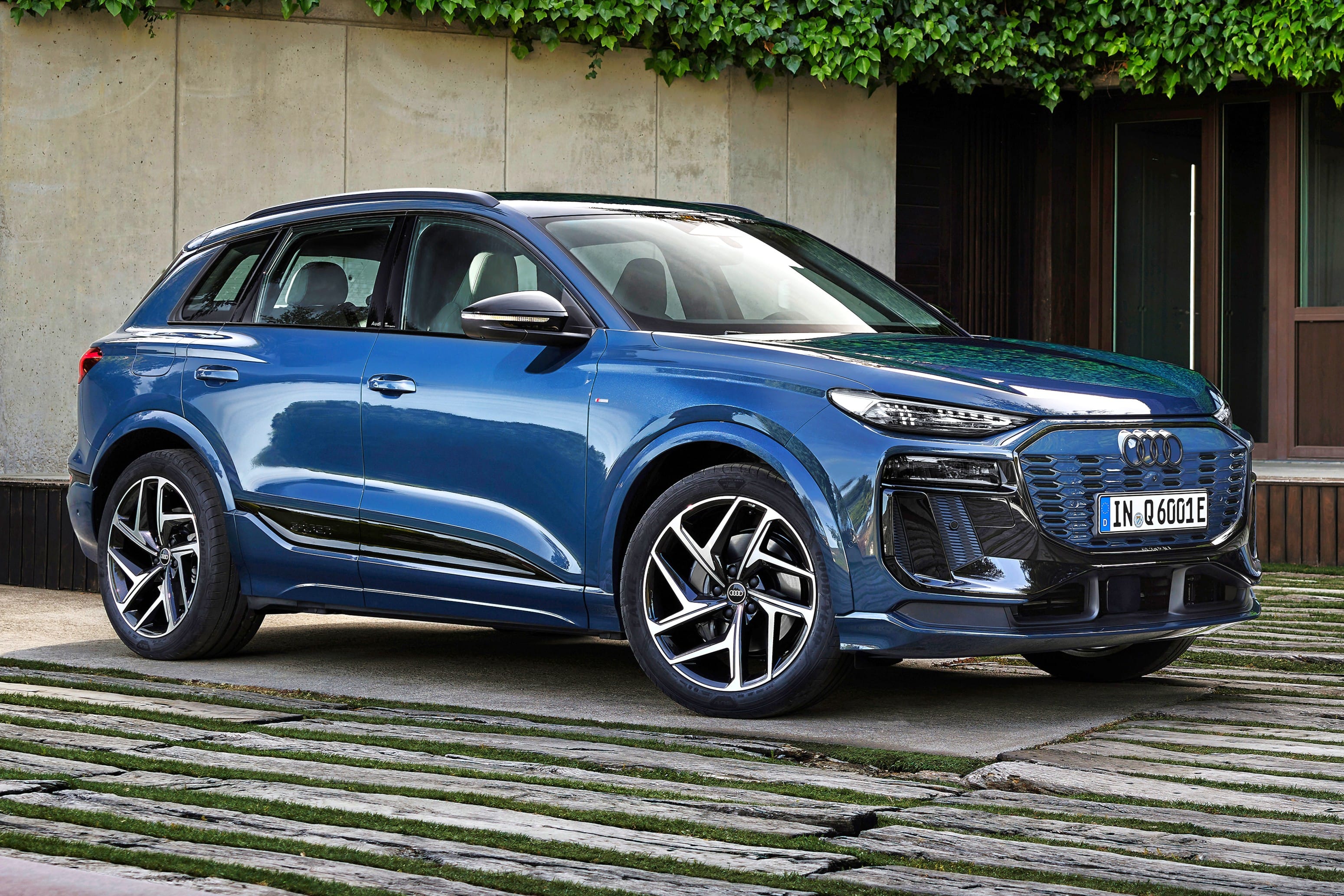
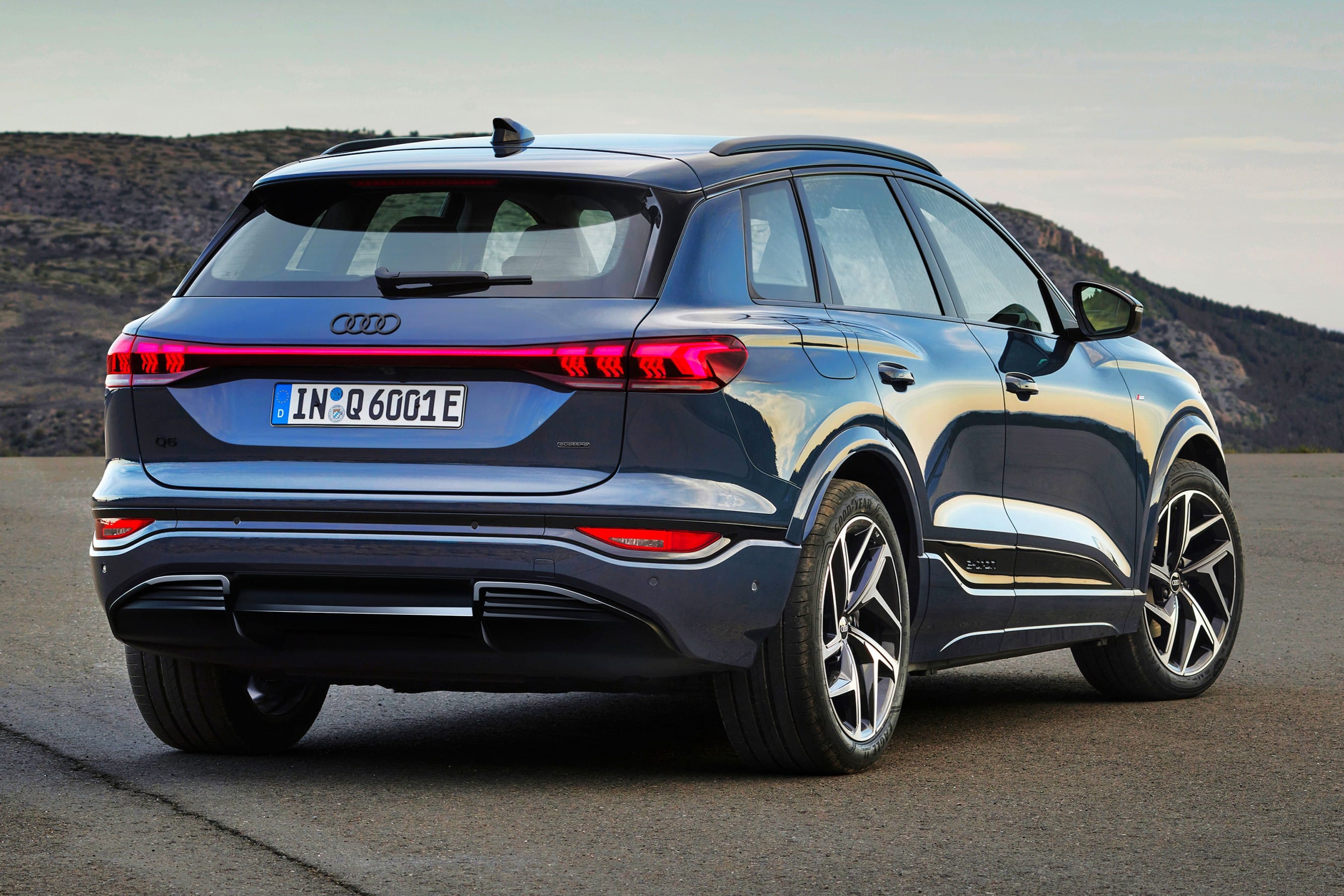
Audi Q6 e-tron
“From what I know, we also have decided to enter with new products in the electric segment in India,” Döllner said.
Audi has decided to assemble an electric vehicle in India, Autocar India learns, although the model and launch timing are still being worked out. The move from fully imported EVs to local assembly is now a question of when, rather than if.
The company was among the first luxury carmakers to enter India’s EV market with models such as the e-tron, e-tron Sportback, e-tron GT and Q8 e-tron. High import duties, however, restricted their reach and affected their resale-value proposition.
Audi Q6 e-tron
The Q6 e-tron is among the products being studied, but Audi has not decided which EV will be assembled in India. The selected model will need to offer the right combination of volume, pricing and suitability for local conditions.
Audi believes electric SUVs make more practical sense in India because their ground clearance is better suited to local road conditions. Sedans have not been ruled out, but SUVs offer a more practical proposition for battery-electric vehicles in the country.
Regional focus to shape future products
The broader powertrain approach is part of Döllner’s effort to make Audi more responsive to the requirements of individual regions.
“Audi has to act much more regional,” he said. “The times where we had a one size fits all, and we then bring it to China, just extend the wheelbase and do the same car, that doesn’t work anymore. We have to listen carefully to the markets.”
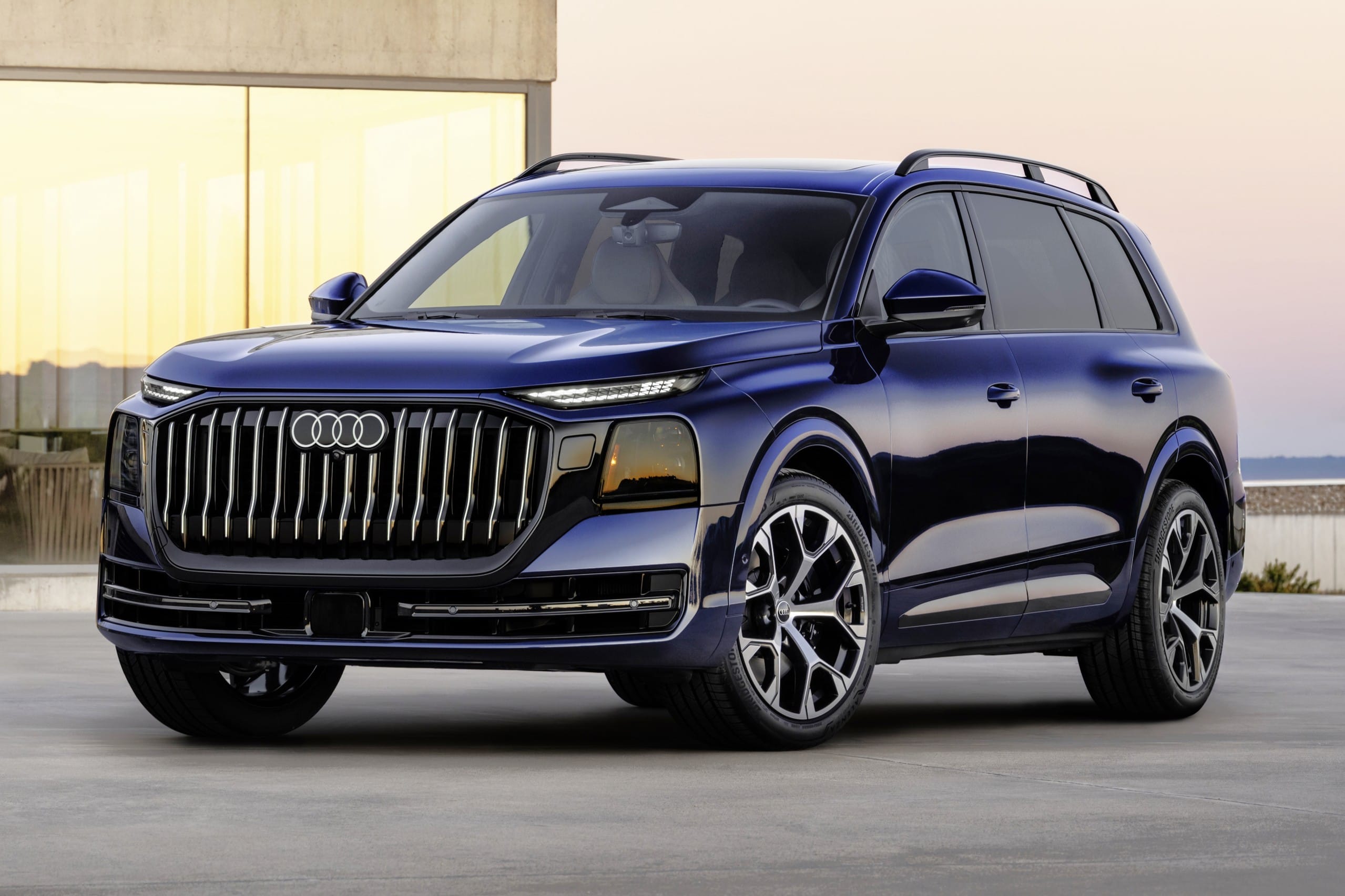
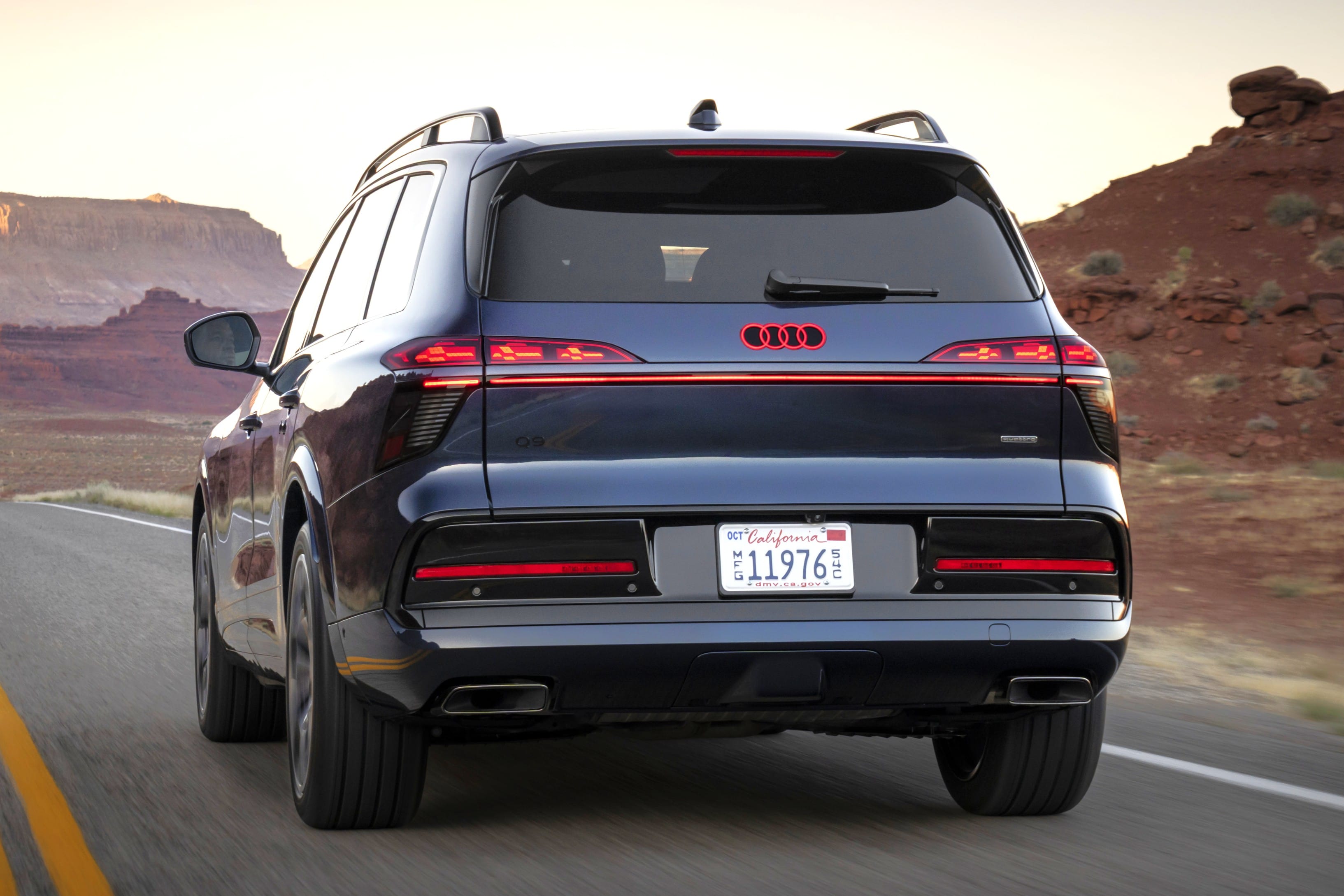
The Q9 is the first clear example of that approach. Conceived around the requirements of American customers, it will be the first Audi to make its market debut in the US.
Audi Q9
“The Q9 is a perfect proof point of a car. The biggest Audi we’ve ever built,” Döllner said. “That car would not be there without the American market.”
India does not yet generate the volumes required for Audi to develop country-specific models. Local requirements covering ground clearance, suspension, tyres, weather, dust and fuel quality are, however, fed into its global development process. The introduction of new models in India is also expected to move closer to their global launches, helping Audi benefit from the interest created when a vehicle is revealed internationally.
Döllner said the improvement in India’s manufacturing and automotive technology has changed how the country is viewed within the global industry.
Audi Q9
“India is also an excellent proof point. It’s really unbelievable what the car industry has developed in India and what level of perfection and technology products are delivered,” he said.
“In the past, there has been this strong European automotive industry, and the world has turned around. Now we have a very dynamic Chinese market, a growing and rising Indian automotive industry. The US is a story of its own.”
“What keeps me awake at night is if we are able to change fast enough,” Döllner said. “We have to speed up.”