Skoda Superb diesel India launch in 2027

Skoda Superb diesel India launch in 2027
Skoda Superb India launch details

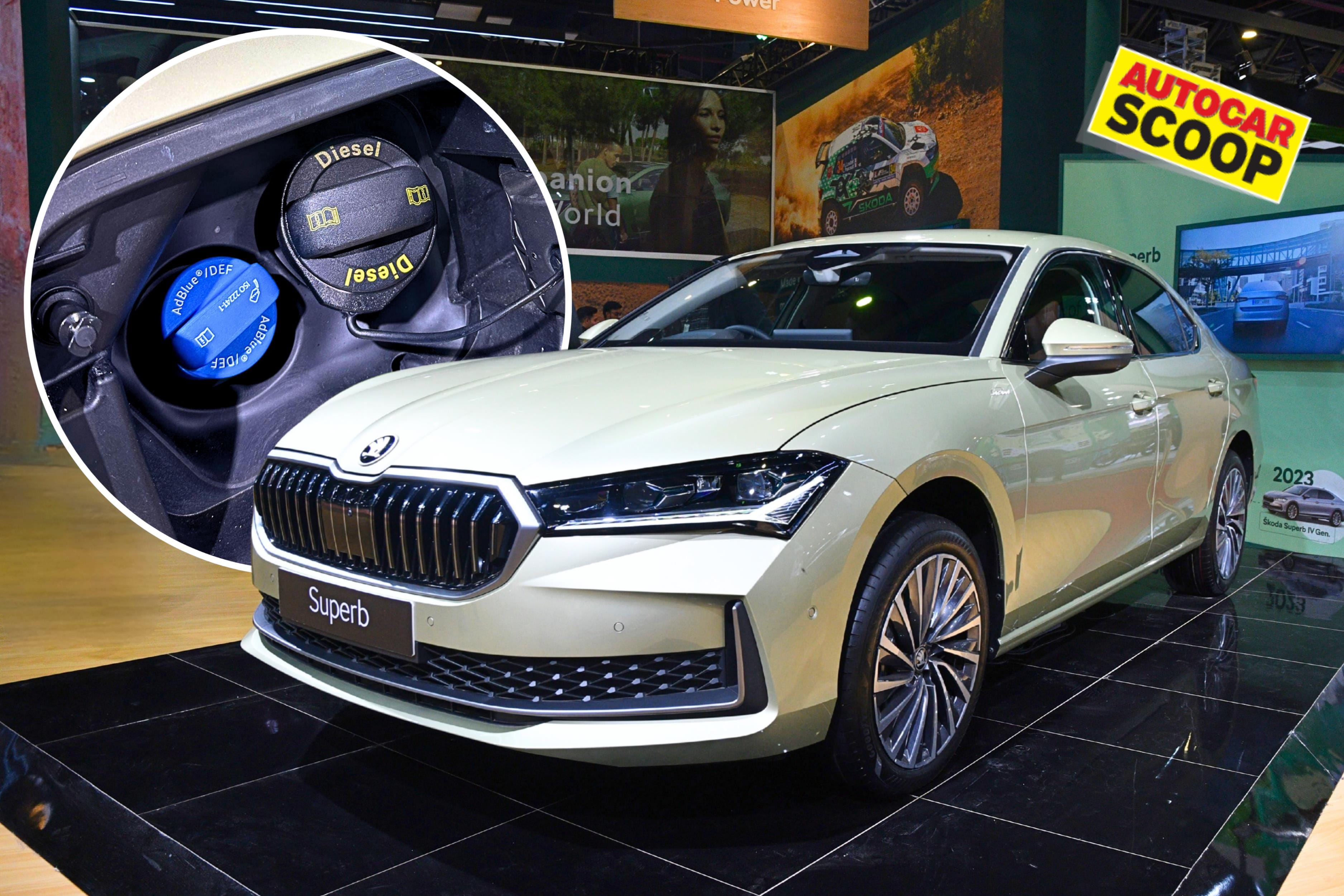
Skoda Auto will bring the diesel-powered Superb back to India in the first half of 2027, marking the return of the brand’s flagship sedan after a two-year hiatus. The previous, third-gen Superb had a brief second innings as an import, with a limited run of just 100 units. Skoda, however, hasn’t given up on its flagship. In fact, the latest fourth-gen Superb, which debuted globally in late 2023, was shown to the Indian public at the Bharat Mobility Show in January 2025, and Skoda had indicated at the time that it would bring the sedan to India. 

  1. Superb expected to return with a 2.0-litre diesel engine 
  2. Marks the return of diesel to a VW group brand since 2020
  3. Could benefit from India-EU FTA set to take effect next year 

The flagship sedan is expected to be imported as a completely built-up unit (CBU) and positioned at the top of Skoda’s Indian range. 

Skoda Superb to return with a diesel 

Significantly, the Superb will mark the return of diesel to Skoda’s India portfolio, and is expected to use VW Group’s 2.0-litre TDI engine. The carmaker discontinued diesel ahead of the transition to BS6 emission norms in 2020 and currently sells only petrol-powered models in the country. 
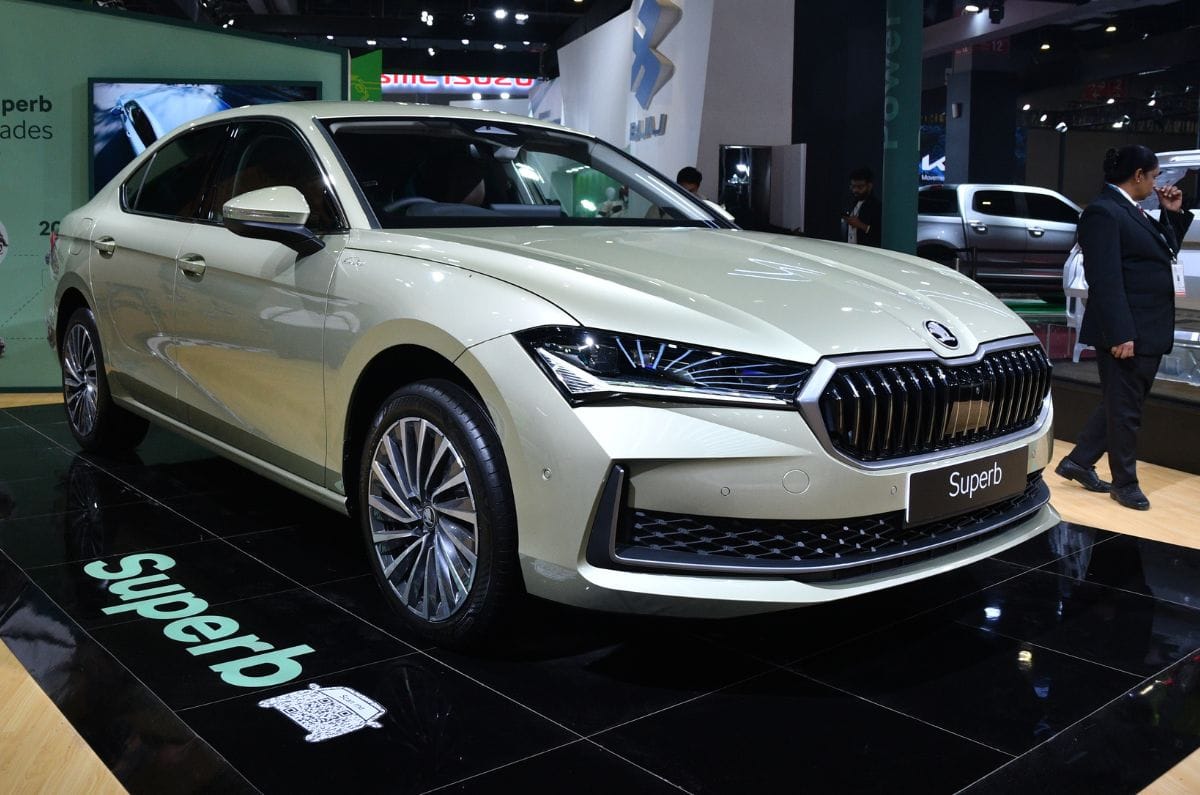
The Superb diesel was showcased at the 2026 Bharat Mobility Global Expo. 

The diesel engine could well be the Superb’s main selling point, as there is no premium diesel sedan on sale in India today. There is still a small but steady demand for diesel, and that’s exactly what Skoda cleverly wants to tap into. The model is expected to remain a low-volume import, with its role focused on strengthening the brand and the sedan legacy of Skoda.

Flagship appeal, halo effect

The Superb has played an important part in establishing Skoda’s premium image over its 25 years in India. Its return would give existing customers an upgrade path within the brand and add a large sedan option in a portfolio dominated by SUVs. It would also allow dealers to address a wider price band and reach customers from rival brands. If priced right, the Superb could be an alternative to the Toyota Camry, the only other sedan in the premium segment. 
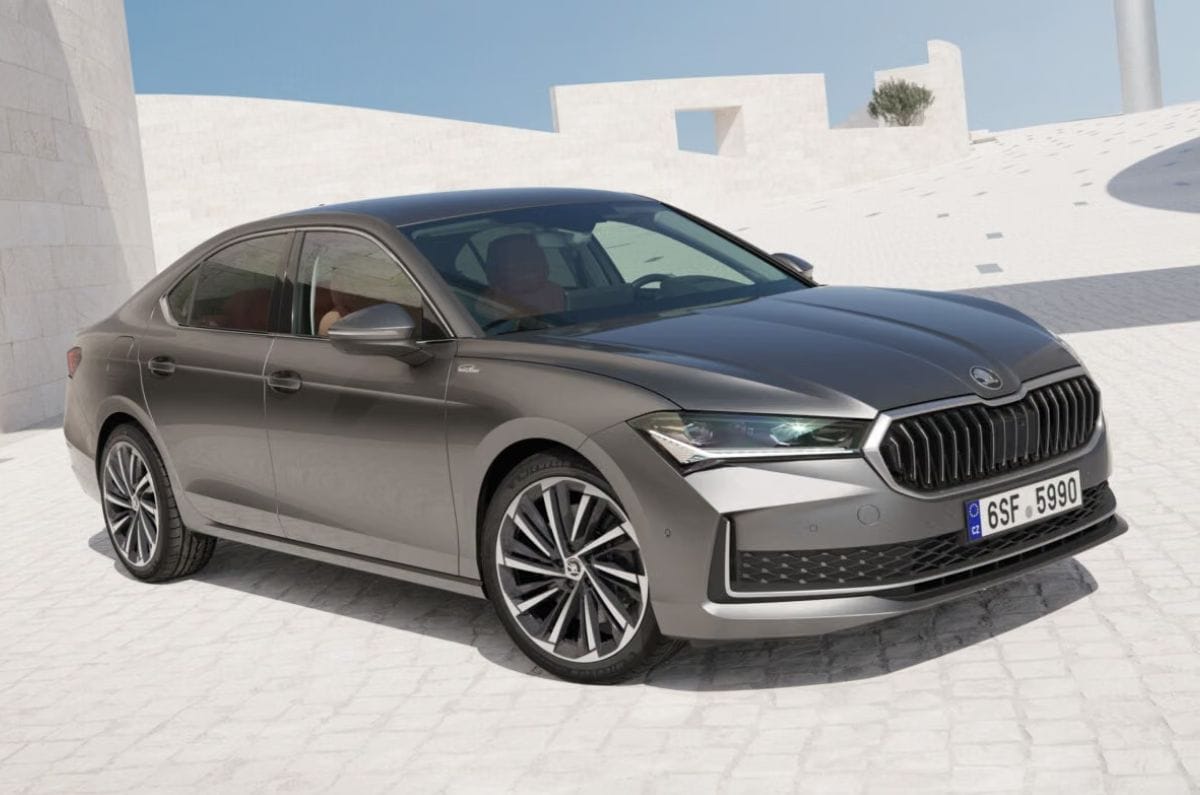
Superb diesel could be a unique proposition as there are currently no premium diesel sedans available. 

As a CBU, the Superb will attracts steep customs duties, and local assembly isn’t an option either, as the Bratislava plant that builds the sedan has no facility to produce CKD kits for export markets. The timing, however, is just right. With the EU-India free trade agreement set to take effect from next year, a sharp reduction in customs duties could see the Superb diesel priced far more attractively than before. For now, though, expect the fully loaded variant to come in at around Rs 55 lakh-60 lakh.

With inputs from Ketan Thakkar 
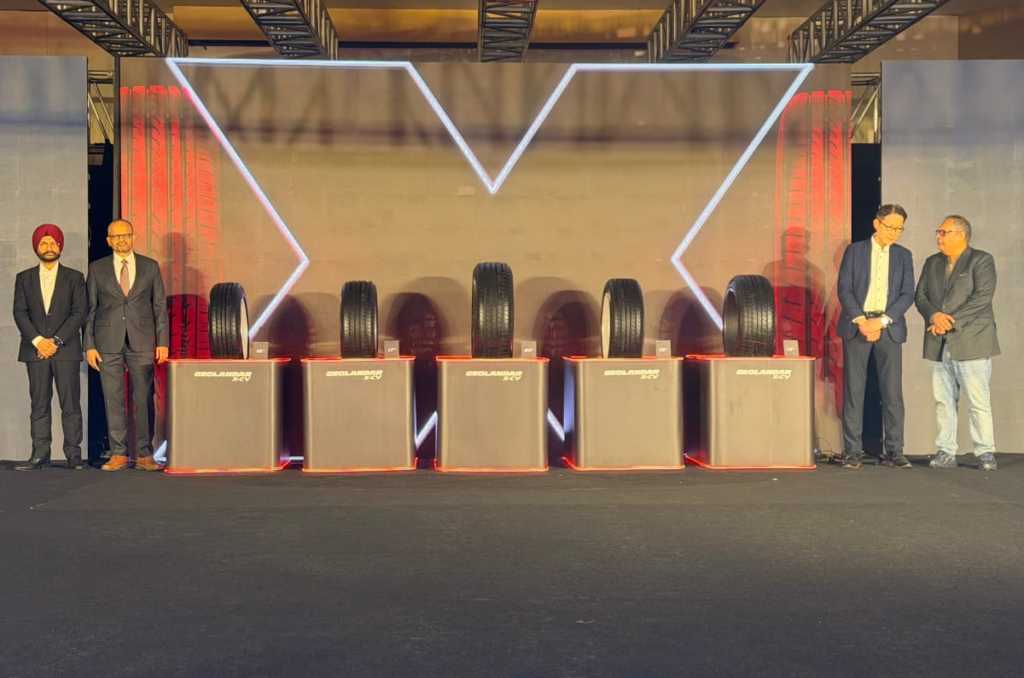
Yokohama launches Geolandar X-CV tyre range

Yokohama launches Geolandar X-CV tyre range
Yokohama

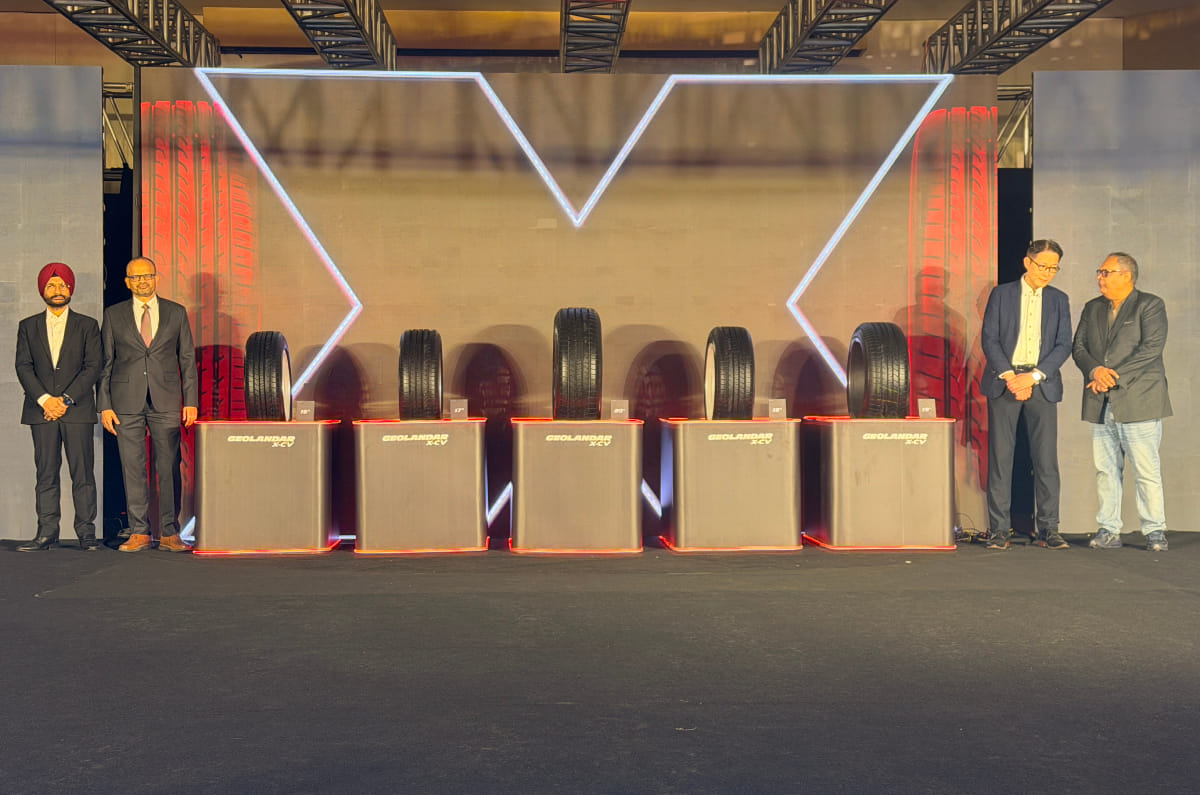
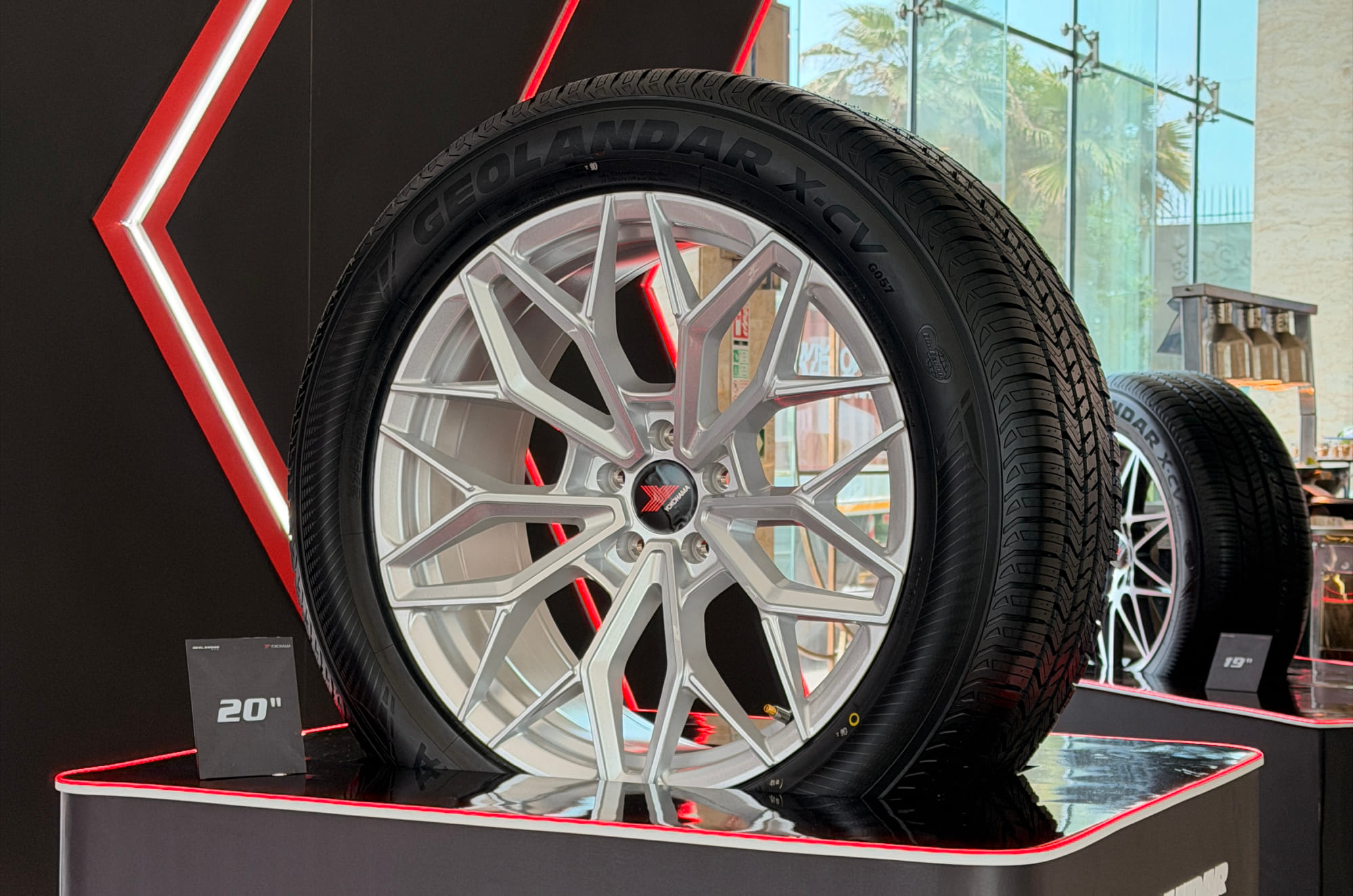
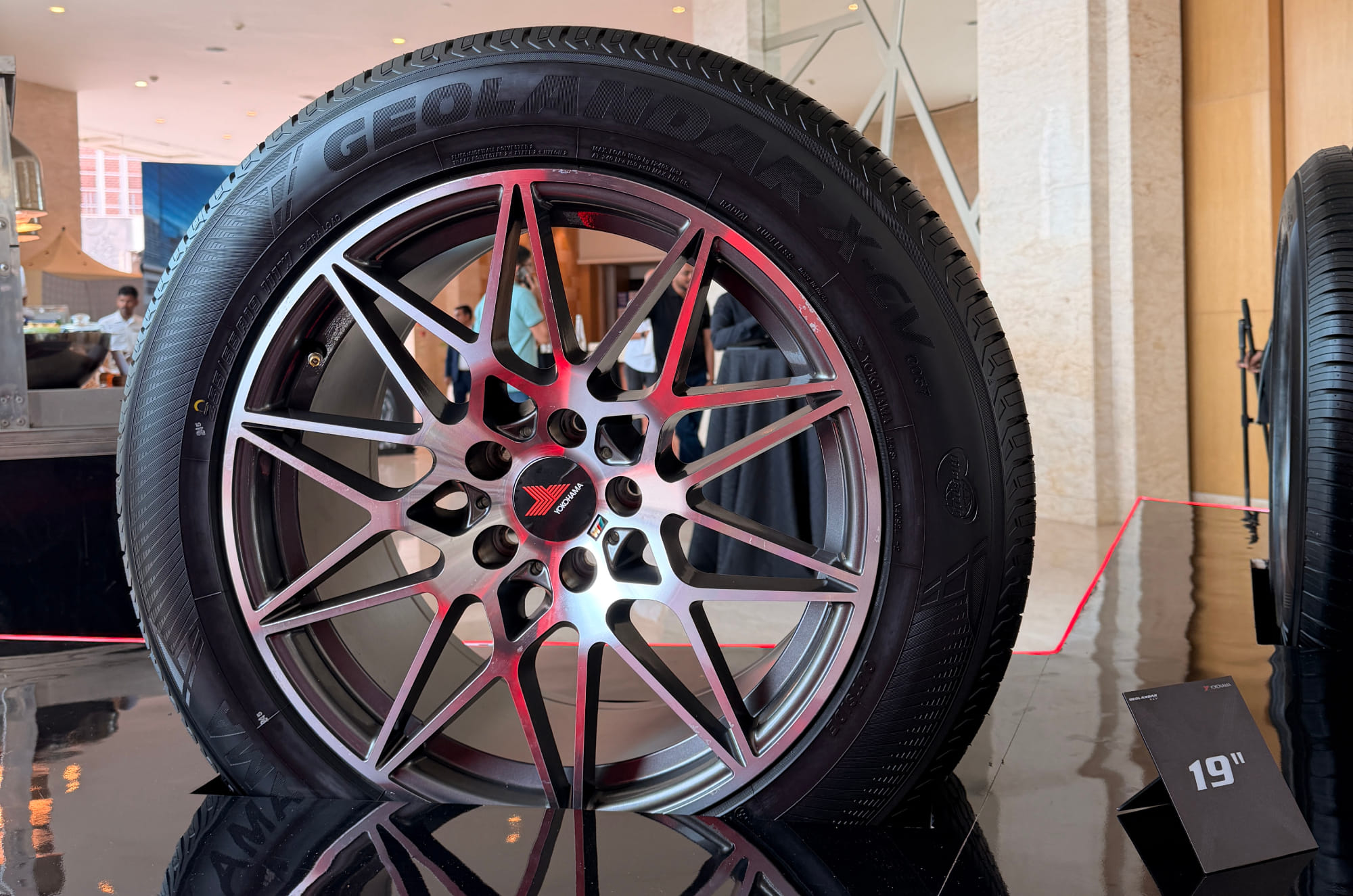
Yokohama India has launched the Geolandar X-CV tyre range for crossover and premium SUVs. Originally developed for larger luxury SUVs, the locally manufactured Geolandar X-CV is now being offered in 16-inch wheel sizes for the first time, expanding its reach to compact and midsize SUVs. The range will eventually be available in 32 sizes spanning 16 to 20 inches, with 17 sizes available immediately and the remaining 15 sizes set to be introduced over the next two to three months. Yokohama claims the new tyre delivers 20 percent better wet grip and 10 percent longer tyre life than its conventional tyre, based on the company’s internal testing.

  1. Available in 32 sizes from 16-20 inches
  2. Claimed 20 percent better wet grip and 10 percent longer tyre life
  3. 17 sizes available now; remaining to follow 

Yokohama Geolandar X-CV: what does it fit?

The Geolandar X-CV has been developed for a wide range of crossover and premium SUVs. Yokohama says it is suitable for compact and midsize models such as the Maruti Suzuki Brezza, Kia Sonet, Tata Nexon EV, Harrier EV, Mahindra XUV700 and Kia Seltos, while also catering to luxury SUVs including the BMW X5, Porsche Cayenne, Volvo XC90, Mercedes-Benz GLS, Audi Q7 and Range Rover models.

Yokohama Geolandar X-CV: features

According to Yokohama, the Geolandar X-CV has been developed to meet the requirements of crossover SUVs and electric vehicles. It features an asymmetric tread pattern, four wide circumferential grooves, Micro Silica compound, 2D and 3D sipes, five-pitch variation technology, a reinforced two-ply sidewall and a full nylon cover. The company says these technologies are designed to improve wet grip, cornering stability, braking performance, wear characteristics, durability, high-speed stability and cabin refinement.

The tyre is also EV-compatible, with its construction designed to handle the higher weight and instant torque characteristics of electric SUVs while maintaining durability and driving refinement. The Geolandar X-CV will be available from August 2026 through Yokohama Club Network outlets and select authorised dealers, with a no-cost EMI offer available at launch.

Yamaha R2 pre-bookings now open

Yamaha R2 pre-bookings now open

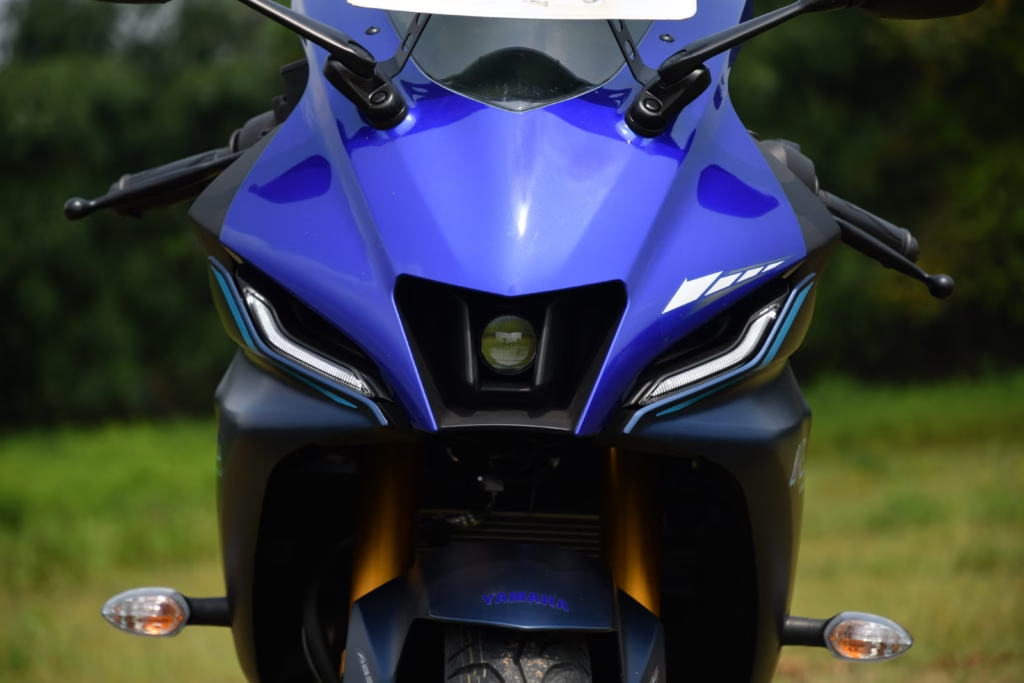
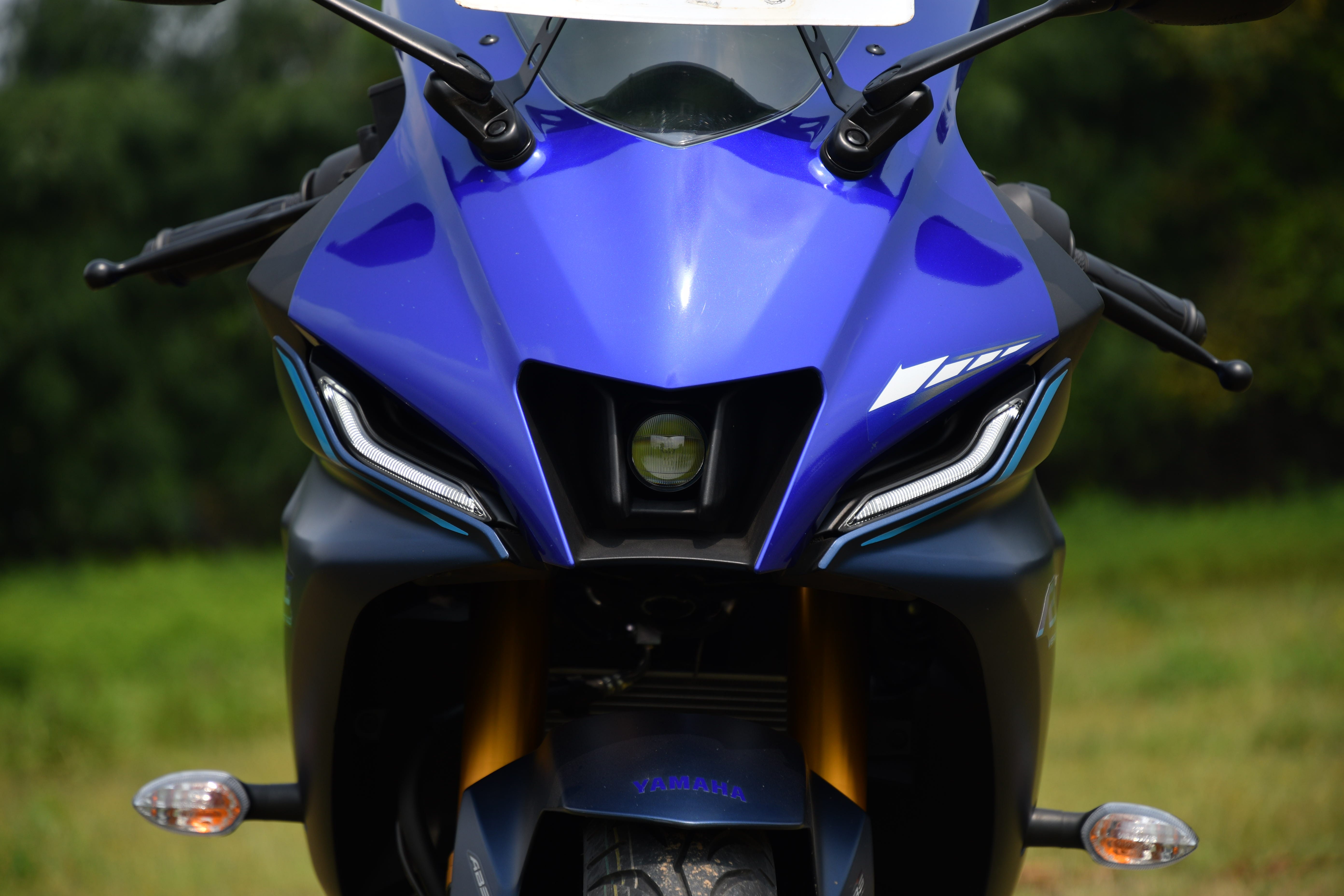
Yamaha has started accepting pre-bookings for an amount of Rs 10,000, for its much anticipated R2 supersport that is slated to launch on August 27. Here’s a rundown of all the things we know so far about the newest Yamaha on the block

  1. Yamaha R2 could be priced between Rs 2 lakh – 2.20 lakh
  2. To be powered by a 200-220cc engine
  3. Will sit above the R15 M in Yamaha’s lineup

Yamaha R2: What to expect?

Will rival the Hero Karizma XMR and KTM RC 200

We exclusively reported early this year that the R2 will be launched in India. It will carry forth the same spirit of its younger sibling – the R15 – in terms of its riding experience. Which means, it’s safe to say that it will be powered by a high-revving, higher displacement, single-cylinder engine that will punch well above its weight, much like the R15’s, delectable 155cc engine does. 

Details on the exact engine capacity are not yet clear, but we expect it to be slightly over 200cc, likely in the 200-220cc range. Power figures are also yet to be confirmed, although sources suggest performance should be on par with, if not better than, its key rivals. The Yamaha will go up against the KTM RC 200 and Hero Karizma XMR, both of which produce around 25hp, suggesting the Yamaha could offer a similar output. 

Where the R15 also holds an advantage, and where the R2 is likely to as well, is kerb weight. It is expected to be lighter than its rivals, which should give it an advantage in terms of agility and power-to-weight ratio. For example, the KTM weighs 160kg, the Karizma 163.5kg, while the current Yamaha R15 V4 weighs in at just 141kg.

As mentioned earlier, the Yamaha R2 will not replace the Yamaha R15. That said, the current R15 line-up will be streamlined, and we expect that the range topping M will be discontinued to make way for the R2. It’s also possible that the current R15 S (which is based on the gen-3 R15) will also be discontinued.

With current R15 prices starting at Rs 1.57 lakh for the S and going up to Rs 1.98 lakh for the top M variant, we expect that the R2 range could start at around Rs 2-2.2 lakh, depending on how aggressive Yamaha plans to be. The R2 will be manufactured entirely in India and will also be exported from here to other global markets.

The pre-booking amount of Rs 10,000 is fully refundable, although refunds will only be processed after September 5. The bike is slated to launch on August 27, with Yamaha giving priority to customers who pre-book before the launch.

Jaguar Type 01 interior revealed ahead of October 6 debut

Jaguar Type 01 interior revealed ahead of October 6 debut

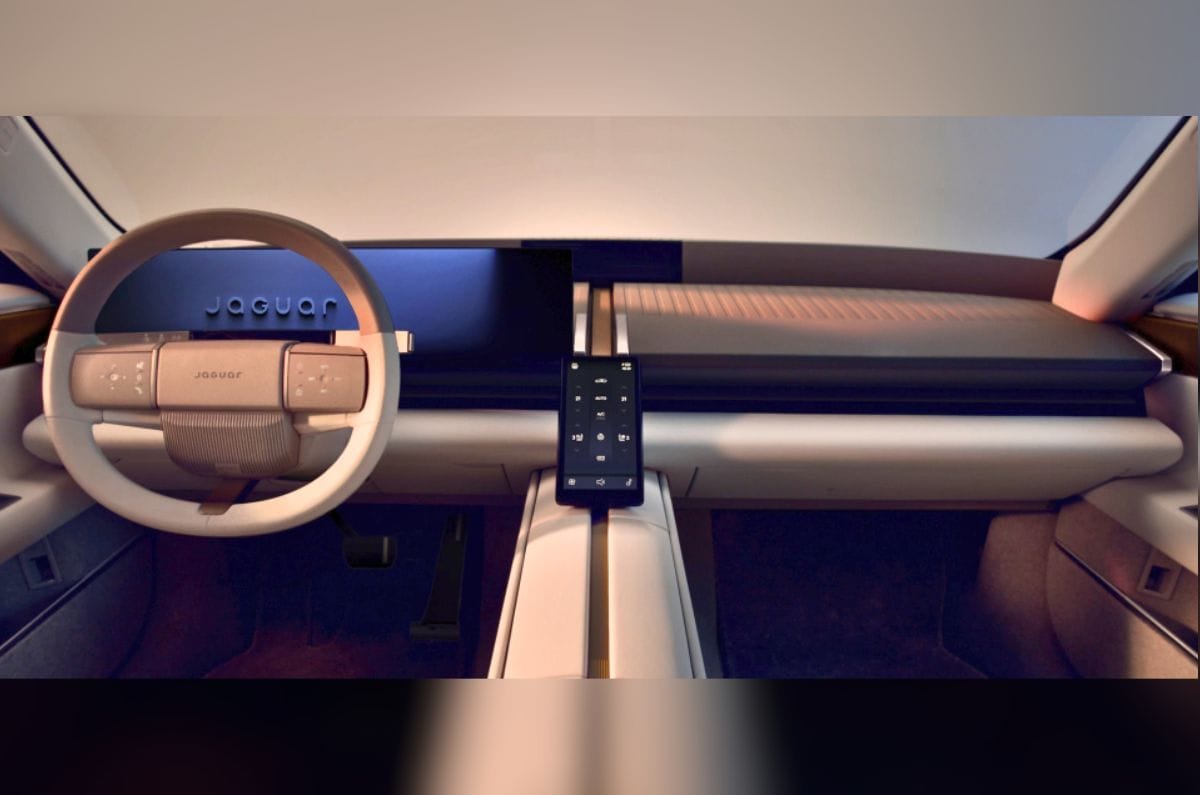
Jaguar has revealed the interior of the upcoming Type 01 electric GT. The Type 01’s cabin is inspired by the Type 00 concept on which it is based, and is as radical as its exterior design. Jaguar will debut the production-spec Type 01 in New York on October 6.

  1. Has a ‘central spine’ spanning the length of the cabin
  2. Gets a screen in front of the driver and a central screen for AC controls
  3. Misses out on a rear windscreen, but features digital rearview cameras

Jaguar Type 01 interior revealed

4-seater electric GT has a minimalist cabin divided into four individual spaces

Jaguar’s “hidden on-demand technology” is integrated into the EV’s architecture. 

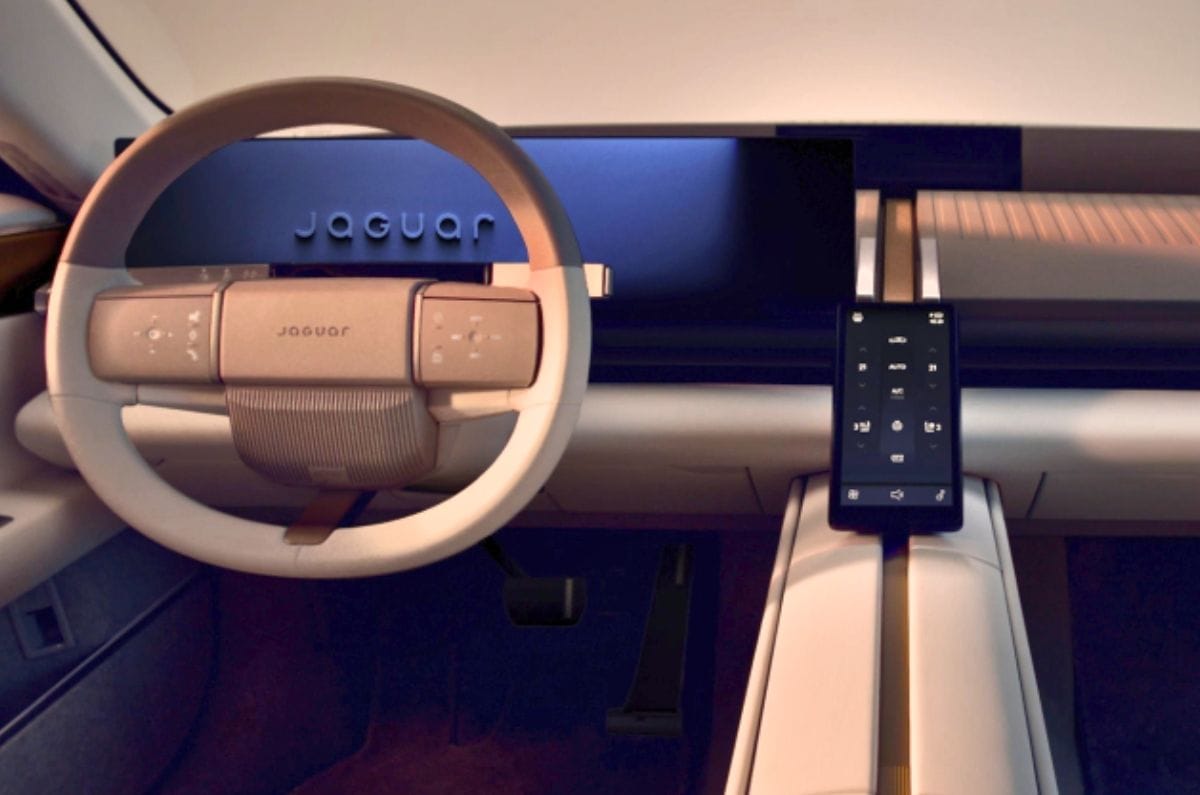
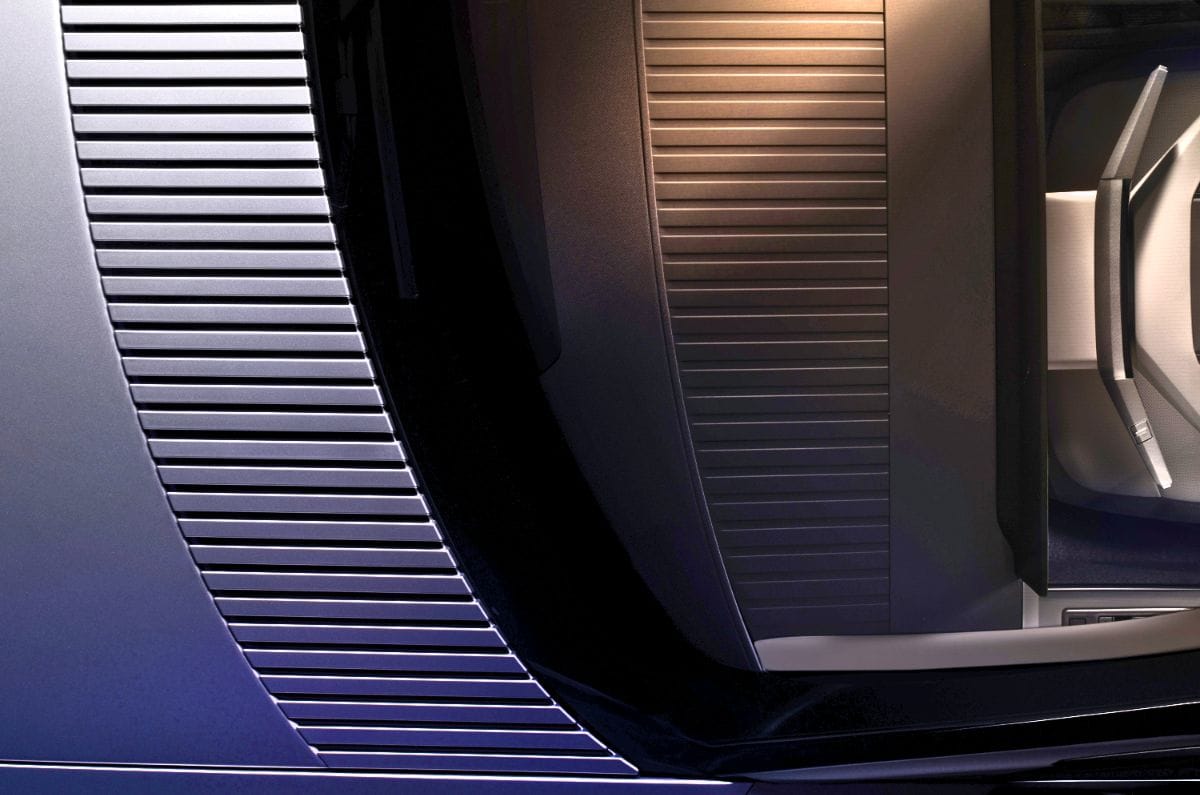
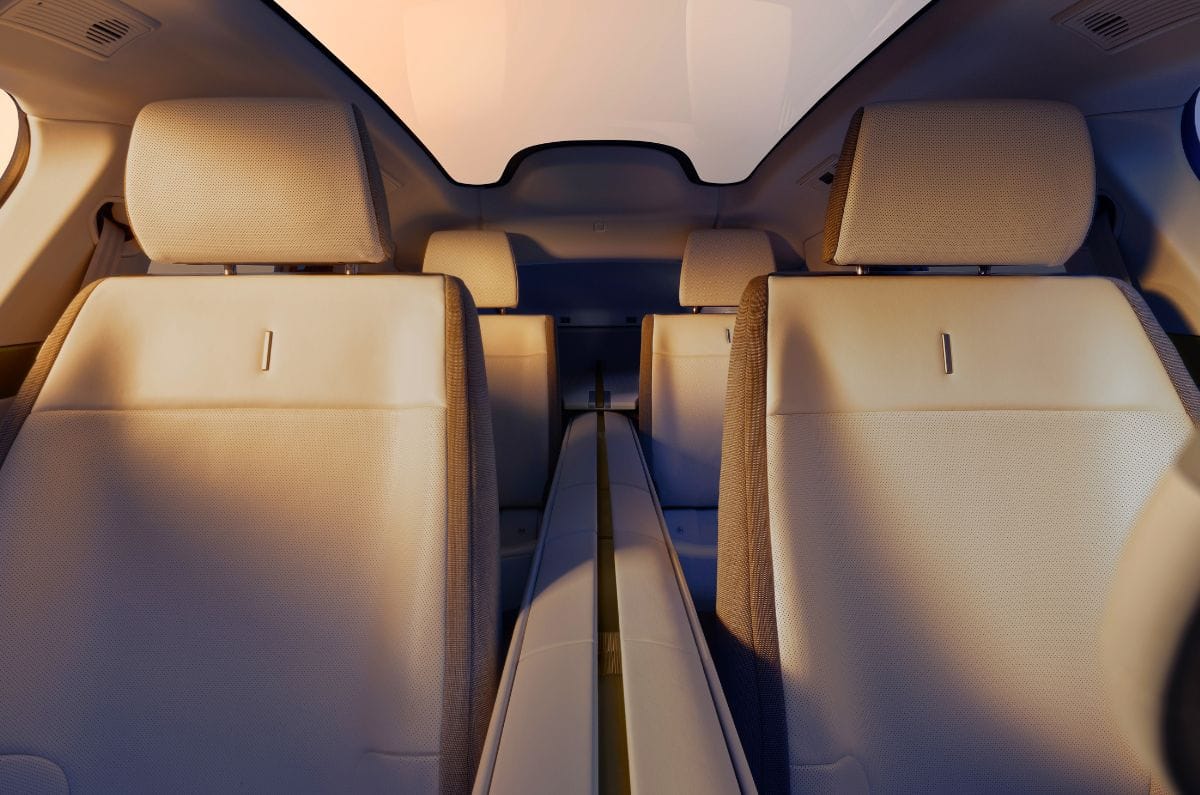
The interior design of the Jaguar Type 01 concept takes inspiration from the Type 00 concept, calling it “a concept car vision brought to production”. The production-spec model features a ‘central spine’ spanning the length of the cabin and divides it into four individual segments – one each for every passenger. This central spine has a brass finish and features a small screen at the front for operating the climate controls. This AC control screen and another display on the dashboard are being called “hidden on-demand technology”, which, Jaguar says, is integrated into the EV’s architecture. 

Strikethrough elements on the dashboard are similar to those on the bonnet’s top lip.

The interior features a 2-spoke steering wheel with touch-enabled buttons and a distinct dashboard design for the driver and front passenger areas. There’s a digital screen in front of the driver and ‘strikethrough’ elements in front of the co-driver. Similar ‘strikethrough’ design elements are also present on the top lip of the bonnet to fuse the Type 01’s exterior and interior design. 

There is no glass rear windscreen.

A low swooping roof can also be seen with panoramic glass, which is likely to feature customisable lighting patterns. The Jaguar Type 01 does not feature a rear windscreen but digital rearview cameras instead. It features four seats with a dual-tone upholstery.

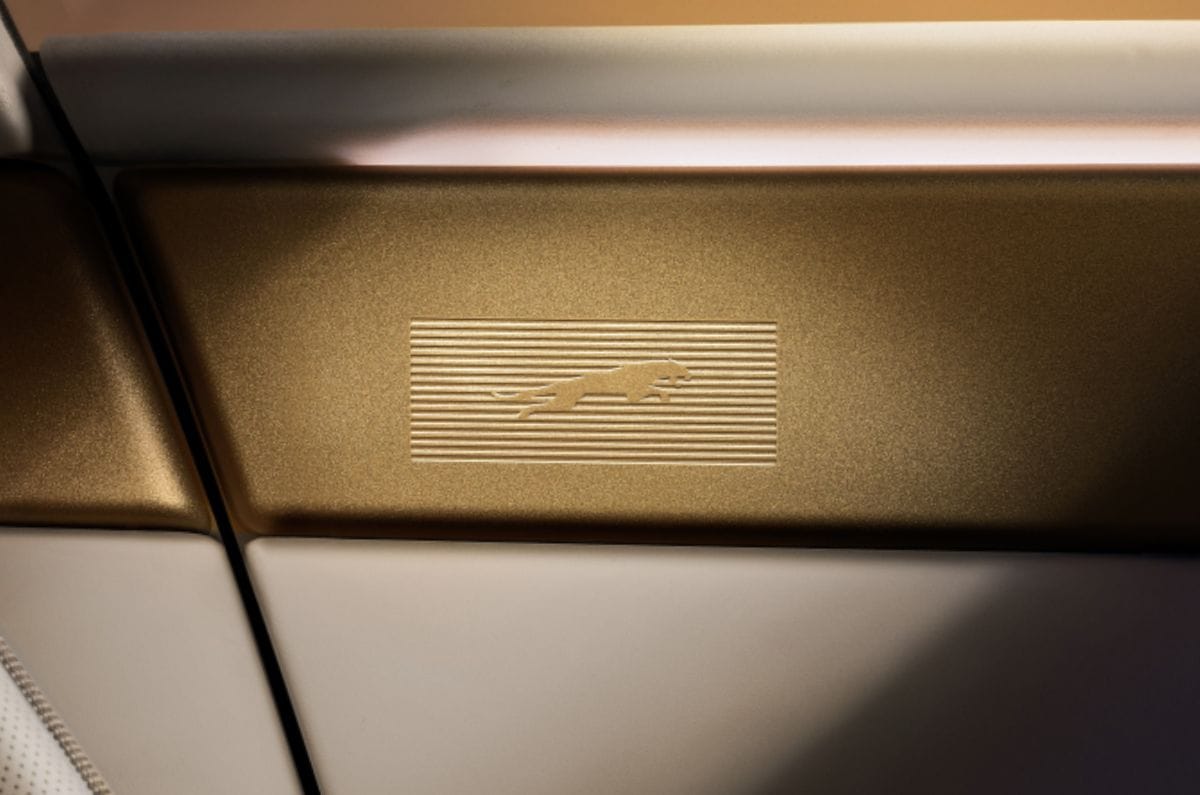
The doors sport the same brass finish as the central spine but additionally feature Jaguar’s ‘leaper’ logo. Jaguar says that the Type 01’s interior is inspired by travertine stone (a type of natural limestone) and textures of artisan textiles for a “deeply sensorial experience”.

Jaguar Type 01: Other details

Built on the JEA platform; will offer over 700km of range

The top section of the doors feature the Jaguar leaper logo. 

The Jaguar Type 01 will debut in New York on October 6, 2026, as the luxury marque’s first car after its ‘reinvention’ as an all-electric brand. It will be underpinned by the Jaguar Electric Architecture (JEA), offering a claimed range of over 700km and featuring three electric motors producing over 1,000hp. It is expected to arrive in international markets by the first half of 2027 as a rival to the Ferrari Luce, Audi e-tron GT, Porsche Taycan and Mercedes-AMG GT 4-Door Coupe.

PM E-Drive subsidy for electric two-wheelers extended to March 2028

PM E-Drive subsidy for electric two-wheelers extended to March 2028
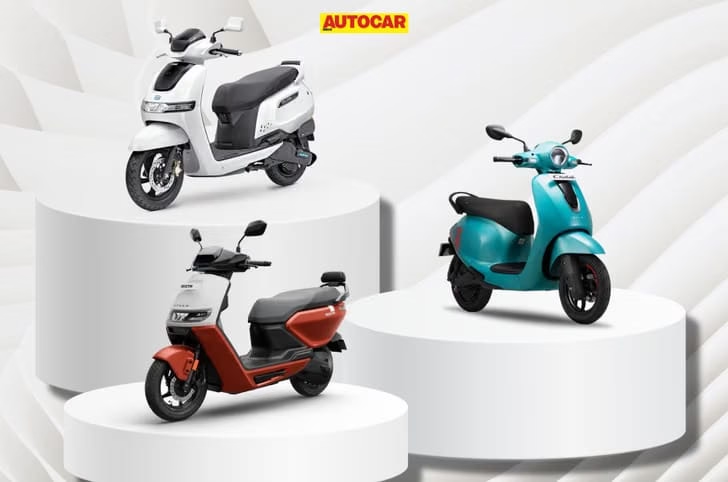
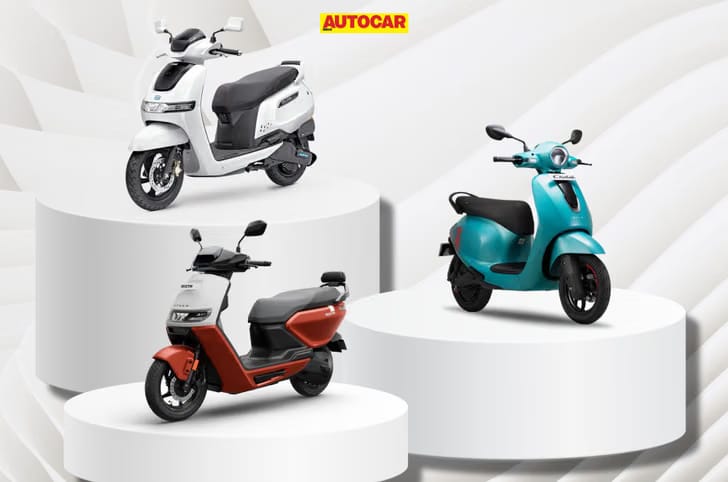
graphic of 3 electric scooters on a podium

The government has extended demand incentives for electric two-wheelers under the PM E-Drive scheme to March 31, 2028, through a notification issued by the Ministry of Heavy Industries. The move gives electric two-wheeler manufacturers a longer subsidy runway, following an earlier extension only up to July 31, 2026. 

  1. PM E-Drive subsidy for electric two-wheelers extended to March 31, 2028
  2. Segment allocation raised by Rs 1,000 crore to Rs 2,767 crore
  3. Per-vehicle subsidy rate unchanged at Rs 2,500 per kWh, capped at Rs 5,000

PM E-Drive extension details

The scheme remains fund-limited – subsidies could end before March 2028 if funds are exhausted

The total allocation for the electric two-wheeler segment under the scheme has also been increased by Rs 1,000 crore to Rs 2,767 crore, while the overall PM E-Drive scheme outlay rises to Rs 11,900 crore. 

The subsidy rate for electric two-wheelers registered between April 1, 2025, and March 31, 2028, remains at Rs 2,500 per kWh of battery capacity, subject to a maximum of Rs 5,000 per vehicle. This is lower than the Rs 5,000 per kWh (capped at Rs 10,000 per vehicle) offered in FY25, a reduction the government made as part of a planned tapering of EV support. The maximum ex-factory price of an eligible electric two-wheeler also remains unchanged at Rs 1.5 lakh. The incentive is capped at the specified amount or 15 percent of the ex-factory price, whichever is lower. The number of electric two-wheelers eligible for support under the scheme has been raised to 45,79,120 units.

That said, the scheme is fund-limited. If the Rs 11,900 crore total outlay or the allocation for any specific component is exhausted before March 31, 2028, that component can be closed and no further claims will be entertained. December 31, 2027, has been set as the last date for submitting claims.

The extension comes at a time when electric two-wheeler sales have grown sharply in India. According to Vahan data, electric two-wheeler sales reached 1.46 million units in FY26 – up significantly from 2,52,787 units in FY22 – and the segment crossed 2 lakh monthly sales for the first time in July 2026. The continuation of the subsidy is expected to sustain momentum in the segment, particularly in the sub-Rs 1.5 lakh price category where the majority of mainstream electric scooters are sold.

N Chandrasekaran Resigns as Tata Sons Chairman: Reuters

N Chandrasekaran Resigns as Tata Sons Chairman: Reuters
N-Chandrasekaran

N Chandrasekaran has resigned as chairman of Tata Sons but will continue in the role until the end of his current term in February, according to a source familiar with the matter, Reuters reported on Wednesday. The development comes months after Tata Sons deferred a decision on Chandrasekaran’s reappointment amid differences with Tata Trusts chairman Noel Tata over the future governance of the conglomerate. 

Why Chandrasekaran Is Stepping Down: Tata Trusts Rift Explained

Tata Sons is the holding company of the Tata Group and oversees more than 30 companies, including Tata Consultancy Services (TCS), Tata Motors and Air India. Tata Trusts, the group’s philanthropic arm, owns a 66 per cent stake in Tata Sons.

In February, Tata Sons postponed a decision on extending Chandrasekaran’s tenure after Noel Tata opposed the move, Reuters reported at the time. According to a source cited by Reuters, Noel Tata had sought several conditions, including a commitment that Tata Sons would never be listed. Chandrasekaran was unwilling to make such a commitment, the source said.

The two sides have also disagreed over board representation, Reuters reported, citing people familiar with the matter.

What This Means for Tata Motors, TCS and Air India

Tata Sons did not immediately respond to a Reuters request for comment, while Chandrasekaran could not be reached for comment.

Chandrasekaran joined the Tata Group in 1987 and became CEO of TCS in 2009. He was appointed as the chairman of Tata Sons in February 2017 and his second 5-year tenure will come to an end on February 20, 2027. 

The leadership uncertainty comes as the Tata Group faces challenges across several businesses. Reuters has reported that Air India has come under regulatory scrutiny following a fatal crash, while TCS has faced pricing pressure. Jaguar Land Rover (JLR) has also been dealing with the impact of a cyberattack that disrupted production and affected Britain’s economic output.

Honda Rebel 300 vs Royal Enfield Goan Classic 350: Specification comparison

Honda Rebel 300 vs Royal Enfield Goan Classic 350: Specification comparison

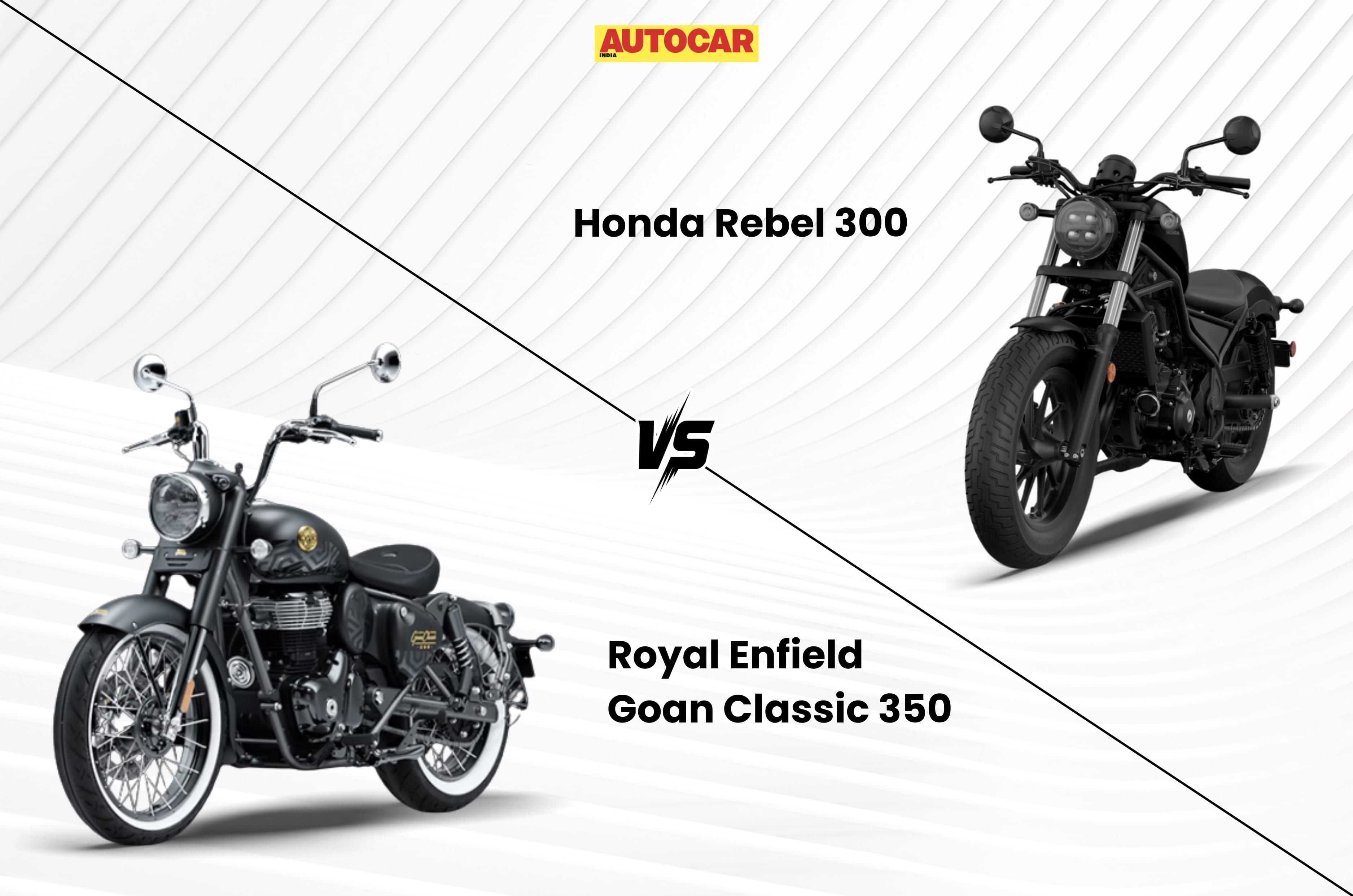
Honda Rebel 300 was one of the ten products announced for India by the company on their July 2026 mega reveal. Currently, its direct competitor in the segment will be the Royal Enfield Goan Classic 350. Unlike Royal Enfield, Honda seems to be taking a more modern approach to it’s bobber motorcycle with a more modern design and small but meaningful tech implementations. Even though we don’t have the official price or a launch date for the Rebel 300, we know enough details about it to see how it stacks up against the Goan Classic 350 on paper.

Honda Rebel 300 vs Royal Enfield Goan Classic 350: Engine and output

Modern vs neo-retro


Honda Rebel 300

Royal Enfield Goan Classic 350

Engine

286cc, single-cylinder, liquid-cooled

349cc, single-cylinder, air-cooled

Power

30hp

19.9hp

Torque

27.5Nm

27Nm

Transmission

6-speed

5-speed

Power-to-weight ratio

174.42hp/tonne

101.02hp/tonne

The fundamental differences between the two motorcycles start right from their engines. The Goan Classic 350 uses its extremely popular J-series 349cc single-cylinder engine powering five different Royal Enfield motorcycles at the moment. Honda is using a 286cc single-cylinder engine that was last seen in India on the CB300R. Do note that the Rebel 300 is expected to be offered in India in both ‘normal’ and E-Clutch versions (that negates the need to use the clutch to change gears). While both the motorcycles offer the same torque, it is the Honda that offers more power.

Honda Rebel 300 vs Royal Enfield Goan Classic 350: Dimensions and weight


Honda Rebel 300

Royal Enfield Goan Classic 350

Fuel tank capacity

11 litres

13 litres

Ground clearance

NA

170mm

Kerb weight

171.9kg

197kg

Seat height

691mm

750mm

Wheelbase

1491mm

1400mm

Honda is lighter, lower, and longer

The Goan Classic 350 is the heavier one of these two motorcycles, by a mile. However, Royal Enfield has earned a reputation for its hefty footprints so this shouldn’t come as a surprise to most. For what it’s worth, the Royal Enfield does get a 2-litre larger fuel tank compared to the Honda, but the latter, in addition to being lighter, also gets a much lower seat height and a longer wheelbase. At the time of publishing, we do not have the ground clearance for the Rebel 300.

Honda Rebel 300 vs Royal Enfield Goan Classic 350: Tyres, brakes, and suspension

Rebel 300 has bigger tyres but smaller rim at front


Honda Rebel 300

Royal Enfield Goan Classic 350

Tyres (F, R)

130/90-16, 150/80-16

100/90-19, 130/90-16

Brakes (F, R)

296mm disc, 240mm disc, dual-channel ABS

300mm disc, 270mm disc, dual-channel ABS

Suspension (F, R)

Telescopic fork, dual shock

Telescopic fork, dual shock

Honda Rebel 300 vs Royal Enfield Goan Classic 350: Features

Honda takes the lead

As is expected of retros, both motorcycles offer a lean list of features, but Honda has the slight edge. Both motorcycles offer dual-channel ABS as standard, but Honda is expected to give the Rebel 300 a full TFT instrument cluster in India, replacing the negative LCD cluster in the international model. Royal Enfield does give their tripper navigation pod as standard on the Goan Classic 350. One feature that Royal Enfield can’t match, however, is Honda’s E-Clutch system. This system on the Rebel 300 essentially negates the need to engage the clutch to change gears which makes it similar to—but not the same as— a bi-directional quickshifter. At this point, it’s worth mentioning that Royal Enfield has started updating its 350cc line-up with a slipper clutch, but the Goan Classic 350 is yet to get it.

Honda Rebel 300 vs Royal Enfield Goan Classic 350: Price

At the time of publishing, we don’t know the official price for the Honda Rebel 300, but we have been led to believe that it’ll be priced at Rs 2.10-2.20 lakh (ex-showroom) when it’s expected to launch in November 2026; which puts it right against the Goan Classic 350 that currently costs Rs 2.25 lakh (ex-showroom). Even though their paths cross, these two motorcycles shouldn’t confuse many, especially once both are available for test rides.

3 reasons to buy the Honda Amaze and 3 reasons to avoid it

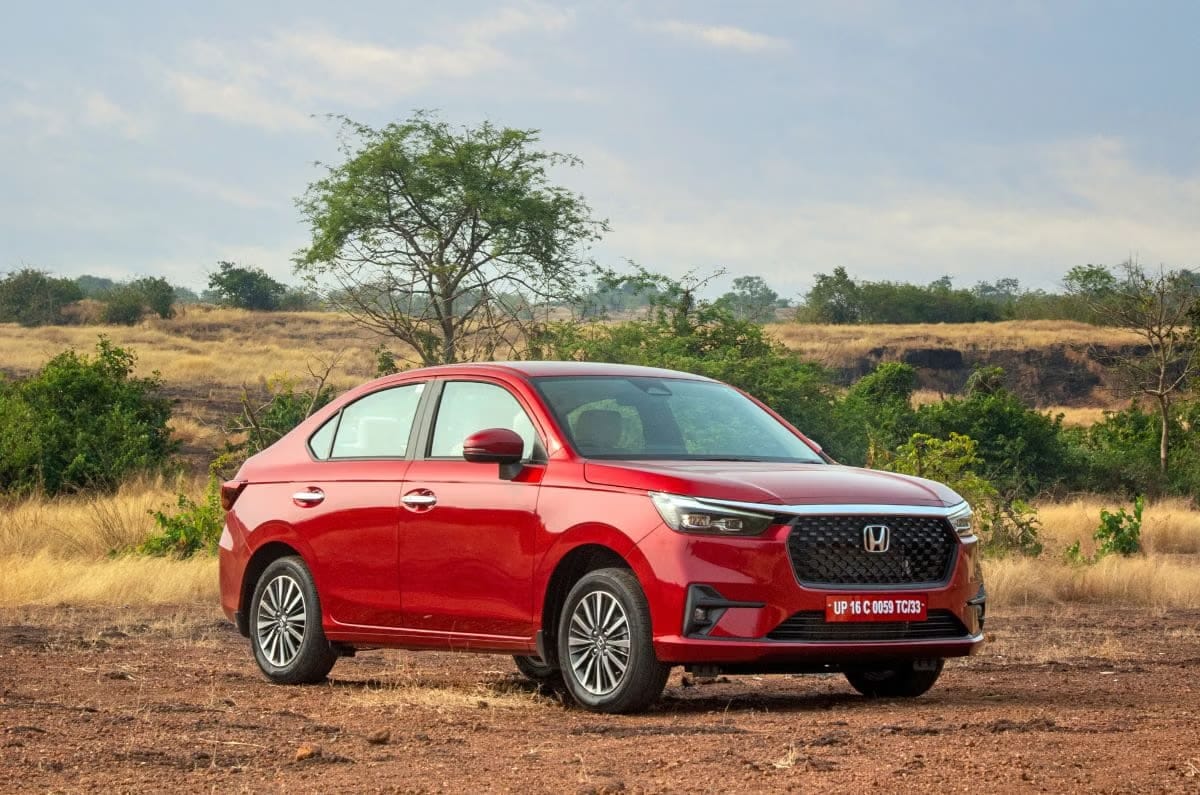
Honda Amaze front three quarter static

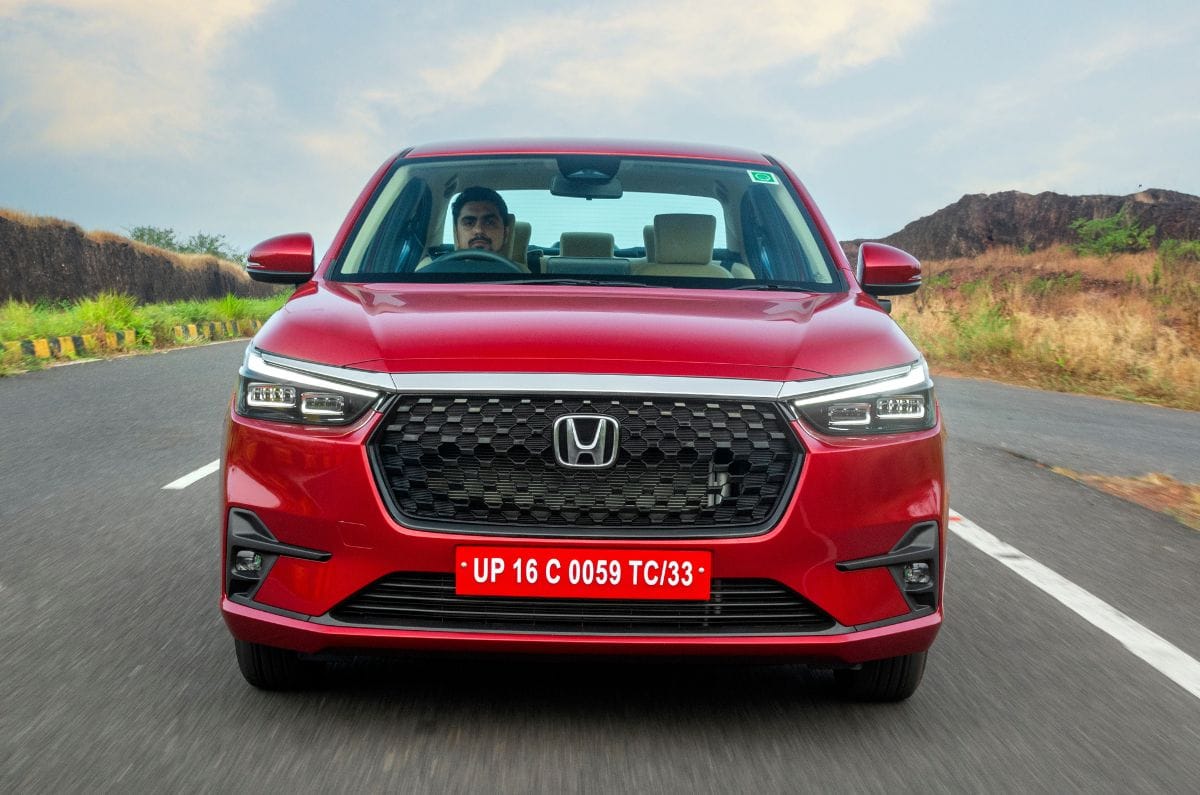
Honda sells both the second-gen and third-gen iterations of the Amaze in India. However, our focus here would be solely on the latter as it’s the latest and thus the best-equipped to tussle with other sub-4-metre sedans. As the Japanese brand’s most affordable offering, the Amaze carries a price tag of between Rs 7.65 lakh and 10.00 lakh (ex-showroom). Considering the brand’s badge appeal and some segment-first features, should you buy the Honda Amaze? Let’s find out.

Reasons to buy the Honda Amaze

Rear-seat comfort and a spacious boot

Usable interior space and a large boot add practicality to the Amaze

Honda Amaze rear seats

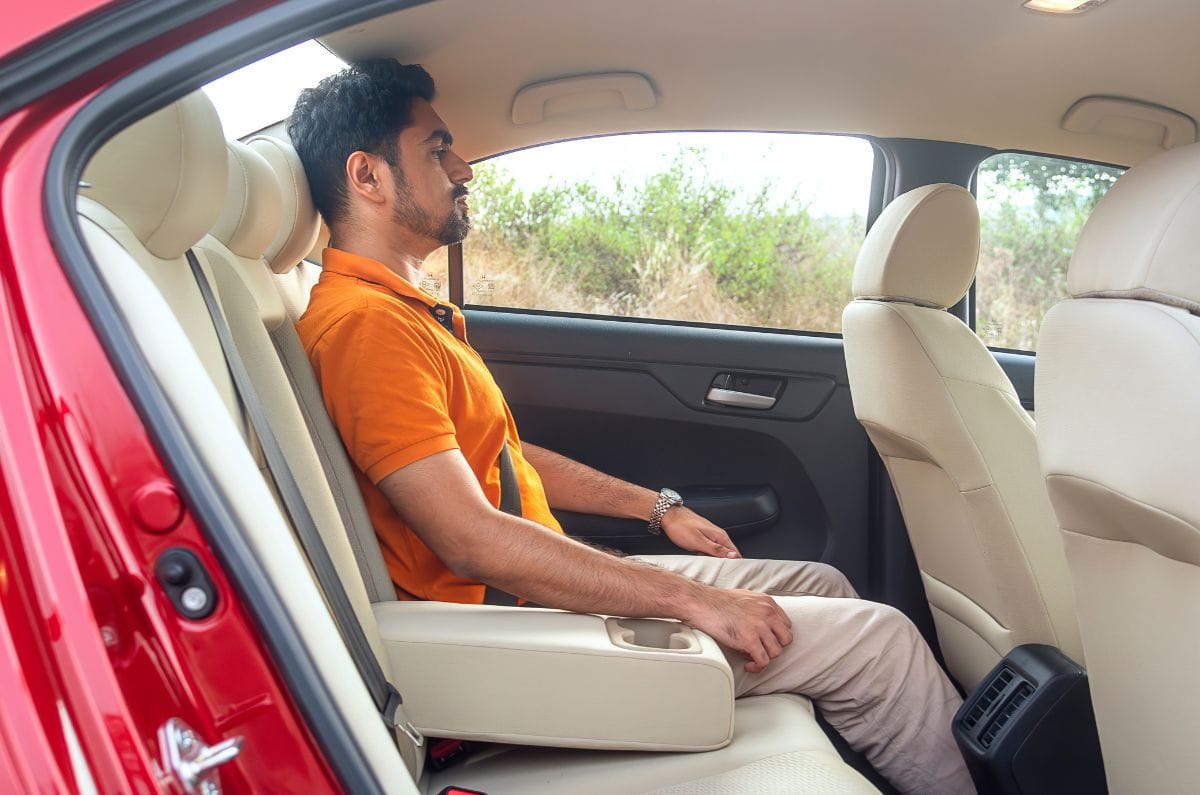
The rear seats of the Amaze are especially more comfortable than the front ones. Not only do the outer seats provide ample support, but their backrest angle is good too. Making these back seats more comfortable is the usable amount of kneeroom and legroom on offer, partly helped by the scooped-out portion of the front seatbacks. Further aiding comfort here are the dedicated AC vents, a centre armrest with cupholders, and headrests for all three passengers.

Honda Amaze boot space

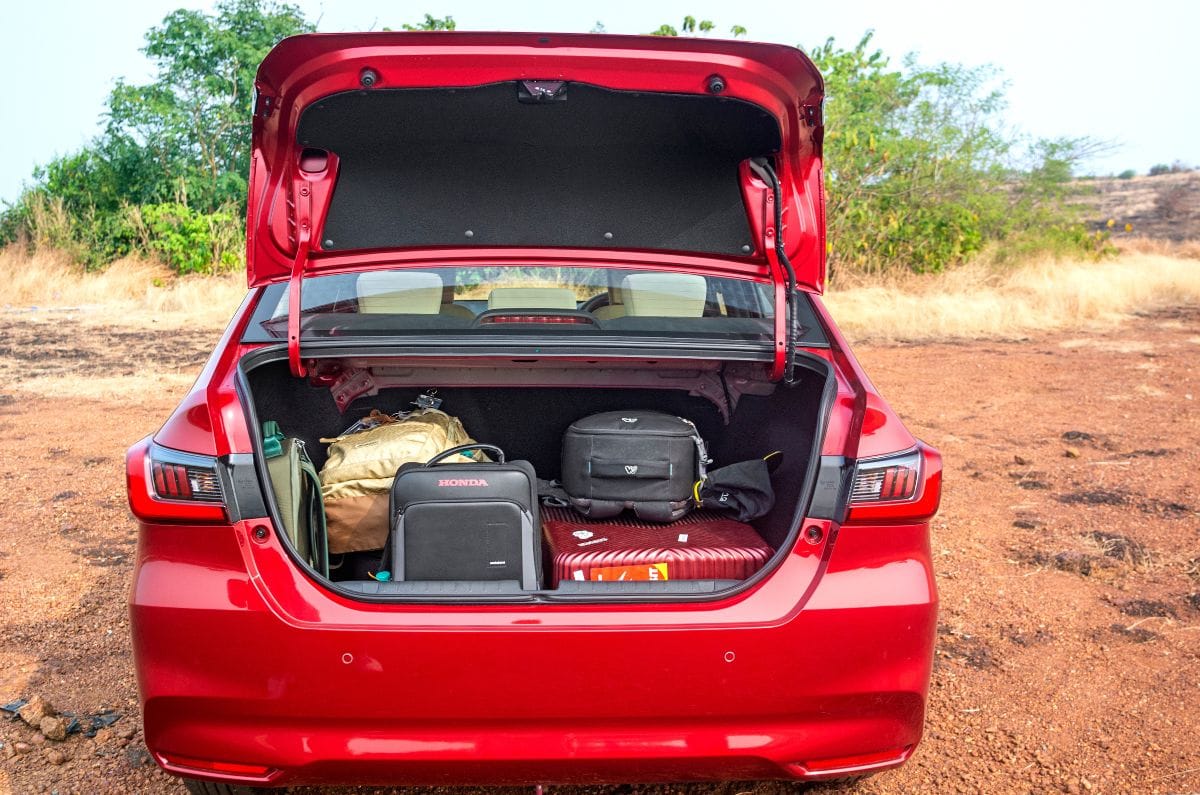
As for the Amaze’s luggage-carrying capacity, its 416-litre boot is one of the most spacious in the segment, easily trumping the Maruti Dzire and Hyundai Aura. While the loading lip is high, The Amaze’s boot offers plenty of width and depth to accommodate your luggage.

Easy to live with

The Amaze gets several user-friendly details right while also feeling more premium

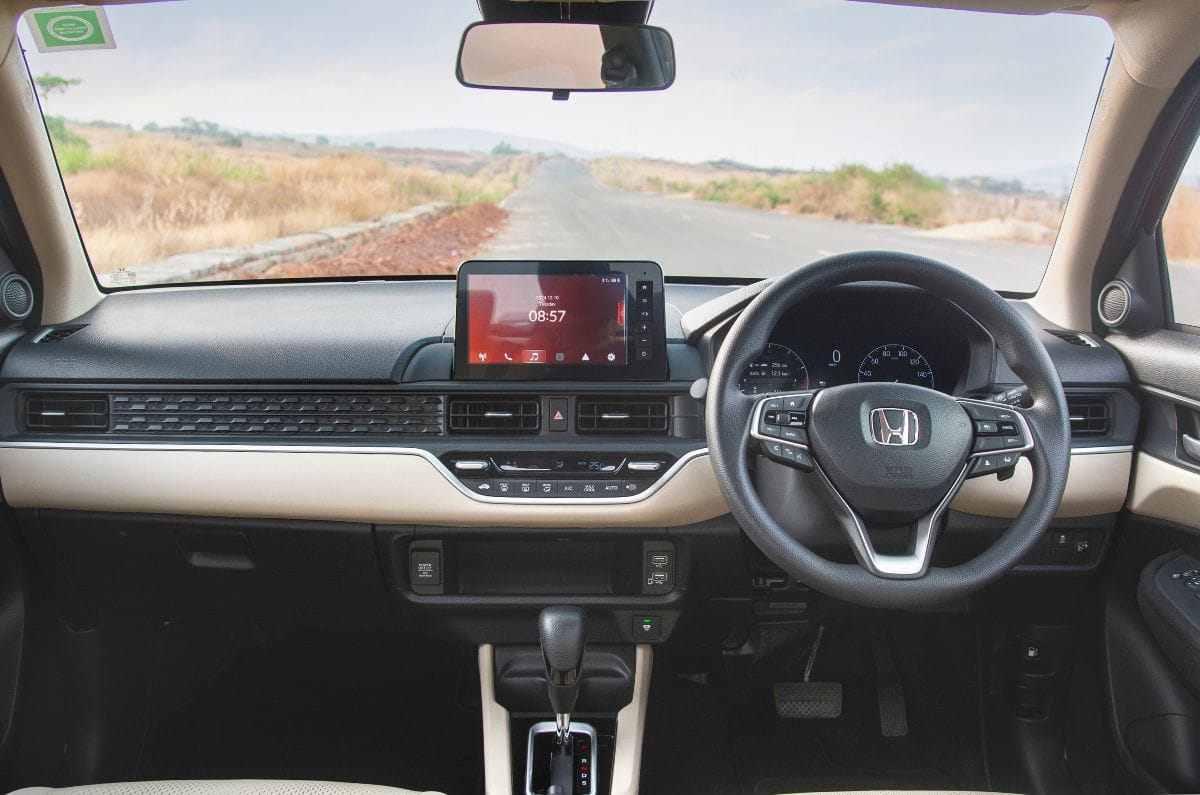
The Amaze’s beige-black interior theme, an expansive glass area and a low-set dashboard make its cabin feel light and airy. This two-tone colour scheme, along with the high perceived quality and overall levels of fit & finish, make the Honda Amaze’s interior feel more premium over its rivals.

Honda Amaze interior

The light steering and clutch, a tight turning radius plus an easy-to-use manual gearbox mixed with good all-round visibility, make pottering around town easy. If you go for the CVT (continuously variable transmission) option, driving the Honda Amaze becomes a hassle-free affair. It comes with paddle shifters that react promptly and also come in handy when there’s a need for engine braking. Meanwhile, the physical controls for the HVAC system allow users to adjust the temperature or the fan speed without getting too distracted.

ADAS is available

This is the only car in its class to feature advanced driver-assistance systems

Honda Amaze front tracking

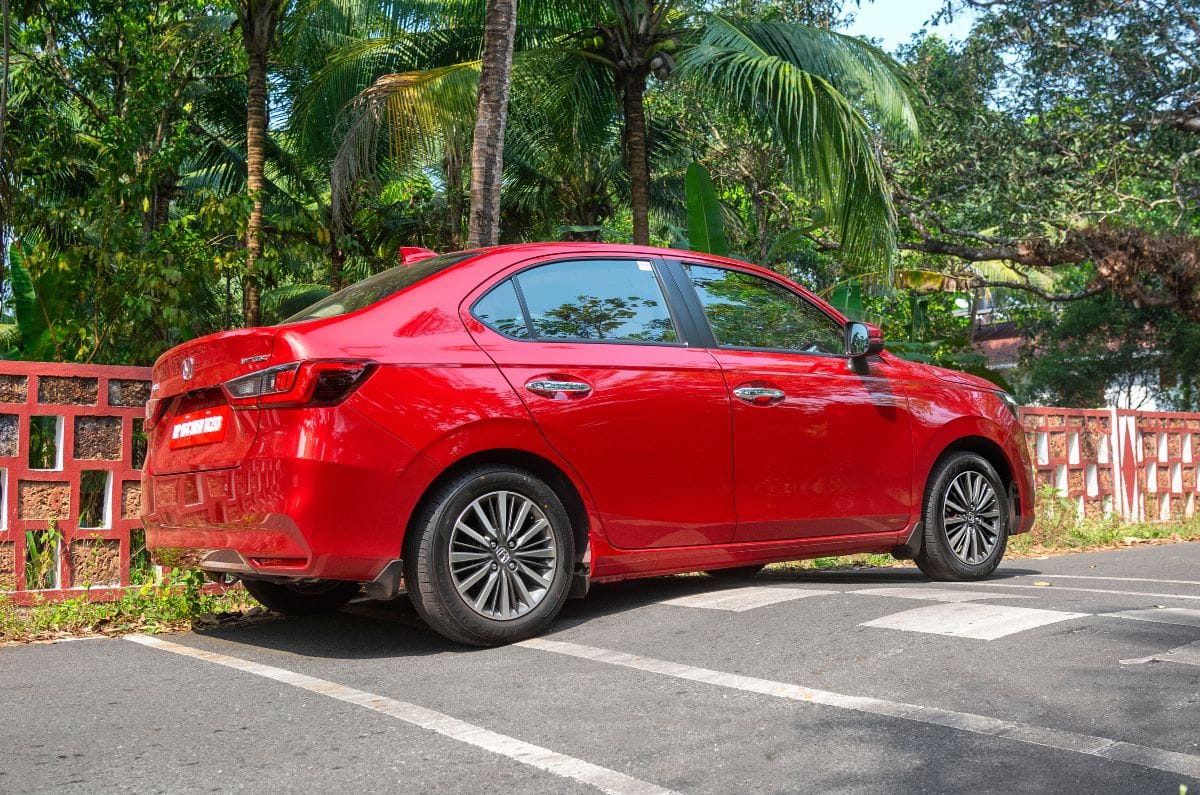
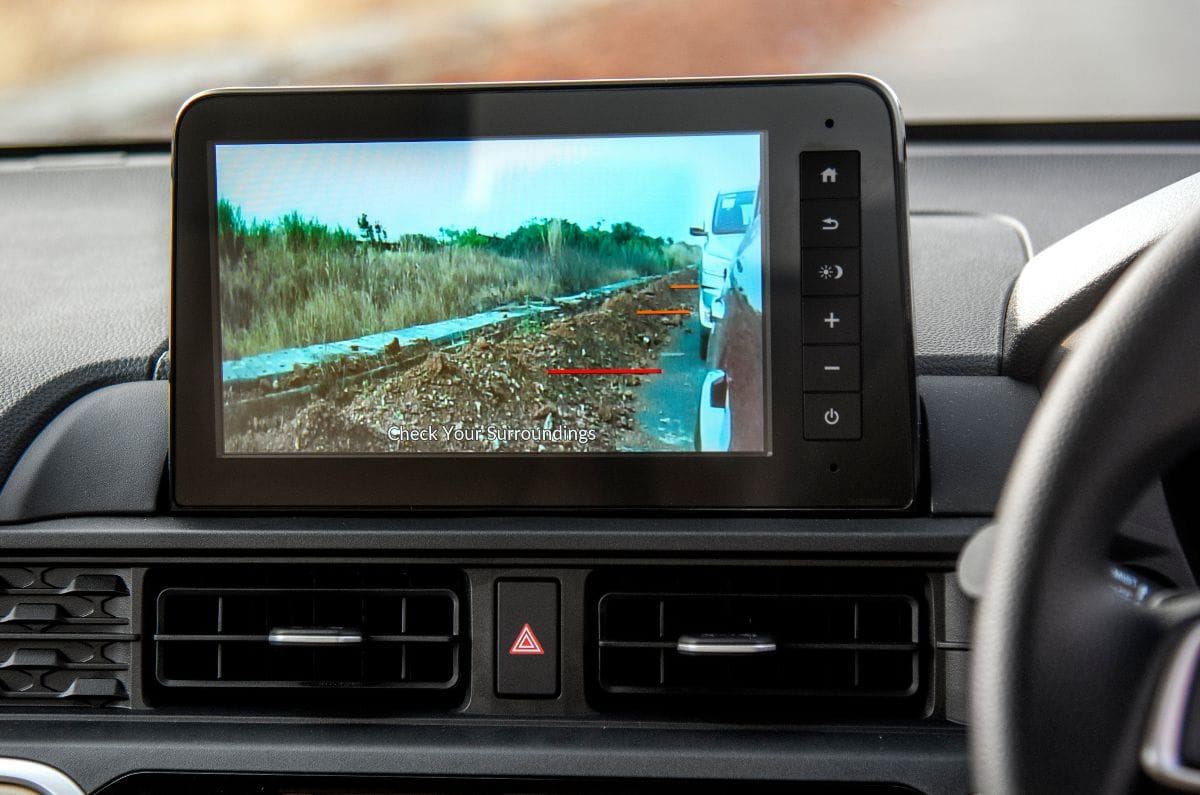
The Amaze is offered with the camera-based Honda Sensing ADAS (advanced driver-assistance systems) suite on the top-spec ZX trim. For those who want that extra layer of active safety nannies, features such as adaptive cruise control with autonomous emergency braking, lane-keeping assist and automatic high-beam will be useful add-ons. The Amaze can also be had with the brand’s LaneWatch Camera system, which displays the camera feed on the infotainment screen, aiding situational awareness.

Reasons to avoid the Honda Amaze

Poor cabin insulation

The Amaze’s cabin is quite an audible one

One of the aspects of driving the Honda Amaze is its lack of proper cabin insulation. Apart from engine and road noises, even ambient sounds from the outside world make it into this cabin with relative ease. This means that the Amaze’s cabin never really feels as relaxing as it could have been.

Underwhelming performance

This Honda sedan lacks engine punch to keep up with some rivals

The 1.2-litre four-cylinder petrol engine of the Honda Amaze is happy to rev to its redline without complaint, but it isn’t a punchy unit. While there’s enough grunt once you get past the 4500rpm mark, this engine feels weak below 2,000rpm. Honda has tried to counter this by providing shorter ratios for the first and second gears.

Honda Amaze soft suspension

However, this leads to one having to downshift constantly when driving in bumper-to-bumper traffic or even when trying to drive away from speed-breakers. Even though the CVT masks this engine’s weak low-end and mid-range performance, pushing it results in the type’s characteristic rubber-band effect becoming apparent. The soft suspension means that the Amaze sags under load, raising the risk of scraping the belly on large speed-breakers. It also causes the Amaze to roll noticeably in the corners.

Pricier than rivals

The Amaze remains the most expensive offering in its segment

Honda Amaze LaneWatch camera

Unlike the top-spec Maruti Dzire, which is Rs 64,000 cheaper the fully loaded Honda Amaze, it still gets a powered sunroof and a 360-degree camera setup. The Amaze also lacks Type-C USB ports, offering just Type-A and 12-volt outlets. While the higher price tag of the top-spec trim can be explained away due to the inclusion of ADAS, buyers would still want the aforementioned missing features at this price bracket.

Also read

Tata Sierra vs Kia Seltos diesel AT performance comparison

Kia Seltos vs Tata Sierra diesel automatic: Real world mileage compared

Indian Motorcycle unveils Chief Vintage Sturgis Edition limited to 125 units

Indian Chief Vintage Sturgis Edition

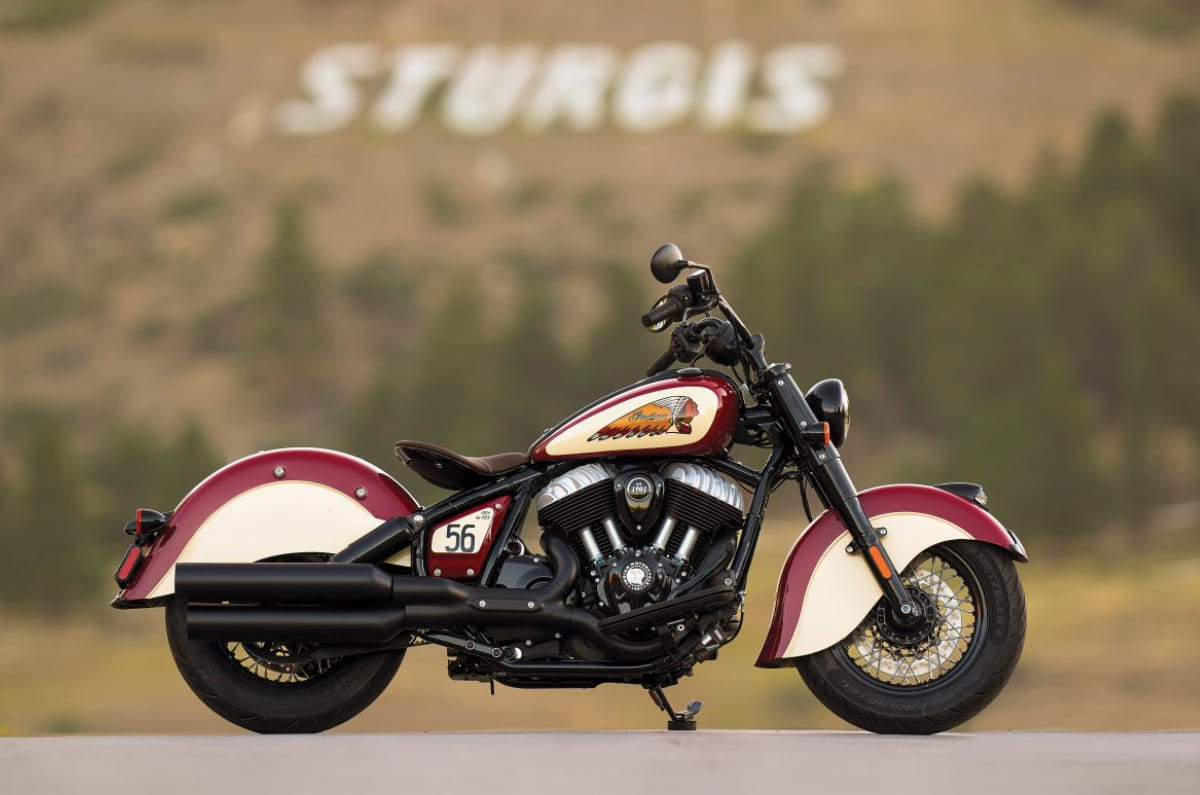
Indian Motorcycle has unveiled the Chief Vintage Sturgis Edition at the 86th annual Sturgis Motorcycle Rally – a limited-edition model commemorating the origins of what has become the world’s largest motorcycle rally. Just 125 units will be produced, with a small number available in select markets outside North America.

  1. Limited to just 125 units worldwide
  2. Commemorates the 1938 origins of the Sturgis Rally
  3. Powered by the Thunderstroke 116 V-twin

Indian Chief Vintage Sturgis Edition details

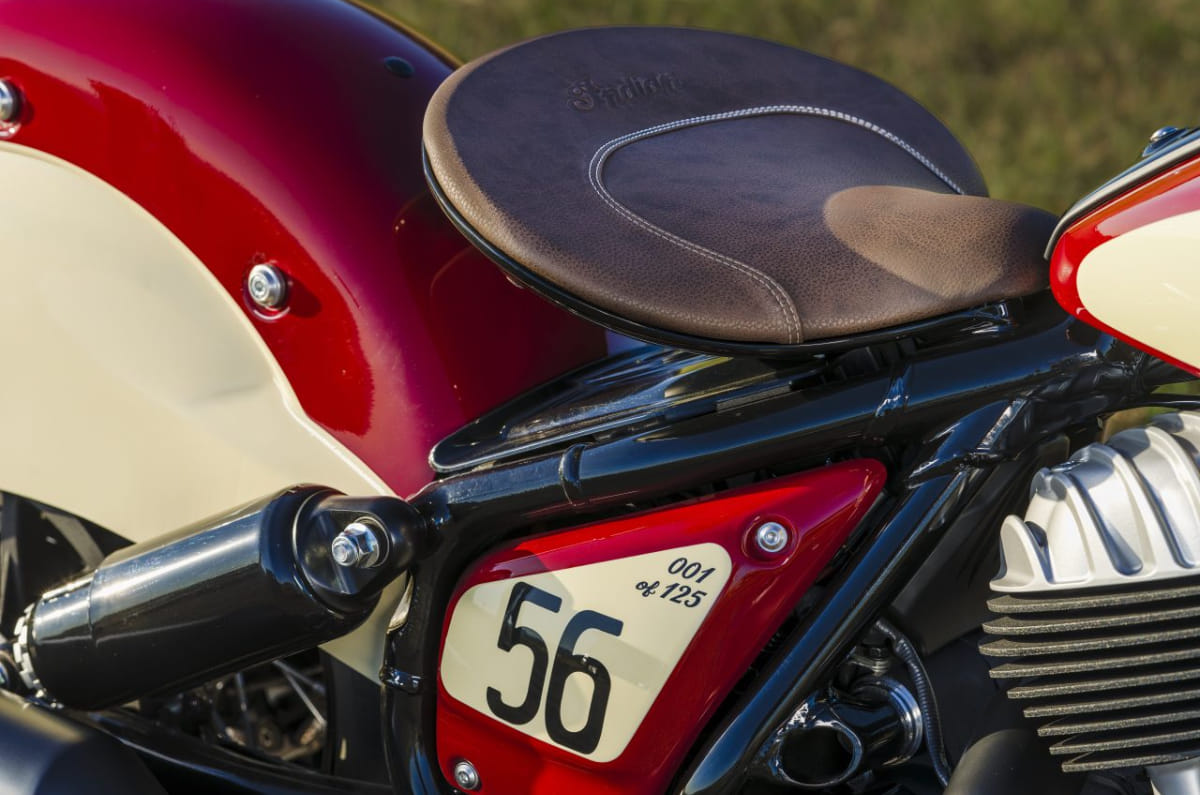
Painted number 56 on the side plate pays tribute to the hand-painted race numbers used at the original 1938 gathering.

The Sturgis Edition is built around the standard Chief Vintage platform and is powered by the air-cooled Thunderstroke 116 V-twin. In typical Indian Motorcycle fashion, the manufacturer has not revealed peak power figures, but has confirmed a peak torque output of 156Nm. Design elements such as the valanced fenders, wire-spoke wheels, solo seat and old-school handlebars have been carried over. Other notable touches include painted cylinder heads and pushrod tubes, along with black-finished cylinders that the brand says are reminiscent of Indian Motorcycle models from the 1940s.

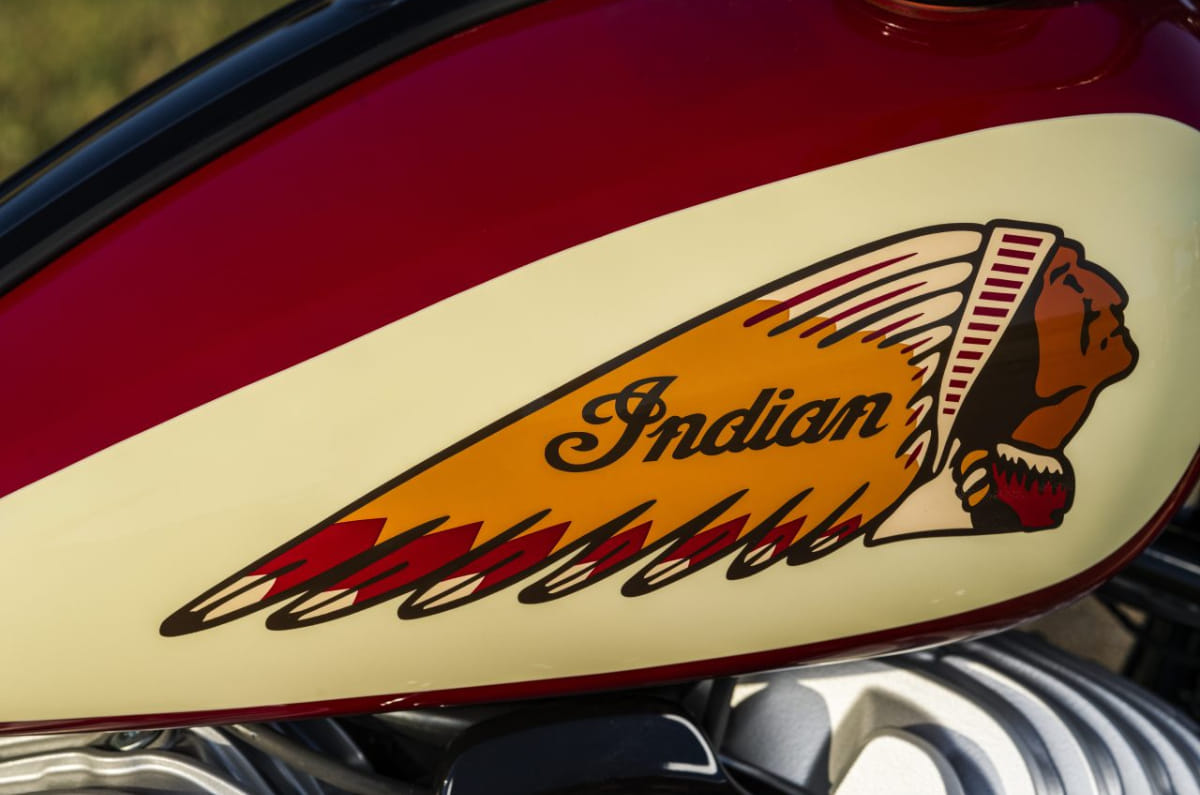
The most distinctive visual element is the exclusive two-tone red and cream paint scheme, paired with a multi-coloured Indian Motorcycle headdress logo on the fuel tank inspired by the brand’s 1930s motorcycles. A painted number 56 on the side plate is a nod to the hand-painted race numbers used by riders at the very first Sturgis gathering. Each of the 125 motorcycles will also feature a serialised badge.

The inaugural Sturgis gathering was organised in 1938 by a local Indian Motorcycle dealer and a motorcycle club. Just nine riders took part, with around 200 spectators in attendance. Today, the event has grown into the world’s largest motorcycle rally, drawing hundreds of thousands of riders and visitors each year, and this limited-edition model serves as a tribute to those beginnings.

Diogo Moreira explains why the Moto2-to-MotoGP jump will be easier than ever

Diogo Moreira explains why the Moto2-to-MotoGP jump will be easier than ever

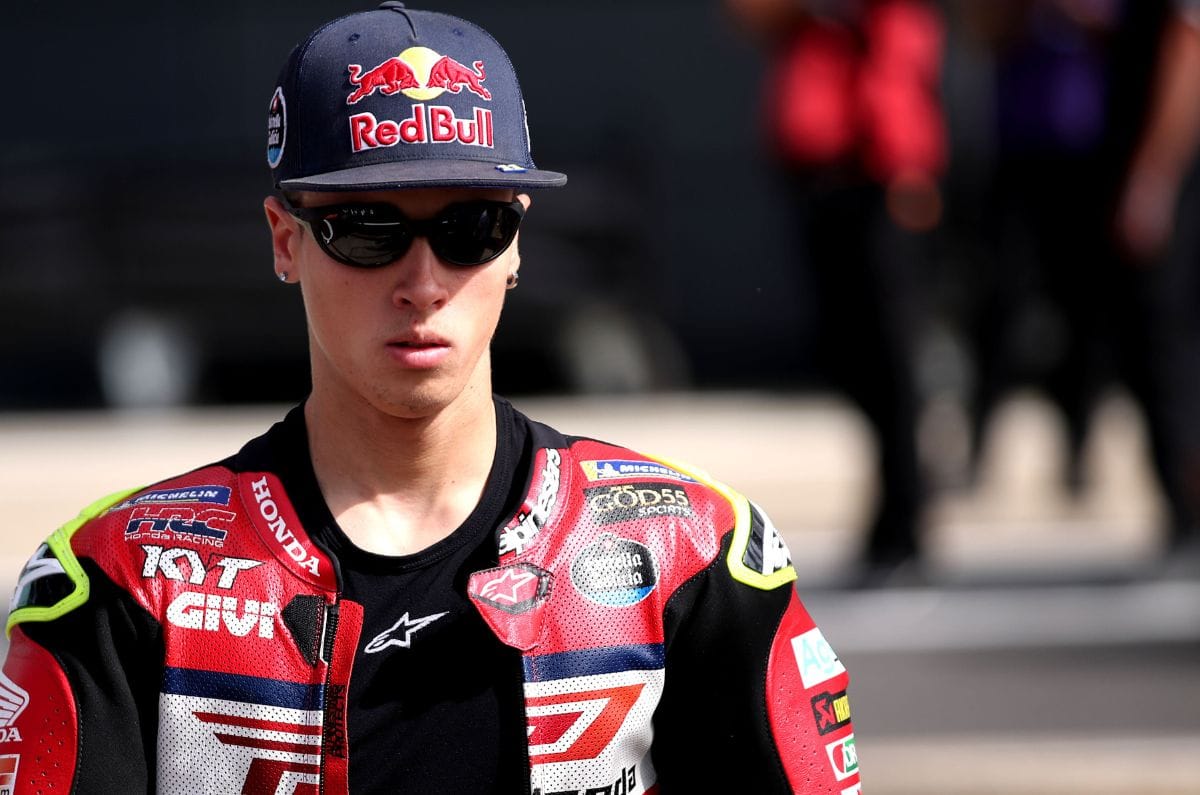
MotoGP is transitioning from 1000cc to 850cc motorcycles in 2027 and Triumph has also revealed a new engine for Moto2 next year. Speaking to Visordown, Diogo Moreira, current rookie rider for the Honda LCR MotoGP team and 2025 Moto2 world champion, said that this should make the jump between the two formats easier and that he’s optimistic about it.

  1. Diogo Moreira’s excited for the new 850cc MotoGP bike
  2. Says the new Moto2 engine will make transition easier for future riders
  3. Triumph says the new engine isn’t based on the Tiger Sport/Trident 800

MotoGP to transition from 1000cc to 850cc engine in 2027

Earlier stepping up from Moto2 to MotoGP meant getting used to a bike that has about 100 more horsepower, much more sophisticated electronics, and carbon ceramic braking systems

In the past, upscaling from a Moto2 bike to a MotoGP bike hasn’t been easy for most riders. Stepping up means getting used to a bike that has about 100 more horsepower, much more sophisticated electronics, and carbon ceramic braking systems. There have been riders like Pedro Acosta who adapted to the changes quickly. On the other hand, current MotoGP riders like Raúl Fernández (2026 British GP winner) and Fabio Di Giannantonio (currently fifth in the world championship) struggled when they first came from Moto2. They got better with time, and of course, with their teams choosing to trust their potential. Moreira himself is currently struggling to stand out on the grid though it is too early to write him off.

When asked about the changes, he said, “But anyway, I think we are happy to be in this new generation because, for me, I think it will be easier to ride this bike because it’s more similar to a Moto2. It should be good.” Moreira’s comments come at an important time for Moto2 and MotoGP when both are set to change substantially next year. MotoGP is downsizing while Moto2 is upsizing which is expected to reduce the steep jump between the two formats.

At this juncture, it bears repeating Triumph’s clarification about their new 2027 engines for Moto2. Since they already have a slightly larger engine, the obvious question was asked and answered. Triumph’s Chief Product Officer Steve Sargent told Visordown in a separate interview, “it’s categorically not the Tiger Sport 800 engine. It’s a completely different set-up.” He added that in 2019, when Triumph took over as Moto2’s exclusive engine supplier from Honda, the existing 765cc triple-cylinder engine was adapted for racing. With the new engine, that process has been reversed with focus on performance as well as durability.

But, he also didn’t say that this racing-first engine will never make it to a road motorcycle. While Triumph’s plans remain shrouded at this time, we can expect to see the learnings from this new race engine being applied to their future road motorcycles, at the very least. If Triumph manages to make the transition easier for riders, not only will that help the brand, but a future Triumph motorcycle with a Moto2 based engine would also be a strong marketing tool. While the gap between Moto2 and MotoGP has narrowed, there’s absolutely no doubt that MotoGP will remain the pinnacle of motorcycle racing. So, all in all, 2027 should likely be a win-win-win for all parties involved.