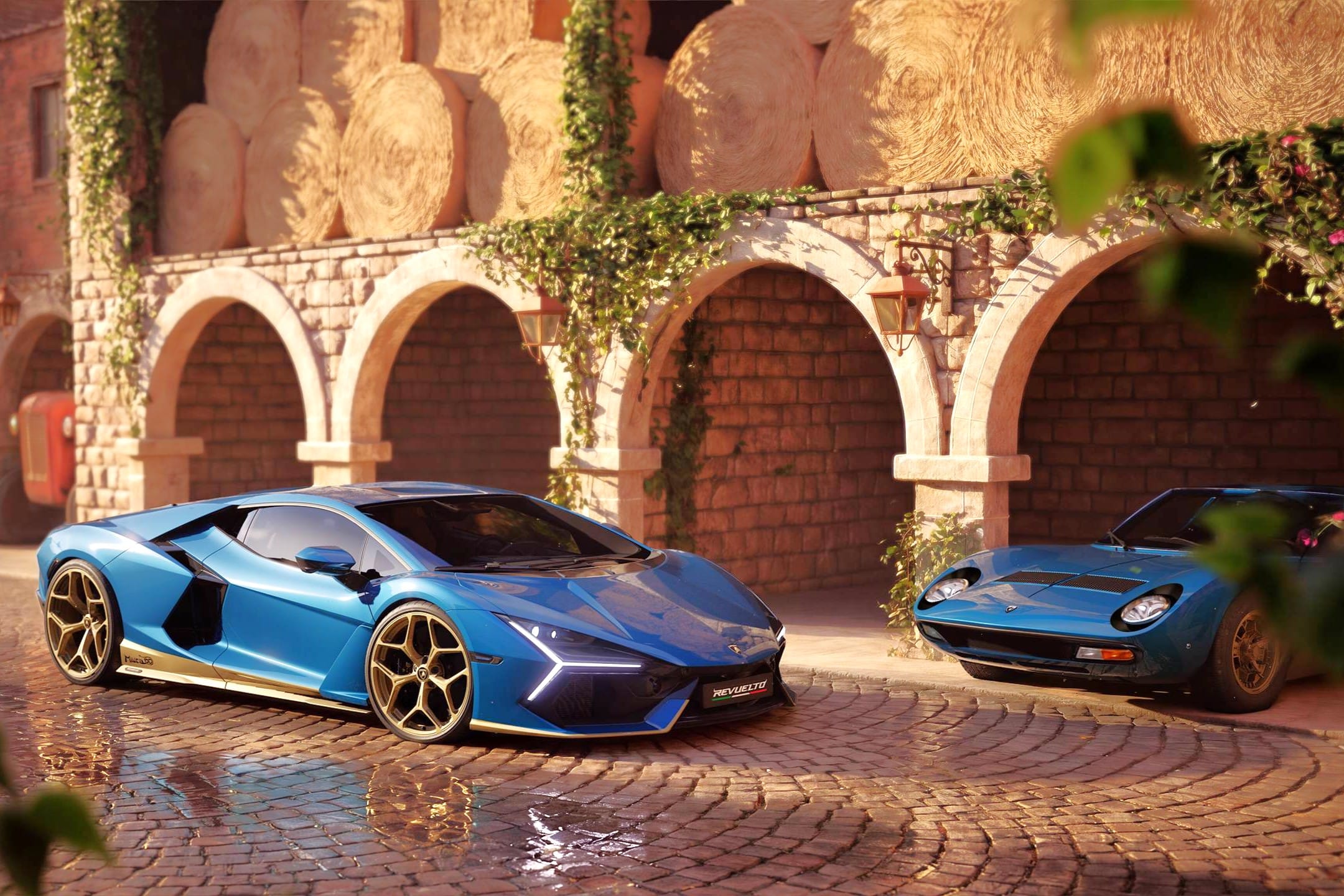
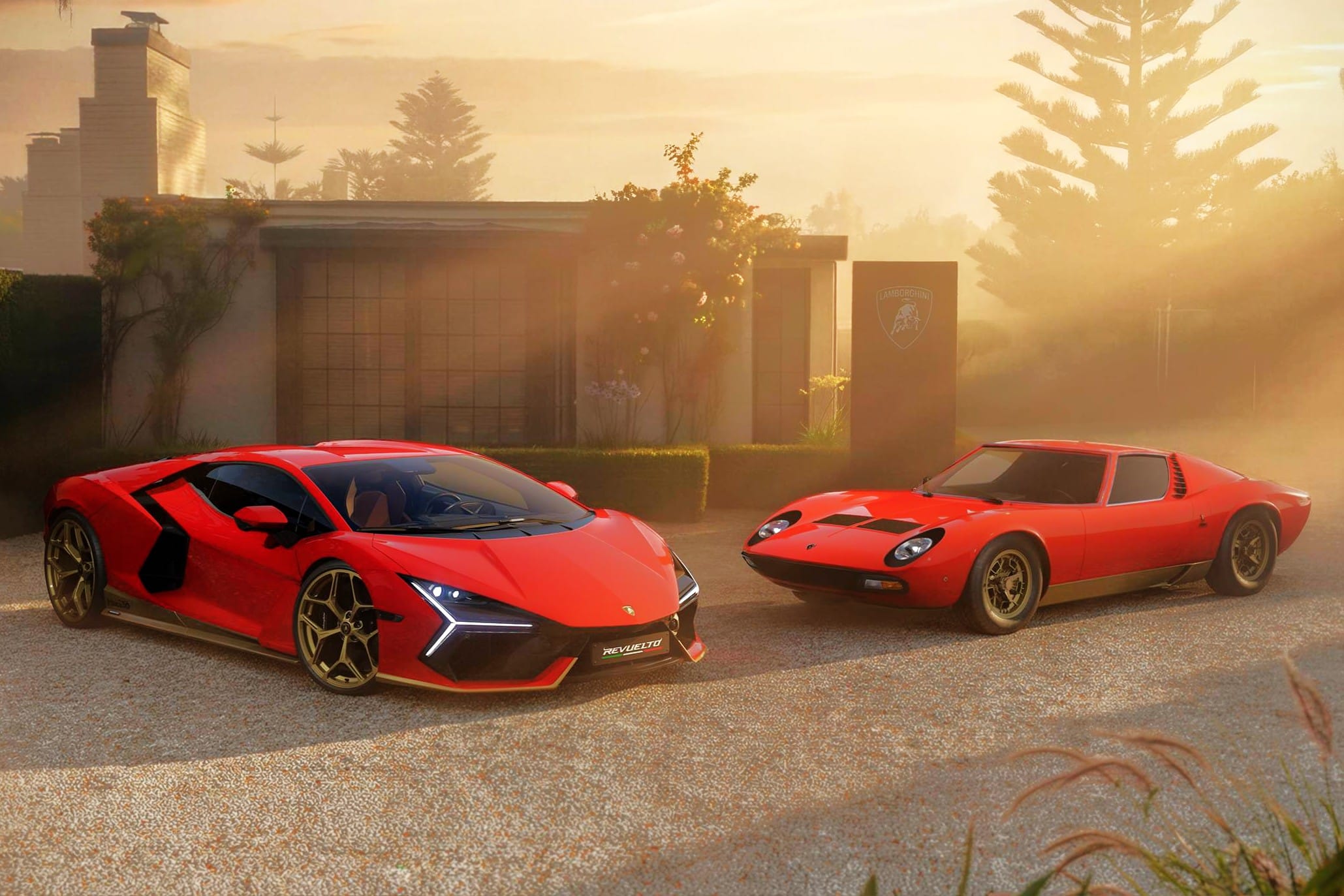
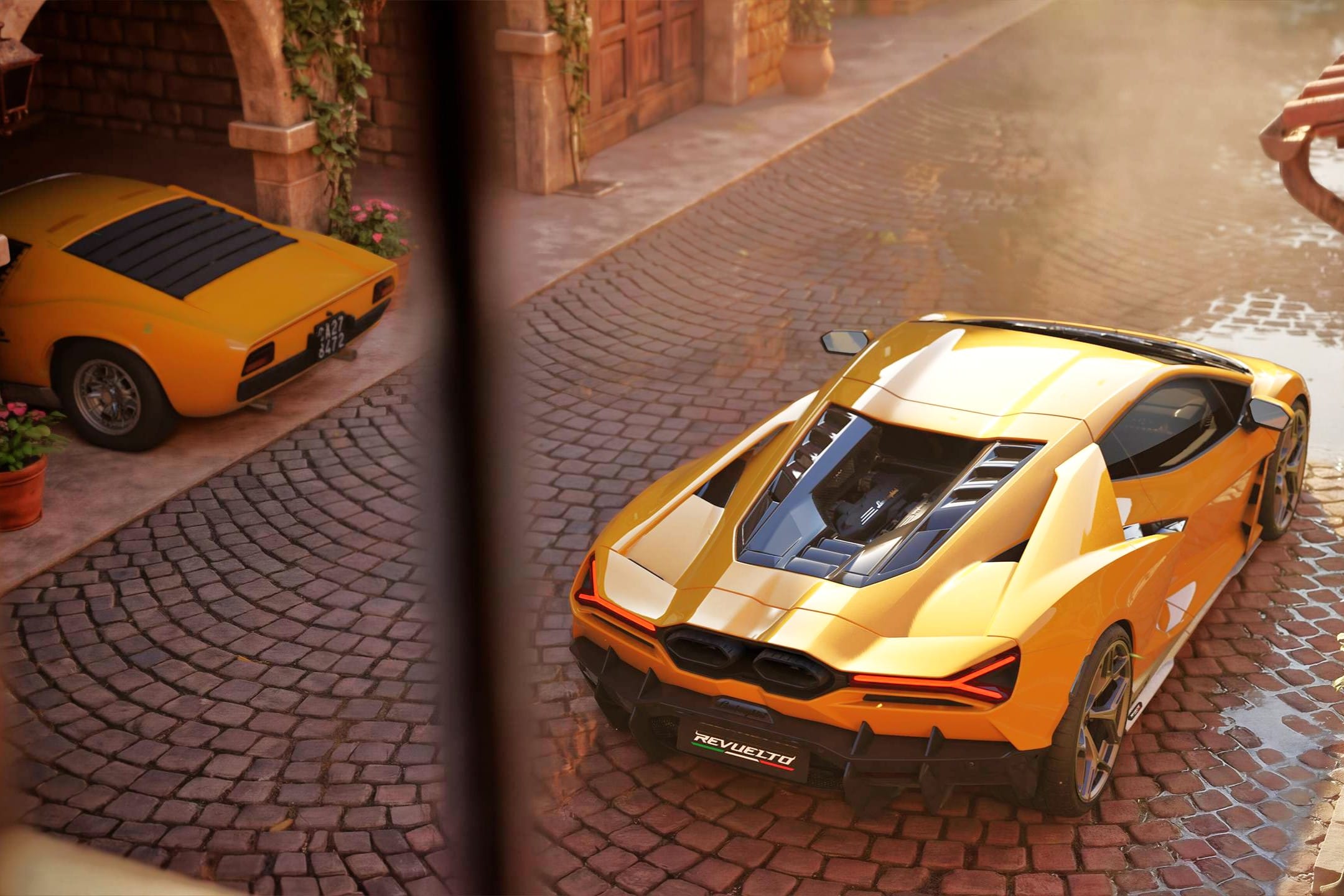
Lamborghini has revealed the Revuelto Miura 60 Homage, a limited-run special edition that marks 60 years of the iconic Miura. Only 99 units will be built, with the Revuelto Miura 60 Homage featuring exclusive heritage-inspired exterior colours, bespoke interior detailing, and Miura-inspired design elements while retaining the standard version’s 1,015hp V12 PHEV powertrain. The Revuelto Miura 60 Homage will make its public debut at the 2026 Monterey Car Week.
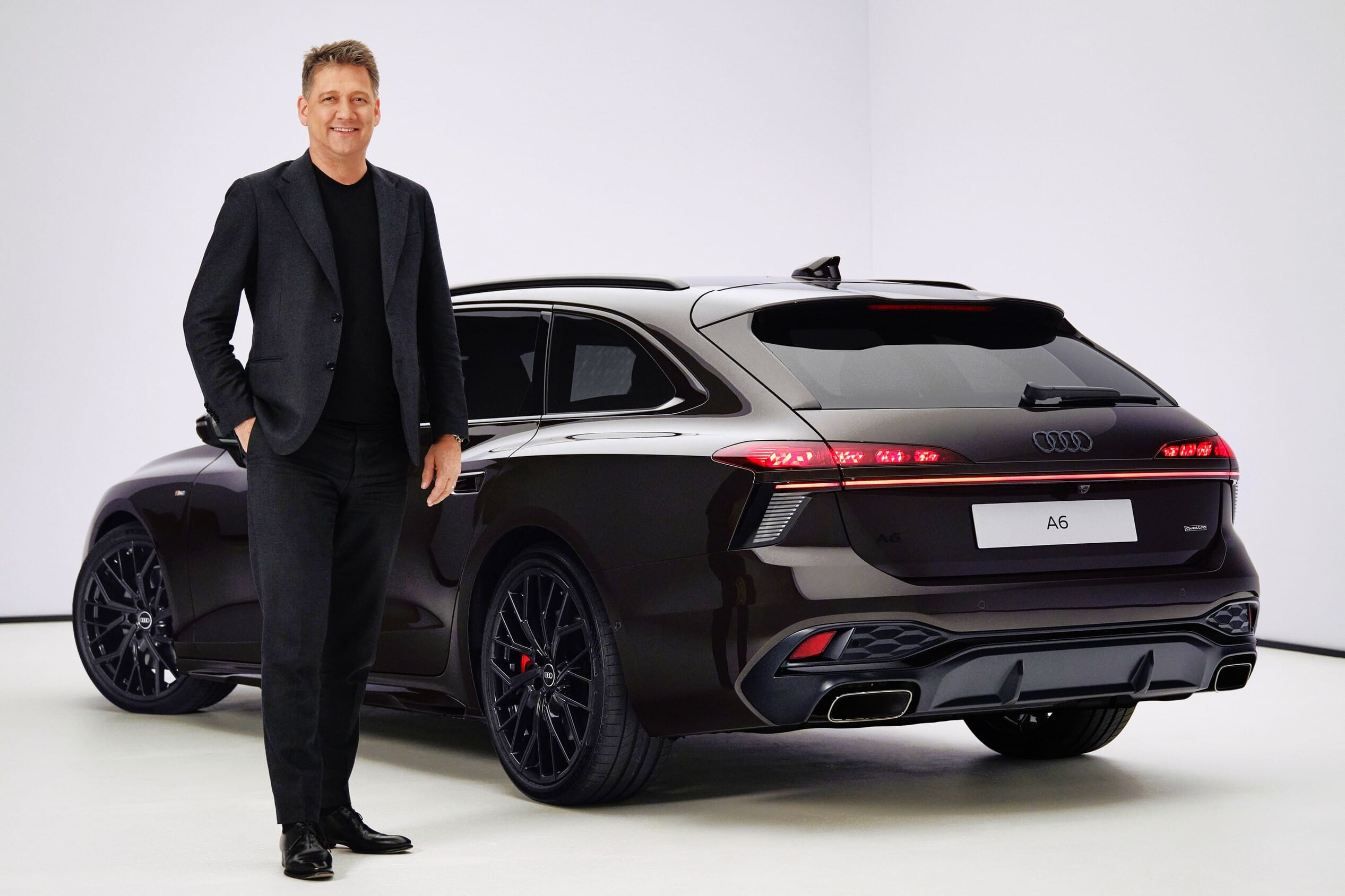
Audi will pursue a broader powertrain strategy spanning battery-electric vehicles, plug-in hybrids and combustion engines, stepping away from its earlier plan to become an all-electric carmaker. Global CEO Gernot Döllner said he reviewed Audi’s all-electric strategy after taking charge and decided that the company needed a more balanced product and powertrain mix to address the varying pace of EV adoption across markets.
“When I joined Audi, there was an all-electric strategy in place, which was one of the first things I reviewed,” Döllner told Autocar India in an exclusive interview. “We found a more balanced strategy between plug-in hybrids, especially important for Europe, combustion engine and electric.”
Global EV sales downturn lent ICE powertrains more time
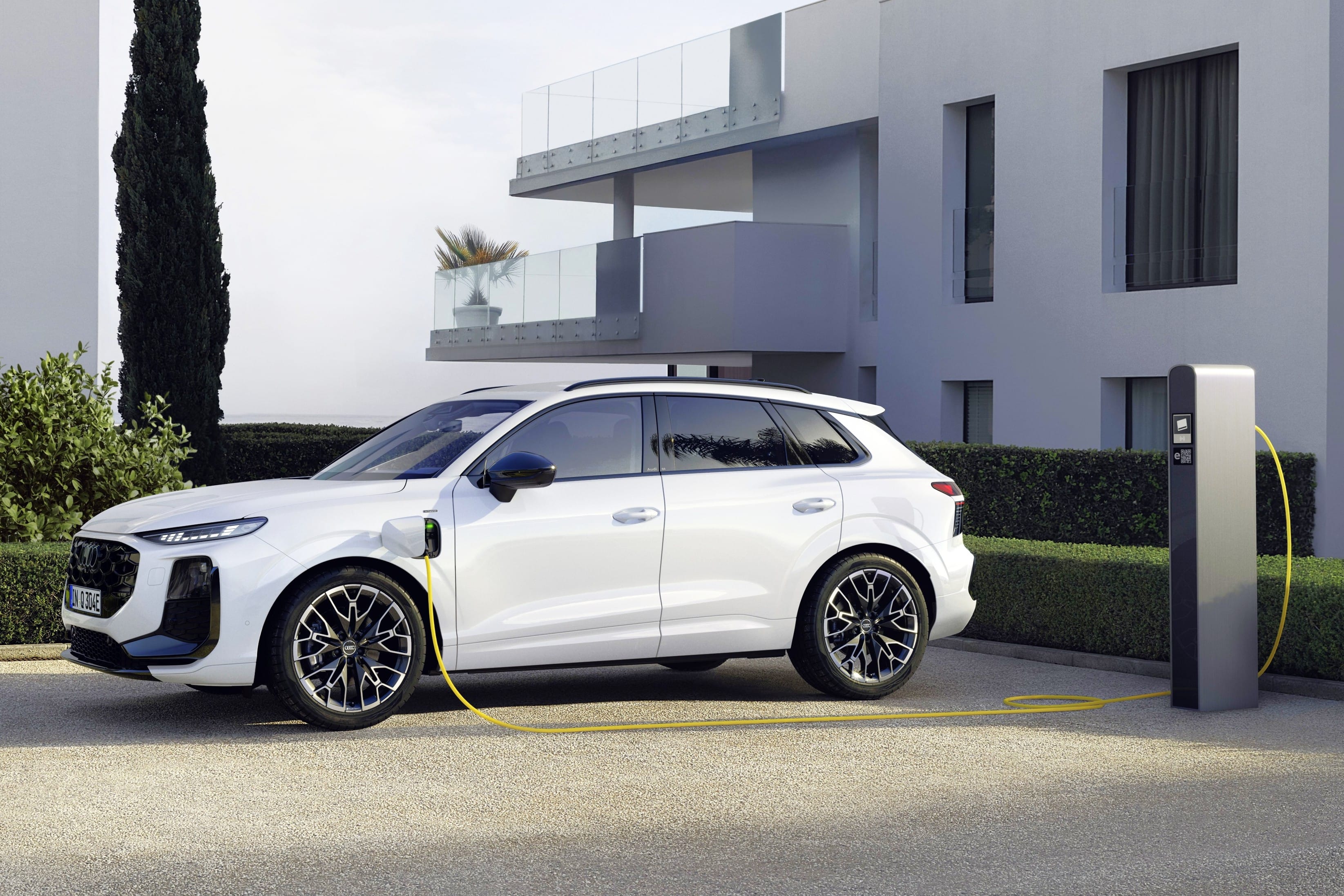
The slower-than-expected pace of EV adoption in several global markets has extended the relevance of combustion engines and plug-in hybrids. Audi expects to retain a focused combustion-engine and plug-in-hybrid portfolio, particularly for SUVs.
Audi Q3 PHEV
The company has recently completed a major investment cycle covering new petrol and diesel engines, plug-in hybrids and battery-electric vehicles designed to meet Euro 7 and other global regulations.
“For sure, the majority of our investment will be in battery electric. That’s a given,” Döllner said.
Audi will continue to invest selectively in combustion engines, including efficiency improvements and transmission technology, but Döllner expects the pace of innovation to be much faster in EVs.
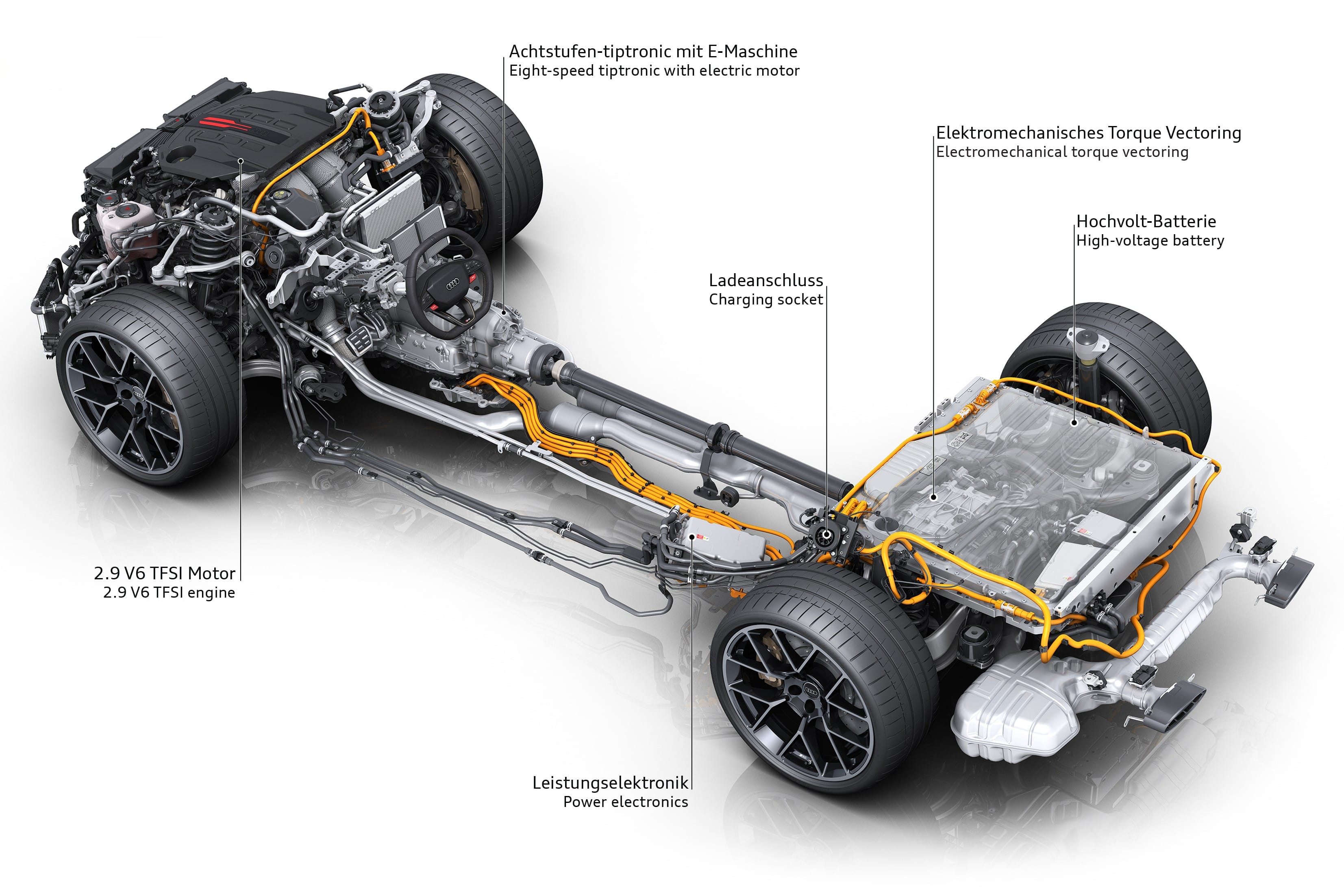
Audi RS5 plug-in hybrid powertrain
“The combustion engine is fairly mature. It’s at the very end of a 100-year innovation cycle, and battery electric is still at the very beginning, to be honest,” he said. “The dominant part of our investment will definitely be on the battery-electric side.”
Electric remains Audi’s leading technology
Audi’s decision to retain combustion engines and plug-in hybrids does not alter its long-term direction towards electric vehicles.
“Electric is, for Audi, still the leading technology,” Döllner said. “It’s our main priority to step by step become more electric.”
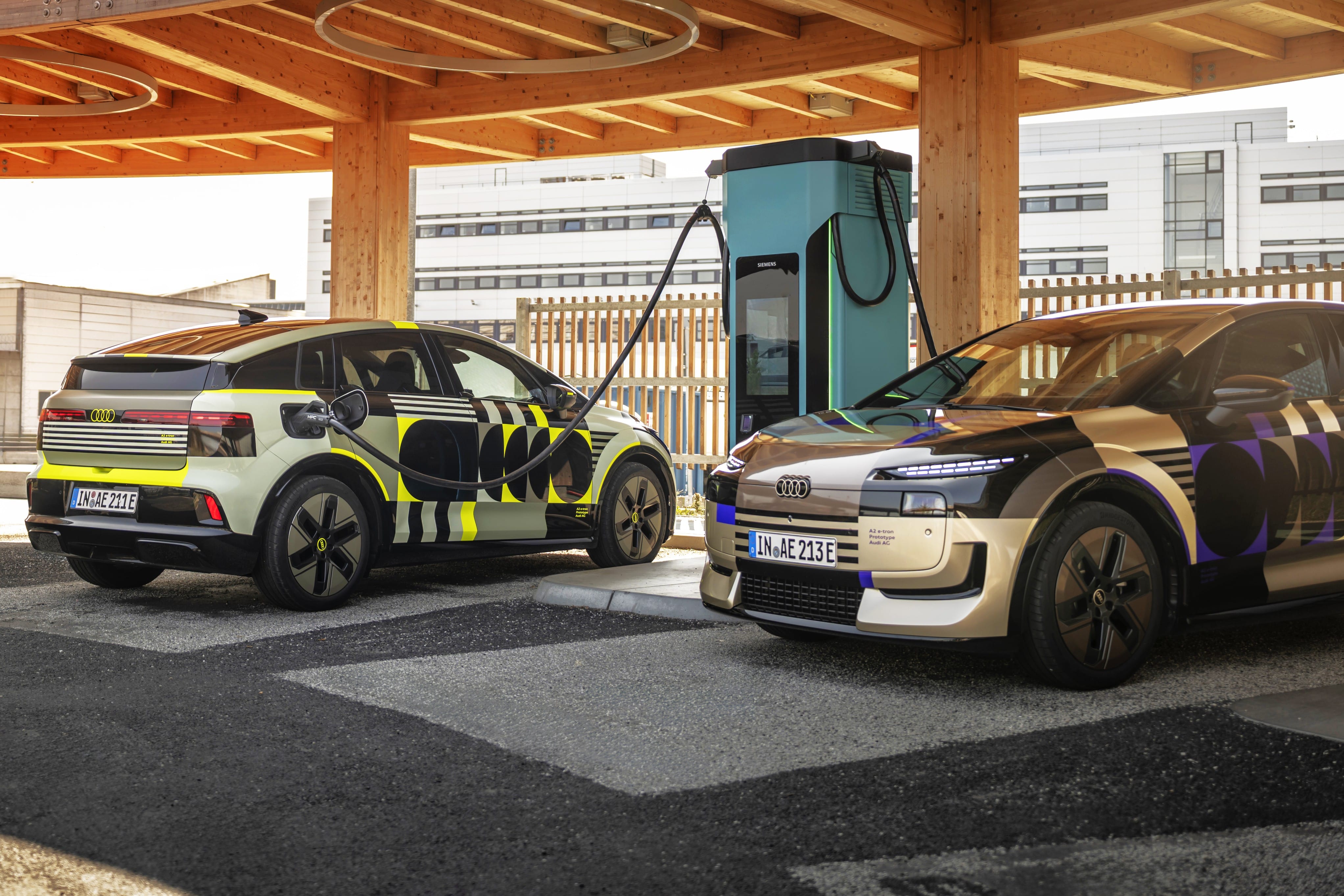
Prototypes of upcoming Audi A2 e-tron
Audi currently has four battery-electric model lines globally and expects to increase this to five by the end of the year, with some available in more than one body style. The company will, however, tailor the powertrain mix to individual regions. Plug-in hybrids will be particularly important in Europe, while the requirements of the US market will influence Audi’s future combustion-engine and PHEV portfolio, especially for SUVs.
In India, Audi’s immediate focus remains on petrol and electric vehicles. Diesel is not part of its current plan. The case for plug-in hybrids will depend partly on whether they receive any benefit under the India-EU FTA. New electric products are also planned for India.
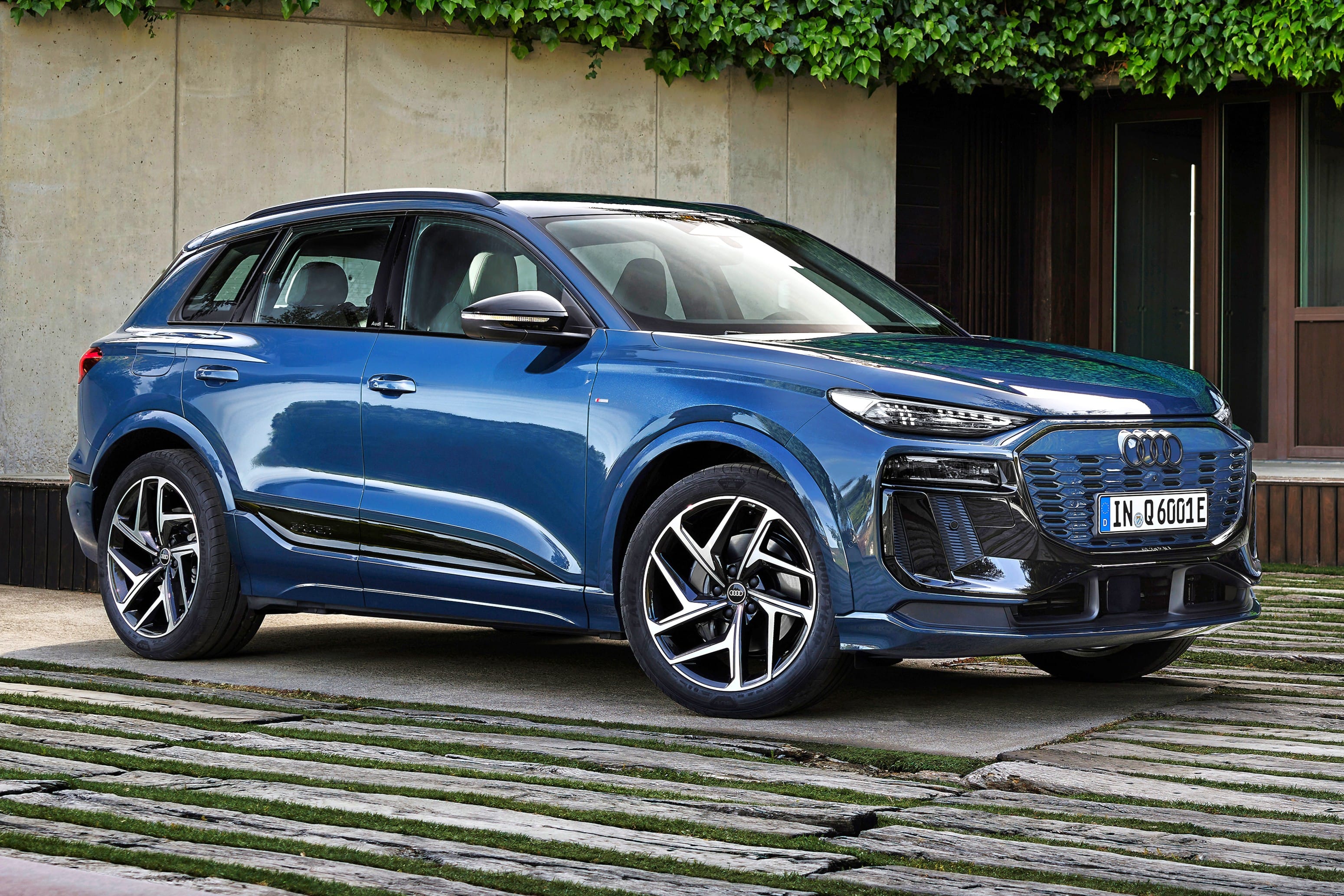
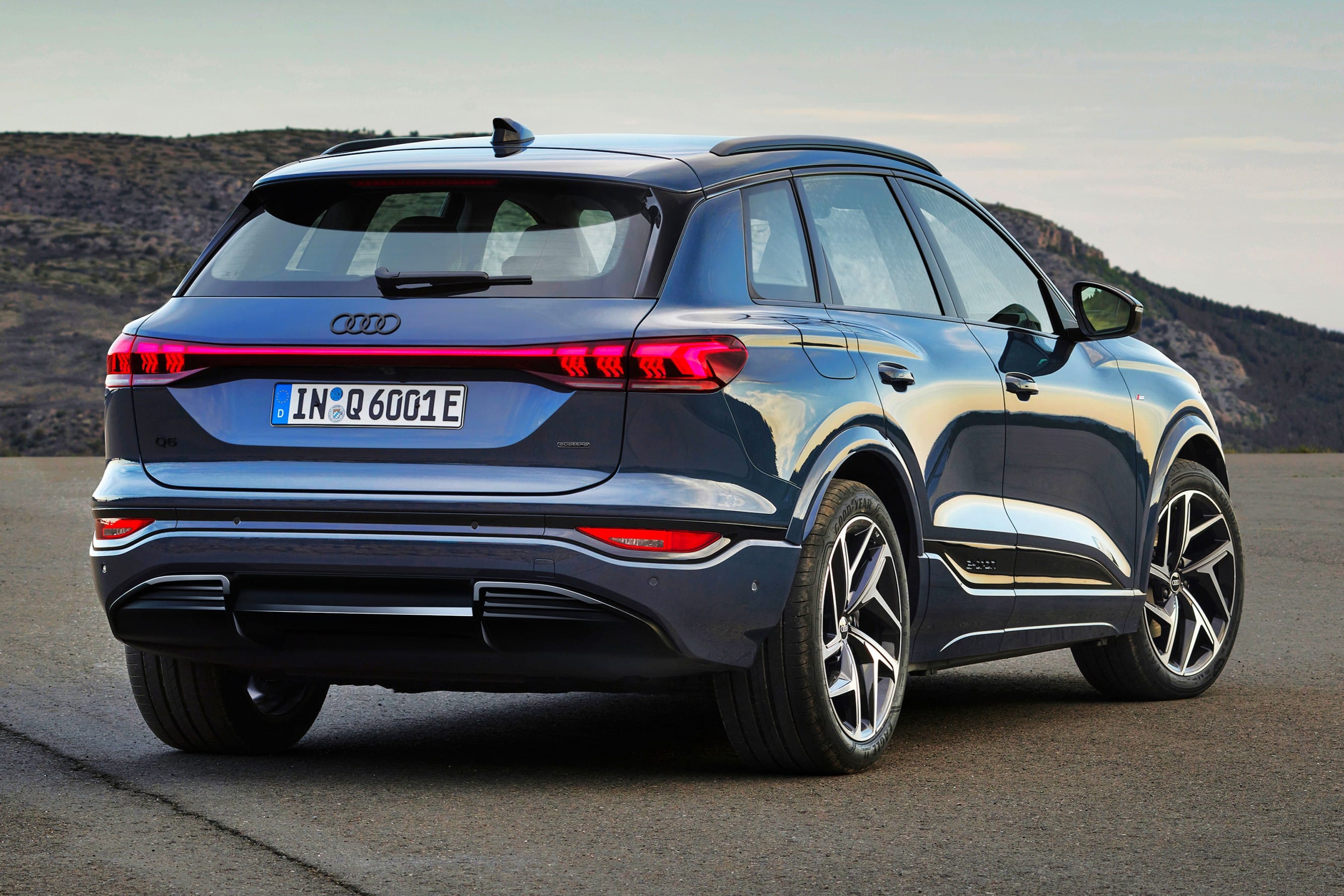
Audi Q6 e-tron
“From what I know, we also have decided to enter with new products in the electric segment in India,” Döllner said.
Audi has decided to assemble an electric vehicle in India, Autocar India learns, although the model and launch timing are still being worked out. The move from fully imported EVs to local assembly is now a question of when, rather than if.
The company was among the first luxury carmakers to enter India’s EV market with models such as the e-tron, e-tron Sportback, e-tron GT and Q8 e-tron. High import duties, however, restricted their reach and affected their resale-value proposition.
Audi Q6 e-tron
The Q6 e-tron is among the products being studied, but Audi has not decided which EV will be assembled in India. The selected model will need to offer the right combination of volume, pricing and suitability for local conditions.
Audi believes electric SUVs make more practical sense in India because their ground clearance is better suited to local road conditions. Sedans have not been ruled out, but SUVs offer a more practical proposition for battery-electric vehicles in the country.
Regional focus to shape future products
The broader powertrain approach is part of Döllner’s effort to make Audi more responsive to the requirements of individual regions.
“Audi has to act much more regional,” he said. “The times where we had a one size fits all, and we then bring it to China, just extend the wheelbase and do the same car, that doesn’t work anymore. We have to listen carefully to the markets.”
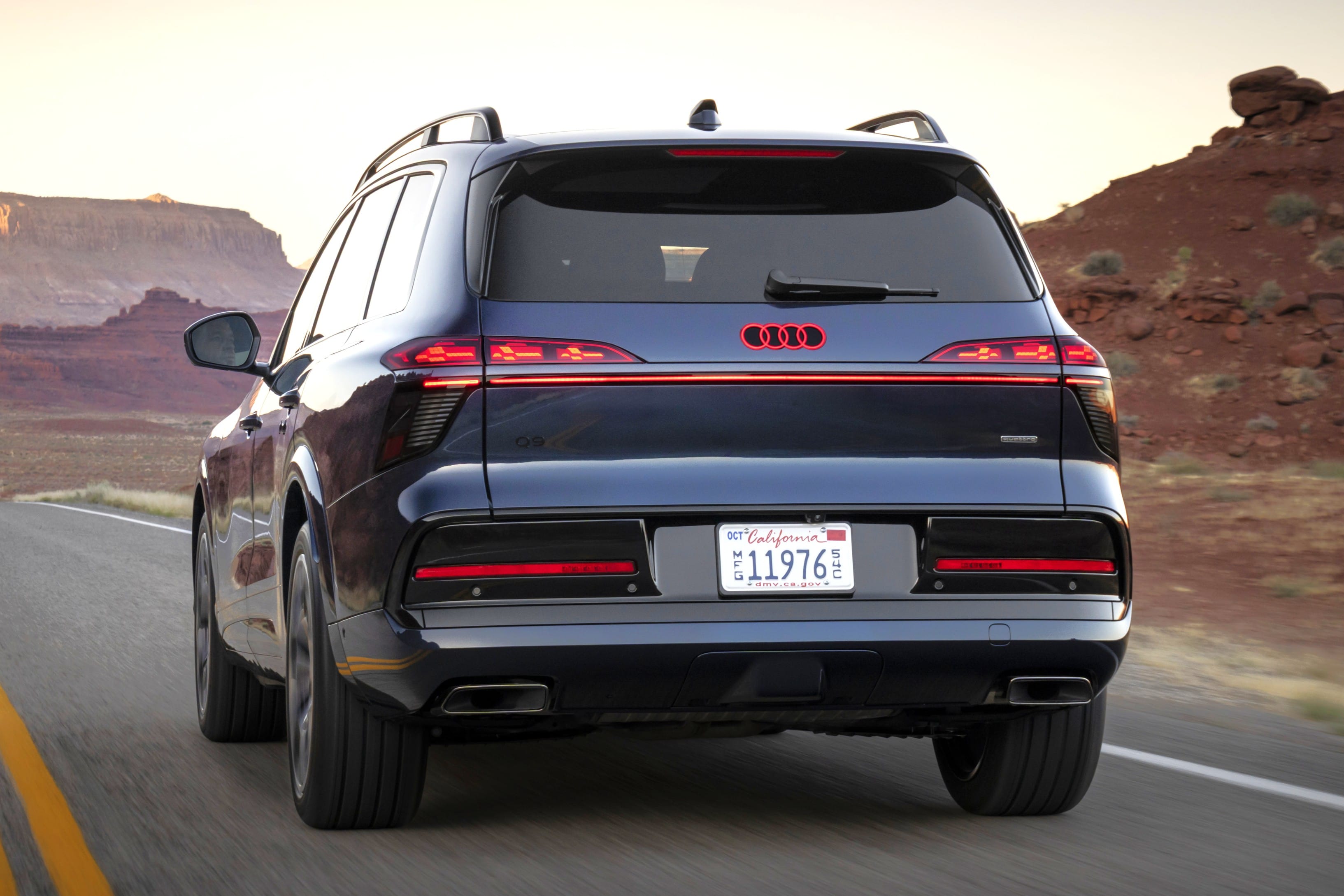
The Q9 is the first clear example of that approach. Conceived around the requirements of American customers, it will be the first Audi to make its market debut in the US.
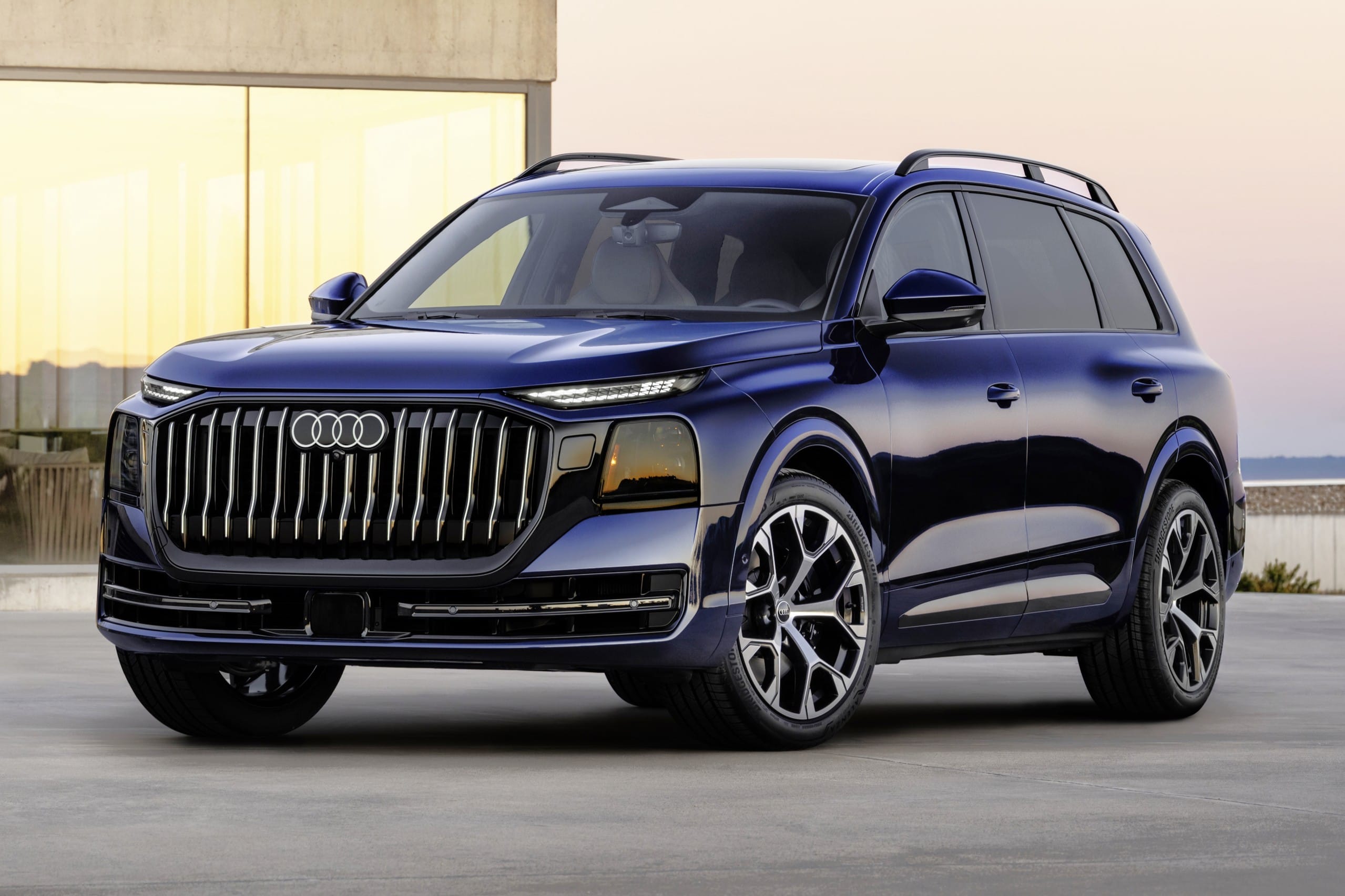
Audi Q9
“The Q9 is a perfect proof point of a car. The biggest Audi we’ve ever built,” Döllner said. “That car would not be there without the American market.”
India does not yet generate the volumes required for Audi to develop country-specific models. Local requirements covering ground clearance, suspension, tyres, weather, dust and fuel quality are, however, fed into its global development process. The introduction of new models in India is also expected to move closer to their global launches, helping Audi benefit from the interest created when a vehicle is revealed internationally.
Döllner said the improvement in India’s manufacturing and automotive technology has changed how the country is viewed within the global industry.
Audi Q9
“India is also an excellent proof point. It’s really unbelievable what the car industry has developed in India and what level of perfection and technology products are delivered,” he said.
“In the past, there has been this strong European automotive industry, and the world has turned around. Now we have a very dynamic Chinese market, a growing and rising Indian automotive industry. The US is a story of its own.”
“What keeps me awake at night is if we are able to change fast enough,” Döllner said. “We have to speed up.”
Lamborghini has unveiled the Revuelto Miura 60 Homage, a limited-run edition of its flagship plug-in hybrid supercar created to commemorate the 60th anniversary of the legendary Miura – widely considered to be the genesis of the supercar formula. Developed by Lamborghini’s Ad Personam personalisation division in collaboration with Centro Stile, the Revuelto Miura 60 Homage is limited to 99 units worldwide and will make its public debut at the 2026 Monterey Car Week.
Lamborghini Revuelto Miura 60 Homage exterior and interior
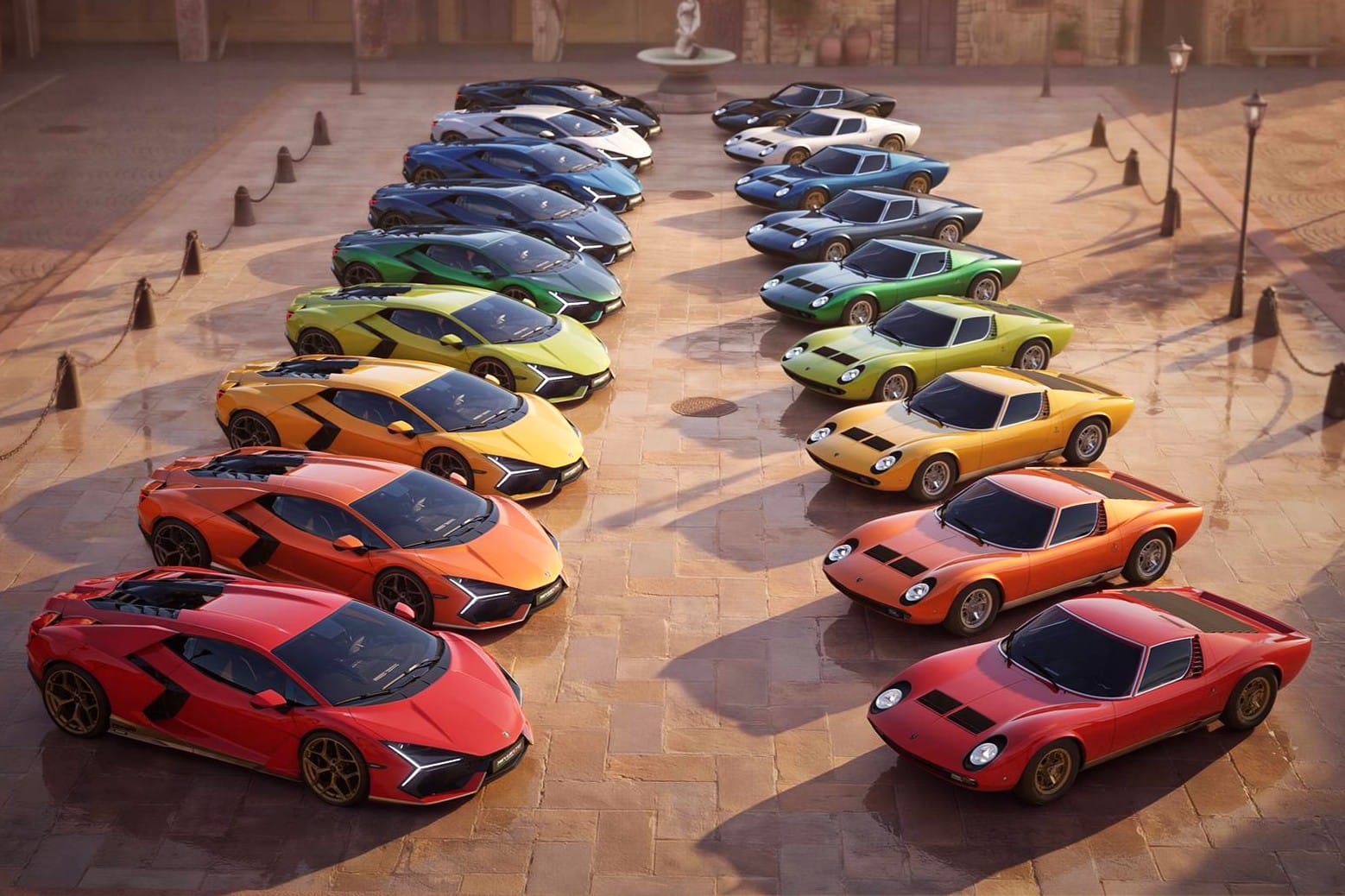
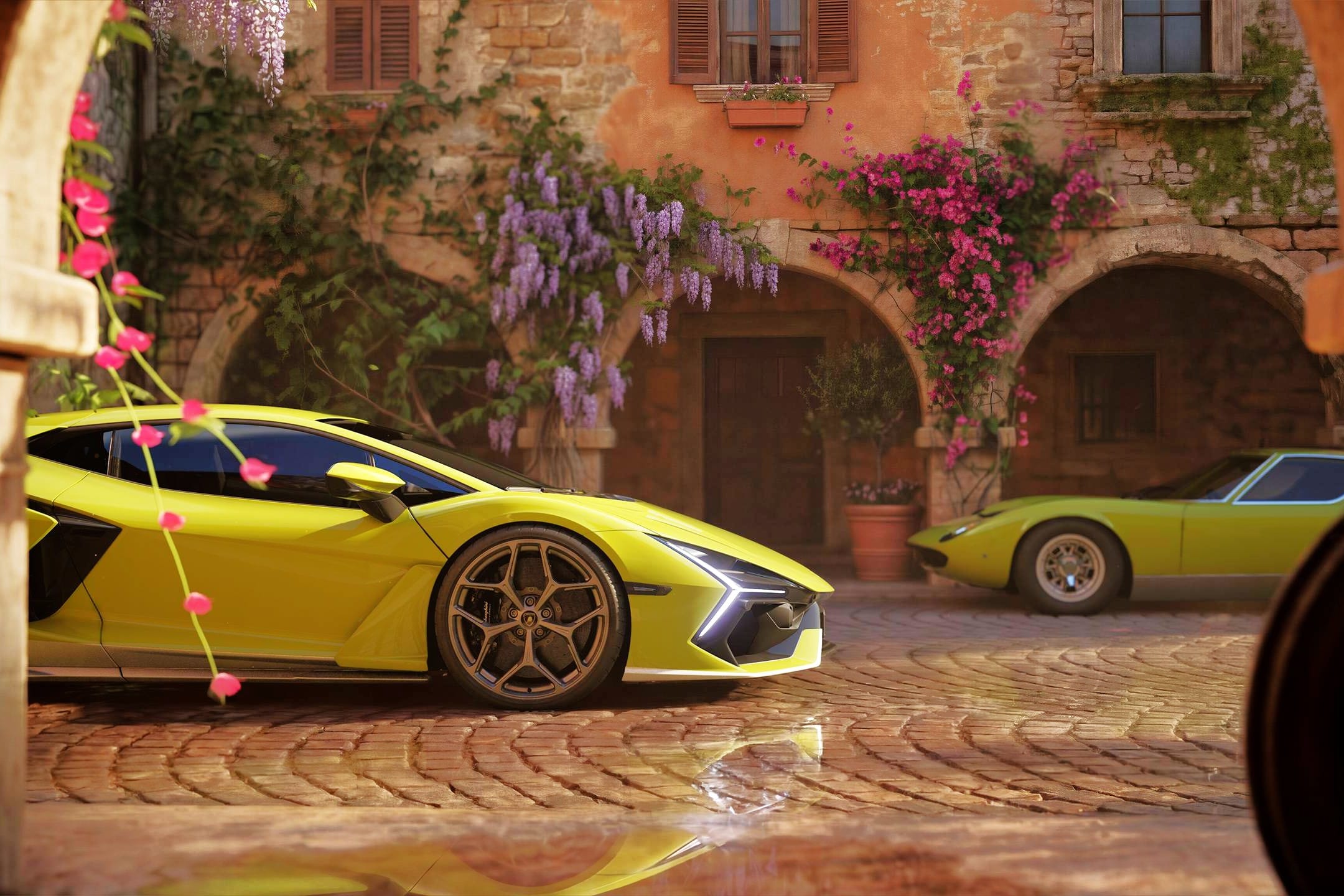
Many of the Miura’s signature design cues have been incorporated into the Revuelto Miura 60 Homage, including nine heritage-inspired exterior colours: Arancio, Bianco Monocerus, Blu Notte, Blu Tahiti, Giallo, Nero Noctis, Rosso Arancio, Verde Metallic, and Verde Scandal.
There are also two exclusive liveries inspired by classic Miura specifications, specifically Oro Elios accents with gloss gold-coloured wheels, and Grigio Nimbus detailing paired with matte titanium-finished wheels. Owners of original Miuras can even work with Lamborghini’s Ad Personam division to recreate their classic car’s original colour combination on the new Revuelto.
Additional styling revisions include Miura-inspired lower-body graphics, a discreet ‘Miura 60’ logo integrated into the side graphics, a gloss black Lamborghini wordmark at the rear, black brake calipers, and a matte black finish for the exhaust tips.
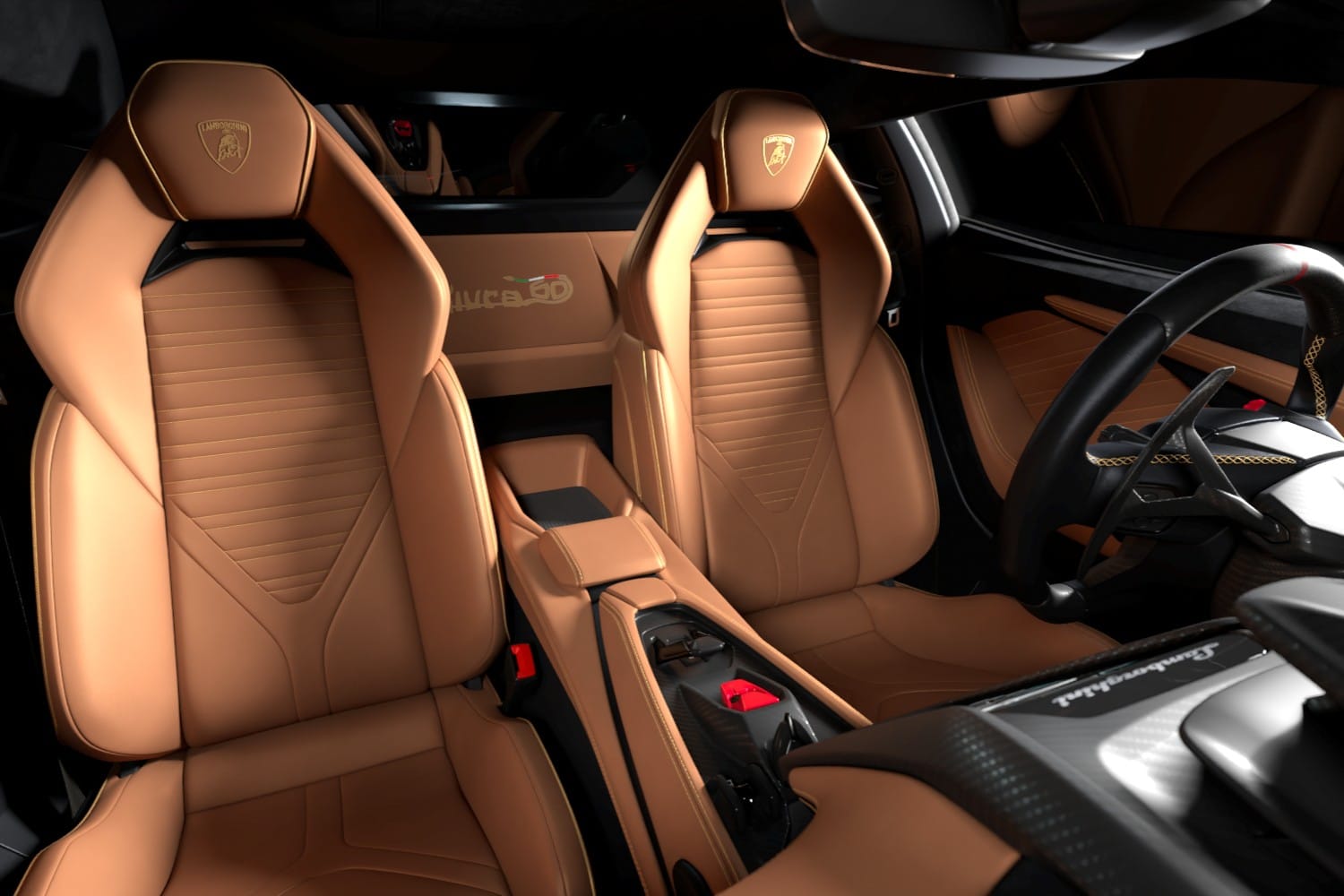
Inside, the retro theme continues with tan leather upholstery, classic ‘cannelloni’ seat stitching inspired by that of the Miura, and ‘Miura 60’ embroidery between the seats. Every example also receives a ‘Miura 60° – Serie Speciale 1 di 99’ carbonfibre plaque, identifying it as one of the 99 produced.
Lamborghini Revuelto Miura 60 Homage powertrain
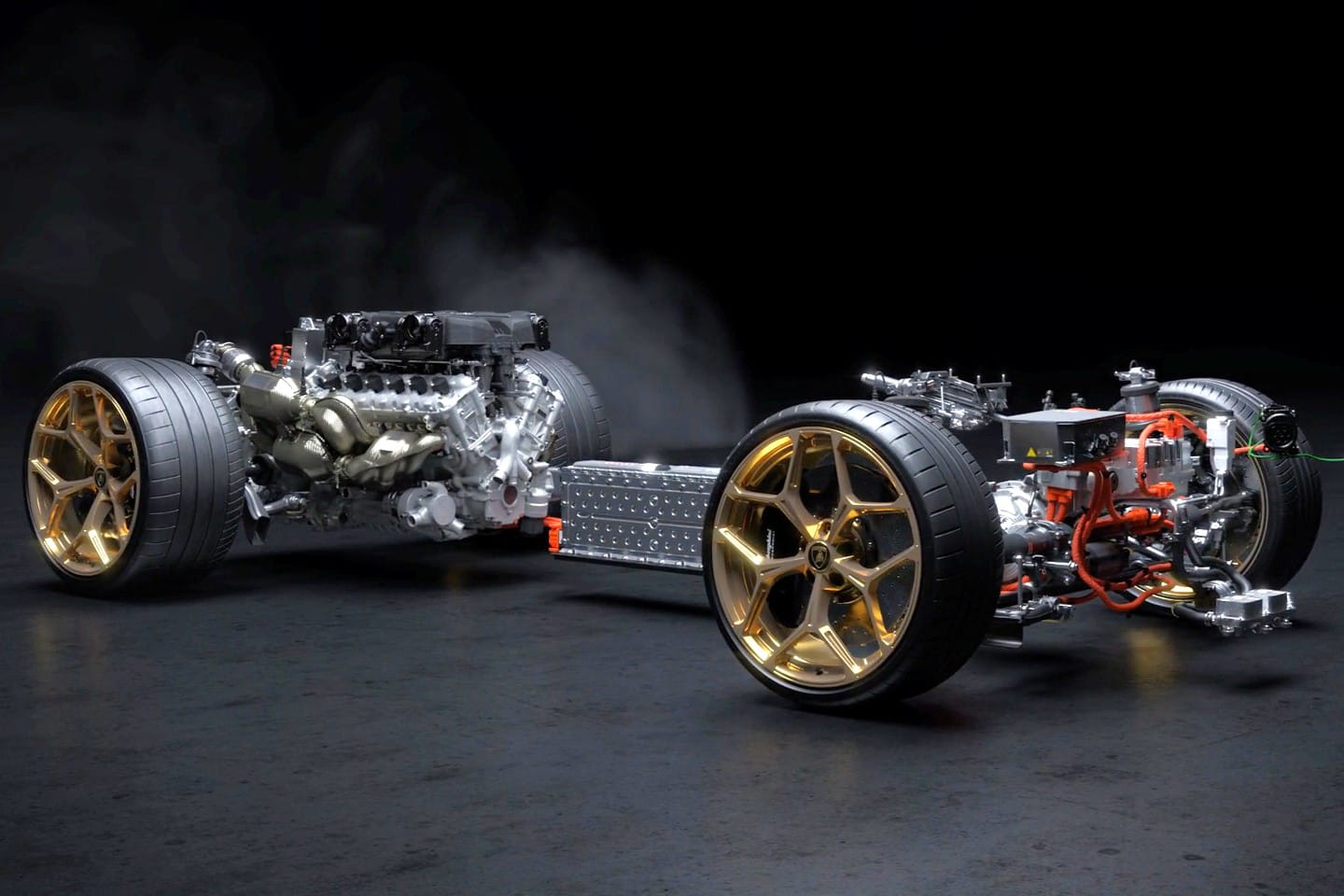
Mechanically, the Revuelto Miura 60 Homage remains identical to the standard version, which means it’s powered by a 6.5-litre naturally aspirated V12 paired with three electric motors, producing a combined 1,015hp and 807Nm. Power is sent to all four wheels via an 8-speed dual-clutch automatic, enabling a claimed 0-100kph sprint in 2.5 seconds and a top speed north of 350kph.
Lamborghini has not announced pricing for the Revuelto Miura 60 Homage. However, the special edition is expected to command a significant premium over the standard Revuelto, which is priced at Rs 8.89 crore (ex-showroom) in India, before options.
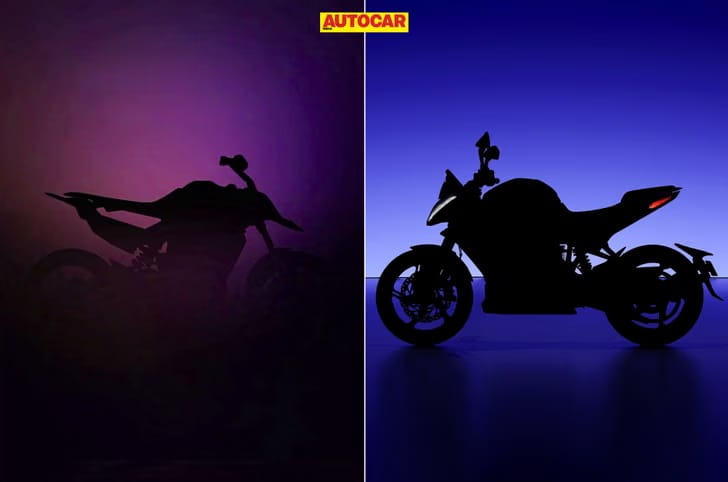
Hero MotoCorp has confirmed that its first electric motorcycle will launch in 2027, expanding the company’s EV portfolio beyond its existing Vida scooter range.
Two platforms, UBEX and VXZ, will underpin the range
VXZ developed in collaboration with Zero Motorcycles
Hero MotoCorp electric motorcycle details
UBEX and VXZ are dedicated motorcycle platforms, not derived from the Vida scooter architecture.
The confirmation came from Kausalya Nandakumar, Chief Business Officer of Hero MotoCorp’s Emerging Mobility Business Unit, who told investors: “Not this year. We will be looking at products coming in from next year.” Hero MotoCorp CEO Harshavardhan Chitale added that the company is making steady progress on its electric motorcycle programme and would share more details in the coming months.
The upcoming electric motorcycles will be built on two dedicated platforms first shown as concepts at EICMA 2025. The first, codenamed UBEX, will underpin a street-naked motorcycle. The second, codenamed VXZ, is being developed in collaboration with US-based Zero Motorcycles and is positioned as a high-performance electric motorcycle for adventure-oriented buyers, a project for which design patents were recently filed in India.
Nandakumar confirmed that, despite the learnings carried over from the Vida scooter platform, both the UBEX and VXZ are entirely new motorcycle-specific architectures. “The motorcycle platform now caters to the needs of a motorcycle consumer, and therefore these are new platforms that we are developing with learnings from the scooter platform, but with technology that is suited to what a motorcycle consumer is actually looking for in terms of performance, rideability, gradeability, and range,” she said.
The electric motorcycle programme comes as Hero MotoCorp works to significantly scale its EV scooter business. The company plans to increase monthly Vida production capacity to 45,000 units in FY27, up from 15,000 units at the end of FY26.
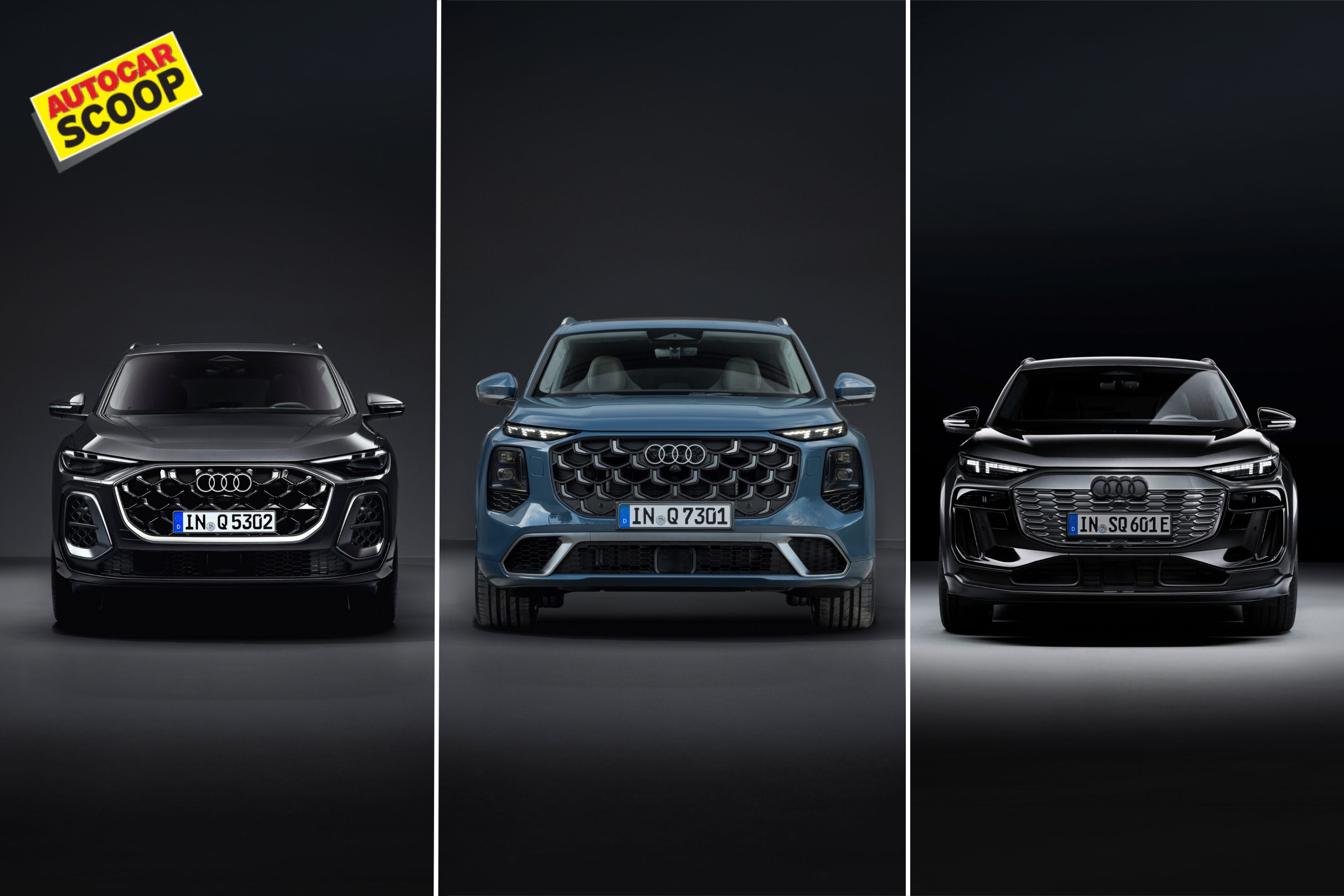
Audi India head Balbir Singh Dhillon recently confirmed 3 new launches in the next 12 months, but we have dug around a bit, and there’s a whole line-up of other models in bound as well. Apart from the new-gen Q3, the A5 and the flagship Q9, Audi will also be bringing the next-gen Q5 and Q7 in 2027. There will also be an EV making a comeback in Audi’s lineup in the form of the Q6 e-tron, and the big news is that all of these models will be locally assembled in India. Essentially, Audi’s entire Q-range will be thoroughly revamped in India by the end of next year.
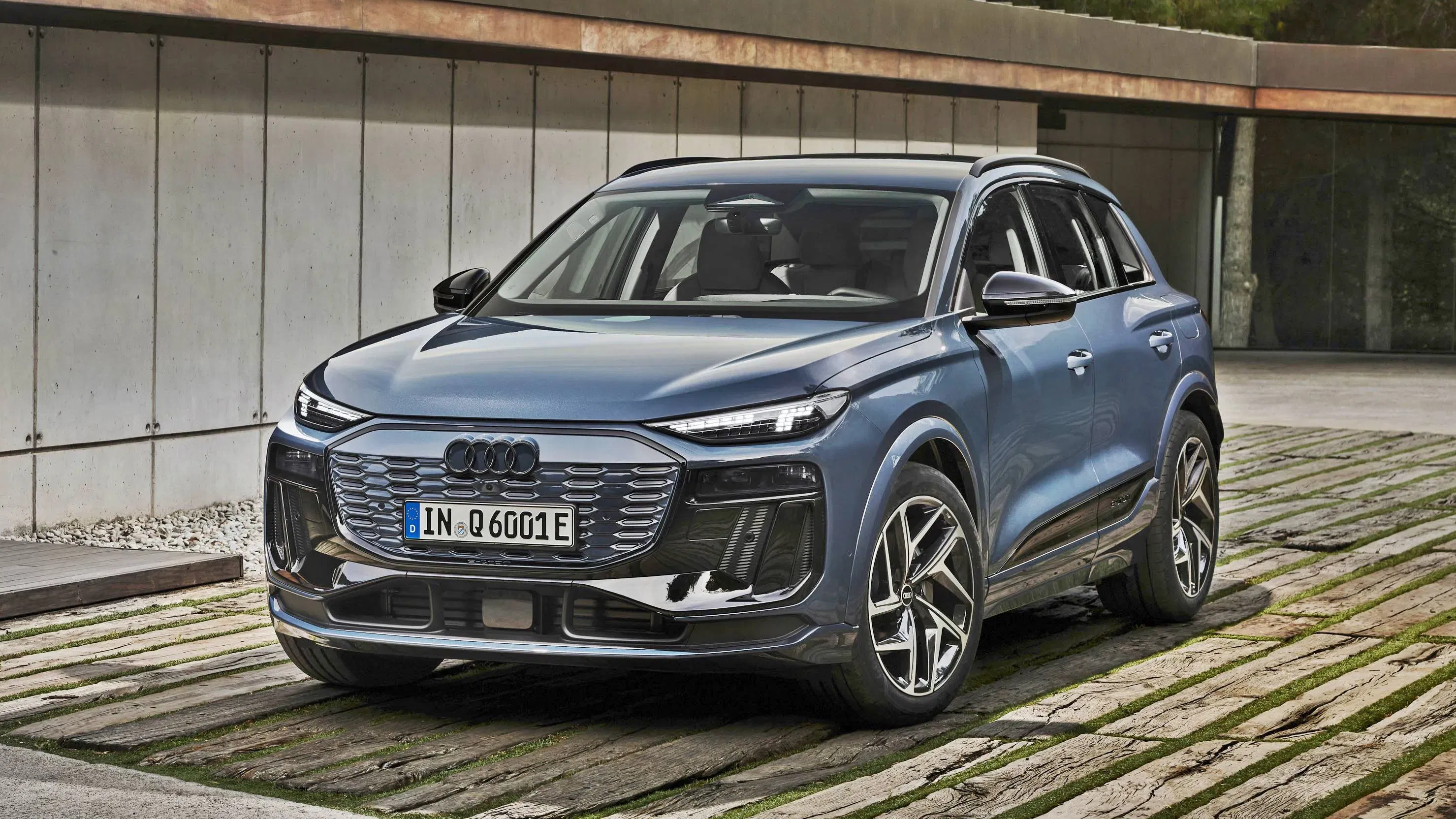
Audi Q6 e-tron
Estimated price: Rs 85 lakh; launch: Mid-2027
The Q6 e-tron will be Audi’s first EV to be assembled here. The electric SUV was the first to be based on the Volkswagen Group’s 800V Premium Platform Electric (PPE) architecture, co-developed with Porsche.
It’ll be offered in SUV and Sportback body styles and is likely to have a 100kWh battery (an 83kWh unit is offered overseas) with a single 306hp rear-mounted motor, offering 641km of WLTP range (656km for the aero-efficient Sportback). The EV also introduced Audi’s latest curved display that comprises an 11.9-inch digital instrument cluster, a 14.5-inch central touchscreen, and an optional 10.9-inch touchscreen display for the front passenger.
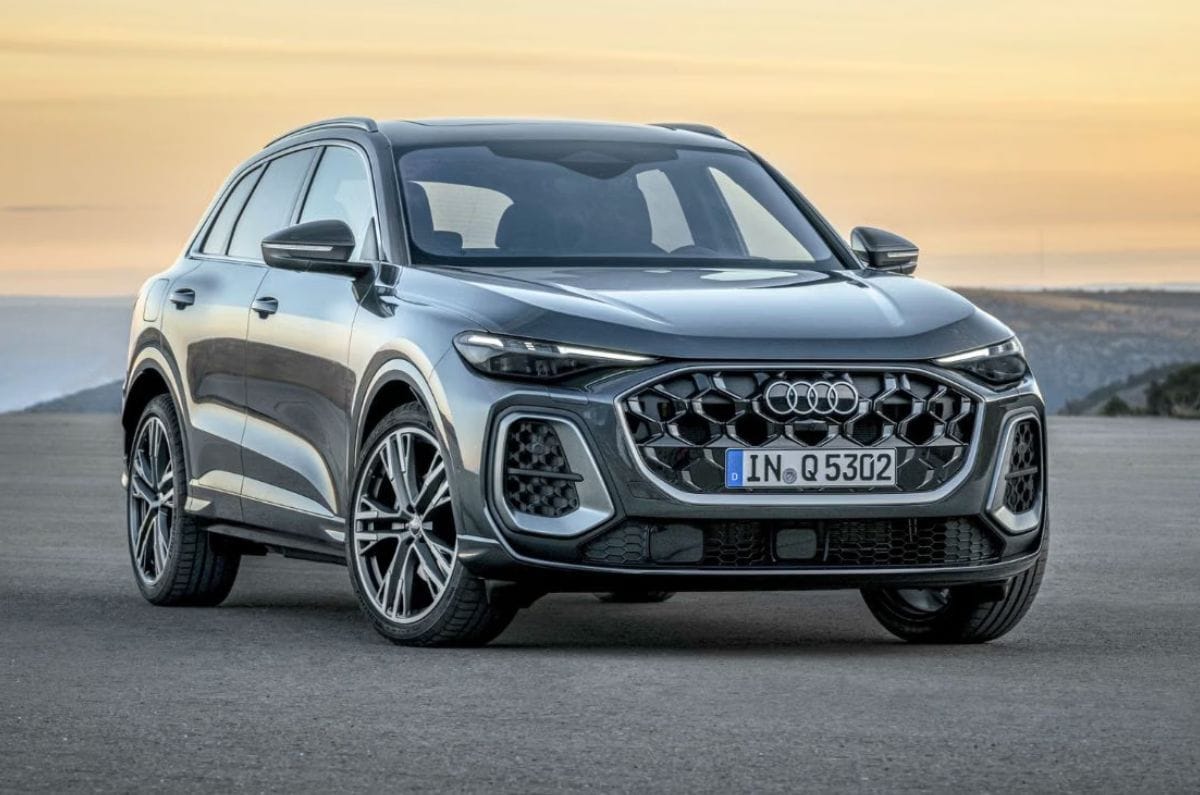
Next-gen Audi Q5
Estimated price: Rs 75 lakh; launch: October 2027
The third-gen Q5 will arrive to take on the Mercedes GLC and BMW X3. Sharing Audi’s latest PPC architecture with the A5, it gets sharper styling than its predecessor, much improved aerodynamics and a thoroughly modern cabin featuring a curved 11.9-inch digital driver’s display and 14.5-inch touchscreen, along with an optional passenger display.
It is expected to use Audi’s localised 2.0 turbo-petrol in a higher 265hp state of tune, paired with a 7-speed dual-clutch automatic and Quattro AWD. There is no word on whether Audi will bring the Sportback or the 367hp SQ5, but the India-EU FTA could create potential for a launch.
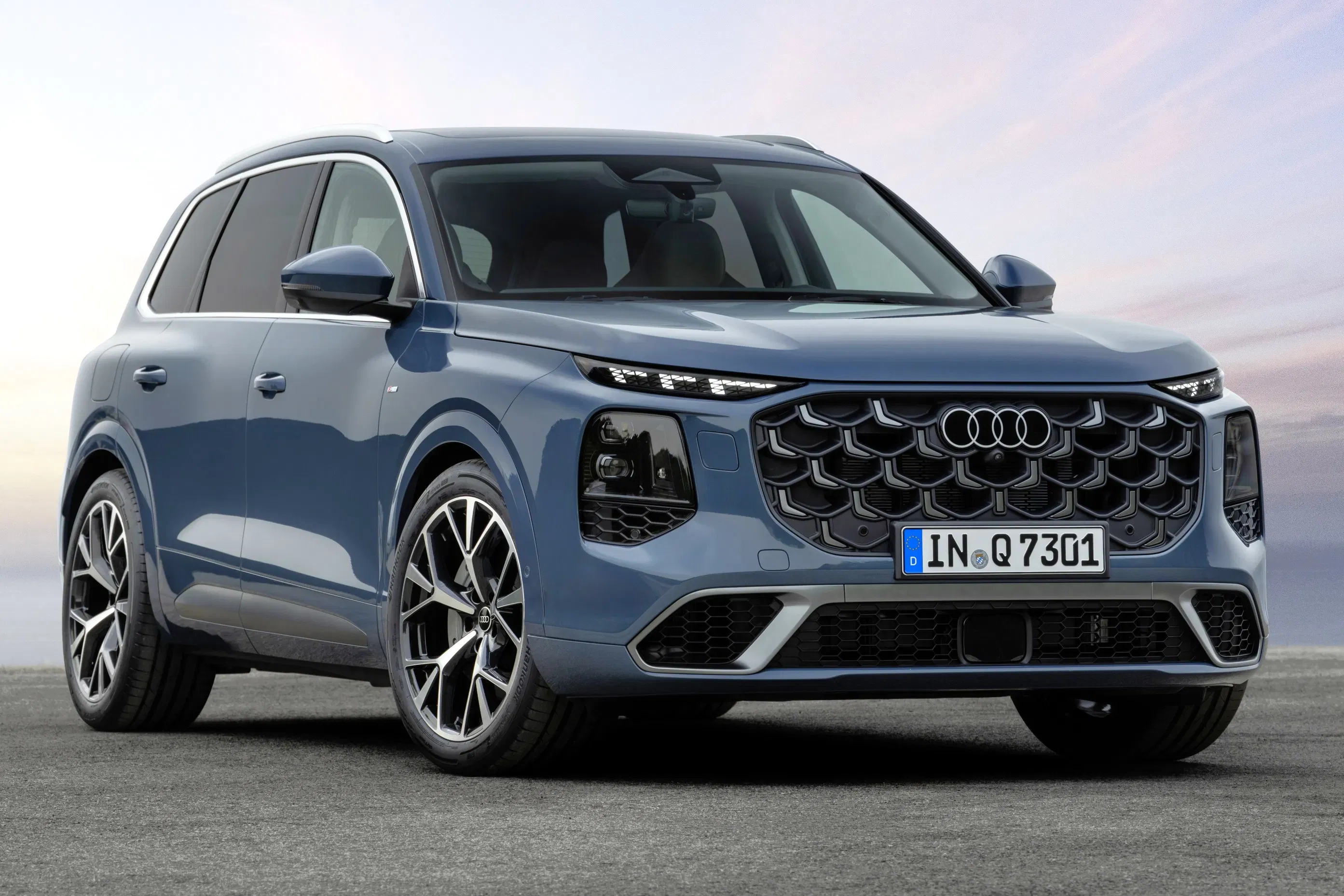
Audi Q7
Estimated price: Rs 1.2 crore; launch: December 2027
While the recently revealed Q9 is now Audi’s flagship SUV, the Q7 still has big cachet in India. The third-gen model brings in a brawnier form, which harks back to the original Q7. A three-row, seven-seat layout will be standard, and there will also be the option of a six-seat configuration with captain chairs in the middle row.
Cabin space and quality have been upped. The Q7 will sport Audi’s new triple-screen dash layout. While markets abroad get a mild-hybrid diesel, in India, it is expected to retain the 3.0 V6 turbo-petrol.
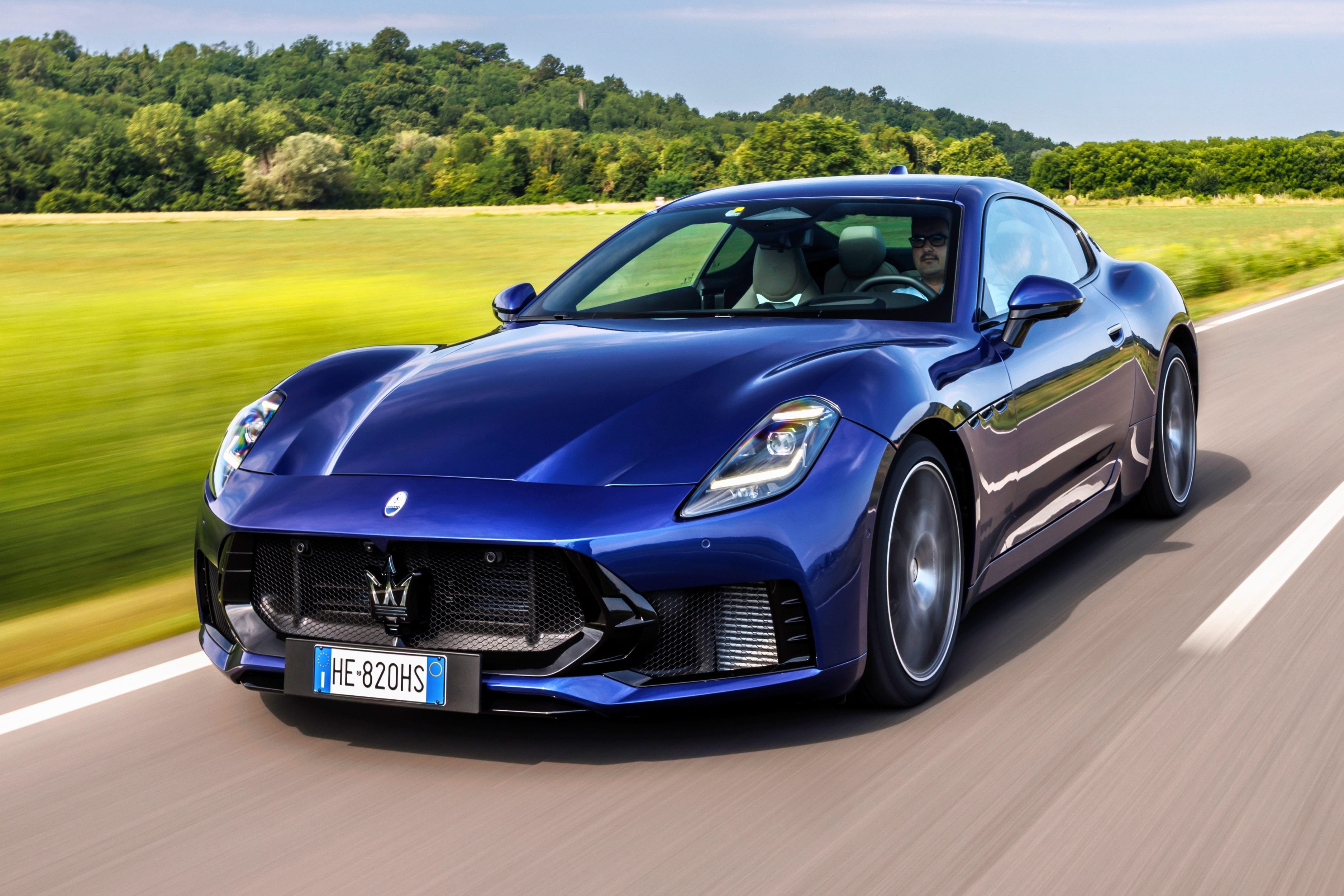
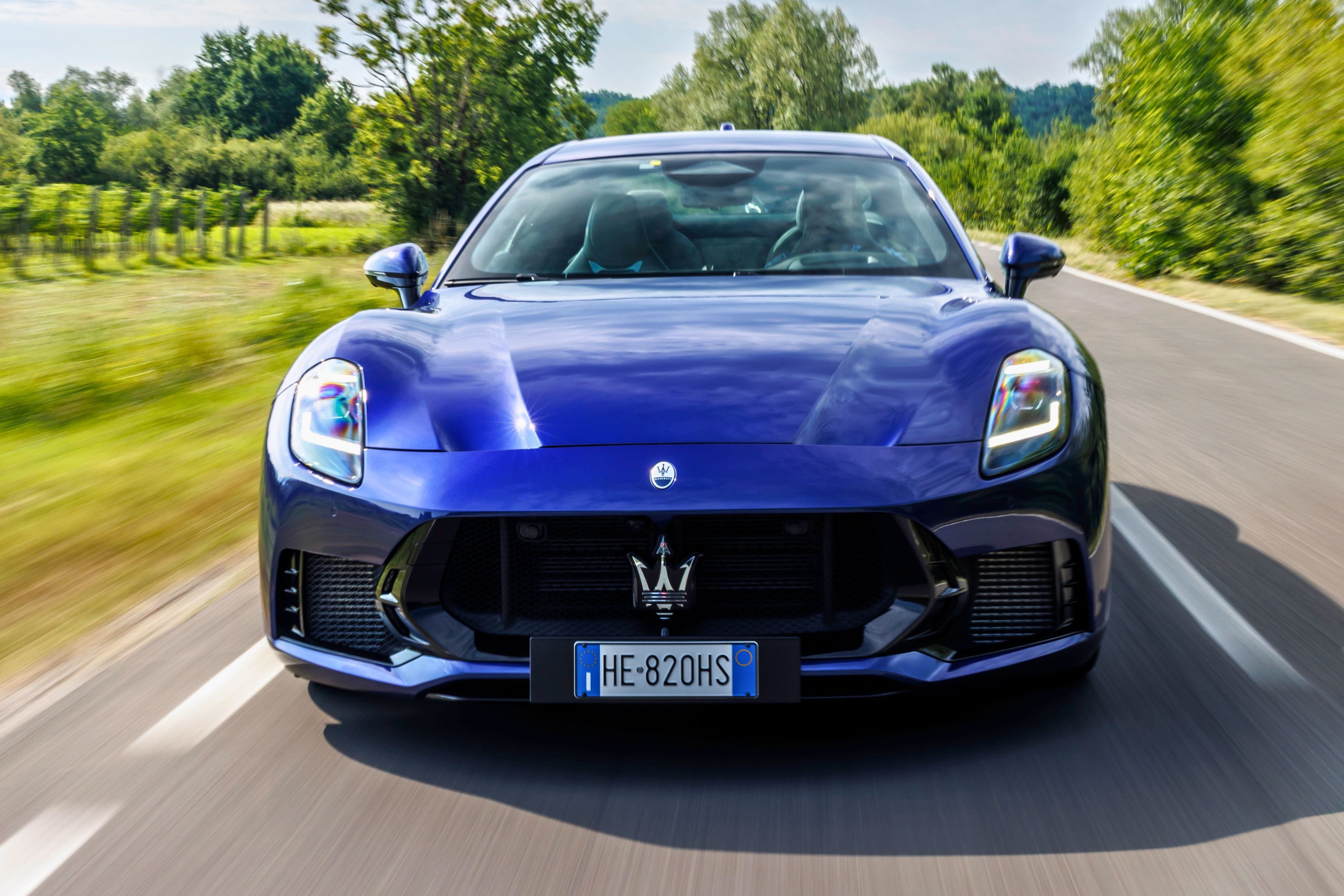
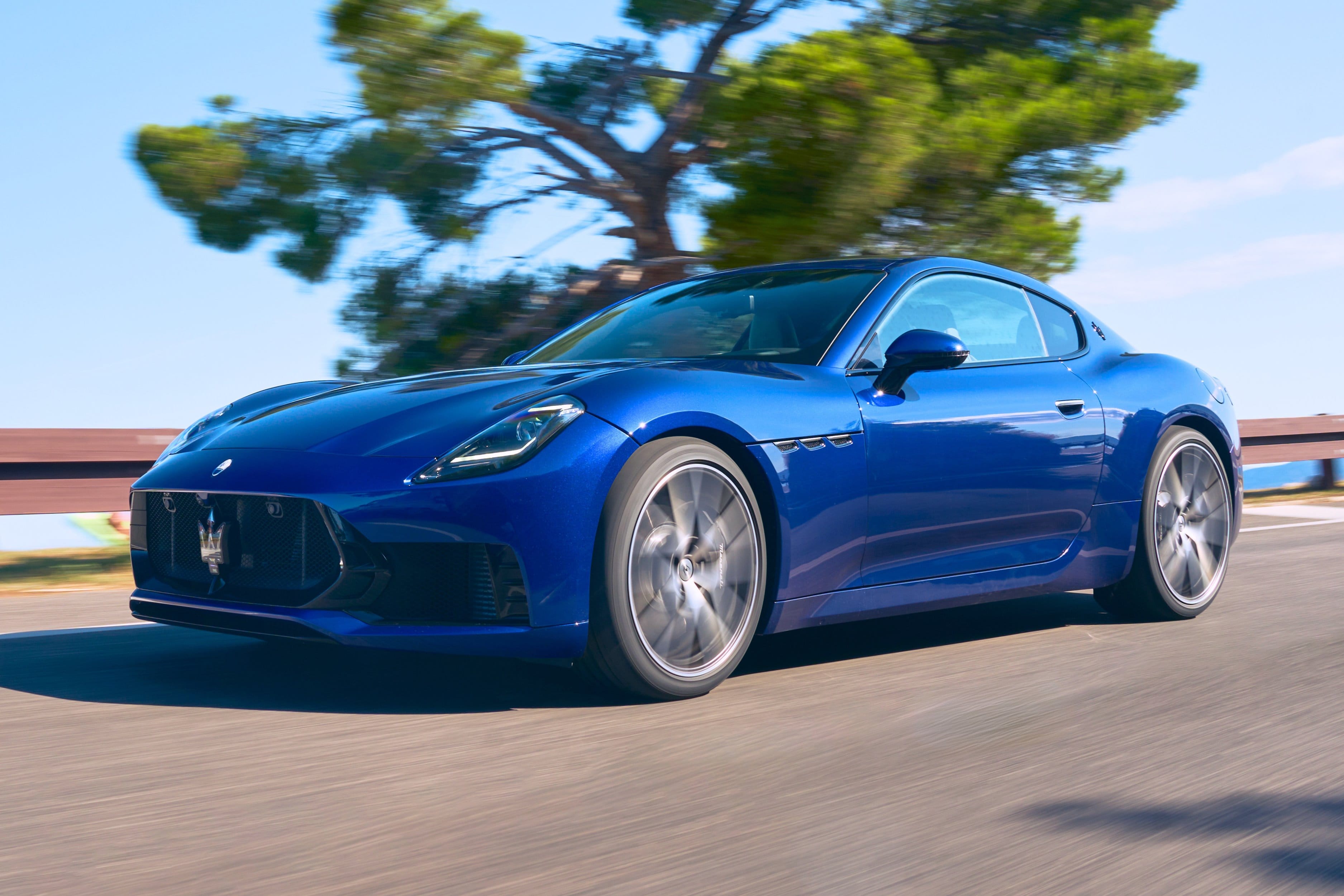
If Lamborghinis look like they’ve time-travelled from the future, and Ferraris appear shaped in wind tunnels, Maseratis are all about sculpture – flowing lines, gentle curves and delicate details. I’m no art connoisseur, but the gorgeous GranTurismo seems very much part of the awe-inspiring scenery at Italian seaside town Trieste’s Piazza Unità d’Italia.
Maserati GranTurismo Exterior Design and Engineering – 9/10
Classic GT proportions and Maserati details make it very eye-catching.
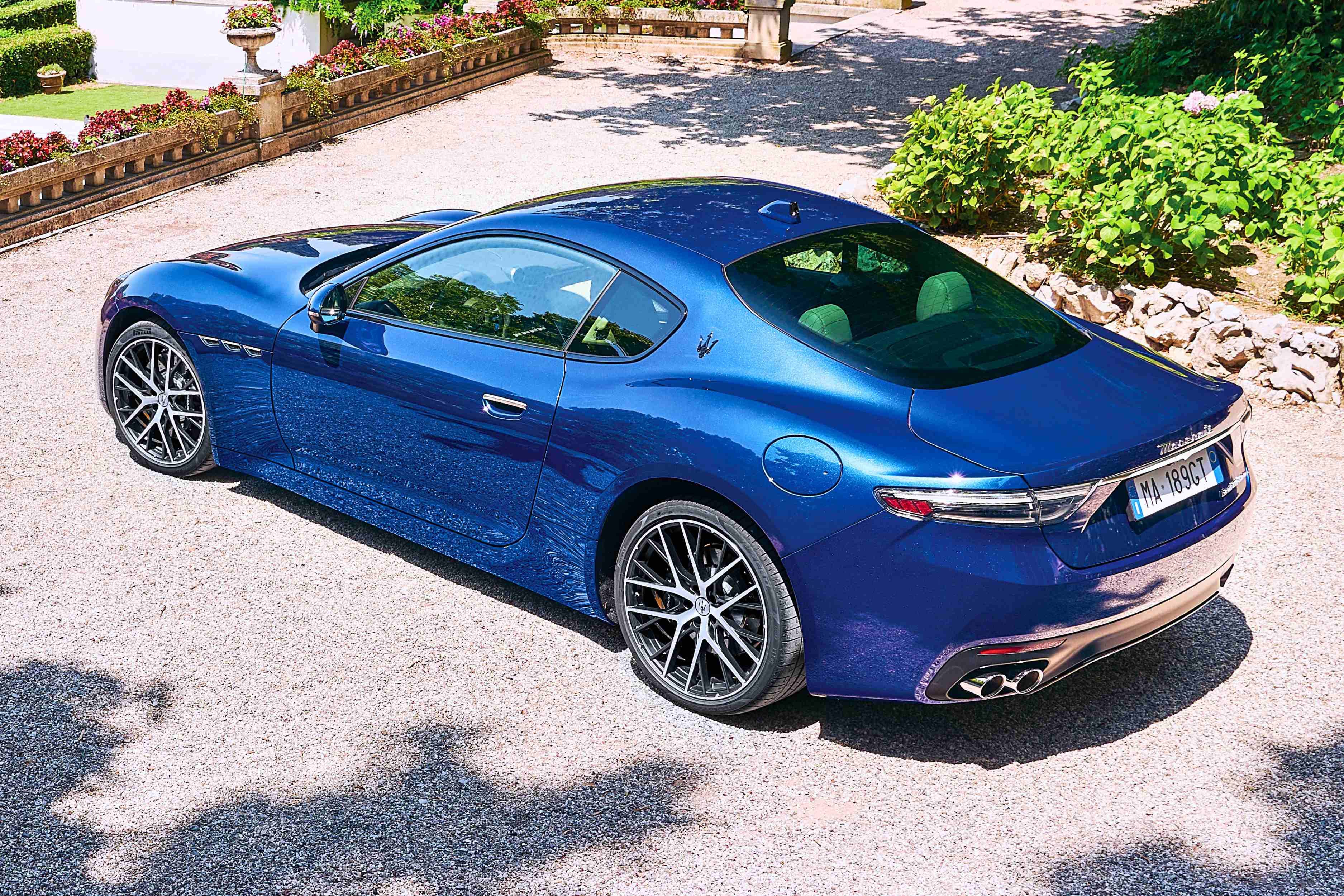
There’s the impossibly long bonnet, the neatly tucked-in cabin and the flowing rear that has become a GranTurismo trademark. Signature Maserati cues remain intact too, from the triple vents behind the front wheels to the distinctive rear quarter window and the Trident proudly displayed on the C-pillar. Even the way the muscular rear haunches merge into the tail has an elegance that’s hard to ignore.
Revised front bumper adds aggression to GranTurismo look.
2026’s styling revisions are concentrated at the front. A larger grille sits lower down, flanked by bigger intercooler openings and a more pronounced splitter that together lend the GranTurismo a more aggressive face. At the rear, the clear-lens tail-lamps are the easiest (actually, only) way to identify the updated model. Oh, and if you see a GranTurismo without quad exhausts, you should know that you’re looking at the Folgore or electric version.
Maserati GranTurismo Interior Space and Comfort – 8/10
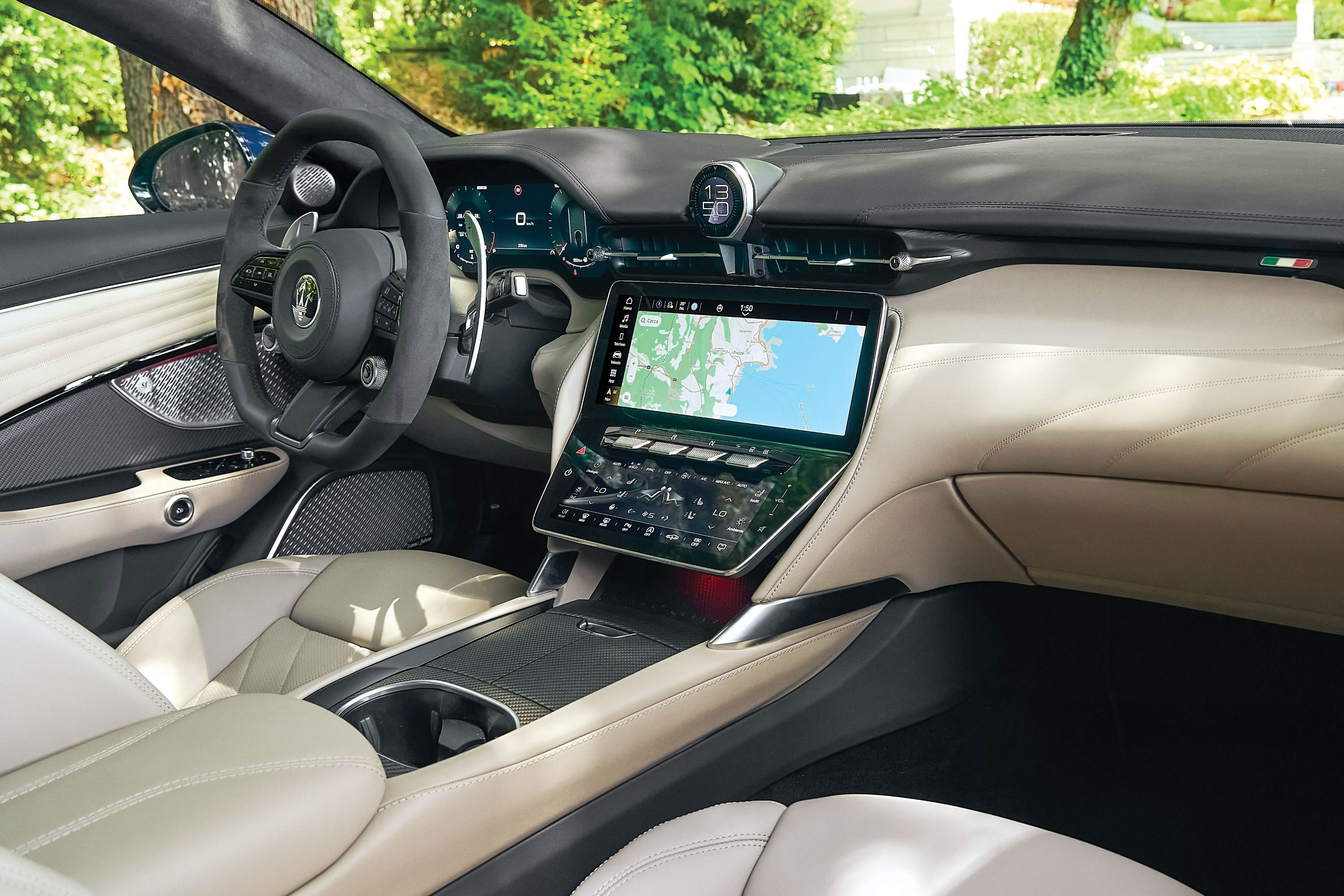
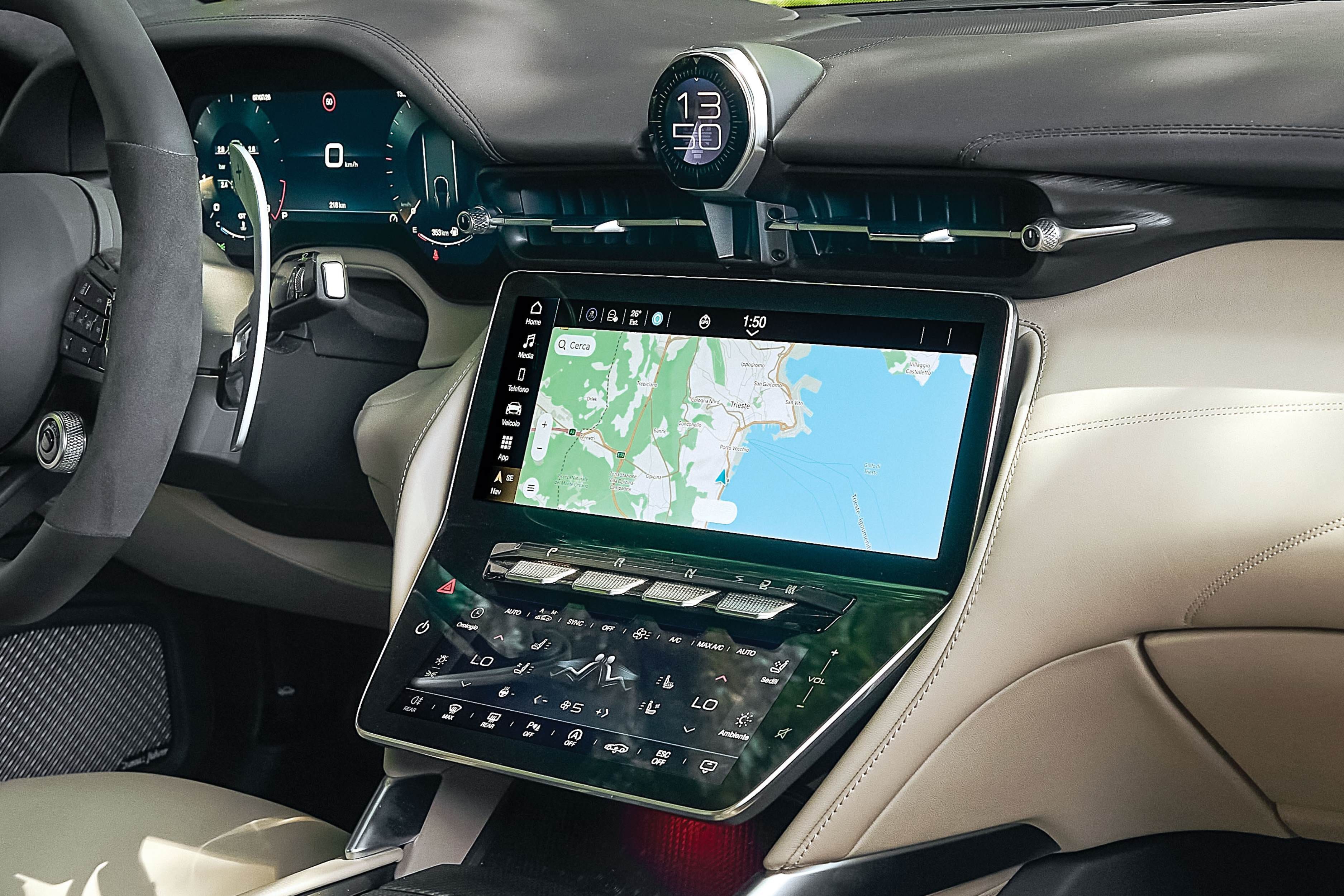
Inside too, the updates are subtle. The basic dash design is unchanged and is characterised by four screens– 12.2-inch digital dials, a 12.3-inch central infotainment screen, an 8.8-inch lower touchscreen and a digital clock.
New steering and redone gear selector switches among the changes inside.
The steering gets a new squared-off design wrapped in Alcantara, and behind it remain the wonderfully oversized aluminium paddle shifters fixed to the steering column. The uninspiring P, R, N and D buttons on the dash make way for feelsome metallic toggles, while the digital clock gets a new glass face to make it look more, ahem, analogue. It works.
Interior is a happy blend of tech and craftsmanship.
Despite the abundance of screens, the cabin retains a handcrafted and very Italian feel thanks to the quality of (most) materials and intricate detailing. Maserati would only be too happy to introduce buyers to its universe of upholstery, colour and trim options to create an interior that’s truly personal. The only ergonomic complaint is the seating position, which doesn’t go quite as low as expected in a car of this nature. On the matter of seats, the GranTurismo’s rear seats aren’t just for show (I’m looking at you, 911). They are genuinely usable for short stints or the odd getaway. There’s a usable boot too, for your Gucci luggage.
Maserati GranTurismo Features and Safety – 7/10
New-age tech meets old-school warmth in here.
The GranTurismo comes with a fair bit of kit as standard. The front seats are powered and heated/ventilated, there’s a fabulous Sonus Faber sound system and enough screens to tell you you’re in 2026. The digital dials are easy to refer to, while the main touchscreen is also easy enough to navigate through. It does feel like a Stellantis group system rather than a bespoke Maserati unit, though. We’re not fans of touchscreens for climate control functions, but Maserati’s solution is among the best of the kind. Swipe sideways across the screen to adjust blower speed and vertically for temperature – intuitive to use on the move.
The safety suite includes camera- and radar-based ADAS.
Maserati GranTurismo Performance and Refinement – 8/10
Modena’s 490hp V6 offers smooth, effortless acceleration; Trofeo’s 590hp is more emotive.
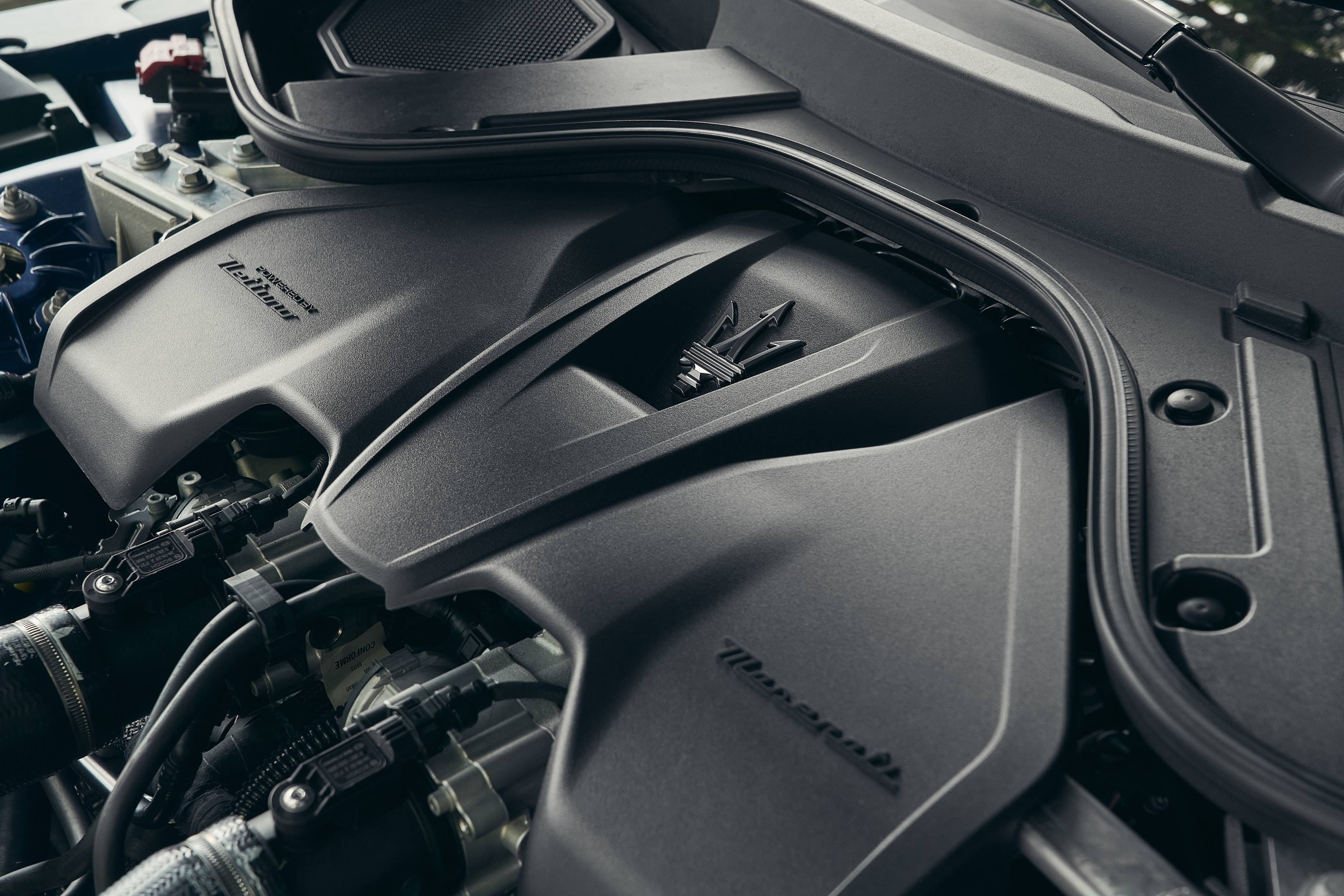
Power comes from Maserati’s own 3.0-litre twin-turbocharged ‘Nettuno’ petrol V6. In Modena guise as tested here, it produces 490hp, while the Trofeo’s output rises to 590hp from the previous 550hp. There’s also the ethanol-blending-proof all-electric Folgore, whose three-motor setup develops 760hp.
GranTurismo Modena does 0-100kph in 3.9 sec; Trofeo takes 3.5 sec.
On the road, the GranTurismo immediately reminds you that it is, above all else, a grand tourer. Despite producing nearly 500hp, it never feels urgent or hyperactive. Instead, its responses are measured and relaxed. Press the throttle harder, and the performance arrives in one smooth, effortless surge rather than an explosive punch. Maserati claims 0-100kph in 3.9 seconds for the Modena and 3.5 seconds for the Trofeo, but it’s the manner in which the speed builds that defines the experience. It launches with elegance rather than violence.
The V6 complements that character perfectly. There’s a constant gruffness to its soundtrack that grows richer as the revs climb. The Trofeo benefits from a more emotive exhaust note.
Maserati GranTurismo Efficiency/Range – 5/10
GranTurismo excels as a grand tourer, prioritising comfort over urgency.
Maserati’s V6 features cylinder deactivation and will shut off the right bank of cylinders at light loads in the interest of better efficiency. As it is, the GranTurismo’s V6 will be more efficient than the V8s in some rivals, but only just. The GranTurismo will happily work through a full tank of 100-octane fuel if you drive with vigour, and even on relaxed drives, you’re looking at real-world figures in the region of 5-6kpl.
The all-electric Folgore does have more to offer with the update. Range is up by 80km to 540km (WLTP) thanks to a new front-axle disconnect function.
Maserati GranTurismo Ride Comfort and Handling – 8/10
At nearly five metres long and weighing around 1.8 tonnes, the GranTurismo is no lightweight sports car. Yet, its standard air-suspension and all-wheel-drive system help disguise its size remarkably well. It doesn’t dart into corners like a Porsche 911, but there’s a lovely fluidity to the way it changes direction. The steering, in particular, deserves praise for its natural weighting and excellent feel.
Air suspension delivers a cushioned ride despite low-profile tyres.
Ride comfort is another highlight. Despite its large wheels and low-profile tyres, the suspension absorbs imperfections with impressive composure. A new ‘Country’ drive mode raises the ride height by 20mm at speeds of up to 120kph, making it particularly relevant for Indian roads.
Maserati GranTurismo Price and Verdict – 8/10
The GranTurismo (and open-top Gran Cabrio) will go on sale in India in the coming months, and we expect the range to start around Rs 2.7 crore (ex-showroom) with the Trofeo’s closer to the Rs 3 crore mark. The all-electric Folgore will also be on offer.
Updated Maserati GranTurismo is expected to cost Rs 2.7-3 crore (ex-showroom).
Similar money could buy you a Porsche 911 GTS or a Mercedes-AMG GT, but I wouldn’t think of the GranTurismo as a direct rival. It’s not as focused as a performance car, but instead excels at a wider range of abilities. The GranTurismo story is as much about luxury as it is about sportiness. Ride comfort is a big plus, and for what it’s worth, the rear seats are usable too. It only helps that the GranTurismo is drop-dead gorgeous.
For the wealthy few shopping in the segment, the GranTurismo deserves a long, hard look. You might just fall for it.
नामीबिया, दक्षिण अफ्रीका और जिम्बाब्वे टी-20 त्रिकोणीय सीरीज की मेजबानी करेगा और उसके बाद वह दक्षिण अफ्रीका के खिलाफ तीन मैचों की एकदिवसीय सीरीज खेलेगा। सभी मैच विंडहोक के नामीबिया क्रिकेट ग्राउंड में खेले जाएंगे।
टी-20 त्रिकोणीय 28 अगस्त को शुरू होगी, जिसका फ़ाइनल छह सितंबर को होगा और वनडे सीरीज नौ सितंबर से शुरू होगी। यह त्रिकोणीय सीरीज 2027 में होने वाले अफ्रीका कप की शुरुआत के लिए आधार तैयार करेगी। इस प्रतियोगिता का मक़सद ज़्यादा अफ्रीकी देशों को सबसे उच्च स्तर पर खेलने का मौका देना है।
Cricket Namibia has announced a historic Tri Series featuring South Africa, Zimbabwe, and Namibia.
Following the Tri Series, Namibia will also host South Africa for a three match ODI series, marking another major milestone for Namibian cricket. pic.twitter.com/akMKWGzHXL
त्रिकोणीय सीरीज से होने वाला सारा मुनाफ़ा अफ्रीका क्रिकेट एसोसिएशन को दान किया जाएगा ताकि पूरे महाद्वीप में खेल को बढ़ावा दिया जा सके। क्रिकेट नामीबिया के मुख्य कार्यकारी अधिकारी जोहान मुलर ने कहा, “हम इस सीरीज़ के लिए क्रिकेट दक्षिण अफ्रीका और ज़िम्बाब्वे क्रिकेट के कमिटमेंट के लिए बहुत आभारी हैं। यह अफ्रीकी महाद्वीप में क्रिकेट को आगे बढ़ाने के लिए मजबूत पार्टनरशिप और साझा सोच को दिखाता है।”
दक्षिण अफ्रीका, नामीबिया और जिम्बाब्वे 2027 में होने वाले क्रिकेट वर्ल्ड कप के संयुक्त मेजबान हैं। क्रिकेट दक्षिण अफ्रीका के मुख्य कार्यकारी अधिकारी फोलेट्सी मोसेकी कहा, “हम इस व्हाइट-बॉल टूर का हिस्सा बनने के लिए उत्साहित हैं। यह न सिर्फ़ हमारे पड़ोसी देशों में खेल को मज़बूत करने के हमारे कमिटमेंट को दिखाता है, बल्कि अगले साल होने वाले आईसीसी पुरुष क्रिकेट वर्ल्ड कप से पहले उत्साह भी बढ़ाता है, जिसकी मेजबानी ये तीनों देश मिलकर करेंगे।”
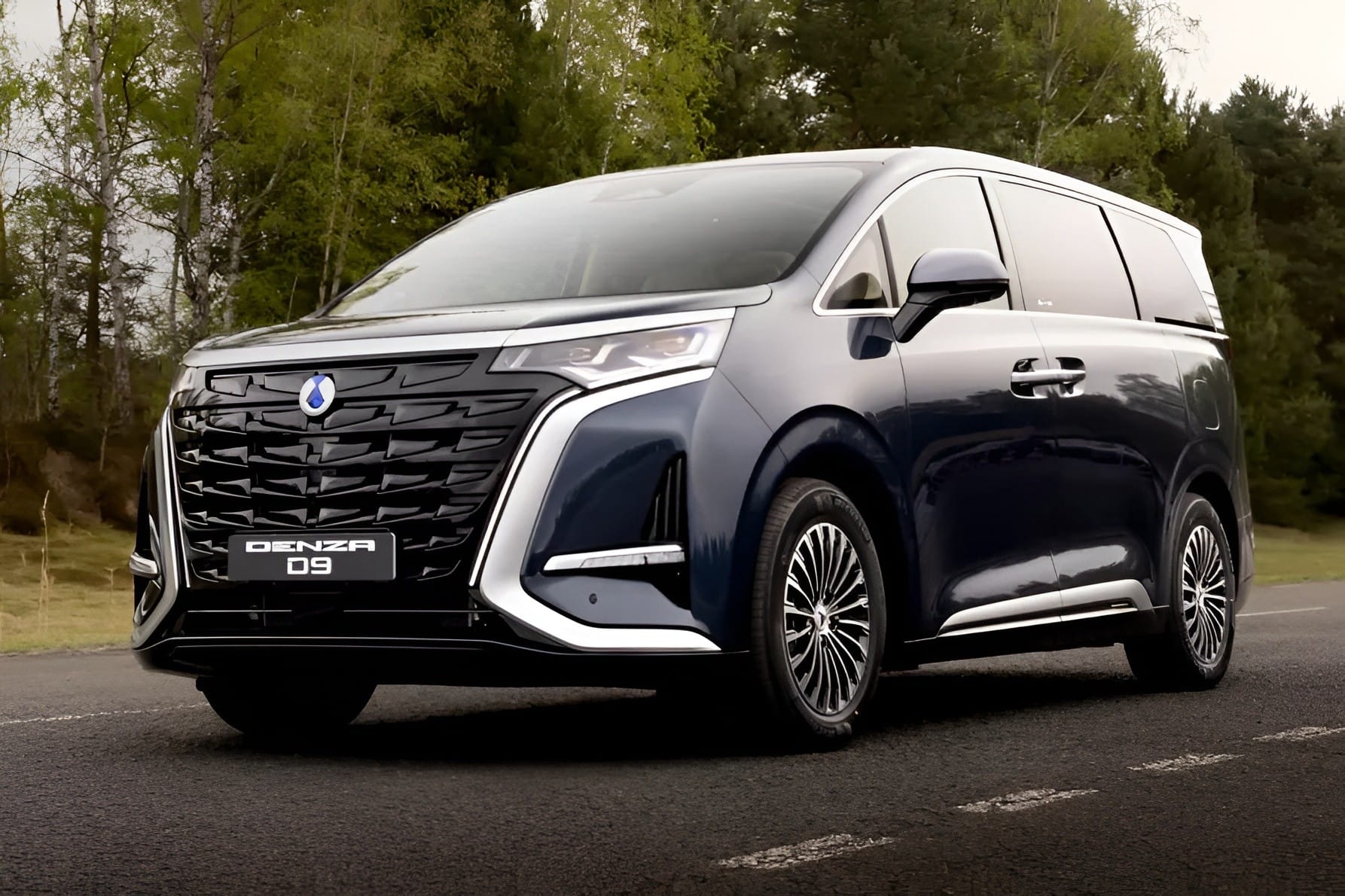
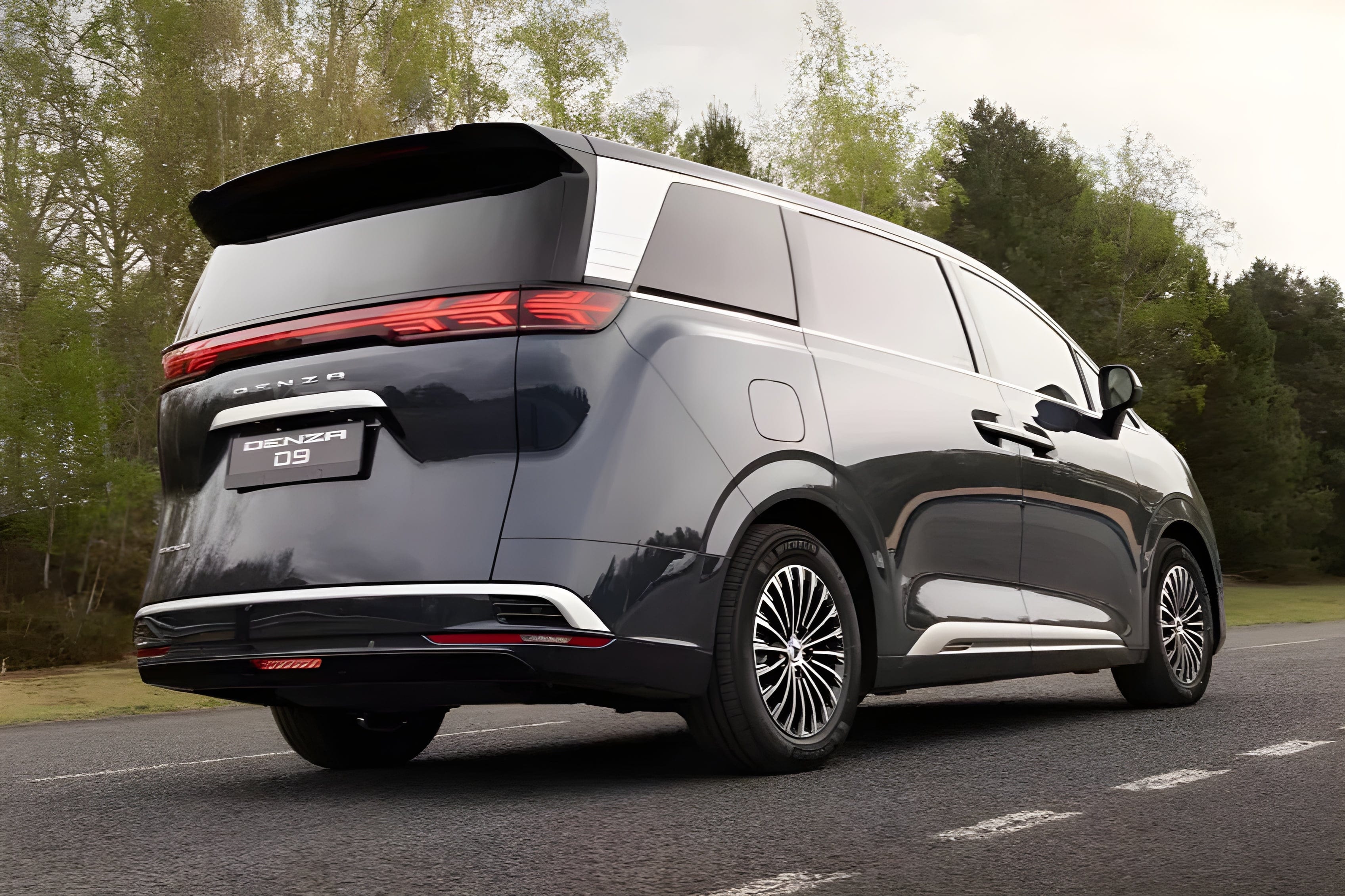
We exclusively reported that BYD would bring its luxury sub-brand Denza to our market. The Chinese carmaker will enter our shores with the debut of the D9 luxury MPV. While a festive season launch is being considered, if delayed, it could be moved to the Bharat Mobility Global Expo in February 2027. Ahead of its arrival in India, here’s all that you can expect from the Denza D9.
1. What seating configurations will the Denza D9 offer?
The Denza D9 is expected to offer a 2+2+3 seating configuration. Rivals like the Toyota Vellfire and Lexus LM offer the same configuration, while the latter offers a 2+2 configuration as well. The MG M9 and Mercedes-Benz V-Class offer a 2+2+2 configuration, while the Merc is also available in a 2+2 seat layout like the LM.
2. How large is the Denza D9?
Denza D9
MG M9
Toyota Vellfire
Lexus LM
Mercedes-Benz V-Class
Length (mm)
5,250
5,270
5,005
5,125
5,370
Width (mm)
1,960
2,000
1,850
1,890
1,928
Height (mm)
1,920
1.800
1,950
1,940
1,901
Wheelbase (mm)
3,110
3,200
3,000
3,000
3,430
The global-spec Denza D9 is 5,250mm long, 1,960mm wide, 1,920mm tall and has a 3,110mm wheelbase. Compared to other luxury MPVs in our market, the D9 is longer, wider and has a longer wheelbase longer than the Toyota and Lexus, but is shorter than the other two. But compared to the M9 and Mercedes-Benz V-Class, the D9’s dimensions are overall smaller.
3. Will the Denza D9 arrive in India as a CBU or be locally assembled?
Initially, the Denza D9 is expected to be sold as a full import in India. This will allow Denza to enter the market quickly, assess demand and take long-term decisions accordingly.
4. What features are expected on the Denza D9?
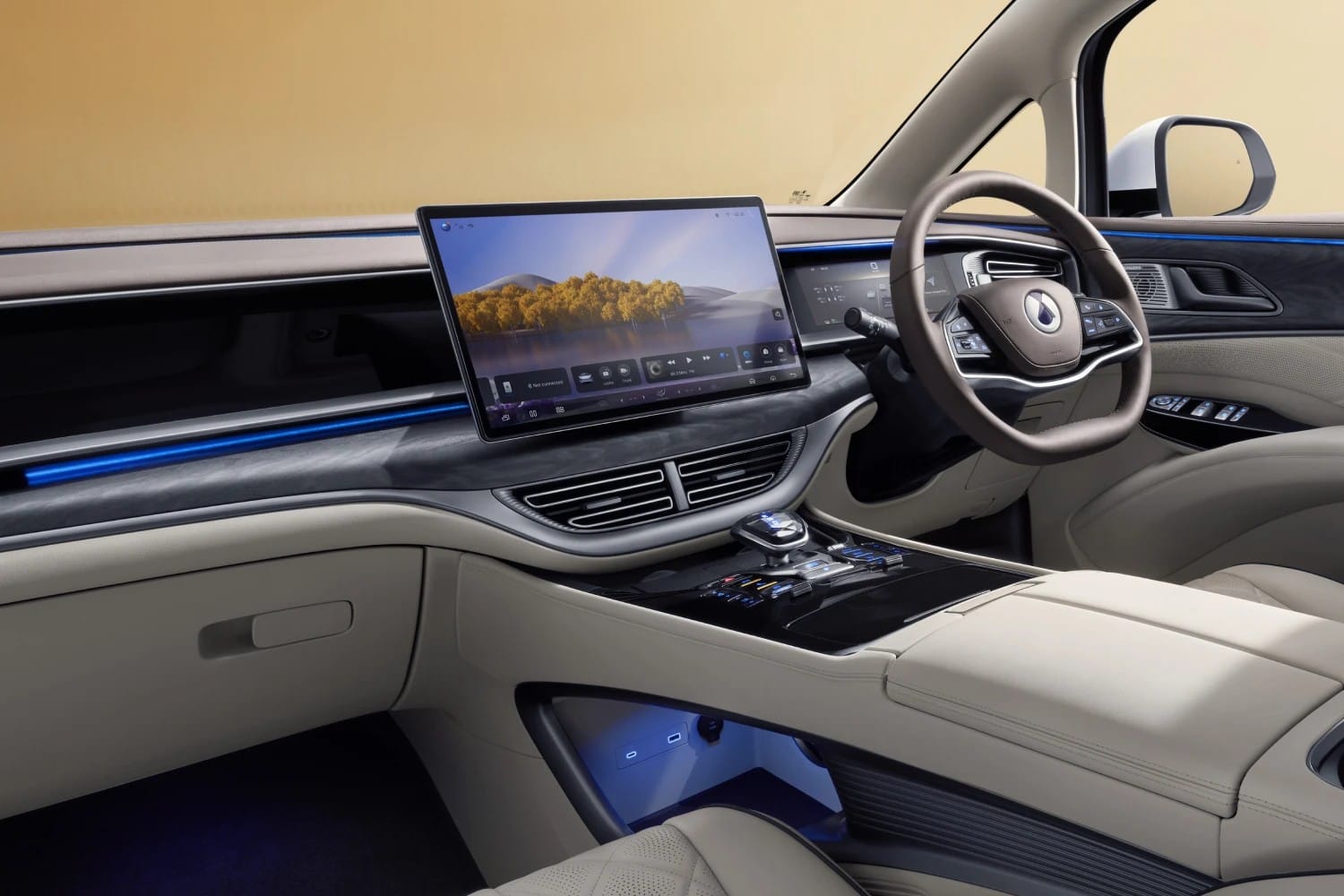
As for equipment, the global-spec D9 gets a 15.6-inch infotainment screen with Apple CarPlay and Android Auto, 10.25-inch digital driver’s display, panoramic sunroof, 8-way powered front seats with ventilation and massage functions, ambient lighting, triple-zone air conditioning, 14-speaker Dynaudio audio system, air purifier, wireless phone charger, 12-inch head-up display, powered tailgate and sliding rear doors.
Safety features include multiple airbags, an ADAS suite, surround view cameras, ESC, traction control, ISOFIX Mounts, hill hold control, driver fatigue warning and distraction detection, TPMS, and an auto-dimming IRVM.
5. What features are the second row occupants likely to get in the Denza D9?
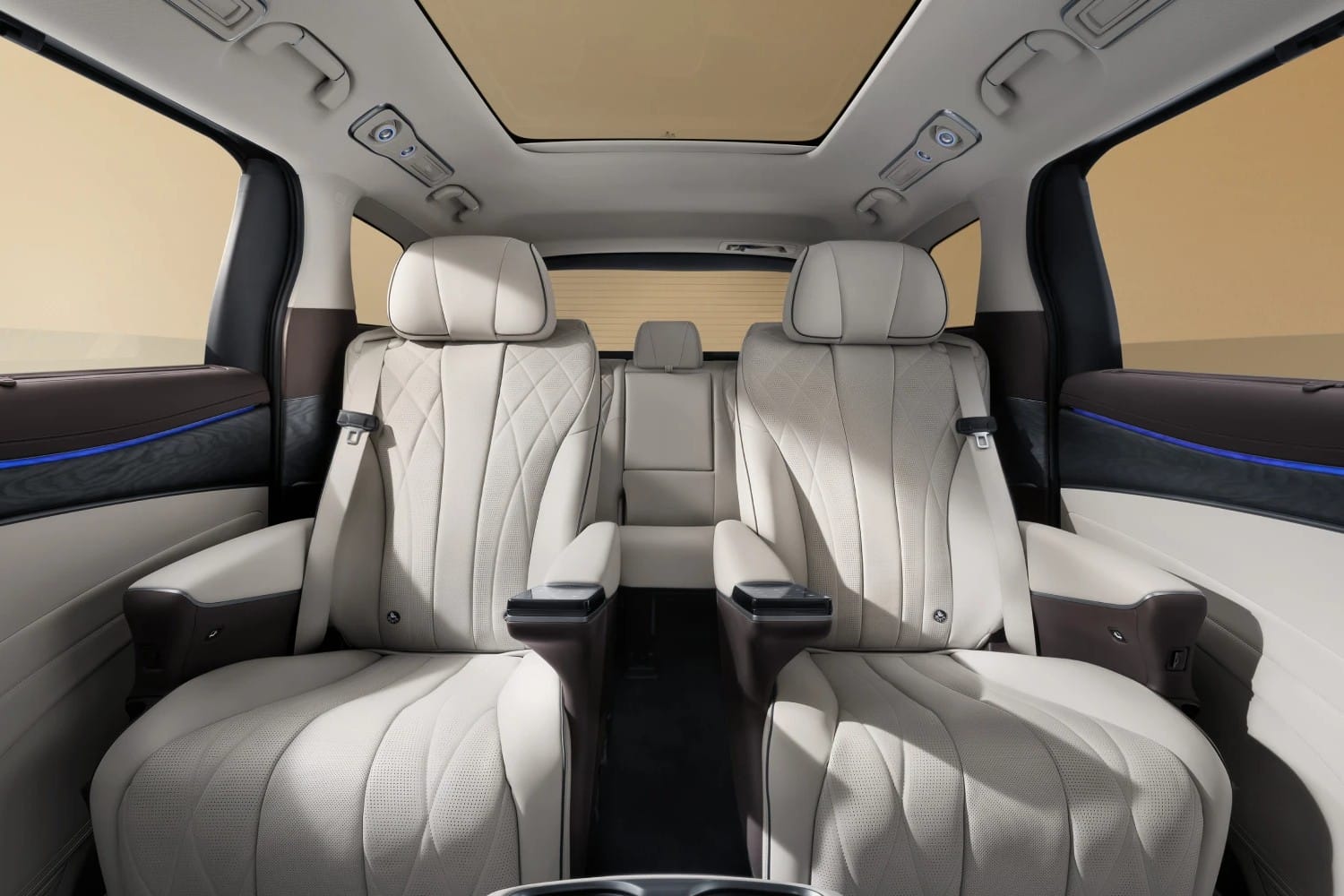
The second row captain chairs have built-in leg rests and have 10-way power adjustment with memory and come with ventilation and massage functions. There’s also a powered boss mode, retractable tables, and a refrigerator as well. Additionally, LED displays integrated within the armrests of the second row seats control various car functions.
6. What powertrains are expected to power the Denza D9?
Globally, the Denza D9 is available in all-electric and plug-in hybrid versions. However, BYD is likely considering the former option for India, as EVs are subject to a lower 5 percent GST. Plug-in hybrid variants could be considered at a later stage.
While exact specifications remain under wraps, the global-spec D9 electric is powered by a 103.6kW battery pack. This battery pack can be had in a FWD configuration with a motor producing 314hp and 360Nm of torque. AWD versions add a 61hp, 110Nm motor, bringing the combined power output to 373hp and 470Nm of torque.
FWD versions get an NEDC-claimed range of 600km, while AWD versions have a claimed range of 580km. As far as charging is concerned, the D9 supports up to 11kW and 166kW outputs on AC and DC charging, respectively.
7. Will the Denza D9 be sold alongside other models from the BYD stable?
To maintain distinction between BYD and its sub-brand, the Denza D9 is expected to be sold via dedicated Denza outlets rather than through its existing retail network.
8. What is the expected price of the Denza D9?
Expect the Denza D9 to have an ex-showroom price of around Rs 90 lakh. The D9 will compete in the growing luxury MPV space and will be positioned above the all-electric MG M9 (Rs 79.95 lakh), but undercut the strong-hybrid-powered Toyota Vellfire (Rs 1.20 crore) and Lexus LM (Rs 2.20 crore to Rs 2.75 crore), and the Mercedes V-Class (Rs 1.40 crore), which offers petrol and diesel engines.
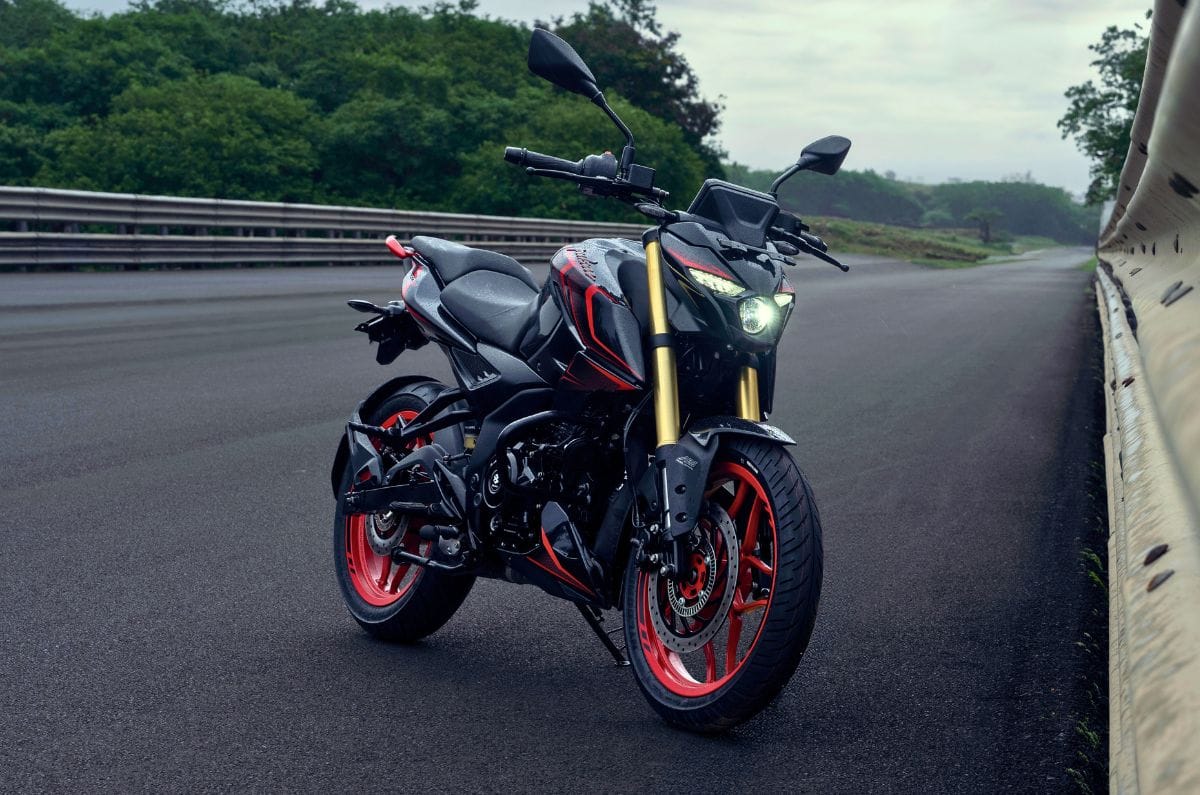
Bajaj Auto has expanded the Pulsar N160 range with the launch of the Pulsar N160 S and Pulsar N160 SS, priced at Rs 1.34 lakh and Rs 1.43 lakh (ex-showroom, Delhi), respectively. The standard Pulsar N160 will continue to be sold alongside the new variants. Compared to the outgoing N160 variants, the new N160 S is Rs 10,708 more expensive, while the flagship N160 SS commands a premium of Rs 14,089.
N160 S priced at Rs 1.34 lakh; N160 SS at Rs 1.43 lakh
New 165cc, 4-valve engine produces 18.5hp
Gets electronic throttle, ride modes and TFT display
Bajaj Pulsar N160 S, N160 SS: what’s new?
The biggest update is the new 164.5cc, oil-cooled, single-cylinder, 4-valve engine, which produces 18.5PS at 9,500rpm and 14.4Nm at 8,000rpm. Compared to the outgoing 2-valve motor’s 16PS and 14.65Nm, power is up by 2.5PS, while torque drops marginally by 0.25Nm. The engine also switches from a mechanical to an electronic throttle body.
The electronic throttle enables Road, Rain, Sport and Off-road ride modes, along with Crawl Technology similar to what we see on KTM bikes, which allows the motorcycle to move at low speeds in higher gears with minimal clutch input. The flagship N160 SS additionally gets traction control.
Other mechanical changes include 37mm USD forks in place of the previous 33mm units and a larger 300mm front disc. The monoshock, 14-litre fuel tank, 1,348mm wheelbase, 165mm ground clearance, 795mm seat height and 151kg kerb weight remain unchanged.
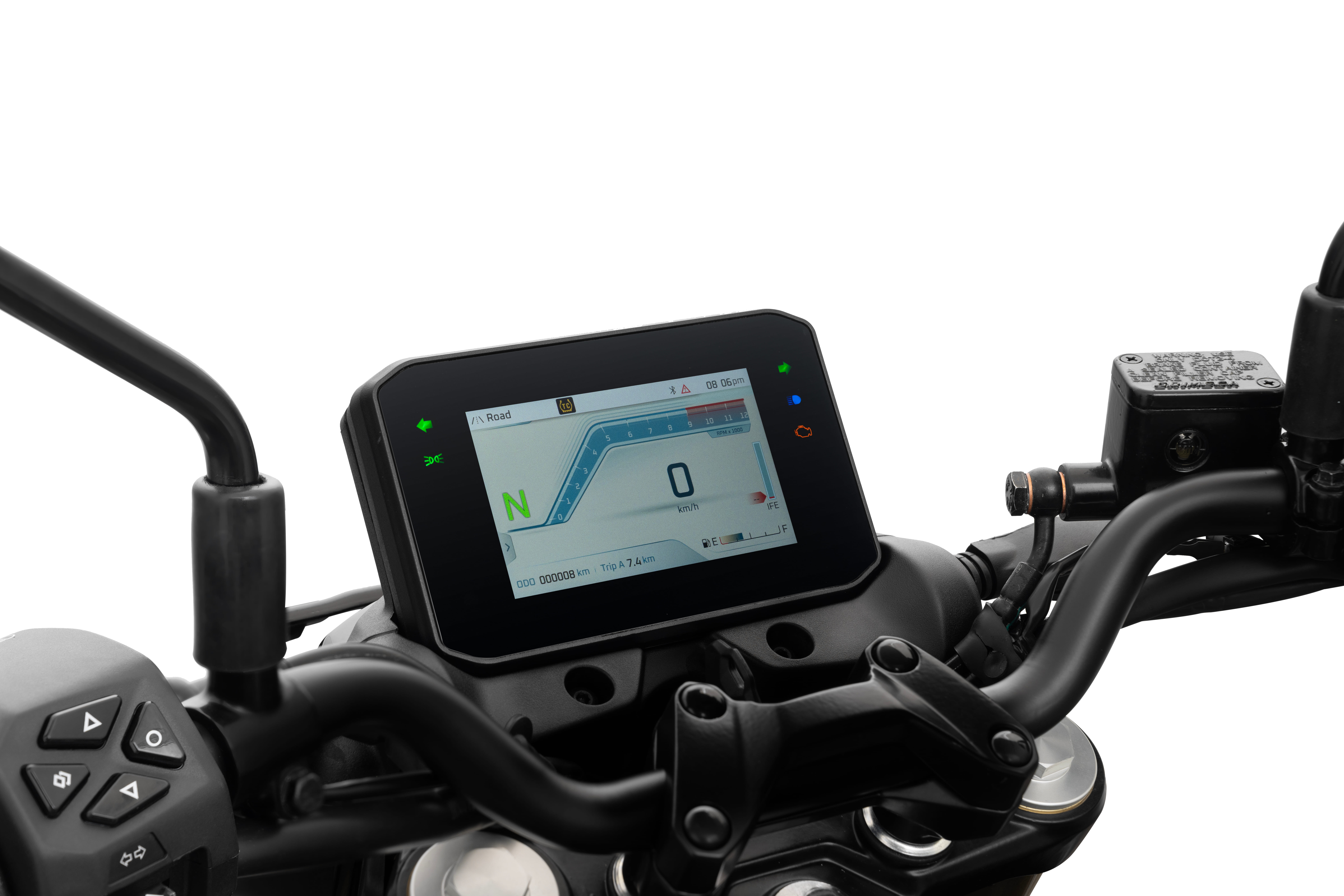
The N160 SS becomes the first Bajaj motorcycle to get a 5-inch TFT display with Google Maps mirroring, while the N160 S continues with an LCD console. Other SS-exclusive additions include adjustable levers and Bluetooth plus Wi-Fi connectivity. Both new variants will be offered in Atlantic Blue, Pearl Metallic White and Brooklyn Black.
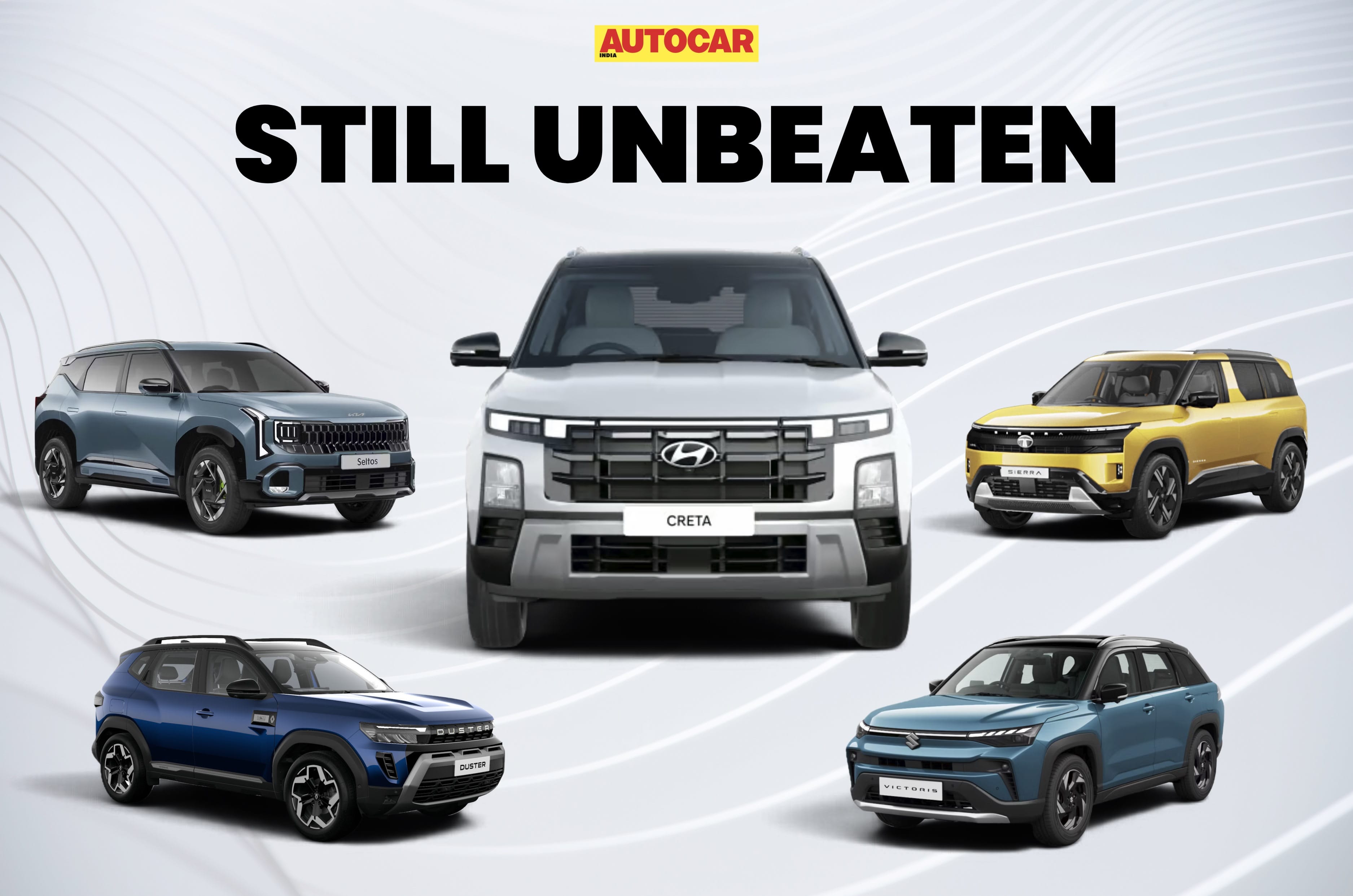
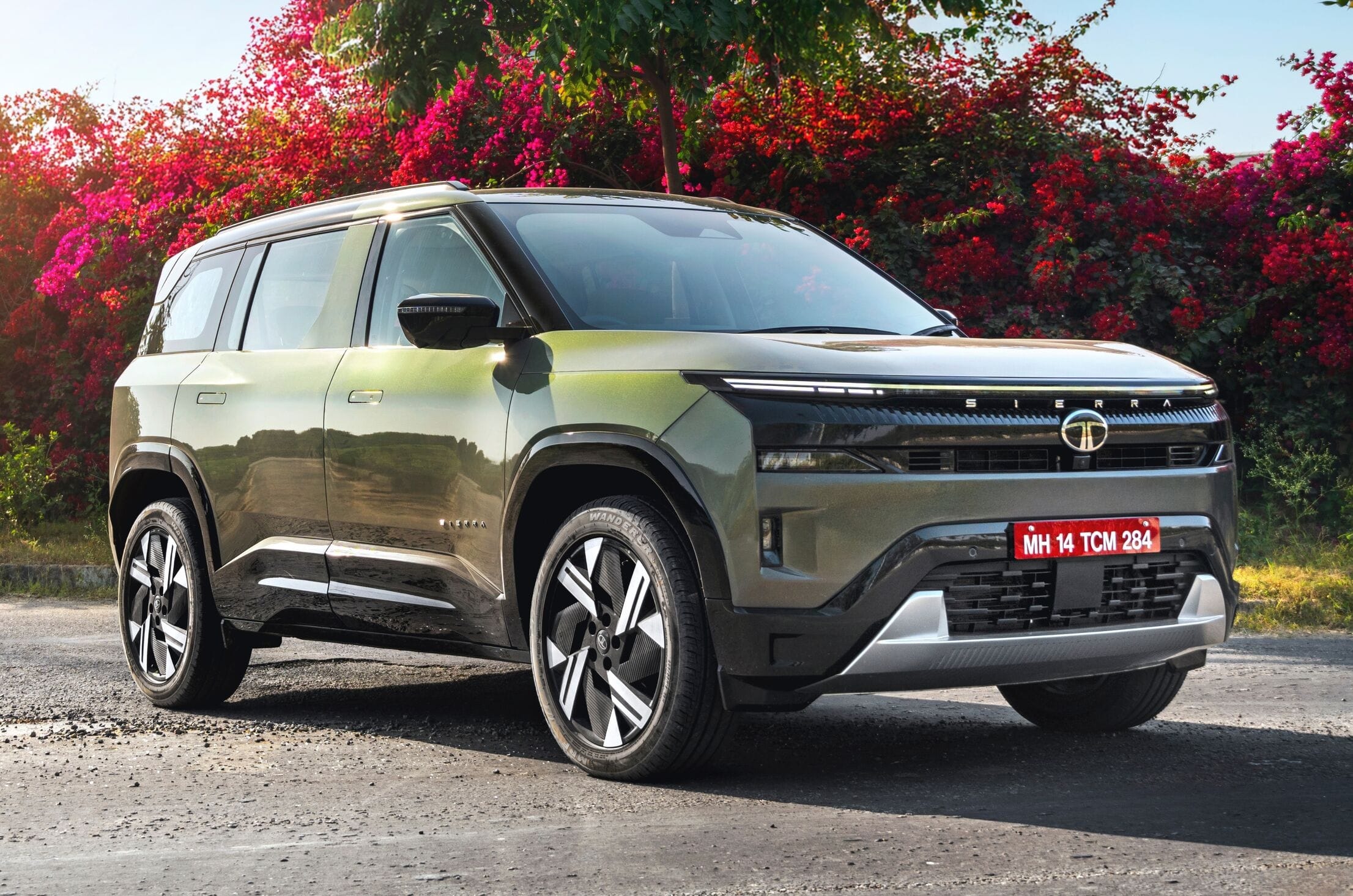
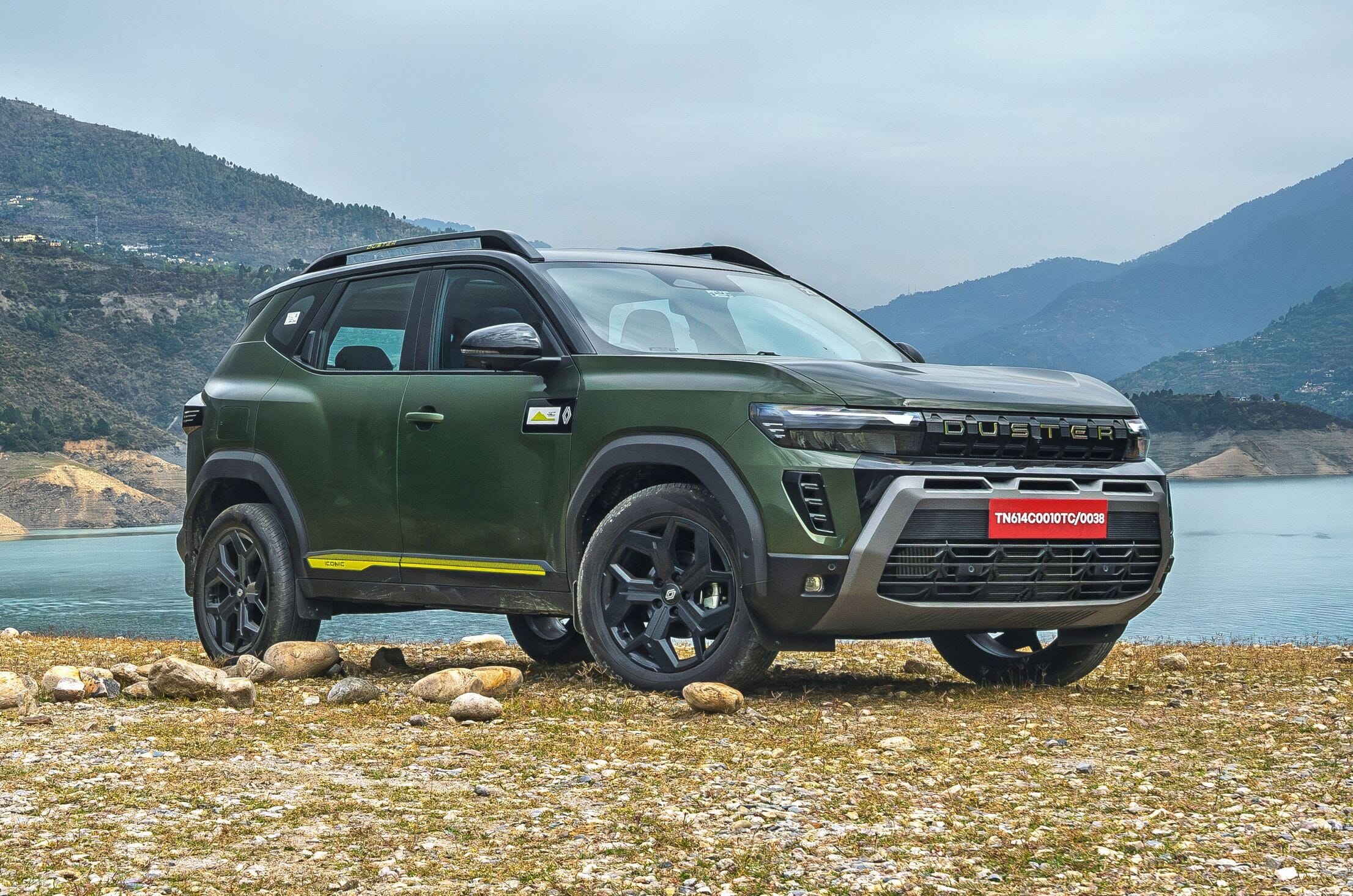
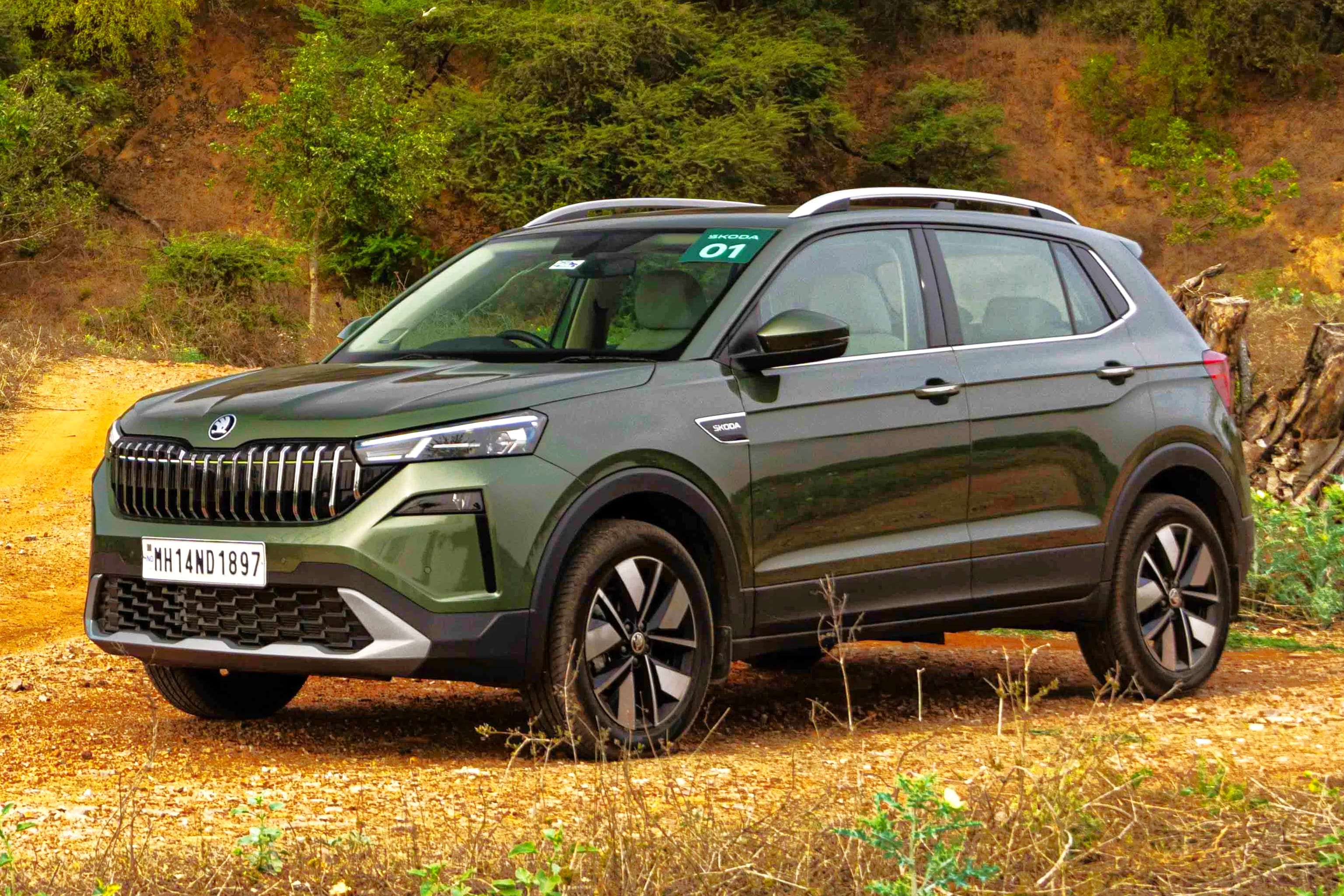
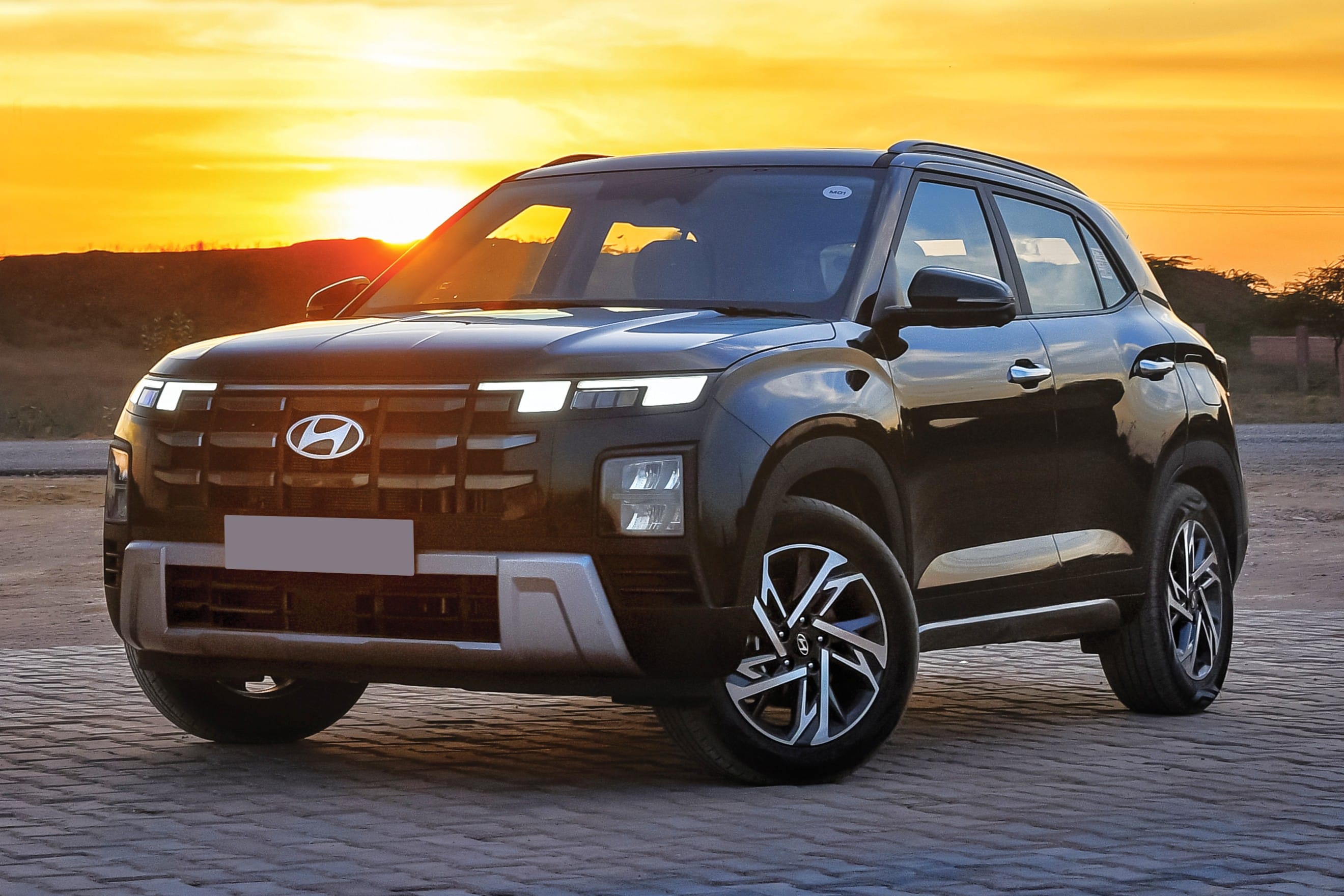
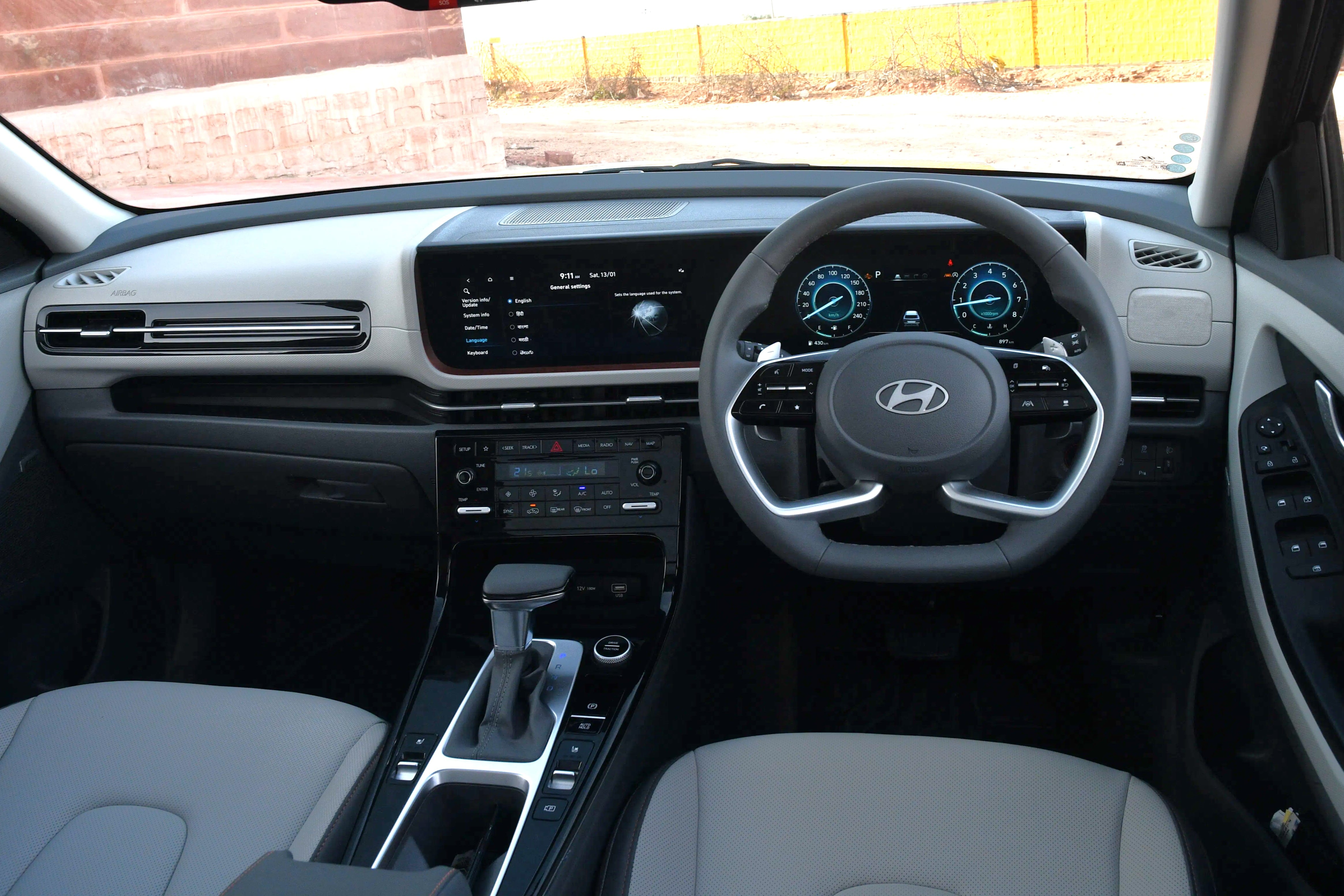
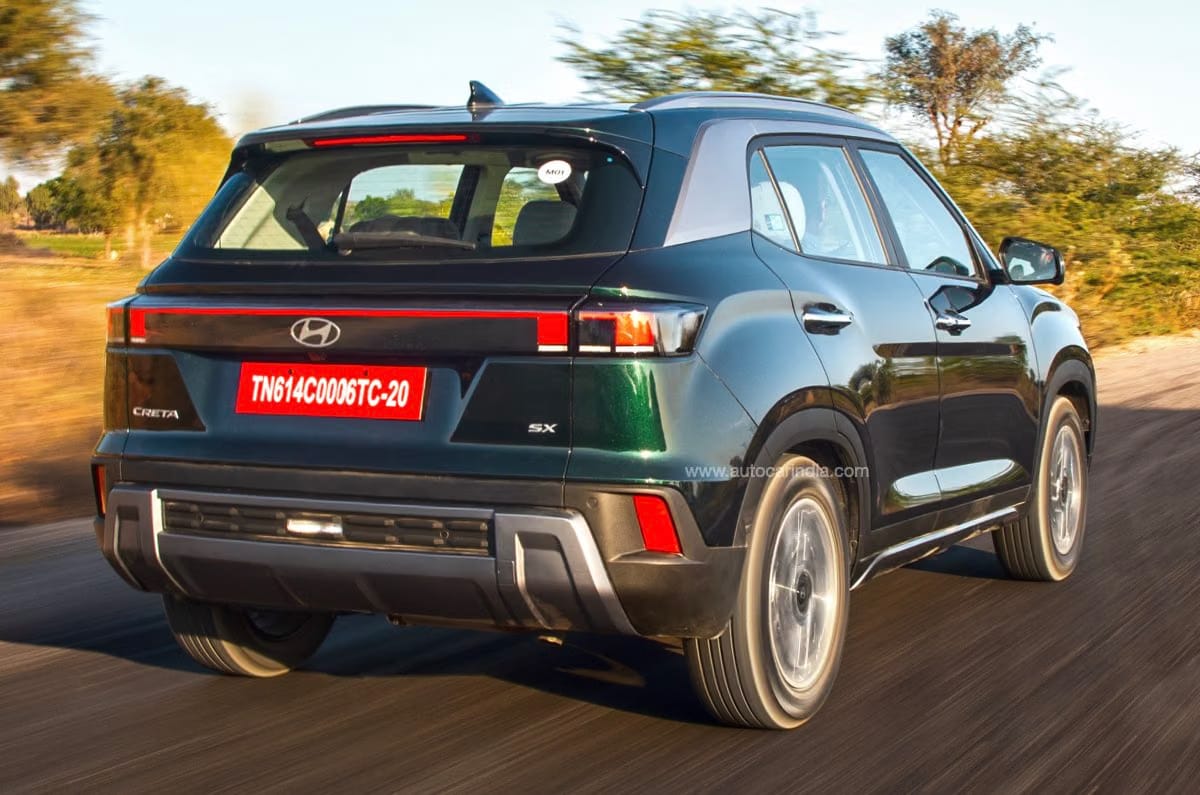
If things were to pan out that way, it would be bad news for Hyundai, since the Creta is the Korean carmaker’s bread-and-butter in India. Now that we have sales data for the first half of calendar 2026, and production, deliveries have stabilized for this fresh barrage of midsize SUVs, let’s take a look if any model has eaten into the Creta’s market, or if the Hyundai SUV continues to rule its segment.
Hyundai Creta vs latest midsize SUV sales in H1 2026
Model
January
February
March
April
May
June
Total
Hyundai Creta^
17,921
17,938
17,838
15,291
15,235
7,168
91,391
Maruti Victoris
15,240
13,021
11,062
13,701
10,853
10,035
73,912
Kia Seltos*
10,639
10,308
11,041
10,566
10,597
9,654
62,805
Tata Sierra
7,003
7,100
9,003
7,316
6,606
6,392
43,420
Skoda Kushaq*^^
–
–
2,307
1,851
1,310
992
6,460
Renault Duster
–
–
1,402
2,359
1,267
1,011
6,039
Volkswagen Taigun*^^
–
–
–
1,543
1,281
1,182
4,006
^Includes Creta Electric sales
*May include carryover sales of outgoing models
^^Sales counted from the facelift’s month of launch
Six months into 2026, the Creta has managed to retain its moniker of midsize SUV sales champion, averaging over 15,000 sales a month. Compared to H1 2025 (1,00,560 units sold), the Creta’s sales are actually 9.12 percent down YoY, but the Hyundai SUV is still far ahead of its rivals on the chart. That said, though the newer midsize SUVs haven’t dethroned the Creta, they’ve done a lot to grow the segment.
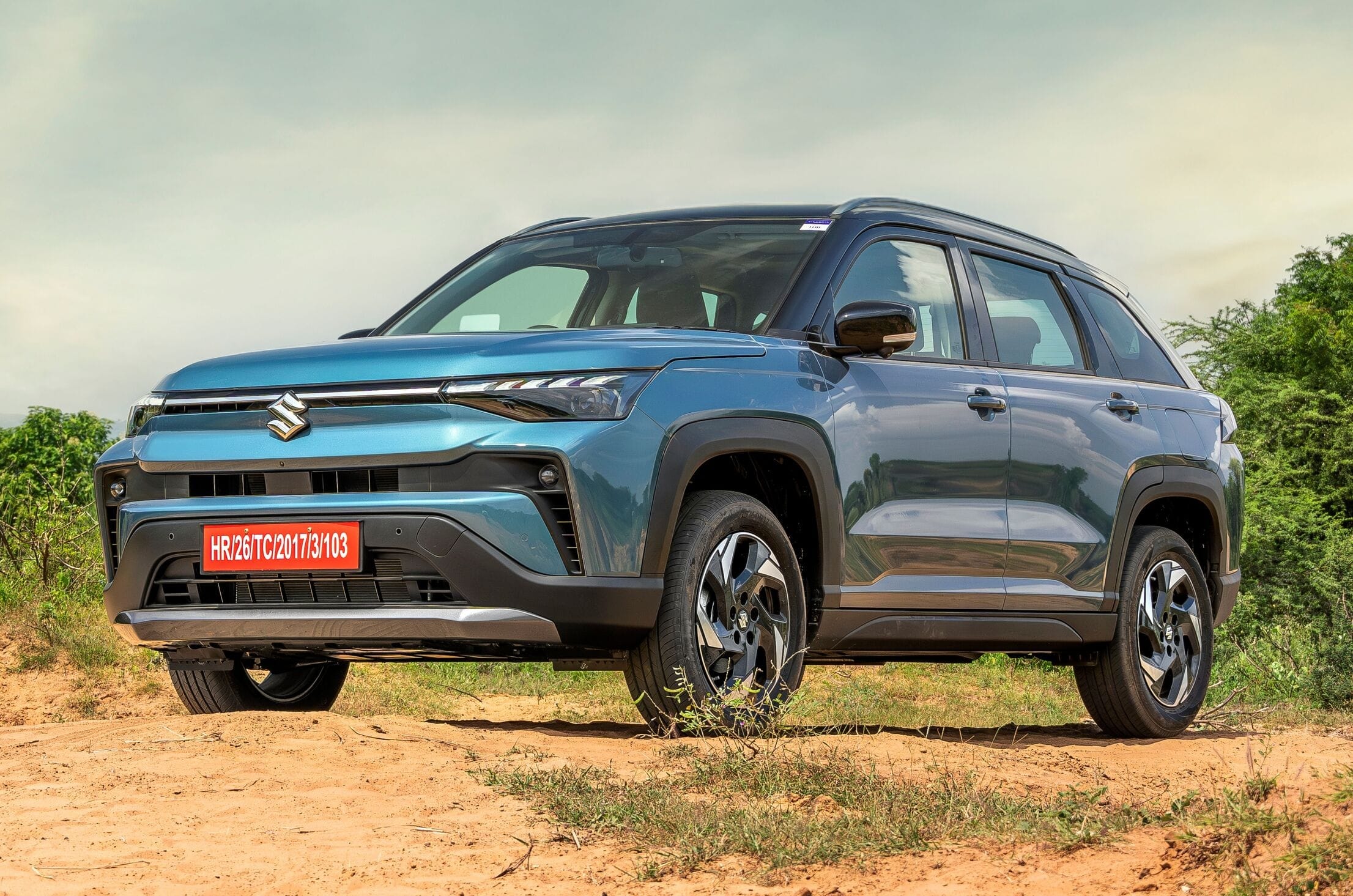
The next bestselling midsize SUV during H1 2026 was the Victoris, which fell 17,479 units behind the Creta. For perspective, you could fit the sales of the Duster, Kushaq, and Taigun within that gap and still come up around 1,000 units short. Launched in September 2025, the Victoris had a few months to establish itself in the market, and differentiates itself from the Creta by offering CNG and strong hybrid powertrains, which appeal to buyers seeking practicality and fuel efficiency, as well as Maruti’s famed peace of mind.
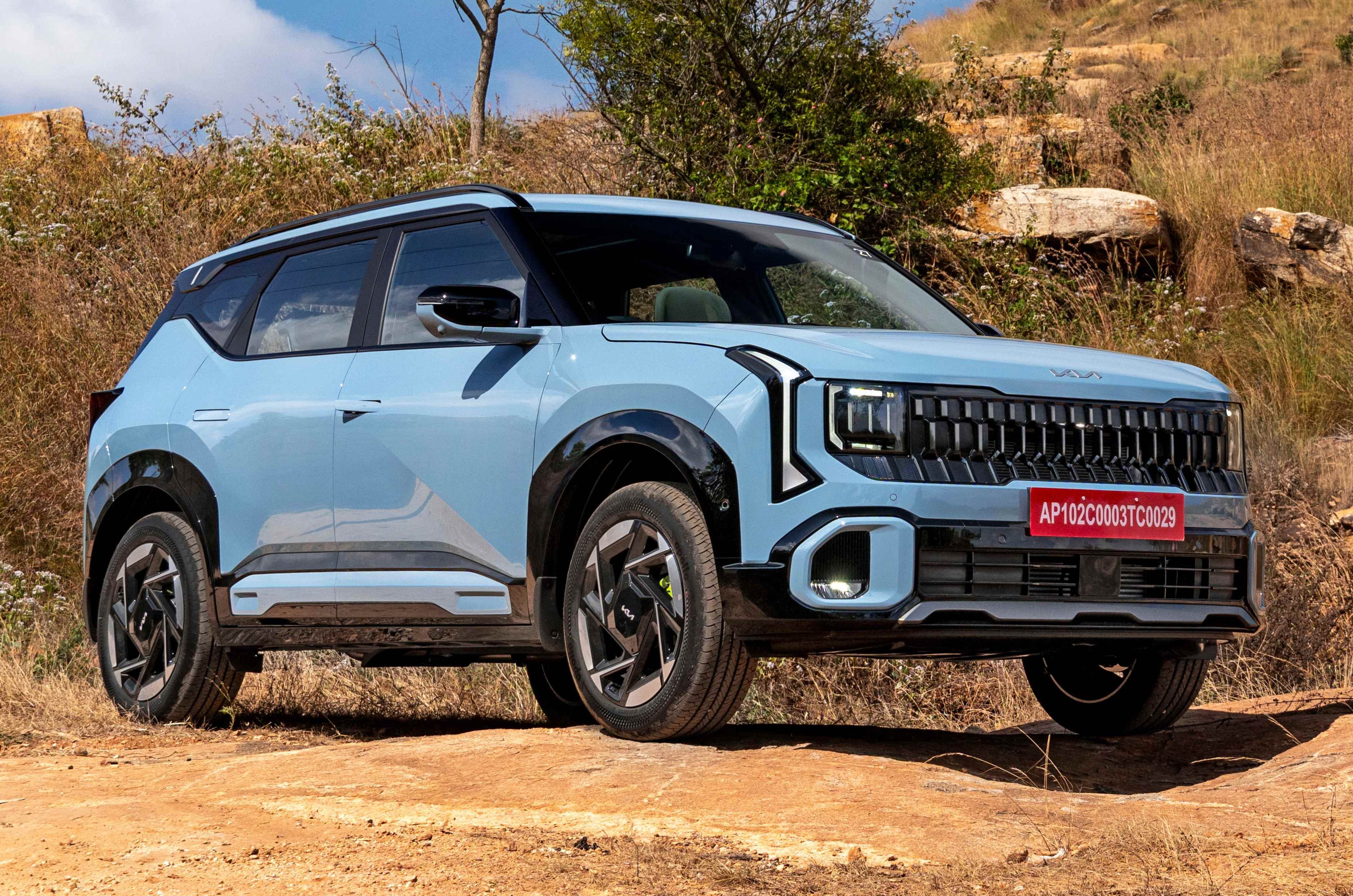
In third position comes the Seltos, which in theory should’ve been stiff competition for the Creta, with the Kia SUV offering a near-identical set of powertrains, a more modern platform (which will even underpin the next-gen Creta), similar pricing, and greater safety credentials by way of a 5-star Bharat NCAP rating. That said, the Seltos did record a whopping 70.28 percent YoY surge in sales, clearly reflecting the boosted popularity of the second-gen model.
The Sierra is Tata’s most formidable contender against the Creta to date, but sold less than half of what the Hyundai SUV did in H1 2026. It should be noted that the Sierra’s sales were initially production-constrained, with Tata steadily increasing manufacturing capacity every month to meet demand. The Sierra is undoubtedly a more feature-packed offering than the Creta, but also costs more. Concerns around fit-and-finish and Tata’s aftersales experience also play a role here.
Renault made its long-awaited return to the midsize SUV space with the new Duster in March, with deliveries commenced in April, but it hasn’t quite set the H1 sales chart alight. Like the Sierra, the Duster’s production is being increased in a phased manner, which could explain the relatively low sales numbers. The Duster has a lot going for it, like aggressive pricing, muscular looks, and a competitive feature set, but the SUV’s exclusively turbo-petrol powertrain line-up limits its appeal for many buyers. A strong hybrid powertrain is set to join the Duster line-up by Diwali 2026, and could pique buyer interest further.
Facelifts of the Kushaq and Taigun were launched in March and April, respectively – nearly five years since the midsize SUVs originally went on sale in India. Both packed some long-requested feature additions and changes, which led to demand spikes in subsequent months. Much like the Duster, though, the Kushaq and Taigun are available with turbo-petrol engines only, and are also on the dimensionally smaller side of the segment, which means they’re best-suited for enthusiast buyers.
Why does the Creta keep selling?
The biggest reason behind the Creta’s persistent reign on the midsize SUV sales charts is its deeply well-established brand name and perception. Many Indian car buyers are very conservative and safe in their purchasing decisions, and seeing a consistently high number of Cretas on the road every single day builds the image of it being the best option in the segment by virtue of sheer popularity. Not to mention, the more ubiquitous and established the car, the better its resale value, which is also very important to most Indian buyers.
Another key driver behind the Creta’s popularity is its proven reliability and no-nonsense ownership experience. Though many of the Creta’s rivals are just as, if not more durable, the Hyundai SUV’s reliability comes alongside a decently long list of features, a comfortable and well-built interior, great levels of refinement, a wide variety of powertrains, and an easy driving experience – making for an excellent overall package.
The Creta is even among the few in its segment to offer a diesel engine, which many midsize SUV buyers still prefer. For those who primarily commute in the city, there’s a smooth naturally aspirated petrol engine on offer, while enthusiast buyers can pick from the sporty Creta N Line range, which is powered by a direct-injection turbo-petrol motor. Basically, there’s something for everyone, and that’s exactly why the Creta is still unbeaten.