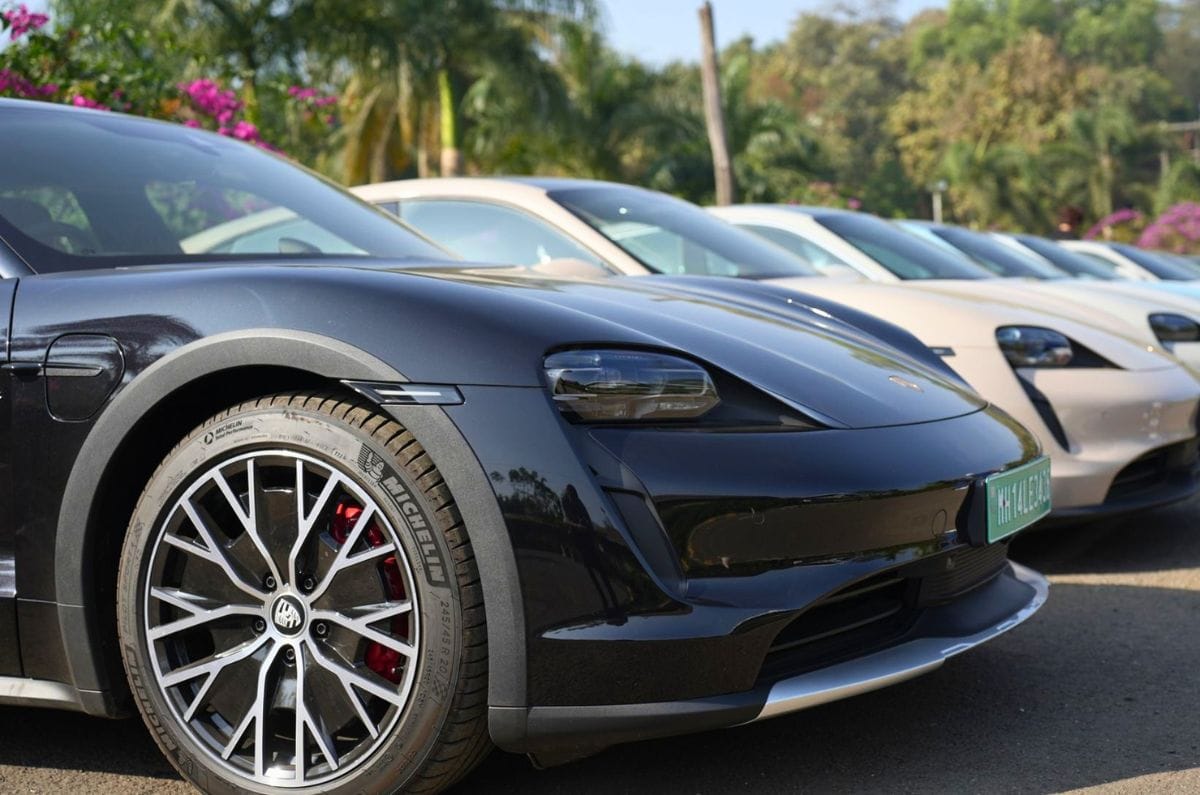
Porsche India has introduced a new assured buyback programme. Customers can opt for the programme at the time of purchase, with the buyback service being offered through what Porsche describes as “a strategic association with a preferred company.” The maximum coverage for this programme is 36 months from the date of sale of the car.
Pre-determined future value fixed at the time of purchase
Up to 70 percent buyback value after 3 years
Porsche ‘Assured Buyback Value Product’ programme
According to Porsche India, its new ‘Assured Buyback Value Product’ programme is based on a pre-determined future value of the vehicle at the time of purchase. The scheme will cover the difference between this pre-determined value of the car and its actual resale value at the time of sale.
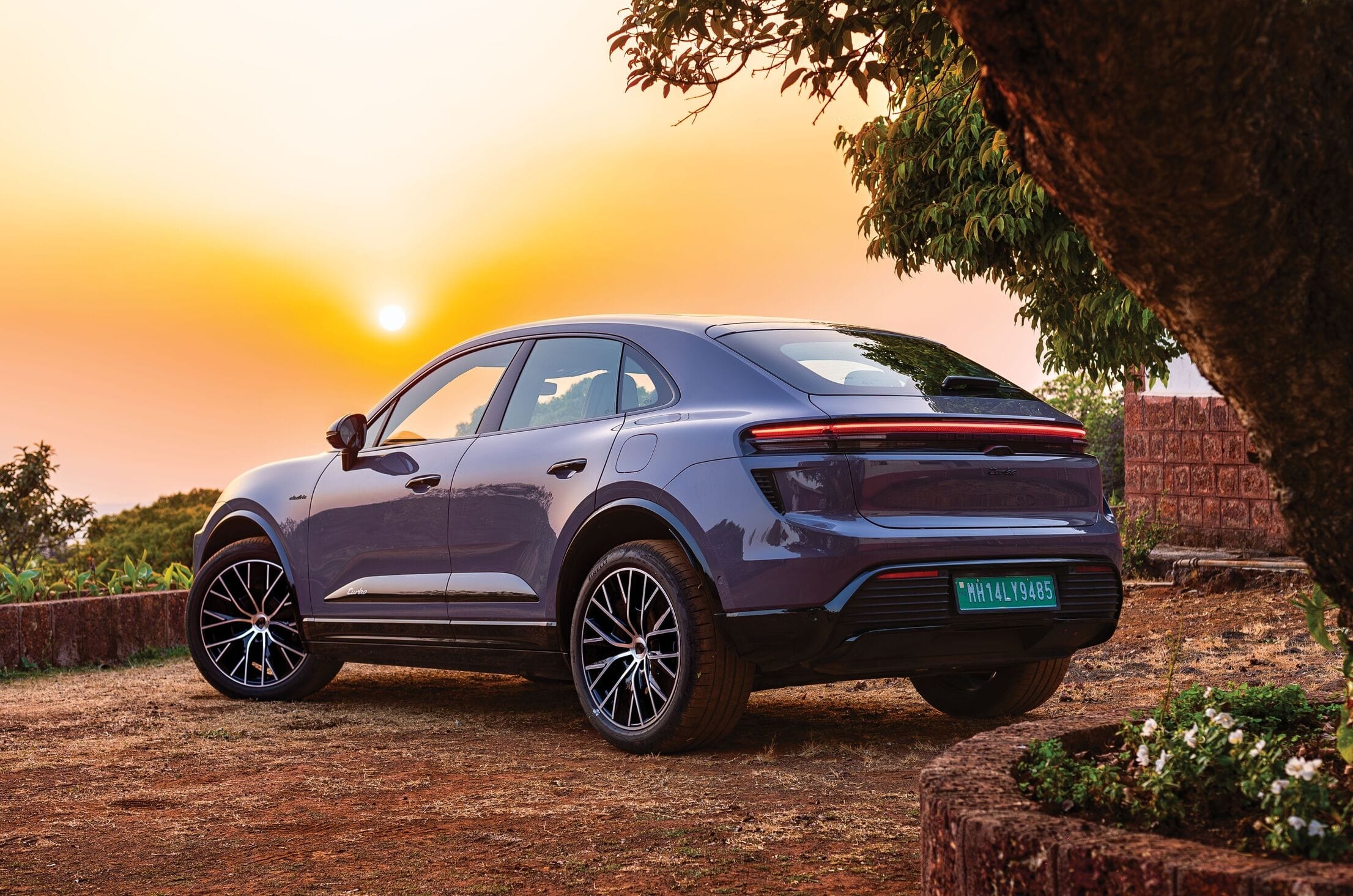
Porsche Macan Electric.
Models that are eligible for this scheme include the Cayenne, Macan Electric and Taycan. Under this guaranteed buyback programme, Porsche says that customers can get back up to 70 percent of the vehicle’s original purchase value at the end of 36 months (or 3 years) of ownership from the date of purchase.
Assured buyback programmes in India
Other automakers that offer similar buyback schemes include Jeep and Volkswagen. Under its ‘Confidence 7’ ownership programme, Jeep claims that it will return up to 60 percent of the original ex-showroom price.
The recently launched Volkswagen Taigun facelift also arrived with an assured buyback option for customers who placed a booking on or before May 31, 2026. Volkswagen’s programme guaranteed up to 75 percent of the car’s ex-showroom price, with the validity lasting up to 3 years or 30,000km.
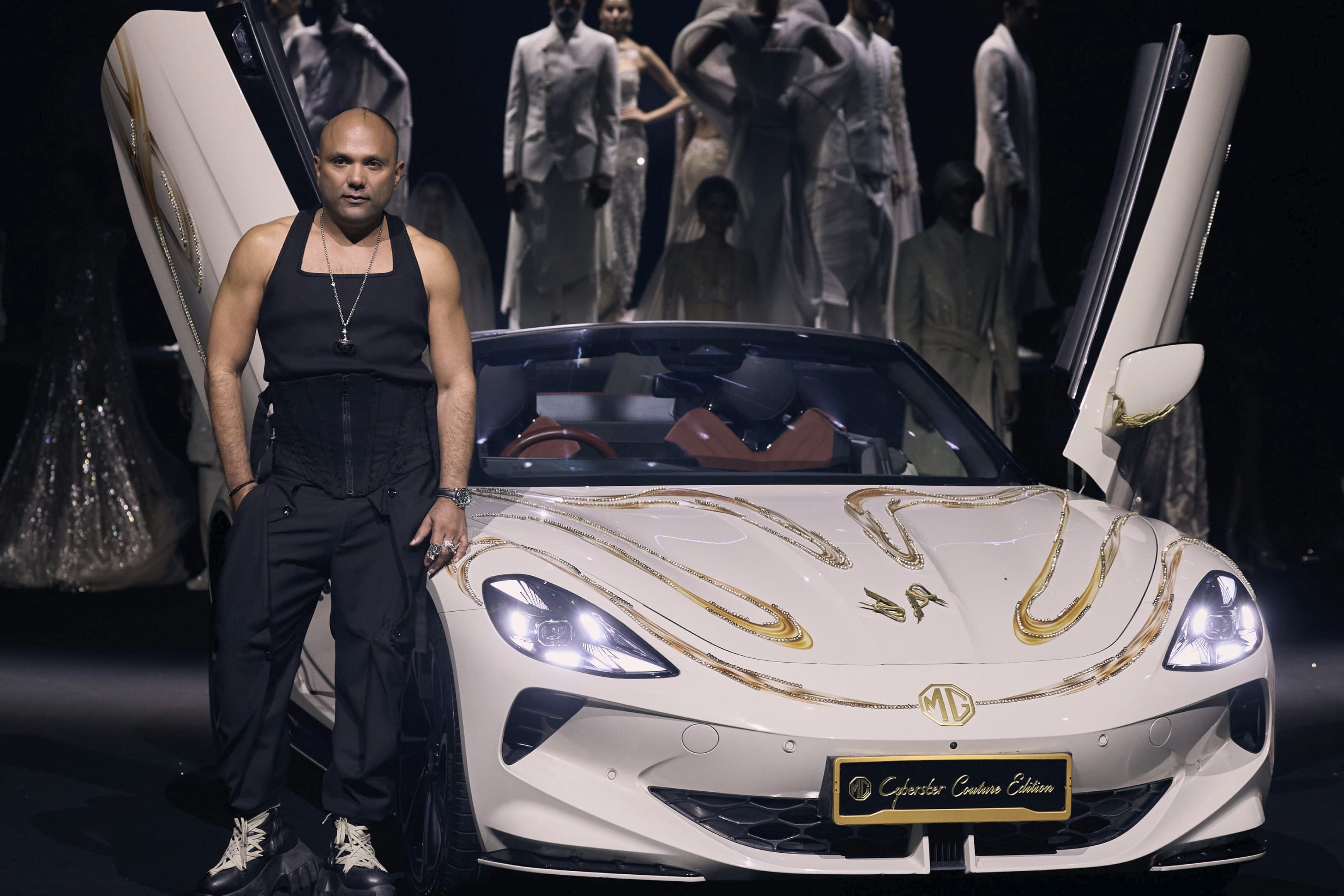
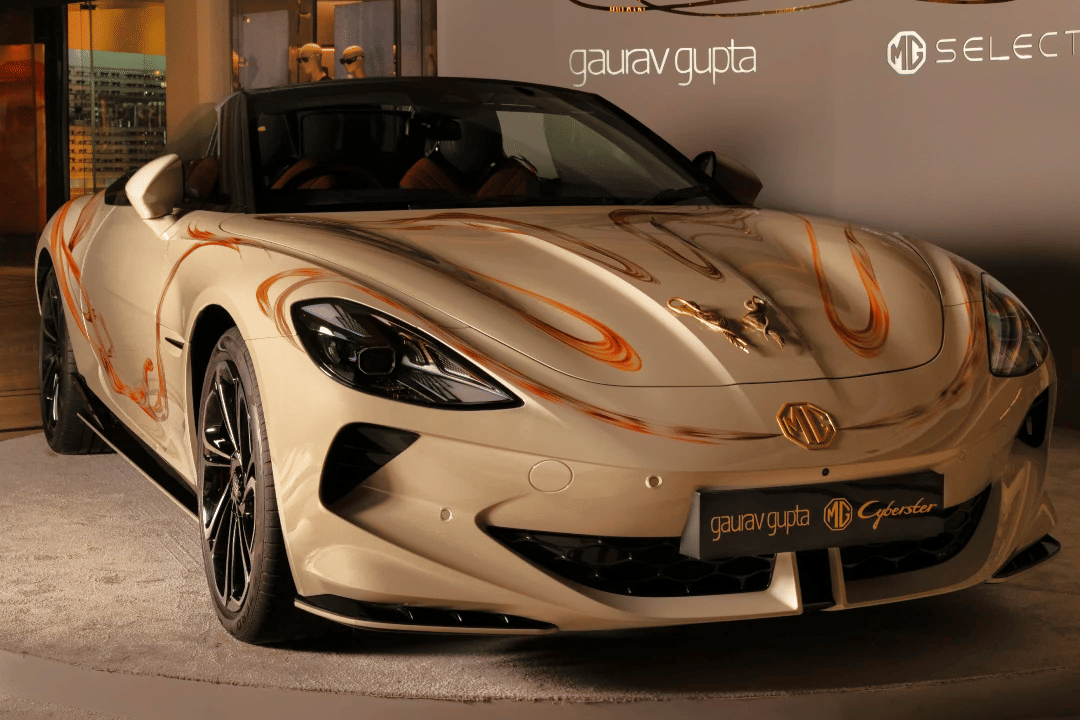
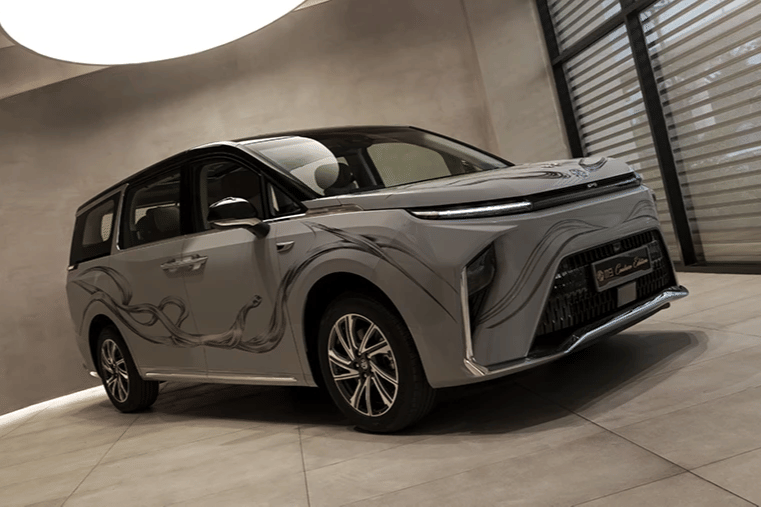
MG Motor India has revealed that the new Couture Editions of the Cyberster and M9 are priced at Rs 87.49 lakh and Rs 84.94 lakh, respectively. Only 50 units of each special edition will be available, all of which sport a bespoke exterior finish designed in collaboration with fashion designer Gaurav Gupta. Bookings for the Cyberster and M9 Couture Editions commenced on July 20, and they will be available solely through the MG Select premium retail network.
The Cyberster and M9 Couture Editions feature white as the base exterior colour, upon which contrasting streaks – inspired by Gupta’s Serpent Infinity motif – flow across the bodywork. The Cyberster Couture Edition’s bonnet is adorned with a pair of Serpent Infinity badges, and its tonneau cover bears embroidery of the logo too. It also has orange-coloured streaks and a gold finish for the front and rear MG emblems.
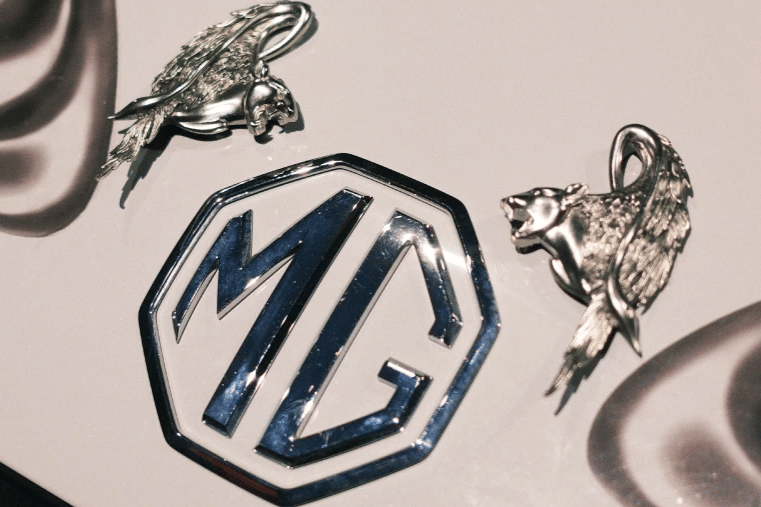
Meanwhile, the M9 Couture Edition sports charcoal-coloured streaks, a Serpent Infinity badge on the front bumper, and two brooches surrounding the front MG emblem that represent a mythical winged panther. The interior also gets a ‘Couture Edition’ wordmark on the dashboard. Otherwise, there are no changes to the designs of the Cyberster and M9.
MG M9, Cyberster Couture Editions: Battery and range
No changes have been made to what’s under the skin of the Cyberster and M9 too. The Cyberster features a 77kWh, dual-motor AWD powertrain that outputs 510hp and 725Nm, claiming a 0-100kph time of 3.2 seconds and an MIDC range of 580km. The M9 gets a 90kWh, single-motor FWD setup that generates 245hp and 350Nm, and is good for an MIDC range of 548km.
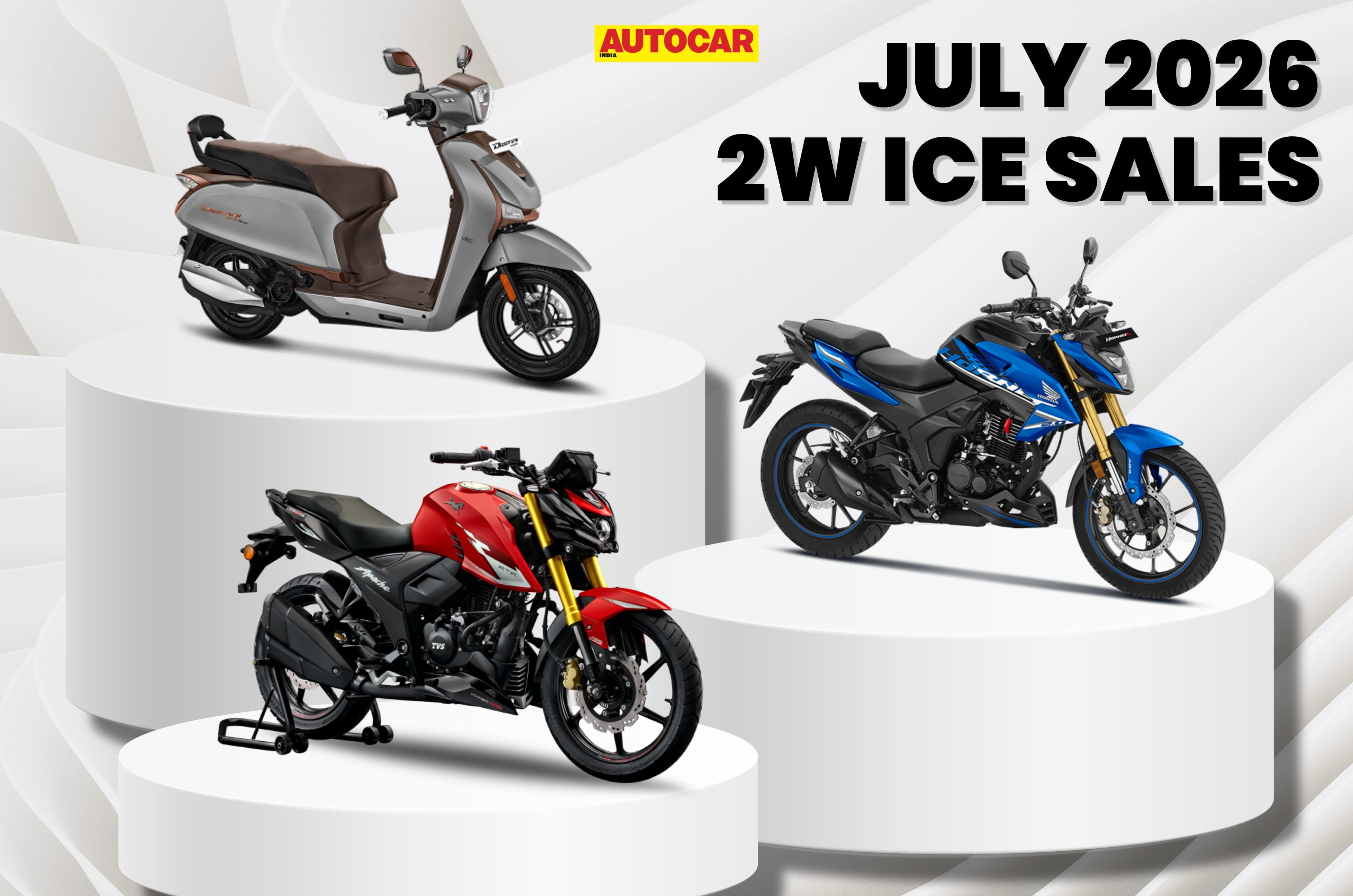
As India gears up to enter the festive season, ICE two-wheeler sales have started to report a small but noticeable uptick, for most manufacturers at least. Here’s how each of the big six two-wheeler heavyweights in the market performed in the month of July 2026.
Hero: 5,01,403 units
Hero MotoCorp continues to be at the top of this pile, albeit it reported a small 0.29 percent decrease compared to its sales in June 2026 (5,02,890 units). By contrast, the company reported a healthy 21.58 percent increase in comparison to its sales in July 2025 (4,12,397 units). It bears mentioning that Hero bundles the growing sales numbers of its electric subsidiary, Vida, which is now in the top 5 bestselling brands in the country.
Hero’s biggest adventure bike, the Xpulse 421, has been spotted testing for the first time up in the mountains and it seems quite close to being production ready. The company exported 32,013 units in July, which was a decrease compared to the 38,269 units in June.
Honda: 4,76,436 units
Honda Motorcycle and Scooter India (HMSI) is in its usual runner-up position behind Hero, and it reported a small 1.59 percent increase compared to its sales in June 2026 (4,68,956 units). Similarly, the company also reported an 2.17 percent increase in comparison to its July 2025 sales figure of 4,66,331 units.
Honda recently revealed a bevy of new made-in-India sub-500cc premium two-wheelers including the likes of the Rebel 300 and 500 bobbers, CB500 neo-retro single, ADV160 maxi-scooter and XR300 off-roader twins. Expect this push in the premium space from Honda to pose a significantly revamped threat to Hero’s longstanding #1 spot. HMSI exported 66,498 units in July, which was an increase over the 59,325 units it sent abroad in June.
TVS: 4,37,394 units
TVS Motor Company has cemented its #3 position in India and of late, its numbers have been much closer to Honda ahead of it than Bajaj trailing it. In July 2026, the company reported a 6.42 percent increase compared to the 4,11,014 units it sold in June 2026. In a similar vein, TVS also reported a substantial xx percent increase in comparison to its sales in July 2025 (3,08,720 units). It’s worth noting that TVS – India’s electric two-wheeler sales leader – doesn’t bundle in the sales of its electric scooter trifecta – iQube, Orbiter and X – into the number above.
TVS is working hard behind the scenes to set up its Paddock premium bike dealer network which will also sell the Norton range in India. The Hosur-based marque is India’s second largest two-wheeler exporter and it shipped 1,65,744 units overseas in July, up from 1,54,403 units exported in June.
Bajaj: 1,65,747 units
Bajaj Auto is in its usual number four spot and it reported a marginal 0.72 percent decline last month in comparison to its sales in June 2026 (1,66,956 units). However, it did report a 19 percent increase when compared to its July 2025 sales of 1,39,279 units. It bears mentioning that Bajaj bundles in the sales of the sub-400cc KTM and Triumph models it manufactures as well as those of the Chetak electric scooter – India’s second bestselling e-scooter – into the number above.
The Classic Pulsar models are due to be revamped in the coming weeks and expect Bajaj to ride a surging wave of demand for these as the festive season gets well and truly underway. Bajaj is India’s largest two-wheeler exporter and it sent 2,22,972 units overseas in July, a slight improvement over the 2,22,439 units it exported in June.
Suzuki: 1,23,216 units
Suzuki Motorcycle India Pvt. Ltd. (SMIPL) reported its best-ever monthly sales in July, and in doing so recorded a significant 35.01 percent increase over the 91,264 units it sold in June 2026. Even in comparison to its sales in July 2025 (96,029 units), Suzuki reported a 28.31 percent increase.
Suzuki shipped 19,769 units overseas in July, which was lower than the 23,766 units it exported in June.
Royal Enfield: 1,05,317 units
Royal Enfield sold more than 1 lakh units domestically in July and in doing so, it reported a 2.32 percent increase when compared to its sales in June 2026 (1,02,930 units). Even in comparison to its sales in July 2025 (76,254 units), the company reported a healthy 38.11 percent increment. Recently, RE expanded the reach of its Flying Flea electric brand to multiple locations across Bengaluru, after beginning sales of the C6 in the recent past.
The company exported 12,915 units in July, higher than the 11,102 units it sold abroad in June.
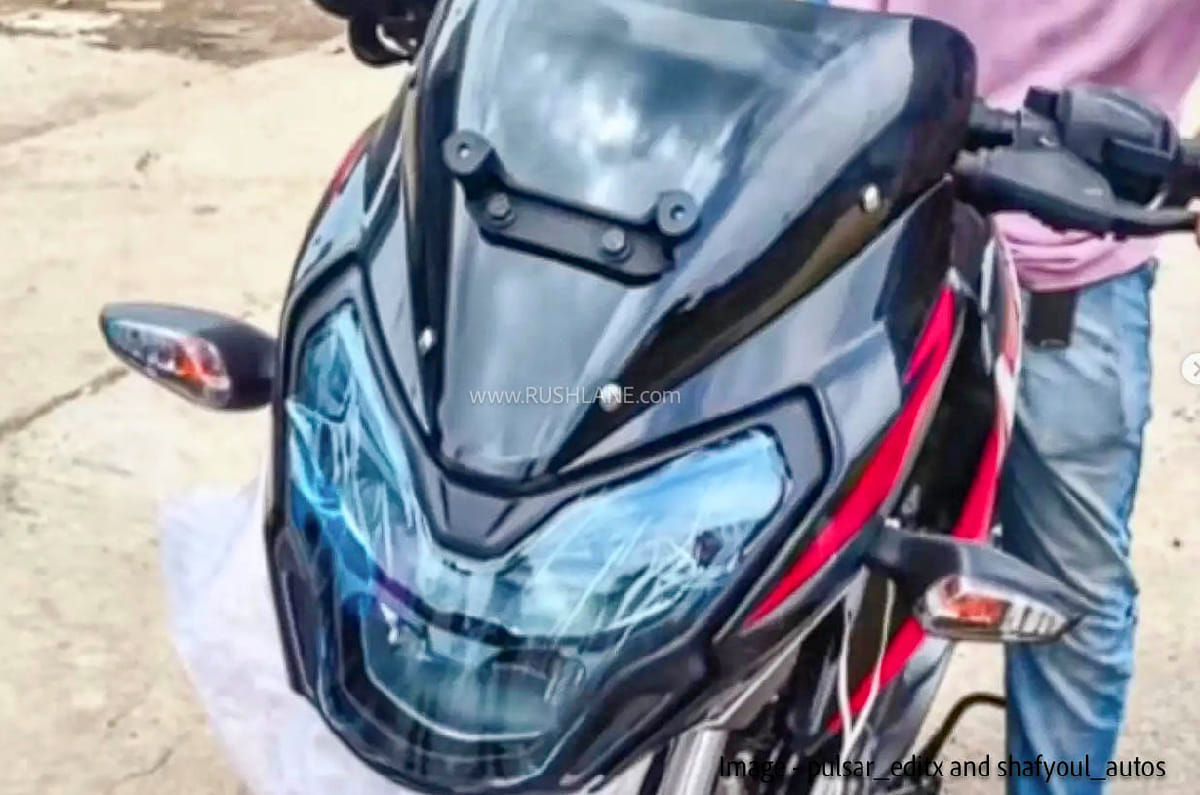
Earlier this week, Bajaj confirmed that it would unveil the revamped Classic Pulsar range on August 12. Now, images of the next-generation Pulsar 125 at a dealership have surfaced online, giving us our first clear look at what to expect.
All-new Pulsar 125 spotted at dealership ahead of August 12 launch
Gets a new frame with a rear monoshock
Likely to feature a new engine
All-new Bajaj Pulsar 125: What to expect
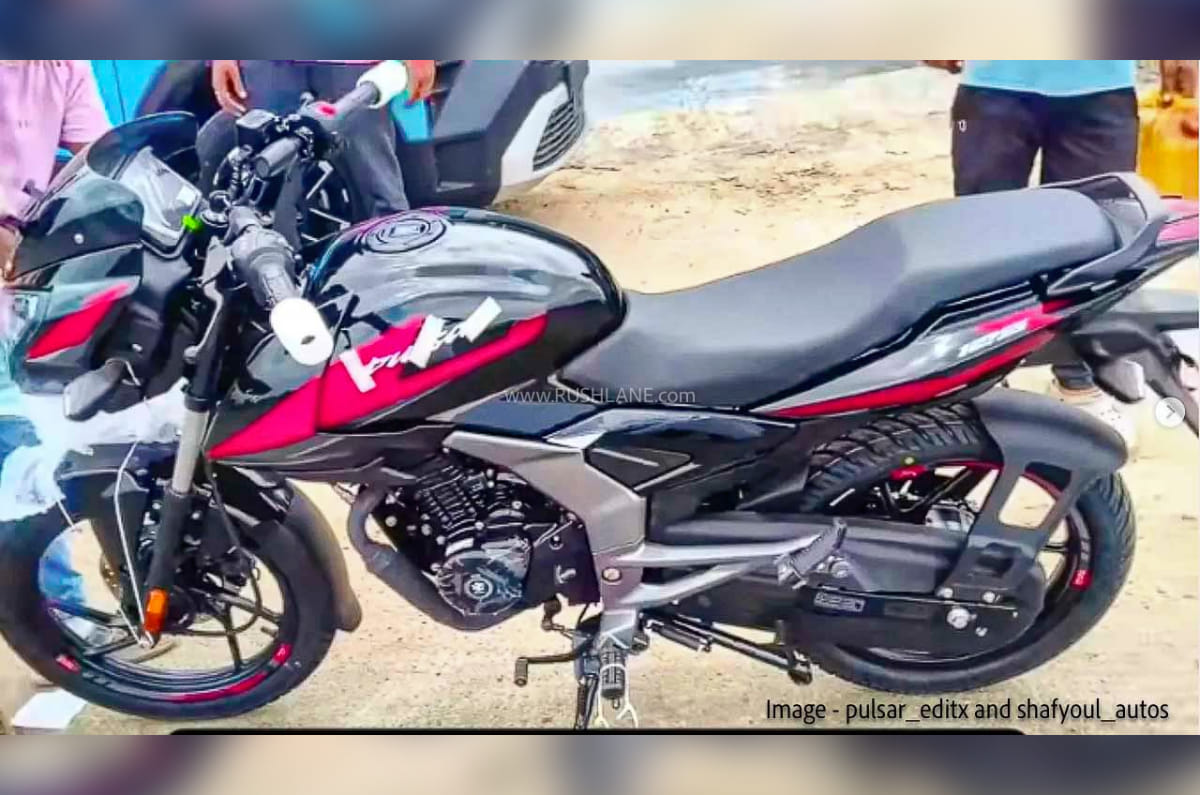
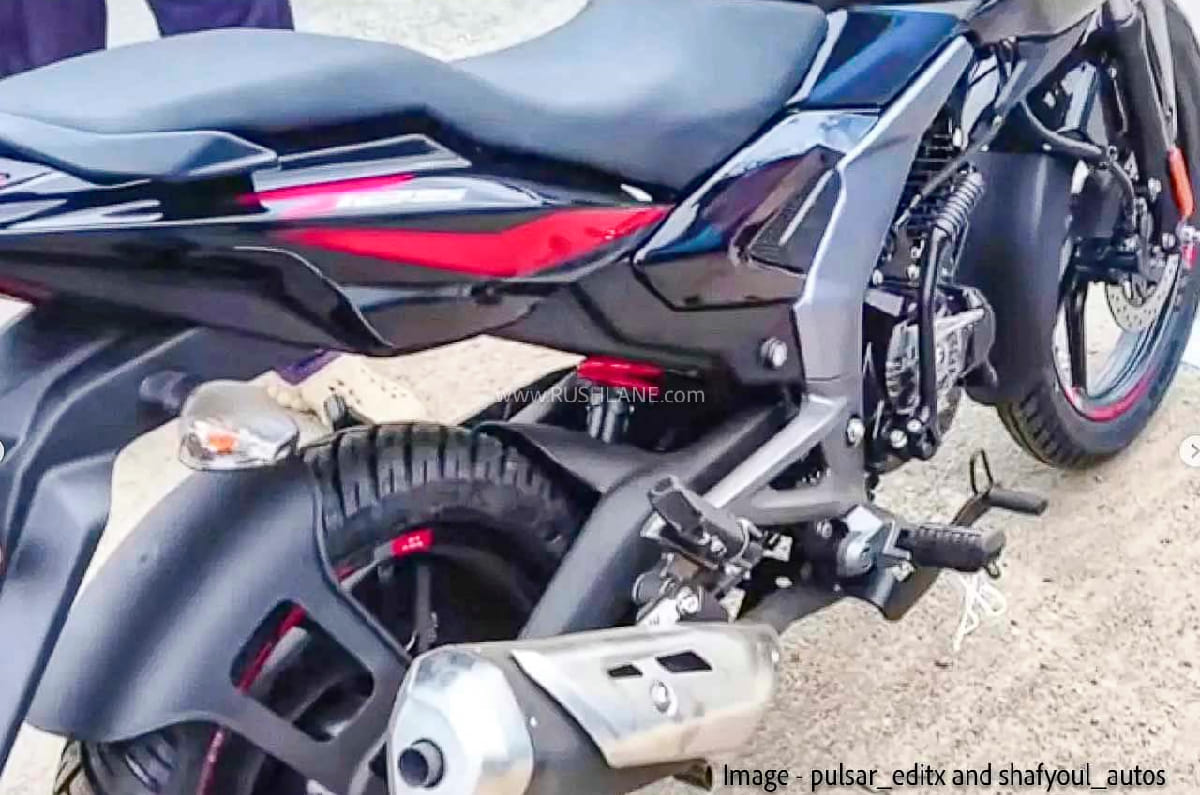
The new Pulsar 125 gets an all-new chassis and what appears to be a heavily revised engine
The upcoming Pulsar 125 was spotted testing earlier this year, and these latest images confirm that it sits on a significantly reworked platform. The frame appears to be an entirely new unit, likely a single downtube setup rather than the double cradle chassis used on the outgoing Pulsar 125. Another notable hardware change is the adoption of a rear monoshock, replacing the twin shock absorbers that have been a hallmark of the Classic Pulsar range for over two decades. Up front, the motorcycle continues with a conventional telescopic fork.
The bike runs on 17-inch alloy wheels – the design of which appears similar to what’s seen on the current Pulsar 125 and Pulsar N125 – shod in what appears to be MRF rubber, with a disc brake at the front and a drum at the rear. The bike seen in the images is a single-seat version, but Bajaj could offer a split-seat variant as well. Lastly, the gear lever appears to be a more modern setup of a toe-only shifter without the heel piece seen on older Pulsars.
The bike is expected to feature an all-new engine, and that does appear to be the case visually – the casings look different from the outgoing unit and the exhaust header routing has been redesigned. For reference, the current Pulsar 125 is powered by a 124.4cc single-cylinder engine producing 11.8hp at 8,500rpm and 10.8Nm at 6,500rpm.
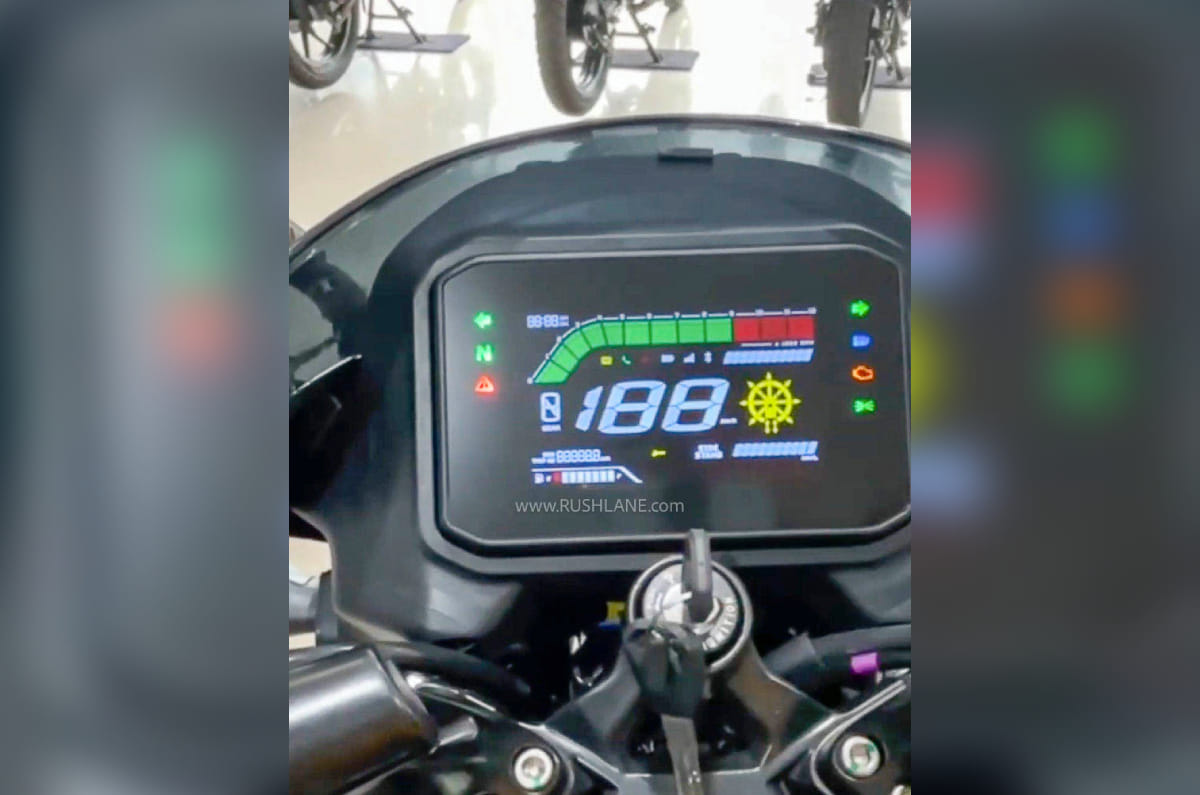
Styling retains familiar Pulsar proportions but introduces a number of modern touches. The overall design of the fuel tank and tank shrouds is familiar, but the side panels have been completely redesigned. The tail section also appears slimmer than before, and the motorcycle uses halogen indicators. Another notable update is the addition of a colour LCD instrument cluster.
The new Pulsar 125 will take on rivals such as the TVS Raider 125, Hero Xtreme 125R and Honda CB125 Hornet in one of India’s most competitive motorcycle segments. Pricing will be announced at the August 12 launch, but we could see a slight increase over the current model’s starting price of Rs 92,341 (ex-showroom, Delhi).
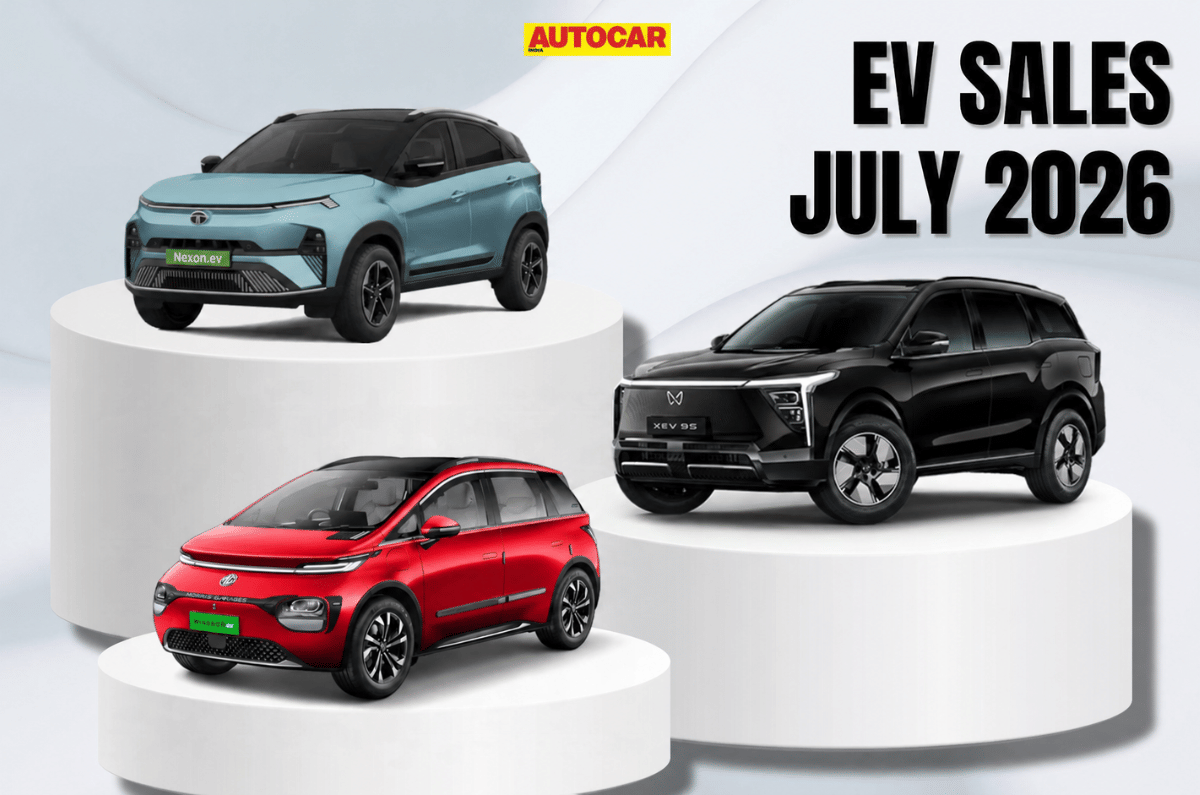
Retail sales of electric passenger vehicles breached the 30,000-unit mark for the second month in a row in July 2026. After a record 33,307 units in June, buyers took home a total of 32,609 EVs last month, up 83 percent year-on-year, as per Vahan data. Tata Motors recorded its highest-ever monthly EV sales, while Mahindra and Maruti Suzuki posted their second-highest monthly totals.
Tata Motors
July 2026: 13,578 units, up 102 percent YoY
Tata Motors, which recently expanded its EV portfolio with the launch of the Sierra EV, recorded its best-ever monthly retail sales of 13,578 units in July. This is 102 percent higher than July 2025 and 6 percent more than June 2026. The company also crossed the 40 percent EV market share mark after a long gap. Its 42 percent share in July is 4 percentage points higher than the 38 percent it held a year ago, despite growing competition.
July was also the second consecutive month that Tata sold more than 12,000 EVs, after 12,756 units in June. Cumulative sales between April and July stood at 46,697 units, up 108 percent YoY.
Mahindra
July 2026: 7,677 units, up 125 percent YoY
Mahindra crossed the 7,000-unit mark for the second month in a row. It sold 7,677 electric SUVs in July, up 125 percent over July 2025, although this was 498 units fewer than June. The performance helped Mahindra increase its market share to 22 percent, up from 19 percent a year ago. The BE 6 and XEV 9e continue to see strong demand. The XEV 9S, Mahindra’s first three-row born-electric SUV, has further strengthened its EV line-up.
JSW MG Motor India
July 2026: 5,642 units, down 4 percent YoY
JSW MG Motor India sold 5,642 EVs in July, down 4 percent YoY and 9 percent lower than June 2026. Its market share stood at 16 percent, down sharply from 33 percent in July 2025. The Windsor EV continues to be MG’s best-selling model.
Maruti Suzuki
July 2026: 1,590 units
Maruti Suzuki sold 1,590 e Vitaras in July. This was the fifth consecutive month of four-digit sales, following March, April and May. However, July sales were 20 percent lower than June, which remains the model’s best month so far. Until now, domestic sales of the e Vitara were limited because a larger share of production was allocated for exports. This is expected to change with the start of production at a new fourth manufacturing line at Maruti Suzuki’s Hansalpur, Gujarat plant. The expanded facility now builds the e Vitara, Fronx, Baleno and Swift.
Vinfast India
July 2026: 1,478 units
Vinfast ranked fifth among the country’s 18 electric passenger vehicle manufacturers. The Vietnamese carmaker recorded its highest-ever monthly sales in July with 1,478 units, surpassing its previous best of 1,448 units in June by 30 units, or 2 percent. This gave the company a 4 percent EV market share in July.
According to wholesales data, the VF Limo Green (for commercial use) is currently its best-selling model. In Q1 FY2027 (April-June 2026), SIAM wholesale data shows the Green Limo accounted for 2,746 units, or 46 percent of Vinfast India’s total sales of 6,001 units, well ahead of the VF7, VF6 and MPV7.
BYD India
July 2026: 742 units, up 47 percent YoY
BYD sold 742 EVs in July, up 47 percent over July 2025. However, sales were 20 percent lower than June 2026, which remains the company’s best monthly performance so far. On July 1, BYD increased prices of its EVs by 1-2 percent, marking its second price hike of the year after the one on May 1. The company’s current line-up includes the Atto 3 SUV, e-Max 7 MPV, Seal sedan and Sealion 7 SUV. BYD has also confirmed that it will launch the Seal U PHEV later this year.
Hyundai
July 2026: 565 units, down 21 percent YoY
Hyundai sold 565 EVs in July, down 21 percent compared to 719 units in July 2025. However, on a month-on-month basis, sales were up 51 percent from the 374 units sold in June 2026. At present, Hyundai’s EV portfolio in India consists of just two models: the Creta Electric and the Ioniq 5.
Kia India
July 2026: 464 units, up 614 percent YoY
Kia ranked eighth with retail sales of 464 units in July. This is a 614 percent year-on-year increase over the low base of 65 units in July 2025. However, sales were 14 percent lower than 539 units in June 2026. Kia’s monthly sales have improved since the launch of the mass-market Carens Clavis EV MPV, which joined the much more expensive EV6 and EV9, both of which are imported as CBUs.
Toyota Kirloskar Motor
July 2026: 123 units
Toyota delivered 123 units of the Urban Cruiser Ebella in July. This placed the company 11th among the country’s electric passenger vehicle manufacturers. The Urban Cruiser Ebella is the badge-engineered version of the Maruti e Vitara, and it is currently available in a single E3 variant.
Carmaker
July 2026
July 2025
YoY Change (in percent)
Tata Motors
13,578
6,712
102
Mahindra
7,677
3,416
125
JSW MG Motor
5,642
5,900
-4
Maruti Suzuki
1,590
–
–
Vinfast
1,478
–
–
BYD
742
505
47
Hyundai
565
719
-21
Kia
464
65
614
BMW
367
270
36
Mercedes-Benz
163
115
42
Toyota
123
–
–
Tesla
115
–
–
Stellantis
51
68
-25
Volvo
48
42
14
Porsche
6
8
-25
Audi
0
1
-100
Rolls-Royce
0
2
-100
Jaguar Land Rover
0
0
–
Total
32,609
17,823
83
Luxury electric carmakers sell record units in July
Demand for luxury electric cars continued to grow in July 2026. Carmakers in this segment sold 699 EVs, up 60 percent year-on-year. However, sales were 17 percent lower than the record 847 units sold in June 2026. BMW and Mercedes-Benz continued to lead the luxury EV market, while Tesla India crossed the 100-unit mark for the first time with its highest-ever monthly sales.
BMW India
BMW remained the leader in the luxury EV segment with 367 units. This is 36 percent higher than 270 units sold in July 2025, giving the brand a 52 percent segment share. However, sales were 29 percent lower than 517 units in June 2026. After topping the luxury EV segment in FY2026 with a record 3,898 units, BMW has sold 1,606 EVs between April and July, which is 41 percent of its FY2026 total.
Mercedes-Benz
Mercedes- Benz sold 163 EVs in July, up 42 percent from 115 units in July 2025. However, this was 33 percent lower than the 243 units sold in June 2026. The brand’s growth has been supported by the launch of the CLA electric sedan at the end of April.
Tesla
Tesla recorded its highest-ever monthly sales in India, selling 115 Model Ys in July. This is a 203 percent increase over 38 units sold in June 2026. Its luxury EV market share also rose sharply from 4 percent in June to 16 percent in July, allowing it to move ahead of Volvo Auto India. The strong growth follows Tesla India’s decision to reduce the price of the Model Y by Rs 9 lakh, bringing the starting price down to Rs 50.89 lakh, ex-showroom.
Volvo
Volvo, now ranked fourth in the luxury EV segment, sold 48 EVs in July. This is 14 percent higher than 42 units sold in July 2025 and 23 percent more than the 39 units sold in June 2026. The Swedish carmaker increased prices of its models by up to Rs 1 lakh from May 1, citing ongoing global supply chain challenges and fluctuations in foreign exchange rates. Volvo’s market share stood at 7 percent in July, down from 10 percent a year ago.
Porsche, Audi and Rolls-Royce
Porsche sold 6 EVs in July. According to Vahan data, Audi, Rolls-Royce and JLR India did not sell a single EV during the month.
Overall, luxury EV makers accounted for 2.14 percent of the 32,609 electric passenger vehicles sold in July 2026, compared to 2.45 percent in July 2025 and 2.54 percent in June 2026.
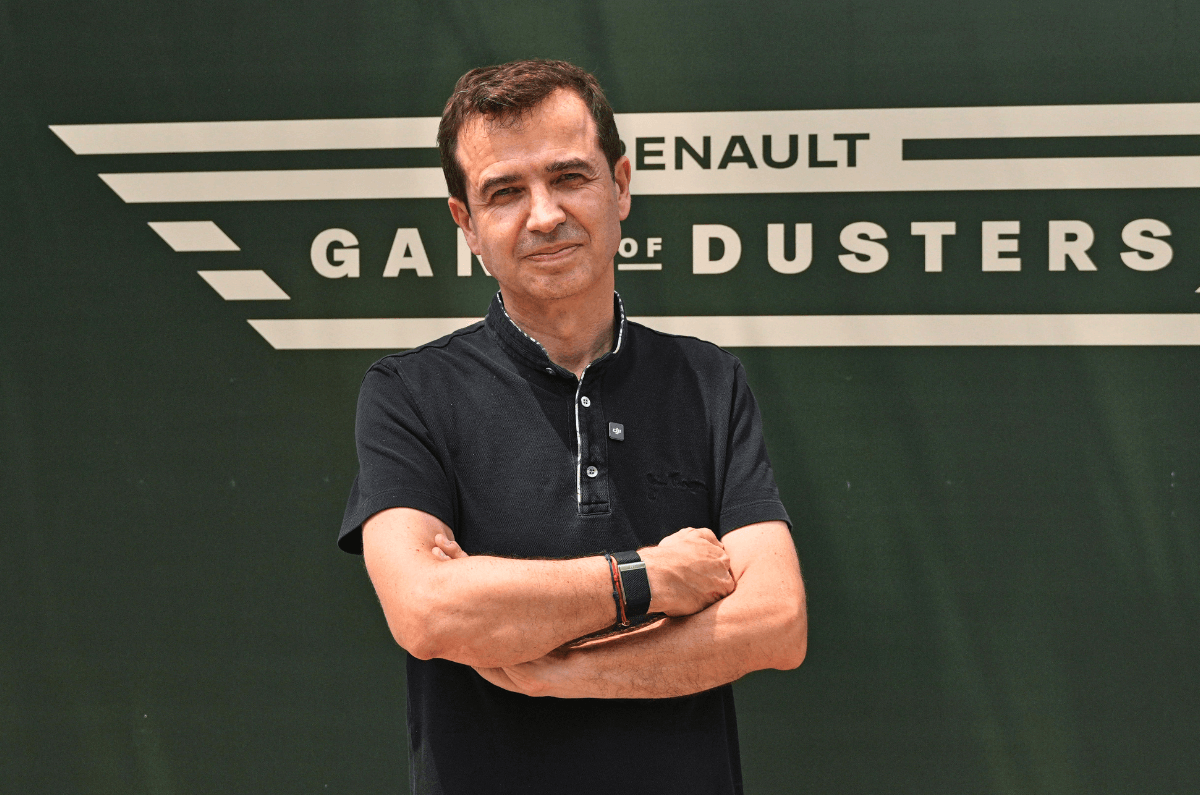
Renault Group India CEO Stephane Deblaise took charge of the company in September last year, and since then, the carmaker has been busy expanding and refreshing its India line-up. In this interview, Deblaise talks about the response to the new Renault Duster and the possibility of a more affordable automatic variant, the company’s upcoming product plans, progress on the Bridger compact SUV concept, and how Renault plans to strengthen its position in the Indian market.
On the response to the 1.0-litre Duster
It’s still early, so we don’t know the exact response, but it’s a key part of our phased strategy, which was to first focus on the 160hp DCT that is the high-end version in the ICE car. And then we want to introduce the 100hp, the more ‘regular’ car, which is less expensive. That Rs 10.5 lakh price is very, very good for people who want to enter the B+ SUV segment, and it has very good fuel efficiency. Moreover, the Duster is a very good car, and people are loyal to good cars, so we are expecting the Duster to do well on the whole.
On the slow rate of Duster bookings and deliveries
So, at Renault, we don’t overstate or overpromise. We won’t say we have 60,000 people waiting and, after that, you would discover that we did not do 60,000 deliveries. Some people do that; we don’t. We are very serious and would prefer to focus on one (variant), and then another, and a third, so in this way people keep speaking about it. For the hybrid, we were not ready; that’s why it is coming later, but with the 160hp and 100hp Duster, we wanted to focus first on the high-end and then the lower version. You know, we were in a little bit of a hibernation, and you can’t go from that to summer in one day. I think it’s good to build up step by step.
On the possibility of a 1.0-litre automatic
I am not saying what gearbox or even the engine, but what I can say is that very soon we will introduce a new, less expensive version with an automatic. It was not planned at the beginning, but since we launched the new Duster, we have been having a lot of queries about this from customers. Plus, if you look at the pricing of all the models and variants we currently have, there is a gap between the manual variants and the first automatic version.
On the rest of the Renault portfolio
I arrived in India on the 1st of September, and on the 16th of October I went to Paris to validate our India plan, and all the programmes that we decided to pursue were validated. Then, as you know, we communicated this in April this year. The programmes are completely running as per our expectations and on time. On the Renault Group Entry Platform (RGEP), we have made many modifications and carried out re-engineering to bring in new engines, new equipment and other things that you have requested. They are now finally coming. Next year will be a blowout of new products.
On the brand’s new design centre in India
The India R&D centre is playing a very big role in our local as well as global plans. When I arrived, I was requested to bring together the three entities we had, which were all separate: one dedicated to sales, one to engineering, and one dedicated to manufacturing, which was along with Nissan. Now we have all three together under one leadership – mine – and this helps a lot because communication is easier and quicker, and this is improving our agility and our ability to see and respond to the market much better. This is why we will now deliver exactly what the market needs and is asking for.
On the development of the Bridger concept
This is a very important topic. It’s my project, and I am working very hard on this with our whole team. We have three meetings per week about the project, and in the coming weeks, there is a very important milestone. But I am happy to say that everything is going nicely and is on track, so I am satisfied with our progress.
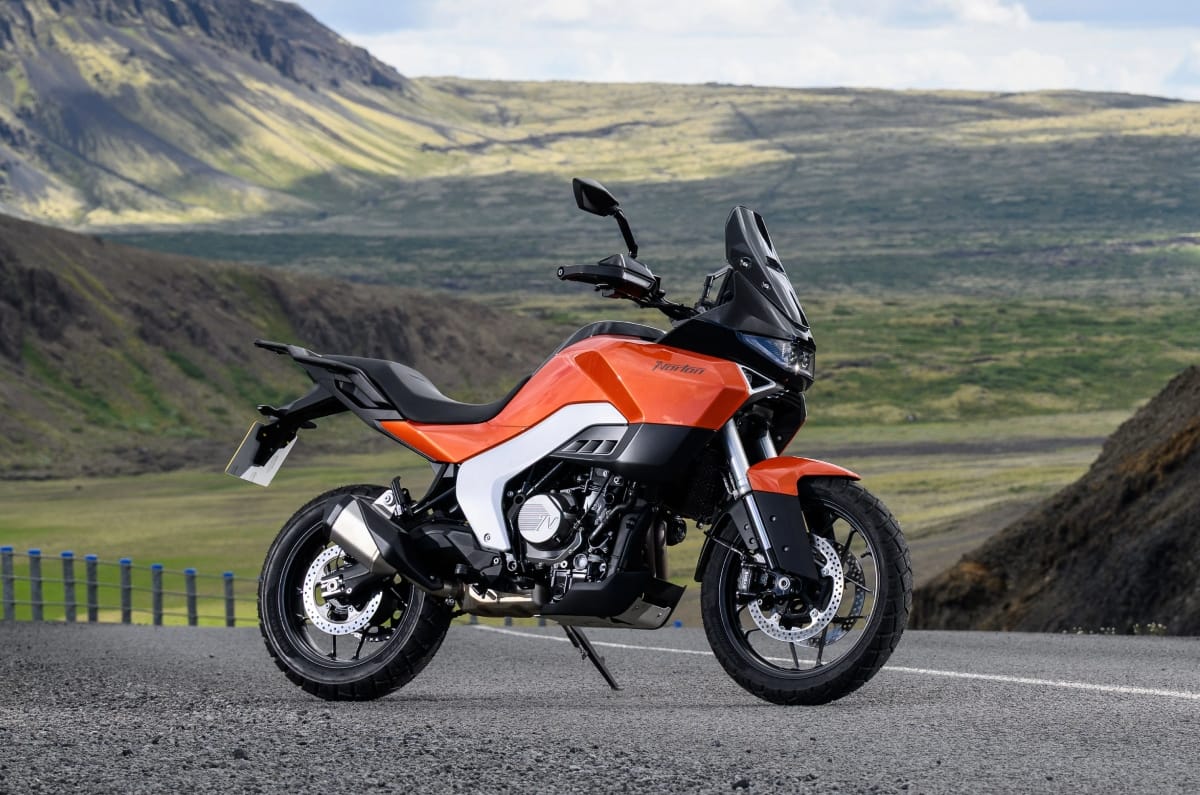
The Norton Atlas and Atlas GT are the upcoming adventure motorcycles, built at TVS Motor Company’s Hosur facility ahead of an expected India launch later this year. Both share the same 585cc liquid-cooled parallel-twin producing 69hp and 57.5Nm, with a bidirectional quickshifter and slipper clutch as standard, and both get a Bosch six-axis IMU, lean-sensitive cornering electronics and an 8-inch TFT display.
The Atlas is the more adventure-oriented of the two, with 180mm of suspension travel, a 19-inch front wheel and 220mm of ground clearance, while the Atlas GT takes a road-focused approach with 140mm of travel and 17-inch wheels at both ends. Both are available in a higher-spec Apex variant with additional electronic and hardware upgrades. The Atlas and Atlas GT will be available in four colour options: Trophy Silver, Matrix Black, Sinopia Orange, Verona Green.
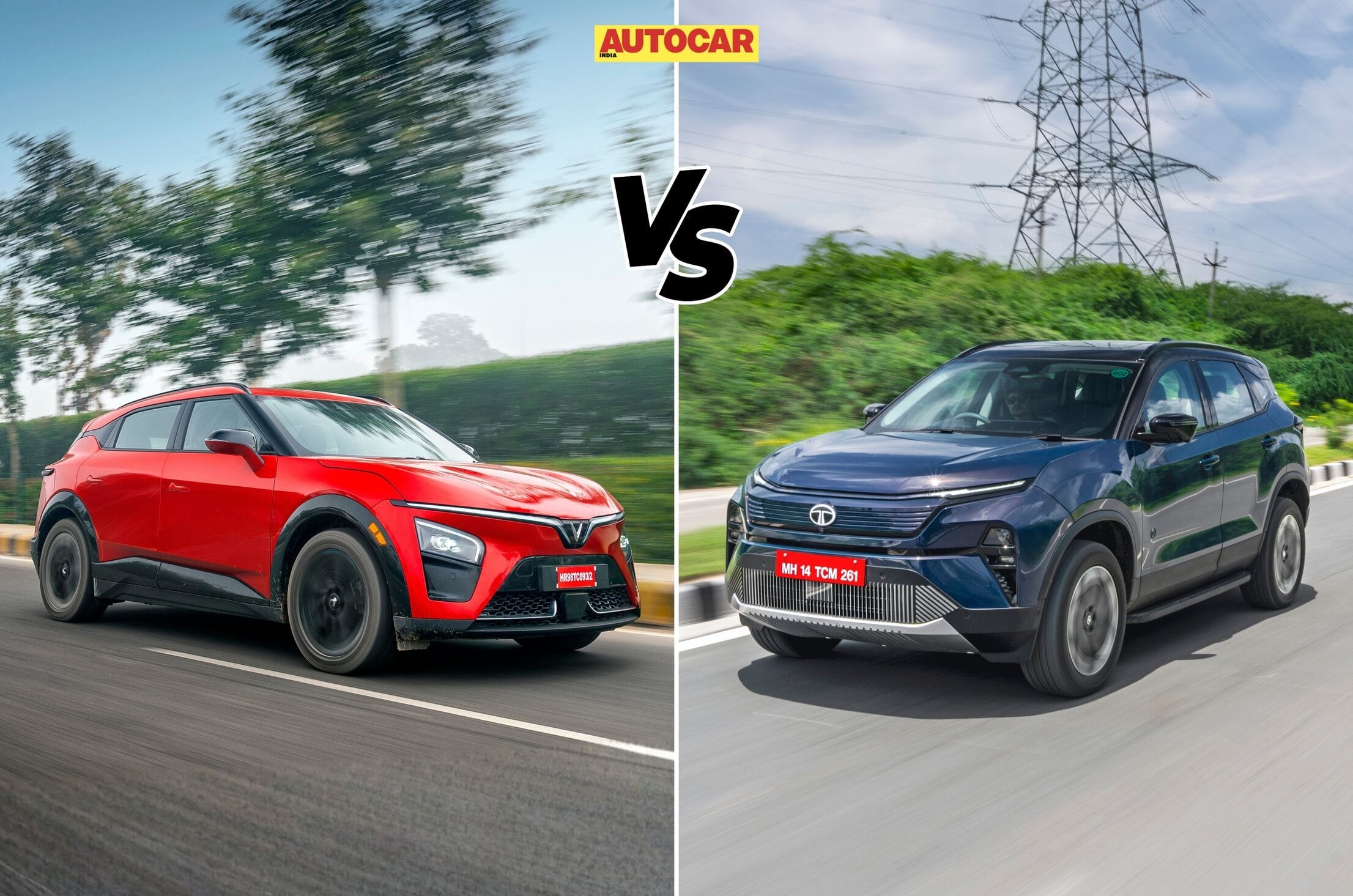
The Tata Harrier EV and the Vinfast VF7 both premium electric SUVs roughly priced in the range of Rs 20-30 lakh (ex-showroom). The Harrier EV looks bold and more SUV-ish, whereas the VF7 is sleeker and lower slung. That said, both cars are loaded with features and offer potent powertrain options. Here in this article, we compare the top-spec variants of both cars to find which EV offers the best performance, regen and range.
Vinfast VF7 vs Tata Harrier EV: Specifications, price
Harrier EV offers a bigger battery, better range but the VF7 is more powerful and costs less.
Harrier EV Empowered 75 QWD
VF7 Sky Infinity 70 AWD
Battery Size (kWh)
75
70
Power (hp)
313
353
Torque (Nm)
504
500
Claimed Range (km)
622
510
Kerb weight (kg)
2335
2218
Power-to-weight*
134.05
159.1
Torque-to-weight^
215.85
225.43
Price (in Rs lakh)
Rs 29.19
Rs 28.09
*Power-to-weight is hp per tonne
^Torque-to-weight is Nm per tonne
We tested both vehicles in their top-spec AWD version, with a 75kWh battery on the Harrier EV and slightly smaller 70.8kWh battery on the VF7. While both cars make about the same torque, the VF7 makes 40hp more than the Tata. In this AWD avatar, both cars use a dual motor setup, whereas lower variants are available with a single motor setup in both models. Also, the Harrier EV offers a higher claimed range, despite being the heavier car here (by about 117kg)
Before Vinfast hiked prices early this year, the VF7 undercut the Harrier EV by a couple of lakhs and was the value pick. Today, the price difference between the two has come down and is about Rs. 1.1 lakh between these top-spec variants.
Vinfast VF7 vs Tata Harrier EV: Performance tests
More power, weighs less – VF7 definitely is the better performer
Harrier EV Empowered 75 QWD
VF7 Sky Infinity 70 AWD
Winner
0-100kph (sec)
6.74
6.03
VF7
20-80kph (sec)
3.89
3.16
VF7
40-100kph (sec)
4.32
3.95
VF7
Quarter mile (sec)
15.09
14.48
VF7
The Vinfast is faster in all of these tests, thanks to its lower kerb weight and more powerful motors. In the sprint to 100kph, it is 0.71s quicker than the Harrier EV. 20-80kph and 40-100kph runs are 0.73s and 0.37s faster in the VF7, respectively.
During our time testing these EVs, we experienced some tyre spin in the VF7 when launching it hard. On the other hand, because the traction control system in the Harrier EV AWD cannot be turned off at all, it got off the line each time without any drama.
Vinfast VF7 vs Tata Harrier EV: Regen and Range
Stronger regen modes make the Harrier EV more efficient in the city.
Regen mode
Harrier EV Empowered 75 QWD
VF7 Sky Infinity 70 AWD
Winner
One-pedal
NA
NA
High
130.64m/8.89s
161.48m/11.73s
Harrier EV
Medium
161.42m/10.4s
308.11m/22.24s
Harrier EV
Low
293.26m/20.78s
636.14m/46.46s
Harrier EV
The Harrier EV showed much stronger battery regeneration in all three regen modes. While the regenerative braking of these cars are close in the highest regen mode, the VF7 offers very less regenerative braking in the medium and low setting, and takes twice as long to slow down from 80-20kph when compared to the Harrier EV.
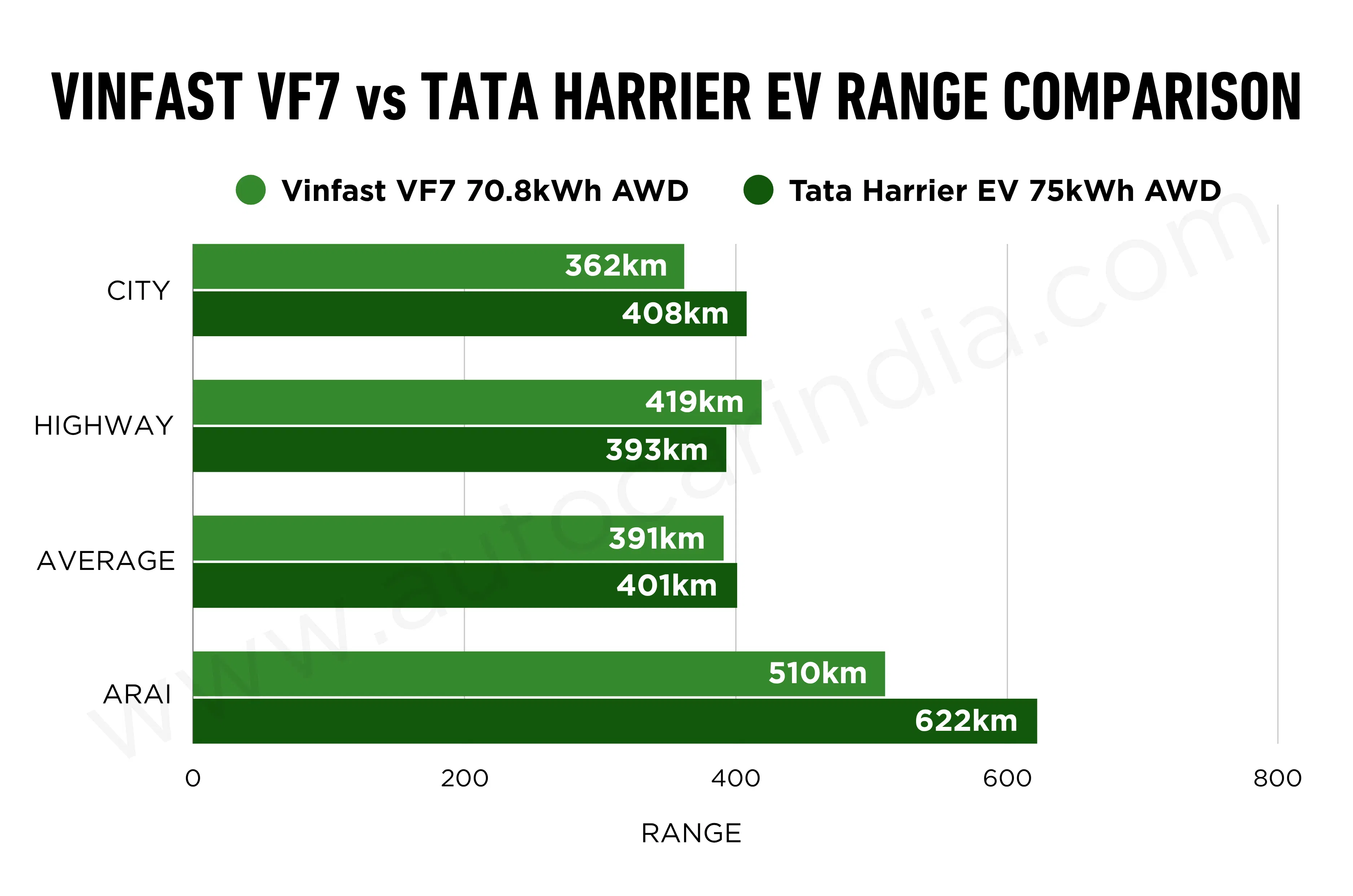
The stronger regen modes in the Harrier EV helps it deliver better efficiency of 5.45km/kWh in the city versus 5.1km/kWh for the VF7. This translates to a real-world range of 409km for the Harrier EV in the city and 361km for the VF7, and emphasises the importance of regen modes in making the car more city efficient.
On the highway, the Vinfast delivered a higher efficiency of 5.92km/kWh versus 5.24km/kWh for the Harrier EV. So in the real world, you can expect a range of 393km with the Harrier EV, whereas the VF7 will go 27km further.
Vinfast VF7 vs Tata Harrier EV: conclusion
The Harrier EV is the more accessible option here, priced from Rs. 21.7 lakh to Rs. 29.2 lakh, while the VF7 ranges between Rs. 23 lakh and Rs. 28.1 lakh. For most urban buyers, the Harrier EV makes a stronger case with its effective regen modes and better real-world efficiency. However, if outright performance is a priority, the VF7 stands out as the more engaging option.
Brand trust is another key factor to consider. Tata’s established presence in India gives the Harrier EV an advantage, whereas Vinfast is still a relatively new entrant. That said, VinFast counters this with a 10-year/2 lakh km warranty on both the vehicle and battery pack. In comparison, the Harrier EV offers a lifetime battery warranty for the first owner, along with a standard 3-year/1.25 lakh km vehicle warranty.
बारिश के मौसम में समोसे खाने की छोटी सी ख्वाहिश सोशल मीडिया पर बड़ी चर्चा का कारण बन गई। X पर एक यूजर ने Swiggy से किए गए अपने ऑर्डर का अनुभव साझा किया, जिसमें कम कीमत ने सभी का ध्यान खींच लिया। पोस्ट में किए गए मजाकिया कमेंट के बाद यूजर्स ने फूड डिलीवरी प्लेटफॉर्म्स के डिस्काउंट, रेस्टोरेंट ऑफर्स और ऑनलाइन ऑर्डर की असली कीमत को लेकर बहस शुरू कर दी।
कुछ लोगों ने इसे शानदार डील बताया, तो कुछ ने कंपनियों के बिजनेस मॉडल और ग्राहकों की जेब पर पड़ने वाले असर पर सवाल उठाए। देखते ही देखते यह पोस्ट सोशल मीडिया पर वायरल हो गई और लोगों ने अपने-अपने अनुभव साझा करने शुरू कर दिए।
₹104 का बिल देख यूजर रह गई हैरान
X यूजर नलिनी उनागर ने बताया कि बारिश के दौरान उन्होंने Swiggy से 8 बड़े समोसे ऑर्डर किए। पूरे ऑर्डर का बिल सिर्फ ₹104 आया, जिसे देखकर वह खुद भी हैरान रह गईं। उन्होंने मजाकिया अंदाज में लिखा कि अगर Swiggy ऐसे ही भारी छूट देता रहा तो एक दिन दिवालिया हो जाएगा।
पोस्ट के साथ उन्होंने समोसों की तस्वीर और ऑर्डर का स्क्रीनशॉट भी शेयर किया। बिल में बारिश के कारण ₹5 रेन फीस, GST और अन्य शुल्क भी शामिल थे। इसके बावजूद कुल कीमत कई लोगों को काफी कम लगी।
यूजर्स बोले- ‘डिस्काउंट Swiggy नहीं, रेस्टोरेंट देता है’
पोस्ट वायरल होते ही कमेंट्स की बाढ़ आ गई। कई यूजर्स ने कहा कि यह छूट Swiggy नहीं बल्कि रेस्टोरेंट की ओर से दी जाती है, जबकि प्लेटफॉर्म अपना कमीशन अलग से लेता है। कुछ लोगों ने मजाक में कहा कि अगर कंपनी की इतनी चिंता है तो डिस्काउंट वापस कर देना चाहिए।
किसी ने तारीफ की, किसी ने उठाए सवाल
कुछ यूजर्स ने दावा किया कि कम कीमत की वजह पुराना स्टॉक हो सकता है, हालांकि पोस्ट करने वाली यूजर ने जवाब दिया कि समोसे बिल्कुल गर्म और ताजा थे। वहीं कुछ लोगों ने Swiggy की सर्विस पर सवाल उठाए, जबकि अन्य ने कंपनी की मजबूत वित्तीय स्थिति का हवाला देते हुए दिवालिया होने वाली बात को महज मजाक बताया।
बहस पहुंची सेहत और जेब तक
चर्चा सिर्फ डिस्काउंट तक सीमित नहीं रही। कुछ लोगों ने रात में समोसे खाने को सेहत के लिए ठीक नहीं बताया, जबकि कई यूजर्स का कहना था कि अगर यही समोसे सीधे दुकान से खरीदे जाते तो कीमत आधी से भी कम होती। इस तरह एक साधारण फूड ऑर्डर ने इंटरनेट पर कीमत, डिस्काउंट और ग्राहक अनुभव को लेकर दिलचस्प बहस छेड़ दी।
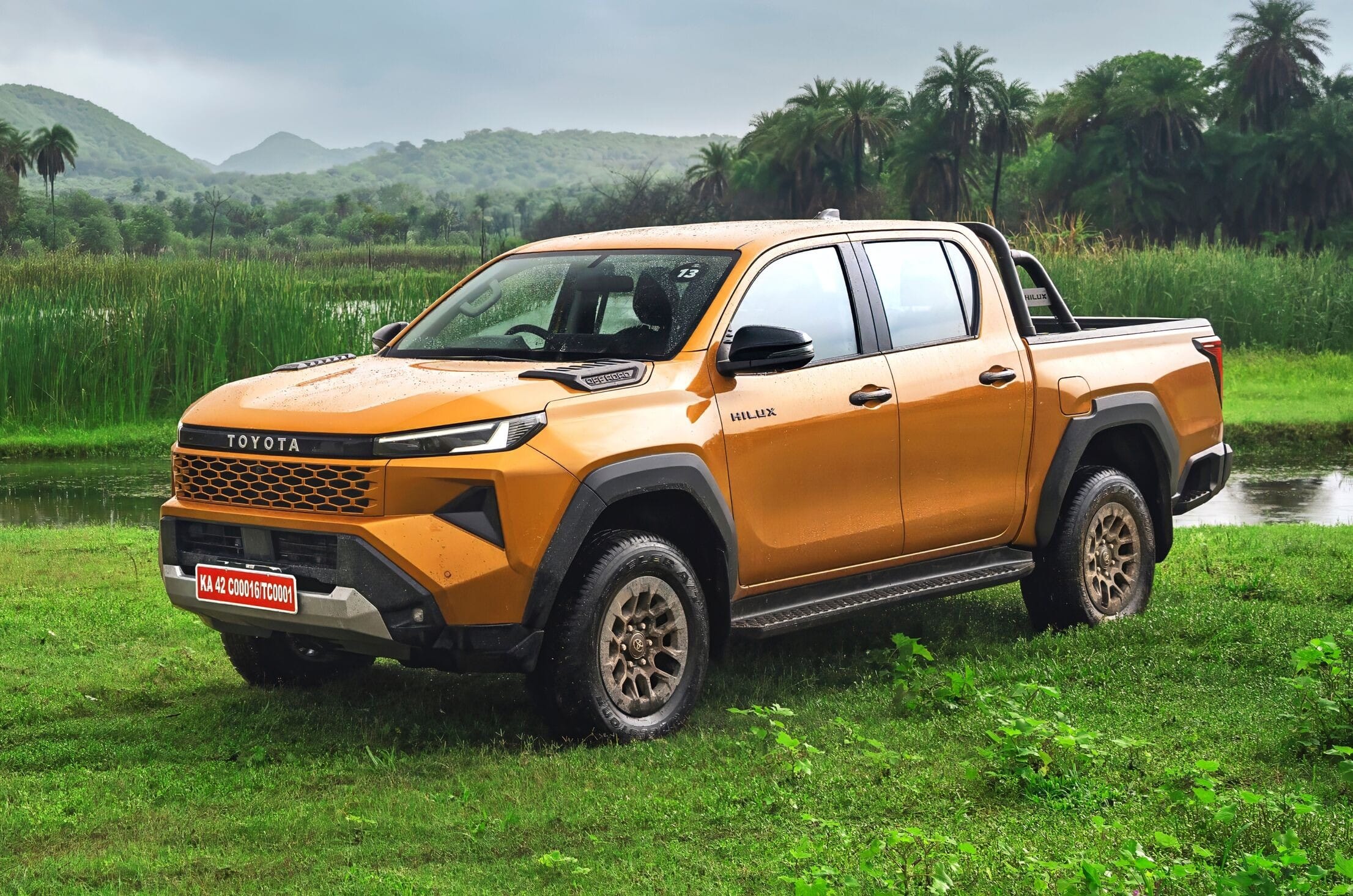
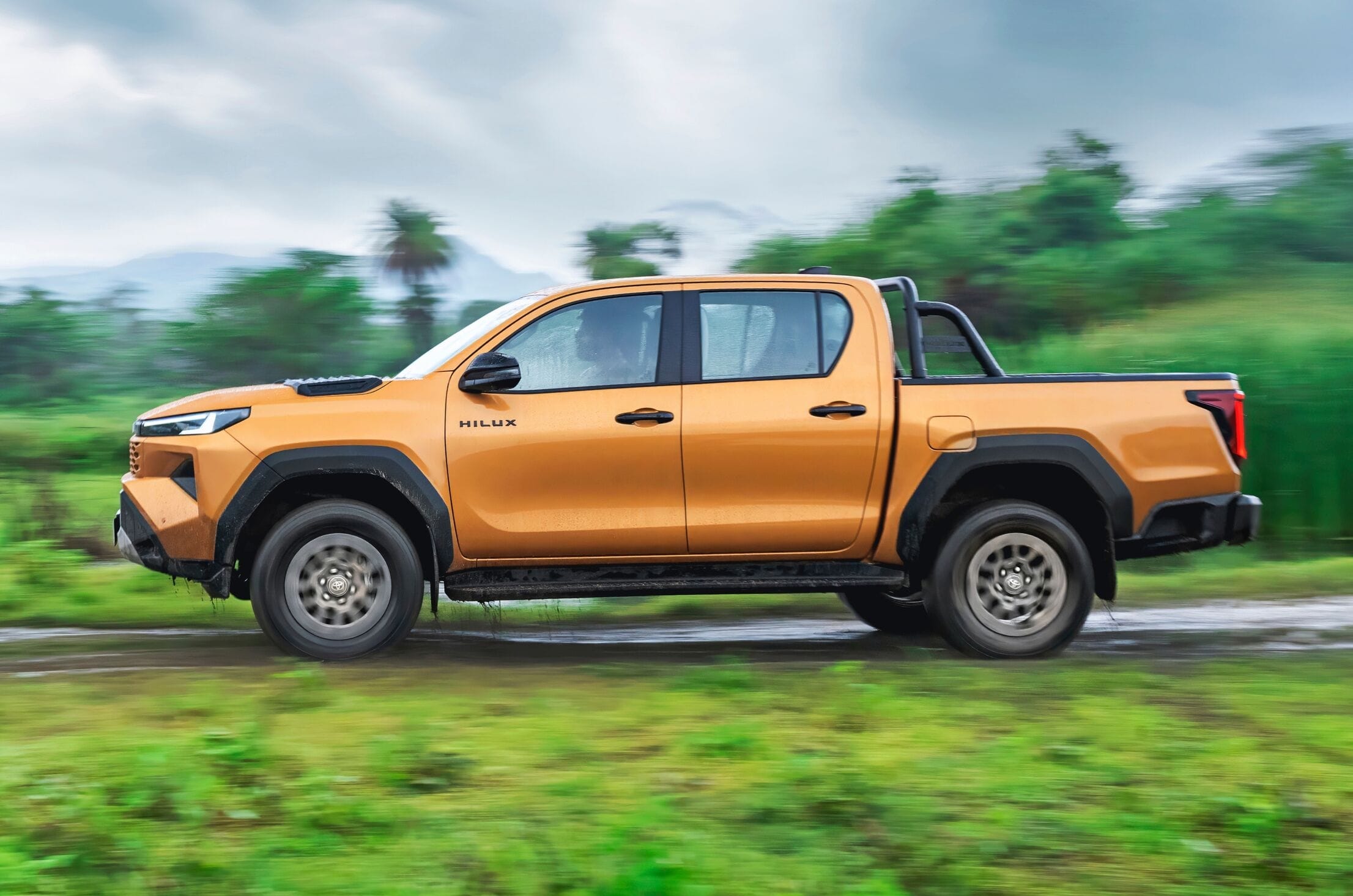
The ninth-gen Toyota Hilux has gone on sale in India at a starting price of Rs 31.99 lakh (ex-showroom). It uses the same body-on-frame IMV platform as its predecessor, but features major styling revisions inside and out. Now that we’ve reviewed the new Hilux, here are three reasons why you should bring one home, and two reasons why you may want to think twice.
Pros
Punchy engine
Retains prior Hilux’s 204hp 2.8-litre diesel mill
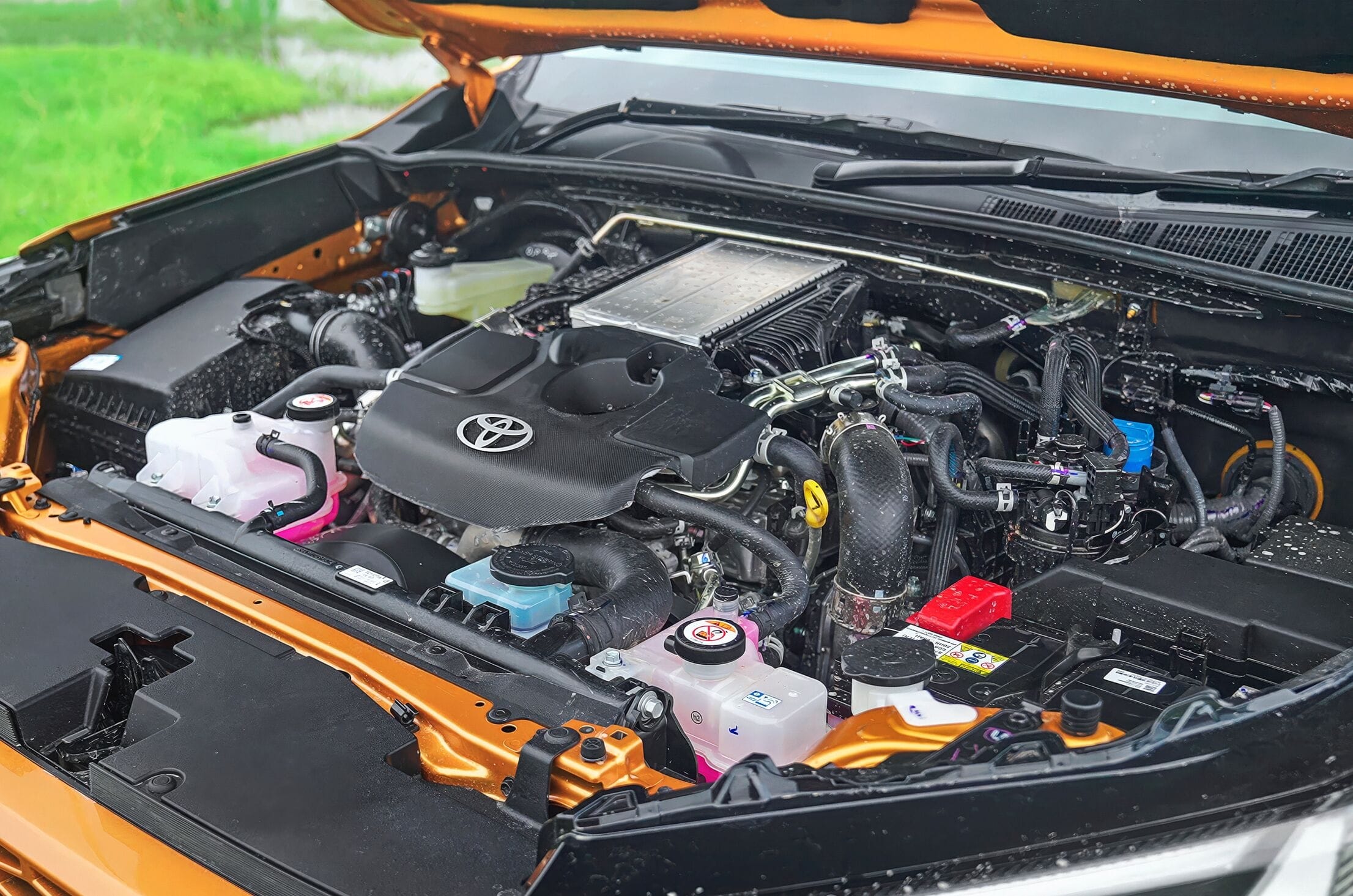
Under the bonnet, the ninth-gen Hilux carries forward its predecessor’s 2.8-litre 4-cylinder diesel engine, outputting an identical 204hp and 500Nm. This engine is mated solely to a 6-speed torque converter automatic transmission, and we found this combination to work very well in the new Hilux.
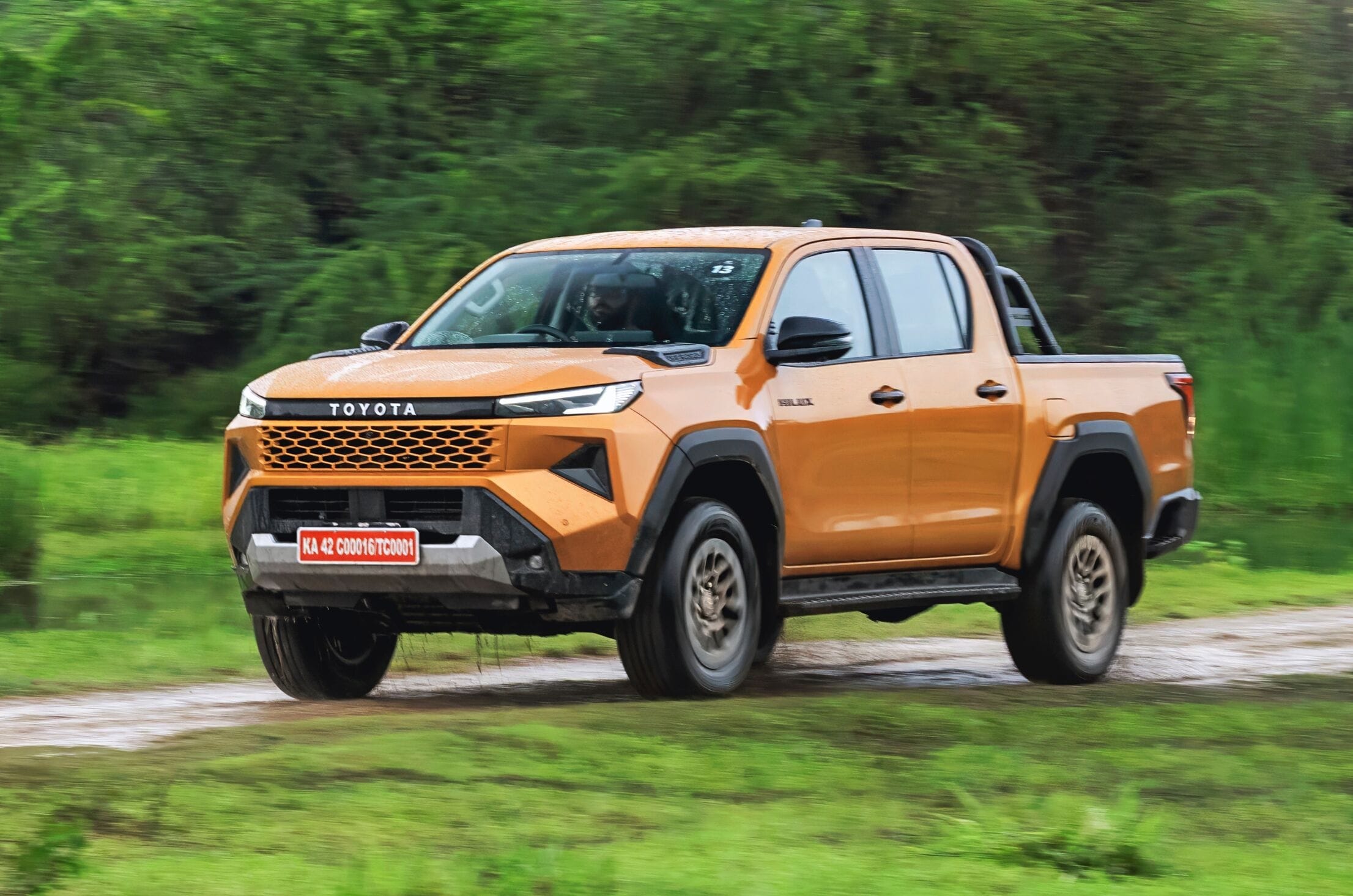
Performance feels strong, especially in the lower bounds of the rev range, and it’s easy to keep momentum, even when driving off-road. The gearbox shifts smoothly and quickly, regardless of whether you leave it to its own devices or feed inputs via the gear lever.
Thanks to the stiffened chassis and improved insulation, refinement is excellent at normal driving speeds, with little to no vibrations felt in the cabin. However, the engine tends to get vocal at higher revs.
Excellent off-road capability
Can take any off-road trail you point it towards
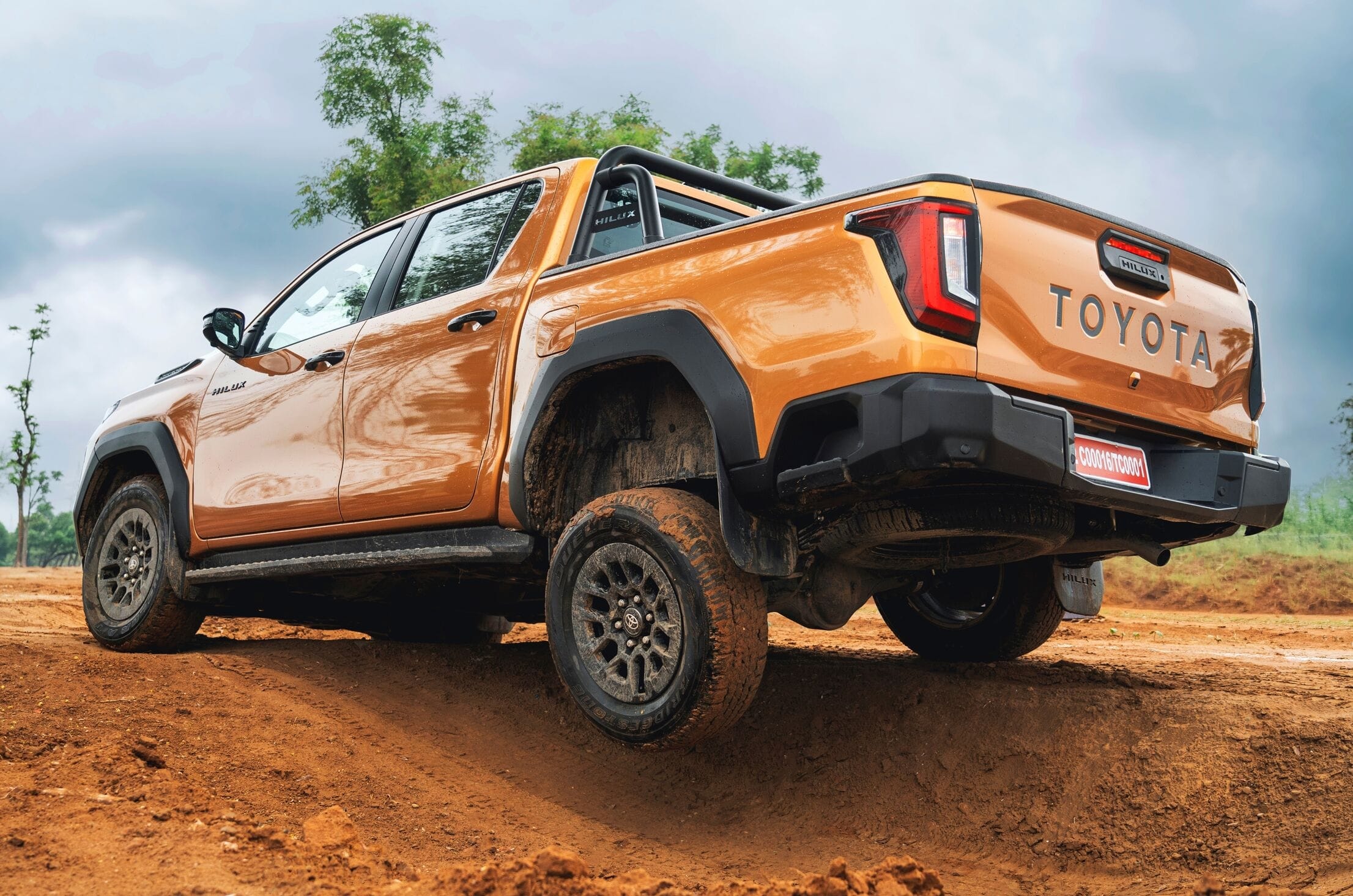
Off-road prowess is a core tenet of the Hilux, and the ninth-gen model does not disappoint on this front. The suspension setup comprises independent double wishbones and coil springs up front, and a rigid axle with leaf springs at the rear. 4×2 is offered in the base variant only, with all other Hilux variants packing 4×4.
Large rocks, deep potholes, and sharp-edged sections are gobbled up by the Hilux, and it felt confident and sure-footed through a forest trail littered with loose rocks. The Hilux handled most of the trail we drove on in 4×2 mode, and the more extreme bits that required 4×4 were also a cakewalk for the pickup truck.
Lots of cargo space
Estimated payload capacity of 470kg
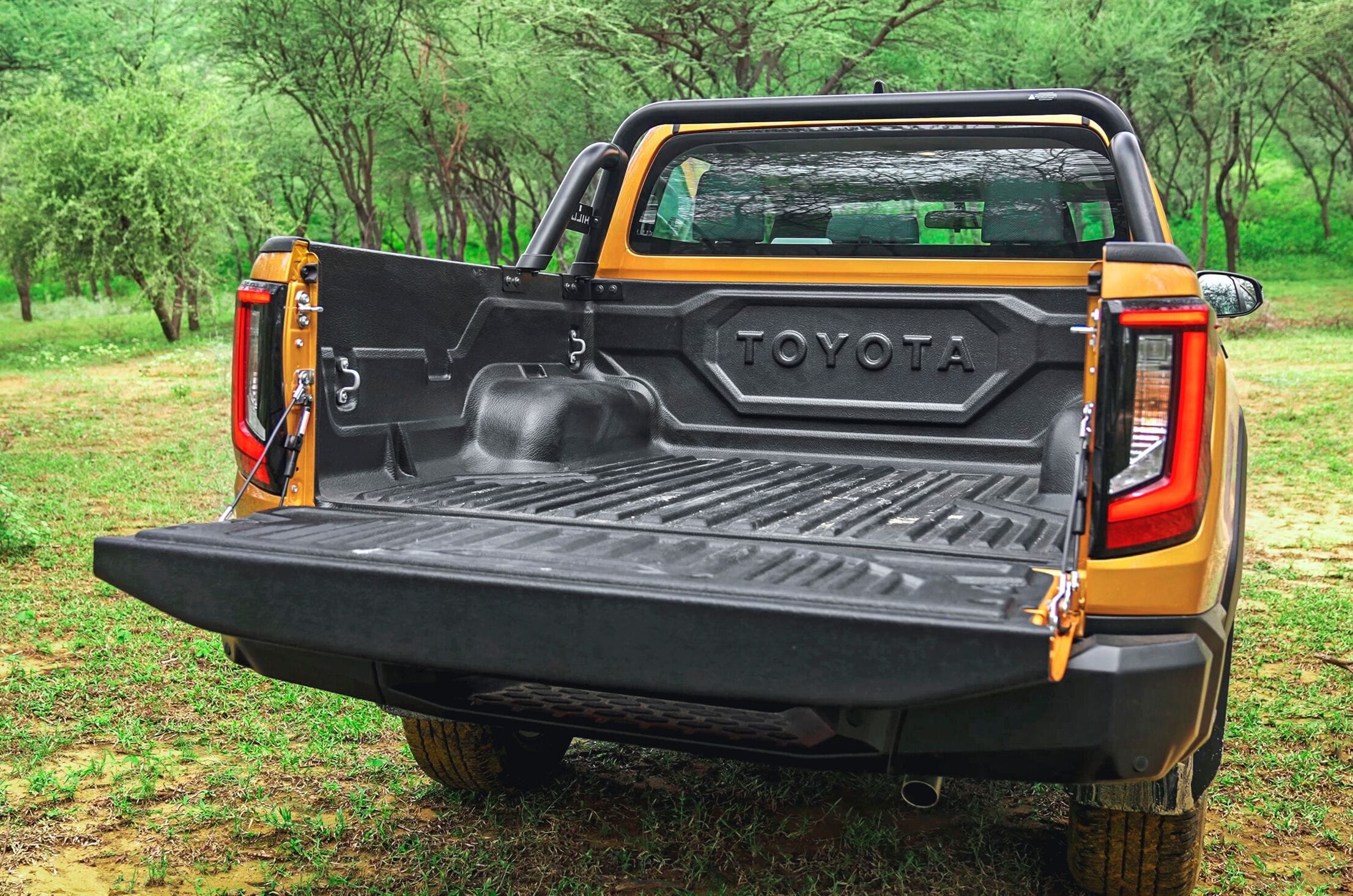
Being a pickup truck, the Hilux obviously has a large open bed behind the passenger compartment. Though Toyota has yet to disclose the bed’s payload capacity, we expect it to match the prior Hilux’s 470kg figure. The bed is big enough to stow camping gear and a decent amount of luggage. Integrated steps on the sides and rear make loading and unloading easier too.
Cons
Misses out on numerous features
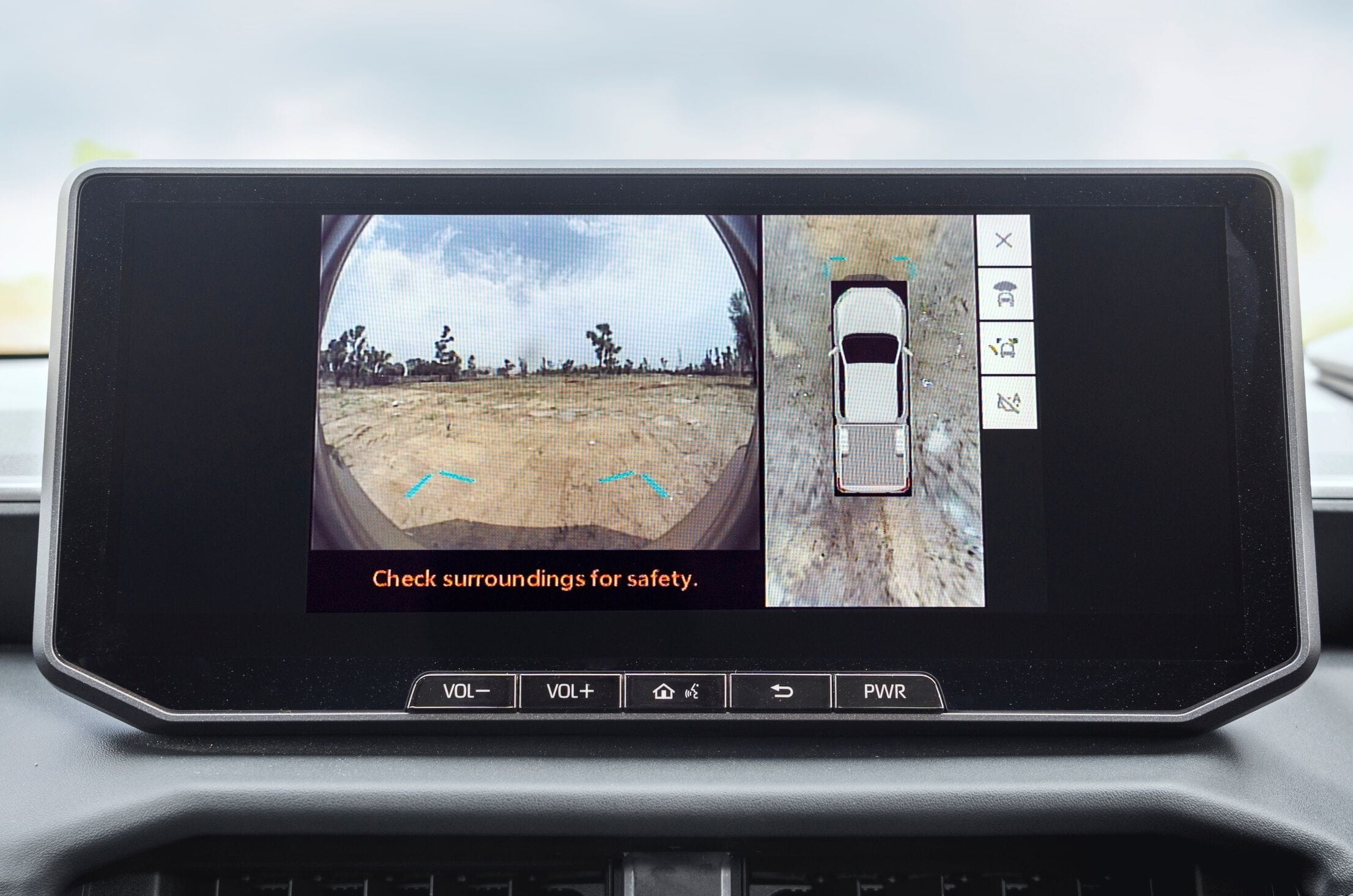
360-degree camera’s image quality is also poor
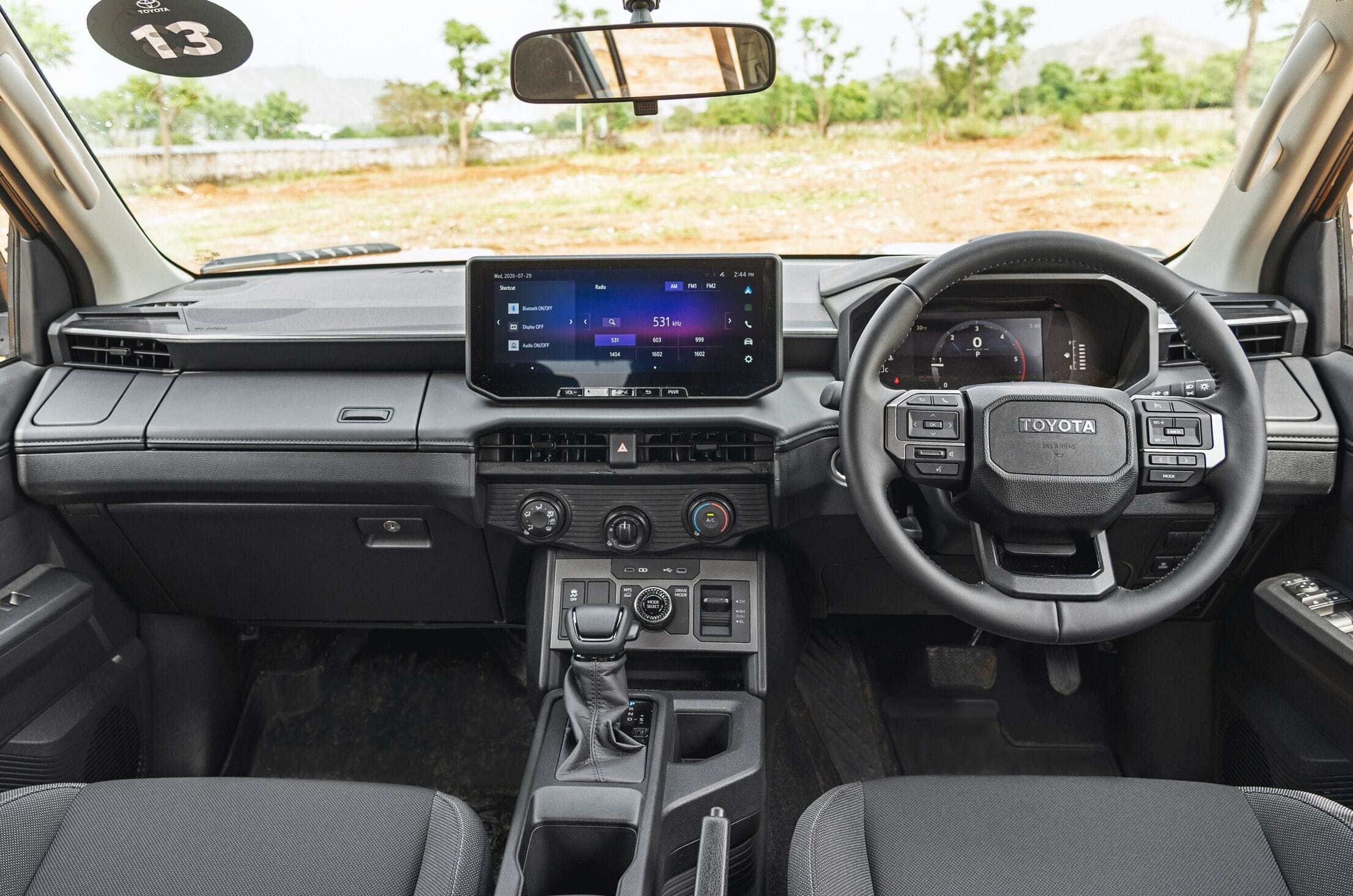
The India-spec ninth-gen Hilux is not very well-specced. Even in the top-spec Hilux VX 4×4 AT variant, which costs Rs 36.69 lakh (ex-showroom), comfort and convenience features like automatic climate control, powered and ventilated front seats, a rear defogger, ADAS, leatherette upholstery, and the like are missing.
While you do get feature upgrades like a 12.3-inch infotainment touchscreen and a 360-degree camera in the new Hilux, the former’s software interface looks quite dated and the latter’s resolution is poor.
Bouncy low-speed ride
Tends to skip over road imperfections when bed is empty
Though the Hilux rides deftly on broken roads, off-road trails, and at high speeds, it feels unsettled and skittish over smaller ruts and bumps. This is a consequence of the rigid rear axle, which tends to skip over surface undulations, especially when the bed is empty. Adding weight to the bed will improve the Hilux’s low-speed ride to an extent, but not enough to be comparable to an equivalent SUV. It also doesn’t help that the electric power steering is hefty at low speeds, and the Hilux’s 5.3-metre length makes low-speed manoeuvres feel daunting.