We see a drop in India due to PHEV import duty uncertainty: Lamborghini CEO

We see a drop in India due to PHEV import duty uncertainty: Lamborghini CEO
We see a drop in India due to PHEV import duty uncertainty:  Lamborghini CEO

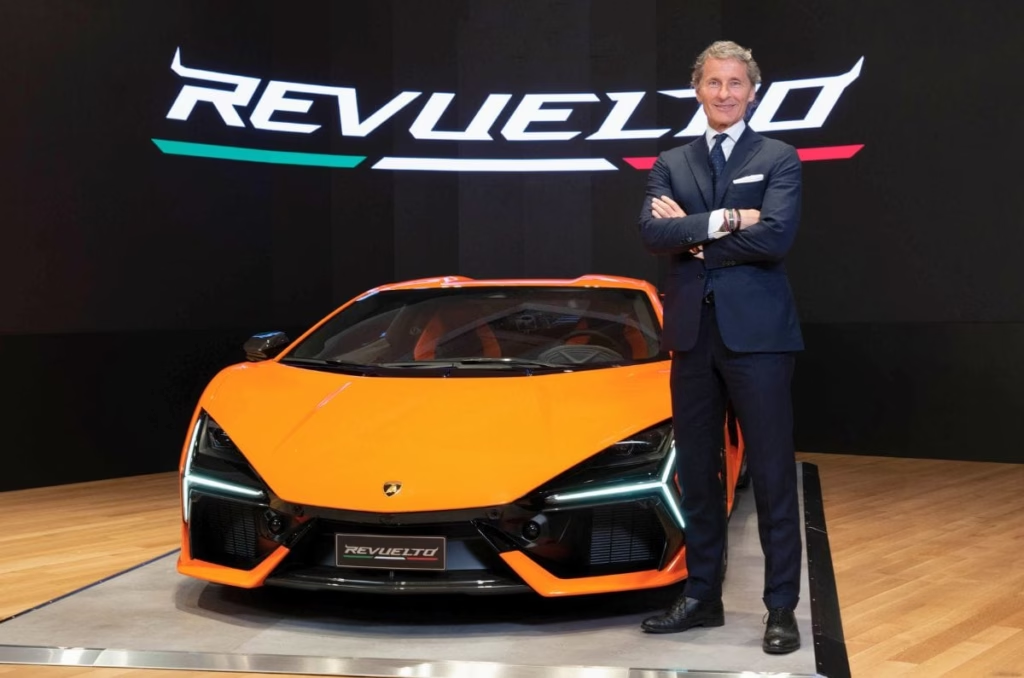
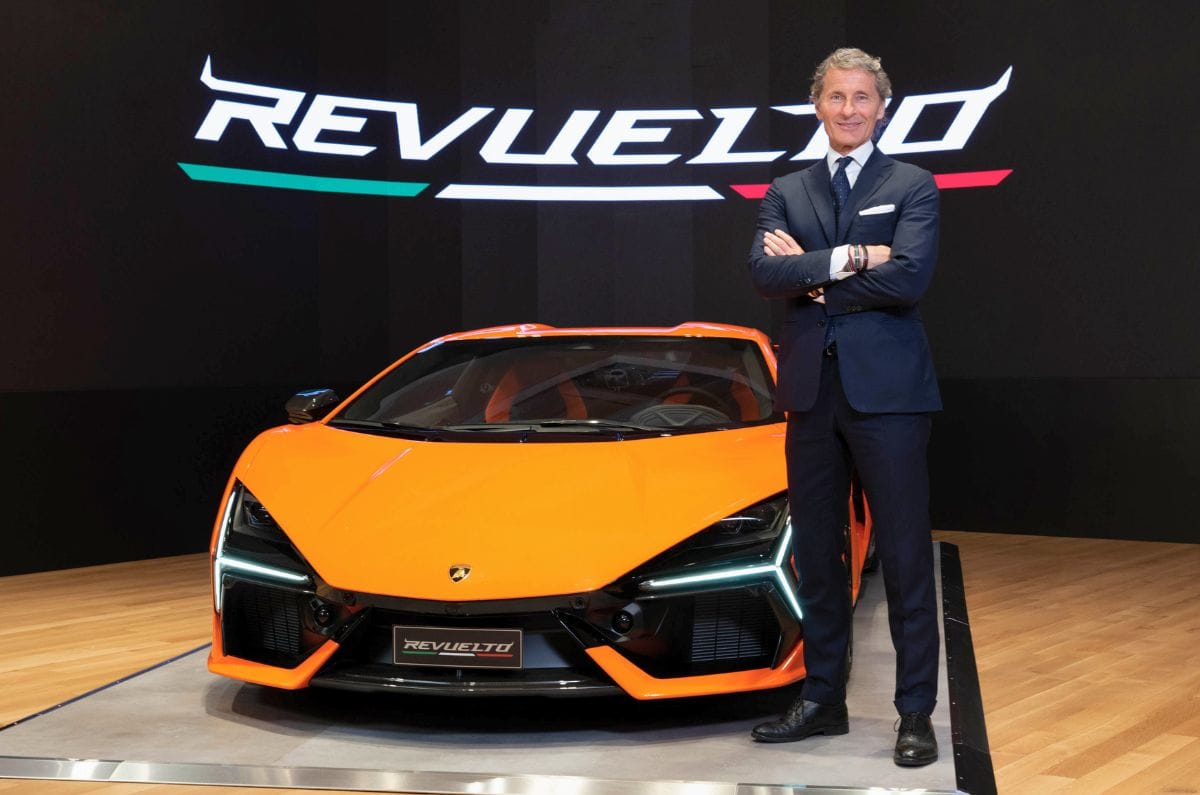
On the sidelines of the world premiere of the Lamborghini Revuelto SV, the brand’s president and CEO, Stephan Winkelmann, spoke to journalists about the new flagship hybrid supercar, the move away from EVs and even the Indian market.

India-EU FTA hybrid uncertainty could pose a problem 

A hot topic at the moment is the India-EU free trade agreement (FTA) soon to come into effect, which promises to make imported cars a whole lot more affordable. While that’s great news for most super-sportscar brands, it’s not so for Lamborghini, as the India-EU FTA offers no clarity about benefits for hybrid cars, which make up the Italian brand’s entire range.

“The decision was made, I think, at the beginning of the year to lower the import taxes, but not for PHEVs,” said Winkelmann, responding to a question from Autocar India. “So, we see a drop in the market due to the uncertainty which is created by this. And there is still not enough clarity.”

While other brands do have some pure-ICE models, the prices of which are already being reduced ahead of the FTA’s introduction, at present, hybrid and EV models continue to attract the full import duty as before. Having moved away from pure-ICE models entirely, Lamborghini unfortunately bears the full brunt, at least for now.
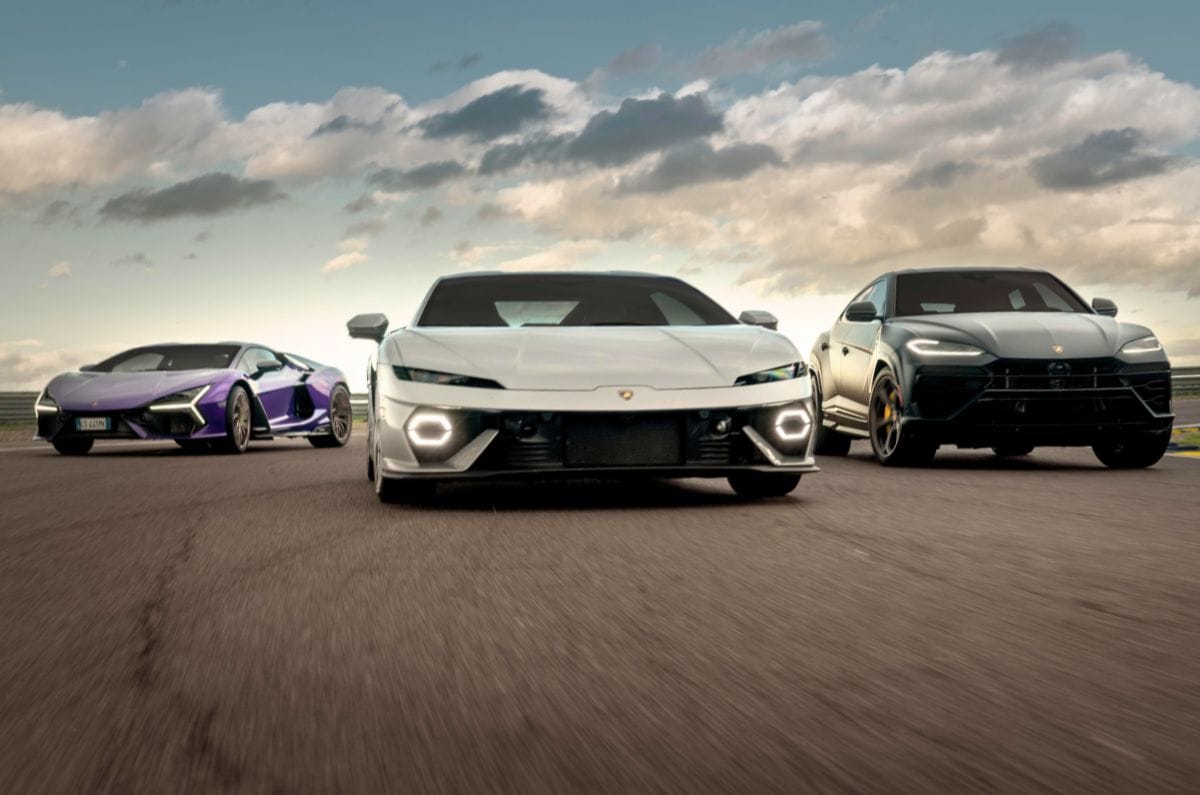
Lamborghini’s current line-up features only hybrid models. 

“I think this will come only in four years’ time. And this, for sure, is not helping the decision to buy a plug-in hybrid car, which is coming from [Lamborghini].”

Can ethanol-blended petrol work in Lamborghinis?

Regarding another hot topic in our country at the moment, Winkelmann responded to another question from Autocar India, suggesting that given the uncertainty around traditional fuels, blended biofuels were not off the table for Lamborghini.

“In Europe, we are extremely positive about it and are going to make a decision on biofuels soon,” he said, highlighting that any decision around the matter would have to start from its home region. “For us, this is a very important market, as you might know.” 

He was quick to point out that the quality of fuel is what’s most important for any of Lamborghini’s models and their high-performance plug-in hybrid powertrains. While ethanol blending does increase the RON (Research Octane Number) of the fuel, it also depends on the petrol it is being blended with, which varies from market to market.

“They already exist, those fuels, but it always depends on how good they are. If you have a low octane, then you cannot use them for our type of cars. You have to have a minimum of 95 octane, and this is sometimes, with the few fuels around the globe, not available,” he stated, reiterating that such a decision would have to be globally compatible. “I don’t know exactly how this is in India.”

Revuelto SV arrives before Revuelto Roadster

As for the main event, Lamborghini has just revealed the Revuelto SV, the hotter version of its flagship V12 PHEV supercar, limited to 1,963 units. With increased performance, redone suspension and far more advanced aerodynamics, its goal is to surpass the Revuelto to become the highest-performance Lamborghini of them all. SV models date all the way back to the Miura SV from 1971, but this is the first time an SV has been launched so soon after the standard model, arriving before even a convertible Roadster model.
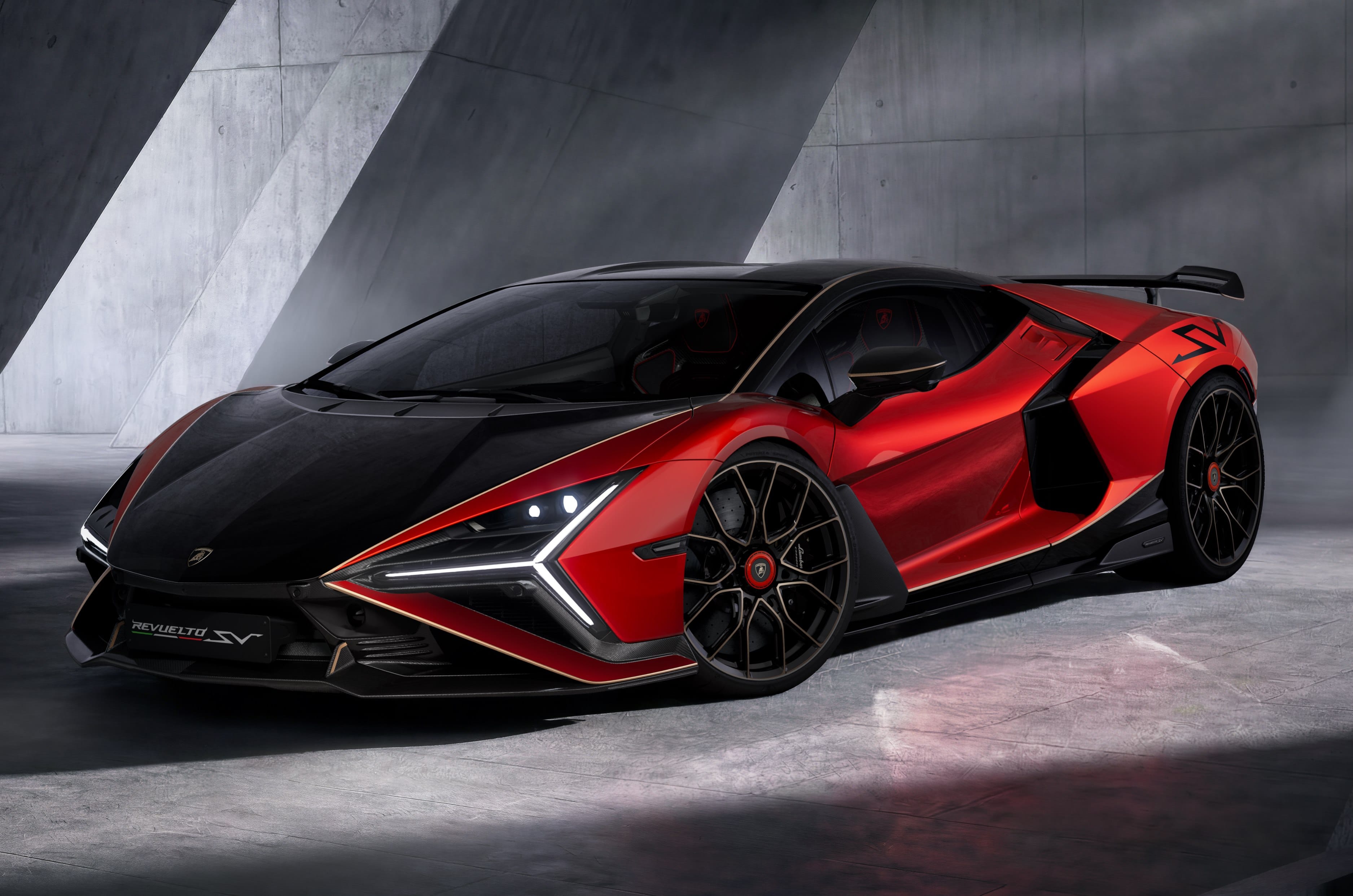
“I have to tell you that the coupe was and is so successful that it was exceeding all our expectations, even the most positive ones,” Winkelmann said in response to Autocar India. “So, we decided to go immediately from Revuelto to Revuelto Superveloce. And the first feedbacks we are getting on the Superveloce are really outstanding.”

The additional 50hp is extracted from an upgraded battery and motor rather than from the V12 engine, which Lamborghini says was intentional, as it allowed for better control and faster distribution of the power.

“We use the battery to create more boost and a better distribution of power output than only with the internal combustion engine. Also, together with the torque vectoring, the feeling of driving a car at speed is very much improved in comparison with the [purely] internal combustion engine guise of the past generations,” Winkelmann said.

Lamborghini customers don’t want EVs 

That said, the engine is essential. Not long before rival Ferrari unveiled its first EV, the Luce, Lamborghini announced its decision to delay its own first electric offering, the Lanzador, which was scheduled to launch before 2030. The Lanzador – also a low-slung four-seat crossover – will now get a hybrid powertrain instead, as an EV would simply not be emotional enough for Lamborghini customers.
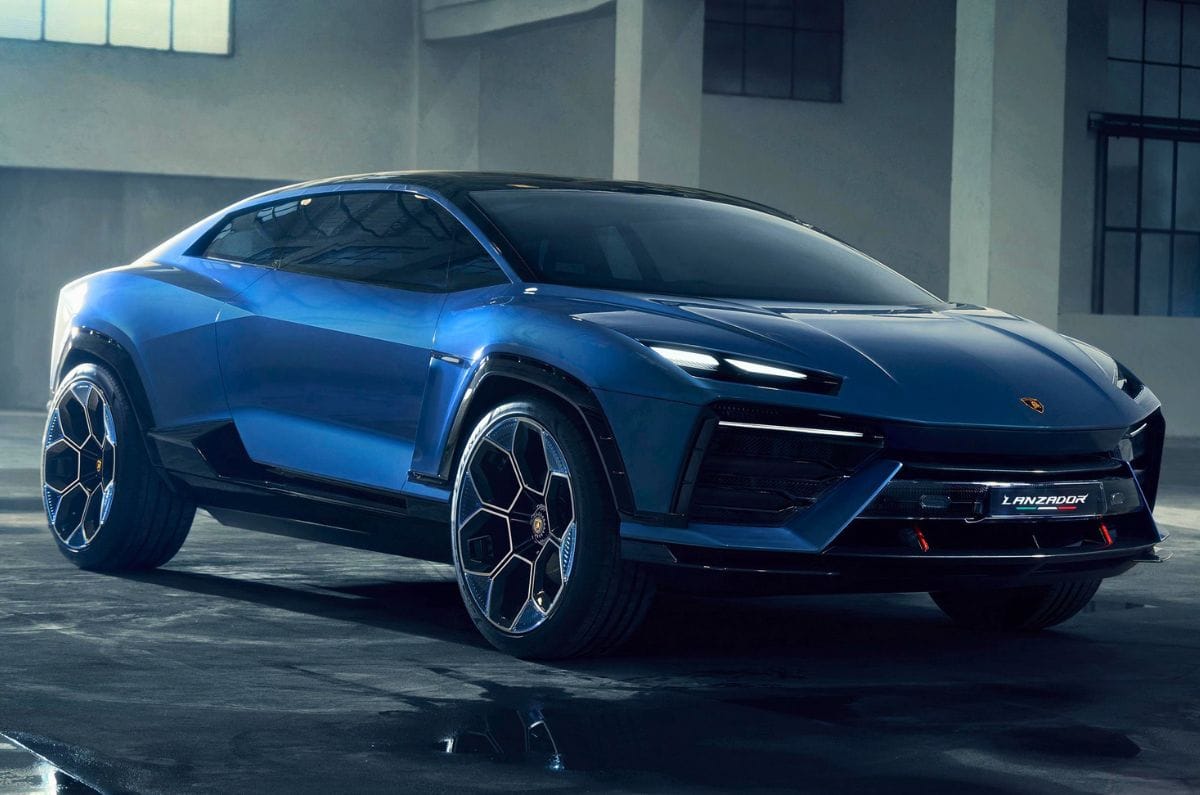
 “Why? Because the customer behaviour towards what we were proposing at the beginning of this decade has changed; they are not adopting electric cars,” said Winkelmann. “I’m talking about our type of customers, because you don’t buy a Lamborghini because you need a Lamborghini or you need a car; you buy it because you want to fulfil your dreams. We are not selling mobility; we are selling emotions.”

He also stated that, Indian regulations aside, the brand’s all-PHEV line-up has proven to be a successful approach, at once helping meet prevailing and upcoming emissions regulations while also retaining the emotional appeal of an ICE engine that’s core to the brand.

“You have the sound, the vibration of an internal combustion engine, but you also have all the advantages of the new technology,” he said. “The combination of battery and internal combustion engine for us is not a transition period, but it’s really something which is here to stay.”
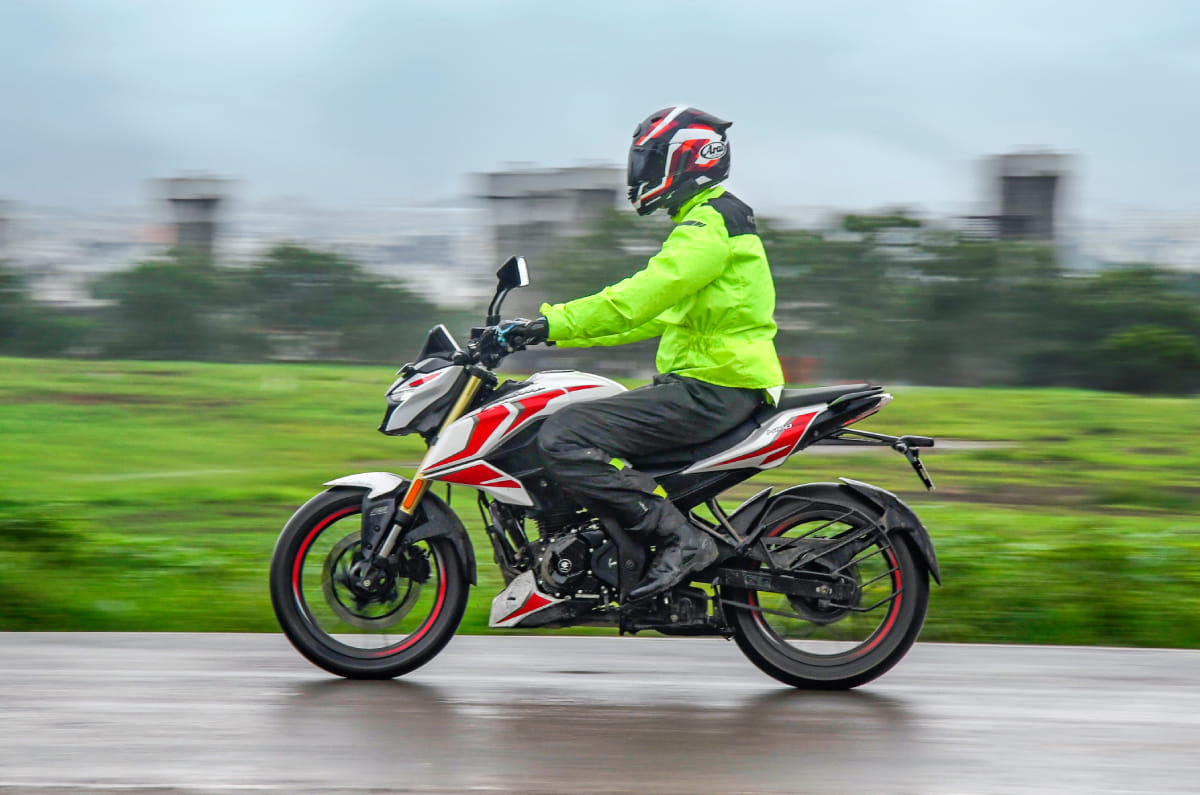
Bajaj Pulsar N160 4V SS: Numbers game

Bajaj Pulsar N160 4V SS: Numbers game
Bajaj Pulsar side tracxking image

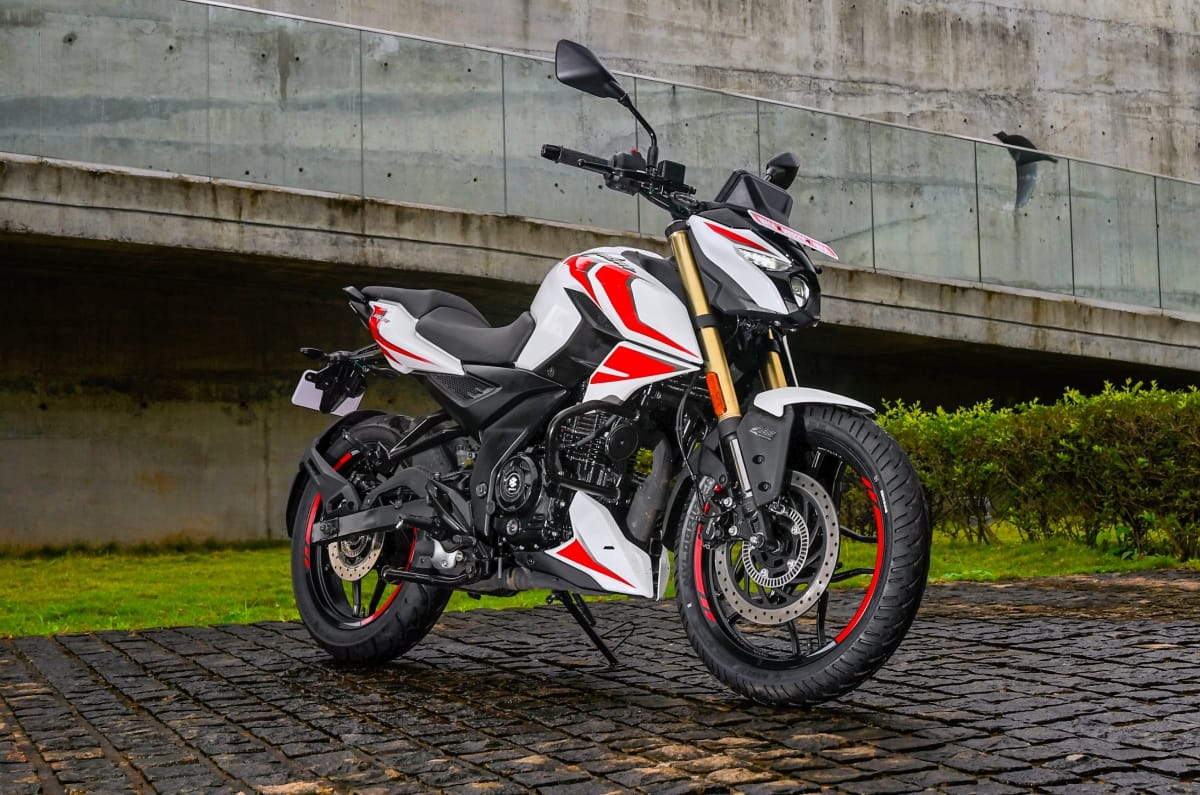
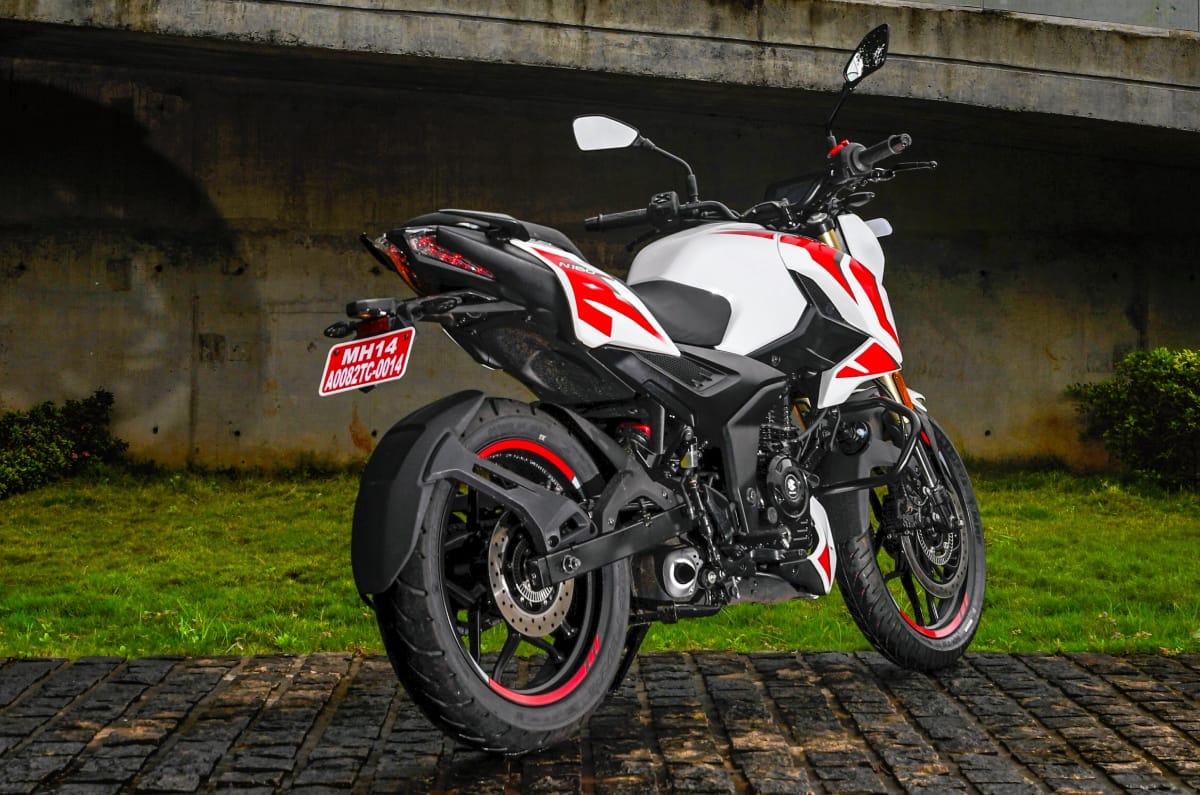
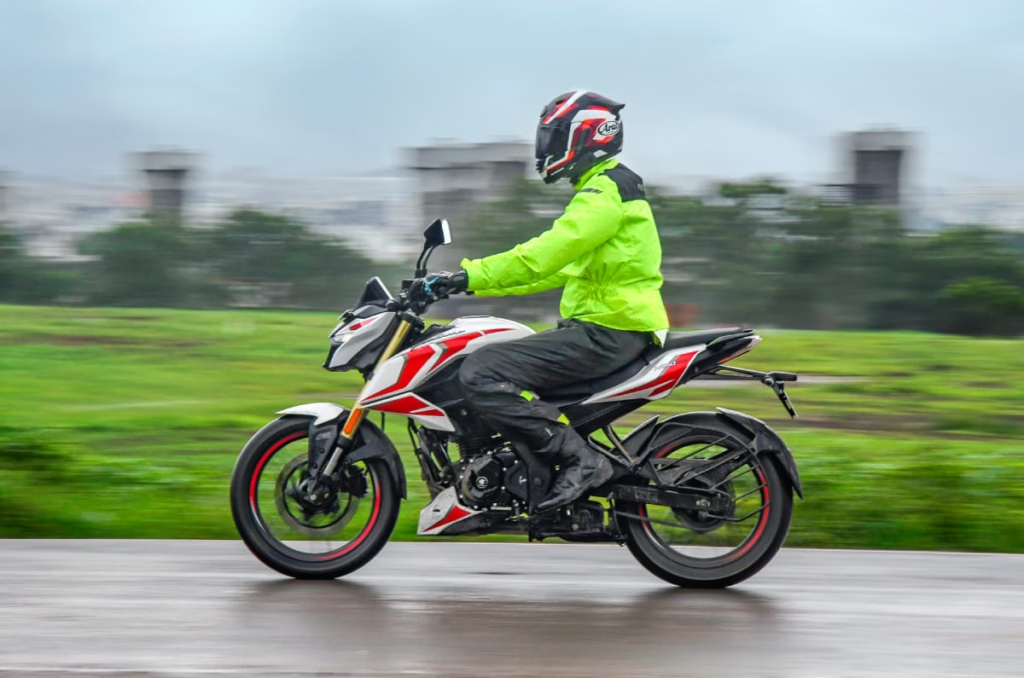
The Bajaj Pulsar N160 has gained a lot of traction in the last three years and Bajaj has now given it even more appeal with the introduction of a new 4 valve version. The existing 2-valve N160 continues to be on sale while two new 4-valve variants have been added to the line up.

Bajaj Pulsar N160 4V: Whats new

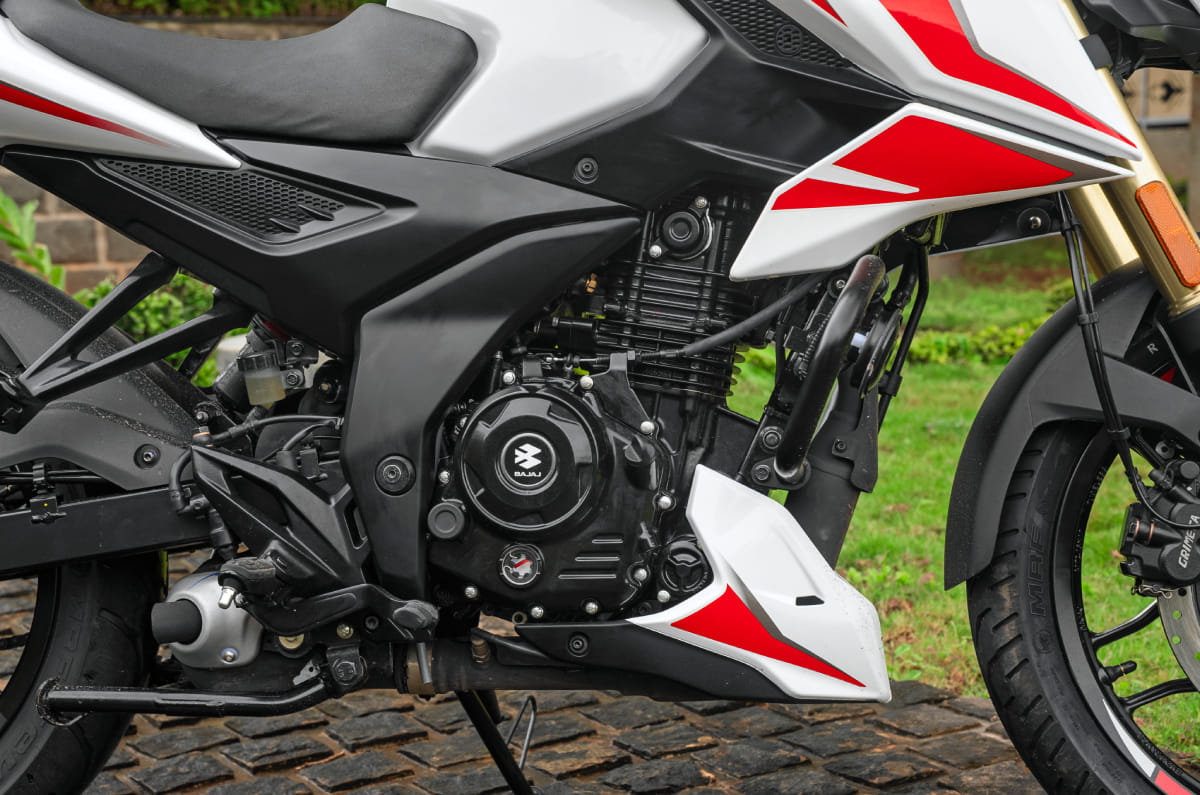
The engine changes are bigger than expected with this being a new engine that is still 165cc but now has a bigger 63.5mm bore and shorter 52mm stroke. Bajaj claims a sizable jump from 16hp at 8750rpm to 18.5hp at 9500rpm while torque drops marginally from 14.65Nm at 6750rpm to 14.4Nm at a higher 8000rpm. Bajaj also claims a high rev limit of 10,900rpm. The bottom end of the engine and the gearbox are the same as before.

The chassis is also mostly the same, but there have been some minor refinements in the main frame and swingarm which have helped offset the minor gain in engine weight as well as the move to a fatter new 37mm USD fork on the 4V models. As a result, kerb weight is unchanged at 151kg. 

Bajaj has also improved the seating ergos when compared to the previous split seat 2V model. The seat has been slightly reprofiled and the handlebar angle has been relaxed as well. Seat height remains the same at 795mm and while tall riders will prefer less of an upward curve at the back of the seat, this is still a more comfortable perch for long legged folks than the Apache 160 4V.

Bajaj Pulsar N160 Engine and Performance 8/10

While the new power figure is actually 0.1hp more than the liquid-cooled Yamaha R15, this engine’s feel and performance is more in line with its oil-cooled rivals. It’s quick, but doesn’t feel up there with the Yamaha’s although it should now more closely match the potent Apache. The motor retains its excellent smoothness and there are only a few minor vibrations to be felt at high revs. Clutch pull is very light and the engine is quite tractable at lower revs, which makes it very pleasant to ride in the city.

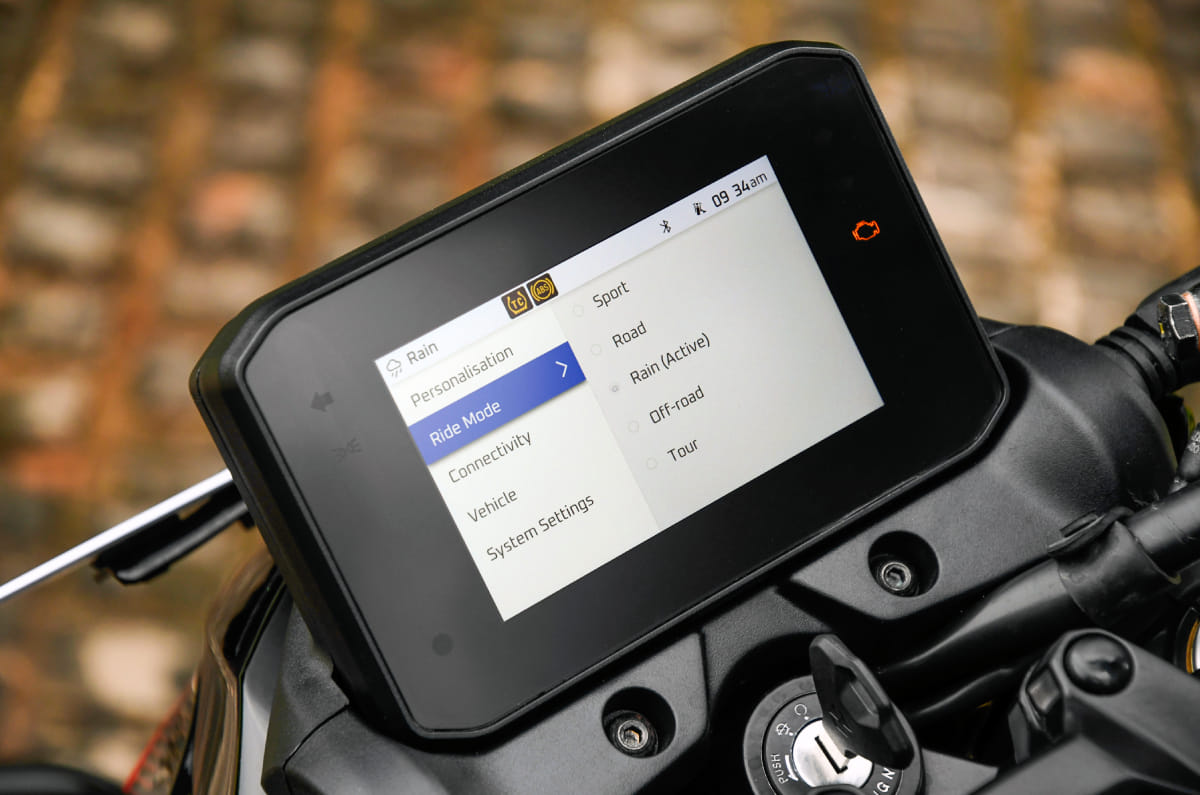
The new ride by wire throttle has unlocked four riding modes and the throttle opening feels smooth and controllable no matter the mode. While this engine does have a near 11,000rpm rev limiter (in Sport mode) we found no value in revving it much beyond 9,500rpm.

Bajaj Pulsar N160 Handling and comfort 7/10

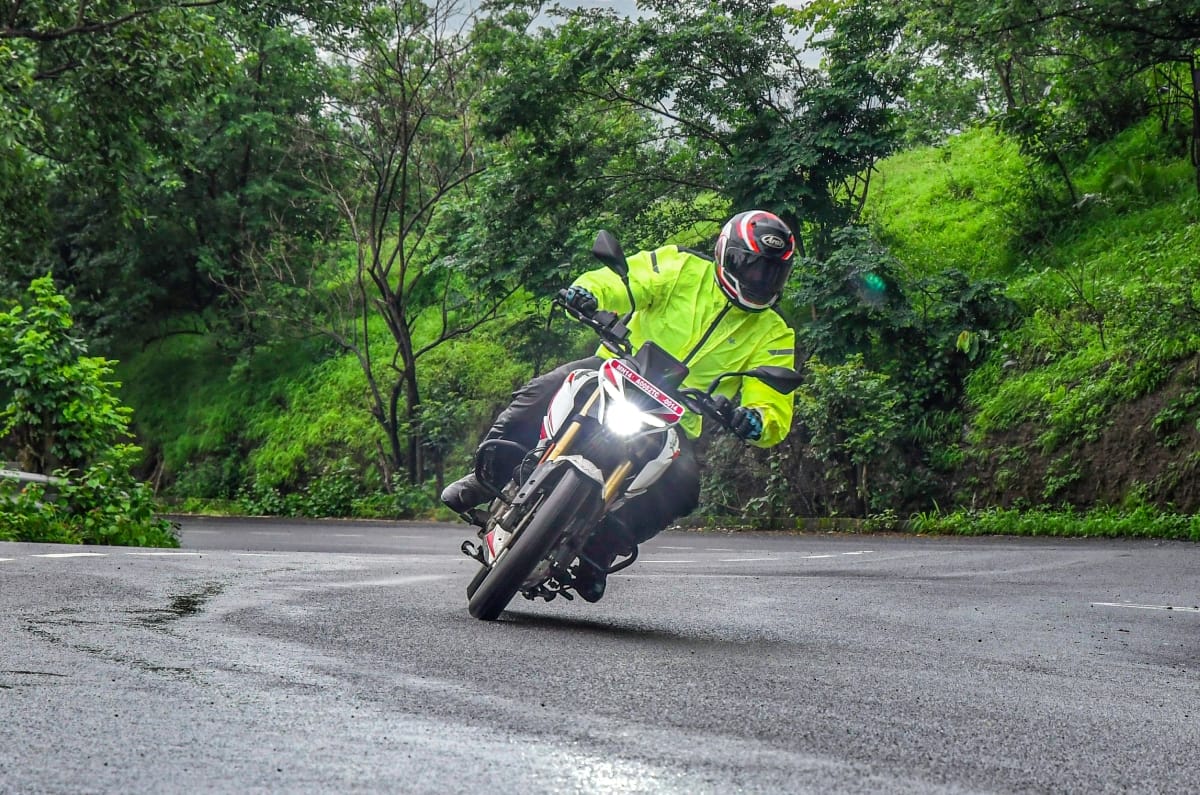
Bajaj has moved to a new 37mm USD fork on the 4V, vs the 33mm USD on the 2V and this does give the front end more of a chunky look. Beyond that change, the way this bike rides is mostly the same as before. The suspension does have a taut feel to it and its not as soft and cushy feeling in the suspension stroke as the Apache. However, it handles rough roads well and the handling in corners is also well controlled and quite enjoyable. We did notice that the turning radius in the city could be a little more generous.

The N160 was the first bike in the category to get dual channel ABS and this SS version carries that forward. It also gets a larger 300mm front disc and overall braking performance is up to the job. The SS model also brings in a new 5-inch TFT display with a fresh looking layout and features like document storage, Bluetooth music control and even Google Maps casting. That last feature works via Bajaj’s app and you can keep your phone screen off when casting if its an Android device, but no such luck for iOS users – a Google decision, not Bajaj’s.

Bajaj Pulsar N160 price and features 9/10

The base S version of the Pulsar N160 4V comes with single channel ABS, a single seat and an LCD display and is priced at Rs 1.34 lakh ex-showroom. This SS model is priced at rs 1.43 lakh ex-showroom which places it slightly lower than the equivalent top variant of the Apache RTR 160 4V.

These new updates have not transformed the N160 into something new, but have definitely enriched the experience and widened the bikes overall appeal. It did not win when we compared it to the Apache a few years ago, but the story could be different today. It’s something we look forward to finding out. 

2027 Maserati Grecale review: V6 sense

2027 Maserati Grecale review: V6 sense
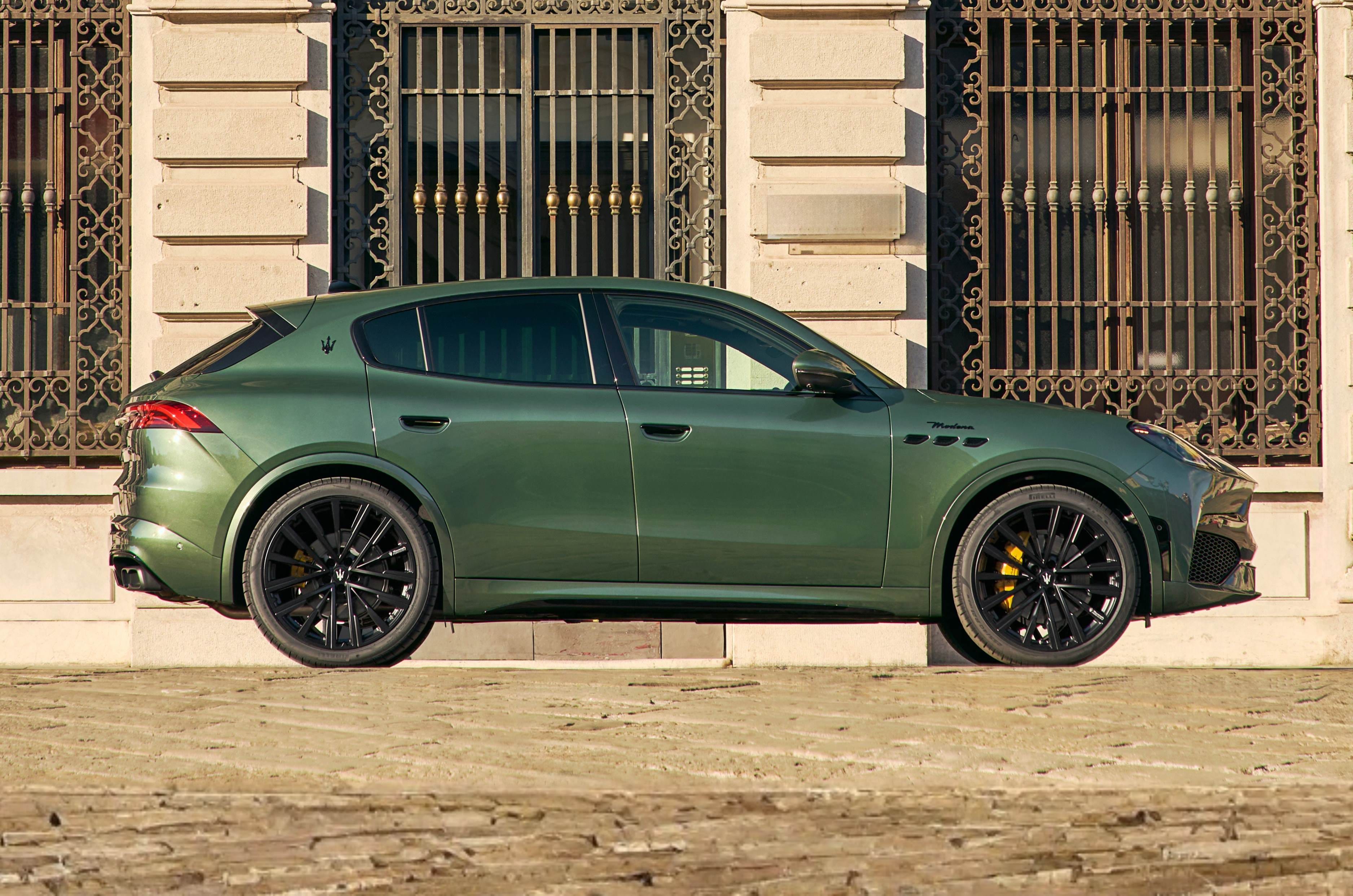
Maserati Grecale Modena

The Grecale is Maserati’s take on the mid-size luxury SUV and in SUV-crazy India will likely be the first port of call for buyers intrigued by the iconic brand. It’s been updated outside, inside and under the hood to help convert that mystique into sales.

2027 Maserati Grecale Exterior Design and Engineering – 8/10

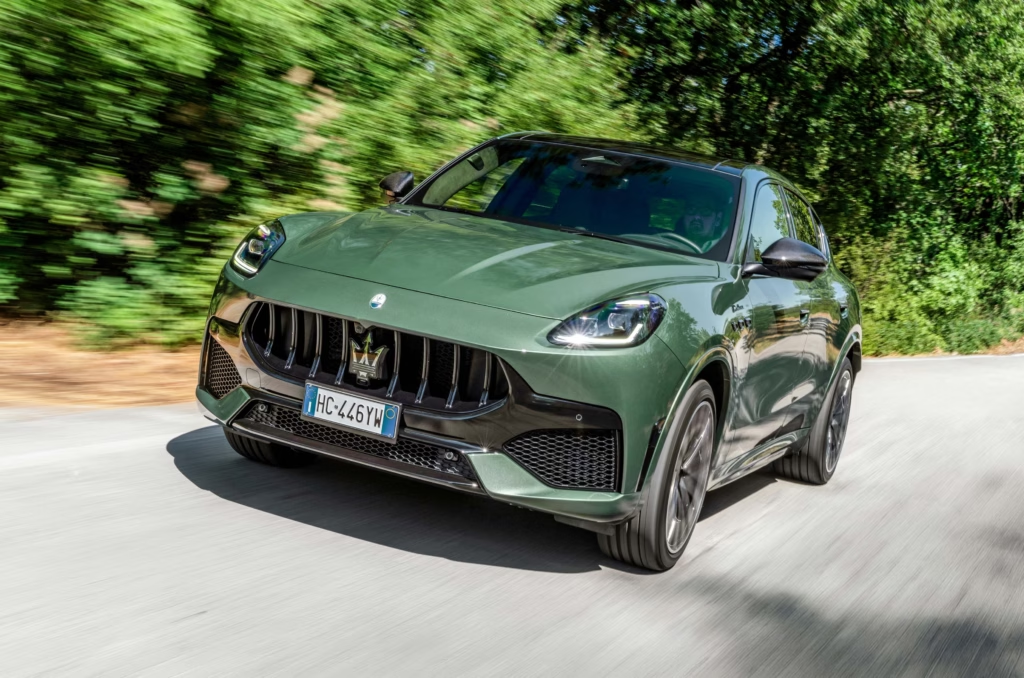
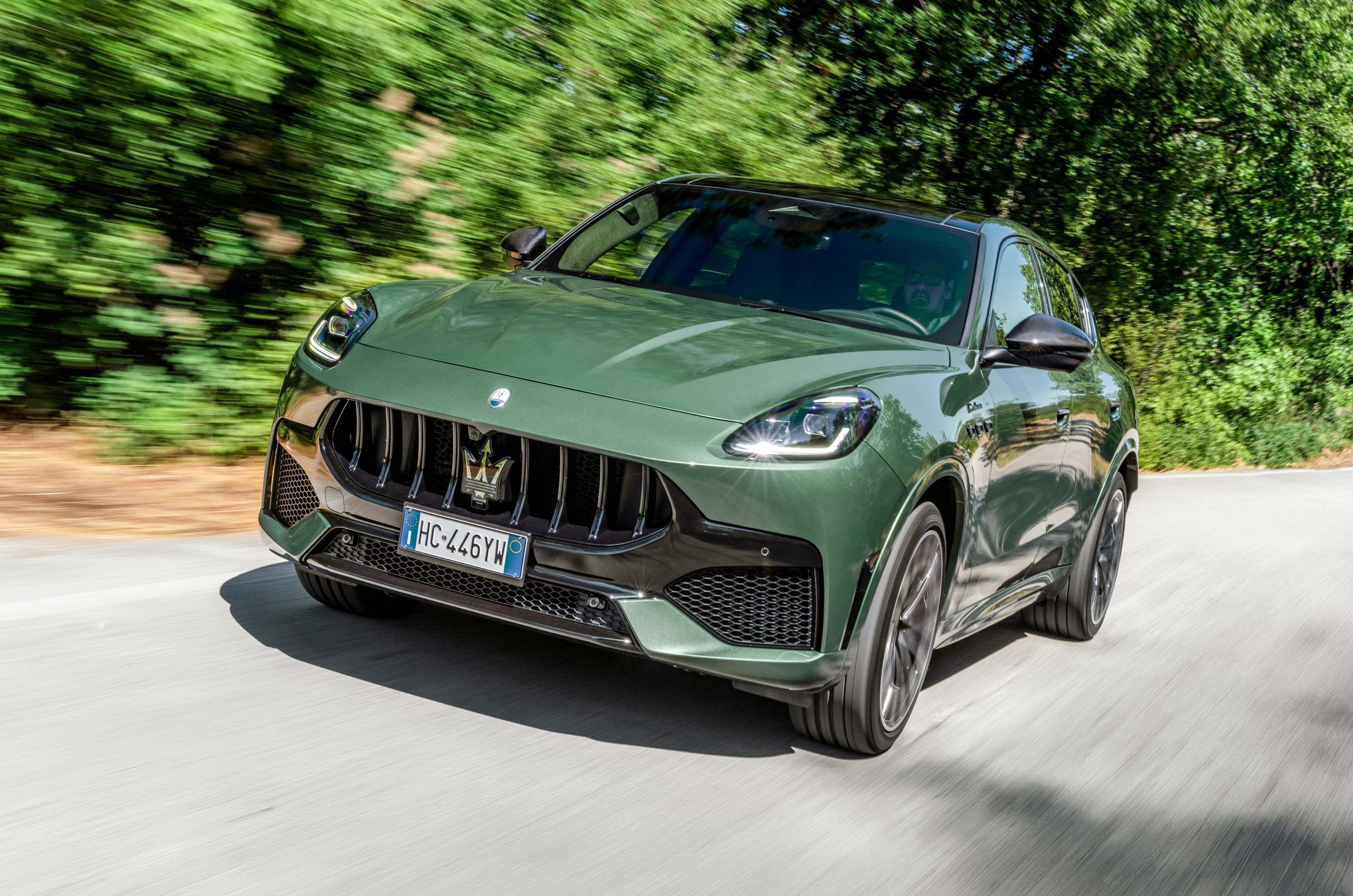
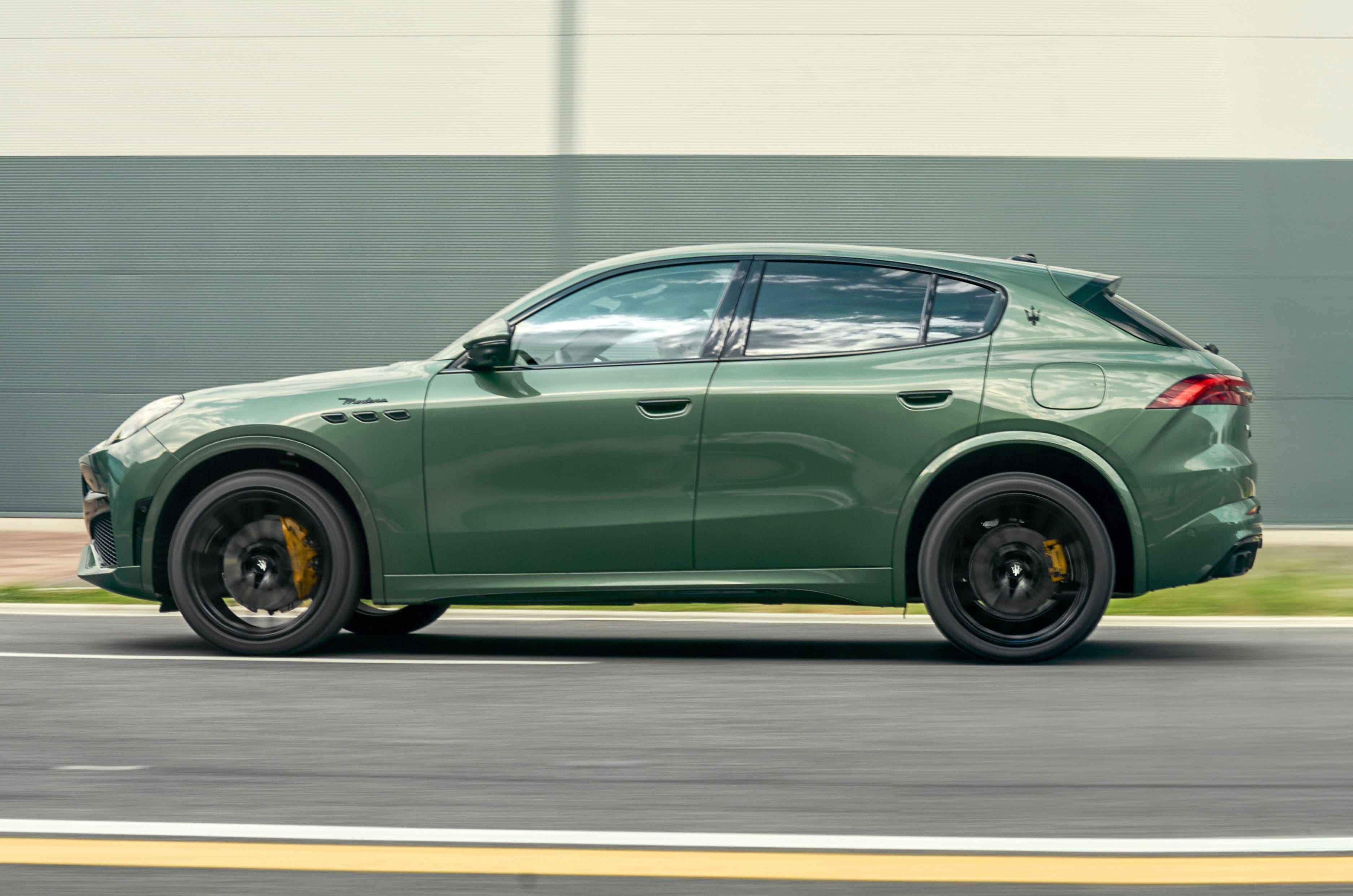
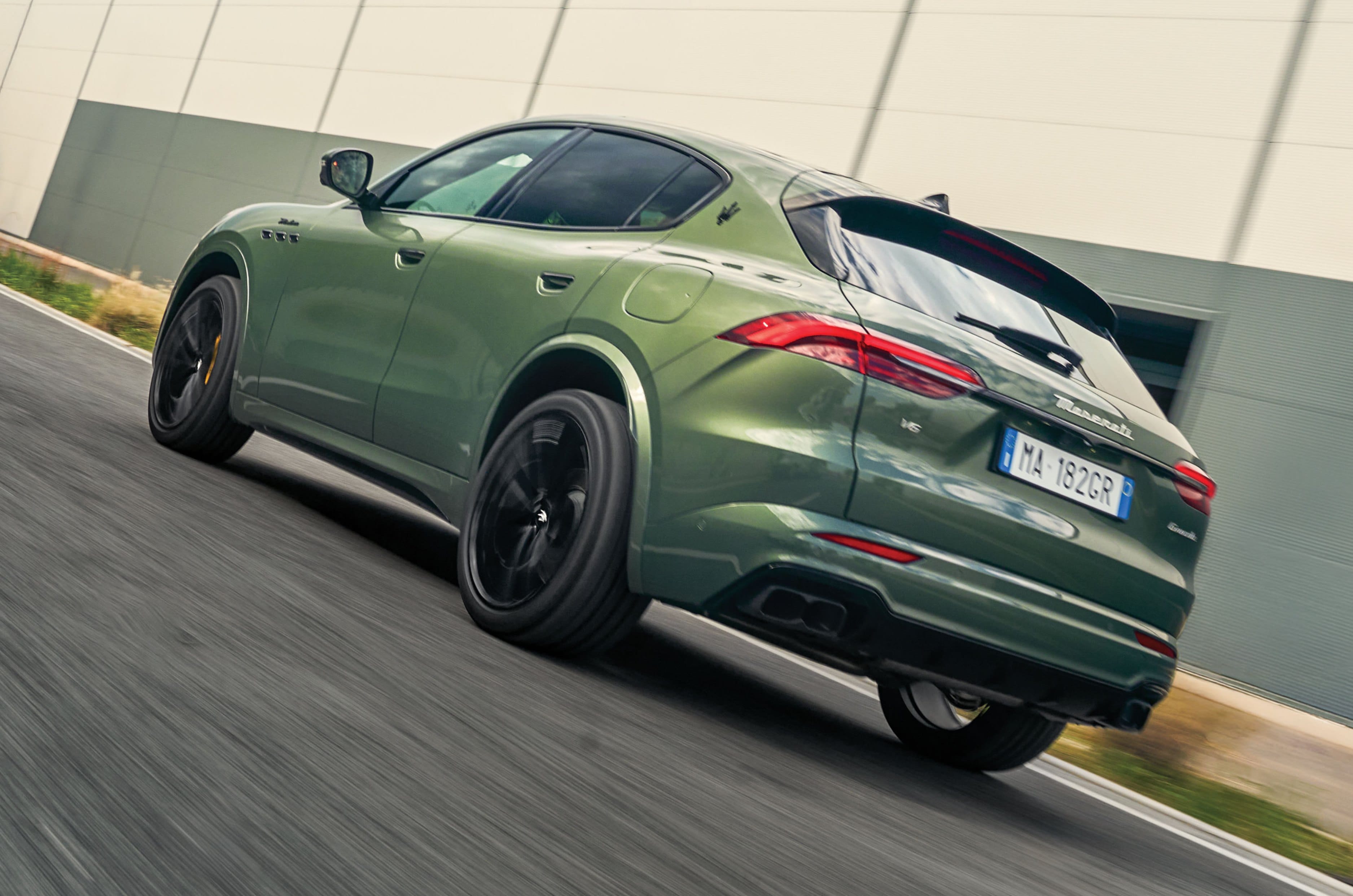
Like most Maseratis, the Grecale is one of those cars that looks better in the metal than it does in photographs. There’s Italian flair to the design, with the proportions finely balanced across its 4.8m length. The classic Maserati cues – voluptuous fenders, vents aft of the front wheels and the cut of the glasshouse – are all there and help establish the marque, even in profile.

Maserati Grecale Exterior
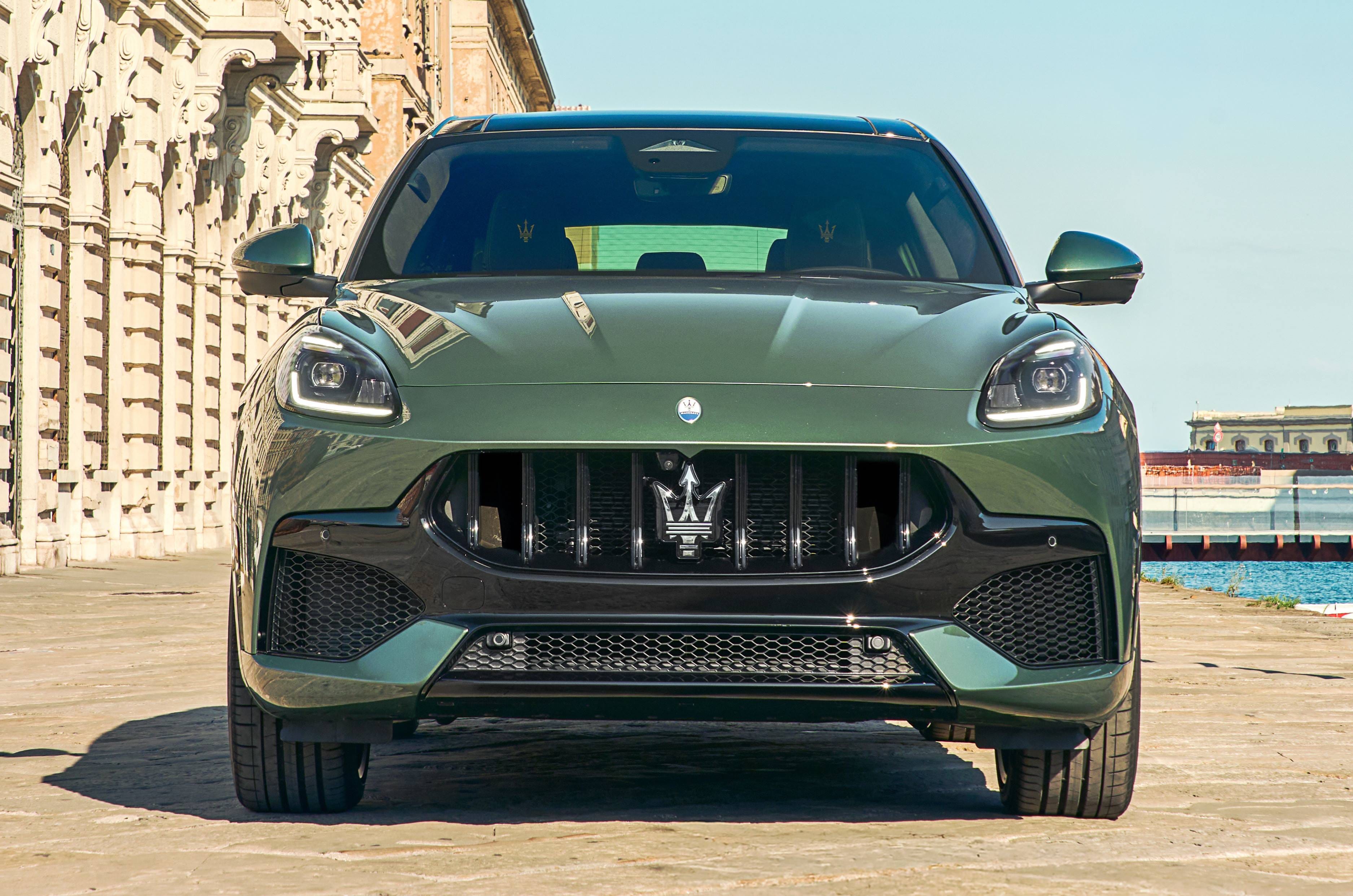
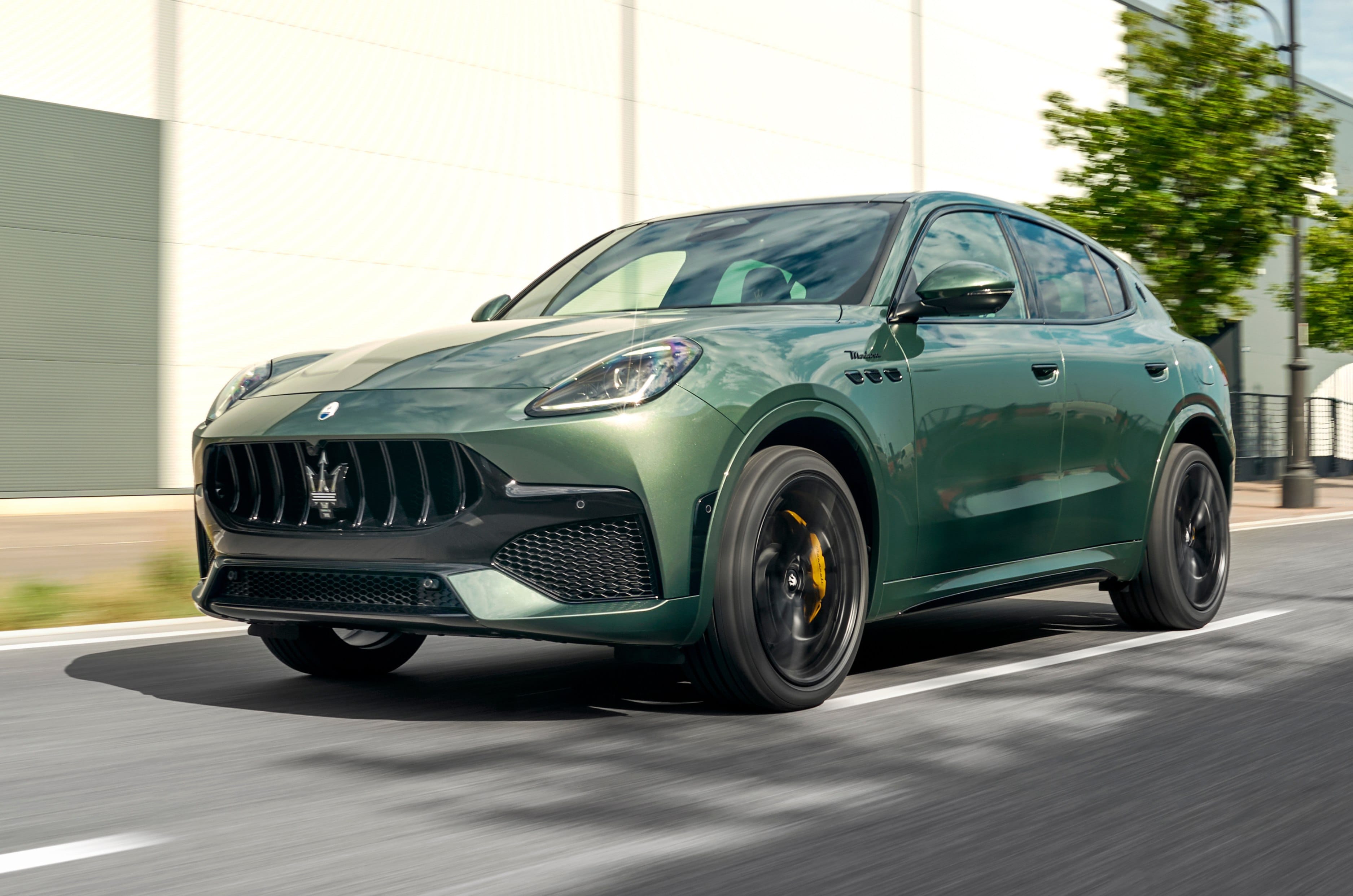
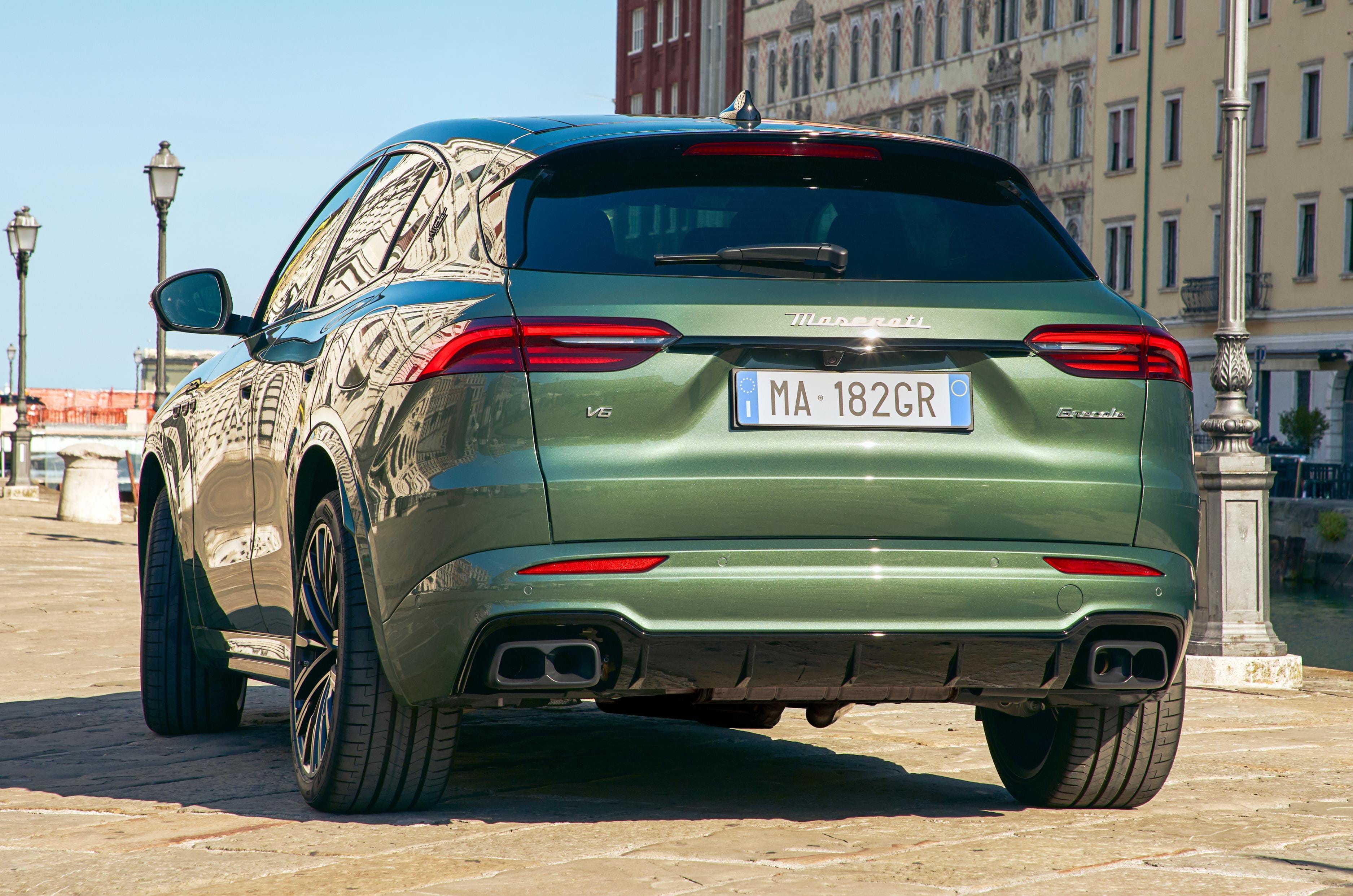
The 2027 Grecale gets a more prominent concave grille with the Trident logo at its centre.

The key visual change comes at the front. A strong horizontal crease visually divides the face into two distinct sections. The upper portion retains the familiar sculpted Maserati look, while the lower section adopts a far more technical and aggressive appearance. Larger air intakes flank a more pronounced concave grille, with the Trident logo taking centre stage. The changes aren’t dramatic, but they make the Grecale look considerably sportier and give it much stronger road presence. Ahem, that visual link to the humble Suzuki Swift is also less pronounced now.

Maserati Grecale Modena
Signature vents on the front fenders add character to the Grecale’s profile.

There are minor tweaks to the trim elsewhere and, as ever, there’s lots of scope to customise the appearance. I wouldn’t change our test car’s arresting Verde Royale-on-black colour scheme, thank you very much.

2027 Maserati Grecale Interior Space and Comfort – 8/10

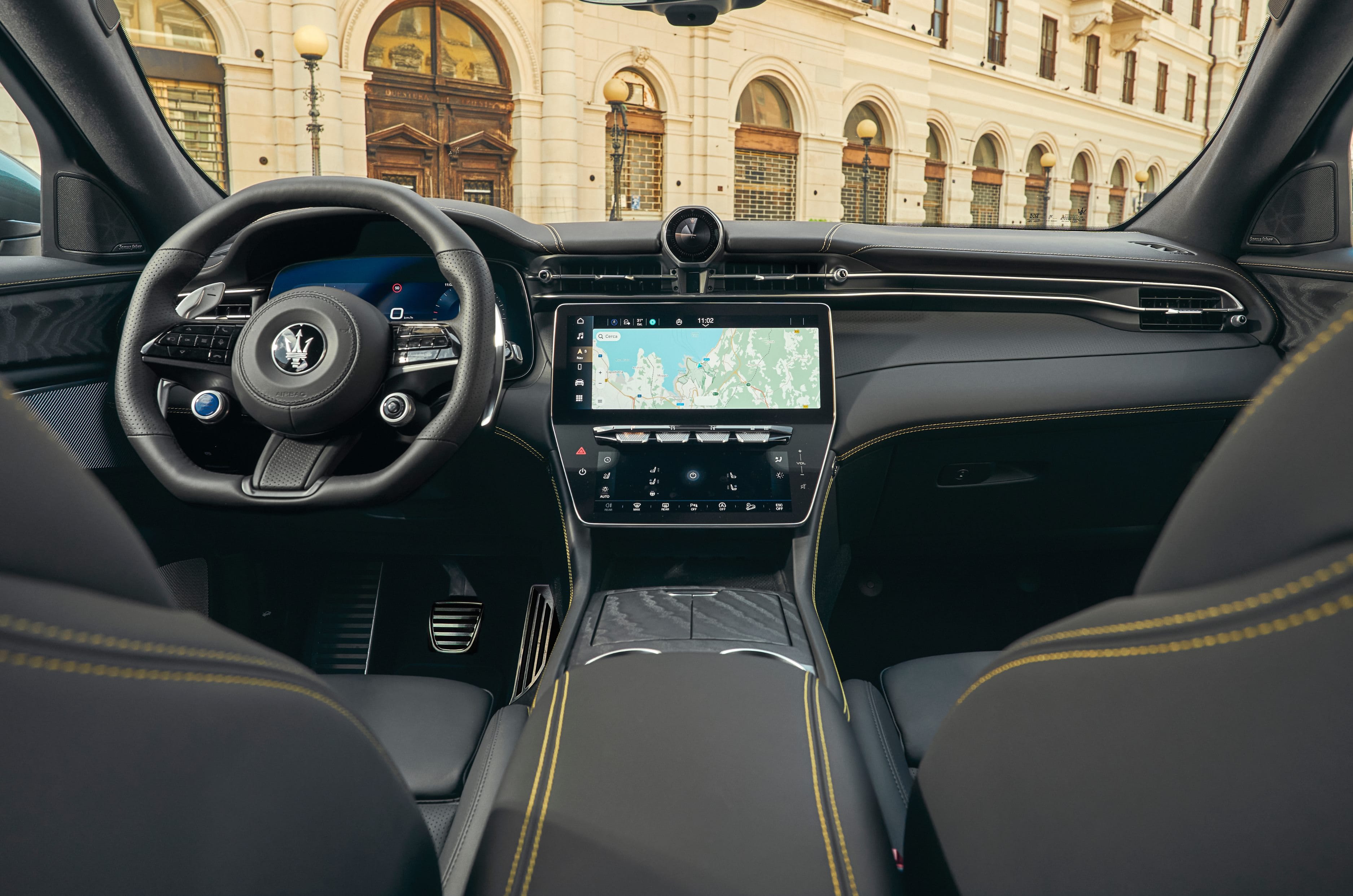
Maserati Grecale Modena
The cabin continues to combine rich leather upholstery with stitched dashboard detailing.

Not much has changed inside, but that’s no bad thing because this remains a cabin that strikes a nice balance between modern technology and traditional Italian craftsmanship.

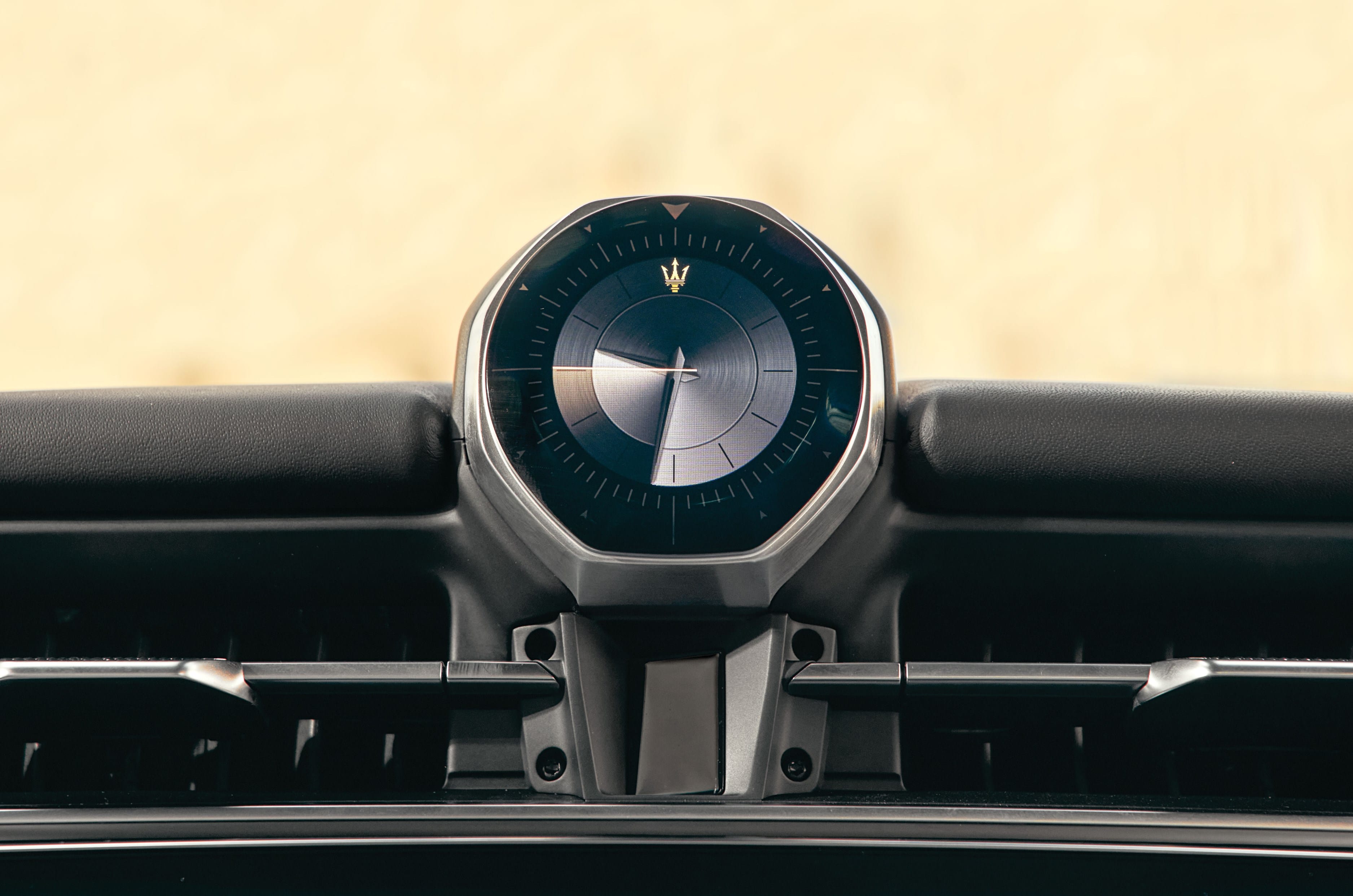
There are still four displays: a digital instrument cluster, a large central touchscreen, a lower touchscreen for climate control functions and Maserati’s signature clock. Each has been subtly updated. The digital clock gets a revised face and new glass designed to mimic the appearance of a conventional analogue timepiece while retaining its digital functionality.

Maserati Grecale Modena
The digital clock gets a new face and glass designed to imitate an analogue timepiece.

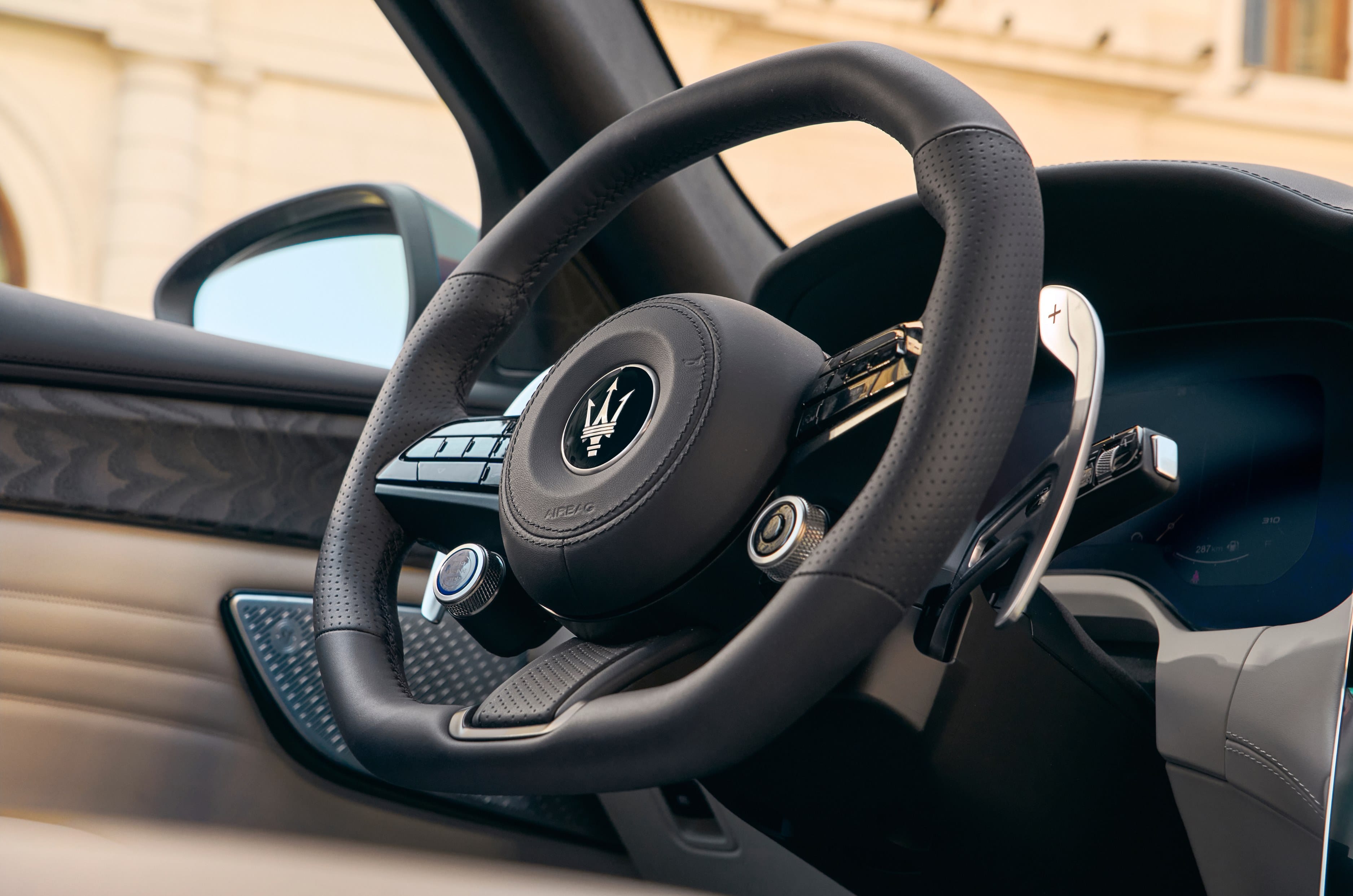
Lower down, the old gear selector buttons have made way for metallic toggle switches that look and feel richer. The steering wheel has also been redone with a squared-off shape that feels great to hold. Behind it sit Maserati’s trademark oversized aluminium paddle shifters, mounted to the steering column, and they remain among the most satisfying paddle shifters you’ll use in any performance SUV.

Maserati Grecale Modena
Grecale’s aluminium paddle shifters are among the most satisfying to use.

Despite the screen-heavy layout, the Grecale’s interior isn’t lacking on warmth. Rich leather upholstery, beautifully stitched dashboard trim and some plush materials (exposed carbon fibre for the win) tell you a lot of love and work has gone into putting the interior together. Some plastics do feel ordinary, though.

Maserati Grecale Modena
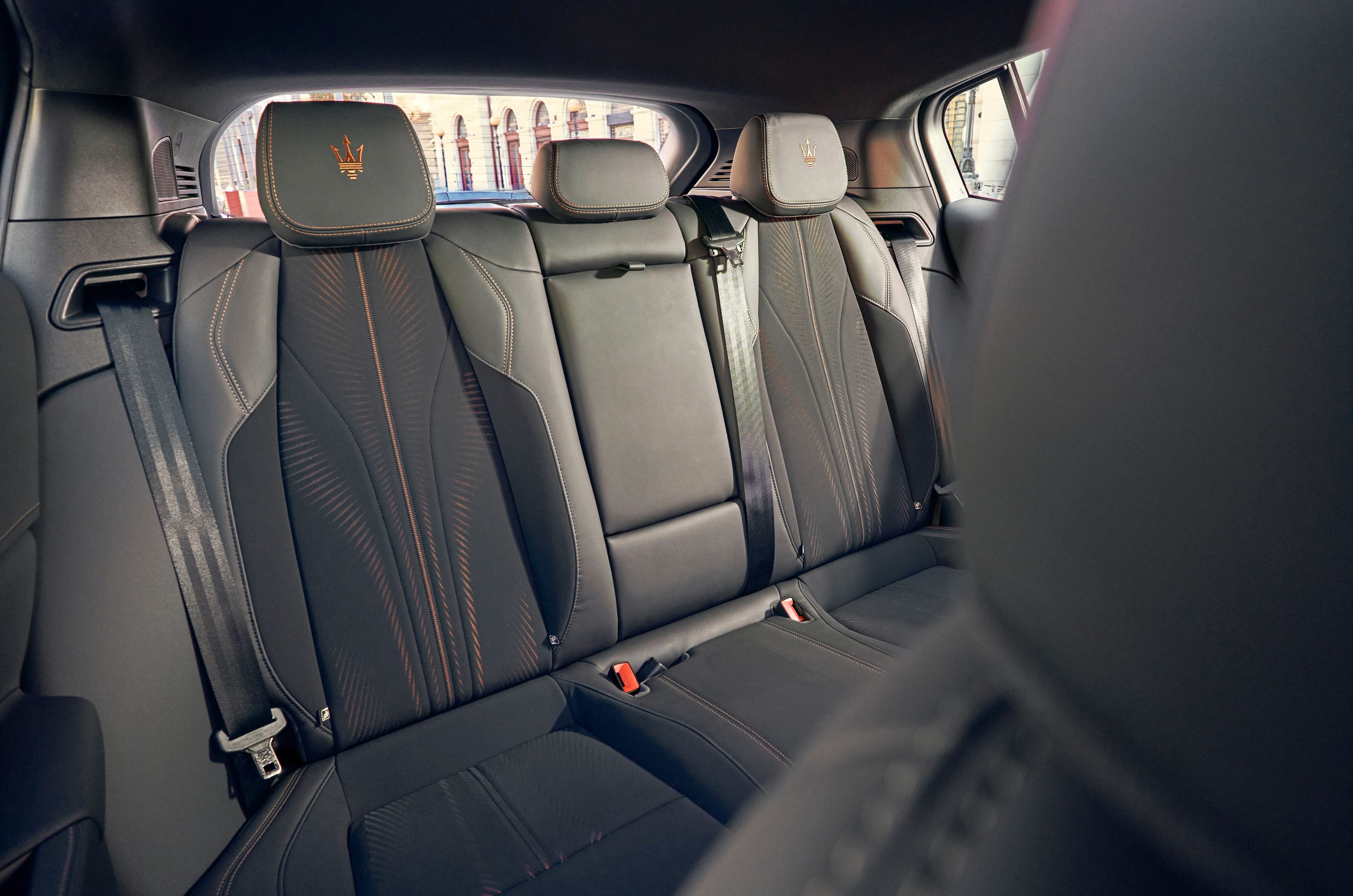
Rear passengers get good kneeroom and headroom, although the backrest is not reclinable.

The front seats are supportive and are the best ones in the house. While rear seat space is better than that of a Porsche Macan (the car the Grecale was built to beat), it’s not the ideal buy for chauffeur-driven buyers who will see more value in a like-priced Merc GLE or BMW X5.

Rear-seat passengers will find kneeroom and headroom more than adequate, although a reclinable backrest would have added another layer of comfort.

2027 Maserati Grecale Performance and Refinement – 8/10

The Grecale continues to be offered in three flavours – GT, Modena and Trofeo – but today’s Modena isn’t exactly the same as the one before. While the Modena was powered by a 2.0-litre four-cylinder turbo-petrol producing 330hp, the new Modena, confusingly enough, also gets Maserati’s 3.0-litre Nettuno V6, with output pegged at 390hp. It neatly bridges the gap between the entry-level 300hp Grecale GT and the full-fat 530hp Trofeo.

Maserati Grecale Modena
2027 Grecale Modena switches to 3.0-litre V6 from the erstwhile 2.0-litre 4-cylinder mill.

It’s easy to fall for the charms of the ‘new’ Modena. The new 390hp V6 comes across as a much more natural fit for something with the Maserati badge. There’s ready power at hand and a nice pull past 6,500rpm when the roads allow. There’s great fun working through the gears too, partly because of the feel at the paddles and partly because of the ‘braaap’ from the exhaust during shifts. The soundtrack, in general, is very appealing, with a gentle growl growing into a muscle-car burble. How much of that sound originates from the engine and exhaust, and how much is enhanced through the speakers, is difficult to tell, but the end result is undeniably enjoyable.

2027 Maserati Grecale Ride Comfort and Handling – 8/10

Maserati Grecale Modena
Its sporty setup lets some road imperfections through, but it stops short of feeling uncomfortable.

What’s also easy to glean is that the Grecale isn’t trying to be a soft, comfort-focused luxury SUV. There is a definite sporting edge to the way it rides and handles. You’ll feel bumps and imperfections in the road more readily than you would in some rivals, although it never crosses the line into feeling harsh or uncomfortable.

Maserati Grecale Modena
Adaptive dampers let you adjust the suspension response through via drive modes.

Adaptive dampers allow you to tailor the suspension’s responses depending on the selected drive mode, and while they do make a noticeable difference, even the most comfort-oriented setting stops short of completely isolating you from the road. The way to look at it is that it allows a little more of the driving experience to filter through, reminding you that this is a Maserati first and an SUV second. The crisp handling is up there with the now-retired Porsche Macan ICE, and that’s high praise.

2027 Maserati Grecale Price and Verdict – 8/10

The updates for 2026 may not completely transform the Grecale, but they make an already distinctive luxury SUV a more convincing proposition. The sharper styling gives it greater visual presence, while the introduction of the V6-powered Modena fills an important gap in the range. More importantly, it strengthens the Grecale’s case for anyone in the market for an SUV that prioritises driver appeal.

Maserati Grecale Modena

The timing couldn’t be better either. Maserati is renewing its focus on India with a new dealer network and a stronger push in the market. The Grecale will continue to command a premium over similarly sized luxury SUVs (we expect the range to start at Rs 1.2 crore ex-showroom), but it has the style and character to charm its way into contention.

UGC NET के इन तीन सब्जेक्ट का रि-एग्जाम कराएगा NTA, जारी हुआ शेड्यूल

नेशनल टेस्टिंग एजेंसी (NTA) ने UGC-NET जून 2026 की कुछ परीक्षाओं को दोबारा कराने का फैसला किया है। ये फैसला अभ्यर्थियों की ओर से प्रश्नपत्र को लेकर उठाई गई आपत्ति के बाद लिया गया है। एजेंसी इंग्लिश, कॉमर्स और सोशियोलॉजी सब्जेक्ट्स का रिएग्जाम कराने का निर्णय लिया है। एजेंसी ने इन तीन सब्जेक्ट्स के लिए डेट का भी ऐलान कर दिया है। NTA के इस फैसले का मकसद परीक्षा से जुड़ी शिकायतों को दूर करना है। बता दें UGC-NET की जून 2026 परीक्षा 22 से 30 जून के बीच 87 विषयों में आयोजित की गई थी।

क्वेश्चन पेपर में मिली थी गड़बड़ी

X पर NTA ने बताया कि एक कमेटी ने अभ्यर्थियों की शिकायतों की जांच की, जिसके बाद तीनों विषयों की परीक्षा दोबारा कराने का फैसला लिया गया। जांच में प्रश्नपत्रों में कई तरह की बड़ी गलतियां सामने आईं। इनमें तथ्यों से जुड़ी गलतियां, टाइपिंग और अनुवाद की समस्याएं, प्रसिद्ध विद्वानों के नाम का छूट जाना, किताबों के नाम में गड़बड़ी और कुछ सवालों की भाषा में कमी जैसी शिकायतें शामिल थीं।

वहीं जांच में पाया गया कि, क्वेश्चन पेपर में ग्रामर और नंबर से जुड़ी गलतियां, सही तरीके से स्पष्ट न किए गए ऑप्शन, कुछ विषयों के लिए गलत शब्दों का इस्तेमाल और सवालों या उनके विकल्पों का दोहराव शामिल था। NTA के मुताबिक, इन सभी दिक्कतों को परीक्षा के बाद केवल गलत सवालों को हटाकर ठीक करना संभव नहीं था। इसलिए इन विषयों की परीक्षा दोबारा कराने का फैसला लिया गया।

कब होगा एग्जाम

UGC-NET जून 2026 के तीन विषयों की परीक्षा अब नई तारीखों पर आयोजित की जाएगी। इंग्लिश का पेपर 9 सितंबर को सुबह 9 बजे से दोपहर 12 बजे तक होगा, जबकि कॉमर्स की परीक्षा उसी दिन दोपहर 3 बजे से शाम 6 बजे तक आयोजित की जाएगी। वहीं, सोशियोलॉजी का पेपर 10 सितंबर को सुबह 9 बजे से दोपहर 12 बजे तक होगा। उम्मीदवारों को सलाह दी गई है कि वे परीक्षा की नई तारीख और समय की जानकारी ध्यान से चेक कर लें।

रीएग्जाम के लिए नहीं देनी होगी कोई फीस

NTA ने साफ किया कि दोबारा होने वाली UGC-NET परीक्षा के लिए उम्मीदवारों से कोई अतिरिक्त फीस नहीं ली जाएगी। परीक्षा केंद्र और एडमिट कार्ड से जुड़ी जानकारी बाद में NTA की आधिकारिक वेबसाइट पर जारी की जाएगी। उम्मीदवारों को सलाह है कि वे समय-समय पर वेबसाइट चेक करते रहें, ताकि परीक्षा से जुड़ा कोई जरूरी अपडेट न छूटे।

कब जारी होंगे बाकि एग्जाम के रिजल्ट

NTA ने जूनियर रिसर्च फेलोशिप (JRF), असिस्टेंट प्रोफेसर और PhD में एडमिशन के लिए एलिजिबिलिटी तय करने के लिए UGC-NET जून 2026 की परीक्षा 85 सब्जेक्ट्स में 22 से 30 जून के बीच कराई थी। इनमें इंग्लिश, कॉमर्स और सोशियोलॉजी की परीक्षा अब दोबारा आयोजित की जाएगी। बाकी 84 विषयों के रिजल्ट तय समय पर जारी किए जाएंगे। NTA ने कहा है कि इन तीन विषयों की परीक्षा दोबारा होने से बाकी विषयों के रिजल्ट पर कोई असर नहीं पड़ेगा। इंग्लिश, कॉमर्स और सोशियोलॉजी की दोबारा होने वाली परीक्षा के बाद भी पात्रता का नियम पहले जैसा ही रहेगा।

MG Hector Tomahawk EV spied undisguised ahead of August 26 launch

MG Hector Tomahawk EV spied undisguised ahead of August 26 launch
MG Hector Tomahawk EV

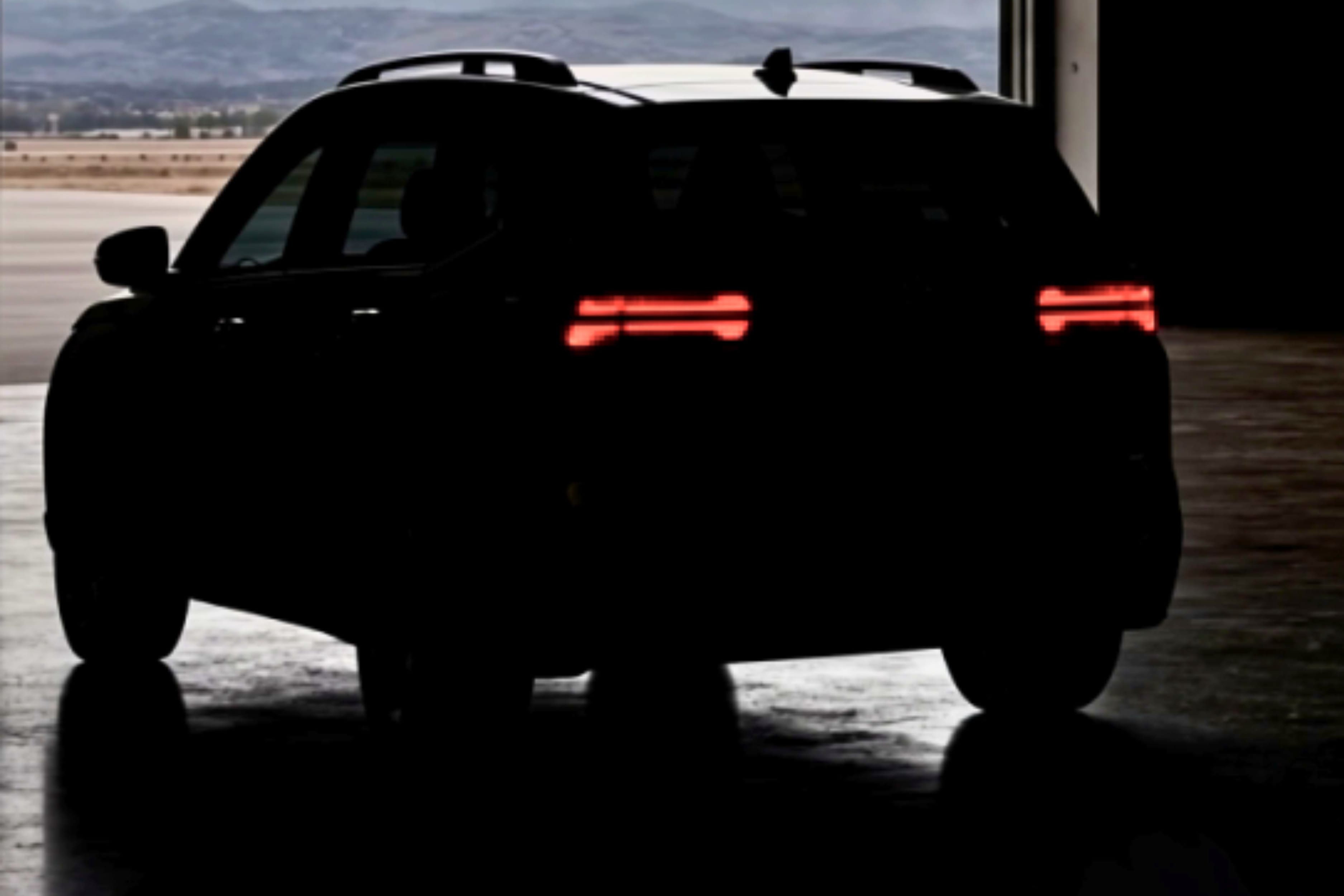
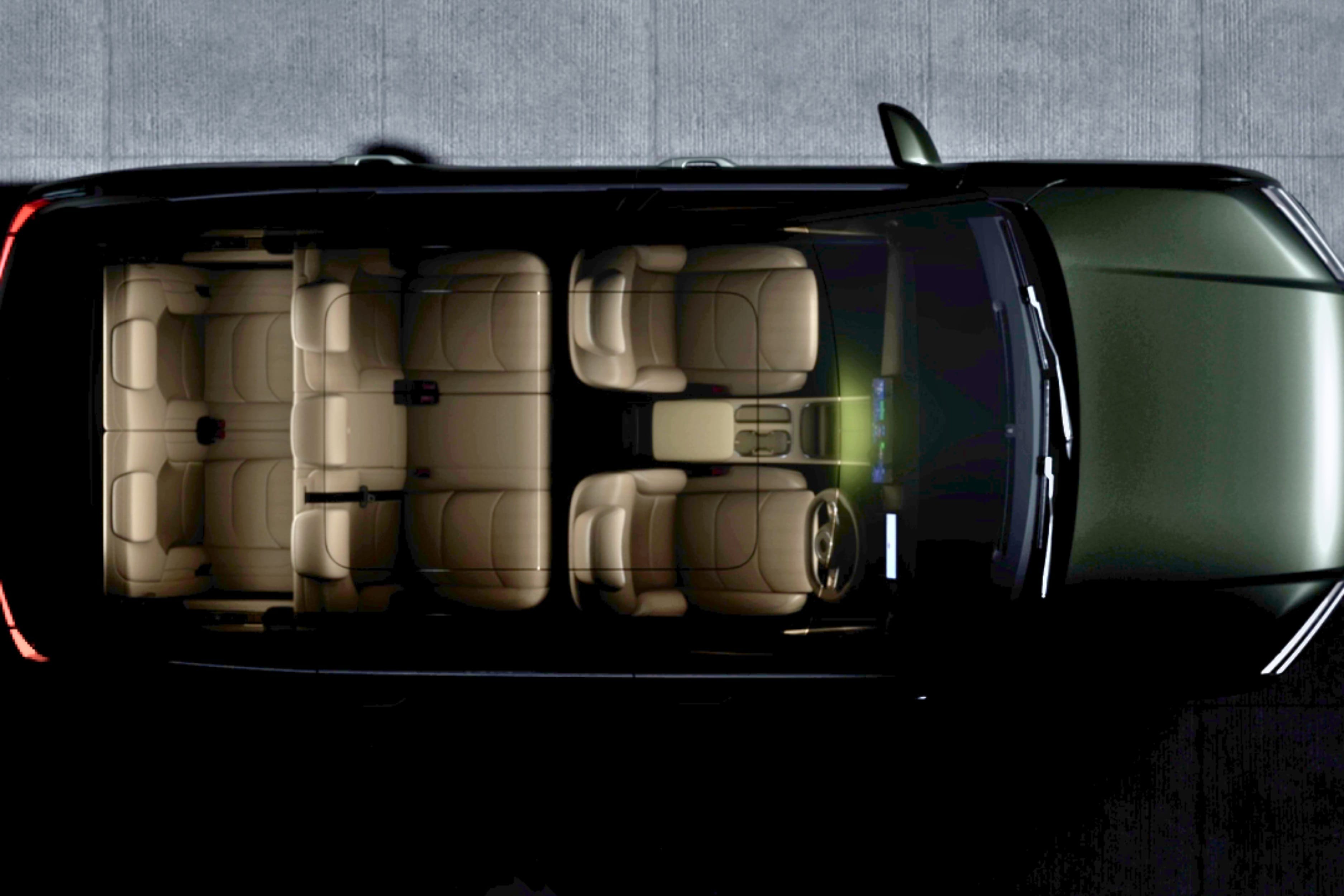
JSW MG’s upcoming Hector Tomahawk has been spied undisguised on our roads ahead of its launch. The new model will be the first in the brand’s portfolio to be underpinned by the ADAPT (Advanced Drive Architecture Platform Technology) platform. The carmaker has teased the SUV previously, giving a glimpse of its design details and its 7-seat capacity.

  1. Hector Tomahawk to slot above the Hector in MG’s portfolio. 
  2. Likely to be powered by a 69.2kWh battery pack.
  3. Expected to be priced between Rs 18 lakh and Rs 25 lakh.

JSW MG Hector Tomahawk EV: What was spied?

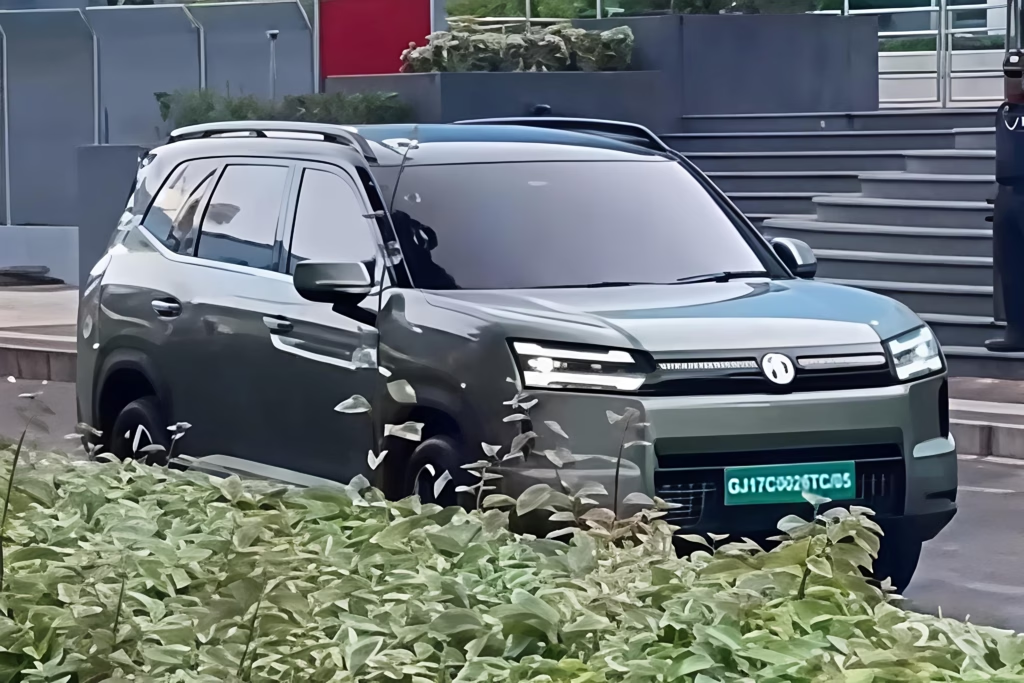
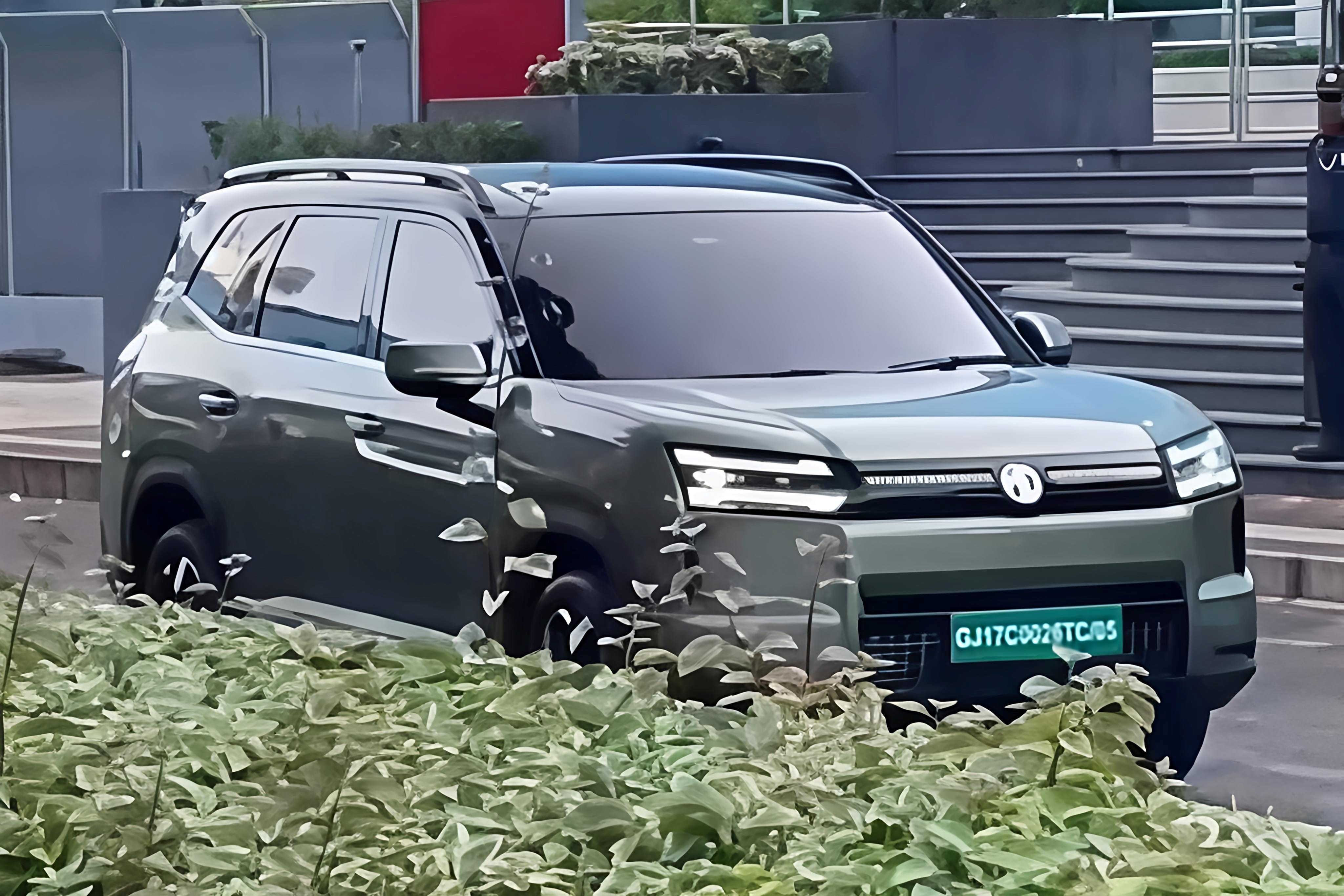
The undisguised test mule that was spied hinted at the Hector Tomahawk’s final design. The front end comes with LED headlamps with dual LED DRLs connected by a black trim that has two silver strips and the MG badge at the centre. Being an EV, it gets a blanked-off grille, with a rectangular air inlet lower down. The front bumper has a dual-tone design, with vertical air curtains on its sides. The bonnet has subtle ridges, while the car is finished in an olive green shade with a black roof and rails. 

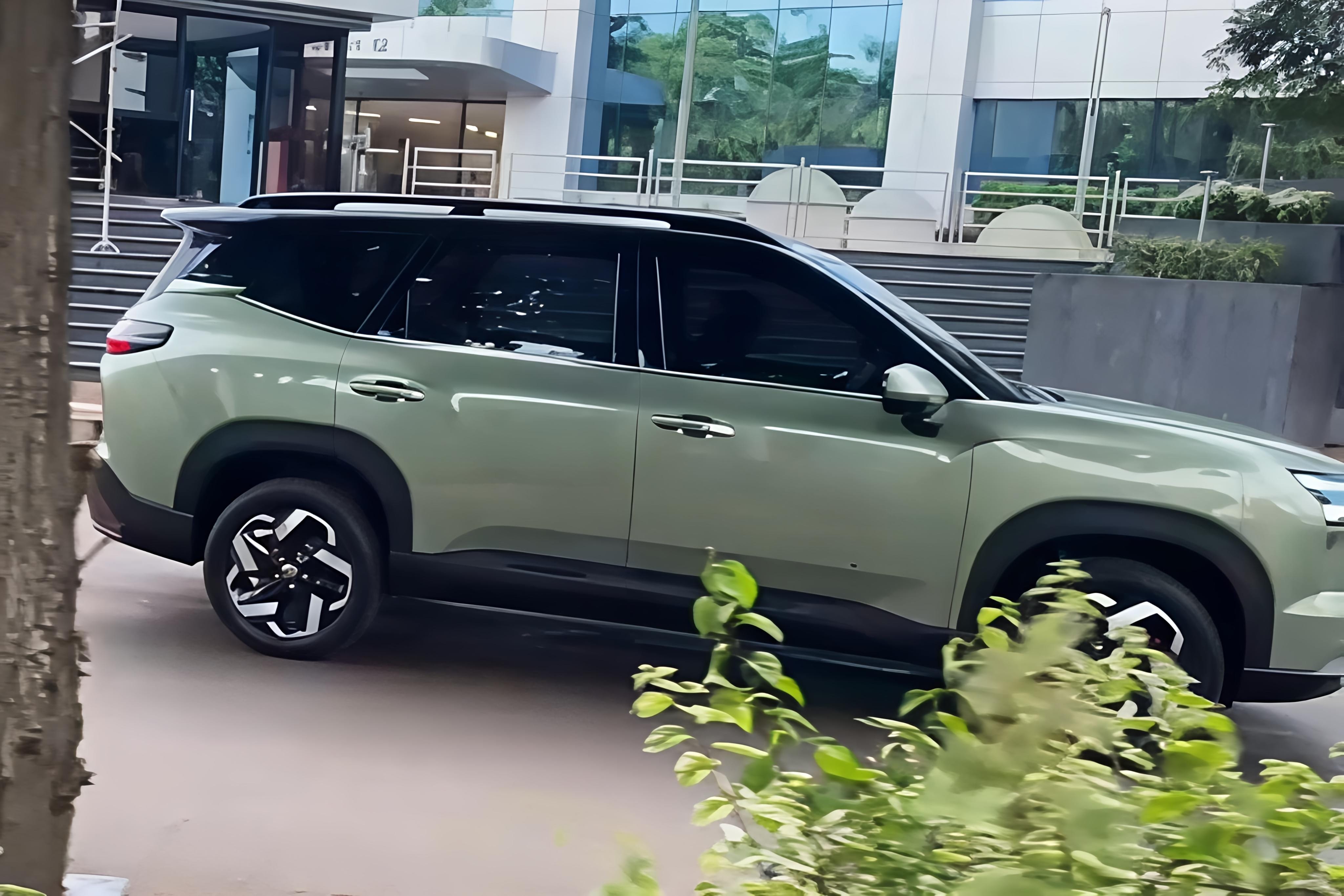
In profile, the sides look clean with chrome door handles, and the window line, finished in chrome, gets an upward kink at the back. Additionally, there’s plenty of black cladding for the squared-off wheel arches and door sills extending toward the rear bumper. The large alloy wheels were spotted with a dual-tone design. While the rear end was not spotted, it will likely come with wraparound tail-lamps and a dual-tone finish for the bumper.  

JSW MG Hector Tomahawk EV: What to expect

The JSW MG Hector Tomahawk is based on the Wuling Eksion that’s sold in the Indonesian market. The former is expected to retain the latter’s dimensions of 4,745mm in length, 1,850mm in width, 1,755mm in height, and a wheelbase of 2,810mm.  A previous teaser of the model confirmed a beige colour theme for the Hector Tomahawk’s cabin. While the dashboard is yet to be revealed, it is expected to retain the Eksion’s minimalistic layout. This includes screens for the driver’s display and infotainment system, a two-spoke steering wheel and a centre console with cupholders and storage spaces. 

MG is yet to confirm the feature list it is expected to come with a powered tailgate, leatherette upholstery, powered and ventilated front seats, a 12.8-inch touch-infotainment head unit, an 8.8-inch digital driver’s display, a 50-watt wireless charger, automatic climate control with AC vents for the second and third rows, a 360-degree camera system, an electronic parking brake, six airbags, and an ADAS (Advanced Driver Assistance Systems) suite.

While exact powertrain specs of the Hector Tomahawk EV remain under wraps, the Eksion, for reference, is powered by a 69.2kWh LFP (Lithium Iron Phosphate) battery pack with a CLTC (China Light-Duty Vehicle Test Cycle) range of up to 530km. The battery is paired with a front-mounted motor delivering 201hp and 310Nm, and has a 160kph top speed.

As far as price is concerned, the MG Hector Tomahawk EV is expected to be priced between Rs 18 lakh and Rs 25 lakh. It will take on the likes of the Mahindra XEV 9S and the Kia Carens Clavis EV.

All prices are ex-showroom, India

Vande Mataram: ‘सोनिया गांधी को जनता माफ नहीं करेगी’; अमित शाह ने कांग्रेस पर लगाया ‘वंदे मातरम’ का अपमान करने का आरोप, बंकिम चंद्र के वंशज भी नाराज

Vande Mataram Row: कांग्रेस पर राष्ट्र गीत ‘वंदे मातरम’ का अपमान करने का आरोप लगाते हुये केंद्रीय गृह मंत्री अमित शाह ने मांग की है कि विपक्षी दल इसके लिए देश की जनता एवं गीत के रचयिता बंकिम चंद्र चट्टोपाध्याय की अमर आत्मा से माफी मांगे। शाह ने रविवार (16 अगस्त) को आरोप लगाया कि कांग्रेस पार्टी ने वोट बैंक की लालच में कांग्रेस ने ‘वंदे मातरम’ को भुला दिया। शाह चित्तौड़गढ़ में ‘अटल गौरव स्मृति समारोह’ में एक जनसभा को संबोधित कर रहे थे।

शनिवार को दिल्ली के लालकिले पर स्वतंत्रता दिवस समारोह का जिक्र करते हुए शाह ने कहा कि इस समारोह में इस साल एक बड़ा बदलाव यह था कि आजादी के 80 साल के बाद लाल किले की प्राचीर पर और देश भर में जहां ध्वज वंदन हुआ वहां पर वंदे मातरम का गायन 80 साल में पहली बार हुआ है।

‘कांग्रेस ने वंदे मातरम को भुला दिया’

अमित शाह ने आरोप लगाते हुए कहा, “कांग्रेस ने वंदे मातरम को भुला दिया है।” उन्होंने कहा, “बंकिम चंद्र चट्टोपाध्याय की वह अमर कृति, एक गान के दो शब्द वंदेमातरम… भारत माता की मैं वंदना करता हूं.. यह बोलते-बोलते हजारों लाखों लोग फांसी के फंदे पर चढ़ गए थे, गोलियां खाई थीं, लाठियां खाईं, कई साल जेल में रहे।”

शाह ने आगे कहा, “वोट बैंक की लालच में कांग्रेस ने वंदे मातरम को बुला दिया था।” उन्होंने कहा कि यह 150वां साल है वंदेमातरम के प्राकट्य का… लाल किले की प्राचीर से प्रधानमंत्री मोदी ने वंदेमातरम् को फिर से एक नया आयुष्य देने का काम किया है।

सोनिया गांधी ने कांग्रेस अध्यक्ष को वंदे मातरम रोकने की बात कही?

न्यूज एजेंसी ANI के मुताबिक केंद्रीय गृह मंत्री अमित शाह ने कहा, “इनकी (कांग्रेस) निर्लज्जता देखिए। कांग्रेस पार्टी के मुख्यालय पर वंदे मातरम का गान हो रहा था। चालू गान में कांग्रेस की नेत्री, सोनिया गांधी ने कांग्रेस अध्यक्ष को गान रोकने की बात कही। हम सब टी.वी. पर देखते रह गए। 80 साल के बाद बंकिम चन्द्र चट्टोपाध्याय का ये अमर गान, जब फिर से सम्मान प्राप्त कर रहा है, वो भी सोनिया गांधी को रास नहीं आता है। सोनिया जी, 140 करोड़ जनता आपको देख रही है।”

शाह ने कहा, “आपके द्वारा किया गया ये पाप इस देश की जनता कभी माफ नहीं करेगी। कोई स्वप्न में भी कैसे सोच सकता है कि वंदे मातरम का गान अधूरा छोड़ दिया जाए? कांग्रेस के लोगों को शर्म आनी चाहिए और थोड़ी भी शर्म बची है तो दोनों हाथ जोड़कर बंकिम बाबू और देश की जनता से उन्हें माफी मांगनी चाहिए।”

बंकिम चंद्र के वंशज नाराज

भारतीय जनता पार्टी (BJP) के नेता और बंकिम चंद्र चट्टोपाध्याय के वंशज सुमित्रो चटर्जी ने सोनिया गांधी से मांग की है कि वह स्वतंत्रता दिवस पर कांग्रेस मुख्यालय में हुई ‘वंदे मातरम’ के गायन से जुड़ी कथित घटना को लेकर बिना शर्त माफी मांगें। चटर्जी ने दावा किया कि कांग्रेस मुख्यालय में वंदे मातरम’ का पूरा संस्करण गाए जाने को लेकर असहजता नजर आई।से रोकने के बार-बार प्रयास किए गए। चटर्जी ने गांधी को लिखे पत्र में कहा कि 15 अगस्त को जब देश अपना 80वां स्वतंत्रता दिवस मना रहा था, तब हुई कथित घटना न केवल दुर्भाग्यपूर्ण है, बल्कि एक ऐतिहासिक भूल का शर्मनाक दोहराव भी है।

नैहाटी से विधायक चटर्जी ने कहा कि वह एक सामान्य नागरिक, देशभक्त और बंकिम चंद्र चट्टोपाध्याय के वंशज के रूप में यह पत्र लिख रहे हैं। उन्होंने इस घटना को लेकर गहरा दुख, खालीपन और आक्रोश व्यक्त किया। चटर्जी ने श्री अरविंद के इस कथन का उल्लेख किया कि इस मंत्र ने राष्ट्र को देशभक्ति के धर्म की दीक्षा दी थी। उन्होंने कहा कि स्वतंत्र भारत की धरती पर ‘वंदे मातरम’ को पूरा गाने में कथित हिचक खुदीराम बोस जैसे शहीदों के बलिदान का अपमान है।

उन्होंने स्वतंत्रता आंदोलन में इस गीत की भूमिका का उल्लेख किया। उन्होंने कहा कि सरला देवी चौधरानी ने 1905 में कांग्रेस के बनारस अधिवेशन में इसे गाया था। बाल गंगाधर तिलक के समर्थकों ने 1909 में उन पर राजद्रोह के मुकदमे के दौरान इसका गायन किया था। हैदराबाद के उस्मानिया विश्वविद्यालय में राष्ट्रवादी छात्रों ने 1938 में निजाम की पाबंदियों के बावजूद इसे अपने आंदोलन का नारा बनाया था।

‘जिन्ना की आपत्तियों के आगे झुक गई थी कांग्रेस’

चटर्जी ने 1896 में भारतीय राष्ट्रीय कांग्रेस के कलकत्ता अधिवेशन में रवीन्द्रनाथ टैगोर द्वारा इस गीत की प्रस्तुति का भी उल्लेख किया। उन्होंने आरोप लगाया कि कांग्रेस की कथित दोहरी नीति नई नहीं है। चटर्जी ने कहा कि 1937 में पार्टी मोहम्मद अली जिन्ना की आपत्तियों के आगे झुक गई थी और उसी वर्ष अक्टूबर में गीत को छोटा कर दिया गया था। उन्होंने कहा कि उस ‘‘समझौते’’ की छाया पार्टी के मौजूदा आचरण में फिर दिखाई दे रही है।

उन्होंने कहा कि पश्चिम बंगाल में कांग्रेस की अपनी छात्र इकाई छात्र परिषद जब मंत्र मोदेर संजीवन-वंदे मातरम नारे का इस्तेमाल करती है तो फिर पार्टी का शीर्ष नेतृत्व इसी गीत को लेकर असहज क्यों है। उन्होंने कहा कि ‘वंदे मातरम’ किसी एक राजनीतिक दल की संपत्ति नहीं, बल्कि देश की सामूहिक स्मृति, बंकिम चंद्र की अमर विरासत और शहीदों के खून एवं बलिदान से प्राप्त पवित्र राष्ट्रीय प्रतीक है।

चटर्जी ने कहा कि इस गीत का सम्मान करना भारत के स्वतंत्रता संग्राम के इतिहास का सम्मान करने के समान है। उन्होंने चेतावनी दी है कि इतिहास किसी को माफ नहीं करता। जो नेतृत्व स्वतंत्रता के अपने ही मंत्र का सम्मान नहीं करता, उसे इतिहास गुमनामी के अंधकार में धकेल देगा। चटर्जी ने कहा कि इस घटना से पश्चिम बंगाल के लोगों की भावनाओं को गहरी ठेस पहुंची है। उन्होंने गांधी से पश्चिम बंगाल के लोगों से बिना किसी शर्त के माफी मांगने की अपील की है।

क्या है पूरा विवाद?

BJP ने दावा किया है कि कांग्रेस के स्वतंत्रता दिवस कार्यक्रम में ‘वंदे मातरम’ का पूरा संस्करण गाए जाने पर सोनिया गांधी समेत पार्टी के कुछ नेताओं ने आपत्ति जताई थी। 15 अगस्त को कांग्रेस के कार्यक्रम का एक वीडियो सामने आया है जिसमें जब ‘वंदे मातरम’ बजाया जा रहा था, तब सोनिया गांधी पार्टी अध्यक्ष मल्लिकार्जुन खड़गे से बात कर रही थीं। इसके बाद गांधी और खड़गे को कथित तौर पर गाना रोकने का इशारा करते हुए देखा जा सकता है।

हालांकि, कांग्रेस ने इस बात से इनकार किया कि ‘वंदे मातरम’ के पूरे संस्करण को गाने से रोकने की कोई कोशिश की गई थी। पार्टी ने कहा कि गांधी सिर्फ़ खड़गे के लिए कुर्सी मांग रही थीं। पिछले महीने संसद ने एक विधेयक पारित किया था जिसमें राष्ट्रगीत के अपमान को दंडनीय अपराध बनाने का प्रावधान किया गया है। कानून में ‘वंदे मातरम’ को राष्ट्रगान ‘जन गण मन’ के समान दर्जा दिया गया है।

ये भी पढ़ें- Vimal Elaichi विज्ञापन पर फंसे शाहरुख खान, अजय देवगन और टाइगर श्रॉफ! महाराष्ट्र FDA ने भेजा नोटिस

Lamborghini Revuelto SV image gallery

Lamborghini Revuelto SV image gallery
lamborghini revuelto sv on road

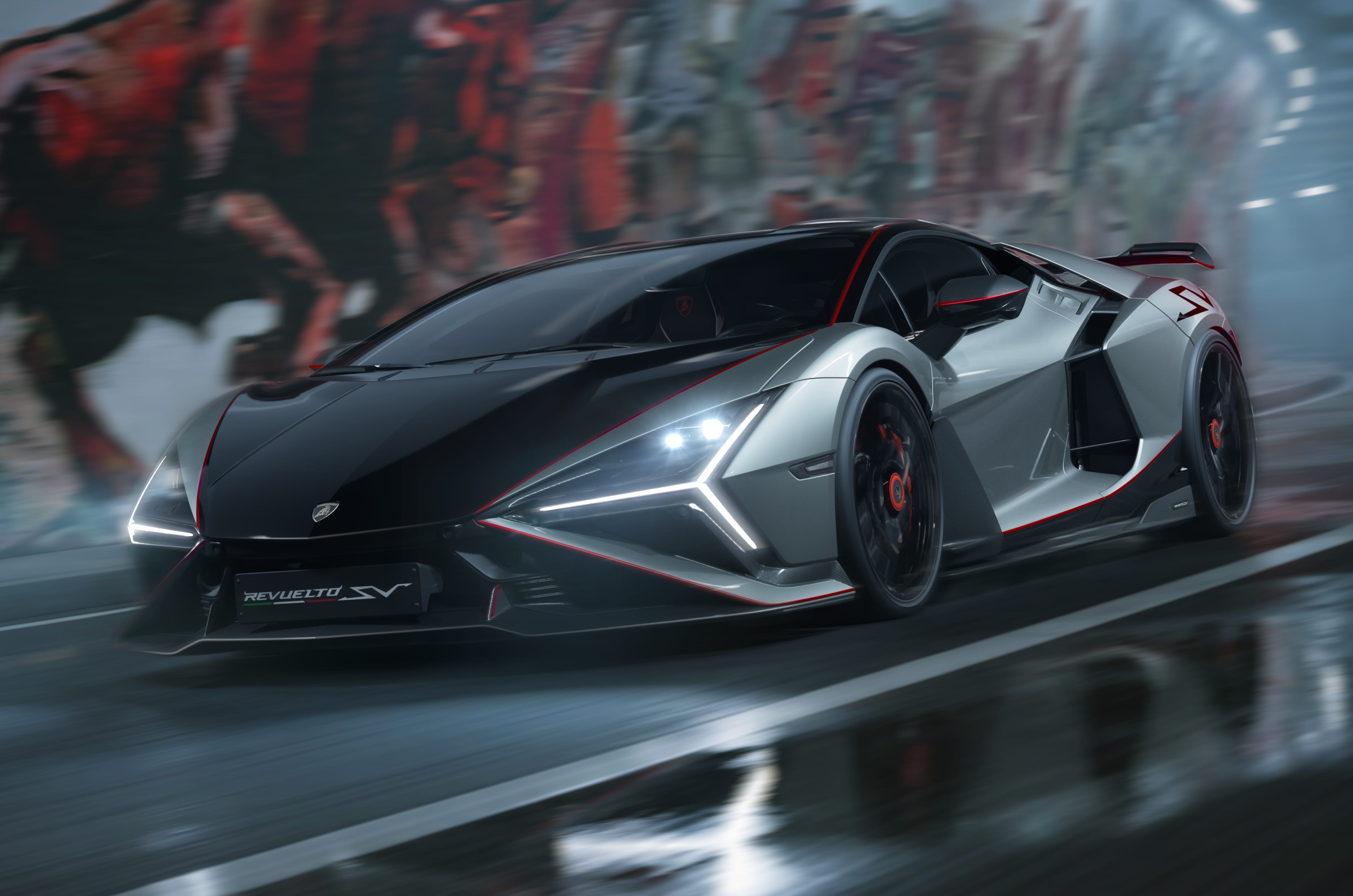
The Lamborghini Revuelto SV has been unveiled as the Italian supercar’s sharper, meaner, and more track-centric variant, of which just 1,963 units will be built. The Revuelto SV clocked an official lap time of 1:41.6 around Hockenheimring, making it the second-fastest manufacturer-timed car around the German circuit. It retains the Revuelto’s V12 plug-in hybrid powertrain, but adds 50hp for a combined output of 1,065hp, which is funneled to all four wheels via an 8-speed DCT. The 7.3kWh battery pack is also carried forward, and powers a trio of electric motors.

Skoda Slavia facelift design details teased ahead of August 18 launch

Skoda Slavia facelift design details teased ahead of August 18 launch
Skoda Slavia facelift design details

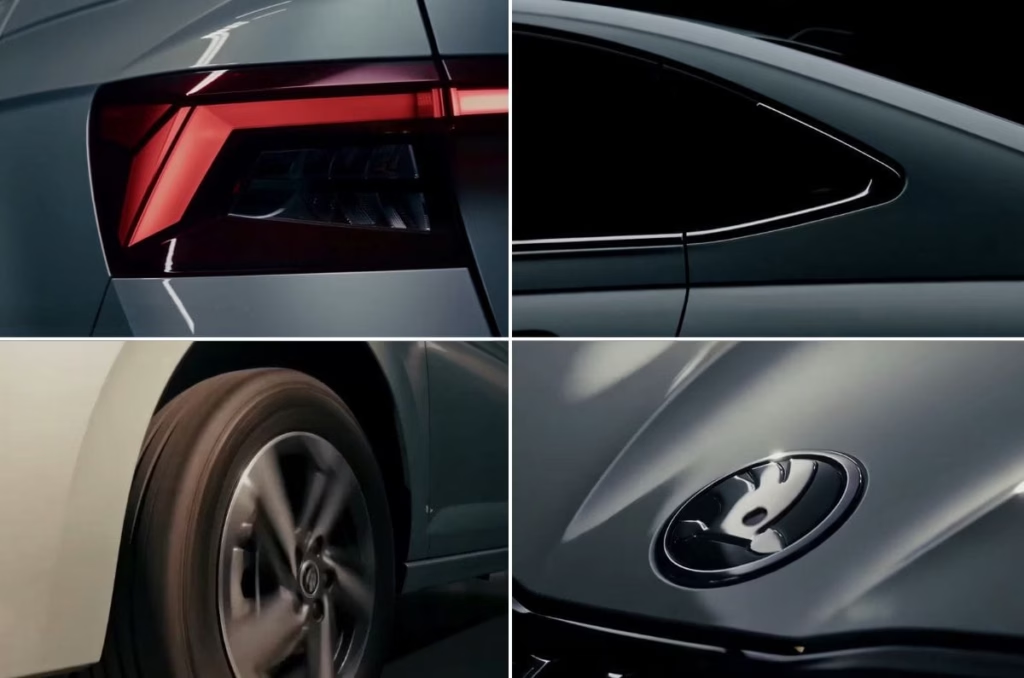
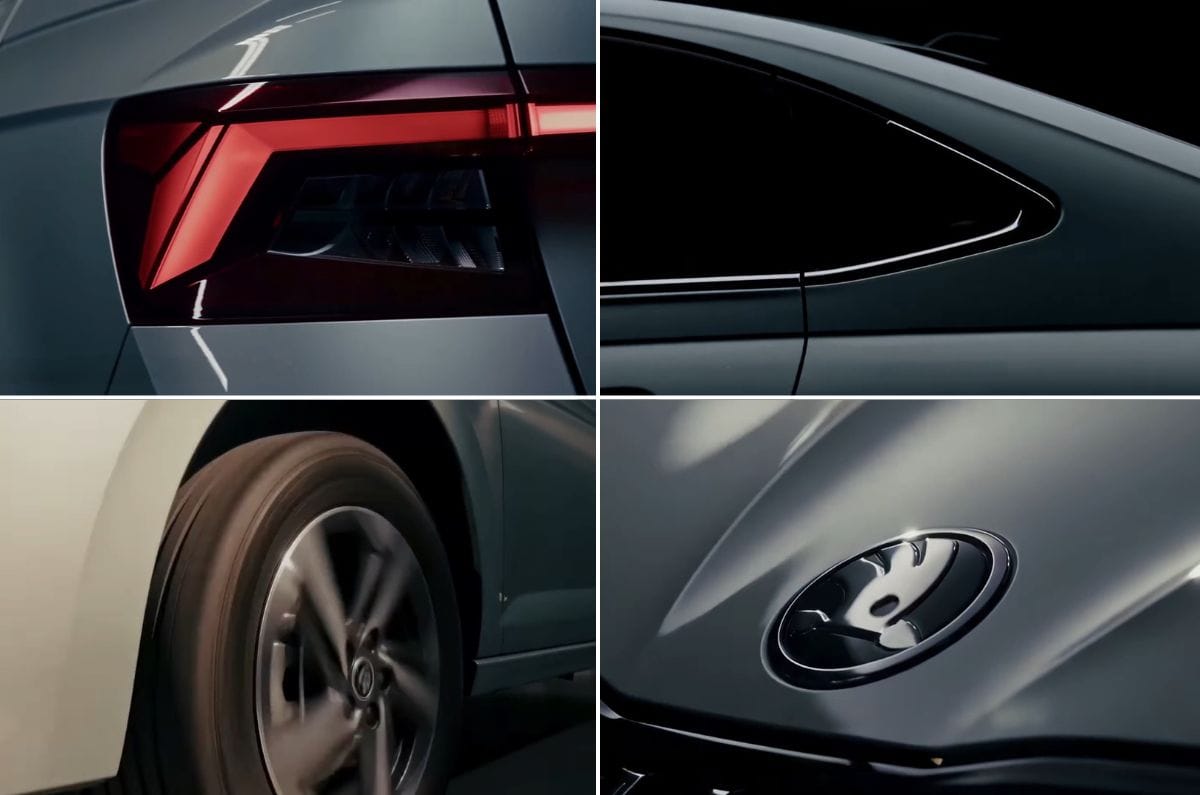
Ahead of its launch on August 18, 2026, Skoda India has shared another teaser of the Slavia facelift. The teaser gives a glimpse of a few design elements that the updated Slavia will receive.

  1. Updated Slavia to have subtly refreshed exterior.
  2. To continue with 1.0 and 1.5-litre turbo-petrol engines.
  3. 1.0-litre engine to have a new 8-speed automatic transmission.

Skoda Slavia facelift: What did the teaser reveal?

At the front, the grille was spotted studded with chrome detailing. The Slavia facelift is also expected to have revised detailing for the headlamps and restyled bumpers with new fog lamp housings. The tail-lights were spotted as well with similar detailing as the current version, but it’s yet to be seen if it gets the connected treatment like the Kushaq. Additionally, a new sporty five-spoke design for the alloy wheels was spotted, which will likely continue to be 16 inches in size, like the current version. The facelift continues to get chrome treatment for the window line, like the current version. 

Skoda Slavia facelift: What to expect?

Current version’s interior used for representation.

On the inside, the Slavia facelift is likely to continue with the same cabin layout, albeit with updated colours and trim materials. It is expected to borrow the Kushaq’s 10.25-inch digital driver’s display. Whether it gets the Kushaq’s segment-only rear massaging seats is yet to be seen. Meanwhile, features like a single-pane sunroof, powered and ventilated front seats, wireless phone charger will continue to be offered. 

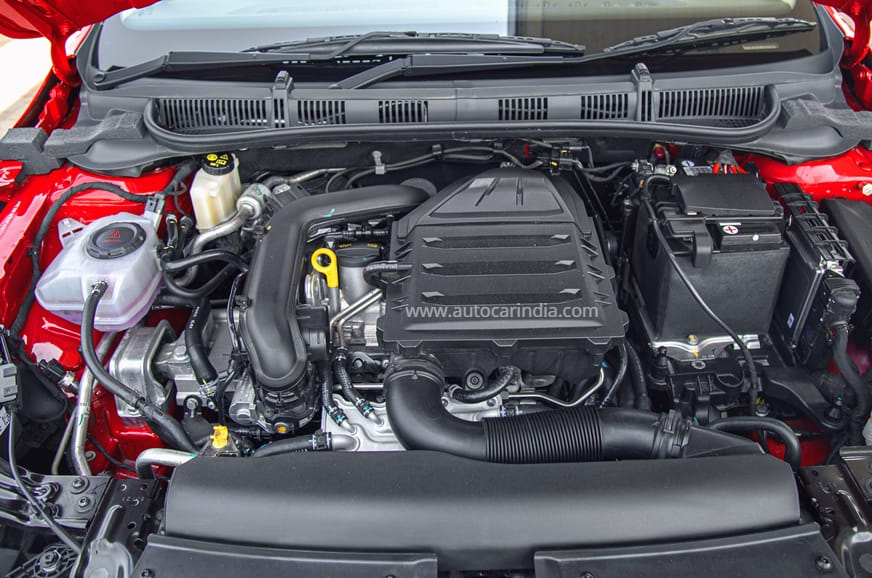
Current Slavia 1.0-litre engine used for representation.

As for powertrains, the Slavia facelift will continue to be powered by the current version’s 1.0 and 1.5-litre direct-injection turbo-petrol engines. The former develops 115hp and 178Nm, while the latter delivers 150hp and 250Nm of torque. While the 1.0-litre unit will continue to be paired with a 6-speed manual, automatic versions will get a new 8-speed torque converter gearbox, replacing the current version’s 6-speed unit. On the other hand, the 1.5-litre mill will continue to come solely with a 7-speed DCT.

In terms of price, the Slavia facelift is expected to be slightly pricier than the current version, which retails for Rs 9.99 lakh to Rs 18.19 lakh. It will continue to take on rivals like the Hyundai Verna, Honda City and the Volkswagen Virtus.

Audi India teases next-gen Q3 ahead of debut

Audi India teases next-gen Q3 ahead of debut
Audi Q3 teaser

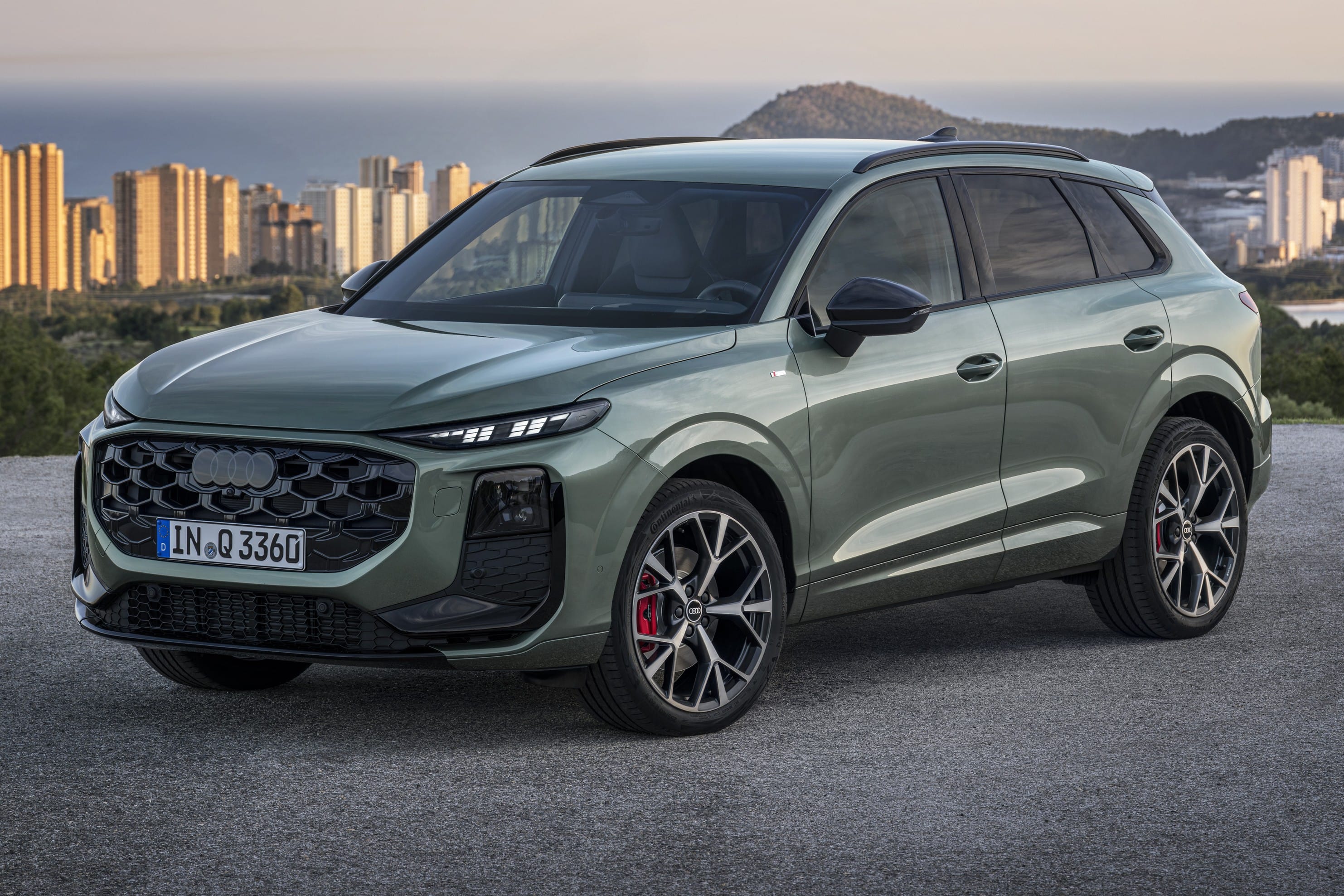
Audi India has shared a teaser of the next-generation Q3, hinting at its design elements ahead of its official debut. It will replace the second-generation Q3, which has been on the market for four years. Secondly, the new Q3 will lead the German carmaker’s product onslaught in our market.

  1. Next-gen Q3 will have an all-new aggressive exterior design.
  2. Likely to continue with the previous-gen’s 2.0-litre turbo-petrol engine with AWD.
  3. Expected to be priced at Rs 60 lakh ex-showroom.

Next-generation Audi Q3: What to expect?

Global-spec Q3 used for reference.

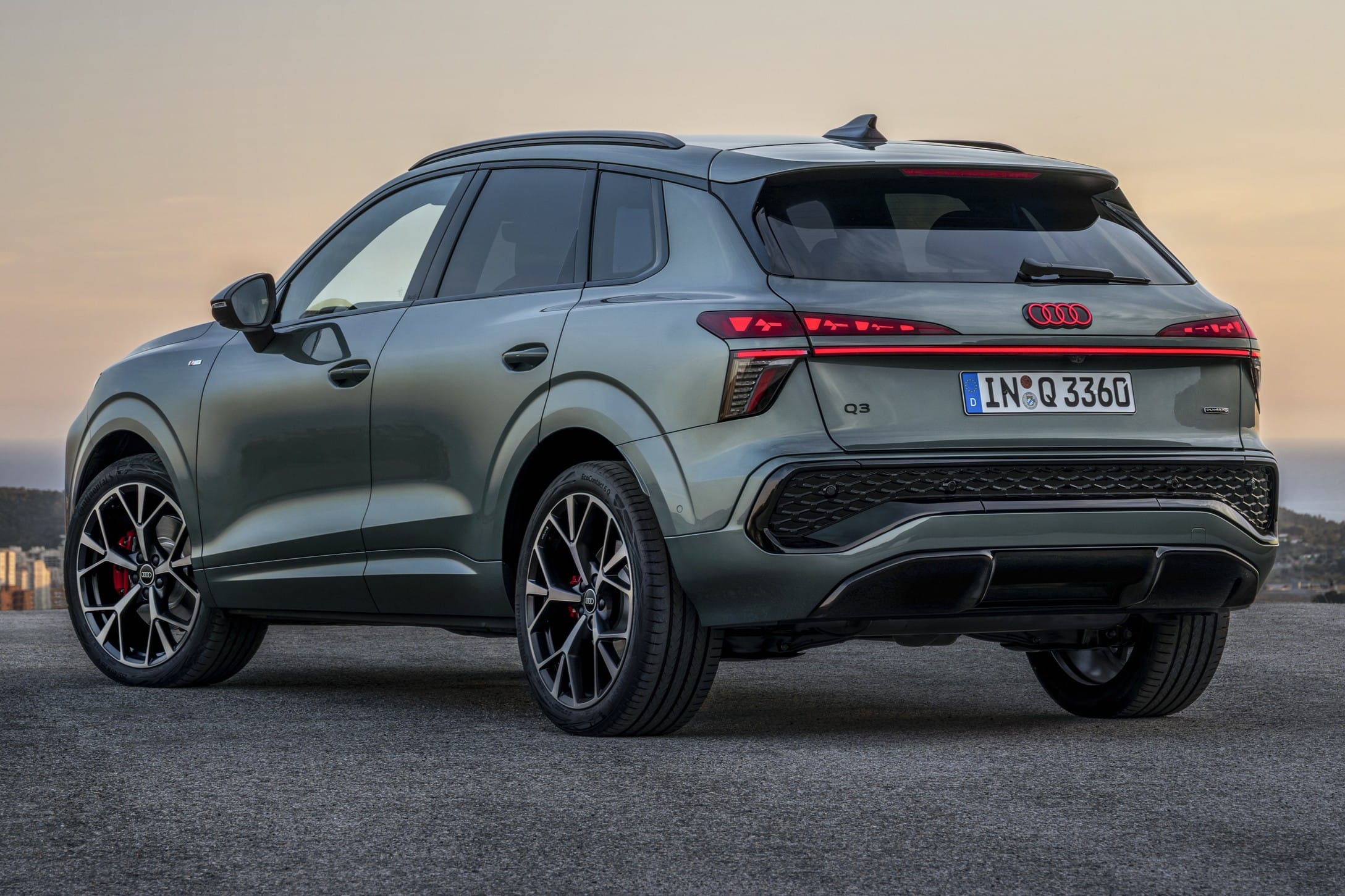
The next-gen Q3 will have an all-new exterior design that’s more aggressive than its predecessor. For reference, the global-spec version’s front end ditches the traditional headlamp design for a split setup. At the same time, the grille is larger and sports a hexagonal pattern with the 2D Audi badge. The sides are replete with moulding for the wheel arches and lower sides of the doors, and a subtle character line on the rear fender. While the global-spec version has wheel sizes ranging from 17 to 20 inches, the India-spec model is expected to have 18-inch ones. Like the front, the rear features a split-lamp design, comprising a connected LED strip and the main units above it, with an illuminated Audi badge.

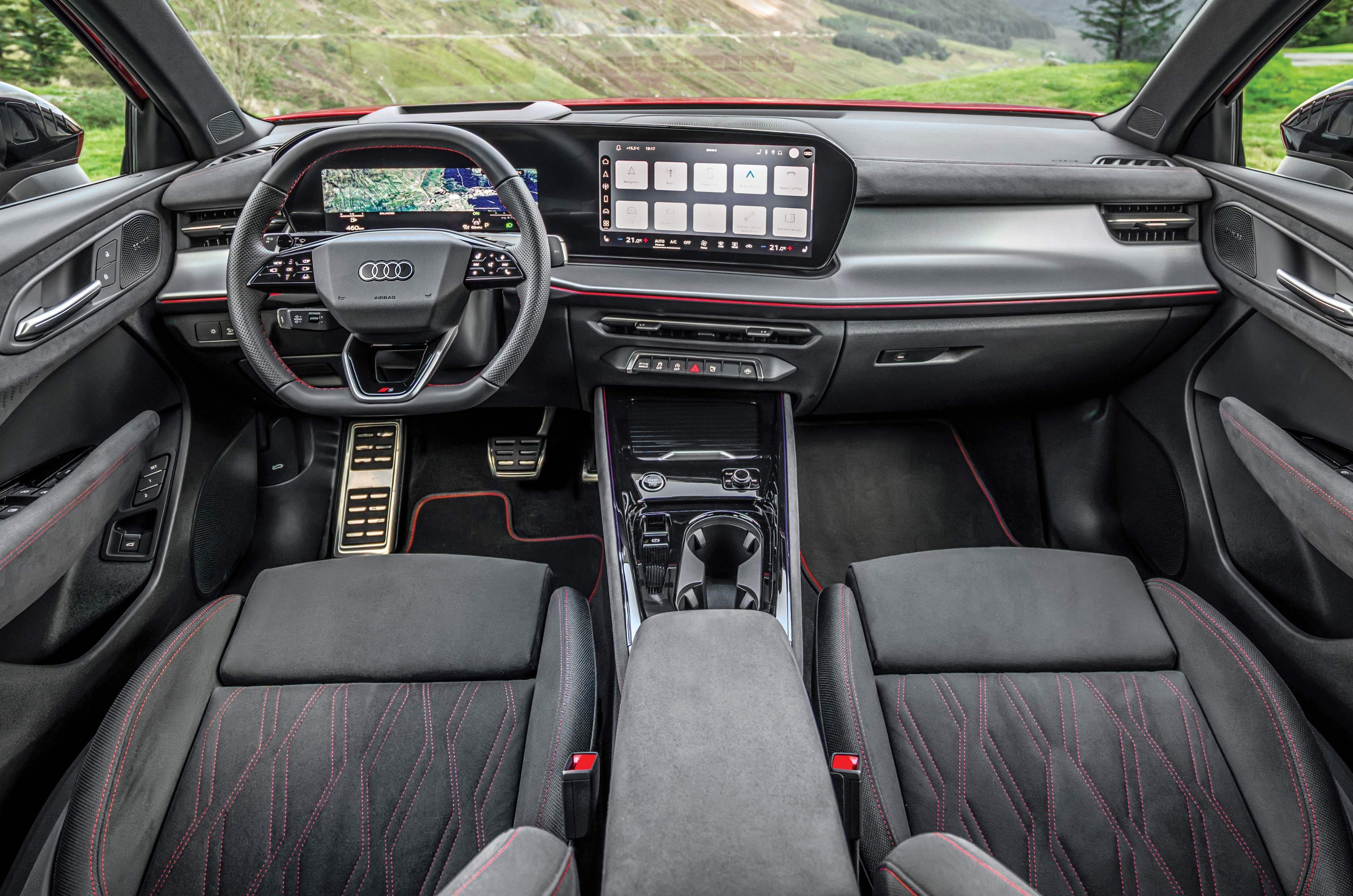
On the inside, the next-gen Q3 will have a revamped look with a tech-laden cabin. Dominating the dashboard is an 11.9-inch digital driver’s display and a 12.8-inch infotainment screen. You get a new three-spoke steering wheel, which sports a unique column-mounted stalk setup for light and wiper controls, while the layered dashboard is angled slightly toward the driver. Expect features like wireless Apple CarPlay and Android Auto, a panoramic sunroof, powered and ventilated front seats, a 360-degree camera and level 2 ADAS to be onboard.

As far as powertrains are concerned, the India-spec Audi Q3 is expected to continue with the predecessor’s 2.0-litre direct-injection turbo-petrol engine, which produces 204hp and 320Nm of torque. It is mated to a 7-speed DCT gearbox, sending power to all wheels with Audi’s Quattro AWD system.

With the generational update, Audi is likely to price the new Q3 from Rs 60 lakh. It will continue to take on the likes of rivals such as the Mercedes-Benz GLA and the BMW X1. 

All prices are ex-showroom, India

3 reasons to buy the Aprilia Tuono 457 Special Edition and 2 reasons to skip it

3 reasons to buy the Aprilia Tuono 457 Special Edition and 2 reasons to skip it
Aprilia Tuono 457 Special Edition side profile static

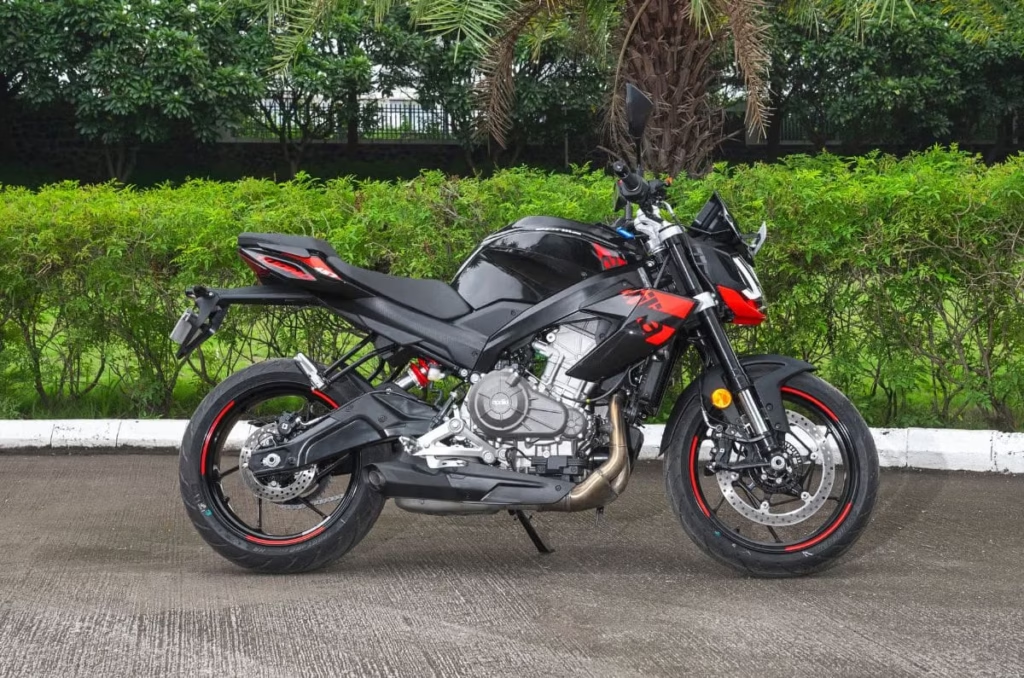
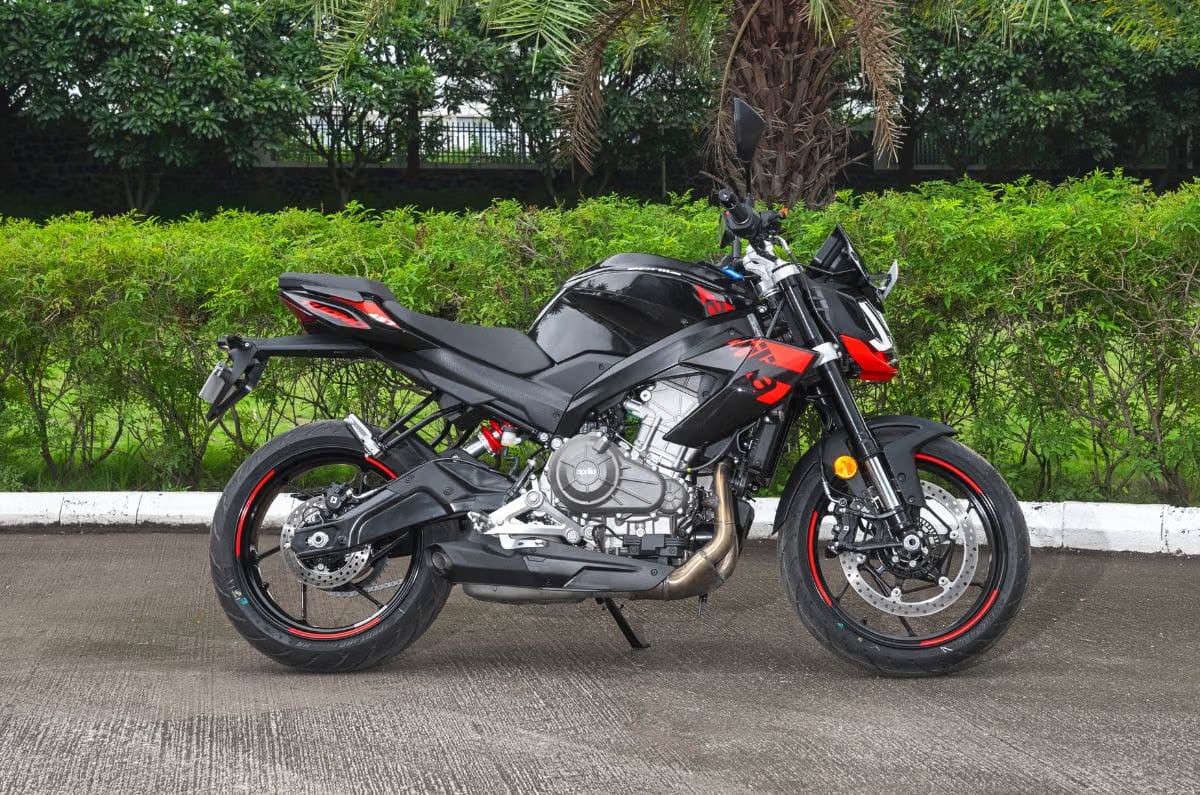
The Aprilia Tuono 457 Special Edition is now the only version of the Tuono 457 available in India. Despite the name, this is not a limited run on top of the standard bike, but the replacement for it. It arrives with a revised riding position, retuned suspension and a standard-fit flyscreen, all aimed at making the Tuono a more liveable everyday machine without compromising its core character. Here’s what works in its favour and a couple of reasons it might not be for you.

Reasons to buy the Aprilia Tuono 457 Special Edition

Noticeably better ergonomics and comfort

The original Tuono 457 was essentially a naked RS 457 with the same seat, same riding position, and just with a flat handlebar instead of clip-ons. For taller riders in particular, it felt uncomfortably cramped. The Special Edition addresses this with taller handlebar risers and additional seat padding (both around 10mm each) which sound modest on paper but make a meaningful difference in practice. During our time with the bike, Rishaad, who stands 6’1″ found that the new ergonomics offered a substantial improvement over the older bike, especially after a long ride. The retuned suspension, with a softer initial stroke front and rear, also makes the bike less abrasive over imperfect roads without blunting its handling.

An engine and chassis that no locally manufactured rival can match

The 457cc parallel-twin remains the highlight of the package. It produces 47.6hp and 43.5Nm, makes a genuinely excellent sound, and has a strong enough mid-range to pull clutch-up wheelies in second gear – something no other locally manufactured motorcycle at this price can do. The chassis is equally impressive, with a taut, reactive feel that gives it what the reviewer describes as a scaled-down big bike character. Highway speeds are effortless, and the bike cruises comfortably at 130kph and above.

Better relative value than before

The Tuono 457 Special Edition is priced at Rs 3.99 lakh – unchanged from when the standard Tuono launched. Meanwhile, its closest rival, the KTM 390 Duke, has seen its price rise due to the GST rate hike applicable to motorcycles above 350cc. What was previously a Rs 1 lakh gap has now narrowed to around Rs 50,000. That shift in relative positioning makes the Tuono a more compelling consideration than it was even a few months ago.

Reasons to skip the Aprilia Tuono 457 Special Edition

It’s still a compact motorcycle

The ergonomic improvements are real, but the Tuono 457 remains a small, compact motorcycle. The footpegs are still high-set, position is still sporty, and taller riders will still find it more constricted than, say, a KTM 390 Duke or a Triumph Speed 400. The changes make it more manageable, not roomy. If everyday comfort over long distances is your priority, this is not the bike for you.

Aprilia’s dealer network remains limited

Aprilia’s sales and service network in India is significantly more restricted than rivals like KTM, Triumph and Royal Enfield. For riders outside major metropolitan areas, finding an Aprilia dealership for routine servicing or warranty work can be a real inconvenience and it’s a concern that hasn’t been addressed alongside the motorcycle’s improvements. It also tends to be a more expensive bike to run, both in terms of service costs and spare parts.