All you need to know about the upcoming MG Hector Tomahawk

All you need to know about the upcoming MG Hector Tomahawk

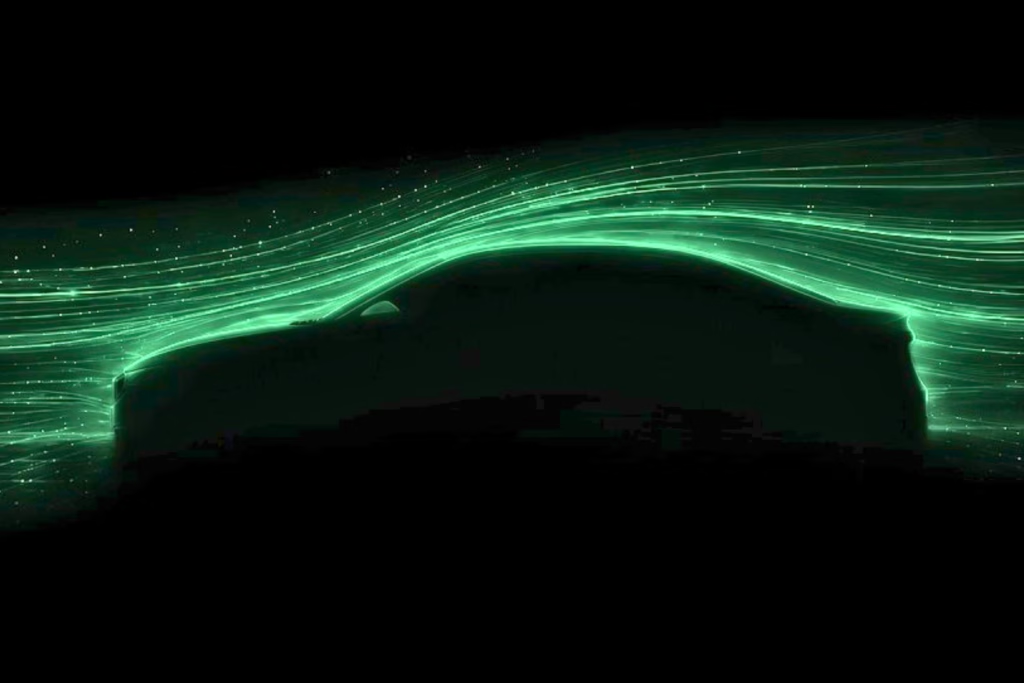
MG India is gearing up to unveil its upcoming SUV, the Hector Tomahawk, on August 26, 2026. It will be the first MG model in the country to be based on the new ADAPT architecture, which supports both electric and hybrid powertrains. Here’s everything you need to know about the upcoming MG Hector Tomahawk ahead of its debut.

Will the MG Hector Tomahawk be an EV or a PHEV?

MG will offer it as an EV first, followed by a PHEV version later

MG will debut the Hector Tomahawk in its all-electric avatar on August 26, followed by a PHEV version in the coming months. 

What is the expected price of the MG Hector Tomahawk?

Hector Tomahawk is expected to be competitively priced like other MG models
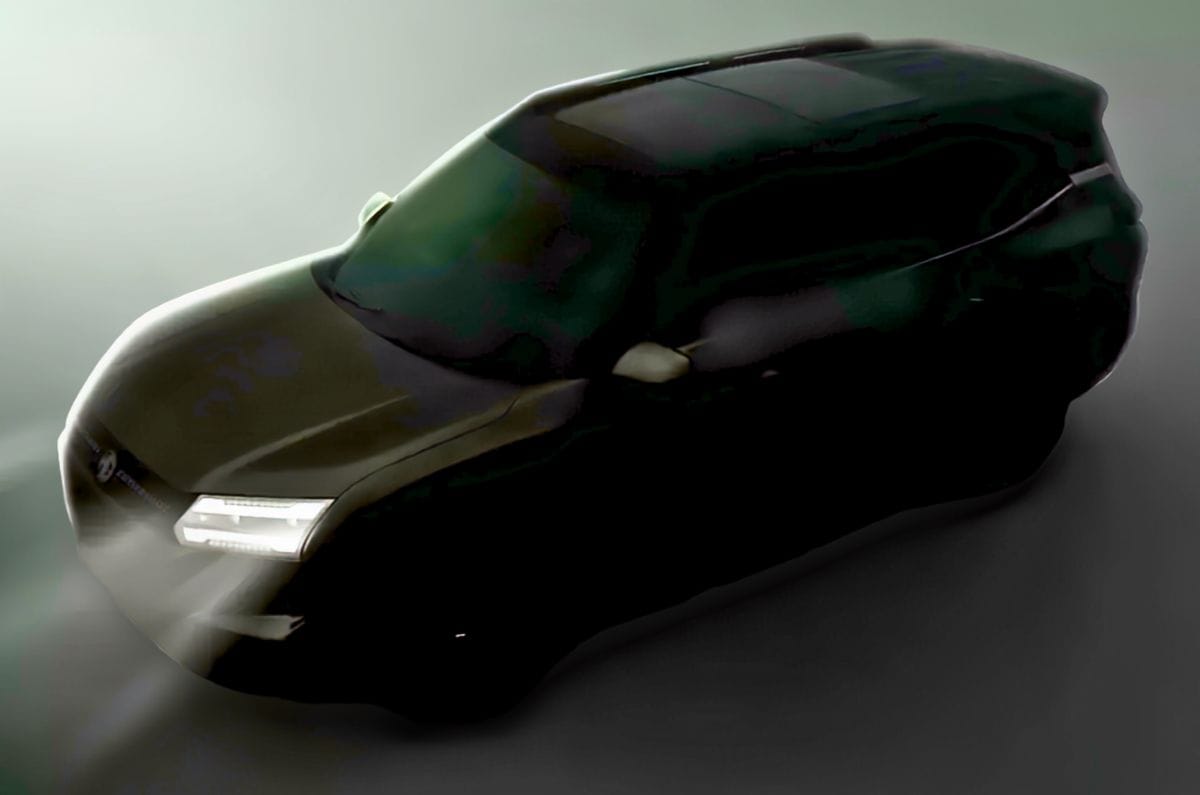
Like other MG models, the Hector Tomahawk is expected to be sold at a competitive price. The EV version could be priced between Rs 18-25 lakh, serving as an alternative to the Kia Carens Clavis EV and Mahindra XEV 9S, while the PHEV version is expected to be priced between Rs 20-30 lakh, as a rival to the Mahindra XUV 7XO and Tata Safari. 

Is the Hector Tomahawk an electric version of the existing MG Hector?

The upcoming Hector Tomahawk is completely unrelated to the existing Hector 
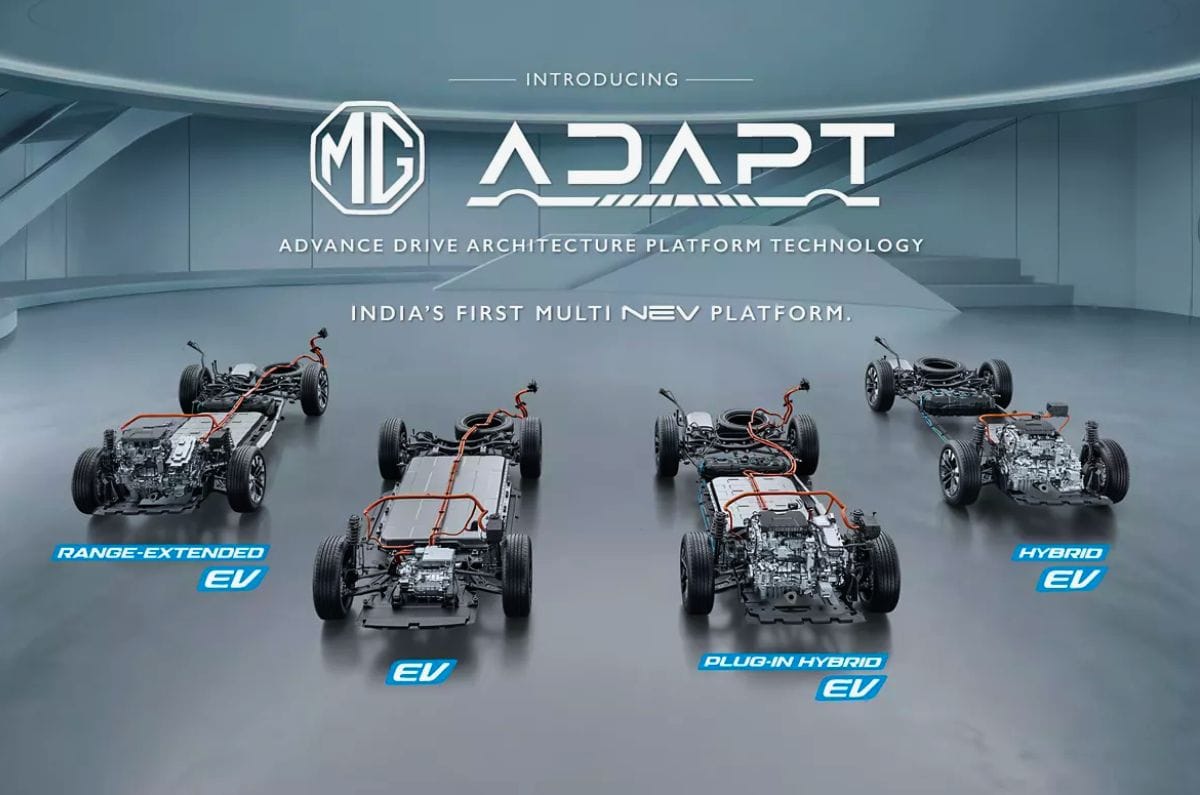
Although the upcoming MG Hector Tomahawk carries the ‘Hector’ name, it is not related to the existing MG Hector. The Hector Tomahawk EV is based on the Wuling Starlight 560 SUV and uses the company’s new ADAPT platform, which supports EVs as well as hybrid powertrains, including range-extender EVs, plug-in hybrids, and strong hybrids. In contrast, the existing MG Hector is based on the Baojun 530 SUV, which is also sold as the Chevrolet Captiva in international markets. 

What is the real-world range of the MG Hector Tomahawk?

EV could offer up to 500km range; PHEV could offer over 1,000km
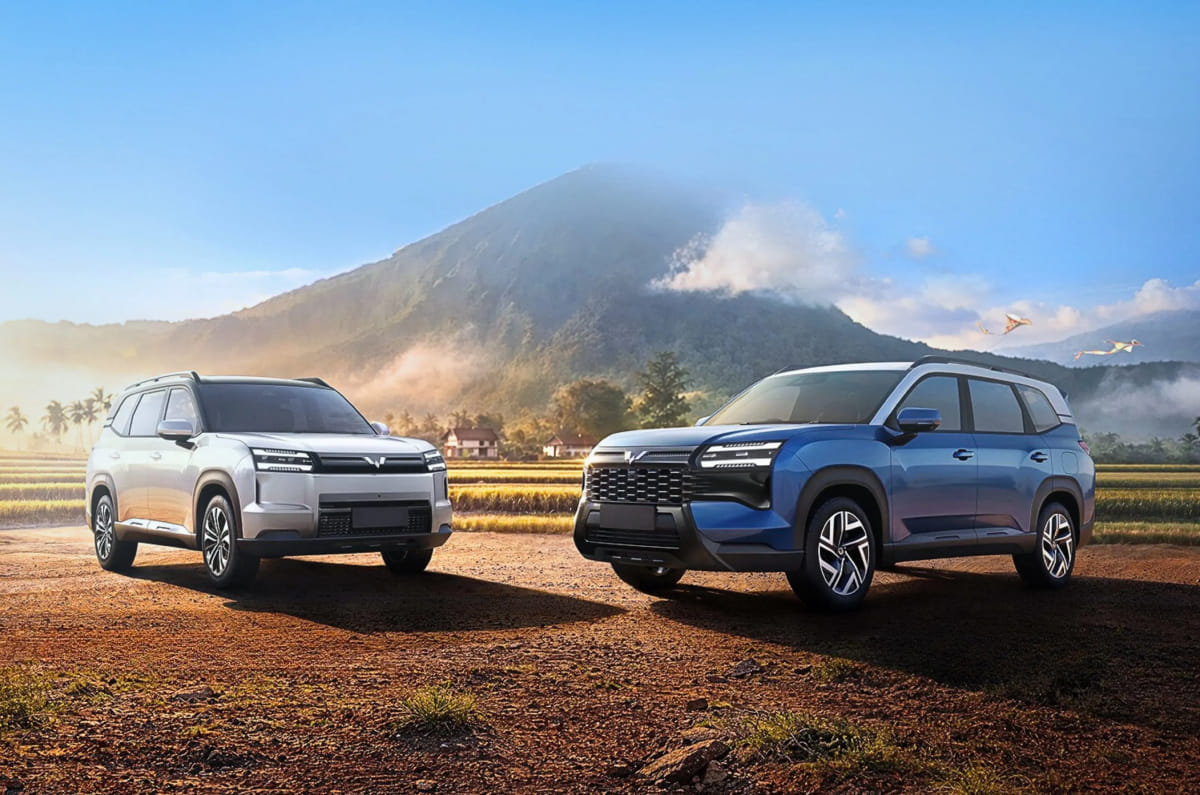
Wuling Starlight 560 EV (left) and PHEV (right).

The MG Hector Tomahawk’s specifications have not been revealed yet, but it is expected to share its mechanical components with the Wuling Starlight 560 SUV, on which it is based. Hence, the Hector Tomahawk EV is expected to have a 69.2kWh battery paired with a 201hp electric motor mounted on the front axle. The setup is claimed to deliver a 530km range under the CLTC testing cycle, which could translate to a real-world range of around 450-500km.

The Hector Tomahawk PHEV is expected to use a 1.5-litre naturally aspirated petrol engine paired with a 20.5kWh battery. This setup produces a combined output of 195hp and 230Nm on the Wuling Starlight 560, with an electric-only CLTC range of 125km. With the petrol engine included, the total range exceeds 1,000km.

What will the MG Hector Tomahawk SUV look like?

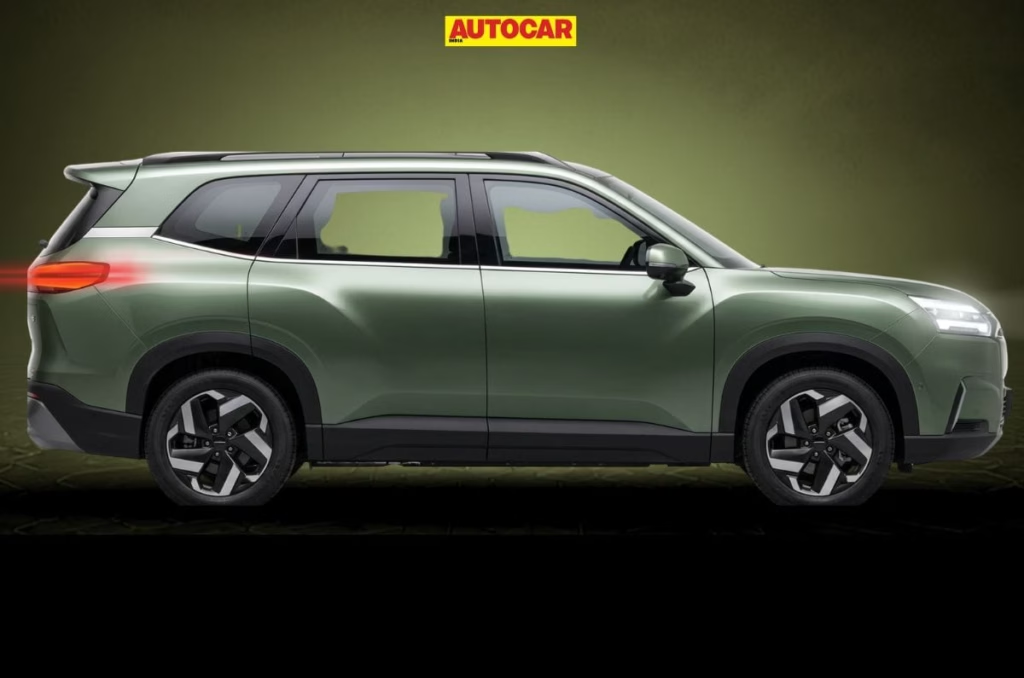
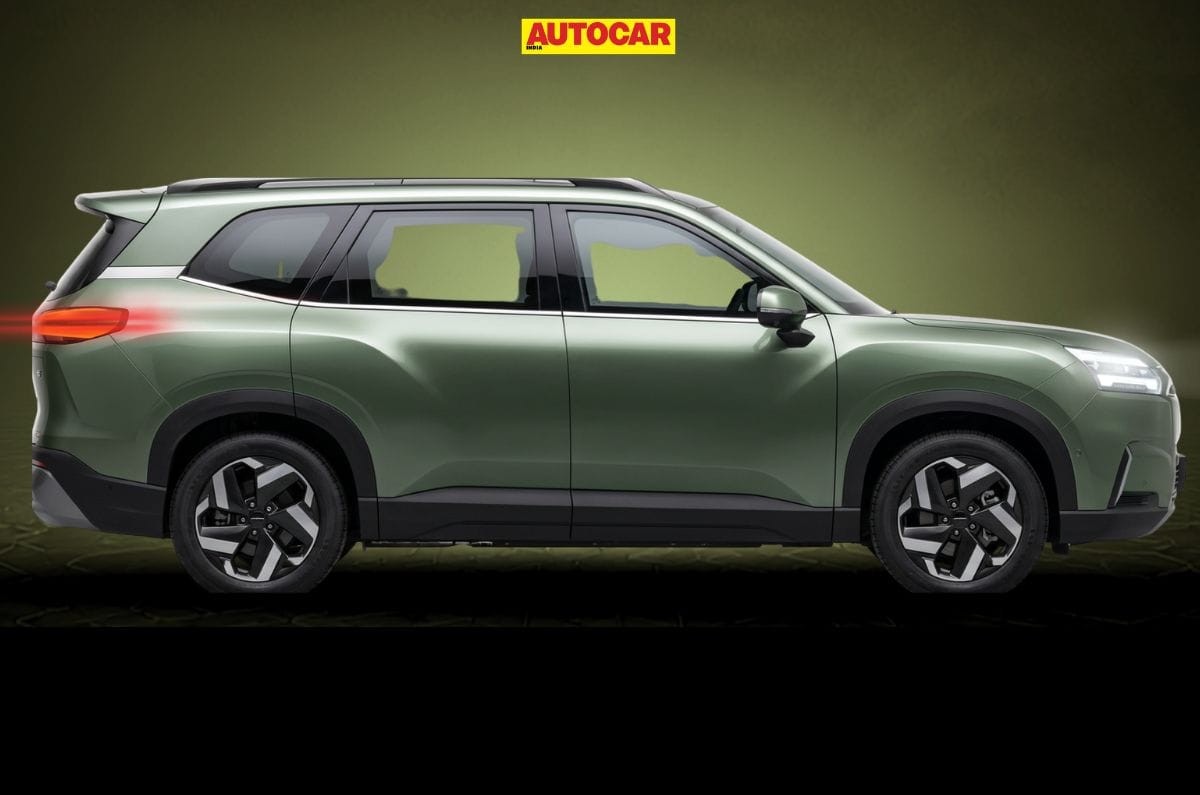
Exterior and interior design are expected to be similar to the Wuling Starlight 560

Image source: @punekar__nikhil on Instagram

Numerous spy shots and teaser videos have given us a glimpse of the MG Hector Tomahawk’s design, which will closely resemble the Wuling Starlight 560. At the front, it will feature rectangular projector LED headlights with LED DRL strips above and below them, connected by a gloss-black panel with illuminated elements. The EV will get a blanked-off grille, while the PHEV could feature air inlets. The SUV will also get black wheel-arch cladding and 18-inch wheels. At the rear, wraparound LED taillights will mirror the design of the front DRLs. The India-spec model will, however, get new alloy wheels, some decals on the C-pillar and new logos. 
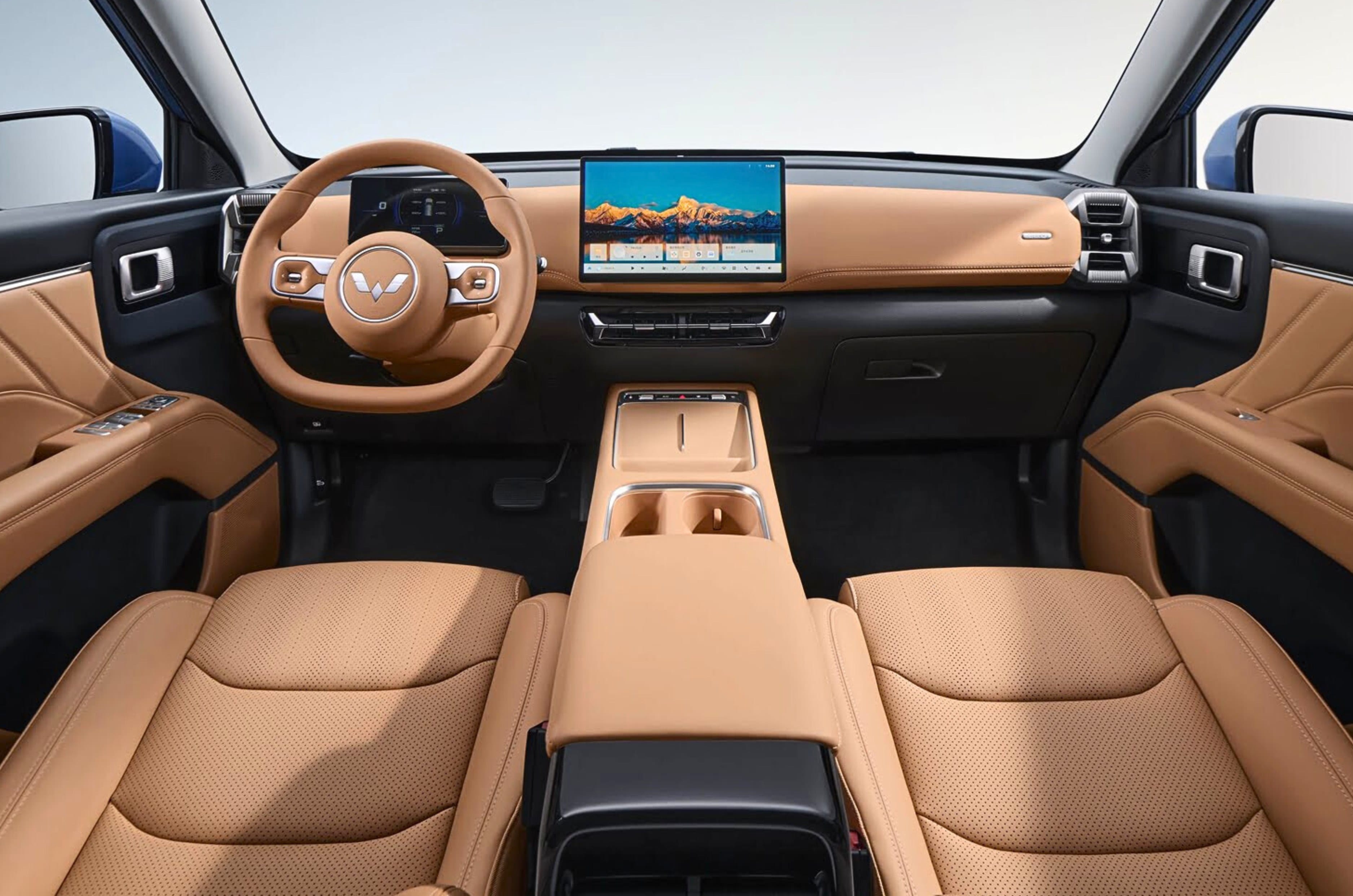
Wuling Starlight 560’s dashboard is shown for representative purposes only. 

Inside, the Tomahawk is expected to have a minimalist dashboard with a free-standing 8.8-inch digital driver’s display, a 12.8-inch touchscreen infotainment system and a 2-spoke steering wheel. It is unlikely to get physical controls for the air-conditioning. The SUV will offer seven seats with leatherette upholstery. Expected features include a panoramic sunroof, powered and ventilated front seats, a wireless phone charger, six airbags as standard, an electronic parking brake, a rear parking camera with sensors and ADAS.
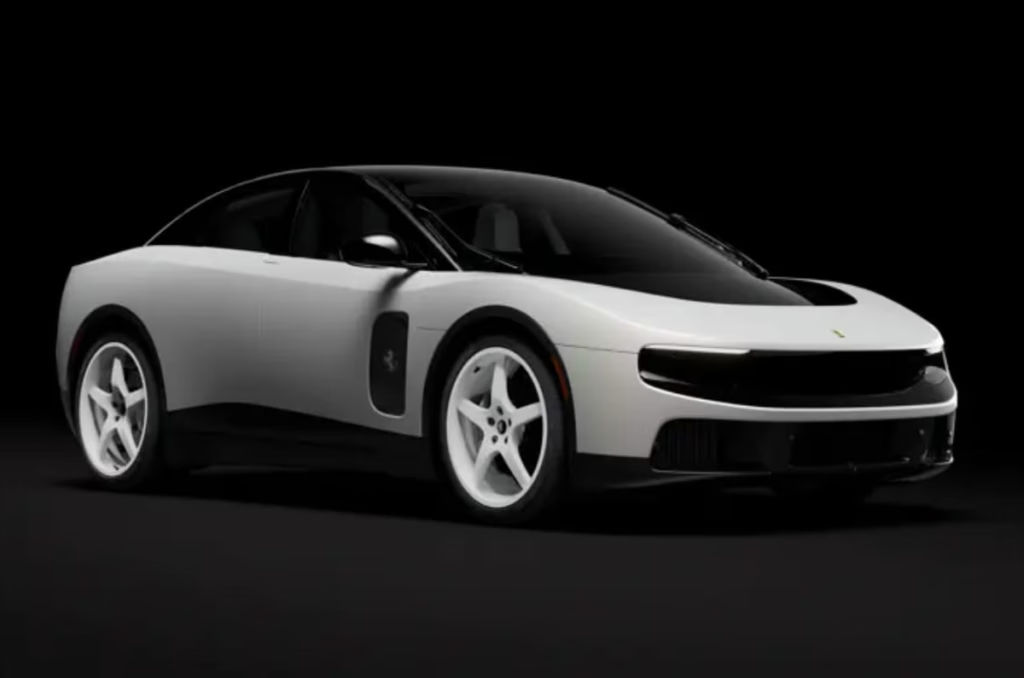
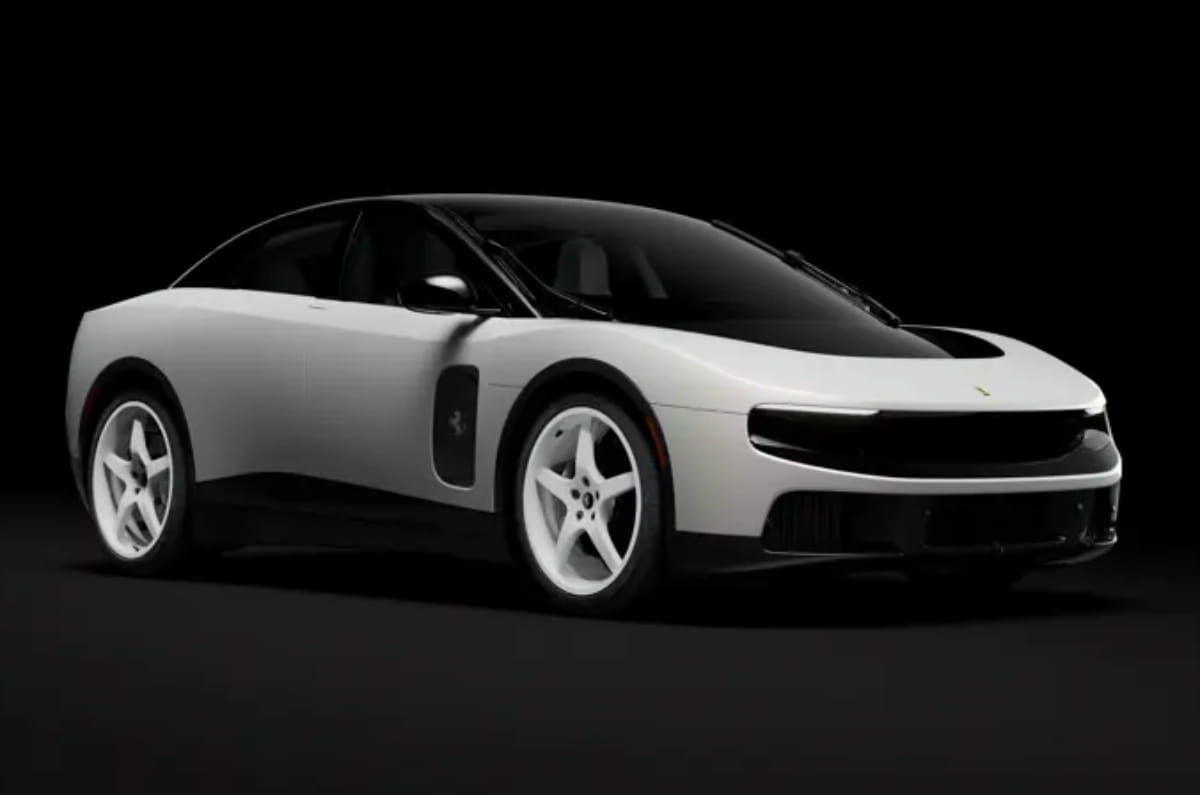
Ferrari Luce ‘Chassis 0’ sells for record USD 40 million at auction

Ferrari Luce 'Chassis 0' sells for record USD 40 million at auction
Ferrari Luce

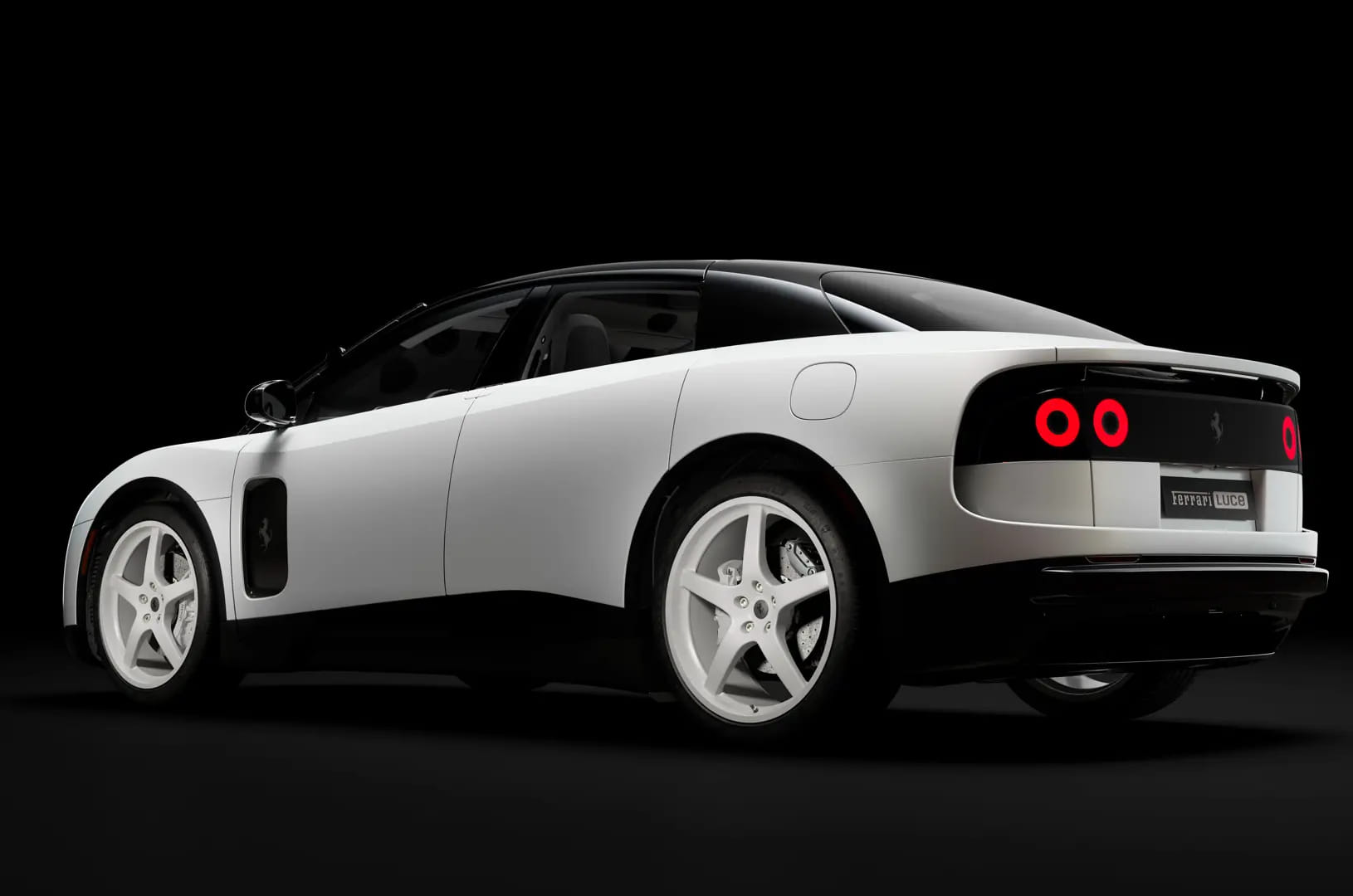
Ferrari’s first production Luce, known as ‘Chassis 0’, has been sold for USD 40 million (around Rs 382 crore) at the RM Sotheby’s Monterey auction. The sale sets a new record for the highest price paid for a new vehicle at auction, surpassing the USD 26 million raised by a one-off Daytona SP3 at the same event last year. The entire amount will go to the Ferrari Foundation after RM Sotheby’s waived the buyer’s premium. The buyer will take delivery in the first quarter of 2027 after the car returns to Maranello for final assembly.

  1. Sets new record for highest-priced new car sold at auction
  2. Entire proceeds donated to the Ferrari Foundation
  3.  ‘Chassis 0’ sells for over 60 times the starting price of standard Luce

The Luce is Ferrari’s first production electric car and its first five-seat model. It uses a quad-motor all-wheel-drive powertrain producing 1,050hp and 990Nm, has a claimed top speed of 310kph and a claimed driving range of 530km. Ferrari has already confirmed that its planned 2026 allocation has been fully reserved.

Ferrari Luce ‘Chassis 0’: what makes it special?

The car sold at auction is the first production example of Ferrari’s first all-electric model. Called ‘Chassis 0’, it has been created through Ferrari’s Tailor Made programme and features several bespoke elements that will not be offered on regular production cars.

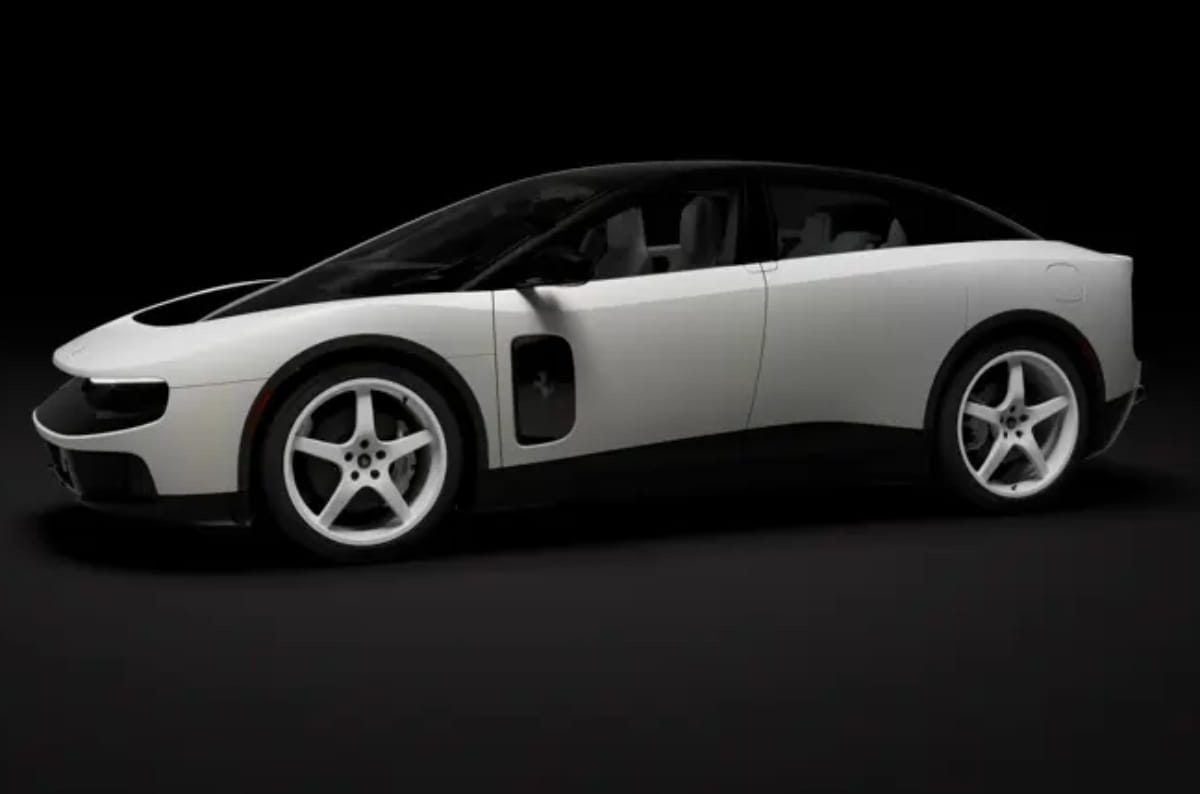
Its exterior is finished in a unique Madreperla Semi-Gloss paint developed specifically for this car. Ferrari says the finish uses a special pigment that changes appearance depending on the angle and intensity of light. Other unique touches include white five-spoke alloy wheels, bespoke brake callipers and special Ferrari badging.

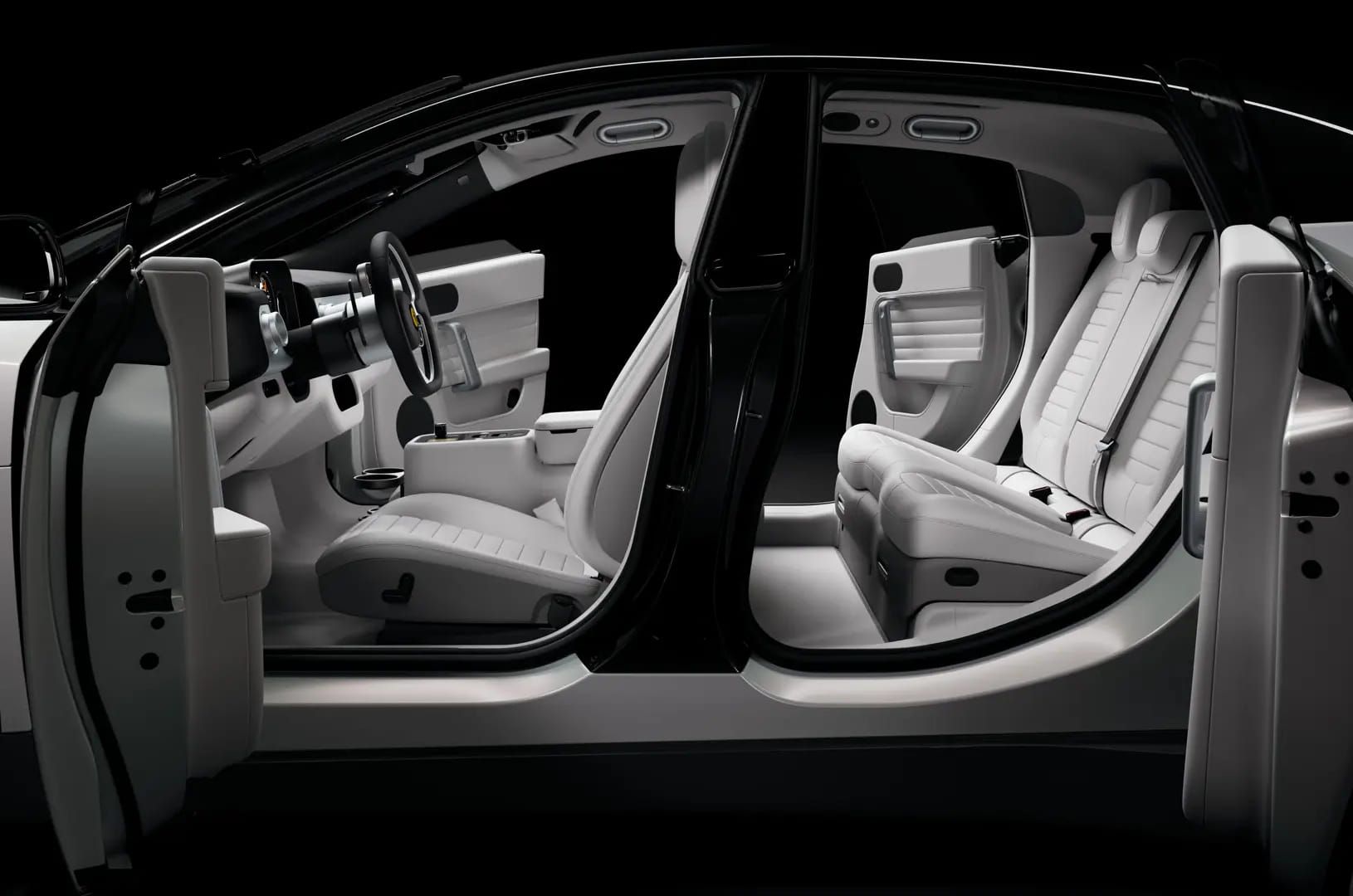
Inside, the cabin features Le Mans metallic leather in Perla, with Grigio Corvara trim replacing the standard black interior elements. The upholstery has been designed to reflect and diffuse light, matching the car’s overall theme.

Ferrari Luce ‘Chassis 0’:Auction and delivery

RM Sotheby’s auctioned the car without reserve and waived the buyer’s premium, meaning the full USD 40 million sale price will be donated to the Ferrari Foundation to support educational initiatives. The car will now return to Ferrari’s Maranello headquarters before being delivered to its owner in early 2027.

The final bid was far higher than the pre-sale estimate of just over USD 1.1 million and more than 60 times the Luce’s 550,000-euro (USD 640,000) starting price. The winning bidder was American billionaire investor and Ferrari collector Herbert A. Wertheim.

Image credit : RM Sotheby’s

GMA S1 reinterprets iconic McLaren F1 for the modern era

GMA S1 reinterprets iconic McLaren F1 for the modern era
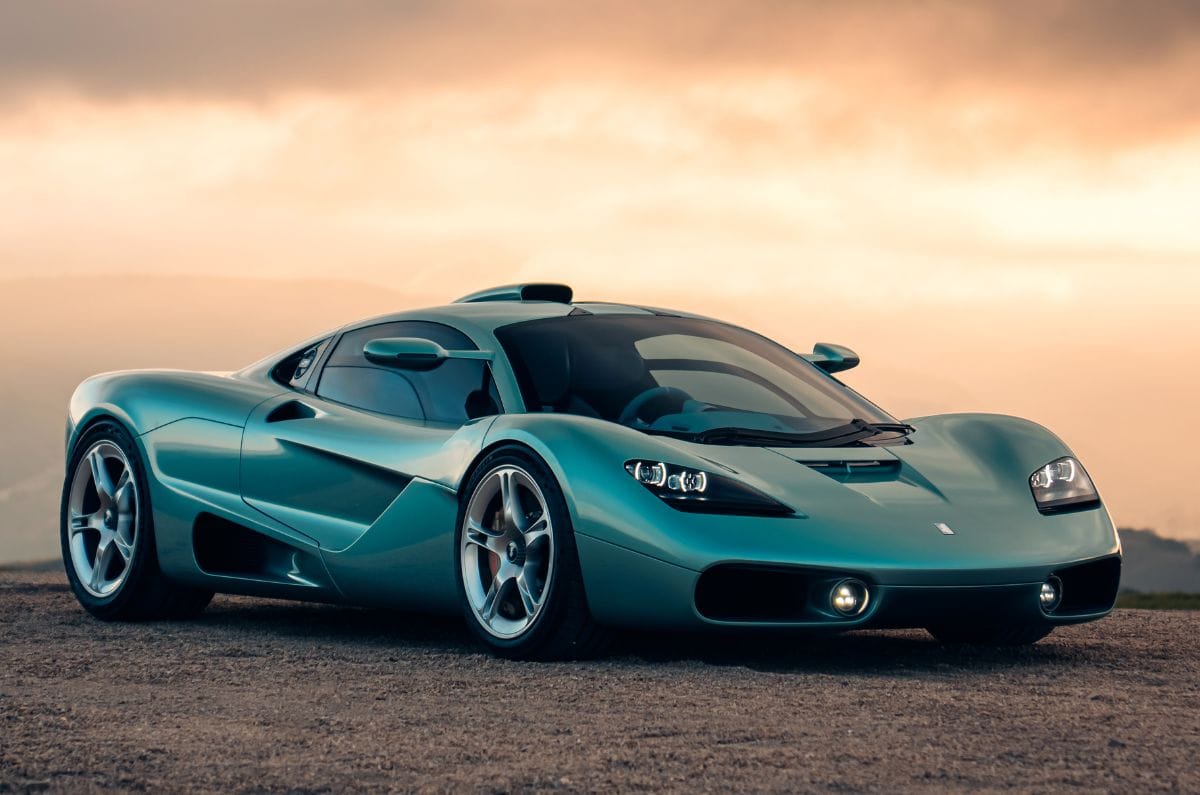
GMA S1 front quarter

After debuting the track-focused S1 LM exactly a year ago, Gordon Murray Automotive (GMA) showcased the road-biased S1 at this year’s Monterey Car Week. While the S1 LM paid tribute to Gordon Murray’s Le Mans-winning F1 GTR, the S1 in similar vein is pitched as a modern-day interpretation of the road-going McLaren F1. Built by GMA’s Special Vehicles division, the SM will be less exclusive than the five-off S1 LM, with 64 units planned for production. 

  1. S1 is fundamentally based on GMA T50 
  2. It’s powered by a 4.2-litre Cosworth V12 with a manual gearbox  
  3. More road-biased, touring-focused version of the S1 LM 

Speaking about the S1, Gordon Murray, Group Executive Chairman, says, “It is exclusive, analogue and deeply driver focused, while also being more elegant, refined and usable over distance.” 

GMA S1 exterior design 

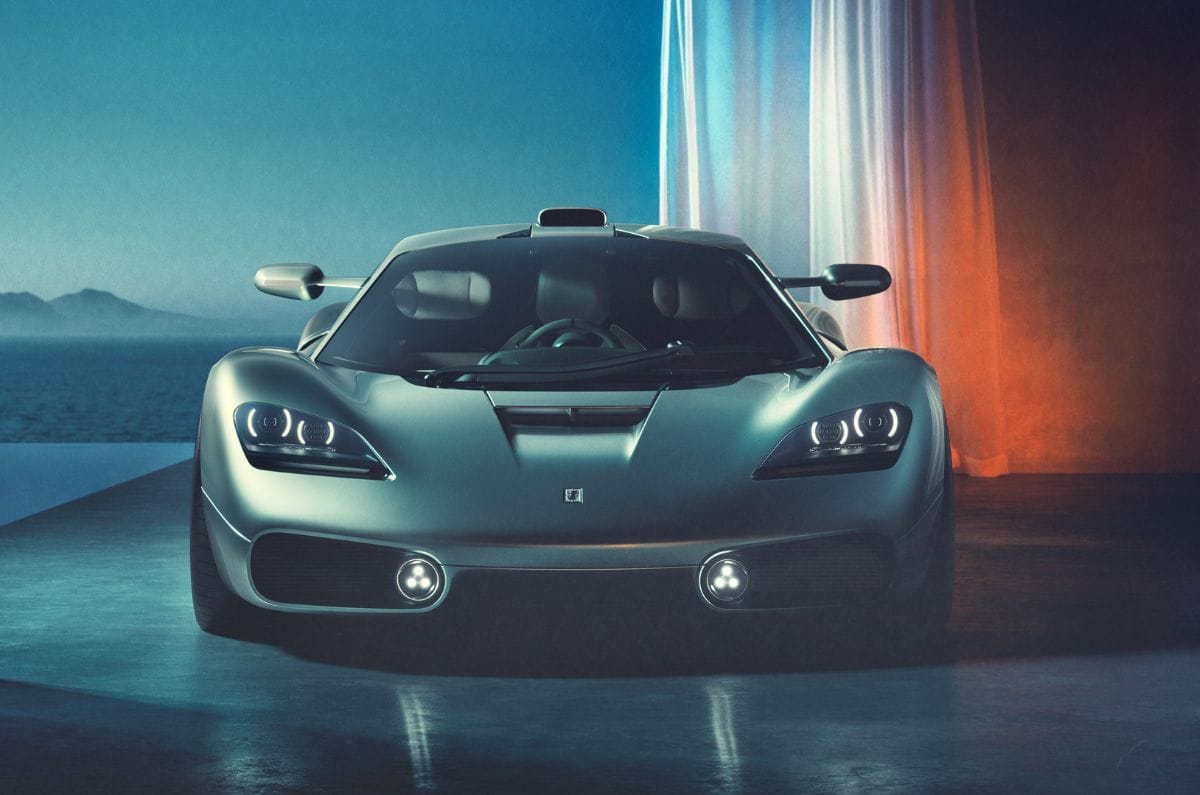
Just a glance at the SM is enough to trace its roots back to the original F1. It does away with many of the aggressive aero elements seen on the S1 LM, such as the massive rear wing, the race-style front splitter and also the deep side skirts. What’s left behind is a shape that’s quintessentially a sportscar in its purest form. Murray says every single panel on the S1 is unique to this vehicle. 

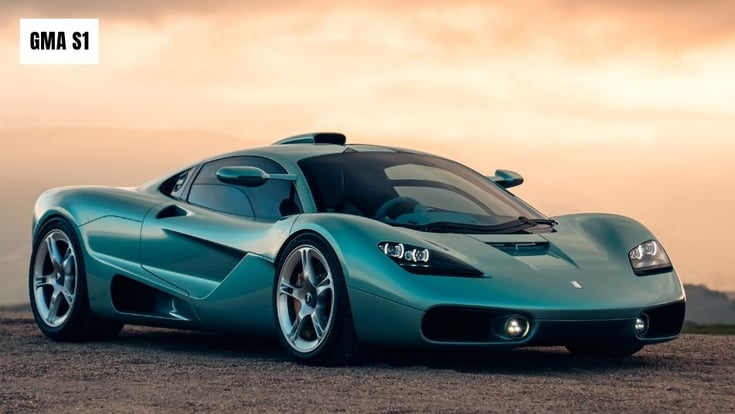
GMA S1
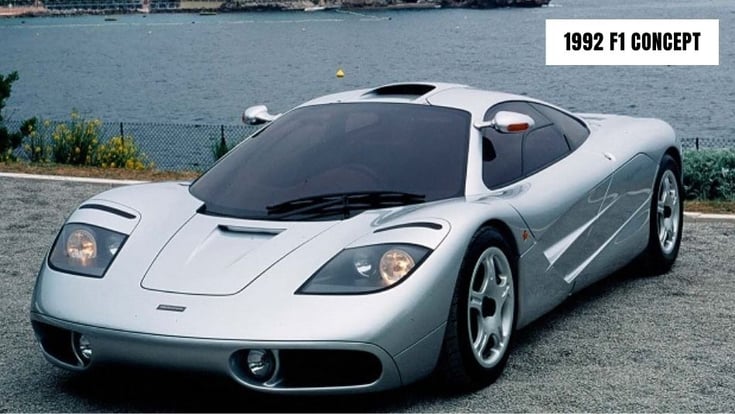
1992 F1 Concept

GMA S1 vs 1992 McLaren F1 Concept (Image Credit: Collector Studio)

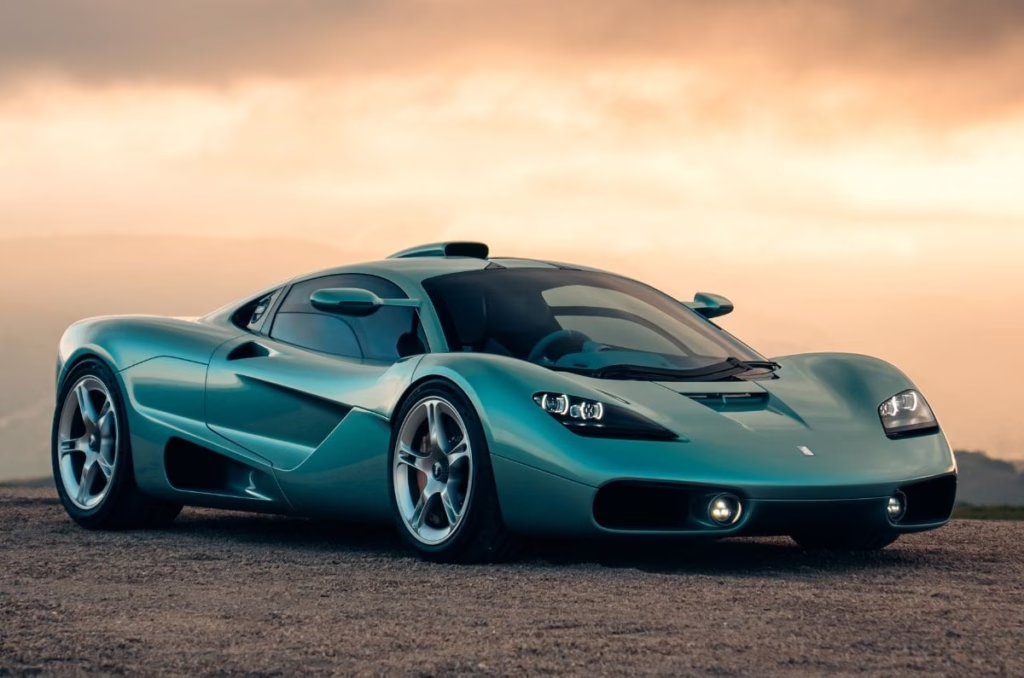
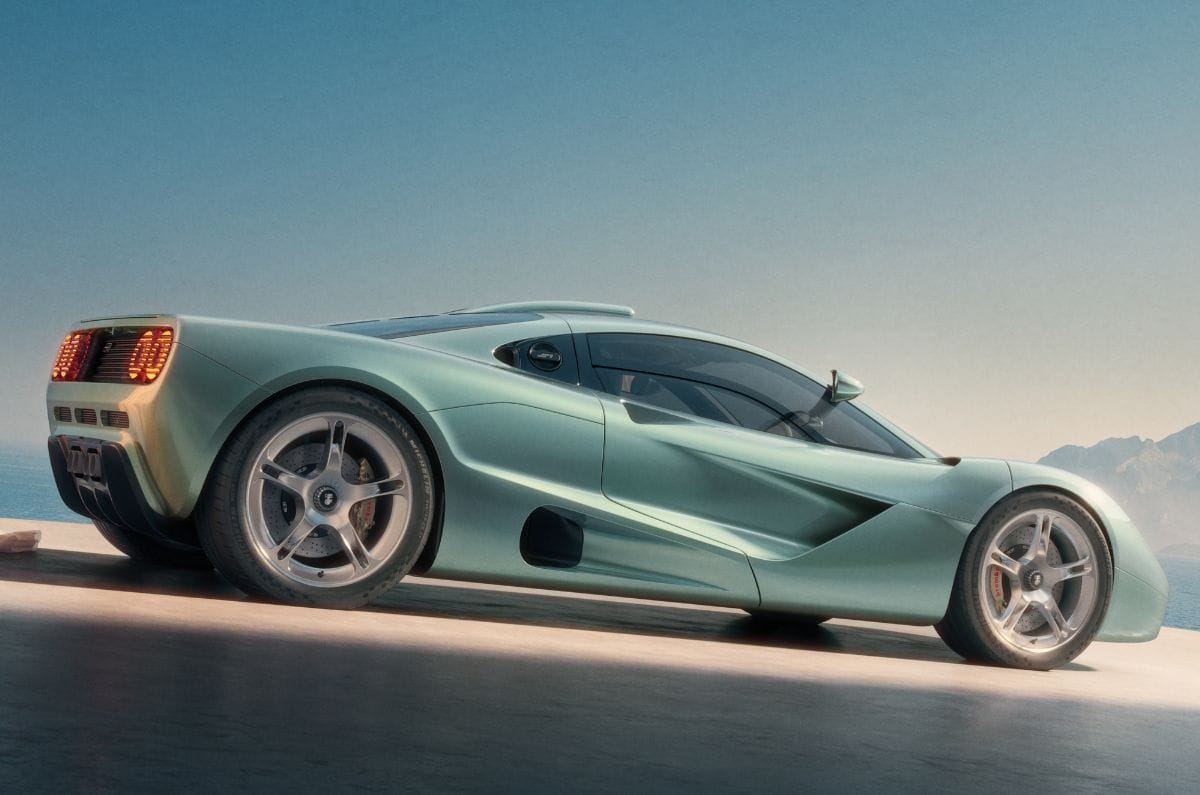
Details such as the dual-pod headlamps, the bonnet scoop and the quad tail lamps at the rear immediately connect it to the F1, all while appearing properly contemporary. The circular lights positioned at the leading edges of the front air intakes and the five-spoke alloy wheels are a direct nod to the 1992 McLaren F1 concept car, as are the A-pillar-mounted wing mirrors – these elements did not make it to production on the original F1. 

The side profile is characterised by pronounced wheel arches and a rising beltline, while the scoops on the doors and sills are a lot more pronounced here. At the rear is a classic quad exhaust setup and a diffuser that features an active aero system. GMA says the S1 has been “optimised for mechanical grip, rather than high downforce”.  

GMA S1 interior

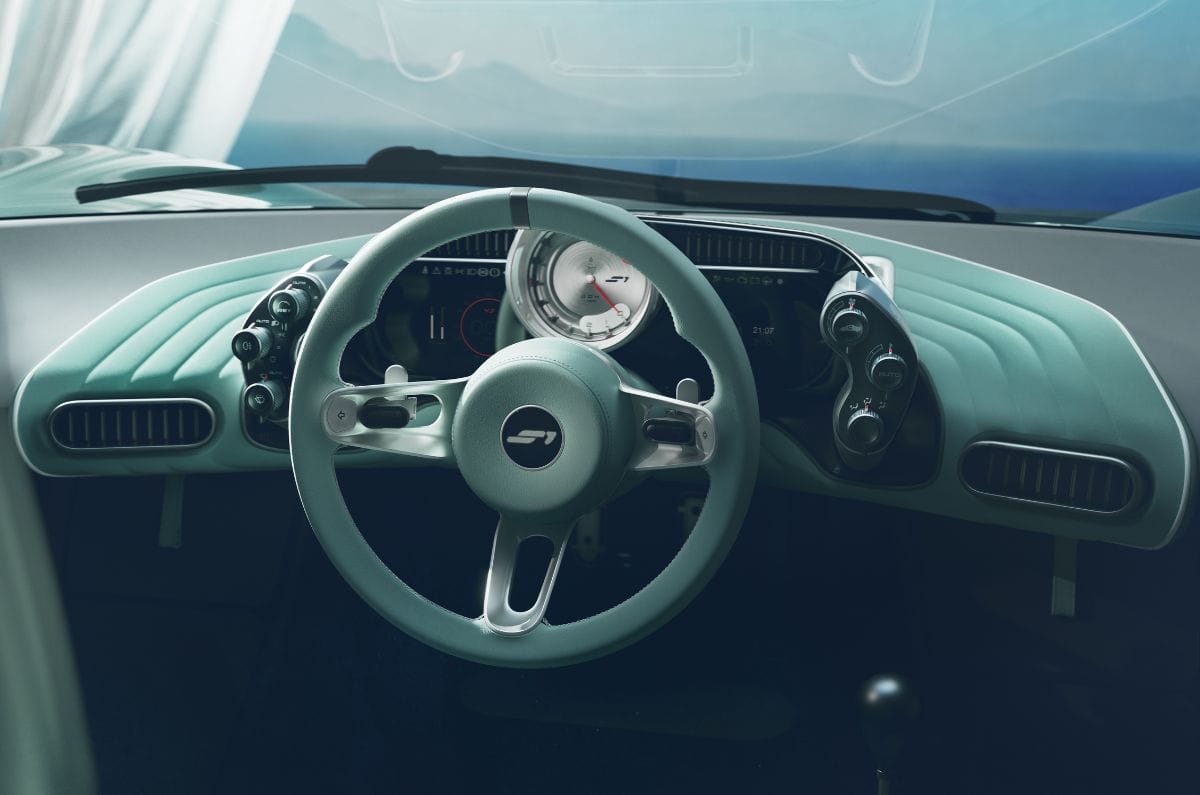
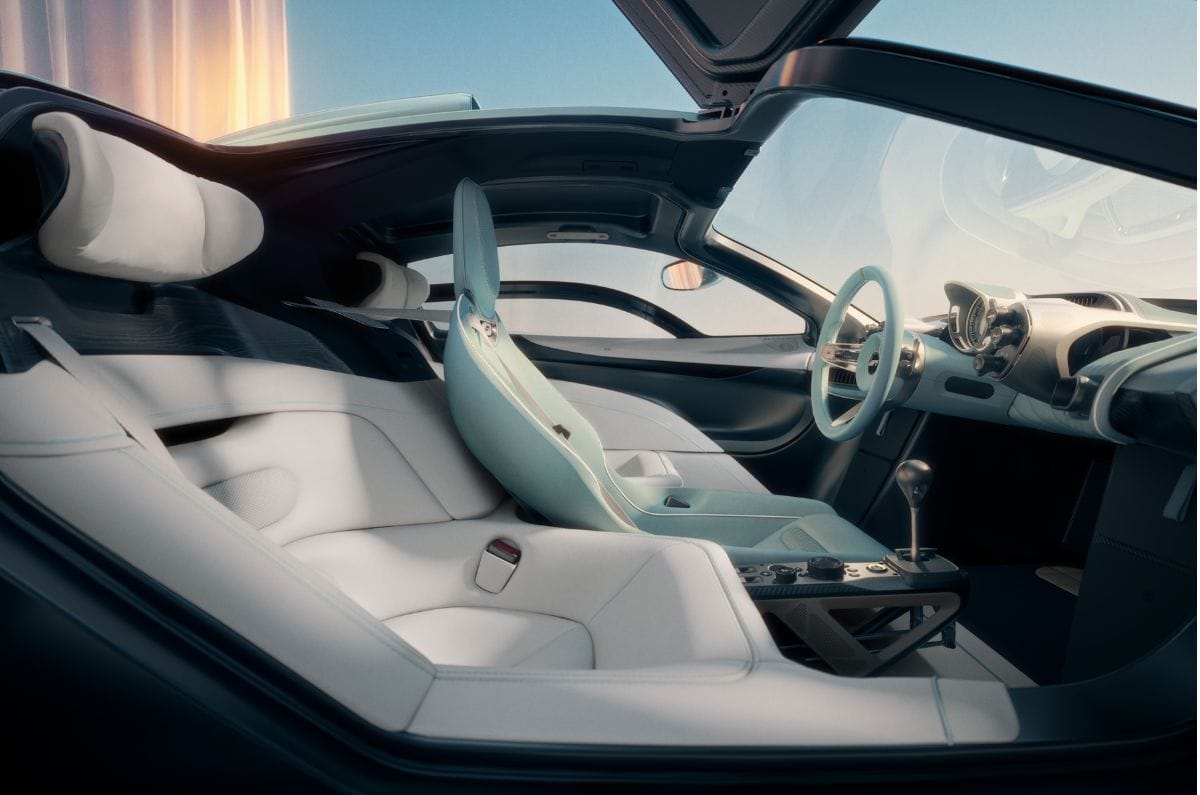
Characteristic of most GMA models, just as the original F1, the interior features a 3-seat layout with a central driving position and a low scuttle height. It’s, however, more luxuriously trimmed in leather and bespoke fabrics, and also features more sound deadening in keeping with its road-biased positioning. The dashboard panel housing the instruments and all the controls also appear more richly intricate. It also features a bespoke lightweight audio system and a touring-focused seat to make it better suited for long distance use. 

The real talking point is that there are no touchscreens – all interior controls are completely analogue. There are, however, two displays flanking the gorgeous analogue tachometer – the left screen is for infotainment and phone-related functions, while the right screen is for all vehicle related function. Murray says “Everything here is analogue and rotary. I don’t see that’s something we’ll ever move away from.”  

GMA S1 engine and specifications 

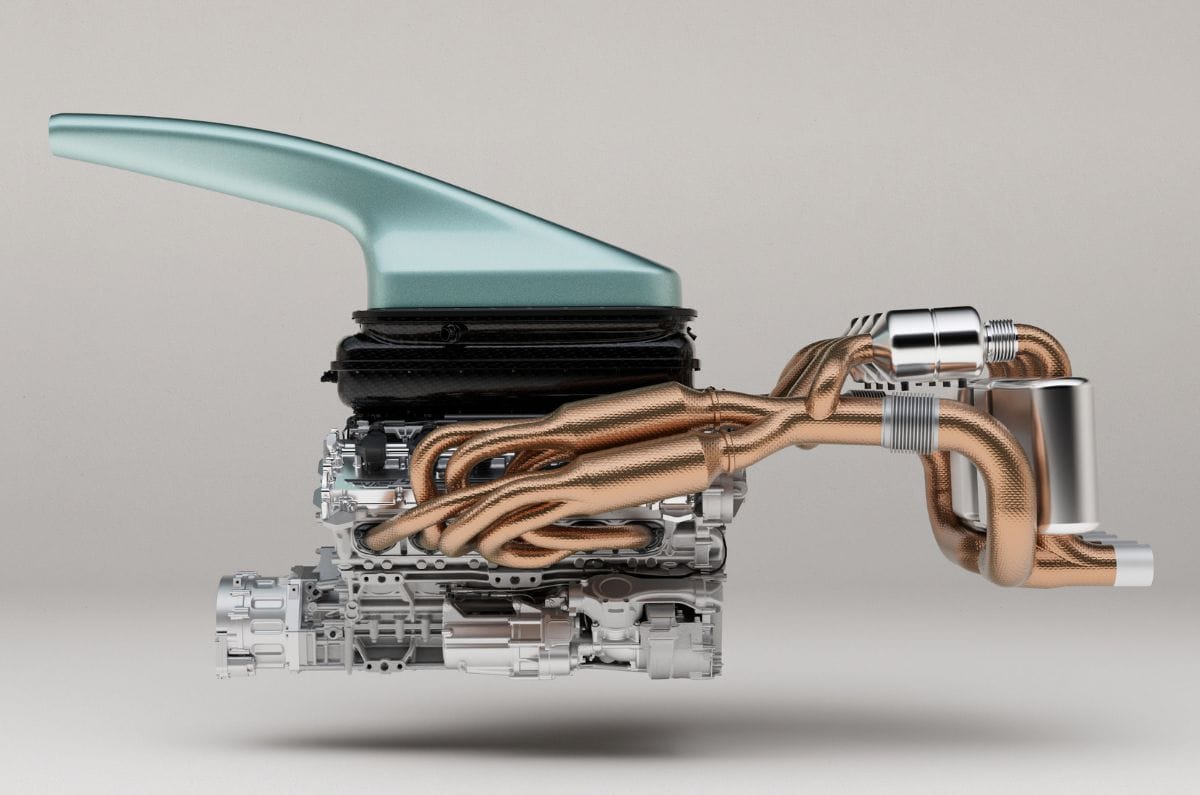
Powering the S1 is a 4.2-litre, naturally aspirated Cosworth V12 engine that revs to a manic 12,100rpm. This is slightly larger than the 4.0-litre V12 used in the T50 (the car it is based on), but smaller than the 4.3-litre unit seen on the S1 LM. And just like in the original F1, this one too gets a 24-carat gold-plated heat shielding. There’s also an air intake on the roof that feeds air directly into the engine. 

The engine produces 690hp and 500Nm of torque – quite modest figures for current times – with 80 percent of peak torque being available from as low as 2500rpm. For perspective, the McLaren F1 from three decades ago produced 627hp and 650Nm of torque from a 6.1-litre, naturally aspirated V12. 

The gearbox is a 6-speed manual unit with a longer sixth ratio for touring, sending drive to the rear wheels. GMA says it is targeting a weight of less than 997kg (lesser than even the T50) with extensive use of carbon fibre body panels, a carbon fibre monocoque and also carbon fibre suspension components. The S1 has the same suspension geometry and track width as the S1 LM, but it rides 10mm higher than the track-focused S1 LM and also gets more compliant dampers. It also gets a switchable power steering that lets one alter the steering feel depending on the use case.  

Production of the S1 will be limited to 64 units worldwide. Each car will be individually commissioned and specified by its owner, although pricing remains undisclosed.

छात्र प्रोटेस्ट के बीच सीएम हेमंत सोरेन का बड़ा ऐलान, रद्द होगा JSSC-CGL एग्जाम

Hemant Soren: झारखंड में पिछले 24 दिनों से जारी छात्रों के प्रोटेस्ट के बीच राज्य सरकार ने बड़ा फैसला लिया है। मुख्यमंत्री हेमंत सोरेन ने कहा कि कैबिनेट ने JSSC-CGL परीक्षा को रद्द करने का फैसला किया है। हेमंत सोरेन ने कहा कि झारखंड सरकार केंद्र के नए परीक्षा कानून को राज्य में लागू करने पर भी विचार कर रही है। इस कानून में संगठित नकल और परीक्षा में धोखाधड़ी करने वालों के खिलाफ कड़ी कार्रवाई का प्रावधान है। भर्ती परीक्षा में कथित गड़बड़ी के आरोपों को लेकर नौकरी की तैयारी कर रहे उम्मीदवार लगातार विरोध प्रदर्शन कर रहे हैं।

परीक्षा में धोखाधड़ी पर सख्त कार्रवाई

हेमंत सोरेन ने कहा कि, झारखंड में केंद्र के नए परीक्षा कानून को लागू करने पर विचार किया जा रहा है, जिसमें नकल और परीक्षा में धोखाधड़ी पर सख्त कार्रवाई का प्रावधान है। इसके तहत दोषी पाए जाने पर 10 साल तक की जेल और 10 करोड़ रुपये तक का जुर्माना लगाया जा सकता है। सरकार का यह कदम भर्ती परीक्षाओं में होने वाली गड़बड़ियों पर रोक लगाने के लिए अहम माना जा रहा है।

सीएम ने क्या कहा

सीएम हेमंत सोरेन ने कहा, “आज, कैबिनेट ने JSSC-CGL परीक्षाएं भी रद्द करने का फैसला किया। इसके अलावा, 2014 से हुई सभी छोटी या बड़ी गलतियों की पूरी जांच की जाएगी। हम जल्द ही केंद्र सरकार द्वारा MMDR एक्ट में किए गए बदलावों पर चर्चा करने के लिए भी बैठक करेंगे, अगर जरूरत पड़ी, तो हम इस खास मुद्दे पर चर्चा करने के लिए एक स्पेशल सेशन भी बुला सकते हैं।”

उन्होंने कहा, “इस मामले के सभी पहलुओं पर ध्यान देते हुए, हमने TDPL से जुड़ी हर चीज को कैंसिल करने का फैसला किया है—जिसमें आयोजित परीक्षाएं, जारी हुए नतीजे, चुने गए या भाग लेने वाले उम्मीदवार और TDPL द्वारा की जाने वाली दूसरी सभी गतिविधियां शामिल हैं।”

24 दिन से विरोध प्रदर्शन कर रहे छात्र

झारखंड में भर्ती परीक्षाओं को लेकर नौकरी की तैयारी कर रहे उम्मीदवार पिछले 24 दिनों से विरोध प्रदर्शन कर रहे हैं। प्रदर्शनकारी परीक्षा में कथित गड़बड़ियों के खिलाफ कार्रवाई की मांग कर रहे हैं। उनकी मुख्य मांग सितंबर 2024 में हुई JSSC-CGL परीक्षा को रद्द करने की है। उम्मीदवारों का आरोप है कि परीक्षा का प्रश्नपत्र पहले ही लीक हो गया था और 135 में से 120 सवाल लीक होने का दावा किया गया है। प्रदर्शन कर रहे उम्मीदवार झारखंड पब्लिक सर्विस कमीशन (JPSC) और झारखंड स्टाफ सिलेक्शन कमीशन (JSSC) की व्यवस्था में बड़े बदलाव की मांग कर रहे हैं। इसके साथ ही वे भर्ती परीक्षाओं में हुई कथित गड़बड़ियों की CBI से जांच कराने की भी मांग कर रहे हैं।

Is Hero bringing the Impulse back?

Is Hero bringing the Impulse back?
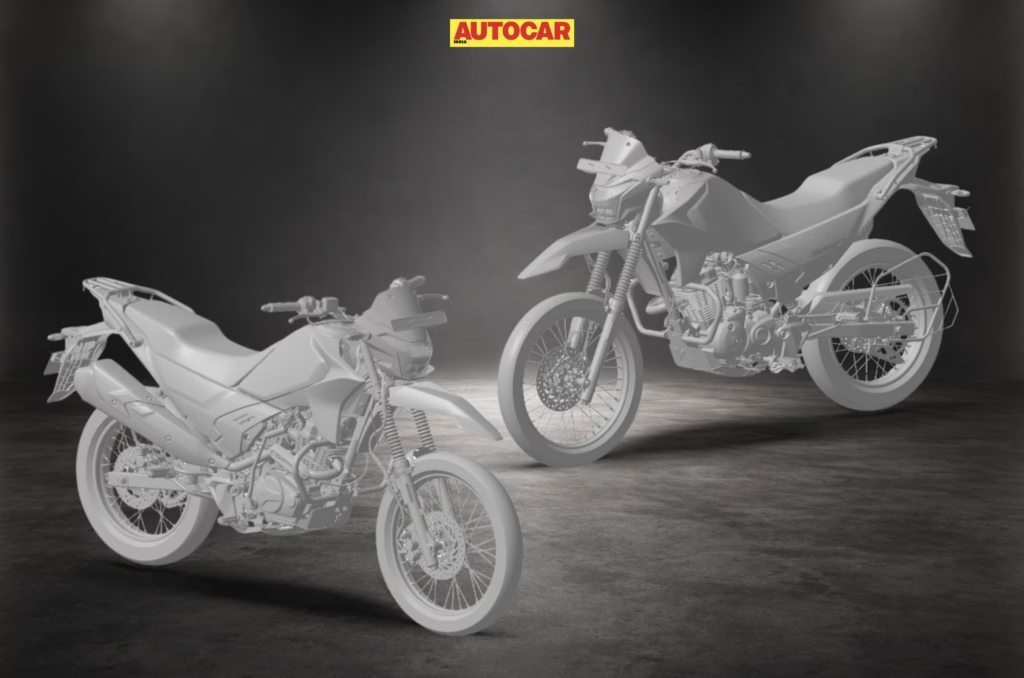
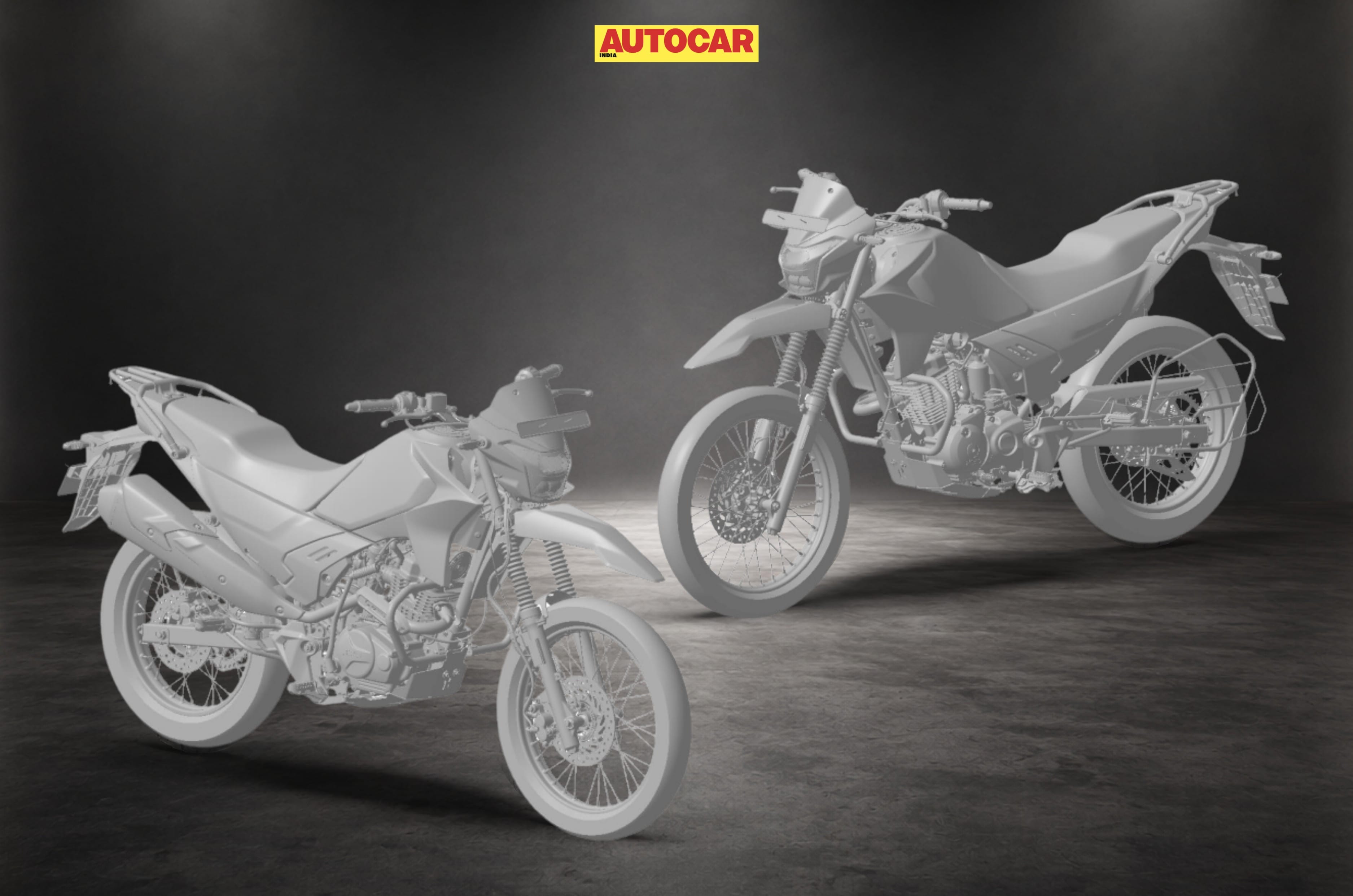
New Hero dual-sport motorcycle

Hero MotoCorp has filed a design patent for a new dual-sport motorcycle, with some details indicating that the model could enter a segment the brand last played in with the Impulse.

  1. Air-cooled engine with kickstarter visible in the patent drawings
  2. Carburettor suggests it could also be for export markets
  3. Disc brakes at both ends with what looks like long-travel suspension

New Hero dual-sport motorcycle: What the patent reveals

Design cues drawn from existing Hero models across different segments

The new motorcycle in the patent filing has an air-cooled engine with no oil-cooler, suggesting that it will likely be a smaller-capacity powerplant displacing somewhere in the 150-200cc range, well below the liquid-cooled Xpulse 421 that’s currently under development. The images also reveal that the engine will feature a kickstarter, but it’s safe to assume that an electric starter will also be present. If this is indeed a small-capacity engine as we suspect, the Impulse moniker could even be in contention for a revival. 

While this means the new model could sit close to the existing XPulse 200 4V and XPulse 210, the overall profile appears slimmer, and the potentially smaller engine could also make it lighter and easier to handle.

The overall silhouette and tank shrouds also bear a closer resemblance to the old Impulse than to the current XPulse range. Lighting elements seem to be drawn from existing Hero models – the tail lamp resembles the unit on the Xtreme 125R and XPulse 210, while the headlight is similar to the Xtreme 160R and now-discontinued Passion Pro 110 XTEC unit. Other visible elements include a raised front mudguard and a high-mounted exhaust, a telescopic fork and monoshock suspension setup, and disc brakes at both ends.

However, there is one aspect that is a little puzzling. In the images, we can see what looks like a fuel tap on the left side of the engine and a choke knob on the left handlebar – both indicating a carburetted setup. It’s highly unlikely that it would comply with our country’s emission norms, so the bike in this specific form could be intended for export markets where carburetted engines are still permitted.

That said, other details suggest a different version of the bike seen here could make it to India. Regulatory requirements like the front number plate and a saree guard are both visible, suggesting Hero could also be designing the bike with the local market in mind.

There’s little other information right now, but we’ll update this story as we learn more. A patent filing also doesn’t necessarily mean that the bike will go on sale in the near future. In terms of confirmed upcoming products from the brand, we can expect the production-ready Xpulse 421 to make its official debut at EICMA 2026.

Mahindra scores double podium at Formula E London E-Prix

Mahindra scores double podium at Formula E London E-Prix
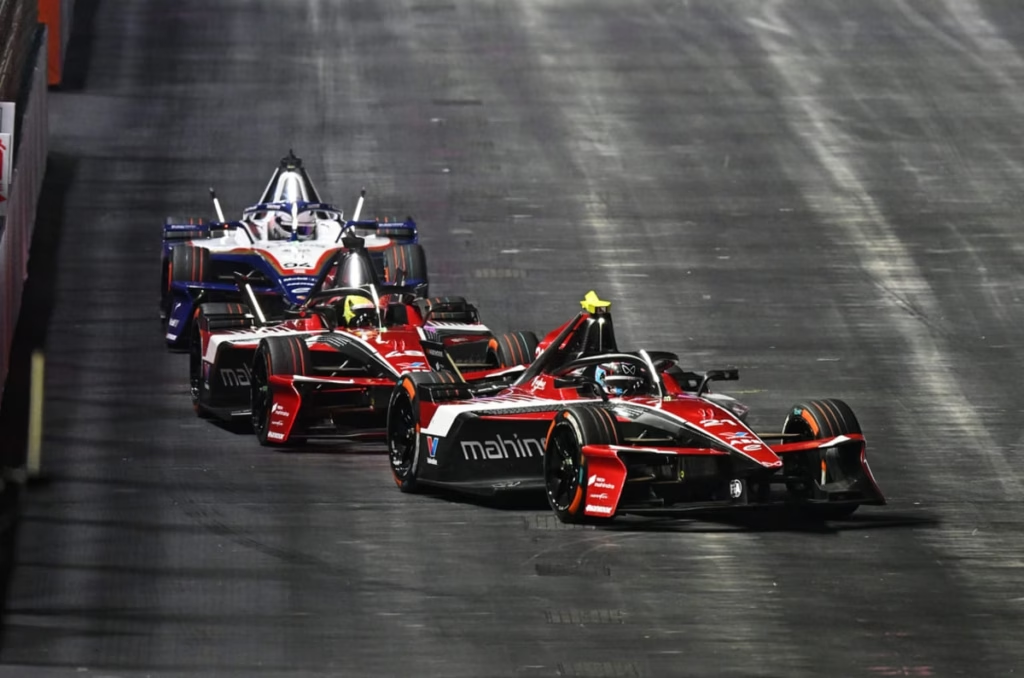
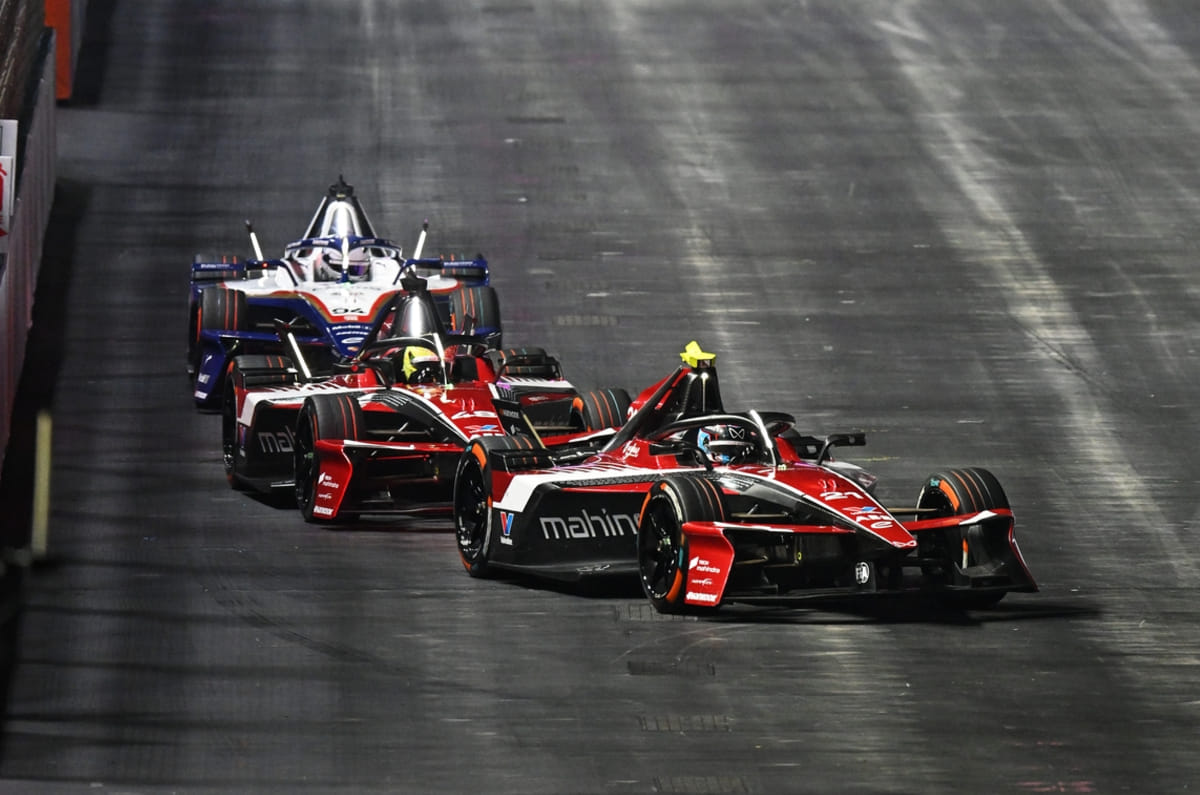
Mahindra Formula E London E Prix

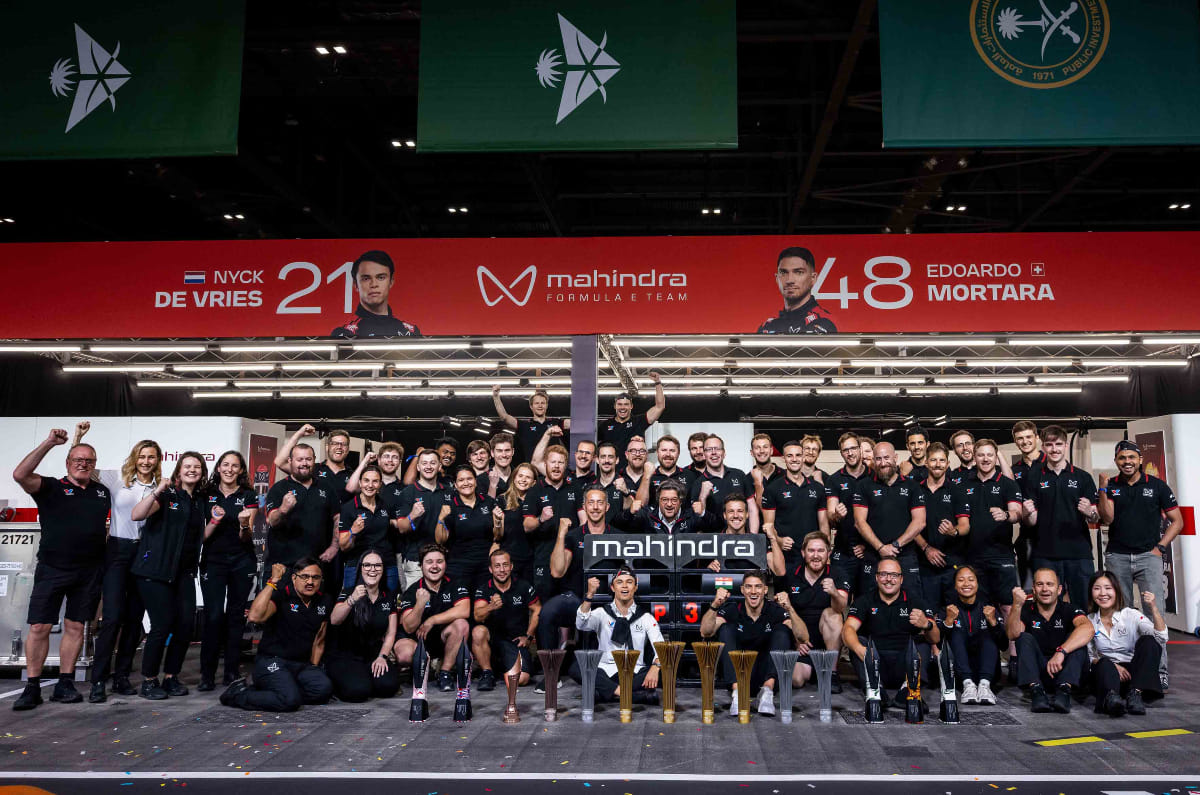
Mahindra wrapped up the 2025-26 Formula E season on a high note, securing a double podium finish at the London E-Prix finale with Nyck de Vries P2 and Edoardo Mortara P3. This helped the Indian team clinch third place in the teams’ championship, matching its strongest Formula E result.

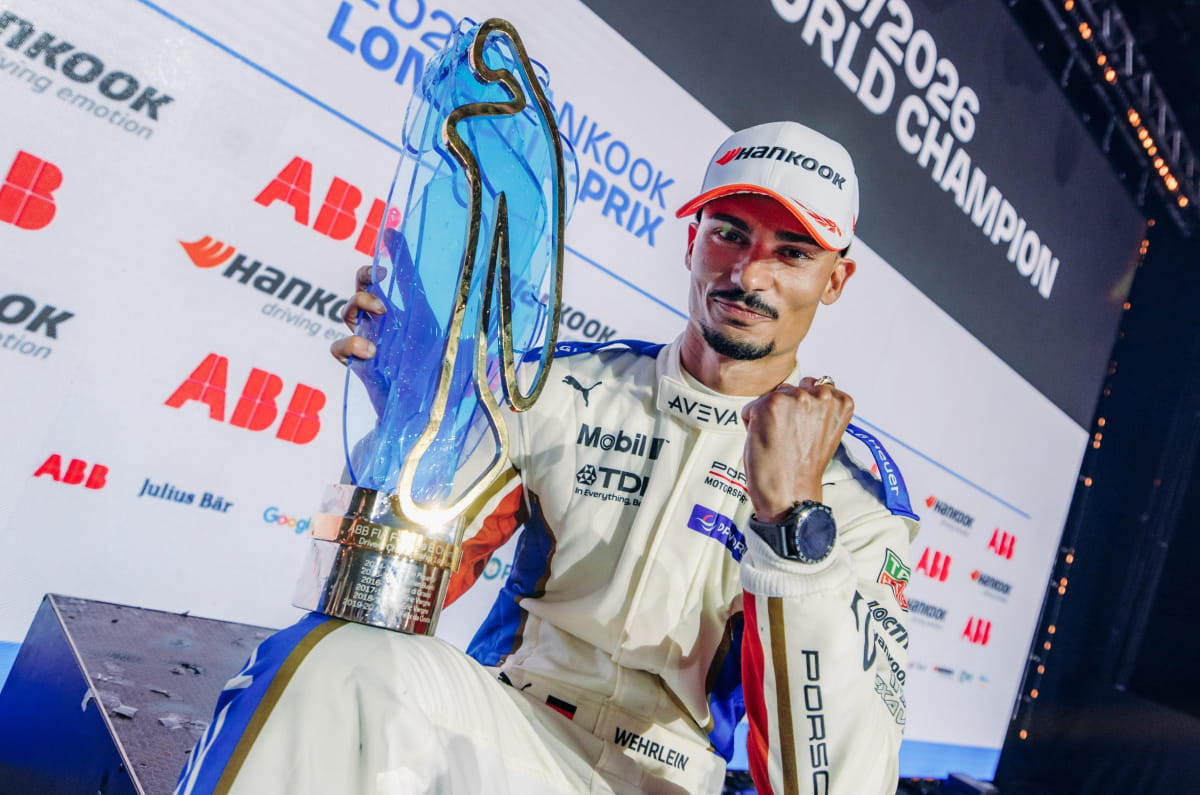
Pascal Wehrlein, meanwhile, secured his second Formula E title despite not scoring any points in the finale.

  1. Mahindra P3 in teams’ championship 
  2. Barnard wins London E-Prix finale, ahead of de Vries and Mortara
  3. Wehrlein defeats Dennis and Evans to win the drivers’ championship

Wehrlein seals Formula E title

Barnard becomes youngest Formula E race winner

Pascal Wehrlein Formula E

Heading into the London E-Prix double-header, Wehrlein stood third overall behind Andretti’s Jake Dennis and Jaguar’s Mitch Evans. Victory in Race 1 handed him the overall lead, though, five points ahead of Dennis. 

Wehrlein remained in the top five for the majority of the finale race, but both Dennis and Evans made impressive recoveries to keep the title battle alive in the closing laps. Evans used his Attack Mode to pass Antonio Felix da Costa and Wehrlein, moving up to fourth place. Da Costa then squeezed Wehrlein on Lap 27, dropping the latter down to P12. 

Dennis, meanwhile, battled his way through the field after starting P16 on the grid. Towards the end of the race, Dennis and Wehrlein were running P9 and P10, respectively. The pair ran side-by-side on Lap 32, but Wehrlein tagged the back of Joel Eriksson, who spun and collected both Wehrlein and Dennis. The incident forced Eriksson to retire, while Dennis had to pit for a tyre change and finished down in P18. 

Wehrlein was handed a three-place grid penalty for the incident, which he will serve at the Jeddah E-Prix at the start of next season. He nursed his car to P14 but was still able to clinch his second Formula E title, defeating Dennis by five points. “Today was intense. A lot of games being played, far beyond the line, but it is what it is,” Wehrlein said after the race. 

“[We] still kept our head cool and brought it home. So, yeah, a special thanks to my team, to everyone involved in that project. We are the most successful manufacturer in this Gen3 era, and I couldn’t be happier and more proud of the team.”

Evans lost out on the title, but his P4 result helped Jaguar win the teams’ championship, 17 points ahead of Porsche.

Mahindra third in teams’ championship

Mahindra Formula E

Mahindra Racing locked out the front row for the finale, with de Vries taking pole position ahead of Mortara. Both drivers made a clean getaway at the start and held their positions. The pair remained in control at the front for most of the race, swapping positions among themselves through the various Attack Mode activations. 

But with just two laps to go, Taylor Barnard’s late Attack Mode activation saw him muscle past both Mortara and de Vries to take a surprise win. The DS Penske driver becomes the youngest-ever Formula E race winner at 22 years and 76 days old.

De Vries and Mortara had to settle for P2 and P3, but a strong 42-point haul from London was enough for Mahindra to finish third in the teams’ championship, defeating the likes of Andretti, Citroen and Nissan

Over the course of the season, the Indian team scored a total of 252 points, two wins, five further podiums and five pole positions. “To finish the season with our first front-row lockout, both cars on the podium and third in the Teams’ World Championship says a great deal about the level this team has reached,” said Mahindra Racing team principal and CEO Frederic Bertrand. 

“Last season, we finished fourth with 186 points. This season, we finished third with 252, alongside two wins, five pole positions and seven podiums. The numbers show the progress, but they come from the standards, ownership and consistency across the whole organisation, from the team at the circuit to everyone in Banbury, our colleagues in India and our partners. Mahindra took the first pole of the Gen3 era and the last. We can be proud of the way we have closed this chapter, and now our responsibility is to carry this level of work into Gen4.”

2026 Formula E London E Prix Round 17 results

Pos

Driver

Team

1

Taylor Barnard

DS Penske

2

Nyck de Vries

Mahindra Racing

3

Edoardo Mortara

Mahindra Racing

4

Mitch Evans

Jaguar Racing

5

Sebastien Buemi

Envision Racing

6

Nick Cassidy

Citroen Racing

7

Jean-Eric Vergne

Citroen Racing

8

Josep Maria Marti

Cupra Kiro

9

Oliver Rowland

Nissan

10

Norman Nato

Nissan

11

Max Guenther

DS Penske

12

Nico Mueller

Porsche

13

Felipe Drugovich

Andretti

14

Pascal Wehrlein

Porsche

15

Antonio Felix da Costa

Jaguar

16

Dan Ticktum

Cupra Kiro

17

Zane Maloney

Lola Yamaha ABT

18

Jake Dennis

Andretti

NC

Joel Eriksson

Envision Racing

NC

Lucas di Grassi

Lola Yamaha ABT


टी-20 विश्वकप में उलटफेर करने वाली इटली खेलेगी पहला एकदिवसीय मैच

अपनी फुटबॉल टीम के लिए मशहूर इटली अब क्रिकेट में धीरे धीरे आगे बढ़ रहा है। कुछ महीने पहले ही टी-20 विश्वकप में इटली के स्पिनरों ने हालात का पूरा फ़ायदा उठाकर नेपाल के खिलाफ बेन मैनेंटी ने 9 रन देकर 2 विकेट लिए, जबकि कृष्ण कलुगामागे ने 22 रन देकर 3 विकेट लिए। इसके बाद मोस्का भाइयों ने अपनी आक्रामक बल्लेबाजी से नेपाल को कोई मौका नहीं दिया। हां, टारगेट ज्यादा नहीं था लेकिन उन्होंने 12.4 ओवर में उसे पूरी तरह से खत्म कर दिया।

अब यह खबर आ रही है कि आगामी एकदिवसीय विश्वकप क्वालिफायर में इटली आधिकारिक तौर पर अपना पहला एकदिवसीय मैच खेलेगा।

जुलाई में ICC द्वारा घोषित किए गए विश्व कप 2027 के नए प्रारुप  के मुताबिक़ क्वालीफ़ायर्स का विजेता सीधे प्रमुख ग्रुप में प्रवेश कर जाएगा। जबकि क्वालीफ़ायर्स में दूसरे, तीसरे और चौथे स्थान की टीम वनडे विश्व कप के पहले राउंड में पहुंचेगी। जिसे सुपर सीरीज़ का नाम दिया गया है, और फिर सुपर सीरीज़ के विजेता को 12 देशों के बीच प्रतिस्पर्धा का मौक़ा मिलेगा।

ICC वनडे विश्व कप 2027 दक्षिण अफ़्रीका, ज़िम्बाब्वे और नामीबिया के 12 शहरों में 4 अक्टूबर से 11 नवंबर 2027 के बीच खेला जाएगा।विश्व कप क्वालीफ़ायर्स में कुल 10 टीमें हिस्सा लेंगी। इनमें 30 सितंबर 2026 तक की वनडे रैंकिंग के आधार पर मेज़बान दक्षिण अफ़्रीका और ज़िम्बाब्वे को छोड़कर दो सबसे निचली रैंकिंग वाली पूर्ण सदस्य टीमें, CWC लीग-2 की शीर्ष चार टीमें और विश्व कप क्वालीफ़ायर्स प्लेऑफ़ से क्वालीफ़ाई करने वाली शीर्ष चार टीमें शामिल होंगी।

विश्वकप क्वालीफ़ायर्स प्लेऑफ़ में CWC लीग-2 की निचली चार टीमें और चैलेंज लीग की चार टीमें आमने-सामने होंगी। चैलेंज लीग को विश्व क्रिकेट का तीसरा स्तर माना जाता है। प्लेऑफ़ का प्रारूप अभी तय नहीं किया गया है, लेकिन इस आठ टीमों के टूर्नामेंट से शीर्ष चार टीमें 2027 वनडे विश्व कप क्वालीफ़ायर्स के लिए क्वालीफ़ाई करेंगी।

चैलेंज लीग में कुल 12 टीमें हिस्सा लेंगी, जिन्हें छह-छह टीमों के दो समूहों में बांटा जाएगा। प्रत्येक टीम इस पूरे चक्र के दौरान तीन राउंड-रॉबिन टूर्नामेंट खेलेगी। दोनों समूहों से शीर्ष दो-दो टीमें विश्व कप क्वालीफ़ायर्स प्लेऑफ़ के लिए क्वालीफ़ाई करेंगी।

All you need to know about the Mahindra Scorpio Lifestyler

All you need to know about the Mahindra Scorpio Lifestyler
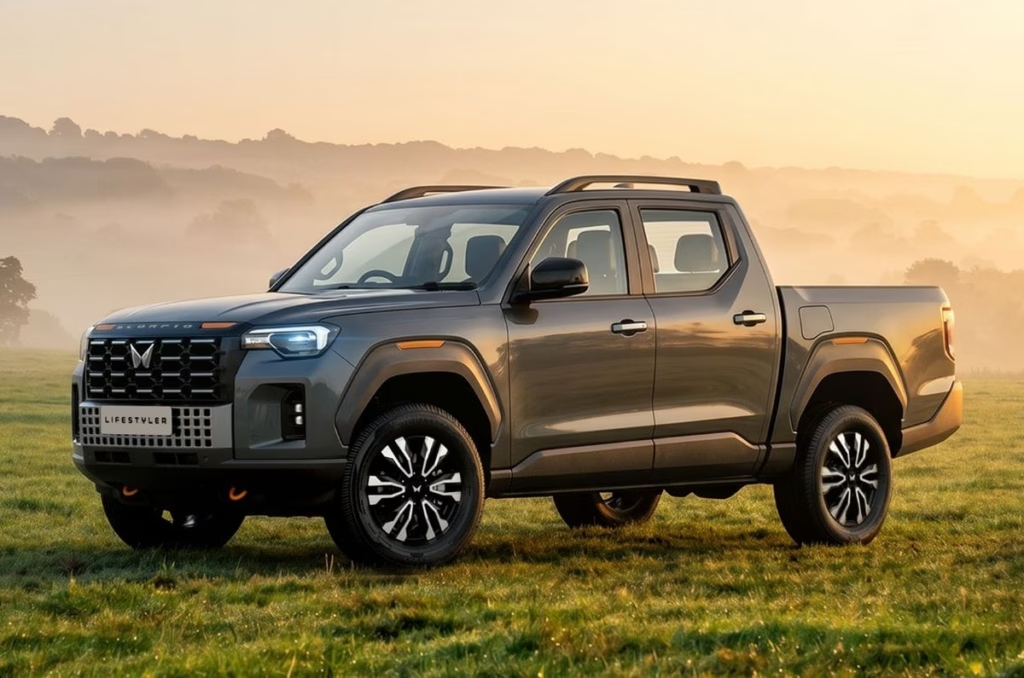
Mahindra Scorpio Lifestyler front quarter static

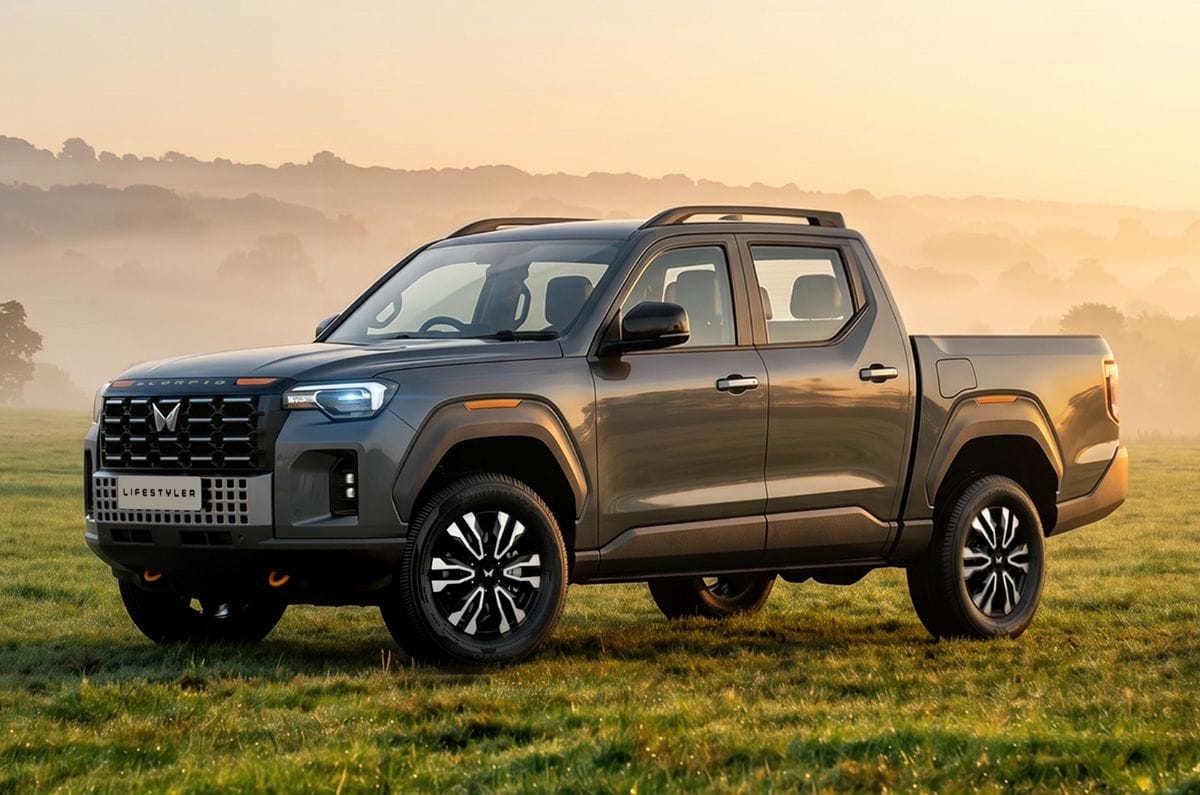
The Mahindra Scorpio Lifestyler will join the pickup truck segment upon its launch sometime before April 2027. Based on the Scorpio N SUV’s ladder-frame platform, Mahindra’s new pickup truck will simply carry the ‘Lifestyler’ moniker in markets abroad. While the automaker is yet fully disclose most of this car’s details, it has confirmed a starting price of under Rs 19.79 lakh (ex-showroom). So, if you’re awaiting the Mahindra Scorpio Lifestyler, here are some important points to keep in mind.

1. Does the Mahindra Scorpio Lifestyler’s design reflect its name?

There’s enough visual drama here to draw in buyers wanting a lifestyle pickup truck

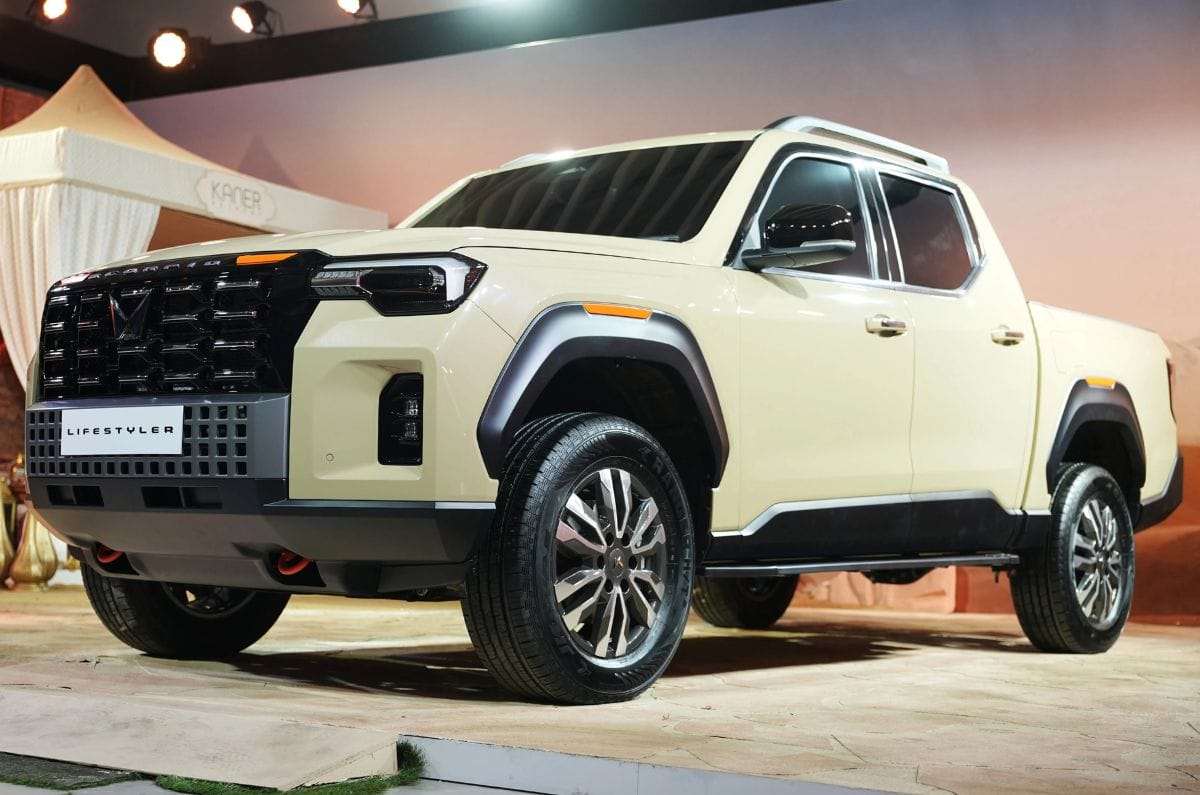
Mahindra Scorpio Lifestyler front

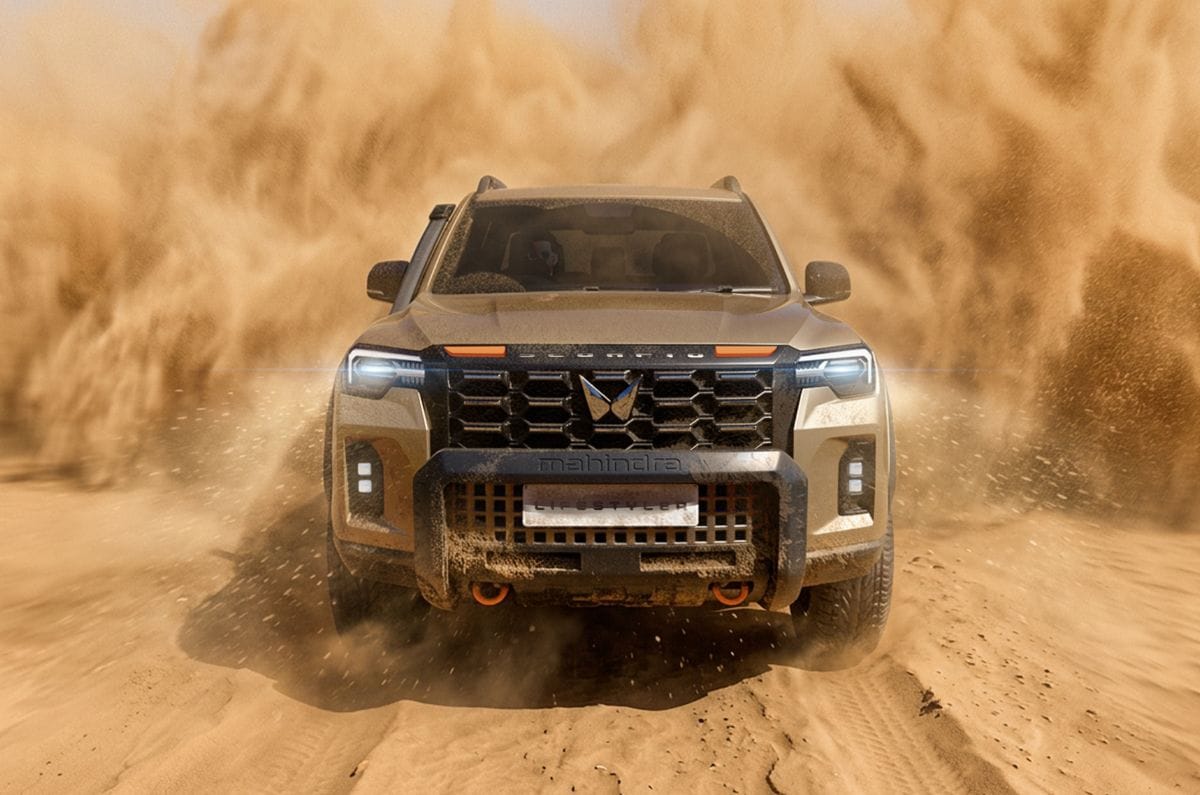
An upright and boxy silhouette, a squared-off front fascia, rugged-looking body cladding, deep wheel wells and of course, a sizeable bed – the Mahindra Scorpio Lifestyler has all basic ‘pickup truck’ design aspects covered. Backing its ‘lifestyler’ suffix visually are three avatars as shown during the model’s reveal. There’s the Valley Edition that’s finished in Artemis Grey, Reef Edition with an Aquareef colour, and a Trail Edition that sports the so-called Sahara Beige colour scheme. Each of these get their own unique exterior decals and badging.

While there are some visual cues that this is the Scorpio N’s platform sibling (such as the ‘Scorpio’ badging at the top of the front grille), the Lifestyler pickup has several design cues that are unique to it. One of these is the prominent Double Cab body and a short bed at the back, which appears to be shorter than the one found on the Hilux. The headlamps are sleeker and more intricately styled units with a different LED DRL pattern. Depending on the avatar chosen, the chunky front bumper of the Scorpio Lifestyler can be had with an integrated bullbar, whilst vertically aligned fog lamps are available too.

Mahindra Scorpio Lifestyler rear quarter

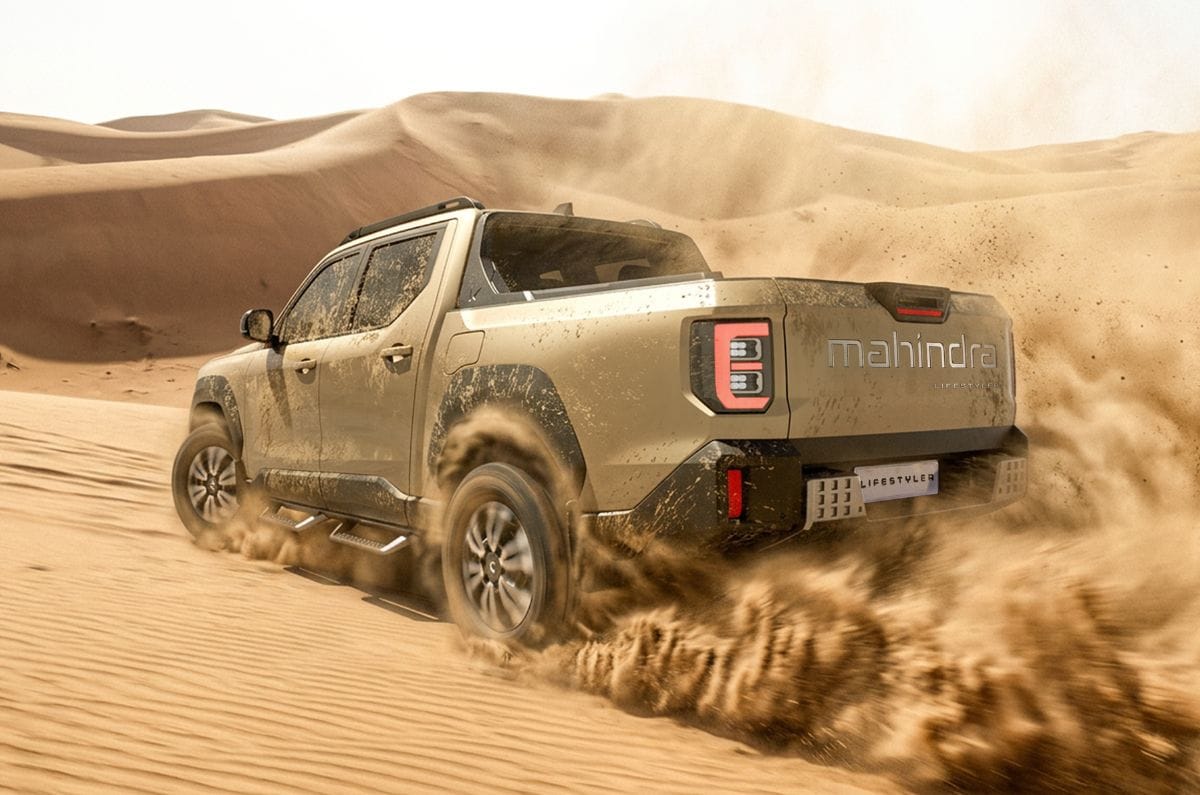
The top portion of the boxy-looking grille is finished in black and gets orange reflector elements, which match the orange tow hooks placed either side of a bash plate. The lower portion of the grille features large squares arranged in a mesh pattern. This design is mirrored on the rear bumper, which also features static reflectors on the sides and an integrated footstep that’s lit for better visibility in the dark. There are large C-shaped DRLs, LED tail-lamps, plus ‘Mahindra’ and ‘Lifestyler’ branding on the tailgate. The Scorpio Lifestyler also gets roof rails and side steps, and a kinked rear windowline.

2. How is the interior of the Mahindra Scorpio Lifestyler?

The interior of this pickup truck combines modern with rugged quite well

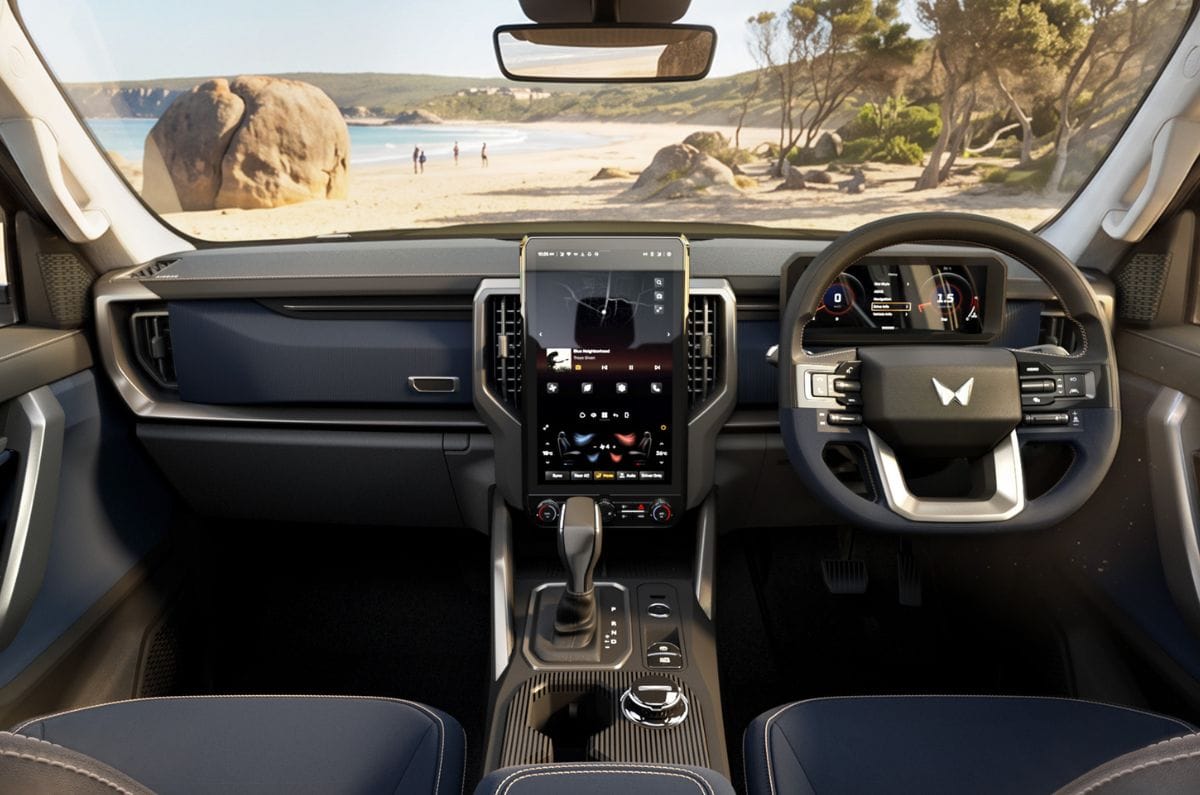
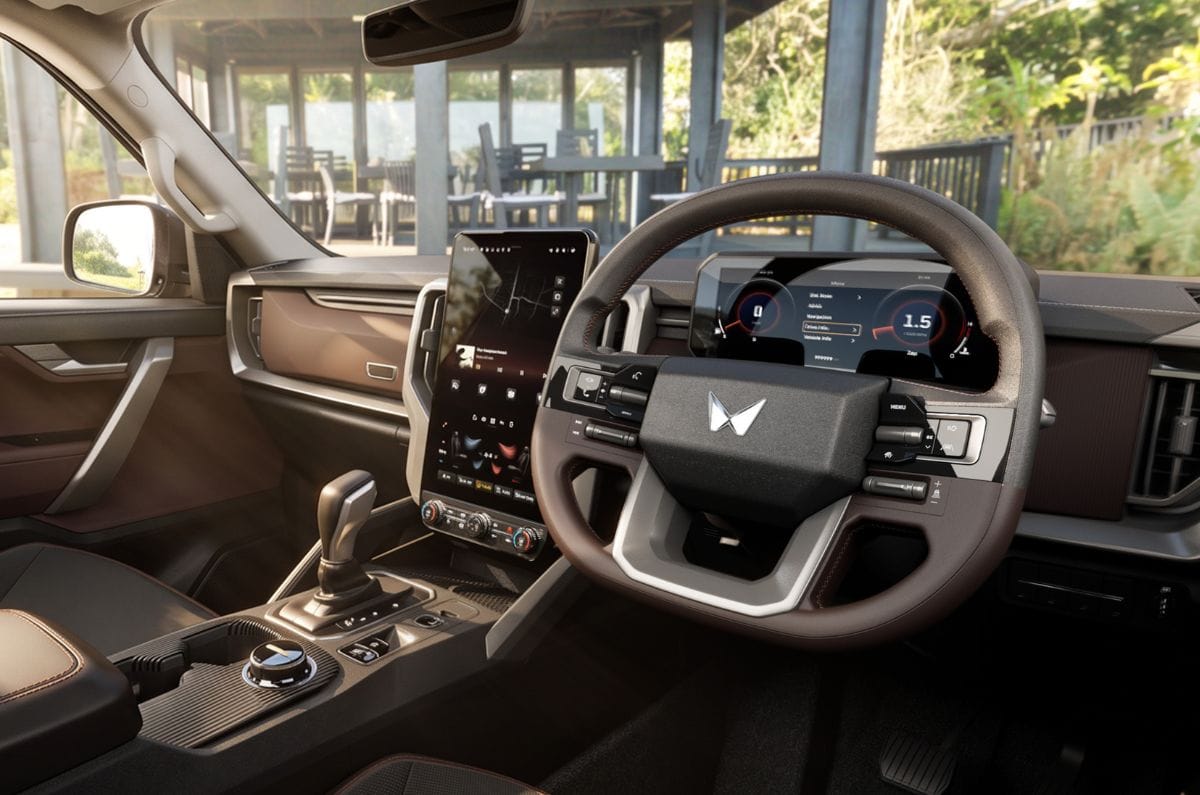
The squircle steering of the Mahindra Scorpio Lifestyler looks busy with its assortment of physical buttons and scroll wheels. Placed behind this on the dashboard is a fully digital instrument cluster with a multi-information section in the centre. In the middle of the dash is a large portrait-oriented touchscreen, flanked by vertically arranged central air-con vents. Placed below this screen are some physical switchgear, with the centre pedestal home to a few more important controls and cupholders.

Mahindra Scorpio Lifestyler Reef Edition interior

The upright design of the dashboard with its flat top, along with the large door handles and pillar-integrated grab handles, add to the rugged appeal of this interior. The Reef Edition gets a blue & black dual-tone interior with white stitching, while the Valley Edition features a brown & black theme with brown and white stitching. As for the Trail Edition, its cabin sports contrasting yellow stitching. The interior of the Scorpio Lifestyler also includes leatherette and satin silver trim, plus some chrome detailing.

3. What are some of the features of the Mahindra Scorpio Lifestyler?

The Scorpio Lifestyler is to be well-equipped with several modern conveniences and safety gear

Mahindra Scorpio Lifestyler Valley Edition interior

Some of the kit that the Mahindra Scorpio Lifestyler is expected to offer include dual-zone automatic climate control with rear vents, powered front seats, a powered sunroof, push-button start, an electronic parking brake with auto-hold, drive/terrain modes, a premium audio system, wireless Apple CarPlay & Android Auto, and wireless phone charging. On the safety front, there will be multiple airbags, electronic stability control, hill-start assist, hill-descent control, surround-view cameras and a tyre-pressure monitoring system.

4. What engine and gearbox options will the Mahindra Scorpio Lifestyler offer?

The Scorpio Lifestyler is expected to offer buyers both petrol and diesel powertrains

Mahindra Scorpio Lifestyler front quarter static

Powering the Mahindra Scorpio Lifestyler are likely to be a choice of two engine options: a mHawk 2.2-litre diesel and an mStallion 2.0-litre direct-injection turbo-petrol engine, which are the same units found under the bonnet of the Scorpio N SUV. The exact output of these powerplants will be revealed closer to the launch of this pickup. Meanwhile, transmission choices could include a 6-speed manual and a 6-speed torque-converter automatic. With a starting price of under Rs 19.79 lakh (ex-showroom), the Mahindra Scorpio Lifestyler will find itself positioned closer to the Isuzu D-Max rather the more expensive Toyota Hilux.

Also read

What to expect from Skoda Slavia facelift ahead of launch tomorrow?

Which variant of the Mahindra BE 6 Sporteq should you buy?

Defender Dakar goes road legal with 635hp V8

Defender Dakar goes road legal with 635hp V8
Dakar

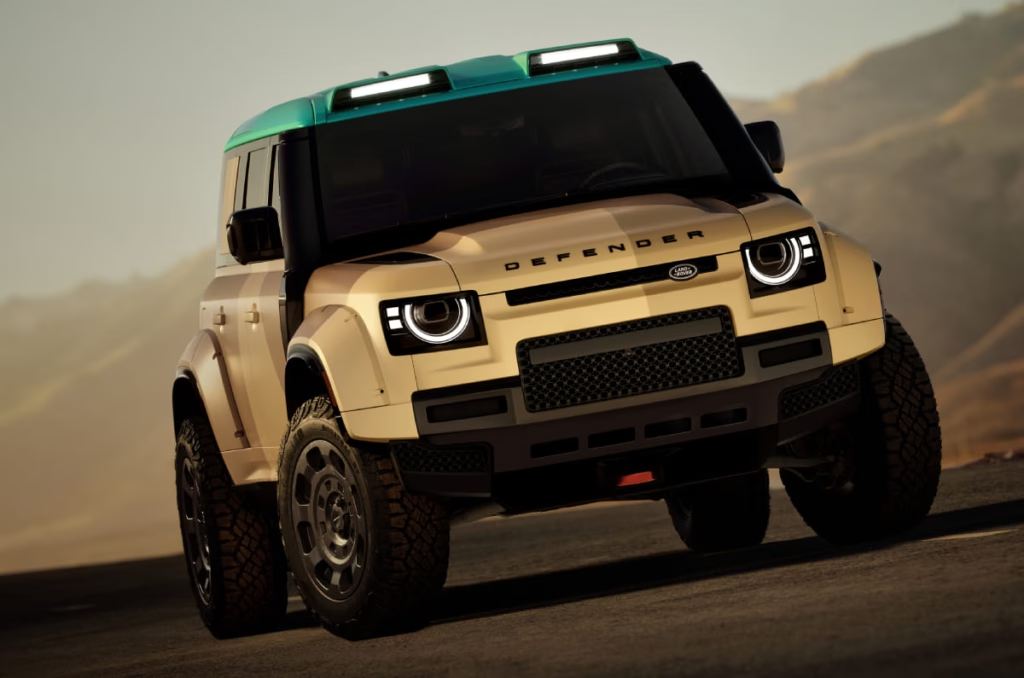
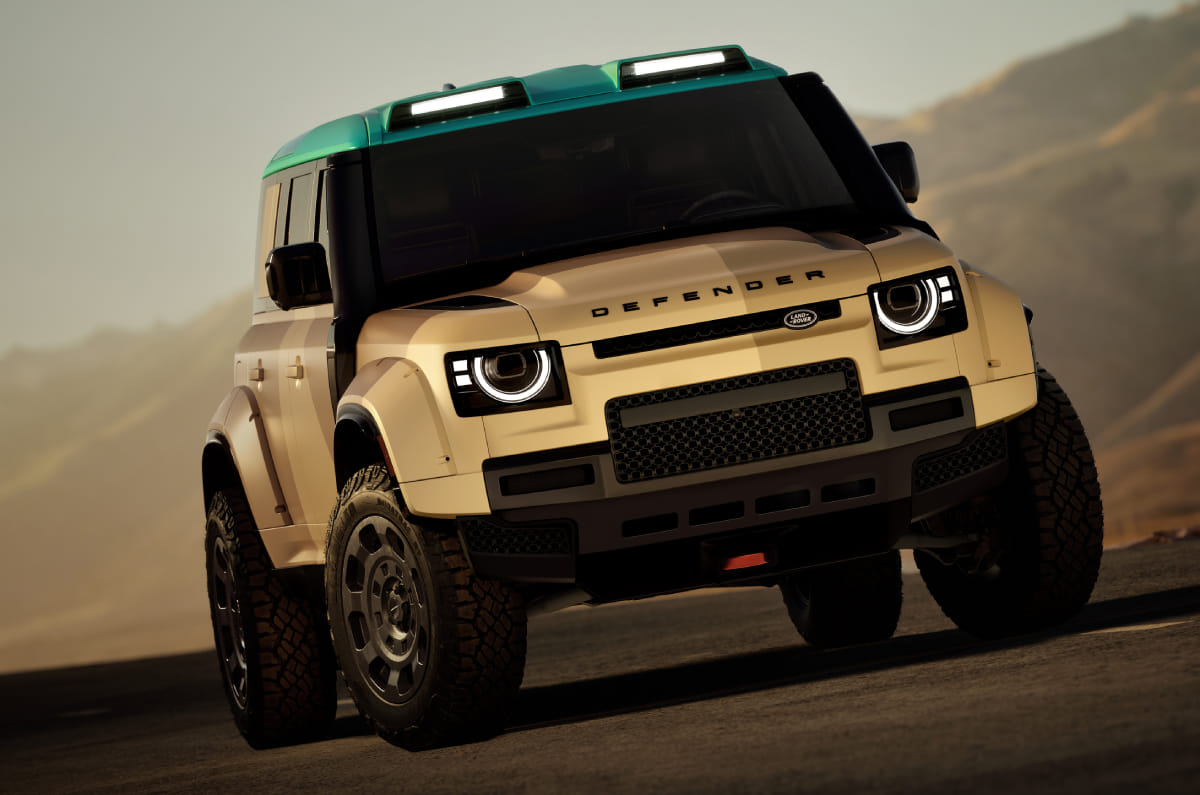
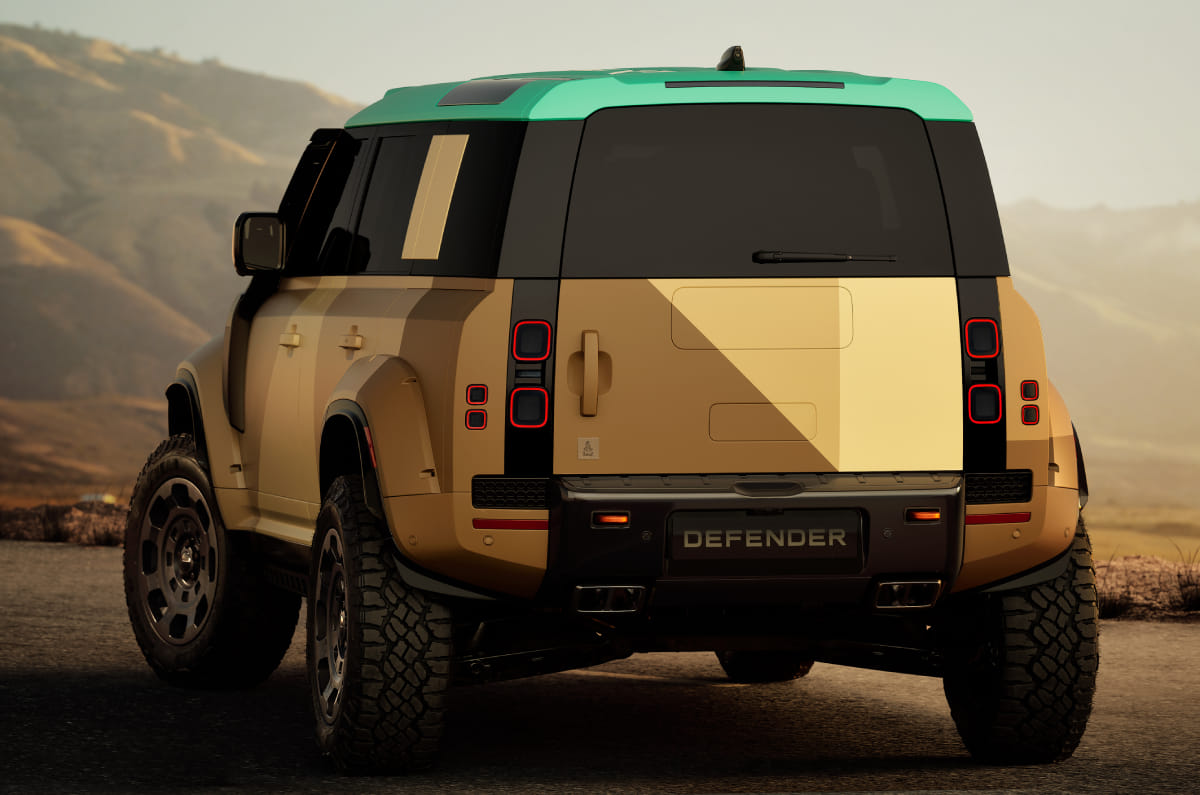
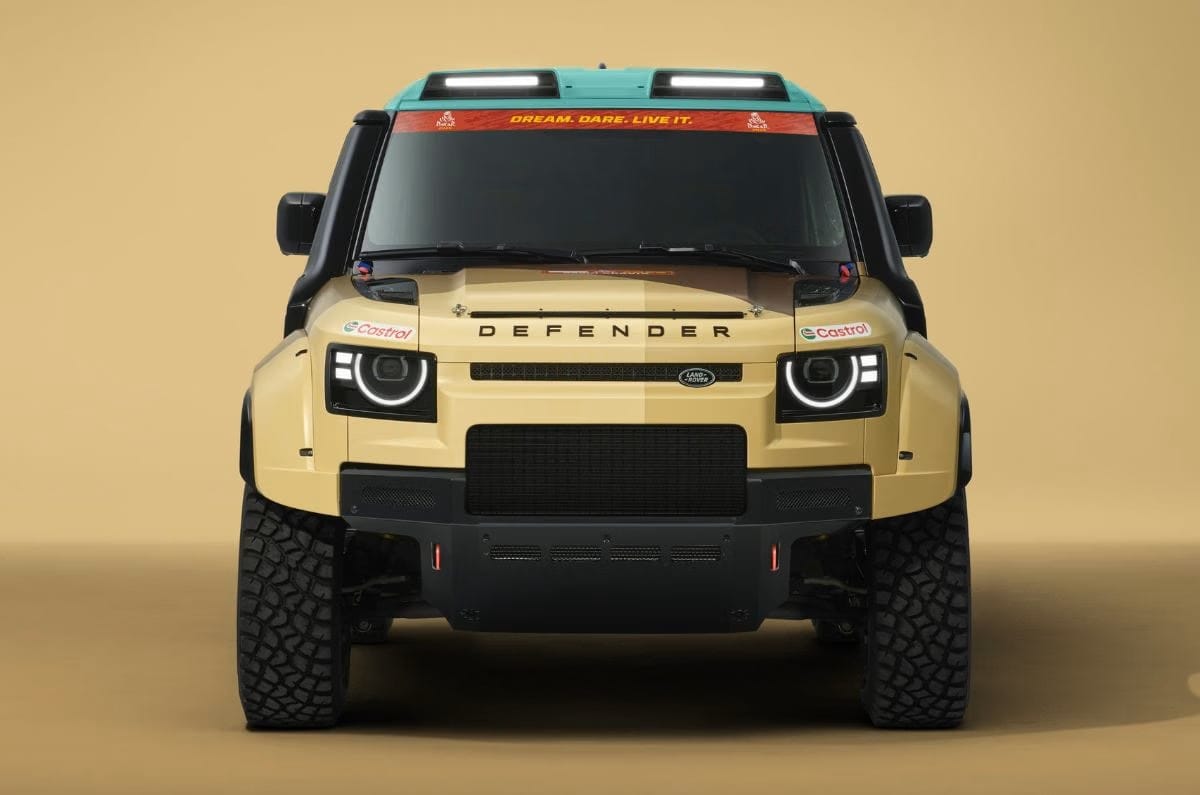
Defender has revealed the Dakar, a limited-run road-legal version of its Dakar Rally-winning D7X-R competition car. Previewed as a Design Preview Model at Monterey Car Week, the Defender Dakar is based on the Defender OCTA and retains the rally car’s body architecture, transmission, driveline and 4.4-litre twin-turbo V8 engine. Reservations are scheduled to open in early 2027, while full technical specifications will be revealed during the 2027 Dakar Rally.

  1. Based on the Dakar-winning Defender D7X-R rally car
  2. Gets 635hp twin-turbo V8 and rally-derived suspension
  3. Reservations to open in early 2027

Defender Dakar exterior

The Defender Dakar features several changes inspired by the D7X-R rally car. These include a wider track, increased ride height, 35-inch all-terrain tyres on forged 20-inch wheels, and coil suspension with Bilstein Advanced dampers. It also introduces new Dunes and Gravel drive modes, along with Flight Mode, which has been developed to improve stability during landings over uneven terrain.

The exterior also gets roof-mounted auxiliary lights, a fixed metal roof, carbon-fibre bonnet, carbon-fibre raised air intakes, extended wheel arches with exposed rivets, signature mud flaps, a tailgate blanking panel, a front undershield and additional underbody protection. Buyers will be able to choose from several paint finishes, including the Dakar Sand and Yanbu Turquoise combination inspired by the race-winning D7X-R.

Defender Dakar interior

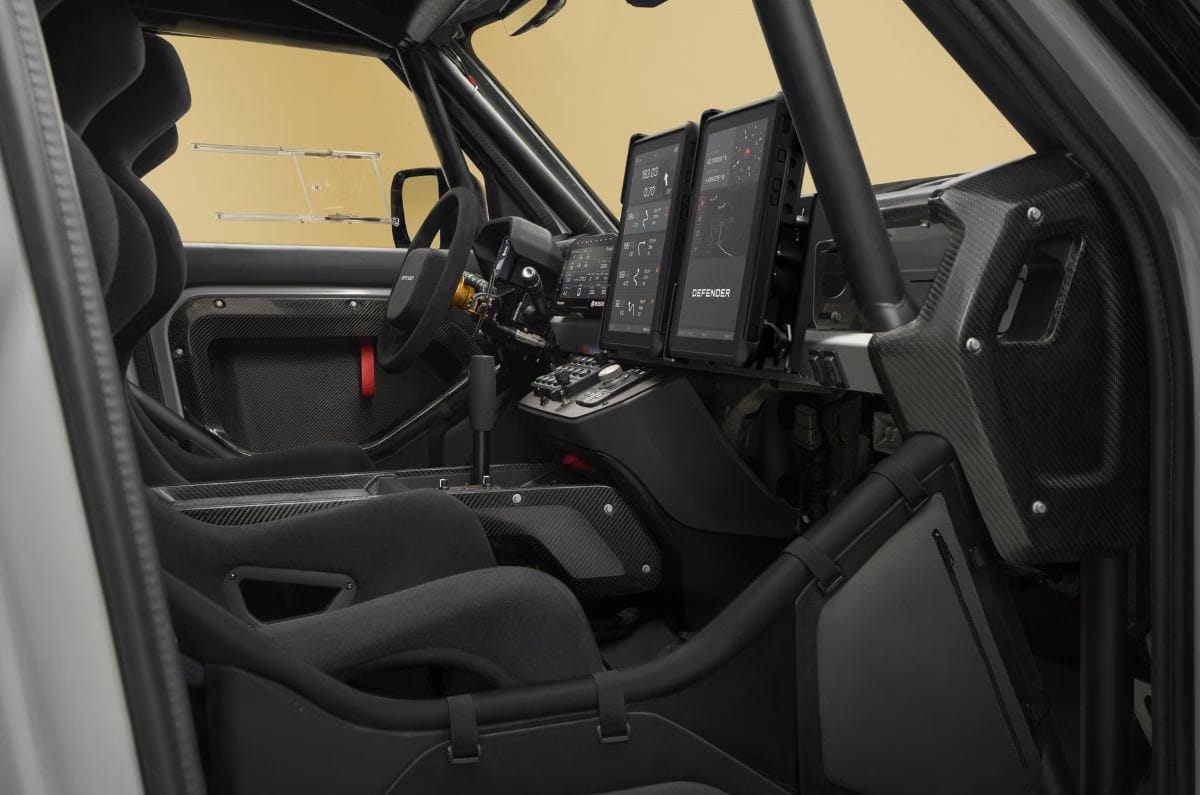
Dakar Rally-winning D7X-R competition car’s cabin showcased here,

The cabin adopts a more purpose-built layout than the Defender OCTA. It features a 2+2 seating configuration with unique front race seats, while four-point racing harnesses will be available as an option. The rear storage area has been designed to accommodate race helmets, and the load bay includes dedicated mounting points for the spare wheel and an air compressor.

Defender Dakar powertrain

Powering the Defender Dakar is the same 4.4-litre twin-turbocharged V8 engine used in the D7X-R rally car and based on the Defender OCTA. The engine develops 635hp and 750Nm, with Defender stating that it runs unrestricted compared to the competition version. The SUV also retains the D7X body architecture, transmission and driveline from the rally car.

The Defender Dakar has been revealed as a limited-run model and will be available to reserve from early 2027. Defender has not announced pricing or production numbers yet. Additional technical details and final specifications will be revealed during the 2027 Dakar Rally.

What to expect from Skoda Slavia facelift ahead of launch tomorrow?

What to expect from Skoda Slavia facelift ahead of launch tomorrow?
Skoda Slavia facelift

Skoda is set to give the Slavia a mid-life update, over four years after it first went on sale in February 2022. It will be the second Skoda model to receive a major update this year, following the Kushaq facelift. From expected pricing and engine options to the new features it could pack, here’s everything we expect from the updated Skoda Slavia.

What new features will the Skoda Slavia facelift add?

Skoda Slavia interior
Current Skoda Slavia’s interior shown for representation only.

Several new features that were introduced with the 2026 Kushaq could make their way to the Slavia, such as a rear-seat massaging function and sequential turn indicators. The current 10.1-inch touchscreen and 10.25-inch driver’s display are likely to be replaced with larger units featuring new graphics and features. A 360-degree camera upgrade over the presently on offer rear-only unit can also be expected. Like the Kushaq, a variable-displacement compressor instead of the fixed-displacement unit could also be offered with the new Slavia to improve AC performance.

What cosmetic updates are likely with the Skoda Slavia facelift?

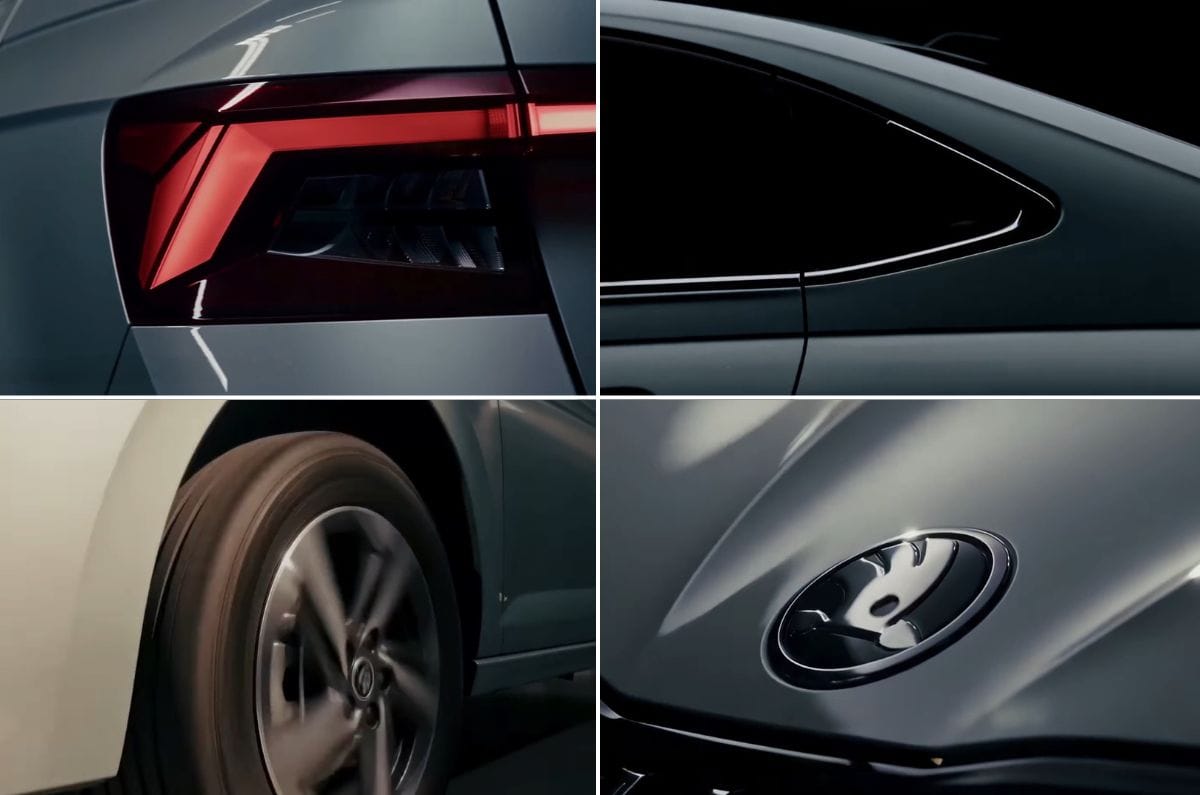
Skoda Slavia teaser

Being a facelift, one can expect design tweaks to the illumination bits, including headlights, tail-lights, front grille and alloy wheels. Kushaq-like segmented LED DRLs integrated into the front grille are anticipated, and new colours could also be introduced. On the inside, the overall layout is not likely to undergo any changes with the mid-lifecycle update.

How many engine choices will the Skoda Slavia facelift offer?

Both the 115hp-1.0 TSI and 150hp-1.5 TSI turbo-petrol engine options are expected to be carried over. Like the current car, the facelift may continue to offer a 6-speed manual gearbox with the smaller engine and a 7-speed dual-clutch automatic unit with the larger, more powerful motor. However, the 6-speed torque converter automatic transmission option offered with the Slavia 1.0 TSI will be upgraded with an 8-speed unit, something that we have exclusively reported before.

What is the Skoda Slavia facelift’s expected price?

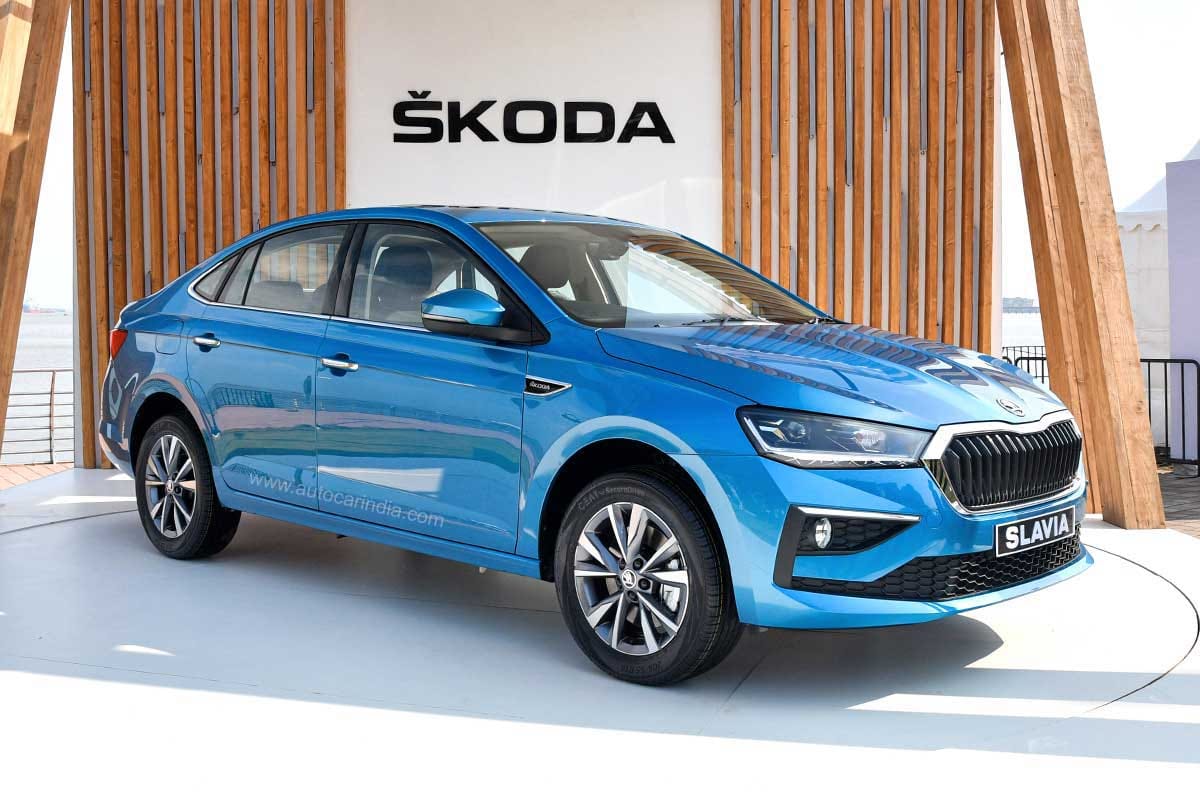
Skoda Slavia
Current Skoda Slavia.

Being an update, a slight price increase across trims is likely. For reference, the current Slavia starts at Rs 10 lakh and goes up to Rs 18.19 lakh, ex-showroom. The Skoda Slavia goes directly against the Volkswagen Virtus (Rs 10.70 lakh-19.20 lakh), Honda City (Rs 12 lakh-21.44 lakh) and Hyundai Verna (Rs 10.99 lakh-18.26 lakh), the latter two of which received facelifts earlier this year.