Kia Sorento में पहली बार Real-Time Generative AI और भी धांसू फीचर्स, जानिए कीमत

Kia Sorento में पहली बार Real-Time Generative AI और भी धांसू फीचर्स, जानिए कीमत

Kia Sorento 1

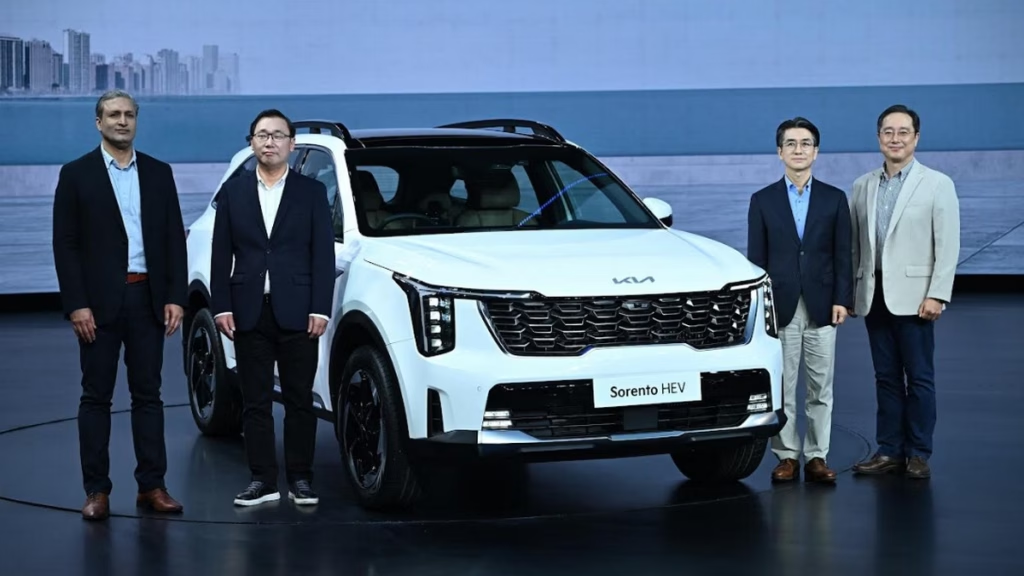
kia sorento launched : किआ इंडिया ने भारत के प्रीमियम थ्री-रो SUV सेगमेंट में कदम रखते हुए अपनी ग्लोबल SUV Kia Sorento को भारत में लॉन्च कर दिया है। इसकी शुरुआती एक्स-शोरूम कीमत ₹27.99 लाख रखी गई है। वहीं, इसका Hybrid मॉडल ₹29.99 लाख की शुरुआती कीमत पर उपलब्ध होगा।

Kia Sorento के साथ कंपनी ने भारत में पहली बार Hybrid पावरट्रेन पेश किया है। इसके अलावा, भारत-स्पेक Sorento में Kia AI Assistant भी पेश किया गया है, जिसमें रियल-टाइम Generative AI की क्षमता है। कंपनी के मुताबिक, यह तकनीक पहली बार वैश्विक स्तर पर Sorento में पेश की गई है। Kia Sorento की आधिकारिक डिलीवरी 4 सितंबर 2026 से देशभर में शुरू हो गई है।


भारत में पहली बार Hybrid पावरट्रेन


Kia Sorento को Hybrid और Diesel, दो पावरट्रेन विकल्पों के साथ पेश किया गया है। Hybrid मॉडल में Smartstream 1.6 Turbo GDI Hybrid इंजन मिलता है। इस इंजन से 180 PS की पावर और 265 Nm का टॉर्क मिलता है। इसके साथ 65 PS का इलेक्ट्रिक मोटर दिया गया है, जो 264 Nm का टॉर्क पैदा करता है। Hybrid पावरट्रेन को 6-स्पीड ऑटोमैटिक गियरबॉक्स से जोड़ा गया है।


दूसरा विकल्प Smartstream 2.2 Diesel इंजन है, जो 193 PS की पावर और 442 Nm का टॉर्क देता है। इसे 8-स्पीड Dual Clutch Transmission (8DCT) के साथ जोड़ा गया है। दोनों पावरट्रेन में Eco, Normal, Smart और Sport ड्राइव मोड दिए गए हैं।


Hybrid के साथ AWD का भी विकल्प


Kia Sorento अपने सेगमेंट की पहली SUV है जिसमें Hybrid पावरट्रेन के साथ All-Wheel Drive (AWD) का विकल्प दिया गया है। Hybrid और Diesel दोनों पावरट्रेन AWD के साथ उपलब्ध हैं। इनमें Snow, Sand और Mud जैसे Terrain Modes दिए गए हैं, जो अलग-अलग परिस्थितियों में बेहतर ट्रैक्शन और टॉर्क डिस्ट्रीब्यूशन में मदद करते हैं।


4,815 mm लंबी और 1,900 mm चौड़ी SUV


Sorento को Kia के ग्लोबल N3 प्लेटफॉर्म पर तैयार किया गया है। इसकी लंबाई 4,815 mm, चौड़ाई 1,900 mm, व्हीलबेस 2,815 mm और रूफ रेल्स के साथ ऊंचाई 1,785 mm है। कंपनी के अनुसार, यह अपने सेगमेंट की सबसे लंबी और चौड़ी SUV है। इसका बड़ा आकार तीनों रो में ज्यादा जगह उपलब्ध कराने में मदद करता है। SUV के फ्रंट में Kia Digital Tiger Face, Crystal Cube LED Projection Headlamps और Star Map LED DRLs दिए गए हैं। पीछे Star Map LED Tail Lamps मिलते हैं। इसके अलावा SUV में Satin Chrome फिनिश वाली फ्रंट और रियर स्किड प्लेट, Satin Chrome बेल्टलाइन और इंटीग्रेटेड रियर स्पॉयलर भी दिया गया है। Sorento में 18-इंच Sporty Crystal Cut Alloy Wheels और 19-इंच Premium Crystal Cut Alloy Wheels का विकल्प मिलता है।


प्रीमियम केबिन में 12.3-इंच के दो डिस्प्ले


Kia Sorento के केबिन को प्रीमियम और टेक्नोलॉजी से लैस बनाया गया है। इसमें Panoramic Curved Display Panel मिलता है, जिसमें 31.24 cm यानी 12.3-इंच HD Touchscreen Navigation Cockpit और 12.3-इंच HD Digital Instrument Cluster शामिल हैं। इसके साथ Windshield Head-Up Display और Advanced Digital IRVM दिया गया है। SUV में Smoky Black & Grey और टॉप HTX वेरिएंट में Black & Olive Brown इंटीरियर थीम का विकल्प मिलता है। इसमें Dual Pane Panoramic Sunroof और 64-कलर Ambient Mood Lighting भी दी गई है।


6 और 7-सीटर दोनों विकल्प


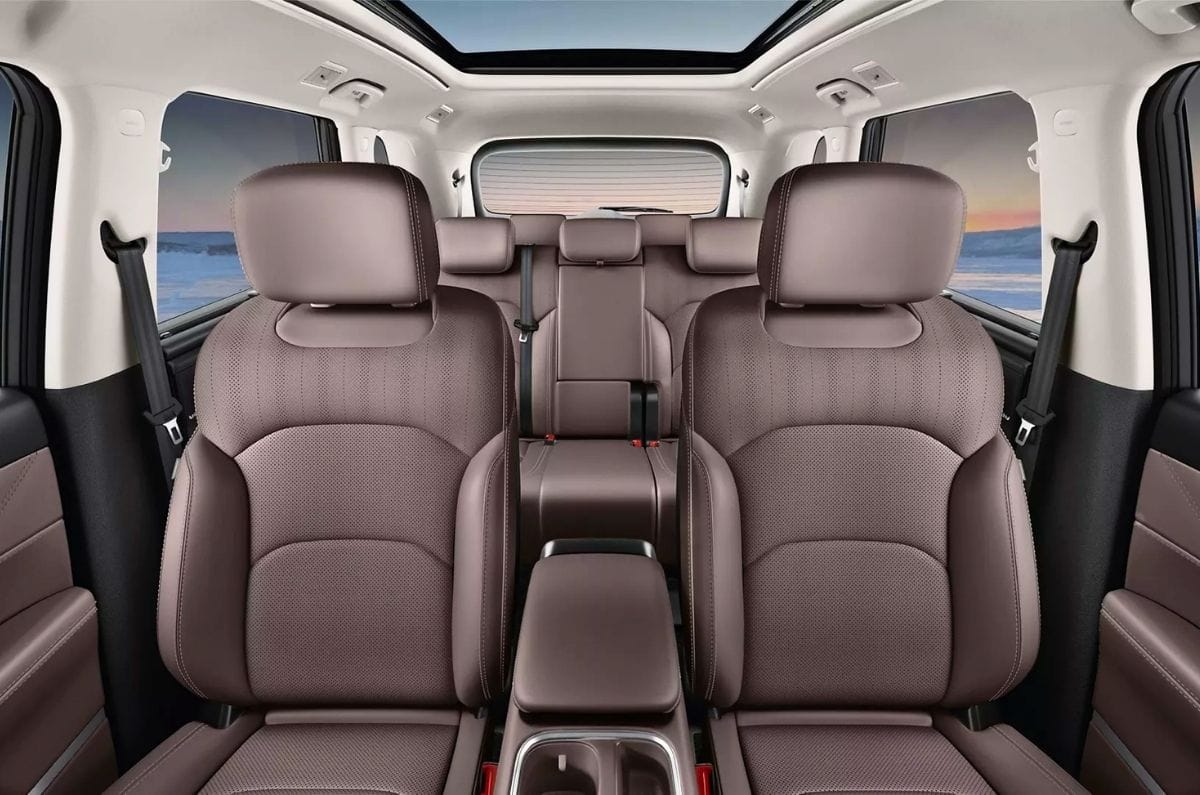
Kia Sorento को 6-सीटर और 7-सीटर कॉन्फिगरेशन में पेश किया गया है। पहली रो में 10-Way Power Driver और Co-Passenger Seats, Lumbar Adjustment, Relaxation Power Seats, Driver Seat Ergo Function और Integrated Memory System जैसे फीचर्स दिए गए हैं। Sorento की खासियत यह है कि इसमें पहली रो के अलावा दूसरी रो में भी Ventilated Seats मिलती हैं। सीटों में 3-स्टेप कूलिंग फंक्शन दिया गया है। 6-सीटर मॉडल में दूसरी रो में Captain Seats मिलती हैं, जबकि 7-सीटर मॉडल में 60:40 स्प्लिट रियर सीटें दी गई हैं। दोनों में Slide, Recline और Walk-in फंक्शन मिलता है।

 इसके अलावा 4-Way Power Boss Mode, Wing Type Headrests, तीसरी रो में 50:50 Split-Folding Seats और दूसरी-तीसरी रो के लिए Rear AC Vents दिए गए हैं।


Kia Sorento में पहली बार Real-Time Generative AI


Kia Sorento का सबसे बड़ा टेक्नोलॉजी अपडेट इसका Kia AI Assistant है। भारत-स्पेक Sorento में यह तकनीक पहली बार वैश्विक स्तर पर पेश की गई है। Kia AI Assistant रियल-टाइम सर्च पर आधारित जानकारी उपलब्ध कराता है। यह सामान्य बातचीत को समझने के साथ Follow-up Questions का जवाब भी दे सकता है। “Hey Kia” Wake Word के जरिए इसे हैंड्स-फ्री इस्तेमाल किया जा सकता है। यह चुनिंदा वाहन फंक्शंस, जैसे Air Conditioning और Windows को भी कंट्रोल कर सकता है।


इसके अलावा Sorento में:

  •  
  • Remote Vehicle Immobilization
  • Kia Connect 2.0 के 85+ कनेक्टेड कार फीचर्स
  • 30 कंट्रोलर्स के लिए OTA Software Updates
  • Digital Key 2.0
  • Wireless Android Auto
  • Wireless Apple CarPlay


जैसे फीचर्स मिलते हैं।


Disney, Marvel और Pixar थीम से कर सकेंगे कार को पर्सनलाइज


Kia ने पहली बार भारत में Personalized Display Themes भी पेश किए हैं। Sorento के Cluster और Infotainment सिस्टम में Disney, Marvel और Pixar पर आधारित कुल 9 थीम मिलेंगी। इन थीम के जरिए ग्राहक डैशबोर्ड के रंग, एनिमेशन और स्क्रीन लेआउट को अपनी पसंद के अनुसार बदल सकेंगे। दिसंबर 2026 से Kia Connect Store भी Sorento के लिए शुरू किया जाएगा। इसके जरिए ग्राहक चुनिंदा Feature-on-Demand सेवाओं को खरीद सकेंगे।


30 ADAS फीचर्स और 10 एयरबैग तक


सेफ्टी के मामले में भी Sorento को काफी एडवांस बनाया गया है। SUV में ADAS Level 2+ के 30 फीचर्स दिए गए हैं।


इनमें:


  • Forward Collision Warning
  • Forward Collision-Avoidance Assist
  • Lane Keeping Assist
  • Lane Following Assist
  • Highway Driving Assist
  • Smart Cruise Control
  • Blind Spot Collision Avoidance
  • Rear Cross Traffic Collision Avoidance
  • Safe Exit Warning
  • Remote Smart Parking Assist


जैसे फीचर्स शामिल हैं।


Kia का Robust 26 Standard Safety Package भी मिलता है। इसमें 7 एयरबैग स्टैंडर्ड हैं, जबकि टॉप वेरिएंट में अतिरिक्त Rear Side और Centre Side Airbags के साथ कुल 10 एयरबैग तक मिलते हैं।


इसके अलावा 360-डिग्री कैमरा, Blind View Monitor, 12 पार्किंग सेंसर, पांच रडार और Dynamic Guidelines वाला रियर कैमरा भी दिया गया है।


भारत में बनी, भारतीय ग्राहकों के हिसाब से तैयार


Kia Sorento का उत्पादन भारत में Kia India की अनंतपुर, आंध्र प्रदेश स्थित मैन्युफैक्चरिंग फैसिलिटी में किया गया है। कंपनी ने भारतीय सड़कों और ग्राहकों की जरूरतों को ध्यान में रखते हुए इसमें कई बदलाव किए हैं। इनमें India-specific grille detailing, Acoustic Windshield और Black High Glossy Bridge Type Roof Rails शामिल हैं। कंपनी का दावा है कि Acoustic Windshield, Door Trim Insulator और अन्य इंजीनियरिंग सुधारों की वजह से Sorento में बेहद शांत केबिन और बेहतर NVH प्रदर्शन मिलता है।


ये प्रमुख फीचर्स भी मिलेंगे


Kia Sorento में कई प्रीमियम और सेगमेंट-फर्स्ट फीचर्स दिए गए हैं, जिनमें शामिल हैं:


  • Smart Power Tailgate with Anti-Pinch
  • Dual Pane Panoramic Sunroof
  • Bose Premium Sound System with 12 Speakers
  • Smart Dashcam with Front & Rear Camera
  • Remote Smart Parking Assist
  • 220V Power Outlet
  • Digital IRVM
  • Head-Up Display
  • Wireless Smartphone Charger
  • Dual-Zone Automatic Climate Control
  • Tyre Pressure Monitoring System
  • Electronic Parking Brake with Auto Hold
  • Front और Rear Seat Side Airbags
  • Driver Knee Airbag
  • All-Wheel Disc Brakes
  • ISOFIX
  • Rear Occupant Alert
     

Kia Sorento की कीमत और वेरिएंट


Kia Sorento को तीन मुख्य ट्रिम्स और उनके Option Pack के साथ पेश किया गया है। Diesel 7-Seater की शुरुआती कीमत ₹27.99 लाख है, जबकि Hybrid 7-Seater की शुरुआती कीमत ₹29.49 लाख है। टॉप वेरिएंट में कीमत करीब ₹40.19 लाख एक्स-शोरूम तक जाती है।


प्रमुख कीमतें

  • पावरट्रेन सीटिंग शुरुआती कीमत टॉप कीमत
  • 2.2 Diesel 8DCT 7-सीटर ₹27.99 लाख ₹38.69 लाख
  • 2.2 Diesel 8DCT 6-सीटर ₹32.69 लाख ₹38.89 लाख
  • 1.6 Turbo Hybrid 6AT 7-सीटर ₹29.49 लाख ₹40.19 लाख
  • 1.6 Turbo Hybrid 6AT 6-सीटर ₹34.19 लाख ₹40.39 लाख
  • आठ एक्सटीरियर कलर का विकल्प


Kia Sorento को आठ मोनो-टोन एक्सटीरियर कलर में पेश किया गया है:


  • Glacier White Pearl
  • Gravity Gray
  • Imperial Blue
  • Magma Red
  • Pewter Olive
  • Ivory Silver Gloss
  • Aurora Black Pearl
  • Matte Dark Gun Metal


इसके अलावा पहली बार Kia India लाइन-अप में Black Line Trim भी पेश किया गया है। इसमें Kia और Sorento बैज, 19-इंच Premium Crystal Cut Alloy Wheels, Fender Garnish और Beltline सहित कई एक्सटीरियर एलिमेंट्स को ब्लैक फिनिश दी गई है।


4.8 मिलियन से ज्यादा ग्राहकों का भरोसा


Kia Sorento पिछले 24 वर्षों और चार पीढ़ियों के दौरान 132 देशों में 4.8 मिलियन से ज्यादा ग्राहकों तक पहुंच चुकी है। यही वजह है कि यह Kia की सबसे सफल ग्लोबल SUV नेमप्लेट में शामिल है। भारत में नई Sorento के साथ Kia ने पहली बार प्रीमियम थ्री-रो SUV सेगमेंट में कदम रखा है। Hybrid पावरट्रेन, AWD, ADAS Level 2+, 10 एयरबैग तक और Real-Time Generative AI वाला Kia AI Assistant इसे इस सेगमेंट की एक टेक्नोलॉजी-फोकस्ड SUV बनाते हैं।
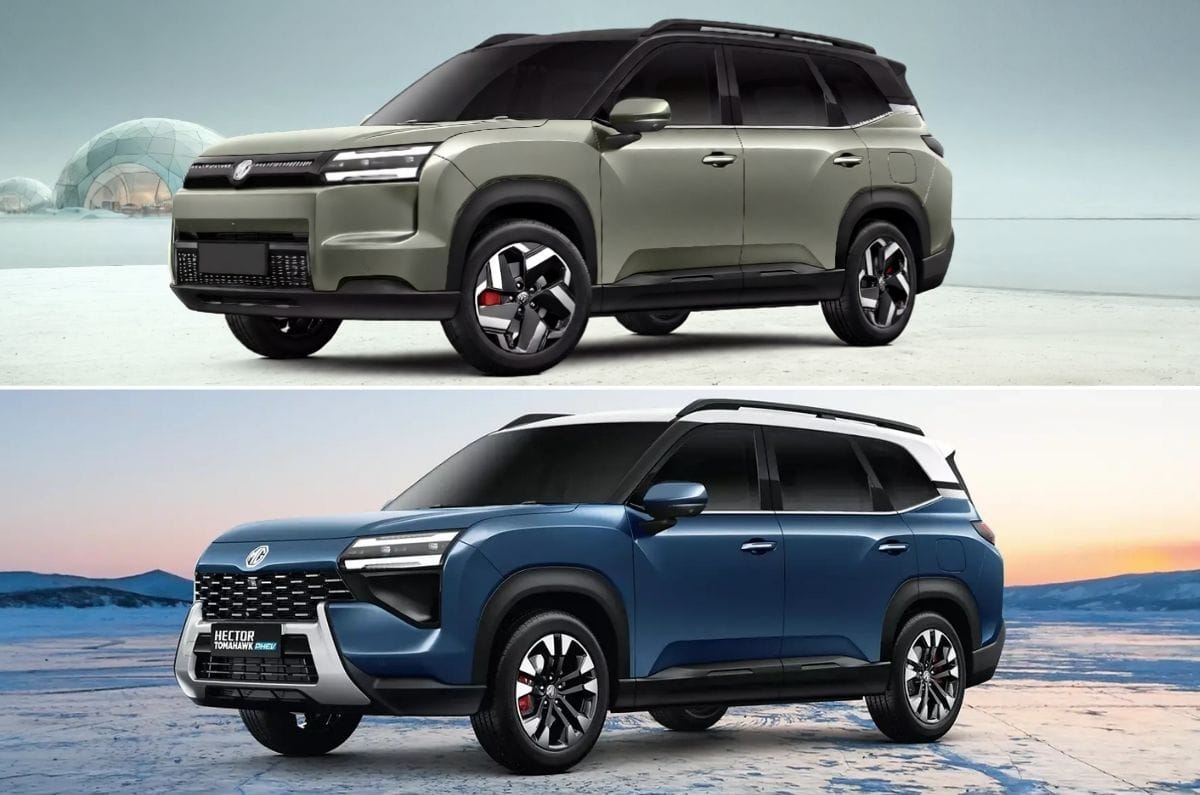
All you need to know about the MG Hector Tomahawk EV and PHEV

All you need to know about the MG Hector Tomahawk EV and PHEV

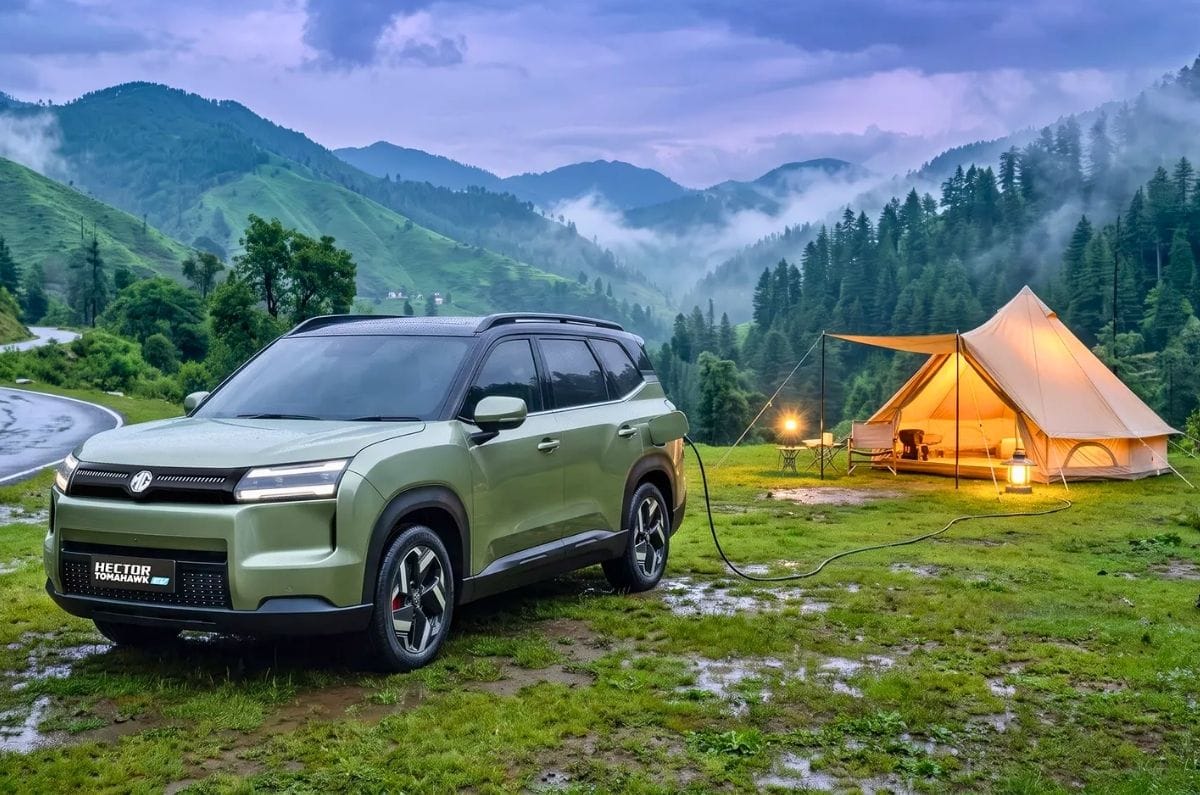
MG launched the Hector Tomahawk in India in both all-electric (EV) and plug-in hybrid (PHEV) versions, with prices starting from Rs 19.50 lakh and Rs 25.70 lakh, respectively. Both models are offered with a lot of new-age technology and have piqued the interest of enthusiasts. Here’s everything you need to know about the MG Hector Tomahawk EV and Hector Tomahawk PHEV. 

1. What are the exterior differences between the EV and PHEV?

Both versions get different grilles, front bumpers, and alloy wheels

EV
PHEV
 

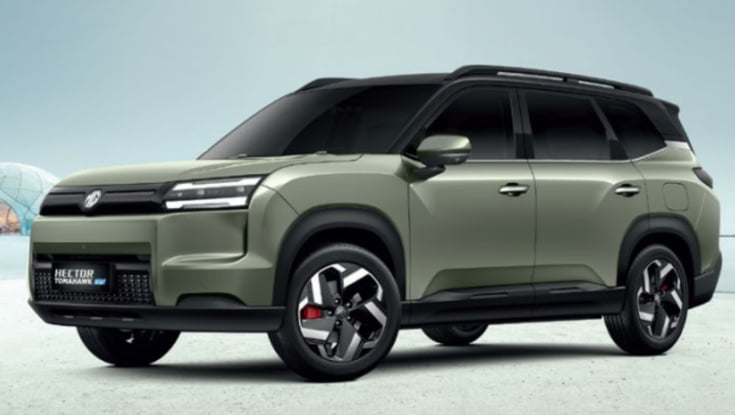
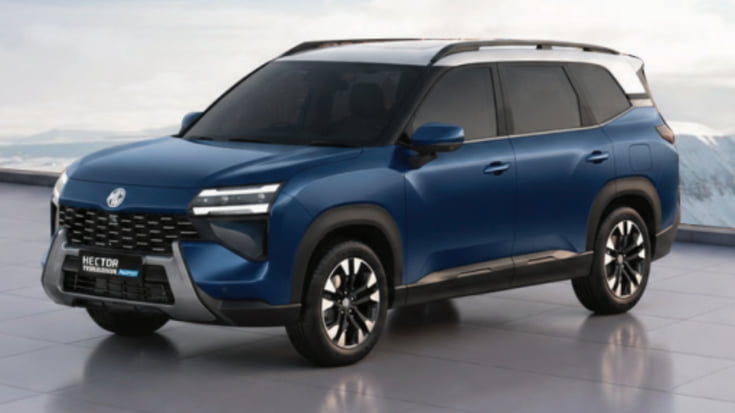
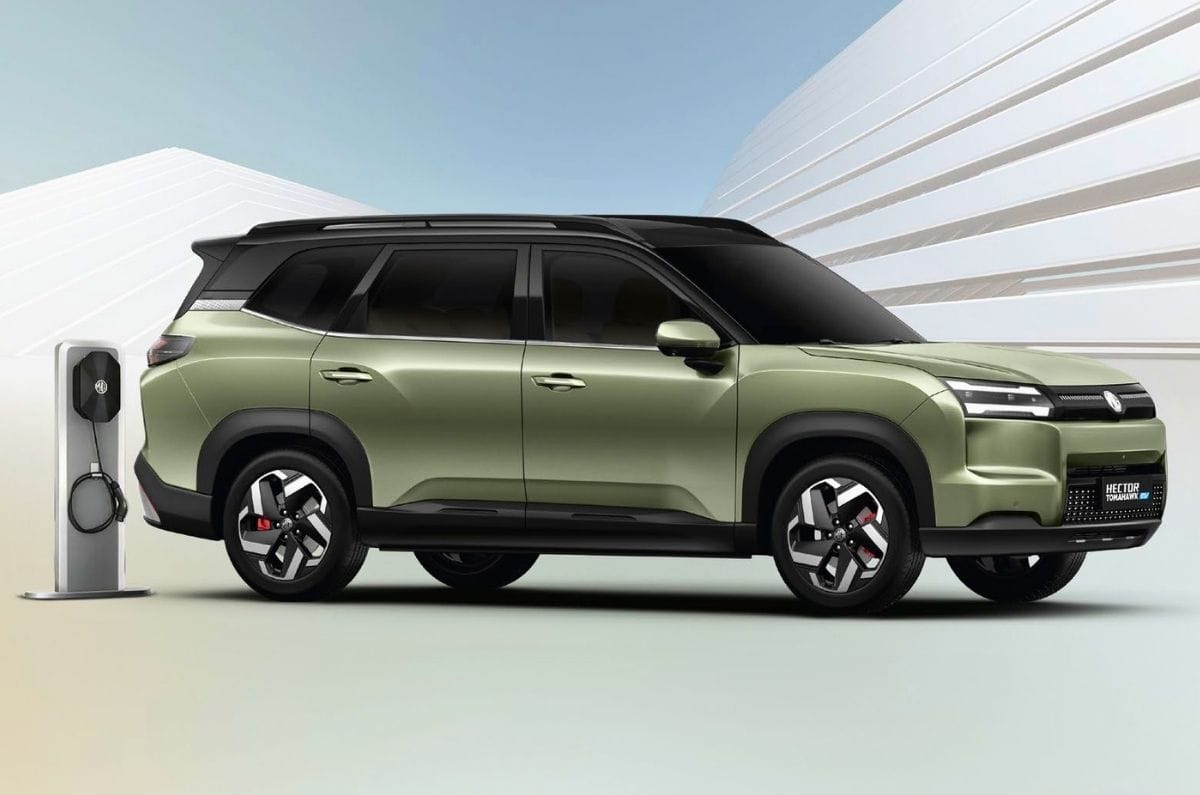
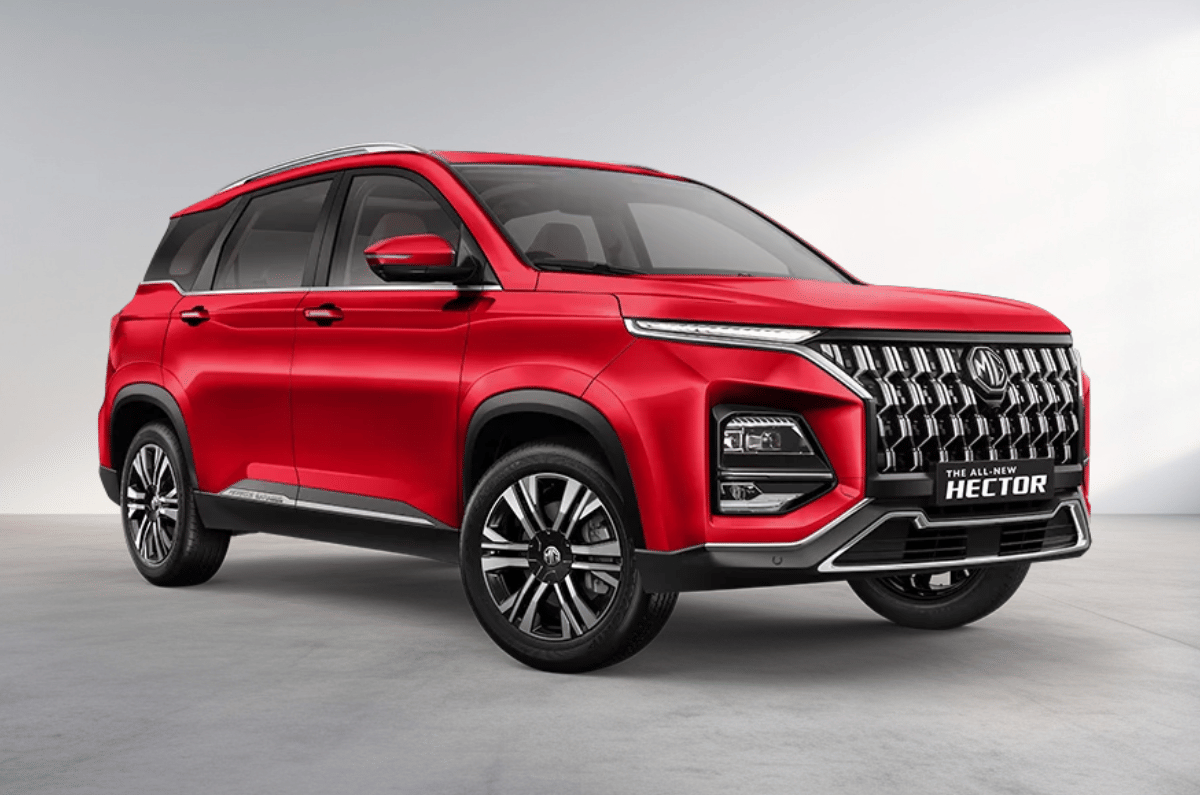
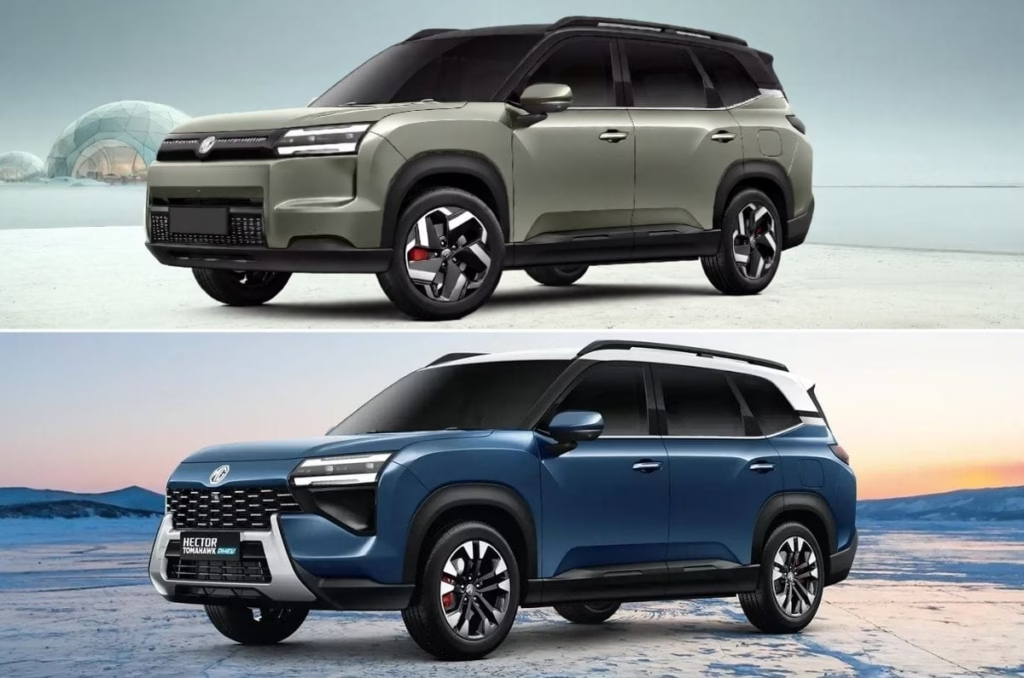
Both the Hector Tomahawk’s EV and PHEV versions have some design differences. While the EV gets a blanked-off gloss-black grille, the PHEV gets a functional grille with chrome inserts and black trims underneath the headlights. The front bumper design is also different, with the PHEV getting a silver bullbar-like element in the centre that the EV misses. The headlights and illuminated MG logo are, however, shared. 

Not much is different in the side profile, except for the 18-inch alloy designs and red callipers on the top-spec Hector Tomahawk PHEV. If you opt for a dual-tone shade, the EV will have a black roof, while the PHEV will have a white roof. The rear design, however, is identical for both versions of the SUV.

2. What are the interior differences between the EV and PHEV?

Save for a luggage cover and different cabin themes, everything else is the same

MG Hector Tomahawk EV gets a beige and black cabin theme.

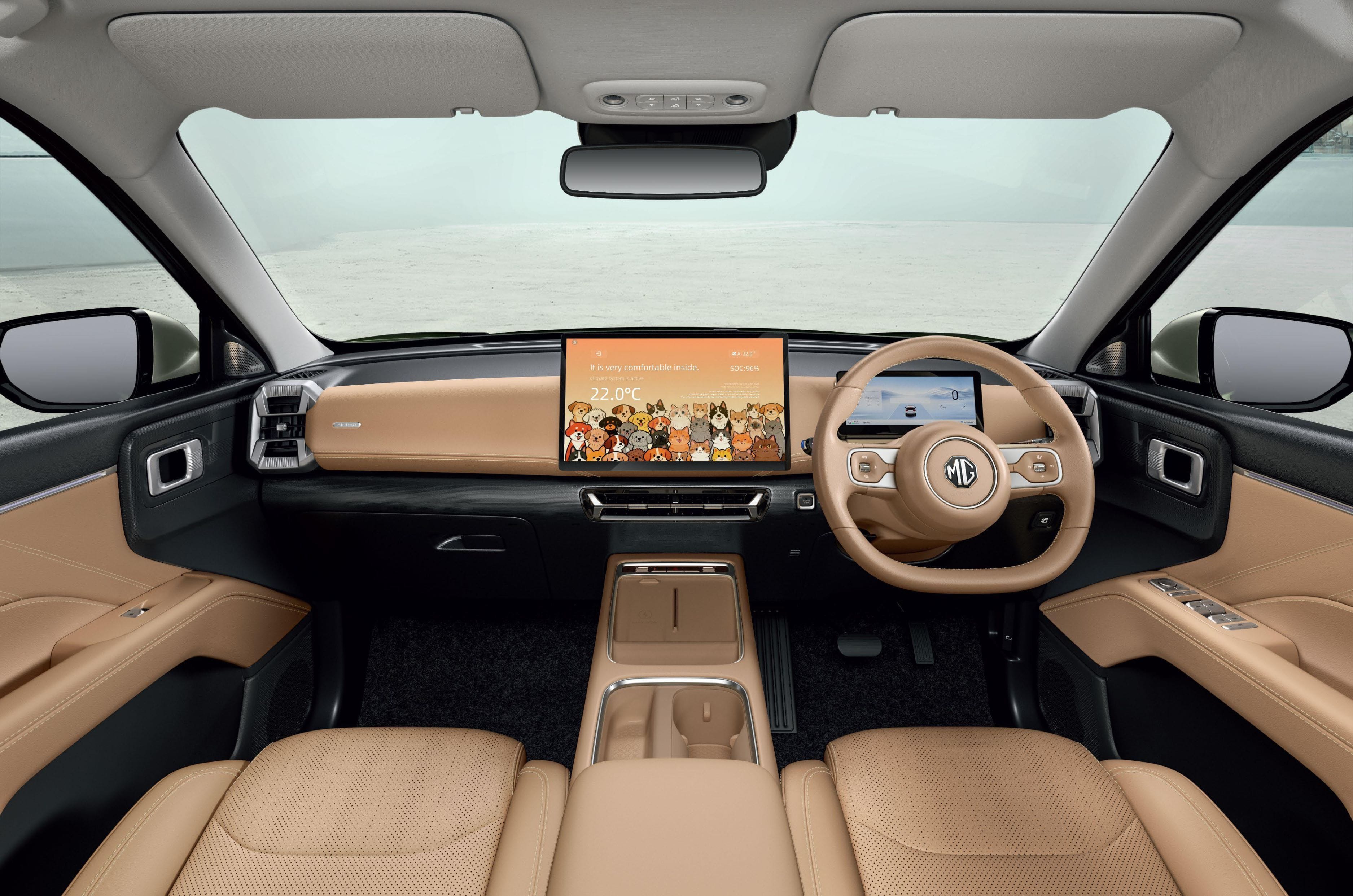
Save for a rolling luggage shade on the 5-seater variants of the EV, and a different cabin theme – brown and black on the EV and a darker brown and black on the PHEV – there is no visible difference. Everything else is the same, including the feature suite: a 15.6-inch touchscreen infotainment system, an 8.8-inch digital driver’s display, a 10-speaker Infinity sound system, a panoramic sunroof, powered and ventilated front seats with memory function for the driver’s seat, and a 50W fast wireless charger. 

MG Hector Tomahawk PHEV gets a brown and black cabin theme.

The safety suite is also identical in both Hector Tomahawk versions, which includes 6 airbags, a 360-degree camera with an under-bonnet view, Level 2 advanced driver assistance systems (ADAS) and a tyre pressure monitoring system (TPMS). 

3. What is the boot space on the MG Hector Tomahawk EV and PHEV?

EV and PHEV versions offer up to 610 litres and 192 litres of boot space, respectively

5-seater MG Hector Tomahawk EV’s boot space. 

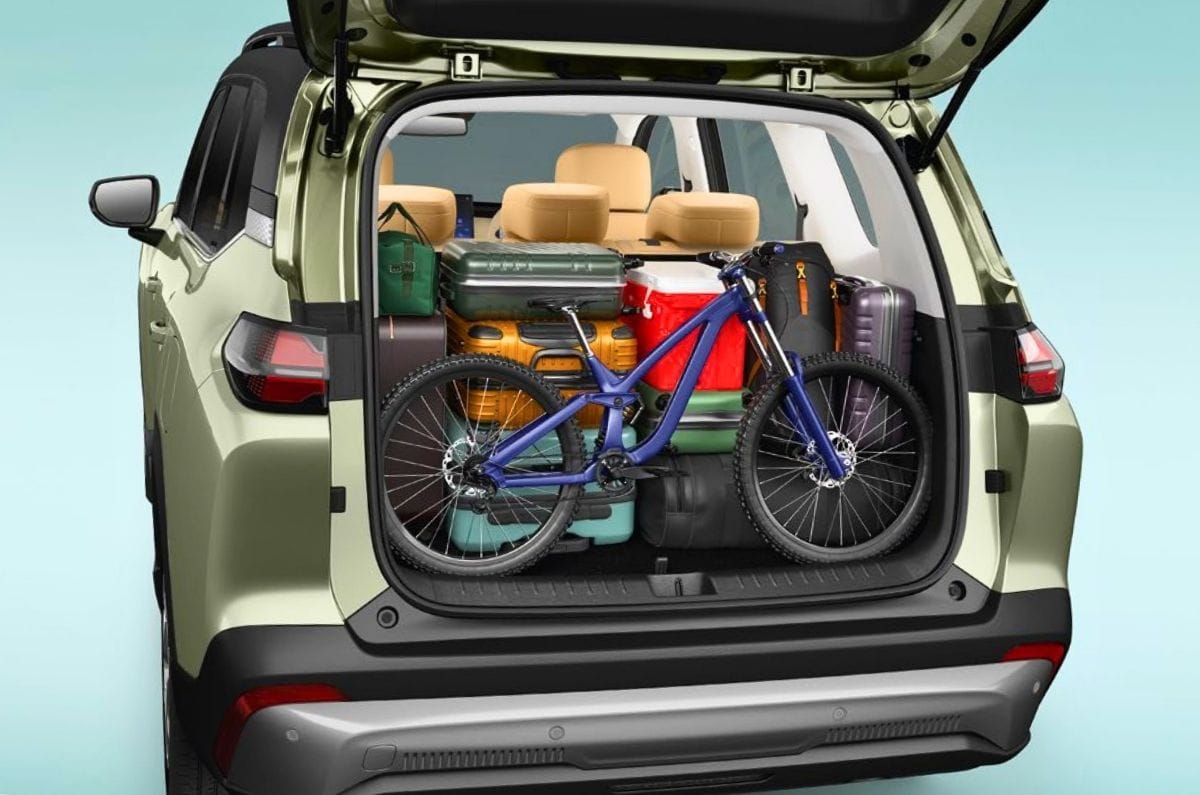
The MG Hector Tomahawk EV is offered in either a 5-seater or a 7-seater version. The 5-seater offers 610-litre boot space, with all rows up, which can be expanded to 1,053 litres by folding down the rear row. The 7-seater version offers a 192-litre boot space with all rows up,  and 528 litres when the third row is folded. 

The PHEV, offered only as a 7-seater, offers 192-litre boot space like the EV’s 7-seater version, expandable to 528 litres by folding the third row. Neither the EV nor the PHEV version of the Hector Tomahawk are offered with a frunk (storage space under the bonnet). 

4. What are the powertrain specifications of the MG Hector Tomahawk PHEV and EV?

PHEV gets a 1.5L engine and 20.5kWh battery; EV offers a 69.2kWh battery pack

The MG Hector Tomahawk PHEV gets a 1.5-litre naturally aspirated petrol engine and a 20.5kWh battery pack, offering a combined output of 198hp and 230Nm. The front-wheel-drive (FWD) SUV has an all-electric range of around 115km and a total range including the petrol engine of around 1,100km. 

The MG Hector Tomahawk EV, on the other hand, gets a 69.2kWh battery pack, mated to a front-axle-mounted electric motor producing 204hp and 310Nm. It has a claimed range of 517km.  

5. Can the Hector Tomahawk PHEV be charged at a public EV charging station?

It supports 25kW DC fast charging

Yes, being a plug-in hybrid (PHEV), the MG Hector Tomahawk PHEV supports 25kW DC fast charging. This can replenish the battery from 30 to 80 percent in 35 minutes, like a typical EV. MG is also offering it with a 3.3kW home charger, which can recharge the battery pack from 10 to 100 percent in 7.5 hours.

6. Are the MG Tomahawk EV and PHEV more affordable with BaaS?

BaaS reduces the EV’s and PHEV’s initial prices by up to Rs 6.01 lakh and 3.91 lakh, respectively 

MG Hector Tomahawk EV, PHEV BaaS vs non-BaaS prices (in Rs, lakh)


Without BaaS

With BaaS

Initial cost difference

EV

19.50 to 23.50

13.99 to 17.49*

Up to 6.01

PHEV

25.70 to 27.80

21.79 to 23.89^

3.91

*Battery subscription fee is Rs 4.9 per km per month

^Asks for a battery subscription fee of Rs 3.2 per km per month

The BaaS (Battery-as-a-Service) option reduces the upfront price of the MG Hector Tomahawk EV by Rs 6.01 lakh and the PHEV by Rs 3.91 lakh. However, you then pay a battery rental fee for every kilometre you drive: Rs 4.90 per km for the EV and Rs 3.20 per km for the PHEV. At these rates, the upfront savings from BaaS are effectively used up after around 1.22 lakh km. The break-even point is 1,22,653 km for the EV and 1,22,187 km for the PHEV.

In simple terms, if you expect to drive less than 1.22 lakh km over the entire ownership period, BaaS could be the more affordable option because of its lower initial cost. However, if you plan to drive more than 1.22 lakh km, buying the Hector Tomahawk with the battery included is likely to save you more money in the long run.

There is also another factor to consider. Under the BaaS plan, you do not own the battery, so your long-term costs depend on the rental agreement. If MG increases the per-kilometre fee or changes the contract in the future, your running costs could also increase. So, while BaaS would be more affordable for most buyers, purchasing the vehicle with the battery included may offer greater certainty in running cost calculations.

Prices are ex-showroom, India.

Renault Kwid facelift revealed for Brazil

Renault Kwid facelift revealed for Brazil

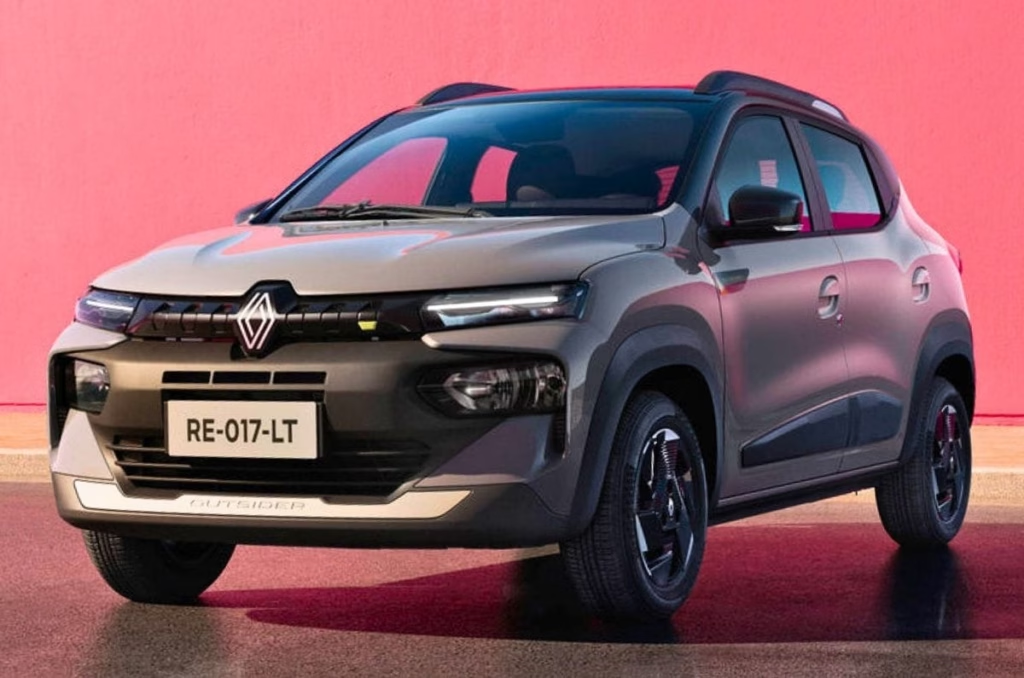
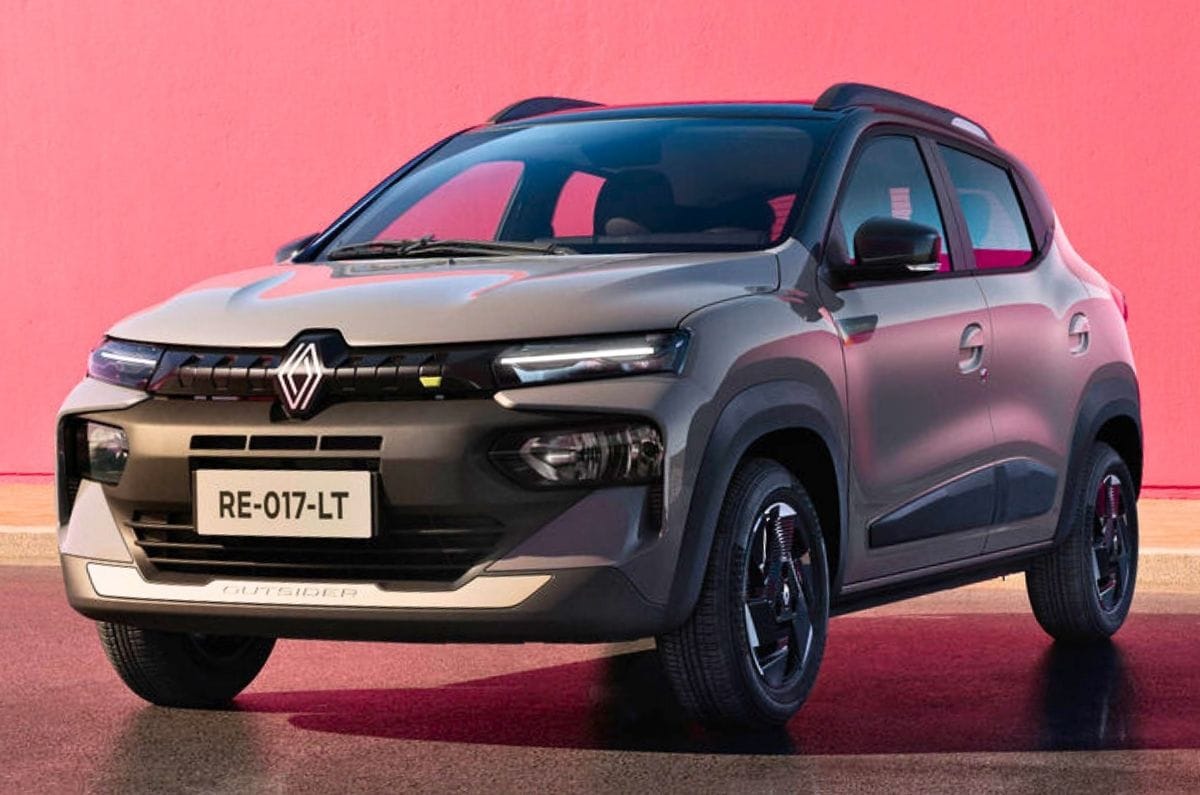
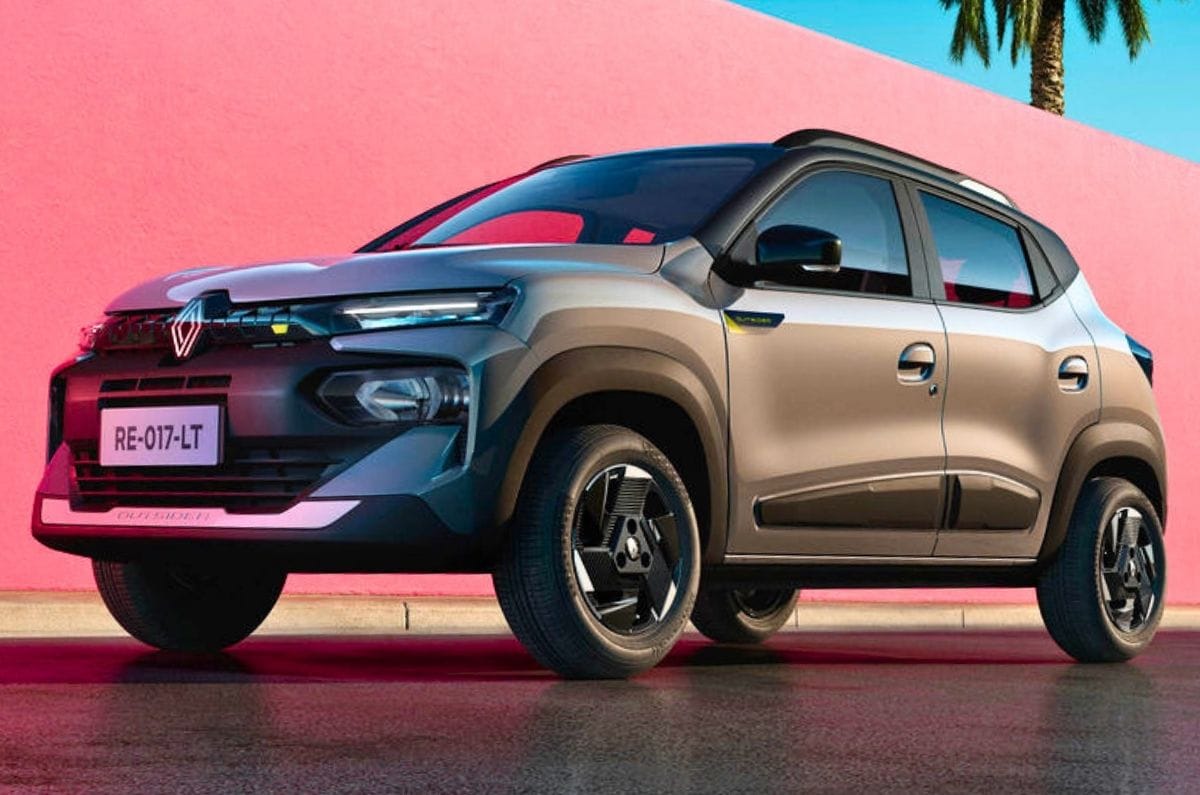
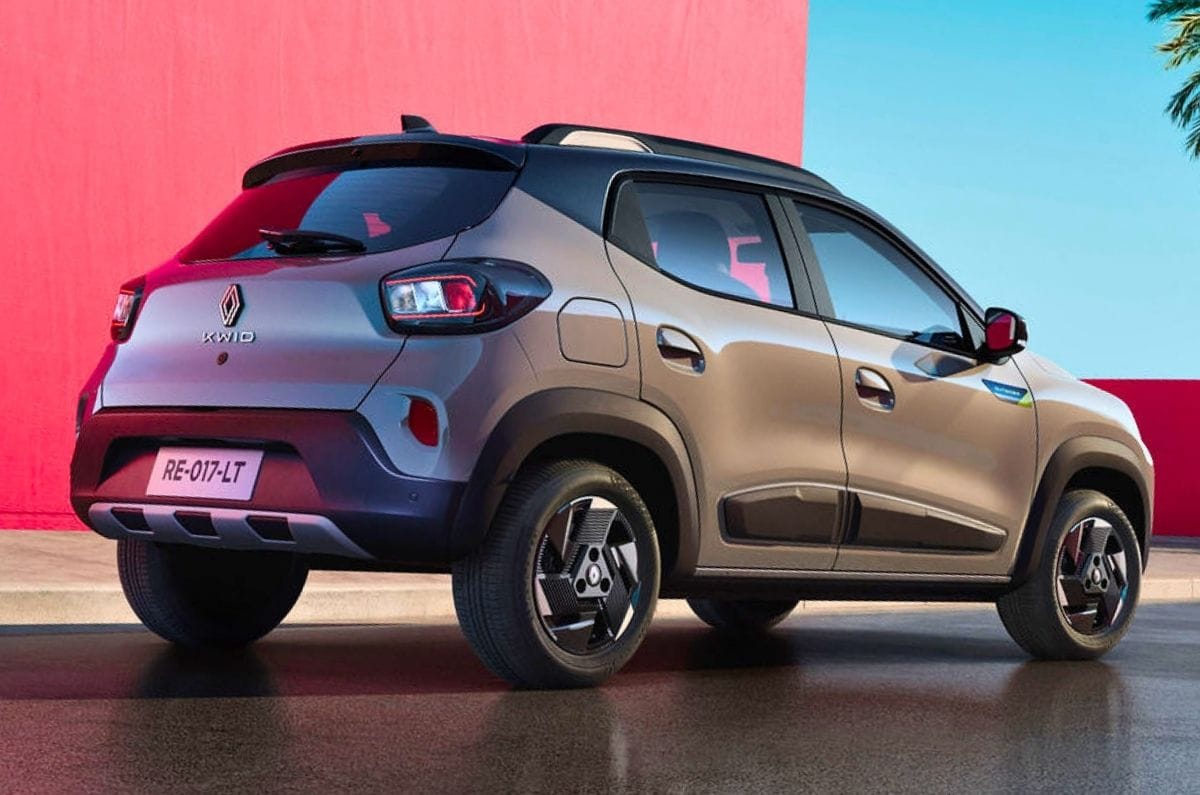
Renault has revealed the Kwid facelift for the Brazilian market, featuring subtle exterior design revisions and a completely revamped interior. The updated hatchback is available in three trims – Evolution, Techno, and Outsider.

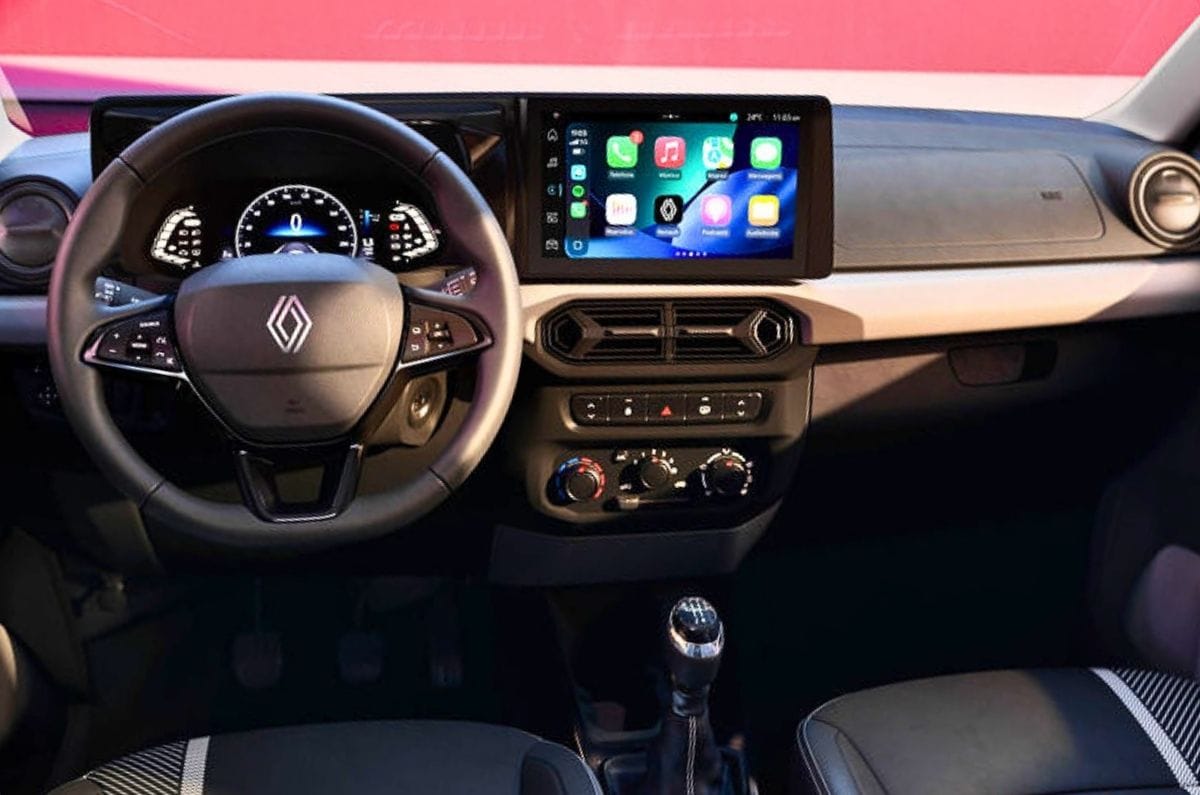
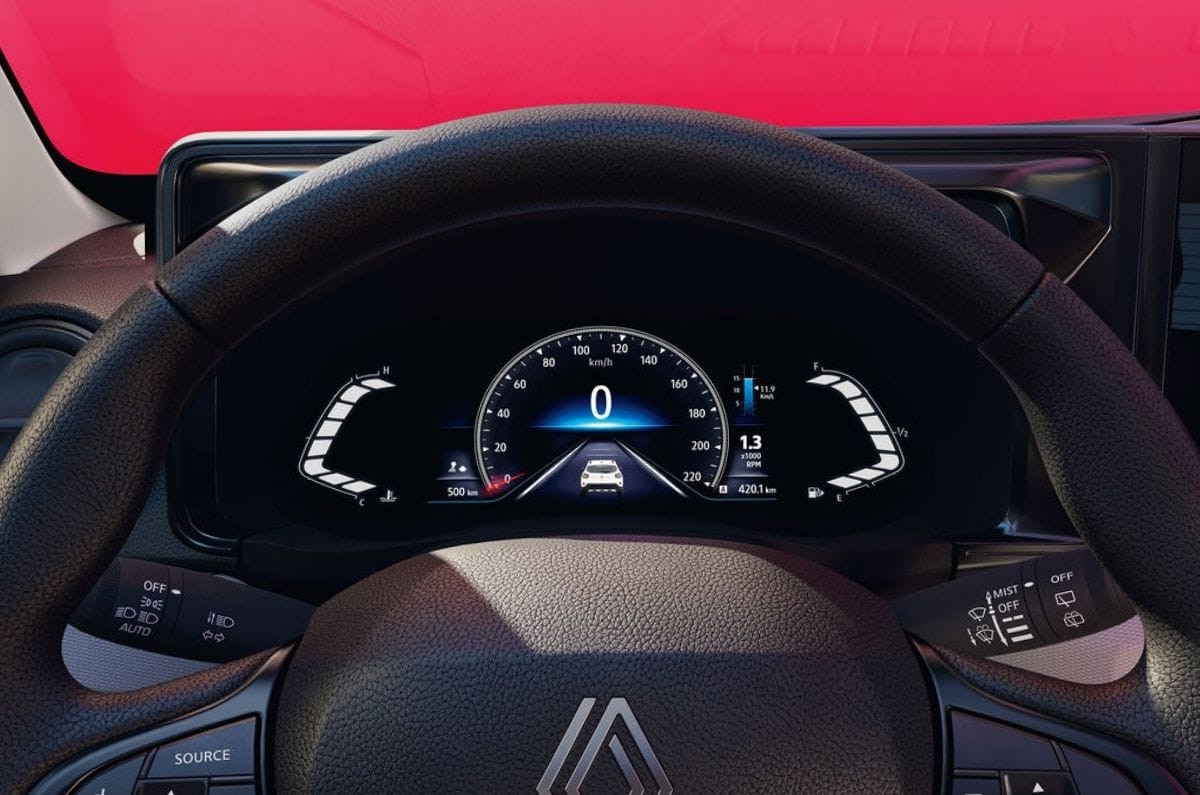
  1. Gets a new 7-inch digital driver’s display and a 10.1-inch infotainment system
  2. Has a cleaner-looking but hard plastic-only dashboard without the ‘Kwid’ inscription
  3. Features a Kiger-like grille, 14-inch alloy wheels and redesigned taillight elements

Notably, the India-spec Kwid was also updated earlier this year, receiving new 3D badges, fresh wheel covers, and a Kiger-inspired steering wheel. However, compared to the India-spec model, the Brazil-spec Kwid gets more extensive updates as part of its facelift.

Brazil-spec Renault Kwid facelift: What are the changes?

Gets a revamped dashboard with two screens

The biggest update on the Brazil-spec Kwid is inside the cabin, which now features a cleaner-looking dashboard with two displays: a 7-inch digital driver’s display and a free-standing 10.1-inch touchscreen infotainment system. While the dashboard continues to use hard plastic, the overall design looks more premium than the India-spec Kwid, which gets a semi-digital driver’s display and a smaller 8-inch infotainment screen.

Other features include manual air conditioning, two Type-C USB charging ports, power-operated front windows, and electrically adjustable outside rearview mirrors. Safety equipment includes four airbags as standard, along with hill-start assist, a reverse parking camera with sensors, and a tyre pressure monitoring system. Most of these features are also available on the India-spec Kwid, although the top-spec Climber variant gets six airbags.

Gets a new grille, alloy wheels and LED taillight elements

At the front, the Brazil-spec Renault Kwid gets a new grille with vertical slats, similar to the Renault Kiger, along with a new 3D Renault logo. It also features LED DRL bars and halogen headlamps, similar to the India-spec model. The front bumper design is also more aggressive and features a lot of blackened elements.

In profile, the Brazil-spec Kwid gets 14-inch dual-tone alloy wheels, giving it a more upmarket appearance than the Indian model, which comes with 14-inch steel wheels with plastic covers. At the rear, the facelifted Kwid gets revised LED taillight elements, while the tailgate and bumper designs remain unchanged.

The Brazil-spec Kwid has the same 2,423mm wheelbase as the India-spec model, but offers a larger 290-litre boot, which is 11 litres more than the Indian version. Ground clearance stands at 185mm, identical to the India-spec Kwid.

Gets the same engine as the India-spec model, but only with MT

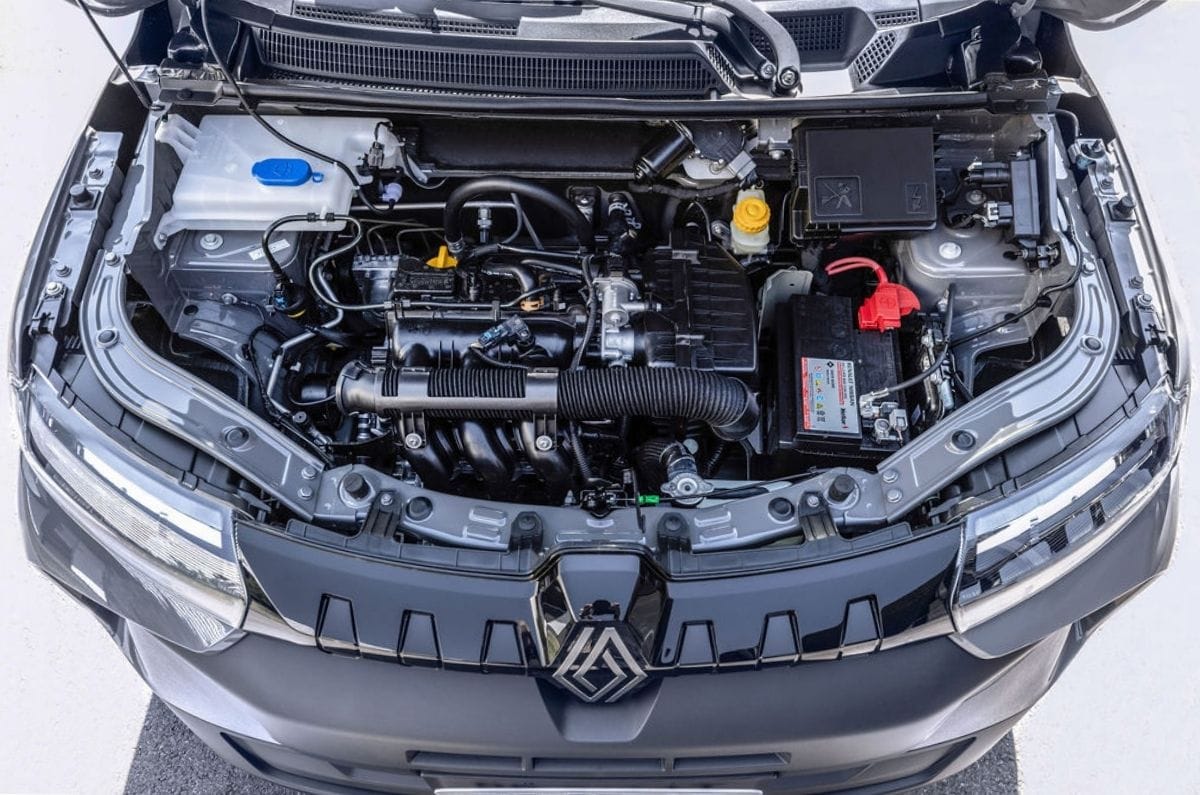
The Brazil-spec Renault Kwid is powered by a 1.0-litre 3-cylinder naturally aspirated petrol engine that produces 71hp and 98Nm with ethanol, and 68hp and 92Nm with petrol. This is the same engine as the one offered in the Indian model. However, the Brazil-spec Kwid gets a 5-speed manual transmission, while the Indian model also offers a 5-speed AMT option.

The Brazil-spec Renault Kwid facelift is unlikely to make its way to India, especially since the India-spec hatchback was updated just last month. Declining hatchback sales in the country are another factor that could discourage Renault from making a fresh investment to bring the Brazil-spec model here. The India-spec Renault Kwid is currently offered in two trims: Evolution and Climber, with prices ranging from Rs 4.53 lakh to Rs 5.61 lakh (ex-showroom).

TVS Apache RTX BTO long-term review, 4,500km report

TVS Apache RTX BTO long-term review, 4,500km report

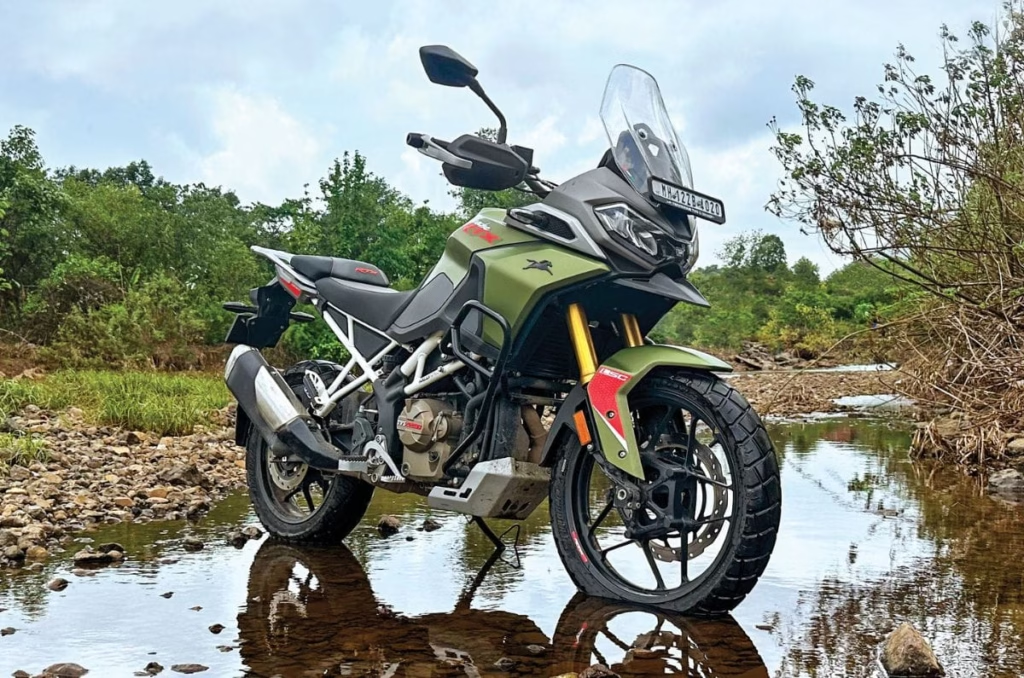
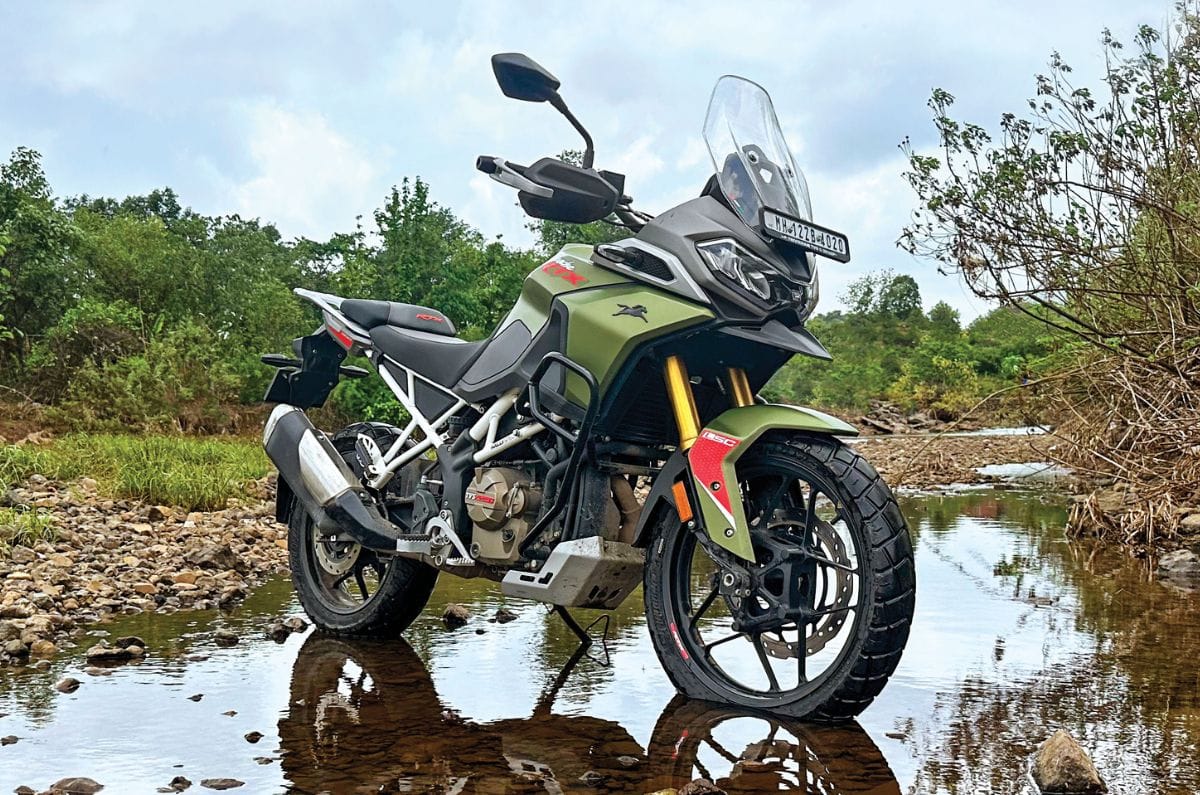
This is the second time, after the original RR 310 in 2017, that TVS has created enormous excitement over a brand-new premium bike and then struggled to deliver. The RTX 300’s massive waiting periods have been well documented now, and like many customers, we have also had to wait nearly a year after its launch to get a long-term test bike.

I hopped off the Xpulse 210 that I’ve been riding for months and onto the RTX, and the first impression was… dull. The engine seems to lack zing and excitement at lower revs, and it all felt very calm and controlled. At first, this was disappointing, and to be honest, I didn’t care for the bike much on that initial commute home. It was quick, comfy and effortless, but simply lacked spice or drama.

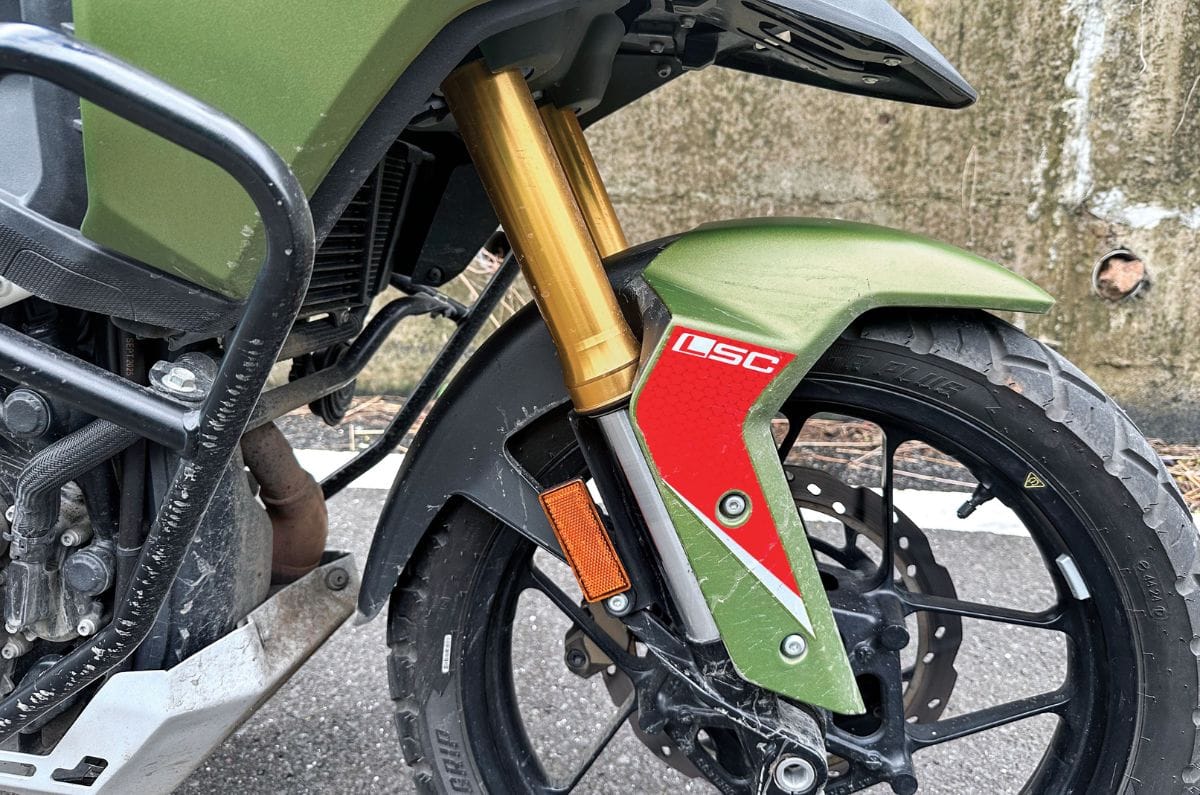
The adjustable Showa suspension does a great job of soaking up bad roads.

Having now spent a few weeks with the bike, my opinion has evolved. The bike still feels the same, but I have grown to like its demeanour. While it is a mild-mannered gentleman of a motorcycle that almost never encourages bad behaviour, it still gets me from point A to B at a quick pace and in very good comfort. While lacking in drama, the engine is superbly tractable and never threatens to stall at low revs in thick traffic. This efficient, almost Honda-like character is bolstered by a fabulous feel-good factor.

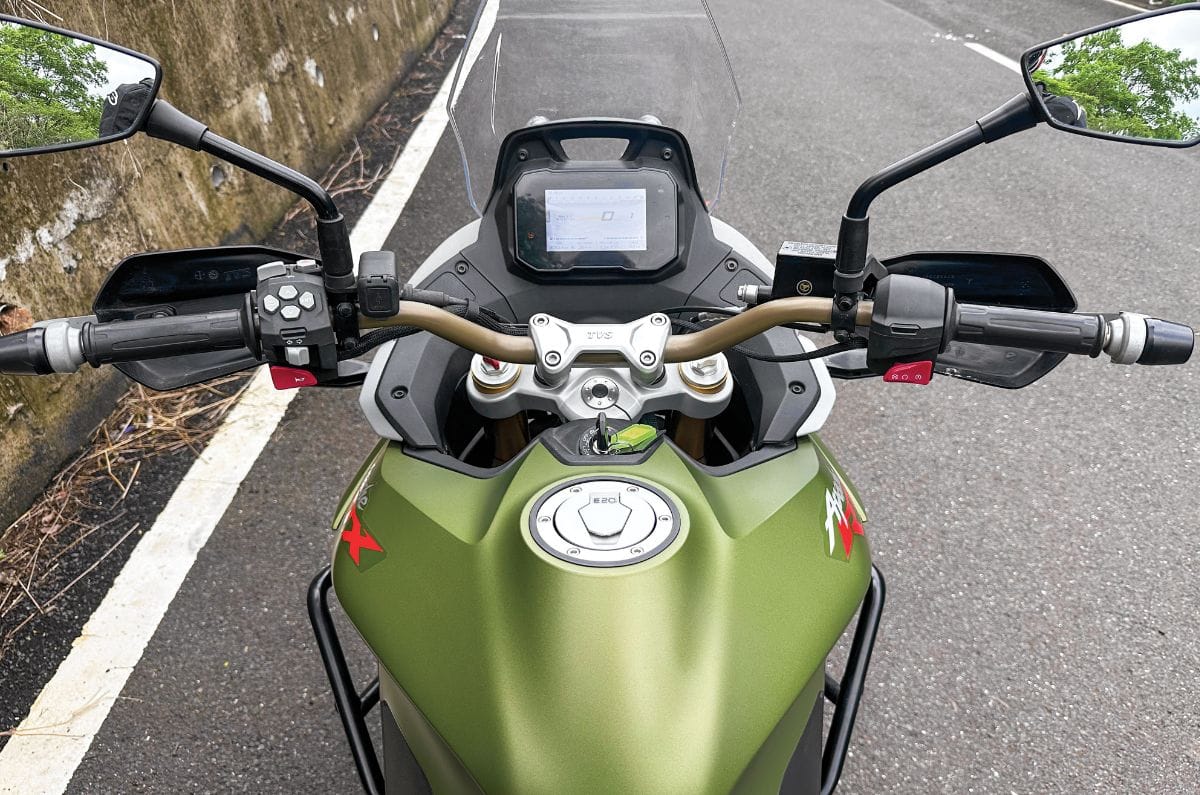
The look and size from the rider’s POV are of a much more expensive bike.

The rider’s point of view is fabulous, and the whole tank area, as well as the TFT and windscreen, feel like they were off a bike that cost three times the price. It even feels like a large motorcycle when you’re sitting on it, and TVS has achieved something truly special in how it can give you this experience at such a low price.

The quickshifter occasionally causes a short cut in power delivery.

On the topic of features, some of them have been highly appreciable, while others could stand to improve. As someone who doesn’t check tyre pressures as often as I should, the tyre pressure monitoring system has been great. I also love the fact that the bike remembers to keep the traction control and rear ABS off, and I don’t have to deactivate them on every ignition cycle. However, as we reported before, the engine does occasionally hesitate under acceleration at lower speeds, and this has to do with the quickshifter sensitivity. I’ve deactivated it for now, and doing so has solved the issue, but I do miss using it.

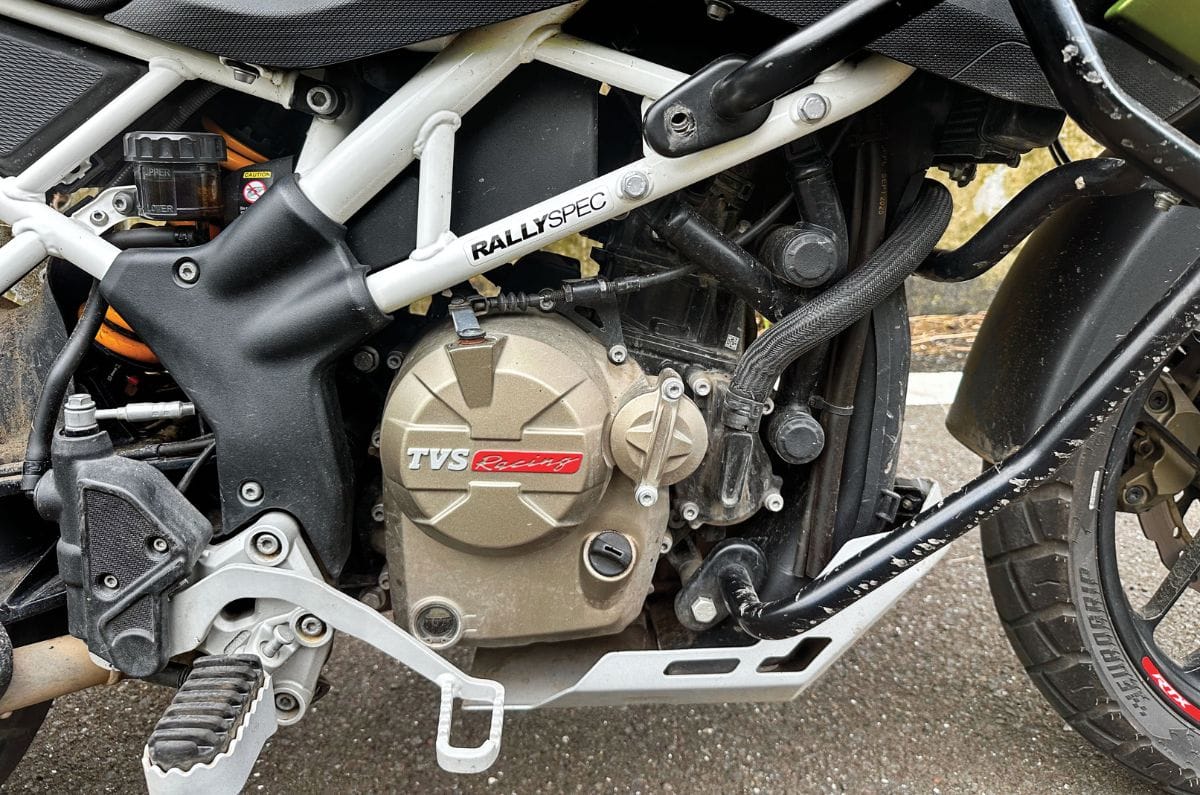
The motor is tractable and has good performance, but is a bit low on character.

Beyond that, the RTX is proving to be everything that we discovered in our initial reports. It has fantastic suspension comfort with a taut, but absorptive setup. The chassis is stable and communicative, and it gives you the confidence to ride over rough surfaces at speed without concern. Seating comfort is also fabulous, and while the engine may not blow your socks off, it certainly performs well and can easily cruise at triple digit speeds.

As for vibrations, they certainly exist but haven’t been bothersome so far. I’d like to spend more time with the bike, especially on the highway before sharing whether there are any situations where the vibrations become a pain. We’ll save that for the next report. 

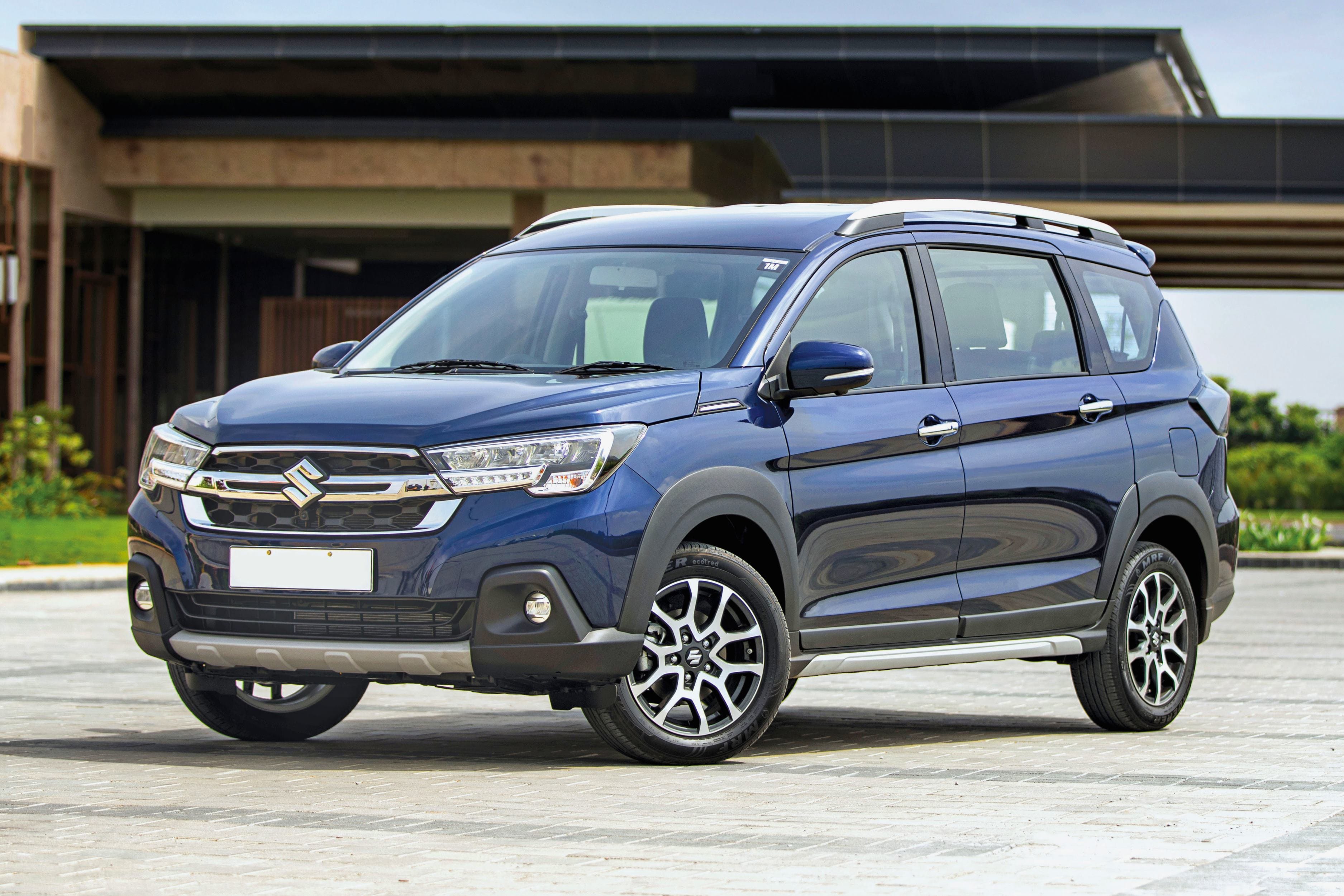
Buying a used Maruti XL6: What to look out for

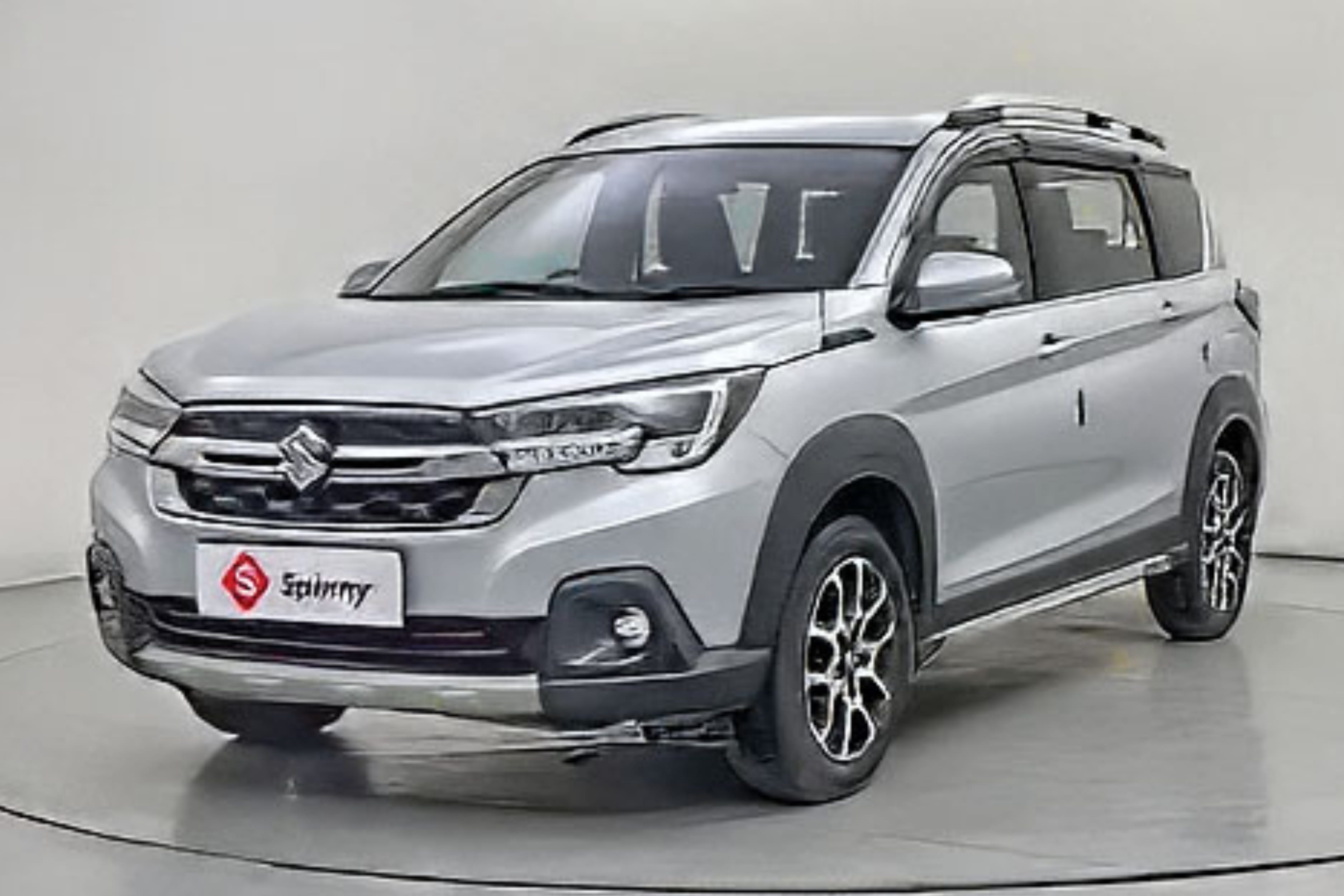
Maruti XL6

GOOD FOR: Spacious cabin, easy to drive

LOOK OUT FOR: Suspension wear, infotainment issues

A more premium 6-seat alternative to the venerable Ertiga MPV, the Maruti XL6 has been on sale since 2019 and received a substantial update in 2022. Being a comfortable, practical and easy-to-drive MPV, the updated Maruti XL6 is worth considering as a used buy. Here’s all you need to know.

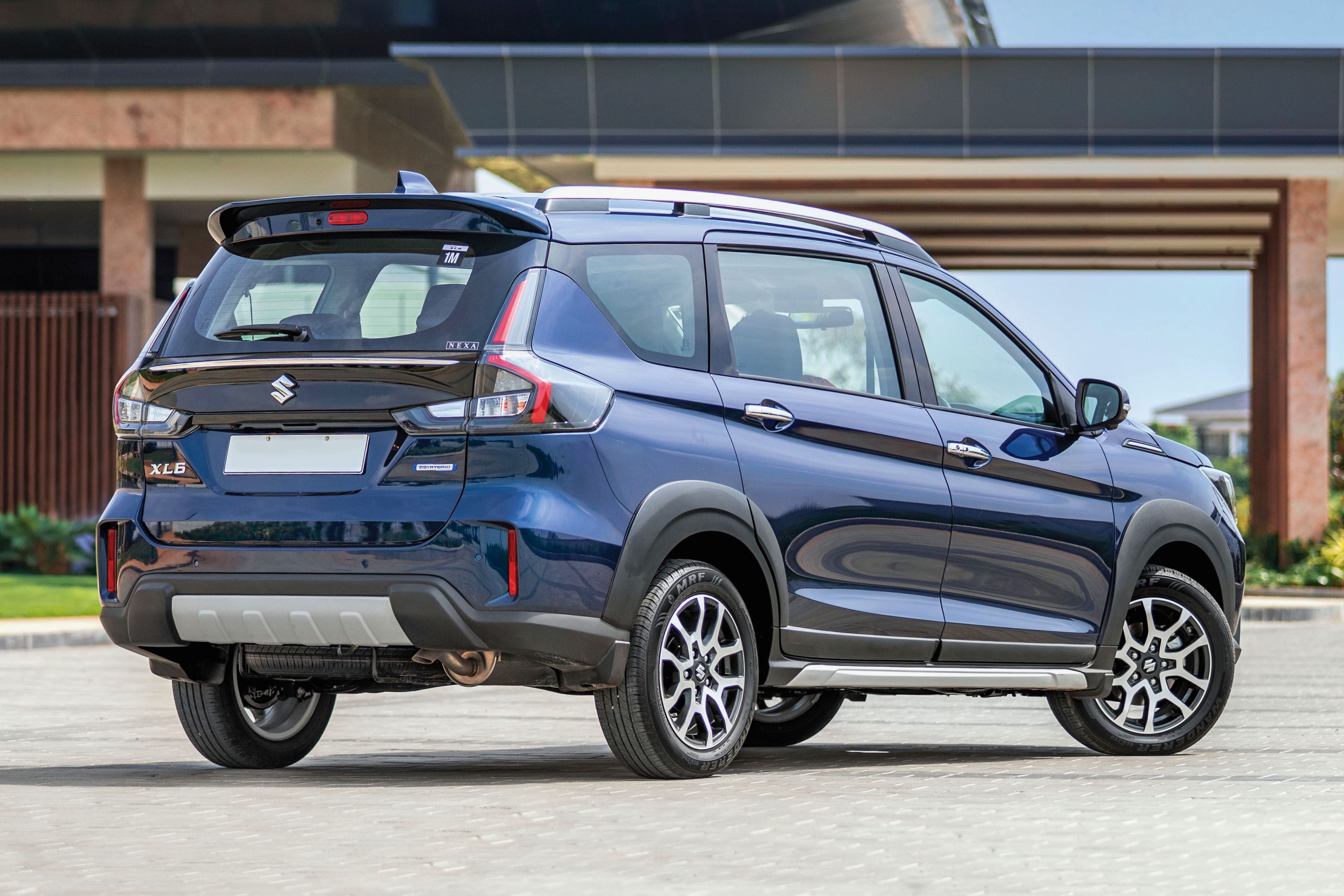
In terms of cosmetics, not much changed for the XL6 when it got an update in 2022. It got a mildly updated grille with more chrome, a new chrome bar on the tailgate, new 16-inch dual-tone alloy wheels and tweaked tail-lights with smoked clear lens effect. It also got new dual-tone colour options – silver, brown and red – with a contrasting black roof.

Check out used Maruti XL6 models.

Maruti Suzuki XL6 powertrain and mileage

Petrol and CNG powertrains;  up to 20.97kpl claimed mileage

The biggest change was under the hood, with the XL6 receiving Maruti’s then-new 1.5-litre DualJet petrol engine, with two injectors per cylinder, which put out 103hp and 136.8Nm. The other big highlight was the new 6-speed torque converter automatic gearbox with paddle shifters, replacing the older 4-speeder. The standard 5-speed manual gearbox was carried over as is. It also featured Maruti’s mild-hybrid technology with an integrated starter generator and start-stop technology. The updated XL6 has a claimed fuel efficiency of 20.97kpl with the manual gearbox and 20.27kpl with the auto.

Later in 2022, Maruti launched the XL6 CNG, which was offered in a single Zeta variant and cost about Rs 95,000 more than the equivalent petrol variant. Powered by the same 1.5 engine, it put out a lower 88hp and 121.5Nm in CNG mode, and 101hp and 136Nm in petrol mode, and came paired with the 5-speed manual only. Maruti claimed that the XL6 CNG had a fuel efficiency of 26.32km/kg.

The petrol manual is ideal for most users, as it’s easy to drive, efficient and will be the most affordable to buy. Those with most of their running within the city can opt for the automatic for greater convenience, while high-mileage users will benefit from the CNG’s low running costs.

Maruti Suzuki XL6 variants and features

7-inch touchscreen, ventilated front seats, 360-degree camera, and more

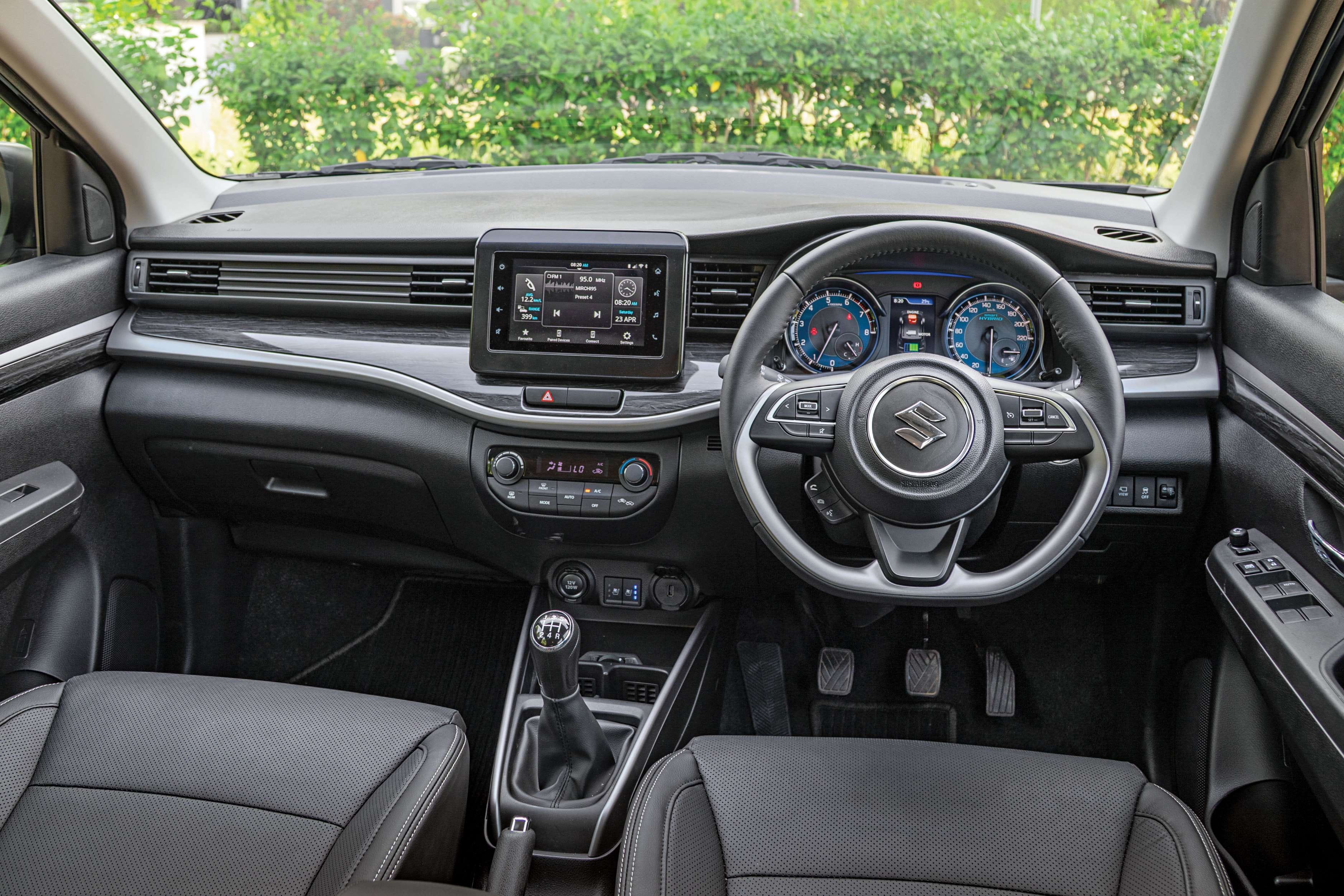
As for variants, there’s three on offer – Zeta, Alpha and Alpha+. The range-topping Alpha+ packs in features like a 7-inch touchscreen infotainment with Android Auto and Apple CarPlay compatibility, auto climate control, leatherette upholstery, LED lights, 360-degree camera, ventilated front seats, connected car tech, cruise control, tyre pressure monitor, traction control and much more. All variants come well equipped, and features like the touchscreen and cruise control are offered right from the base Zeta variant, so choose the one that best fits your budget. 

XL6 aftersales details

Being a Maruti product, the XL6 is a proven and reliable MPV that’s also easy to maintain. Spare parts are readily available and affordable, while Maruti’s widespread service network throughout India gives you peace of mind. It’s also worth going for an example that has an extended warranty package, and the XL6’s great resale value also means you’ll recoup a considerable amount when you sell it later on. 

What to look out for in a used Maruti Suzuki XL6

Suspension wear

Since the XL6 is a family car, it’s bound to be subjected to heavy loads from time to time. Hence, it’s worth checking out the condition of the suspension. Listen for any noises that come from the suspension, or check if it crashes excessively over bumps and ruts, as these are signs of worn-out suspension bushings. This is not an expensive fix, however. 

Infotainment issues

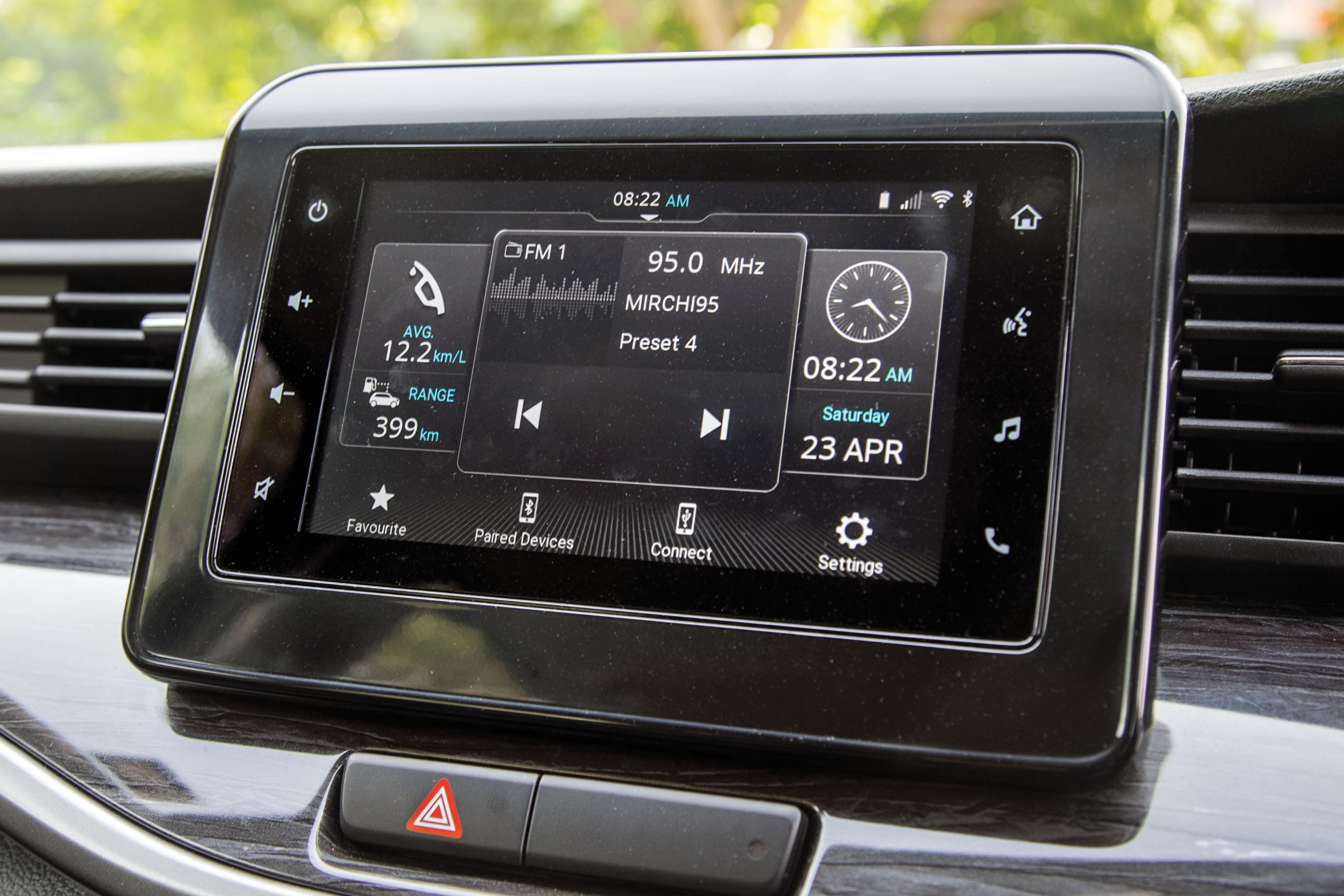
Owners have faced issues with the XL6’s SmartPlay Pro 7-inch infotainment system, like Apple CarPlay/Android Auto disconnections, screen freezing and the display getting stuck. Before purchasing, check that it functions smoothly, pairs up with your phone easily and that the system’s software is up to date.

Potential defect in front seatbelts

XL6 units manufactured between November 2 and November 28, 2022 were recalled by Maruti Suzuki to rectify a possible defect in one of the child parts of the height-adjuster assembly of the front seatbelts, which could lead to seat belt disassembly. Replacement of the faulty part was done free of charge, so make sure this has been taken care of if you’re looking at a car from this time frame.

Second-hand Maruti Suzuki XL6 price and resale value

Rs 8 lakh-12 lakh

The XL6 is still on sale, and being a Maruti, it commands very good value in the resale market. However, refrain from spending over Rs 12 lakh, irrespective of the variant and mileage, as you’d be better off buying a new one. What’s nice, though, is that you’ll also be able to recover a good chunk of your investment once you go on to sell it.

Maruti Suzuki XL6 fact file

Years produced 2022-present
Price when new Rs 11.29 lakh-14.55 lakh (ex-showroom, India)
Engine 4 cyls, 1462cc, petrol / 4 cyls, 1462cc, petrol+CNG
Power 103 / 88hp
Torque 136.8 / 121.5Nm
Boot space 209-692 litres

Ducati Multistrada V4 Pikes Peak Review: Shapeshifter!

Ducati Multistrada V4 Pikes Peak Review: Shapeshifter!

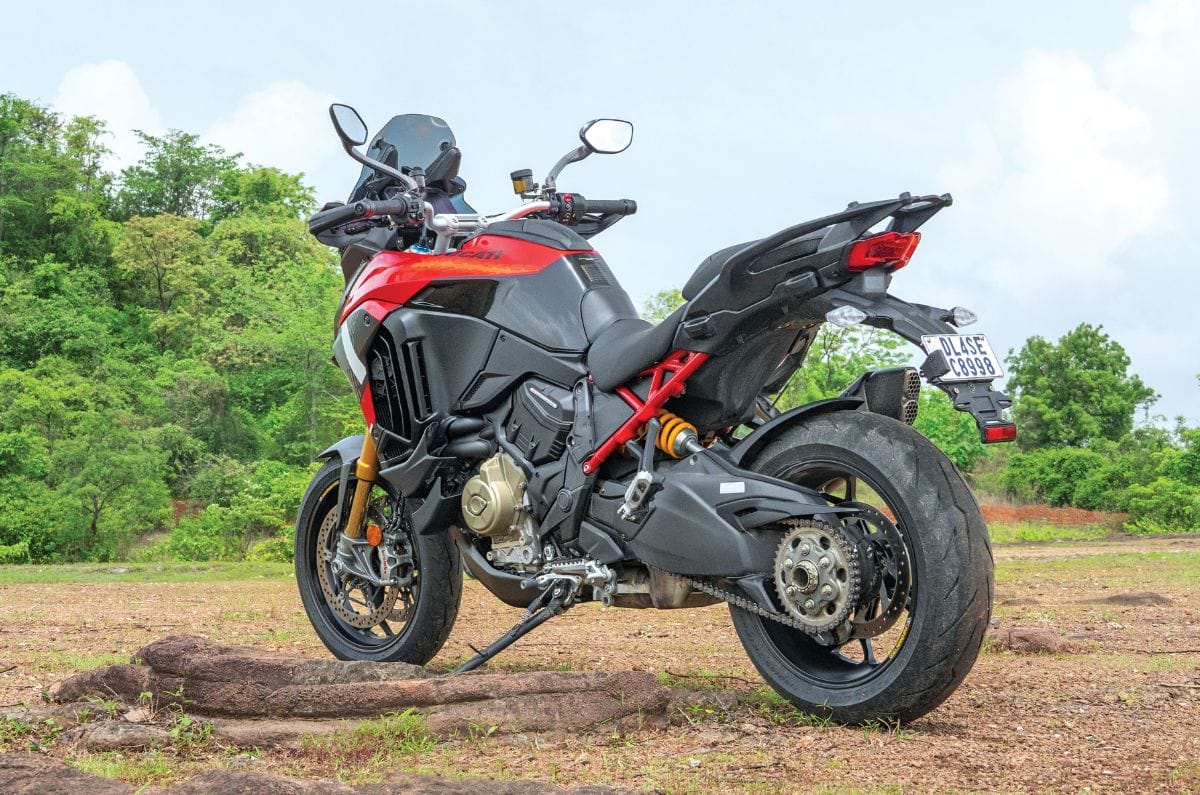
The Ducati Multistrada is one of the most successful modern motorcycles to have raced up the famed Pikes Peak hill climb, having taken 7 wins over the years. Motorcycle racing was banned at the Peak after Ducati star Carlin Dunne tragically lost his life in a crash just metres before the finish line in 2019, but Ducati still has a tribute to this race in the form of the Multistrada V4 Pikes Peak.

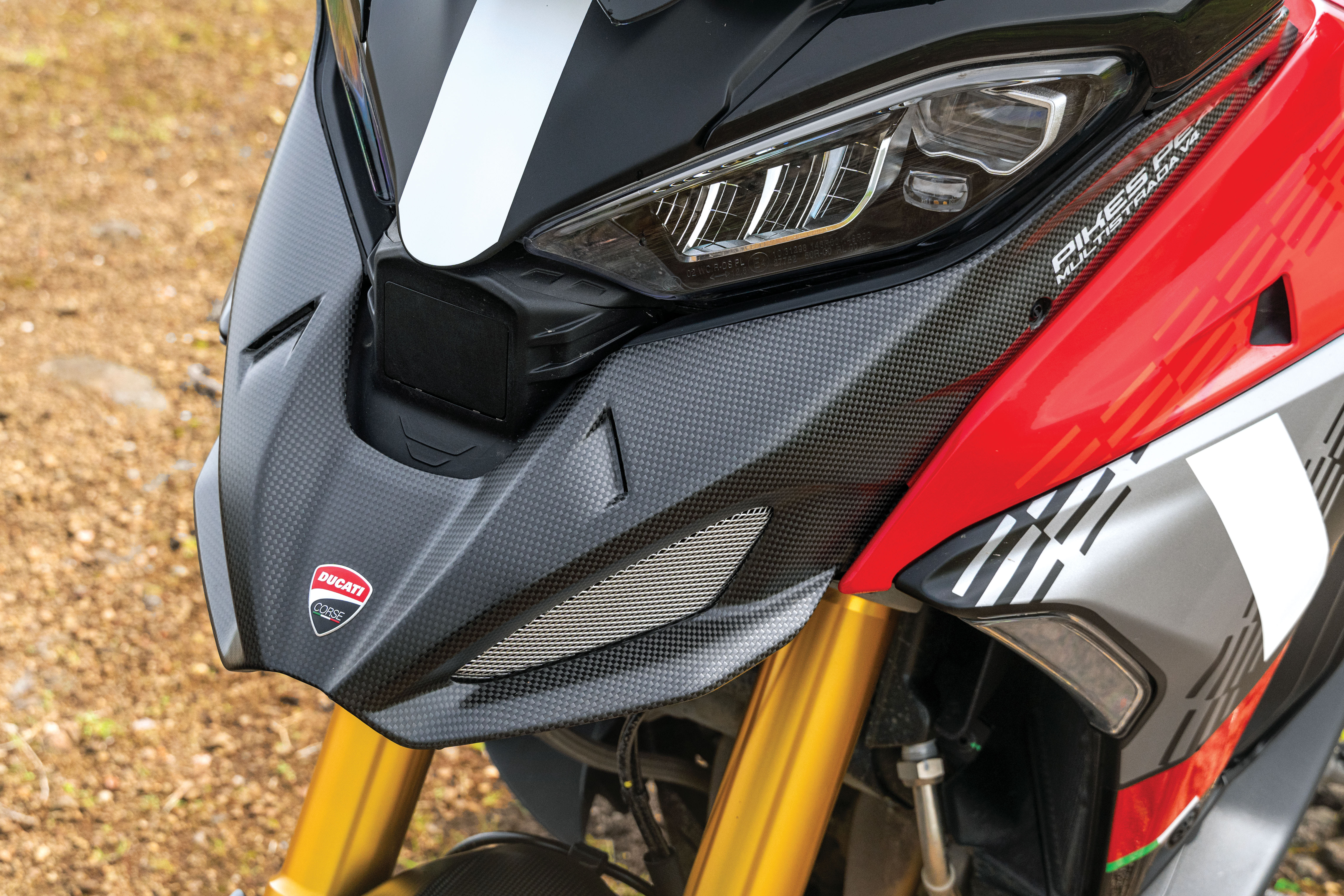
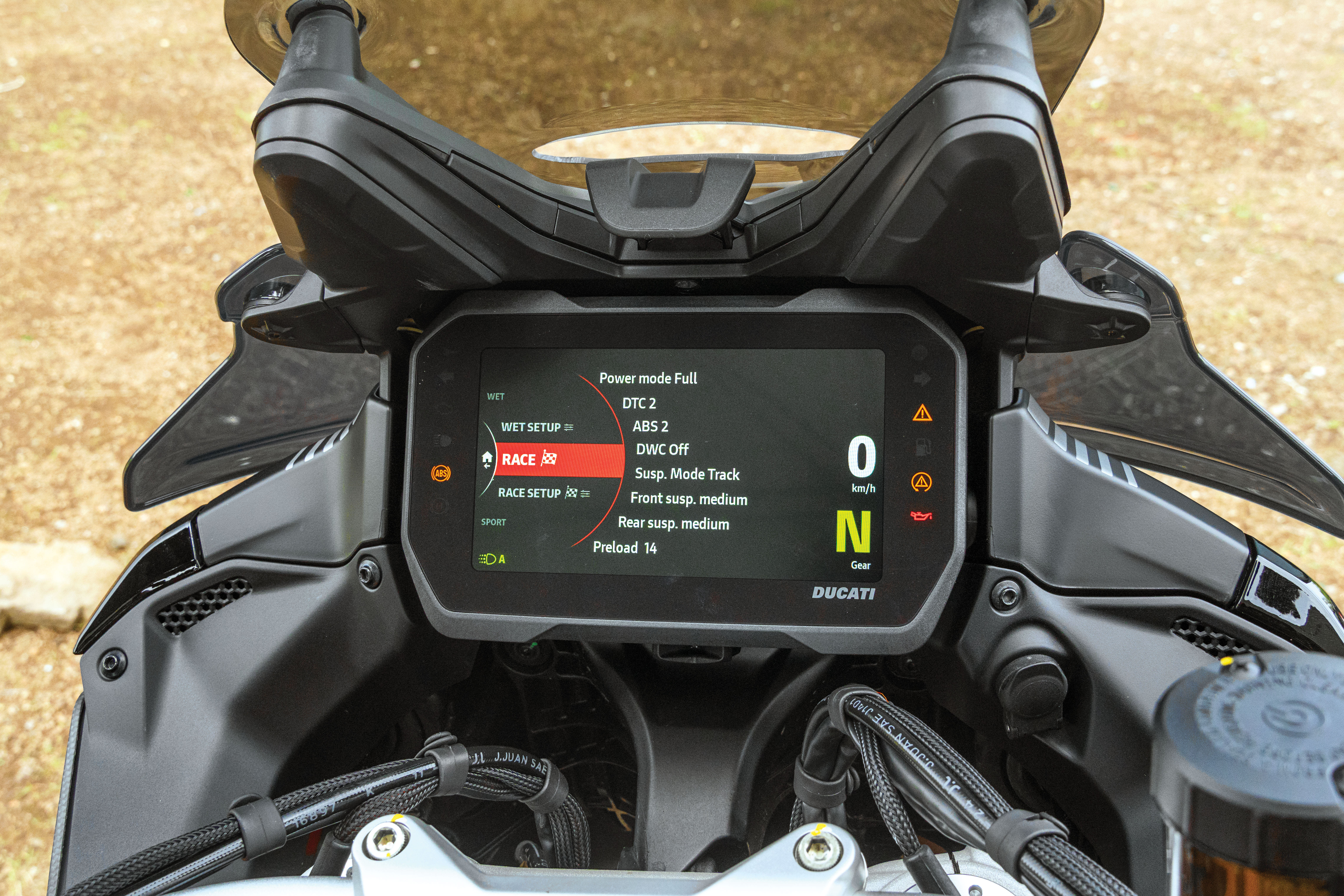
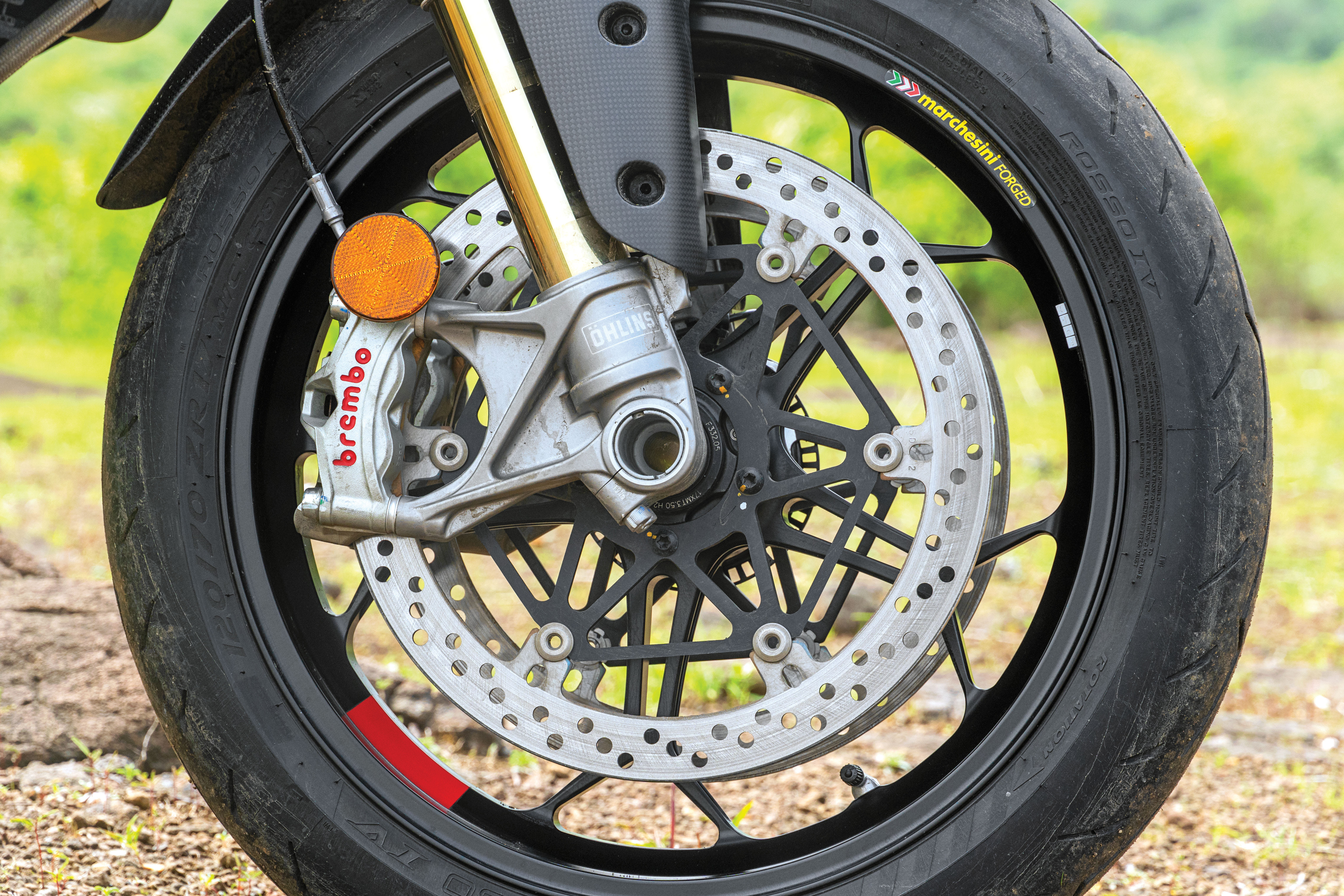
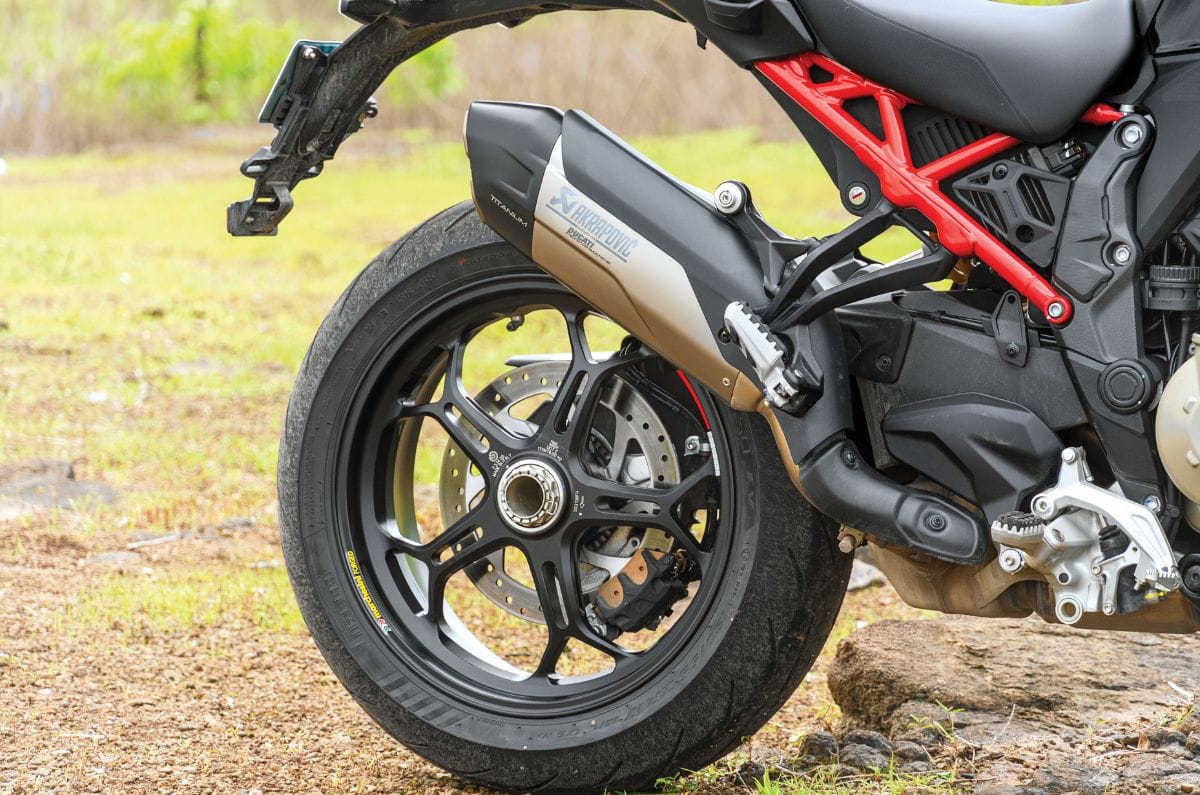
Effectively, this motorcycle goes back to the Multistrada’s roots of being a tall, sporty road-biased motorcycle. The primary sporty element comes in the shift from a 19-inch front on the standard Multistrada V4 to a 17-inch unit here. But there’s a whole lot more that you get for the (considerable) extra cash over the Multi V4 S than just a smaller front wheel. That includes a new Race Mode and Öhlins EC 2.0 semi-active suspension, just like you would have found on the previous-gen Panigale V4 S. It even gets a single-sided swingarm, forged aluminium wheels and a road-legal titanium Akrapovič end-can.

Multistrada V4 Comfort – 8/10

All of these changes are aimed at sharpening the Multi’s handling capabilities, which leaves the question – how much of an adventure bike is still in there? To find an answer, I pulled out Google Maps and picked a few random roads that I’d been eyeing over the years, but never had the opportunity to explore. The idea was to end up at the fabulous roads around Tahmini ghat, which is closer to Pune, and I’d chalked out a round-trip that came up to about 350km.

The Pikes Peak gets carbon parts, different ergos and reduced wind protection

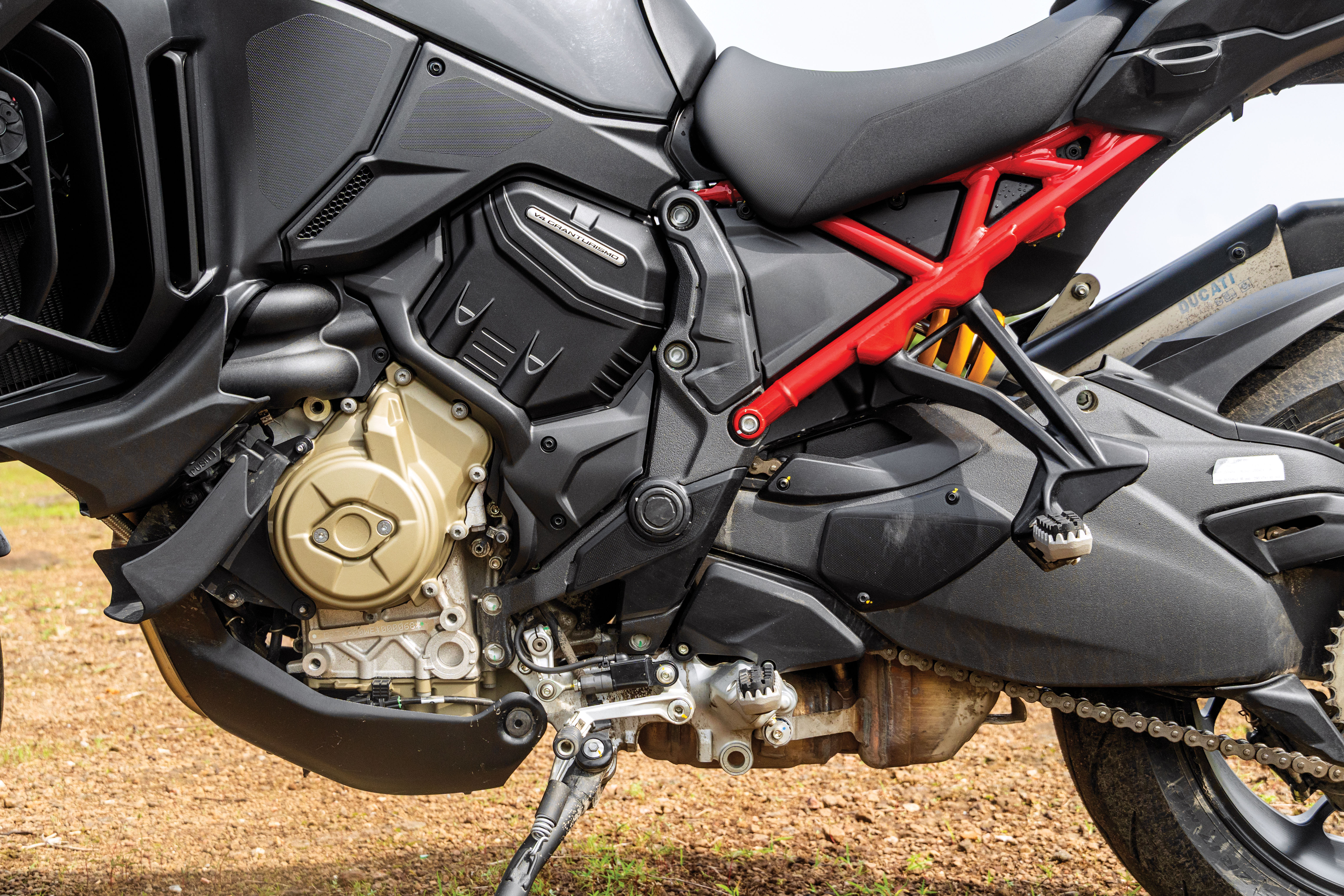
The first quest would be the hour-long escape from the mayhem of Monday morning Mumbai. Ducatis are usually the worst bikes for being stuck in jammed traffic, but the V4-engined Multi is different. As with its lesser V4 siblings, the Pikes Peak uses twin radiators that are housed on the sides, and the bodywork neatly ducts the hot air blast away from the rider. Also, as with all Ducatis, the cooling system does a remarkable job of keeping the operating temperature below 106 degrees even when stationary.

SpecificationsValues
Engine Displacement1158 cc
Max Engine Power170 hp @ 10,750 rpm
Max Engine Torque124 Nm @ 9000 rpm
Number of Gears6

So, unless you’re stuck in a nasty bad jam where the clutch can get painful, this bike is surprisingly pleasant to manage in traffic. Of course, that’s a fairly relative statement, considering that this is a big, tall, 240-plus-kilo motorcycle.

However, after an hour or so, there’s no escaping the heat radiating off the rear cylinder bank that’s right under your thighs. I noticed that this was an issue in 36-degree afternoon heat on the highway, but not so much when the temperatures dropped in the hilly regions around Lonavala. Despite this, the Multi was far happier when it broke free from the clutches of the city.

Multistrada V4 Performance and suspension setup – 9/10

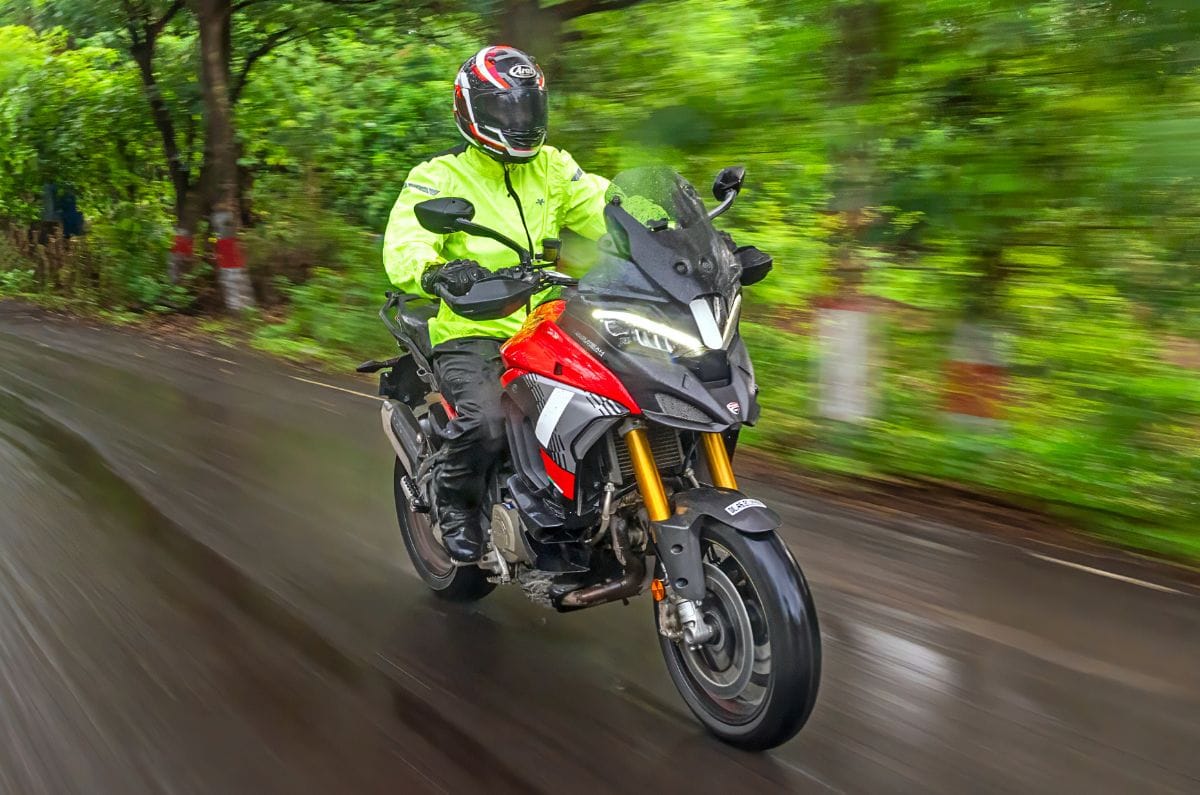
What truly blew me away on the Pikes Peak was the sheer range of its ability to change character. Like with the other V4 models, this one also has many different riding modes, a boat-load of electronic assists and minutely adjustable electronic suspension modes. However, the difference between ‘full chill’ and ‘full attack’ mode on this bike is truly breathtaking. After a couple of hours of quick and perfectly pleasant highway riding, the Multi and I soon found ourselves staring at miles of completely broken rural roads without a soul on them.

There’s no way I’d ever want to bring a sporty Italian exotic to a place like this, but putting the engine into Low Power mode (115hp instead of 170hp) and diving deep into the suspension setting menus to slack off the damping and preload completely changed the bike.

SpecificationsValues
Wheelbase1595 mm
Seat height840-860 mm
Kerb Weight227 kg
Fuel Tank Size22 L

With ADV seating comfort and the 170mm of suspension travel soaking in the terrain quite well, I had no concerns with simply riding through these non-stop broken road conditions. The bike was unbothered to the point that I could ride it at a gentle pace and enjoy the spectacular beauty of rural Maharashtra in the monsoon. However, I must also make it clear that while the Pikes Peak can tolerate this sort of punishment, it doesn’t thrive on it. Think of this as a surprisingly comfortable road-tourer rather than a true ADV.

Race-bred electronics and superbike-spec suspension are what make the Pikes Peak experience unique.

Multistrada V4 Ride and Handling – 10/10

A big Tiger or GS would have surely been more capable in these conditions, but the Pikes Peak would have simply blown away any ADV on the roads that came next. After ages of enduring gravel and shattered tarmac, we finally arrived at Tahmini to be greeted by some of the finest riding roads in the country.

It uses the standard V4 engine with conventional spring valves

A few button presses later, the Multi was now in Race mode, and the difference was startling. The bike suddenly felt tight, taut and taller, thanks to increased preload at the rear. This was no longer a cushy tourer and had suddenly turned into quite a fearsome beast that demanded respect. The raucous intake bark as the V4 engine snarled past 6,000rpm was almost as intoxicating as the way it built speed. While you could get the same sort of performance on a ‘normal’ Multi V4 that uses the same engine, the immense braking and incredible suspension composure of the Pikes Peak was something else.

Pikes Peak gets a single-sided swingarm, forged wheels and an Akrapovič end-can

I was now riding a sport bike, and it cornered and braked with such ferocity that it was easy to get carried away. I had to remind myself that this was a public road and we were going far too fast for good health! Slap on a sticky set of tyres, and this bike could genuinely embarrass a swarm of sport bike riders on the racetrack. After an awesomely exhilarating time on the ghat, there was no doubt that the Pikes Peak spirit is truly alive in this bike, and it most certainly isn’t just a branding exercise to charge a heap of money.

Multistrada V4 Price and Verdict – 8/10

Nevertheless, a heap of money is exactly what you have to pay to own this motorcycle. At Rs 36.9 lakh (ex-showroom), the Pikes Peak is exorbitantly expensive, and you still have to pay more for extras like heated grips, tyre pressure monitoring and keyless functionality for the fuel tank. At the end of the day, this is the connoisseur’s version of what is already a connoisseur’s adventure motorcycle. You’ve got to really want this particularly unique combination of all-road sport bike skills. After all, you can get either phenomenally capable super ADVs or proper super bikes for far less money.

The sheer range of its ability to change character is what is truly incredible.

I struggle to convince myself that it’s worth the price, but I’m also infinitely grateful that such a thing even exists and that we have the option to own one in India. If you’re among the precious few with the desire and funds to own such a bike, all I’d like to say is go for it!

2026 Mahindra Scorpio N vs Thar Roxx: Top variants compared

2026 Mahindra Scorpio N vs Thar Roxx: Top variants compared

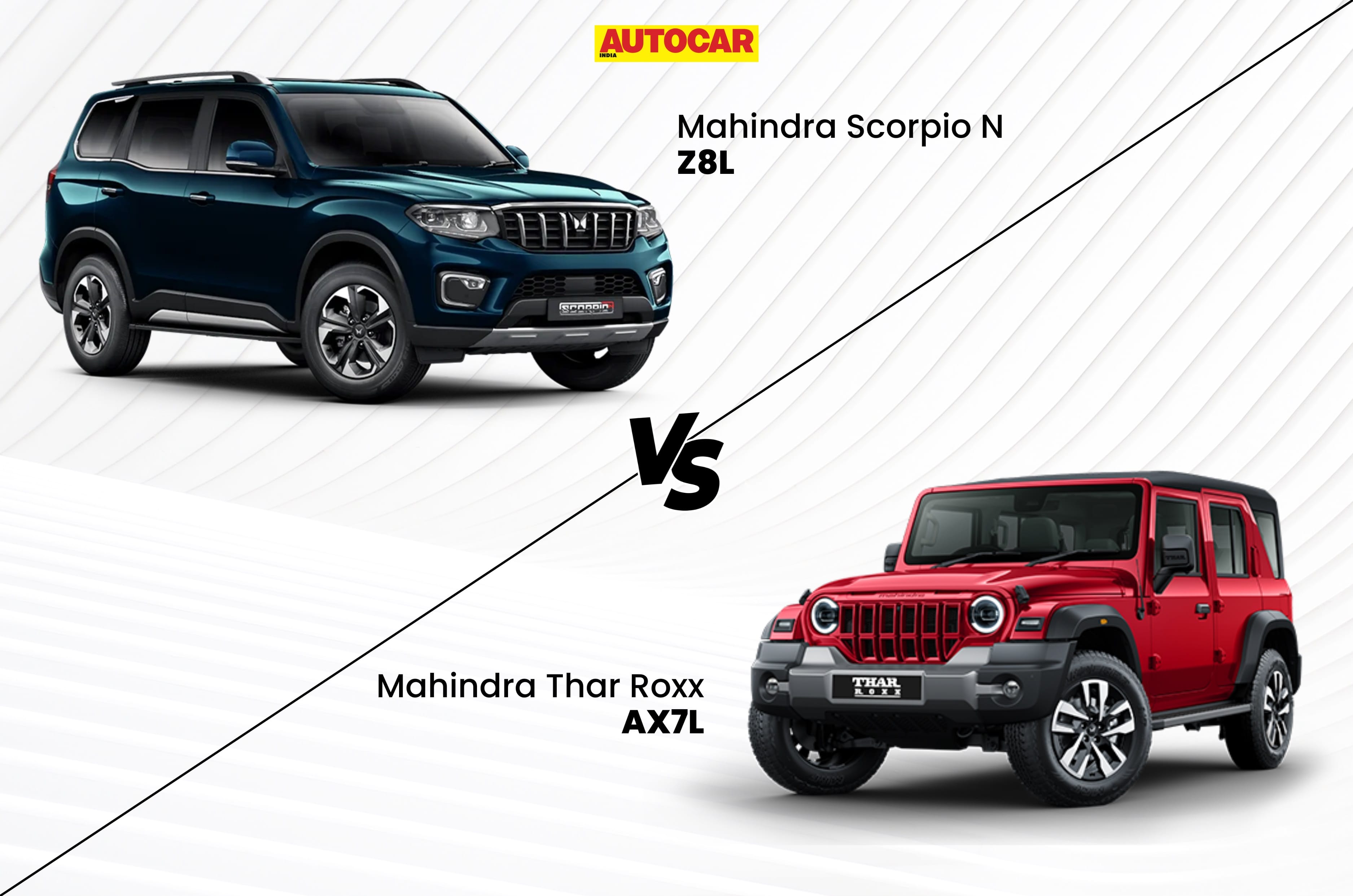
Mahindra recently launched the 2026 Scorpio N, introducing a handful of changes, including new rims, a larger touchscreen, a fresh driver’s display, and a 540-degree camera, while retaining the same powertrain and drivetrain options. It is priced from Rs 13.69 lakh to Rs 25.49 lakh (ex-showroom). Its prices are similar to those of the Thar Roxx’s, which also offers the same powertrain and drivetrain options. So, if you are looking for a Mahindra SUV at around Rs 25 lakh, should you choose the top-spec Mahindra Scorpio N Z8L or the Thar Roxx AX7L? We find out.

2026 Mahindra Scorpio N vs Thar Roxx: Dimensions

Scorpio N is larger and offers more boot space; Thar Roxx has better ground clearance

Mahindra Scorpio N vs Thar Roxx: Dimensions and other specifications


Scorpio N

Thar Roxx

Difference

Length (mm)

4,662

4,428

+234

Width (mm)

1,917

1,870

+47

Height (mm)

1,857

1,923

-66

Wheelbase (mm)

2,750

2,850

-100

Ground clearance (mm)

187

226

-39

Boot space (litres)

786*

447

+339

No. of seats (mm)

6 or 7

5

*786 litres of boot space is with the third row folded (with 5 seats up).

The Mahindra Scorpio N is significantly longer compared to the Thar Roxx, and it is also slightly wider. The Thar Roxx, on the other hand, has a larger wheelbase and is also taller than the Scorpio N. 

The Scorpio N offers a larger boot with the third row folded. Notably, the Scorpio N is offered with either 6 or 7 seats, the former asking a premium over the latter, while the Thar Roxx is strictly a 5-seater.

2026 Mahindra Scorpio N Z8L vs Thar Roxx AX7L: Powertrain

Both Mahindra SUVs get the same powertrain options, but with slightly different tunes

Top-spec Mahindra Scorpio N vs Thar Roxx: Powertrain options


Scorpio N Z8L*

Thar Roxx AX7L^

Engine

2.0L TP | 2.2L D

2.0L TP | 2.2L D

Power (hp)

203 | 175

177 | 152-175

Torque (Nm)

370-380 | 370-400

380 | 330-400

Transmission

6MT, 6AT | 6MT, 6AT

6AT | 6MT, 6AT

Drivetrain

RWD | RWD, 4WD

RWD | RWD, 4WD

*Scorpio N’s direct-injection turbo-petrol produces 203hp, 370Nm with MT, and 203hp, 380Nm with AT; diesel engine produces 175hp, 370Nm with MT, 175hp, 400Nm with AT.

^Thar Roxx’s direct-injection turbo-petrol engine produces 152hp,300Nm with MT, and 175hp, 400Nm with AT.

Both top-spec Mahindra Scorpio N Z8L and Thar Roxx AX7 are offered with a choice between a 2.0-litre direct-injection turbo-petrol engine and a 2.2-litre diesel engine. However, these engines are offered in different states of tune, with varying power and torque outputs, and the Scorpio N’s select powertrains are slightly more powerful than the Thar Roxx’s. 

The Scorpio N’s petrol-AT produces 28hp more than the Thar Roxx. Notably, the Thar Roxx AX7L is not offered with a petrol-manual option. The Scorpio N’s diesel-MT produces 23hp and 40Nm more than the Thar Roxx, while with the diesel-AT both SUVs offer 175hp and 400Nm. 

The diesel engines on both SUVs are available with both rear-wheel-drive (RWD) and four-wheel-drive (4WD) setups with both manual and automatic variants, while the petrol engines are only offered with only a RWD setup.

2026 Mahindra Scorpio N Z8L vs Thar Roxx AX7L: Exterior

Thar Roxx AX7L has bigger rims, but Scorpio N Z8L offers roof rails

Mahindra Scorpio N Z8L vs Thar Roxx AX7L: Exterior


Scorpio N Z8L

Thar Roxx AX7L 

Headlights

Auto LED

Auto LED

Taillights

Wraparound LED

Wraparound LED

DRLs

LED

LED

Front fog lamps

LED

LED

Wheels

18-inch

19-inch

Powered ORVMs

Yes

Yes

Roof rails

Yes

No

Sharkfin antenna

Yes

No

Colour

Mono-tone

Dual-tone

Top-spec trims of both SUVs are offered with all-LED lighting. The differences, however, are larger 19-inch alloy wheels on the Mahindra Thar Roxx AX7L, and roof rails on the Scorpio N Z8L. The Scorpio N has a sharkfin antenna, while the Thar Roxx’s antenna is placed on the front left fender. 

The top-spec Scorpio N is offered with monotone hues only, while the Thar Roxx is available only in dual-tone shades.

2026 Mahindra Scorpio N Z8L vs Thar Roxx AX7L: Interior, features

Scorpio N Z8L offers larger infotainment, more speakers and dual-zone AC

Mahindra Scorpio N Z8L vs Thar Roxx AX7L: Interior and features


Scorpio N Z8L

Thar Roxx AX7L 

Driver’s display

10.25-inch

10.25-inch

Infotainment screen

12.30-inch

10.25-inch

Android Auto, Apple CarPlay

Wireless

Wireless

Audio system

12-speaker Sony

8-speaker Harman Kardon

On-board navigation

Yes

Yes

Sunroof

Panoramic

Panoramic

Powered tailgate

No

No

Climate control

Dual-zone

Single-zone

Seat upholstery

Leatherette

Leatherette

Steering wheel adjustment

Tilt

Tilt

Wireless phone charger

Yes, with cooling

Yes

Driver seat adjustment

6-way

6-way

Co-driver’s seat adjustment

Front seat features

Ventilation

Ventilation

Rear window sunshade

No

No

The Scorpio N Z8L offers a larger 12.3-inch touchscreen infotainment system paired with a 12-speaker Sony sound system compared to the Thar Roxx AX7L’s 10.25-inch unit with an 8-speaker Harman Kardon sound system. The Scorpio N is also equipped with dual-zone climate control and a wireless phone charger with cooling, while the Thar Roxx gets basic single-zone automatic climate control and misses out on the cooling function for the wireless phone charger.

Everything else is identical on both SUVs, including a panoramic sunroof, a 10.25-inch driver’s display, a 6-way powered driver’s seat, front seat ventilation, and a tilt-adjustable steering wheel. Both SUVs also show adventure statistics including a compass, roll and pitch and an altimeter. 

2026 Mahindra Scorpio N Z8L vs Thar Roxx AX7L: Driving tech

Scorpio N Z8L comes with more terrain modes than the Thar Roxx AX7L

Mahindra Scorpio N Z8L vs Thar Roxx AX7L: Driving technology


Scorpio N Z8L

Thar Roxx AX7L 

Drive modes (RWD only)

Zip, Zap, Zoom

Zip, Zoom

Terrain modes (4WD only)

Normal, Snow, Mud & Ruts, Sand

Snow, Sand, Mud

Shift-on-fly 4WD

Yes

Yes

Electronic locking differential

4WD only

4WD only

Paddle shifters

AT only

AT only

Cruise control

Adaptive

Adaptive

Drive modes on the Scorpio N are offered only with the diesel-RWD variants, while even the petrol variants of the Thar Roxx get this suite. However, the Scorpio N gets an additional ‘Sand’ terrain mode missing on the Thar Roxx. Both SUVs, however, get a shift-on-fly 4WD system and an electronic locking differential, enhancing grip on slippery terrains.

2026 Mahindra Scorpio N Z8L vs Thar Roxx AX7L: Safety

Safety features are similar, save for a 540-degree camera on Scorpio N Z8L 

Mahindra Scorpio N Z8L vs Thar Roxx AX7L: Safety features


Scorpio N Z8L

Thar Roxx AX7L 

Airbags

6

6

ADAS

Level-2

Level-2

Camera setup

540-degree*

360-degree

Parking sensors

Front and rear

Front and rear

Electronic parking brake

Yes

Yes

All-wheel disc brakes

Yes

Yes

TPMS

Yes

Yes

IRVM

Auto-dimming

Auto-dimming

Rear wiper, washer

Yes

Yes

Hill start assist

Yes

Yes

Hill descent control

Yes

Yes

ESC

Yes

Yes

Traction control

Yes

Yes

*The 540-degree camera setup includes an under-bonnet display.

Except for a 540-degree camera setup on the Scorpio N Z8L, which shows the view under the SUV’s bonnet, all other safety features are identical to both SUVs. These include 6 airbags, Level-2 advanced driver assistance system (ADAS), front and rear parking sensors, a tyre pressure monitoring system (TPMS), and hill start and hold assists. 

2026 Mahindra Scorpio N Z8L vs Thar Roxx AX7L: Prices

The Thar Roxx comes at a lower price compared to the top-spec Scorpio N

Mahindra Scorpio N Z8L vs Thar Roxx AX7L: Variant-wise ex-showroom price (Rs, lakh)


Scorpio N Z8L

Thar Roxx AX7L

Petrol MT

21.31-21.69

Petrol AT

22.87-23.05

20

Diesel MT

21.99-22.47

19.52

Diesel AT

23.49-23.80

20.78

Diesel MT 4WD

24.25

22.12

Diesel AT 4WD

25.49

22.53

The Mahindra Scorpio N Z8L is more expensive than the Thar Roxx AX7L in all powertrain configurations by over Rs 2 lakh. However, it is offered with an additional third row, which can accommodate more passengers.  On the other hand, the Mahindra Thar Roxx is derived from a hardcore off-roader and is a good recreational vehicle while also serving urban buyers with its tech-loaded suite. However, the Scorpio N, despite being pricier, is a more practical option that packs in all the necessary off-roading tech and offers an additional third row, making it a good value-for-money SUV in its class.

2026 Toyota Hilux review: Mr. Indestructible

2026 Toyota Hilux review

Back in 2004, Toyota debuted its ‘Innovative International Multi-purpose Vehicle’ platform (or IMV for short), which spawned the 7th generation Hilux and the 1st generation of the Fortuner and Innova. As for the Hilux, it moved on to the 8th generation in 2015 and we now have this, the new 9th generation model, still underpinned by the IMV platform, albeit with major modifications and updates.

2026 Toyota Hilux Exterior Design and Engineering – 7/10

IMV platform sees massive update; front styling goes all angular

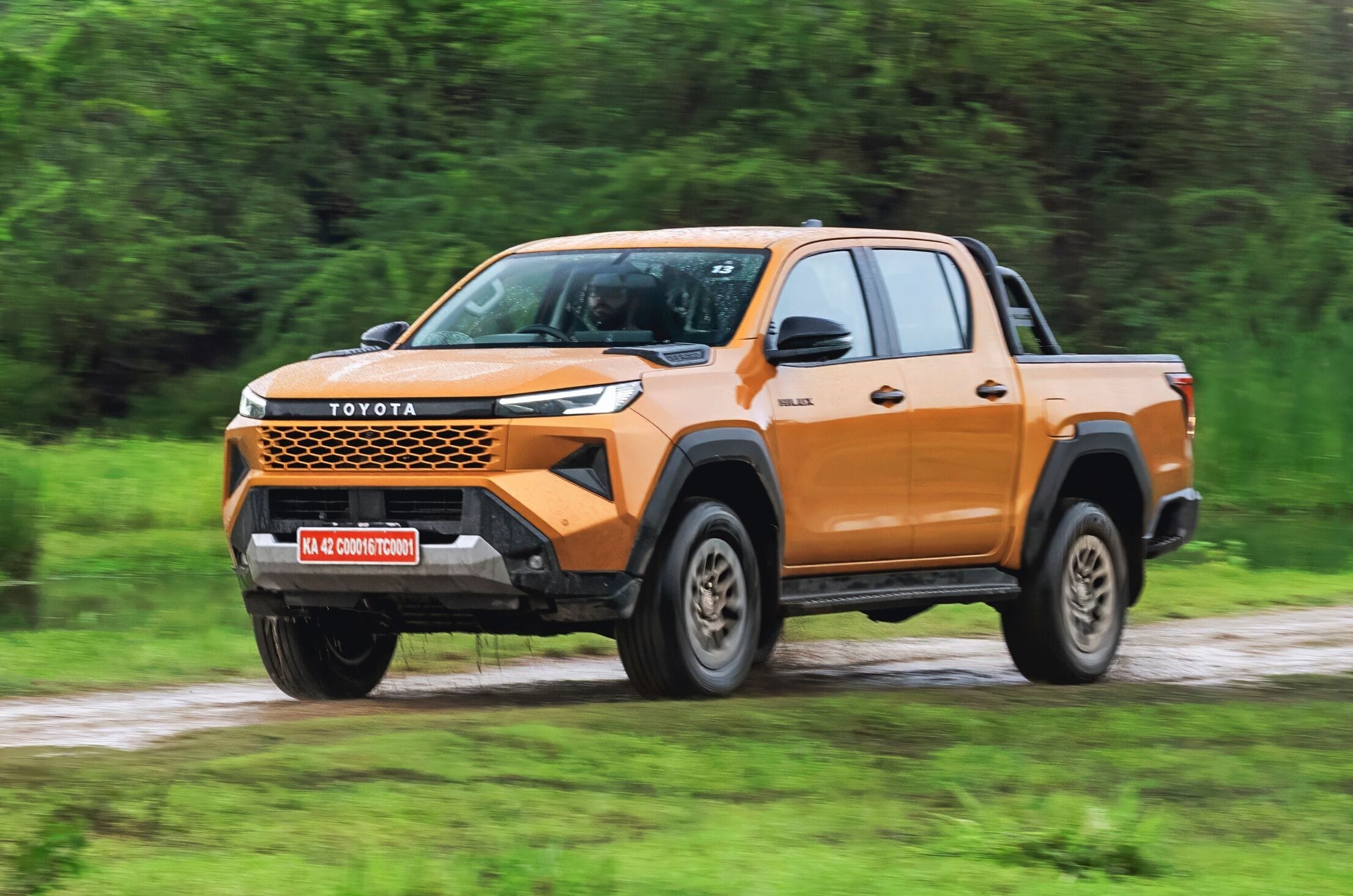
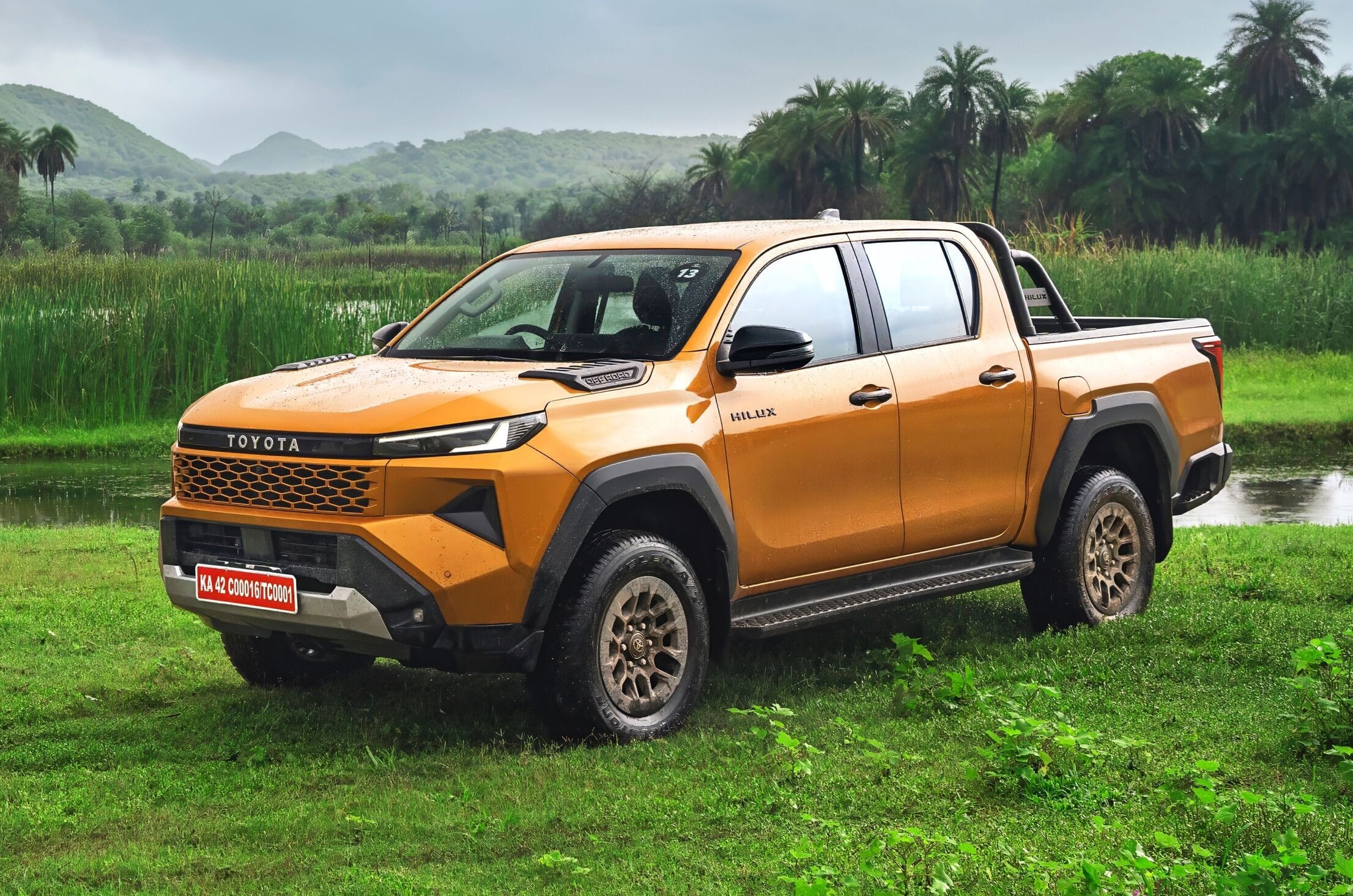
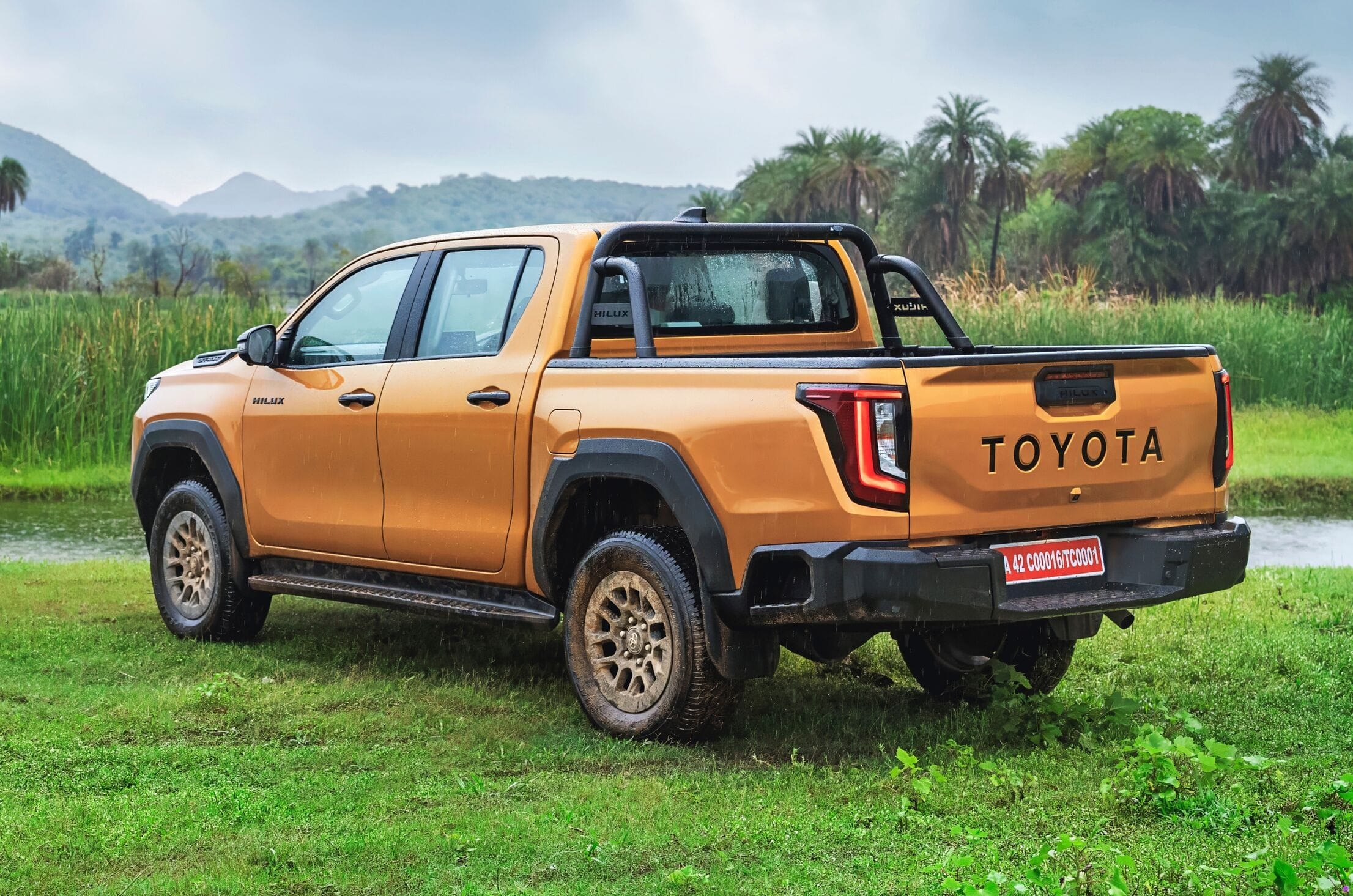
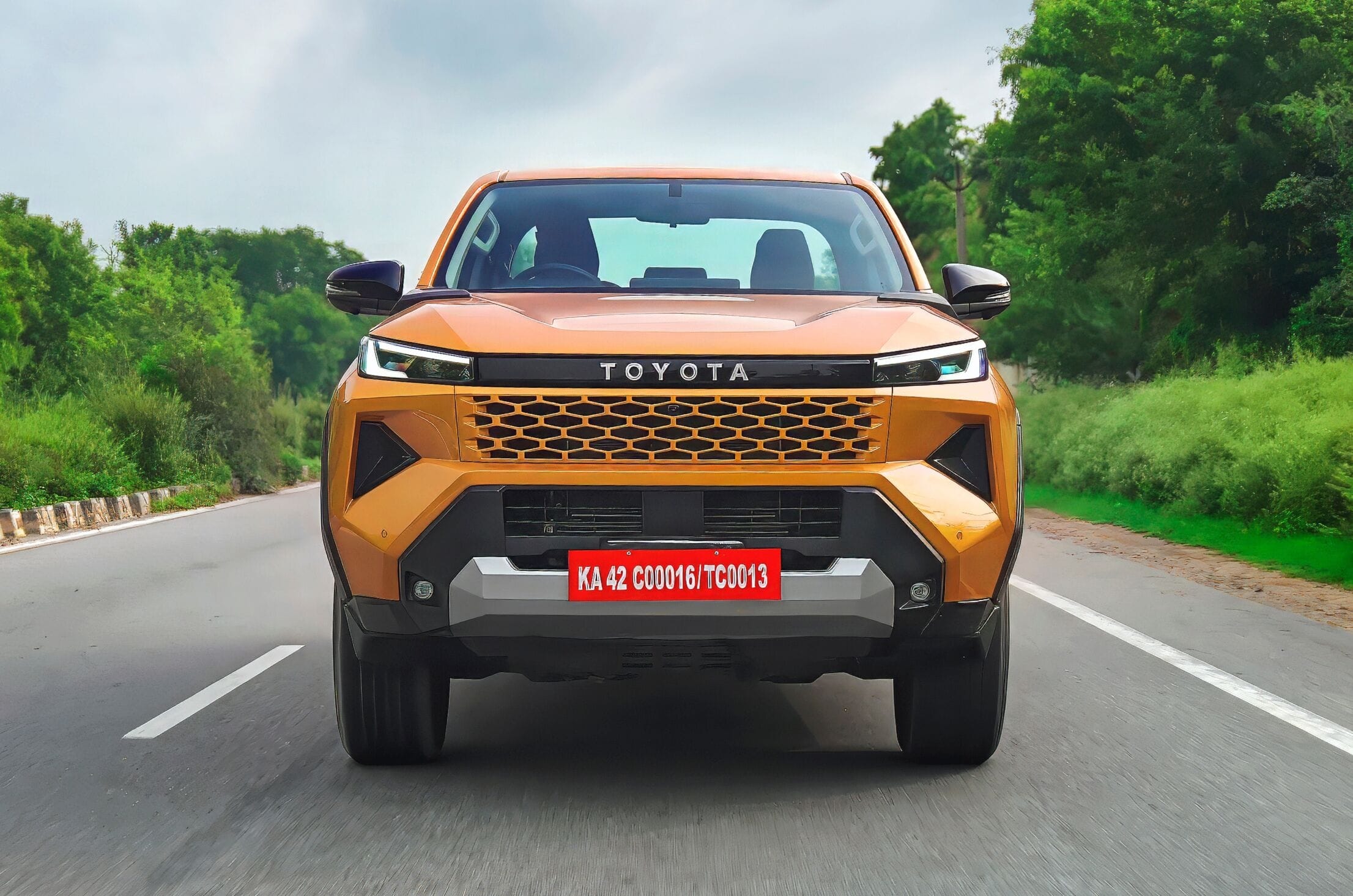
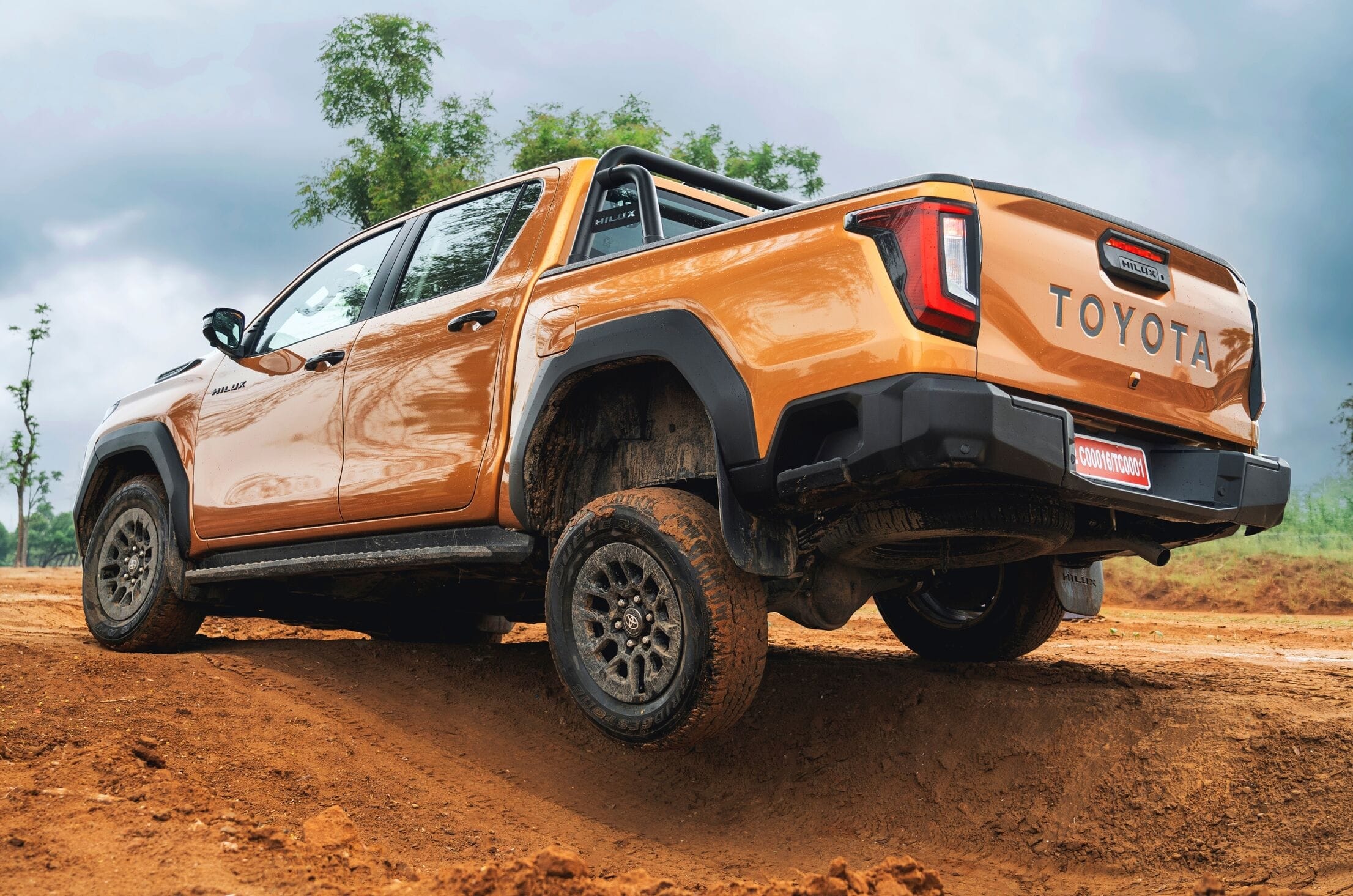
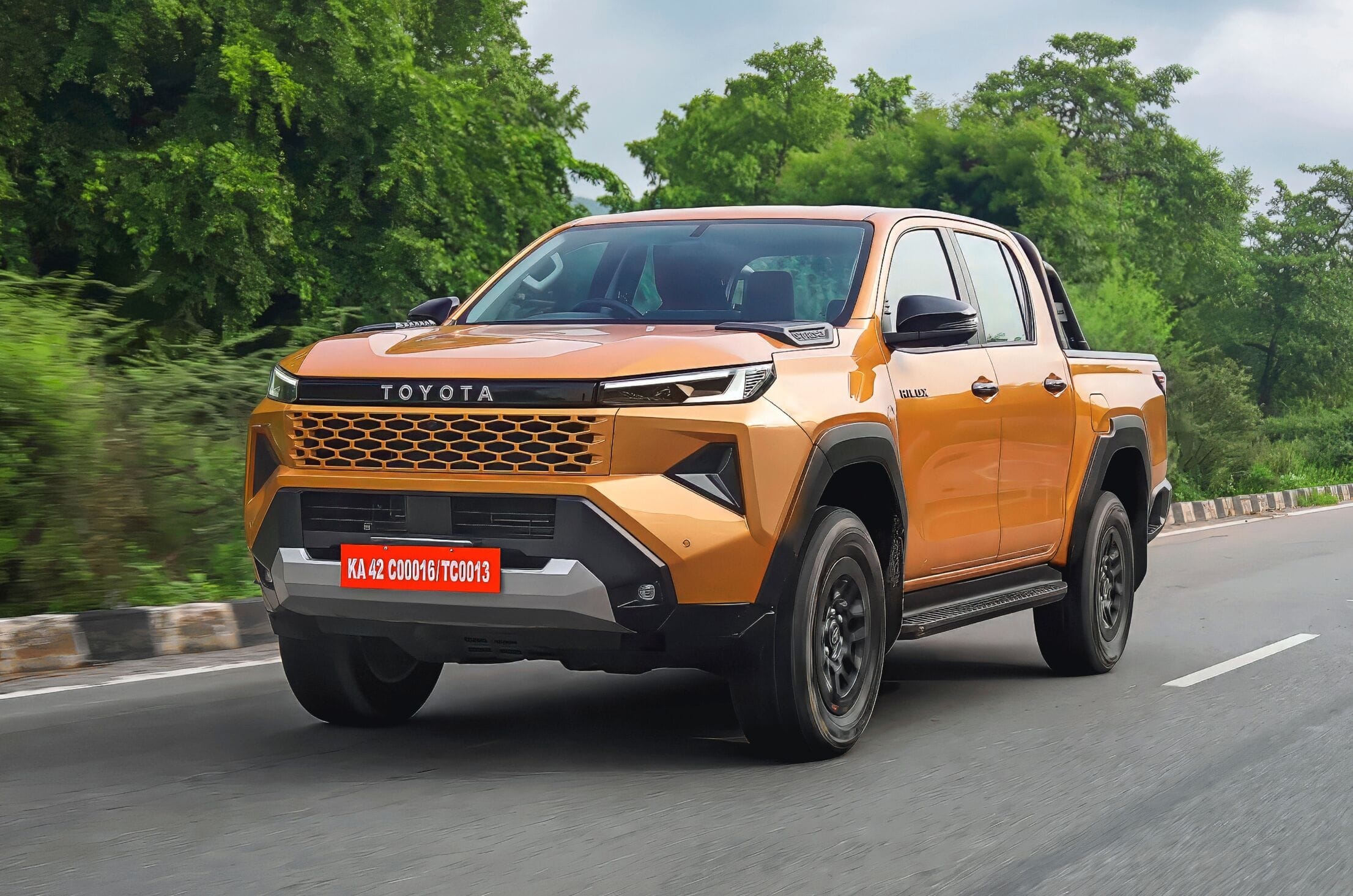
The front end is now all very edgy and sharp. Cyber-Sumo is how Toyota describes the styling. 

As with its predecessors the ladder-frame construction remains, but plate thickness in the frame side rails has been increased to enhance rigidity and better resist torsional forces. The body too has seen an increase in rigidity with the floor featuring an additional 36 spot welds, this also helps decrease vibrations.

Interestingly, the platform is now fully electrified. Impressive given that installing a battery pack with a ladder frame is tricky given the narrower – than the body – width and the presence of cross members too. It shows, the all-electric Hilux features a rather modest 59.2kWh battery pack, it’s unlikely to make its way here though.

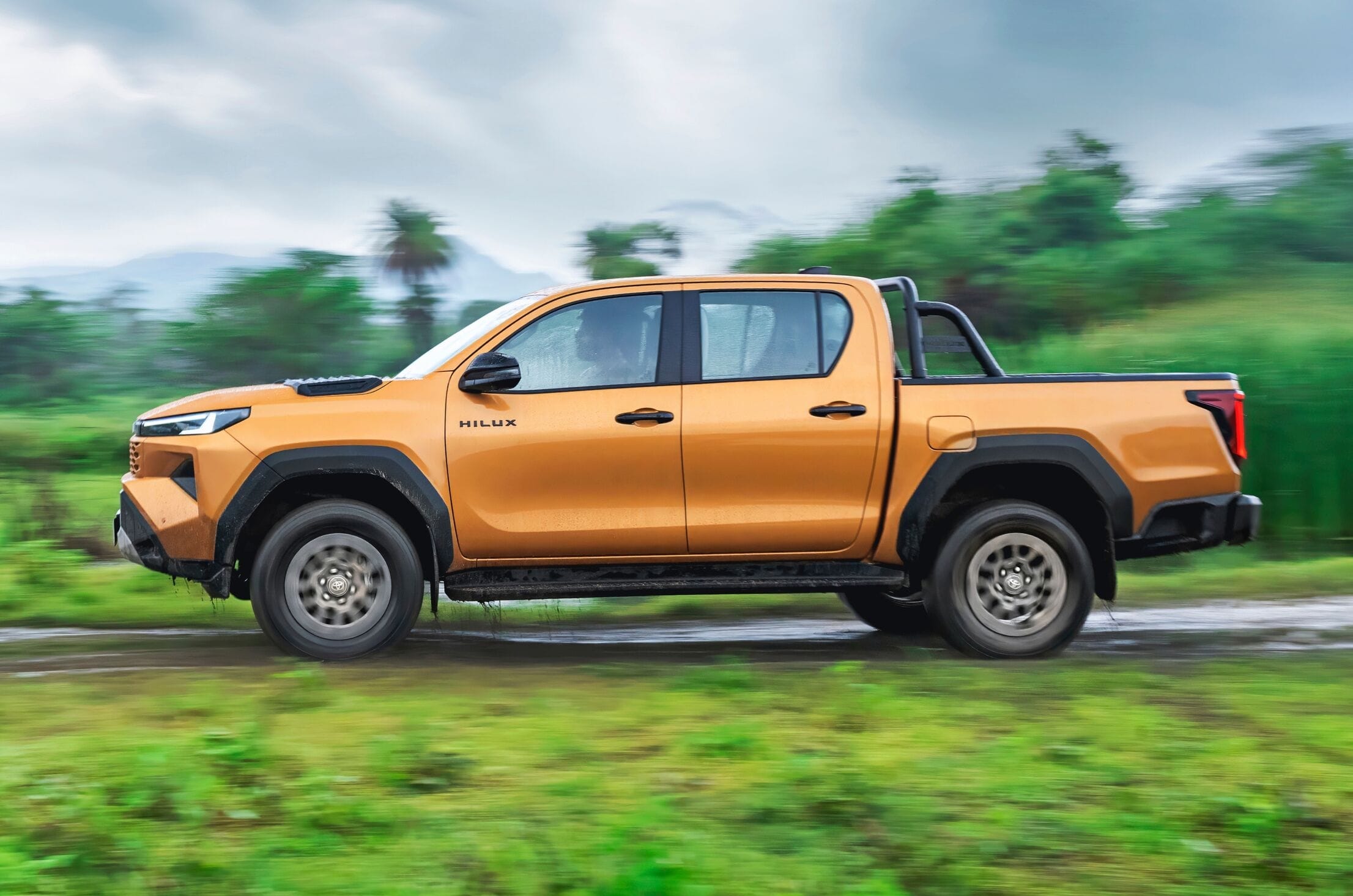
17-inch rims provide for taller sidewalls, handy off-road.

Other changes to the platform include a switch from hydraulic to an all-electric power steering system and spring and damper tweaks to improve ride comfort. As with the previous two generations, wheelbase remains the same at 3,085mm and the length is identical to its predecessor at just over 5.3 meters.

Front styling sees the biggest difference from the earlier car, its now all very edgy and sharp. Cyber-Sumo is how Toyota describes it, a cyborg Sumo wrestler if you will. The headlights feature sharp DRLs, are much slimmer and flow into a black panel emblazoned with the Toyota lettering. Below is a honeycomb grille flanked by triangular stylistic insets and the lower end of the bumper carries on with the angular treatment with sharp cuts to define its shape.

Taillights now more angular; bumper features integrated footsteps on the rear as well as on the sides. 

The side however is more curved with the doors gently profiled and resembling the previous car, the cladding however is a bit angular and runs the length of the car. At the rear end there is now a side step to make loading and unloading cargo easier. Rear taillights are sharply outlined and flow more into the side profile and of course, the rear sees the now iconic large Toyota lettering across the tailgate, which has a damped release.  

2026 Toyota Hilux Interior Space and Comfort – 7/10

Adequate cabin space, but not what you might expect given the overall size.

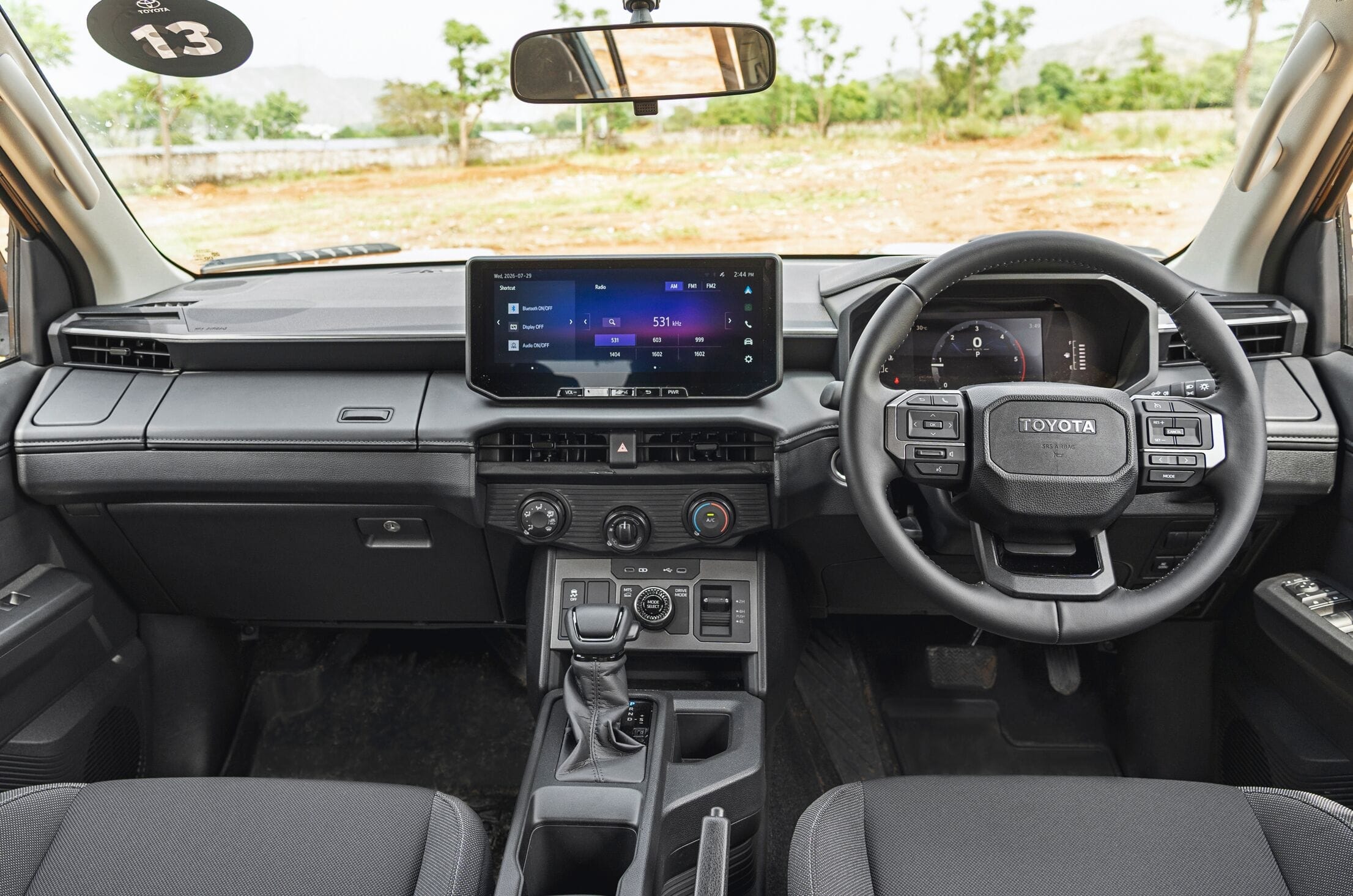
Dashboard get a retro-modern style, very similar to the Land Cruiser Prado. 

Like the front-end styling, the new dashboard sees a big departure is styling too, very retro-modern with straight lines and chunky elements, similar to the Land Cruiser Prado. It houses rectangular AC vents and a pop-up center touchscreen with chamfered lower edges. The steering wheel looks like a straight lift from the Prado with the same three spoke design, rectangular center boss and chunky rectangular buttons.

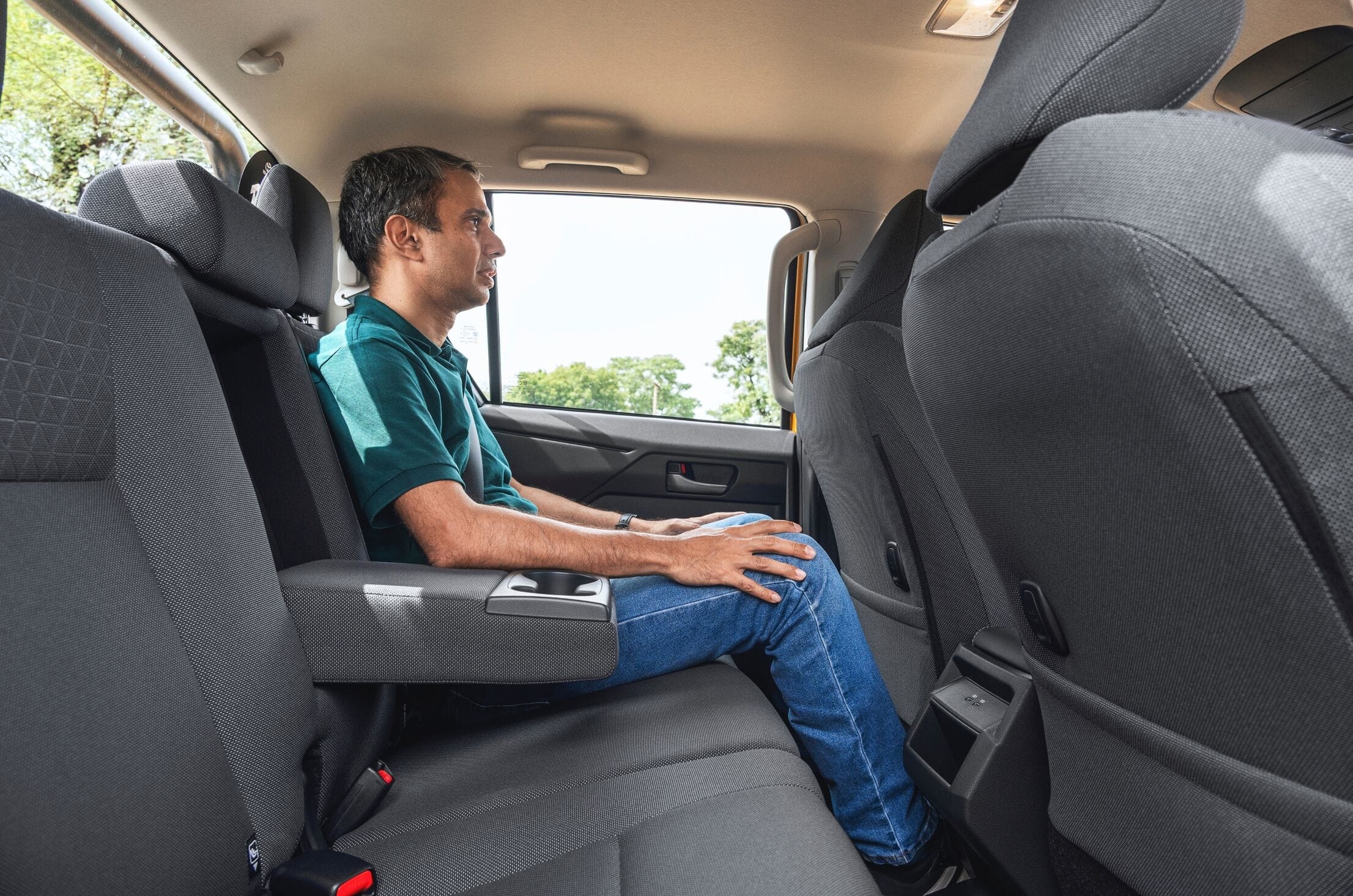
Cabin dimensions remain the same, but reprofiled seat gives the backrest a tad bit more recline. 

The 8th gen Hilux received a larger interior cabin volume and this cabin carries over to the new 9th gen car, space inside is thus decent but going by the large vehicle footprint you’d be forgiven if you expected more. At the rear, legroom is adequate even with a taller adult seated front, the seat backrest is still upright when seen against regular SUV but the seats themselves have been reprofiled and that makes it feel just a bit more reclined than before. Headroom is good and seating three adults at the rear is possible but will feel sung. At the front, the seats feel nice and supportive and are well profiled with prominent side bolstering that should suit a wide body frame well. They are also upholstered in a fabric that feels nice to the touch.

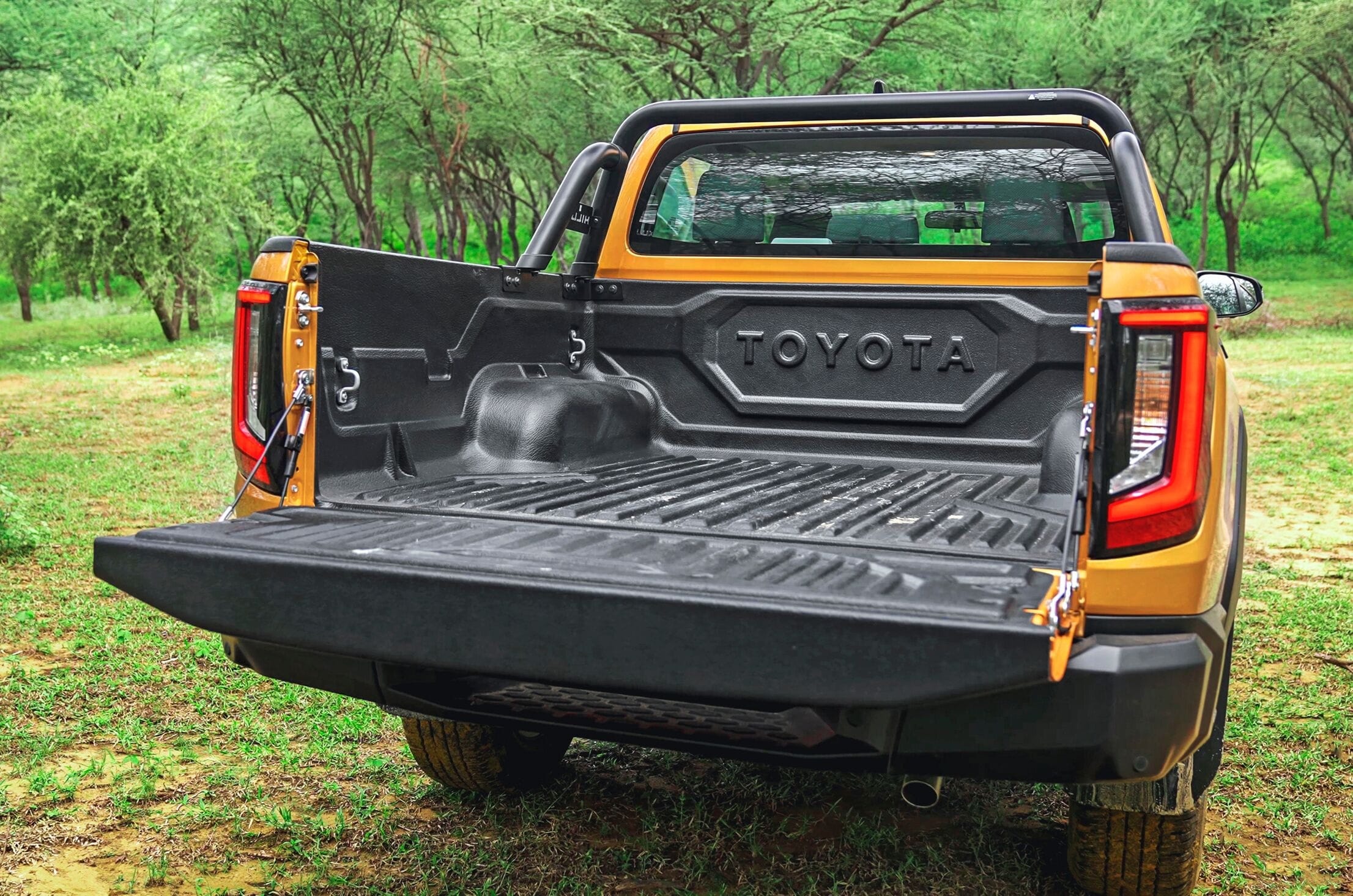
Tailgate features damped release; payload is around 500kgs. 

The load bed is large enough for stuff like camping gear but it’s quite high off the ground so you’ll have to haul stuff in and out. The bumper has an integrated step at the rear and on either side as well, to make this easier. Toyota has not yet disclosed payload capacity but expect it to remain the same as before at 470kgs.

2026 Toyota Hilux Features and Safety – 7/10

High on safety kit, but many comfort and convenience features missing

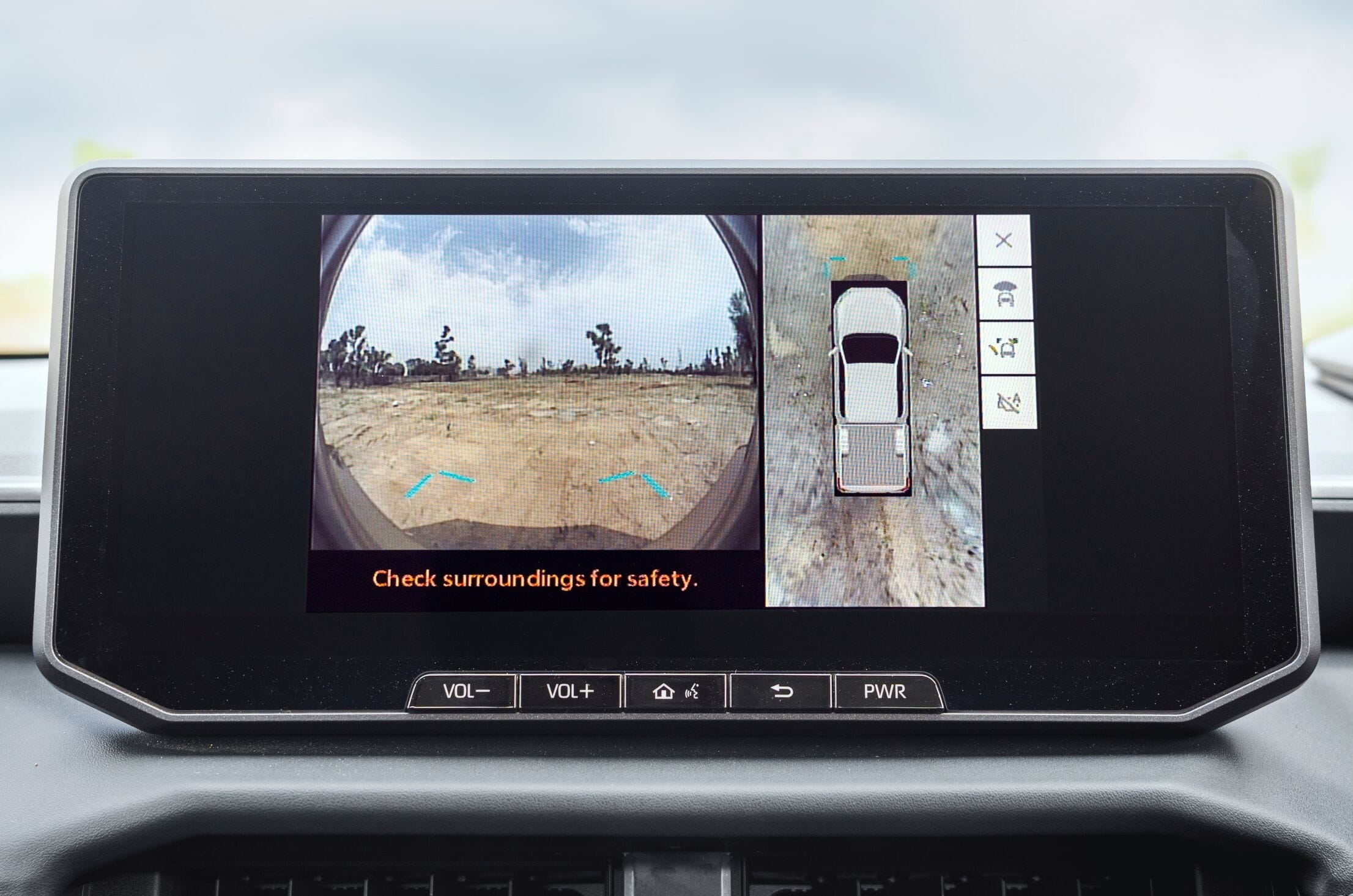
360-degree camera handy, but of poor resolution. 

The new Hilux comes in three grades with the top spec car featuring kit like a 360-degree camera view – though resolution is poor – an 8-inch digital instrument panel and a 12.3-inch central touchscreen with wireless phone connectivity. The native OS styling appears quite outdated but the screen resolution is good. There’s a wireless phone charging slot but quite deep and retrieving you phone needs slim hands.

Besides these and basic bits like power windows and ORVMs, there’s not much else on the new Hilux. Features like auto HVAC, powered or ventilated seats, rear defogger are all missing even at the top spec car.

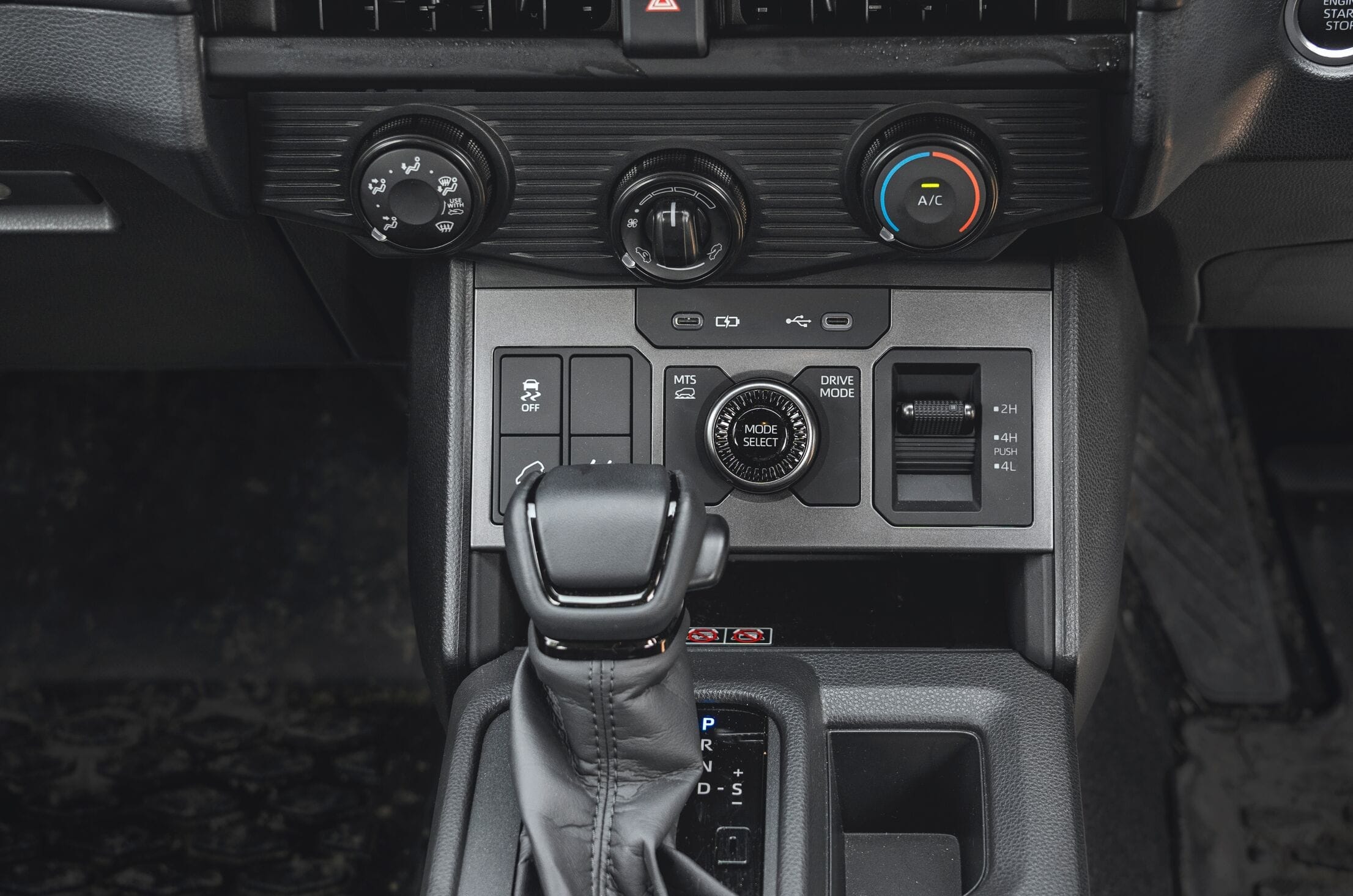
Misses key equipment like automatic climate control; has drive as well as terrain modes. 

Safety kit is good, with 7 airbags standard on all variants as is also ESP, a tyre pressure monitoring system however is only present on the top variant. As for a crash rating the new Hilux does not come with a Bharat or Global NCAP rating but the Australia spec scores 5-stars under the ANCAP protocol.

2026 Toyota Hilux Performance and Refinement – 9/10

Good pulling power with a very refined engine and a vibe free interior

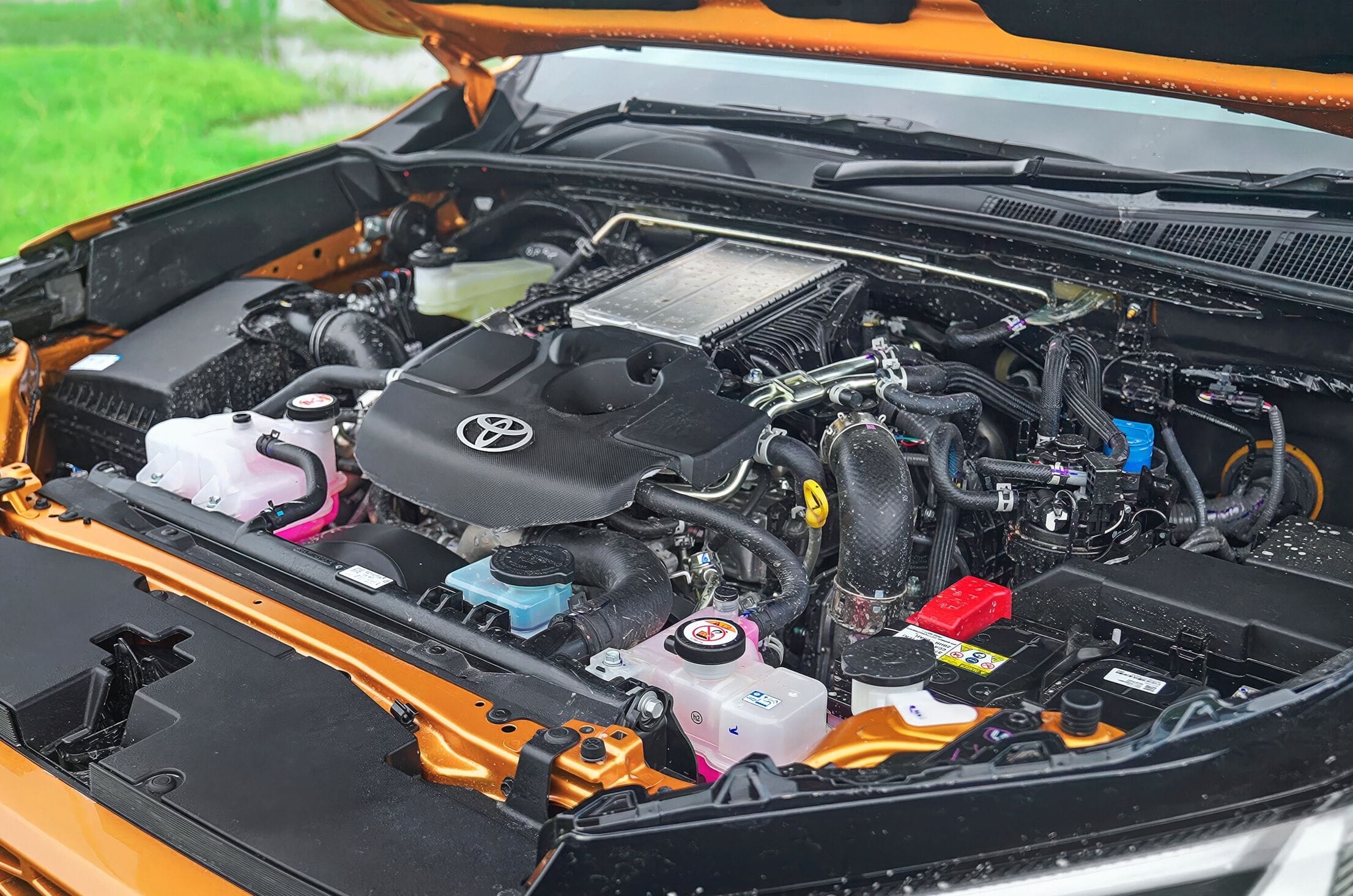
The new Hilux carries on with the same 2.8 liter 4-cylinder diesel. It makes an identical 204 hp and 500Nm of torque. A 6-speed torque convertor automatic is now the only gearbox option and for the first time Toyota India is offering the Hilux with a 4X2 drivetrain too.

2.8 litre diesel engine has new mounts and is extremely refined, with low noise and vibration levels. 

There are three drive modes – Eco, Normal and Sport, all feel quite useable. Performance is strong and even when pushed hard it never feels like its out of breath. There’s a good amount of power to be had low down in the rev range and through a forest trail with stones and muck it was easy modulating power to keep momentum.

Shifts are expectedly smooth from the 6-speed autobox and in Sport mode the downshifts are quick enough both when left to its own system or via inputs from the gear lever.

Performance is quite potent and it never feels out of breath. 

At high revs the engine does get vocal, but for what is a workhorse its quite acceptable. In fact, at every day motoring speeds sound levels are low and refinement is excellent, with minimal to no vibrations around the cabin. Toyota says they have worked on improving this aspect with both hydraulic and shear type engine mounts, a stiffened body frame and better cabin insulation.

2026 Toyota Hilux Mileage and Efficiency – 8/10

With a kerb weight of over two tonnes, expect single digit real world efficiency figures

Toyota have yet to disclose ARAI rated fuel efficiency figures but given the carry over powertrain expect a similar figure of around 12kpl on the standard test cycle. In real world usage figures will hover in the single digit zone and only relaxed highway cruising would see you get double digits.

2026 Toyota Hilux Ride Comfort and Handling – 7/10

Comfy and unfazed over the big stuff but skittish and firm on smaller ruts and bumps

Off road is where the Hilux excels, 4X4 model has low ratio as well as rear locking differential. 

Suspension architecture carries over with an independent double wishbone coil spring setup at the front and a rigid axle with leaf springs at the rear. Toyota says they have reworked it to bring in a bit more comfort, it’s hard to say in isolation and perhaps a back-to-back drive would indicate this. On its own, it can soak up the tough bits like large rocks and deep potholes, sharp edges too are well smoothened. Through a forest trail strewn with loose rocks it felt confident and sure footed. Much of the trail was manageable in 4X2 mode, but some bits required 4X4 which was all too easy for the Hilux. There’s also a 4-Low ratio as well as terrain modes that help traction over loose surfaces. 

Ride is jittery at speed and with rear cargo bed unloaded.

Where is gets unsettled is over the smaller ruts and bumps that really shake up the cabin. The main reason here is the rigid rear-axle which with the load bed empty simply skips over these imperfections resulting in a skittish and bouncy ride. Rear passengers in particular will feel this more. A weighed down rear will improve things but will not bring this to passenger SUV comfort levels.

As for handling, high-speed stability is good but you know it’s a heavy car and you can feel its weight through corners. The switch to electric power steering hasn’t changed effort which remains heavy at low speeds, and with the cars massive length it feels quite ponderous.

2026 Toyota Hilux Value for Money – 7/10

4X2 makes it affordable than before, but there’s lots of features missing

Toyota has launched the new Hilux with the top variant priced the same as before; Rs 36.69 lakh ex-showroom India while the entry 4X2 variant starts lower than any previous variant coming in at Rs 31.99 lakh ex-showroom. But in doing so there’s a lot of features missing even going by its predecessors list. Its appeal then depends on which aspect of its ‘lifestyle pickup’ description you value more.

It’s sharp styling and sheer size give it that lifestyle vehicle presence, however inside it feels utilitarian, the cabin isn’t premium with regards to materials and its very under equipped. The heavy steering and bouncy ride also mean a workhorse like experience rather than luxury SUV.

But that workhorse bit is exactly where the Toyota Hilux excels. The load bed is handy and can haul odd bits of gear, the engine it torquey and powerful and what’s nice is that its refined too. The 4X4 system is very capable and it’s got tough bones that will outlast pretty much anything you can throw at it. If a luxury SUV is what you’re after, you’ll be better off elsewhere, but if you’re looking for a rough and tough, go anywhere, do anything, outdoors kind of vehicle that looks the part and plays it too, then in all probability your search will end right here.

MG prices Hector Plus diesel at Rs 20 lakh

MG Hector Plus front quarter static

MG has revealed the facelifted Hector Plus diesel price, which costs Rs 20 lakh (ex-showroom). Notably, MG launched the Hector and Hector Plus facelifts in December 2025, but had only revealed the petrol variants’ prices at the time. Nearly seven months later, the manufacturer has brought back the 2.0-litre diesel engine, with a manual transmission.

  1. 2.0-litre diesel engine produces 170hp and 350Nm (same as before)
  2. Gets 7-inch driver’s display, 14-inch infotainment, and powered front seats
  3. Misses out on a powered tailgate, Level-2 ADAS, and a 360-degree camera

MG Hector Plus diesel: All you need to know

Gets the same 2.0-litre diesel engine as the pre-facelift model

With the facelift, MG has continued with the same 2.0-litre diesel engine producing 170hp and 350Nm. It is paired with a 6-speed manual transmission, and there is no automatic gearbox on offer. Interestingly, this diesel engine is the same as on the Tata Harrier and Safari, both of which also get a 6-speed torque-converter automatic gearbox. 

The diesel-powered Hector Plus misses out on some features

For the diesel, MG has introduced a new Sharp Pro (O) trim, which sits below the top-spec Savvy Pro trim. It sports a dual-tone tan-and-black cabin theme and uses leatherette upholstery for the 7 seats, dashboard trims and door pads. The dashboard has a 14-inch touchscreen infotainment system in portrait layout orientation, an 8-inch digital driver’s display, and a 3-spoke steering wheel with physical buttons. 

However, the Sharp Pro (O) misses out on a 360-degree camera, a powered tailgate, Level-2 advanced driver assistance systems (ADAS), and a PM2.5 air purifier. 

It gets powered and ventilated front seats, a panoramic sunroof, a wireless phone charger, an 8-speaker Infinity sound system with a subwoofer and amplifier, and automatic climate control with dedicated vents on the 2nd and 3rd rows. Safety features include 6 airbags, a rear parking camera, an auto-dimming inside rearview mirror (IRVM), a rear wiper and washer, front and rear parking sensors, and a tyre pressure monitoring system (TPMS). 

There are no visual exterior changes compared to the top-spec trim

Aurora Silver color image

On the outside, the one-below-top Sharp Pro (O) trim offers LED headlights, LED fog lamps, LED DRLs, 18-inch alloy wheels and connected LED taillights. It also gets powered outside rearview mirrors (ORVMs) and a rear wiper and washer.

Earlier, MG offered the diesel-powered Hector in multiple trims in both two-row and three-row seating configurations. Now, it is being offered in a single trim with three rows of seats, which has restricted the choice for buyers wanting the Hector diesel. Compared to the Hector, rivals like the Hyundai Alcazar, Mahindra XUV 7XO and Tata Safari offer a wider range of diesel variants and more choices to customers. 

Kia Syros EV: Born to be electric

Kia Syros EV front quarter tracking

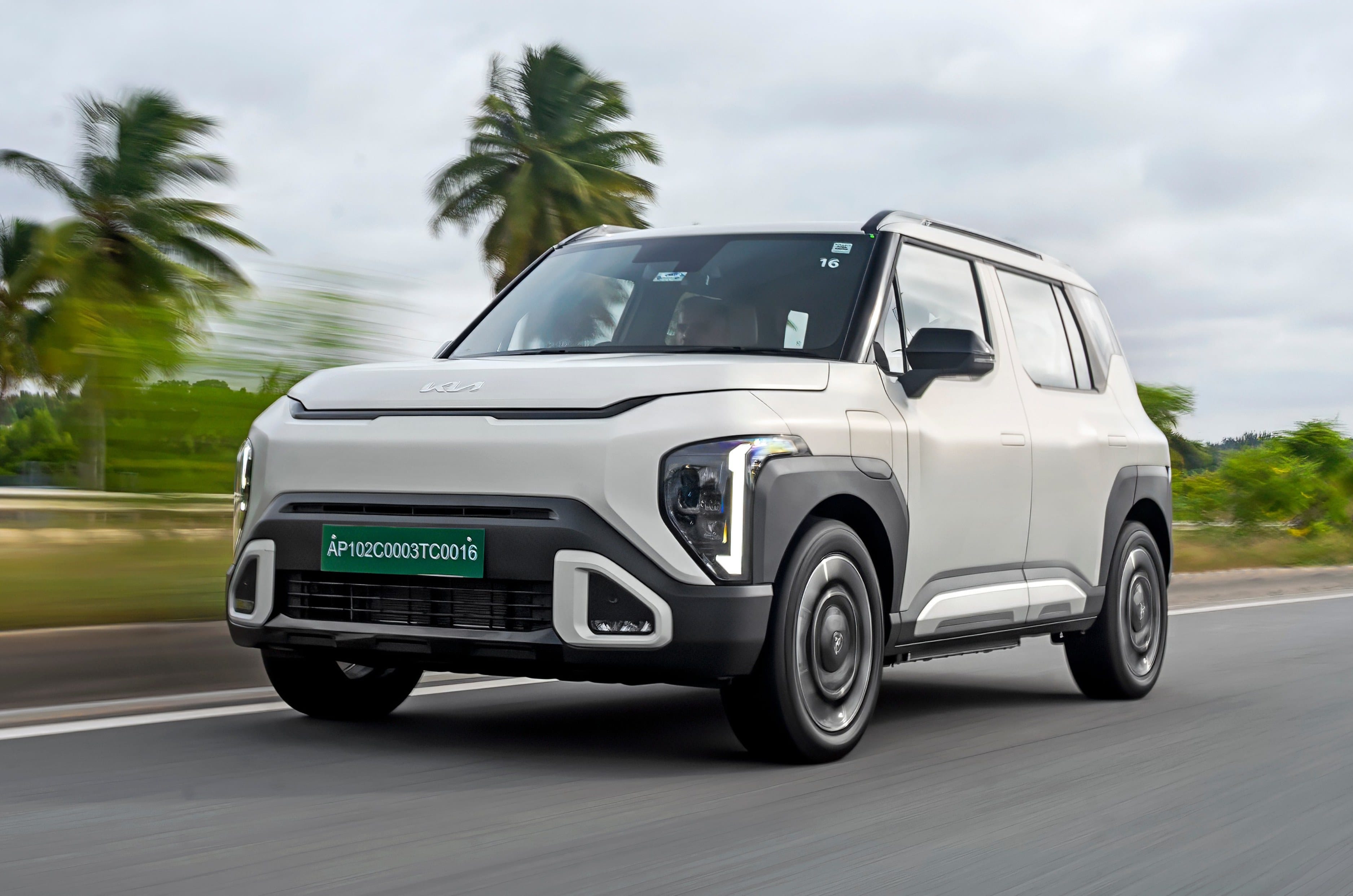
Kia has chosen the Syros to be its second mass market EV for the Indian market. Despite its superb packaging, oddball styling and high initial prices held back the original ICE version against traditional compact SUV rivals. However, EV customers are generally more accepting of avant-garde design, so can the Syros EV find success where the ICE version couldn’t? We drove it in Bengaluru to find out.

Kia Syros EV Exterior Design and Engineering – 7/10

EV has a slimmer intake above the number plate and slightly different lower bumper

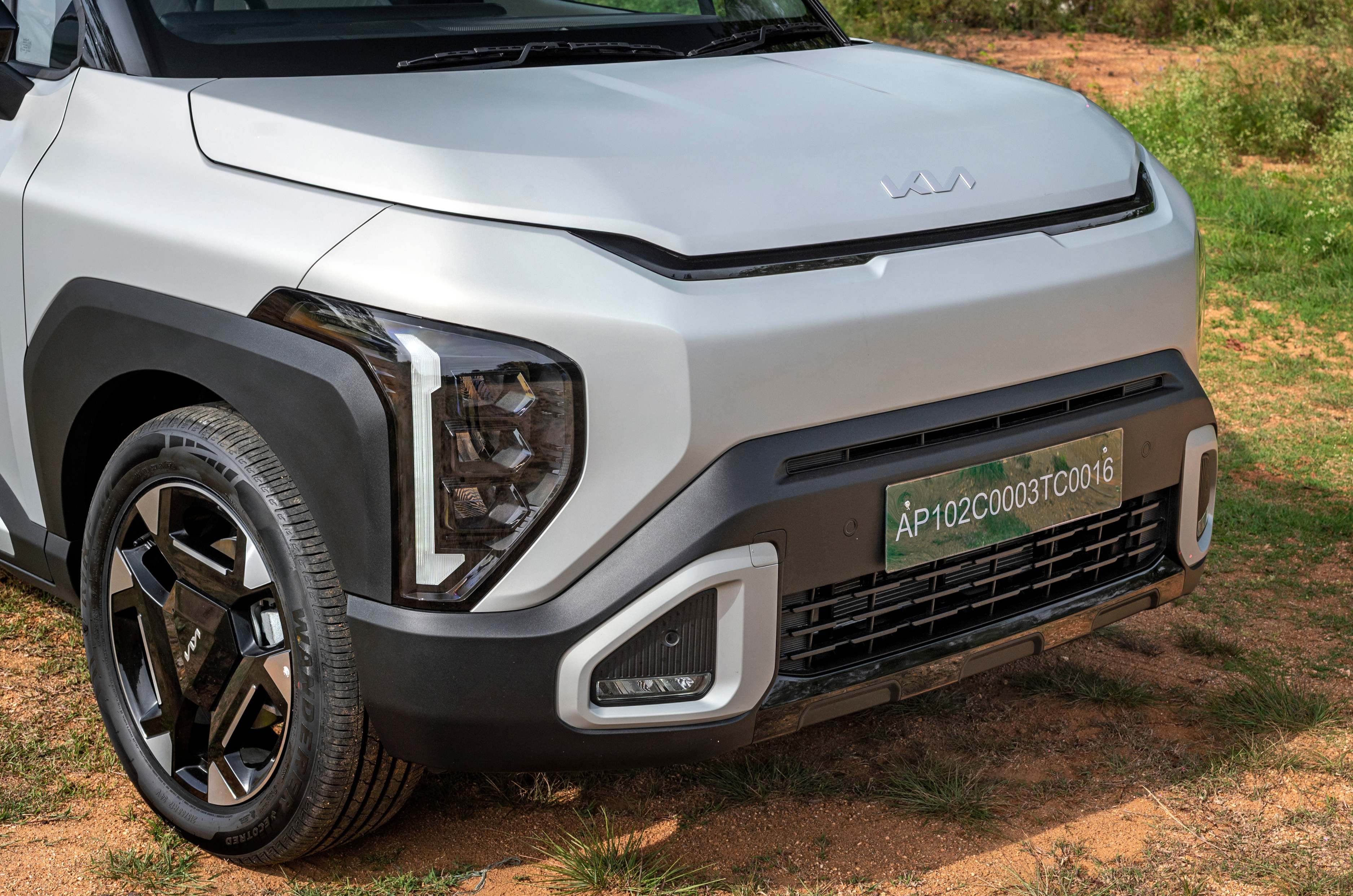
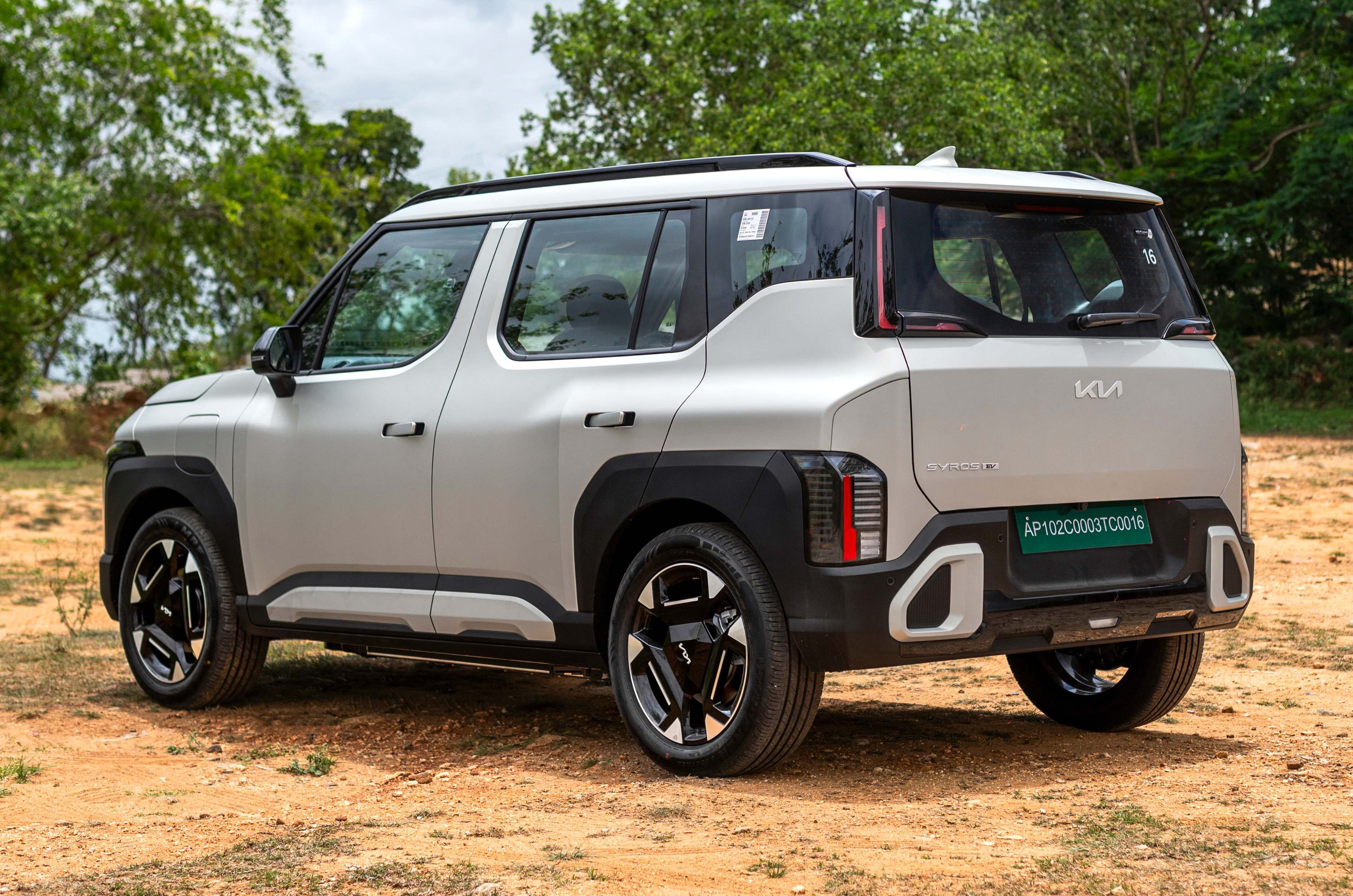
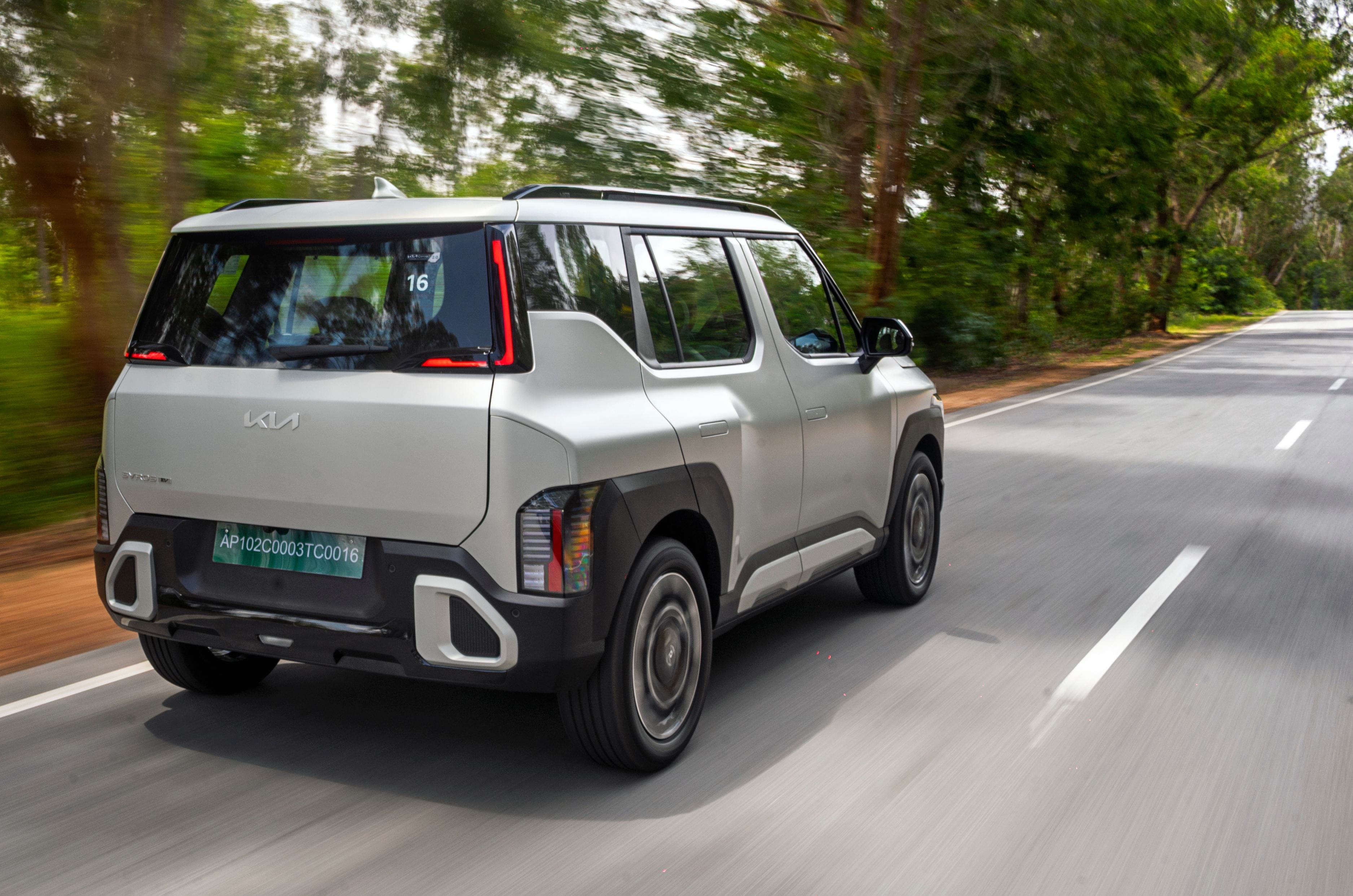
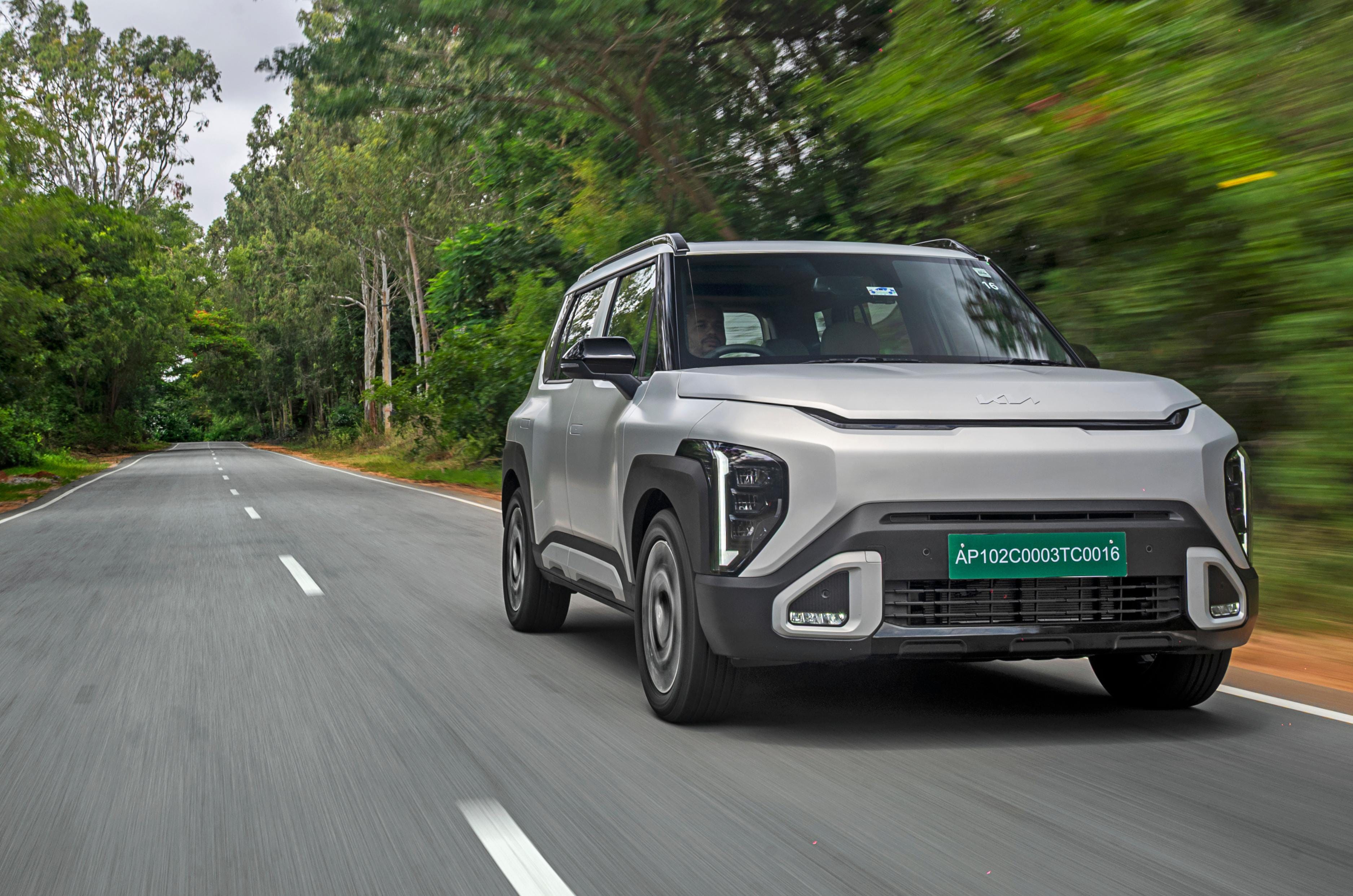
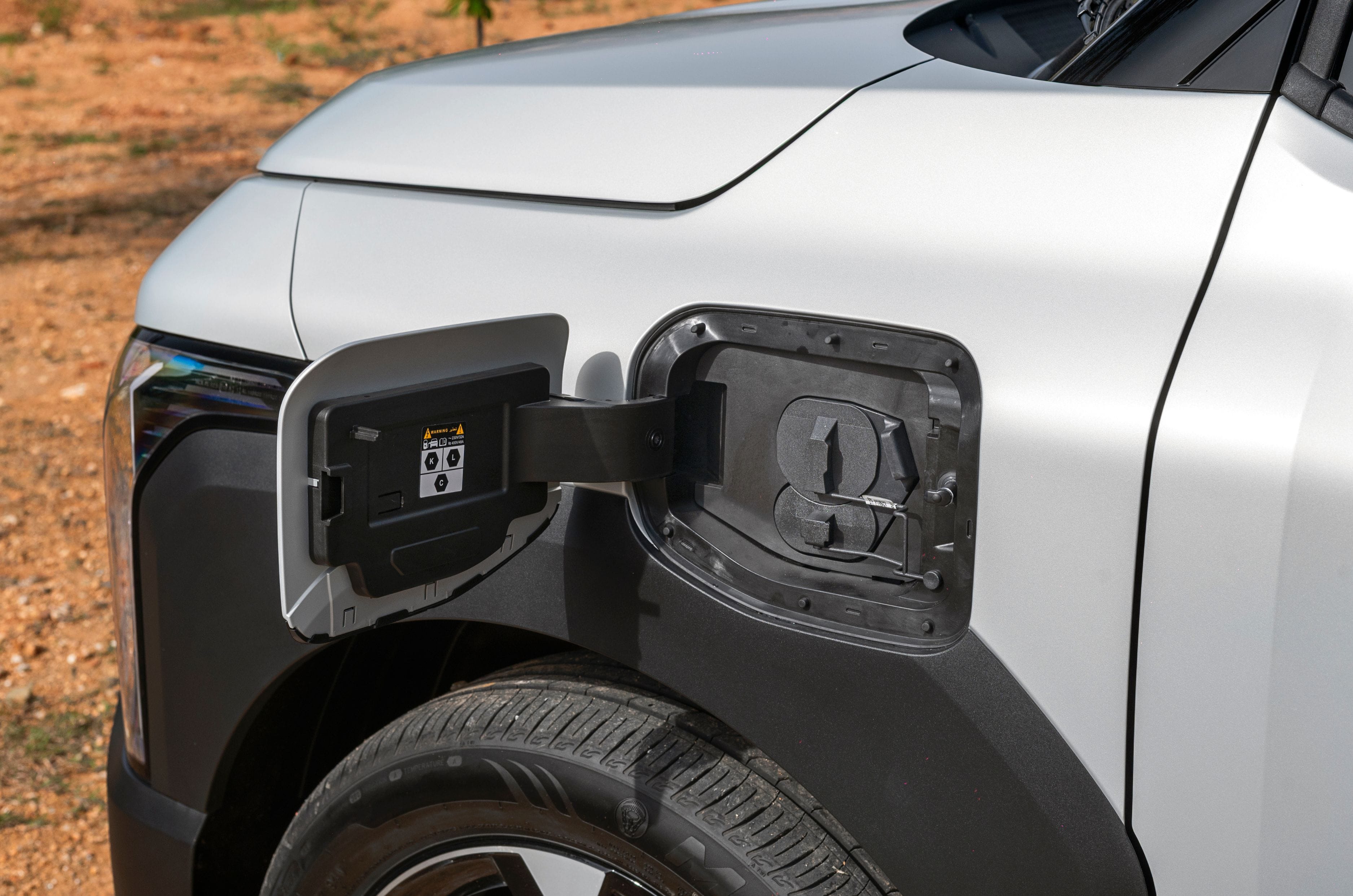
A game of spot the difference between the Syros EV and the ICE version would prove challenging for the casual observer, so here is the cheatsheet. Up front, the bumper is ever so slightly different, with a slimmer cooling slot above the number plate and minor tweaks to the body-coloured triangular pods that house the LED fog lamps. Apart from the charging port on the front left fender and the shorter roof rails, the profile is unchanged. Crouch down, though, and you’ll notice the battery pack is visible, like it is on the Hyundai Creta Electric. Kia claims ground clearance is 197mm which is 7mm more than the ICE version. The tri-spoke 17-inch alloys are the same ones that debuted on the ICE car but were discontinued with the facelift. No differences round the back either, save for an EV badge on the tailgate.

Split lighting lifts the otherwise bland rear

If you didn’t like the way the Syros looked, the EV isn’t going to change your mind. It is distinctive, though – like a Japanese kei car only larger, and Korean. Its blanked-off fascia looks appropriate on an EV, and the vertically oriented headlights give it a unique look. The cladding lower down on the bumper carries on to the wheel arches, doors and the rear, adding some muscle. Breaking up the large greenhouse are the pronounced B-pillar and the upward kink in the C-pillar, both of which are neatly done. And while the tailgate looks a bit blank, the split lighting – with L-shaped elements framing the rear windscreen and larger units at the edge of the bumper – looks great when lit up.

Syros EV Interior Space and Comfort – 10/10

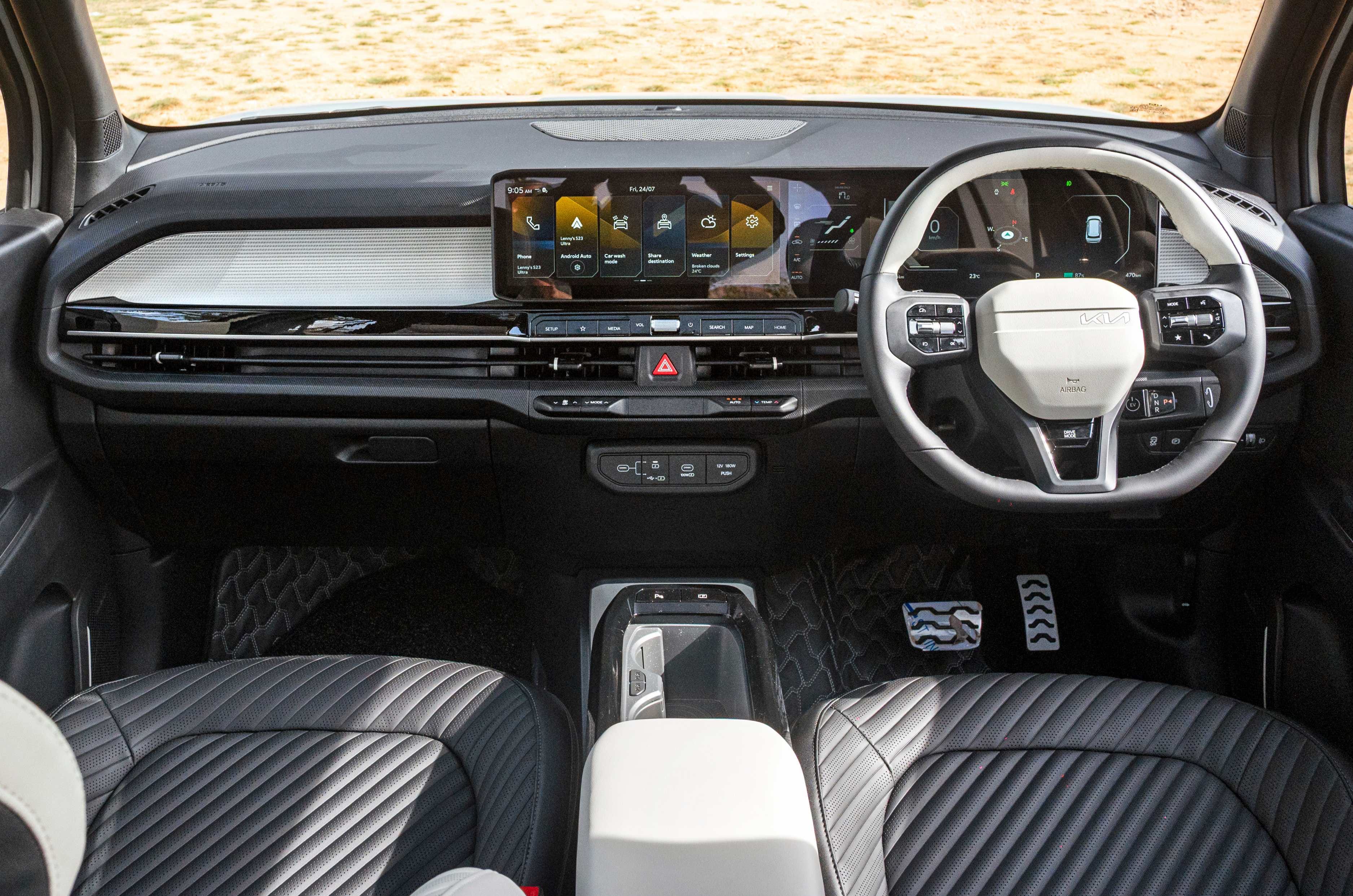
Dash layout is identical to the ICE version, but it gets the 3-spoke ‘wheel from the Seltos

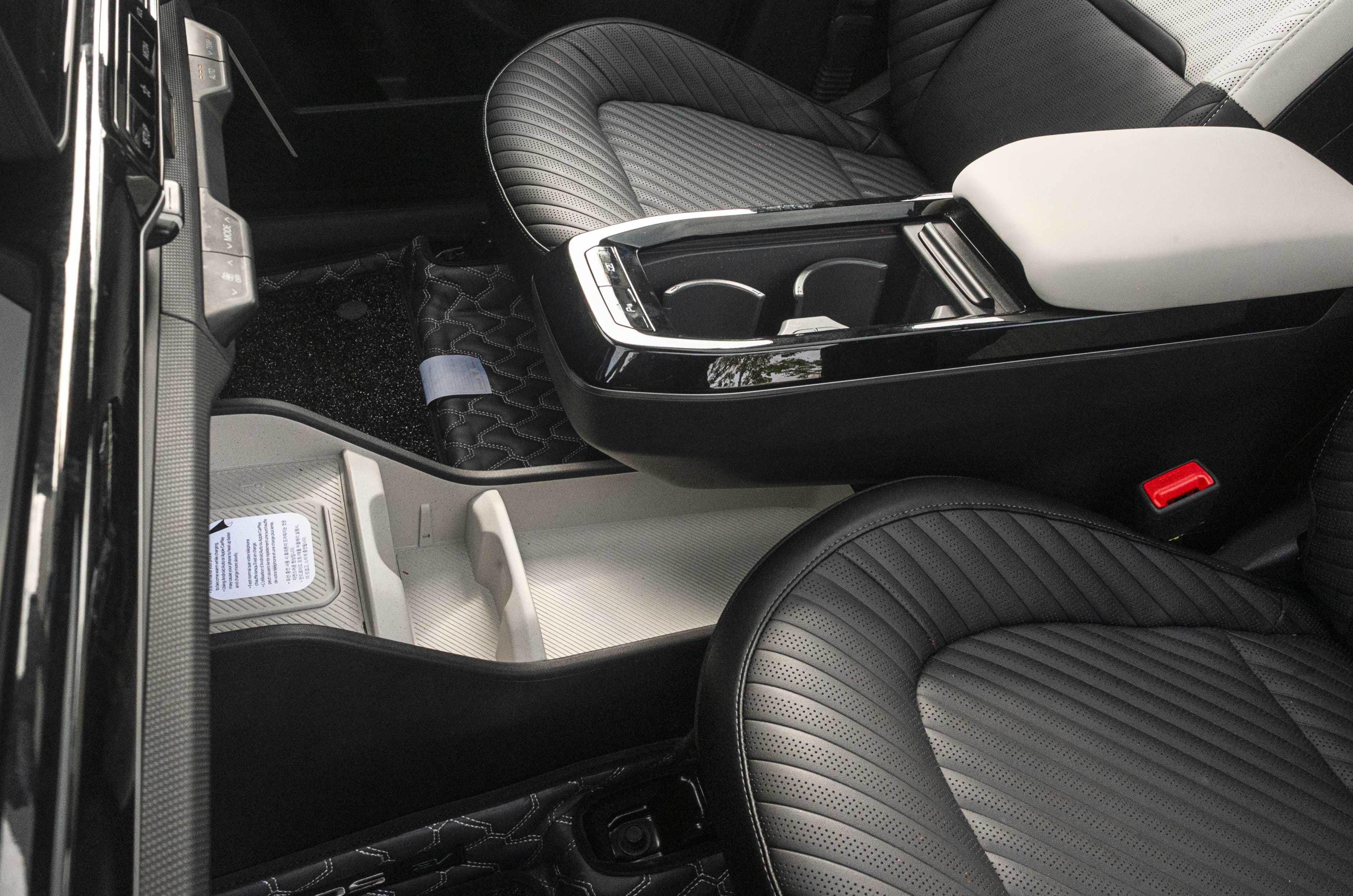
Step inside and you start to understand why the Syros EV looks the way it does. Space for passengers, their knick-knacks and luggage is in abundance. With the EV’s drive selector positioned on the steering column, Kia has re-engineered the centre console to liberate a lot more storage. It now has two levels: the top floating portion has a small cubby under the armrest, along with two cupholders with their own sliding cover, while the lower level has a large storage area for a bag or such, another cupholder and a wireless charger. The front door pockets are just as accommodating, with room for a couple of bottles and an umbrella.

New center console has a lot of storage spaces

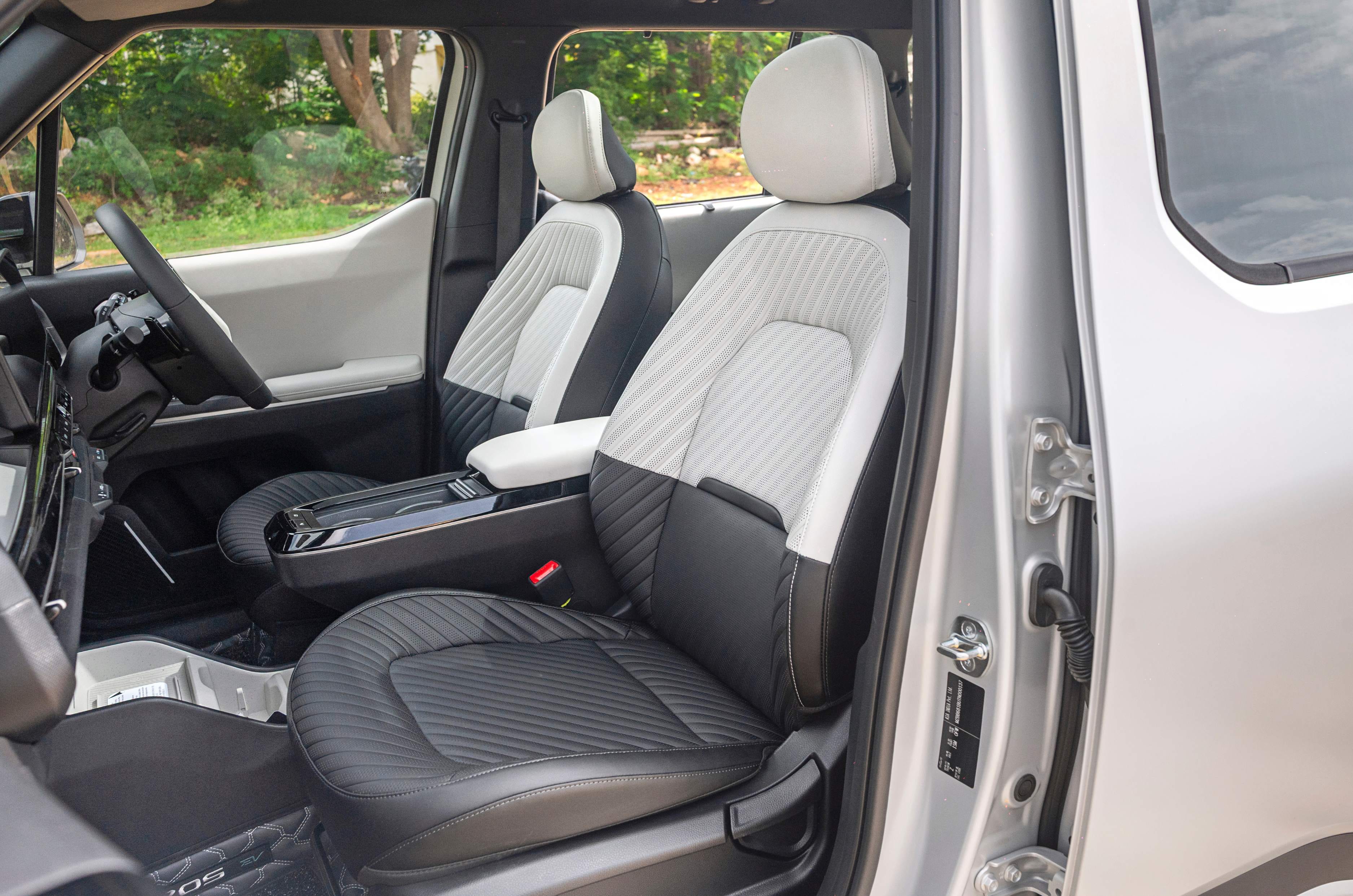
The front seats are supportive and comfortable, with heating and ventilation along with 4-way power adjustment for the driver. While the dash layout is unchanged, the EV gets the Seltos’ three-spoke steering wheel, but adjustment is still limited to rake and not reach. The EV uses a slightly different colour palette inside: our HTX+ test car gets a smart-looking black-and-off-white theme, the X-Line features a darker black-and-green ambience, while all other trims get an airy light grey and pastel blue theme. While most surfaces are hard plastic, the quality of the materials, fit and finish is top notch.

Front seats are comfy with heating, ventilation for both and power adjustment for the driver

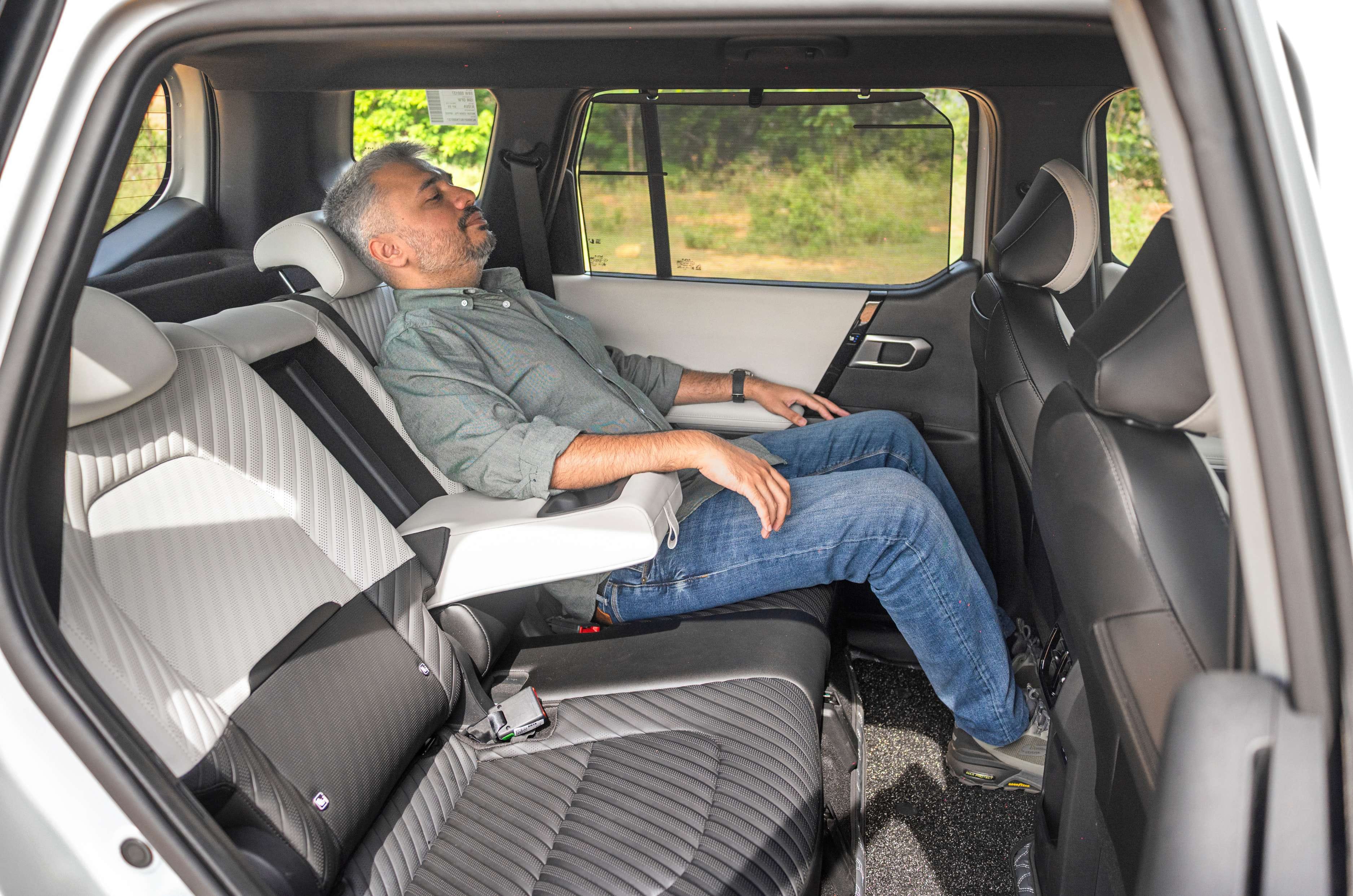
The back seat remains a highlight, with plenty of room all around. The floor is slightly higher because of the battery pack, which means thigh support isn’t as good as in the ICE version. However, if you slide the bench back and stretch out, this isn’t much of an issue. A benefit of the raised floor is that it is now completely flat. Ventilation for the seat base carries over, but the backrest still misses out, as Kia says it would restrict its recline angle.

Higher floor slightly affects thigh support, but there’s ample room to stretch out

Boot space is identical to the ICE Syros at 390 litres with the seat all the way back, and 465 litres with it slid forward. The rear seats also split-fold – though not completely flat – to carry longer items. There is a 16-litre frunk too, though it is rather narrow.

Kia Syros EV Features and Safety – 9/10

Sitting proud on the dash is what Kia calls the Trinity Panoramic Display, comprising two 12.3-inch screens for the infotainment and driver’s display, with a 5-inch screen in between for the HVAC controls. The driver’s display is logically laid out, easy to read and offers some customisation, while the infotainment is sharp, snappy and has a clean UI. The EV gets a dedicated tab that shows several parameters related to the battery, range and energy consumption. It can also help find the nearest charger, condition the battery before charging, as well as set up charging schedules.

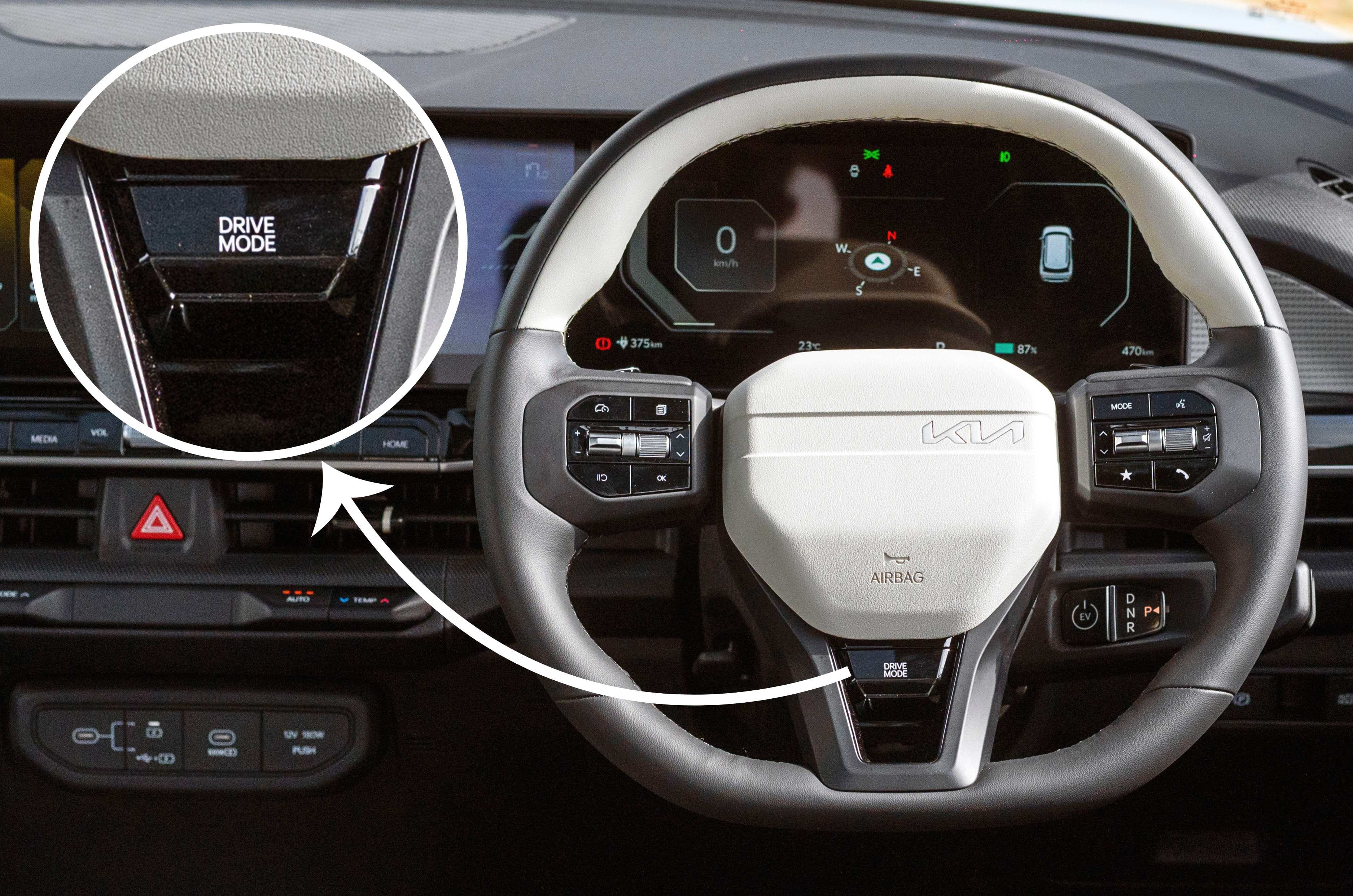
Handy drive mode button to cycle between Eco, Normal and Sport modes

The infotainment also offers wireless Android Auto and Apple CarPlay and, on the top trims, powers a superb Harman Kardon audio system with eight speakers, including one on the dash and a subwoofer in the boot. Sunblinds and rear AC vents are standard, while the massive panoramic sunroof features on all but the bottom two trims. Our second-from-top HTX+ also gets an integrated dashcam.

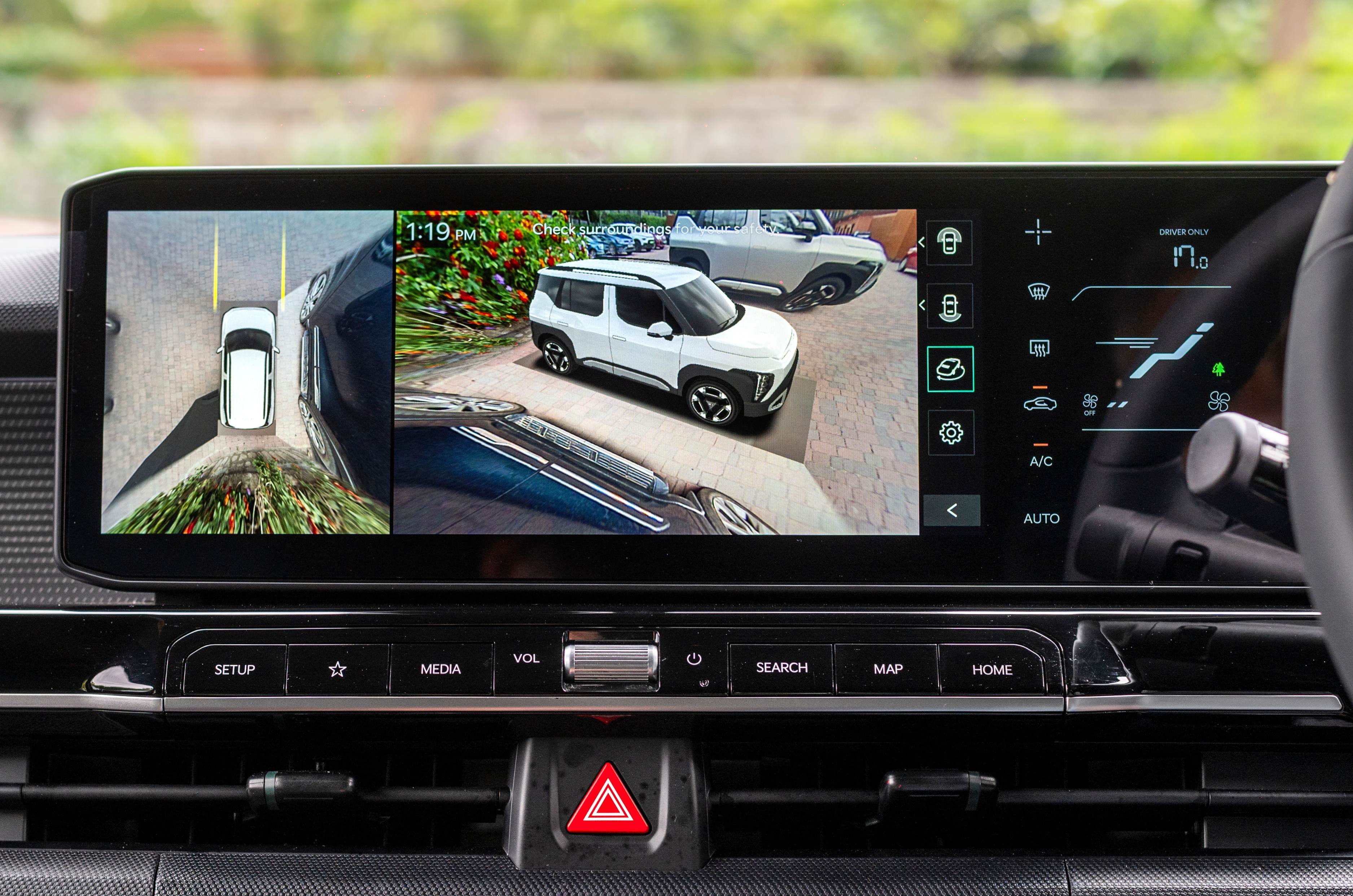
360-degree camera is sharp, but only available on top X-Line trim

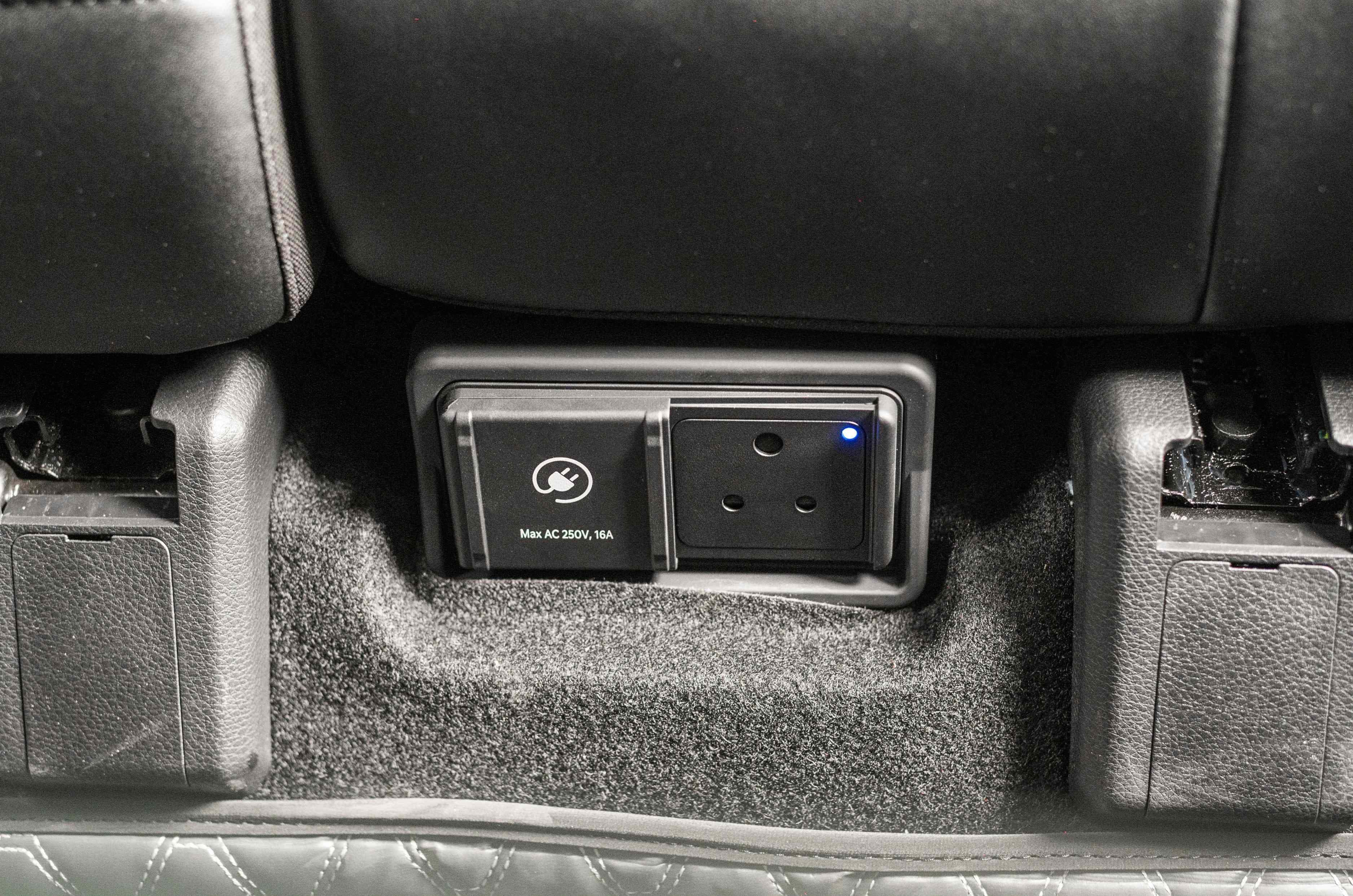
Overall, the Syros EV is very well equipped, but some features are available only on the top X-Line variant, including Level 2 ADAS, ambient lighting, a 360-degree camera and a household-style three-pin socket in the back seat. Restricting features to the top trim isn’t unusual; however, the X-Line can only be had in Aurora Black Pearl or Matte Graphite, which might not be to all tastes.

V2L power outlet under the rear seat

The standard safety suite is robust, including six airbags, all-wheel disc brakes, tyre pressure monitoring and ISOFIX mounts. The ADAS suite is also comprehensive, including adaptive cruise control with stop-and-go, lane keep assist, forward and rear collision avoidance, and a blind-spot camera. At the time of writing, the Syros EV does not yet have an official crash safety rating, but considering the ICE version has a five-star BNCAP rating, a similar result for the EV can be expected.

Kia Syros EV Performance and Refinement – 9/10

The Syros EV is available with the same 42kWh and 51.4kWh NMC battery packs as the Carens Clavis EV and the Hyundai Creta Electric. Here too, they power a single motor on the front axle producing 135hp with the smaller battery and 171hp with the extended-range version. Torque is identical on both at 255Nm.

Borrows the 42 and 51.4kWh battery packs from the Carens Clavis EV

Performance was brisk on our 51.4kWh test car, with the 0-100kph sprint claimed to take 8.1 seconds. There are three drive modes to choose from – Eco, Normal and Sport – with each sharpening throttle response a little more than the last. Initial response in all modes is linear so as not to overwhelm those who aren’t used to the instant torque, but there is a strong shove as you get further into the throttle. Overtaking, then, is quite effortless, even in Eco and Normal, almost never needing a switch to Sport for a quick pass.

Initial acceleration is linear, but there is plenty of shove for quick overtakes

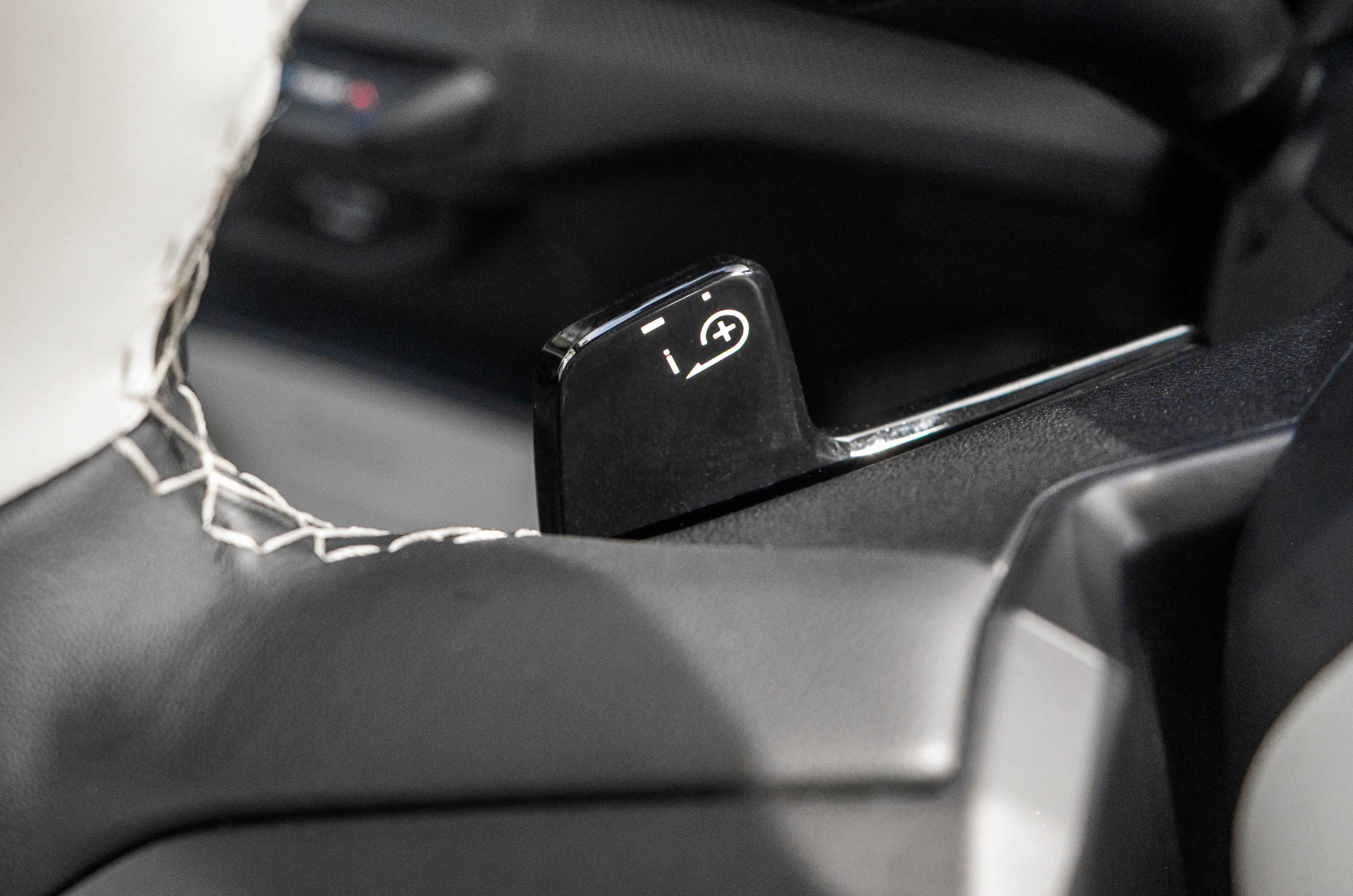
The regen braking modes – selected via the paddle shifters – are also very well calibrated, with a noticeable increase in resistance in each mode and the ability to turn it off completely. Holding the left paddle engages one-pedal driving, which uses regen to bring the car to a full stop. It works quite seamlessly and can be very convenient once you get used to it.

Regen modes are well calibrated and the i-Pedal function is handy in the city

Refinement is good too, with no noticeable motor whine making its way into the cabin. It’s so quiet, in fact, that Kia has added a virtual humming sound to warn pedestrians. Since there is no engine note inside the cabin, you do hear a bit more road noise, but at no point does it become intrusive.

Kia Syros EV Range and Efficiency – 8/10

Claimed MIDC range for the 51.4kWh battery is 526km, while the 42kWh unit claims 443km. Our short drive didn’t allow us to test these claims, but if the real-world range we achieved in the Clavis EV and Creta Electric is anything to go by, the Syros EV Extended Range should comfortably manage around 400km on a single charge. We will verify this when we have the car for longer.

Capable of DC fast charging at up to 100kW

Topping up a depleted battery from 10 to 80 percent is said to take 39 minutes on a 100kW DC fast charger. The same charge using the optional 11kW wallbox charger, is said to take almost five hours for the Extended Range and four hours for the Standard Range.

Kia Syros EV Ride Comfort and Handling – 8/10

The ride on the Syros EV is a touch more absorbent than on its ICE counterpart. Sharp bumps don’t come through to the cabin as abruptly, but there is still an underlying firmness to it. This firmness is there to help body control, but being a tall, narrow car, there is still a fair bit of body roll through the corners. It does feel stable though, and overall grip is strong.

There’s plenty of body roll, but it remains stable through the bends

Steering feel is also good, and it weighs up as speeds rise, which helps with high-speed stability. The four-wheel disc brakes are strong too, bringing the Syros to a confident halt when you drop the anchors. Overall, it isn’t the most entertaining car to drive, but it feels stable and secure at speed while being easy to manoeuvre in tight spaces.

Kia Syros EV Value for Money – 7/10

Introductory prices for the Syros EV start at Rs 13.5 lakh for the 42kWh version and Rs 17 lakh for the 51.4kWh Extended Range. If you want the fully loaded X-Line, that’ll be a cool Rs 20 lakh. To reduce the upfront purchase cost, a BaaS scheme is available with prices starting at Rs 7.99 lakh, and battery rental costing Rs 3.3 per kilometre. To sweeten the deal, Kia is offering a 15-year/unlimited-kilometre HV battery warranty for the first owner, along with an assured buyback value of up to 80 percent after three years.

Its pricing means the Syros EV rivals the Tata Nexon EV and Mahindra XUV 3XO EV, as well as larger EVs like the MG Windsor and Maruti e Vitara. As such, the 42kWh Syros EV makes for a very compelling option, undercutting its rivals in the sub-four-metre EV space. It is easily the most spacious in this segment and is very well equipped even in the lower trims. However, its case weakens with the 51.4kWh Extended Range. It is significantly pricier than its immediate rivals, overlapping with the larger-battery versions of the Windsor and e Vitara. While the Syros EV has its merits and even outdoes them in some areas, buyers might find the allure of a bigger car for the same money too hard to resist.