Nifty Outlook: शेयर बाजार में पिछले हफ्ते के आखिरी कारोबारी दिन शुक्रवार को भी कमजोरी देखने को मिली। निफ्टी लगातार चौथे कारोबारी सत्र में गिरावट के साथ बंद हुआ। पूरे दिन बाजार सीमित दायरे में रहा और आखिर में निफ्टी 29 अंक टूटकर 24,366 पर बंद हुआ। पूरे हफ्ते में इंडेक्स 0.83% गिरा।
अब सोमवार, 17 अगस्त को निफ्टी की चाल कैसी रहेगी, इसे एक्सपर्ट्स से समझेंगे। लेकिन, पहले जान लेते हैं कि शुक्रवार को बाजार में क्या खास हुआ था।
किन शेयरों में सबसे ज्यादा हलचल रही?
निफ्टी 50 में Apollo Hospitals, Bharti Airtel और Adani Enterprises सबसे बड़े गेनर रहे। वहीं Tata Motors Passenger Vehicles, Jio Financial Services और ONGC सबसे ज्यादा टूटने वाले शेयर रहे।
सेक्टोरल इंडेक्स में मीडिया और कंज्यूमर ड्यूरेबल्स को छोड़कर बाकी सभी सेक्टर लाल निशान में बंद हुए। सबसे ज्यादा कमजोरी फाइनेंशियल सर्विसेज, फार्मा और मेटल शेयरों में रही।
मिडकैप और स्मॉलकैप पर भी दबाव
ब्रॉडर मार्केट भी कमजोर रहा। Nifty Midcap 100 में 0.53% और Nifty Smallcap 100 में 0.69% की गिरावट आई। BSE पर एडवांस-डिक्लाइन रेशियो घटकर 0.84 पर आ गया, जो मुनाफावसूली बढ़ने का संकेत देता है।
डॉलर के मुकाबले रुपया भी दबाव में रहा। USD/INR 95.40-95.45 के दायरे में कारोबार करता रहा और रुपया करीब ₹95.43 प्रति डॉलर पर बंद हुआ।
अगले हफ्ते निफ्टी का आउटलुक
अब पहली तिमाही के नतीजों का सीजन लगभग खत्म हो चुका है। ऐसे में अगले हफ्ते बाजार की नजर ग्लोबल संकेतों और मैक्रो इकोनॉमिक घटनाक्रम पर रहेगी।
Motilal Oswal के सिद्धार्थ खेमका के मुताबिक, आगे बाजार में अहम खबरों के हिसाब से स्टॉक में मूवमेंट ज्यादा देखने को मिल सकती है। निवेशक कंपनियों की कमाई और घरेलू आर्थिक मजबूती का आकलन करेंगे।
पश्चिम एशिया के हालात, कच्चे तेल की कीमतें और वैश्विक जोखिम की धारणा बाजार की दिशा तय कर सकती हैं। अमेरिका-ईरान तनाव के बीच ब्रेंट क्रूड 87 डॉलर प्रति बैरल से ऊपर बना हुआ है।
एक्सपर्ट्स ने बताए अहम स्तर
HDFC Securities के नागराज शेट्टी के मुताबिक, निफ्टी में फिलहाल कंसोलिडेशन जारी रह सकता है। अगर गिरावट बढ़ती है, तो इंडेक्स 24,200-24,000 तक जा सकता है। वहीं 24,500 पहला बड़ा रेजिस्टेंस रहेगा।
SBI Securities के सुदीप शाह का मानना है कि 24,500-24,550 का स्तर पार होने पर निफ्टी 24,700 और फिर 24,850 तक जा सकता है। नीचे की ओर 24,230-24,200 का दायरा मजबूत सपोर्ट है।
LKP Securities के रूपक डे के अनुसार, बाजार का ओवरऑल सेंटीमेंट अभी कमजोर है और निफ्टी 24,180 तक फिसल सकता है। उनके मुताबिक 24,400 निकट अवधि का अहम रेजिस्टेंस रहेगा।
HDFC Securities के विनय राजानी ने कहा कि निफ्टी फिलहाल 20-डे DEMA (24,363) और 200-डे DEMA (24,385) के आसपास बंद हुआ है। ऐसे में 24,360-24,385 का जोन अगले कुछ सत्रों के लिए सबसे अहम रहेगा। उनके मुताबिक नीचे की ओर 24,265 और फिर 24,000 सपोर्ट है, जबकि ऊपर 24,630 और 24,750 अगले रेजिस्टेंस स्तर हो सकते हैं।
Disclaimer: मनीकंट्रोल.कॉम पर दिए गए सलाह या विचार एक्सपर्ट/ब्रोकरेज फर्म के अपने निजी विचार होते हैं। वेबसाइट या मैनेजमेंट इसके लिए उत्तरदायी नहीं है। यूजर्स को मनीकंट्रोल की सलाह है कि कोई भी निवेश निर्णय लेने से पहले हमेशा सर्टिफाइड एक्सपर्ट की सलाह लें।
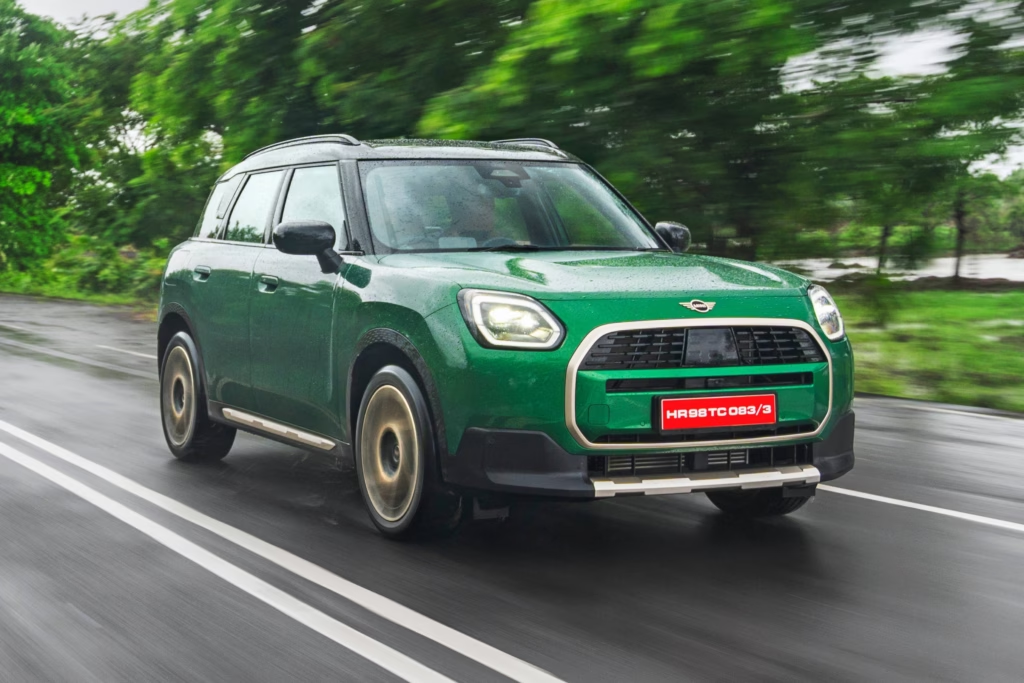
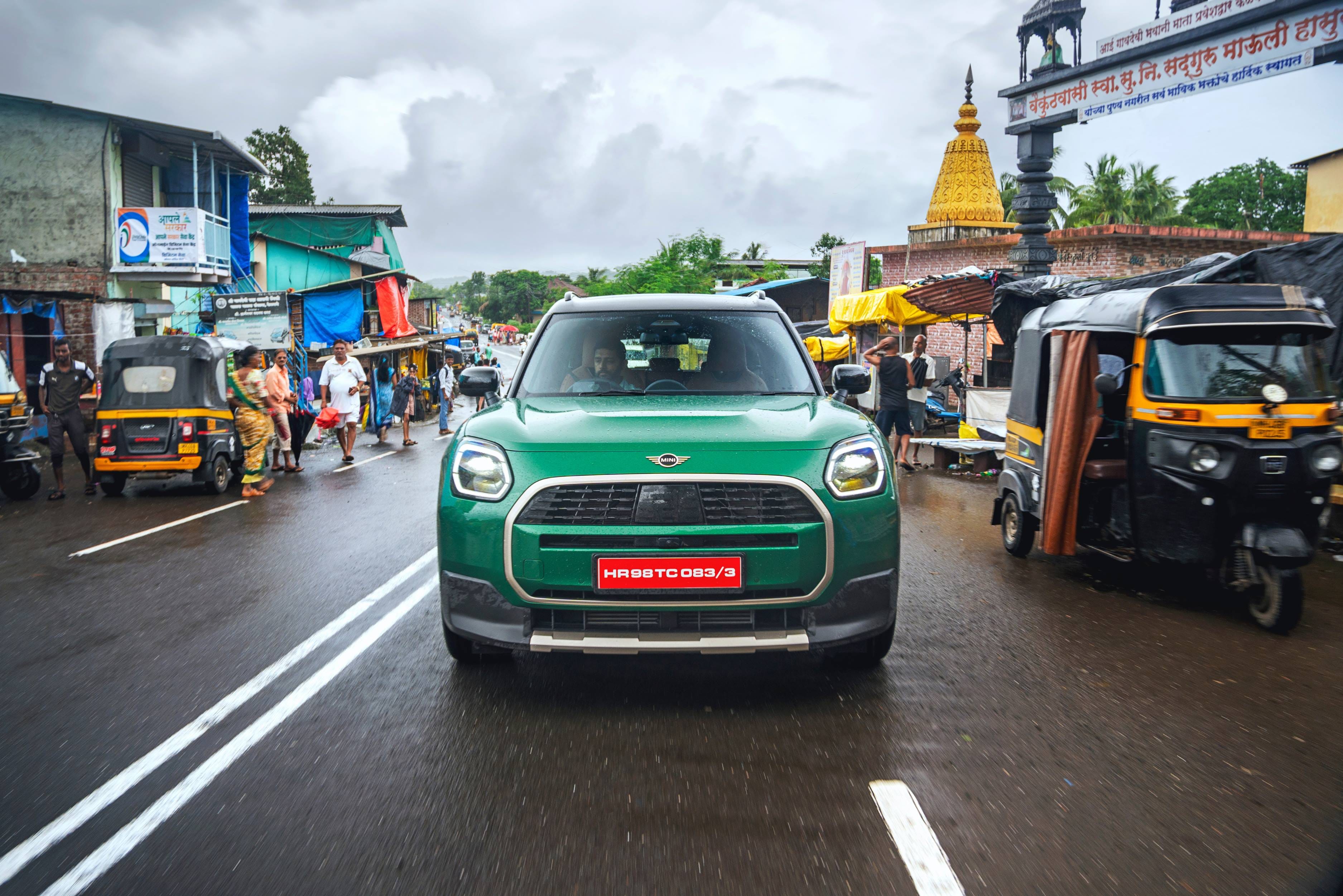
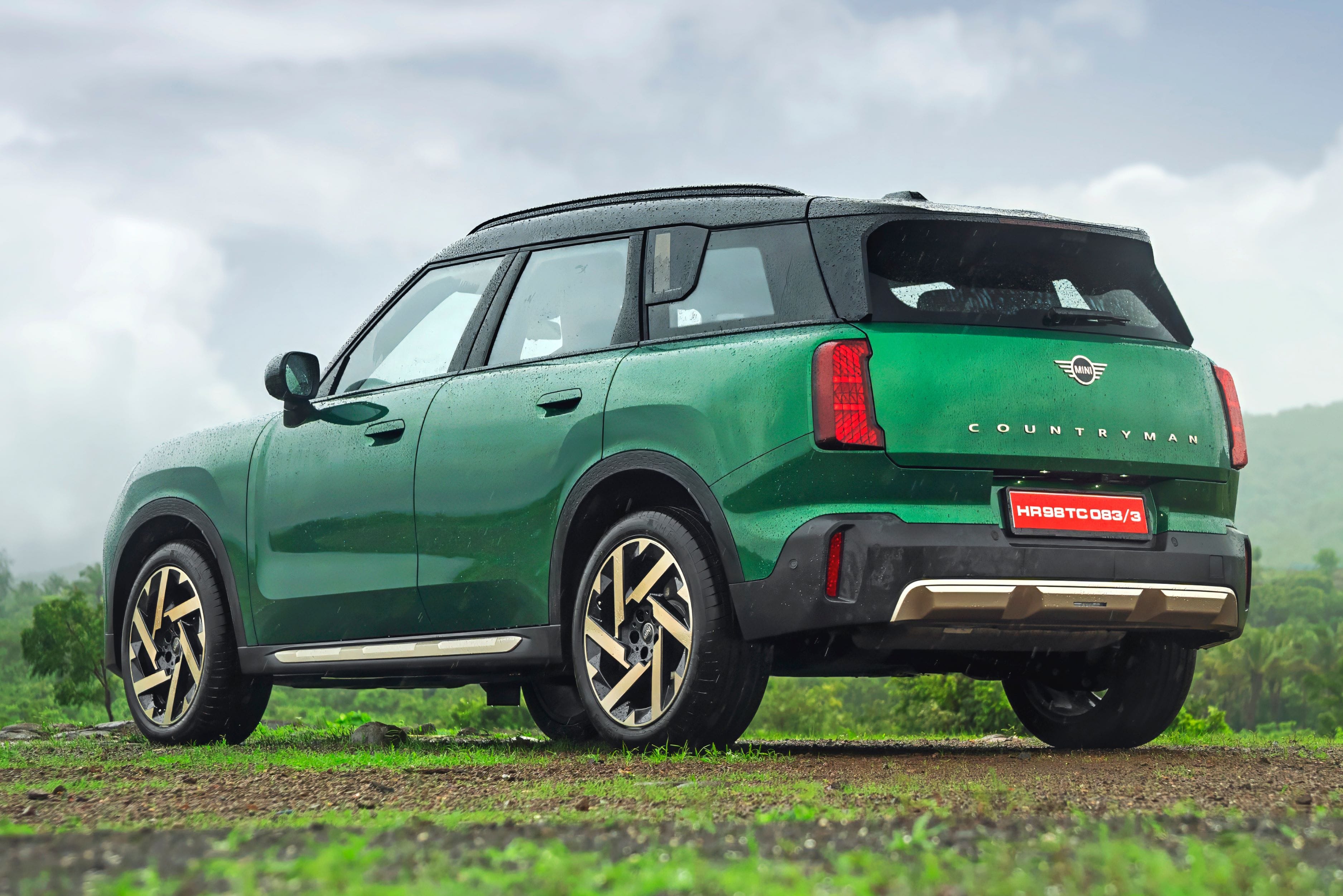
It’s all too easy to start every review of the Mini Countryman with some variation of the phrase ‘the Mini that’s not so mini’, because that’s always been true. The SUV of the Mini range, by definition, is always going to fit that description; the difference this time is that Mini itself is onboard with the idea. Where previously it was always marketed as a Mini first and an SUV second, this time the script has been flipped. No longer content with being a niche offering for the fashion forward, they want this to be your family car, or more specifically your first luxury SUV. You’ll see how the vehicle attempts to achieve that in the paragraphs ahead, but the intent is clear with the price of this locally assembled third-generation ‘U25’ Countryman C, which at Rs 47 lakh (ex-showroom), is bang on par with ‘conventional’ entry luxury SUVs, like the Mercedes-Benz GLA, Audi Q3 and even its own cousin, the BMW X1.
2026 Mini Countryman C Exterior Design and Engineering – 9/10
Clearly prioritises practicality more this time, but retains that Mini charm.
Looks sharper, boxier and visibly larger than before.
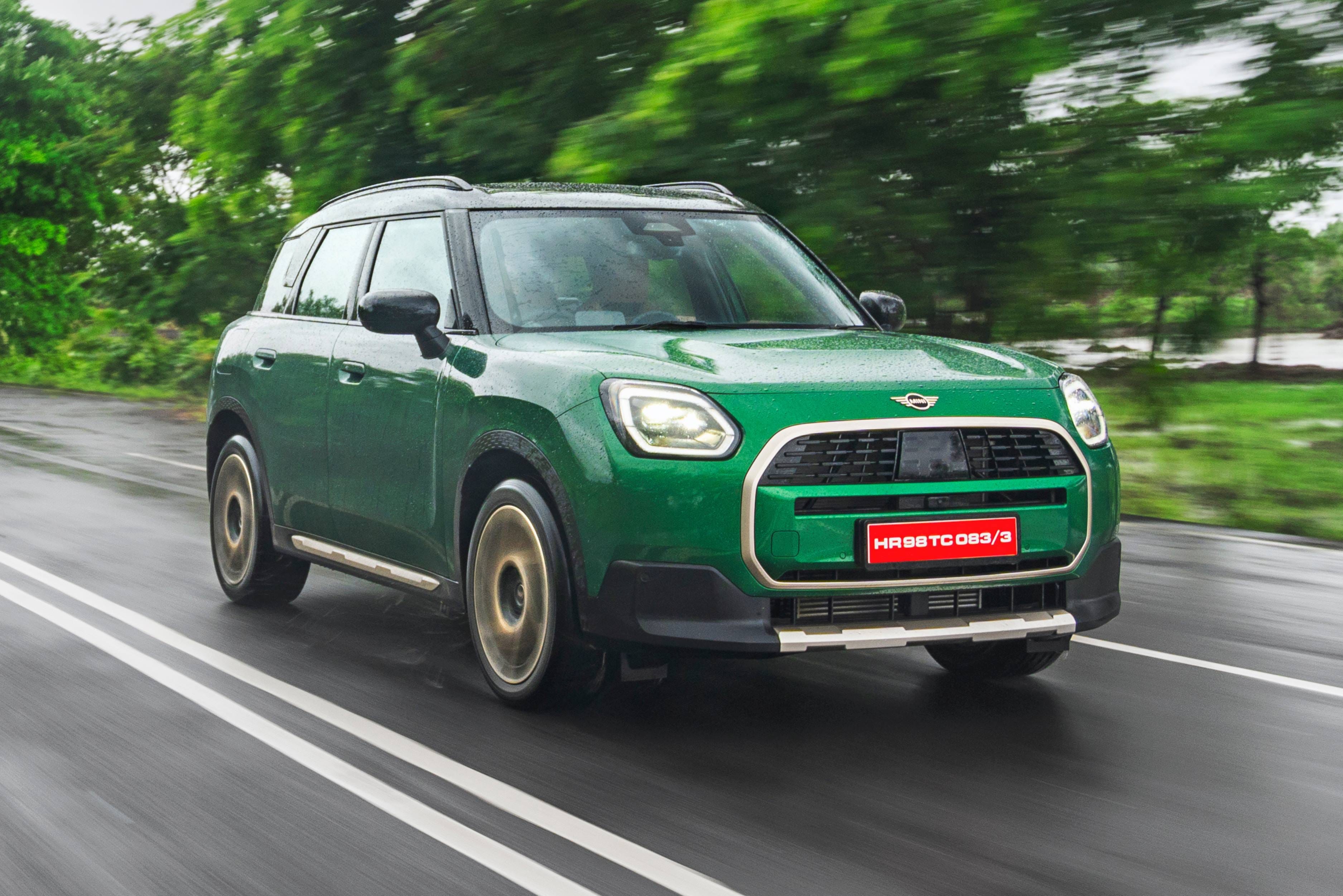
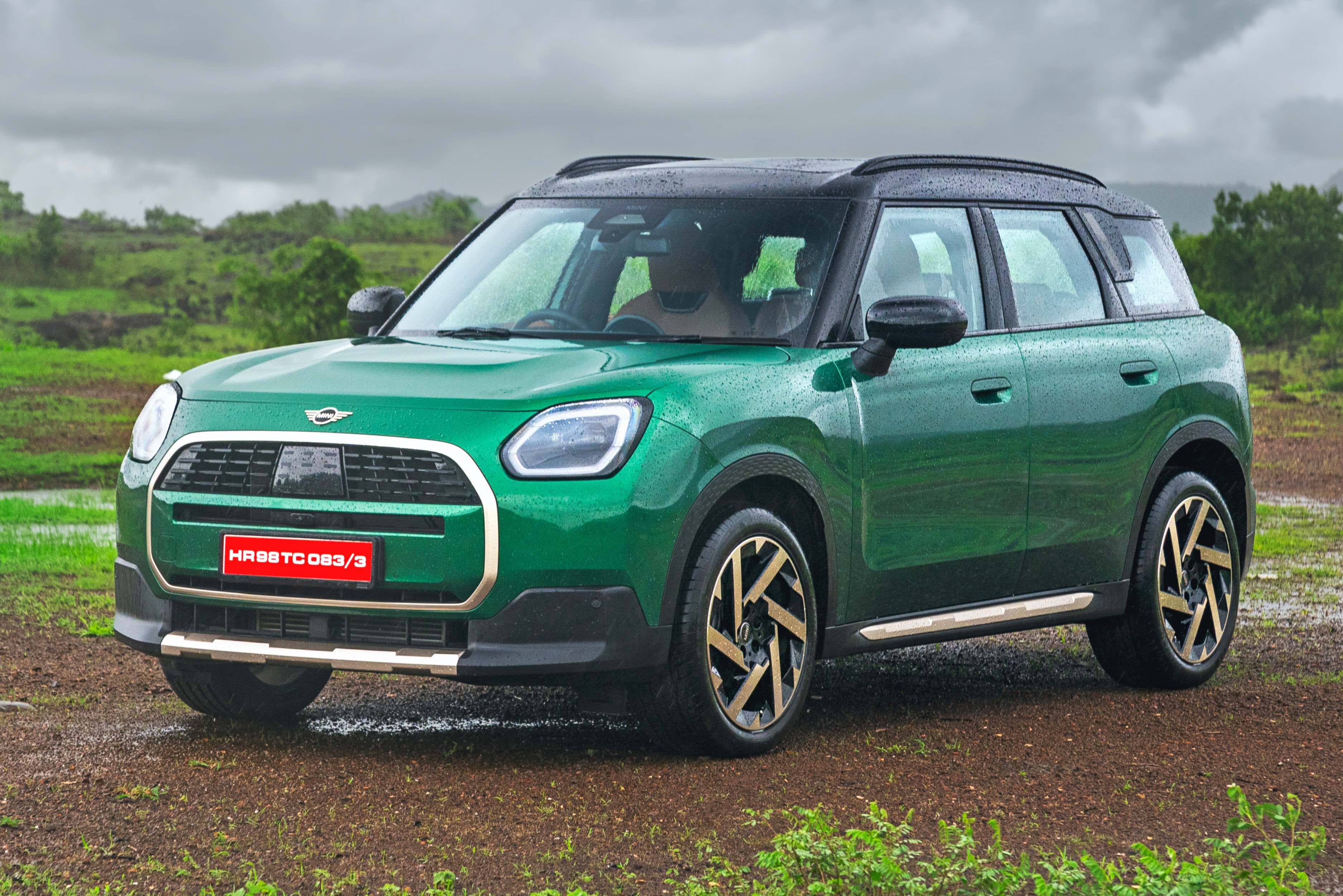
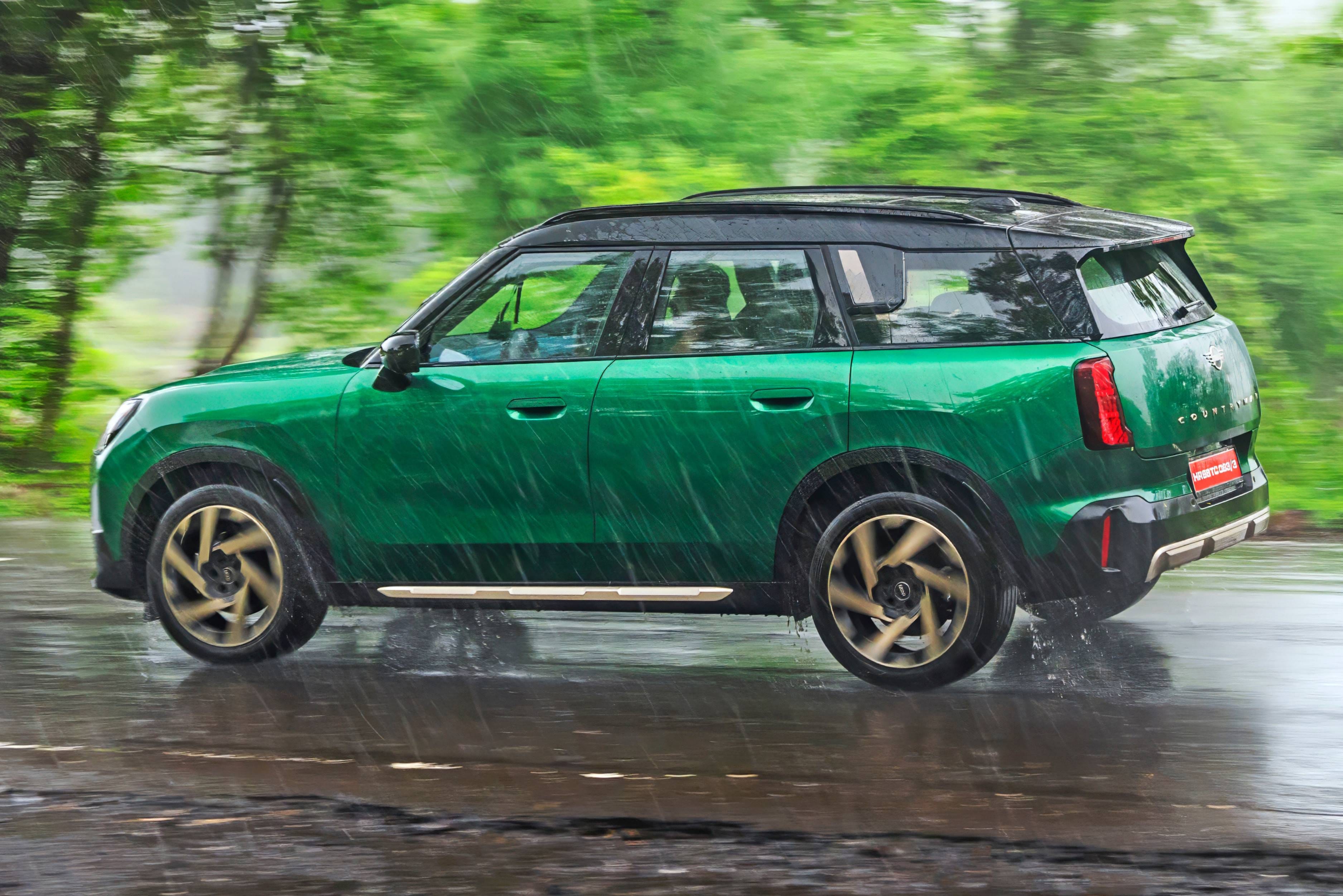
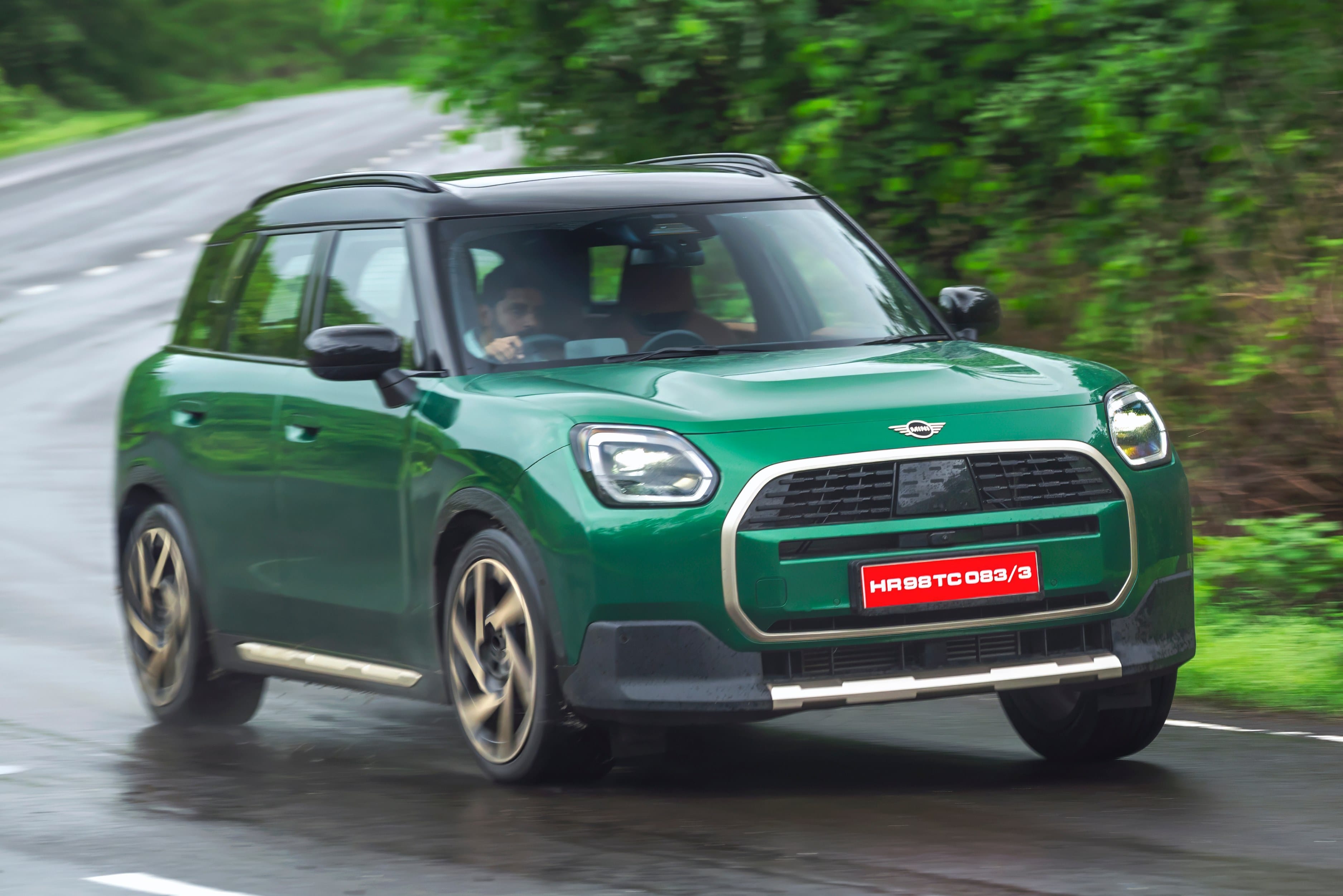
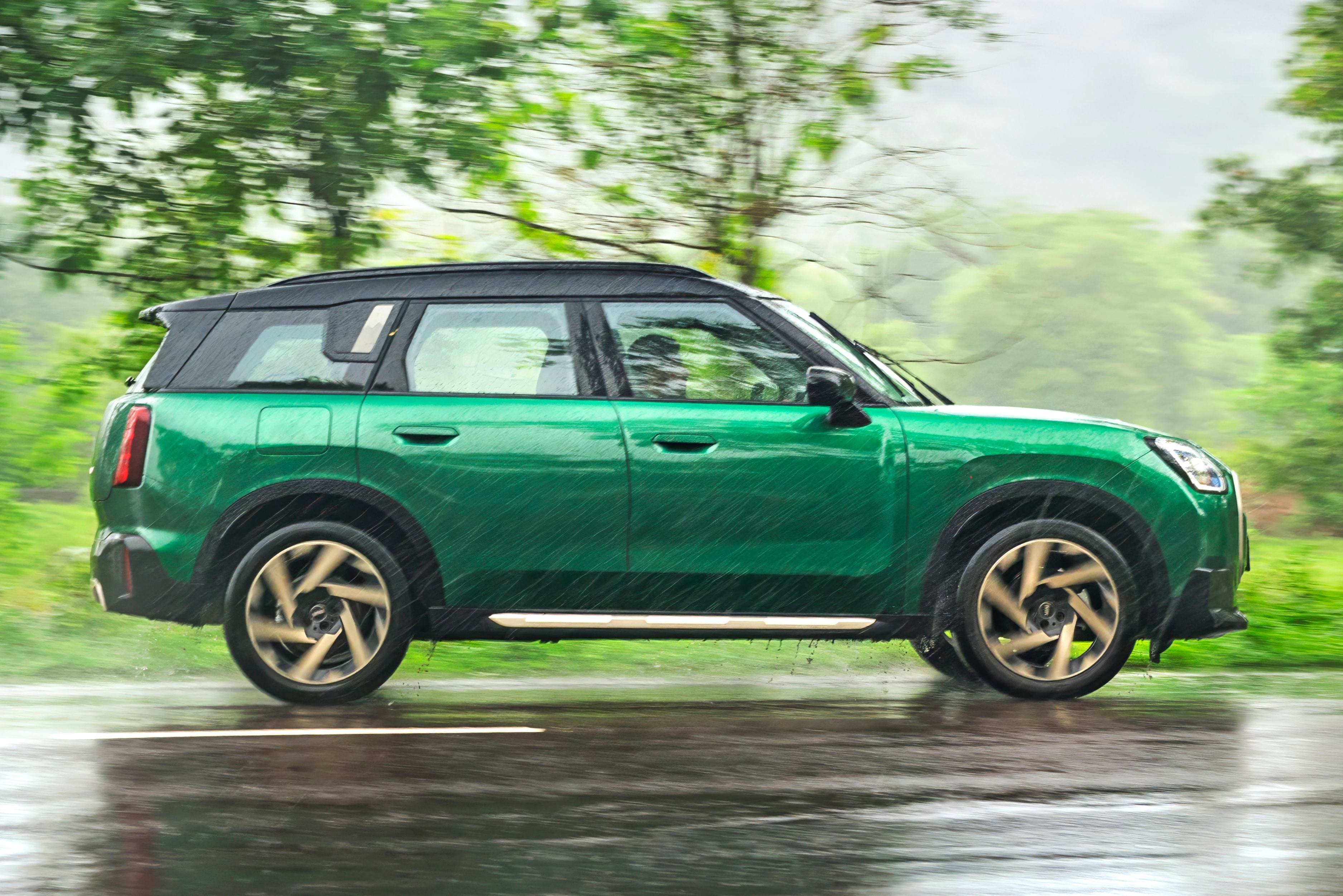
As with every successive generation, the new Countryman has grown (it’s now the tallest SUV in the class, with the highest ground clearance), but this time it has deliberately been made to ‘look’ large as well. Gone are the cartoonish and bulbous features of previous models, and in their place are smaller, sharper, more angular elements. The headlamps, grille and even the roofline have a boxier look, and this points to the greater space inside. It’s more recognisable as a Mini from the rear, where the familiar cues of a contrast roof, ‘Countryman’ lettering on the tailgate and Union Jack tail-lamps are easy to spot.
We’ve seen this look already in the Countryman Electric, and all that’s changed here is the grille that isn’t closed off. We’ve also already seen it on the CBU-imported Countryman JCW All4, which, apart from its more powerful engine and AWD, gets a sportier body kit.
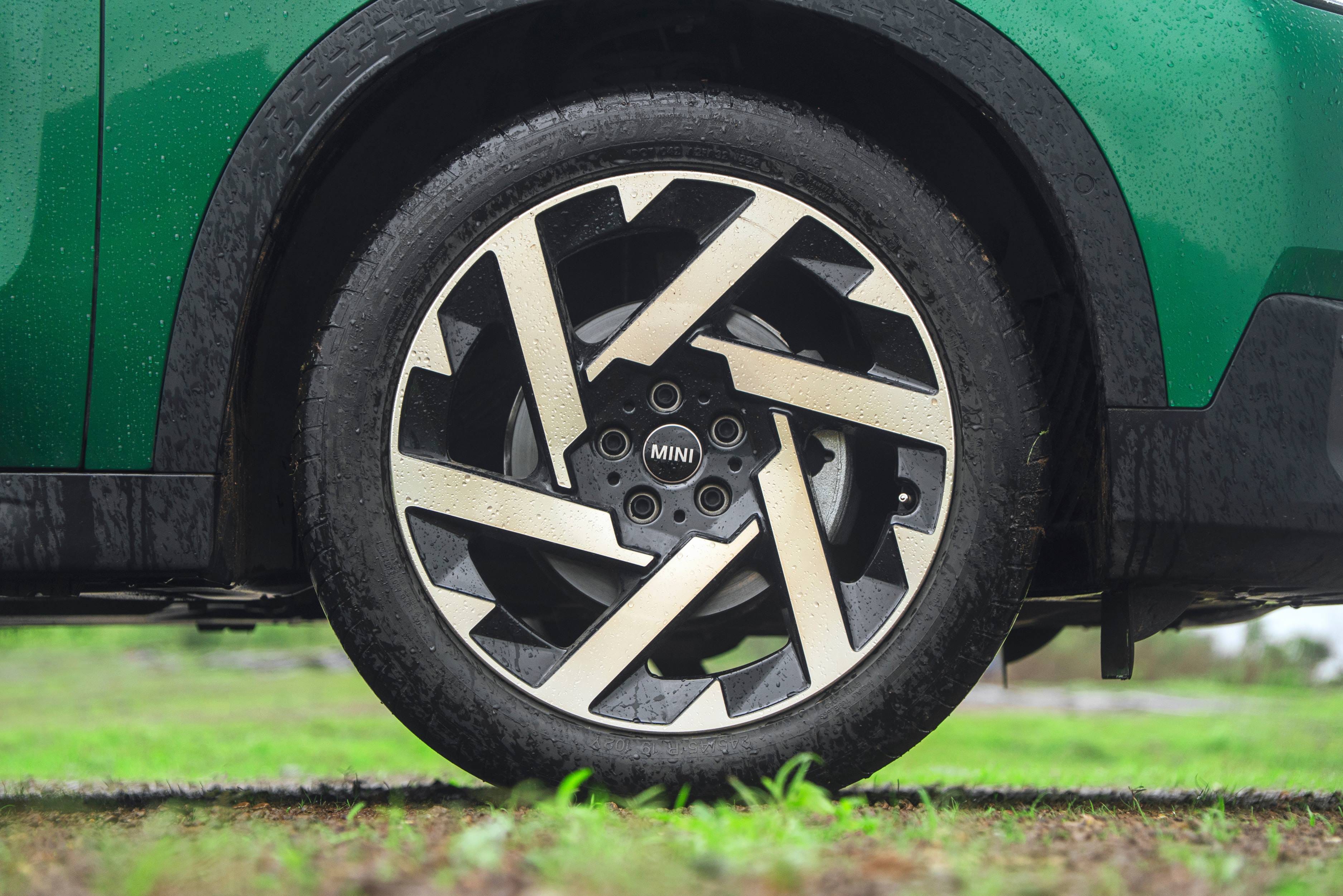
19-inch alloys look great, but they hurt ride quality.
This one being a locally assembled model, however, it’s available in a single, fully loaded ‘Favoured’ spec with no optional extras, save for some accessories. It looks the business, however, with champagne-coloured accents all around, the contrast roof as well as huge 19-inch dual-tone alloy wheels. You get a choice of five colours, but Mini has been sure to pick more extroverted options than conventional luxury SUVs – British Racing Green is still the most popular Mini colour bought in India.
2026 Mini Countryman C Interior Space and Comfort – 8/10
Genuinely usable space and practicality make it feasible as a luxury SUV.
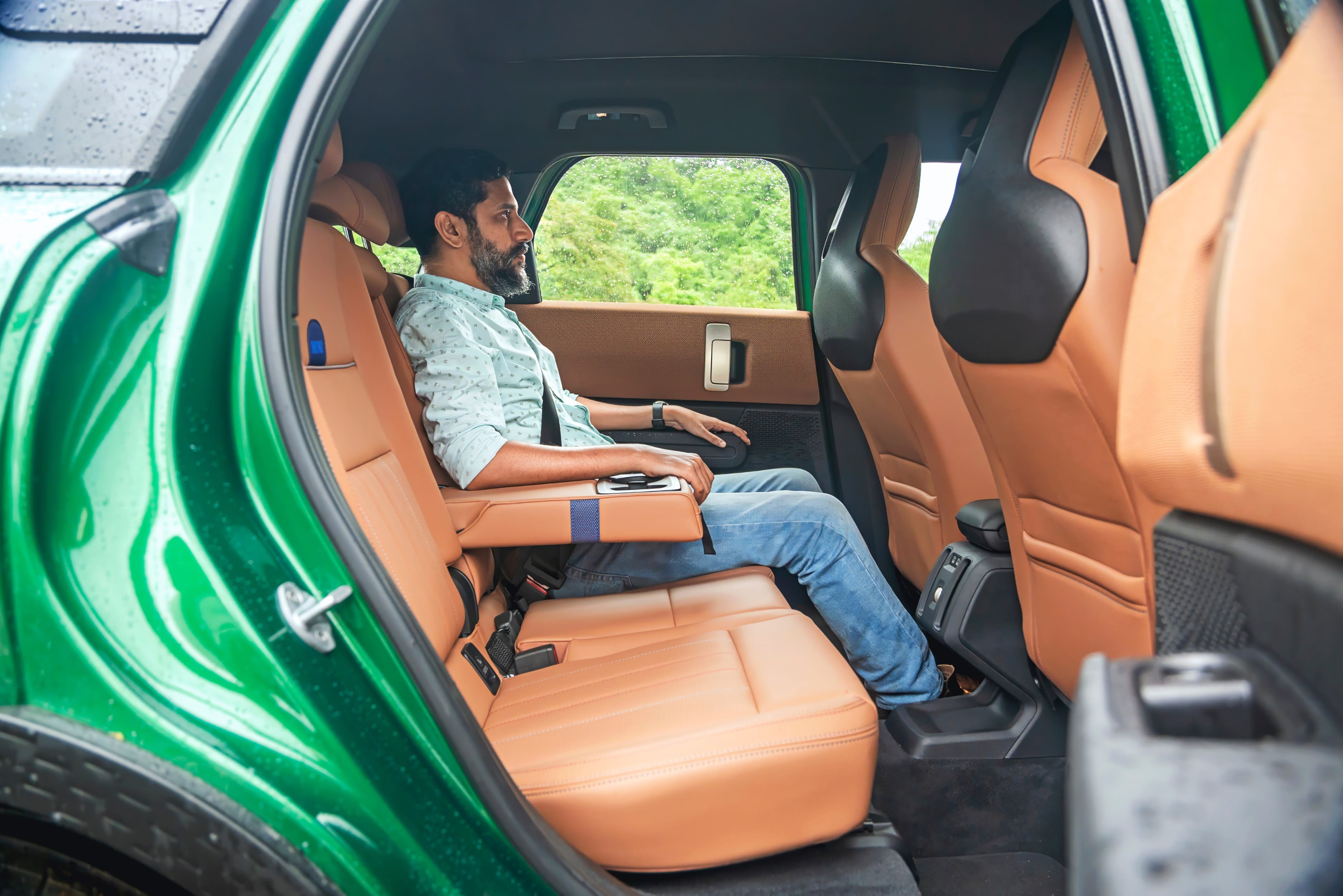
Generous headroom and legroom at the rear, though thigh support is not the best.
The results of the grown dimensions are immediately obvious in the greater interior space. It feels larger and airier than any Countryman before it, and betters some rivals in this regard. Without the battery of the EV, the floor is lower, giving a comfier seating position, though rear-seat thigh support is still not the best. And though the huge panoramic sunroof lets some light in, we wish the windows were a touch larger. Still, this can realistically be used as a chauffeur-driven car now.
The other area where it delivers more than the EV is the boot, whose volume has gone up by 50 litres to 505 litres. You can free up some more by sliding the rear seat forward on rails, and what’s more, they’ve even included a space-saver spare tyre, which you don’t get in the EV.
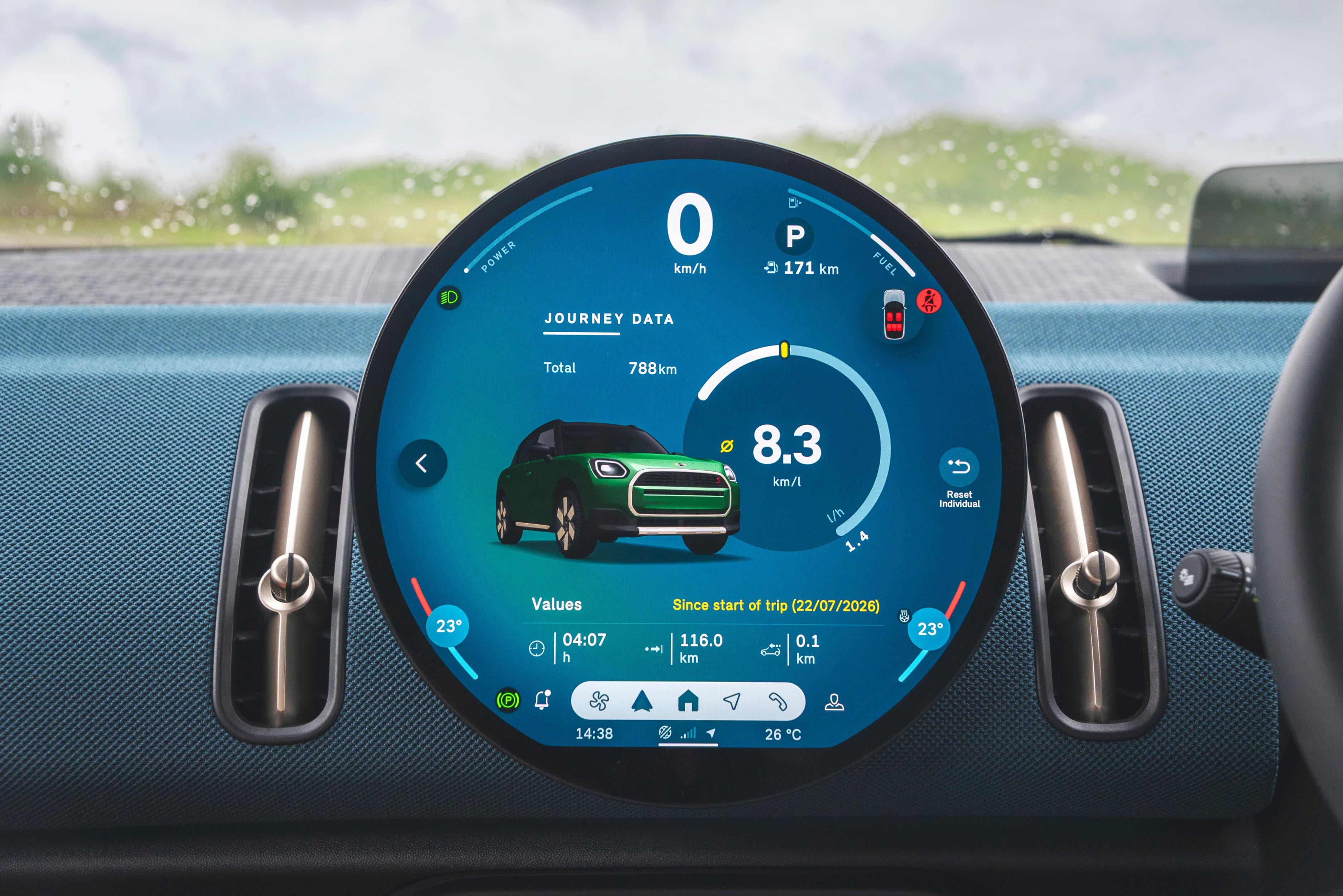
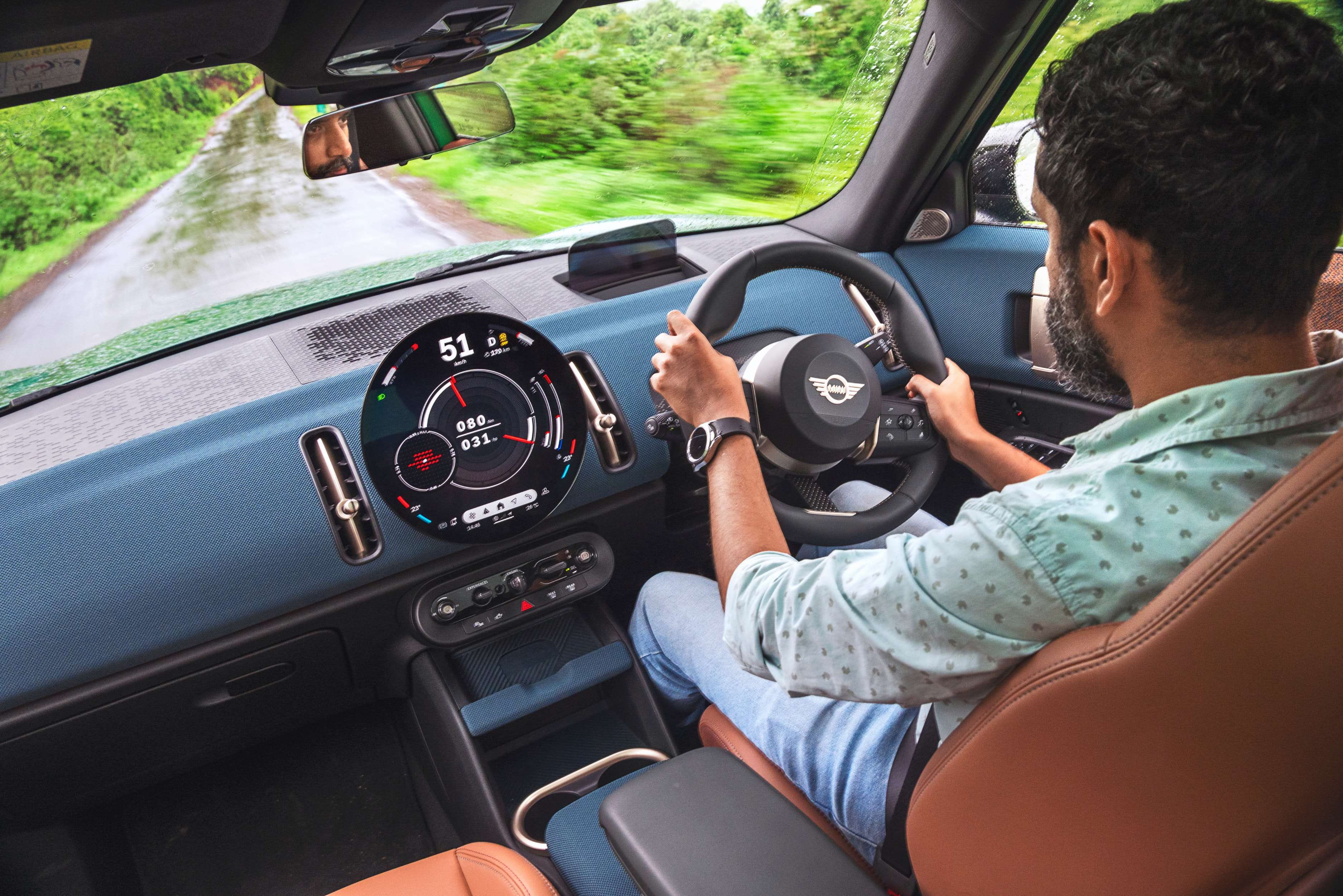
In the front seat, there’s no mistaking this for anything but a Mini, thanks to the clean dashboard with a big circular touchscreen at the centre. While this does function as the speedometer, a nod to the original Mini, there is also a flip-up HUD, which presents the info in your line of sight.
Knitted fabric on the door cards and dashboard lends the cabin an upmarket feel.
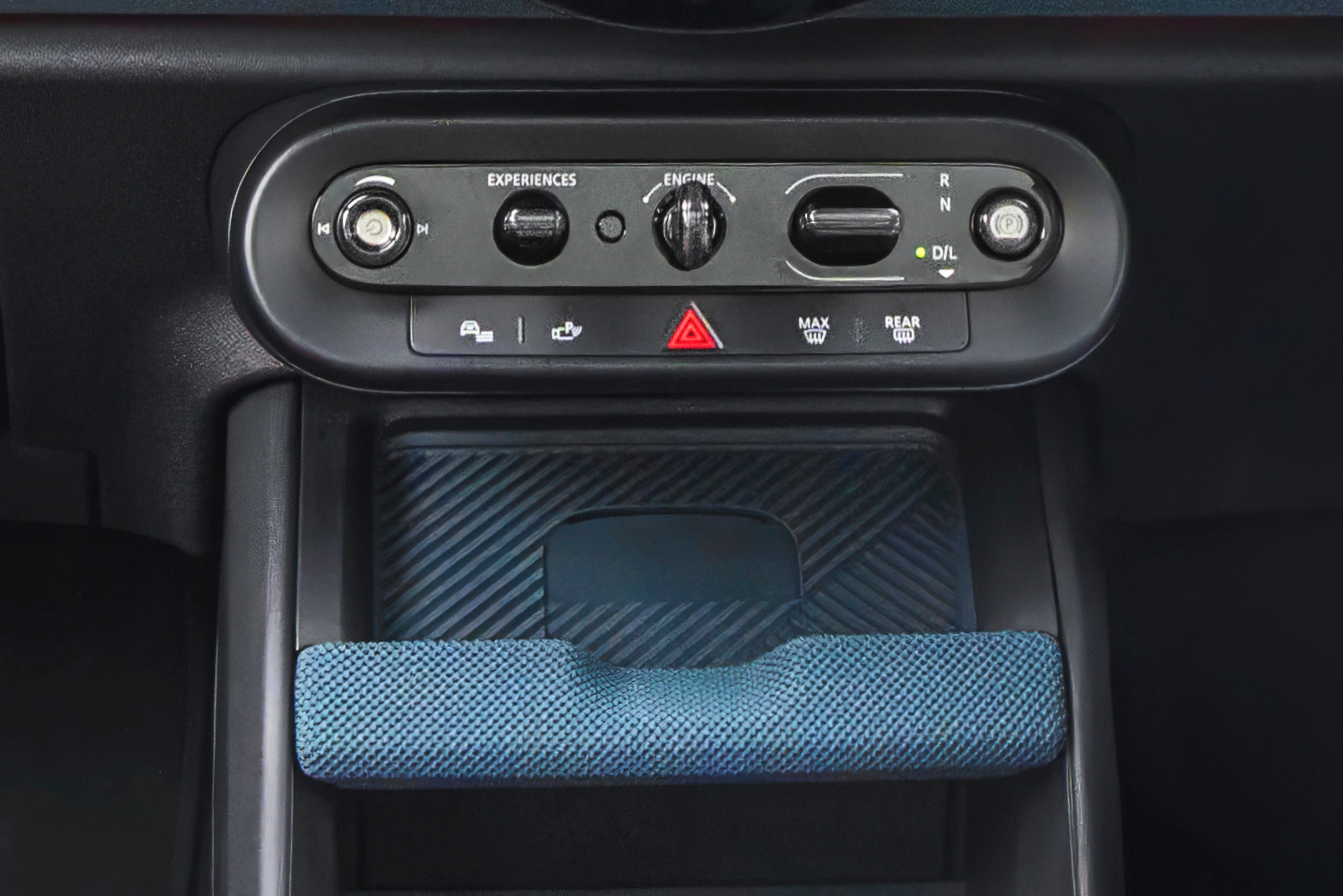
The dash is trimmed in an upmarket-feeling knitted fabric, which then extends onto the door cards, where it blends from blue to brown in colour. There are plenty of uniquely Mini touches, like slim, vertical AC vents, a row of toggle switches to start the car and change modes, more champagne gold trim and vertical inside door handles. But there is also more BMW switchgear than ever before, which, though high quality, looks a bit ordinary.
Storage space and ergonomics are well thought out, with an open centre console, a neat covered storage box and a sliding armrest. The front seats, meanwhile, are large and accommodating and give a commanding view outward.
2026 Mini Countryman C Features and Safety – 8/10
Generously kitted out with lots of standard equipment, on par with rivals.
Edge-to-edge circular screen is responsive, high-res and full of cutesy graphics.
As mentioned before, there is only one variant of the Countryman C, with a fixed features list and no optional add-ons. It’s a generous spec that features more than what some rivals offer, including wireless Apple CarPlay and Android Auto, powered front seats with memory and massage function for the driver, surround camera with auto park function, a Harman/Kardon audio system, heated steering wheel, panoramic sunroof, 13.7-inch diameter OLED touchscreen, heads-up display, voice assistant, wireless phone charging and a digital key system, to name a few.
As seen on all current-generation Minis, the dish-like circular touchscreen is a work of art. Where the previous generation housed a rectangular touchscreen within the circle, the new one is an edge-to-edge circular screen. It’s responsive, bright, high of resolution and full of Mini-typical cutesy graphics. Even the audio cues aren’t like normal cars, with cute ethereal chimes replacing boring warning beeps. There aren’t drive modes but Experience Modes (more on these later), which not only change the colour of the ambient lighting, but the screen display and can even activate certain features, like the seat massage.
Hard buttons only for few functions such as media controls and Experience Modes
However, once the novelty fades, you start to realise this circular design isn’t great ergonomically. While there, thankfully, are hard buttons for music volume and track control, as well as dri- sorry, Experience Modes, AC controls and all other functions are on the screen. With no bezel or edge to rest your hand on, and small, rounded graphics to tap, it is quite tricky to perform basic functions on the move. And as it’s based on BMW’s current i-Drive system, there are far too many sub-menus to go through.
2026 Mini Countryman C Performance and Refinement – 7/10
Downsized turbo-petrol engine lacks the zest associated with a Mini.
Performance feels merely adequate from the 156hp, 1.5-litre turbo-petrol engine.
This car shares its UKL1 architecture with the BMW X1, as well as its 1.5-litre three-cylinder direct-injection turbo-petrol engine. As in the BMW, it produces 156hp and 240Nm, sent to the front wheels via a 7-speed dual-clutch automatic gearbox, and as in the BMW, it feels merely adequate. While easier to digest in the X1, which has long since transitioned from ‘Ultimate Driving Machine’ to comfy family cruiser, the Mini’s go-kart intentions are still on display, and the expectation for more performance is higher.
Like in modern BMWs, the Experience Modes are mostly cosmetic, with only Green (Eco) and Go Kart (Sport) altering drive performance. Expectedly, the former dulls things down, while the latter primes the engine and gearbox to be more reactive, and they work as expected. There is, however, no scope to set individual parameters in any mode; for instance, ESC is off by default in Go Kart mode and you can’t turn it back on.
Gearbox is intuitive and quick, but there’s no manual control whatsover.
Also missed are paddle shifters, or in fact any means of shifting manually, though the gearbox is quite intuitive and quick to shift for the most part. It’s only at crawling speeds where this powertrain falls into the triple-whammy trap of turbo lag, gearbox hesitation and no off-boost power that’s typical of downsized engines. Things improve drastically in the mid-range, where the Countryman C feels most comfortable.
The engine also remains pretty refined for the most part, and it’s only if you absolutely stretch it out that you’re made aware it’s a three-cylinder unit.
2026 Mini Countryman C Mileage and Range – 8/10
Decent for a reasonably large turbocharged petrol luxury SUV.
Fuel economy is officially rated at 15.92kpl.
The advantage of the sizing-down is, of course, fuel economy, which will no doubt be better than with a larger 2.0-litre engine. It’s officially rated at 15.92kpl, which is not bad for a turbo petrol luxury SUV, and you realise that it’s because it’s not too heavy – clocking in at around 1,700kg. Other factors helping this include a quick-acting engine stop/start system and a good drag coefficient of just 0.26. Expect a real-world average comfortably in the two digits. And like all new BMW cars, this one is E25 compliant.
2026 Mini Countryman C Ride Comfort and Handling – 7/10
Still fun, but drives like a big car now; large wheels hurt ride quality.
Handling is a noticeable departure from the Go Kart feel that’s typified all modern Minis.
More so even than the powertrain, the Go Kart feel that’s typified all modern Minis comes from the chassis setup and handling, and this new Countryman represents the first noticeable departure. But that’s not necessarily a bad thing, and is in keeping with its new, more grown-up luxury-SUV persona.
The steering is much lighter and not as tightly wound as before, for a start, and that means despite the increased size, the Countryman is even easier to manoeuvre. What you lose in the process is some urgency in direction changes and some agility, but you don’t mind that thanks to the aforementioned benefits.
It feels reassuring and has great road-holding at highway speeds,
The good news is the suspension setup still allows it to handle corners tidily and with not too much body roll. And this despite being slackened off quite a bit to be noticeably comfier and more compliant than the previous Countryman. It also has great road-holding at high speeds and feels far more reassuring at highway speeds, and the overall sensation is that you’re commandeering a proper SUV rather than a high-riding hatchback. The only spoilsport here are the 19-inch wheels; while they look great, they crash hard through potholes and even over some steeper speed breakers.
2026 Mini Countryman C Price and Verdict – 8/10
Competitive pricing and big space make it a credible rival to other entry luxury SUVs.
The Mini Countryman C is priced at Rs 47.5 lakh (ex-showroom, India) which is incredibly competitive. It ducks under both, the Mercedes GLA and BMW X1, with only the entry-level version of the Audi Q3 being slightly cheaper. The best part is that, where previous locally assembled Countrymans (Countrymen?) felt stripped down compared to their CBU counterparts, here you get a well turned out and generously equipped luxury SUV that doesn’t leave you wanting.
It’s clear that Mini is on a war footing to break into the mainstream, and that’s something it certainly can’t do with its hatchbacks, which remain fun to drive and upmarket, but ultimately niche fashion statements. The Countryman C delivers on space, features, luxury and comfort that’s more than a match for others in the segment, and despite a slightly underwhelming engine, adds some much-needed pizzazz to the ranks of entry level luxury SUVs.
The CAFE 3 norms are just eight months away. Things will certainly get tighter and tougher for automakers, in terms of upping the number of clean power options as well as light-weighting their current brawn-ish SUVs. If one has to bring a 30 percent reduction in fleet-average performance and move from MIDC to WLTP test results, an automaker has very little leeway in terms of just about making it.
As a product planner, I would seriously take this as an opportunity to bring the focus back onto the entry-level small car. In fact, all product planners should be doing the same, irrespective of what your current portfolio is. The policymakers are sending out a clear message to the Indian automobile industry – relook and revive the small car, for you have neglected it for quite some time now!
And why not? It’s not just for developing markets; look at the developed world too. The otherwise ostentatious European is seriously evaluating the small car once again. Even the more aware and conscious American is. Japan has always been a ready reference for all. Tomorrow’s car buyer is going frugal and smart once again. Going back to the basics. Without compromising on comfort and features. And the automakers have prepared themselves for such times. Some started almost a decade ago, with varying outcomes, but the efforts have been commendable and great teachers on how to approach the future.
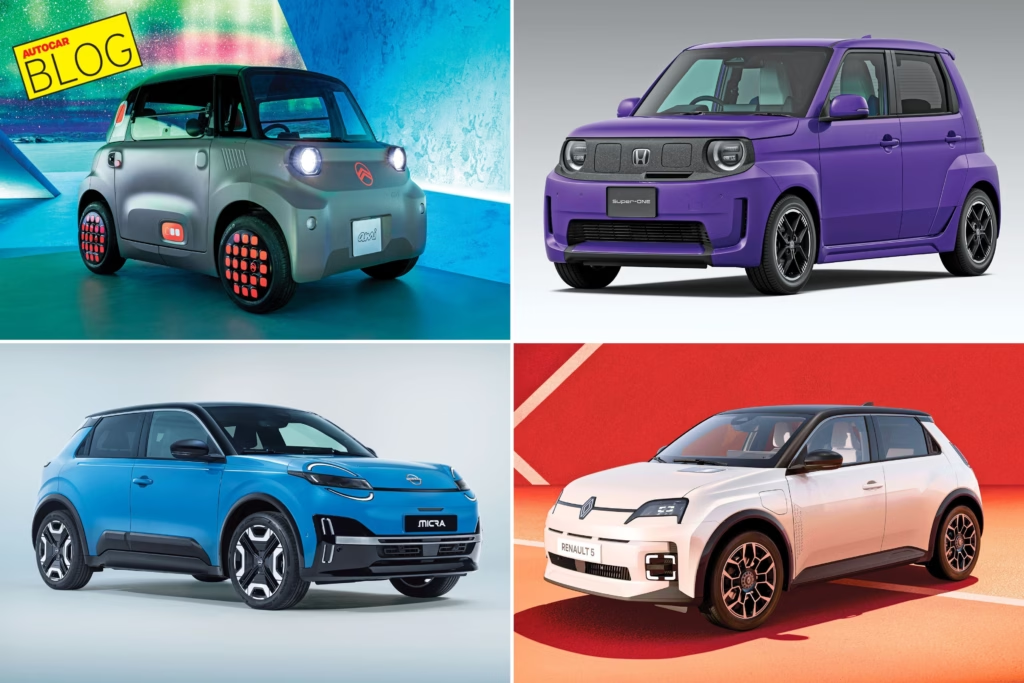
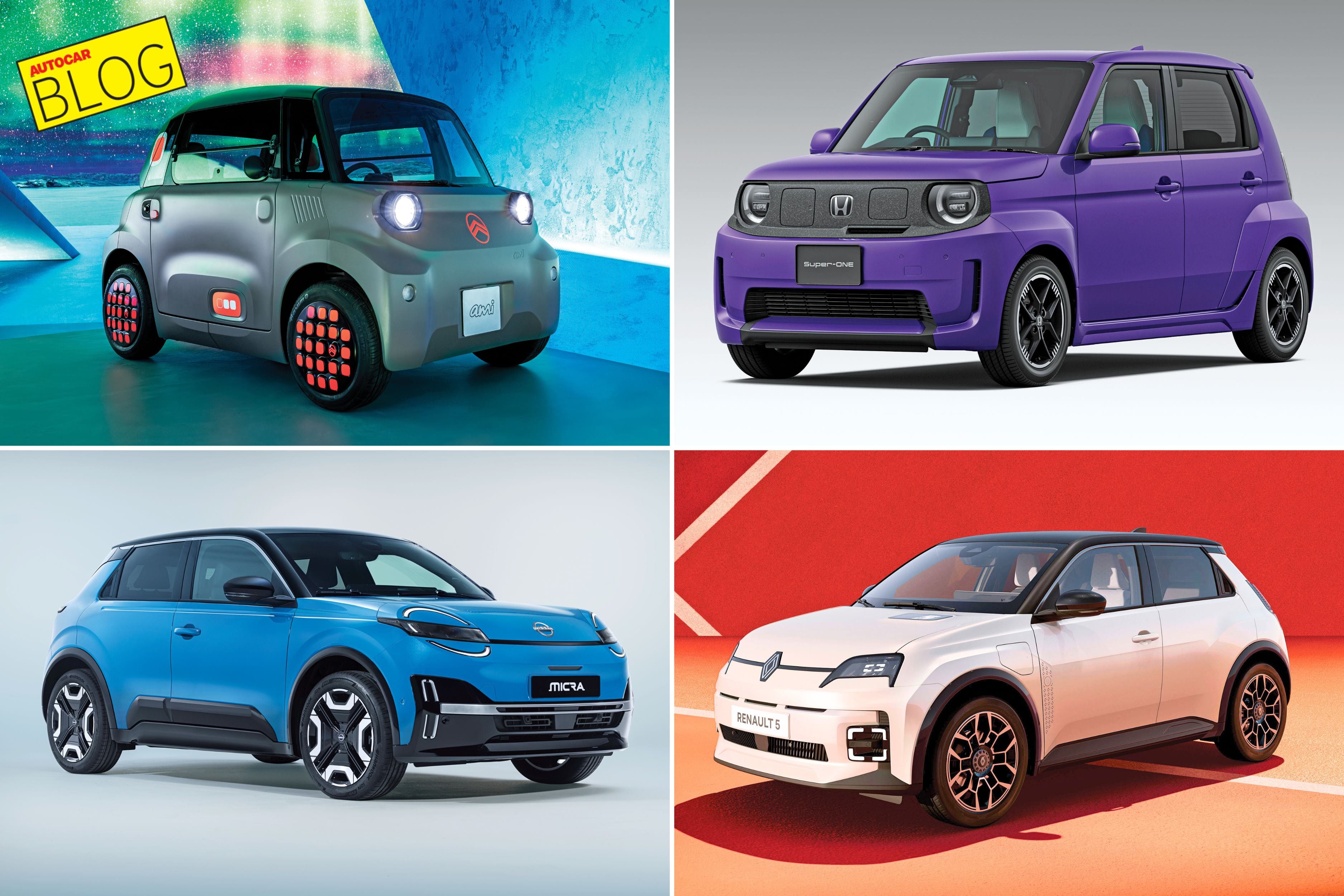
The Citroën Ami. The Fiat Topolino and Multiplina. The Renault 5 and its hot hatchback cousin, the Alpine A290. The Nissan Micra. The Smart For2. The Honda Super N. The Microlino and Microletta. And I have not even gone into what the Chinese have launched over the last 12 months.
This is the attack of the “minors”. Electric. Power-packed. Feature-rich. Head-turning looks. Both microcars as well as conventional entry-level little runabouts. They are not cheap-looking, frugally engineered, cost-compromised, low-on-status offers that one never wants. They are clean, conscious and very cool. They cater to the sceptical youth and the wizened elder alike.
For years, Japan and Europe have been the homes of such cars. It is time India takes over that role. And it makes perfect business sense too. If we are to increase car penetration and grow the market to a size even half of that of China, given our consumption power, there is no other way but to make the entry-level car the hero of the script. Whether electric, CNG or hybrid. It is the responsibility of brands like Maruti Suzuki, Hyundai, Toyota, Tata and Honda to make this happen. Only then will we create a mature and sustainable market with a rich and robust pipeline of two-wheeler owners who will want to look up!
पतंजलि फूड्स ने जून तिमाही के नतीजों का ऐलान किया है। इस दौरान कंपनी का प्रदर्शन अच्छा रहा। एफएमसीजी और ए़डिबल ऑयल बिजनेसेज में अच्छी ग्रोथ दिखी। जून तिमाही में कंपनी का कंसॉलिडेटेड प्रॉफिट 86 फीसदी बढ़कर 335.7 करोड़ रुपये रहा। एक साल पहले की समान अवधि में यह 180.4 करोड़ रुपये था।
रेवेन्यू 29 फीसदी बढ़कर 11337 करोड़ रुपये
Patanjali Foods का ऑपरेशंस से रेवेन्यू जून तिमाही में 29 फीसदी बढ़कर 11,337.5 करोड़ रुपये रहा। EBITDA 69 फीसदी बढ़कर 543.3 करोड़ रुपये रहा। एबिड्टा मार्जिन भी इस दौरान बढ़कर 4.8 फीसदी हो गया। एक साल पहले की समान अवधि में यह 3.7 फीसदी था। कंपनी ने कहा है कि लगातार चौथी तिमाही कंपनी ने सबसे ज्यादा रेवेन्यू हासिल किया।
अच्छे प्रदर्शन में एफएमसीजी बिजनेस का बड़ा हाथ
जून तिमाही में अच्छे प्रदर्शन में एफएमसीजी सेगमेंट का सबसे बड़ा हाथ रहा। इस सेगमेंट का रेवेन्यू साल दर साल आधार पर 35.39 फीसदी बढकर 2,937.75 करोड़ रुपये रहा। एडिबल ऑयल बिजनेस का रेवेन्यू 27.28 फीसदी बढ़क 8,504.72 करोड़ रुपये रहा।
ब्रांड और डिस्ट्रिब्यूशन नेटवर्क को मजबूत बनाने पर फोकस
पतंजलि फूड्स के सीईओ संजीव अस्थाना ने कहा कि कंपनी का फोकस ब्रांड को मजूबत बनाने, डिस्ट्रिब्यूशन नेटवर्क और कॉस्ट मैनेजमेंट पर बना हुआ है। उन्होंने कहा, “हम लगातार रेवेन्यू के नए कीर्तिमान बना रहे हैं। यह तब है जब ऑपरेटिंग इनवायरमेंट लगातार बदल रहा है।”
कंपनी ने शेयरहोल्डर्स के लिए दो अंतरिम डिविडेंड का एलान किया
पतंजलि फूड्स ने तीसरे अंतरिम डिविडेंड का ऐलान किया। FY26 के लिए यह प्रति शेयर 1.50 रुपये होगा। कंपनी ने FY27 के पहले अंतरिम डिविडेंड का भी ऐलान किया। यह प्रति शेयर 0.80 रुपये होगा। दोनों को मिलाकर प्रति शेयर डिविडेंड 2.30 रुपये होगा। दोनों डिविडेंड के लिए रिकॉर्ड डेट 21 अगस्त होगी।
14 अगस्त को कंपनी के शेयर गिरकर हुए बंद
कंपनी ने आचार्य बालकृष्णन को दोबारा चेयरमैन और नॉन-एग्जिक्यूटिव नॉन-इंडिपेंडेंट डायरेक्टर नियुक्त करने का ऐलान किया। कंपनी अगली एनुअल जनरल मीटिंग (AGM) में इस प्रस्ताव पर शेयरहोल्डर्स का एप्रूवल हासिल करेगी। Patanjali Foodsका शेयर 14 अगस्त को एनएसई पर 0.52 फीसदी गिरकर 352 रुपये पर बंद हुआ।
पतंजलि फूड्स का शेयर बीते एक साल में करीब 41 फीसदी गिरा है। 2026 में यह शेयर अब तक 36 फीसदी से ज्यादा गिर चुका। कंपनी ने जून तिमाही के नतीजों का ऐलान 14 अगस्त को शेयर बाजार बंद होने के बाद किया। 16 अगस्त को शेयर बाजार खुलने पर शेयरों पर जून तिमाही के नतीजों का असर दिखेगा।
Voltas Q1 Results: वोल्टास ने 14 अगस्त को जून तिमाही के नतीजों का ऐलान किया। इस दौरान कंपनी का कंसॉलिडेटेड प्रॉफिट 53 फीसदी बढ़कर 214 करोड़ रुपये रहा। कंपनी ने शेयर बाजार बंद होने के बाद नतीजों का ऐलान किया। हालांकि, 14 अगस्त को शेयरों में अच्छी तेजी दिखी। 17 अगस्त को बाजार खुलने पर शेयरों पर नतीजों का असर दिखेगा।
रेवेन्यू 19 फीसदी बढ़कर 4,673 करोड़
Voltas को FY26 की जून तिमाही में 140 करोड़ रुपये का प्रॉफिट हुआ था। FY27 की जून तिमाही में ऑपरेशंस से कंपनी का रेवेन्यू 19 फीसदी बढ़कर 4,673.50 करोड़ रुपये रहा। एक साल पहले की समान अवधि में यह 3,938.58 करोड़ रुपये था। यह टाटा समूह की कंपनी है, जो एयर कंडिशनर सहित कई तरह के कूलिंग प्रोडक्ट्स बनाती है।
Atomberg के साथ ज्वाइंट वेंचर का ऐलान
जून तिमाही में कंपनी का EBITDA 48.7 फीसदी बढ़कर 265.5 करोड़ रुपये रहा। एक साल पहले की समान अवधि में यह 178.5 करोड़ रुपये था। कंपनी का मार्जिन इस दौरान बढ़कर 5.7 फीसदी रहा। एक साल पहले की समान अवधि में यह 4.5 फीसदी था। वोल्टास ने Atomberg के साथ ज्वाइंट वेंचर बनाने का ऐलान किया है।
जेवी रूम एयरकंडिशनर्स के कंप्रेशर बनाएगा
कंपनी ने स्टॉक एक्सचेंजों को दी गई जानकारी में कहा है कि एटमबर्ग के साथ प्रस्तावित ज्वाइंट वेंचर रूम एयरकंडिशनर्स के लिए कंप्रेशनर और इससे जुड़े पार्ट्स बनाएगा। जेवी का फोकस हाई एनर्जी एफिशियंसी, ऑपरेशनल रियलाबिलिटी और कॉस्ट कॉम्पिटिटिवनेस पर होगा।
Voltas का शेयर 14 अगस्त को 2.52 फीसदी चढ़कर 1,322 रुपये पर बंद हुआ। बीते एक साल में यह शेयर 3.70 फीसदी चढ़ा है। 14 अगस्त को शेयर बाजारों पर दबाव दिखा। निफ्टी 0.12 फीसदी और सेंसेक्स 0.09 फीसदी गिरकर बंद हुए। बैंक निफ्टी में भी दबाव दिखा। यह 0.25 फीसदी गिरकर बंद हुआ।
शेयर बाजार में शुक्रवार, 14 अगस्त को बिकवाली का आलम रहा। स्वतंत्रता दिवस से एक दिन पहले सेंसेक्स 70.71 अंकों की गिरावट के साथ 78,009.25 पर और निफ्टी 29.85 अंकों की गिरावट के साथ 24,366 पर बंद हुआ। इस बीच BSE पर लिस्टेड कंपनियों का मार्केट कैप 1.97 लाख करोड़ रुपये से ज्यादा घट गया। दिन में सेंसेक्स पिछले बंद भाव से 395.66 अंक तक टूटकर 77,684.37 के लो तक गया। इसी तरह निफ्टी भी पिछली क्लोजिंग से 99 अंक तक टूटकर 24,296.80 के लो तक गया। निफ्टी में लगातार चौथे कारोबारी सत्र में गिरावट रही।
गुरुवार, 13 अगस्त को शेयर मार्केट बंद होने पर BSE पर लिस्टेड कंपनियों का मार्केट कैप 4,94,13,560.799 करोड़ रुपये रहा था। शुक्रवार को यह घटकर 4,92,16,152.08 करोड़ रुपये रह गया। यानि कि 1,97,408.719 करोड़ रुपये की कमी।
मार्केट बंद होने पर NSE पर अपोलो हॉस्पिटल्स एंटरप्राइज, भारती एयरटेल, अदाणी पोर्ट्स, अदाणी एंटरप्राइजेज और ICICI Bank टॉप गेनर रहे। दूसरी ओर टाटा मोटर्स पैसेंजर व्हीकल्स, जियो फाइनेंशियल सर्विसेज, एशियन पेंट्स, हिंडाल्को इंडस्ट्रीज और ONGC टॉप लूजर रहे।
गुरुवार को कैसा रहा था कारोबार
गुरुवार को कारोबार के अंतिम घंटे में हुई बाइंग से सेंसेक्स 113.61 अंक या 0.15 प्रतिशत की बढ़त के साथ 78,079.96 पर बंद हुआ था। वहीं, निफ्टी 40.10 अंक या 0.16 प्रतिशत टूटकर 24,395.85 पर बंद हुआ था। BSE मिडकैप सेलेक्ट सूचकांक में 0.53 प्रतिशत की बढ़त दर्ज की गई, जबकि स्मॉलकैप सेलेक्ट में 0.35 प्रतिशत का लाभ रहा।
एशियाई बाजारों में हेंग सेंग, SET कंपोजिट और ताइवान वेटेड में गिरावट है। वहीं कॉस्पी, निक्केई 225, शंघाई कंपोजिट और जकार्ता कंपोजिट बढ़त में हैं। यूरोपीय बाजार हरे निशान में हैं। अमेरिकी बाजार गुरुवार को बढ़त के साथ बंद हुए थे।
रुपये में आई 3 पैसे की मजबूती
विदेशी बाजारों में अमेरिकी डॉलर के कमजोर रुख के बीच रुपया शुक्रवार को 3 पैसे की बढ़त के साथ 95.42 प्रति डॉलर (अस्थायी) पर बंद हुआ। घरेलू शेयर बाजार से विदेशी पूंजी की निकासी और वैश्विक अनिश्चितताओं के बीच कच्चे तेल की बढ़ती कीमतों के कारण रुपये पर दबाव बना रहा। रुपया गुरुवार को 12 पैसे की गिरावट के साथ 95.45 प्रति डॉलर पर बंद हुआ था।
Disclaimer: यहां मुहैया जानकारी सिर्फ सूचना के लिए दी जा रही है। यहां बताना जरूरी है कि मार्केट में निवेश बाजार जोखिमों के अधीन है। निवेशक के तौर पर पैसा लगाने से पहले हमेशा एक्सपर्ट से सलाह लें। मनीकंट्रोल की तरफ से किसी को भी पैसा लगाने की यहां कभी भी सलाह नहीं दी जाती है।
Anupam Rasayan Q1 Results: अनुपम रसायन ने 14 अगस्त को जून तिमाही के नतीजों का ऐलान किया। इस दौरान रेवेन्यू और प्रॉफिट में साल दर साल आधार पर अच्छी ग्रोथ दिखी। नेट प्रॉफिट 14 फीसदी बढ़कर 38.6 करोड़ रुपये रहा। एक साल पहले की समान अवधि में यह 34 करोड़ रुपये था। कंपनी के शेयर पर नतीजों का पॉजिटिव असर दिखा।
रेवेन्यू 35 फीसदी बढ़कर 655 करोड़ रुपये रहा
जून तिमाही में Anupam Rasayan का रेवेन्यू साल दर साल आधार पर 35 फीसदी बढ़कर 655 करोड़ रुपये रहा। एक साल पहले की जून तिमाही में यह 585.8 करोड़ रुपये था। EBITDA 31 फीसदी बढ़कर 162.4 करोड़ रुपये रहा। एक साल पहले की समान अवधि में यह 124.3 करोड़ रुपये था।
कंपनी के एबिड्टा मार्जिन में हल्की गिरावट
अनुपम रसायन का EBITDA मार्जिन जून तिमाही में 24.8 फीसदी रहा। यह एक साल पहले की समान अवधि में 25.6 फीसदी के एबिड्टा मार्जिन से कम है। कंपनी ने रवि देसाई को चीफ ऑपरेटिंग अफसर नियुक्त करने के प्रस्ताव को मंजूरी दे दी। उनका कार्यकाल 14 अगस्त, 2026 से लागू हो गया है।
नतीजों के बाद शेयरों में दिखी तेजी
14 अगस्त को अनुपम रसायन के शेयरों में तेजी दिखी। 1:15 बजे यह 0.46 फीसदी के उछाल के साथ 1,213.30 रुपये पर चल रहा था। बीते छह महीने में यह शेयर 8 फीसदी से ज्यादा गिरा है। 14 अगस्त को शेयर बाजारों के प्रमुख सूचकांकों पर दबाव दिखा। निफ्टी 0.21 फीसदी नीचे चल रहा था, जबकि सेंसेक्स में 0.30 फीसदी कमजोरी थी।
Anupam Rasayan लाइफ साइंसेज और दूसरी इंडस्ट्रीज के लिए स्पेशियलिटी केमिकल्स बनाती है। इसका मार्केट कैपिटलाइजेशन 13,737 करोड़ रुपये है। कंपनी ने 2021 में आईपीओ पेश किया था। कंपनी के शेयर बीएसई और एनएसई दोनों पर लिस्टेड हैं। बीते एक साल में शेयर 4.85 फीसदी चढ़ा है।
Rare Earth Magnet Scheme: सरकार की ₹7,280 करोड़ की रेयर अर्थ मैग्नेट मैन्युफैक्चरिंग योजना को कंपनियों का जबरदस्त रिस्पॉन्स मिला है। Larsen & Toubro (L&T), Coal India, ReNew, Attero Recycling और Lohum Magnets & Energy Solutions समेत 20 कंपनियों ने इस योजना के लिए बोली लगाई है।
भारी उद्योग मंत्रालय ने गुरुवार को इसकी जानकारी दी। तकनीकी बोलियां 13 अगस्त को खोली गईं। आवेदन जमा करने की आखिरी तारीख 12 अगस्त थी।
कौन-कौन सी कंपनियां दौड़ में हैं?
इस योजना में भारतीय कंपनियों के साथ विदेशी कंपनियों ने भी हिस्सा लिया है। इनमें NEO Performance Materials (Singapore) और जापान की Proterial की भारतीय इकाई Proterial India भी शामिल हैं।
इसके अलावा 20 Microns, N.A.N. Magnetech, PrNd Metal and Magnets, Prozeal Green Energy और Ramp Metals & Minerals जैसी कंपनियों ने भी बोली लगाई है।
सरकार की योजना क्या है?
सरकार इस योजना के तहत भारत में हर साल 6,000 मीट्रिक टन सिंटर्ड NdFeB रेयर अर्थ परमानेंट मैग्नेट बनाने की क्षमता चाहती है। इस बंटवारा 5 कंपनियों के बीच किया जाएगा। हर कंपनी को अधिकतम 1,200 मीट्रिक टन सालाना क्षमता मिल सकती है।
केंद्रीय कैबिनेट ने नवंबर 2025 में इस योजना को मंजूरी दी थी। योजना की अवधि 7 साल होगी। इसमें पहले 2 साल फैक्ट्री लगाने के लिए होंगे। इसके बाद 5 साल तक बिक्री के आधार पर इंसेंटिव मिलेगा।
रेयर अर्थ मैग्नेट इतने अहम क्यों हैं?
रेयर अर्थ परमानेंट मैग्नेट का इस्तेमाल इलेक्ट्रिक व्हीकल, विंड टरबाइन, हाई-एंड इलेक्ट्रॉनिक्स, एयरोस्पेस और डिफेंस सिस्टम में होता है। सरकार का लक्ष्य भारत में NdPr ऑक्साइड से लेकर तैयार मैग्नेट तक पूरी वैल्यू चेन विकसित करना है।
चीन पर निर्भरता घटाने की तैयारी
इस सेक्टर में चीन का दबदबा है। भारत अभी रेयर अर्थ मैग्नेट के लिए काफी हद तक आयात पर निर्भर है। साल 2025 में चीन के एक्सपोर्ट प्रतिबंधों से सप्लाई प्रभावित हुई थी। इससे कई उद्योगों में कमी देखने को मिली। सरकार अब घरेलू उत्पादन बढ़ाकर आयात पर निर्भरता कम करना और सप्लाई को सुरक्षित बनाना चाहती है।
Disclaimer: यहां मुहैया जानकारी सिर्फ सूचना के लिए दी जा रही है। यहां बताना जरूरी है कि मार्केट में निवेश बाजार जोखिमों के अधीन है। निवेशक के तौर पर पैसा लगाने से पहले हमेशा एक्सपर्ट से सलाह लें। मनीकंट्रोल की तरफ से किसी को भी पैसा लगाने की यहां कभी भी सलाह नहीं दी जाती है।
Rhetan TMT Q1 Results: अहमदाबाद की टीएमटी स्टील बार बनाने वाली कंपनी Rhetan TMT Ltd ने वित्त वर्ष 2027 की पहली तिमाही में मुनाफे में बड़ी छलांग लगाई है। कंपनी का नेट प्रॉफिट सालाना आधार पर 315.7% बढ़कर ₹3.16 करोड़ हो गया। पिछले साल की इसी तिमाही में यह ₹76 लाख था। हालांकि, ऑपरेशंस से रेवेन्यू ₹5.04 करोड़ से घटकर ₹4.06 करोड़ रहा।
EBITDA और PBT में भी बड़ी बढ़त
Rhetan TMT का EBITDA 195.5% बढ़कर ₹3.79 करोड़ हो गया। पिछले साल यह ₹1.28 करोड़ था। वहीं, टैक्स से पहले मुनाफा (PBT) 335.5% बढ़कर ₹3.31 करोड़ पहुंच गया। एक साल पहले यह ₹0.76 करोड़ था। कंपनी की प्रति शेयर आय (EPS) भी बढ़कर ₹0.04 हो गई।
मैन्युफैक्चरिंग क्षमता बढ़ा रही कंपनी
कंपनी अब कड़ी प्लांट की सालाना उत्पादन क्षमता 45,000 मीट्रिक टन से बढ़ाकर 75,000 मीट्रिक टन कर रही है। मैनेजिंग डायरेक्टर शालिन शाह ने कहा कि इससे कंपनी को TMT स्टील सेगमेंट में नए अवसरों का फायदा उठाने में मदद मिलेगी।
कंपनी का कहना है कि वह क्षमता बढ़ाने, प्रीमियम प्रोडक्ट्स पर जोर देने और ऑपरेशनल एफिशिएंसी सुधारने के जरिए लंबे समय की ग्रोथ पर फोकस बनाए रखेगी।
सोलर प्रोजेक्ट और नए सर्टिफिकेशन का फायदा
Rhetan TMT ने अपने 1 मेगावाट कैप्टिव सोलर पावर प्रोजेक्ट की टेस्टिंग और कमीशनिंग पूरी कर ली है। जल्द ही इससे कमर्शियल बिजली उत्पादन शुरू होने की उम्मीद है। इससे ऊर्जा लागत कम करने और ऑपरेशनल एफिशिएंसी बढ़ाने में मदद मिलेगी।
कंपनी को Fe500D, Fe550 और Fe550D TMT बार्स के लिए BIS सर्टिफिकेशन भी मिल गया है। इससे वह सरकारी और PSU इंफ्रास्ट्रक्चर प्रोजेक्ट्स में अपनी मौजूदगी और मजबूत करना चाहती है।
Disclaimer: यहां मुहैया जानकारी सिर्फ सूचना के लिए दी जा रही है। यहां बताना जरूरी है कि मार्केट में निवेश बाजार जोखिमों के अधीन है। निवेशक के तौर पर पैसा लगाने से पहले हमेशा एक्सपर्ट से सलाह लें। मनीकंट्रोल की तरफ से किसी को भी पैसा लगाने की यहां कभी भी सलाह नहीं दी जाती है।
LG Electronics India Q1 Results: इलेक्ट्रॉनिक्स कंपनी LG Electronics India ने जून तिमाही में मजबूत नतीजे दिए हैं। कंपनी का नेट प्रॉफिट सालाना आधार पर 27.2% बढ़कर ₹652.8 करोड़ हो गया। पिछले साल इसी तिमाही में यह ₹513.2 करोड़ था।
कंपनी का रेवेन्यू भी 15.5% बढ़कर ₹7,233.3 करोड़ पहुंच गया। एक साल पहले यह ₹6,262.9 करोड़ था। यानी कमाई और मुनाफा दोनों में अच्छी बढ़त दिखी।
ऑपरेटिंग कमाई भी मजबूत रही
LG Electronics India का EBITDA 26.2% बढ़कर ₹904.2 करोड़ हो गया। पिछले साल यह ₹716.2 करोड़ था। वहीं, EBITDA मार्जिन 11.4% से बढ़कर 12.5% हो गया। यानी कंपनी पहले से बेहतर कमाई कर रही है।
AC की बिक्री ने बढ़ाया भरोसा
एयर कंडीशनर की मजबूत मांग कंपनी के लिए बड़ा सहारा बनी। साल 2026 की पहली तिमाही में LG ने 10 लाख से ज्यादा AC बेचे। अब कंपनी को पूरे साल में 20 लाख से ज्यादा यूनिट बेचने की उम्मीद है।
कंपनी के डायरेक्टर और को-चीफ सेल्स एंड मार्केटिंग ऑफिसर संजय चिटकारा ने कहा कि डीलरों के पास स्टॉक अब सामान्य स्तर पर है। रिटेलर भी त्योहारी सीजन की तैयारी में जुट गए हैं। अगर मांग ऐसे ही बनी रही, तो कंपनी अपने सालाना अनुमान से बेहतर प्रदर्शन कर सकती है।
LG Electronics India के शेयर
LG Electronics का शेयर गुरुवार को 1580 रुपये पर लगभग फ्लैट बंद हुआ। पिछले 6 महीने में स्टॉक ने 4.55% का रिटर्न दिया है। वहीं 1 साल के दौरान इसमें करीब 6% की गिरावट आई है। कंपनी का मार्केट कैप 1.07 लाख करोड़ रुपये है।
LG Electronics India का कारोबार
LG Electronics India, LG Electronics की सब्सिडियरी है। कंपनी भारत में टीवी, रेफ्रिजरेटर, वॉशिंग मशीन, एयर कंडीशनर, IT प्रोडक्ट्स और व्हीकल सॉल्यूशंस बनाती और बेचती है। यह एक्सपोर्ट बढ़ाने की तैयारी भी कर रही है।
Disclaimer: यहां मुहैया जानकारी सिर्फ सूचना के लिए दी जा रही है। यहां बताना जरूरी है कि मार्केट में निवेश बाजार जोखिमों के अधीन है। निवेशक के तौर पर पैसा लगाने से पहले हमेशा एक्सपर्ट से सलाह लें। मनीकंट्रोल की तरफ से किसी को भी पैसा लगाने की यहां कभी भी सलाह नहीं दी जाती है।