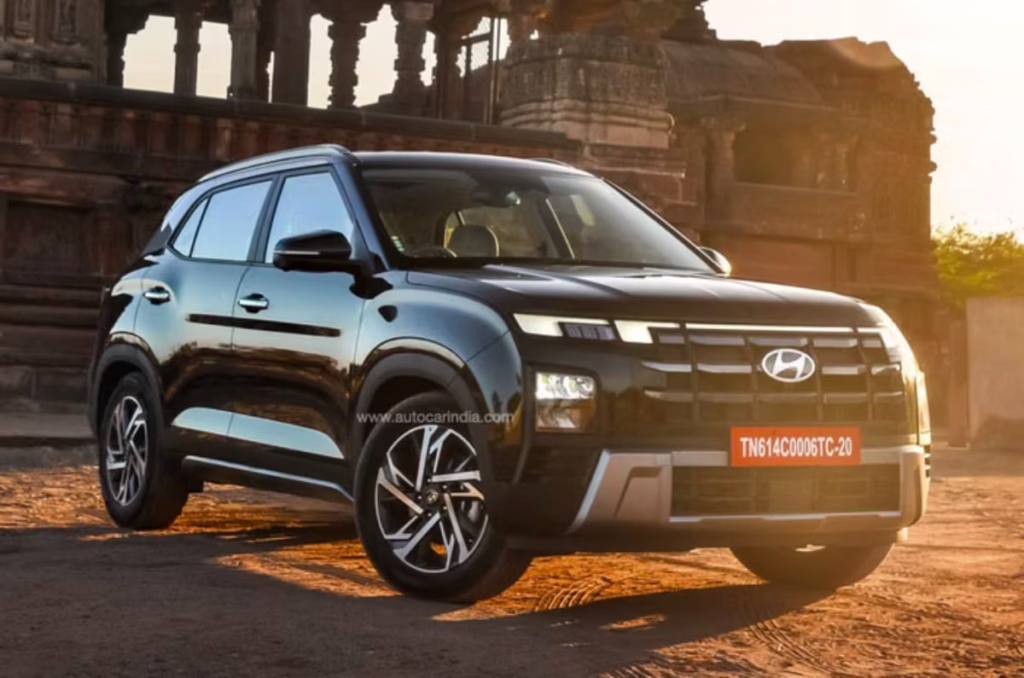
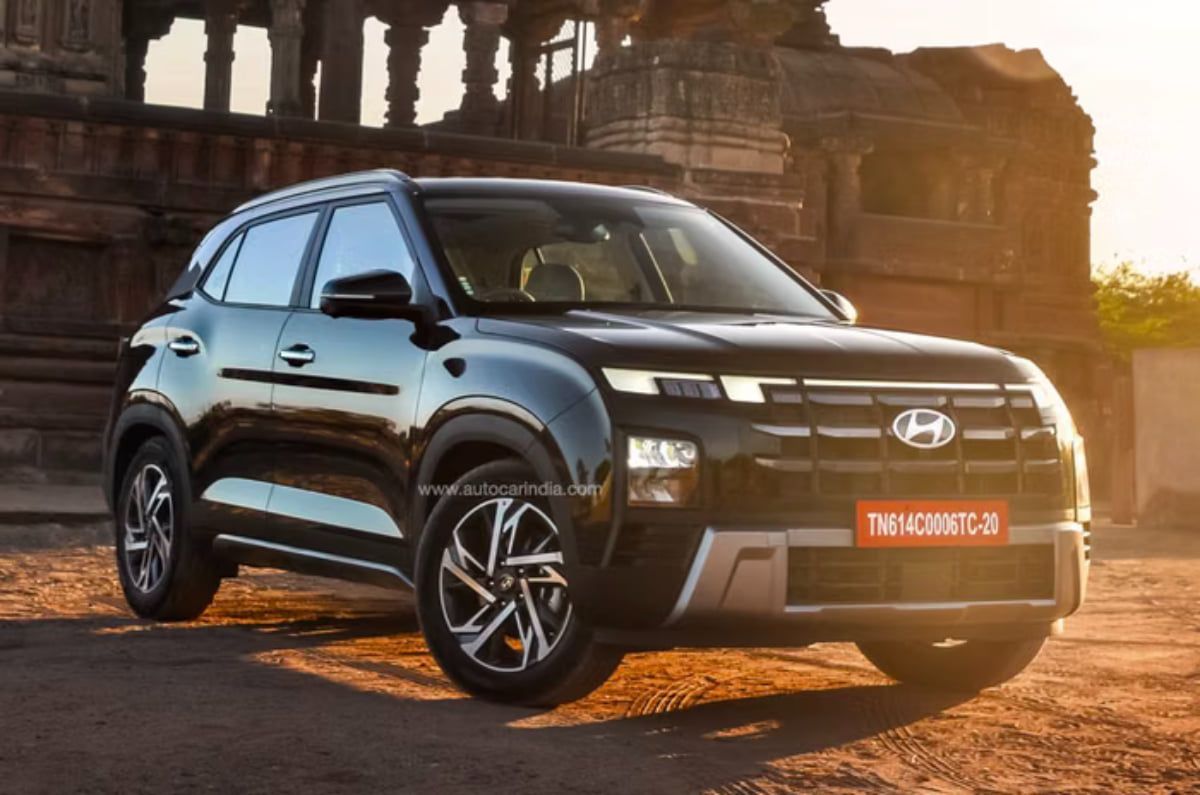
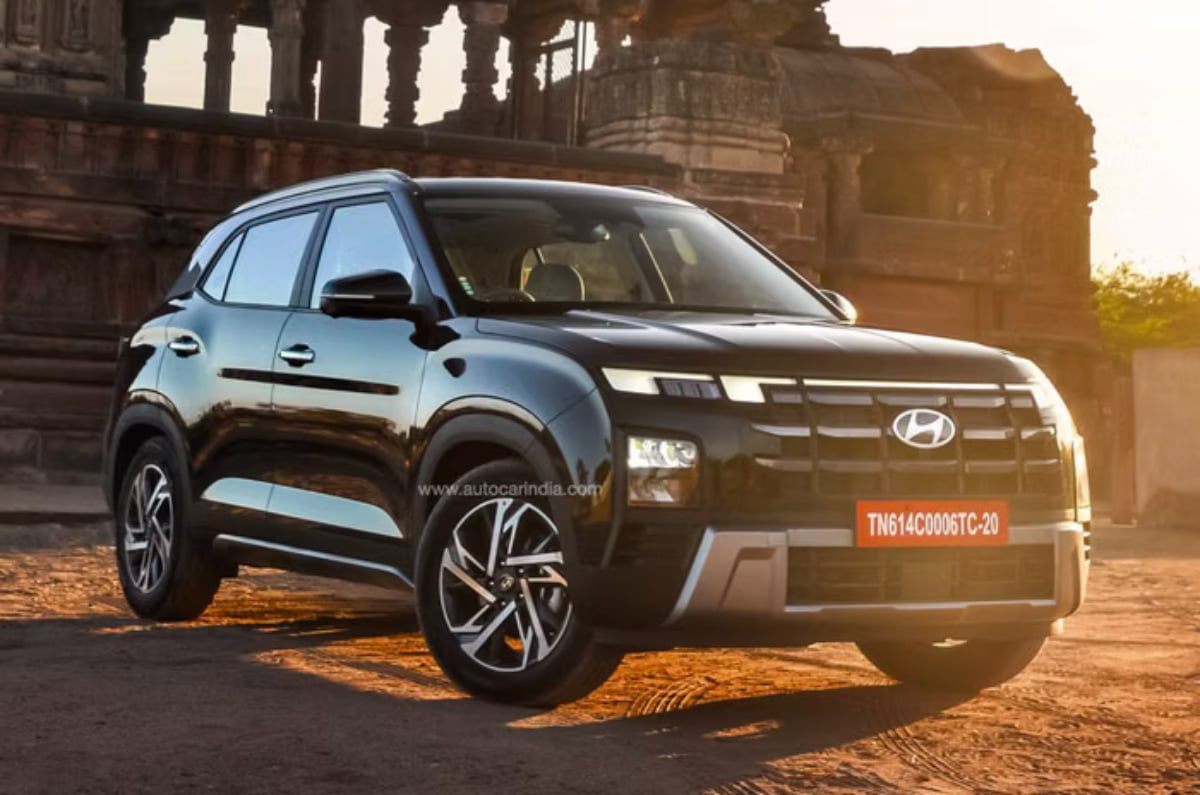
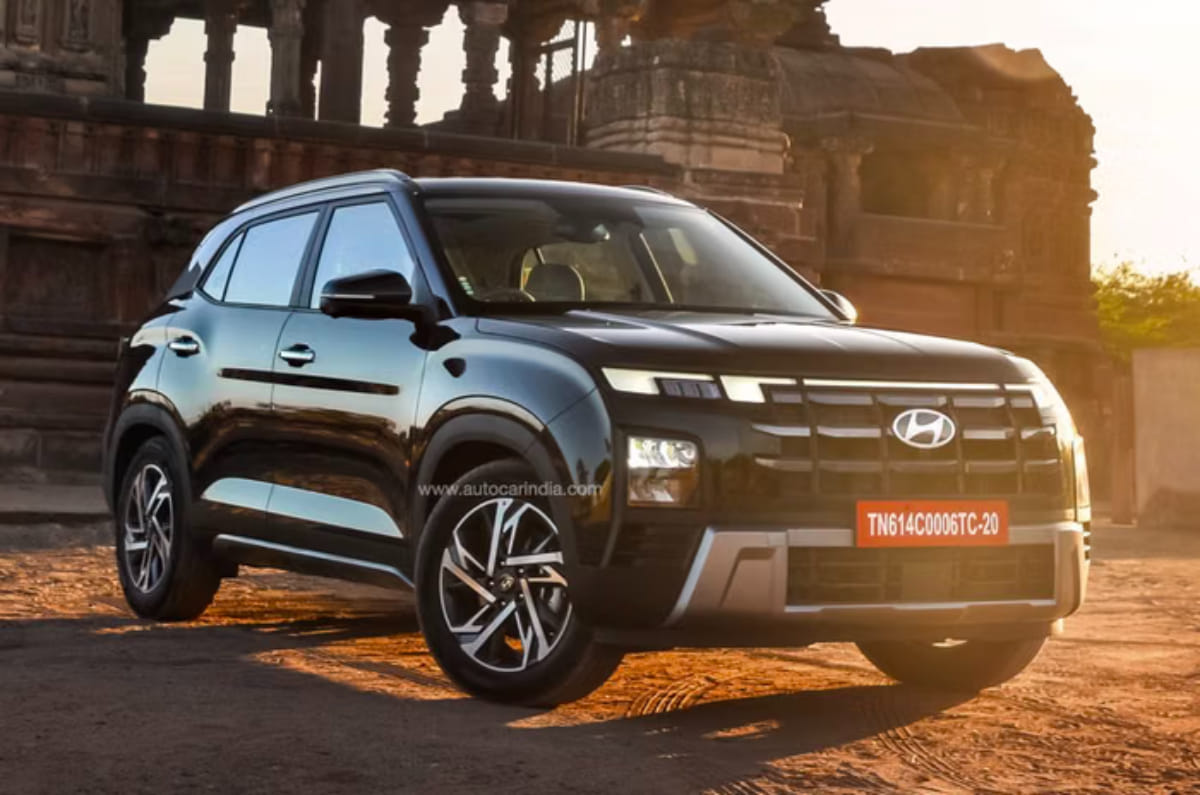
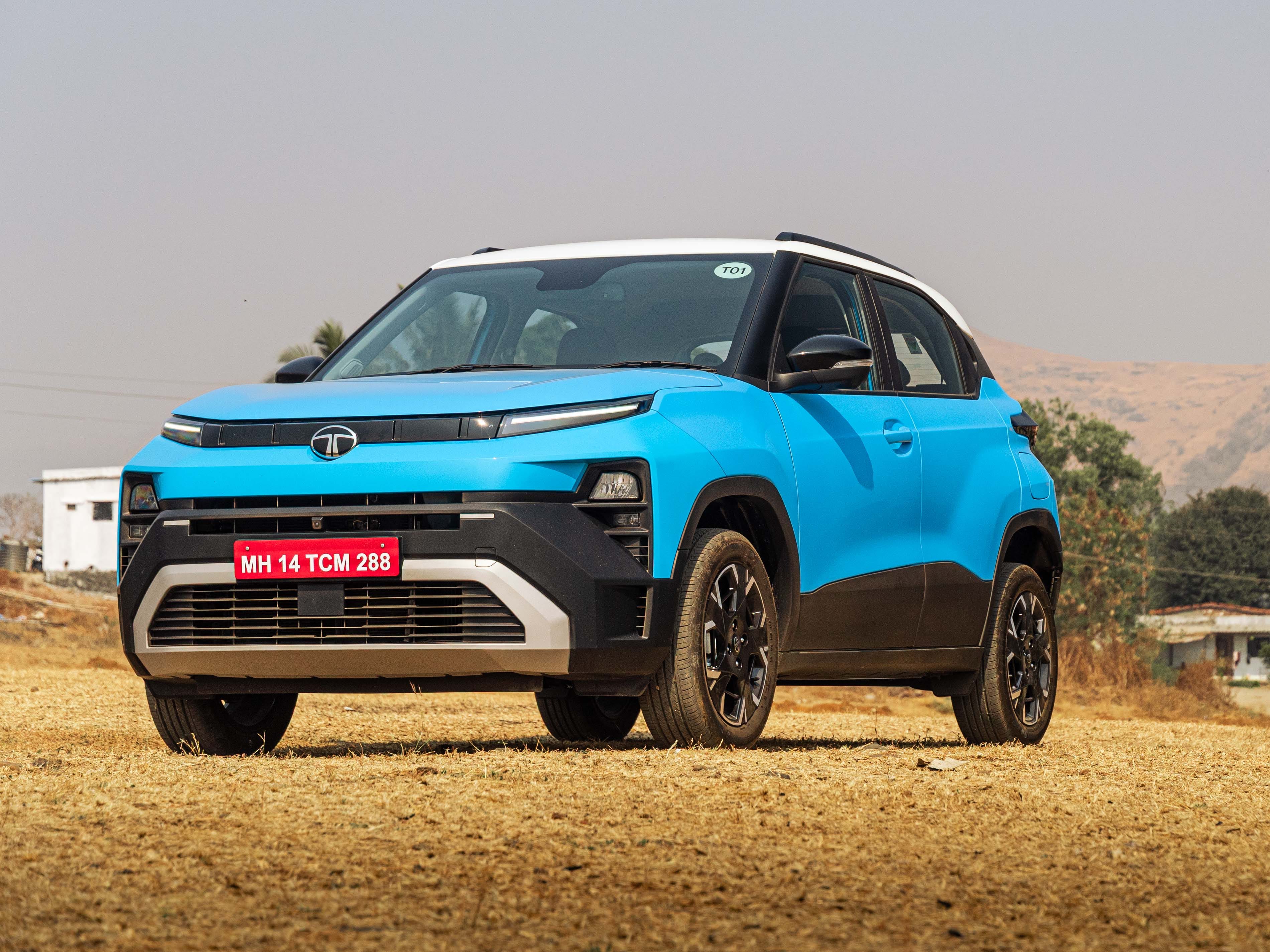
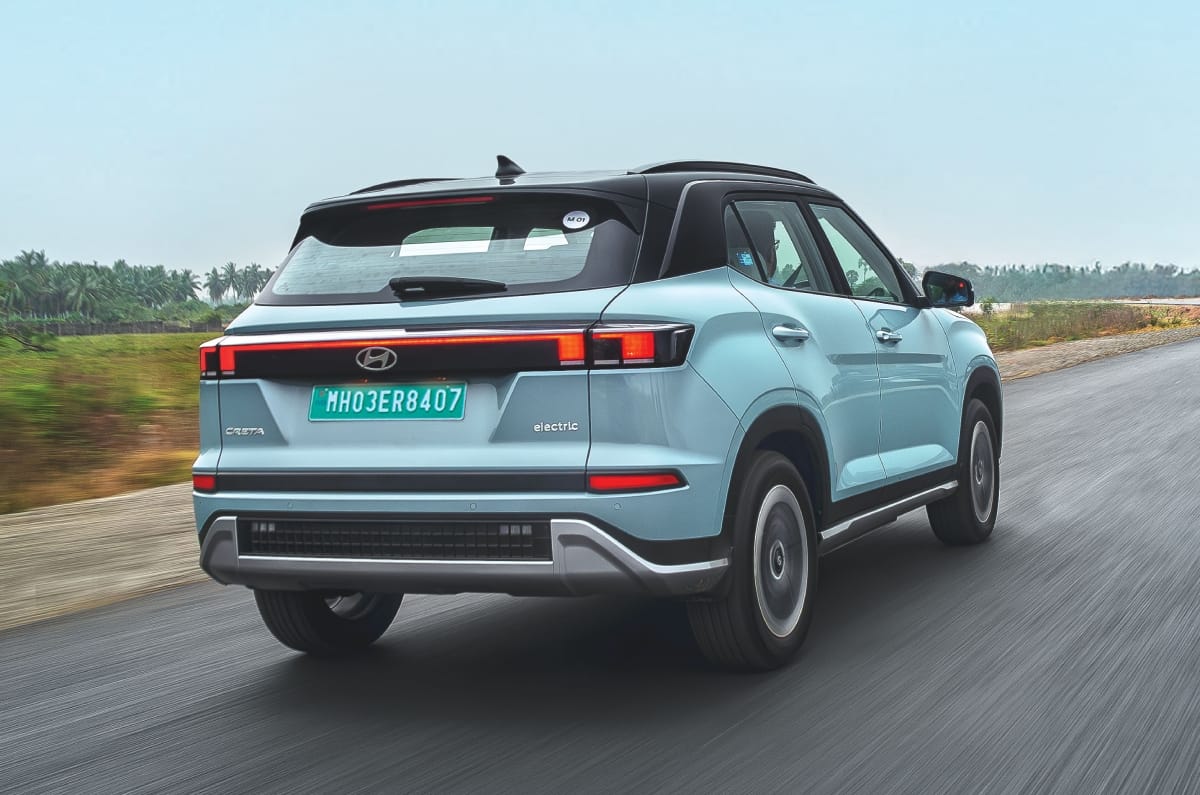
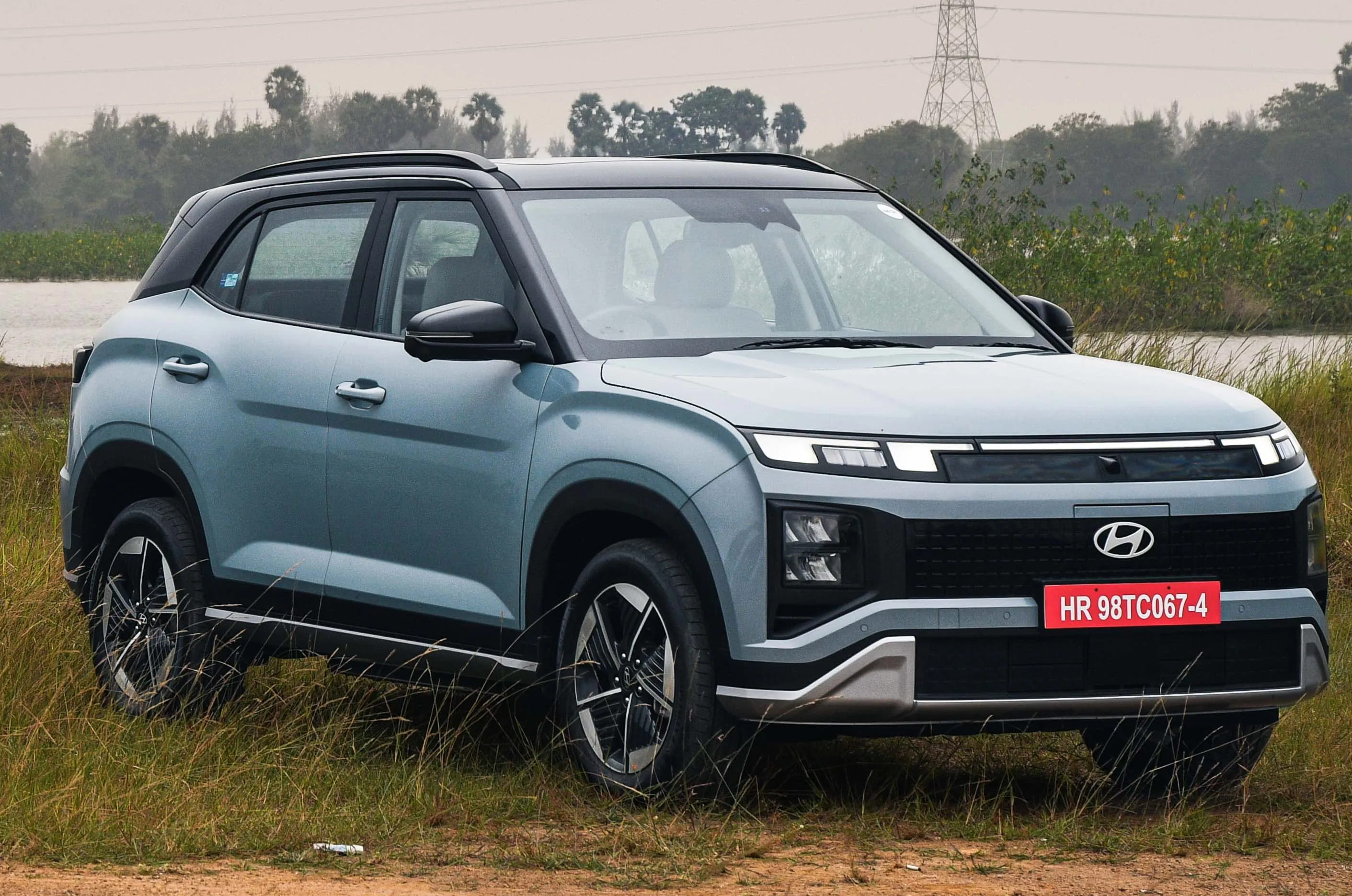
The Hyundai Creta crossed 15 lakh domestic wholesales by the end of September 2026, with cumulative dispatches reaching 15,12,036 units since its launch in July 2015. The SUV accounts for around 15 percent of Hyundai Motor India’s cumulative passenger vehicle sales since the company entered India, and 55 percent of its utility vehicle dispatches since the Creta’s launch. Creta exports reached 2,95,994 units through August 2026, putting the SUV close to the 3 lakh-unit mark.
Hyundai Creta domestic wholesales by fiscal year
Fiscal year
Units
YoY change
FY2016
63,836
–
FY2017
96,899
52%
FY2018
1,07,136
11%
FY2019
1,24,300
16%
FY2020
82,074
-34%
FY2021
1,20,035
46%
FY2022
1,18,092
-2%
FY2023
1,50,372
27%
FY2024
1,62,773
8%
FY2025
1,94,871
20%
FY2026
2,01,921
4%
FY2027*
89,727
-10%
Total
15,12,036
–
Hyundai Creta sales: FY2026 was its best year
The Creta recorded its highest annual wholesales in FY2026, at 2,01,921 units, up 4 percent year on year. Before that, wholesales stood at 1,94,871 units in FY2025, up 20 percent, and 1,62,773 units in FY2024, up 8 percent.
In the first half of FY2027, combined Creta and Creta electric wholesales stood at 89,727 units, down 10 percent from 99,345 units in the same period last year.
The updated Creta, launched in January 2024, and the Creta Electric, launched in January 2025, have together accounted for an estimated 5.3 lakh domestic units through September 2026.
Hyundai Creta exports near 3 lakh units
Creta exports totalled 2,95,994 units through August 2026. Annual exports peaked at 50,820 units in FY2018. They fell to 3,859 units in FY2024 before rising to 4,314 units in FY2025 and 6,496 units in FY2026. Exports in April-August 2026 stood at 2,338 units.
The internal-combustion Creta is available with three engine options: a 115hp 1.5-litre naturally aspirated petrol, a 160hp 1.5-litre direct injection turbo-petrol and a 116hp 1.5-litre diesel. It is offered with four gearbox options across 27 variants. All variants come with six airbags and ABS with electronic brakeforce distribution (EBD), according to the source report. The Creta has an ARAI-certified mileage of 17.4kpl to 21.8kpl across the range. Prices range from Rs 10.91 lakh to Rs 20.14 lakh, ex-showroom.
The next-generation Hyundai Creta is expected to launch in India sometime in 2027 and is likely to use the K3 platform that underpins the second-generation Kia Seltos.
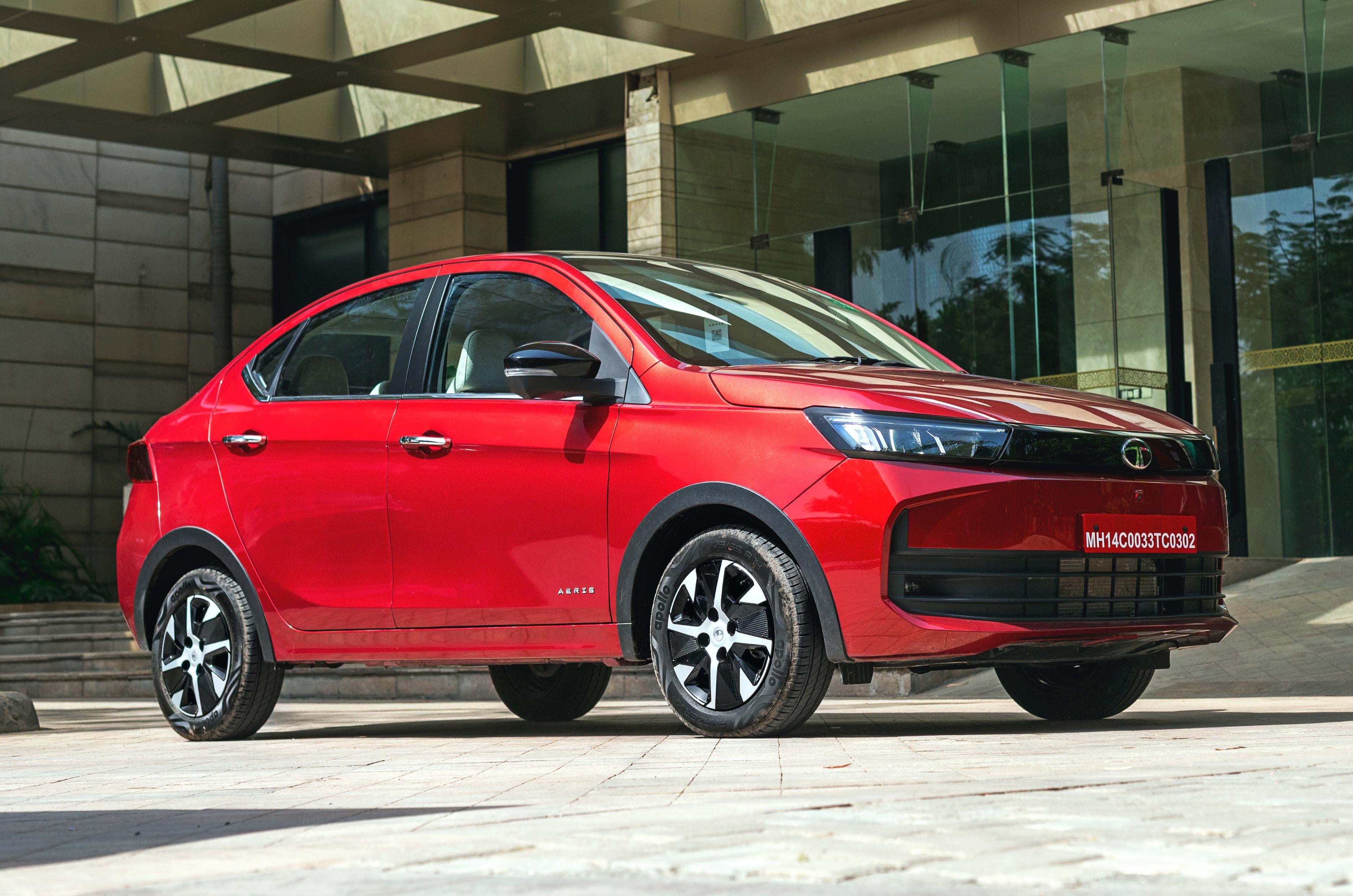
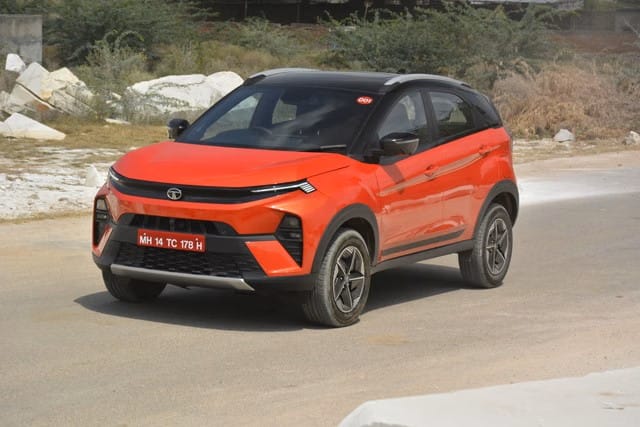
The Tata Tigor never quite made the impact the manufacturer hoped for in the compact sedan segment. Now, Tata has reworked it and given it a new identity as the Aeris, with a fresh design, a more upmarket cabin and a longer list of features. That alone makes the Aeris an interesting proposition, but there is another reason its arrival is well timed.
Tata has a CNG option in a market where demand for the fuel is growing rapidly, with CNG cars accounting for nearly 22 percent of passenger vehicle sales in FY2026, up from around 12-13 percent three years ago in FY2023. That gives the manufacturer an interesting opportunity, but the bigger question is whether the Aeris itself has enough going for it this time around.
Tata Aeris iCNG exterior design and engineering – 8/10
Looks more modern than the Tigor, but the Tiago influence is hard to miss
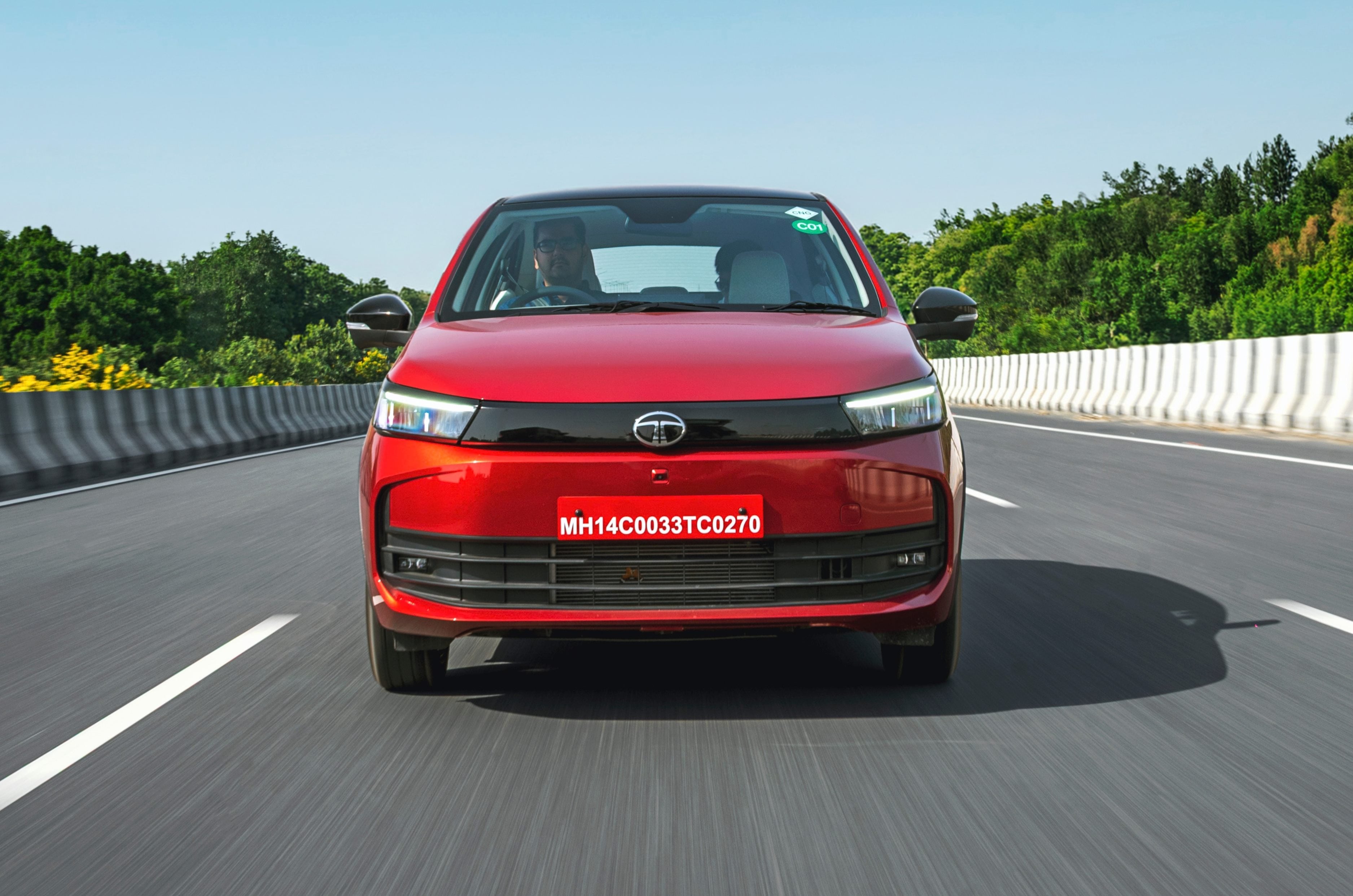
Save for the new bumper, the fascia is similar to the Tiago and looks very modern.
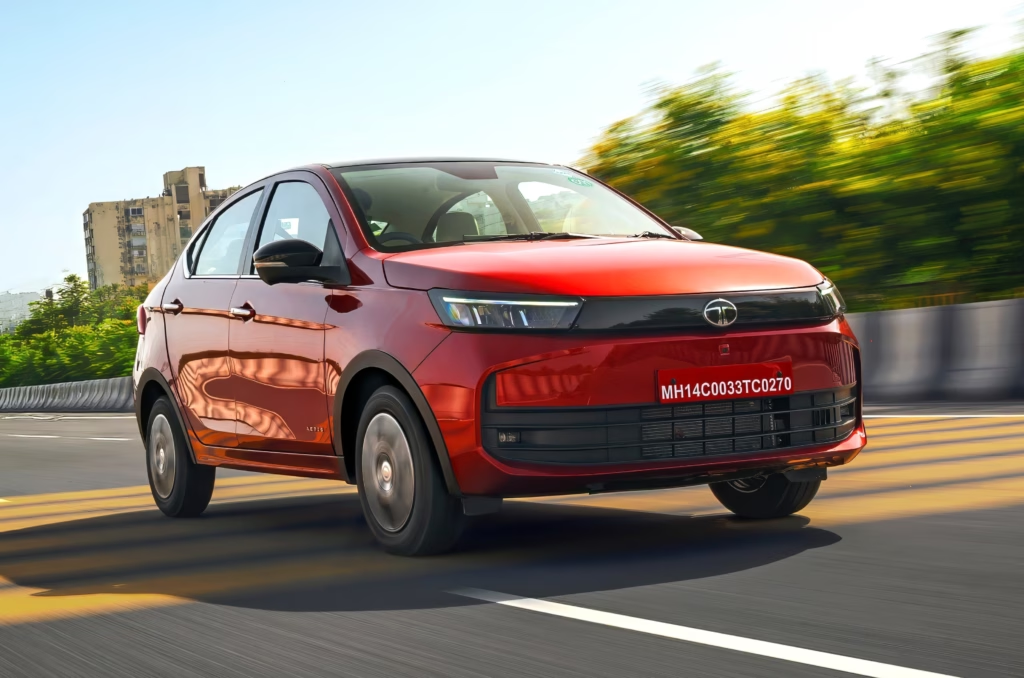
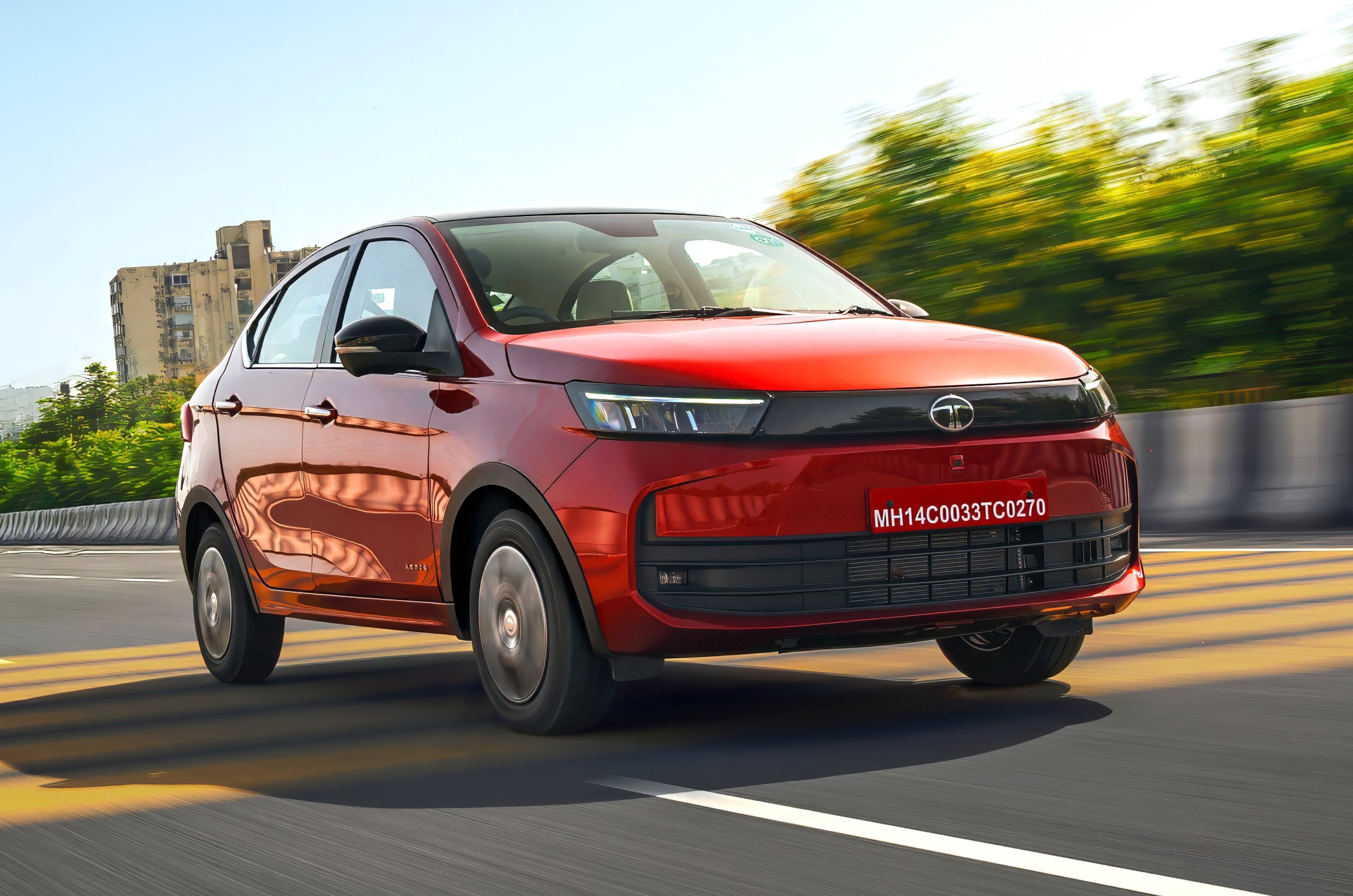
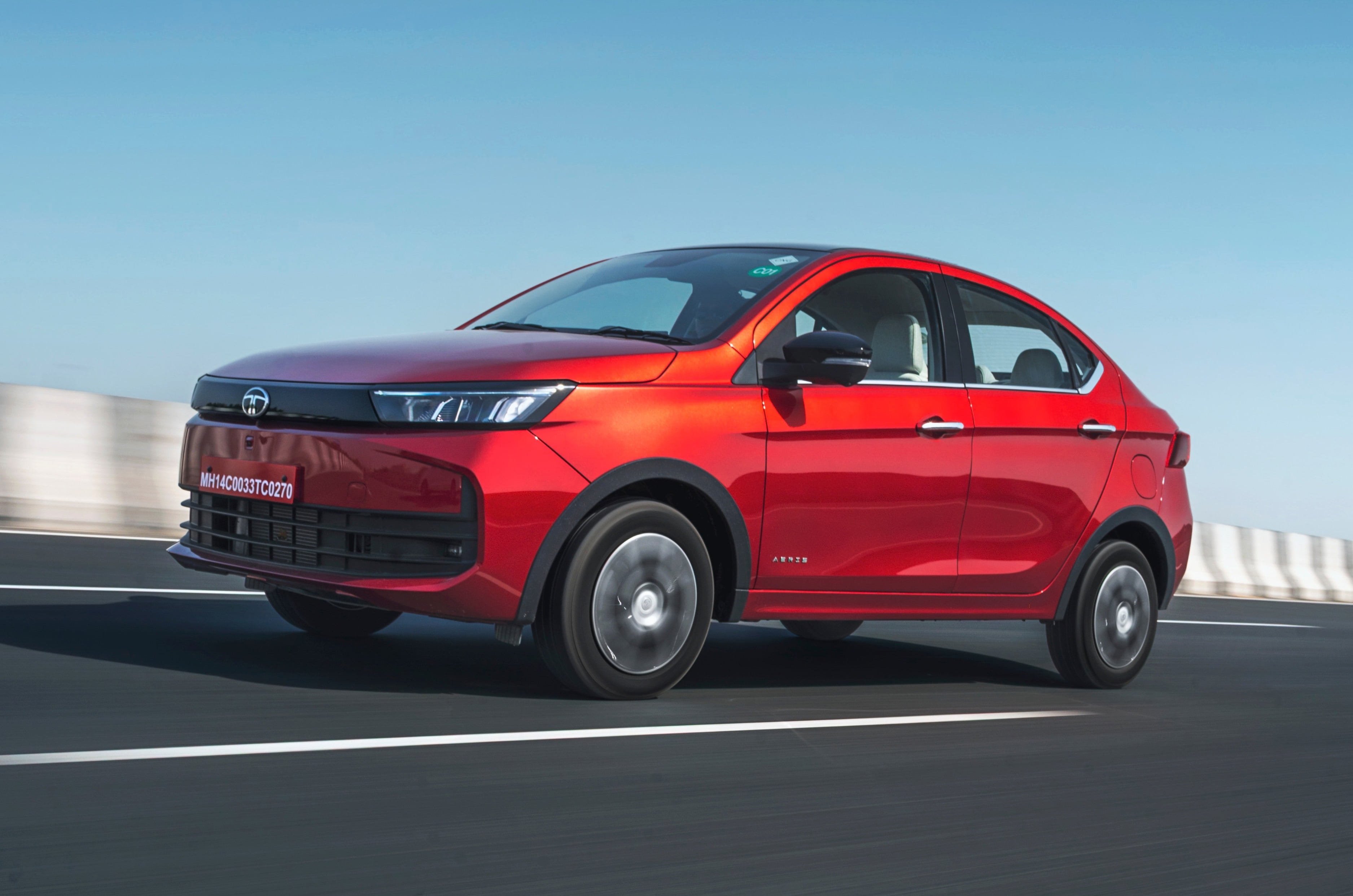
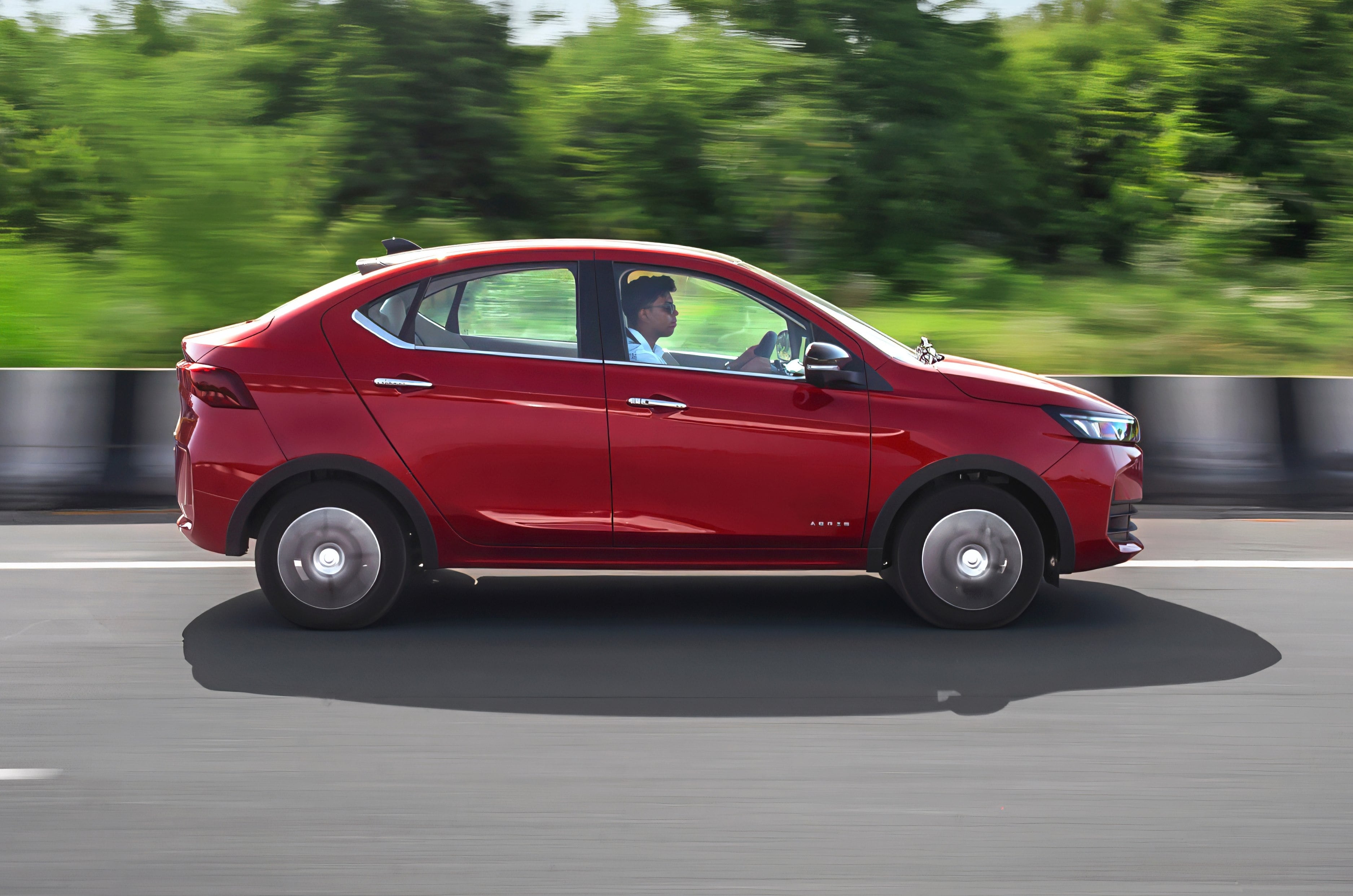
The Tata Aeris looks more modern and sleeker than the older Tigor, but there’s a strong sense of familiarity to its exterior design. It borrows several elements from the Tiago, giving the two cars a similar visual identity, but that also means the Aeris does not look particularly distinctive.
At the front, it gets slim LED headlights with integrated LED DRLs, joined by a gloss black trim, a design treatment that is very similar to the Tiago. What’s new is the front bumper with wider air inlets. It also features fog lamps that get an LED upgrade from the Tigor’s halogens. The Aeris also gets a new clamshell bonnet.
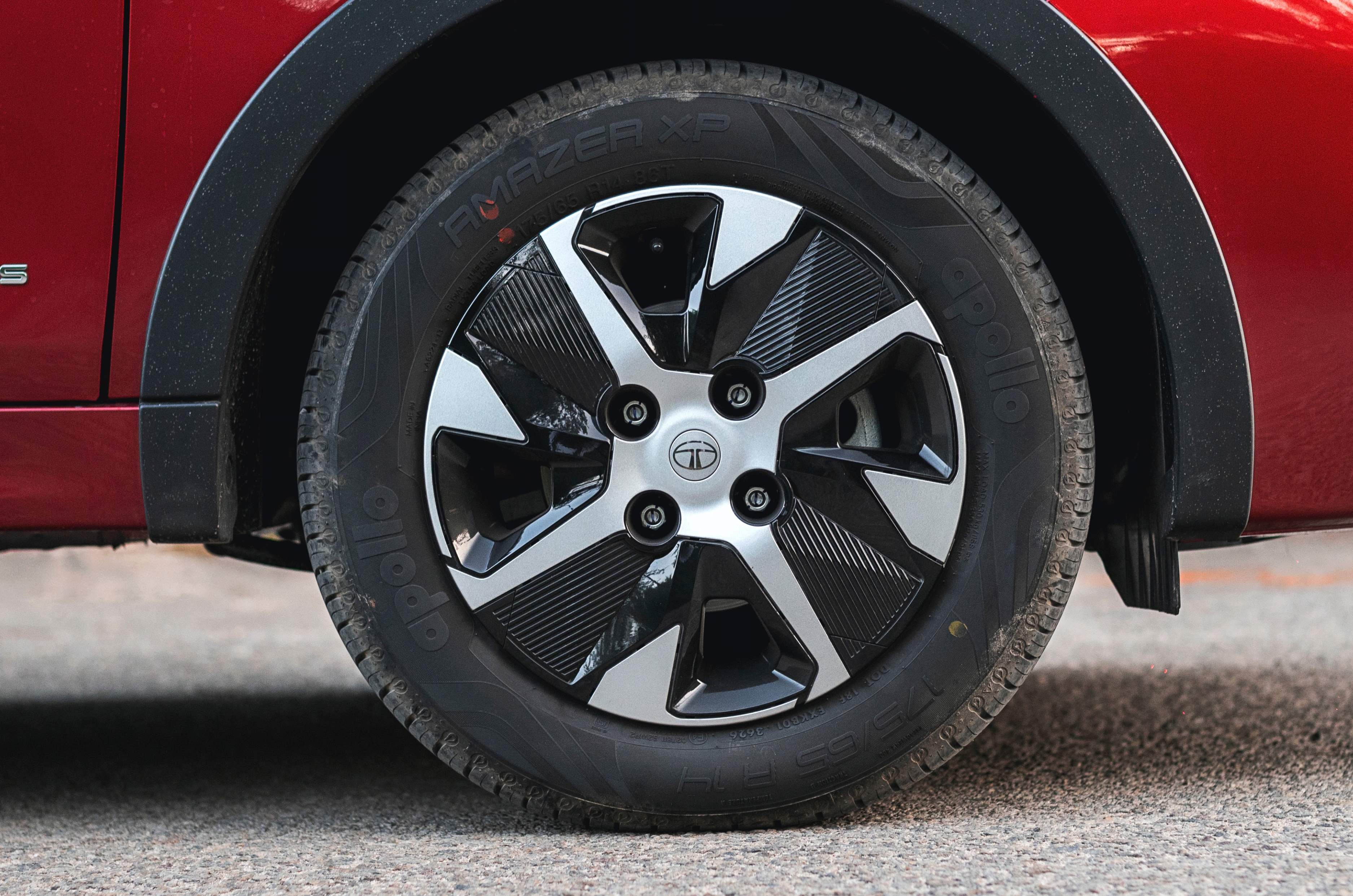
The wheel arch cladding adds contrast, but they make 14-inch wheels look undersized.
In profile, the iCNG gets the 14-inch stylised steel wheels which look undersized, particularly against the prominent wheel-arch cladding. The cladding is made from recycled materials and features a speckled texture. The use of chrome on the door handles and the window line further gives some contrast to the Aeris’ otherwise clean profile.
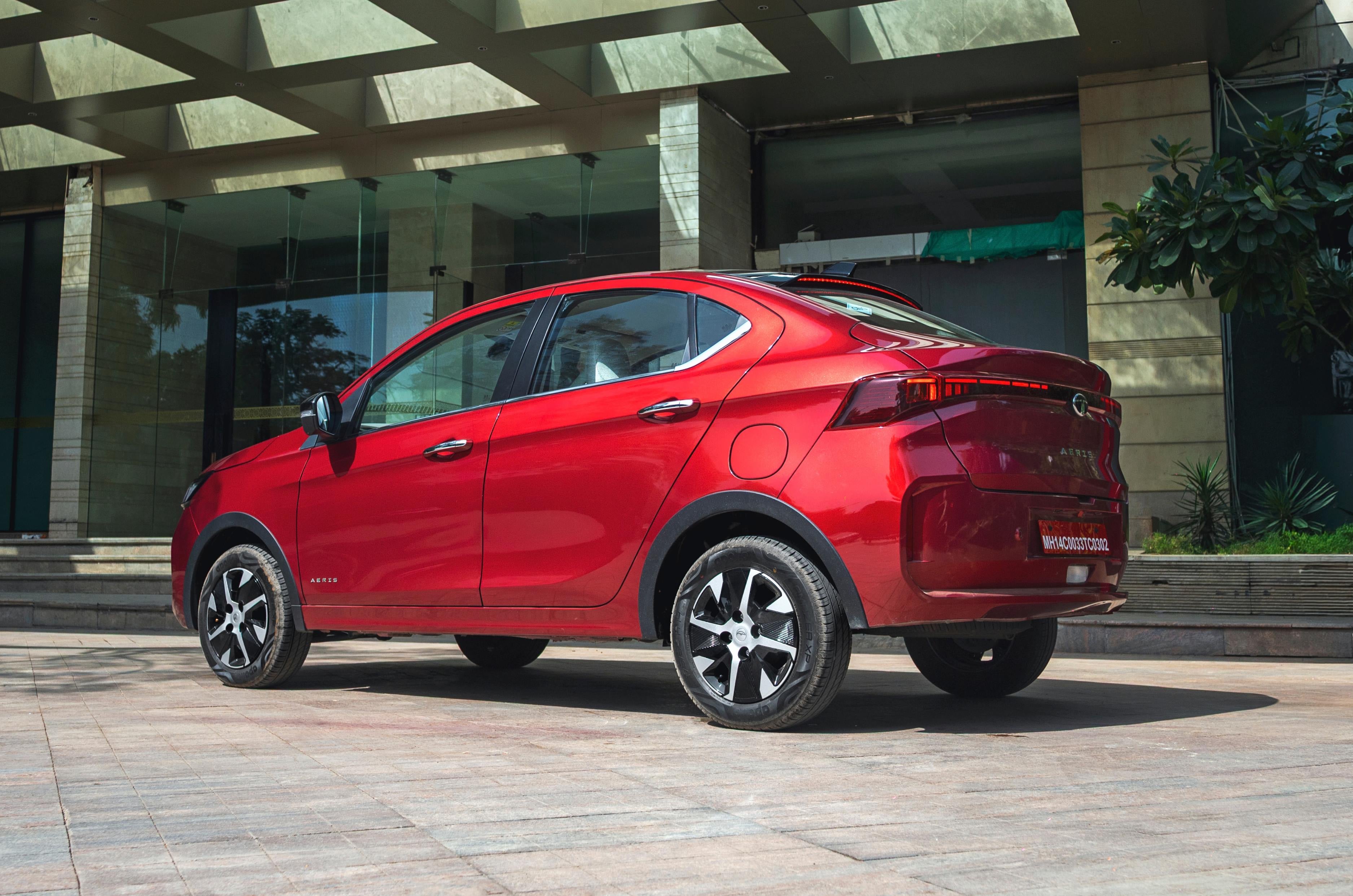
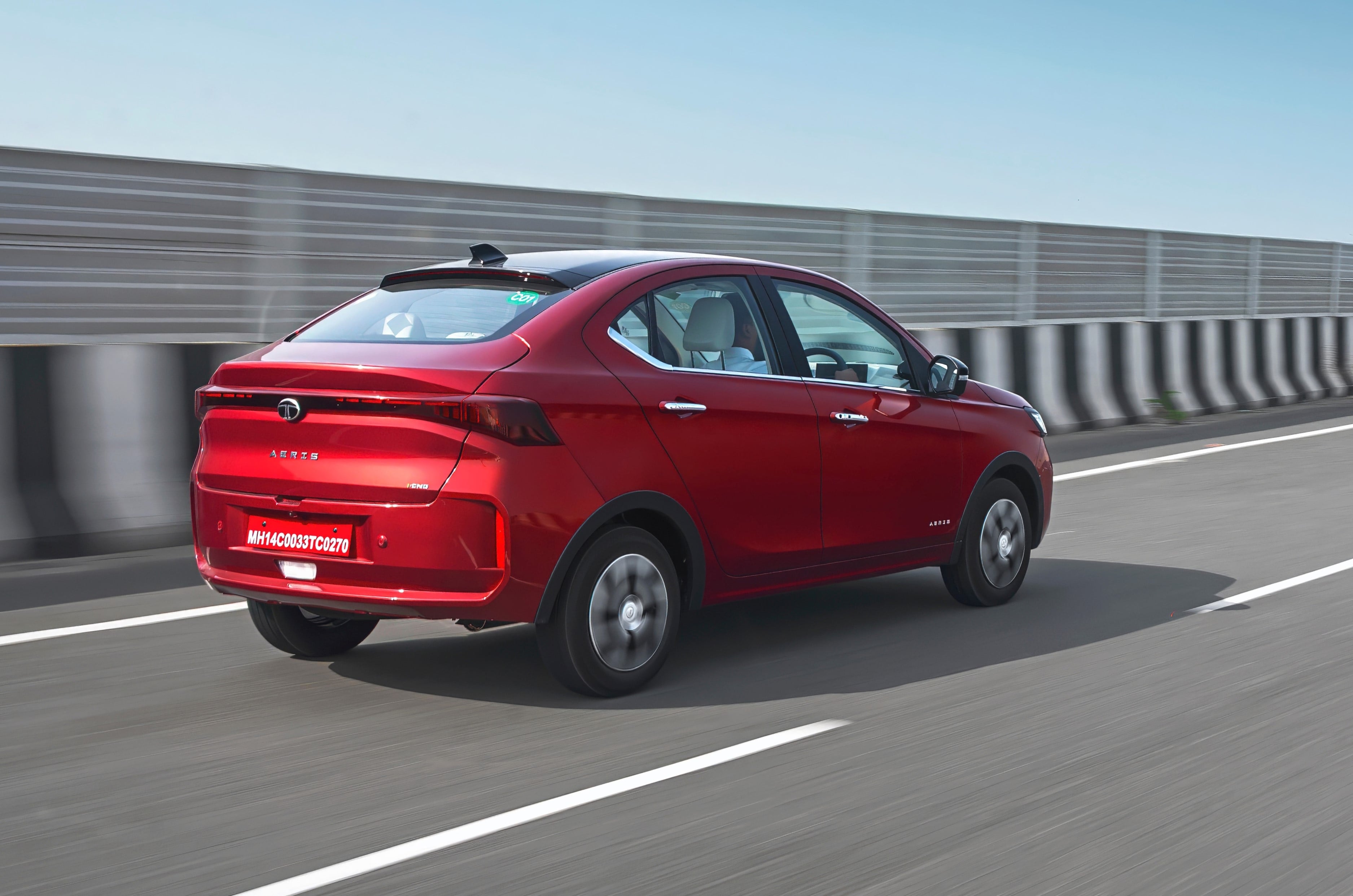
The Aeris retains the Tigor’s distinct coupe-like roof that flows into the tail. The rear features segmented LED taillights joined by red plastic trim, and new Aeris lettering on the centre of the tailgate. The rear bumper features a reverse light and has an overall clean design.
Tigor’s fastback-like sloping roofline is retained; new taillights make it appear larger.
The Aeris is 3,995mm long, 1,684mm wide and stands 1,532mm tall. It has a wheelbase of 2,450mm. These dimensions are similar to the older Tigor. While Tata has not quoted an official ground clearance figure, we found it adequate for broken roads and large speed breakers. All of this is expected to appeal to most buyers.
Tata Aeris iCNG interior space and comfort – 8/10
Lighter theme makes the cabin feel airy, and revised cushioning improves seat comfort
The dashboard looks minimalistic, and the lighter theme makes the cabin feel airy.
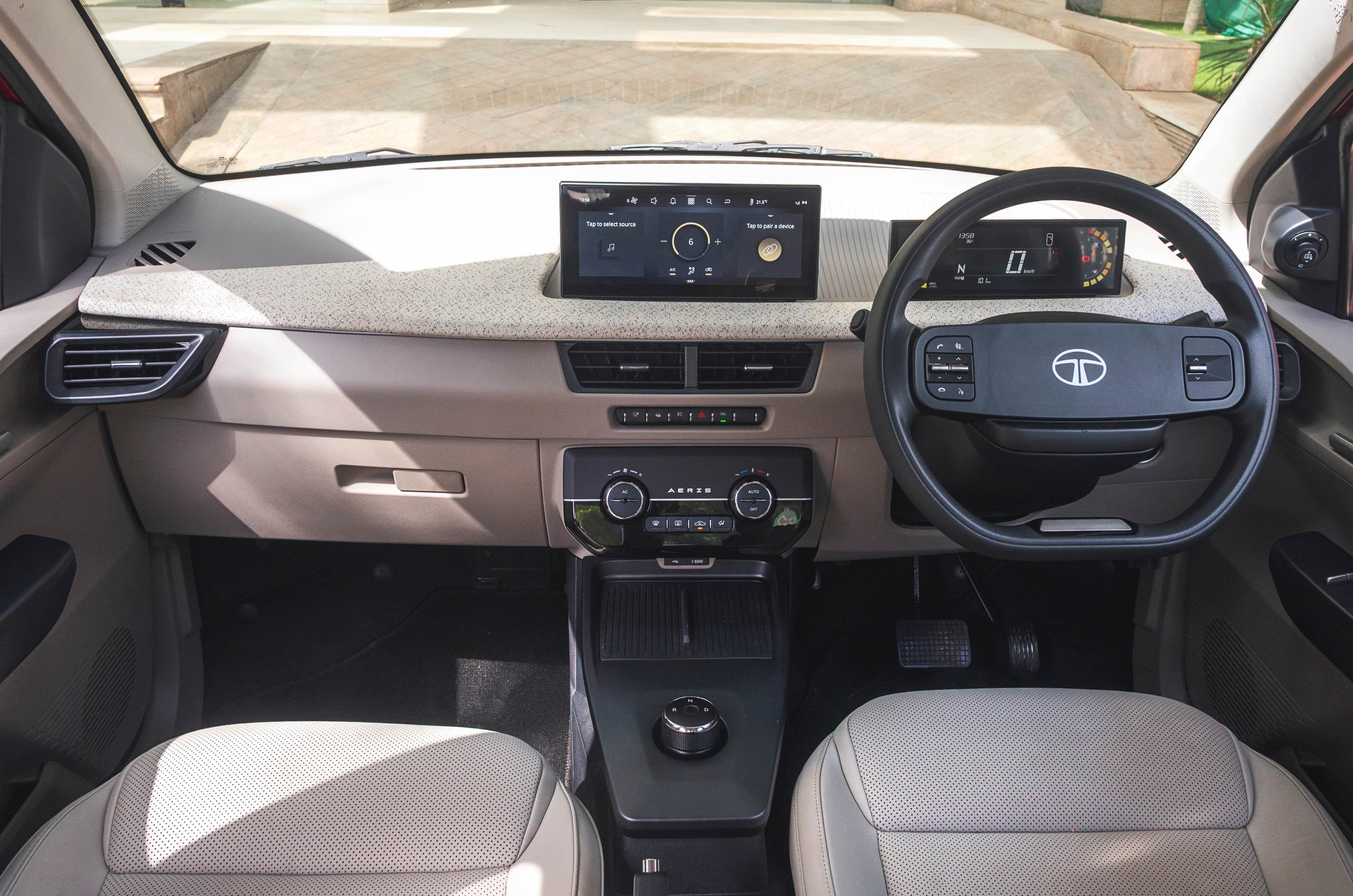
The Tata Aeris’ interior layout is the same as the Tiago and looks neat. The lighter beige theme makes the cabin feel airy. However, this same thing might make it difficult to keep the interior spick and span. The dashboard has a clean look, featuring two free-standing displays and a revised 2-spoke steering wheel.
The rotary dial does not have illuminated drive modes, but operating it is a breeze.
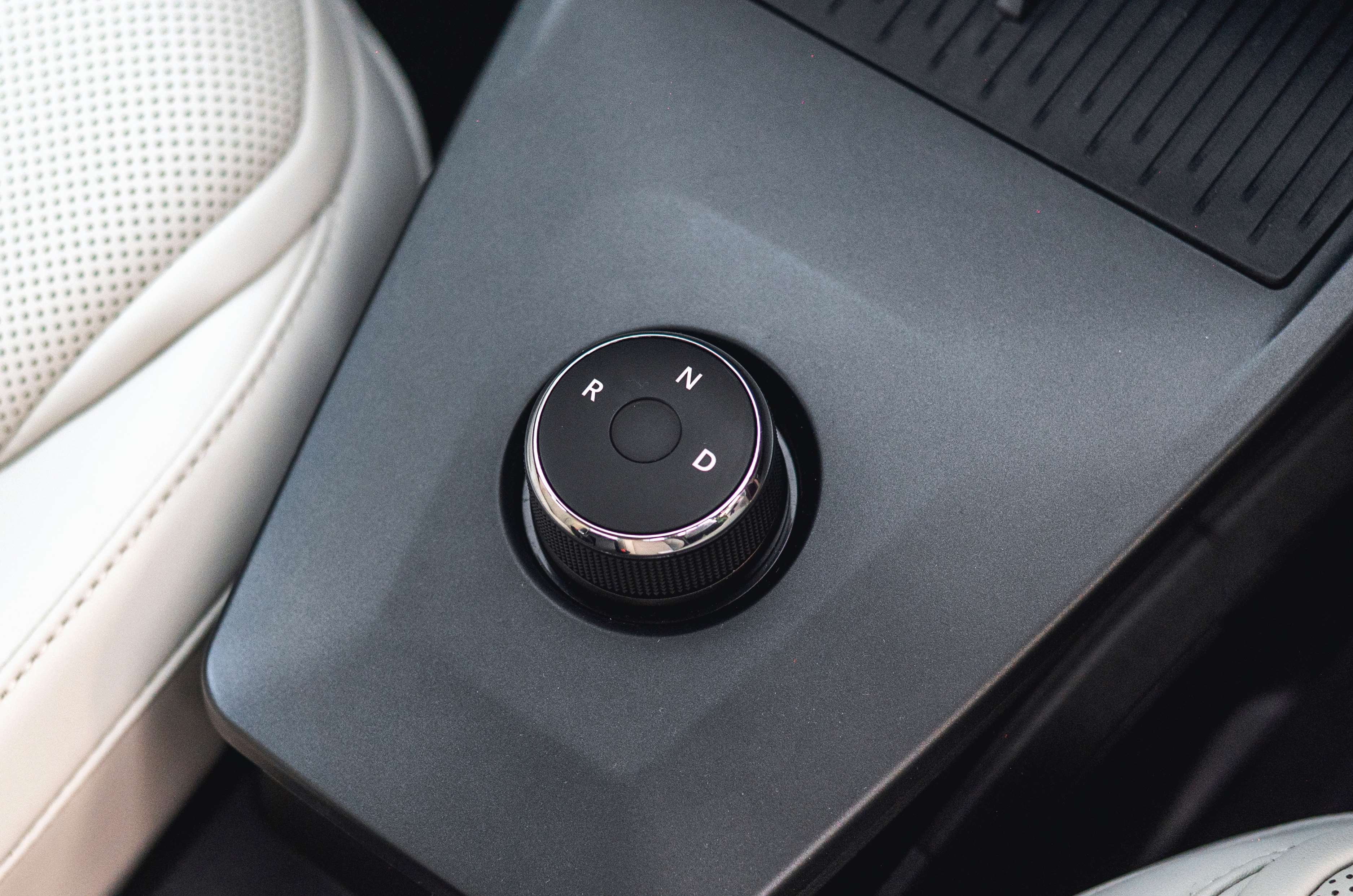
The manual variants feature a new, more premium-looking gear stalk, while the AMT variants get a cleaner-looking rotary drive selector with N (neutral), D (drive) and R (reverse) modes. The rotary dial does not feel finicky, and the modes switch seamlessly. One complaint, however, is that the drive modes (N, D and R) are not illuminated, which means you rely on the instrument cluster to know which mode is selected.
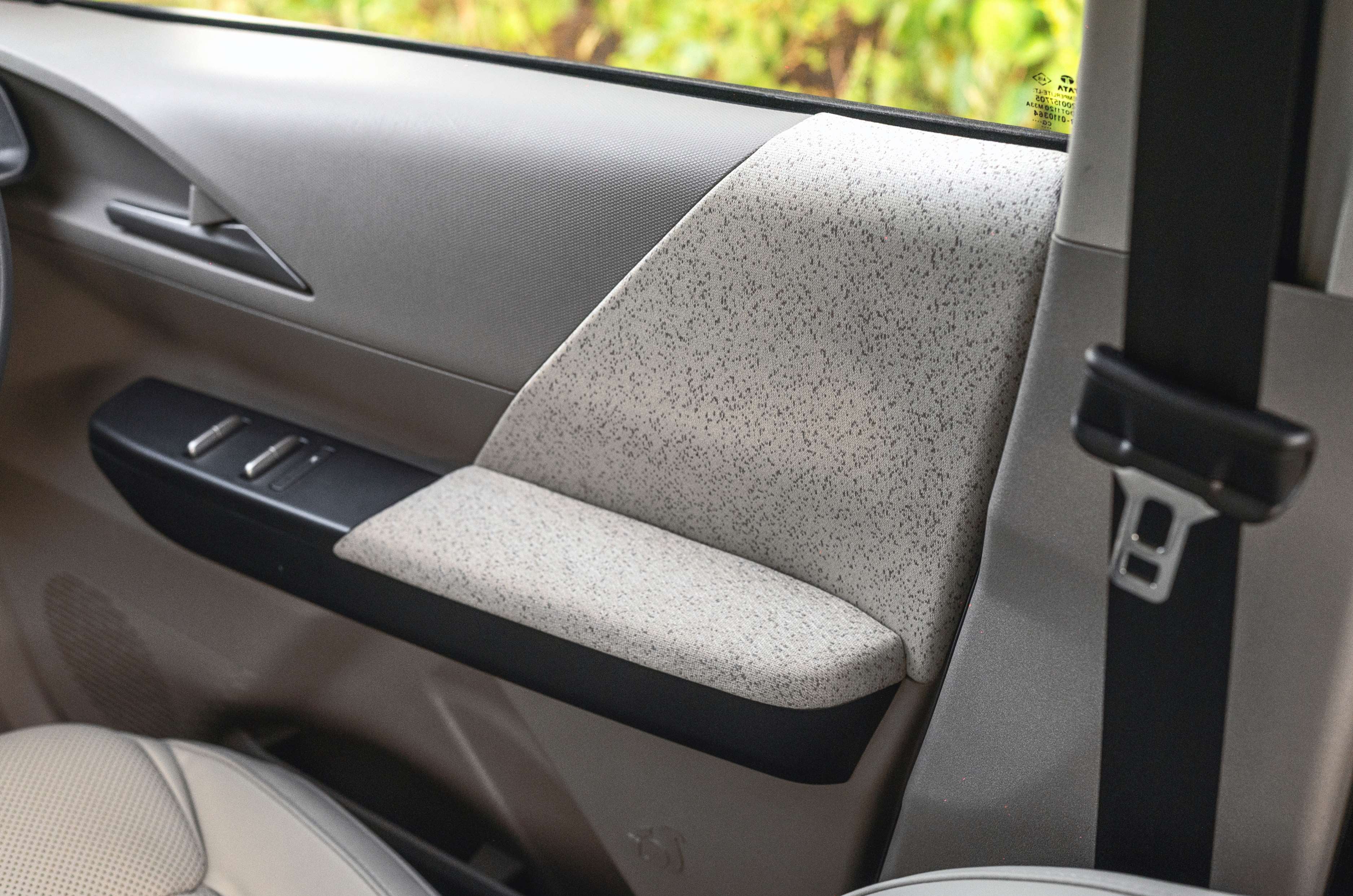
The Aeris gets floating door handles like on the Sierra, which feel sturdy.
The centre console has also been thoroughly redesigned for a cleaner look and a more practical application. It features two rubberised pads to keep phones, one of which gets wireless charging capability in the top-spec Accomplished trim. The centre console also features two cupholders and a leatherette-wrapped centre armrest which integrates a decent cubby space. The doors have floating-style handles integrated with the armrest, which feel sturdy.
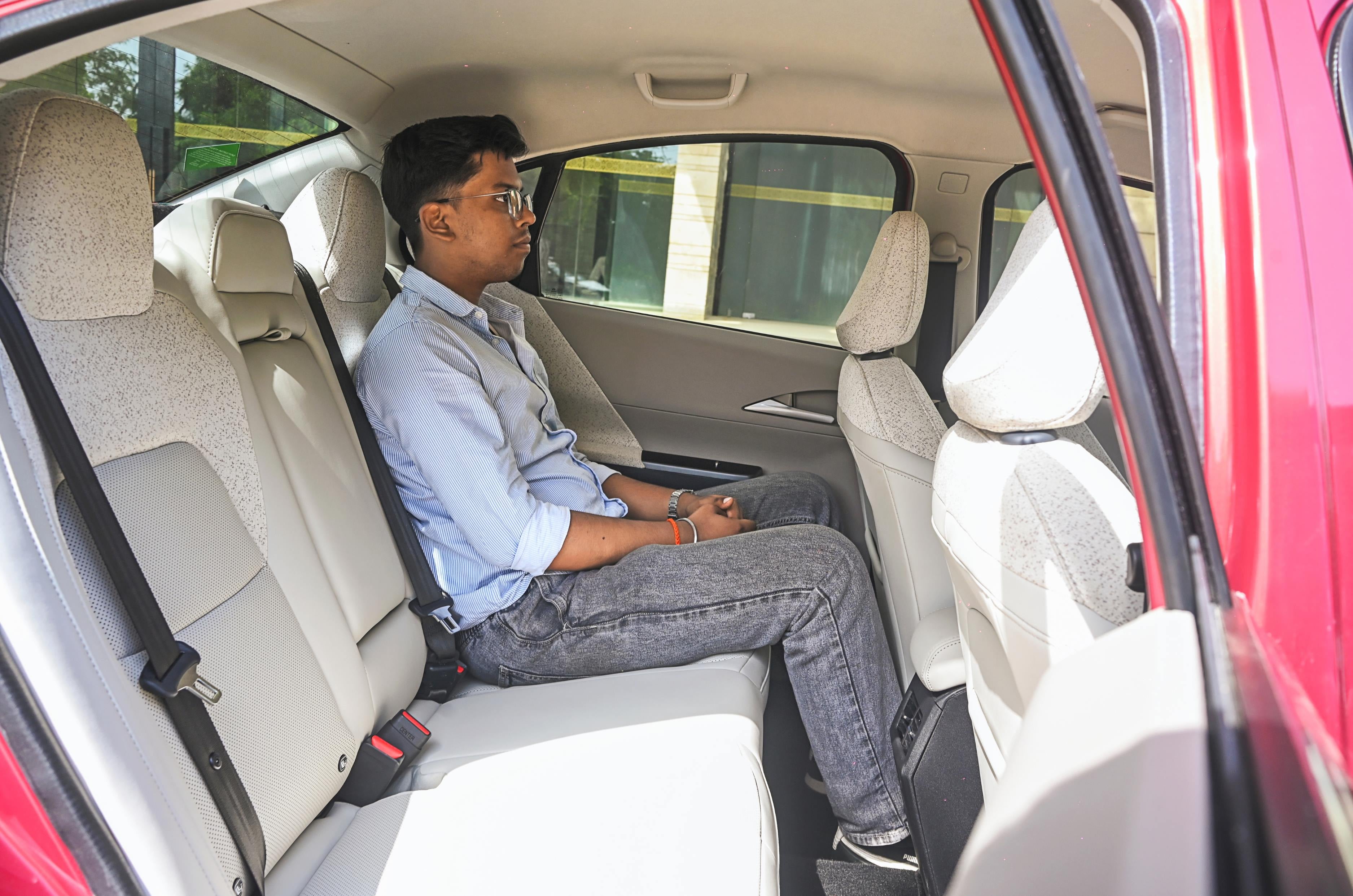
Legroom and kneeroom won’t be an issue for most, but taller passengers could feel the headroom is tight.
The seats feature revised cushions and bolsters that have increased the overall comfort and are wrapped in a part leatherette upholstery that feels premium. The rear seats are comfortable as well and offer good legroom and kneeroom. The headroom, however, could be an issue for passengers over 6 feet tall. The rear passengers benefit from dedicated air vents and a 65-watt Type-C charger. These seats get fixed headrests.
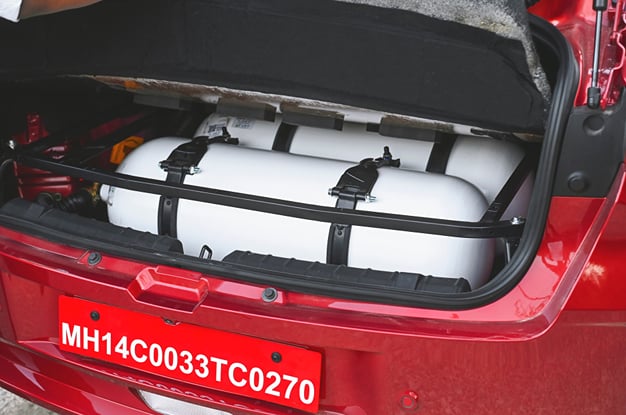
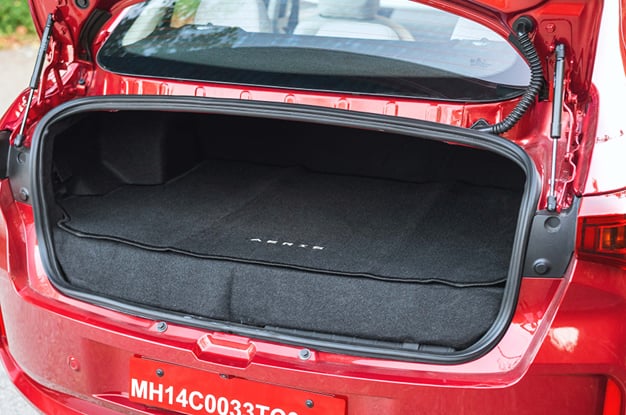
Aeris CNG’s boot space figure is not revealed, but could be similar to the Tigor CNG’s 227-litre space.
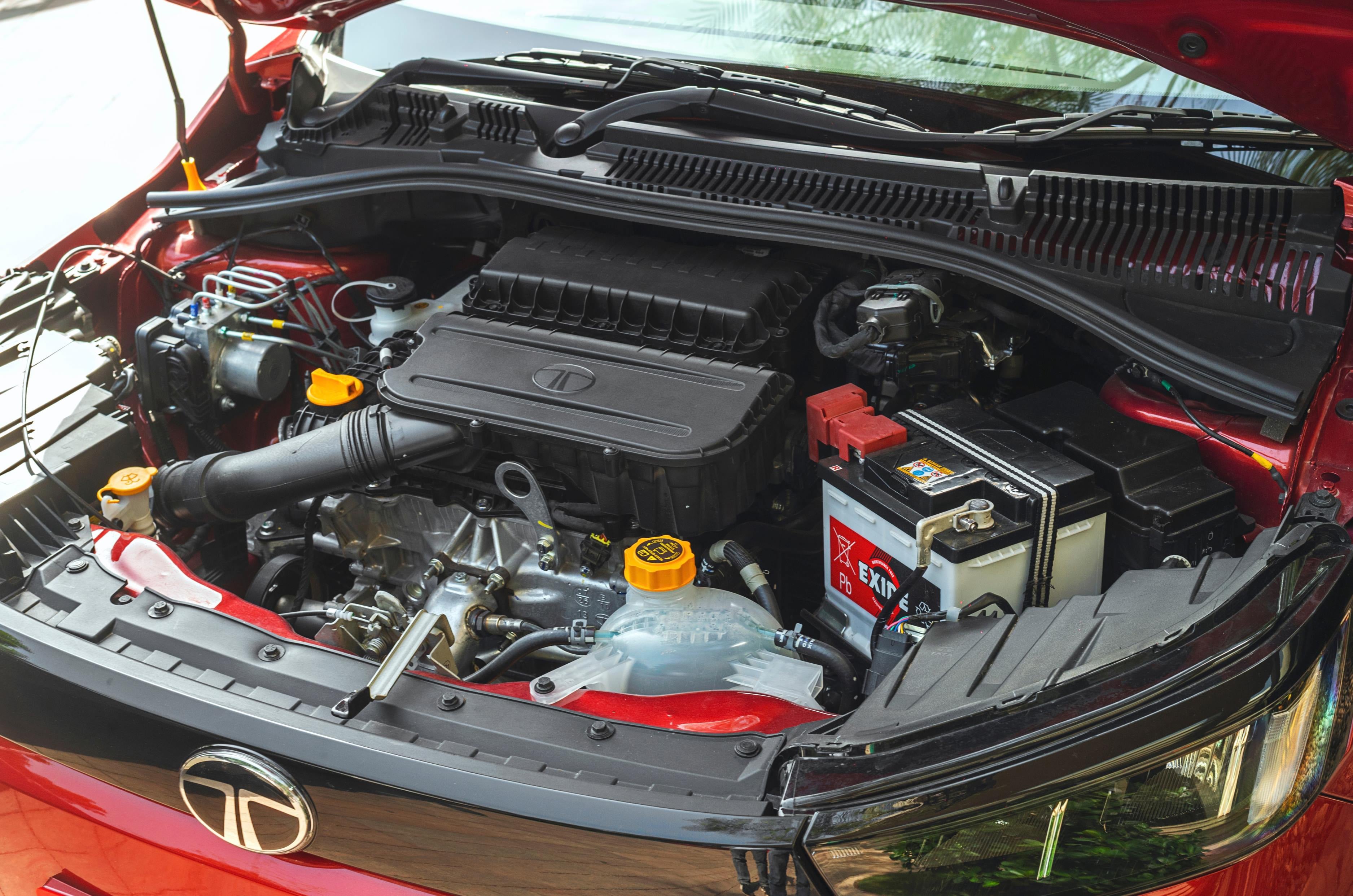
The Aeris iCNG gets a dual-cylinder tank setup inside the boot, unlike its rivals that use a single CNG tank and are left with very little usable boot space. Despite the additional tank, the Aeris has enough room for a couple of backpacks and a small luggage bag. Tata also offers a 13-inch underbody-mounted spare wheel, which is more useful than a puncture repair kit.
Tata Aeris iCNG features and safety – 9/10
Gets a lot of modern-day features, some of which could have better integration
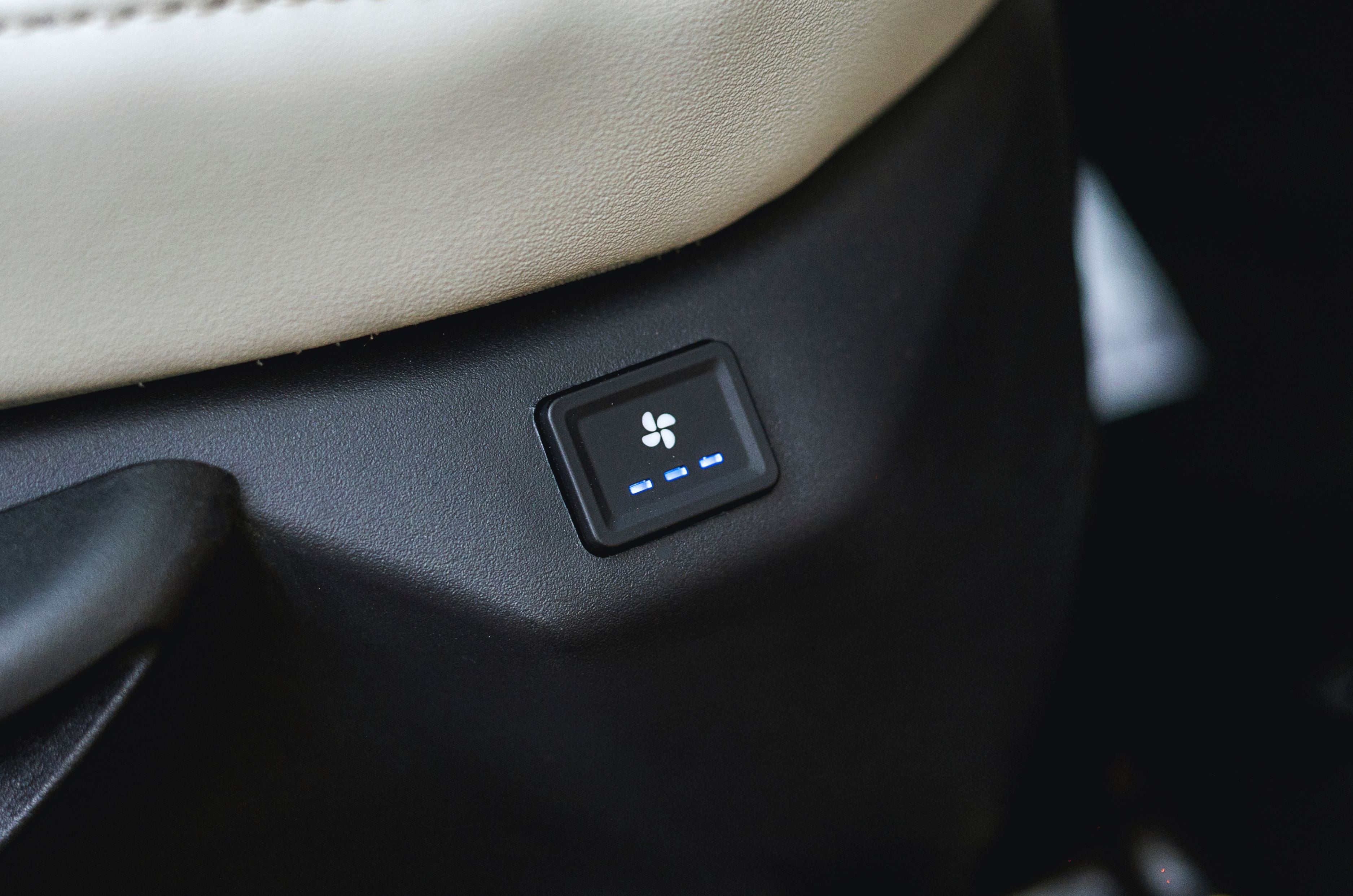
Segment-only ventilated seats cool effectively and mark a step up in the comfort quotient.
Like other Tata cars, the Aeris is filled with features to the brim. It debuts a front seat ventilation function for the compact sedan segment, which is offered with the Aeris’ top Accomplished trim. During our drive, the seat ventilation was very effective in cooling the cabin in Faridabad’s near 40deg ambient temperature. However, there’s no confirmation on the infotainment system or the driver’s display when the feature is engaged or the ventilation level is changed.
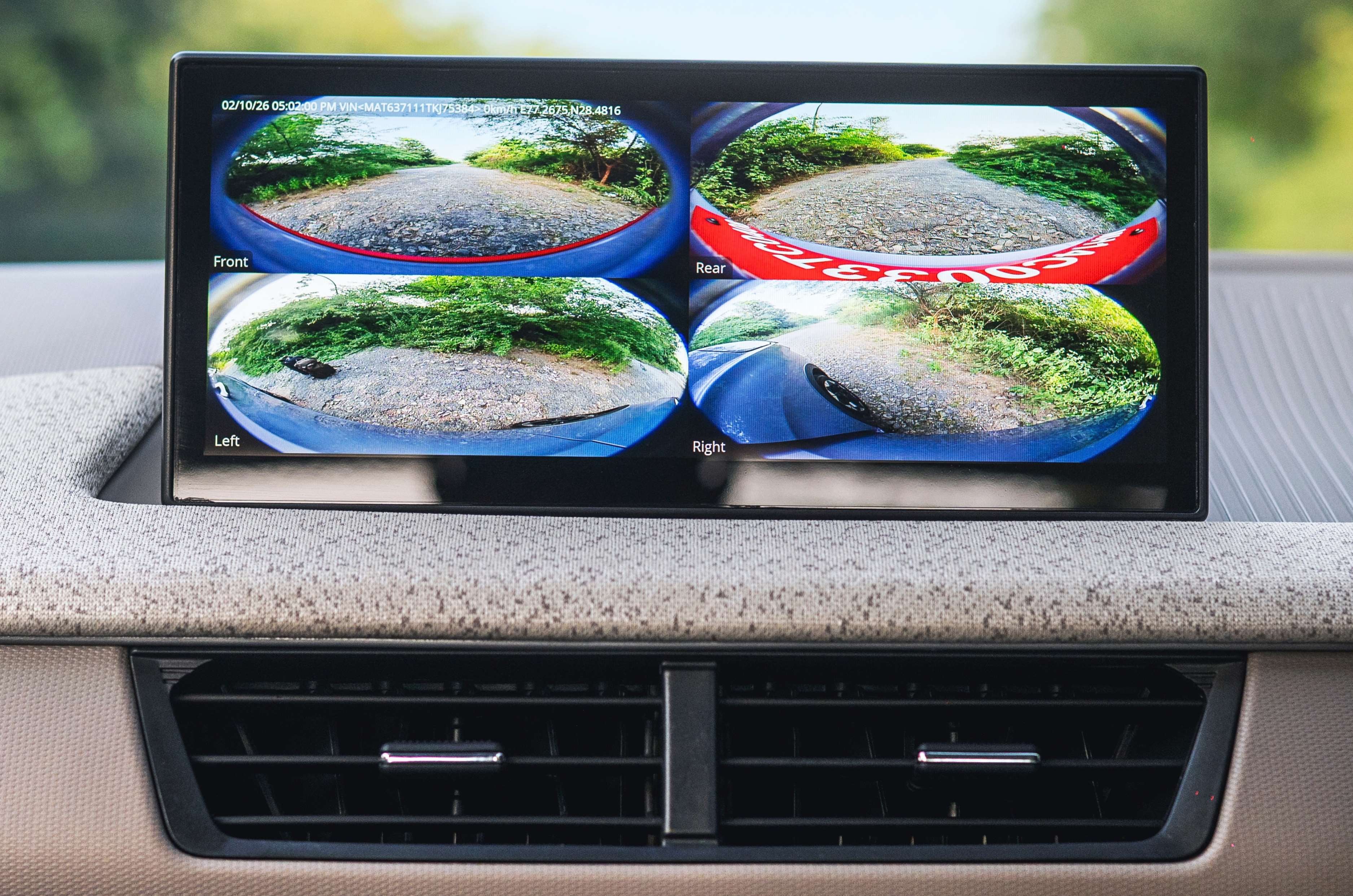
360-degree camera system has a crisp feed and can record the surroundings.
A 10.25-inch infotainment touchscreen is the same as before, which remains slick to use and has no lag even when browsing through multiple menus. The user interface (UI) is also easy to get used to. The Aeris continues with a 360-degree camera setup that is also lag-free and works well even in low-light conditions. Tata has added a new DVR feature, which allows the surround-view cameras to double up as a dashcam and record the surroundings of the car. These recordings can be stored and accessed either on the infotainment touchscreen or a USB drive, and can also be seen on a phone via a QR code.
The instrument cluster has a retro theme and displays all the important driving data, but the steering wheel’s tilt angle and the driver’s seating position sometimes obscure certain details. The steering wheel lacks the leatherette wrap offered with the Tigor, but feels nice to hold nevertheless. The wheel is now free of the Tigor’s scratch-prone gloss black trim and thankfully retains physical controls. It also gets cruise control, but only with the manual variants.
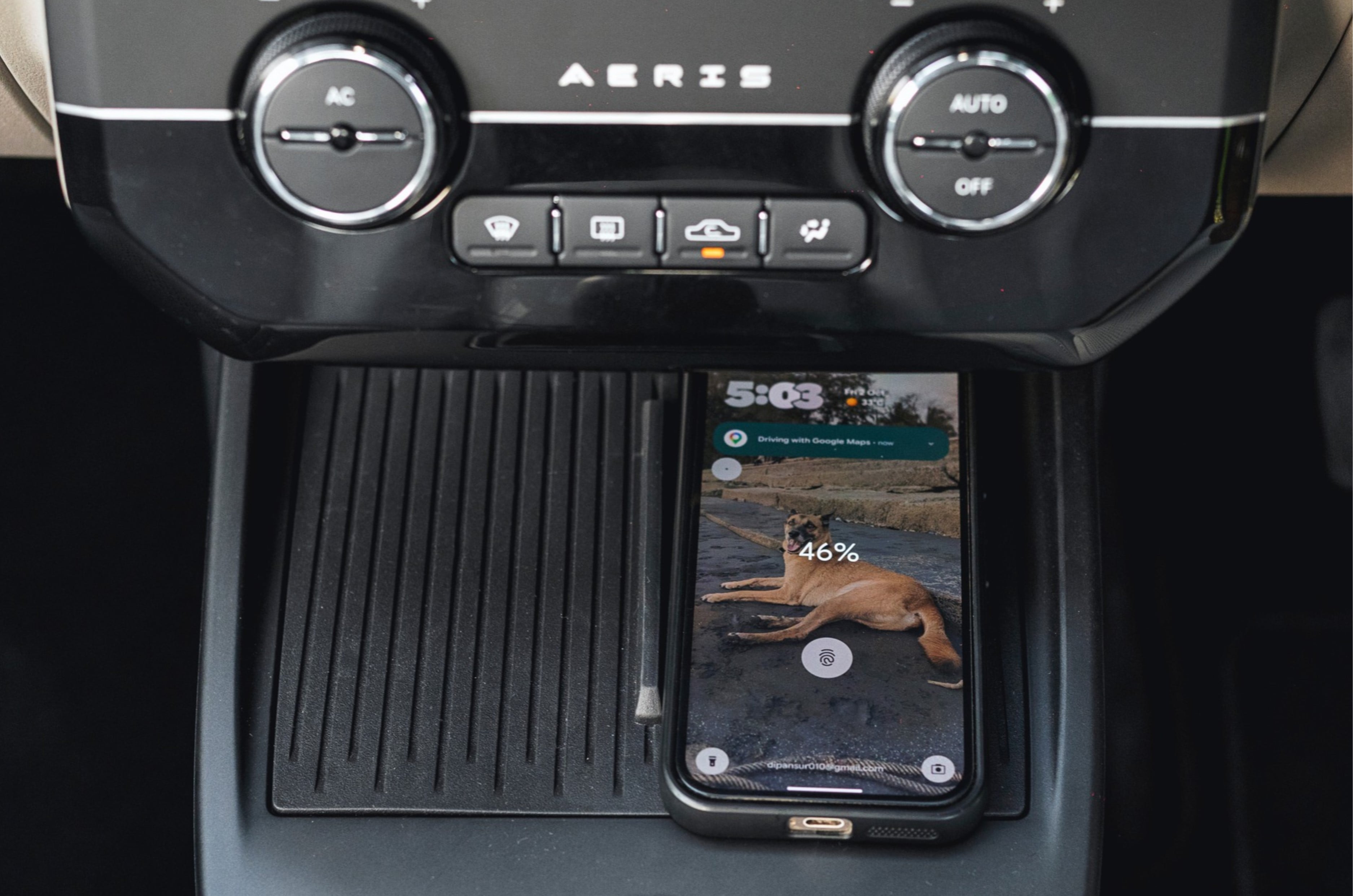
The wireless charger works well, but tends to make the phone hot during prolonged use.
The 4-speaker, 2-tweeter audio system is a step down from the Tigor’s 4-speaker, 4-tweeter setup, although sound quality is still good enough for the price. Certain features also could have been integrated better. The wireless charging pad can also heat up phones, particularly during extended use. Cooling vents near the pad could have fixed the issue. The infotainment system switches to the blind-spot monitor every time the indicators are used, which can be annoying when following navigation. The rear seats also lack pressure sensors, so the seatbelt warning continues to chime until the belts are fastened.
Standard safety features include 6 airbags, ISOFIX child seat anchorages on the rear seats, rear parking sensors and 3-point seatbelts with reminders on all seats. Higher variants equip the Aeris with a 360-degree camera, a day/night inside rearview mirror (IRVM), rain-sensing wipers, rear defogger, a tyre pressure monitoring system (TPMS) and ESP with traction control. The pre-facelift Tigor received a four-star rating from Global NCAP in 2020, but the Aeris has yet to be tested by Bharat NCAP.
Tata Aeris iCNG performance and refinement – 6/10
Performance in the city is adequate, but it feels out of breath if pushed hard
The 3-cylinder engine is not the smoothest in the segment and the NVH levels are also not the best.
The Tata Aeris continues with the Tigor’s 1.2-litre, three-cylinder naturally aspirated engine, producing 76hp and 97Nm in CNG guise. It is offered with a five-speed manual and a five-speed AMT, and we drove the latter.
At city speeds, the engine has enough performance to keep up with traffic, but the CNG-AMT combination is not particularly responsive. There is a noticeable pause between pressing the accelerator and the powertrain responding, which becomes more evident when you need to accelerate quickly.
Performance is adequate in the city, but it feels out of breath during overtakes.
The AMT also makes starts from standstill quite jerky, which can get tiresome in stop-and-go traffic. Once up to speed, however, the Aeris settles into a relaxed rhythm and is comfortable enough when driven at a steady pace. The AMT also gets paddle shifters for manual gear changes, which are useful when you want more control over the gearbox, particularly during overtakes.
On the highway, the lack of response is more noticeable, particularly when overtaking. The Aeris can maintain triple-digit speeds, but building speed takes time, and overtaking requires some planning. The rotary gear selector itself, however, as mentioned above, is neat and easy to use.
As you start driving, the vibrations from the 3-cylinder engine are ironed out till you reach 2,500rpm.
Refinement is another weak point. Refinement is another weak point. The engine feels generally smooth when driven gently, but above 2,500rpm, engine noise and vibrations become quite pronounced. Wind and road noise insulation isn’t particularly strong either, so the cabin gets fairly noisy at higher speeds.
Tata Aeris iCNG ride comfort and handling – 8/10
Has a commendable ride quality for a sedan on both rough roads and highways
Like other Tata cars, the suspension is well tuned to Indian conditions.
The Aeris is particularly impressive over poor roads. The suspension does a good job of absorbing broken surfaces and larger bumps without unsettling the car, while the ground clearance is adequate for tackling rough roads and large speed breakers. Despite being a sedan, it does not feel particularly vulnerable to bad roads.
Out on the highway, the Aeris is equally composed. It stays planted at triple-digit speeds and does not feel floaty or nervous when driven quickly. The steering is also nice to hold and offers decent feedback, although there is some vagueness around the centre that takes away a little from the confidence.
Tata Aeris iCNG mileage and efficiency
We expect it to offer a real-world mileage in the 25-30km/kg range
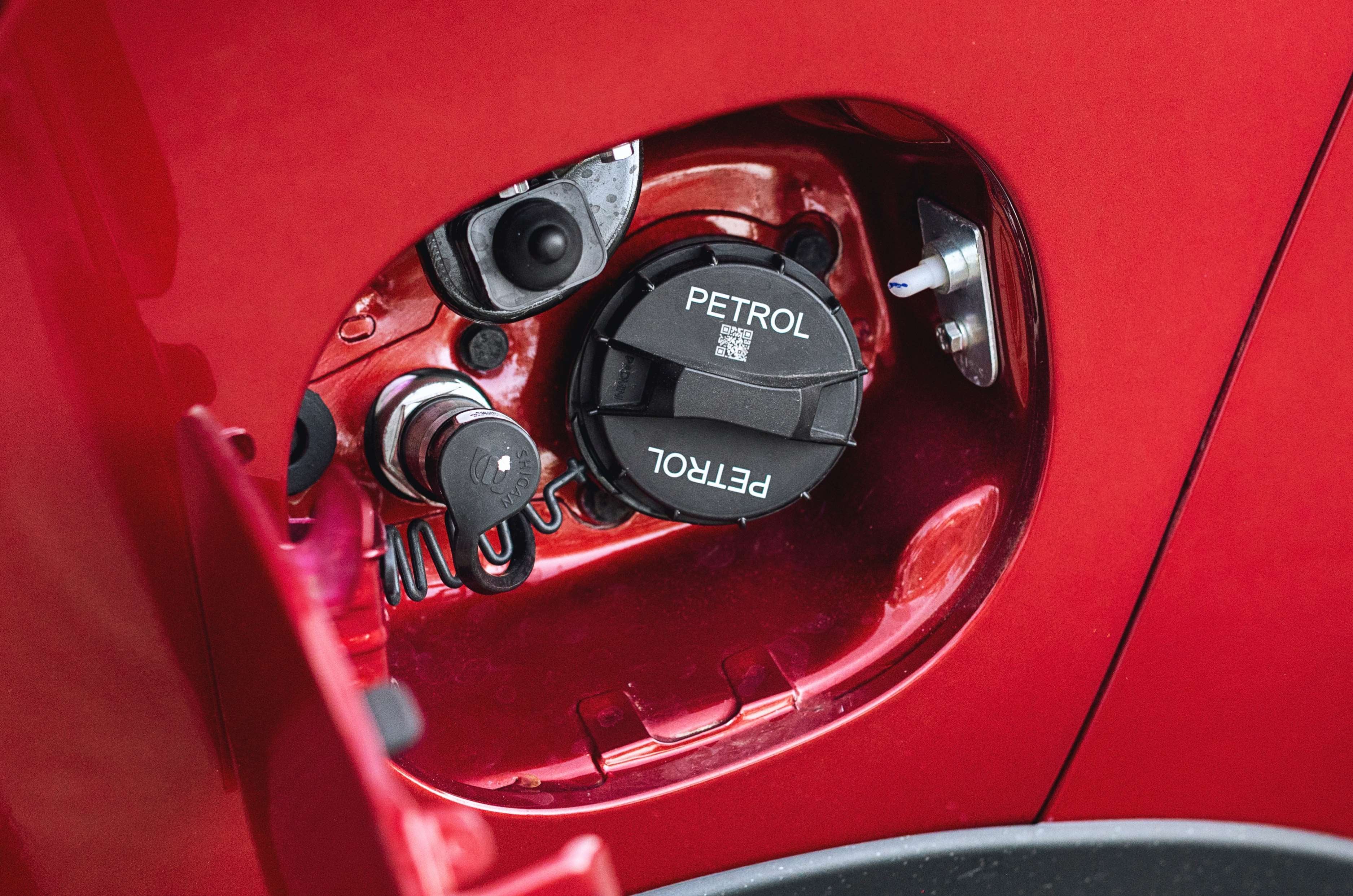
It kills the ignition whenever the fuel lid is opened, offering a layer of safety while filling fuel.
While we haven’t put the Aeris iCNG through our full test yet, its CNG powertrain should make it considerably more economical to run than the petrol version. Tata is yet to reveal an official efficiency figure, but we expect real-world mileage to be in the 25-30km/kg range. We’ll bring you our tested mileage figures once we put the Aeris iCNG through our standardised test procedures.
Tata Aeris iCNG value for money – 8/10
CNG buyers don’t have to compromise on features, but the AMT isn’t ideal
The Aeris CNG offers good value, but AMT should be chosen only if city driving is a priority.
The Aeris, priced from Rs 5.70 lakh to Rs 9.10 lakh (ex-showroom), is a more convincing compact sedan than the Tigor ever was. Its modern design, well-equipped cabin, comfortable ride and, most importantly, useful boot space despite the CNG setup give it plenty going for it. The fact that Tata offers the CNG powertrain with higher-spec variants also means buyers don’t have to sacrifice features for lower running costs.
The CNG-AMT powertrain, however, takes some shine off the package. The slow responses, jerky starts and excessive NVH at higher revs make it better suited to relaxed city driving than frequent highway use. Even so, for buyers looking for a practical and well-equipped CNG sedan, the Aeris does make a stronger case than its predecessor and even against its rivals.
Retail sales of electric passenger vehicles reached a new monthly high of 35,995 units in September 2026, up 94 percent from the same month last year and marking the fourth consecutive month with sales above 30,000 units. Tata Motors retained the top spot with 14,769 units and a 41 percent market share, while Kia moved ahead of Maruti Suzuki to take fifth place. H1 FY2027 EV sales now stand at 1,90,946 units, up 88 percent year on year, putting the industry within 29,971 units of the full-year FY2026 tally.
September 2026 EV sales
Rank
OEM
Sep 2026
Sep 2025
YoY change
Market share
1
Tata Motors
14,769
7,353
101%
41.03%
2
Mahindra & Mahindra
7,779
3,972
96%
21.61%
3
JSW MG Motor India
5,242
4,800
9%
14.56%
4
Vinfast India
2,963
6
49,283%
8.23%
5
Kia India
1,263
598
111%
3.50%
6
Maruti Suzuki India
1,103
–
–
3.06%
7
BYD India
836
732
14%
2.32%
8
Hyundai Motor India
792
404
96%
2.20%
9
BMW India
502
369
36%
1.39%
10
Tesla
291
69
322%
0.80%
11
Toyota Kirloskar Motor
218
–
–
0.60%
12
Mercedes-Benz India
125
137
-9%
0.34%
13
Stellantis India
55
47
17%
0.15%
14
Volvo India
45
24
88%
0.12%
15
Porsche India
11
8
38%
0.03%
16
JLR India
1
0
–
0.00%
17
Audi India
0
0
–
0.00%
18
Lotus
0
0
–
0.00%
19
Rolls-Royce
0
1
-100%
0.00%
Total
35,995
18,520
94%
100%
Tata Motors
14,769 units, up 101 percent YoY
Tata Motors sold 14,769 electric passenger vehicles in September, up 101 percent from 7,353 units in the same month last year. This was the company’s highest monthly EV sales yet, surpassing the previous record of 14,388 units in July. September was also its fourth consecutive month with sales above 12,000 units.
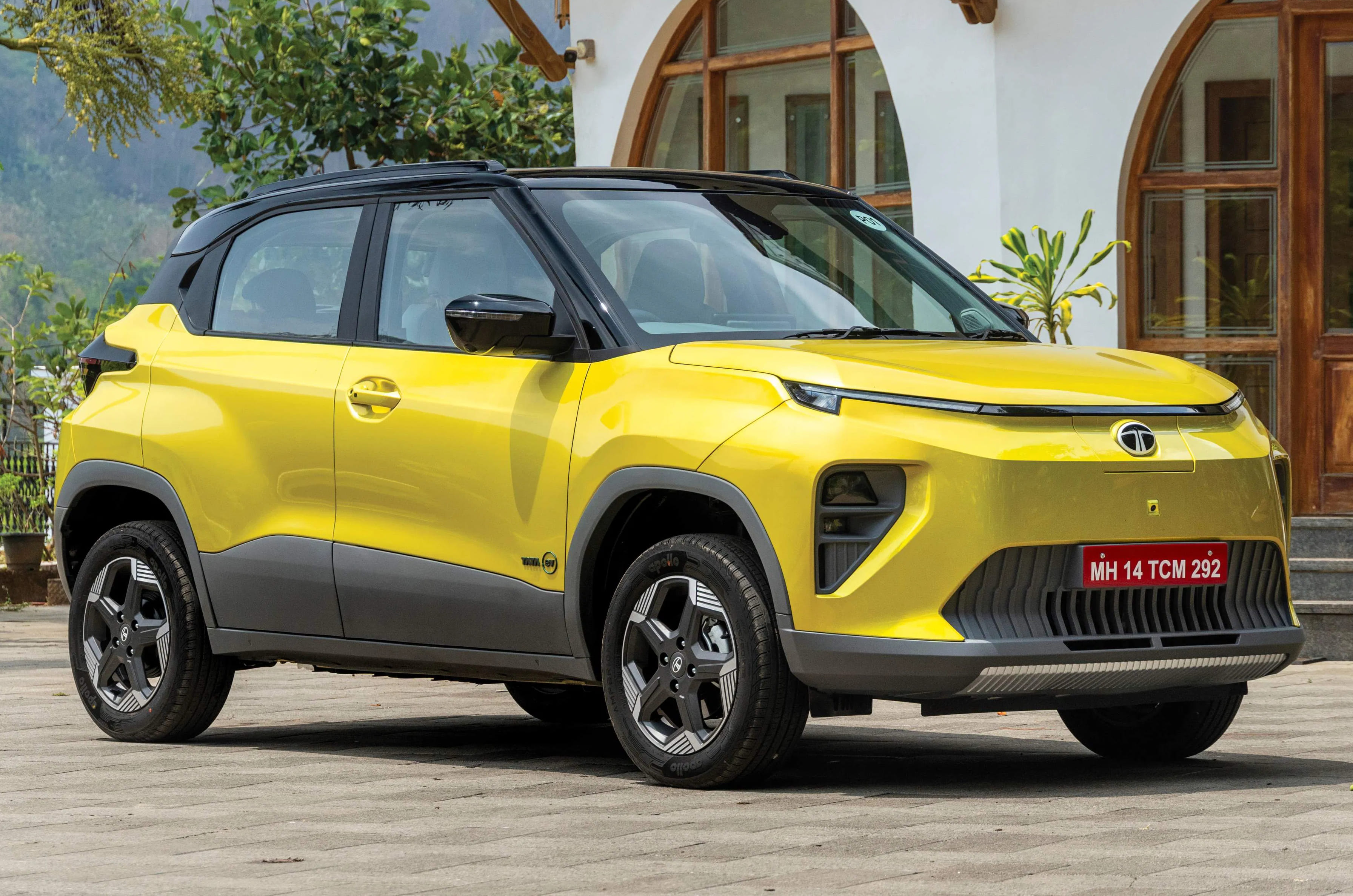
Tata’s EV market share stood at 41.03 percent, up from 39.70 percent in September 2025. The Nexon EV remains its biggest volume driver, while the updated Tiago EV and Punch EV have also contributed to sales. During the month, Tata also extended its Battery-as-a-Service (BaaS) offering to the Nexon EV, Curvv EV, Sierra EV and Harrier EV.
Mahindra
7,779 units, up 96 percent YoY
Mahindra sold 7,779 EVs in September, up 96 percent from 3,972 units a year ago. The company retained second place in the electric PV market, although its sales remained below the monthly record of 8,131 units set in July. Mahindra’s EV market share increased to 21.61 percent from 21.44 percent in September 2025. The BE 6 and XEV 9e continue to make up its main EV offering, while the XEV 9S adds a three-row model to the line-up. Mahindra also recently extended its Battery-as-a-Service (BaaS) ownership programme to the XEV 9S and the XEV 9e.
JSW MG Motor
5,242 units, up 9 percent YoY
JSW MG Motor recorded 5,242 EV sales in September, up 9 percent from 4,800 units a year earlier and 6 percent from August. The company retained third place, although its market share fell to 14.56 percent from 25.91 percent in September 2025.
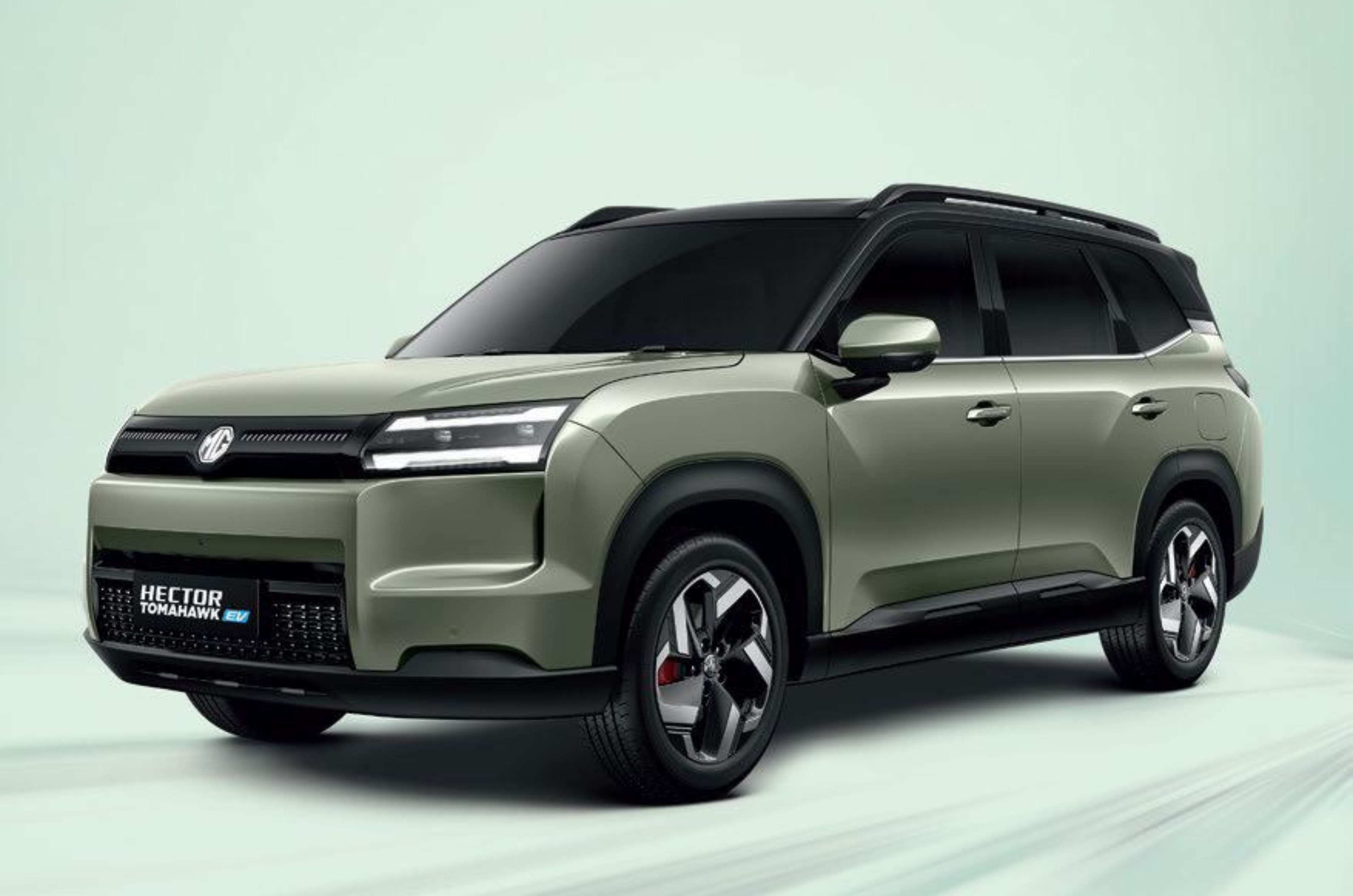
June remains MG’s best month so far, with 6,220 units. The Windsor EV continues to be its highest-selling model, while the recently launched Hector Tomahawk EV adds another model to its electric line-up. MG also has introduced a battery-as-a-service (BaaS) scheme for the Cyberster and M9 EVs.
Vinfast
2,963 units, up 49,283 percent YoY
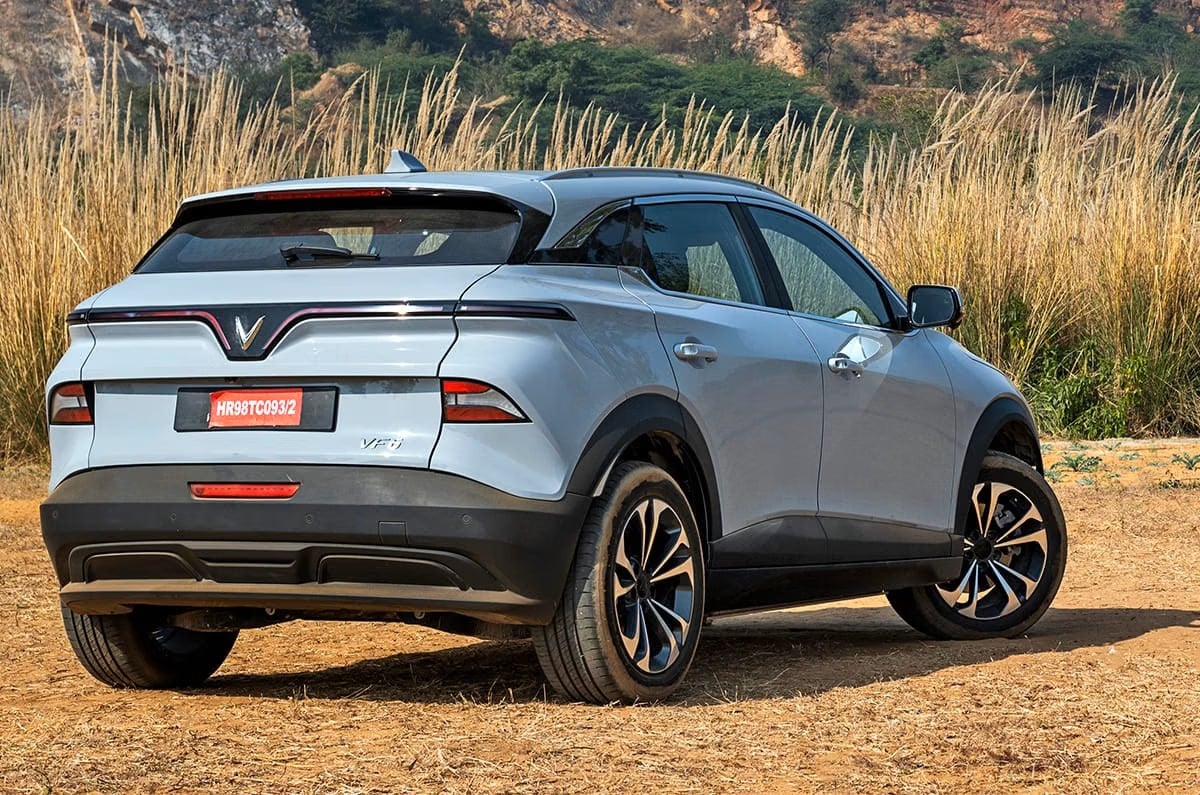
Vinfast retained fourth place with 2,963 EVs sold in September, its highest monthly sales since entering India’s electric passenger vehicle market. Sales were up 32 percent from August, giving the company an 8.23 percent market share.
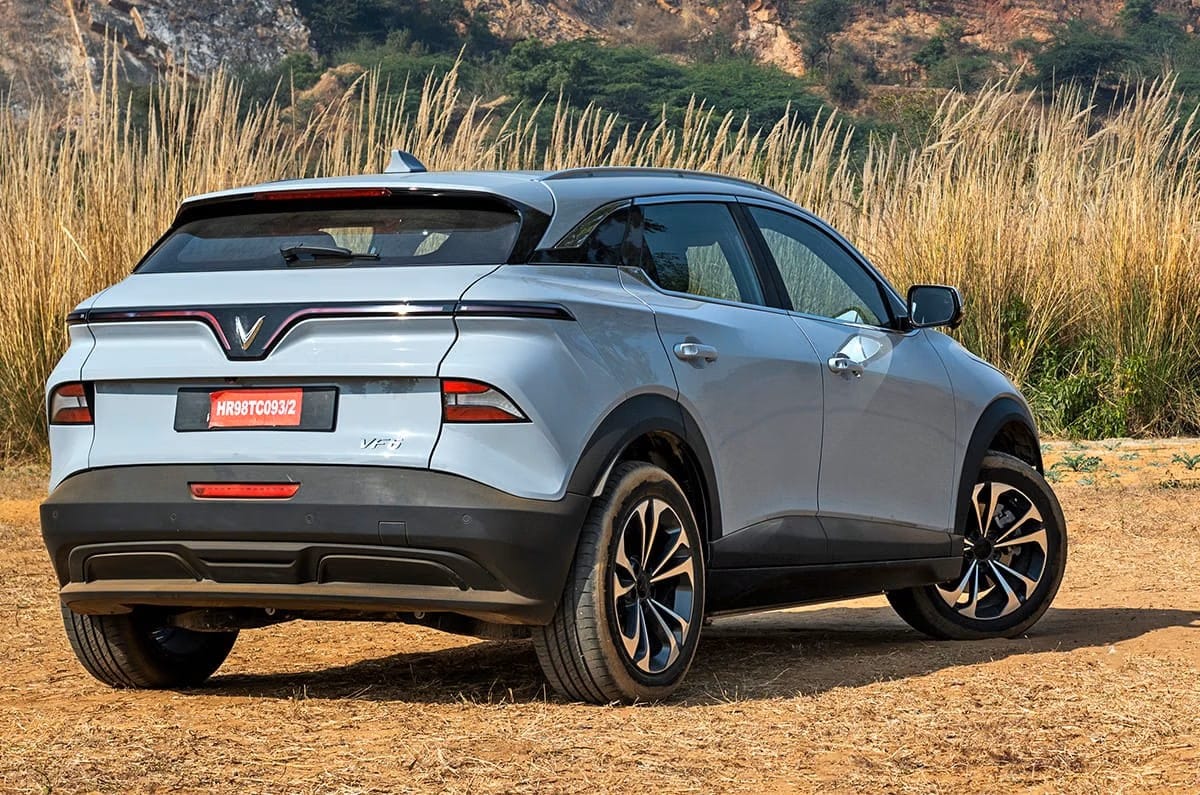
Vinfast currently has three models in its passenger vehicle portfolio: the VF6 and VF7 SUVs, and the VF MPV 7. Its cumulative H1 FY2027 sales stand at 10,826 units.
Kia
1,263 units, up 111 percent YoY
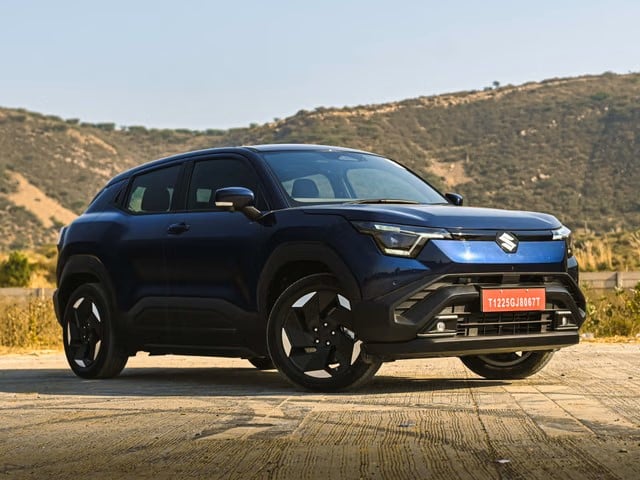
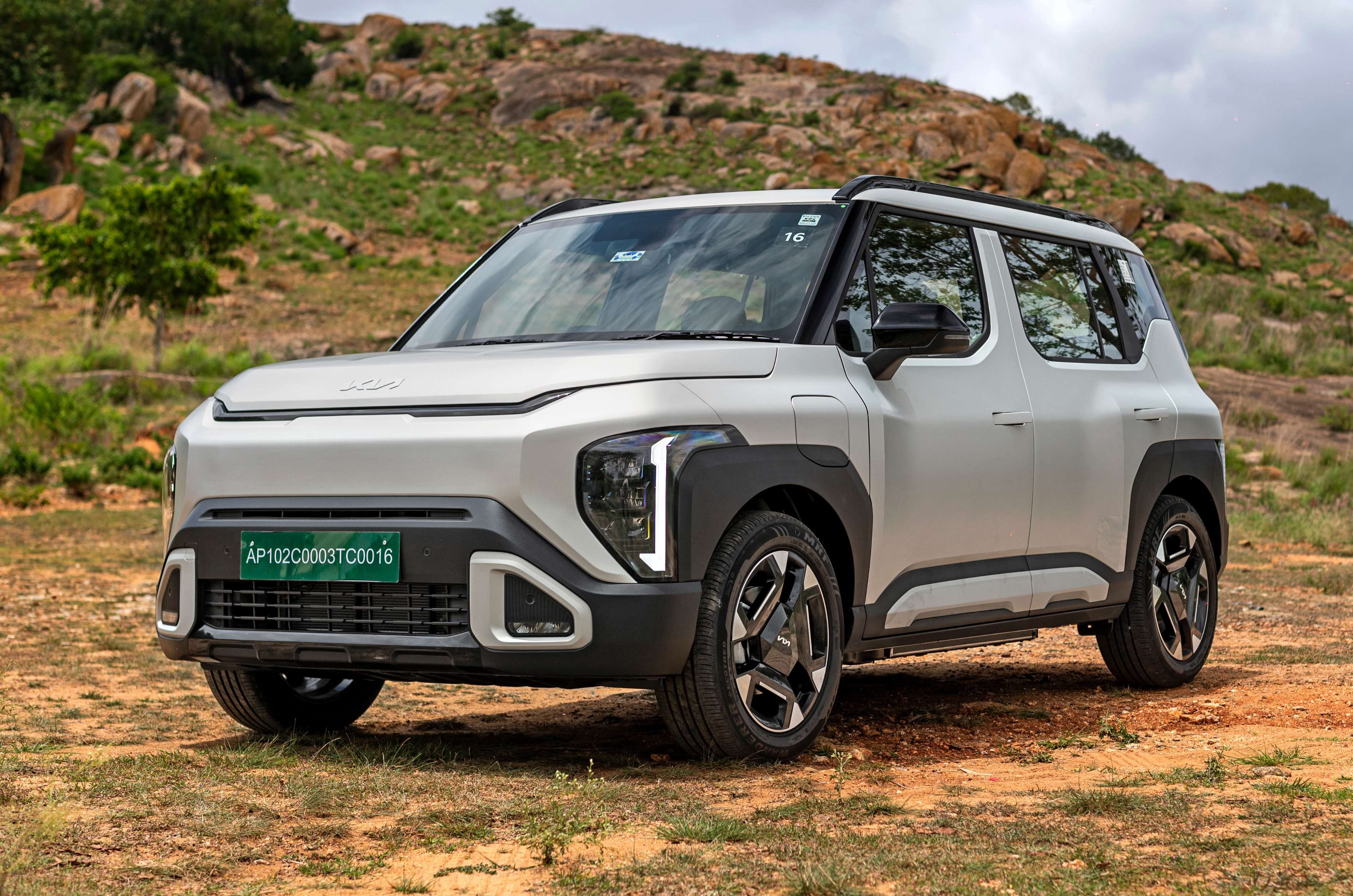
Kia moved ahead of Maruti Suzuki to take fifth place in September after recording 1,263 EV sales, up 111 percent from 598 units in September 2025. Sales also increased 48 percent from August’s 851 units. Kia’s EV market share increased to 3.50 percent, compared with 3.22 percent a year earlier. The increase follows the launch of the Syros EV in August. Kia also sells the Carens Clavis EV in India, while the EV6 and EV9 are sold as fully imported models.
Maruti Suzuki
1,103 units
Maruti Suzuki slipped to sixth place, with 1,103 e Vitara units sold in September. Sales declined 25 percent from August’s 1,472 units, although September marked the company’s sixth consecutive month with four-digit EV sales. The e Vitara has so far seen limited domestic availability as a larger share of production was allocated for exports. Maruti is expected to increase domestic production with the start of operations at its new manufacturing line at the Hansalpur plant in Gujarat.
BYD
836 units, up 14 percent YoY
BYD sold 836 EVs in September, up 14 percent from 732 units in the same month last year. Its market share stood at 2.32 percent, down from 3.95 percent a year earlier. June remains BYD India’s highest-selling month so far, with 938 units. Its current line-up includes the Atto 3, eMax 7, Seal and Sealion 7, while the company has confirmed plans to launch the Seal U later this year.
Hyundai
792 units, up 96 percent YoY
Hyundai sold 792 EVs in September, up 96 percent from 404 units a year ago. This was its second-highest monthly sales tally in FY2027, after 840 units in August. The company sold a total of 3,650 EVs in H1 FY2027, down 8 percent from the 3,951 units sold in H1 FY2026. Hyundai currently has the Creta Electric and Ioniq 5 in its EV line-up.
Toyota
218 units
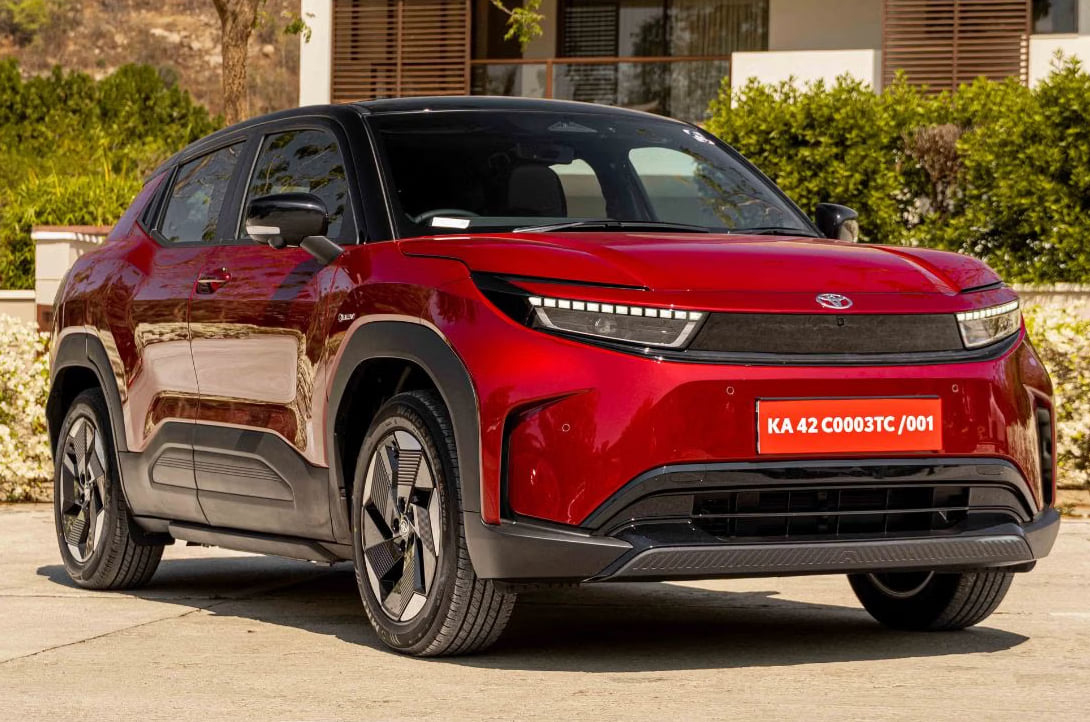
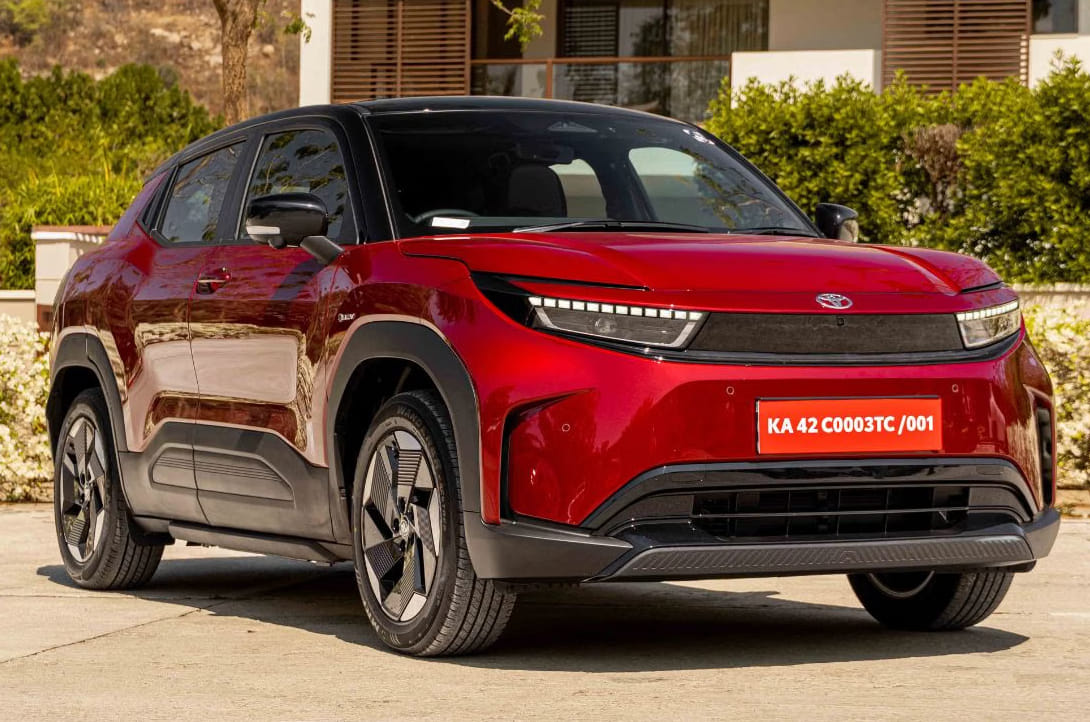
Toyota recorded 218 units of the Urban Cruiser Ebella in September, its highest monthly sales of the electric SUV since launch. Sales were up 30 percent from the 168 units sold in August. The Ebella is Toyota’s version of the Maruti e Vitara and is positioned against models including the Mahindra BE 6, Vinfast VF6, MG ZS EV, Hyundai Creta Electric and Tata Nexon EV.
Luxury EV sales hit new high
Luxury electric passenger vehicle sales also reached a new monthly high of 975 units in September, up 60 percent from 608 units a year earlier. This surpassed the previous record of 853 units set in June. Luxury EVs accounted for 2.70 percent of total electric passenger vehicle sales in September.
BMW
502 units, up 36 percent YoY
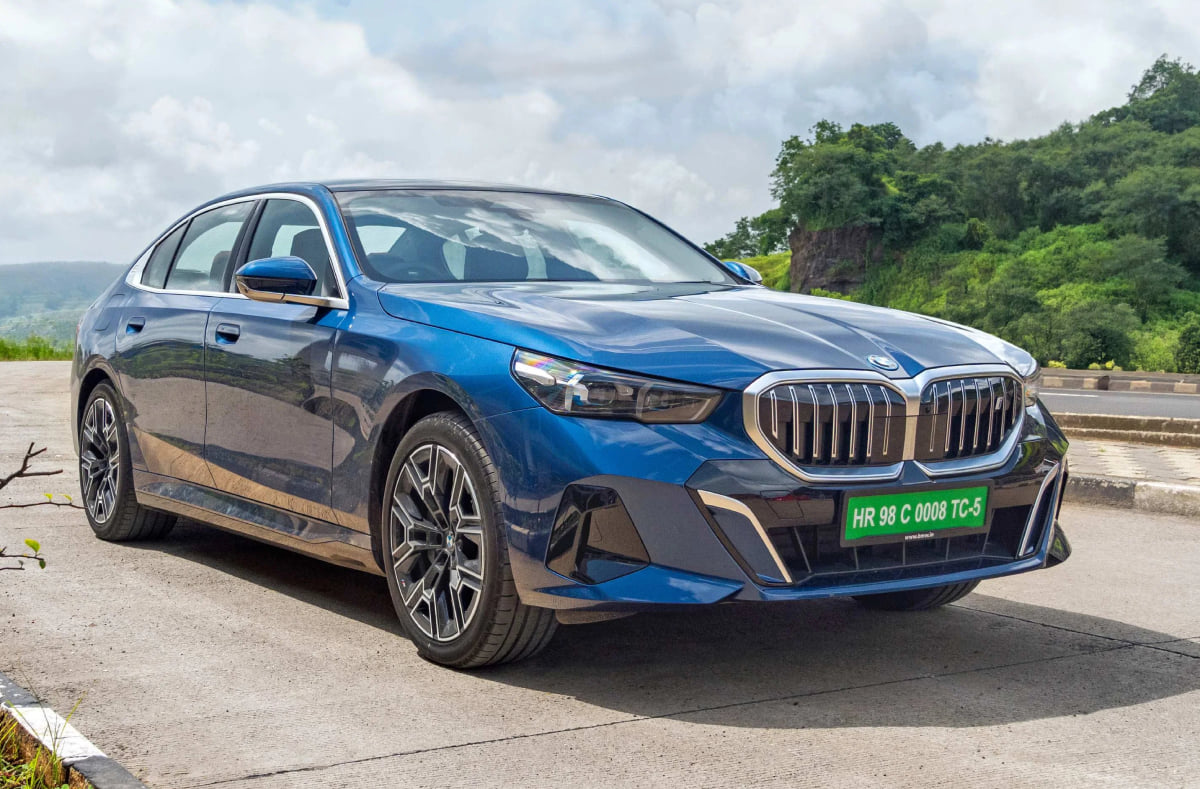
BMW remained the largest luxury EV seller in September with 502 units, up 36 percent from 369 units a year earlier. Its market share stood at 51.48 percent, down from 60.69 percent in September 2025. BMW recently expanded its electric line-up with the i5 Long Wheelbase, which was launched in India in September at Rs 79.6 lakh. It is the company’s first locally produced electric sedan in India. BMW has also recently updated the i7 range, with 50 xDrive M Sport trim and the top-spec M70 xDrive.
Tesla
291 units, up 322 percent YoY
Tesla recorded 291 units in September, its highest monthly sales in India, up 322 percent from 69 units a year earlier. The increase moved Tesla ahead of Mercedes-Benz and into second place in the luxury EV segment for the first time. Its segment share rose to 29.84 percent from 11.34 percent in September 2025.
Mercedes-Benz
125 units, down 9 percent YoY
Mercedes-Benz sold 125 EVs in September, down 9 percent from 137 units in the same month last year. Its share of the luxury EV segment fell to 12.82 percent, from 22.53 percent a year earlier. The company’s highest monthly EV sales this year came in June, when it recorded 245 units.
Volvo
45 units, up 88 percent YoY
Volvo recorded 45 EV sales in September, up 88 percent from 24 units a year earlier. Its market share increased to 4.61 percent, from 3.94 percent in September 2025.
Porsche
11 units, up 38 percent YoY
Porsche sold 11 EVs in September, up 38 percent from eight units in September 2025. It accounted for 1.12 percent of luxury EV sales during the month.
India’s passenger vehicle wholesale volumes remained broadly flat at around 4 lakh units in September 2026. Maruti Suzuki retained the top spot, while Kia and Renault were the only two manufacturers to record month-on-month growth. Tata Motors and Mahindra were separated by just 227 units, with Tata taking second place.
September 2026 retail car sales
September 2026 carmaker-wise sales in India
Carmaker
Sep 2026 sales
Aug 2026 sales
Sep 2025 sales
MoM change
YoY change
Maruti Suzuki
1,68,744
1,76,971
1,32,820
-4.65%
+27.05%
Tata
56,972
65,253
59,667
-12.69%
-4.52%
Mahindra
56,745
59,257
56,233
-4.24%
+0.91%
Hyundai
49,998
54,396
51,547
-8.09%
-3.01%
Kia
32,017
29,042
22,700
+10.24%
+41.04%
Toyota
27,652
28,410
27,089
-2.67%
+2.08%
MG
5,226
7,508
6,728
-30.39%
-22.32%
Renault
3,399
2,842
4,265
+19.60%
-20.30%
Nissan
2,960
3,426
1,652
-13.60%
+79.18%
Maruti Suzuki
Sales: 1,68,744 units, Change: 27.05 YoY
Maruti Suzuki remained India’s largest carmaker in September, with 1,68,744 units, up 27.1 percent from 1,32,820 units in September 2025. Sales however declined 4.7 percent from August, when the company recorded 1,76,971 units. The company launched the Baleno facelift during the month, along with CNG AMT versions of the Swift and, Baleno and Dzire were also introduced.
SUV and MPV sales stood at 78,911 units, while the hatch and sedan segments segments together contributed 91,887 units. The Eeco added 11,040 units during the month.
Tata
Sales: 56,972 units, Change: -4.52 YoY
Tata Motors recorded domestic passenger vehicle sales of 56,972 units in September, down 4.5 percent from 59,667 units in the same month last year. Sales also declined 12.7 percent from August 2026. During the month, Tata launched the Aeris, deliveries of which will commence from October 11. It also launched the Sierra Dark and Sierra Legend Series, while extending its Battery-as-a-Service (BaaS) offering to the Nexon EV, Curvv EV, Sierra EV and Harrier EV.
Mahindra
Sales: 56,745 units, Change: 0.91 YoY
Mahindra recorded 56,745 units in September, down 4.2 percent from 59,257 units in August, while sales were up 0.9 percent from 56,233 units in September 2025. During the month, Mahindra launched the updated Thar OG, deliveries of which are set to begin from October 11. The SUV carmaker also expanded the XUV 3XO range with the RevX Edge variants. The XUV 7XO also received a five-star Bharat NCAP safety rating, scoring 30.76 out of 32 points for adult occupant protection and 44.97 out of 49 points for child occupant protection.
Hyundai
Sales: 49,998 units, Change: -3.01 YoY
Hyundai recorded 49,998 units in September, down 3.0 percent from 51,547 units in the same month last year and 8.1 percent from August. During the month, Hyundai teased the Bayon, which is slated to launch in October, while also introducing Lounge Editions of the Creta, Alcazar and Creta Electric.
Kia
Sales: 32,017 units, Change: 41.04 YoY
Kia was the only manufacturer to record both month-on-month and year-on-year growth in September. It recorded 32,017 units, up 10.2 percent from August and 41 percent from September 2025. During the month, Kia launched the Carens CNG and Carens Clavis CNG, extended automatic powertrain options to lower-spec Carens Clavis variants and launched the Sorento in India.
The Carens and Carens Clavis CNG versions now get a factory-fitted CNG kit, while the new lower-spec Clavis automatic variants get turbo-petrol DCT and diesel automatic powertrains.
Toyota
Sales: 27,652 units, Change: 2.08 YoY
Toyota recorded 27,652 units in September, up 2.1 percent from 27,089 units in the same month last year, while sales declined 2.7 percent from August. Toyota is also set to launch the updated Glanza on October 14. The company remains optimistic about demand during the upcoming festive season, with the Innova Hycross, Urban Cruiser Hyryder and Glanza continuing to drive sales.
MG
Sales: 5,226 units, Change: -22.32 YoY
JSW MG Motor recorded 5,226 units in September, down 22.3 percent from 6,728 units in the same month last year and 30.4 percent from August. During the month, MG introduced Battery-as-a-Service (BaaS) for the Cyberster and M9, reducing their upfront prices while adding a per-kilometre battery rental fee. In August, the company had launched the Hector Tomahawk in EV and PHEV versions, its first models based on the ADAPT platform.
Renault
Sales: 3,399 units, Change: -20.30 YoY
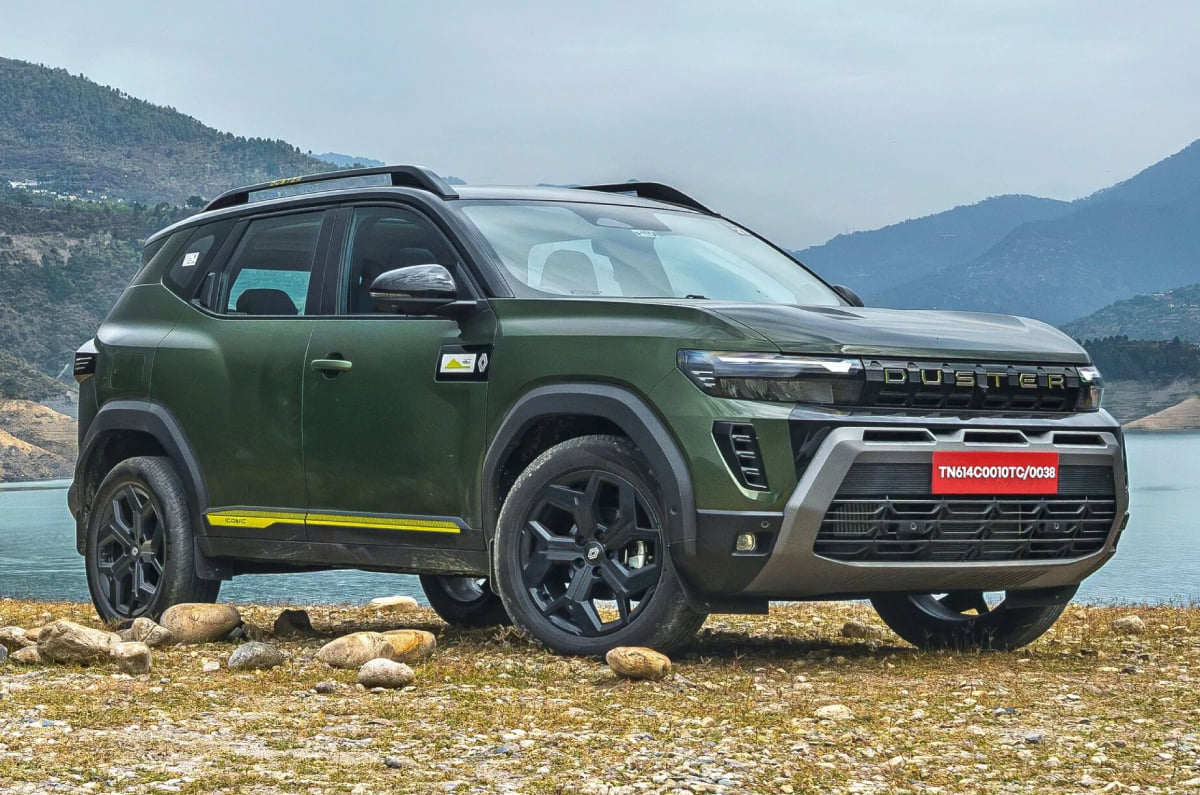
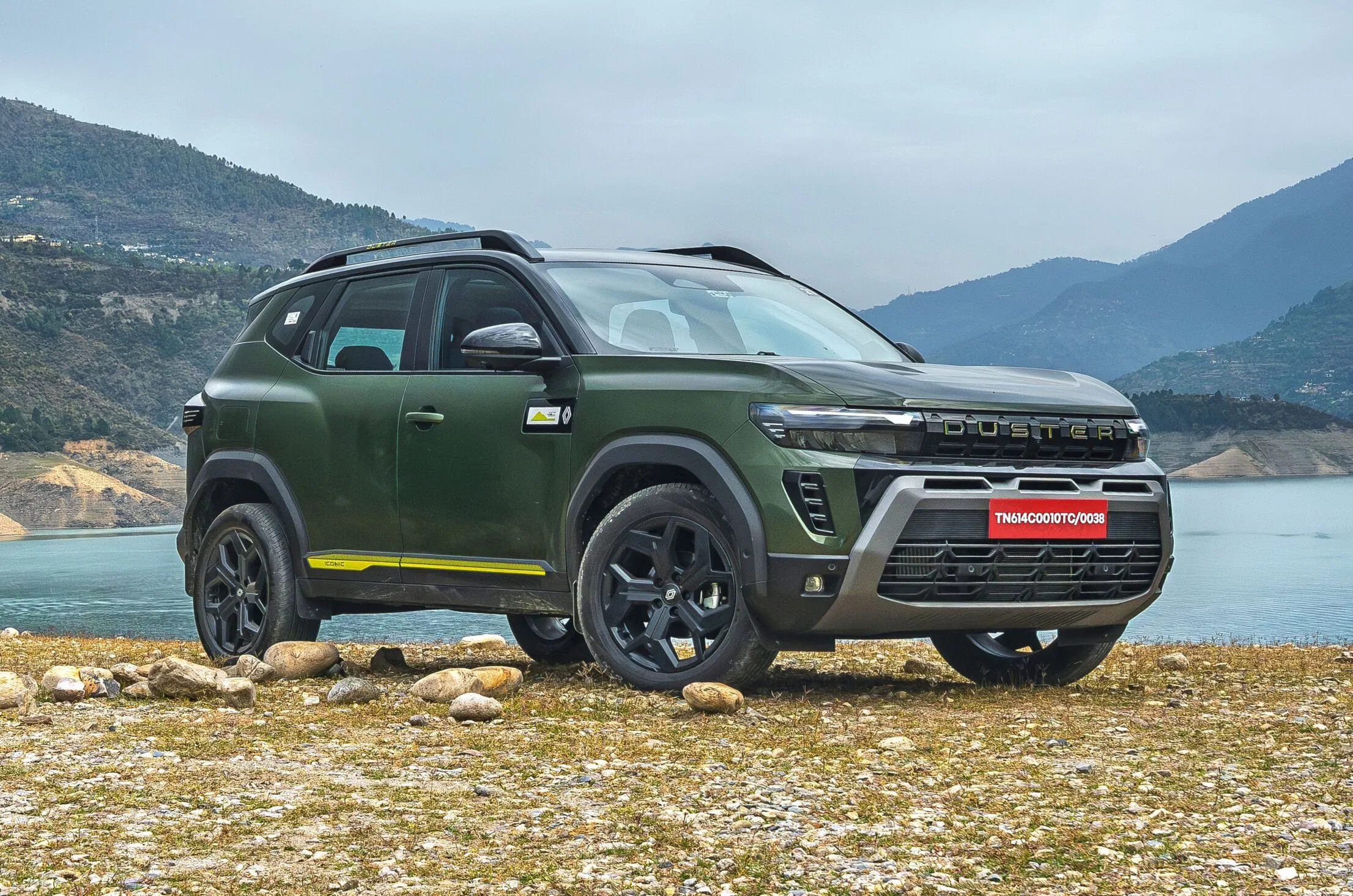
Renault was one of only two manufacturers to record month-on-month growth in September. It recorded 3,399 units, up 19.6 percent from August, but down 20.3 percent from September 2025. During the month, Renault launched the Triber Turbo at Rs 7.84 lakh, while its Duster hybrid is set to launch next month on October 17.
Nissan
Sales: 2,960 units, Change: 79.18 YoY
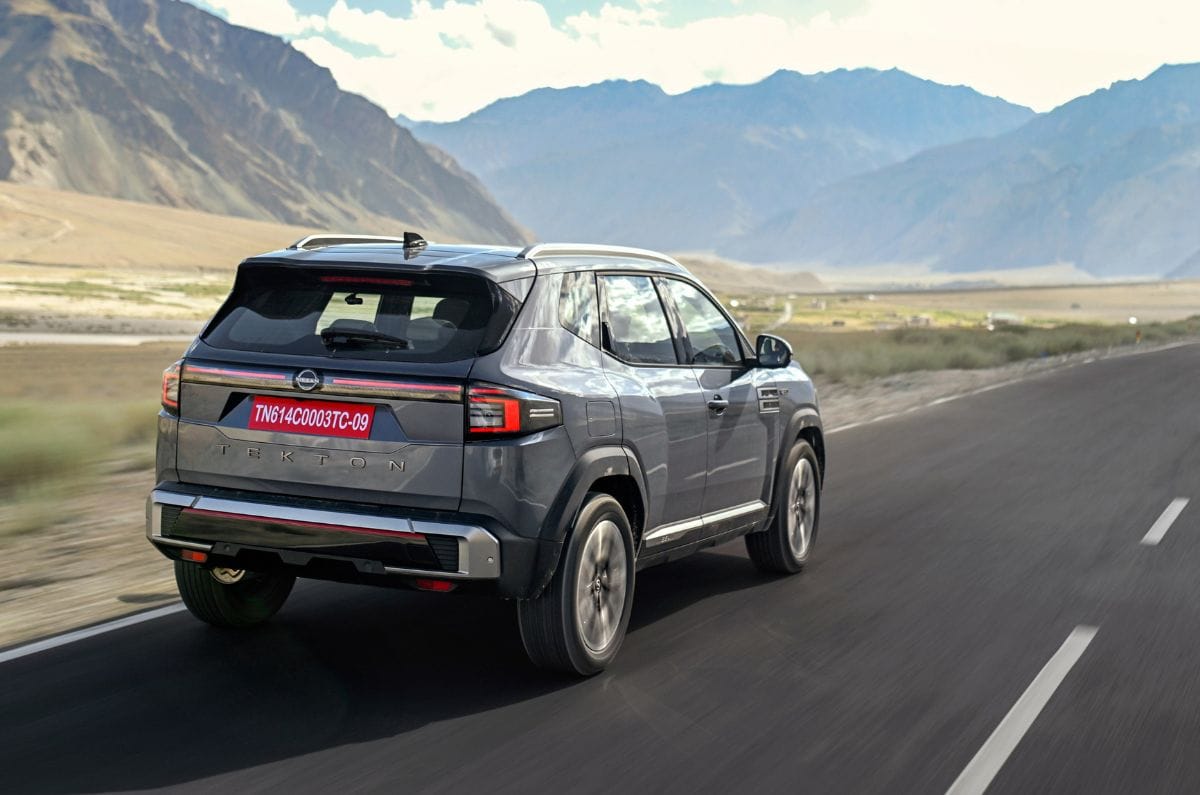
Nissan recorded 3,300 domestic wholesale units in September, up 99.8 percent from 1,652 units in September 2025, but down 3.7 percent from August. During the month, Nissan was also seen testing its upcoming seven-seater SUV based on the Tekton.
India’s passenger vehicle market remained on a strong growth path in August 2026, with most carmakers reporting higher domestic wholesales compared with the same month last year. Maruti Suzuki retained the top spot, while Tata Motors remained ahead of Mahindra for second place. Hyundai held fourth position, while Kia overtakes Toyota for the fifth spot.
July 2026 carmaker-wise sales in India
Carmaker
Aug 2026 sales
Jul 2026 sales
MoM change
Aug 2025 sales
YoY change
Maruti Suzuki
1,76,971
1,96,203
-9.80%
1,31,278
34.8%
Tata Motors
67,753
62,611
4.22%
43,315
56%
Mahindra
59,257
60,048
-1.32%
39,399
50%
Hyundai
54,396
54,210
0.3%
43,966
23.6%
Kia
29,042
28,200
3%
19,608
48.1%
Toyota
28,410
30,516
-7%
29,302
-3%
MG
7,508
8,158
-8%
6,687
12.3%
Nissan
3,426
3,006
14%
1,384
147%
Renault
2,842
3,293
-14%
3,015
-5.7%
Maruti Suzuki
Sales: 1,76,971 units. Change: 34.8 percent YoY
Maruti Suzuki retained its position as India’s largest carmaker in August, with domestic passenger vehicle sales rising 34.8 percent year on year. Utility vehicless, including the Brezza, Ertiga, e Vitara, Fronx, Grand Vitara, Invicto, Jimny, Victoris and XL6, accounted for 79,045 units, while compact and mid-size segment, led by the Baleno, Swift, Dzire and WagonR, contributed 77,166 units. The mini segment, comprising the Alto and S-Presso, added 8,799 units, while the Eeco contributed 11,961 units.
The carmaker also crossed one million total sales in the first five months of FY2026-27. Its total August sales, including exports and sales to other OEMs, stood at 2,19,220 units.
Tata Motors
Sales: 67,753 units. Change: 56 percent YoY
Tata Motors retained second place with 67,753 domestic passenger vehicle sales in August, up 56 percent from the same month last year. Electric vehicle sales, including domestic and international volumes, stood at 16,549 units, almost doubling from 8,540 units in August 2025. Tata also announced a price hike across its passenger vehicle range from September 1.
Mahindra
Sales: 59,257 units. Change: 50 percent YoY
Mahindra remained in third place, recording domestic SUV sales of 59,257 units in August, a 50 percent increase over the 39,399 units sold in August 2025. Its overall vehicle sales, including exports, stood at 1,07,648 units, up 42 percent year on year.
During the month, Mahindra launched the updated Scorpio-N and BE 6 SporteQ, and also introduced its Battery-as-a-Service option for the XEV 9e and XEV 9S.
Hyundai
Sales: 54,396 units. Change: 23.6 percent YoY
Hyundai recorded 54,396 domestic sales in August, up 23.6 percent year on year. The company said this was its highest-ever domestic sales figure for an August. Hyundai has introduced an assured buyback programme for the Creta Electric, while the carmaker is also set to increase prices from this September 2026.
Kia
Sales: 29,042 units, Change: 48.1 percent YoY
Kia recorded 29,042 units in August, up 48.1 percent from 19,608 units in the same month last year. This was the carmaker’s highest-ever August wholesale volume since entering India. The Seltos and Sonet continued to account for a large share of Kia’s volumes, while the newly launched Syros EV also contributed to the brand’s performance.
Toyota
Sales: 28,410 units, Change: -3 percent YoY
Toyota recorded domestic sales of 28,410 units in August 2026, down 3 percent from 29,302 units in the same month last year. The company remains optimistic about demand during the upcoming festive season, with the Innova Hycross, Urban Cruiser Hyryder and Glanza continuing to drive sales.
JSW MG Motor India
Sales: 7,508 units. Change: 12.3 percent YoY
JSW MG Motor recorded sales of 7,508 units in August, up 14 percent year on year. The company launched the Hector Tomahawk in both EV and PHEV forms during the month. Bookings for both versions are open, while deliveries of the Tomahawk EV are scheduled to begin in September. PHEV test drives and deliveries are scheduled to start in November.
Nissan
Sales: 3,426 units. Change: 147 percent YoY
Nissan recorded domestic wholesale sales of 3,426 units in August, up 147 percent year on year. The company attributed the performance to demand for the Magnite and Gravite, along with the response to the recently launched Tekton. Nissan also began exporting the Tekton to South Africa, Bhutan and Nepal during the month, with the first batch comprising more than 1,300 units.
Renault
Sales: 2,842 units, Change: -5.7 percent YoY
Renault recorded sales of 2,842 units in August 2026, down 5.7 percent from 3,015 units in August 2025. The carmaker’s cumulative domestic wholesales for January-August 2026 stood at 31,979 units, up 47.9 percent from 21,621 units in the same period last year. The company will add another powertrain option to the Triber range with the Triber Turbo, which is scheduled to arrive in late September 2026.
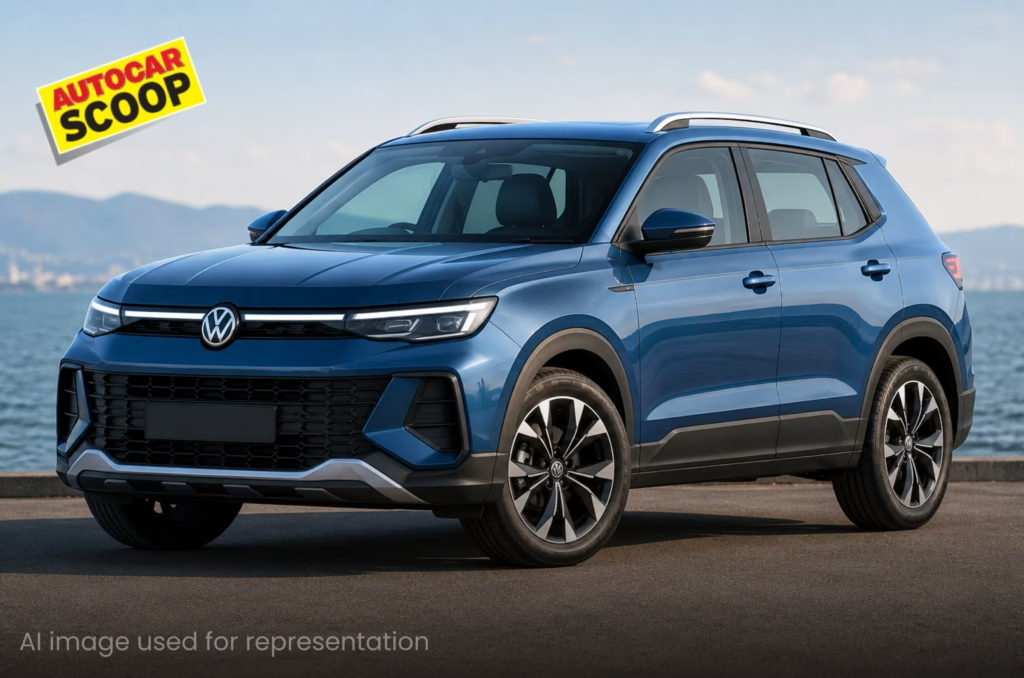
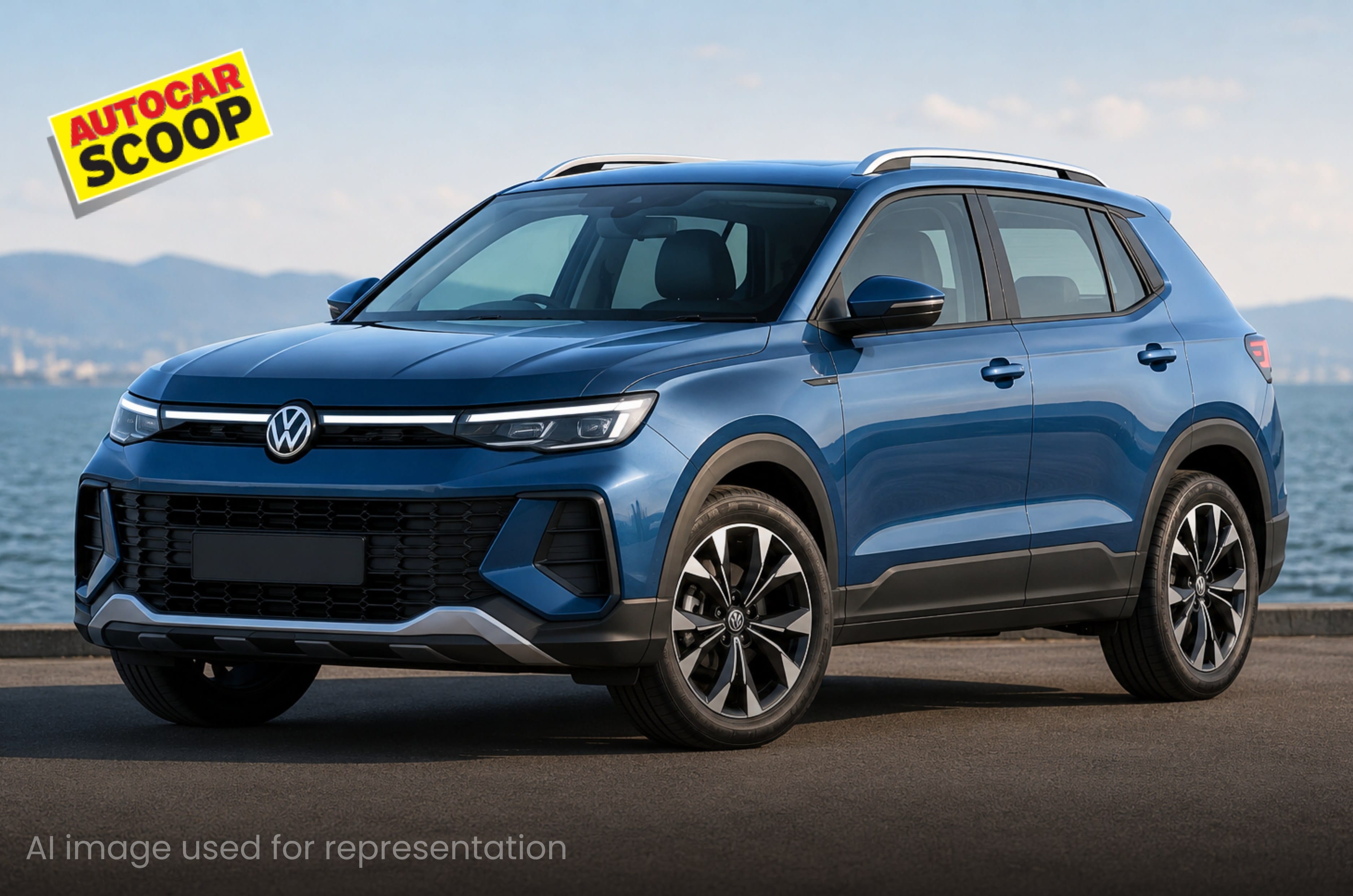
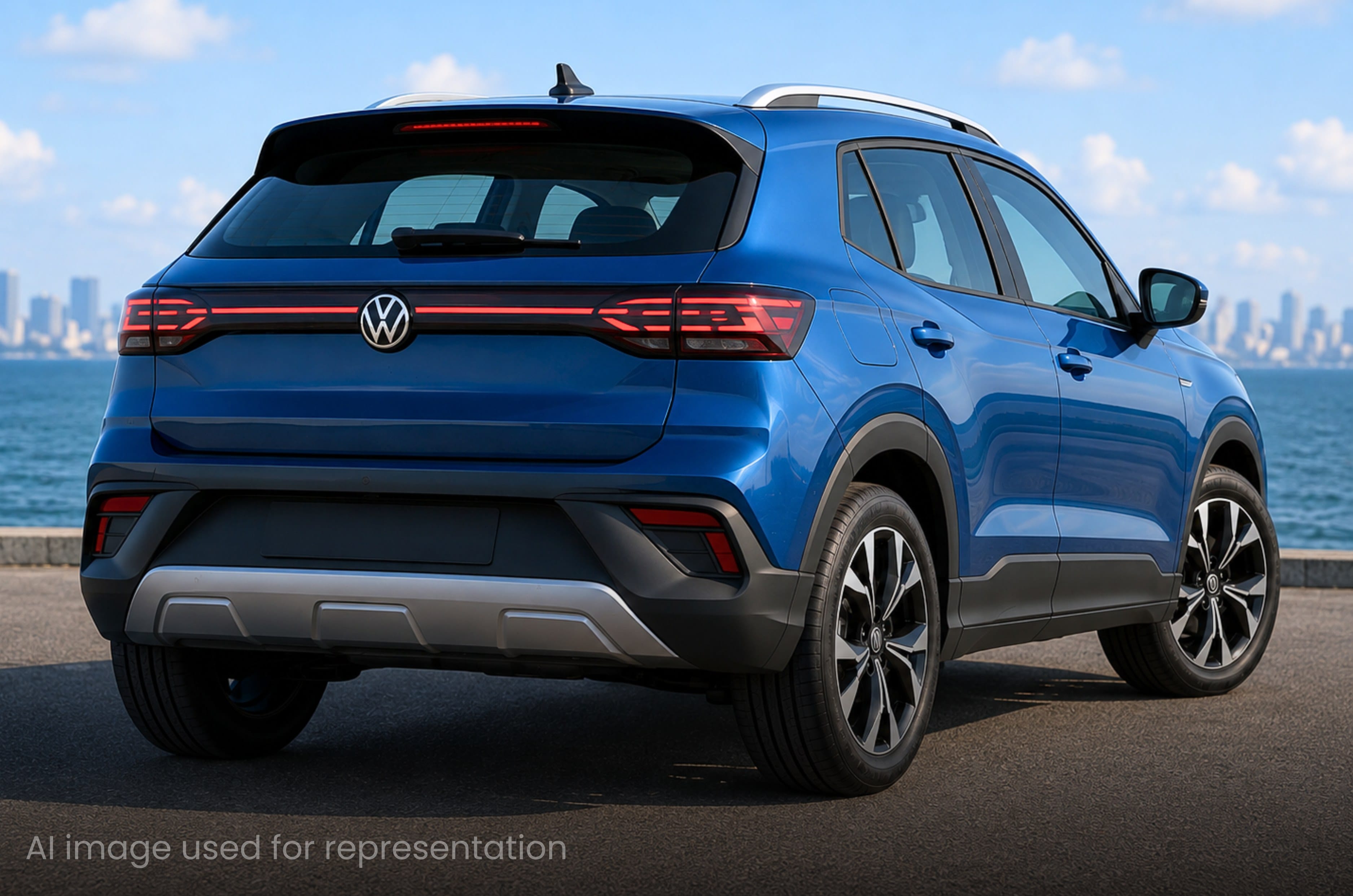
Volkswagen has been working on its version of the Skoda Kylaq, which we first reported on six months ago. Volkswagen India has now secured global approval for the project, which is estimated to cost around 25 million euros (Rs 275 crore). The green light paves the way for Volkswagen’s re-entry into India’s high-volume sub-four-metre vehicle market, which the brand had exited following the discontinuation of the Ameo compact sedan and Polo hatchback.
VW compact SUV to share powertrain options with Kylaq
Differentiation will come in the form of design, features and positioning
Will mark VW’s return to the sub-4m space since the discontinuation of Polo
Volkswagen compact SUV: what to expect?
The programme will mark an important step in a broader expansion of Volkswagen’s India portfolio, allowing the brand to reach customers in segments below the Taigun and Virtus.
The new compact SUV will essentially be a badge-engineered version of the Kylaq, but will receive substantial design changes to give it a distinct Volkswagen identity. The differentiation is expected to extend to the exterior, interior, features and positioning.
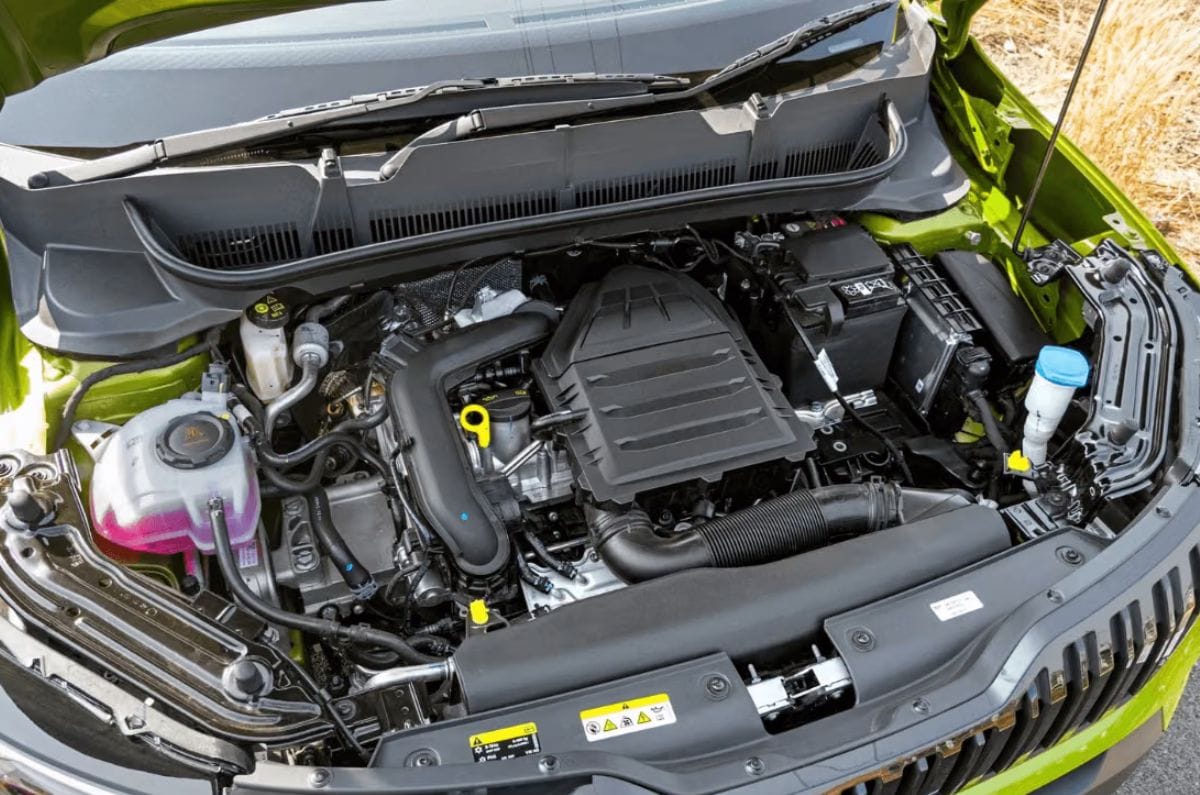
The 1.0-litre TSI engine will be shared with the Kylaq
It will use the same 1.0-litre TSI petrol engine as the Kylaq, paired with manual and automatic gearbox options. At launch, the Volkswagen compact SUV will get an 8-speed automatic transmission rather than the 6-speed automatic currently offered on the Kylaq. The Kylaq, however, is also expected to receive the 8-speeder with its next update.
It’s unclear what the compact SUV will be named upon launch, but Volkswagen already sells the Tera in the Brazilian market that’s closely related to the Skoda Kylaq. It remains to be seen what it will be called here in India. Prices can be expected to range between Rs 8-13 lakh (ex-showroom).
Scope of the compact SUV segment
The model will give Volkswagen access to one of India’s largest vehicle categories. The broader sub-four-metre SUV market, comprising compact and micro-SUVs, currently generates monthly sales of around 1.1 lakh units. The category accounts for around 30 percent of India’s passenger vehicle sales and more than half of utility vehicle volumes. Its growth has been supported by hatchback buyers moving to SUVs, the drastic reduction of GST from 28 percent to 18 percent last year on cars meeting prescribed length and engine-capacity limits, and the availability of multiple powertrain options.
The market is led by Tata Motors with the Punch and Nexon, followed by Maruti Suzuki with the Fronx and Brezza. Sister brand Skoda too has grown significantly after the launch of the Kylaq last year, further underscoring the need for a compact SUV in VW’s portfolio.
This will mark VW’s return to the compact SUV space since the Polo was discontinued in 2022.
Volkswagen’s locally produced portfolio is currently limited to the Taigun and Virtus, both positioned above the compact vehicle market. The Kylaq-based SUV will lower the entry point to the Volkswagen brand and give it access to a substantially larger customer base.
Additional volumes from the compact SUV could also improve capacity utilisation at Skoda Auto Volkswagen India’s Chakan plant and deliver better economies of scale, helping lower costs for both Volkswagen and Skoda.
July 2026 was a strong month for India’s passenger vehicle industry, with most carmakers reporting healthy month-on-month gains. Maruti Suzuki strengthened its lead at the top, with domestic passenger vehicle sales approaching the 2 lakh-unit mark, while Tata Motors retained second place, narrowly ahead of Mahindra. Hyundai rebounded strongly from a fire disruption at a supplier that affected June production to remain fourth, with Toyota rounding out the top five in the monthly sales.
July 2026 carmaker-wise sales in India
Carmaker
July 2026 sales
June 2026 sales
MoM change (%)
July 2025 sales
YoY change (%)
Maruti Suzuki
1,96,203
1,47,187
33.30
1,37,776
42.41
Tata
62,611
62,076
0.86
39,521
58.42
Mahindra
60,048
60,393
-0.57
49,871
20.41
Hyundai
54,210
39,635
36.77
43,966
23.30
Toyota
30,516
28,441
7.30
29,159
4.65
Kia
28,200
24,552
14.86
22,135
27.40
MG
8,158
7,568
7.80
6,687
22
Nissan
4,518
3,006
50.30
1,421
218
Maruti Suzuki July 2026 sales
Sales: 196,203 units, Change: 42.4 percent YoY
Maruti Suzuki retained its position as India’s largest carmaker in July, with domestic passenger vehicle sales rising to 196,203 units from 147,187 units in June. Utility vehicles, including the Brezza, Ertiga, e Vitara, Fronx, Grand Vitara, Invicto, Jimny, Victoris and XL6, contributed 78,851 units, while the compact and mid-size segment, led by the Baleno, Swift, Dzire and WagonR, remained the company’s largest volume driver with 90,822 units. Mini cars, comprising the Alto and S-Presso, added another 12,634 units.
Tata Motors July 2026 sales
Sales: 62,611 units, Change: 58 percent YoY
Tata Motors sold 62,611 passenger vehicles in the domestic market in July, marginally higher than the 62,076 units recorded in June, despite temporary production disruptions at its Sanand plant due to heavy rainfall and flooding. The Punch recorded its highest-ever monthly sales, reinforcing its position as one of the company’s best-selling SUVs, while Tata’s EV portfolio crossed 15,000 monthly wholesales for the first time.
Mahindra July 2026 sales
Sales: 60,048 units, Change: 20 percent YoY
Mahindra sold 60,048 SUVs in the domestic market in July, almost unchanged from the 60,393 units it sold in June. The expected launch of the updated Scorpio N in August could help boost sales and provide fresh momentum as the company heads into the festive season.
Hyundai July 2026 sales
Sales: 54,210 units, Change: 23.3 percent YoY
Hyundai recorded its highest-ever domestic sales for the month of July, selling 54,210 units, a sharp recovery from 39,635 units in June after a fire at a supplier’s facility disrupted production. The Creta led the growth with 18,088 units, its best monthly performance in CY26, while the i20 also posted its highest monthly sales in CY26 at 6,738 units, highlighting renewed momentum across both Hyundai’s SUV and hatchback portfolios.
Toyota July 2026 sales
Sales: 30,516 units, Change: 5 percent YoY
Toyota Kirloskar Motor reported domestic sales of 30,516 units in July, up from 28,441 units in June, with the Innova Hycross, Urban Cruiser Hyryder and Glanza continuing to drive volumes. Cumulative domestic dispatches for the January-July period rose 13 percent year-on-year to 233,854 units, while sales during the first four months of FY2027 (April-July) increased 8 percent to 128,746 units.
Kia July 2026 sales
Sales: 28,200 units, Change: 27.4 percent YoY
Kia recorded its highest-ever July wholesale volume, dispatching 28,200 units, up from 24,552 units in June. The Seltos remained Kia’s best-selling model, averaging more than 10,000 units a month since the start of the year, while the recently launched Syros EV has also garnered strong initial bookings.
MG July 2026 sales
Sales: 8,158 units, Change: 22 percent YoY
JSW MG Motor India recorded its highest-ever monthly wholesales for the second consecutive month in July, dispatching 8,158 units, up from 7,568 units in June. Electric vehicles accounted for more than 80 percent of total volumes, marking their strongest monthly performance yet.
Nissan July 2026 sales
Sales: 4,518 units, Change: 218 percent YoY
Nissan continued its growth momentum in July, with domestic wholesales rising 50 percent month-on-month to 4,518 units from 3,006 units in June. The increase was supported by the start of customer deliveries of the all-new Tekton, which commenced on July 20 after its debut on July 9, expanding Nissan’s India portfolio to three models alongside the Magnite and Gravite.
JSW Group is in advanced talks to acquire a stake in Skoda Auto Volkswagen India, with the proposed deal potentially giving the Sajjan Jindal-led conglomerate a majority holding in Volkswagen AG’s India business, according to a Bloomberg report.
Terms of the deal are yet to be finalised
Skoda Auto Volkswagen India held 2.34 percent market share in FY2026
JSW already owns 35 percent of JSW MG Motor India
The report says the proposed investment would bring fresh capital into Skoda Auto Volkswagen India, which oversees the group’s Skoda, Volkswagen, Audi, alongside luxury and super-luxury marques like Porsche, Lamborghini, and Bentley brands in the country. Both sides are aiming to reach an agreement in the coming weeks, although the terms are not settled and a transaction may not follow, the report said.
Volkswagen declines to comment
A Volkswagen spokesperson did not confirm the discussions, saying only that the company regularly evaluates opportunities to support its strategy in India’s passenger vehicle market. Bloomberg added that the terms of the proposed transaction are still being negotiated and may change before any agreement is reached.
What the deal could mean
If completed, the deal would mark JSW Group’s second major investment in India’s passenger vehicle industry after acquiring a 35 percent stake in MG Motor India from SAIC in 2023. The joint venture, JSW MG Motor India, began operations in 2024.
For Volkswagen, the investment could strengthen its position in India, where Skoda Auto Volkswagen India accounted for 2.34 percent of passenger vehicle sales in FY2026, according to FADA data. By comparison, Kia India held a 5.94 percent share, while JSW MG Motor India accounted for 1.40 percent. The additional investment could also support the group’s future product and business plans in the country.
India remains a focus market for Volkswagen
India has become an increasingly important market for Volkswagen as it reshapes its global operations. According to the Bloomberg report, the company is looking to strengthen its presence outside Europe following its withdrawal from Russia and its planned exit from China.
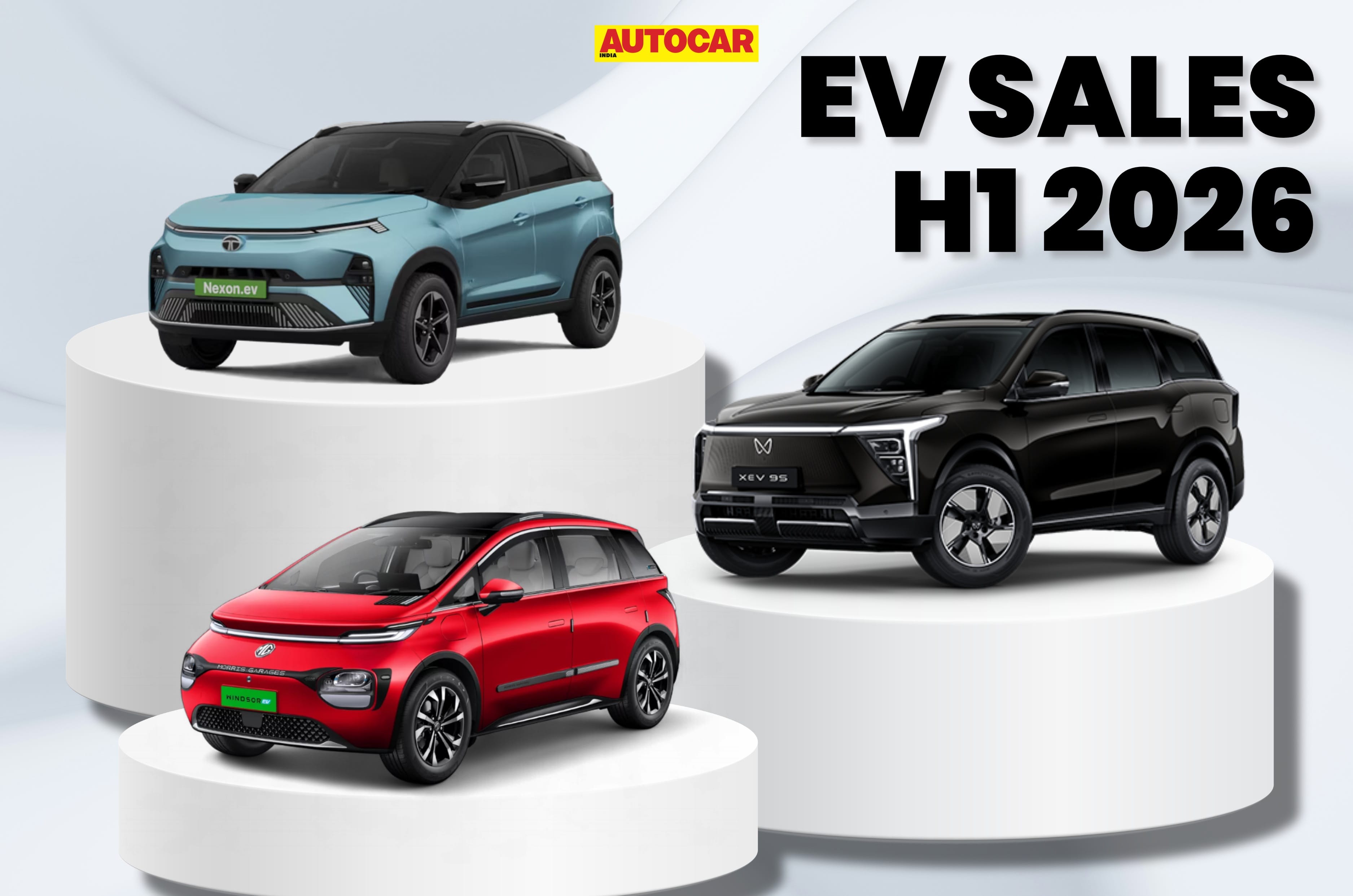
Electric vehicle sales in India rose 79 percent year on year (YoY) to 1,48,023 units in the first half of 2026, up from 82,535 units during the same period last year. Tata Motors retained its lead, while Mahindra recorded the highest growth among the three largest EV makers and moved ahead of JSW MG Motor. New entrants Maruti Suzuki and Vinfast also contributed over 12,000 units to the segment during the six-month period.
Carmaker
H1 2026 sales
H1 2025 sales
YoY change
Market share
Tata Motors
57,370
31,556
82%
39%
Mahindra
34,131
13,801
147%
23%
JSW MG Motor
31,819
26,883
18%
21%
Maruti Suzuki
6,404
–
–
4%
VinFast
5,627
–
–
4%
BYD
3,300
2,507
32%
2%
Hyundai
2,725
4,278
-36%
2%
Kia
2,643
254
941%
2%
Citroen
196
815
-76%
0%
Toyota
33
–
–
0%
Sales accelerated during the second quarter. Year on year, EV registrations rose 64 percent to 62,178 units in January-March and 93 percent to 85,845 units in April-June. June was the first month in which electric passenger vehicle sales crossed 30,000 units, reaching 32,259 units – more than double the 15,203 units recorded in June 2025.
Tata Motors
57,370 units, up 82 percent YoY
Tata Motors retained the top spot with 57,370 electric cars and SUVs sold in H1 2026, an 82 percent increase from 31,556 units a year ago. Its market share increased marginally from 38 percent to 39 percent.
The carmaker crossed 10,000 monthly EV sales in both May and June, selling 10,894 units and a record 12,384 units, respectively. The Nexon EV remains its main volume driver, while the new Punch EV and updated Tiago EV have expanded its line-up. Tata also recently launched the Sierra EV, joining the Harrier EV, Curvv EV and Tigor EV in its electric portfolio.
Mahindra
34,131 units, up 147 percent YoY
Mahindra recorded the highest growth among India’s three largest EV manufacturers, with sales rising 147 percent to 34,131 units from 13,801 units in H1 2025. Its market share increased from 17 percent to 23 percent.
The company moved ahead of JSW MG Motor in March and retained second place through the first half of the year. Monthly sales increased from 5,873 units in March to a record 7,926 units in June. Demand for the BE 6 and XEV 9e has been supplemented by the XEV 9S, Mahindra’s three-row electric SUV launched last November.
JSW MG Motor
31,819 units, up 18 percent YoY
JSW MG Motor sold 31,819 EVs in H1 2026, up 18 percent from 26,883 units in the year-ago period. However, its market share fell from 33 percent to 21 percent as Tata and Mahindra recorded faster growth. The Windsor remains MG’s bestselling electric model, with around 19,000 units sold during the first six months of 2026. MG’s EV line-up also includes the Comet, ZS EV, Cyberster and M9.
Maruti Suzuki
6,404 units
Maruti Suzuki, which entered India’s electric car market with the e Vitara in January, sold 6,404 units in H1 2026, giving it a little over 4 percent market share. Sales increased from 1,460 units in the first quarter to 4,944 units in Q2, with June registrations reaching a record 1,940 units. Maruti is expected to increase e Vitara production from August or September.
Vinfast
5,627 units
Vinfast recorded 5,627 sales during the first half of 2026, capturing a 3.8 percent market share. Its quarterly sales increased from 1,630 units in Q1 to 3,997 units in Q2, with June sales reaching 1,415 units. The Vietnamese company’s India line-up currently includes the VF6 and VF7 SUVs, along with the VF MPV 7. Vinfast is also expected to expand its range with the VF3 electric hatchback.
BYD
3,300 units, up 32 percent YoY
BYD sold 3,300 electric cars and SUVs in H1 2026, up 32 percent from 2,507 units a year earlier. Q2 sales doubled to 2,199 units from 1,101 units in the first quarter, while June registrations reached a record 895 units. The company has confirmed plans to introduce the Seal U later this year, set to be its first plug-in hybrid model in India.
Hyundai
2,725 units, down 36 percent YoY
Hyundai was one of the few manufacturers to record lower EV sales, with deliveries falling 36 percent to 2,725 units from 4,278 units in H1 2025. Its market share declined from 5 percent to under 2 percent. Hyundai currently has two electric models on sale in India – the Creta Electric and Ioniq 5 – amid growing competition from Tata, Mahindra and MG, all of which offer EVs across a wider range of price points.
Kia
2,643 units, up 941 percent YoY
Kia recorded 2,643 EV sales in H1 2026, compared with 254 units during the same period last year, an increase of 941 percent. The carmaker finished just 82 units behind Hyundai during the six-month period. The increase follows the addition of the Carens Clavis EV, which joined the EV6 and EV9 in Kia’s electric line-up. Kia sold 1,278 EVs in Q1 and 1,365 units in Q2.
Citroen
196 units, down 76 percent
Citroen recorded 196 EV sales in H1 2026, down 76 percent from 815 units a year earlier. Citroen launched the eC3X in June, with prices starting at Rs 11.99 lakh and a Battery-as-a-Service option.
Toyota
33 units
Toyota entered India’s electric passenger vehicle market in May, delivering 33 units of the Urban Cruiser Ebella. The Ebella is Toyota’s version of the Maruti e Vitara and is available in the top-spec E3 variant and offers battery-as-a-service option.