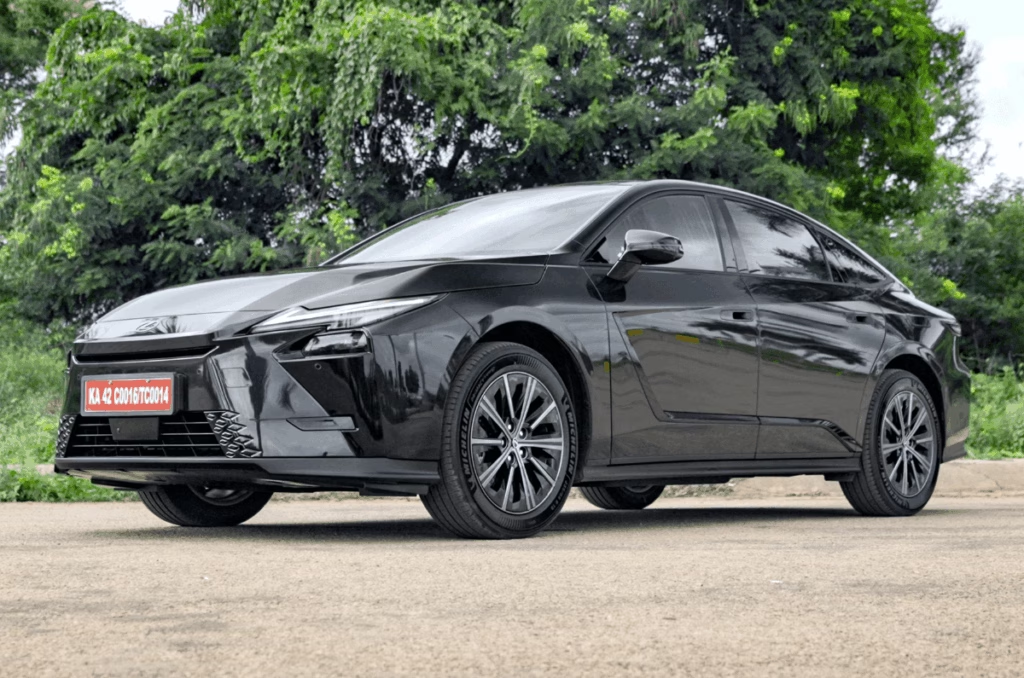
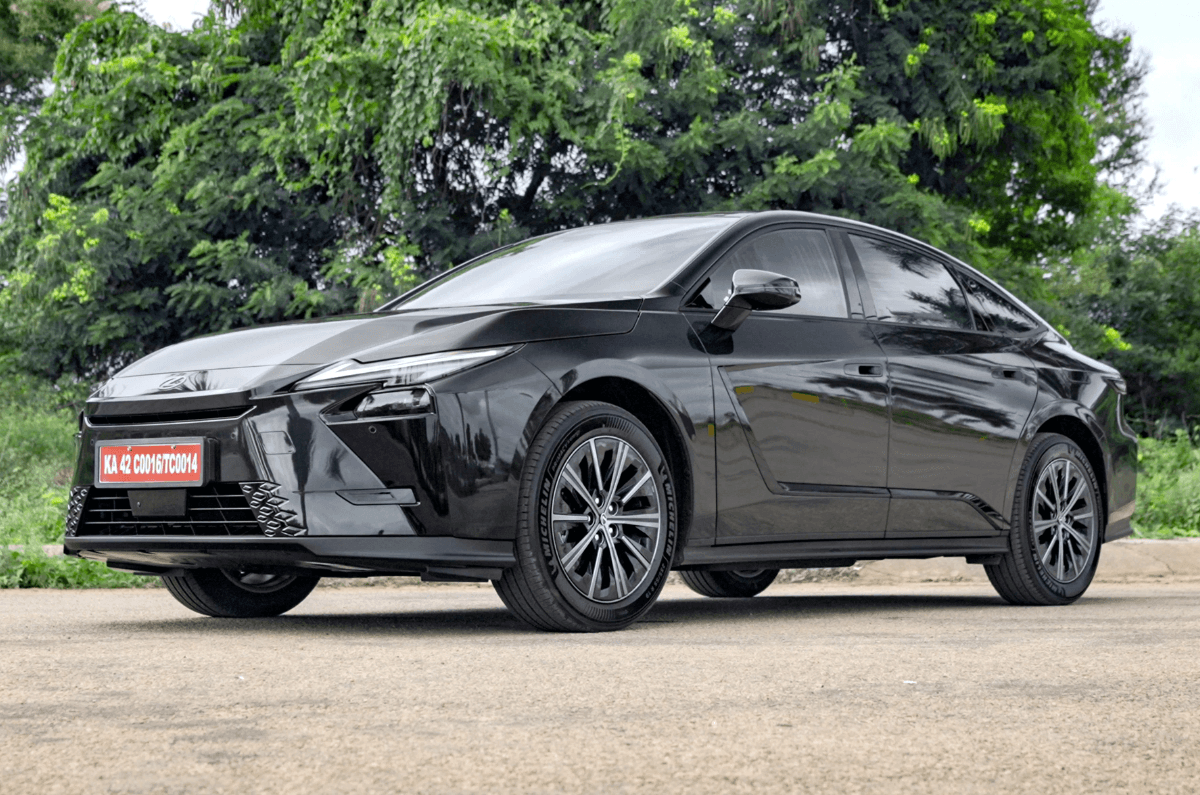
The eighth-generation Lexus ES is based on a new platform, gets an all-new design and is available in both strong-hybrid (350h) and EV (500e) guises. Since the core Lexus ES fanbase is all about the hybrid, we are focusing on the ES 350h here. We look at three reasons why the hybrid sedan deserves a spot in your garage, and two reasons why you may want to skip it.
Reasons to buy the Lexus ES 350h
Fuel-efficient powertrain
A hybrid powertrain’s advantage is its range and the ability to ability to skip fuel pumps. While saving on fuel would not be a priority for luxury sedan buyers, it is still a good bonus and can significantly reduce the fuel bill. On a full tank of petrol, you can expect a range of around 800 kilometres. In the city, you can easily run on electric power from home to work without using any fuel. A result of its silent running is the excellent refinement, adding a layer of luxury to the experience.
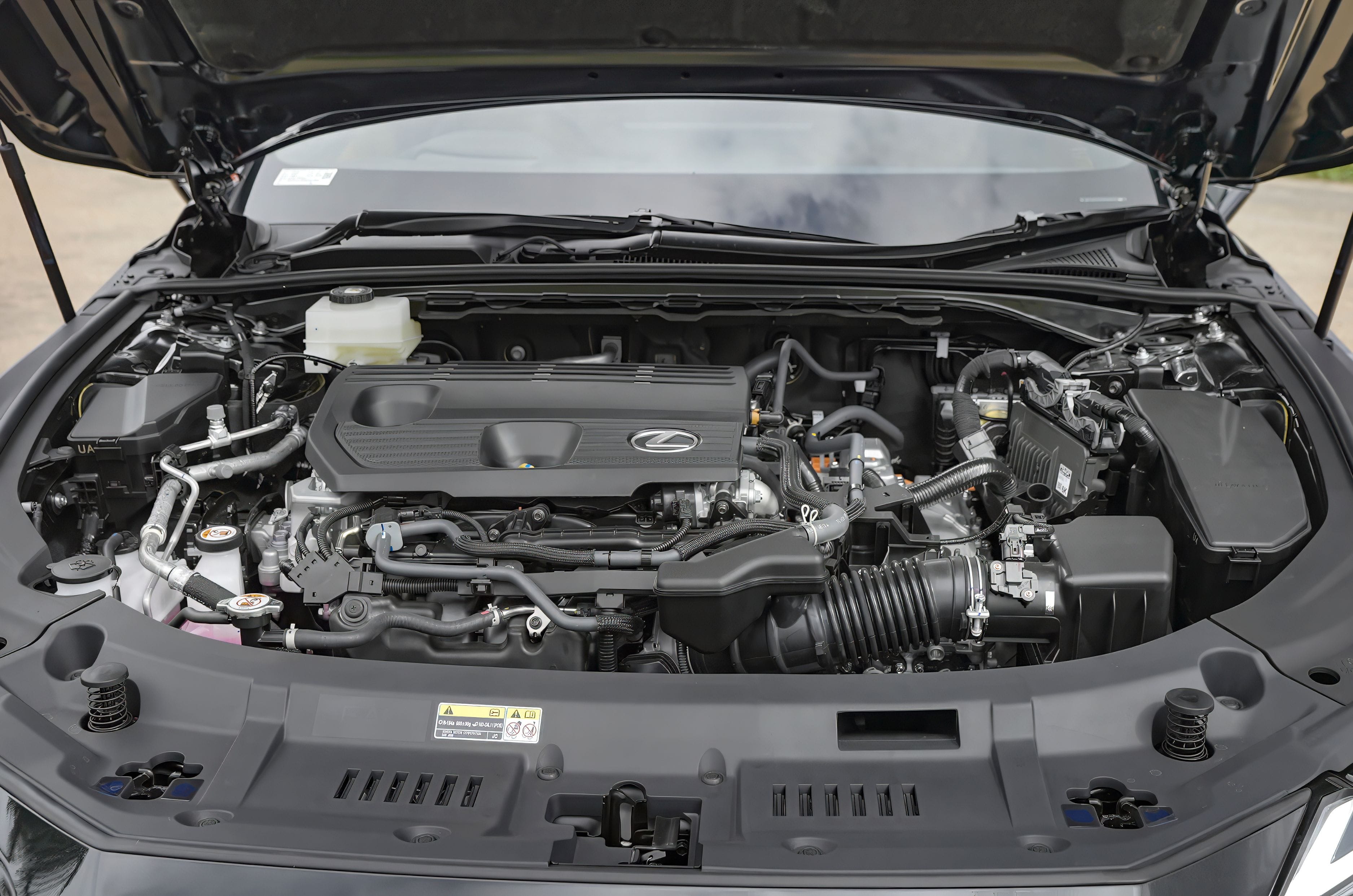
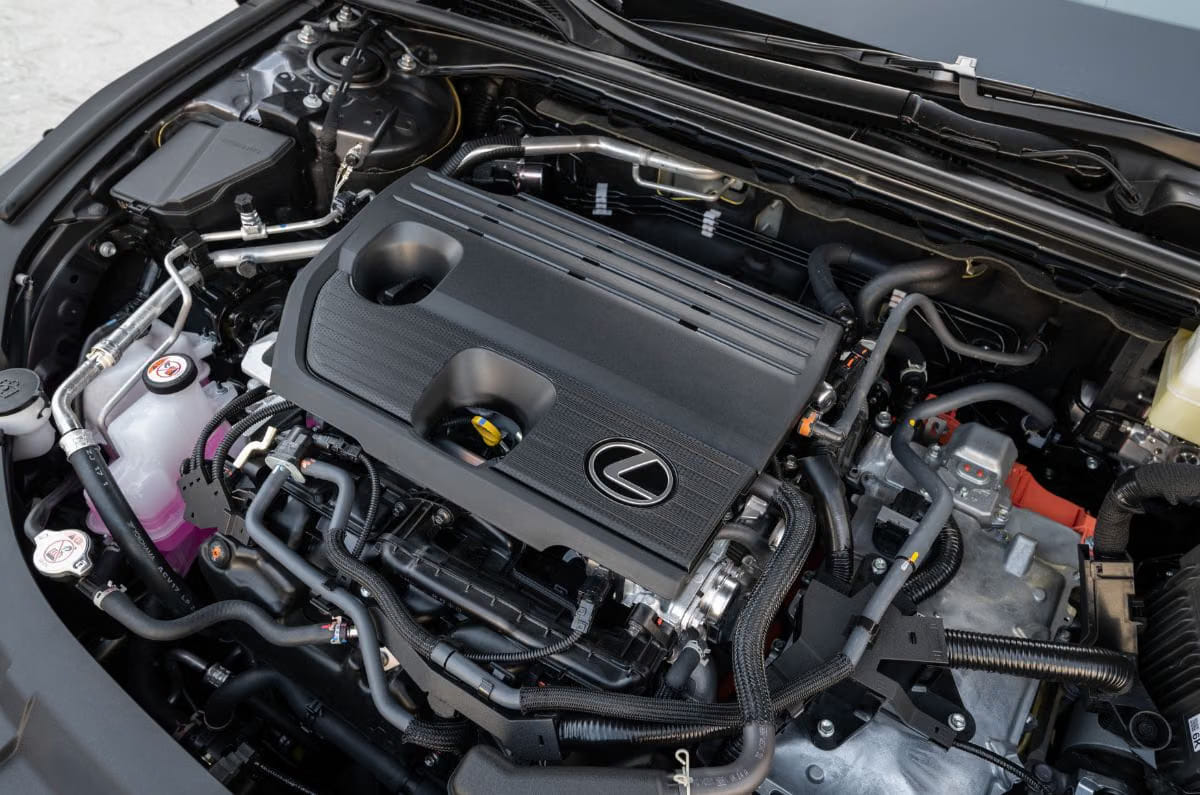
Speaking of technical specifications, the ES 350h’s hybrid powertrain comprises a 2.5-litre, 4-cylinder petrol engine and a permanent magnet synchronous electric motor. Together, this hybrid setup develops 247hp, and gearbox duties are handled by an e-CVT.
Impressive ride comfort
Lexus has equipped the ES 350h with a soft suspension setup, which, combined with the 19-inch wheels with a tall tyre sidewall, leads to a comfortable ride at low speeds. Even over speed bumps and potholes, the 350h is impressive. It feels composed and confident even at highway speeds, with none of the floating usually associated with low-slung sedans.
Less expensive than rivals
At Rs 66.10 lakh, ex-showroom, for the range-starting Exquisite trim, the ES 350h is extremely well priced. For someone looking for a spacious, refined and reliable luxury sedan for the long run, it makes a strong case.
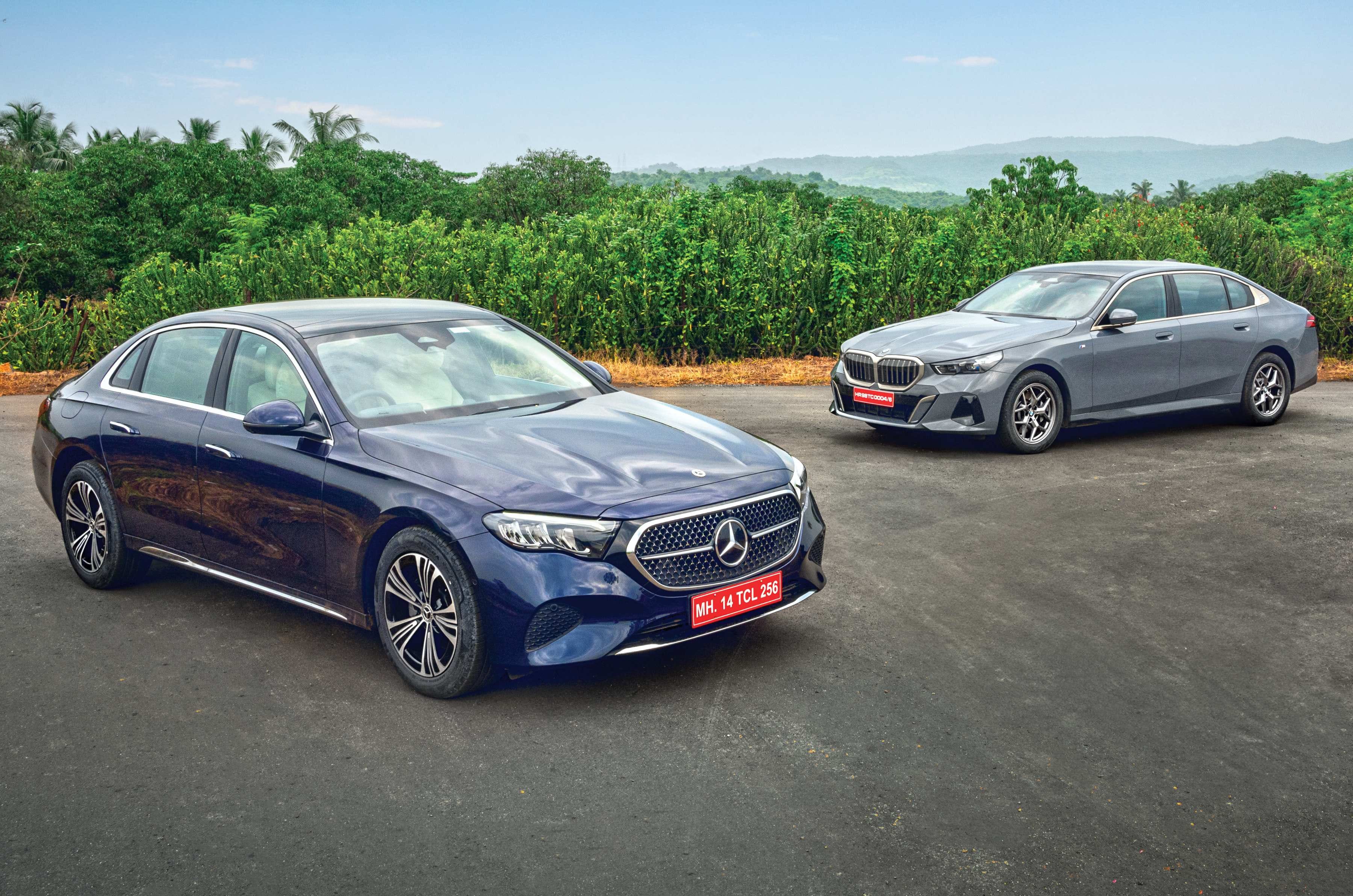
Mercedes E-Class (left), BMW 5 Series LWB (right).
The top-spec Luxury trim costs Rs 71.80 lakh, ex-showroom, and gets a decent set of features, while still being considerably less expensive than similarly sized rivals like the Mercedes-Benz E-Class and BMW 5 Series LWB. For those who are not chasing badge value and value longevity over flash, the ES 350h is worth a strong consideration.
Like any other car, the Lexus ES 350h has a few limitations. Let us look at a few reasons why you might want to skip it.
Reasons not to buy the Lexus ES 350h
Misses out on some features compared to rivals
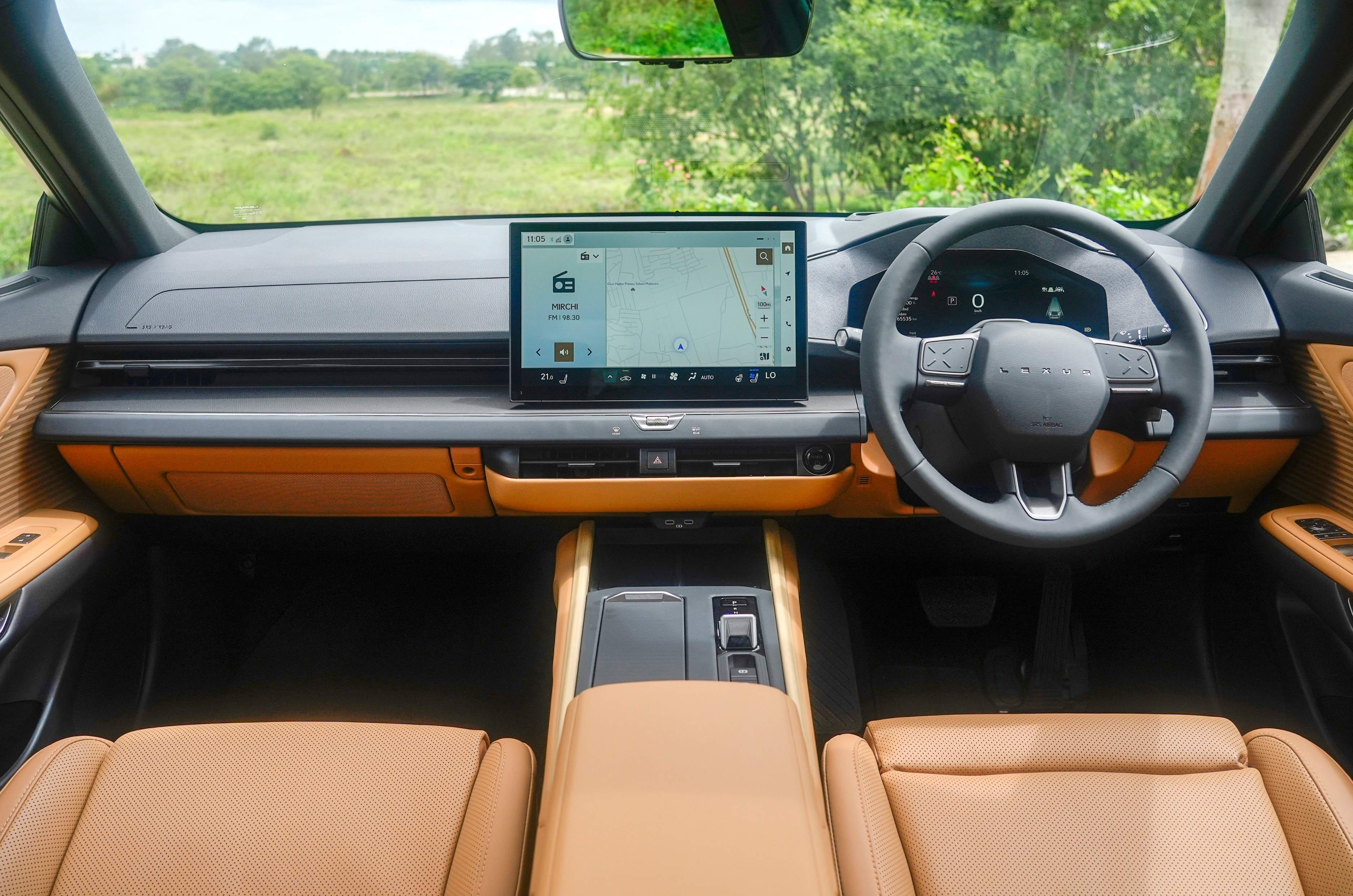
The passenger display in the Mercedes E-Class, part of its Superscreen setup, adds to the wow factor; the ES, meanwhile, gets a touchscreen and a digital driver’s display. The ES gets a single-pane sunroof, but a panoramic or even a split-pane sunroof would have helped open up the cabin during the daytime. In comparison, the E-Class gets a panoramic sunroof, while the 5 Series LWB gets a fixed panoramic glass roof. Strangely, even sunblinds are absent from the 350h; the Mercedes sedan offers powered blinds.
What’s interesting is that the ES’ older version (the seventh-generation facelift) did pamper chauffeur-driven passengers with sunblinds and even media controls. Now, however, AC vents with two Type-C ports are all that is available.
Rear seat comfort not as good as rivals
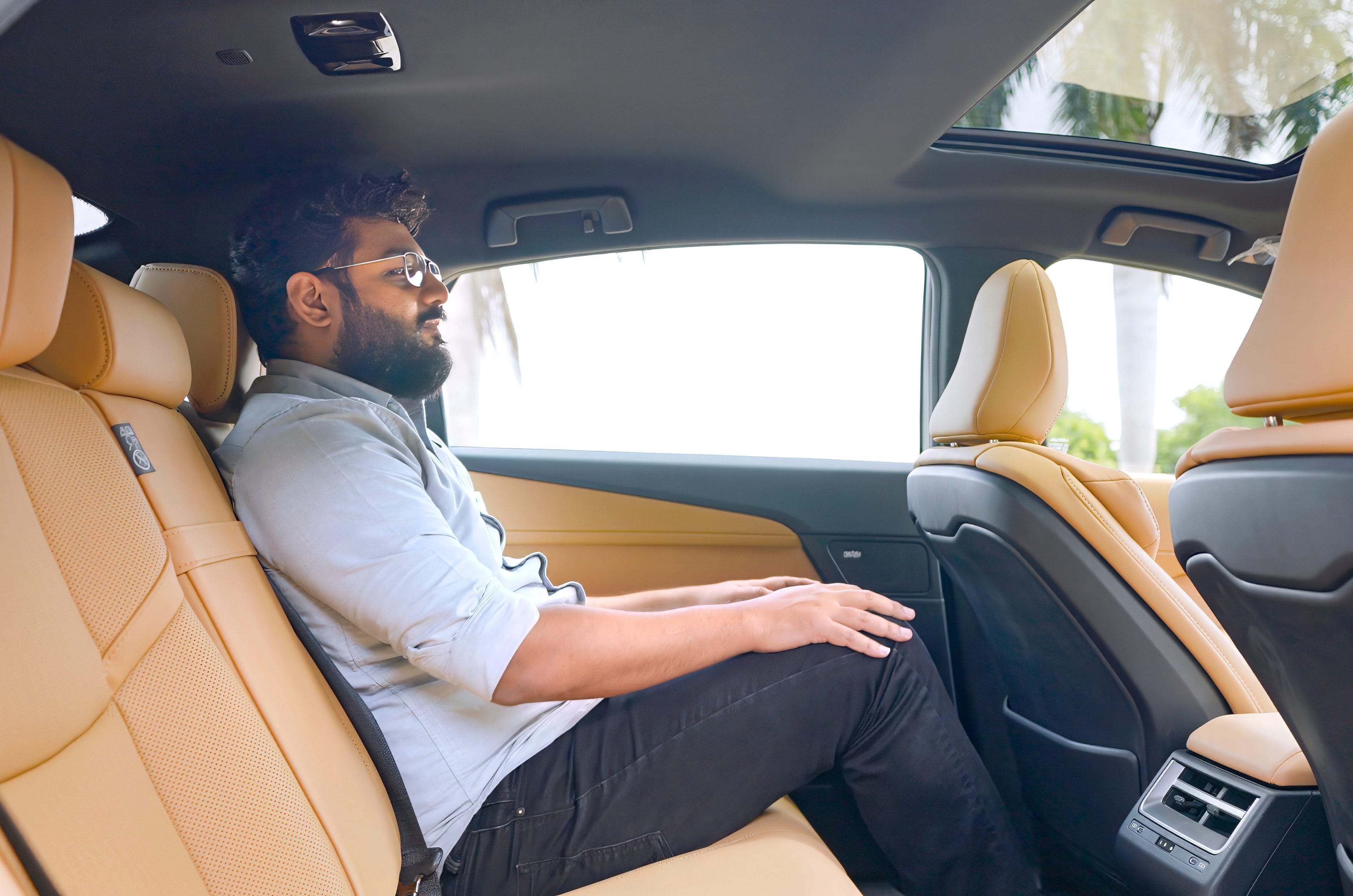
While legroom at the rear is plentiful, the raised floor, however, means the rear passengers sit in a knees-up position, and there is no recline function for the backrest. This does not work in favour of the ES, as both the Mercedes E-Class and BMW 5 Series are known for their impressive rear-seat experience, which is important for those who prefer to be chauffeur-driven.
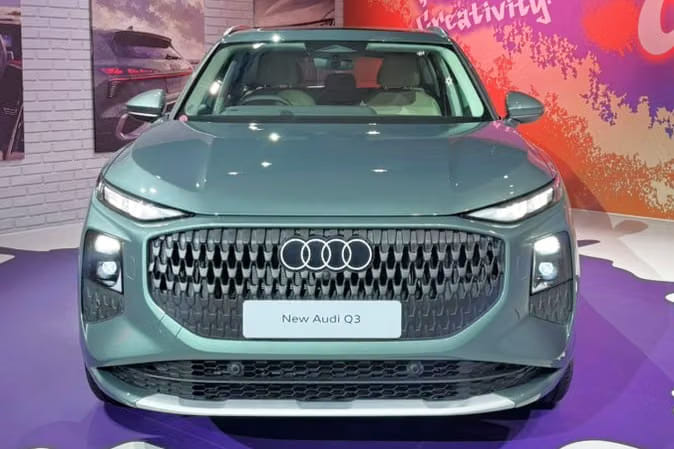
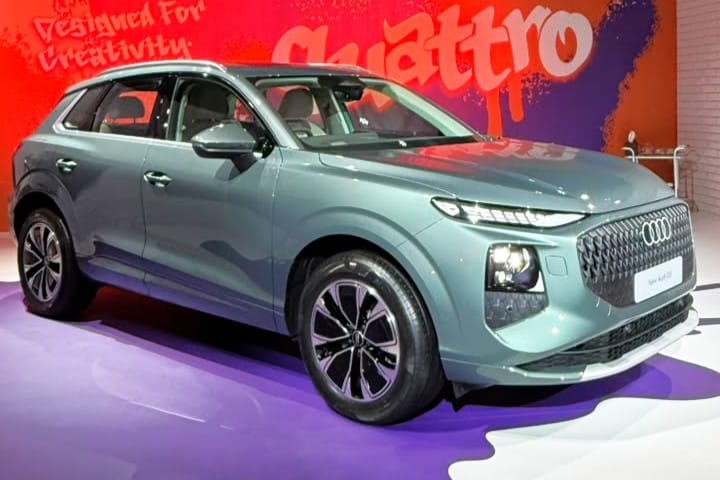
Audi India is slated to launch the new Q3 on October 16, 2026. The India-spec Q3 debuted in August 2026 and is the first of all-new Audis to arrive in India. The German carmaker’s entry-level luxury replaces its second-generation version, which has been on sale for four years and will be locally assembled.
To be powered solely by a turbo-petrol engine
The third-generation Audi Q3 is powered by a 2.0-litre direct-injection turbo-petrol engine. Though power figures are yet to be confirmed, it is expected to produce 204hp and 320Nm. A 7-speed DCT sends power to all wheels via Audi’s Quattro AWD system that’s likely to be standard fitment across the Q3 range.
Gets an aggressive exterior and a tech-laden interior
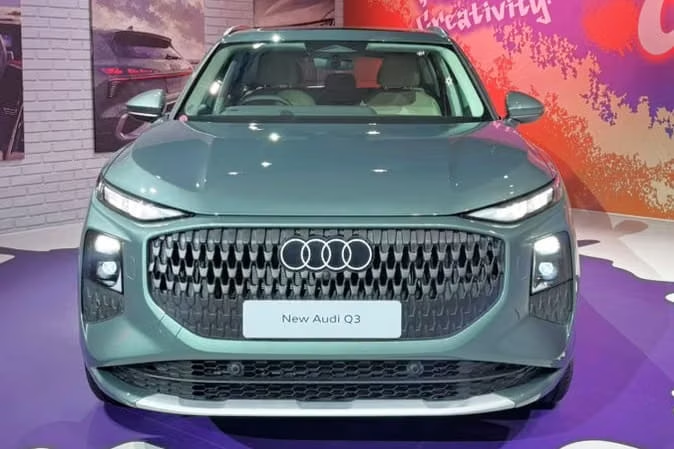
The new Q3’s exterior bears a more imposing look than its predecessor. Unlike its rivals that sport a traditional headlamp setup, the Q3 gets a split headlamp design with configurable DRLs. In profile, there’s body-coloured cladding, a chrome beltline, 18-inch dual-tone alloy wheels, and a black trim across the side windows and rear windscreen. The back comes with a split design for the tail-lamps, an illuminated Audi logo, and a spoiler.
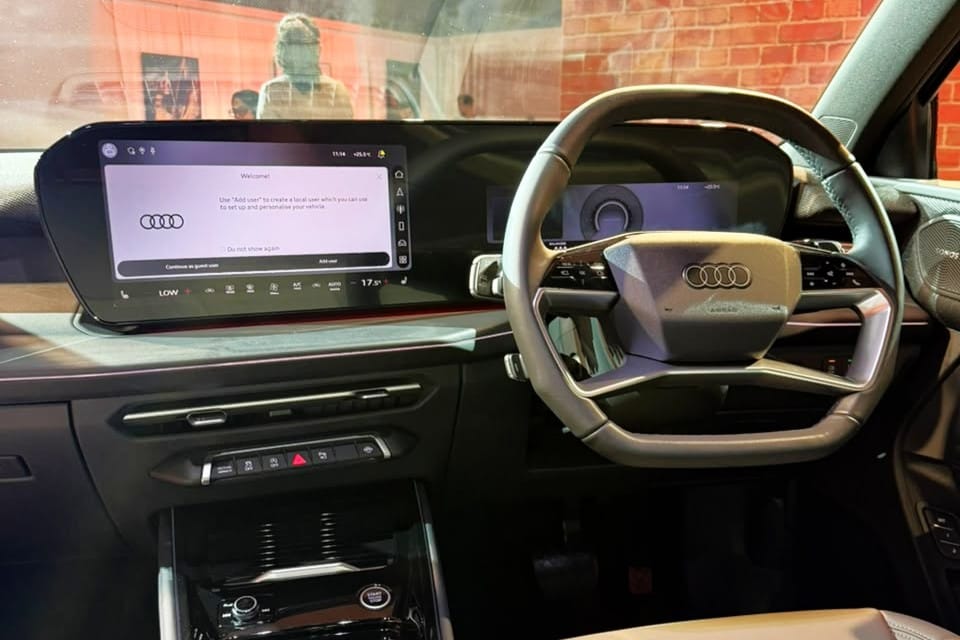
Inside, the Q3 gets an upmarket interior with a dual-screen setup for the digital driver’s display and infotainment screen. There’s also a four-spoke steering wheel, a steering column-mounted gear lever, and features like a Sonos sound system, a panoramic sunroof, wireless Apple CarPlay and Android Auto, dual-zone climate control, and a 360-degree camera setup.
Expected to be priced at around Rs 55 lakh
With an all-new generation inbound, the new Audi Q3 is likely to command a premium over the current version that retails between Rs 43.67 lakh and Rs 53 lakh. The new Q3 is expected to be priced at around Rs 55 lakh -60 lakh (ex-showroom). It will continue to take on the likes of the BMW X1, Mercedes-Benz GLA, and the Mini Countryman C.
The Society of India Automobile Manufacturers (SIAM) elected Shenu Agarwal, Managing Director and Chief Executive Officer of Ashok Leyland, as President for the 2026-27 term. SIAM is the apex national body representing all major vehicle and vehicular engine manufacturers in India. The decision was finalised at an executive committee meeting during the 2026 SIAM Annual Convention on Thursday.
Shenu Agarwal succeeds Tata Motors’s Shailesh Chandra as SIAM President
Agarwal served as SIAM Vice President during his previous term
Agarwal has served as SIAM Vice President during his previous term. Taking over as President, he succeeds Shailesh Chandra, Managing Director and CEO of Tata Motors Passenger Vehicles.
K N Radhakrishnan (left), Santosh Iyer (right).
K N Radhakrishnan, Director and CEO of TVS Motor, was elected Vice President by SIAM. Santosh Iyer, Managing Director and CEO of Mercedes-Benz India, took over as Treasurer for the current term.
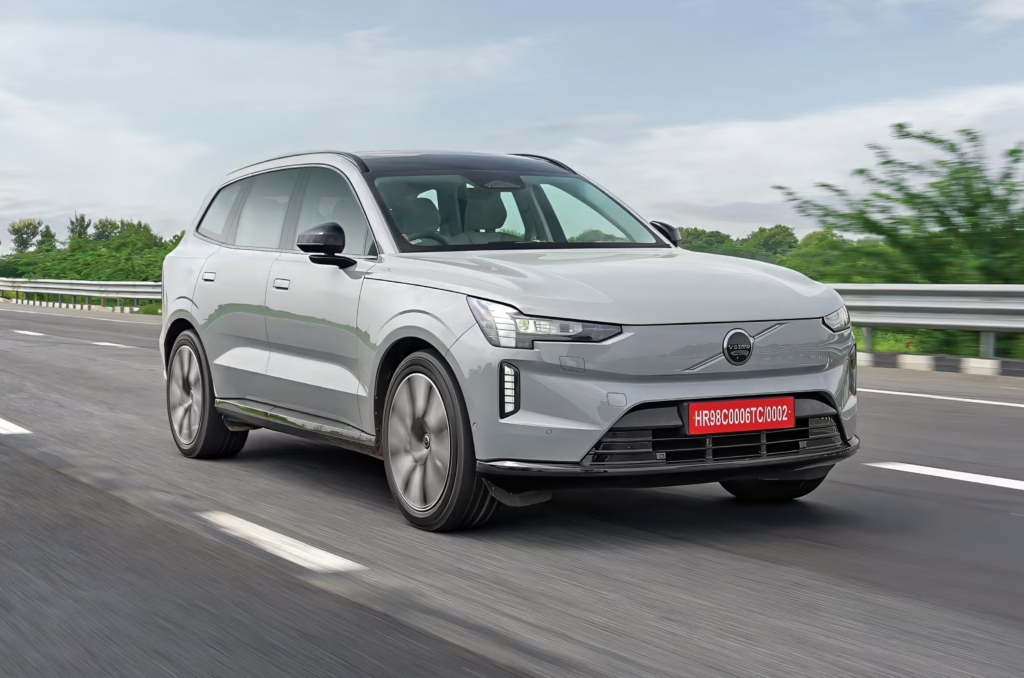
The EX90 is Volvo’s latest offering in India and also its most premium one. The EX30 and EC40 compete in the entry-level luxury EV segment, but the EX90 is the brand’s flagship electric SUV. It comes in a single, fully loaded variant with all the bells and whistles, along with a dual-motor setup and a claimed range of over 600km. Can it bring in a new audience or convert some XC90 customers? It certainly has the traits to do both.
EX90 Exterior Design and Engineering – 9/10
Built on Volvo’s SPA2 dedicated EV platform that has hints of the XC90.
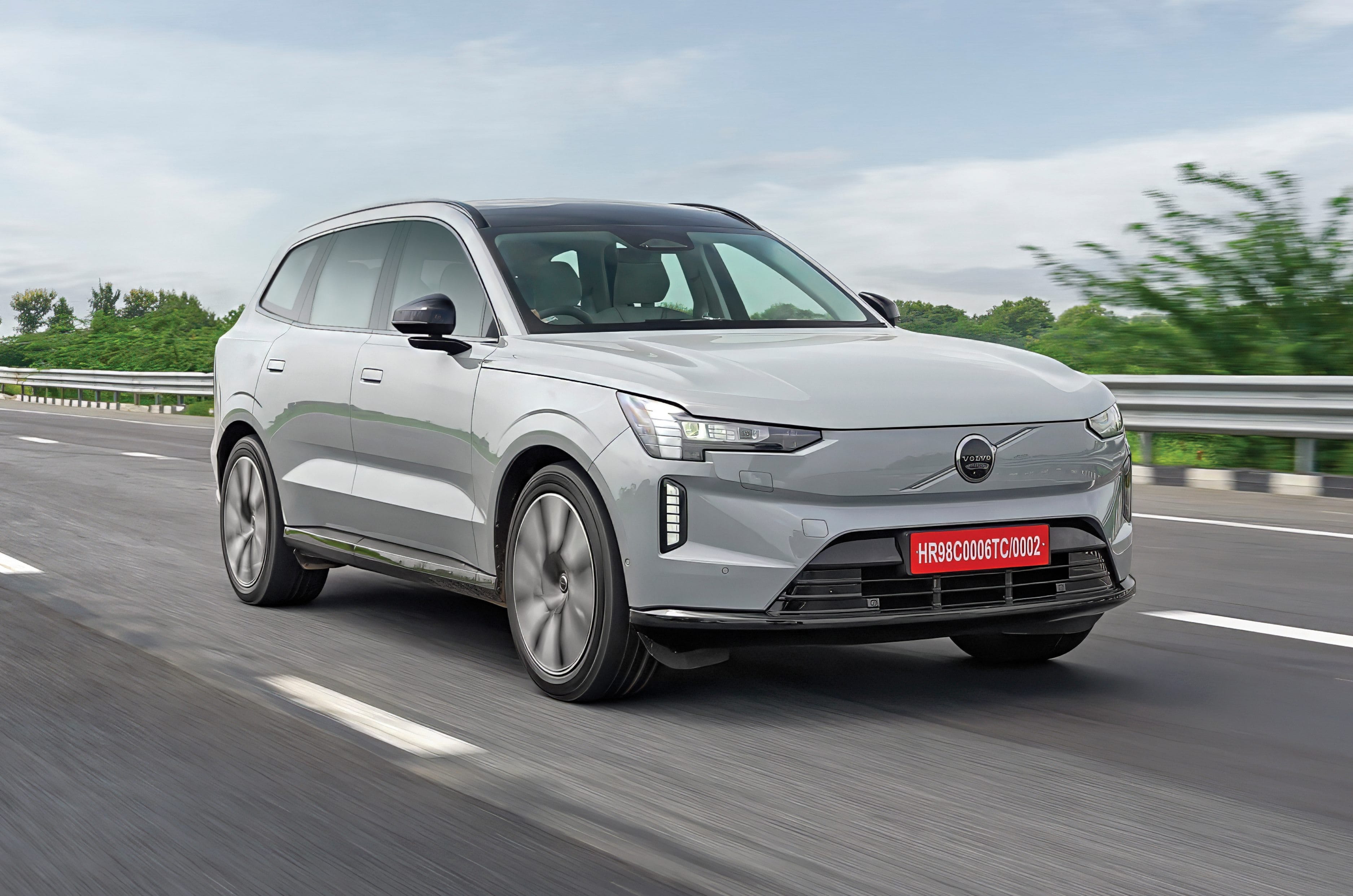
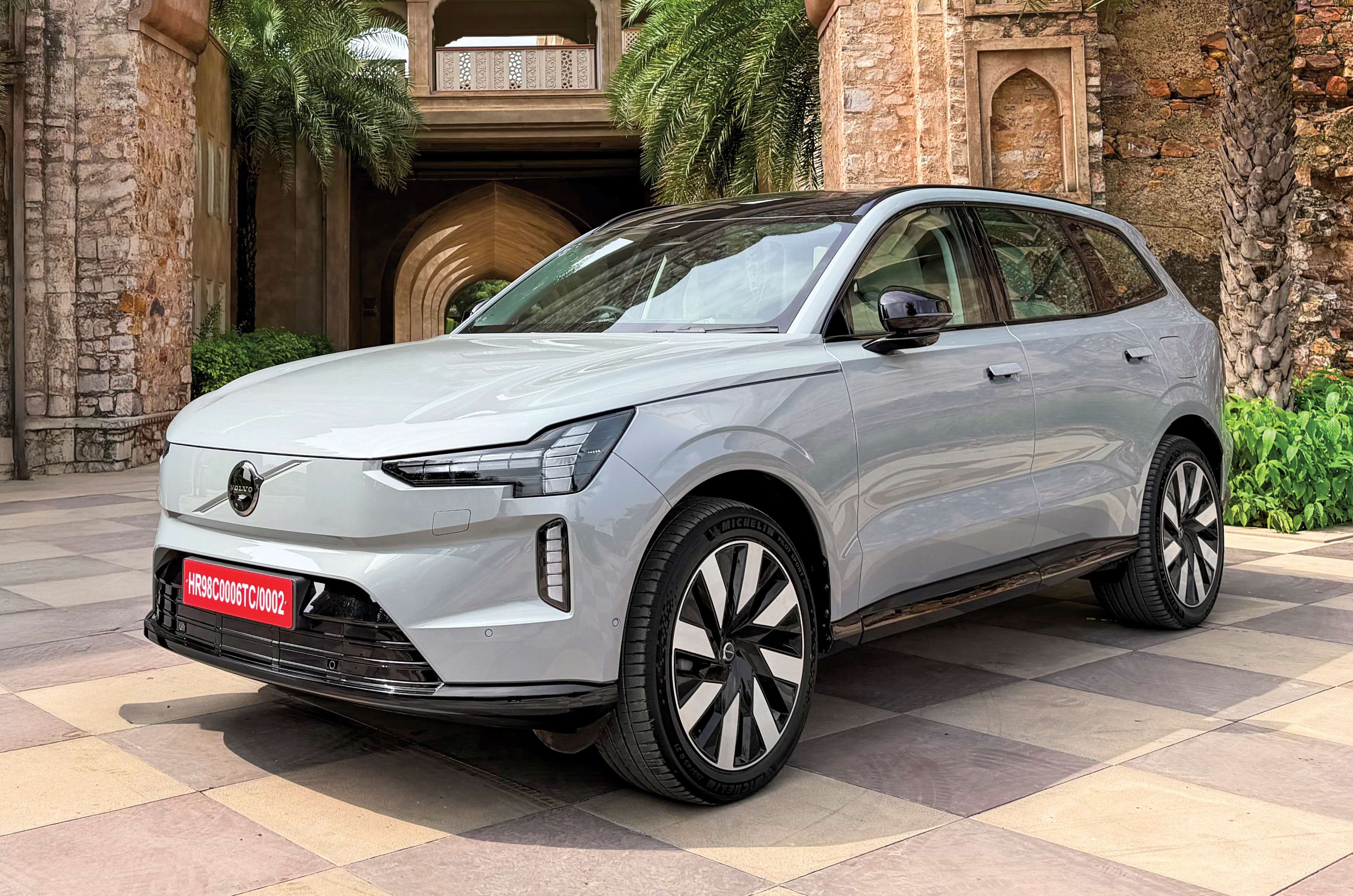
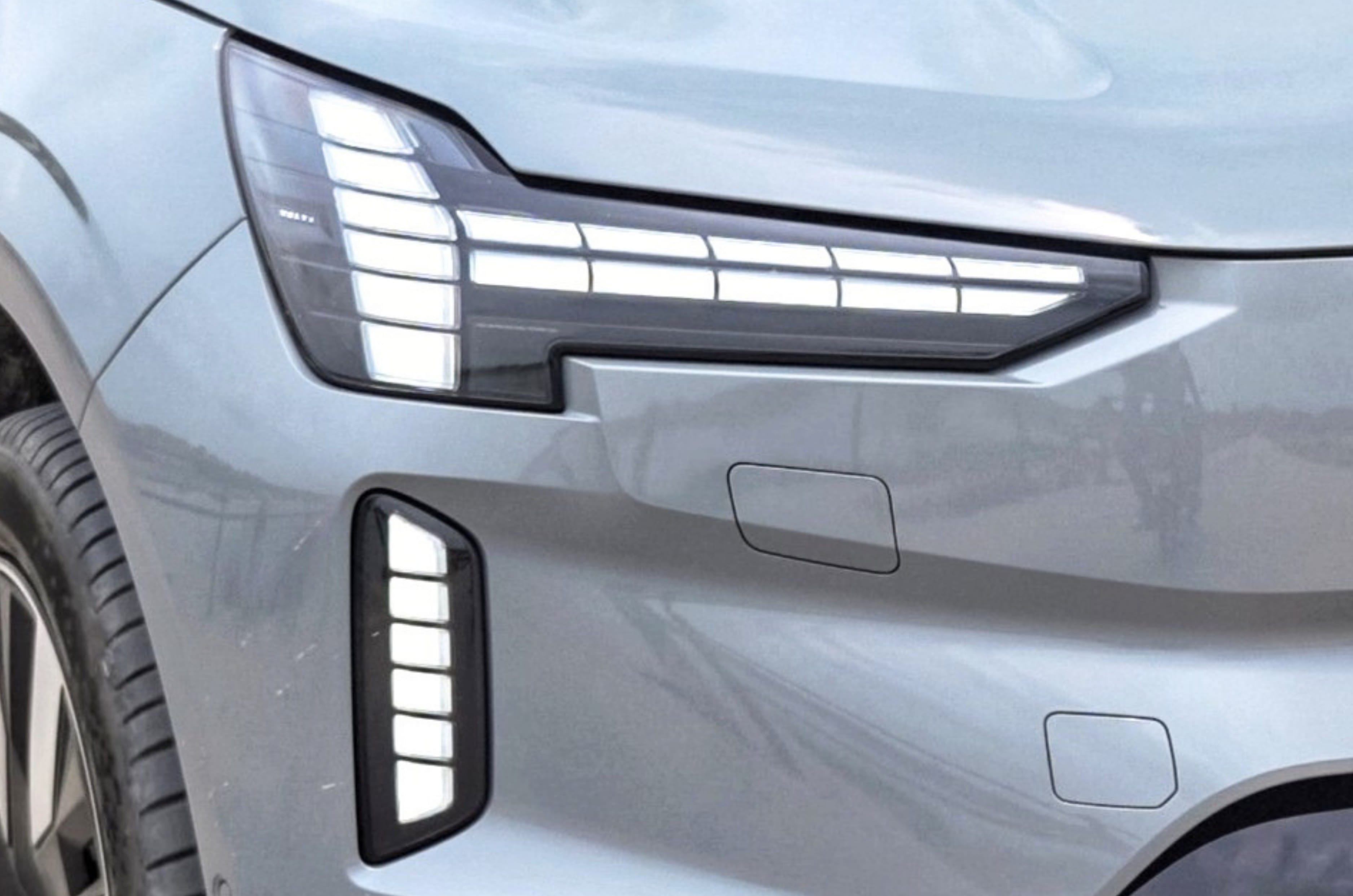
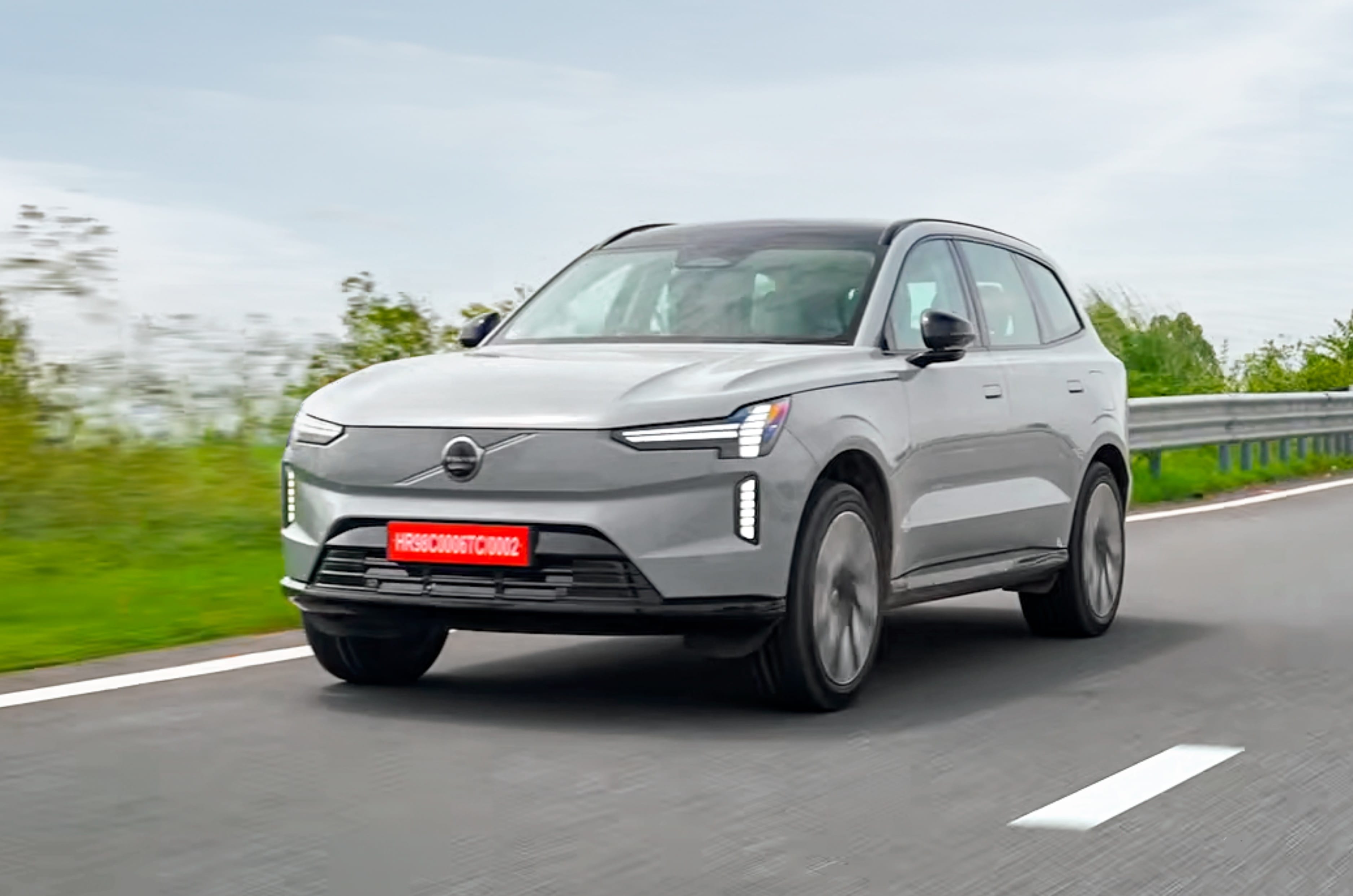
Based on the new SPA2 architecture, which has its roots in the previous SPA platform but is built specifically for EVs, the EX90 does share some resemblance to the XC90 in its shape and form factor. However, the details are different. As expected, the overall design is simple and far from outlandish or attention-seeking. This is in keeping with the brand’s image, and the restraint actually works. The flat, closed-off front end dismisses any chances of a blingy chrome grille, and what adds drama instead are the LED lights that split open to reveal the main headlamps behind. These, too, have an impressive party trick; with over a million pixels, they can individually light up or switch off and constantly shape a light beam to avoid dazzling oncoming traffic. Further down, you get some more DRL strips, one on each side, and a rather simple, fuss-free bumper.
DRLs that spilt open to reveal headlamps add drama.
Over to the side, the EX90 is slightly longer than the XC90, while the rest of its dimensions see a marginal bump. 21-inch wheels are standard, and the 210mm of ground clearance at its lowest setting is plenty. The air suspension also allows you to raise the car up to 250mm for off-road use. The door handles are pop-up, flip-up-style units, and you no longer get a key. Instead, you get a card that you need to tap at the right spot, with the Volvo logo facing the right way, for the handle to pop up. Alternatively, you can simply link your phone to the car and use it as a key. It seems convenient on paper, but the card system needs to be a lot more seamless to be hassle-free.
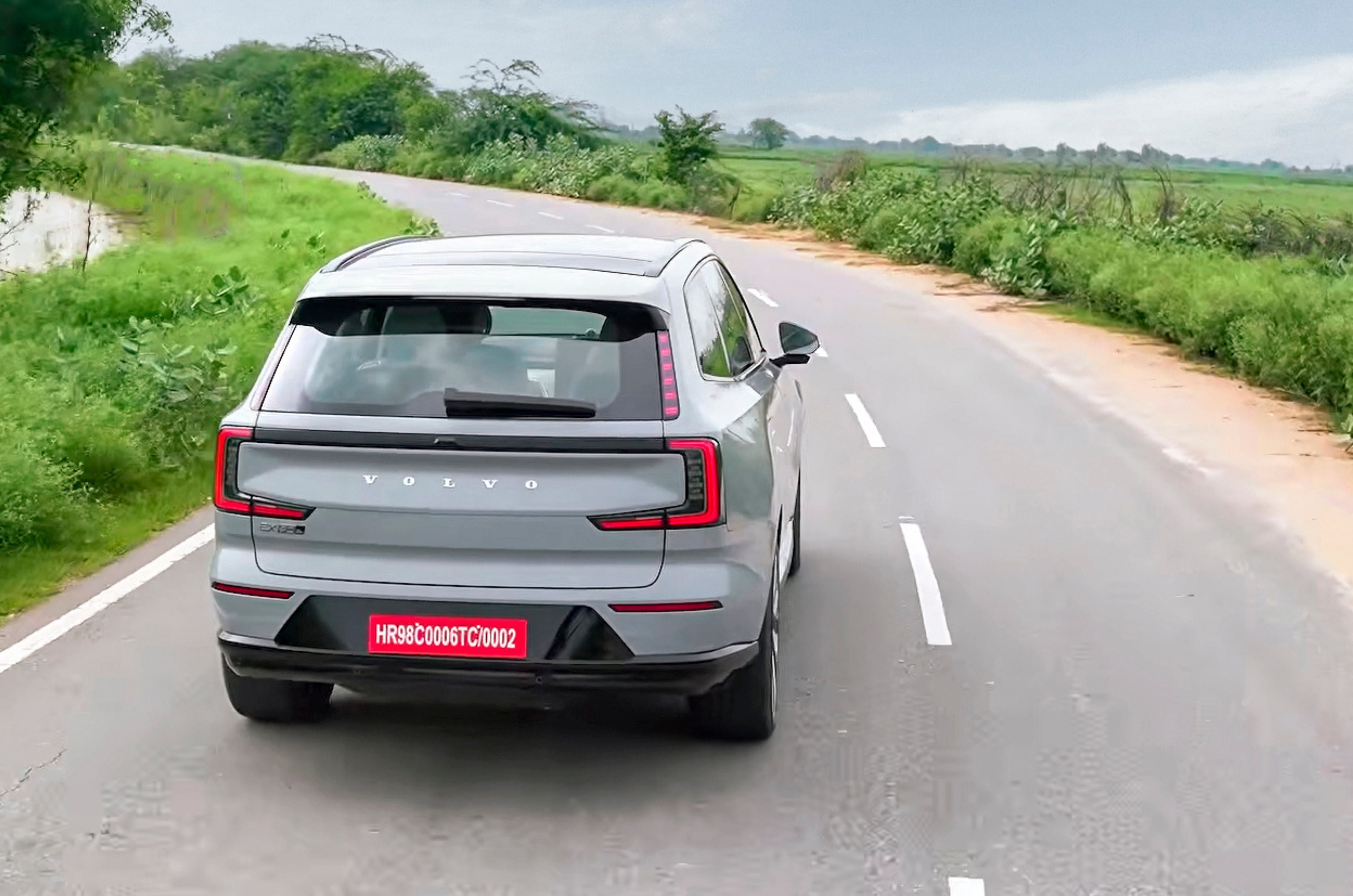
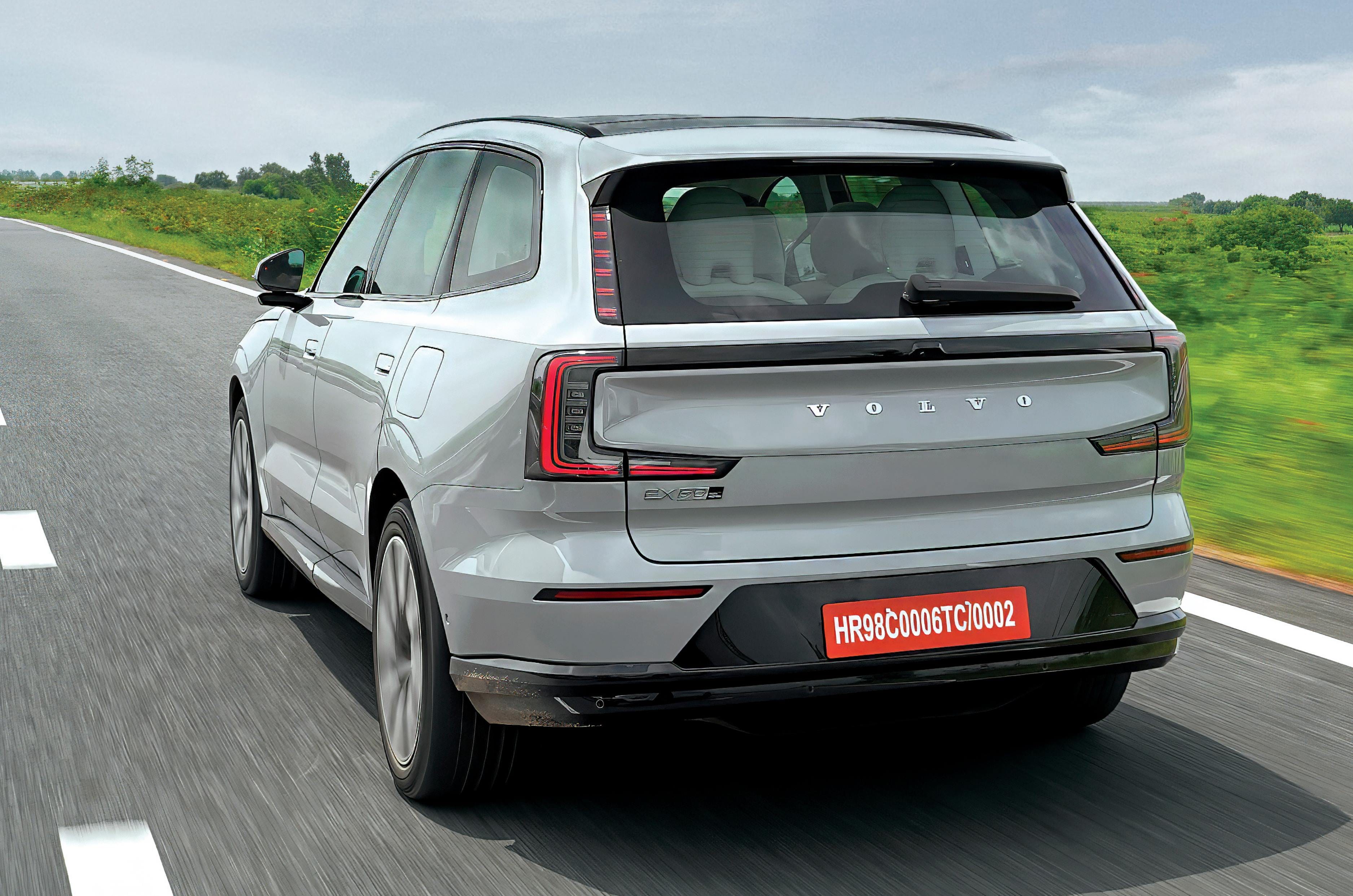
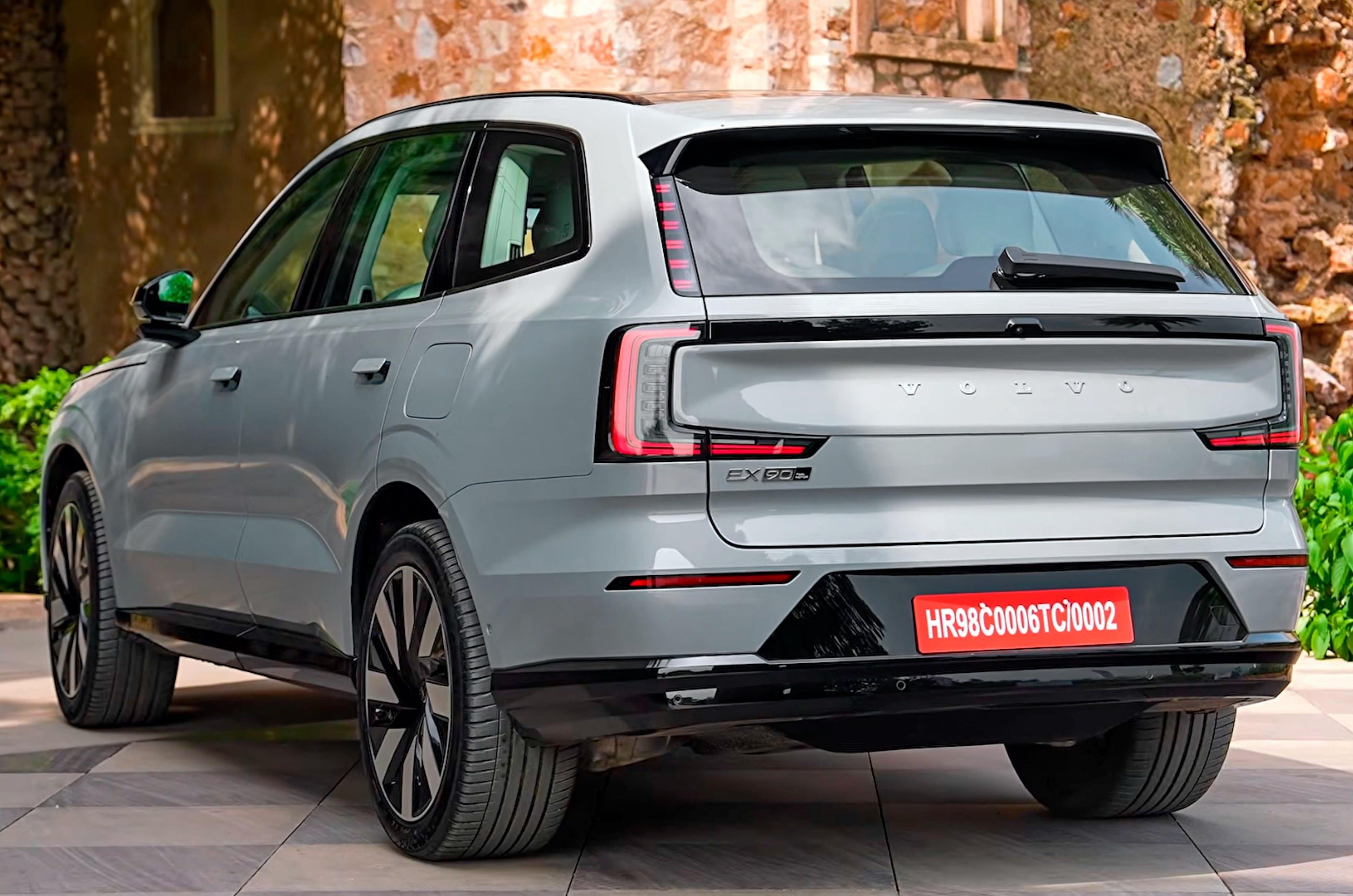
At the rear, it gets a split setup for the LED tail-lamps, with C-shaped LEDs on the lower half and vertically stacked LEDs in the D-pillar. There isn’t a single strip of chrome, and even the cladding is minimal. Subtlety is what Volvo aims for with its design, and the EX90 offers just that.
EX90 Interior Space and Comfort – 8/10
Two-tone upholstery looks rich and materials feel plush.
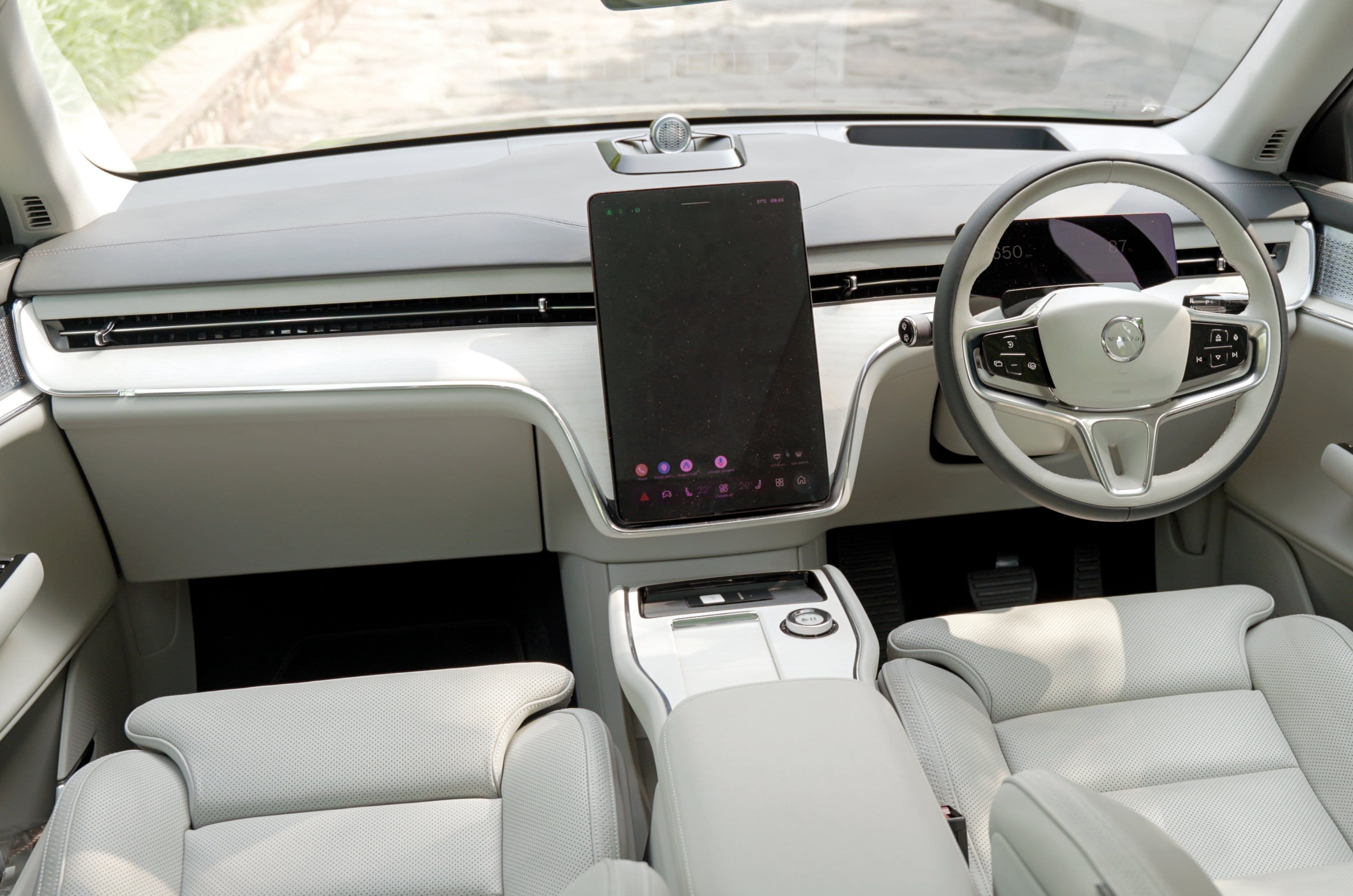
Inside, the minimalist approach continues and even takes precedence. The dashboard is devoid of any buttons whatsoever, and the majority of the real estate is taken up by the 14.5-inch touchscreen. However, the bright seats and upholstery, along with the bright open-pore wood, lift the cabin ambience significantly. There is generous use of brushed aluminium as well, and the Nappa leather is fantastic to the touch. The centre console also features wireless charging and a rotary knob for media control.
There is plenty in the front seats to pamper you. They offer excellent support, and feature heating, ventilation and a whole host of massage options. Plenty of electric adjustment also means finding an accurate driving position is easy, and all-round visibility is very good.
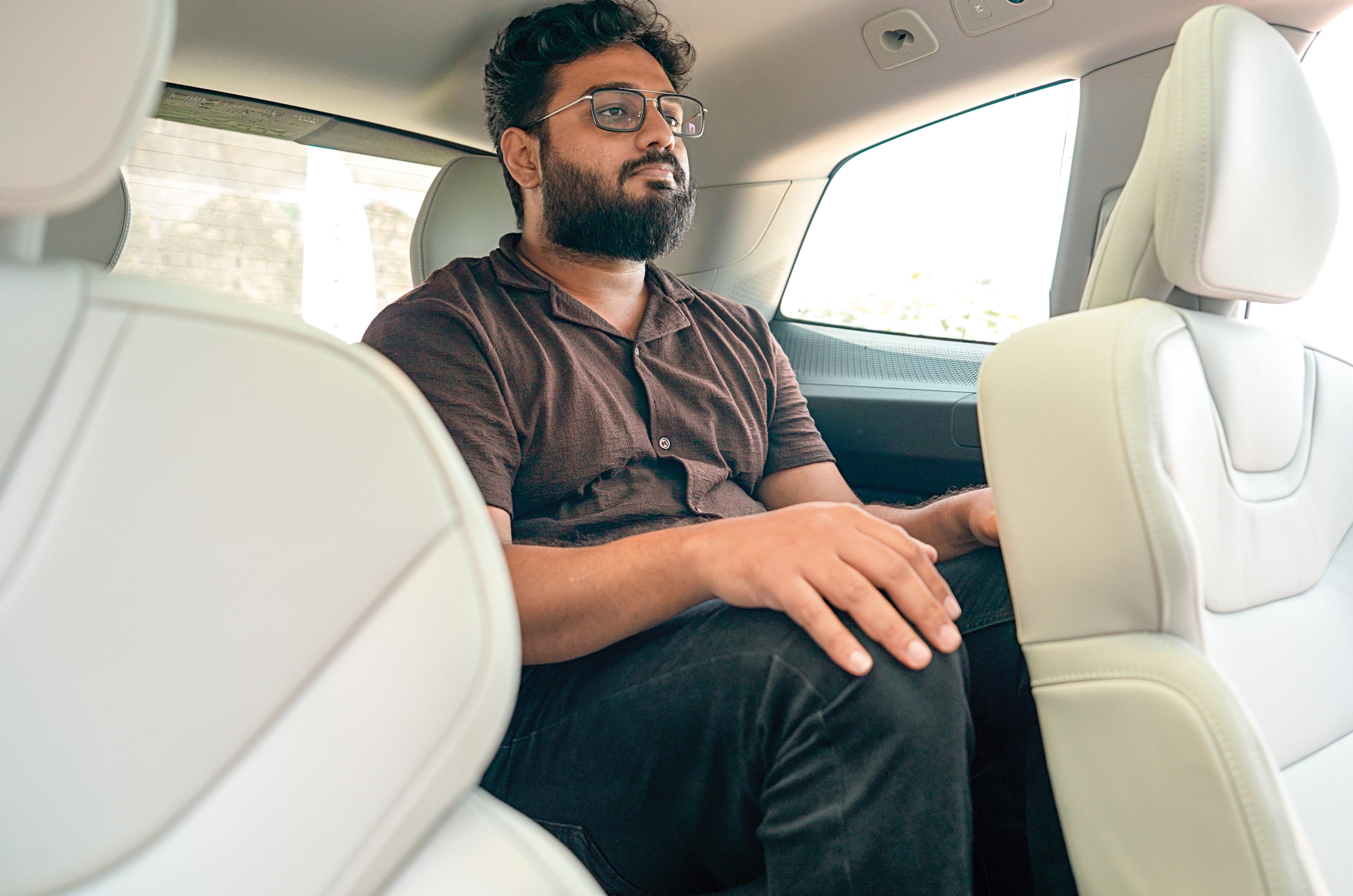
Exclusively a six-seater with good space and comfort.
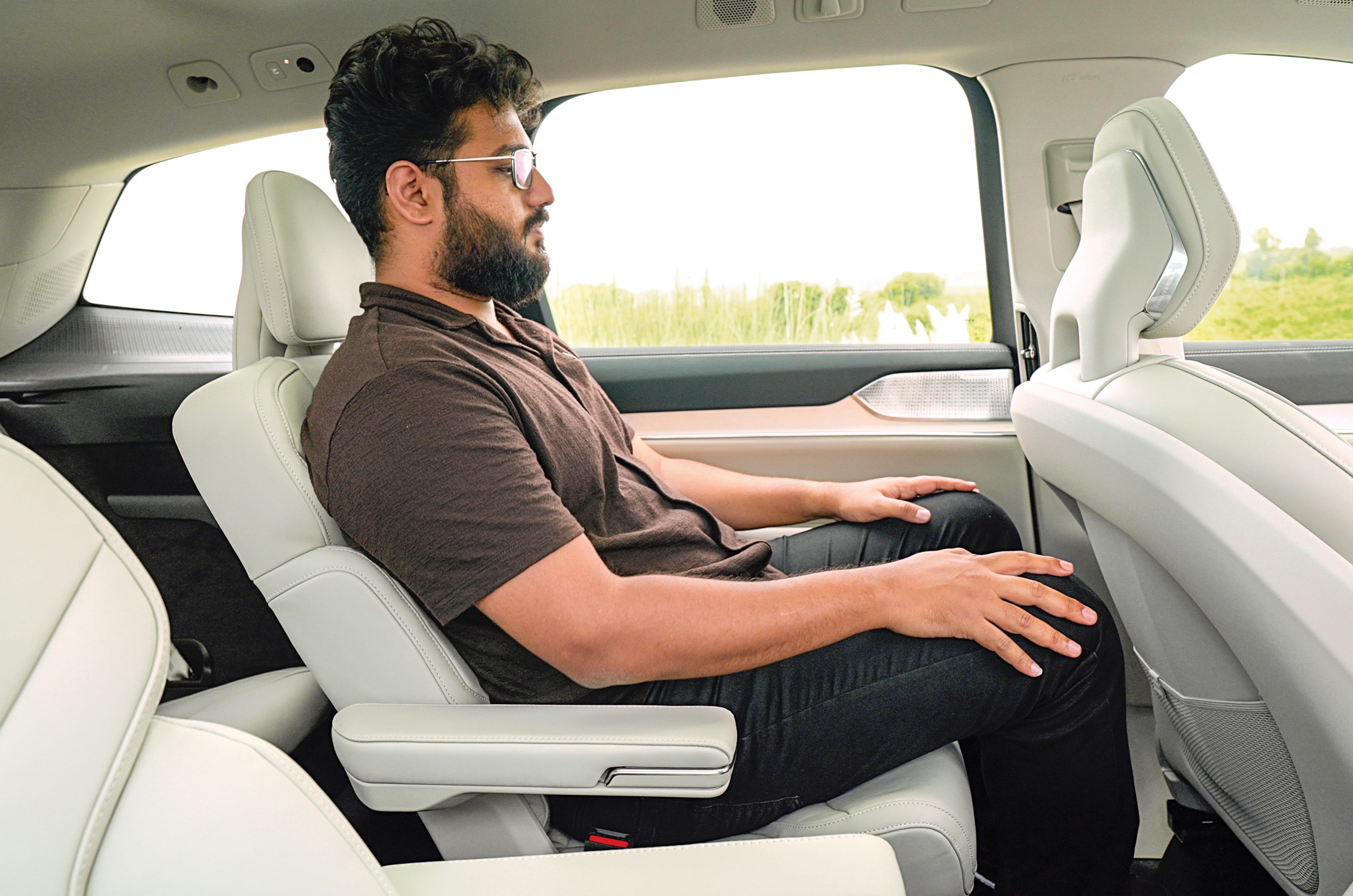
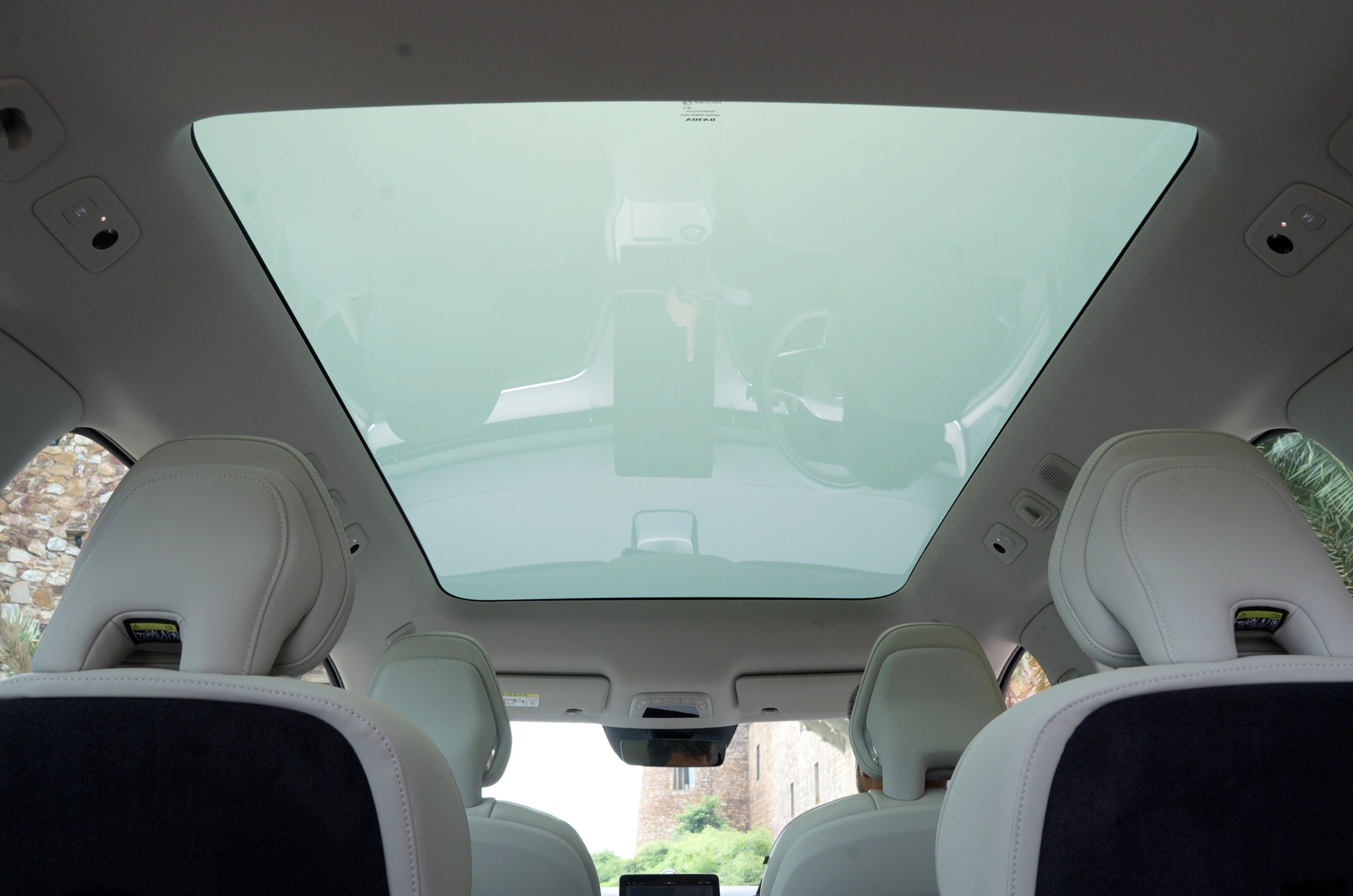
The EX90 is only available as a six-seater, so in the middle row you get captain’s chairs, but these would feel snug for some, and for a luxury car that would be chauffeur-driven, you don’t get the same level of pampering as in the front seats. There is no electric adjustment, heating, ventilation or massage either. There aren’t any sunblinds for the windows too, and even though the huge panoramic sunroof is electrochromic, at the tap of a button you get a bit of tint in the glass, on a hot day with the sun overhead, you will need more.
Massive panoramic glassroof gets electrochromic shade. Physical sunshade is an accessory.
The accessories list has a proper roof shade to protect you from that, and it is an extra we recommend you select. On the plus side, space is good, and the seats can be adjusted for legroom and recline too. You get four-zone climate control, with AC vents in the pillars that are a lot more effective, and cupholders stowed within the armrests. Also, being a modified platform, the floor is raised, and you notice this while getting in and out of the car.
Access to the third row is easy from between the captain’s chairs, thanks to the flat floor, but there is no tumble feature for the seats. Instead, they only slide forward, opening a cavity to get in. Room in the last row is at a premium for tall adults, but kids or shorter adults will do just fine with a little adjustment to the middle row.
Third row best suited for kids or short adults over quick drives.
With all three rows up, boot space stands at a healthy 324 litres, and with the third row folded away, it is a sufficient 690 litres. There is a 46-litre frunk too for stowing charging cables. Impressively, there is a full-size spare wheel as standard, which will eat up some boot space but is a huge relief given the low-profile tyres and our roads.
EX90 Features and Safety – 8/10
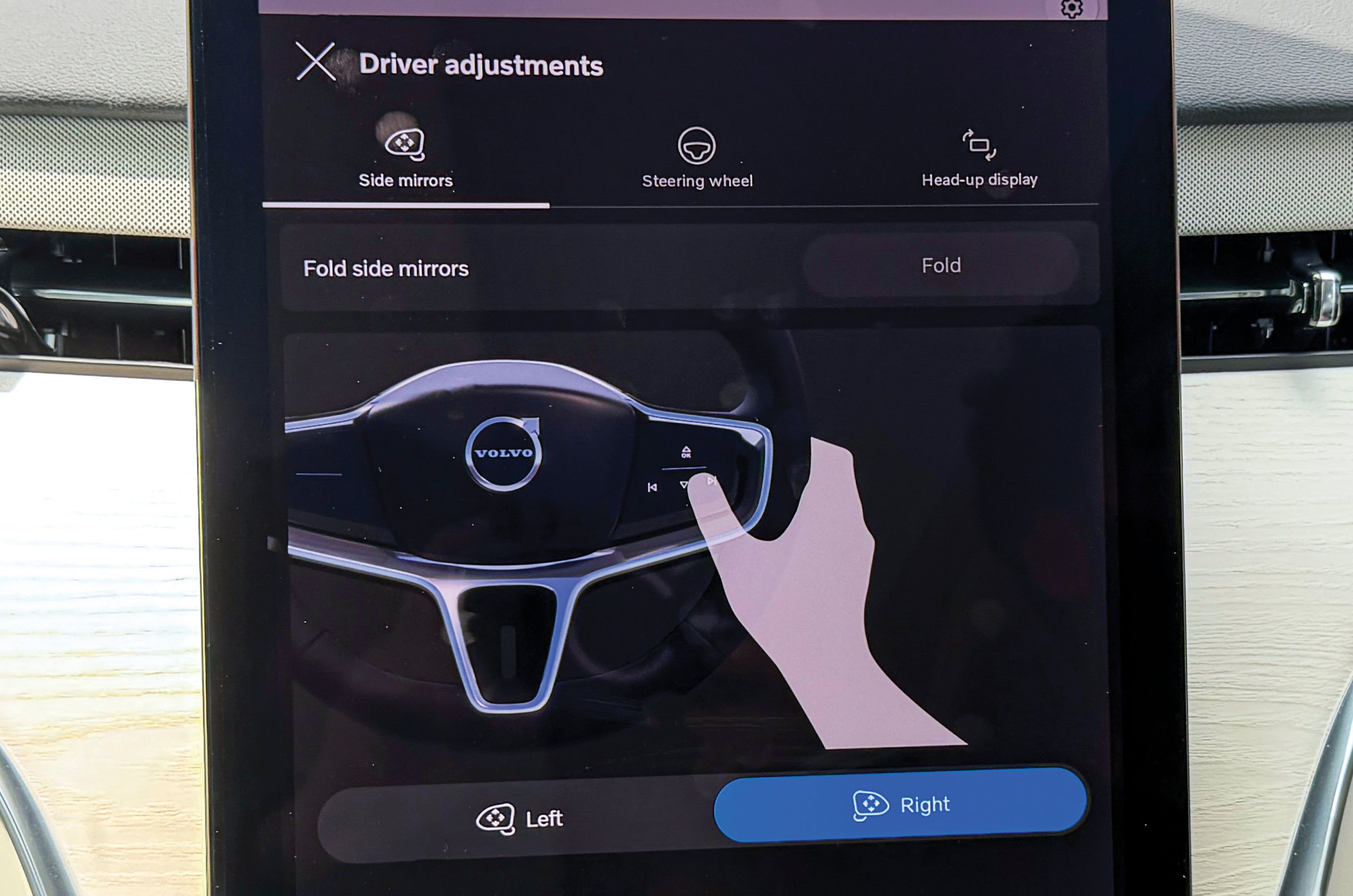
Annoyingly every control is within the 14.5-inch Google-powered screen.
Most of the EX90’s features are accessed through the massive, vertically oriented touchscreen. Being Google-powered, it runs a smooth OS, but simple tasks like adjusting the ORVMs require multiple inputs and navigation through the menus, which isn’t easy while on the move. There are some hard-coded functions at the bottom of the touchscreen, such as climate control, but you still need to focus on the screen and cannot operate them easily while driving. There is also a 9-inch driver display with nothing but the absolute necessary figures, such as range, speed and battery percentage. You can also load up the maps there, and it displays the traffic around you too. However, don’t expect multiple dials and a loaded, fighter-jet-like cockpit experience, the instrumentation is all minimal but feels sparse too.
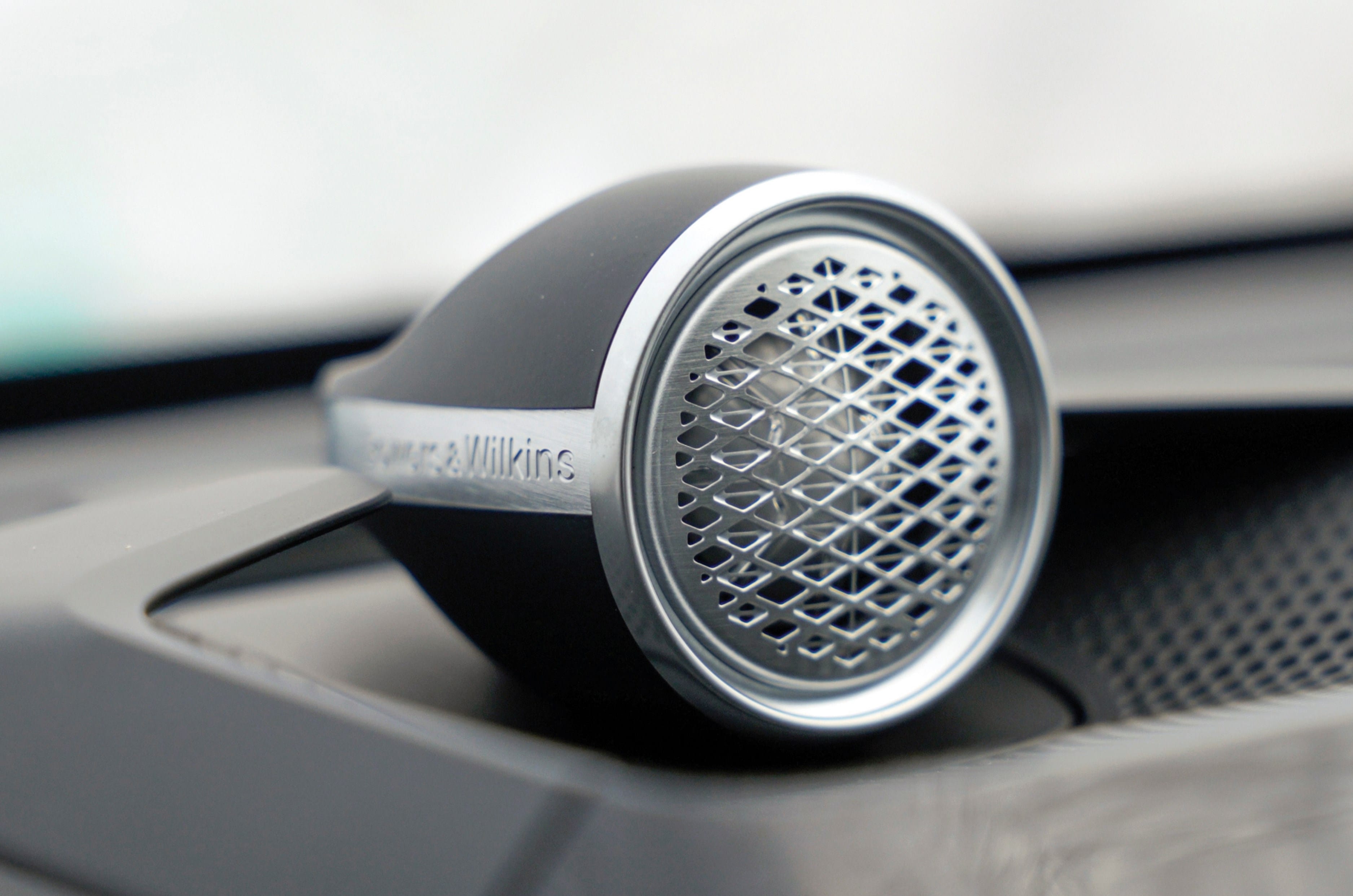
Bowers & Wilkins Hi-Fi audio system is epic.
What is excellent, however, is the music system: a 1,610W, 25-speaker Bowers & Wilkins Hi-Fi audio system with custom presets and modes that truly transform the cabin. If you enjoy your music, there are few cars in the world that offer something at this level or better. Safety is where Volvo excels, and the EX90, being the flagship, has all the bells and whistles – active and passive. Nine airbags, five cameras, five radars and 12 ultrasonic sensors, powering a full ADAS suite including door-opening alert and post-impact braking, make it exceptionally well equipped. Essentials like a 360-degree camera and auto-parking further make it easy to live with.
EX90 Performance and Refinement – 9/10
It is just as nice to drive as it is to be chauffeured in.
The EX90 comes in a single variant in India, with a dual-motor setup and a 106kWh battery pack. It develops 456hp and 670Nm, making it quick off the line. 0-100kph takes just 5.5sec, which, given its size and type, is pretty impressive. However, from behind the wheel, the experience aligns with its laid back character. You can alter the dynamics using the four drive modes. ‘Range’ prioritises efficiency, and power and torque are heavily restrained, although in bumper-to-bumper traffic, you will not notice the dip. There is a creep function too for peak-hour jams. ‘Standard’ is a balance that suits the car well for the most part, while ‘Performance’ is for that rare time when you want to add some enthusiasm.
Despite its strong power figures, performance feels more like an airliner than a fighter jet.
Don’t expect fighter-jet levels of reactions, though. Even in ‘Performance’ and with a heavy right foot, the EX90 builds pace gradually. It is almost like taking off in an aeroplane, where the speed rises in a strong and linear manner. This mode zaps power swiftly, so it is best to use the ‘Standard’ mode and get the best of all worlds. If you end up venturing off the tarmac, the ‘Off-road’ mode allows for more ground clearance (250mm), and it alters traction control and ESP settings to allow for more traction on loose surfaces.
Once on the move, what is extremely impressive is cabin refinement. With no engine sound to distract you, EV cabins amplify ambient sounds like wind and road noise, especially with large tyres, but the EX90 is a different story. Cabin insulation is top-notch, and it is near-silent on the inside. It also has a neat trick, microphones all around the car can relay conversations via the speakers clearly no matter where you are seated. You only have to talk in your natural tone for your voice to clearly go through the microphone and speakers. So passengers sitting at the first and third row can have a conversation without having to speak loudly.
EX90 Mileage / Range and Efficiency – 9/10
The 106kWh battery can eke out 625km according to the WLTP cycle. In our short test drive, we saw an efficiency of 5km/kWh in mixed driving conditions, resulting in a range of 530km. That is rather respectable, and considering a majority of our drive was on the highway, this number should only get better in the city.
The EX90 also has regenerative braking, and you can go from having it completely off to low or high, or just leave it in Auto, where it does all the thinking for you. Feel, though, leaves a lot to be desired, the pedal never feels consistent in its bite point. You get an 11kW AC charger for your home or office, which takes 11 hours for 0-100 percent. But being an 800V system, it can charge at up to 350kW on a DC charger, taking just 23 minutes for 10-80 percent. The car will also pre-condition the battery, meaning it gets the battery up to its optimum temperature to charge as quickly as possible.
EX90 Ride Comfort and Handling – 8/10
The EX90 rides on air suspension, which, over broken roads at medium or high speeds, is excellent. The car adjusts within microseconds, and you barely feel bumps inside. You can firm it up for the highway, so there is none of the wallowy feel associated with a softly sprung setup. Three modes to choose from give you flexibility depending on the road surface. ‘Standard’ offers the best balance, as it has the softness without feeling overly soft in the corners, while ‘Firm’ adds a layer of stability at speed and on fast bends. ‘Soft’ is a bit too soft, and the car ends up diving or rolling a tad more than necessary. In the city, there is none of the harshness over low-speed bumps, and the composed nature of the suspension is its highlight.
EX90 Value for Money – 8/10
The EX90 offers just about everything you need in a luxury EV
Prices for the EX90 will be out in October, and it will be the brand’s flagship SUV, sitting above the XC90. If you are looking for a chauffeur-driven luxury EV, it will tick the right boxes. That said, sunblinds would have been nice, and as a driver, it will frustrate you with an over-reliance on the touchscreen and a fiddly key card. On the whole, though, it does a lot to impress and allows you to forgive these shortcomings. You get everything you expect from a luxury EV, the cabin is plush and comfortable, the materials and feel are excellent, the design is subtle but svelte, and the ride comfort is truly impressive. It rivals the Mercedes-Benz EQS and BMW iX, and while it may not be as feature-loaded in the rear seat as the EQS or as powerful and fun to drive as the iX, it does find a very nice middle ground and would be top of the list for those looking for minimalist class and luxury.
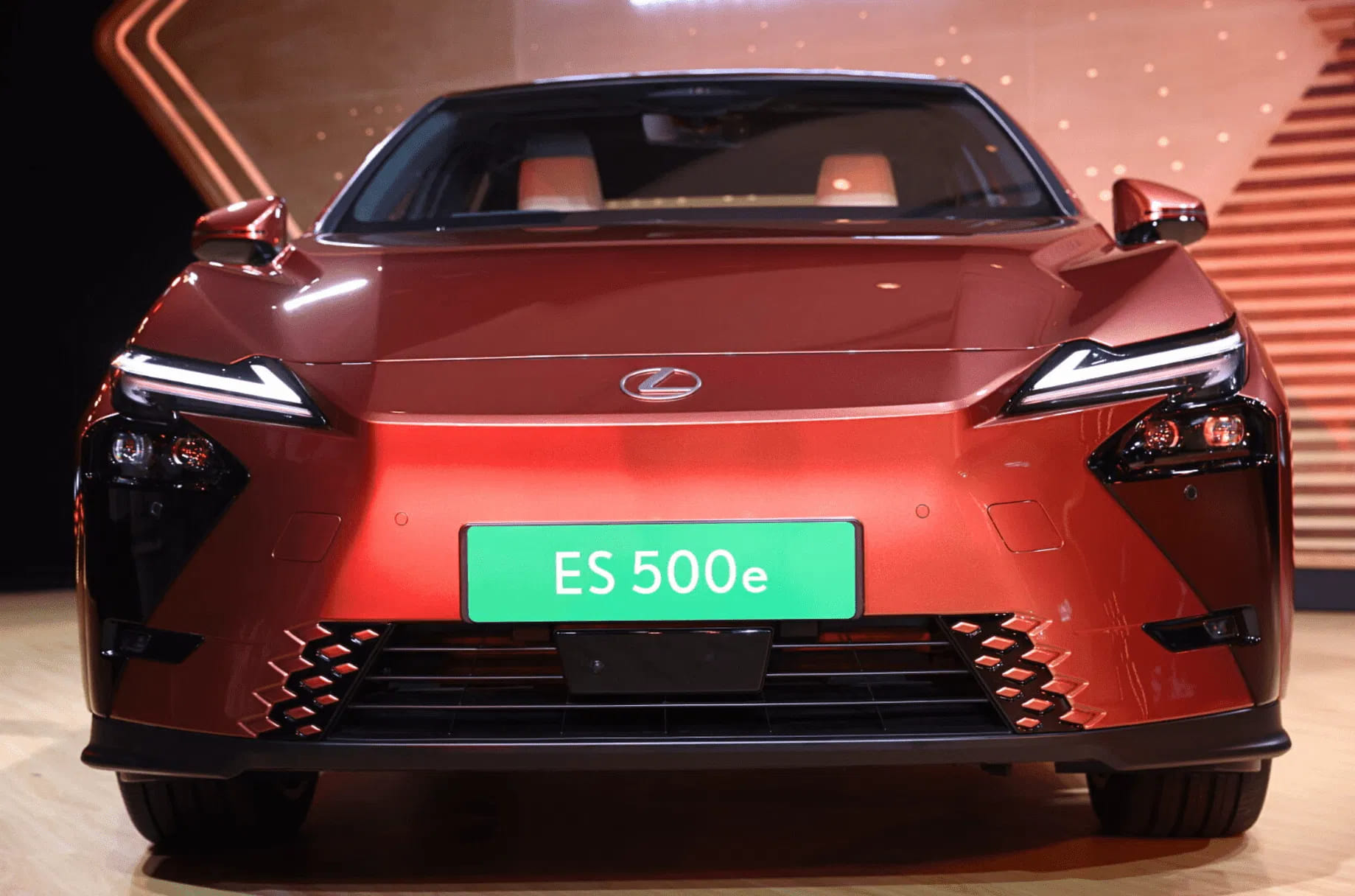
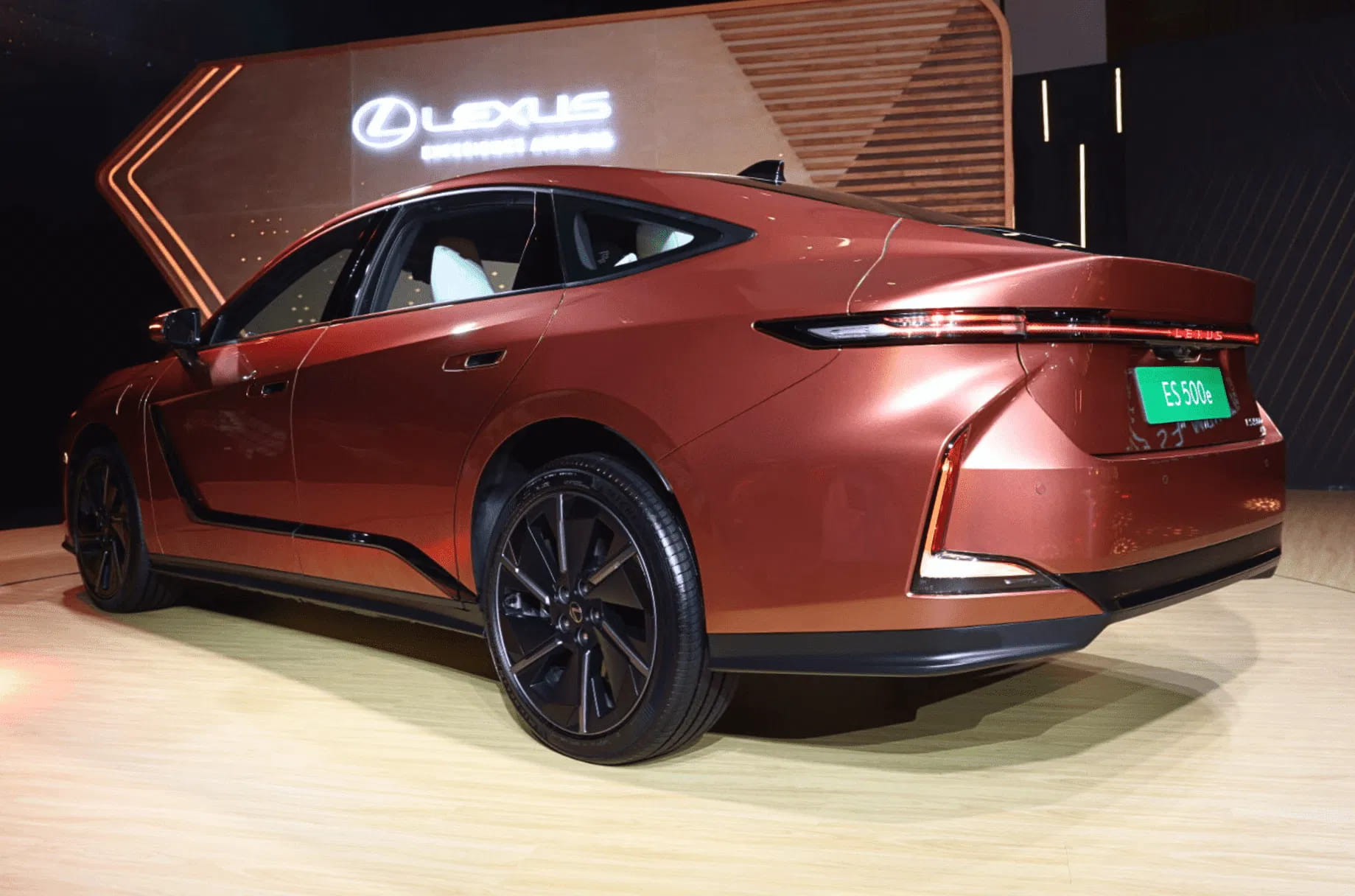
The Lexus ES is available in India in two forms: the ES 350h strong hybrid and the ES 500e EV. The 350h was added to the ES range in July, joining the 500e that launched earlier this year. Beyond the new powertrain options, the latest ES gets a larger footprint, a redesigned cabin and a host of new features. Here’s everything you need to know.
1. How much do the Lexus ES 350h and ES 500e cost in India
The Lexus ES 350h is priced at Rs 66.10 lakh for the Exquisite variant and Rs 71.80 lakh for the Luxury trim, whereas the ES 500e costs Rs 89.99 lakh (all prices are ex-showroom). Both versions get an eight-year/2,00,000km warranty, covering the vehicle and its battery.
2. What powertrain does the Lexus ES 350h get?
The ES 350h uses a 2.5-litre four-cylinder naturally aspirated petrol engine paired with an electric motor and lithium-ion battery. The petrol engine produces 186hp and 235Nm, while the electric motor develops 201hp and 270Nm in isolation. The combined system output is 244hp. Power is sent to the front wheels through an e-CVT gearbox. Lexus claims an ARAI-certified fuel efficiency of 25.22kpl.
3. What battery, motor and range does the Lexus ES 500e offer?
The ES 500e gets a 74.68kWh battery and two electric motors, one on each axle. The front motor produces 227hp and 267Nm, while the rear motor makes 120hp and 170Nm. The combined output is 343hp and 438Nm, with a claimed 0-100kph time of 5.5sec. Lexus claims a range of 580km on a full charge. The ES 500e supports 11kW AC charging, while a 150kW DC fast charger can charge the battery from 10 to 80 percent in 28 minutes. A 2.8kW portable charger is also offered.
4. What are the key features of the Lexus ES?
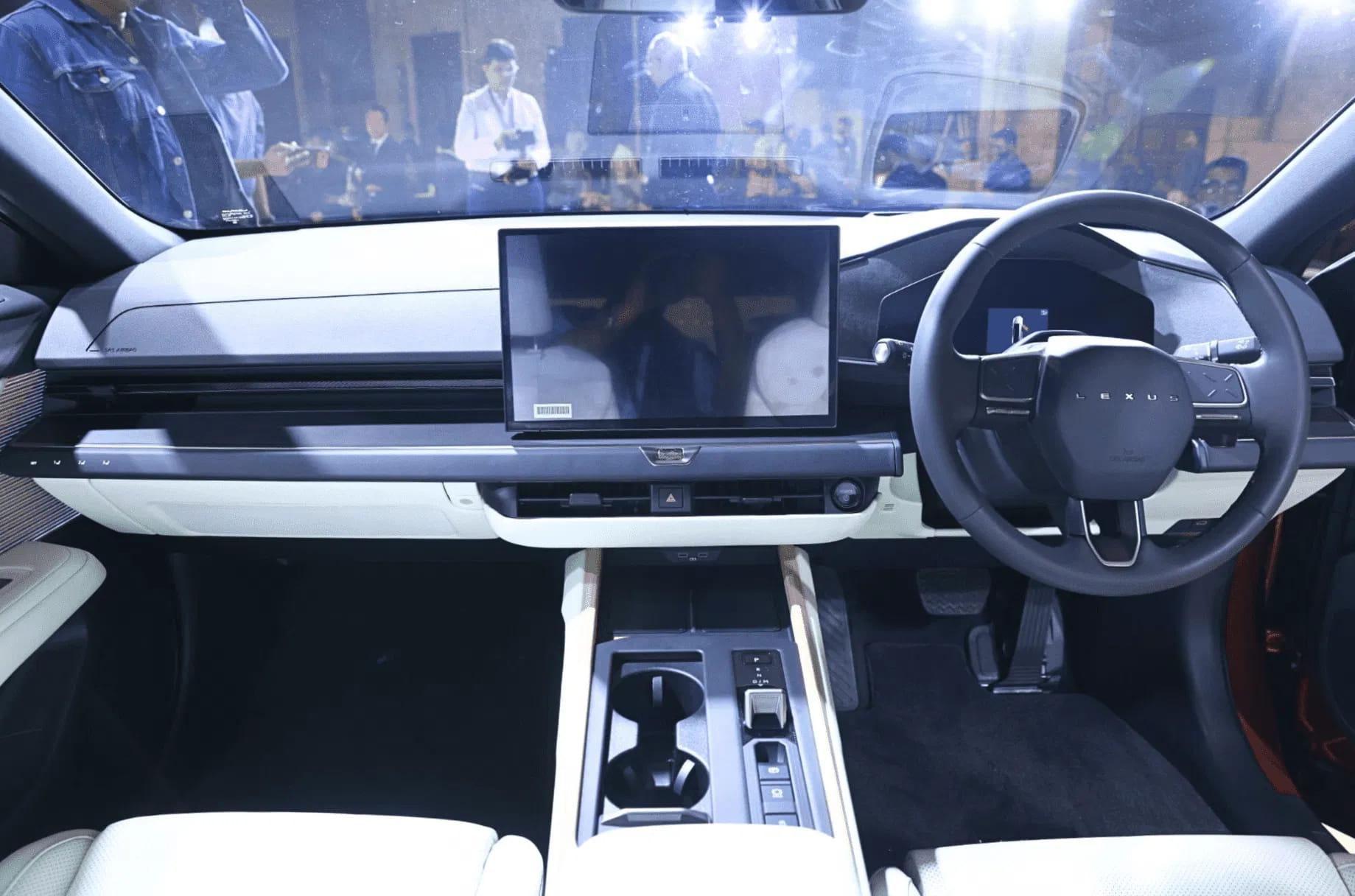
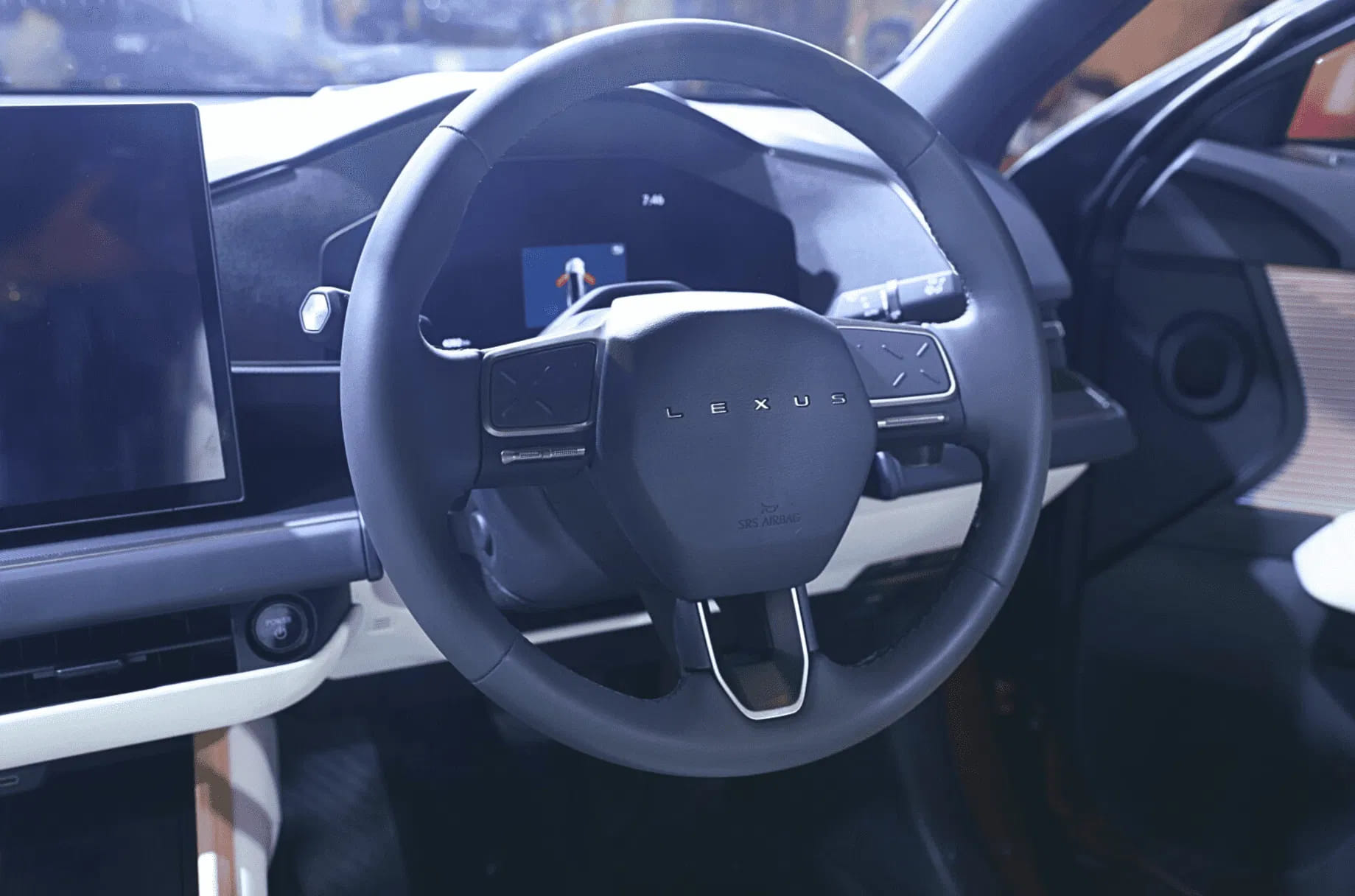
The new ES gets a dual-tone cabin with a 14-inch touchscreen and a 12.3-inch digital driver’s display. It also gets a Mark Levinson premium audio system, wireless Apple CarPlay and Android Auto, wireless phone charging and three-zone climate control. Other features include powered front seats with heating and ventilation, a head-up display, digital inside rearview mirror, ambient lighting, rear window sunshades and a power-operated boot lid.
One of the ES’s standout features is proximity-sensing controls. Physical controls are integrated into the dashboard and steering wheel and illuminate when they detect a hand approaching, combining touch controls with physical switches.
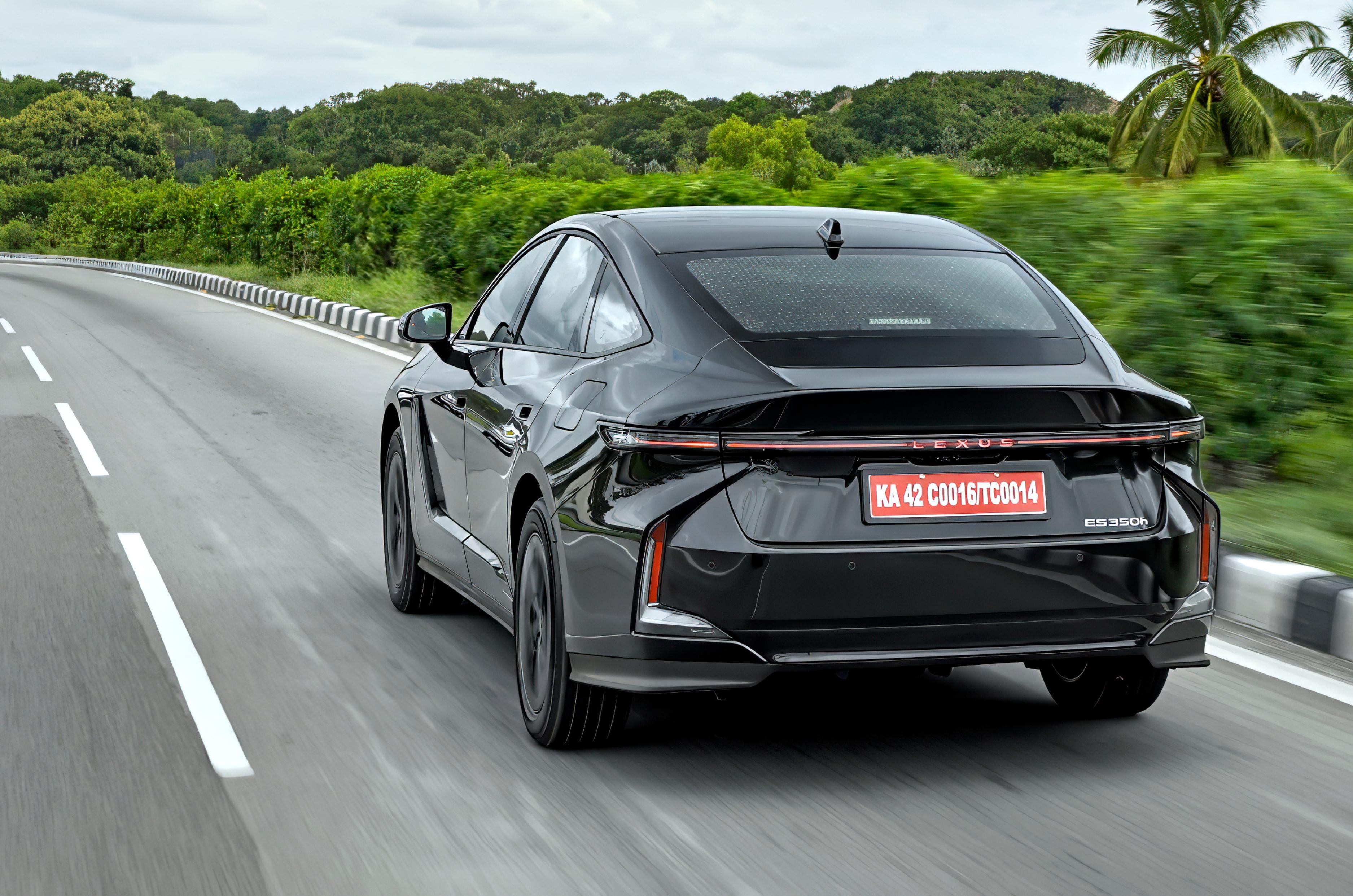
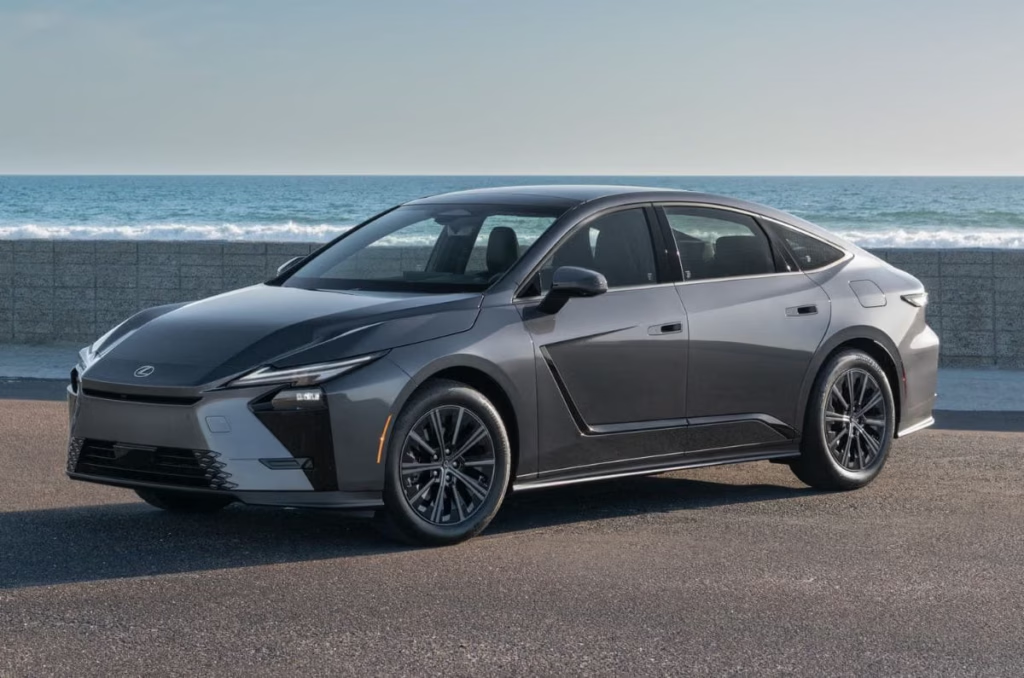
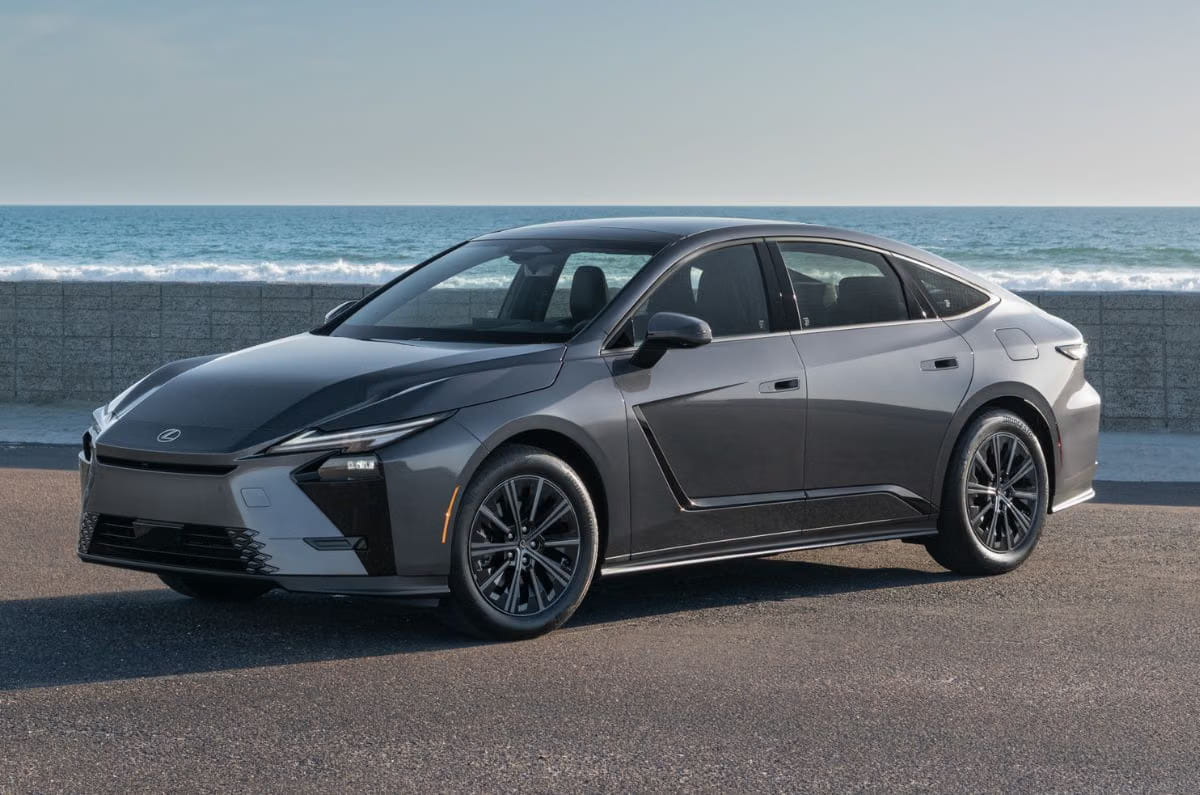
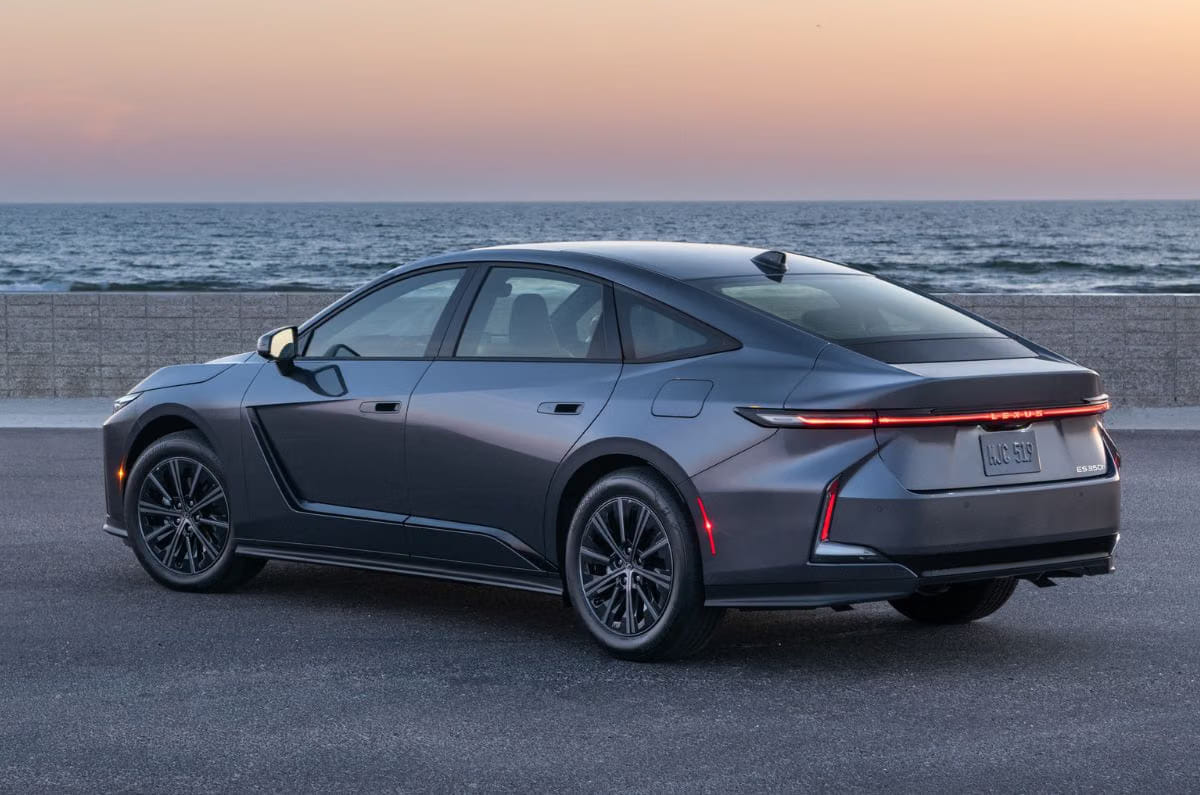
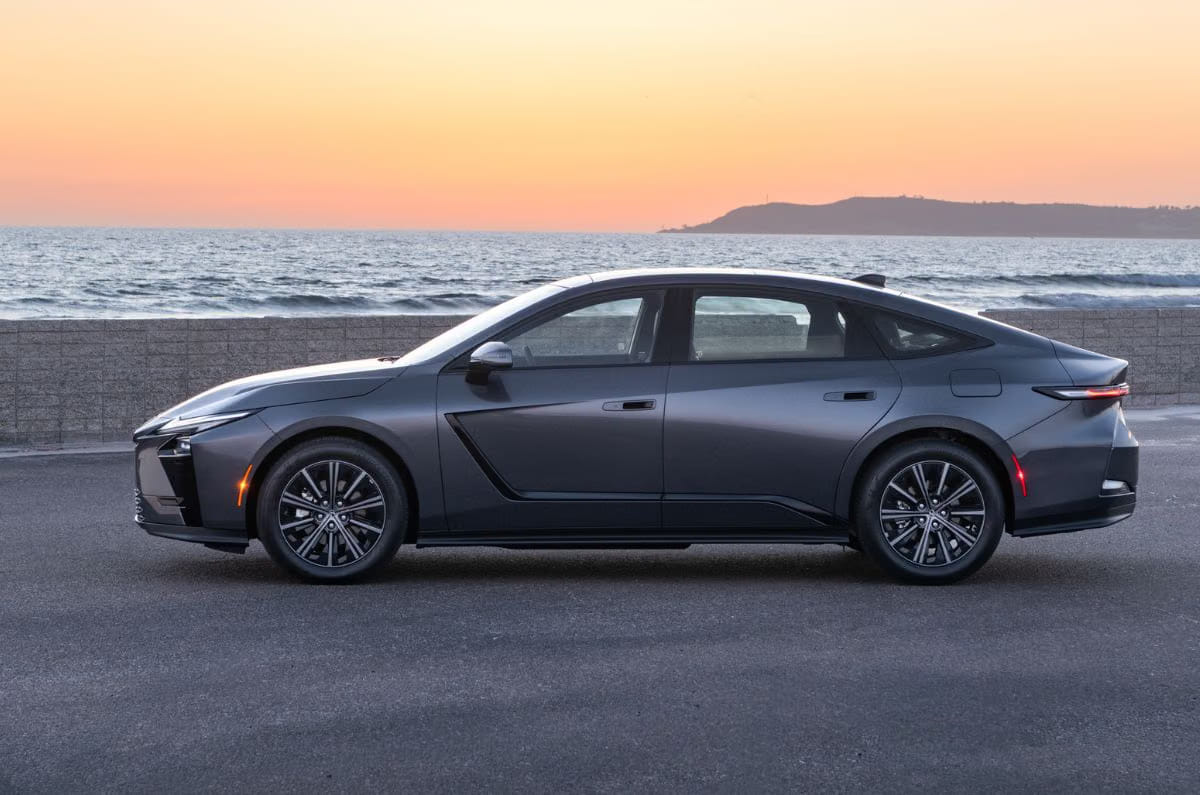
The exterior gets Lexus’s new design language, with a sealed-off front end, Twin L-signature lighting and a connected rear light bar. The new ES also has a coupe-like roofline and a rising beltline.
5. How spacious is the new Lexus ES?
The new ES measures 5,145mm long, 1,920mm wide and 1,575mm tall. It is 170mm longer, 55mm wider and 130mm taller than the previous-generation model, while the wheelbase has increased by 80mm to 2,950mm. Lexus has increased ground clearance for India by 20mm to 158mm. The larger dimensions are complemented by a lower window line and thinner seats and trim pieces, while the longer wheelbase frees up more space inside the cabin.
6. What safety and ADAS features does the Lexus ES get?
The ES 350h gets Lexus Safety System+, which includes a pre-collision system, adaptive cruise control, lane keep assist, lane departure alert, automatic emergency braking, a blind-spot monitor and automatic high beam. It also gets eight airbags, Isofix and top-tether mounts and an emergency brake signal. The Luxury variant additionally gets a drive monitor.
The ES 500e gets 10 airbags, a 360-degree camera setup, blind-spot monitoring, adaptive high-beam assist, radar-guided cruise control, lane-change assist and a driver drowsiness monitor. Electronic stability control and all-round parking sensors are also standard.
7. Where is the Lexus ES made, and which cars does it compete with?
The ES is locally assembled in India. The Lexus ES competes with luxury sedans such as the Mercedes-Benz E-Class, BMW 5 Series and Audi A6. The ES stands out in the segment by offering buyers a choice of hybrid and fully electric powertrains.
भारत में महंगी कार खरीदने वाले अमीर ग्राहकों के बीच इलेक्ट्रिक कारों का चलन बाकी कार बाजार के मुकाबले काफी तेजी से बढ़ रहा है। 2026 के पहले छह महीनों में भारत में बिकने वाली हर चार BMW कारों में से एक इलेक्ट्रिक कार थी। इससे BMW की इलेक्ट्रिक कारों की बिक्री करीब 25% रही, जो पूरे पैसेंजर व्हीकल बाजार के मुकाबले लगभग तीन गुना है। इस दौरान देश में कुल कार बिक्री में इलेक्ट्रिक कारों की हिस्सेदारी करीब 8-9% रही।
यह बदलाव Mercedes-Benz में भी साफ तौर पर दिख रहा है, खासकर इसके सबसे अमीर ग्राहकों के बीच। इन्हीं छह महीनों के दौरान, कंपनी ने अपने ‘टॉप-एंड’ सेगमेंट – जिसमें 1.4 करोड़ रुपये से ज्यादा कीमत वाले मॉडल शामिल हैं – से लगभग हर तीन घंटे में एक बैटरी इलेक्ट्रिक गाड़ी (BEV) बेची। इसकी CLA BEV, जिसकी शुरुआती कीमत 57 लाख रुपये है, का 2026 का कोटा पहले ही खत्म हो चुका है, जिससे नए खरीदारों को डिलीवरी के लिए अगले साल तक इंतजार करना पड़ेगा
आम भारतीय कार खरीदारों को इलेक्ट्रिक कार खरीदने से जो दिक्कतें होती हैं, जैसे चार्जिंग की सुविधा, कार की रेंज को लेकर चिंता और ज्यादा कीमत, अमीर परिवारों के लिए ये समस्याएं काफी कम हो जाती हैं।
LVP फोरकास्टिंग मोबिलिटी ग्लोबल के एसोसिएट डायरेक्टर गौरव वंगाल ने कहा, “लग्जरी सेगमेंट में EV को अपनाने की दर ज्यादा है क्योंकि इसके रास्ते में कोई रुकावट नहीं है। इन खरीदारों के पास घर पर चार्जर के साथ कवर्ड पार्किंग होती है, इसलिए चार्जिंग कभी कोई समस्या नहीं बनती।”
उन्होंने आगे कहा, “EV शायद ही कभी उनकी एकमात्र कार होती है, इसलिए रेंज की चिंता कभी नहीं होती। और पेट्रोल या डीजल वाली लग्जरी कार की तुलना में इलेक्ट्रिक कार पर टैक्स बहुत कम लगता है, इसलिए कीमत का वह अंतर जो ज्यादातर खरीदारों को रोकता है, यहां मौजूद ही नहीं है।”
मालिक होने की स्थितियों में यह अंतर बिक्री के आंकड़ों में साफ तौर पर दिख रहा है। जहां पारंपरिक लग्जरी कारों की बिक्री में बढ़ोतरी धीमी हुई है, वहीं EV से BMW और मर्सिडीज-बेंज को तेजी से बढ़ते ग्राहक मिल रहे हैं।
2026 के पहले छह महीनों में, BEV को छोड़कर Mercedes-Benz की बिक्री में सिर्फ 2.3% की बढ़ोतरी हुई, जबकि BMW की नॉन-BEV बिक्री में 5% की बढ़ोतरी हुई। जब इलेक्ट्रिक कारों को भी शामिल किया जाता है, तो Mercedes की कुल बढ़ोतरी 9% और BMW की 17% हो जाती है।
इसलिए, इलेक्ट्रिक गाड़ियां अब लग्जरी मार्केट में सिर्फ एक अतिरिक्त पावरट्रेन नहीं रह गई हैं। वे अतिरिक्त बढ़ोतरी का एक अहम जरिया बन रही हैं।
BMW ग्रुप इंडिया के प्रेसिडेंट और CEO, हरदीप सिंह बरार ने कहा कि इसकी अपील सिर्फ पर्यावरण से जुड़ी बातों से कहीं ज्यादा है।
बरार ने कहा, “EVs न सिर्फ जीरो-एमिशन वाली गाड़ियां हैं, बल्कि ये परफॉर्मेंस से कोई समझौता किए बिना सस्टेनेबल मोबिलिटी भी देती हैं, और साथ ही इनकी रनिंग, मेंटेनेंस और टैक्स की लागत भी काफी कम होती है।”
यह बात उन कीमतों पर भी असरदार साबित हो रही है जहां ईंधन की बचत शायद ही यह तय करती हो कि कोई ग्राहक कार खरीदेगा या नहीं।
मर्सिडीज़-बेंज़ के टॉप-एंड इलेक्ट्रिक पोर्टफ़ोलियो – जिसमें लगभग 1.4 करोड़ रुपये की EQS SUV, 2.4 करोड़ रुपये की EQS मेबैक SUV और 3.1 करोड़ रुपये की G580 शामिल हैं – ने जून 2026 को खत्म हुए छह महीनों में साल-दर-साल 27 प्रतिशत की ग्रोथ दर्ज की।
लक्ज़री मार्केट के ज़्यादा किफायती सेगमेंट में, मर्सिडीज़ ने CLA BEV का अपना 2026 का पूरा कोटा पहले ही बेच दिया है।
Mercedes-Benz इंडिया के मैनेजिंग डायरेक्टर और CEO, संतोष अय्यर ने कहा, “CLA BEV का पूरी तरह बिक जाना, खासकर 61 लाख रुपये वाले टॉप-एंड 250+ वेरिएंट्स का, लक्जरी EV ग्राहकों की बढ़ती समझ को दिखाता है। ये ग्राहक अब सिर्फ कीमत नहीं, बल्कि टेक्नोलॉजी और वैल्यू-बेस्ड लक्जरी मोबिलिटी को ज्यादा पसंद कर रहे हैं।”
रुकावटें दूर हो रही हैं
लग्जरी कार खरीदने वालों की प्रोफाइल से यह समझने में मदद मिलती है कि EV को अपनाने की रफ्तार आम बाजार के मुकाबले इतनी तेज क्यों है।
जो परिवार अपनी इकलौती कार खरीद रहा है, उसके लिए इलेक्ट्रिक कार अपनाने में कई समझौते करने पड़ सकते हैं। अपार्टमेंट में रहने वाले खरीदार के पास शायद अपना पर्सनल चार्जर न हो, और लंबी यात्राओं के लिए चार्जिंग इंफ्रास्ट्रक्चर को ध्यान में रखकर योजना बनानी पड़ती है। EV की शुरुआती ज्यादा कीमत की तुलना कई सालों में होने वाली ईंधन की बचत से भी करनी पड़ती है।
कई अमीर परिवारों के लिए, ये हिसाब-किताब काफी अलग होते हैं।
इन परिवारों के पास आमतौर पर अपनी पार्किंग की जगह होती है, इसलिए घर पर चार्जर लगाना आसान होता है। वे रातभर अपनी कार चार्ज कर सकते हैं और उन्हें पब्लिक चार्जिंग स्टेशन पर ज्यादा निर्भर नहीं रहना पड़ता।
सबसे बड़ी बात यह है कि अमीर परिवारों में EV अक्सर इकलौती कार नहीं होती। उनके पास एक से ज्यादा गाड़ियां होती हैं।
इसका मतलब है कि EV को परिवार की हर तरह की यात्रा की जरूरत पूरी करने की जरूरत नहीं होती। इलेक्ट्रिक कार रोजाना शहर में आने-जाने के काम आ सकती है, जबकि लंबी दूरी की यात्रा के लिए परिवार के पास पेट्रोल या डीजल कार का विकल्प मौजूद रहता है।
भारत का टैक्स सिस्टम इस बात को और मज़बूत करता है।
इलेक्ट्रिक कारों पर 5% GST लगता है, जबकि बड़ी पेट्रोल और डीजल कारों पर 28% GST और साथ में कंपनसेशन सेस भी लगता है। लग्जरी कारों की कीमतों के मामले में, यह अंतर बैटरी टेक्नोलॉजी की ज्यादा लागत को काफी हद तक कम कर सकता है और इलेक्ट्रिक व इंटरनल-कंबशन मॉडल के बीच कीमत के अंतर को घटा सकता है।
EVs में अब ऐसी खूबियां भी तेज़ी से आ रही हैं जो लग्ज़री ड्राइविंग के लिए एकदम सही हैं। इलेक्ट्रिक मोटर तुरंत टॉर्क देती है, जिससे कार तेजी से पिकअप लेती है। वहीं, पेट्रोल या डीजल इंजन नहीं होने के कारण EV काफी शांत और स्मूद ड्राइविंग अनुभव देती है। प्रीमियम कार कंपनियां भी अपनी लग्जरी कारों में इसी तरह की शांति और आराम देने के लिए काफी पैसा खर्च करती हैं।
इसलिए, हाई-एंड मार्केट के खरीदारों के लिए, इलेक्ट्रिक गाड़ियां कम टैक्स और कम रनिंग कॉस्ट के साथ-साथ परफॉर्मेंस, टेक्नोलॉजी और नई खूबियों का बेहतरीन कॉम्बिनेशन हो सकती हैं।
विकल्प तेजी से बढ़ रहे हैं
एक और बड़ा बदलाव यह है कि अमीर भारतीय अब कई तरह की इलेक्ट्रिक कारें खरीद सकते हैं।
FY25 से, भारत के लग्जरी सेगमेंट में 13 नई BEV लॉन्च हुई हैं, जिनमें Porsche, Volvo, Rolls-Royce, Ferrari और Lexus के मॉडल शामिल हैं। इनकी सबसे ज्यादा कीमत लगभग 5 करोड़ रुपये तक है।
इस विस्तार से EV अपनाने में आने वाली एक और रुकावट धीरे-धीरे दूर हो रही है: विकल्पों की कमी।
शुरुआत में लग्जरी EV खरीदने वालों के पास इलेक्ट्रिक मॉडल्स के कुछ ही विकल्प होते थे, जबकि पेट्रोल और डीजल मार्केट में कई तरह की सेडान, SUV और परफॉर्मेंस कारें उपलब्ध थीं। अब ग्राहक अपनी पसंद की बॉडी स्टाइल, परफॉर्मेंस कैटेगरी या लग्जरी ब्रांड को छोड़े बिना आसानी से पावरट्रेन बदल सकते हैं।
इसका असर इंडस्ट्री के आंकड़ों में साफ दिखता है।
FY26 में भारत में बिकने वाली कुल पैसेंजर व्हीकल्स में लग्जरी कारों की हिस्सेदारी सिर्फ 1.1-1.2% रही। लेकिन देश में बिकने वाली कुल इलेक्ट्रिक कारों (BEV) में लग्जरी कारों की हिस्सेदारी करीब 2.5-2.7% रही। यानी पूरे पैसेंजर व्हीकल बाजार में लग्जरी कारों की हिस्सेदारी के मुकाबले इलेक्ट्रिक कारों की बिक्री में इनकी हिस्सेदारी दोगुने से भी ज्यादा है।
इस बदलाव का सबसे साफ उदाहरण BMW है। कंपनी ने जून 2026 को खत्म हुए छह महीनों में 2,359 EV बेचीं, जिससे भारत में उसकी कुल बिक्री में इलेक्ट्रिक गाड़ियों का हिस्सा लगभग एक-चौथाई हो गया। इसी दौरान Mercedes-Benz ने 859 BEV बेचीं।
फिर भी, Tesla का अनुभव बताता है कि इस तेजी का फायदा हर प्रीमियम EV बनाने वाली कंपनी को बिक्री के तौर पर नहीं मिलता।
इलेक्ट्रिक मोबिलिटी के क्षेत्र में ग्लोबल पहचान होने के बावजूद, भारत में अपने पहले साल (जो जून 2026 में खत्म हुआ) में Tesla ने सिर्फ 450 के आस-पास कारें बेचीं।
इसकी सीमित प्रोडक्ट रेंज एक रुकावट है। टेस्ला अभी भारत में सिर्फ ‘मॉडल Y’ बेचती है, जिससे यह कई ऐसे सेगमेंट में मौजूद नहीं है जहां पहले से मौजूद लग्जरी कार बनाने वाली कंपनियां ग्राहकों को सेडान, SUV और परफॉर्मेंस-ओरिएंटेड मॉडल ऑफर कर सकती हैं।
इसकी एक और चुनौती कीमत भी रही है। टेस्ला ने बेस ‘मॉडल Y’ को 59.89 लाख रुपये (एक्स-शोरूम) में लॉन्च किया था, और बाद में मई 2026 में इसकी कीमत घटाकर 50.89 लाख रुपये कर दी। कीमत कम करने के बाद भी, पूरी तरह से इम्पोर्ट किया गया यह मॉडल उन कंपनियों से मुकाबला करता है जिनके पास ज्यादा बड़े पोर्टफोलियो और पहले से स्थापित सेल्स और सर्विस नेटवर्क हैं। यह अंतर दिखाता है कि भारत का लग्जरी EV मार्केट किस तरह बदल रहा है।
आम कार खरीदारों के लिए EV खरीदने पर अभी भी चार्जिंग, ड्राइविंग रेंज, ज्यादा शुरुआती कीमत और सिर्फ एक कार पर निर्भर रहने जैसी कई परेशानियां हो सकती हैं। लेकिन अमीर परिवारों के लिए इनमें से कई दिक्कतों को आसानी से दूर किया जा सकता है। वे घर पर चार्जर लगवा सकते हैं, लंबी दूरी की यात्रा के लिए दूसरी कार का इस्तेमाल कर सकते हैं और EV पर कम टैक्स लगने से इलेक्ट्रिक कार खरीदना उनके लिए अपेक्षाकृत सस्ता पड़ता है।
इन वजहों से अमीर भारतीय परिवारों में इलेक्ट्रिक लग्जरी कार अब सिर्फ महंगा प्रयोग नहीं रह गई है। यह धीरे-धीरे उनकी गैराज में एक आम और पसंदीदा विकल्प बनती जा रही है।
BMW और Mercedes-Benz के लिए यह बदलाव एक कदम और आगे बढ़ चुका है। भारत में EV अब सिर्फ उनके भविष्य के प्रोडक्ट प्लान का हिस्सा नहीं हैं, बल्कि आज ही उनकी बिक्री और ग्रोथ को बढ़ाने में अहम भूमिका निभा रही हैं।
August was a busy month for the Indian car market, bringing several new models ajd variants, as well as updates. The BMW X1 LWB and MG Hector Tomahawk EV and PHEV were among the fresh launches, while the Mahindra Scorpio N received a mid-lifecycle update. The Mahindra BE 6 gained the ‘Sporteq’ suffix, while three existing models added new trims: the Range Rover SV Ultra, BYD Sealion 7 Dynamic and Skoda Kylaq Sportline. After such a packed August, September is also set to see more car launches.
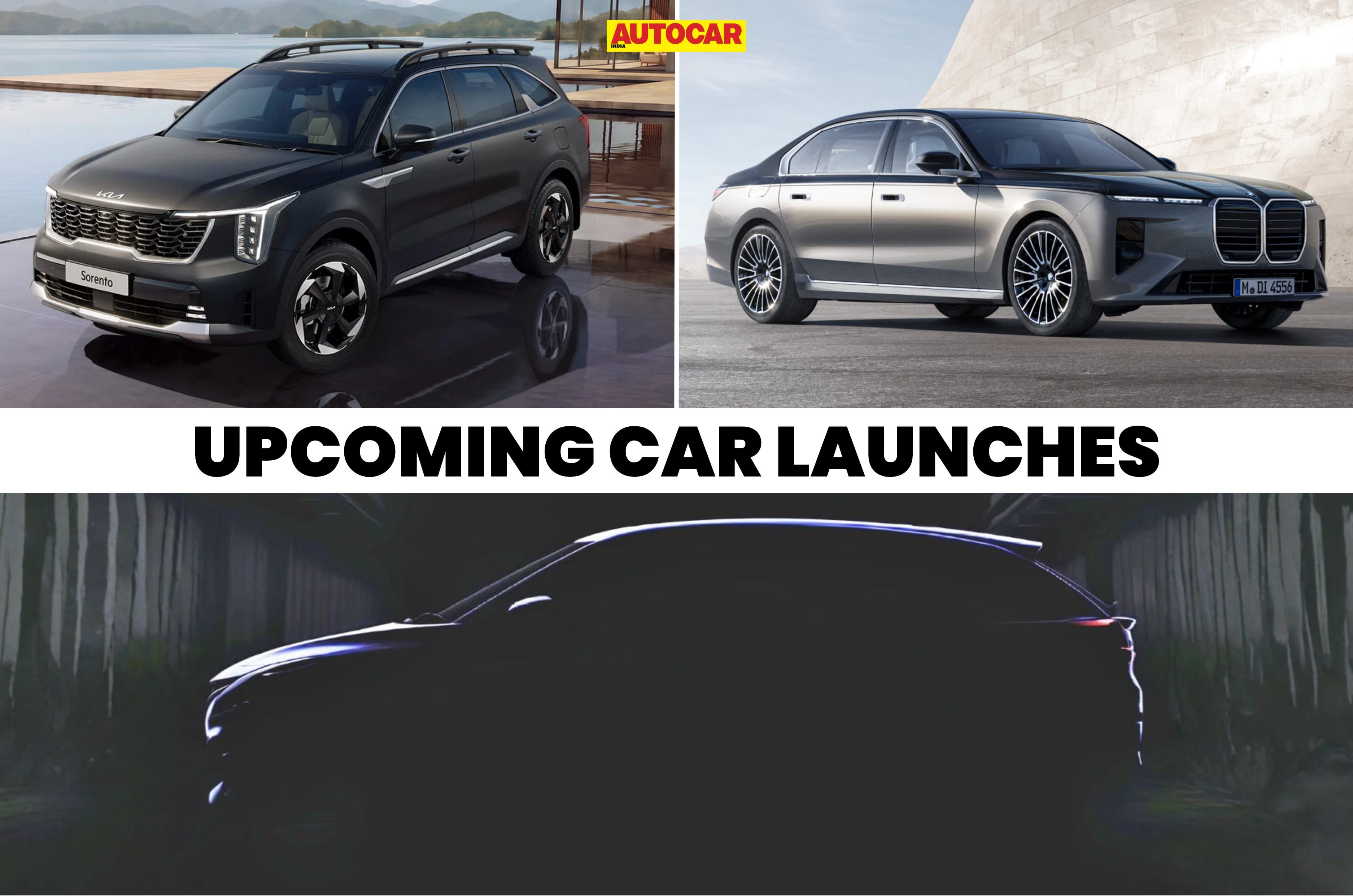
Kia Sorento
Launch: September 4
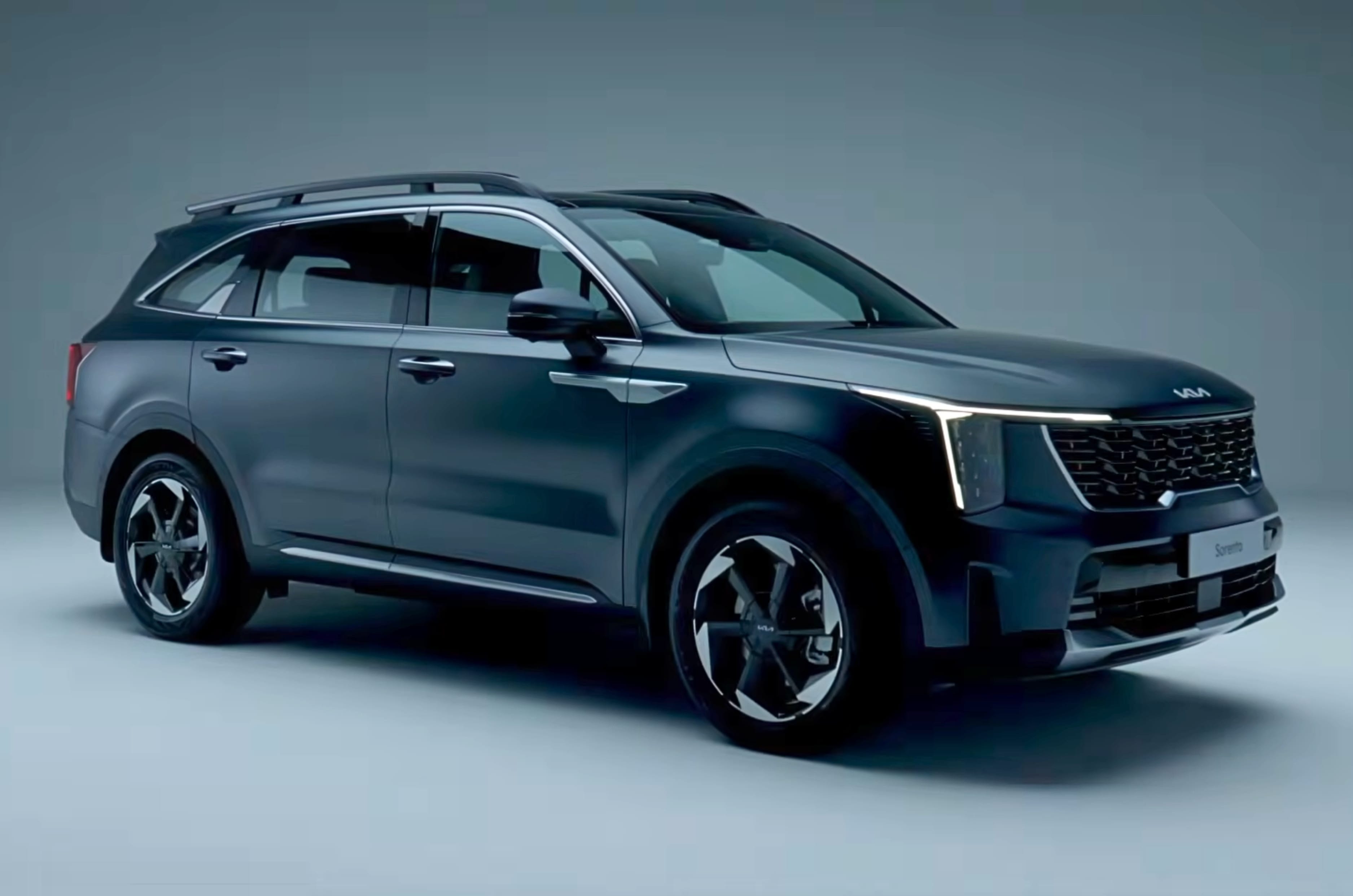
The Kia Sorento will be the brand’s new flagship ICE model in India, and it will be offered with both strong-hybrid and diesel powertrains. The 1.6-litre strong-hybrid version will produce 238hp and 380Nm, while the 2-litre diesel will make 202hp and 441Nm.
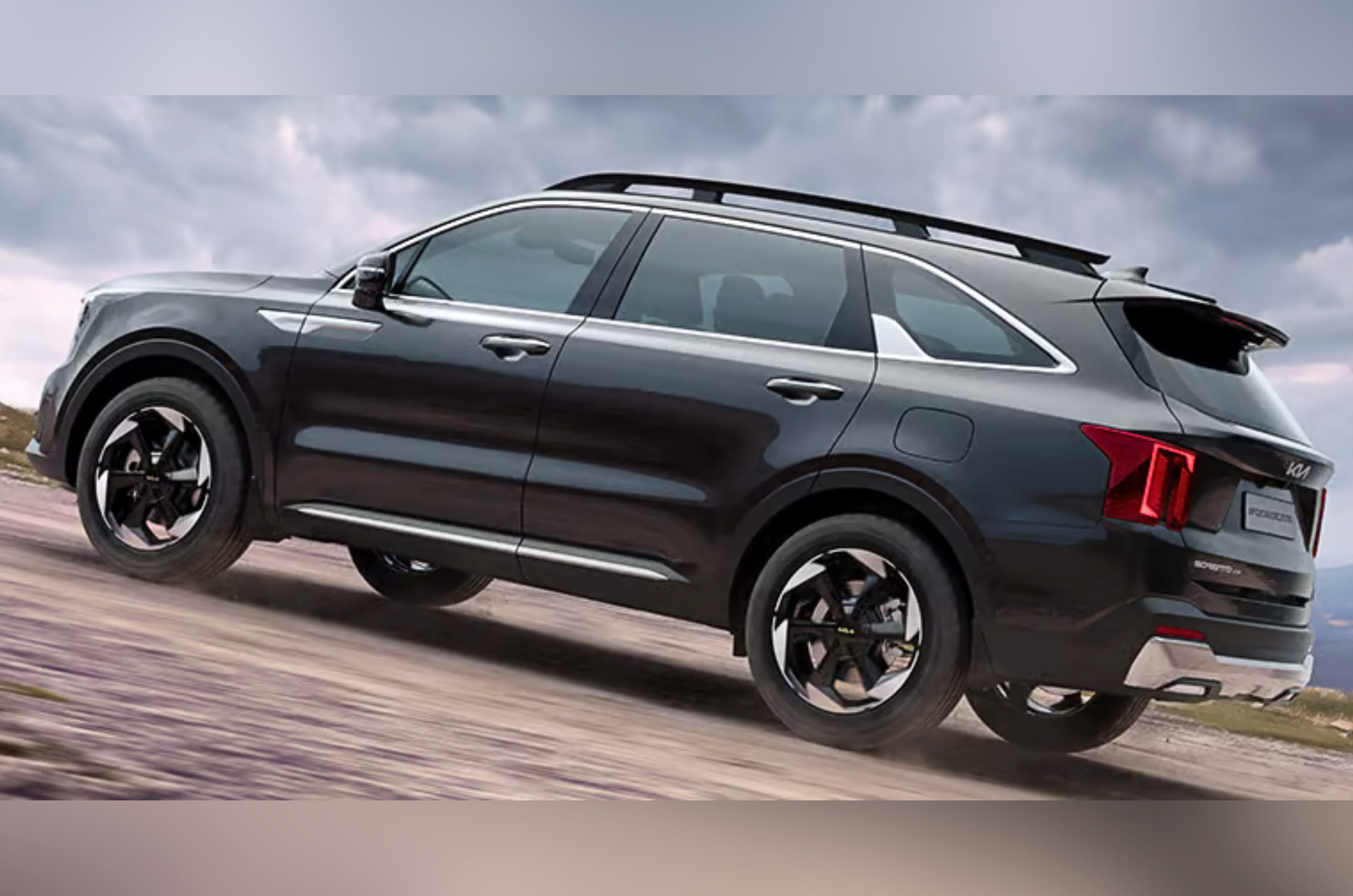
The Sorento gets Kia’s signature Tiger Nose grille, large vertical LED headlights with Y-shaped LED daytime running lamps (DRLs), LED fog lamps and vertical aero vents at the edges. Kia has not revealed the alloy wheel size yet, but they are likely to be 19-inch units. At the rear, the Sorento gets squarish tail-lamps with an inverted L-shaped LED signature, a large roof spoiler and a two-tone bumper.
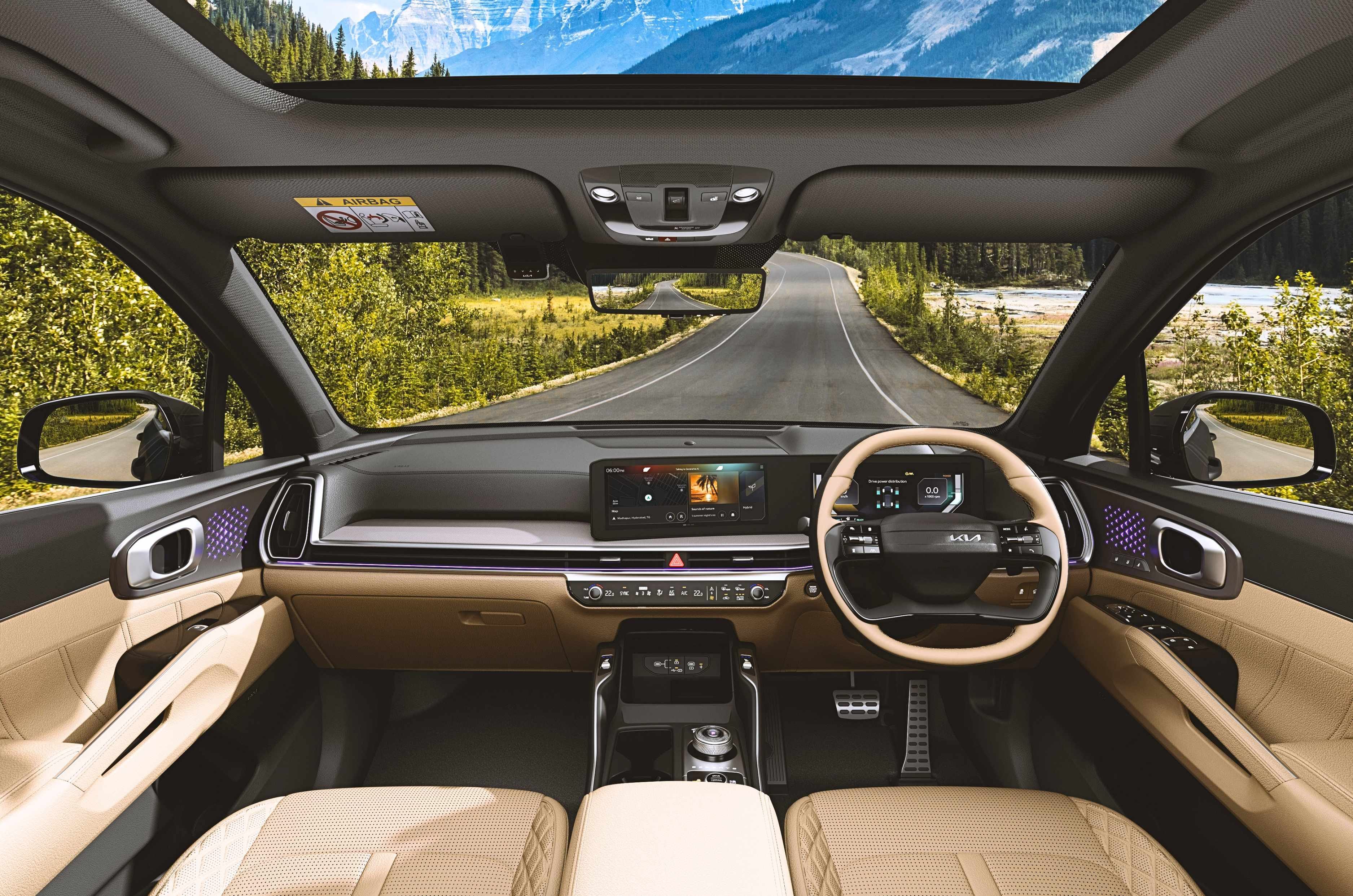
Inside, there is a connected panel housing the infotainment and instrument cluster screens. Kia has not revealed their sizes, but both are likely to be 12.3-inch units. Other features seen in the official images include ADAS, ventilated front seats, a digital interior rearview mirror (IRVM), an electrically operated tailgate, dual-zone climate control, ambient lighting and a panoramic sunroof.
The Sorento is expected to be available in both 6- and 7-seat layouts. Kia has already started accepting bookings for the Sorento and upon launch, it will compete with the Skoda Kodiaq, Volkswagen Tayron and Jeep Meridian.
Maruti Baleno facelift
Launch: September 5
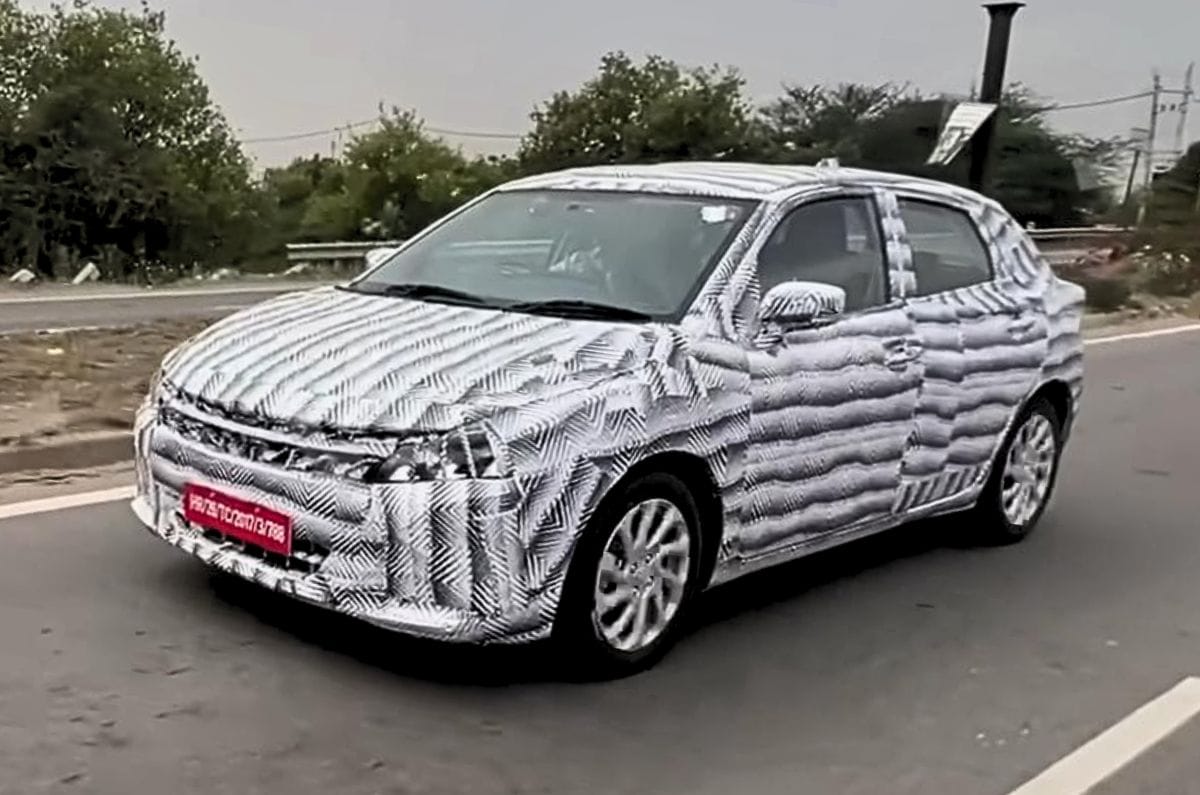
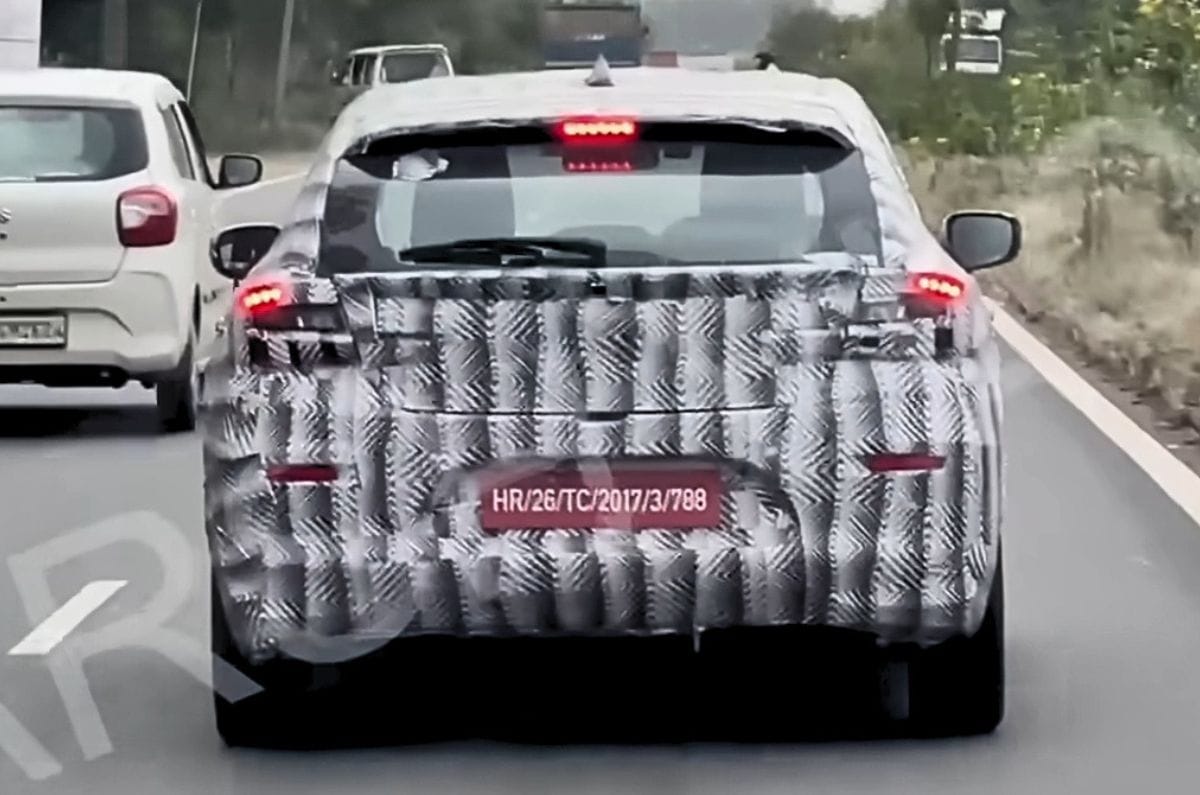
The Maruti Baleno is currently in its second generation, which was launched in 2022, and is due for an update. Previous spy shots of the Baleno facelift have suggested a redesigned front end with a new grille featuring a horizontal bar in the centre connecting the headlights. Test mules have also shown a new bumper without the front fog lamps seen on the current model.
Image credit: Harsh Vlogs via YouTube.
From the side, the only expected change is a new alloy wheel design. At the rear, the facelift could get a redesigned bumper, while the tail-lights are likely to remain unchanged. Inside, the Baleno could retain the current 9-inch touchscreen; however, update the upholstery and add new features.
Image credit: Harsh Vlogs via YouTube.
Under the hood, the facelifted Baleno is expected to continue with the existing powertrain options. These include a 90hp 1.2-litre naturally aspirated petrol engine with 5-speed manual and 5-speed AMT choices, along with a 77.5hp CNG version available only with the manual gearbox. It will continue to rival the Tata Altroz, Hyundai i20 and Toyota Glanza.
BMW 7 Series, i7 facelifts
Launch: September 11
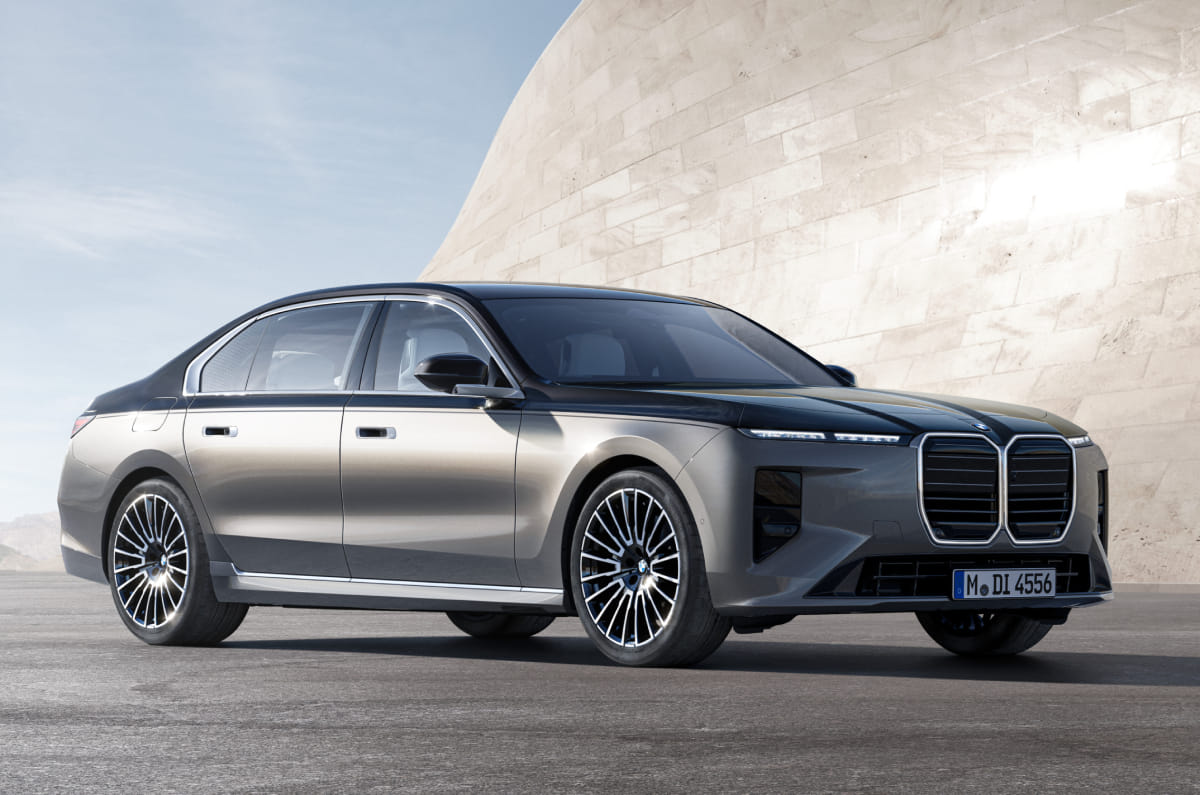
BMW opened bookings for the facelifted 7 Series and i7 flagship sedans on August 1, soon after their global debut earlier this year. In India, the company currently sells the 740i petrol and 740d diesel versions of the 7 Series, along with the eDrive 50 and M70 xDrive variants of the all-electric i7. These versions get several updates with the facelift, although BMW is yet to confirm which variants will be introduced in here.
In international markets, the facelifted 740i and 740d continue with their 3.0-litre straight-six engines, but with uprated outputs. The 740i makes 400hp and 580Nm, up by 19hp and 60Nm, while the 740d develops 313hp and 670Nm, an increase of 27hp and 20Nm. Both continue to use 48V mild-hybrid systems, 8-speed automatic gearboxes and BMW’s xDrive all-wheel-drive system. The i7 also gets a larger 112.4kWh battery in both variants, up from 101.7kWh. The lower 50 trim now comes only with xDrive all-wheel drive instead of rear-wheel drive and produces 455hp and 660Nm, up by 6hp and 10Nm. The M70 xDrive now makes 680hp and 1,100Nm, gaining 30hp and 85Nm. Charging speeds have also improved.
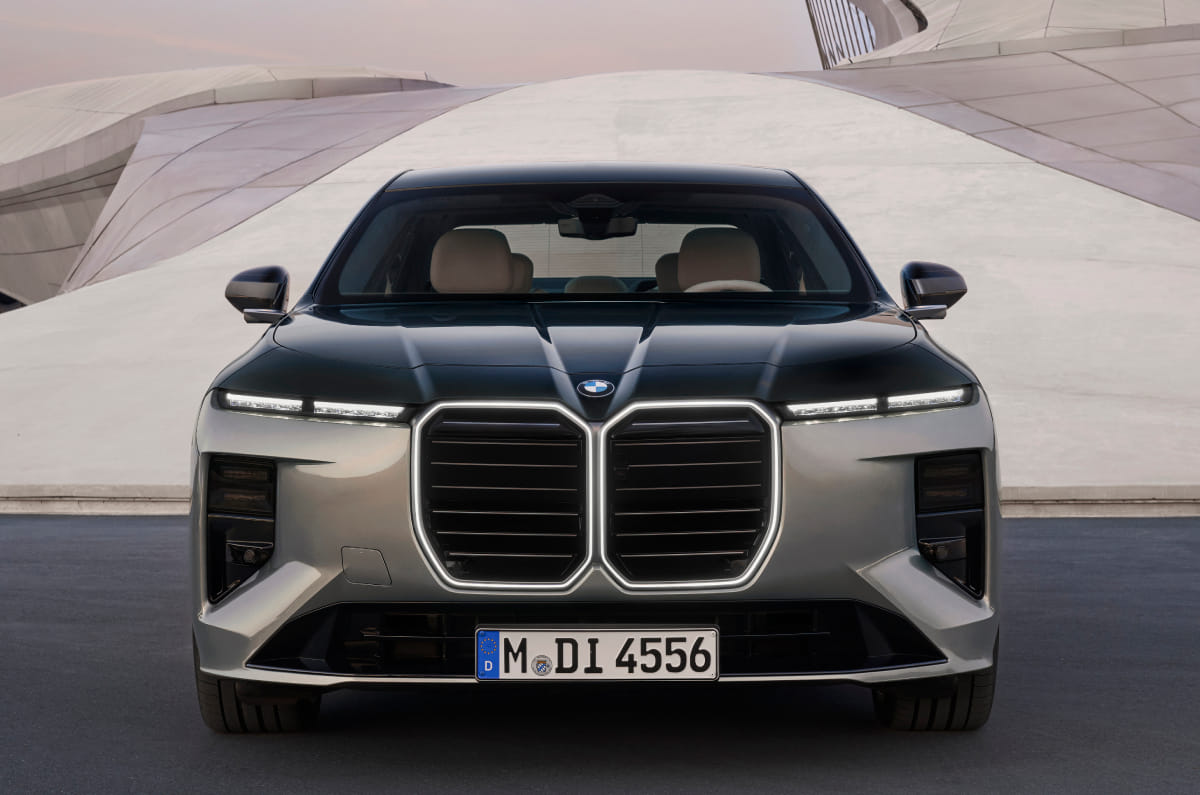
Visually, the updated 7 Series and i7 have a more monolithic look. They get new split LED headlights, slimmer and more upright kidney grilles with an illuminated surround, and larger bumper air intakes. The side profile remains largely unchanged apart from the side skirts and alloy wheels, while the rear gets new wraparound LED tail-lamps, a redesigned tailgate and a revised bumper.
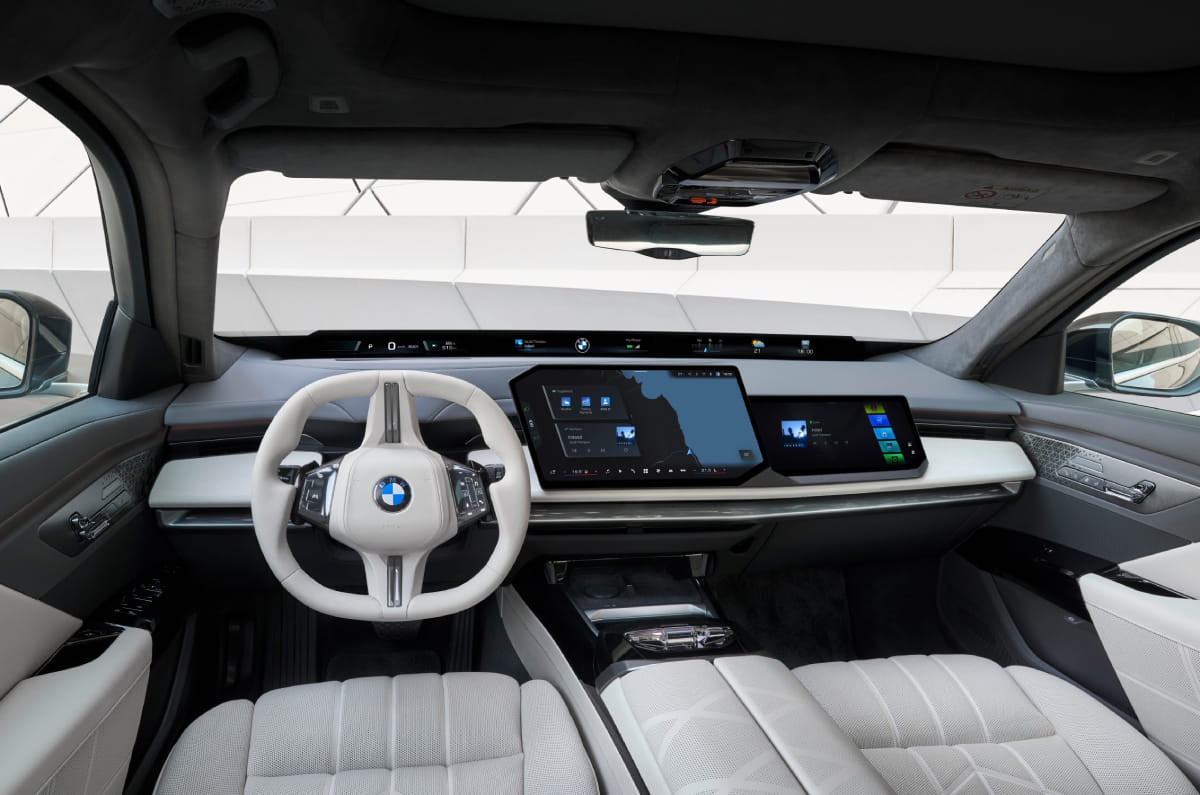
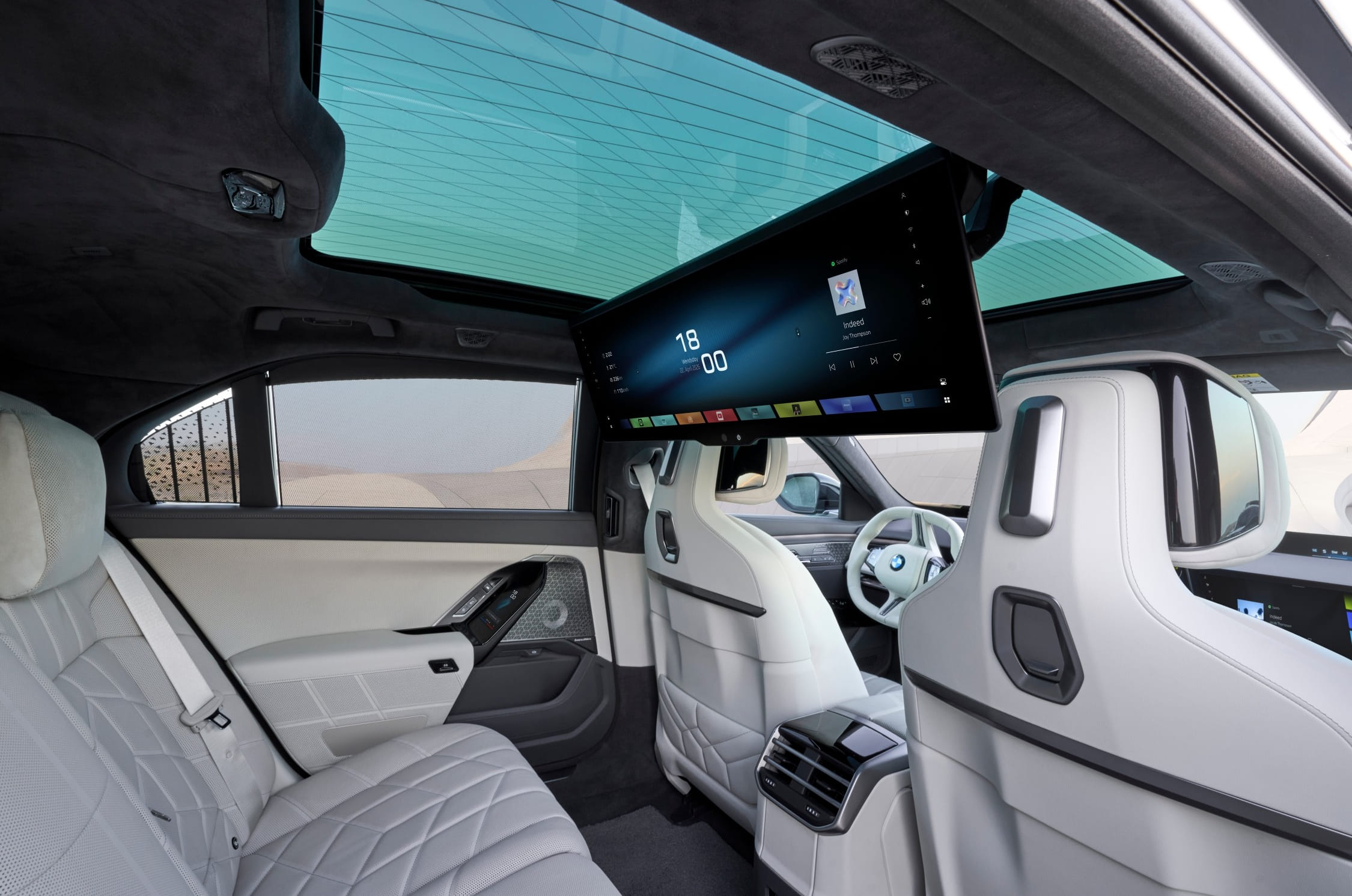
Inside, BMW has redesigned the dashboard around a 17.9-inch infotainment touchscreen, a 14.6-inch passenger display and a pillar-to-pillar Panoramic Vision display at the base of the windscreen. The steering wheel is now a four-spoke unit, similar to those used in BMW’s Neue Klasse models, while the centre console and transmission tunnel have also been updated.
Rear passengers get powered seats with heating, ventilation, massage and lumbar support. The 31.3-inch 8K Theatre Screen can now be operated by touch, while the rear-door displays have also been updated to control the rear-seat experience. Other key features include ambient lighting, a Bowers & Wilkins surround sound system and 4-zone climate control. The BMW luxury sedan competes directly with the Mercedes-Benz S-Class, which also received a facelift this year.
Porsche Cayenne Electric
Debut: September 30
Porsche announced prices for the Cayenne Electric in November last year, and the SUV is now set for its physical showcase. The standard Cayenne Electric is priced at Rs 1.77 crore, while the range-topping Turbo Electric costs Rs 2.27 crore (both ex-showroom).
Both trims of the Porsche Cayenne Electric get a 113kWh battery and a dual-motor all-wheel-drive setup as standard. The more powerful Turbo Electric produces 1,156hp and 1,500Nm with Launch Control, allowing it to sprint from 0-100kph in 2.5 seconds before reaching an electronically limited top speed of 260kph. It has a claimed WLTP range of 537km. Whereas, the standard Cayenne Electric makes 442hp and 835Nm with Launch Control, does 0-100kph in 4.8 seconds and has an electronically limited top speed of 230kph. Its claimed WLTP range stands at 542km.
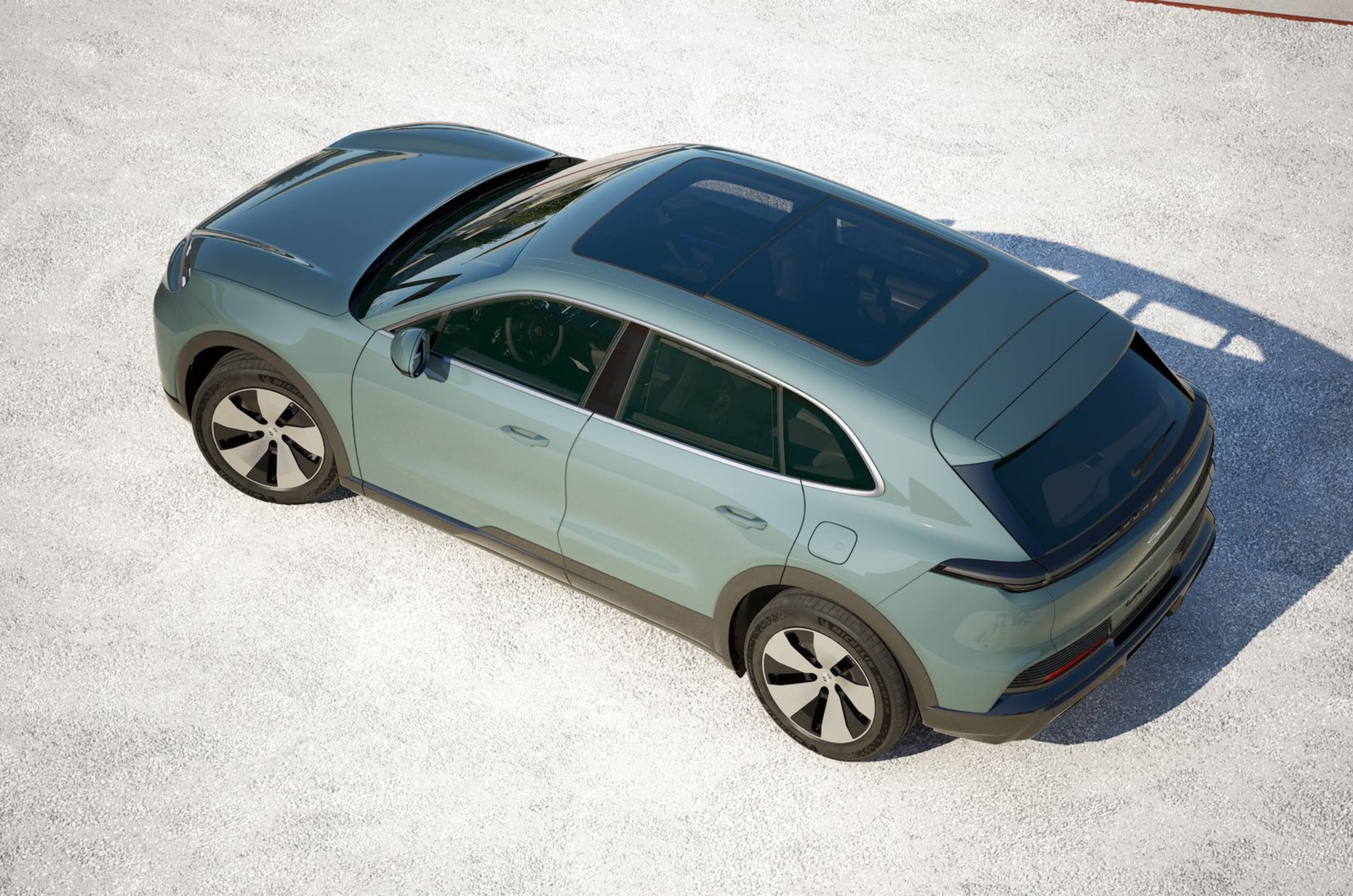
The Cayenne Electric keeps a similar overall shape to the ICE-powered Cayenne. However, the EV gets a closed-off grille, with two air vents on either side of the bumper to cool the battery and electrical components. These vents are larger on the Turbo trim. At the rear, there is a full-width LED light bar with illuminated Porsche lettering. The bumper has also been redesigned with horizontal black elements.
Inside, the Cayenne Electric gets a three-spoke steering wheel and digital driver’s display, similar to the ICE model. Porsche has also added a new 14.5-inch curved touchscreen infotainment system that flows into the centre console. An optional 14.9-inch passenger display is also available at an additional cost. Other features include 8-way electrically adjustable front seats, four-zone automatic climate control, ventilated front seats, a panoramic sunroof and wireless phone charging.
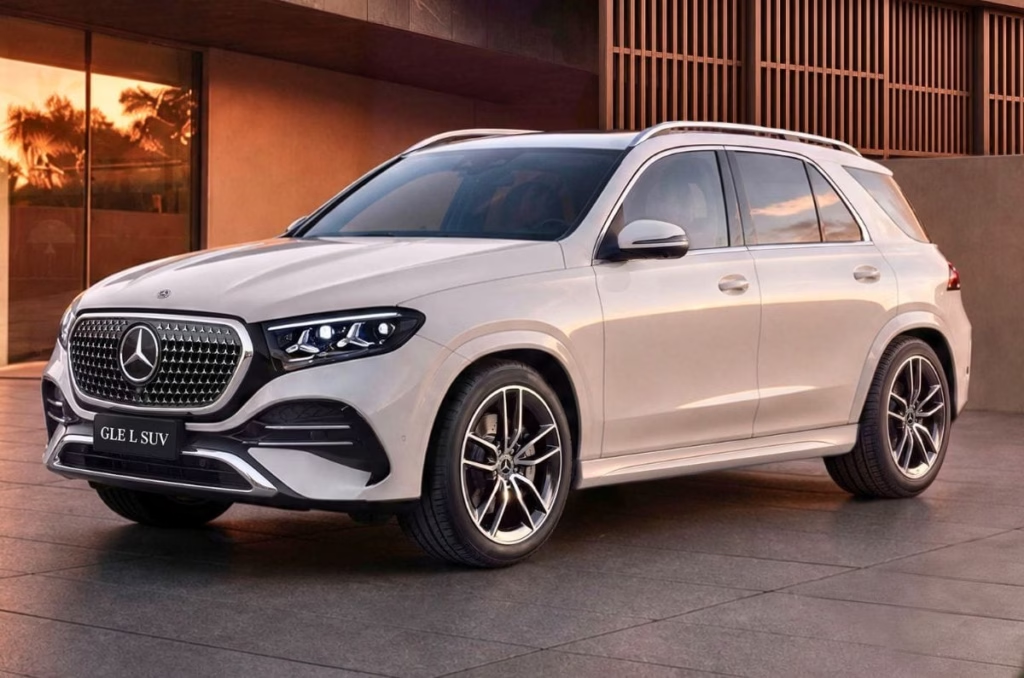
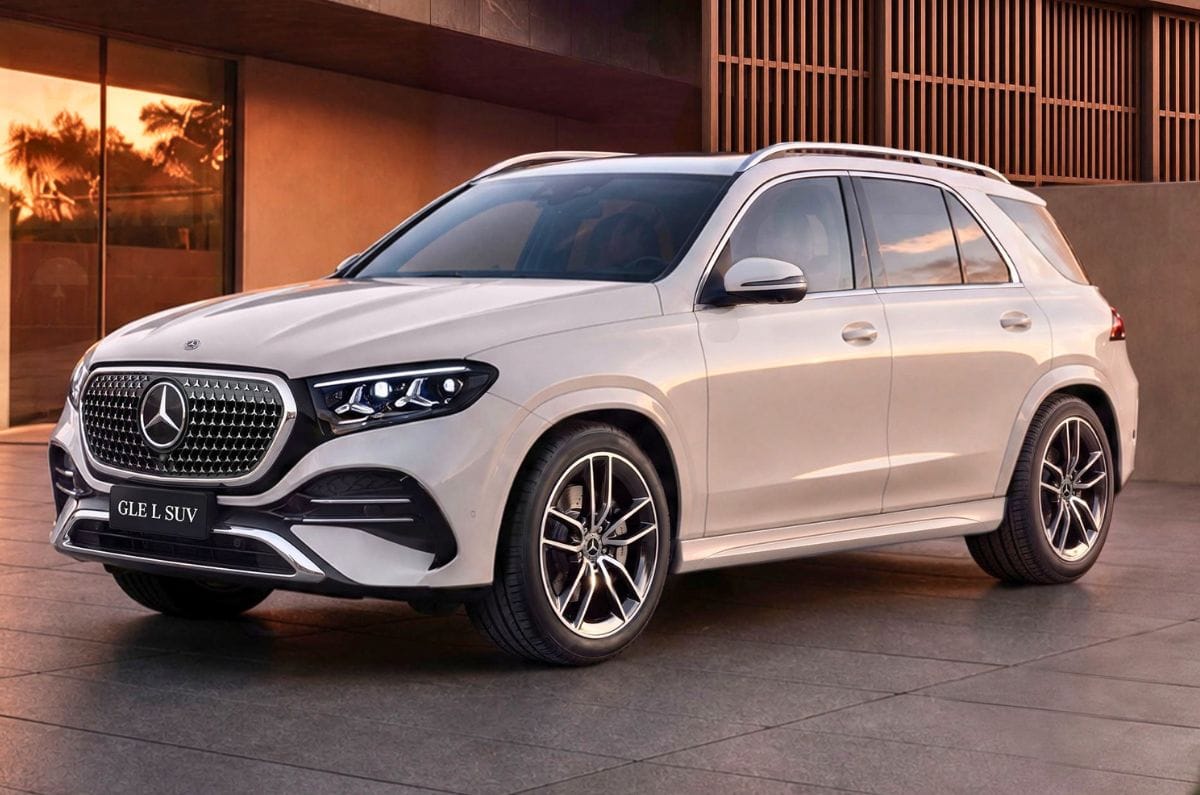
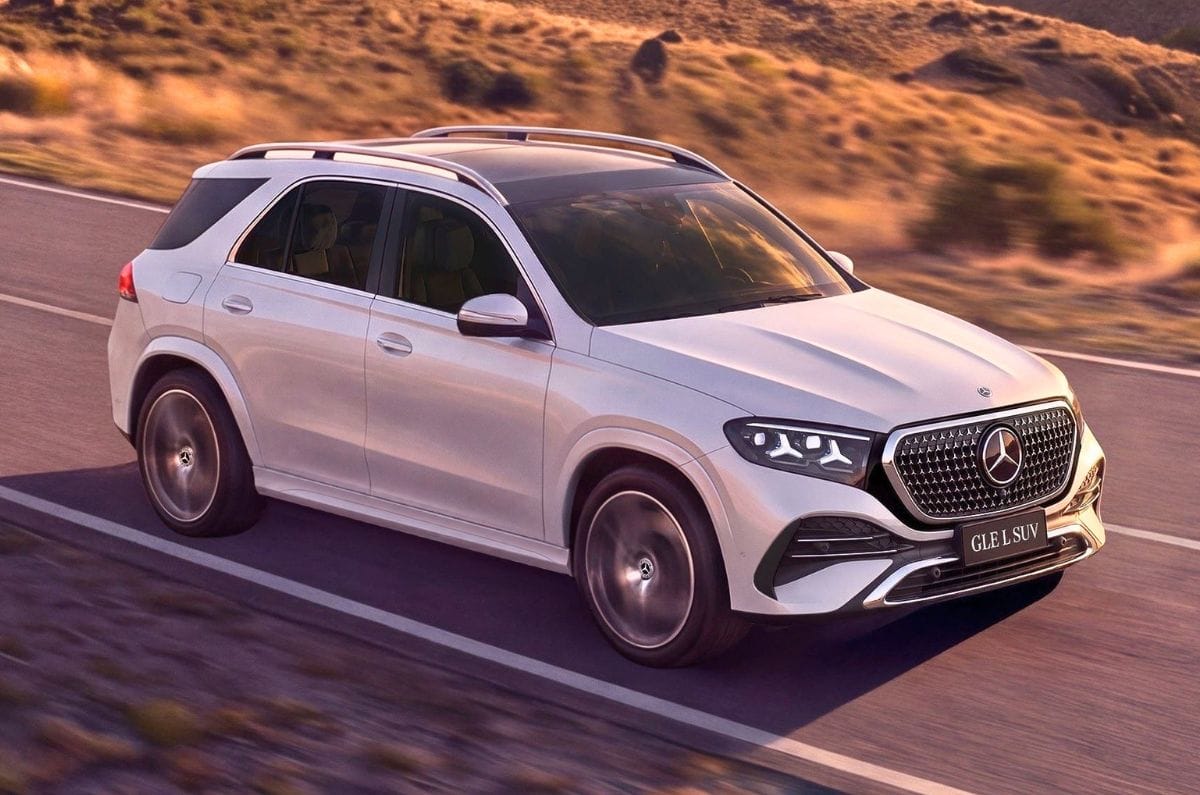
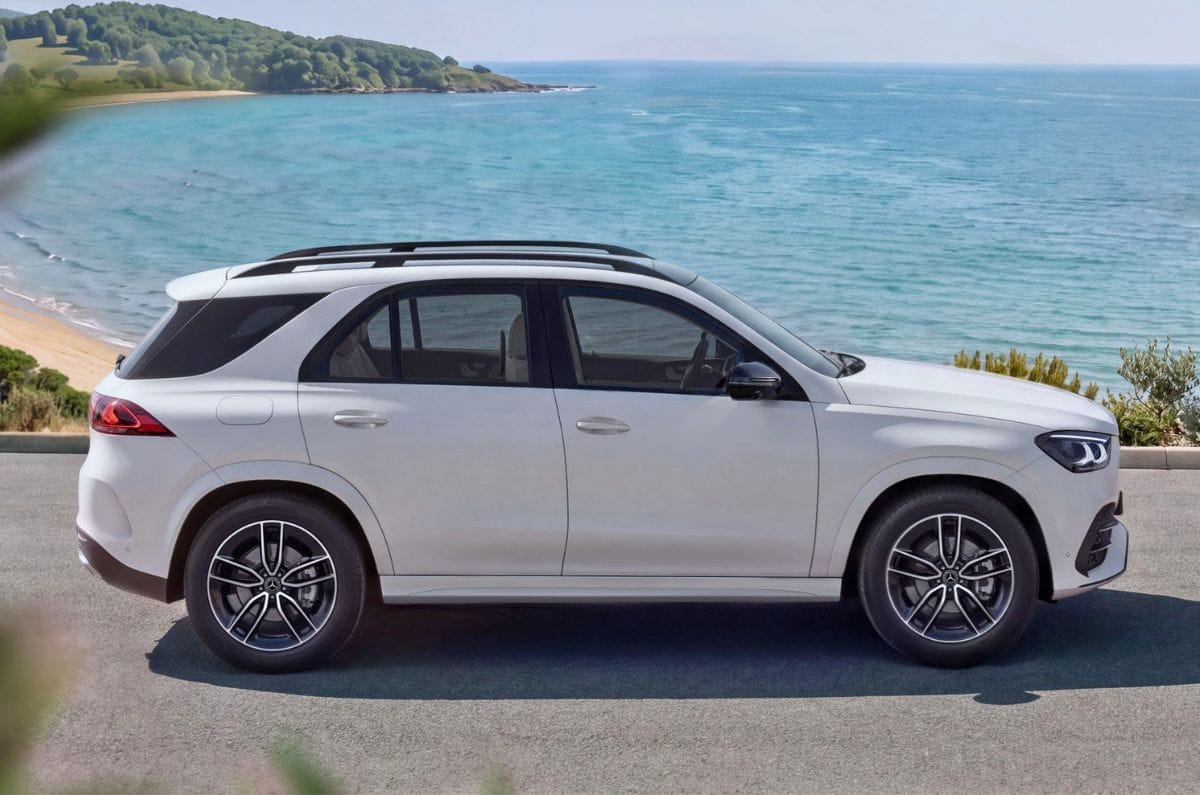
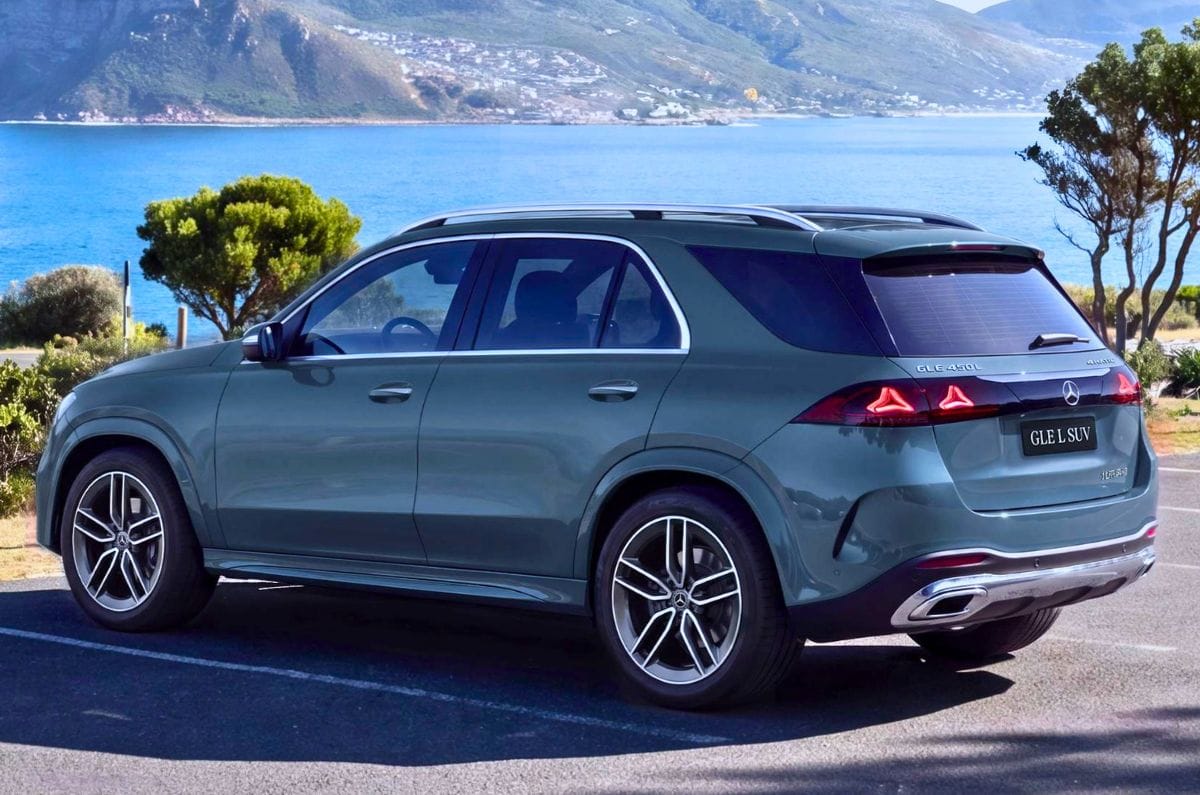
Mercedes-Benz has revealed the long-wheelbase version of the GLE SUV, called the GLE L, at the 2026 Chengdu Auto Show in China. Currently built in China, the Mercedes-Benz GLE L has a 120mm longer wheelbase than the standard-wheelbase model and is offered with two turbo-petrol engine options.
Engine options include 2.0L 4-cyl turbo-petrol and 3.0L 6-cyl turbo-petrol mills
Gets a boss mode feature that tilts the front passenger seat by 10.91 degrees
Also features new rear seat entertainment screens and a China-specific AI assistant
Mercedes-Benz GLE L: All you need to know
Gets a new boss mode and rear entertainment screens
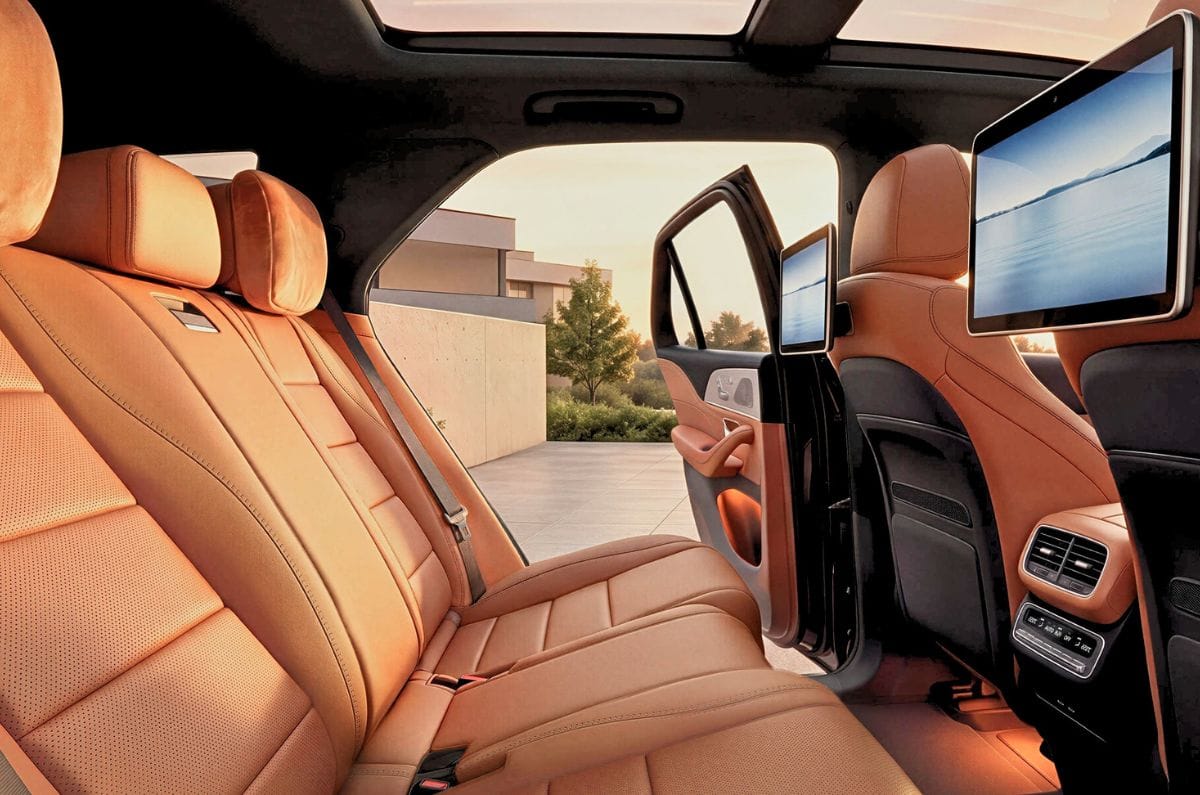
What’s new is a boss mode feature, which tilts the front passenger seat by 10.91 degrees for enhanced rear-seat comfort. Mercedes states that this feature is derived from the more opulent Maybach GLS. The GLE L also gets new rear seat entertainment screens and an indigenous AI assistant.
Offers two turbo-petrol engines, which are the same as the standard-wheelbase model
Mercedes-Benz will offer the GLE L in two trim levels: 350 L 4Matic and 450 L 4Matic, with the same turbo-petrol engine options as the standard-wheelbase model. The ‘350’ has a 2.0-litre four-cylinder turbo-petrol engine producing 258hp and 400Nm, while the ‘450’ has a 3.0-litre inline-six turbo-petrol engine that produces 381hp and 560Nm. Both the engines are available with a 45V mild-hybrid assist and are mated to a 9-speed automatic transmission that sends power to all four wheels (AWD).
Notably, the standard-wheelbase GLE is also offered in a ‘580’ version with a 537hp, 4-litre twin-turbo V8, a plug-in-hybrid ‘450e’, and two diesel versions: 350d and 450d.
Everything else is similar to the standard-wheelbase model
Save for the additional wheelbase and redesigned alloy wheels, there is no difference in how the Mercedes-Benz GLE LWB looks compared to the standard-wheelbase model. It continues with a gloss-black grille with a chrome surround and a plethora of tristar elements, and the same dual-barrel headlights with tristar-shaped LED DRLs. The rear design is also identical, with wraparound taillights sporting triangular LED elements, joined by a black trim and dual exhaust tips.
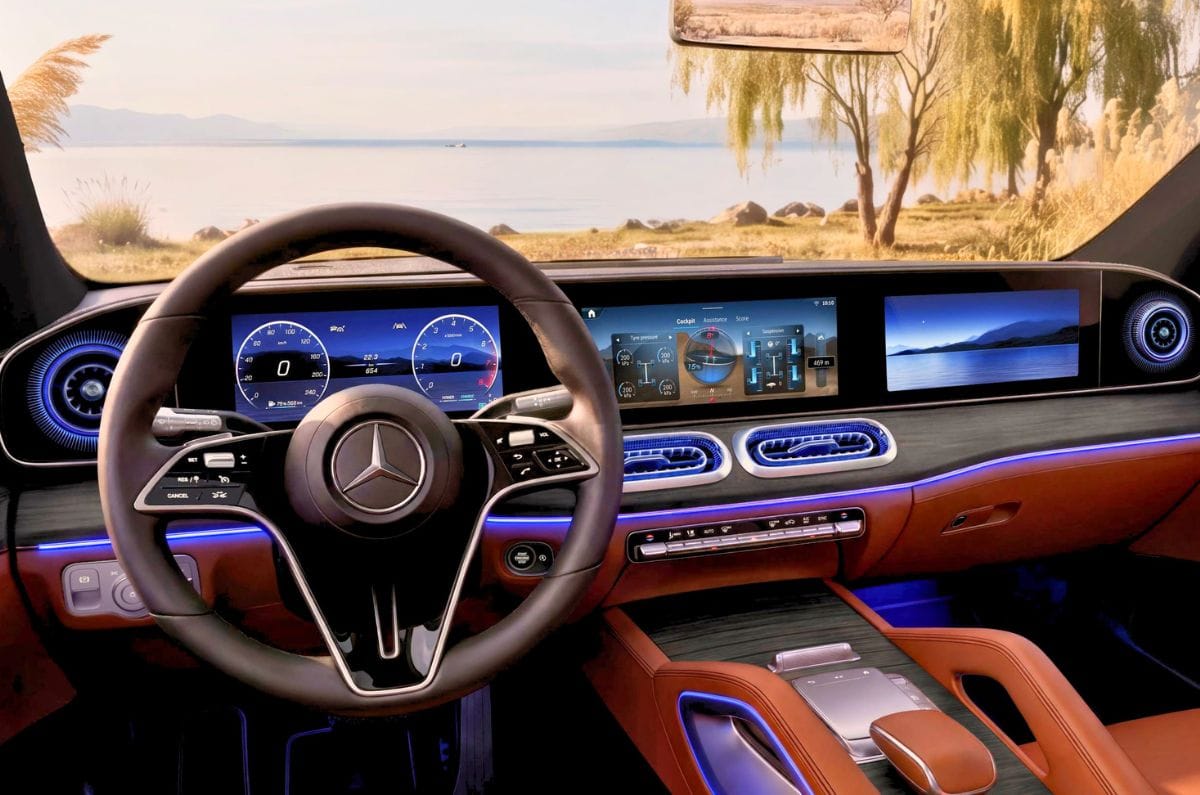
The interior design of the China-spec GLE L is identical to the standard-wheelbase SUV. It features three 12.3-inch screens on the dashboard, one each for the instrumentation, infotainment and front passenger entertainment, and a 3-spoke steering wheel with touch-enabled buttons and physical rocker and roller toggles.
There is no word from Mercedes-Benz about the long-wheelbase GLE’s India launch. The manufacturer offers the E-Class and the V-Class in their respective long-wheelbase avatars in the country. Moreover, there is a growing interest in long-wheelbase cars in the luxury segment, which could make the GLE L an interesting proposition in India. Interestingly, the GLE’s prime rival, the BMW X5, is slated to launch in India in 2027 in a long-wheelbase avatar.
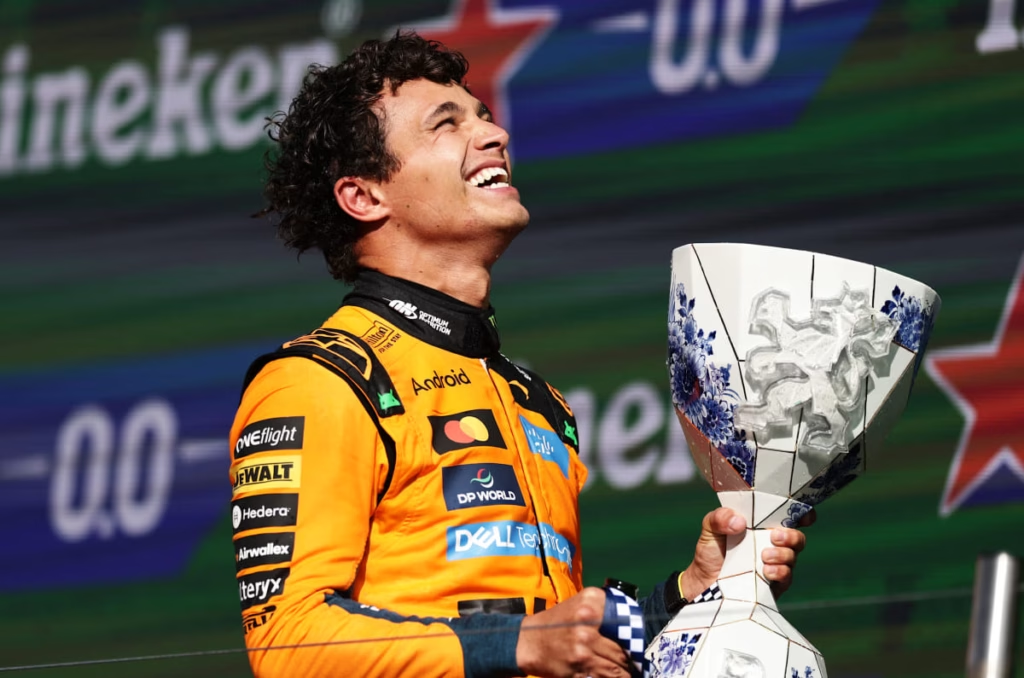
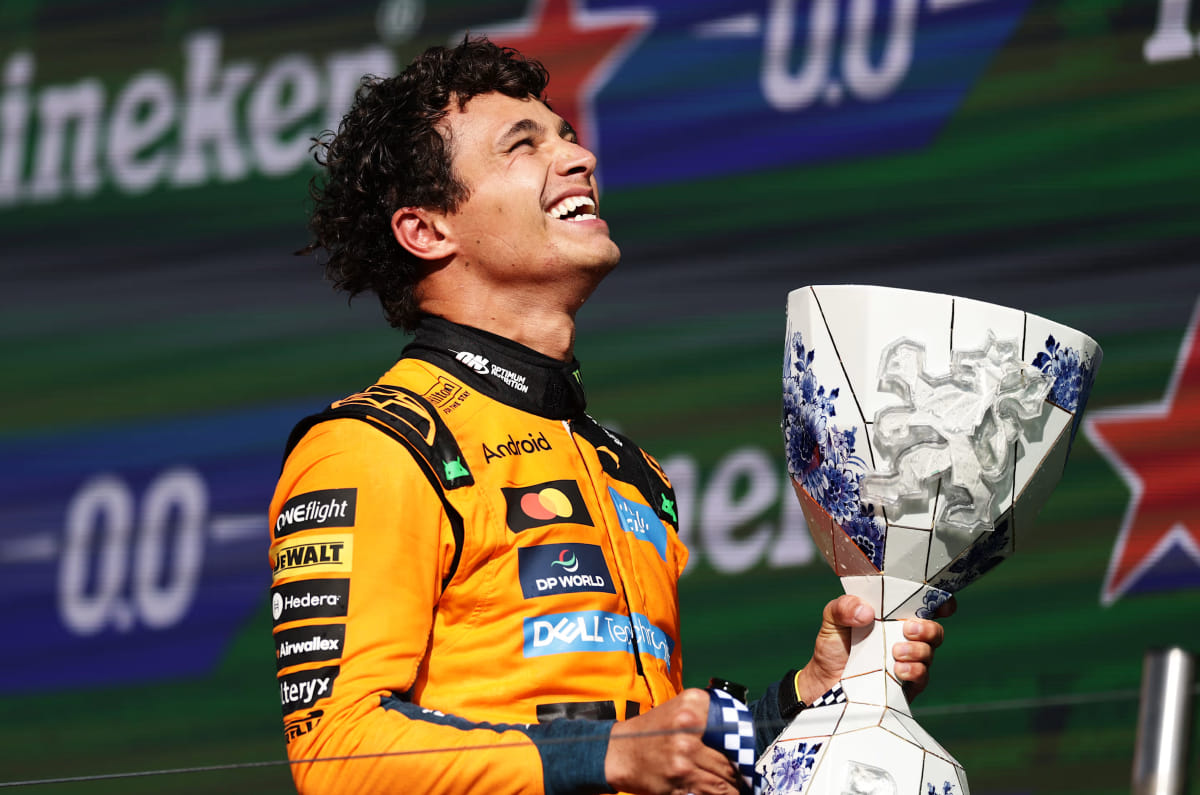
Lando Norris scored back-to-back wins after taking victory at the Dutch GP – the last race held at Zandvoort for the foreseeable future. Despite missing out on the win, Kimi Antonelli did stretch his championship lead after finishing second, ahead of his Mercedes teammate George Russell.
Norris wins, 11.536 sec ahead of Antonelli
Mercedes scores double podium finish
Alonso P9 for Aston Martin
Norris wins Dutch GP
Verstappen crashes out of home race
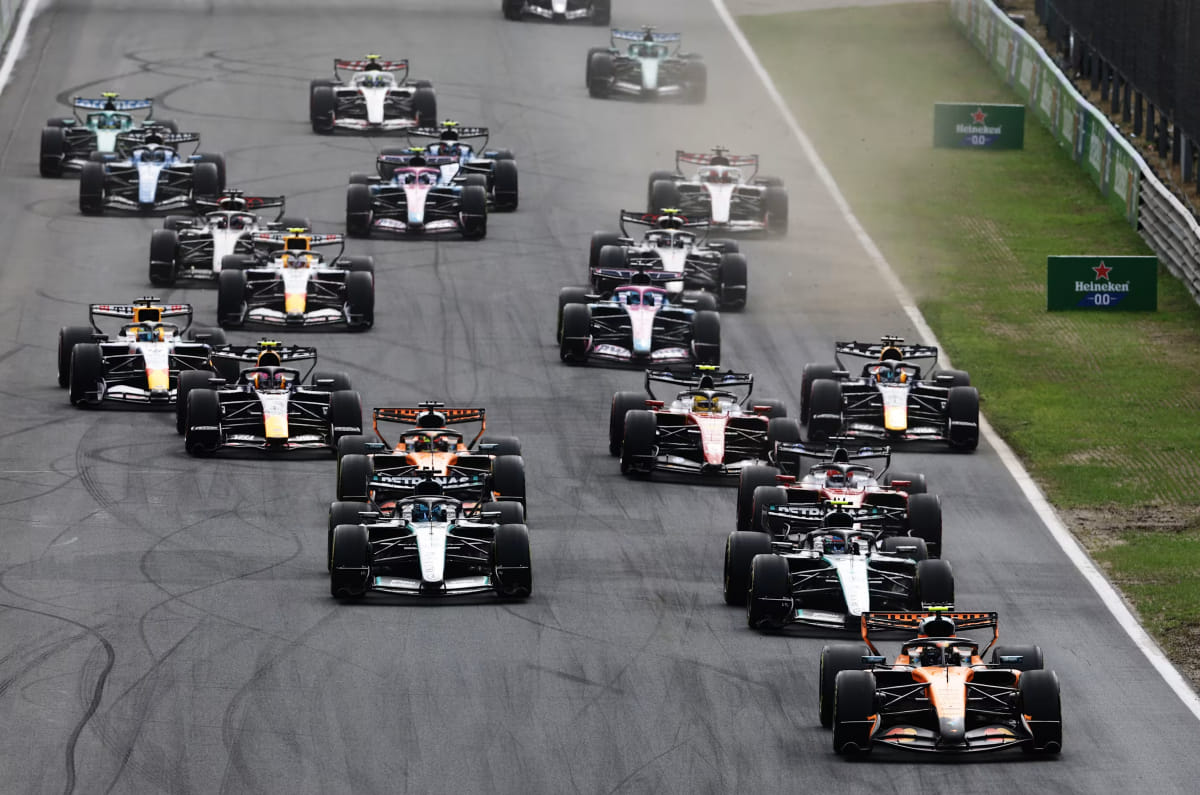
Starting from pole position, Norris initially held the lead. But the race was red-flagged moments later as Max Verstappen crashed out on the opening lap after losing control on the drying track.
Fresh off announcing his contract extension with Red Bull, the four-time world champion was keen to win his home race, with Zandvoort dropping off the F1 calendar next year. However, Verstappen appeared to struggle for pace throughout the weekend. “[It was a] disappointing end to a weekend that already, I think, was quite tough for us – not really having the pace to challenge the cars ahead. But we’ll see if we can do better in Monza and be a little bit closer to the front,” he said.
At the re-start, Norris lost the lead to Antonelli. The McLaren driver bid his time before finally making a move on Lap 52. Heading into Turn 1, he first passed Antonelli around the outside and then overtook Lewis Hamilton on the same lap to move into the lead.
A late Virtual Safety Car, brought out due to Esteban Ocon stopping on track, saw teams split strategies. A number of drivers, including Antonelli, pitted for fresh tyres, while Norris and Russell stayed out. Russell let Antonelli past on Lap 65, but Norris had already stretched a safe lead by then. He crossed the chequered flag 11.536 sec clear of Antonelli.
“Yesterday I said we needed to put on a bit of a show for everyone for the final race here, so I made it tough for myself today but [it was] a good race, well-fought,” Norris said. “Probably one of my better wins – we had to fight for it well but the pace was strong. We managed things incredibly well today, so over the moon, very happy. Nice to win the final race here in Zandvoort.”
Russell couldn’t follow up his Sprint win with victory on Sunday, but he fended off Hamilton to hold on to third place. Speaking after the race, the Mercedes driver explained, “I come away from this weekend as a whole satisfied. It’s been my best weekend for quite a while. I’ll take those positives.”
Charles Leclerc ended up fifth in the other Ferrari car, followed by McLaren’s Oscar Piastri. Liam Lawson, who replaced an injured Isack Hadjar at Red Bull Racing for this race, finished seventh despite being handed a 10-second time penalty for a yellow flag infringement.
Nico Hulkenberg crossed the line P8, handing Audi some valuable points. Aston Martin appears to be taking steps in the right direction with its recent updates, with Fernando Alonso finishing P9. Finally, Alpine’s Pierre Gasly rounded out the top 10.
2026 F1 championship standings
Antonelli has extended his championship lead to 59 points from his teammate Russell, who is now tied on points with Hamilton. Norris’ consecutive wins sees him climb up fourth place in the standings, 24 points behind Russell and Hamilton.
F1 will now head to Monza for the Italian GP on September 4-6.
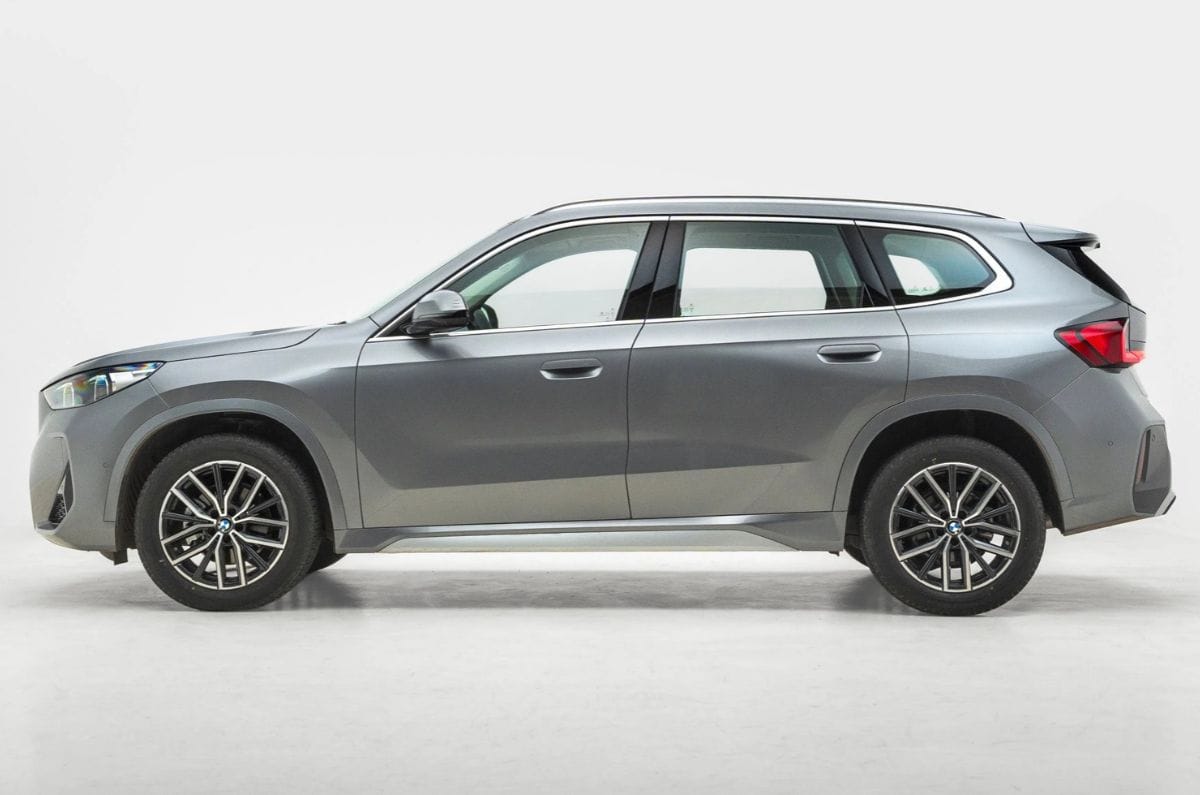
Unlike the standard X1, the Long Wheelbase (LWB) version primarily targets buyers for whom rear-seat space is the top priority. The BMW X1 LWB competes with the likes of the Audi Q3 and Mercedes-Benz GLA in India and is the only one to be offered in a long-wheelbase guise. All that said, here are some pointers to keep in mind before signing on the dotted line.
Reasons to buy the BMW X1 LWB
Space is aplenty
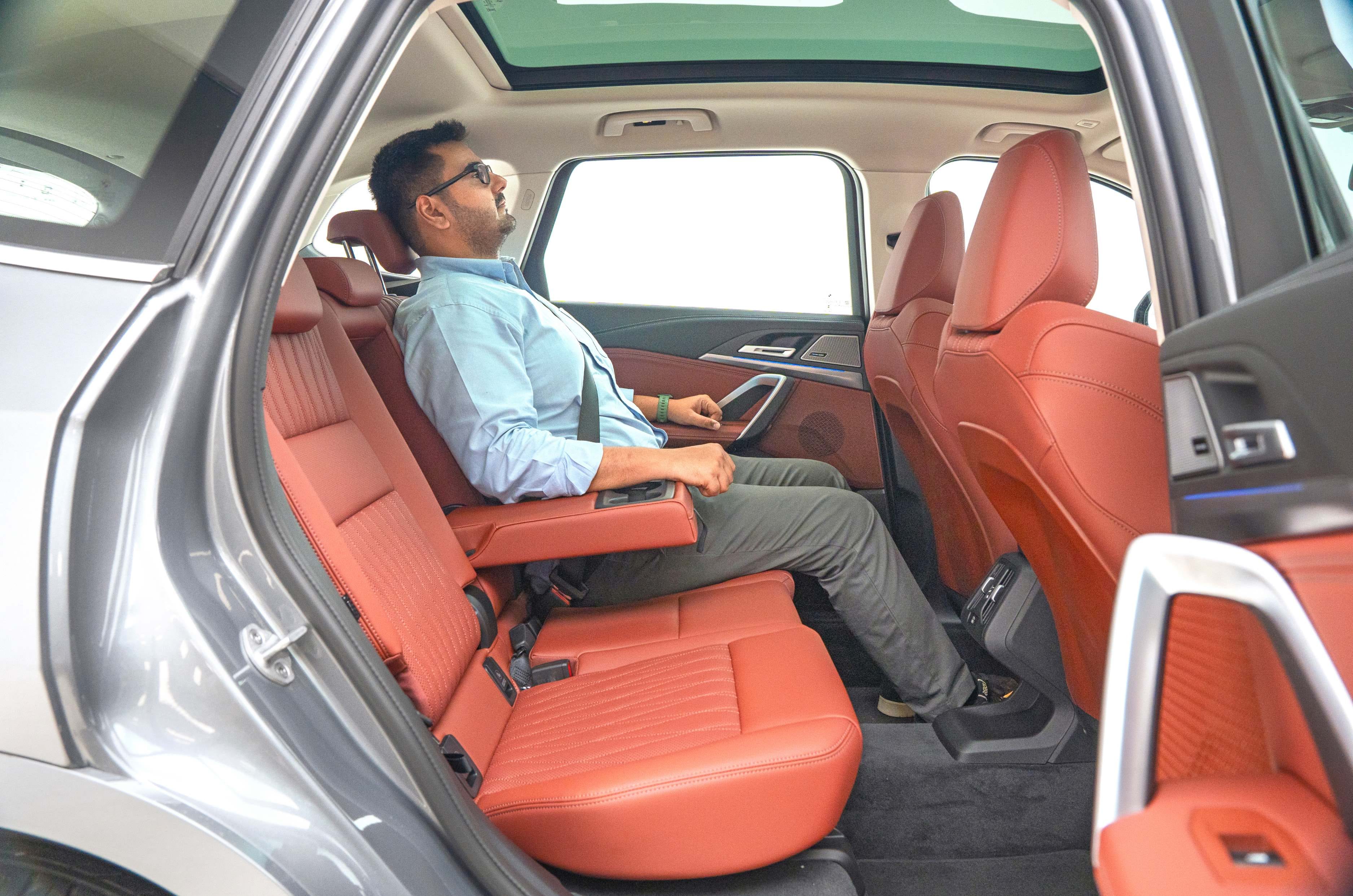
The Long Wheelbase version’s rear seats and boot are easily better than rivals’
A wheelbase that’s grown by 108mm over the standard X1 means that the LWB benefits from a roomy cabin. This is noticeable upon stepping into the rear of the X1 LWB, where there’s plenty of space even for six-footers to stretch out. A centre armrest with cup holders, dedicated rear AC vents and USB Type-C charging ports aside, BMW has redesigned the rear seats.
Catering to the occupants in the outer units are better cushioning plus a 15mm longer seat base for added under-thigh support. Not only is the general seating position good, but the reclining backrests further elevate comfort. The expansive glasshouse, including the fixed panoramic sunroof, makes for a light and airy cabin. Furthermore, the 540-litre boot is bigger than those of the GLA and Q3.
Convincingly pliant
BMW has revised the suspension for a more comfortable ride
Compared to the standard-wheelbase model, the X1 LWB offers a more pliant ride that errs towards comfort rather than corner-carving sportiness. It works quietly in the background and absorbs bad patches well. Under most driving scenarios, the underlying firmness of this suspension setup will go unnoticed. The steering wheel provides a good sense of connection to the road, and the X1 LWB changes direction confidently and swiftly.
Useful parking aids
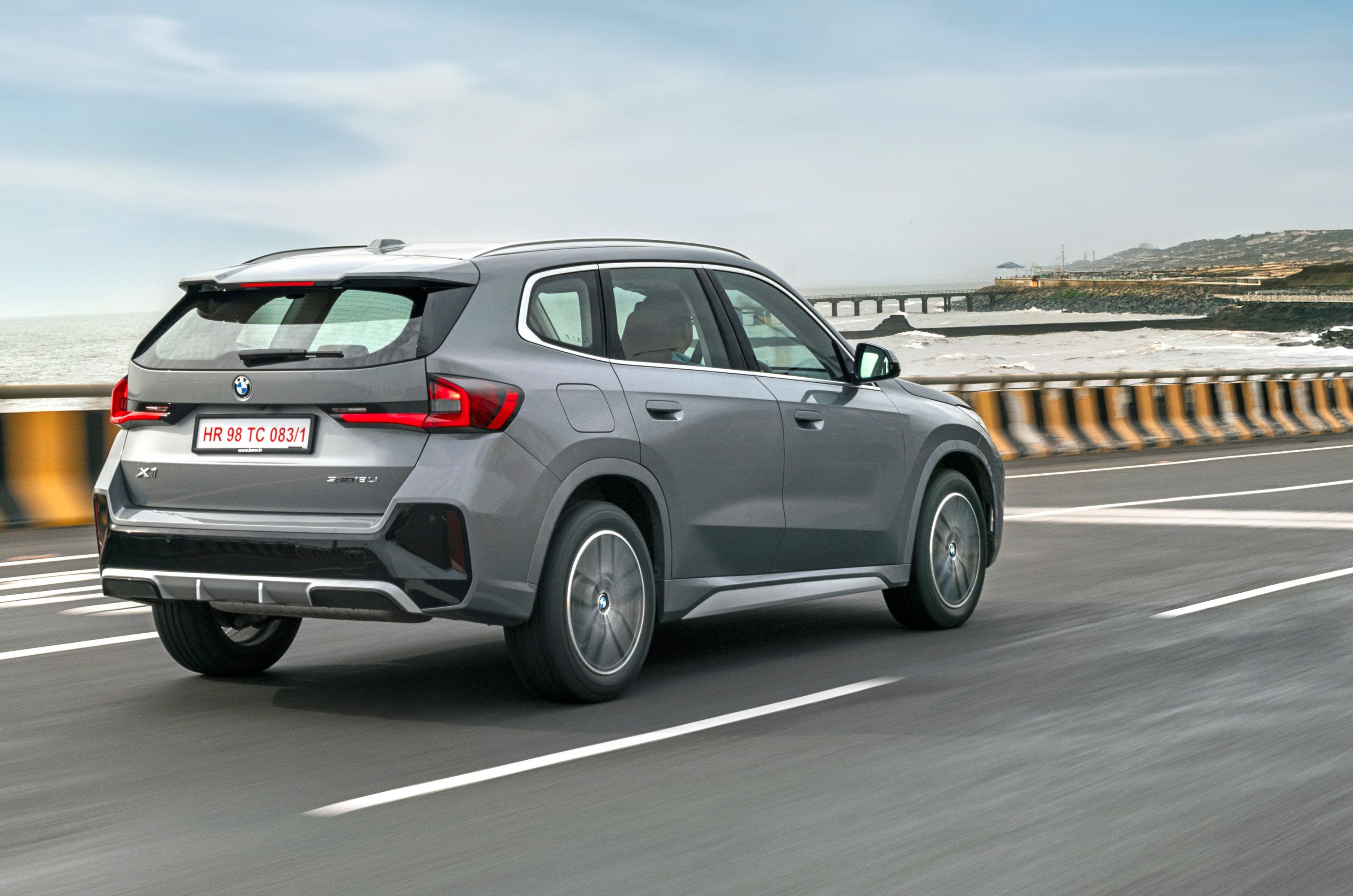
Quality assistance tech means parking the X1 LWB is a surprisingly convenient affair
The BMW X1 LWB is equipped with a 360-degree camera system, whose quality is really good. This will help one park the luxury SUV without major issues. Should you find yourself in a tricky situation or be confused about getting out of a dead end, the Reversing Assistant is a feature that could be a great help. This system is designed to automatically back up the car by retracing the path taken to reach its current spot and can work up to a distance of 50 metres.
Competitive pricing
The X1 LWB is priced rather well
At Rs 49.90 lakh (ex-showroom), the BMW X1 LWB costs Rs 1 lakh less than the standard-wheelbase model. When compared to its Mercedes-Benz GLA rival, the X1 LWB is up to Rs 5.1 lakh more affordable.
Reasons not to buy the BMW X1 LWB
Missing equipment
The long-wheelbase version has fewer features than the regular X1
For reasons known only to BMW, the X1 LWB doesn’t come with adjustable rear sunshades, ventilated or massaging seats, and even the USB slots up front aren’t backlit. This makes finding them in the dark a chore. The LWB version also lacks a dedicated climate-control zone for the rear passengers, while the advanced driver assistance systems (ADAS) package doesn’t include adaptive cruise control.
Uninspiring performance
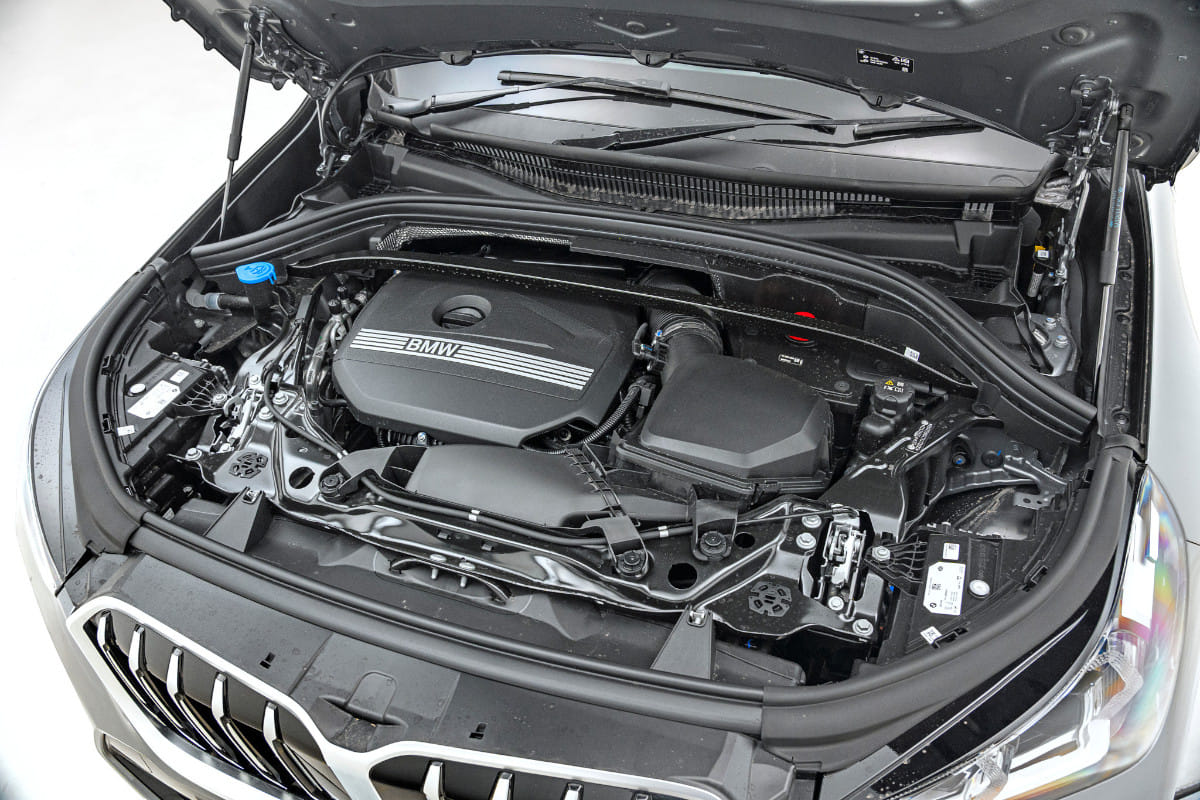
This three-cylinder engine isn’t a punchy enough unit
The 1.5-litre three-cylinder turbo-petrol fuel-injected engine produces 156hp and 230Nm of torque, which is 20hp more than the unit powering the standard-wheelbase X1. This E25-compliant engine comes mated to a 7-speed dual-clutch transmission (DCT) and feels more than sufficient when driving in the city.
However, when you want to overtake in a hurry or bury the accelerator pedal, there’s some delay before the X1 LWB builds speed. Push it hard, and this three-cylinder mill will make itself heard, and it isn’t a particularly sporty note either. Even in Sport mode, 0-100kph took 9.58 seconds when we tested this SUV’s acceleration.
Complicated infotainment
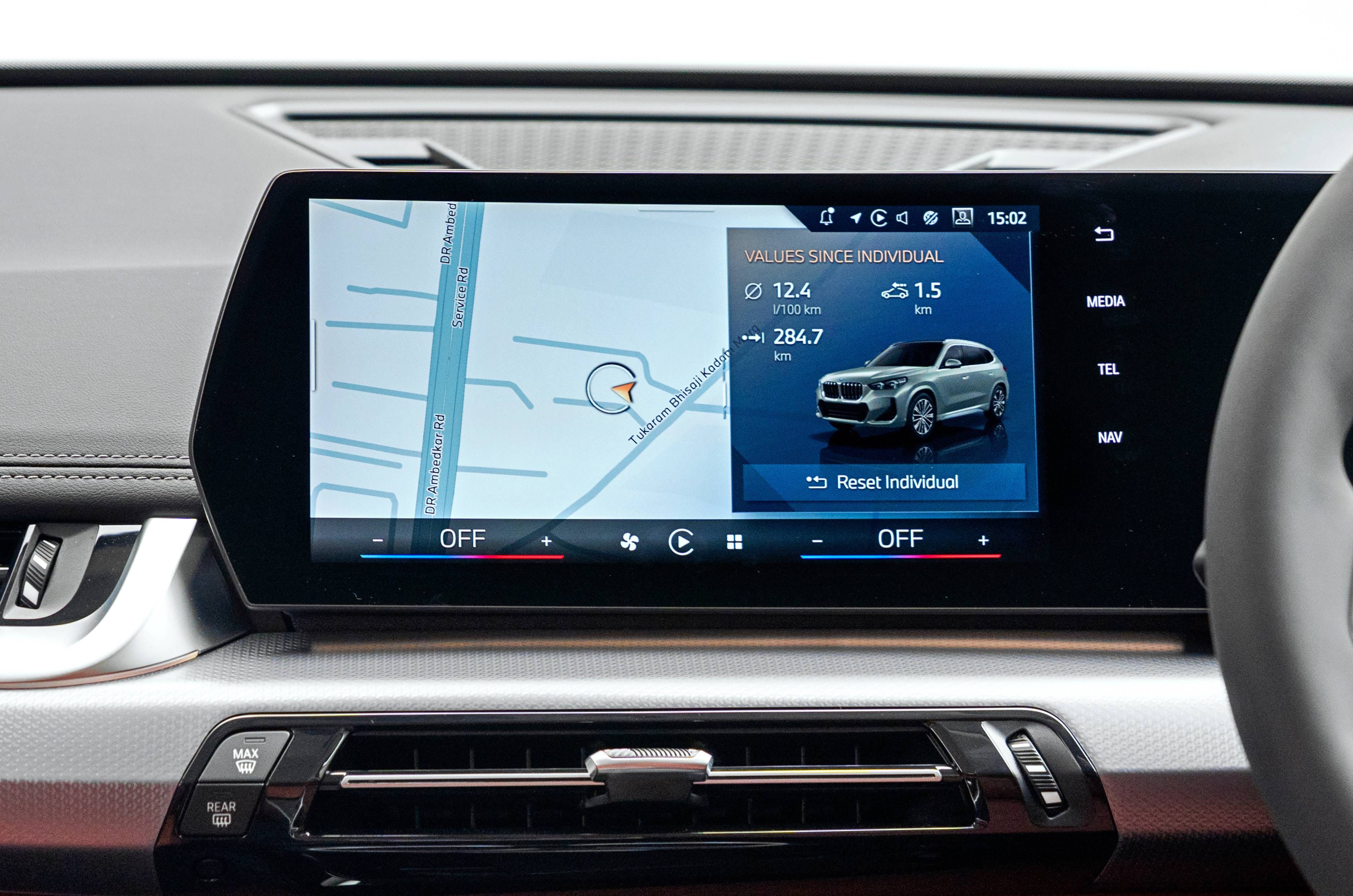
The system is modern but can be confusing for users
The 10.7-inch touchscreen of the BMW X1 LWB looks crisp and is very responsive to inputs as well. However, its information-dense design means users will find themselves facing a plethora of menus, and finding what you need will require some patience. Even the climate-control system is managed via the touchscreen, meaning eyes off the road. All of it feels more challenging than it needs to be.






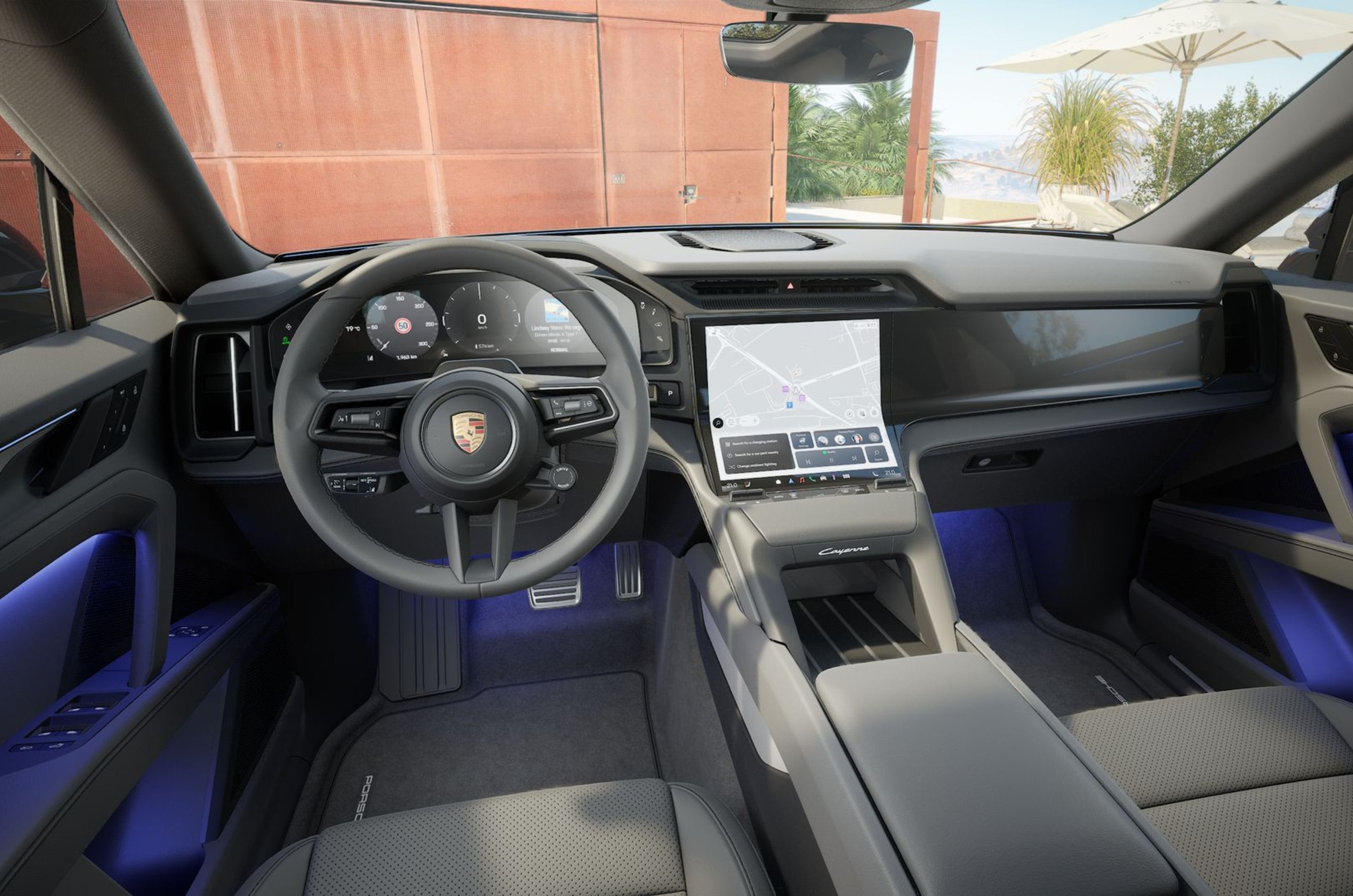 Inside, the Cayenne Electric gets a three-spoke steering wheel and digital driver’s display, similar to the ICE model. Porsche has also added a new 14.5-inch curved touchscreen infotainment system that flows into the centre console. An optional 14.9-inch passenger display is also available at an additional cost. Other features include 8-way electrically adjustable front seats, four-zone automatic climate control, ventilated front seats, a panoramic sunroof and wireless phone charging.