What to expect from the upcoming Denza D9

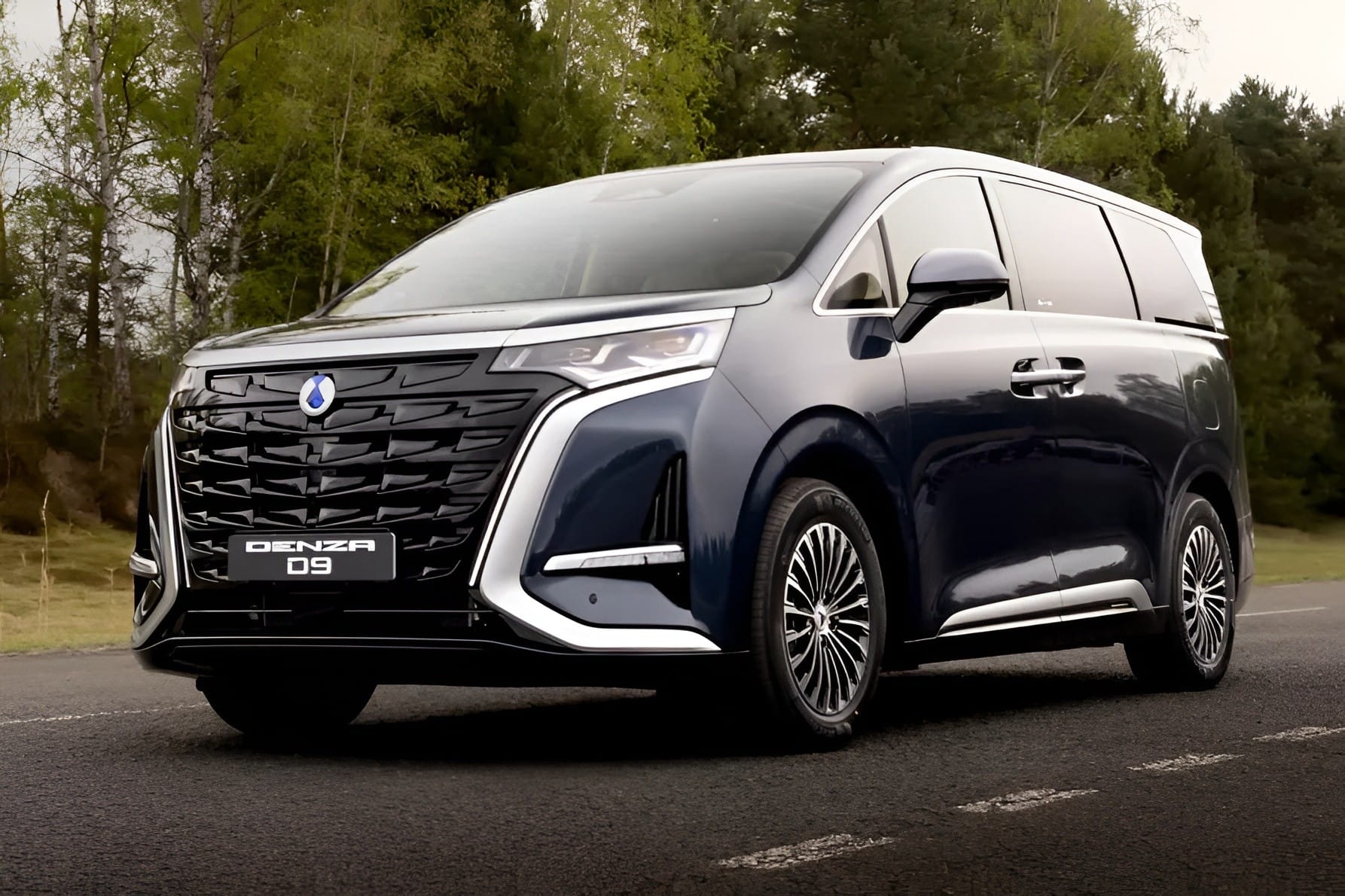
Denza D9 front quarter static

We exclusively reported that BYD would bring its luxury sub-brand Denza to our market. The Chinese carmaker will enter our shores with the debut of the D9 luxury MPV. While a festive season launch is being considered, if delayed, it could be moved to the Bharat Mobility Global Expo in February 2027. Ahead of its arrival in India, here’s all that you can expect from the Denza D9.

1. What seating configurations will the Denza D9 offer?

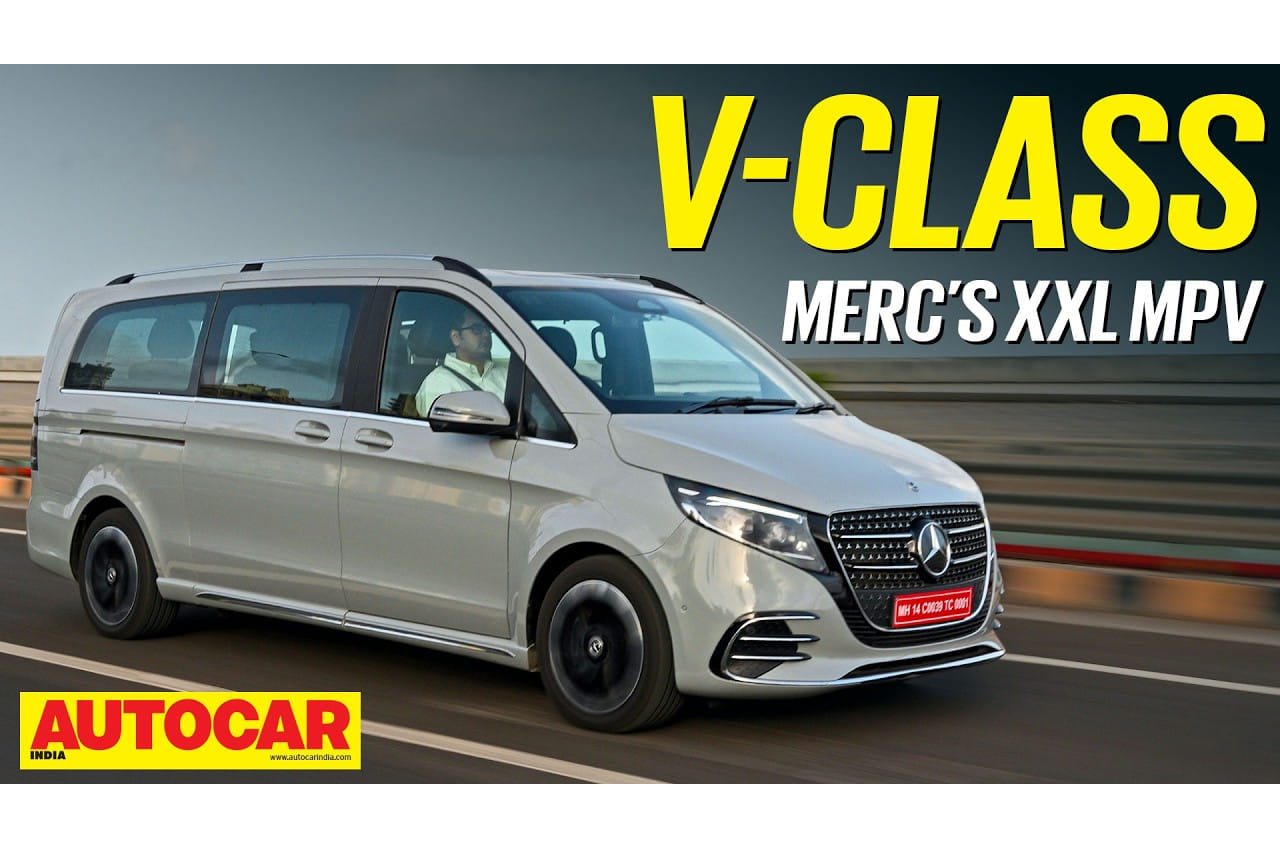
The Denza D9 is expected to offer a 2+2+3 seating configuration. Rivals like the Toyota Vellfire and Lexus LM offer the same configuration, while the latter offers a 2+2 configuration as well. The MG M9 and Mercedes-Benz V-Class offer a 2+2+2 configuration, while the Merc is also available in a 2+2 seat layout like the LM.

2. How large is the Denza D9?


Denza D9

MG M9

Toyota Vellfire

Lexus LM

Mercedes-Benz V-Class

Length (mm)

5,250

5,270

5,005

5,125

5,370

Width (mm)

1,960

2,000

1,850

1,890

1,928

Height (mm)

1,920

1.800

1,950

1,940

1,901

Wheelbase (mm)

3,110

3,200

3,000

3,000

3,430

The global-spec Denza D9 is 5,250mm long, 1,960mm wide, 1,920mm tall and has a 3,110mm wheelbase. Compared to other luxury MPVs in our market, the D9 is longer, wider and has a longer wheelbase longer than the Toyota and Lexus, but is shorter than the other two. But compared to the M9 and Mercedes-Benz V-Class, the D9’s dimensions are overall smaller.

3. Will the Denza D9 arrive in India as a CBU or be locally assembled?

Initially, the Denza D9 is expected to be sold as a full import in India. This will allow Denza to enter the market quickly, assess demand and take long-term decisions accordingly.

4. What features are expected on the Denza D9?
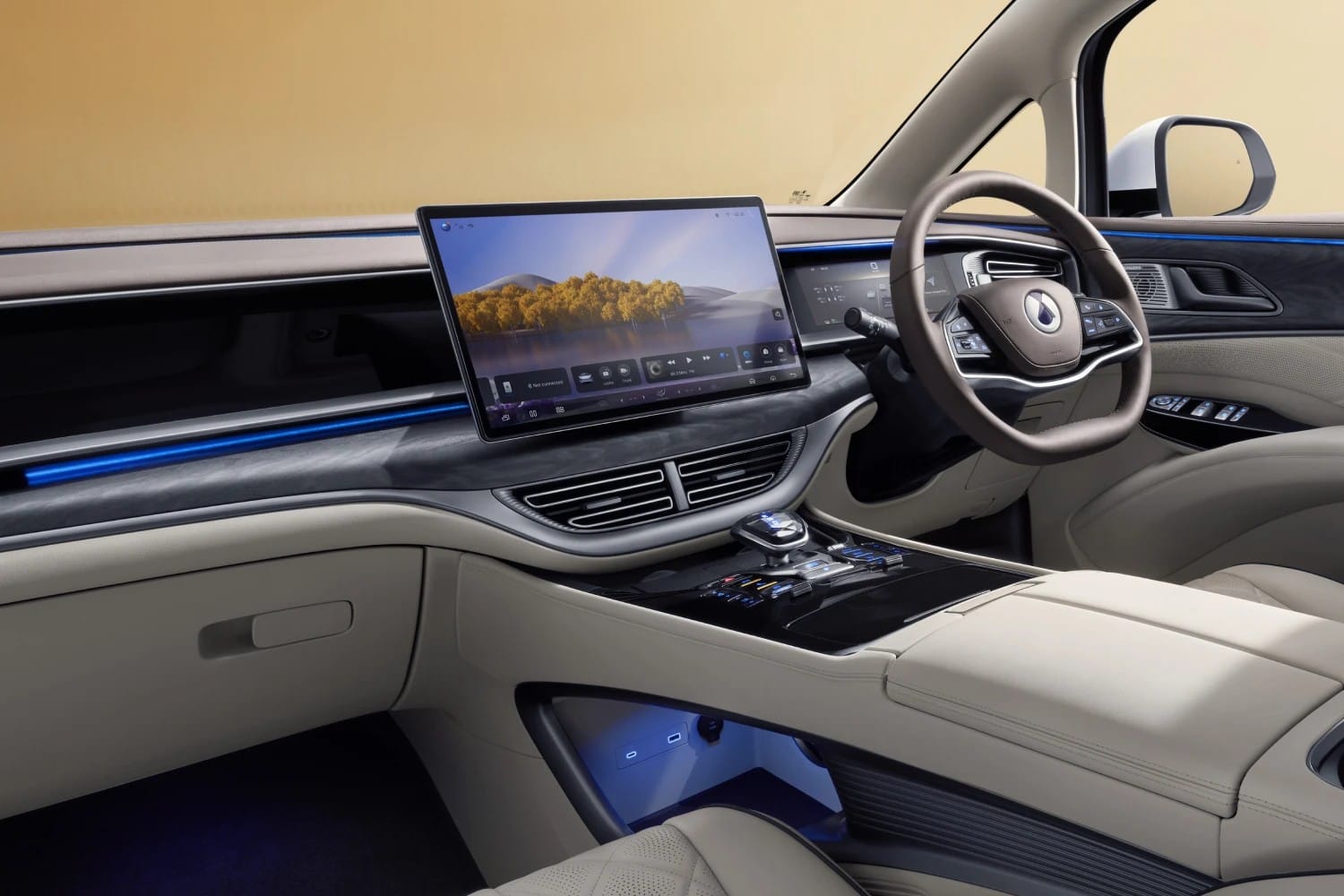
As for equipment, the global-spec D9 gets a 15.6-inch infotainment screen with Apple CarPlay and Android Auto, 10.25-inch digital driver’s display, panoramic sunroof, 8-way powered front seats with ventilation and massage functions, ambient lighting, triple-zone air conditioning, 14-speaker Dynaudio audio system, air purifier, wireless phone charger, 12-inch head-up display, powered tailgate and sliding rear doors.

Safety features include multiple airbags, an ADAS suite, surround view cameras, ESC, traction control, ISOFIX Mounts, hill hold control, driver fatigue warning and distraction detection, TPMS, and an auto-dimming IRVM.  

5. What features are the second row occupants likely to get in the Denza D9?
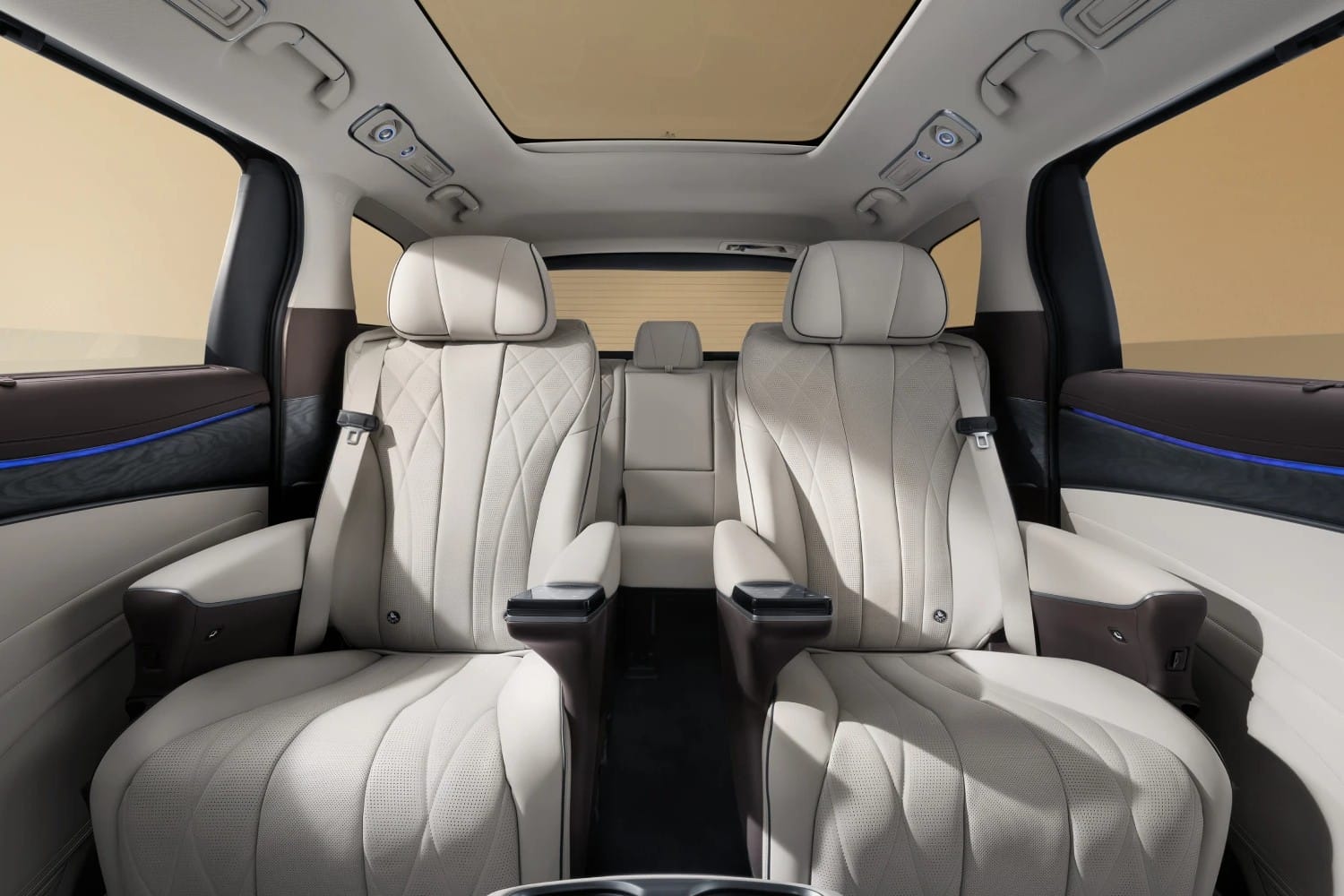
The second row captain chairs have built-in leg rests and have 10-way power adjustment with memory and come with ventilation and massage functions. There’s also a powered boss mode, retractable tables, and a refrigerator as well. Additionally, LED displays integrated within the armrests of the second row seats control various car functions.  

6. What powertrains are expected to power the Denza D9?

Globally, the Denza D9 is available in all-electric and plug-in hybrid versions. However, BYD is likely considering the former option for India, as EVs are subject to a lower 5 percent GST. Plug-in hybrid variants could be considered at a later stage.
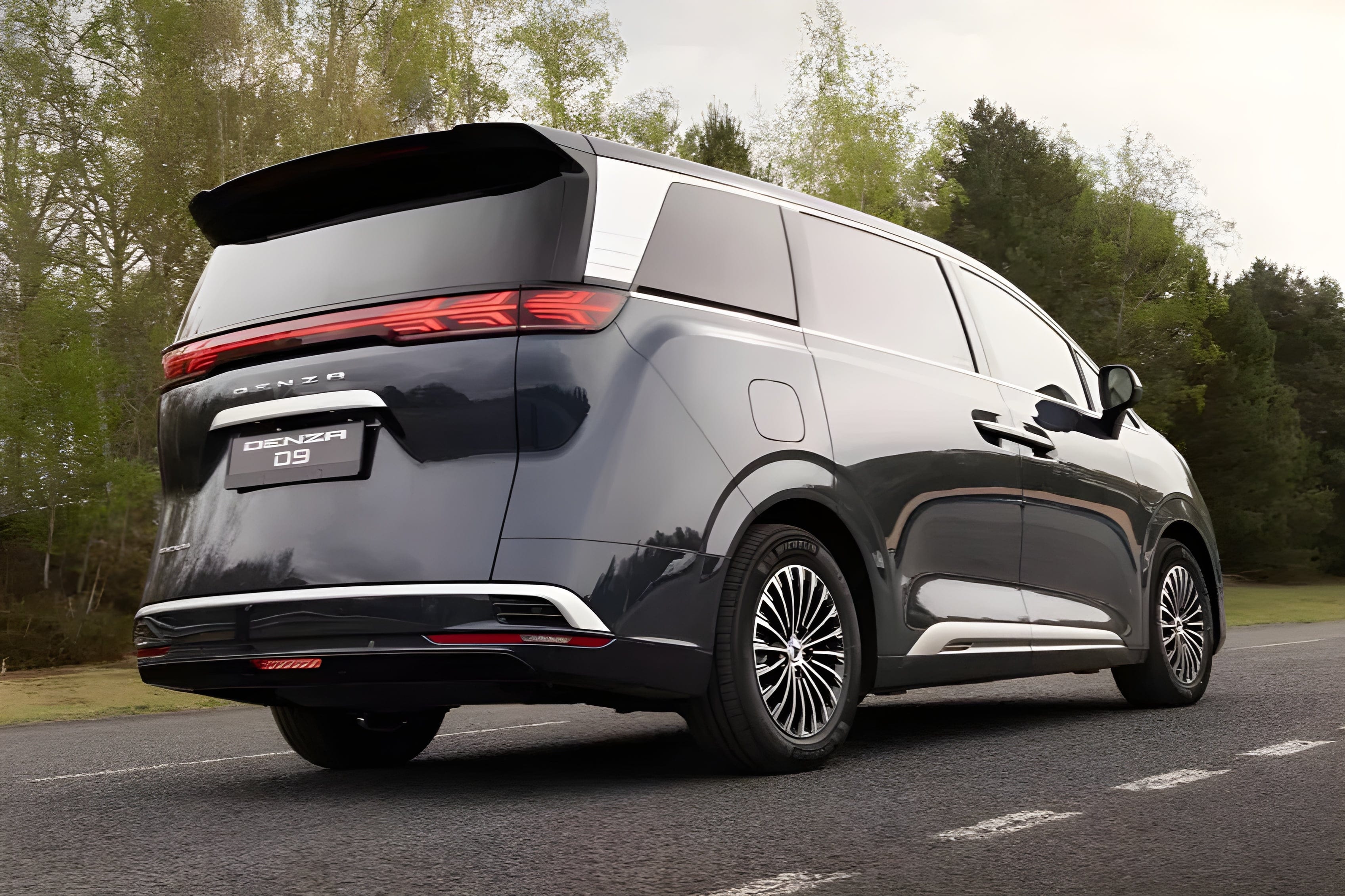
While exact specifications remain under wraps, the global-spec D9 electric is powered by a 103.6kW battery pack. This battery pack can be had in a FWD configuration with a motor producing 314hp and 360Nm of torque. AWD versions add a 61hp, 110Nm motor, bringing the combined power output to 373hp and 470Nm of torque.

FWD versions get an NEDC-claimed range of 600km, while AWD versions have a claimed range of 580km. As far as charging is concerned, the D9 supports up to 11kW and 166kW outputs on AC and DC charging, respectively.

7. Will the Denza D9 be sold alongside other models from the BYD stable?

To maintain distinction between BYD and its sub-brand, the Denza D9 is expected to be sold via dedicated Denza outlets rather than through its existing retail network.

8. What is the expected price of the Denza D9?

Expect the Denza D9 to have an ex-showroom price of around Rs 90 lakh. The D9 will compete in the growing luxury MPV space and will be positioned above the all-electric MG M9 (Rs 79.95 lakh), but undercut the strong-hybrid-powered Toyota Vellfire (Rs 1.20 crore) and Lexus LM (Rs 2.20 crore to Rs 2.75 crore), and the Mercedes V-Class (Rs 1.40 crore), which offers petrol and diesel engines.

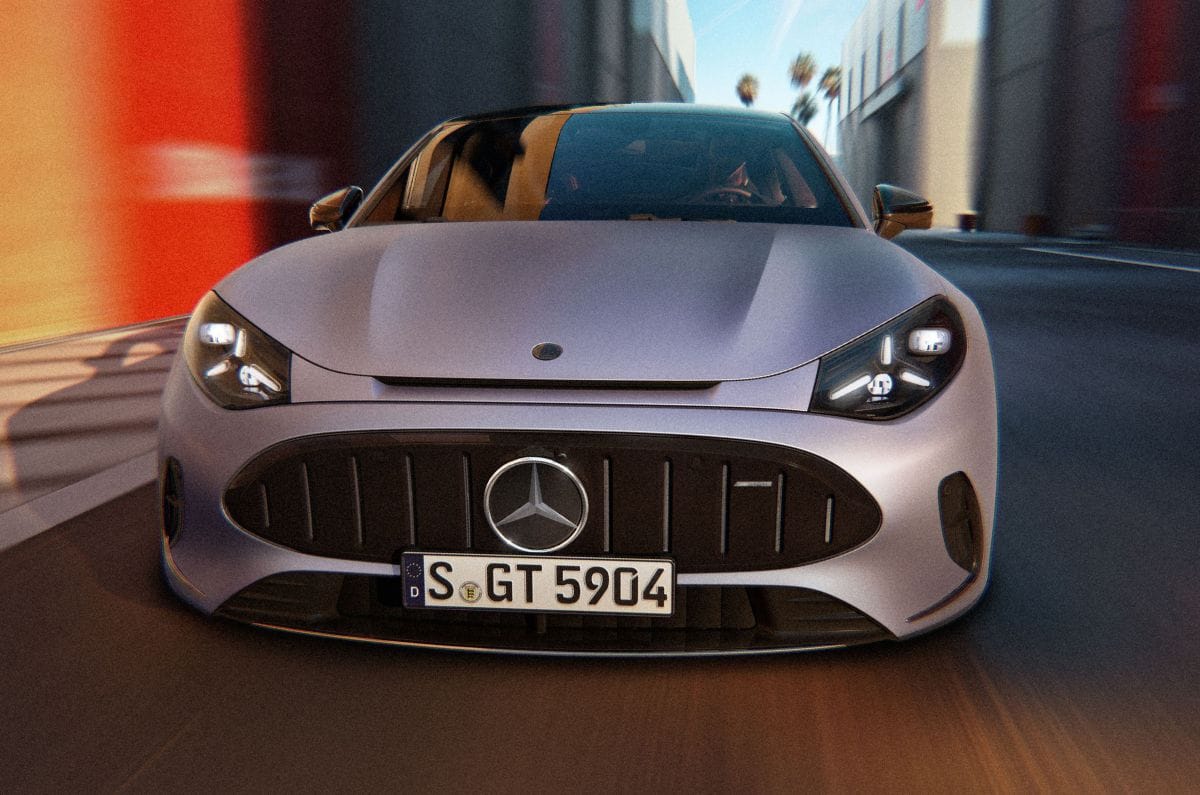
Mercedes-AMG reveals entry-spec GT 53 4-door Coupe

Mercedes-AMG reveals entry-spec GT 53 4-door Coupe

Mercedes-AMG has revealed the new GT 53 4-door Coupe internationally, positioned as the new entry-spec model for the flagship performance nameplate. It sits below the GT 55 and GT 63 variants, which were revealed in May 2026. The new GT 53 variant gets a 106kWh battery with a claimed range of 793km, and a 544hp dual-motor AWD setup with a claimed 0-100kph time of 3.5 seconds. 

  1. Produces 272hp and 625hp less than the GT 55 and GT 63, respectively.
  2. Offers 103km more range than the GT 55, 107km more range than the GT 63.

Audi’s big India comeback, Tata Sierra EV first drive: Autocar India August 2026

Autocar India August 2026

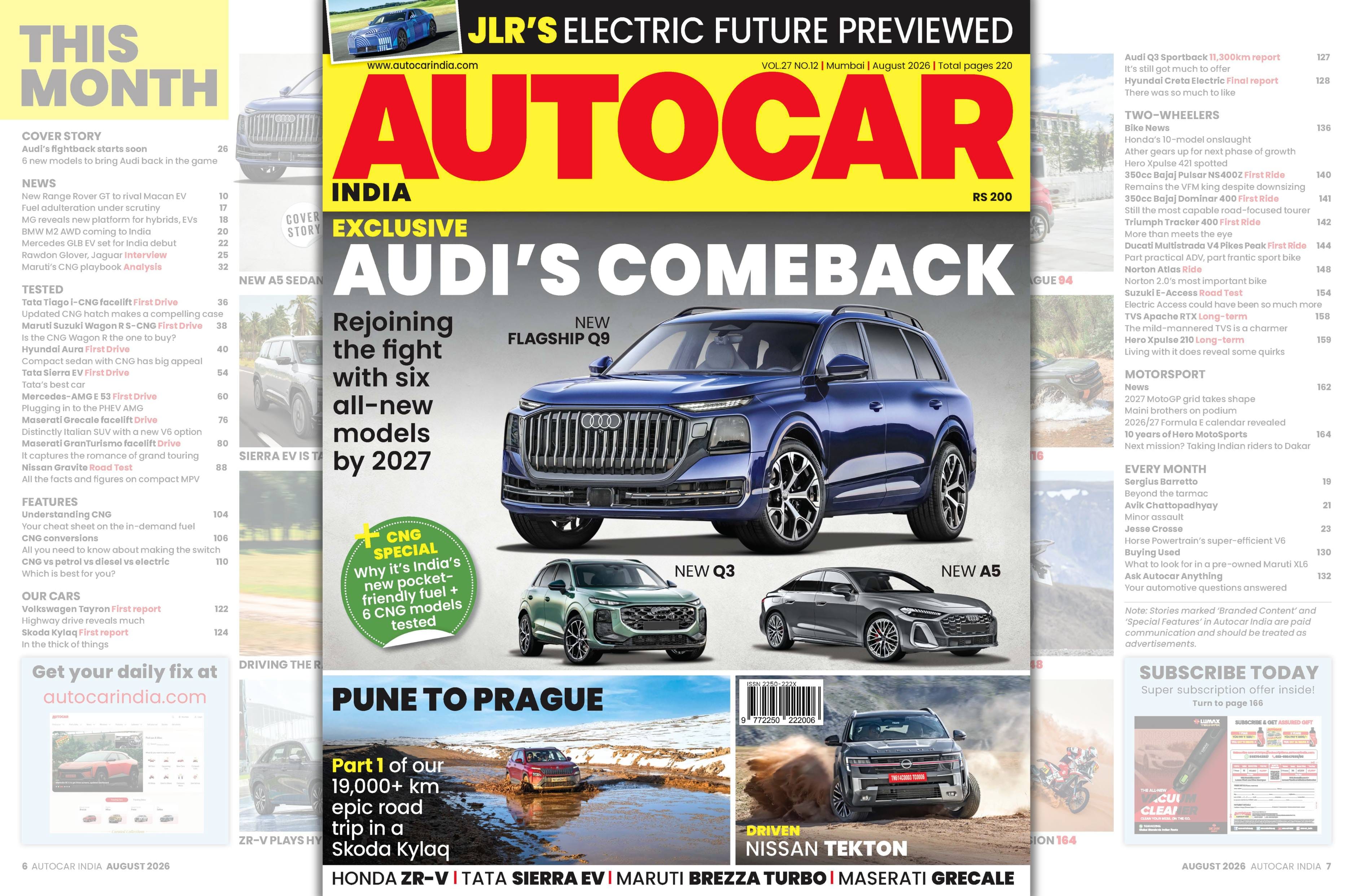
Our August 2026 issue has all the exclusive details of Audi India’s most ambitious product offensive in over a decade, with six all-new locally assembled models planned over the next 18 months. We also get behind the wheel of Jaguar’s camouflaged Type 01 prototype and drive the Range Rover Sport EV at Goodwood. Closer to home, we find out if the Tata Sierra EV lives up to its billing as the best Tata on sale, while the Nissan Tekton is put through a 700km-plus real-world test from Chandigarh to Leh. We also break down India’s new most popular fuel in our CNG special, with five models tested back-to-back. On two wheels, the new Norton Atlas is ridden in Iceland, while a special Ducati takes on some of Maharashtra’s tricky trails. All this while a Skoda Kylaq sets off on an epic 19,351km drive from Pune to Prague.

Audi’s Big Comeback: Cover Story

Audi was once India’s bestselling luxury brand. Today, it is a shadow of that. Now, with six all-new locally assembled models planned by end-2027, the four rings are back on the offensive. We have all the details and speak to Audi India head Balbir Singh Dhillon and Audi AG chairman Gernot Dollner about the upcoming cars. 

Jaguar Type 01: Drive

Jaguar has walked away from 90 years of combustion heritage, cancelled every existing model and started again with a blank sheet of paper. The Type 01 is the result – a five-metre all-electric grand tourer with a 1,000hp three-motor setup, 600km of range and a starting price north of Rs 3 crore. We drive a camouflaged prototype at JLR’s Gaydon test track to find out if the boldest bet in the car industry’s history has legs. 

Range Rover Sport EV: Drive

Under its familiar skin sits an 800V architecture, two Land Rover-developed 326hp motors and a 118.5kWh battery validated over 60,000 hours of testing. The electric Range Rover Sport arrives in India around March 2027 and could set a new luxury benchmark for the brand. We drive a prototype at Goodwood to find out if it lives up to that promise. 

Tata Sierra EV: First Drive

The best Tata in years gets the brand’s smoothest powertrain yet. The Sierra EV comes in rear-wheel-drive and all-wheel-drive forms, with the AWD variant making a class-leading 306hp and bringing the first AWD option in this segment. We drive all variants, including a proper off-road test, to see if it lives up to the hype. 

Honda ZR-V: Drive

Honda’s first hybrid SUV in India arrives as a full import from Japan, packing a 184hp strong-hybrid powertrain and a claimed 22.8kpl. We get a brief first taste at the Buddh International Circuit to find out if it delivers on its promise.

Mercedes-AMG E 53 Hybrid 4Matic+: First Drive

The new E 53 pairs a 3.0-litre straight-six with a 28.6kWh battery for 585hp and up to 100km of electric range. It is a PHEV AMG that also does daily commutes without a drop of fuel. But has electrification enhanced the AMG experience, or diluted it? 

CNG Special: Features

CNG now accounts for nearly 20 percent of India’s passenger car market. We explain everything you need to know about the fuel – what it is, how it works and whether an aftermarket conversion makes sense. We also road test five CNG models: the Tata Tiago iCNG, Maruti Wagon R S-CNG, Hyundai Aura CNG, Maruti Brezza Turbo (petrol) and Maruti Victoris S-CNG.

Tata Nexon: Petrol vs Diesel vs Electric vs CNG

The Nexon is one of the few cars in India offered with four distinct powertrain options. We test every variant – turbo-petrol, diesel, CNG and electric – with real-world performance and efficiency figures to find the sweet spot of the range. The result might just surprise you.

Skoda Kylaq: Pune to Prague, Part 1

A made-in-India Skoda Kylaq sets off on a near-20,000km adventure from its birthplace at Skoda’s Chakan plant to Skoda Auto’s headquarters in Prague. Part 1 covers India, Nepal, Tibet and China – including a detour to Mount Everest Base Camp.

Norton Atlas: Ride

TVS’s second Norton – and the brand’s most important – debuts in Iceland. The Atlas is a 585cc parallel-twin adventure tourer with 70hp, a full electronics suite and 19-inch front wheel. We ride 200km of sweeping mountain roads and gravel trails to find out if it can justify the hype and, crucially, a competitive price tag.

Ducati Multistrada V4 Pikes Peak: First Ride

The most focused Multistrada money can buy blurs the line between a practical ADV and an out-and-out sport bike. With Ohlins semi-active suspension, a single-sided swingarm and a race-mode, it promises to be two bikes in one. We find out if the price premium is worth it.

Suzuki E-Access: Road Test

Suzuki’s first electric scooter carries a big name and an even bigger price tag. It gets some things right, but in a segment that rewards value, performance and range, does the Access badge alone justify the Rs 1.92 lakh asking price?

Audi India boss confirms 3 new launches by 2027

Audi India boss confirms 3 new launches by 2027

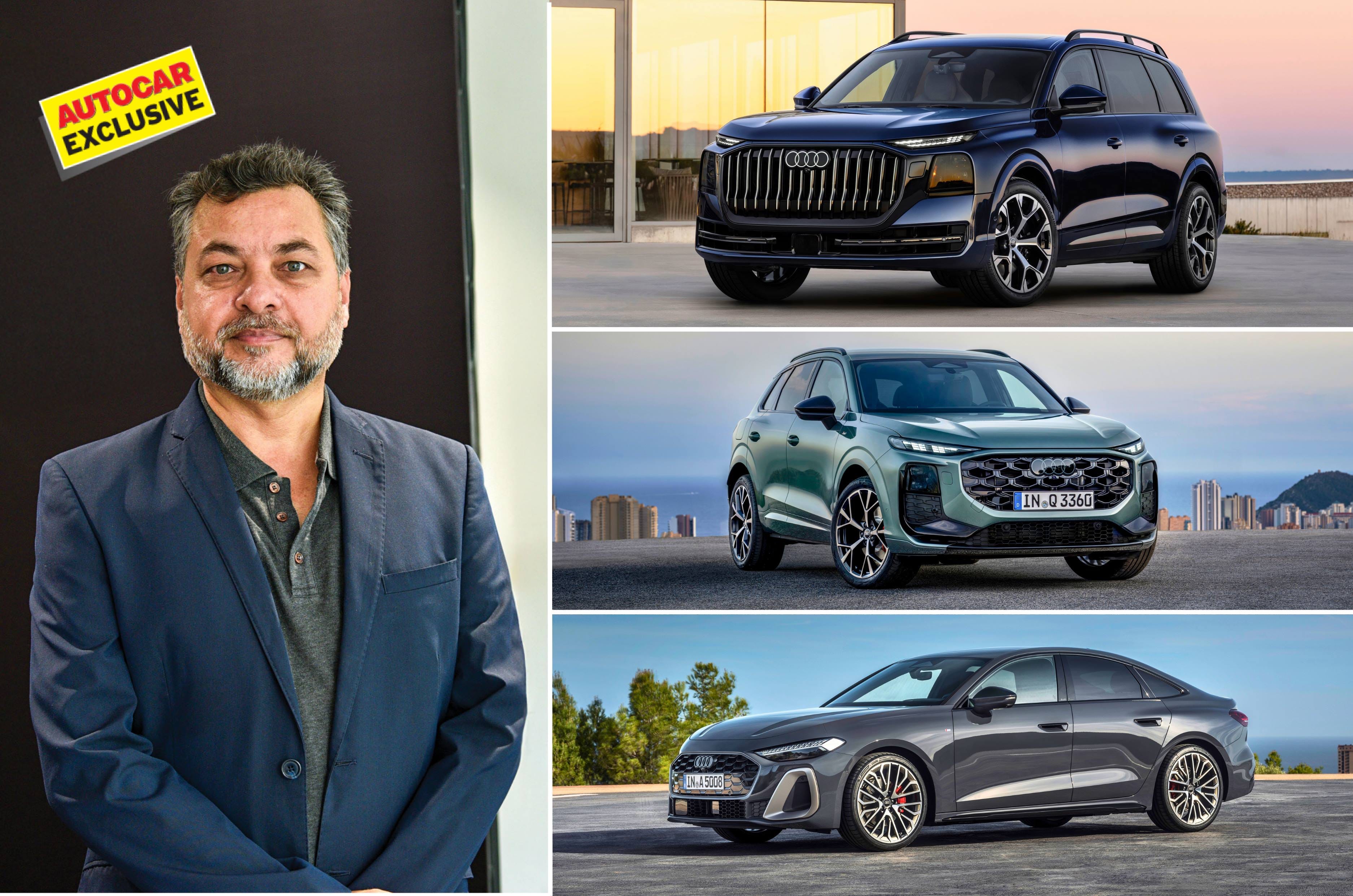
After years on the sidelines, Audi India is finally in attack mode. The next 12 months will see a barrage of all-new metal. First comes the third-generation Q3 this month, followed by the A5 in February 2027 and then the recently unveiled Q9 flagship SUV by the second half of 2027. “Three models in less than 12 months’ time,” confirms Balbir Singh Dhillon, head of Audi India.

The crucial detail is not the cadence but the sourcing. These will not be costly completely built-up (CBU) imports but will be assembled at the Skoda Auto Volkswagen Group plant in Chhatrapati Sambhajinagar. Model-to-model replacement, as Dhillon points out, needs little fresh capital because the heavy lifting was done years ago. “To be successful in India, you have to make in India,” he says. “Irrespective of any FTA, we will still make in India. That will remain the core strategy.”

Let’s take a close look at what to expect from each model:

Audi Q3 

Launch: August 2026, estimated price: Rs 50 lakh

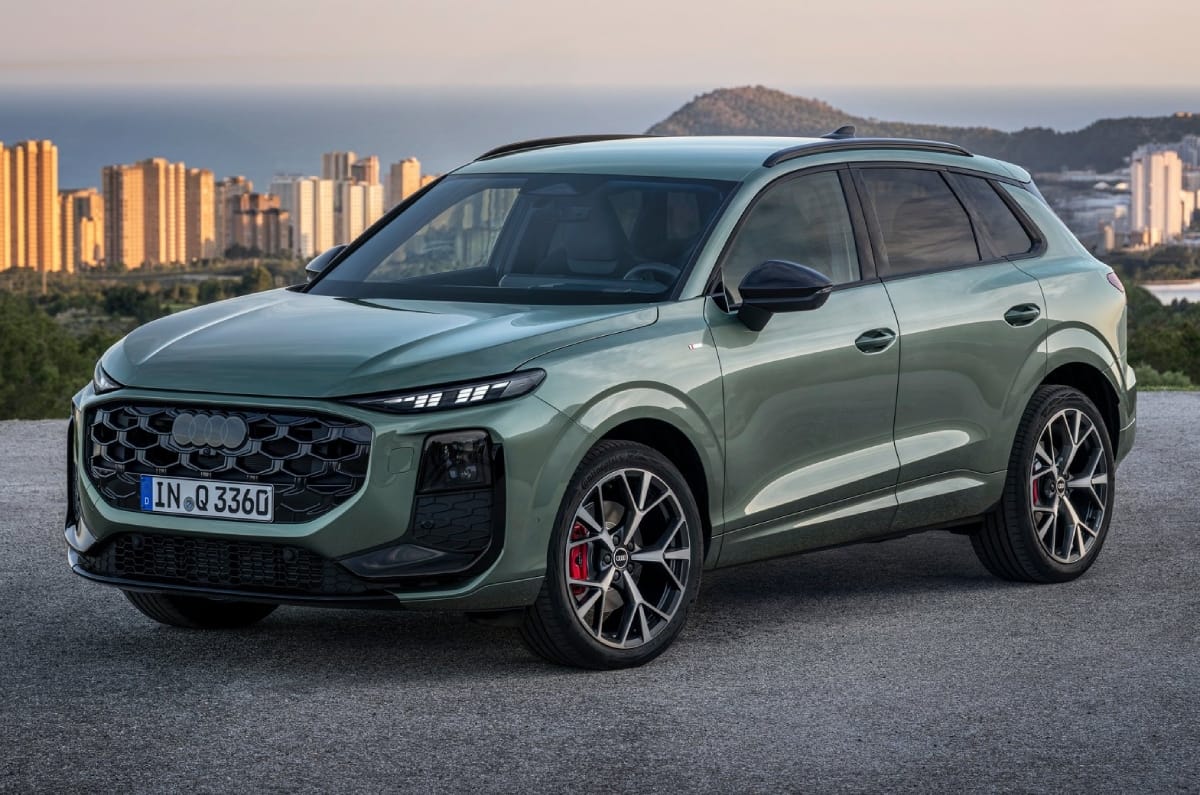
Audi Q3

A big leap over the second-gen model in tech and styling, the third-gen Q3 was revealed last June. It is available in petrol, diesel and plug-in hybrid options in overseas markets, but in India, it’ll have a 204hp, 2.0 turbo-petrol paired with a 7-speed dual-clutch and standard Quattro all-wheel drive. The AWD will give it an edge over the BMW X1 and Mercedes-Benz GLA. Expected in both SUV and Sportback body styles, the Q3 will ride on 18-inch alloys and should get a spare under the boot floor. Kit is expected to include an 11.9-inch digital driver’s display, a 12.8-inch touchscreen, three-zone auto AC and a large sunroof.

Audi A5

Launch: February 2027, estimated price: Rs 60 lakh

Audi A5

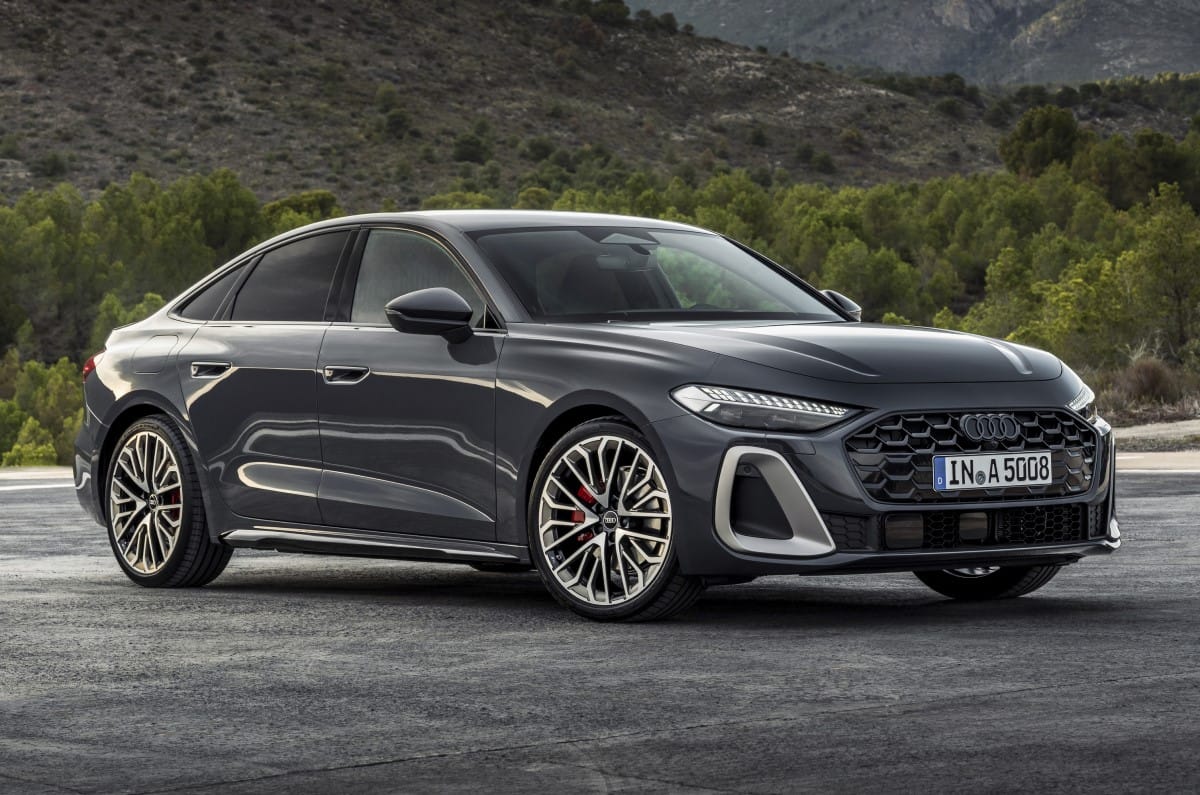
Revealed in 2024 and updated with hybrid powertrains last year, the A5 will replace the ageing A4 in Audi India’s line-up. Based on the new Premium Platform Combustion (PPC) architecture, it is larger than the A4 and shares its high-tech interior with newer Audis like the Q6 e-tron, including an optional 10.9-inch passenger-side touchscreen display. India is expected to get the same 204hp, 2.0 turbo-petrol engine and 7-speed dual-clutch transmission as the Q3, though only in front-wheel-drive form. While overseas markets also get a 265hp Quattro variant, it isn’t expected for India. 

Audi Q9 

Launch: H2 2027, estimated price: Rs 1.40 crore-1.50 crore

Audi Q9

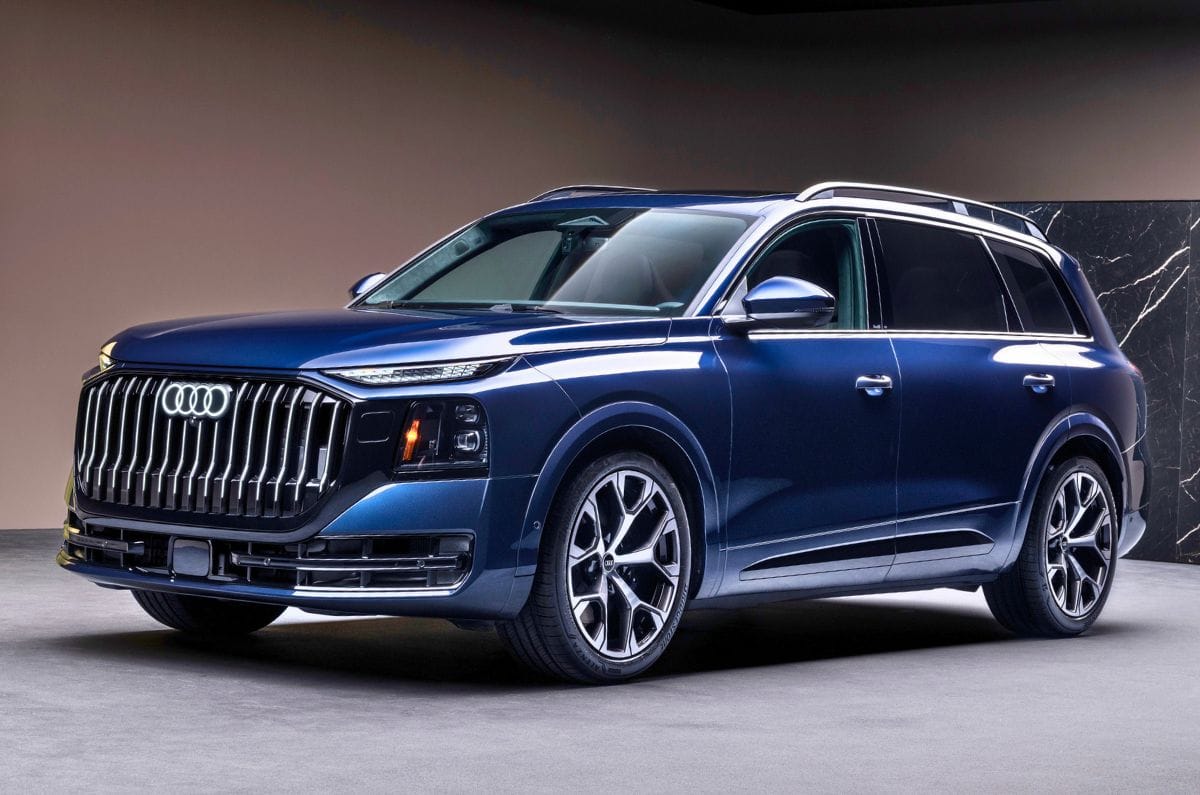
The Q9 sits above the Q7 and Q8, at the very top of the range and is Audi’s new flagship. It’s also the first time Audi has used the ‘9’ designation, and with the A8 gone, this three-row giant is now the standard-bearer for the brand. At more than 5.3 meters in length, this isn’t a stretched Q7; it’s a class-size jump that finally gives Audi a genuine rival to the Mercedes-Benz GLS and BMW X7, a fight it has sat out for far too long. It will get a sole engine option in India: a 3.0-litre V6 petrol producing 367hp and 550Nm, driving all four wheels through an 8-speed automatic. Sadly, there will be no diesel engine option for India. 

Network expansion to compliment new launches 

Hardware alone will not do it. The retail network is being rebuilt in parallel. “Today we have 29 showrooms. By the end of next year, we’ll be at 40,” says Dhillon, with virtually every existing outlet currently torn up for conversion to Audi’s global ‘progressive’ showroom format. The new locations alone, he reckons, will contribute a quarter of the planned growth. Add a thriving Audi Approved Plus used-car operation, which now sells one pre-owned car for every new one and sits on a database of 20,000 pre-owned buyers ripe for upgrade, and the machinery for a volume push is in place.

The stated ambition is bold. “Today we are at about 8, 9 percent market share. I want to double it to maybe reach 18 to 20 percent in the next three to five years,” says Dhillon. In volume terms, that means more than doubling sales to cross 10,000 units within three years, outpacing the luxury market that is itself expected to grow. 

For the first time in years, Audi India has a genuine arsenal: a fresh Q range from Q3 to Q9, a striking new sedan, a rebuilt network and a loyal customer base waiting to be rewarded. There will still be gaps in the product lineup, but the intent is there, and this opening salvo is just the start of an offensive built to sustain itself, with future products already being hatched, many of them aimed squarely at those very holes in the line-up. 2027 promises to be a turning point. It’s game on for Audi.

Autocar India August 2026 Issue

Our August 2026 issue has all the exclusive details of Audi India’s most ambitious product offensive in over a decade, with six all-new locally assembled models planned over the next 18 months. We also get behind the wheel of Jaguar’s camouflaged Type 01 prototype and drive the Range Rover Sport EV at Goodwood. Closer to home, we find out if the Tata Sierra EV lives up to its billing as the best Tata on sale, while the Nissan Tekton is put through a 700km-plus real-world test from Chandigarh to Leh. We also break down India’s new most popular fuel in our CNG special, with five models tested back-to-back. On two wheels, the new Norton Atlas is ridden in Iceland, while a special Ducati takes on some of Maharashtra’s tricky trails . All this while a Skoda Kylaq sets off on an epic 19,351km drive from Pune to Prague.

Audi’s Big Comeback: Cover Story

Audi was once India’s bestselling luxury brand. Today, it is a shadow of that. Now, with six all-new locally assembled models planned by end-2027, the four rings are back on the offensive. We have all the details, and speak to Audi India head Balbir Singh Dhillon and Audi AG chairman Gernot Döllner about the upcoming cars.

Jaguar Type 01: Drive

Jaguar has walked away from 90 years of combustion heritage, cancelled every existing model and started again with a blank sheet of paper. The Type 01 is the result – a five-metre all-electric grand tourer with a 1,000hp three-motor setup, 600km of range and a starting price north of Rs 3 crore. We drive a camouflaged prototype at JLR’s Gaydon test track to find out if the boldest bet in the car industry’s history has legs.

Range Rover Sport EV: Drive

Under its familiar skin sits an 800V architecture, two Land Rover-developed 326hp motors and a 118.5kWh battery validated over 60,000 hours of testing. The electric Range Rover Sport arrives in India around March 2027 and could set a new luxury benchmark for the brand. We drive a prototype at Goodwood to find out if it lives up to that promise.

Tata Sierra EV: First Drive

The best Tata in years gets the brand’s smoothest powertrain yet. The Sierra EV comes in rear-wheel and all-wheel-drive forms, with the AWD variant making a class-leading 306hp and bringing the first AWD option in this segment. We drive all variants, including a proper off-road test, to see if it lives up to the hype.

Honda ZR-V: Drive

Honda’s first hybrid SUV in India arrives as a full import from Japan, packing a 184hp strong-hybrid powertrain and a claimed 22.8kpl. We get a brief first taste at the Buddh International Circuit to find out if it delivers on its promise.

Mercedes-AMG E 53 Hybrid 4Matic+: First Drive

The new E 53 pairs a 3.0-litre straight-six with a 28.6kWh battery for 585hp and up to 100km of electric range. It is a PHEV AMG that also does daily commutes without a drop of fuel. But has electrification enhanced the AMG experience, or diluted it?

CNG Special: Features

CNG now accounts for nearly 20 percent of India’s passenger car market. We explain everything you need to know about the fuel – what it is, how it works and whether an aftermarket conversion makes sense. We also road test five CNG models: the Tata Tiago iCNG, Maruti Wagon R S-CNG, Hyundai Aura CNG, Maruti Brezza Turbo (petrol) and Maruti Victoris S-CNG.

Tata Nexon: Petrol vs Diesel vs Electric vs CNG

The Nexon is one of the few cars in India offered with four distinct powertrain options. We test every variant – turbo-petrol, diesel, CNG and electric – with real-world performance and efficiency figures to find the sweet spot of the range. The result might just surprise you.

Skoda Kylaq: Pune to Prague, Part 1

A made-in-India Skoda Kylaq sets off on a near-20,000km adventure from its birthplace at Skoda’s Chakan plant to Skoda Auto’s headquarters in Prague. Part 1 covers India, Nepal, Tibet and China – including a detour to Mount Everest Base Camp.

Norton Atlas: Ride

TVS’s second Norton – and the brand’s most important – debuts in Iceland. The Atlas is a 585cc parallel-twin adventure tourer with 70hp, a full electronics suite and 19-inch front wheel. We ride 200km of sweeping mountain roads and gravel trails to find out if it can justify the hype and, crucially, a competitive price tag.

Ducati Multistrada V4 Pikes Peak: First Ride

The most focused Multistrada money can buy blurs the line between a practical ADV and an out-and-out sport bike. With Öhlins semi-active suspension, a single-sided swingarm and a race-mode, it promises to be two bikes in one. We find out if the price premium is worth it.

Suzuki E-Access: Road Test

Suzuki’s first electric scooter carries a big name and an even bigger price tag. It gets some things right, but in a segment that rewards value, performance and range, does the Access badge alone justify the Rs 1.92 lakh asking price?

E20 fuel contamination linked to rise in engine issue

E20

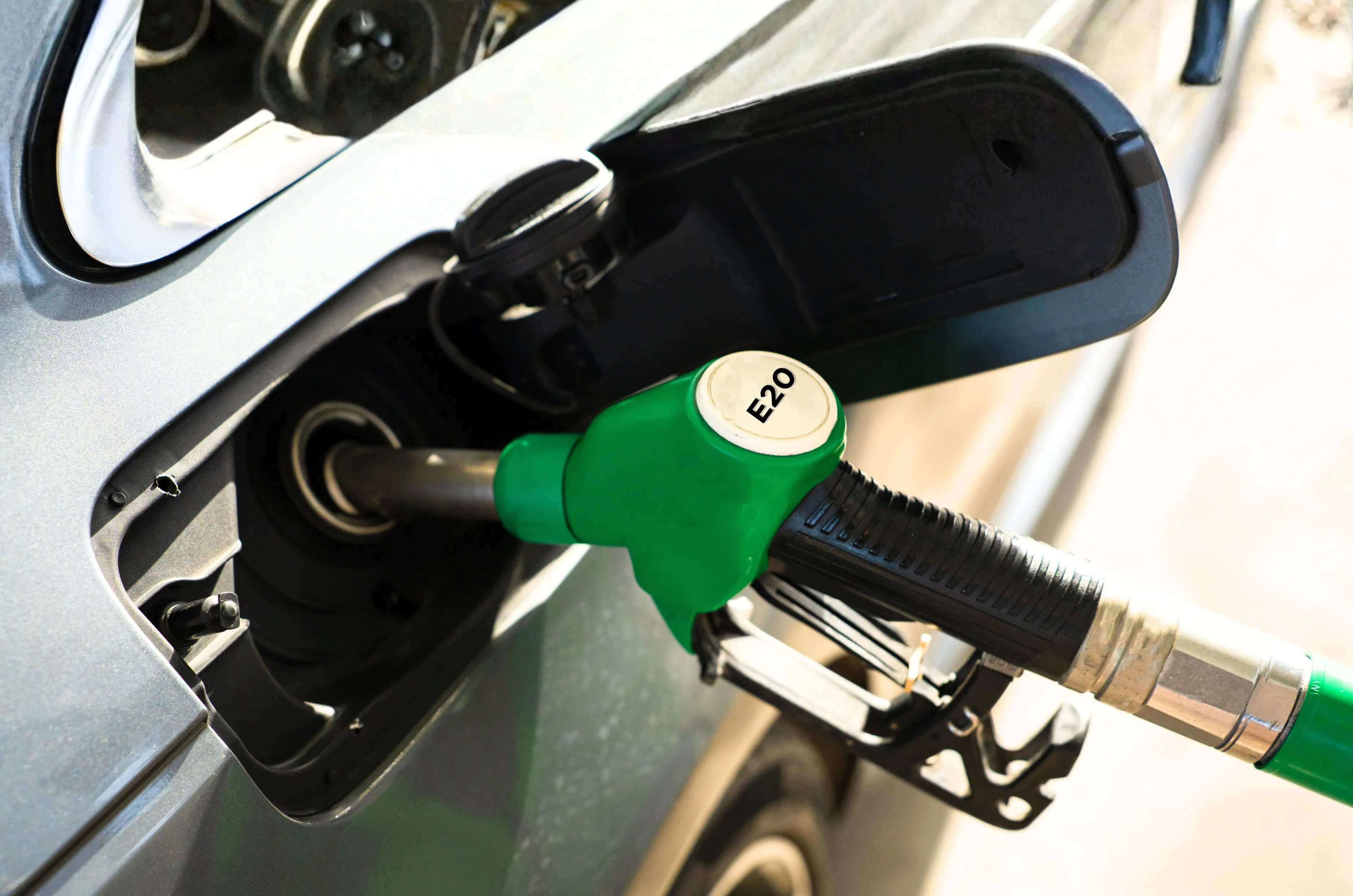
High chloride and moisture contamination in E20 petrol has emerged as a growing concern for the automotive industry, with vehicle manufacturers reporting a rise in failures of fuel system and exhaust-related components. Following discussions with automobile manufacturers and oil marketing companies (OMCs), the Centre has directed OMCs to strengthen fuel quality monitoring at retail outlets, while the industry has called for tighter fuel quality standards.

  1. High chloride and moisture levels found in E20 fuel samples
  2. Ageing fuel infrastructure identified as a likely source
  3. Industry calls for mandatory chloride limits in BIS standards

Contamination linked to rise in component failures

According to industry findings shared with the Ministry of Petroleum and Natural Gas, automakers have reported a significant increase in the replacement of fuel injectors, fuel pumps and other parts that come into direct contact with fuel. Field investigations have identified corrosion and wear caused by excessive chloride contamination as a key contributing factor.

Industry assessments indicate that chloride contamination, when combined with moisture, can form an acidic mixture that corrodes precision components such as fuel injectors, potentially leading to both immediate and long-term damage. 

Fuel samples collected from vehicle tanks have recorded chloride contamination levels of up to 500mg/kg, while samples collected from retail outlets have shown levels of up to 350mg/kg. Separate industry assessments have reported chloride levels of up to 300ppm at some fuel outlets, against a recommended limit of under 10ppm.

Moisture contamination adds to the problem

Industry assessments have also reported excessive moisture contamination in E20 petrol. Some samples recorded water content exceeding 10,000mg/kg, while separate investigations found levels of around 7,000mg/kg, against the permissible limit of 3,000mg/kg. Excess moisture can lead to phase separation, where the ethanol-water mixture settles at the bottom of the fuel tank and may be drawn into the engine during operation.

Chlorides and moisture enter the vehicle’s fuel tank via contaminated water and an unclean supply chain, made worse by ethanol’s hygroscopic nature. Industry assessments point to ageing storage tanks, pipelines, fuel tankers and other fuel handling infrastructure as likely sources of contamination.

Some petrol pump operators have also raised concerns that ageing underground storage tanks, particularly during the monsoon or in coastal regions, could be more susceptible to moisture ingress, increasing the risk of phase separation in ethanol-blended fuel. The contamination issue is cropping up in certain pockets of the country, especially in the north. 

The latest developments come weeks after Mercedes-Benz India also raised concerns over fuel contamination and urged tighter fuel quality checks after reporting contamination-related damage to vehicle components in some cases.

Industry seeks tighter fuel quality standards

According to report from CNBC TV18, the Society of Indian Automobile Manufacturers (SIAM) has urged the government to introduce mandatory chloride limits in BIS fuel specifications. It has proposed a chloride limit of less than 1mg/kg for commercial E20 and E85 fuels, and less than 3mg/kg for anhydrous ethanol used for blending. SIAM said it has been raising the issue with BIS for more than two years, but the proposal has not yet been implemented.

SIAM has also recommended regular audits of older fuel stations, stricter quality checks across the retail fuel network and mandatory chloride limits for diesel, where the parameter currently remains optional. The Centre has since asked OMCs to strengthen on-ground fuel quality monitoring while the root causes of contamination are investigated.

With inputs from Hormazd Sorabjee

Source: CNBC TV18, SIAM, OMCs and auto manufacturers.

संन्यास की अटकलों के बीच महेंद्र सिंह धोनी ने चेन्नई में दौड़ाई तेज गति से बाइक (Video)

IPL 2027 से संन्यास की अटकलों के बीच महेंद्र सिंह धोनी ने चेन्नई में तेज बाइक दौड़ाई। गौरतलब है कि महेंद्र सिंह धोनी को तेज बाइक दौड़ाने का शौक है। वह हाल ही में चेन्नई के एक रेसिंग ट्रैक पर हाई स्पीड बाइक चलाते नजर आए। सोशल मीडिया पर एक वीडियो वायरल हो रहा है जिसमें वह पेशेवर राइडिंग सूट  और हेलमेट पहनकर शानदार अंदाज में तेज गति से बाइक की सवारी कर रहे हैं।

बाइक के शौकीन है माही

माही के Cars और Bikes के प्रति दीवानगी और प्यार से हम सभी वाकिफ हैं। उसके पास कई प्रकार की कार और बाइक है जो किसी को भी हैरान कर सकती हैं जैसे  Hummer H2, Audi Q7, Mitsubishi Pajero SFX, Land Rover Freelander, Mahindra Scorpio, Ferrari 599 GTO, Jeep Grand Cherokee Trackhawk, Nissan Jonga, Pontiac Firebird Trans am, Mercedes Benz GLE, Rolls Royce Silver Shadow.

MS Dhoni के पास 50 से अधिक बाइक हैं, जिनमें  Harley-Davidson Fat Boy, Kawasaki Ninja H2, Ducati 1098, Yamaha RD350 and Suzuki Hayabusa भी शामिल हैं।

संन्यास के बाद बाईक राइड की योजना है धोनी की

सीएसके के फैन्स की फैन फॉलोइंग इतनी ज़्यादा है कि वे कभी नहीं चाहेंगे कि उनके पसंदीदा क्रिकेटर एम.एस. धोनी, जिन्हें वे प्यार से “थाला” कहते हैं (जिसका मतलब होता है लीडर), संन्यास लें। इतनी उम्र के बाद भी धोनी आज भी बेहद फिट हैं, लेकिन बीते कुछ सालों में उनका प्रदर्शन खास नहीं रहा। IPL 2026 में तो वह एक भी बार मैदान पर नहीं उतरे।

चेन्नई सुपर किंग्स के स्टार क्रिकेटर महेंद्र सिंह धोनी ने इंडियन प्रीमियर लीग (आईपीएल) में अपने भविष्य के बारे में दुनिया को अटकलें लगाने पर मजबूर कर दिया और कहा कि अगले सेशन में वह वापसी करेंगे या नहीं, इस पर फैसला लेने के लिए पूरा समय लेंगे।उन्होंने कहा कि अब वह रांची में अपनी बाइक की सवारी (Bike Ride) का आनंद लेंगे।


What to expect from the BMW 7 Series, i7 facelift ahead of launch

BMW 7 series

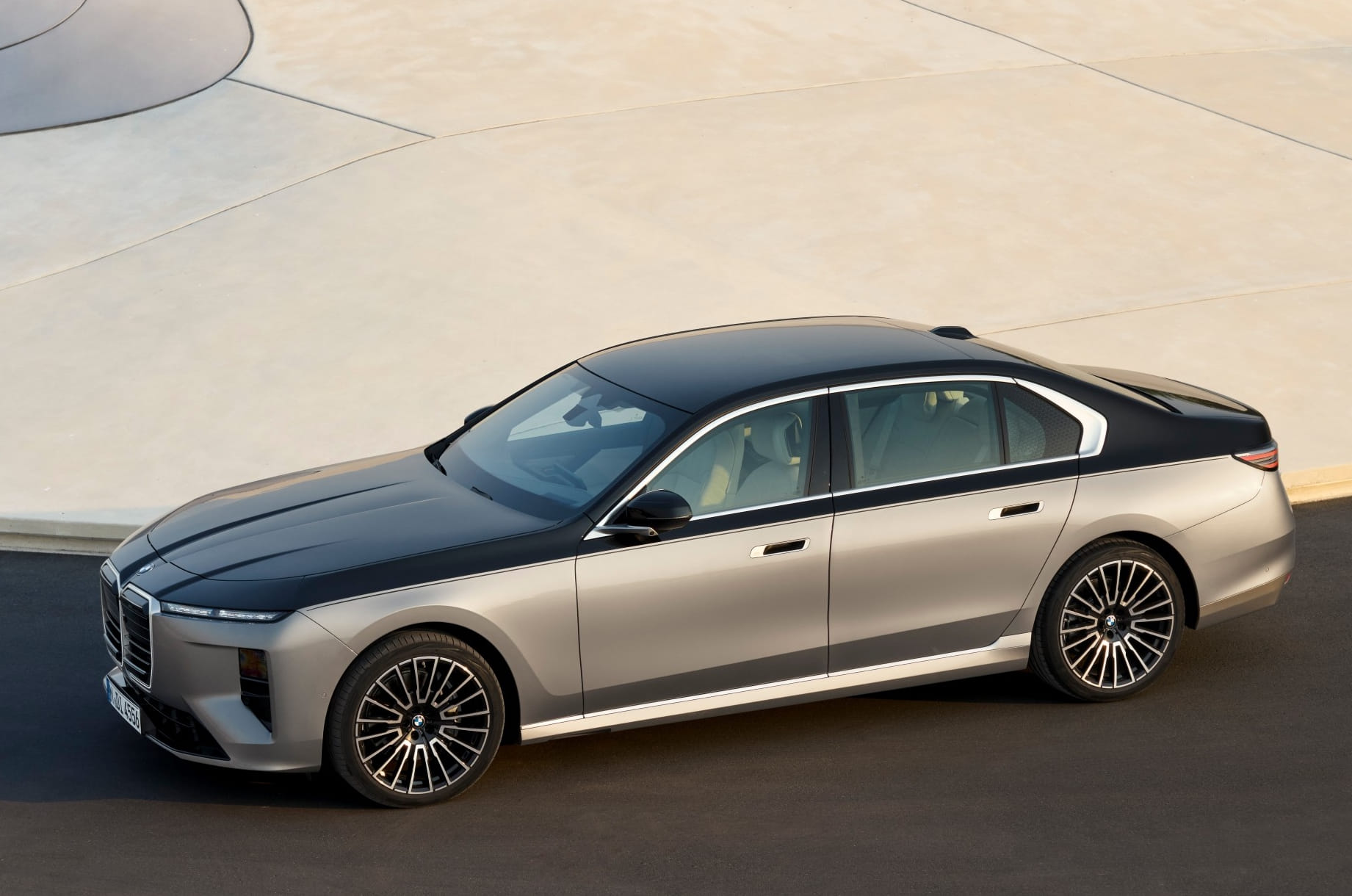
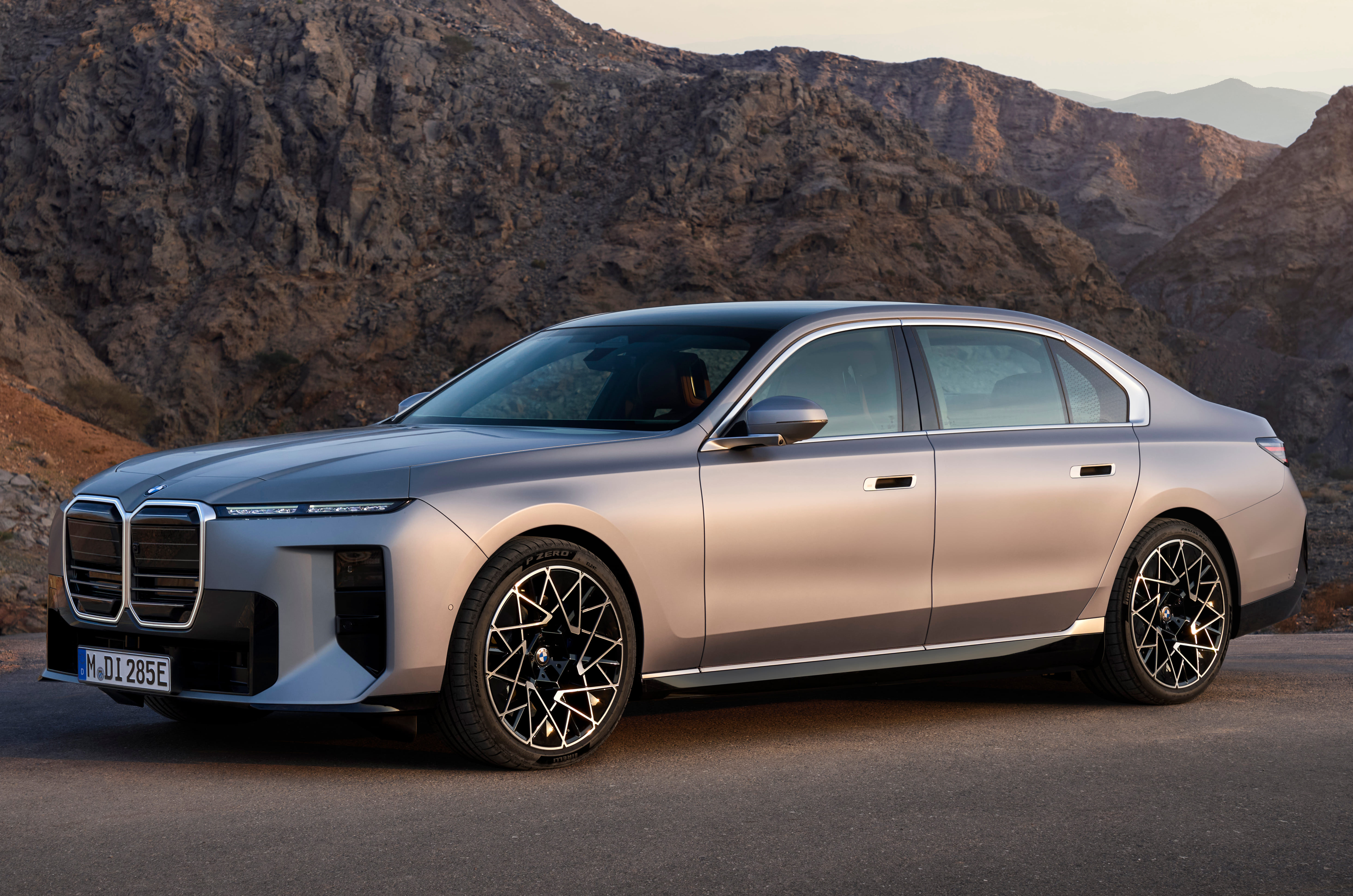
BMW’s flagship 7 Series and i7 luxury sedans are set to receive a mid-lifecycle facelift in India with refreshed styling, a comprehensively redesigned cabin, and upgraded petrol, diesel and electric powertrains. This mid-cycle update also introduces interior elements from BMW’s upcoming Neue Klasse models, including the new Panoramic iDrive display and rhomboidal infotainment touchscreen. With bookings now open ahead of their launch, here’s everything you need to know.

1. What will the BMW 7 Series and i7 facelift look like?

Sharper styling with subtle design revisions

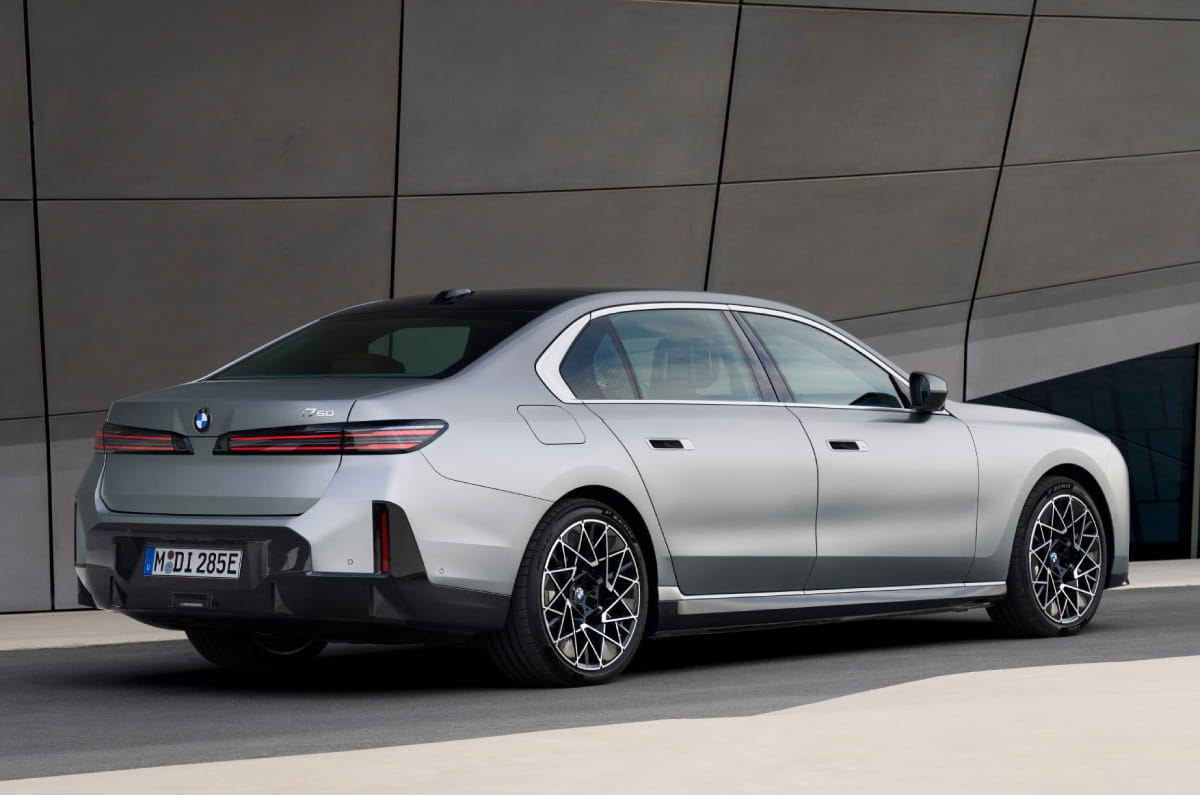
The facelift retains the overall silhouette of the current 7 Series but introduces several styling changes. Up front, it gets a redesigned illuminated kidney grille and revised split LED headlamps. The slim upper lighting elements house the daytime running lights, while the main headlamp units sit lower down in the bumper.

Viewed from the side, the 7 Series continues its clean and elegant design. It retains flush-fitting door handles that blend neatly into the bodywork. BMW has also introduced a new alloy-wheel design with the facelift. Another interesting detail is the embossed ‘7’ on the B-pillar, which becomes visible when both doors on the same side are opened. 

At the rear, slimmer tail-lamps extend further into the tailgate and feature smoked lenses with chrome detailing, while the bumper has been redesigned with a diffuser-style insert.

2. What’s new in the interior of the BMW 7 Series and i7 facelift?

Redesigned dashboard with BMW’s latest Panoramic iDrive

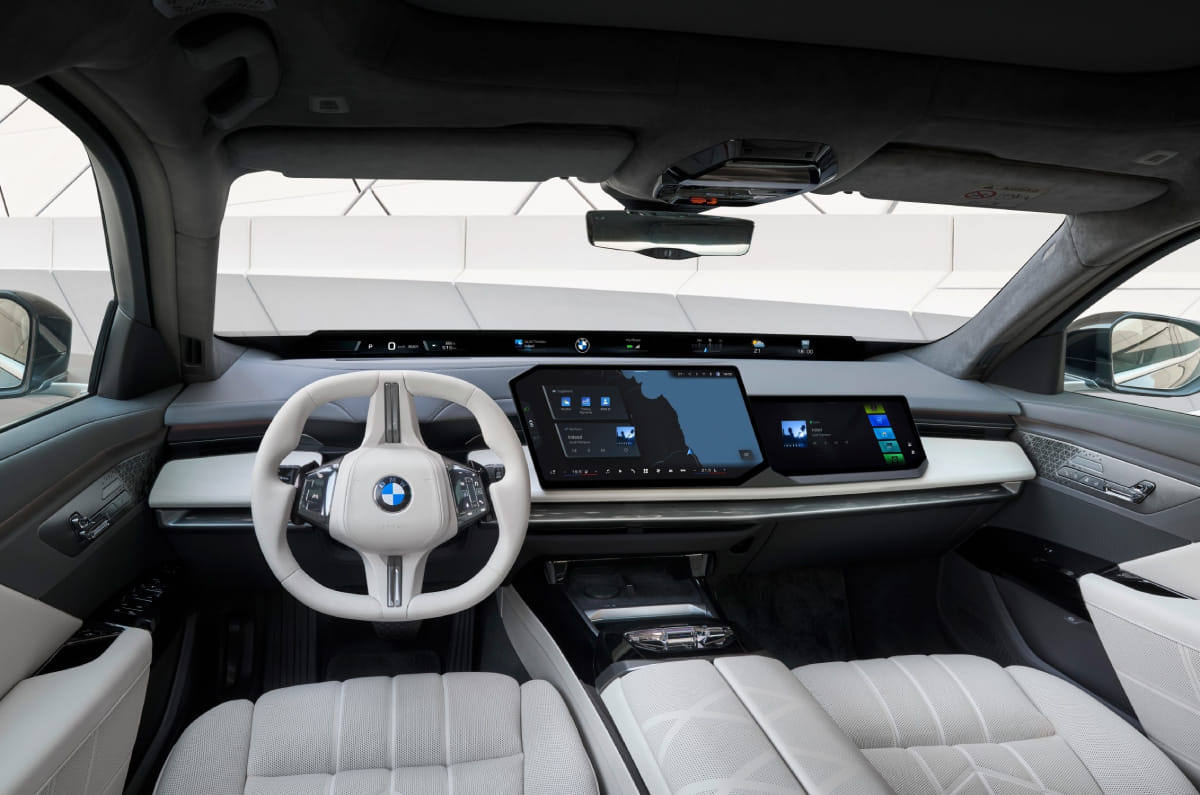
The biggest changes are inside. The facelift introduces BMW’s new Panoramic iDrive, replacing the conventional digital instrument cluster with a full-width projection display at the base of the windscreen. It works alongside a new 17.9-inch central touchscreen and a 14.6-inch front passenger display, both running the latest BMW Operating System X which supports over-the-air updates, wireless Apple CarPlay and Android Auto, and features improved voice controls. 

BMW has also introduced a new four-spoke steering wheel and a redesigned ambient lighting system that spans the width of the dashboard, extends to the rear speaker grilles and features additional lighting behind the front seats.

As standard, the seats come with electric adjustment, heating, ventilation, massage, lumbar support and heated armrests. The front passenger seat can also slide fully forward to create additional legroom for the passenger seated behind. 

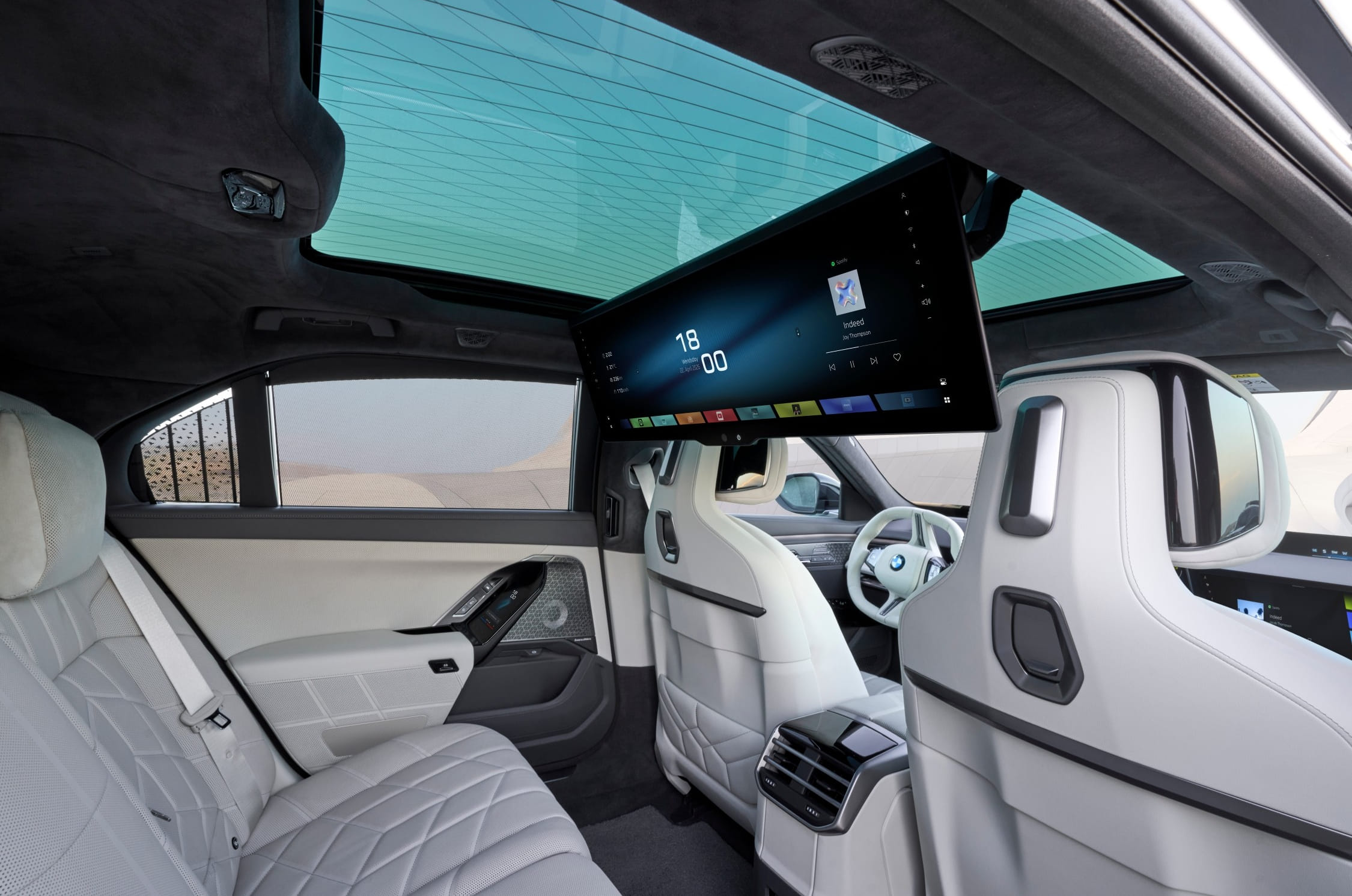
Rear-seat entertainment has also been upgraded. The Theatre Screen, optional in international markets, is now a 31.3-inch 8K touchscreen that supports video calls, streaming and gaming. The displays integrated into the rear doors have also been updated, allowing passengers to reposition the Theatre Screen, adjust its viewing angle and control other cabin functions. BMW has also revised the automatic doors with better-positioned open and close buttons.

3. Which powertrain options will the BMW 7 Series and i7 Lci get?

Petrol, diesel and electric powertrains receive updates

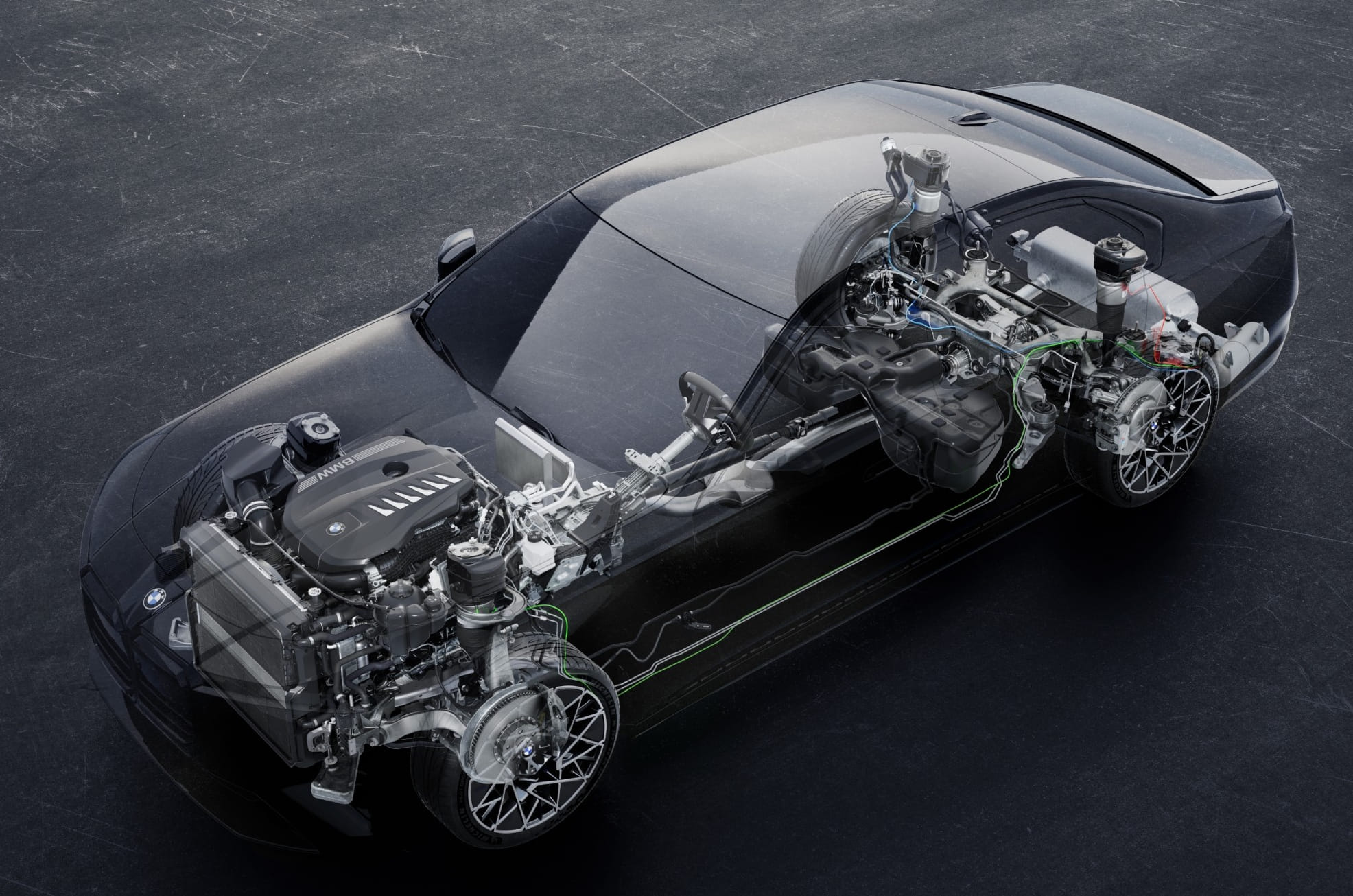
The facelifted 7 Series continues with 3.0-litre inline-six petrol and diesel mild-hybrid engines, both paired with an 8-speed automatic gearbox and all-wheel drive.  The 740i develops 400hp and 580Nm, up by 19hp and 60Nm, while the 740d now makes 313hp and 670Nm, an increase of 27hp and 20Nm over the outgoing model. 

The all-electric i7 also receives updates. The i7 xDrive50 replaces the earlier eDrive50 and now gets dual-motor all-wheel drive along with a larger 112.4kWh battery, replacing the earlier 101.7kWh unit. Output rises to 455hp and 660Nm. The range-topping i7 M70 xDrive also benefits from the larger battery, with outputs increasing to 680hp (from 650hp) and up to 1,100Nm (from 1,015Nm).

4. Will BMW launch the plug-in hybrid 7 Series in India

Yet to be confirmed

BMW i7 60 xDrive

Internationally, the 7 Series facelift is also available with plug-in hybrid powertrains, including the 750e xDrive and M760e xDrive. It remains to be seen whether BMW will introduce either variant in India, especially since its key rival, the new Mercedes-Benz S-Class, is already available with a plug-in hybrid powertrain.

5. How much will the BMW 7 Series and i7 facelift cost?

Prices expected to increase slightly

The current BMW 7 Series is priced at Rs 1.85 crore (ex-showroom) for both the petrol and diesel variants, while the i7 is priced between Rs 2.10 crore and Rs 2.58 crore. Given the additional technology, revised styling and powertrain upgrades, BMW is expected to increase prices slightly for both models.

6. Which cars will the BMW 7 Series and i7 facelift rival?

The 7 Series ‘LCI’ facelift will continue to rival the Mercedes-Benz S-Class in the flagship luxury sedan segment. Meanwhile, the i7 will compete with electric luxury sedans in the same price bracket.

7. When will the BMW 7 Series and i7 facelift launch in India

Bookings are now open

BMW i7 60 xDrive

BMW has started accepting bookings for the 7 Series and i7 facelift through its dealerships across India, with customers also able to register their interest via the BMW India website. The company is yet to announce an official launch date, although the refreshed luxury sedans are expected to arrive in the coming months.

International-spec BMW 7 Series shown for representative purposes only.

Mercedes-Benz E 220d long-term review, 14,000km report

Mercedes-Benz E 220D front

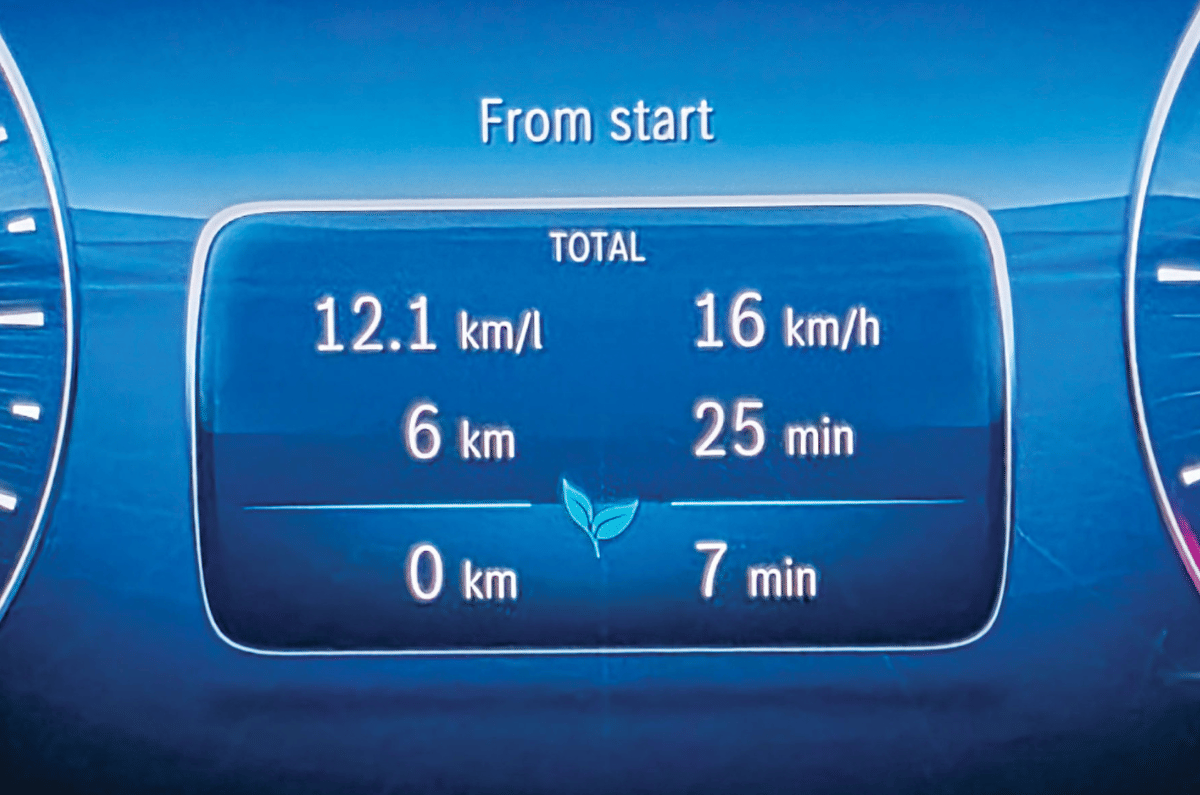
Double-digit fuel economy figures – I haven’t seen those on my daily commute in years! Part of the reason is that I’ve been driving mostly EVs lately, and they don’t use any fuel. And the other is that there are so few diesels, and those that remain have taken quite a hit on the economy front with all those emissions upgrades and various weight increases. So imagine my surprise when this large, heavy, super-luxurious limousine showed me upwards of 12kpl on my traffic-heavy 9km commute. 

Mercedes-Benz E 220D mileage
Smooth 2.0-litre diesel delivers exceptional economy even in this large and heavy limousine.

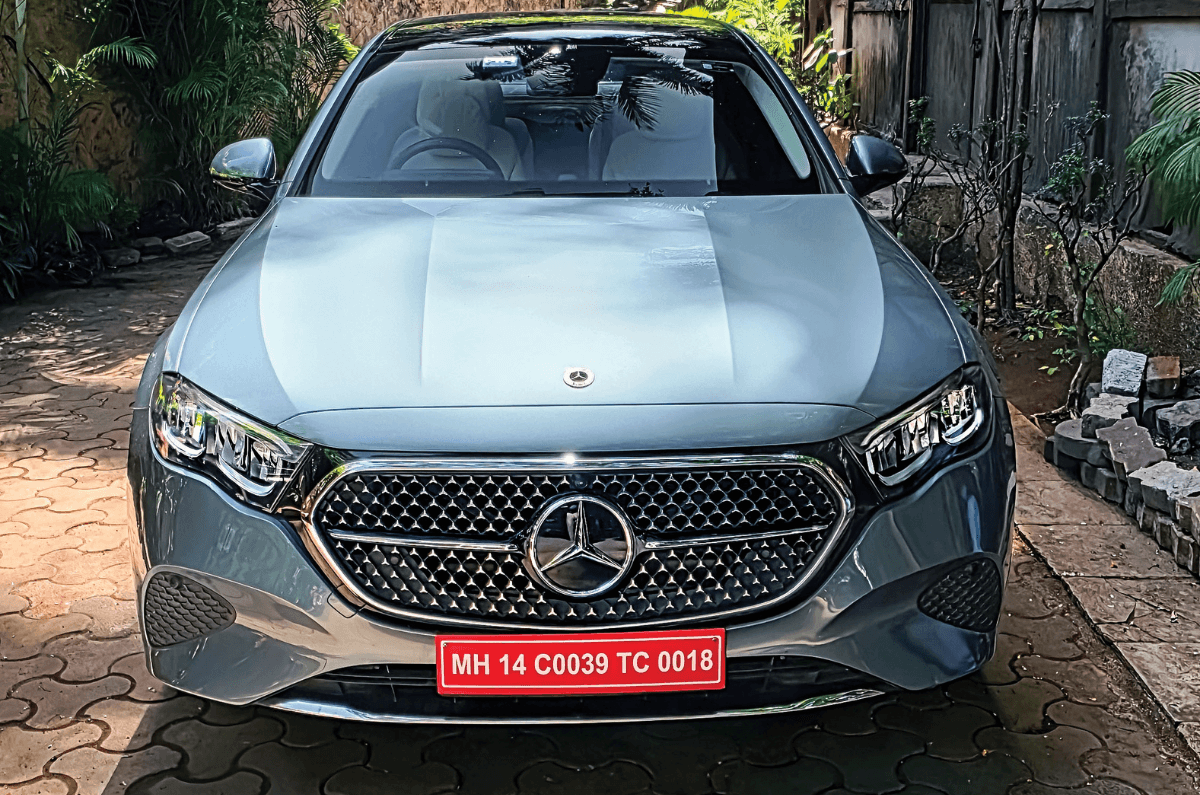
The fuel economy is but one of many bright blips on a limo that wastes no time showing you why it’s India’s favourite luxury car. And that’s despite its on-road price knocking on the door of a crore. It looks tremendous, more so in this Verde Silver paint, a shade I’m glad Mercedes added to its otherwise monochrome palette. It’s big but not ungainly, and its 18-inch wheels are a triumph of design – looking elegant and bigger than they actually are.

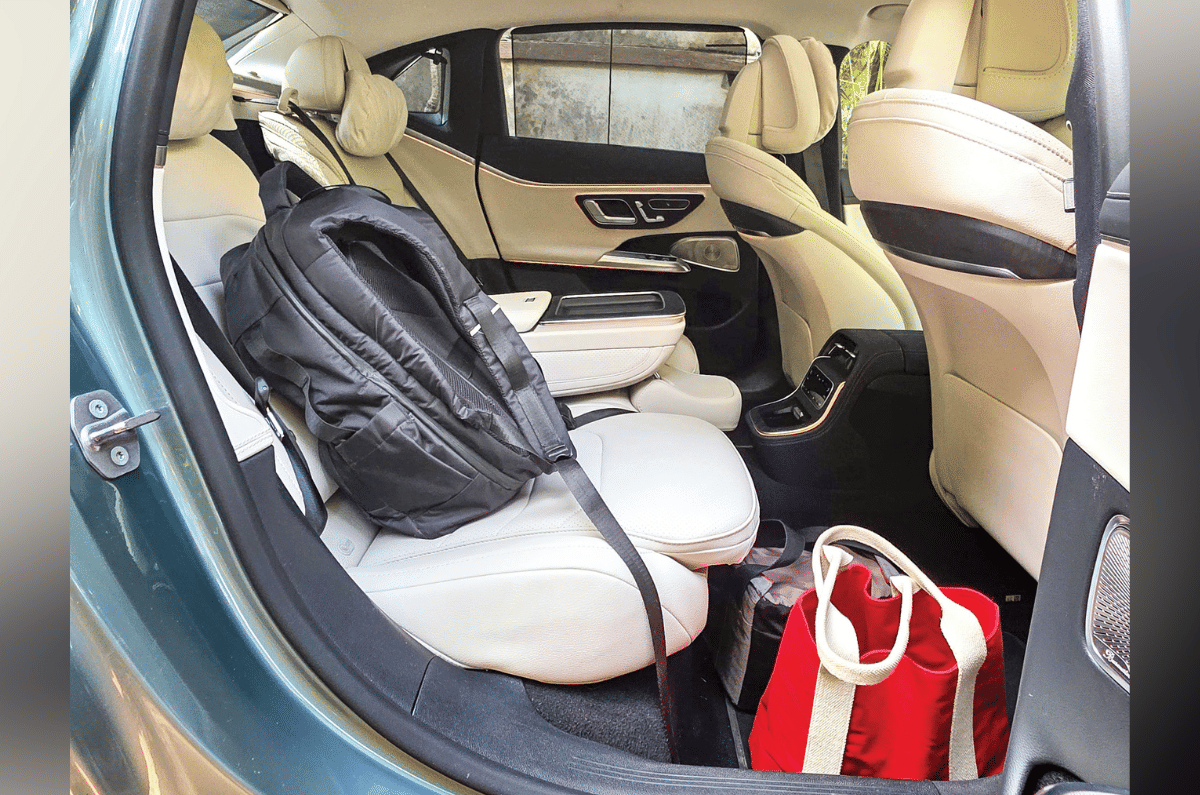
Mercedes-Benz E 220D rear seats
Back seats enjoyed mostly by bags for now.

Sadly, I don’t have a chauffeur, so I can’t experience the best seats the E-Class has to offer; that privilege goes to my bags every day. 

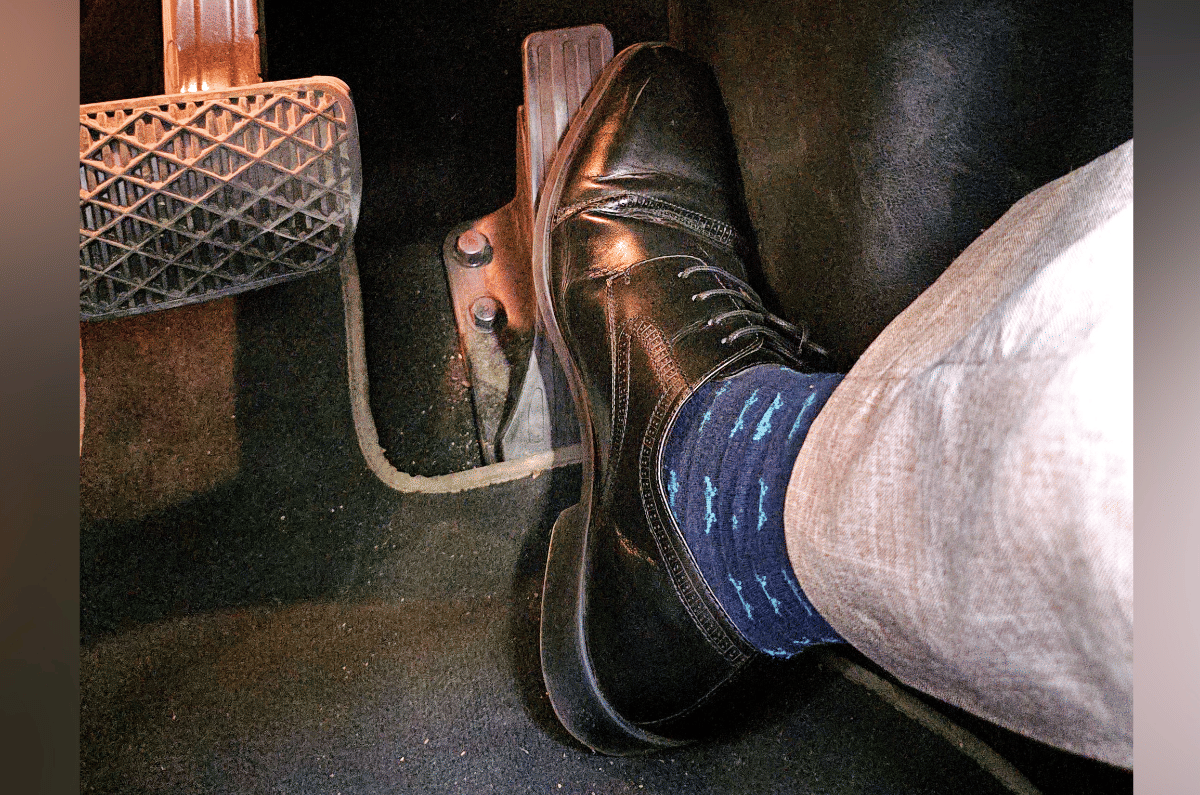
Mercedes-Benz E 220D accelerator pedal
Firm pedal resistance, along with turbo and gearbox lag, can make for abrupt starts from a standstill.

However, the big limo is surprisingly nice from behind the wheel too. I took little time to adjust to its large dimensions, and the steering is quick and responsive, so it wasn’t long before I was pointing its long nose into lanes only just about wide enough for it. My one grouse is the accelerator pedal, which doesn’t feel consistently weighted, and when combined with some reasonable turbo and gearbox lag, can make for an un-Merc-like lurch if you’re not careful.

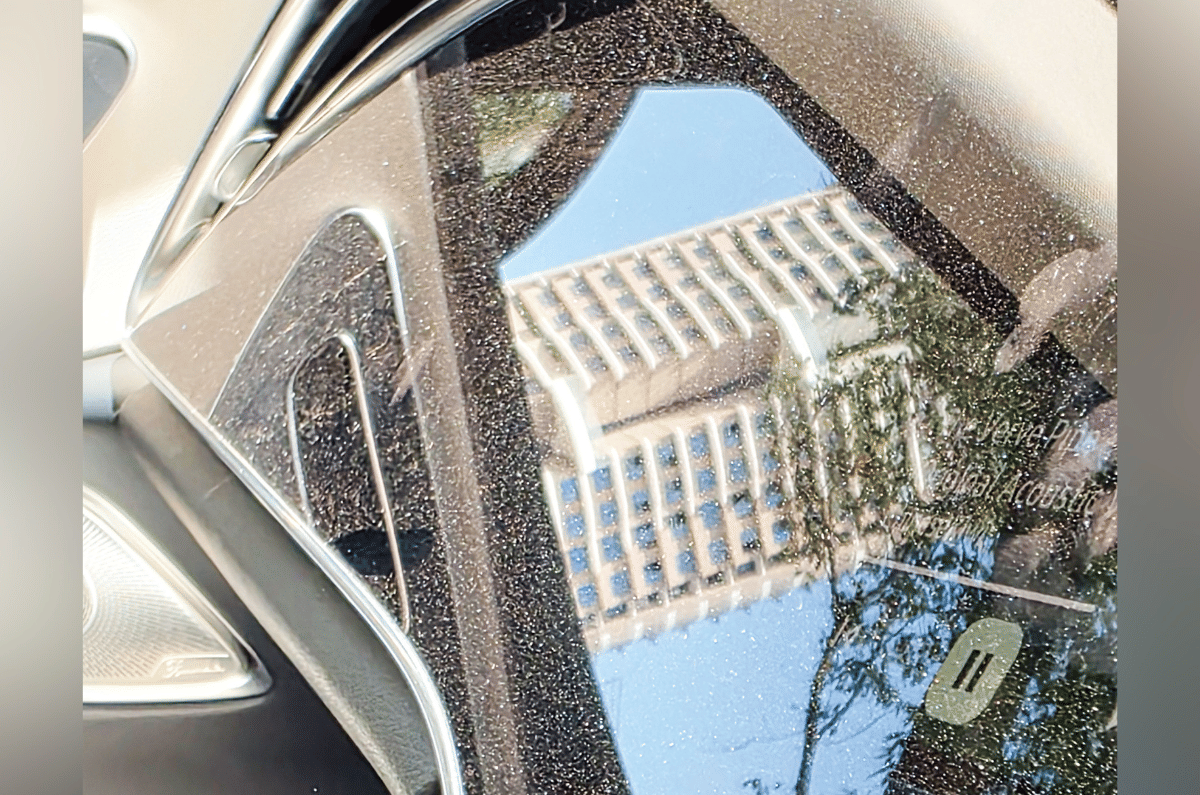
Mercedes-Benz E 220D Superscreen
‘Superscreen’ dashboard collects dust easily and catches a lot of reflections that distract the driver.

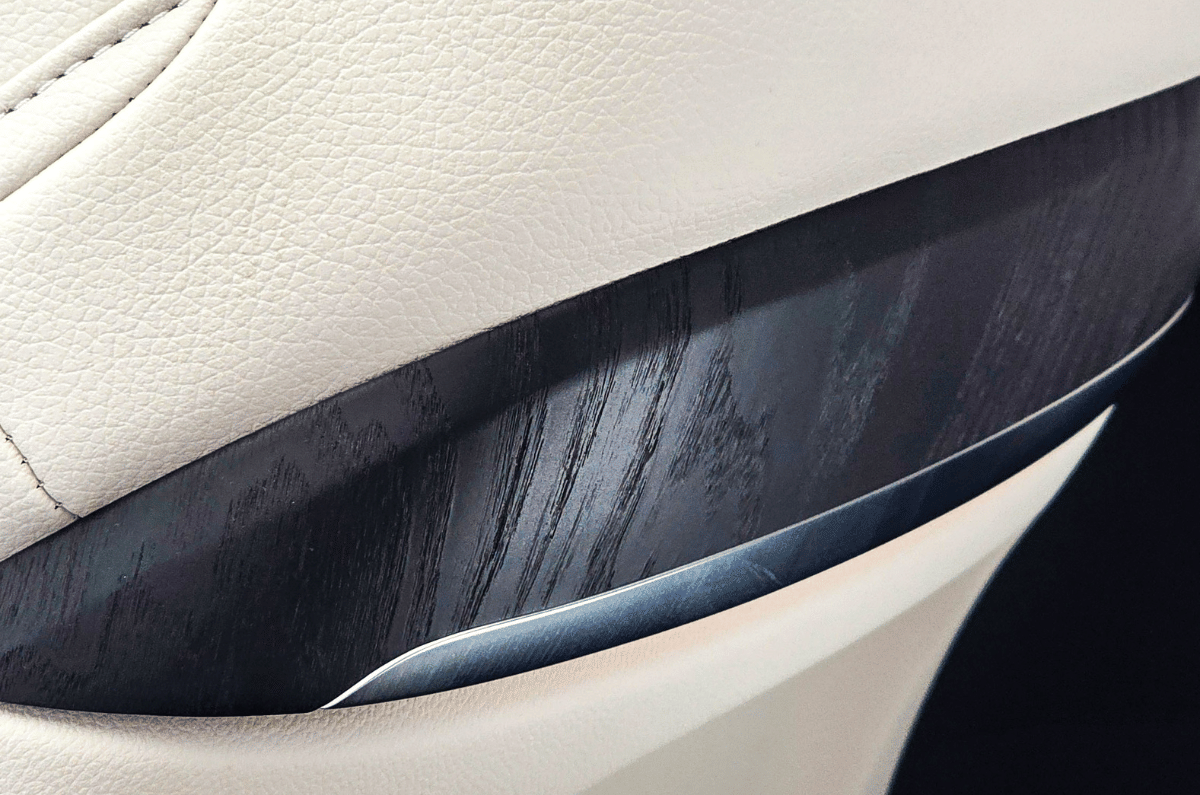
A big talking point of this new E-Class was the decision to replace the wood and leather dashboard with a giant panel of screens. I’m glad they’ve retained some rich-feeling open-pore wood on the dash, doors and seats though. The central screen is hugely impressive – bright, crisp and full of detail. But having a glass surface for a dashboard invites dust and reflections, which became a pain when driving in the afternoon sunlight. But that’s a problem for your chauffeur, and if you have an E-Class, chances are you have one in your employ too.

Mercedes-Benz E 220D open pore wood on interior trims
Despite the screens, a generous use of open-pore wood anchors the interior in old-world luxury.

The E 220d is the last diesel standing in its segment, and it’s all the better for it. Once the most vilified fuel in the country, the uncertainty around petrol these days might even turn people back to the black pump. And the smooth, refined, efficient E is a shining example of how good that can be.

Mercedes-Benz E 220d test data

Odometer14,113km
PriceRs 82 lakh (ex-showroom, India)
Economy11.8kpl (this month)
Maintenance costNone
FaultsRear camera doesn’t always deploy
Previous reportMay 2026