July 2026 EV sales: Monthly volumes cross 30,000 units for the second time

July EV sales

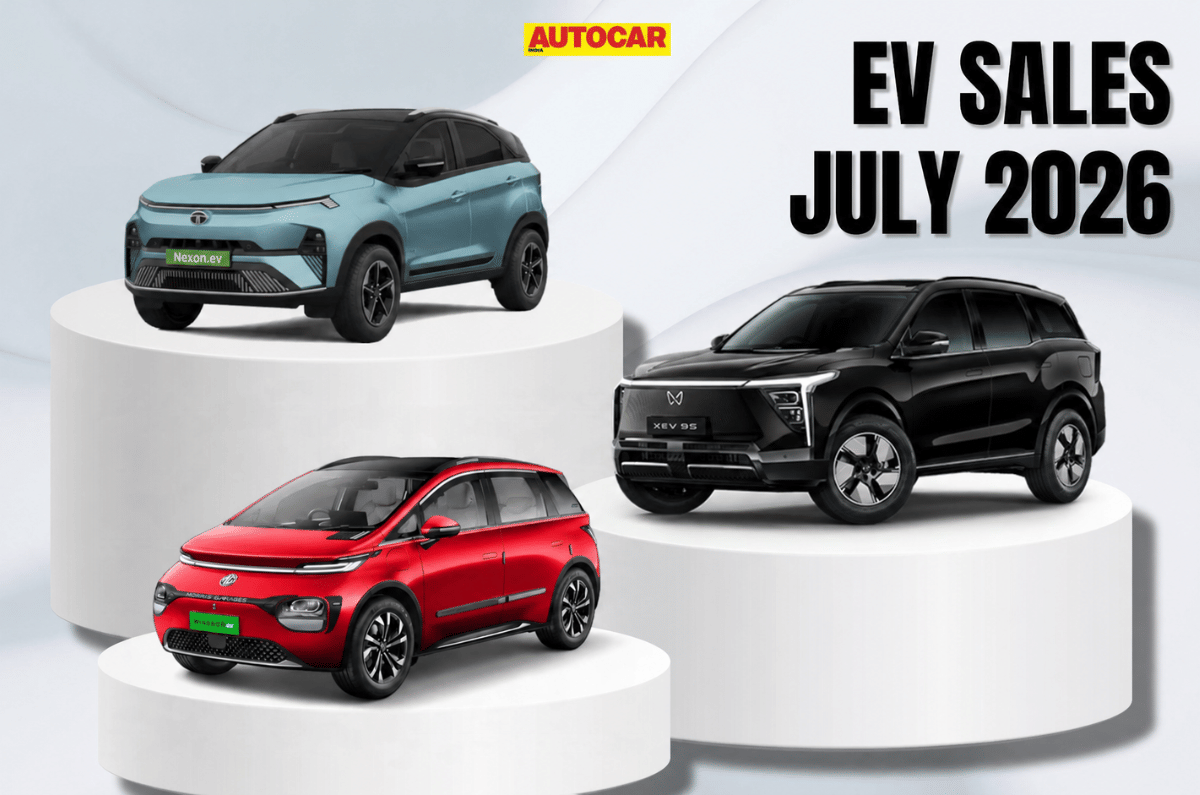
Retail sales of electric passenger vehicles breached the 30,000-unit mark for the second month in a row in July 2026. After a record 33,307 units in June, buyers took home a total of 32,609 EVs last month, up 83 percent year-on-year, as per Vahan data. Tata Motors recorded its highest-ever monthly EV sales, while Mahindra and Maruti Suzuki posted their second-highest monthly totals.

Tata Motors

July 2026: 13,578 units, up 102 percent YoY

Tata Motors, which recently expanded its EV portfolio with the launch of the Sierra EV, recorded its best-ever monthly retail sales of 13,578 units in July. This is 102 percent higher than July 2025 and 6 percent more than June 2026. The company also crossed the 40 percent EV market share mark after a long gap. Its 42 percent share in July is 4 percentage points higher than the 38 percent it held a year ago, despite growing competition.

July was also the second consecutive month that Tata sold more than 12,000 EVs, after 12,756 units in June. Cumulative sales between April and July stood at 46,697 units, up 108 percent YoY.

Mahindra 

July 2026: 7,677 units, up 125 percent YoY

Mahindra crossed the 7,000-unit mark for the second month in a row. It sold 7,677 electric SUVs in July, up 125 percent over July 2025, although this was 498 units fewer than June. The performance helped Mahindra increase its market share to 22 percent, up from 19 percent a year ago. The BE 6 and XEV 9e continue to see strong demand. The XEV 9S, Mahindra’s first three-row born-electric SUV, has further strengthened its EV line-up.

JSW MG Motor India

July 2026: 5,642 units, down 4 percent YoY

JSW MG Motor India sold 5,642 EVs in July, down 4 percent YoY and 9 percent lower than June 2026. Its market share stood at 16 percent, down sharply from 33 percent in July 2025. The Windsor EV continues to be MG’s best-selling model.

Maruti Suzuki 

July 2026: 1,590 units

Maruti Suzuki sold 1,590 e Vitaras in July. This was the fifth consecutive month of four-digit sales, following March, April and May. However, July sales were 20 percent lower than June, which remains the model’s best month so far. Until now, domestic sales of the e Vitara were limited because a larger share of production was allocated for exports. This is expected to change with the start of production at a new fourth manufacturing line at Maruti Suzuki’s Hansalpur, Gujarat plant. The expanded facility now builds the e Vitara, Fronx, Baleno and Swift.

Vinfast India

July 2026: 1,478 units

Vinfast ranked fifth among the country’s 18 electric passenger vehicle manufacturers. The Vietnamese carmaker recorded its highest-ever monthly sales in July with 1,478 units, surpassing its previous best of 1,448 units in June by 30 units, or 2 percent. This gave the company a 4 percent EV market share in July.

According to wholesales data, the VF Limo Green (for commercial use) is currently its best-selling model. In Q1 FY2027 (April-June 2026), SIAM wholesale data shows the Green Limo accounted for 2,746 units, or 46 percent of Vinfast India’s total sales of 6,001 units, well ahead of the VF7, VF6 and MPV7.

BYD India

July 2026: 742 units, up 47 percent YoY

BYD sold 742 EVs in July, up 47 percent over July 2025. However, sales were 20 percent lower than June 2026, which remains the company’s best monthly performance so far. On July 1, BYD increased prices of its EVs by 1-2 percent, marking its second price hike of the year after the one on May 1. The company’s current line-up includes the Atto 3 SUV, e-Max 7 MPV, Seal sedan and Sealion 7 SUV. BYD has also confirmed that it will launch the Seal U PHEV later this year.

Hyundai

July 2026: 565 units, down 21 percent YoY

Hyundai sold 565 EVs in July, down 21 percent compared to 719 units in July 2025. However, on a month-on-month basis, sales were up 51 percent from the 374 units sold in June 2026. At present, Hyundai’s EV portfolio in India consists of just two models: the Creta Electric and the Ioniq 5.

Kia India

July 2026: 464 units, up 614 percent YoY

Kia  ranked eighth with retail sales of 464 units in July. This is a 614 percent year-on-year increase over the low base of 65 units in July 2025. However, sales were 14 percent lower than 539 units in June 2026. Kia’s monthly sales have improved since the launch of the mass-market Carens Clavis EV MPV, which joined the much more expensive EV6 and EV9, both of which are imported as CBUs.

Toyota Kirloskar Motor

July 2026: 123 units

Toyota delivered 123 units of the Urban Cruiser Ebella in July. This placed the company 11th among the country’s electric passenger vehicle manufacturers. The Urban Cruiser Ebella is the badge-engineered version of the Maruti e Vitara, and it is currently available in a single E3 variant.

Carmaker July 2026July 2025YoY Change (in percent) 
Tata Motors 13,5786,712102
Mahindra 7,6773,416125
JSW MG Motor 5,6425,900-4
Maruti Suzuki 1,590
Vinfast 1,478
BYD 74250547
Hyundai 565719-21
Kia46465614
BMW36727036
Mercedes-Benz 16311542
Toyota123
Tesla115
Stellantis5168-25
Volvo484214
Porsche 68-25
Audi 01-100
Rolls-Royce 02-100
Jaguar Land Rover 00
Total 32,60917,82383

Luxury electric carmakers sell record  units in July

Demand for luxury electric cars continued to grow in July 2026. Carmakers in this segment sold 699 EVs, up 60 percent year-on-year. However, sales were 17 percent lower than the record 847 units sold in June 2026. BMW and Mercedes-Benz continued to lead the luxury EV market, while Tesla India crossed the 100-unit mark for the first time with its highest-ever monthly sales.

BMW India 

BMW remained the leader in the luxury EV segment with 367 units. This is 36 percent higher than 270 units sold in July 2025, giving the brand a 52 percent segment share. However, sales were 29 percent lower than 517 units in June 2026. After topping the luxury EV segment in FY2026 with a record 3,898 units, BMW has sold 1,606 EVs between April and July, which is 41 percent of its FY2026 total.

Mercedes-Benz

Mercedes- Benz sold 163 EVs in July, up 42 percent from 115 units in July 2025. However, this was 33 percent lower than the 243 units sold in June 2026. The brand’s growth has been supported by the launch of the CLA electric sedan at the end of April.

Tesla

Tesla recorded its highest-ever monthly sales in India, selling 115 Model Ys in July. This is a 203 percent increase over 38 units sold in June 2026. Its luxury EV market share also rose sharply from 4 percent in June to 16 percent in July, allowing it to move ahead of Volvo Auto India. The strong growth follows Tesla India’s decision to reduce the price of the Model Y by Rs 9 lakh, bringing the starting price down to Rs 50.89 lakh, ex-showroom.

Volvo

Volvo, now ranked fourth in the luxury EV segment, sold 48 EVs in July. This is 14 percent higher than 42 units sold in July 2025 and 23 percent more than the 39 units sold in June 2026. The Swedish carmaker increased prices of its models by up to Rs 1 lakh from May 1, citing ongoing global supply chain challenges and fluctuations in foreign exchange rates. Volvo’s market share stood at 7 percent in July, down from 10 percent a year ago.

Porsche, Audi and Rolls-Royce 

Porsche sold 6 EVs in July. According to Vahan data, Audi, Rolls-Royce and JLR India did not sell a single EV during the month.

Overall, luxury EV makers accounted for 2.14 percent of the 32,609 electric passenger vehicles sold in July 2026, compared to 2.45 percent in July 2025 and 2.54 percent in June 2026.

BMW reportedly puts its upcoming G-Class, Defender rival on ice

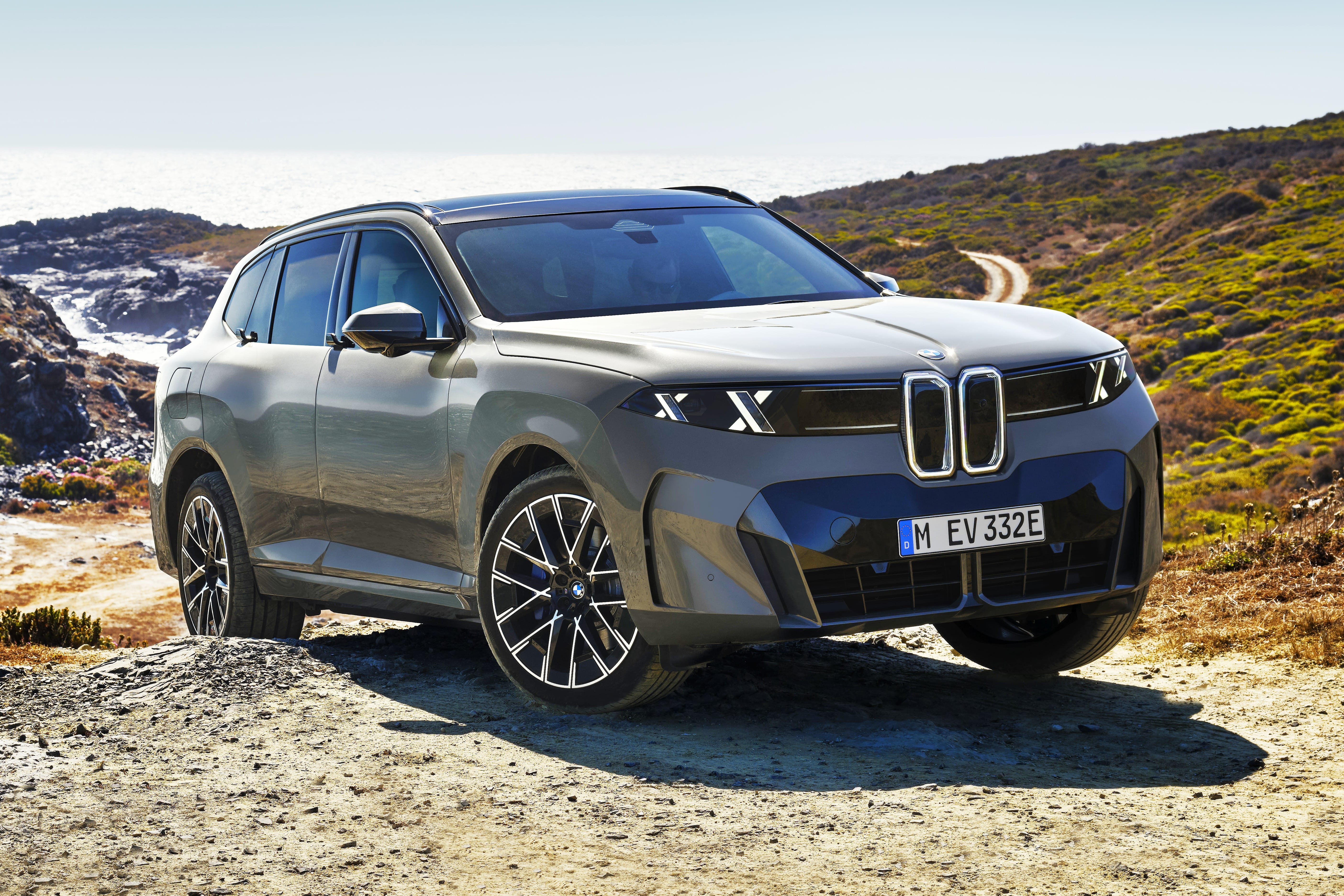
bmw x5 off-road

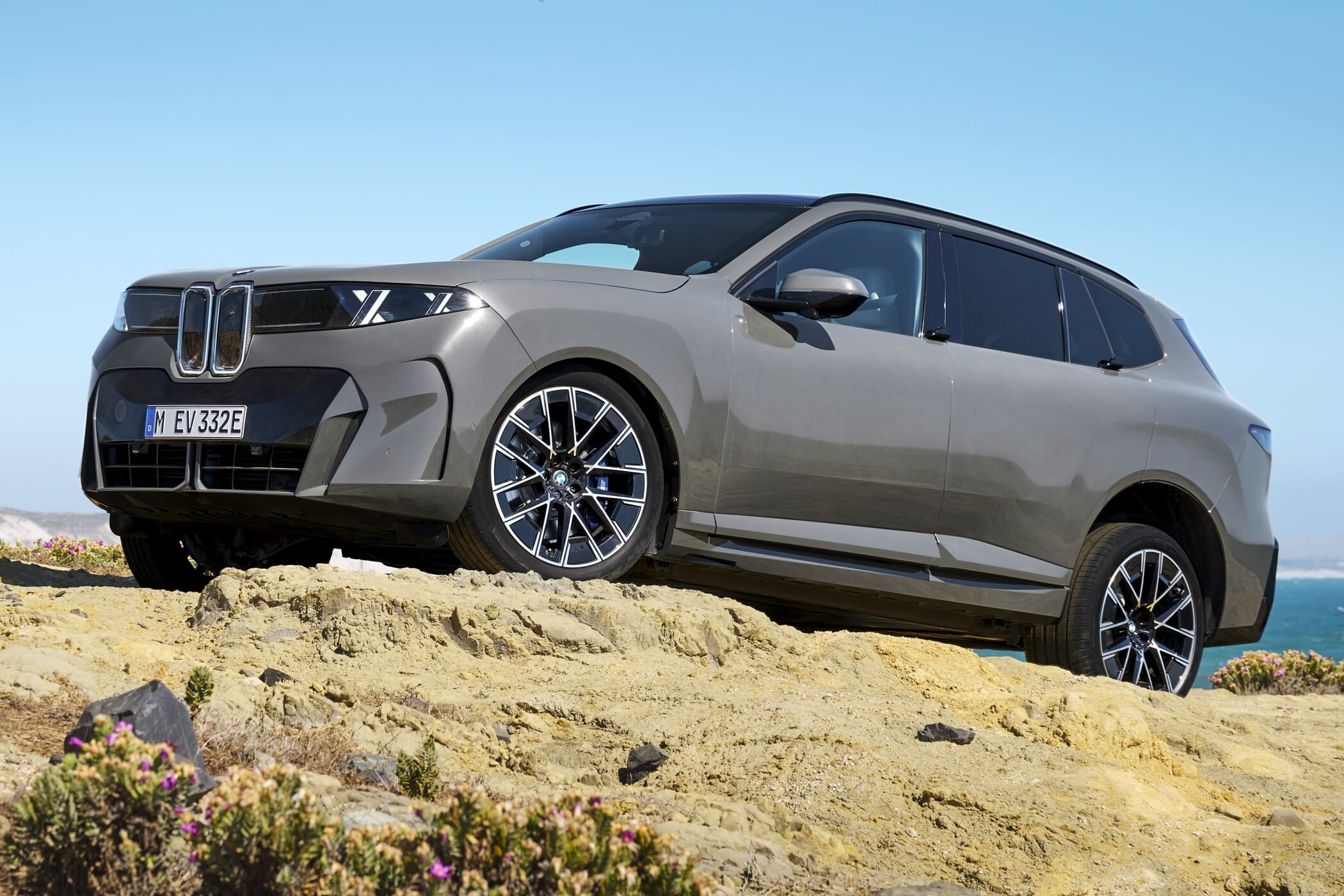
BMW’s luxury off-roader project, codenamed G74, has reportedly failed to receive final internal approval and is on hold due to changing global market conditions. The rugged luxury SUV was purported to be BMW’s rival to the Mercedes-Benz G-Class and Land Rover Defender, but it’s now uncertain whether it will ever reach production.

Market pressures prompt BMW to re-evaluate product portfolio

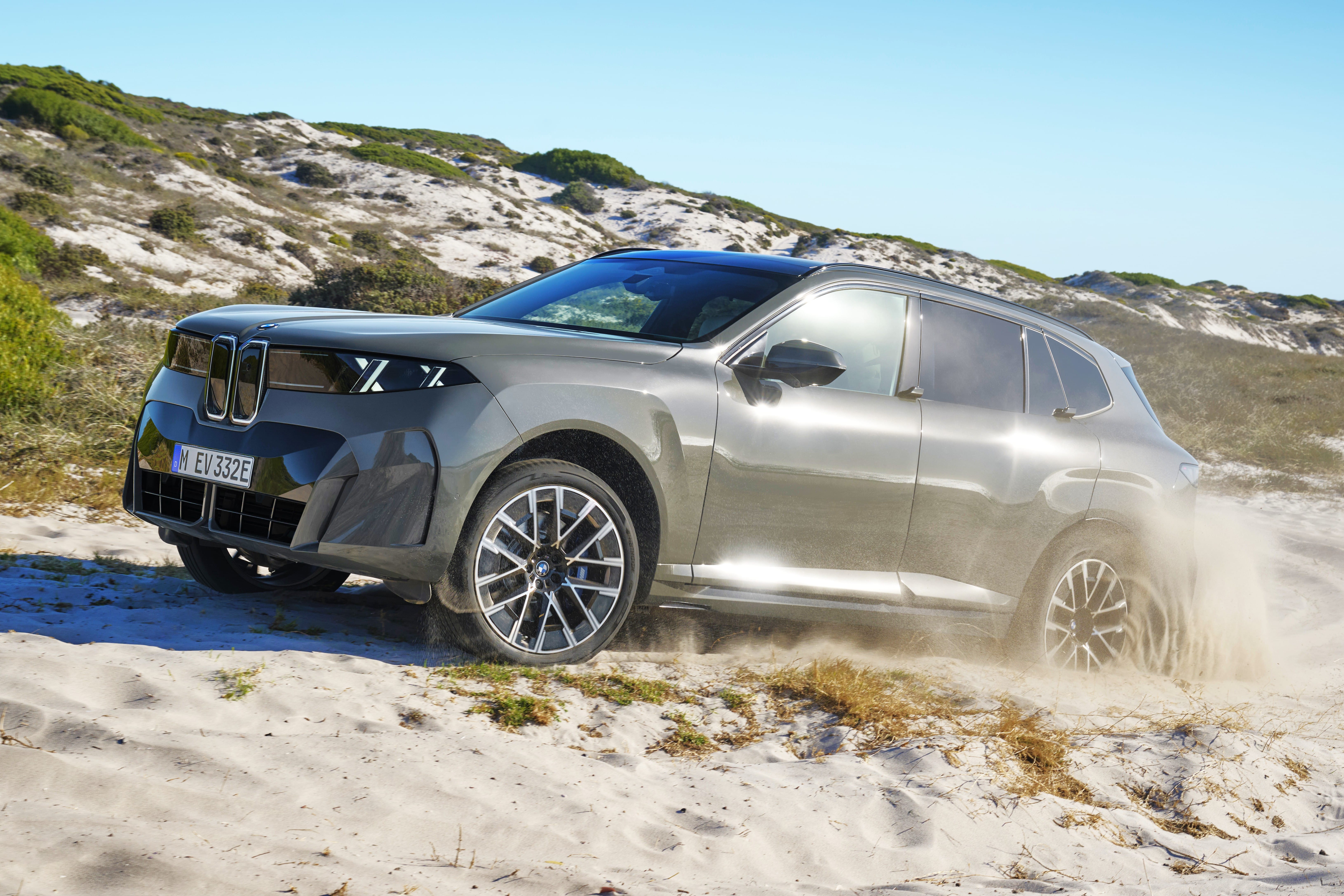
Fifth-gen BMW X5. Image used for representation only.

According to recent media reports, one of the reasons behind the G74 project’s halt is concern over the size of the luxury off-roader segment relative to the investment required to develop a dedicated model. BMW is also adopting a more disciplined approach to its model portfolio in light of increasing competition in markets like China, as well as tariffs, trade barriers, currency fluctuations, tightening emissions regulations in Europe, and broader geopolitical uncertainty.

Speaking after the company’s second-quarter financial results, CEO Milan Nedeljković said BMW is re-evaluating which technologies, model variants, and powertrains it will need in the coming years instead of assuming existing development programmes remain viable. “In all these areas, we are taking significant steps and increasing the pace. For example, we are once again reviewing which technologies, model variants and drivetrains we will need in the future. In addition, we are looking at where new partnerships could make economic and technological sense,” he noted.

Fifth-gen BMW X5. Image used for representation only.

Nedeljković highlighted the rapid deterioration of market conditions in China as a key concern for the portfolio review. He said Chinese manufacturers are increasingly expanding into Europe, Latin America, and other global markets, creating additional competitive pressure. Although Nedeljković did not mention the G74 directly, insiders claim the off-road SUV has already become one of the first casualties of BMW’s ongoing product review.

The G74 was reportedly targeting a 2029 launch, and sources say BMW can still approve or cancel projects up to around 18 months before production begins. BMW has not officially confirmed the cancellation of the G74 yet, and since the project is currently on hold rather than permanently scrapped, there remains scope for it to return if market conditions improve.

Everything we know about the BMW G74 off-road SUV

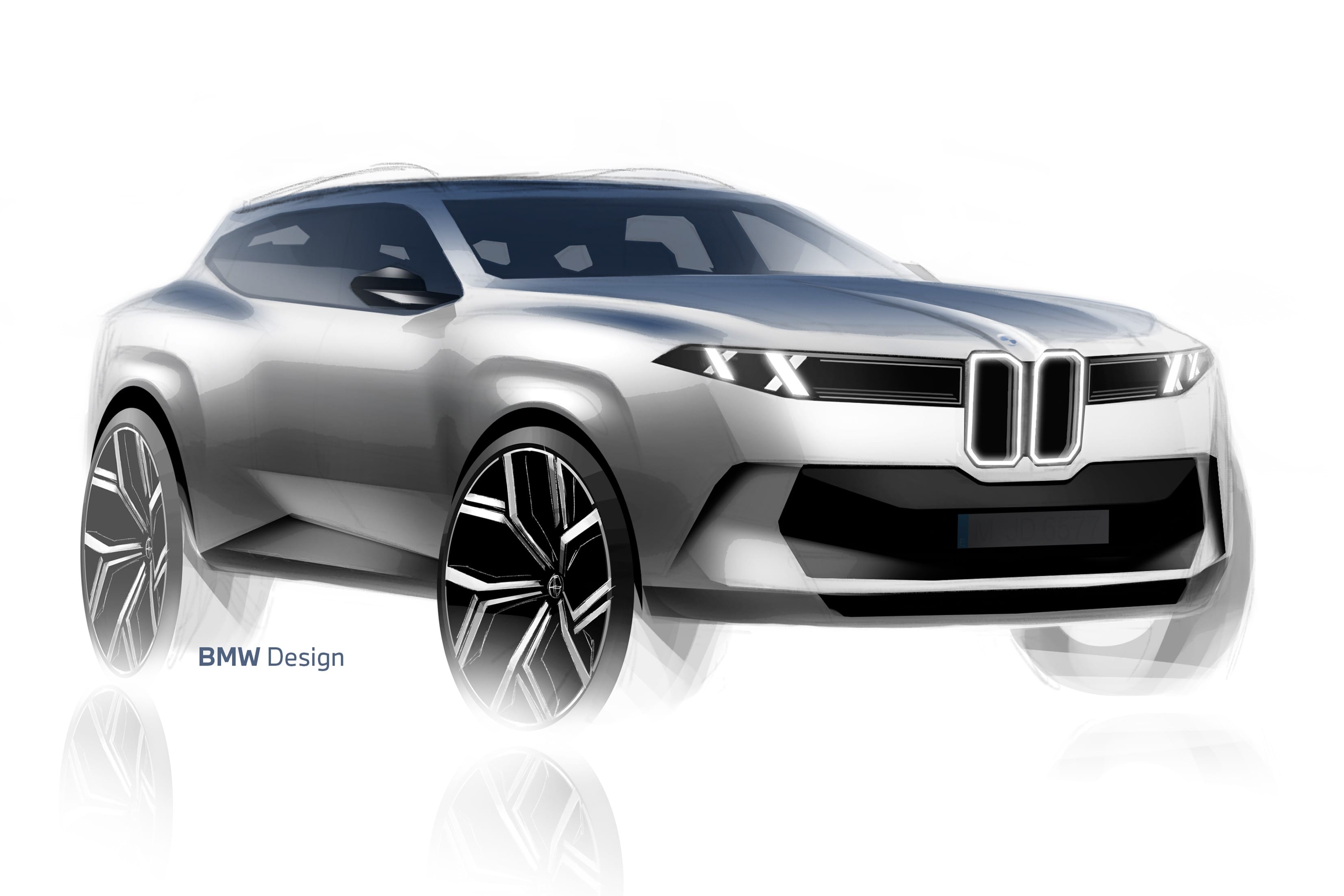
Fifth-gen BMW X5 design document. Image used for representation only.

While BMW never officially confirmed the existence of the G74 project, reports over the past few years suggested the carmaker was developing a purpose-built off-road SUV to rival the G-Class and Defender. In reference to the luxury off-roader segment, a senior BMW manager told Autocar UK in 2025: “We’re aware of the market potential [of such a vehicle]. It’s more than just discussions. We have been planning this for a while. It will definitely need an internal combustion engine.” Earlier this year, BMW M boss Frank van Meel even added to the speculation by stating he ‘wouldn’t say no’ to an off-road SUV fettled by the performance division.

The G74 project was expected to be underpinned by a heavily-modified derivative of the existing CLAR platform, which also underpins the fifth-gen BMW X5. This would have allowed the G74 to be offered with multiple powertrain options, including plug-in hybrid and fully electric, and the SUV’s production was ostensibly planned for BMW’s Spartanburg plant in South Carolina.

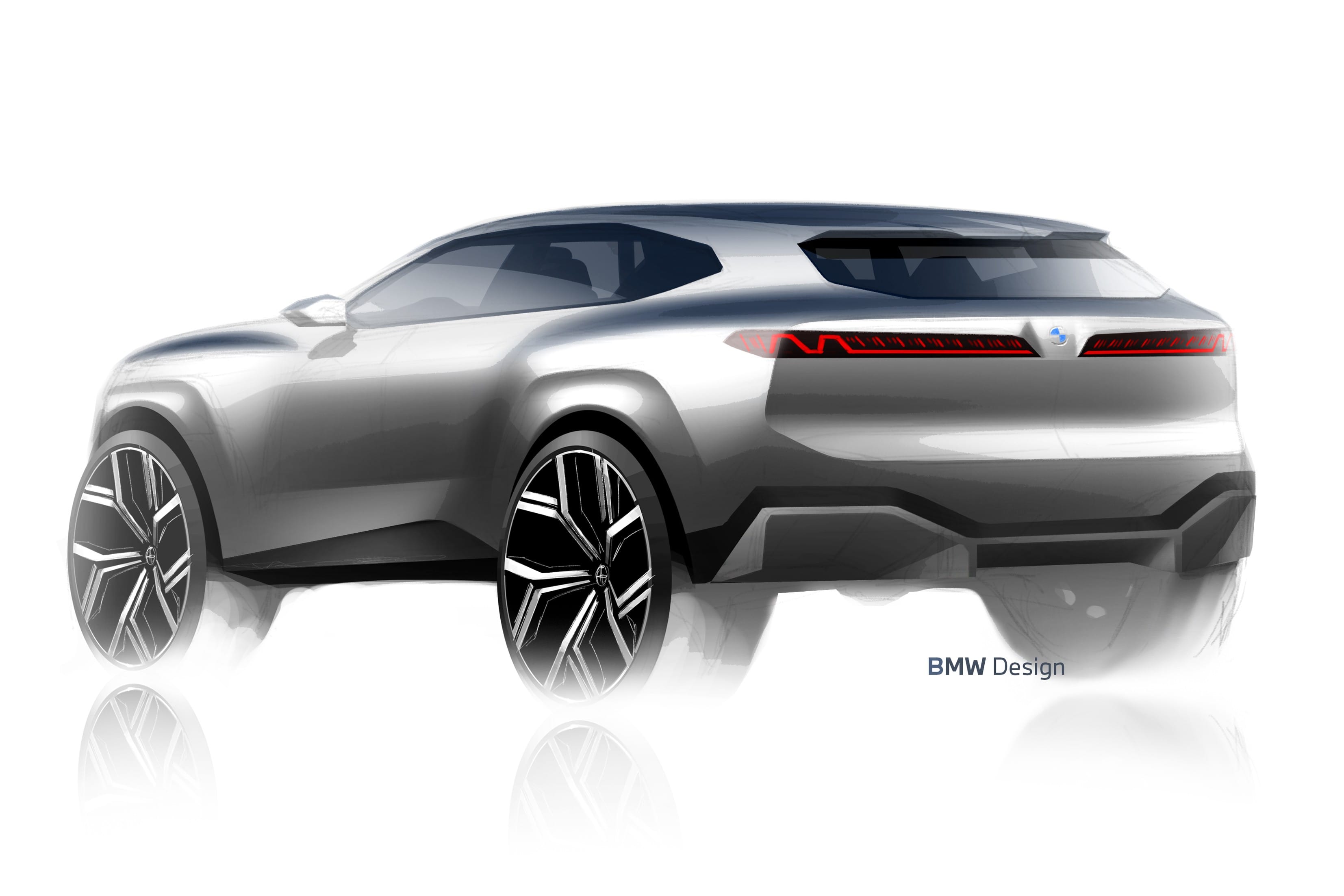
Fifth-gen BMW X5 design document. Image used for representation only.

Reports suggest the BMW G74 was designed with a 7-seat layout in mind, while the exterior featured a rugged iteration of the Neue Klasse design language and a bootlid-mounted spare wheel. The SUV was even mooted to be christened the X8, and serve as a spiritual successor to the BMW XM, which is expected to be discontinued in 2028.

Third-gen Mercedes-Benz GLA interior image gallery

Mercedes-Benz GLA

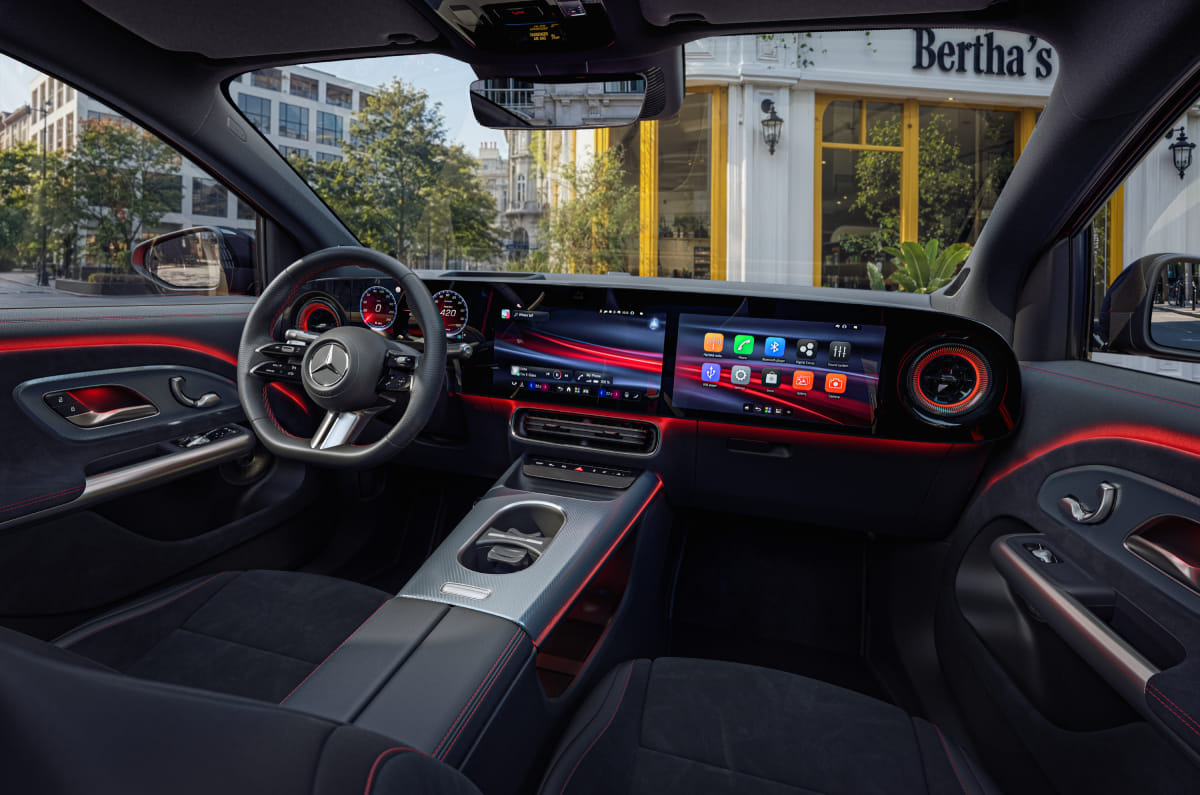
The third-generation Mercedes-Benz GLA gets a new cabin with a stronger focus on technology and premium finishes. Depending on the variant, buyers can opt for the MBUX Superscreen that combines a 10.25-inch digital instrument cluster with dual 14-inch displays, while lower trims get an illuminated star-pattern panel ahead of the co-driver. Other highlights include a panoramic sunroof, 64-colour ambient lighting, a 16-speaker Burmester 3D sound system, 360-degree camera with transparent bonnet view and automatic parking assist. Fabric or leatherette upholstery is offered depending on the trim, alongside a minimalist centre console with very few physical controls.

Third-gen Mercedes-Benz GLA exterior image gallery

2026 mercedes gla in studio

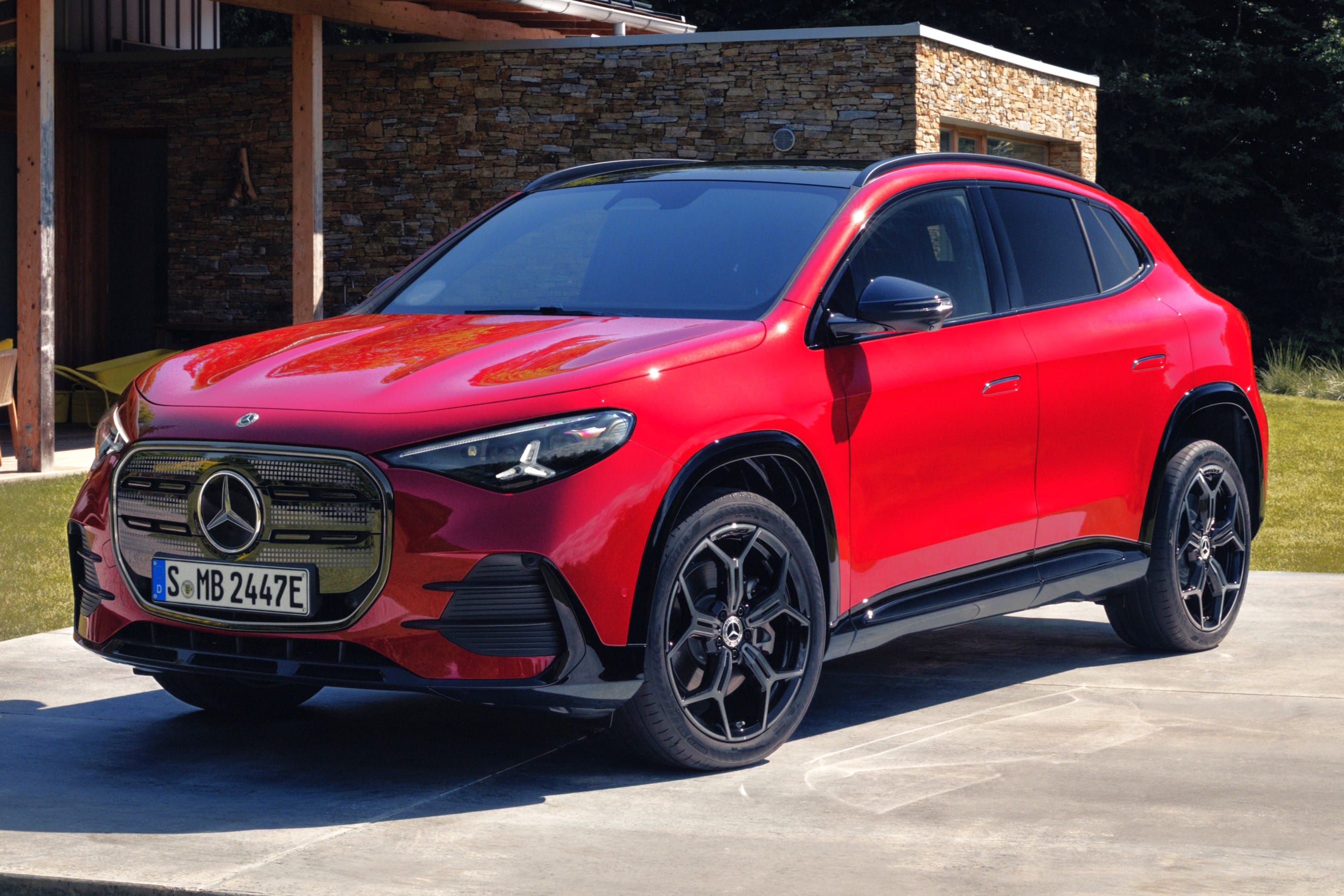
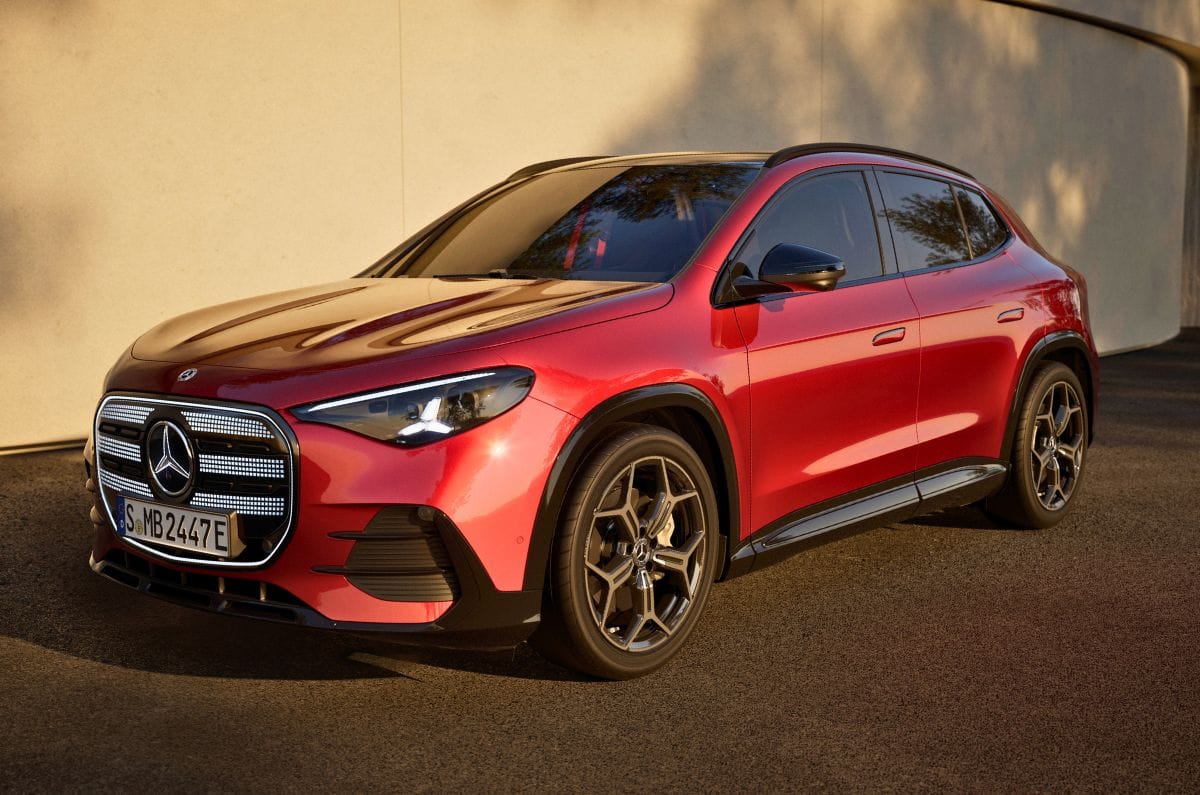
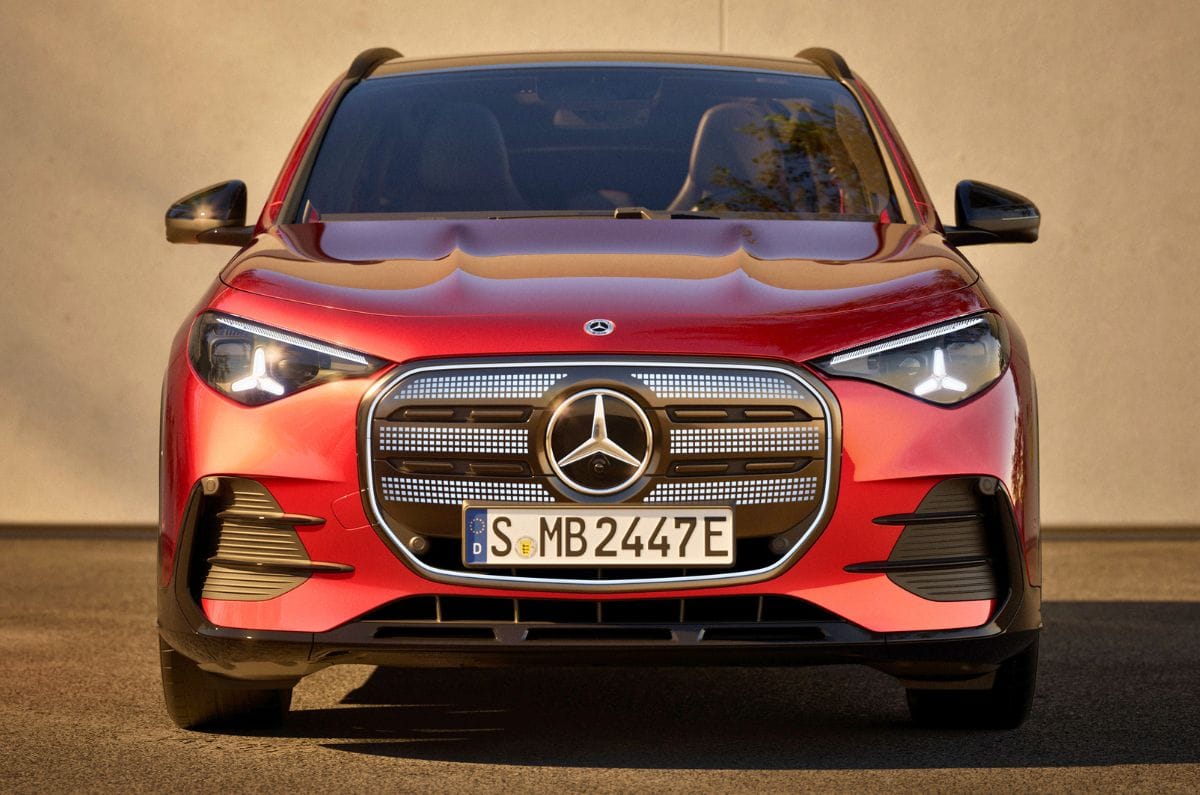
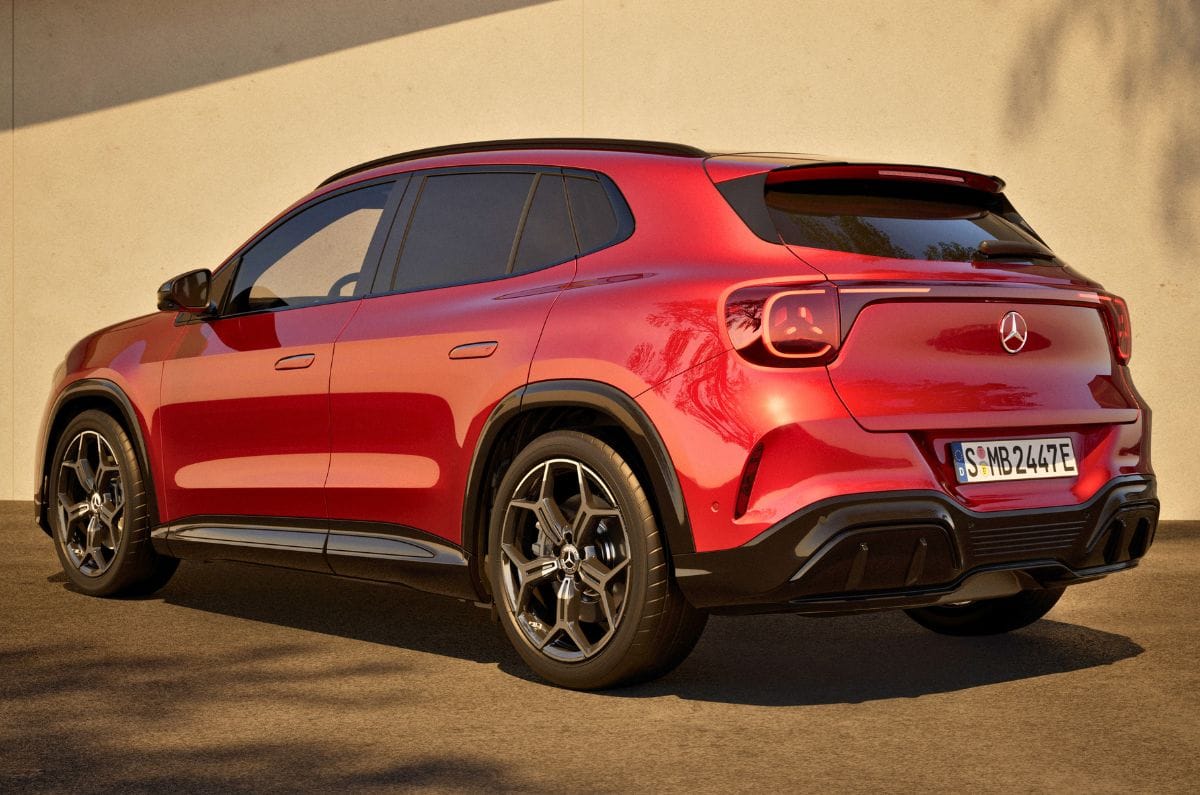
Mercedes-Benz has pulled the wraps off the third-generation GLA, the carmaker’s smallest SUV. The new GLA measures 4,565mm in length, 1,873mm in width, 1,604mm in height, and has a wheelbase of 2,790, making it larger than the prior model in almost every dimension. Since the third-gen GLA is based on Mercedes’ MMA platform, it will be the SUV’s first generation to get an all-electric derivative. The GLA EV will be offered with 58kWh LFP and 85kWh NMC battery options, with RWD and AWD layouts. An ICE version of the third-gen GLA will arrive in 2027 and offer a 1.5-litre turbo-petrol engine mated to a 48V mild hybrid system and an electrified 8-speed DCT.

3 reasons to buy the Mercedes-AMG E 53 PHEV and 3 reasons not to

Mercedes-AMG E 53 PHEV

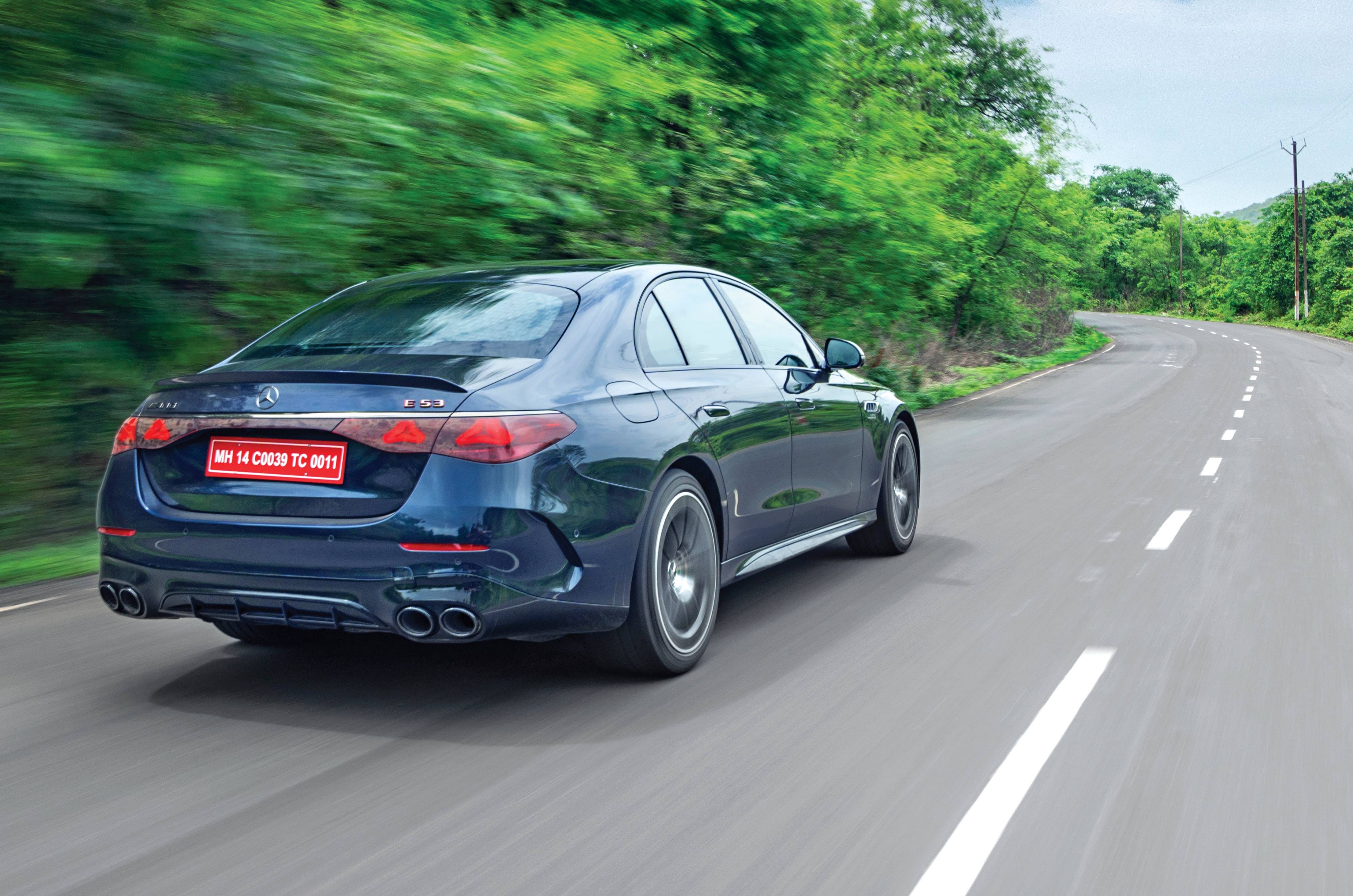
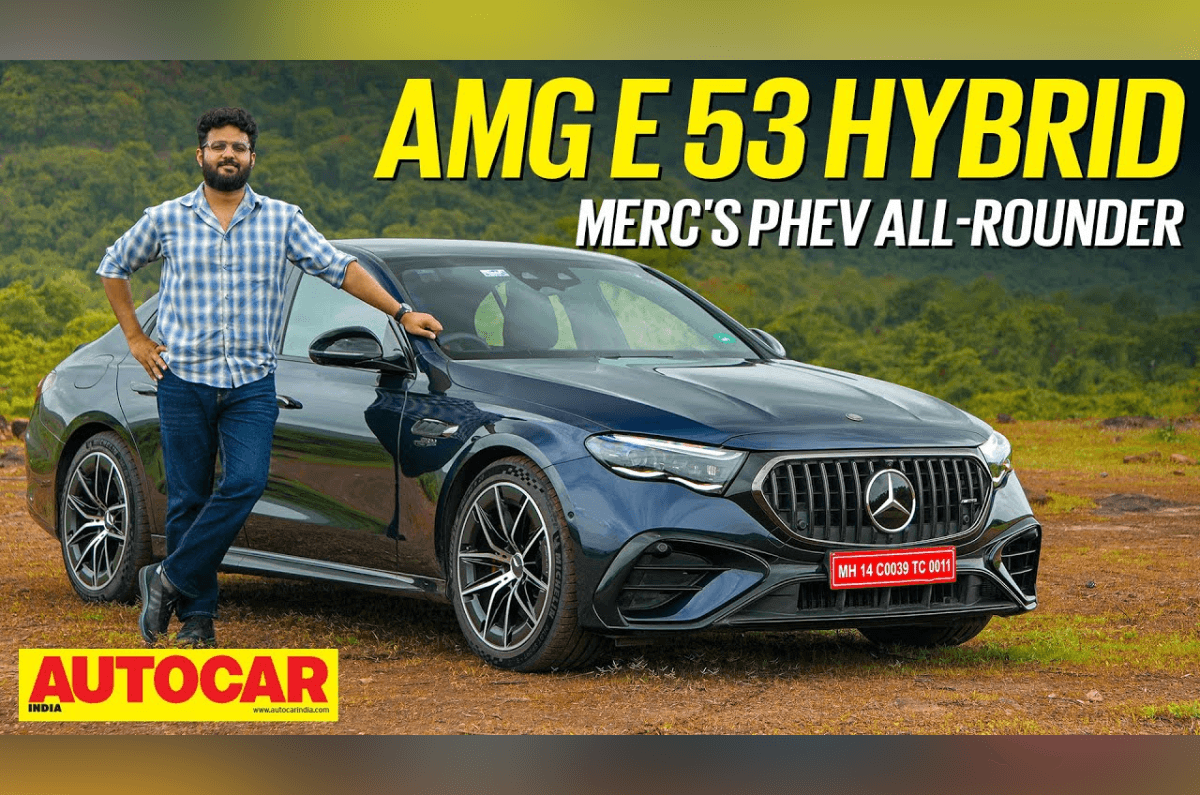
Mercedes-Benz has bolstered the E-Class range in India with the performance-focused AMG E 53 plug-in hybrid, which is priced at Rs 1.45 crore (ex-showroom). Unlike the regular India-spec E-Class, which is an LWB (long-wheelbase) model, the AMG E 53 PHEV is a shorter SWB (standard-wheelbase) version. It’s also the only AMG version of the current-gen E-Class on sale worldwide. If you’re interested in bringing home the AMG E 53 PHEV, we’ve listed the performance sedan’s most prominent strengths and weaknesses below.

Pros

Exciting powertrain

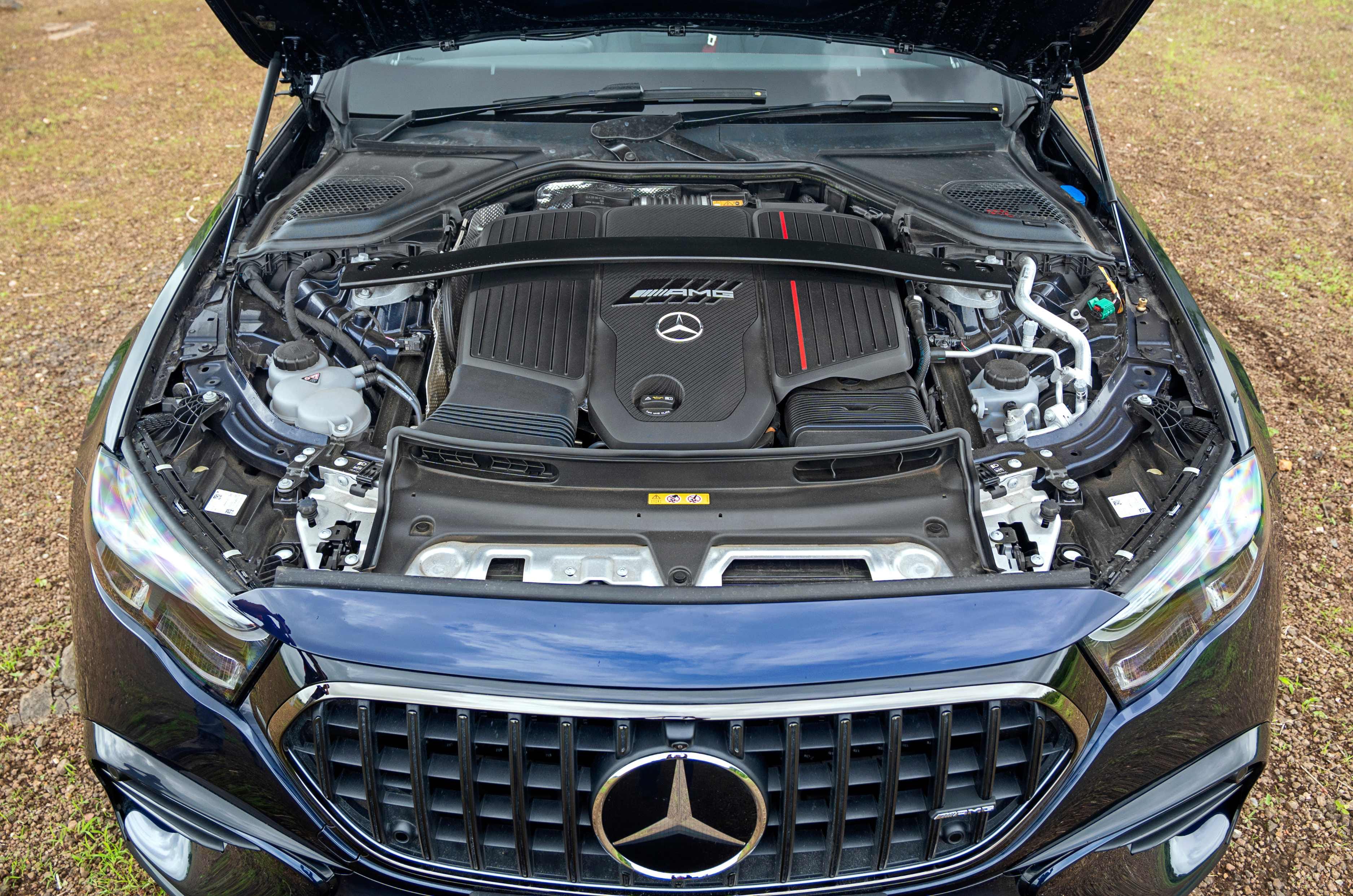
The E 53 comes with a plug-in hybrid setup that marries a 449hp 3.0-litre turbo-petrol straight-six, a 28.6kWh battery pack and an electric motor housed within the 9-speed automatic gearbox. The combined output is 585hp and 750Nm (612hp when using launch control), which is routed to all four wheels via Mercedes’s 4Matic+ AWD system.

As we noted in our Mercedes-AMG E 53 PHEV review, it’s a blast to drive in its most aggressive Sport+ drive mode. Both the engine and electric motor operate at maximum capacity, providing rapid but smooth acceleration and strong power delivery. The gearbox also feels well-suited to the powertrain, with quick shifts and an ‘M’ mode that gives you full control and doesn’t intervene even if you hit the redline. That said, the gearbox can feel clunky and too eager at crawling city speeds, as it tends to constantly shuffle through the lower gears.

For the E 53, Mercedes-AMG claims a 0-100kph time of 4 seconds with launch control and an electronically limited top speed of 250kph, which rises to 280kph with the optional AMG Driver’s Package.

Usable electric range

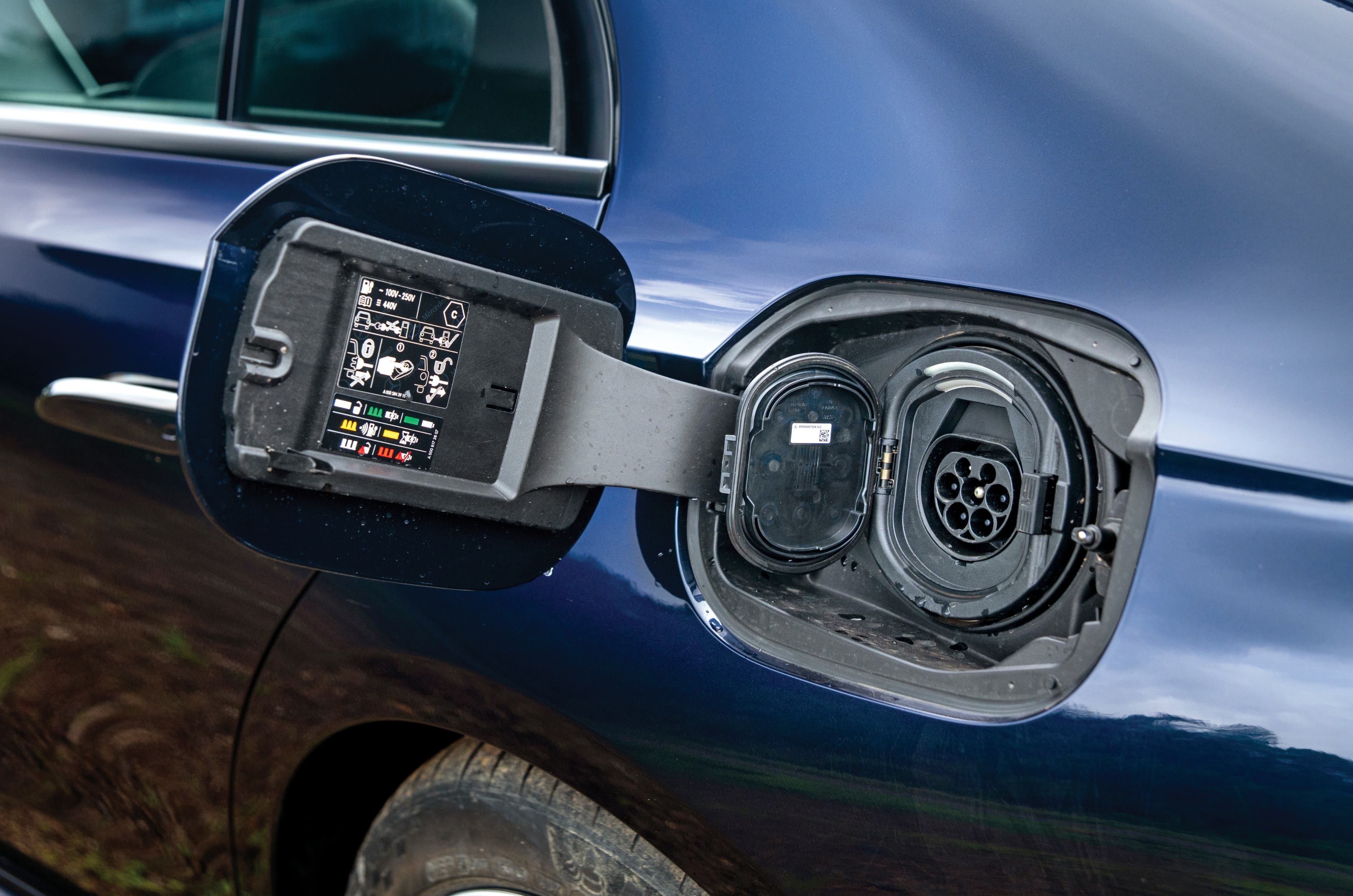
Thanks to its 28.6kWh battery, the E 53 claims a 100km all-electric range, which, in the real world, will likely hover in the 75-90km ballpark. This is more than enough to complete daily urban commutes without burning a drop of petrol, making the E 53 surprisingly affordable to run, at least in the city.

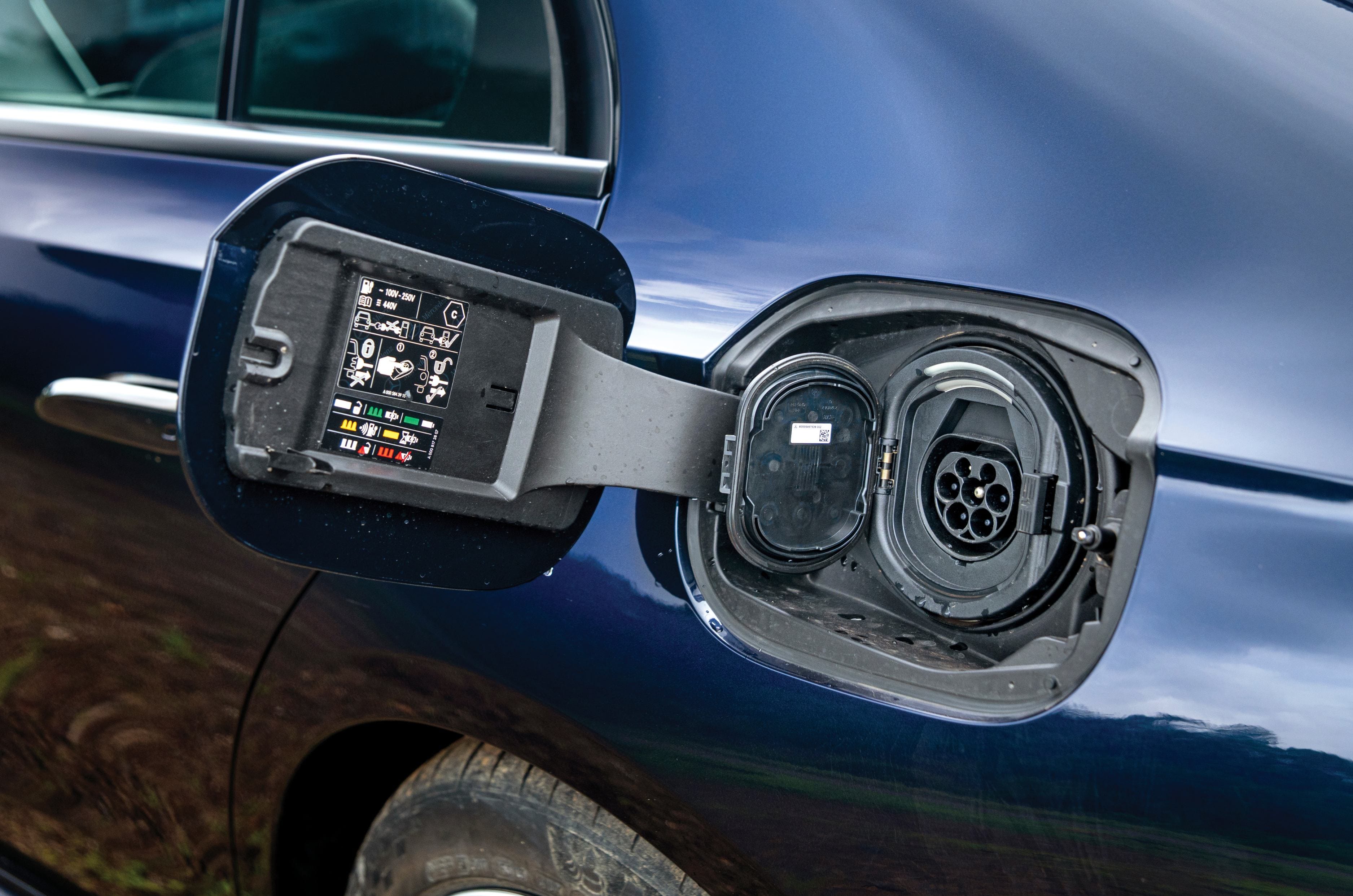
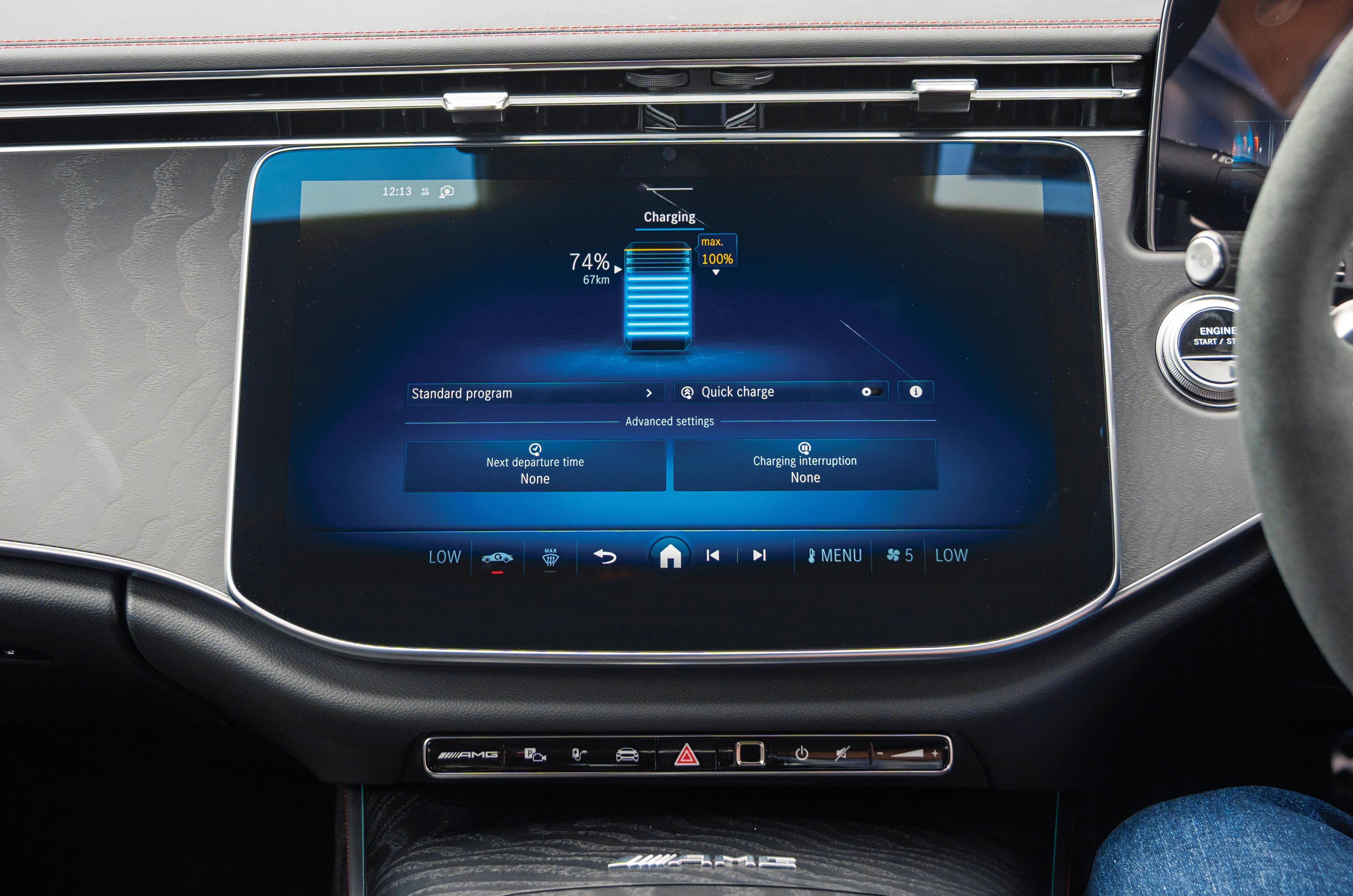
Once the battery begins to deplete, the straight-6 engine fires up and drives the wheels, but even then, the hybrid system pitches in via constant regenerative braking and electric assistance, ensuring the E 53 feels responsive while delivering better fuel efficiency than an equivalent pure-petrol performance sedan. As for charging, an 11kW AC wallbox takes 2.25 hours for a 0-100 percent charge, while a 60kW DC fast charger takes 20 minutes for a 10-80 percent top-up.

Fantastic handling

Around the bends, the E 53 feels remarkably composed, even though it lugs around a fairly substantial battery pack – its low placement helps keep the centre of gravity down. Body roll is kept in check. The Sport and Sport+ drive modes noticeably tighten up the car; the dampers become more responsive, and the steering gains heft.

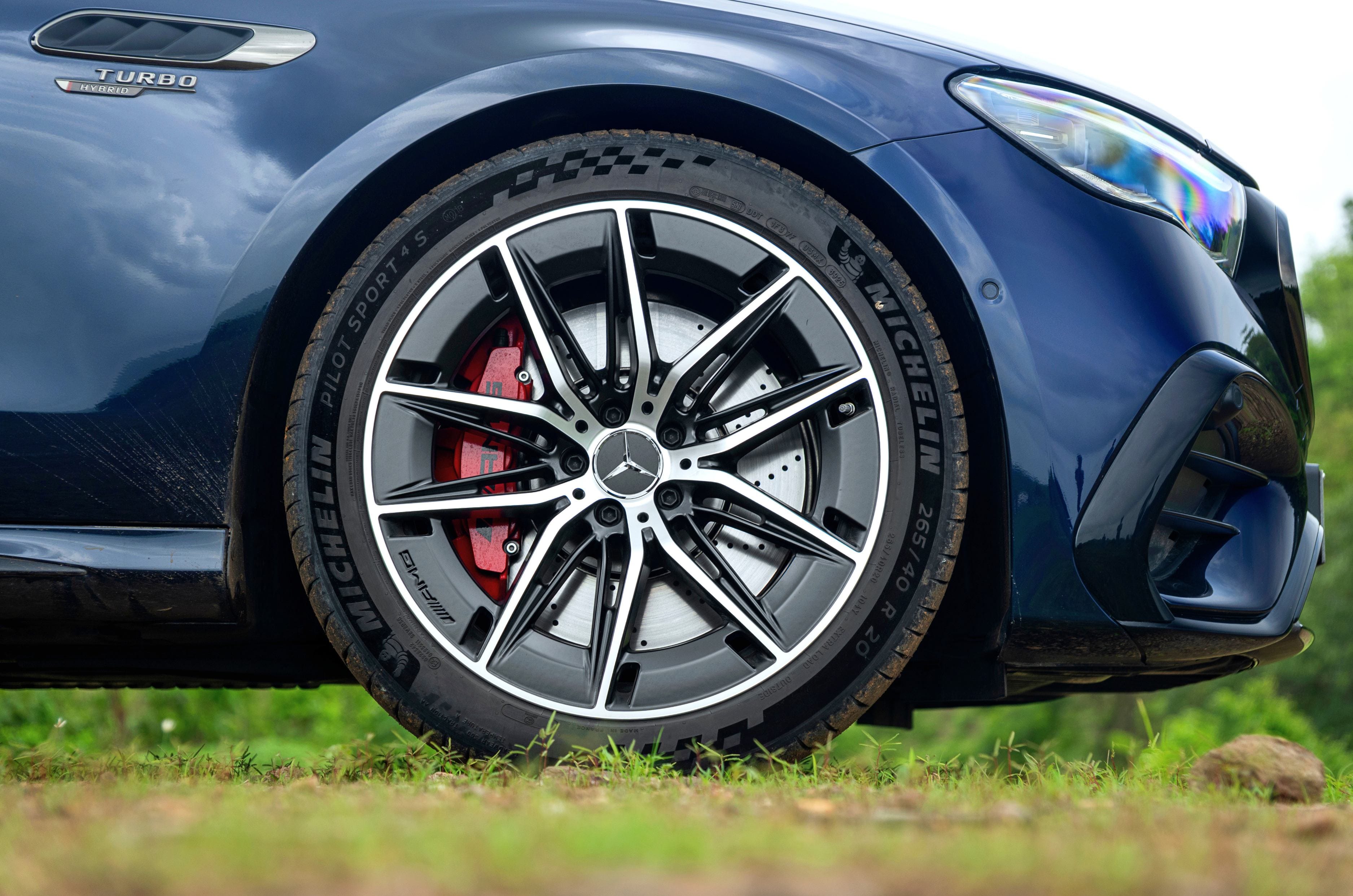
The AWD system is rear-biased, and the Michelin Pilot Sport 4S tyres confidently deploy all that power to the road. Rear-wheel steering of up to 2.5 degrees is also included, aiding stability through high-speed corners.

Cons

Unnatural brake feel

Despite being fitted with massive 390mm discs up front and regenerative braking, the E 53 doesn’t deliver a natural or consistent pedal feel. Stopping power is strong, but the spongy, inconsistent brake pedal puts a damper on an otherwise fun driving experience.

Poor in-cabin ergonomics

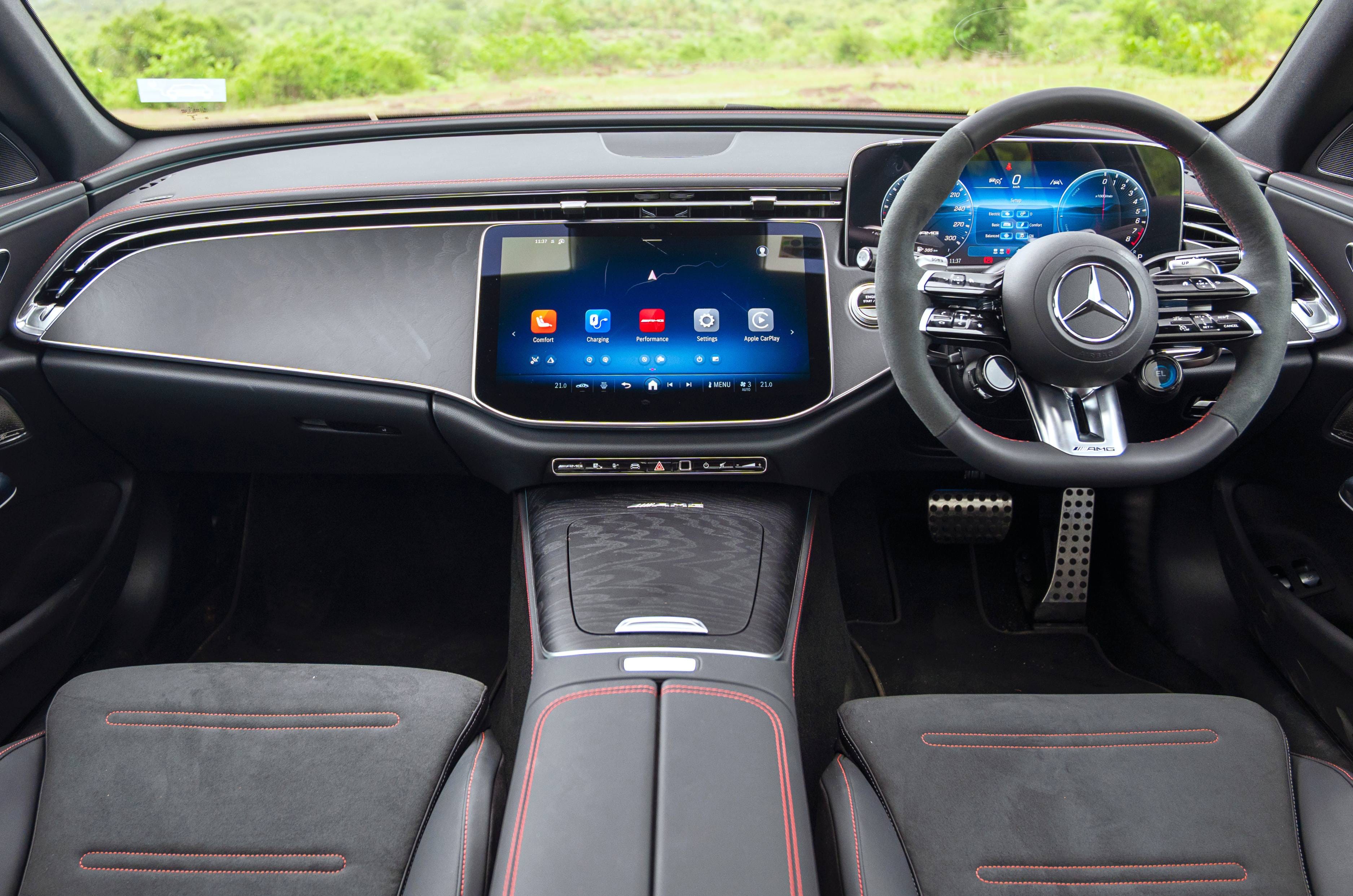
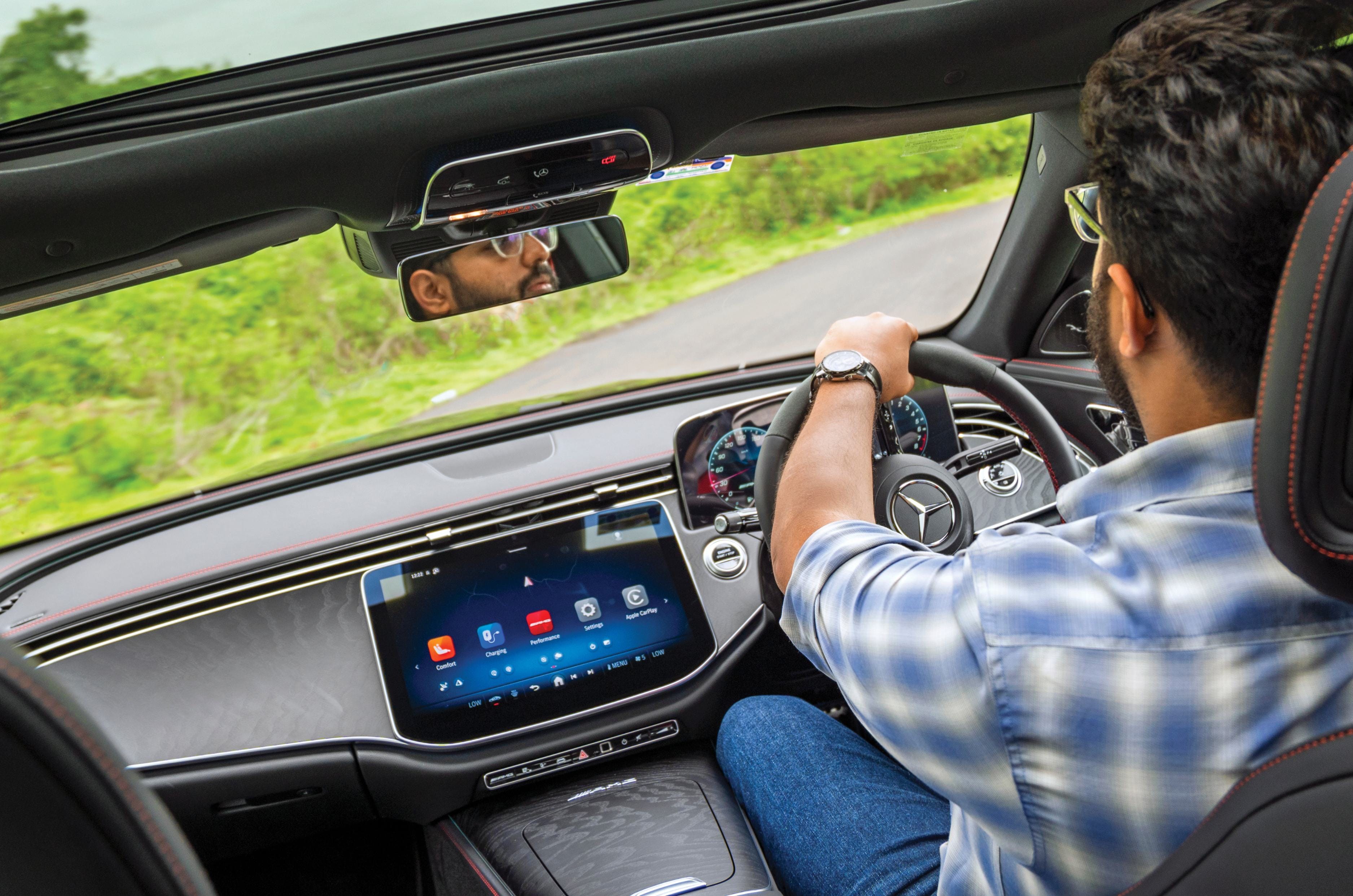
While the interior layout of the E 53 looks and feels very upmarket, its ergonomics suffer due to a glaring absence of physical controls. Much of the in-cabin functionality is folded into the large 14.4-inch central touchscreen, which isn’t all that intuitive to use while on the move. The touch-capacitive controls on the steering wheel further add to the frustration.

Compromised boot space

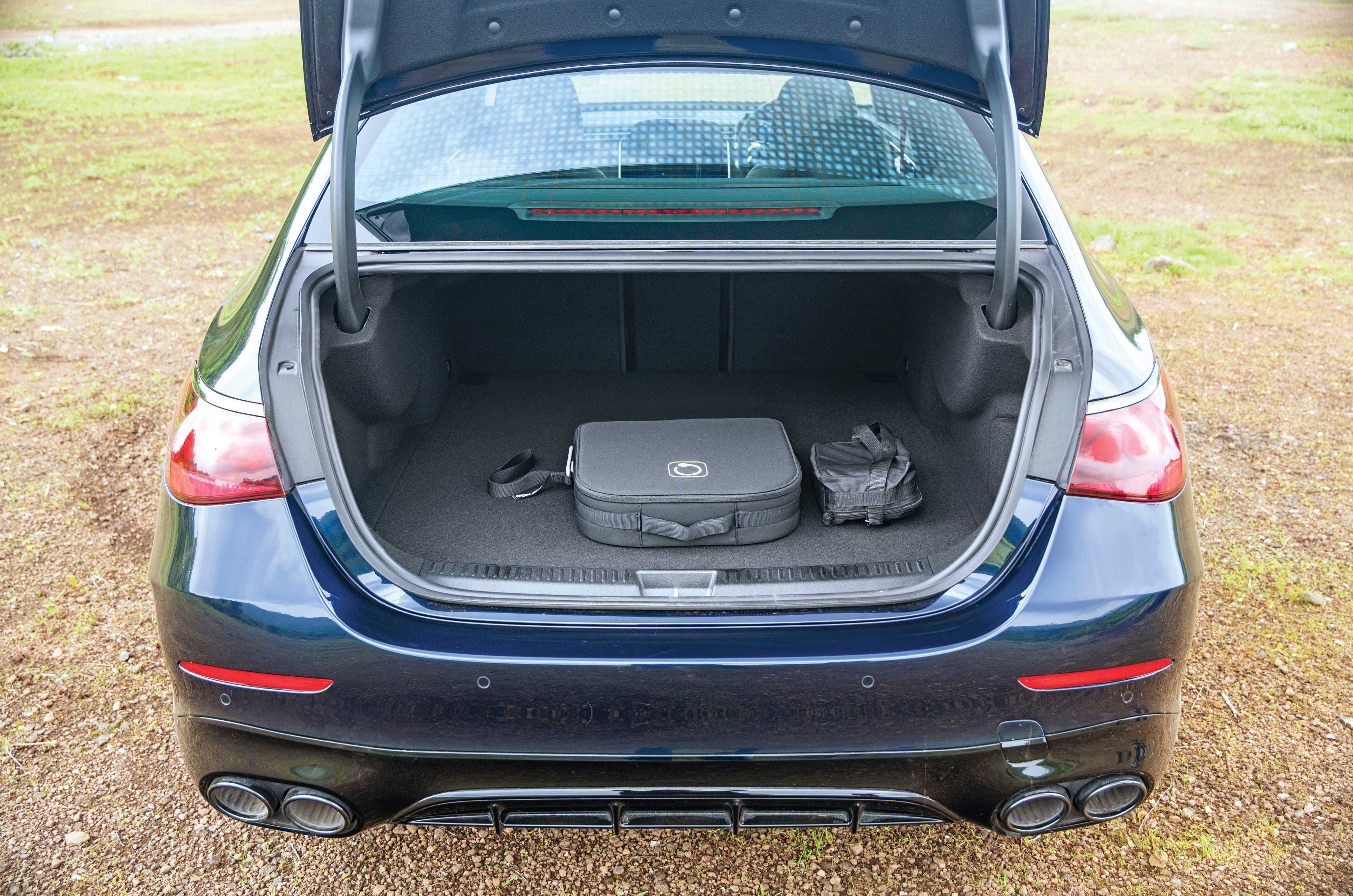
While the battery pack helps enhance the E 53’s performance and daily usability, its placement beneath the boot floor significantly eats into luggage capacity. At 370 litres, the E 53’s boot is 170 litres smaller than that of the standard E-Class. There’s no spare wheel either, with its space instead occupied by the charging cable and puncture repair kit.

Mercedes-Benz unveils third-gen GLA with first-ever electric version

Mercedes-Benz unveils third-gen GLA with first-ever electric version

Mercedes-Benz has revealed the third-generation GLA, introducing an all-electric version for the first time. The GLA EV is offered in three trims: 250, 250+ and 350. It gets either a 58kWh or 85kWh battery pack, with a claimed range of up to 657km. A mild-hybrid version with an optional all-wheel-drive (AWD) system will be introduced later. The new GLA also gets a fresh design inspired by Mercedes-Benz’s latest SUVs and a tech-focused cabin featuring a triple-screen setup. 

  1. GLA EV is offered with either a 58kWh or an 85kWh battery option
  2. 143mm longer than the predecessor, wheelbase also larger by 61mm
  3. Offers 410-litre boot with the EV getting a 107-litre frunk 

Third-gen Mercedes-Benz GLA: Exterior design

Looks bolder than before and aligns with the design of Mercedes’ larger SUVs

The third-generation GLA has a bolder design that closely aligns with Mercedes-Benz’s latest SUV lineup. Up front, it features a large grille. On the electric version, the grille incorporates numerous LED lighting elements arranged in horizontal strips. The new headlights feature tristar-shaped LED DRLs. The front bumper also gets two black inserts that add to its sporty appearance.

In profile, the GLA gets dual-tone alloy wheels ranging from 18 to 19 inches in size, and has gloss-black wheel arch cladding along with a black lower body finish. These elements create a strong contrast that enhances the SUV’s rugged stance.

At the rear, the GLA features wraparound taillights with the same tristar lighting signature as the front DRLs. A full-width red light bar connects the taillights, while the gloss-black rear bumper with horizontal detailing adds contrast. 

Mercedes-AMG E53 Hybrid 4MATIC+ review: Current Affair

Mercedes-AMG E53 front quarter tracking

The Mercedes-AMG E53 Hybrid 4MATIC+ arrives at a time when performance cars are being asked to do more than simply go fast. It has to deliver the pace and character expected of an AMG while embracing electrification to meet increasingly stringent emissions norms and changing buyer expectations. The result is a plug-in hybrid performance sedan that combines a 3.0-litre turbo-petrol inline-six engine with an electric motor for a formidable system output of 585hp, while also offering enough electric-only range for mundane daily drives.

But this isn’t just an E-Class with a bigger battery and more power. The E53 gets AMG-specific chassis hardware, all-wheel drive, rear-wheel steering and a suite of performance-focused electronics designed to counter the added weight. Can this electrified AMG still deliver the thrills enthusiasts expect while remaining a genuinely usable luxury sedan every day?

Mercedes-AMG E53 Exterior Design and Engineering

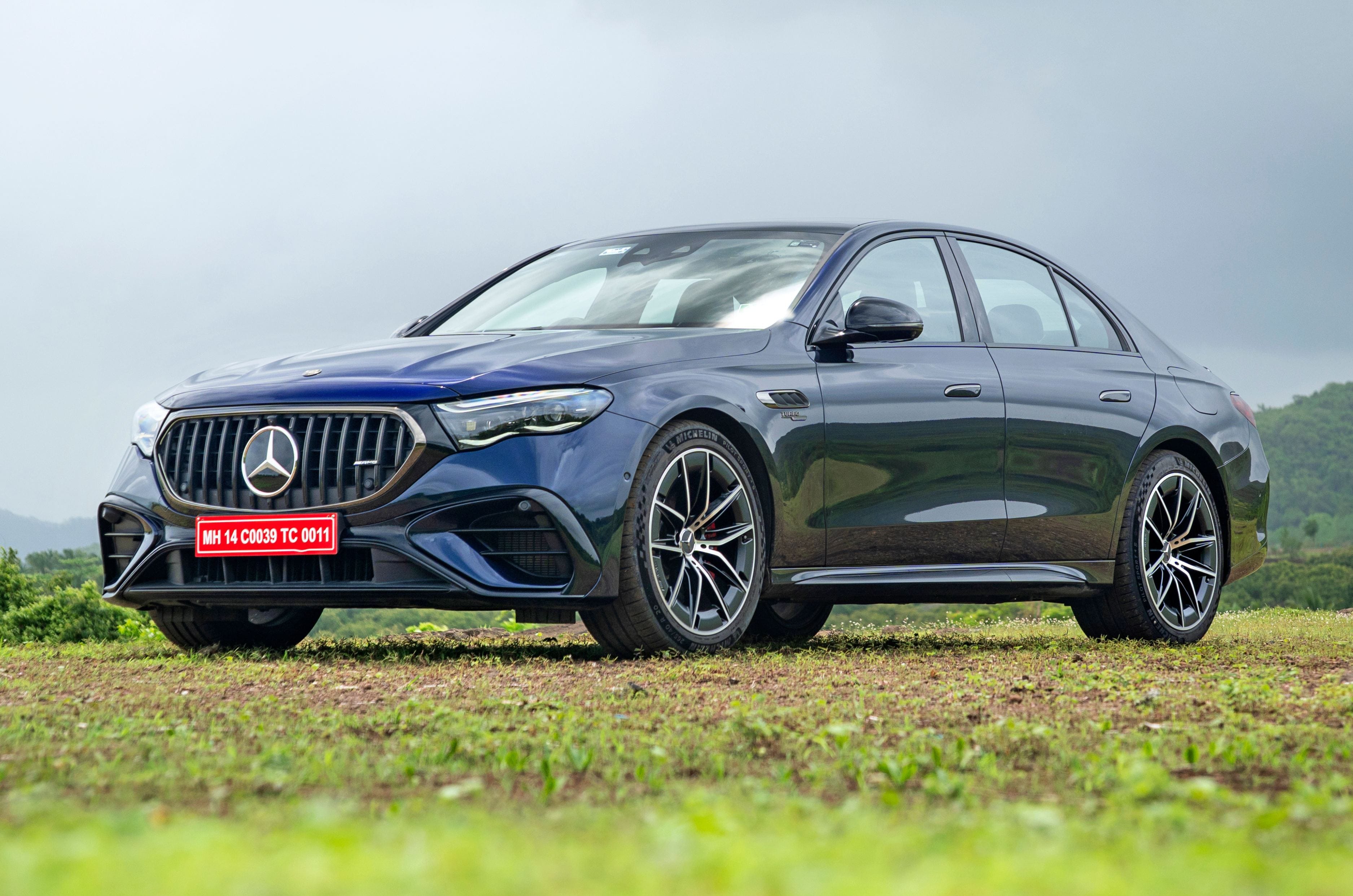
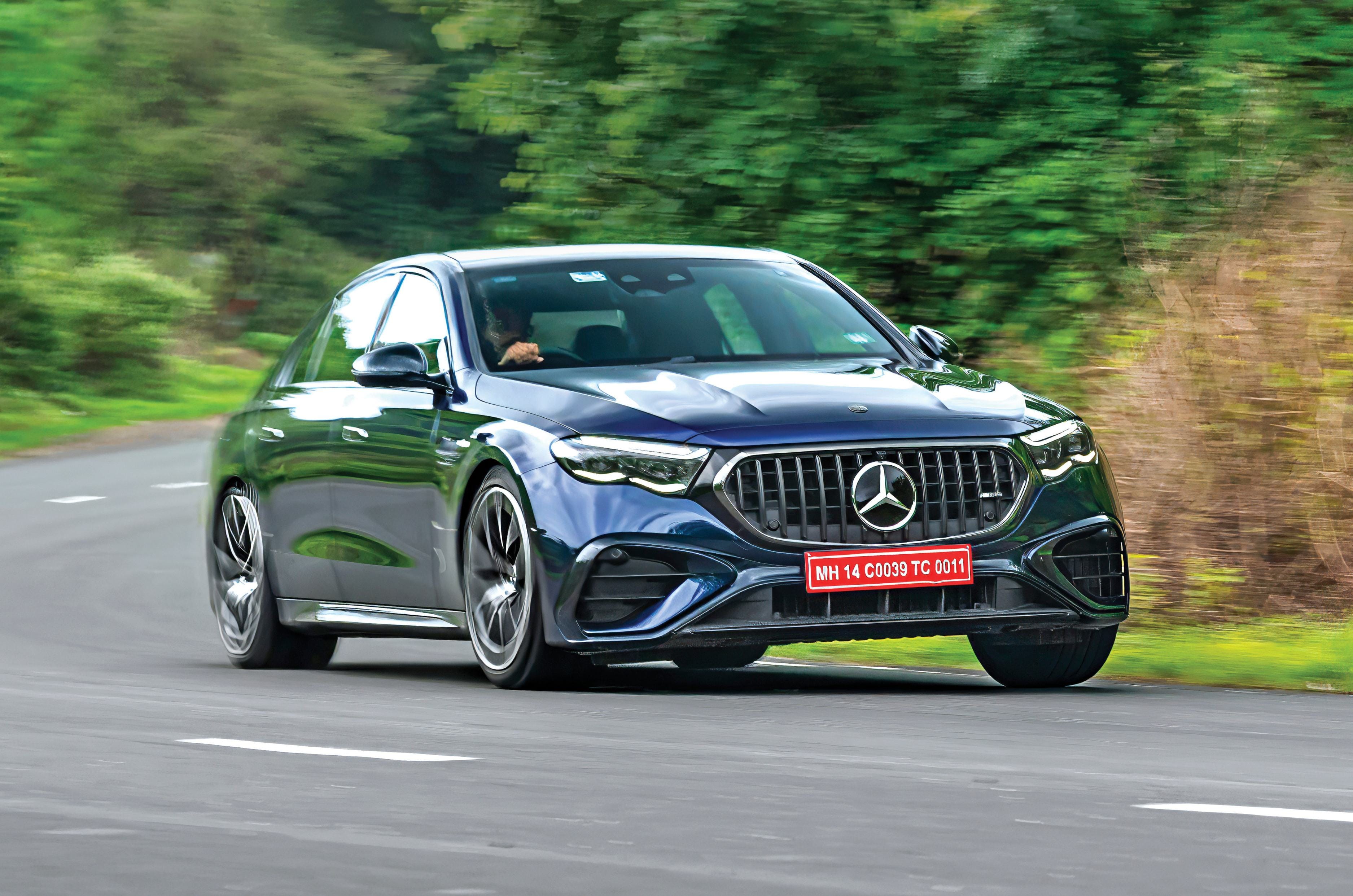
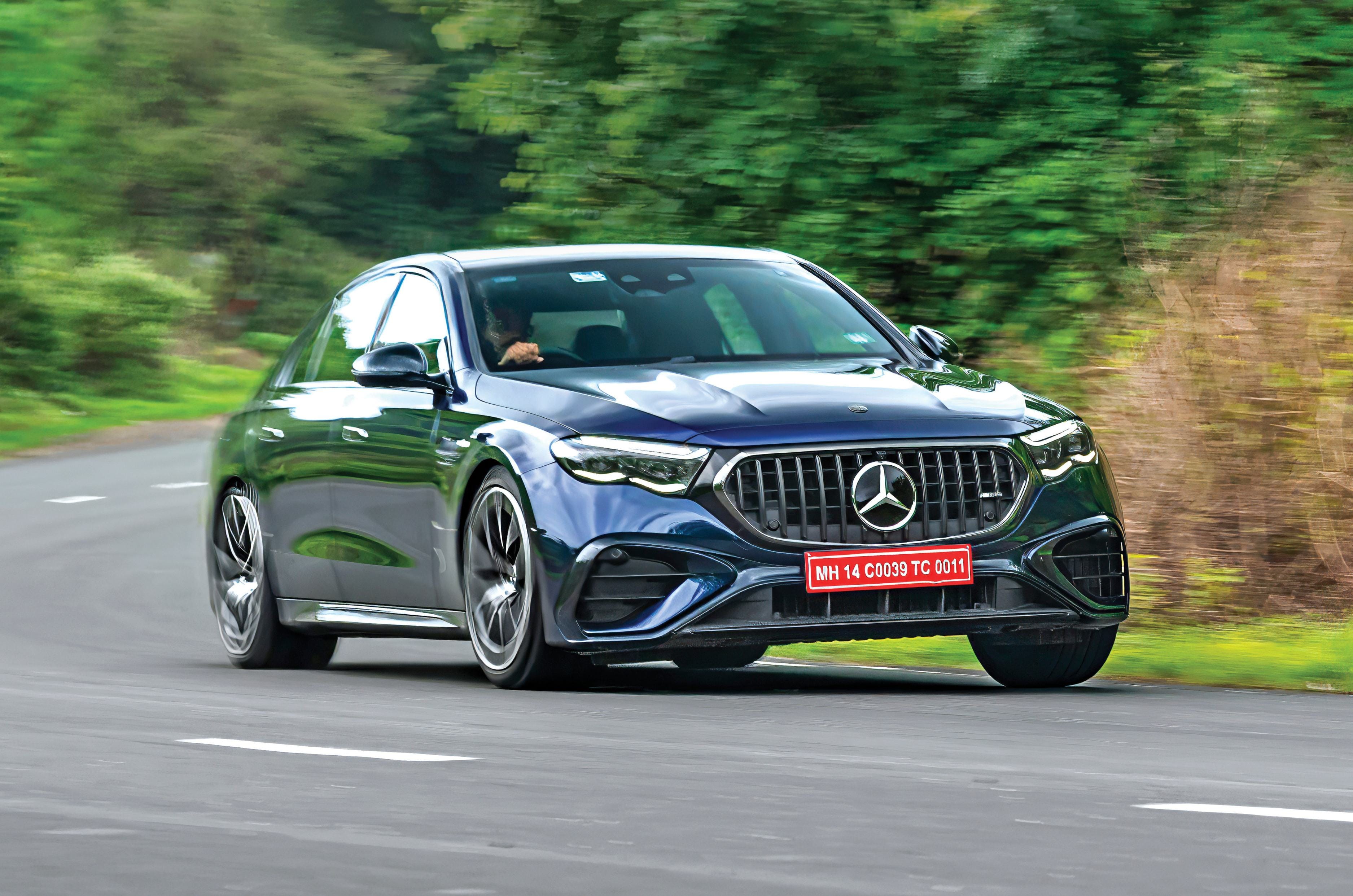
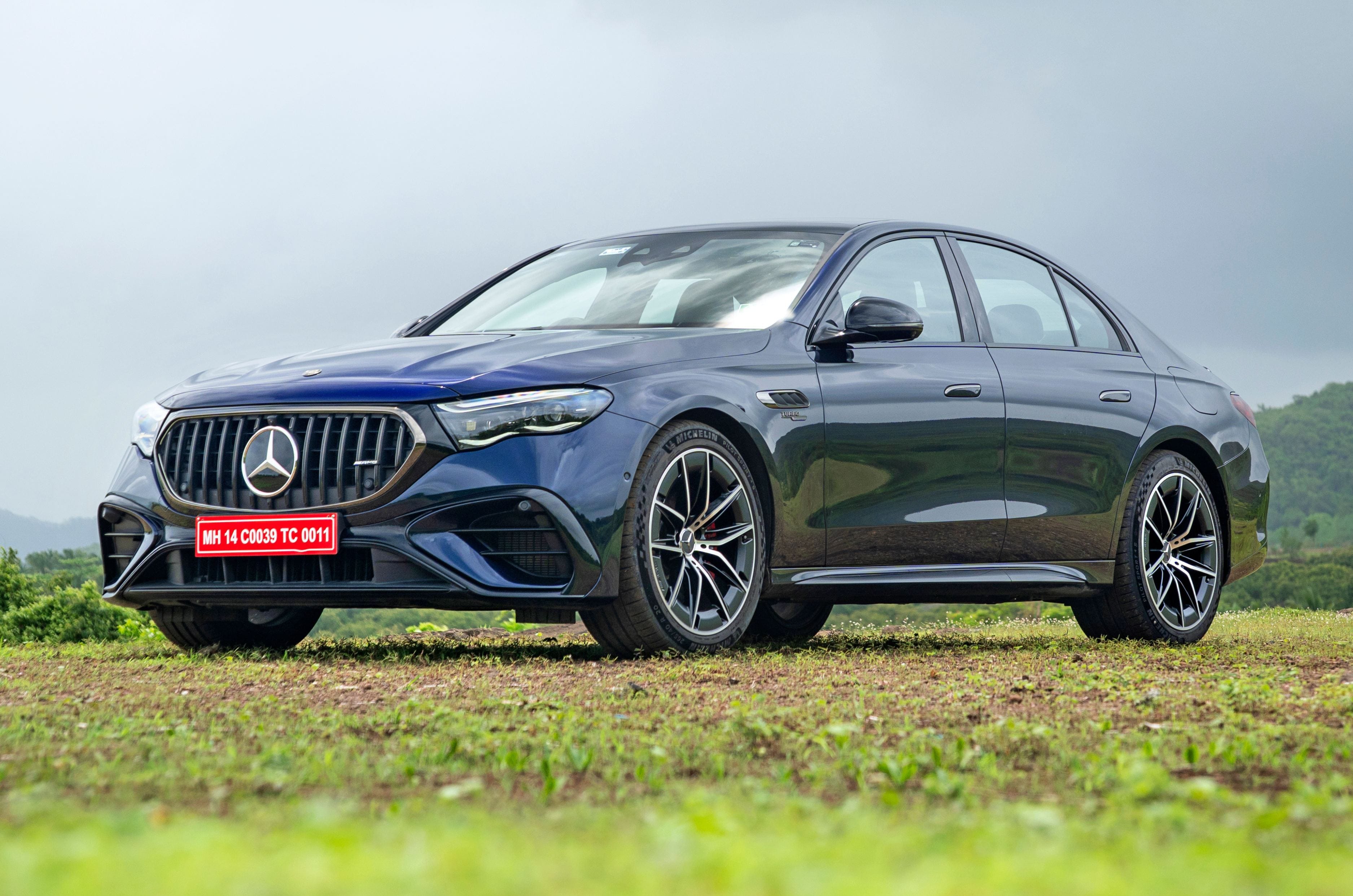
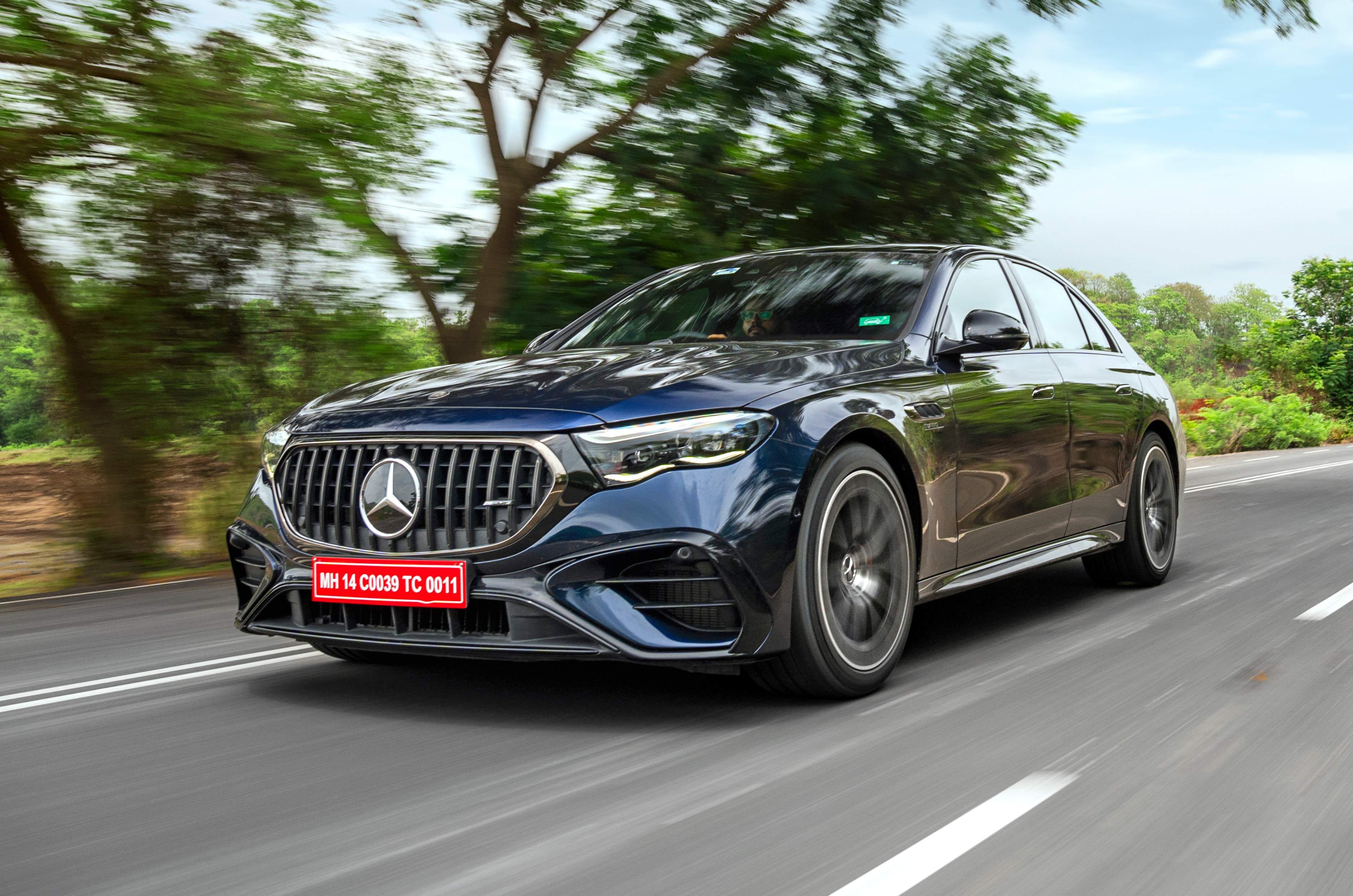
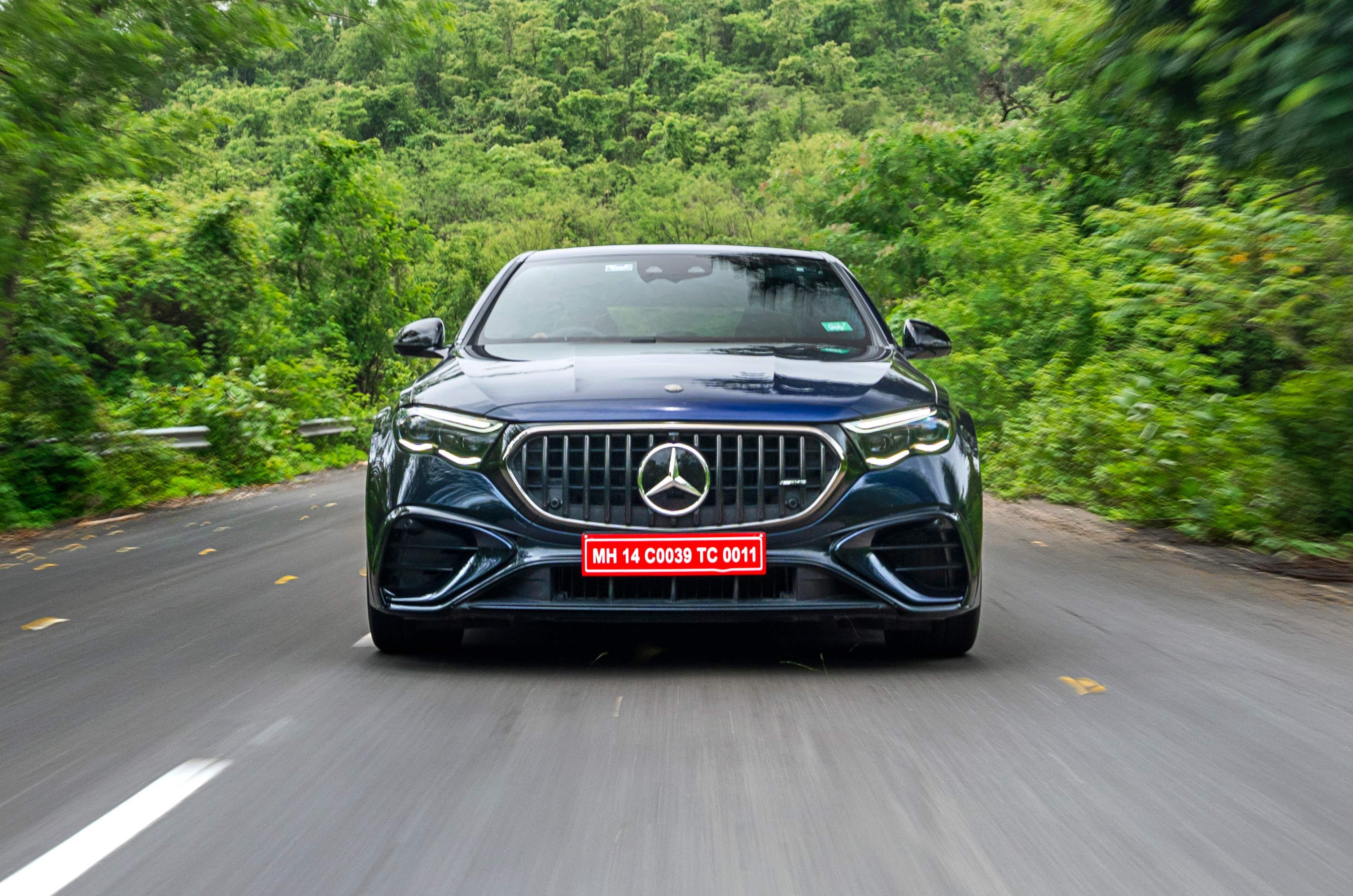
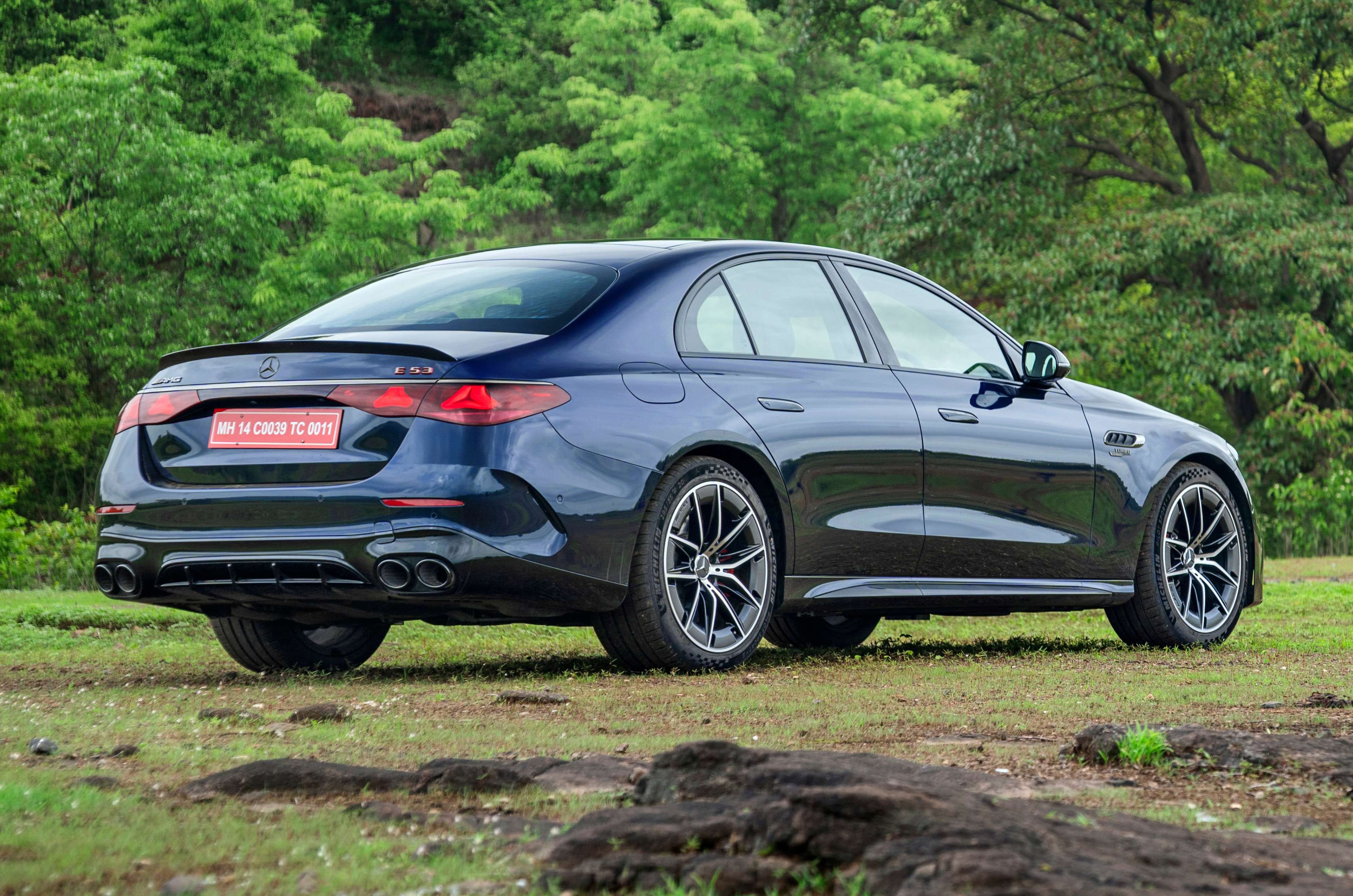
Expectedly, the E 53 has put on quite a bit of muscle. The front bumper is sportier, with large air dams. The Panamericana grille gets illuminated surrounds and is wide enough to gulp massive amounts of air to cool the engine, while the power lines on the bonnet add more intent to its character.

The E53 has good amount of muscle with aggressive bumpers, big grille and power lines

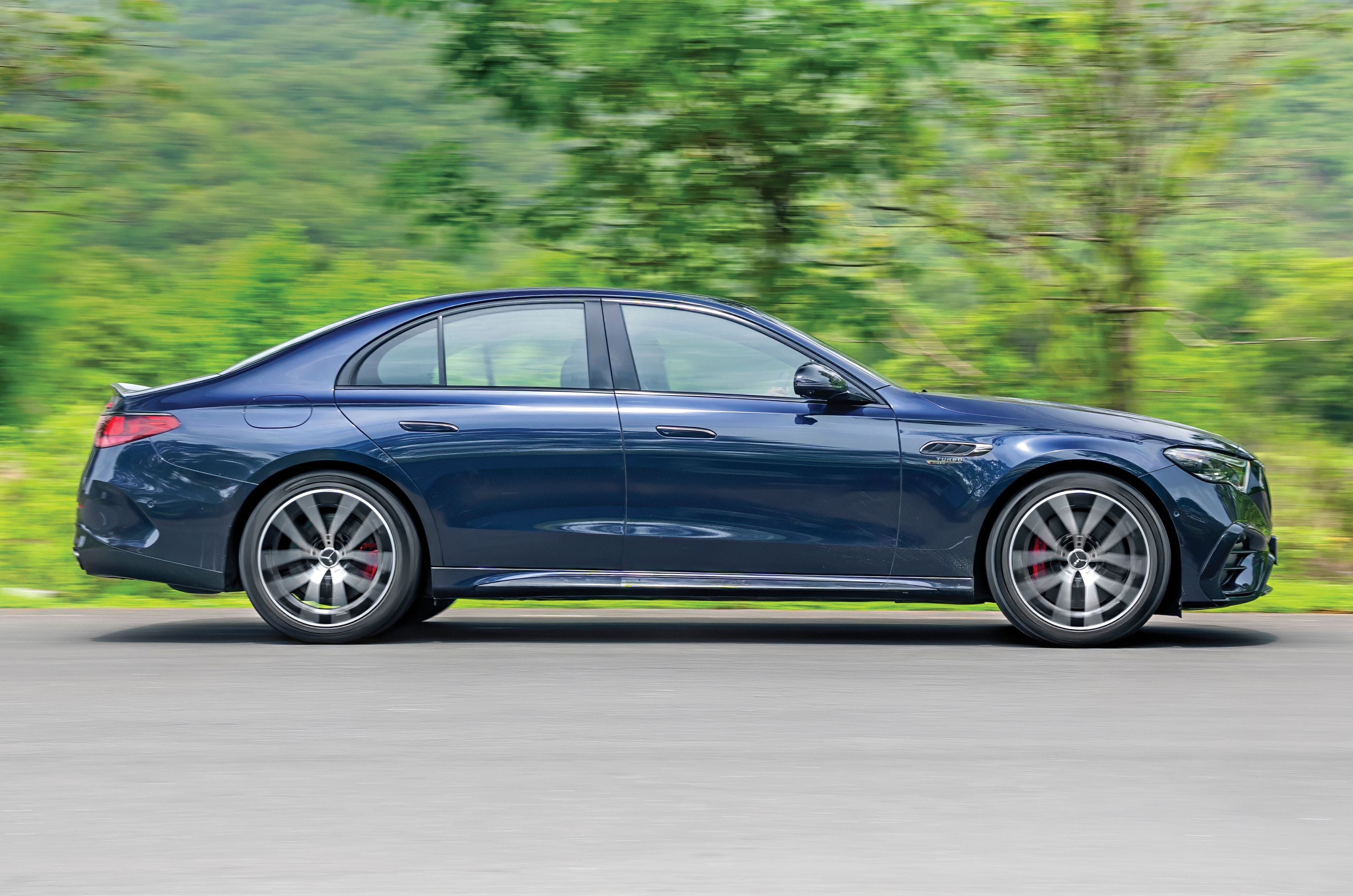
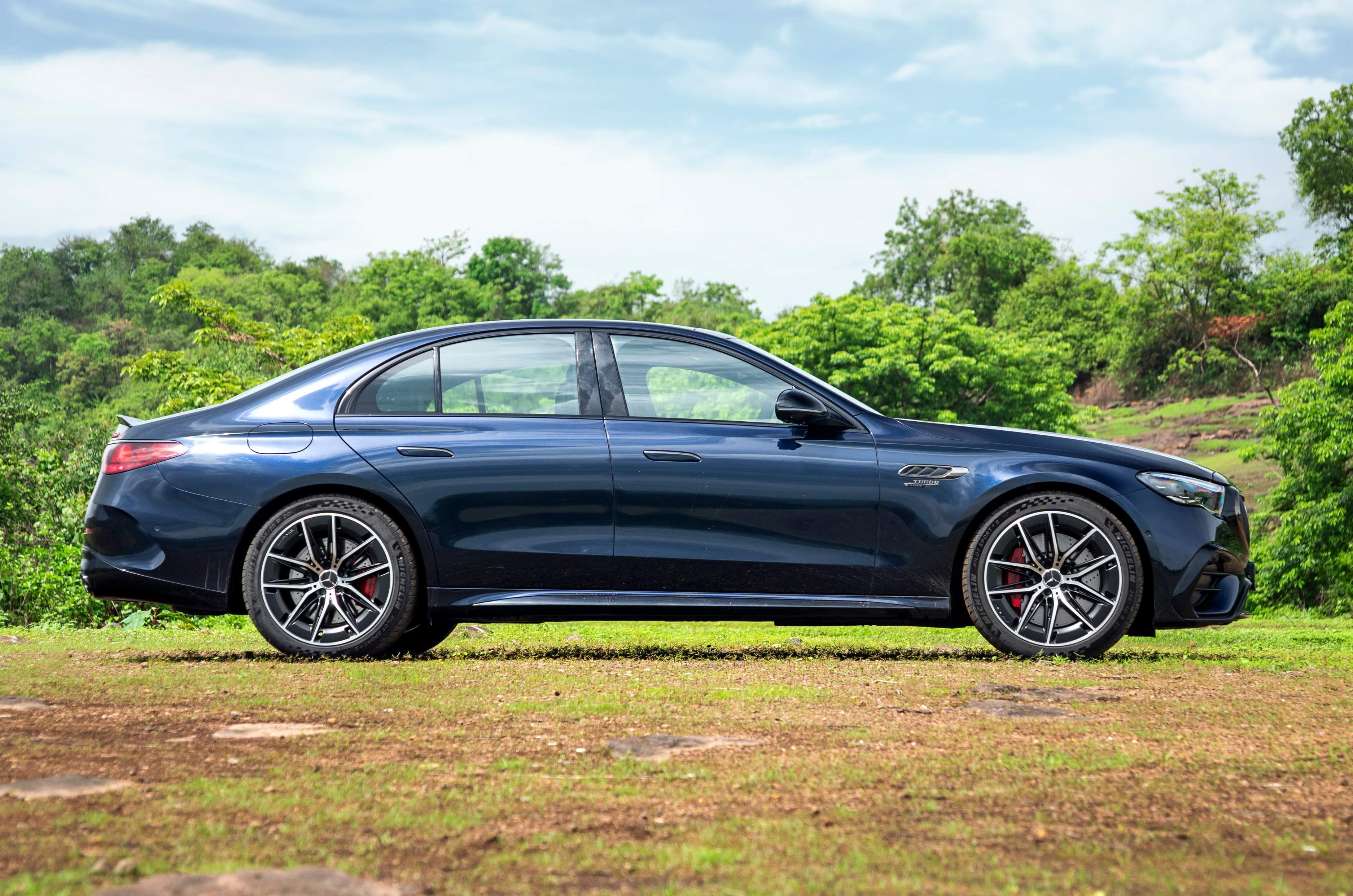
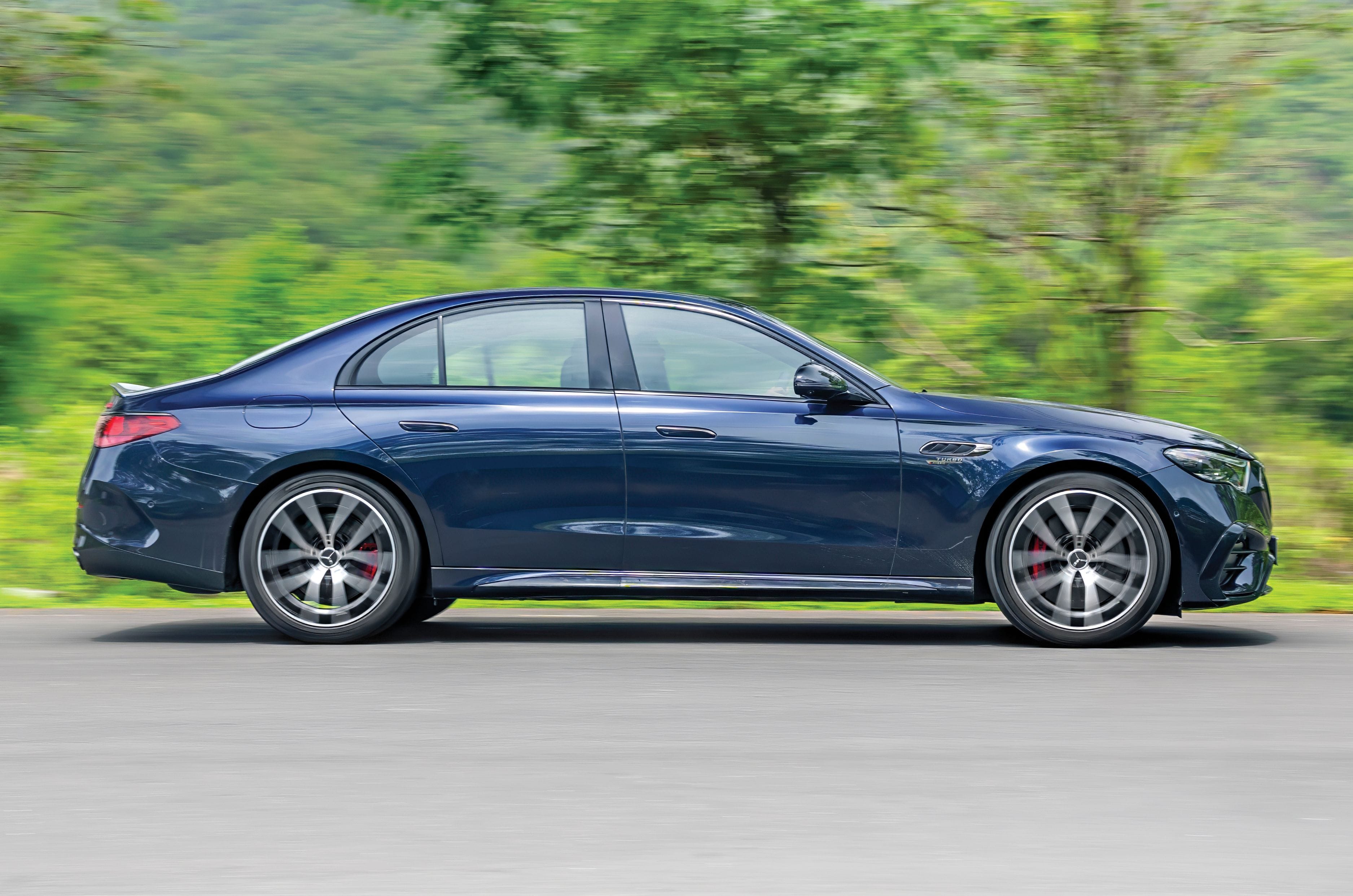
The profile flaunts flared wheel arches, larger 20-inch wheels (the last-gen E 53 featured 19-inchers) and, like before, a standard wheelbase, giving it sportier proportions than the long-wheelbase E-Class.

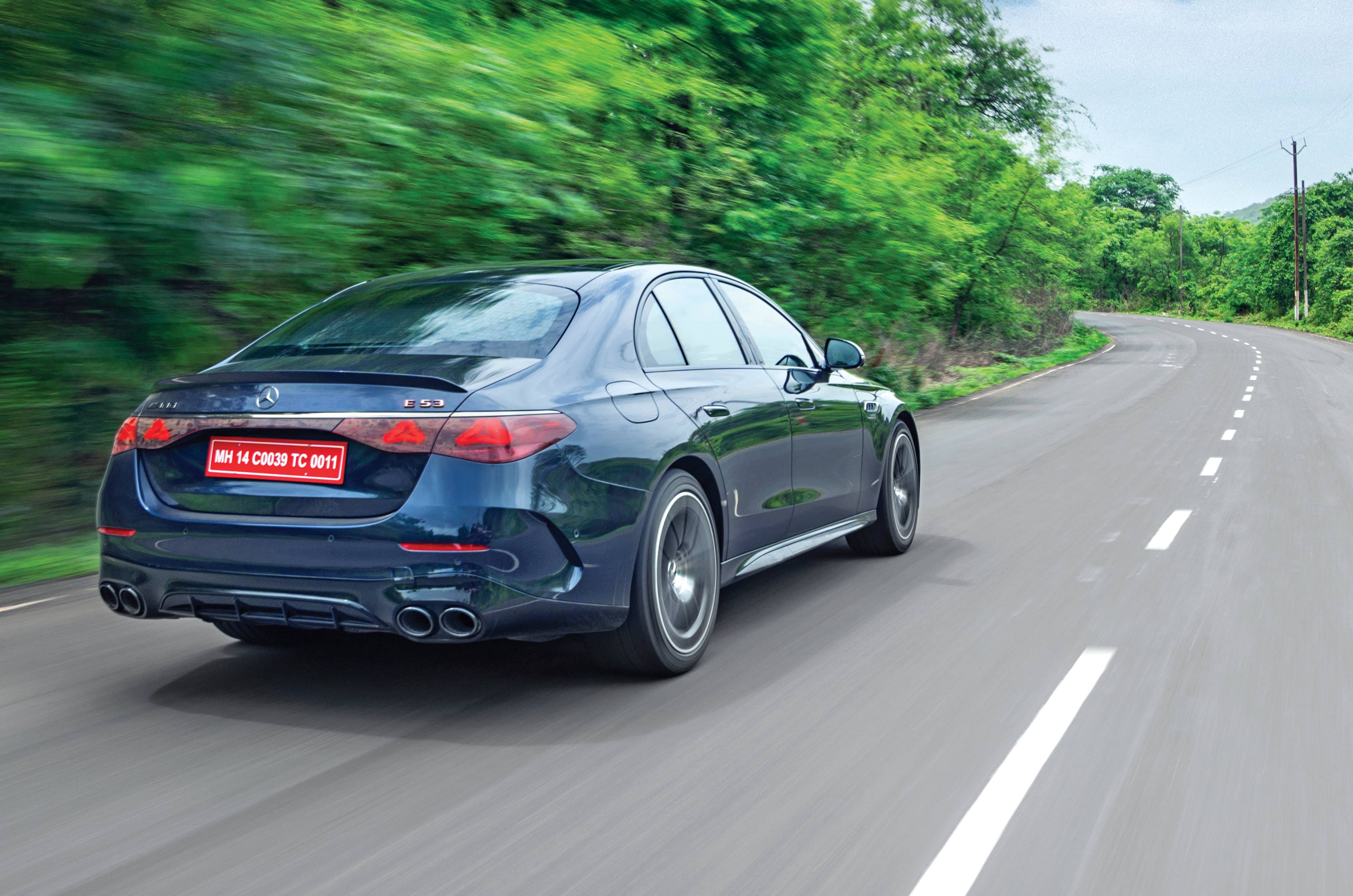
At the rear, there’s an E 53 badge with red highlights, a quad-exhaust setup that isn’t actually connected to the exhaust pipes, a diffuser and a ducktail spoiler that’s large enough to be noticed but won’t do much for downforce.

Not being a long wheelbase gives it perfect proportions

Overall, it’s a handsome-looking car with just the right amount of restraint. However, if you’re looking for a bit more visual drama, you’ll have to pay extra for the MANUFAKTUR paint finishes, as the standard colour palette is more E-Class than AMG.

Mercedes-AMG E53 Interior Space and Comfort 

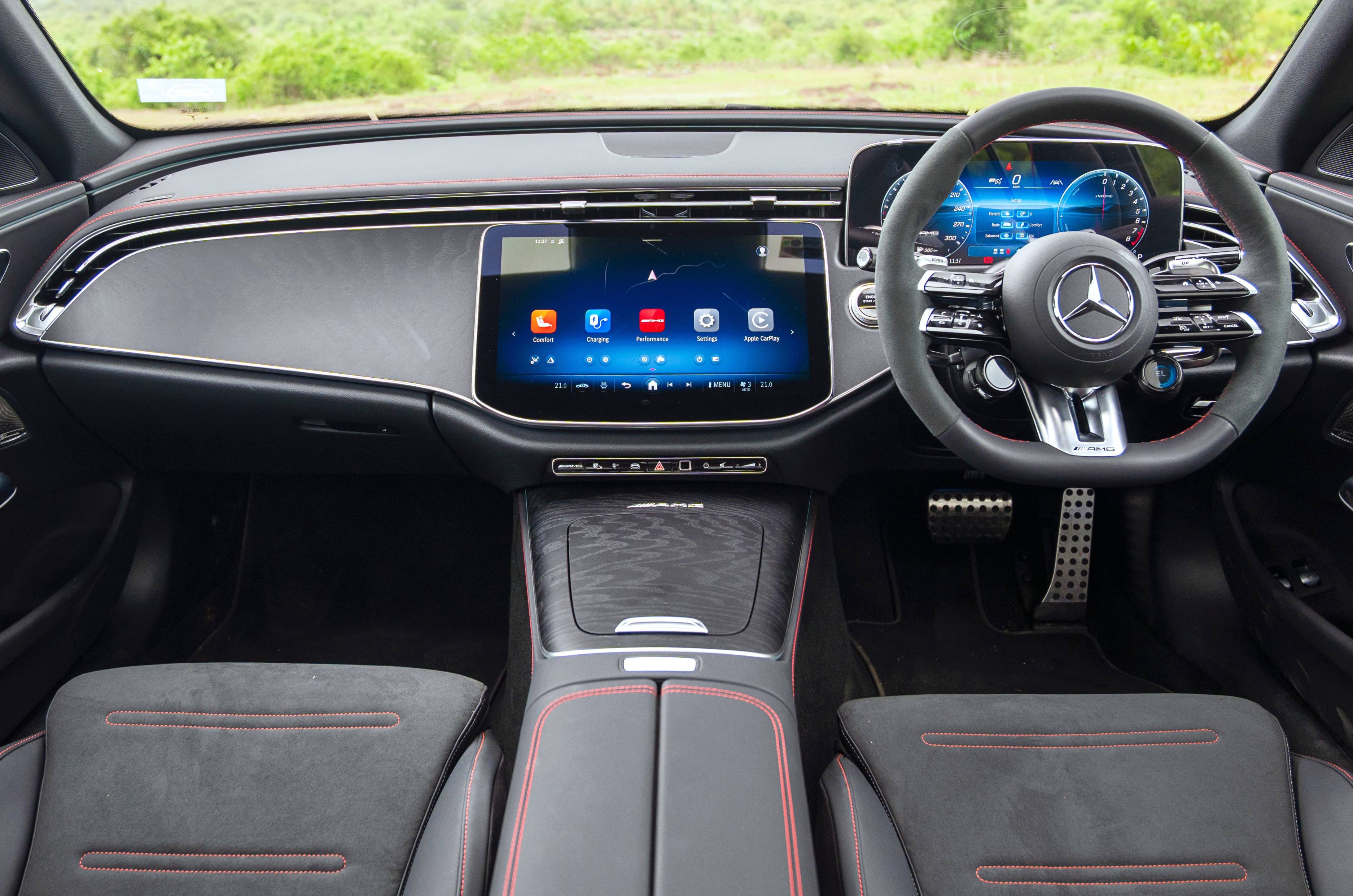
Inside, the E 53 strikes an appealing balance between luxury and sportiness. Instead of carbon-fibre or piano-black trim, Mercedes has used open-pore wood that feels rich and tactile. A large central MBUX touchscreen dominates the dashboard, while the passenger display found on the standard E is absent – not particularly bothersome given how good the main screen is.

Red and black upholstery looks racy while open pore wood adds luxe factor

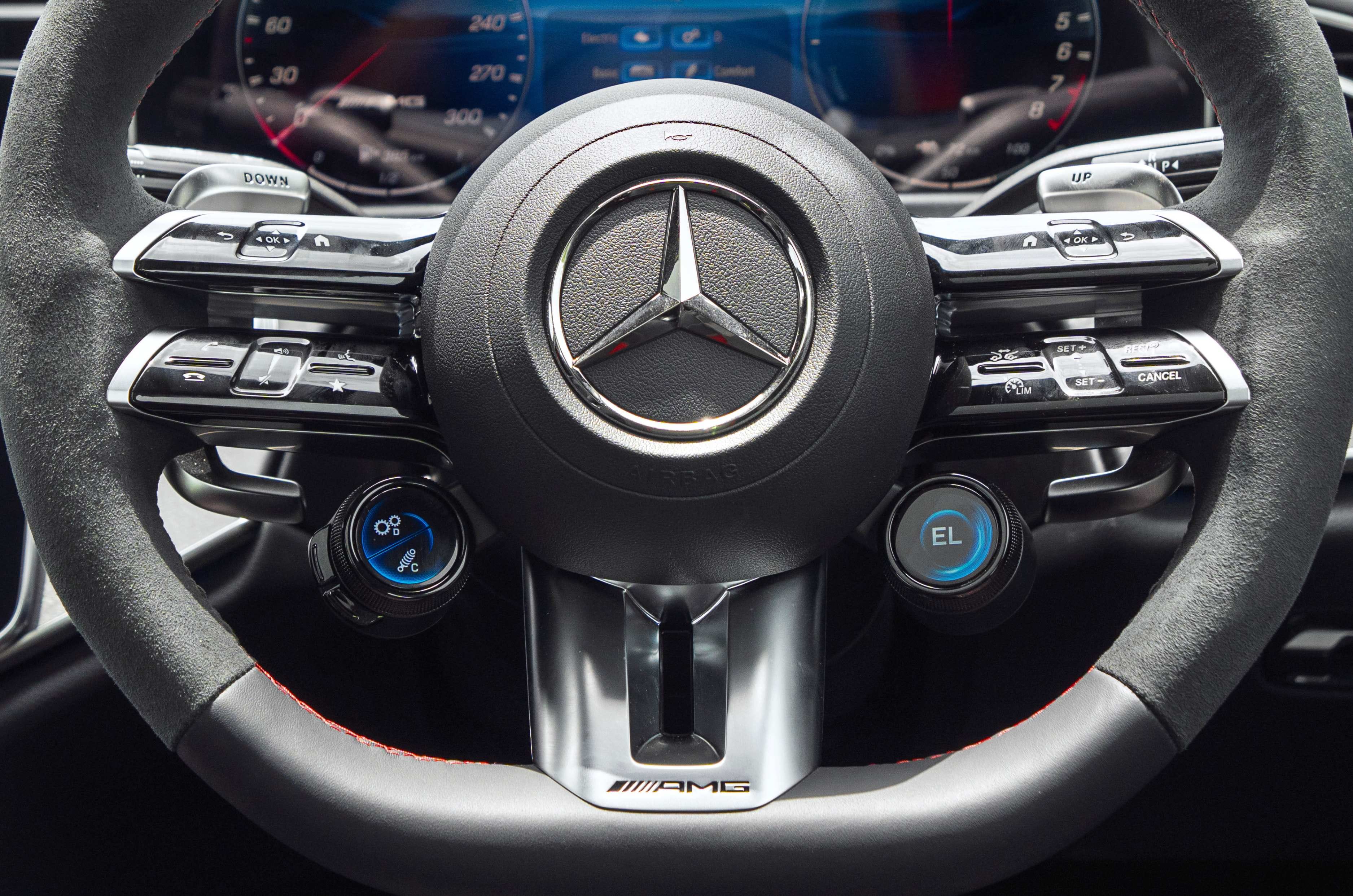
The AMG sports seats offer plenty of support and adjustment, although ventilated and massage functions are missing. Likewise, the chunky AMG steering wheel feels superb in hand but is cluttered with touch-sensitive controls that remain frustrating to use.

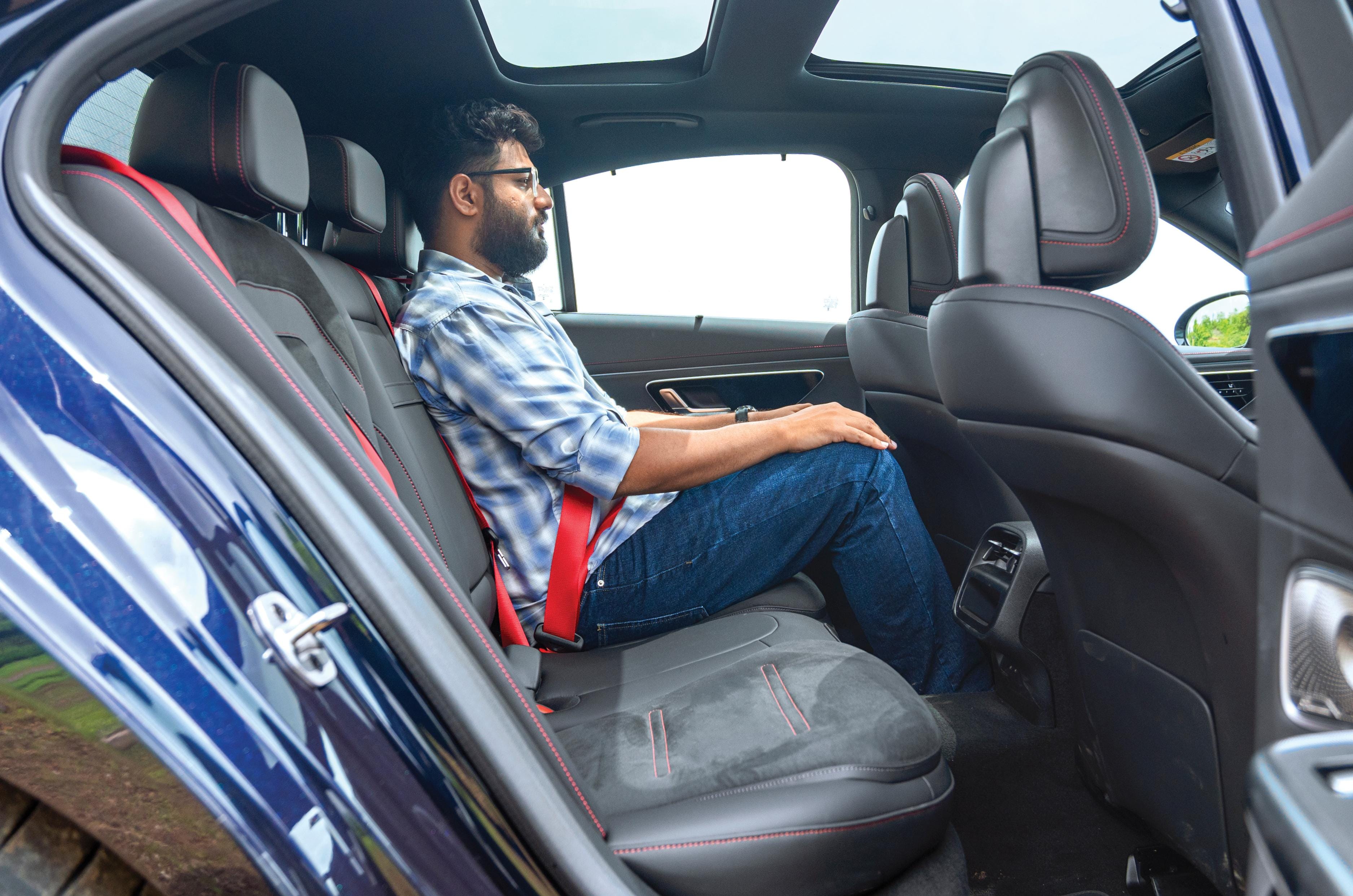
Rear-seat space is naturally tighter than the long-wheelbase E-Class, but there’s still enough room for two adults to travel comfortably. Manual sunblinds and a panoramic sunroof add to the ambience, although the large transmission tunnel makes this a strict four-seater.

There’s good space in the rear despite this not being a long wheelbase

The boot, however, sees the biggest compromise. At 370 litres, it’s 170 litres smaller than the standard E-Class because the battery sits beneath the floor. There’s no spare wheel either, with its space instead occupied by the charging cable and puncture repair kit.

Mercedes-AMG E53 Features and Safety

The E 53 is a well-equipped sedan despite missing features such as ventilated seats. The centre screen is the brains of the operation and, unfortunately, many of the controls are routed through it, making them difficult to operate on the move.

We’ve praised the MBUX infotainment system for its clear interface and high-resolution display, but usability isn’t its strongest suit. The large screen makes it difficult to accurately select the desired function while driving.

Too many controls on the steering is distracting

The E 53 gets a comprehensive suite of driver assistance systems, including Lane Keep Assist, Automatic Emergency Braking, Rear Cross Traffic Alert and Blind Spot Monitoring. Thankfully, these systems can also be switched off manually if required.

The 360-degree camera is crisp and high-resolution, while the 17-speaker Burmester 4D audio system delivers an exceptional listening experience. As impressive as the sound system is, however, it ultimately plays second fiddle to the performance on offer.

Mercedes-AMG E53 Performance and Refinement

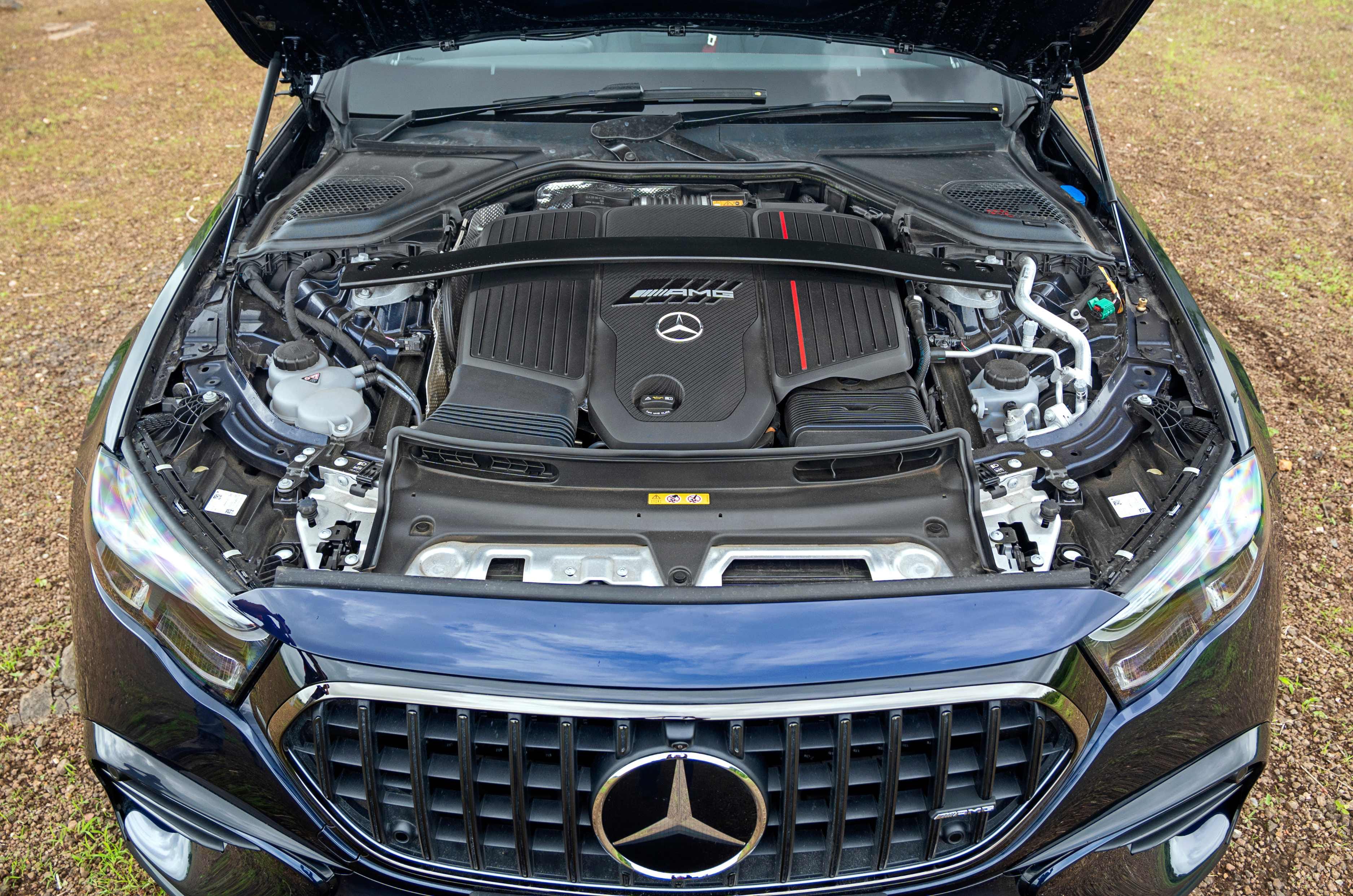
Like before, the new E 53 is powered by a 3.0-litre turbo-petrol straight-six engine. This time, however, it gets support from a 28.6kWh battery pack and an electric motor, taking the combined output to 585hp and 750Nm.

585hp six-cylinder engine makes 150hp more than before

Unlike the bigger PHEV AMGs, the E 53 isn’t an ‘E PERFORMANCE’ model, which means the electric motor is mounted within the gearbox housing rather than integrated into the rear axle. Power is sent to all four wheels via the familiar 9-speed automatic transmission, and the E 53 gets a host of drive modes that are noticeably different from one another.

‘Individual’ lets you tailor the engine, gearbox and suspension to your liking. ‘Battery Hold’ prevents the car from using the battery charge, saving it for when you truly need it. ‘EL’ is the full-electric mode, provided there’s sufficient charge in the battery. ‘Comfort’ offers a more relaxed setup, ‘Sport’ sharpens the responses, and ‘Sport+’ is the most aggressive setting.

Naturally, Sport+ is the mode you’ll spend most of your time in if you want the E 53 to feel like a proper AMG. The exhaust note, the urgency of the power delivery and the firmer suspension all come together beautifully. With the engine and electric motor working at full tilt, straight-line performance is genuinely rapid. Acceleration is smooth yet thrilling, as the engine piles on speed rapidly without the neck-snapping brutality of a powerful EV. Power delivery is strong and linear across the rev range, and the gearbox complements the aggressive character of Sport+ perfectly. 0-100kph takes just 4 secs with the ‘Race Start’ which is essentially launch control included in the AMG Dynamic Plus package as power jumps up to 612hp.

For greater driver involvement, you can also engage ‘M’ mode, which gives you full manual control of the gearbox. It will happily bounce off the limiter without automatically upshifting until you pull a paddle.

The exhaust note is a bit of a mixed bag. It’s genuine, but it’s also channelled into the cabin through the speakers and a subwoofer in the boot. It’s not the ideal solution because, outside the car, the engine and exhaust produce a genuinely enjoyable snarl. Still, in an era of synthesised, computer-generated soundtracks, a real exhaust note—even if it’s amplified through the speakers—is worth appreciation.

Switch to Comfort mode and the E 53 adopts an entirely different character. It’s calm, refined and smooth, with gentler power delivery that’s well suited to long-distance cruising.

Where the powertrain disappoints is in city traffic and slow stop-start driving. The gearbox is simply too eager and, even in Comfort mode, it feels a bit like walking an overexcited Rottweiler. It’s constantly trying to surge forward and grab the next gear before you’ve asked it to. The constant shuffling through the lower gears results in unnecessary jerks that spoil the experience.

The solution is to engage EL mode. It’s almost as if it was designed specifically for this scenario. In EL, the E 53 feels smooth and effortless. There’s very little noise apart from the drone generated by the Michelin Pilot Sport 4S tyres, which can be quite rumbly, especially on concrete surfaces.

Braking is less convincing, however. Despite massive 390mm front discs and regenerative braking, the pedal never delivers a natural or consistent feel. Stopping power is strong, but the spongy, inconsistent pedal detracts from an otherwise polished driving experience.

Mercedes-AMG E53 Mileage and Efficiency

One of the biggest talking points of the new E 53 isn’t its staggering performance, but the fact that it can deliver it without constantly visiting a fuel station. This plug-in hybrid marks a significant shift in AMG’s philosophy, combining electrification with a silky-smooth six-cylinder engine to create a performance sedan that’s as comfortable commuting as it is attacking a mountain road.

Charging via an 11kW AC charger will replenish the battery in 2.25 hrs; No DC charging option

The headline figure is a claimed electric-only range of up to 100km, courtesy a 28.6kWh battery pack. You can expect 75-90km on electric power alone making it entirely possible to complete daily urban commutes without firing up the engine. 

Once the battery begins to deplete, the turbocharged 3.0-litre inline-six takes centre stage. Even then, the hybrid system continues to contribute through regenerative braking and electric assistance, ensuring the E 53 feels responsive while reducing fuel consumption compared to a conventional performance sedan. Mercedes has also equipped the car with four regenerative braking modes, allowing drivers to maximise energy recovery or opt for a more natural driving experience. For owners with access to home or workplace charging, fuel stops could become surprisingly infrequent. Charging is equally convenient, with the 11kW AC onboard charger replenishing the battery in around three hours.

28.6kWh battery allows for an electric-only range of 100km

Mercedes-AMG E53 Ride Comfort and Handling

For those who enjoy being behind the wheel, the E 53 delivers in abundance. Despite carrying the additional weight of a sizable battery pack, it feels remarkably composed. In Sport and Sport+, the car tightens up noticeably. Body roll is kept firmly in check, the dampers become more alert, and the steering gains welcome heft. What impresses most is how well the chassis disguises its mass. The battery may add considerable weight, but it’s mounted low in the car, lowering the centre of gravity and lending the E 53 impressive stability through fast corners.

The rear-biased 4MATIC+ all-wheel-drive system plays a major role here. The rear wheels can turn up to 2.5 degrees, which isn’t a huge amount, as you’ll still find yourself making the occasional three-point turn. Above 60kph, however, they turn in the same direction as the front wheels, adding another layer of stability through corners.

It is over 400kg heavier than the last-gen model but you just can’t feel it from behind the wheel

The Michelin Pilot Sport 4S tyres aren’t the quietest, but they allow the driver to deploy the combined output with confidence, even when exiting slower bends. Turn-in is crisp, and while the steering isn’t overflowing with feedback, it’s accurate enough to place the car confidently on a winding road. 

At low speeds, the adaptive AMG Ride Control suspension does an admirable job of filtering out broken tarmac, expansion joints and sharp-edged potholes. It isn’t perfect, though. Compared with the last-generation E 53, which rode on smaller 19-inch wheels with taller-profile tyres, the new car’s 20-inch wheels have sacrificed a degree of ride compliance. As a result, the low-profile tyres transmit the occasional thud over particularly nasty potholes.

The adaptive dampers mated with the active engine mounts offer terrific stability

Ultimately, the Mercedes-AMG E 53 Hybrid 4MATIC+ isn’t as razor-sharp as a dedicated sports sedan, nor is it as pillowy as the standard E-Class. Instead, it strikes an impressive middle ground, blending everyday comfort with genuine driver engagement. It’s a car that feels just as at home soaking up kilometres on the expressway as it does carving through a series of fast, flowing corners.

Mercedes-AMG E53 Value for Money

Prices start at Rs 1.45 crore for the Performance Edition and Rs 1.48 crore for the Racing Edition. In this price range, there isn’t a direct rival to the E 53. The BMW M5 is both more powerful and considerably more expensive, while the BMW M4 is effectively rivalled by the Mercedes-AMG CLE 53 as a two-door coupe. The Audi RS5, meanwhile, hasn’t been launched in India yet.

The E 53 succeeds because it doesn’t try to be everything at once. It delivers the pace, handling and character expected of an AMG while introducing meaningful electric-only capability that genuinely enhances everyday usability. The brakes may lack the natural feel you’d expect from a performance sedan, and the gearbox can feel over-eager in slow-moving traffic, but these shortcomings do little to overshadow what is otherwise a remarkably accomplished package.

Fast, engaging and surprisingly efficient, the new E53 Hybrid is one of the most complete performance sedans on sale today. More importantly, it proves that electrification doesn’t have to dilute the AMG experience—it can make it even more usable.

Audi Q9, SQ9 exterior image gallery

Audi Q9 front quarter static image

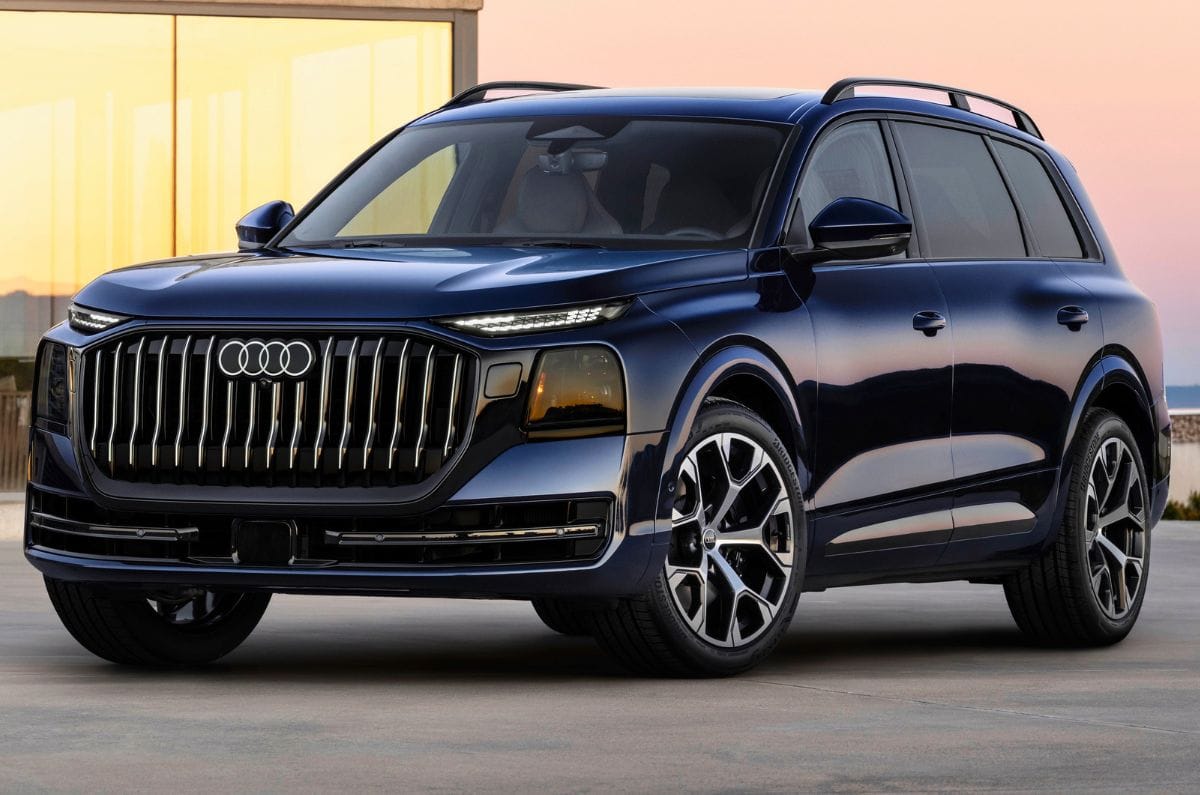
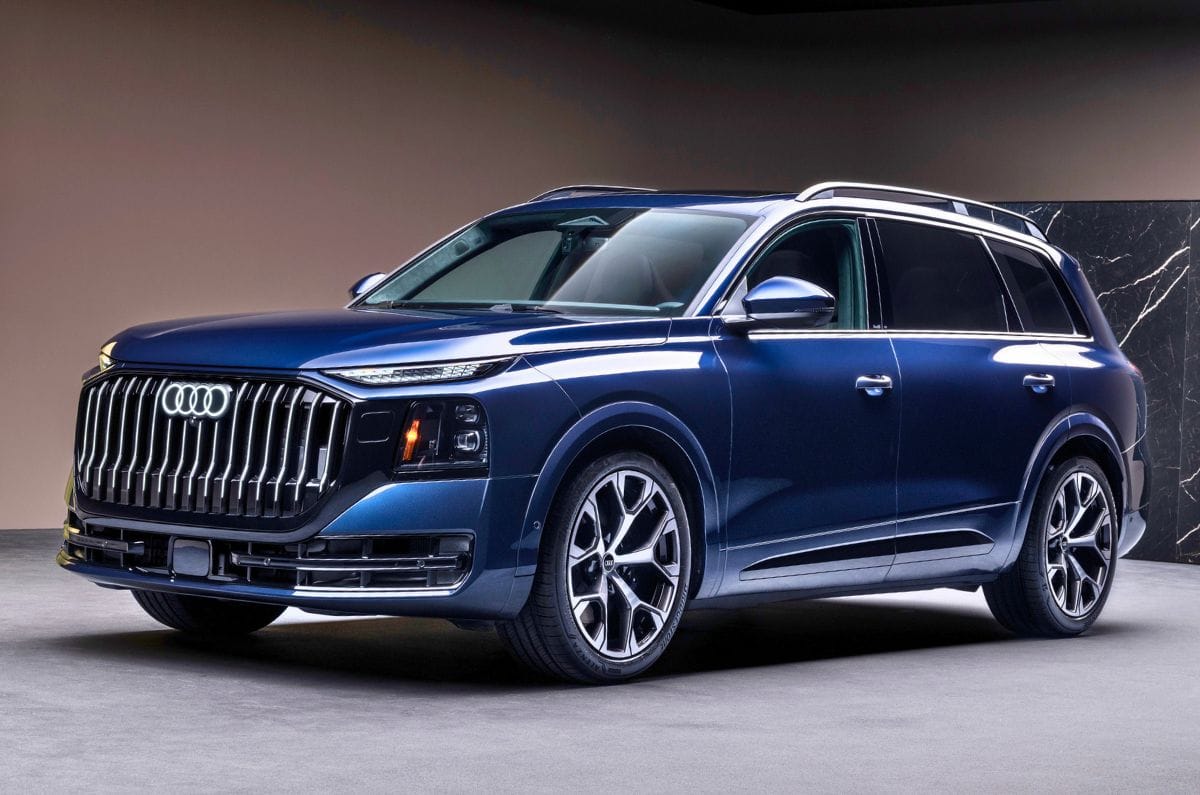
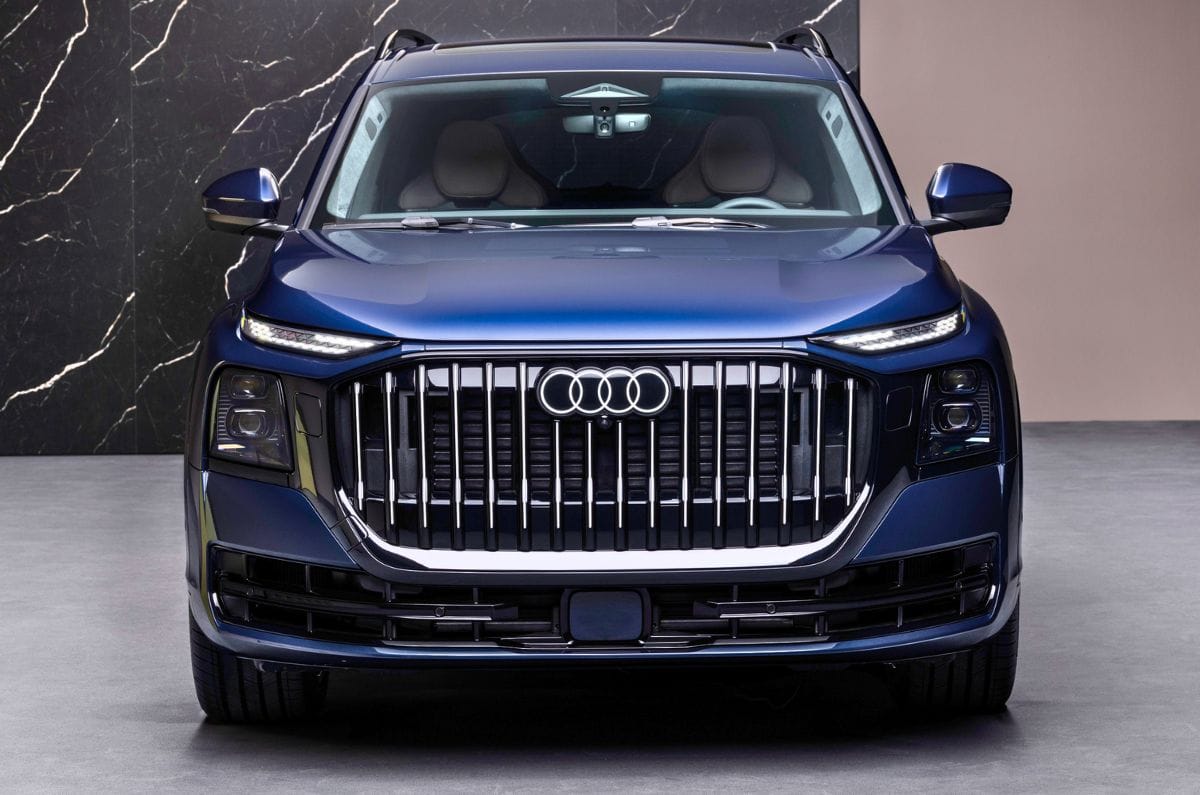
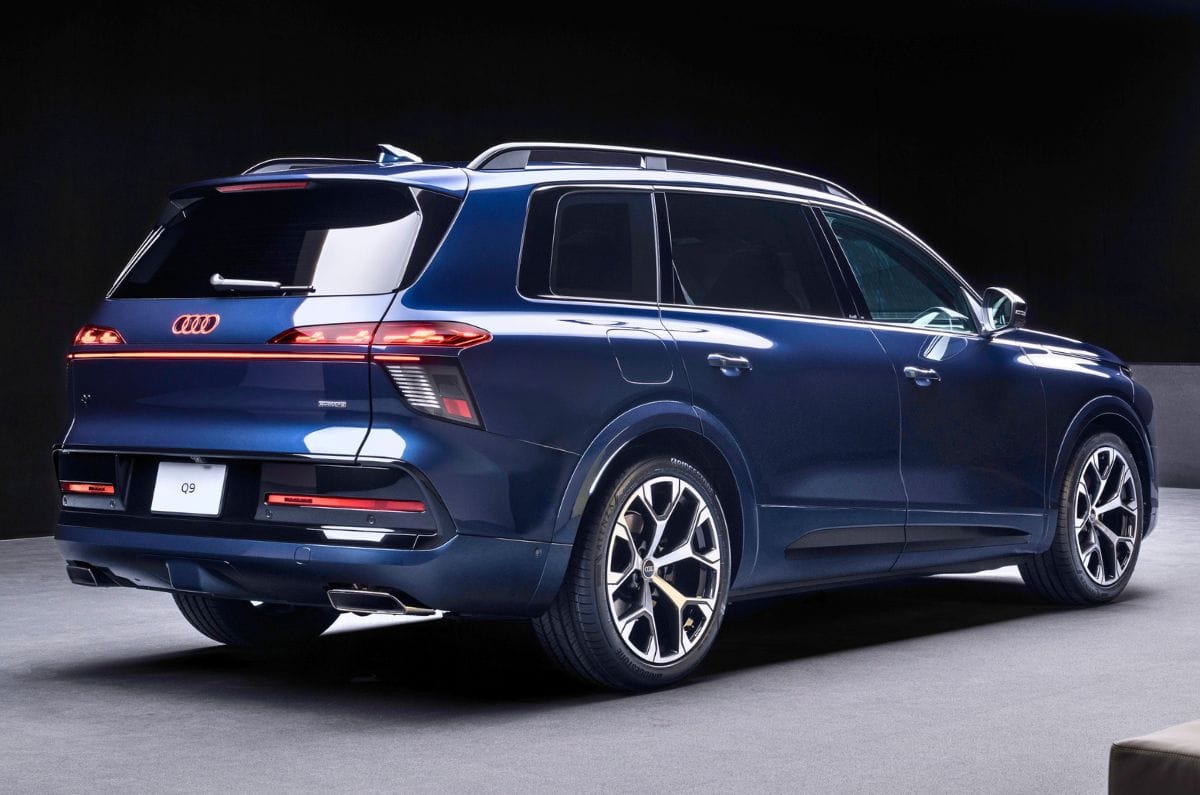
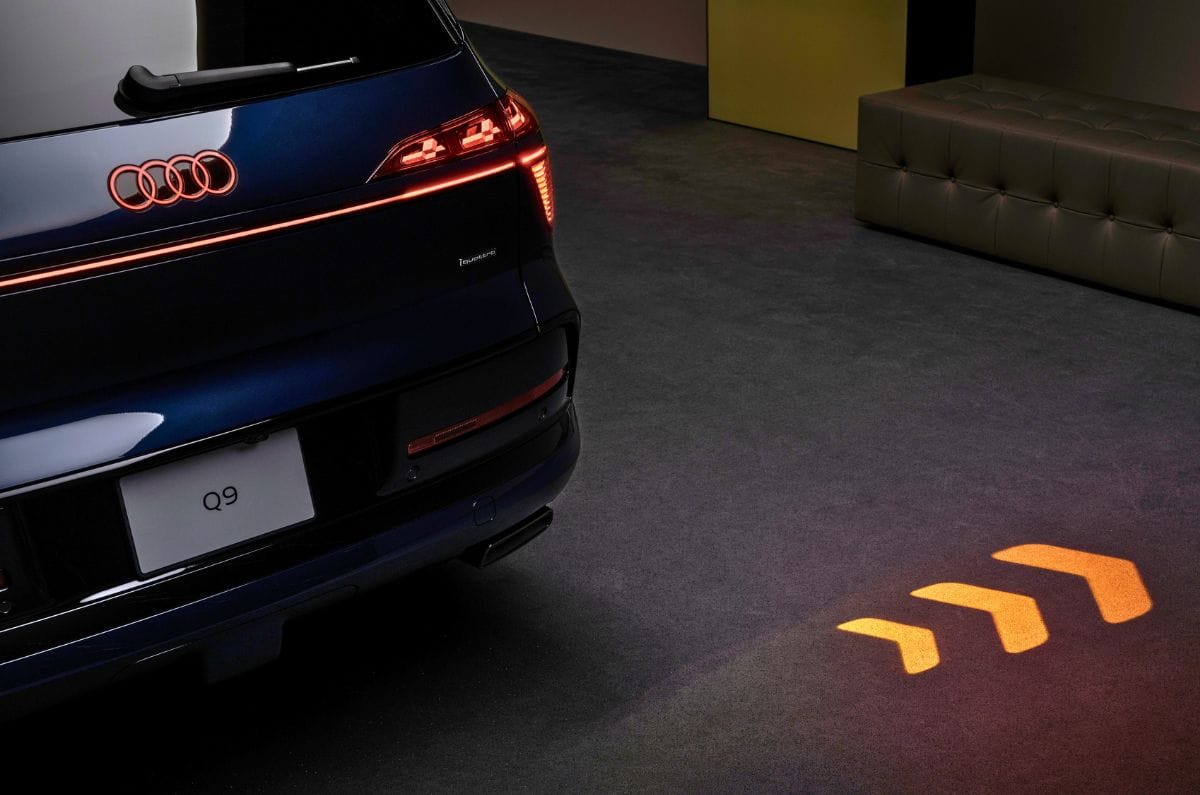
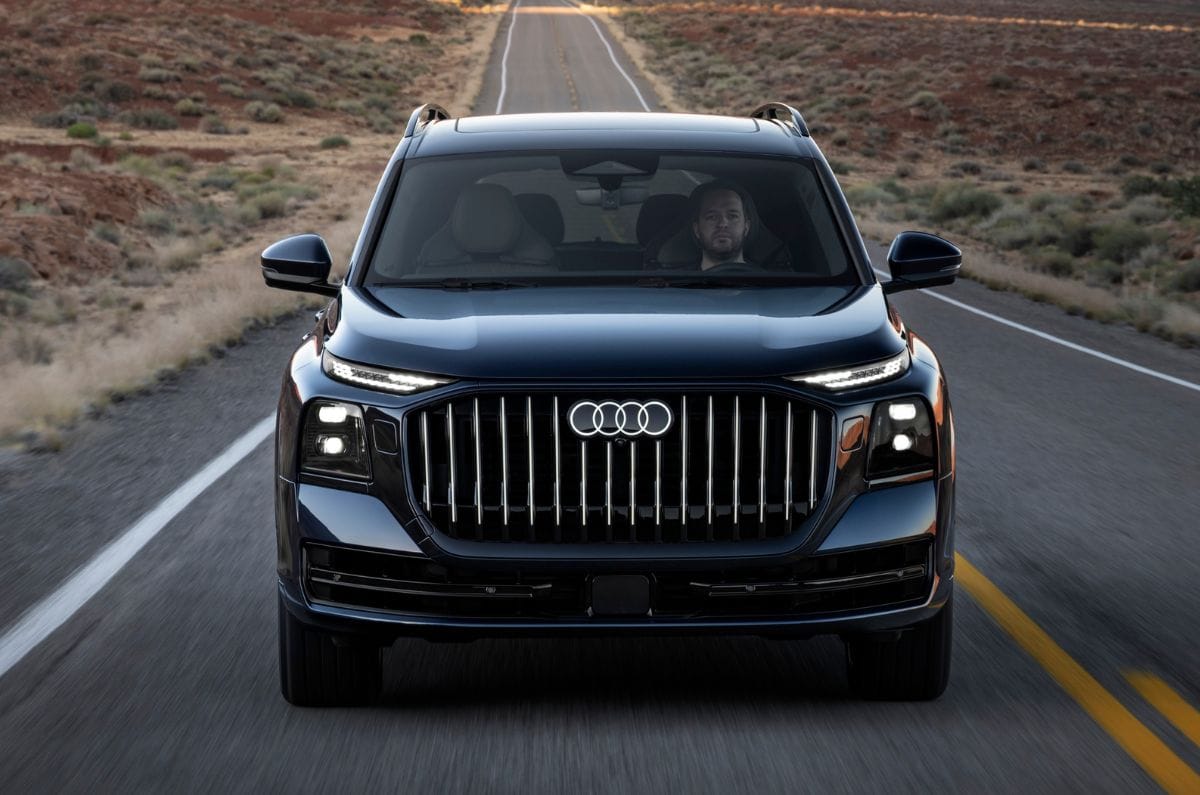
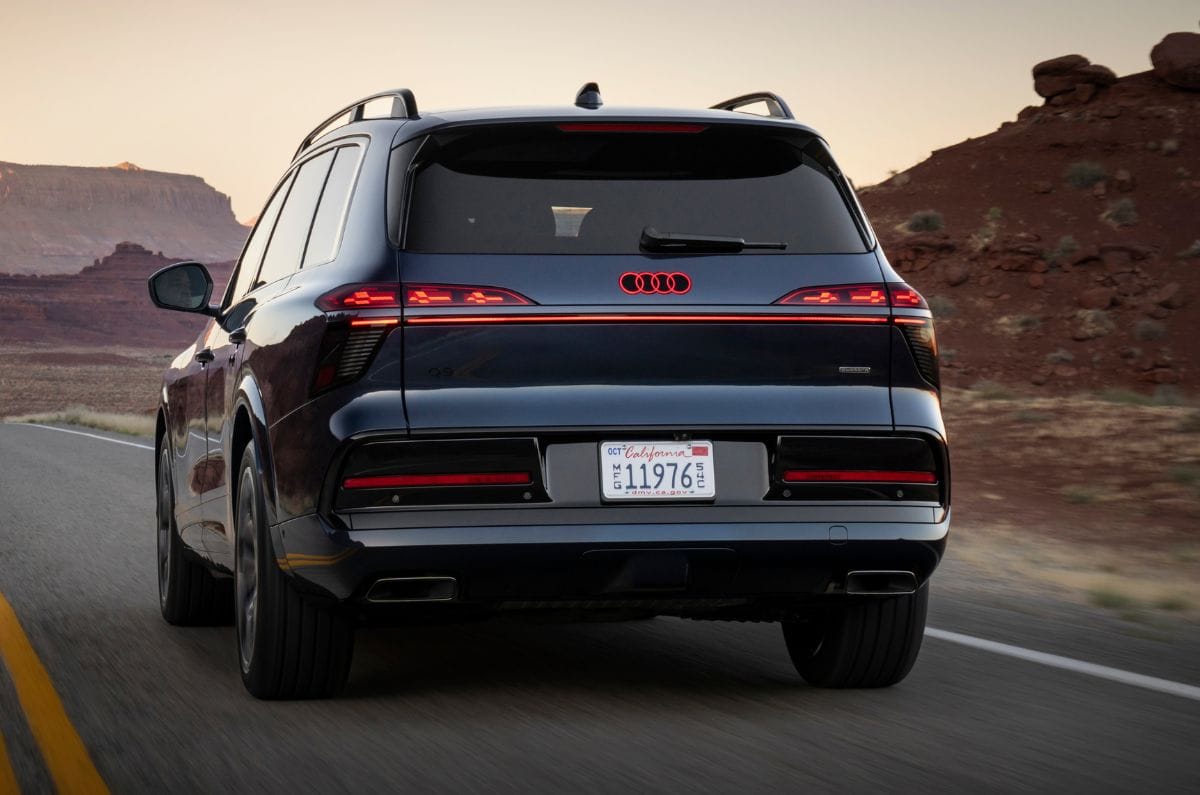
Audi has revealed its new flagship SUV for international markets – the Q9, which sits above the Q7 and Q8 SUVs. With the Q9, Audi has used the ‘9’ number for the first time. The German manufacturer is offering this full-size SUV as a rival to the Mercedes-Benz GLS and BMW X7. The Audi Q9 looks imposing with a huge grille, numerous vertical illuminated slats and an illuminated logo. It gets Digital Matrix LED headlights and curved digital OLED taillights. It is offered with wheel sizes ranging from 20 to 23 inches. A sportier Q9 is also on offer with a more powerful engine and some design changes that make it look more elegant and Audi-like.

Audi debuts Q9 as its new flagship SUV

Audi debuts Q9 as its new flagship SUV

Audi has unveiled the Q9, its new flagship and largest SUV yet, marking the first use of the ‘9’ designation. Positioned above the Q7 as the brand’s second three-row SUV, the Q9 is set to launch in India in the second quarter of 2027 and will be locally assembled in the country. Globally, it is manufactured at Audi’s Bratislava plant in Slovakia. It will compete with the likes of the BMW X7 and Mercedes-Benz GLS.

  1. Offered in three trims globally: Advanced, S Line and SQ9 
  2. Gets Digital Matrix LED headlights, automatic doors, curved digital OLED taillights
  3. Features 7 seats as standard, while a 6-seater option is also offered at extra cost

The Audi Q9 is priced at 108,400 euros (around Rs 1.18 crore before taxes and duties), with international deliveries to commence in November 2026.
Audi Q9 SUV exterior design

Gets a plethora of exterior lighting features for improved safety

Up front, the Audi Q9 features a split-headlight setup with slim LED DRLs and Digital Matrix LED headlights. These incorporate micro-LED modules capable of projecting warning symbols onto the road surface, while the advanced turn signals project directional indicators onto the ground at night to improve visibility for other road users. The front fascia is dominated by a massive grille with illuminated vertical slats, giving it a distinct look compared to other Audi models. It also features an illuminated 2D Audi logo, while the bumper houses large air intakes and a centrally mounted radar sensor for the advanced driver assistance system (ADAS) suite.
In profile, the Audi Q9 adopts a clean and elegant design, with wheel sizes ranging from 20 to 23 inches. The 22- and 23-inch alloys come standard with acoustic foam inserts to reduce tyre noise, while black cladding around the wheel arches adds a rugged touch. The Q9 also features soft-closing automatic doors with collision-detection sensors. Grey brake callipers are standard, while red callipers are available as an option.

Audi is offering the Q9 with curved digital OLED taillights connected by a lighting strip featuring an illuminated Audi logo. The rear bumper’s black centre section and gloss-black surrounds create a bold contrast with the bodywork, while sharp creases and twin exhaust tips add to the SUV’s sporty character.

Here are the dimensions of the Audi Q9 SUV:

New Audi Q9 SUV dimensions

Length

5.31 metres

Width

2.21 metres

Height

1.81 metres

Wheelbase

3.14 metres

In the international market, Audi is selling the Q9 in standard ‘Advanced’, ‘S-Line’ and ‘SQ9’ avatars. 

SQ9 gets a different design for the grille, bumpers and alloy wheels

Compared to the standard Q9, the SQ9 gets a sportier front-end design with a revised grille featuring silver L-shaped inserts that give it a more elegant appearance. The front bumper also features a honeycomb mesh pattern for the air intakes. It rides on a new set of alloy wheels and gets silver trim around the window line and rear quarter glass. At the rear, the overall design remains largely unchanged, but the SQ9 stands out with a silver-accented bumper and quad exhaust tips, with two outlets on either side.

Audi Q9 SUV interior design and features

The SUV offers 7 seats and a triple-screen setup on the dashboard as standard

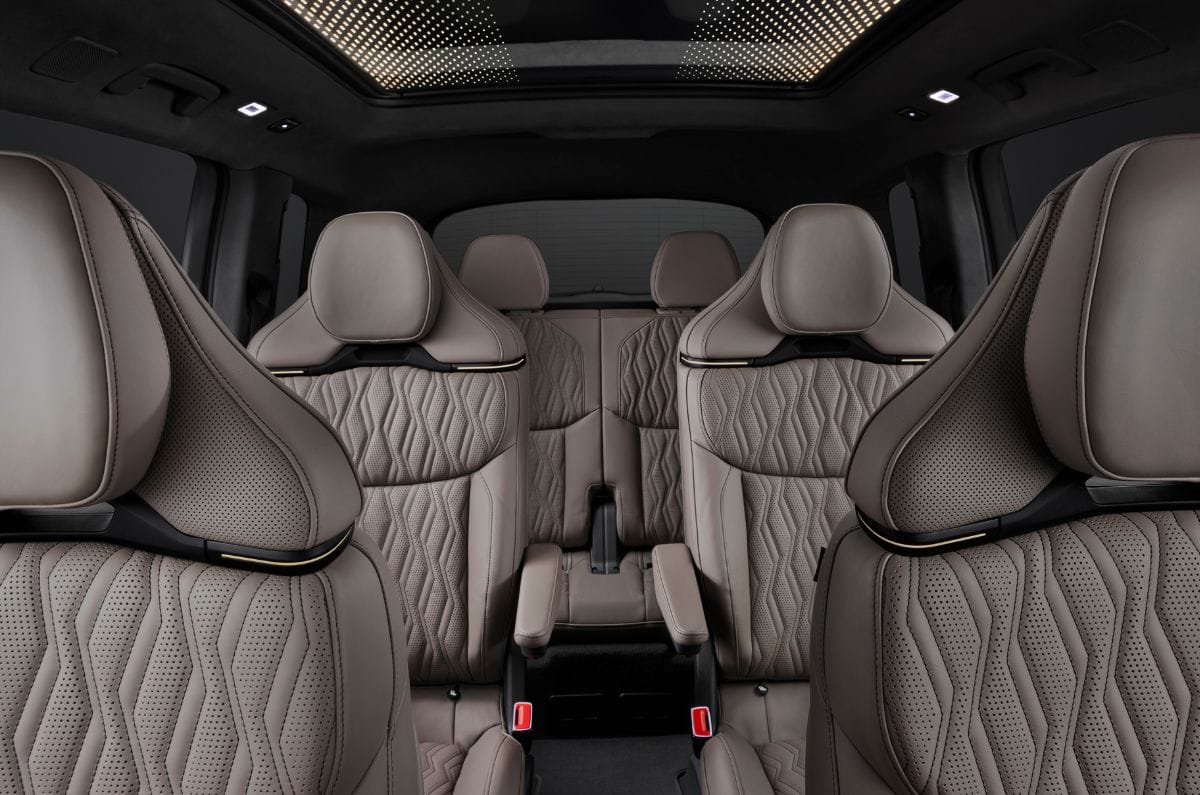
While the debut offers the first look at the Q9’s exterior, Audi had already revealed the interior in May. The Q9 is a three-row SUV offered as a seven-seater as standard, with an optional six-seat layout featuring captain’s chairs in the second row. Sport seats come standard in the front, and all three rows feature power-adjustable seats. The front seats also offer ventilation and massage functions, while the third row can be folded electronically via the infotainment system or controls in the boot.

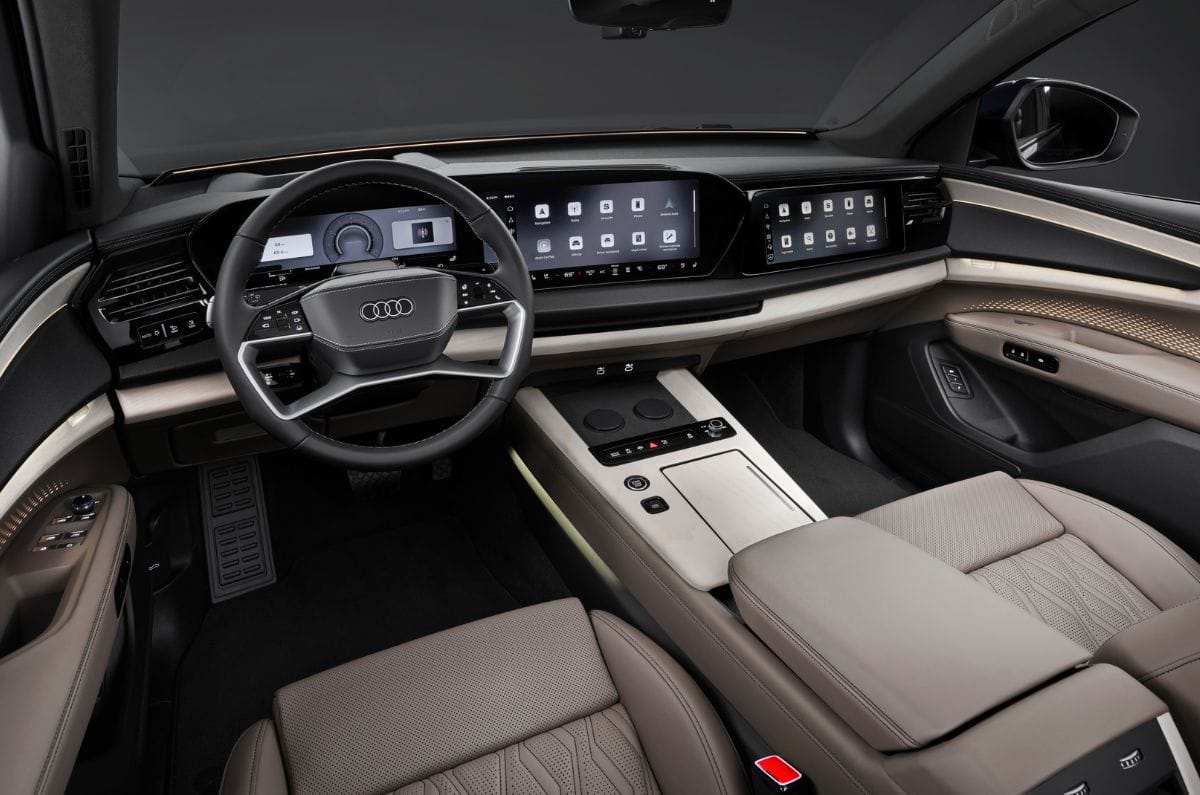
To enhance the cabin’s luxurious appeal, Audi has incorporated extensive wooden trim across the dashboard and centre console. The dashboard features a three-screen layout, comprising a 12.3-inch digital driver’s display, a 14.5-inch driver-oriented infotainment touchscreen, and a 12.3-inch passenger display with a dedicated privacy mode. A new four-spoke steering wheel with a 2D Audi logo sits ahead of the driver, while the infotainment system runs on Android Automotive OS, allowing access to built-in apps without requiring a connected smartphone.

Gets a panoramic sunroof, 22-speaker sound system and Level-2 ADAS

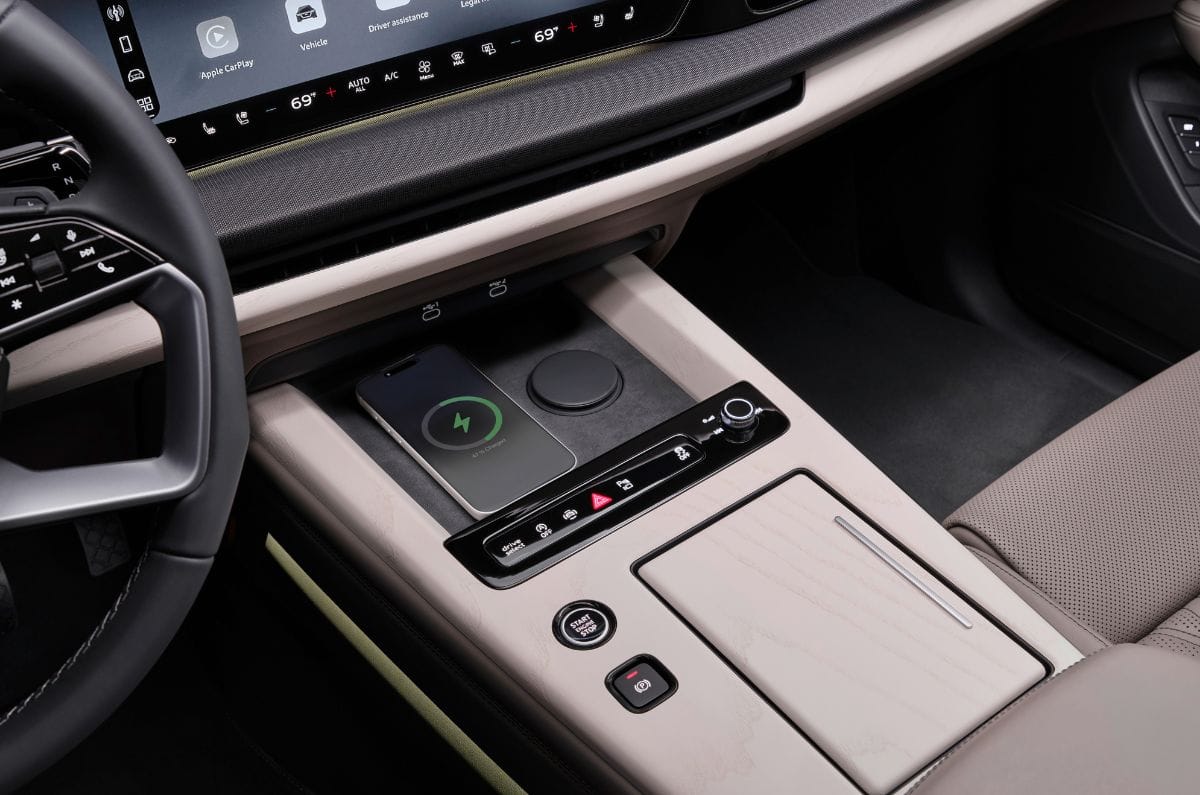
The Q9 also comes equipped with Audi’s largest panoramic sunroof to date, a 22-speaker Bang & Olufsen 4D sound system with front-seat headrest speakers and actuators, dual wireless phone chargers, and USB Type-C charging ports for all three rows. Optional features include heated door and centre armrests, along with a panoramic sunroof that offers switchable transparency and illuminated elements that sync with the ambient lighting.

On the safety front, the Q9 is equipped with a Level 2 advanced driver assistance system (ADAS), a 360-degree camera, automated parking assist, and front and rear parking sensors. It also features Adaptive Driving Assistant Plus, which enables partial automated driving on approved highways and Autobahn sections at speeds of up to 130kph. Audi says this is a first for any model in its lineup.

The SQ9 is offered with a different cabin theme and carbonfibre trims

Compared to the standard Q9’s beige and black interior theme, the SQ9 gets a sportier black-and-white cabin theme along with a three-spoke steering wheel featuring an ‘S’ badge. The wood trim is replaced with carbon fibre elements, further enhancing its performance-oriented character.

Audi Q9 SUV powertrain options

Offered with a 3L V6 diesel engine with standard Quattro system

While manufacturers are shying away from diesel engines, Audi is offering the Q9 in the German market with a 3.0-litre V6 diesel engine that produces 299hp and 630Nm. It is offered with an 8-speed Tiptronic automatic transmission and ‘Quattro’ all-wheel-drive (AWD) setup. This engine is paired with a mild-hybrid system, offering 24hp of additional power for “powerful starts and highly efficient driving”.

A detuned version producing 245hp and 500Nm, mated to the same Tiptronic transmission, ‘Quattro’ AWD and mild-hybrid system, will be offered in the European market.

Audi is offering the Q9 SUV with adaptive air suspension as standard. While this suspension system automatically adjusts based on the speed, load and driving conditions, it can be manually adjusted by up to 90mm via the drive select menu. The Q9 also features all-wheel steering to increase manoeuvrability at low speeds and improve stability as the speeds increase. For optimal stopping power, it gets lightweight composite disc brakes at both ends, with 400mm discs at the front and 350mm units at the rear.