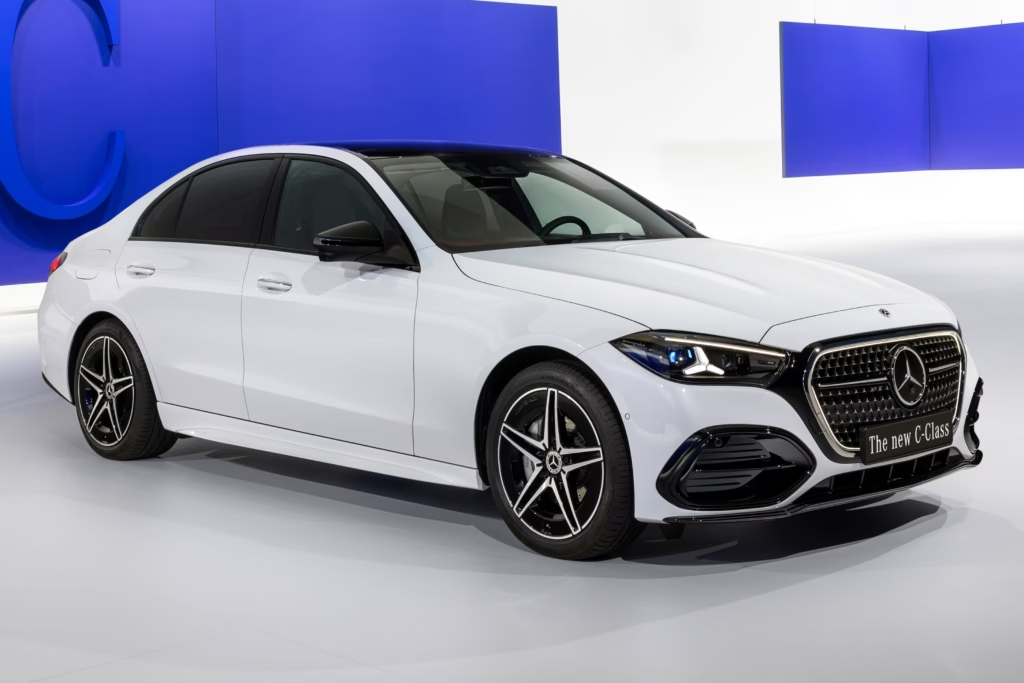
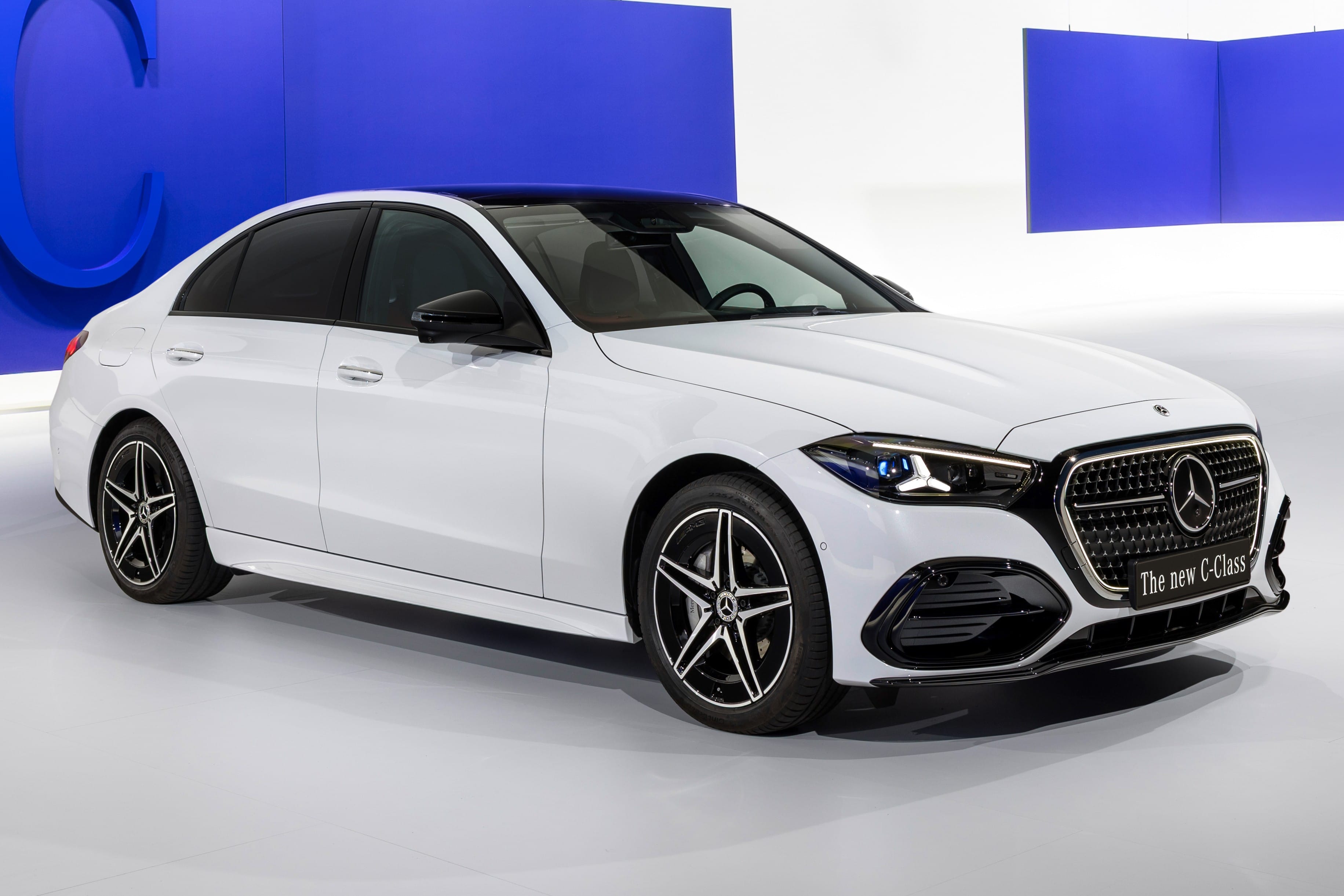
Mercedes-Benz has introduced a thorough facelift for the C-Class sedan for 2026 and beyond. As part of the update, the C-Class features significantly revised styling inspired by the likes of the larger S-Class, a longer list of features, and an upgraded set of petrol, diesel, and plug-in hybrid powertrains. Prices for the 2026 Mercedes-Benz C-Class start at 41,045 euros (Rs 45.43 lakh) in Germany.
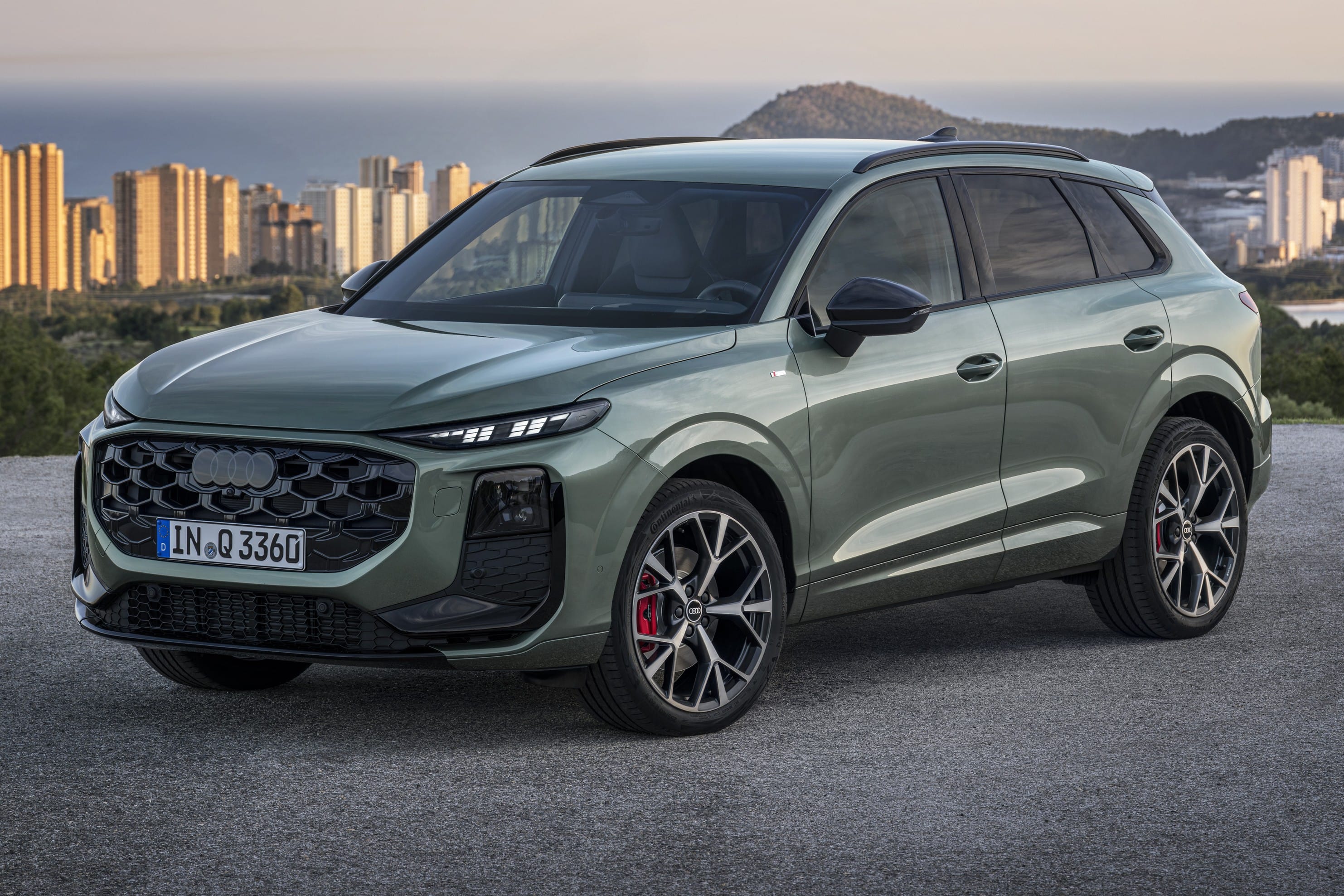
Next-gen Q3 will have an all-new aggressive exterior design.
Likely to continue with the previous-gen’s 2.0-litre turbo-petrol engine with AWD.
Expected to be priced at Rs 60 lakh ex-showroom.
Next-generation Audi Q3: What to expect?
Global-spec Q3 used for reference.
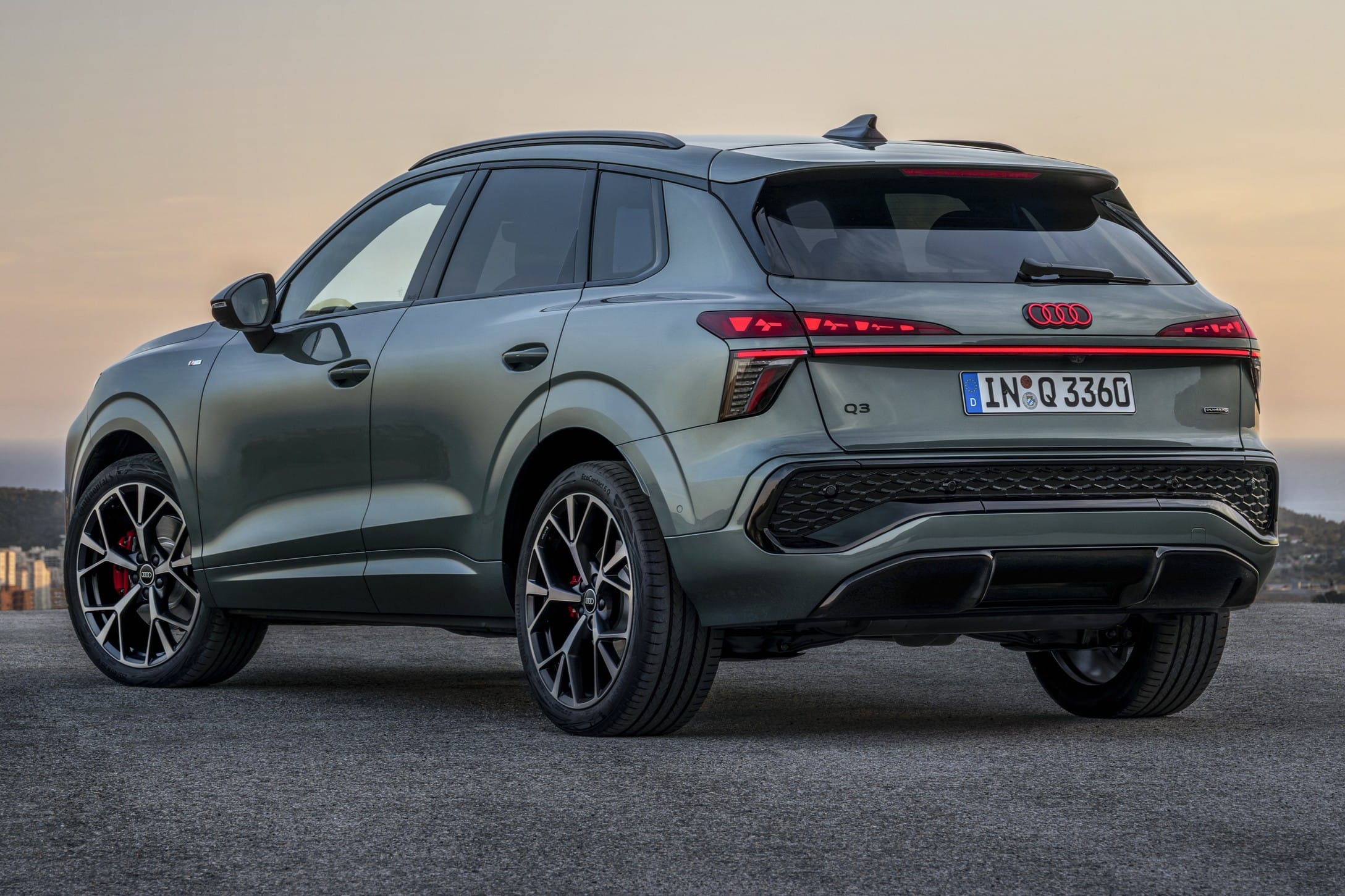
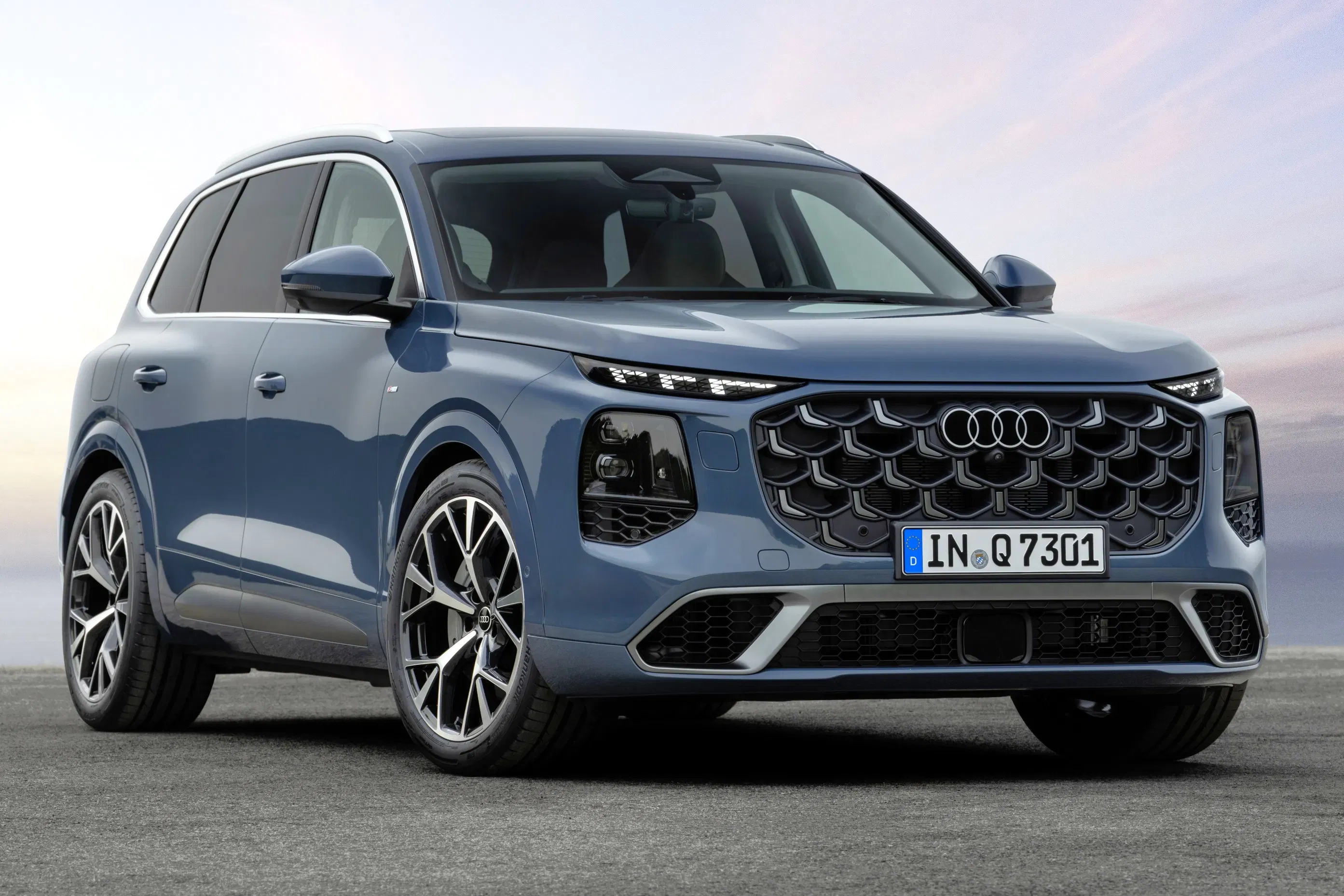
The next-gen Q3 will have an all-new exterior design that’s more aggressive than its predecessor. For reference, the global-spec version’s front end ditches the traditional headlamp design for a split setup. At the same time, the grille is larger and sports a hexagonal pattern with the 2D Audi badge. The sides are replete with moulding for the wheel arches and lower sides of the doors, and a subtle character line on the rear fender. While the global-spec version has wheel sizes ranging from 17 to 20 inches, the India-spec model is expected to have 18-inch ones. Like the front, the rear features a split-lamp design, comprising a connected LED strip and the main units above it, with an illuminated Audi badge.
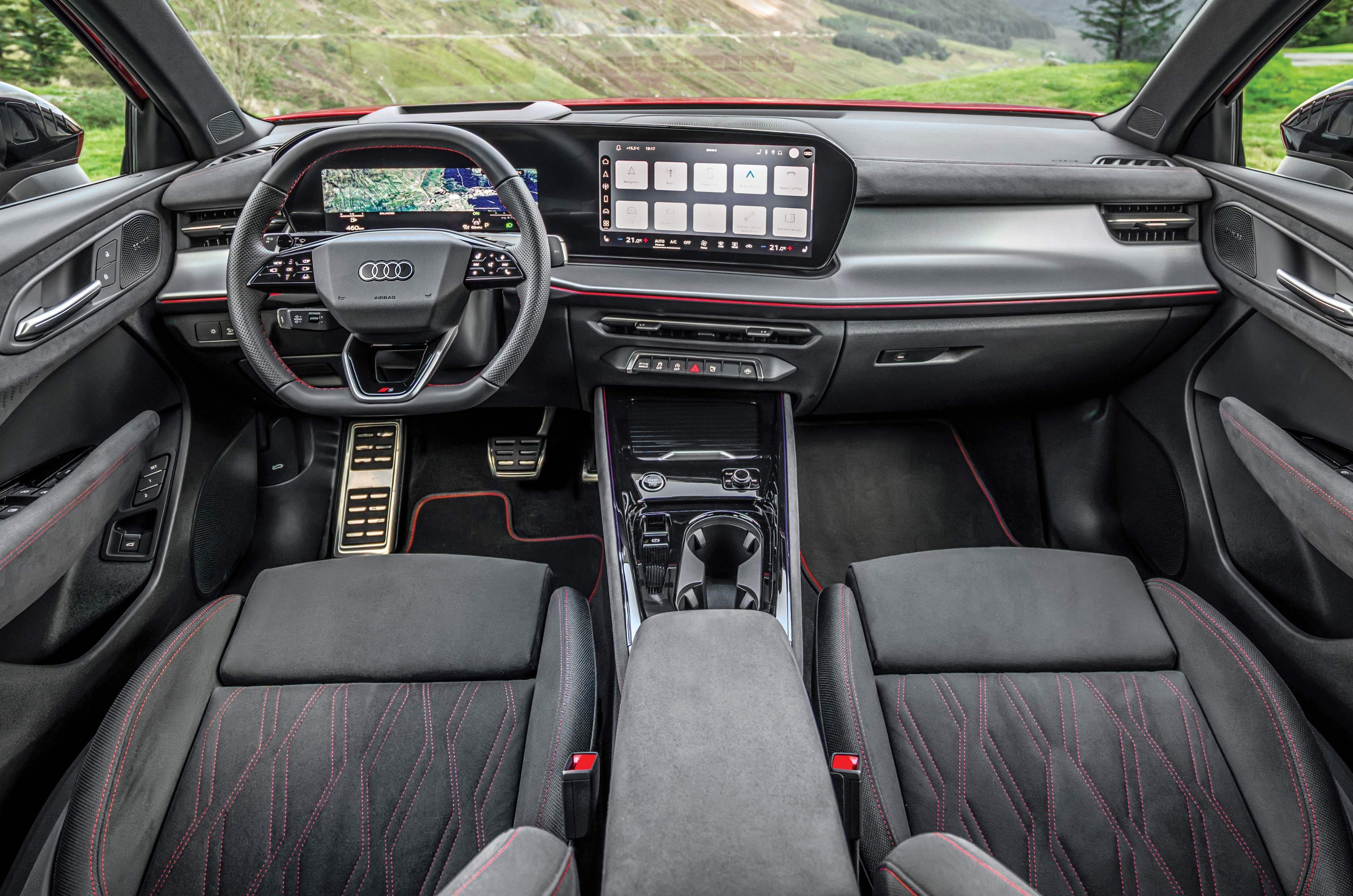
On the inside, the next-gen Q3 will have a revamped look with a tech-laden cabin. Dominating the dashboard is an 11.9-inch digital driver’s display and a 12.8-inch infotainment screen. You get a new three-spoke steering wheel, which sports a unique column-mounted stalk setup for light and wiper controls, while the layered dashboard is angled slightly toward the driver. Expect features like wireless Apple CarPlay and Android Auto, a panoramic sunroof, powered and ventilated front seats, a 360-degree camera and level 2 ADAS to be onboard.
As far as powertrains are concerned, the India-spec Audi Q3 is expected to continue with the predecessor’s 2.0-litre direct-injection turbo-petrol engine, which produces 204hp and 320Nm of torque. It is mated to a 7-speed DCT gearbox, sending power to all wheels with Audi’s Quattro AWD system.
With the generational update, Audi is likely to price the new Q3 from Rs 60 lakh. It will continue to take on the likes of rivals such as the Mercedes-Benz GLA and the BMW X1.
It’s all too easy to start every review of the Mini Countryman with some variation of the phrase ‘the Mini that’s not so mini’, because that’s always been true. The SUV of the Mini range, by definition, is always going to fit that description; the difference this time is that Mini itself is onboard with the idea. Where previously it was always marketed as a Mini first and an SUV second, this time the script has been flipped. No longer content with being a niche offering for the fashion forward, they want this to be your family car, or more specifically your first luxury SUV. You’ll see how the vehicle attempts to achieve that in the paragraphs ahead, but the intent is clear with the price of this locally assembled third-generation ‘U25’ Countryman C, which at Rs 47 lakh (ex-showroom), is bang on par with ‘conventional’ entry luxury SUVs, like the Mercedes-Benz GLA, Audi Q3 and even its own cousin, the BMW X1.
2026 Mini Countryman C Exterior Design and Engineering – 9/10
Clearly prioritises practicality more this time, but retains that Mini charm.
Looks sharper, boxier and visibly larger than before.
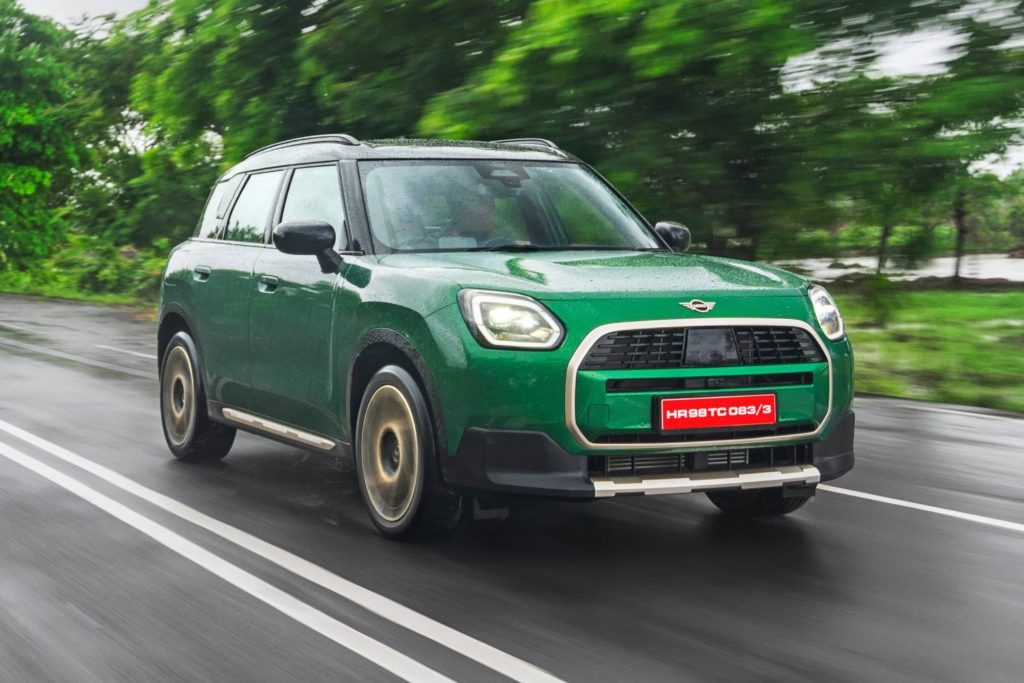
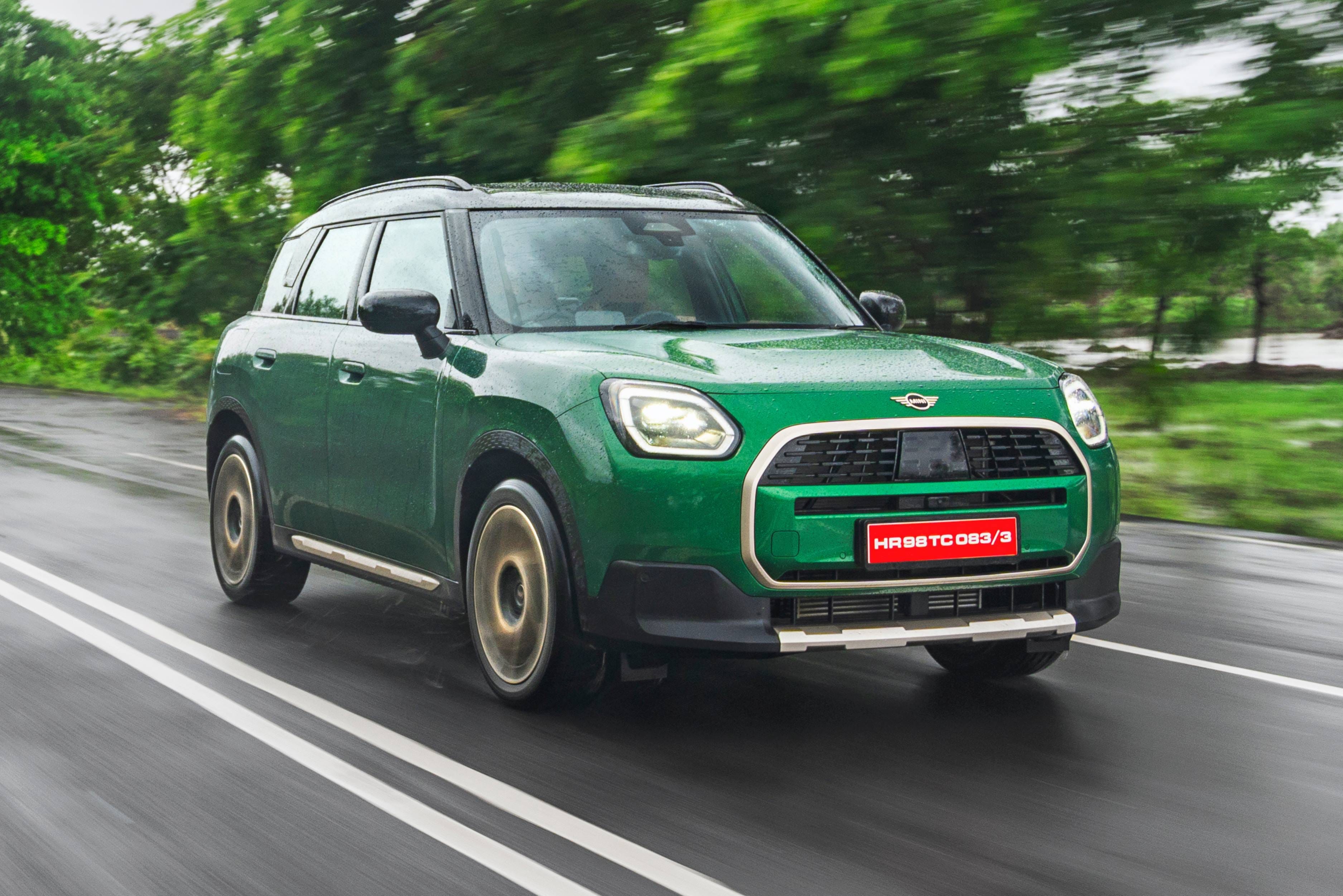
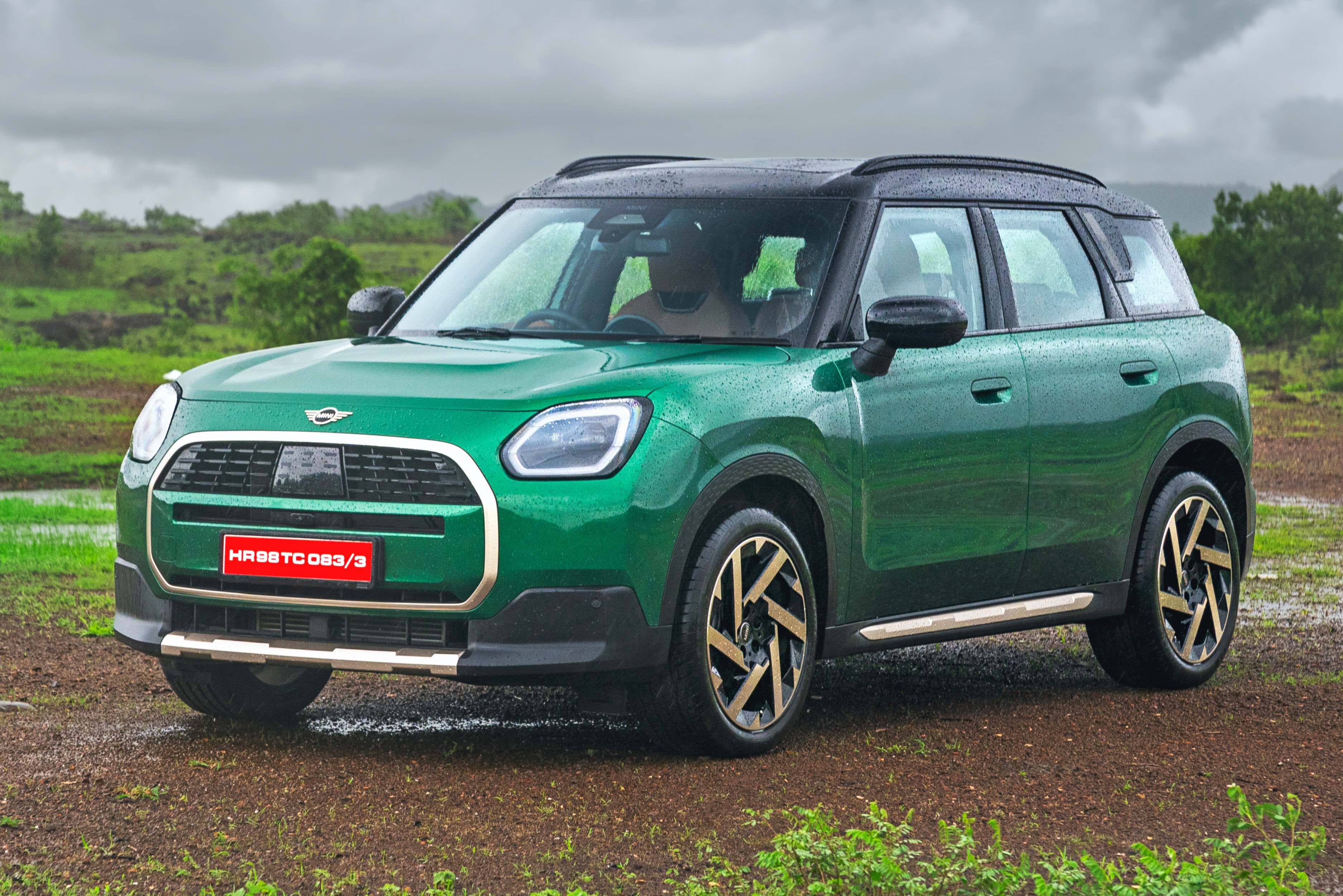
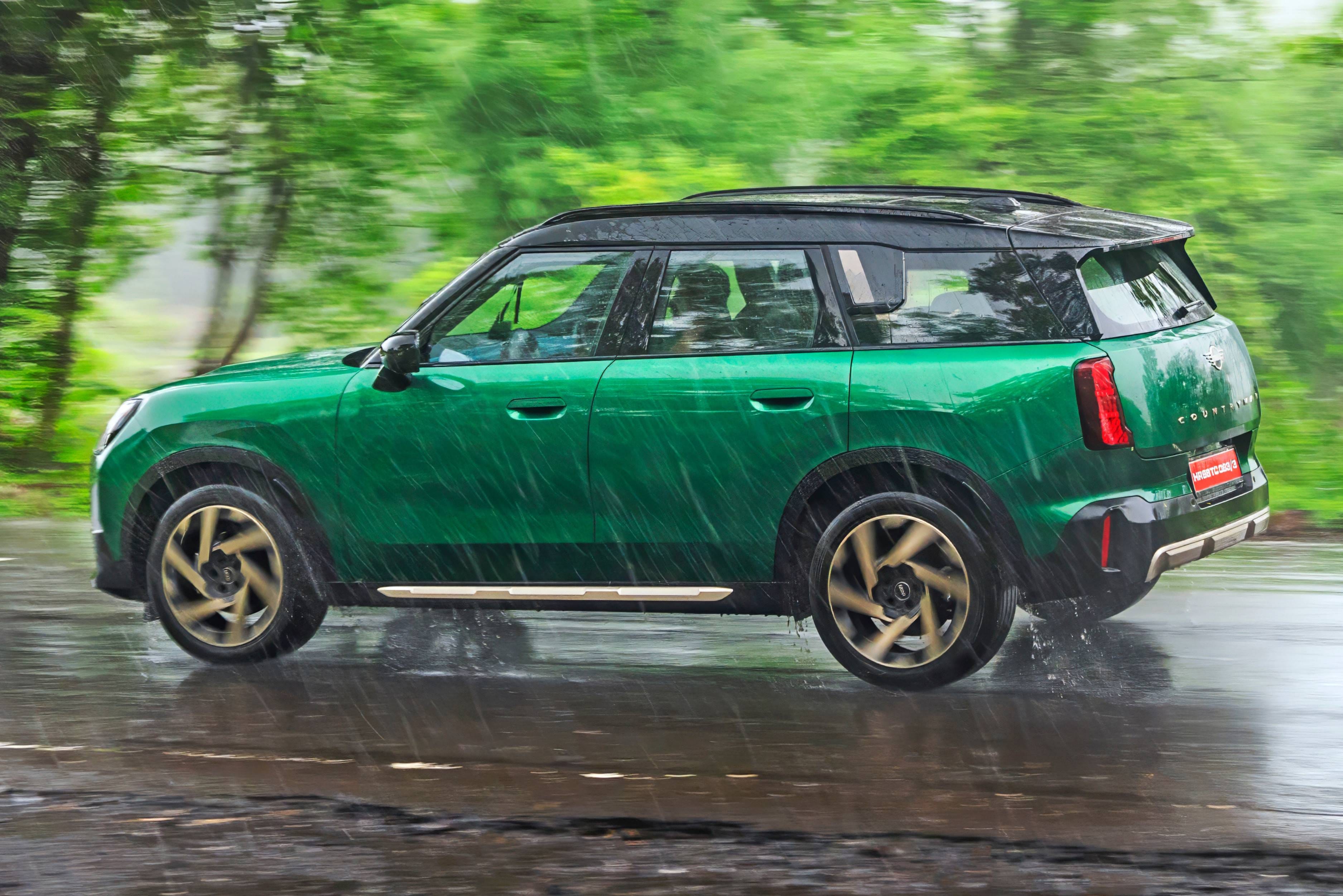
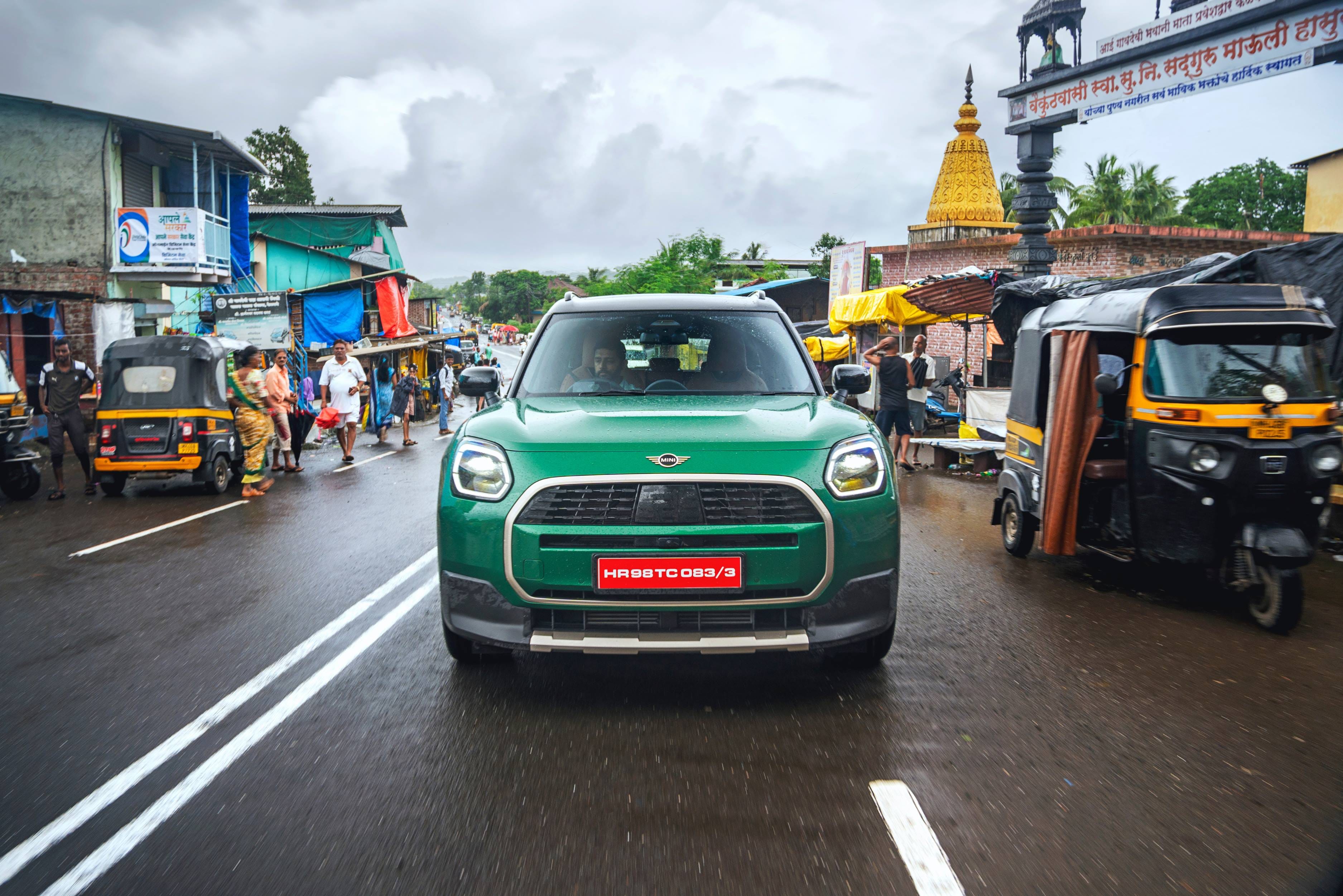
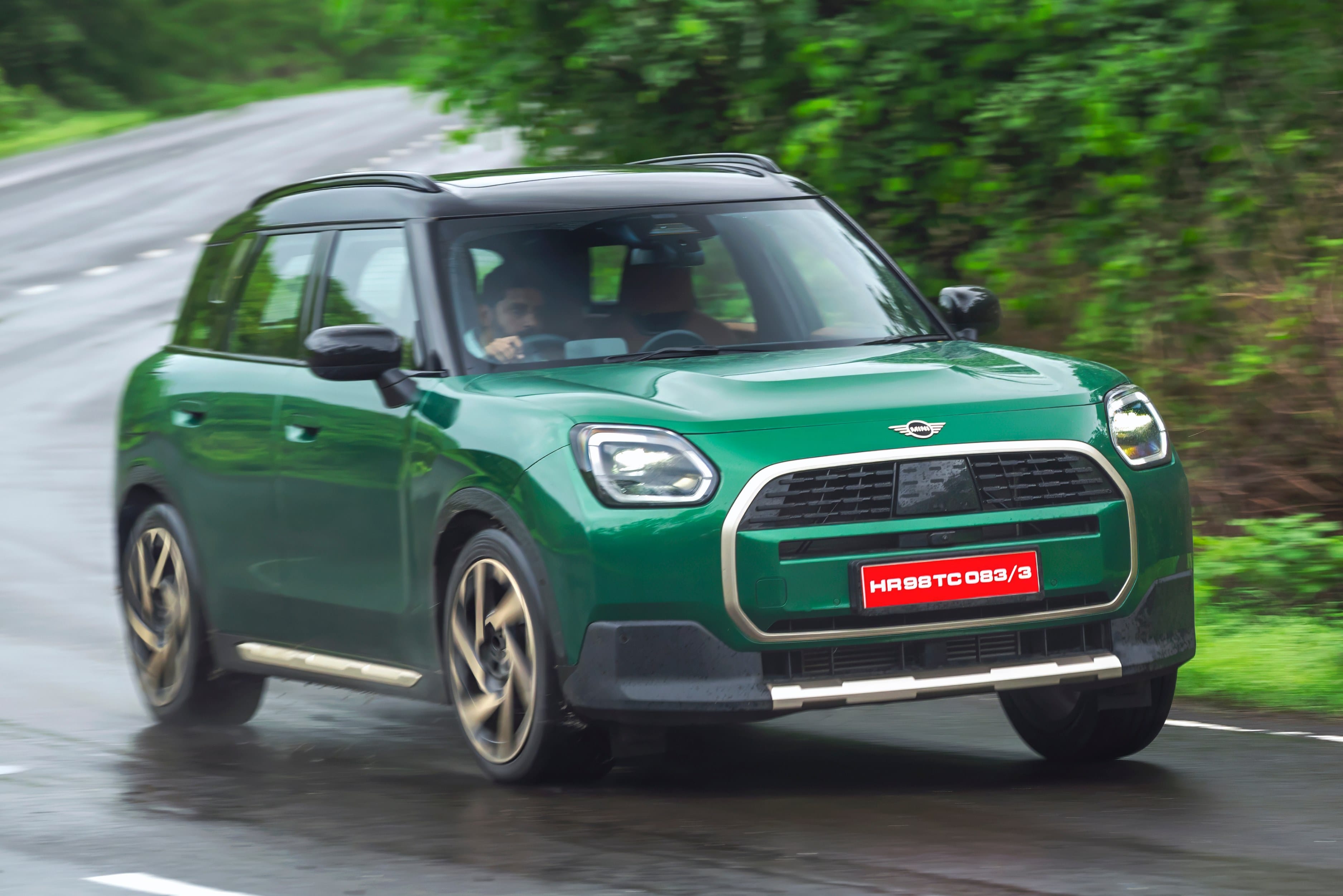
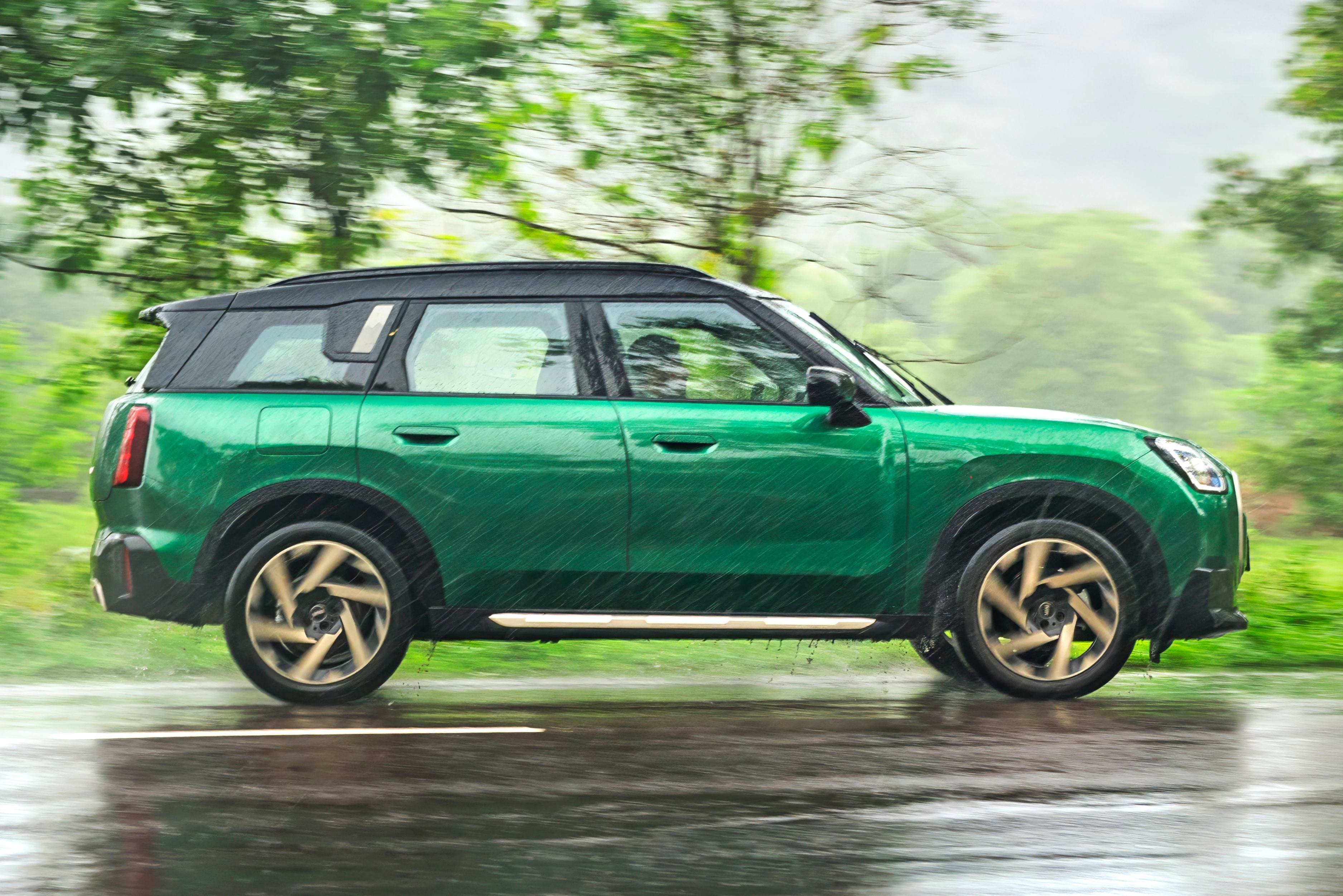
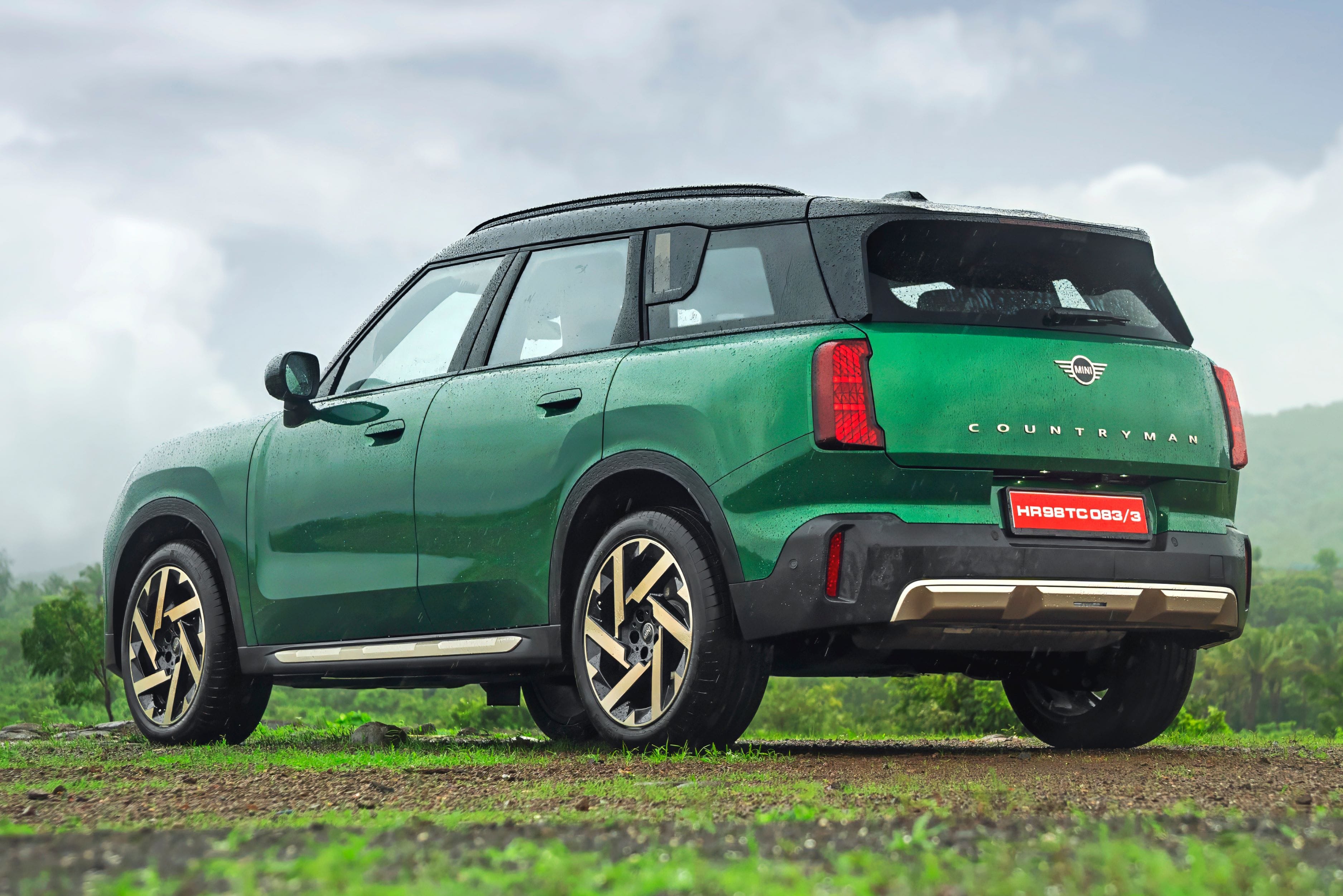
As with every successive generation, the new Countryman has grown (it’s now the tallest SUV in the class, with the highest ground clearance), but this time it has deliberately been made to ‘look’ large as well. Gone are the cartoonish and bulbous features of previous models, and in their place are smaller, sharper, more angular elements. The headlamps, grille and even the roofline have a boxier look, and this points to the greater space inside. It’s more recognisable as a Mini from the rear, where the familiar cues of a contrast roof, ‘Countryman’ lettering on the tailgate and Union Jack tail-lamps are easy to spot.
We’ve seen this look already in the Countryman Electric, and all that’s changed here is the grille that isn’t closed off. We’ve also already seen it on the CBU-imported Countryman JCW All4, which, apart from its more powerful engine and AWD, gets a sportier body kit.
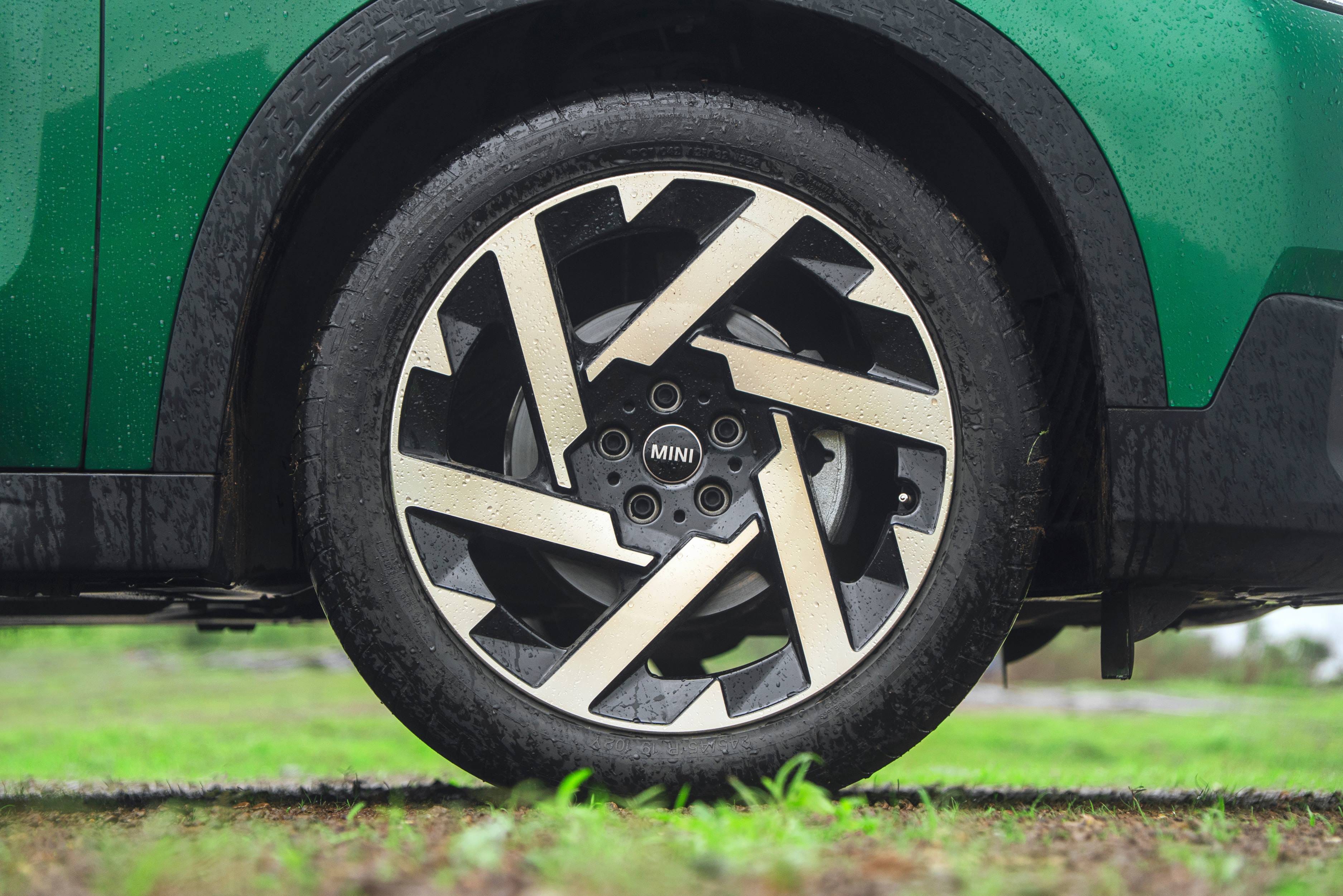
19-inch alloys look great, but they hurt ride quality.
This one being a locally assembled model, however, it’s available in a single, fully loaded ‘Favoured’ spec with no optional extras, save for some accessories. It looks the business, however, with champagne-coloured accents all around, the contrast roof as well as huge 19-inch dual-tone alloy wheels. You get a choice of five colours, but Mini has been sure to pick more extroverted options than conventional luxury SUVs – British Racing Green is still the most popular Mini colour bought in India.
2026 Mini Countryman C Interior Space and Comfort – 8/10
Genuinely usable space and practicality make it feasible as a luxury SUV.
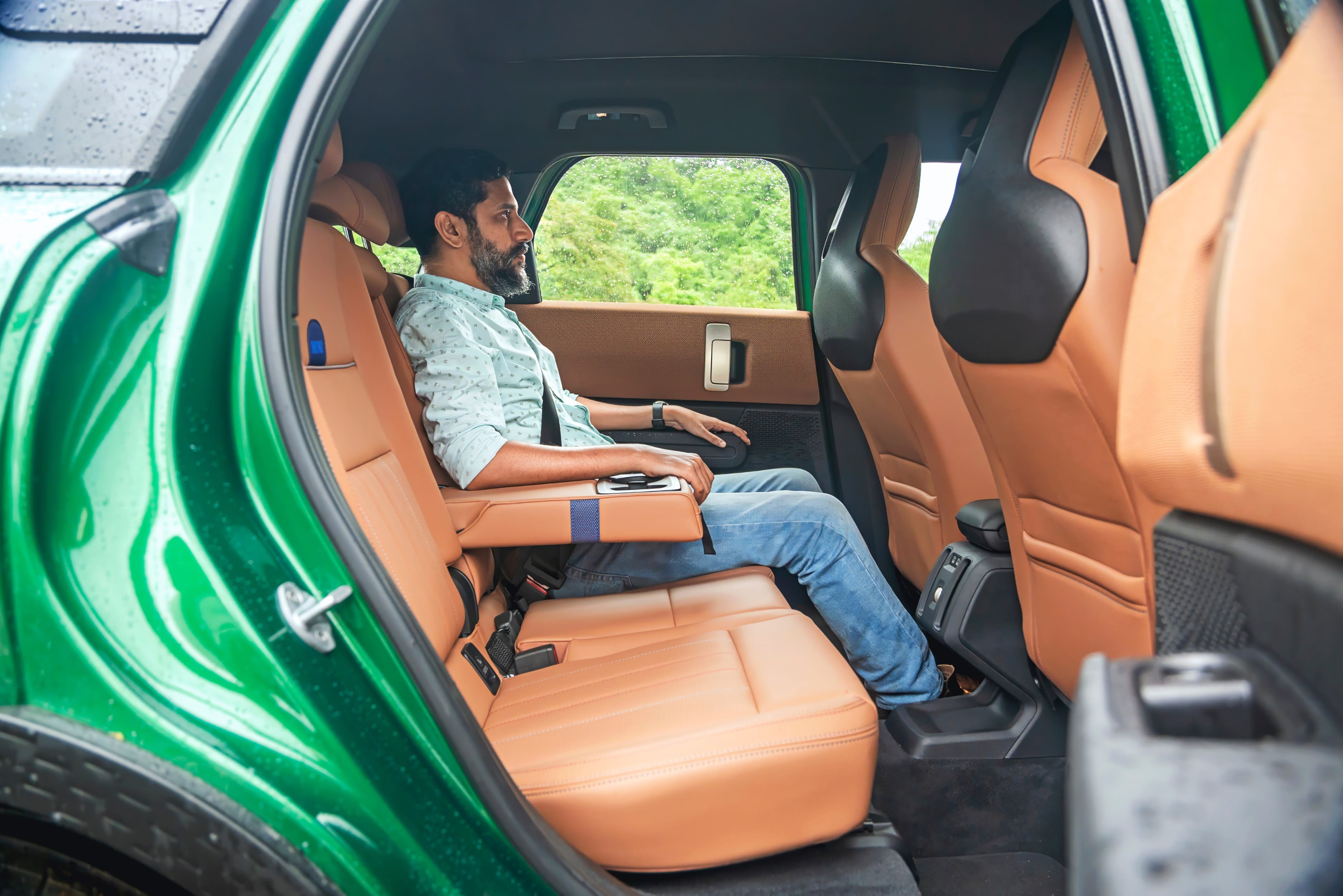
Generous headroom and legroom at the rear, though thigh support is not the best.
The results of the grown dimensions are immediately obvious in the greater interior space. It feels larger and airier than any Countryman before it, and betters some rivals in this regard. Without the battery of the EV, the floor is lower, giving a comfier seating position, though rear-seat thigh support is still not the best. And though the huge panoramic sunroof lets some light in, we wish the windows were a touch larger. Still, this can realistically be used as a chauffeur-driven car now.
The other area where it delivers more than the EV is the boot, whose volume has gone up by 50 litres to 505 litres. You can free up some more by sliding the rear seat forward on rails, and what’s more, they’ve even included a space-saver spare tyre, which you don’t get in the EV.
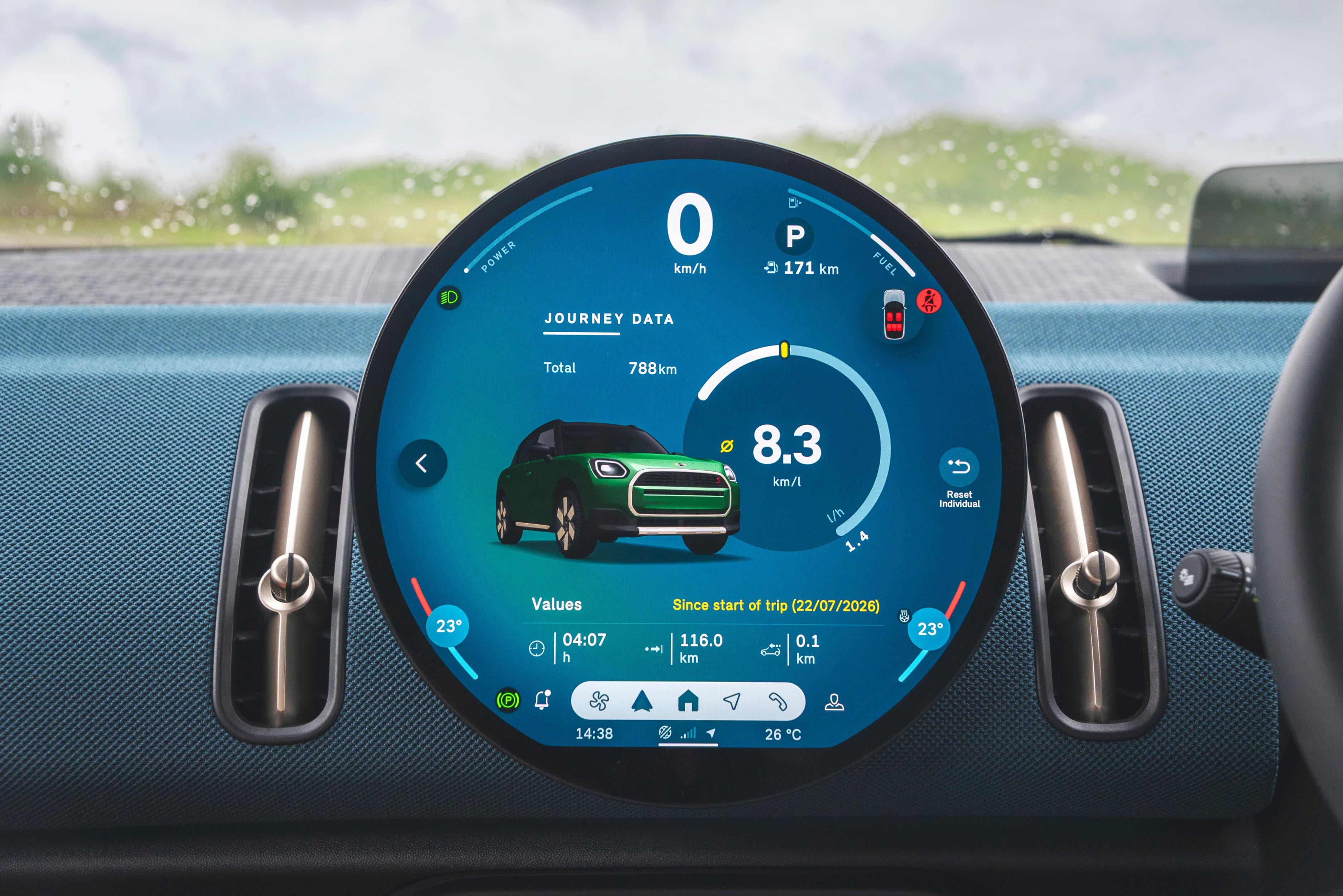
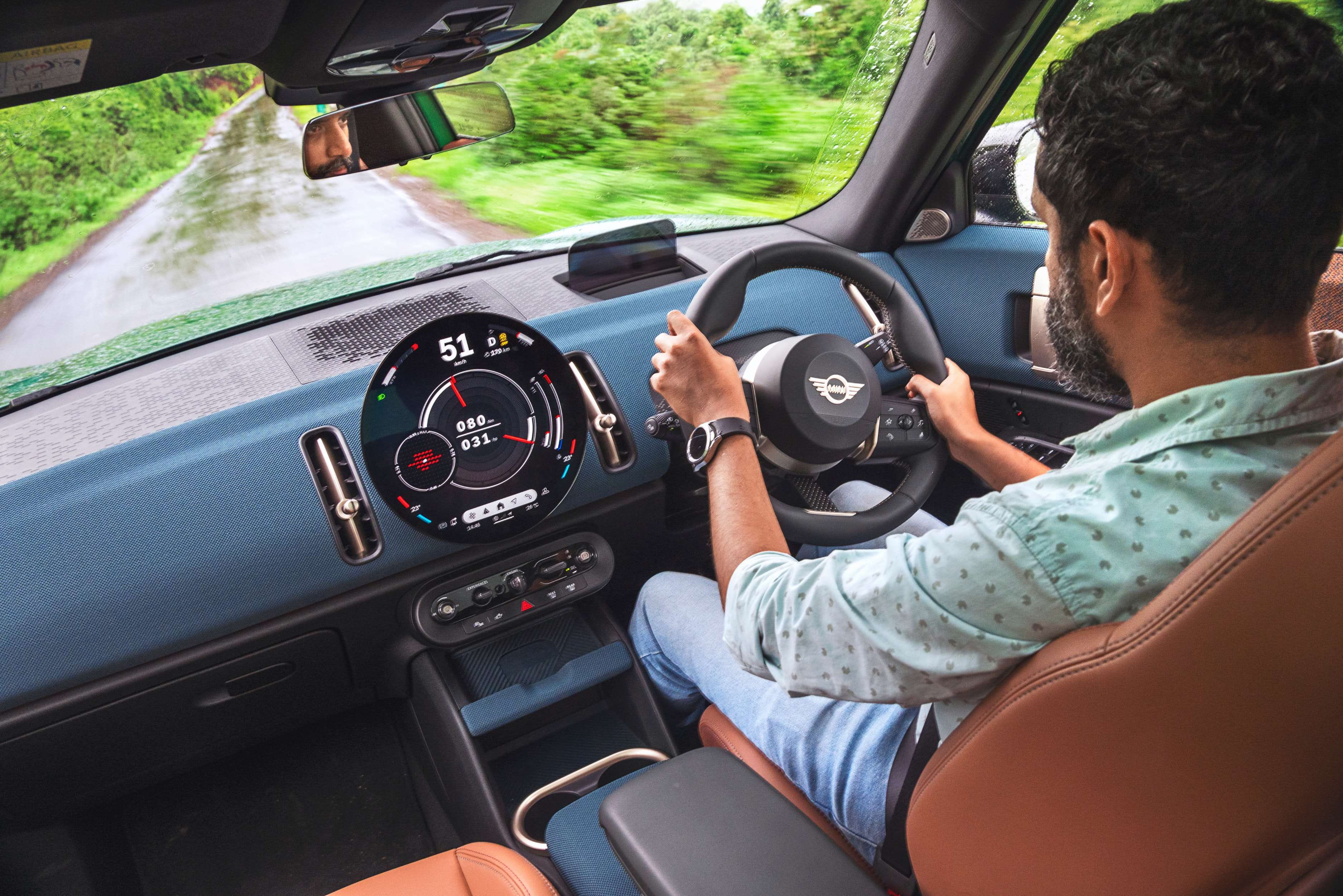
In the front seat, there’s no mistaking this for anything but a Mini, thanks to the clean dashboard with a big circular touchscreen at the centre. While this does function as the speedometer, a nod to the original Mini, there is also a flip-up HUD, which presents the info in your line of sight.
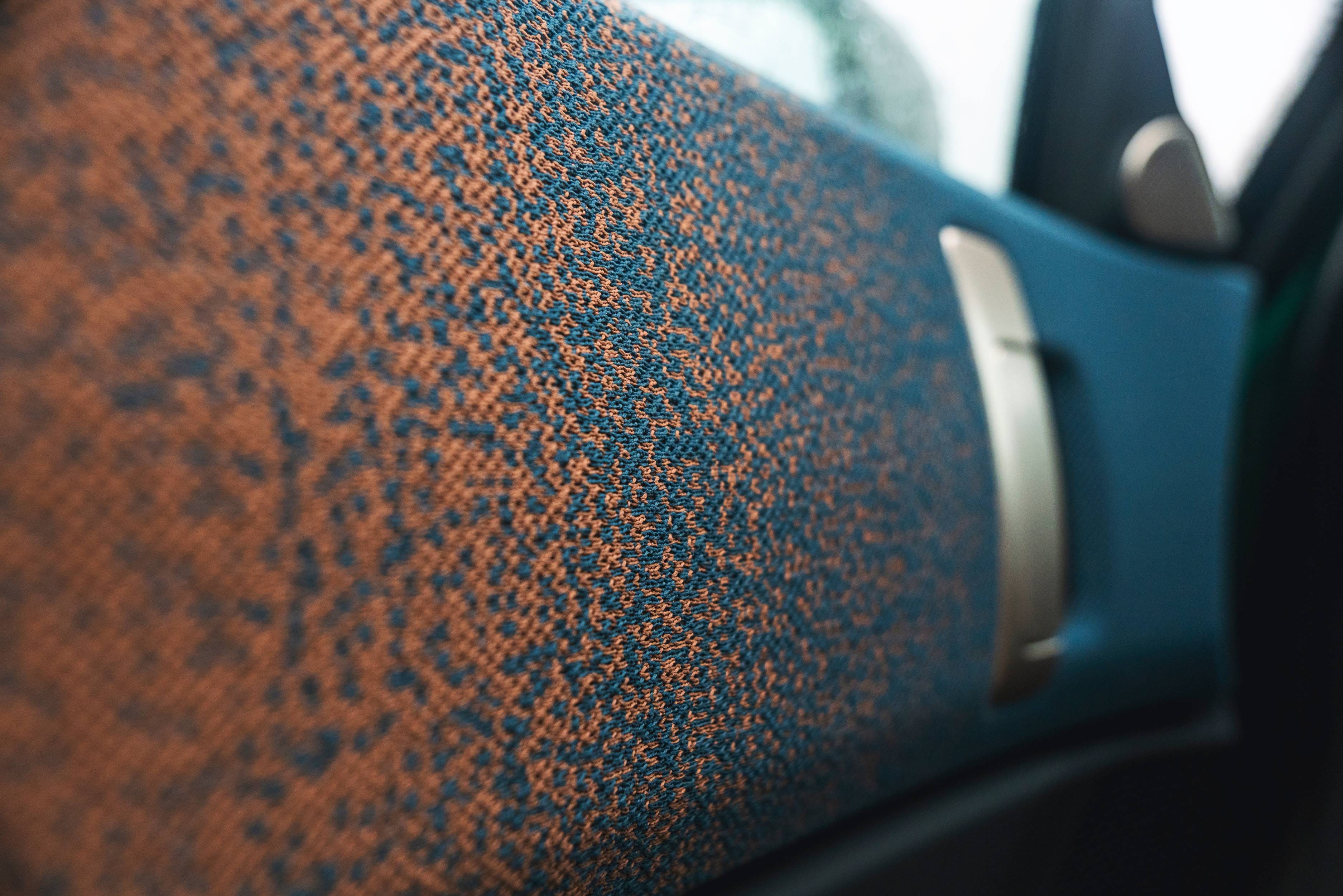
Knitted fabric on the door cards and dashboard lends the cabin an upmarket feel.
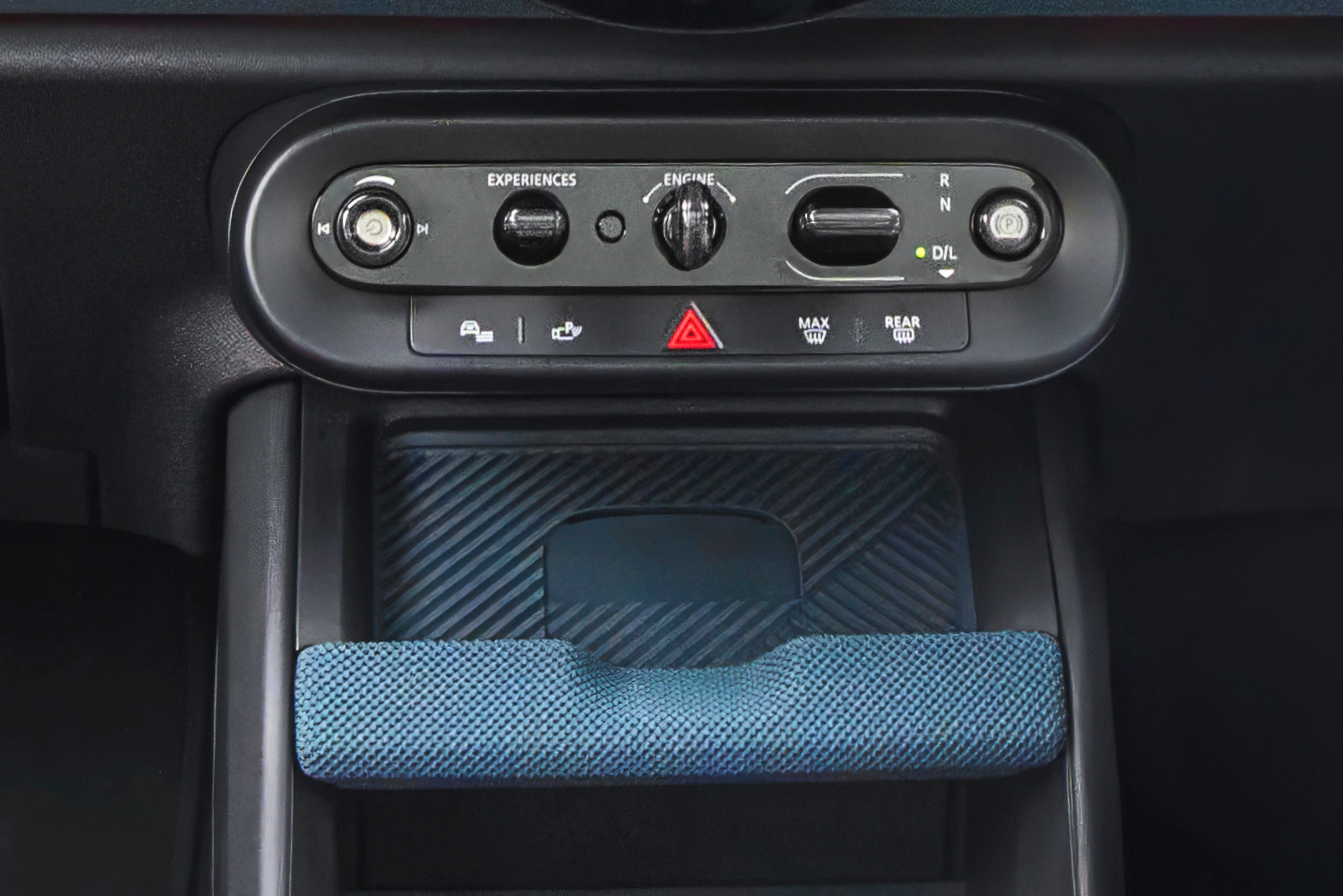
The dash is trimmed in an upmarket-feeling knitted fabric, which then extends onto the door cards, where it blends from blue to brown in colour. There are plenty of uniquely Mini touches, like slim, vertical AC vents, a row of toggle switches to start the car and change modes, more champagne gold trim and vertical inside door handles. But there is also more BMW switchgear than ever before, which, though high quality, looks a bit ordinary.
Storage space and ergonomics are well thought out, with an open centre console, a neat covered storage box and a sliding armrest. The front seats, meanwhile, are large and accommodating and give a commanding view outward.
2026 Mini Countryman C Features and Safety – 8/10
Generously kitted out with lots of standard equipment, on par with rivals.
Edge-to-edge circular screen is responsive, high-res and full of cutesy graphics.
As mentioned before, there is only one variant of the Countryman C, with a fixed features list and no optional add-ons. It’s a generous spec that features more than what some rivals offer, including wireless Apple CarPlay and Android Auto, powered front seats with memory and massage function for the driver, surround camera with auto park function, a Harman/Kardon audio system, heated steering wheel, panoramic sunroof, 13.7-inch diameter OLED touchscreen, heads-up display, voice assistant, wireless phone charging and a digital key system, to name a few.
As seen on all current-generation Minis, the dish-like circular touchscreen is a work of art. Where the previous generation housed a rectangular touchscreen within the circle, the new one is an edge-to-edge circular screen. It’s responsive, bright, high of resolution and full of Mini-typical cutesy graphics. Even the audio cues aren’t like normal cars, with cute ethereal chimes replacing boring warning beeps. There aren’t drive modes but Experience Modes (more on these later), which not only change the colour of the ambient lighting, but the screen display and can even activate certain features, like the seat massage.
Hard buttons only for few functions such as media controls and Experience Modes
However, once the novelty fades, you start to realise this circular design isn’t great ergonomically. While there, thankfully, are hard buttons for music volume and track control, as well as dri- sorry, Experience Modes, AC controls and all other functions are on the screen. With no bezel or edge to rest your hand on, and small, rounded graphics to tap, it is quite tricky to perform basic functions on the move. And as it’s based on BMW’s current i-Drive system, there are far too many sub-menus to go through.
2026 Mini Countryman C Performance and Refinement – 7/10
Downsized turbo-petrol engine lacks the zest associated with a Mini.
Performance feels merely adequate from the 156hp, 1.5-litre turbo-petrol engine.
This car shares its UKL1 architecture with the BMW X1, as well as its 1.5-litre three-cylinder direct-injection turbo-petrol engine. As in the BMW, it produces 156hp and 240Nm, sent to the front wheels via a 7-speed dual-clutch automatic gearbox, and as in the BMW, it feels merely adequate. While easier to digest in the X1, which has long since transitioned from ‘Ultimate Driving Machine’ to comfy family cruiser, the Mini’s go-kart intentions are still on display, and the expectation for more performance is higher.
Like in modern BMWs, the Experience Modes are mostly cosmetic, with only Green (Eco) and Go Kart (Sport) altering drive performance. Expectedly, the former dulls things down, while the latter primes the engine and gearbox to be more reactive, and they work as expected. There is, however, no scope to set individual parameters in any mode; for instance, ESC is off by default in Go Kart mode and you can’t turn it back on.
Gearbox is intuitive and quick, but there’s no manual control whatsover.
Also missed are paddle shifters, or in fact any means of shifting manually, though the gearbox is quite intuitive and quick to shift for the most part. It’s only at crawling speeds where this powertrain falls into the triple-whammy trap of turbo lag, gearbox hesitation and no off-boost power that’s typical of downsized engines. Things improve drastically in the mid-range, where the Countryman C feels most comfortable.
The engine also remains pretty refined for the most part, and it’s only if you absolutely stretch it out that you’re made aware it’s a three-cylinder unit.
2026 Mini Countryman C Mileage and Range – 8/10
Decent for a reasonably large turbocharged petrol luxury SUV.
Fuel economy is officially rated at 15.92kpl.
The advantage of the sizing-down is, of course, fuel economy, which will no doubt be better than with a larger 2.0-litre engine. It’s officially rated at 15.92kpl, which is not bad for a turbo petrol luxury SUV, and you realise that it’s because it’s not too heavy – clocking in at around 1,700kg. Other factors helping this include a quick-acting engine stop/start system and a good drag coefficient of just 0.26. Expect a real-world average comfortably in the two digits. And like all new BMW cars, this one is E25 compliant.
2026 Mini Countryman C Ride Comfort and Handling – 7/10
Still fun, but drives like a big car now; large wheels hurt ride quality.
Handling is a noticeable departure from the Go Kart feel that’s typified all modern Minis.
More so even than the powertrain, the Go Kart feel that’s typified all modern Minis comes from the chassis setup and handling, and this new Countryman represents the first noticeable departure. But that’s not necessarily a bad thing, and is in keeping with its new, more grown-up luxury-SUV persona.
The steering is much lighter and not as tightly wound as before, for a start, and that means despite the increased size, the Countryman is even easier to manoeuvre. What you lose in the process is some urgency in direction changes and some agility, but you don’t mind that thanks to the aforementioned benefits.
It feels reassuring and has great road-holding at highway speeds,
The good news is the suspension setup still allows it to handle corners tidily and with not too much body roll. And this despite being slackened off quite a bit to be noticeably comfier and more compliant than the previous Countryman. It also has great road-holding at high speeds and feels far more reassuring at highway speeds, and the overall sensation is that you’re commandeering a proper SUV rather than a high-riding hatchback. The only spoilsport here are the 19-inch wheels; while they look great, they crash hard through potholes and even over some steeper speed breakers.
2026 Mini Countryman C Price and Verdict – 8/10
Competitive pricing and big space make it a credible rival to other entry luxury SUVs.
The Mini Countryman C is priced at Rs 47.5 lakh (ex-showroom, India) which is incredibly competitive. It ducks under both, the Mercedes GLA and BMW X1, with only the entry-level version of the Audi Q3 being slightly cheaper. The best part is that, where previous locally assembled Countrymans (Countrymen?) felt stripped down compared to their CBU counterparts, here you get a well turned out and generously equipped luxury SUV that doesn’t leave you wanting.
It’s clear that Mini is on a war footing to break into the mainstream, and that’s something it certainly can’t do with its hatchbacks, which remain fun to drive and upmarket, but ultimately niche fashion statements. The Countryman C delivers on space, features, luxury and comfort that’s more than a match for others in the segment, and despite a slightly underwhelming engine, adds some much-needed pizzazz to the ranks of entry level luxury SUVs.
Mahindra’s upcoming BE 07 electric SUV has been spotted testing again, this time offering the clearest look yet at its exterior design. The latest test mule appears to feature a close-to-production version of the exterior design, while also providing a brief glimpse of the cabin.
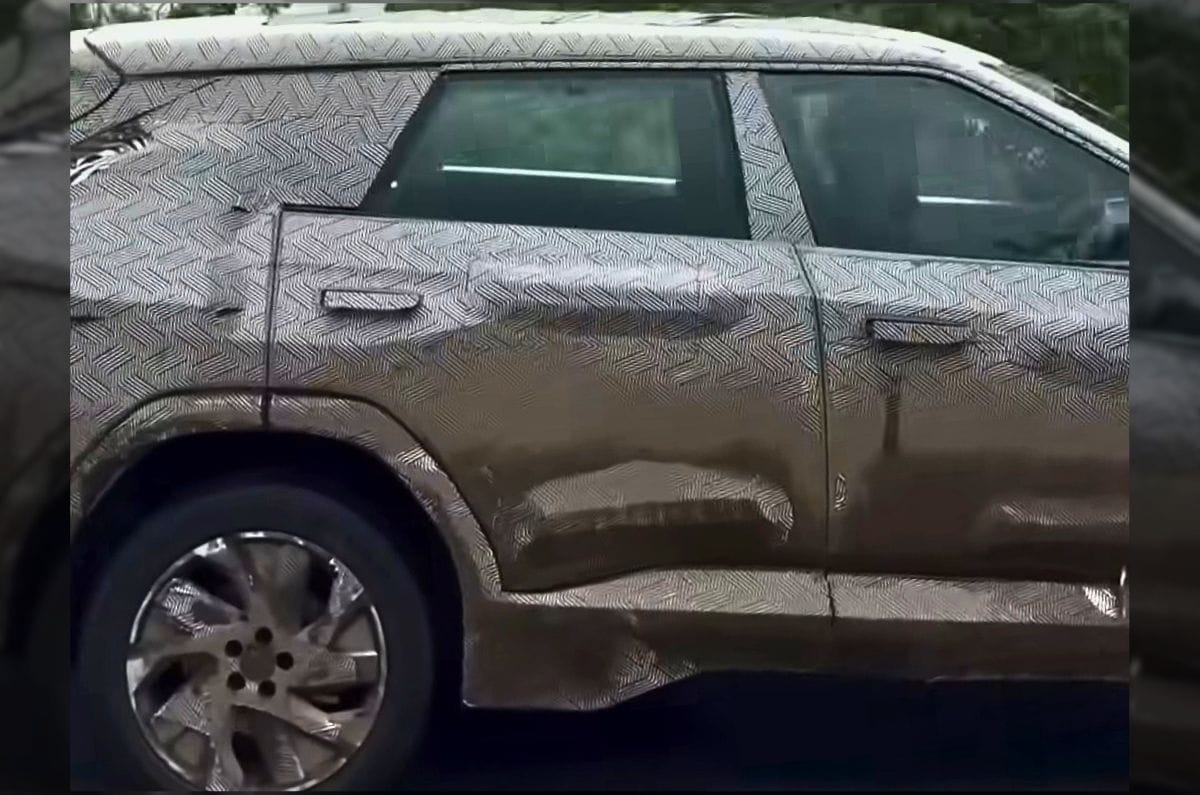
The front lighting elements and retractable door handles can be seen
Three screens on the dashboard can also be spotted
Mahindra BE 07 spied: What could be seen?
The front lighting and Mercedes-like retractable handles can be seen
Image source: @AutoVerseByShrey on YouTube
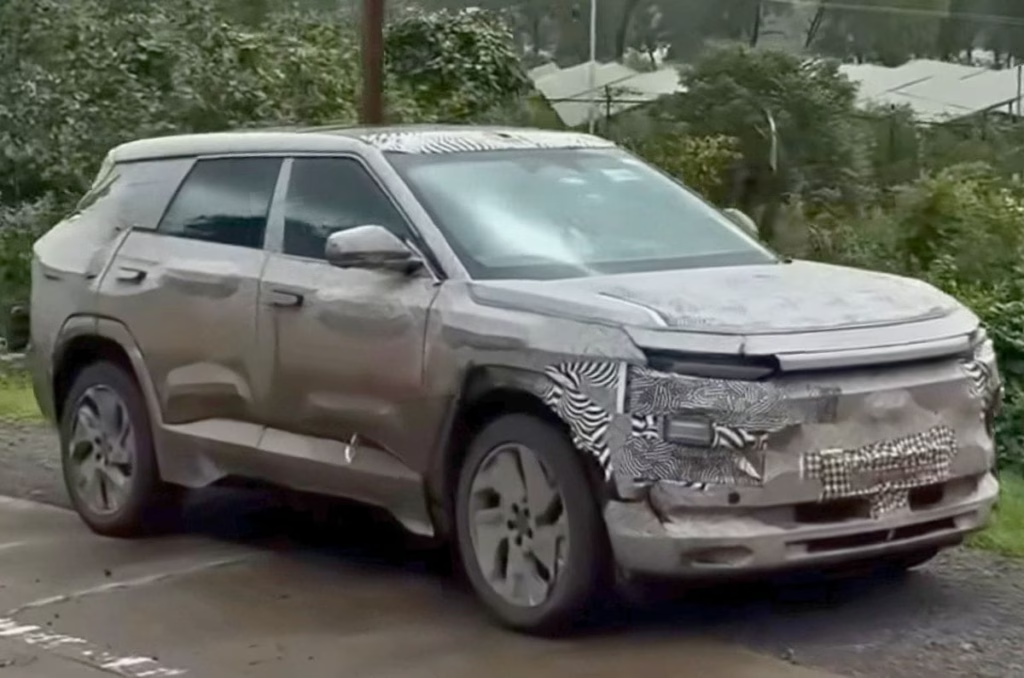
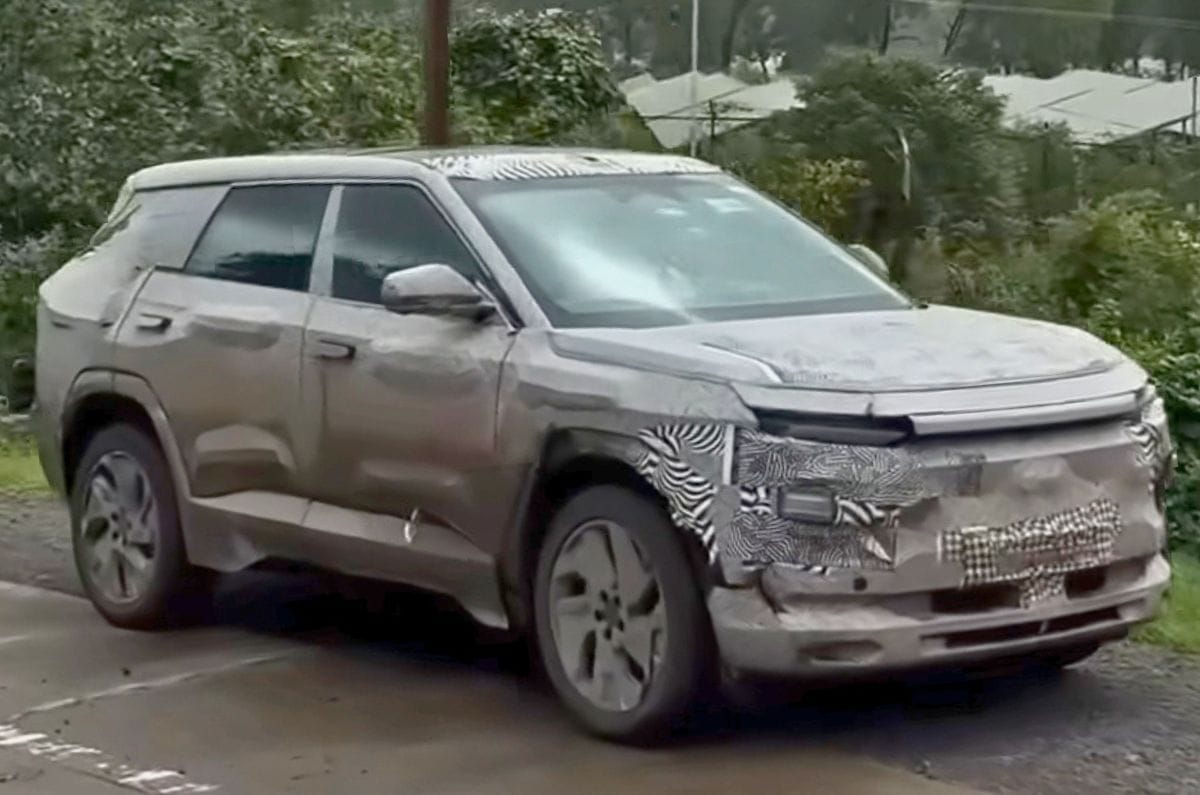
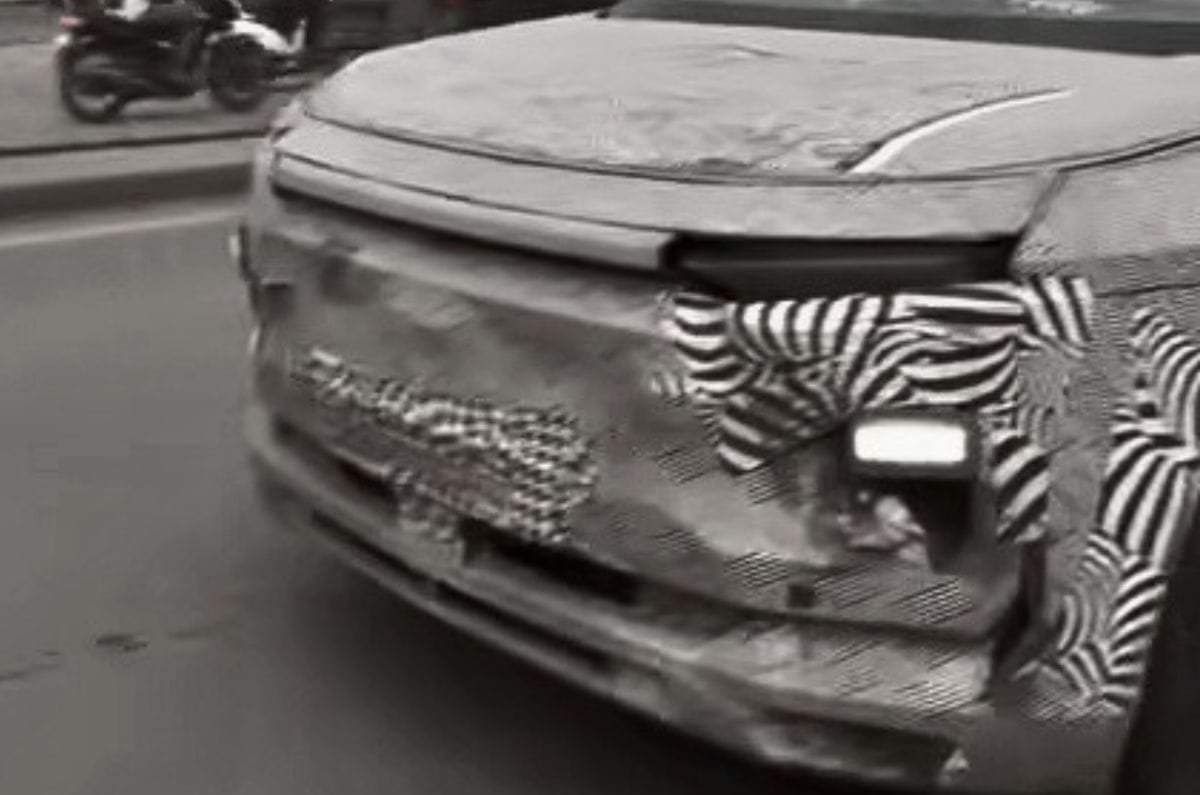
Despite the heavy camouflage, the latest spy shots provide a clearer look at the BE 07’s exterior design. At the front, the SUV features slim LED DRLs, which are expected to resemble the C-shaped units seen on the BE 6. The headlights are positioned vertically beneath the DRLs. As expected of an EV, the grille is largely blanked off, while air inlets in the lower section of the bumper help cool the internal components. The lower bumper also features two distinct crevices, which could house the BE 07’s fog lamps.
Image source: @AutoVerseByShrey on YouTube
In profile, one of the most interesting details is the set of retractable door handles, which appear to draw inspiration from those seen on more premium Mercedes-Benz models. The BE 07 also gets aero-optimised alloy wheels, along with heavily creased cladding around the wheel arches and along the lower section of the body. The outside rear-view mirrors (ORVMs) also feature camera pods, confirming a surround-view camera system.
Image source: @AutoVerseByShrey on YouTube
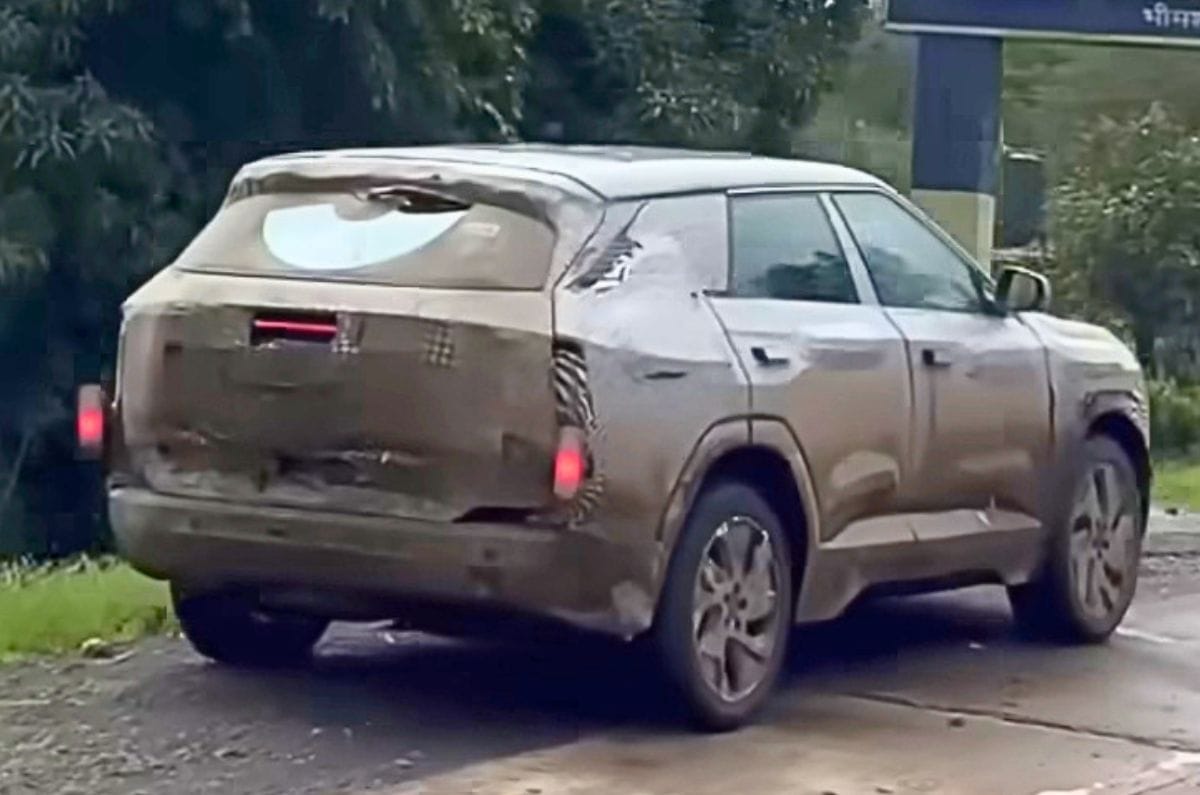
The rear design of the BE 07 EV could also be seen with makeshift taillights generally associated with an early test mule. The rear wiper is expected to be positioned such that it is hidden under the rear spoiler of the production model. A prominent bulge on the tailgate and the simple rear bumper can also be seen.
A triple-screen layout on the dashboard could be seen
Image source: @AutoVerseByShrey on YouTube
A previous test mule sported a triple-screen setup on the dashboard, which is also present in the recently spied prototype. Other expected elements likely to be present on the production-spec model include a modern-looking steering wheel with an illuminated ‘BE’ logo, multicolour ambient lighting, a glass roof with illuminated elements, a wireless phone charger and a 5-seat configuration.
Mahindra BE 07: Other details
Expected to borrow the BE 6’s platform and battery options
The Mahindra BE 07 is expected to go on sale in 2027. It will be based on the INGLO platform, which also underpins the BE 6, XEV 9e and XEV 9S. It is likely to use the same 59kWh and 79kWh battery packs as the BE 6, although its larger size and body are expected to result in a slightly lower claimed range. The BE 07 will rival the Mahindra XEV 9e, VinFast VF7, Tata Harrier EV and BYD Atto 3.
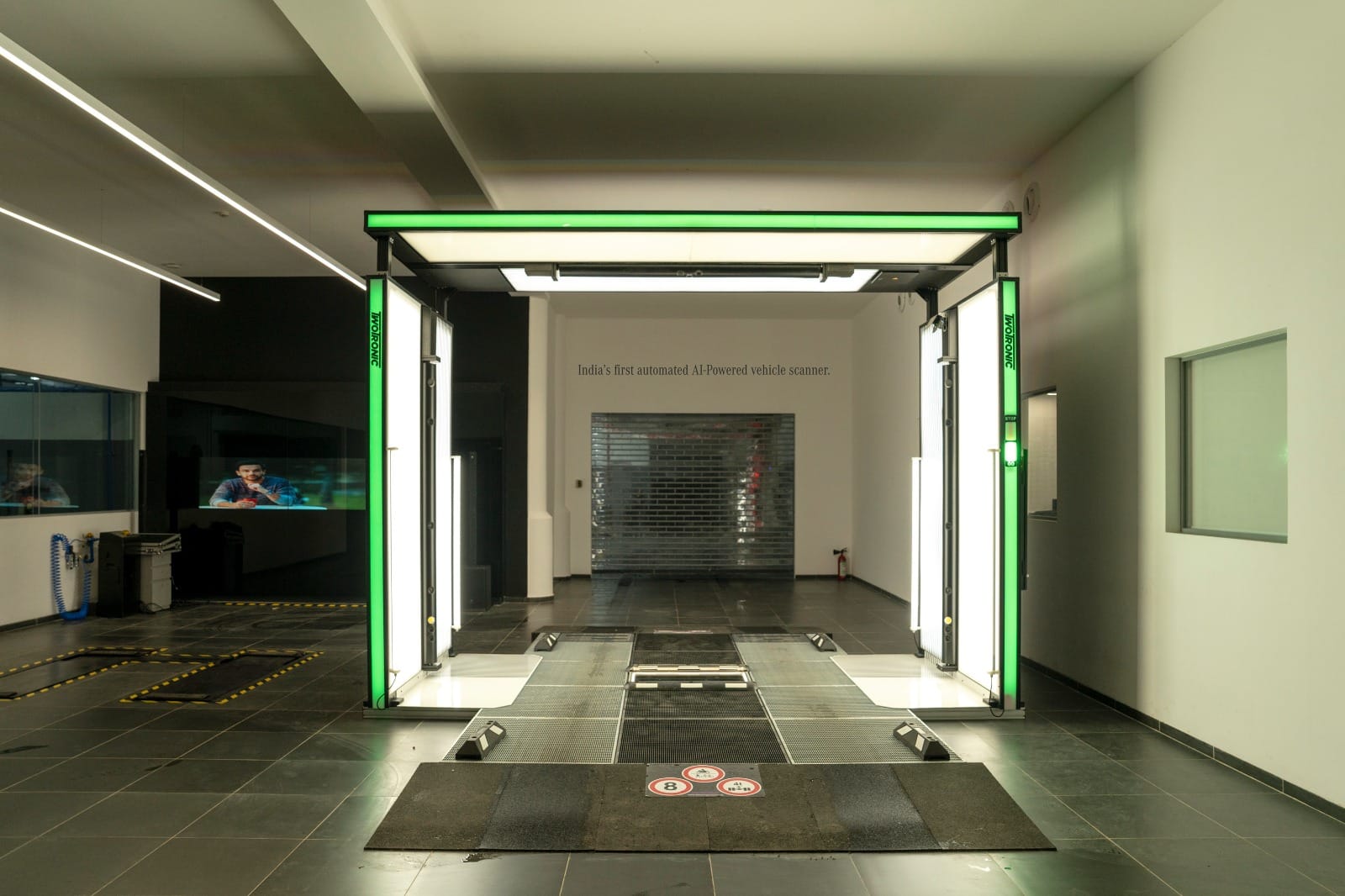
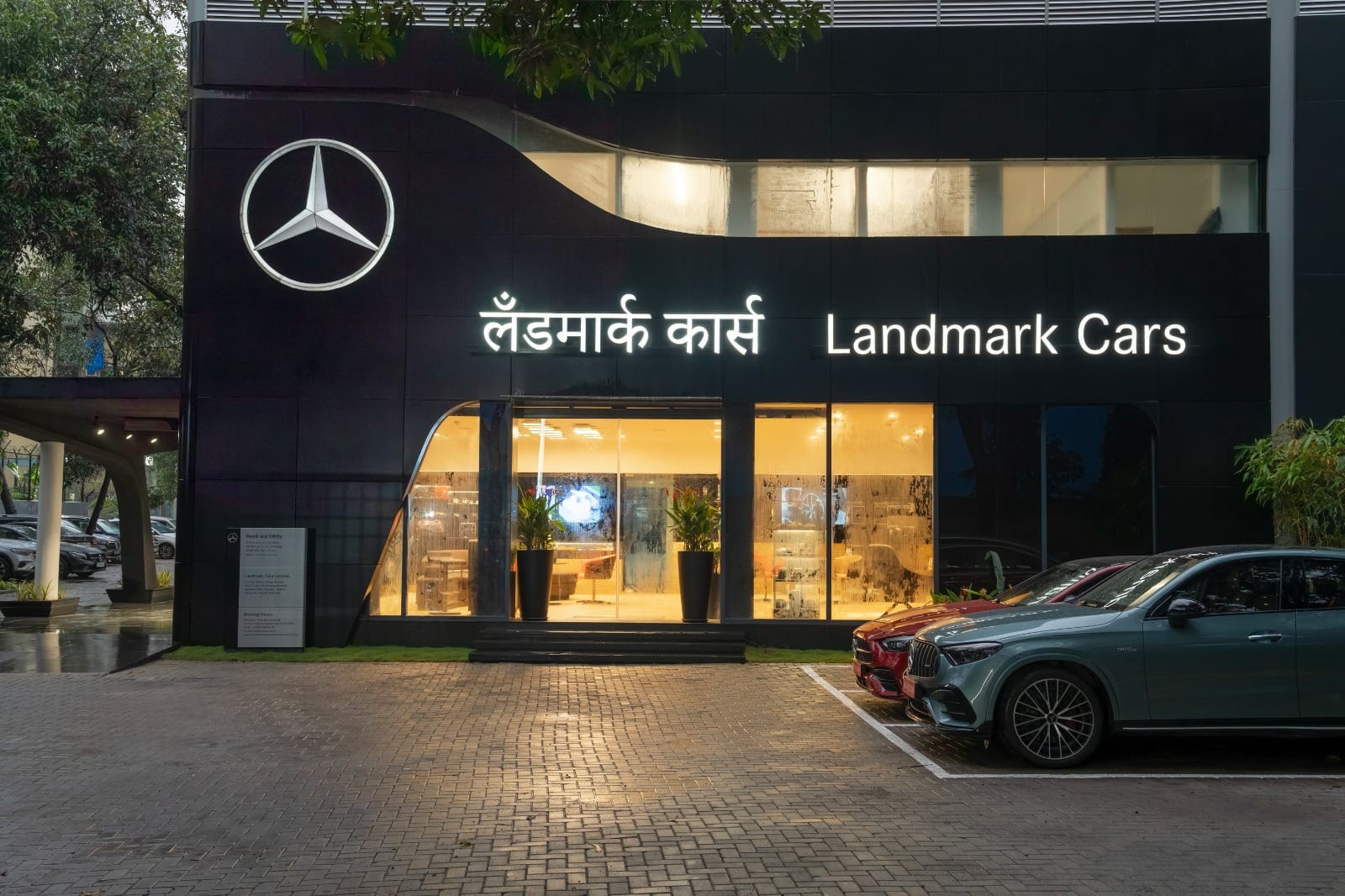
Mercedes-Benz India has revealed an AI-powered device that enables quicker vehicle inspection upon entry to its service centre. Dubbed the XENTRY Scanner, the service debuted at the brand’s newly established centre by Landmark Cars in Jogeshwari, Mumbai.
Mercedes’ first AI-powered car scanning system arrives at its largest workshop in Mumbai.
Uses a 360-degree camera system to identify damage on a car’s exterior.
Service Select debuts as a new scheme for older Mercedes vehicles.
Currently, the scanner is the only one of its kind in India at this service centre, which spans around 58,000 sq. ft., making it the brand’s largest in Mumbai. This facility consists of 16 preventive maintenance and general repair bays, 9 body and paint bays and 9 supporting bays, supported by a dedicated 6,000 sq. ft. spare-parts area.
How does Mercedes’ XENTRY Car Scanner work?
The brand calls it an MRI scanner for its cars
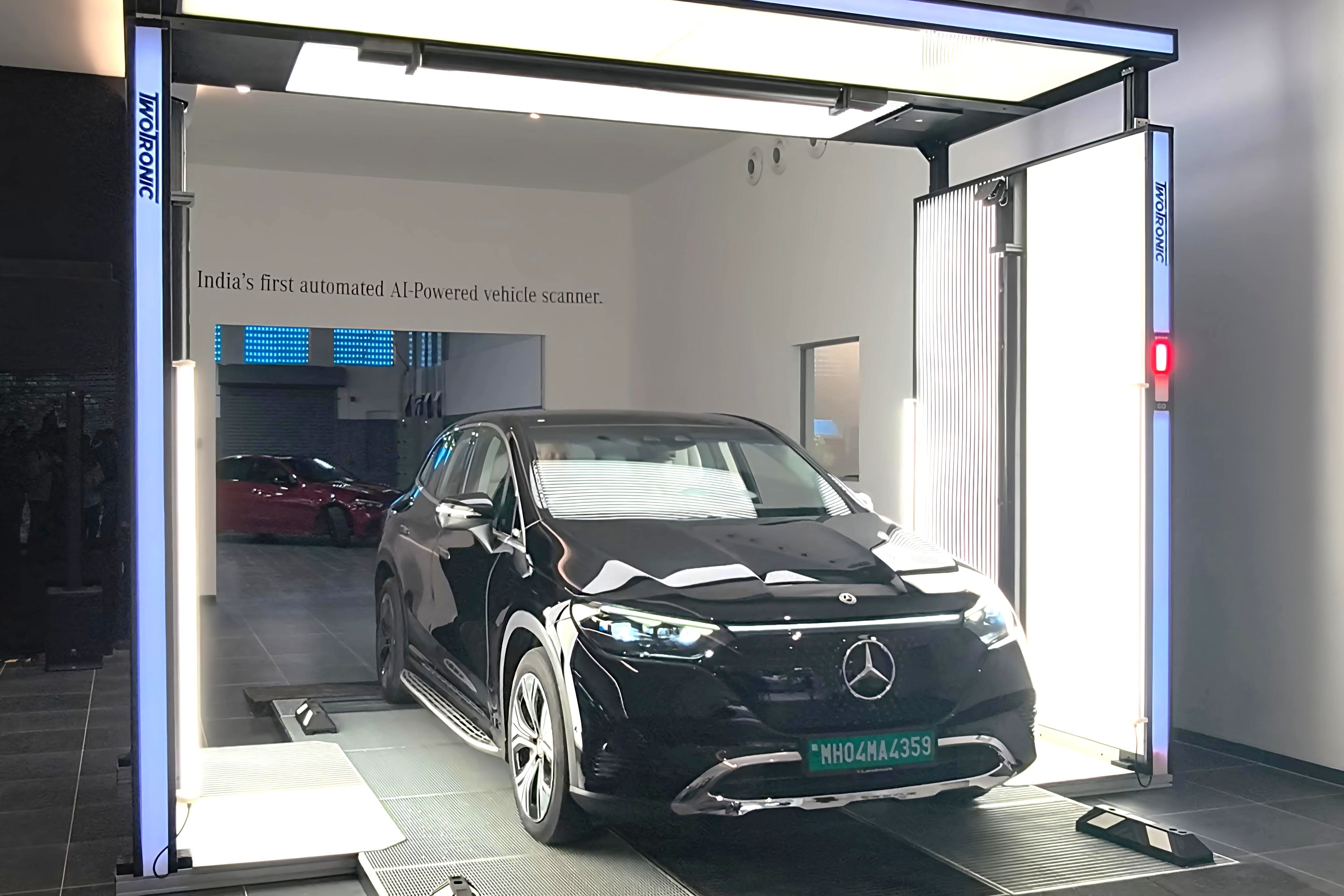
Mercedes-Benz’s XENTRY car scanner.
As the car enters the workshop, it is made to pass through the XENTRY scanner. The scanner utilises a 360-degree high-resolution camera system comprising 13 cameras and a LiDAR sensor. Images of the car are captured and analysed across four categories: body, underbody, windshield and tyres. The system captures 150 images within 3 to 5 seconds and then transmits the data to the Mercedes-Benz cloud.
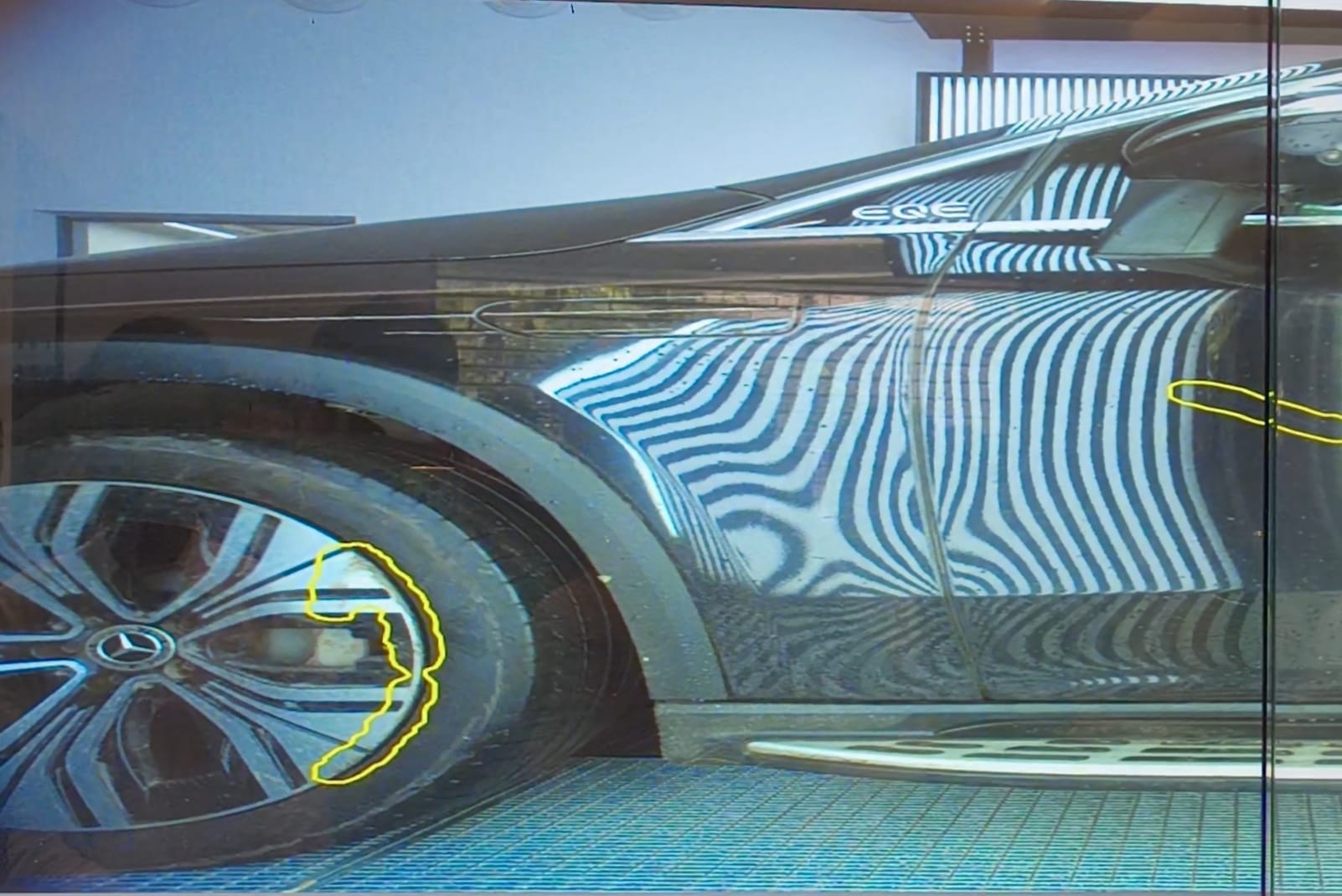
Artificial intelligence then comes into play, identifying every kind of damage on the car’s exterior, even the ones that aren’t visible to the naked eye. It also provides in-depth tyre information, including their health, tread depth and braking performance. To maintain privacy, the system does not capture images of the driver. The findings are added directly to the job card of the particular car without manual entry, enabling better co-ordinated workshop processes. Mercedes says the process is entirely paperless, reducing walking distances, waiting times and paperwork that traditionally accompanied service reception.
Speaking about the thinking behind such initiatives, Mr Santosh Iyer, MD and CEO, Mercedes-Benz India said, “Productivity has to be the core. Reason being, from a real estate perspective, you need to turn cars around faster, while initiatives like the car scanner are more of a productivity enhancement. But on the customer side too, they expect the car to be turned around quickly, which is a pure mobility requirement for the customer.”
Through AI, external wear and tear is automatically detected by the XENTRY car scanner.
Next, a service advisor receives all the information on a tablet and informs the customer of a detailed list of vehicle wear and tear. It is then up to the customer to approve servicing of the concerned parts on the spot. The brand claims that a digital record of service status eliminates the need for manual inspections by the customer.
Interestingly, Landmark’s own internal research points to a shift in service revenue coming from EV adoption growth. “Landmark did a study of the service cost of EV versus ICE. Over the last six months, they’ve seen that the cost is the same in terms of maintenance. But this isn’t coming from maintenance; it’s coming from the body shop. More of the latter is done on EVs compared to ICE cars, said Mr Iyer.
At around 58,000 sq ft, the Landmark Cars workshop in Jogeshwari is the brand’s largest in Mumbai.
India now adds to the list of countries to offer Mercedes’ XENTRY scanner. Previously, the tech was available in international markets like Germany, Italy, Korea, the Netherlands, Switzerland, and Turkey. Furthermore, Mercedes-Benz plans to expand to more than 20 ‘world-class’ luxury outlets in 2026 in India, supported by an investment of more than Rs 450 crore by franchise partners over the next two years.
Mercedes Service Select: A service plan for older Mercedes vehicles
While Mercedes-Benz provides a standard 3-year warranty on new cars, it has also introduced a new service scheme for older vehicles. Called ‘Service Select’, Mercedes cars 7 years or older are eligible for this service. The scheme enables up to 25 percent savings for periodic service and brake care, a 2-year warranty on spare parts, benefits of its ‘Mobilio Lite’ service facility, and residual value protection of the vehicle.
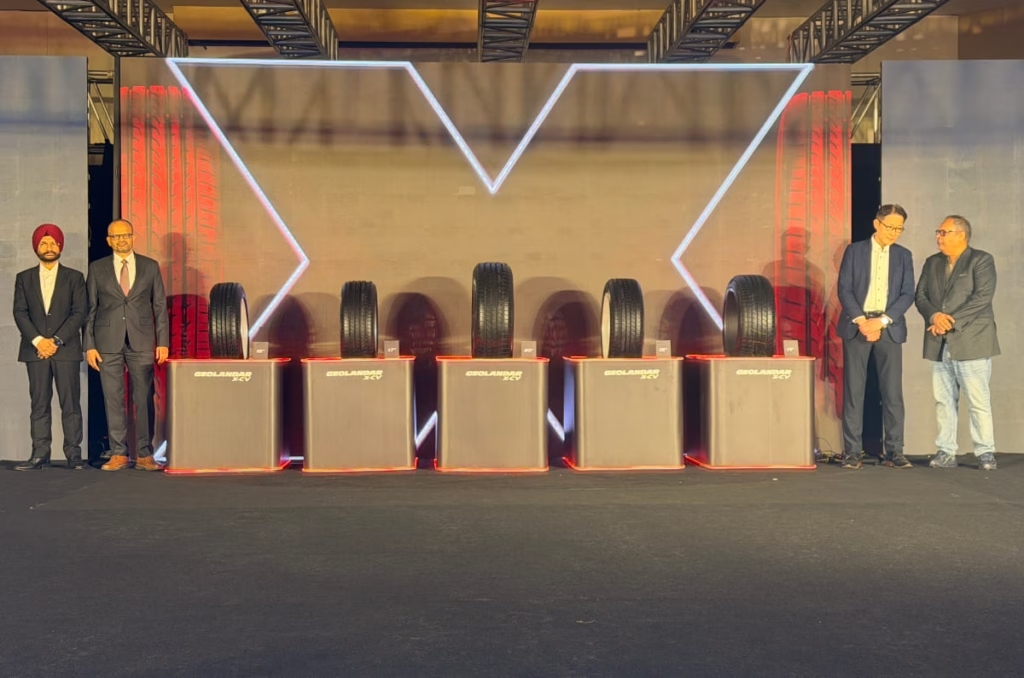
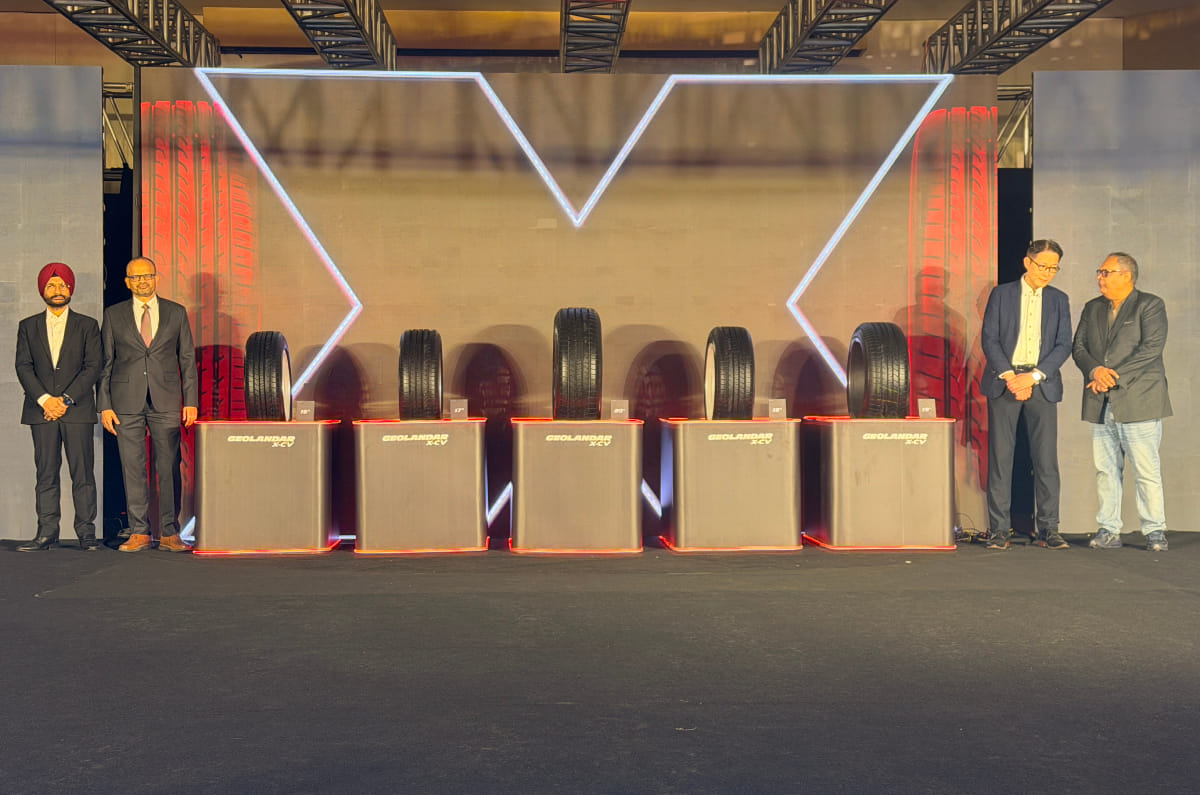
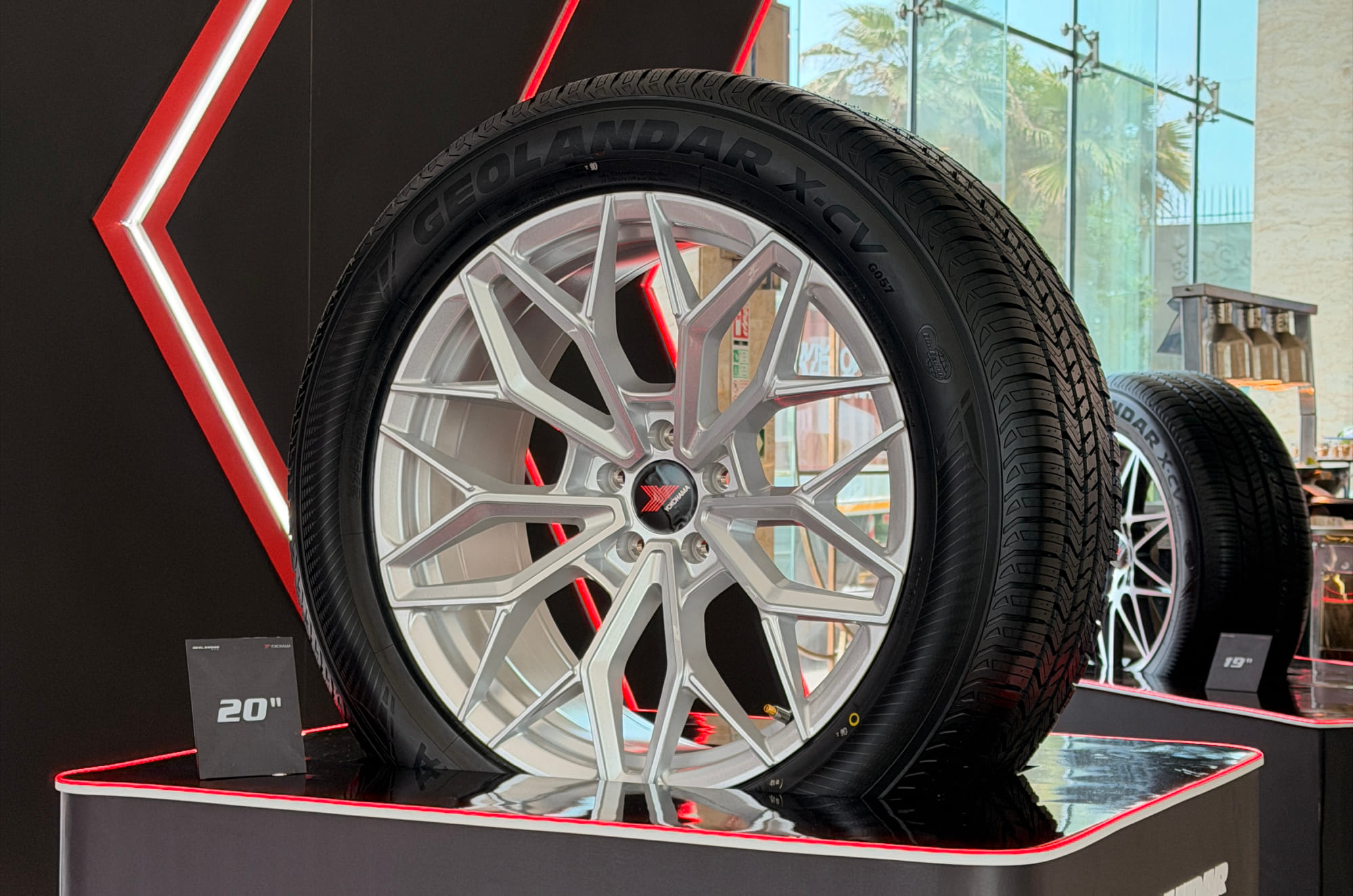
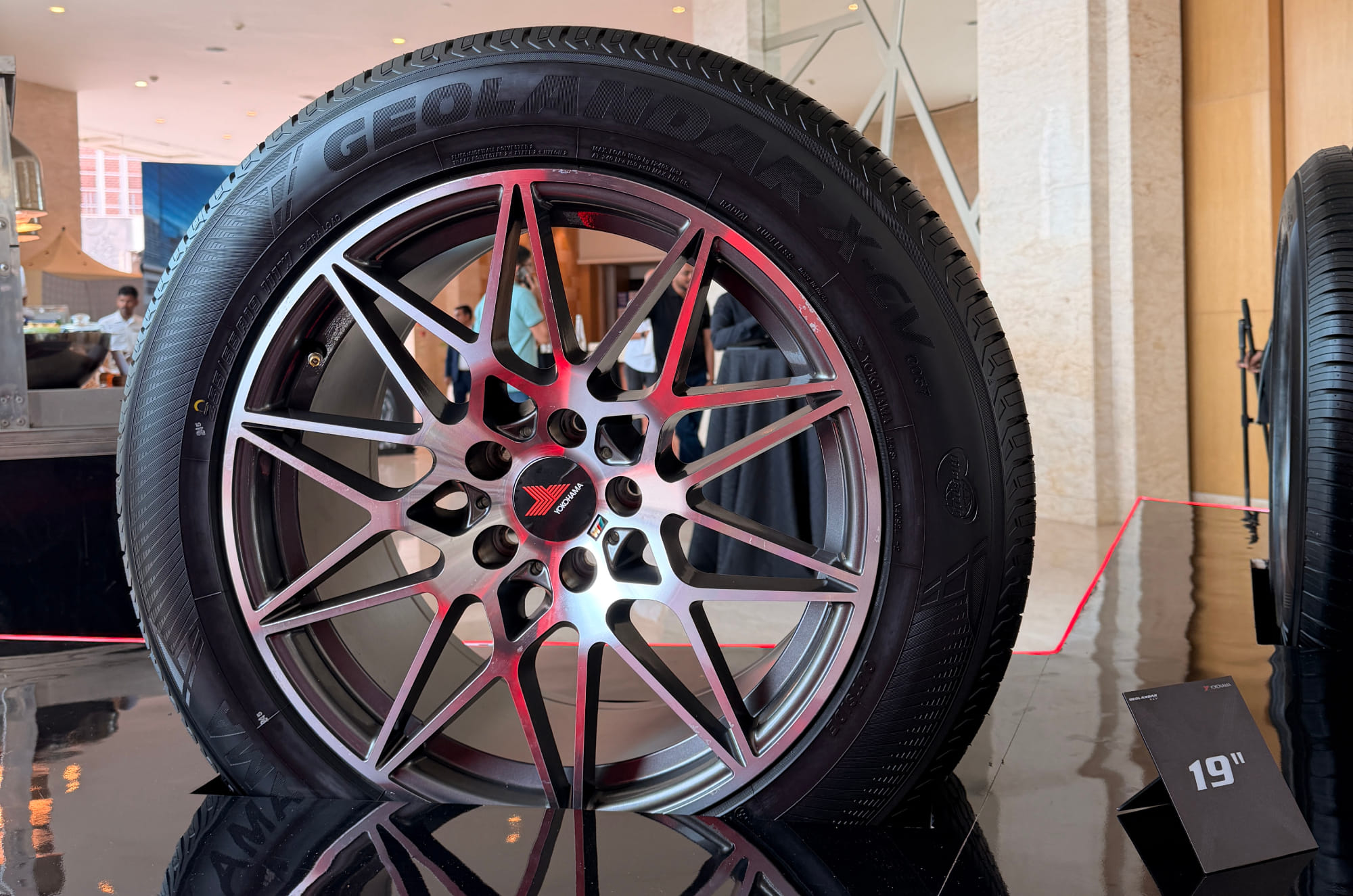
Yokohama India has launched the Geolandar X-CV tyre range for crossover and premium SUVs. Originally developed for larger luxury SUVs, the locally manufactured Geolandar X-CV is now being offered in 16-inch wheel sizes for the first time, expanding its reach to compact and midsize SUVs. The range will eventually be available in 32 sizes spanning 16 to 20 inches, with 17 sizes available immediately and the remaining 15 sizes set to be introduced over the next two to three months. Yokohama claims the new tyre delivers 20 percent better wet grip and 10 percent longer tyre life than its conventional tyre, based on the company’s internal testing.
Available in 32 sizes from 16-20 inches
Claimed 20 percent better wet grip and 10 percent longer tyre life
17 sizes available now; remaining to follow
Yokohama Geolandar X-CV: what does it fit?
The Geolandar X-CV has been developed for a wide range of crossover and premium SUVs. Yokohama says it is suitable for compact and midsize models such as the Maruti Suzuki Brezza, Kia Sonet, Tata Nexon EV, Harrier EV, Mahindra XUV700 and Kia Seltos, while also catering to luxury SUVs including the BMW X5, Porsche Cayenne, Volvo XC90, Mercedes-Benz GLS, Audi Q7 and Range Rover models.
Yokohama Geolandar X-CV: features
According to Yokohama, the Geolandar X-CV has been developed to meet the requirements of crossover SUVs and electric vehicles. It features an asymmetric tread pattern, four wide circumferential grooves, Micro Silica compound, 2D and 3D sipes, five-pitch variation technology, a reinforced two-ply sidewall and a full nylon cover. The company says these technologies are designed to improve wet grip, cornering stability, braking performance, wear characteristics, durability, high-speed stability and cabin refinement.
The tyre is also EV-compatible, with its construction designed to handle the higher weight and instant torque characteristics of electric SUVs while maintaining durability and driving refinement. The Geolandar X-CV will be available from August 2026 through Yokohama Club Network outlets and select authorised dealers, with a no-cost EMI offer available at launch.
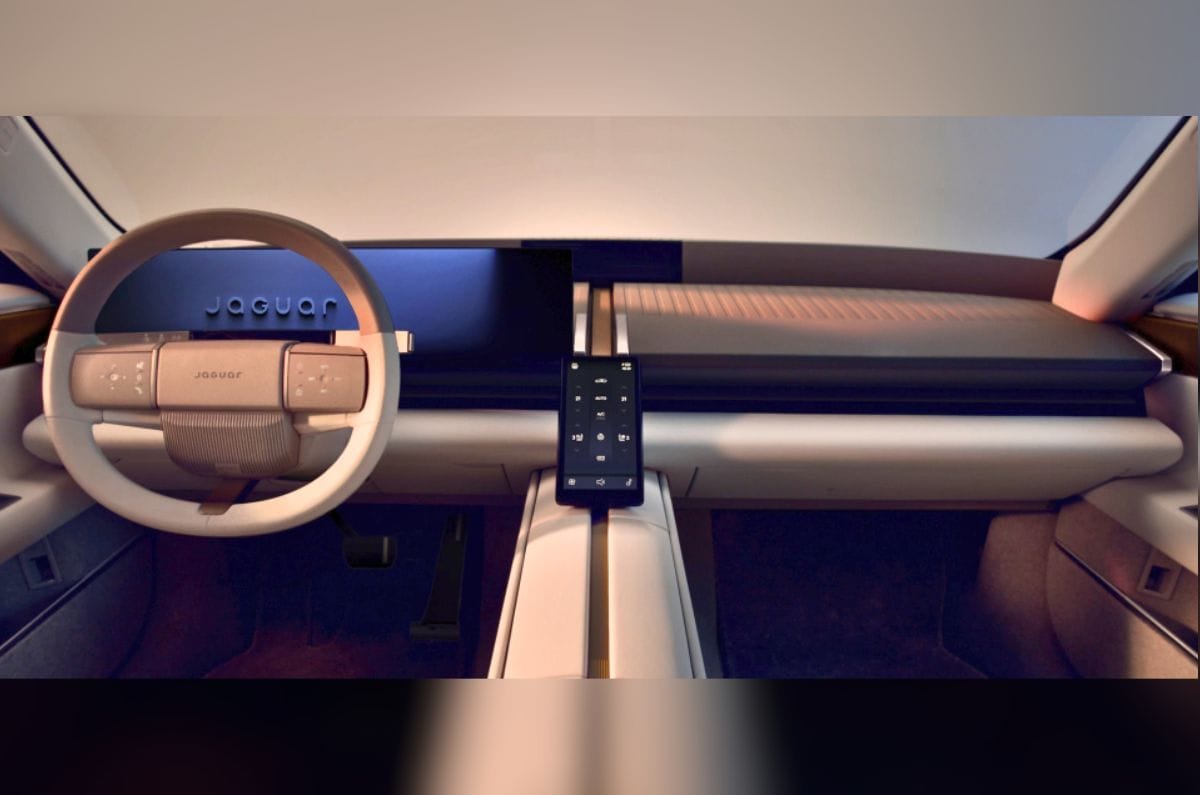
Jaguar has revealed the interior of the upcoming Type 01 electric GT. The Type 01’s cabin is inspired by the Type 00 concept on which it is based, and is as radical as its exterior design. Jaguar will debut the production-spec Type 01 in New York on October 6.
Has a ‘central spine’ spanning the length of the cabin
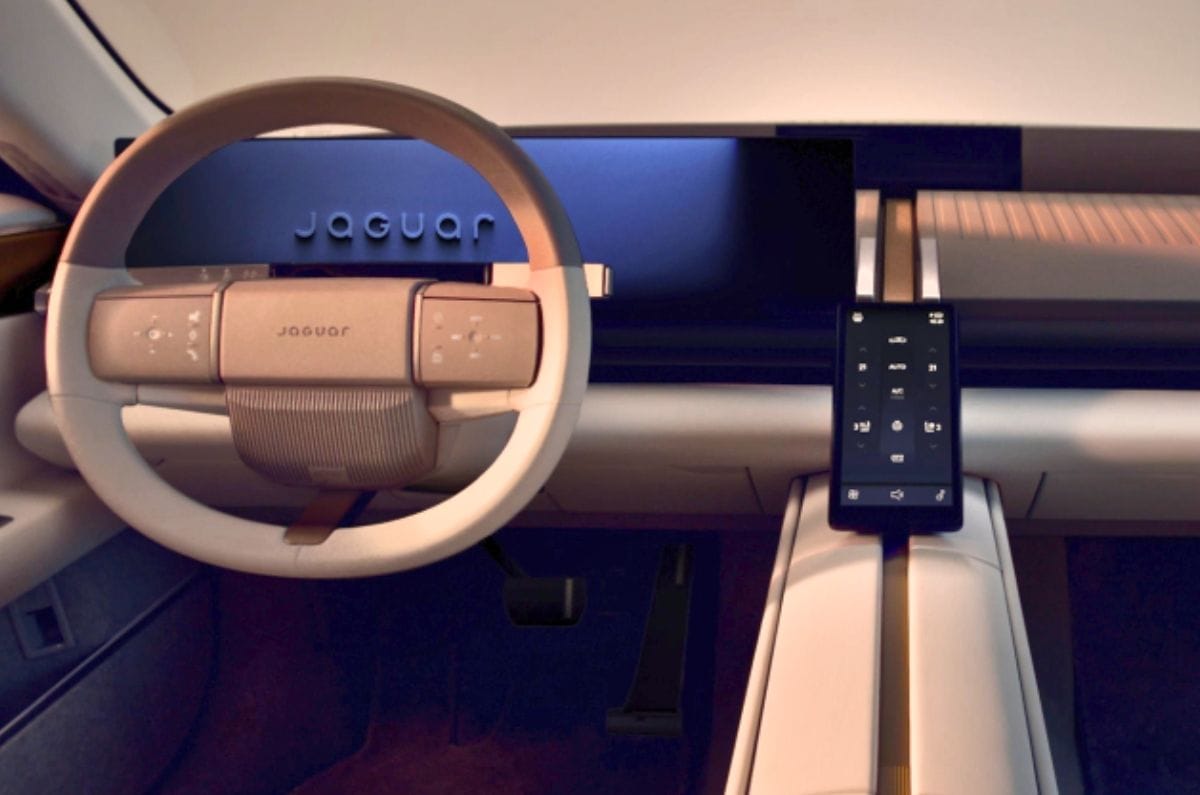
Gets a screen in front of the driver and a central screen for AC controls
Misses out on a rear windscreen, but features digital rearview cameras
Jaguar Type 01 interior revealed
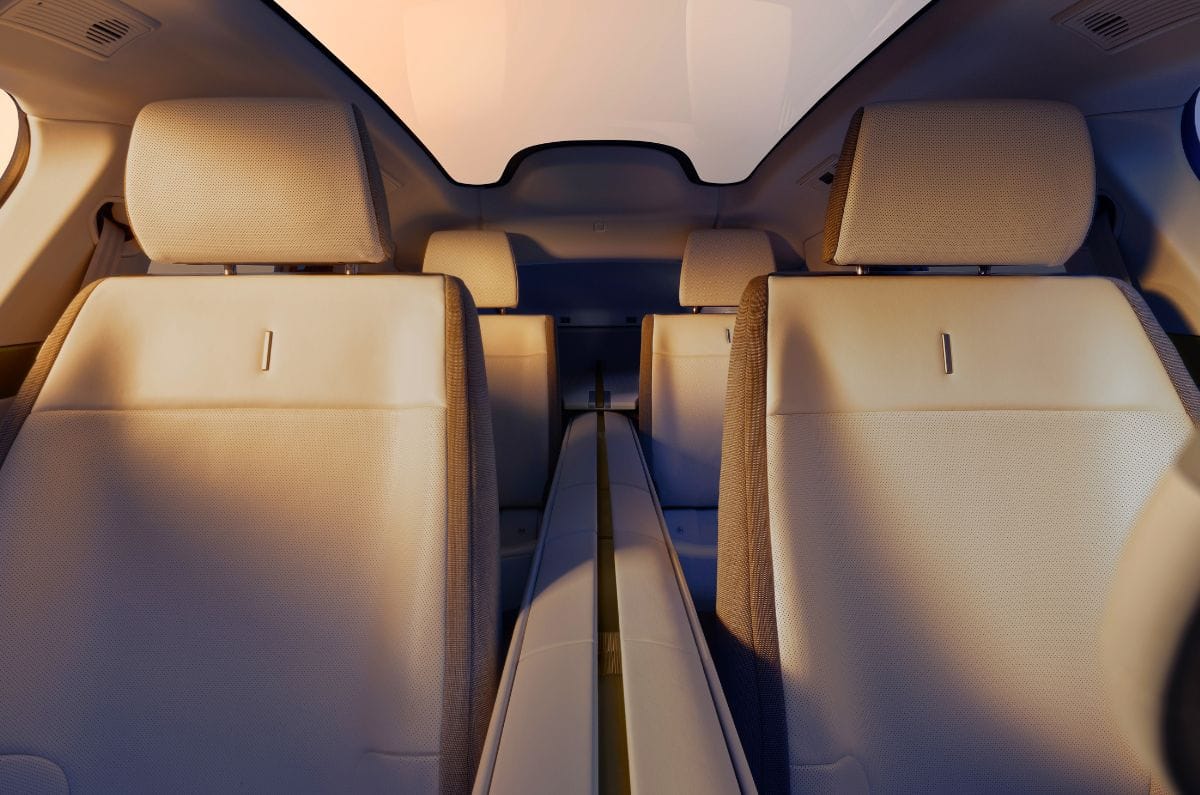
4-seater electric GT has a minimalist cabin divided into four individual spaces
Jaguar’s “hidden on-demand technology” is integrated into the EV’s architecture.
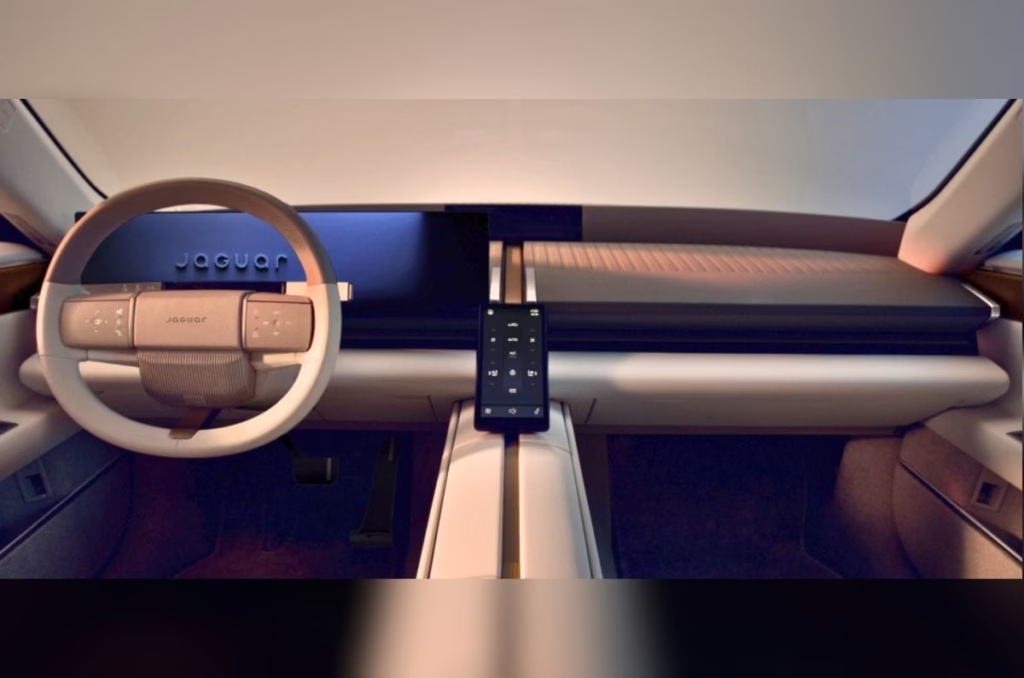
The interior design of the Jaguar Type 01 concept takes inspiration from the Type 00 concept, calling it “a concept car vision brought to production”. The production-spec model features a ‘central spine’ spanning the length of the cabin and divides it into four individual segments – one each for every passenger. This central spine has a brass finish and features a small screen at the front for operating the climate controls. This AC control screen and another display on the dashboard are being called “hidden on-demand technology”, which, Jaguar says, is integrated into the EV’s architecture.
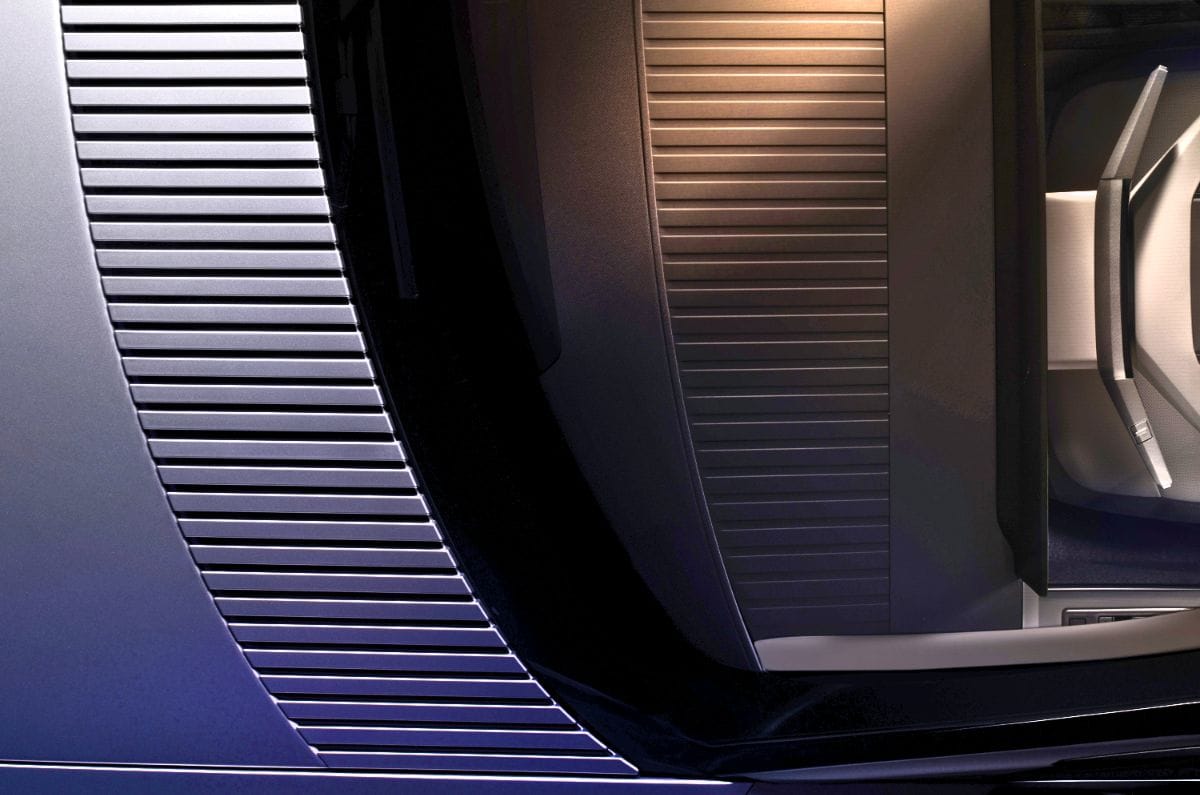
Strikethrough elements on the dashboard are similar to those on the bonnet’s top lip.
The interior features a 2-spoke steering wheel with touch-enabled buttons and a distinct dashboard design for the driver and front passenger areas. There’s a digital screen in front of the driver and ‘strikethrough’ elements in front of the co-driver. Similar ‘strikethrough’ design elements are also present on the top lip of the bonnet to fuse the Type 01’s exterior and interior design.
There is no glass rear windscreen.
A low swooping roof can also be seen with panoramic glass, which is likely to feature customisable lighting patterns. The Jaguar Type 01 does not feature a rear windscreen but digital rearview cameras instead. It features four seats with a dual-tone upholstery.
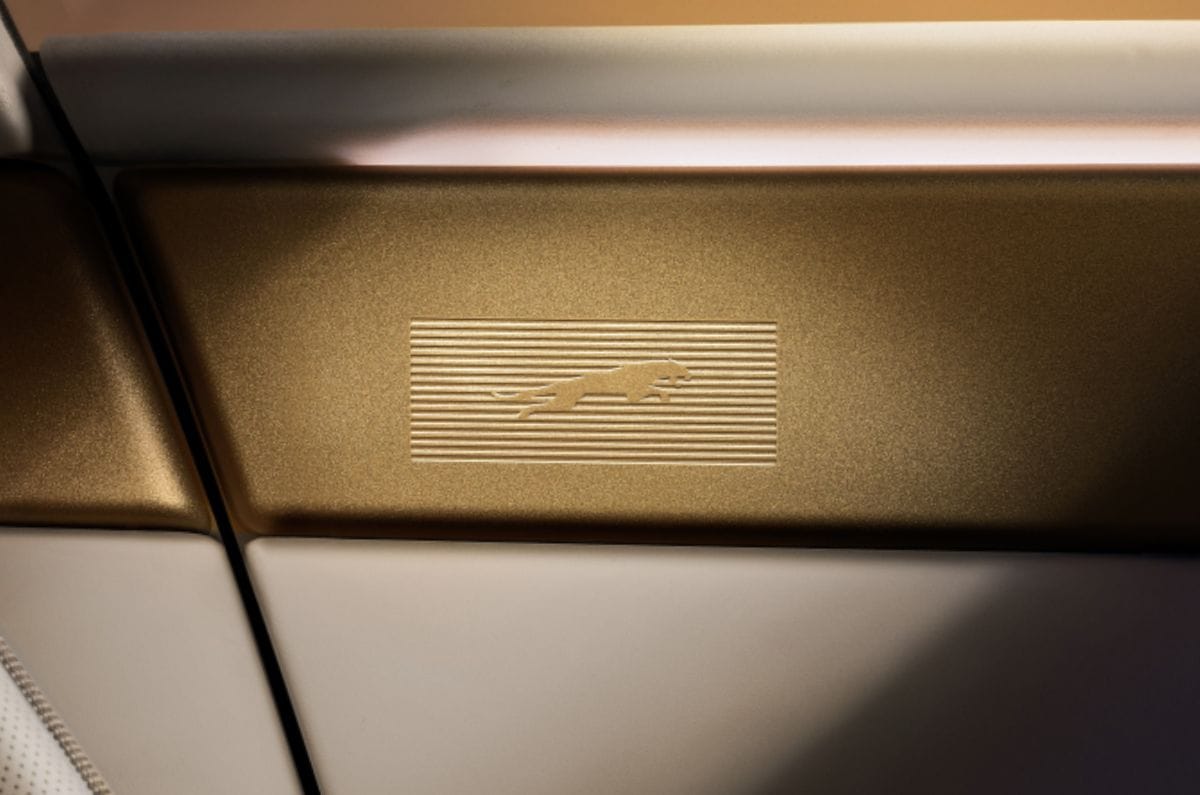
The doors sport the same brass finish as the central spine but additionally feature Jaguar’s ‘leaper’ logo. Jaguar says that the Type 01’s interior is inspired by travertine stone (a type of natural limestone) and textures of artisan textiles for a “deeply sensorial experience”.
Jaguar Type 01: Other details
Built on the JEA platform; will offer over 700km of range
The top section of the doors feature the Jaguar leaper logo.
The Jaguar Type 01 will debut in New York on October 6, 2026, as the luxury marque’s first car after its ‘reinvention’ as an all-electric brand. It will be underpinned by the Jaguar Electric Architecture (JEA), offering a claimed range of over 700km and featuring three electric motors producing over 1,000hp. It is expected to arrive in international markets by the first half of 2027 as a rival to the Ferrari Luce, Audi e-tron GT, Porsche Taycan and Mercedes-AMG GT 4-Door Coupe.
दिल्ली के नरेला में शनिवार सुबह एक दर्दनाक सड़क हादसा हो गया। मॉर्निंग वॉक के लिए निकली 70 साल की एक महिला की तेज रफ्तार मर्सिडीज-बेंज कार की चपेट में आने से मौत हो गई। हादसे में मर्सिडीज ने पहले एक वैगन-आर कार को जोरदार टक्कर मारी। रिपोर्ट के मुताबिक, मर्सिडीज कार को हरियाणा पुलिस के एक सब-इंस्पेक्टर का बेटा शुभम चला रहा था। प्रत्यक्षदर्शियों ने दावा किया कि हादसे के समय शुभम नशे में था। पुलिस ने उसे मौके से ही गिरफ्तार कर लिया।
हुई जोरदार टक्कर
शुरुआती जानकारी के मुताबिक, हादसा सुबह करीब 8 बजे हुआ। मर्सिडीज और वैगन-आर की आमने-सामने जोरदार टक्कर हुई। टक्कर इतनी तेज थी कि वैगन-आर पीछे की ओर उछलकर पास में खड़ी एक तीन पहिया लोडिंग वैन से जा टकराई। इस दौरान नरेला के मामूरपुर इलाके की रहने वाली 70 वर्षीय उर्मिला, पत्नी सत्यनारायण, दोनों गाड़ियों के बीच फंस गईं। हादसे में उनकी मौके पर ही मौत हो गई।
नशे की हालत में था ड्राइवर
टक्कर में वैगन-आर के ड्राइवर को भी मामूली चोटें आई हैं। प्रत्यक्षदर्शियों के मुताबिक, हादसे के समय शुभम नशे की हालत में था और मर्सिडीज को तेज रफ्तार में चला रहा था। हादसे के बाद वह कार के पास काफी परेशान हालत में दिखाई दिया। मौके की तस्वीरों में कार के कप होल्डर में शराब की एक बोतल भी दिखाई दी। एनडीटीवी की रिपोर्ट के अनुसार, मर्सिडीज शुभम के एक दोस्त की थी। बताया जा रहा है कि शुभम ने हादसे से एक दिन पहले ही घूमने जाने के लिए अपने दोस्त से कार मांगी थी। पुलिस अधिकारियों के मुताबिक, मामले में लापरवाही से मौत समेत अन्य संबंधित धाराओं के तहत केस दर्ज किया जा रहा है। वहीं, महिला के शव को पोस्टमार्टम के लिए अस्पताल भेज दिया गया है।
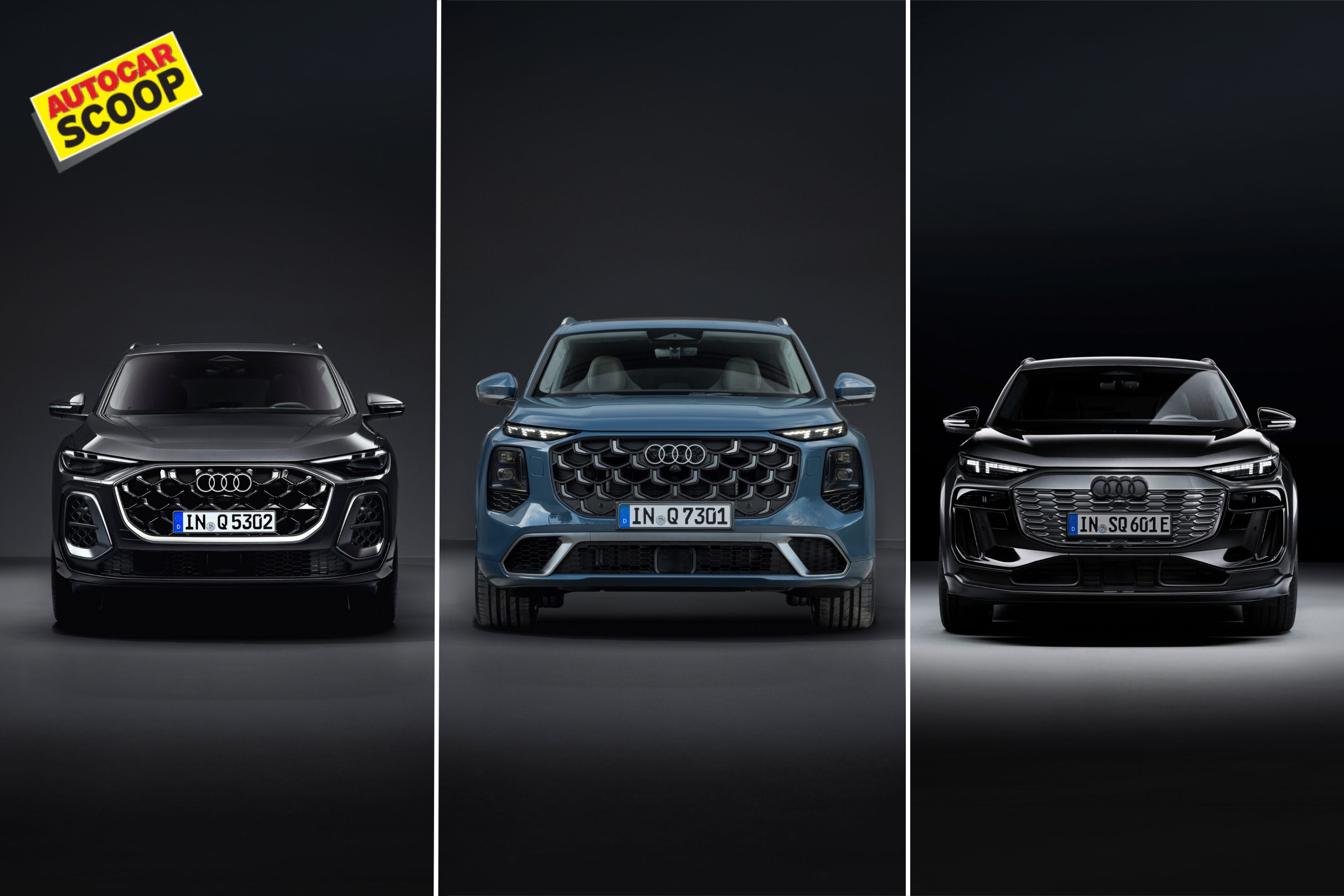
Audi India head Balbir Singh Dhillon recently confirmed 3 new launches in the next 12 months, but we have dug around a bit, and there’s a whole line-up of other models in bound as well. Apart from the new-gen Q3, the A5 and the flagship Q9, Audi will also be bringing the next-gen Q5 and Q7 in 2027. There will also be an EV making a comeback in Audi’s lineup in the form of the Q6 e-tron, and the big news is that all of these models will be locally assembled in India. Essentially, Audi’s entire Q-range will be thoroughly revamped in India by the end of next year.
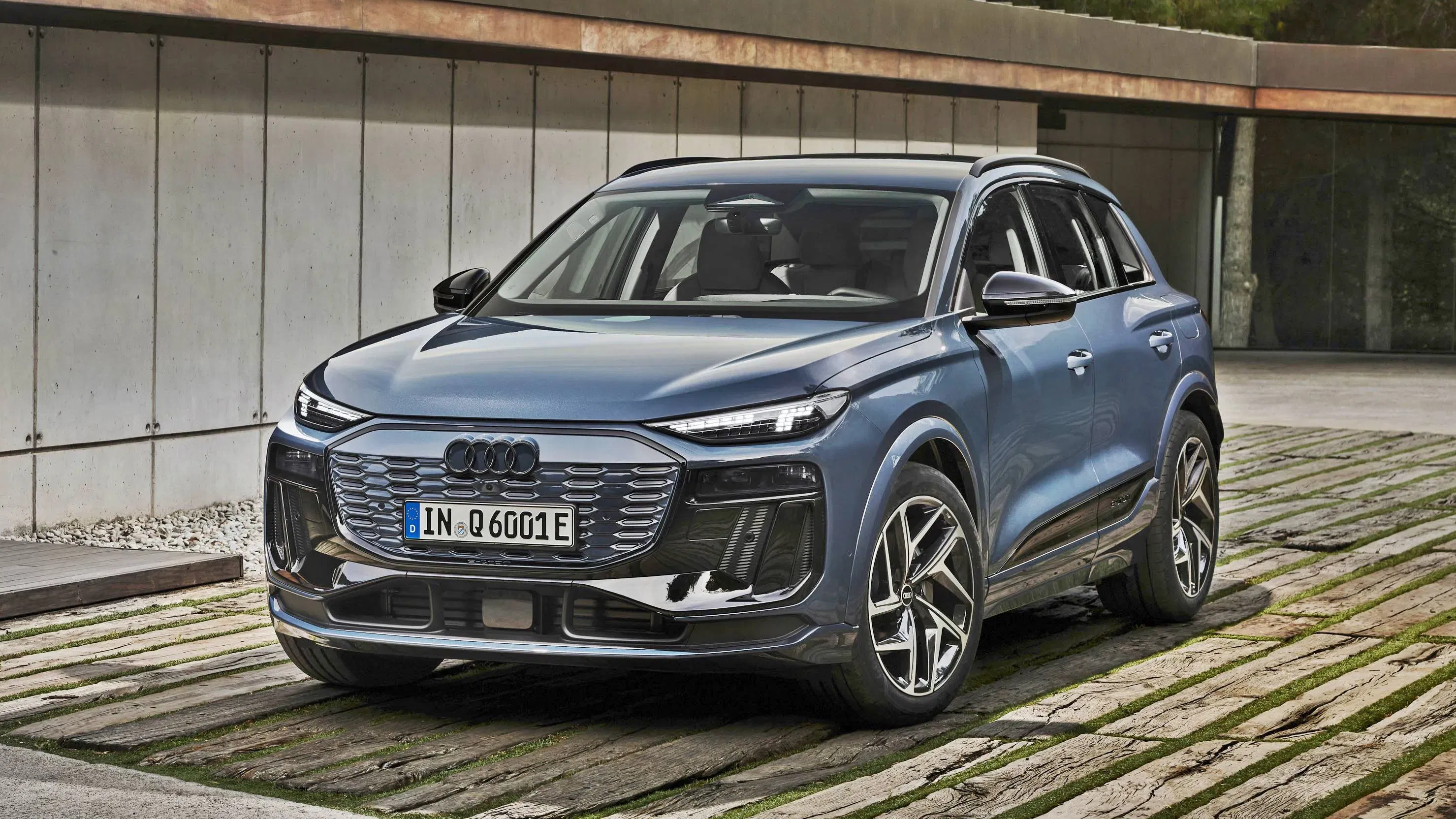
Audi Q6 e-tron
Estimated price: Rs 85 lakh; launch: Mid-2027
The Q6 e-tron will be Audi’s first EV to be assembled here. The electric SUV was the first to be based on the Volkswagen Group’s 800V Premium Platform Electric (PPE) architecture, co-developed with Porsche.
It’ll be offered in SUV and Sportback body styles and is likely to have a 100kWh battery (an 83kWh unit is offered overseas) with a single 306hp rear-mounted motor, offering 641km of WLTP range (656km for the aero-efficient Sportback). The EV also introduced Audi’s latest curved display that comprises an 11.9-inch digital instrument cluster, a 14.5-inch central touchscreen, and an optional 10.9-inch touchscreen display for the front passenger.
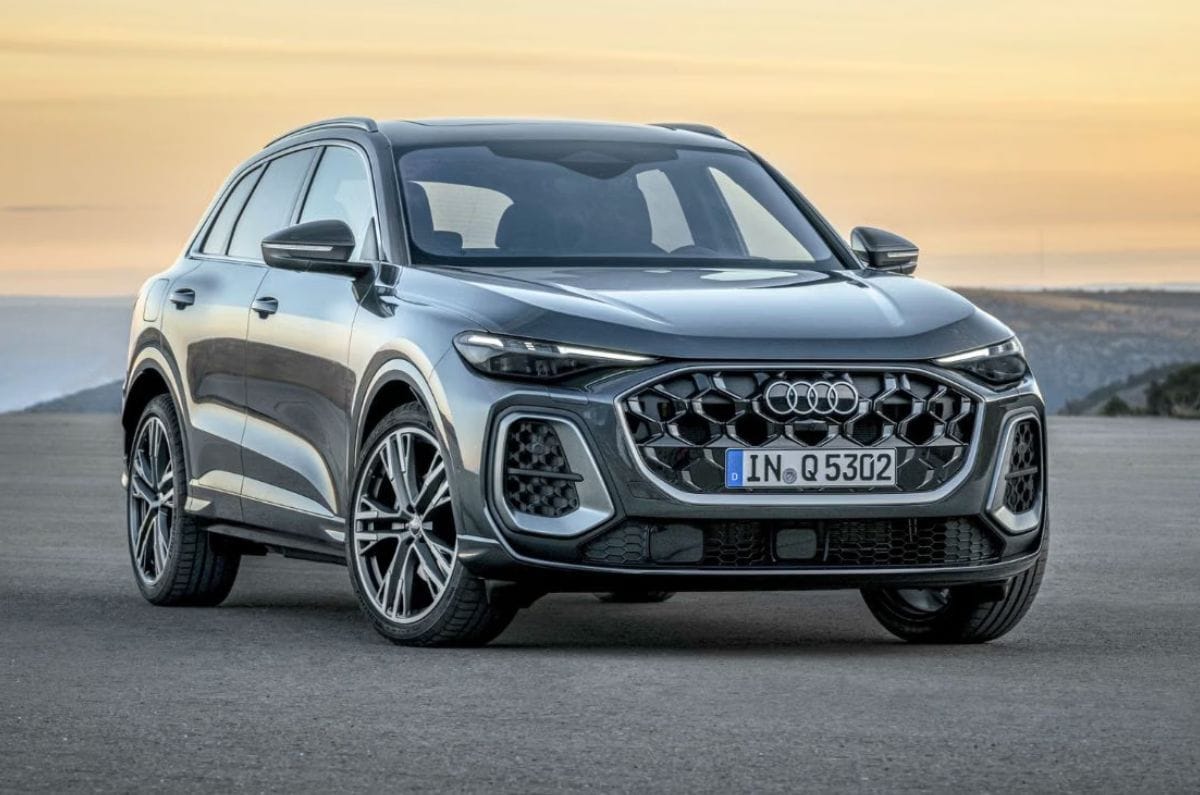
Next-gen Audi Q5
Estimated price: Rs 75 lakh; launch: October 2027
The third-gen Q5 will arrive to take on the Mercedes GLC and BMW X3. Sharing Audi’s latest PPC architecture with the A5, it gets sharper styling than its predecessor, much improved aerodynamics and a thoroughly modern cabin featuring a curved 11.9-inch digital driver’s display and 14.5-inch touchscreen, along with an optional passenger display.
It is expected to use Audi’s localised 2.0 turbo-petrol in a higher 265hp state of tune, paired with a 7-speed dual-clutch automatic and Quattro AWD. There is no word on whether Audi will bring the Sportback or the 367hp SQ5, but the India-EU FTA could create potential for a launch.
Audi Q7
Estimated price: Rs 1.2 crore; launch: December 2027
While the recently revealed Q9 is now Audi’s flagship SUV, the Q7 still has big cachet in India. The third-gen model brings in a brawnier form, which harks back to the original Q7. A three-row, seven-seat layout will be standard, and there will also be the option of a six-seat configuration with captain chairs in the middle row.
Cabin space and quality have been upped. The Q7 will sport Audi’s new triple-screen dash layout. While markets abroad get a mild-hybrid diesel, in India, it is expected to retain the 3.0 V6 turbo-petrol.
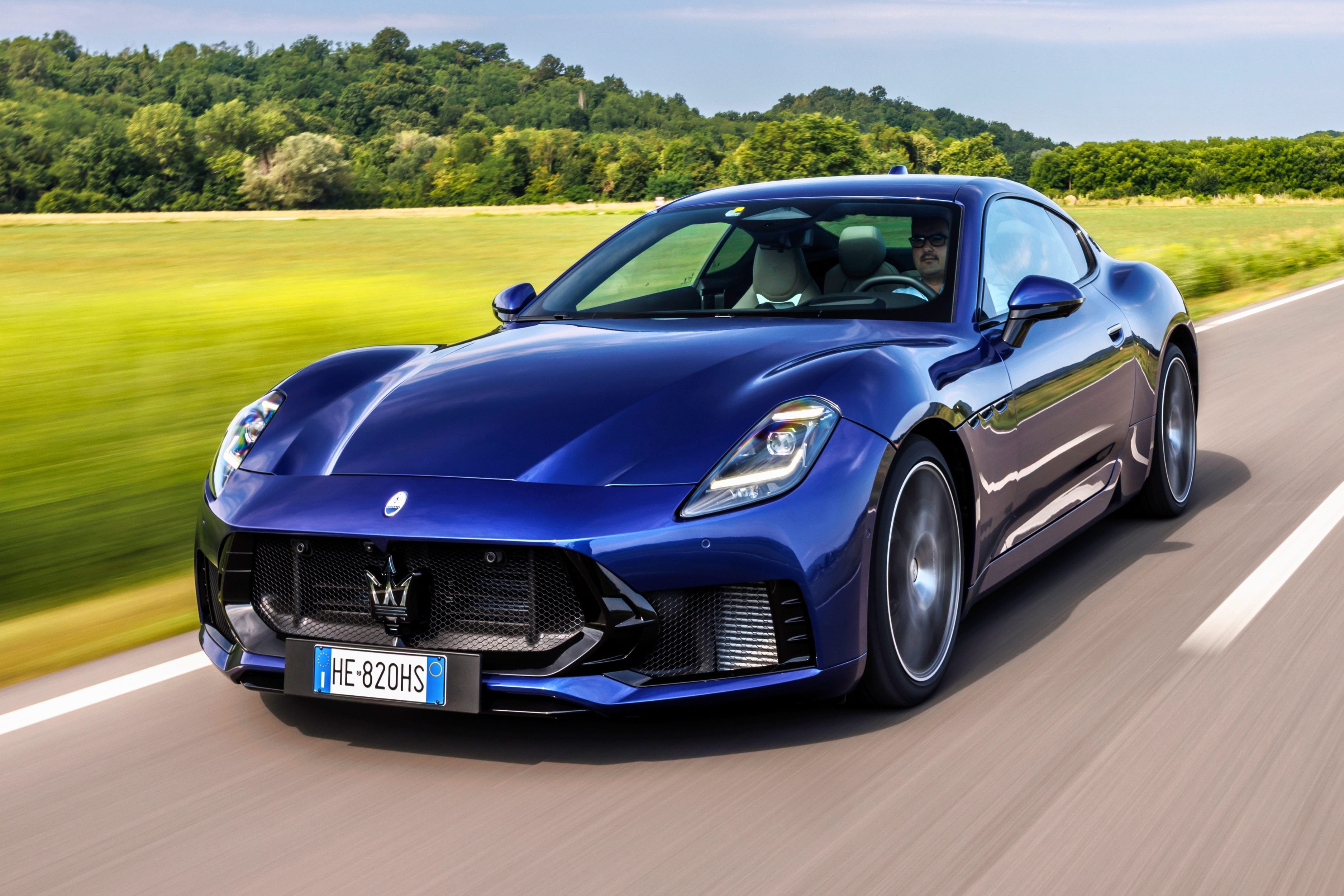
If Lamborghinis look like they’ve time-travelled from the future, and Ferraris appear shaped in wind tunnels, Maseratis are all about sculpture – flowing lines, gentle curves and delicate details. I’m no art connoisseur, but the gorgeous GranTurismo seems very much part of the awe-inspiring scenery at Italian seaside town Trieste’s Piazza Unità d’Italia.
Maserati GranTurismo Exterior Design and Engineering – 9/10
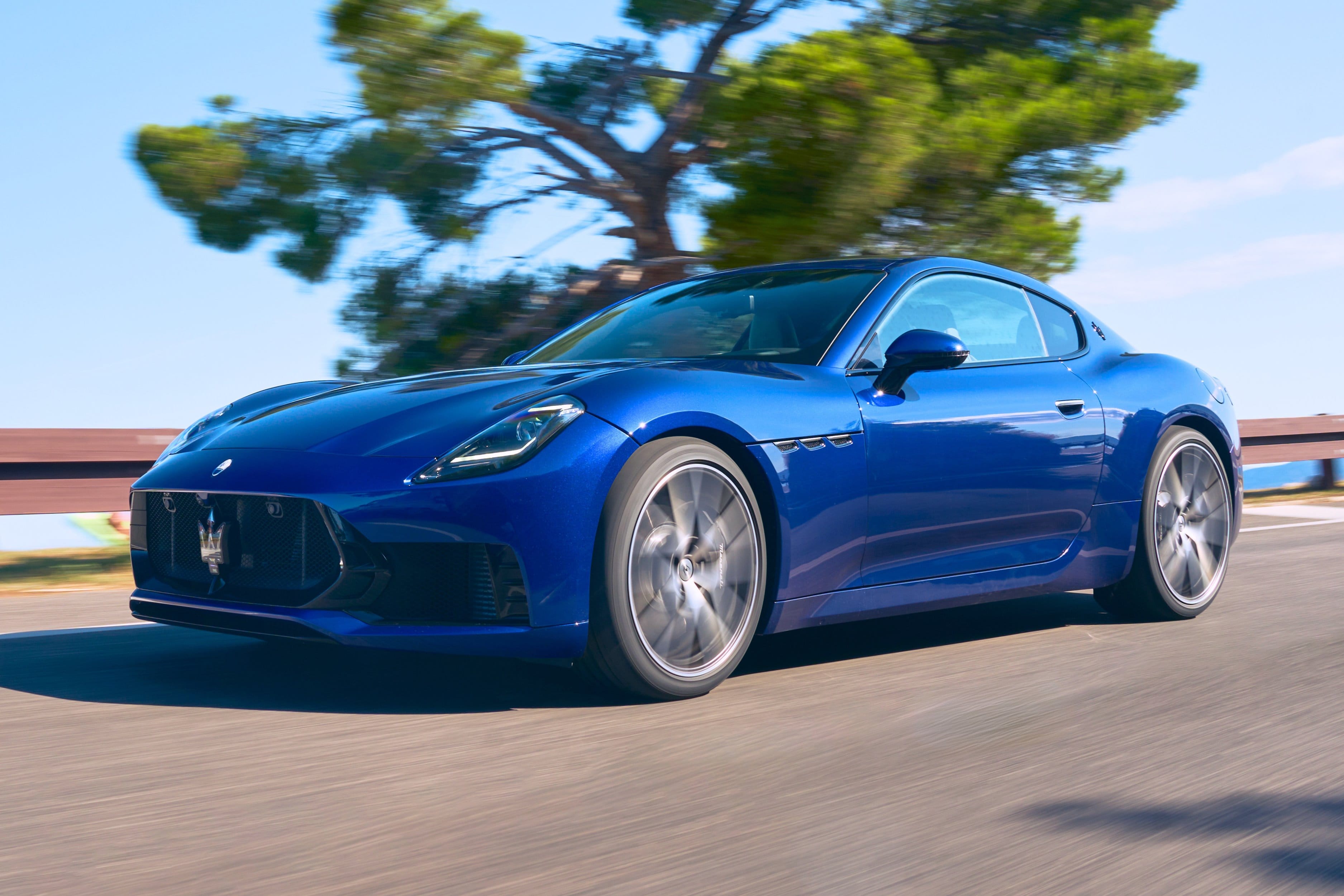
Classic GT proportions and Maserati details make it very eye-catching.
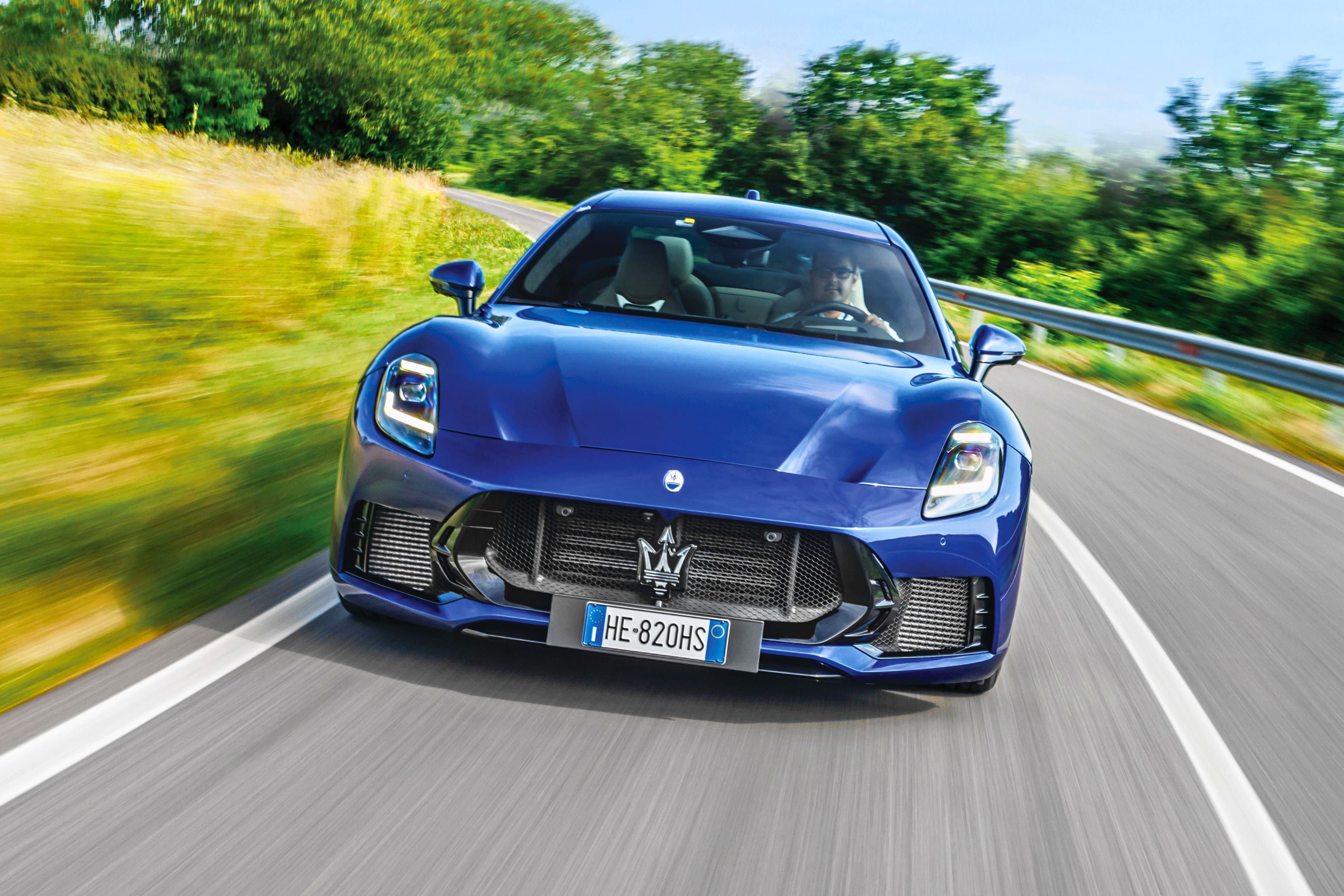
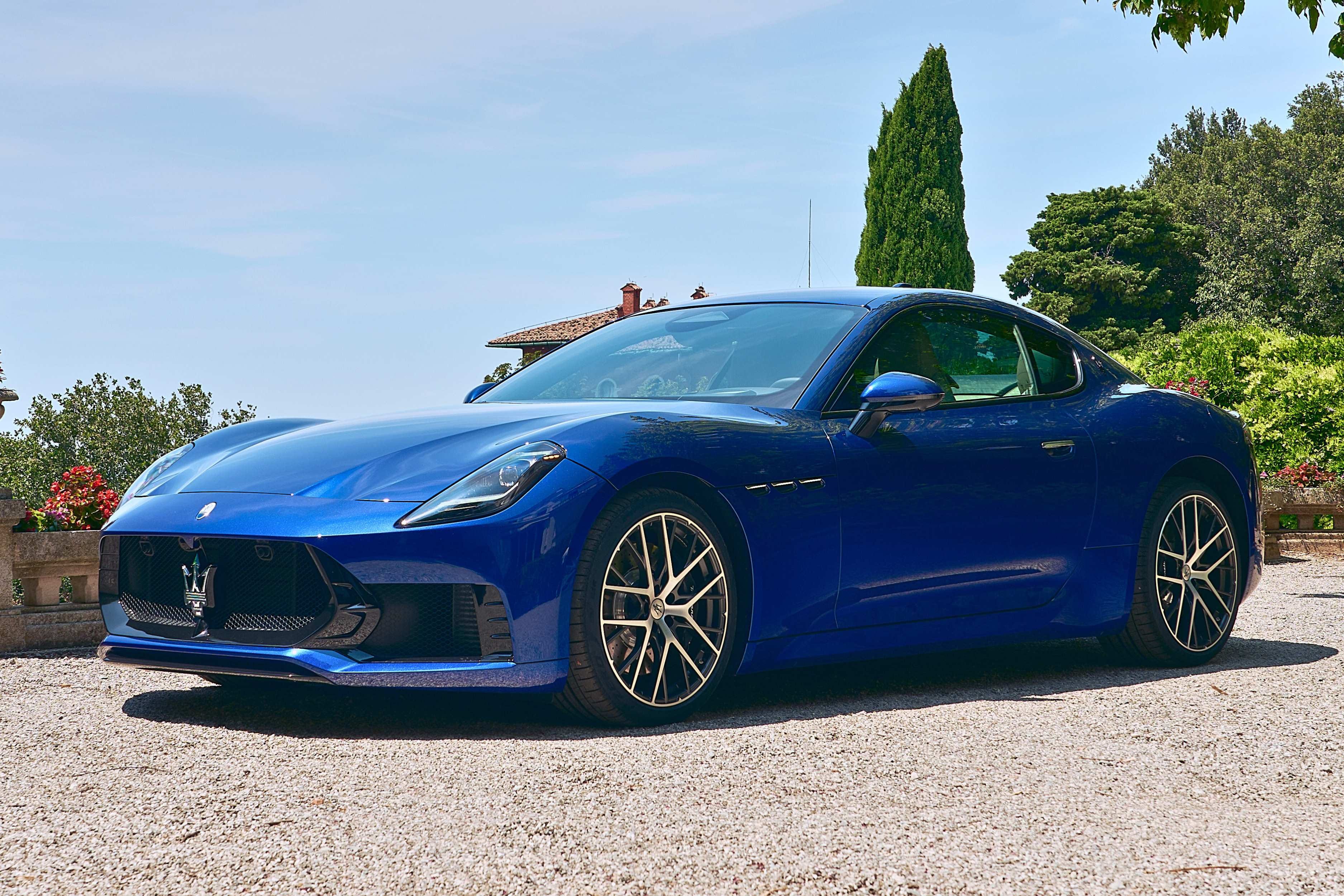
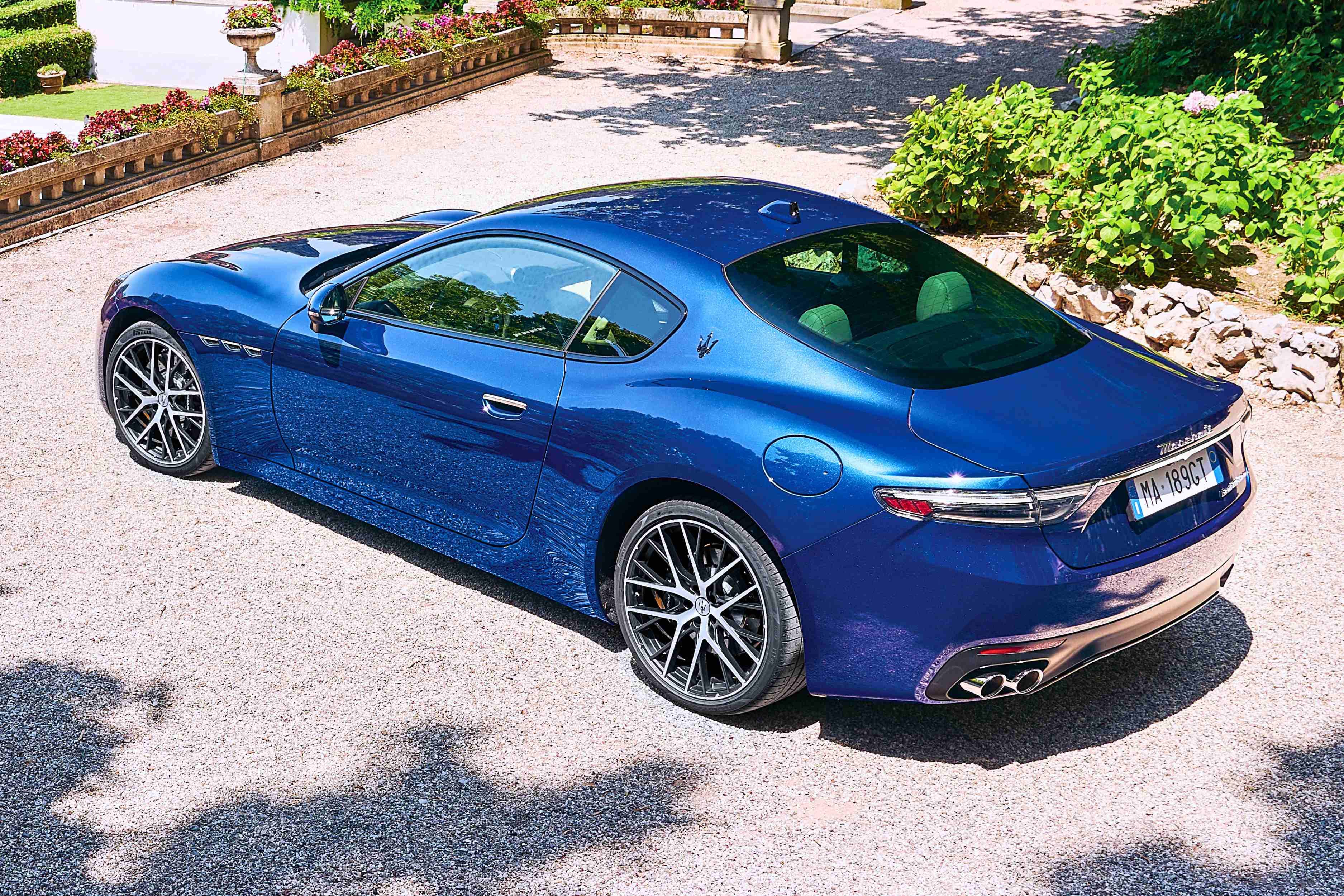
There’s the impossibly long bonnet, the neatly tucked-in cabin and the flowing rear that has become a GranTurismo trademark. Signature Maserati cues remain intact too, from the triple vents behind the front wheels to the distinctive rear quarter window and the Trident proudly displayed on the C-pillar. Even the way the muscular rear haunches merge into the tail has an elegance that’s hard to ignore.
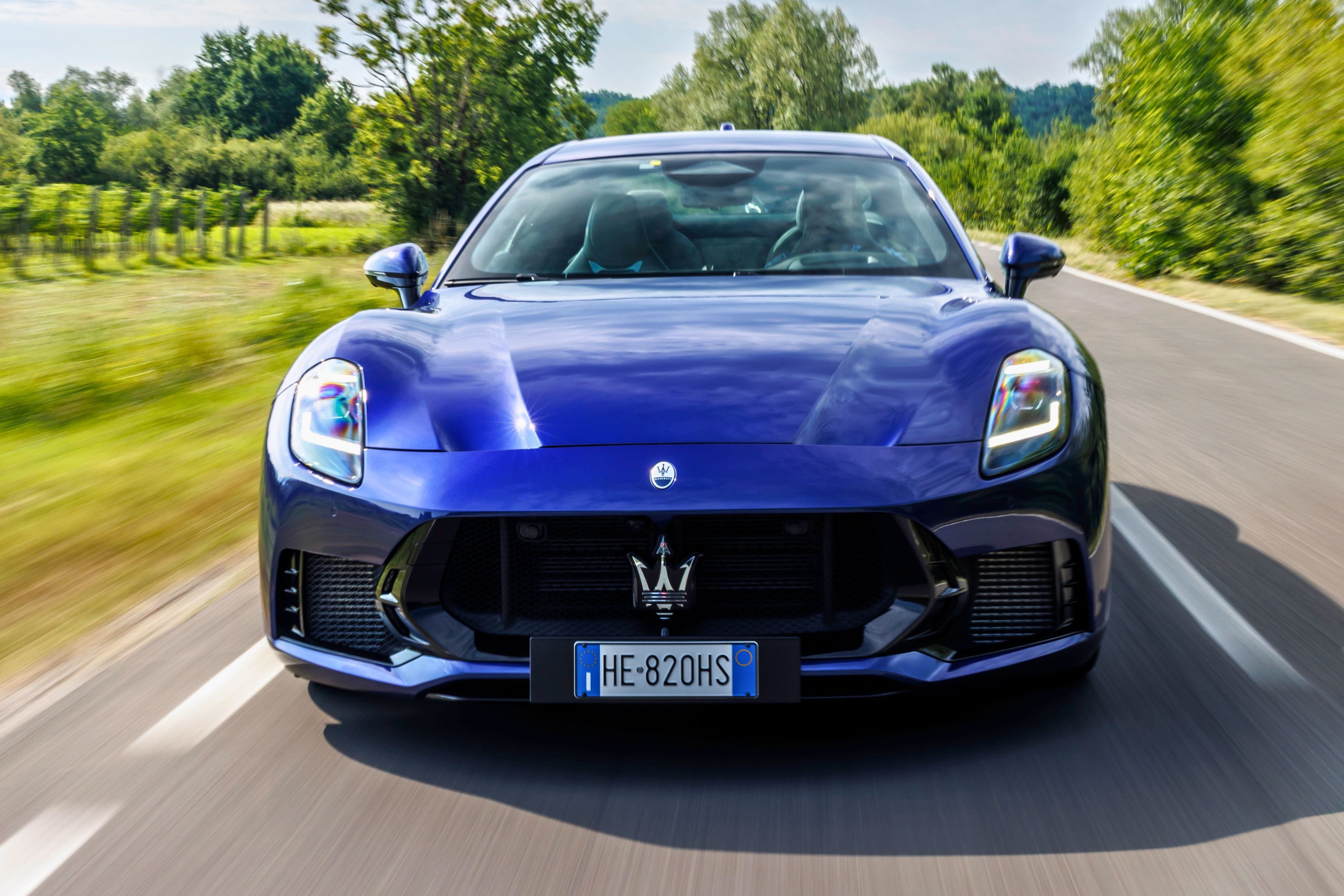
Revised front bumper adds aggression to GranTurismo look.
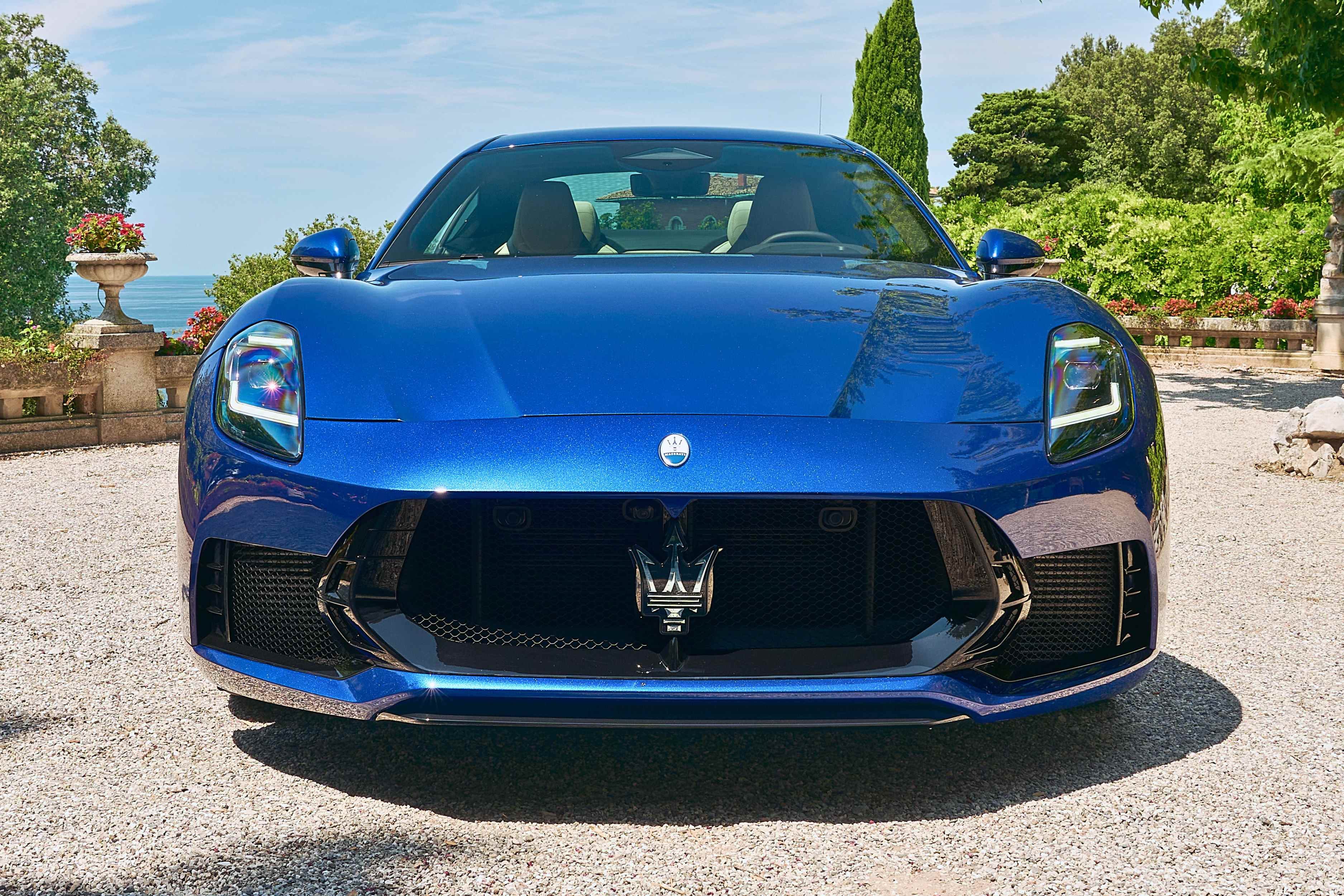
2026’s styling revisions are concentrated at the front. A larger grille sits lower down, flanked by bigger intercooler openings and a more pronounced splitter that together lend the GranTurismo a more aggressive face. At the rear, the clear-lens tail-lamps are the easiest (actually, only) way to identify the updated model. Oh, and if you see a GranTurismo without quad exhausts, you should know that you’re looking at the Folgore or electric version.
Maserati GranTurismo Interior Space and Comfort – 8/10
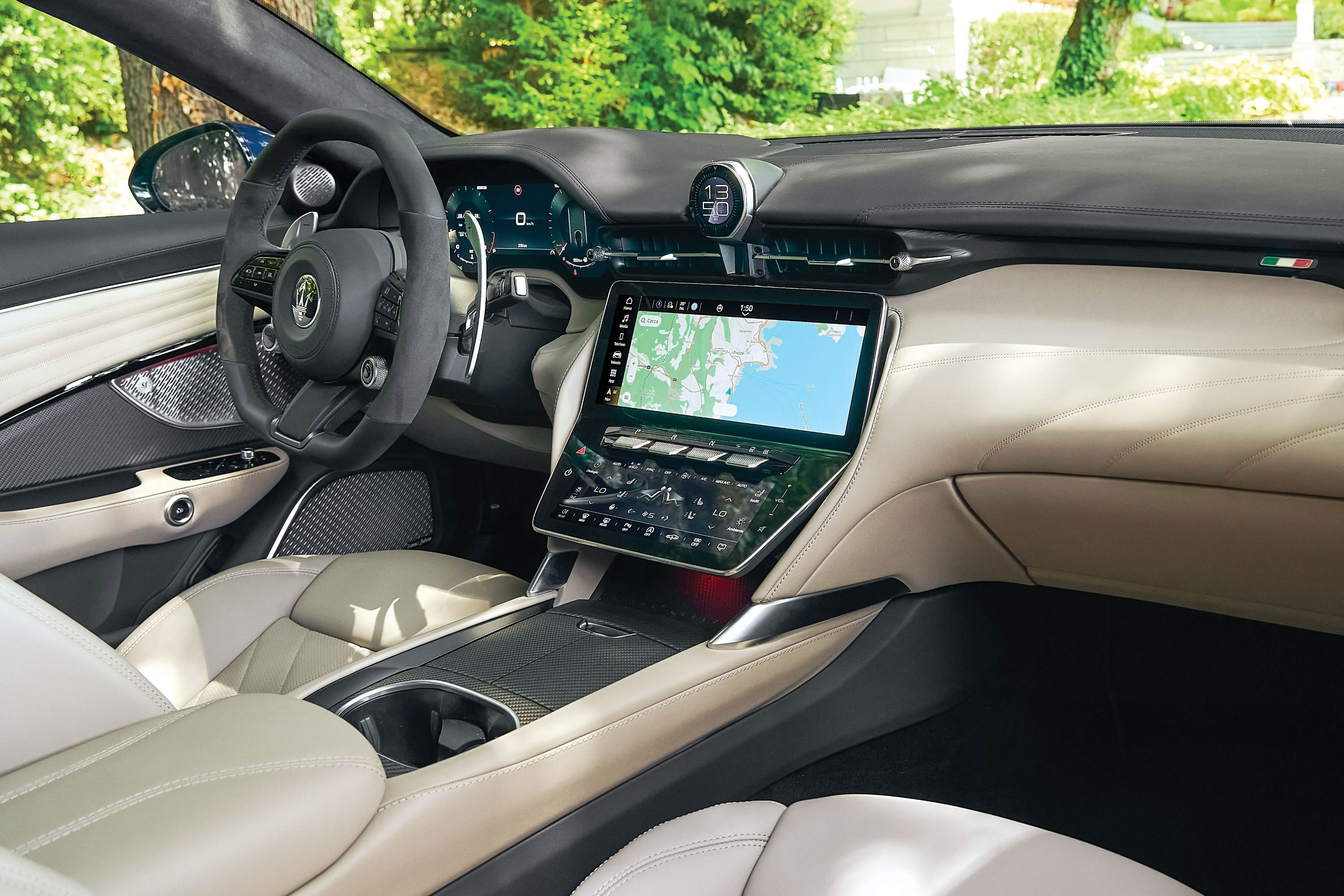
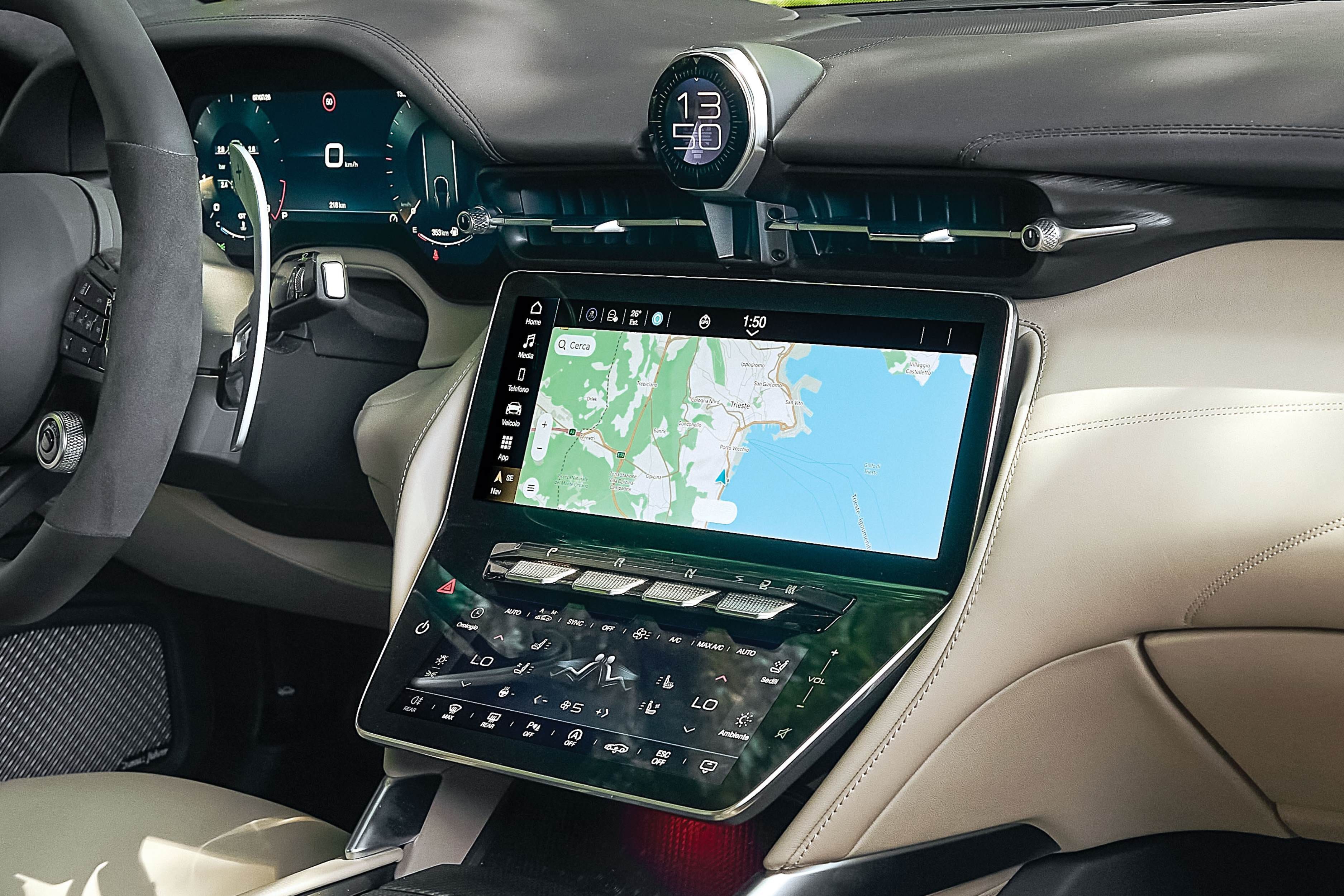
Inside too, the updates are subtle. The basic dash design is unchanged and is characterised by four screens– 12.2-inch digital dials, a 12.3-inch central infotainment screen, an 8.8-inch lower touchscreen and a digital clock.
New steering and redone gear selector switches among the changes inside.
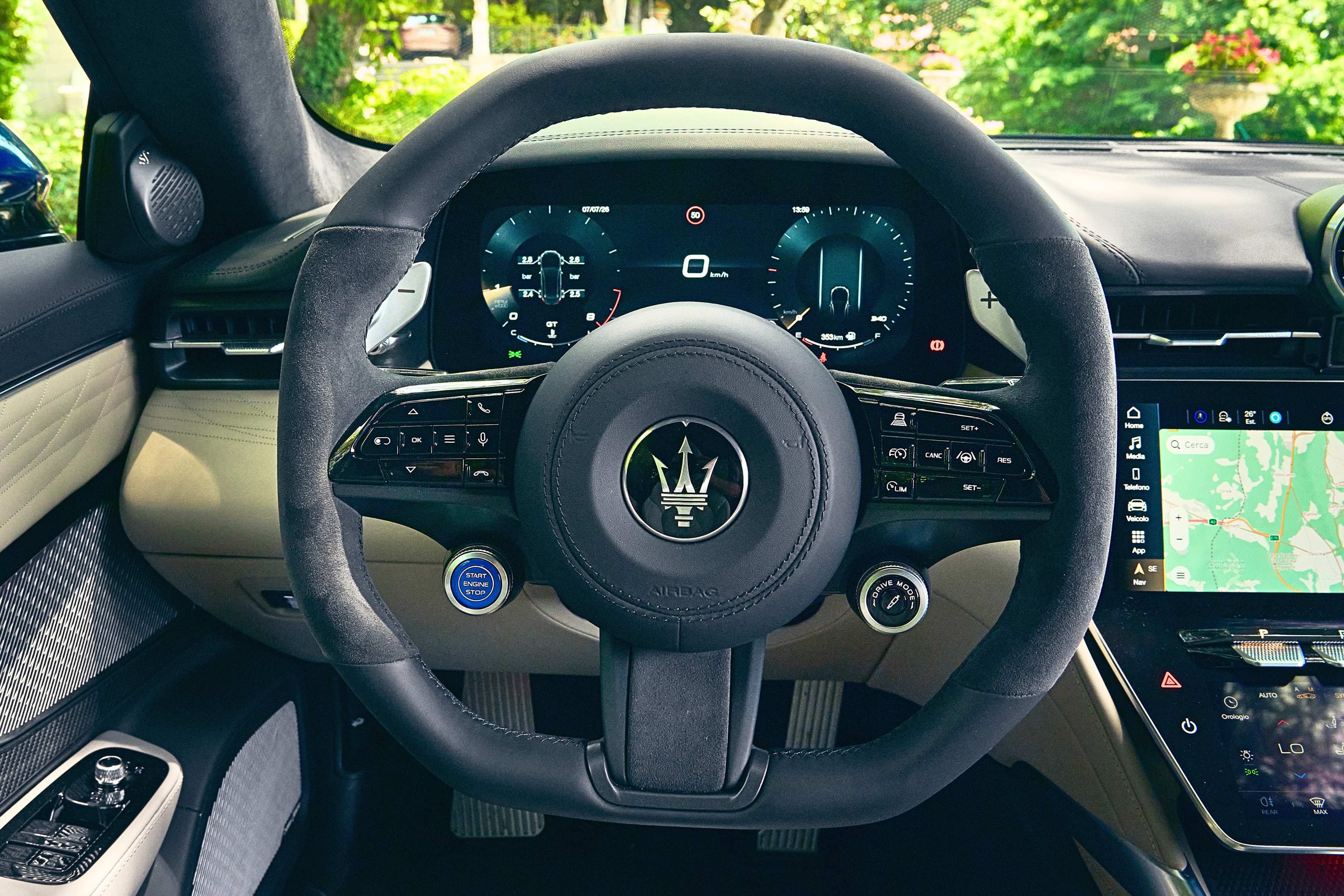
The steering gets a new squared-off design wrapped in Alcantara, and behind it remain the wonderfully oversized aluminium paddle shifters fixed to the steering column. The uninspiring P, R, N and D buttons on the dash make way for feelsome metallic toggles, while the digital clock gets a new glass face to make it look more, ahem, analogue. It works.
Interior is a happy blend of tech and craftsmanship.
Despite the abundance of screens, the cabin retains a handcrafted and very Italian feel thanks to the quality of (most) materials and intricate detailing. Maserati would only be too happy to introduce buyers to its universe of upholstery, colour and trim options to create an interior that’s truly personal. The only ergonomic complaint is the seating position, which doesn’t go quite as low as expected in a car of this nature. On the matter of seats, the GranTurismo’s rear seats aren’t just for show (I’m looking at you, 911). They are genuinely usable for short stints or the odd getaway. There’s a usable boot too, for your Gucci luggage.
Maserati GranTurismo Features and Safety – 7/10
New-age tech meets old-school warmth in here.
The GranTurismo comes with a fair bit of kit as standard. The front seats are powered and heated/ventilated, there’s a fabulous Sonus Faber sound system and enough screens to tell you you’re in 2026. The digital dials are easy to refer to, while the main touchscreen is also easy enough to navigate through. It does feel like a Stellantis group system rather than a bespoke Maserati unit, though. We’re not fans of touchscreens for climate control functions, but Maserati’s solution is among the best of the kind. Swipe sideways across the screen to adjust blower speed and vertically for temperature – intuitive to use on the move.
The safety suite includes camera- and radar-based ADAS.
Maserati GranTurismo Performance and Refinement – 8/10
Modena’s 490hp V6 offers smooth, effortless acceleration; Trofeo’s 590hp is more emotive.
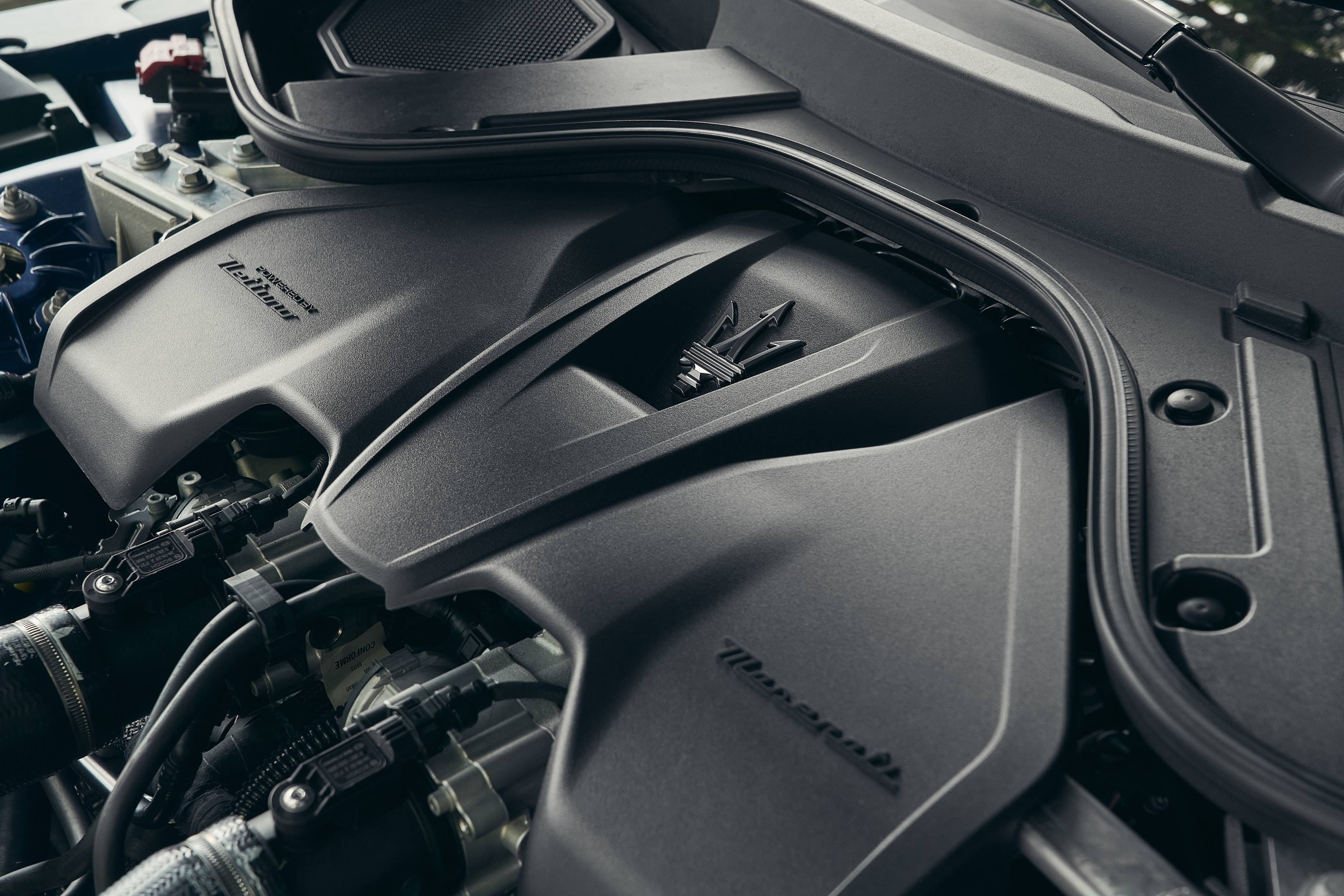
Power comes from Maserati’s own 3.0-litre twin-turbocharged ‘Nettuno’ petrol V6. In Modena guise as tested here, it produces 490hp, while the Trofeo’s output rises to 590hp from the previous 550hp. There’s also the ethanol-blending-proof all-electric Folgore, whose three-motor setup develops 760hp.
GranTurismo Modena does 0-100kph in 3.9 sec; Trofeo takes 3.5 sec.
On the road, the GranTurismo immediately reminds you that it is, above all else, a grand tourer. Despite producing nearly 500hp, it never feels urgent or hyperactive. Instead, its responses are measured and relaxed. Press the throttle harder, and the performance arrives in one smooth, effortless surge rather than an explosive punch. Maserati claims 0-100kph in 3.9 seconds for the Modena and 3.5 seconds for the Trofeo, but it’s the manner in which the speed builds that defines the experience. It launches with elegance rather than violence.
The V6 complements that character perfectly. There’s a constant gruffness to its soundtrack that grows richer as the revs climb. The Trofeo benefits from a more emotive exhaust note.
Maserati GranTurismo Efficiency/Range – 5/10
GranTurismo excels as a grand tourer, prioritising comfort over urgency.
Maserati’s V6 features cylinder deactivation and will shut off the right bank of cylinders at light loads in the interest of better efficiency. As it is, the GranTurismo’s V6 will be more efficient than the V8s in some rivals, but only just. The GranTurismo will happily work through a full tank of 100-octane fuel if you drive with vigour, and even on relaxed drives, you’re looking at real-world figures in the region of 5-6kpl.
The all-electric Folgore does have more to offer with the update. Range is up by 80km to 540km (WLTP) thanks to a new front-axle disconnect function.
Maserati GranTurismo Ride Comfort and Handling – 8/10
At nearly five metres long and weighing around 1.8 tonnes, the GranTurismo is no lightweight sports car. Yet, its standard air-suspension and all-wheel-drive system help disguise its size remarkably well. It doesn’t dart into corners like a Porsche 911, but there’s a lovely fluidity to the way it changes direction. The steering, in particular, deserves praise for its natural weighting and excellent feel.
Air suspension delivers a cushioned ride despite low-profile tyres.
Ride comfort is another highlight. Despite its large wheels and low-profile tyres, the suspension absorbs imperfections with impressive composure. A new ‘Country’ drive mode raises the ride height by 20mm at speeds of up to 120kph, making it particularly relevant for Indian roads.
Maserati GranTurismo Price and Verdict – 8/10
The GranTurismo (and open-top Gran Cabrio) will go on sale in India in the coming months, and we expect the range to start around Rs 2.7 crore (ex-showroom) with the Trofeo’s closer to the Rs 3 crore mark. The all-electric Folgore will also be on offer.
Updated Maserati GranTurismo is expected to cost Rs 2.7-3 crore (ex-showroom).
Similar money could buy you a Porsche 911 GTS or a Mercedes-AMG GT, but I wouldn’t think of the GranTurismo as a direct rival. It’s not as focused as a performance car, but instead excels at a wider range of abilities. The GranTurismo story is as much about luxury as it is about sportiness. Ride comfort is a big plus, and for what it’s worth, the rear seats are usable too. It only helps that the GranTurismo is drop-dead gorgeous.
For the wealthy few shopping in the segment, the GranTurismo deserves a long, hard look. You might just fall for it.