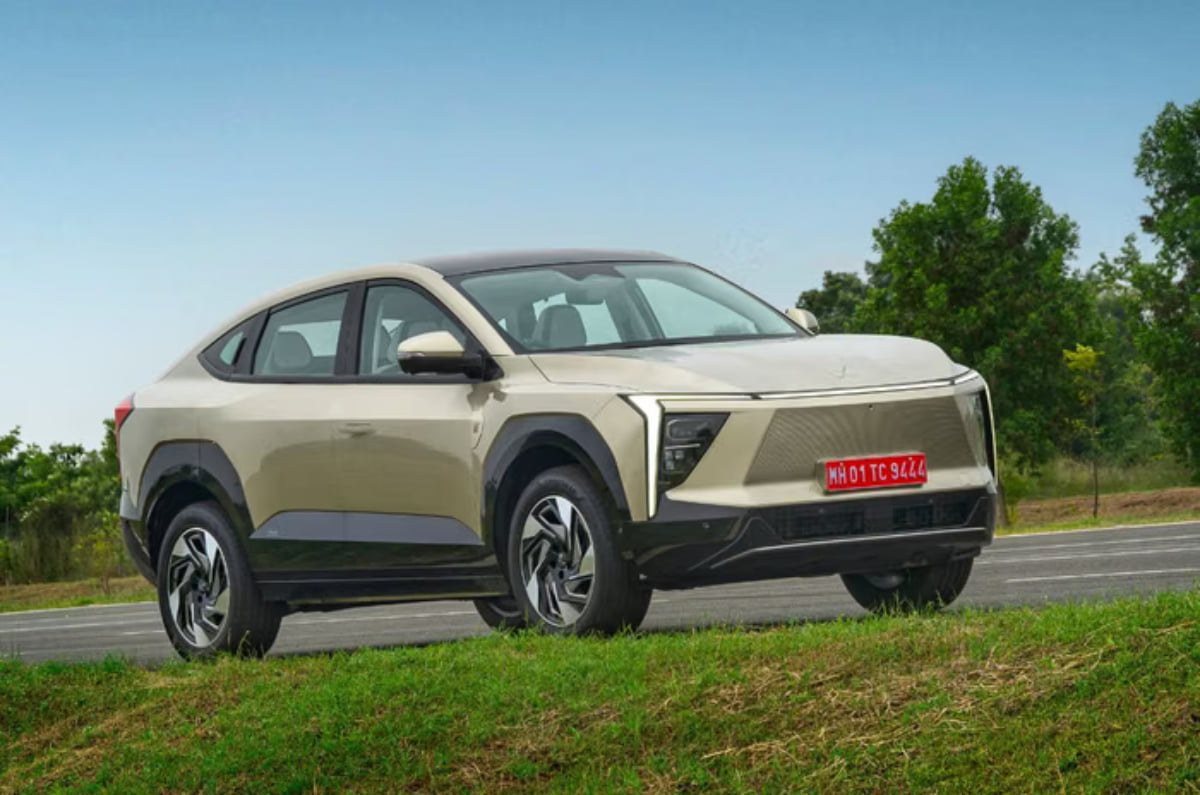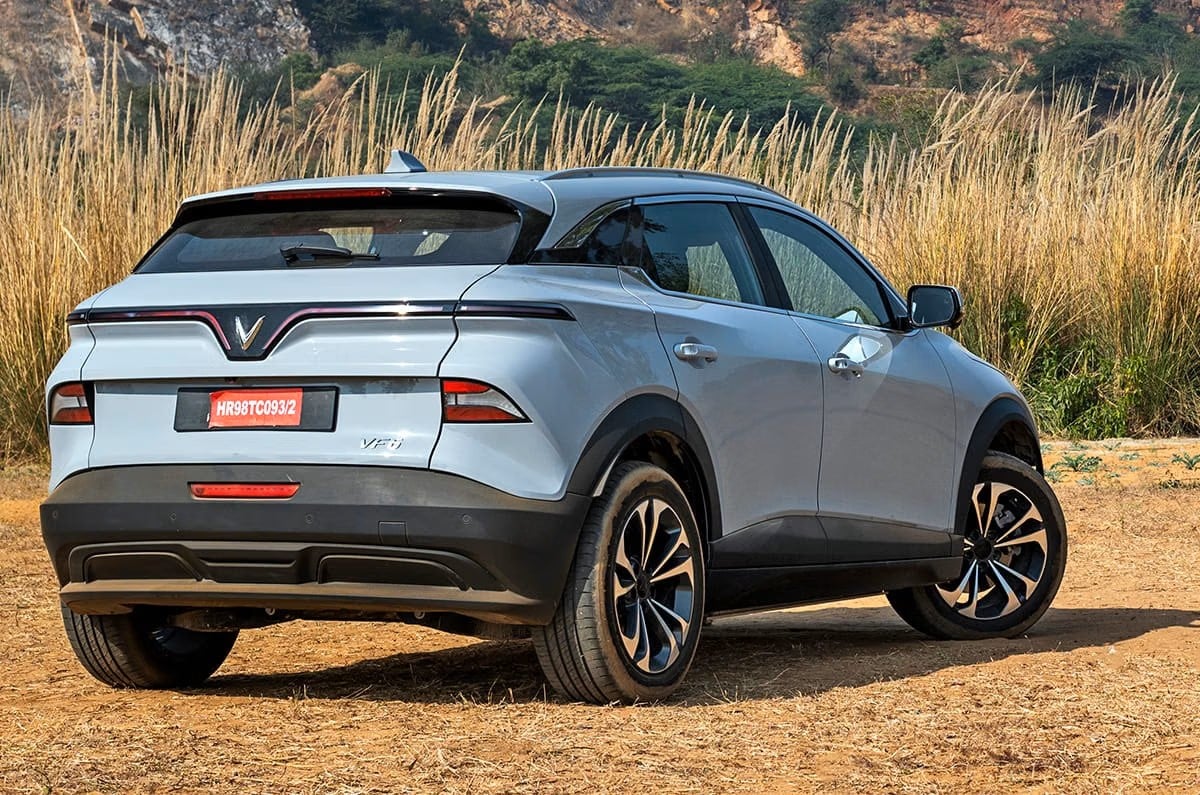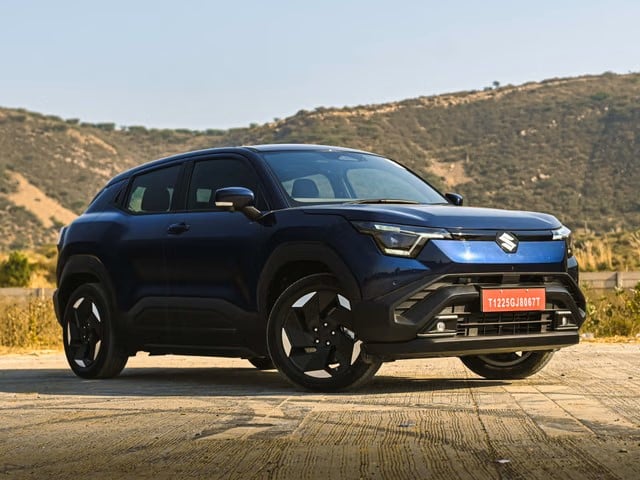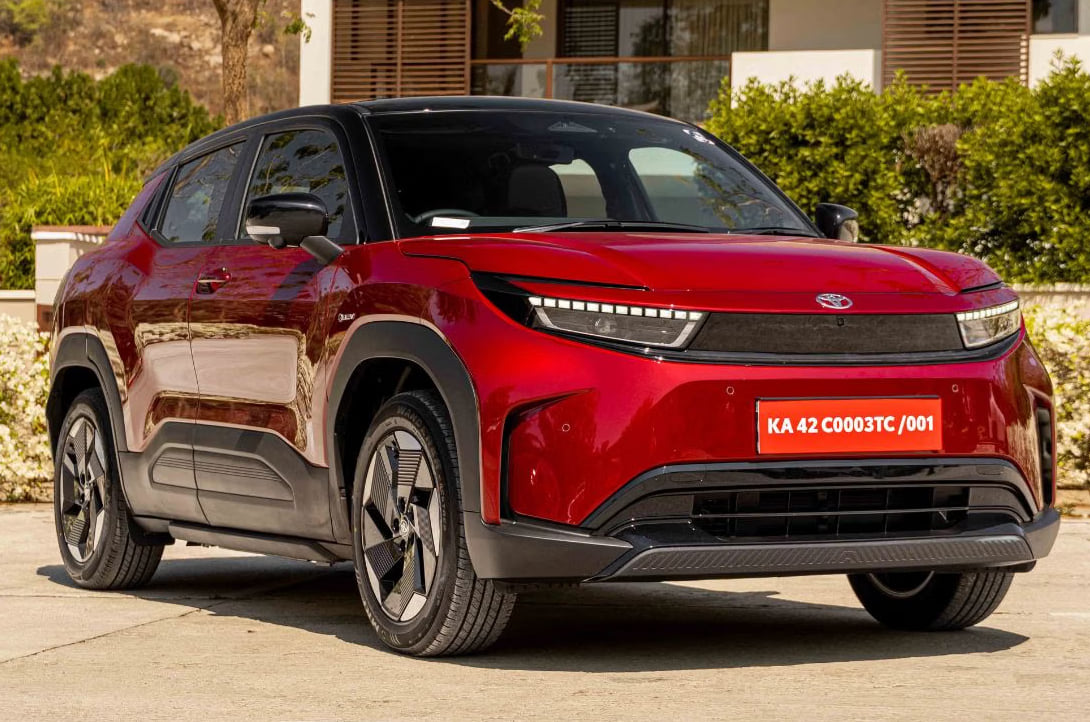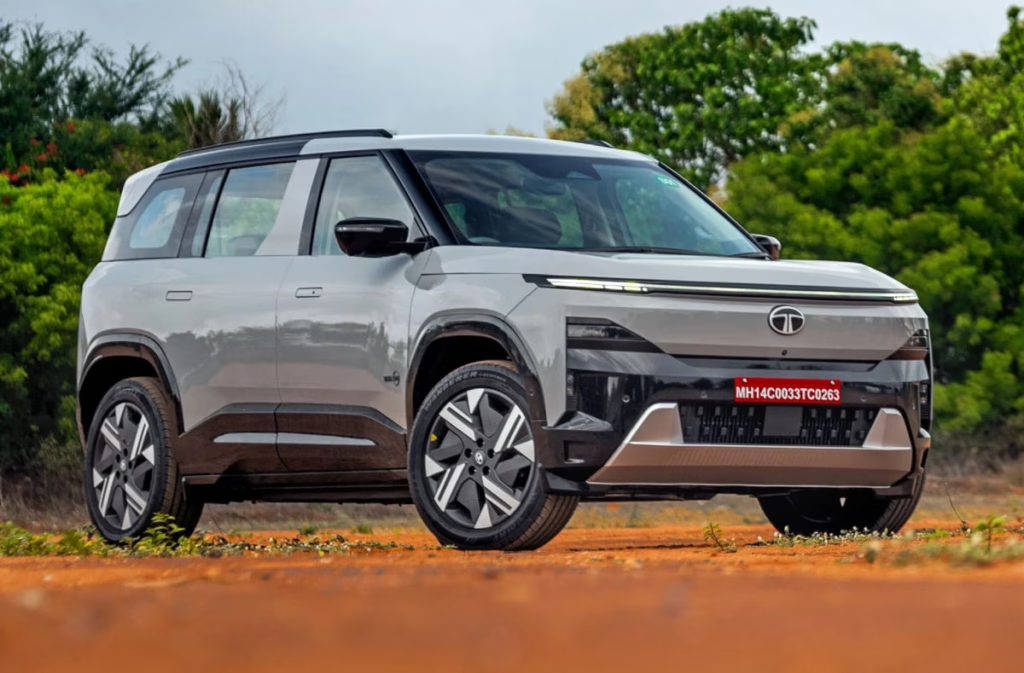
Tata Curvv EV benefits in August 2026 go up to Rs 3.35 lakh

Tata Curvv EV showroom image

Prospective EV buyers headed to a Tata Motors dealership will be offered a variety of benefits in August 2026. Depending on the model and variant, benefits available include cash discounts, exchange offers, plus scrappage and loyalty incentives. Tata’s August 2026 discounts do not include the Tigor EV and Sierra EV, while the Nexon EV gets the lowest benefits this month. The offers mentioned here will be valid till August 31, 2026.

Disclaimer: Offers/benefits may vary by city and are subject to stock availability. Buyers are advised to check with their local dealer for exact figures.

  • Curvv EV gets highest discounts; Nexon EV gets least
  • Curvv EV benefits reach Rs 3.35 lakh, Harrier EV’s Rs 2.75 lakh
  • Select models offered with loyalty benefits

Tata Curvv EV offers in August 2026

Benefits up to Rs 3.35 lakh

Tata is offering select variants of the Curvv EV with exchange benefits worth Rs 30,000 or scrappage incentives of Rs 35,000. Existing Tata customers opting for a new Curvv X series, switching from either an ICE (internal combustion engine) or EV (electric vehicle) model are also offered with loyalty benefits of Rs 30,000. In all, customers of the Curvv EV X variants can avail discounts up to Rs 65,000.

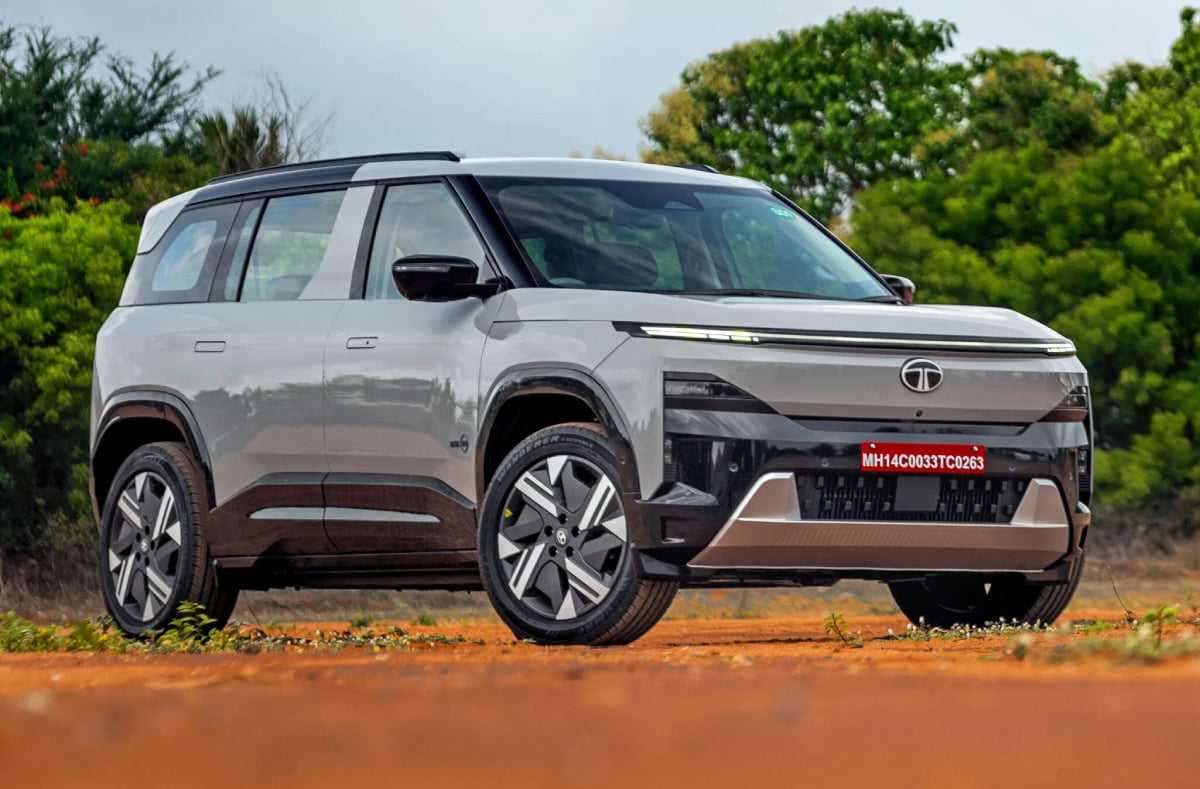
Tata Curvv EV front quarter

Those going for a non-X trim of the Tata Curvv EV can avail maximum benefits of up to Rs 3.35 lakh. This is made possible by a cash discount of Rs 3 lakh, plus scrappage incentives of Rs 35,000. These exchanges/scrappage schemes aside, buyers of the Curvv EV Creative trim will be offered with a cash discount of Rs 2.50 lakh – taking the overall discount to Rs 2.85 lakh.

Tata Harrier EV offers in August 2026

Benefits up to Rs 2.75 lakh

Buyers opting for the Adventure, Fearless+ or Empowered trims of the Harrier EV will be offered an exchange bonus of Rs 50,000 or a scrappage incentive worth Rs 75,000. There are loyalty benefits of Rs 50,000 for those moving from an existing Tata ICE model to a new Tata EV, with existing Tata EV owner moving to a new fully electric model being offered Rs 1 lakh.

Tata Harrier EV front quarter

Tata is also offering customers the ‘Freedom Offer’ this August. It discounts the price of the Harrier EV Adventure trim by an additional Rs 75,000 and by Rs 1 lakh for the Harrier EV’s Fearless+ and Empowered trims. In total, the former is available with benefits of up to Rs 2.50 lakh this August, while the other two can be had with discounts of up to Rs 2.75 lakh.

Tata Punch EV offers in August 2026

Benefits up to Rs 1.45 lakh

Pre-facelift Tata Punch EV rear quarter

Select variants of the Punch EV Medium Range, Long Range, and Smart variants are available this August with an exchange bonus of Rs 30,000 or a scrappage benefit of Rs 35,000. Additionally, cash discounts on the Medium Range is Rs 90,000 and that on the Long Range is Rs 1.10 lakh – overall benefits for the Punch EV Medium Range and Long Range are Rs 1.25 lakh and Rs 1.45 lakh, respectively. Meanwhile, the Smart trim is available with a cash discount of Rs 60,000, with total discounts amounting to up to Rs 95,000.

Tata Tiago EV offers in August 2026

Benefits up to Rs 1.45 lakh

Pre-facelift Tata Tiago EV front quarter

Like the Punch EV, the Tata Tiago EV is also available with August 2026 benefits amounting to up to Rs 1.45 lakh. However, this is only applicable to the LR (Long Range) XT variant of the old model – combining a cash discount of Rs 70,000 and the ‘Freedom Offer’ worth Rs 50,000. Customers can also avail an exchange benefit of Rs 20,000 or a scrappage bonus of Rs 25,000.

The exchange/scrappage benefits are offered with select trims of the Tiago EV MR (Medium Range) and LR (Long Range) variants, too. The former’s total benefits amount to Rs 65,000, whilst the latter’s is Rs 1.25 lakh.

Tata Nexon EV offers in August 2026

Benefits up to Rs 45,000

Tata Nexn EV rear quarter

The Tata Nexon EV is available with benefits of up to Rs 45,000 in August 2026. This takes into account a cash discount of Rs 10,000, a scrappage scheme worth Rs 35,000, or an exchange bonus worth Rs 25,000.

Also read

Benefits up to Rs 1.25 lakh on Tata Curvv in August 2026

Kia opens official Sorento bookings ahead of launch


3 reasons to buy the Tata Curvv EV, 2 reasons not to

3 reasons to buy the Tata Curvv EV, 2 reasons not to

Tata launched the Curvv EV in 2024 as a distinct-looking coupe-SUV in the heavily contested midsize class. In the manufacturer’s lineup, it sits between the smaller Nexon EV and larger Sierra EV, and along with the different looks, it also offers a feature-loaded cabin, spacious cabin, a large battery pack and a powerful electric motor. If you’re interested in the Curvv EV, here are the reasons to consider it, and some reasons to think otherwise.

Reasons to buy

Offers good performance without compromising on range

The Tata Curvv EV is offered with a 55kWh battery pack and produces 167hp and 215Nm from its front-axle-mounted (FWD) electric motor. It gets three drive modes: Eco, City and Sport, which alter the throttle response based on the chosen mode. The Curvv EV is the most energetic in Sport mode, offering full torque reserve at the tap of the accelerator pedal, unlike the other two modes where torque output is restricted to around 70 percent. Tata claims a 0-100kph time of 8.6 seconds for the Curvv, but in our real-world tests, it completed the 0-100kph sprint in 9.25 seconds in Sport mode. The fact that the Tata Curvv EV did a 0-100kph run in 11.6 seconds with the most docile Eco mode shows its quick acceleration.

However, quick acceleration does not come at the expense of efficiency, as in our real-world tests, we found that the Curvv EV’s 55kWh variant offered an economy of 6.64km/kWh, translating to a total range of 365km, which allows for intracity travel.

Offers a lot of comfort and convenience features

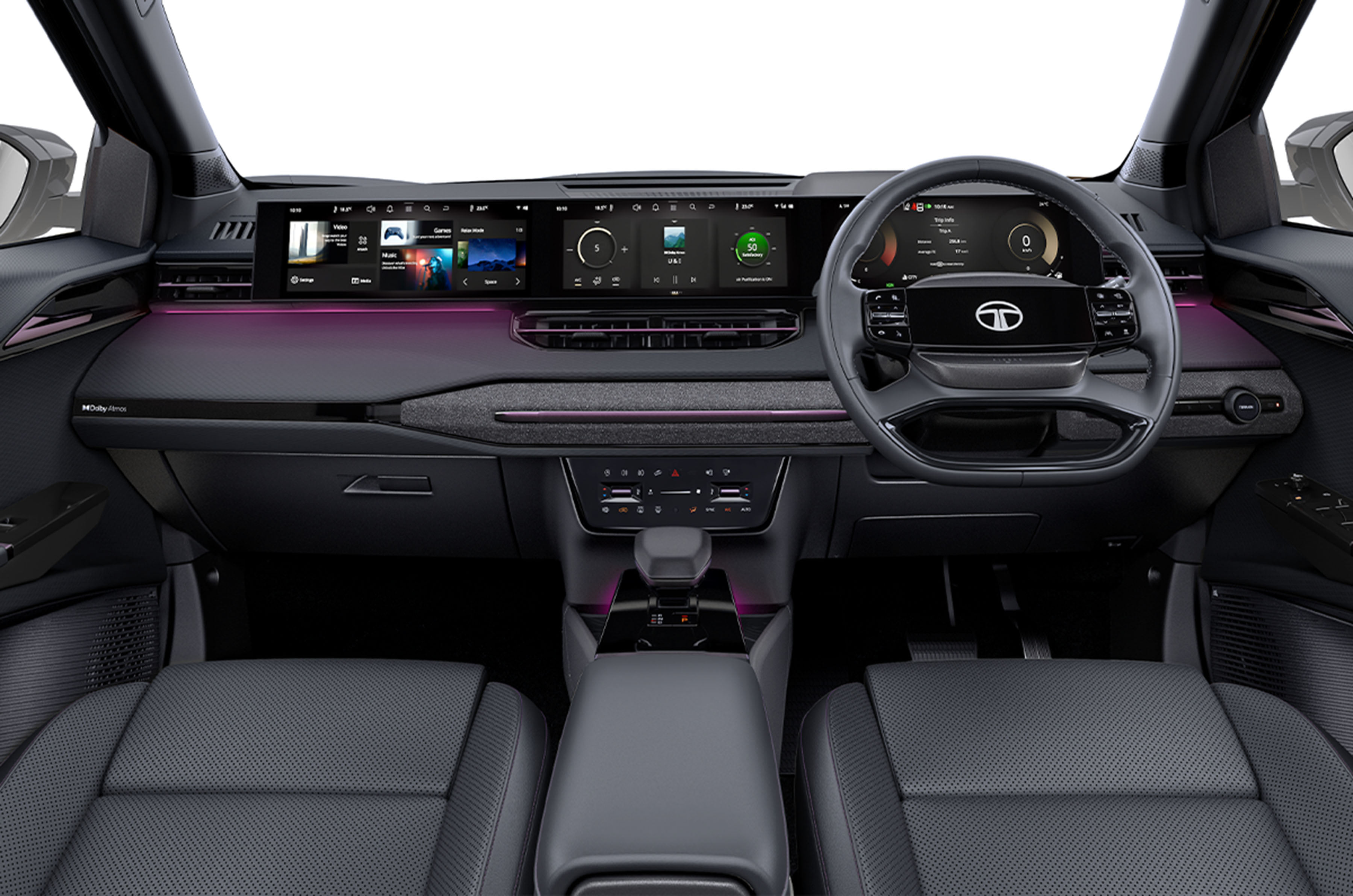
Like other Tata EV offerings, the Curvv EV is also loaded with features to its gills. It gets a 12.3-inch touchscreen infotainment system and a 10.25-inch digital driver’s display, the latter of which can be configured to show navigation. However, when using turn indicators, it shows the blind spot monitor feed instead of the navigation. This can be avoided if the blind spot monitor display is configured to display on the touchscreen. Both screens are crisp and have menus, but it is easy to get used to them. The infotainment system is offered with Tata’s arcade.ev app suite, which includes streaming services and games that can be used when the Curvv EV is charging. 

Other features include a panoramic sunroof, configurable ambient lighting, an electric tailgate with gesture control, a 9-speaker JBL sound system, a wireless phone charger with cooling vents, powered and ventilated front seats, and Level-2 advanced driver assistance systems (ADAS). 

It is a value-for-money offering in its class

With prices ranging from Rs 16.99 lakh to Rs 19.19 lakh, the Tata Curvv EV is on par with the petrol/diesel midsize SUVs, and undercuts rivals like the Hyundai Creta Electric, Mahindra BE 6, and Tata Sierra. At this price, it is offered with concept-car-like looks, a spacious interior, a feature-loaded cabin, a large battery and a potent electric motor, making it one of the most value-for-money offerings in its class.

Reasons to skip

Taller passengers may feel uncomfortable on the rear seats

The coupe-SUV design of the Curvv EV eats up the headroom on the rear seats, which will be uncomfortable for taller passengers, especially if they are taller than 6 feet. Such passengers will also find the under-thigh support underwhelming, as they have to sit in a knees-up position due to the battery cells placed under the floor. However, legroom is in plenty and will be appreciated by passengers of all sizes. 

It suffers from some ergonomic issues

The Curvv EV shares much of its dashboard design with the Nexon EV,  and hence, does not get proper cupholders for the front passengers. The cupholders are placed inside the glovebox, which does not make them usable, especially on the move. The phone charging ports are placed ahead of the drive selector knob and are hard to reach. The storage space under the front centre armrest is also small. However, the fit and finish inside the cabin is decent for the Curvv EV’s price.

Benefits up to Rs 1.25 lakh on Tata Curvv in August 2026

Benefits up to Rs 1.25 lakh on Tata Curvv in August 2026

Tata has revealed offers on its combustion-powered cars in August 2026. The Curvv gets the maximum benefits of up to Rs 1.25 lakh this year, and the Nexon, Sierra and Altroz carry offers of over Rs 55,000. The Harrier, Safari, and Tigor are also being offered with some benefits.  

Note: The mentioned offers are applicable till August 31 and may vary by city, dealership and stock availability. Please check with your nearest Tata dealership for the exact figures.

Tata Curvv August 2026 offers

Benefits up to Rs 1.25 lakh

Select variants of the Tata Curvv are available with offers up to Rs 1.25 lakh in August 2026, which is the most for any Tata car in the month. The total benefits include discounts of up to Rs 30,000, loyalty bonus of up to Rs 40,000, and an option between a scrappage benefit of Rs 45,000 or an exchange bonus of Rs 40,000. 

Tata Nexon August 2026 offers

Benefits up to Rs 75,000

The Tata Nexon compact SUV is available with benefits up to Rs 75,000, including a cash discount of up to Rs 10,000, a scrappage benefit of up to Rs 20,000, and, like the Curvv, an option between a Rs 15,000 exchange benefit and Rs 25,000 scrappage bonus. A ‘Freedom’ offer of Rs 45,000 is also on offer. These benefits are for the petrol variants, while the CNG and diesel variants get offers of up to Rs 60,000 and Rs 20,000, respectively. 

Tata Sierra August 2026 offers

Benefits up to Rs 60,000

Like the Safari and Harrier, the Tata Sierra’s diesel is the only version available with benefits in August 2026. It offers up to Rs 30,000 cash discount and a loyalty benefit of up to Rs 30,000. Tata is also offering a level-up bonus of Rs 30,000. 

Tata Altroz August 2026 offers

Benefits up to Rs 55,000

In August 2026, the highest Altroz offers of up to Rs 55,000 are available on the CNG variants. This includes a cash discount of up to Rs 15,000, a Freedom offer up to Rs 20,000, and a choice between an exchange benefit of up to Rs 15,000 or a scrappage bonus of Rs 20,000. The petrol and diesel variants, on the other hand, get reduced offers up to Rs 35,000. 

Tata Harrier, Safari August 2026 offers

Benefits up to Rs 45,000

Like the Sierra, Diesel variants of the Tata Harrier and Safari are available with identical offers of up to Rs 45,000 this August. These include a cash discount of up to Rs 10,000, and an option between exchange bonus and scrappage benefit of up to Rs 35,000.  

Tata Tigor August 2026 offers

Benefits up to Rs 30,000

The Tata Tigor is available with offers of up to 30,000, including a cash discount of Rs 15,000, an exchange bonus of up to Rs 10,000 and a scrappage bonus of up to Rs 15,000. Only one between the exchange and scrappage benefit can be availed by a consumer. 

While the 2026 Tata Tiago is not available with any offers, the remaining stock of the previous model is available with benefits of up to Rs 35,000. 

July 2026 EV sales: Monthly volumes cross 30,000 units for the second time

July EV sales

Retail sales of electric passenger vehicles breached the 30,000-unit mark for the second month in a row in July 2026. After a record 33,307 units in June, buyers took home a total of 32,609 EVs last month, up 83 percent year-on-year, as per Vahan data. Tata Motors recorded its highest-ever monthly EV sales, while Mahindra and Maruti Suzuki posted their second-highest monthly totals.

Tata Motors

July 2026: 13,578 units, up 102 percent YoY

Tata Motors, which recently expanded its EV portfolio with the launch of the Sierra EV, recorded its best-ever monthly retail sales of 13,578 units in July. This is 102 percent higher than July 2025 and 6 percent more than June 2026. The company also crossed the 40 percent EV market share mark after a long gap. Its 42 percent share in July is 4 percentage points higher than the 38 percent it held a year ago, despite growing competition.

July was also the second consecutive month that Tata sold more than 12,000 EVs, after 12,756 units in June. Cumulative sales between April and July stood at 46,697 units, up 108 percent YoY.

Mahindra 

July 2026: 7,677 units, up 125 percent YoY

Mahindra crossed the 7,000-unit mark for the second month in a row. It sold 7,677 electric SUVs in July, up 125 percent over July 2025, although this was 498 units fewer than June. The performance helped Mahindra increase its market share to 22 percent, up from 19 percent a year ago. The BE 6 and XEV 9e continue to see strong demand. The XEV 9S, Mahindra’s first three-row born-electric SUV, has further strengthened its EV line-up.

JSW MG Motor India

July 2026: 5,642 units, down 4 percent YoY

JSW MG Motor India sold 5,642 EVs in July, down 4 percent YoY and 9 percent lower than June 2026. Its market share stood at 16 percent, down sharply from 33 percent in July 2025. The Windsor EV continues to be MG’s best-selling model.

Maruti Suzuki 

July 2026: 1,590 units

Maruti Suzuki sold 1,590 e Vitaras in July. This was the fifth consecutive month of four-digit sales, following March, April and May. However, July sales were 20 percent lower than June, which remains the model’s best month so far. Until now, domestic sales of the e Vitara were limited because a larger share of production was allocated for exports. This is expected to change with the start of production at a new fourth manufacturing line at Maruti Suzuki’s Hansalpur, Gujarat plant. The expanded facility now builds the e Vitara, Fronx, Baleno and Swift.

Vinfast India

July 2026: 1,478 units

Vinfast ranked fifth among the country’s 18 electric passenger vehicle manufacturers. The Vietnamese carmaker recorded its highest-ever monthly sales in July with 1,478 units, surpassing its previous best of 1,448 units in June by 30 units, or 2 percent. This gave the company a 4 percent EV market share in July.

According to wholesales data, the VF Limo Green (for commercial use) is currently its best-selling model. In Q1 FY2027 (April-June 2026), SIAM wholesale data shows the Green Limo accounted for 2,746 units, or 46 percent of Vinfast India’s total sales of 6,001 units, well ahead of the VF7, VF6 and MPV7.

BYD India

July 2026: 742 units, up 47 percent YoY

BYD sold 742 EVs in July, up 47 percent over July 2025. However, sales were 20 percent lower than June 2026, which remains the company’s best monthly performance so far. On July 1, BYD increased prices of its EVs by 1-2 percent, marking its second price hike of the year after the one on May 1. The company’s current line-up includes the Atto 3 SUV, e-Max 7 MPV, Seal sedan and Sealion 7 SUV. BYD has also confirmed that it will launch the Seal U PHEV later this year.

Hyundai

July 2026: 565 units, down 21 percent YoY

Hyundai sold 565 EVs in July, down 21 percent compared to 719 units in July 2025. However, on a month-on-month basis, sales were up 51 percent from the 374 units sold in June 2026. At present, Hyundai’s EV portfolio in India consists of just two models: the Creta Electric and the Ioniq 5.

Kia India

July 2026: 464 units, up 614 percent YoY

Kia  ranked eighth with retail sales of 464 units in July. This is a 614 percent year-on-year increase over the low base of 65 units in July 2025. However, sales were 14 percent lower than 539 units in June 2026. Kia’s monthly sales have improved since the launch of the mass-market Carens Clavis EV MPV, which joined the much more expensive EV6 and EV9, both of which are imported as CBUs.

Toyota Kirloskar Motor

July 2026: 123 units

Toyota delivered 123 units of the Urban Cruiser Ebella in July. This placed the company 11th among the country’s electric passenger vehicle manufacturers. The Urban Cruiser Ebella is the badge-engineered version of the Maruti e Vitara, and it is currently available in a single E3 variant.

Carmaker July 2026July 2025YoY Change (in percent) 
Tata Motors 13,5786,712102
Mahindra 7,6773,416125
JSW MG Motor 5,6425,900-4
Maruti Suzuki 1,590
Vinfast 1,478
BYD 74250547
Hyundai 565719-21
Kia46465614
BMW36727036
Mercedes-Benz 16311542
Toyota123
Tesla115
Stellantis5168-25
Volvo484214
Porsche 68-25
Audi 01-100
Rolls-Royce 02-100
Jaguar Land Rover 00
Total 32,60917,82383

Luxury electric carmakers sell record  units in July

Demand for luxury electric cars continued to grow in July 2026. Carmakers in this segment sold 699 EVs, up 60 percent year-on-year. However, sales were 17 percent lower than the record 847 units sold in June 2026. BMW and Mercedes-Benz continued to lead the luxury EV market, while Tesla India crossed the 100-unit mark for the first time with its highest-ever monthly sales.

BMW India 

BMW remained the leader in the luxury EV segment with 367 units. This is 36 percent higher than 270 units sold in July 2025, giving the brand a 52 percent segment share. However, sales were 29 percent lower than 517 units in June 2026. After topping the luxury EV segment in FY2026 with a record 3,898 units, BMW has sold 1,606 EVs between April and July, which is 41 percent of its FY2026 total.

Mercedes-Benz

Mercedes- Benz sold 163 EVs in July, up 42 percent from 115 units in July 2025. However, this was 33 percent lower than the 243 units sold in June 2026. The brand’s growth has been supported by the launch of the CLA electric sedan at the end of April.

Tesla

Tesla recorded its highest-ever monthly sales in India, selling 115 Model Ys in July. This is a 203 percent increase over 38 units sold in June 2026. Its luxury EV market share also rose sharply from 4 percent in June to 16 percent in July, allowing it to move ahead of Volvo Auto India. The strong growth follows Tesla India’s decision to reduce the price of the Model Y by Rs 9 lakh, bringing the starting price down to Rs 50.89 lakh, ex-showroom.

Volvo

Volvo, now ranked fourth in the luxury EV segment, sold 48 EVs in July. This is 14 percent higher than 42 units sold in July 2025 and 23 percent more than the 39 units sold in June 2026. The Swedish carmaker increased prices of its models by up to Rs 1 lakh from May 1, citing ongoing global supply chain challenges and fluctuations in foreign exchange rates. Volvo’s market share stood at 7 percent in July, down from 10 percent a year ago.

Porsche, Audi and Rolls-Royce 

Porsche sold 6 EVs in July. According to Vahan data, Audi, Rolls-Royce and JLR India did not sell a single EV during the month.

Overall, luxury EV makers accounted for 2.14 percent of the 32,609 electric passenger vehicles sold in July 2026, compared to 2.45 percent in July 2025 and 2.54 percent in June 2026.

Tata Motors July 2026 Sales: जुलाई 2026 में Tata Motors की PV बिक्री 59% बढ़ी, कंपनी ने की 63,760 यूनिट की सेल

Tata Motors July 2026 Sales: टाटा मोटर्स पैसेंजर व्हीकल्स लिमिटेड ने जुलाई 2026 में शानदार प्रदर्शन किया है। कंपनी की घरेलू और अंतरराष्ट्रीय बाजारों में कुल बिक्री सालाना आधार पर 59% बढ़कर 63,760 यूनिट हो गई है। बता दें कि ये नतीजे टाटा की पैसेंजर गाड़ियों की लगातार बनी हुई मांग को दिखाते हैं, जिसमें इलेक्ट्रिक गाड़ियां एक बार फिर ग्रोथ को बढ़ाने में अहम भूमिका निभा रही हैं।

भारत की बात करें तो, जुलाई 2026 में घरेलू पैसेंजर गाड़ियों की बिक्री 62,611 यूनिट रही, जो पिछले साल इसी महीने की 39,521 यूनिट से 58% ज्यादा है। यह आंकड़ा जून 2026 की 62,076 घरेलू यूनिट से भी थोड़ा ज्यादा है, जिससे पता चलता है कि टाटा मोटर्स पूरे महीने अपनी रफ्तार बनाए रखने में कामयाब रही।

वहीं, टाटा मोटर्स के अंतरराष्ट्रीय कारोबार (एक्सपोर्ट) में भी अच्छी बढ़त देखने को मिली। जुलाई 2026 में कंपनी ने 1,149 यूनिट्स बेचीं, जबकि एक साल पहले इसी महीने यह आंकड़ा 654 यूनिट्स था। जून 2026 की 1,007 यूनिट्स बिक्री के मुकाबले भी यह बेहतर प्रदर्शन रहा, जिससे पता चलता है कि विदेशी बाजारों में भी टाटा मोटर्स की पकड़ धीरे-धीरे मजबूत हो रही है।

एक महीने में बिकीं 15,217 इलेक्ट्रिक कारें

जुलाई महीने की सबसे खास बातों में से एक टाटा मोटर्स की इलेक्ट्रिक गाड़ियों (EV) की परफॉर्मेंस रही। घरेलू और इंटरनेशनल मार्केट में EV की बिक्री 15,217 यूनिट तक पहुंच गई, जो जुलाई 2025 में हुई 7,124 यूनिट की बिक्री के मुकाबले 114% ज्यादा है। यह जून में भेजी गई 14,800 EV से भी ज्यादा थी, जो कंपनी के EV बिजनेस के लिए एक और महीने की बढ़त को दिखाता है।

बता दें कि टाटा मोटर्स के लिए यह एक अहम संकेत है, क्योंकि इससे पता चलता है कि इलेक्ट्रिक गाड़ियों की मांग न सिर्फ बनी हुई है, बल्कि ऐसी रफ्तार से बढ़ रही है जो कंपनी की पैसेंजर गाड़ियों से जुड़ी बड़ी स्ट्रैटेजी को सपोर्ट करती है।

रिपोर्ट के मुताबिक, जुलाई के ये आंकड़े जून की मजबूत परफॉर्मेंस के बाद आए हैं, जब टाटा मोटर्स पैसेंजर व्हीकल्स ने 63,083 यूनिट बेची थीं, जो पिछले साल के मुकाबले 69% ज्यादा थीं। उस महीने, कंपनी ने बताया था कि लोकल सप्लाई की दिक्कतों की वजह से Sierra SUV के प्रोडक्शन और डिलीवरी पर असर पड़ रहा था, जबकि इसकी बुकिंग की मांग मजबूत बनी हुई थी।

कंपनी ने कहा था कि दूसरी तिमाही से पार्ट्स की उपलब्धता सुधारने और डिलीवरी की रफ्तार बढ़ाने के लिए कदम उठाए जा रहे हैं, ताकि आने वाले समय में ग्राहकों तक गाड़ियों की पहुंच और बेहतर हो सके।

यह भी पढे़ं: Maruti Suzuki की जुलाई 2026 में 34% बढ़ी सेल, घरेलू बिक्री 2 लाख के पार पहुंची

Upcoming BYD Atto 2 midsize SUV spotted testing in India

Upcoming BYD Atto 2 midsize SUV spotted testing in India

The BYD Atto 2 midsize SUV, expected to launch in India this year, has been spotted testing again. The spy shots reveal some exterior design elements of the upcoming Atto 2 similar to the internationally available model. The Atto 2 is offered in both EV and PHEV versions internationally. 

  1. Spy shots show the SUV’s front fascia and the side profile
  2. Europe-spec EV gets up to 64.8kWh battery with 430km range
  3. PHEV gets a 1.5L petrol engine and up to 18kWh battery

BYD Atto 2 spied: What was spotted?

Shows sleek LED headlights, alloy wheel design and a free-standing infotainment 

Image source: @lostcheetos on r/CarsIndia

The spy shots show the Atto 2’s fascia and side profile, and although under camouflage, some design elements can be seen. These include the sleek headlights joined by a gloss-black trim with a BYD badge, the petal-shaped design elements on the alloys and the simple door handles. Keen-eyed viewers can also spot black cladding on the wheel arches and lower portion of the body. While the rear design is yet to be spied, it is expected to have connected LED taillights and a black bumper with some silver accents, like the international model.

A closer look inside the test mule reveals a camera-based ADAS sensor on the windscreen, a free-standing touchscreen infotainment system, and all-black upholstery on the seats. 

Upcoming BYD Atto 2: Other details

The EV has a WLTP-claimed range of 430km, and the PHEV has a 1,000 km range

As mentioned earlier, the Atto 2 is offered in both all-electric (EV) and plug-in hybrid (PHEV) versions. In the European market, the Atto 2 EV is available with either a 45.1kWh or a 64.8kWh battery, with a WLTP-claimed range of up to 430km. Both battery versions are available with a front-axle-mounted (FWD) electric motor producing up to 201hp and 310Nm. BYD claims a 0-100kph time of 7.9 seconds and a top speed of 170kph. 

International-spec BYD Atto 2 shown for representative purposes only.

The plug-in hybrid version, called the Atto 2 DM-i, is offered with a 97hp 1.5-litre 4-cylinder petrol engine and a choice of 7.8kWh or 18kWh battery mated with a 197hp front-axle-mounted (FWD) electric motor. The Atto 2 PHEV has a combined system output of up to 212hp and 300Nm and a total WLTP-claimed range of 1,000km. 

Gets two interior themes and a minimalistic dashboard with two screens 

International-spec BYD Atto 2’s dashboard shown for representative purposes only.

The Atto 2’s cabin is identical for both the EV and PHEV versions, offered with either an all-black or a beige-and-black interior theme. The minimalistic dashboard features a free-standing 12.8-inch rotatable touchscreen infotainment system with integrated AC controls, an 8.8-inch digital driver’s display, and a chunky 3-spoke steering wheel with physical buttons. Features include a panoramic sunroof, 6-speaker audio system, a 50W wireless phone charger, a 360-degree camera, a vehicle-to-load (V2L) charging function, and front and rear parking sensors. The India-spec model could get a similar feature suite.

Currently, BYD sells only EVs in India. However, the manufacturer showcased its proprietary DM-i plug-in hybrid in June, revealing that the Seal U will launch as the first model with this powertrain by the end of 2026. So, it remains to be seen whether BYD expands its plug-in-hybrid plans to the Atto 2, or offers it in an electric-only guise in the country.

International-spec BYD Atto 2 shown for representative purposes only.

The BYD Atto 2 EV is expected to rival the Hyundai Creta Electric, Tata Sierra EV, Mahindra BE 6 and Maruti e Vitara. The Atto 2 PHEV will offer a more efficient option to the Hyundai Creta, Kia Seltos, Tata Sierra, Renault Duster, Nissan Tekton, Maruti Victoris and Grand Vitara, and MG Astor.

Kia Syros EV vs MG Windsor EV top-spec: Specs, features and price compared

Kia Syros EV vs MG Windsor EV comparison

Basically a badge-engineered version of the Chinese Wuling Cloud EV, the MG Windsor is a midsize EV that sits between the brand’s Comet and ZS EV models. On the other hand, the Kia Syros EV is the Korean automaker’s most affordable electric car in India and is based on the Hyundai Motor Group’s K1 platform. Compared to the Windsor, the Syros EV is a compact (sub-4-metre) model. However, not only are the top-spec variants of these cars priced really close to each other, their battery sizes are quite comparable too.

Explore full specs, features and a price breakdown in our Syros EV and Windsor EV comparison.

Kia Syros EV X-Line ER vs MG Windsor EV Essence Pro: Dimensions

The Windsor EV undeniably has the size advantage over the smaller Syros EV

Kia Syros EV X-Line ER vs MG Windsor EV Essence Pro dimensions


Kia Syros EV

MG Windsor EV

Length (mm)

3,995

4,295

Width (mm)

1,805

1,850

Height (mm)

1,670

1,677

Wheelbase (mm)

2,550

2,700

Boot space (litres)

390

579

Frunk (litres)

16

Wheel size (inches)

17

18

The Windsor EV is 300mm longer and 45mm wider than the Syros EV – the MG offers 150mm more wheelbase than the Kia, too. While there isn’t much between them in terms of height, the Windsor EV’s boot is 189 litres larger than that of the Syros EV. The latter’s wheels are also an inch smaller. Interestingly though, the Kia EV offers a 16-litre frunk (front trunk) – the MG has no frunk at all.

Kia Syros EV X-Line ER vs MG Windsor EV Essence Pro: Powertrain

The top-spec Syros EV offers more range and a punchier electric motor setup 

Kia Syros EV X-Line ER vs MG Windsor EV Essence Pro powertrain options


Kia Syros EV

MG Windsor EV

Battery size (kWh)

51.4

52.9

Electric motor setup

Single, front (FWD)

Single, front (FWD)

Power (hp)

171

136

Torque (Nm)

255

200

Claimed 0-100kph

8.1 seconds

Claimed range (km)

526

449

AC charging

7.25 hrs at 7.4kW (10-100%)

9.5 hrs at 7.4kW (10-100%)

DC fast charging

39 mins at 100kW (10-80%)

50 mins at 60kW (20-80%)

The X-Line ER (Extended Range) variant of the Kia Syros EV gets a 51.4kWh lithium-ion battery pack, which is just 1.5kWh smaller than the unit powering the top-spec MG Windsor. Despite this capacity disadvantage, the Syros EV’s claimed range is actually higher, by 77km higher.

Compared to the top-spec MG Windsor’s 60kW DC fast-charging capability, the Syros EV’s DC fast-charging limit is 40kW higher. Unlike MG, Kia’s claimed DC fast-charging time accounts for a SoC (state of charge) of 10-80 percent and not 20-80 percent. Taking all this into account, the Syros EV can be unplugged from a DC fast charger 11 minutes sooner, which would benefit regular long-distance users.

While neither automaker has listed the kerb weight of their cars, the smaller Syros EV is likely to be lighter than the Windsor EV. The former’s front-mounted electric motor also offers 35hp and 55Nm more. These two factors combine to give the Syros EV a claimed naught to 100kph sprint time of 8.1 seconds.

Kia Syros EV X-Line ER vs MG Windsor EV Essence Pro: Exterior features

The Windsor gets a couple more useful features here; the Syros has some ‘feel-good’ ones

Kia Syros EV X-Line ER vs MG Windsor EV Essence Pro exterior features


Kia Syros EV

MG Windsor EV

LED headlamps

Yes (auto)

Yes (auto projectors)

Connected light bar

No

Yes

Front fog lamps

Yes

No

Rear fog lamps

No

Yes

Cornering lights

No

Yes

Welcome lights

Yes

No

Puddle lamps

Yes

No

Powered ORVMs

Yes (with auto-fold function)

Yes (with auto-fold function)

Flush door handles

Yes

Yes

Body cladding

Yes

No

Roof rails

Yes

Yes

Rear spoiler

Yes

Yes

Powered tailgate

No

Yes

Colours

Mono-tone

Mono-tone

Both these cars are reasonably well-equipped in their respective top-spec variants. However, there are some distinct differences between the features that are offered in each. The Syros EV comes with front fog lamps plus fancier ‘welcome’ lighting functions as well as puddle lamps that project the ‘Kia’ logo – these make for a more premium experience when approaching the car. The Syros EV also goes for a rugged look, featuring black plastic cladding on the wheel arches and bumpers.

Compared to the Syros EV’s stylish multi-reflector LED headlamps, the Windsor EV uses projector LED units. While it doesn’t get front fog lamps, the MG features cornering lamps that can prove useful when driving in the dark. At the back, the top-spec Windsor EV gains a powered tailgate – another handy feature especially when your hands are occupied.

Kia Syros EV X-Line ER vs MG Windsor EV Essence Pro: Interior features

If you like a minimalistic interior that’s also feature-packed, the MG Windsor won’t disappoint

Kia Syros EV X-Line ER vs MG Windsor EV Essence Pro interior features


Kia Syros EV

MG Windsor EV

Infotainment screen

12.3-inch

15.6-inch

Digital driver’s display

12.3-inch

8.8-inch

HVAC screen

5.0-inch

No

Panoramic sunroof

Yes

Yes (fixed)

Wireless charger

Yes

Yes

Driver’s seat adjustment

4-way powered

6-way powered

Co-driver’s seat adjustment

4-way manual

4-way manual

Ventilated seats

Yes (front & rear)

Yes (front only)

Leatherette upholstery

Yes

Yes

Split rear seats

Yes

Yes

Automatic climate control

Yes (single-zone)

Yes (single-zone)

Ambient lighting

Yes (64 colours)

Yes (256 colours)

Audio system

8-speaker Harman Kardon

9-speaker Infinity

Apple CarPlay & Android Auto

Yes (wireless)

Yes (wireless)

USB Type-C ports

Yes (5 ports)

Yes (5 ports)

Connected car tech

Yes

Yes

Voice assistant

Yes

Yes

OTA updates

Yes

Yes

Gaming

No

Yes

Rear sunblinds

Yes

No

Rear armrest

Yes (with cupholders)

Yes (with cupholders)

Both cars come with wireless charging, leatherette seats, connected-car tech, and multiple USB ports for added convenience. However, in its top-spec X-Line ER avatar, the Kia Syros EV offers a third screen specifically to control the HVAC (heating, ventilation and air-conditioning) system. That said, there are physical buttons to operate this system, too. The Kia EV also gets a larger driver’s display, a panoramic sunroof that opens, ventilation function for the front & rear seats, plus rear sunblinds. Furthermore, the Syros EV’s interior design, quality and layout of its switchgear, plus the overall usability remain easily sufficient.

As for the fully loaded Essence Pro variant of the MG Windsor EV, its pièce de résistance is the massive 15.6-inch infotainment screen. Given its minimalistic interior layout, almost every control or feature is integrated into this main display. While this screen can be distracting, it comes with multiple customisation options and integrates various games and streaming services. Compared to the Syros EV’s 64-colour ambient lighting system, the Windsor’s supports 256 colours. Its driver’s seat also gets 6-way power adjustment, while the Inifinity premium audio rig features 9 speakers instead of the Kia’s 8-speaker setup.

Kia Syros EV X-Line ER vs MG Windsor EV Essence Pro: Safety features

Neither car is missing out on much when it comes to their respective safety tech

Kia Syros EV X-Line ER vs MG Windsor EV Essence Pro safety features


Kia Syros EV

MG Windsor EV

Airbags

6

6

ABS with EBD

Yes

Yes

Electronic stability program

Yes

Yes

Hill-hold assist

Yes

Yes

Hill-descent control

No

Yes

TPMS

Yes

Yes

Parking sensors

Yes (front & rear)

Yes (front & rear)

360-degree camera

Yes

Yes

Dashcam

Yes

No

Electronic parking brake

Yes (with auto-hold function)

Yes (with auto-hold function)

Auto-dimming IRVM

Yes

Yes

Rain-sensing wipers

Yes

Yes

ISOFIX

Yes

Yes

Rear wiper and defogger

Yes

Yes (defogger only)

All-wheel disc brakes

Yes

Yes

Level 2 ADAS

Yes

Yes

Only the top-spec variants of these EVs get Level 2 ADAS (Advanced Driver Assistance Systems). Some of the ADAS features shared between the two include adaptive cruise control, forward collision warning, lane-departure alert with lane-keeping assistance, and automatic emergency braking. Where the Windsor EV gets hill-descent control, the Syros EV comes with a dashcam and a rear wiper.

Kia Syros EV X-Line ER vs MG Windsor EV Essence Pro: Other features

Neither car is missing out on much when it comes to their respective safety tech

Kia Syros EV X-Line ER vs MG Windsor EV Essence Pro other features


Kia Syros EV

MG Windsor EV

Drive modes

Yes (3)

Yes (4)

Terrain modes

No

No

Single-pedal driving

Yes

No

V2V and V2L

Yes

Yes

AVAS

Yes

No

The Windsor EV comes with Eco+, Eco, Normal and Sport drive modes, while the Syros EV only gets Eco, Normal and Sport. Neither car features variable terrain modes, but both support vehicle-to-load (V2L) and vehicle-to-vehicle (V2V) functions for better practicality during regular family outings, such as picnics and long-distance trips. The Syros EV also comes with a dedicated Virtual Engine Sound System (VESS) to caution other motorists and pedestrians of the vehicle’s presence.

Conclusion

Kia Syros EV X-Line ER vs MG Windsor EV Essence Pro prices


Kia Syros EV

MG Windsor EV

Prices (In Rs, lakh)

20.00

19.00

Apart from being less expensive, the Windsor EV is a larger car with plenty of room on the inside and in the boot, compared to the compact Syros EV. However, the Kia makes a solid case for itself by offering good interior space and build quality, better overall performance, plenty of features, plus a good blend of digital real-estate and intuitive physical controls. If you need the added perks that a bigger car offers without having to spend the ‘big car’ money, the MG Windsor EV will suit your needs just fine. Picking the top-spec Kia Syros EV won’t be a disappointment either as long as you can justify its bloated price tag.

Also read

Tata Sierra EV Empowered vs Hyundai Creta Electric Excellence LR: Which to buy?

Kia Syros EV vs Tata Nexon EV: Whose top trim offers better value?


Mahindra BE 6 to get three screens, updated dashboard

Mahindra BE 6 to get three screens and updated dashboard

The Mahindra BE 6 is set to receive a passenger screen, a redesigned dashboard and a new upholstery colour, we can exclusively report. Since the Mahindra electric SUV was launched only in November 2024, a mid-lifecycle update is still some time away, and these changes could instead arrive with a model year update.

Updated Mahindra BE 6 interior details

Mahindra BE 6 interior

New BE 6 dashboard (left), current BE 6 dashboard (right).

Mahindra already offers a three-screen setup in the XEV 9e and XEV 9S, and the same unit is expected to make its way to the BE 6. It’s not yet clear whether Mahindra will offer the three-screen setup across the line-up or limit it to the top-spec trims. Triple screens are becoming increasingly common, with even Tata Motors now offering them on some of its models. Adding the feature should help Mahindra keep the BE 6 competitive in the segment.

Mahindra XEV 9e screens
Mahindra XEV 9e’s interior shown here for representation.

The carmaker is also readying a version with a more conventional dashboard layout, devoid of the halo-like loop around the driver’s area offered in the current EV. The loop doesn’t leave enough space for a second cupholder and also makes the wireless charger and USB Type-C ports difficult to access from the passenger side, issues we had pointed out in our BE 6 review. Whether this becomes the standard design or is offered alongside the current layout remains to be seen.

Instead of the current black-and-grey theme for the upholstery, the BE 6 is going to get a new black-and-tan colour combination. The BE 6 already offers an extensive feature list, and these updates should further strengthen its appeal against midsize SUV rivals like the Tata Sierra EV and Hyundai Creta Electric.

The Mahindra BE 6 is priced between Rs 18.90 lakh and Rs 26.90 lakh and a small price hike is likely once these updates are introduced. For reference, the Sierra EV is priced between Rs 18.79 lakh and Rs 25.99 lakh, while the Creta Electric costs between Rs 18.03 lakh and Rs 23.67 lakh. Mahindra is yet to announce a launch timeline for the updated BE 6.

Ex-showroom prices mentioned above are as of July 29, 2026.

Tata Motors halts production at Sanand plants due to Gujarat flood

tata motors sanand plant

In a new regulatory filing to stock exchanges, Tata Motors has reported a temporary disruption to operations at its manufacturing plants in Sanand, Gujarat, after heavy monsoon rains and flooding affected the region. Specifically, some areas in Gujarat received between 300mm and 500mm of rain within 24 hours, which led to flooding, widespread road and rail disruptions, and the evacuation of more than 40,000 people across the state.

Production of Tata Nexon, Sierra, Tiago, Tigor briefly paused

In the regulatory filing, Tata Motors revealed that severe flooding disrupted supplier facilities in and around Gujarat as well, further impacting the carmaker’s supply chain. Efforts to restore operations at Tata’s assembly plants and vendor facilities are underway, and the carmaker is working closely with flood-affected suppliers to help them resume production as quickly as possible. If all goes to plan, production at Tata’s Sanand plants is expected to bounce back over the next few days.

Established in 2010 and located 25-30 km from Ahmedabad, the Sanand manufacturing complex houses two Tata Motors passenger vehicle plants. Both Sanand facilities manufacture the Tata Sierra, Nexon, Tiago, and Tigor, so the production pause could prolong waiting periods for these models.

Tata Motors also stated the overall financial impact and extent of damage are still being assessed. However, the carmaker assured that it has adequate insurance coverage for losses arising from natural calamities such as floods.

Top five midsize SUVs ranked

Best midsize SUVs

If you are in the market for a new midsize SUV, you are quite spoilt for choice. There are as many as 13 models to choose from, spanning every powertrain, including petrol, diesel, CNG, strong-hybrid and electric. With so many options, it may be quite daunting to choose the right model. To make it easier for you, we have compiled the five best midsize SUVs currently available in the market, focusing only on the ICE-powered models. 

1. Kia Seltos 

Price: Rs 10.99 lakh-21.82 lakh

The midsize SUV segment has a new all-rounder in the Seltos. It’s got a wide range of engines, including a 115hp, 1.5-litre naturally aspirated petrol, a 160hp, 1.5-litre turbo-petrol and a 116hp, 1.5-litre diesel; gearbox options are just as diverse. The Seltos also has the most premium and inviting interior. Not only is it refined, efficient and spacious, but it also has class-leading tech and UI/UX. The only downside is that there’s a hint of firmness in the suspension setup, but it’s not a dealbreaker. It is, however, quite expensive at the top end. 

2. Hyundai Creta

Price: Rs 10.91 lakh-19.95 lakh  

Despite its age, the Creta remains a competitive offering in the company of its newer rivals. It’s slightly smaller and less spacious than the Seltos because the latter has moved on to a new-generation platform, but it offers the same mix of powertrain options, a comfortable driving and riding experience and a feature-loaded cabin. Hyundai’s after-sales service experience is quite satisfactory, and there’s also the N Line version with a slightly sportier setup for the more enthusiastic buyer. 

3. Maruti Victoris 

Price: Rs 10.49 lakh-19.99 lakh

If running costs, reliability and ease of ownership are priorities, the Victoris (or the Grand Vitara and Hyryder) remains unmatched. Between the three, the Victoris is the newest and also packs some additional features. The trio has the segment’s only strong-hybrid powertrain with the 116hp, 1.5-litre strong-hybrid unit and also the option of AWD with the 1.5-litre naturally aspirated petrol engine. The Victoris rides and handles well, too, although performance isn’t particularly exciting, and rear-seat space isn’t as good as that of its rivals. There’s also the option of CNG should you want affordable running costs. 

4. Tata Sierra

Price: Rs 11.49 lakh-21.29 lakh

The Sierra is the roomiest and most feature-loaded SUV in the midsize segment, uniquely even offering a third screen for the front passenger. Good ride and handling are also among its strengths. The 160hp, 1.5-litre turbo-petrol engine is the pick of the range, as the 118hp, 1.5-litre diesel and 106hp, 1.5-litre naturally aspirated petrol engines aren’t good on refinement and performance. It’s also on the more expensive side, and reliability and service experience are deterrents, too. 

5. Renault Duster 

Price: Rs 10.49 lakh-18.69 lakh

The Duster has a tough and rugged appeal, fantastic ride quality and a well-appointed interior. It offers good value for money, too, but is not as spacious as its rivals. Also, both its 100hp, 1.0-litre turbo-petrol and 163hp, 1.3-litre turbo-petrol engines suffer from turbo-lag, although performance is otherwise quite potent. A big miss is the option of an auto gearbox with the base petrol engine. Some may even miss a diesel engine and optional all-wheel-drive system offered with the original Duster.