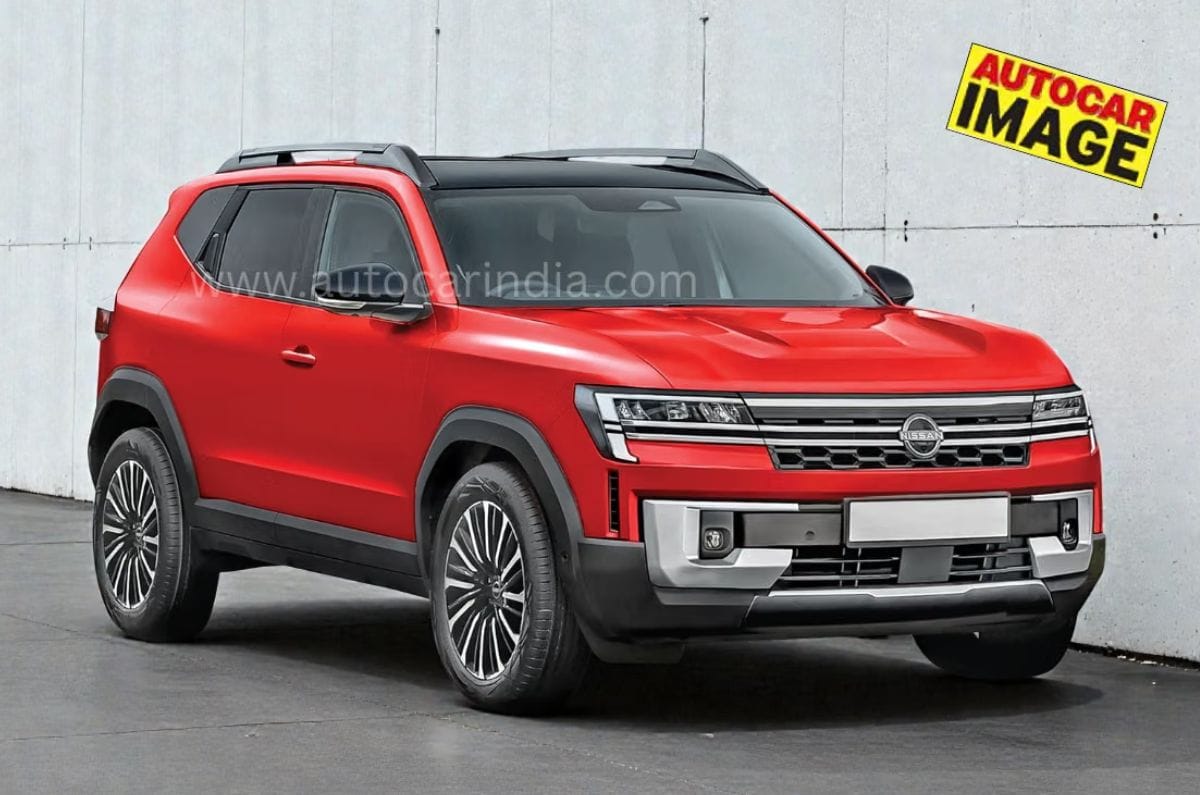
The midsize SUV space is truly a segment which no manufacturer can ignore. There are already a dozen models in this space, and now Nissan will be the latest entrant with the upcoming Tekton SUV, marking its return to this segment since the discontinuation of the Kicks back in 2023. The Nissan Tekton will be a badge-engineered Renault Duster, sharing its platform and powertrains, but with a completely different top hat. Ahead of its official debut tomorrow, here’s everything we know about the Nissan’s new midsize SUV.
How different will be the Tekton from the Duster?
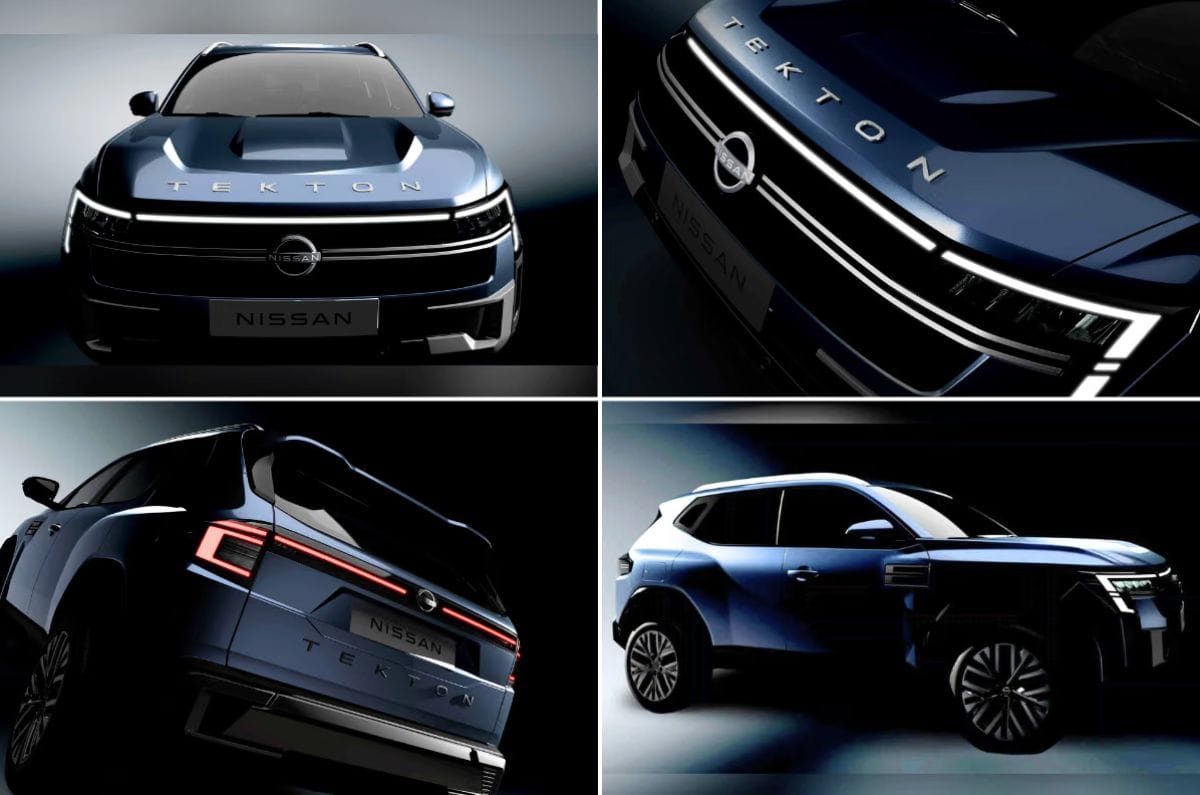
Nissan Tekton teasers released so far.
Like every badge-engineered model, there will be some commonality between the Duster and the Tekton. Exterior panels like the doors, front and rear fenders and the bonnet could be carried over, but teaser shots have indicated that the Tekton will gets its own unique fascia replete with distinct LED lighting signatures. Nissan says that the Tekton’s design has been inspired by its flagship Patrol SUV that’s very popular in some markets abroad. On the inside, the Nissan Tekton is expected to carry over most of the features and technology from the Duster, but it’s expected to have a unique dashboard design with its own colours, trims and textures.
What engine options will the Nissan Tekton offer?
Like the Duster, the Tekton will offer 100hp, 1.0-litre and 163hp, 1.3-litre turbo-petrol engine options. A 6-speed manual gearbox will be offered with both engines, but an automatic gearbox – a 7-speed DCT in this case – is likely to be limited to the larger engine option only. The Duster is also due to receive a 160hp 1.8-litre strong-hybrid powertrain by Diwali this year, but it remains to be seen if the same will be offered on the Nissan SUV.
What features are expected on the Nissan Tekton?
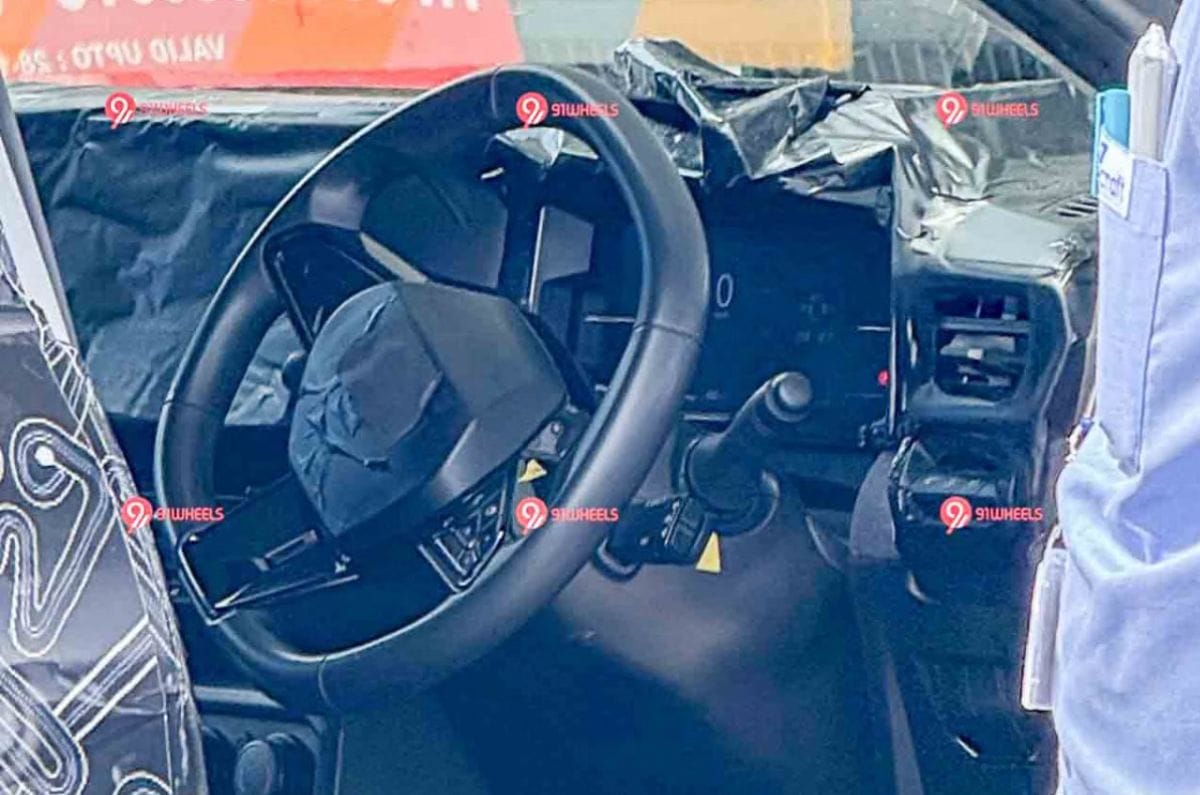
Spied interior of Nissan Tekton (Image Credit: 91 wheels)
Top-spec variants of the Tekton are expected to come equipped with a 10.25-inch digital driver’s display, a 10.1-inch infotainment system with Google integration, wireless Apple CarPlay and Android Auto, a wireless phone charger, front-seat ventilation and a panoramic sunroof. As for safety equipment, the Tekton could come with 6 airbags as standard, ABS and EBD, a 360-degree camera with a blind-spot monitor, an electronic parking brake with auto hold and a tyre-pressure monitoring system (TPMS). The Duster comes fairly well-equipped in its lower trims, so it’ll be interesting to see the Tekton’s spread of features across its different trims.
What is Tekton’s expected price and who are its rivals?
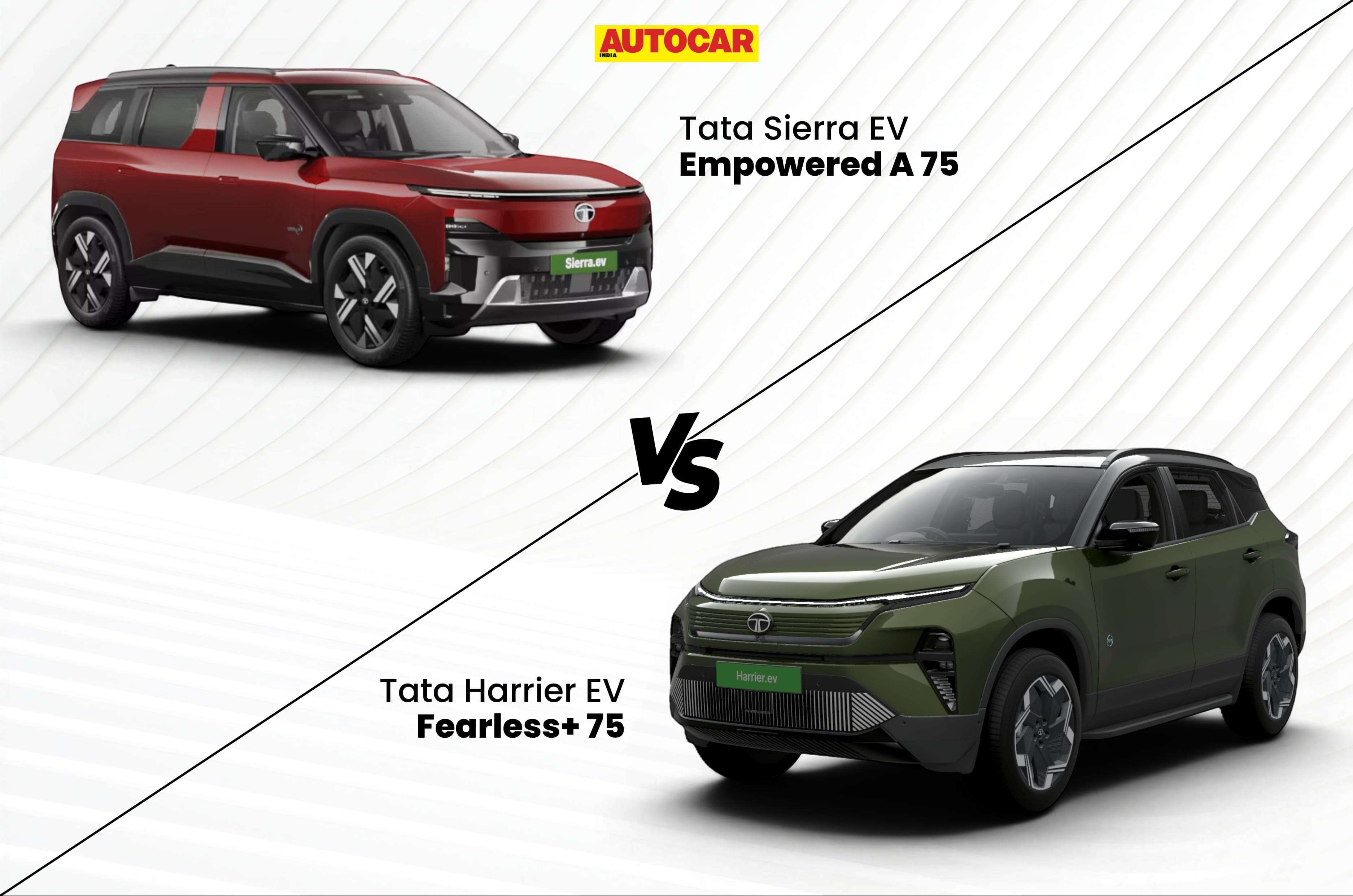
The recently launched Tata Sierra EV is positioned right below its larger sibling, the Harrier EV. However, there’s quite a lot of pricing overlap between the two Tata electric SUVs. To that end, we’ve compared the top-spec Sierra EV Empowered A 75 to the mid-spec Harrier EV Fearless+ 75 to find out which variant delivers better value on paper.
Tata Sierra EV top-spec vs Harrier EV mid-spec: Dimensions
Harrier EV is longer and wider, but Sierra EV is taller and offers greater boot space
Tata Sierra EV Empowered A 75 vs Harrier EV Fearless+ 75 dimensions
Sierra EV
Harrier EV
Length (mm)
4,340
4,607
Width (mm)
1,841
1,922
Height (mm)
1,750
1,740
Wheelbase (mm)
2,730
2,741
Boot space (litres)
622
502
Frunk space (litres)
55 (RWD) / 35 (AWD)
67 (RWD) / 35 (AWD)
Wheel size (inches)
19
19
Expectedly, the Harrier EV is 267mm longer than the Sierra EV, but there’s only an 11mm difference between their wheelbases, suggesting that the smaller SUV doesn’t lose out on much interior space. While the Harrier EV is 81mm wider than the Sierra EV, the latter is 10mm taller. Wheel sizes are matched at 19 inches for both electric SUVs.
Interestingly, the Sierra EV offers 120 litres of additional boot space over the Harrier EV – it’s worth nothing that both SUVs’ boot capacity is measured up until the roof, as opposed to the conventional method, which is up to the parcel tray. In terms of frunk capacity, the RWD Harrier EV offers the bigger one, while their AWD versions are matched in this regard.
Tata Sierra EV top-spec vs Harrier EV mid-spec: Battery and range
Harrier EV offers more power, Sierra EV is quicker and claims higher range figures
Tata Sierra EV Empowered A 75 vs Harrier EV Fearless+ 75 powertrains
Sierra EV
Harrier EV
Battery size (kWh)
75
75
Motor setup
Single, rear / Dual, front and rear
Single, rear / Dual, front and rear
Power (hp)
209 / 306
238 / 313
Torque (Nm)
315 / 504
315 / 504
Drive layout
RWD / AWD
RWD / AWD
Claimed 0-100kph time (seconds)
5.8 (AWD)
6.3 (AWD)
MIDC range (km)
665 / 624
627 / 622
Both the Sierra EV and Harrier EV get 75kWh battery packs, along with single-motor (RWD) and dual-motor (AWD) options. The Harrier EV edges ahead in terms of powertrain output, though the RWD versions of both SUVs feature identical torque figures. Despite the Sierra EV’s slightly lower output, its AWD variant is half a second quicker in the 0-100kph run compared to that of the Harrier EV – this is on account of the Sierra EV being smaller and lighter.
Similarly, MIDC-claimed range is a total victory for the Sierra EV as well. The Sierra EV AWD’s claimed range is 2km higher than that of the Harrier EV AWD, while the RWD version can travel 38km more on a single charge.
Tata Sierra EV top-spec vs Harrier EV mid-spec: Charging times
Both electric SUVs trade punches here
Tata Sierra EV Empowered A 75 vs Harrier EV Fearless+ 75 charging times and warranty details
Sierra EV
Harrier EV
AC charging time (10-100 percent)
10.5hrs (7.2kW)
10.7hrs (7.2kW)
DC charging time (20-80 percent)
26mins (120kW)
25mins (120kW)
Battery warranty
Lifetime warranty and unlimited kilometres
Lifetime warranty and unlimited kilometres
Motor warranty
8 years/1,60,000km (whichever is earlier)
8 years/1,60,000km (whichever is earlier)
Vehicle warranty
3 years/1,25,000km (whichever is earlier)
3 years/1,25,000km (whichever is earlier)
Despite battery capacities being identical for both electric SUVs, the Harrier EV takes slightly longer to charge from 10-100 percent via a 7.2kW AC outlet. On the other hand, the Harrier EV is marginally quicker in a 20-80 percent top-up from a 120kW DC fast charger. Tata offers the same battery, motor, and vehicle warranties for the Harrier EV and Sierra EV, so buyers can rest easy on this front.
Tata Sierra EV top-spec vs Harrier EV mid-spec: Exterior features
Harrier EV additionally offers side step and charging indicator function for the front light bar
Tata Sierra EV Empowered A 75 vs Harrier EV Fearless+ 75 exterior features
Sierra EV
Harrier EV
Headlamps
Automatic LED
Automatic LED
Front light bar
LED
LED
Welcome/goodbye sequence
Yes
Yes
Charging indicator in light bar
No
Yes
Front fog lamps
LED
LED
Cornering lamps
Yes
Yes
Tail-lamps
LED
LED
Rear fog lamps
Yes
Yes
Sequential indicators
Yes
Yes
Side step
No
Yes
Electrically adjustable ORVMs with auto-fold
Yes
Yes
Rear spoiler
Yes
Yes
Rear wiper and washer
Yes
Yes
Shark-fin antenna
Yes
Yes
Roof rails
Yes
Yes
Puddle lamps
Yes
Yes
Coming to exterior features, the Sierra EV and Harrier EV are near-identical. However, the Sierra EV does miss out on a charging indicator in the front light bar, with it instead being situated on the charging port. The Harrier EV additionally offers a side step too, which makes ingress and egress a tad easier.
Tata Sierra EV top-spec vs Harrier EV mid-spec: Interior features
Sierra EV is the only Tata electric car to offer a triple-screen setup
Tata Sierra EV Empowered A 75 vs Harrier EV Fearless+ 75 interior features
Sierra EV
Harrier EV
Touchscreen
12.3 inches
12.3 inches
Digital driver’s display
10.25 inches
10.25 inches
Passenger display
12.3 inches
No
Heads-up display
Yes
No
Automatic climate control
Dual-zone
Dual-zone
Steering-mounted controls
Yes
Yes
Ambient lights
Yes
Yes
Panoramic sunroof
Yes
Yes
Powered driver seat
6-way adjustment
6-way adjustment
Driver seat functions
Memory and welcome
Memory and welcome
Powered co-driver seat
4-way adjustment
4-way adjustment
Ventilated front seats
Yes
Yes
Boss mode
Yes
No
Sound system
12-speaker JBL Black
10-speaker JBL Black
Wireless charging pad
Yes
Yes
Cabin air purifier
Yes
Yes
Powered windows
Front and rear
Front and rear
Rear sunshade
Yes
Yes
Rear AC vents
Yes
Yes
Rear centre armrest
Yes
Yes
Connected car tech
Yes
Yes
V2L, V2V functionality
Yes
Yes
Despite its lower positioning, the Sierra EV pulls a clear lead over the Harrier EV in terms of cabin equipment. Features like a 12.3-inch passenger display, a 12-speaker JBL sound system, and a heads-up display are not offered even on the top-spec Harrier variant. In fact, the Sierra EV is the only electric Tata to come with a triple-screen setup at the moment.
Tata Sierra EV top-spec vs Harrier EV mid-spec: Driving features
Sierra EV comes with extra terrain mode and adaptive cruise control
Tata Sierra EV Empowered A 75 vs Harrier EV Fearless+ 75 driving features
Sierra EV
Harrier EV
Drive modes
Eco, City, Sport
Eco, City, Sport
Battery regen modes
Yes
Yes
Terrain modes
Normal, Wet, Rough, Custom
Normal, Wet, Rough
Cruise control
Adaptive with stop/go functions
Yes
Drift mode
Yes
Yes
Boost mode
AWD only
AWD only
Low-speed cruise control
AWD only
AWD only
Extra terrain modes (AWD only)
Yes
Yes
Both the top-spec Sierra EV and mid-spec Harrier EV are very similar on the driving features front. However, the Sierra EV gets an additional ‘Custom’ terrain mode in the RWD version, as well as adaptive cruise control with stop and go functionality. The latter is much more convenient than the Harrier EV’s standard cruise control, as it can automatically adjust the speed based on proximity to nearby vehicles, and even come to a standstill and set off by itself. AWD versions of both SUVs get additional terrain modes too, namely Snow/Grass, Mud-Ruts, Sand, Rock Crawl, and Custom.
Tata Sierra EV top-spec vs Harrier EV mid-spec: Safety features
Harrier EV has 7 airbags and 5-star BNCAP rating, Sierra EV gets Level 2 ADAS and better camera setup
Tata Sierra EV Empowered A 75 vs Harrier EV Fearless+ 75 safety features
Sierra EV
Harrier EV
Bharat NCAP rating
Yet to be tested
5 stars
Airbags
6
7
Level 2 ADAS
Yes
No
Camera setup
540-degree
Rear only
Parking sensors
Front and rear
Front and rear
Disc brakes
Front and rear
Front and rear
ABS with EBD
Yes
Yes
Electronic stability program (ESP)
Yes
Yes
TPMS
Yes
Yes
Electronic parking brake with auto-hold
Yes
Yes
Auto-dimming IRVM
Yes
Yes
Rain-sensing wipers
Yes
Yes
Rear defogger
Yes
Yes
Driver drowsiness detection
No
Yes
Acoustic vehicle alarm system (AVAS)
Yes
Yes
In the safety department, the Harrier EV holds some notable advantages, specifically a 5-star Bharat NCAP rating (the Sierra EV is yet to be tested, but will likely perform well too), 7 airbags, and driver drowsiness detection. The Sierra EV, though, trades punches with the Harrier EV thanks to safety features like Level 2 ADAS and a 540-degree camera (360-degree with underfloor view).
Tata Sierra EV top-spec vs Harrier EV mid-spec: Prices and verdict
Sierra EV is up to Rs 70,000 cheaper
Tata Sierra EV Empowered A 75 vs Harrier EV Fearless+ 75 price* (Rs, lakh)
Sierra EV
Harrier EV
Difference
RWD
Rs 24.79 lakh
Rs 25.19 lakh
Rs 40,000
AWD
Rs 25.99 lakh
Rs 26.69 lakh
Rs 70,000
*Exclusive of home charger and installation, which costs Rs 49,000 extra.
The Sierra EV Empowered A 75 clearly emerges as the better option over the Harrier EV Fearless+ 75, as the smaller SUV offers considerably more comfort and convenience features, a larger boot, higher claimed range figures, similar powertrain outputs and charging speeds, and greater performance – all while being Rs 40,000-70,000 more affordable.
Prices of select variants of the Victoris SUV have been reduced by Rs 39,000. This comes after the Maruti Victoris crossed the 1 lakh sales milestone in June, a feat the manufacturer said was achieved in just 8 months, faster than the Grand Vitara. In fact, the Victoris has been clocking over 10,000 sales per month in 2026, and a price reduction is expected to boost sales.
MT and AT variants of ZXi (O) and ZXi+ (O) trims witness price cuts
Prices of the Victoris’ CNG and strong hybrid variants are unchanged
Variant-wise features of the Victoris are unaffected by the price rejig
Maruti Suzuki Victoris: Old vs new prices
A panoramic sunroof on the Victoris has become more affordable now
Maruti Suzuki Victoris July 2026 prices for mild hybrid petrol variants (Rs, lakh)
Variant
New price
Old price
Price difference
LXi MT
10.50
10.50
None
VXi MT
11.80
11.80
None
VXi AT
13.36
13.36
None
ZXi MT
13.57
13.57
None
ZXi (O) MT
13.69
14.08
– Rs 39,000
ZXi AT
15.13
15.13
None
ZXi+ MT
15.24
15.24
None
ZXi (O) AT
15.25
15.64
– Rs 39,000
ZXi+ (O) MT
15.43
15.82
– Rs 39,000
ZXI+ AT
17.19
17.19
None
ZXi+ (O) AT
17.38
17.77
– Rs 39,000
ZXi+ AT AWD
18.64
18.64
None
ZXi+ (O) AT AWD
19.22
19.22
None
As the table suggests, prices of the ZXi (O) MT, ZXi (O) AT, ZXi+ (O) MT, and ZXi+ (O) AT have been reduced by Rs 39,000. Since these (O) variants add a panoramic sunroof over their standard counterparts, buyers can now get a Victoris with a panoramic sunroof at a more affordable price. The price range of Victoris variants with a naturally aspirated petrol engine, however, is unchanged.
CNG prices are the same and range from Rs 11.50 lakh to Rs 14.57 lakh
Maruti Suzuki Victoris July 2026 prices for CNG variants (Rs, lakh)
Variant
New price
Old price
Price difference
LXi CNG MT
11.50
11.50
None
VXi CNG MT
12.80
12.80
None
ZXi CNG MT
14.57
14.57
None
Unlike the naturally aspirated petrol variants, the CNG variants come at the same price as before. These range from Rs 11.50 lakh to Rs 14.57 lakh.
Strong hybrid prices are also unchanged
Maruti Suzuki Victoris July 2026 prices for strong hybrid petrol variants (Rs, lakh)
Variant
New price
Old price
Price difference
VXi eCVT
16.38
16.38
None
ZXi eCVT
17.80
17.80
None
ZXi (O) eCVT
18.39
18.39
None
ZXi+ eCVT
19.47
19.47
None
ZXi+ (O) eCVT
19.99
19.99
None
Like CNG, the strong hybrid petrol variants have seen no price rejig and continue to range from Rs 16.38 lakh to Rs 19.99 lakh.
Stocks to Watch: शेयर बाजार में 7 जुलाई को कई स्टॉक्स खबरों के चलते फोकस में रह सकते हैं। इनमें कुछ कंपनियों ने जून तिमाही के मजबूत बिजनेस अपडेट जारी किए हैं। कुछ ने अधिग्रहण, मर्जर, फंड जुटाने और नई साझेदारी जैसे बड़े ऐलान किए हैं। इन कंपनियों के शेयरों में हलचल देखने को मिल सकती है।
Cochin Shipyard
सरकारी शिपबिल्डिंग कंपनी Cochin Shipyard में सरकार OFS के जरिए हिस्सेदारी बेचेगी। पहले 2.52% हिस्सेदारी बिक्री के लिए लाई जाएगी। ज्यादा मांग होने पर इतनी ही अतिरिक्त हिस्सेदारी भी बेची जा सकती है। OFS का फ्लोर प्राइस 1,400 रुपये प्रति शेयर रखा गया है। 7 जुलाई को गैर-रिटेल और 8 जुलाई को रिटेल निवेशक बोली लगा सकेंगे।
Tata Motors PV
टाटा ग्रुप की ऑटो कंपनी Tata Motors Passenger Vehicles Ltd ने जून तिमाही में शानदार प्रदर्शन किया। Punch और Nexon का प्रोडक्शन 80,001 से बढ़कर 1,17,711 यूनिट हो गया। Curvv और Sierra की बिक्री 8,272 यूनिट से बढ़कर 25,150 यूनिट पहुंच गई। यानी लगभग तीन गुना बढ़ोतरी हुई।
Trent
टाटा ग्रुप की रिटेल कंपनी Trent Ltd ने जून तिमाही में अच्छा कारोबार किया है। कंपनी का स्टैंडअलोन रेवेन्यू सालाना आधार पर 19% बढ़ा है। इस ग्रोथ की सबसे बड़ी वजह Westside और Zudio स्टोर्स का लगातार विस्तार रहा।
Torrent Pharmaceuticals
फार्मा कंपनी Torrent Pharmaceuticals को कानूनी राहत मिली है। NCLT की अहमदाबाद बेंच ने JB Chemicals & Pharmaceuticals के कंपनी में विलय को मंजूरी दे दी है। अब दोनों कंपनियों के मर्जर की प्रक्रिया आगे बढ़ सकेगी।
Tata Motors Passenger Vehicles
ऑटो कंपनी Tata Motors Passenger Vehicles Ltd ने जून तिमाही में अपने ज्यादातर पैसेंजर व्हीकल मॉडल्स की बिक्री और प्रोडक्शन बढ़ाया है। कंपनी के मुताबिक, Punch, Nexon, Curvv, Sierra, Safari और Harrier जैसे मॉडल्स की मांग मजबूत रही।
Varun Beverages
एफएमसीजी कंपनी Varun Beverages Ltd ने केन्या में बड़ा अधिग्रहण किया है। कंपनी की इकाई VBL Industries (Kenya) Ltd ने Devyani Food Industries (Kenya) Ltd के डेयरी ड्रिंक्स, जूस और पैकेज्ड ड्रिंकिंग वॉटर कारोबार को खरीदने का समझौता किया है। इस डील की कीमत 3.2 करोड़ डॉलर, यानी करीब 305 करोड़ रुपये है।
Titan
टाटा ग्रुप की ज्वेलरी कंपनी Titan Company Ltd ने जून तिमाही में दमदार कारोबार किया है। कंपनी के कंज्यूमर बिजनेस में 41% की ग्रोथ दर्ज की गई। ज्वेलरी बिजनेस 39% बढ़ा। घड़ियों और आईकेयर कारोबार में भी 23-23% की बढ़ोतरी रही। कंपनी ने इस दौरान 77 नए स्टोर भी खोले।
Hexaware Technologies
आईटी सर्विसेज कंपनी Hexaware Technologies Ltd ने SmartRent Inc. के साथ नई साझेदारी की है। दोनों कंपनियां मिलकर AI आधारित सॉल्यूशंस तैयार करेंगी। इनकी मदद से कस्टमर ऑपरेशंस और रेवेन्यू से जुड़े कामों को ज्यादा तेज और स्मार्ट बनाया जाएगा।
PNB Housing Finance
हाउसिंग फाइनेंस कंपनी PNB Housing Finance का बोर्ड 10 जुलाई को बैठक करेगा। इस बैठक में नॉन-कन्वर्टिबल डिबेंचर (NCDs) के जरिए फंड जुटाने के प्रस्ताव पर विचार किया जाएगा। अगर बोर्ड मंजूरी देता है, तो कंपनी बॉन्ड जारी कर पूंजी जुटा सकती है।
Blue Jet Healthcare
फार्मा कंपनी Blue Jet Healthcare ने ग्रोथ के लिए 600 करोड़ रुपये का क्वालिफाइड इंस्टीट्यूशनल प्लेसमेंट (QIP) लॉन्च किया है। इश्यू का सांकेतिक भाव 506 रुपये प्रति शेयर रखा गया है, जो सोमवार के बंद भाव 572 रुपये से करीब 10% कम है। कंपनी ने SEBI के नियमों के तहत 531.70 रुपये प्रति शेयर का फ्लोर प्राइस भी तय किया है।
Disclaimer: यहां मुहैया जानकारी सिर्फ सूचना के लिए दी जा रही है। यहां बताना जरूरी है कि मार्केट में निवेश बाजार जोखिमों के अधीन है। निवेशक के तौर पर पैसा लगाने से पहले हमेशा एक्सपर्ट से सलाह लें। मनीकंट्रोल की तरफ से किसी को भी पैसा लगाने की यहां कभी भी सलाह नहीं दी जाती है।
Crude Oil Price: कच्चे तेल की कीमतों में इस साल बड़ी गिरावट देखने को मिल सकती है। Crystol Energy के ग्लोबल एडवाइजर Christof Ruehl का मानना है कि अगर हालात ऐसे ही रहे, तो कच्चे तेल का भाव 60 डॉलर प्रति बैरल से भी नीचे जा सकता है। फिलहाल, कच्चा तेल 72 डॉलर के आसपास बना हुआ है।
हालांकि, इसमें सबसे बड़ा रोल चीन का होगा। अगर चीन अपने रणनीतिक तेल भंडार (Strategic Petroleum Reserve) को भरने में देरी करता है, तो कीमतों पर और दबाव आ सकता है।
सप्लाई ज्यादा होगी, मांग घटेगी
Christof Ruehl का कहना है कि आने वाले महीनों में तेल का उत्पादन खपत से ज्यादा रह सकता है। उनके मुताबिक, Strait of Hormuz से जहाजों की आवाजाही अब धीरे-धीरे सामान्य हो रही है। हाल के भू-राजनीतिक तनाव भी कम हुए हैं। इसका मतलब है कि बाजार में तेल की सप्लाई पहले के मुकाबले आसान होगी।
उनका मानना है कि साल की दूसरी छमाही में तेल की कीमतों की दिशा काफी हद तक चीन तय करेगा। सवाल सिर्फ इतना है कि चीन तेल कब खरीदता है और कितनी मात्रा में खरीदता है।
60 डॉलर से नीचे क्यों जा सकता है तेल?
Christof Ruehl का कहना है कि अगर चीन सस्ती कीमत का इंतजार करता है और खरीदारी टाल देता है, तो कच्चे तेल का भाव कुछ समय के लिए 60 डॉलर प्रति बैरल से नीचे भी जा सकता है।
हालांकि, उन्हें यह भी लगता है कि 60 डॉलर के नीचे जाते ही चीन अपने रणनीतिक भंडार को भरने के लिए बड़ी खरीदारी शुरू कर सकता है। ऐसा हुआ, तो कीमतों को सहारा मिल सकता है।
OPEC+ भी बढ़ा रहा है उत्पादन
तेल की सप्लाई बढ़ने की एक और वजह OPEC+ है। Ruehl का कहना है कि OPEC+ देशों ने हाल ही में उत्पादन बढ़ाया है। इसके अलावा UAE, रूस, इराक और ईरान जैसे देश भी ज्यादा तेल निकाल रहे हैं।
यानी बाजार में तेल की कमी नहीं दिख रही। सप्लाई लगातार बढ़ रही है। ऐसे में कीमतों पर दबाव बना रह सकता है।
OPEC के सामने भी मुश्किल
Christof Ruehl का मानना है कि आने वाले वर्षों में OPEC के सामने बड़ी चुनौती आ सकती है। अगर दुनिया में तेल की मांग अपने सबसे ऊंचे स्तर पर पहुंचकर घटने लगती है, तो तेल उत्पादक देशों के बीच बाजार हिस्सेदारी की लड़ाई और तेज हो जाएगी।
उनका कहना है कि अगर भविष्य में 2025 को ‘पीक ऑयल डिमांड’ का साल माना गया, तो यह पूरी ऑयल इंडस्ट्री के लिए गेम चेंजर साबित होगा।
उन्होंने यह भी कहा कि अगर भविष्य में और देश UAE की तरह OPEC छोड़ने का फैसला करते हैं, तो बाकी सदस्य देशों पर प्रतिस्पर्धा का दबाव और बढ़ जाएगा।
अभी सबसे बड़ा फैक्टर क्या है?
Christof Ruehl का मानना है कि फिलहाल तेल की कीमतों के लिए सबसे बड़ा जोखिम गिरावट का है। बशर्ते कोई नया बड़ा भू-राजनीतिक संकट न खड़ा हो।
हालांकि, उनके मुताबिक 60 डॉलर प्रति बैरल का स्तर काफी अहम है। अगर कीमतें इससे नीचे जाती हैं, तो चीन बड़ी खरीदारी करके बाजार को सहारा दे सकता है। यही वजह है कि आने वाले महीनों में पूरी दुनिया की नजर चीन की खरीदारी पर रहेगी।
Disclaimer: मनीकंट्रोल.कॉम पर दिए गए सलाह या विचार एक्सपर्ट/ब्रोकरेज फर्म के अपने निजी विचार होते हैं। वेबसाइट या मैनेजमेंट इसके लिए उत्तरदायी नहीं है। यूजर्स को मनीकंट्रोल की सलाह है कि कोई भी निवेश निर्णय लेने से पहले हमेशा सर्टिफाइड एक्सपर्ट की सलाह लें।
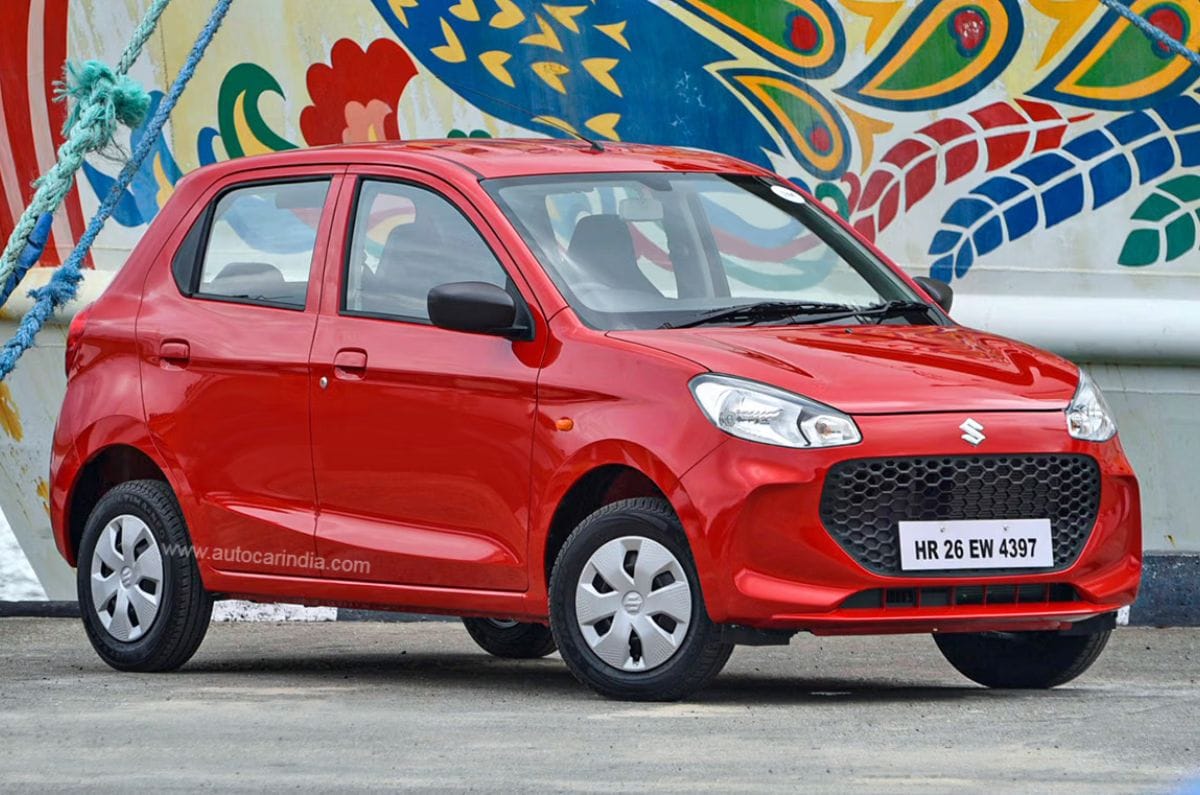
Among Maruti Suzuki’s extensive line-up, the Alto K10 sits just above the S-Presso. It’s one of the brand’s most affordable cars in India, and is available in petrol and CNG variants. Under the bonnet is a 998cc three-cylinder K10C engine producing a maximum of 68.5hp and 91.1Nm. While the petrol and CNG versions come as standard with a 5-speed manual gearbox, only the petrol version comes with the option of a 5-speed automated manual transmission.
Tata Motors PV Q1 Update: टाटा ग्रुप की दिग्गज ऑटो कंपनी Tata Motors Passenger Vehicles Ltd के लिए अप्रैल-जून 2026 तिमाही शानदार रही है। कंपनी की ज्यादातर पैसेंजर गाड़ियों की बिक्री और प्रोडक्शन में अच्छी बढ़ोतरी हुई है। कंपनी ने ये आंकड़े सोसायटी ऑफ इंडियन ऑटोमोबाइल मैन्युफैक्चरर्स (SIAM) को सौंपे हैं।
Punch और Nexon की बिक्री 52% बढ़ी
अप्रैल-जून 2026 तिमाही में Punch और Nexon का प्रोडक्शन बढ़कर 1,17,711 यूनिट हो गया। पिछले साल इसी तिमाही में यह 80,001 यूनिट था। घरेलू बिक्री भी जोरदार बढ़ी। यह 76,230 यूनिट से बढ़कर 1,15,882 यूनिट पहुंच गई। यानी करीब 52% की बढ़ोतरी हुई।
हालांकि, निर्यात लगभग स्थिर रहा। इस बार 317 यूनिट का निर्यात हुआ। पिछले साल यह आंकड़ा 320 यूनिट था।
Curvv और Sierra की बिक्री तीन गुना के करीब
Curvv और Sierra की डिमांड भी तेजी से बढ़ी। इन दोनों मॉडलों का प्रोडक्शन 9,135 यूनिट से बढ़कर 25,790 यूनिट हो गया। घरेलू बिक्री 8,272 यूनिट से बढ़कर 25,150 यूनिट पहुंच गई। यानी लगभग तीन गुना बढ़ोतरी हुई।
हालांकि, निर्यात में गिरावट आई। इस तिमाही में 23 यूनिट का निर्यात हुआ। पिछले साल यह आंकड़ा 101 यूनिट था।
Safari, Harrier और Sumo की भी अच्छी डिमांड
Safari, Harrier और Sumo की बिक्री भी मजबूत रही। इन मॉडलों का प्रोडक्शन 6,488 यूनिट से बढ़कर 11,976 यूनिट हो गया। घरेलू बिक्री 6,536 यूनिट से बढ़कर 12,117 यूनिट पहुंच गई।
निर्यात में भी अच्छी बढ़त देखने को मिली। इस बार 30 यूनिट का निर्यात हुआ। पिछले साल सिर्फ 1 यूनिट विदेश भेजी गई थी।
Tiago, Tigor और Altroz की बिक्री घटी
हर मॉडल की कहानी अच्छी नहीं रही। Tiago, Tigor, Altroz, Zest और Bolt की बिक्री में गिरावट दर्ज की गई। इनका प्रोडक्शन 35,496 यूनिट से घटकर 30,163 यूनिट रह गया। घरेलू बिक्री भी 32,801 यूनिट से घटकर 27,017 यूनिट पर आ गई।
हालांकि, एक अच्छी बात भी रही। इन मॉडलों का निर्यात 548 यूनिट से बढ़कर 2,038 यूनिट हो गया।
Nano और Hexa अब भी लाइन से बाहर
इस तिमाही में भी Nano और Hexa का न तो प्रोडक्शन हुआ और न ही घरेलू बिक्री या निर्यात। कंपनी ने साफ किया है कि ये शुरुआती आंकड़े हैं। इनका अभी ऑडिट नहीं हुआ है। ऑडिट के बाद अंतिम आंकड़ों में थोड़ा बदलाव हो सकता है।
Tata Motors पर Citi की क्या राय?
पिछले हफ्ते ब्रोकरेज फर्म Citi ने Tata Motors Passenger Vehicles पर अपनी ‘Sell’ रेटिंग बरकरार रखी थी। हालांकि, नई Sierra EV की तारीफ भी की। ब्रोकरेज के मुताबिक, Sierra EV में 63 kWh और 75 kWh बैटरी पैक का विकल्प मिलेगा। बड़ा बैटरी पैक एक बार चार्ज करने पर 500 किलोमीटर से ज्यादा की रेंज देगा।
इसकी शुरुआती कीमत 18.8 लाख रुपये रखी गई है। टॉप वेरिएंट की कीमत 24.8 लाख रुपये तक जाती है। इसका मुकाबला Mahindra BE 6, Mahindra XEV 9E और Maruti e-Vitara से होगा।
Citi का कहना है कि Hyundai Creta Electric और MG ZS EV के मुकाबले Sierra EV की कीमत प्रतिस्पर्धी है। खासकर एंट्री-लेवल वेरिएंट की कीमत ऐसी रखी गई है, जिससे ग्राहक ऊंचे वेरिएंट खरीदने के लिए प्रेरित हो सकते हैं।
टाटा मोटर्स के शेयरों का हाल
Tata Motors Passenger Vehicles Ltd का शेयर सोमवार को 0.81% की बढ़त के साथ 346.95 रुपये पर बंद हुआ। पिछले 1 महीने में स्टॉक 10.72% टूटा है। वहीं, 1 साल के दौरान इसमें करीब 16% की गिरावट आई है।
Disclaimer: मनीकंट्रोल.कॉम पर दिए गए सलाह या विचार एक्सपर्ट/ब्रोकरेज फर्म के अपने निजी विचार होते हैं। वेबसाइट या मैनेजमेंट इसके लिए उत्तरदायी नहीं है। यूजर्स को मनीकंट्रोल की सलाह है कि कोई भी निवेश निर्णय लेने से पहले हमेशा सर्टिफाइड एक्सपर्ट की सलाह लें।