Mahindra Scorpio N facelift interior, exterior spied

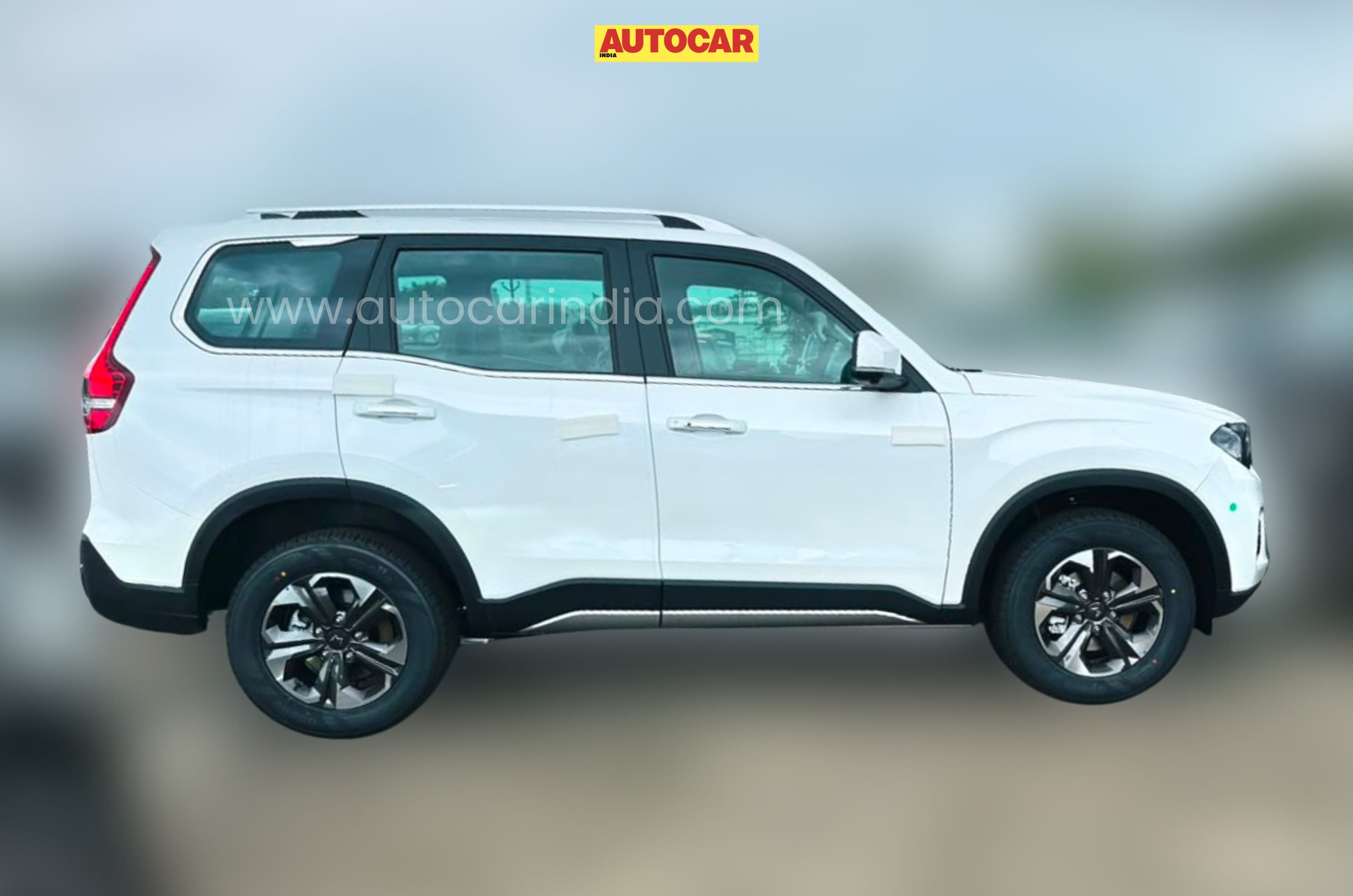
Mahindra Scorpio N facelift side profile

The Mahindra Scorpio N facelift has been spied undisguised, giving a glimpse at the SUV’s new interior and exterior changes. These spy shots reveal that the facelift will see minor changes outside, while the interior will be revamped with fresh features.

  1. Spy shots show Thar Roxx-like 10.25-inch screens inside
  2. New alloy wheels can be seen, but taillights are the same
  3. Expected to continue with the same powertrain options 

Mahindra Scorpio N facelift spied: What was spotted?

Spy shots reveal new Thar Roxx-like screens, centre AC vents, and switchgear 
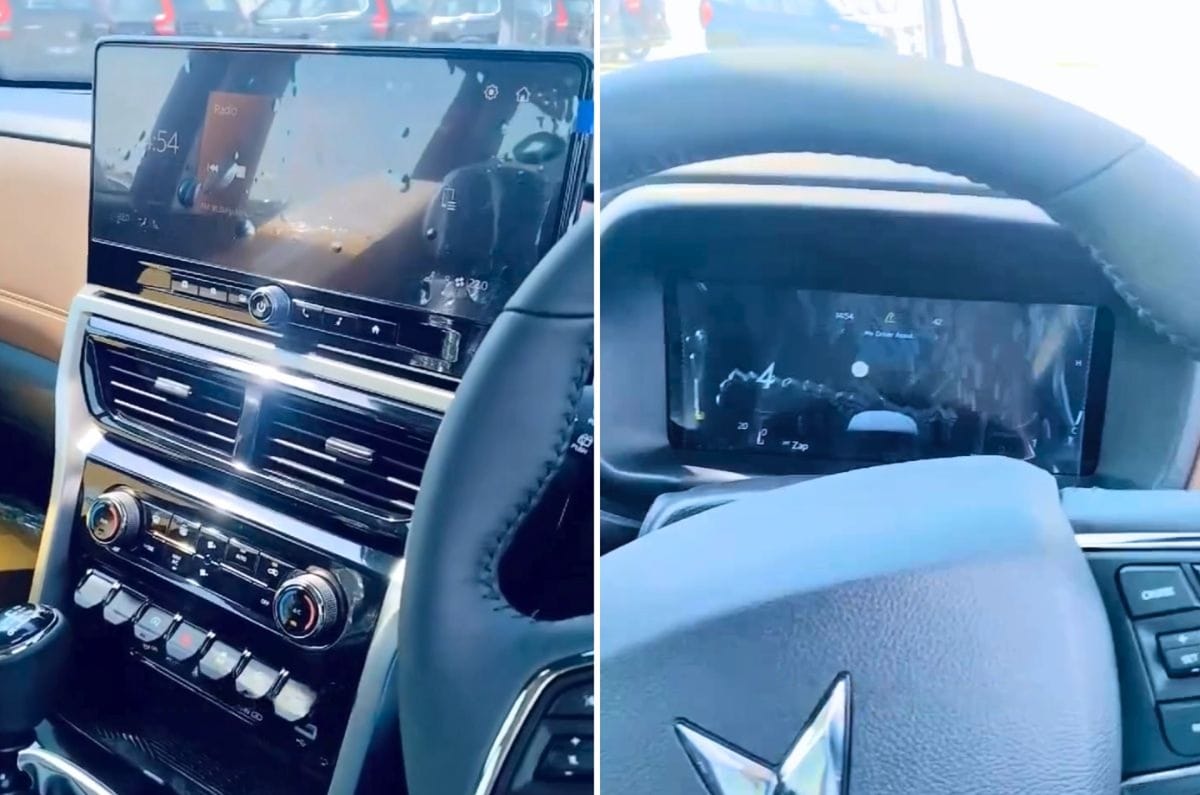
Image source: @vikey_root_baba_1008 on Instagram

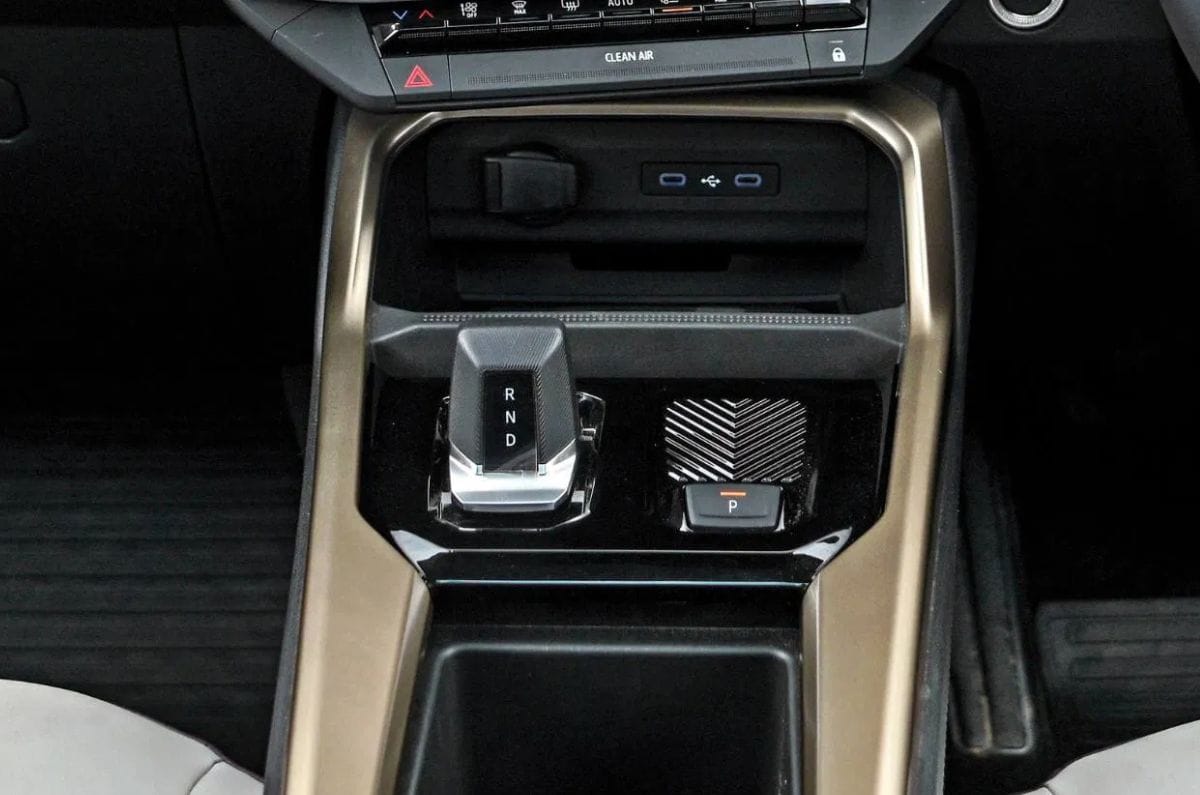
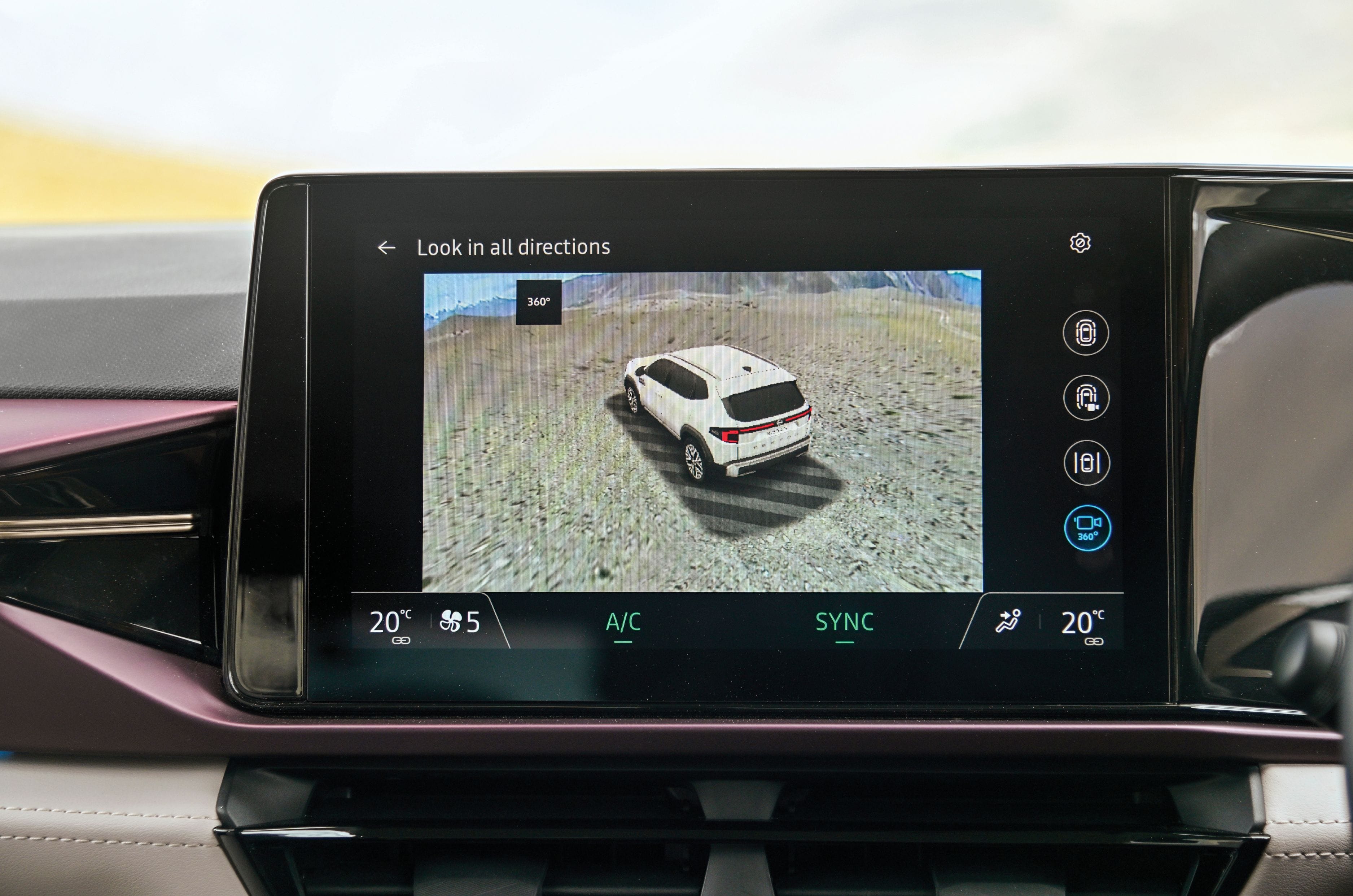
Spy shots of the Mahindra Scorpio N facelift’s interior suggest that Mahindra is continuing with the same brown-and-black dual-tone cabin theme as the current model. What’s different, however, is a Thar Roxx-like free-standing infotainment system and a fully digital driver’s display. On the Thar Roxx, both screens are 10.25 inches. The centre air vents are now positioned beneath the infotainment system. The switchgear on the centre console also seems to have a fresh design.

Other than these changes, everything else looks identical to the current Scorpio N. On the feature front too, it could get a new panoramic sunroof and continue with a wireless phone charger, dual-zone climate control, a 12-speaker Sony sound system, a powered driver’s seat and ventilated front seats. 

Alloy wheels have a fresh design, but the taillights are the same as the current model

Only the side profile of the Scorpio N facelift can be seen from the spy shots, which suggest redesigned alloy wheels that look more contemporary than those on the current model. Keen-eyed viewers can also catch a glimpse of the taillights, which seem to be the same LED units as the current model. Other elements, including the chrome beading on the window line with a scorpion tail-like tip, silver roof rails, chrome strips on door handles and black cladding on wheel arches and the lower section of the body, are the same as the current Scorpio N. 
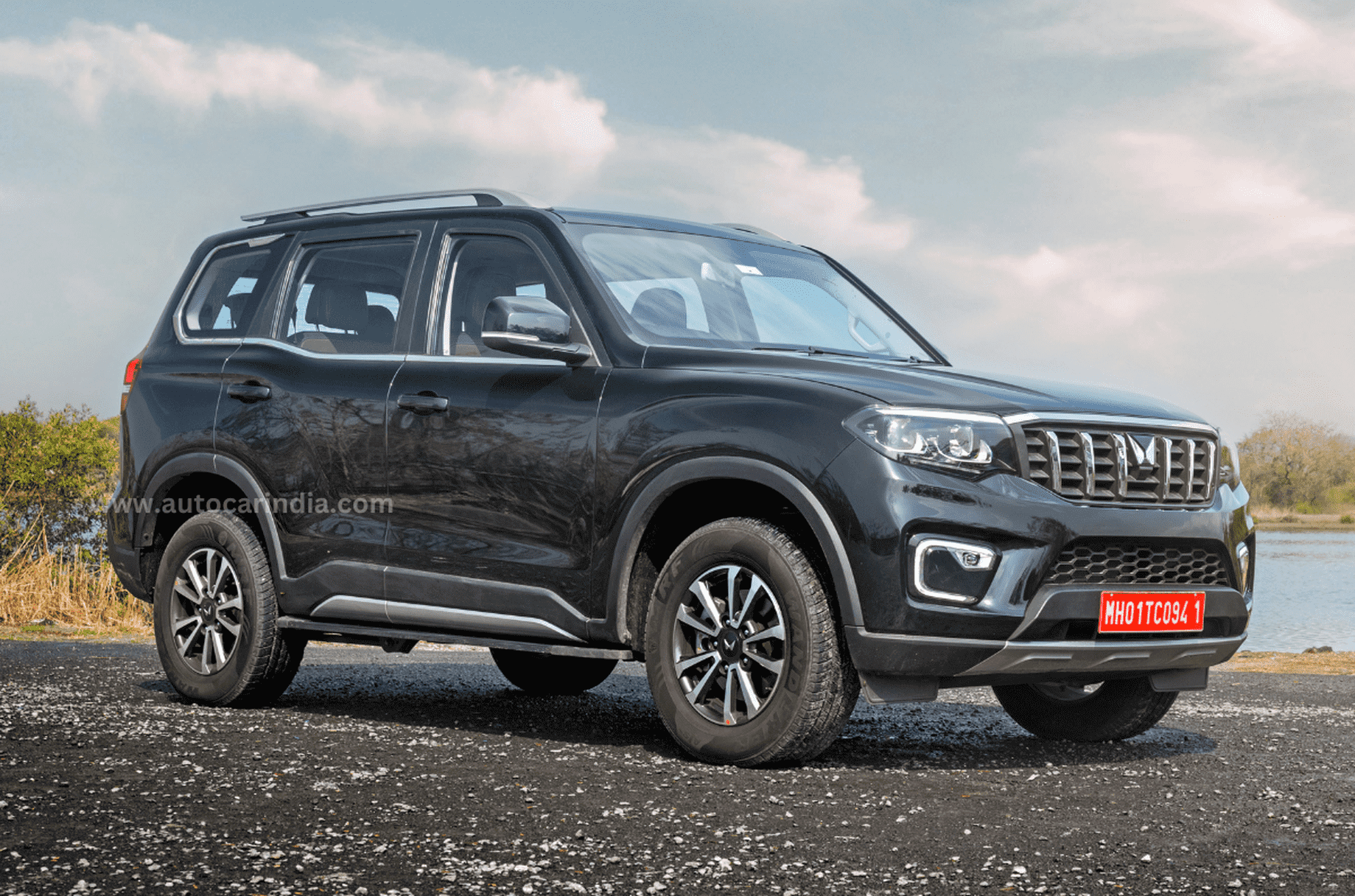
Current-spec Scorpio N’s exterior design shown for representative purposes only. 

While a clear view of the facelifted Scorpio N’s fascia is yet to be seen, numerous test mules have hinted at a slightly revised grille with horizontal slats, dual-pod headlights, and a similar bumper with fog lamps with scorpion tail-like design.

Mahindra Scorpio N facelift: Expected powertrains

Expected to continue with the same direct-injection turbo-petrol and diesel options
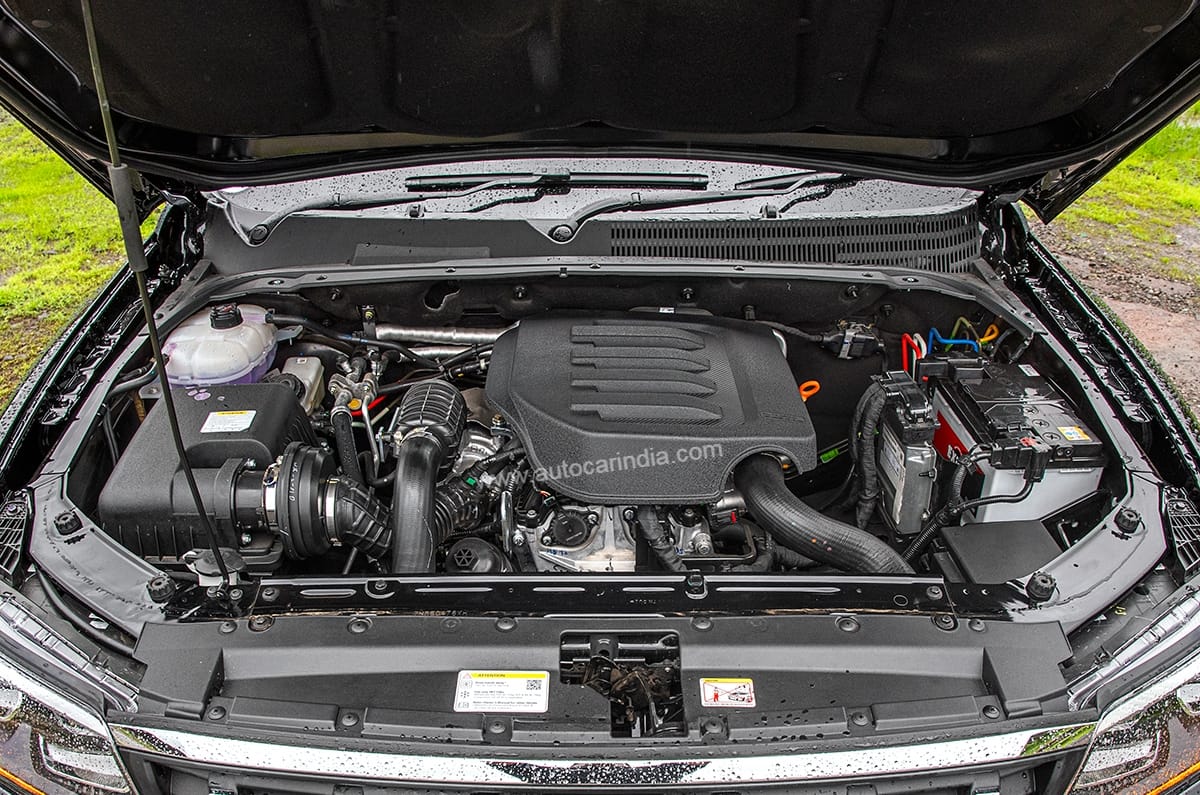
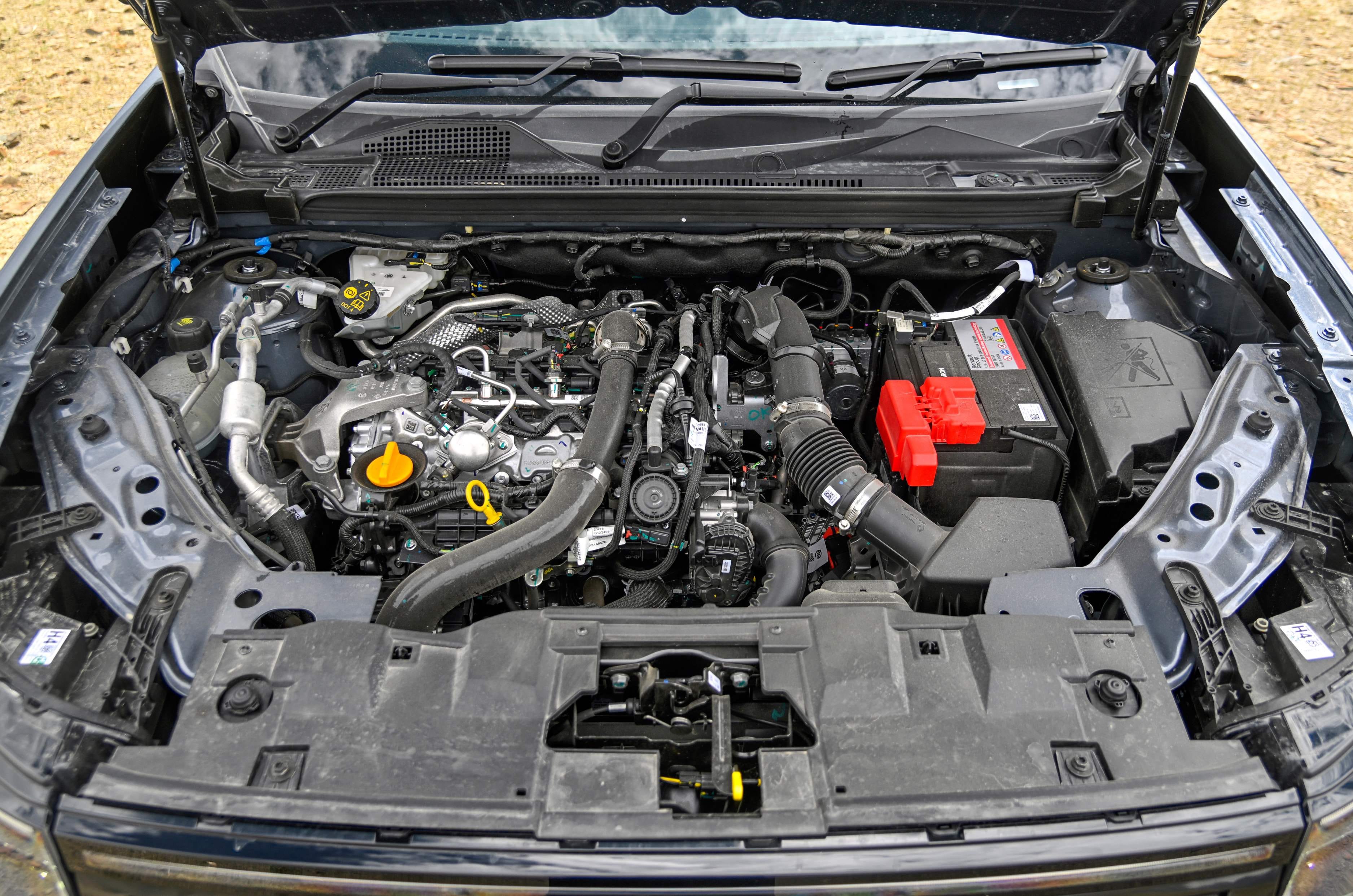
Current-spec Scorpio N’s 2.2-litre turbo-petrol engine shown for representative purposes only. 

The facelifted Mahindra Scorpio N is expected to continue with the same engine options as the current model. These include a 2.0-litre direct-injection turbo-petrol engine paired with either a 6-speed manual or a 6-speed automatic transmission. It produces 203hp with both gearbox options, while putting out 370Nm with the manual and 380Nm with the torque converter automatic gearbox.

It also gets a 2.2-litre direct-injection diesel engine, which produces 132hp, 300Nm on the lower variants. On the higher variants, this engine produces 175hp, 370Nm with the 6-speed manual transmission, and 175hp, 400Nm with the 6-speed torque converter automatic transmission. Mahindra is also expected to continue a 4×4 option with a low-range transfer case with both transmission options for this diesel engine.

With the facelift, Mahindra is expected to slightly increase prices of the Scorpio N, which currently range from Rs 13.49 lakh to Rs 24.95 lakh (ex-showroom). It will continue to rival the Mahindra XUV 7XO, Hyundai Alcazar, Tata Safari, and MG Hector.

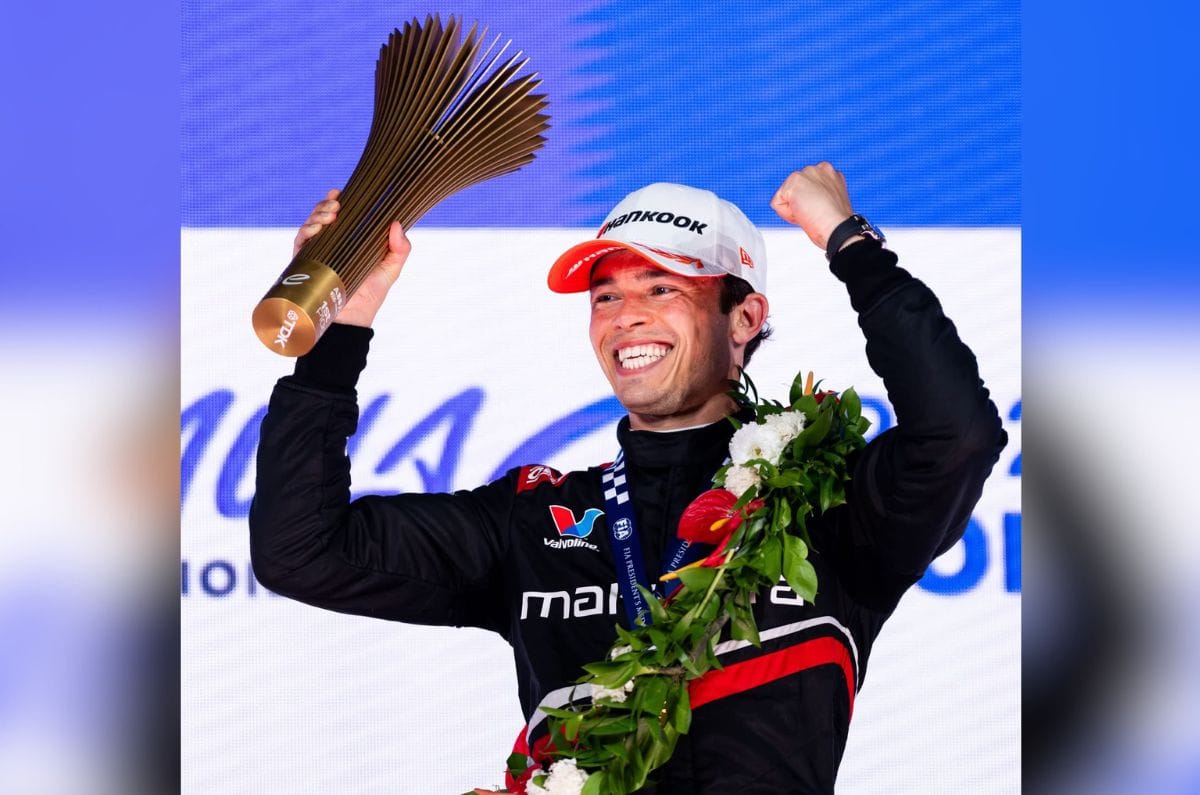
Mahindra wins chaotic Formula E Tokyo E-Prix

Formula-E-Tokyo-Race

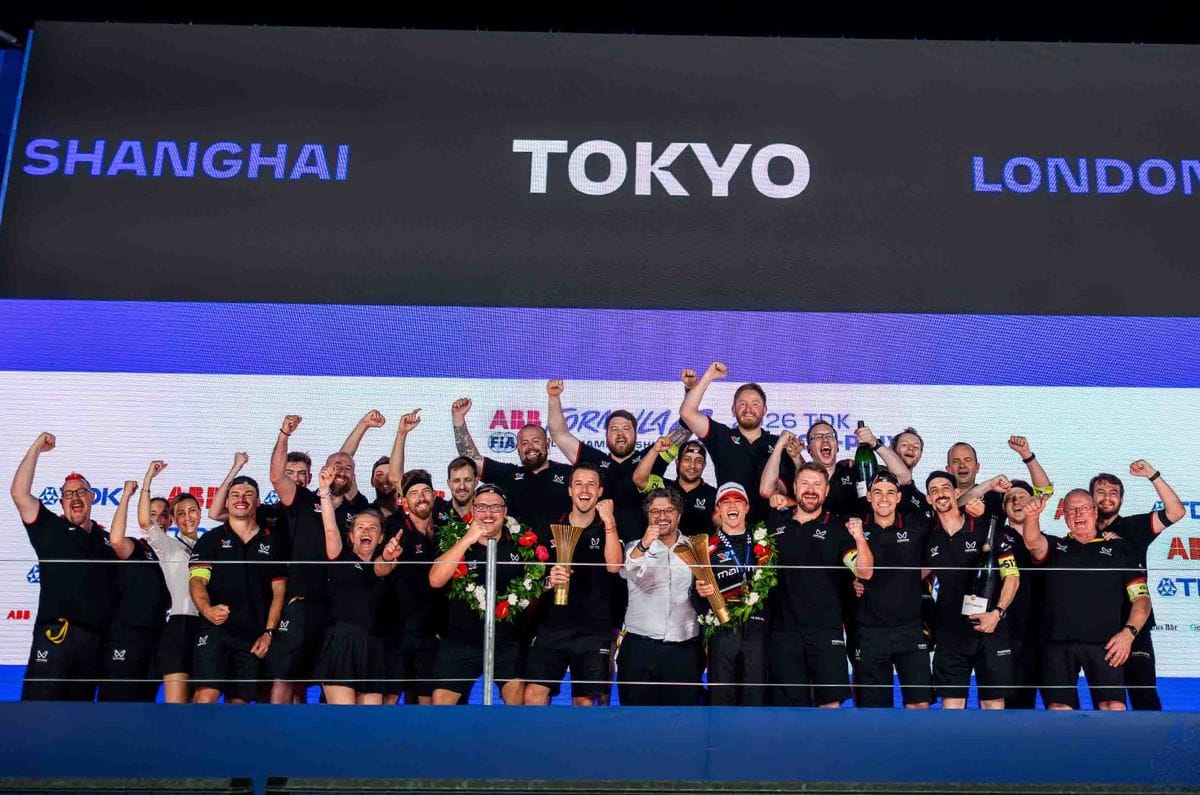
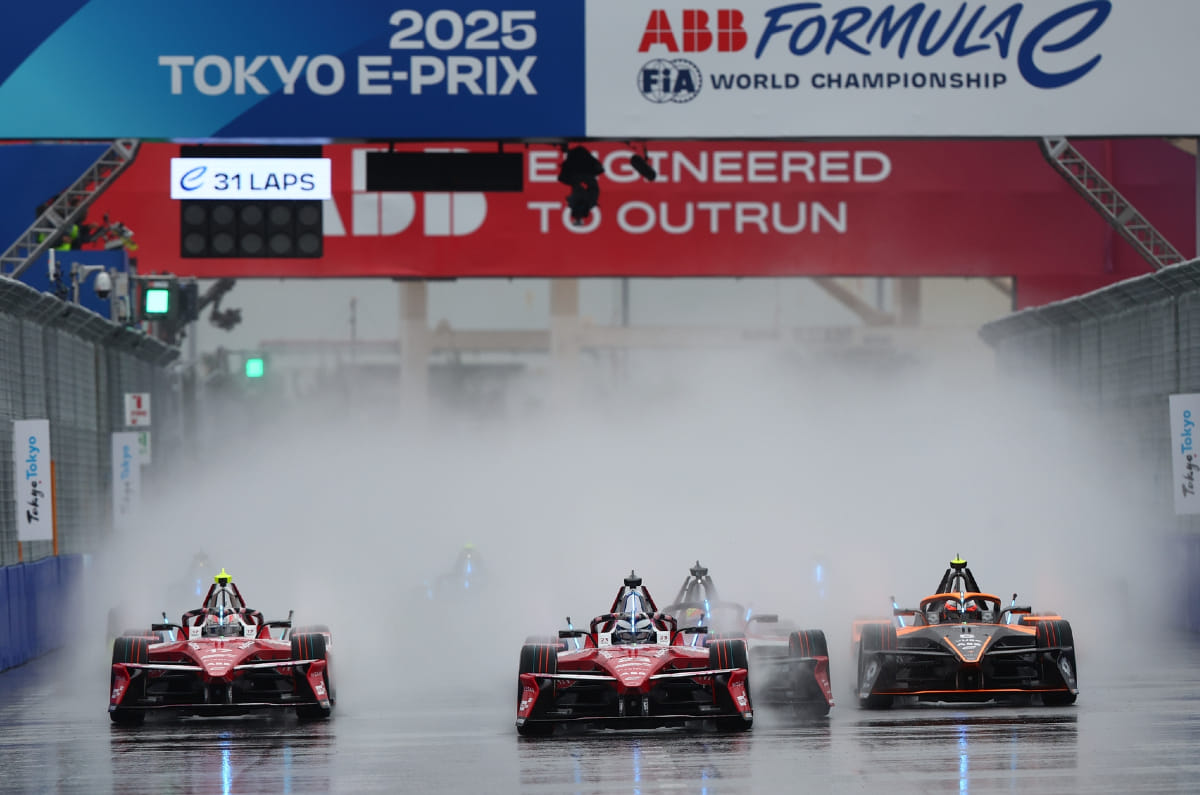
Mahindra Racing and Nyck de Vries aced the strategy on a drying track to win the Tokyo E-Prix. This marks de Vries and the Indian team’s second win of the season after the Monaco E-Prix.

The chaotic race also flipped the title picture, with Andretti’s Jake Dennis taking the overall lead after a strong recovery drive from P17 to P3 in the race.

  1. De Vries wins, 0.683sec ahead of Cassidy
  2. Dennis takes championship lead after podium finish 

Nyck de Vries wins Tokyo E Prix for Mahindra

With heavy rainfall just before the race start, Mahindra opted to split the strategy between its two drivers. Polesitter Edoardo Mortara started the race on what, at the time, appeared to be the favourable wet setup. De Vries, meanwhile, had his tyre pressure set up for dry conditions.

The drying track ultimately played into de Vries’s favour. He activated his final Attack Mode to move into the lead on Lap 28. A late-race Red Flag made it a one-lap dash to the chequered flag, and de Vries held his ground to take victory. This is the first time since the 2017/18 season that Mahindra has won two races in a single season.

“We were a little bit lucky today. We opted for a drying track, and in hindsight, that worked out in our favour. We got a poor start, but I think it was very important to save energy at the beginning of the race because once the track dried, you needed it,” de Vries said.

“We had some more luck at the end with the red flag because Jake [Dennis] was coming on strong in Attack Mode. I’m very happy and proud of the team who executed a great race to get our second win of the season.” 

Citroen opted for a similar strategy that paid off, with Nick Cassidy finishing second, followed by Andretti’s Dennis.

Mortara crashes out

It was a race of mixed fortunes for Mahindra. Polesitter Mortara remained in podium contention for a large chunk of the race but collided with Joel Eriksson on Lap 32, causing a pile-up on track and triggering the Red Flag.

“It’s a disappointing result on a day when we showed quite a lot of performance. When you start from pole, and everything is fully wet, there’s very little to gamble,” Mortara explained.

“I started with the wet setup, and this wasn’t the right call. But fortunately, we split the strategy, and it worked out very well for Nyck [de Vries], so I’m very happy for the team.” 

2026 Formula E championship standings 

Dennis takes the overall championship lead after a difficult Tokyo E-Prix weekend for his rivals Mitch Evans and Pascal Wehrlein. With just two more races to go, he holds a two-point advantage over Evans in the standings. Wehrlein, meanwhile, is three points behind Evans.

Mortara holds on to fifth place overall, while de Vries’s victory has moved him up to ninth place overall in the drivers’ championship.

The Tokyo round also saw Porsche wrap up the manufacturers’ title, winning it for the second season in a row. As for the teams’ championship, Jaguar currently holds the overall lead, 14 points ahead of Porsche. Mahindra is fourth overall, just one point behind third-placed Andretti.

Formula E will now head to London for the season finale on August 15-16.

Nifty Outlook: लगातार 5 दिनों की गिरावट के बाद तेजी लौटेगी? जानिए एक्सपर्ट्स से

Nifty Outlook: पिछले हफ्ते के आखिरी कारोबारी दिन यानी शुक्रवार को शेयर बाजार में कमजोरी बनी रही। निफ्टी लगातार पांचवें कारोबारी सत्र में गिरावट के साथ बंद हुआ। हालांकि, दिन के निचले स्तर से इंडेक्स ने 200 अंकों से ज्यादा की रिकवरी की।

आखिर में निफ्टी 102 अंक टूटकर 23,767 पर बंद हुआ। यह 12 जून 2026 के बाद का सबसे निचला स्तर है। निफ्टी पिछले हफ्ते 2.3% टूट गया। खास बात यह रही कि हफ्ते के पांचों कारोबारी दिन बाजार गिरावट के साथ बंद हुआ।

आइए एक्सपर्ट्स से जानते हैं कि सोमवार, 27 जुलाई को निफ्टी की चाल कैसी रहेगी। लेकिन, उससे पहले समझ लेते हैं कि शुक्रवार के कारोबारी सत्र में क्या खास हुआ था।

किन शेयरों में रही सबसे ज्यादा हलचल?

HCLTech, Cipla और Wipro सबसे ज्यादा चढ़ने वाले शेयर रहे। वहीं Eternal, Mahindra & Mahindra और Bajaj Finance में सबसे ज्यादा गिरावट आई।

आईटी, मीडिया और PSU बैंक सेक्टर में खरीदारी रही। दूसरी ओर ऑटो, मेटल और रियल्टी सेक्टर सबसे ज्यादा दबाव में रहे।

मिडकैप और स्मॉलकैप भी दबाव में

शुरुआती गिरावट के बाद इन शेयरों में भी रिकवरी आई। लेकिन आखिर में दोनों इंडेक्स लाल निशान में बंद हुए। निफ्टी मिडकैप 100 में 0.10% और निफ्टी स्मॉलकैप 100 में 0.32% की गिरावट रही।

बाजार पर दबाव क्यों है?

एनालिस्टों का कहना है कि पश्चिम एशिया में बढ़ता तनाव बाजार की सबसे बड़ी चिंता है। इसकी वजह से ब्रेंट क्रूड महंगा बना हुआ है। ऊंचे कच्चे तेल के दाम, कमजोर रुपया और विदेशी निवेशकों (FII) की बिकवाली भी बाजार पर दबाव बना रहे हैं।

अगले हफ्ते किन बातों पर रहेगी नजर?

जून तिमाही के नतीजों का सीजन जारी है। इसलिए कई शेयरों में हलचल बनी रह सकती है। निवेशकों की नजर IDFC First Bank, Zen Technologies, Birla Corporation और AU Small Finance Bank के नतीजों पर रहेगी।

23,600 का स्तर सबसे अहम

HDFC Securities के नागराज शेट्टी का कहना है कि 23,600 निफ्टी के लिए मजबूत सपोर्ट है। अगर यह स्तर बचा रहता है, तो अगले हफ्ते इंडेक्स 24,200 तक उछल सकता है।

Centrum Finverse के नीलेश जैन का भी मानना है कि 23,600 के ऊपर रहने पर निफ्टी पहले 24,000 और फिर 24,200 तक जा सकता है। हालांकि, 23,850 के आसपास बड़ी रुकावट मिल सकती है।

सपोर्ट टूटा तो बढ़ सकती है गिरावट

HDFC Securities के नंदीश शाह का कहना है कि अगर निफ्टी 23,606 के नीचे निकलता है, तो गिरावट बढ़कर 23,500 और फिर 23,070 तक जा सकती है। वहीं, 24,000 का स्तर फिलहाल सबसे बड़ा रेजिस्टेंस बना हुआ है।

LKP Securities के रुपक डे के मुताबिक, निफ्टी अब 50 दिन की EMA के नीचे आ चुका है। यह शॉर्ट टर्म कमजोरी का संकेत है। अगर 23,600 का स्तर टूटता है, तो बिकवाली और बढ़ सकती है। वहीं, तेजी की वापसी के लिए निफ्टी का 24,000 के ऊपर निकलना जरूरी होगा।

Stocks to Watch: सोमवार 27 जुलाई को फोकस में रहेंगे 27 स्टॉक्स, मिल सकता है तगड़ी कमाई का मौका

Disclaimer: मनीकंट्रोल.कॉम पर दिए गए सलाह या विचार एक्सपर्ट/ब्रोकरेज फर्म के अपने निजी विचार होते हैं। वेबसाइट या मैनेजमेंट इसके लिए उत्तरदायी नहीं है। यूजर्स को मनीकंट्रोल की सलाह है कि कोई भी निवेश निर्णय लेने से पहले हमेशा सर्टिफाइड एक्सपर्ट की सलाह लें।

Maruti Brezza 2026 Launch: ₹7.40 लाख में नई SUV की एंट्री, टर्बो इंजन और 5-स्टार सेफ्टी के साथ Nexon-Venue को देगी टक्कर

Maruti Brezza 2026 Launch: देश की कार निर्माता कंपनी Maruti Suzuki ने भारतीय बाजार में अपनी 2026 Maruti Suzuki Brezza फेसलिफ्ट को लॉन्च कर दिया है, जिसकी शुरुआती कीमत 7.40 लाख रुपये (एक्स-शोरूम) है। नई Brezza फेसलिफ्ट में आपको नया 1.0-लीटर टर्बो बूस्टरजेट पेट्रोल इंजन, नई स्टाइलिंग, दमदार फीचर्स और अतिरिक्त सुरक्षा टेक्नोलॉजी देखने को मिलेगी। इसके साथ ही मौजूदा पेट्रोल और CNG वर्जन को भी कई अपडेट के साथ पेश किया गया है।

Maruti Brezza 2026: इंजन और पावरट्रेन

Maruti Brezza 2026 की सबसे बड़ी खासियत इसका नया 1.0-लीटर टर्बो बूस्टरजेट पेट्रोल इंजन है, जो 6-स्पीड मैनुअल गियरबॉक्स के साथ आएगा और 110.2 PS की पावर और 170 Nm का टॉर्क जनरेट करेगा। Maruti Suzuki ने इसकी फ्यूल एफिशिएंसी 20.47 kmpl बताई है। यह नया टर्बो-पेट्रोल ऑप्शन उन ग्राहकों को ध्यान में रखकर पेश किया गया है, जो तेज़ रफ़्तार और बेहतर परफॉर्मेंस चाहते हैं।

टर्बो-पेट्रोल इंजन के अलावा Maruti Suzuki Brezza 2026 में पहले वाला 1.5-लीटर K15C Dual Jet Dual VVT पेट्रोल इंजन भी जारी रहेगा। यह इंजन 103.05 PS की पावर और 139 Nm का टॉर्क देता है। इसमें अब पुराने 5-स्पीड मैनुअल गियरबॉक्स की जगह नया 6-स्पीड मैनुअल ट्रांसमिशन दिया गया है। इसके साथ ही पैडल शिफ्टर्स वाला 6-स्पीड ऑटोमैटिक गियरबॉक्स का विकल्प भी मिलता रहेगा।

वहीं, S-CNG वर्जन (87.8 PS और 121.5 Nm) को भी नए अंडरबॉडी CNG टैंक के साथ अपडेट किया गया है, जिससे बूट स्पेस ज्यादा मिलता है। इसमें आइडल स्टार्ट-स्टॉप टेक्नोलॉजी और नया 6-स्पीड मैनुअल गियरबॉक्स भी दिया गया है।

Maruti Brezza 2026: डिजाइन और फीचर्स में बड़े बदलाव

2026 Brezza फेसलिफ्ट के बाहरी हिस्से में कई कॉस्मेटिक बदलाव किए गए हैं। इसमें नई स्मोक क्रोम ग्रिल, मेटैलिक ग्रे स्किड प्लेट, नए डुअल-टोन साइड क्लैडिंग और नए डिजाइन वाले प्रिसिजन-कट अलॉय व्हील्स दिए गए हैं। टर्बो वेरिएंट्स में खास ‘Turbo Boosterjet’ बैजिंग भी है, और खरीदार स्पोर्टी रेड एक्सेंट वाले खास टर्बो एक्सेसरी पैकेज का विकल्प भी चुन सकते हैं।

इंटीरियर की बात करें तो, SUV के केबिन में कई नए फीचर्स जोड़े गए हैं। Maruti Brezza 2026 में अब 10.1-इंच का SmartPlay Pro X टचस्क्रीन इंफोटेनमेंट सिस्टम मिलता है, जिसमें इन-बिल्ट Alexa, वायरलेस Android Auto और Apple CarPlay, इंटरनेट कनेक्टिविटी, ओवर-द-एयर अपडेट्स और 35 से ज्यादा ऐप्स की सुविधा है। अन्य खासियतों में प्रीमियम Arkamys सराउंड सेंस ऑडियो सिस्टम, 64-कलर एम्बिएंट लाइटिंग, लेदरेट सीट्स, वेंटिलेटेड फ्रंट सीट्स, AQI डिस्प्ले वाला PM2.5 एयर प्यूरीफायर, एक्टिव कूलिंग वाला वायरलेस स्मार्टफोन चार्जर और इलेक्ट्रिक सनरूफ शामिल हैं।

Maruti Brezza 2026: सेफ्टी फीचर्स को किया गया अपग्रेड

Brezza फेसलिफ्ट के लॉन्च के साथ इसकी सुरक्षा को भी बेहतर बनाया गया है। अब इस नई SUV में ब्लाइंड स्पॉट वॉर्निंग के साथ लेन चेंज अलर्ट, रियर क्रॉस ट्रैफिक अलर्ट, सेफ एग्जिट वॉर्निंग, टायर प्रेशर मॉनिटरिंग सिस्टम, फ्रंट पार्किंग सेंसर और अतिरिक्त व्यूइंग मोड वाला अपग्रेडेड 360-डिग्री कैमरा जैसे फीचर्स मिलते हैं। इसके अलावा, Brezza को 5-स्टार भारत NCAP सेफ़्टी रेटिंग भी मिली है।

नई Brezza 2026 को सात एक्सीटरियर कलर ऑप्शन में पेश किया गया है, जिनमें दो नए शेड — Vivacious Orange और Lustrous Beige शामिल हैं। ग्राहक अपनी पसंद के अनुसार लुक पाने के लिए टर्बो, टेरास्केप और मेट्रोस्केप एक्सेसरी पैकेज में से भी चुन सकते हैं।

Maruti Brezza 2026: कीमत और मुकाबला

Brezza फेसलिफ्ट 2026 की शुरुआती कीमत ₹7.40 लाख (एक्स-शोरूम) है, जबकि मारुति सुज़ुकी अलग से सभी वेरिएंट्स की कीमतों की पूरी लिस्ट जारी करेगी। कंपनी के मुताबिक, अब तक 14 लाख से ज्यादा ग्राहक Brezza को अपना चुके हैं। ऐसे में मारुति को उम्मीद है कि अपडेटेड SUV भारत के तेजी से बढ़ते और प्रतिस्पर्धी कॉम्पैक्ट SUV सेगमेंट में अपनी पकड़ और मजबूत करेगी।

नई Brezza Facelift को ऐसे समय में लॉन्च किया गया है, जब कॉम्पैक्ट SUV सेगमेंट में कॉम्पिटिशन लगातार बढ़ रहा है। यह अपडेटेड SUV Tata Nexon, Hyundai Venue, Kia Sonet, Mahindra XUV 3XO and Skoda Kylaq जैसे मॉडल्स को टक्कर देगी।

यह भी पढ़ें: मंगलुरु के छात्रों ने बनाई AI-पावर्ड ड्राइवरलेस इलेक्ट्रिक कार, जो खुद पहचानती है रास्ता

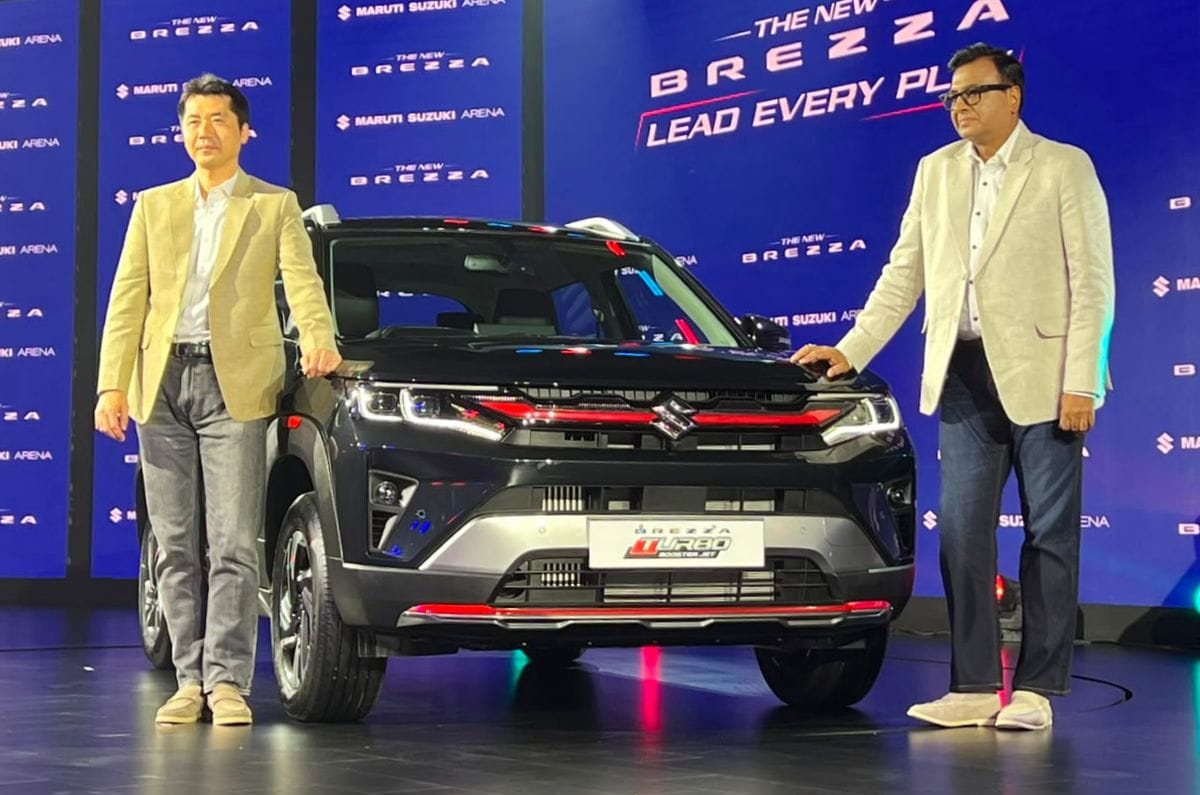
2026 Maruti Brezza launched at Rs 7.40 lakh

2026 Maruti Brezza

Maruti Suzuki has launched the 2026 Brezza at a starting price of Rs 7.40 lakh. The carmaker’s compact SUV gets major updates, including a new engine option, gearbox, feature additions and minor changes to its exterior. The 2026 Maruti Brezza will take on the likes of the Hyundai Venue, Skoda Kylaq, Tata Nexon, Mahindra XUV 3XO, Kia Sonet and Syros.

  1. New 1.0-litre ‘Boosterjet’ engine produces 110hp and 170Nm.
  2. 5-speed manual gearbox replaced by a new 6-speed unit.
  3. Front seat ventilation, air purifier, larger 10.1-inch touchscreen on board.

2026 Maruti Brezza powertrains 

Finally gets a turbo-petrol and an underbody-mounted CNG kit 

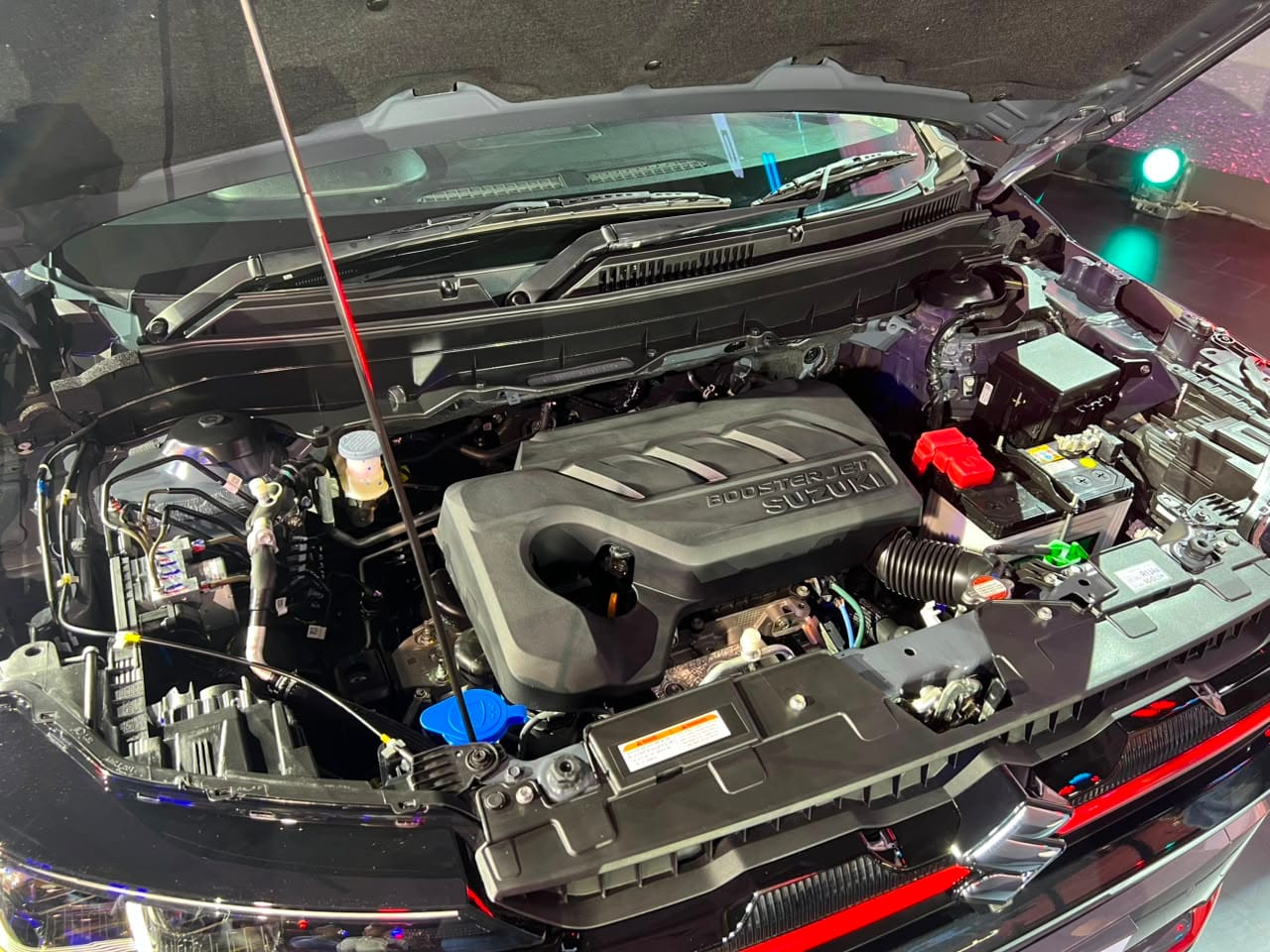
The biggest update for the Brezza comes under its hood. It gets a new 1.0-litre ‘Boosterjet’ direct-injection turbo-petrol engine that develops 110hp and 170Nm. The previous version’s 103hp, 139Nm, 1.5-litre naturally aspirated petrol engine has been retained with the option of pairing it with a CNG kit. However, CNG versions now feature an underbody-mounted kit like the Victoris, which saves boot space. All powertrains are paired with a new 6-speed manual gearbox as standard, while only the 1.5-litre petrol engine offers a 6-speed automatic transmission. 

2026 Maruti Brezza exterior updates

Mild updates bring a revised fascia and new alloy wheel designs

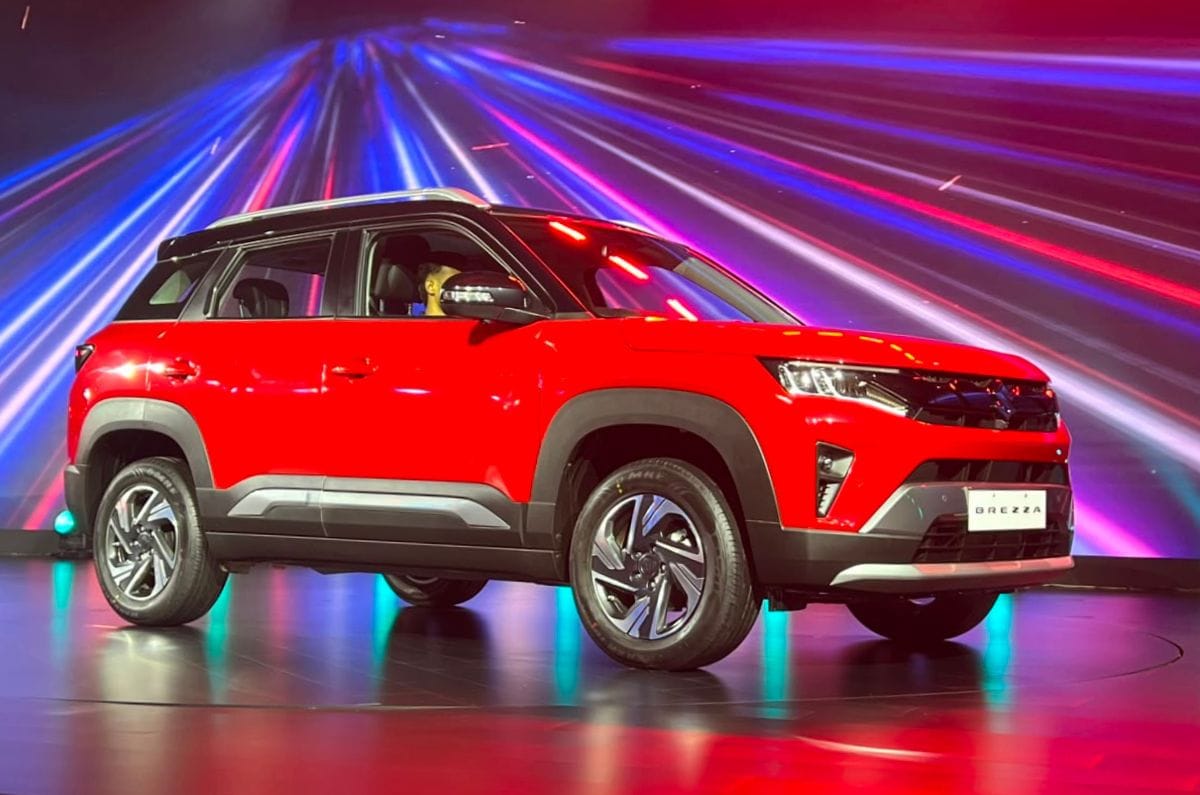
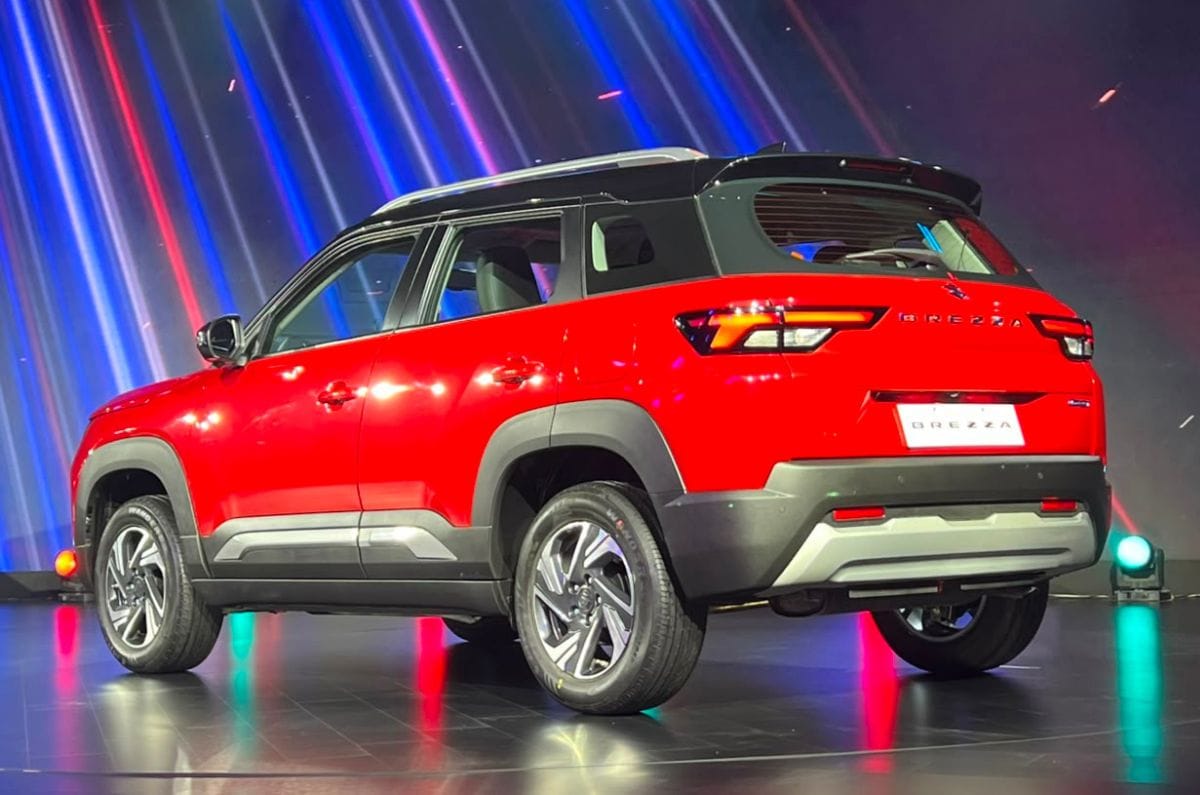
On the outside, Maruti has introduced minor styling updates for its compact SUV. The revised fascia gets a newly designed grille with a panel connecting the headlamps finished in dark chrome. The bumper is slightly redesigned with dark chrome elements and a new look for the faux skid plate. While the LED headlamps with L-shaped DRLs have been carried over, the fog lamps have been positioned slightly upwards and sit in a new triangular housing. 

In profile, the lower sides of the doors feature new dual-tone cladding and the 16-inch alloy wheels have a fresh design. It’s at the rear where the 2026 Brezza does not see as many changes, as it gets the same tail-lamps and bumper design as before.

2026 Maruti Brezza dimensions 

Length (mm)

3,995

Width (mm)

1,790

Height (mm)

1,685

Wheelbase (mm)

2,500

2026 Maruti Brezza interior and feature updates  

Gets a larger infotainment display and front seat ventilation 

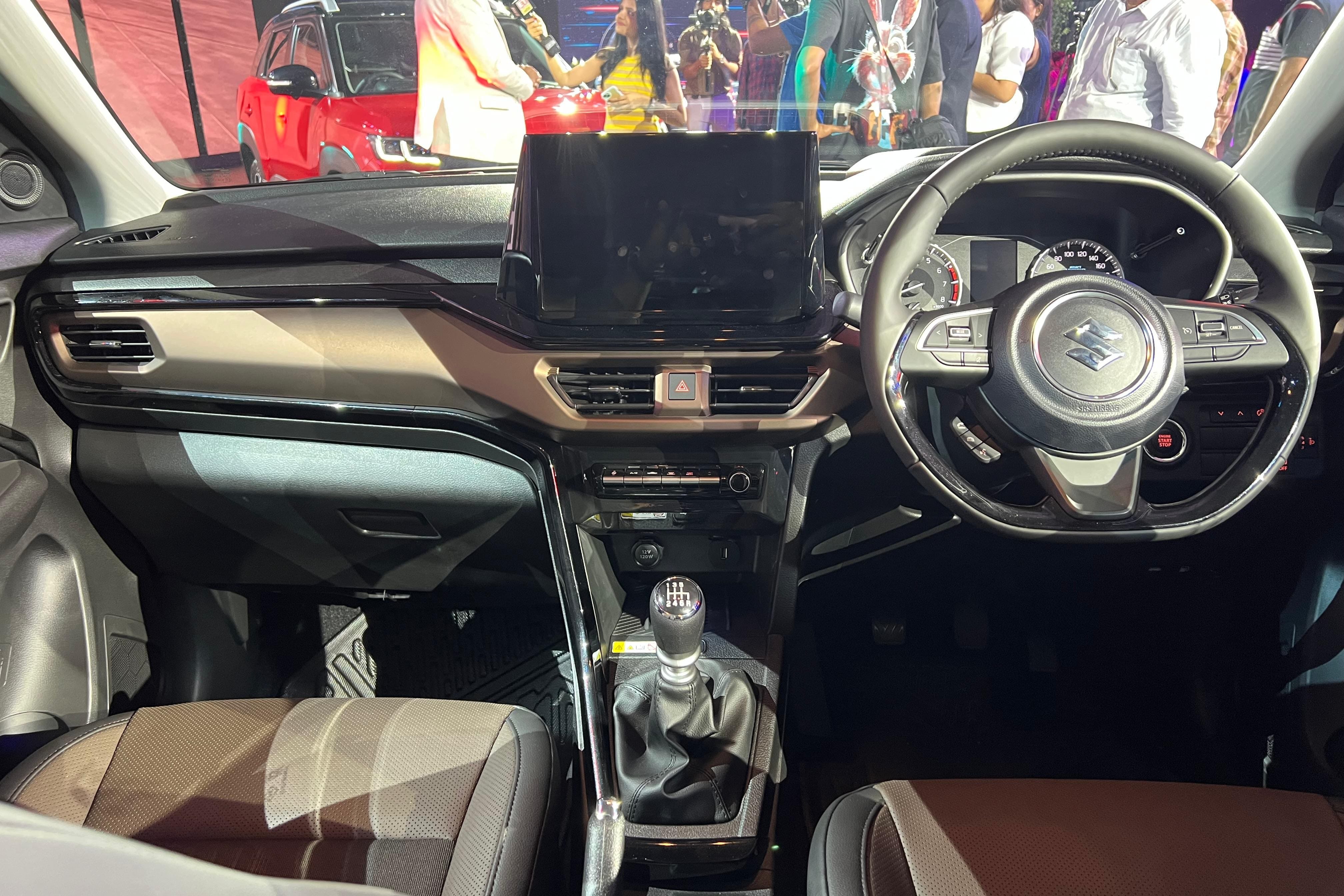
Inside, the 2026 Brezza’s cabin gets a revised look. While the same black-and-brown theme is retained, there are newer trim materials, and silver trim pieces from the previous version are now finished in gloss black. The dual-tone leatherette-finished seats feature updated upholstery, and there’s a new set of HVAC switches borrowed from the Victoris.

In the features department, new additions include a larger 10.1-inch (up from 9-inch) Smartplay Pro X infotainment system with built-in navigation and Alexa, 64-colour ambient lighting, front-seat ventilation, air purifier and active cooling for the wireless phone charger. On the safety front, the Brezza now features a tyre pressure monitoring system, blind-spot warning, rear cross-traffic alert, safe exit warning and parking sensors at the front. 

.2026 Maruti Brezza launched at Rs 7.40 lakh

Maruti Brezza front quarter static

Maruti Suzuki has launched the 2026 Brezza at a starting price of Rs 7.40 lakh. The carmaker’s compact SUV gets major updates, including a new engine option, gearbox, feature additions and minor changes to its exterior. The 2026 Maruti Brezza will take on the likes of the Hyundai Venue, Skoda Kylaq, Tata Nexon, Mahindra XUV 3XO, Kia Sonet and Syros.

2026 Maruti Brezza powertrains 

Finally gets a turbo-petrol and an underbody-mounted CNG kit 

The biggest update for the Brezza comes under its hood. It gets a new 1.0-litre turbo-petrol engine that develops 110hp and 170Nm. The previous version’s 103hp, 139Nm 1.5-litre naturally aspirated petrol engine has been retained with the option of pairing it with a CNG kit. However, CNG versions now feature an underbody-mounted kit like the Victoris, which saves boot space. All powertrains are paired with a new 6-speed manual gearbox as standard, while only the 1.5-litre petrol engine offers a 6-speed automatic transmission. 

2026 Maruti Brezza exterior updates

Mild updates bring a revised fascia and new alloy wheel designs

On the outside, Maruti has introduced minor styling updates for its compact SUV. The revised fascia gets a newly designed grille with a panel connecting the headlamps finished in dark chrome. The bumper is slightly redesigned with dark chrome elements and a new look for the faux skid plate. While the LED headlamps with L-shaped DRLs have been carried over, the fog lamps have been positioned slightly upwards and sit in a new triangular housing. In profile, the lower sides of the doors feature new dual-tone cladding and the 16-inch alloy wheels have a fresh design. It’s at the rear where the 2026 Brezza does not see as many changes, as it gets the same tail-lamps and bumper design as before.

Turbo-petrol powered versions feature minor cosmetic upgrades, bringing some distinction with a ‘Turbo’ badge on the tailgate along with red accents for the grille, faux skid plates, wheel arches, and ‘Turbo Boosterjet’ stickers on the rear quarter glass. Maruti has also introduced new Vivacious Orange and Lustrous Beige paint options along with dual-tone finishes with a black roof on these colours as well.

2026 Maruti Brezza dimensions 

Length (mm)

3,995

Width (mm)

1,790

Height (mm)

1,685

Wheelbase (mm)

2,500

2026 Maruti Brezza interior and feature updates  

Gets a larger infotainment display and front seat ventilation 

Inside, the 2026 Brezza’s cabin gets a revised look. While the same black-and-brown theme is retained, there are newer trim materials, and silver trim pieces from the previous version are now finished in gloss black. The dual-tone leatherette-finished seats feature updated upholstery, and there’s a new set of HVAC switches borrowed from the Victoris.

In the features department, new additions include a larger 10.1-inch (up from 9-inch) Smartplay Pro X infotainment system with built-in navigation and Alexa, 64-colour ambient lighting, front-seat ventilation, air purifierand active cooling for the wireless phone charger. On the safety front, the Brezza now features a tyre pressure monitoring system, blind-spot warning, rear cross-traffic alert, safe exit warning and parking sensors at the front. 

2026 F1 Hungarian GP schedule, India timings

F1 Hungarian GP schedule

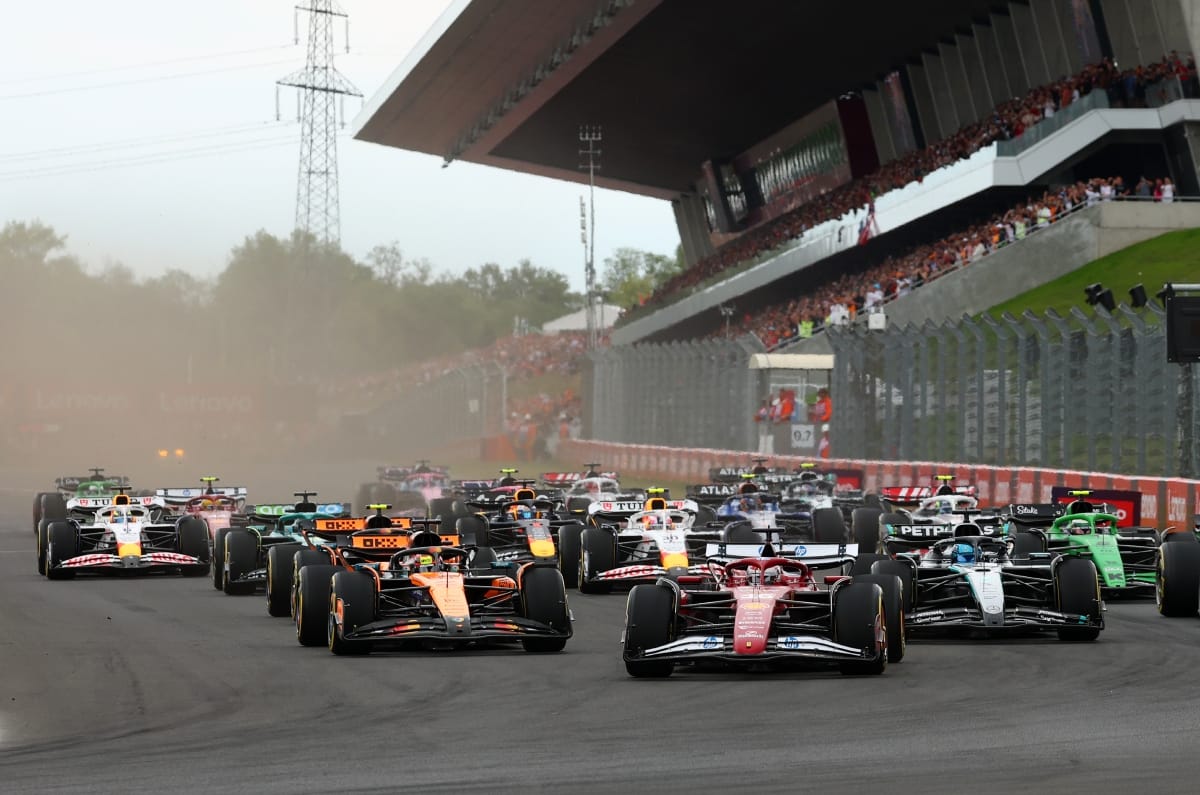
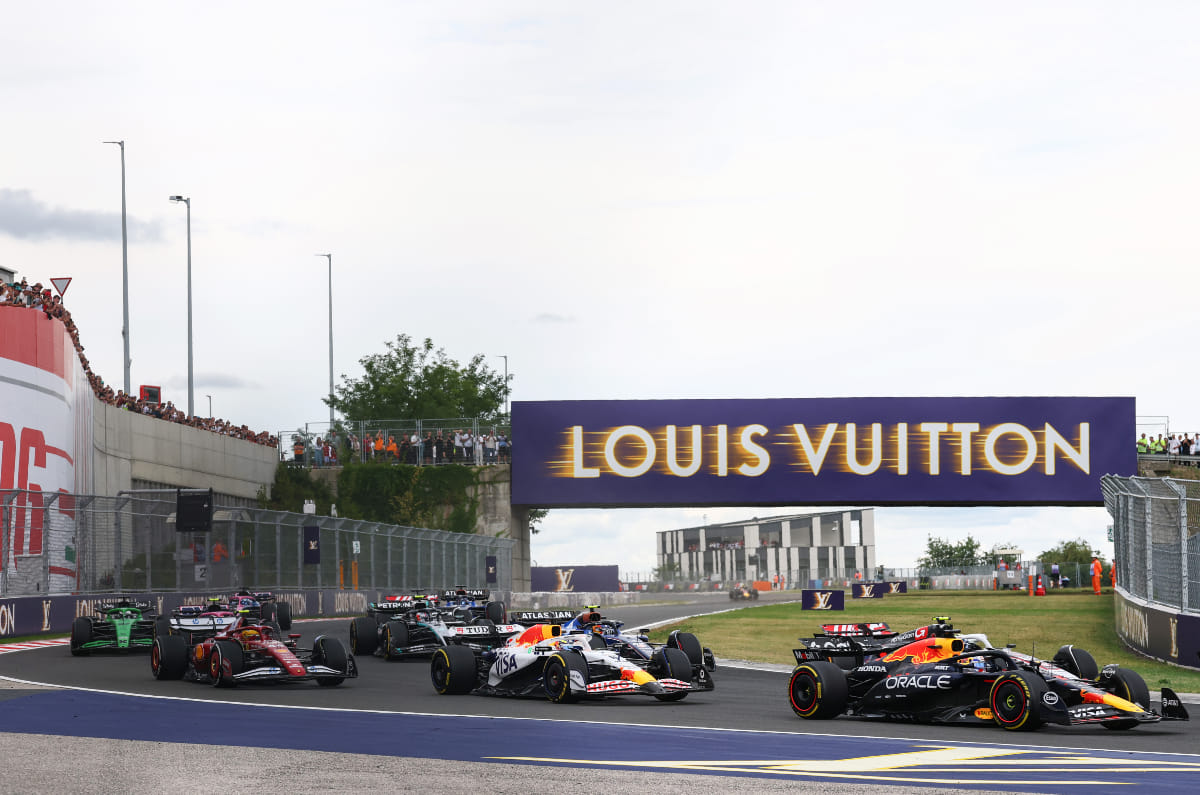
The first half of the 2026 F1 season will wrap up at the Hungarian GP this weekend, with this being the last race before the month-long summer break kicks off. All teams will have to stop working on their cars for two weeks in August as part of F1’s mandatory shutdown before the season resumes once again at Zandvoort on August 23. 

There’s plenty more motorsport action in store with F2, Formula E and DTM rounds coming up as well. Here’s our ultimate guide for when and where to tune in from India.

F1 Hungarian GP schedule

F1 Hungarian GP schedule IST

Kimi Antonelli extended his championship lead after winning the Belgian GP. George Russell’s championship bid, however, took a big hit following his retirement. Mercedes later revealed that Russell was struggling with an undiagnosed straight-line speed deficit at Spa. The Hungaroring’s lack of straights should help mitigate this issue a bit, and Russell will be looking for a strong weekend to get his title bid back on track.

Hungaroring is also expected to be a strong track for Ferrari, with the SF-26 proving to be more competitive on less power-sensitive tracks. Aston Martin, meanwhile, is expected to bring some significant updates as it looks to salvage what has been a difficult season so far.

F1 Hungarian GP: Where to watch?

All F1 Hungarian GP sessions will be streamed live on the FanCode and F1 TV apps.

2026 F1 Hungarian GP IST schedule

Date

Day

Session

Time

July 24

Friday

FP1

5pm

July 24

Friday

FP2

8:30pm

July 25

Saturday

FP3

4pm

July 25

Saturday

Qualifying

7:30pm

July 26

Sunday

Race

6:30pm

F2 Hungarian GP schedule

F2 Hungarian GP schedule IST

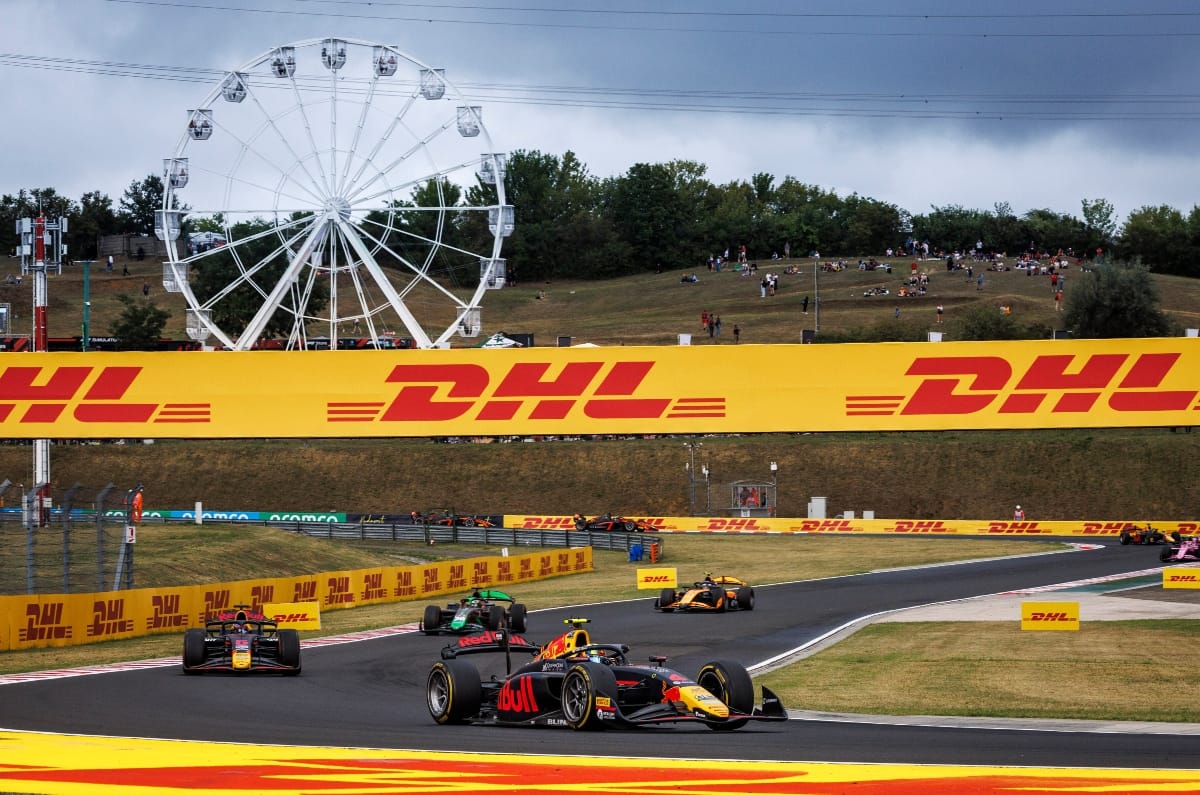
Nikola Tsolov has extended his F2 championship lead to 27 points from Gabriele Mini. However, the season has delivered plenty of twists and turns so far, so the Campos Racing driver will be looking to further consolidate that advantage before the summer break. 

India’s Kush Maini still holds on to sixth place overall, tied with Dino Beganovic and six points behind Noel Leon. 

F2 Hungarian GP: Where to watch?

All F2 Hungarian GP sessions will be streamed live on the FanCode and F1 TV apps.

2026 F2 Hungarian GP IST schedule

Date

Day

Session

Time

July 24

Friday

Practice

2:35pm

July 24

Friday

Qualifying

7:25pm

July 25

Saturday

Sprint Race

5:45pm

July 26

Sunday

Feature Race

2:55pm

Formula E Tokyo E Prix schedule

Formula E Tokyo schedule IST

Formula E has been racing at Tokyo since 2024. However, the races will have a new look this year as they will be hosted at night for the very first time. 

With just four more races to go, Porsche’s Pascal Wehrlein currently holds the overall lead, 9 points ahead of Jaguar’s Mitch Evans and 27 points clear of Nissan’s Oliver Rowland. Jaguar holds the advantage in the team’s championship, but Porsche is just six points behind. So the Tokyo double-header could very well shake up the order. India’s Mahindra Racing, meanwhile, is P4 overall, just two points behind Andretti.

Formula E Tokyo E Prix: Where to watch?

Qualifying and races will be streamed live on Sony Liv as well as Sony Sports Ten 5.

2026 Formula E Tokyo E Prix IST schedule

Date

Day

Session

Time

July 24

Friday

FP1

3:30pm

July 25

Saturday

FP2

10am

July 25

Saturday

Qualifying 1

12:10pm

July 25

Saturday

Race 1

4:35pm

July 26

Sunday

FP3

10am

July 26

Sunday

Qualifying 2

12:10pm

July 26

Sunday

Race 2          

4:35pm

DTM Oschersleben IST schedule

DTM Oschersleben schedule IST

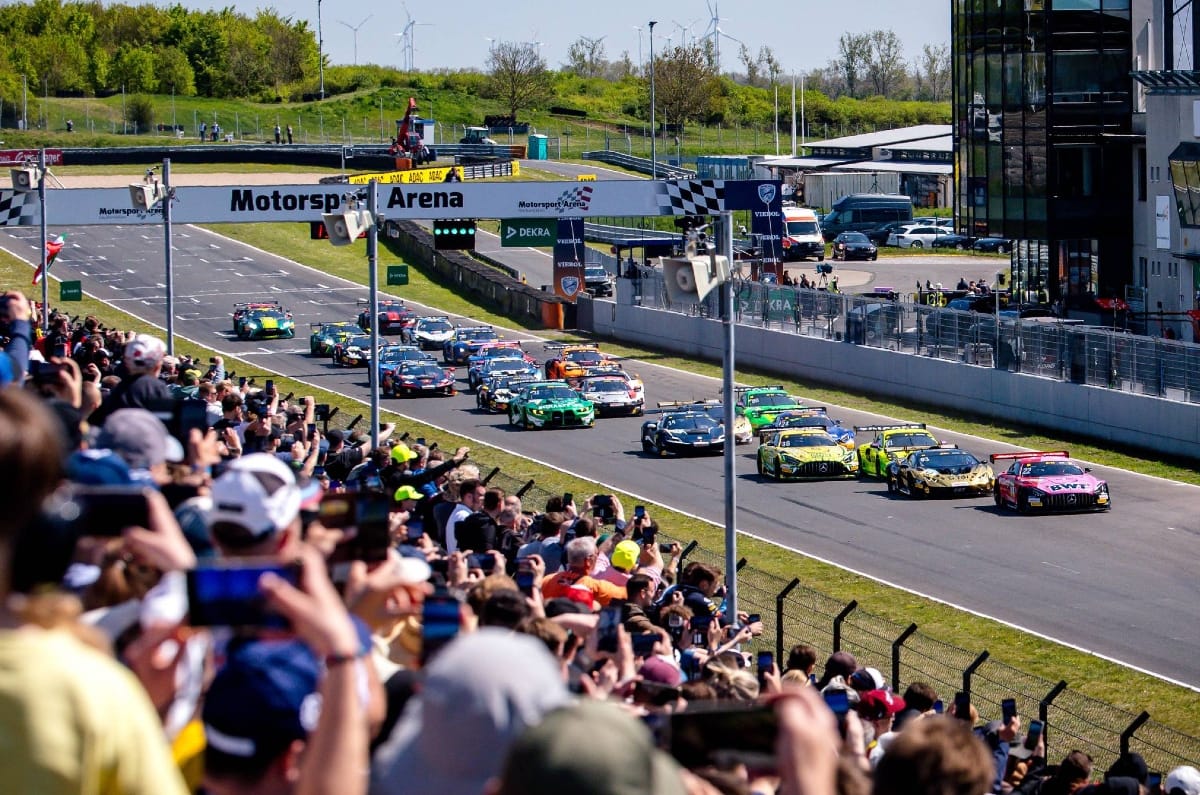
India’s Arjun Maini made his first DTM podium appearance of the year at Norisring. This also marked his very first podium with the HRT Ford Racing Team. He’s now moved up to seventh place in the standings, two points behind Ben Dorr and three points behind Marco Wittmann.

Nicki Thiim holds the overall lead, ahead of Maro Engel and Lucas Auer.

DTM Oschersleben: Where to watch?

All DTM Oschersleben sessions will be streamed live on the FanCode app.

2026 DTM Oschersleben IST schedule

Date

Day

Session

Time

July 24

Friday

FP1

2:30pm

July 24

Friday

FP2

7:05pm

July 25

Saturday

Qualifying 1

1:15pm

July 25

Saturday

Race 1

5pm

July 26

Sunday

Qualifying 2

12:55pm

July 26

Sunday

Race 2

5pm

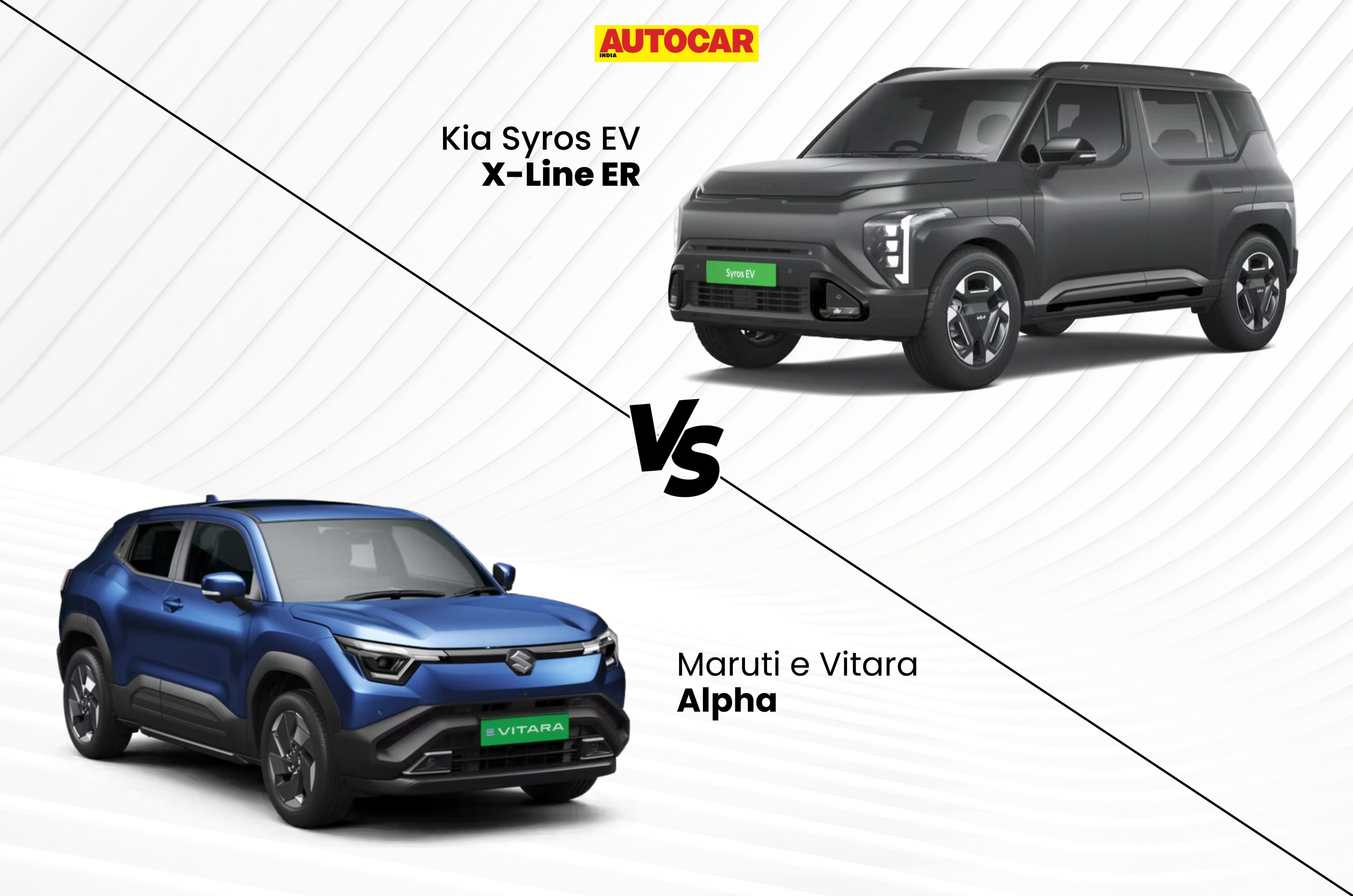
Kia Syros EV vs Maruti e Vitara: Whose top-spec trim offers more value?

Kia Syros EV vs Maruti e Vitara top trim

Kia India has officially launched its second mass-market electric car, the Syros EV. While the sub-4m Syros EV directly rivals the Tata Nexon EV and Mahindra XUV 3XO, the Kia’s pricing sees quite a bit of overlap with that of the Maruti Suzuki e Vitara, which is of a segment above. In fact, the top-spec trims of both electric SUVs are identically priced. Therefore, we compared the top-spec versions of the Syros EV and e Vitara on paper to determine which electric SUV offers more bang for your buck.

Kia Syros EV vs Maruti Suzuki e Vitara: Top trim dimensions

e Vitara is longer, but Syros EV is wider and taller

Kia Syros EV X-Line ER vs Maruti e Vitara Alpha dimensions


Syros EV

e Vitara

Length (mm)

3,995

4,275

Width (mm)

1,805

1,800

Height (mm)

1,670

1,640

Wheelbase (mm)

2,550

2,700

Frunk (litres)

16

Wheel size (inches)

17

18

Expectedly, the Syros EV is 280mm shorter overall (150mm shorter wheelbase) than the e Vitara, but interestingly, the Kia compact SUV is 5mm wider and 30mm taller. Neither Kia nor Maruti Suzuki quote precise boot space figures for their respective electric SUVs, but it’s worth noting that the Syros EV comes with a 16-litre frunk, while the e Vitara completely lacks storage space up front. However, the top-spec e Vitara does get larger alloy wheels than the equivalent Syros EV.

Kia Syros EV vs Maruti Suzuki e Vitara: Top trim powertrains

Syros EV is quicker, e Vitara claims higher range and has a bigger battery

Kia Syros EV X-Line ER vs Maruti e Vitara Alpha battery and range


Syros EV

e Vitara

Battery size (kWh)

51.4

61

Electric motor setup

Single motor, front

Single motor, front

Drive layout

FWD

FWD

Power (hp)

171

174

Torque (Nm)

255

193

Claimed 0-100kph time (seconds)

8.1

8.7

ARAI range (km)

526

543

The Syros EV’s battery pack is almost 10kWh smaller than that of the e Vitara, but the Kia is only 17km behind in terms of ARAI-claimed range. Both electric SUVs are front-wheel drive and make similar amounts of power, but the Syros EV edges ahead by a significant 62Nm in terms of torque output. This is partly why the Syros EV claims a 0.6sec quicker 0-100kph time than that of the e Vitara.

Kia Syros EV vs Maruti Suzuki e Vitara: Top trim charging speeds

Syros EV supports higher DC wattages

Kia Syros EV X-Line ER vs Maruti e Vitara Alpha charging times


Syros EV

e Vitara

Battery size (kWh)

51.4

61

7.4kW AC charging (10-100 percent)

9 hrs

11kW AC charging (10-100 percent)

8.9 hrs

DC fast charging (10-80 percent)

39 mins at 100kW

45 mins at 70kW

Kia and Maruti Suzuki quote AC charging speeds at different wattages, so the Syros EV and e Vitara can’t be directly compared on this front. However, it’s noteworthy that though the e Vitara has a larger battery than the Syros EV, the former takes roughly the same amount of time for a 10-100 percent charge at 7.4kW as the latter does at 11kW. Coming to DC charging, the Syros EV supports up to 100kW, while the e Vitara tops out at 70kW.

Kia Syros EV vs Maruti Suzuki e Vitara: Top trim exterior features

Syros EV gets puddle lamps, but e Vitara offers much greater choice in colours

Kia Syros EV X-Line ER vs Maruti e Vitara Alpha exterior features


Syros EV

e Vitara

LED projector headlamps

Yes (auto)

Yes (auto)

Front fog lamps

Yes

Yes

LED tail-lamps

Yes

Yes

Puddle lamps w/ logo projection

Yes

No

Roof rails

Yes

No

Powered ORVMs

Yes

Yes

Auto-folding ORVMs

Yes

Yes

Flush door handles

Yes

No

Body cladding

Yes

Yes

Rear spoiler

Yes

Yes

Colour options

2, monotone

10, monotone + dual-tone

Both electric SUVs are quite evenly matched in terms of exterior features, but the Syros EV takes the lead by way of roof rails and door-mounted puddle lamps that project the Kia logo. The Syros EV has flush door handles too, but some may appreciate the e Vitara’s conventional door handles more. Colours are a square win for the e Vitara, as it offers six monotone options and four dual-tone finishes. The Syros X-Line ER can be had in either Aurora Black Pearl or Matte Graphite, both of which are difficult to maintain. Buyers who want other colours have no option but to consider lower-spec Syros EV variants.

Kia Syros EV vs Maruti Suzuki e Vitara: Top trim interior features

Syros EV beats e Vitara with panoramic sunroof, cooled rear seat bases, and more

Kia Syros EV X-Line ER vs Maruti e Vitara Alpha interior features


Syros EV

e Vitara

Infotainment screen

12.3-inch

10.1-inch

Digital driver’s display

12.3-inch

10.25-inch

Climate control display

5-inch

Sunroof

Panoramic

Fixed single-pane

Wireless charger

Yes

Yes

Driver’s seat adjustment

4-way powered

10-way powered

Ventilated front seats

Yes

Yes

Rear seat base ventilation

Yes

No

Automatic climate control

Yes

Yes

Ambient lighting

Yes

Yes

Sound system

8-speaker Harmon Kardon

8-speaker Infinity

Apple CarPlay & Android Auto

Wireless

Wireless

Connected car tech

Yes

Yes

OTA updates

Yes

Yes

Rear sunshades

Yes

No

Rear centre armrest

Yes

Yes

Sliding, reclining rear seats

Yes

Yes

Even on the inside, the Syros EV’s feature set comes out on top. Over the e Vitara, the Syros EV packs larger infotainment and instrument displays, an additional screen for climate control settings, a panoramic sunroof, rear sunshades, and ventilation for the rear seat bases – this feature is not available even in electric SUVs a segment above the Syros EV. The e Vitara’s only advantage over the Syros EV is a greater gamut of electrical adjustment for the driver’s seat.

Kia Syros EV vs Maruti Suzuki e Vitara: Top trim driving features

Syros EV scores big on convenience by way of paddle shifters for regen modes

Kia Syros EV X-Line ER vs Maruti e Vitara Alpha driving features


Syros EV

e Vitara

Drive modes

Eco, Normal, Sport

Eco, Normal, Sport

Terrain modes

No

Snow

V2L function

Yes

No

Multi-level regen braking

Yes

Yes

Paddle shifters for regen

Yes

No

Cruise control

Adaptive

Adaptive

Both the Syros EV and e Vitara come with three drive modes and adaptive cruise control, but the Kia SUV inches forward thanks to vehicle-to-load (V2L) functionality, which lets you power external devices from the battery pack. The Syros EV also offers paddle shifters to cycle through the regenerative braking levels, while the e Vitara makes do with just a knob on the centre console. However, the e Vitara does offer a Snow terrain mode over the Syros EV.

Kia Syros EV vs Maruti Suzuki e Vitara: Top trim safety features

e Vitara wins thanks to an extra airbag, rain-sensing wipers, and 5-star BNCAP score

Kia Syros EV X-Line ER vs Maruti e Vitara Alpha safety features


Syros EV

e Vitara

Bharat NCAP rating

Yet to be tested

5 stars

Airbags

6

7

ABS with EBD

Yes

Yes

Electronic stability program

Yes

Yes

Follow-me-home headlamps

Yes

Yes

Hill hold control

Yes

Yes

TPMS

Yes

Yes

360-degree camera

Yes

Yes

Parking sensors

Front, rear, side

Front, rear

Electronic parking brake

Yes (w/ auto-hold)

Yes (w/ auto-hold)

Rain-sensing wipers

No

Yes

Auto-dimming IRVM

Yes

Yes

ISOFIX child seat anchors

Yes

Yes

Rear wiper, defogger

Yes

Yes

Disc brakes

Front, rear

Front, rear

Level 2 ADAS

Yes

Yes

Acoustic vehicle alert system

Yes

Yes

Coming to safety, the e Vitara finally scores a win. It’s the only one here to come with seven airbags and rain-sensing wipers, whereas the Syros EV sets itself apart with side parking sensors. The e Vitara also holds a 5-star crash safety rating from Bharat NCAP, while the Syros EV has not been tested yet. It’s worth noting, though, that the ICE-powered Syros was awarded 5 stars by Bharat NCAP, so a similar rating for the compact SUV’s electric derivative is very possible.

Kia Syros EV vs Maruti Suzuki e Vitara: Top trim prices

Syros EV for buyers seeking features, e Vitara for those who want a bigger car

Kia Syros EV X-Line ER vs Maruti e Vitara Alpha price comparison


Syros EV

e Vitara

Price (Rs, lakh)20.0019.99

As noted previously, there is next to no difference in the pricing of the Syros EV X-Line ER and e Vitara Alpha, which means the final decision comes down to your needs and preferences. If you want as many features as possible, are fine with a dark colour, and don’t mind smaller dimensions and funkier styling, the Syros EV X-Line ER is the one to go for. On the other hand, if you want the price you pay to be reflected in the size of the car, more choice in colours, more conventional looks, and are happy to forgo some features, you can consider the e Vitara.

It’s also worth noting that both the Syros EV and e Vitara can be purchased with battery-as-a-service (BaaS), which converts the cost of the battery into separate usage-based EMIs, thereby lowering the upfront cost. Kia has yet to reveal the BaaS price of the Syros EV X-Line ER, but the e Vitara Alpha costs Rs 14.49 lakh – Rs 5.5 lakh off the sticker price – with a Rs 4.39/km battery usage fee.

All prices are ex-showroom, India.

3 reasons to buy the Nissan Tekton and 3 to avoid it

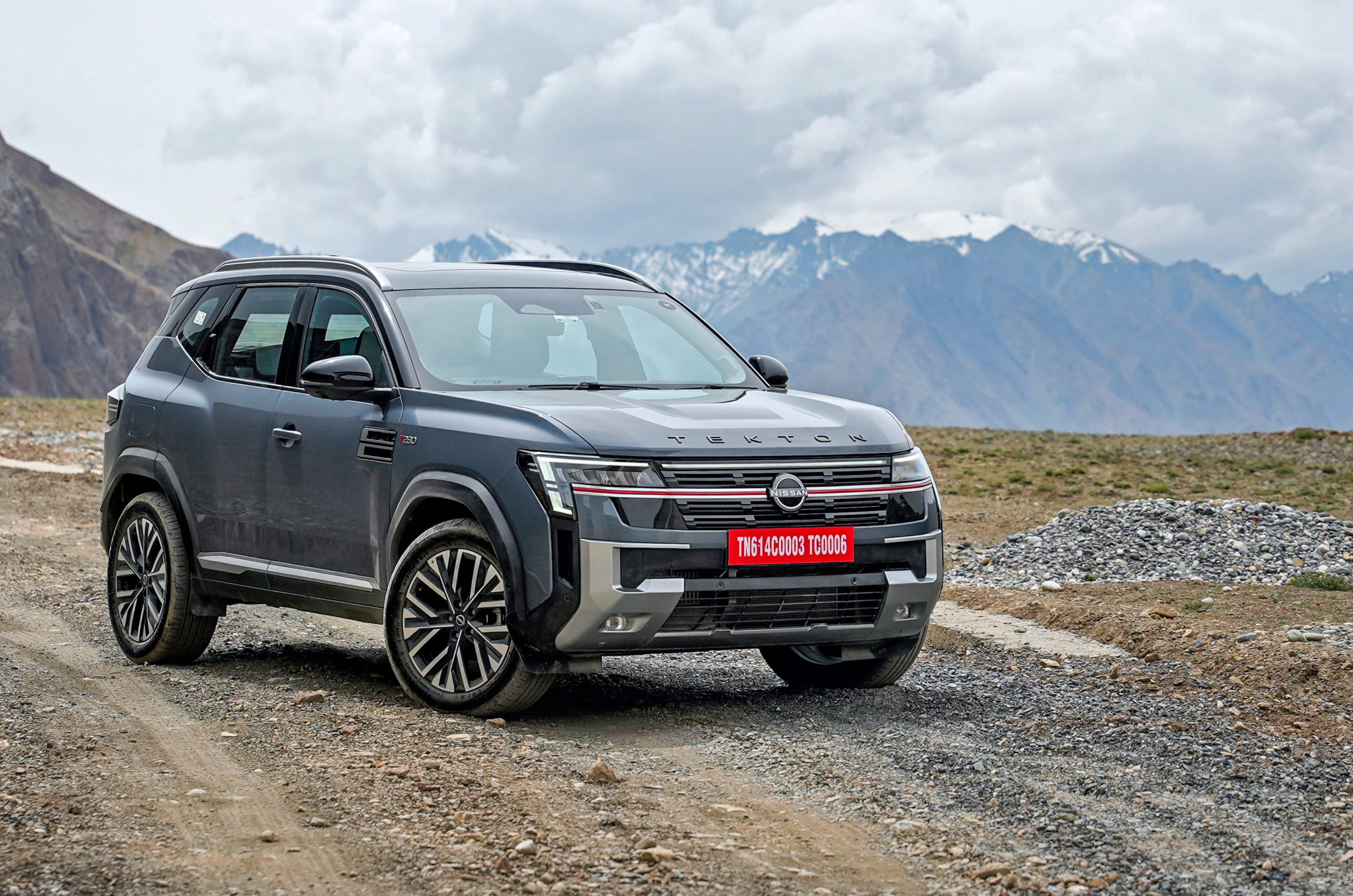
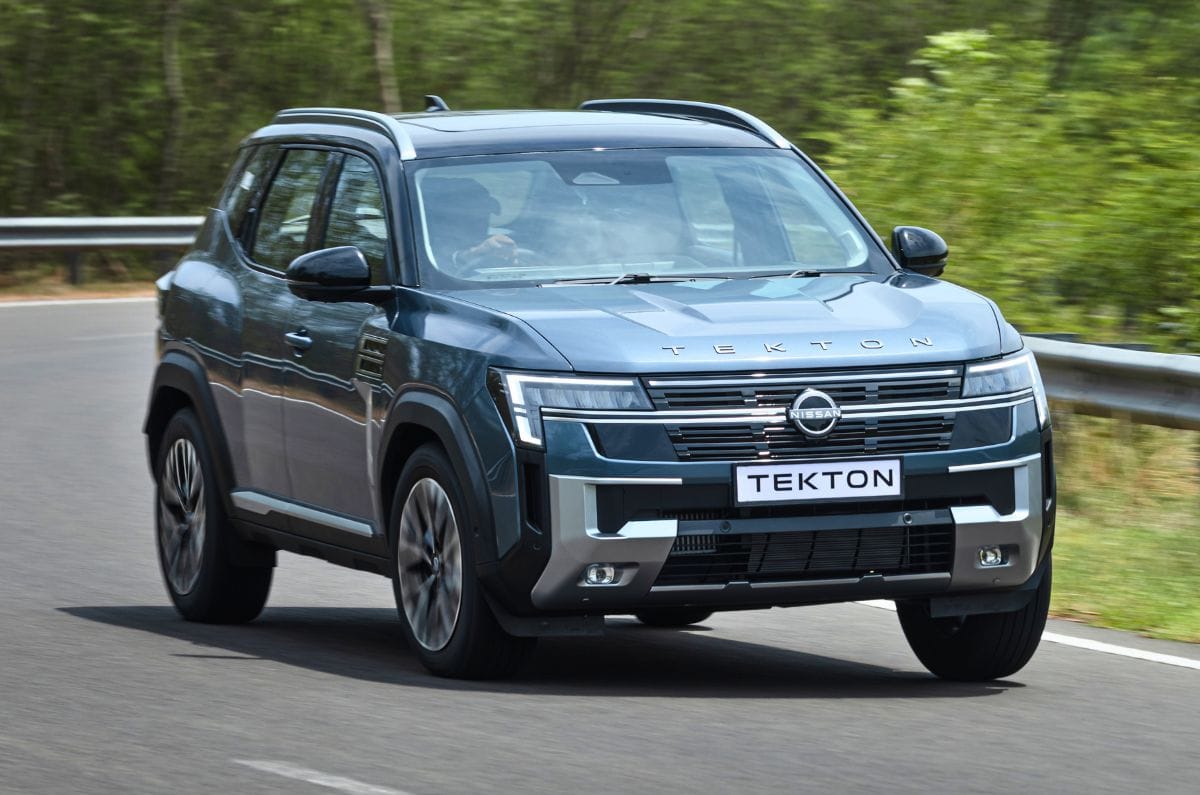
Nissan Tekton front three quarter

The Nissan Tekton joined the ever-ballooning midsize SUV segment in July 2026, becoming the third model in the Japanese brand’s India line-up. Priced between Rs 10.49 lakh and Rs 18.59 lakh (ex-showroom), the Tekton is Nissan’s flagship offering in the country. As a direct alternative to its platform sibling, the Renault Duster, does the Tekton offer compelling reasons for you to seriously consider it? Let’s find out.

Reasons to buy the Nissan Tekton

Polished dynamics

The Tekton strikes a great balance between ride and handling

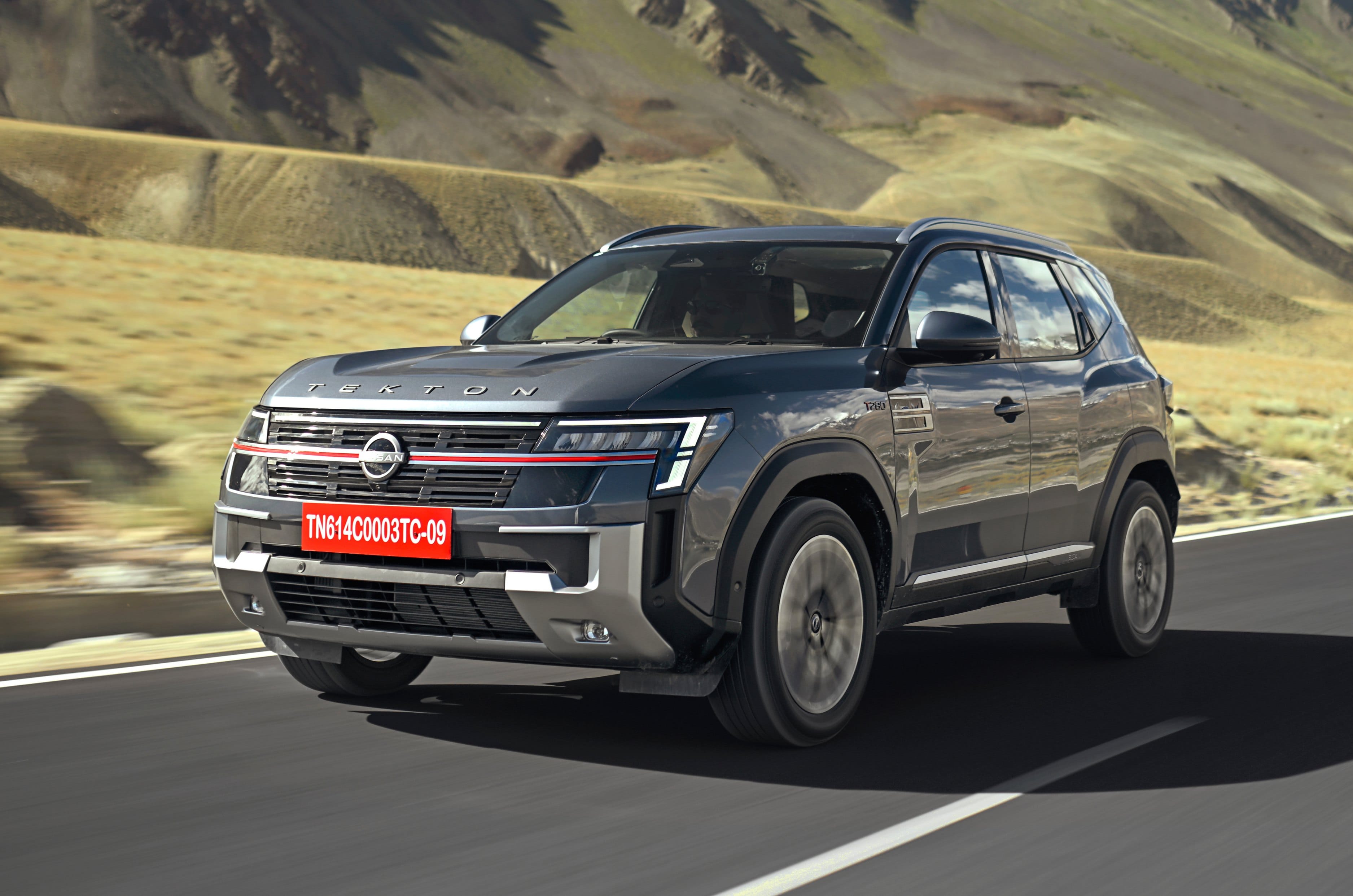
Nissan Tekton front three quarter tracking

If you are someone who loves getting behind the wheel of your midsize SUV but doesn’t want the ride quality to be compromised, the Nissan Tekton is a worthy candidate. Even hitting large potholes does not unsettle this SUV, merely registering in your ears. The ride remains supple and forgiving, absorbing road imperfections without complaints. There’s also no underlying, uncomfortable firmness to the Tekton’s ride at city speeds either.

Nissan Tekton cornering

Once you get going, you realise that the Tekton likes changing directions – its eagerness to turn does not come at the cost of uncontained body roll. The ‘Light’ and ‘Heavy’ steering modes work as intended, making the wheel feelsome and precise. Then there are the brakes, which offer plenty of stopping power, while the pedal itself feels natural too. All of these factors inspire confidence and let you push the Tekton a bit more. 

Well-designed and tech-rich cabin

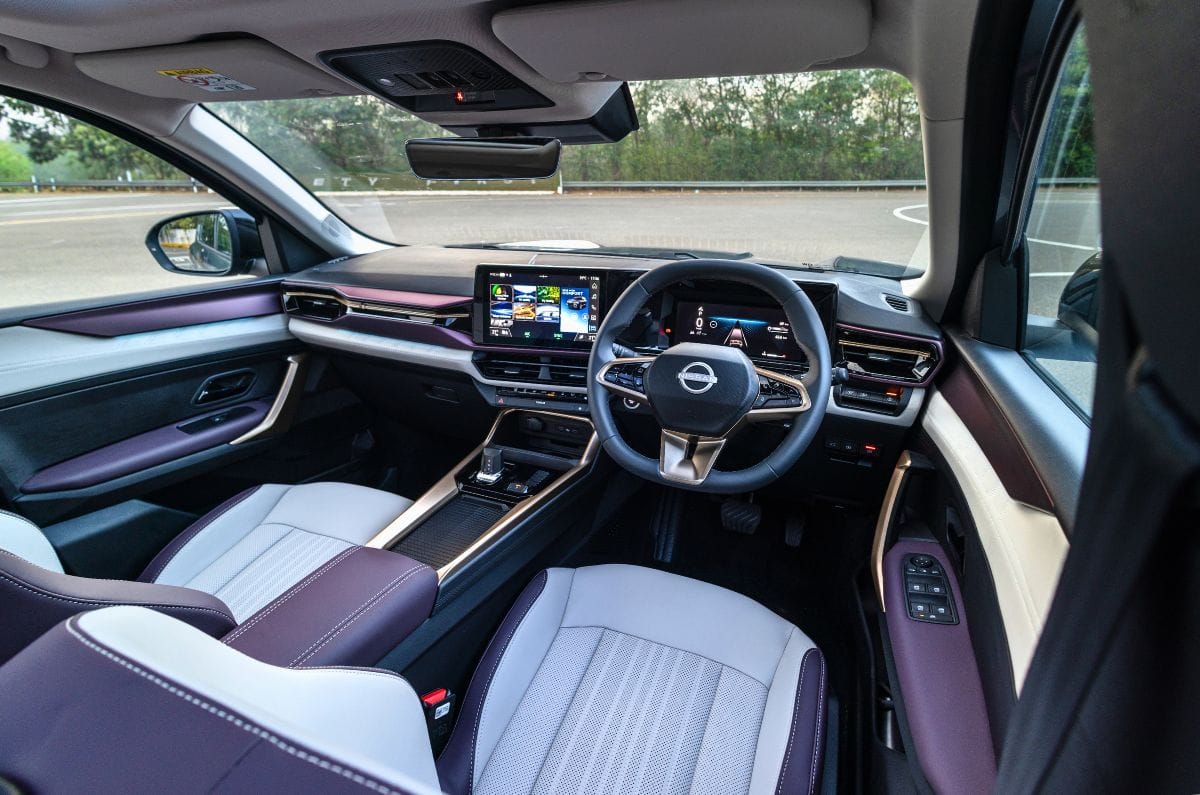
Stepping inside the Tekton reveals a premium-looking and well-equipped space

Nissan Tekton interiorCombined with the classy-looking leatherette padding on the dash and door pads, plus the burgundy, gold and light cream colour scheme, the interior of the top-spec Nissan Tekton looks upmarket. The driving position is great and provides excellent all-round visibility, while the seats themselves are comfy enough to be occupied even over long-distance drives.
Nissan Tekton rear seats

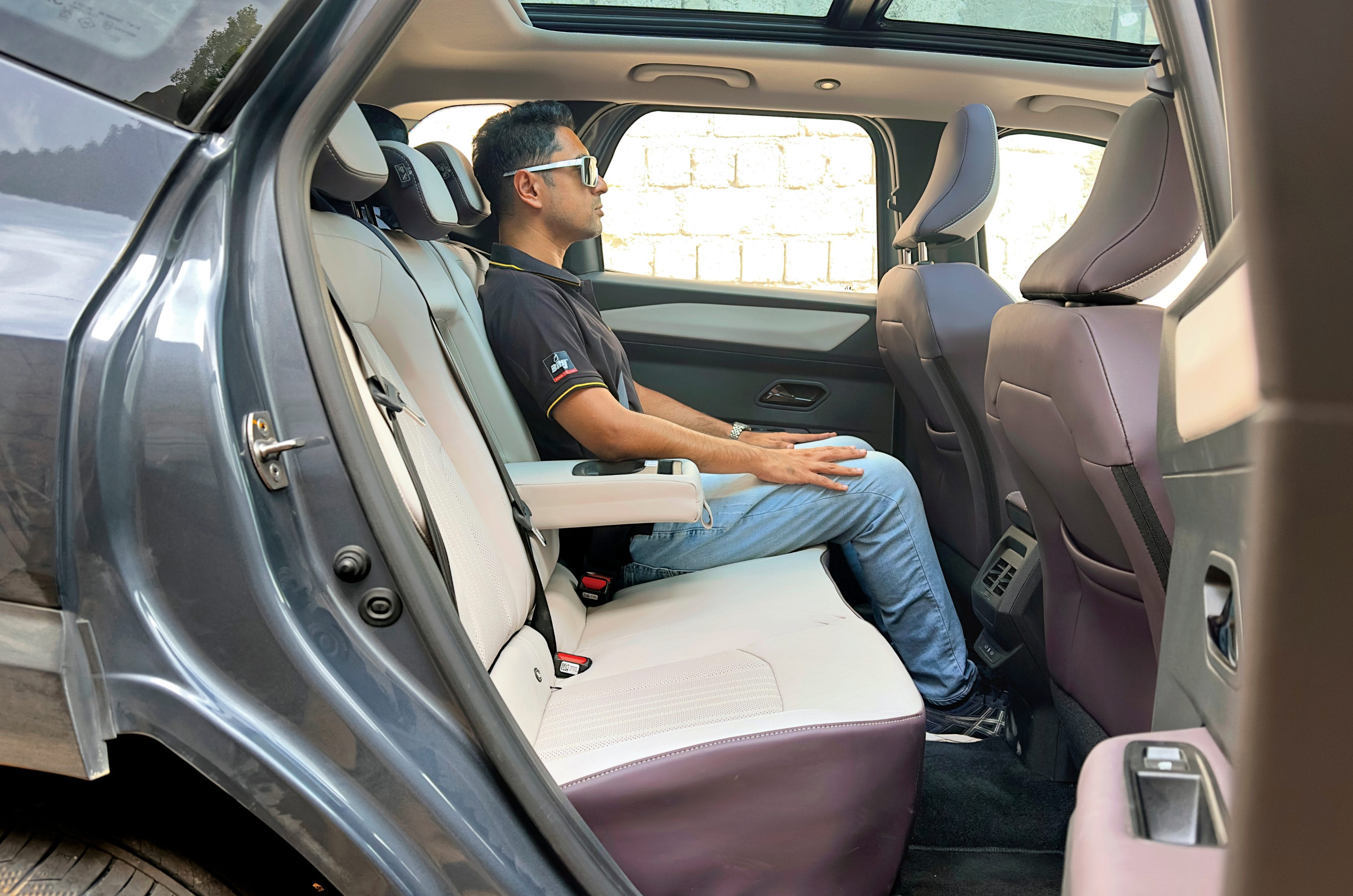
Apart from good under-thigh support and backrest angle, the rear seats offer plenty of space under the front seats, allowing the outer two occupants to stretch out and get comfortable. Furthermore, those at the back have access to USB charging ports, a centre armrest with cup holders and AC vents, with higher variants also benefiting from a panoramic sunroof.

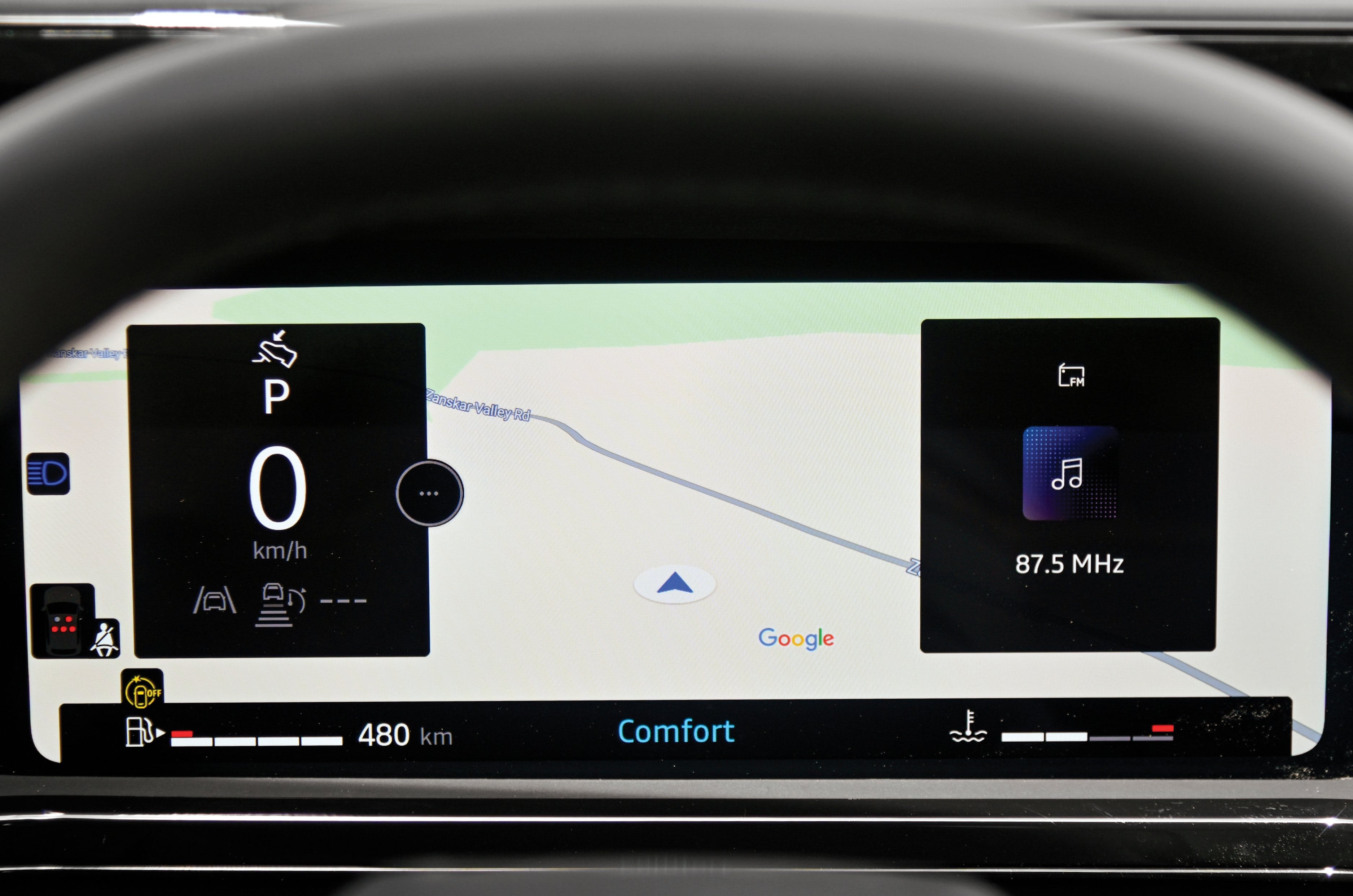
Nissan Tekton digital instrument cluster

The well-designed digital instrument cluster with its multiple display modes is easy to figure out and use on the move. Coming in handy is tech such as powered front seats with ventilation, wireless Apple CarPlay and Android Auto, built-in Google apps and voice assistance, dual-zone climate control and Level 2 ADAS. Sorted ergonomics make reaching various switchgear and controls an easy affair. There are enough storage cubbies on offer, too.

Spacious boot

The Tekton’s boot can handle family outings or airport pickups

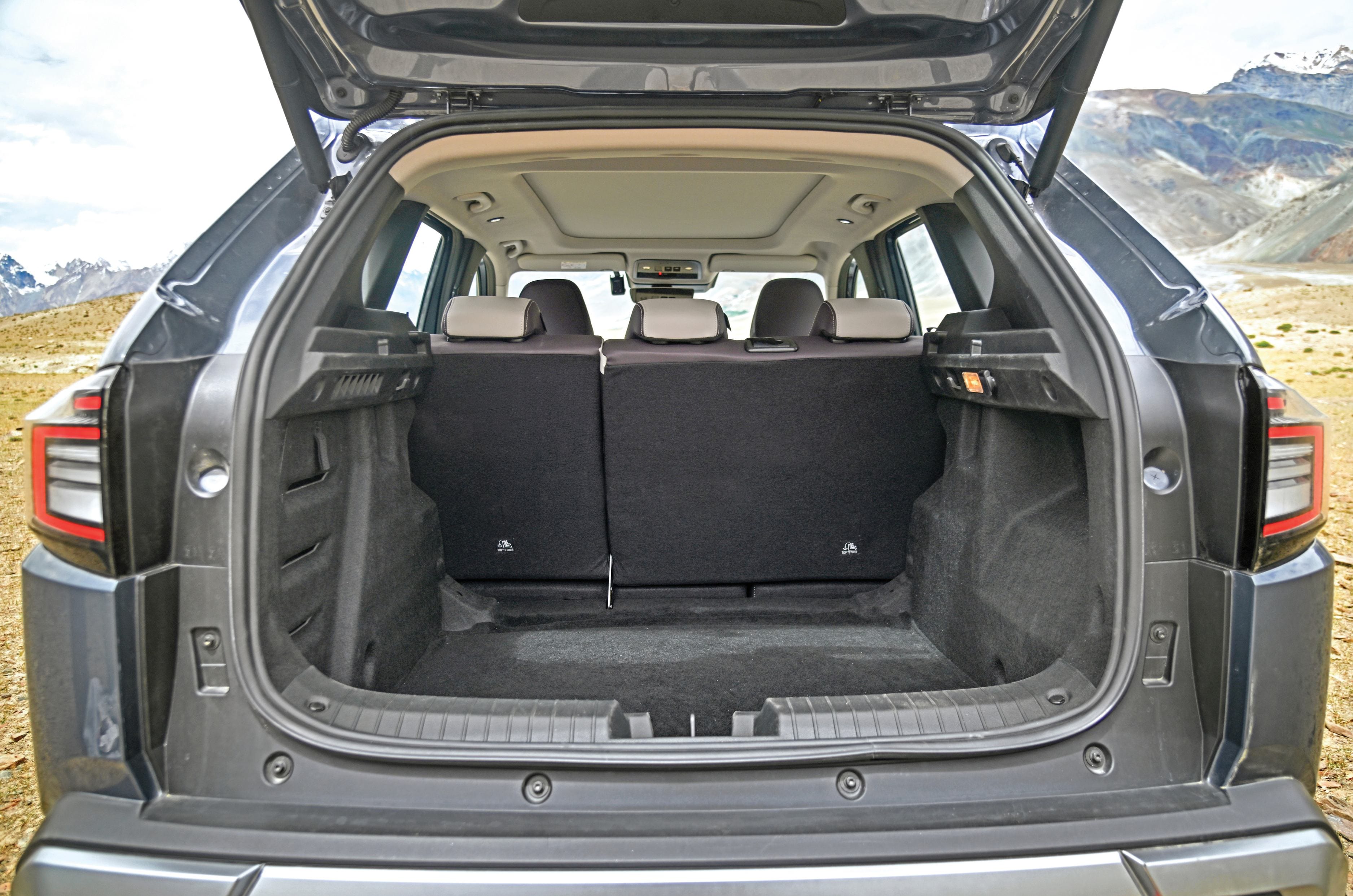
Nissan Tekton boot space

The square shape of the Nissan Tekton’s boot makes it easy to load cargo. Moreover, its 518-litre luggage capacity is the best in the segment – whether you are planning a long road trip or have to shuttle to and from the airport, space won’t be a constraining factor. What’s even more impressive here is that the Tekton’s boot also houses a full-size spare wheel. This alleviates concerns surrounding a flat tyre, should you encounter one.

Reasons not to buy the Nissan Tekton

Sub-par engine performance

Base engine isn’t apt enough, while the larger engine isn’t ideal either

The base 100hp 1.0-litre turbo-petrol engine featuring multi-point fuel injection lacks grunt and isn’t particularly refined, with usable power only good enough for city commutes. The turbo lag is evident till you go past 3,000rpm, requiring the driver to shift gears regularly to keep the engine on the boil. The 6-speed manual transmission (MT) on duty gets shorter gearing to help matters, but you’ll need to slip the clutch to tackle steep inclines, which will be an inconvenience. The gear shifts aren’t as slick as those of a comparable Hyundai Creta or a Kia Seltos.

Nissan Tekton 1.3 engine

Moving up to the larger, 163hp 1.3-litre turbo-petrol engine with direct injection doesn’t alleviate all of the issues either. Despite this engine’s higher output than the smaller mill, its weak bottom end can leave the Tekton struggling to get up and go on steep inclines, especially with the engine stop-start function enabled. While it offers more refinement and performance, there’s still noticeable turbo lag below 2,500rpm.

Nissan Tekton DCT gearbox

The 6-speed dual-clutch transmission (DCT) shifts between cogs smoothly, but its responses aren’t as quick as one might expect from the type. It upshifts early, perhaps in a bid to boost efficiency, but this makes it feel less responsive. This means you’ll have to take manual control by using the paddleshifters if you want to execute an overtake in a hurry. There’s also no Sport mode to quicken gear shifts – only Comfort and Eco modes are provided. While we are yet to put the Tekton through our rigorous performance tests, the performance on hand is unlikely to impress some buyers.

Lacklustre fuel economy

The Tekton will not be setting mileage benchmarks in the segment

Since the powertrain is mechanically identical to the Duster’s, the fuel economy of the Nissan Tekton in the real world is unlikely to impress. For reference, the Duster with the 1.0-litre engine and 6-speed MT returned 10.98kpl. Meanwhile, the 1.3-litre version recorded 10.47kpl and 10.64kpl with the DCT and MT gearboxes, respectively.

Some features lack execution

Nissan Tekton 360-degree camera

The Nissan Tekton has a few shortcomings when it comes to the quality of some of its features. The 360-degree camera system, for instance, is lacking in outright resolution, which hampers its usability under certain conditions. While the ADAS suite is comprehensive, the lane-keep assist isn’t good at keeping the SUV centred in a lane. Even the adaptive cruise control has its shortcomings – it doesn’t accelerate the Tekton back to its set speed once the traffic starts moving.

Also read

3 reasons to buy the Mahindra XUV 3XO and 2 to skip it

Tata Tiago vs Hyundai Grand i10 Nios performance compared

Infosys Q1 Results: इंफोसिस को ₹7769 करोड़ मुनाफा, पर ग्रोथ आउटलुक घटाया; नए CEO का भी ऐलान

Infosys Q1 Results: देश की दूसरी सबसे बड़ी आईटी कंपनी Infosys ने जून 2026 तिमाही (Q1FY27) के नतीजे जारी कर दिए हैं। कंपनी का कंसोलिडेटेड नेट प्रॉफिट 12% बढ़कर 7,769 करोड़ रुपये रहा। पिछले साल इसी तिमाही में यह 6,921 करोड़ रुपये था।

हालांकि कंपनी बाजार के अनुमान पर खरी नहीं उतर सकी। CNBC-TV18 ने 7,903 करोड़ रुपये के मुनाफे का अनुमान लगाया था।

रेवेन्यू में 14% की बढ़ोतरी

जून तिमाही में Infosys का ऑपरेशन से रेवेन्यू 14% बढ़कर 48,211 करोड़ रुपये हो गया। एक साल पहले इसी तिमाही में यह 42,279 करोड़ रुपये था। यानी कंपनी ने अच्छी रेवेन्यू ग्रोथ दर्ज की, लेकिन मुनाफा अनुमान से थोड़ा कम रहा।

ग्रोथ आउटलुक में हल्की कटौती

इंफोसिस ने वित्त वर्ष 2027 के लिए अपने रेवेन्यू ग्रोथ आउटलुक में हल्की कटौती की है। अब कंपनी को उम्मीद है कि पूरे साल कॉस्टेंट करेंसी आधार पर रेवेन्यू 1.5% से 3% के बीच बढ़ेगा। कॉन्सटेंट करेंसी ग्रोथ का मतलब है कि कंपनी की ग्रोथ को विदेशी मुद्रा (Forex) के उतार-चढ़ाव का असर हटाकर मापा जाता है।

इससे पहले कंपनी ने 1.5% से 3.5% ग्रोथ का अनुमान दिया था। बाजार को भी ऊपरी सीमा में 0.5% की कटौती की उम्मीद थी। हालांकि कंपनी ने EBIT मार्जिन का अनुमान 20% से 22% के बीच ही बरकरार रखा है।

जून तिमाही में कैसी रही ग्रोथ?

जून तिमाही में Infosys की कॉन्सटेंट करेंसी रेवेन्यू ग्रोथ तिमाही आधार पर 1% रही। यह Tech Mahindra (2.6%) से कम रही, लेकिन TCS (0.4%), HCLTech (-0.5%) और Wipro (-1.2%) से बेहतर प्रदर्शन रहा। एनालिस्टों ने करीब 1.8% ग्रोथ का अनुमान लगाया था।

कंपनी के CEO सलिल पारेख ने कहा कि एक बड़े क्लाइंट के फैसले का एकमुश्त असर इस ग्रोथ पर पड़ा।

डॉलर और रुपये में रेवेन्यू

जून तिमाही में Infosys का डॉलर रेवेन्यू 5.08 अरब डॉलर रहा। यह पिछले अनुमान के लगभग मुताबिक है। तिमाही आधार पर डॉलर रेवेन्यू में 0.8% की बढ़ोतरी हुई।

वहीं रुपये में कंपनी का रेवेन्यू 48,211 करोड़ रुपये रहा। यह पिछली तिमाही से 3.9% ज्यादा है, हालांकि बाजार के अनुमान 48,431 करोड़ रुपये से थोड़ा कम रहा।

मार्जिन में सुधार

इंफोसिस का EBIT 10,163 करोड़ रुपये रहा, जो पिछली तिमाही के मुकाबले 4.3% ज्यादा है। वहीं EBIT मार्जिन 21.1% रहा। इसमें पिछली तिमाही के मुकाबले 20 बेसिस प्वाइंट का सुधार हुआ। यह बाजार के अनुमान के अनुरूप रहा।

बड़े ऑर्डर और AI का बढ़ता योगदान

जून तिमाही में Infosys को 3.6 अरब डॉलर के बड़े डील मिले। इनमें 61% नए क्लाइंट या नए प्रोजेक्ट से जुड़े थे।

कंपनी ने यह भी बताया कि अब उसकी कुल आय में आर्टिफिशियल इंटेलिजेंस (AI) का योगदान 8.2% तक पहुंच गया है। यह दिखाता है कि AI से जुड़ी सेवाओं की मांग लगातार बढ़ रही है।

नए CEO की जिम्मेदारी

Infosys ने अशीष कुमार दास को CEO-Designate नियुक्त किया है। वह 1 अप्रैल 2027 से मौजूदा CEO सलिल पारेख की जगह लेंगे। दास तीन दशक से ज्यादा समय से Infosys के साथ जुड़े हैं और फिलहाल कई ग्लोबल बिजनेस वर्टिकल्स की जिम्मेदारी संभाल रहे हैं।

कंपनी के चेयरमैन नंदन नीलेकणी ने कहा कि सलिल पारेख ऐसे समय में CEO बने थे, जब कंपनी कुछ चुनौतियों का सामना कर रही थी। उन्होंने संगठन में स्थिरता और स्पष्ट दिशा देने का काम किया। उन्होंने यह भी बताया कि अशीष कुमार दास फिलहाल अमेरिका में काम कर रहे हैं और नई जिम्मेदारी संभालने के लिए भारत लौटेंगे।

इंफोसिस के शेयरों का हाल

नतीजों से पहले Infosys का शेयर 1,052.90 रुपये पर लगभग सपाट बंद हुआ। हालांकि 2026 में अब तक यह शेयर करीब 35% टूट चुका है।

IndiGo Q1 Results: इंडिगो को ₹382 करोड़ का घाटा, ईरान युद्ध से लगा बड़ा झटका

Disclaimer: यहां मुहैया जानकारी सिर्फ सूचना के लिए दी जा रही है। यहां बताना जरूरी है कि मार्केट में निवेश बाजार जोखिमों के अधीन है। निवेशक के तौर पर पैसा लगाने से पहले हमेशा एक्सपर्ट से सलाह लें। मनीकंट्रोल की तरफ से किसी को भी पैसा लगाने की यहां कभी भी सलाह नहीं दी जाती है।