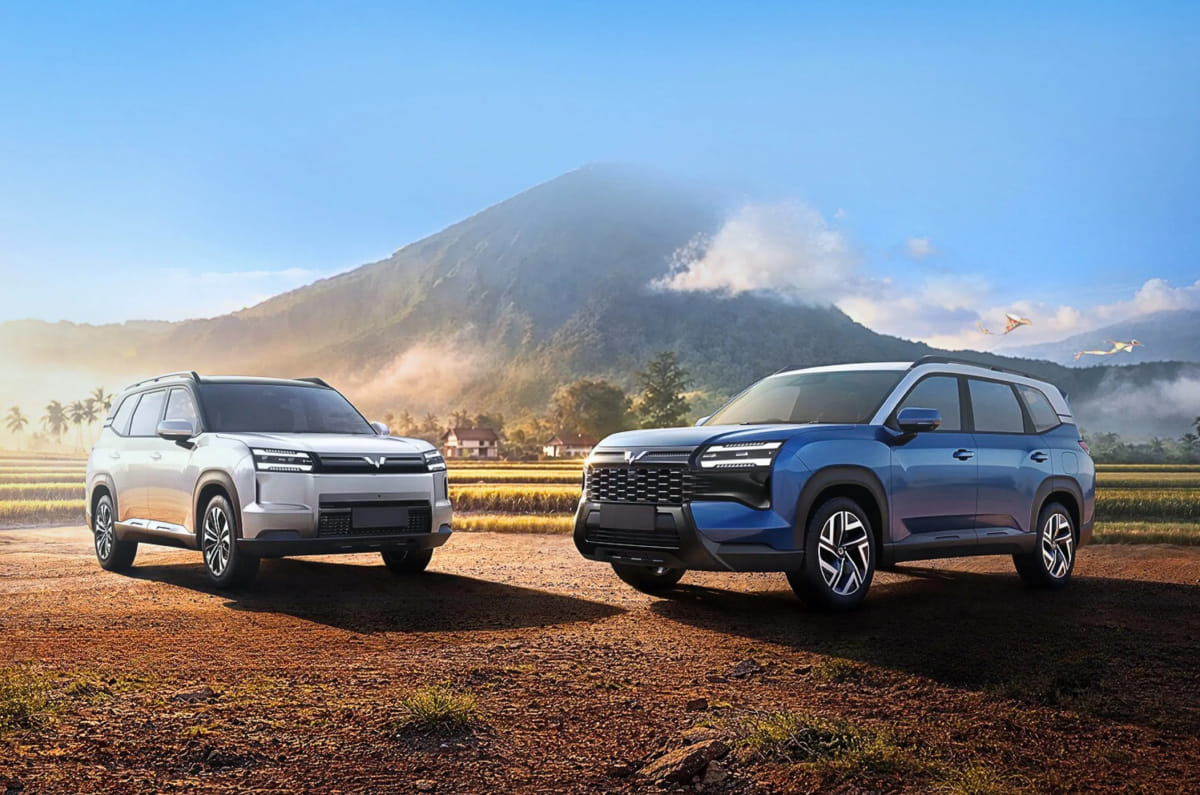
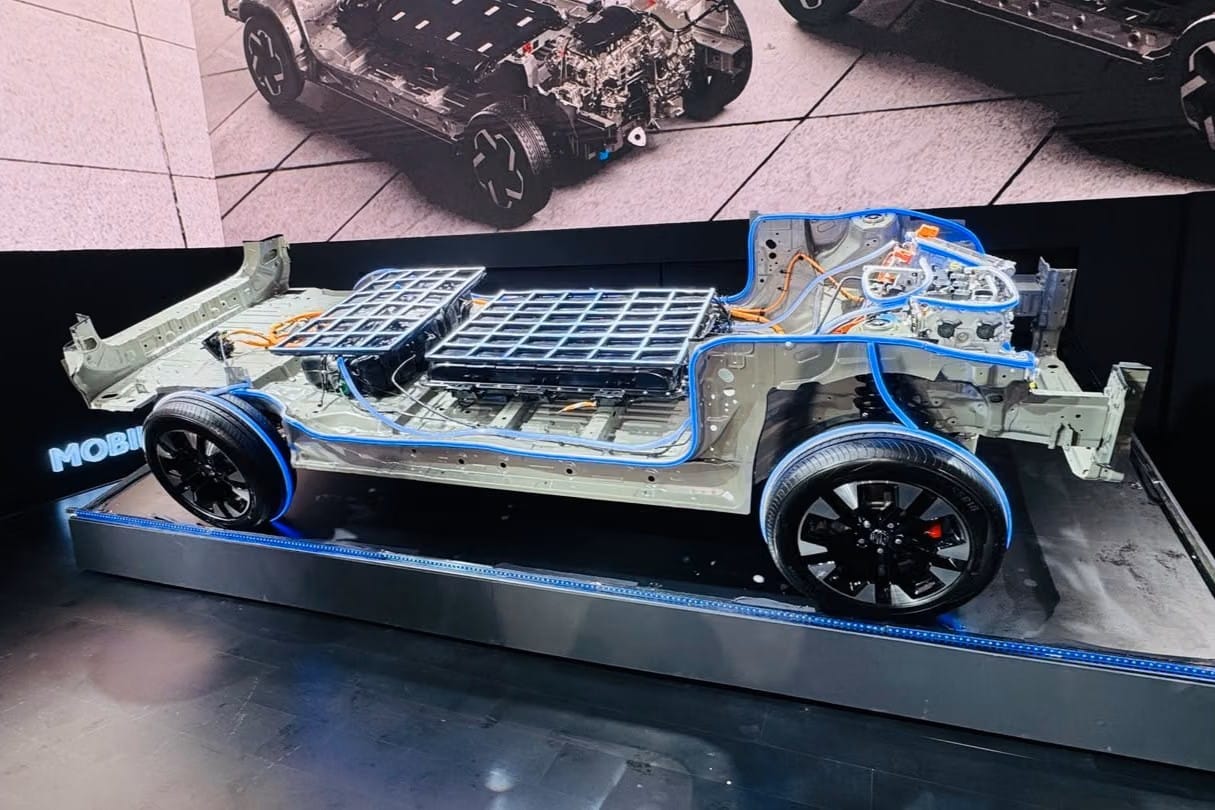
JSW MG Motor India will launch its new SUV on August 28. Expected to be called the Hector Hawk, it will be the first model based on the company’s new ADAPT platform and will be offered with both battery electric (EV) and plug-in hybrid (PHEV) powertrains.
EV version expected with a 69.2kWh battery pack
PHEV likely to offer up to 125km electric-only range
Likely to rival the Mahindra XEV 9S and XUV 7XO
JSW MG Hector Hawk: what to expect
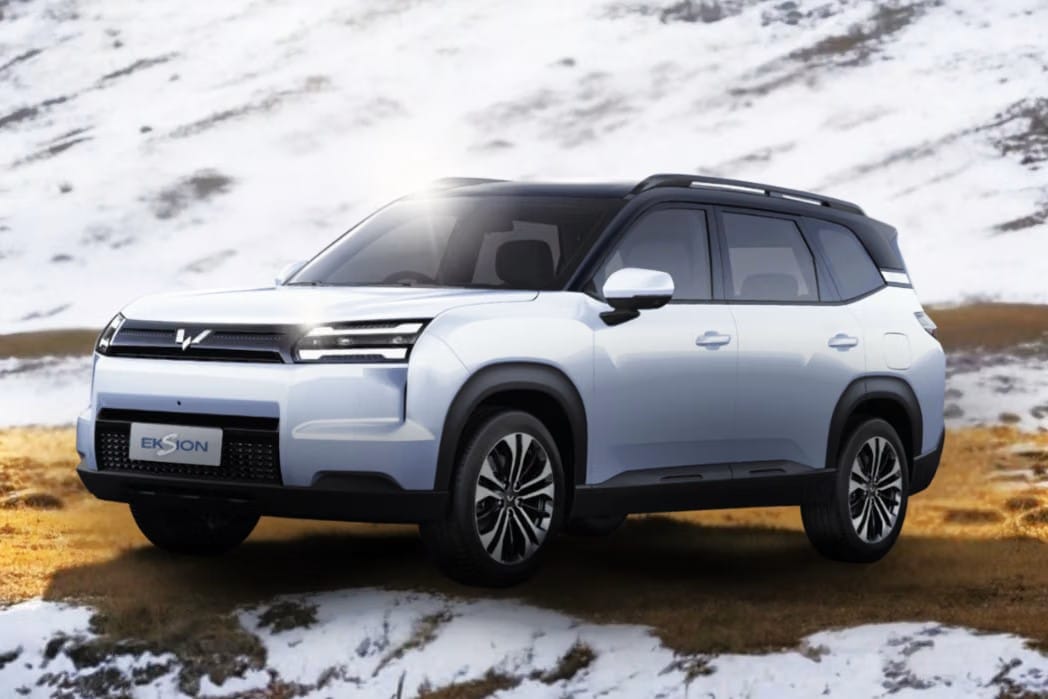
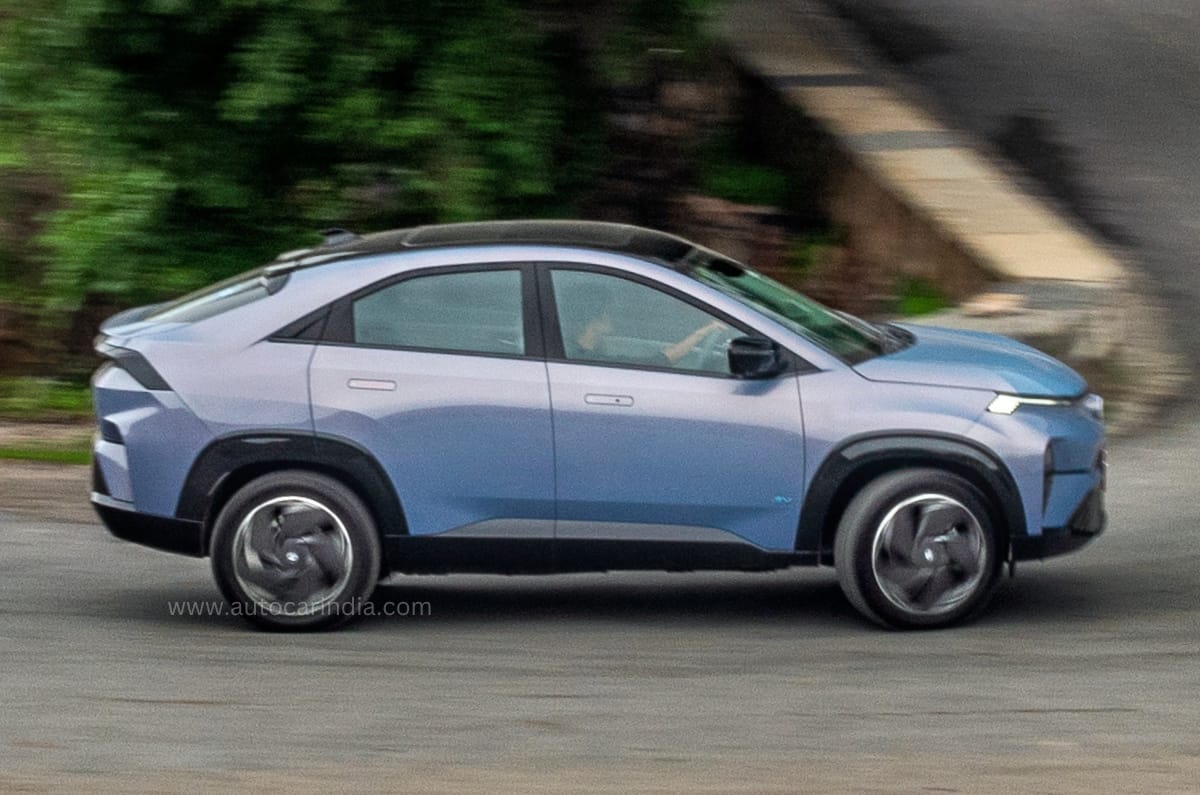
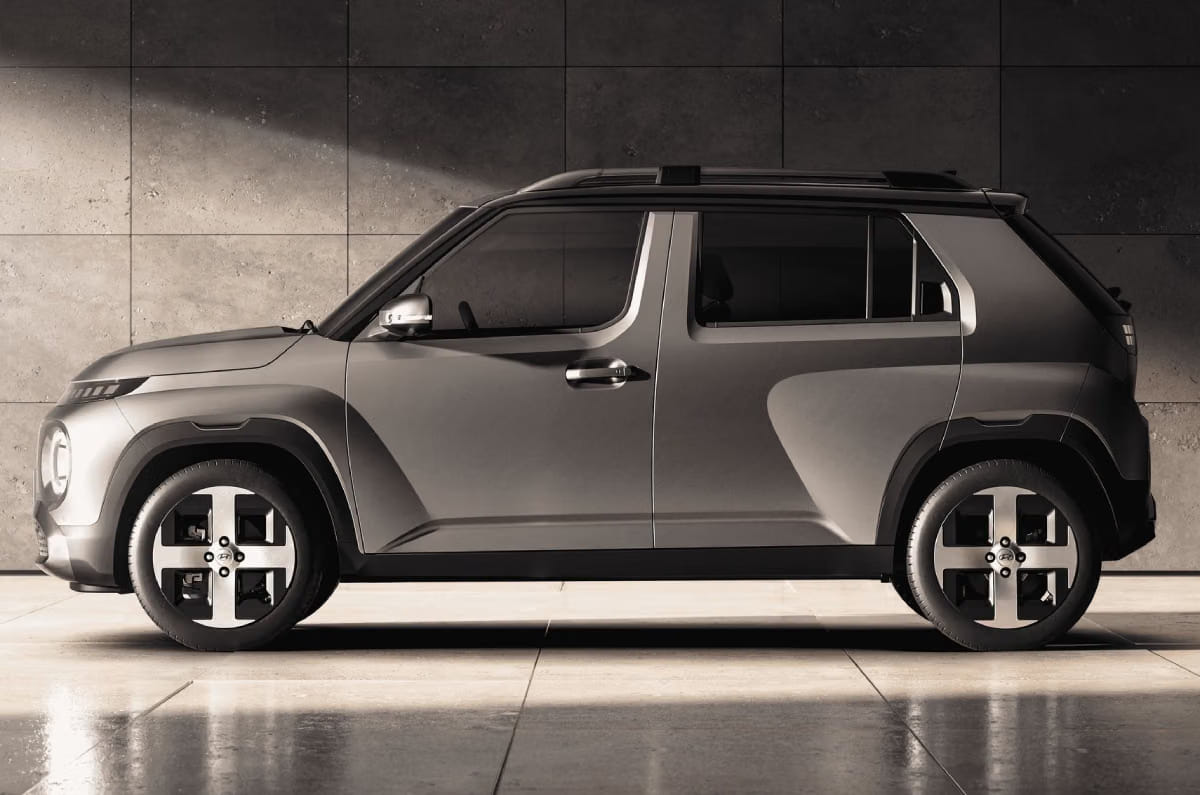
Wuling Starlight EV. Image used for representative purposes only.
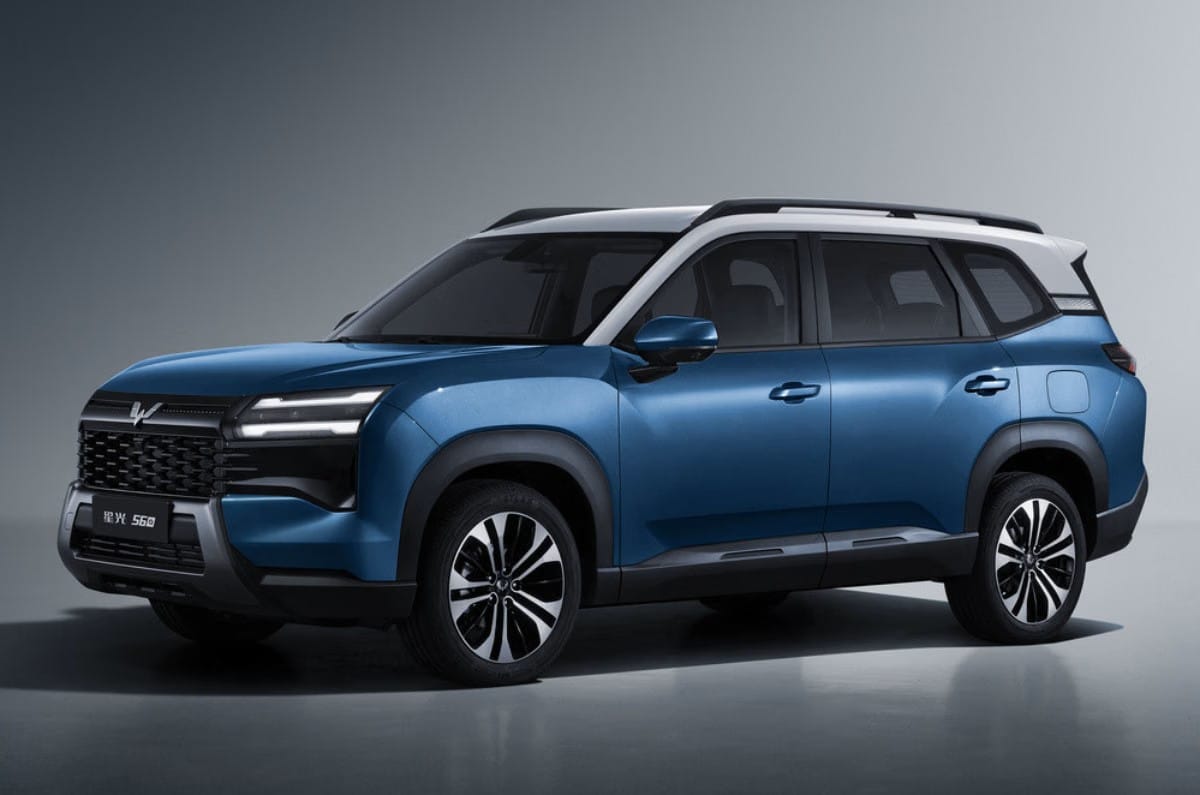
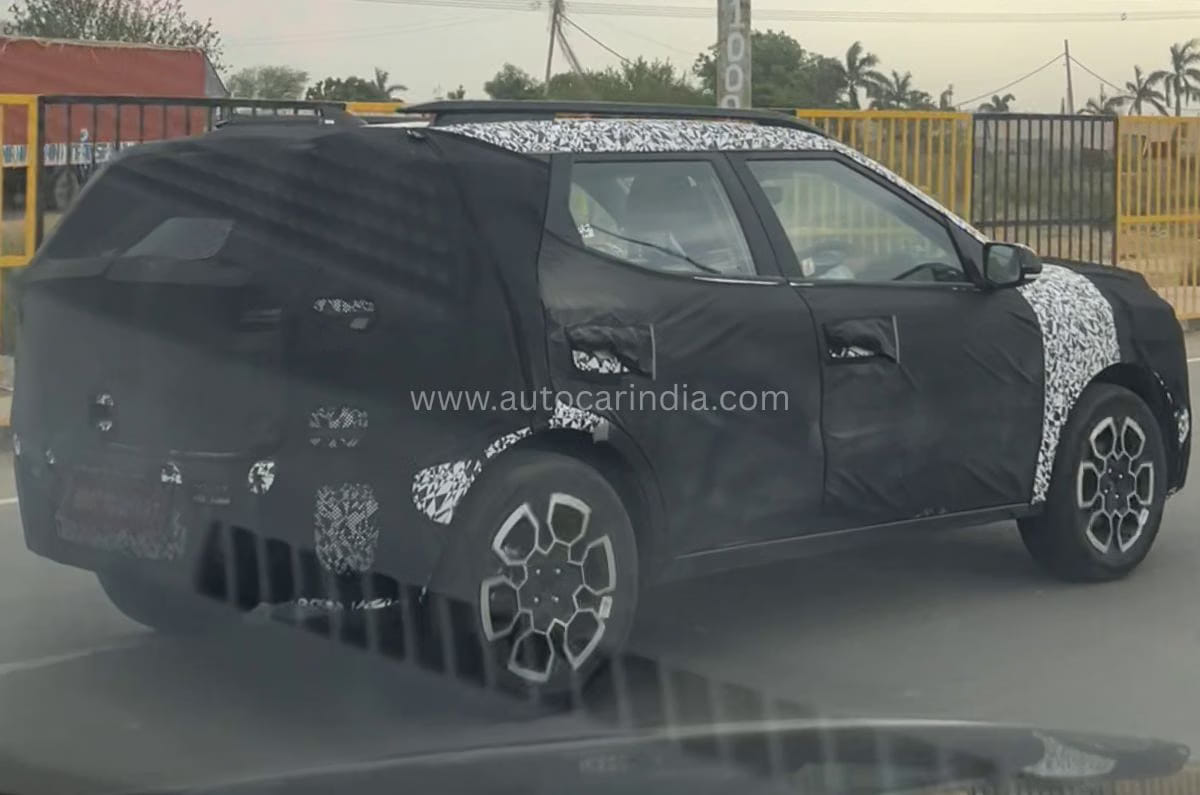
The Hector Hawk is based on the Wuling Starlight 560 sold in international markets which measures 4.7m in length, 1.85m in width and 1.7m in height. The car has been spied testing on our roads with spy shots revealing rectangular LED headlamps with LED daytime running lamps (DRLs) at the top and bottom, a blanked-off grille (expected to be the EV version), wraparound LED tail-lamps, a roof-mounted spoiler and a charging port on the left rear fender.
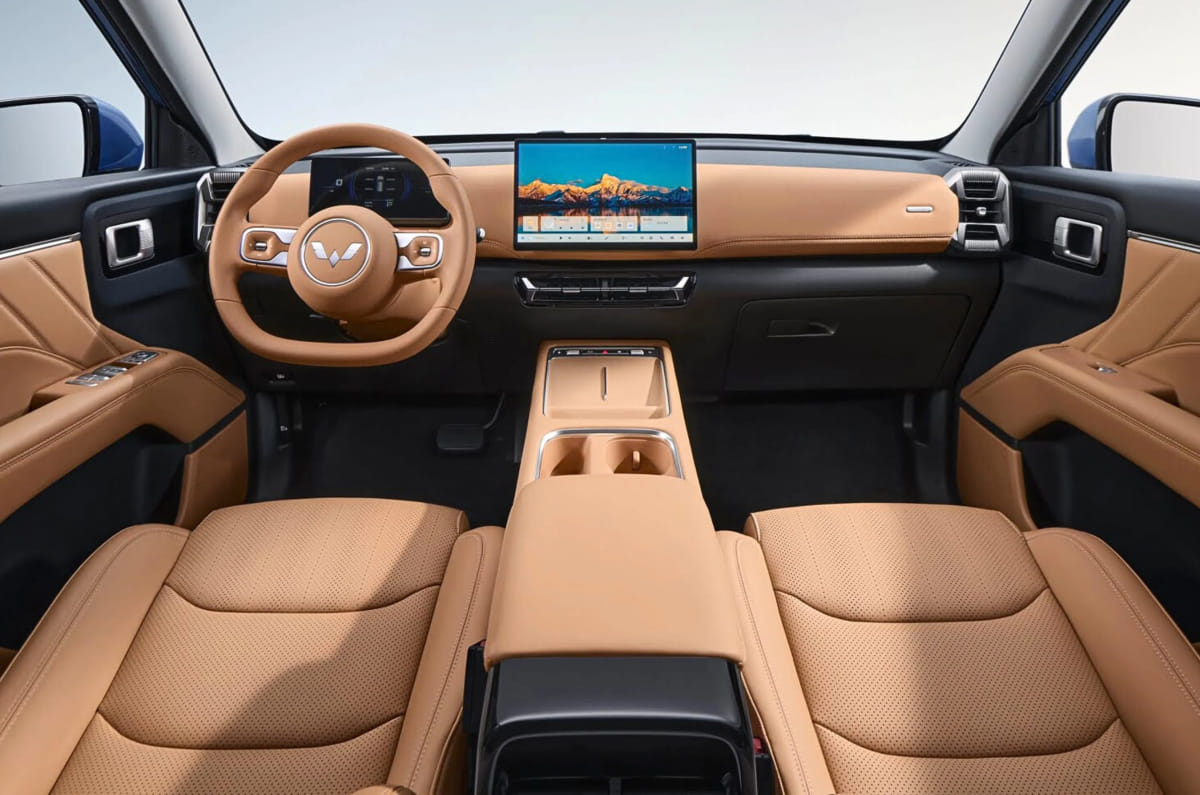
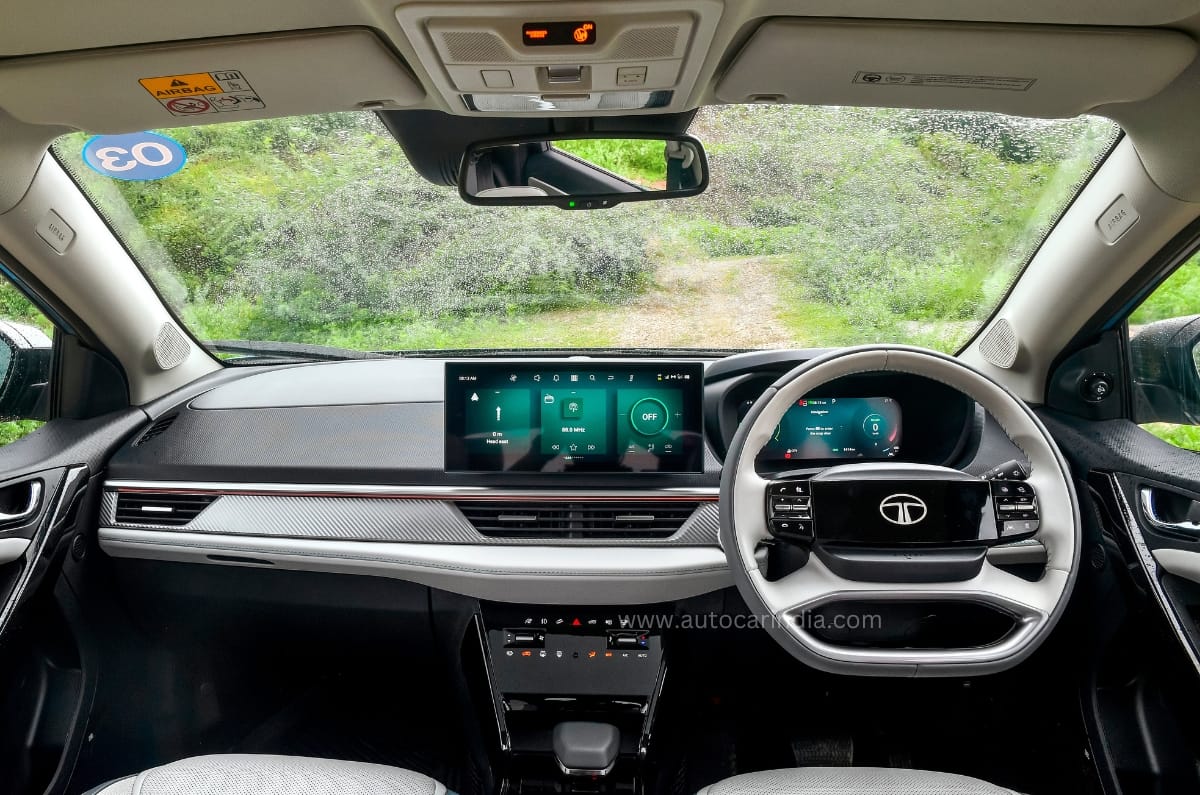
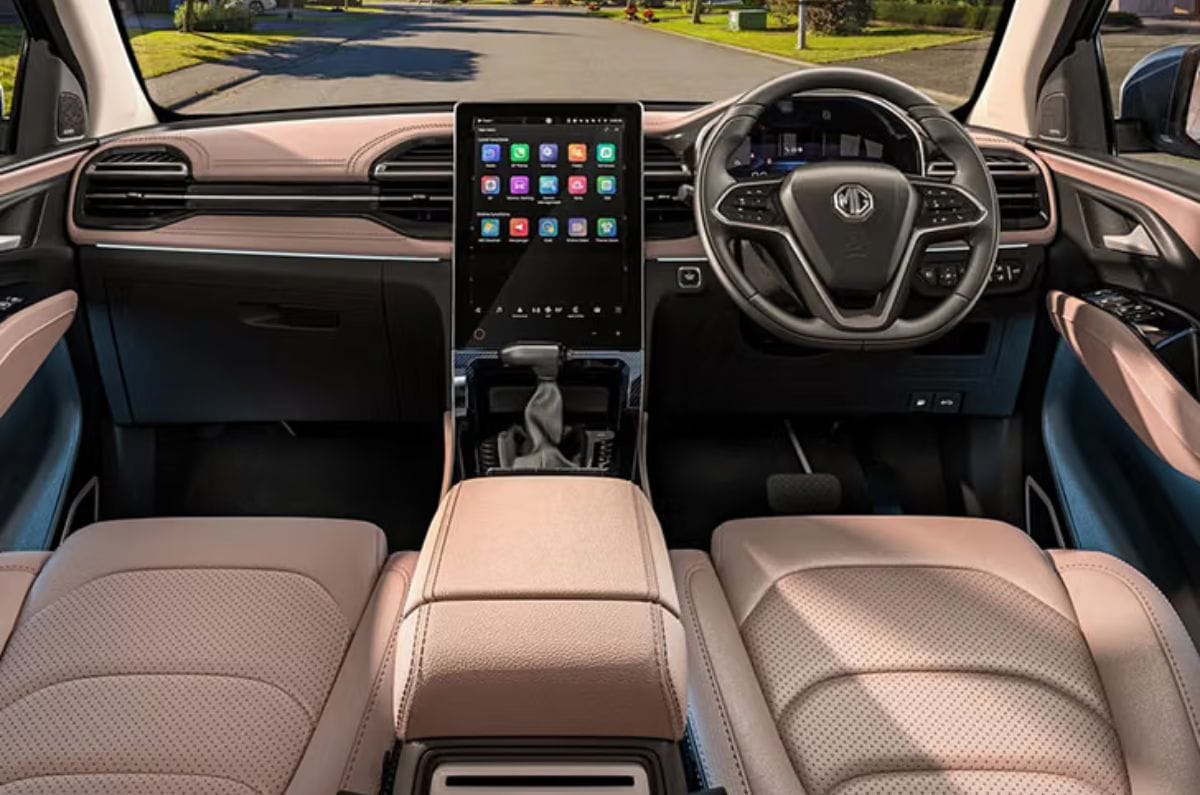
Wuling Starlight 560’s dashboard shown for representative purposes only.
Inside, the SUV is expected to feature a minimalist dashboard with an 8.8-inch digital instrument cluster and a 12.8-inch touchscreen infotainment system. Other expected features include a panoramic sunroof, powered and ventilated front seats, a 50W wireless phone charger, a 6-speaker sound system and automatic climate control with rear AC vents.
The safety suite could have 6 airbags as standard, a tyre-pressure monitoring system (TPMS), hill-hold assist, an electronic parking brake, a rear parking camera with sensors and advanced driver assistance systems (ADAS).
Powertrains and platform
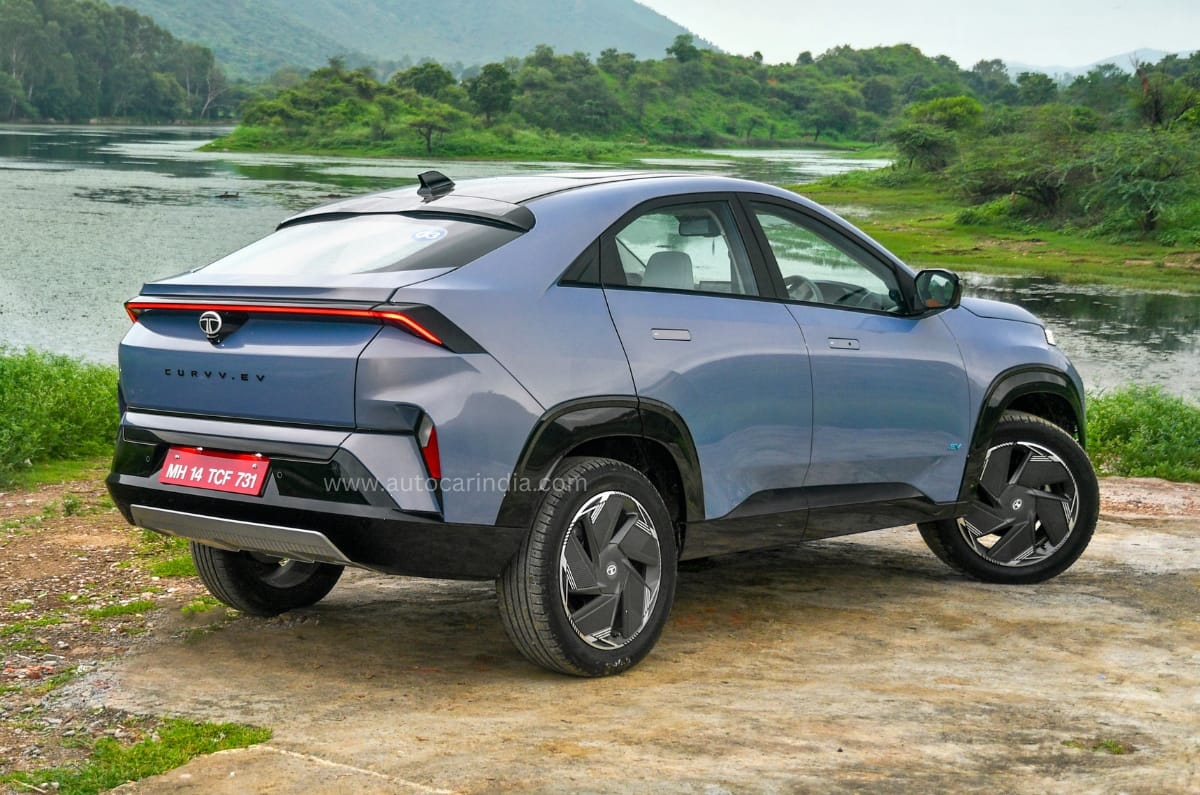
Wuling Starlight PHEV. Image used for representative purposes only.
The EV version is expected to get a 69.2kWh battery pack paired with a 201hp, 310Nm front-mounted electric motor, offering a CLTC-claimed range of 530km. The PHEV version is expected to combine a 1.5-litre petrol engine with a 20.5kWh battery pack and an electric motor, offering a total output of 195hp and 230Nm and an all-electric range of 125km.
Strong hybrid powertrain based on ADAPT
The Hector Hawk will be the first model in India based on MG’s ADAPT platform, which supports battery electric, plug-in hybrid, range-extender and strong-hybrid powertrains. JSW MG has confirmed that it will initially focus on EVs and PHEVs.
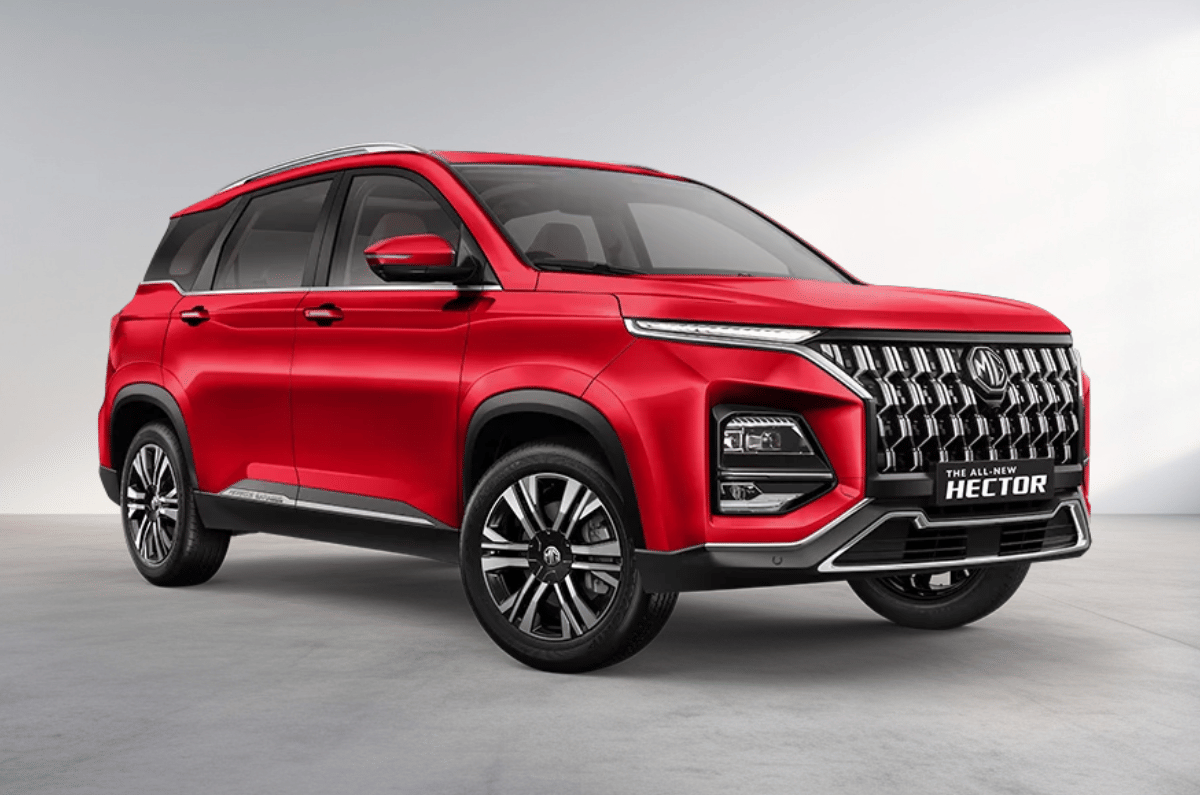
In MG’s India lineup, the Hector Hawk is expected to be positioned above the current Hector. The EV version is likely to rival the Mahindra XEV 9S, while the PHEV is expected to take on the Mahindra XUV 7XO and Tata Safari.
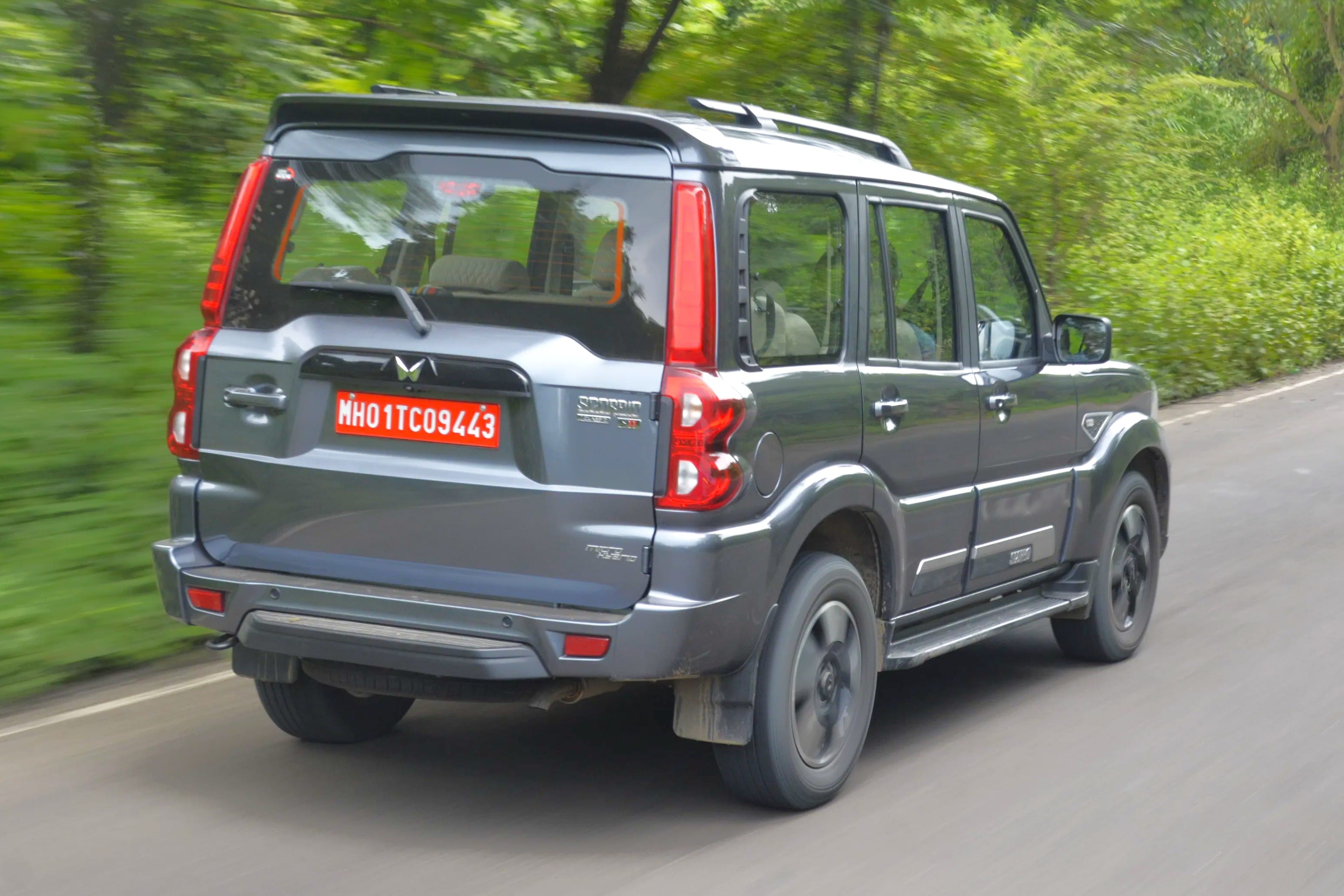
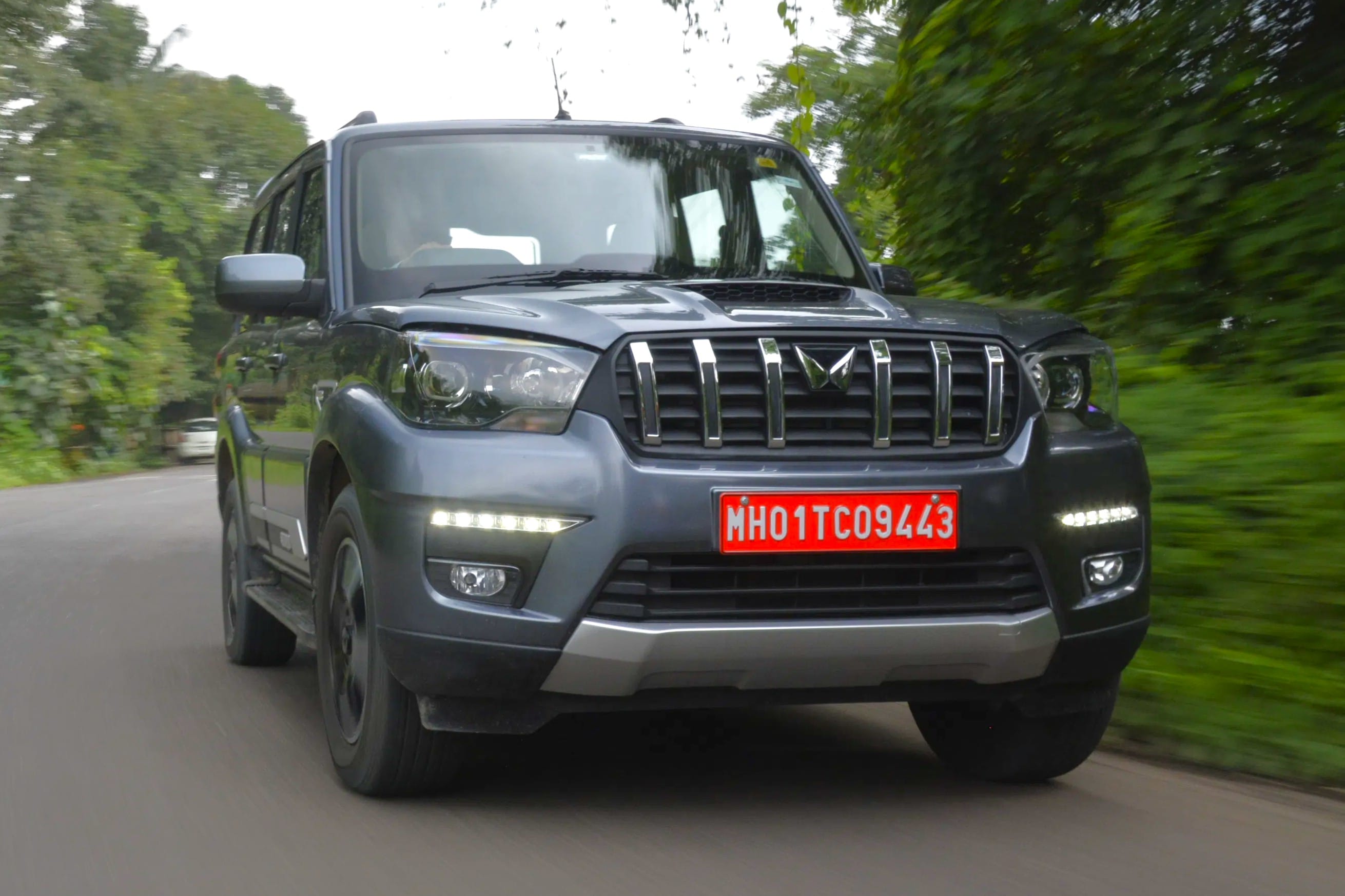
When the Scorpio N went on sale in 2022 as the second generation of the Scorpio nameplate, Mahindra did not retire its predecessor. Instead, Mahindra updated the prior-gen model on many fronts and rebranded it the Scorpio Classic, which serves as a tougher, no-frills alternative to the Scorpio N. If you’re confused about which Scorpio to go for, we’ve assembled a list of the Classic’s notable strengths and weaknesses to help you decide.
Pros
Refined engine
Throttle responses are also sharp
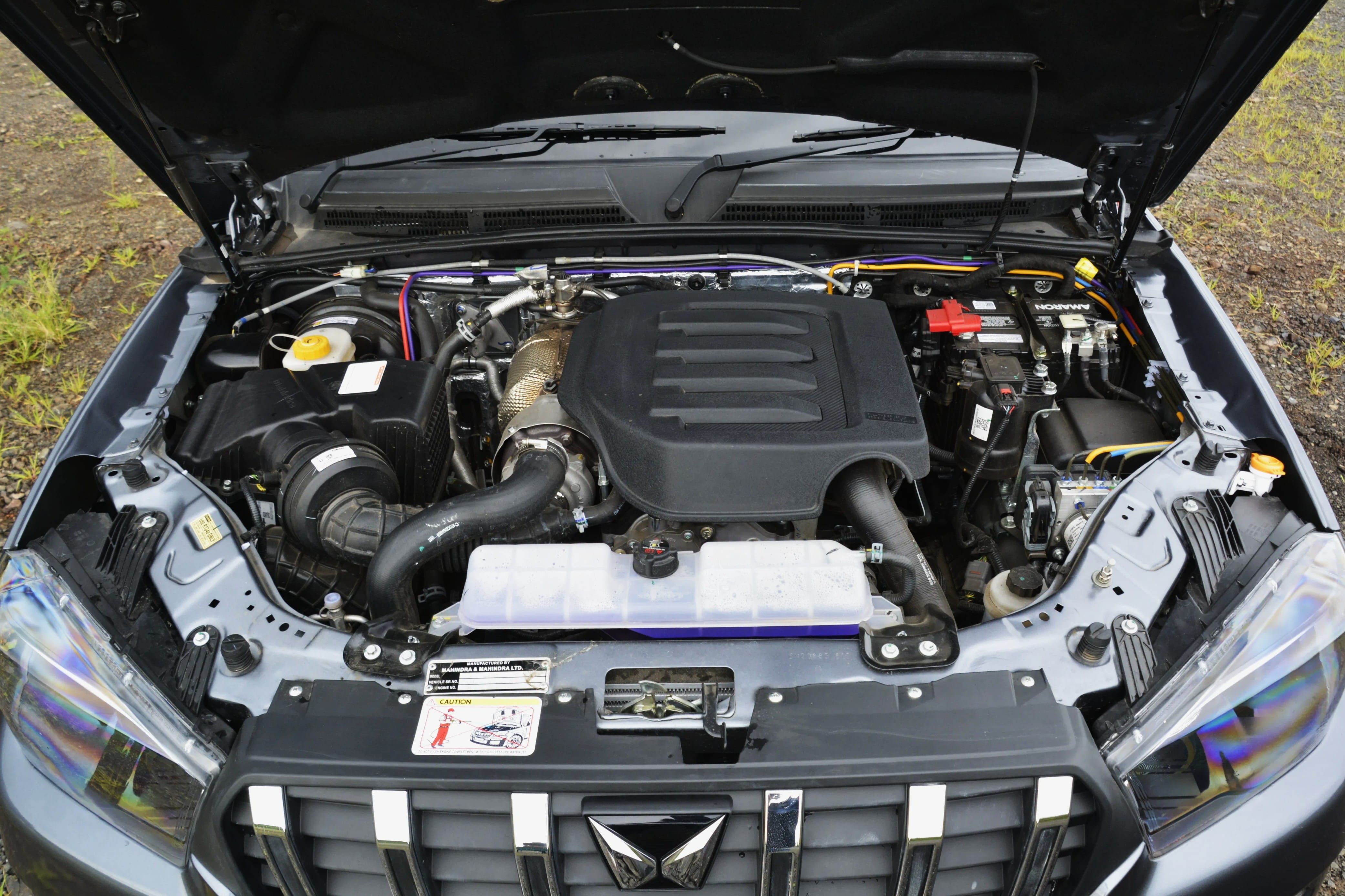
Among the key changes to the Scorpio Classic is the usage of a newer 2.2-litre diesel engine that churns out 130hp and 300Nm, and is mated solely to a 6-speed manual gearbox. As noted in our Scorpio Classic review, this engine is quite silent and transmits barely any vibrations to the cabin. The gearbox is also cable-operated for better sound insulation.
It also goes without saying that the Scorpio Classic feels punchy to drive, with most of the diesel engine’s torque flowing in from as low as 1,000rpm. In fact, the SUV can feel a bit too eager to cover ground, even in third gear. All told, you’re unlikely to find complaints with the Scorpio N’s ability to perform quick overtakes.
Amazing sense of space
Light colour scheme and big windows majorly contribute
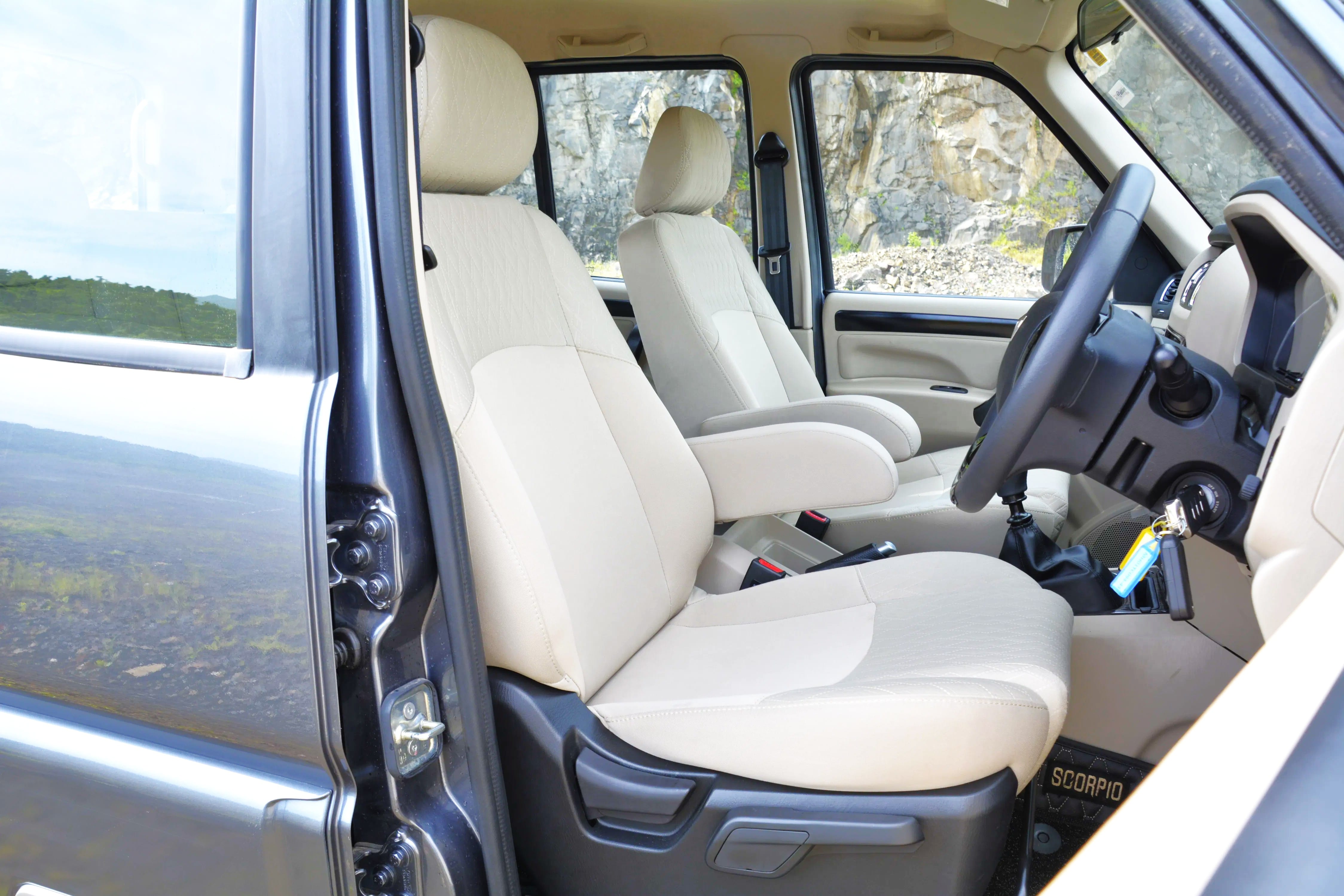
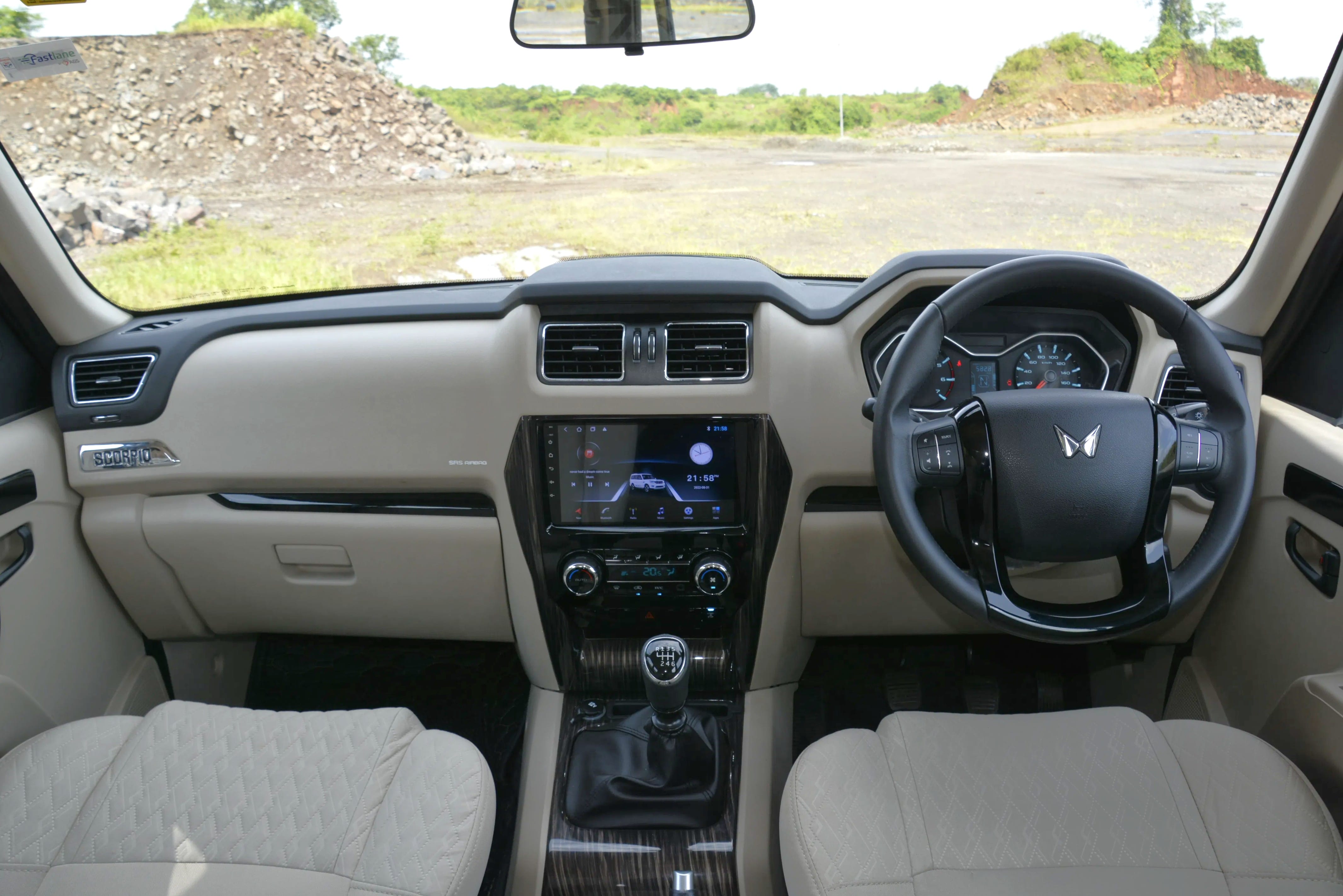
Haul yourself up into the Scorpio Classic’s cabin and you’ll be pleased with the simplicity on offer. The old-school dashboard design, with its mostly flat top and limited distractions, along with the beige colour scheme and large glass area, makes for a great all-around view to the outside and a generous sense of space.
This is further enhanced by the high-set driver’s seat, which allows you to surveil the road ahead with ease. The throne-like front seats are immensely comfortable for long-distance cruising too, and get individual armrests.
Sails over rough roads
Great for rural areas
In line with its reputation, the Scorpio Classic is a champ over bad roads. Thanks to its chunky tyres and body-on-frame chassis, the Scorpio Classic simply glides across rough patches, making the Scorpio Classic a suitable choice for buyers in rural areas.
Cons
Bouncy ride quality
Leans a lot during high-speed cornering too
While the Scorpio Classic excels over the rough stuff, it isn’t all that comfortable over flat roads with cracks and potholes. Occupants are tossed around both vertically and horizontally, and while cornering, the Scorpio Classic exhibits quite a lot of body roll on account of its tall height and narrow wheel tracks.
Ergonomic flaws
Lacks some convenience-enhancing features too
For all the sense of space it offers, the Scorpio Classic’s cabin has its ergonomic foibles. There are no bottle holders in the front door pockets, the cavity to access the seat height adjustment is extremely narrow, and the rear seat squab is too long for short passengers. The Scorpio Classic also misses out on useful features like Apple CarPlay and Android Auto connectivity, and rear USB ports.
While pretty basic in their operation, parking sensors alleviate the strain involved when space is at a premium. Once the dominion of premium models, front parking sensors have now found their way into more affordable ones. We have listed the top 10 cars that get parking sensors at the front as well, and that too at an ex-showroom price of under Rs 20 lakh.
10. Kia Carens Clavis EV
Prices start at Rs 18.04 lakh
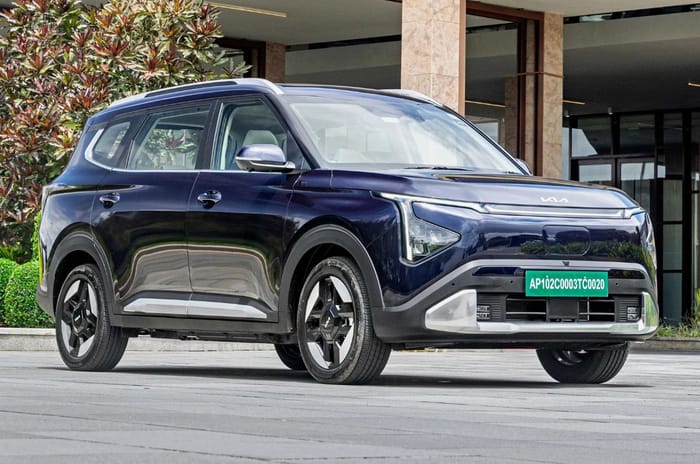
All variants of the 7-seat Kia Carens Clavis EV get front parking sensors. However, we are only considering the HTK+ and HTX E, since the rest are priced above Rs 20 lakh. These trims are offered with a 42kWh battery pack with an MIDC-claimed range of 404km. The single electric motor of the Clavis EV generates 133hp, while charging the battery from 10-80 percent takes 39 minutes when plugged into a 100kWh DC fast-charger.
Variants
Prices (Rs, lakh)
HTK+
18.04
HTX E
20.00
9. Maruti Suzuki Victoris
Prices start at Rs 15.39 lakh
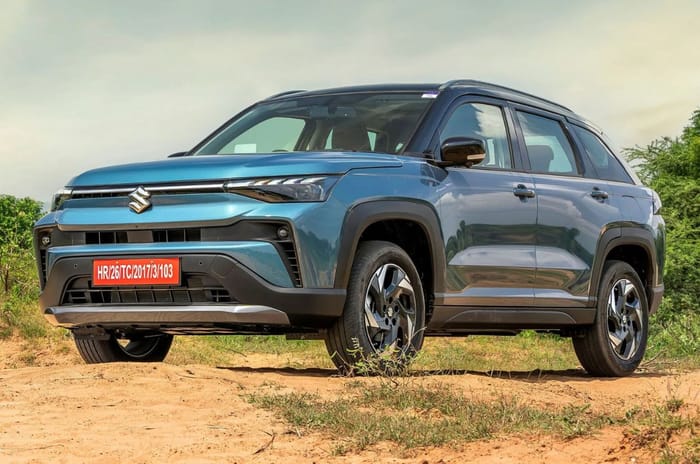
The Maruti Suzuki Victoris gets front parking sensors, but only on the ZXI Plus and the top-spec ZXI Plus (O), priced at Rs 19.99 lakh. These are available with manual and automatic transmissions, petrol and strong-hybrid options, and in front-wheel drive or all-wheel drive configurations. The naturally aspirated (NA) 1.5-litre engine of the Victoris manages 103hp, whereas the strong-hybrid’s powertrain achieves a combined output of 116hp.
Variant range
Price range (Rs, lakh)
ZXI Plus – ZXI Plus (O)
15.39 – 19.99
*Dual-tone options cost around Rs 14,500 more
8. Kia Carens Clavis
Prices start at Rs 15.28 lakh
Front parking sensors are on the equipment list for the HTK+, HTK+ (O), HTX, GTX, and HTX (O) trims. The latter costs Rs 19.96 lakh, with higher trims breaching our stipulated Rs 20 lakh price cut-off. Like its EV sibling, the Carens Clavis is also a 7-seater. Kia is offering three 1.5-litre engines: a 115hp petrol, a 160hp turbo-petrol with direct injection, and a 116hp turbo-diesel. Transmissions include a 6-speed manual, a 6-speed torque converter automatic (AT) and a 7-speed dual-clutch automatic (DCT).
Variant range
Price range (Rs, lakh)
HTK+ – HTX (O)
15.28 – 19.96
7. Hyundai Venue
Prices start at Rs 14.65 lakh
The second-gen Hyundai Venue adds front parking sensors to its already lengthy list of features. However, it is only the range-topping Venue HX10 and Venue N Line N10 variants of Hyundai’s compact SUV that get this nifty addition. The top-spec trim has a 1.5-litre turbo-diesel engine with 116hp, and costs Rs 15.65 lakh.
The HX10 also gets a 1.0-litre direct injection turbo-petrol with 120hp, which is shared with the N Line’s N10 trim. The diesel mill’s gearbox options are a 6-speed manual and a 6-speed torque converter automatic, whilst the petrol engine gets the manual and 7-speed DCT options.
Variants
Prices (Rs, lakh)
HX10 Turbo-Petrol (DCT)
14.65
HX10 Diesel (AT)
15.65
N Line N10 (DCT)
15.49
*Dual-tone options cost an additional Rs 18,000
6. Kia Seltos
Prices start at Rs 14.52 lakh
The entry-level HTE, HTE (O) and HTK trims of the Kia Seltos come equipped only with rear parking sensors. To get them on the front as well, you’ll need to step up to the HTK (O) at the bare minimum. Keeping our sub-20-lakh budget, the most expensive Seltos trims with front parking sensors are the GTX (A) and X-Line. Depending on the trim level, the Seltos can be had with one of three 1.5-litre engines and one of five gearboxes. For an in-depth look at those, click here.
Variant range
Price range (Rs, lakh)
HTK (O) – X-Line
14.52 – 20.00
5. Kia Sonet
Prices start at Rs 13.76 lakh
Only the top-two trims of the Kia Sonetget front parking sensors, and these are the GTX+ and X-Line. These trims are only available with the 120hp, 1.0-litre direct injection turbo-petrol engine and 116hp, 1.5-litre turbo-diesel mill. Transmission choices with these trims are a 7-speed DCT and 6-speed AT, respectively. For more information on the Kia Sonet, check out our detailed review.
Variant range
Price range (Rs, lakh)
GTX+ – X-Line
13.76 – 14.37
4. Hyundai Verna
Prices start at Rs 13.20 lakh
Buyers of the HX6, HX6+, HX8 and HX10 trims of the Hyundai Verna will benefit from having front parking sensors. The midsize sedan’s range-topping HX10 trim is priced at Rs 18.26 lakh. There are two 1.5-litre petrol mills; the naturally aspirated unit produces 115hp, with the direct injection turbo-petrol motor making 160hp. While both engines get a 6-speed manual as standard, the NA can be had with an IVT (Intelligent Variable Transmission). However, only the turbo-petrol variants get the 7-speed DCT.
Variant range
Price range (Rs, lakh)
HX6 – HX10
13.20 – 18.26
3. Mahindra XUV 3XO
Prices start at Rs 12.20 lakh
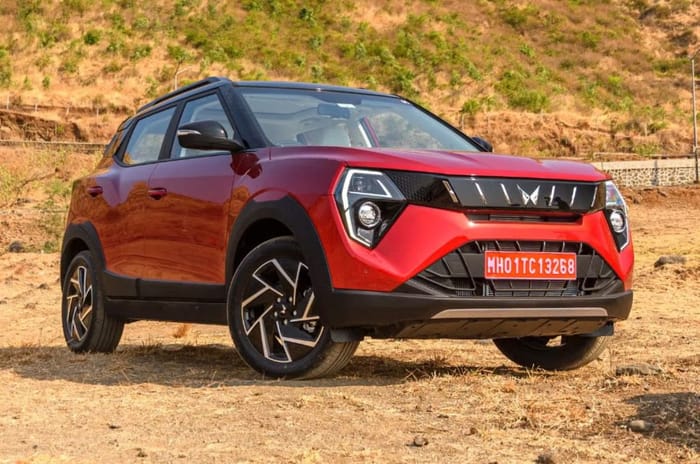
Only the AX7 and AX7 Luxury variants of the Mahindra XUV 3XO get front parking sensors, with the latter costing Rs 15.04 lakh. The sub-4-metre SUV gets a 1.2-litre MPFI (multi-point fuel injection) and 1.2-litre direct injection turbo-petrol engines producing 111hp and 131hp. A 1.5-litre turbo-diesel engine with 117hp is also available, mated to a 6-speed manual or a 6-speed AMT (automated manual transmission). The petrol versions get a 6-speed manual and a 6-speed torque converter automatic.
Variants
Prices (Rs, lakh)
AX7
12.20
AX7 Luxury
15.04
2. Tata Nexon
Prices start at Rs 11.40 lakh
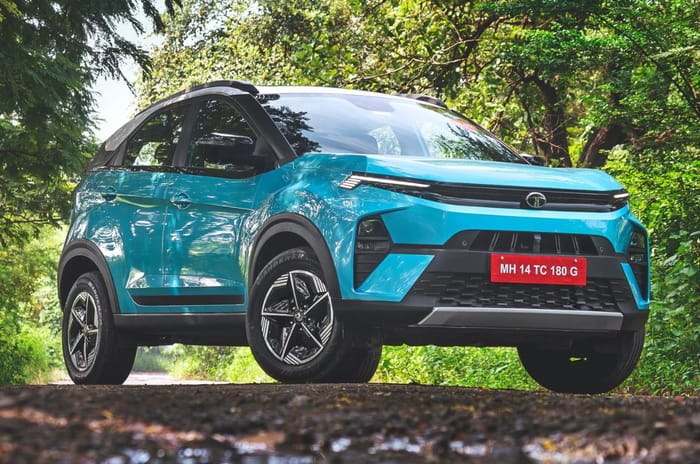
The most affordable Tata Nexon variant with front parking sensors is the Creative + PS. Meanwhile, the most expensive Fearless + A PS costs Rs 13.70 lakh. Tata’s popular compact SUV is available with petrol, diesel and CNG options.
The petrol and CNG versions use a 1.2-litre turbocharged engine with up to 120hp, while the 1.5-litre diesel mill produces 115hp. The transmission choices encompass a 6-speed manual, a 6-speed AMT and a 7-speed DCT.
Variant range
Price range (Rs, lakh)
Creative + PS – Fearless + A PS
11.40 – 13.70
*Dark Edition costs around Rs 18,300 on top of the Dual Tone option
1. Renault Triber
Prices start at Rs 8.05 lakh
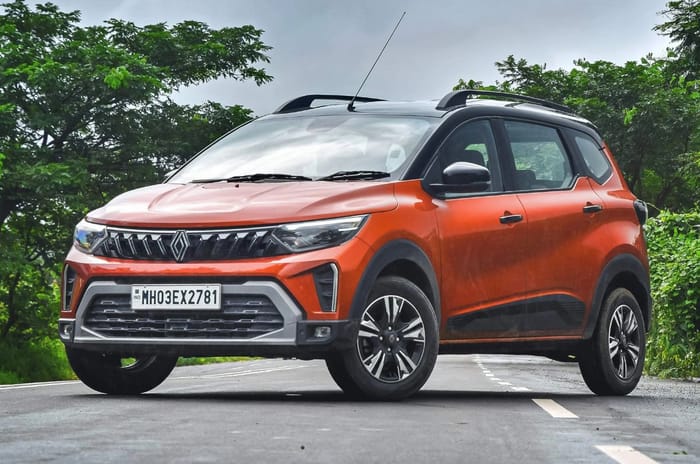
The most affordable car with front parking sensors is the Renault Triber. Only the top-end Emotion trim of this three-row MPV gets this feature, and the range tops out at Rs 8.53 lakh. The Triber is powered by a 1.0-litre three-cylinder petrol engine that produces 72hp and 96Nm. While there is only one engine option, buyers can choose between a 5-speed manual or a 5-speed AMT.
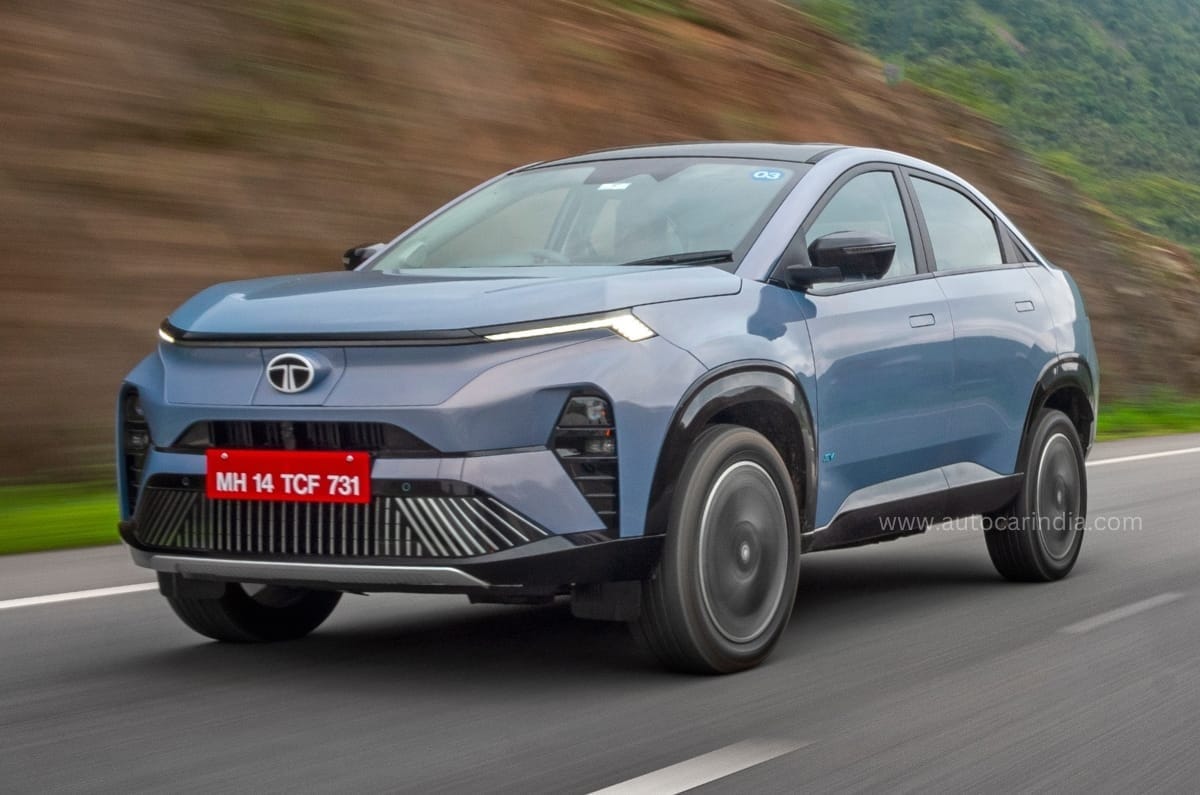
Tata launched the Curvv EV in 2024 as a distinct-looking coupe-SUV in the heavily contested midsize class. In the manufacturer’s lineup, it sits between the smaller Nexon EV and larger Sierra EV, and along with the different looks, it also offers a feature-loaded cabin, spacious cabin, a large battery pack and a powerful electric motor. If you’re interested in the Curvv EV, here are the reasons to consider it, and some reasons to think otherwise.
Reasons to buy
Offers good performance without compromising on range
The Tata Curvv EV is offered with a 55kWh battery pack and produces 167hp and 215Nm from its front-axle-mounted (FWD) electric motor. It gets three drive modes: Eco, City and Sport, which alter the throttle response based on the chosen mode. The Curvv EV is the most energetic in Sport mode, offering full torque reserve at the tap of the accelerator pedal, unlike the other two modes where torque output is restricted to around 70 percent. Tata claims a 0-100kph time of 8.6 seconds for the Curvv, but in our real-world tests, it completed the 0-100kph sprint in 9.25 seconds in Sport mode. The fact that the Tata Curvv EV did a 0-100kph run in 11.6 seconds with the most docile Eco mode shows its quick acceleration.
However, quick acceleration does not come at the expense of efficiency, as in our real-world tests, we found that the Curvv EV’s 55kWh variant offered an economy of 6.64km/kWh, translating to a total range of 365km, which allows for intracity travel.
Offers a lot of comfort and convenience features
Like other Tata EV offerings, the Curvv EV is also loaded with features to its gills. It gets a 12.3-inch touchscreen infotainment system and a 10.25-inch digital driver’s display, the latter of which can be configured to show navigation. However, when using turn indicators, it shows the blind spot monitor feed instead of the navigation. This can be avoided if the blind spot monitor display is configured to display on the touchscreen. Both screens are crisp and have menus, but it is easy to get used to them. The infotainment system is offered with Tata’s arcade.ev app suite, which includes streaming services and games that can be used when the Curvv EV is charging.
Other features include a panoramic sunroof, configurable ambient lighting, an electric tailgate with gesture control, a 9-speaker JBL sound system, a wireless phone charger with cooling vents, powered and ventilated front seats, and Level-2 advanced driver assistance systems (ADAS).
It is a value-for-money offering in its class
With prices ranging from Rs 16.99 lakh to Rs 19.19 lakh, the Tata Curvv EV is on par with the petrol/diesel midsize SUVs, and undercuts rivals like the Hyundai Creta Electric, Mahindra BE 6, and Tata Sierra. At this price, it is offered with concept-car-like looks, a spacious interior, a feature-loaded cabin, a large battery and a potent electric motor, making it one of the most value-for-money offerings in its class.
Reasons to skip
Taller passengers may feel uncomfortable on the rear seats
The coupe-SUV design of the Curvv EV eats up the headroom on the rear seats, which will be uncomfortable for taller passengers, especially if they are taller than 6 feet. Such passengers will also find the under-thigh support underwhelming, as they have to sit in a knees-up position due to the battery cells placed under the floor. However, legroom is in plenty and will be appreciated by passengers of all sizes.
It suffers from some ergonomic issues
The Curvv EV shares much of its dashboard design with the Nexon EV, and hence, does not get proper cupholders for the front passengers. The cupholders are placed inside the glovebox, which does not make them usable, especially on the move. The phone charging ports are placed ahead of the drive selector knob and are hard to reach. The storage space under the front centre armrest is also small. However, the fit and finish inside the cabin is decent for the Curvv EV’s price.
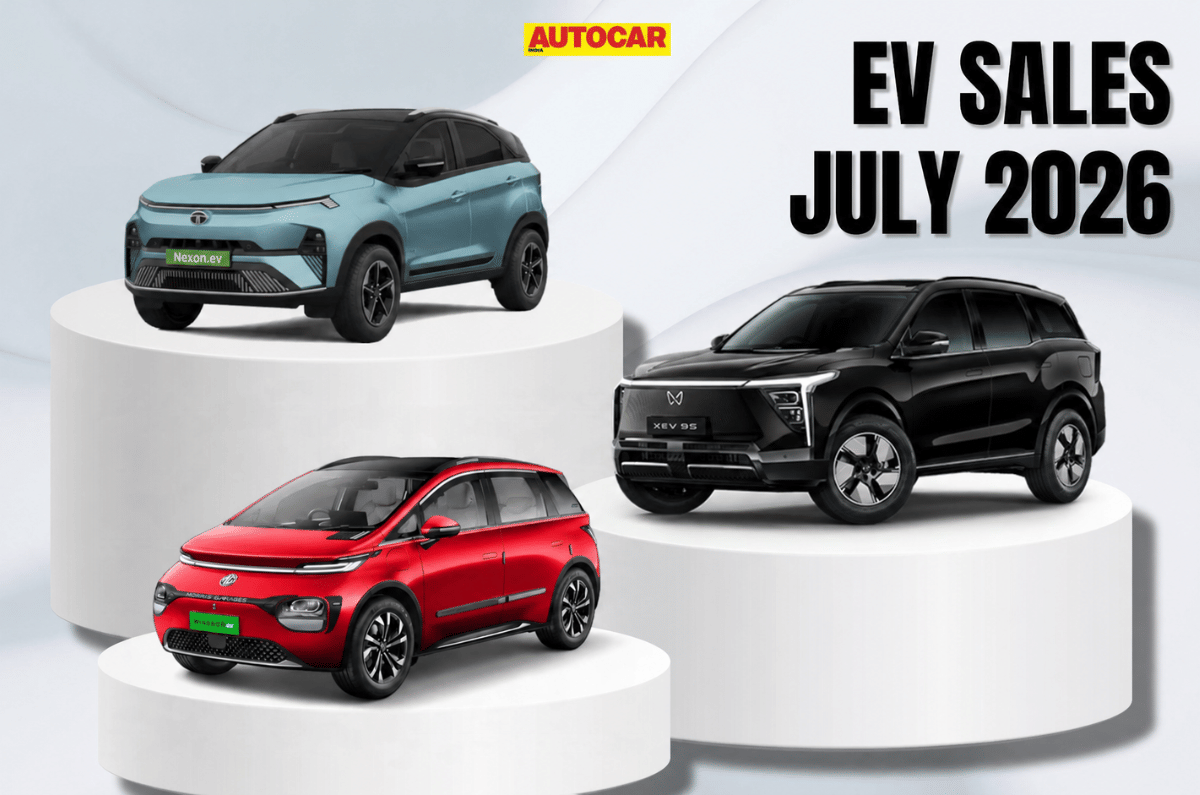
Retail sales of electric passenger vehicles breached the 30,000-unit mark for the second month in a row in July 2026. After a record 33,307 units in June, buyers took home a total of 32,609 EVs last month, up 83 percent year-on-year, as per Vahan data. Tata Motors recorded its highest-ever monthly EV sales, while Mahindra and Maruti Suzuki posted their second-highest monthly totals.
Tata Motors
July 2026: 13,578 units, up 102 percent YoY
Tata Motors, which recently expanded its EV portfolio with the launch of the Sierra EV, recorded its best-ever monthly retail sales of 13,578 units in July. This is 102 percent higher than July 2025 and 6 percent more than June 2026. The company also crossed the 40 percent EV market share mark after a long gap. Its 42 percent share in July is 4 percentage points higher than the 38 percent it held a year ago, despite growing competition.
July was also the second consecutive month that Tata sold more than 12,000 EVs, after 12,756 units in June. Cumulative sales between April and July stood at 46,697 units, up 108 percent YoY.
Mahindra
July 2026: 7,677 units, up 125 percent YoY
Mahindra crossed the 7,000-unit mark for the second month in a row. It sold 7,677 electric SUVs in July, up 125 percent over July 2025, although this was 498 units fewer than June. The performance helped Mahindra increase its market share to 22 percent, up from 19 percent a year ago. The BE 6 and XEV 9e continue to see strong demand. The XEV 9S, Mahindra’s first three-row born-electric SUV, has further strengthened its EV line-up.
JSW MG Motor India
July 2026: 5,642 units, down 4 percent YoY
JSW MG Motor India sold 5,642 EVs in July, down 4 percent YoY and 9 percent lower than June 2026. Its market share stood at 16 percent, down sharply from 33 percent in July 2025. The Windsor EV continues to be MG’s best-selling model.
Maruti Suzuki
July 2026: 1,590 units
Maruti Suzuki sold 1,590 e Vitaras in July. This was the fifth consecutive month of four-digit sales, following March, April and May. However, July sales were 20 percent lower than June, which remains the model’s best month so far. Until now, domestic sales of the e Vitara were limited because a larger share of production was allocated for exports. This is expected to change with the start of production at a new fourth manufacturing line at Maruti Suzuki’s Hansalpur, Gujarat plant. The expanded facility now builds the e Vitara, Fronx, Baleno and Swift.
Vinfast India
July 2026: 1,478 units
Vinfast ranked fifth among the country’s 18 electric passenger vehicle manufacturers. The Vietnamese carmaker recorded its highest-ever monthly sales in July with 1,478 units, surpassing its previous best of 1,448 units in June by 30 units, or 2 percent. This gave the company a 4 percent EV market share in July.
According to wholesales data, the VF Limo Green (for commercial use) is currently its best-selling model. In Q1 FY2027 (April-June 2026), SIAM wholesale data shows the Green Limo accounted for 2,746 units, or 46 percent of Vinfast India’s total sales of 6,001 units, well ahead of the VF7, VF6 and MPV7.
BYD India
July 2026: 742 units, up 47 percent YoY
BYD sold 742 EVs in July, up 47 percent over July 2025. However, sales were 20 percent lower than June 2026, which remains the company’s best monthly performance so far. On July 1, BYD increased prices of its EVs by 1-2 percent, marking its second price hike of the year after the one on May 1. The company’s current line-up includes the Atto 3 SUV, e-Max 7 MPV, Seal sedan and Sealion 7 SUV. BYD has also confirmed that it will launch the Seal U PHEV later this year.
Hyundai
July 2026: 565 units, down 21 percent YoY
Hyundai sold 565 EVs in July, down 21 percent compared to 719 units in July 2025. However, on a month-on-month basis, sales were up 51 percent from the 374 units sold in June 2026. At present, Hyundai’s EV portfolio in India consists of just two models: the Creta Electric and the Ioniq 5.
Kia India
July 2026: 464 units, up 614 percent YoY
Kia ranked eighth with retail sales of 464 units in July. This is a 614 percent year-on-year increase over the low base of 65 units in July 2025. However, sales were 14 percent lower than 539 units in June 2026. Kia’s monthly sales have improved since the launch of the mass-market Carens Clavis EV MPV, which joined the much more expensive EV6 and EV9, both of which are imported as CBUs.
Toyota Kirloskar Motor
July 2026: 123 units
Toyota delivered 123 units of the Urban Cruiser Ebella in July. This placed the company 11th among the country’s electric passenger vehicle manufacturers. The Urban Cruiser Ebella is the badge-engineered version of the Maruti e Vitara, and it is currently available in a single E3 variant.
Carmaker
July 2026
July 2025
YoY Change (in percent)
Tata Motors
13,578
6,712
102
Mahindra
7,677
3,416
125
JSW MG Motor
5,642
5,900
-4
Maruti Suzuki
1,590
–
–
Vinfast
1,478
–
–
BYD
742
505
47
Hyundai
565
719
-21
Kia
464
65
614
BMW
367
270
36
Mercedes-Benz
163
115
42
Toyota
123
–
–
Tesla
115
–
–
Stellantis
51
68
-25
Volvo
48
42
14
Porsche
6
8
-25
Audi
0
1
-100
Rolls-Royce
0
2
-100
Jaguar Land Rover
0
0
–
Total
32,609
17,823
83
Luxury electric carmakers sell record units in July
Demand for luxury electric cars continued to grow in July 2026. Carmakers in this segment sold 699 EVs, up 60 percent year-on-year. However, sales were 17 percent lower than the record 847 units sold in June 2026. BMW and Mercedes-Benz continued to lead the luxury EV market, while Tesla India crossed the 100-unit mark for the first time with its highest-ever monthly sales.
BMW India
BMW remained the leader in the luxury EV segment with 367 units. This is 36 percent higher than 270 units sold in July 2025, giving the brand a 52 percent segment share. However, sales were 29 percent lower than 517 units in June 2026. After topping the luxury EV segment in FY2026 with a record 3,898 units, BMW has sold 1,606 EVs between April and July, which is 41 percent of its FY2026 total.
Mercedes-Benz
Mercedes- Benz sold 163 EVs in July, up 42 percent from 115 units in July 2025. However, this was 33 percent lower than the 243 units sold in June 2026. The brand’s growth has been supported by the launch of the CLA electric sedan at the end of April.
Tesla
Tesla recorded its highest-ever monthly sales in India, selling 115 Model Ys in July. This is a 203 percent increase over 38 units sold in June 2026. Its luxury EV market share also rose sharply from 4 percent in June to 16 percent in July, allowing it to move ahead of Volvo Auto India. The strong growth follows Tesla India’s decision to reduce the price of the Model Y by Rs 9 lakh, bringing the starting price down to Rs 50.89 lakh, ex-showroom.
Volvo
Volvo, now ranked fourth in the luxury EV segment, sold 48 EVs in July. This is 14 percent higher than 42 units sold in July 2025 and 23 percent more than the 39 units sold in June 2026. The Swedish carmaker increased prices of its models by up to Rs 1 lakh from May 1, citing ongoing global supply chain challenges and fluctuations in foreign exchange rates. Volvo’s market share stood at 7 percent in July, down from 10 percent a year ago.
Porsche, Audi and Rolls-Royce
Porsche sold 6 EVs in July. According to Vahan data, Audi, Rolls-Royce and JLR India did not sell a single EV during the month.
Overall, luxury EV makers accounted for 2.14 percent of the 32,609 electric passenger vehicles sold in July 2026, compared to 2.45 percent in July 2025 and 2.54 percent in June 2026.
Stocks to Watch: सोमवार, 3 अगस्त के कारोबार में कई शेयरों पर निवेशकों की खास नजर रहेगी। कुछ कंपनियों ने दमदार तिमाही नतीजे पेश किए हैं। कुछ को बड़े ऑर्डर और अहम कारोबारी अपडेट मिले हैं। वहीं, जुलाई ऑटो सेल्स के आंकड़ों ने भी कई ऑटो शेयरों को फोकस में ला दिया है। ऐसे में इन 20 स्टॉक्स में सोमवार को बड़ी हलचल देखने को मिल सकती है।
Maruti Suzuki
ऑटोमोबाइल सेक्टर की कंपनी मारुति सुजुकी ने जून तिमाही में मिले-जुले नतीजे पेश किए। कंपनी का शुद्ध मुनाफा 10.8% घटकर ₹3,352 करोड़ रहा, लेकिन यह बाजार के अनुमान से बेहतर रहा। वहीं, रेवेन्यू में अच्छी बढ़त दर्ज हुई। हालांकि ऑपरेटिंग मार्जिन पर दबाव बना रहा।
CDSL
डिपॉजिटरी सर्विसेज कंपनी CDSL का जून तिमाही में कंसोलिडेटेड शुद्ध मुनाफा 15% बढ़कर ₹117.51 करोड़ हो गया। आय में भी बढ़ोतरी दर्ज की गई। हालांकि, सालाना आधार पर कंपनी के मार्जिन में कुछ गिरावट देखने को मिली।
Indian Oil Corporation
सरकारी ऑयल मार्केटिंग कंपनी इंडियन ऑयल कॉर्पोरेशन (IOC) को जून तिमाही में ₹2,661.3 करोड़ का स्टैंडअलोन घाटा हुआ। यह घाटा बाजार के अनुमान से भी ज्यादा रहा। इसका मतलब कि कंपनी का प्रदर्शन उम्मीद से कमजोर रहा।
Muthoot Finance
गोल्ड लोन देने वाली एनबीएफसी कंपनी मुथूट फाइनेंस का जून तिमाही में शुद्ध मुनाफा करीब 39% बढ़ा। कंपनी की नेट इंटरेस्ट इनकम (NII) और ब्याज आय में भी मजबूत बढ़ोतरी दर्ज की गई। गोल्ड लोन कारोबार ने प्रदर्शन को सहारा दिया।
ITC
एफएमसीजी और सिगरेट कारोबार वाली कंपनी आईटीसी का स्टैंडअलोन शुद्ध मुनाफा 27.1% घटकर ₹3,578.8 करोड़ रह गया। वहीं, रेवेन्यू 14.4% घटकर ₹16,908 करोड़ पर आ गया। कंपनी का प्रदर्शन पिछले साल के मुकाबले कमजोर रहा।
Aarti Drugs
फार्मा कंपनी आरती ड्रग्स का जून तिमाही में शुद्ध मुनाफा 6.9% घटकर ₹50.17 करोड़ रह गया। हालांकि, कंपनी का रेवेन्यू 19% बढ़कर ₹702.78 करोड़ पहुंच गया। यानी बिक्री बढ़ी, लेकिन मुनाफे पर दबाव रहा।
Sarda Energy & Minerals
स्टील और पावर सेक्टर की कंपनी सारदा एनर्जी एंड मिनरल्स का जून तिमाही में कंसोलिडेटेड शुद्ध मुनाफा 5.5% बढ़कर ₹458.25 करोड़ हो गया। कंपनी ने पिछले साल के मुकाबले बेहतर प्रदर्शन किया।
GPT Infra
इंफ्रास्ट्रक्चर कंपनी GPT Infra का जून तिमाही में कंसोलिडेटेड शुद्ध मुनाफा 5% बढ़कर ₹24.63 करोड़ रहा। हालांकि, इस दौरान कंपनी की आय 3% घटकर ₹302.07 करोड़ रह गई।
NALCO
सरकारी एल्युमिनियम कंपनी NALCO ने जून तिमाही में मजबूत नतीजे पेश किए। कंपनी का मुनाफा करीब 91% और आय 39% से ज्यादा बढ़ी। बेहतर प्रदर्शन से निवेशकों की नजर इस स्टॉक पर रहेगी।
Raymond Lifestyle
लाइफस्टाइल और परिधान कंपनी रेमंड लाइफस्टाइल की आय जून तिमाही में करीब 6% बढ़ी। हालांकि, बढ़ते खर्च की वजह से कंपनी का शुद्ध घाटा बढ़ गया। इसके बावजूद EBITDA और मार्जिन में सुधार दर्ज किया गया।
Sterlite Technologies
टेलीकॉम नेटवर्क और ऑप्टिकल फाइबर कंपनी स्टरलाइट टेक्नोलॉजीज को एक घरेलू टेलीकॉम ऑपरेटर से ₹960 करोड़ का मल्टी-ईयर सप्लाई एग्रीमेंट मिला है। कंपनी अगले दो साल तक ऑप्टिकल फाइबर केबल की सप्लाई करेगी।
Marathon Nextgen Realty
रियल एस्टेट कंपनी मैराथन नेक्स्टजेन रियल्टी ने मुंबई के सेवरी माइक्रो-मार्केट में एक रेजिडेंशियल रीडेवलपमेंट प्रोजेक्ट शुरू किया है। इस प्रोजेक्ट की ग्रॉस डेवलपमेंट वैल्यू (GDV) करीब ₹450 करोड़ है। इससे कंपनी की मुंबई में मौजूदगी और मजबूत होने की उम्मीद है।
Nilkamal
प्लास्टिक फर्नीचर और मटीरियल हैंडलिंग कंपनी नीलकमल का जून तिमाही में मुनाफा 59% से ज्यादा बढ़ा। हालांकि, इस दौरान कंपनी की आय में गिरावट रही। खर्च कम होने और बेहतर ऑपरेटिंग प्रदर्शन से मुनाफा बढ़ा।
APL Apollo
स्टील ट्यूब बनाने वाली कंपनी APL Apollo का जून तिमाही में कंसोलिडेटेड शुद्ध मुनाफा 11% बढ़कर ₹263 करोड़ हो गया। पिछले साल इसी तिमाही में यह ₹237 करोड़ था।
Glenmark Pharmaceuticals
फार्मा कंपनी ग्लेनमार्क फार्मास्यूटिकल्स का जून तिमाही में कंसोलिडेटेड शुद्ध मुनाफा 930% बढ़कर ₹483 करोड़ पहुंच गया। पिछले साल इसी अवधि में कंपनी ने ₹47 करोड़ का मुनाफा कमाया था।
ABB India
इलेक्ट्रिफिकेशन और ऑटोमेशन कंपनी ABB India का दूसरी तिमाही में स्टैंडअलोन शुद्ध मुनाफा 3% बढ़कर ₹362.3 करोड़ रहा। पिछले साल इसी तिमाही में यह ₹352 करोड़ था।
Jupiter Life Line Hospitals
मल्टी-स्पेशियलिटी हॉस्पिटल चेन जुपिटर लाइफ लाइन हॉस्पिटल्स का जून तिमाही में शुद्ध मुनाफा 14.6% घटकर ₹37.5 करोड़ रह गया। पिछले साल इसी तिमाही में यह ₹43.9 करोड़ था।
Blue Dart Express
लॉजिस्टिक्स और एक्सप्रेस पार्सल कंपनी ब्लू डार्ट एक्सप्रेस का जून तिमाही में मुनाफा 81.2% बढ़ा। कंपनी ने इसका श्रेय मजबूत रेवेन्यू ग्रोथ और बेहतर ऑपरेटिंग प्रदर्शन को दिया।
NCC
इंफ्रास्ट्रक्चर कंपनी NCC को जुलाई में ₹1,052.71 करोड़ के तीन नए ऑर्डर मिले हैं। ये ऑर्डर कंपनी के बिल्डिंग्स और वॉटर डिविजन से जुड़े हैं। इससे कंपनी की ऑर्डर बुक और मजबूत होगी।
Powerica
पावर सॉल्यूशंस कंपनी पावरिका ने Gujarat Urja Vikas Nigam Ltd (GUVNL) के साथ 100 मेगावाट विंड पावर प्रोजेक्ट के लिए पावर परचेज एग्रीमेंट (PPA) साइन किया है। इससे कंपनी के रिन्यूएबल एनर्जी कारोबार को मजबूती मिलने की उम्मीद है।
July Auto Sales
ऑटो सेक्टर की कई कंपनियों ने जुलाई में मजबूत बिक्री दर्ज की। Hero MotoCorp की बिक्री 19% बढ़कर 5.33 लाख यूनिट, Maruti Suzuki की 33.7% बढ़कर 2.41 लाख यूनिट, Hyundai की 25.4% बढ़कर 75,360 यूनिट और Mahindra & Mahindra की कुल बिक्री 1.04 लाख यूनिट रही। Tata Motors की पैसेंजर व्हीकल बिक्री अनुमान से बेहतर रही। Eicher Motors की Royal Enfield बिक्री 34% बढ़ी।
Disclaimer: यहां मुहैया जानकारी सिर्फ सूचना के लिए दी जा रही है। यहां बताना जरूरी है कि मार्केट में निवेश बाजार जोखिमों के अधीन है। निवेशक के तौर पर पैसा लगाने से पहले हमेशा एक्सपर्ट से सलाह लें। मनीकंट्रोल की तरफ से किसी को भी पैसा लगाने की यहां कभी भी सलाह नहीं दी जाती है।
July 2026 was a strong month for India’s passenger vehicle industry, with most carmakers reporting healthy month-on-month gains. Maruti Suzuki strengthened its lead at the top, with domestic passenger vehicle sales approaching the 2 lakh-unit mark, while Tata Motors retained second place, narrowly ahead of Mahindra. Hyundai rebounded strongly from a fire disruption at a supplier that affected June production to remain fourth, with Toyota rounding out the top five in the monthly sales.
July 2026 carmaker-wise sales in India
Carmaker
July 2026 sales
June 2026 sales
MoM change (%)
July 2025 sales
YoY change (%)
Maruti Suzuki
1,96,203
1,47,187
33.30
1,37,776
42.41
Tata
62,611
62,076
0.86
39,521
58.42
Mahindra
60,048
60,393
-0.57
49,871
20.41
Hyundai
54,210
39,635
36.77
43,966
23.30
Toyota
30,516
28,441
7.30
29,159
4.65
Kia
28,200
24,552
14.86
22,135
27.40
MG
8,158
7,568
7.80
6,687
22
Nissan
4,518
3,006
50.30
1,421
218
Maruti Suzuki July 2026 sales
Sales: 196,203 units, Change: 42.4 percent YoY
Maruti Suzuki retained its position as India’s largest carmaker in July, with domestic passenger vehicle sales rising to 196,203 units from 147,187 units in June. Utility vehicles, including the Brezza, Ertiga, e Vitara, Fronx, Grand Vitara, Invicto, Jimny, Victoris and XL6, contributed 78,851 units, while the compact and mid-size segment, led by the Baleno, Swift, Dzire and WagonR, remained the company’s largest volume driver with 90,822 units. Mini cars, comprising the Alto and S-Presso, added another 12,634 units.
Tata Motors July 2026 sales
Sales: 62,611 units, Change: 58 percent YoY
Tata Motors sold 62,611 passenger vehicles in the domestic market in July, marginally higher than the 62,076 units recorded in June, despite temporary production disruptions at its Sanand plant due to heavy rainfall and flooding. The Punch recorded its highest-ever monthly sales, reinforcing its position as one of the company’s best-selling SUVs, while Tata’s EV portfolio crossed 15,000 monthly wholesales for the first time.
Mahindra July 2026 sales
Sales: 60,048 units, Change: 20 percent YoY
Mahindra sold 60,048 SUVs in the domestic market in July, almost unchanged from the 60,393 units it sold in June. The expected launch of the updated Scorpio N in August could help boost sales and provide fresh momentum as the company heads into the festive season.
Hyundai July 2026 sales
Sales: 54,210 units, Change: 23.3 percent YoY
Hyundai recorded its highest-ever domestic sales for the month of July, selling 54,210 units, a sharp recovery from 39,635 units in June after a fire at a supplier’s facility disrupted production. The Creta led the growth with 18,088 units, its best monthly performance in CY26, while the i20 also posted its highest monthly sales in CY26 at 6,738 units, highlighting renewed momentum across both Hyundai’s SUV and hatchback portfolios.
Toyota July 2026 sales
Sales: 30,516 units, Change: 5 percent YoY
Toyota Kirloskar Motor reported domestic sales of 30,516 units in July, up from 28,441 units in June, with the Innova Hycross, Urban Cruiser Hyryder and Glanza continuing to drive volumes. Cumulative domestic dispatches for the January-July period rose 13 percent year-on-year to 233,854 units, while sales during the first four months of FY2027 (April-July) increased 8 percent to 128,746 units.
Kia July 2026 sales
Sales: 28,200 units, Change: 27.4 percent YoY
Kia recorded its highest-ever July wholesale volume, dispatching 28,200 units, up from 24,552 units in June. The Seltos remained Kia’s best-selling model, averaging more than 10,000 units a month since the start of the year, while the recently launched Syros EV has also garnered strong initial bookings.
MG July 2026 sales
Sales: 8,158 units, Change: 22 percent YoY
JSW MG Motor India recorded its highest-ever monthly wholesales for the second consecutive month in July, dispatching 8,158 units, up from 7,568 units in June. Electric vehicles accounted for more than 80 percent of total volumes, marking their strongest monthly performance yet.
Nissan July 2026 sales
Sales: 4,518 units, Change: 218 percent YoY
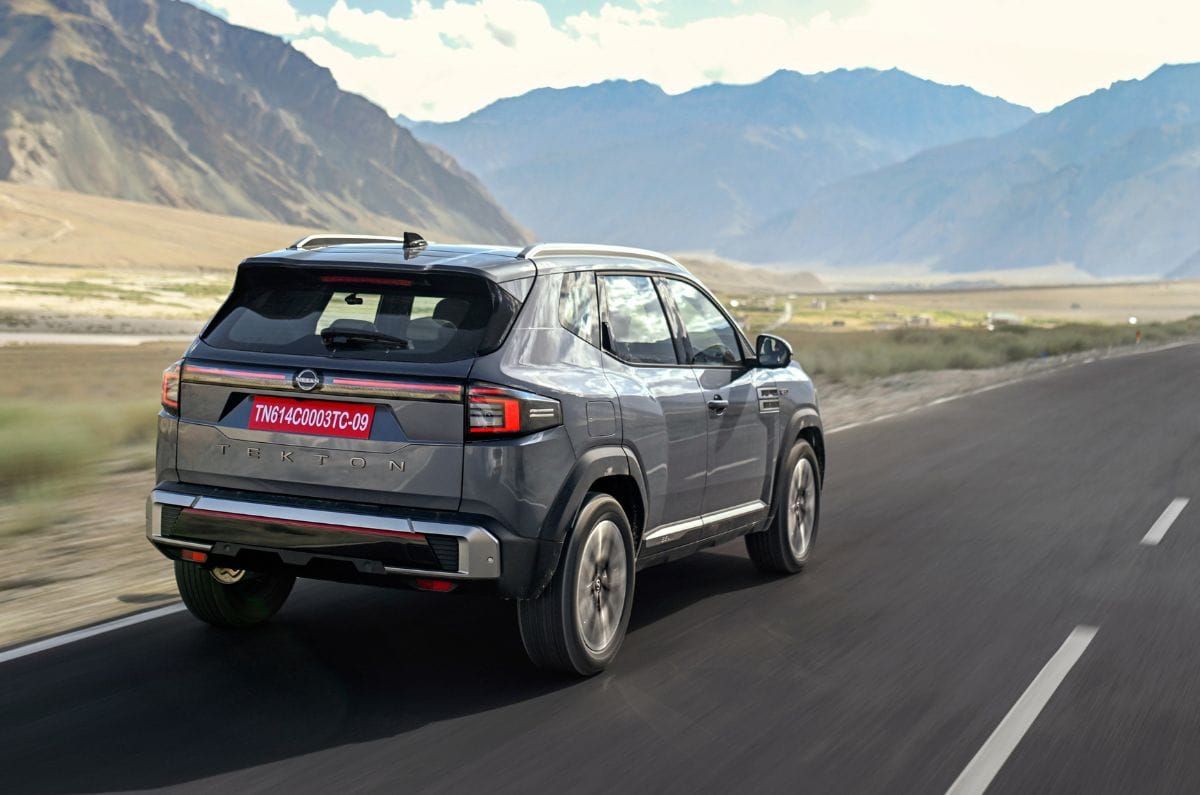
Nissan continued its growth momentum in July, with domestic wholesales rising 50 percent month-on-month to 4,518 units from 3,006 units in June. The increase was supported by the start of customer deliveries of the all-new Tekton, which commenced on July 20 after its debut on July 9, expanding Nissan’s India portfolio to three models alongside the Magnite and Gravite.
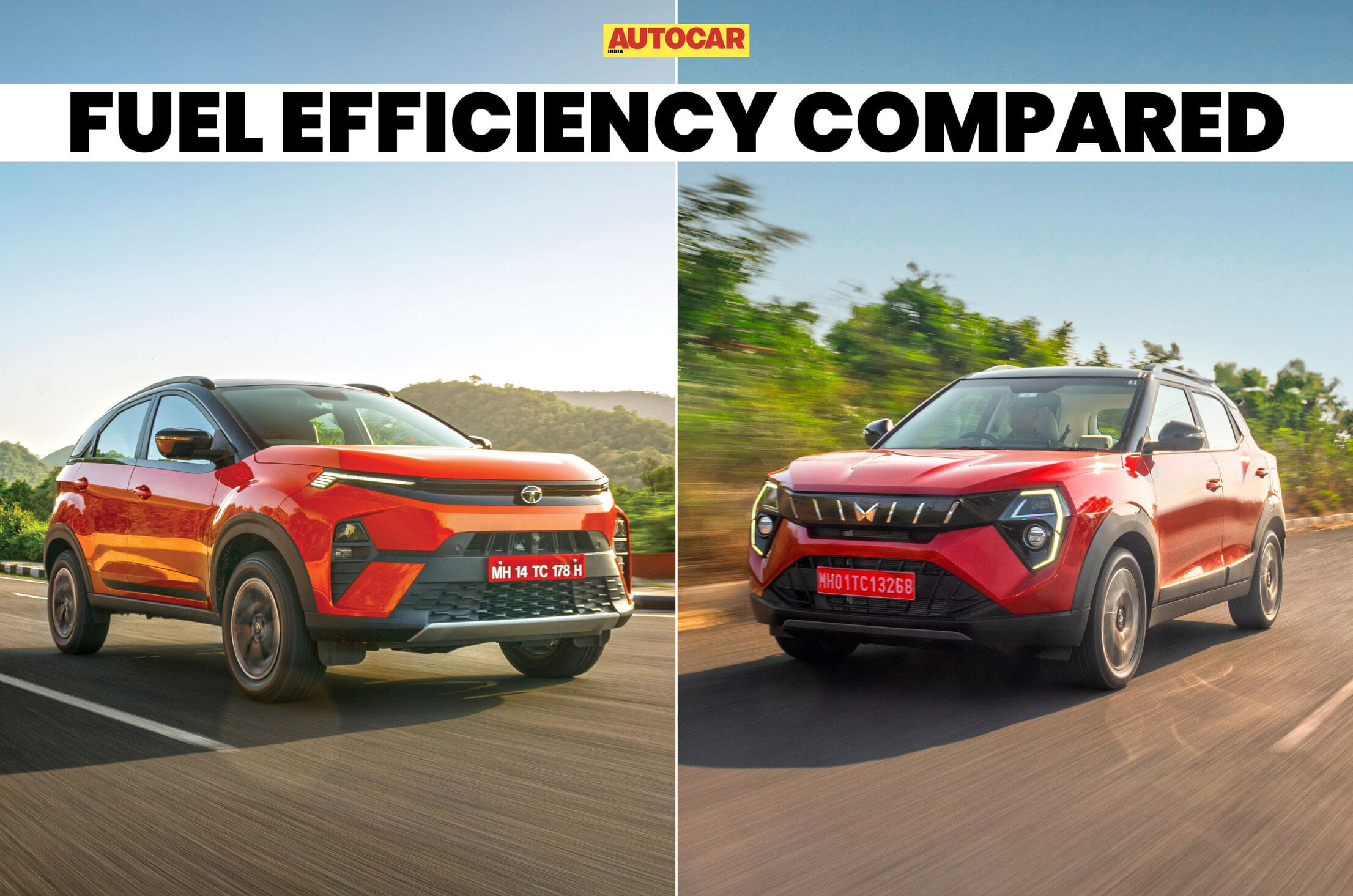
The Tata Nexon and Mahindra XUV 3XO offer buyers two types of turbo-petrol engines. All turbo-petrol versions of the Nexon use multi-point fuel injection (MPFI), with lower trims being mated to an AMT (automated manual transmission) gearbox, while higher trims use a dual-clutch automatic (DCT) gearbox. Meanwhile, all turbo-petrol versions of the XUV 3XO feature a 6-speed torque converter automatic transmission (AT), with gasoline direct injection (GDI) only reserved for the top-spec version. So, if you want the convenience of a proper automatic gearbox plus the performance associated with a turbo-petrol engine without sacrificing fuel economy, which of these two cars should you consider?
Explore full specs, features and a price breakdown in our Nexon vs XUV 3XO comparison.
Tata Nexon vs Mahindra XUV 3XO turbo-petrol automatic: Specifications
While torque spread is comparable in both, the XUV 3XO has a distinct power advantage
Tata Nexon vs Mahindra XUV 3XO automatic: Specifications
Tata Nexon
Mahindra XUV 3XO
Engine
3 cyl, petrol
3 cyl, petrol
Displacement (cc)
1199
1197
Power (hp)
120 (5,500rpm)
131 (5,000rpm)
Torque (Nm)
170 (1,750-4,000rpm)
230 (1,500-3750rpm)
Gearbox
7-speed DCT
6-speed AT
Fuel tank (litres)
44
42
At first glance, the turbo-petrol engines powering the Nexon and XUV 3XO look identical, as both are three-cylinder units with a displacement of 1.2 litres. Since the GDI system typically allows a more complete combustion of fuel, it benefits include more power and better fuel economy over a similar-sized MPFI system.
The XUV 3XO’s direct injection turbo-petrol setup offers 11hp and 60Nm more than its equivalent Nexon version. However, peak torque of these engines is spread out over an identical range of 2,250rpm. The Tata SUV features a 7-speed dual-clutch automatic transmission (DCT), while the top-spec XUV 3XO petrol comes mated to a 6-speed torque converter automatic transmission (AT). Also, the fuel tank of the Tata SUV has a slightly higher capacity, by two litres.
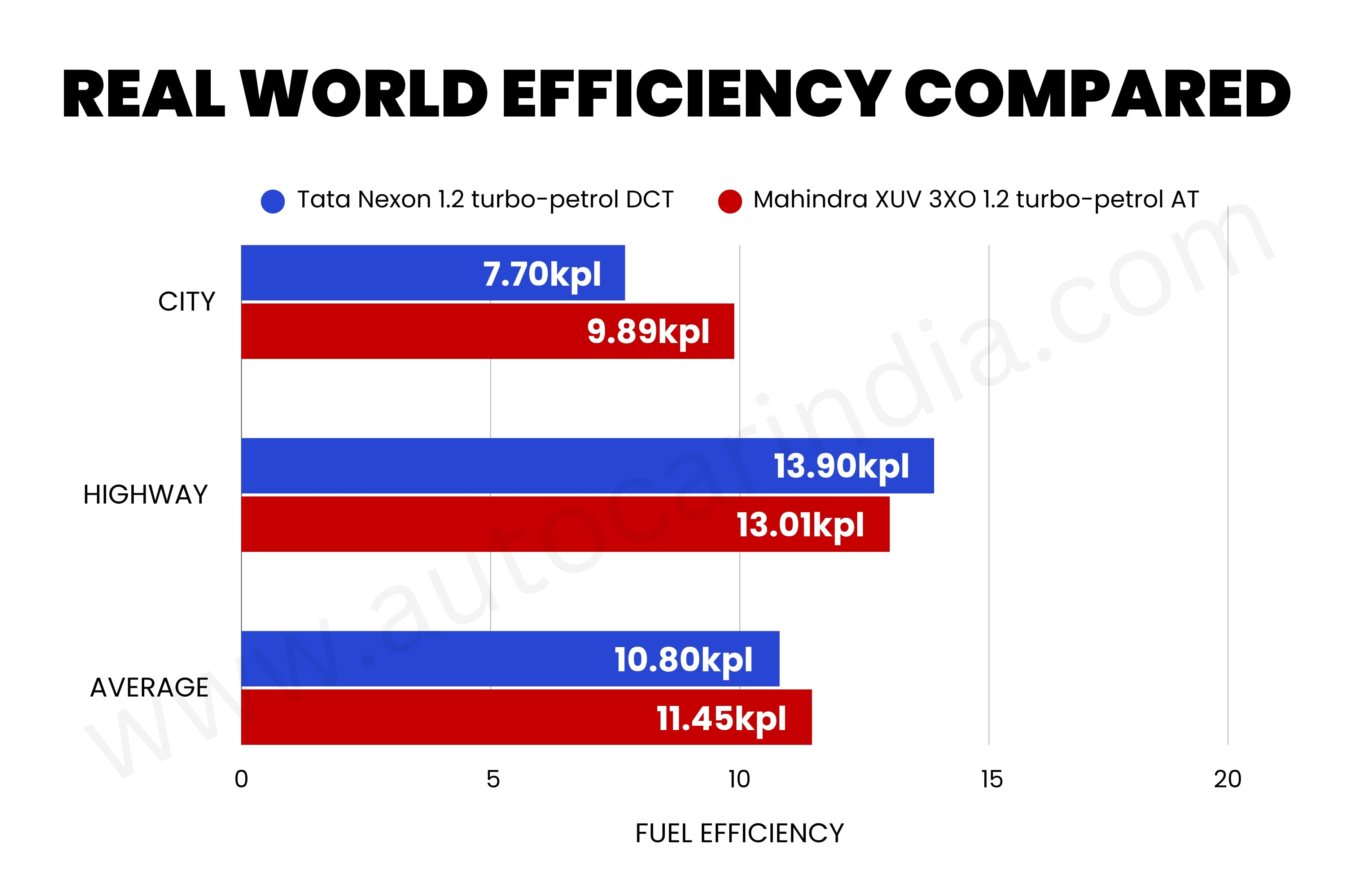
Despite having the punchier engine, the XUV 3XO’s fuel economy is better than the Nexon
Tata Nexon vs Mahindra XUV 3XO automatic: Real-world mileage
Tata Nexon
Mahindra XUV 3XO
Tested city mileage (kpl)
7.70
9.89
Tested highway mileage (kpl)
13.90
13.01
Tested average mileage (kpl)
10.80
11.45
The Tata Nexon returned an average that was 0.65kpl poorer than the Mahindra XUV 3XO. Its low mileage of 7.70kpl in city conditions meant that, even with a higher fuel economy of 13.90kpl on the highway, the Nexon’s overall efficiency still lagged behind the XUV 3XO. The efficiency gains of the Nexon on the highway was helped by the extra ratio in its DCT. Compared to the XUV 3XO’s torque convert AT with six ratios, the Nexon’s 7-speed gearbox allows its engine to spin at a more leisurely speed as you pick up pace.
In the city, the XUV 3XO had a clear lead over the Nexon, achieving a real-world fuel economy that was higher by 2.19kpl. The Mahindra XUV 3XO’s direct fuel-injection technology allows petrol to be introduced into the engine in a highly measured and precise manner. This reduces fuel consumption and improves combustion when compared to a similarly sized but MPFI-equipped turbo-petrol engine, like in the Nexon.
Tata Nexon vs Mahindra XUV 3XO turbo-petrol automatic: Prices
Tata Nexon vs Mahindra XUV 3XO turbo-petrol automatic prices
Tata Nexon
Mahindra XUV 3XO
Price range (in Rs, lakh)
11.35-13.70
13.28-15.04
The turbo-petrol-automatic variants of both the Tata Nexon and Mahindra XUV 3XO are available in three trim levels. For cost-conscious buyers, the most affordable Nexon with this powertrain setup comes in Rs 1.93 lakh cheaper than a comparable XUV 3XO. This price delta continues to the mid-spec trim as well, where the Mahindra is pricier by Rs 79,000. At the top-end, the XUV 3XO’s turbo-petrol automatic variant costs Rs 1.34 lakh more than the equivalent Nexon. One of the reasons for the XUV 3XO’s higher price is is its direct-injection fuel system, which costs more than a comparable MPFI unit.
Autocar India’s fuel efficiency testing
Before our real-world fuel efficiency tests, we fill our test cars’ tanks to the brim and maintain tyre pressures based on the manufacturer’s recommendations. These cars are driven in fixed city and highway loops in and around Navi Mumbai, and we maintain certain average speeds. Throughout the tests, there is only one person in each car, running the air conditioner and other electricals, such as the audio system, indicators and wipers, when required, just like a regular user would. Periodic driver swaps further neutralise variations in driver patterns. At the end of each cycle, we calculate efficiency by filling the tanks to full again.
Tarun Garg, MD and CEO of Hyundai India, confirmed on the company’s Q1 FY27 earnings call that the brand will launch a new mid-size SUV during the festive season. Following this, the brand will also launch a new compact electric SUV within this fiscal year.
New mid-size SUV likely to offer an underbody-mounted CNG kit.
Compact electric SUV to sit on a new architecture and utilise Exide batteries.
New Hyundai mid-size SUV: What do we know so far?
To sit below the Creta and likely offer petrol and CNG powertrains
Before the next-generation Creta debuts in 2027, Hyundai will introduce another product in the mid-size SUV space during the festive season to strengthen its presence. This SUV (codename: Bc4i) will utilise the Bayon crossover’s platform that’s sold abroad. It will measure around 4.18 metres in length, suggesting that it would be positioned below the Creta.
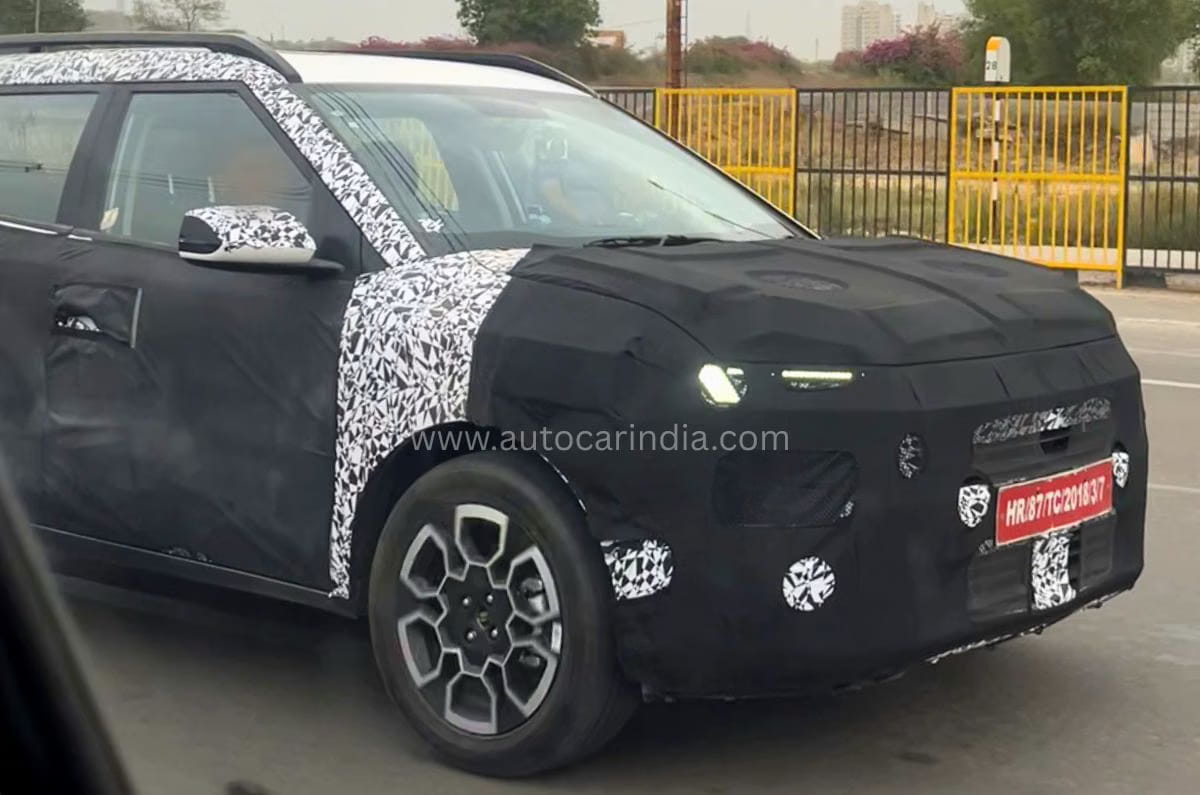
Heavily camouflaged mules of this mid-size SUV have been spied abroad and on our roads, giving a glimpse of what it could look like. Prototypes were spotted with a crossover-esque design, roof rails, dual-tone alloys, split lamp design, rising windowline and all-wheel disc brakes. While the interior has not been spied yet, Hyundai is likely to load it up with features and advanced driver assistance systems (ADAS).
The model will be powered by a 1.5-litre naturally aspirated engine, our sources indicate. This engine already powers the Creta and can be paired with either a manual or CVT gearbox. Additionally, Hyundai is expected to pair a CNG kit with this engine, making it the first CNG-powered model above 4 metres in its lineup. The kit would be fitted to its underbody, like the Maruti Victoris, but also have a spare wheel, unlike the Maruti.
With a second contender in the mid-size SUV segment, Hyundai is taking a similar approach to Maruti Suzuki, which has the Victoris and Grand Vitara in this space. While this SUV will come with economical powertrains and occupy the lower rung, the new-gen Creta sitting above it will come with wider powertrain options, including a hybrid.
New Hyundai compact electric SUV: What to expect?
Expected to rival the likes of the Kia Syros EV, Tata Nexon EV, and Mahindra XUV 3XO EV
Hyundai Inster used for representation
Following the mid-size SUVs’ launch, Hyundai will also introduce a challenger in the growing compact electric SUV space. The arrival of this SUV was first announced back in 2025, when the carmaker stated that it would be localised and “designed, engineered and built in India for Indian customers.”
During the earnings call, the brand confirmed that the EV would be built on a new architecture rather than being an EV counterpart of the Venue. Codenamed HE1i, it is expected to sit on the E-GMP (K) platform, which is also utilised by the Inster sold abroad. It will be produced at the carmaker’s Sriperumbudur facility in Tamil Nadu and use localised batteries from Exide. The eSUV will be offered in standard range and long range versions. While specifications are yet to be confirmed for this model, for reference, the Euro-spec Inster is offered with 42kWh (standard range) and 49kWh (long range) battery packs with WLTP ranges of 300km and 355km respectively.
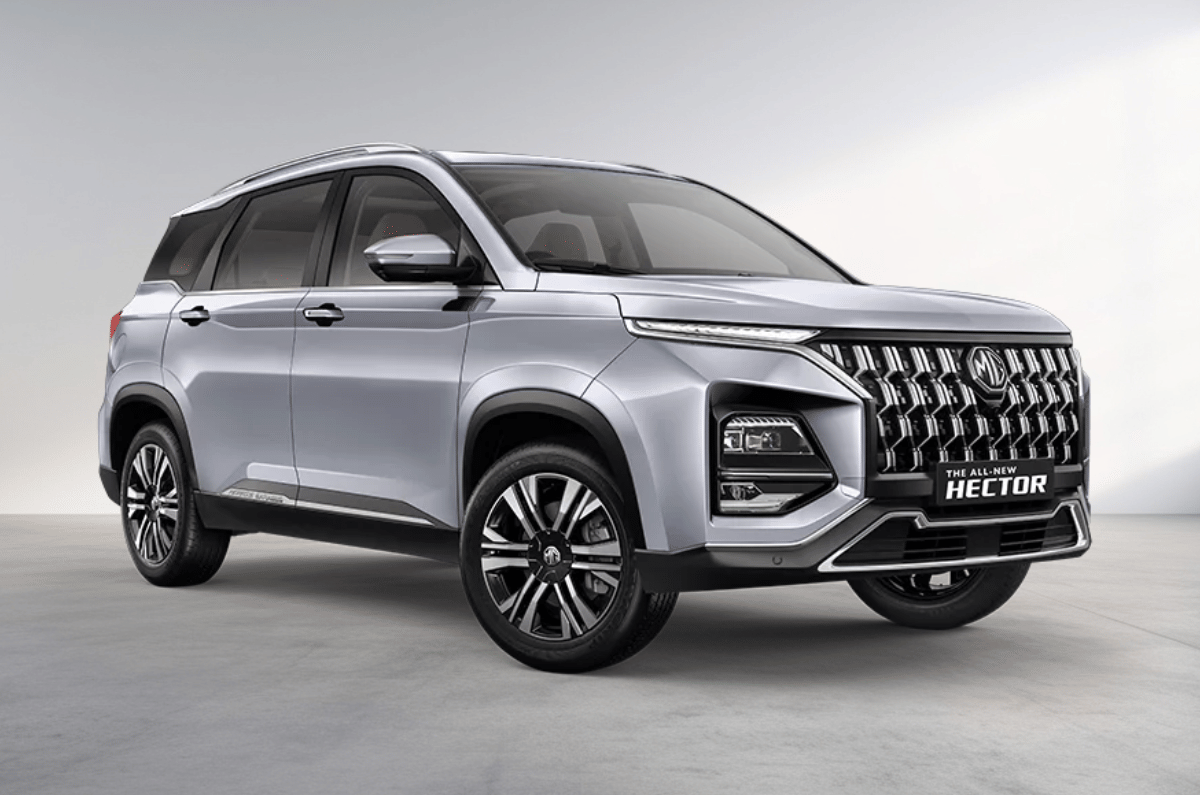
MG has revealed the facelifted Hector Plus diesel price, which costs Rs 20 lakh (ex-showroom). Notably, MG launched the Hector and Hector Plus facelifts in December 2025, but had only revealed the petrol variants’ prices at the time. Nearly seven months later, the manufacturer has brought back the 2.0-litre diesel engine, with a manual transmission.
2.0-litre diesel engine produces 170hp and 350Nm (same as before)
Gets 7-inch driver’s display, 14-inch infotainment, and powered front seats
Misses out on a powered tailgate, Level-2 ADAS, and a 360-degree camera
MG Hector Plus diesel: All you need to know
Gets the same 2.0-litre diesel engine as the pre-facelift model
With the facelift, MG has continued with the same 2.0-litre diesel engine producing 170hp and 350Nm. It is paired with a 6-speed manual transmission, and there is no automatic gearbox on offer. Interestingly, this diesel engine is the same as on the Tata Harrier and Safari, both of which also get a 6-speed torque-converter automatic gearbox.
The diesel-powered Hector Plus misses out on some features
For the diesel, MG has introduced a new Sharp Pro (O) trim, which sits below the top-spec Savvy Pro trim. It sports a dual-tone tan-and-black cabin theme and uses leatherette upholstery for the 7 seats, dashboard trims and door pads. The dashboard has a 14-inch touchscreen infotainment system in portrait layout orientation, an 8-inch digital driver’s display, and a 3-spoke steering wheel with physical buttons.
However, the Sharp Pro (O) misses out on a 360-degree camera, a powered tailgate, Level-2 advanced driver assistance systems (ADAS), and a PM2.5 air purifier.
It gets powered and ventilated front seats, a panoramic sunroof, a wireless phone charger, an 8-speaker Infinity sound system with a subwoofer and amplifier, and automatic climate control with dedicated vents on the 2nd and 3rd rows. Safety features include 6 airbags, a rear parking camera, an auto-dimming inside rearview mirror (IRVM), a rear wiper and washer, front and rear parking sensors, and a tyre pressure monitoring system (TPMS).
There are no visual exterior changes compared to the top-spec trim
On the outside, the one-below-top Sharp Pro (O) trim offers LED headlights, LED fog lamps, LED DRLs, 18-inch alloy wheels and connected LED taillights. It also gets powered outside rearview mirrors (ORVMs) and a rear wiper and washer.
Earlier, MG offered the diesel-powered Hector in multiple trims in both two-row and three-row seating configurations. Now, it is being offered in a single trim with three rows of seats, which has restricted the choice for buyers wanting the Hector diesel. Compared to the Hector, rivals like the Hyundai Alcazar, Mahindra XUV 7XO and Tata Safari offer a wider range of diesel variants and more choices to customers.