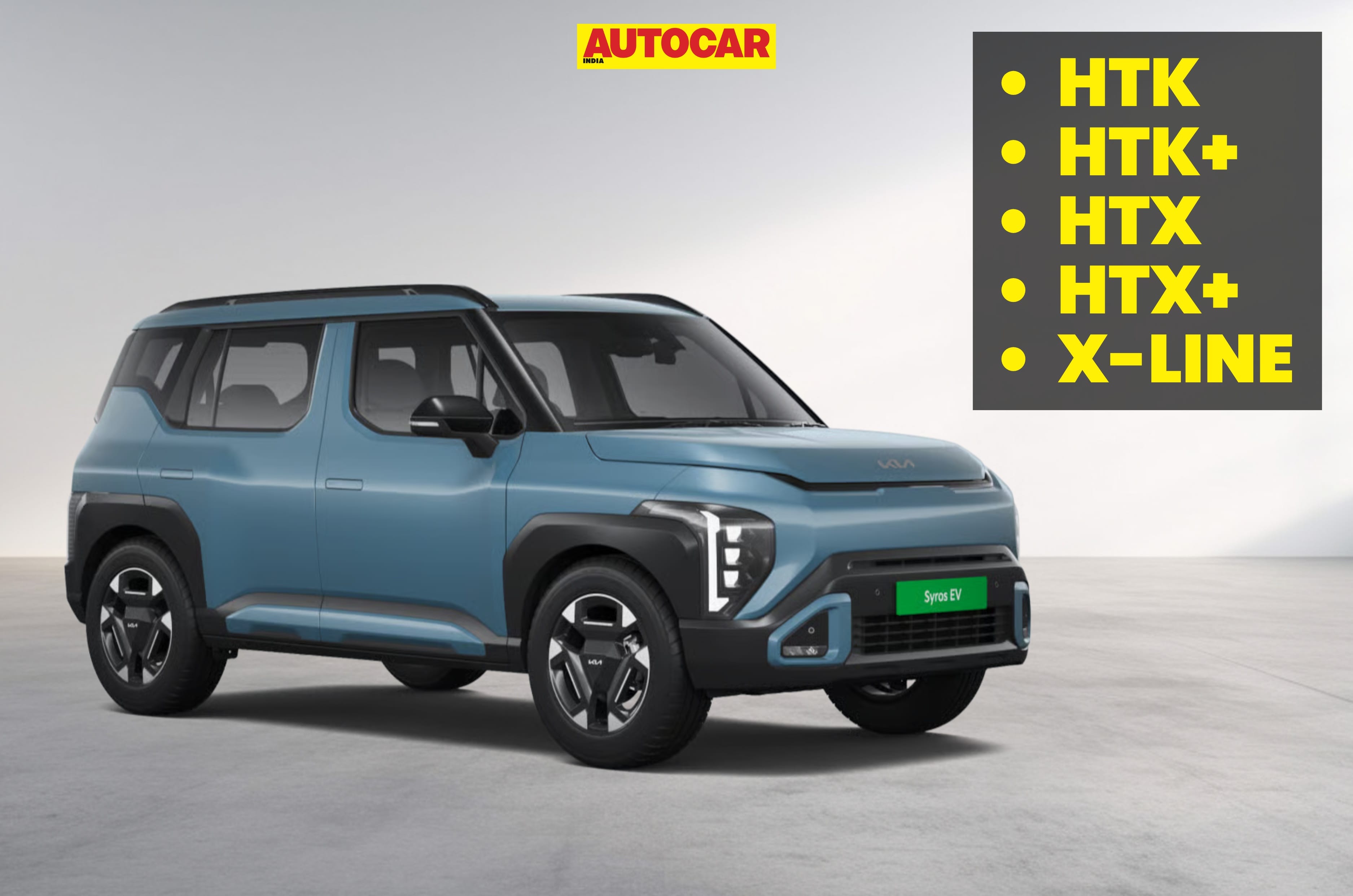
All you need to know about the upcoming Kia Syros EV

Kia Syros EV front quarter static

Kia is aiming at the growing compact electric SUV segment with the upcoming Syros EV, set to be its second mass-market electric model for India. The Syros EV utilises the same K1 platform as its ICE-powered counterpart. Bookings for the Syros EV are already open ahead of its launch, scheduled for the end of July 2026. In this article, we answer everything that you need to know about the Syros EV.

1. What battery pack options does the Kia Syros EV offer, and how much power does its motor produce?
The Kia Syros EV offers the same 42kWh and 51.4kWh battery packs that do duty in the Kia Carens Clavis EV and the Hyundai Creta Electric. Both are mated to a front-mounted motor. In the 42kWh guise, the motor delivers 135hp and 255Nm, but in the 51.4kWh guise, power is bumped to 171hp, while torque remains the same. The 51.4kWh battery pack and its 171hp motor make it the model with the largest battery pack and the most powerful motor in the class. Kia claims a 0-100kph sprint in 8.1 seconds with the 51.4kWh version.

2. What is the claimed range of the Kia Syros EV?

The ARAI-rated range is 443km for the 42kWh battery pack and 543km for the larger 51.4kWh unit. Not only does the Syros EV have a higher claimed range than the Clavis EV and the Creta Electric, but its 543km figure is also the highest in the compact electric SUV segment.

3. What charging speeds does the Kia Syros EV support, and how long does it take to charge?

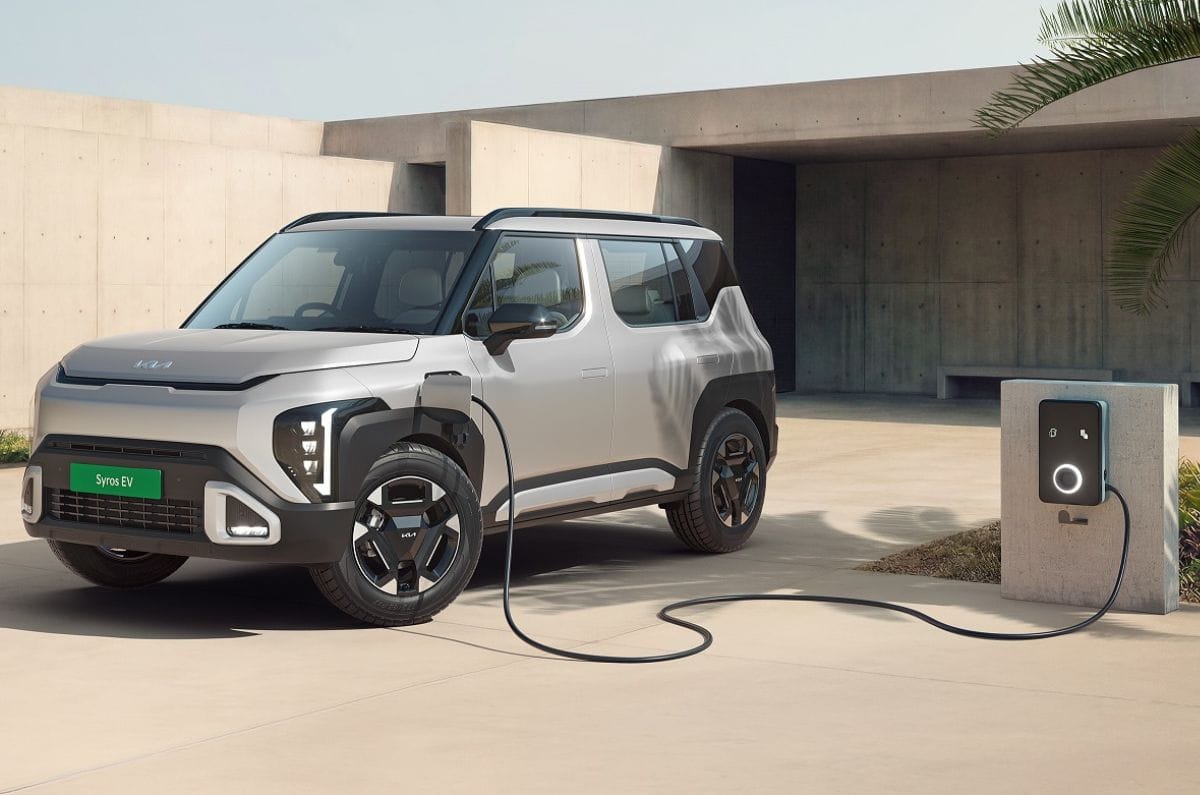
The Kia Syros EV supports up to 11kW AC charging speeds, while DC charging is capped at 100kW. A 10-100 percent top-up for the 42kWh version takes 6 hours with the 7.4kW charger and 4 hours with the 11kW unit. In the 51.4kWh guise, the same takes 7 hours and 15 minutes with a 7.4kW charger and 4 hours and 50 minutes with an 11kW charger. Kia also claims that with a 100kW DC fast charger, both batteries can charge from 10 to 80 percent in 39 minutes.

4. How different is the Kia Syros EV from the ICE Syros on the outside and inside?
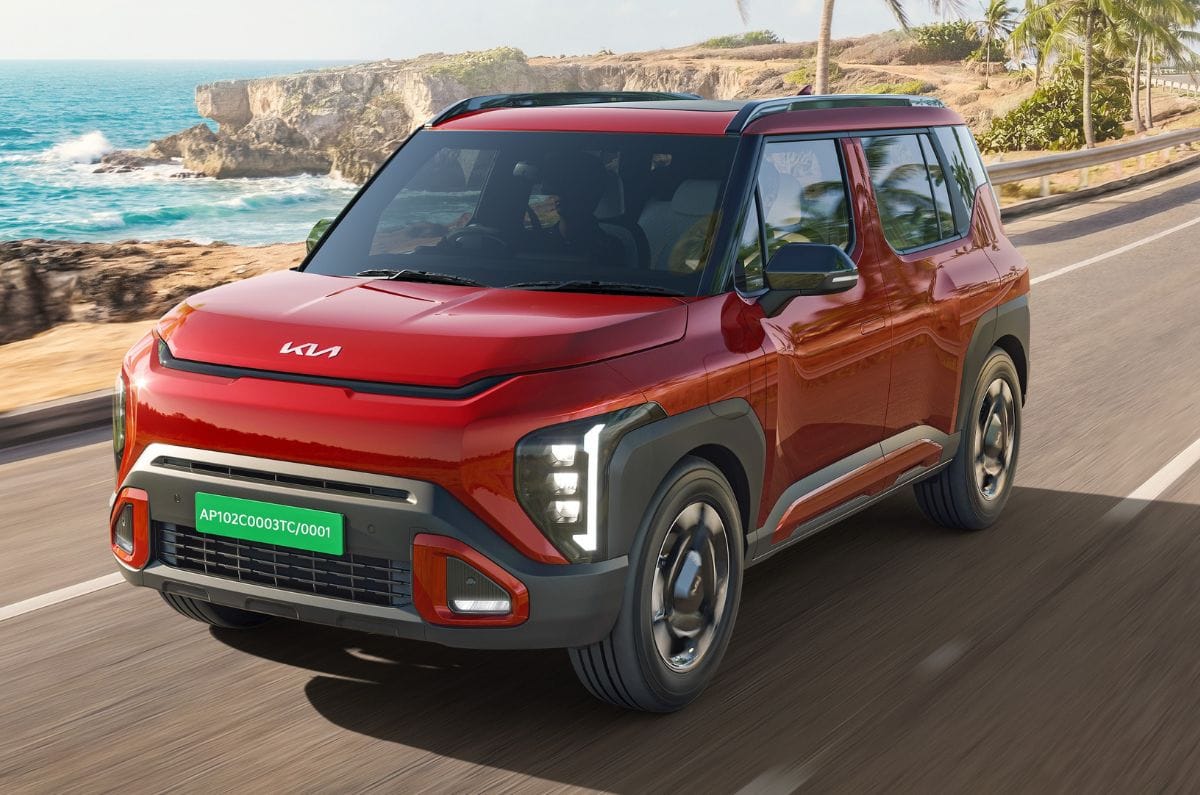
The Kia Syros EV may look largely similar to the ICE Syros, but it comes with a charging flap on the front fender, EV badging at the rear and a different set of alloy wheels that give it some distinction. Apart from these differences, it retains the overall tall-boy silhouette, front and rear bumper designs and lighting elements found on its combustion-powered counterpart.

Inside, the dashboard layout remains the same as the ICE Syros, but there are some revisions to the centre console, which is high-set and features storage spaces and retractable cup holders. Also, the drive select lever has shifted to the steering wheel column.

5. What features does the Kia Syros EV come with?
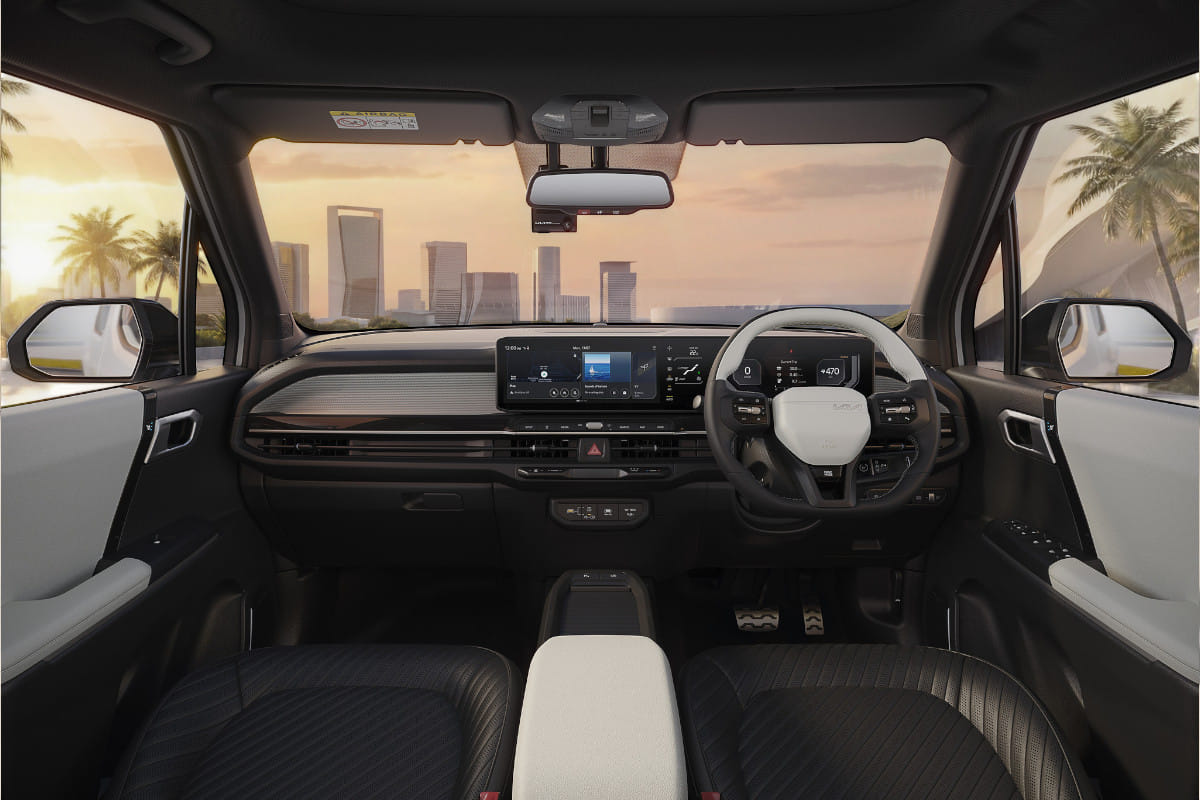
For starters, the Kia Syros EV retains its ICE counterpart’s unique sliding and reclining rear seat with a ventilation function for the seat base. It also gets features such as dual 12.3-inch screens, a 5-inch HVAC control screen, wireless Apple CarPlay and Android Auto, a wireless charging pad, an 8-speaker Harman Kardon sound system, a panoramic sunroof, 64-colour ambient lighting and rear sunshades.

6. What does the Kia Syros EV offer over the ICE-powered Syros?

Apart from having EV-specific features such as a 16-litre frunk, regenerative braking, a virtual engine sound system and vehicle-to-load (V2L) functionality, it gets Level 2 ADAS, automatic flush door handles, a 360-degree camera setup, a dual-camera dashcam, a digital key, puddle lamps, multi-colour ambient lighting and metal pedals over the ICE-powered Syros.

7. What is the expected price of the Kia Syros EV?

The Kia Syros EV is expected to be priced from Rs 15 lakh to Rs 20 lakh, ex-showroom. It will take on the Mahindra XUV 3XO EV and the segment-reigning Tata Nexon EV, among others.


Stocks to Watch : 17 जुलाई को इन 9 शेयरों पर रखें नजर, मिल सकता है तगड़ी कमाई का मौका

Stocks to Watch: शेयर बाजार में शुक्रवार के कारोबार से पहले कुछ कंपनियां खबरों में हैं। इनमें तिमाही नतीजे, बड़े डील, नई साझेदारी और कारोबारी अपडेट जैसे ट्रिगर शामिल हैं। ऐसे घटनाक्रम का असर आज इन शेयरों की चाल पर देखने को मिल सकता है। आइए जानते हैं 17 जुलाई को किन 9 शेयरों पर निवेशकों की नजर रहेगी।

Tech Mahindra

आईटी सर्विसेज कंपनी Tech Mahindra का कंसोलिडेटेड शुद्ध मुनाफा तिमाही आधार पर 9.8% बढ़कर ₹1,486.3 करोड़ हो गया। हालांकि, यह बाजार के अनुमान से कम रहा। कंपनी की कुल आय 4.2% बढ़कर ₹15,711.9 करोड़ रही, जो अनुमान से बेहतर है। इसने लगातार तीसरी तिमाही में 1 अरब डॉलर से ज्यादा के नए डील हासिल किए।

Wipro

आईटी सर्विसेज कंपनी Wipro का कॉन्स्टेंट करेंसी रेवेन्यू जून तिमाही में 1.2% घटा। यह प्रदर्शन TCS और HCLTech के मुकाबले कमजोर रहा। TCS ने 0.4% की ग्रोथ दर्ज की, जबकि HCLTech में 0.5% की गिरावट रही।

Jio Financial Services

फाइनेंशियल सर्विसेज कंपनी Jio Financial Services का जून तिमाही में कंसोलिडेटेड शुद्ध मुनाफा 156% बढ़कर ₹830 करोड़ हो गया। डिविडेंड आय को छोड़कर कुल आय 141% बढ़कर ₹1,496 करोड़ रही। वहीं, प्री-प्रोविजनिंग ऑपरेटिंग प्रॉफिट (PPOP) 38% बढ़कर ₹505 करोड़ पहुंच गया।

Hexaware Technologies

आईटी सर्विसेज और सॉफ्टवेयर कंपनी Hexaware Technologies ने Factory के साथ नई साझेदारी की है। इसके तहत कंपनी वैश्विक ग्राहकों को AI आधारित सॉफ्टवेयर डेवलपमेंट समाधान उपलब्ध कराएगी। इसका फायदा बैंकिंग, फाइनेंशियल सर्विसेज और प्रोफेशनल सर्विसेज जैसे सेक्टरों को मिलेगा।

Borosil Renewables

सोलर ग्लास बनाने वाली कंपनी Borosil Renewables जून तिमाही में घाटे से मुनाफे में लौट आई। कंपनी का शुद्ध मुनाफा ₹86.8 करोड़ रहा। पिछले साल इसी तिमाही में कंपनी को ₹166.5 करोड़ का घाटा हुआ था।

Havells India

कंज्यूमर इलेक्ट्रिकल प्रोडक्ट्स बनाने वाली कंपनी Havells India ने कर्नाटक के तुमकुरु स्थित अपने केबल प्लांट के विस्तार के लिए ₹255 करोड़ के अतिरिक्त निवेश का ऐलान किया है। इसके बाद प्लांट की सालाना केबल उत्पादन क्षमता 4,59,600 किमी से बढ़कर 7,34,640 किमी हो जाएगी।

Piramal Finance

NBFC कंपनी Piramal Finance का कंसोलिडेटेड शुद्ध मुनाफा जून तिमाही में 67% बढ़कर ₹461 करोड़ हो गया। पिछले साल की समान तिमाही में कंपनी का मुनाफा ₹276.3 करोड़ था।

Sky Gold and Diamonds

ज्वेलरी कंपनी Sky Gold and Diamonds ने बताया कि उसकी सहायक कंपनी Starmangalsutra Private Ltd को करीब ₹10.70 करोड़ का नुकसान हुआ है। यह नुकसान साइबर धोखाधड़ी की वजह से हुआ। कंपनी के एक कर्मचारी के ऑफिस मोबाइल और लैपटॉप का गलत इस्तेमाल कर धोखाधड़ी को अंजाम दिया गया।

Hathway Cable and Datacom

केबल टीवी और ब्रॉडबैंड सेवा देने वाली कंपनी Hathway Cable and Datacom का जून तिमाही में शुद्ध मुनाफा 21% घटकर ₹25 करोड़ रह गया। हालांकि, कंपनी की आय 6% से ज्यादा बढ़कर ₹565.1 करोड़ हो गई। EBITDA 13.9% घटकर ₹75.4 करोड़ रहा, जबकि EBITDA मार्जिन 16.5% से घटकर 13.3% पर आ गया।

शेयरों में पैसा डूबने पर नाराज शख्स ने यूट्यूबर पर कर दिया जानलेवा हमला

Disclaimer: यहां मुहैया जानकारी सिर्फ सूचना के लिए दी जा रही है। यहां बताना जरूरी है कि मार्केट में निवेश बाजार जोखिमों के अधीन है। निवेशक के तौर पर पैसा लगाने से पहले हमेशा एक्सपर्ट से सलाह लें। मनीकंट्रोल की तरफ से किसी को भी पैसा लगाने की यहां कभी भी सलाह नहीं दी जाती है।

Jio Financial Q1 Results: जियो फाइनेंशियल का प्रॉफिट 156% बढ़कर 830 करोड़ रुपये पहुंचा, रेवेन्यू तीन गुना से ज्यादा

Jio Financial Q1 Results: जियो फाइनेंशियल सर्विसेज ने 16 जुलाई को जून तिमाही के नतीजों का ऐलान किया। इस दौरान कंपनी का कंसॉलिडेटेड नेट प्रॉफिट 156 फीसदी बढ़कर 830 करोड़ रुपये पहुंच गया। एक साल पहले की समान अवधि में कंपनी का नेट प्रॉफिट 325 करोड़ रुपये था। कंपनी ने शेयर बाजार बंद होने के बाद जून तिमाही के नतीजों का ऐलान किया। 17 जुलाई को कंपनी के शेयरों पर नतीजों का असर दिखेगा।

कंसॉलिडेटेड रेवेन्यू 227 फीसदी बढ़ा

Jio Financial Services का ऑपरेशंस से कंसॉलिडेटेड रेवेन्यू जून तिमाही में 227 फीसदी बढ़कर 2,004 करोड़ रुपये रहा। एक साल पहले की समान अवधि में यह 612 करोड़ रुपये था। तिमाही दर तिमाही आधार पर जून तिमाही में कंपनी का नेट प्रॉफिट 205 फीसदी बढ़कर 272 करोड़ रुपये रहा।

कुल इनकम में 141 फीसदी इजाफा

जून तिमाही में ऑपरेटिंग एक्सपेंसेज में तेज उछाल के बावजूद कंपनी की कुल इनकम साल दर साल आधार पर 141 फीसदी बढ़कर 1,496 करोड़ रुपये रही। इसमें इंटरेस्ट इनकम में उछाल का बड़ा हाथ रहा। इस दौरान इंटरेस्ट इनकम 165 फीसदी बढ़कर 962 करोड़ रुपये हो गई। फीस और कमीशन से इनकम बढ़कर पांच गुना यानी 325 करोड़ रुपये हो गई। कंपनी की डिविडेंड इनकम जून तिमाही में 509 करोड़ रुपये रही।

कुल एक्सपेंसेज 291 फीसदी बढ़ा

जियो फाइनेंशियल का कुल एक्सपेंसेज जून तिमाही में साल दर साल आधार पर 291 फीसदी बढ़कर 991 करोड़ रुपये रहा। इसमें ज्यादा फाइनेंस कॉस्ट, स्टाफ एक्सपेंसेज और दूसरे ऑपरेटिंग एक्सपेंसेज का हाथ रहा। लेकिन, इनकम में स्ट्रॉन्ग ग्रोथ से प्री-प्रोविजनिंग प्रॉफिट (PPOP) साल दर साल आधार पर 38 फीसदी बढ़कर 505 करोड़ रुपये रहा।

सभी वर्टिकल्स में अच्छी ग्रोथ 

कंपनी के मैनेजिंग डायरेक्टर एवं सीईओ हितेश सेठिया ने कहा, “हमारी सभी वर्टिकल्स में लगातार बिजनेस मोमेंटम से हमारे फुल-स्टॉक ईकोसिस्टम के स्ट्रॉन्ग आर्किटेक्चर की पुष्टि होती है। इससे हमारे एग्जिक्यूशन की ताकत का भी संकेत मिलता है। स्ट्रेटेजिक रूप से AI और डेटा एनालिटिक्स को इंटिग्रेट करने से हमें एफिशियंसी के मामले में काफी फायदा हुआ है।”

यह भी पढ़ें: Tech Mahindra Q1 Profit: टेक महिंद्रा का प्रॉफिट 28 फीसदी बढ़कर 1,465 करोड़ रुपये पहुंचा

एनबीएफसी बिजनेस का भी बेहतर प्रदर्शन

जियो फाइनेंशियल ने इनवेस्टर प्रजेंटेशन में बताया कि उसके एनबीएफसी बिजनेस ने लगातार अच्छी ऑर्गेनिक ग्रोथ दिखाई है। तिमाही डिस्बर्समेंट 11,000 करोड़ रुपये के पार हो गया। कंपनी के एसेट मैनेजमेंट बिजनेस का एयूएम जून तिमाही के अंत में 18,412 करोड़ रुपये पहुंच गया। रीइंश्योरेंस प्रीमियम अंडररिटेन ऑपरेशन की पहली तिमाही में 266 करोड़ रुपये रहा।

JSW MG to launch XEV 9S-rivalling electric SUV in August 2026

wuling eksion starlight mg scoop

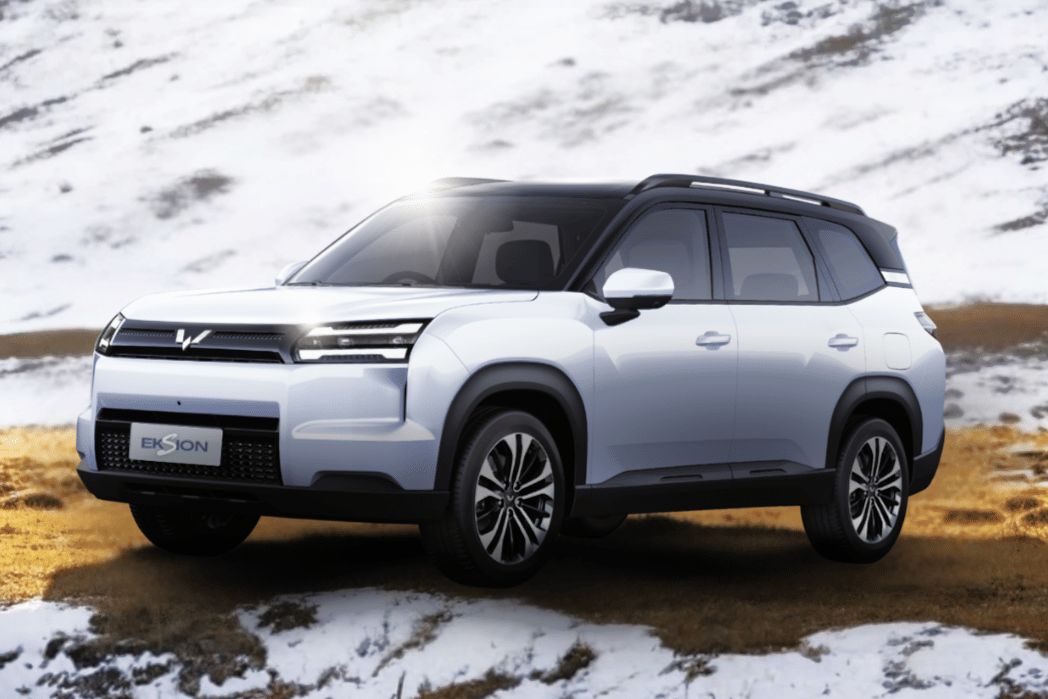
JSW MG unveiled its new ADAPT BEV/hybrid platform earlier today, and we can now confirm the first model to be based on it will be a Mahindra XEV 9S-rivaling EV that goes on sale next month. The model will have much in common with the Indonesia market Wuling Eksion. For those not in the know, Wuling is a sister brand to MG Motors and both come under the broader SAIC umbrella.

Sources tell us JSW MG is targeting keen pricing for its electric SUV, which could undercut the XEV 9S 70kWh that retails for Rs 25.8 lakh (ex-showroom).

MG Eksion-based electric SUV: Battery and range details

The JSW MG electric SUV will be offered with a 69kWh battery pack and an official range of around 600km. For reference, the XEV 9S is offered with three battery pack options – 59kWh (official range 521km), 70kWh (600km) and 79kWh (679km). The 70kWh battery pack is the sweet spot of the XEV 9S line-up and the one JSW MG would like to woo buyers away from.

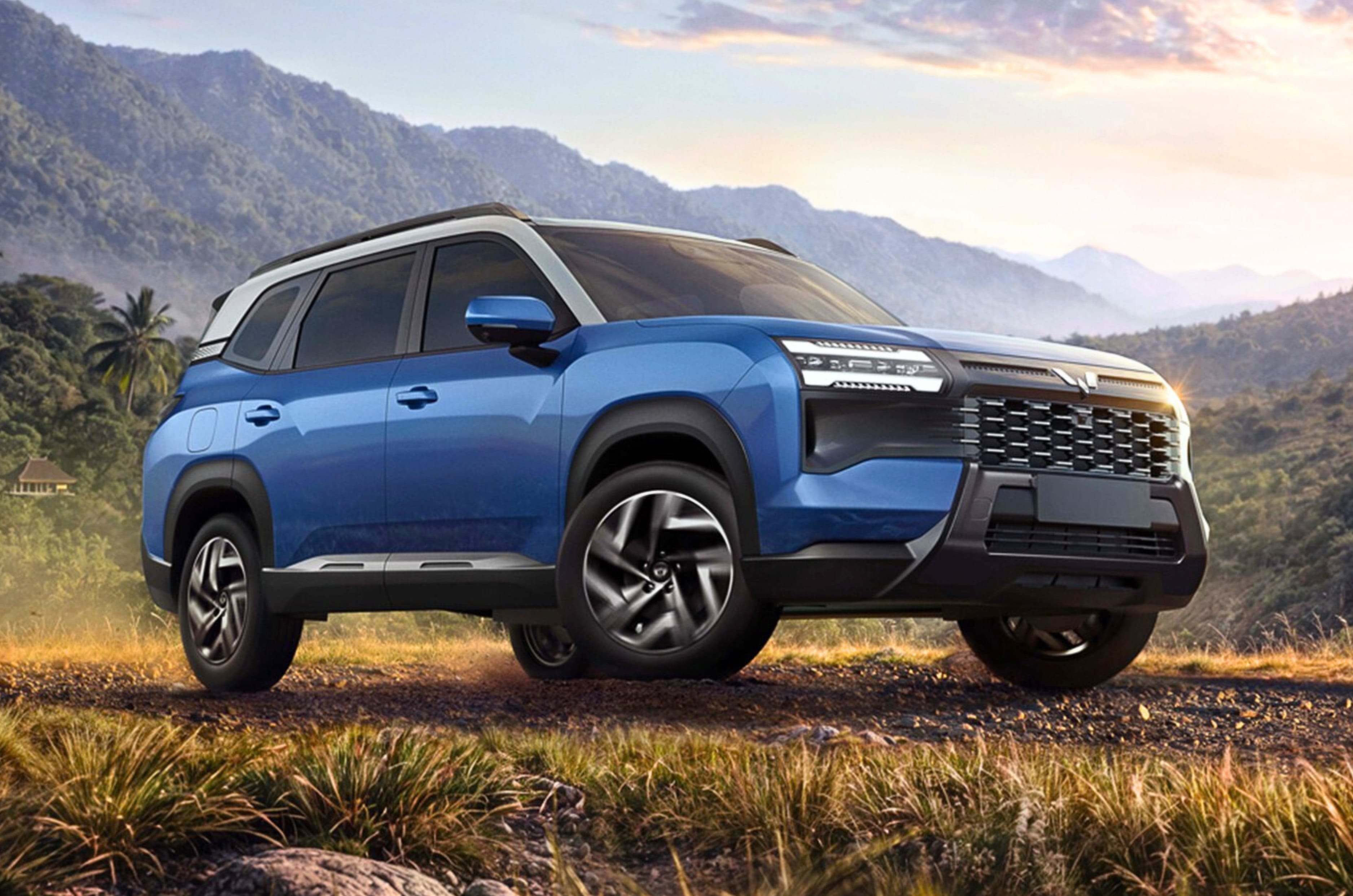
Wuling Eksion EV. Image used for representation only.

The Eksion’s single motor produces 201hp and 310Nm versus the XEV 9S 70kWh’s 245hp and 380Nm figures. Also, while the Eksion sports a front motor, front wheel drive layout, the XEV 9S uses a rear motor, rear wheel drive arrangement.

MG Eksion-based electric SUV: Exterior and interior details

Measuring 4.7m in length, 1.85m in width and 1.7m in height, the Wuling Eksion closely matches the 4.7m long, 1.9m wide, and 1.7m tall XEV 9S in size. Also like the XEV 9S, the Eksion is offered in a 7 seat configuration which makes it an option of great interest for buyers with large families.

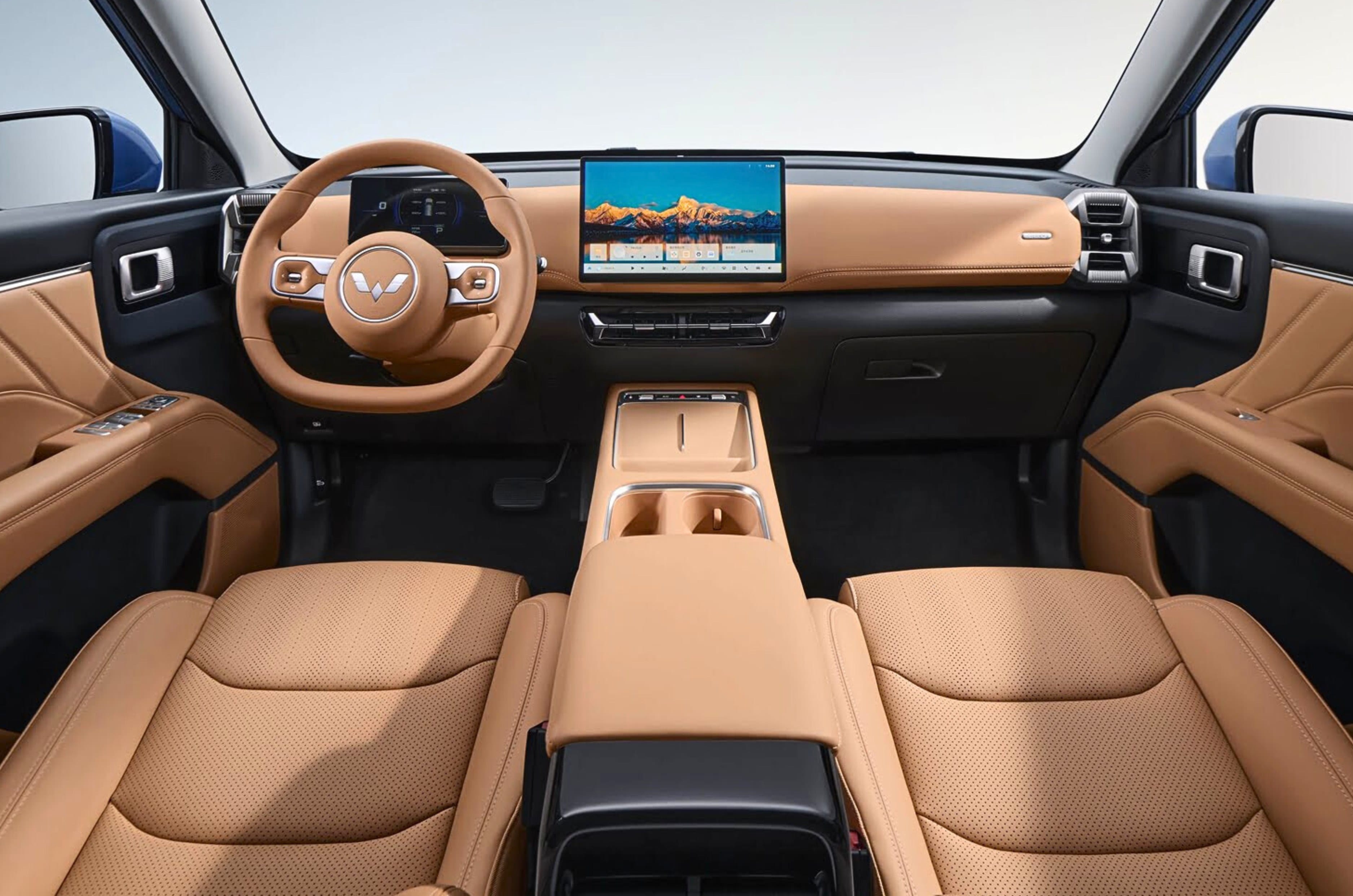
Wuling Eksion interior. Image used for representation only.

In look, the MG electric SUV will feature a boxy, upright stance and an upright tail. The interior features a minimalist design with a 12.8-inch touchscreen being the centrepiece of the dashboard. A digital instrument cluster, panoramic sunroof and powered tail gate are features expected on the model for India.

Eksion-based plug-in hybrid SUV to be pitched as MG’s XUV 7XO rival

JSW MG will keep the momentum going next year with the launch of a plug-in hybrid electric vehicle (PHEV) version of the SUV. While the basic shape will be shared with the BEV, the PHEV will sport some different styling elements.

The PHEV, which will be the second model off the ADAPT platform, pairs a 105hp/130Nm, 1.5-litre Atkinson cycle petrol engine and a 195hp/230Nm electric motor that’s powered by a 20.5kWh LFP battery. Wuling claims a 125km all-electric range and a combined range of over 1,000km for the Eksion PHEV.

Wuling Eksion PHEV. Image used for representation only.

JSW MG would be hoping Indian buyers see the PHEV as the best of both worlds – silent running and low costs of an EV with the freedom of a petrol engine. It is understood that JSW MG has large diesel-automatic SUVs in its crosshairs and is looking to price its PHEV SUV within Rs 1.5 lakh off the Mahindra XUV 7XO diesel-AT.    

EV and PHEV to be in focus

While the ADAPT platform supports battery electric, plug-in hybrid, range extender and strong hybrid powertrains, JSW MG will focus on BEVs and PHEVs to begin with. Speaking to Autocar India, Anurag Mehrotra – MD, JSW, MG Motor India – underlined while there is space for all powertrains “The BEV will continue to have the largest lion’s share of the pie. You will then have the plug-in hybrids, you will then have the (strong) hybrids. Range extender electric vehicles (REEVs) is a relatively new technology, so it is at a much smaller pie of the entire new energy vehicle market.”

Mehrotra also stressed the importance of a multi-powertrain approach from a consumer and manufacturer point of view. “We genuinely believe the answer to India’s electrification journey is not a single powertrain. It has to be multiple and this platform will give us the capital efficiency and at the same time the benefit to the consumer in terms of faster charging, longer range, better driving experience and all powertrains in a single platform.” Mehrotra said.

Q1 Results: घाटे से ₹86 करोड़ के मुनाफे में लौटी सोलर कंपनी, शेयरों पर रहेगी नजर

Q1 Results: सोलर ग्लास बनाने वाली कंपनी Borosil Renewables ने जून तिमाही (Q1FY27) में शानदार वापसी की है। कंपनी का शुद्ध मुनाफा ₹86.8 करोड़ रहा। पिछले साल की समान तिमाही में कंपनी को ₹166.5 करोड़ का घाटा हुआ था।

रेवेन्यू और ऑपरेटिंग प्रदर्शन मजबूत

जून तिमाही में बोरोसिल रिन्यूएबल्स का ऑपरेटिंग रेवेन्यू 17.1% बढ़कर ₹405.7 करोड़ हो गया। एक साल पहले यह ₹346.6 करोड़ था। वहीं, EBITDA बढ़कर ₹127.2 करोड़ पहुंच गया। पिछले साल इसी तिमाही में यह ₹63.1 करोड़ था।

कंपनी का EBITDA मार्जिन भी 18.2% से बढ़कर 31.3% हो गया। इससे पता चलता है कि कंपनी की कमाई और लागत नियंत्रण दोनों में सुधार हुआ है।

आगे क्या है कंपनी का प्लान?

बोरोसिल रिन्यूएबल्स के एग्जीक्यूटिव चेयरमैन प्रदीप कुमार खेरुका ने कहा है कि FY28 तक इंस्टॉल्ड कैपेसिटी 60% बढ़ाने का लक्ष्य है।

उनके मुताबिक, नई क्षमता इस साल शुरू होने की उम्मीद है। FY27 में करीब 8% वॉल्यूम ग्रोथ और ऑपरेशनल एफिशिएंसी के दम पर प्रदर्शन में और सुधार की उम्मीद है।

बोरोसिल का मुनाफा कैसे बढ़ा?

हाल में सरकार ने चीन और वियतनाम से आने वाले सस्ते सोलर ग्लास पर एंटी-डंपिंग ड्यूटी लगा दी है।

इससे Borosil Renewables जैसी घरेलू कंपनियों को सस्ते आयात से मुकाबले में राहत मिली है। साथ ही, बेहतर प्राइसिंग और मार्जिन का भी फायदा मिला है।

बोरोसिल के शेयरों का हाल

जून तिमाही के नतीजों से पहले 16 जुलाई को Borosil Renewables का शेयर 0.44% गिरकर ₹617.80 पर बंद हुआ। पिछले 6 महीने में कंपनी ने 14.29% का रिटर्न दिया है। इसका मार्केट कैप 8.59 हजार करोड़ रुपये है।

बोरोसिल का बिजनेस क्या है

Borosil Renewables भारत की प्रमुख सोलर ग्लास निर्माता कंपनी है। कंपनी सोलर पैनल बनाने में इस्तेमाल होने वाला लो-आयरन टेक्सचर्ड ग्लास बनाती है। इसके उत्पाद सोलर मॉड्यूल निर्माताओं को सप्लाई किए जाते हैं। कंपनी का कारोबार भारत के साथ-साथ अंतरराष्ट्रीय बाजारों में भी फैला हुआ है।

Tech Mahindra Q1 Profit: टेक महिंद्रा का प्रॉफिट 28 फीसदी बढ़कर 1,465 करोड़ रुपये पहुंचा

Disclaimer: यहां मुहैया जानकारी सिर्फ सूचना के लिए दी जा रही है। यहां बताना जरूरी है कि मार्केट में निवेश बाजार जोखिमों के अधीन है। निवेशक के तौर पर पैसा लगाने से पहले हमेशा एक्सपर्ट से सलाह लें। मनीकंट्रोल की तरफ से किसी को भी पैसा लगाने की यहां कभी भी सलाह नहीं दी जाती है।

Tech Mahindra Q1 Profit: टेक महिंद्रा का प्रॉफिट 28 फीसदी बढ़कर 1,465 करोड़ रुपये पहुंचा

Tech Mahindra Q1 Profit: टेक महिंद्रा ने 16 जुलाई को जून तिमाही के नतीजों का ऐलान किया। इस दौरान कंपनी का प्रॉफिट 28 फीसदी बढ़कर 1,465 करोड़ रुपये पहुंच गया। एक साल पहले की समान अवधि में कंपनी को 1,141 करोड़ रुपये प्रॉफिट हुआ था। कंपनी का प्रॉफिट सीएनबीसी-टीवी18 के अनुमान से कम है। सीएनबीसी-टीवी18 ने प्रॉफिट 1,684 करोड़ रुपये रहने का अनुमान लगाया था।

जून तिमाही में सभी वर्टिकल्स में ग्रोथ

जून तिमाही में नई डील की कुल कॉन्ट्रैक्ट वैल्यू 1 अरब डॉलर रही, जो साल दर साल आधार पर 33 फीसदी ज्यादा है। कंपनी के सीईओ मोहित जोशी ने कहा, “साल दर साल आधार पर 6.1 फीसदी ग्रोथ के साथ लगातार तीन तिमाहियों में 1 अरब डॉलर की नई डील से हमारे बिजनेस की मजबूती का पता चलता है। क्लाइंट्स से लगातार गहरे होते रिश्ते भी उत्साहजनक है। 5 करोड़ डॉलर से ज्यादा के क्लाइंट्स बेस में 7 फीसदी इजाफा हुआ। साल दर साल आधार पर सभी वर्टिकल्स ने ग्रोथ दिखाई। “

पहली तिमाही में रेवेन्यू 18 फीसदी बढ़ार्र

Tech Mahindra का रेवेन्यू जून तिमाही में 18 फीसदी बढ़कर 15,712 करोड़ रुपये रहा। एनालिस्ट्स ने रेवेन्यू 15,476 करोड़ रुपये रहने का अनुमान जताया था। कंपनी का EBIT मार्जिन 14.4 फीसदी रहा। यह साल दर साल आधार पर 330 बेसिस प्वाइंट्स और तिमाही दर तिमाही आधार पर 60 बेसिस प्वाइंट्स ज्यादा है।

कम्युनिकेशंस डिवीजन का रेवेन्यू 1.3 फीसदी बढ़ा

टेक महिंद्रा के सीएफओ रोहित आनंद ने कहा, “जून तिमाही में अच्छी ग्रोथ, मार्जिन में इजाफा और अनुशासित पूंजी प्रबंधन के साथ हमारा प्रदर्शन अच्छा रहा। हम फ्यूचर रेडी ऑर्गेनाइजेशन बनने को लेकर प्रतिबद्ध हैं।” जून तिमाही में कंपनी के कम्युनिकेशंस डिवीजन का रेवेन्यू 1.3 फीसदी बढ़ा। कंपनी के कुल रेवेन्यू में इस डिवीजन की हिस्सेदारी एक-तिहाई है।

नई ऑर्डर बुकिंग्स 1 अरब डॉलर के पार

टेक महिंद्रा के मैन्युफैक्चरिंग डिवीजन का रेवेन्यू जून तिमाही में साल दर साल आधार पर 17.2 फीसदी बढ़ा। कंपनी के कुल रेवेन्यू में इसकी दूसरी सबसे ज्यादा हिस्सेदारी है। कंपनी की नई ऑर्डर बुकिंग एक साल पहले के 80.9 करोड़ डॉलर से बढ़कर 1.08 अरब डॉलर हो गई। कंपनी ने जून तिमाही में Telefonica Germany, Microsoft और रोबोटिक्स प्लेटफॉर्म Viam के साथ पार्टनरशिप का ऐलान किया।

कंपनी के शेयरों पर 17 जुलाई को दिखेगा असर

टेक महिंद्रा का शेयर 16 जुलाई को 1.13 फीसदी चढ़कर 1,515.60 रुपये पर बंद हुआ। कंपनी के शेयरों पर जून तिमाही के नतीजों का असर 17 जुलाई को दिखेगा। बीते एक साल में कंपनी का शेयर 5.74 फीसदी गिरा है। इस दौरान निफ्टी आईटी इंडेक्स करीब 23 फीसदी गिरा है।

Kia Syros EV से उठा पर्दा और बुकिंग शुरू, 526KM की रेंज से Nexon EV और Mahindra XUV 3XO EV को देगी टक्कर! जानिए बाकी फीचर्स

Kia Syros EV: तेजी से बढ़ते इलेक्ट्रिक SUV सेगमेंट में Tata Nexon EV और Mahindra XUV 3XO EV जैसे कॉम्पिटिटर्स को टक्कर देने के लिए, Kia ने Carens Clavis EV के बाद अब भारत में अपना दूसरा मास-मार्केट इलेक्ट्रिक मॉडल, Syros EV पेश किया है। इस EV के लिए कंपनी ने ₹25,000 में प्री-बुकिंग भी शुरू कर दी है। यह मॉडल बेहतर ड्राइविंग रेंज, तेज चार्जिंग, एडवांस्ड टेक्नोलॉजी और एक कॉम्प्रिहेंसिव ओनरशिप पैकेज देने का वादा करता है।

Kia Syros EV की खासियत क्या है?

इसकी सबसे बड़ी खासियत है इसकी ARAI-सर्टिफाइड ड्राइविंग रेंज है, जो बड़े 51.4 kWh बैटरी पैक के साथ 526 km तक चल सकती है। Kia के अनुसार, यह अपने सेगमेंट की पहली SUV है जो 500 km का आंकड़ा पार करती है। खरीदार 42 kWh बैटरी का विकल्प भी चुन सकते हैं, जिसकी रेंज 443 km बताई गई है। इसके अलावा, Kia Syros EV में लगी इलेक्ट्रिक मोटर 171 PS की पावर जनरेट करती है। वहीं, बड़े बैटरी पैक वाले मॉडल में यह SUV 0 से 100 किलोमीटर प्रति घंटे की रफ्तार सिर्फ 8.1 सेकंड में पकड़ सकती है।

रोजाना इस्तेमाल के लिए यह कितनी प्रैक्टिकल है?

Kia का कहना है कि Syros EV को 100 kW DC फास्ट चार्जर से 39 मिनट में 10% से 80% तक चार्ज किया जा सकता है। इसमें चार्जिंग परफॉर्मेंस को बेहतर बनाने के लिए 10.8 kW का ऑनबोर्ड AC चार्जर और बैटरी कंडीशनिंग टेक्नोलॉजी भी दी गई है। MyKia ऐप के जरिए, मालिक एक ही वॉलेट का इस्तेमाल करके 23 चार्जिंग ऑपरेटर्स के 20,300 से ज्यादा चार्जिंग पॉइंट्स का इस्तेमाल कर सकते हैं, जबकि Kia के डीलरशिप नेटवर्क में 129 से ज्यादा DC फास्ट चार्जिंग लोकेशन्स और 275 से ज्यादा EV-रेडी वर्कशॉप्स शामिल हैं।

Kia Syros EV में कौन-कौन से फीचर्स हैं?

Syros EV में 30-इंच का ट्रिनिटी पैनोरमिक डिस्प्ले है, जिसमें डिजिटल इंस्ट्रूमेंट क्लस्टर, टचस्क्रीन इंफोटेनमेंट सिस्टम और क्लाइमेट कंट्रोल शामिल हैं। इसके अन्य फीचर्स में वायरलेस Android Auto और Apple CarPlay, Harman Kardon का 8-स्पीकर साउंड सिस्टम, ओवर-द-एयर सॉफ्टवेयर अपडेट, आगे और पीछे वेंटिलेटेड सीटें, पैनोरमिक सनरूफ, V2L (व्हीकल-टू-लोड) क्षमता, डिजिटल की (Key) और 16-लीटर का फ्रंट स्टोरेज कम्पार्टमेंट शामिल हैं।

नई इलेक्ट्रिक SUV कितनी सुरक्षित है?

सुरक्षा एक और ऐसा पहलू है जिस पर Kia ध्यान दे रही है। Syros EV में लेवल 2 ADAS के साथ 16 ऑटोनॉमस ड्राइविंग असिस्टेंस फंक्शन मिलते हैं। इसके अलावा, इसमें छह एयरबैग, 360-डिग्री कैमरा, इलेक्ट्रॉनिक स्टेबिलिटी कंट्रोल, सभी पहियों पर डिस्क ब्रेक, टायर प्रेशर मॉनिटरिंग सिस्टम और कुल 25 स्टैंडर्ड सुरक्षा फीचर दिए गए हैं।

Kia ओनरशिप के क्या फायदे दे रही है?

प्रोडक्ट के अलावा, Kia EV की ओनरशिप से जुड़ी आम चिंताओं को दूर करने की कोशिश कर रही है। इसके लिए वह लाइफटाइम हाई-वोल्टेज बैटरी वारंटी (शर्तों के साथ, 15 साल तक), एक ‘एश्योर्ड बायबैक’ प्रोग्राम और शुरुआती खरीद लागत को कम करने के मकसद से ‘बैटरी-एज-अ-सर्विस’ फाइनेंसिंग ऑप्शन दे रही है।

यह भी पढ़ें: Royal Enfield Shotgun 650 का लिमिटेड एडिशन लॉन्च, जानें कीमत और बुकिंग का तरीका

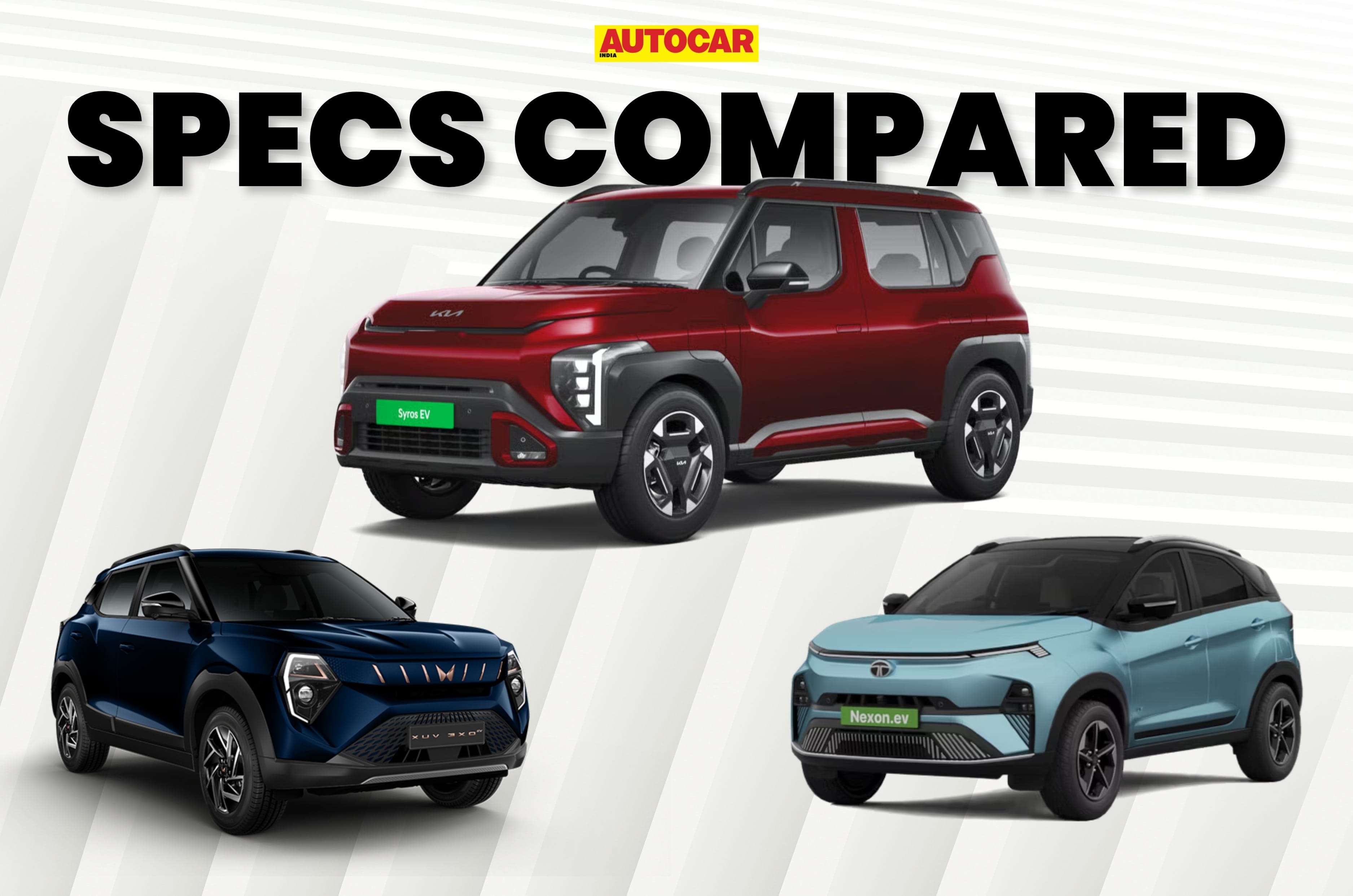
Kia Syros EV vs Nexon EV vs XUV 3XO EV: Specifications compared

Kia Syros EV vs rivals: Specifications compared

Kia recently unveiled the Syros EV as its smallest all-electric model in India. While prices are yet to be announced, Kia has revealed its variant-wise features, specifications, and powertrain options. The Syros EV will compete with the Tata Nexon EV and Mahindra XUV 3XO EV. Here’s how its specifications and powertrain options compare with its rivals. 

Kia Syros EV vs rivals: Dimensions

Kia is yet to reveal the ground clearance and boot space of the Kia Syros EV

Kia Syros EV vs rivals: Dimensions and other specifications


Kia Syros EV

Tata Nexon EV

Mahindra XUV 3XO EV

Length

3,995mm

3,995mm

3,990mm

Width

1,805mm

1,802mm

1,821mm

Height

1,670mm

1,625mm

1,653mm

Wheelbase

2,550mm

2,498mm

2,600mm

Ground clearance

190-205mm

190mm

Boot space 

350 litres

364 litres

The Kia Syros EV is similar in size to the Tata Nexon EV and Mahindra XUV 3XO EV, with a length of 3,995mm. The dimensional differences between the three SUVs are minimal, with variations limited to a few millimetres in most areas. The Syros EV is the tallest of the three at 1,670mm, while its 2,550mm wheelbase is longer than the Nexon EV’s but shorter than the XUV 3XO EV’s.

Kia Syros EV vs rivals: Powertrain options

The Syros EV and Nexon EV get two battery options, XUV 3XO EV gets just one

Kia Syros EV vs rivals: Powertrain options


Kia Syros EV

Tata Nexon EV

Mahindra XUV 3XO EV

Battery pack (kWh)

42 | 51.4

30 | 45

39.4

Drive configuration

FWDFWDFWD

Power (hp)

135 | 171

129 | 144

150

Torque (Nm)

255 | 255

215 | 215

310

ARAI range (km)

443 | 526

275 | 489

351

AC charging time*

4h 50m | 4h

4h 18m | 6h 36m

6h 50m

*AC charging times: Syros EV with an 11kW AC charger; Nexon EV and XUV 3XO EV with a 7.2kW AC charger.

The Kia Syros EV’s 51.4kWh is offered with the largest battery pack in the segment and delivers the highest claimed range. Its claimed range of 526km, is 37km more than the Tata Nexon EV’s 45kWh variant and 175km more than the Mahindra XUV 3XO EV. The 42kWh battery pack offers a claimed range that is 168km longer than the Tata Nexon EV’s 30kWh battery and 92km longer than the Mahindra XUV 3XO EV’s. While the Syros EV’s electric motor produces the highest power output at 171hp, the Mahindra XUV 3XO EV leads in torque with 310Nm.

For a 0-100 percent charge, the Kia Syros EV’s 42kWh battery takes 4 hours 50 minutes, while the 51.4kWh battery takes 4 hours using an 11kW AC charger. The Tata Nexon EV’s smaller and larger battery packs take 4 hours 18 minutes and 6 hours 36 minutes, respectively, with a 7.2kW AC charger. The Mahindra XUV 3XO EV takes 6.5 hours with the same 7.2kW AC charger. The Kia Syros EV supports up to 100kW DC fast charging, while the Tata Nexon EV and Mahindra XUV 3XO EV support up to 60kW and 50kW DC fast charging, respectively.

Kia Syros EV vs rivals: Prices

Kia is yet to reveal the prices of the Syros EV

Kia Syros EV vs rivals: Prices (in Rs, lakh)


Kia Syros EV

Tata Nexon EV

Mahindra XUV 3XO EV

Price

To be revealed

12.49 to 17.49

13.89 to 14.96

The Tata Nexon EV has a lower starting price than the Mahindra XUV 3XO EV by Rs 1.4 lakh, while its top-spec variant is Rs 2.53 lakh more expensive. The Kia Syros EV’s regular prices are expected to be in a similar range to those of its rivals; however, Kia’s Battery-as-a-Service (BaaS) option could reduce the initial purchase cost.

Prices are ex-showroom, India.

Kia Syros EV variants and features explained

Kia Syros EV variants explained

Kia has unveiled its second mass-market electric model for India in the form of the Syros EV. Though it shares its K1 platform with its ICE counterpart, it utilises the same battery packs found on the larger Carens Clavis EV. While prices are yet to be announced, they are expected to be in the Rs 15 lakh to 20 lakh range. At launch, it will take on the likes of the Tata Nexon EV, which currently dominates the segment, and the Mahindra XUV 3XO EV. In this article, we explain all the variants on offer, the colours, the standard safety kit, and the variant-wise features of the Syros EV.  

Kia Syros EV variant-wise battery pack options

Offered in seven variants across five trims 

Kia Syros EV variant-wise battery pack options 

Trim 

42kWh

51.4kWh (Extended range)

HTK

Yes

HTK+

Yes

Yes

HTX

Yes

Yes

HTX+

Yes

X-Line

Yes

The Kia Syros EV offers a choice of 42kWh and 51.4kWh battery packs. While the base HTK trim solely offers a 42kWh option, the mid-level HTK+ and HTX trims additionally offer the larger 51.4kWh battery pack. Meanwhile, the higher-end HTX+ and X-Line trims are available only with the 51.4kWh battery pack.

Both battery packs are paired to a front-mounted motor, which develops 135hp and 171hp in 42kWh and 51.4kWh guises, respectively. In both versions, the motor produces an identical 255Nm of torque. Kia claims a 0-100kph time of 8.1 seconds in 51.4kWh guise. While the 42kWh battery pack gets an ARAI-claimed range of 443km, the 51.4kWh version’s claimed range is 526km.  Not only has Kia equipped the Syros EV with the largest battery pack in its segment (51.4kWh), but it also gets the most powerful motor and the highest claimed range figure in its class.

Both versions support up to 11 kW AC charging speeds, while DC charging support is up to 100kW. At 11kW AC speeds, a smaller 42kWh battery takes four hours to charge from 10-80 percent, while the 51.4kWh battery takes an additional 50 minutes. However, with a 100kW DC charger, both versions can charge from 10-80 percent in the same 39 minutes, claims Kia.

Kia Syros EV exterior and interior colours 

Nine options for the exterior, three for the interior

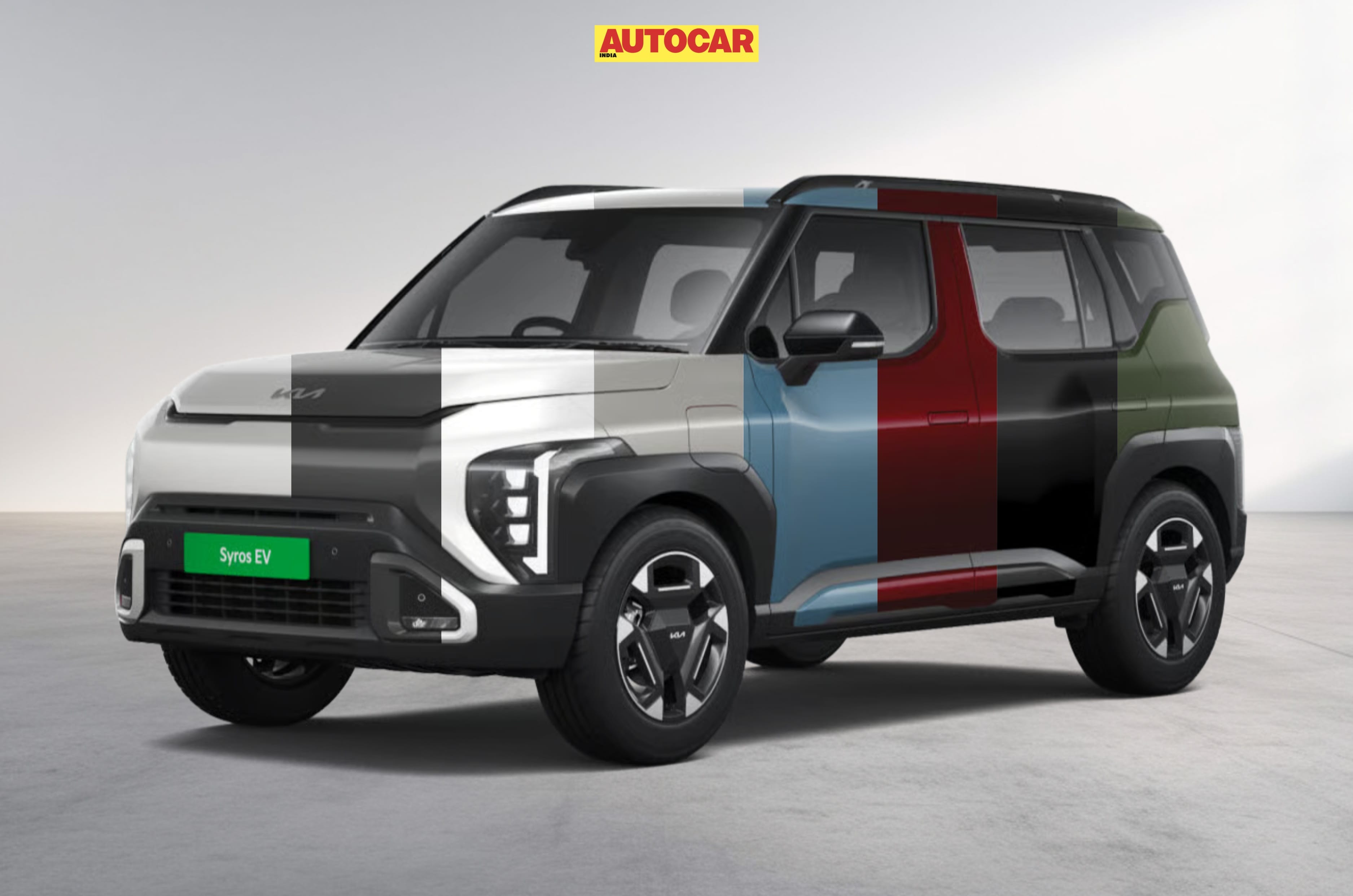
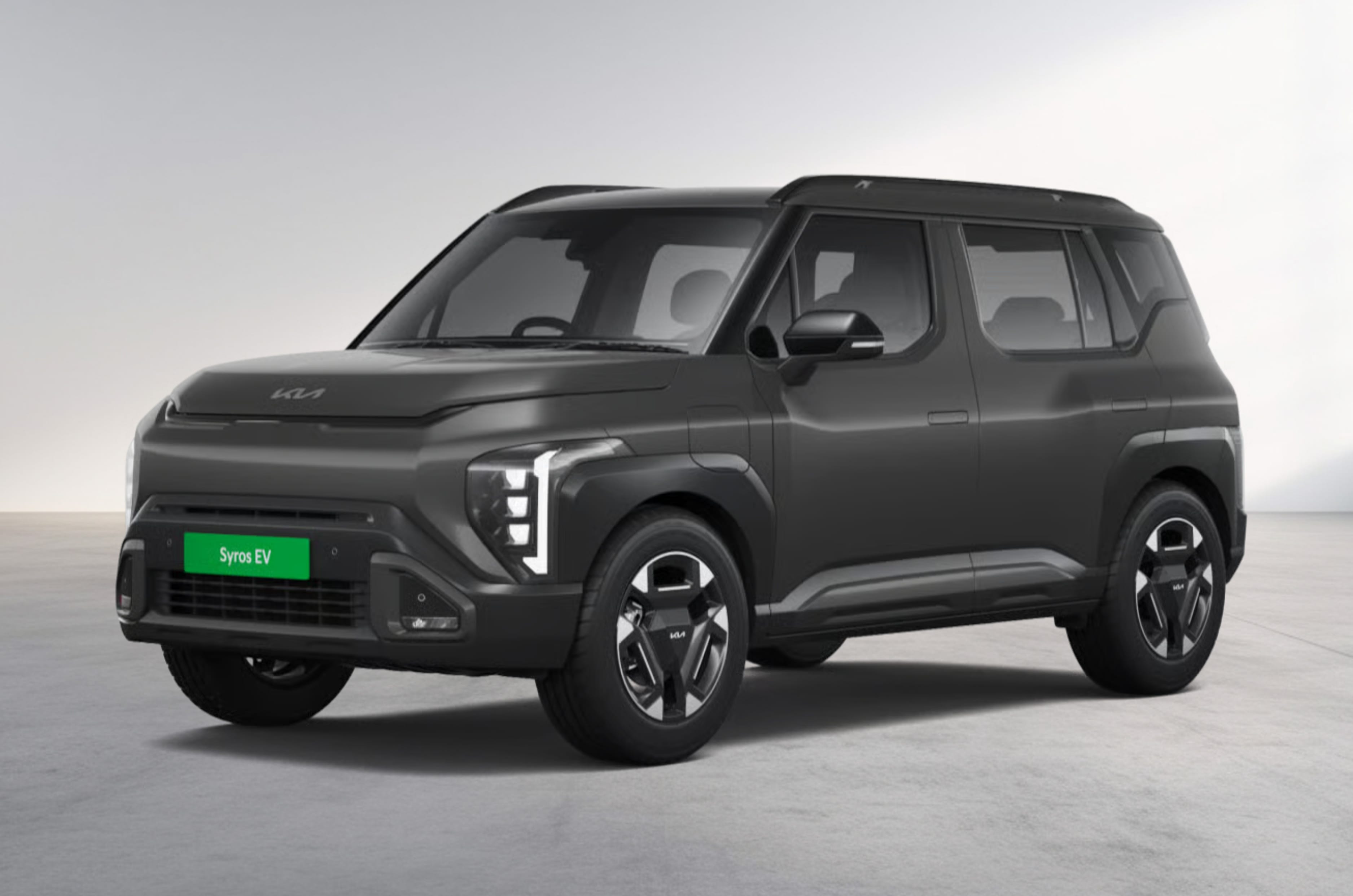
The Kia Syros EV is available only in nine monotone colour options. These include Ivory Silver Matte, Frost Blue, Gravity Grey, Pewter Olive, Magma Red, Ivory Silver Gloss, Aurora Black Pearl, Glacier White Pearl, and Xclusive Matte Graphite. Of these, the top X-Line trim is available solely in the Aurora Black Pearl and Xclusive Matte Graphite colours.

Inside, the Syros EV offers three interior and seat upholstery options depending on the chosen trim. HTK, HTK+ and HTX trims get blue and grey semi-leatherette seat upholstery and green accents throughout the interior, while the HTX+ trim gets black and white leatherette seat upholstery and white accents throughout the interior. The top X-Line trim comes with black and green leatherette seat upholstery with green accents across the interior.

Kia Syros EV standard safety kit 

Gets six airbags, electronic parking brake, hill start assist, TPMS, to name a few

As standard, the Kia Syros EV is equipped with six airbags, ABS, brake assist, ESC, stability control, hill-start assist, tyre pressure monitoring system (TPMS), all-wheel disc brakes, electronic parking brake with auto hold, follow-me-home headlamps, virtual engine sound system, child lock, rear parking sensors, speed sensing door locks, impact sensing auto door unlock, 3-point seatbelts for all seats, ISOFIX anchors, rear occupant alert, front passenger airbag on/off switch, and rear occupant alert.

Kia Syros EV variant-wise features list 

HTK

Battery pack options: 42kWh

  • LED headlamps, DRLs, foglamps, and tail-lamps
  • 16-inch aero-optimised alloy wheels 
  • Flush door handles 
  • Shark fin antenna 
  • Blue and grey fabric-leatherette seat upholstery 
  • 12.3-inch infotainment system 
  • 12.3-inch digital driver’s display 
  • Wireless Android Auto and Apple CarPlay 
  • 4 speakers and 2 tweeters 
  • Steering-mounted controls 
  • Tilt-adjustable steering 
  • Drive modes (Eco, Sport, Normal) 
  • 4x USB Type-C ports 
  • Portable charging cable 
  • Front centre console with retractable cup holders and storage 
  • Front centre armrest
  • Electronic parking brake with auto hold
  • Seatback pocket (front passenger seat)
  • Rear window sunshades 
  • Front adjustable headrests 
  • Rear AC vents 
  • Day/night IRVM 

HTK+ 

Battery pack options: 42kWh, 51.4kWh (Extended Range-ER)

Features over HTK

  • Rear view camera 
  • Cruise control
  • 100W Type-C charging port 
  • 17-inch aero-optimised alloy wheels (ER)

HTX 

Battery pack options: 42kWh, 51.4kWh (Extended Range-ER)

Features over HTK+

  • Panoramic sunroof
  • Rear wiper and washer
  • LED rear turn indicators 
  • All door windows up/down with key 
  • All door windows one-touch up/down with anti-pinch function
  • Sliding and reclining rear seats 
  • 60:40 split rear seat
  • Rear centre armrest with cupholder 
  • Rear adjustable headrests 
  • Rear defogger 
  • Rear parcel tray 
  • LED cabin lights, boot lamp
  • Seatback pocket (driver seat)
  • Connected-car tech (ER)
  • OTA software updates (ER)

HTX+ 

Battery pack options: 51.4kWh (Extended Range-ER)

Features over HTX

  • Automatic flush door handles
  • Black and white leatherette seat upholstery 
  • Leatherette-wrapped steering wheel 
  • Leatherette finish for armrest and door trims
  • Metal pedals 
  • 12.3-inch infotainment display with onboard navigation 
  • 5-inch HVAC control display
  • 8-speaker Harman Kardon sound system 
  • Dual dash cam 
  • Auto-dimming IRVM
  • Battery heating system 
  • Front seat ventilation 
  • Rear seat ventilation (seat base only) 
  • 4-way powered driver seat 
  • Wireless phone charger 
  • Front parking sensors

X-Line 

Battery pack options: 51.4kWh (Extended Range-ER)

Features over HTX+

  • 64-colour ambient lighting 
  • LED footwell lamps
  • Black and green leatherette seat upholstery 
  • Level 2 ADAS
  • Vehicle to Load (V2L) functionality 
  • Puddle lamps with logo projection 
  • Digital key