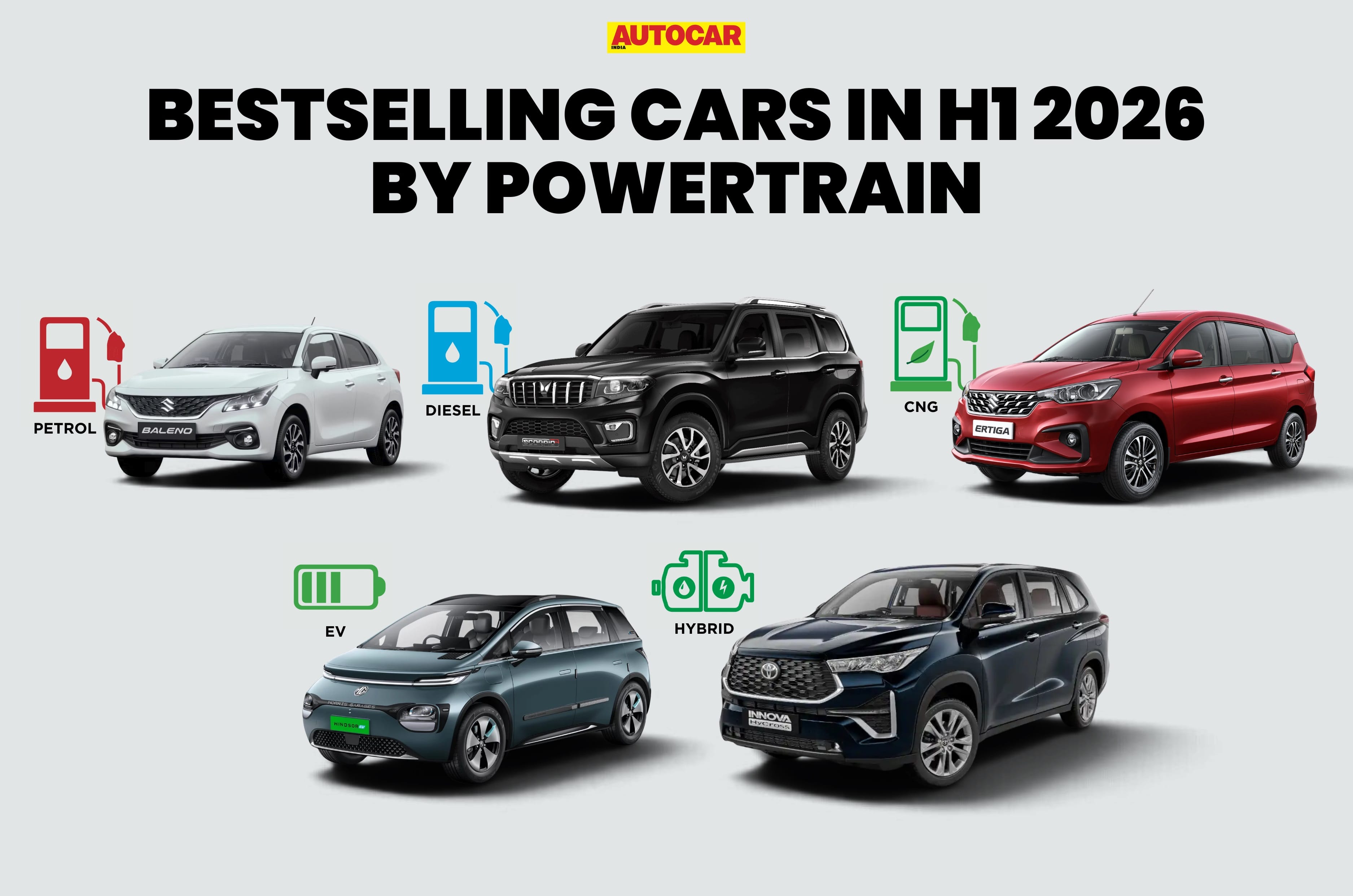
Top 10 bestselling cars in H1 2026 by powertrain type

Bestselling cars in H1 2026 by powertrain type

During the first half of calendar 2026, the Indian passenger vehicle market recorded total sales of over 25.91 lakh units across petrol, diesel, EV, CNG, and strong hybrid powertrains. Compared to the 21.88 lakh units sold in H1 2025, that’s a healthy YoY increase of around 18.4 percent. Below, we’ve sorted and listed the 10 bestselling cars of each powertrain type in H1 2026 to give you a more in-depth look at the data.

10 bestselling petrol cars in H1 2026

ModelH1 2026 salesYoY change (%)
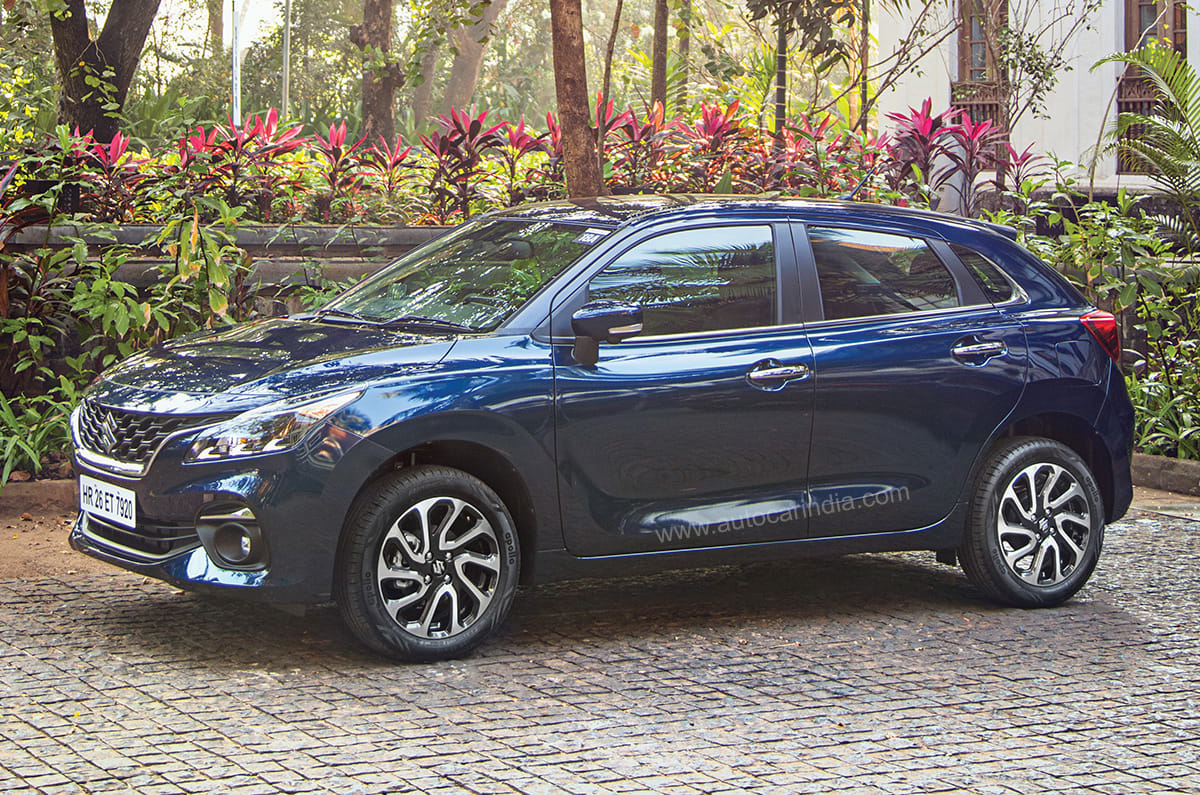
Maruti Baleno83,552+19
Maruti Swift81,0460
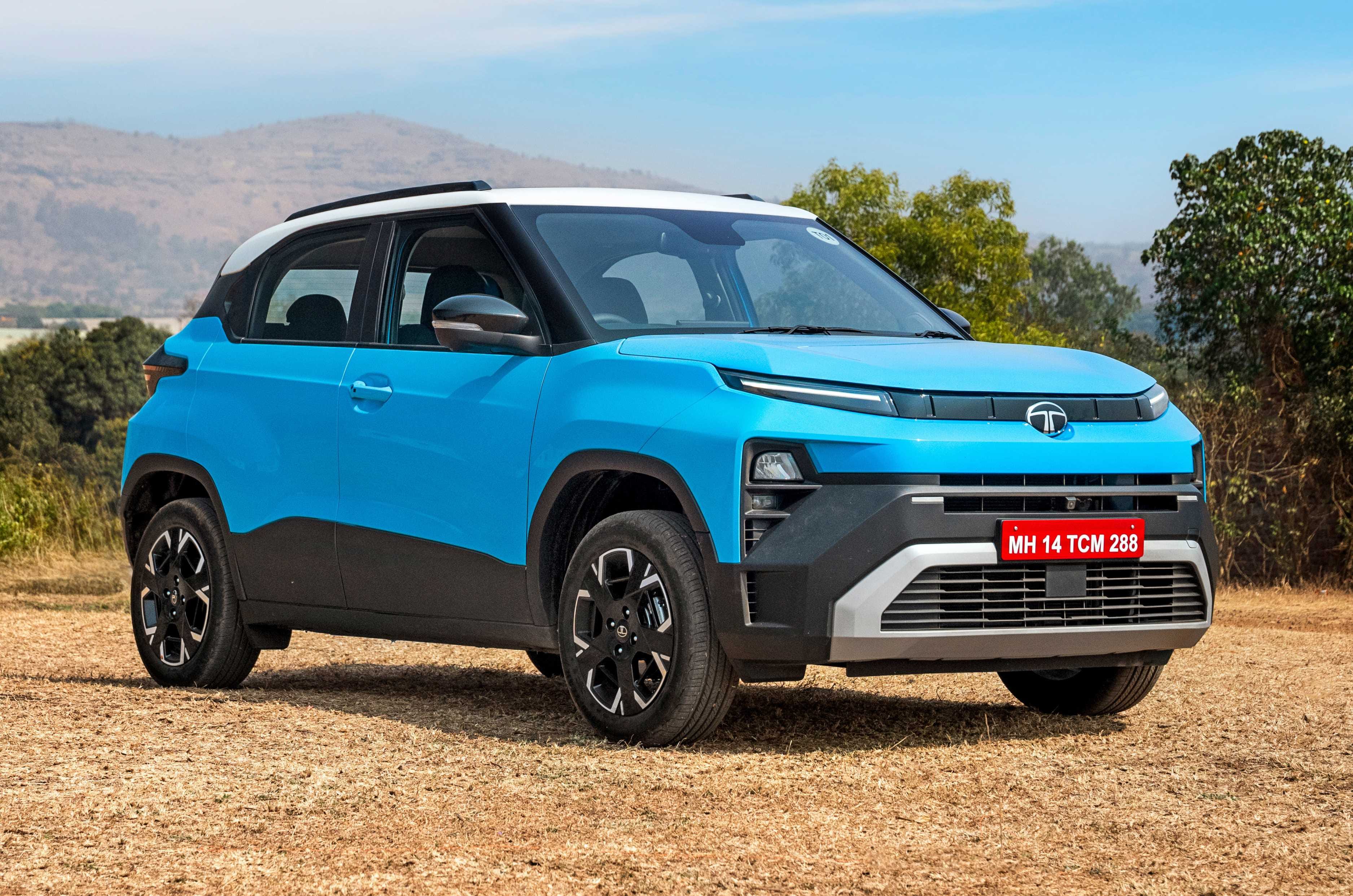
Tata Punch61,701+29
Maruti Fronx61,565-6
Maruti Alto K1059,165+38
Hyundai Venue55,750+26
Maruti Dzire50,865-1
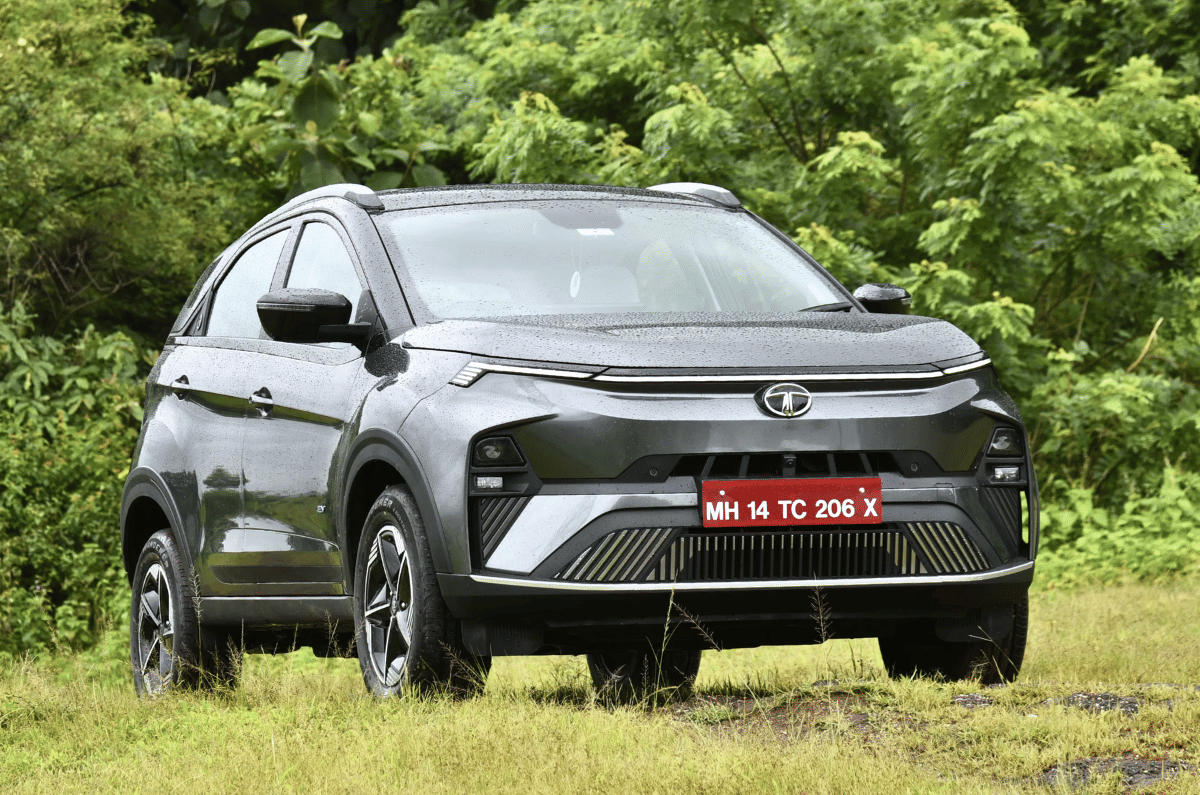
Tata Nexon50,240+31
Maruti Brezza49,096-14
Hyundai Creta49,094-8

The Baleno ascended to the top spot in petrol car sales during H1 2026, followed closely by the Swift, volumes for which interestingly remained flat YoY. However, thanks to the introduction of the updated Punch at the onset of 2026, the subcompact SUV recorded a substantial 29 percent increase in sales and jumped to third position.
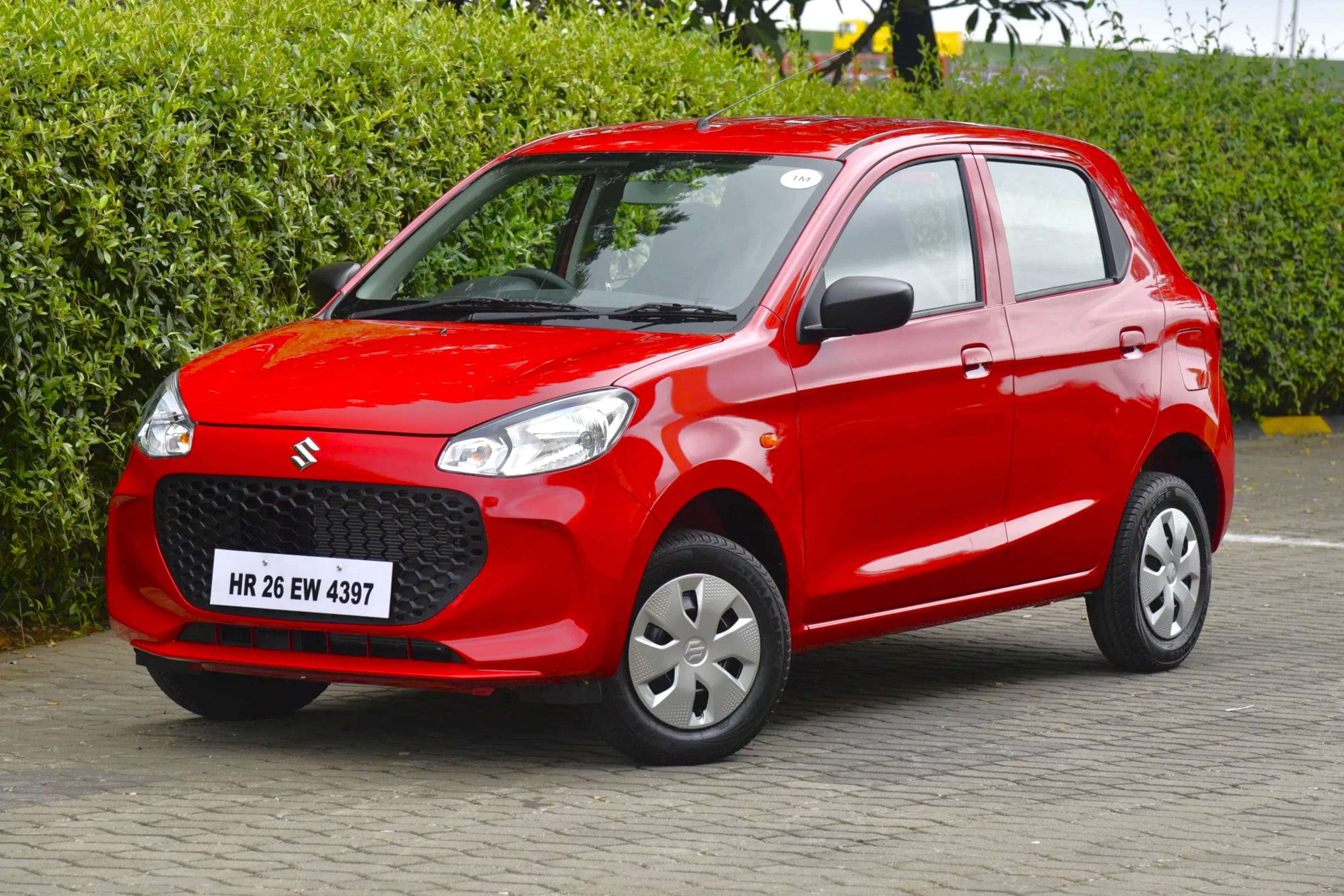
Other notable highlights include a 38 percent YoY uptick for the Alto K10, indicating a renewed interest in the entry-level segment, along with a 4 percent drop for the midsize SUV sales champion, the Creta. However, its younger compact SUV sibling, the Venue, did see a 26 percent YoY bump on account of the second-gen model’s launch late last year.

10 bestselling diesel cars in H1 2026

ModelH1 2026 salesYoY change (%)
Mahindra Scorpio N+Classic86,403+7
Mahindra Bolero+Neo58,457+16
Mahindra XUV 7XO42,190+29
Hyundai Creta40,116-4
Mahindra Thar Roxx37,945+19
Mahindra Thar23,860+35
Kia Seltos22,906+54
Tata Sierra22,764N/A
Toyota Innova Crysta18,498-5
Kia Sonet18,290+67

Though diesel offerings remain limited in the Indian mass market, buyers continue to show up for them. All three diesel bestsellers in H1 2026 were made by Mahindra, and all three recorded a YoY growth in sales, with the XUV 7XO achieving the highest uptick among them at 29 percent. The Thar and Thar Roxx also managed to outperform their H1 2025 sales by healthy margins.
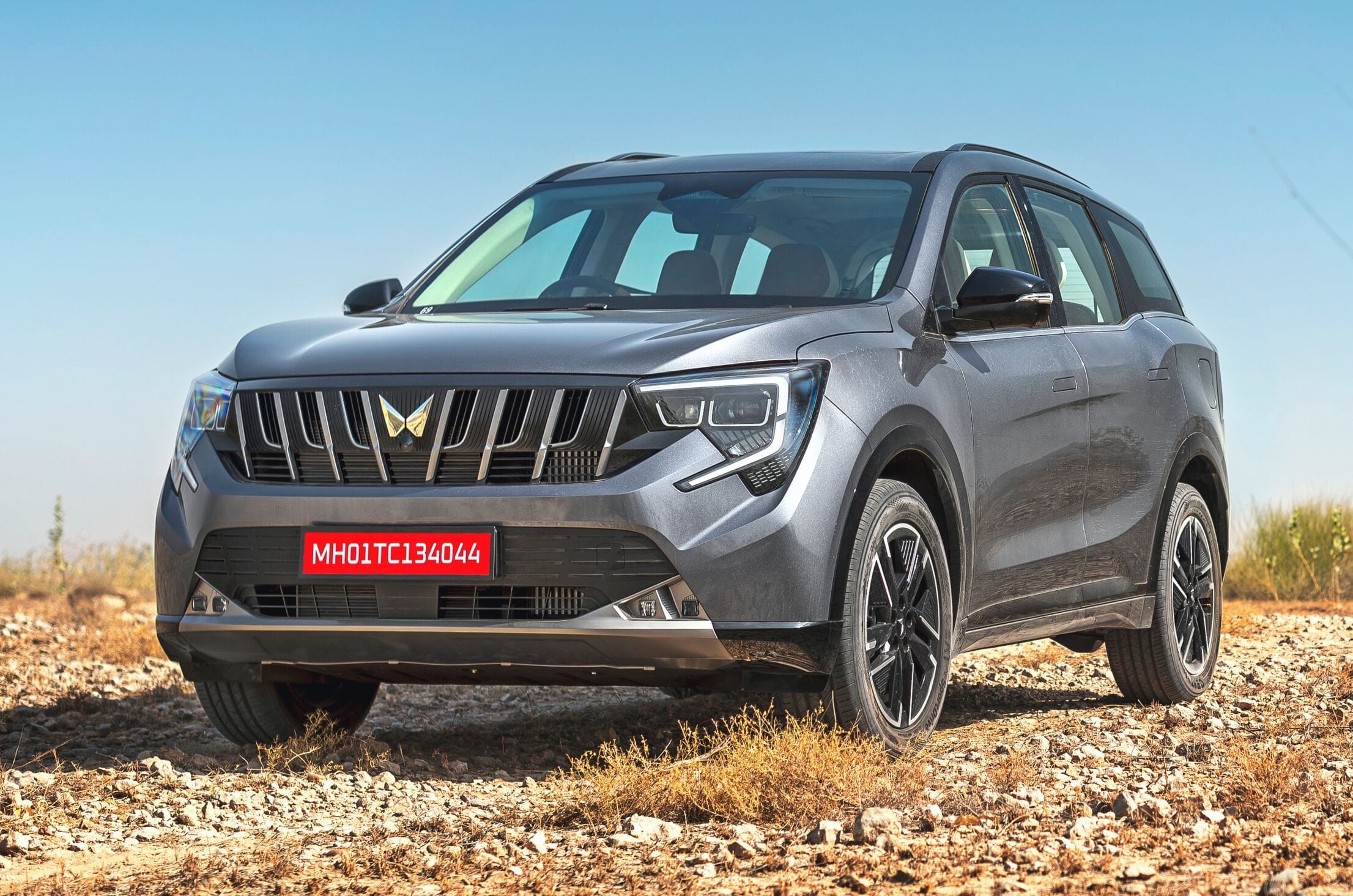
In fact, six out of the 10 diesel bestsellers experienced double-digit YoY sales growth, with only the Creta and Innova Crysta undergoing downturns. The Sierra also made it onto this list, but doesn’t rank even among the top 20 petrol bestsellers of H1 2026, suggesting a large chunk of buyers opted for the midsize SUV’s diesel variants. Its direct rival, the Seltos, edged past by fewer than 150 units, but the other Kia SUV here, the Sonet, clocked a whopping 67 percent boost.

10 bestselling CNG cars in H1 2026

ModelH1 2026 salesYoY change (%)
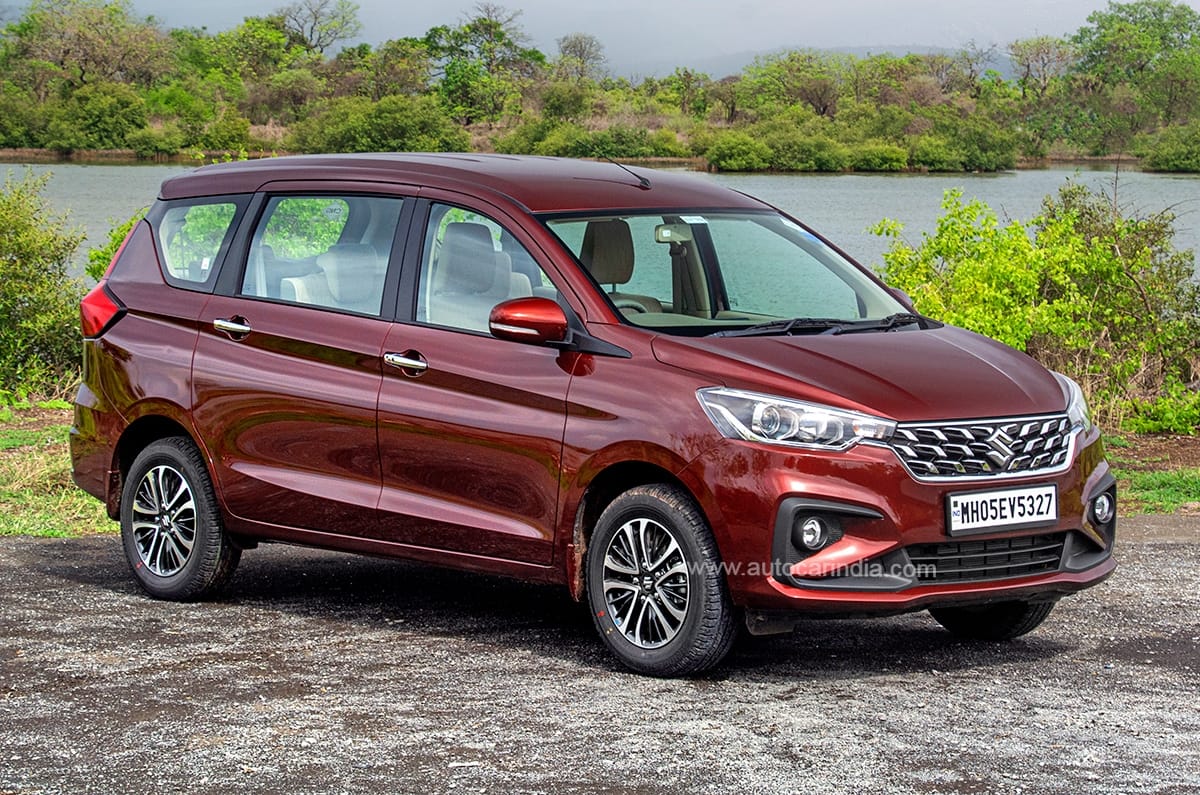
Maruti Ertiga78,764+23
Maruti Dzire75,339+69
Maruti Wagon R54,267+5
Tata Punch41,919+43
Tata Nexon41,355+38
Maruti Brezza39,871+8
Maruti Victoris38,806N/A
Maruti Eeco36,075+31
Hyundai Aura35,089+29
Maruti Fronx33,876+49

CNG cars put up the most impressive performance on the sales charts, with the top 10 achieving substantial YoY gains in volumes during H1 2026. The Dzire led the pack in this regard with a staggering 69 percent surge in sales, followed by the Fronx at 49 percent and then the Punch at 43 percent.
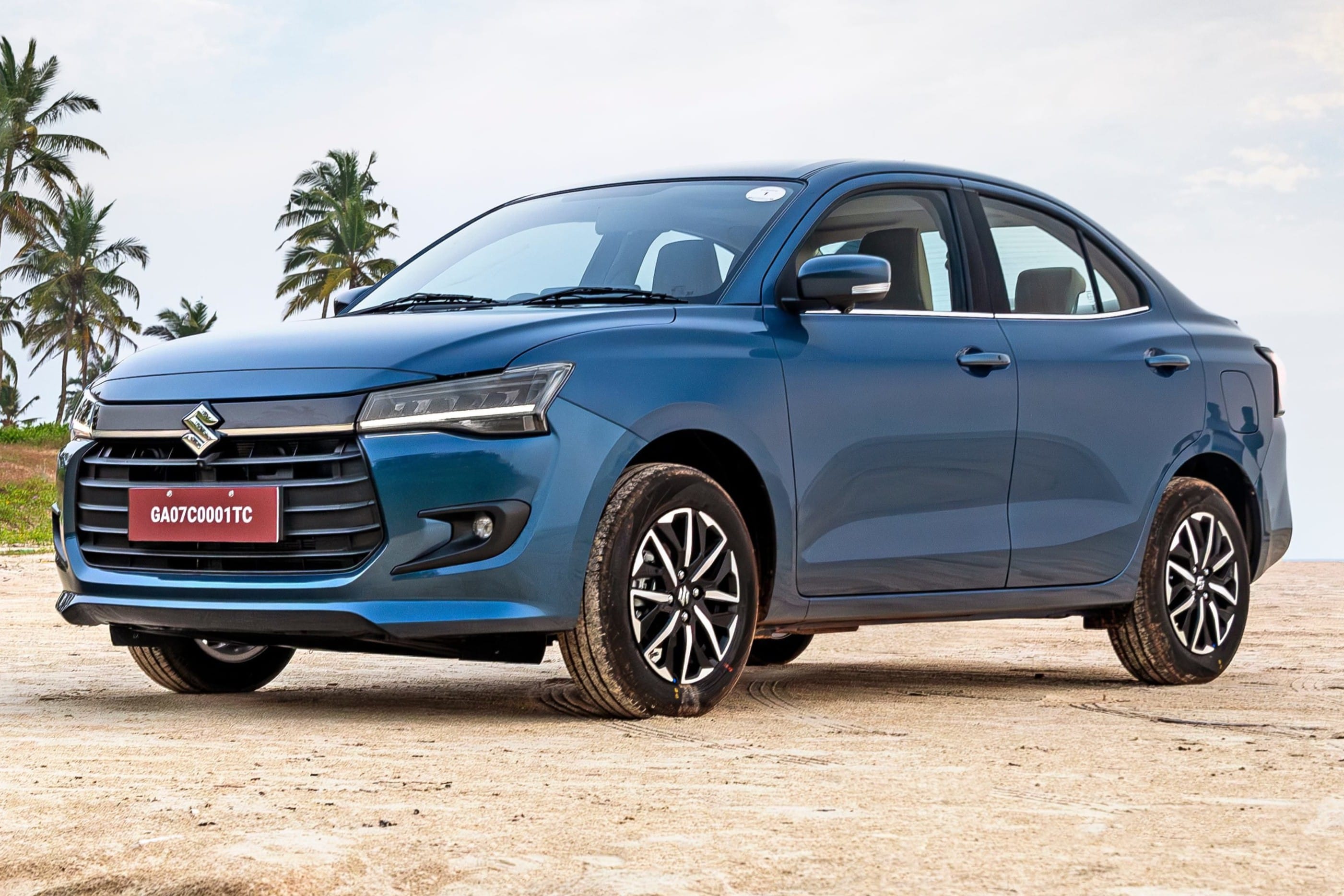
Seven of the top 10 CNG bestsellers are Maruti Suzuki models, two are from Tata, and only one is a Hyundai, reflecting Maruti’s dominance in this space. A likely reason behind the stellar performance is the uncertainty around ethanol blending in petrol, which could be shifting buyers towards CNG.

10 bestselling EV cars in H1 2026

ModelH1 2026 salesYoY change (%)
MG Windsor EV19,080-10
Mahindra XEV 9S18,074N/A
Tata Nexon EV16,567+78
Tata Punch EV15,683+108
Mahindra XEV 9e11,242-14
Tata Harrier EV10,499+2,110
Maruti e Vitara8,572N/A
Tata Curvv EV7,281+212
Mahindra BE 66,849+13
Tata Tiago EV6,816-19

The Windsor remains untouched as the top selling EV in H1 2026, though it did record a 10 percent YoY drop in sales. Impressively, the XEV 9S finished in second place with over 18,000 units sold – far ahead of the XEV 9e and BE 6. Nexon EV and Punch EV sales saw strong upticks, especially the latter’s whopping 108 percent YoY surge due to its 2026 facelift.
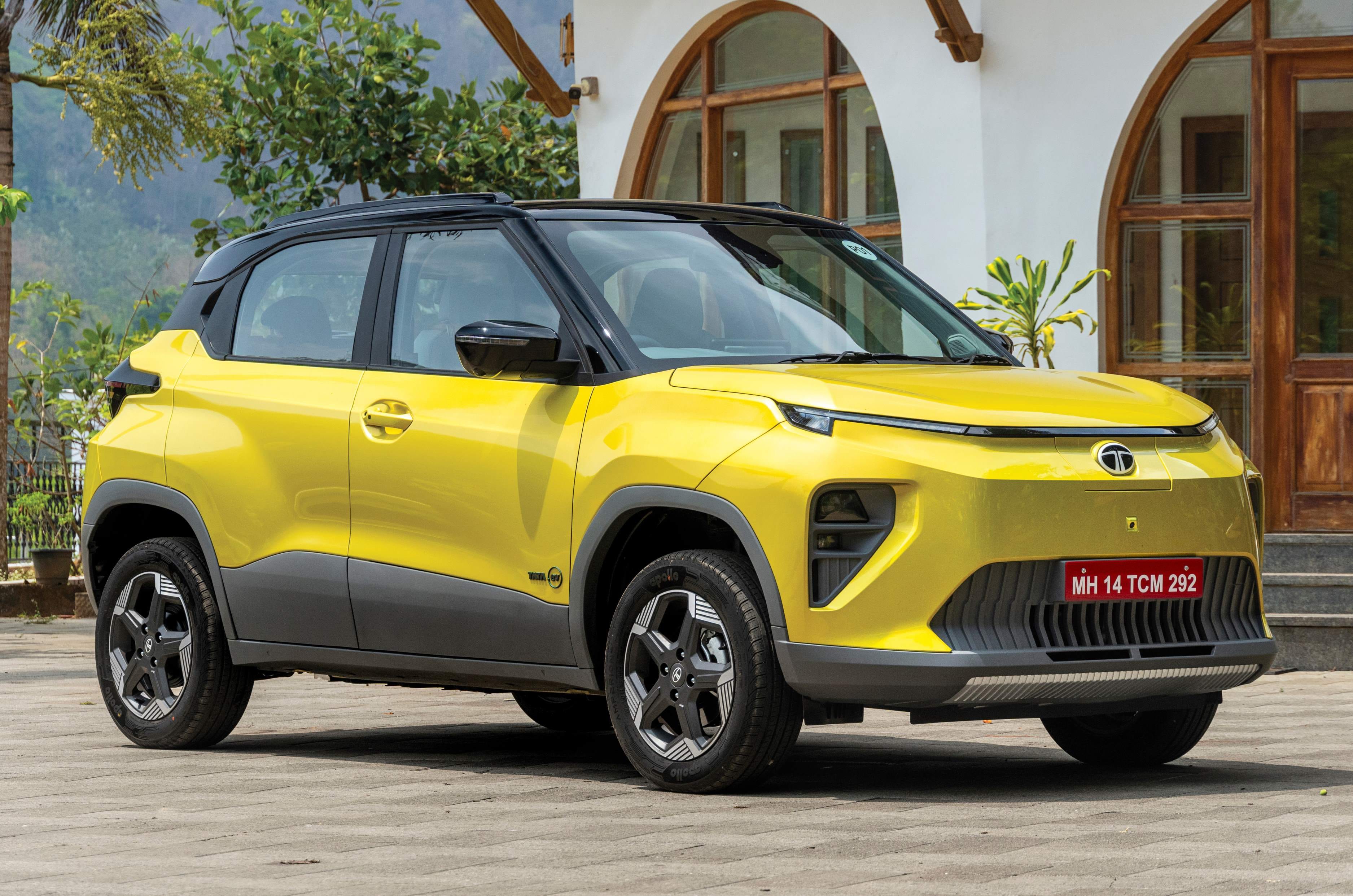
However, the Tiago EV experienced a 19 percent drop in sales despite also being updated this year. It’s worth noting that while the Harrier EV’s 2,110 percent YoY increase looks bonkers, it is a result of the SUV being launched in June 2025 and thereby counted from a relatively miniscule initial figure. Interestingly, the Curvv EV more than tripled its sales YoY, likely due to discounts and the SeriesX variant rejig in 2026.

Bestselling strong hybrid cars in H1 2026

ModelH1 2026 salesYoY change (%)
Toyota Innova Hycross27,812-6
Toyota Hyryder18,577+23
Maruti Grand Vitara4,086-54
Maruti Victoris3,231N/A
Maruti Invicto1,418-26
Toyota Camry1,188-1
Toyota Vellfire914+60
Honda City659+22

Only one new strong hybrid car went on sale in India between H1 2025 and H1 2026, the Maruti Victoris, which slotted in fourth position overall. The Innova Hycross continues to be the highest selling strong hybrid car, but did slip 6 percent YoY in sales. Notably, the Innova Hycross’ rebadged sibling, the Invicto, saw a more substantial 26 percent drop.
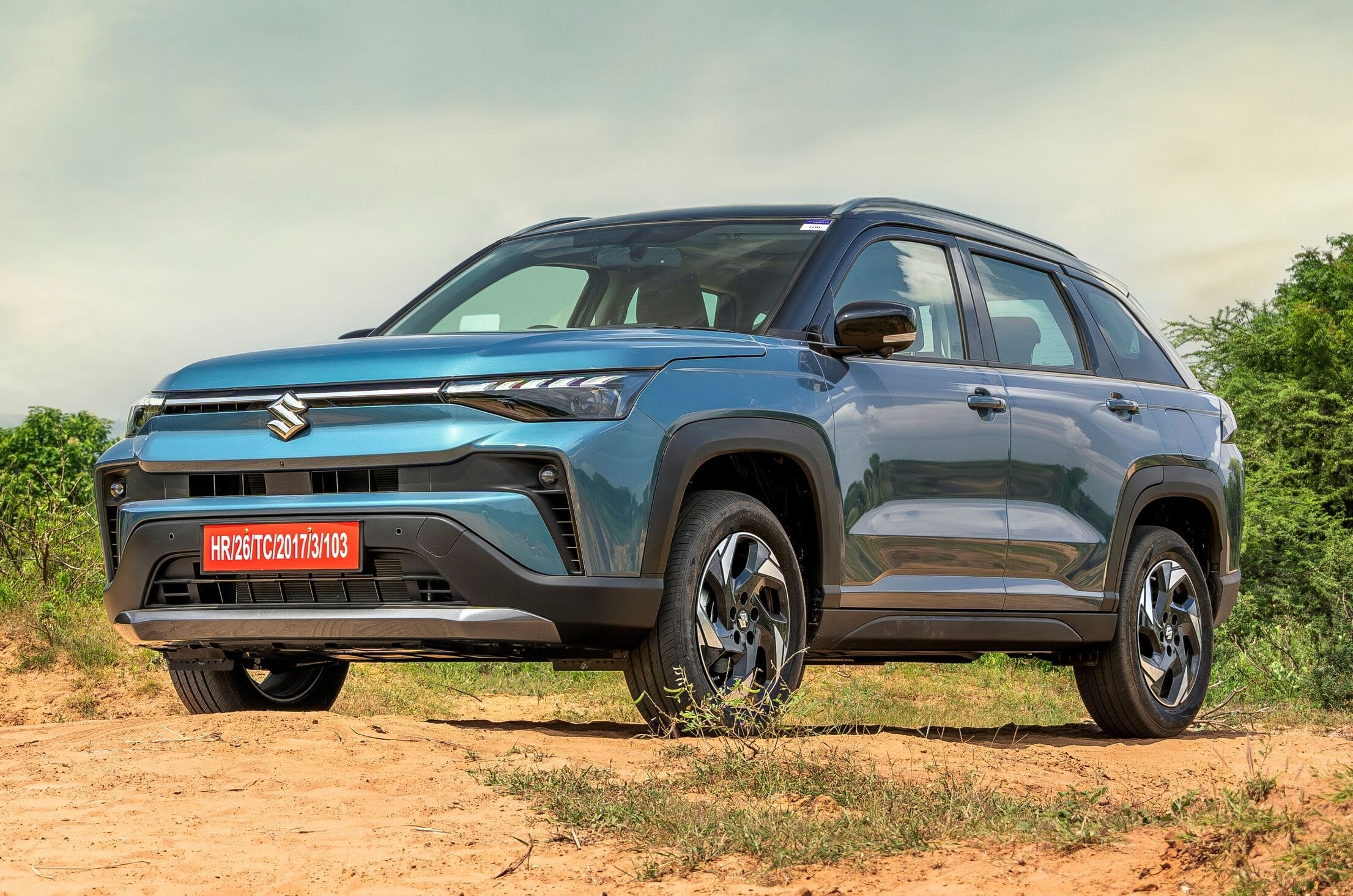
A similar phenomenon occurred for the Hyryder and Grand Vitara, where the Toyota SUV’s sales grew 23 percent YoY, but the Maruti’s slid by 54 percent. The City hybrid also looks to have piqued buyer interest courtesy of the facelift, recording a 22 percent YoY growth but still selling in the triple digits. Interestingly, the highest YoY sales uptick was achieved by the most expensive strong hybrid here, the Vellfire, showing the growth of the luxury MPV segment.

Combined car sales in H1 2026 by powertrain type

 H1 2026 salesYoY change (%)
Petrol13,42,304+10
Diesel4,56,076+15
CNG5,96,236+40
EV1,39,065+65
Strong hybrid57,8850
Total25,91,566+18.4

While petrol cars remain the largest chunk of the Indian passenger vehicle market by a huge margin, and even clocked a respectable 10 percent YoY growth in H1 2026, CNG saw much bigger gains during the same timeframe and even recorded the highest absolute volume increase among all powertrain types. The electric segment continues to expand at a healthy rate thanks to a proliferation of capable EVs across different price points, which can’t be said for strong hybrids as they barely receive any subsidies or tax breaks. Diesel car sales impressively keep growing too, despite higher upfront costs over equivalent petrol or CNG models.


Top 10 bestselling cars in July 2026: Maruti claims 6 spots

Top 10 bestselling cars in July 2026

Sales of India’s 10 highest-selling passenger vehicles reached 2,00,868 units in July 2026, up 37.55 percent from the 1,46,029 units recorded a in the year-ago period. Last month’s sales figures highlight Maruti Suzuki’s strong hold, with six models featuring among the top 10 bestsellers. Tata Motors was the only other brand with more than one model on the list, while Hyundai and Mahindra had one offering each. Demand remained strong across the board, with all but one model registering double-digit year-on-year growth. 

RankModelJuly 2026 sales (units)July 2025 sales (units)YoY growth (percent)
1Maruti Dzire23,79120,89513.86
2Maruti Wagon R23,33814,71058.65
3Maruti Ertiga21,60616,60430.13
4Maruti Swift21,53814,19051.78
5Tata Punch, Punch EV21,31310,78597.62
6Maruti Fronx19,47312,87251.28
7Maruti Baleno18,24112,50345.89
8Hyundai Creta, Creta Electric18,08816,8987.04
9Tata Nexon, Nexon EV17,47112,82536.23
10Mahindra Scorpio, Scorpio Classic16,00913,74716.45
 Total2,00,8681,46,02937.55

1. Maruti Dzire

23,791 units

Maruti Dzire

The Maruti Dzire was India’s bestselling passenger vehicle in July, with sales of 23,791 units, up 13.86 percent from 20,895 units in July 2025. It was also the only sedan to feature among the country’s 10 bestselling models and contributed 11.84 percent of the combined sales of the top 10. 

2. Maruti Wagon R

23,338 units

With sales of 23,338 units, the Maruti Wagon R finished second. The hatchback recorded a strong 58.65 percent year-on-year growth, selling 8,628 more units than in July last year. It was also one of the three hatchbacks to feature in the top 10 list, all of which are from Maruti Suzuki. Another highlight of the Wagon R is that it is also available in a flex-fuel version compatible with E85 fuel, an option that none of the other models on this list offer.

3. Maruti Ertiga

21,606 units

Maruti Ertiga

The Maruti Ertiga ranked third with 21,606 units sold, registering 30.13 percent year-on-year growth. Notably, it is the only MPV on the list and managed to secure a place among the country’s three bestselling passenger vehicles.

4. Maruti Swift

21,538 units

Coming in fourth was the Maruti Swift, with sales of 21,538 units. The hatchback recorded a healthy 51.78 percent year-on-year growth and was the second Maruti Suzuki hatchback to feature in the country’s top 10 bestselling models.

5. Tata Punch, Punch EV

21,313 units

Tata Punch
Tata Punch ICE.

Ranking fifth was the Tata Punch and Punch EV, which together sold 21,313 units. Their combined sales were up 97.62 percent year-on-year, nearly doubling from the same month last year. Compared to other models on this list, the sub-compact SUV registered the highest YoY growth. The Punch also recently crossed the 8 lakh sales mark.

6. Maruti Fronx

19,473 units

Selling 19,473 units, the Maruti Fronx secured the sixth spot, registering a 51.28 percent year-on-year growth. It is also Maruti Suzuki’s highest-selling model retailed through the brand’s premium Nexa dealership network.

7. Maruti Baleno

18,241 units

Maruti Baleno

The Maruti Baleno secured the seventh position with 18,241 units, recording a 45.89 percent increase over the same month last year. It rounded off Maruti’s six-model presence in the top 10 and was also the third hatchback on the list. Like the Fronx, the hatchback is retailed through Nexa showrooms.

8. Hyundai Creta, Creta Electric

18,088 units

Next, the Hyundai Creta and Creta Electric together secured the eighth spot with 18,088 units, registering a 7.04 percent year-on-year growth, the lowest among the top 10 models. Recently, Hyundai introduced an assured buyback programme for the Creta Electric, offering a 60 percent buyback value after three years or 45,000km, whichever comes first (terms and conditions apply). The electric SUV is also available with a Battery-as-a-Service (BaaS) option, allowing buyers to lower the upfront purchase cost.

9. Tata Nexon, Nexon EV

17,471 units

Tata Nexon EV
Tata Nexon EV.

The ninth position went to the Tata Nexon and Nexon EV, which together sold 17,471 units in July 2026, recording 36.23 percent year-on-year growth. After the Fronx, the Nexon is the only compact SUV to feature on this list.

10. Mahindra Scorpio, Scorpio Classic

16,009 units

Rounding off the top 10 were the Mahindra Scorpio N and Scorpio Classic with combined sales of 16,009 units, up 16.45 percent over the same month last year. Mahindra rolled out the 2026 update for the Scorpio N just today. 

RBI Policy : फाइनेंशियल सेक्टर के दिग्गजों को आज की पॉलिसी आई पसंद, जानिए किन शेयरों में देखने में मिल सकता है एक्शन

RBI Policy : फाइनेंशियल सेक्टर के दिग्गजों को आज की पॉलिसी पसंद आई है। यूजीआरओ कैपिटा (UGRO Capita) में चीफ फाइनेंशियल ऑफिसर शिल्पा भट्टर का कहना है कि RBI का रेपो रेट के 5.25% पर बनाए रखने का फैसला,दुनिया भर में छाई अनिश्चितताओं के बावजूद भारत की मैक्रोइकॉनॉमिक मजबूती पर भरोसे को दिखाता है। पश्चिम एशिया युद्ध का शुरुआती असर काफी हद तक खत्म हो जाने के बाद, पॉलिसी की स्थिरता से बिज़नेस कम्युनिटी के भरोसे के मजबूती मिलनी चाहिए,लिक्विडिटी की स्थिति बेहतर होनी चाहिए और MSMEs को वर्किंग कैपिटल को बेहतर ढंग से मैनेज करने में मदद मिलनी चाहिए,जिससे बेहतर रीपेमेंट और मज़बूत क्रेडिट क्वालिटी में मदद मिलेगी। खास बात यह है कि पॉलिसी स्टेटमेंट का टोन काफी न्यूट्रल रहा, इससे यह नहीं लगता कि रेट में जल्द ही सख्ती आने वाली है।

मॉडुलस अल्टरनेटिव्स (Modulus Alternatives) के CEO और CIO संदीप अग्रवाल ने कहा कि RBI का रेपो रेट 5.25% पर बनाए रखने का फैसला,ग्रोथ और मैक्रोइकोनॉमिक स्टेबिलिटी के बीच बैलेंस बनाने के लिए एक सोच-समझकर लिया गया फैसला नजर आता है। महंगाई के दबाव पर करीब से नजर रखी जा रही है और दुनिया भर में आर्थिक अनिश्चितताएं लगातार बढ़ रही हैं,ऐसे में जैसा है वैसा बनाए रखने से स्टेबिलिटी मिलती है और पिछली पॉलिसी के उपायों का असर इकॉनमी में और आगे तक पहुंच पाता है।

उन्होंने आगे कहा कि आरबीआई के आज के फैसले से बैंकिंग सेक्टर को फंडिंग कॉस्ट और इंटरेस्ट रेट्स के बारे में बेहतर अंदाजा लगाने में मदद मिलेगी। साथ ही रिटेल, MSME और बिज़नेस सेगमेंट में क्रेडिट डिमांड भी बढ़ सकती। आगे महंगाई,लिक्विडिटी की स्थिति और ग्लोबल डेवलपमेंट RBI की पॉलिसी तय करने में अहम भूमिका निभाएंगे। एक स्थिर पॉलिसी के साथ ही घरेलू इकोनॉमिक फंडामेंटल्स में सुधार से आने वाले महीनों में कर्ज की मांग टिकाऊ ग्रोथ देखने को मिलेगी।

एक्सिस डायरेक्ट की रिसर्च एनालिस्ट-BFSI, ज्ञानदा वैद्य का कहना है कि महंगाई का दबाव थोड़ा कम हुआ है और ग्रोथ मजबूत बनी रही है। इसको देखते हुए RBI का रेपो रेट में कोई बदलाव न करने और अपना न्यूट्रल रुख बनाए रखने का फैसला काफी हद तक उम्मीद के मुताबिक ही है। हालांकि तेल की कीमतों में नरमी आई है, लेकिन मानसून से जुड़ी चुनौतियां महंगाई के लिए एक बड़ा रिस्क बनी हुई हैं और इस पर पैनी नजर बनी हुई है।

आरबीआई ने महंगाई के अपने अनुमान को थोड़ा कम करके 5% कर दिया है, जो पहले 5.1% था। साथ ही, कोर महंगाई के अनुमान को भी घटाकर 4.3% कर दिया गया है, जो पहले 4.7% था। साथ ही, FY27 के लिए ग्रोथ के अनुमान को भी थोड़ा बढ़ाकर 6.7% कर दिया गया है, जो पहले 6.6% था।

बैंकिंग सेक्टर के नज़रिए से बात करें तो बैंकों ने सीजन के हिसाब से कमजोर रहने वाले Q1 में भी अच्छा काम किया है। इस अवधि में क्रेडिट ग्रोथ मजबूत रही और अर्निंग भी अच्छी रही। इसे क्रेडिट कॉस्ट को कंट्रोल करने और मामूली ओपेक्स ग्रोथ से सपोर्ट मिला, भले ही ज्यादातर बैंकों के मार्जिन में दिक्कतें रही। एसेट क्वालिटी में सुधार इस तिमाही की सबसे बड़ी पॉज़िटिव बात रही। नए एनपीए में नियंत्रण की वजह से ज्यादातर बैंकों में सुधार दिखा।

एक और खास बात यह रही है कि अब तक FCNR(B) डिपॉजिट में मजबूती आई है, जिससे Q2 में डिपॉज़िट ग्रोथ को सपोर्ट मिलना चाहिए। हमें उम्मीद है कि शॉर्ट-टर्म में मार्जिन काफी हद तक रेंज-बाउंड रहेंगे और कोई भी सुधार काफी हद तक पोर्टफोलियो मिक्स में अच्छे बदलाव से होगा।

ऐसे में निवेश के नजरिए से वह बैंक अच्छे लग रहे हैं जिनकी अर्निंग्स ग्रोथ, बैलेंस शीट और वैल्यूएशनम अच्छे हैं। नजरिए से कोटक महिंद्रा बैंक, ICICI बैंक, SBI, फेडरल बैंक और उज्जीवन SFB अच्छे लग रहे है। वहीं, NBFC में बजाज फाइनेंस, श्रीराम फाइनेंस और क्रेडिटएक्सेस ग्रामीण अच्छे नजर आ रहे हैं।


डिस्क्लेमर: मनीकंट्रोल.कॉम पर दिए गए विचार एक्सपर्ट के अपने निजी विचार होते हैं। वेबसाइट या मैनेजमेंट इसके लिए उत्तरदाई नहीं है। यूजर्स को मनी कंट्रोल की सलाह है कि कोई भी निवेश निर्णय लेने से पहले सर्टिफाइड एक्सपर्ट की सलाह लें।


RBI ने खराब ग्लोबल माहौल के बावजूद ग्रोथ का अनुमान बढ़ाया, महंगाई कम होने की जताई उम्मीद, जानिए कहां से मिल रहा भरोसा

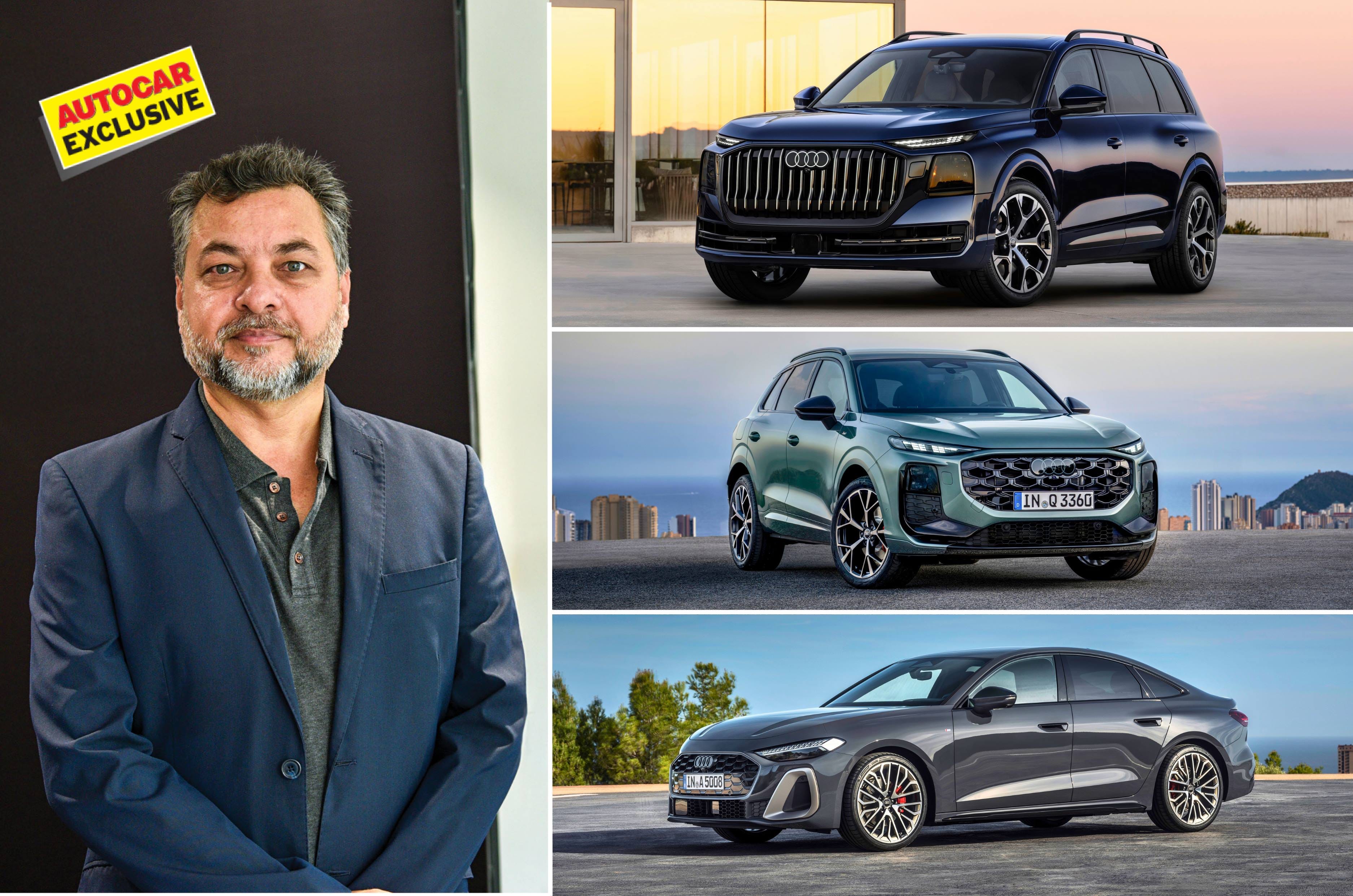
Audi India boss confirms 3 new launches by 2027

Audi India boss confirms 3 new launches by 2027

After years on the sidelines, Audi India is finally in attack mode. The next 12 months will see a barrage of all-new metal. First comes the third-generation Q3 this month, followed by the A5 in February 2027 and then the recently unveiled Q9 flagship SUV by the second half of 2027. “Three models in less than 12 months’ time,” confirms Balbir Singh Dhillon, head of Audi India.

The crucial detail is not the cadence but the sourcing. These will not be costly completely built-up (CBU) imports but will be assembled at the Skoda Auto Volkswagen Group plant in Chhatrapati Sambhajinagar. Model-to-model replacement, as Dhillon points out, needs little fresh capital because the heavy lifting was done years ago. “To be successful in India, you have to make in India,” he says. “Irrespective of any FTA, we will still make in India. That will remain the core strategy.”

Let’s take a close look at what to expect from each model:

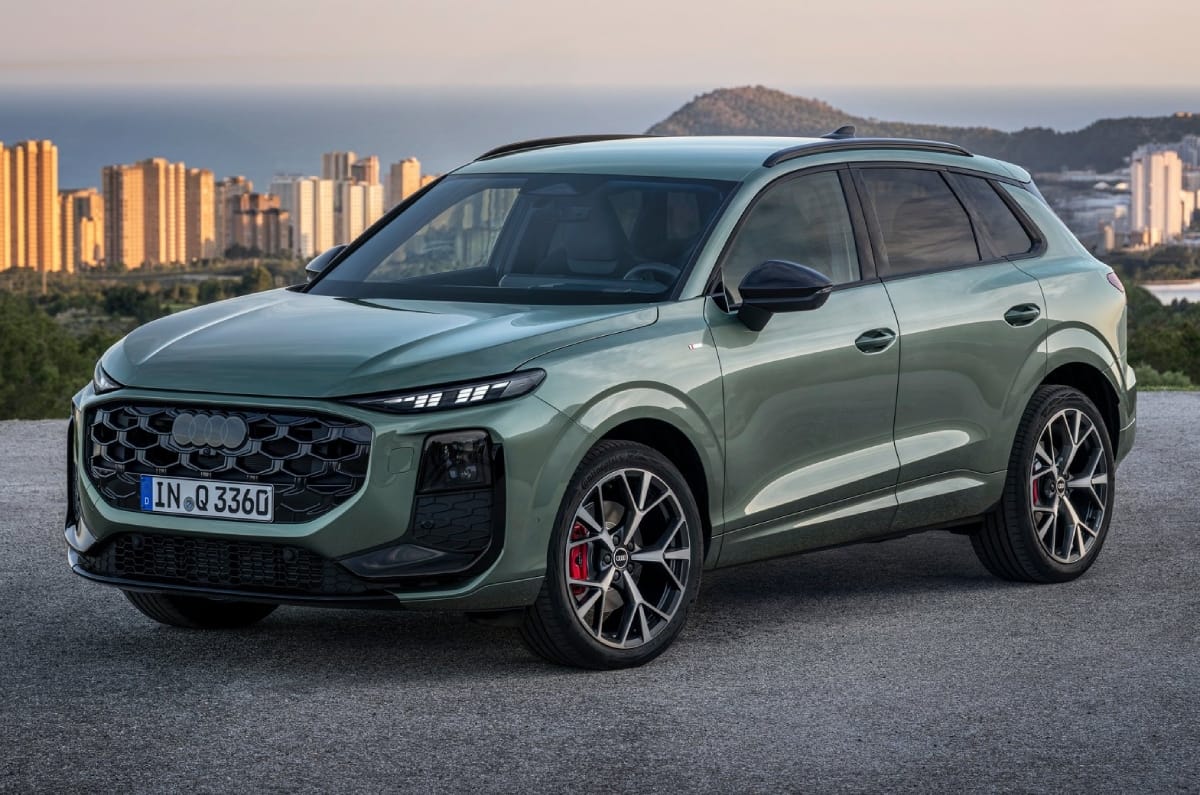
Audi Q3 

Launch: August 2026, estimated price: Rs 50 lakh

Audi Q3

A big leap over the second-gen model in tech and styling, the third-gen Q3 was revealed last June. It is available in petrol, diesel and plug-in hybrid options in overseas markets, but in India, it’ll have a 204hp, 2.0 turbo-petrol paired with a 7-speed dual-clutch and standard Quattro all-wheel drive. The AWD will give it an edge over the BMW X1 and Mercedes-Benz GLA. Expected in both SUV and Sportback body styles, the Q3 will ride on 18-inch alloys and should get a spare under the boot floor. Kit is expected to include an 11.9-inch digital driver’s display, a 12.8-inch touchscreen, three-zone auto AC and a large sunroof.

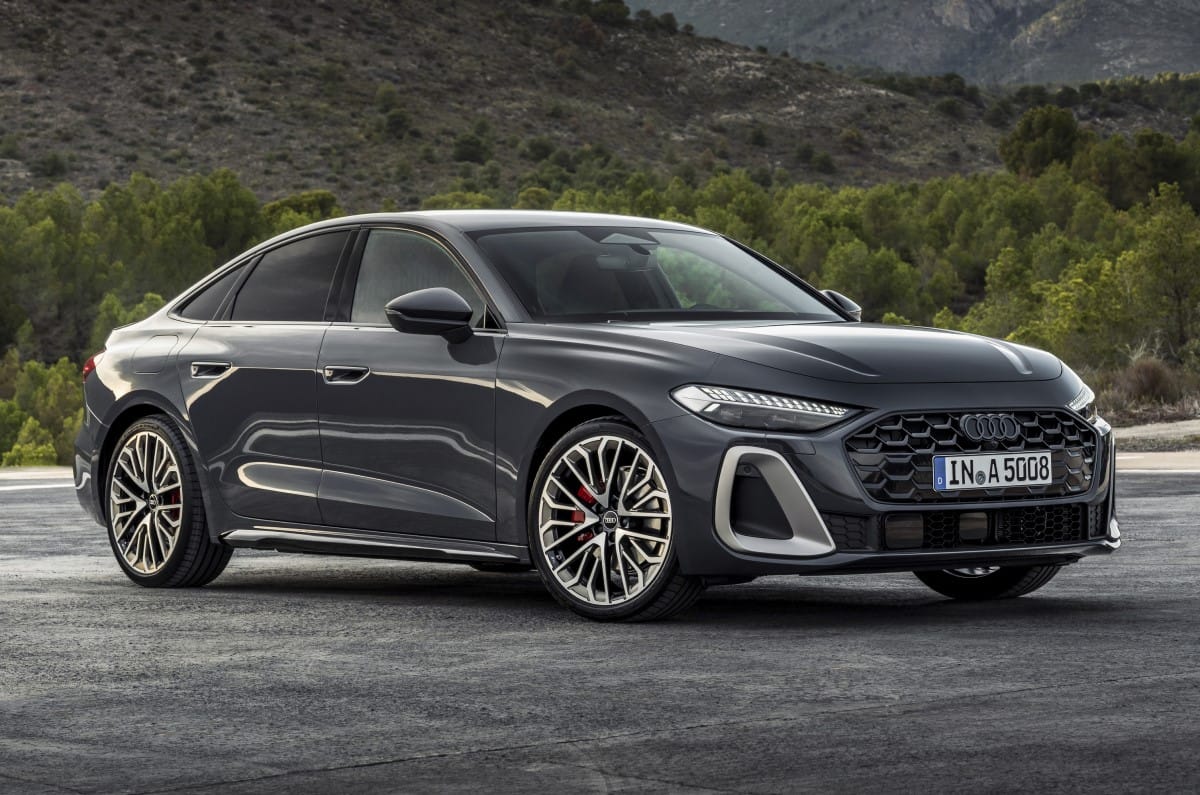
Audi A5

Launch: February 2027, estimated price: Rs 60 lakh

Audi A5

Revealed in 2024 and updated with hybrid powertrains last year, the A5 will replace the ageing A4 in Audi India’s line-up. Based on the new Premium Platform Combustion (PPC) architecture, it is larger than the A4 and shares its high-tech interior with newer Audis like the Q6 e-tron, including an optional 10.9-inch passenger-side touchscreen display. India is expected to get the same 204hp, 2.0 turbo-petrol engine and 7-speed dual-clutch transmission as the Q3, though only in front-wheel-drive form. While overseas markets also get a 265hp Quattro variant, it isn’t expected for India. 

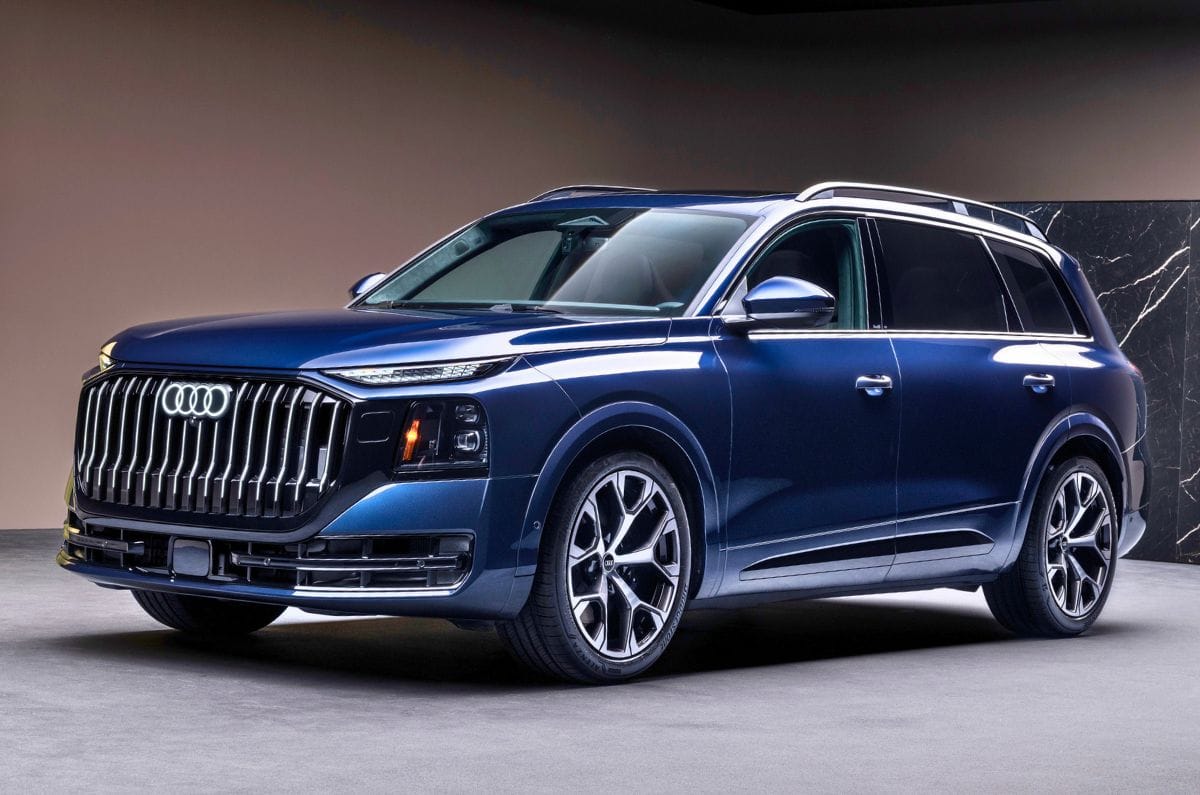
Audi Q9 

Launch: H2 2027, estimated price: Rs 1.40 crore-1.50 crore

Audi Q9

The Q9 sits above the Q7 and Q8, at the very top of the range and is Audi’s new flagship. It’s also the first time Audi has used the ‘9’ designation, and with the A8 gone, this three-row giant is now the standard-bearer for the brand. At more than 5.3 meters in length, this isn’t a stretched Q7; it’s a class-size jump that finally gives Audi a genuine rival to the Mercedes-Benz GLS and BMW X7, a fight it has sat out for far too long. It will get a sole engine option in India: a 3.0-litre V6 petrol producing 367hp and 550Nm, driving all four wheels through an 8-speed automatic. Sadly, there will be no diesel engine option for India. 

Network expansion to compliment new launches 

Hardware alone will not do it. The retail network is being rebuilt in parallel. “Today we have 29 showrooms. By the end of next year, we’ll be at 40,” says Dhillon, with virtually every existing outlet currently torn up for conversion to Audi’s global ‘progressive’ showroom format. The new locations alone, he reckons, will contribute a quarter of the planned growth. Add a thriving Audi Approved Plus used-car operation, which now sells one pre-owned car for every new one and sits on a database of 20,000 pre-owned buyers ripe for upgrade, and the machinery for a volume push is in place.

The stated ambition is bold. “Today we are at about 8, 9 percent market share. I want to double it to maybe reach 18 to 20 percent in the next three to five years,” says Dhillon. In volume terms, that means more than doubling sales to cross 10,000 units within three years, outpacing the luxury market that is itself expected to grow. 

For the first time in years, Audi India has a genuine arsenal: a fresh Q range from Q3 to Q9, a striking new sedan, a rebuilt network and a loyal customer base waiting to be rewarded. There will still be gaps in the product lineup, but the intent is there, and this opening salvo is just the start of an offensive built to sustain itself, with future products already being hatched, many of them aimed squarely at those very holes in the line-up. 2027 promises to be a turning point. It’s game on for Audi.

RBI ने खराब ग्लोबल माहौल के बावजूद ग्रोथ का अनुमान बढ़ाया, महंगाई कम होने की जताई उम्मीद, जानिए कहां से मिल रहा भरोसा

भारतीय रिजर्व बैंक (RBI) ने बुधवार को घरेलू अर्थव्यवस्था को लेकर उम्मीद जताई और 2026-27 के लिए अपने ग्रोथ अनुमान को बढ़ा दिया। वहीं, महंगाई के अनुमान में कटौती की गई है। RBI ने कहा कि देश में घरेलू मांग मज़बूत है,एक्सपोर्ट बढ़ा है,निवेश गतिविधि भी अच्छी है और ग्लोबल फ्रंट में बनी अनिश्चितताओं में कमी आ रही है। मॉनेटरी पॉलिसी कमिटी के फैसलों के बारे में बताते हुए RBI गवर्नर ने कहा कि पश्चिम एशिया संघर्ष,ट्रेड टेंशन और कमोडिटी की कीमतों में उतार-चढ़ाव के कारण ग्लोबल माहौल में अस्थिर के बावजूद भारतीय अर्थव्यवस्था में मजबूती के संकेत कायम हैं।

दुनिया की सबसे तेजी से बढ़ने वाली बड़ी इकॉनमी के तौर पर भारत की पहचान हुई मजबूत

उन्होंने आगे कहा कि बढ़ती घरेलू मांग,मैन्युफैक्चरिंग और सर्विसेज एक्टिविटी में लगातार बनी तेजी और मज़बूत एक्सपोर्ट से इकोनॉमी को सपोर्ट मिल रहा है,जिससे दुनिया की सबसे तेजी से बढ़ने वाली बड़ी इकॉनमी के तौर पर भारत की पहचान और मजबूत हो रही है। वित्त वर्ष 2027 की पहली तिमाही में इंडियन इकॉनमी ने उम्मीद से बेहतर प्रदर्शन किया है। इसको ध्यान में रखते हुए आरबीआई में 2026-27 के अपने रियल GDP ग्रोथ अनुमान को बदलकर 6.7 फीसदी कर दिया है। RBI को उम्मीद है कि पहली तिमाही में ग्रोथ रेट 7.0 फीसदी,दूसरी तिमाही में 6.4 फीसदी,तीसरी तिमाही में 6.5 फीसदी और चौथी तिमाही में 6.8 फीसदी रहेगी। हालांकि, कुछ जोखिम भी बने हुए हैं।

मैन्युफैक्चरिंग और सर्विसेज सेक्टर में तेजी कायम

आरबीआई गवर्नर ने कहा कि मैन्युफैक्चरिंग और सर्विसेज सेक्टर में तेजी, मज़बूत डिस्क्रिशनरी कंजम्प्शन,इंफ्रास्ट्रक्चर पर लगातार हो रहे सरकारी खर्च, मजबूत क्रेडिट ग्रोथ और मर्चेंडाइज़ एक्सपोर्ट में बढ़त से इकोनॉमिक ग्रोथ को सपोर्ट मिल रहा। उन्होंने कहा कि ग्लोबल सप्लाई चेन में डाइवर्सिफिकेशन,बाइलेटरल ट्रेड एग्रीमेंट और मार्केट डाइवर्सिफिकेशन से भी एक्सटर्नल डिमांड को सपोर्ट मिलने की उम्मीद है।

दूसरे फेज की महंगाई बढ़ने को जोखिम कायम

RBI ने अपने महंगाई के अनुमान में भी बदलाव किया। उसका मनना है कि वित्त वर्ष 2026-27 में रिटेल महंगाई 5.0 फीसदी रह सकती है। पहली तिमाही में महंगाई पहले के अनुमान से कम रही है, इसके चलते आगे के लिए भी अच्छे संकेत मिल रहे है। गवर्नर ने कहा कि महंगाई में हाल में देखने को मिली बढ़ोतरी की मेन वजह खाने-पीने की चीजों और ईंधन की कीमतों में आई तेजी है,न कि बड़े पैमाने पर आई डिमांड।

RBI को उम्मीद है कि खुदरा महंगाई इस फाइनेंशियल ईयर के तीसरे क्वार्टर में पीक पर होगी और उसके बाद कम हो जाएगी। उन्होंने आगे कहा कि एल नीनो,कच्चे तेल की कीमतों में उतार-चढ़ाव और जियोपॉलिटिकल घटनाएं महंगाई के अनुमान पर असर डाल रहे हैं,जबकि खाने की चीजो,फ्यूल और दूसरी इनपुट लागतों में बढ़ोतरी से दूसरे दौर के असर एक बड़ा रिस्क बने हुए हैं।

कच्चे तेल के शॉर्ट-टर्म आउटलुक का अंदाजा लगाना मुश्किल

आरबीआई गवर्नर ने कहा कि वेस्ट एशिया संघर्ष से सप्लाई में आई रुकावटें जून के बाद कम हो गई थीं, लेकिन जुलाई की शुरुआत से फिर से बढ़ी मुश्किलों ने एक बार फिर ग्लोबल एनर्जी मार्केट और सप्लाई चेन में उतार-चढ़ाव बढ़ा दिया है।

कच्चे तेल पर RBI ने कहा कि इंटरनेशनल मार्केट में इसकी कीमतें अभी भी बहुत वोलेटाइल हैं। जून में इंडियन बास्केट क्रूड में तेज गिरावट आई थी,लेकिन वेस्ट एशिया में फिर से तनाव बढ़ने की वजह से जुलाई में कच्चे तेल कीमतें काफी बढ़ गईं,जिससे इसके शॉर्ट-टर्म आउटलुक का अंदाजा लगाना मुश्किल हो गया है। ऐसे में कच्चे तेल की कीमतों में लगातार बढ़ोतरी से इनपुट कॉस्ट बढ़ सकता है। इससे दूसरे दौर का महंगाई का दबाव बन सकता है।

ग्लोबल ट्रेड में जारी अनिश्चितता का दिख सकता है असर

गवर्नर ने ग्लोबल ट्रेड में जारी अनिश्चितता की ओर इशारा करते हुए कहा कि नए US टैरिफ,ग्लोबल ट्रेड ग्रोथ में कमी और जियोपॉलिटिकल तनाव से बाहरी माहौल पर असर पड़ने की उम्मीद है। हालांकि,भारत को हाल ही में हुए बाइलेटरल ट्रेड एग्रीमेंट,हेल्दी सर्विसेज एक्सपोर्ट और मजबूत इनवर्ड रेमिटेंस से सपोर्ट मिलने की उम्मीद है। इससे करंट अकाउंट पर दबाव कम करने में मदद मिलेगी।

फॉरेन डायरेक्ट इन्वेस्टमेंट के फ्लो में मजबूती

RBI ने कहा कि फॉरेन डायरेक्ट इन्वेस्टमेंट के फ्लो में मजबूती बनी हई है। हाल के महीनों में फॉरेन पोर्टफोलियो इन्वेस्टमेंट में भी सुधार देखने को मिला है। इससे डेट मार्केट में कैपिटल लाने के लिए पॉलिसीगत उपायों से मदद मिली है। नतीजतन,इस साल बैलेंस ऑफ पेमेंट्स में अच्छा सरप्लस हासिल होने की उम्मीद है।

भारत का फॉरेन एक्सचेंज रिजर्व अच्छी स्थिति में

RBI गवर्नर ने कहा कि भारत का फॉरेन एक्सचेंज रिजर्व लगभग 693 अरब डॉलर की अच्छी स्थिति में है। यह दस महीने से ज्यादा का इम्पोर्ट कवर दे सकता है। RBI की एक्सचेंज-रेट पॉलिसी पर उन्होंने कहा कि हम अपनी पॉलिसी जारी रखेंगे कि यह मार्केट की ताकतों के हिसाब से तय होगी। हालांकि एक्सेंज रेट में बहुत ज्यादा उतार-चढ़ाव होने पर हस्तक्षेप किया जाएगा,सट्टेबाजी पर रोक लगेगी और गलत हरकतों को रोकेंगे ताकि यह पक्का हो सके कि इकोनॉमिक एक्टिविटी में कोई बाधा न आए।

अपने संबोधन के खत्म करते हुए RBI गवर्नर ने कहा कि भारत के मजबूत मैक्रोइकोनॉमिक फंडामेंटल्स ग्लोबल झटकों के खिलाफ सपोर्ट देते रहेंगे। हालांकि पॉलिसी बनाने वाले भविष्य में कोई भी पॉलिसी एक्शन लेने से पहले महंगाई,कच्चे तेल की कीमतों,मौसम की स्थिति और जियोपॉलिटिकल डेवलपमेंट पर करीब से नजर रखेंगे।


RBI Policy Highlights : रेपो रेट में नहीं हुआ कोई बदलाव, जानिए महंगाई और ग्रोथ पर क्या है RBI गवर्नर की राय

TVS electric scooter sales cross 3 lakh units in January-July 2026

TVS electric scooter sales cross 3 lakh units in January-July 2026

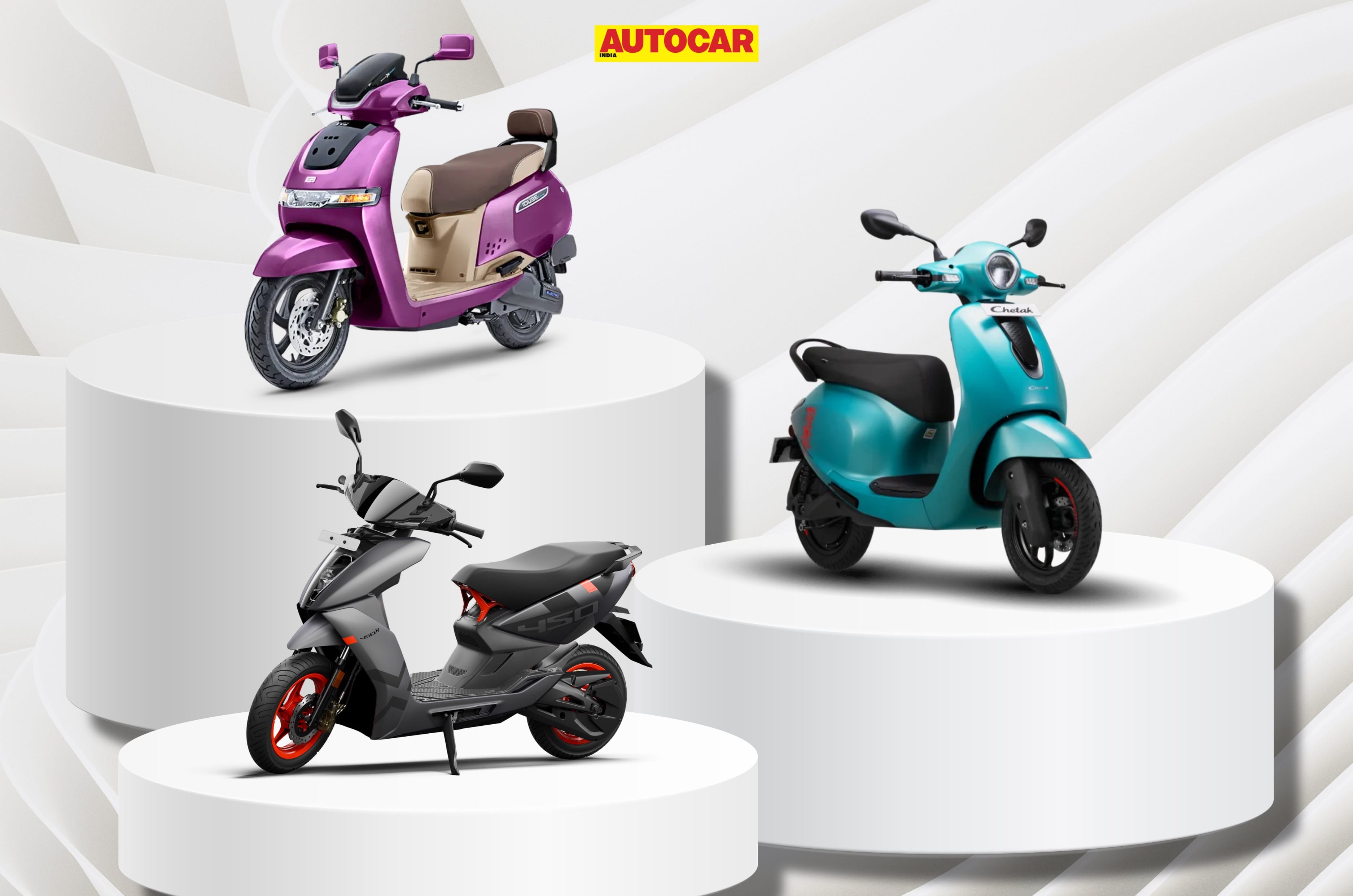
TVS Motor Company has crossed the 3 lakh-unit electric scooter sales milestone in the first seven months of CY2026, with retail volumes of over 3.07 lakh units between January and July. The company has already achieved around 97 percent of its CY2025 electric two-wheeler sales of 3.15 lakh units.

  1. TVS sells over 3.07 lakh electric scooters in January-July 2026
  2. July sales hit a record 55,465 units
  3. CY2026 sales could cross the 5 lakh-unit mark

July delivers record monthly volumes for TVS

TVS’ January-July performance makes the Hosur-based brand the fastest electric two-wheeler manufacturer in India to cross 3 lakh retail sales in a calendar year.

For comparison, Ola Electric, then the market leader, took a little over eight months to cross the 3 lakh-unit mark in CY2024. Ola finished that year with over 4.29 lakh units, currently the highest calendar-year retail volume recorded by an Indian electric two-wheeler manufacturer.

TVS recorded its highest monthly electric scooter sales in July 2026 at 55,465 units. March was the other month in which the company crossed the 50,000-unit mark, with sales of 51,632 units.

The company has averaged 43,898 units per month during the January-July period. Maintaining a similar run rate over the remaining five months would take TVS beyond the 5 lakh-unit mark in CY2026.

The upcoming festive season, which begins around mid-September, could provide a further boost to volumes. At its current pace, TVS could add around 2.20 lakh – 2.40 lakh units between August and December, potentially taking its full-year tally to an estimated 5.27 lakh – 5.47 lakh units.

TVS leads Bajaj and Ather

TVS continues to lead India’s electric two-wheeler market after the first seven months of CY2026, ahead of Bajaj Auto and Ather Energy.

Bajaj retailed just under 2.64 lakh electric two-wheelers between January and July, around 43,400 units fewer than TVS. The company’s seven-month volume is equivalent to around 94 percent of the over 2.79 lakh units it sold in CY2025.

Ather Energy ranks third with just over 2 lakh units during the same period, around 93 percent of its CY2025 volume of 2.15 lakh units. TVS currently leads Ather by over 1.07 lakh units.

Hero Vida gains; Ola ranks fifth

Vida – Hero MotoCorp’s electric subsidiary – ranks fourth with just under 1.29 lakh units sold during January-July 2026. This is already around 14 percent higher than its full-year CY2025 volume of 1.13 lakh units.

Ola Electric, meanwhile, has retailed 80,282 units in the first seven months of CY2026, equivalent to around 39 percent of the over 2.04 lakh units it sold last year.

Greaves Electric Mobility ranks sixth with 53,938 units, representing around 93 percent of its CY2025 volume of 57,699 units.

With TVS approaching its entire CY2025 volume after only seven months and both Bajaj Auto and Ather Energy also nearing their respective previous full-year totals, CY2026 is shaping up to be another year of strong volume growth for India’s leading electric two-wheeler manufacturers.

Ather’s Phase 2 expansion could happen sooner if EV demand persists: Tarun Mehta

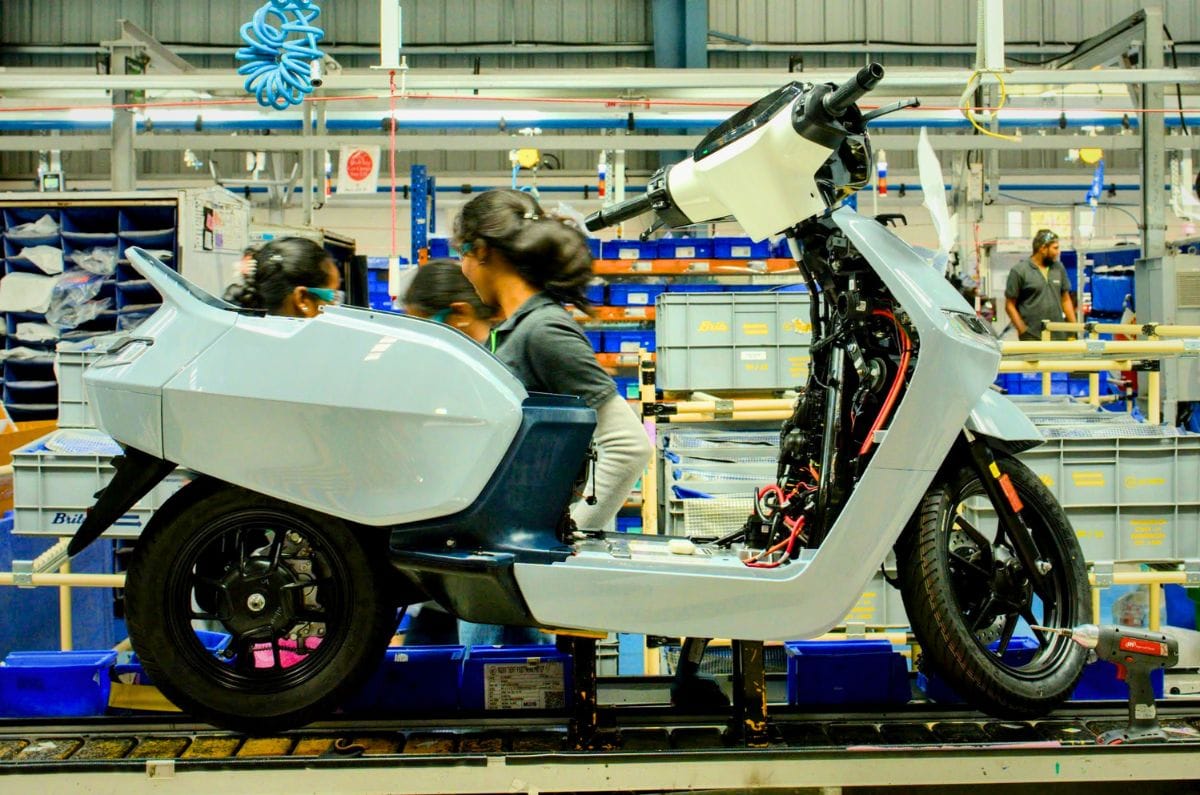
Ather EL scooter being assembled on production line in factory

Ather Energy is exploring whether to accelerate the second phase of its upcoming Aurangabad manufacturing facility as demand for electric scooters continues to outpace expectations, with the company saying its planned capacity could come under pressure if current growth trends persist.

The company’s co-founder and CEO, Tarun Mehta, said the company has begun considering an earlier rollout of Phase 2 after a sharp rise in demand in recent months. He added that the recently completed Rs 2,500-crore fund raise gives the company the flexibility to move ahead with the expansion without waiting for Phase 1 to mature.

  1. EL platform based family scooter to launch on August 29
  2. EL production to initially begin from Hosur, before shifting to Aurangabad
  3. Ather’s electric bike still quite a ways away

Aurangabad Plant to Add 5 Lakh Units Annual Capacity

The comments come as Ather prepares to commission the first phase of its Aurangabad, or AURIC, manufacturing facility in a couple of months.  The company currently manufactures electric scooters from its Hosur plant, which has an annual production capacity of 4.2 lakh units. Mehta said the facility is now operating at almost full utilisation following steady production ramp-up during the first quarter.

Once the Aurangabad plant comes live, it will add another 5 lakh units of annual capacity, taking Ather’s total manufacturing capacity to 9.2 lakh units a year. He added that the Aurangabad facility is progressing as planned, with the assembly line already installed, the paint shop under trial and warehouse and utility work nearing completion ahead of commercial operations later this year. However, Mehta said even that may prove insufficient if the current pace of demand continues.

“GoLive of Auric will take our total capacity up from 4.2 lakh units to 9.2 lakh units later this calendar year. But we believe demand is ramping up very fast. 9.2 lakh units per annum is only 77,000 units a month. We believe on current demand trajectories, even this may be tight in the coming quarters. Which is why I think we were lucky here when we took Aurangabad land. We took a larger land capacity and we had always planned for Auric phase two,” he said.

EV Demand Outpaces Supply

Demand has risen sharply over the past few months, according to the company, resulting in supply constraints across several markets. Mehta said dealer inventories have fallen from 14 days to just three days, while some dealerships have temporarily stopped accepting fresh pre-orders because waiting periods have stretched to around two months or more. The company estimates it could have retailed another 13,000 to 15,000 scooters every month if sufficient production capacity had been available.

“There are 50,000 pre-orders, despite the fact that in many states now, our dealers are no longer even accepting new pre-orders, because the waiting times are now hitting two months or even higher. The underlying demand we strongly believe is very, very high,” Mehta said. “We believe today that of the 30,000 units that we retail average in Q1, we could have probably sold an incremental 13,000 to 15,000 units extra every month.”

New EL Scooter Platform Set to Launch on August 29

Ather expects demand to receive another boost with the launch of its first new scooter based on its brand-new EL platform on August 29. Production of the vehicle has already begun at the Hosur plant, homologation has been completed and high-volume trials are underway.

Initially, production will continue from Hosur before gradually shifting to Aurangabad as the new facility ramps up. The company plans to scale manufacturing capacity for the EL platform to about 60,000 units a month across the two plants. The EL platform will underpin multiple future scooter models and forms part of Ather’s strategy to expand production and meet rising demand for electric scooters.

Ather electric bike still at least 2 years away

Even as it prepares to debut a fresh onslaught of new products based on its EL platform, Ather Energy has no plans to enter the electric motorcycle segment in the near term. According to Ather Energy co-founder and Chief Executive Officer Tarun Mehta, the company’s strategy is to first concentrate on rolling out products based on its new EL platform before entering the electric motorcycle space.

“At this point, we are focused on the EL platform and getting at least the first, maybe two products, maybe another product out on it in the next year,” Mehta said to investors. Ather had earlier said it is developing a dedicated motorcycle platform, codenamed Zenith, alongside its EL scooter architecture. The comments indicate that Ather is now taking a measured approach towards a segment that is still at an early stage of adoption.

“Motorcycles are starting to look interesting. But Ather may not be the pioneer this time. We may watch the market. We want to see how consumers respond, which segments show a willingness and an interest towards the segment before we make our maiden launch here,” Mehta said.

He added that an electric motorcycle from Ather is not expected anytime soon. “So this, I would say, more than a year away, for sure. Probably two years plus.” he said. The company’s strategy comes at a time when India’s electric two-wheeler market continues to be led by scooters, while electric motorcycles account for only a miniscule share of overall EV sales.

Royal Enfield has begun sales of its Flying Flea C6 electric motorcycle on a small scale, while startups including Ultraviolette, Revolt and Oben are expanding their presence. Other legacy players like Bajaj Auto and Hero MotoCorp are also developing their own electric motorcycle platforms, although a debut from either brand is still some time away. Ather, however, plans to observe how the market evolves before committing resources to the category.

Vida surpasses 3 lakh sales milestone

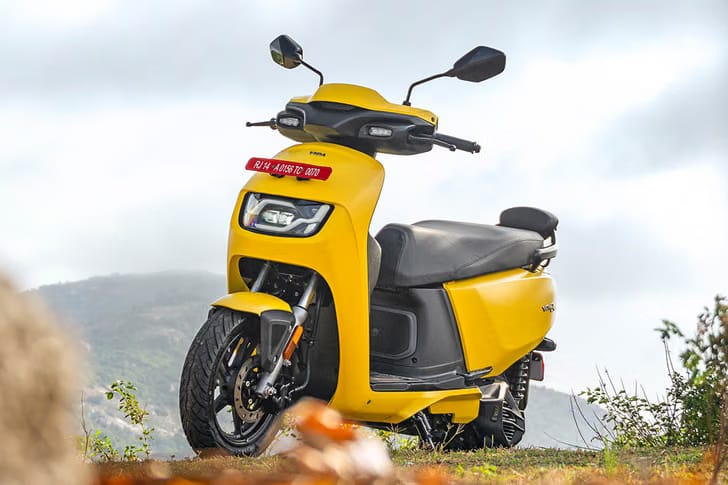
Vida VX2 static

Vida, Hero MotoCorp’s electric two-wheeler brand, has surpassed the 3 lakh retail sales milestone in the Indian market. As per the latest Vahan numbers, cumulative retail sales from November 2022 till August 1, 2026 are 300,458 units.

  1. Vida sold its first 1 lakh units in around 33 months
  2. Whereas, the 2 lakh to 3 lakh sales milestone took just 5 months
  3. With its strong growth trajectory, Vida could garner over 2-lakh sales in a single year for the first time.

Vida’s BaaS has been a key sales driver

Vida currently has coverage across India with over 900 touchpoints

The surge in demand for the Vida e-scooters is seen in the strong growth, particularly over the past year. While the first 1 lakh units were sold in around 33 months, the run from 1 lakh to 2 lakh units took a little over seven months. Now the last 1 lakh units – from 2 lakh to 3 lakh – have taken just five months, reflecting the surging demand for Vida e-scooters this year. With July (22,883 units) being the new monthly high, beating the previous best of June (21,893 units) this year.

From 4 percent in CY2024 to 11 percent in CY2026 Year-to-date, Hero Vida has reaped strong gains in India’s booming e-2W market. Expect it to achieve total retail sales of around 2.25 lakh units this calendar year.

It’s been a noteworthy run for the world’s largest two-wheeler company in the EV space. Vida now stands at No. 4 in the e-2W market share after TVS Motor Co, Bajaj Auto and Ather Energy and is ahead of Ola Electric and Greaves Electric Mobility.

With strong sales tailwinds emanating from a growing number of ICE buyers transitioning to e-mobility due to the multiple price hikes in petrol in May 2026 as well as the upcoming festive season, it can be expected that Vida will maintain the same strong growth trajectory. This would mean Hero MotoCorp’s annual e-2W sales will cross the 2-lakh units milestone in a single calendar year for the first time in CY2026. Estimate them to be in the region of 2.25 lakh to 2.35 lakh units.

Another strategic sales driver for Vida has been the introduction of the Battery-As-a-Service (BaaS) ownership model which significantly reduces the upfront ownership cost, making electric mobility more affordable and accessible to a wider customer base, and has since been adopted by Ather Energy and TVS Motor among a host of other OEMs.

The company, which opened its first Experience Centre in November 2022, currently has coverage across India with over 900 touchpoints spanning 415 cities and 700-plus dealers. Hero MotoCorp enables Vida users to access charging at over 5,900 locations including the Ather Grid network owned by Ather Energy in which Hero MotoCorp is an early investor (with a 29.48 percent stake at present) and has recently invested an additional Rs 1,000 crore.

Manufacturing capacity expansion is also on the cards for Vida. In May this year, Hero MotoCorp revealed details of its planned capital expenditure of over Rs 1,500 crore in FY2027. Cognisant of the strong growth potential in its e-2W business, the company has outlined a strategic manufacturing expansion for its Vida brand. Having already ramped up capacity by 66 percent from 15,000 units per month to 25,000 units, the company has outlined plans for further expansion by doubling monthly capacity to 50,000 units at its plant in Chittoor in Andhra Pradesh to cater to growing demand.
 

Michelin launches made-in-India Primacy 5 tyre for passenger cars

Michelin launches made-in-India Primacy 5 tyre for passenger cars

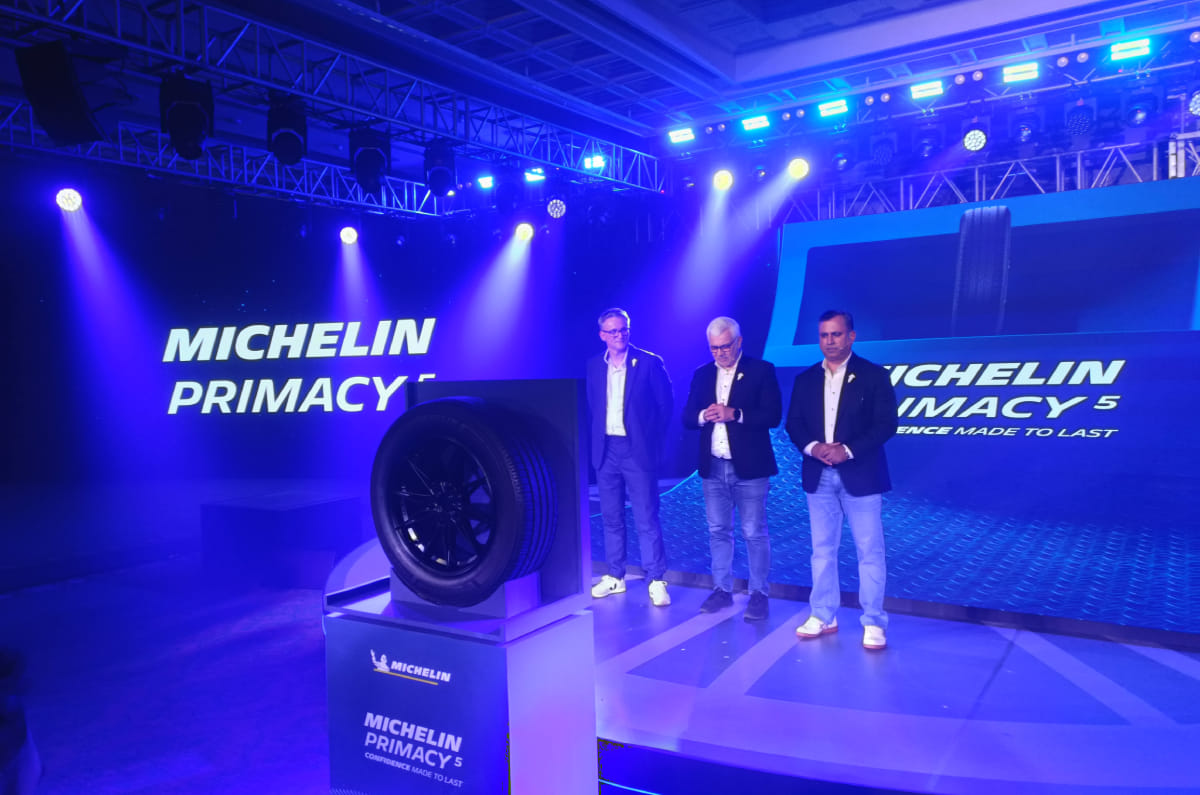
Michelin has launched the Primacy 5 as its first locally manufactured passenger car tyre in India, starting at Rs 10,000. The tyre is available in sizes ranging from 16 to 22 inches. While the French company had been locally producing tyres in India for trucks and buses for over a decade, the Primacy 5 marks the brand’s entry into the locally produced passenger vehicle tyre segment. The Primacy 5 is the first of a range of locally made products, with Pilot Sport 4 SUV, Pilot Sport 5 and LTX Trail ST set to follow in a phased manner.

  1. It’s claimed to have 8-meter shorter wet braking distance than rivals
  2. Improves efficiency in ICE vehicle and range for EVs, says Michelin
  3. Now available at Michelin tyres and service stores and authorised dealers across India

Michelin Primacy 5 highlights

Michelin says the Primacy 5 offers 8-meters shorter wet braking distance when new compared to rivals, and up to 9 metres shorter when worn. It also delivers up to 4 metres shorter dry braking distance when new, compared to other tyres. The other highlight, claims Michelin, is that it improves fuel efficiency in ICE vehicles (6.5 percent improvement over its predecessor, the Primacy 4ST) as well range in case of EVs. It also offers 8 percent longer lifespan compared to the Primacy 4ST, while also offering better ride comfort over other tyres, says Michelin.

It will be available in sizes ranging from 16-inches to 22-inches, meaning it will be compatible with the bulk of the mass offerings as well as premium luxury vehicles.

Speaking during the launch event in Chennai, Mr. Shantanu Deshpande, Managing Director, Michelin India, said, “The launch of the made-in-India Michelin Primacy 5 marks a significant milestone for Michelin in the country and reflects our commitment to delivering products that are tailored to the needs of Indian consumers. Manufactured in India for Indian drivers, the Primacy 5 has been developed and tested on the vehicles most driven in the country, benchmarked against leading competitors, and validated by an independent testing agency.”

Alongside the launch of the made-in-India tyre, the brand also said it intends to expand its presence beyond just Tier I and major Tier II cities. In the last one year, the brand has been expanding its distribution footprint to over 800 points of sale.

The French tyre maker sees India as the only country with true potential for exponential growth over the next decade and plans to capitalise on the growing popularity of mid-size SUVs and premium vehicles.

TVS posts record monthly EV sales as electric 2W segment hits new peak

July 2026 electric two-wheeler sales

India’s electric two-wheeler segment crossed the 2 lakh monthly sales mark for the first time, with retail figures of 2,04,266 units in July 2026 – beating the previous best of 1,99,411 units set in March this year. Cumulative sales for the first seven months of 2026 now stand at 11.7 lakh units, up 56 percent year-on-year, while the first four months of FY27 have delivered 7,29,573 units – a 73 percent jump over the same period last year.

  1. Electric two-wheeler sales cross 2 lakh units in a month for the first time
  2. TVS posts best-ever monthly sales of 55,477 units; market share rises to 27 percent
  3. Ola Electric is the only top-10 OEM to register a year-on-year decline

July 2026 electric two-wheeler sales: OEM breakdown

TVS Motor Co: 55,477 units

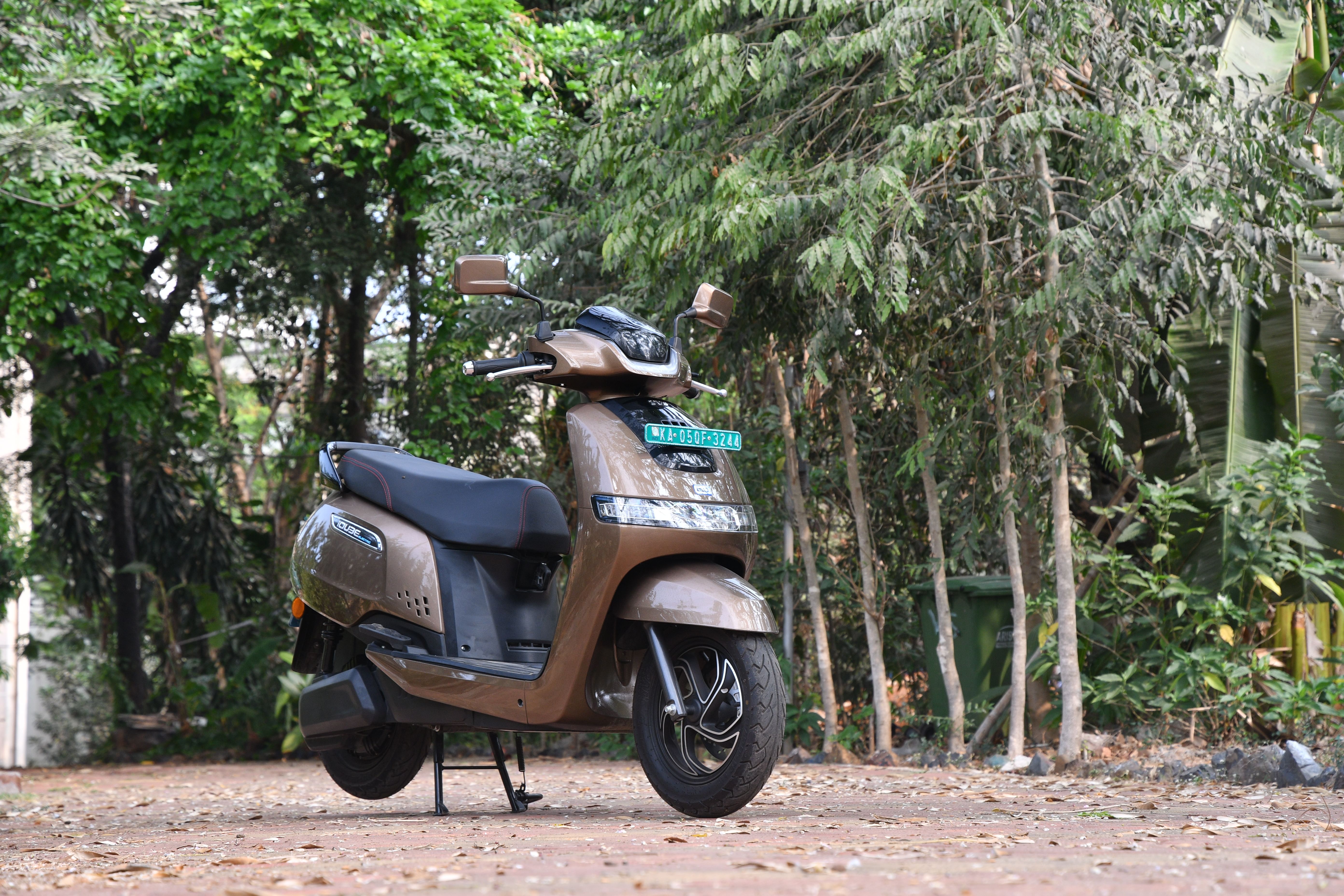
TVS Motor Company delivered a record 55,477 electric scooters in July – a 135 percent year-on-year increase and the brand’s highest-ever monthly figure, surpassing the previous best of 51,632 units in March. The result gives TVS a 27 percent market share, up from 22 percent a year ago. Cumulative FY27 sales of 1,86,034 units are already 52 percent of its full-year FY26 tally, putting it on course to cross 5.5 lakh annual sales for the first time. The iQube remains TVS’s highest-selling model, with the Orbiter seeing growing demand alongside it.

Bajaj Auto: 45,592 units

Bajaj Auto sold 45,592 Chetak scooters in July, marking a 122 percent year-on-year increase, and giving it a 22 percent market share, up from 19 percent a year ago. This was Bajaj’s second-highest monthly figure after March’s 47,751 units. Cumulative FY27 sales of 1,63,236 units are 54 percent of its full-year FY26 total. Bajaj Auto’s Joint MD Rakesh Sharma noted that the newly launched Chetak 2501 now accounts for approximately 12 percent of the Chetak portfolio.

Ather Energy: 30,323 units

Ather Energy delivered 30,323 units in July, up 70 percent year-on-year, consolidating its position as the third-largest electric two-wheeler maker in India. Cumulative FY27 sales of 1,18,983 units are already 47 percent of its FY26 total. 

In July, Ather also updated the battery chemistry of the 450 and Rizta ranges, with the Rizta now available in both LFP and NMC configurations. The brand will launch its first EL platform-based scooter – expected to be priced between Rs 1 lakh and Rs 1.25 lakh – at Ather Community Day on August 29.

Vida: 22,887 units

Vida posted its best-ever monthly sales of 22,887 units in July – a 111 percent year-on-year increase – surpassing its previous highs of 22,201 units in March and 21,893 units in June. Cumulative FY27 sales of 79,940 units are already 53 percent of its full-year FY26 total. The brand expanded its lineup in July with the VX2 Plus 4.4kWh at Rs 1.43 lakh and the new VX2 Go FB – a fixed-battery variant with a 3.1kWh pack priced at Rs 1.13 lakh.

Ola Electric: 14,105 units

Ola Electric was the only top-10 OEM to register a year-on-year decline in July, selling 14,105 units – down 24 percent from 18,449 units in July 2025. After three months of sequential growth through April, May and June, July also saw a 13 percent month-on-month drop. Ola’s market share has fallen sharply to 7 percent from 17 percent a year ago, when it ranked third overall.

Other notable performers

Greaves Electric Mobility delivered 10,125 units – up 137 percent year-on-year. River Mobility hit its highest-ever monthly sales with 5,951 units of the Indie, up 254 percent year-on-year, following the rollout of its 50,000th unit from its Hoskote plant. Bgauss Auto sold 5,518 units, up 213 percent year-on-year. Simple Energy sold 1,648 units, with the brand’s upcoming Simple Arrive family scooter set to launch on September 2. Lectrix Vehicles rounded out the top 10 with 1,397 units.

The top 10 OEMs combined accounted for 94 percent of all electric two-wheeler sales in July, with the remaining 6 percent approximately 180 other manufacturers.