

बेल्जियम के प्रधानमंत्री बार्ट डी वेवर ने गुरुवार को कहा कि यूरोप को अब आर्थिक निर्भरता का खतरा समझ आ रहा है। उन्होंने कहा कि प्रधानमंत्री नरेंद्र मोदी ने यूरोप को इस बारे में काफी पहले चेताया था। दिल्ली में CII के कार्यक्रम में उन्होंने कहा- दुनिया तेजी से बदल रही है, लेकिन यूरोप इस बदलाव के साथ कदम नहीं मिला पा रहा। वह बूढ़ा हो चुका है। वेबर के मुताबिक, चीन और अमेरिक यूरोप से बहुत आगे निकल चुके हैं। इनोवेशन और प्रोडक्टिविटी में यूरोप बहुत पीछे चला गया है, इसलिए उसे हर तरफ से झटके लग रहे हैं। ‘हम अपनी रक्षा करने में सक्षम नहीं’ डी वेवर ने कहा कि यूरोप की कमजोरी सिर्फ अर्थव्यवस्था तक सीमित नहीं है। यूरोपीय देश अपनी सुरक्षा की पूरी जिम्मेदारी खुद उठाने की स्थिति में भी नहीं हैं। यूरोप को हर समय अपमानित होना पड़ता है। वेबर का यह बयान ऐसे समय आया है, जब यूरोपीय देशों पर रक्षा के लिए ज्यादा खर्च करने और अपनी सुरक्षा में ज्यादा जिम्मेदारी लेने का दबाव बढ़ रहा है। उन्होंने कहा, आप इस इतिहास से गुजर चुके हैं। आपके प्रधानमंत्री ने यूरोप को बहुत पहले चेताया था, लेकिन उन्हें नजरअंदाज कर दिया गया। अब हम सुन रहे हैं। यूरोप को यह समझ थोड़ी देर से आई है, लेकिन अब यह बदलाव हो रहा है। डी वेवर ने यूरोप की इस स्थिति को ‘रूड अवेकनिंग’ यानी कड़वी हकीकत से जागना बताया।
सस्ते आयात से कमजोर हुई यूरोप की इंडस्ट्री वेवर ने कहा कि यूरोप ने लंबे समय तक विदेशी कंपनियों को बड़े पैमाने पर अपने बाजार में जगह दी। कम कीमत पर आने वाले सामान ने यूरोप की स्थानीय कंपनियों के लिए मुश्किलें बढ़ाईं और धीरे-धीरे वहां की इंडस्ट्री कमजोर होती गई। उन्होंने कहा कि इस व्यवस्था का सबसे ज्यादा फायदा जिस देश को हुआ, वह यूरोप का करीबी पड़ोसी है और उसे सभी जानते हैं। डी वेवर ने देश का नाम नहीं लिया, लेकिन उनके इस बयान को चीन की ओर इशारा माना जा रहा है। भारत को बताया ‘नंबर-1’ रणनीतिक पार्टनर डी वेवर ने भारत को यूरोप के लिए सबसे अहम रणनीतिक साझेदार बताया। उन्होंने कहा कि यूरोप को ऐसे देशों के साथ रिश्ते मजबूत करने चाहिए, जो सहयोग और बहुपक्षीय व्यवस्था में भरोसा रखते हों और ताकत के बजाय आपसी सम्मान के आधार पर संबंध बनाते हों। उन्होंने कहा, “अगर भारत उस सूची में नहीं है तो आपने कुछ बहुत बुनियादी बात मिस कर दी है। भारत उस सूची में है। नंबर-1।” डी वेवर ने भारत की तेज आर्थिक growth, बड़ी टैलेंट पूल और टेक्नोलॉजी क्षमता को दोनों पक्षों के लिए बड़ी ताकत बताया। उन्होंने कहा कि भारत और यूरोप के बीच व्यापार, निवेश, टेक्नोलॉजी और सप्लाई चेन जैसे क्षेत्रों में सहयोग की बड़ी संभावनाएं हैं। बेल्जियम खुद भी बजट के दबाव में डी वेवर की ये चिंताएं ऐसे समय सामने आई हैं, जब बेल्जियम सरकार खुद बड़े बजट कटौती के फैसलों की तैयारी कर रही है। सरकार का लक्ष्य 2029 तक करीब 10 अरब यूरो यानी 11.7 अरब डॉलर की बचत करना है। प्रधानमंत्री ने माना कि इन फैसलों का असर देश के लगभग हर वर्ग पर पड़ेगा। उन्होंने कहा, “मैं अच्छी नींद नहीं ले पा रहा हूं और इस बारे में बहुत सोचता हूं।” डी वेवर ने कहा कि बजट का घाटा सिर्फ अमीरों पर ज्यादा टैक्स लगाकर पूरा नहीं किया जा सकता। वहीं, खर्च में कटौती को लेकर उन्होंने कहा कि आम तौर पर हर कोई चाहता है कि बचत का असर किसी और पर पड़े, उस पर नहीं। उन्होंने व्यंग्य करते हुए कहा, “हर कोई सोचता है कि अगर बचत करनी है तो उसका खर्च मेरे पड़ोसी पर पड़े, मुझ पर नहीं।”
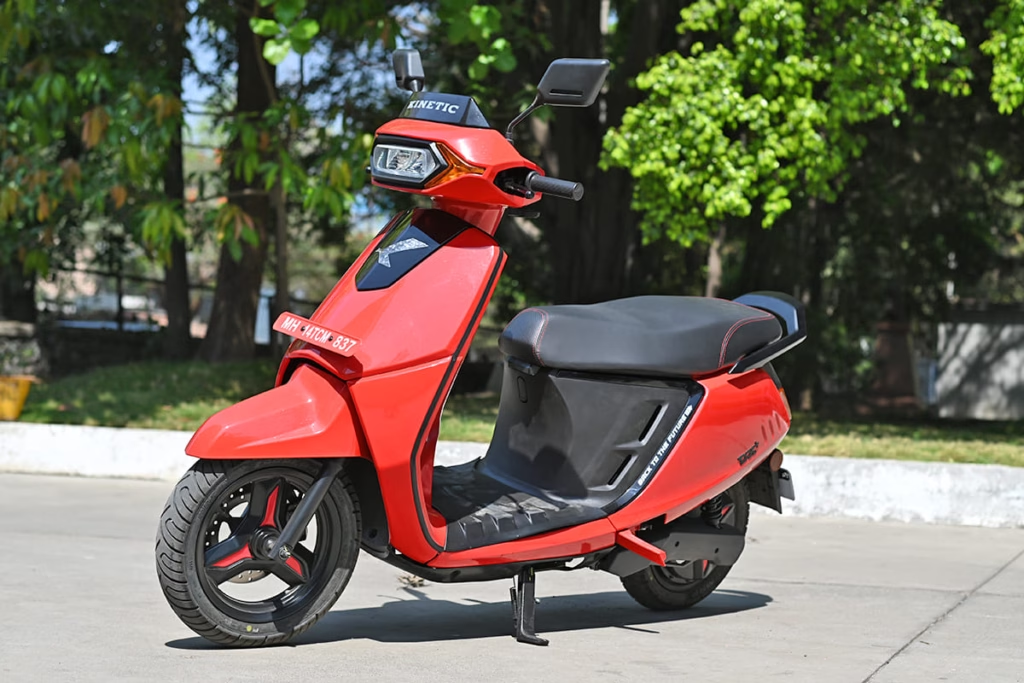
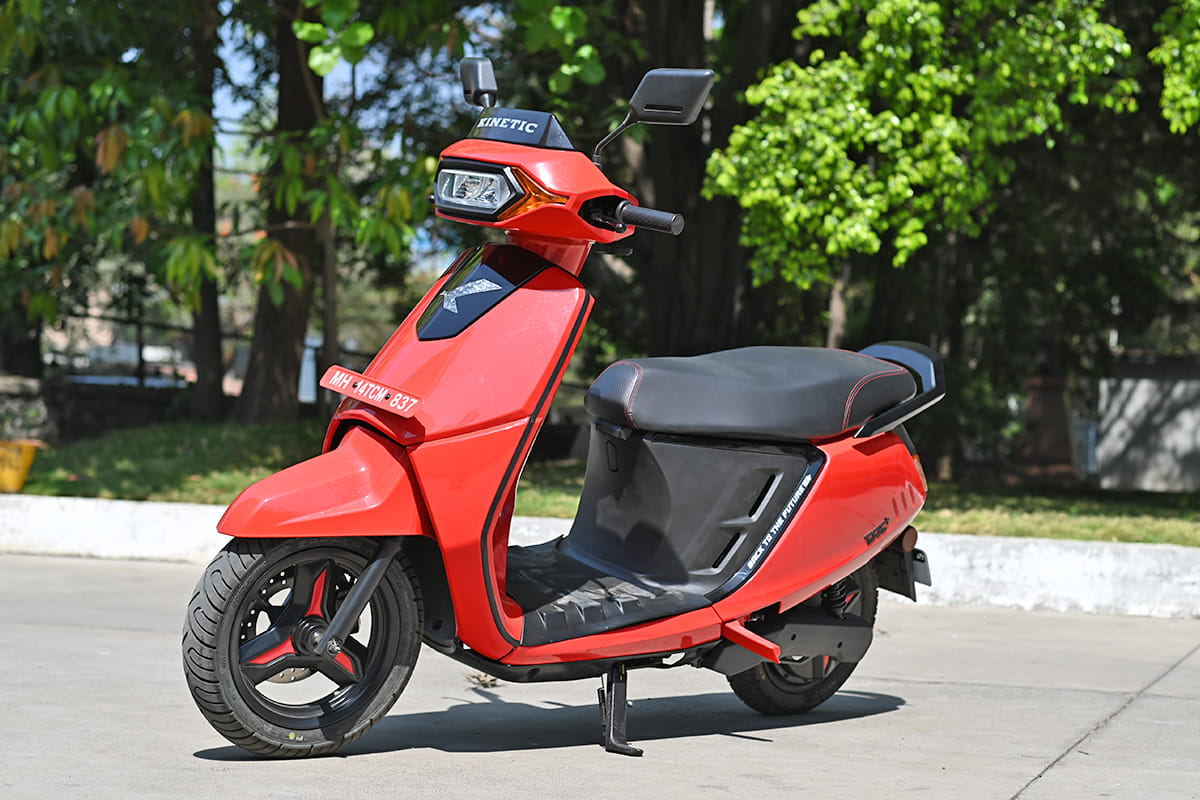
Kinetic Watts & Volts (KWV) is evaluating seven international markets as the Pune-based electric two-wheeler maker looks to expand beyond India. Turkey, Nepal, Sri Lanka, Bangladesh, Kenya, Nigeria and Egypt are currently being assessed, with KWV studying local regulations, customer requirements, electric two-wheeler demand and potential distribution partners.
- International expansion to cover markets across Europe, South Asia and Africa
- Makarand Joshi appointed to lead KWV’s international business development
- Company plans to add 40 more exclusive showrooms in India
Kinetic EV international expansion plans
It has also issued 150 LOIs to prospective dealership partners.
KWV currently sells the Kinetic DX and DX+ electric scooters in India, with the range positioned around accessible urban mobility. The company is now looking to identify markets and distribution partners that can support its next phase of growth overseas.
KWV has appointed Makarand Joshi as head of international business development to lead its overseas plans. Joshi has more than two decades of experience in developing overseas markets for Indian automotive products, with experience across Asia, the Middle East, Europe and Africa. His background includes two-wheelers, commercial vehicles and tractors, as well as international distribution and market-entry strategies.
Ajinkya Firodia, Vice Chairman and Managing Director, Kinetic Watts & Volts, said the company’s products had been designed with a broad range of markets in mind. He added that the momentum of its domestic business had allowed KWV to begin laying the groundwork for international expansion. The company is yet to confirm which of the seven markets it will enter or provide a timeline for its overseas launch.
KWV’s international plans come as it continues to build its presence in the Indian market. The company currently has 45 exclusive showrooms and expects another 40 outlets to become operational within the next two months. It has also issued 150 Letters of Intent (LOI) to prospective dealership partners.
With inputs from ANGITHA SURESH
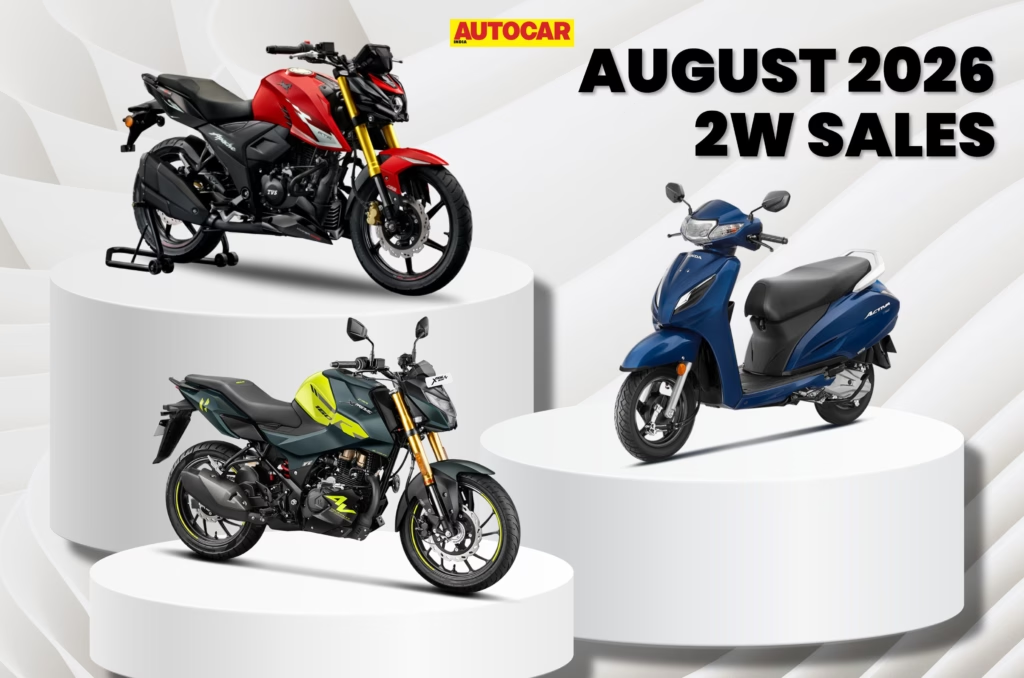
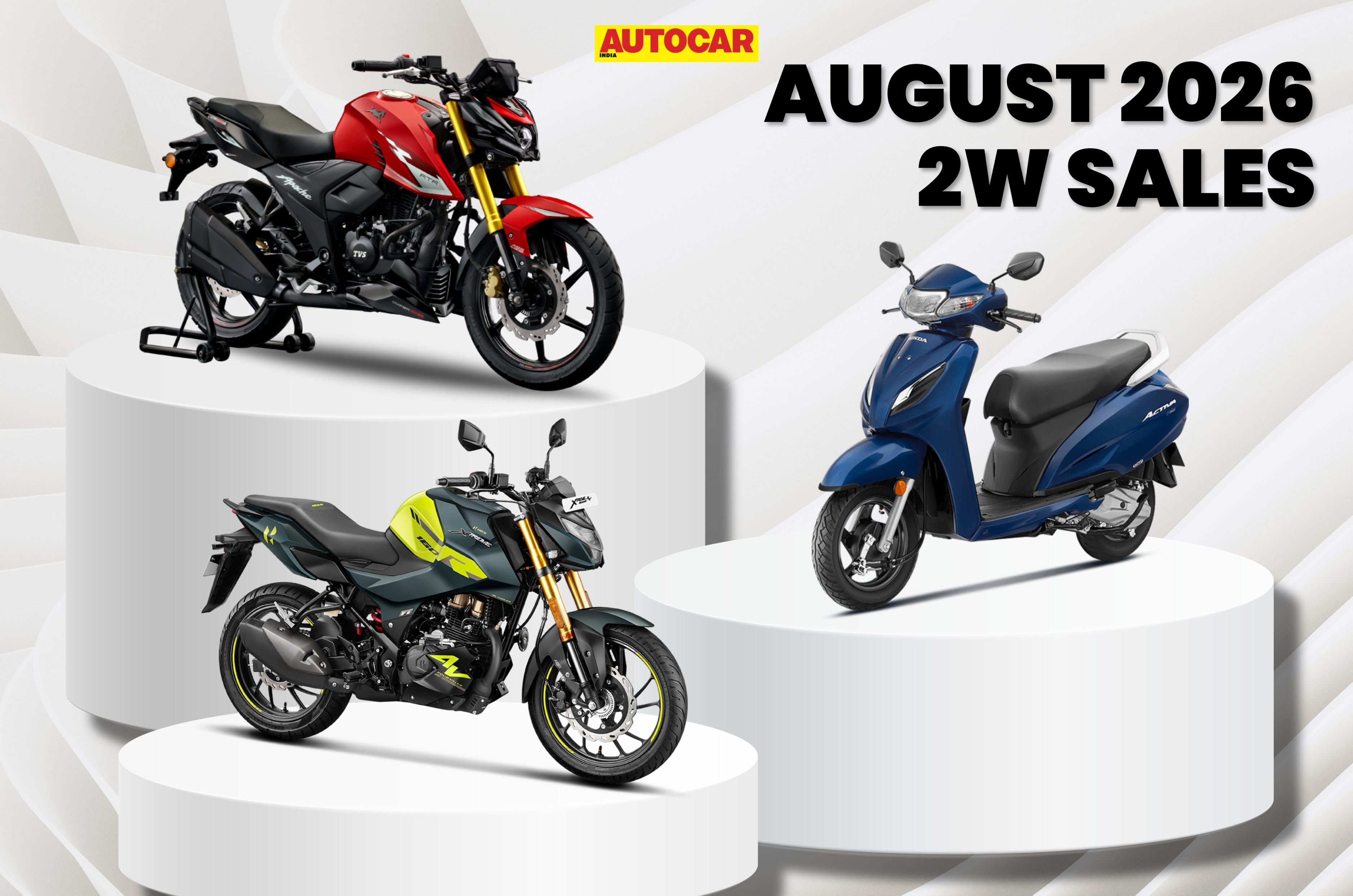
August 2026 delivered strong year-on-year growth across the board as manufacturers gear up for the festive season, but the standout story was TVS Motor Company leapfrogging both Honda and Hero MotoCorp to become India’s largest two-wheeler manufacturer by monthly dispatches for the first time.
TVS Motor: 5,91,437 units
TVS recorded its highest-ever monthly two-wheeler sales this past August, with dispatches climbing 21 percent year-on-year from 4,90,788 units last August. This pushed it past both Honda and Hero for the top spot this month. Domestic two-wheeler sales grew 18 percent to 4,33,796 units, while the company’s electric two-wheeler business posted growth of 137 percent to 59,453 units. TVS also continued to lead as an exporter, shipping 1,57,641 two-wheelers overseas, up 29 percent year-on-year.
Honda: 5,79,162 units
Honda Motorcycle & Scooter India (HMSI) posted 8 percent YoY growth, with total sales rising from 5,34,861 units last August. Domestic sales grew at the same 8 percent clip to 5,17,329 units, while exports rose by a sharper 15 percent to 61,833 units.
Hero MotoCorp: 5,68,398 units
Hero two-wheeler dispatches grew a modest 2.65 percent year-on-year from 5,53,727 units. Domestic ICE dispatches stood at 5,16,747 units, while the Vida brand continued its strong run with 25,558 units dispatched – a 38 percent growth. Exports fell 24.6 percent to 26,093 units from 34,588 a year earlier.
Bajaj Auto: 4,43,748 units
Bajaj two-wheeler dispatches grew 30 percent YoY from 3,41,887 units. Domestic sales rose 10 percent to 2,01,898 units, while exports jumped 53 percent to 2,41,850 units, continuing the company’s run as one of India’s largest two-wheeler exporters.
Royal Enfield: 1,26,479 units
Royal Enfield motorcycle sales grew 11 percent YoY from 1,14,002 units. Domestic sales rose 11 percent to 1,14,204 units, while exports grew 10 percent to 12,275 units. The month saw the launch of the Classic 350 Gorkha Edition and an updated Continental GT 650, alongside continued momentum for the Flying Flea C6, which the brand says has crossed 50,000 customer-driven kilometres in its current sole market of Bengaluru.
Suzuki: 1,20,611 units
Suzuki posted 6 percent year-on-year growth from 1,13,936 units, driven largely by domestic sales, which rose 13 percent to 1,03,118 units. Exports declined to 17,493 units from 22,307 units a year earlier.
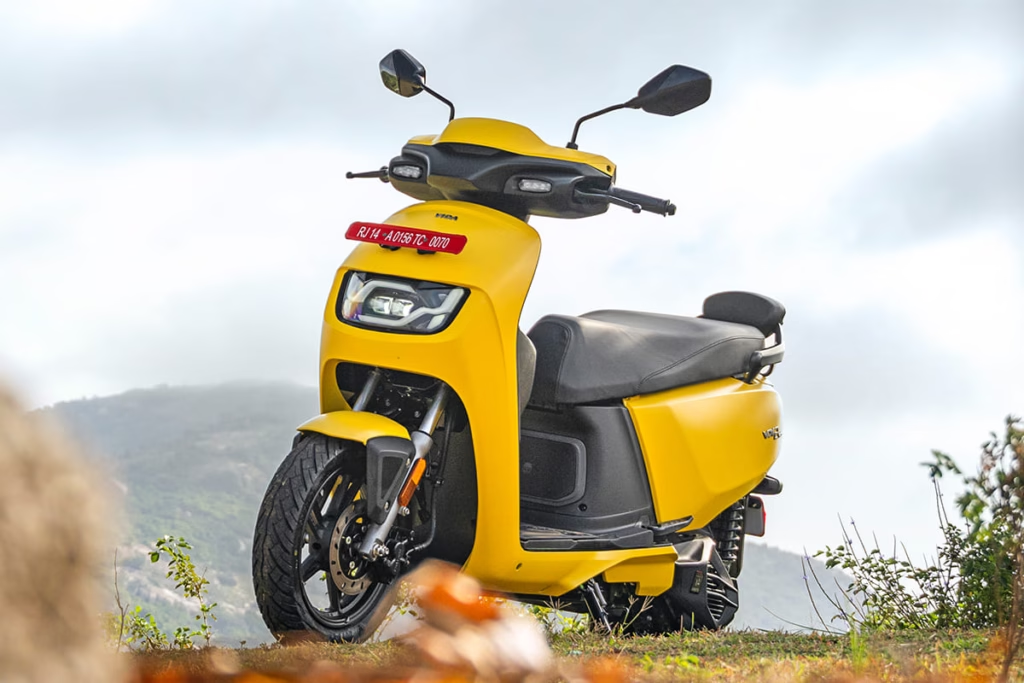
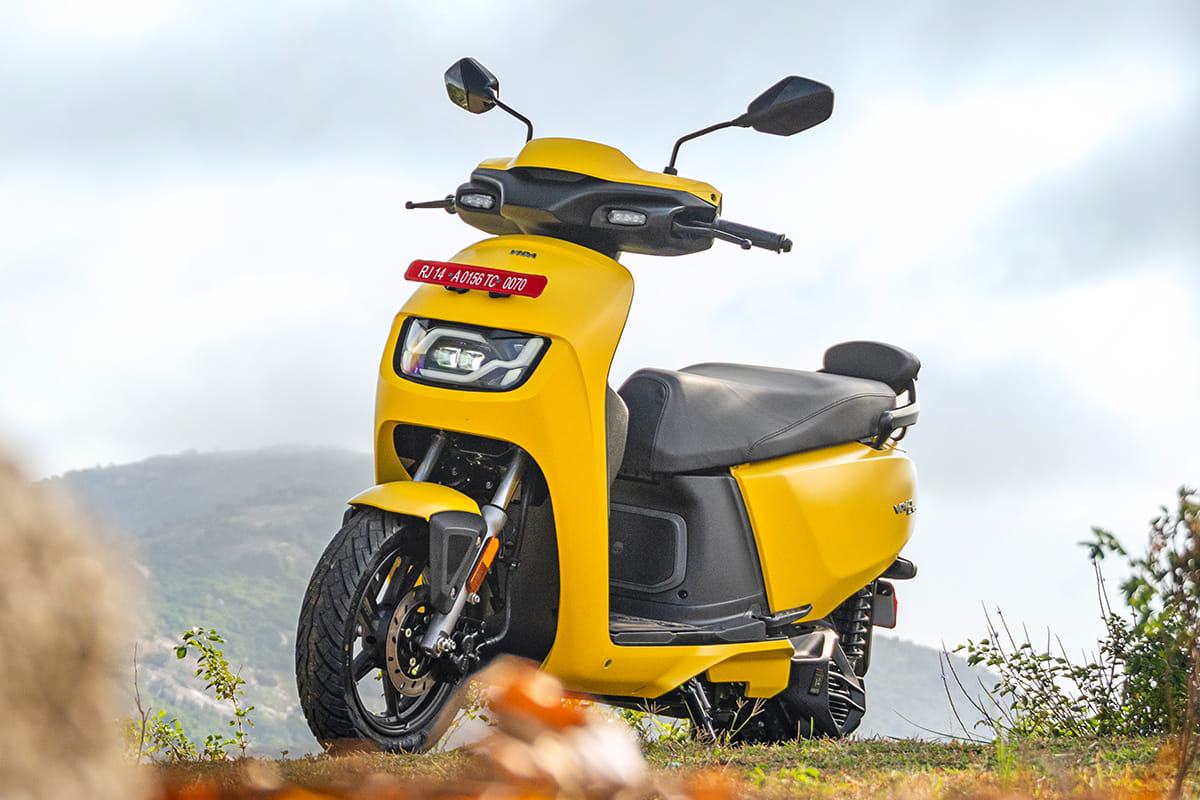
Electric two-wheelers could help dealers retain more customers even as they reduce the need for traditional servicing, according to Hero MotoCorp’s chief business officer, Ashutosh Varma.
- EVs are currently complementing, rather than replacing, ICE two-wheelers, says Hero MotoCorp
- EV service retention could reach 85-90 percent
- Software-based services could create new revenue opportunities for dealers
EVs could improve service retention
Dealer revenue set to evolve
Speaking at a FADA conclave, Varma said the current growth of the ICE two-wheeler market suggests EVs are complementing conventional motorcycles and scooters rather than replacing them.
“The way the ICE business seems to be growing, it doesn’t seem like EVs are substituting ICE sales. It’s just like complementing ICE sales,” he said.
One of the potential benefits for dealers could be higher customer retention. Varma said average retention in the ICE business is around 60 percent, while EVs could push this considerably higher.
“In EVs it nudges us to move even further, possibly 85-90 percent,” he said.
While EVs have fewer mechanical components and generally require less routine maintenance than ICE vehicles, a higher proportion of EV owners returning to authorised workshops could help offset some of the reduction in conventional service and parts revenue.
Varma also pointed to software as another potential source of income for dealers. Manufacturers are increasingly offering modular, paid software and technology features, giving dealerships an opportunity to earn from services beyond traditional workshop jobs.
The revenue mix for dealerships is therefore likely to change as EVs become more common, rather than simply declining because vehicles need less mechanical servicing.
“The nature of revenues as you go forward will continue to evolve,” Varma said. “There are new avenues that will continue to emerge and EVs is an excellent example.”
Stocks to Watch: कई कंपनियों से जुड़े अहम बड़े अपडेट सामने आए हैं। इनमें हिस्सेदारी खरीद, नए प्रोजेक्ट, ब्लॉक डील, फंड जुटाने और मैनेजमेंट बदलाव जैसी खबरें शामिल हैं। इन खबरों का असर 3 सितंबर को इन कंपनियों के शेयरों में देखने को मिल सकता है। आइए जानते हैं गुरुवार को किन 13 शेयरों पर नजर रहेगी।
ICICI Bank
प्राइवेट बैंक ICICI Bank ने अपनी सब्सिडियरी ICICI Prudential Life Insurance में 2% अतिरिक्त हिस्सेदारी खरीदी है। इसके लिए बैंक ने करीब ₹1,470 करोड़ खर्च किए। अब कंपनी में ICICI Bank की हिस्सेदारी बढ़कर करीब 52.8% हो गई है। बैंक ने 22 जुलाई से 2 सितंबर के बीच कई चरणों में करीब 2.90 करोड़ शेयर खरीदे।
Power Grid Corporation of India
सरकारी पावर ट्रांसमिशन कंपनी Power Grid Corporation को राजस्थान REZ से ₹3,244.33 करोड़ का प्रोजेक्ट मिला है। कंपनी को राजस्थान के बाड़मेर से बिजली ट्रांसमिशन सिस्टम बनाने का लेटर ऑफ इंटेंट मिला है। यह प्रोजेक्ट रिन्यूएबल एनर्जी से पैदा होने वाली बिजली को दूसरे राज्यों तक पहुंचाने से जुड़ा है।
Meesho
ई-कॉमर्स कंपनी Meesho में SoftBank ब्लॉक डील के जरिए करीब 7 करोड़ शेयर बेच सकती है। यह कंपनी की 1.5% हिस्सेदारी के बराबर है। इस डील का आकार करीब ₹1,435 करोड़ हो सकता है। शेयरों के लिए ₹205 का फ्लोर प्राइस तय किया गया है, जो मौजूदा बाजार भाव से 3.12% तक कम है।
HUDCO
सरकारी फाइनेंस कंपनी HUDCO ने बिहार सरकार के साथ ₹25,000 करोड़ तक की फंडिंग के लिए समझौता किया है। यह पैसा पांच साल में इंडस्ट्रियल इंफ्रास्ट्रक्चर प्रोजेक्ट्स के लिए दिया जाएगा। इसमें जमीन खरीदने और इंडस्ट्रियल पार्क बनाने पर खर्च शामिल है।
AXISCADES Technologies
इंजीनियरिंग और टेक्नोलॉजी कंपनी AXISCADES Technologies ₹200 करोड़ जुटाने की तैयारी कर रही है। कंपनी का बोर्ड शनिवार को नॉन-कन्वर्टिबल डिबेंचर्स यानी NCDs जारी करने के प्रस्ताव पर विचार करेगा।
Motilal Oswal Financial Services
फाइनेंशियल सर्विसेज कंपनी Motilal Oswal Financial Services का बोर्ड सोमवार को फंड जुटाने पर विचार करेगा। कंपनी NCDs जारी करके पूंजी जुटाने की योजना पर चर्चा करेगी।
Jindal Worldwide
टेक्सटाइल कंपनी Jindal Worldwide ने अमित अग्रवाल को फिर से मैनेजिंग डायरेक्टर नियुक्त करने का फैसला किया है। उनका कार्यकाल अगले तीन साल का होगा। इस फैसले से कंपनी के मैनेजमेंट में निरंतरता बनी रहेगी।
NHPC
सरकारी पावर कंपनी NHPC को BGS-SGS-SOMA JV के साथ चल रहे विवाद में आर्बिट्रल अवॉर्ड मिला है। यह मामला 2,000 मेगावाट के सुबानसिरि लोअर हाइड्रोइलेक्ट्रिक प्रोजेक्ट से जुड़ा है।
Hexaware Technologies
आईटी कंपनी Hexaware Technologies में बड़ा मैनेजमेंट बदलाव होने जा रहा है। श्रीकृष्ण रामकार्तिकेयन 28 अक्टूबर 2026 से CEO और होल-टाइम डायरेक्टर का पद छोड़ देंगे। उनकी जगह विवेक जेटली CEO बनेंगे। रामकार्तिकेयन कंपनी से सीनियर एडवाइजर के तौर पर जुड़े रहेंगे।
Page Industries
गारमेंट कंपनी Page Industries को UAE डिस्ट्रीब्यूशन व्यवस्था से जुड़े विवाद में दुबई की अदालत से नोटिस मिला है। Yellow Flower Trading LLC ने कंपनी पर AED 113.55 मिलियन का दावा किया है। इसमें 10 अक्टूबर 2025 से सालाना 9% ब्याज भी मांगा गया है। कंपनी ने आरोपों को बेबुनियाद बताया है और कानूनी लड़ाई लड़ने की बात कही है।
Aster DM Quality Care
हेल्थकेयर कंपनी Aster DM Quality Care में करीब ₹350 करोड़ की ब्लॉक डील हुई है। TPG से जुड़ी Centella Mauritius ने 46.1 लाख शेयर बेचे हैं। यह कंपनी की 0.53% हिस्सेदारी के बराबर है। Union (Mauritius) Holdings ने NSE पर औसतन ₹760 प्रति शेयर के भाव से यह हिस्सेदारी खरीदी।
Pine Labs
फिनटेक कंपनी Pine Labs में ₹550 करोड़ की ब्लॉक डील हुई है। Alpha Wave Ventures ने 3.55 करोड़ शेयर बेचे हैं। यह कंपनी की 3.1% हिस्सेदारी के बराबर है। ICICI Prudential Life Insurance, Societe Generale और Goldman Sachs समेत कई निवेशकों ने शेयर खरीदे हैं।
FACT
सरकारी फर्टिलाइजर कंपनी FACT पर भारत सरकार के बकाया कर्ज को लेकर ₹438.20 करोड़ का पेनल ब्याज लगाया गया है। इसमें ₹389.51 करोड़ का ब्याज 31 मार्च 2026 तक की अवधि का है। बाकी ₹48.69 करोड़ FY27 से जुड़ा है। यह पेनल ब्याज 1 अप्रैल 2018 से लागू माना गया है।
GDP Growth: सरकार ने 2.6% GDP ग्रोथ के दावे को खारिज किया, 7.8% को सटीक बताया
Disclaimer: यहां मुहैया जानकारी सिर्फ सूचना के लिए दी जा रही है। यहां बताना जरूरी है कि मार्केट में निवेश बाजार जोखिमों के अधीन है। निवेशक के तौर पर पैसा लगाने से पहले हमेशा एक्सपर्ट से सलाह लें। मनीकंट्रोल की तरफ से किसी को भी पैसा लगाने की यहां कभी भी सलाह नहीं दी जाती है।
HUDCO Share: सरकारी कंपनी Housing and Urban Development Corporation Ltd (HUDCO) ने बिहार सरकार के साथ एक बड़ा समझौता किया है। इसके तहत HUDCO राज्य में इंडस्ट्रियल इंफ्रास्ट्रक्चर प्रोजेक्ट्स के लिए ₹25,000 करोड़ तक की फाइनेंशियल मदद देगी।
पांच साल में मिलेगी फंडिंग
यह रकम एक साथ जारी नहीं होगी। अगले पांच साल में जरूरत के हिसाब से अलग-अलग चरणों में फंड दिया जाएगा।
इस पैसे का इस्तेमाल बिहार में इंडस्ट्रियल पार्क बनाने में होगा। इसमें जमीन खरीदना और उद्योगों के लिए जरूरी इंफ्रास्ट्रक्चर तैयार करना शामिल है।
25 साल तक के लिए मिल सकता है लोन
HUDCO राज्य सरकार की ओर से तय की गई एक संस्था को ₹25,000 करोड़ तक के टर्म लोन देगी। फंडिंग अलग-अलग चरणों में होगी।
लोन की शर्तें भी लचीली होंगी। मोरेटोरियम की सुविधा मिल सकती है। लोन चुकाने के लिए 25 साल तक का समय दिया जा सकता है। समय से पहले लोन चुकाने का विकल्प भी होगा।
IDA को जिम्मेदारी मिली
बिहार सरकार ने राज्य के Infrastructure Development Authority को इन प्रोजेक्ट्स की जिम्मेदारी दी है। यह संस्था इंडस्ट्रियल पार्क के लिए जमीन खरीद और डेवलप कर सकती है।
यहां उद्योगों के लिए जरूरी इंफ्रास्ट्रक्चर भी तैयार किया जाएगा। हर प्रोजेक्ट के लिए अलग समझौता होगा। उसमें फंडिंग की शर्तें और प्रोजेक्ट का दायरा तय किया जाएगा।
तुरंत नहीं मिलेंगे ₹25,000 करोड़
यह MoU ₹25,000 करोड़ तुरंत जारी करने का करार नहीं है। यह सिर्फ फंडिंग के लिए एक फ्रेमवर्क है। जरूरत के हिसाब से पांच साल में फंड जारी होगा। MoU तीन साल तक वैध रहेगा। इसकी हर साल समीक्षा की जाएगी।
बुधवार को HUDCO का शेयर 0.11% की मामूली गिरावट के साथ ₹178.38 पर बंद हुआ।
GDP Growth: सरकार ने 2.6% GDP ग्रोथ के दावे को खारिज किया, 7.8% को सटीक बताया
Disclaimer: यहां मुहैया जानकारी सिर्फ सूचना के लिए दी जा रही है। यहां बताना जरूरी है कि मार्केट में निवेश बाजार जोखिमों के अधीन है। निवेशक के तौर पर पैसा लगाने से पहले हमेशा एक्सपर्ट से सलाह लें। मनीकंट्रोल की तरफ से किसी को भी पैसा लगाने की यहां कभी भी सलाह नहीं दी जाती है।
GDP Growth: सरकार ने पहली तिमाही की GDP ग्रोथ 2.6% रहने के दावे को खारिज कर दिया है। सांख्यिकी और कार्यक्रम कार्यान्वयन मंत्रालय के सचिव सौरभ गर्ग ने कहा कि 7.8% की GDP ग्रोथ का आंकड़ा मजबूत प्रोडक्शन डेटा पर आधारित है। उन्होंने पुराने और नए GDP डेटा की तुलना को ‘सेब और संतरे की तुलना’ जैसा बताया। PTI के मुताबिक, सरकार ने कहा कि दोनों आंकड़े अलग-अलग डेटा सीरीज के हैं और उनकी सीधी तुलना नहीं की जा सकती।
यह विवाद पूर्व वित्त सचिव सुभाष चंद्र गर्ग के बयान के बाद शुरू हुआ था। उनका कहना था कि अगर पिछले साल की पहली तिमाही की GDP को ₹86 लाख करोड़ से घटाकर ₹80 लाख करोड़ नहीं किया जाता, तो मौजूदा ग्रोथ करीब 2.6% होती।
सरकार ने 2.6% के दावे को क्यों बताया गलत?
सौरभ गर्ग के मुताबिक, आलोचक FY26 की पहली तिमाही के पुराने ₹86.05 लाख करोड़ के GDP आंकड़े की तुलना नए ₹80 लाख करोड़ के आंकड़े से कर रहे हैं। यह ₹86.05 लाख करोड़ का आंकड़ा पुराने 2011-12 बेस ईयर वाली GDP सीरीज का था।
फरवरी 2026 में सरकार ने 2022-23 को बेस ईयर मानकर नई GDP सीरीज जारी की। इसके बाद पुरानी सीरीज की जगह नई सीरीज लागू हो गई। नई सीरीज में Q1 FY26 का GDP पहले ₹80.32 लाख करोड़ आंका गया। बाद में यह ₹80.44 लाख करोड़ हुआ और फिर नए IIP और PPI डेटा के आधार पर इसे ₹80 लाख करोड़ किया गया।
PTI के मुताबिक, मंत्रालय ने कहा कि यह सामान्य डेटा रिवीजन की प्रक्रिया है। इसका मकसद पिछले साल का GDP घटाकर मौजूदा ग्रोथ रेट को बढ़ाना नहीं था।
असली तुलना किससे होनी चाहिए?
सरकार का कहना है कि GDP ग्रोथ की तुलना एक ही डेटा सीरीज और स्थिर कीमतों पर की जानी चाहिए। नई 2022-23 बेस ईयर सीरीज के मुताबिक, FY27 की पहली तिमाही में भारत की रियल GDP ग्रोथ 7.8% रही।
मंत्रालय ने स्टील, सीमेंट और ऑटोमोबाइल जैसे सेक्टरों में मजबूत वॉल्यूम ग्रोथ का भी हवाला दिया। PTI के मुताबिक, सरकार का तर्क है कि वास्तविक उत्पादन में बढ़ोतरी के आंकड़े भी मजबूत आर्थिक गतिविधि दिखाते हैं।
मैन्युफैक्चरिंग में रियल ग्रोथ ज्यादा कैसे?
मैन्युफैक्चरिंग की रियल GVA ग्रोथ 9.2% रही, जबकि नॉमिनल ग्रोथ 7.7% रही। इसके चलते इंप्लिसिट GVA डिफ्लेटर माइनस 1.5% रहा।
मंत्रालय ने कहा कि इसका मतलब फैक्ट्री गेट कीमतें घटीं, यह जरूरी नहीं है। नई पद्धति में आउटपुट और इनपुट को अलग-अलग डिफ्लेट किया जाता है। अगर कच्चे माल और दूसरे इनपुट की कीमतें आउटपुट कीमतों से ज्यादा तेजी से बढ़ती हैं, तो ऐसा अंतर आ सकता है।
माइनिंग में रियल ग्रोथ घटी, नॉमिनल क्यों बढ़ी?
Q1 FY27 में माइनिंग की रियल GVA 2.4% घटी। लेकिन नॉमिनल GVA 22.3% बढ़ी। PTI के मुताबिक, इसकी बड़ी वजह मिनरल्स की कीमतों में तेज उछाल रही।
माइनिंग और क्वॉरिंग की PPI महंगाई अप्रैल में 22% और मई में 21.2% रही। कच्चे तेल और प्राकृतिक गैस की कीमतों में भी तेज बढ़ोतरी दर्ज हुई।
GDP डिफ्लेटर और CPI-WPI में अंतर क्यों?
सरकार ने कहा कि GDP डिफ्लेटर को CPI और WPI से सीधे नहीं मिलाया जा सकता। CPI घरों के खर्च की तय बास्केट को मापता है। WPI मुख्य रूप से वस्तुओं की कीमतों को ट्रैक करता है। वहीं, GDP डिफ्लेटर निवेश, सरकारी खर्च, एक्सपोर्ट और सर्विसेज समेत पूरी अर्थव्यवस्था को कवर करता है।
मंत्रालय ने कहा कि उत्पादन और खर्च के आधार पर निकाले गए GDP आंकड़ों के बीच सांख्यिकीय अंतर भी सामान्य है। जैसे-जैसे ज्यादा डेटा आता है, इसमें बदलाव हो सकता है। इसलिए मौजूदा अंतर को GDP में किसी गड़बड़ी का सबूत नहीं माना जाना चाहिए।
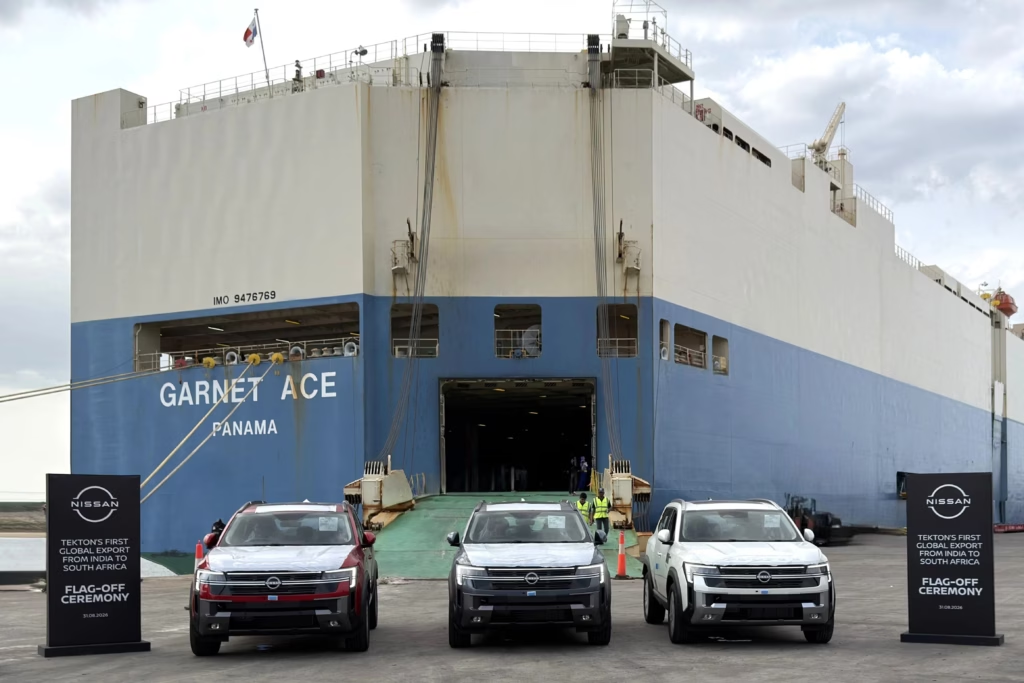
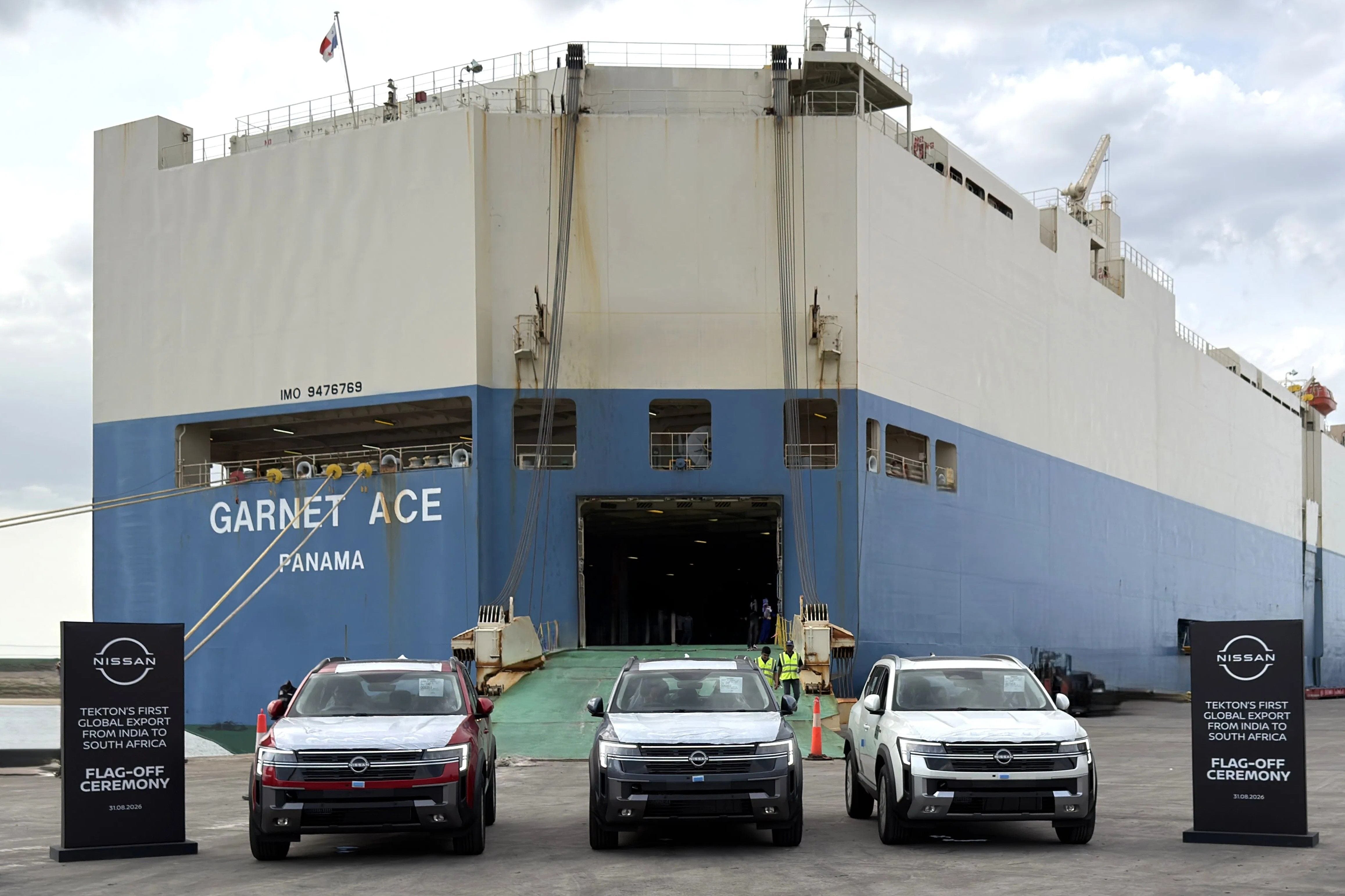
Nissan Motor India announced the commencement of exports for the Tekton on September 1, 2026. The automaker stated that the Tekton will be sold in South Africa, Bhutan, and Nepal. For this first batch, the company said it has dispatched a total of 1,300 units to the three countries.
Nissan India’s domestic wholesales grow by 147 percent YoY
Tekton’s launch has helped drive momentum for the brand
Nissan India’s domestic wholesales increased by 147 percent year-on-year to 3,246 units in August 2026, up from 1,384 units registered in the corresponding period last year. The growth was driven by the domestic market rollout of the Tekton alongside sustained volumes for its existing SUV portfolio, according to Nissan.
However, international export dispatches across all models totaled 5,924 units during the month, down 23.7 percent year-on-year from 7,769 in August 2025. This reduction in exports offset the large gain in domestic wholesales, with total wholesales increasing marginally by 2.2 percent from 9,153 units to 9,350 units year-on-year.
Saurabh Vatsa, Managing Director, Nissan Motor India, said, “The response to the Nissan Tekton has been encouraging and has contributed to a strong domestic wholesale performance in August.” Nissan said that the initial shipments to South Africa, Nepal, and Bhutan represent the first phase of the model’s overseas rollout, with plans to expand dispatches to additional export destinations as production scales up.
With inputs from Dev Vadchhedia
India’s passenger vehicle market remained on a strong growth path in August 2026, with most carmakers reporting higher domestic wholesales compared with the same month last year. Maruti Suzuki retained the top spot, while Tata Motors remained ahead of Mahindra for second place. Hyundai held fourth position, while Kia overtakes Toyota for the fifth spot.
| July 2026 carmaker-wise sales in India | |||||
| Carmaker | Aug 2026 sales | Jul 2026 sales | MoM change | Aug 2025 sales | YoY change |
| Maruti Suzuki | 1,76,971 | 1,96,203 | -9.80% | 1,31,278 | 34.8% |
| Tata Motors | 67,753 | 62,611 | 4.22% | 43,315 | 56% |
| Mahindra | 59,257 | 60,048 | -1.32% | 39,399 | 50% |
| Hyundai | 54,396 | 54,210 | 0.3% | 43,966 | 23.6% |
| Kia | 29,042 | 28,200 | 3% | 19,608 | 48.1% |
| Toyota | 28,410 | 30,516 | -7% | 29,302 | -3% |
| MG | 7,508 | 8,158 | -8% | 6,687 | 12.3% |
| Nissan | 3,426 | 3,006 | 14% | 1,384 | 147% |
| Renault | 2,842 | 3,293 | -14% | 3,015 | -5.7% |
Maruti Suzuki
Sales: 1,76,971 units. Change: 34.8 percent YoY
Maruti Suzuki retained its position as India’s largest carmaker in August, with domestic passenger vehicle sales rising 34.8 percent year on year. Utility vehicless, including the Brezza, Ertiga, e Vitara, Fronx, Grand Vitara, Invicto, Jimny, Victoris and XL6, accounted for 79,045 units, while compact and mid-size segment, led by the Baleno, Swift, Dzire and WagonR, contributed 77,166 units. The mini segment, comprising the Alto and S-Presso, added 8,799 units, while the Eeco contributed 11,961 units.
The carmaker also crossed one million total sales in the first five months of FY2026-27. Its total August sales, including exports and sales to other OEMs, stood at 2,19,220 units.
Tata Motors
Sales: 67,753 units. Change: 56 percent YoY
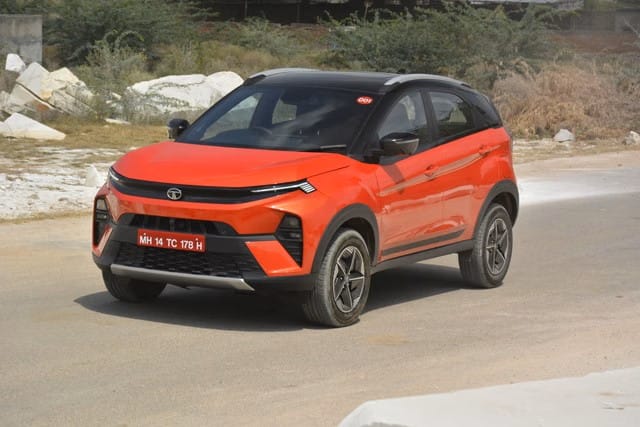
Tata Motors retained second place with 67,753 domestic passenger vehicle sales in August, up 56 percent from the same month last year. Electric vehicle sales, including domestic and international volumes, stood at 16,549 units, almost doubling from 8,540 units in August 2025. Tata also announced a price hike across its passenger vehicle range from September 1.
Mahindra
Sales: 59,257 units. Change: 50 percent YoY
Mahindra remained in third place, recording domestic SUV sales of 59,257 units in August, a 50 percent increase over the 39,399 units sold in August 2025. Its overall vehicle sales, including exports, stood at 1,07,648 units, up 42 percent year on year.
During the month, Mahindra launched the updated Scorpio-N and BE 6 SporteQ, and also introduced its Battery-as-a-Service option for the XEV 9e and XEV 9S.
Hyundai
Sales: 54,396 units. Change: 23.6 percent YoY
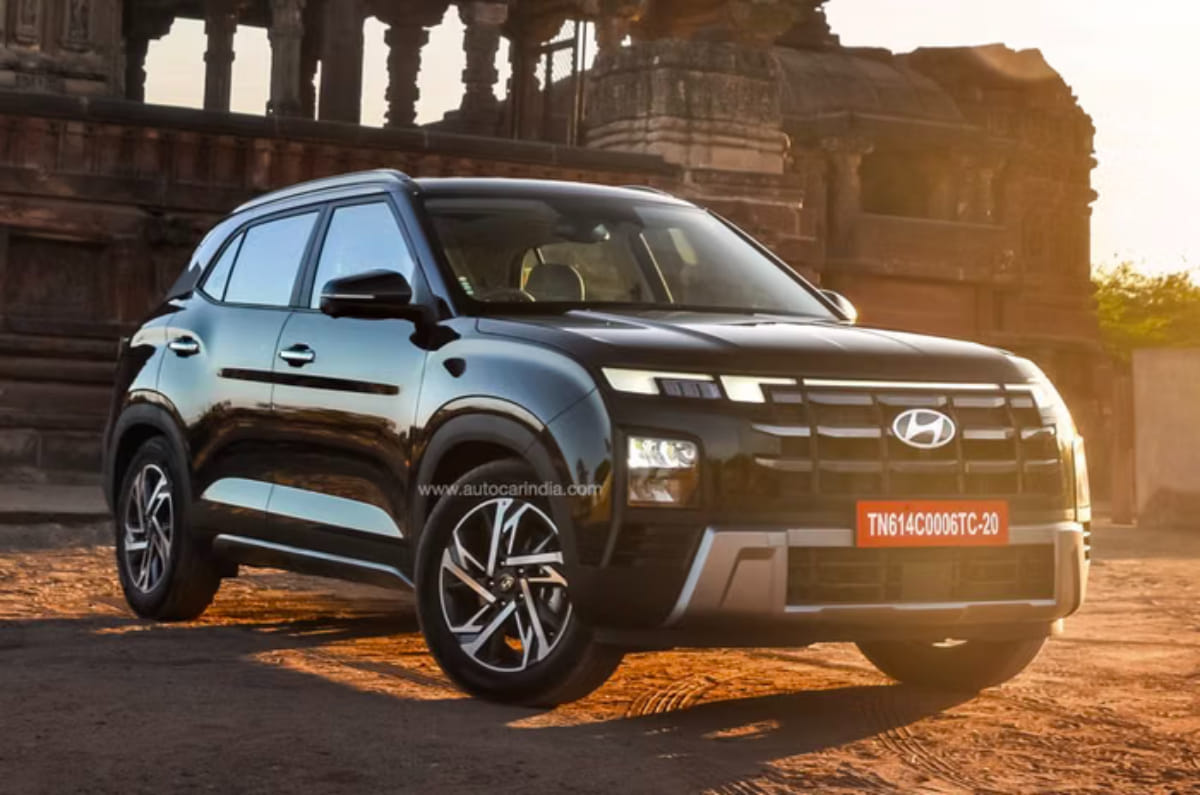
Hyundai recorded 54,396 domestic sales in August, up 23.6 percent year on year. The company said this was its highest-ever domestic sales figure for an August. Hyundai has introduced an assured buyback programme for the Creta Electric, while the carmaker is also set to increase prices from this September 2026.
Kia
Sales: 29,042 units, Change: 48.1 percent YoY
Kia recorded 29,042 units in August, up 48.1 percent from 19,608 units in the same month last year. This was the carmaker’s highest-ever August wholesale volume since entering India. The Seltos and Sonet continued to account for a large share of Kia’s volumes, while the newly launched Syros EV also contributed to the brand’s performance.
Toyota
Sales: 28,410 units, Change: -3 percent YoY
Toyota recorded domestic sales of 28,410 units in August 2026, down 3 percent from 29,302 units in the same month last year. The company remains optimistic about demand during the upcoming festive season, with the Innova Hycross, Urban Cruiser Hyryder and Glanza continuing to drive sales.
JSW MG Motor India
Sales: 7,508 units. Change: 12.3 percent YoY
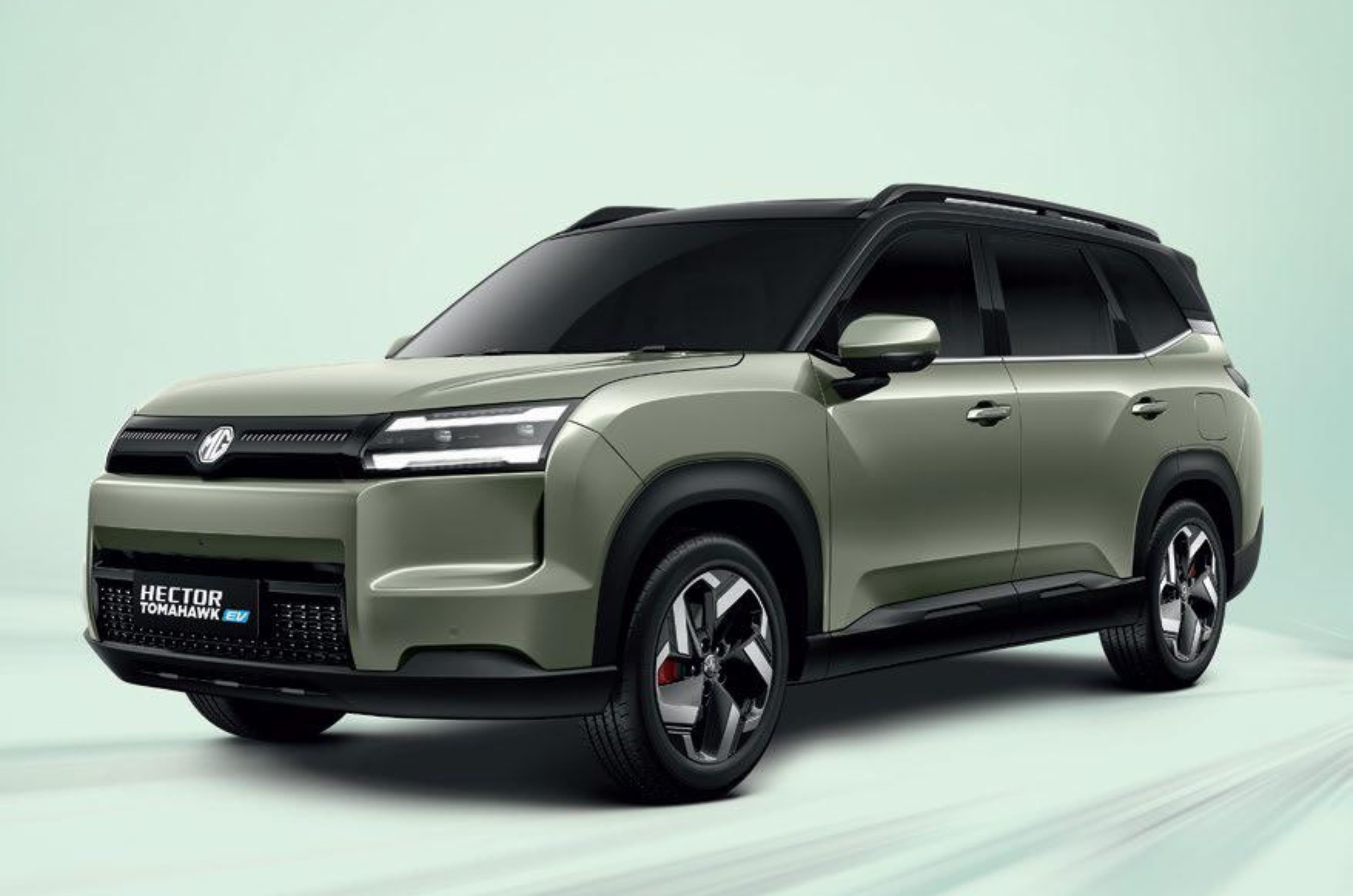
JSW MG Motor recorded sales of 7,508 units in August, up 14 percent year on year. The company launched the Hector Tomahawk in both EV and PHEV forms during the month. Bookings for both versions are open, while deliveries of the Tomahawk EV are scheduled to begin in September. PHEV test drives and deliveries are scheduled to start in November.
Nissan
Sales: 3,426 units. Change: 147 percent YoY
Nissan recorded domestic wholesale sales of 3,426 units in August, up 147 percent year on year. The company attributed the performance to demand for the Magnite and Gravite, along with the response to the recently launched Tekton. Nissan also began exporting the Tekton to South Africa, Bhutan and Nepal during the month, with the first batch comprising more than 1,300 units.
Renault
Sales: 2,842 units, Change: -5.7 percent YoY
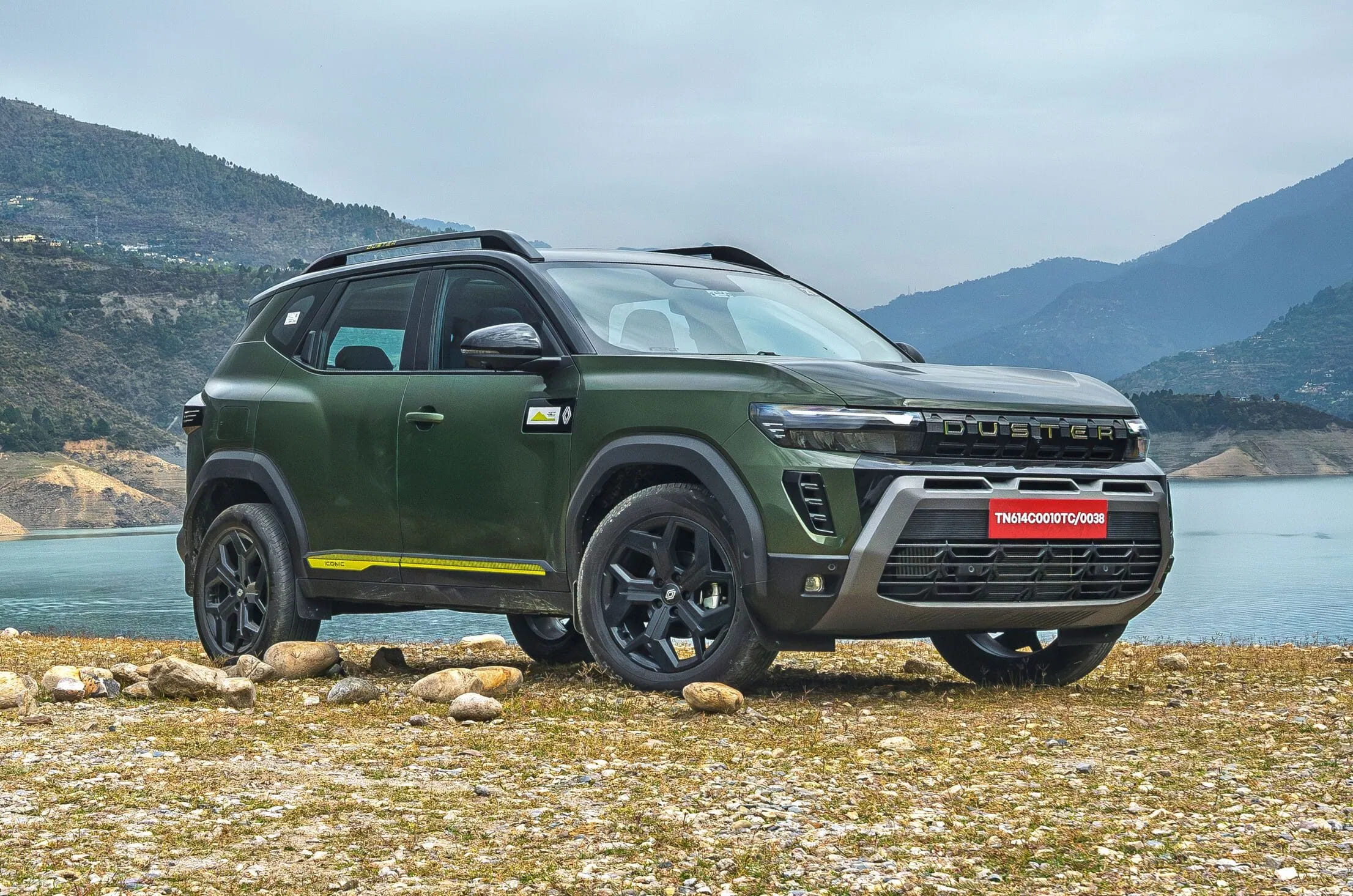
Renault recorded sales of 2,842 units in August 2026, down 5.7 percent from 3,015 units in August 2025. The carmaker’s cumulative domestic wholesales for January-August 2026 stood at 31,979 units, up 47.9 percent from 21,621 units in the same period last year. The company will add another powertrain option to the Triber range with the Triber Turbo, which is scheduled to arrive in late September 2026.
GDP Growth: इस वित्त वर्ष की पहली तिमाही में भारत की अर्थव्यवस्था का प्रदर्शन अच्छा रहा है। जून तिमाही में जीडीपी की ग्रोथ 7.8 फीसदी रही। यह एनालिस्ट्स और इकोनॉमिस्ट्स के अनुमान से ज्यादा है। खास बात यह है कि जून तिमाही में भारत की जीडीपी ग्रोथ तब 7.8 फीसदी रही, जब वैश्विक स्थितियां काफी चैलेंजिंग थीं।
मार्च तिमाही में जीडीपी ग्रोथ 8.6 फीसदी
इस साल मार्च तिमाही में भारत में जीडीपी ग्रोथ 8.6 फीसदी थी। मिनिस्ट्री ऑफ स्टैटिस्टिक्स एंड प्रोग्राम इंप्लिमेंटेशन (MoSPI) ने 31 अगस्त को जून तिमाही के जीडीपी के डेटा जारी किए। जीडीपी की ग्रोथ अनुमान से ज्यादा रही। मनीकंट्रोल के पोल में इकोनॉमिस्ट्स ने जून तिमाही में जीडीपी ग्रोथ 7.3 फीसदी रहने का अनुमान जताया था।
जून तिमाही में जीवीए 8.2 फीसदी रहा
जून तिमाही में ग्रॉस वैल्यू एडेड (GVA) 8.2 फीसदी रहा। मार्च तिमाही में यह 8.7 फीसदी था। जीवीए का मतलब इकोनॉमी में उत्पादित गुड्स और सर्विसेज की कुल वैल्यू से है। इसमें नेट इनडायरेक्ट टैक्स शामिल नहीं होता है। जून तिमाही में अर्थव्यवस्था के शानदार प्रदर्शन में सर्विसेज और इनवेस्टमेंट का बड़ा हाथ है।
पहली तिमाही में सर्विसेज सेक्टर की ग्रोथ सबसे ज्यादा
जून तिमाही में सर्विसेज का प्रदर्शन सबसे अच्छा रहा। इसकी ग्रोथ 10 फीसदी रही। एक साल पहले की समान अवधि में सर्विसेज सेक्टर की ग्रोथ 8 फीसदी थी। मैन्युफैक्चरिंग की ग्रोथ 9.2 फीसदी रही। कंस्ट्रक्शन सेक्टर की ग्रोथ 7.7 फीसदी रही। ट्रेड, होटल्स, ट्रांसपोर्ट, कम्युनिकेशन और ब्रॉडकास्टिंग से संबंधित सर्विसेज सेगमेंट की ग्रोथ 8.5 फीसदी रही।
पहली तीमाही में मध्यपूर्व में लड़ाई का असर इकोनॉमी पर
जून तिमाही का मतलब अप्रैल, मई और जून के महीनों से है। अमेरिका और ईरान के बीच 28 फरवरी को लड़ाई शुरू हुई थी। जून तिमाही में ज्यादातर समय ईरान को अमेरिकी हमले का सामना करना पड़ा। ईरान ने कई खाड़ी देशों में अमेरिकी ठिकानों पर जवाबी हमले किए।
क्रूड ऑयल की कीमतें काफी समय तक 100 डॉलर से ऊपर रहीं
इस दौरान स्ट्रेट ऑफ होर्मुज से क्रूड ऑयल सहित दूसरी कमोडिटीज की सप्लाई पर काफी ज्यादा असर पड़ा। क्रूड की कीमतें आसमान में पहुंच गईं। लेकिन, सरकार के कैपिटल एक्सपेंडिचर जारी रखने से आर्थिक गतिविधियों को काफी सपोर्ट मिला।
प्राइवेट फाइनल कंजम्प्शन एक्सपेंडिचर 7.1 फीसदी बढ़ा
जून तिमाही में प्राइवेट फाइनल कंजम्प्शन एक्सपेंडिचर 7.1 फीसदी बढ़ा। इससे परिवारों में होने वाली खपत का पता चलता है। ग्रॉस फिक्स्ड कैपिटल फॉर्मेशन 11.9 फीसदी बढ़ा, जबकि सरकार का फाइनल कंजम्प्शन एक्सपेंडिचर 4.3 फीसदी बढ़ा। जून तिमाही के जीडीपी ग्रोथ के डेटा ऐसे वक्त आए हैं, जब इनफ्लशन से जुड़े रिस्क बढ़ रहा है।
FY27 में 5 फीसदी रह सकता है रिटेल इनफ्लेशन
पिछले हफ्ते मनीकंट्रोल के पोल में शामिल इकोनॉमिस्ट्स का यह मानना था कि FY27 में रिटेल इनफ्लेशन 5 फीसदी रह सकता है। इसकी रेंज 4.7 से 5.2 फीसदी रहने का अनुमान जताया गया। इसकी कई वजहें हैं। स्ट्रेट ऑफ होर्मुज बंद होने से ऑयल की कीमतें हाई लेवल पर बनी हुई हैं। देश में मानसून की बारिश एक समान नहीं रही है। इसका असर फसल उत्पादन पर पड़ेगा।