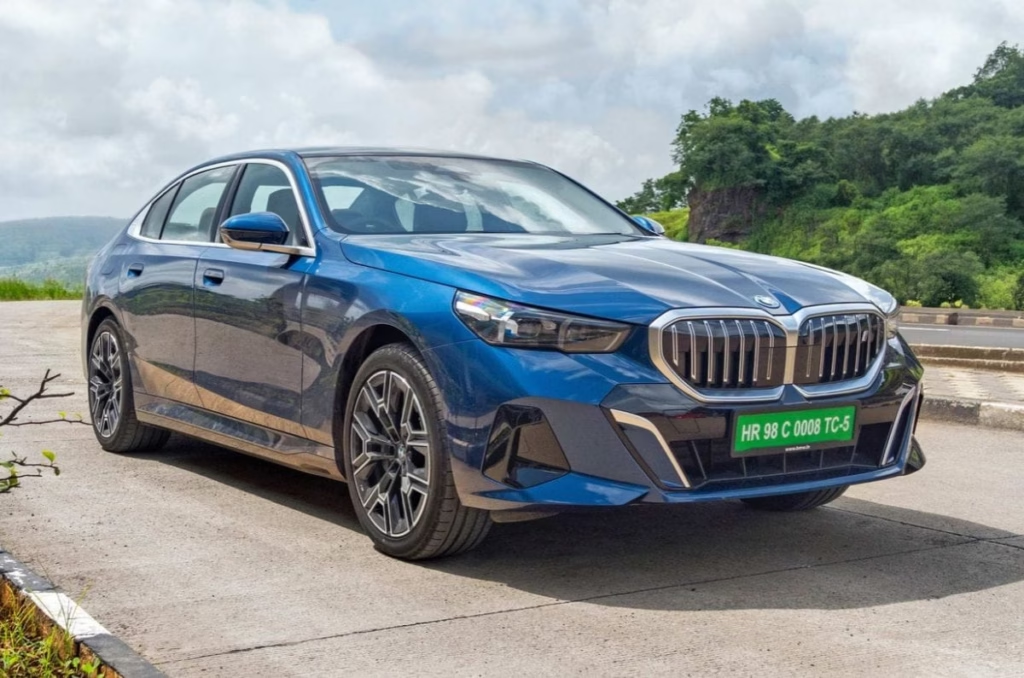
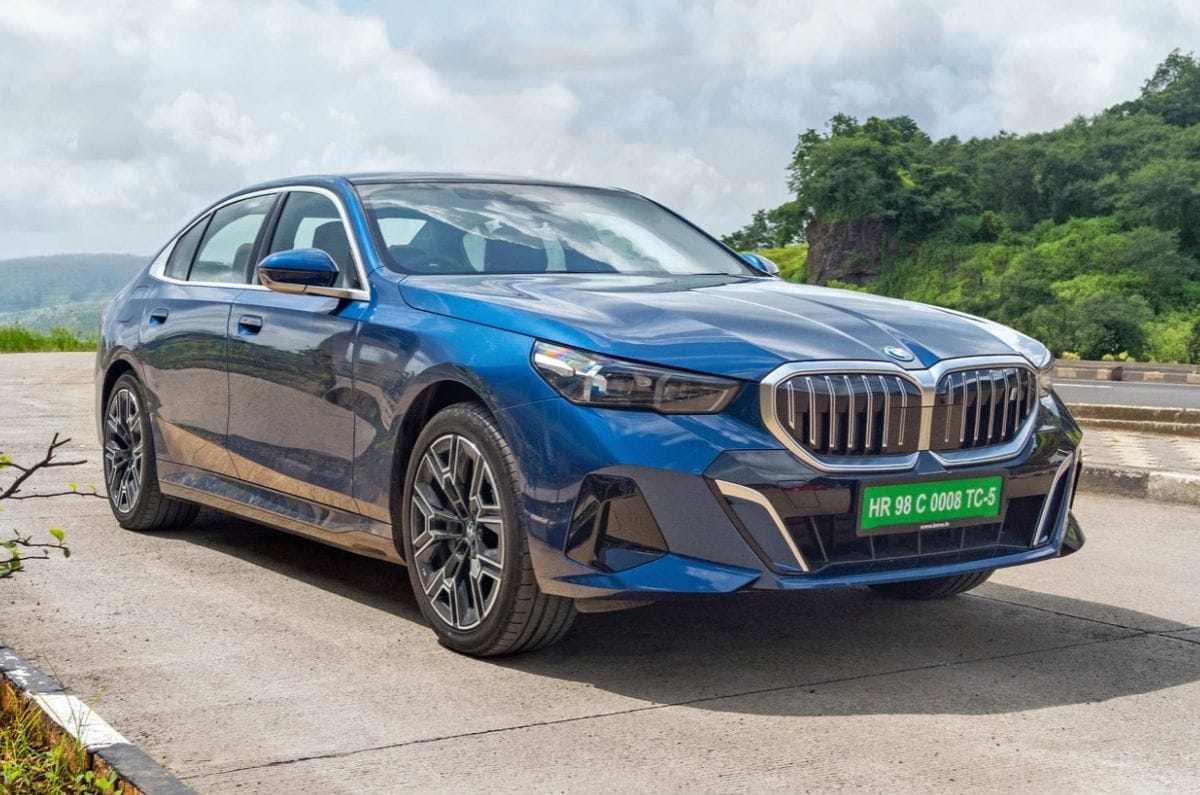
Starting at Rs 79.60 lakh, the i5 LWB eDrive 35L M Sport variant costs Rs 3 lakh more than its petrol-powered 530Li M Sport sibling. Within the BMW i5 line-up in India, the i5 LWB slots below the range-topping standard-wheelbase i5 M60 xDrive, which costs Rs 39.90 lakh more. Here are some of the main pros and cons of the BMW i5 LWB.
Reasons to buy the BMW i5 LWB
More wheelbase equals more interior space
Carrying four occupants in the i5 LWB will be a breeze
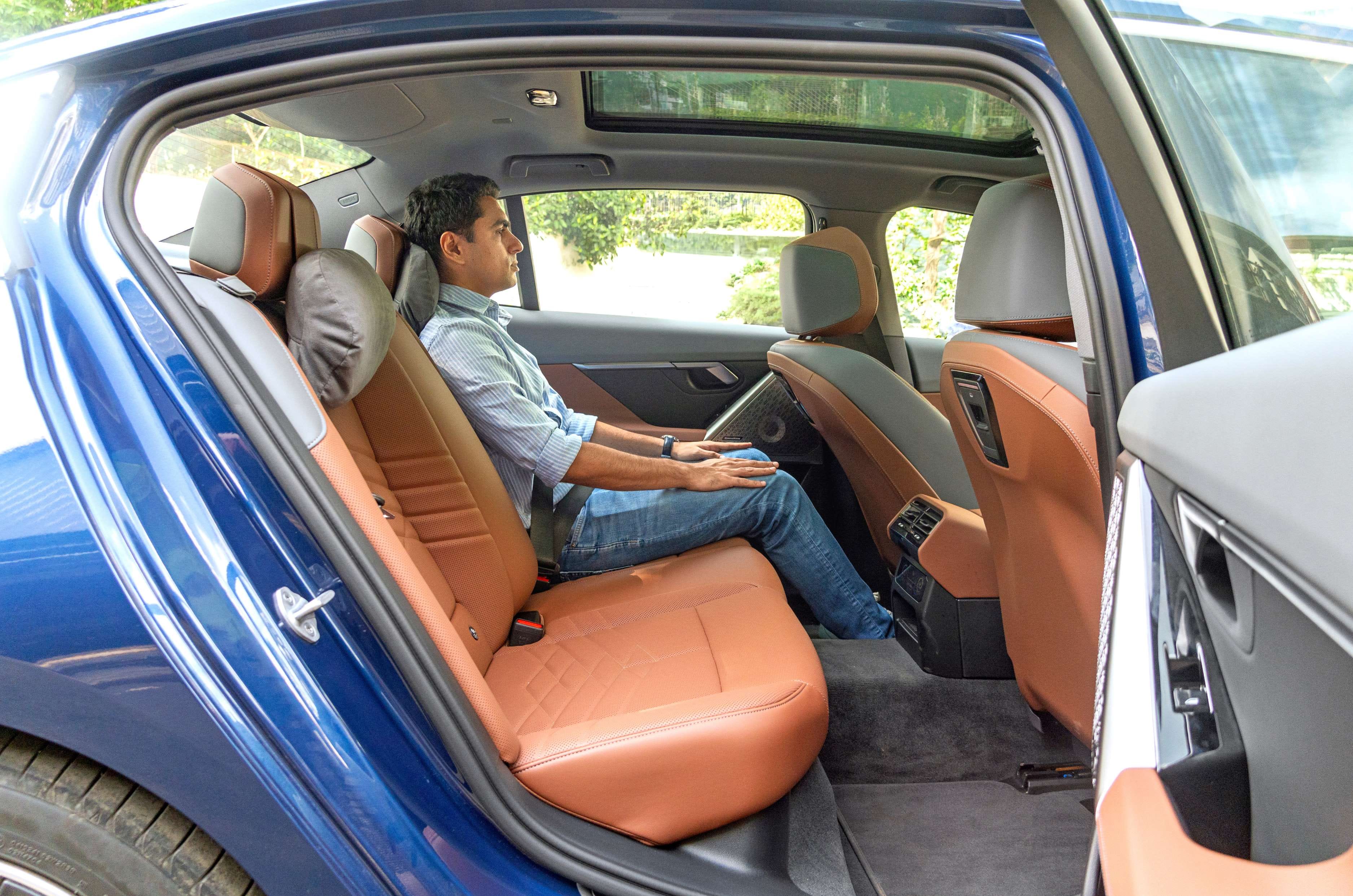
The additional 110mm gained between the front and rear wheels of the BMW i5 LWB over the standard-wheelbase i5 means that space on the inside isn’t on short supply. Despite lacking the manually adjustable thigh support feature found in earlier 5 Series models, the ventilated front seats of the i5 LWB feel really comfortable and supportive. There’s also plenty of legroom at the back, with the long wheelbase allowing occupants to stretch out and relax – perfect for the chauffeur-driven. Furthermore, the contouring of the rear bench provides the outer occupants with a true sense of luxury.
Plush ride
Bad roads will not pose a problem for the BMW i5 LWB
While the i5 LWB gets larger (20-inch) alloy wheels shod with lower-profile tyres when compared to the petrol-powered 5 Series LWB, it adds a rear air suspension system. This helps make the i5 LWB’s ride plush as it absorbs bad roads in its stride, ensuring occupants don’t get tossed around. The raised ground clearance (by 18mm) of the i5 LWB means that driving over poor surfaces and speed bumps even with four occupants onboard remains a relatively stress-free experience.
Brimming with tech
The long-wheelbase i5 offers plenty in the way of modern-day equipment
Adaptive LED headlamps and a powered boot aside, the BMW i5 LWB comes with a fixed panoramic glass roof with integrated LEDs, multi-colour ambient lighting, a four-zone climate control system, and dual curved displays powered by the BMW OS 8.5. There’s also the My BMW app, wireless Apple CarPlay & Android Auto, an immersive 17-speaker Bowers & Wilkins audio system, an onboard camera enabling selfies, and wireless charging pads for the front- & rear-seat occupants.
The catalogue of the long-wheelbase i5 also includes adaptive cruise control, auto-emergency braking, active steering assist, cross-traffic alert, automatic parking assistance, etc. The i5 LWB’s useful feature set adds multiple regenerative braking settings – there’s Adaptive, High, Mid and Low settings. Finally, the dedicated one-pedal ‘B’ mode allows the EV to be brought to a complete halt without touching the brake pedal.
Reasons to not buy the BMW i5 LWB
Missing rear-seat features
BMW could have offered more in the way of conveniences for rear-seat passengers
The outer rear seats of the BMW i5 LWB cannot be adjusted for recline, and the protruding head cushions aren’t as comfortable as those in a Mercedes-Benz E-Class. The battery pack, along with the tall central tunnel on the floor, results in a raised seating position, especially impacting headroom for the rear-centre passenger. While the i5 LWB misses out on a head-up display, it’ll be the lack of rear sunblinds, a ‘boss’ mode for the front-passenger seat, dedicated rear audio controls and soft-close doors that chauffeur-driven buyers will come to miss.
Compromised boot
The boot space of the i5 LWB isn’t as accommodaing as the combustion-powered 5 Series
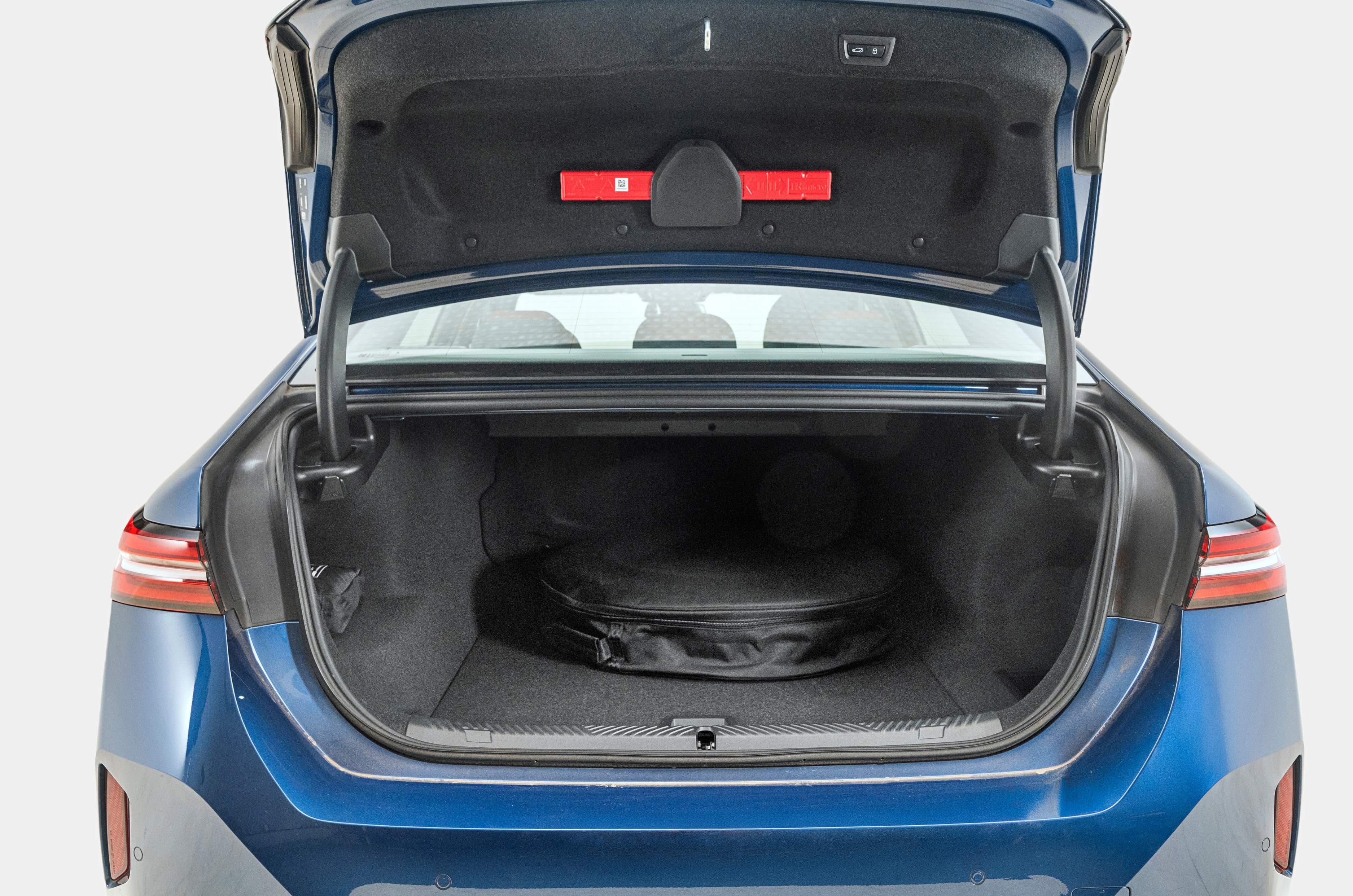
When it comes to carrying cargo, buyers of the BMW i5 LWB will be left a little disappointed. While the 500-litre capacity is comparable to that of the combustion-powered 5 Series LWB, the space-saver spare wheel is placed in the boot rather than tucked underneath it. This eats into valuable cargo room, which could otherwise have been used to accommodate more luggage.
Not BMW enough when behind the wheel
The electric 5 Series is not the most engaging 5 Series to drive
The electric powertrain of the i5 LWB offers enough poke up to 100kph, while feeling smooth and responsive to inputs. However, not only did we find the i5 LWB to be a touch slower from 0-100kph but also in our 20-80kph and 40-100kph acceleration tests than the 530Li. Then there’s the brake pedal, which lacks feel, while the transition from regenerative braking to mechanical braking also doesn’t feel natural.
BMW has managed to achieve a perfect 50:50 weight distribution with the i5 LWB, but the higher ground clearance and softer suspension setup has resulted in this fully electric 5 Series feeling less engaging to drive. Those with a verve for driving will notice the lack of precision and sharpness that’s usually associated with a 5 Series.
In the first half of 2026, BMW sold nearly 2,400 EVs in India, with the entry-level iX1 and flagship i7 accounting for the bulk of those volumes. Now, BMW has introduced an all-new electric long-wheelbase sedan to bridge the sizable gap between the two. Meet the BMW i5 eDrive35L, the electric counterpart to the 5 Series sedan.
The i5 nameplate isn’t new to India. BMW launched the imported, performance-focused i5 M60 here back in 2024. However, that was a niche offering. This new version is expected to appeal to a much wider audience. Being locally assembled, the i5 eDrive35L is priced at Rs 79.60 lakh, commanding a premium of Rs 3 lakh over its petrol-powered sibling. In this review, we find out what it’s like to live with.
BMW i5 LWB Exterior Design and Engineering – 8/10
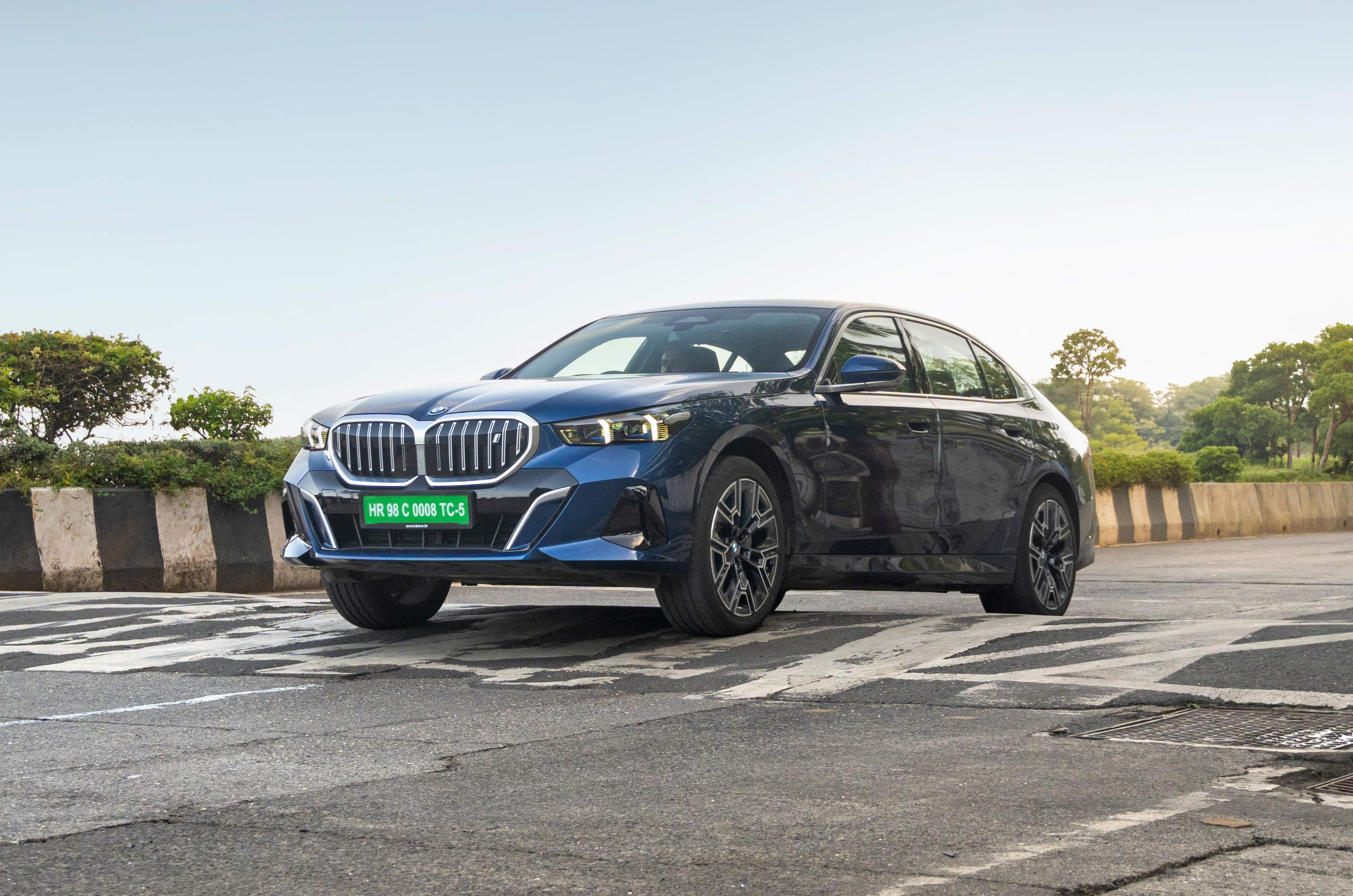
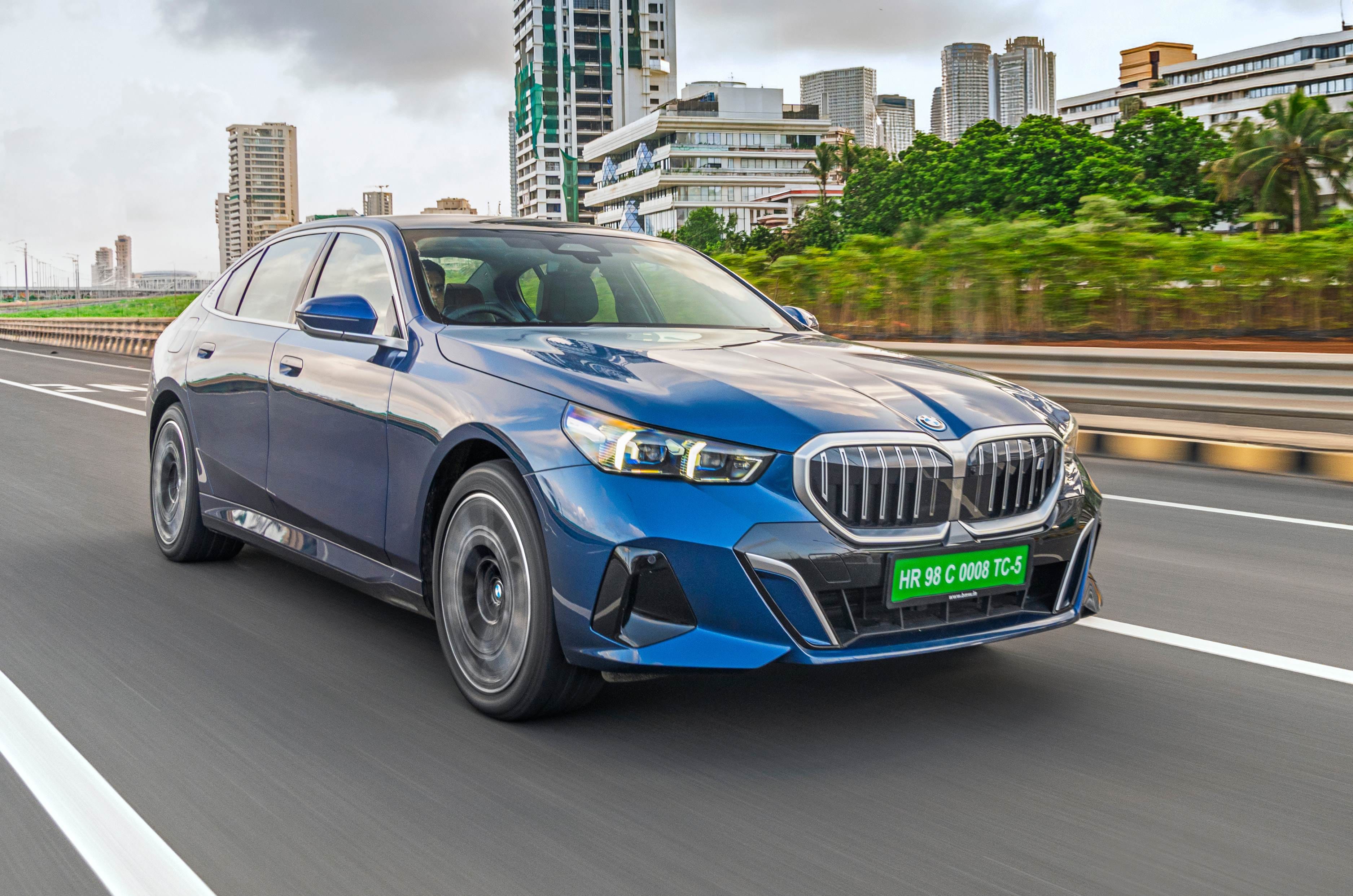
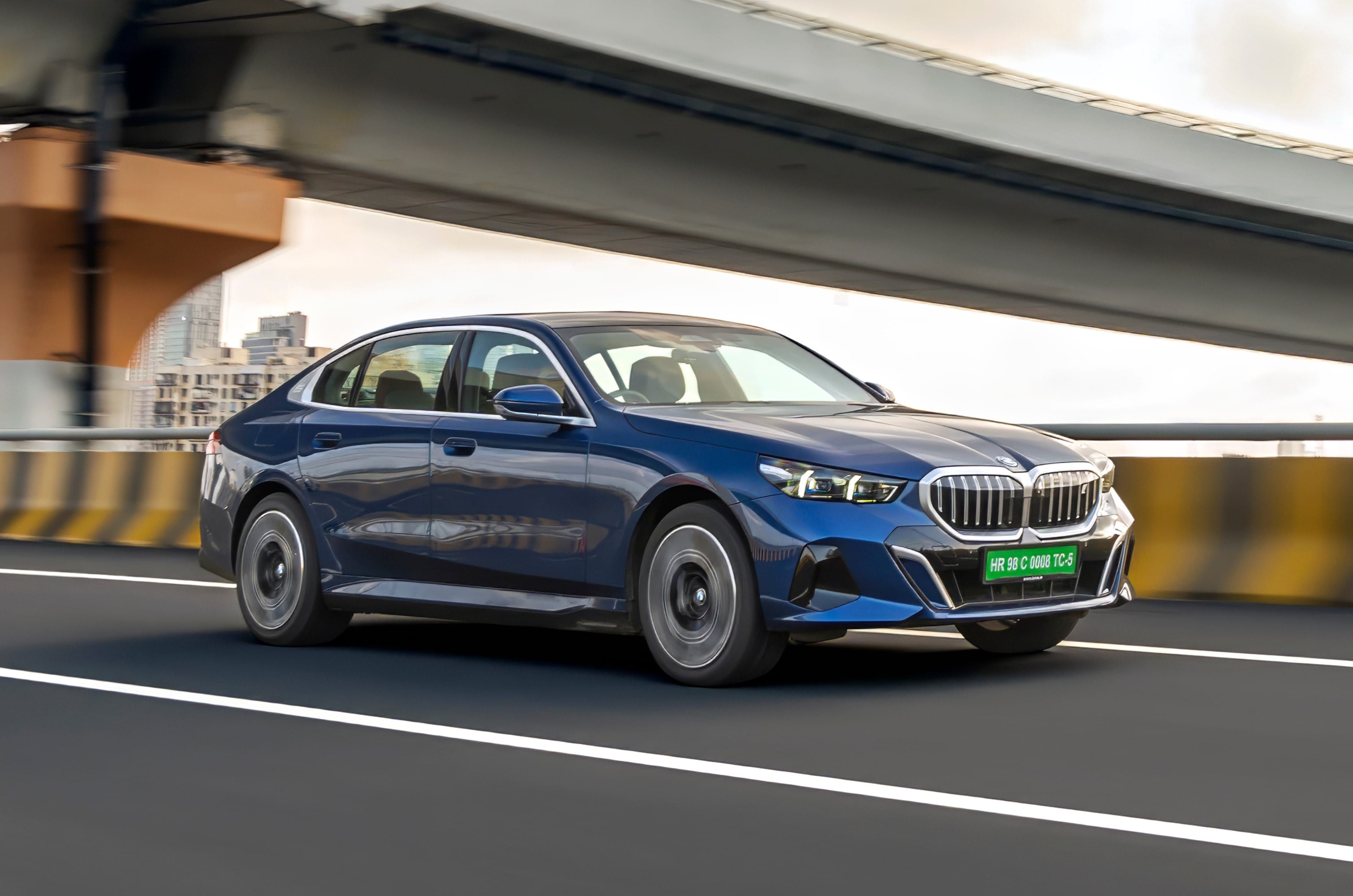
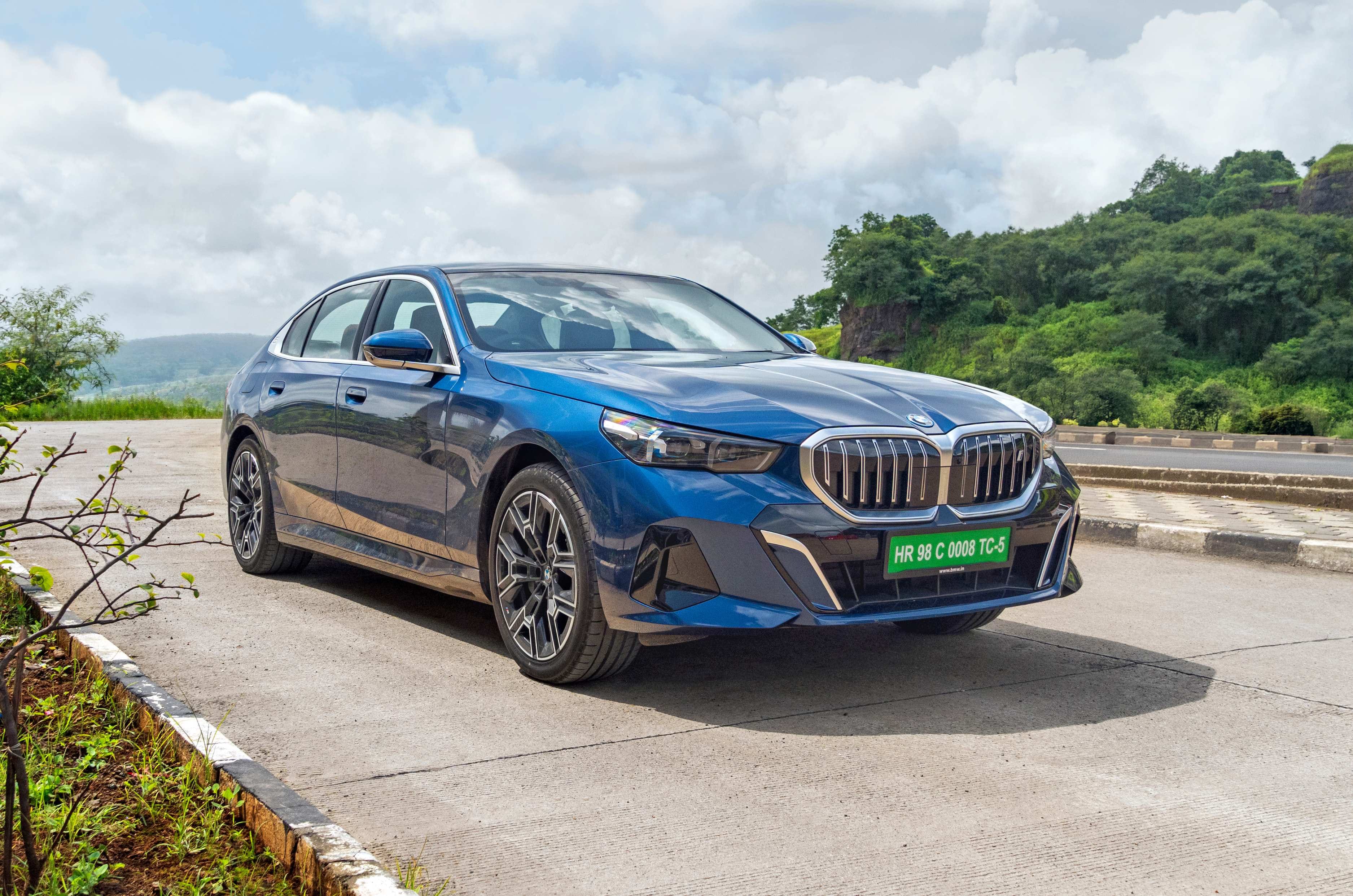
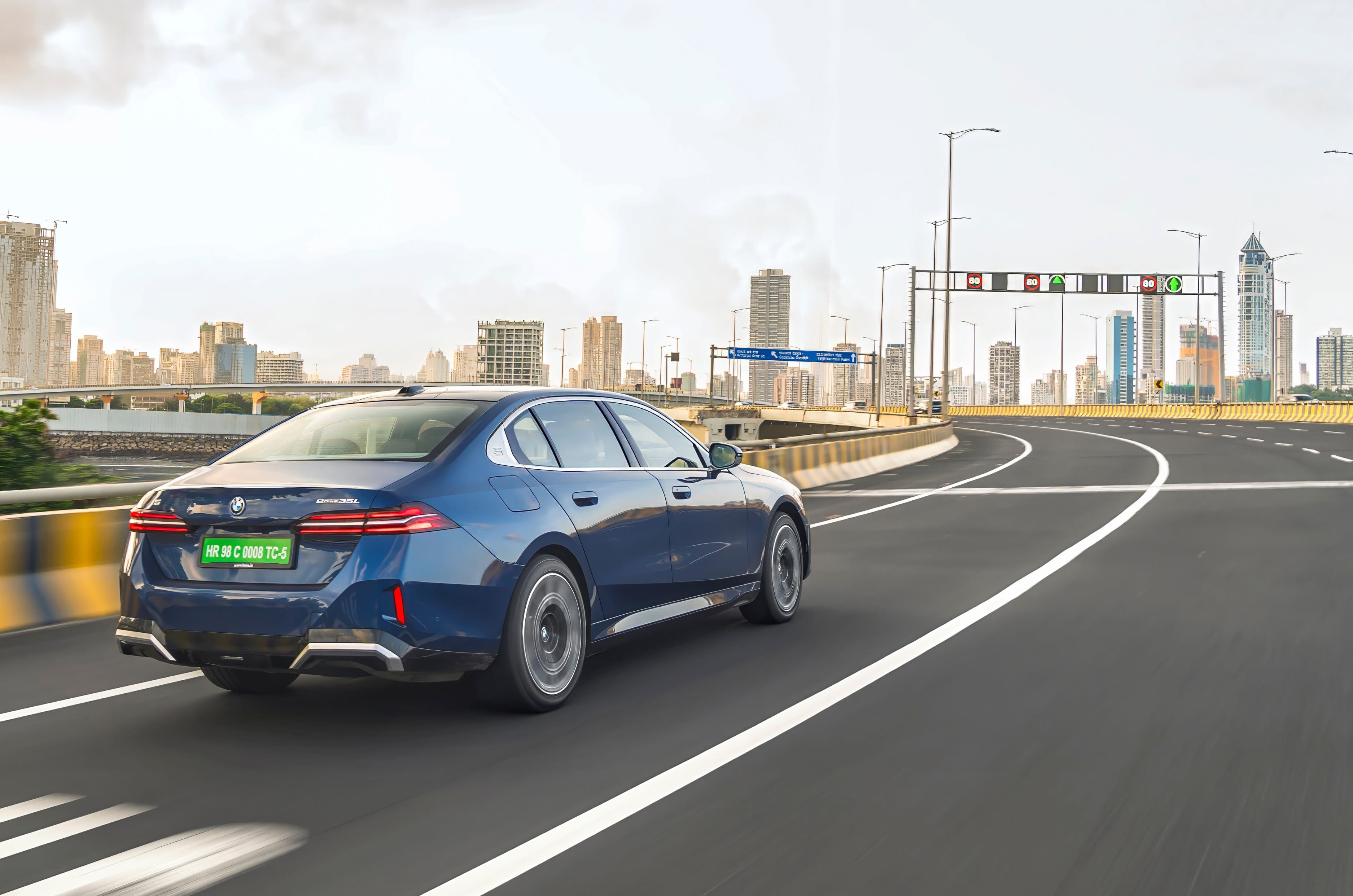
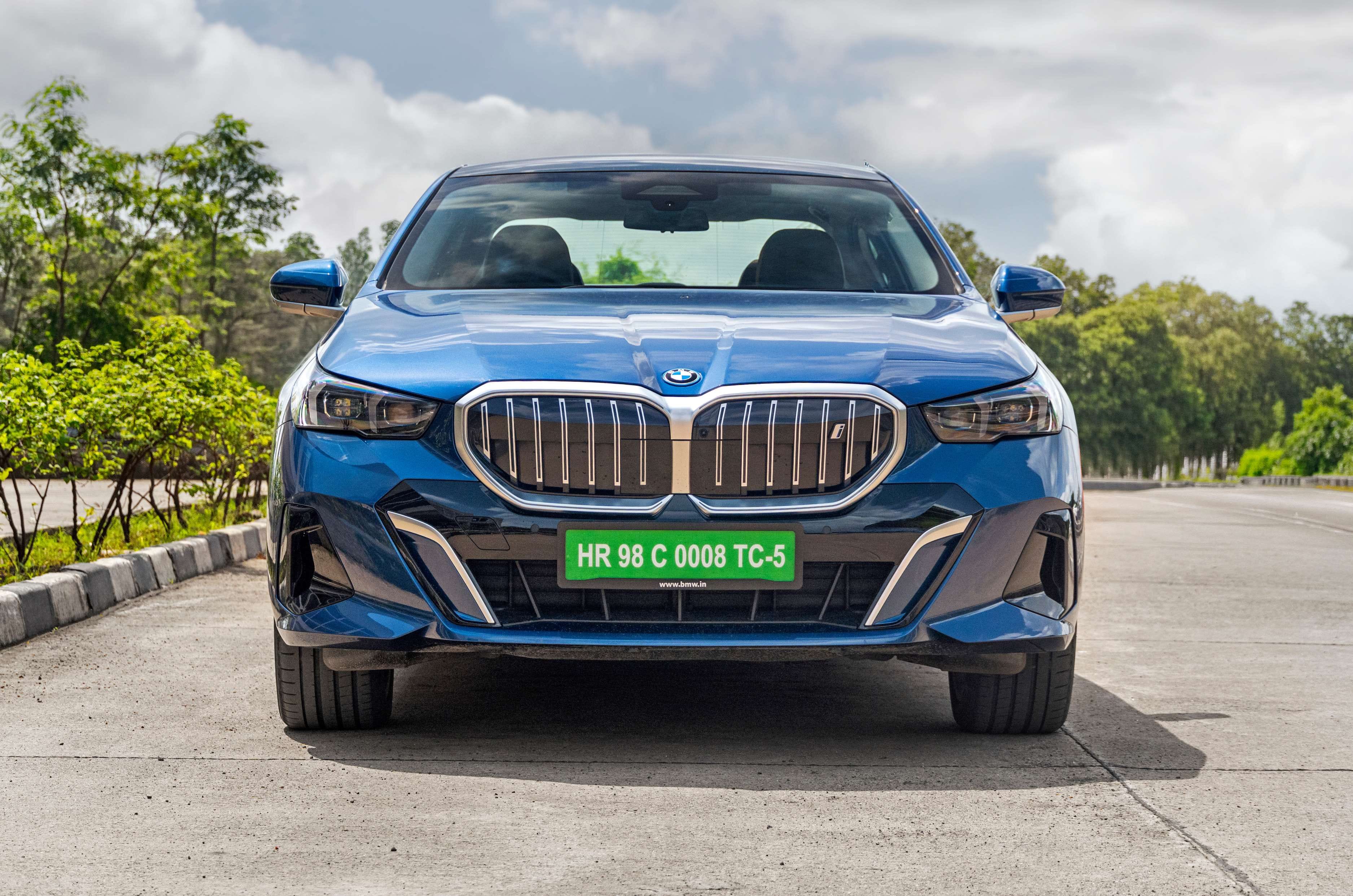
An ‘i’ badge on the grille along with its green number plate differentiate it from its petrol sibling
Compared to the international version, this i5’s wheelbase has been stretched by 110mm to 3,105mm, while overall length now stands at 5,175mm. Interestingly, the 5 Series is larger than its chief rival, the Mercedes-Benz E-Class, in every dimension.
As for styling, this generation of the 5 Series has been around since 2024 and much like most modern BMW designs, it’s something that grows on you with time. That said, there’s no denying that it’s a polarising design. The numerous cuts, heavy surfacing and intricate detailing make it look busy and excessive to some eyes.
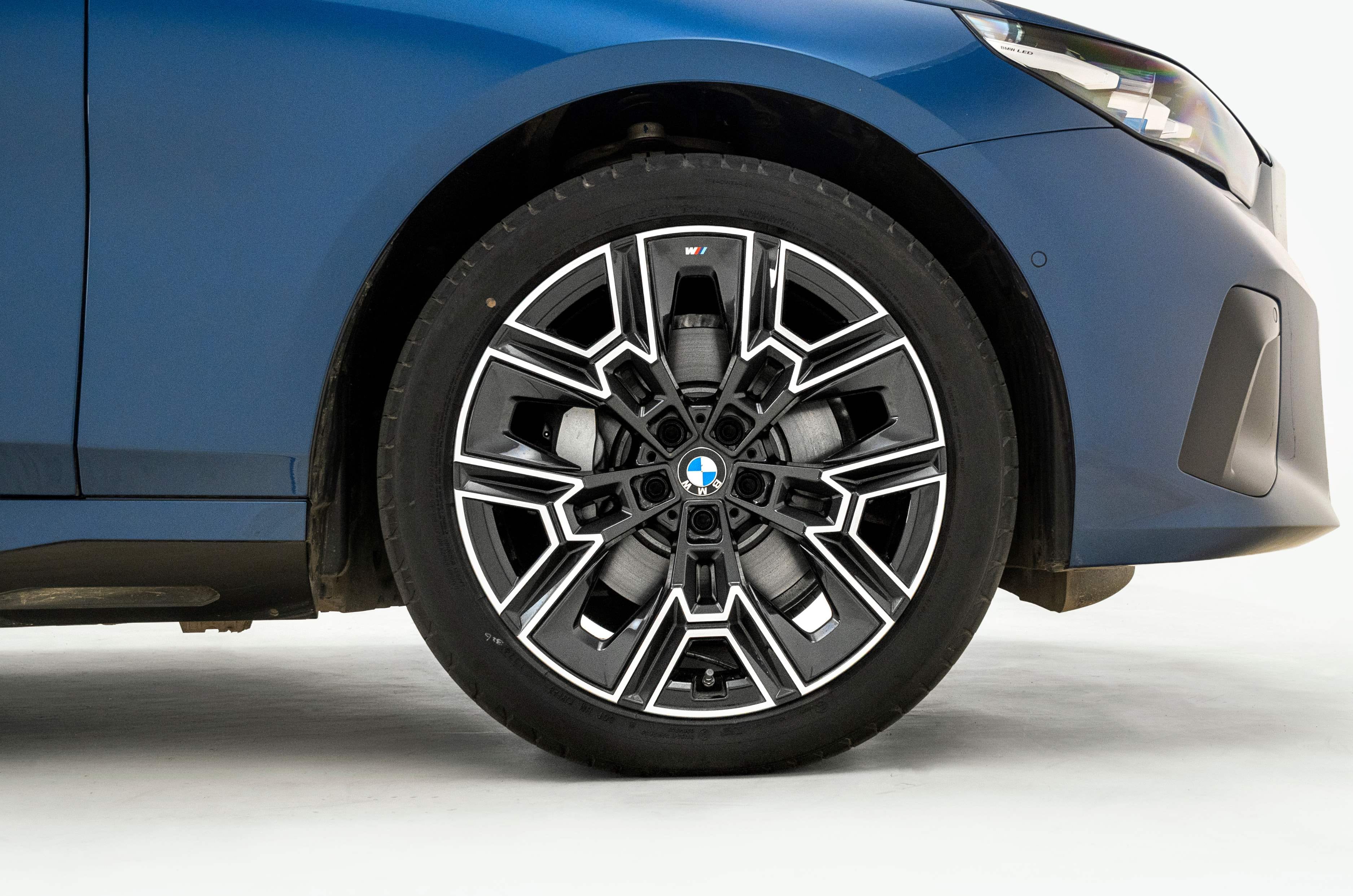
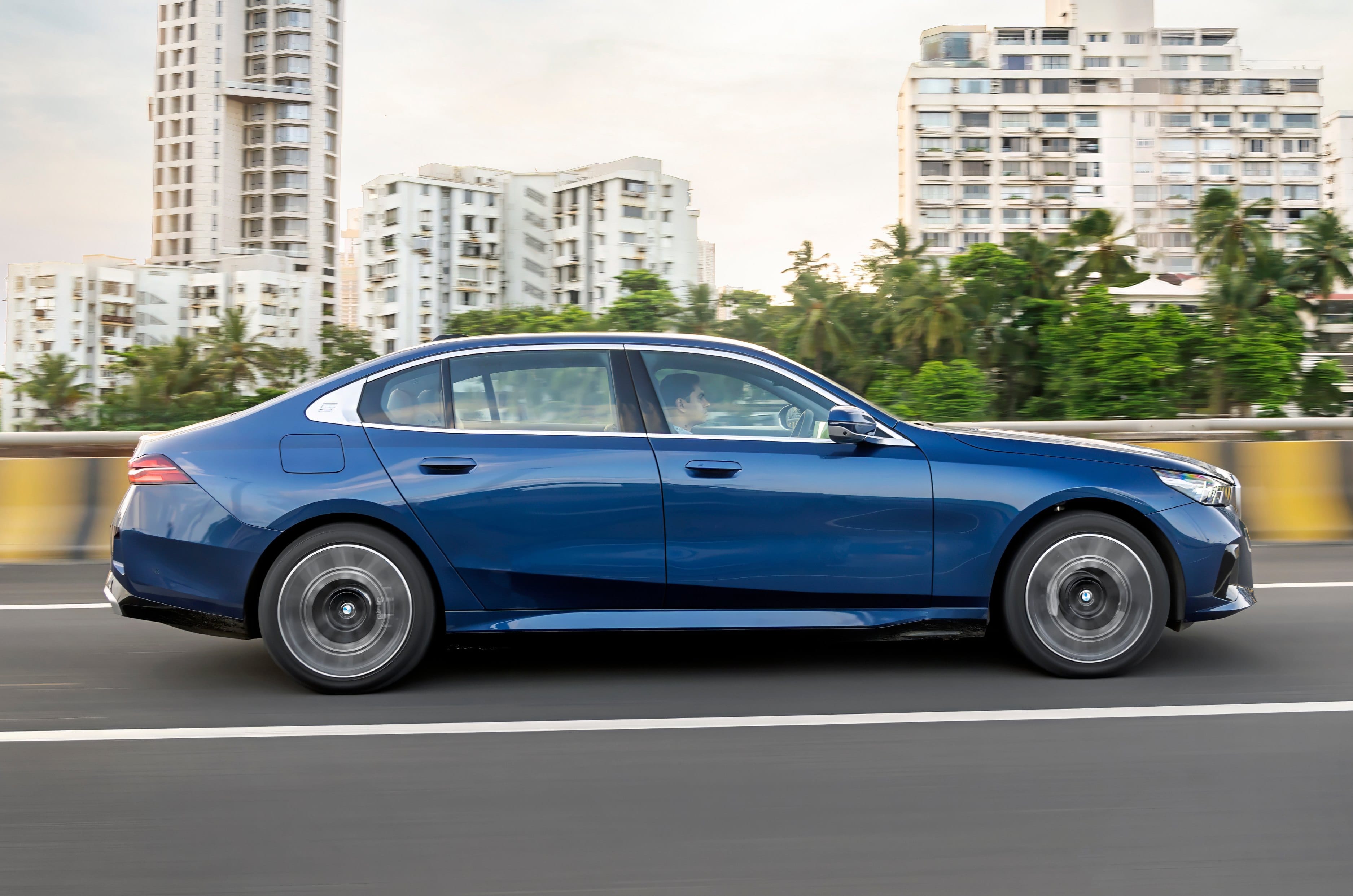
Gets large 20-inch alloys which look far more proportionate than the 18-inch wheels initially available with the 530Li.
Differentiating the i5 from its petrol-powered counterpart are an ‘i’ logo on the grille and larger 20-inch alloy wheels. The latter look far more proportionate than the 18-inch wheels initially offered on the 530Li. At the rear, the only distinguishing elements are the i5 and eDrive35L badges, apart from the obvious giveaway – the green number plate.
BMW i5 LWB Interior Space and Comfort – 9/10
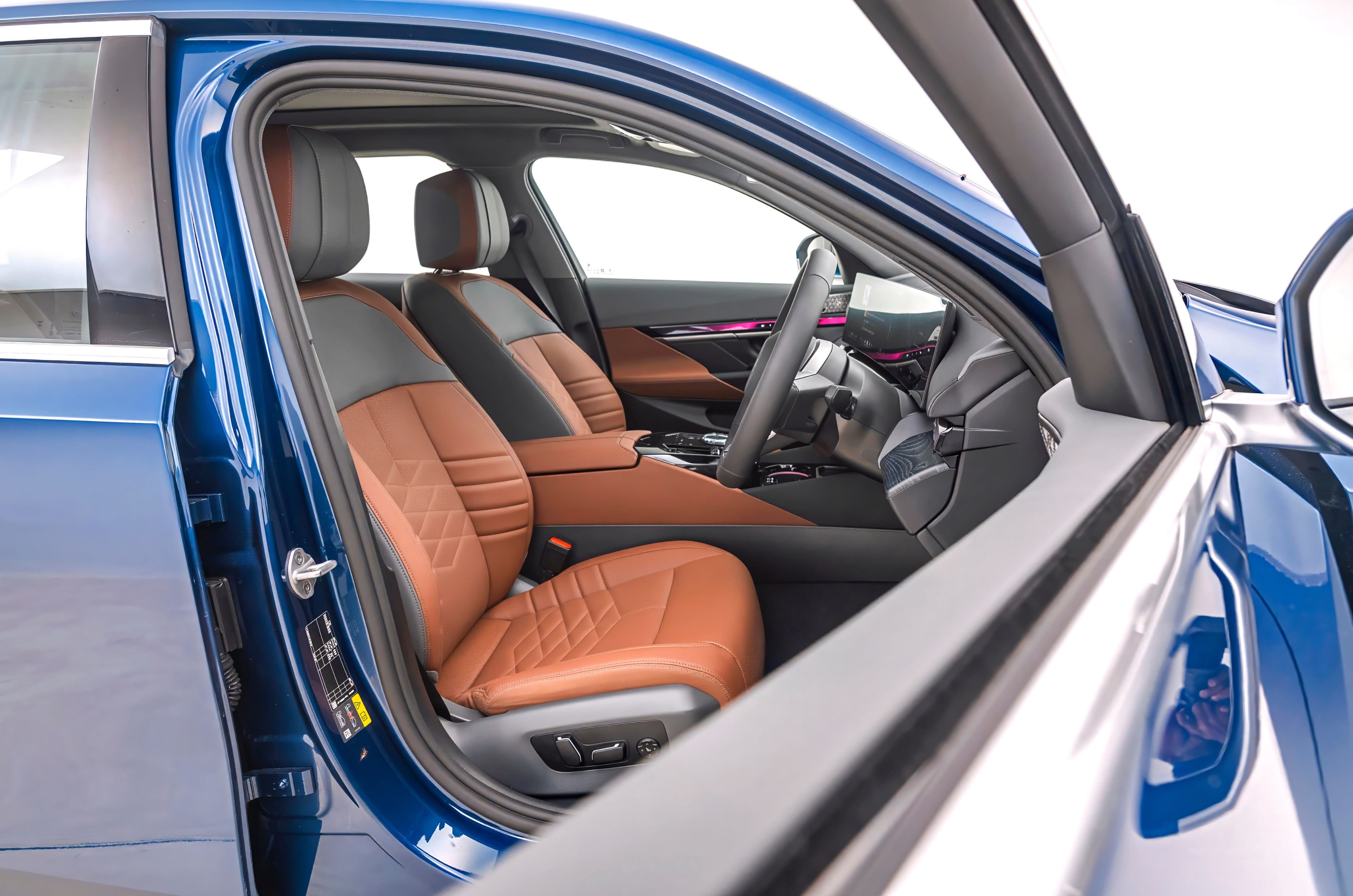
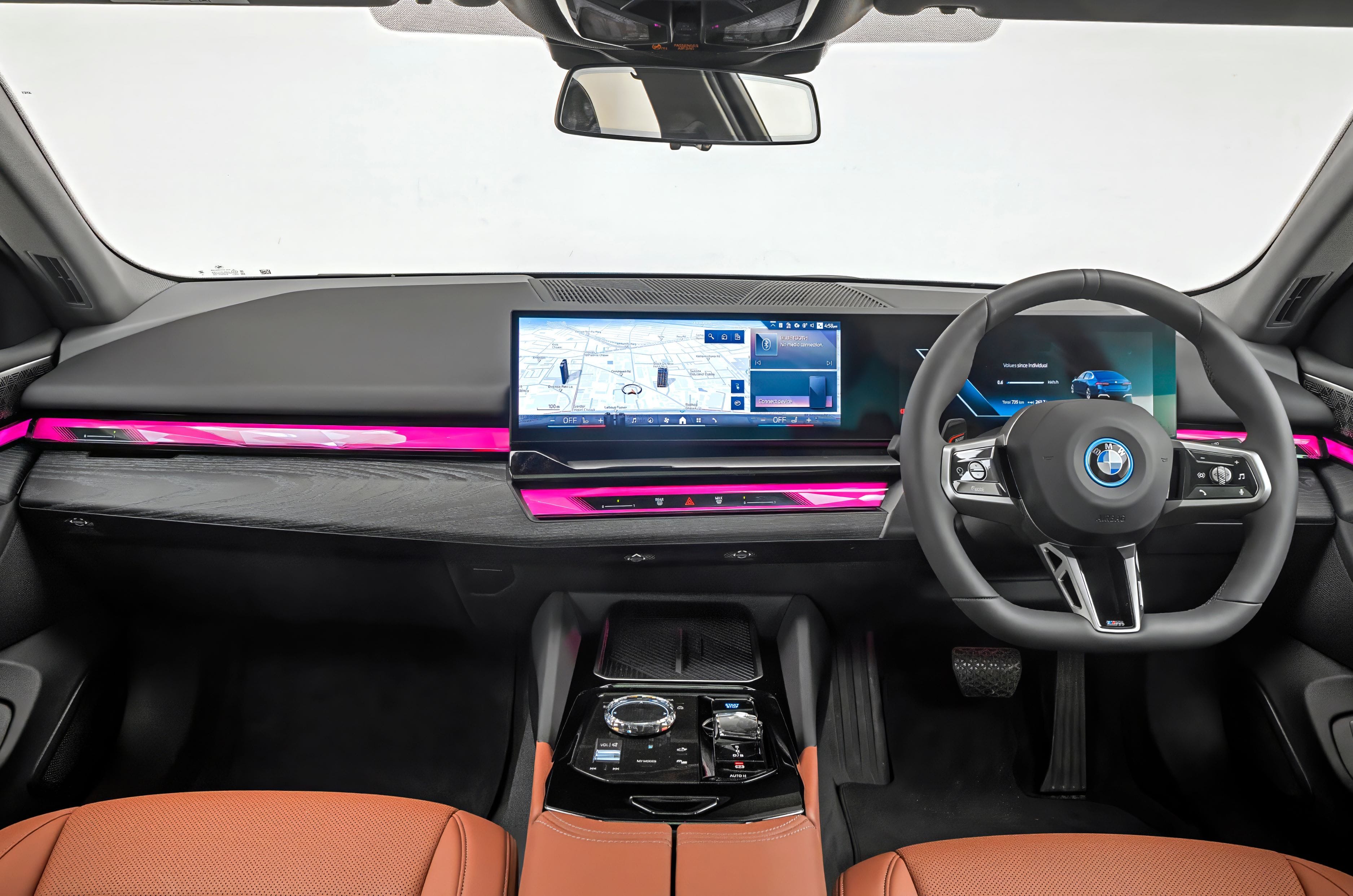
Dash is dominated by BMW’s twin curved screens, a flat-bottomed steering wheel and generous ambient lighting.
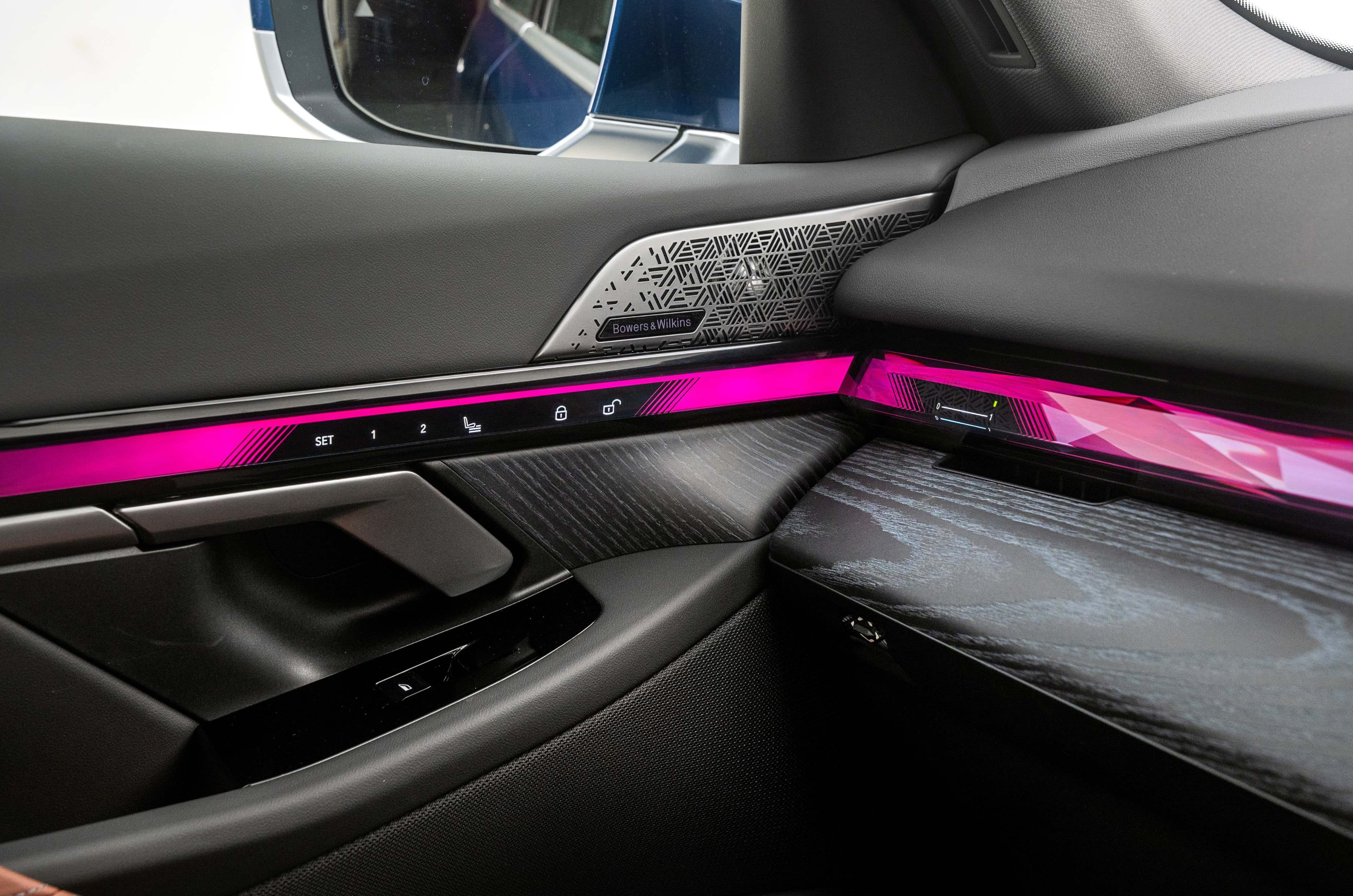
Step inside and the dashboard is dominated by BMW’s twin curved-screen setup, complemented by a flat-bottomed steering wheel, generous ambient lighting, and a tasteful mix of open-pore wood trim and silver inlays. The crystalline drive selector, rotary infotainment controller and volume roller on the centre console add a welcome sense of occasion.
Those familiar with older 5 Series models will quickly notice the absence of the manually adjustable thigh support for the front seats. That aside, the seats themselves are exceptionally comfortable and supportive, and they also feature ventilation.
The seats are exceptionally comfortable and supportive, and they also feature ventilation.
Being the long-wheelbase version, the i5 benefits from an additional 4.3 inches of wheelbase compared to the international model, resulting in noticeably more rear legroom. Sure, the floor sits higher than in the ICE version, but this remains a very comfortable place to be for chauffeur-driven buyers. The rear bench is well contoured and, with just two occupants, delivers a genuinely luxurious experience. Some may find the pillows a little excessive, and they aren’t quite as comfortable as the integrated units in the E-Class. Speaking of which, unlike the Mercedes, the i5’s rear seat doesn’t recline, and there are arguably too few indulgent touches to truly cater to chauffeur-driven buyers.
A bit knees-up, but the rear seat feels luxurious; however, there are too few amenities for chauffeur-driven buyers.
The middle seat is considerably less accommodating. The raised seat base compromises headroom, the backrest is firm, and the tall central tunnel further detracts from comfort for a third passenger.
Boot space is rated at 500 litres, which is broadly similar to the ICE 5 Series. However, while the spare wheel is neatly tucked beneath the boot floor in the petrol version, it sits on the boot floor in the i5, significantly compromising usable luggage space.
The spare wheel sits on the boot floor, significantly compromising usable luggage space.
BMW i5 LWB Features and Safety – 8/10
The i5 eDrive35L comes generously equipped. Highlights include 20-inch alloy wheels, adaptive LED headlamps, powered and ventilated front seats, four-zone climate control, wireless charging pads for both front and rear occupants, a panoramic fixed glass roof, ambient lighting and a powered boot lid.
Audiophiles will particularly appreciate the superb 17-speaker, 655W Bowers & Wilkins audio system.
The curved touchscreen and digital instrument cluster look suitably futuristic, although the user experience isn’t the most intuitive due to the number of menus and sub-menus. On the plus side, the 360-degree camera offers excellent clarity. Audiophiles will particularly appreciate the superb 17-speaker, 655W Bowers & Wilkins audio system.
The i5 also gets a comprehensive suite of driver assistance features, including adaptive cruise control, lane-keeping assist and autonomous emergency braking.
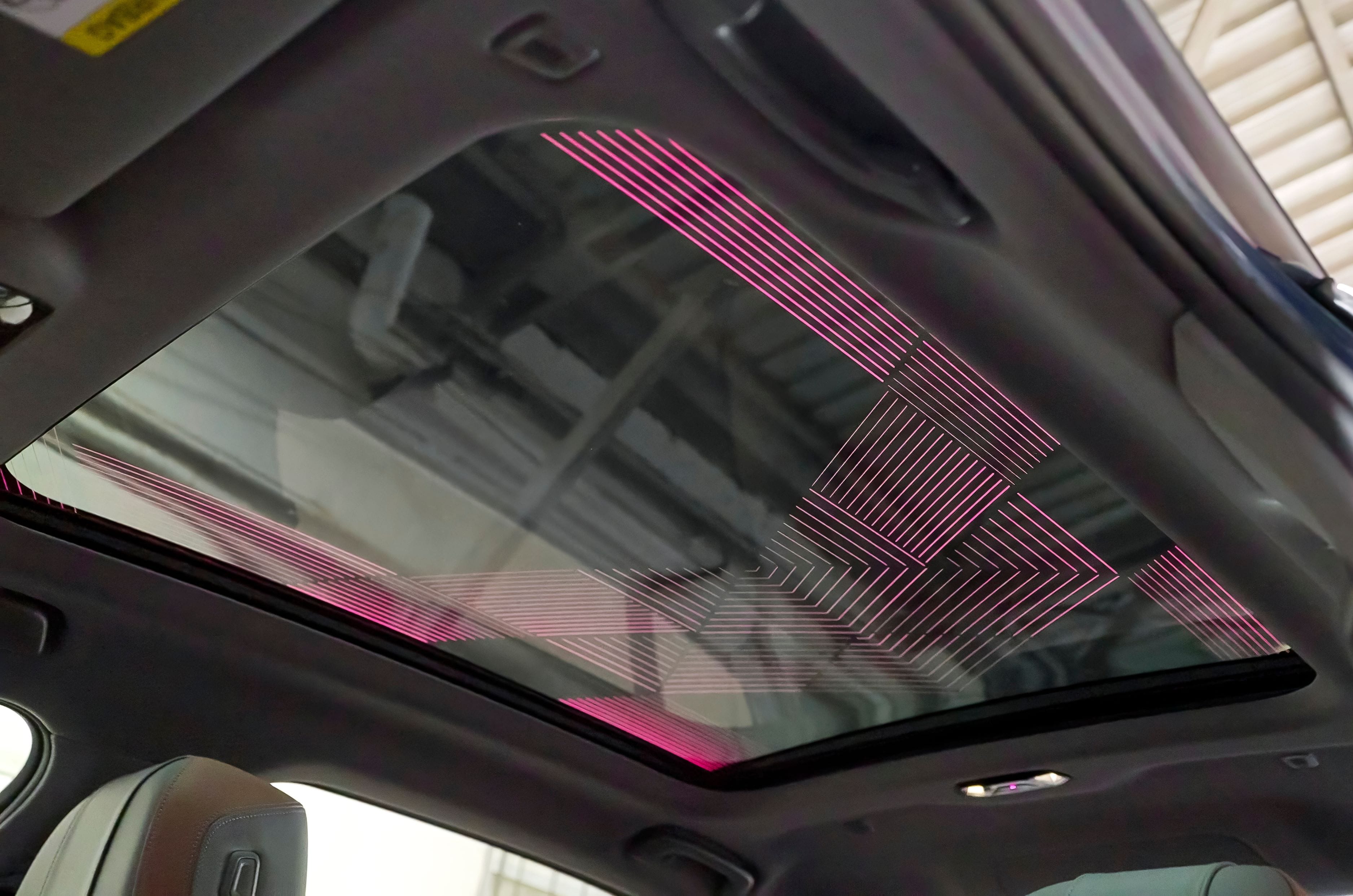
Its fixed panoramic glass roof has unique embedded LED lighting.
However, there are a few omissions that chauffeur-driven buyers may find difficult to overlook. A head-up display is absent, while smaller but genuinely useful features such as rear window sunshades, reclining rear seats, soft-close doors, a boss mode for the front passenger seat and rear-seat audio controls are all missing.
BMW i5 LWB Performance and Refinement – 8/10
The rear-wheel-drive i5 eDrive35L uses a single electric motor producing 272hp and 410Nm, figures that are remarkably similar to the mild-hybrid 530Li. However, the way it delivers its performance is entirely different. With peak torque available instantly, responses are smooth, effortless and distinctly EV-like. There are multiple drive modes on offer, each altering throttle response. Sport sharpens reactions noticeably, while Efficient is the most relaxed and efficiency-focused setting.
Retains a 50:50 weight distribution and RWD layout, but it has lost the sharpness and precision of earlier generations of the 5 Series.
BMW claims a 0-100kph time of 6.7 seconds, although our best run yielded 6.99 seconds. Interestingly, the 530Li is marginally quicker, recording 6.45 seconds for the same sprint, and it is also slightly faster in our 20-80kph and 40-100kph acceleration tests.
The i5’s top speed is rated at 195kph, although acceleration begins to taper off noticeably beyond 100kph. In short, acceleration isn’t neck-snappingly quick, but there’s more than enough performance to keep things entertaining within legal limits.
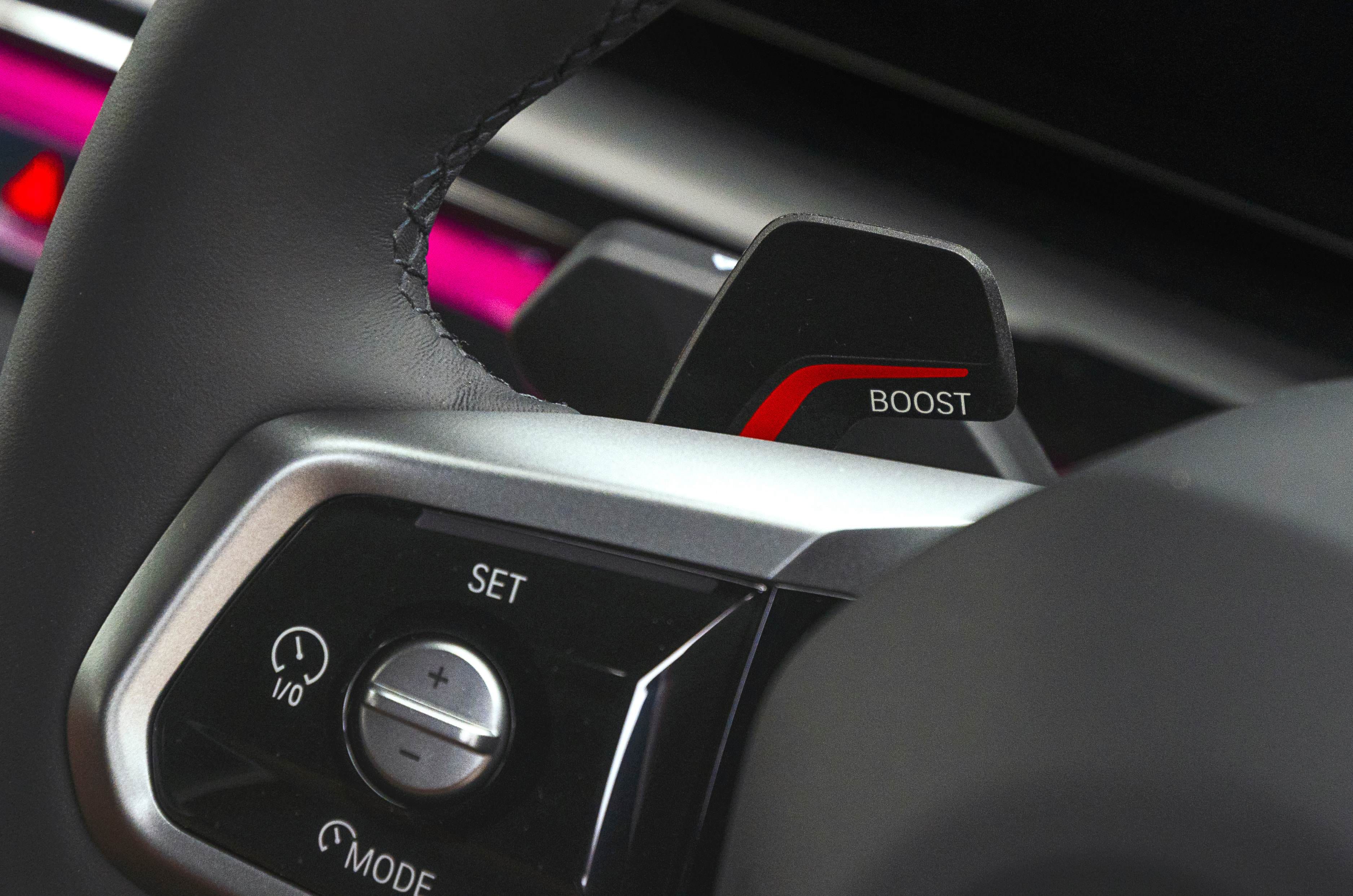
Boost function unlocks the motor’s full potential for 10 seconds. If your’re already in Sport mode, it barely makes any difference.
The i5 also offers multiple regenerative braking settings, including Adaptive, High, Mid and Low. Of these, Adaptive stands out for its excellent calibration, intelligently varying regeneration and coasting based on traffic and road conditions. There’s also a dedicated one-pedal ‘B’ mode, selectable via the drive selector. It delivers regeneration comparable to the High setting but, unlike it, can bring the car to a complete stop without requiring any brake pedal input.
Braking performance itself is strong, although keen drivers may wish for a little more feel from the pedal. The transition between regenerative and mechanical braking leaves it feeling somewhat numb.
BMW i5 LWB Range and Efficiency – 6/10
BMW claims the i5’s 81.6kWh battery (net capacity is 76.3kWh) can deliver a range of up to 669km, a figure that appears rather optimistic. In our real-world range tests, the i5 eDrive35L returned an average efficiency of 5.06km/kWh, translating to an estimated range of 386km. It’s worth noting that the car was driven in its most efficiency-focused ‘Efficient’ mode throughout the test, with regenerative braking set to Adaptive.
We also connected the battery to a 60kW DC fast charger, where it took 47 minutes to charge from 20-80 percent state of charge. BMW additionally supplies a complimentary AC wallbox charger along with installation.
BMW i5 LWB Ride Comfort and Handling – 8/10
Ground clearance has been increased by 18mm compared to the international version; hence, it clears most speedbreakers easily.
With every successive generation, the 5 Series has become softer and more comfort-focused, and the i5 is arguably the most luxurious iteration yet. Despite riding on larger 20-inch wheels with lower-profile tyres than the petrol-powered 530Li, ride quality is seriously impressive. The i5 feels plush and remarkably absorbent over typical urban roads. Notably, it also benefits from rear air suspension, a feature absent on the 530Li.
In addition to the extended wheelbase, BMW has increased ground clearance by 18mm compared to the global standard-wheelbase model. The result is a luxury sedan that’s far better suited to Indian conditions. Even with four occupants on board, the i5 clears most speed breakers without drama. As a luxury car, then, it unquestionably gets the fundamentals right.
With a plush ride and increased ground clearance, the i5 is far better suited to Indian conditions.
However, the softer suspension setup and increased ground clearance have diluted some of the driver-focused character that defined earlier generations of the 5 Series. While it retains a near-perfect 50:50 weight distribution and rear-wheel-drive layout, there’s no escaping the fact that, in prioritising comfort and practicality, BMW has sacrificed a measure of the sharpness and precision that once made the 5 Series a benchmark for driving enthusiasts.
BMW i5 LWB Price and Verdict – 8/10
At Rs 79.60 lakh, the locally assembled i5 LWB has all the ingredients to become BMW India’s next EV success story alongside the iX1. With the i5 eDrive35L, BMW continues its successful long-wheelbase formula, maximising cabin space while building upon the strengths of the petrol-powered 5 Series, with which it shares much of its cabin, equipment and overall character. Buyers can also opt for extended warranty and prepaid maintenance packages of up to 10 years, in addition to the standard eight-year battery warranty.
Generous cabin space, comfy seats, a plush ride, and effortless performance make the i5 eDrive35L a compelling electric luxury sedan
That said, much like its petrol-powered sibling, some of the traditional 5 Series driving feel has been diluted. It also misses a few feel-good features, particularly those aimed at rear-seat occupants. More importantly, the spare wheel’s placement on the boot floor significantly compromises luggage-carrying ability.
So, is it worth paying the Rs 3 lakh premium over the petrol-powered 5 Series? The answer largely depends on your usage. The i5 eDrive35L makes sense for buyers registering it under a company name, thanks to the higher depreciation benefits available for EVs. It also suits those who cover significant distances and can take advantage of lower running costs. Generous cabin space, comfortable seats, a plush ride, respectable range and effortless performance make the i5 eDrive35L a compelling electric luxury sedan for buyers shopping in this segment.
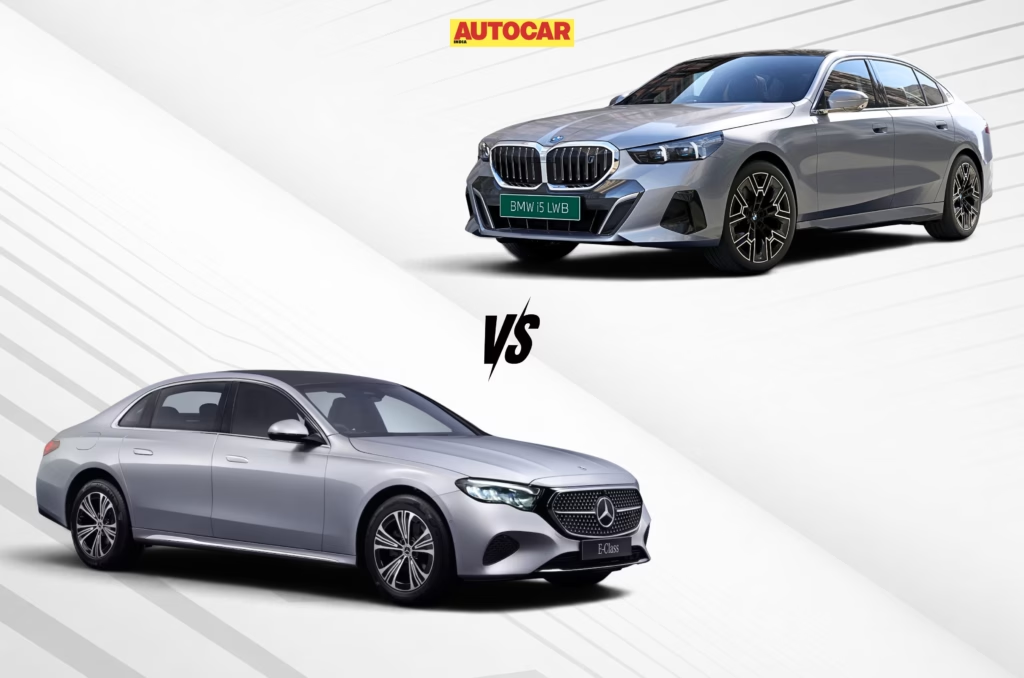
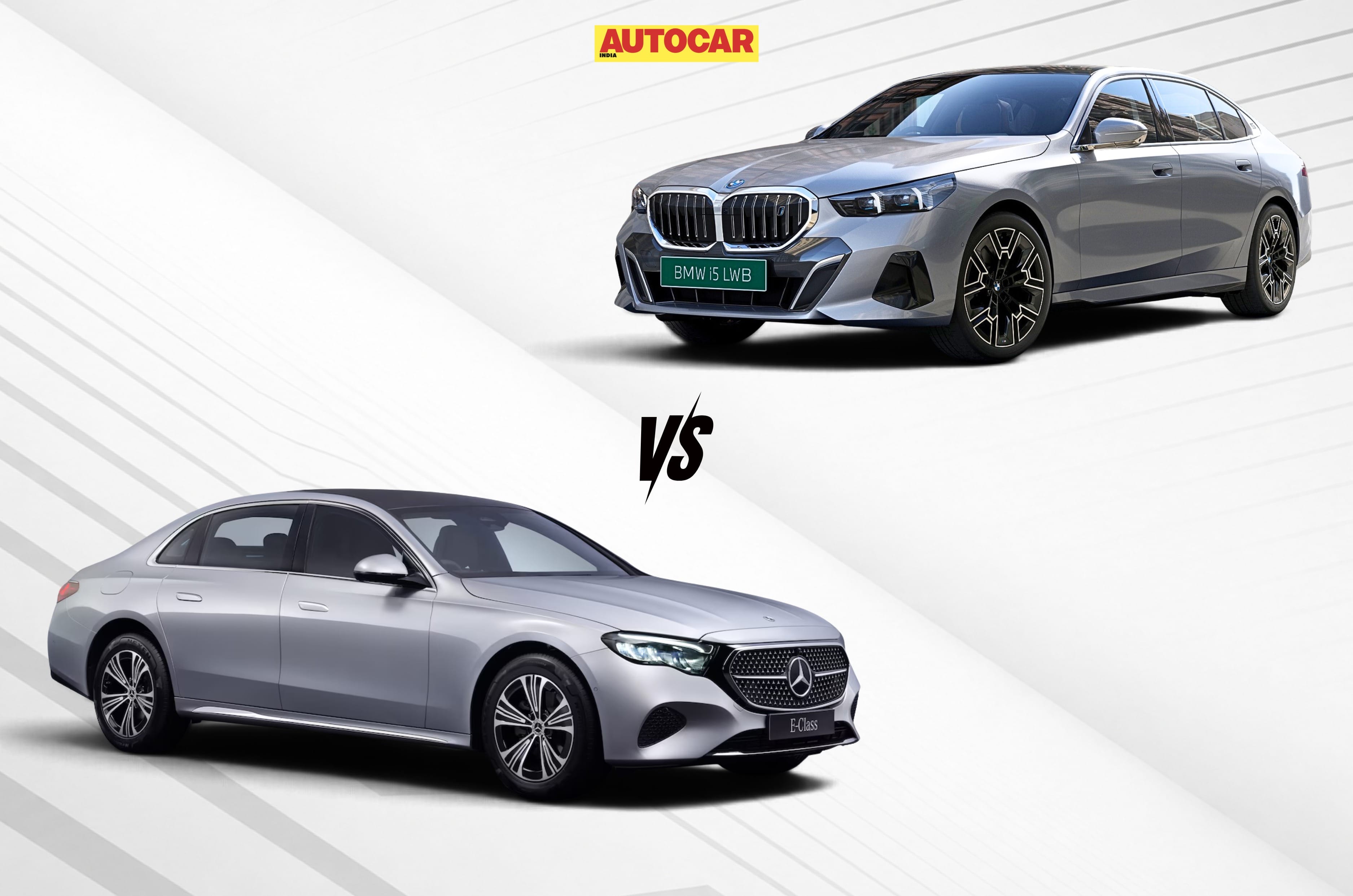
The BMW i5 LWB and Mercedes-Benz E 220d take different approaches to the luxury sedan. BMW no longer offers a diesel engine with the 5 Series in India, so for buyers with high annual running who want an efficient 5 Series, the electric i5 is the only option. The E-Class, meanwhile, continues to offer a diesel powertrain in the form of the E 220d, alongside petrol versions. Both are aimed at buyers seeking a spacious, chauffeur-friendly luxury sedan, but their powertrains make for very different ownership propositions. Here’s how they compare.
BMW i5 LWB vs Mercedes E-Class: Dimensions
i5 is wider, while length, height and wheelbase are similar
BMW i5 LWB
Mercedes E 220d
Length
5,175mm
5,092mm
Width
2,156mm
1,880mm
Height
1,520mm
1,493mm
Wheelbase
3,105mm
3,094mm
Wheel size
20-inch
18-inch
The i5 LWB is significantly wider than the E-Class – by 276mm – while the two are fairly similar in length, height and wheelbase. The BMW also gets larger 20-inch wheels compared with the Mercedes’s 18-inch units.
Another point of difference is the suspension. The i5 LWB gets rear-axle air suspension, which should help with ride comfort, while the E 220d uses a steel setup with selective damping, which also does a great job of blunting sharp bumps and keeping the car as level as possible over cracks and ruts.
BMW i5 LWB vs Mercedes E-Class: Powertrain
i5 is quicker and more powerful; E 220d has more torque
BMW i5 LWB
Mercedes E 220d
Powertrain
Single electric motor
2.0-litre diesel + 48V mild hybrid
Power
268hp
197hp
Torque
410Nm
440Nm
Transmission
Single-speed automatic
9-speed automatic
Drive layout
Rear-wheel drive
Rear-wheel drive
0-100kph
6.7sec
7.6sec
Battery
81.6kWh
–
Claimed range
669km, MIDC
–
The i5 has the clear advantage in power and acceleration, but the E 220d has more torque than its electric rival. The i5 should also be smoother, as expected of an EV, while the E-Class is exceptionally fuel efficient for a luxury sedan and can manage more than 800km on a full tank.
The i5 gets a large 81.6kWh battery pack and has a claimed MIDC range of 669km. Considering this figure, a real-world range of over 500km should be achievable, which is enough for highway runs. Longer journeys will still need to be planned around charging stops, whereas the E-Class does not face this limitation.
On paper, the i5 makes a strong case, particularly for buyers who primarily drive in the city and have access to charging. The E 220d, however, is better suited to those who regularly mix city driving with long highway journeys and want the convenience of quick refuelling.
BMW i5 LWB vs Mercedes E-Class: Exterior features
i5 gets adaptive LEDs; both have electric folding mirrors
BMW i5 LWB
Mercedes E 220d
LED headlights
Adaptive LED
LED
LED DRLs
Yes
Yes
LED tail-lights
Yes
Yes
Illuminated grille
Yes
No
Powered ORVMs
Yes
Yes
Powered tail-gate
Yes
Yes
Door handles
Flap type
Flush-fitting
In terms of exterior features, both sedans are similarly equipped. Both get LED headlights, LED daytime running lamps (DRLs), LED tail-lights, powered outside rearview mirrors (ORVMs) and a powered tailgate. The i5 LWB, however, gets adaptive LED headlights and an illuminated grille. The two also differ in their door-handle designs, with the i5 using flap-type handles and the E-Class getting flush-fitting units.
BMW i5 LWB vs Mercedes E-Class: Interior and features
i5 focuses on front-seat comfort, while the E-Class prioritises the rear
BMW i5 LWB
Mercedes E 220d
Digital driver’s display
12.3-inch
12.3-inch
Central touchscreen
14.9-inch
14.4-inch
Passenger display
No
12.3-inch
Wireless Apple CarPlay/Android Auto
Yes
Yes
Four-zone climate control
Yes
Yes
Front-seat ventilation
Yes
No
Rear-seat recline
No
Up to 36 degrees
Wireless charging
Front and rear
Front and rear
Audio system
17-speaker Bowers & Wilkins
17-speaker Burmester
Ambient lighting
Yes
Yes
Rear sunblinds
No
Yes
Panoramic sunroof
Yes
Yes
Electric seat adjustment from rear
No
Yes
Soft-close doors
No
Yes
Both offer a similar baseline of luxury equipment, but their priorities differ. The i5 adds ventilated front seats and a larger central display, while the E 220d has a more comprehensive set of rear-seat features, including electric recline, sunblinds, soft-close doors and the ability to adjust the front passenger seat from the rear. For a chauffeur-driven buyer, that gives the Mercedes an advantage in rear-seat functionality.
BMW i5 LWB vs Mercedes E-Class: Safety features
Both get ADAS and 360-degree cameras
BMW i5 LWB
Mercedes E 220d
Airbags
8
8
360-degree camera
Yes
Yes
Lane departure warning
Yes
Yes
Blind-spot monitoring
Yes
Yes
Automatic Emergency Braking
Yes
Yes
Parking assist
Yes
Yes
TPMS
Yes
Yes
Auto hold
Yes
Yes
The two cars are closely matched on safety features, with both offering 8 airbags, lane departure warning, blind-spot monitoring, automatic emergency braking, 360-degree cameras and parking assistance.
BMW i5 LWB vs Mercedes E-Class: Prices
BMW i5 LWB is Rs 3.90 lakh cheaper
Price (ex-showroom)
BMW i5 LWB
Mercedes E 220d
Price
Rs 79.60 lakh
Rs 83.50 lakh
At Rs 79.60 lakh, the i5 LWB is Rs 3.90 lakh more affordable than the E 220d and is also cheaper than the petrol E-Class. Factoring in the lower running costs of an EV, particularly for buyers who can charge at home, the BMW makes a strong financial case.
BMW i5 LWB vs Mercedes E-Class: Verdict
On paper, the BMW i5 LWB is the stronger choice if outright performance, lower running costs and a more front-seat-focused cabin are priorities. It is more powerful, quicker and cheaper to buy, while home charging can make it substantially cheaper to run.
The Mercedes E 220d makes the stronger case for chauffeur-driven use, with a more rear-seat-focused cabin, along with the longer range and quicker refuelling of its diesel powertrain.
Volvo has updated its entire 40 series range, which includes the XC40, EX40, and EC40. The Swedish carmaker has brought in subtle exterior revisions, new interior decor options, updated tech, and safety enhancements.
New 11.2-inch infotainment with Google Gemini integration.
Level 2 ADAS and a 360-degree camera are optional fitments.
There’s no confirmation on whether the facelifted EC40 will arrive here, considering it’s the only 40 series SUV sold in India. Volvo has delisted the EX40 from its India website; the XC40 was discontinued in 2023
Volvo 40 Series: What’s new?
The front-end on all models receives revisions for the matrix LED headlamps with ‘Thor’s Hammer’ DRL signatures and a cleaner look for the bumper. There’s also a new grille design for the XC40 that helps set it apart from the EC40 and EX40, which get a blanked-off finish. At the rear, only the XC40 and EX40 sport new LED tail-lamps and a revised tailgate and bumper. The alloy wheels on all models have been restyled, with the XC40 now offering 18- to 20-inch rims. Black Editions are also available, which come with blacked-out exterior elements.
Inside, there’s a larger 11.2-inch infotainment system with Volvo’s latest operating system. There’s also Google Gemini integration onboard, which helps drivers have natural conversations with the in-car assistant. Volvo has also introduced new upholstery and decor options for the interior.
Volvo says that, as standard, all models respond to potential collisions in real time with features like automatic emergency steering and braking. Optional safety features include a Level 2 ADAS suite and a 360-degree camera. The Swedish carmaker says that the XC40, EX40 and EC40 will “improve over time” with OTA updates.
Under the hood, the XC40 is powered by a 2.0-litre turbocharged petrol engine available in two states of tune. Lower-spec versions produce 163hp and 265Nm while higher-spec versions deliver 197hp and 300Nm. Power is sent to the front wheels via a 7-speed DCT. The EC40 and EX40 provide multiple battery choices ranging from 66kWh to 79kWh. Depending on the variant, you either get a rear-mounted motor or a dual-motor setup that enables AWD. The maximum e-motor power output is 442hp and 670 Nm, and WLTP-certified range figures for the EX40 and EC40 are 575km and 584km, respectively.
सत्य निकेतन में हुए हादसे के बीच जब कई छात्र मलबे में फंसे थे, तब मदद का हर मिनट मायने रखता था। ऐसे वक्त में Blinkit की Ambulance सिर्फ 10 मिनट में मौके पर पहुंची और Rescue Team के साथ राहत के काम में जुट गई। जनवरी 2025 में Service शुरू होने के बाद से Blinkit Ambulances ने 4,200+ Emergency Cases में मदद की है। फिलहाल ऐसी सुविधा Gurugram और Delhi-NCR के कुछ हिस्सों में Free उपलब्ध है। क्या आपको लगता है ऐसी Emergency Services को देश के और हिस्सों तक पहुंचना चाहिए?
Comment में अपनी राय बताएं।
Blinkit ambulance reaches Satya Niketan in 10 minutes, Satya Niketan PG building collapse Delhi, Blinkit ambulance service Delhi NCR emergency , Delhi PG building collapse
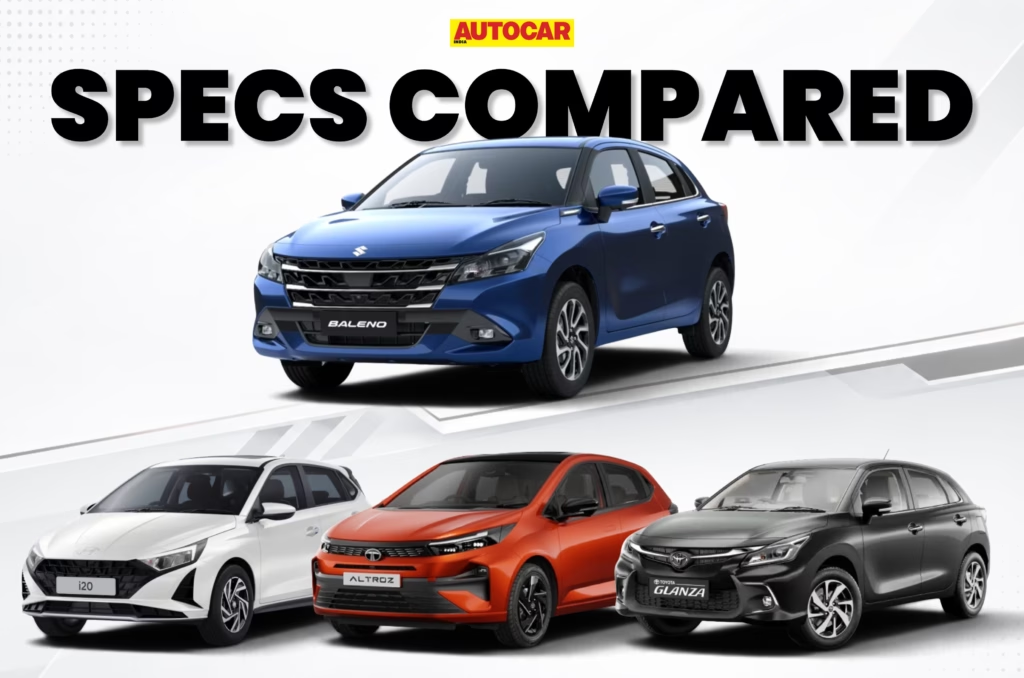
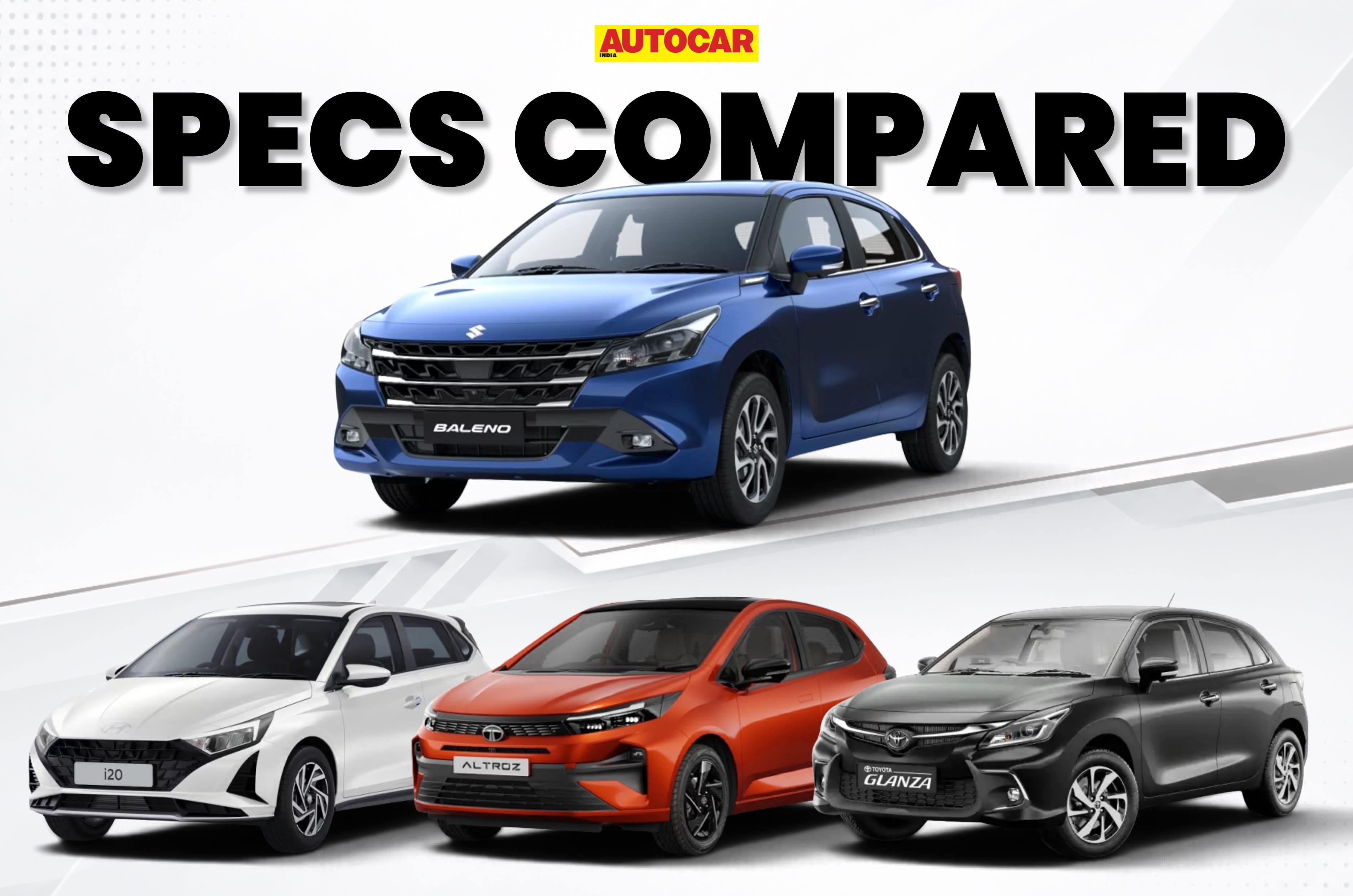
Maruti Suzuki has updated the Baleno for 2026, with changes to its powertrain, styling and equipment. It continues to compete with the Hyundai i20, Tata Altroz and Toyota Glanza in the premium hatchback segment. Here’s how the four compare on dimensions, specifications, features and prices.
2026 Maruti Baleno vs rivals: Dimensions
i20 has the longest wheelbase; Altroz has the biggest boot
Dimensions
Maruti Baleno
Hyundai i20
Tata Altroz
Toyota Glanza
Length
3,990mm
3,995mm
3,990mm
3,990mm
Width
1,745mm
1,775mm
1,755mm
1,745mm
Height
1,530mm
1,505mm
1,523mm
1,500mm
Wheelbase
2,520mm
2,580mm
2,501mm
2,520mm
Boot space
318 litres
311 litres
345 litres
318 litres
The i20 is the longest and widest of the four and also has the longest wheelbase, while the Altroz has the largest boot at 345 litres, although with CNG it falls to 210 litres. The Baleno and Glanza being badge-engineered siblings share identical length, width and wheelbase figures, although the new Baleno is 30mm taller. The Baleno also has a larger boot than the i20, despite being slightly shorter overall.
2026 Maruti Baleno vs rivals: Engine specifications
Altroz offers the widest choice of powertrains
Engine specifications
Maruti Baleno
Hyundai i20
Tata Altroz
Toyota Glanza
Engine*
1.2P | 1.2C
1.2P
1.2P | 1.2C | 1.5D
1.2P | 1.2C
No. of cylinders
3 | 3
4
3 | 3 | 4
4 | 4
Power (hp)
83 | 70
83 (MT), 88 (IVT)
88 | 74 | 90
90 | 77
Torque (Nm)
112 | 102
114.7
115 | 103 | 200
113 | 98.5
Transmission
5MT, 5AMT | 5MT
5MT, IVT
5MT, 5AMT, 6DCT | 5MT, 5AMT | 5MT
5MT, 5AMT | 5MT
*P = Naturally aspirated petrol, C = CNG, D = Diesel
The Altroz offers the widest choice of powertrains, with petrol, CNG and diesel options, while the Baleno and Glanza also get CNG variants and the i20 is petrol-only. It is also the only hatchback in India to offer a diesel engine. The Baleno and Altroz use three-cylinder petrol engines, whereas the i20 and Glanza use four-cylinder units.
The Glanza’s petrol and Altroz’s diesel engines makes the most power at 90hp, while the Altroz diesel has the highest torque at 200Nm. For automatics, the Baleno and Glanza get AMTs, the i20 gets an IVT, and the Altroz offers both AMT and dual-clutch automatic options.
2026 Maruti Baleno vs rivals: Features
Baleno is the only in the segment to offer ventilated front seats
Features
Maruti Baleno
Hyundai i20
Tata Altroz
Toyota Glanza
Head-up display
Yes
No
No
Yes
Ventilated front seats
Yes
No
No
No
360-degree camera
Yes
No
Yes
Yes
Wireless charger
Yes, cooled
Yes
Yes
No
Sunroof
No
Yes
Yes
No
Touchscreen
9-inch
10.25-inch
10.25-inch
9-inch
Instrument cluster
Analog + MID display
TFT display
10.25-inch digital
Analog + MID display
Android Auto/Apple CarPlay
Wireless
Wireless
Wireless
Wireless
Automatic climate control
Yes
Yes
Yes
Yes
Rear AC vents
Yes
Yes
Yes
Yes
Cruise control
Yes, adaptive
Yes
Yes
Yes
Connected car technology
Yes
Yes
Yes
Yes
Auto-folding ORVMs
Yes
—
Yes
Yes
Push-button start/stop
Yes
Yes
Yes
Yes
Rear USB charging
Yes
Yes
Yes
Yes
Premium audio system
Clarion, 4-speakers
Bose, 7-speaker
AudioWorX
No
The four hatchbacks offer a broadly similar level of equipment, but there are some notable differences. Both the Baleno and Glanza get a head-up display, while the Baleno stands out with ventilated front seats. The i20 and Altroz get larger 10.25-inch infotainment screens, compared with the 9-inch units in the Baleno and Glanza. All four get automatic climate control, rear AC vents, cruise control and wireless Android Auto and Apple CarPlay.
The Baleno also gets a cooled wireless charger and a 360-degree camera, while the i20 and Altroz offer sunroofs. Both the Altroz and i20 get 10.25-inch digital instrument displays, although the Altroz uses an LED display and the i20 gets a TFT unit. The Baleno and Glanza, meanwhile, use analogue dials with a MID. Overall, the four offer plenty of equipment, but buyers will have to decide whether they value features such as ventilated seats and a head-up display or a larger screen and sunroof more.
2026 Maruti Baleno vs rivals: Safety
Baleno brings Level 2 ADAS to the segment
Safety features
Maruti Baleno
Hyundai i20
Tata Altroz
Toyota Glanza
Level 2 ADAS
Yes
No
No
No
Airbags
6
6
6
6
TPMS
Yes
Yes
Yes
No
Electronic stability control
Yes
Yes
Yes
Yes
Hill-hold assist
Yes
Yes
Yes
Yes
ABS with EBD
Yes
Yes
Yes
Yes
ISOFIX mounts
Yes
Yes
Yes
Yes
All four cars get six airbags, electronic stability control, hill-hold assist, ABS with EBD and ISOFIX mounts as standard, making the core safety equipment broadly similar. The Baleno, however, has a clear advantage with Level 2 ADAS, which adds features such as adaptive cruise control, lane-keep assist, lane-departure warning and automatic emergency braking. The system is offered on the top-spec Alpha (O) trim. TPMS is also available on the Baleno, i20 and Altroz, but not on the Glanza. With the addition of ADAS, the Baleno has the most advanced active-safety package of these four hatchbacks on paper.
2026 Maruti Baleno vs rivals: Price
Baleno starts between the i20 and Altroz
Price (ex-showroom), Rs lakhs
Maruti Baleno
6.10 – Not disclosed
Hyundai i20
6 – 10.63
Tata Altroz
6.30 – 10.51
Toyota Glanza
6.73 – 9.99
At Rs 6.10 lakh, the Baleno’s starting price sits between the Hyundai i20 and Tata Altroz, while it undercuts the Toyota Glanza by Rs 63,000. Maruti Suzuki has not yet revealed the prices of the Baleno’s higher variants, so a complete price comparison with its rivals is not possible yet.
It remains to be seen how competitively the Baleno is priced at the higher end of the range and how much value it offers for the additional equipment available over its rivals.
The Maruti Suzuki Baleno has proven to be hugely successful, with the premium hatchback going home to 1.9 million buyers since its introduction in 2015. And in a time when compact SUVs are all the rage, the Baleno continues to buck the trend and bring in the numbers for the brand. And now in a bid to keep it fresh and relevant, Maruti Suzuki has updated it with a tweaked design, new comfort and safety features and even a new petrol engine.
Maruti Baleno Exterior Design and Engineering – 7/10
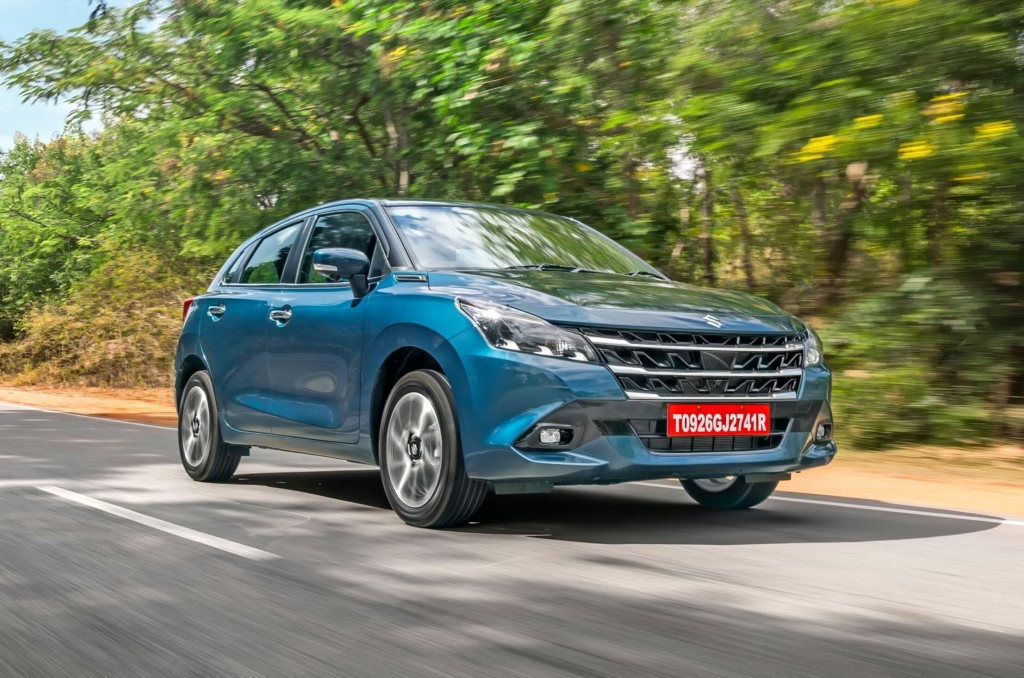
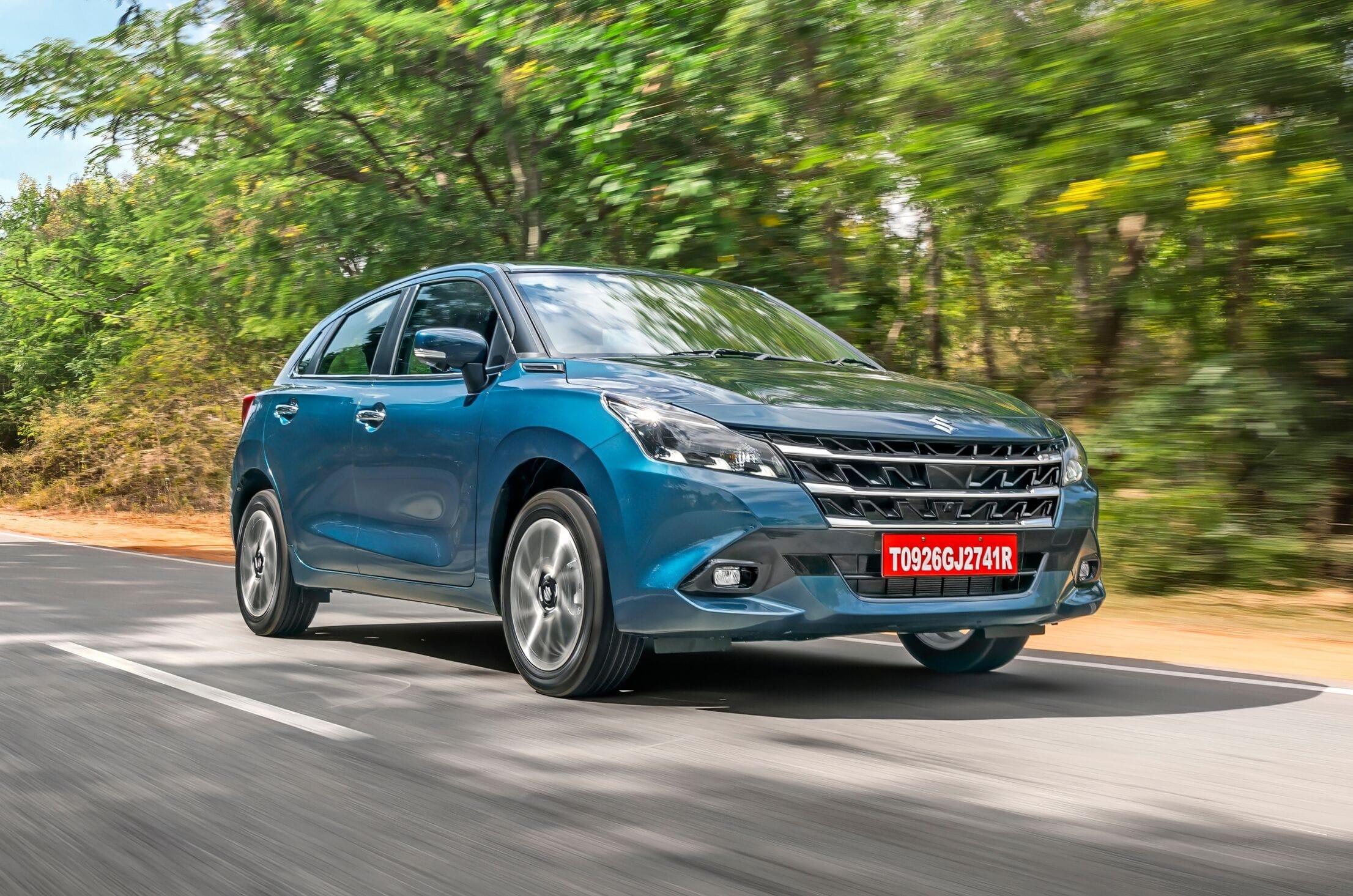
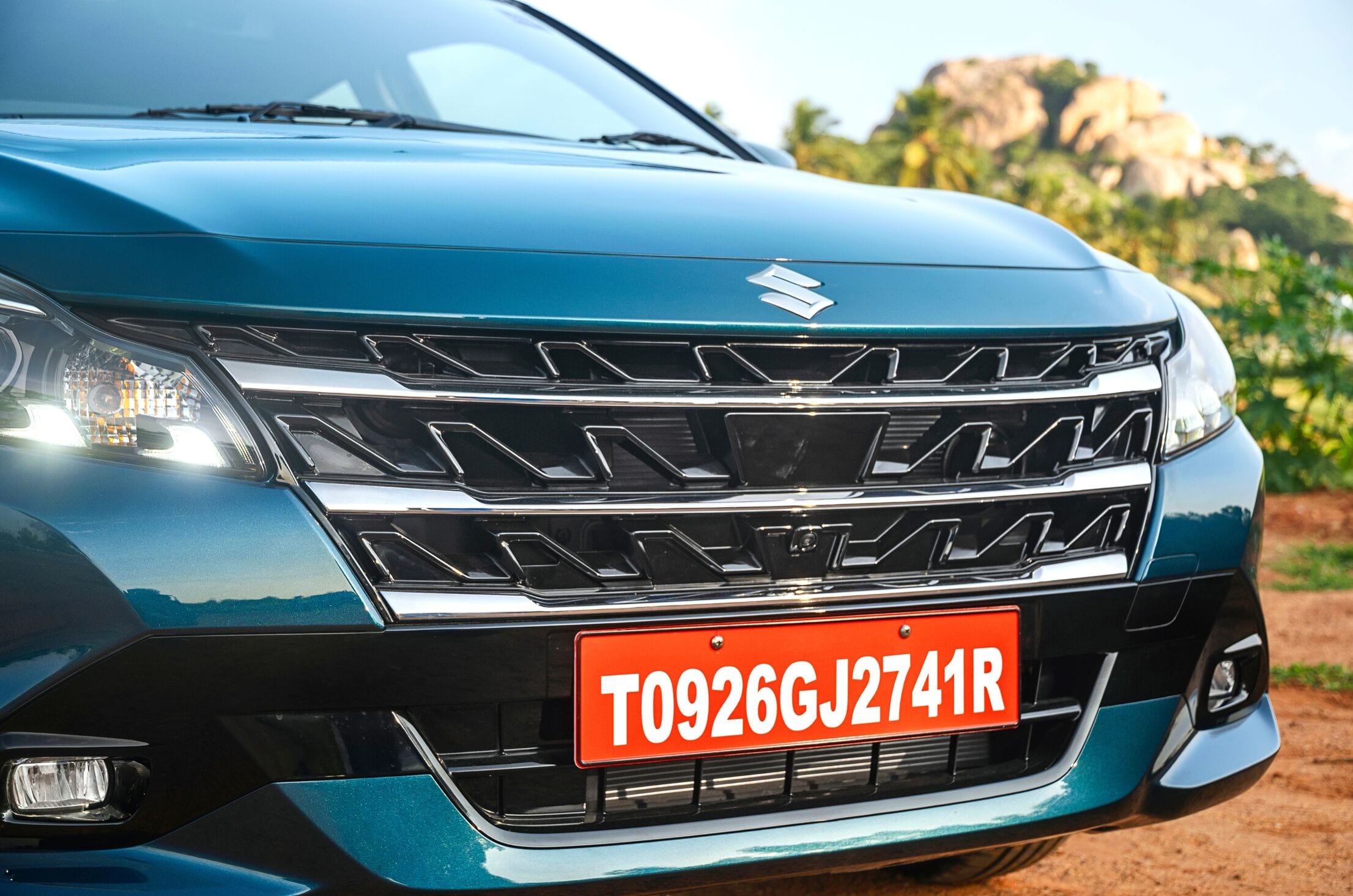
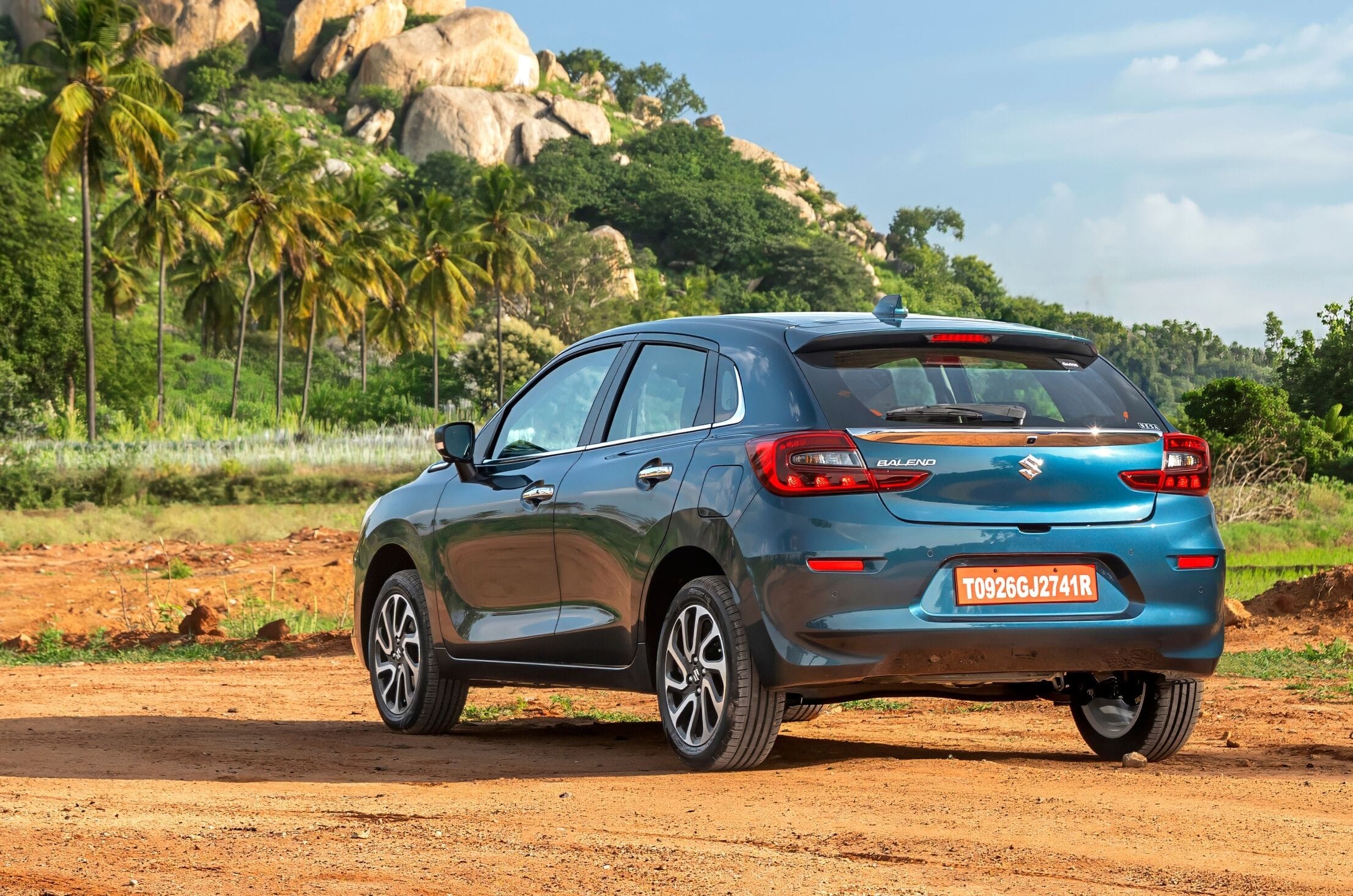
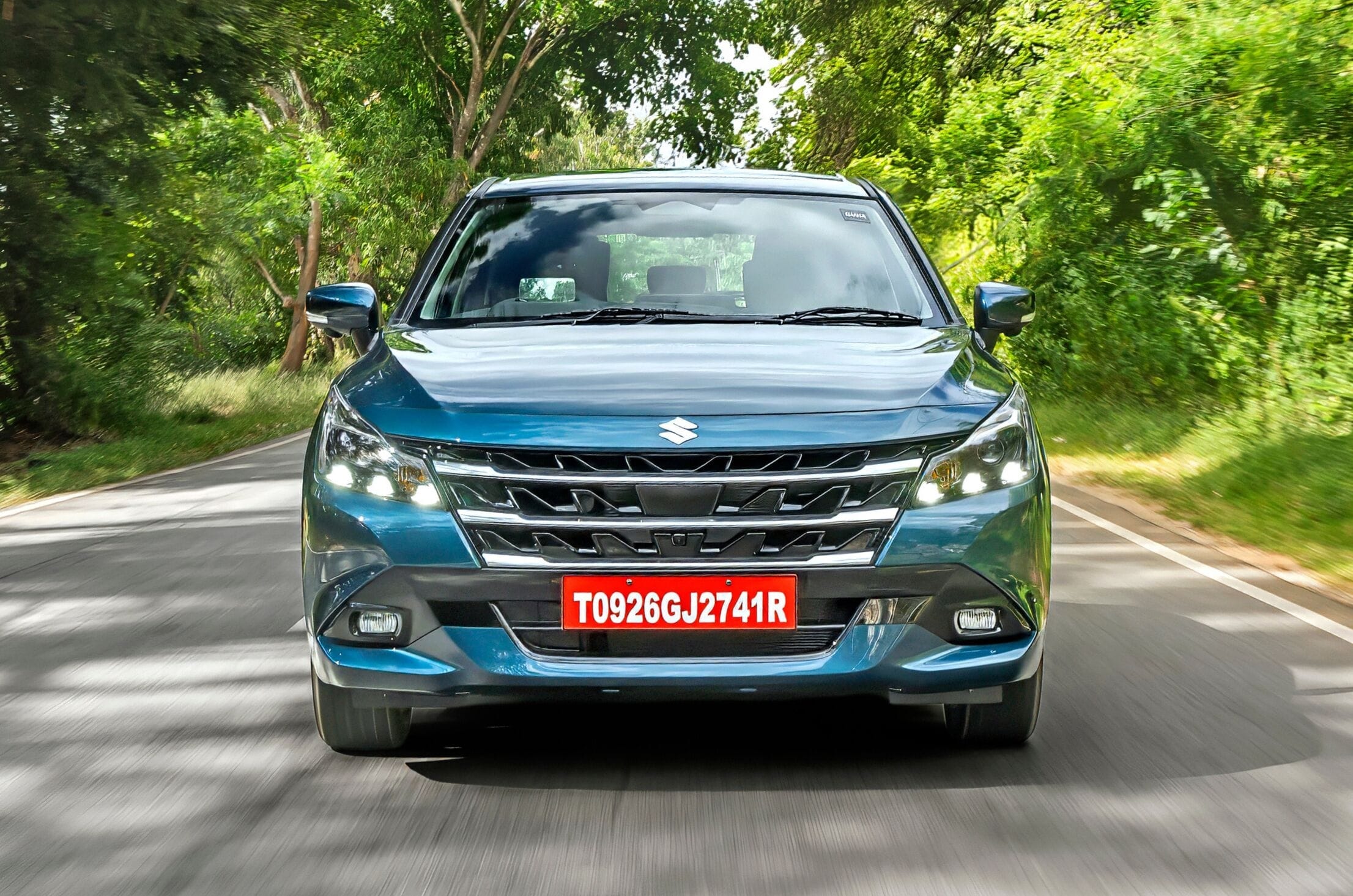
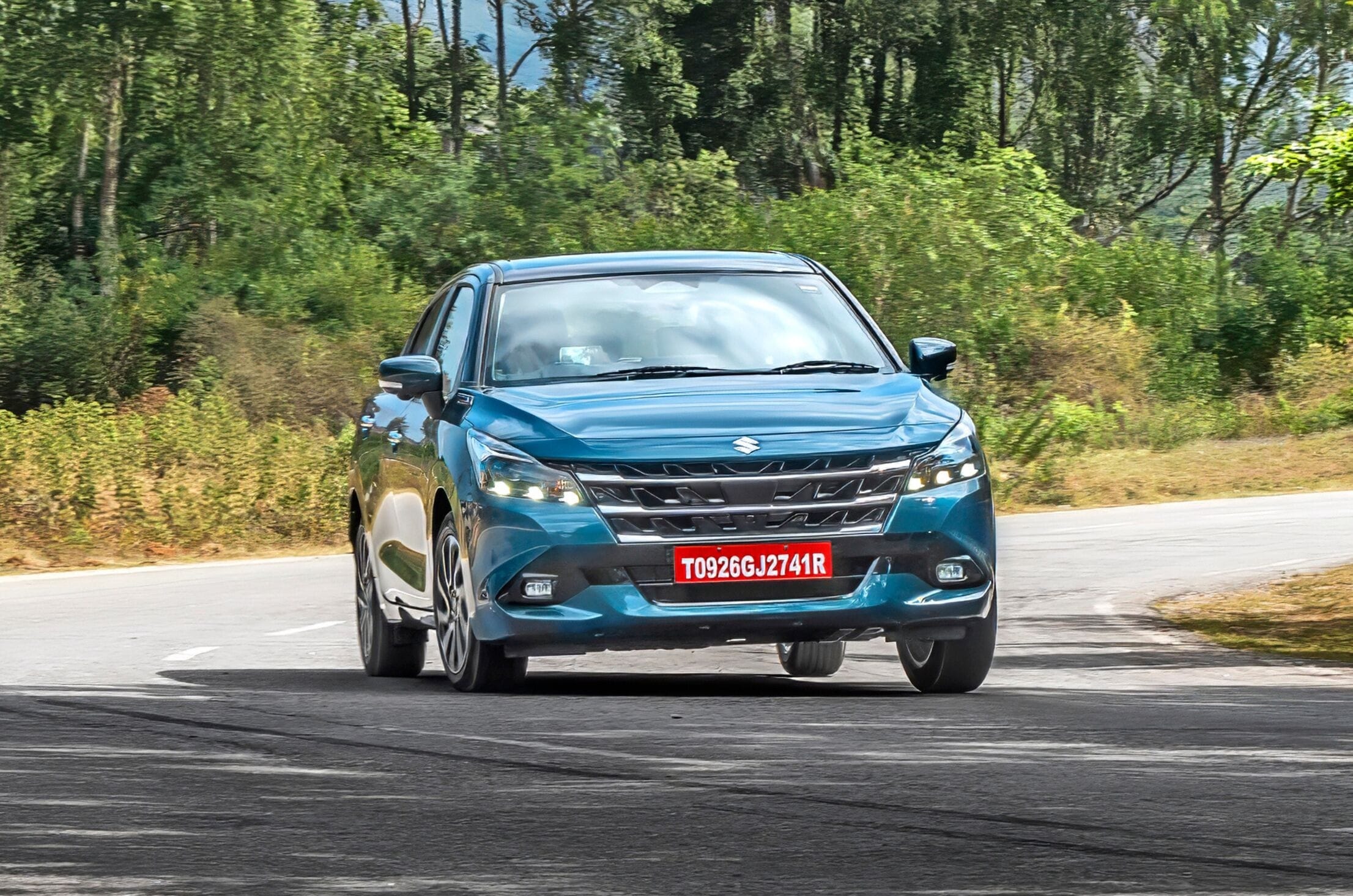
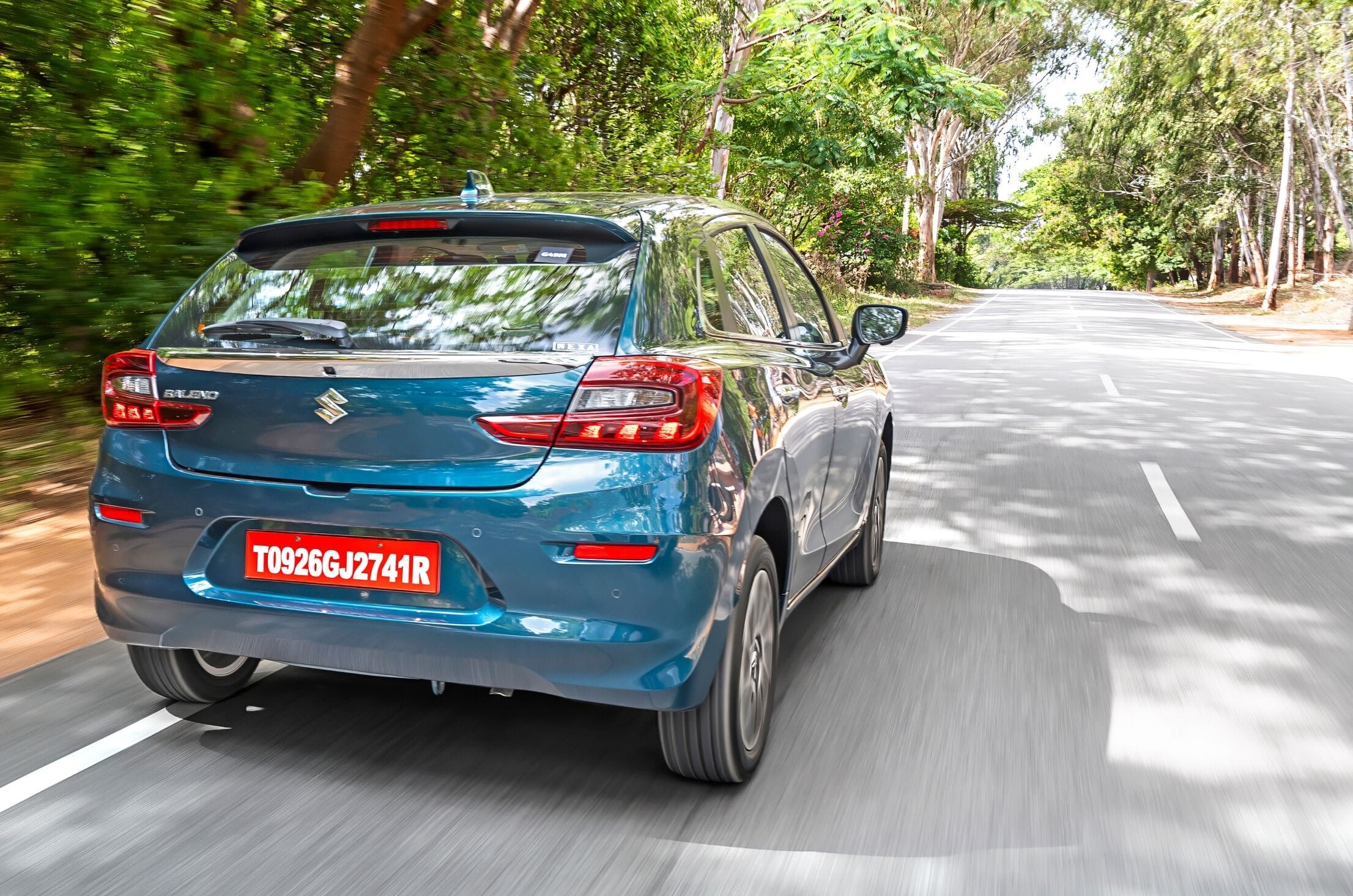
Being a mid-life-cycle update, the Baleno doesn’t get a design overhaul but rather tweaked styling with the bulk of the design changes concentrated at the front end. The grille is now much larger than before with three horizontal chrome slats and gloss black detailing, with a radar module in the centre for the new ADAS tech. The bumper is new too and features a gloss black trim that links the new LED fog lamps and the Suzuki logo has also been moved above the grille. Otherwise, the clamshell bonnet with the two character lines and the LED headlamps with the three-block DRL signature are carried over unchanged.
Gets a new larger grille with chrome slats, a new bumper and new fog lamps.
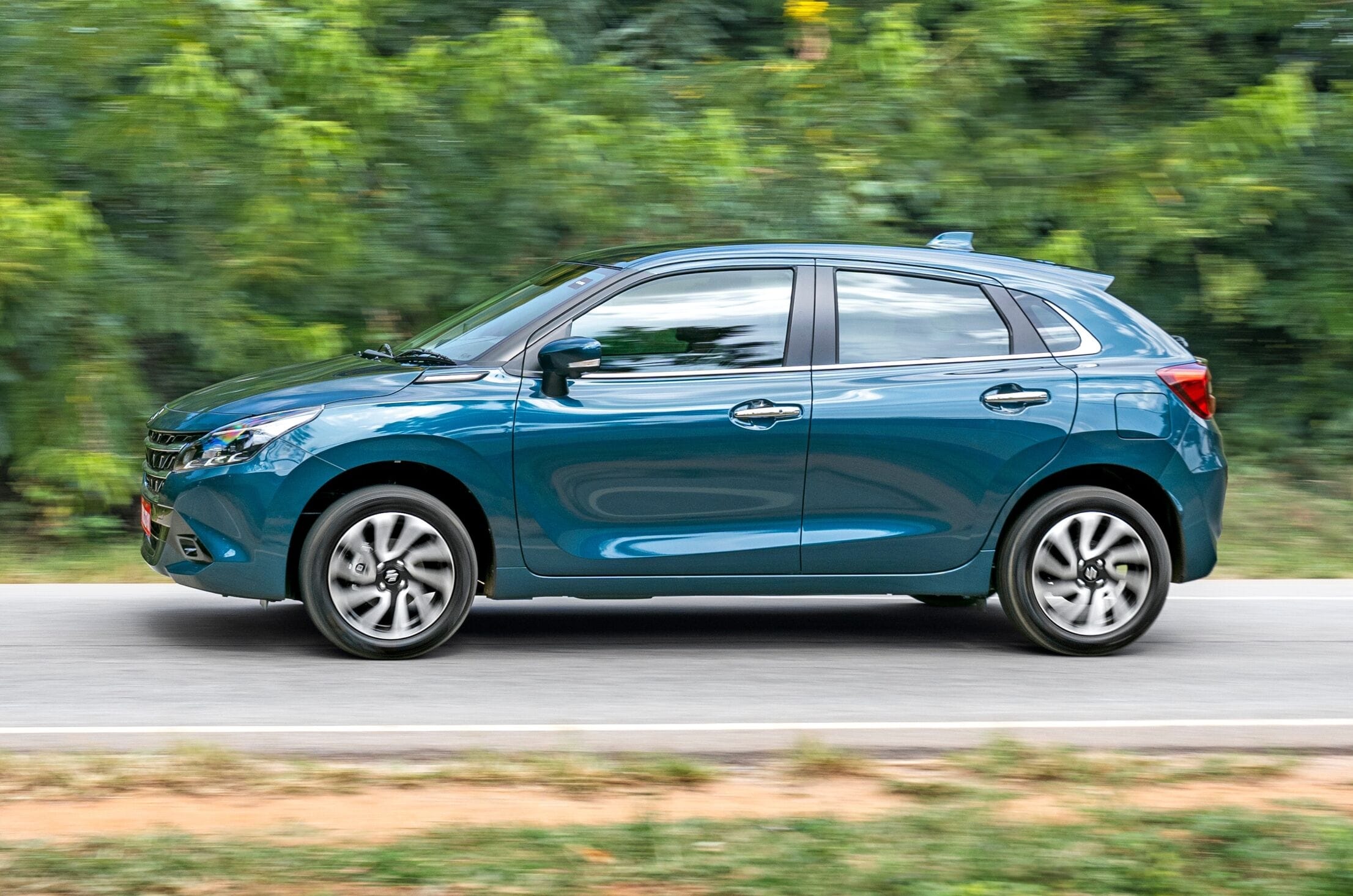
Changes along the sides are minimal, with the only distinguishing factors being a chrome garnish on the front fender and a shark fin antenna on the roof. The facelift retains the older Baleno’s chrome lining under the windows that extends up till the C-pillar, chrome door handles and the dual-tone 16-inch alloy wheels on this top-spec Alpha (O) variant.
The rear however, stays identical to the pre-facelift Baleno with its C-shaped LED taillamps that also feature the three-block pattern, a chrome band running across the tailgate and a small, roof-mounted spoiler. There’s also a new Enigmatic Teal Green paint shade as seen in the pictures here. Overall, the Baleno sticks to the formula that’s made it as successful as it is with minor tweaks in order to keep it fresh. The front grille, though, splits opinion and certainly doesn’t appear as cohesive as the one on the model it replaces.
Rear stays identical to the pre-facelift model, with the same dual-tone alloys as well
Maruti Baleno Interior Space and Comfort – 8/10
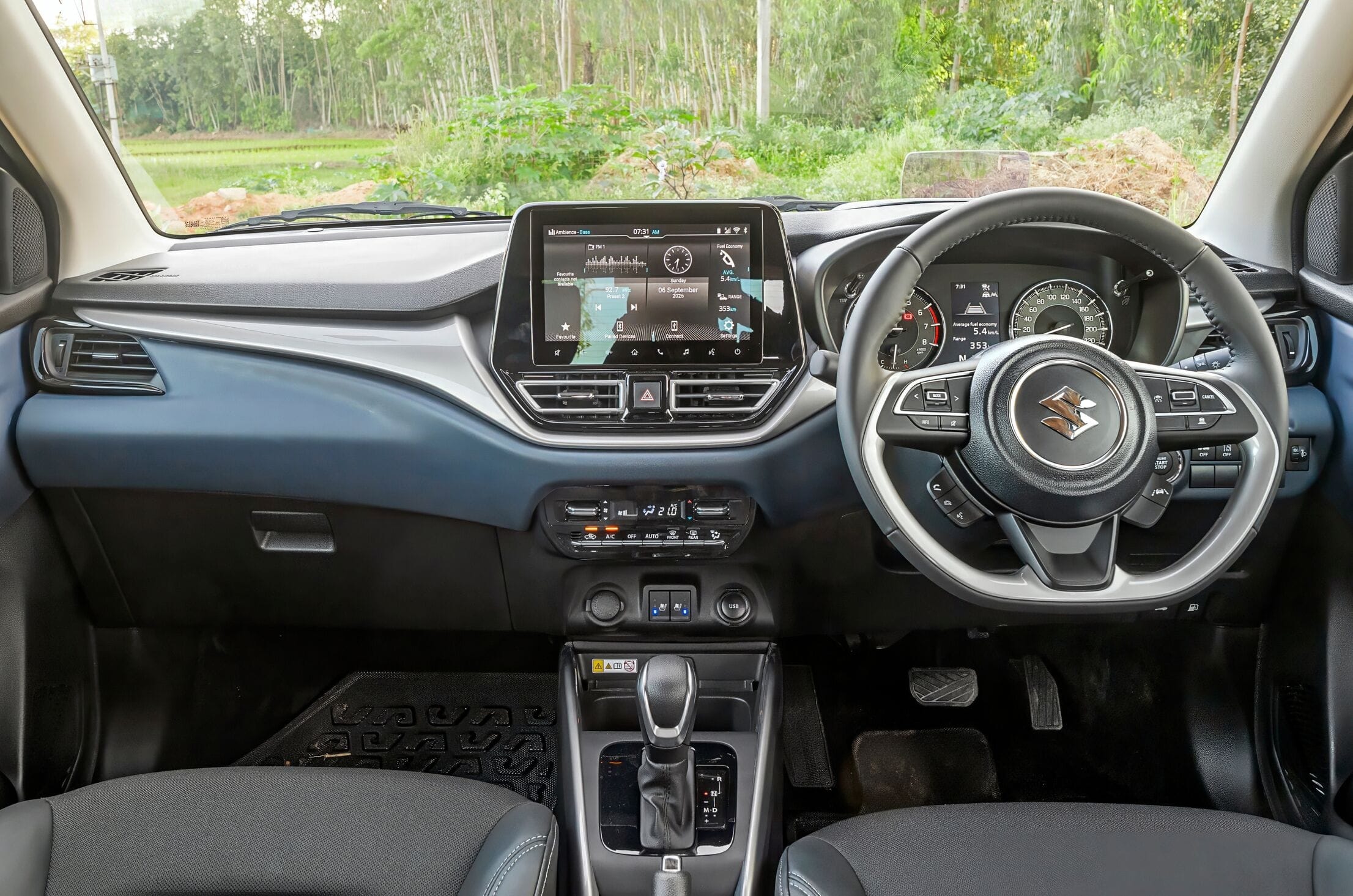
The interior of the Baleno facelift stays near-identical, with the same layered, V-shaped dashboard, flat-bottom three-spoke steering wheel and dual-tone black and blue colour scheme. There have been some tweaks however. The steering now features buttons on the right side for the adaptive cruise control and lane keep assist, there are more buttons on the right of the steering too (near the start/stop button) to turn off certain ADAS features and the seats now feature part-leatherette upholstery. The seats still majorly feature fabric upholstery but the outer edges are now finished in leatherette, which helps up the premium feel.
Layered dashboard with a dual-tone black-and-blue interior theme is carried over unchanged
Otherwise, this cabin is made up of good quality materials, particularly the soft touch leather wrapped steering and the padded elbow rests on the doorcards. The only sore points are the hard plastics and the simple woven roofliner. It’s a practical place too, with big door pockets, a decent-sized glovebox and storage in the centre console, with big cupholders and a small bin under the centre armrest.
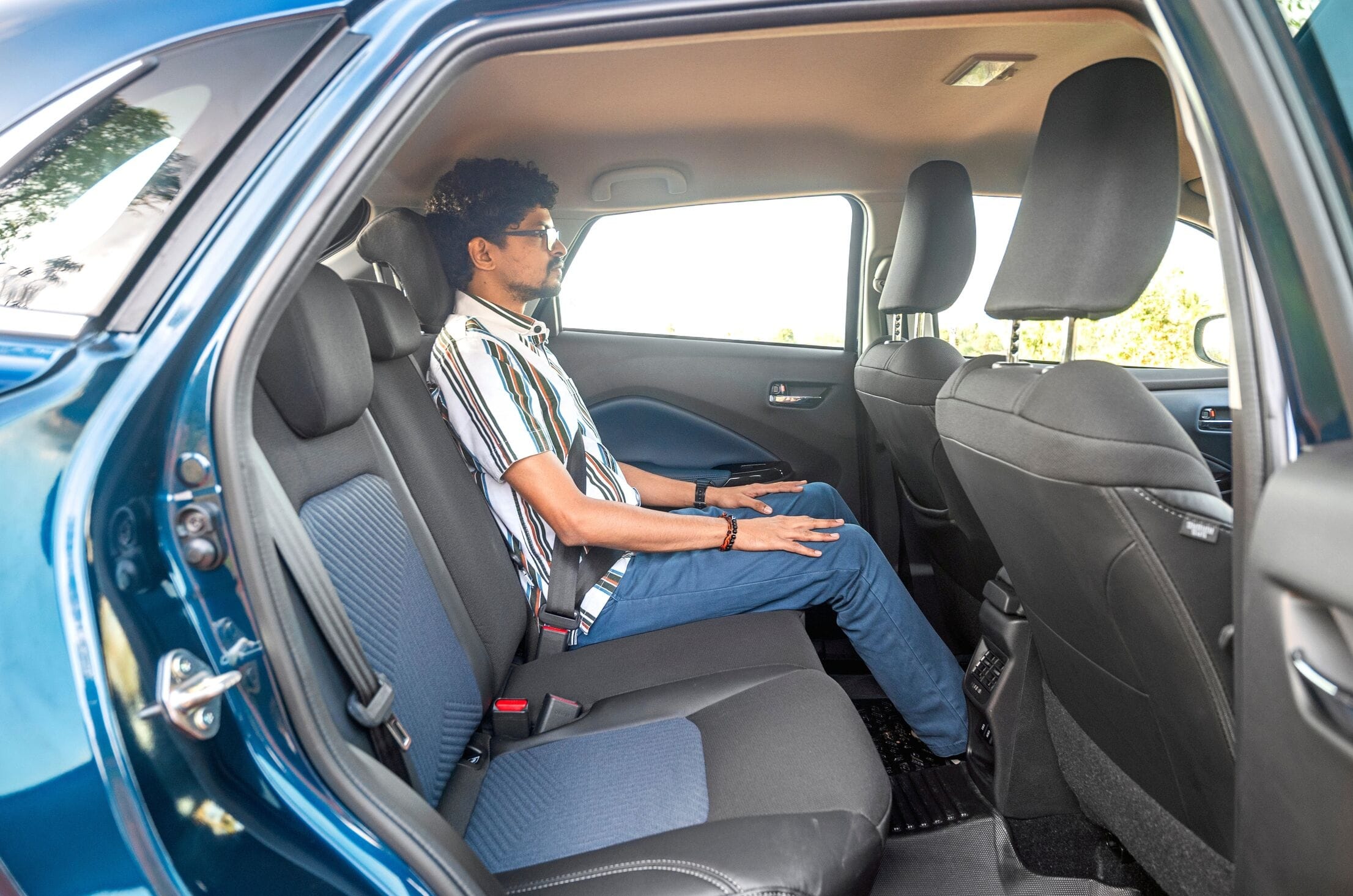
The front seats are unchanged and that’s a good thing as they are accommodating, supportive and offer nice cushioning. Thanks to the height adjustable driver’s seat and tilt/telescopic steering, finding an ideal driving position is an easy affair. Space at the rear is excellent, and even tall passengers won’t find a shortage of headroom or legroom. There’s good underthigh support, the seat cushioning is on point and on the whole, this is a comfy place to be. A welcome addition is an adjustable headrest and three-point seatbelt for the rear centre passenger. Rear passengers also get dedicated AC vents and USB charging ports.
Rear seat space is excellent and even tall passengers won’t find a shortage of headroom or legroom
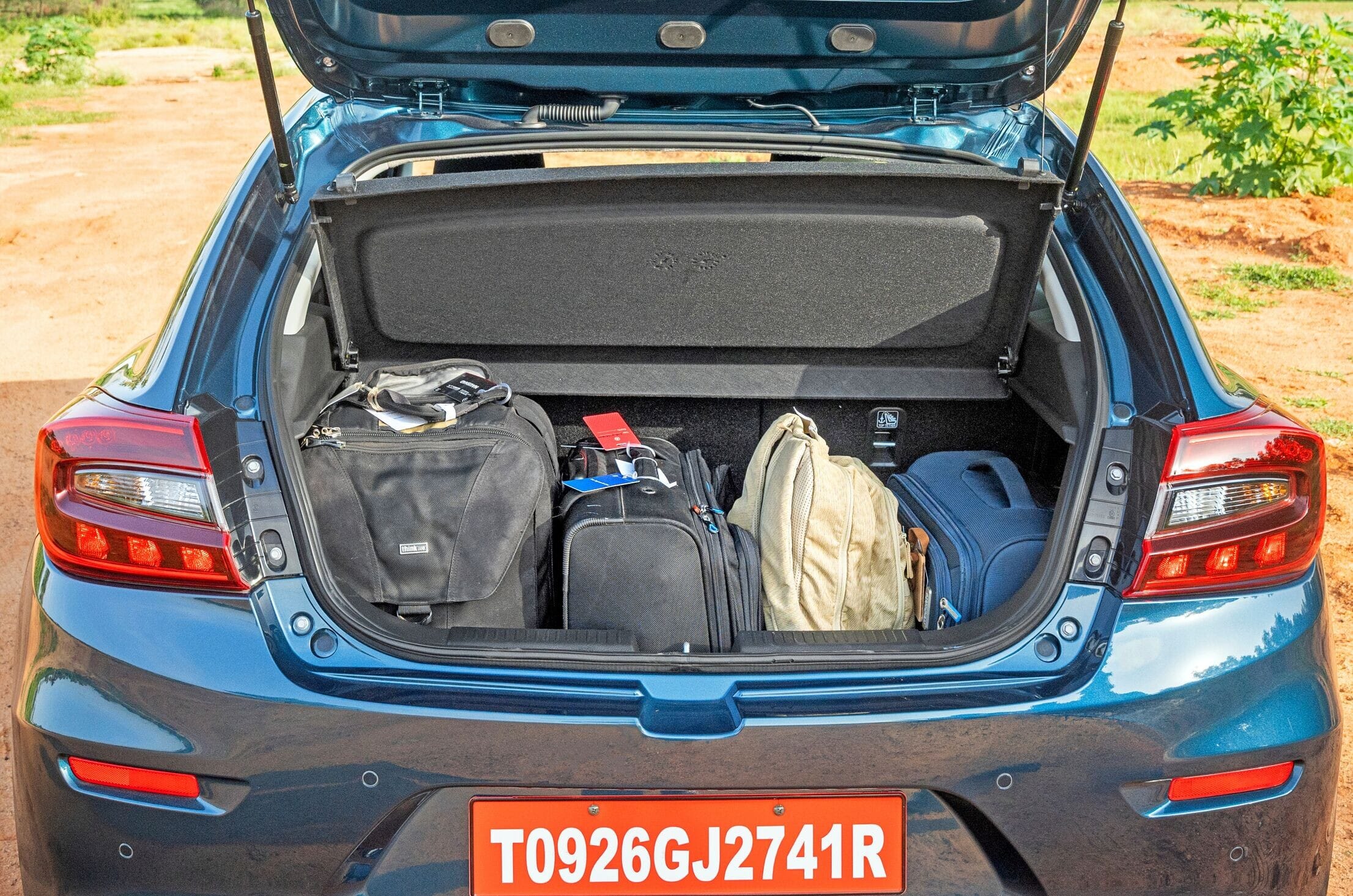
What further enhances overall comfort are the UV-cut glasses, which helps keep the heat out. As for boot space, it’s a sizable 318 litres, though the loading lip is quite high. It’s also nice to see that it retains a spare tyre under the boot floor, when many modern cars are pivoting to puncture repair kits.
Boot is a sizeable 318-litres though the loading lip is quite high; continues to get a spare tyre
Maruti Baleno Features and Safety – 9/10
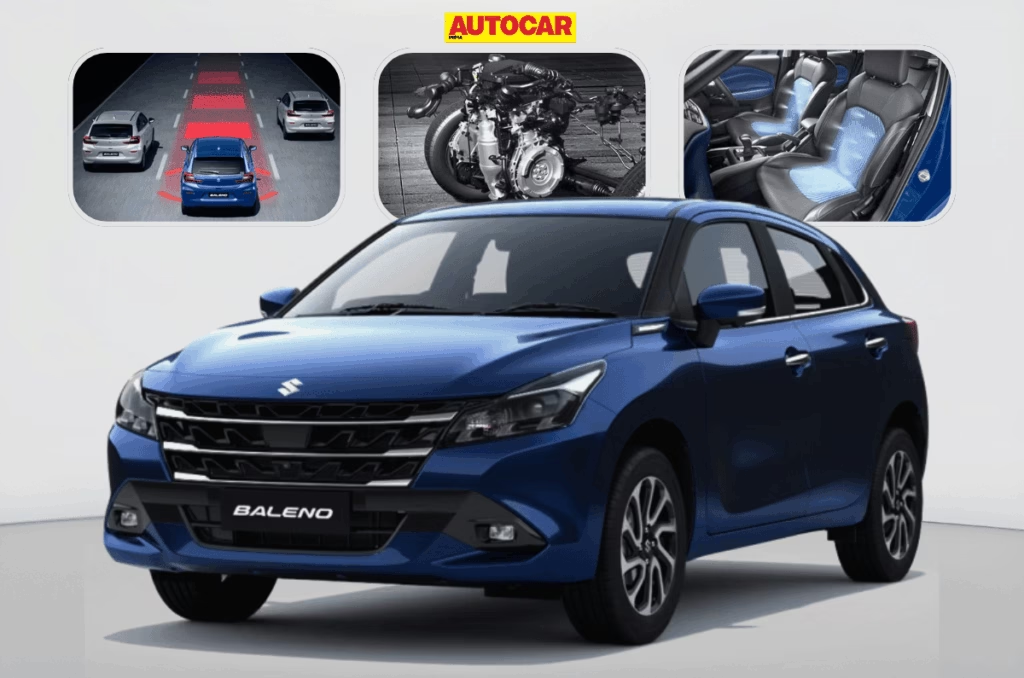
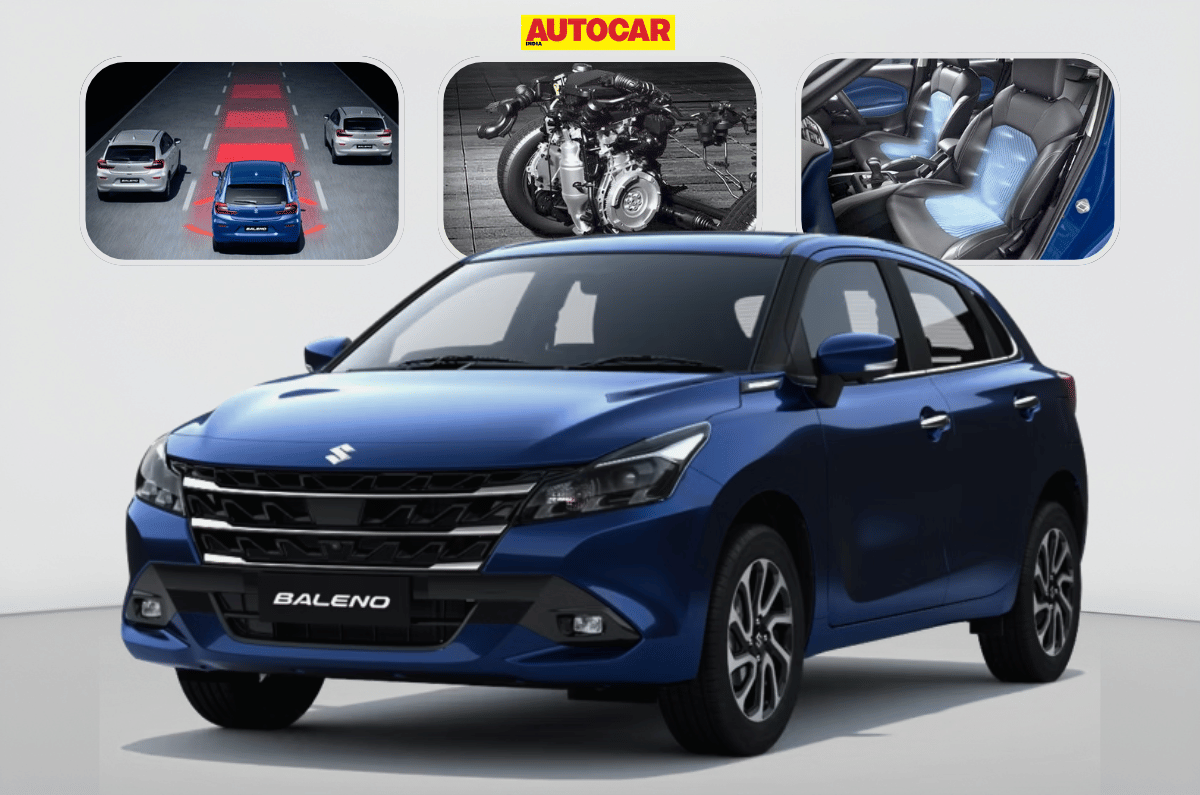
There have been some important additions when it comes to features, as the Baleno now gets ventilated front seats, a cooled wireless phone charger, a tyre pressure monitoring system, a Clarion sound system, and perhaps most importantly, segment-first ADAS Level 2 features.
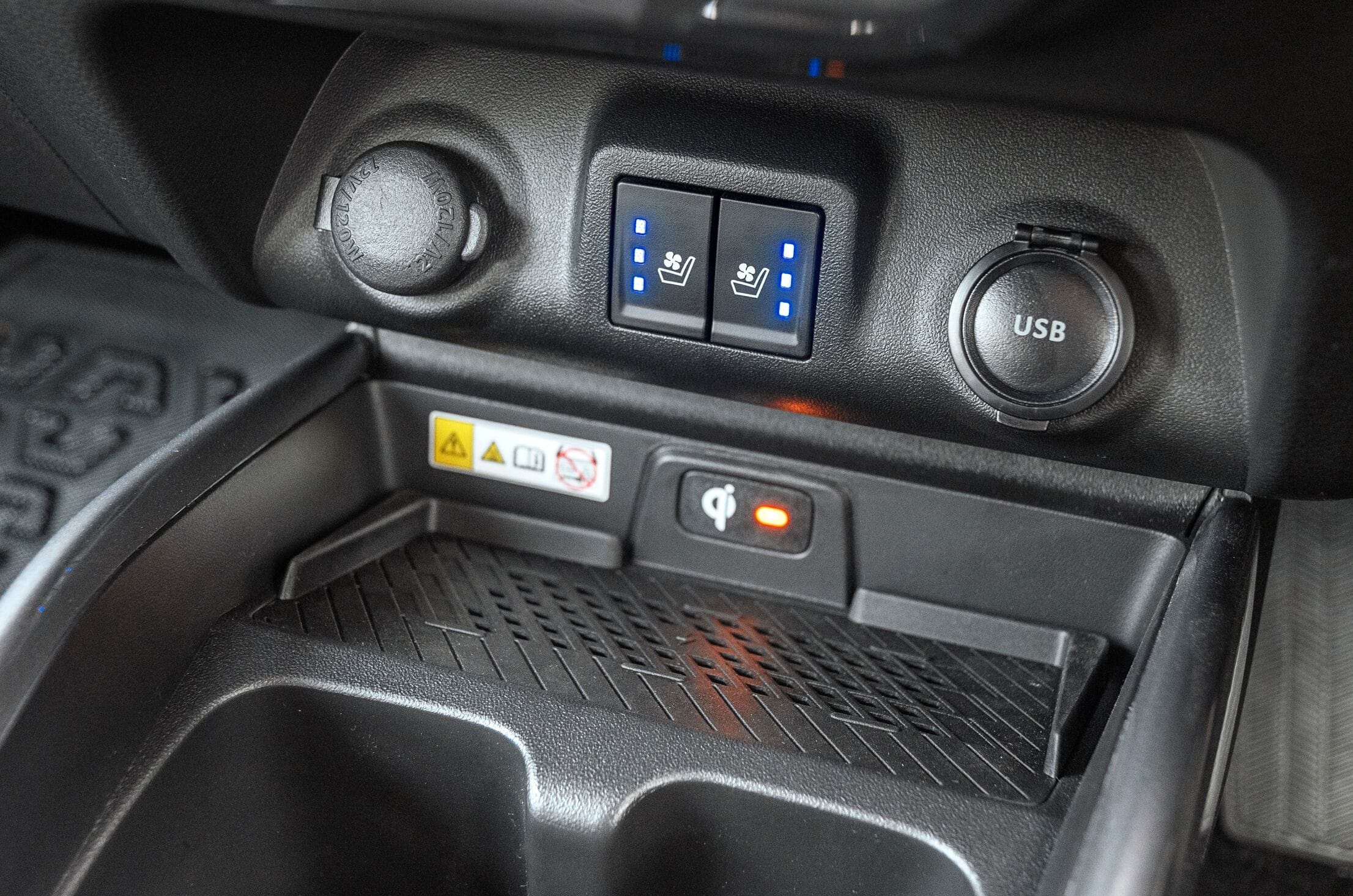
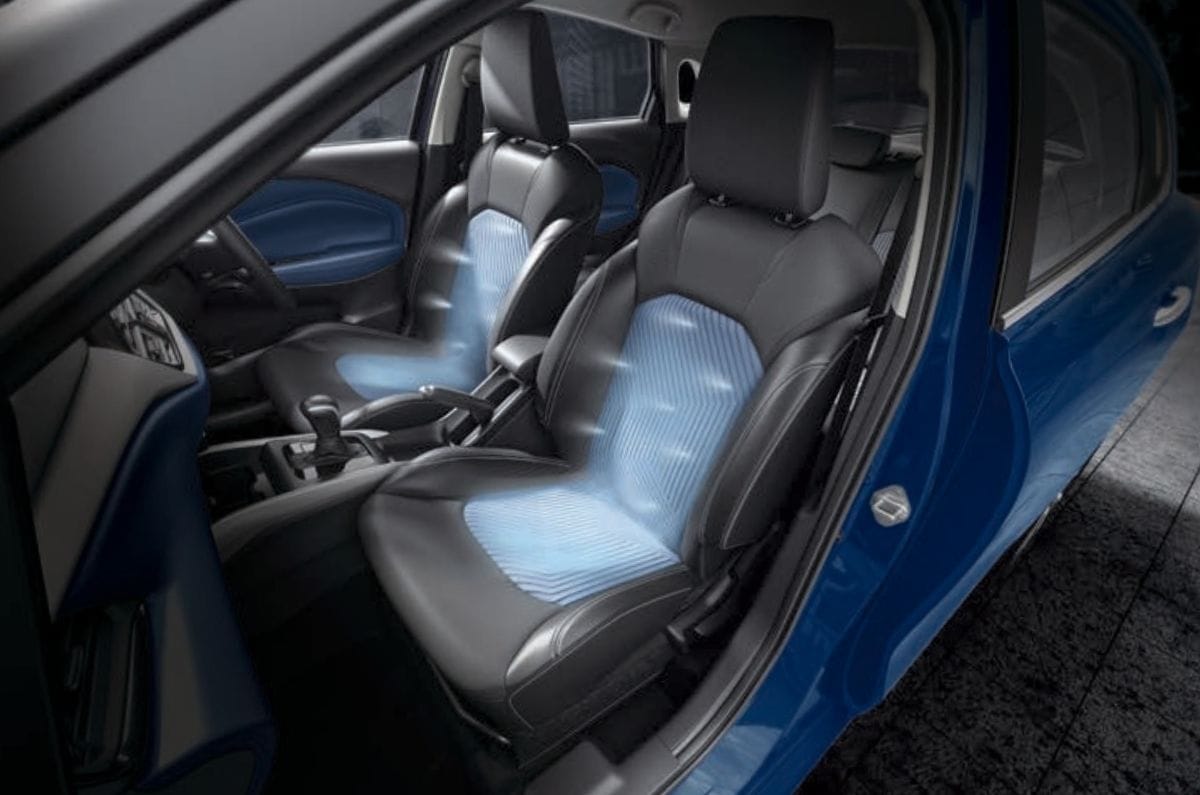
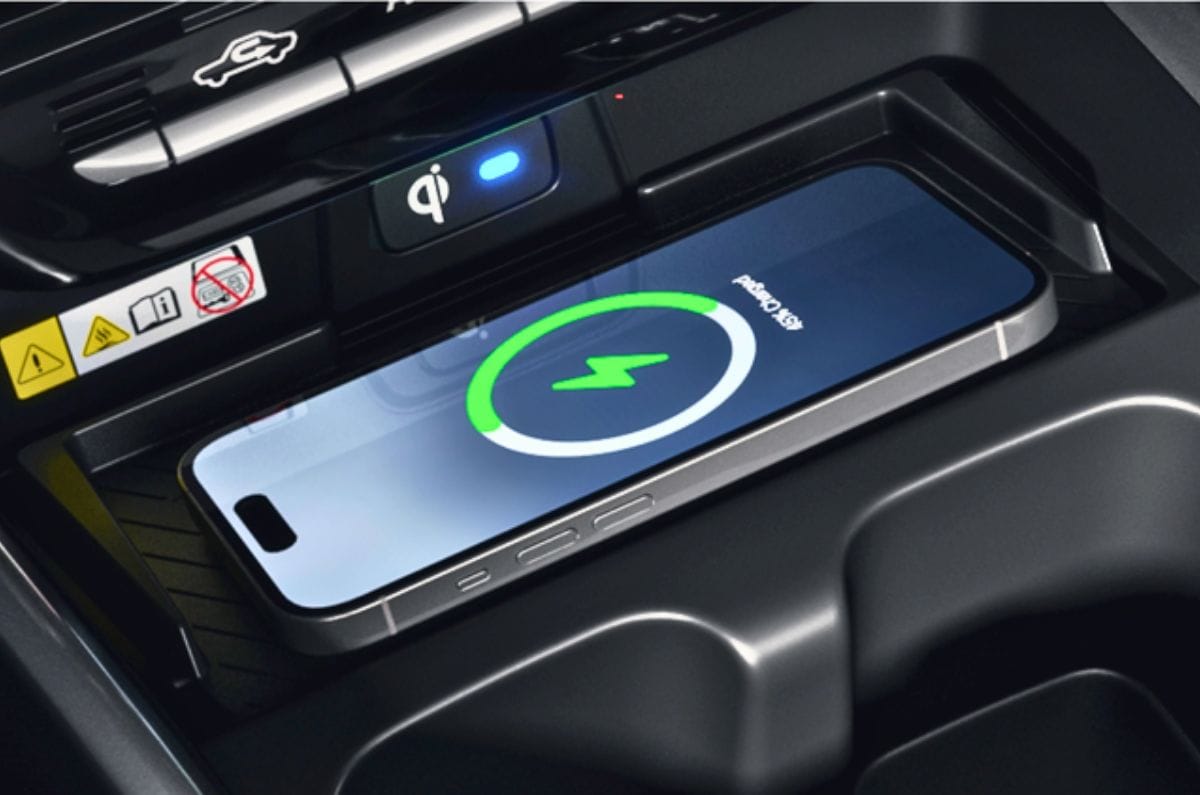
Ventilated front seats and a cooled wireless charging pad are among the new additions
Other than that, the features list was fairly expansive as is, with this top-spec Alpha (O) also getting a 9-inch infotainment touchscreen with wireless smartphone integration, auto climate control, a heads-up display, colour MID, auto headlamps, auto-dimming IRVM, keyless entry and go, rear wiper/washer, connected car tech and more. Safety kit includes 6 airbags as standard, traction control, a 360-degree parking camera (its quite low res though) and ISOFIX child seat mounts. The outgoing Baleno had a 4-star crash safety rating from Bharat NCAP and that should be the case for this one as well.
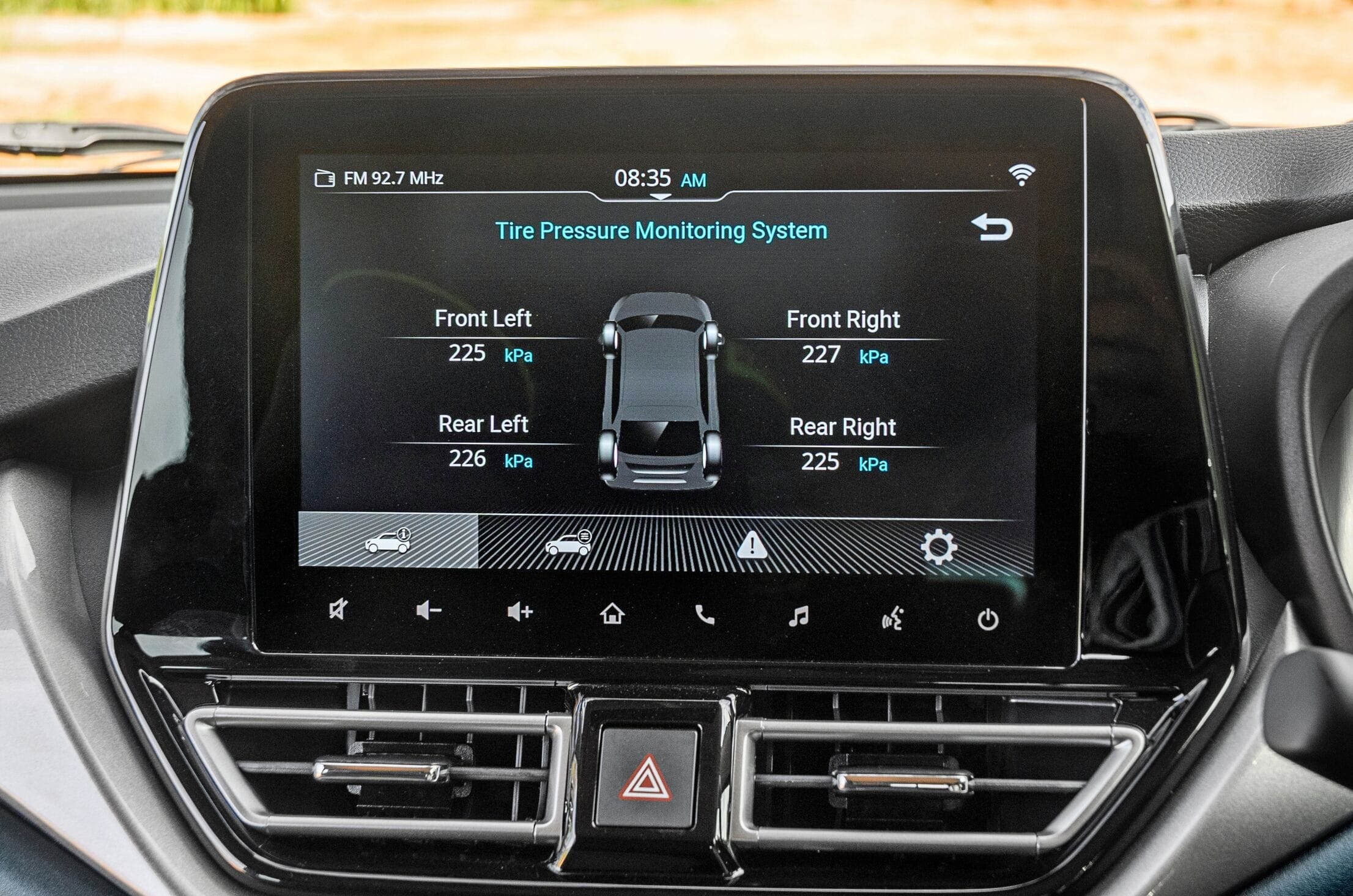
9-inch touchscreen has been retained; now features a TPMS
Of the newer features, the ventilated front seats work effectively though the blower is quite audible while the wireless charger charges your phone’s battery at a good rate without overheating it. The TPMS too worked as intended, while the Clarion audio system is better than the outgoing model’s it still falls short of what rivals offer.
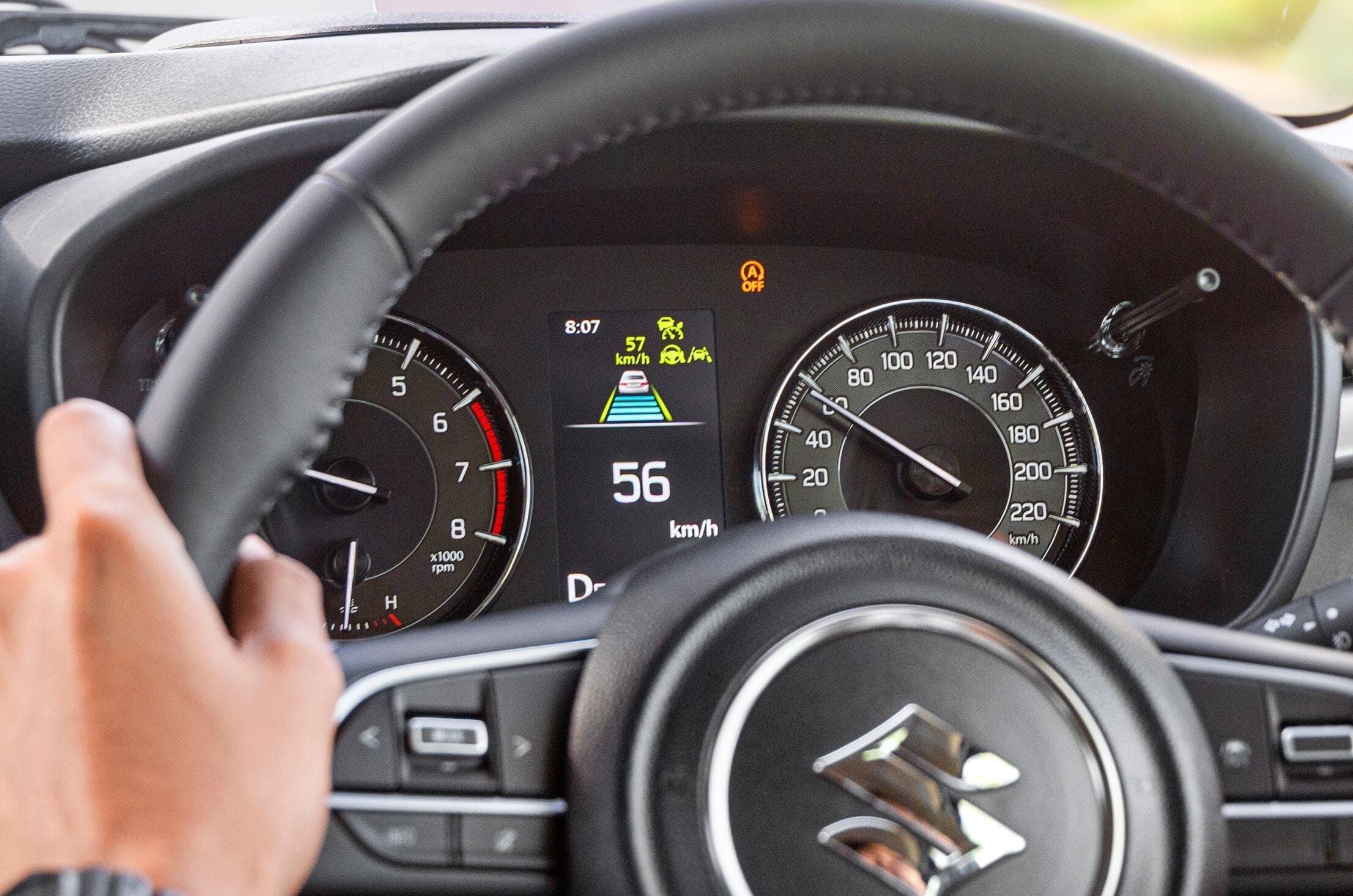
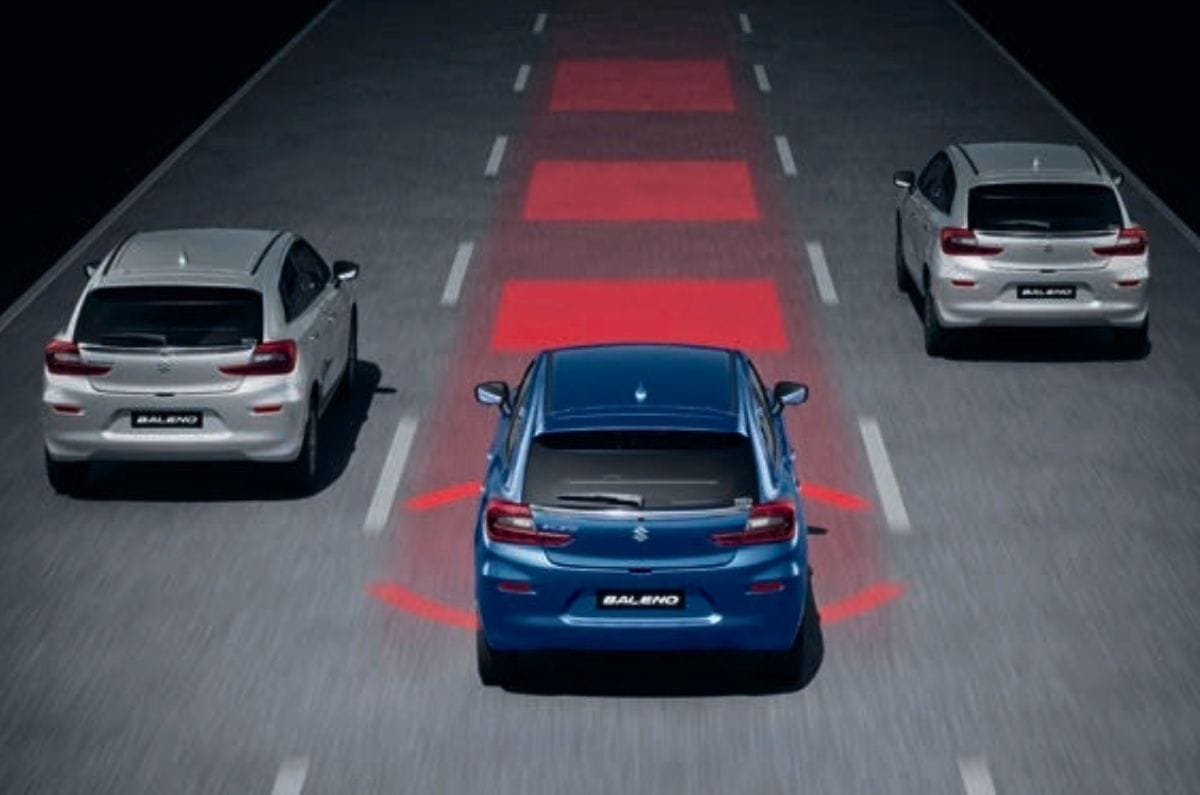
The addition of Level 2 ADAS tech however, greatly boosts the Baleno’s safety quotient. It’s a camera and radar-based system that brings in features like auto emergency braking, adaptive cruise control, lane keep assist, lane departure warning and more. On our brief test drive, the ADAS features worked as intended and seemed well calibrated as they weren’t overly intrusive. However, if you turn off the ADAS features they will automatically switch back on everytime you start the car.
Gets segment-first Level 2 ADAS features which seemed well calibrated for our conditions
As for features then, the Baleno facelift takes a step up and almost has all bases covered. Only things missing are a rear centre armrest and a sunroof, both of which its rivals offer.
Maruti Baleno Performance and Refinement – 8/10
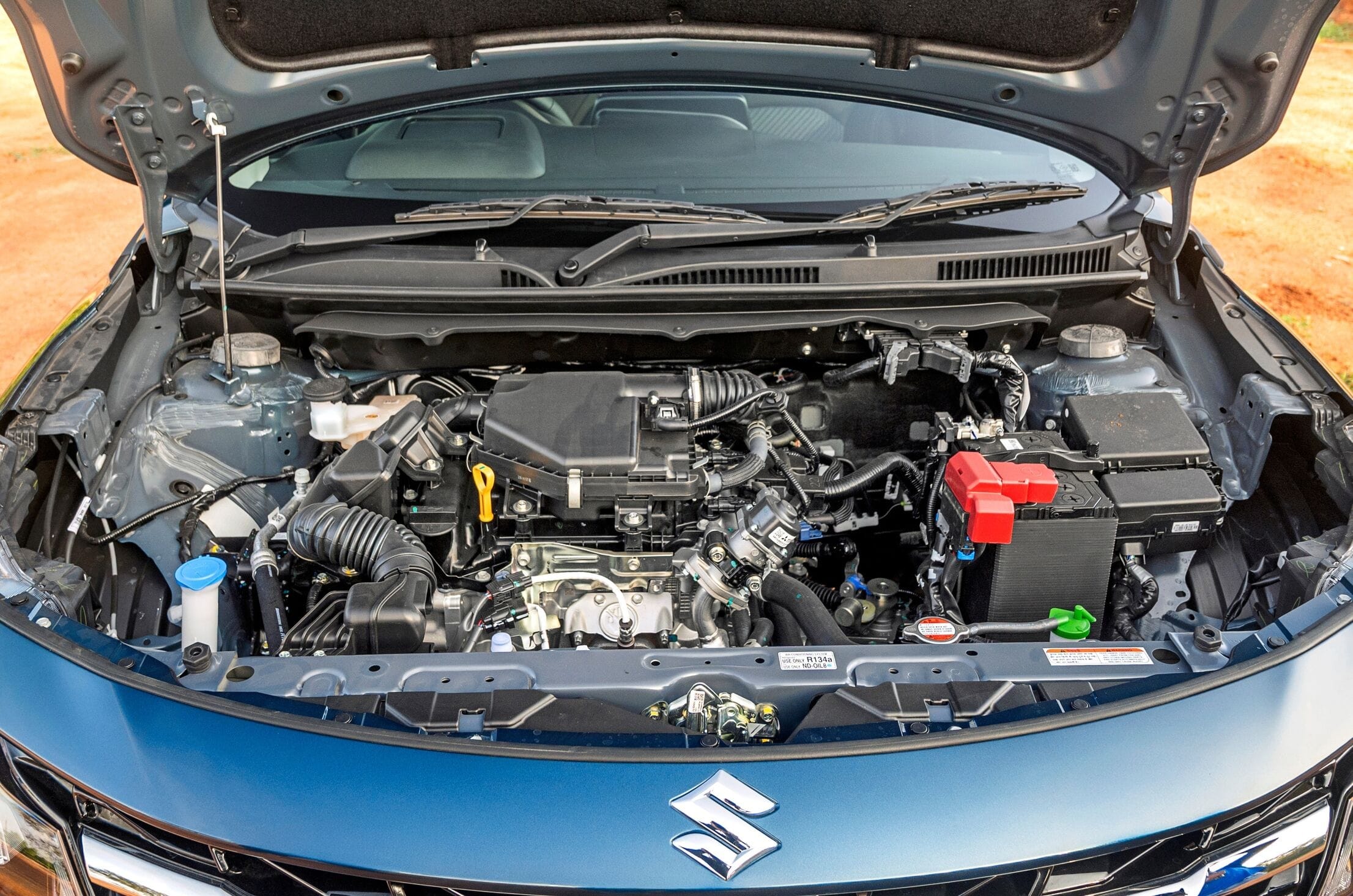
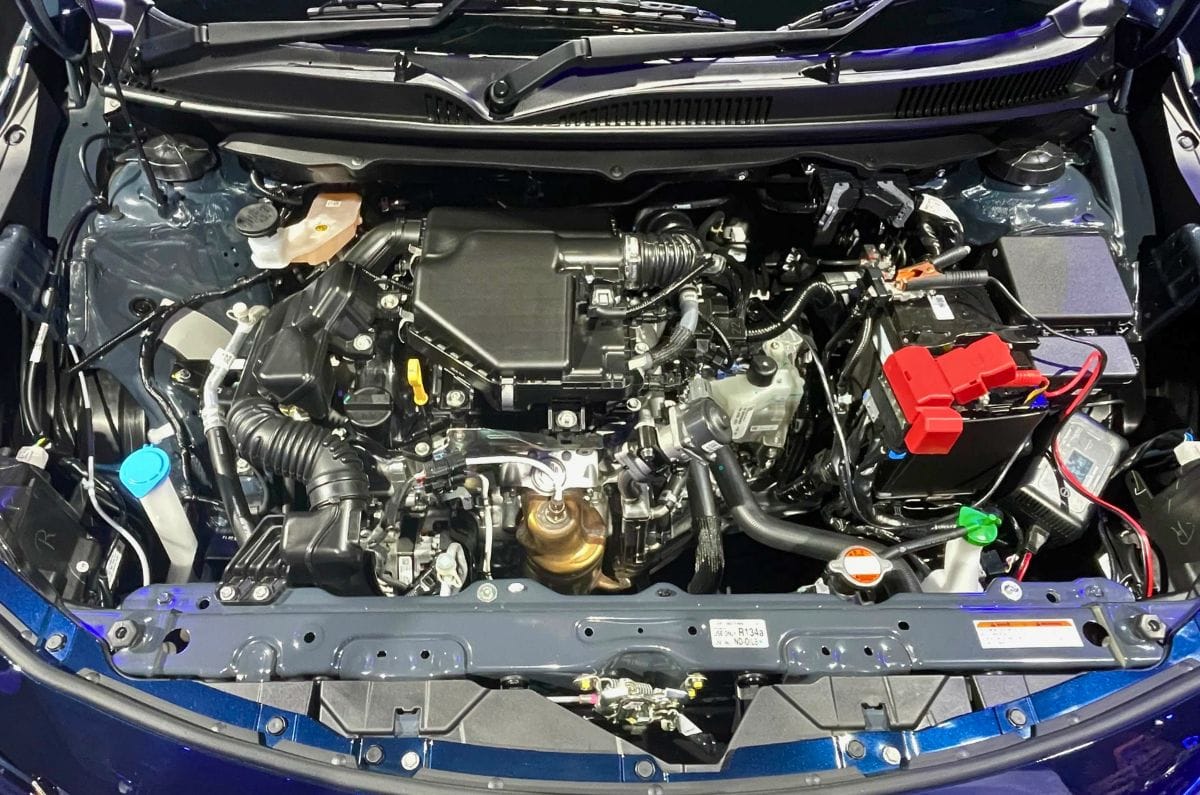
By far the biggest change with the facelift comes under the hood and it’s rare that we get to see a new engine with a facelift. Out goes the 1.2-litre, four-cylinder, K-series engine and in comes the 1.2-litre, three-cylinder, Z-series engine from the likes of the Swift and the Dzire. Yes, the Baleno is down a cylinder and as such, down on output too. The Z12E engine makes 83hp and 112Nm, which is 7hp and 1Nm lower than the older K12N engine. Maruti has moved to this engine as it is newer, is less polluting, more efficient and also opens it up to the possibility of hybridisation in the future.
New Z-series engine impresses with its drivability, low end response and promises more efficiency
This Z-series naturally aspirated engine is one of the most refined three-cylinder engines around. There is some of that typical three-cylinder thrum at idle but that smoothens out as the revs climb. It’s fairly quiet too at idle and it’s only when you’re at the top of the rev range that it becomes audible inside the cabin.
As we’ve experienced in the Swift and Dzire, this Z-series engine impresses with its low-end response and drivability. Power builds in a smooth linear manner, it moves off the line cleanly and part-throttle responses are good too. However, it doesn’t feel as peppy as the older K-series engine and doesn’t feel as strong at the top of the rev range. And considering that it’s down on power and heavier than the outgoing car, it isn’t as quick in terms of outright acceleration. But for a daily urban runabout, this engine is up to the task. For reference, we managed a 0-100kph time of 13.03sec and 15.89sec for the Swift MT and Swift AMT, respectively and you can expect the Baleno to be slightly slower than this owing to its higher kerb weight.
Power builds in a smooth linear manner and part-throttle responses are good, too.
As was the case earlier, the Baleno facelift can be had with either a 5-speed manual or a 5-speed AMT automatic. The manual gearbox is particularly impressive with its effortlessness and our pick of the two. The clutch pedal is light and easy to modulate, while the gearbox is smooth and has nice, short throws and well defined gates.
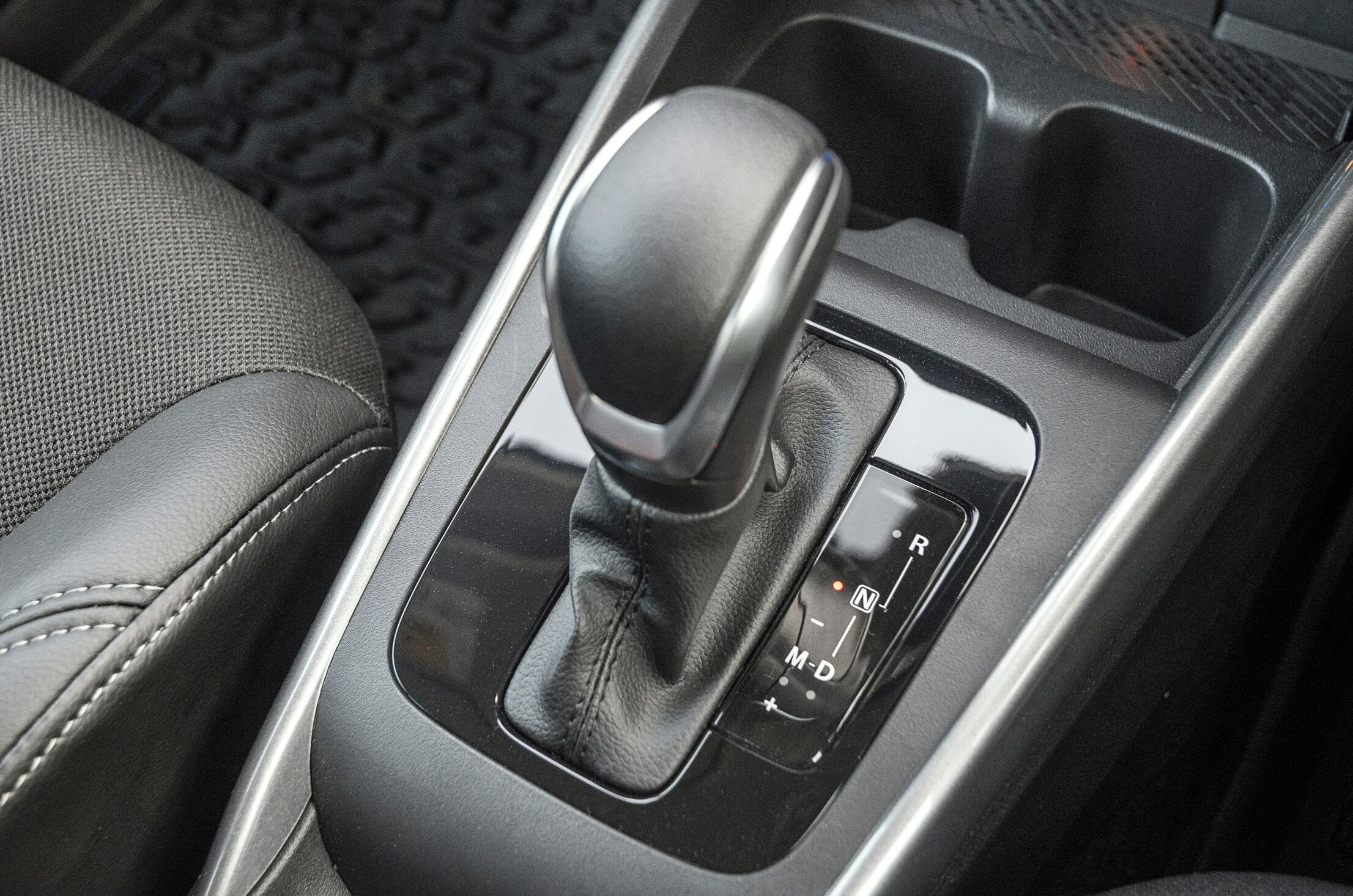
In comparison to its rivals, which offer more sophisticated automatics in the form of a CVT and a DCT, the Baleno only comes with a simpler, more cost-effective AMT. The AMT makes for a good option for those who wish for greater convenience and it’s smooth as far as AMTs go. There is still that noticeable headnod effect that you get between shifts and it is hesitant when you try to make a quick overtake, as it takes some time to downshift. That can be alleviated however, by shifting to manual mode via the gear lever and what’s nice is that it won’t auto upshift in this mode.
AMT adds a layer of convenience but feels hesitant when you try to make a quick overtake
A factory-fitted CNG option is also available with the Baleno facelift. It uses the same engine but power and torque outputs fall to 70hp and 102Nm, respectively, when run on CNG, and it can only be had with the 5-speed manual gearbox. However, we’re yet to experience the Baleno facelift CNG.
Maruti Baleno Mileage and Efficiency – 9/10
Both manual and AMT variants see an improvement in claimed efficiency with the new engine.
The biggest advantage with the move to the Z-series engine comes in the form of fuel efficiency. The Baleno petrol-manual is now claimed to return 23.80kpl (1.45kpl more), while the AMT is said to do 24.77kpl, which is a 1.83kpl improvement. The Baleno CNG meanwhile, sees an improvement of 3km/kg, with a claimed 33.61km/kg. As always, these are claimed figures tested in ideal conditions and expect real-world fuel efficiency to be lower. What’s interesting is that the Baleno has become more efficient despite becoming up to 30kg heavier than the outgoing version.
Maruti Baleno Ride Comfort and Handling – 8/10
As before, the Baleno continues to impress with its ride comfort. The suspension has a softness to it, which means low speed ride is excellent and it’s only the sharpest bumps and big potholes that manage to unsettle it. It also manages to iron out road imperfections with considerable ease and stays composed at higher speeds, with well-contained vertical and side-to-side movements.
Good body control with minimal roll and the steering weighs up nicely as you pick up the pace
Handling isn’t its strongest suit but the Baleno displays good body control with minimal roll around the corners. The steering, meanwhile, is light at low speeds, which aids city driving, but it adds some reassuring weight as you pick up the pace which is confidence-inspiring. It’s not particularly feelsome but that’s nothing to complain about, given its an urban premium hatchback. As for braking, it continues with the same discs up front and drums at the rear setup and the stopping power is more than adequate. On the whole then, the Baleno feels mature and composed on the move.
Maruti Baleno Value for Money – 8/10
The Maruti Baleno facelift is priced from Rs 6.10 lakh (ex-showroom, India), though this is a special festive price and Maruti is yet to disclose complete variant-wise pricing. It continues to get a 3 year/1,00,000km standard warranty and as before, rivals other premium hatchbacks in the Hyundai i20 and Tata Altroz, both of which are priced from Rs 6 lakh (ex-showroom, India).
The added features and the promise of greater fuel efficiency just further enhance the Baleno’s appeal
There are some drawbacks of course, like the hesitant AMT automatic and it doesn’t feel as peppy as the older K-series Baleno. But those pale in comparison to the Baleno’s inherent strengths of a spacious and comfortable cabin, an effortless drive thanks to its light controls, a refined engine and a good ride comfort and handling balance. The added comfort and safety features and the promise of greater fuel efficiency with the new engine just further enhance its appeal. As such, the Baleno is all set to retain its spot at the top of the premium hatchback chain.
The Maruti Baleno facelift has been launched with prices starting at Rs 6.10 lakh (ex-showroom). It is offered in five trims: Sigma, Delta, Zeta, Alpha and Alpha (O), although Maruti is yet to reveal the full variant-wise pricing. The facelifted Baleno gets an updated fascia along with several functional additions. Here’s a look at these new features:
1.2-litre 3-cylinder ‘Z12E’ petrol engine
Gets the same engine as the Swift and Dzire
With the facelifted model, Maruti has replaced the older model’s K12N four-cylinder engine with a new Z12E 1.2-litre, three-cylinder naturally aspirated petrol engine producing 83hp and 112Nm. It is paired with either a 5-speed manual or a 5-speed automated manual gearbox (AMT), and is the same engine that powers the Swift and Dzire. While it makes 7hp and 1Nm less than the outgoing engine, fuel efficiency has improved to 23.80kpl with the MT (up by 1.45kpl) and 24.77kpl with the AMT (up by 1.83kpl).
The 1.2-litre engine is also available with CNG in the mid-spec Delta and Zeta trims, only with the manual gearbox. In this guise, it produces 70hp and 102Nm and delivers a claimed 33.61km per kg, which is 3km per kg more than the previous model.
Level 2 ADAS
Third Maruti model to come with an ADAS suite
The Maruti Baleno is offered with a Level 2 advanced driver assistance system (ADAS) suite, making it the only car in its segment to offer the technology. The suite includes features such as adaptive cruise control, automatic emergency braking, lane keep assist and high-beam assist. It is available only on the top-spec Alpha (O) trim. With the addition of ADAS, the Baleno becomes the third Maruti model in India to offer the technology, after the Victoris and e Vitara.
Ventilated front seats
Only car in the segment currently to offer this feature
Ventilated seats have become an important feature in India, particularly given the country’s hot and humid climate. The Maruti Baleno gets them on the higher-spec Alpha and Alpha (O) trims, making it the only car in its segment to offer the feature. The Tata Altroz Racer also offered ventilated seats, but it was discontinued in 2025 and was not carried over to the facelifted Altroz.
Wireless phone charger
Zeta, Alpha and Alpha(O) trims are offered with this feature
The Maruti Baleno facelift is also equipped with a wireless phone charger with a cooling function that helps keep the phone cool while charging. It is offered from the mid-spec Zeta trim onwards.
Clairon sound system
Higher-spec Alpha and Alpha (O) trims get this sound system
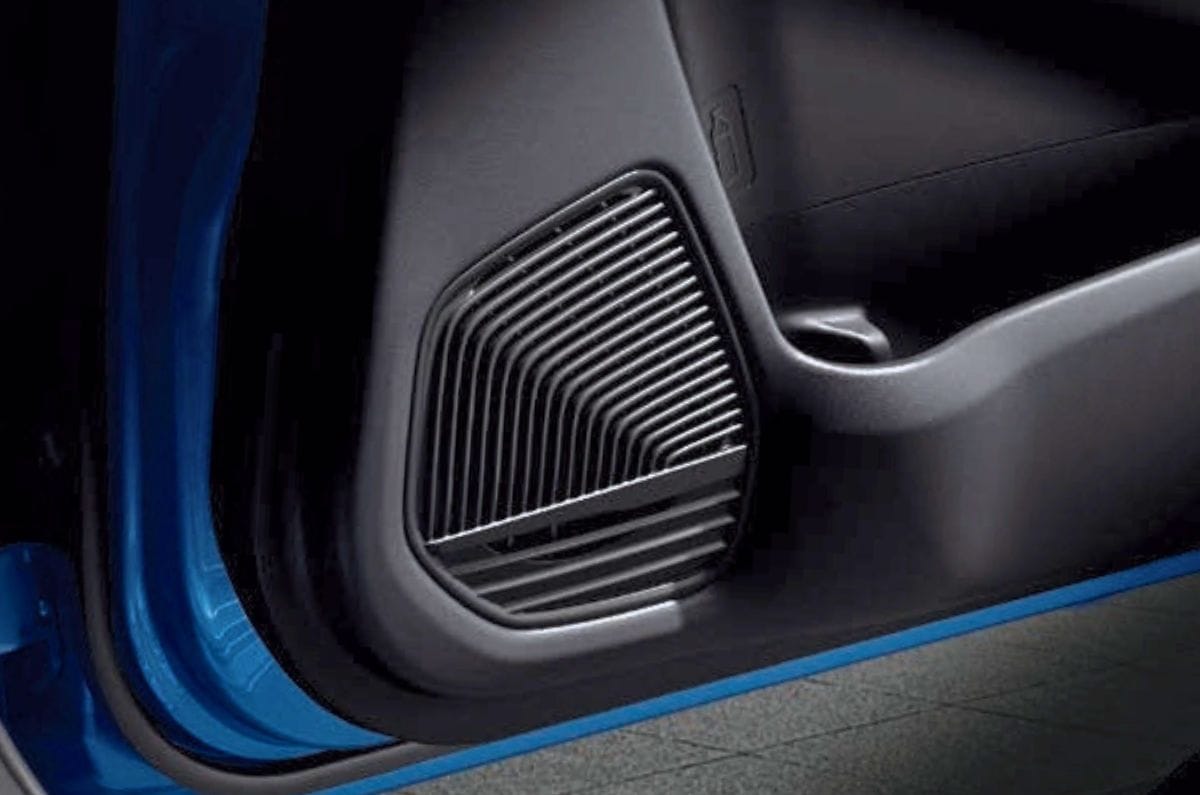
The Maruti Baleno facelift gets a new Clarion sound system with four speakers and two tweeters, offered on the higher-spec Alpha and Alpha (O) trims. The previous model also featured a four-speaker, two-tweeter setup on these trims, but it was not a branded unit.
Tyre pressure monitoring system
Offered with all trims except the base-spec Sigma
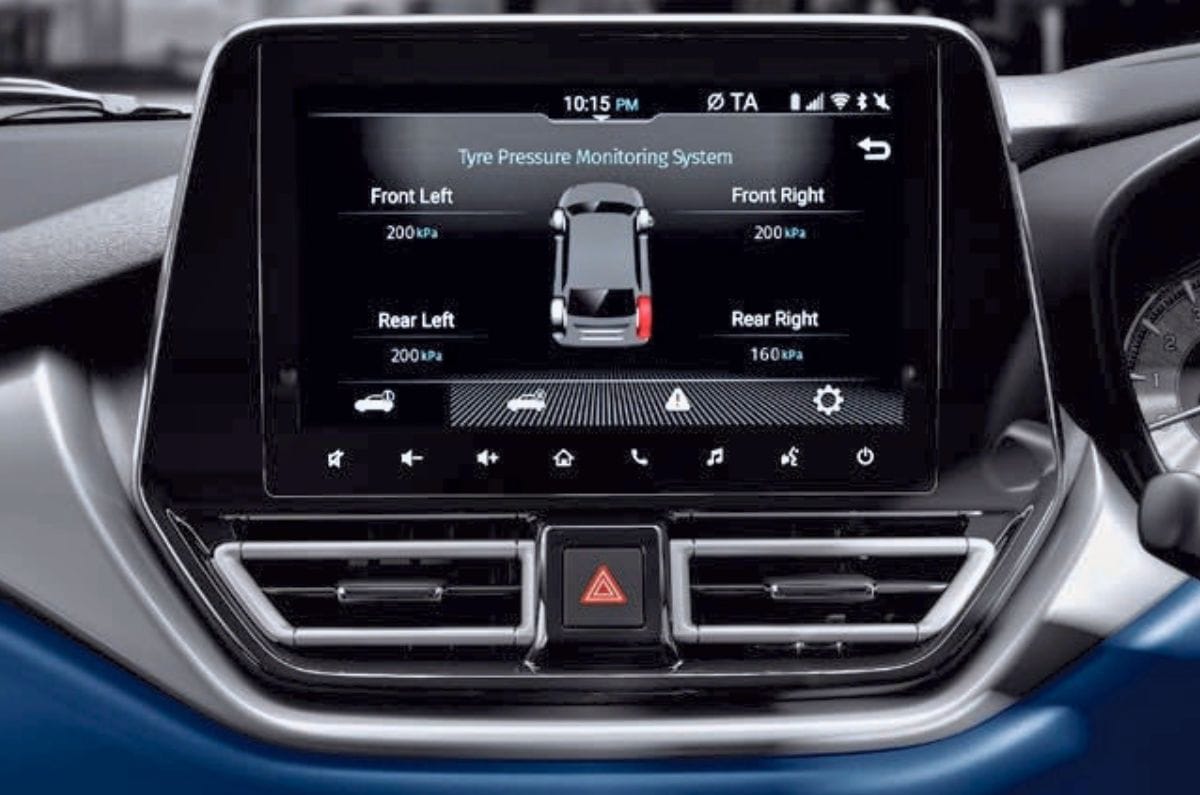
A tyre pressure monitoring system (TPMS) has become one of the most crucial safety features in cars today, and the Baleno facelift now gets it as a new addition. However, it is offered only from the Zeta trim onwards, leaving the base Delta without the feature.
As mentioned earlier, Maruti is yet to reveal the full variant-wise pricing of the Baleno facelift, which is expected to be announced soon. Once revealed, the pricing will give a clearer picture of how the facelifted premium hatchback stacks up against rivals such as the Tata Altroz, Hyundai i20 and Toyota Glanza.
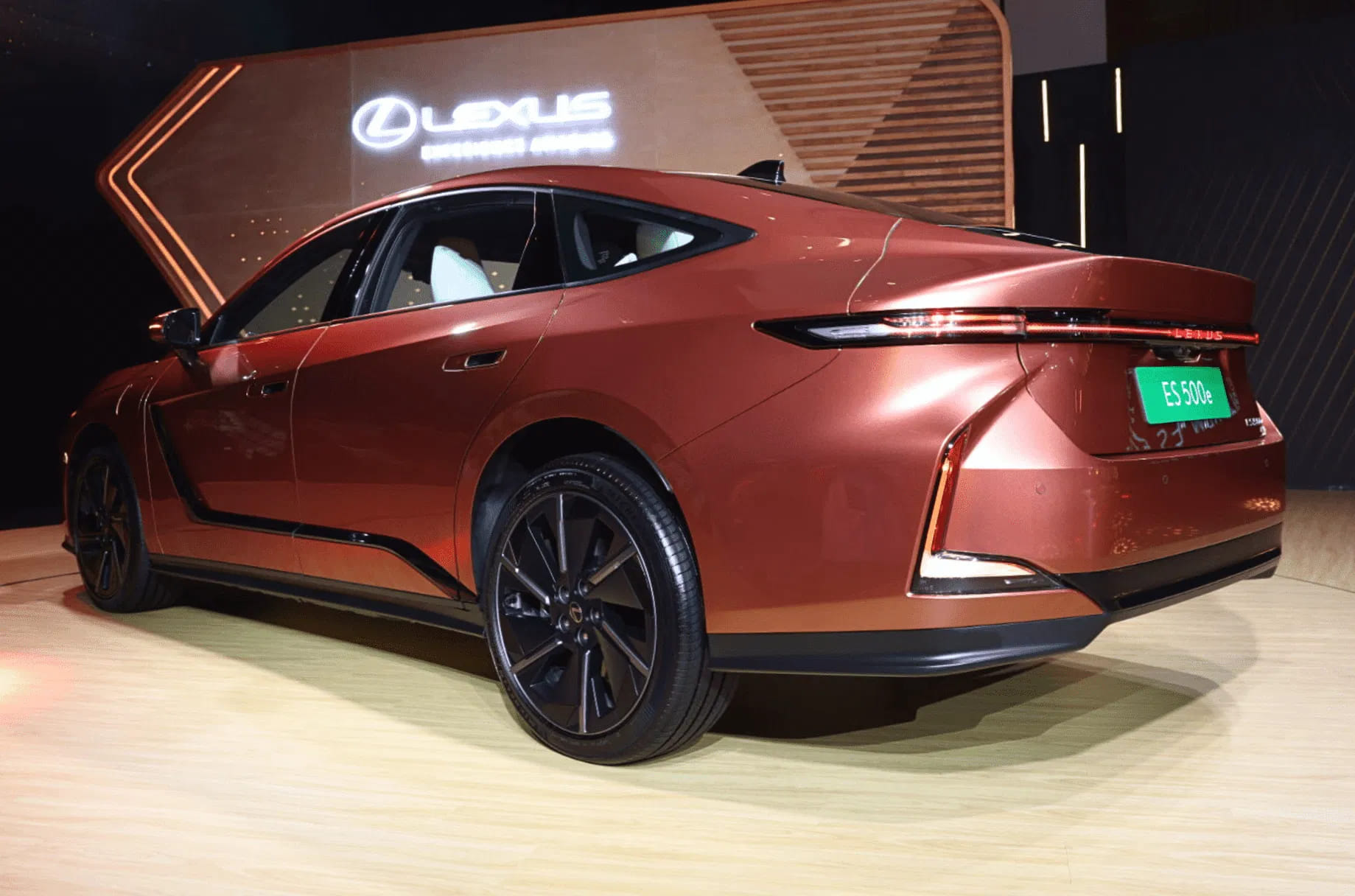
The Lexus ES is available in India in two forms: the ES 350h strong hybrid and the ES 500e EV. The 350h was added to the ES range in July, joining the 500e that launched earlier this year. Beyond the new powertrain options, the latest ES gets a larger footprint, a redesigned cabin and a host of new features. Here’s everything you need to know.
1. How much do the Lexus ES 350h and ES 500e cost in India
The Lexus ES 350h is priced at Rs 66.10 lakh for the Exquisite variant and Rs 71.80 lakh for the Luxury trim, whereas the ES 500e costs Rs 89.99 lakh (all prices are ex-showroom). Both versions get an eight-year/2,00,000km warranty, covering the vehicle and its battery.
2. What powertrain does the Lexus ES 350h get?
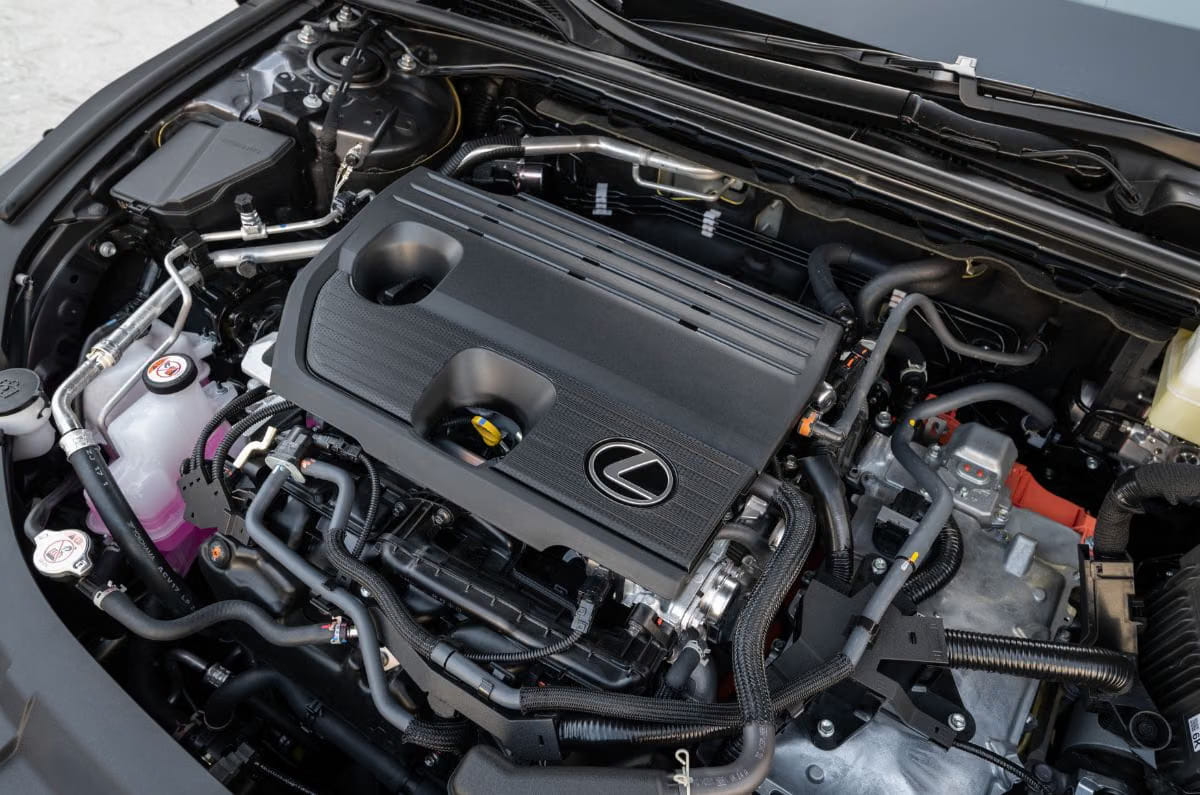
The ES 350h uses a 2.5-litre four-cylinder naturally aspirated petrol engine paired with an electric motor and lithium-ion battery. The petrol engine produces 186hp and 235Nm, while the electric motor develops 201hp and 270Nm in isolation. The combined system output is 244hp. Power is sent to the front wheels through an e-CVT gearbox. Lexus claims an ARAI-certified fuel efficiency of 25.22kpl.
3. What battery, motor and range does the Lexus ES 500e offer?
The ES 500e gets a 74.68kWh battery and two electric motors, one on each axle. The front motor produces 227hp and 267Nm, while the rear motor makes 120hp and 170Nm. The combined output is 343hp and 438Nm, with a claimed 0-100kph time of 5.5sec. Lexus claims a range of 580km on a full charge. The ES 500e supports 11kW AC charging, while a 150kW DC fast charger can charge the battery from 10 to 80 percent in 28 minutes. A 2.8kW portable charger is also offered.
4. What are the key features of the Lexus ES?
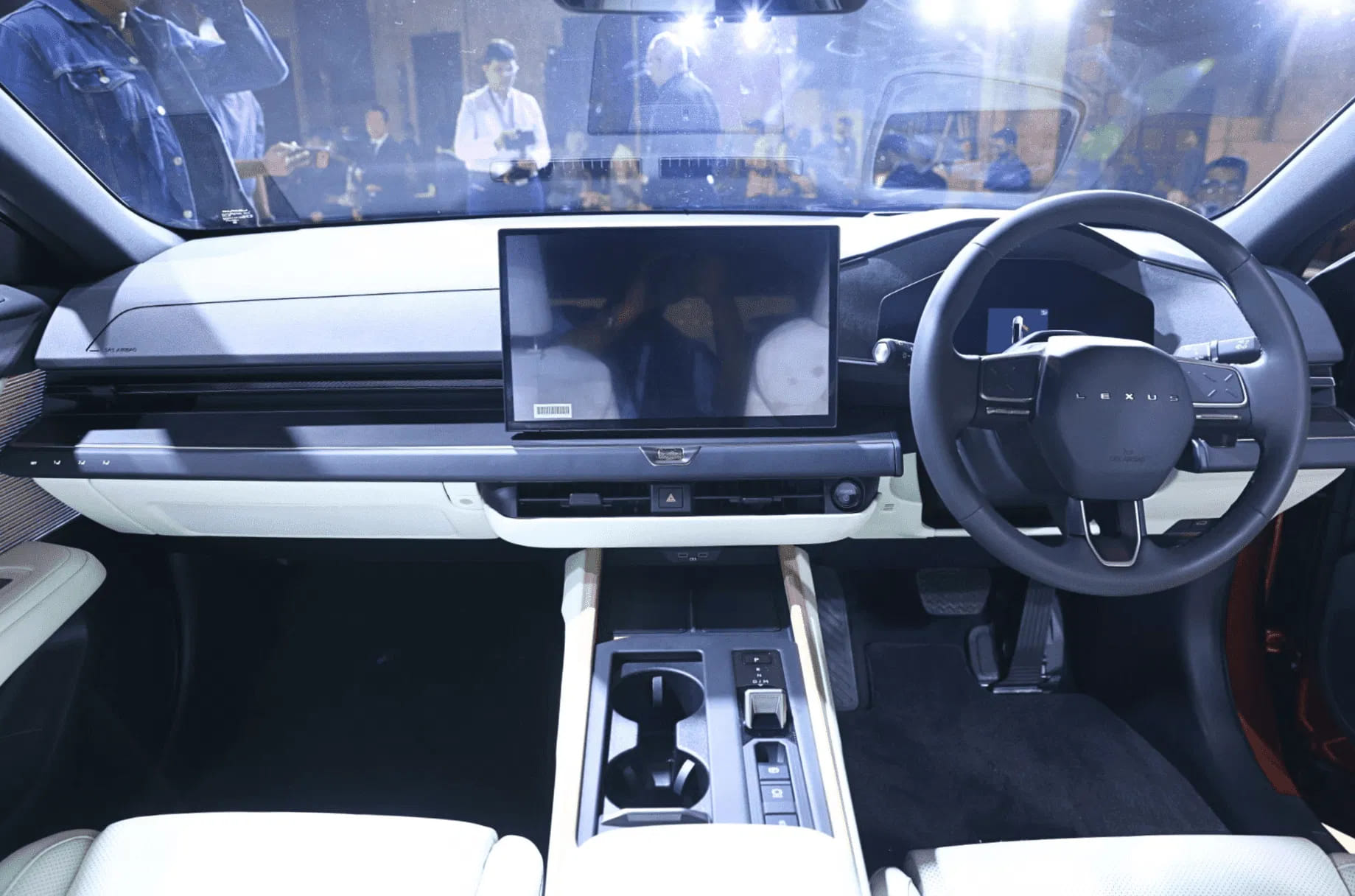
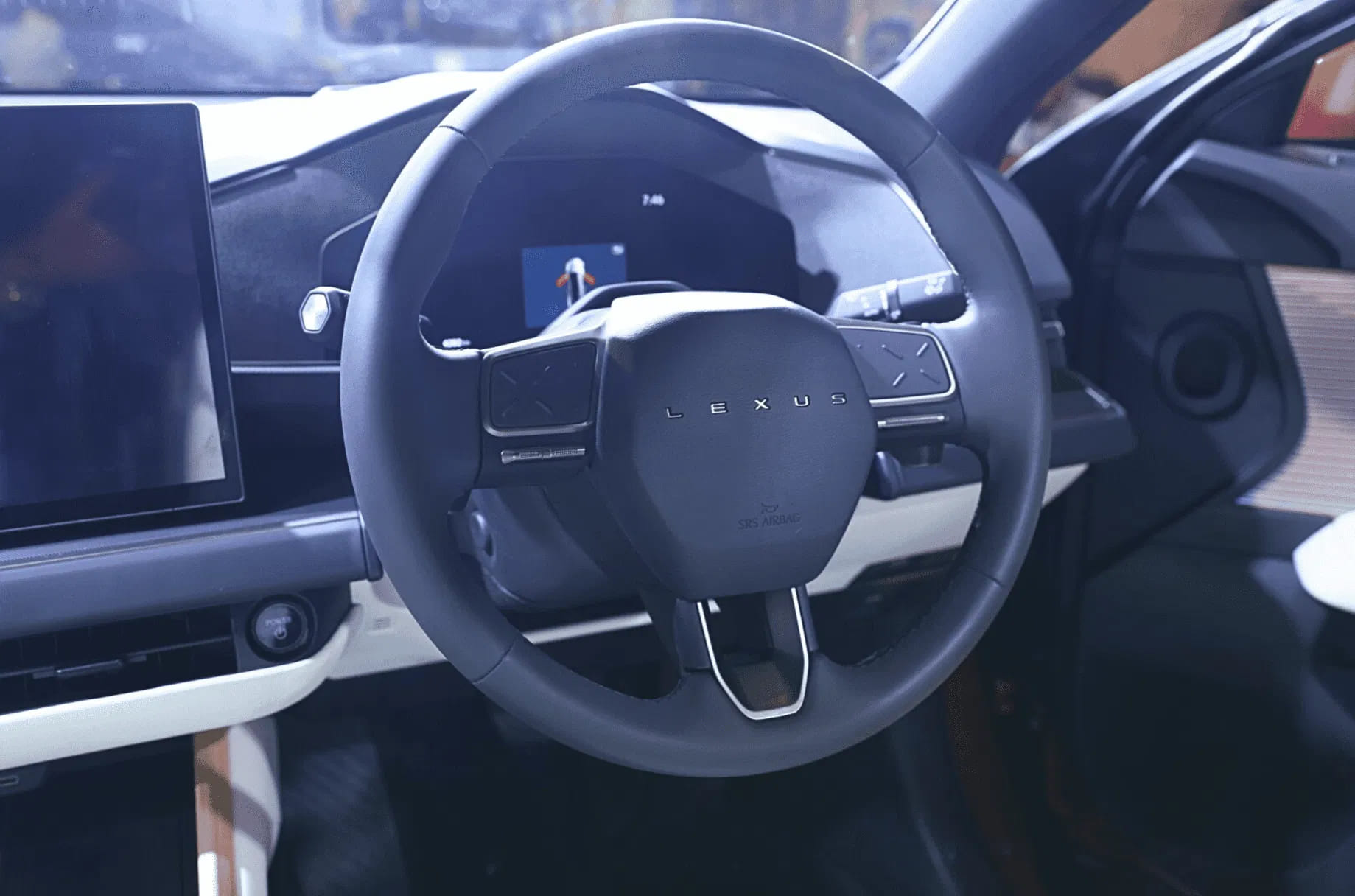
The new ES gets a dual-tone cabin with a 14-inch touchscreen and a 12.3-inch digital driver’s display. It also gets a Mark Levinson premium audio system, wireless Apple CarPlay and Android Auto, wireless phone charging and three-zone climate control. Other features include powered front seats with heating and ventilation, a head-up display, digital inside rearview mirror, ambient lighting, rear window sunshades and a power-operated boot lid.
One of the ES’s standout features is proximity-sensing controls. Physical controls are integrated into the dashboard and steering wheel and illuminate when they detect a hand approaching, combining touch controls with physical switches.
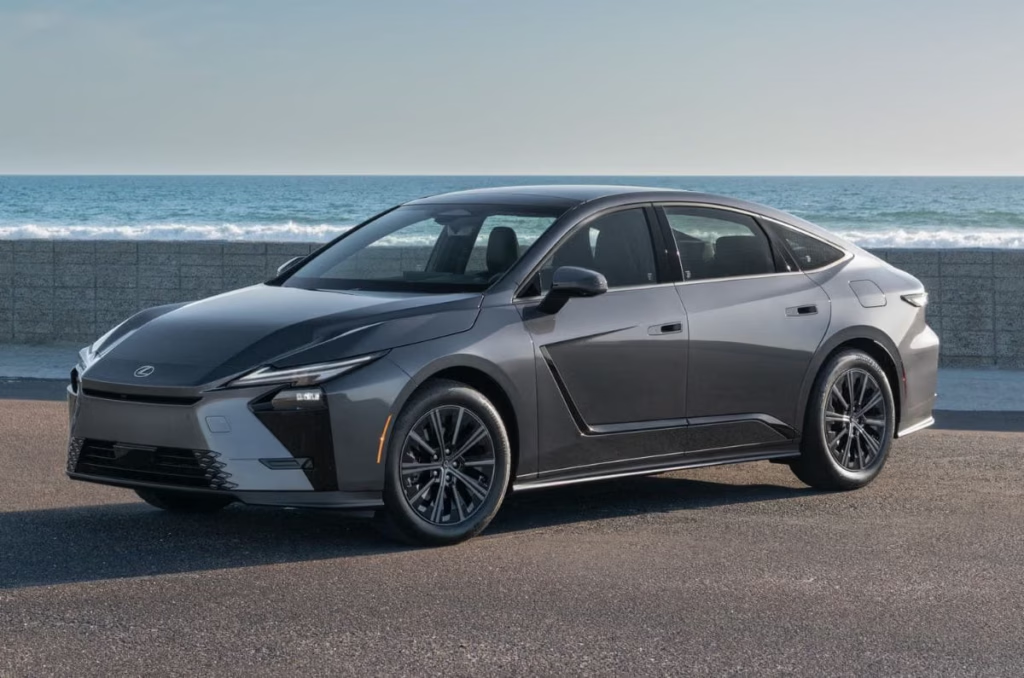
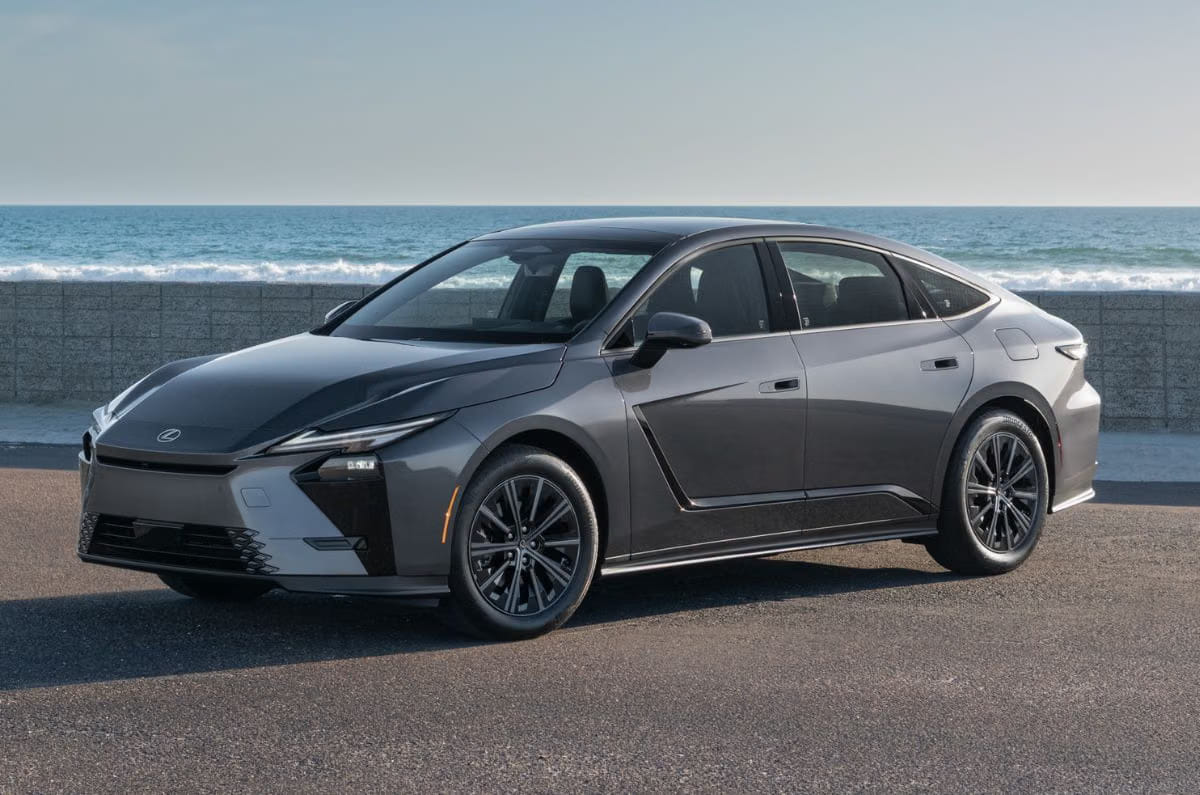
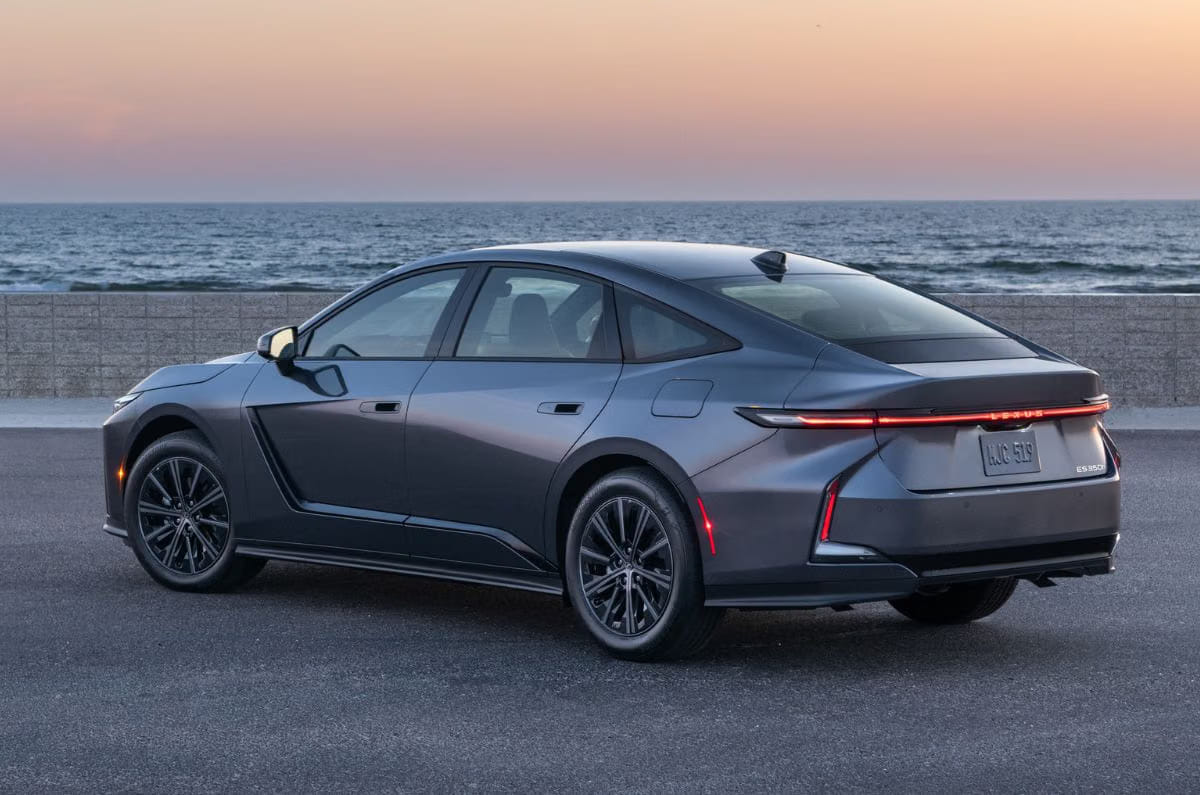
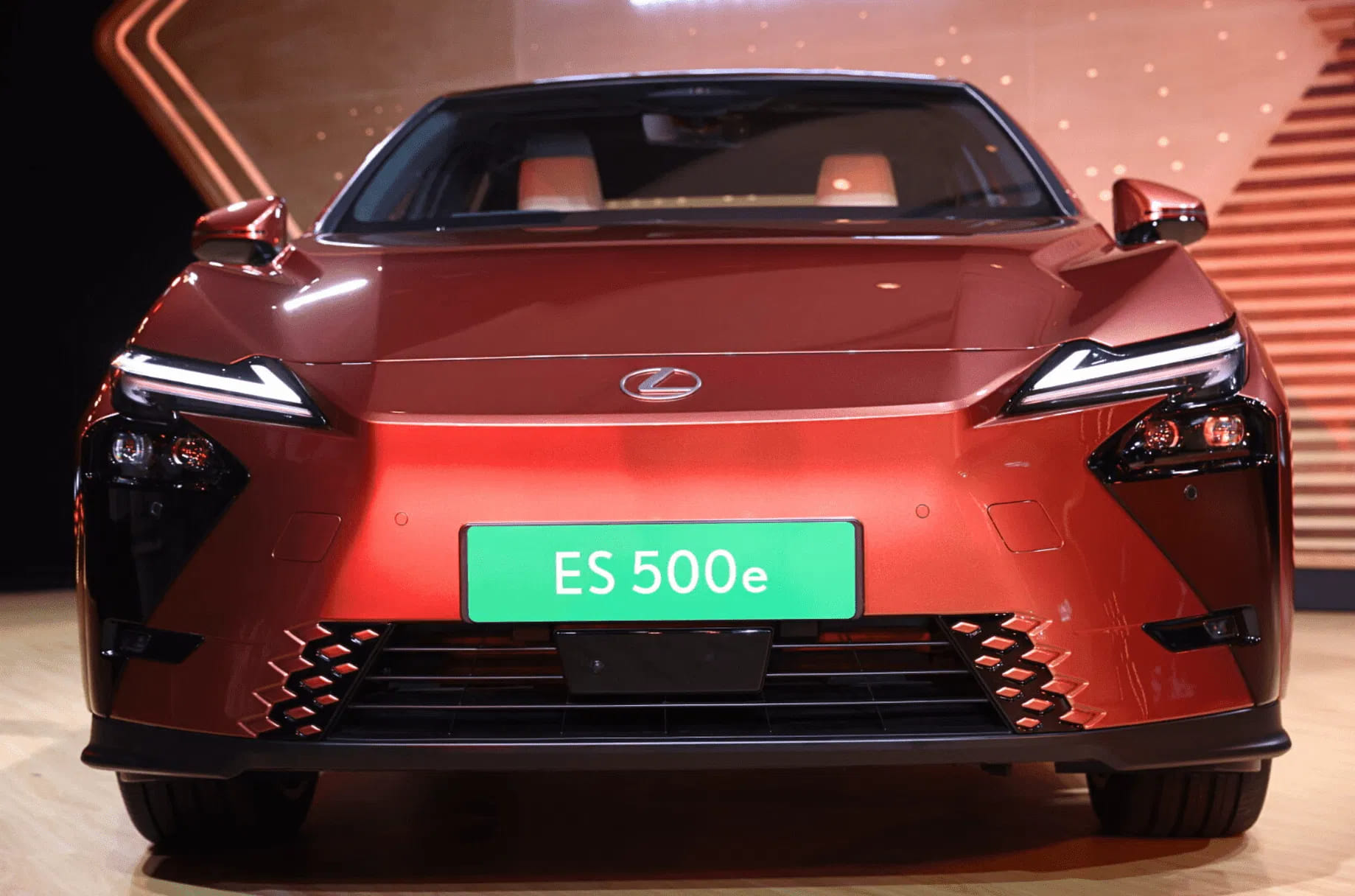
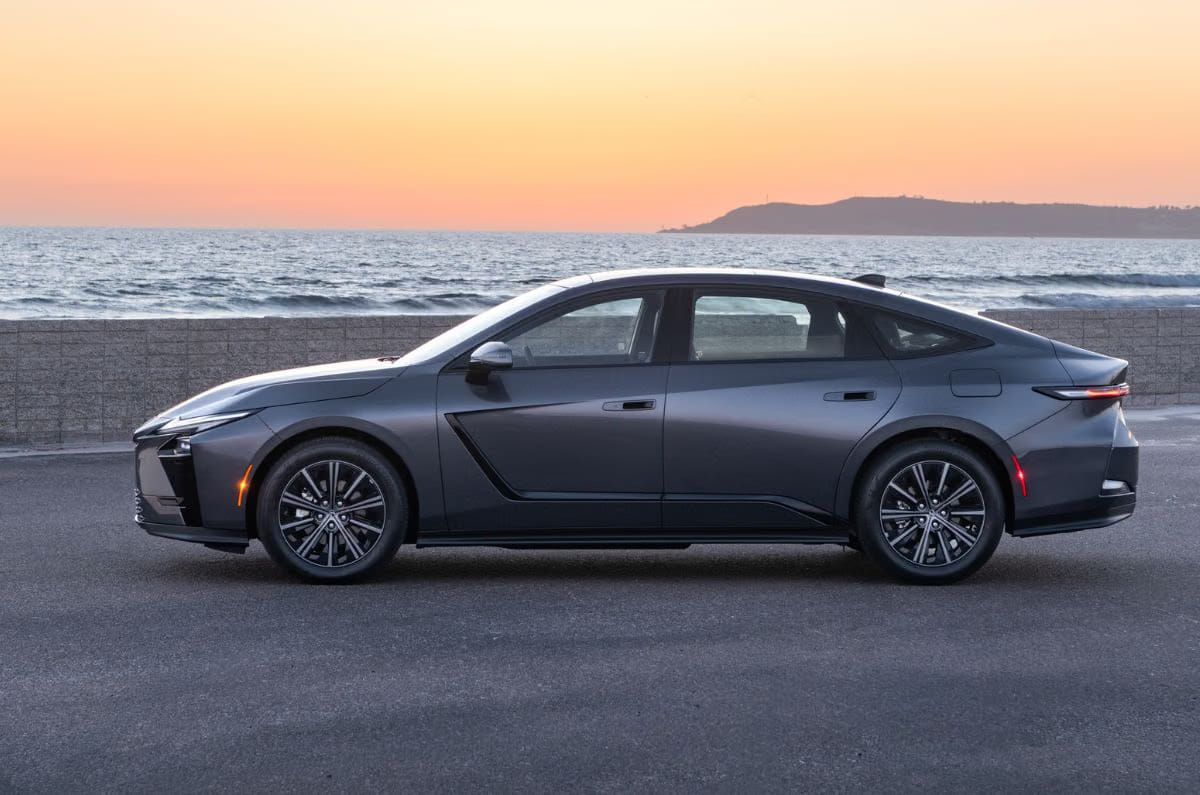
The exterior gets Lexus’s new design language, with a sealed-off front end, Twin L-signature lighting and a connected rear light bar. The new ES also has a coupe-like roofline and a rising beltline.
5. How spacious is the new Lexus ES?
The new ES measures 5,145mm long, 1,920mm wide and 1,575mm tall. It is 170mm longer, 55mm wider and 130mm taller than the previous-generation model, while the wheelbase has increased by 80mm to 2,950mm. Lexus has increased ground clearance for India by 20mm to 158mm. The larger dimensions are complemented by a lower window line and thinner seats and trim pieces, while the longer wheelbase frees up more space inside the cabin.
6. What safety and ADAS features does the Lexus ES get?
The ES 350h gets Lexus Safety System+, which includes a pre-collision system, adaptive cruise control, lane keep assist, lane departure alert, automatic emergency braking, a blind-spot monitor and automatic high beam. It also gets eight airbags, Isofix and top-tether mounts and an emergency brake signal. The Luxury variant additionally gets a drive monitor.
The ES 500e gets 10 airbags, a 360-degree camera setup, blind-spot monitoring, adaptive high-beam assist, radar-guided cruise control, lane-change assist and a driver drowsiness monitor. Electronic stability control and all-round parking sensors are also standard.
7. Where is the Lexus ES made, and which cars does it compete with?
The ES is locally assembled in India. The Lexus ES competes with luxury sedans such as the Mercedes-Benz E-Class, BMW 5 Series and Audi A6. The ES stands out in the segment by offering buyers a choice of hybrid and fully electric powertrains.
When introduced originally, the Lamborghini Urus rewrote the playbook of what an SUV could be. Sharp to look at, ferociously fast and with a mighty V8 soundtrack, the Urus has become the benchmark of performance SUVs. Now though, thanks to ever tightening regulations, the Urus has had to pivot to hybridisation. But has that diluted the experience? We got behind the wheel of the Lamborghini Urus SE to answer that question.
Lamborghini Urus SE Exterior Design and Engineering – 9/10
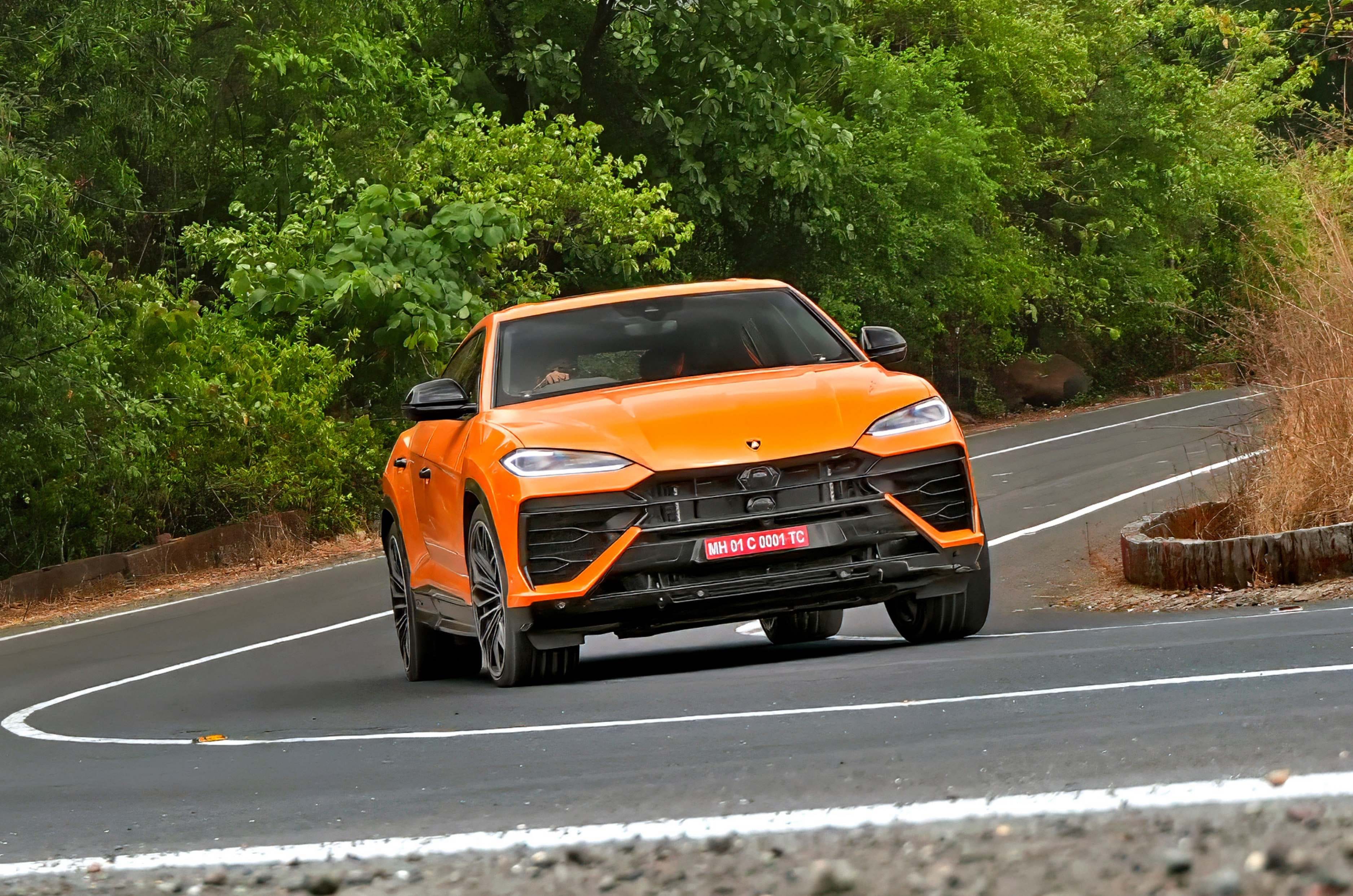
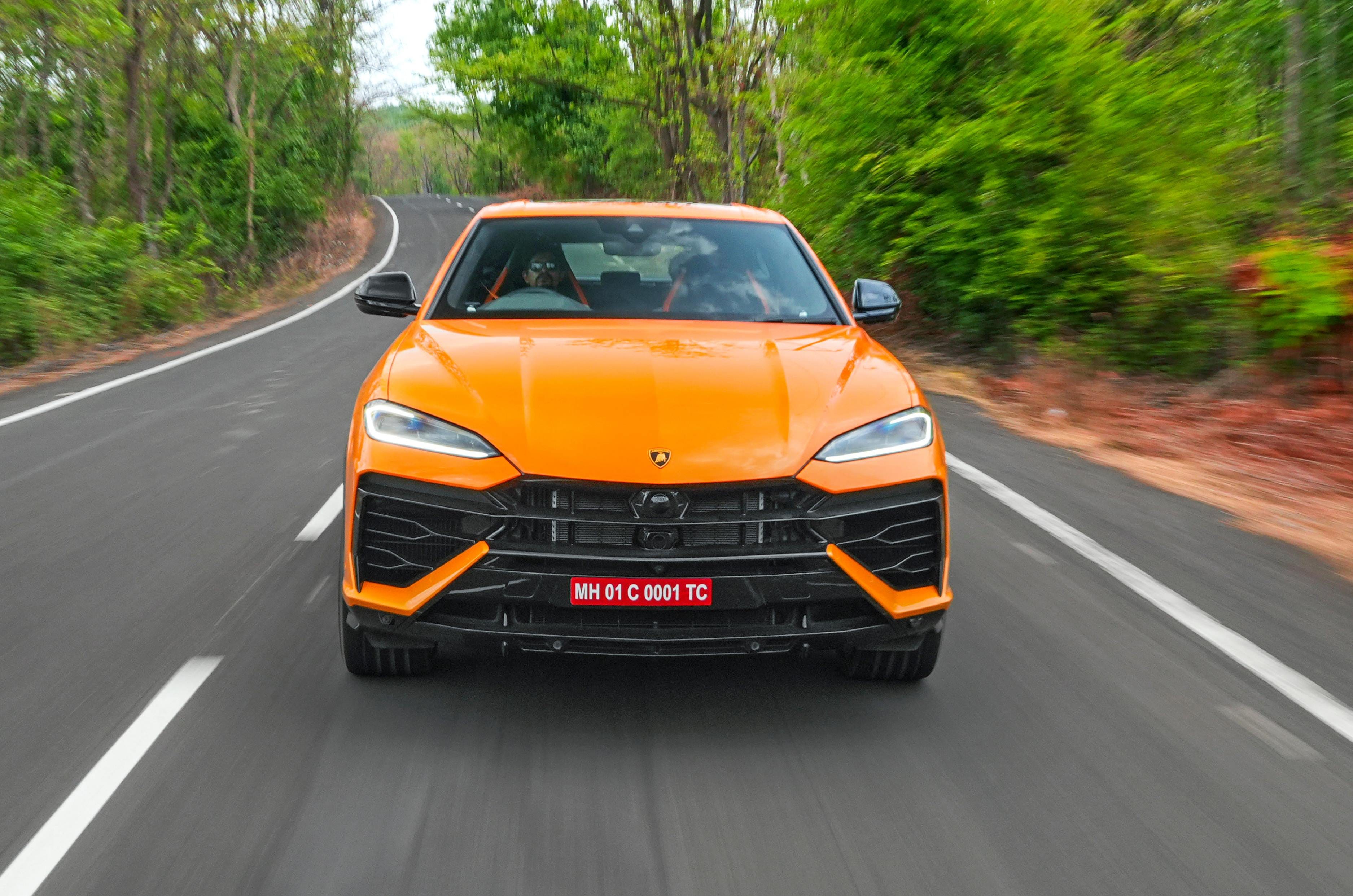
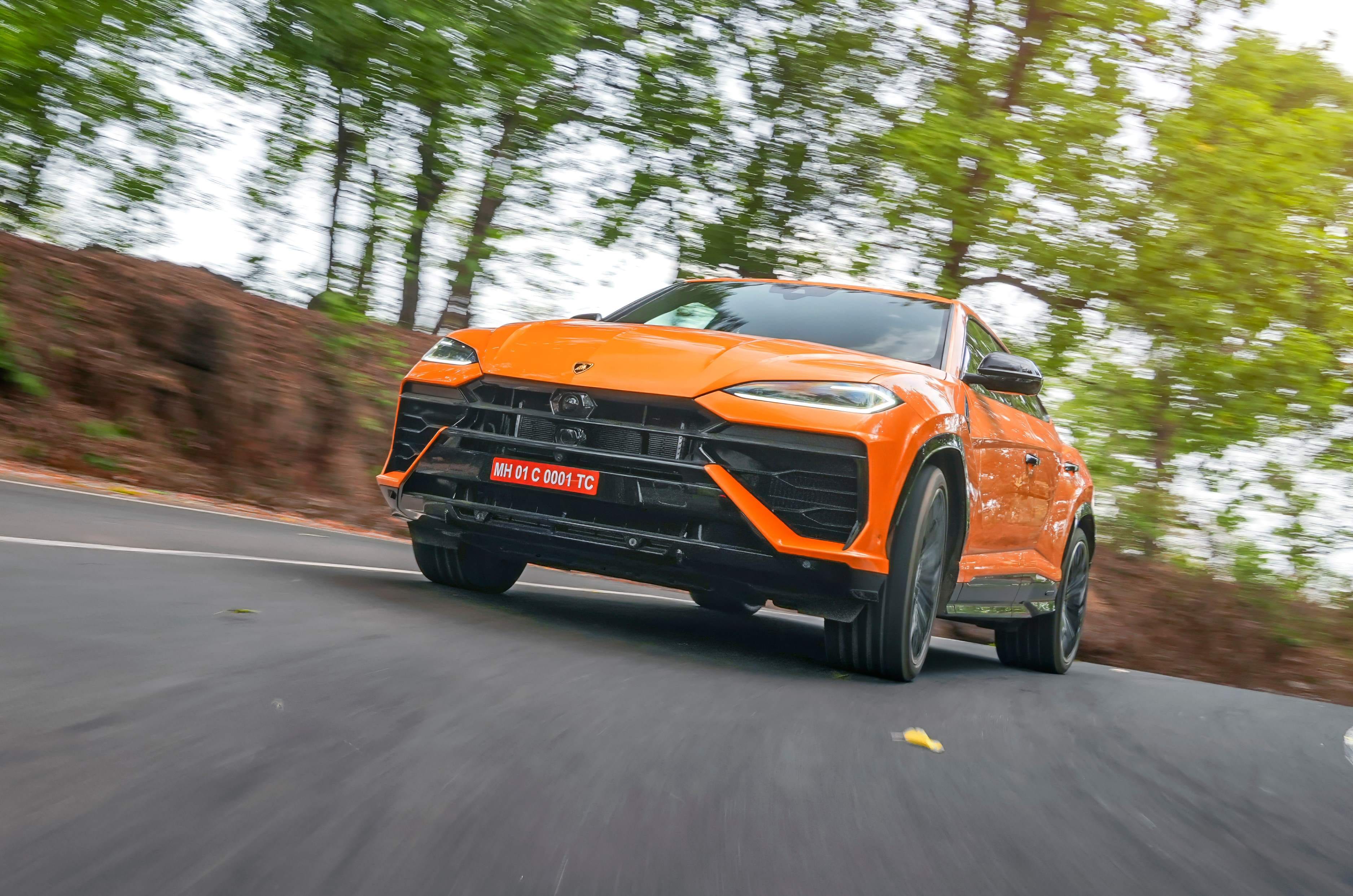
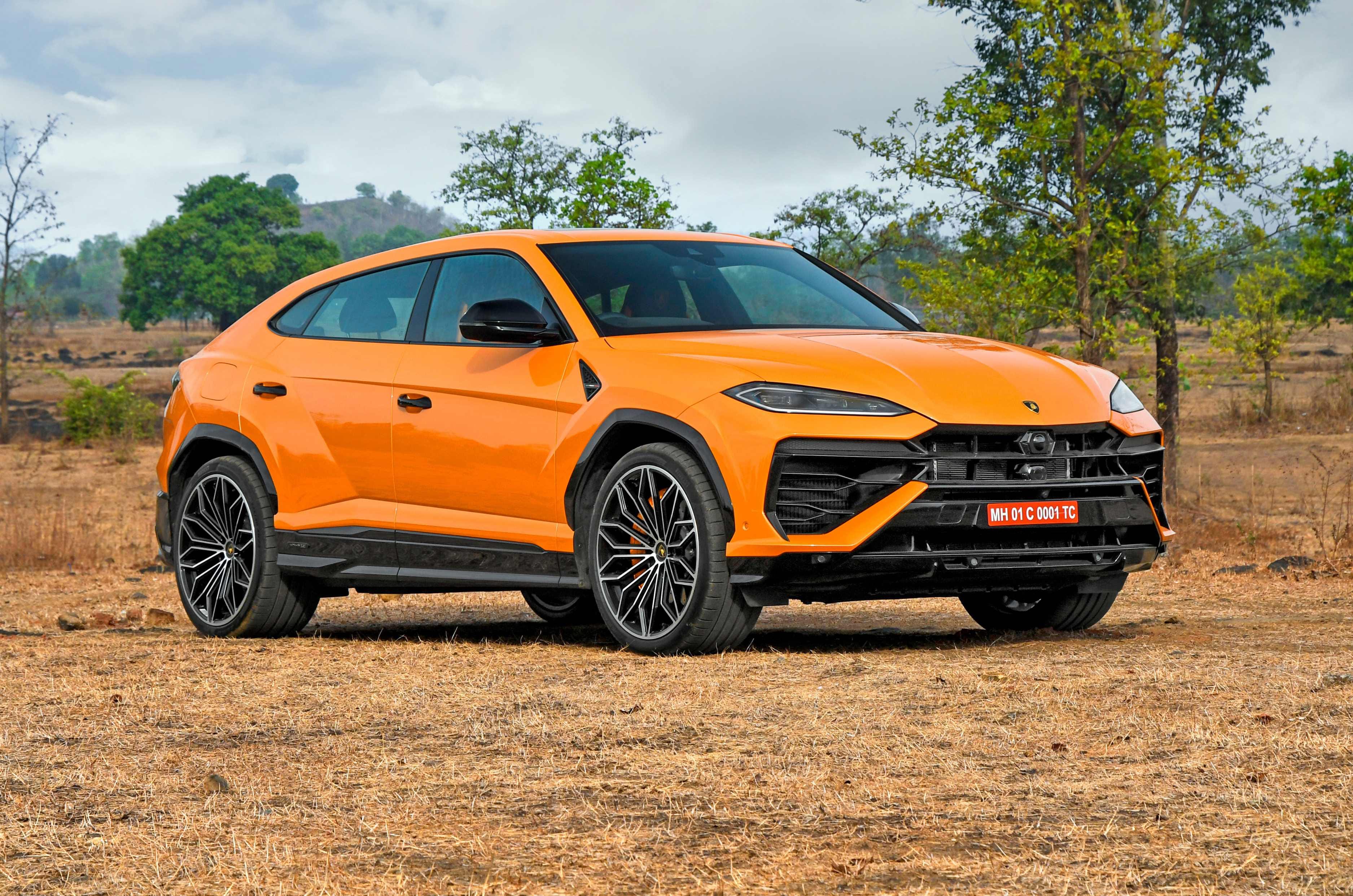
Urus SE has a more rounded-off design than its predecessor, but it’s no less menacing.
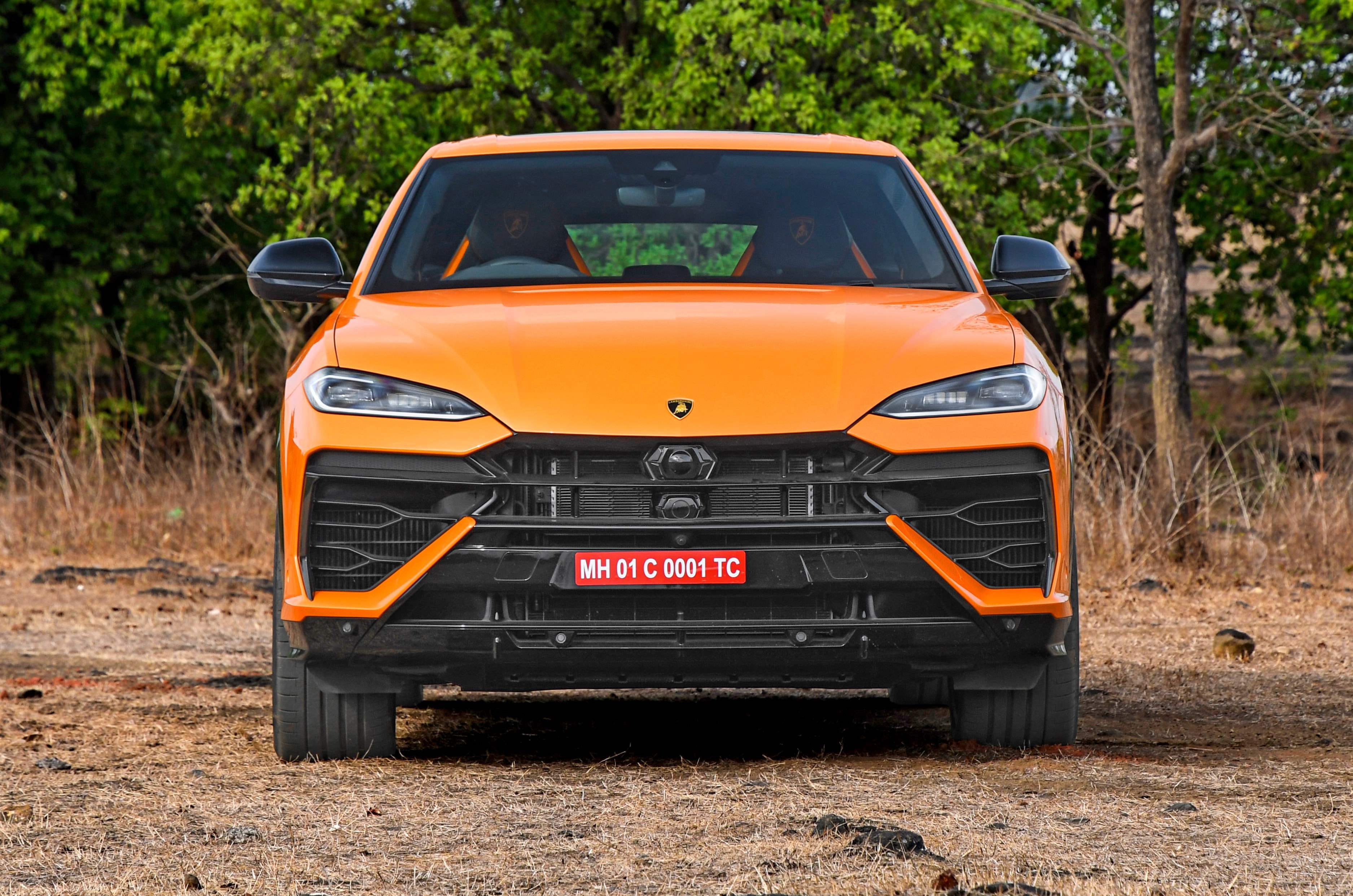
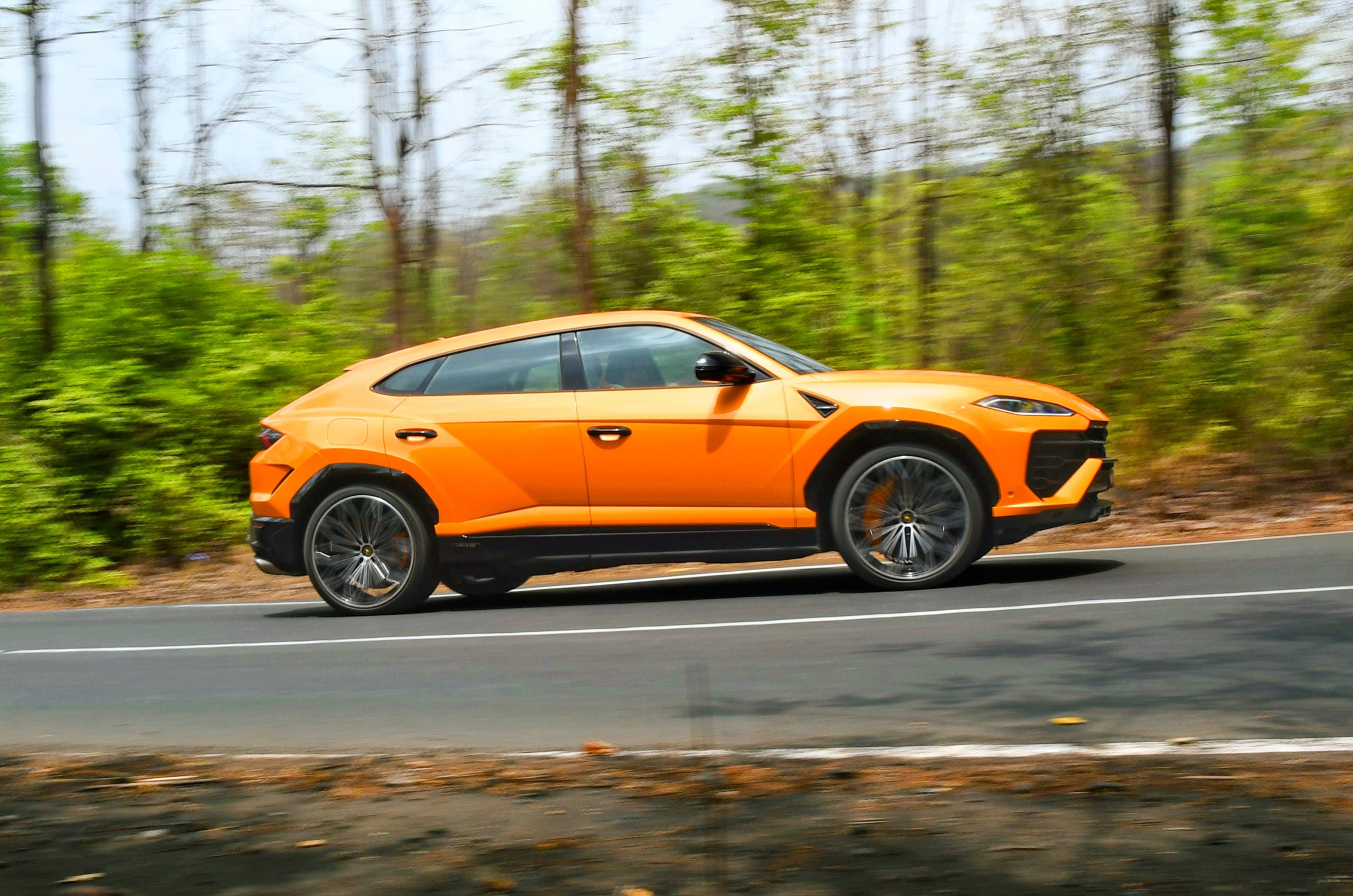
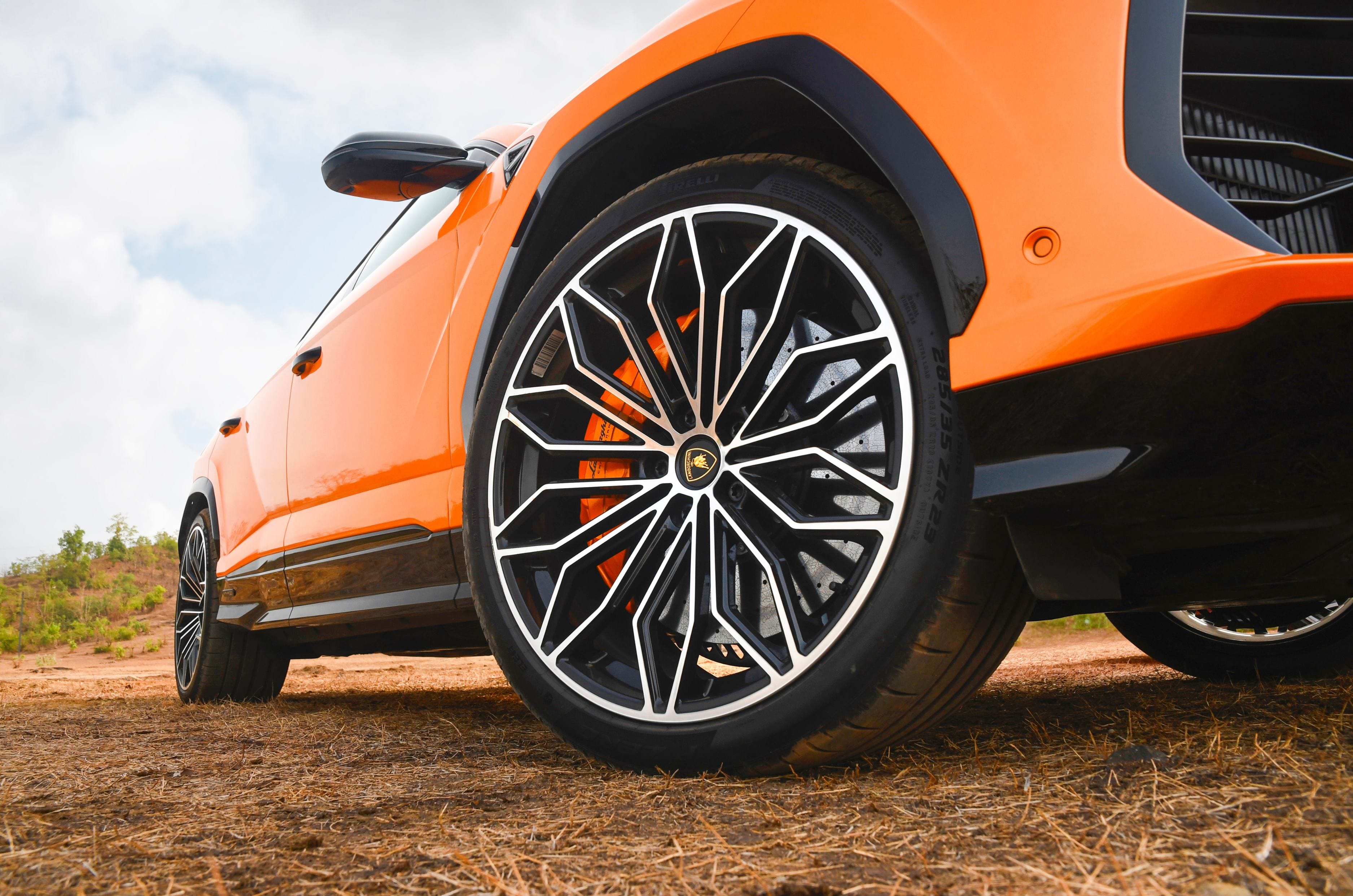
In comparison to the older Urus and the mad Urus Performante, the Urus SE does appear a bit softer and more rounded off. But that’s not to say it lacks presence by any means. It’s still full of sharp angles and surfaces, the Arancio Borealis optional paint on our test car looked stunning as did the diamond-cut, multi-spoke 23-inch alloy wheels. Up front, there’s a new bonnet, redesigned bumper and a larger front grille, while the slimmer headlights are now matrix LED units and a different DRL signature.
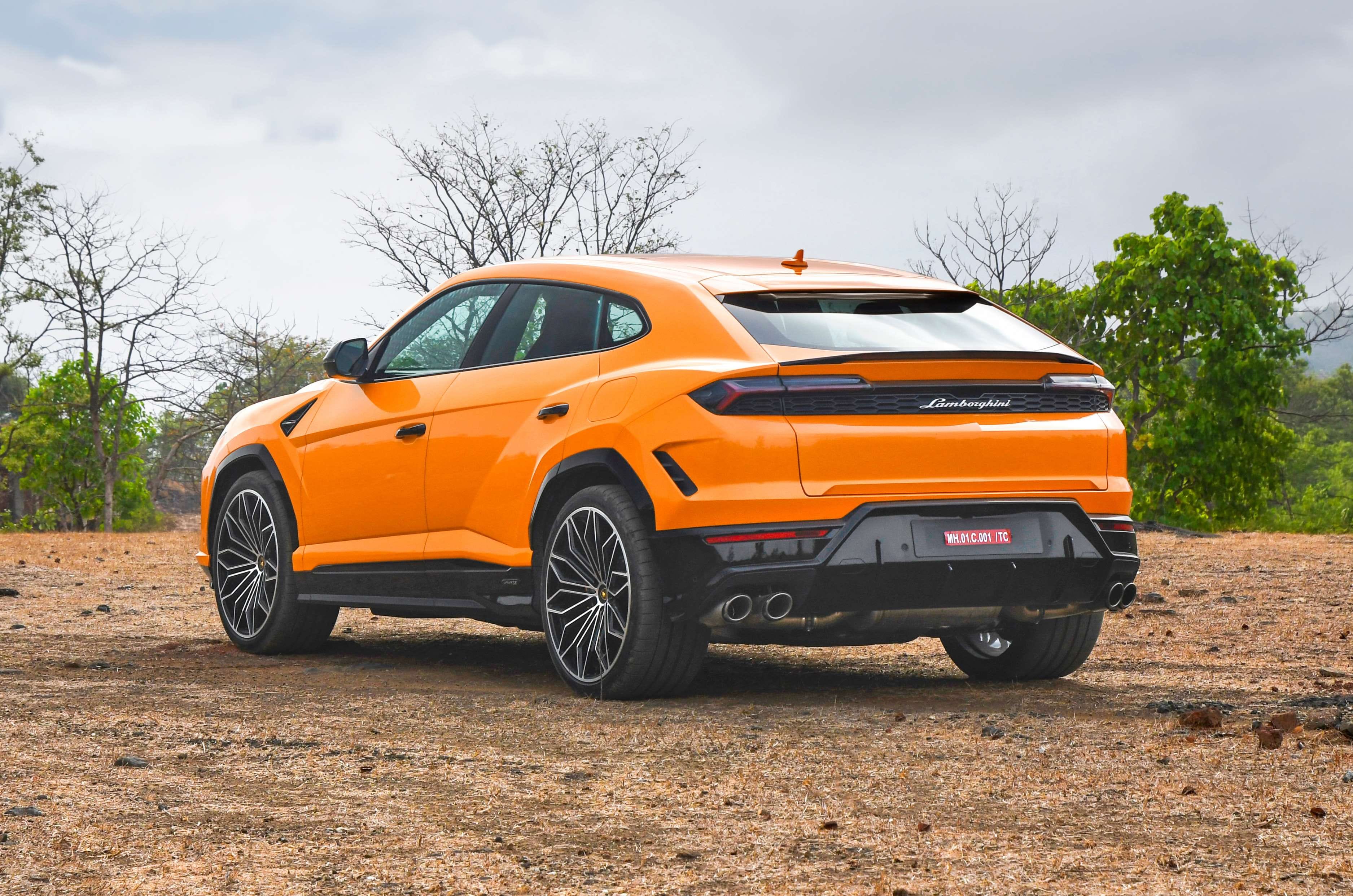
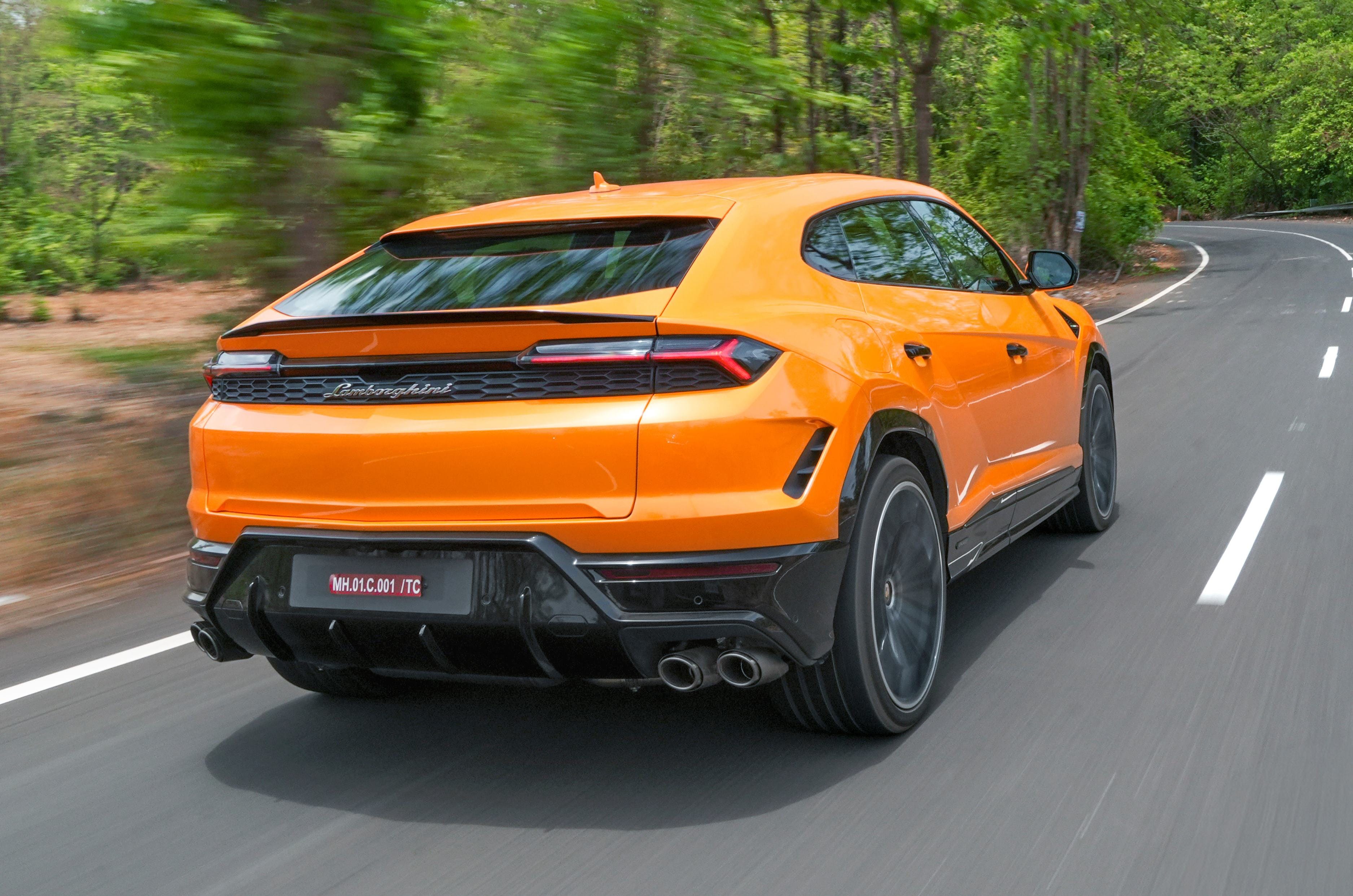
Rear end features quad-exhaust setup, sporty raked roofline, and a hexagon-patterned grille connecting the tail-lights.
The differences are immediately apparent at the rear too, with a new tailgate, rear bumper and a connecting tail-light grille. As always, Lamborghini’s Ad Personam personalisation programme offers an enormous scope for customisation, so buyers can tailor the Urus SE as per their needs. It remains a substantial machine, measuring 5.12m long and 2.02m wide, with a 3m wheelbase. Kerb weight is a hefty 2,505kg, which makes the fact that it can sprint from 0-100kph in just 3.4sec all the more impressive.
Lamborghini Urus SE Interior Space and Comfort – 8/10
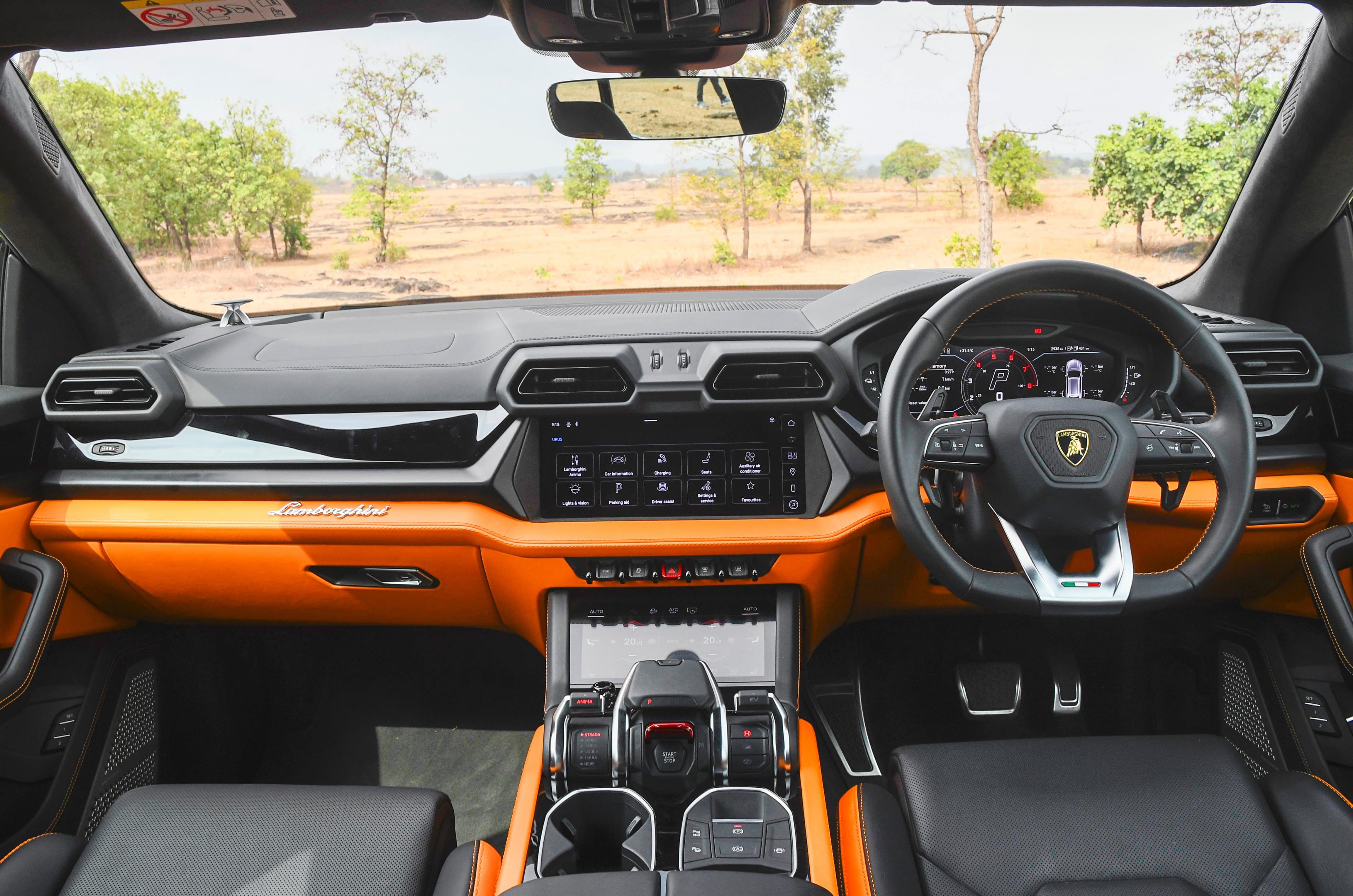
Dashboard layout is premium and feature-loaded, and gets a lot of Lamborghini theatrics.
Inside, the Urus SE retains the familiar Lamborghini approach of combining the ambience of a supercar with the practicality expected of an SUV. However, the changes here are less apparent than those on the outside. The centre console is ever so slightly redesigned with a new array of toggle switches under the touchscreen. The touchscreen itself is larger than the earlier Urus, with updated graphics and a slicker user interface.
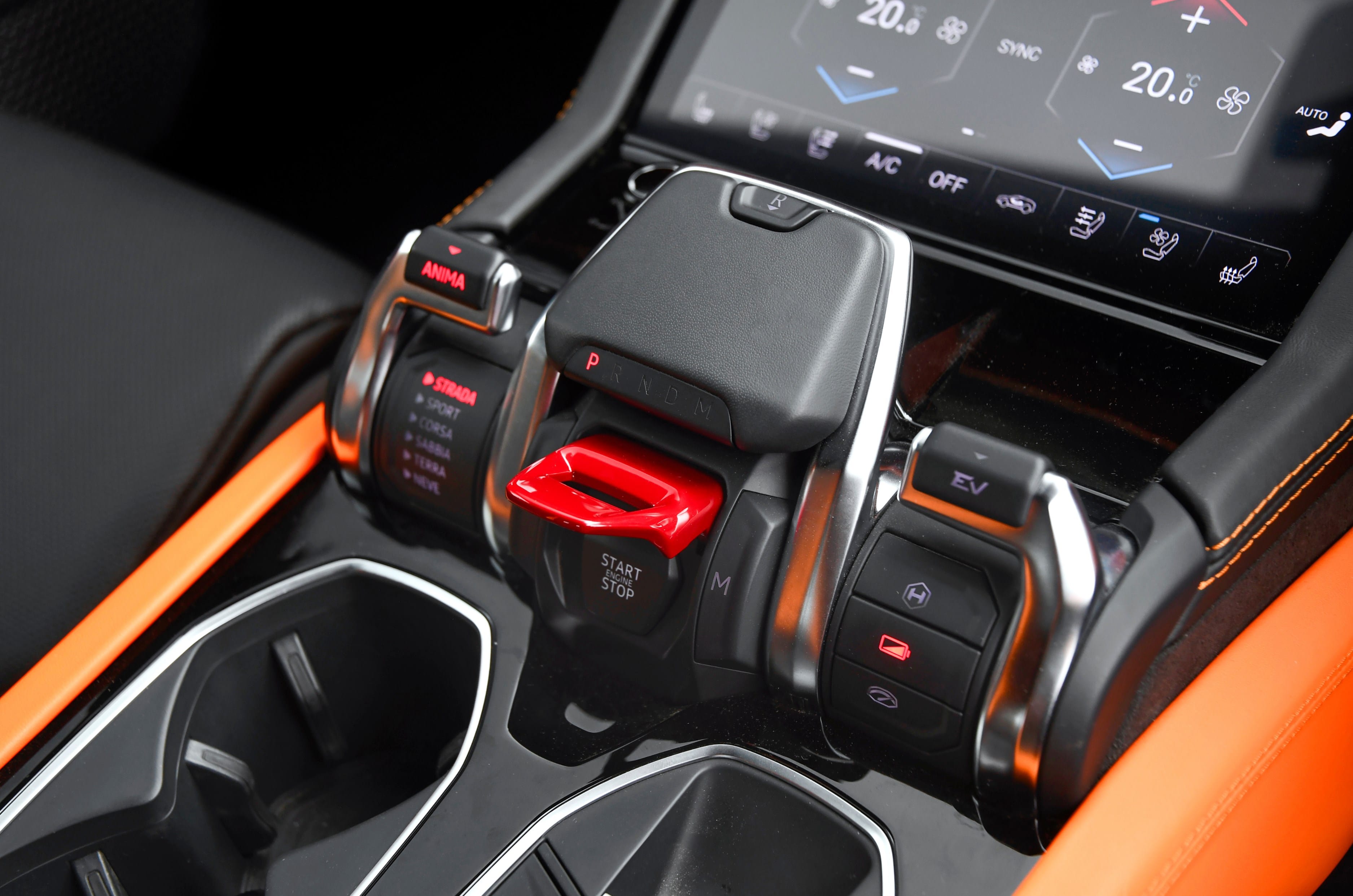
Lamborghini’s signature flip-up engine start/stop button is inspired by those of fighter jets.
There’s plenty of visual theatre, too, and it looks just as extroverted as the outside. Standout elements include the hexagonal AC vents, the Lamborghini badging on the dashboard, the aircraft-style levers for the drive modes and of course, the fighter-jet inspired flap-up engine start/stop button. Lamborghini has also introduced new colour and trim combinations with the SE, with our test car featuring the same predominantly orange theme as on the outside.
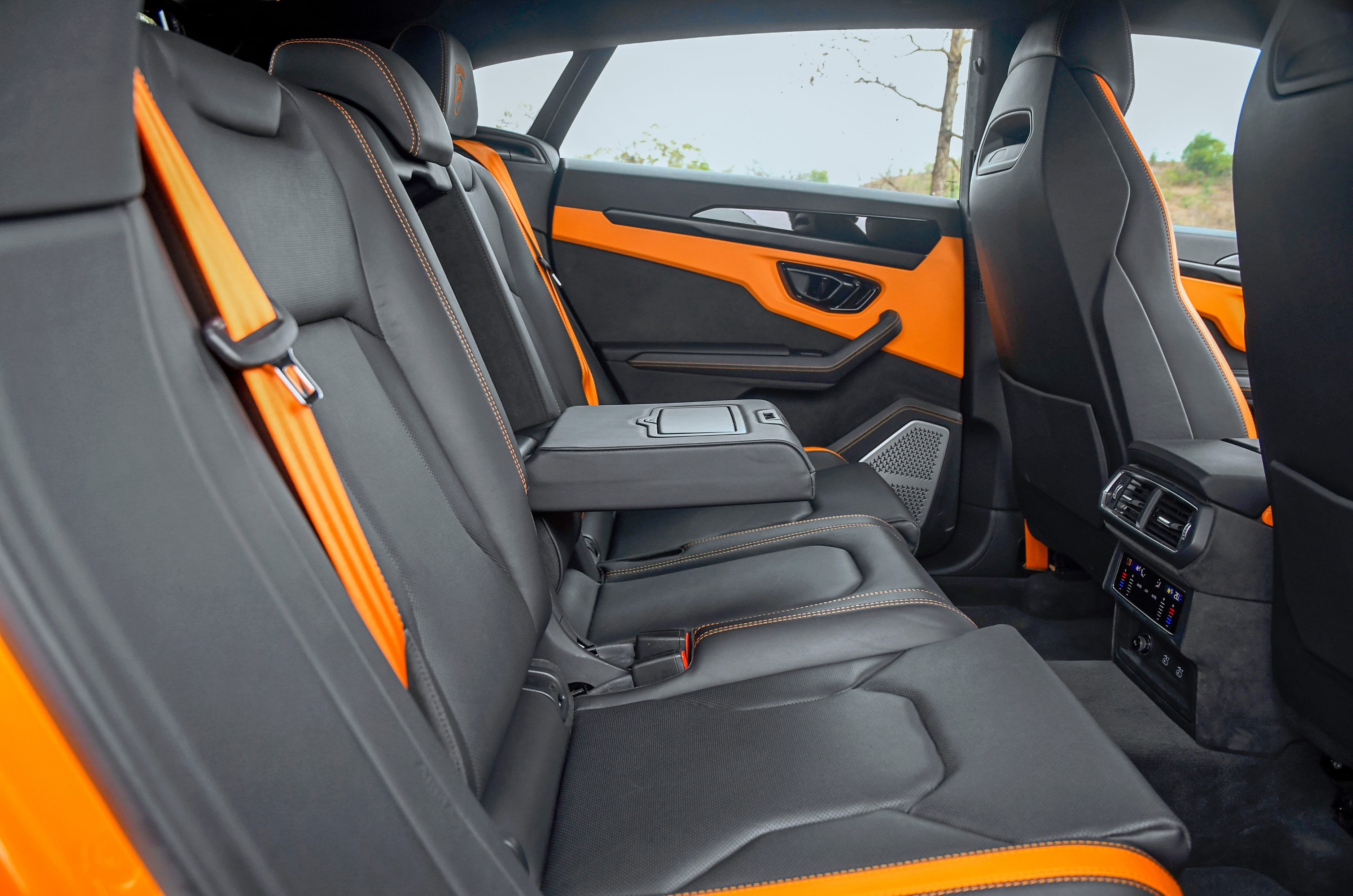
Rear space is surprisingly plentiful given the Urus SE’s sporty proclivities.
Despite all the drama, this remains a practical SUV. The long wheelbase means there’s plenty of legroom at the rear and it’s wide enough for three too, though taller passengers may find headroom a bit tight thanks to the tapering roofline. The front seats are large, well padded and the optional Lamborghini crest on the headrests just adds to the ambience. The glovebox is decent sized, there’s cupholders and the boot offers 454 litres of capacity.
Lamborghini Urus SE Features and Safety – 8/10
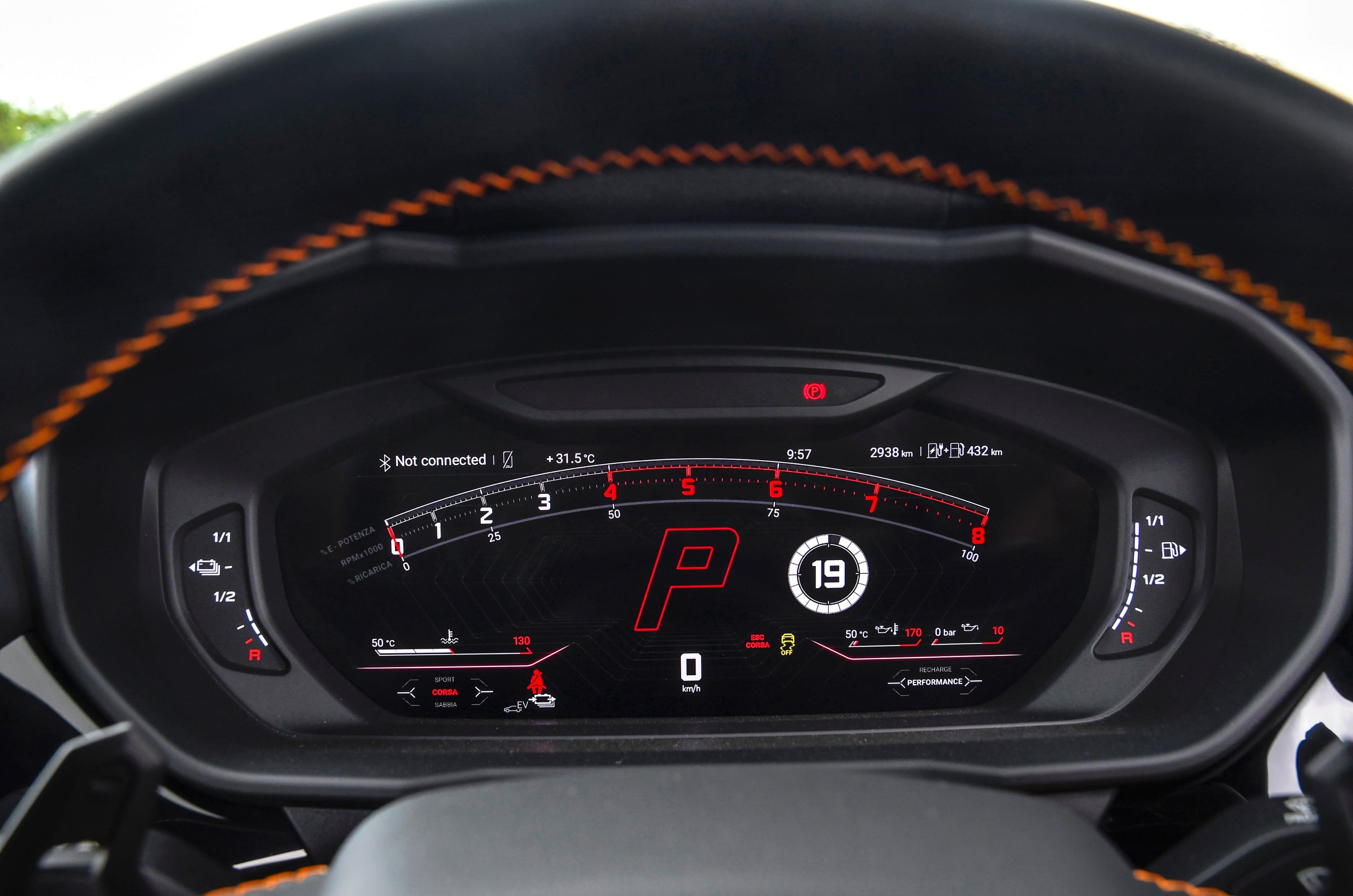
Info-packed driver’s display interface can get confusing at times.
As standard, the Urus SE gets plenty of features like the three screen setup – for the infotainment, AC system and driver’s display – wireless Android Auto and Apple CarPlay, LED matrix headlamps, four-zone auto climate control, leather upholstery, 360-degree camera, connected car tech and so much more.
The SE also gets a comprehensive technology upgrade, with the new user interface being one of the more significant updates. It features a carousel-style layout on the touchscreen to access the numerous sub-menus it packs in, while the driver’s display shows all sorts of data pertaining to the hybrid system, navigation, media and other car-related info. Navigating all the sub-menus can get confusing, however.
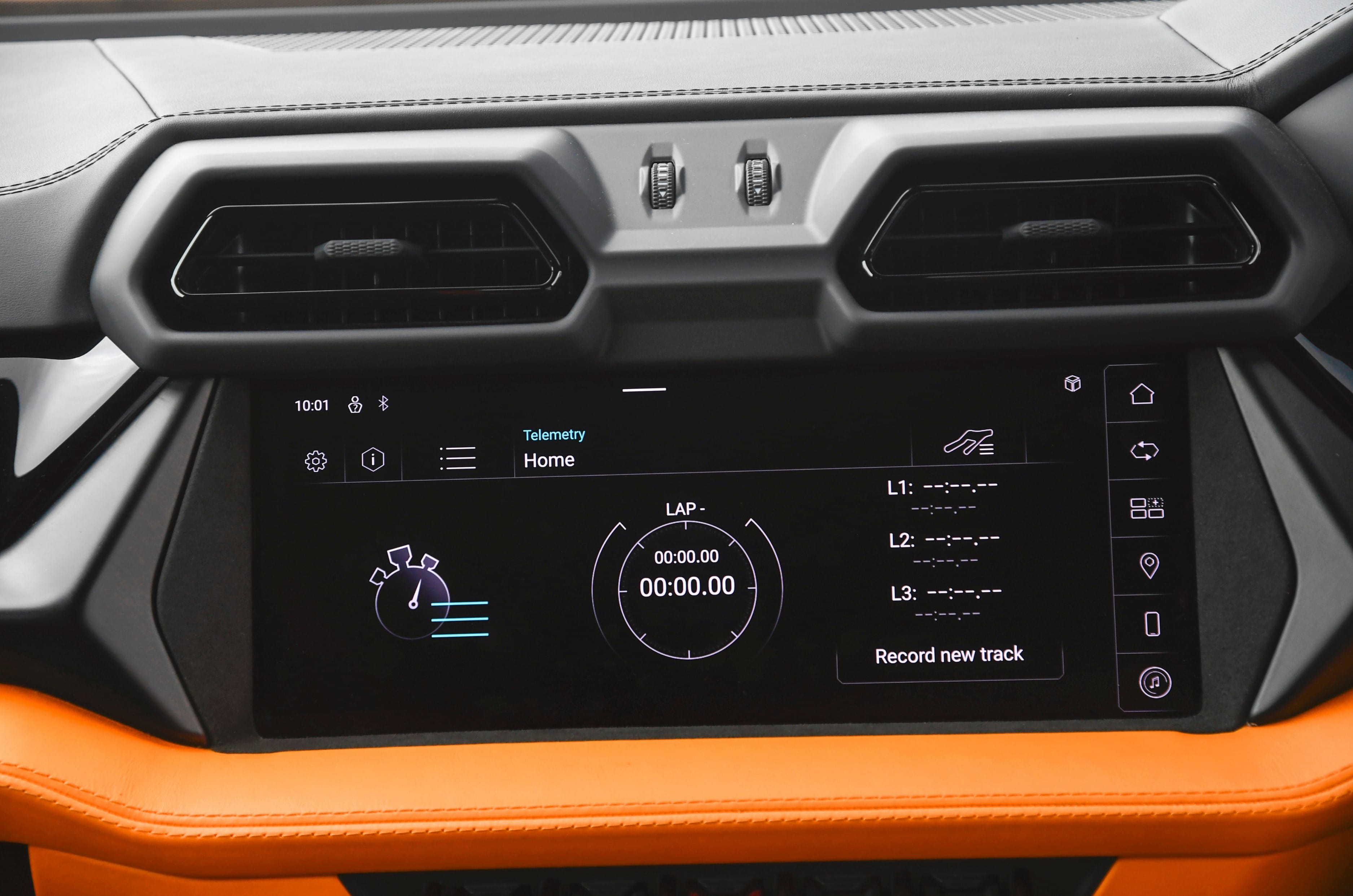
New Lamborghini Telemetry function comes with over 300 pre-loaded racetracks to record lap times on.
There’s also ‘Lamborghini Telemetry’ that can display lap times and sector information for more than 300 preloaded circuits, as well as record new tracks. Connected services extend to navigation, real-time traffic, remote locking, vehicle-status information, remote charging, remote cooling of the cabin and various safety and security alerts.
Also part of the package is ADAS tech like autonomous emergency braking, lane keep assist, adaptive cruise control and more. But there’s a lot that’s optional too, like a large panoramic sunroof, a Bang and Olufsen 3D audio system and a whole lot more, apart from the usual trim, material and stitching options. On the whole, the Urus SE is well-equipped but some of the optional extras really could have been standard fitment given the asking price.
Lamborghini Urus SE Performance and Refinement – 9/10
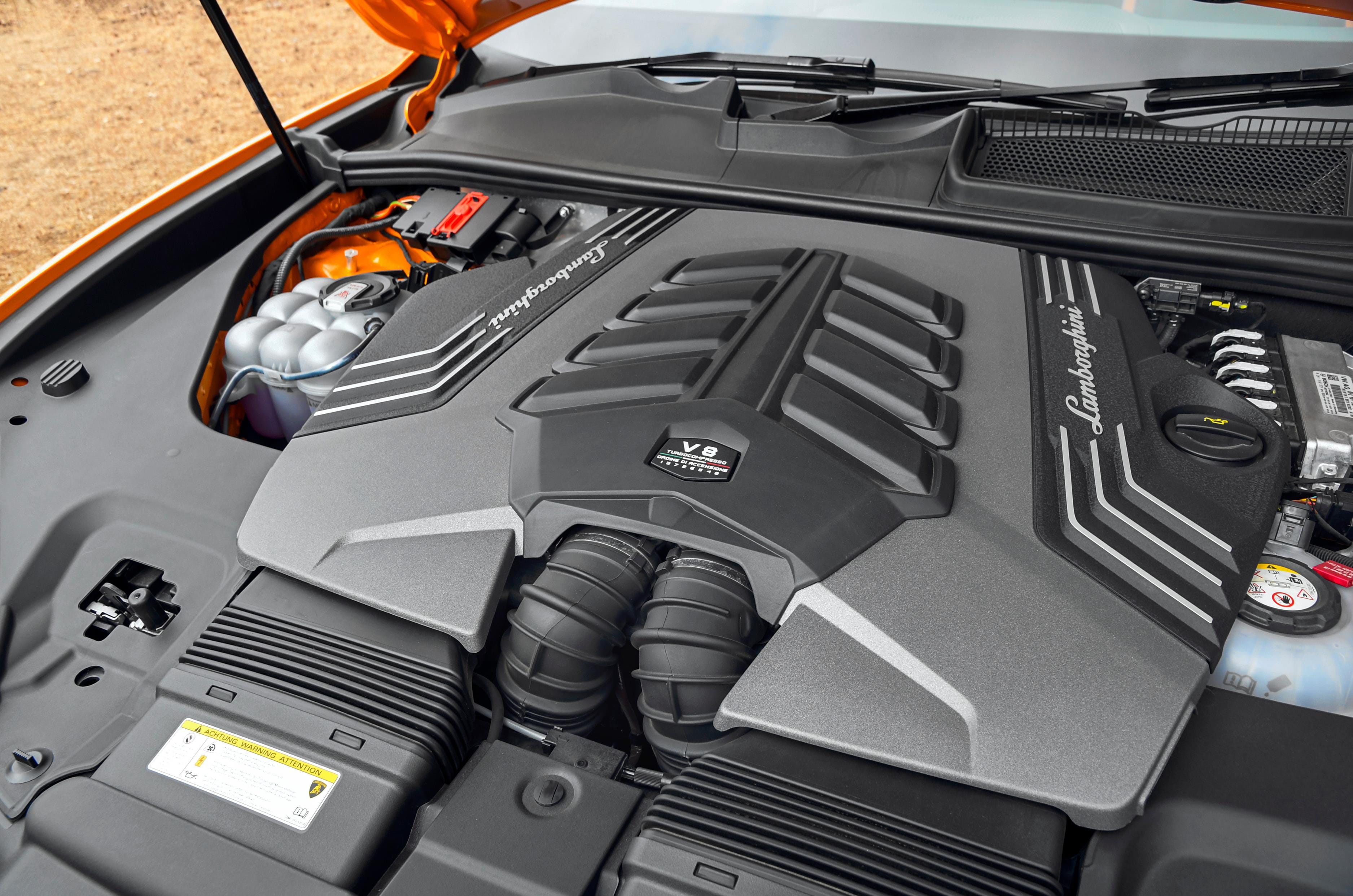
Twin-turbo V8 and electric motor develop a combined 800hp and 950Nm.
As for the numbers, they are, predictably, staggering. The Urus SE combines the familiar 4.0-litre twin-turbo V8 with a 25.9kWh lithium-ion battery and a permanent-magnet synchronous electric motor for an eye-watering combined output of 800hp and 950Nm. The result is 0-100kph in 3.4sec and 0-200kph in 11.2sec, with a claimed top speed of 312kph. Those figures put the Urus SE firmly in supercar territory, despite its size and weight.
And it does feel like one from behind the wheel too, especially in a straight line. Acceleration is relentless and it feels borderline scary on narrow, two-lane roads. The Urus SE always feels like it has power in reserve, especially when you’ve got the powertrain fully dialled up. There’s Strada mode for everyday driving, Sport for when you want to have a bit more fun and of course, Corsa for when you want a proper scare. Couple that with the hybrid system in its full performance mode, and the SE can really feel overwhelming. But if you don’t drive with a heavy foot, it’s surprisingly cordial and sedate. The SE really has a Jekyll and Hyde character about it.
Unrelenting acceleration can get scary on public roads.
What makes the SE more interesting than simply being a faster Urus is the way the electric motor has been integrated. Of course, it’s to help with emissions and meet regulations, but it’s also to boost performance. In EV mode, it can reach up to 135kph and go as far as 66km. But with a flick of a switch, it can turn from silent to violent.
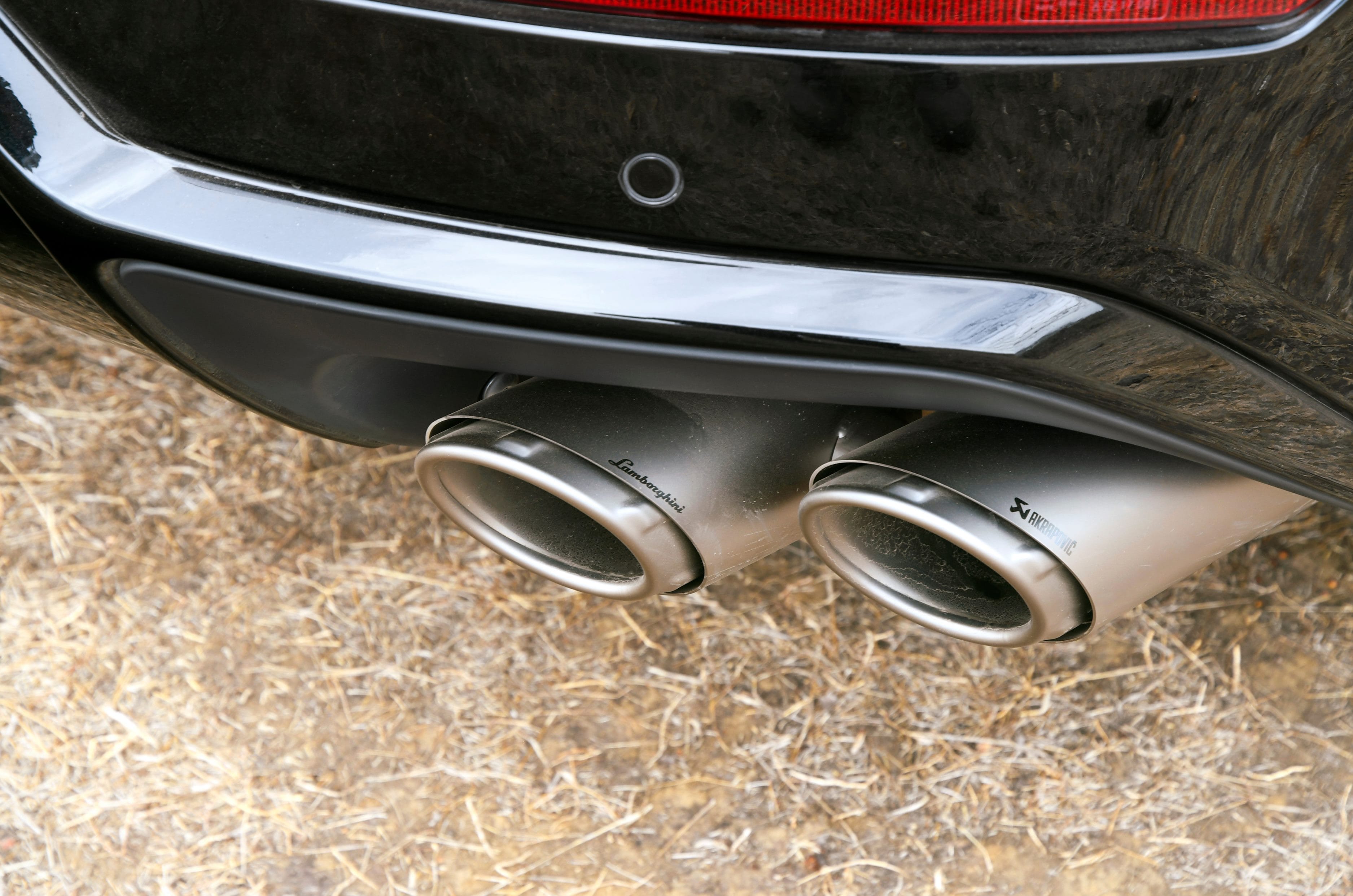
The V8 also hasn’t become anonymous with the hybridisation. It still makes its presence felt, especially through the optional Akrapovic exhaust our car came fitted with, but it does feel a bit subdued. It’s also piped through the speakers, which doesn’t feel entirely ethical but it does help its case.
Optional Akrapovic exhaust system helps enhance the V8’s aural character.
Lamborghini has also paid considerable attention to keeping performance consistent, with additional cooling for the powertrain and brakes. Not that we ever managed to push it so hard to test out that claim. And apart from the aforementioned drive modes, there’s even some off-road modes baked in, but how many buyers actually take their prized possession off the grippy stuff remains to be seen.
Lamborghini Urus SE Mileage and Efficiency – 7/10
This is where the Urus SE’s plug-in hybrid system makes a big difference. Lamborghini quotes a WLTP combined energy consumption of 4.67km/kWh plus 17.54kpl. With a discharged battery, however, combined claimed fuel efficiency falls to 7.75kpl.
Thanks to the 25.9kWh battery, the Urus SE claims a 66km all-electric range.
The headline figure therefore needs some context. The SE’s efficiency advantage is greatest when the battery is regularly topped up. With a claimed 66km of EV range, many shorter daily journeys can theoretically be completed without the V8 needing to fire up at all.
For longer journeys, the hybrid system allows the electric motor and V8 to share the workload. But once the battery is depleted, this remains a 2.5-tonne SUV with a twin-turbo V8, so expectations of conventional-SUV fuel economy would be unrealistic.
Lamborghini Urus SE Ride Comfort and Handling – 8/10
Ride isn’t all that absorbent due to the low-profile Pirelli P Zero tyres.
The Urus SE uses a multilink suspension setup front and rear with semi-active dampers, all of which make this large SUV feel engaging around corners without sacrificing comfort. There is a sense of pliancy at low speeds with the ride firming up as speeds rise. Of course, riding on 23-inch wheels means you can feel potholes and road imperfections, but still it isn’t uncomfortable by any means.
Rear-wheel steering, semi-active dampers, e-diff, and torque vectoring help make the Urus SE a keen handler.
It also gets rear-wheel steering, which helps make it more manageable at lower speeds while contributing to agility at higher speeds. The SE feels eager to change direction and the e-diff and clever torque vectoring system do their best to keep things tidy around bends. You also get a good sensation from the steering which has good heft to it and the Pirelli P Zero tyres it comes with are grippy too. Lamborghini has also worked on the aerodynamics, with a new rear aero lip and diffuser increasing rear downforce by 35 percent over the Urus S. Overall though, the SE feels agile enough but there’s no escaping its heavy kerb weight.
Giant carbon-ceramic brakes peek out from behind the 23-inch alloys.
You’re also backed by massive carbon-ceramic brakes, measuring 440mm at the front and 410mm at the rear, and they do take some time getting used to. They may not have the initial bite like with conventional steel brakes, but the stopping power is immense and they stay consistent despite repeated hard braking, which is essential in something as big and powerful as the Urus SE.
Lamborghini Urus SE Value for Money – 7/10
The Urus SE is arguably the most convincing expression yet of Lamborghini’s super-SUV. More importantly, it hasn’t sacrificed the characteristics that make a Lamborghini feel special in the pursuit of meeting ever tightening restrictions. There’s still a V8, it’s still outlandish inside and out, and it still delivers a driving experience that goes well beyond what you’d expect from something this large. All of that while adding the benefit of the plug-in hybrid system for performance and efficiency, as well as properly usable EV range.
The Urus SE is the all-in-one Lamborghini.
At Rs 4.47 crore (ex-showroom, before options), of course, the Urus SE is expensive. But that’s almost beside the point. The Urus SE isn’t for those who expect rational value; it is for those who want a vehicle that can combine supercar pace, SUV practicality, luxury, all-electric driving and aspirational brand value all in one package. As a technological statement and a performance SUV then, the Urus SE makes a compelling case for Lamborghini’s hybrid future.