TVS outsells Hero and Honda to top bike and scooter sales in August 2026

TVS outsells Hero and Honda to top bike and scooter sales in August 2026
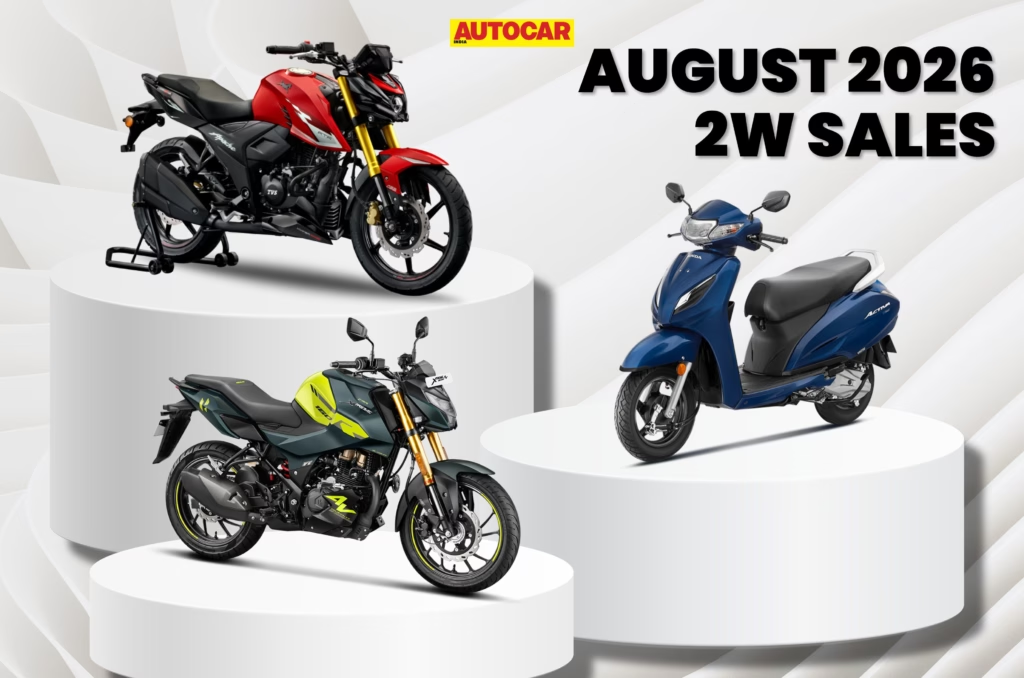
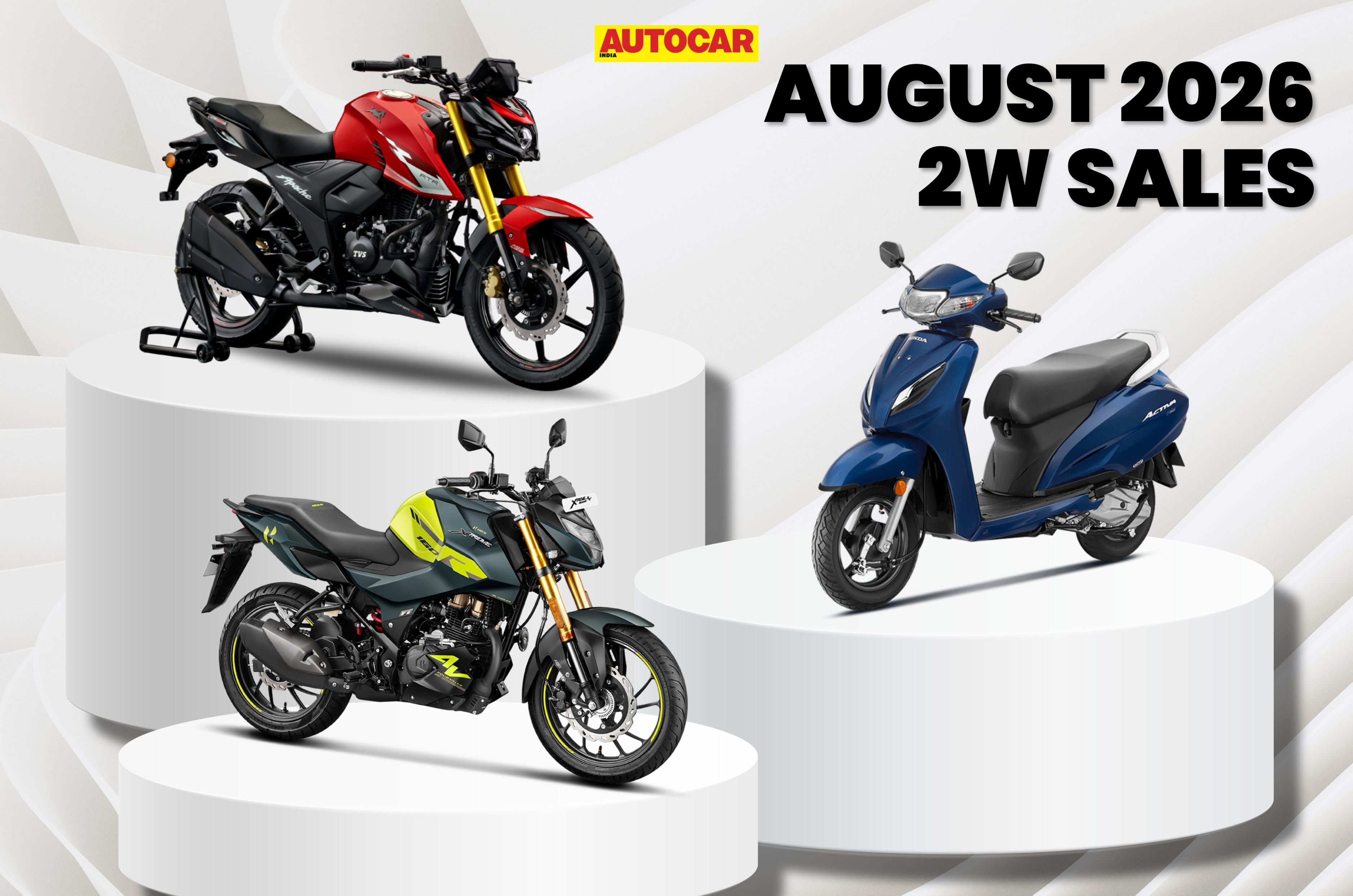
Graphic with TVS Apache, Honda Activa, and Hero Xtreme 160 4V on a podium

August 2026 delivered strong year-on-year growth across the board as manufacturers gear up for the festive season, but the standout story was TVS Motor Company leapfrogging both Honda and Hero MotoCorp to become India’s largest two-wheeler manufacturer by monthly dispatches for the first time.

TVS Motor: 5,91,437 units

TVS recorded its highest-ever monthly two-wheeler sales this past August, with dispatches climbing 21 percent year-on-year from 4,90,788 units last August. This pushed it past both Honda and Hero for the top spot this month. Domestic two-wheeler sales grew 18 percent to 4,33,796 units, while the company’s electric two-wheeler business posted growth of 137 percent to 59,453 units. TVS also continued to lead as an exporter, shipping 1,57,641 two-wheelers overseas, up 29 percent year-on-year.

Honda: 5,79,162 units

Honda Motorcycle & Scooter India (HMSI) posted 8 percent YoY growth, with total sales rising from 5,34,861 units last August. Domestic sales grew at the same 8 percent clip to 5,17,329 units, while exports rose by a sharper 15 percent to 61,833 units.

Hero MotoCorp: 5,68,398 units

Hero two-wheeler dispatches grew a modest 2.65 percent year-on-year from 5,53,727 units. Domestic ICE dispatches stood at 5,16,747 units, while the Vida brand continued its strong run with 25,558 units dispatched – a 38 percent growth. Exports fell 24.6 percent to 26,093 units from 34,588 a year earlier.

Bajaj Auto: 4,43,748 units

Bajaj two-wheeler dispatches grew 30 percent YoY from 3,41,887 units. Domestic sales rose 10 percent to 2,01,898 units, while exports jumped 53 percent to 2,41,850 units, continuing the company’s run as one of India’s largest two-wheeler exporters.

Royal Enfield: 1,26,479 units

Royal Enfield motorcycle sales grew 11 percent YoY from 1,14,002 units. Domestic sales rose 11 percent to 1,14,204 units, while exports grew 10 percent to 12,275 units. The month saw the launch of the Classic 350 Gorkha Edition and an updated Continental GT 650, alongside continued momentum for the Flying Flea C6, which the brand says has crossed 50,000 customer-driven kilometres in its current sole market of Bengaluru.

Suzuki: 1,20,611 units

Suzuki posted 6 percent year-on-year growth from 1,13,936 units, driven largely by domestic sales, which rose 13 percent to 1,03,118 units. Exports declined to 17,493 units from 22,307 units a year earlier.
Pharma Mutual Funds: 1 साल में 30% तक रिटर्न, 10 फंड ने दिया 20% से ज्यादा फायदा; क्या अभी भी है निवेश का मौका?

Pharma Mutual Funds: पिछले एक साल में फार्मा सेक्टर ने निवेशकों को अच्छा रिटर्न दिया है। Nifty Pharma Index करीब 25% चढ़ा है। वहीं, फार्मा और हेल्थकेयर सेक्टोरल म्यूचुअल फंड्स ने 11% से 30% तक रिटर्न दिया है।

Value Research के आंकड़ों के मुताबिक, 19 एक्टिव फार्मा सेक्टोरल फंड्स में से सिर्फ 10 फंड्स ने एक साल में 20% से ज्यादा रिटर्न दिया। इन फंड्स का औसत रिटर्न 20.7% रहा। BSE Healthcare TRI ने इस दौरान 18.68% रिटर्न दिया।

1 साल में सबसे ज्यादा रिटर्न देने वाले 10 फार्मा फंड

फंड1 साल का रिटर्न
Kotak Healthcare Direct29.80%
HDFC Pharma and Healthcare Direct28.85%
PGIM India Healthcare Direct28.04%
Quant Healthcare Direct27.02%
Bajaj Finserv Healthcare Direct26.30%
WhiteOak Capital Pharma and Healthcare Direct

25.87%
ICICI Pru Nifty Pharma Index Direct

23.89%
SBI Healthcare Opportunities Direct23.59%
Mirae Asset Healthcare Direct22.91%
Tata Nifty MidSmall Healthcare Index Direct20.93%

डेटा: Value Research, 28 अगस्त 2026 तक

फार्मा सेक्टर क्यों चढ़ा?

फार्मा कंपनियों के शेयरों में तेजी के पीछे कई वजहें रहीं। अमेरिका में भारतीय जेनेरिक दवा कंपनियों के लिए माहौल बेहतर हुआ है। कुछ फार्मा इंपोर्ट पर 100% अमेरिकी टैरिफ से जेनेरिक दवाओं और उनसे जुड़े इंग्रीडिएंट्स को बाहर रखा गया।

घरेलू मांग भी मजबूत बनी हुई है। भारत का फार्मा एक्सपोर्ट FY27 की पहली तिमाही में 6.8% बढ़कर 8.1 अरब डॉलर पहुंच गया। सरकार भी Biopharma SHAKTI जैसी योजनाओं के जरिए सेक्टर में निवेश बढ़ा रही है।

Warren Buffett: वॉरेन बफे ने 1977 में बताए थे निवेश के 5 नियम, आज भी हर निवेशक के लिए हैं काम के

आगे निवेश करना सही है?

Anand Rathi Wealth के मुताबिक, फार्मा सेक्टर की वैल्यूएशन हाल की तेजी के बाद बढ़ गई है। फार्मा इंडेक्स करीब 43 गुना P/E पर कारोबार कर रहा है, जबकि इसका ऐतिहासिक औसत 37-38 गुना रहा है।

उनका मानना है कि अब आगे की तेजी कमाई की वास्तविक ग्रोथ पर निर्भर करेगी। सेक्टोरल फंड में निवेश से कॉन्सेंट्रेशन रिस्क भी बढ़ता है। ऐसे में सिर्फ हाल की तेजी देखकर फार्मा फंड में पैसा लगाने से पहले जोखिम और वैल्यूएशन पर जरूर विचार करना चाहिए।

Disclaimer: मनीकंट्रोल.कॉम पर दिए गए सलाह या विचार एक्सपर्ट/ब्रोकरेज फर्म के अपने निजी विचार होते हैं। वेबसाइट या मैनेजमेंट इसके लिए उत्तरदायी नहीं है। यूजर्स को मनीकंट्रोल की सलाह है कि कोई भी निवेश निर्णय लेने से पहले हमेशा सर्टिफाइड एक्सपर्ट की सलाह लें।

Simple Wave Launched from Rs 1.10 lakh

Simple Wave Launched from Rs 1.10 lakh
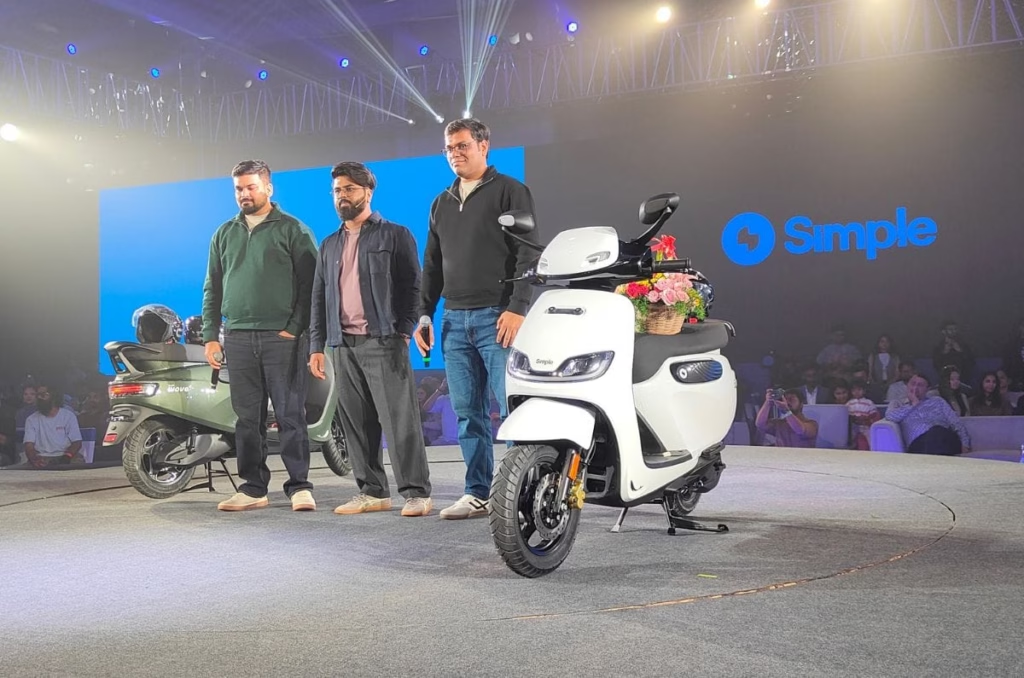
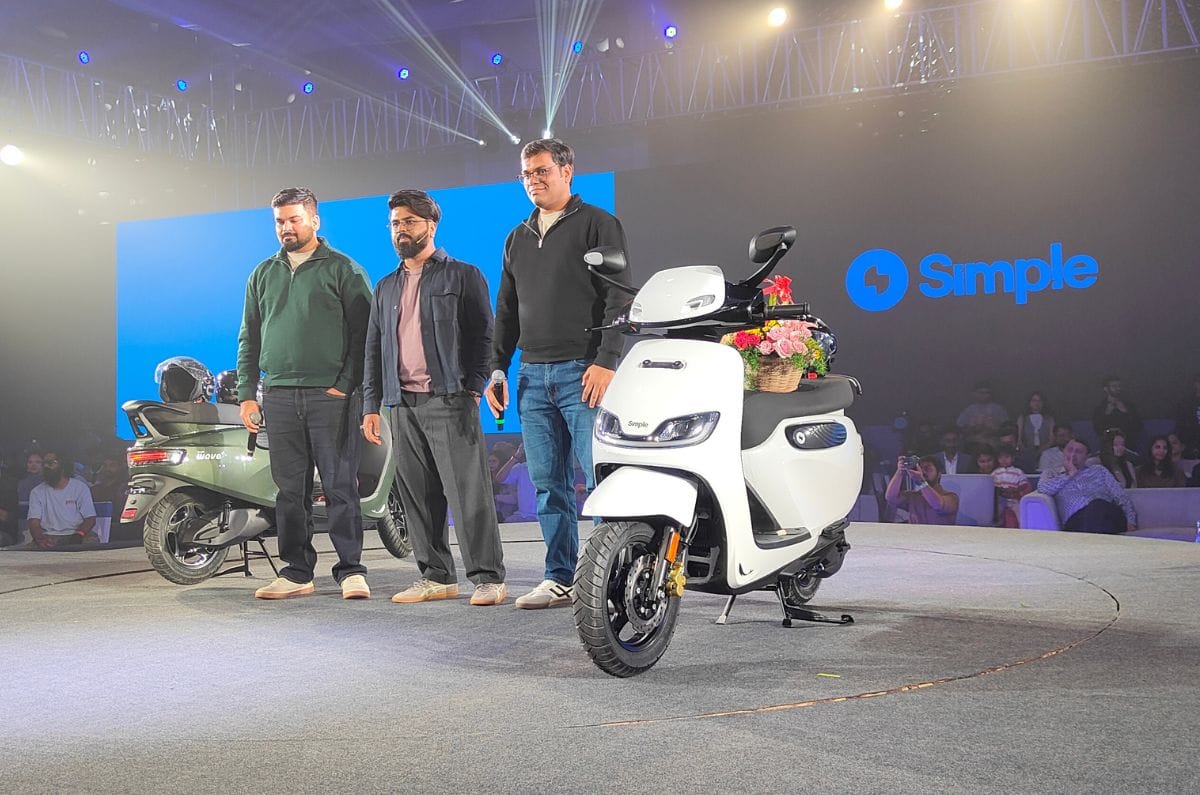
An indoor shot showing the new Wave scooter with the founders of Simple Energy on stage

Simple, the Bengaluru based EV startup, has finally launched their family scooter Wave today. The scooter was first spotted testing back in March this year and was earlier referred to as Arrive during development. Simple is looking to position this as a mass market scooter compared to their sharp, performance focussed One and One S.

  1. Simple Wave has four variants; six, if you count instrument cluster options
  2. Lowest variant has a 2.2kWh battery, top variant has a 5kWh battery
  3. Delivery starts from 25 September 2026

Simple Wave: What you should know

New and improved motor, battery, and design

The Wave is based on an updated platform of the brand’s One scooter range. The first update is to the suspension, with the Wave using a twin shock rear suspension (compared to the One’s monoshock) and a much longer seat. Speaking of which, the Wave has a whopping 920mm long seat, claimed to be the longest scooter seat in the country. The other headline is the 70L storage in the Wave. Of which, 63 litres come from the under seat compartment, three litres on the front apron cubby, and four litres from a quick access pocket on the left side of the rider’s seat (called Pill Storage). An identical pocket for the right side is offered as an accessory.

The Wave has four variants by battery capacity. The base WaveS is offered in two battery capacities, 2.2kWh and 2.7kWh with 110km and 132km of IDC range, respectively. The middle variant, Wave, has a 3.7kWh battery and 171km of IDC range, and the top Wave+ variant has a 5kWh battery and 243km of IDC range. Wave+ currently has the highest range in its segment. Compared to the One range, the powertrain has seen updates all over. The 6.4kW motor has been updated to third generation and so has the Battery Management System, with the overall size of the motor reduced by 15 percent.

For context, the One uses a 5kWh battery and an 8.8kW motor; the One S has a 3.7kWh battery and a 6.4kW motor. They offer up to 265km and 190km of claimed range, respectively. Do note that there’s also a One Ultra with a 6.5kWh battery and a motor with 8.8kW of power with a claimed 400km range, but the delivery dates for that have not been announced so far. The One Ultra is currently the most expensive scooter from Simple, priced at Rs 2.35 lakh (ex-showroom, Bengaluru).

The scooter’s design has also shifted to a sleeker silhouette, letting go of the One’s sharp and aggressive lines. Simple claims it’s inspired by water, as opposed to air for the One range. However, the Wave retains the 7-inch TFT instrument cluster. The Wave+ gets it as standard, whereas the lower variants offer an option between the TFT or an InfinityBlack LCD cluster. The WaveS variants get three ride modes (EcoX, Eco, and Ride) with a claimed top speed of 75kph. Wave and Wave+ variants add an additional Sports mode and increases the top speed to 90kph. The 2.2kWh variant is available in two colours, 2.7kWh variants in four, and the 3.7kWh and 5kWh variants in six colours.

First spotted on the test mule, the Wave swaps the rear disc from the One range for a more cost-effective rear drum brake but retains the Combined Braking System (CBS) across all four variants. However, the One scooters offer traction control as standard rider aid, with the Wave limiting it to — called GripSense now — on the higher variants. Dimensions-wise, compared to the One range, seat height has been lowered by 5mm to 775mm and ground clearance has been increased by 3mm to 175mm.

The Simple Wave has been priced starting at Rs 1.10 lakh (ex-showroom, Bengaluru). Simple has announced that deliveries commence from September 25. Prices for the higher variants hasn’t been revealed, and Simple hasn’t clarified if the delivery date applies to all the variants. With its pricing, the Simple Wave directly rivals other EV scooters like the new Ather Konarc, Bajaj Chetak, Hero Vida, and TVS iQube, with range as its biggest trump card over all of them.
 

Bajaj becomes second Indian EV maker to cross 3 lakh sales this year

Bajaj becomes second Indian EV maker to cross 3 lakh sales this year
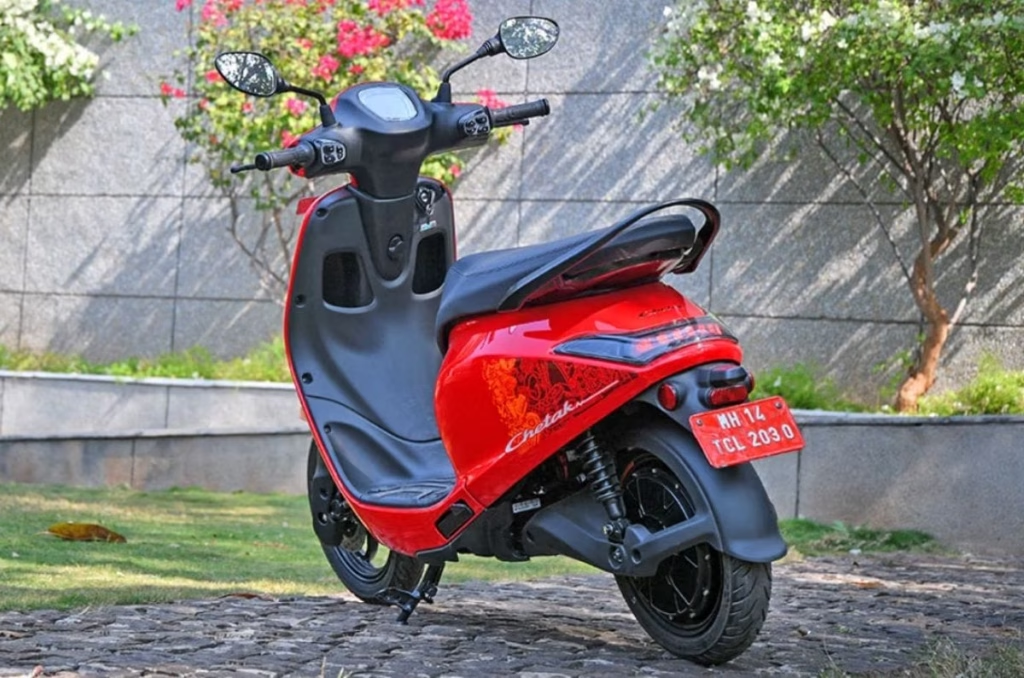
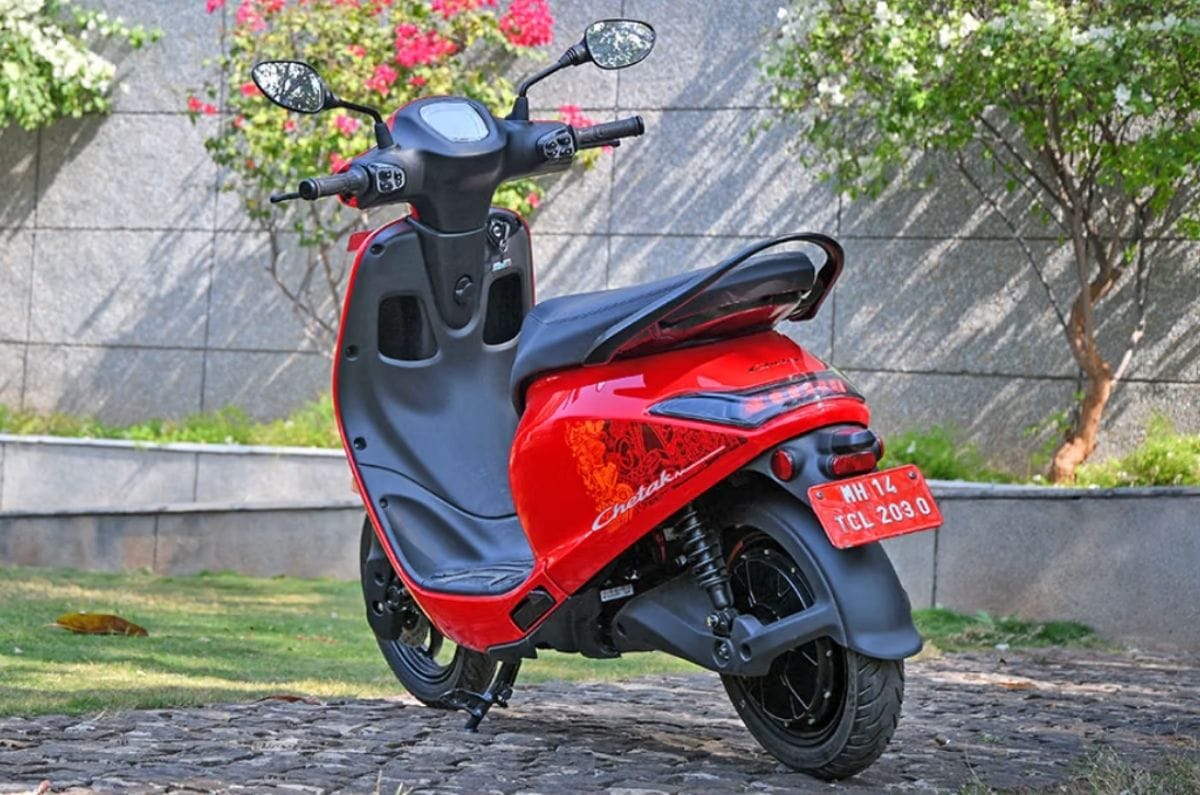
Outside shot showing the rear three quarter of the Chetak C2501

Bajaj has become the second electric vehicle manufacturer in India to cross the 3 lakh sales mark. As per Vahan data, the Pune-based manufacturer of the Chetak e-scooter and Yulu e-bikes has delivered a total of 3.02 lakh units between January and August 2026. This is a first for the brand, and marks a 68 percent growth compared to last year. It also makes Bajaj the second e-2W OEM to do so, after market leader TVS, which crossed the same milestone last month.

  1. Bajaj currently sells five EV scooter models via the Chetak brand
  2. August sales have increased by 210 percent compared to last year

TVS stays ahead of Bajaj by about 50,000 units

Ather is about 75,000 units behind, with the Konarc expected to help

Bajaj Auto retail sales data, Vahan (as of August 30, 2026)

Year

January

February

March

April

May

June

July

August (1-30)

2026

26,575

26,344

47,753

34,600

39,542

43,529

45,860

37,976

2025

22,137

22,242

36,582

19,818

22,641

23,986

20,557

12,246

Percentage increase

20

18

31

75

75

81

123

210

At present, TVS is 51,063 units ahead of Bajaj, having sold 3.53 lakh units till August end. Ather, third in sales at 2.27 lakh units, and has just launched the mass-market Konarc, is also expected to surpass 3 lakh sales close to November this year. The number of units sold so far gives Bajaj a 22 percent share of the market, putting it ahead of Ather Energy (17 percent) and behind TVS (26 percent).

Bajaj currently has a five-variant Chetak portfolio comprising the Chetak C2501 as the entry-level offering and the C3501 as the brand’s current flagship EV. As the monthly retail sales data table above indicates, Bajaj’s highest single-month sales were in March 2026 which was the first time that sales crossed the 40,000 sales mark. Since then, it has crossed that figure two more times, in June and in July.

Upcoming festival season expected to help increase sales

Bajaj is expected to sell up to 4.5 lakh units by year end

With the festive season to kick off soon, expect Bajaj to add another 1.25-1.50 lakh units in the next four months. This will take the company’s total e-2W retail sales to a record 4.25-4.50 lakh sales for the year. The topper, TVS is on track to be the first Indian EV manufacturer to sell 5 lakh units this year. Bajaj will also be well ahead of Ather, which is expected to register record retail sales of an estimated 3.50 lakh units.

Nevertheless, both Bajaj and TVS, will be keenly watching the market response to the Ather Konarc. The Konarc’s base variant has been priced at Rs 99,999, about Rs 4,000-5,000 more than both Bajaj and TVS’ entry level offerings. Vida, fourth in sales, also thus has the incentive to watch the customer response to the Ather Konarc.

With inputs from Stephen Raj Antony.
 

Top 5 most powerful 125cc bikes under Rs 1 lakh in India

Top 5 most powerful 125cc bikes under Rs 1 lakh in India

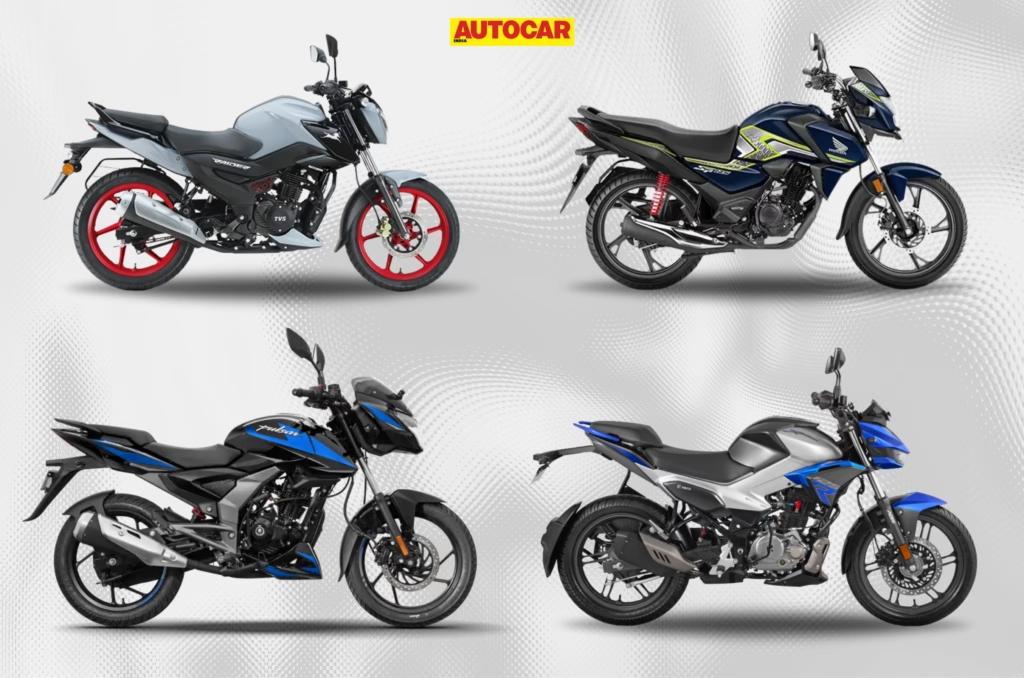
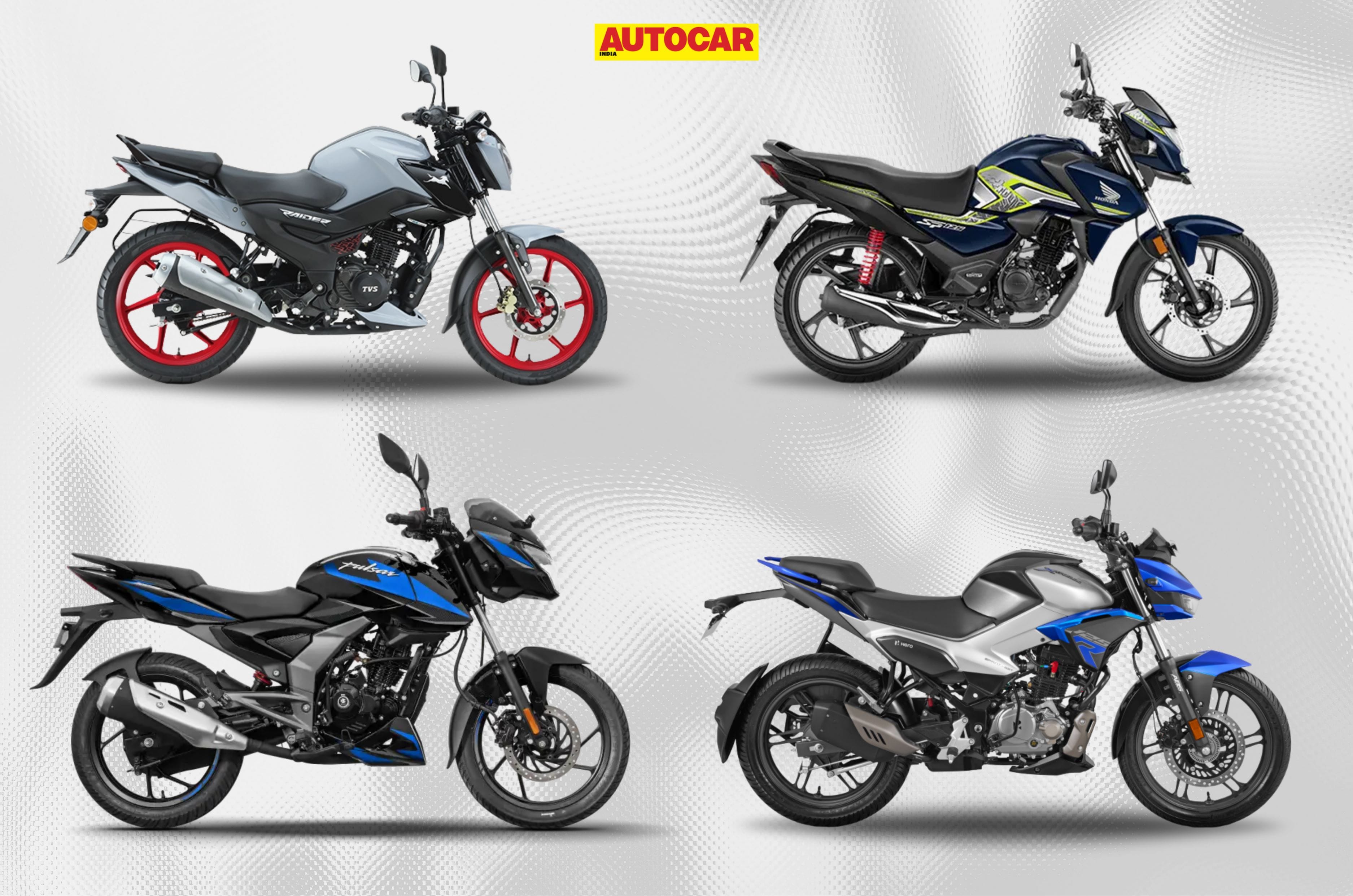
Until fairly recently, the 125cc segment in India was dominated by simple, no-frills commuters. However, that’s begun to change, with manufacturers introducing models that add more character, features and performance to the mix while still keeping prices in check. With that in mind, we’ve rounded up the most powerful 125cc motorcycles you can currently buy in India for under Rs 1 lakh.

All prices are ex-showroom, Delhi.

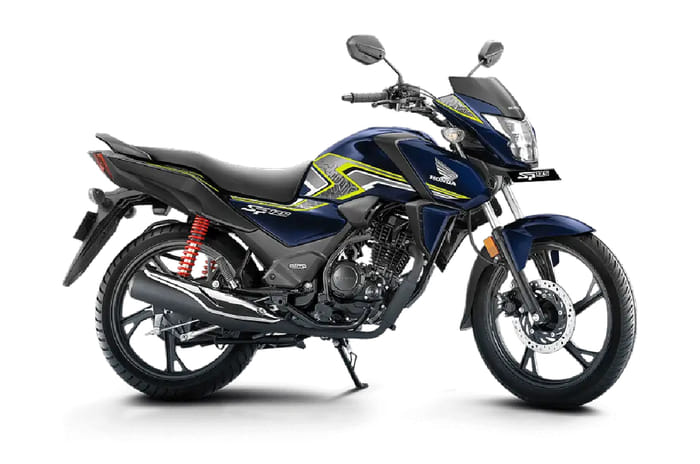
1. Honda SP 125

10.9hp – Rs 97,335 onwards

The 123.94cc single-cylinder air-cooled engine on the Honda SP 125 produces a modest 10.9hp and 10.9Nm. As part of its 2025 update to meet OBD2B emission norms, it also gained the Bluetooth-enabled 4.2-inch TFT display from the Activa 125, along with a USB charging port.

Also see: 

Honda SP 125 BS6 review, test ride

2. TVS Raider 125

11.4hp – Rs 83,910 onwards

Launched in 2021, the TVS Raider 125 played a key role in redefining what a 125cc bike could look and feel like. With its sporty design and a larger-than-usual presence for a commuter, it’s a motorcycle aimed at younger riders.

Power comes from a 124.8cc single-cylinder engine producing 11.4hp and 11.2Nm. We’ve tested the Raider on both the track and the street, and its engine impresses with tractable performance for daily commuting, along with a playful edge that keeps things entertaining. 

Equipment levels are strong too, with an LCD unit, two ride modes (Eco and Power) that adjust the rev limit and TVS’s Glide Through Technology. There are seven variants in total, all using the same engine, and only the top-end SX variant crosses the Rs 1 lakh mark at Rs 1.01 lakh.

Also see:

TVS Raider 125 review, test ride

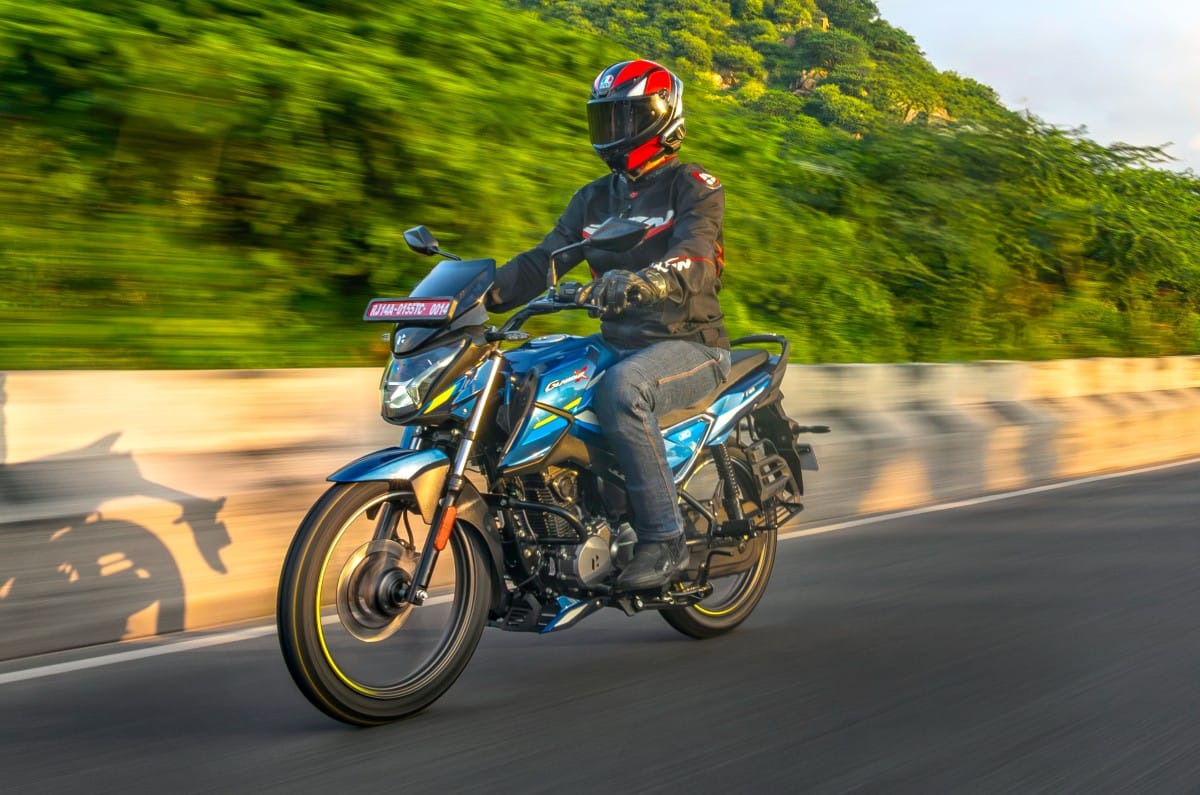
3. Hero Glamour X

11.5hp – Rs 88,517 

The Glamour X launched late last year, with cruise control functionality being the headlining feature for this humble 125cc commuter. Unheard of in two or three segments above, Hero managed to plonk this convenience feature in a 125cc along with a few others such as riding modes and a segmented colour LCD dash. Priced from Rs 88,517, the base variant misses out on a front-disc brake and some standout features. However, the top variant with all the tech is priced at Rs 96,876. It comes powered by a 124.7cc, air-cooled, single-cylinder engine producing 11.5hp and 10.5Nm. This engine is shared with the Xtreme 125R.  

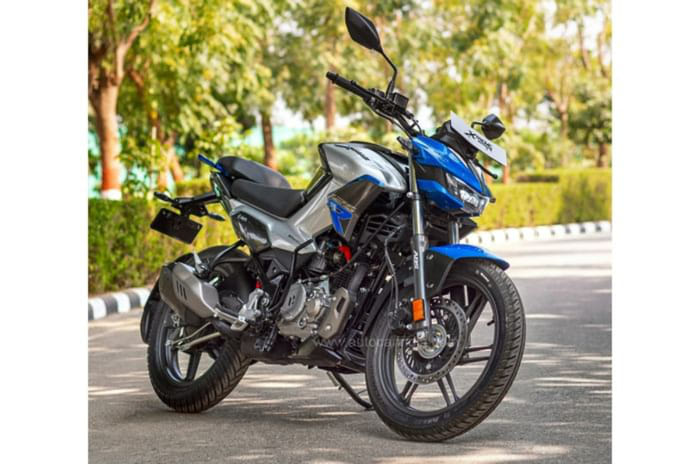
4. Hero Xtreme 125R

11.5hp – Rs 98,425 onwards

The Hero Xtreme 125R is powered by a 124.7cc single-cylinder air-cooled engine producing 11.5hp and 10.5Nm. Much of its visual appeal comes from the fact that it borrows heavily from its larger sibling, the Xtreme 160 – including a chassis based on that bike and the same 37mm telescopic fork. The Xtreme 125R is offered in three variants, with only the IBS (Integrated Braking System) version priced under Rs 1 lakh.

Also see:

Hero Xtreme 125R vs TVS Raider 125 performance compared

5. Bajaj Pulsar 125

12.1hp – Rs 92,990 onwards

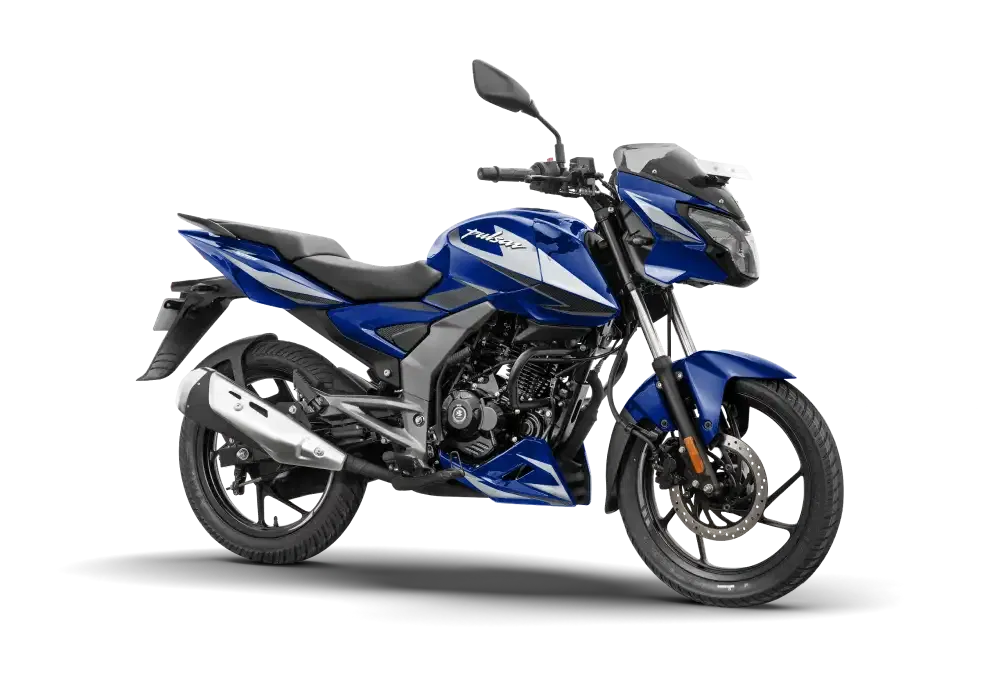
At long last, Bajaj has updated the Classic Pulsar range, and it has moved on to the second generation after 25 years. It would be wrong to say that the models weren’t updated over the years, since the first Pulsar came out with a round headlight, and subsequently, the Classic Pulsar range moved on to the iconic ‘Wolf-eye’ design. Now, in 2026, Bajaj has launched a new generation of the Pulsar 125 that is also the most powerful motorcycle in its segment. It comes with a brand-new 124.58cc single-cylinder air/oil-cooled engine producing 12.1hp at 8,500rpm (a gain of 0.3hp) and 11.4Nm at 6,500rpm (a gain of 0.6Nm). This makes it the most powerful 125cc motorcycle, and it also comes generously equipped with features such as an LED headlight and a TFT dash on the top variants. 

Bajaj Pulsar N160 SS: 3 reasons to buy and 2 reasons to skip it

Bajaj Pulsar N160 SS: 3 reasons to buy and 2 reasons to skip it
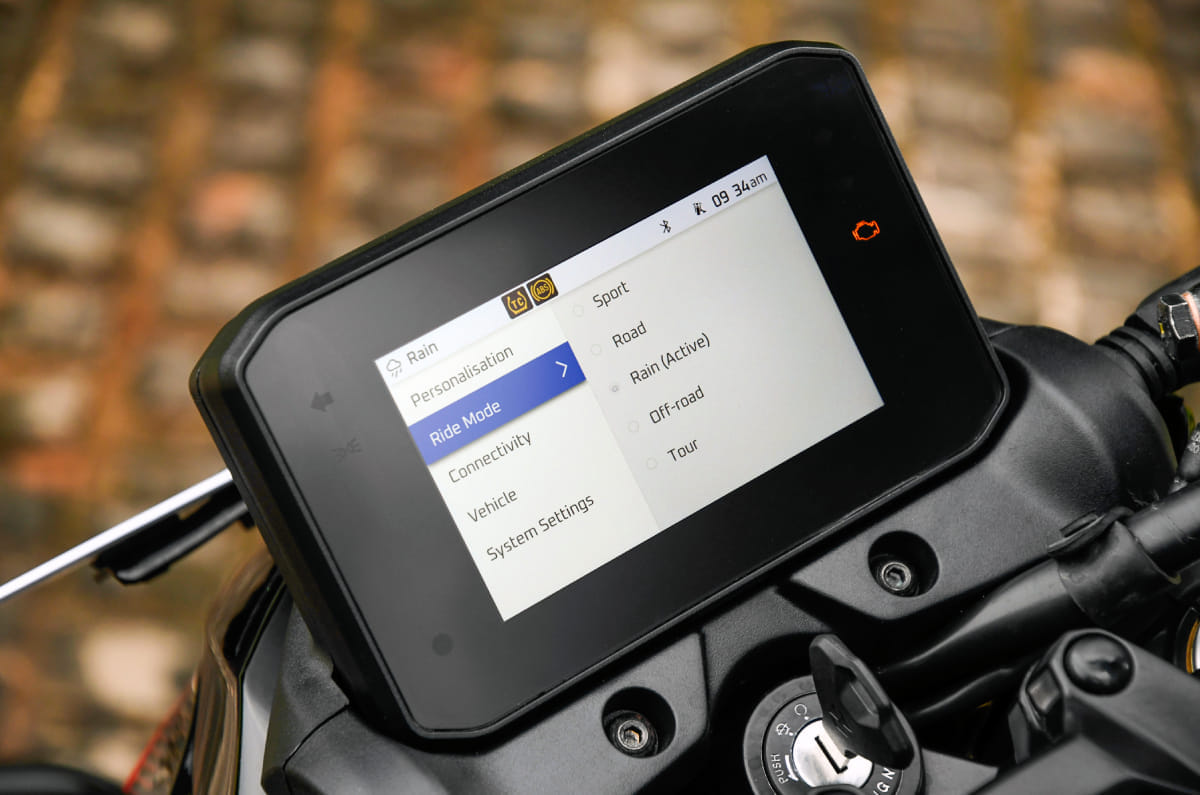
Bajaj Pulsar N160 4V SS

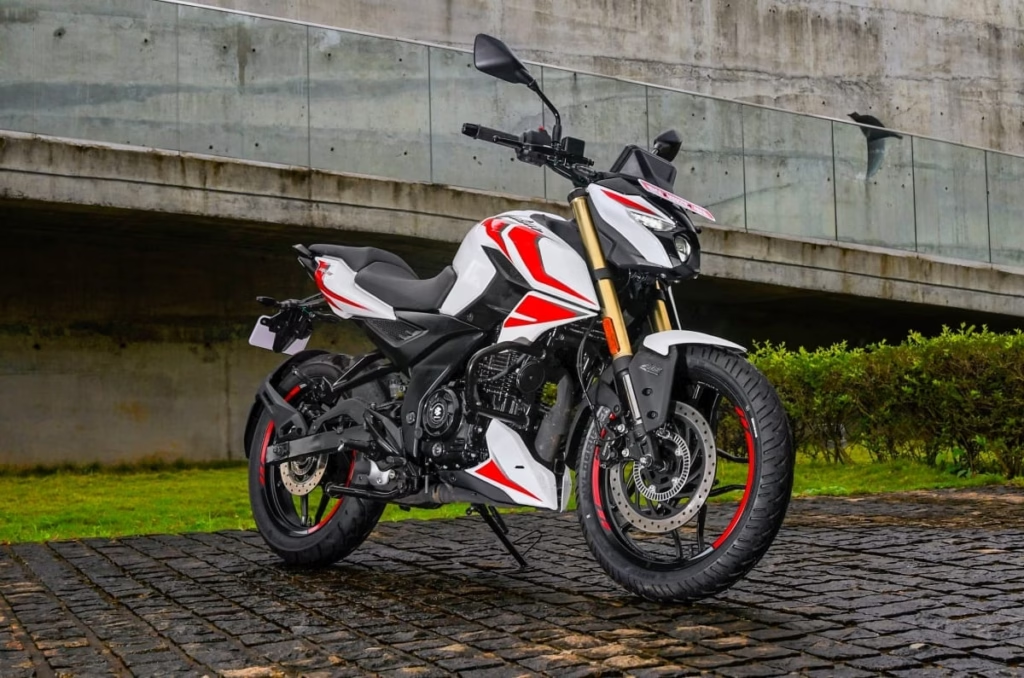
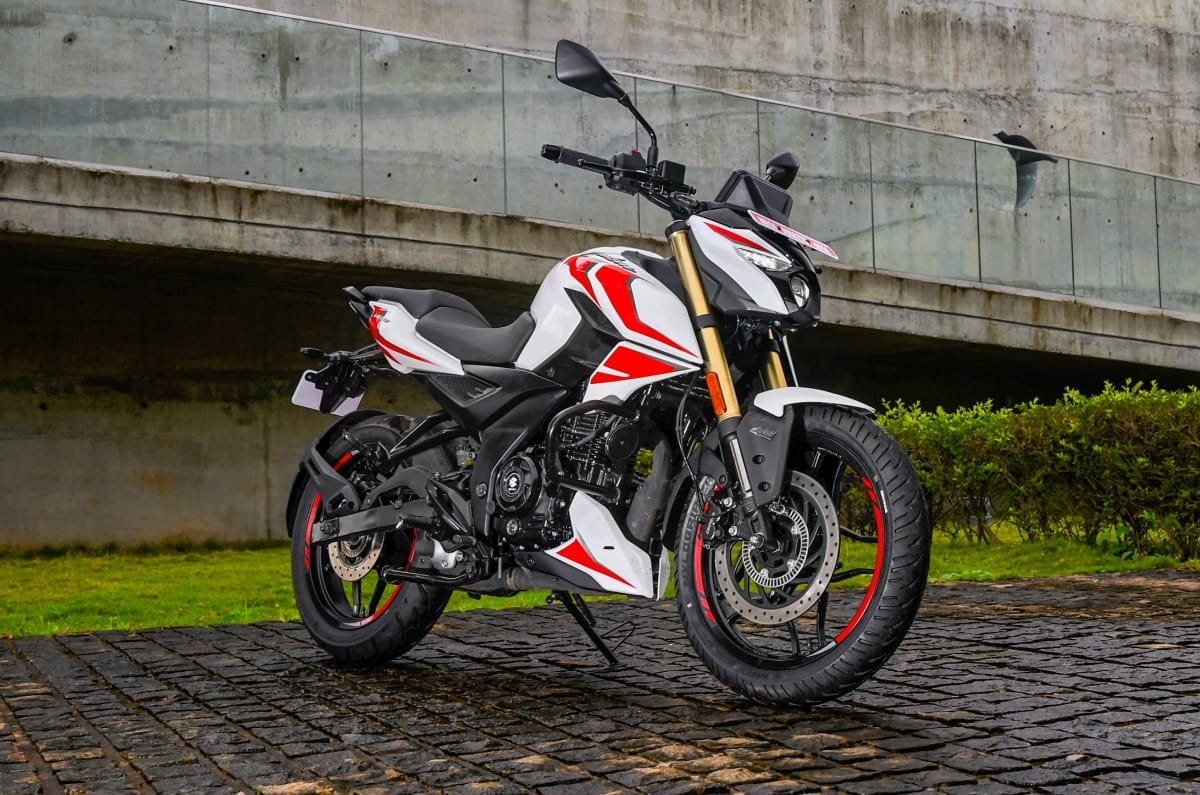
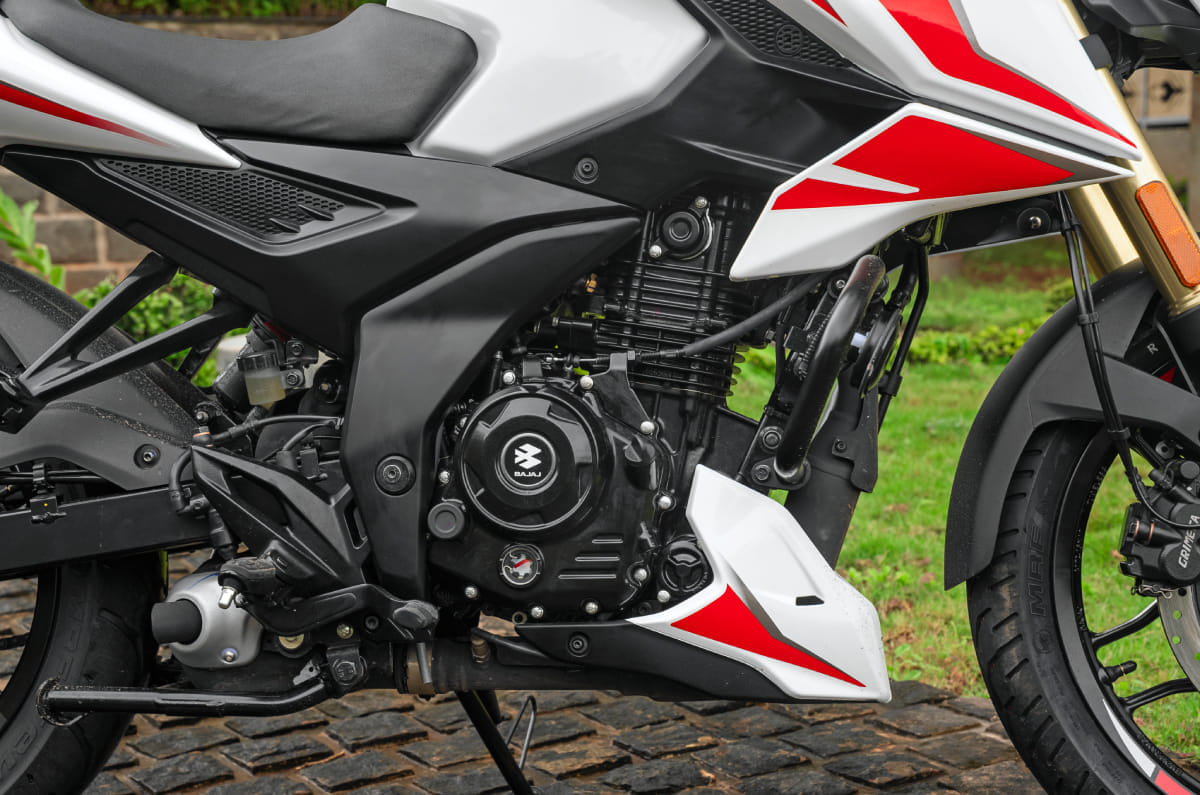
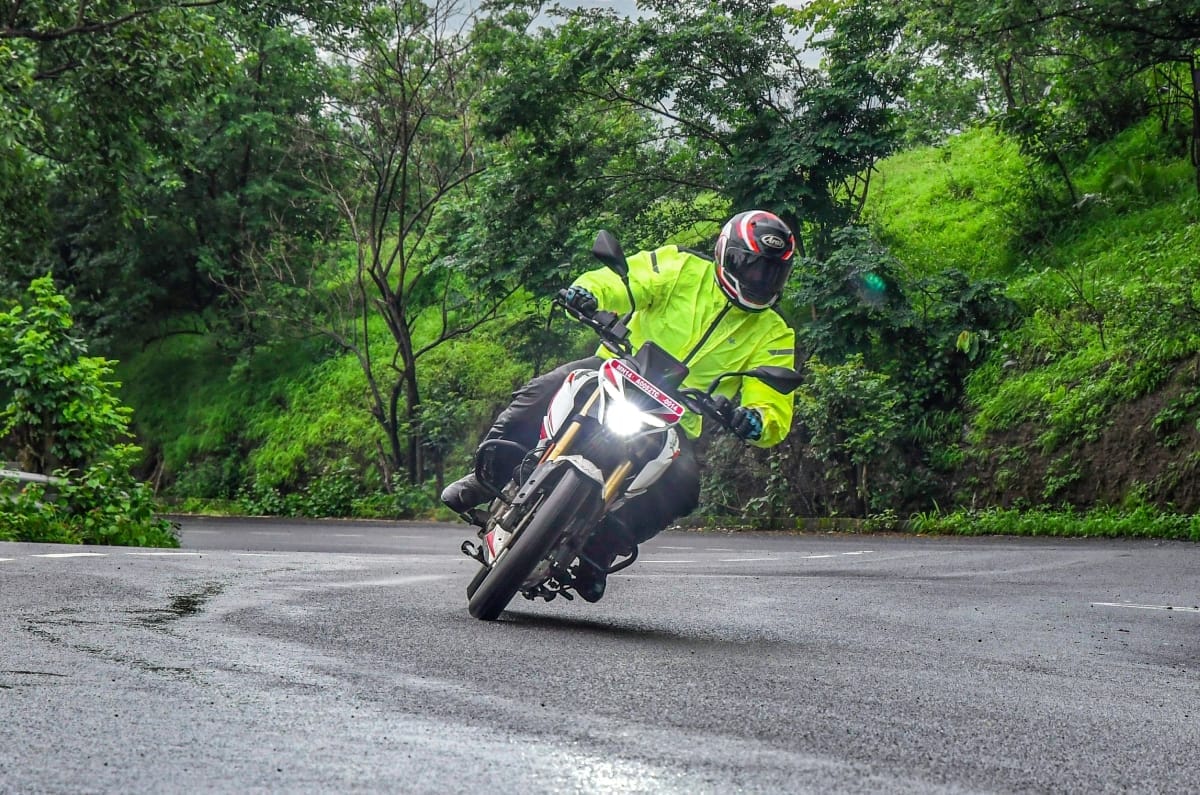
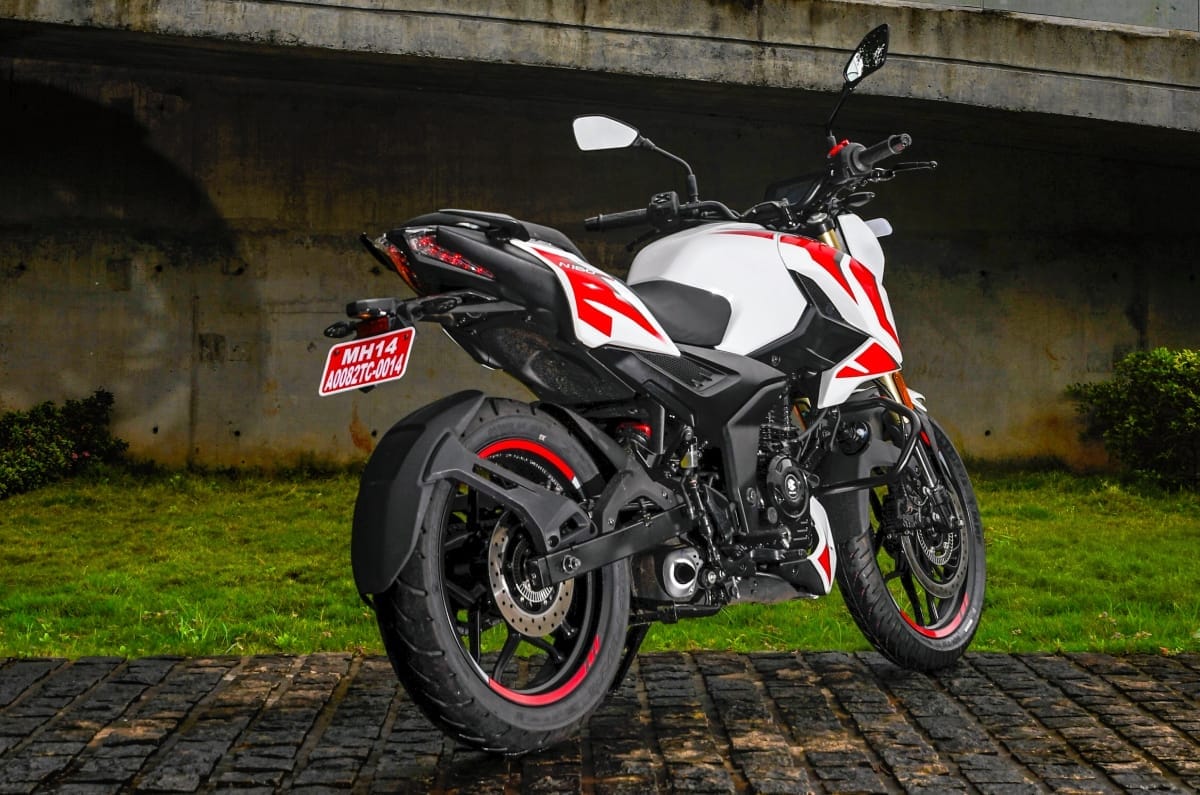
The Bajaj Pulsar N160 4V SS is the top variant of the updated N160 range, bringing a significantly reworked engine with ride-by-wire, a new 37mm USD fork, a 5-inch TFT display and Google Maps casting to a segment that was already competitive. It continues alongside the 2-valve N160 rather than replacing it. Here’s what works in its favour and a couple of reasons it might not be for everyone.

Reasons to buy the Bajaj Pulsar N160 4V SS

Smooth, tractable and genuinely quick

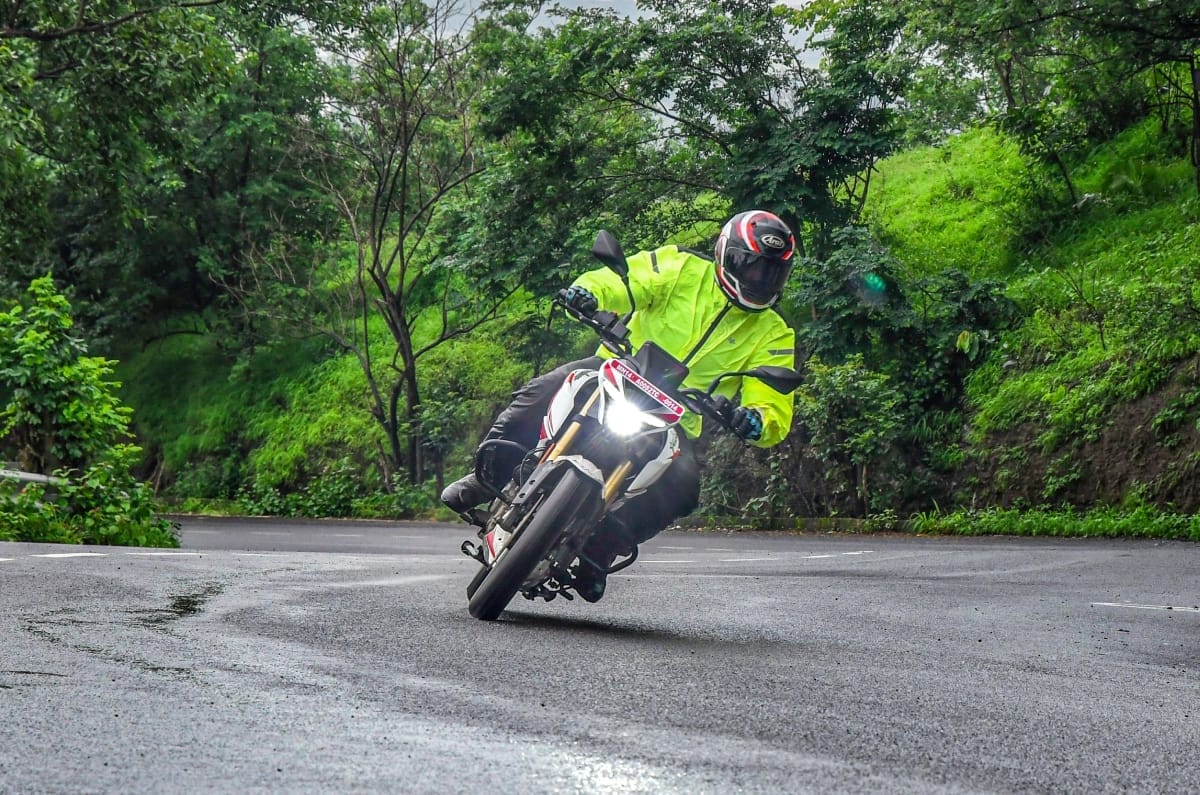
The new 4-valve engine is a more significant step up than the numbers alone might suggest. Despite producing 18.5hp at 9,500rpm from the same 165cc displacement, it retains the excellent smoothness and tractability of the outgoing 2-valve unit, with only minor vibrations at high revs and a very light clutch pull. During our time with the bike, we found it genuinely pleasant to ride in the city at lower revs, while still having enough performance higher up in the range to more closely match the TVS Apache RTR 160 4V, which was a rival it previously trailed. 

TFT display and features that justify the step up

The SS model comes with a 5-inch TFT display that happens to be the most feature-rich instrument cluster in the segment, offering Bluetooth music control, document storage and Google Maps casting. The last feature works seamlessly on Android devices (with the phone screen staying off during casting) but iOS users will need to keep their screen on, which is a Google limitation rather than Bajaj’s. Ride-by-wire unlocks four riding modes, making this the only bike in the 160cc segment to offer them. Dual-channel ABS and a larger 300mm front disc are also part of the SS package.

Competitive pricing

At Rs 1.43 lakh (ex-showroom), the N160 4V SS is priced slightly above the equivalent top variant of the TVS Apache RTR 160 4V but offers a more comprehensive feature set in return. With a 4-valve engine, ride-by-wire, a USD fork, dual-channel ABS and feature-rich TFT display, the value proposition is genuinely strong for what the segment offers.

Reasons to skip the Bajaj Pulsar N160 4V SS

Suspension is on the firmer side

Despite the move to the larger 37mm USD fork, the overall suspension tune retains the taut, firm character of previous N160 models. It handles rough roads competently and corners well, but doesn’t have the soft, cushioned feel of rivals like the Apache RTR 160 4V. Riders who spend long hours in the saddle or frequently encounter broken urban surfaces may find it harder work than the competition.

Kerb weight and turning radius

At 151kg, the N160 4V SS is not the lightest motorcycle in its class, and this makes itself felt in slow-speed city manoeuvring. The turning radius in particular is less generous than ideal for navigating tight urban situations and that’s a practical drawback that everyday commuters are likely to notice more than those who primarily ride on open roads.

Bajaj Pulsar 125: Price and Variants Explained

Bajaj Pulsar 125: Price and Variants Explained
Front right quarter studio image of the Bajaj Pulsar 125 in Dark Silver + Aqua Blue colour

Bajaj has updated the Pulsar 125 comprehensively with the new version having four variants, compared to two on the previous iteration. Similar to the Pulsar 150, the aim is to offer value for money and to wit, Bajaj has packed in a sizable set of features into each variant, but how do they differ from each other? Fret not, let us help.

All prices mentioned are ex-showroom, Delhi.

Bajaj Pulsar 125 variant breakdown

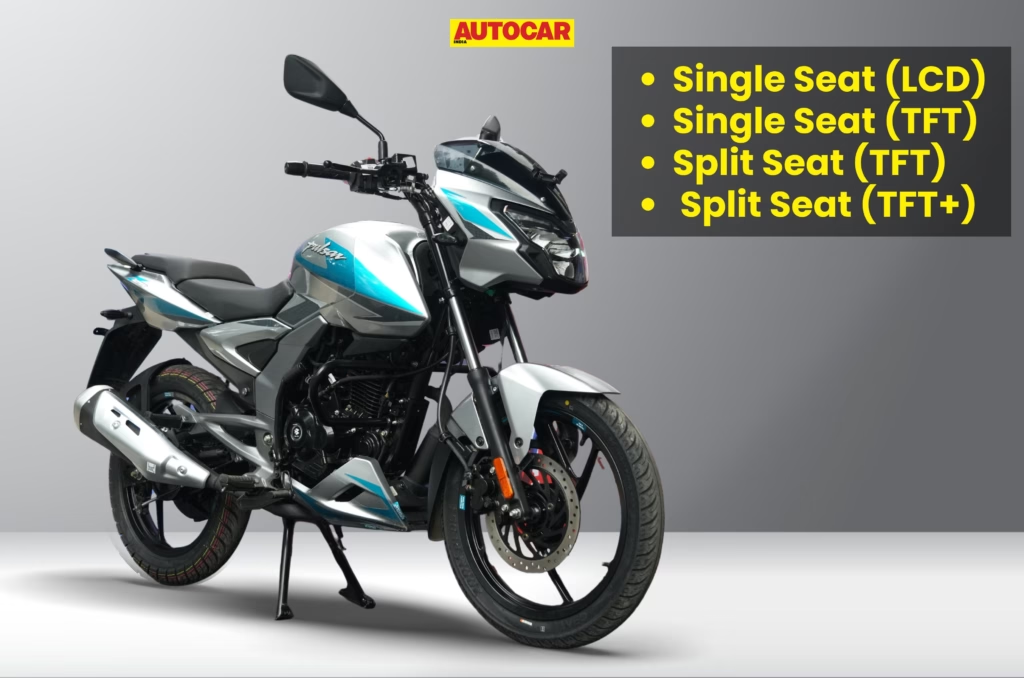
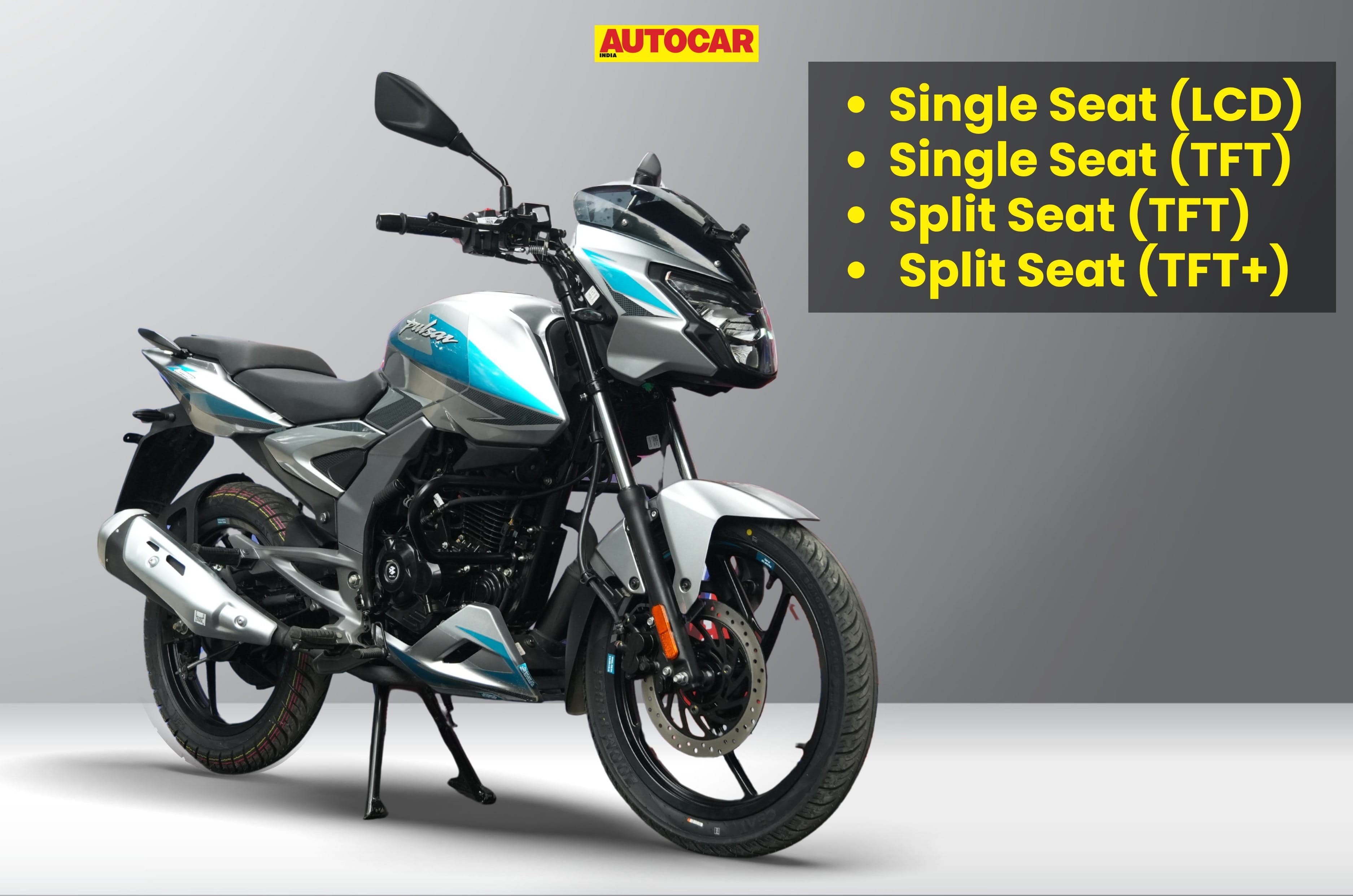
Pulsar 125 Single Seat (LCD)

All four variants share the new single-cradle chassis and the 124.58cc engine making 12.1hp at 8,500rpm and 11.4Nm torque at 6,500 rpm, a marginal bump of 0.3hp and 0.6Nm over the 124.38cc engine on the previous gen. All four variants share the same LED headlight and taillight, tyres, and front and rear suspensions. Bluetooth and turn-by-turn navigation is also common to all of them.

The base Single Seat (LCD) variant, like the name implies, gets a single seat piece and an LCD instrument cluster. It gets a 240mm front disc with a 130mm rear drum brake as well as Combined Braking System (CBS) as standard. It uses bulb indicators and offers a USB type-C port as an optional extra accessory. This variant is priced at Rs 92,900.

Pulsar 125 Single Seat (TFT)

The second variant, once again mentioned in the name, replaces the LCD instrument cluster with a 5-inch TFT display. Other areas in the ride package see upgrades as well. This variant adds three ride modes, an integrated starter generator (ISG), and gets the USB Type-C port as standard fitment. There’s also a larger 260mm front disc and the indicators are LED as well, with hazard lights function. Bajaj has priced this variant at Rs 99,291, Rs 6,391 step up over the base variant.

Pulsar 125 Split Seat (TFT)

The next variant swaps the single seat pad for a split rider and pillion pads for just over a lakh of rupees. It’s otherwise identical to the previous variant.

Pulsar 125 Split Seat (TFT+)

Don’t let the + mislead you into thinking that this top variant is another small step up. There are three upgrades on this one. Starting with the cluster itself, the TFT display on this one exclusively gets WiFi support, enabling Google Maps mirroring for navigation. It’s also the only one getting a belly pan as standard for added protection to the engine sump and it gets a dual-horn, compared to the single-horn on the rest. For these three features, this variant’s asking price is Rs 1.04 lakh, roughly Rs 4,000 over the last variant.
 

₹99,999 में लॉन्च Ather का नया स्कूटर, Konark की मार्केट में इनसे होगी भिड़ंत

Ather Energy New Launch: दिग्गज दोपहिया इलेक्ट्रिक कंपनी एथर एनर्जी ने आज 29 अगस्त को अपना नया इलेक्ट्रिक स्कूटर कोणार्क (Konark) लॉन्च किया है। इसकी शुरुआती कीमत कंपनी ने ₹99,99 रखी है। इसके जरिए कंपनी ने मास-मार्केट सेगमेंट में एंट्री की है। इससे पहले एथर की पहचान मुख्य रूप से प्रीमियम/स्पोर्टी इलेक्ट्रिक स्कूटर्स से थी लेकिन अब कोणार्क के साथ इसने पहली बार बड़े मास-मार्केट सेगमेंट में गंभीरता से प्रवेश किया है। कंपनी ने इसे अपने सालाना कम्युनिटी डे प्रोग्राम में लॉन्च किया है।

Ather Energy के Konark की खास बातें

एथर एनर्जी ने कोणार्क की शुरुआती कीमत ₹99,999 रखी है।

यह स्कूटर कई अलग-अलग रेंज कॉन्फिगरेशन में उपलब्ध होगा। इस लाइनअप में 100 किलोमीटर रेंज वाला वेरिएंट ₹99,999 और 125 किलोमीटर रेंज वाला वेरिएंट ₹1,21,999 है। दोनों की बिक्री सितंबर 2026 में शुरू होने वाली है।

161 किमी रेंज वाला एक और वैरिएंट आने वाला है जिसकी कीमत ₹1,44,999 रखी गई है तो 200 किमी रेंज वाले कोणार्क को भी Q3 2027 में लाने की योजना है। एथर के प्रोडक्ट रोडमैप में कोणार्क जेड भी है, जिसके 125 किमी और 161 किमी रेंज वाला वेरिएंट Q2 2027 में आ सकता है।

यह एथर के न्यू-जेनेरेशन ईएल प्लेटफॉर्म पर बनाया जाने वाला पहला प्रोडक्शन स्कूटर है।

कोणार्क के साथ एथर अपने पोर्टफोलियो को 450 और रिट्जा की रेंज से आगे बढ़ाया है।

कोणार्क के दाम एथर की ही रिट्जा से कम रखे गए हैं और मार्केट में इसकी सीधे टीवीएस और बजाज से भिड़ंत होगी। ₹99,999 की कीमत पर इसका एंट्री-लेवल वेरिएंट टीवीएस आईक्यूब (TVS iQube) और बजाज चेतक सी2501 (Bajaj Chetak C2501) की कीमत के लगभग बराबर है। वहीं ₹1,21,999 वाला 125 किलोमीटर रेंज का कोणार्क की भिड़ंत एथर के ही एंट्री-लेवल रिट्जा एस (Rizta S) के मुकाबले में आ जाता है, जिसकी शुरुआती कीमत ₹1,21,499 है।

कीमत के मुकाबले रेंज की बात करें तो कोणार्क का 100 किलोमीटर वाला वेरिएंट चेतक सी2501 की 113 किलोमीटर और एंट्री-लेवल आईक्यूब की 114 किलोमीटर रेंज के मुकाबले अधिक स्पष्ट फायदा नहीं देता है। हालांकि 144 किलोमीटर वाला वेरिएंट अधिक क्षमता वाले iQube और Chetak वेरिएंट के करीब पहुंचता है, तो यह एथर की अधिक प्रीमियम 450 रेंज से नीचे रहता है।

भिड़े OpenAI और SpaceX, इस कारण टूटने जा रहा एआई सर्विसेज का कॉन्ट्रैक्ट

Ather Konarc: एथर ने लॉन्च किया सस्ता इलेक्ट्रिक स्कूटर Konarc, कीमत ₹99999 से शुरू, जानिए इसके फीचर्स और पूरी रेंज

इलेक्ट्रिक टू-व्हीलर बनाने वाली कंपनी एथर एनर्जी ने भारतीय बाजार में अपने पहले मास-मार्केट इलेक्ट्रिक स्कूटर एथर कोनार्क लॉन्च कर दिया है. कंपनी ने 29 अगस्त को आयोजित अपने सालाना एथर कम्युनिटी डे के मौके पर इस नए स्कूटर के लॉन्चिंग का ऐलान किया है. एथर कोनार्क की शुरुआती कीमत ₹99999 तय की गई है. इसके जरिए कंपनी की नजर अब प्रीमियम सेगमेंट से आगे बढ़कर भारत के विशाल आम उपभोक्ता वर्ग को साधने पर है. 1 लाख रुपये से लेकर 1.44 लाख रुपये तक के बजट सेगमेंट में उतारे गए इस स्कूटर को एथर की मौजूदा 450 सीरीज की तुलना में अधिक पारिवारिक और व्यावहारिक लुक में डिजाइन किया गया है.

100 किमी से लेकर 200 किमी तक की रेंज, जानिए सभी वेरिएंट्स की कीमतें

एथर ने कोनार्क इलेक्ट्रिक स्कूटर को ग्राहकों की जरूरत और बजट के अनुसार कई रेंज विकल्पों और वेरिएंट्स के साथ पेश किया है. 100 किमी रेंज वेरिएंट की शुरुआती कीमत ₹99999 रखी गई है.125 किमी रेंज वेरिएंट की कीमत ₹121999 रखी गई है. ये दोनों शुरुआती वेरिएंट्स सितंबर से बिक्री के लिए उपलब्ध होंगे. इसके अलावा कंपनी भविष्य के लिए भी अपना मजबूत रोडमैप लेकर आई है.

कंपनी ₹144999 की कीमत पर अधिक रेंज देने वाले 161 किमी रेंज वेरिएंट को उतारने की योजना बना रही है. लंबी दूरी तय करने वाले लोगों के लिए 200 किमी की रेंज वाला कोनार्क वेरिएंट 2027 की तीसरी तिमाही में लॉन्च किया जाएगा. कंपनी अपने रोडमैप के तहत 125 किमी और 161 किमी रेंज विकल्पों के साथ कोनार्क Z को 2027 की दूसरी तिमाही में पेश करेगी.

नए EL प्लेटफॉर्म पर आधारित पहला इलेक्ट्रिक स्कूटर

एथर कोनार्क कंपनी के नए-जनरेशन EL प्लेटफॉर्म पर आधारित पहला प्रॉडक्शन स्कूटर है. इस प्लेटफॉर्म को एथर ने विशेष रूप से वर्सेटिलिटी, स्केलेबिलिटी और मैन्युफैक्चरिंग क्षमता में सुधार के लिए तैयार किया है. एथर की 450 सीरीज वाले प्लेटफॉर्म के बाद यह कंपनी का पहला पूरी तरह से नया व्हीकल आर्किटेक्चर है. ईएल प्लेटफॉर्म को सबसे पहले एथर कम्युनिटी डे 2025 के दौरान पेश किया गया था, जहां कंपनी ने रिड्यूक्स (Redux) कॉन्सेप्ट व्हीकल, नेक्स्ट-जनरेशन फास्ट चार्जिंग टेक्नोलॉजी और AtherStack 7.0 को शोकेस किया था.

एथर को उम्मीद है कि यह नया प्लेटफॉर्म उसके कंज्यूमर सपोर्ट का दायरा बढ़ाएगा और मास-मार्केट सेगमेंट में कंपनी की ग्रोथ को नई रफ्तार देगा. भविष्य में कंपनी के कई अन्य प्रोडक्ट्स भी इसी ईएल प्लेटफॉर्म पर आधारित होंगे.

बाजार में किससे होगी सीधी टक्कर?

एथर कोनार्क बाजार में उतरते ही टीवीएस और बजाज के स्थापित फैमिली स्कूटर्स को सीधी चुनौती देता है. ₹99999 की शुरुआती कीमत पर कोनार्क का एंट्री-लेवल वेरिएंट सीधे TVS iQube और Bajaj Chetak C2501 के समान प्राइस ब्रैकेट में आता है.

हालांकि, चेतक C2501 (113 किमी) और एंट्री iQube (114 किमी) की तुलना में कोनार्क के 100 किमी वाले बेस वेरिएंट में रेंज का कोई बड़ा फर्क नहीं है, लेकिन इसका 161 किमी वाला वेरिएंट चेतक व आईक्यूब के टॉप-एंड वेरिएंट्स को कड़ी टक्कर देता है.

₹121999 की कीमत वाला 125 किमी रेंज का कोनार्क, एथर के ही अपने मौजूदा रिज्टा एस के करीब है, जिसकी शुरुआती कीमत ₹121499 है.

मास-मार्केट की जरूरतों को पूरा करने का सही समय: तरुण मेहता

लॉन्च के मौके पर एथर के सीईओ और को फाउंडर तरुण मेहता ने कहा कि भारतीय इलेक्ट्रिक टू-व्हीलर मार्केट अब शुरुआती खरीदारों से आगे बढ़कर मेनस्ट्रीम कस्टमर्स की ओर बढ़ रहा है.

उन्होंने सोशल मीडिया प्लेटफॉर्म एक्स पर लिखा कि हम वर्षों से एक अच्छे स्कूटर को बनाने के लिए जरूरी आर्किटेक्चर और तकनीकों में निवेश कर रहे हैं. उन्होंने आगे लिखा कि अब ईवी को एक कस्टमर के लिए रीसेल वैल्यू, सर्विसिंग में लगने वाला समय, खराब सड़कों पर राइडिंग कंफर्ट से लेकर आसान और सुपर-फास्ट चार्जिंग जैसी सारी जरूरतों को पूरा करना है.

तरुण मेहता ने आगे कहा कि आज के समय में बेहतर विजिबल सेफ्टी, आसान चार्जिंग सुविधाएं और सॉफ्टवेयर-लेड सेफ्टी कस्टमर्स के ओनरशिप एक्सपीरियंस का सबसे अहम हिस्सा बन चुके हैं.

अपने पोर्टफोलियो को 450 सीरीज और रिज्टा से आगे बढ़ाते हुए, एथर कोनार्क के जरिए आम उपभोक्ताओं की हर जरूरत को पूरा करने का दावा कर रहा है.