Bajaj Pulsar 150 new vs old: Price and differences explained

Bajaj Pulsar 150 new vs old: Price and differences explained
Bajaj Pulsar 150 New vs Old: Price and differences explained

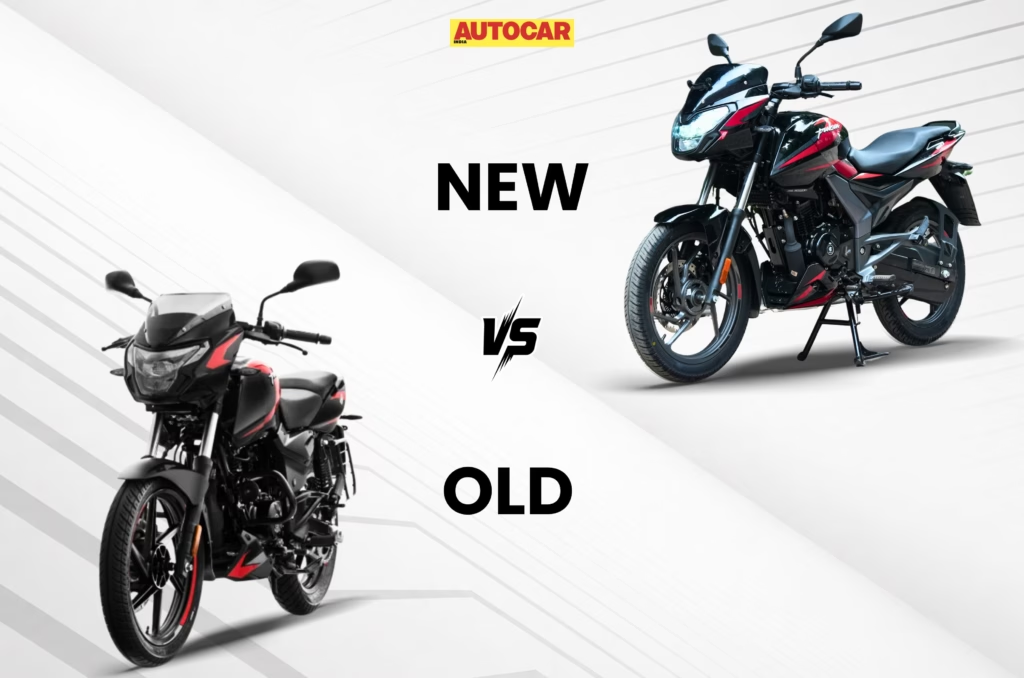
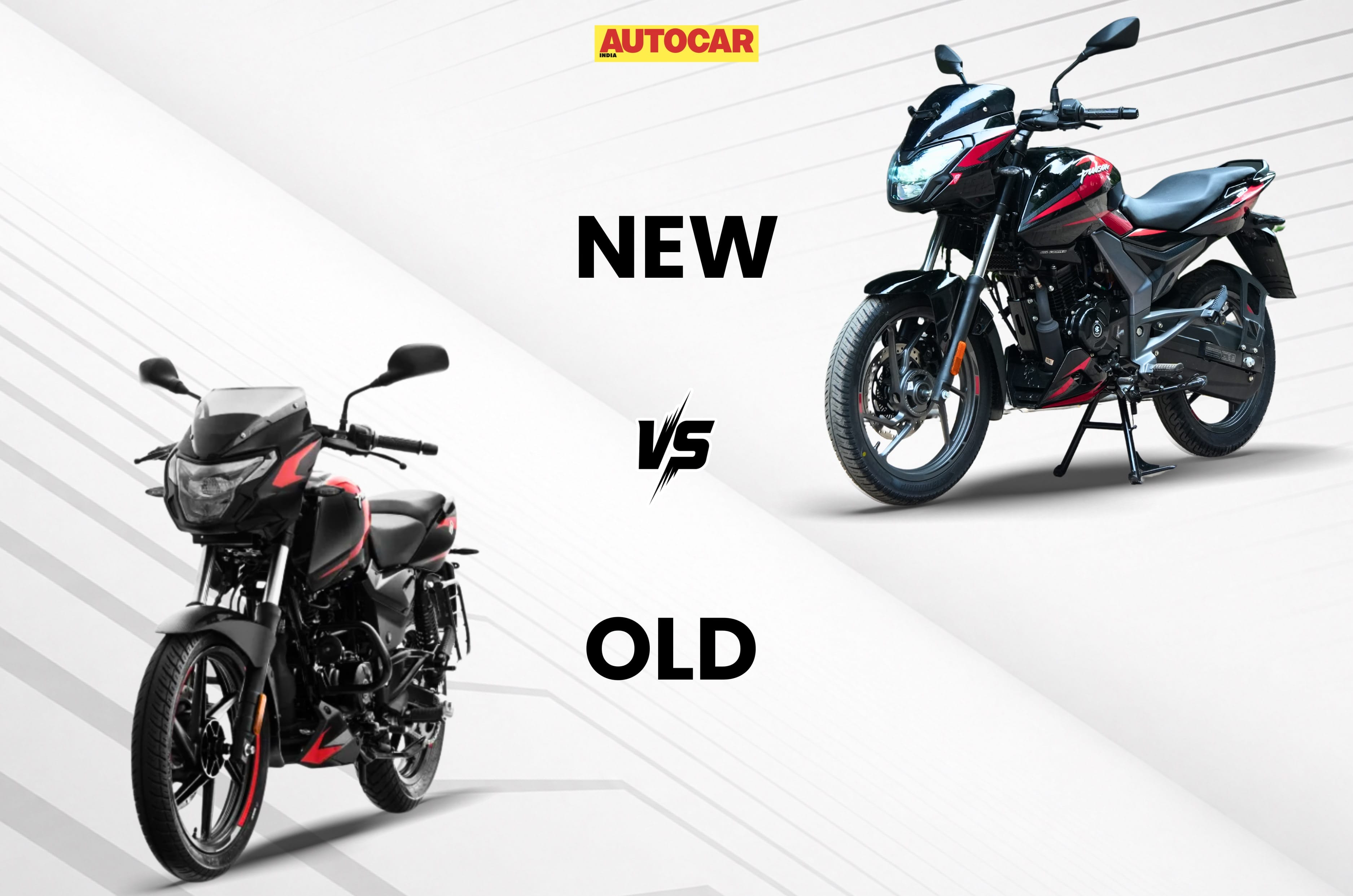
After what seems like a long, drawn-out process, Bajaj has finally launched the all-new classic Pulsar 150 and Pulsar 125. The new Pulsar 150 brings a lot to the line, with a new engine and frame, along with a whole lot of new features. However, it has also lost some of the features from the previous Pulsar 150 it replaces. Let’s see what those are, in detail. At the end, you can decide if the proverbial “old is gold” applies to the Pulsar 150 too.

Note: At the time of writing, Bajaj hasn’t shared the exact dimensions and kerb weight for the new Pulsar 150, so this comparison skips that part. We’ll update this once we get the details from Bajaj.

Bajaj Pulsar 150 new vs old: Engine changes

Same power but more torque than before


New Bajaj Pulsar 150

Old Bajaj Pulsar 150

Engine

149.5cc, single-cylinder, oil-cooled

149.5cc, single-cylinder, air-cooled

Power

14hp at 8,000rpm

14hp at 8,500rpm

Torque

14.1Nm at 6,500rpm

13.2Nm at 6,500rpm

Transmission

5-speed

5-speed

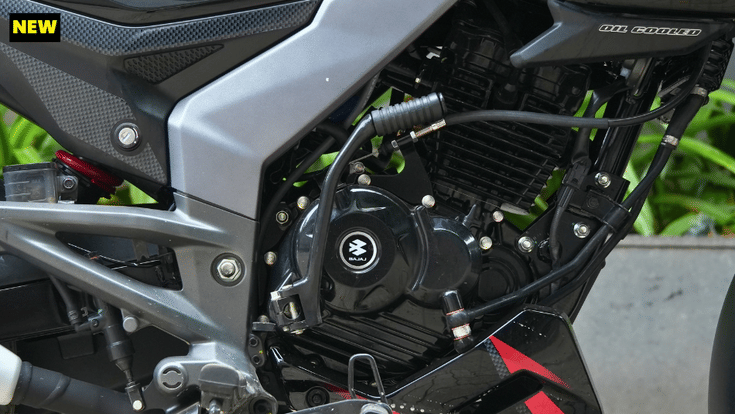
Both models have a 149.5cc engine, but they are anything but the same. The old one, for example, was an air-cooled unit, but the new engine upgrades to oil cooling. And while the power figure remains the same, it’s delivered 500rpm earlier. Torque, on the other hand, has increased.
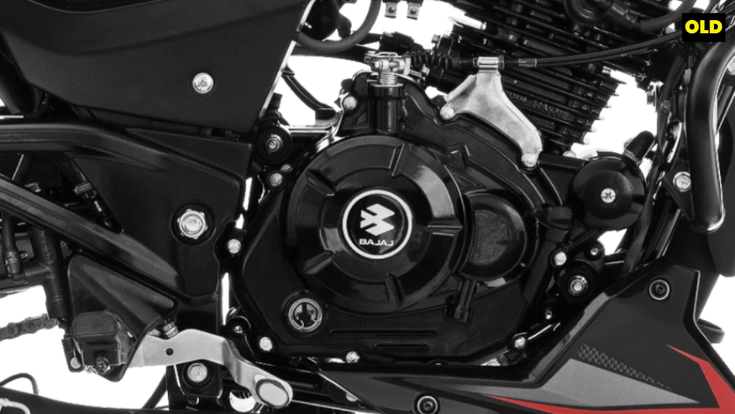
Bajaj Pulsar 150 old engine
Bajaj Pulsar 150 New engine


Considering that the cubic capacity itself remains unchanged, this is a commendable improvement from Bajaj. The company also claims an improved 0-60kph timing owing to an improved power-to-weight ratio. However, we don’t know by how much that has improved.

Bajaj Pulsar 150 new vs old: Chassis, headlight and suspension

The older Pulsar had a bigger fork
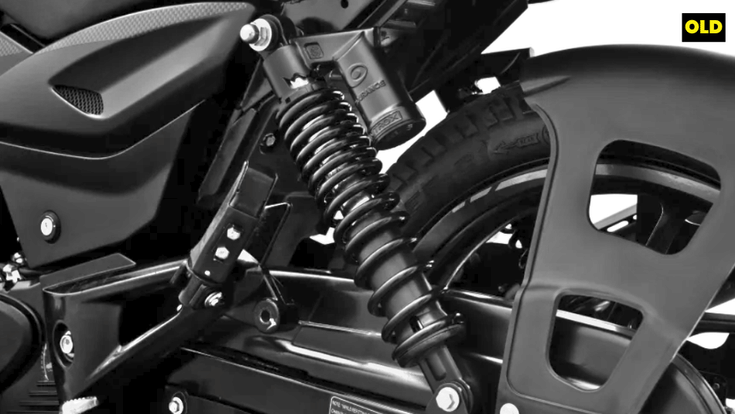
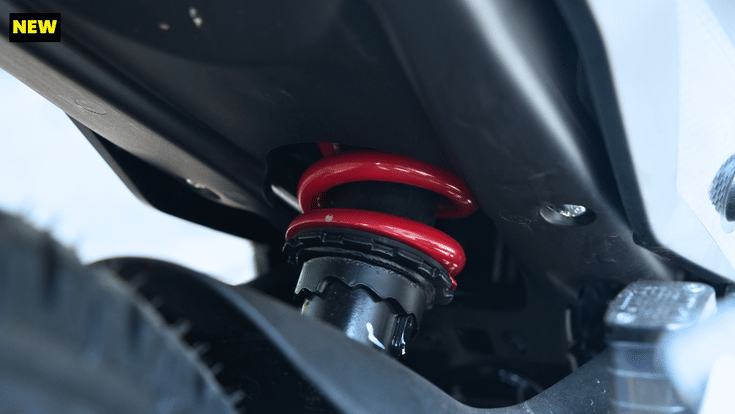
Bajaj Pulsar 150 rear shocks
Bajaj Pulsar 150 monoshock


Keeping in line with the all-new theme, Bajaj has also changed the chassis and the suspension setup on the new Pulsar 150. The dual-cradle frame has been swapped for a simpler single-cradle or diamond frame, with the engine now acting as a stressed member. Bajaj says the change gives the Pulsar 150 greater stiffness, enabling better handling and stability.
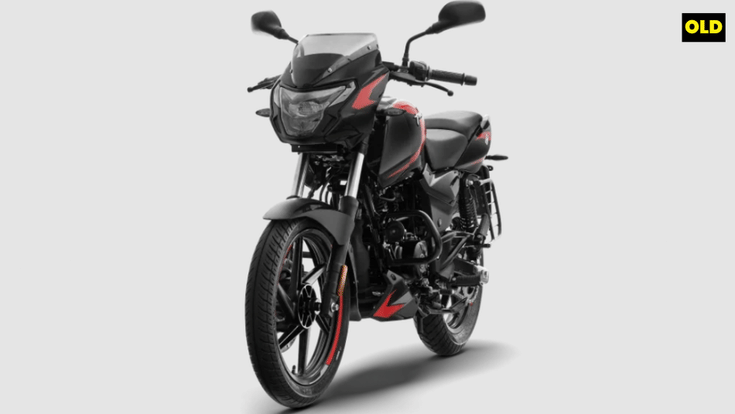
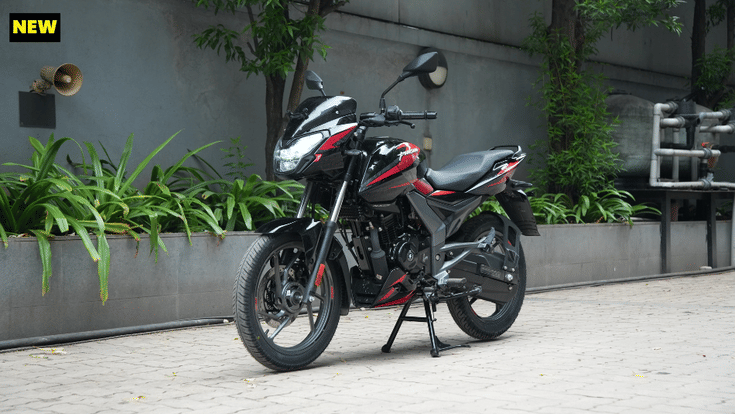
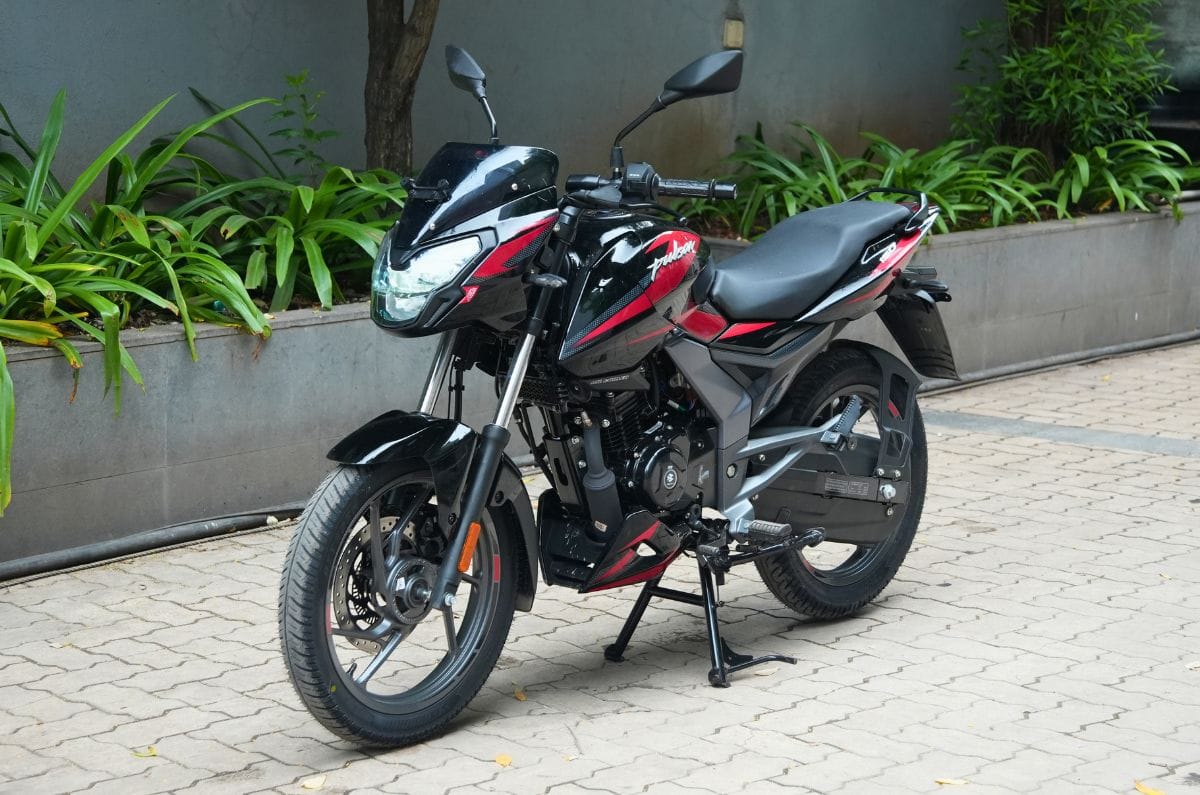
Bajaj Pulsar 150 front three quarter headlight
Bajaj Pulsar 150 new front three quarter headlight


The fork on the new Pulsar 150 remains a right-side-up (RSU) telescopic unit. However, the previous top variant of the Pulsar 150, Split Seat, had a larger 37mm fork with 130mm of travel. The base variant had a 31mm fork with an even longer 135mm of travel. The new Pulsar 150 swaps both for an in-between 33mm-diameter fork and a shorter 125mm travel. While the reduced travel is unlikely to compromise the bike’s functionality by a noticeable amount, it’s worth mentioning nevertheless. The rear suspension, on the other hand, has seen improvements across the board. The familiar twin-shock setup has been chucked for a brand-new monoshock unit, and the travel has been increased by 8mm to 110mm. Bajaj claims the change gives the Pulsar 150 greater straight-line and cornering stability.
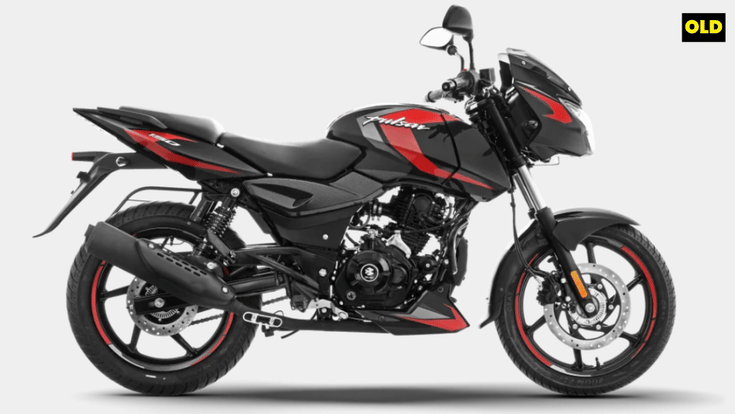
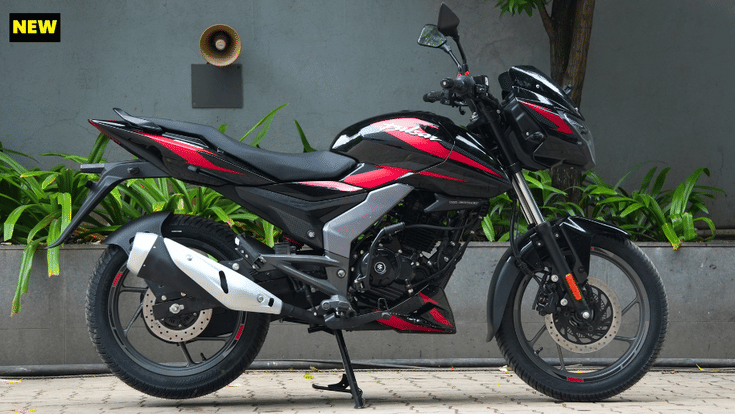
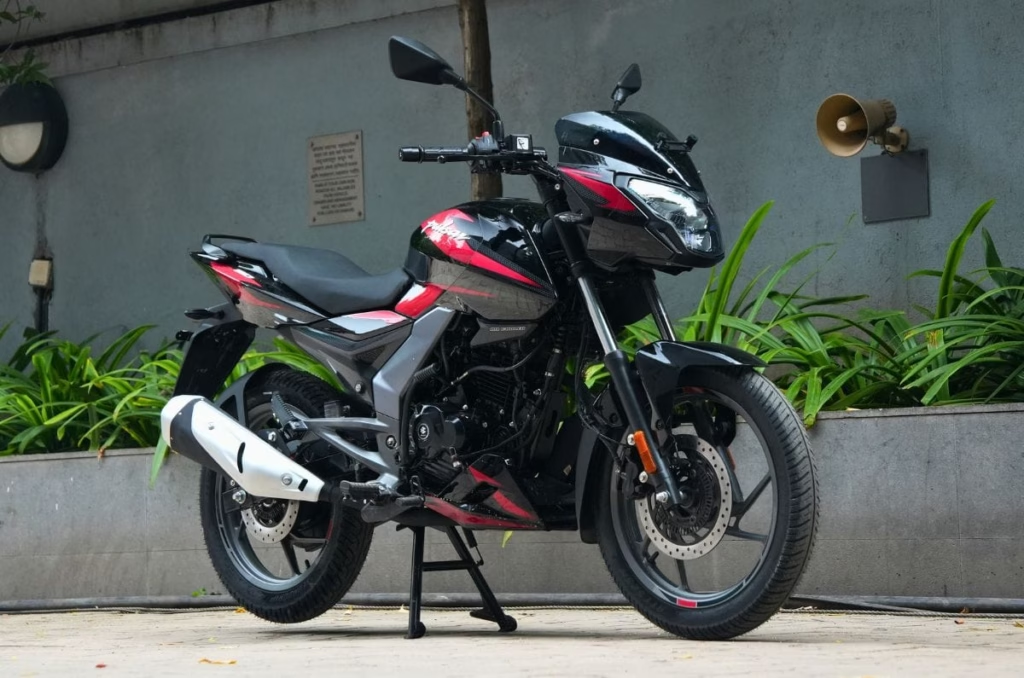
Bajaj Pulsar 150 right side profile old
Bajaj Pulsar 150 right side profile new


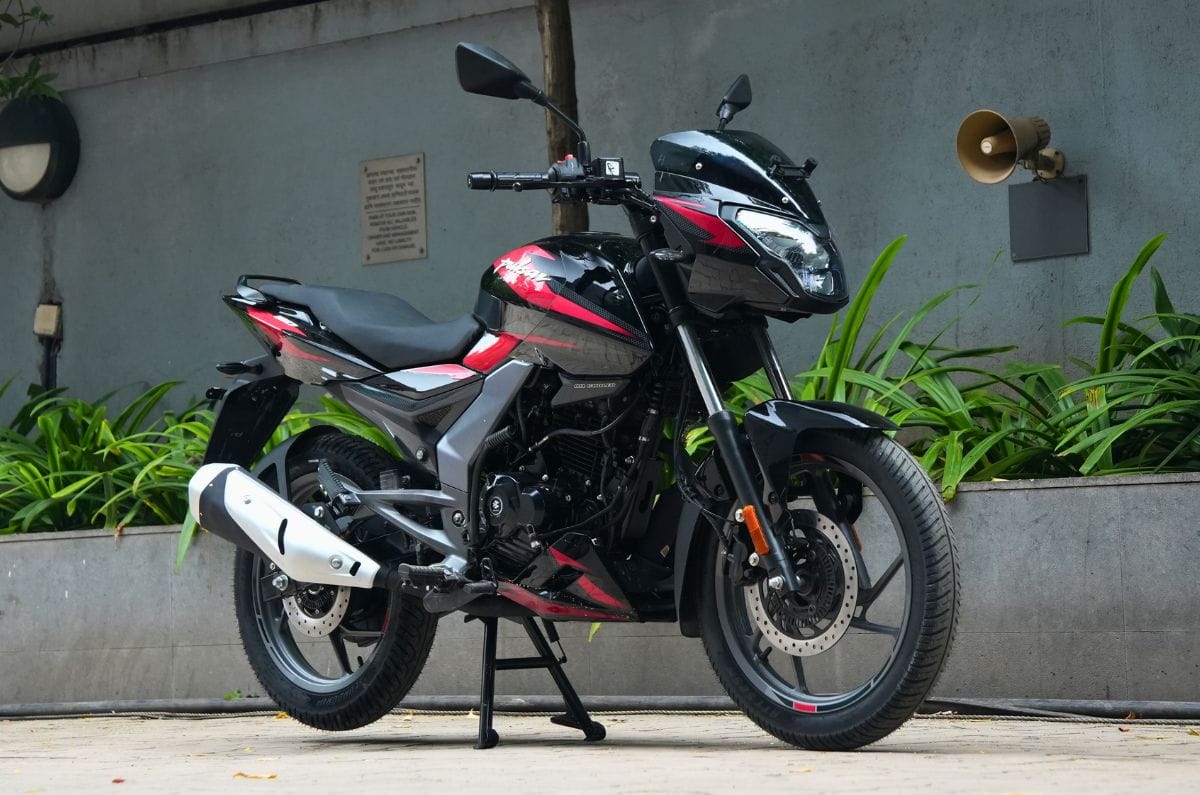
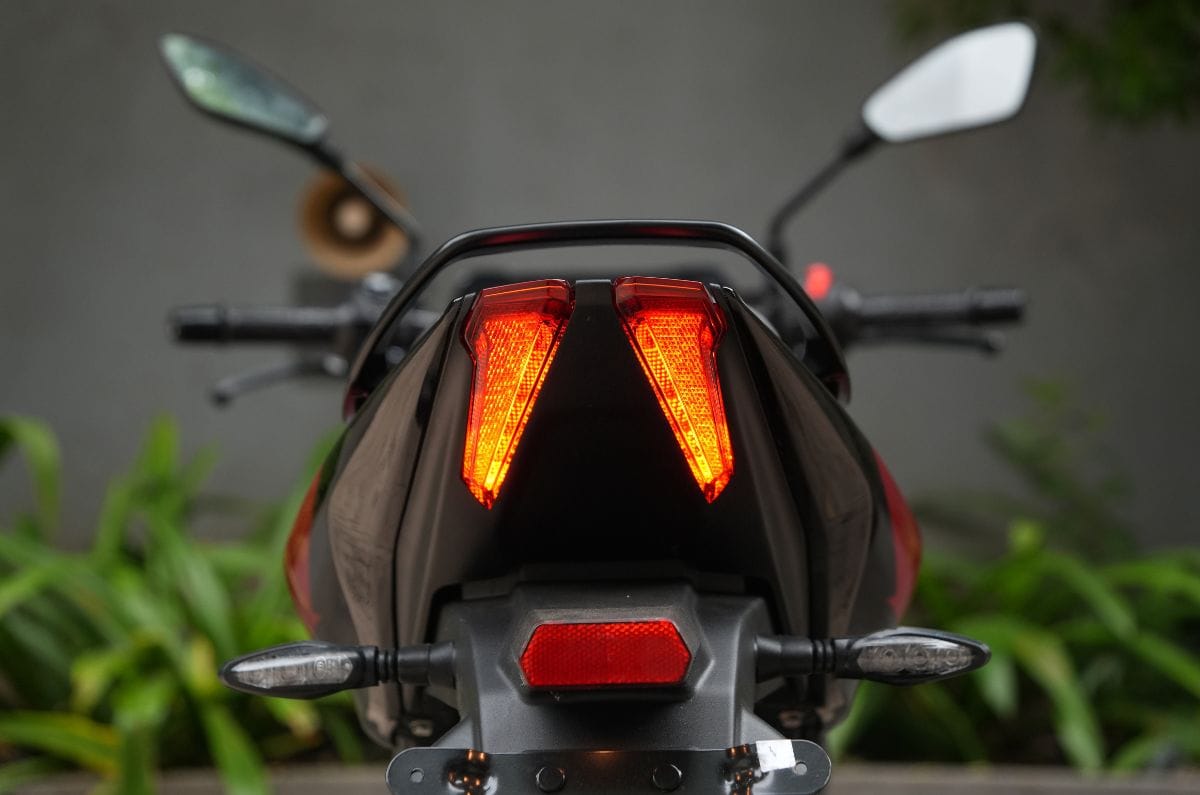
The lighting setup on the Pulsar has also changed. While the headlight and tail-light continue to be LED across the board, Bajaj has slightly redesigned the fairing on the new Pulsar 150. The LED indicators that were previously standard, though, are now only available on the top two variants. The new Pulsar 150 also has hazard lights but only on the top two variants. These two variants get the belly pan as standard, too.

Bajaj Pulsar 150 new vs old: Wheels, tyres and brakes

New Pulsar 150 has smaller tyres and brakes


New Bajaj Pulsar 150

Old Bajaj Pulsar 150

Tyres (F, R)

80/100-17, 100/90-17

80/100-17, 100/90-17 (base); 90/90-17, 120/80-17 (top)

Brakes (F, R)

260mm disc, 130mm drum (base); 260mm disc, 230mm disc (mid and top)

260mm disc, 130mm drum (base); 280mm disc, 230mm disc (top)

ABS

Single-channel ABS

Single-channel ABS

Moving on to the tyres, the top variant of the outgoing Pulsar 150 had larger tyres at both the front and rear. The new one, however, standardises the base variant’s tyre sizes for all three variants. The same goes for the front brakes. Both old and new Pulsar 150s stick to having single-channel ABS as standard. If you need dual-channel ABS, you would have to upgrade to the Pulsar N160’s top variant.

Bajaj Pulsar 150 New vs Old: Features

Host of new features on the new Pulsar 150

This is the one area where the new Pulsar 150 unabashedly moves things forward. The previous Pulsar 150’s base variant had a semi-digital instrument cluster, and the top variant had the negative LCD instrument cluster. Both are gone now, with a new 5-inch LCD cluster taking their place on the base variant and the mid and top variants getting a 5-inch TFT cluster. All three variants come with Bluetooth as standard, while the top variant even adds WiFi support. All three get connected features such as music control and call and SMS alerts.
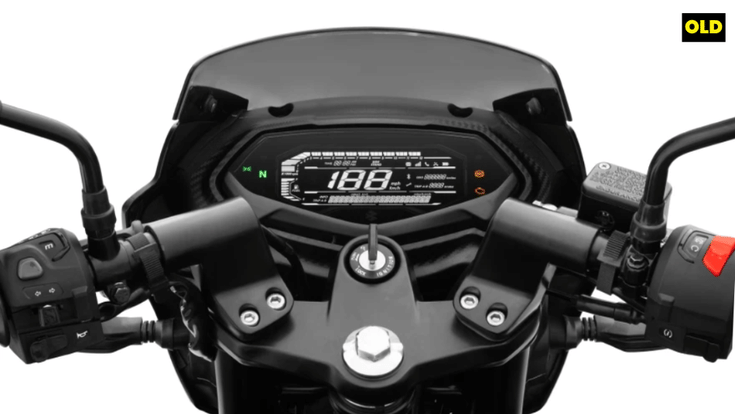
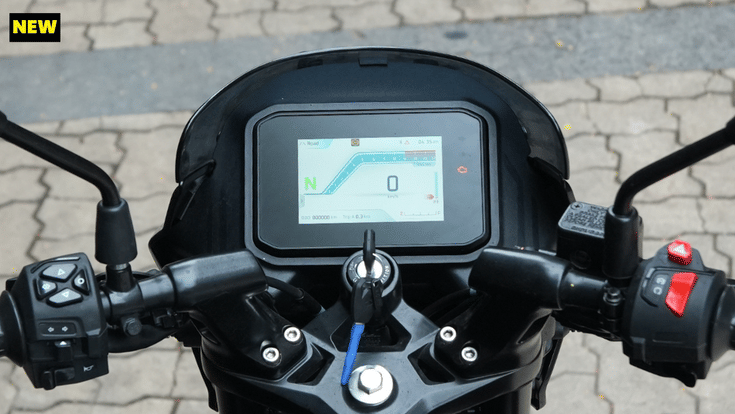
Bajaj Pulsar 150 old dash
Bajaj Pulsar 150 New dash


However, only the TFT cluster can store important documents like the licence and RC for quick access. Additionally, the top variant exclusively gets Google Maps mirroring for navigation, whereas the other two stick to turn-by-turn navigation. If you are worried that the navigation will drain your phone’s battery, the new Pulsar 150 also gives you a USB Type-C port, an upgrade from the previous version’s USB Type-A port, but only on the top two variants.

The Pulsar 150 has three ride modes – Road, Rain and Sport – with crawl tech and an integrated starter generator (ISG) adding to the convenience. ISG is once again exclusive to the top two variants. Crawl tech makes navigating stop-and-go traffic easier, whereas ISG gives you a silent start and a stop-start system to help conserve fuel.

Bajaj Pulsar 150 New vs Old: Price

Costlier by at least Rs 4,000 
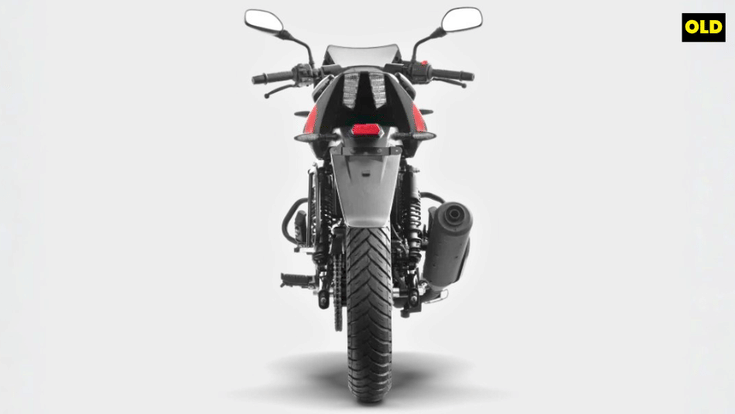
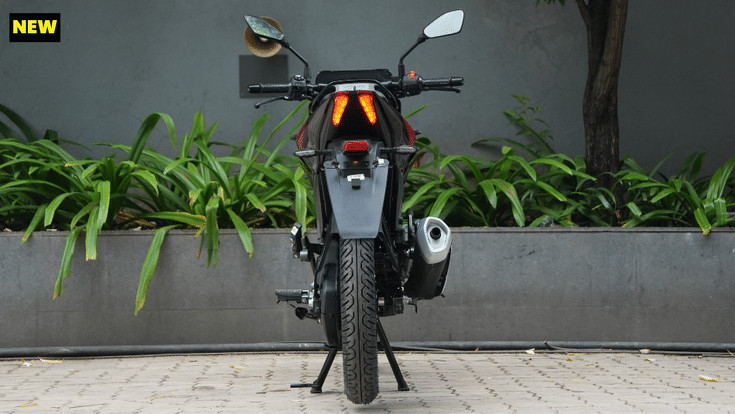
Bajaj Pulsar 150 rear profile
Bajaj Pulsar 150 new rear profile


New Bajaj Pulsar 150

Old Bajaj Pulsar 150

Price range (in Rs)

1.15 lakh-1.23 lakh

1.11 lakh-1.18 lakh

With all the new changes and features, the new Pulsar 150 starts at Rs 1.15 lakh for the base variant and goes up to Rs 1.23 lakh for the top variant. For context, the old Pulsar 150’s price ranged between Rs 1.11 lakh and Rs 1.18 lakh. While the new Pulsar 150 gives you more features, it also lacks some things compared to the older model. Deciding whether it’s really an upgrade therefore requires a test ride, as the real-world experience is hard to conclude based on the spec sheet alone.

Prices are ex-showroom, Delhi.
 

All-new Bajaj Pulsar 150 image gallery

All-new Bajaj Pulsar 150 image gallery
Bajaj Pulsar 150 left front three quarter

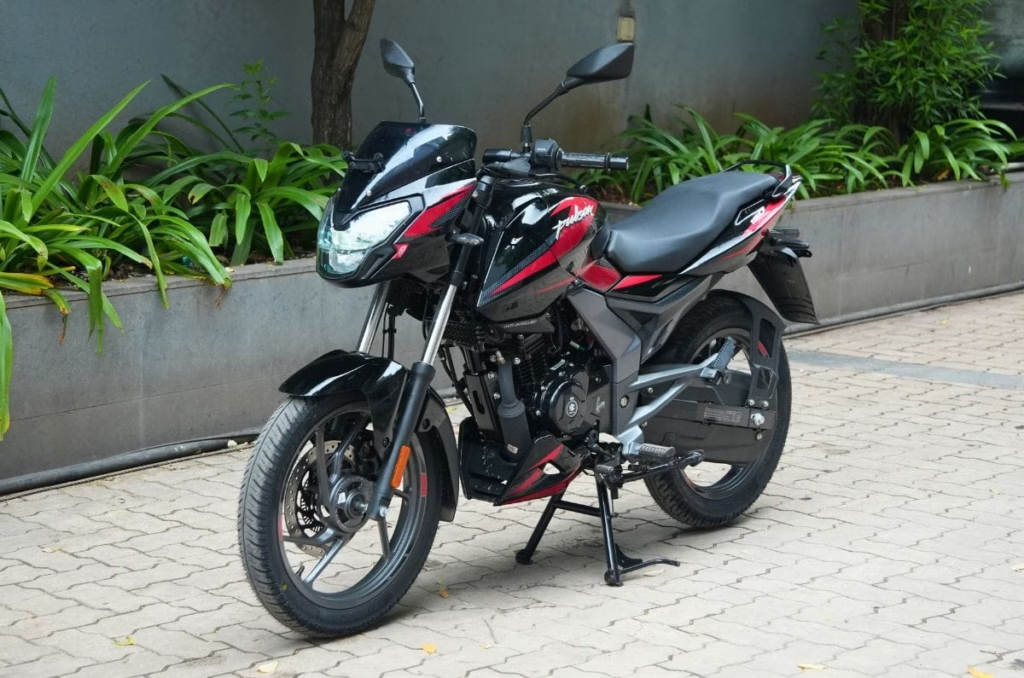
After months of anticipation and teasing, Bajaj has finally revealed an all-new Pulsar 150 today with almost all the parts of the motorcycle receiving substantial upgrades while retaining the classic Pulsar silhouette. 

Starting with the 149.5cc, single-cylinder, air/oil-cooled engine which at first glance looks similar to the existing one, with the same 14hp power. However, the engine has two major changes. The peak power is now delivered at 8,000rpm, 500rpm earlier than the existing engine. And peak torque has gone up to 14.1Nm; 0.9Nm more than before, though it is delivered at the same 6,500rpm.

The next big change is that the rear suspension is now a monoshock, as opposed to the conventional twin-shocks setup. The front continues with a right side up (RSU) telescopic fork with 33mm diameter with 125mm of travel and the rear suspension travel is 110mm. Stopping duties are handled by a 260mm front disc and a 230mm rear disc (130mm rear drum on the base variant). 

 the fairing on the new one has been redesigned for a more aggressive look with the top two variants getting all-LED lighting as standard. Bajaj has priced the base SD Single Seat variant at Rs 1.15 lakh with the fully loaded, TD Split Seat variant costing Rs 1.23 lakh.

All-new Bajaj Pulsar 150 launched from Rs 1.15 lakh

All-new Bajaj Pulsar 150 launched from Rs 1.15 lakh

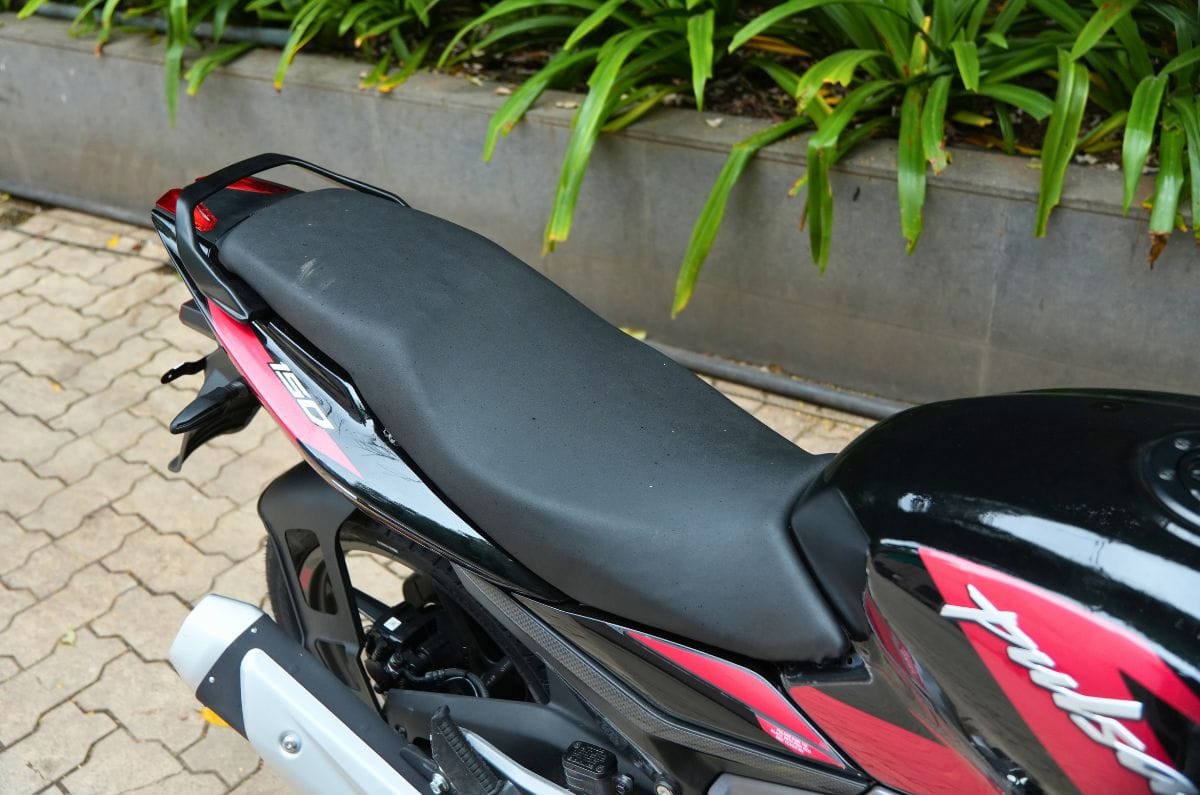
After months of anticipation and teasing, Bajaj has finally revealed an all-new Pulsar 150 today with almost all the parts of the motorcycle receiving substantial upgrades while retaining the classic Pulsar silhouette. There are three variants now, SD Single Seat, TD Single Seat, TD Split Seat. The latter two variants get a 5-inch TFT instrument cluster and an Integrated Starter Generator (ISG). All three models also get a crawl mode to make navigating traffic easier.

  1. Gets three variants, top variant gets Google Maps mirroring
  2. New gearbox with easier lower end tractability
  3. ISG and crawl modes to make low speed riding even easier

Gets meaningful updates everywhere

With a bunch of new features

Starting with the 149.5cc, single-cylinder, air/oil-cooled engine which at first glance looks similar to the existing one, with the same 14hp power. However, the engine has two major changes. The peak power is now delivered at 8,000rpm, 500rpm earlier than the existing engine. And peak torque has gone up to 14.1Nm; 0.9Nm more than before, though it is delivered at the same 6,500rpm. Bajaj has also given the motorcycle a new gearbox with specific focus on low speed tractability. The frame too sees an upgrade with a new single-cradle frame replacing the dual-cradle frame. The engine now acts as a stressed member of the engine, which Bajaj says improves overall ride and stability.

The next big change is that the rear suspension is now a monoshock, as opposed to the conventional twin-shocks setup. The front continues with a right side up (RSU) telescopic fork with 33mm diameter with 125mm of travel and the rear suspension travel is 110mm. Stopping duties are handled by a 260mm front disc and a 230mm rear disc (130mm rear drum on the base variant). All three variants get single-channel ABS as standard. Rounding off the ride package are the tubeless 80/100-17 tyres at the front and 100/90-17 at the rear.

On the features front, the classic Pulsar now gets a brand-new 5-inch LCD cluster with the top two variants stepping that up to a 5-inch TFT instrument cluster. The cluster also gets other features like call and SMS alerts and an option to store your vehicle documents for quick access. However, the top variant gets WiFi support which enables Google Maps mirroring, a feature first seen on the Pulsar N160 SS. There are also three ride modes and a crawl mode. Both of which were also first seen on the Pulsar N160 S and SS. The existing model had a USB type-A port for charging with the new one swapping that for a modern, type-C port on all three variants.

Bajaj has also equipped the top two variants with ISG, which has a stop-start system that can automatically turn the motorcycle off during traffic stops, to conserve fuel, and also enables silent starts. There are minor upgrades to the lighting department as well. Though the class B LED headlight itself is shared with the outgoing Pulsar 150 that received an update last year. the fairing on the new one has been redesigned for a more aggressive look with the top two variants getting all-LED lighting as standard. Bajaj has priced the base SD Single Seat variant at Rs 1.15 lakh with the fully loaded, TD Split Seat variant costing Rs 1.23 lakh.
 

All-new Classic Bajaj Pulsar 125 launched from Rs 92,990

All-new Classic Bajaj Pulsar 125 launched from Rs 92,990

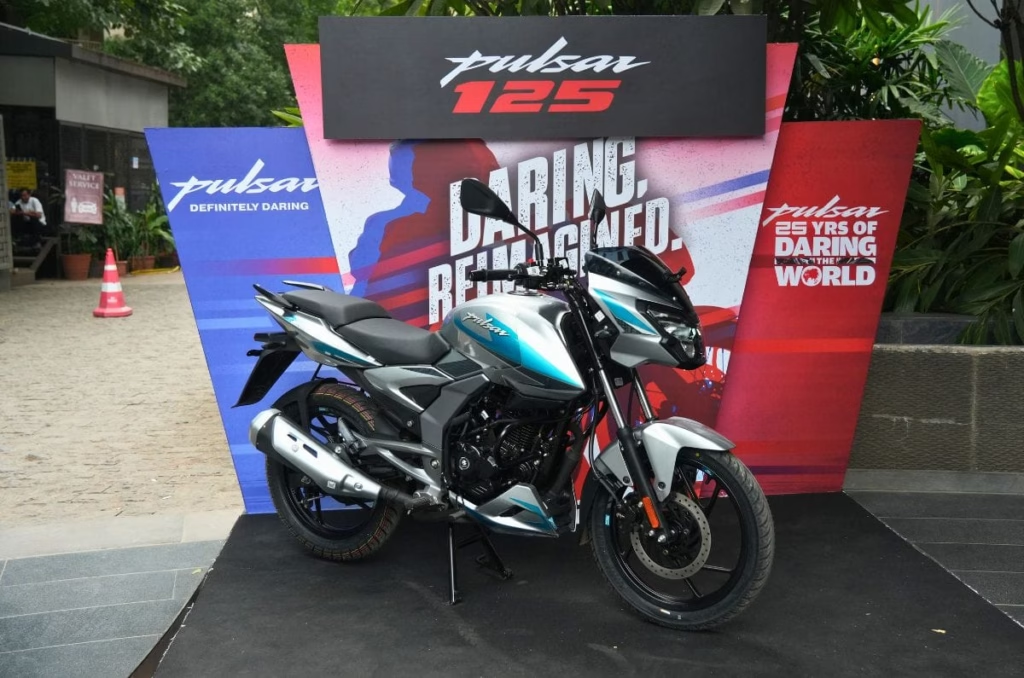
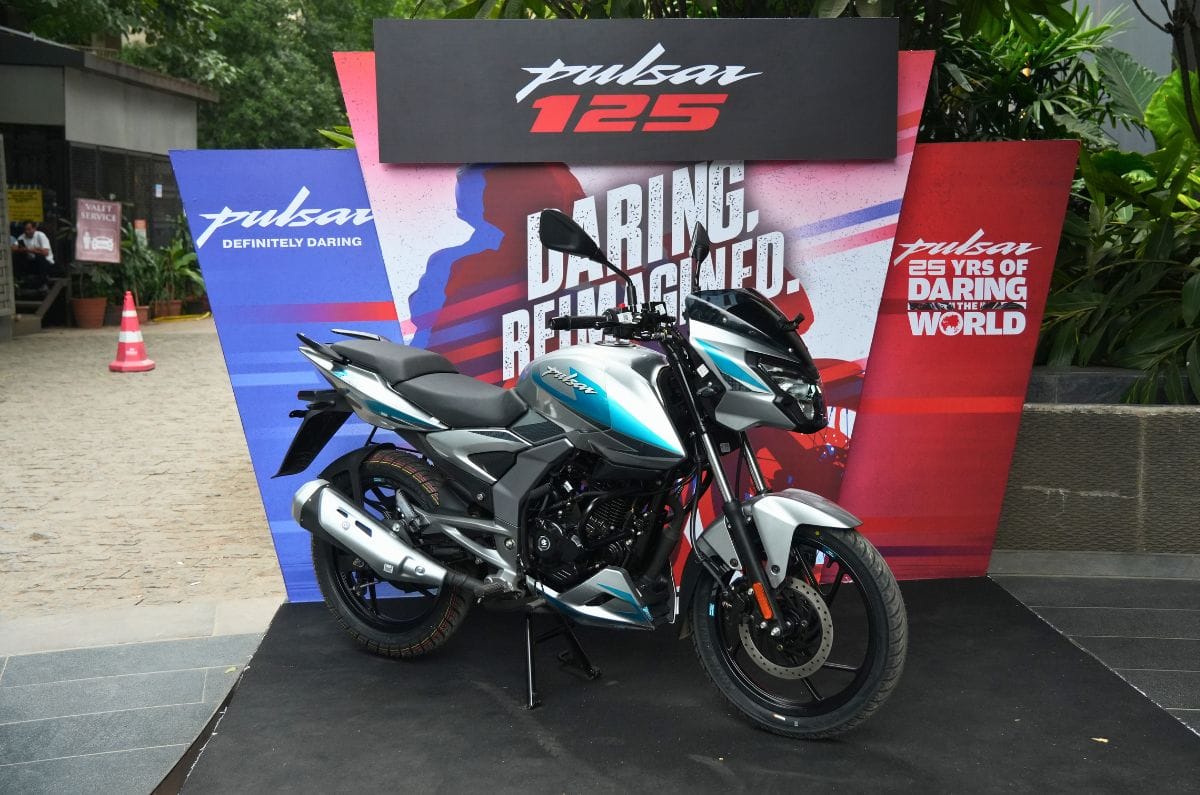
We exclusively broke the story, early this year, that Bajaj is planning on updating the Classic Pulsar range. After months of anticipation, the Chakan-based brand has finally launched the all-new Pulsar 125 as part of Pulsar’s 25th anniversary celebrations. The updated 125cc motorcycle gets a new engine and gearbox, a stiffer frame, monoshock suspension and a 5-inch TFT console with prices starting at Rs 92,990.

  1. New 124.58cc engine makes 12hp and 11Nm
  2. Gets monoshock suspension and new diamond-type frame
  3. Priced at Rs 92,990 (ex-showroom, Delhi)

Bajaj Pulsar 125 engine and specs

The new Pulsar 125 is powered by a 124.58cc, single-cylinder, air/oil-cooled engine producing 12.1hp at 8,500rpm (gain of 0.3hp) and 11.4Nm at 6,500rpm (gain of 0.6Nm). Bajaj claims it is the most powerful 125cc motorcycle in the market – a title earlier held by the now discontinued Pulsar N125. The engine is paired with an all-new 5-speed gearbox, which is claimed to improve tractive effort in the lower gears and deliver stronger low-speed performance.

Bajaj also claims an improved power-to-weight ratio enables quicker 0-60kph acceleration, although it has not specified an acceleration time.

The Pulsar 125 gets a new diamond-type frame with increased stiffness, with the engine acting as a stressed member. Bajaj says this setup improves ride stability and handling. Suspension duties are now handled by a gas-charged monoshock at the rear. 

Bajaj Pulsar 125 features

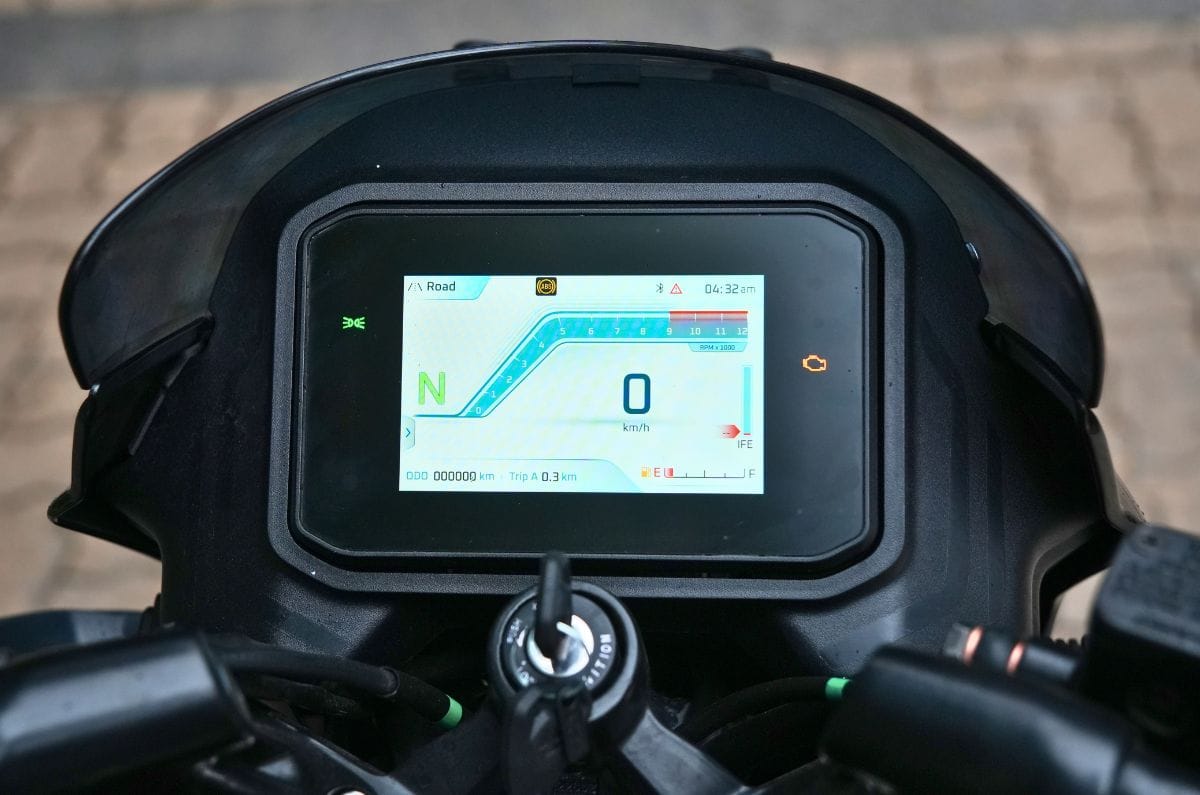
A major update is the addition of a 5-inch TFT console that debuted with the N160 SS. It supports Google Maps mirroring and navigation, while also allowing riders to store vehicle documents such as the registration certificate and insurance details.

The console also displays live call and message alerts and provides music controls. The Pulsar 125 additionally gets three ride modes: Road, Rain and Sport.

Another new feature is Crawl Tech – similar to KTM models – which is designed to provide greater control during low-speed riding in traffic.

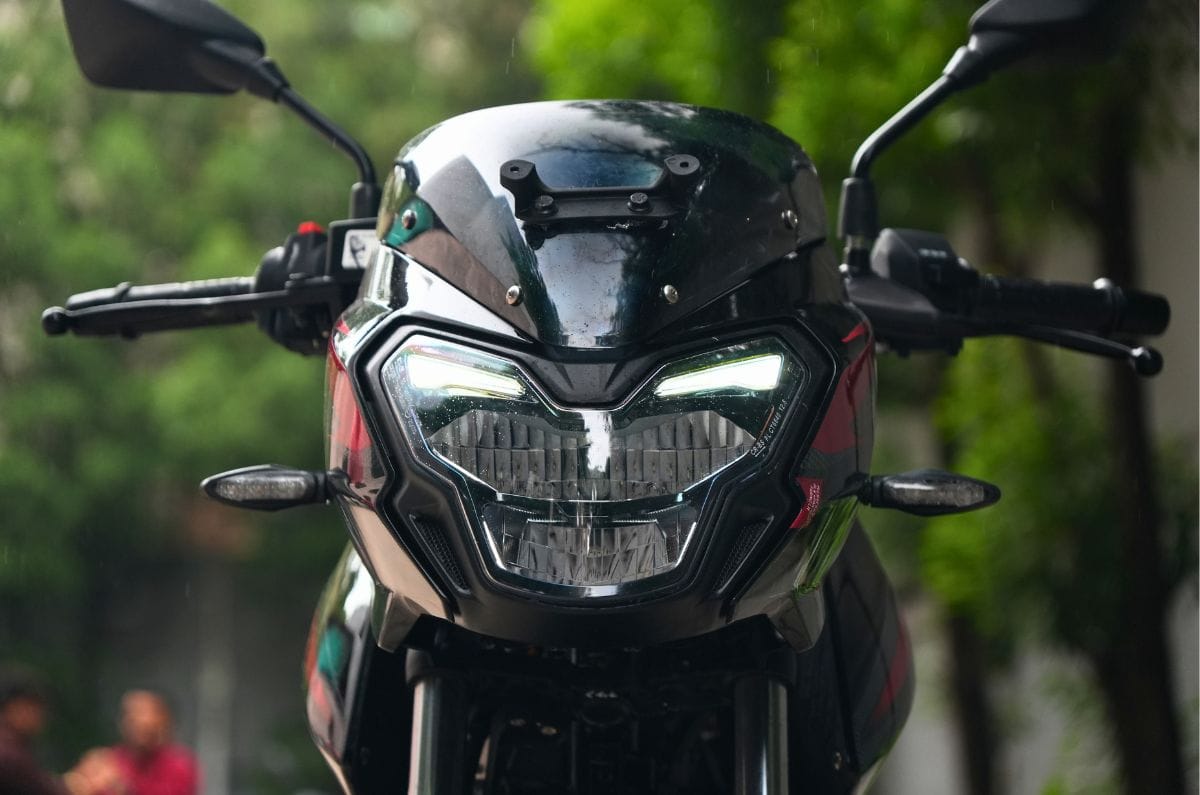
The Pulsar 125 gets a redesigned Wolf-Eye LED headlamp with larger optics, although it could only be offered . The motorcycle also features an Integrated Starter Generator (ISG) on the top three variants. The system enables automatic start-stop functionality, which Bajaj says helps improve fuel economy and enables silent starts. The new Bajaj Pulsar 125 is priced at Rs 92,990 for the LCD variant and goes up to Rs 1.04 lakh for the top-spec TFT variant(ex-showroom, Delhi).

Sugar Stock: शुगर शेयरों में आज फिर तेजी, 52 हफ्ते के हाई पर पहुंचा Dwarikesh, Bajaj Hind

Sugar Stock: चीनी की कीमतों में बढ़ोतरी के बीच सरकार द्वारा स्टॉक रखने की सीमा सख्त किए जाने के बाद सोमवार के ट्रेडिंग सेशन में चीनी कंपनियों के शेयरों में तेजी आई और कई शेयरों ने अपने 52-हफ़्ते के उच्चतम स्तर को छुआ।

बजाज हिंदुस्तान शुगर के शेयरों में 12 फीसदी से अधिक की बढ़त हुई और उन्होंने अपने 52-हफ़्ते का उच्चतम स्तर छुआ।

अवध शुगर एंड एनर्जी, डालमिया भारत शुगर एंड इंडस्ट्रीज, धामपुर शुगर मिल्स, द्वारिकेश शुगर इंडस्ट्रीज, मगध शुगर एंड एनर्जी, मवाना शुगर्स, पोन्नी शुगर्स (इरोड), उगर शुगर वर्क्स और उत्तम शुगर मिल्स के शेयरों ने भी इंट्रा-डे ट्रेडिंग के दौरान अपने-अपने 52-हफ़्ते के उच्चतम स्तर को छुआ।श्री रेणुका शुगर्स, ईआईडी पैरी इंडिया, त्रिवेणी इंजीनियरिंग एंड इंडस्ट्रीज और बलरामपुर चीनी मिल्स के शेयरों में भी तेजी देखी गई और इनमें 3 से 8 फीसदी तक की बढ़त हुई।

सरकार ने भरोसा दिलाया है कि अनुमान से कम उत्पादन के बावजूद देश में घरेलू मांग को पूरा करने के लिए पर्याप्त चीनी स्टॉक उपलब्ध है।

शुक्रवार को, सरकार द्वारा 1 मिलियन टन कच्ची चीनी के ड्यूटी-फ्री आयात की अनुमति देने के बाद चीनी शेयरों में 5 प्रतिशत तक की गिरावट आई थी, जिससे त्योहारों के समय मांग के बीच घरेलू बाजार में तंगी का संकेत मिला था।

चीनी की कीमतों में हालिया बढ़ोतरी को देखते हुए, सरकार ने चीनी की पर्याप्त उपलब्धता सुनिश्चित करने और उपभोक्ताओं के लिए कीमतें स्थिर रखने के लिए कई कदम उठाए हैं। उपभोक्ता मामले, खाद्य और सार्वजनिक वितरण मंत्रालय ने कहा है कि वह स्थिति पर बारीकी से नज़र रख रहा है।

इस साल 1 अगस्त से 30 नवंबर तक देश भर में चीनी डीलरों पर 400 टन की स्टॉक सीमा लगाई गई है। इसके अलावा, थोक उपभोक्ताओं को 1 सितंबर से 15 दिनों की खपत से अधिक चीनी स्टॉक रखने की अनुमति नहीं होगी।

राज्यों और चीनी मिलों को 15 अक्टूबर से पेराई (क्रशिंग) शुरू करने की सलाह दी गई है। इससे अक्टूबर में चीनी का उत्पादन सामान्य 3-4 लाख मीट्रिक टन से बढ़कर 10 लाख मीट्रिक टन से अधिक होने की उम्मीद है, जिससे त्योहारों के मौसम में उपलब्धता और बेहतर होगी।

Apollo Tyres Share Price: ब्रोकरेज ने रेटिंग की अपग्रेड, शेयर 5% चढ़ा, दिया 34% अपसाइड का टारगेट

(डिस्क्लेमर: मनीकंट्रोल.कॉम पर दिए गए विचार एक्सपर्ट के अपने निजी विचार होते हैं। वेबसाइट या मैनेजमेंट इसके लिए उत्तरदाई नहीं है। यूजर्स को मनी कंट्रोल की सलाह है कि कोई भी निवेश निर्णय लेने से पहले सार्टिफाइड एक्सपर्ट की सलाह लें।

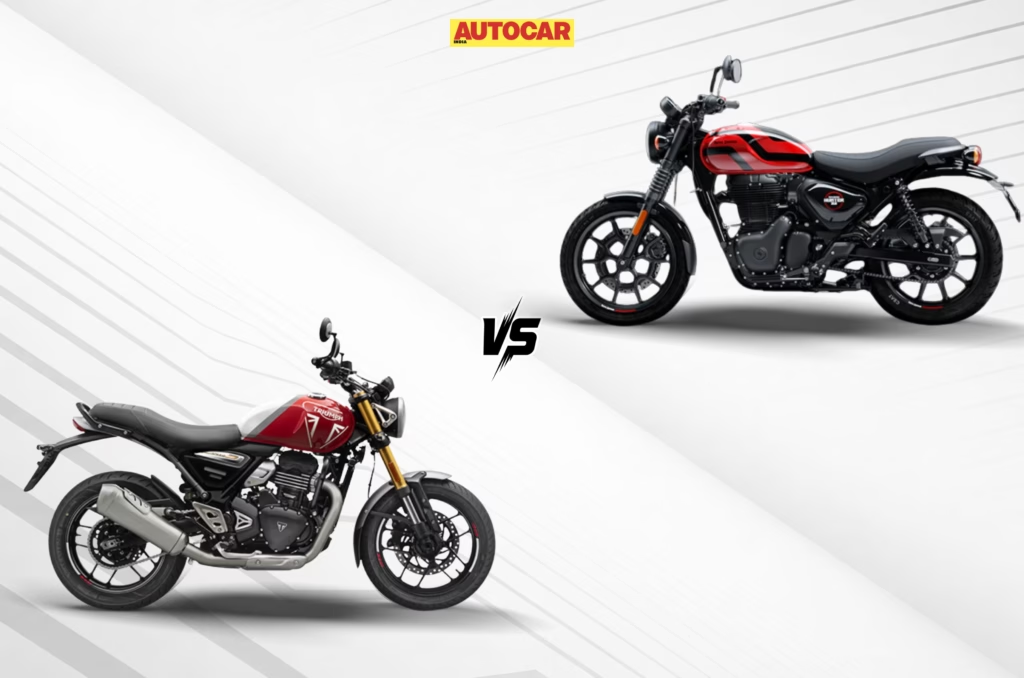
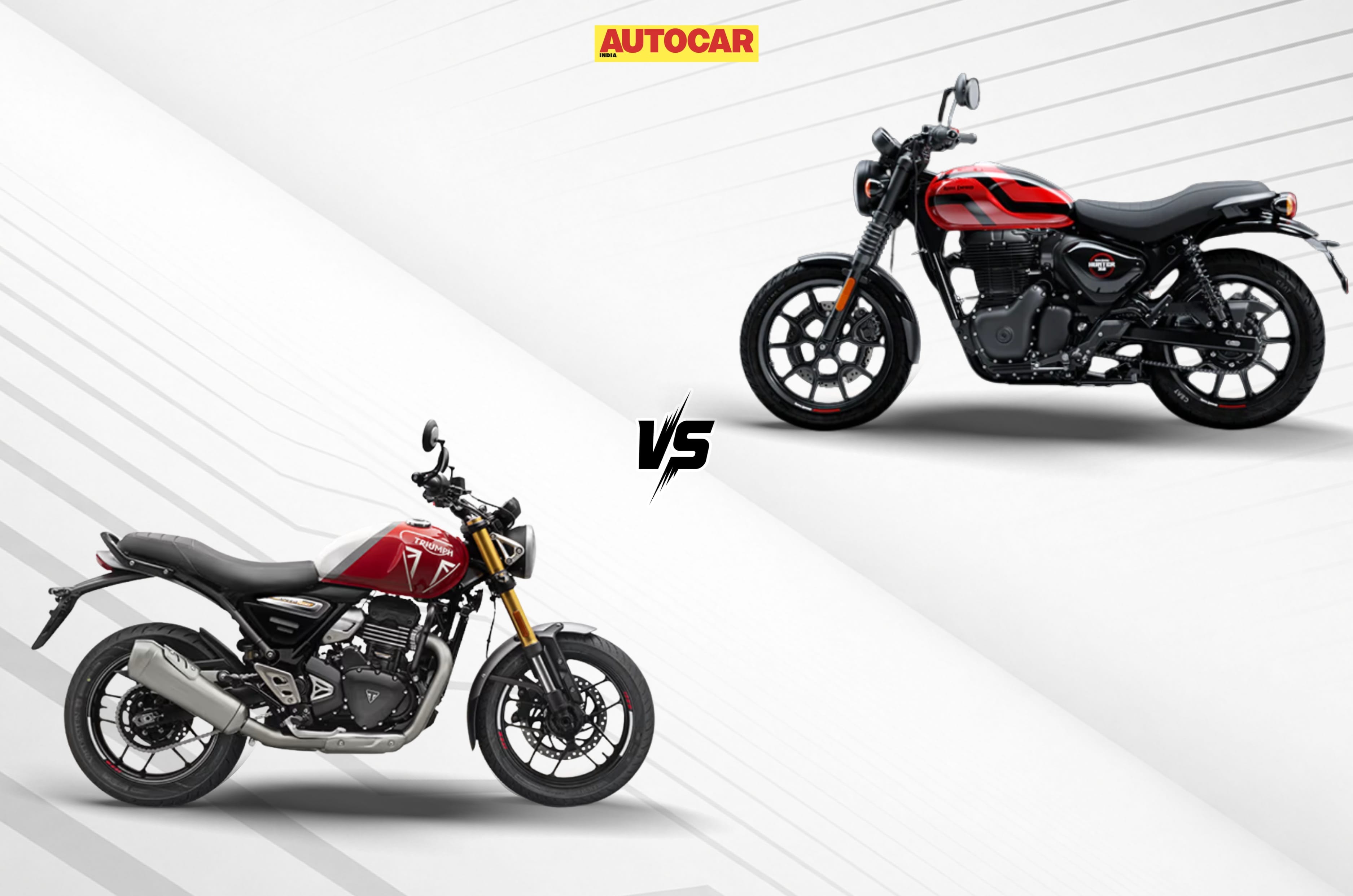
RE Hunter 350 vs 350cc Triumph Speed 400: Price and specification comparison

RE Hunter 350 vs 350cc Triumph Speed 400: Price and specification comparison
RE Hunter 350 and Triumph Speed 400

The last time we compared the Hunter 350 to the Speed 400, things were a lot more straightforward, but things have since changed. Royal Enfield has fixed the Hunter’s biggest deterrent, comfort and has positioned it squarely as a stylish and relaxed street naked; completely different from its retro siblings. Bajaj, on the other hand, had to downsize the Triumph Speed 400’s 398cc engine to a 349cc one, to meet the 18 percent GST slab. So, is picking one from these two, very good motorcycles still difficult? Let’s see.

Royal Enfield Hunter 350 vs Triumph Speed 400: Engine and output

Triumph has more power and torque, but RE delivers both earlier


Royal Enfield Hunter 350

Triumph Speed 400

Engine

349cc single-cylinder, air-cooled

349cc single-cylinder, liquid-cooled

Power

20.2hp at 6,100rpm

37hp at 8500rpm

Torque

27Nm at 4,000rpm

32Nm at 7,000rpm

Transmission

6-speed

5-speed

Power-to-weight ratio

111.6hp/tonne

206.7hp/tonne

Bajaj’s downsizing of the 398cc engine has reduced torque more than horsepower, making the Speed 400 a relatively weaker proposition compared to before, at least on paper. Royal Enfield, however, has not had to do anything and continues with its likable J-series engine making the same power and torque as before. It’s hard not to miss that the Hunter delivers both of it much earlier in the rev range than the Speed which reinforces the status quo that these still aren’t meant to be substitutes for each other. The Speed does have one extra gear, making it more capable at highway speeds of the two.

Royal Enfield Hunter 350 vs Triumph Speed 400: Dimensions and weight

Both remain in lockstep with each other


Royal Enfield Hunter 350

Triumph Speed 400

Fuel tank capacity

13 litres

13 litres

Ground clearance

160mm

164mm

Kerb weight

181kg

179kg

Seat height

790mm

803mm

Wheelbase

1370mm

1386mm

Had this been the Bullet/Classic 350, this section would’ve been an onslaught on them but perhaps that’s exactly why the Hunter 350 exists. Being the lightest Royal Enfield, the Hunter puts up a tough fight to the Speed 400 on every front. Even though it is 2kg heavier than the Speed, it’s more accessible with a lower seat height. Both are very approachable and friendly machines, for both newer and shorter riders.

Royal Enfield Hunter 350 vs Triumph Speed 400: Tyres, brakes, and suspension

Speed 400 gets a fatter fork and better brakes


Royal Enfield Hunter 350

Triumph Speed 400

Tyres (F, R)

110/70-17, 140/70-17

110/80R17, 150/70R17

Brakes (F, R)

300mm disc, 270mm disc; dual-channel ABS

300mm disc, 230mm disc; dual-channel ABS

Suspension (F, R)

41mm RSU fork, twin-shock

43mm USD fork, monoshock

On paper, the numbers once again continue to be really close. However, the Speed 400 gains on the Hunter 350 in a few areas. It has a wider rear tyre, gets radial tyres at both ends and a slightly fatter USD fork. The Triumph also gets better brakes with a far more effective four-piston, radial caliper at the front, whereas the Hunter 350 sticks to a more conventional two-piston, floating caliper.

Royal Enfield Hunter 350 vs Triumph Speed 400: Features

Par for the (retro) course for both

Packing in the most features for the money isn’t what this segment is known for, and neither motorcycle attempts to change that. The Hunter 350 offers dual-channel ABS, an assist and slipper clutch, a type-C USB port, and a TFT navigation tripper pod on higher variants. The Speed 400, gets everything except the navigation feature, offering traction control instead.

Royal Enfield Hunter 350 vs Triumph Speed 400: Price

Hunter is far more affordable


Royal Enfield Hunter 350

Triumph Speed 400

Price

Rs 1.37 lakh – Rs 1.71 lakh

Rs 2.34 lakh

Last but not least, how much do you pay to buy one of these? And this is an area where the Hunter 350 has a huge advantage. The top-most variant of the Hunter 350 will set you back by Rs 1.71 lakh, with the base variant starting at as low as Rs 1.37 lakh (both prices ex-showroom, Chennai). On the other hand, the Speed 400 costs Rs 2.34 lakh (ex-showroom, Delhi). On paper, this can look like a difficult choice considering how close these are, but that confusion will go away as soon as you take test rides considering the vastly different riding experiences of both.

Suzuki e-Access road test, review

Suzuki e-Access road test, review
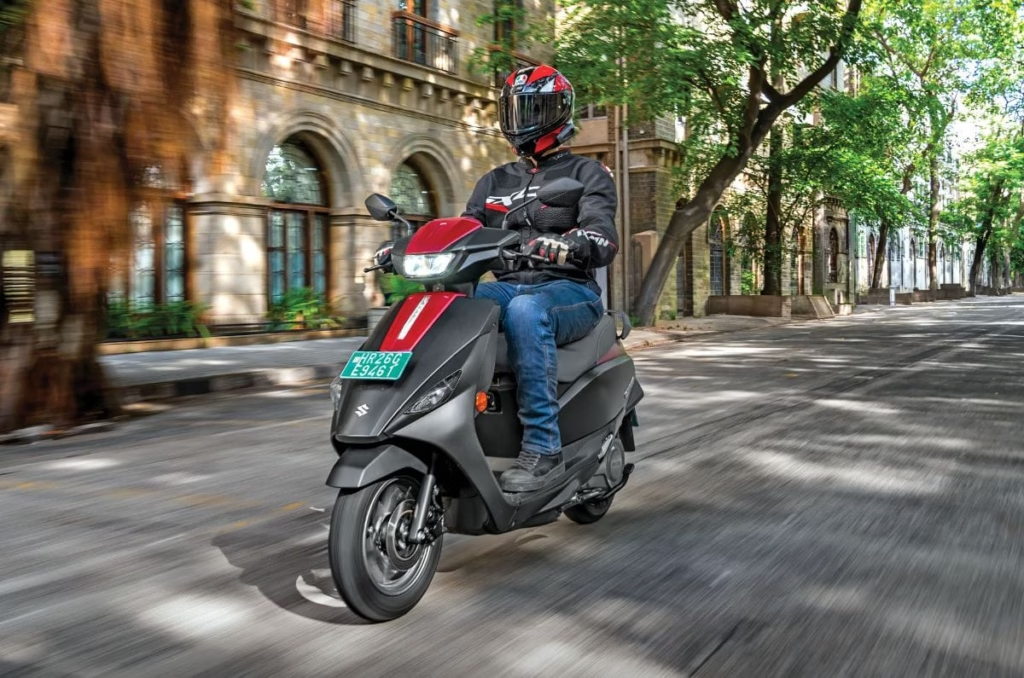
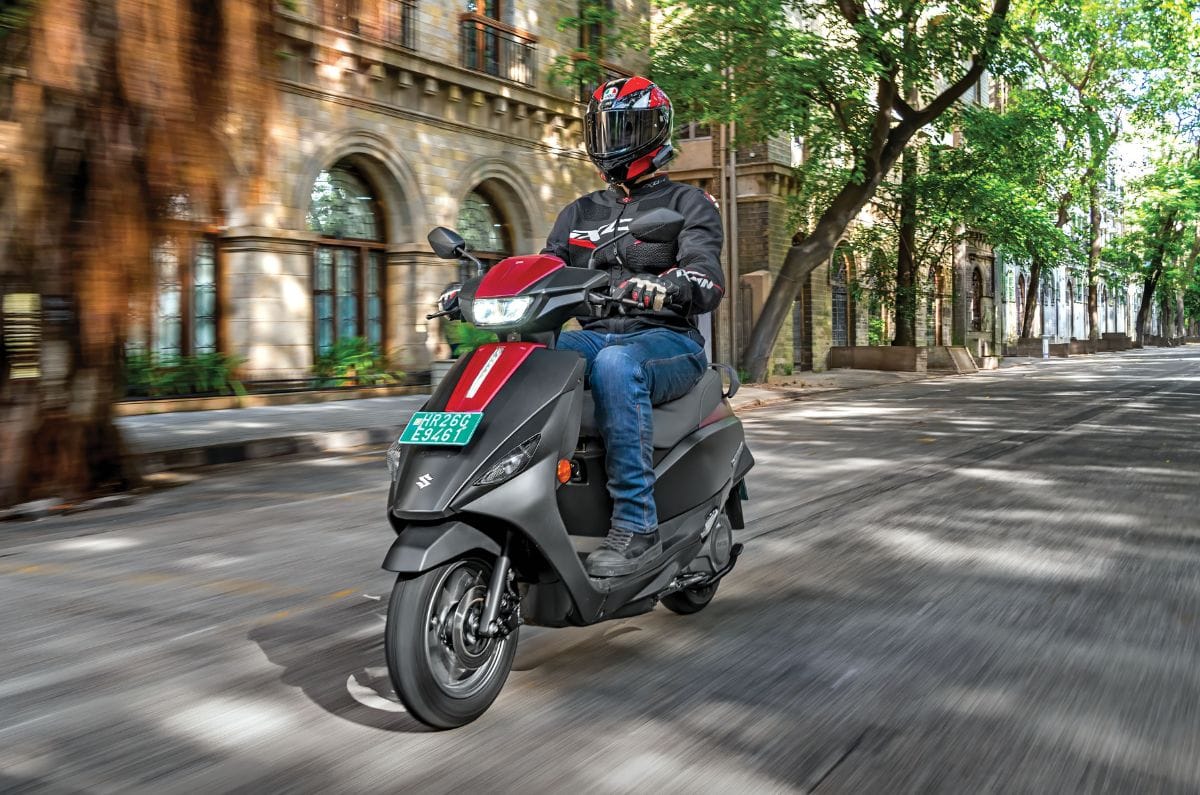
Suzuki e-Access front left side riding shot on road

Suzuki first showed the e-Access back in January 2025, but it was actually launched only a year later, in January 2026. While the e-Access has definitely lost the first mover advantage in the burgeoning EV market, has it at least come prepared? 

e-Access Design and Features – 6/10

Unusual design won’t be to everyone’s tastes, features aren’t ground-breaking.

The e-Access is a ground-up new product, which has very little shared with its massively popular petrol-powered namesake. Its design is a clean-sheet one, and most people found it quite polarising. The swooping, double ‘duck-bill’ front end, mated to a contrasting, boxy rear section, doesn’t really gel well cohesively. Like all Suzuki two-wheelers, the e-Access feels solidly built, and the quality is quite decent too. 

Decent is also a good way to describe its feature set, which includes the same bright and logically laid-out 4.2-inch TFT display as the 125cc Access and Burgman Street. In terms of riding modes, there are 3 in total – Eco, Ride B and Ride A – but on the move, you can only switch between Eco and either of the Ride modes. Both Ride A and Ride B give you full power, and the only difference is in the levels of regenerative braking. A has stronger regen, while in B, it is more gentle. To toggle between A and B, you have to be at a standstill, and this is a needless hoop to jump through.  

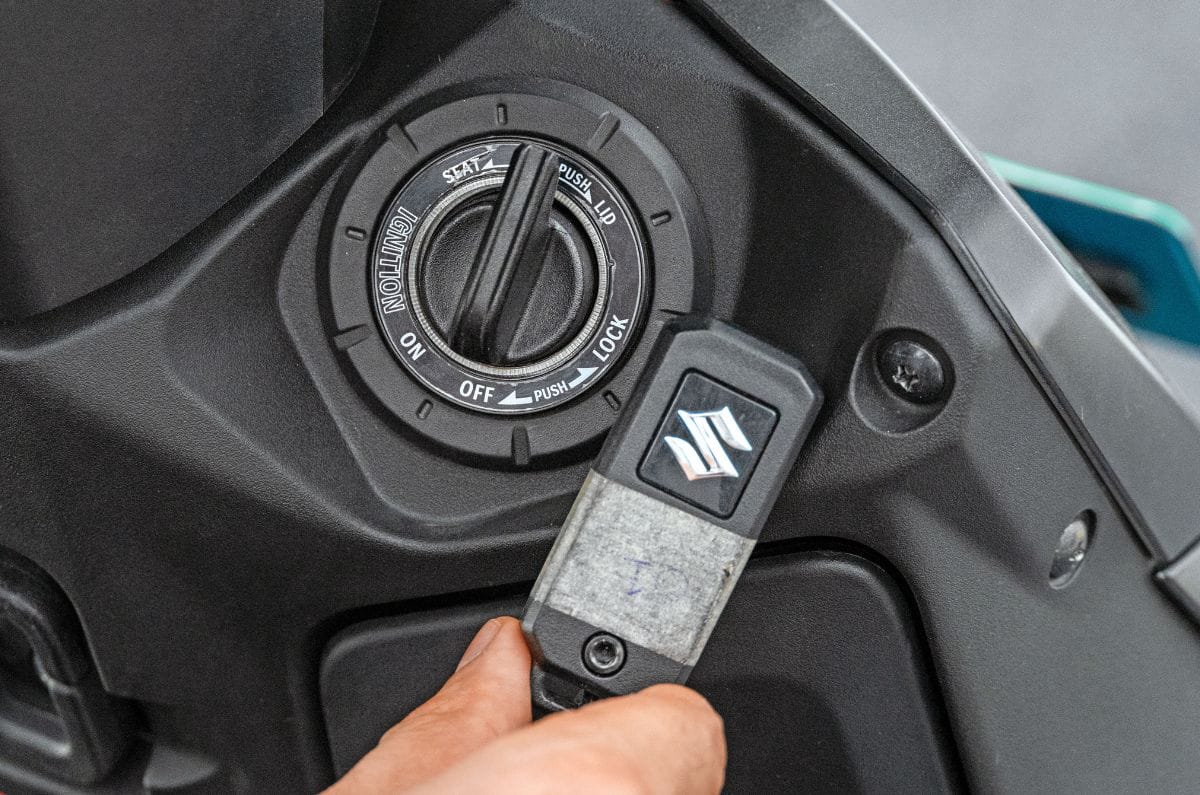
Suzuki e-Access key fob
Keyless ignition convenient to have, and very few e-scooters offer it today.

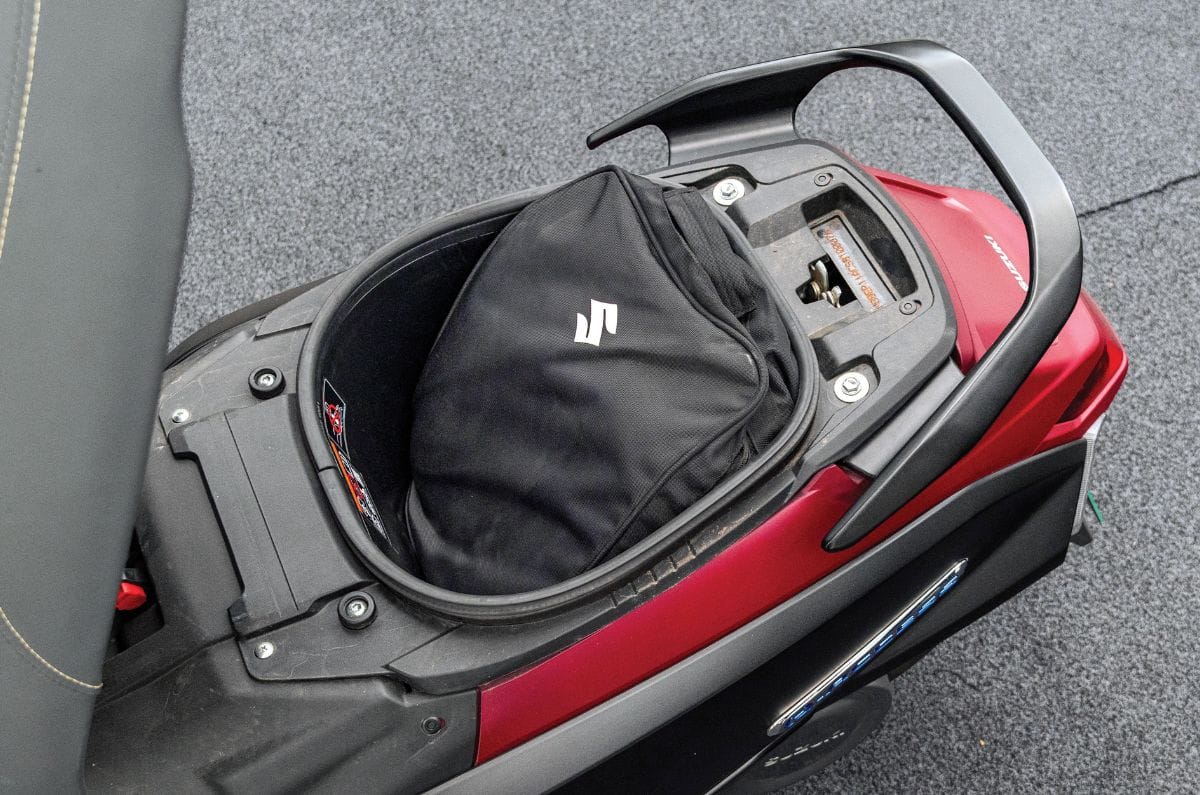
The feature set also includes a very convenient keyless ignition system, a spacious, open cubby on the front apron with a USB-A charger and an oddly-shaped, very small 17-litre underseat boot. In an age where most rivals routinely offer 30-35 litres of boot space, the e-Access falls woefully short, and in fact, even the latest-gen ICE Access gives you more. 

Suzuki e-Access boot
17L boot feels archaic today, charger cables need to be folded just right to fit inside.

It comes with a reasonably sized 600W charger, which took 6 hours flat to top up a flat battery to full. Suzuki also provides a well-thought-out bag in which you can store the charger, which is another neat touch. However, if you don’t pack the charger’s cables just right and place the bag inside the boot, it won’t close. Moreover, once the charger is in the boot, there’s very little free space available. This is a consequence of Suzuki positioning the batteries under the seat, which also has some ramifications on the scooter’s handling, but more on that later. 

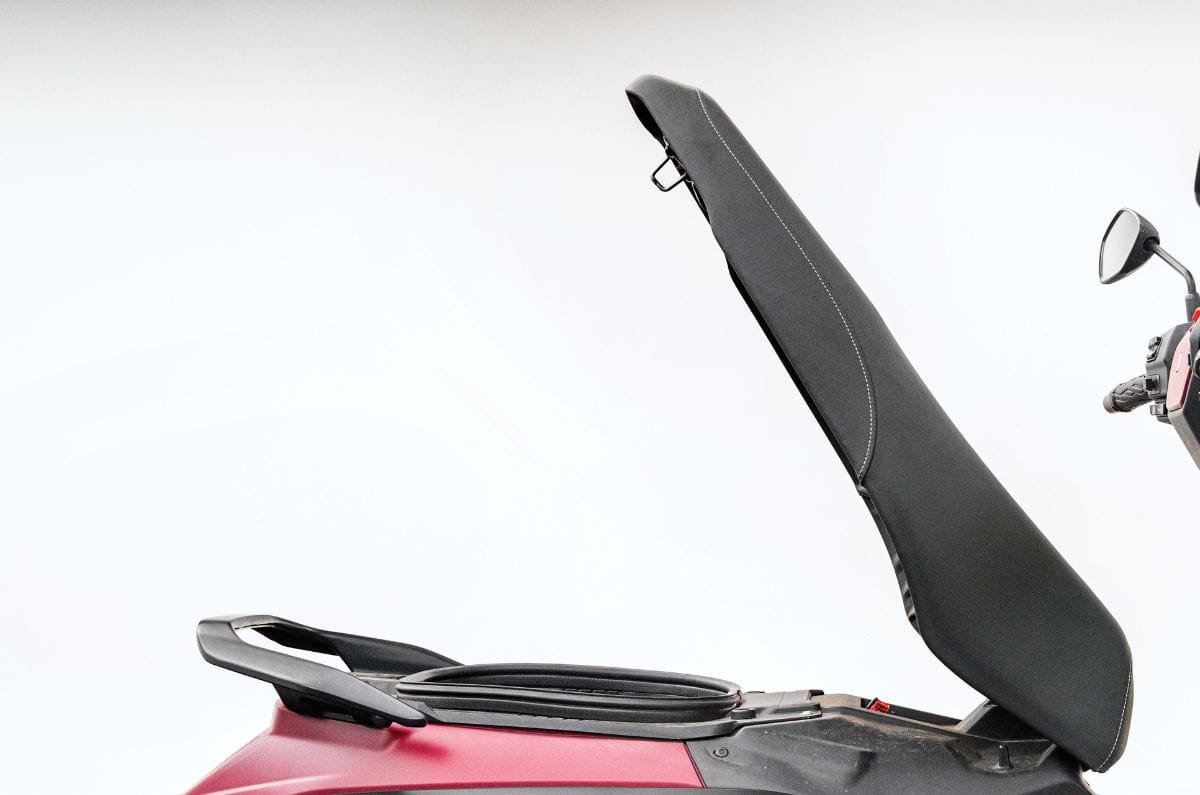
One silver lining is that the e-Access’ seat stays in the position you leave it in once you open it, courtesy of a small spring-loaded mechanism at the hinge, which is quite a neat touch. 

Suzuki e-Access seat open
Seat stays open on its own without needing to keep it manually propped open.

e-Access Performance and Range – 6/10

Range and performance are just about adequate.

Every EV has shortcomings, but the important question is, can they be overlooked in the interest of the savings it brings via lower running costs? Unlike most mainstream manufacturers, which use NMC (Nickel Manganese Cobalt) batteries, Suzuki has chosen LFP (Lithium Ferrous Phosphate) chemistry for the e-Access. LFP cells typically have a longer life and lower risk of thermal runaway incidents, but the trade-off is lower energy density, and ergo, lower range.

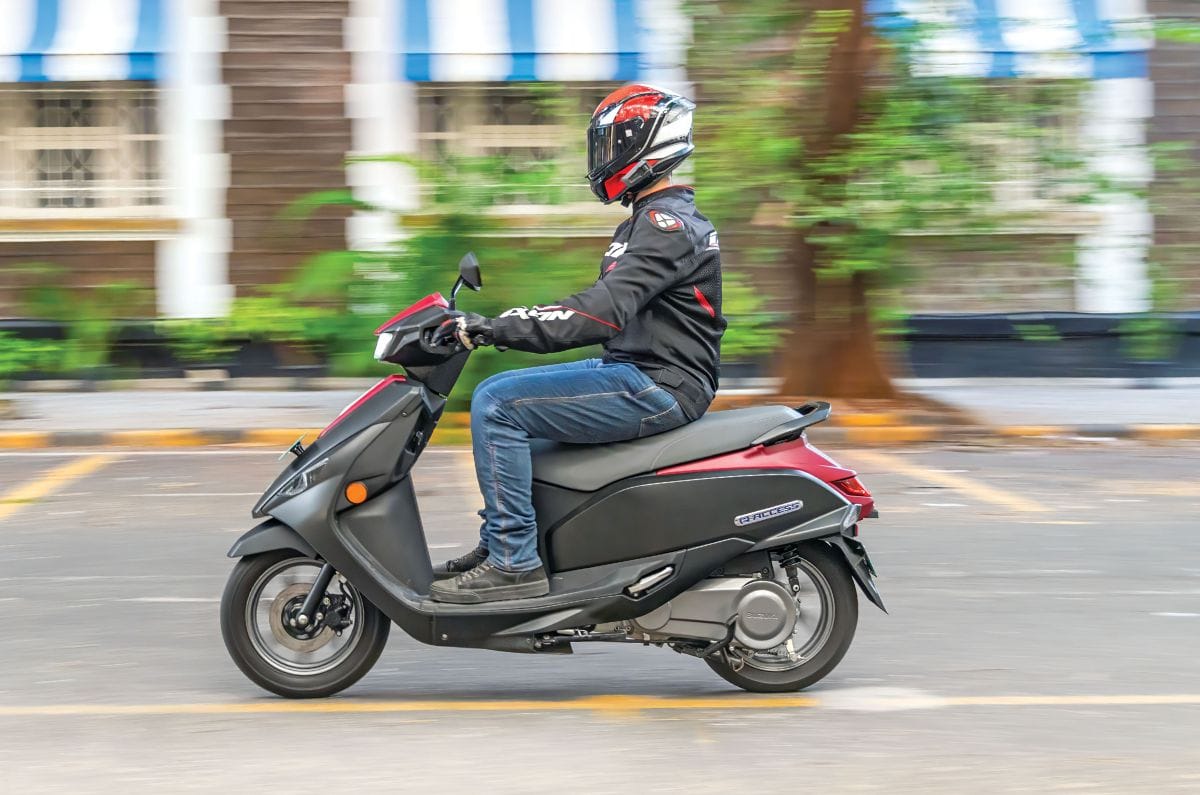
Suzuki e-Access left side profile riding shot on road
Neutral ergonomics and well-judged suspension help keep you comfortable.

With a 3.072kWh LFP battery pack and a claimed 95km IDC range, range was never going to be the e-Access’ USP. In our tests, using Ride A mode (maximum power, maximum regenerative braking), we managed to cover a little over 88km on a single charge. This is a decent number in isolation, but quite a bit lower compared to rivals with similarly sized batteries, which can cover upwards of 100km. 

One positive is that, once the range indicator had calibrated to our riding style, its predictions proved to be accurate, and the number shown on screen could be relied upon as the actual distance you’d go. Using Eco mode will obviously increase range on a single charge, but performance will be much gentler. What is nice is that even in Eco, the e-Access can maintain pace with big-city traffic as well as climb flyovers.

Suzuki e-Access motor
Motor delivers power in a predictable, unhurried manner, but the powertrain is quite noisy.

While the performance never feels inadequate, it is definitely a letdown on a machine bearing the ‘Access’ badge. In our tests, the e-Access took nearly 12 seconds to complete the 0-60kph sprint, which not only makes it slower than most other well-known e-scooters, but also much slower than the Access 125 that takes 7.68s for the same test. In fact, its performance, even in the most powerful Ride A mode, is so mellow that even the gentle Honda Activa 110 would leave it in the dust in a traffic-light grand prix. Another bug bear we have with the e-Access’ powertrain is that the powertrain is on the noisier side among all the reputed EVs on sale today.

e-Access Ride and Handling – 7/10

It’s light, easy and intuitive to ride, but over-eager handling is a mismatch.

To sit on, the e-Access feels pleasantly ‘normal’, and while this is certainly a compact machine, taller riders will be reasonably accommodated. However, while its low 765mm perch will be welcoming for shorter folks, riders over 6 feet will find it a bit too low. With a flat seat, spacious floorboard and well-tuned suspension, the e-Access is quite a comfortable machine and will isolate you to a great degree from all but the worst of bumps on our roads. 

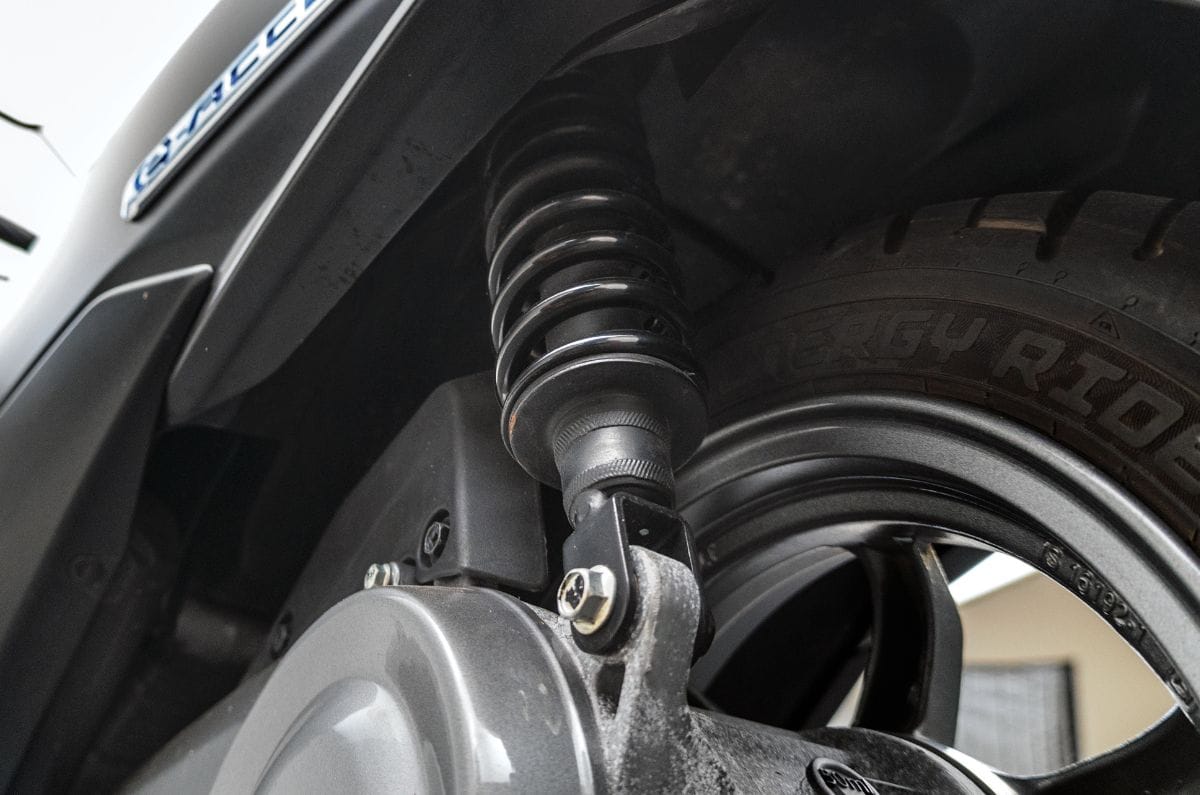
Suzuki e-Access monoshock
Suspension is well set up and shields you from bumps, but is more taut than floaty.

Like the new Burgman, its suspension is not overtly soft and feels quite taut, which isn’t necessarily a deal breaker, but something to watch out for. Braking power is quite good, although the lack of ABS and a sharp bite mean you have to be mindful when slowing down. 

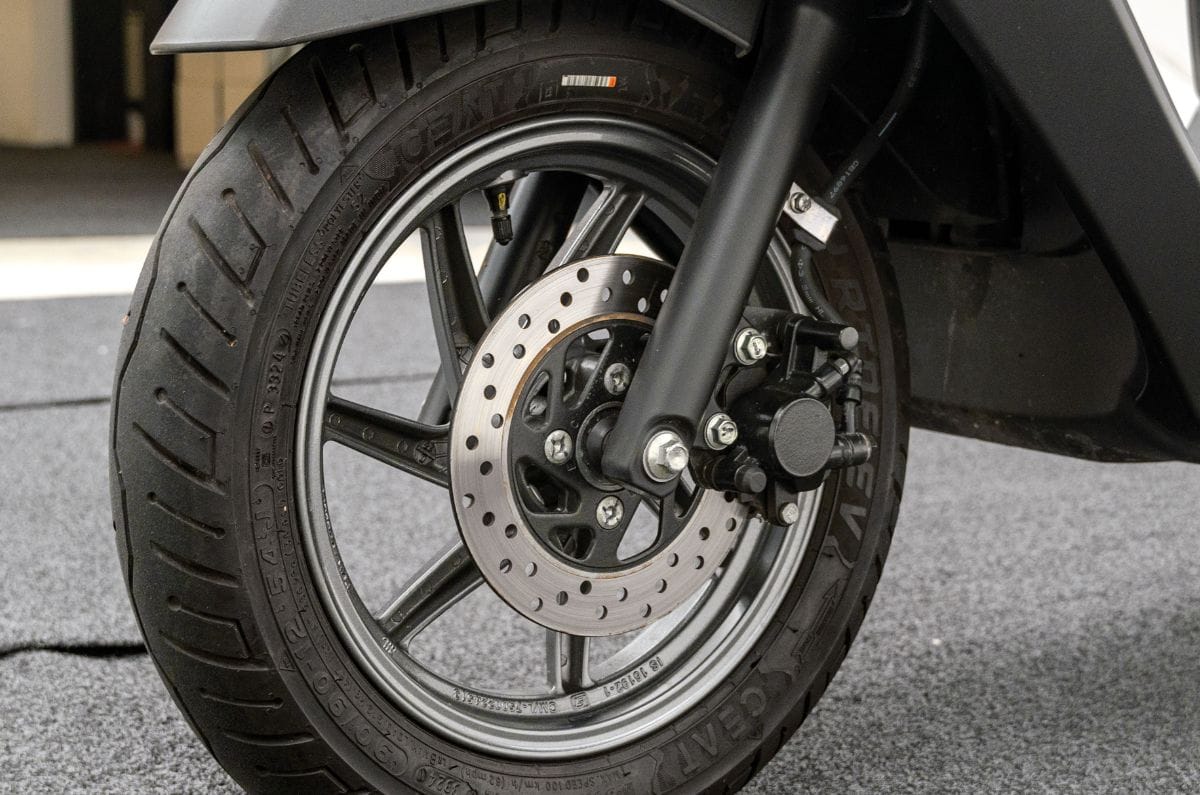
Suzuki e-Access front brake
Brakes work well, but are quite sharp and bitey. Lack of ABS is a downer at this price.

At 122kg, it is fairly light, and slicing through traffic is a breeze. In fact, the scooter displays a tendency to lean over onto its side quicker than you’d expect, which is partly down to its smaller 12-in wheels and thinner tyres. It is also another consequence of Suzuki mounting the battery pack vertically under the seat. As a result of the centre of gravity being fairly high, the e-Access almost ‘falls’ into a corner, and this behaviour won’t be to everyone’s liking.

e-Access Price and Verdict – 6/10

All said and done, it’s not the average features, tiny storage area, mellow performance or lacklustre range which will dissuade you from buying it. These are all things that buyers could overlook in exchange for the quality assurance that comes with the Suzuki Access name. However, the deal breaker here is the super-steep Rs 1.92 lakh asking price, which is very difficult to justify when similarly specced, proven options from reputed Indian brands like TVS, Bajaj, Vida (Hero) and Ather cost up to Rs 60,000 less. 

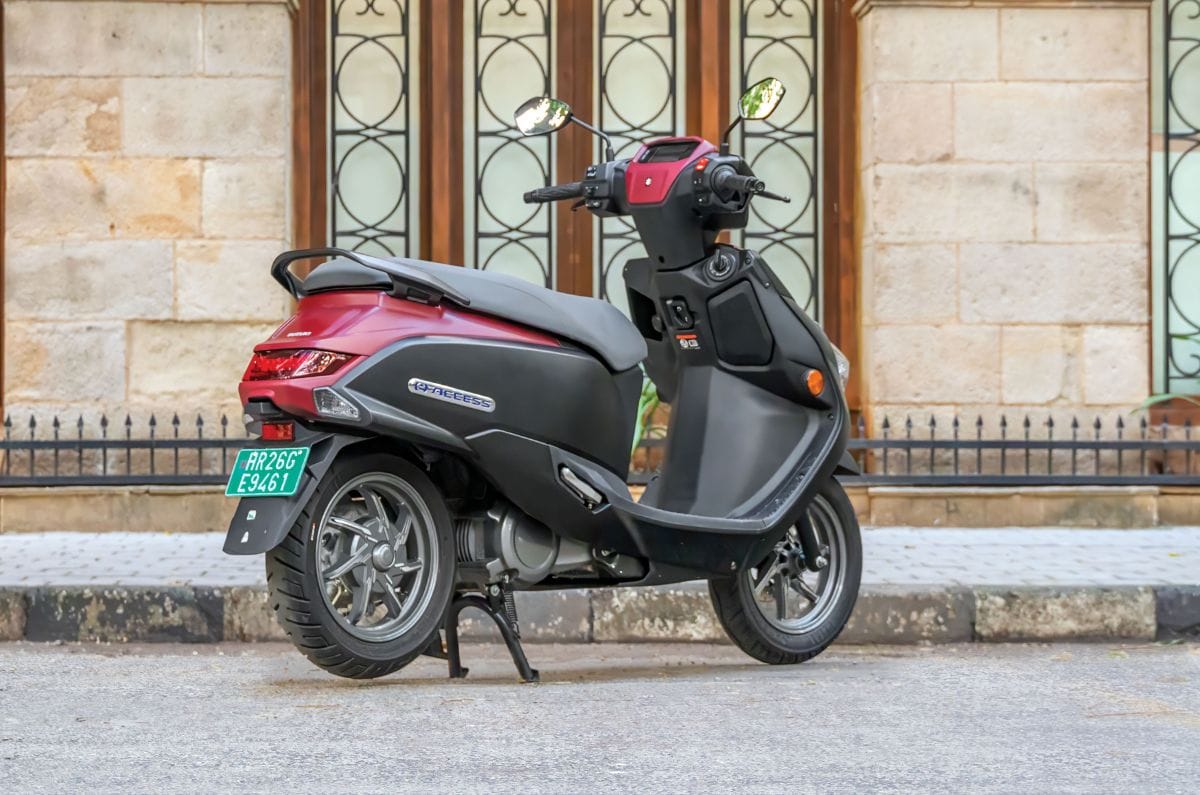
Suzuki e-Access rear right side static on road
Gets some things right, but it’s far too expensive.

The e-Access gets some things right, like good comfort, and has typical Japanese strengths, like the promise of reliability, longevity and good quality. However, today’s market values a good price point without compromising on range, storage and quick charging times. For the e-Access to follow in the successful footsteps of its ICE namesake, simply leveraging an established name and charging an unreasonably stiff premium for it is unlikely to pay off.

Jantar Mantar Protest : जंतर-मंतर प्रदर्शन पर सुप्रीम कोर्ट का बड़ा कदम, 5 सदस्यीय कमेटी करेगी जांच, जानें कौन-कौन शामिल

Jantar Mantar Protest : जंतर-मंतर प्रदर्शन पर सुप्रीम कोर्ट का बड़ा कदम, 5 सदस्यीय कमेटी करेगी जांच,  जानें कौन-कौन शामिल

20 जुलाई को नई दिल्ली के जंतर-मंतर पर हुए प्रदर्शन को लेकर सुप्रीम कोर्ट ने बड़ा कदम उठाया है। शीर्ष अदालत ने घटना की निष्पक्ष और विस्तृत जांच के लिए पांच सदस्यीय हाई पावर कमेटी (HPEC) का गठन किया है। इस समिति की अध्यक्षता सुप्रीम कोर्ट के पूर्व न्यायाधीश जस्टिस आर. सुभाष रेड्डी करेंगे।

ALSO READ: Simple Wave Electric Scooter की लॉन्च डेट, डिजाइन, रेंज और कीमत का खुलासा, Bajaj Chetak C25 और TVS Orbiter से मुकाबला

प्रदर्शन और पुलिस कार्रवाई की होगी जांच


सुप्रीम कोर्ट द्वारा गठित समिति जंतर-मंतर पर प्रदर्शन के दौरान हुई घटनाओं और उसके बाद पुलिस की कार्रवाई के विभिन्न पहलुओं की जांच करेगी। खास तौर पर यह पता लगाया जाएगा कि प्रदर्शनकारियों को नियंत्रित करने के लिए पेलेट गन का इस्तेमाल नियमों के तहत किया गया था या इसका अनावश्यक इस्तेमाल हुआ। समिति प्रदर्शन स्थल पर मौजूद महिलाओं के साथ कथित दुर्व्यवहार और हिंसा के आरोपों की भी जांच करेगी। सुप्रीम कोर्ट ने स्पष्ट किया है कि जांच निष्पक्ष तरीके से की जानी चाहिए। समिति को तय समय सीमा के भीतर अपनी विस्तृत रिपोर्ट अदालत को सौंपनी होगी।

ALSO READ: SIM Card Rules: 9 से ज्यादा SIM रखने वालों पर कसेगा शिकंजा, 23 अगस्त से लागू होगा नया नियम; जानें क्या बदलेगा

कमेटी में कौन-कौन शामिल?


सुप्रीम कोर्ट ने पुलिस, अर्धसैनिक बलों और अन्य सुरक्षा कर्मियों पर प्रदर्शनकारियों के खिलाफ जरूरत से ज्यादा बल प्रयोग के आरोपों की व्यापक जांच के लिए पांच सदस्यीय समिति बनाई है।


इस समिति में शामिल सदस्य हैं:


  • जस्टिस आर. सुभाष रेड्डी – सुप्रीम कोर्ट के पूर्व न्यायाधीश और समिति के अध्यक्ष
  • जस्टिस रवि शंकर झा – पंजाब एवं हरियाणा हाई कोर्ट के पूर्व मुख्य न्यायाधीश
  • जस्टिस शालिंदर कौर – दिल्ली हाई कोर्ट की पूर्व न्यायाधीश
  • ऋषि कुमार शुक्ला – सीबीआई के पूर्व निदेशक
  • डॉ. एल.आर. बिश्नोई – मेघालय के सेवानिवृत्त डीजीपी
  • पुलिस पर बल प्रयोग के आरोपों की भी पड़ताल


समिति प्रदर्शन के दौरान सुरक्षा बलों की ओर से कथित बल प्रयोग से जुड़े आरोपों की जांच करेगी। इसके साथ ही पुलिस की ओर से लगाए गए उन आरोपों पर भी गौर किया जाएगा, जिनमें पुलिसकर्मियों के साथ हिंसा और सार्वजनिक संपत्ति को नुकसान पहुंचाने की बात कही गई है। इस जांच का उद्देश्य प्रदर्शन के दौरान हुई घटनाओं और उसके बाद हुई पुलिस कार्रवाई से जुड़े सभी प्रमुख आरोपों और परिस्थितियों की निष्पक्ष पड़ताल करना है।

Simple Wave family electric scooter to launch on September 2

Simple Wave family electric scooter to launch on September 2

Simple Energy has named its upcoming family electric scooter Simple Wave, which will be unveiled on September 2, 2026. The scooter marks the company’s entry into the mainstream family scooter segment, expanding its portfolio beyond the performance-oriented One range. The model was previously referred to as Arrive during its development and testing, with Simple Energy now confirming Wave as its production name.

  1. Simple Wave to launch on September 2
  2. Scooter was previously referred to as Arrive
  3. New model will target family buyers

Simple Wave to expand the brand’s portfolio

The brand current has the One range on sale.

The Wave has been developed for everyday mobility, with Simple Energy highlighting comfort, practicality and shared journeys. It will take on family-oriented electric scooters such as the Ather Rizta, TVS iQube and Bajaj Chetak.

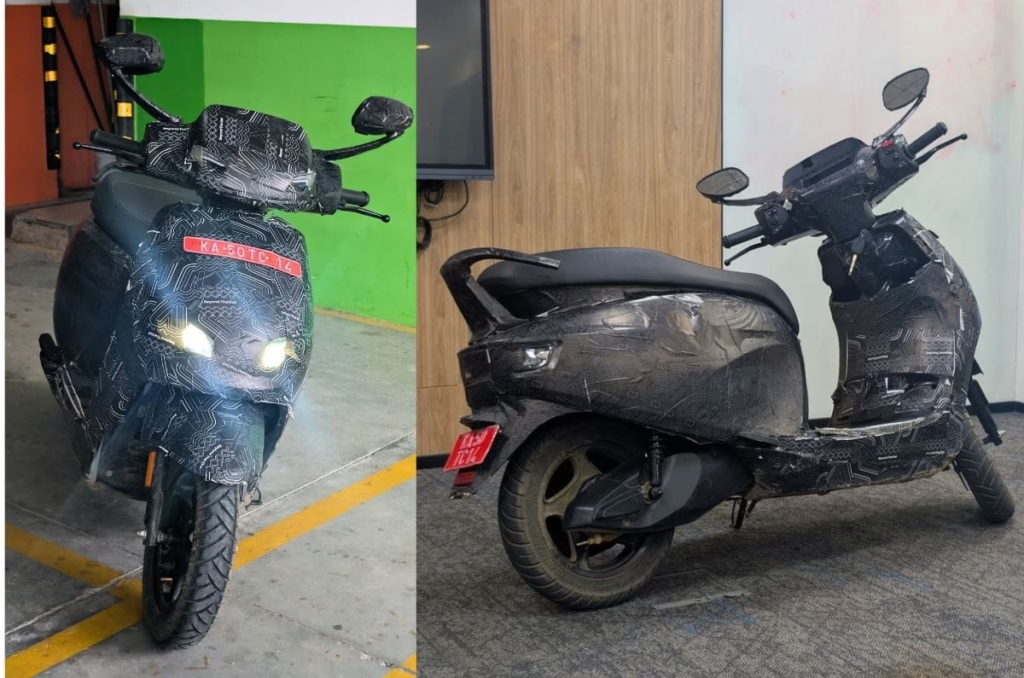
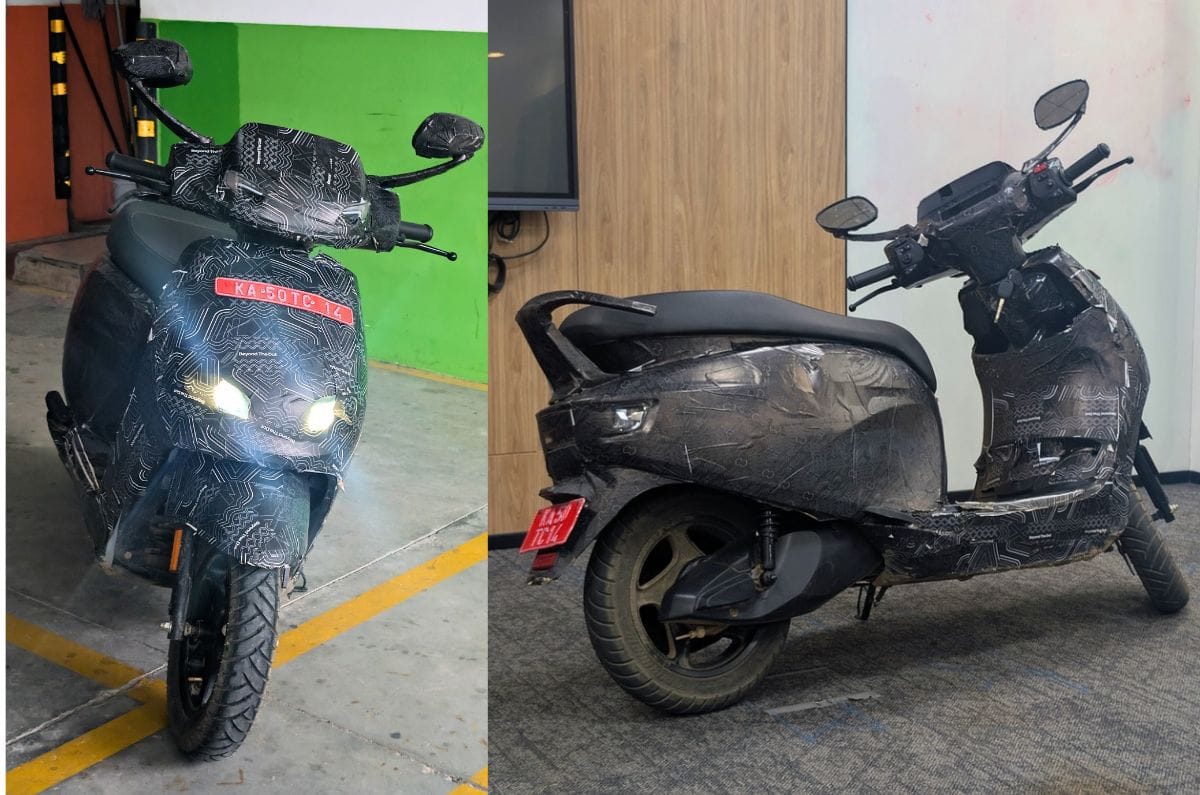
The scooter has been spotted testing in India on several occasions. Earlier test mules featured a large single-piece seat, a spacious-looking floorboard, telescopic front suspension and twin rear shock absorbers. Braking hardware included a front disc and rear drum, while a TFT instrument display was also seen on test vehicles. Simple Energy has not yet confirmed the final production specification.

The Wave represents a move into a broader part of the electric scooter market for Simple Energy, whose existing products have focused on performance and technology. The company says its new scooter has been developed through its in-house R&D and engineering capabilities, including proprietary software and vehicle technologies.

Simple Energy also says it is the first Indian OEM to commercially manufacture heavy rare earth-free electric motors, highlighting its focus on developing key technologies in-house.

Technical details of the Wave have not yet been revealed. Battery capacity, motor output, claimed range, charging specifications, variants and pricing are expected to be announced at the September 2 launch.

With the Wave, Simple Energy will enter the family scooter market with a product aimed at everyday users, broadening its reach beyond its existing performance-oriented electric scooters.

Chetak expands Kerala network to 103 sales and service touchpoints

Chetak expands Kerala network to 103 sales and service touchpoints

Chetak’s Kerala network has grown from just two outlets to 103 customer touchpoints, as the electric scooter brand continues to expand its retail and service reach alongside rapidly increasing sales.

  1. Kerala network now comprises 18 Chetak Experience Centres and 85 Bajaj Auto touchpoints
  2. Chetak has more than 50,000 customers in Kerala
  3. Chetak sold 3.03 lakh units in FY2026, up from 2.60 lakh in FY2025

Chetak has expanded its sales and service network in Kerala to 103 customer touchpoints, comprising 18 Chetak Experience Centres and 85 Bajaj Auto Ltd touchpoints.

The company says its network in the state has grown from an initial two outlets and that it now has more than 50,000 Chetak customers in Kerala. The network covers locations including Kochi, Wayanad, Thiruvananthapuram and Palakkad.

While Chetak’s presence in Kerala is not the biggest takeaway by itself, the scale of the network expansion highlights the growth the brand has seen in the state and the infrastructure it has added to support its expanding customer base.

The wider Chetak business has also continued to grow. Bajaj Auto recorded 3,02,674 domestic Chetak sales in FY2026, up from 2,60,033 units in FY2025, according to its annual report. Chetak’s share of India’s electric two-wheeler market increased to 20.7 percent during the year.

The expanded Kerala network provides customers with access to sales, test rides and service support through both dedicated Chetak Experience Centres and Bajaj Auto dealerships.

With inputs from ESHISHA JAVA