New Bajaj Pulsar 125 and Pulsar 150 to launch on August 24

New Bajaj Pulsar 125 and Pulsar 150 to launch on August 24
 New Bajaj Pulsar 125 and Pulsar 150 to launch on August 24

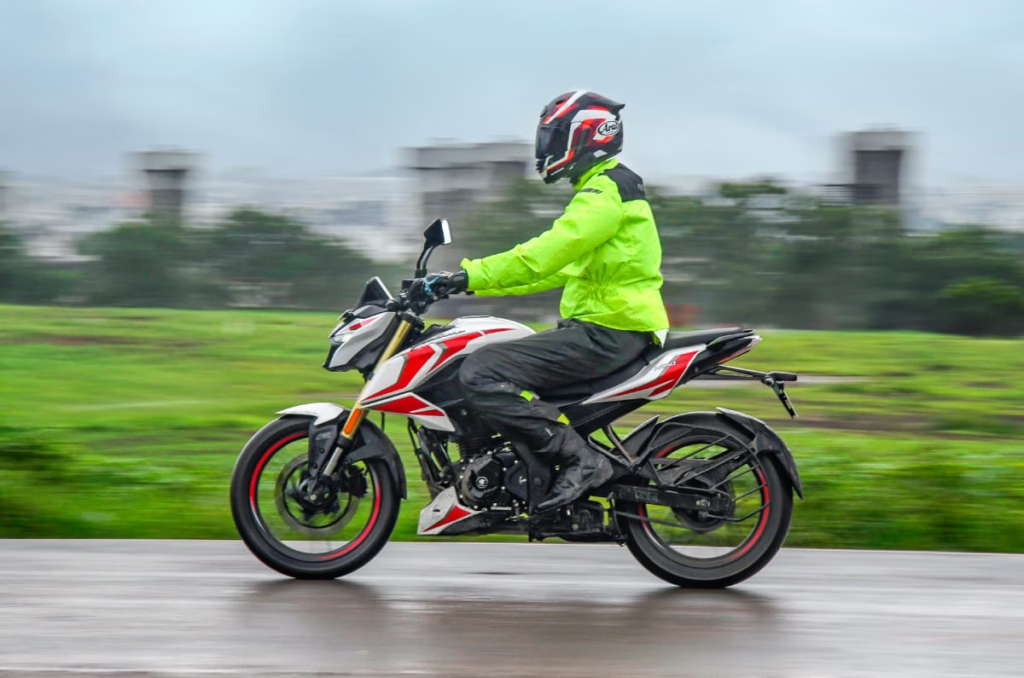
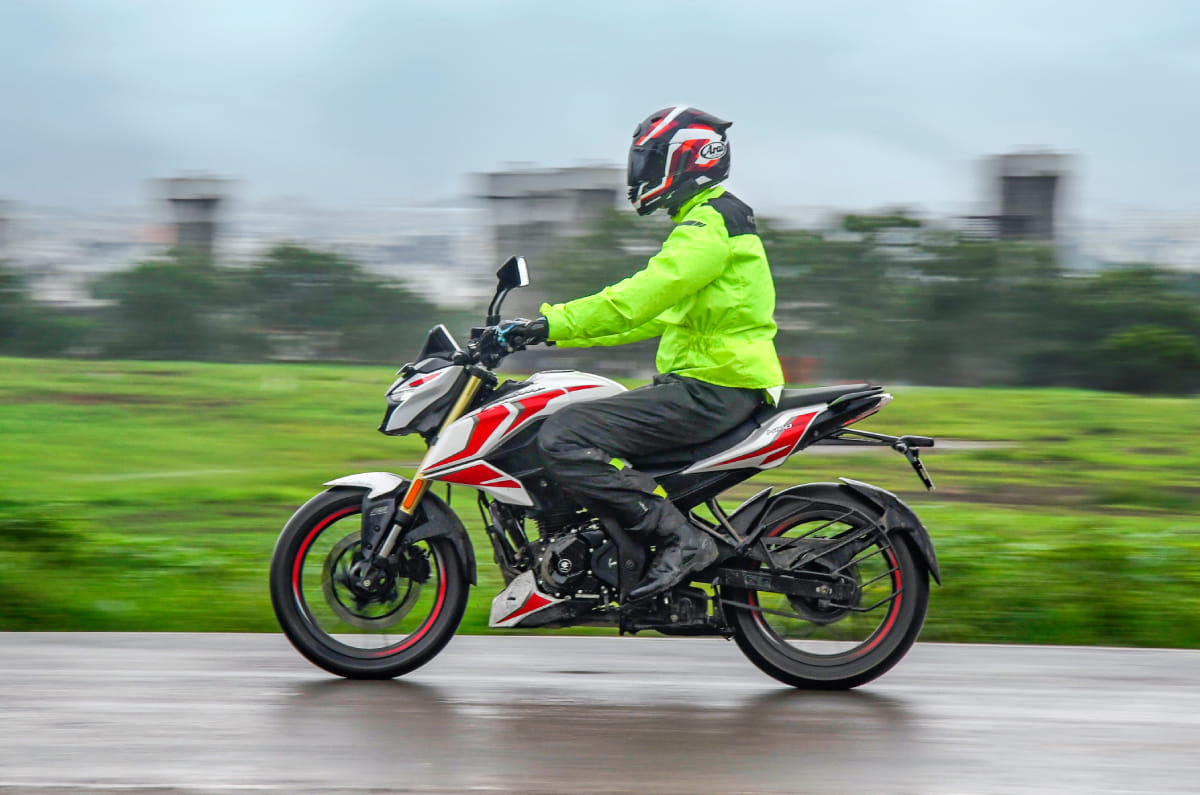
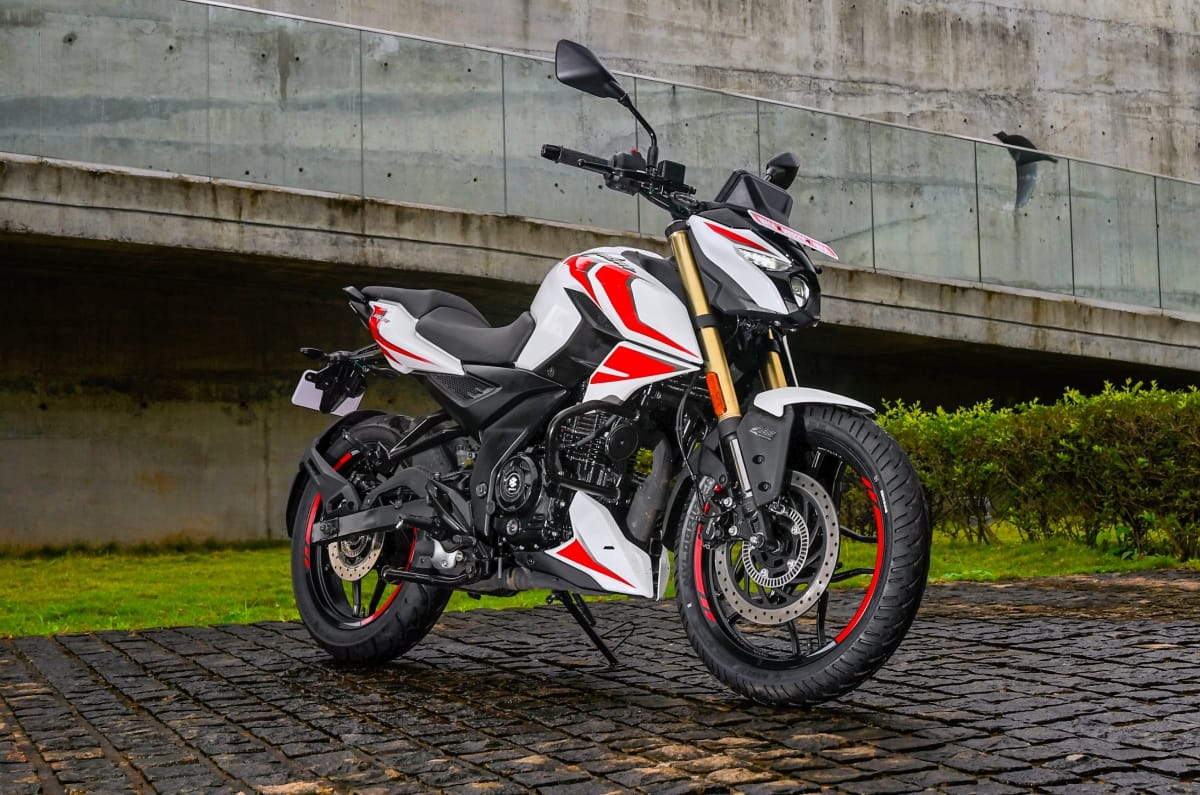
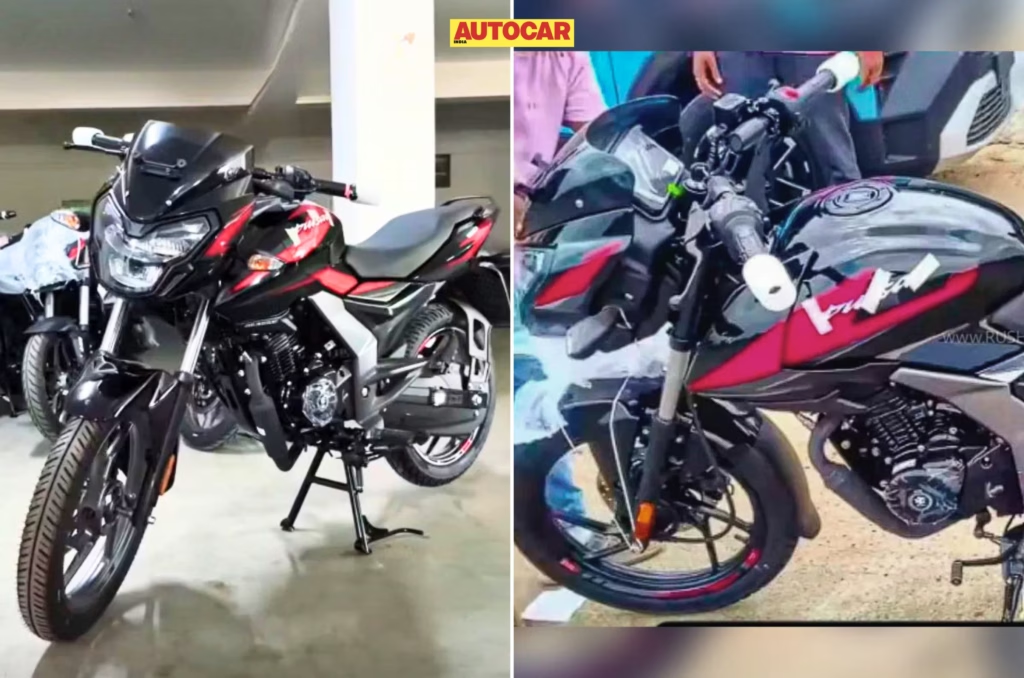
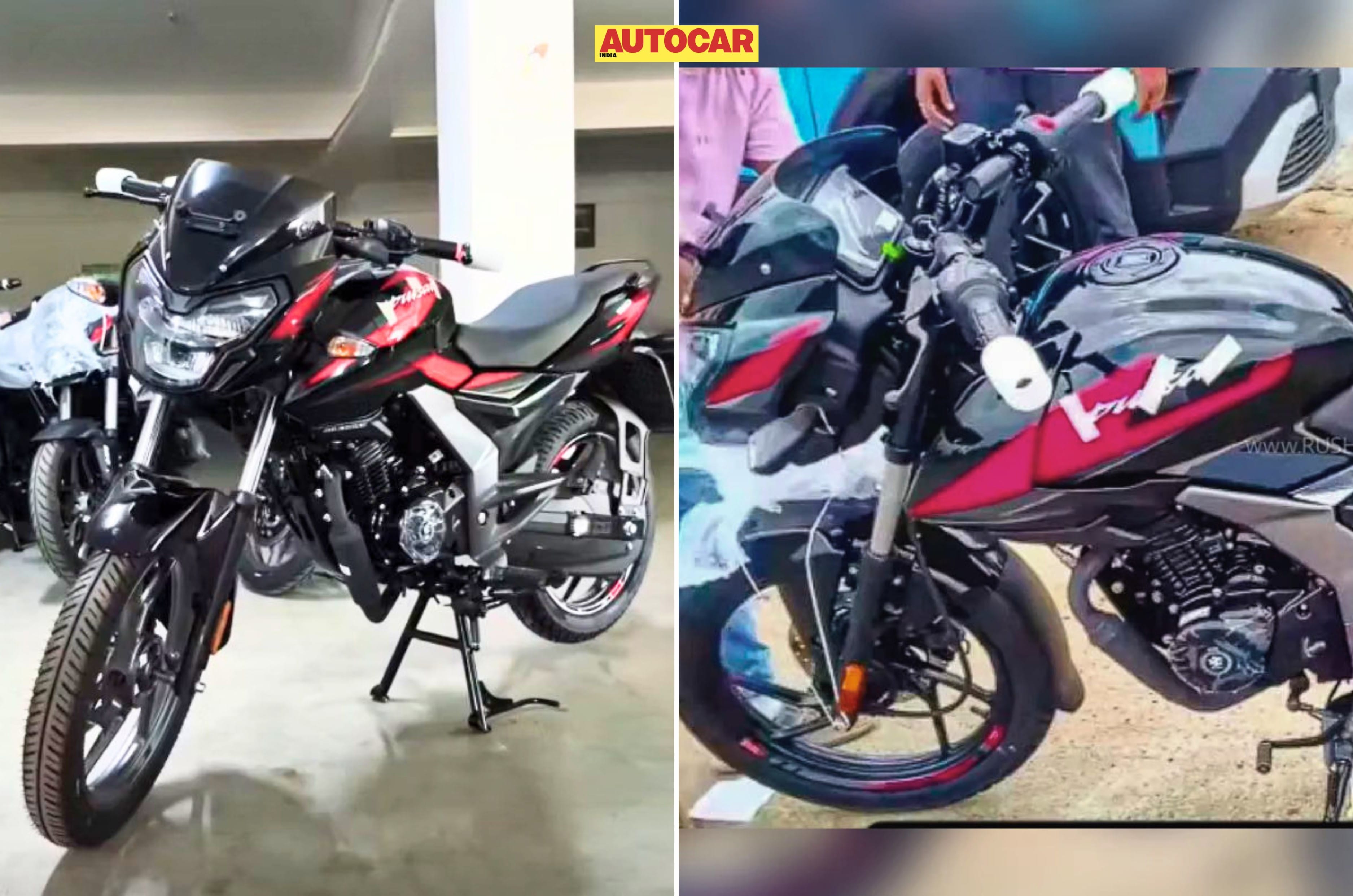
We’ve known for some time that Bajaj is working on an updated Pulsar 150, and a Pulsar 125. Earlier expected by August 12, we now expect them to arrive on August 24. The two models had recently been spotted arriving at dealerships, making the launch imminent.

  1. Will get a new engine and chassis
  2. Replaces the current twin-shock with a monoshock suspension
  3. Expected to get many features from the recently launched N160

What to expect from the new Pulsar 125 and 150?

Revised design and lots of new features

An earlier leak gave us a very detailed look at both the motorcycles. From them, we understood that Bajaj has revised the design heavily on both, with the 150 (at least) getting an updated oil-cooled engine. Power figures are unknown at this time, but the improved cooling should mean improvement on the performance front. For reference, the current Pulsar 125 is powered by a 124.4cc single-cylinder, air-cooled engine producing 11.8hp of power and 10.8Nm of torque; the current Pulsar 150 is powered by a 149.5cc single-cylinder, air-cooled engine producing 14hp and 13.3Nm of torque.

The chassis, however, is going to be brand-new with a single-downtube frame replacing the twin-cradle frame units seen on the current Pulsars. Suspension is expected to be conventional RSU (right side up) telescopic fork at the front, but the current rear twin-shock will be replaced with a monoshock unit. Braking duties appear to be handled by a front disc brake and a rear drum brake, which tacitly confirms at least the base variants will only get single-channel ABS.

Looks and features-wise classic Pulsar fans have a lot to look forward to. The familiar Pulsar silhouette is being retained, but Bajaj appears to have modernised the design more with a reworked headlight cowl, side panels, and a new, fully digital LCD instrument cluster. Though it is entirely possible that higher variants would get a TFT instrument cluster like on the updated Pulsar N160’s top variant. Another minor change is the heel-toe gear shifter on the current Pulsars being replaced with just a toe shifter. Both the dealership sightings have shown us Pulsars with single-piece seats, but it’s likely that the higher variants of the 150—if not both—will also have split seat versions.

Bajaj has tried to comprehensively update/replace the classic Pulsar(s) many times in the past, but inevitably had to keep them alive owing to their demand, while adding new branches to the stable. It remains to be seen if these two will finally get the job done. We should know more closer to August 24.

Image credits: Rushlane and Akram Saifullah
Upcoming Ather Konarc confirmed to get metal body

Upcoming Ather Konarc confirmed to get metal body

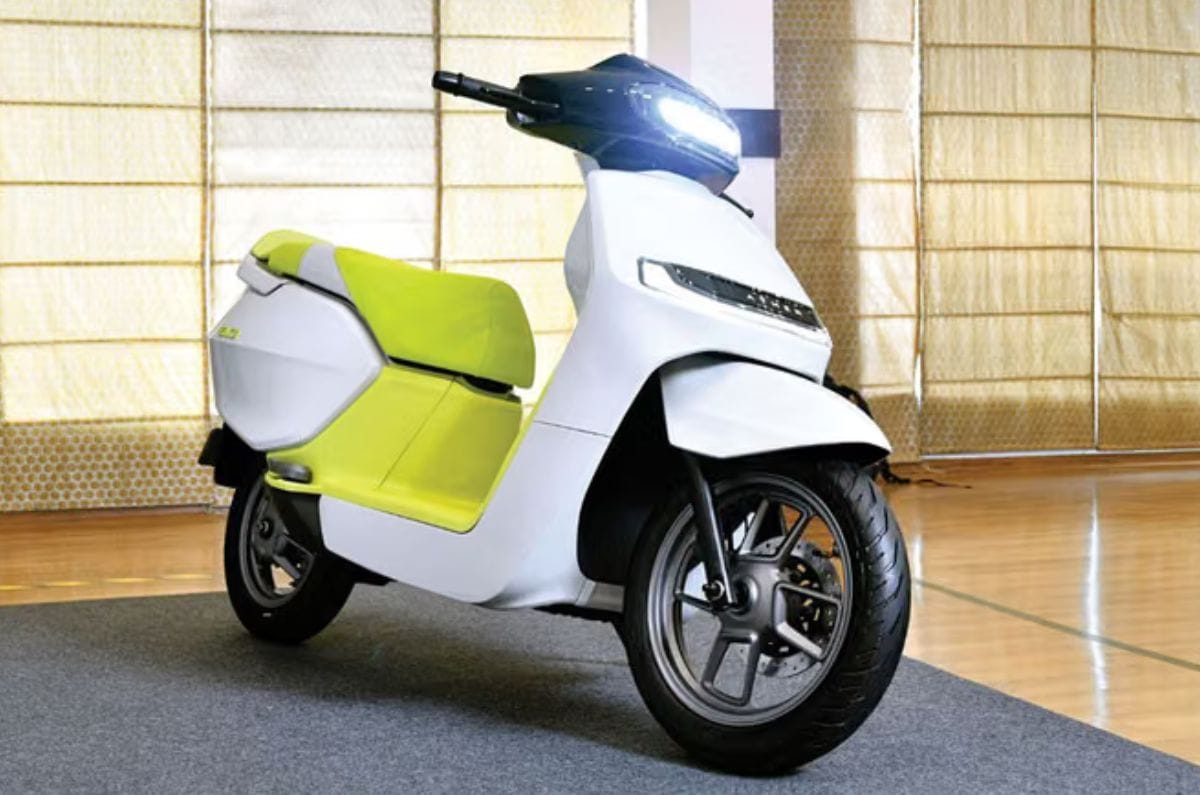
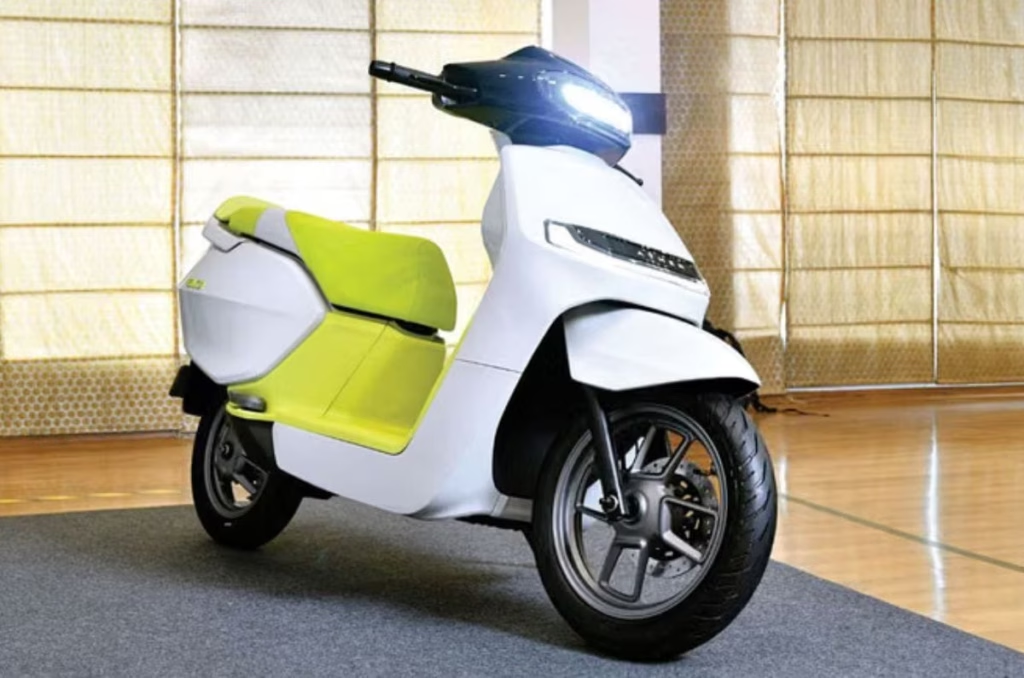
Over the last couple of weeks, Ather has dropped a few details and teasers about what we now know will be called the Konarc – the brand’s first product based on the EL platform. Ather CEO Tarun Mehta has confirmed that the Konarc will have a metal body.

  1. Will get a 14-inch front wheel
  2. To rival TVS iQube and Bajaj Chetak
  3. Will be the most affordable Ather

The Konarc will be the first Ather with a metal body

The Bajaj Chetak is another electric scooter that features metal panels

To recap, the Konarc is expected to be Ather’s most affordable scooter and will be positioned against the likes of the TVS iQube, Orbiter and Bajaj Chetak. We had learned earlier that it will get a handlebar-mounted headlight, wide and horizontal LED daytime running light (DRL) on the front apron, a 14-inch front wheel, and a 12-inch rear wheel.

We expect the Konarc to be priced between Rs 1-1.25 lakh, meaning prices would start below both the Rizta (starts at Rs 1.21 lakh) and the 450 series (starts at Rs 1.28 lakh) which places it against the lower-end variants of EVs like the TVS iQube, Orbiter, and the Bajaj Chetak who dominate the sales at the moment. As we get closer to August 29, we should learn more about the Konarc.

KTM 390 Duke price and variants explained

KTM 390 Duke price and variants explained
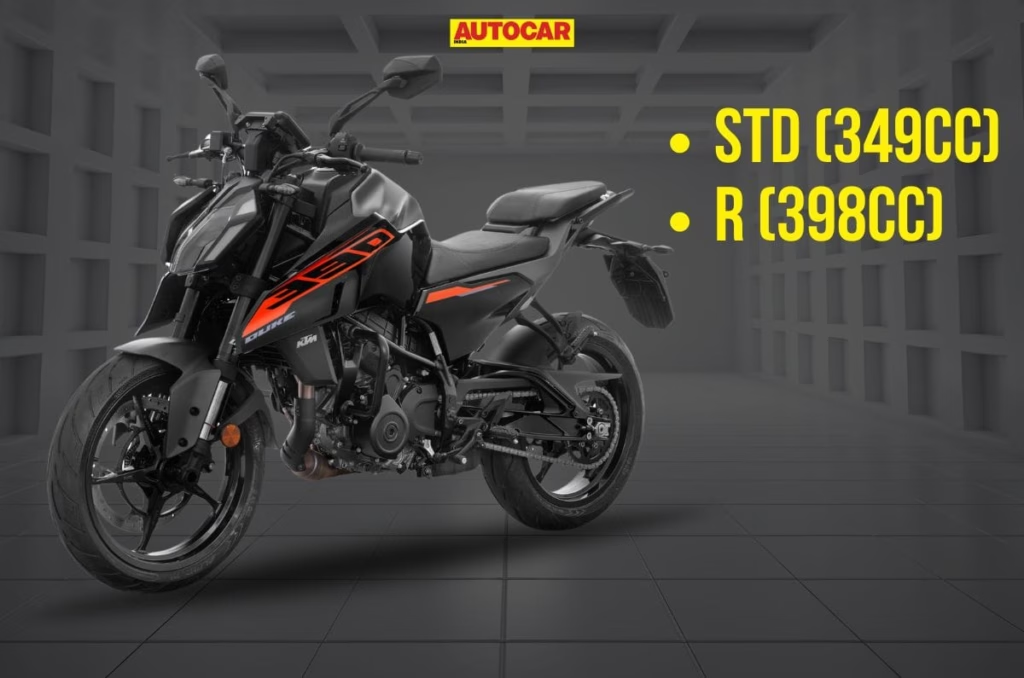
KTM 390 Duke black front left side static in studio

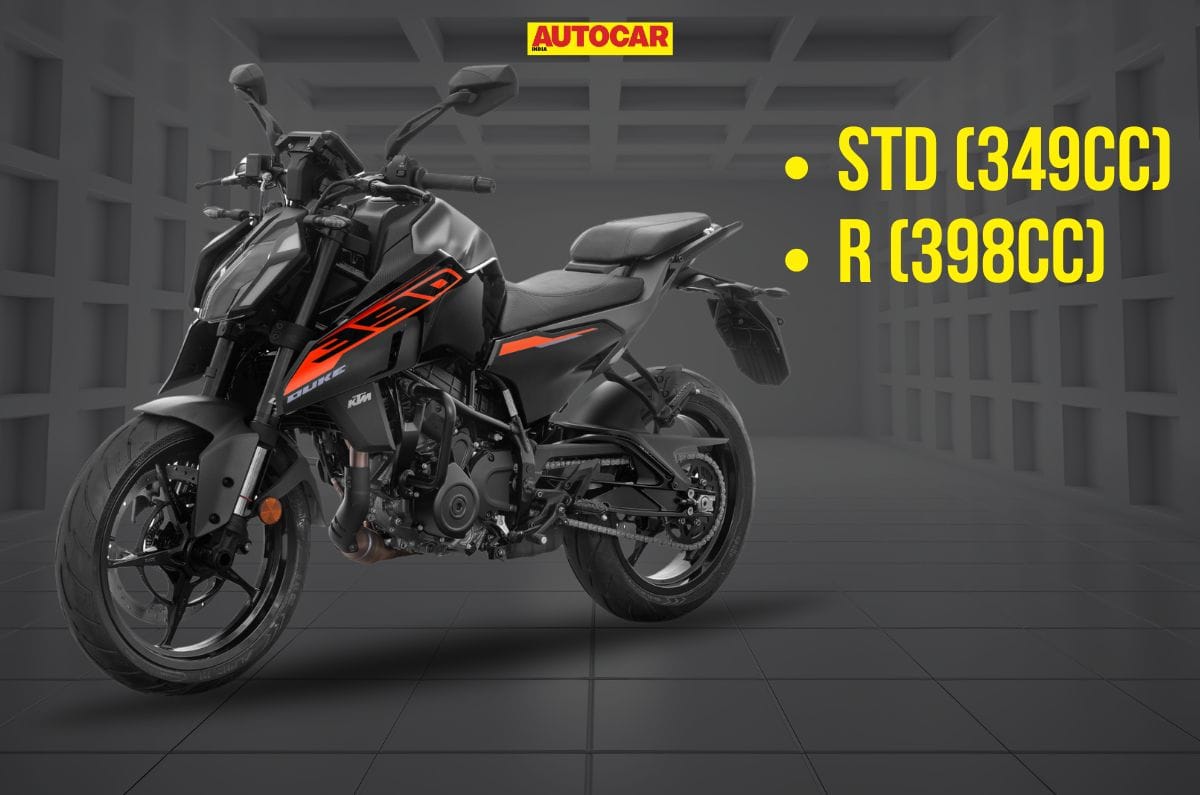
Ever since it burst onto the scene in 2013, the KTM 390 Duke has been synonymous with thrilling performance without breaking the bank. However, today the story has changed and KTM India now offers you two variants of the 390 Duke to choose from – both of which look very similar but have different engines and pricing. Here, we’ll break down what each variant offers and how much it costs.

All prices ex-showroom, Delhi

KTM 390 Duke variant breakdown

Standard

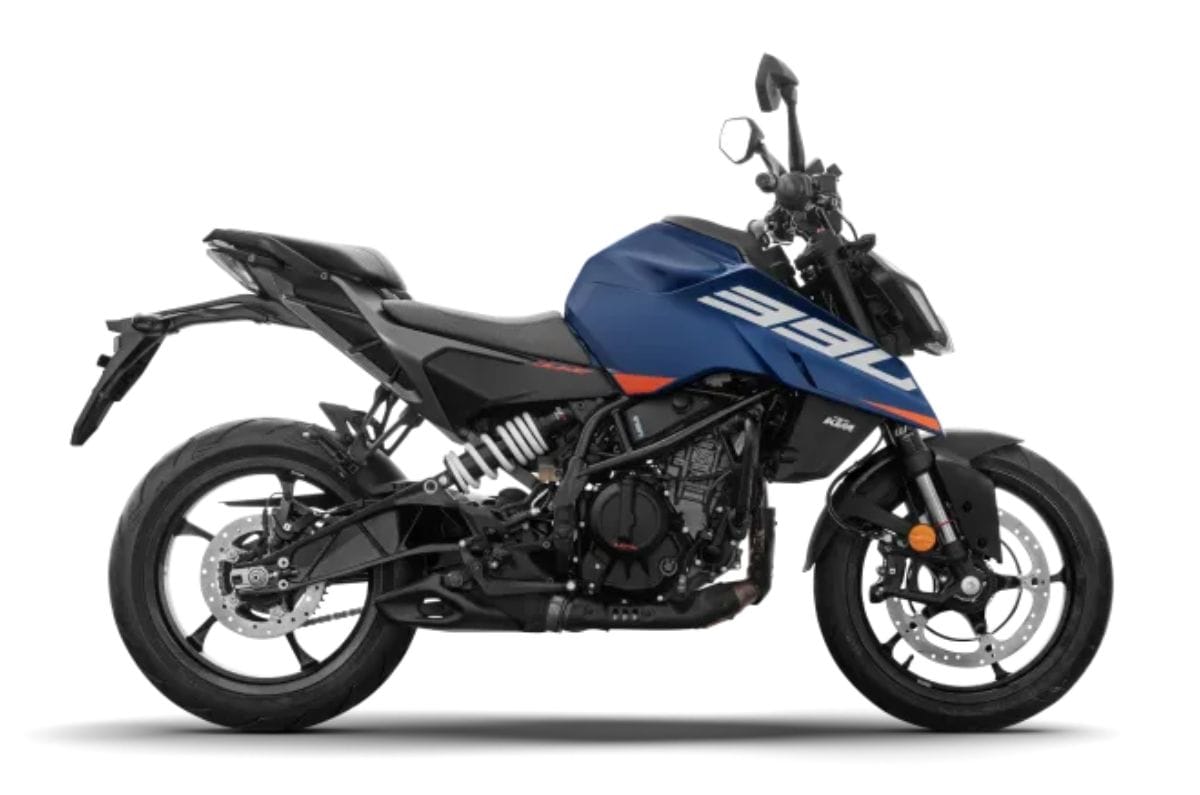
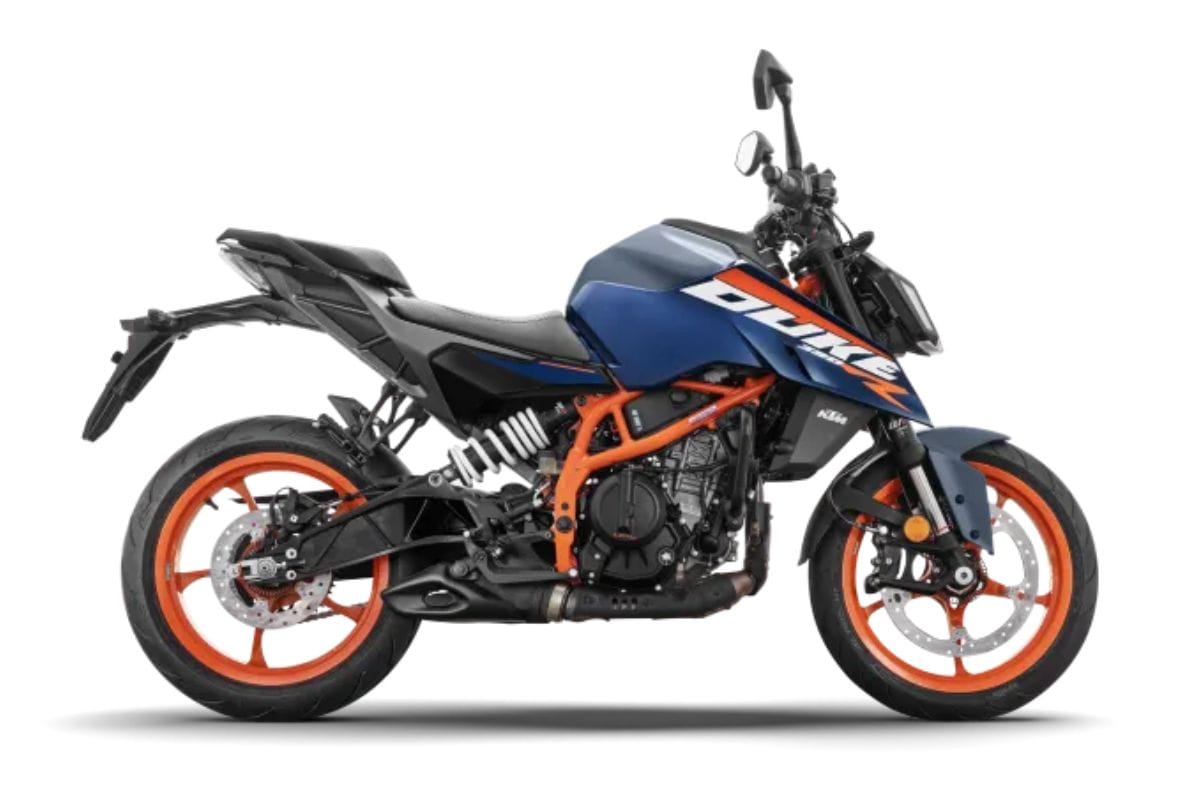
KTM 390 Duke blue right side profile static in studio

Before we elaborate on the differences between the two variants, let’s first recap what’s unchanged. The body panels, styling, chassis and feature-set are shared across both variants. Where the difference lies is primarily in the engine and the different pricing owing to the varying GST rates levied upon the motorcycles.

To benefit from the lower 18 percent GST, Bajaj has downsized the 398cc engine to 349cc via a shorter stroke while keeping the bore intact. The result is that peak output on the standard 390 Duke stands at 41.5hp and 33.5Nm of torque. As a consequence of the lower taxation, the 390 Duke’s price is Rs 2.84 lakh

Another differentiating factor is the different colours and graphics used on the 390 Duke to differentiate it from the higher R variant. You have a choice of three colours – orange, black and blue – which is applicable to the tank and body panels while the frame and wheels are both finished in black.

R

KTM 390 Duke R blue right side profile static in studio

The R variant is the 398cc 390 Duke that came out in 2023 unchanged from before. To recap, the engine is rated for 46hp/39Nm of torque and as a consequence of the 40 percent GST levied here, its price is substantially more, at Rs 3.45 lakh. The most obvious difference between the base model and the 390 Duke R is that the latter comes with an orange frame and wheels as well as a prominent ‘R’ sticker on its side panels.  

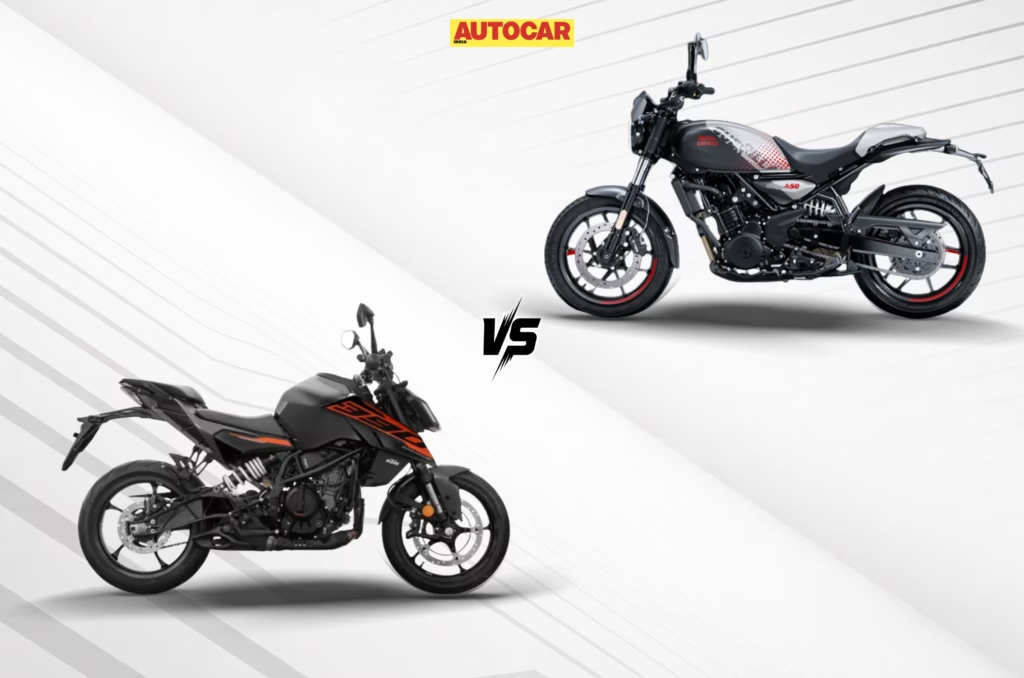
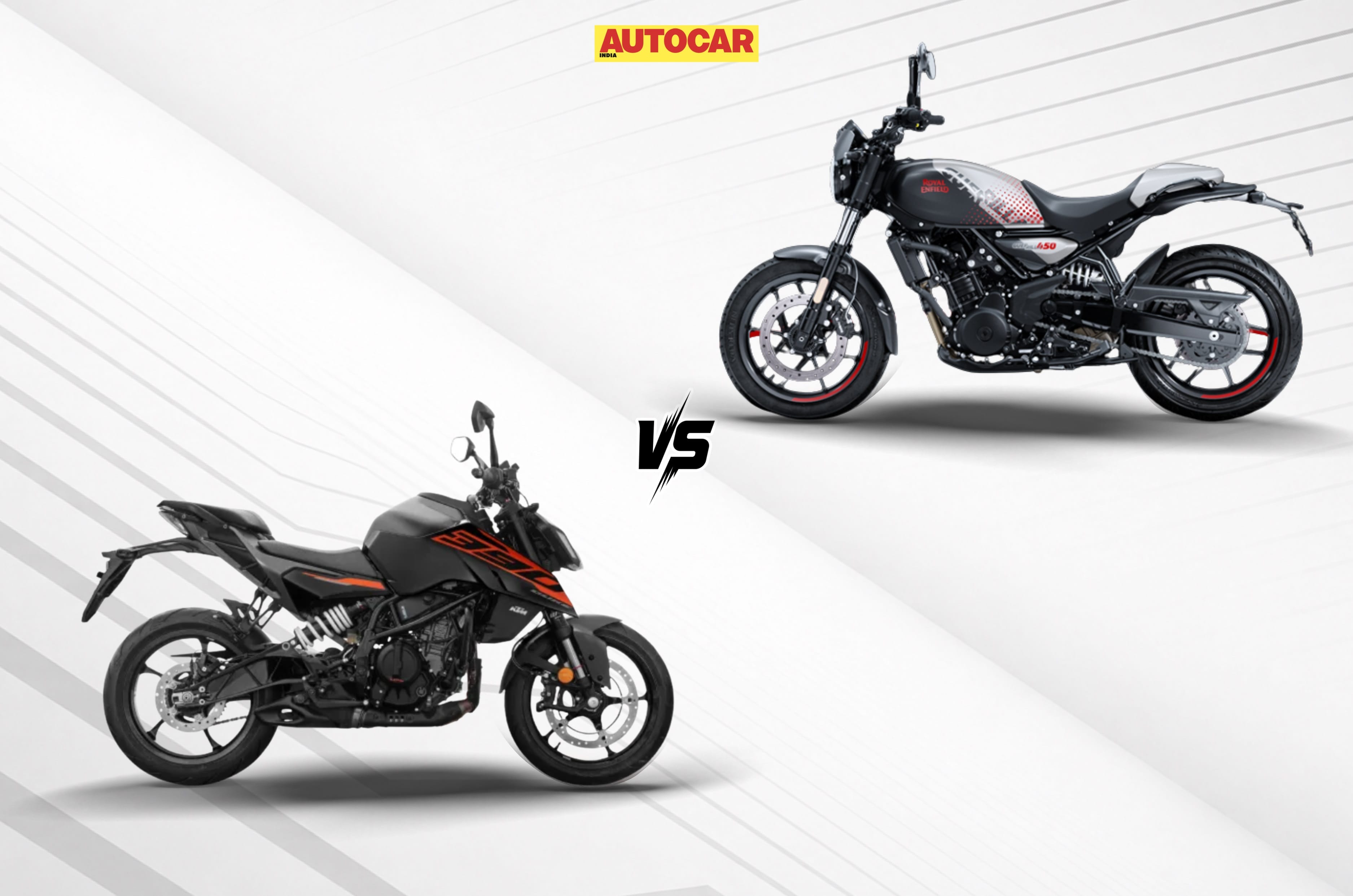
KTM 390 Duke vs RE Guerrilla 450 Apex: Price and Specification Comparison

KTM 390 Duke vs RE Guerrilla 450 Apex: Price and Specification Comparison

When the Guerrilla 450 first launched in 2024, comparisons to the KTM 390 Duke (now known as the Duke R) were inevitable. In 2026 though, things have changed because, following the revised GST structure on motorcycles, Bajaj decided to downsize all of its 400cc manufactured bikes to fall below the 350cc threshold. So, we now have a 390 Duke with a 349cc engine and the 398cc version continues on as the 390 Duke R. Meanwhile, the Royal Enfield Guerrilla 450 is now available in a new, sportier Apex variant. Let’s see how the motorcycles compare on paper with these redrawn boundaries.

KTM 390 Duke vs Royal Enfield Guerrilla 450 Apex: Engine and output

KTM has more power, Guerrilla has more torque


KTM 390 Duke

Royal Enfield Guerrilla 450 Apex

Engine

349.32cc, single-cylinder, liquid-cooled

452cc, single-cylinder, liquid-cooled

Power

41.5hp at 8,600rpm

40.02hp at 8,000rpm

Torque

33.5Nm at 7,000rpm

40Nm at 5,500rpm

Transmission

6-speed

6-speed

Power-to-weight ratio

246.58hp/tonne

216.32hp/tonne

The biggest reason for this comparison is the KTM’s downsized 349cc engine. It now makes 41.5hp of power (vs 46hp on the Duke R) and 33.5Nm of torque (vs 39Nm on the Duke R). Both are now delivered slightly later in rev range as well. KTM achieved this with an 8mm shorter stroke length, although the bore remains unchanged. The Guerrilla 450 Apex, on the other hand, has not changed on the engine front and retains its 452cc engine with the same power and torque figures. Thus, the Guerrilla offers quite a bit more torque than the Duke and it’s delivered much earlier in the rev range too. Which means you will have to work the throttle and gearbox comparatively less on the Royal Enfield. Thus, if you spend most of your time in the city, it will be the less cumbersome bike to ride in this regard. 

KTM 390 Duke vs Royal Enfield Guerrilla 450 Apex: Dimensions and weight

Duke is lighter despite a 30 percent larger fuel tank


KTM 390 Duke

Royal Enfield Guerrilla 450 Apex

Fuel tank capacity

15 litres

11 litres

Ground clearance

183mm

169mm

Kerb weight

168.3kg

185kg

Seat height

800mm

780mm

Wheelbase

1357mm

1440mm

The 390 Duke continues to be far lighter than the Guerrilla, which weighs a staggering 17kg more. Another pertinent detail is that despite the lower weight, the Duke gets a 4-litre larger fuel tank compared to the Guerrilla. The Guerrilla does get a 20mm lower seat height and its ground clearance is 14mm lesser than the Duke. However, it’s worth noting that both bikes are perfectly usable on our roads, pothole-ridden or otherwise.

KTM 390 Duke vs Royal Enfield Guerrilla 450 Apex: Tyres, brakes, and suspension

Duke has adjustable suspension and better brakes


KTM 390 Duke

Royal Enfield Guerrilla 450 Apex

Tyres (F, R)

110/70R17, 150/60R17

120/70R17, 160/60R17

Brakes (F, R)

320mm front disc, 240mm rear disc; dual-channel ABS

310mm front disc, 270mm rear disc; dual-channel ABS

Suspension (F, R)

43mm USD fork, monoshock

43mm RSU fork, linkage monoshock

Moving on to one of the most important links between the rider and the tarmac, the tyres. The Guerrilla gets slightly wider tyres than the Duke at both ends, but the disc brakes on the Guerrilla are slightly smaller at the front, and slightly larger at the rear. However, the KTM comes with a more sophisticated radial calliper at the front, whereas the Guerrilla makes do with a simpler axial unit. As for suspension, the Duke gives you an USD fork which is compression and rebound adjustable; and the rear monoshock is rebound and preload adjustable. The only adjustability the Guerrilla gets is for its rear preload.

KTM 390 Duke vs Royal Enfield Guerrilla 450 Apex: Features

KTM continues its tech-forward approach

KTM has always offered a myriad of tech features and rider aids on its motorcycles. Royal Enfield on the other hand has always been restrained on that front, prioritizing simplicity and ease of use instead. Depending on your preferences, you will gravitate towards one or the other. KTM offers you slip-and-assist clutch, ride modes, traction control, launch control, lean-sensitive ABS, bi-directional quickshifter, cruise control, turn-by-turn navigation, track screen, and a type-C charging port. Royal Enfield, to its credit, has given the Guerrilla a decent feature-set comprising a TFT instrument cluster which allows you to screencast Google Maps, two ride modes and a slip-and-assist clutch.

KTM 390 Duke vs Royal Enfield Guerrilla 450 Apex: Price

Guerrilla is more affordable with a bigger engine but has less features

 KTM 390 DukeRoyal Enfield Guerrilla 450 Apex
PriceRs 2.84 lakh (ex-showroom, Delhi)Rs 2.51 lakh (ex-showroom, Chennai)

Last but not least, the other reason necessitating the comparison, is the price. With its downsized engine KTM was able to meet a lower GST slab and thus the 390 Duke now costs Rs 2.84 lakh (ex-showroom, Delhi). The Guerrilla 450 Apex still manages to undercut it and by a good deal, starting at Rs 2.51 lakh and going up to Rs 2.58 lakh for the Apex Green colour.


Bajaj, TVS drive 33 percent rise in India’s motorcycle exports

Bajaj, TVS drive 33 percent rise in India’s motorcycle exports

India exported 1.81 million motorcycles between April and July 2026, up 33 percent from the same period last year, according to SIAM data. Motorcycles accounted for 86 percent of India’s 2.10 million two-wheeler exports during this period.

  1. 1.81 million motorcycles exported between April and July
  2. Bajaj and TVS account for 76 percent of exports
  3. TVS exported over 85,898 more 125cc motorcycles than Bajaj

Bajaj, TVS lead India’s motorcycle exports

Bajaj Auto and TVS Motor Company together accounted for 1.38 million motorcycle exports, or 76 percent of the total. Much of the demand is concentrated in the 100-125cc segments, which accounted for 1.22 million units, or 68 percent of all motorcycle exports.

Bajaj Auto exported 8,54,991 motorcycles between April and July, up 48 percent year on year. Its 100-110cc exports nearly doubled to 378,941 units, while 110-125cc exports rose 36 percent to 229,677 units.

Africa has been a major growth driver for Bajaj, with the company reporting that its African retail volumes doubled in Q1 FY2027. The Boxer 125 Heavy Duty has been one of the key models behind this growth, particularly in Nigeria. Bajaj has also seen strong demand in Latin America, with Brazil retail volumes rising 50 percent in Q1.

TVS exports rise 31 percent

TVS Motor exported 529,041 motorcycles in the first four months of FY2027, up 31 percent. This was 35,509 units more than its domestic motorcycle sales during the same period.

Its 100-110cc exports, comprising models such as the Sport and Star City, rose 54 percent to 156,308 units. The 125cc category grew 27 percent to 315,575 units, with the Star City 125, sold as the HLX 125 in overseas markets, being a major contributor. TVS exported 85,898 more 125cc motorcycles than Bajaj during the period.

India’s motorcycle exports could cross 5 million

India exported a record 4.47 million motorcycles in FY2026. The 1.81 million units shipped in the first four months of FY2027 already represent 40.5 percent of that figure.

At the current monthly run rate of around 4.53 lakh motorcycles, India could export approximately 5.44 million motorcycles in FY2027, taking annual exports beyond the 5-million mark for the first time.


TVS overtakes Honda for the first time in July scooter sales

TVS overtakes Honda for the first time in July scooter sales

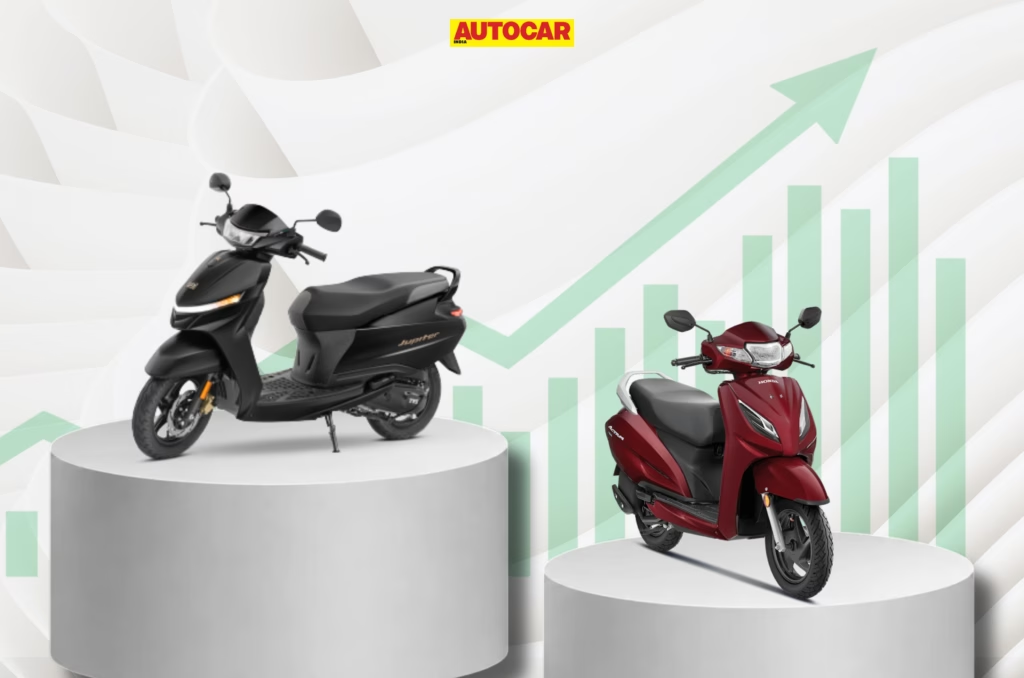
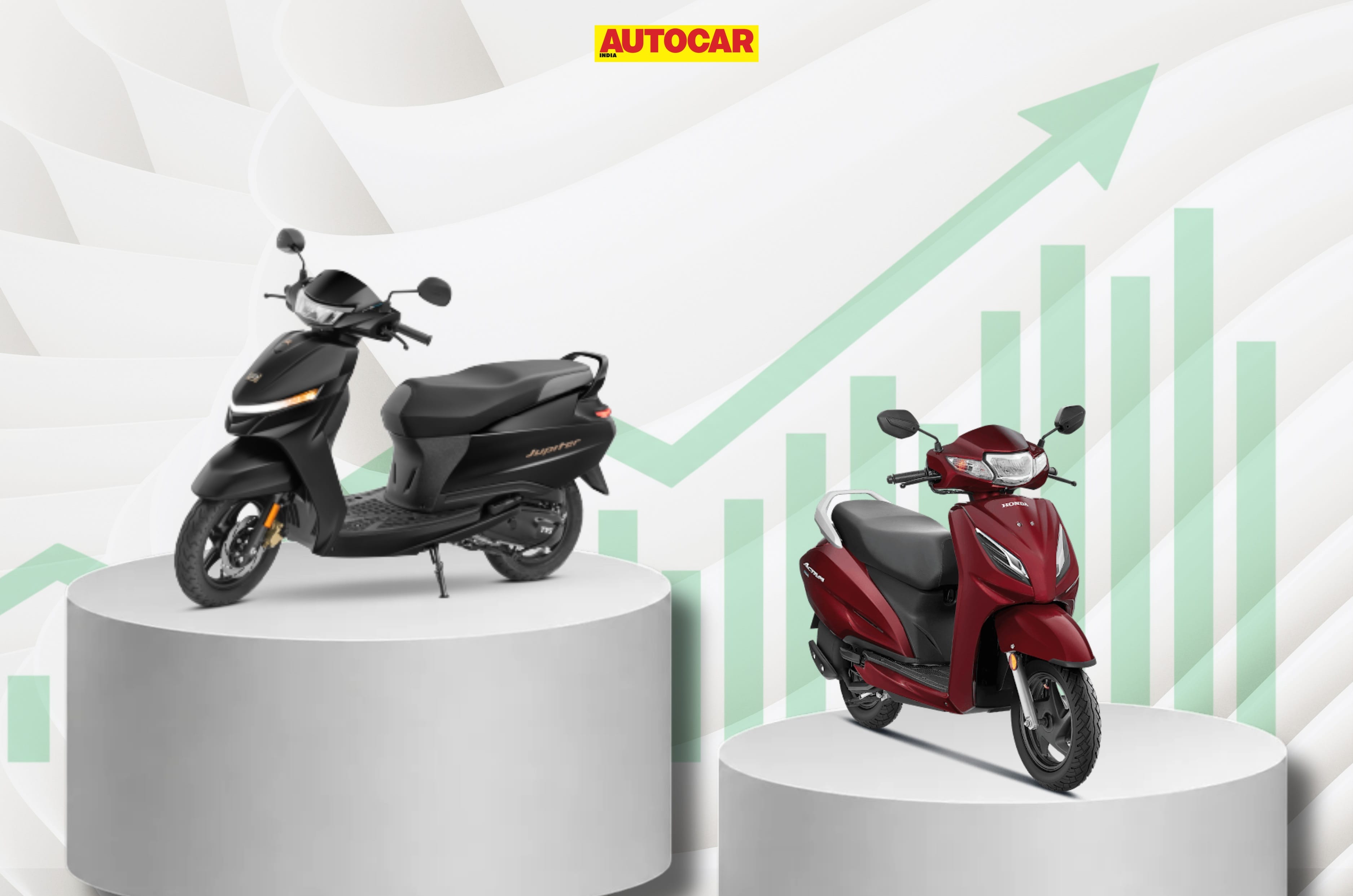
India’s scooter market came close to the 800,000-unit mark in July 2026, with nine OEMs dispatching 798,190 units, up 24 percent year on year. TVS Motor Co overtook Honda Motorcycle & Scooter India for the first time to lead the market for the month.

  1. TVS scooter sales up 40 percent to 2,56,675 units
  2. Honda sales fall 12 percent to 2,33,337 units
  3. Electric scooters account for 21 percent of July wholesales

TVS overtakes Honda for the first time

TVS Motor Co has overtaken Honda Motorcycle & Scooter India (HMSI) to become India’s largest scooter manufacturer in monthly wholesales for the first time in July 2026. TVS dispatched 2,56,675 units, up 40 percent year on year, while Honda dispatched 2,33,337 units, down 12 percent. The difference between the two stood at 23,338 units.

July’s overall scooter wholesales of 7,98,190 units were just 1,810 units short of the 8 lakh mark. It was the second-highest monthly tally after October 2025, when over 8.24 lakh scooters were dispatched. July was also the sixth month in the past seven to cross 7 lakh units, with April falling short by just 8,007 units.

TVS’ scooter market share increased to 32 percent in July from 28 percent in the same month last year, while Honda’s share fell from 41 percent to 29 percent.

TVS’ EVs drive growth

TVS’ ICE scooter range, comprising the Jupiter, NTorq and Zest, accounted for 1,97,289 units in July, up 23 percent year on year. Its electric scooters, the iQube and Orbiter, contributed 59,386 units, up 158 percent.

Honda’s ICE scooters, comprising the Activa 110/125 and Dio 110/125, accounted for 2,32,073 units, down 12 percent from 265,364 units in July 2025. The company’s Activa-e and QC1 electric scooters together contributed 1,264 units, up 467 percent from 263 units a year ago.

HMSI unveiled its third electric scooter, the QC 3, on July 24. The company remains India’s largest scooter exporter, with 1,56,938 units shipped in July, up 36 percent year on year. TVS was second with 53,254 units, up 43 percent.

Suzuki, Hero and Bajaj follow

Suzuki Motorcycle India dispatched 1,20,998 scooters in July, up 28 percent year on year, taking its market share to 15 percent from 14 percent a year ago. The Access 125 remains its best-selling scooter, ahead of the Avenis and Burgman Street, which also use the same 125cc engine. The new e-Access contributed 825 units.

Hero MotoCorp dispatched 61,347 scooters, up 33 percent, giving it an 8 percent market share. Its ICE scooters, the Destini 125, Pleasure and Xoom, accounted for 38,640 units, up 11 percent, while Vida electric scooters contributed 22,707 units, up 102 percent.

Bajaj Auto dispatched 48,684 units, up 301 percent year on year from 12,134 units in July 2025. The tally comprised 47,184 Chetaks and 1,500 Yulu EVs. Its scooter market share consequently rose to 6 percent from 2 percent.

Yamaha and Ather continue to grow

India Yamaha Motor dispatched 36,783 scooters in July, up 53 percent year on year. The Fascino and Ray ZR together accounted for 31,945 units, up 46 percent, while the 155cc Aerox contributed 4,544 units, up 102 percent. Yamaha also dispatched 294 EC-06 electric scooters to its Blue Square dealerships.

Ather Energy dispatched 31,044 scooters in July, up 106 percent year on year, doubling its market share to 4 percent. The company is set to unveil its first EL platform-based scooter at Ather Community Day on August 29.

River Mobility dispatched a record 6,039 Indie electric scooters in July, up 226 percent year on year. Piaggio Vehicles, which sells the Vespa and Aprilia brands in India, dispatched 3,283 scooters, up 40 percent.

Electric scooters account for 21 percent of sales

Electric scooter wholesales reached 1,70,243 units in July, up 168 percent year on year from 63,560 units in July 2025. Volumes were also up 16 percent over June 2026, when 1,46,668 electric scooters were dispatched.

EVs consequently accounted for 21 percent of total scooter wholesales in July, compared with 10 percent a year ago.

TVS dispatched a record 59,386 iQube and Orbiter scooters in July, giving it an EV penetration of 35 percent for the month. Between January and July 2026, TVS has dispatched 1.52 million scooters, of which 314,104 were electric, meaning roughly one in every five scooters sold by TVS during the period was an EV.

Bajaj Auto’s 48,684-unit July tally included 47,184 Chetaks and 1,500 Yulu EVs, while Ather dispatched 31,044 units and Hero’s Vida range contributed 22,707 units.

The three Japanese electric scooter manufacturers – Honda, Suzuki and Yamaha – together dispatched 2,383 units in July.

Scooter sales on track for record CY2026

Cumulative scooter wholesales for January-July 2026 stood at 5.21 million units, up 32 percent from 3.95 million units during the same period last year. The seven-month tally already represents 69 percent of the record 7.52 million scooters sold in CY2025.

At the current pace, the scooter industry is on track to cross 9 million units in CY2026 for the first time.

Scooters accounted for 41 percent of India’s 1.92 million two-wheeler wholesales in July. Motorcycles accounted for 1.075 million units, or 56 percent, while mopeds contributed 50,497 units, or 3 percent.

Bajaj Pulsar N160 4V SS: Numbers game

Bajaj Pulsar N160 4V SS: Numbers game
Bajaj Pulsar side tracxking image

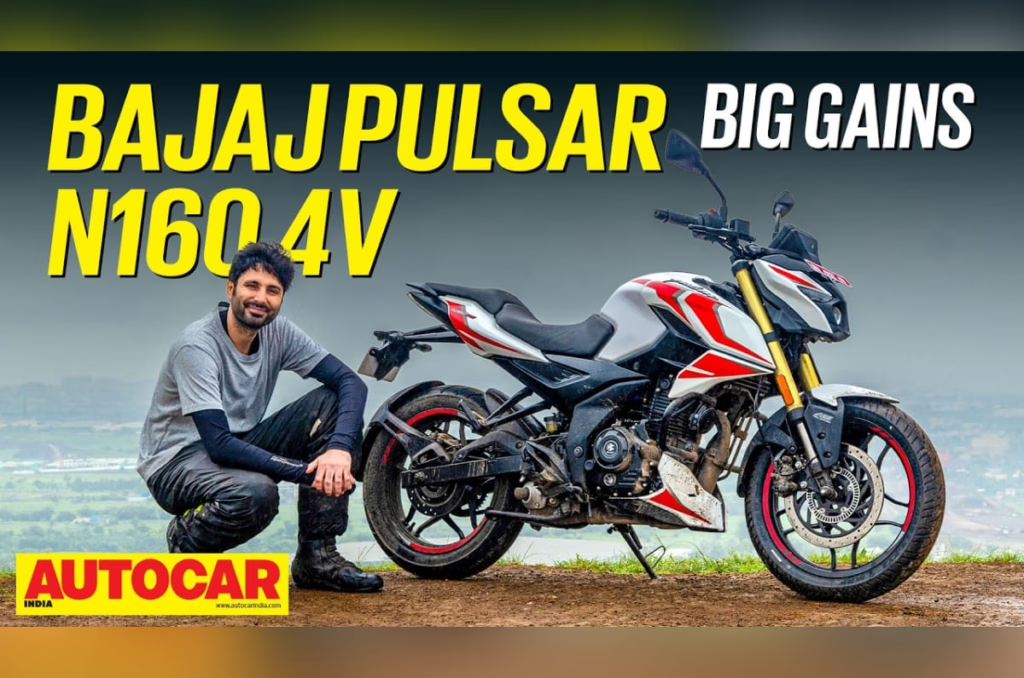
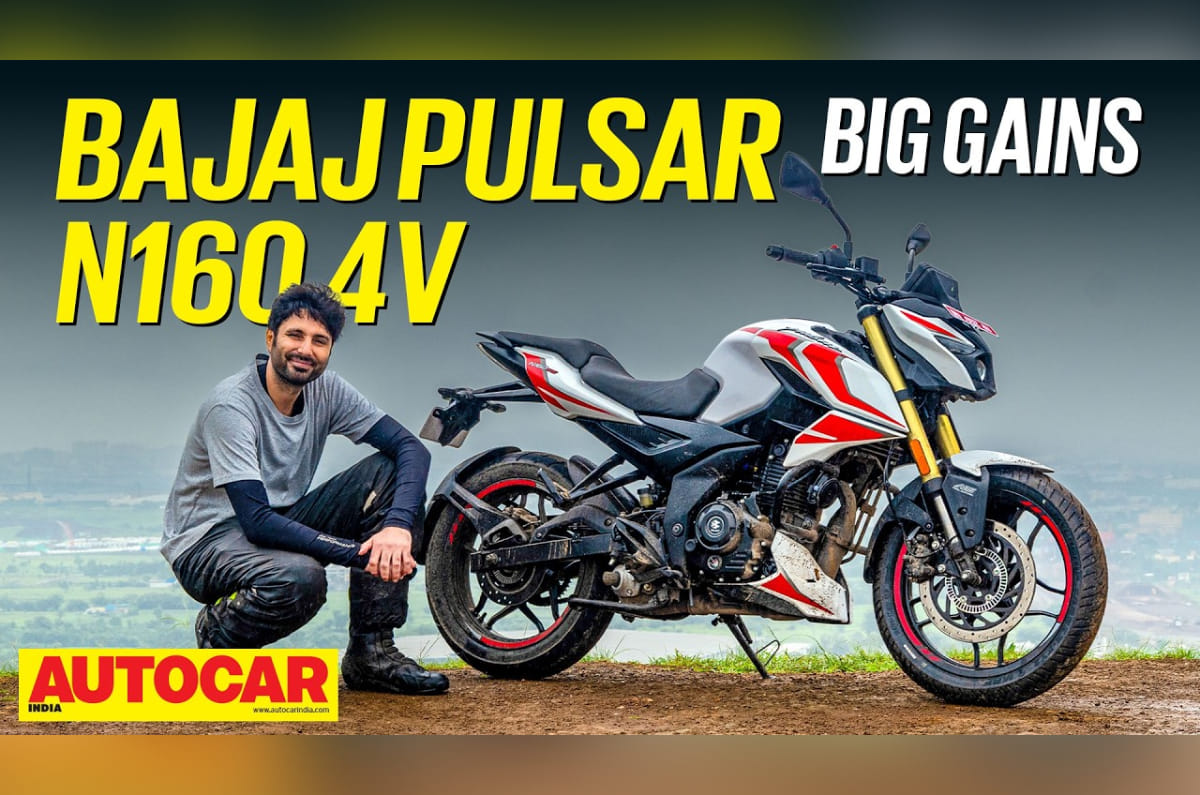
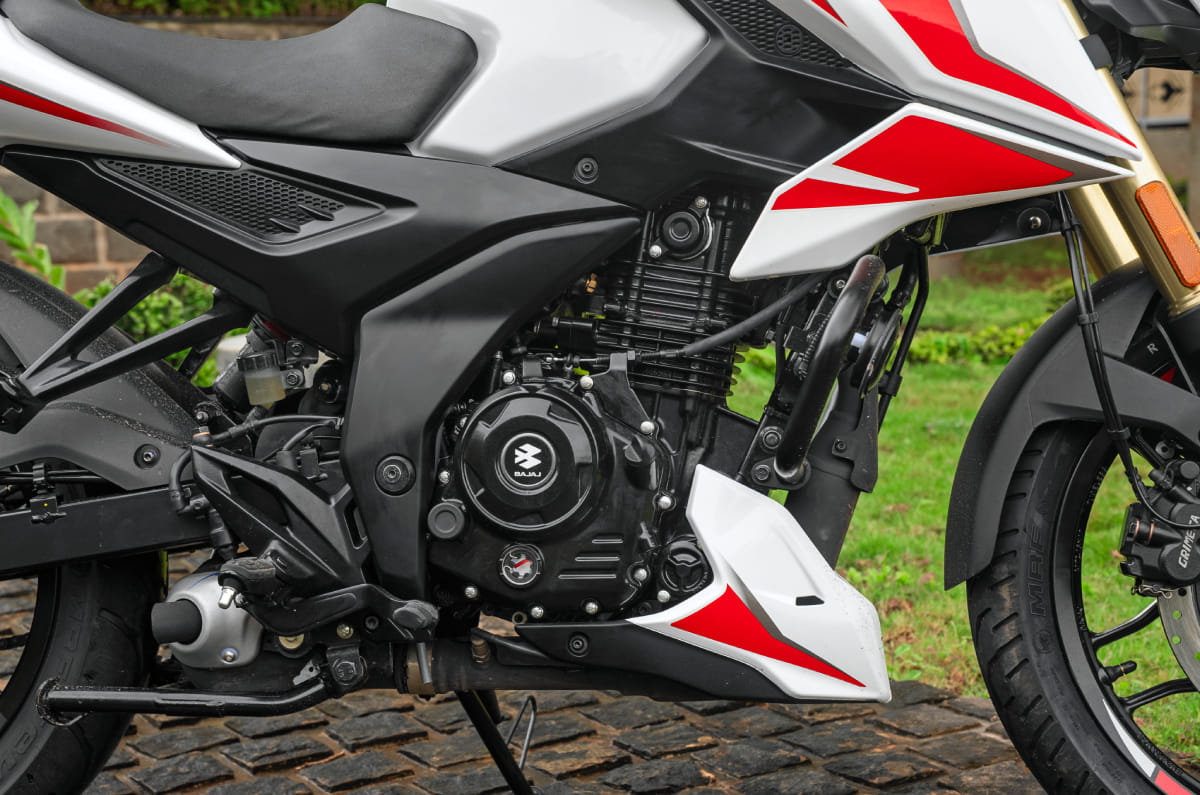
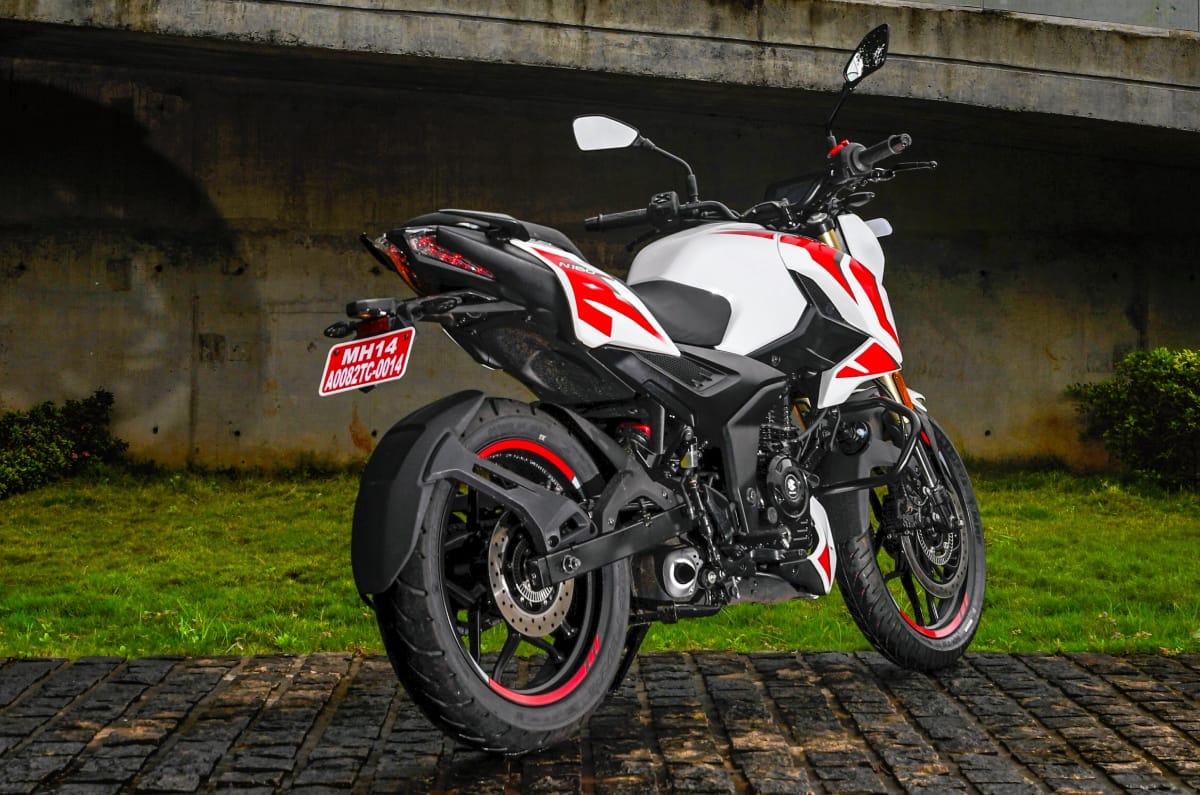
The Bajaj Pulsar N160 has gained a lot of traction in the last three years and Bajaj has now given it even more appeal with the introduction of a new 4 valve version. The existing 2-valve N160 continues to be on sale while two new 4-valve variants have been added to the line up.

Bajaj Pulsar N160 4V: Whats new

The engine changes are bigger than expected with this being a new engine that is still 165cc but now has a bigger 63.5mm bore and shorter 52mm stroke. Bajaj claims a sizable jump from 16hp at 8750rpm to 18.5hp at 9500rpm while torque drops marginally from 14.65Nm at 6750rpm to 14.4Nm at a higher 8000rpm. Bajaj also claims a high rev limit of 10,900rpm. The bottom end of the engine and the gearbox are the same as before.

The chassis is also mostly the same, but there have been some minor refinements in the main frame and swingarm which have helped offset the minor gain in engine weight as well as the move to a fatter new 37mm USD fork on the 4V models. As a result, kerb weight is unchanged at 151kg. 

Bajaj has also improved the seating ergos when compared to the previous split seat 2V model. The seat has been slightly reprofiled and the handlebar angle has been relaxed as well. Seat height remains the same at 795mm and while tall riders will prefer less of an upward curve at the back of the seat, this is still a more comfortable perch for long legged folks than the Apache 160 4V.

Bajaj Pulsar N160 Engine and Performance 8/10

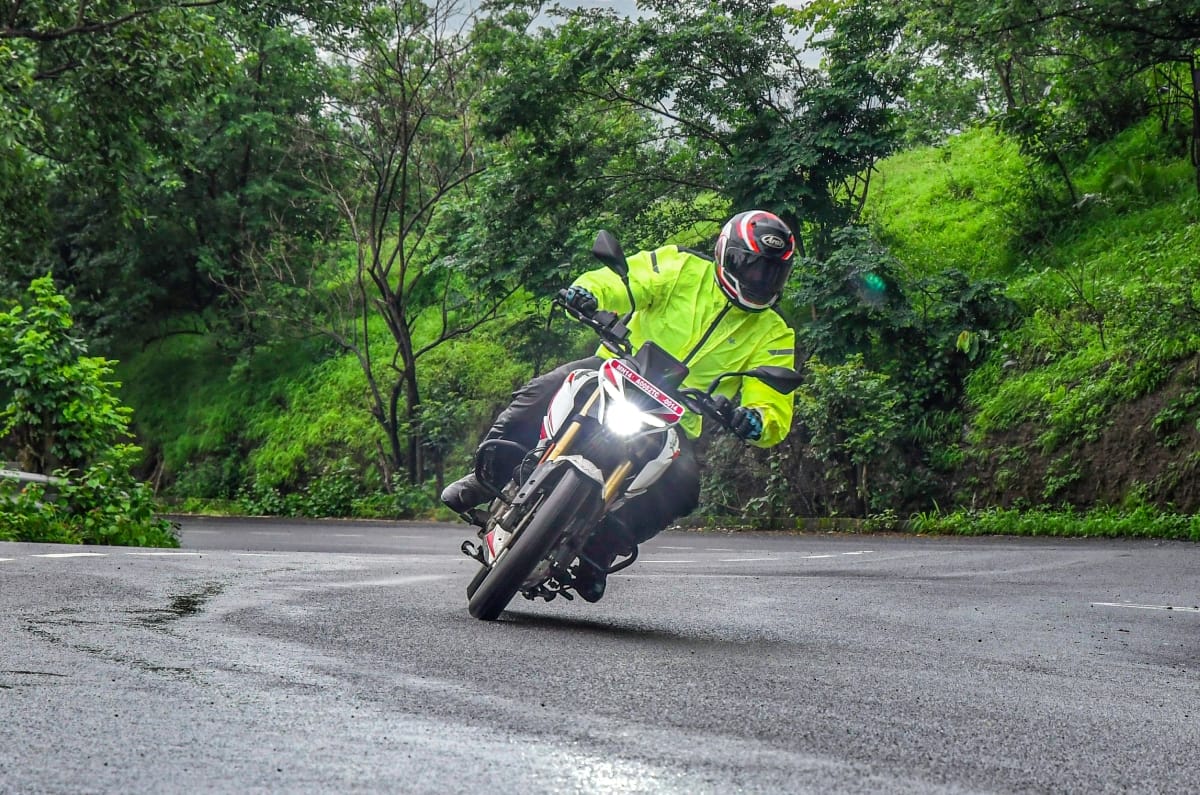
While the new power figure is actually 0.1hp more than the liquid-cooled Yamaha R15, this engine’s feel and performance is more in line with its oil-cooled rivals. It’s quick, but doesn’t feel up there with the Yamaha’s although it should now more closely match the potent Apache. The motor retains its excellent smoothness and there are only a few minor vibrations to be felt at high revs. Clutch pull is very light and the engine is quite tractable at lower revs, which makes it very pleasant to ride in the city.

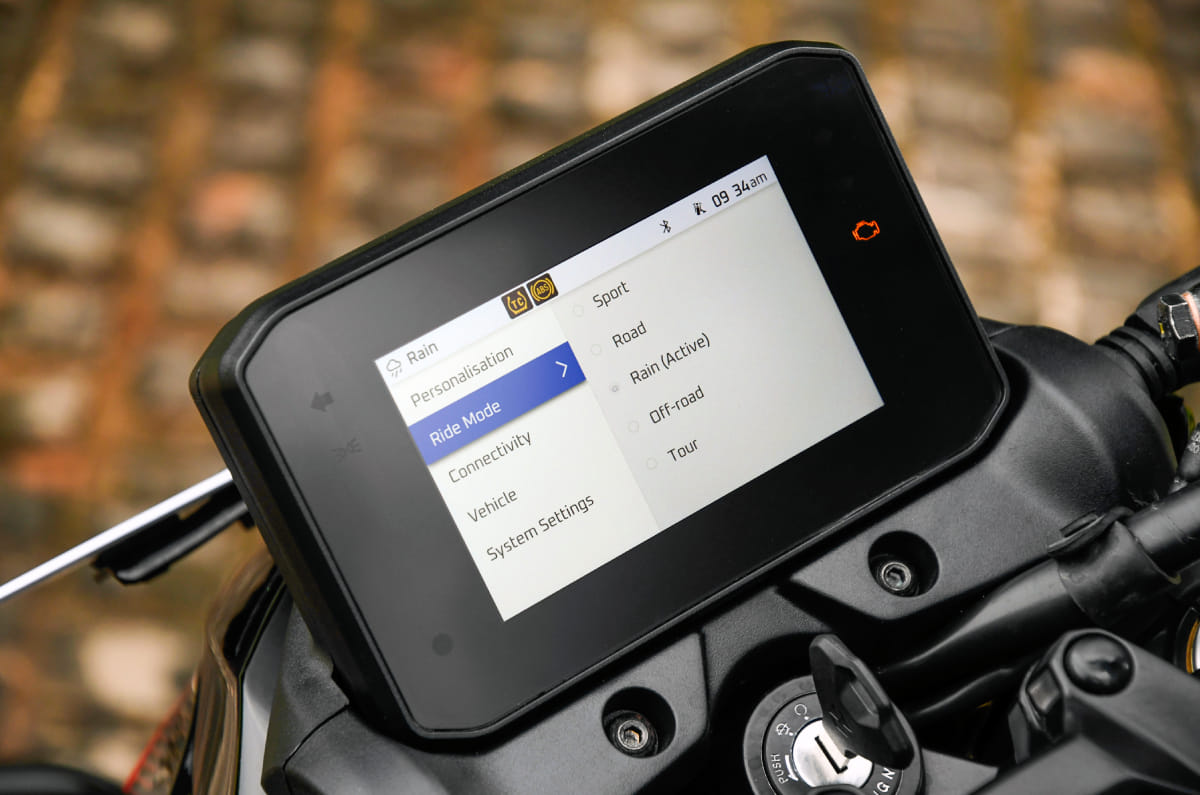
The new ride by wire throttle has unlocked four riding modes and the throttle opening feels smooth and controllable no matter the mode. While this engine does have a near 11,000rpm rev limiter (in Sport mode) we found no value in revving it much beyond 9,500rpm.

Bajaj Pulsar N160 Handling and comfort 7/10

Bajaj has moved to a new 37mm USD fork on the 4V, vs the 33mm USD on the 2V and this does give the front end more of a chunky look. Beyond that change, the way this bike rides is mostly the same as before. The suspension does have a taut feel to it and its not as soft and cushy feeling in the suspension stroke as the Apache. However, it handles rough roads well and the handling in corners is also well controlled and quite enjoyable. We did notice that the turning radius in the city could be a little more generous.

The N160 was the first bike in the category to get dual channel ABS and this SS version carries that forward. It also gets a larger 300mm front disc and overall braking performance is up to the job. The SS model also brings in a new 5-inch TFT display with a fresh looking layout and features like document storage, Bluetooth music control and even Google Maps casting. That last feature works via Bajaj’s app and you can keep your phone screen off when casting if its an Android device, but no such luck for iOS users – a Google decision, not Bajaj’s.

Bajaj Pulsar N160 price and features 9/10

The base S version of the Pulsar N160 4V comes with single channel ABS, a single seat and an LCD display and is priced at Rs 1.34 lakh ex-showroom. This SS model is priced at rs 1.43 lakh ex-showroom which places it slightly lower than the equivalent top variant of the Apache RTR 160 4V.

These new updates have not transformed the N160 into something new, but have definitely enriched the experience and widened the bikes overall appeal. It did not win when we compared it to the Apache a few years ago, but the story could be different today. It’s something we look forward to finding out. 

2026 Bajaj Pulsar N160: Price and variants explained

2026 Bajaj Pulsar N160: Price and variants explained

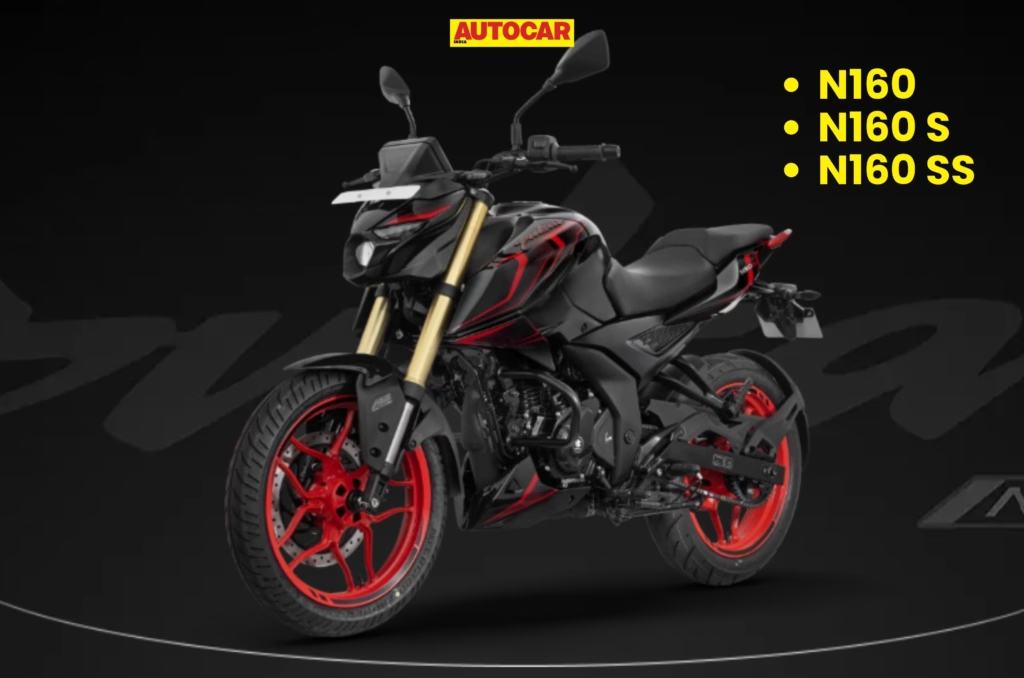
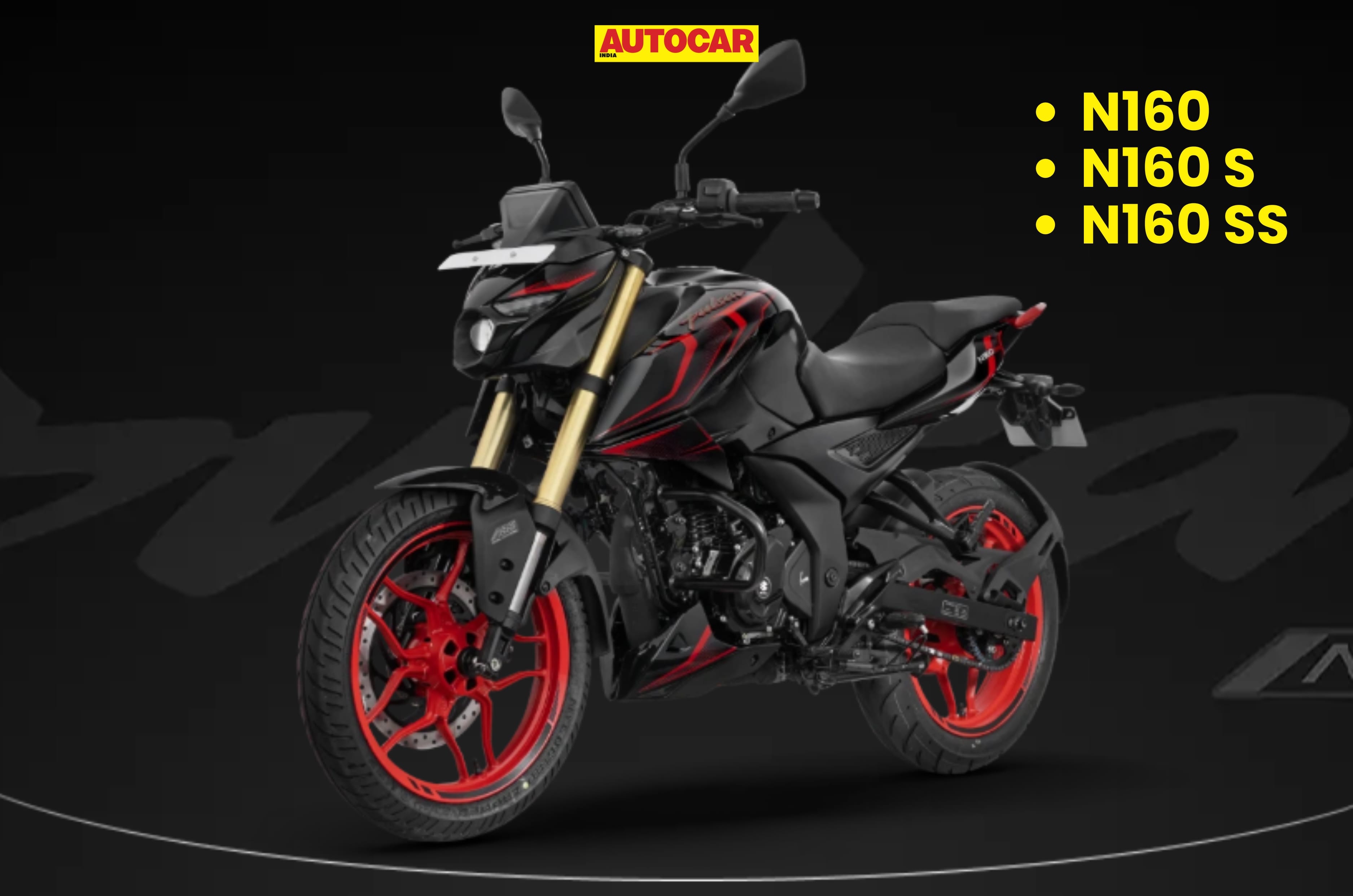
With the introduction of the new Pulsar N160 S and N160 SS, Bajaj now offers their most affordable ‘N’ series model in a total of five variants. The two-valve 164.9cc air-cooled engine, which makes 16hp and 14.65Nm, is available in three variants. And the new four-valve 164.5cc oil-cooled engine that makes 18.5hp and 14.4Nm is available in two variants. According to the Bajaj website, the frame, assist and slipper clutch, Bluetooth, all-LED lighting and a USB-C port are standard across all five variants. 

They all look largely the same and have a price difference of about Rs 20,000 between the absolute base and the absolute top. What exactly do you gain (or, in one case, lose) by upgrading? Let’s see. All prices mentioned here are ex-showroom, Delhi.

Pulsar N160

The Pulsar N160 is available in three variants, all of which get a USD fork and are differentiated by braking and seating configuration – single disc with single seat (Rs 1.22 lakh), twin disc with single seat (Rs 1.25 lakh) and twin disc with split seat (Rs 1.31 lakh). The mid-spec variant adds a rear disc brake and rear lift-off protection (RLP) over the base model. The top-spec variant steps up further with dual-channel ABS, traction control, a larger 300mm front disc (versus 280mm on the other two), 10mm more rear monoshock travel and LED DRLs inside the headlight.

Pulsar N160 S

The S is the base variant of the new four-valve engine. It gains a bigger front 37mm USD fork, ride-by-wire throttle, crawl tech, more advanced ride modes, and a new, bigger 5-inch LCD instrument cluster. However, compared to the top variant of the older N160, the S lacks traction control, LED DRLs, gets a smaller 280mm front disc brake, and goes back to single-channel ABS for Rs 1.33 lakh. Considering what you lose in the S for Rs 2,000 extra over the previous top variant, this is certainly not an easy choice to make.

Pulsar N160 SS

Next is the SS, which brings back traction control, the 300mm front disc, dual-channel ABS, and LED DRLs. It also swaps the S’s 5-inch LCD cluster for a TFT one with Wi-Fi support. The Wi-Fi module enables Google Maps mirroring support on the SS, which is a segment-first feature according to Bajaj. The other feature exclusive to the SS is the rear radial tyre that’s otherwise similar in size to the rest. The top variant costs Rs 1.42 lakh, a Rs 9,000 increase over the S and a Rs 11,000 increase over the top variant with the 2V engine.

Stephen Raj Antony
 

Updated Hero Xtreme 125R spotted with a TFT cluster

Updated Hero Xtreme 125R spotted with a TFT cluster
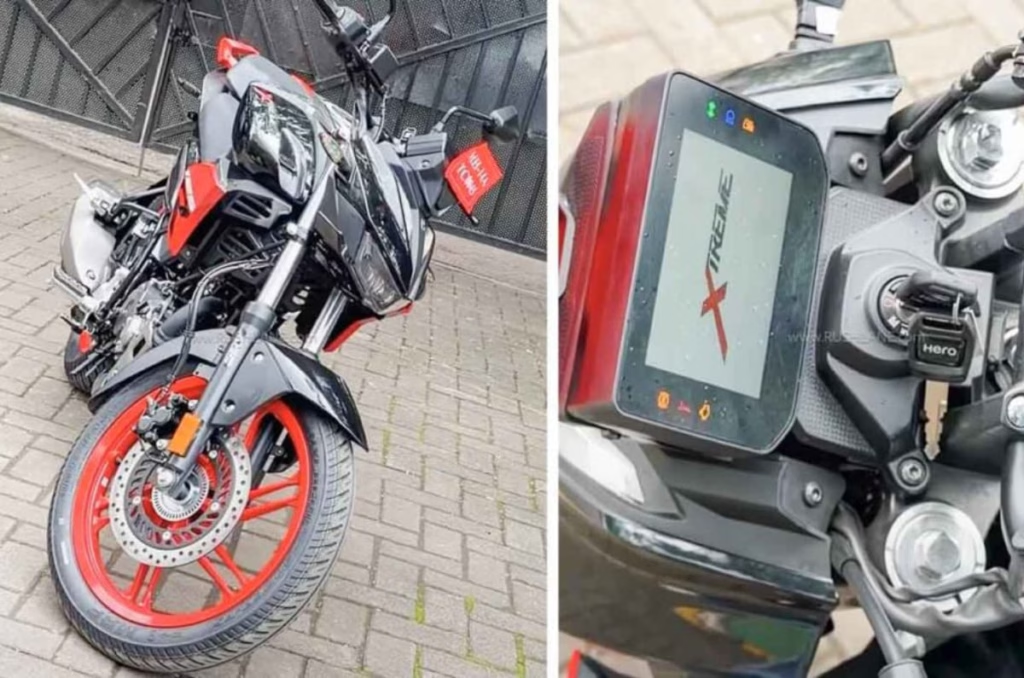
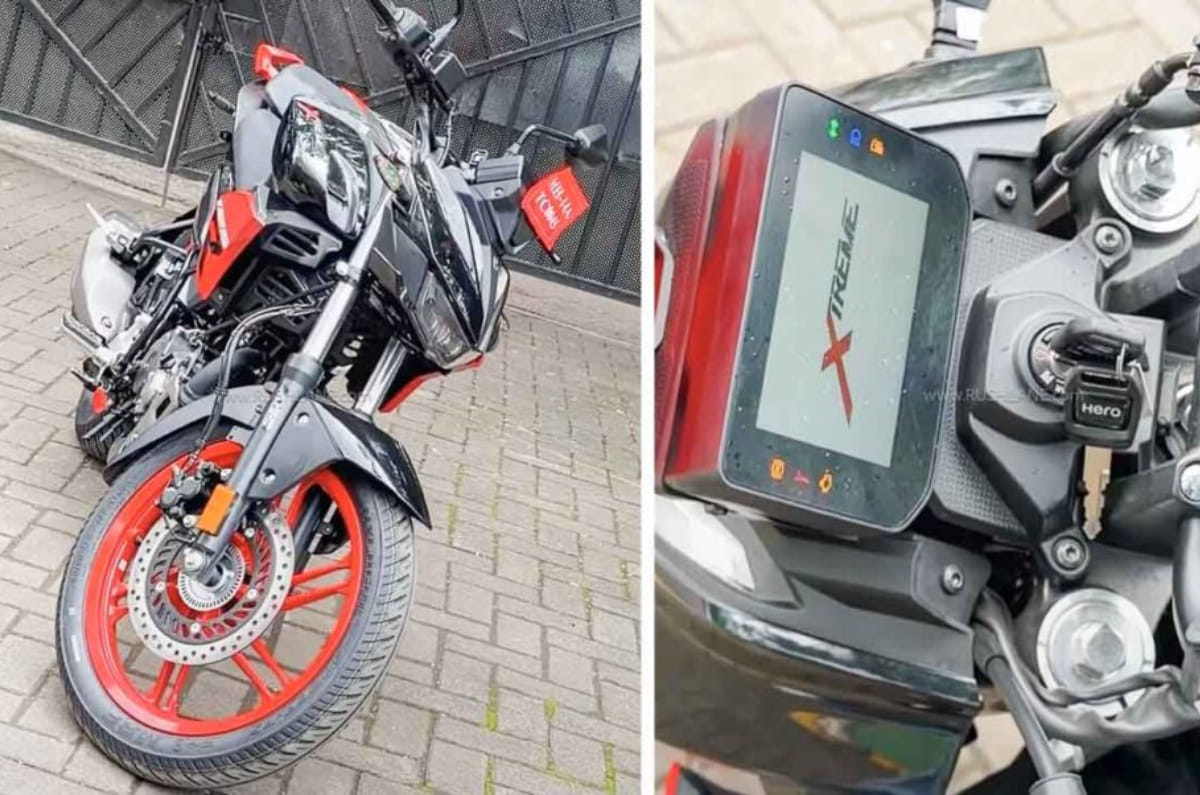
Updated Hero Xtreme 125R side by side with new TFT display

Hero Motocorp is hedging its bets against the yet-to-be-launched Bajaj Pulsar 125, TVS Raider, and Honda CB125 Hornet. Images of an upgraded Xtreme 125R with a TFT display have surfaced online, and some reports also suggest that it will feature a TPMS. While there is no official confirmation, it would be a segment-first feature if it did make its way onto the Xtreme 125R. It’s currently only offered on some EV scooters at this price point; otherwise limited to much more expensive motorcycles.

  1. Updated Hero Xtreme 125R spotted at dealership
  2. Already has cruise control, ride modes, and dual-channel ABS
  3. The 125cc engine is expected to remain unchanged

Updated Hero Xtreme 125R: What’s not expected to change

Same engine, suspension as before

The current Xtreme 125R is already one of the most feature-rich motorcycles with dual-channel ABS, three ride modes, one section larger rear tyre than its segment rivals mentioned above, and cruise control. However, it used to have a 4.2-inch LCD cluster, shared with the Glamour X. The new instrument cluster with the TFT display and TPMS would take it further ahead of its direct rivals.

Currently, the Xtreme 125R is powered by a 124.7cc air-cooled unit that makes 11.2hp of power at 8,250rpm and 10.5Nm of torque at 6,500rpm. Visually, the engine looks unchanged, so we could see these figures carried forward as is. There appear to be no changes to the suspension either, with the Xtreme sticking to its front RSU telescopic fork and a rear monoshock. The only rival with a USD fork remains the Honda CB125 Hornet.

Since the motorcycle has already started reaching dealerships, we can expect an official announcement and deliveries to commence in the near future. The current top variant of the Hero Xtreme 125R costs Rs 1.08 lakh (ex-showroom, Delhi) and with these feature additions, we can expect this variant to come at a slight premium.

Image source: Rushlane

Stephen Raj Antony