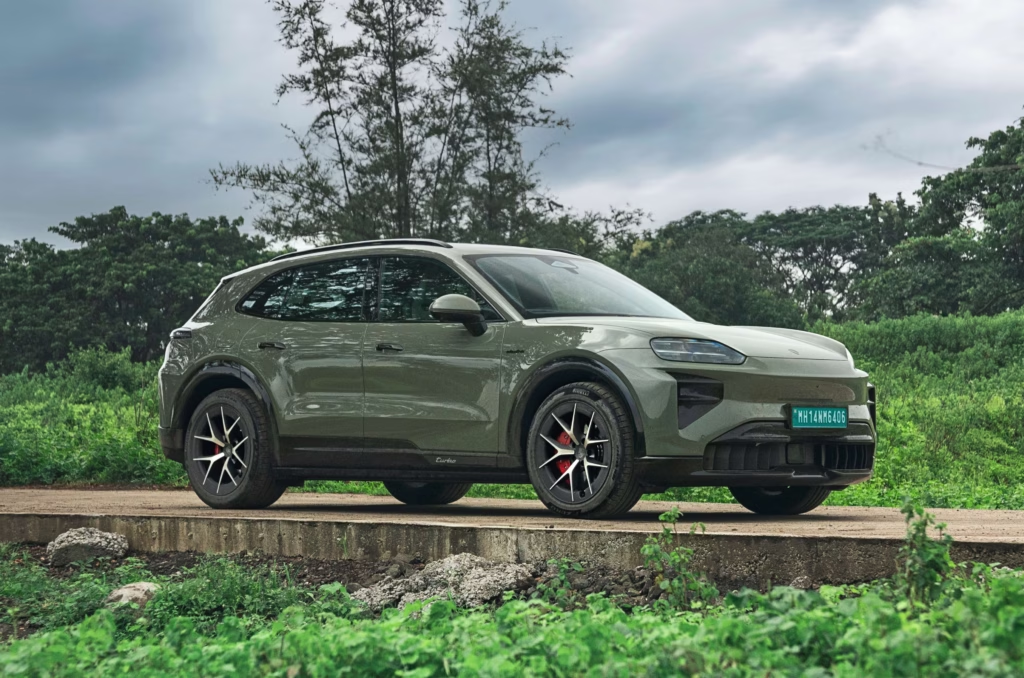
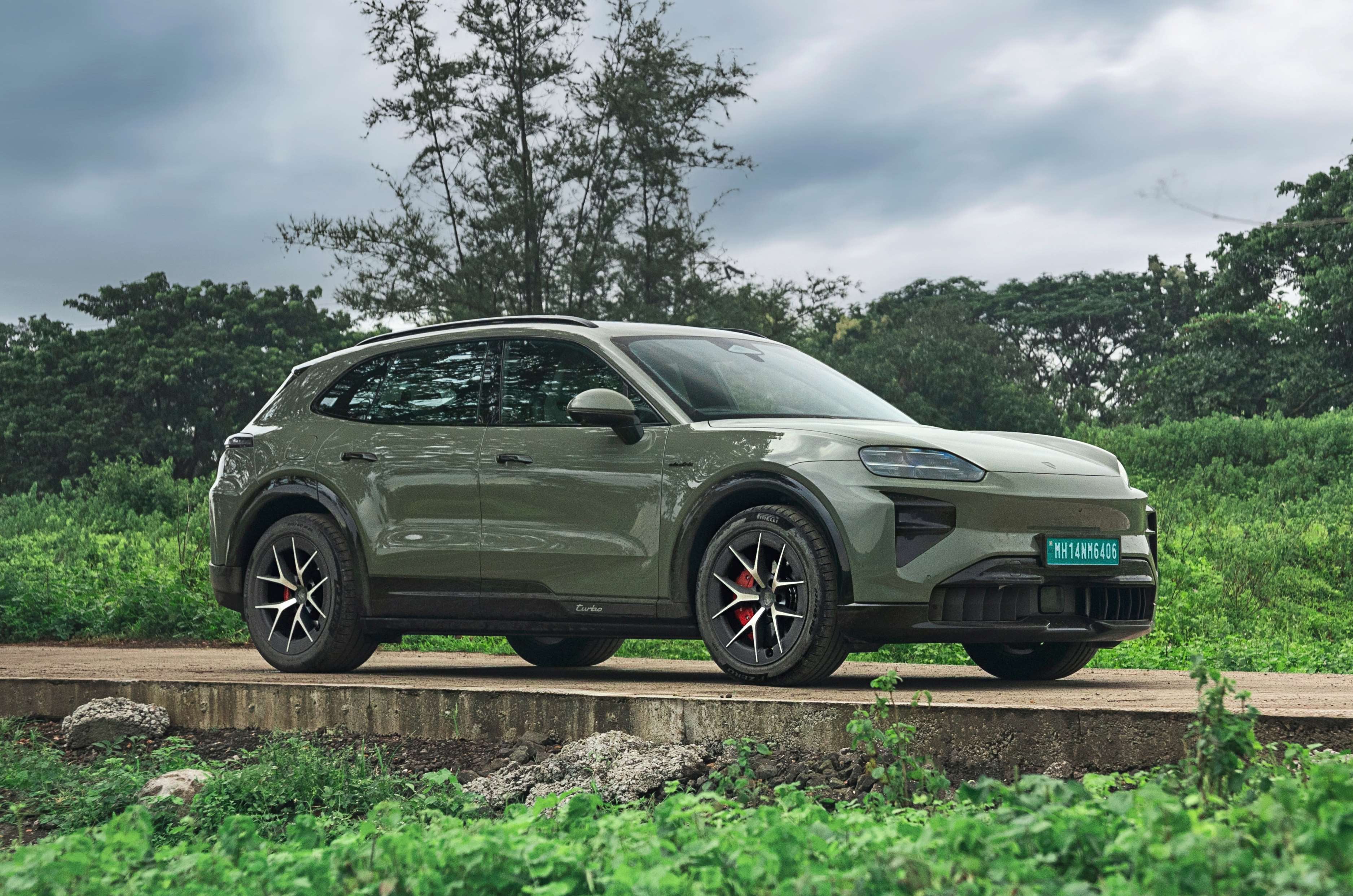
Porsche has debuted the Cayenne Electric SUV in India months after its official launch earlier this year. The Cayenne Electric is underpinned by the Volkswagen Group’s 800V Premium Platform Electric (PPE) architecture. Irrespective of the variant chosen, you get a 113kWh battery pack with a dual-motor setup (AWD) as standard. In base form, it develops 408hp and 750Nm, (442hp and 835Nm with Launch Control engaged), and Turbo produces 857hp and 1,360Nm (+176hp in Push-to-Pass mode) (1,156hp and 1,500Nm with Launch Control engaged). In Turbo guise with launch control mode, the Cayenne Electric is the most powerful series production Porsche currently. The Cayenne Electric gets a WLTP-certified range of up to 642km and supports DC charging speeds of up to 390 kW. Prices for the Cayenne Electric for the base and Turbo variants begin at Rs 1.77 crore and Rs 2.28 crore, respectively, before optional extras.
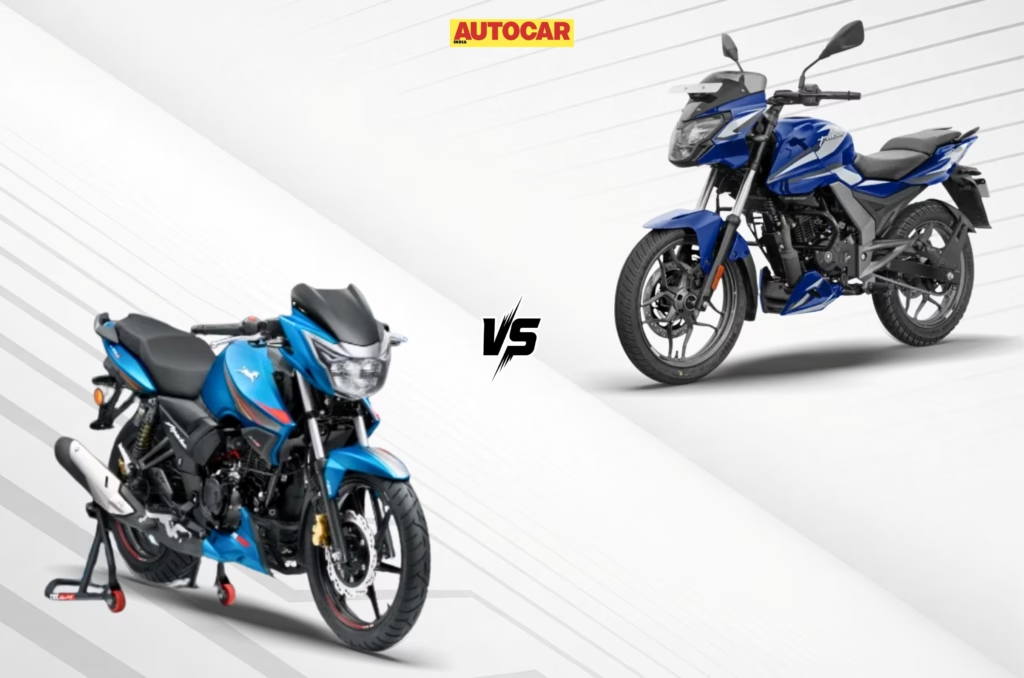
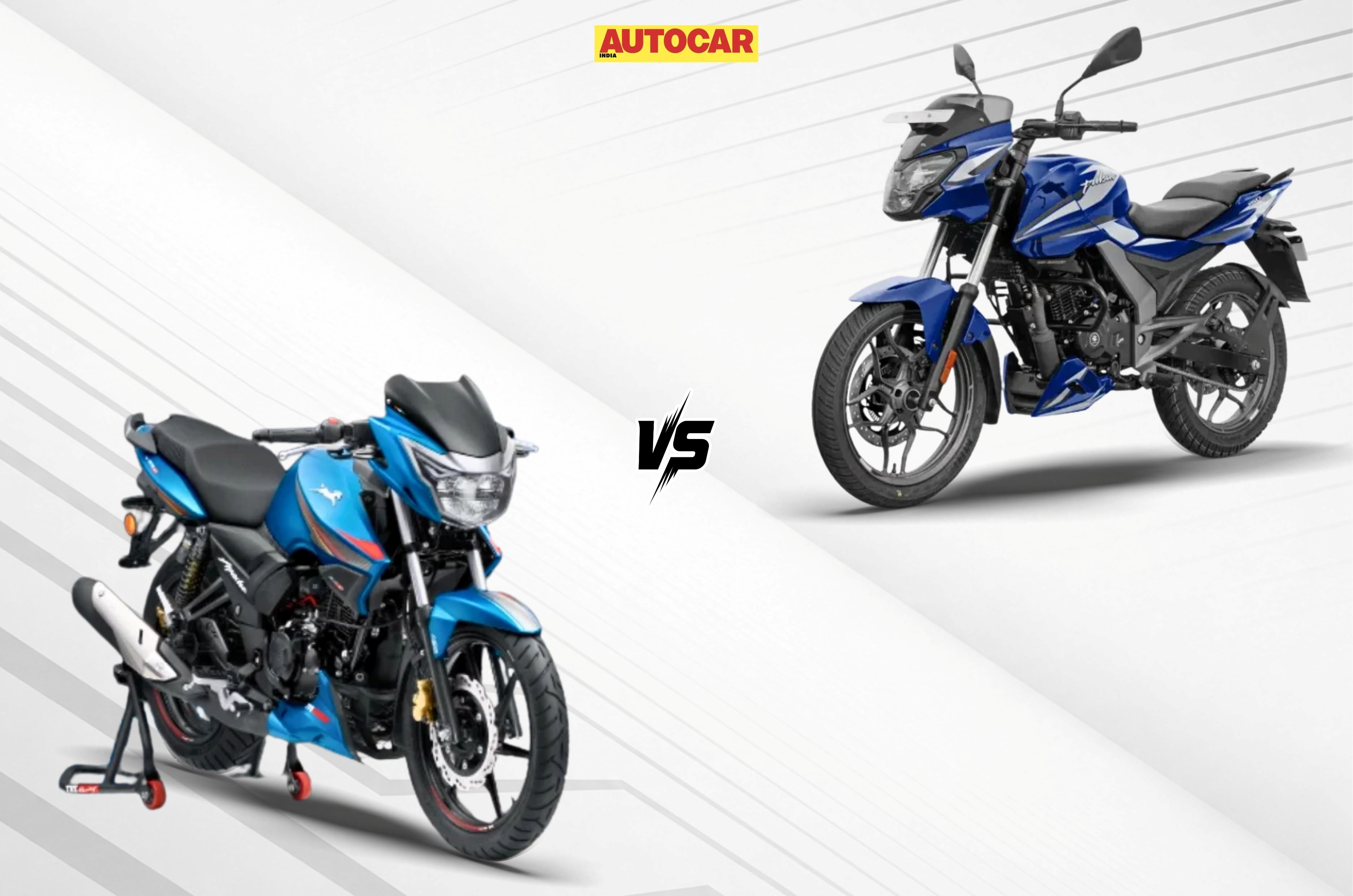
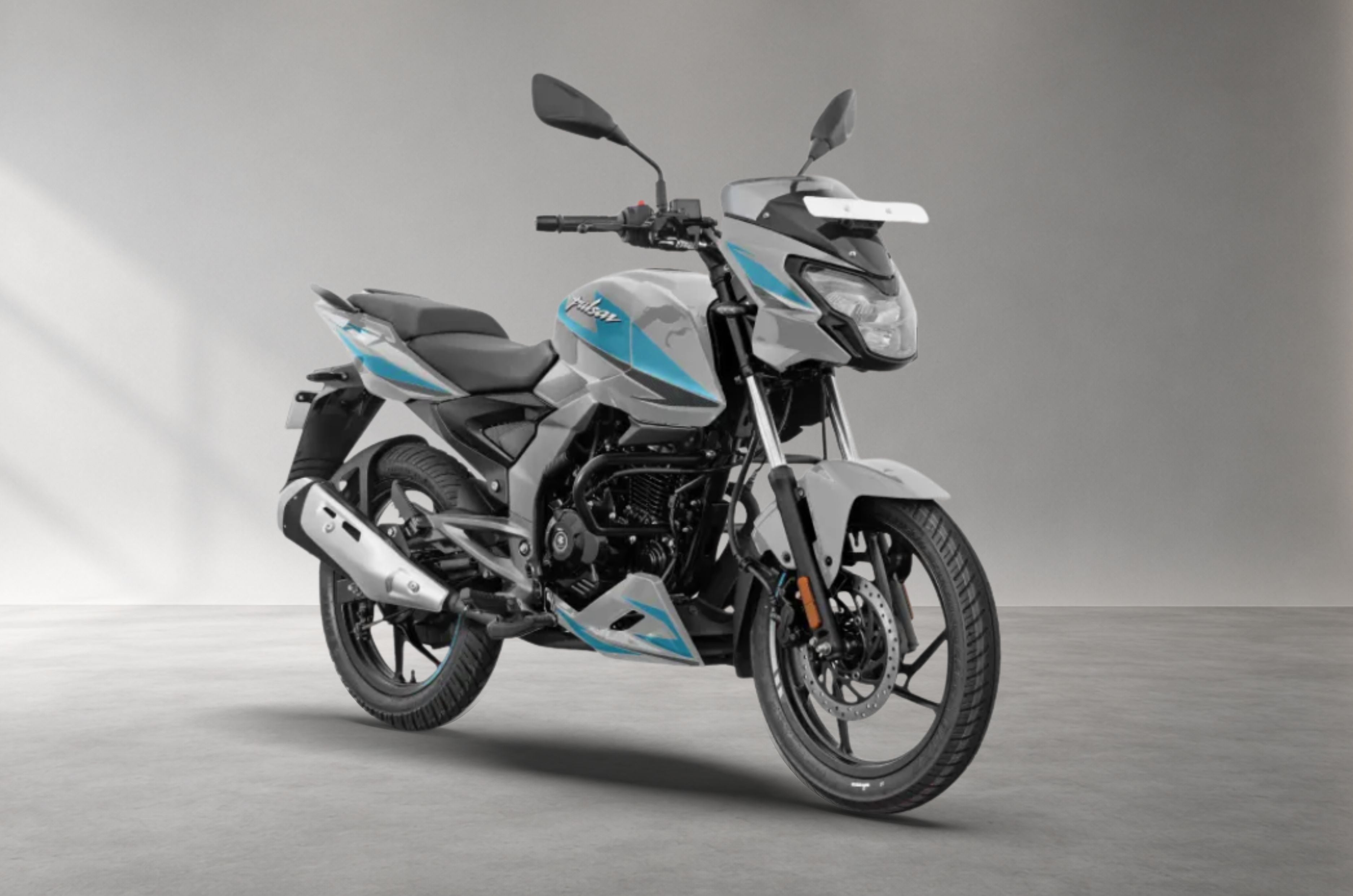
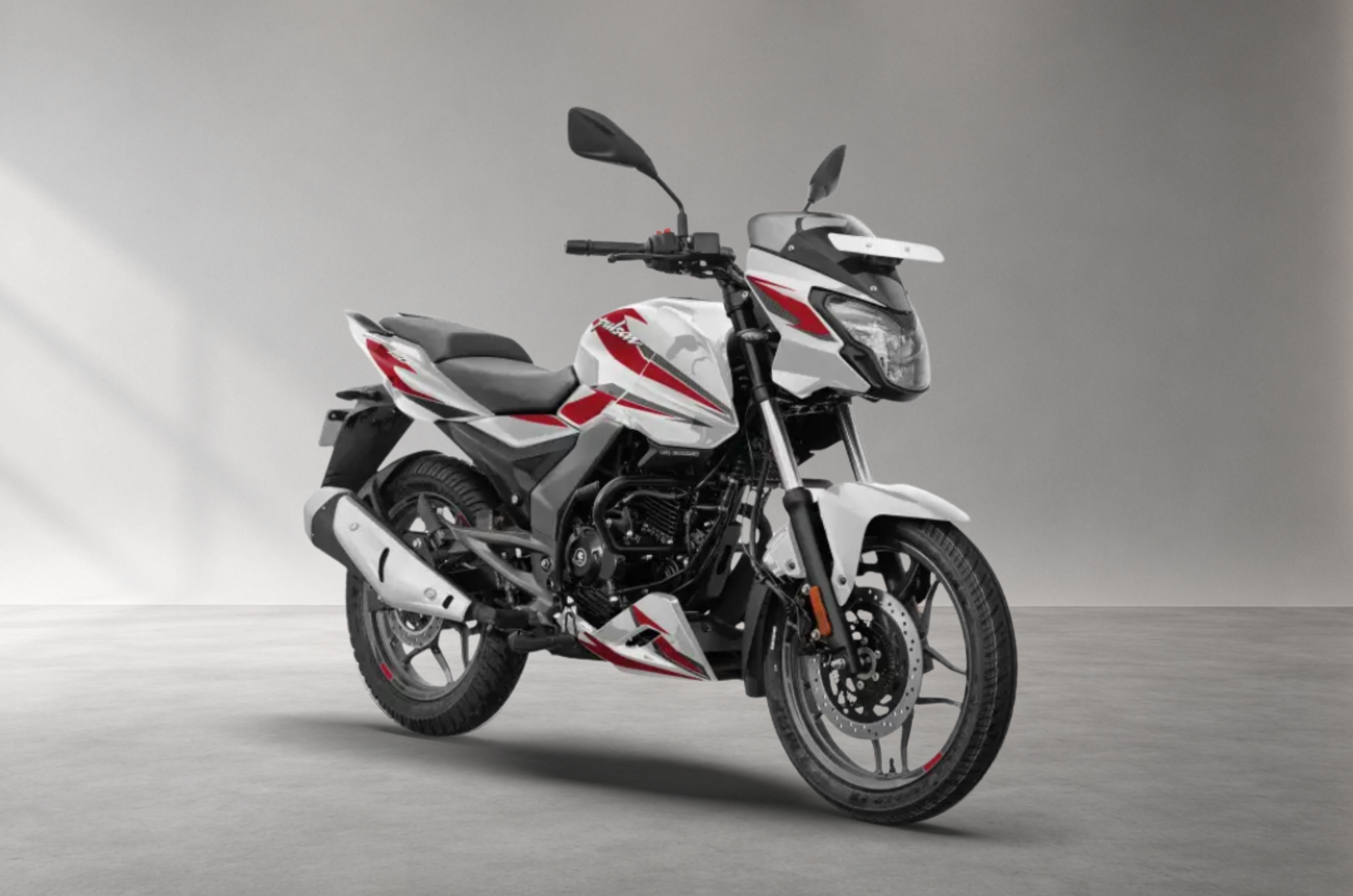
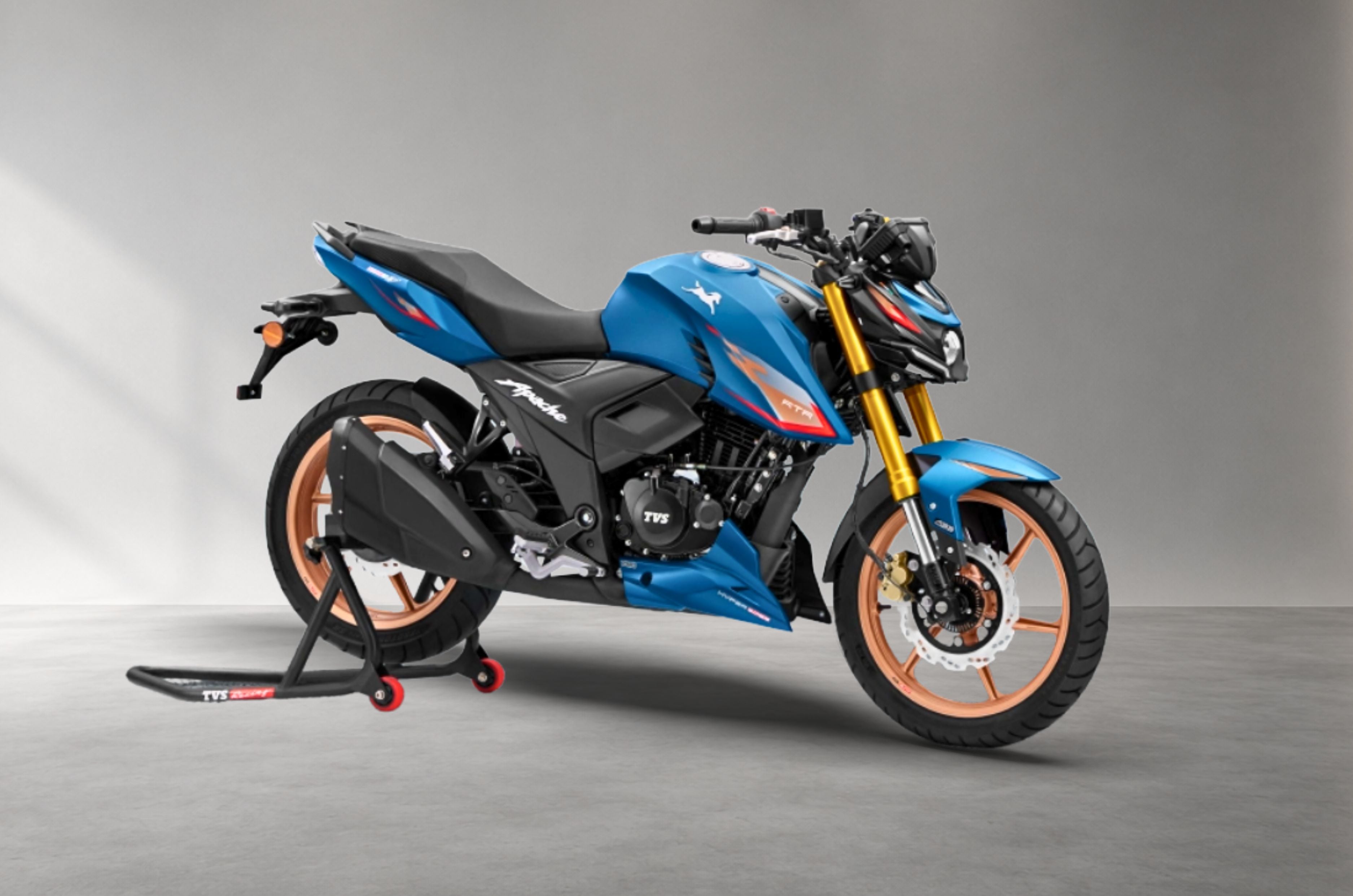
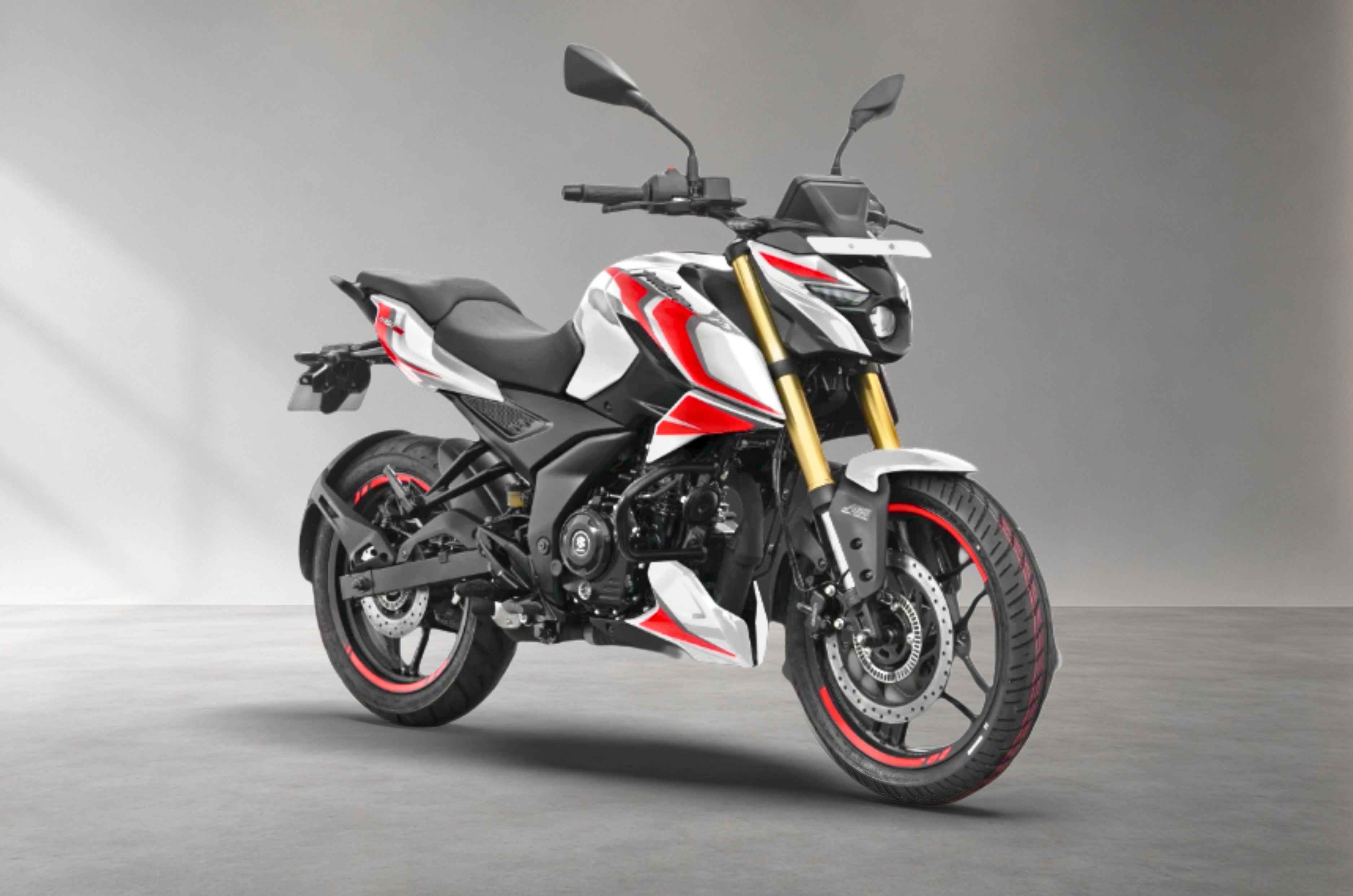
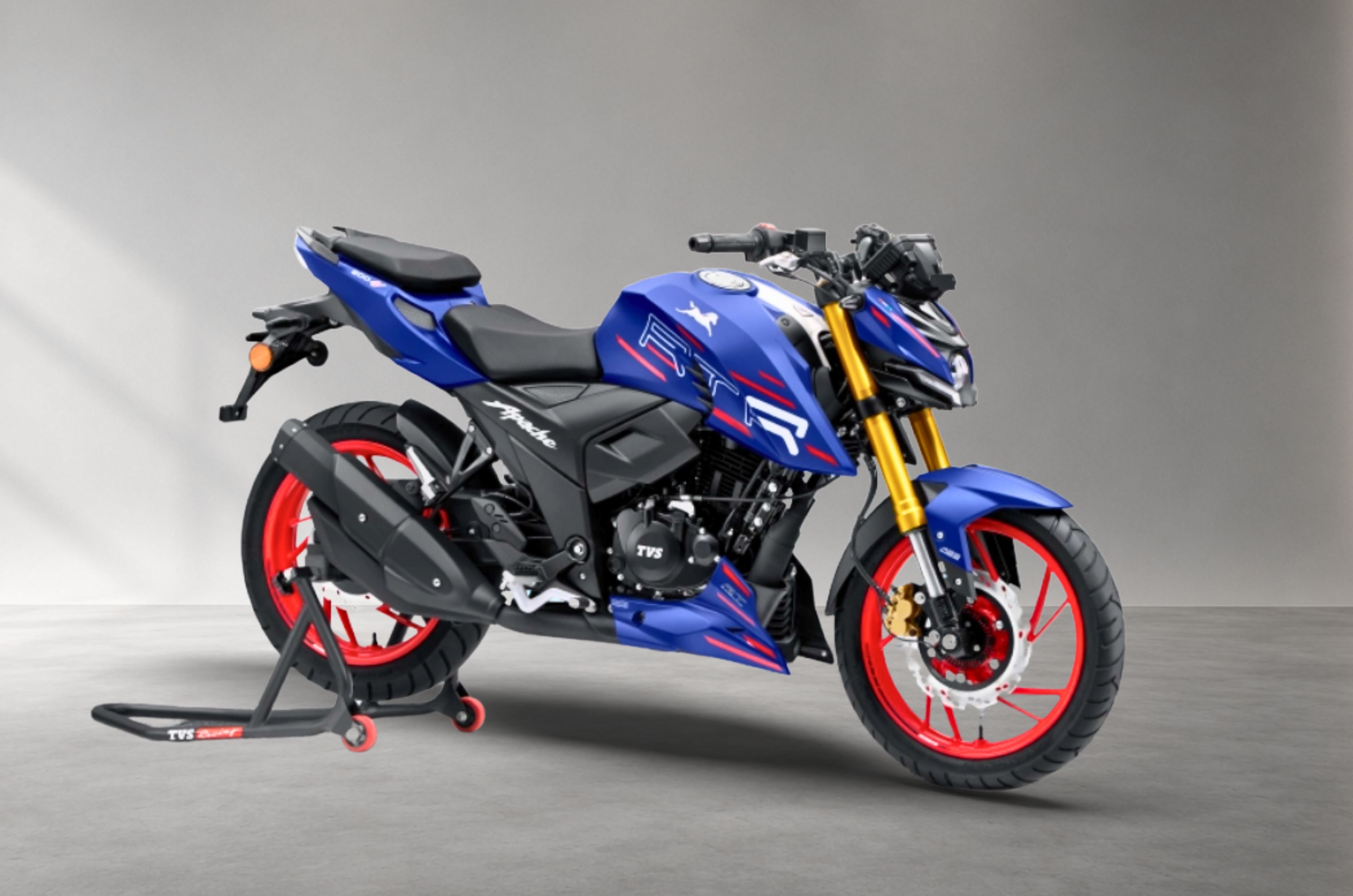
Bajaj launched the very first Pulsar 150 all the way back in 2001. TVS first responded with the Apache 150 in 2005, and upped the ante with the 160 in 2006. Bajaj, for the Pulsar’s 25th anniversary, effectively rebuilt the Pulsar 150 from scratch, marking some of its biggest changes since the original. TVS responded to this by introducing a new top-variant for the Apache 160 2V with traction control. At the time of writing, the difference in prices between the two is less than the price of six litres of petrol. If you’re not sure which one of these street-nakeds is right for you, we can help with that.
Bajaj Pulsar 150 vs TVS Apache RTR 160 (2V): Engine and output
The older motorcycle is… better?
Bajaj Pulsar 150
TVS Apache RTR 160 (2V)
Engine
149.5cc, single-cylinder, oil-cooled
159.7cc, single-cylinder, air-cooled
Power
14hp at 8,000rpm
16.04hp at 8,750rpm
Torque
14.1Nm at 6,500rpm
13.85Nm at 7,000rpm
Transmission
5-speed
5-speed
Power-to-weight ratio
99.29hp/tonne
115.40hp/tonne
Despite being the older motorcycle of the two, it’s the Apache that has the upper hand in this area. It has the better number for all the metrics; although it delivers both peak power and peak torque higher up in the rev range compared to the Pulsar. The Apache’s power and torque figures vary according to the chosen ride mode, and for this comparison, we’ve taken the figures from the Sport mode, the most powerful one of the three on offer.
Bajaj Pulsar 150 vs TVS Apache RTR 160 (2V): Dimensions and weight
Pulsar gets a notably larger fuel tank
Bajaj Pulsar 150
TVS Apache RTR 160 (2V)
Fuel tank
15 litres
12 litres
Ground clearance
186mm
180mm
Seat height
795mm
790mm
Kerb weight
141kg
139kg
Wheelbase
1338mm
1300mm
With an all-new diamond frame, Bajaj was able to achieve a weight reduction of 9kg on the Pulsar 150 compared to the previous version. However, the Apache is still lighter by 2kg for its top-most variant. It’s also most accessible with a 5mm lower seat height. Do note that the lower seat height also translates to a 6mm lesser ground clearance, and the Pulsar gives you three extra litres of capacity on its fuel tank. In this segment, that translates to at least 120km, not an insignificant number.
Bajaj Pulsar 150 vs TVS Apache RTR 160 (2V): Tyres, brakes, and suspension
TVS (mostly) has the stronger ride package
Bajaj Pulsar 150
TVS Apache RTR 160 (2V)
Tyres (F,R)
80/100-17, 100/90-17
90/90-17, 120/70-17
Brakes (F,R)
260mm disc, 230mm disc; single-channel ABS
270mm disc, 240mm disc; dual-channel ABS
Suspension (F,R)
Telescopic fork, monoshock
Telescopic fork, twin-shock
Bajaj had reduced the rear tyre size on the Pulsar 150 with the new version; the older top variant (Split Seat) had a 120/80-17 size rear tyre. As things stand, the TVS gets the larger tyre on both ends. Do note that TVS gives a slightly smaller 110/80-17 rear tyre on the lower variant. The Apache also has larger disc sizes for its brakes, but both motorcycles get 130mm drum brakes on the lower variants. Apache is the only motorcycle to offer dual-channel ABS, even if it’s limited to the top-two variants. In this section, the Pulsar’s only real advantage is that its newer frame gives it a monoshock, whereas the TVS continues with a twin-shock.
Bajaj Pulsar 150 vs TVS Apache RTR 160 (2V): Features
Newer is better
This is where the Pulsar makes its strongest case to be your motorcycle of choice. The top variant of the Pulsar 150 now gets a 5-inch TFT screen (first debuted on the Pulsar N160 SS) with Google Maps mirroring support, an integrated starter-motor-generator (ISG) to enable silent starts as well as an auto stop/start system. The TVS makes its age very obvious with its LCD instrument cluster; however, it still has bluetooth on the higher variants and can connect to your smartphone for call and SMS alerts, just like the Bajaj.
Considering how long it’s been since TVS gave it a major upgrade though, it’s impressive how well the Apache holds up against the all-new Pulsar. To give you two examples, both companies offer their own solutions for making low speed riding easier (in stop-and-go traffic, for example); Bajaj calls its version Crawl Mode and TVS calls its version Glide Through Technology (GTT). Both also offer all LED lighting, a feature that reached the TVS later than Bajaj. However, only the Apache gets traction control.
Bajaj Pulsar 150 vs TVS Apache RTR 160 (2V): Price
Neck-and-neck
Bajaj Pulsar 150
TVS Apache RTR 160 (2V)
Price (ex-showroom, Delhi)
Rs 1,15,233-1,28,650 lakh
Rs 1,13,890-1,27,990 lakh
Bajaj has two variants of the Pulsar 150, with a lower variant replacing the TFT screen for an LCD one and losing out on the features that are associated with it. TVS, at the time of writing, offers seven variants for the Apache RTR 160, all separated by about Rs 3,000 difference. However, it’s the Apache that’s more affordable to purchase, even if the difference is just Rs 660. Hopefully, the other differences are enough to help you choose one over the other.
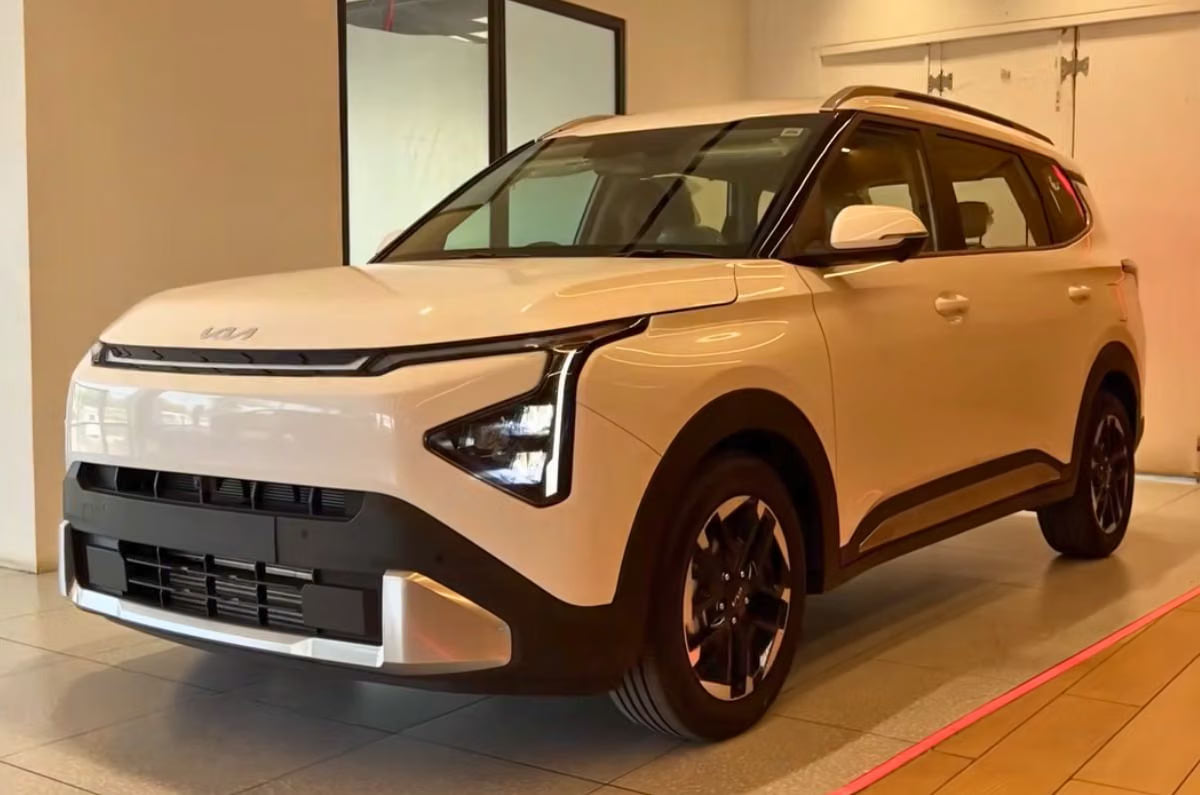
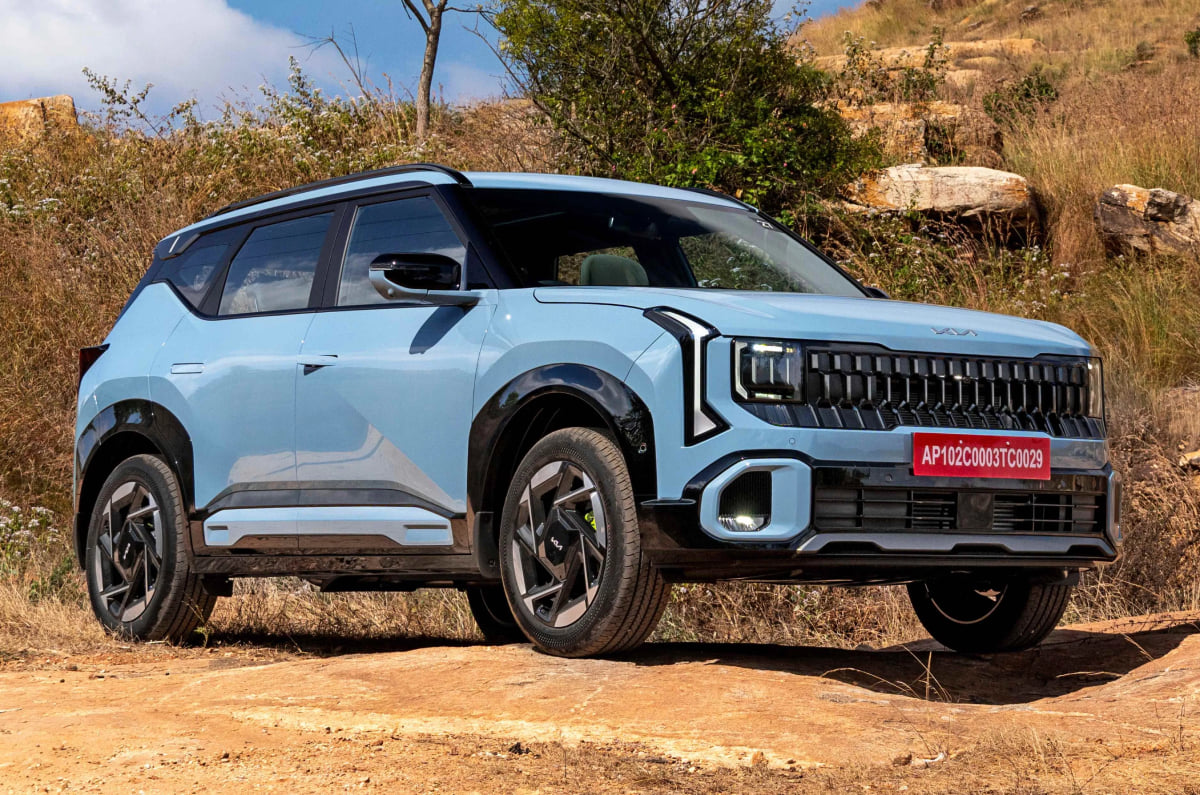
Kia has rolled out a range of benefits across its India line-up for October 2026, including cash discounts, exchange and scrappage offers, loyalty benefits and corporate discounts. The offers vary by model, variant and powertrain, with select cars also getting additional benefits such as an extended warranty. Here is a model-wise breakdown of Kia’s October offers.
Disclaimer: Offers/benefits may vary by city and are subject to stock availability. Buyers are advised to check with their local dealer for exact figures.
Kia Carnival discounts in October 2026
Up to Rs 1.70 lakh off
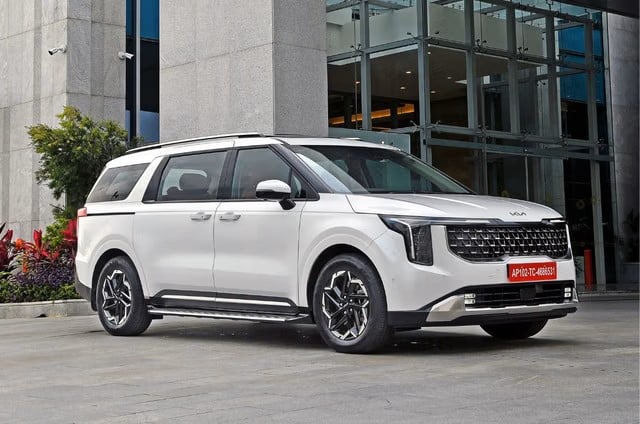
The Kia Carnival gets the highest benefits in Kia’s October 2026 offer programme, with savings of up to Rs 1.70 lakh. The package comprises a Rs 1 lakh exchange offer, Rs 20,000 scrappage benefit and corporate benefits of up to Rs 50,000.
Kia’s flagship MPV focuses on rear-seat comfort and space, making it a compelling choice among chauffeur-driven buyers. Priced from Rs 59.65 lakh, the Carnival does not have a direct rival, although the MG M9 is positioned in a similar price bracket.
Kia Carens Clavis discounts in October 2026
Up to Rs 95,000 off
The Kia Carens Clavis gets benefits of up to Rs 95,000 on its ICE variants, excluding the CNG version. The offer comprises a Rs 10,000 cash discount, Rs 30,000 exchange benefit, Rs 20,000 loyalty benefit, Rs 20,000 scrappage benefit and corporate benefits of up to Rs 15,000.
The Clavis is available in six- and seven-seat configurations, with naturally aspirated petrol, turbo-petrol, CNG and diesel engine options. Prices range from Rs 11.39 lakh to Rs 21.79 lakh, ex-showroom. It is sold alongside the older Carens, which remains the lower-priced option in Kia’s MPV line-up. The Clavis rivals MPVs such as the Maruti Suzuki XL6 and Toyota Rumion, while its price also overlaps with larger three-row SUVs such as the Hyundai Alcazar and Tata Safari.
Kia Carens Clavis EV discounts in October 2026
Up to Rs 75,000 off
The Carens Clavis EV gets benefits of up to Rs 75,000 across its range. The offer includes a Rs 20,000 exchange benefit, Rs 20,000 loyalty benefit, Rs 20,000 scrappage benefit and corporate benefits of up to Rs 15,000. No cash is available for the Clavis EV this month.
The electric MPV offers a practical, well-finished cabin and strong performance even under load. However, it is significantly more expensive than the ICE-powered Clavis. The Clavis EV is priced between Rs 18.04 lakh and Rs 25 lakh, ex-showroom. It rivals the BYD eMax 7 and VinFast VF MPV 7.
Kia Sonet discounts in October 2026
Up to Rs 65,000 off
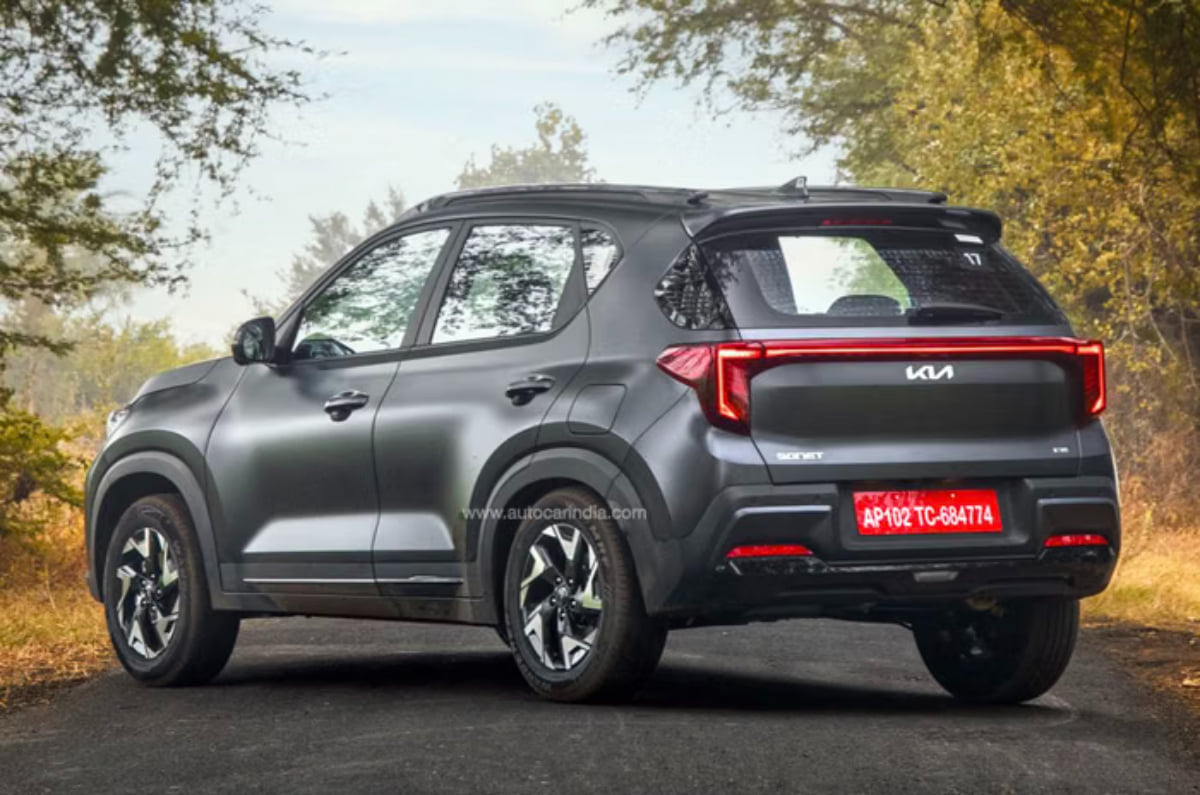
Benefits on the Kia Sonet vary by powertrain and variant. The naturally-aspirated petrol 1.2-litre HTK (O) gets the highest benefits of up to Rs 65,000, comprising a Rs 15,000 cash discount, Rs 20,000 exchange benefit, Rs 15,000 scrappage benefit and corporate benefits of up to Rs 15,000. The Sonet diesel , turbo-petrol and naturally-aspirated variants get benefits of up to Rs 50,000.
The compact SUV offers a long equipment list and multiple engine options. However, rear-seat space is limited and higher variants can get expensive. A rival to the Maruti Suzuki Brezza, Tata Nexon, Skoda Kylaq, Hyundai Venue and Mahindra XUV 3XO, the Sonet is priced between Rs 7.41 lakh and Rs 14.27 lakh.
Kia Syros discounts in October 2026
Up to Rs 55,000 off
The Kia Syros gets benefits of up to Rs 55,000 on its ICE variants. The offer includes a Rs 20,000 exchange benefit, Rs 20,000 scrappage benefit and corporate benefits of up to Rs 15,000. Kia is also offering a free extended warranty with the Syros.
The Syros stands out for its stylish cabin and spacious rear seats, although NVH levels in both petrol and diesel variants remain high. The Kia Syros’ rivals include the Tata Nexon, Mahindra XUV 3XO, Maruti Suzuki Brezza, Skoda Kylaq and Hyundai Venue. It is priced from Rs 8.42 lakh to Rs 15.82 lakh.
Kia Carens discounts in October 2026
Up to Rs 45,000 off
The Kia Carens, excluding CNG variants, gets benefits of up to Rs 45,000. These comprise a Rs 10,000 exchange benefit, Rs 20,000 scrappage benefit and corporate benefits of up to Rs 15,000. The Carens CNG gets a Rs 20,000 scrappage benefit.
The Carens offers a spacious cabin, good practicality and a generous feature list. However, diesel performance under full load is not particularly strong, and the petrol engine is not very fuel-efficient. The Carens is priced between Rs 11.02 lakh and Rs 12.88 lakh, ex-showroom, it rivals the Toyota Rumion and Maruti Suzuki Ertiga.
Kia Seltos discounts in October 2026
Up to Rs 40,000 off
The Kia Seltos gets benefits of up to Rs 40,000 across its range. These comprise a Rs 20,000 loyalty benefit and Rs 20,000 scrappage benefit. There is no cash discount or exchange benefit for the Seltos this month.
The midsize SUV combines a comfortable ride with good handling and a strong turbo-petrol engine option. However, some rivals offer a more comprehensive feature list, and the diesel engine lacks punch. The Seltos rivals the Hyundai Creta, Tata Sierra, Maruti Grand Vitara, Toyota Urban Cruiser Hyryder, Volkswagen Taigun, Skoda Kushaq, Renault Duster and MG Astor. Its prices range from Rs 11 lakh to Rs 21.82 lakh.
Kia Sorento discounts in October 2026
Up to Rs 40,000 off
The recently launched Kia Sorento gets benefits of up to Rs 40,000 across its range. The offer comprises a Rs 20,000 loyalty benefit and Rs 20,000 scrappage benefit.
The Sorento is Kia’s flagship three-row SUV in India and is offered with a 2.2-litre diesel engine or a 1.6-litre turbo-petrol strong-hybrid powertrain. Prices range from Rs 27.99 lakh to Rs 40.39 lakh. It competes with SUVs including the Jeep Meridian, Skoda Kodiaq and Volkswagen Tayron.
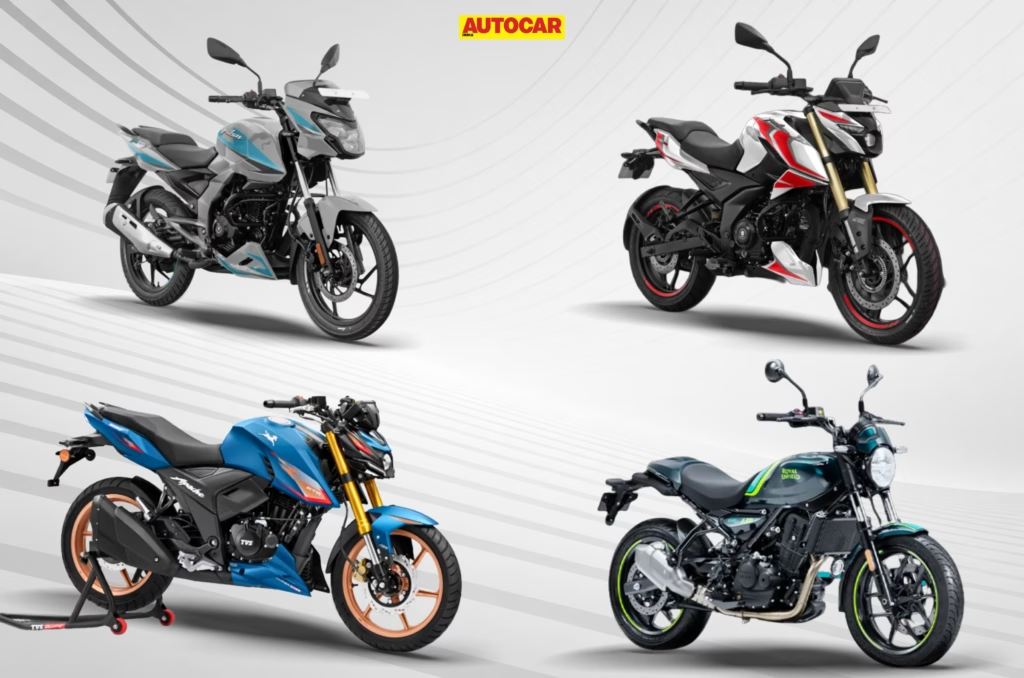
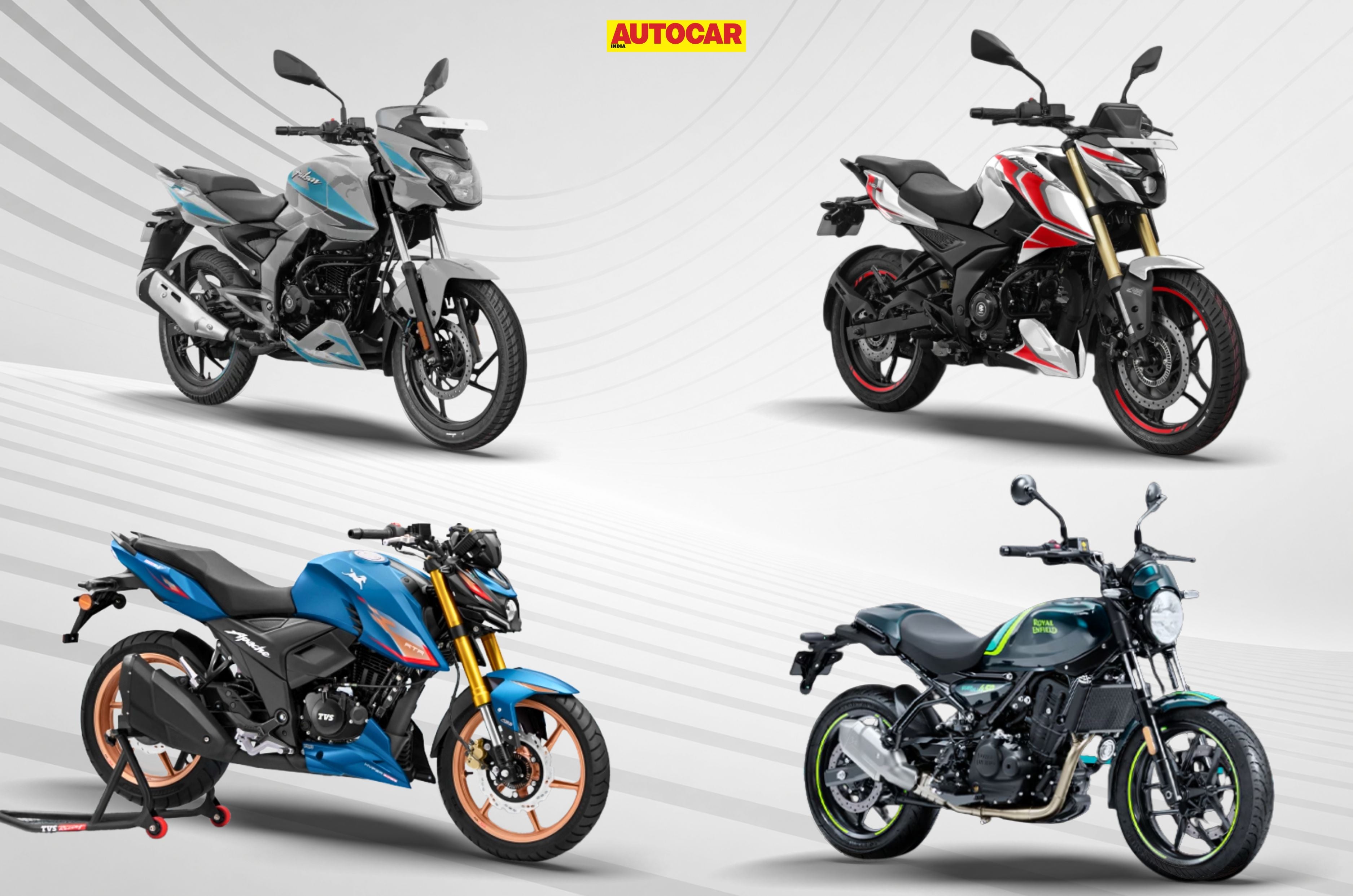
Navigation has been one of the major challenges for every aspiring motorcyclist. Unfortunately, major smartphone OS manufacturers don’t deem us profitable enough to solve it for us; but, our OEMs might have a smarter solution for that, by way of Google Maps mirroring. Today, you can buy a motorcycle for as low as Rs 1.04 lakh and still be able to navigate your way through your city, or wherever your heart takes you. Speaking of, let’s start with that very motorcycle.
All prices mentioned are ex-showroom, Delhi for the specific variant with Google Maps mirroring feature.
Bajaj Pulsar 125
Rs 1.04 lakh
Bajaj had comprehensively upgraded the classic Pulsar 125 with many changes and a whole slew of features, including Google Maps mirroring on the top-most Split Seat variant. Besides that, you get a 124.58cc engine with 12.1hp and 11.4Nm, a front disc brake, and three ride modes. A decent choice if you mostly commute in the city, but if you find yourself on the open roads on every chance you get, look at the bigger brother.
Bajaj Pulsar 150
Rs 1.29 lakh
Admittedly, Rs 25,000 isn’t a small step-up in this price range. However, besides retaining the same feature-set and silhouette, on the Pulsar 150 you get a larger 149.5cc engine with 14.1hp and 14.1Nm, which should make highway stints seem less stressful on you and the motorcycle; and saying that you have the Pulsar 150 has a better ring to it, but that’s a subjective opinion. If Bajaj isn’t your brand of choice, though, we have another Indian manufacturer known for pushing the envelope on features.
TVS Apache RTR 160 4V
Rs 1.41 lakh
TVS has made the Apache series synonymous with features over the past few years, so of course it responded to Bajaj upgrading the classic Pulsars. Its best-selling Apache RTR 160 4V now also has a TFT display that supports Google Maps mirroring. TVS, in its usual fashion, turns things up a notch by offering even more power from its 159.7cc engine (17.55hp and 14.73Nm) and a whole lot more features like dual-channel ABS, traction control, a slipper clutch, more premium design, etc., That’s quite a bit more for Rs 12,000 over the Pulsar 150 but if you wonder whether Bajaj has a similar offering, fret not.
Bajaj Pulsar N160 SS
Rs 1.43 lakh
This is the first motorcycle on which Bajaj debuted the new 5-inch TFT screen with Google Maps mirroring. It’s since been extended to other Pulsars. Over the Pulsar 150, the N160 SS offers a bigger 164.9cc engine with 18.5hp and 14.4Nm (directly sparring with the RTR 160 4V), ride-by-wire, traction control, one extra ride mode, a slipper clutch, and a more modern design that may suit your preferences better. The N160 SS also offers dual-channel ABS as standard. If you feel like you’re done with the 150-160cc class, the next upgrade is closer than you think.
TVS Apache RTR 200 4V
Rs 1.50 lakh
The Apache RTR 200 4V has now been relegated to getting the “et al” treatment from TVS so now it is almost too close to the RTR 160, one might say. However, it retains the bigger 197.75cc engine with close to 21hp and 17.25Nm. The only other feature that still remains exclusive to the 200 is the preload-adjustable USD fork that TVS brought back, with the recent update. Worth paying Rs 7,000 extra You decide, but if you are somehow not satisfied with the value on offer, the next motorcycle wears value-for-money as a badge of honour on its sleeve.
Bajaj Pulsar NS400Z
Rs 1.90 lakh
Bajaj’s downsized 349cc Pulsar NS400Z has gone down in price again, and the company gave it the same TFT unit as on the other Pulsars just two days ago; and we might see it in even more of their motorcycles soon. Anyway, the NS400Z gives you a steep jump in power with 40.6hp and 33Nm. It retains the feature-set from the N160 SS as-is with power and torque as its biggest differentiation from almost every other motorcycle on this list. If you’re in a phase of your life where you’re on long rides more often than commutes, you might prefer the next motorcycle more.
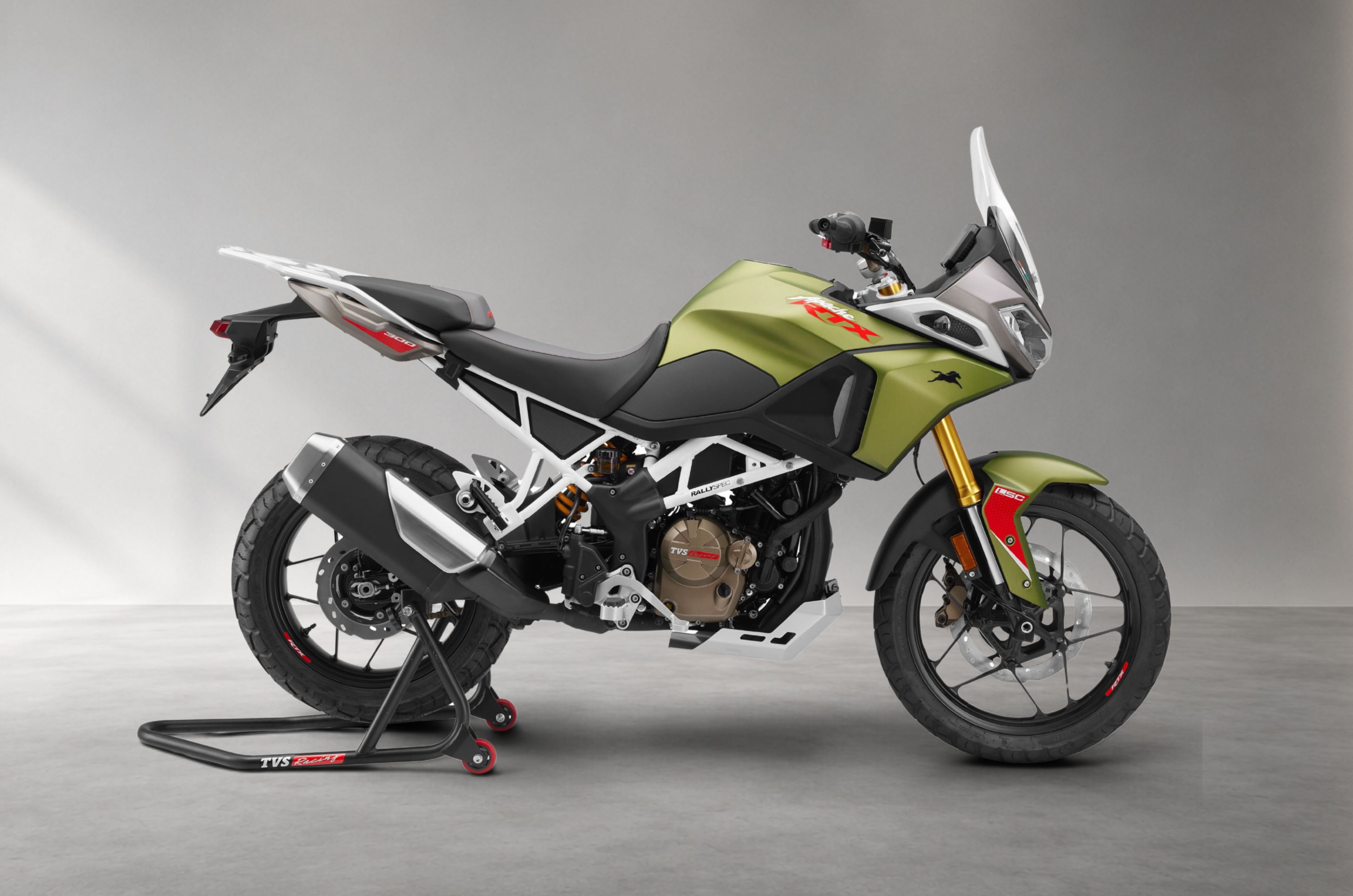
TVS Apache RTX 300
Rs 2.19 lakh
TVS’s first adventure tourer popularised the feature in question a year ago, offering it on the top and BTO variants. Compared to the NS400Z, you get a smaller 299.1cc engine with 36hp and 28.5Nm. However, the Apache RTX 300 is no slouch in features in any other way, matching the NS400Z on every feature on offer. If you’re an experienced motorcyclist who’d like to tune your ride more minutely, stepping up to the BTO variant at Rs 2.39 lakh might be worth it, considering it gives your adjustable suspension on both ends. If none of these sound exciting enough for you, maybe see if the last one does the trick.
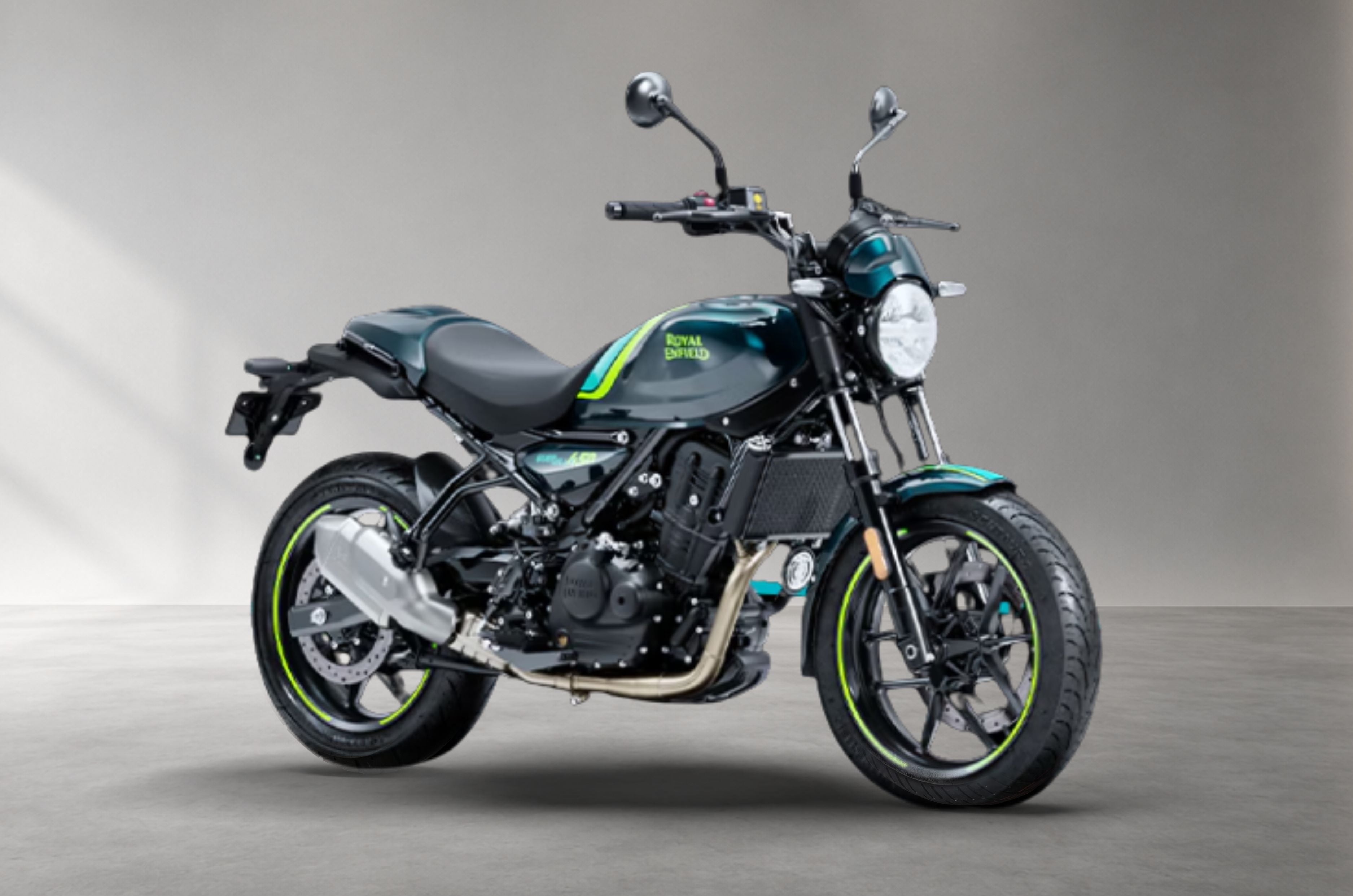
Royal Enfield Guerrilla 450
Rs 2.51 lakh
Royal Enfield introduced a new 4-inch TFT display with the Himalayan 450 that could project Google Maps powered navigation onto it, making the Chennai-UK based manufacturer technically the first to have figured this solution out. If you didn’t know this already, pressing and holding the M button on your Guerrilla 450 (and the Himalayan and Bear 650) will change the dials to the ‘digital’ look. After that, connecting your smartphone to the Royal Enfield app and starting navigation will make the whole map show on your display.
Getting back to the Guerrilla 450 itself, it’s Royal Enfield’s take on a sport-naked. Similar to most motorcycles on this list, its primary purpose isn’t touring, but when has that ever stopped the determined? The Guerrilla also has a 450cc engine that doles out 40.02hp and 40Nm, making it the most powerful motorcycle on this list. It goes toe-to-toe with the other motorcycles in terms of the features on offer, although most of the additional price is for its extra power (and the 40 percent GST of course).
That concludes the list of motorcycles under Rs 3 lakh with Google Maps mirroring, for now. We expect Bajaj to extend the same TFT display to even more of their portfolio in the near future. TVS might respond to that in their own, unique way so this list is all but guaranteed to grow even more in the near future. It’s one more significant hurdle removed for a motorcyclist, and every meaningful step counts.
Denza, the luxury brand of Chinese carmaker BYD, has announced its India entry by way of a recent social media post. This confirms our prior report on BYD bringing Denza to the Indian market in the coming months. The report also contained details surrounding Denza’s first pair of models for India.
BYD Denza India entry announcement
A recent social media post from Denza India shows the brand’s blue-and-silver hourglass-esque logo with “Arriving soon” written above. The caption adds that Denza is set to introduce a “sophisticated, high-performance EV experience” to the Indian market, which sounds par for the course for the brand. Denza models will be positioned above those offered by BYD, particularly above the Rs 80 lakh price point.
Denza was founded in 2010 as a joint venture between BYD and Mercedes-Benz Group. By 2024, Mercedes-Benz Group relinquished its shares in Denza entirely and transferred ownership to BYD. As it stands, Denza operates in markets like Southeast Asia, China, Australia, Europe, and Latin America, offering luxury and performance EVs and plug-in hybrids.
Which Denza cars are coming to India
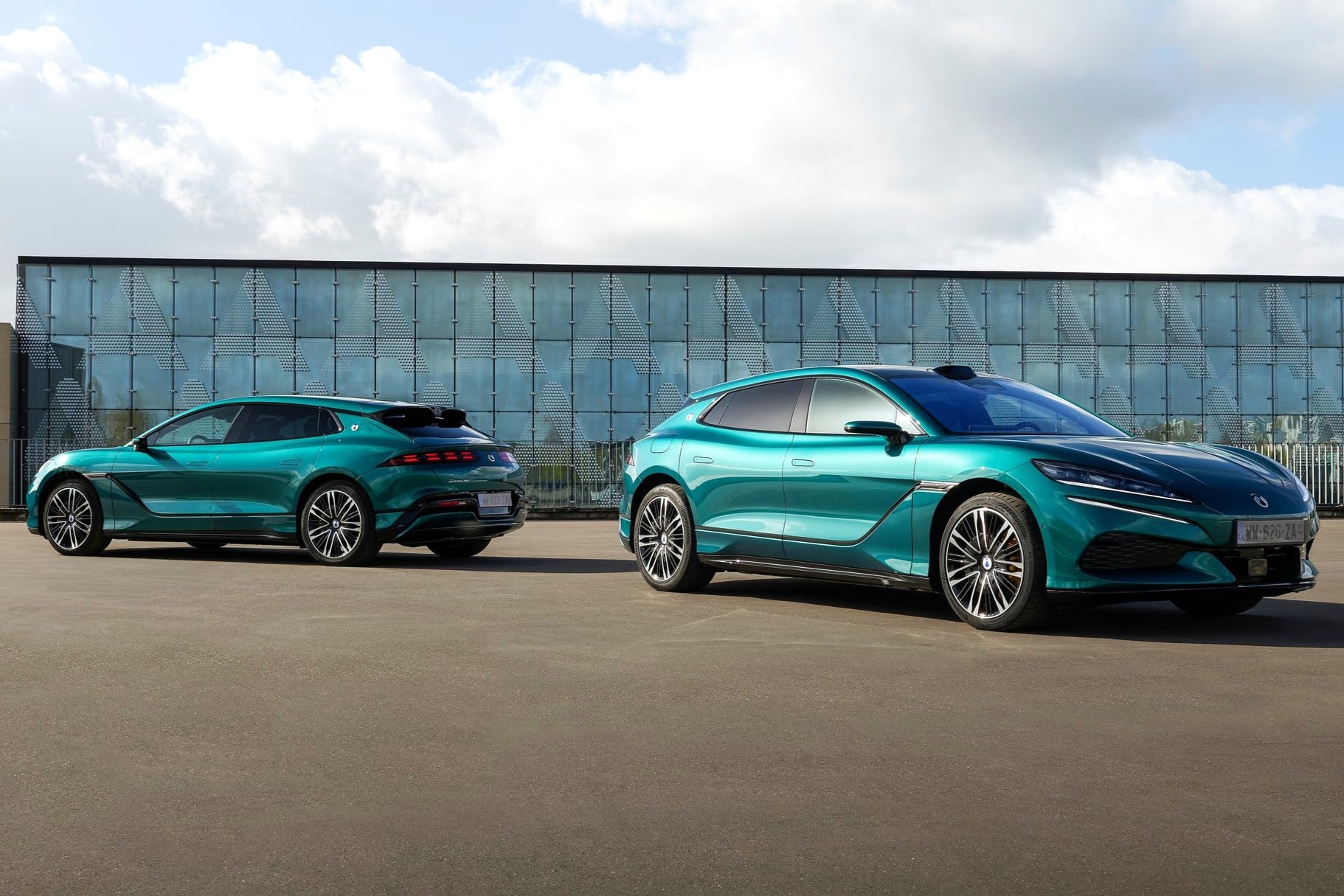
Z9 GT
The Denza Z9 GT is a four-door shooting brake, which will make it the only one of its kind in the Indian market. It comes with a massive 122.5kWh battery pack powering a trio of electric motors that produce 1,156hp, sent to all four wheels. 0-100kph comes up in a claimed 2.7 seconds, and the top speed is rated at 270kph. The Z9 GT delivers a WLTP-rated range of 600km, and can be charged at up to a whopping 1,500kW – at this wattage, the battery takes just nine minutes for a 10 to 97 percent charge.
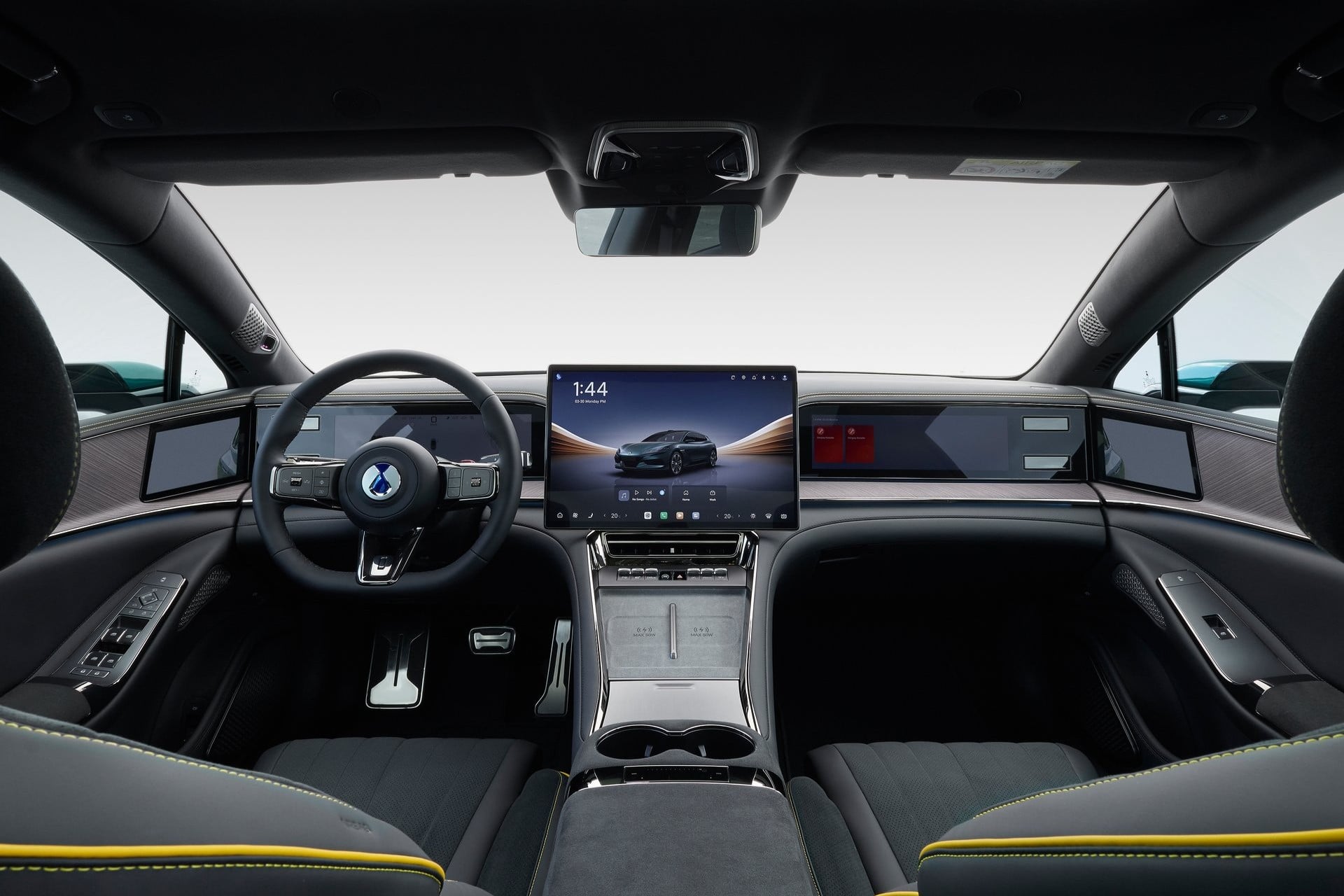
Rear-wheel steering is also part of the package, and enables cool features like the ‘crab walk’, where the Z9 GT can move sideways, and ‘Compass Turn 360°’, which can perform a full rotation of the car akin to the Mercedes G-Class Electric’s G-Turn function. Inside, the Z9 GT offers a triple-screen setup on the dashboard, along with two screens that project a feed of the outside cameras. Other notable features include Level 2+ ADAS, full leather upholstery, a 20-speaker Devialet sound system, powered, heated, ventilated, and massaging front seats, and more. Pricing for the Z9 GT is expected to land in the Rs 1.2 crore-1.5 crore range.
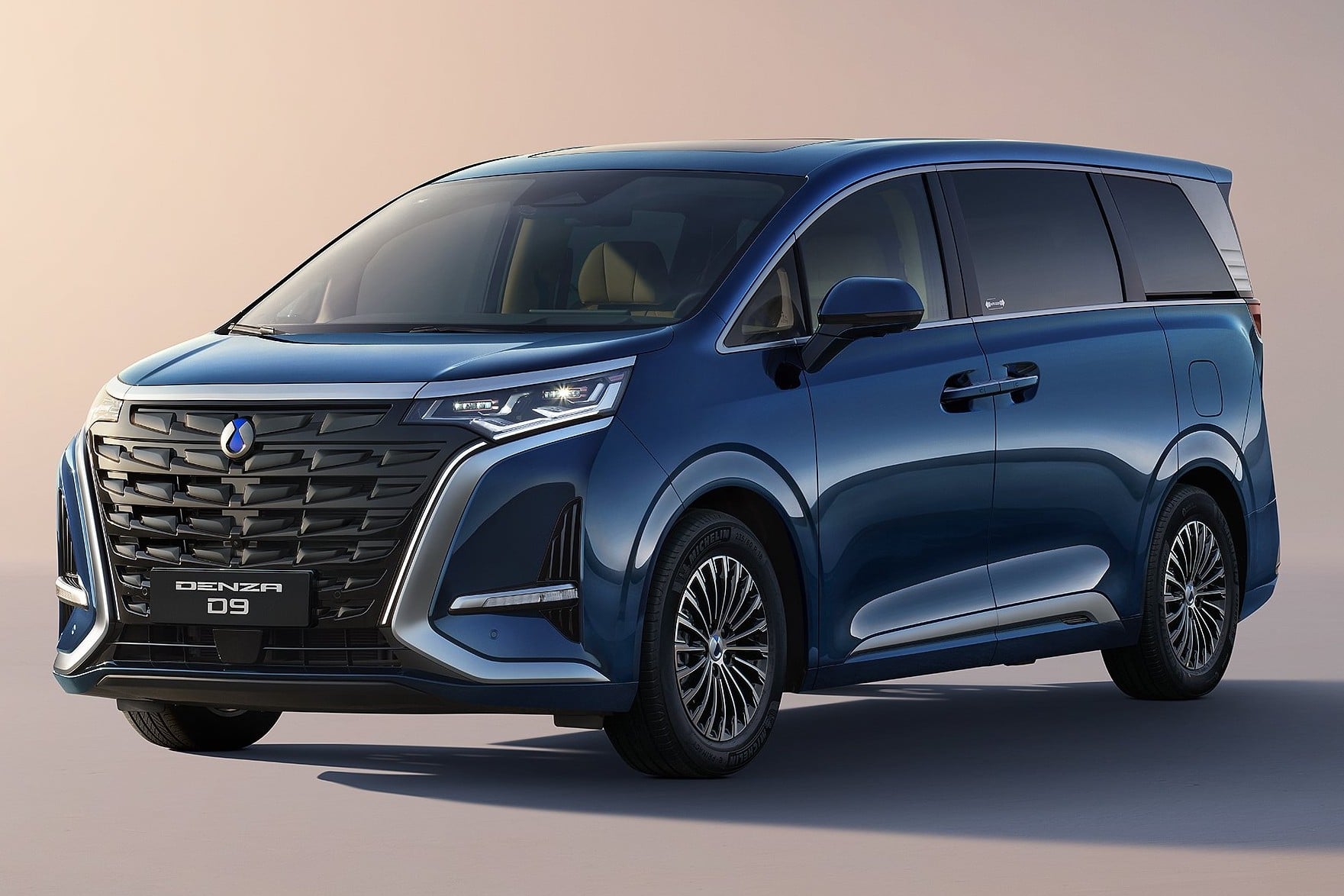
D9
Rounding off the duo is the Denza D9, a large luxury MPV that will take on the likes of the MG M9 and Toyota Vellfire. The India-spec D9 is likely to get a 103kWh battery pack with a front-mounted motor outputting 313hp and 360Nm. WLTP range for the D9 is 520km, and it can be charged at up to 200kW DC.
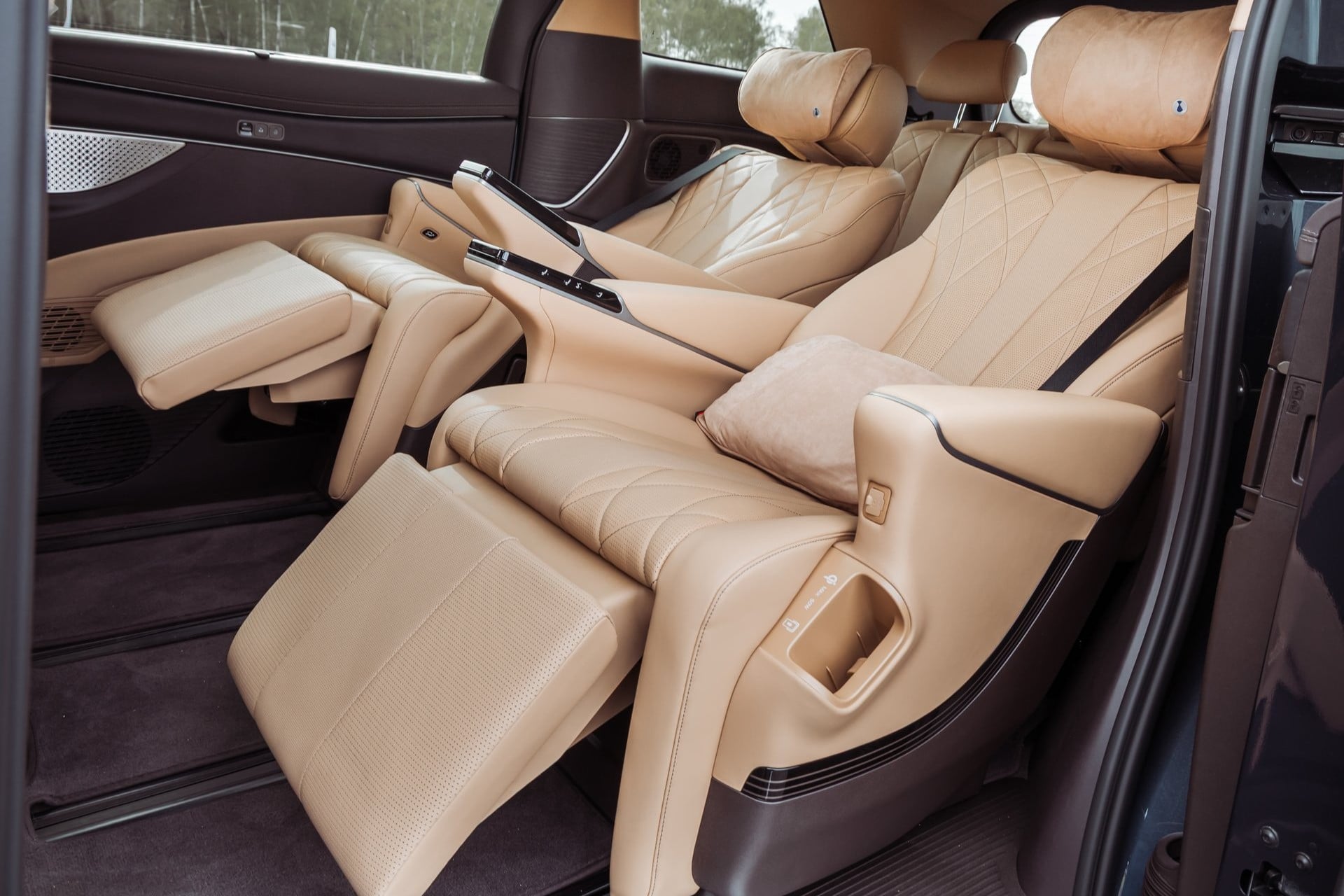
Inside, there’s a 2+2+3 seating layout, which means you get second-row captain’s chairs with electrical adjustment, heating, ventilation, and massage functions. Three-zone climate control, powered thigh extenders, a Dynaudio sound system, full leather upholstery, ambient lighting, and more are also part of the equipment list. Expect the D9 to be priced at around Rs 90 lakh, placing it between the M9 and Vellfire.
Jeep India is offering compelling benefits on the Compass, Meridian, and Grand Cherokee throughout October. These benefits include consumer discounts, corporate offers, and other special incentives. Prospective buyers interested in the Wrangler should note that there are no benefits available for the off-roader this month.
Disclaimer: Discounts vary from city to city and are subject to stock availability. Please check with your local nearest Jeep dealership for the exact figures.
Jeep Compass discounts in October 2026
Up to Rs 1.5 lakh
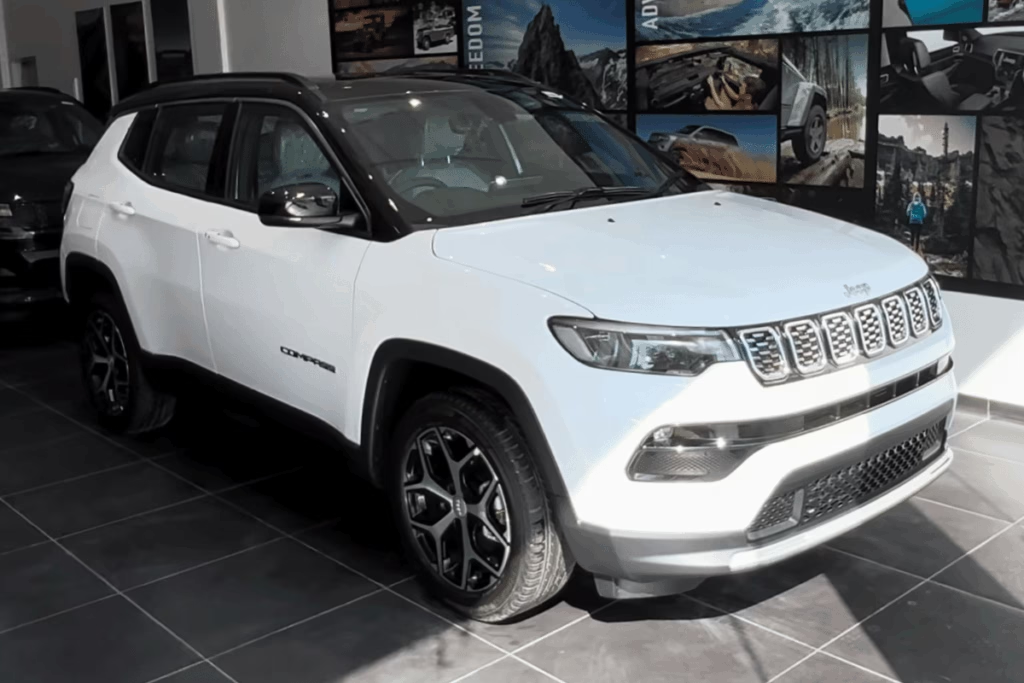
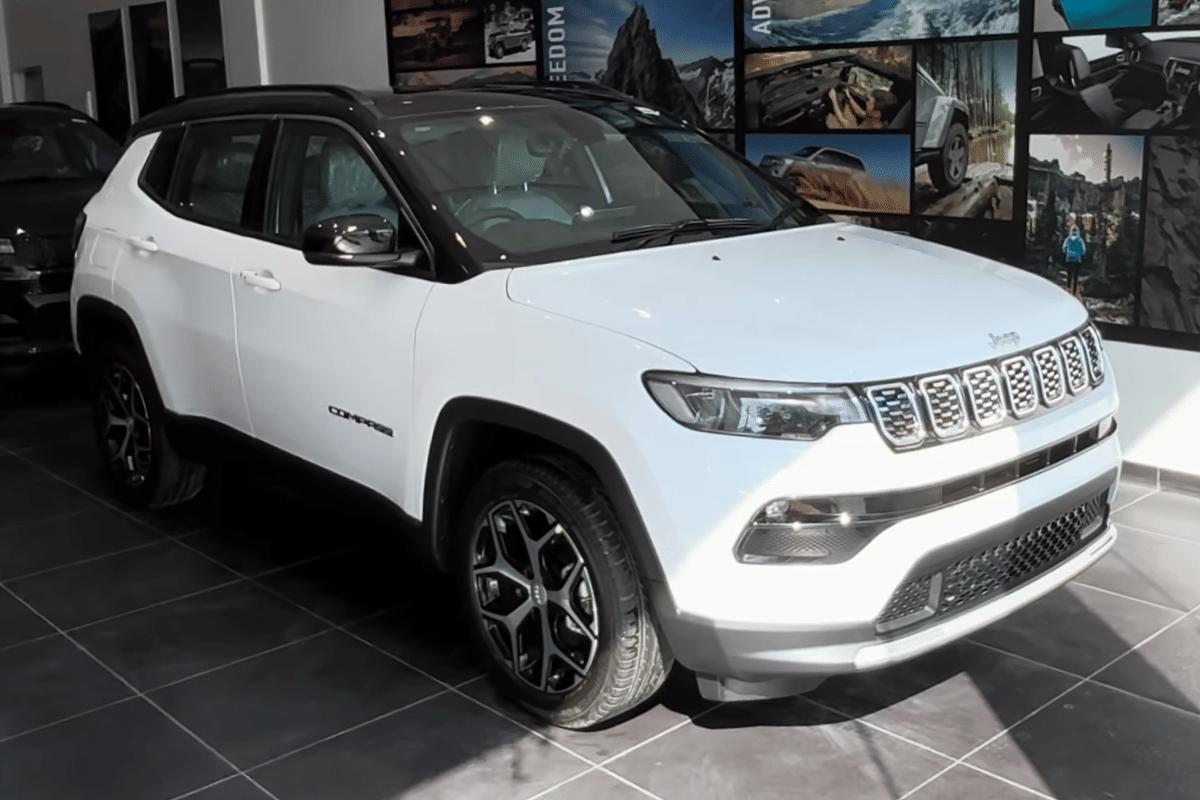
Certain variants of Jeep’s entry-level model, the Compass, can be purchased with benefits of up to Rs 1.5 lakh this month. Corporate benefits of up to Rs 1.1 lakh are also available for select companies, and doctors and leasing companies can avail an additional Rs 15,000 benefit. The Compass is powered by a 170hp 2.0-litre four-cylinder diesel engine, which can be paired with either a 6-speed manual or a 9-speed torque converter automatic. Jeep offers the Compass with 4×4 in higher trim levels as well. Prices for the Compass start at Rs 17.99 lakh and top off at Rs 30.70 lakh.
Jeep Meridian discounts in October 2026
Up to Rs 1.65 lakh
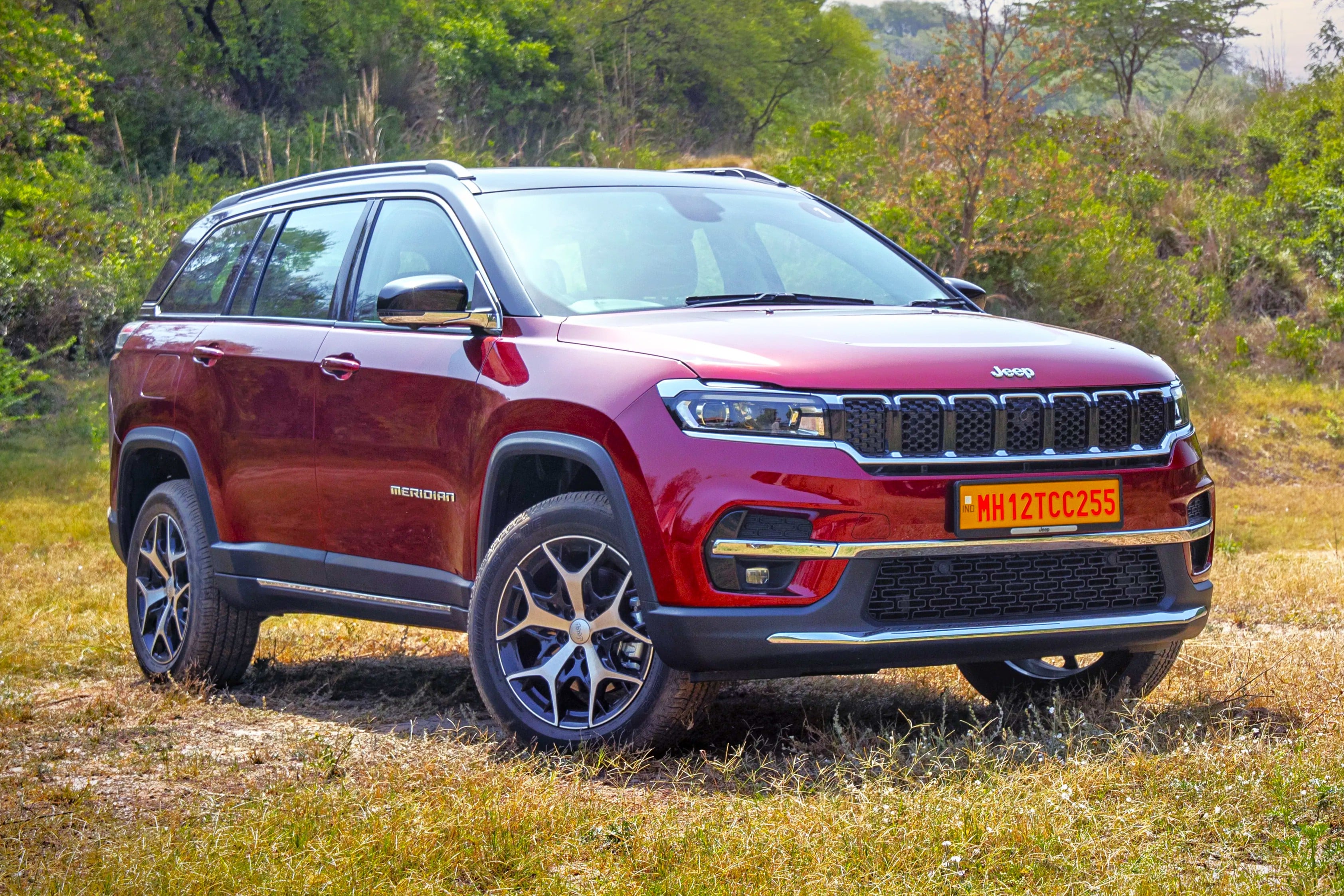
Benefits on select variants of the Meridian three-row SUV climb up to Rs 1.65 lakh in October, and buyers of MY24 units can also take advantage of corporate offers ranging up to Rs 1.3 lakh. Doctors and leasing companies can additionally secure benefits of up to Rs 30,000. Mechanically, the Meridian and Compass are almost identical, so you get a 170hp 2.0-litre diesel engine, 6-speed manual and 9-speed automatic gearboxes, and the option of 4×4 in higher trims. The Meridian price range is Rs 23.33 lakh to Rs 38.26 lakh.
Jeep Grand Cherokee discounts in October 2026
Up to Rs 4 lakh
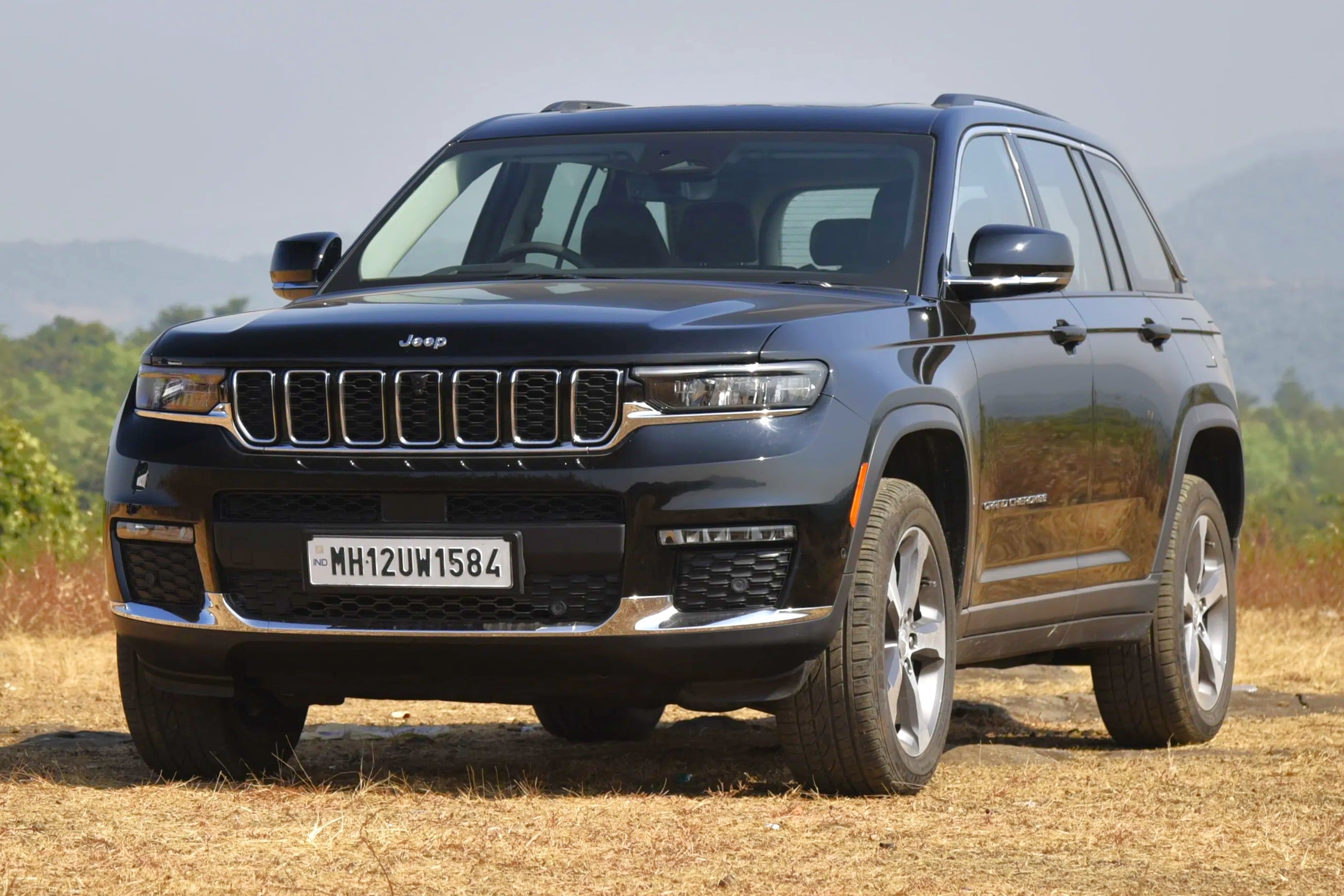
Jeep’s flagship SUV, the Grand Cherokee, offers the highest discounts this month. Buyers can avail up to Rs 4 lakh in benefits, along with free access to the Jeep Wave Exclusive ownership programme, which combines aftersales benefits like a three-year warranty pack, express servicing, adventure concierge services, and more. Jeep sells the Grand Cherokee in only one variant, which is powered by a 272hp 2.0-litre four-cylinder direct-injection turbo-petrol engine paired with an 8-speed automatic gearbox and 4×4. The Jeep Grand Cherokee is priced at Rs 63 lakh.
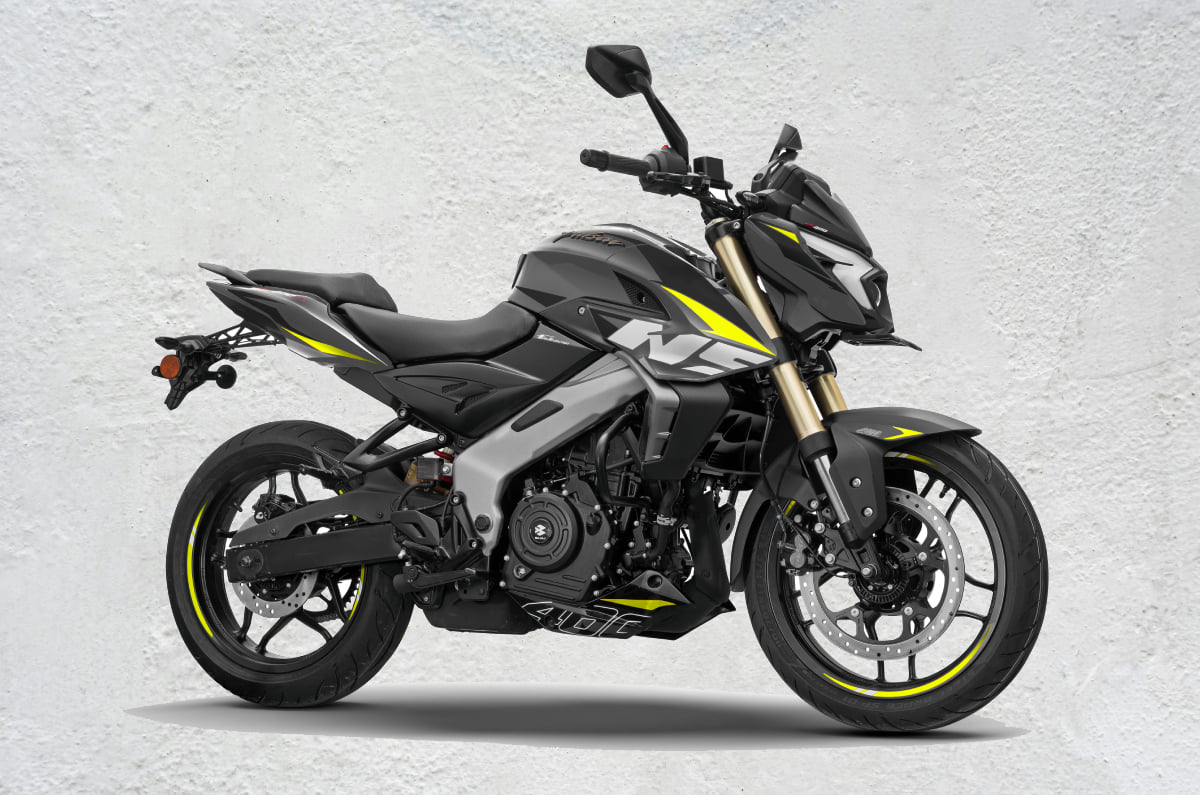
A week after the updated Pulsar NS400Z with a TFT console was spotted at a dealership, Bajaj has officially launched the bike at Rs 1.90 lakh. Aside from the new 5-inch TFT instrument cluster, Bajaj has added a couple of noteworthy features to its flagship model.
Updated NS400Z gets a 5-inch TFT with Google Maps mirroring and music control
Also gains a USB Type-C port and panic brake alert
Costs Rs 4,000 more than the standard NS400Z
Updated Bajaj Pulsar NS400Z details
It’s the same TFT cluster that Bajaj has been rolling out across its Pulsar range
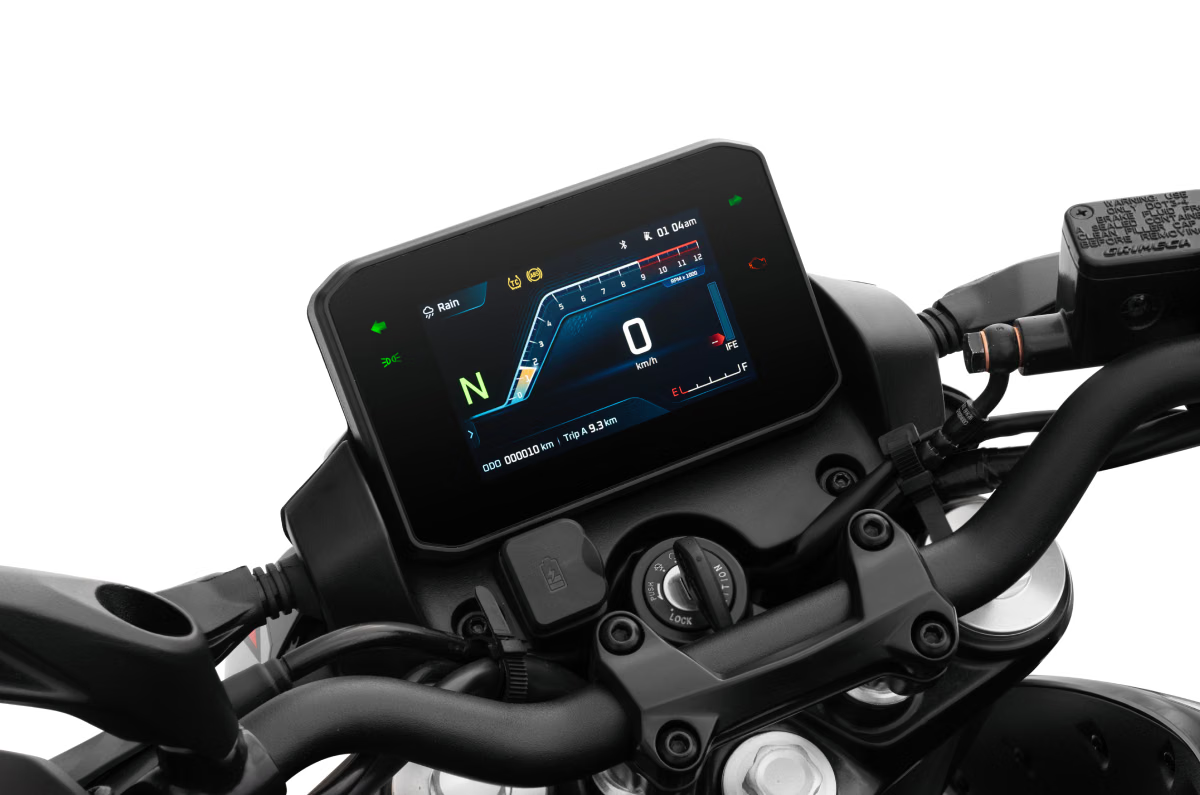
The 5-inch TFT cluster on the updated NS400Z is the same unit Bajaj has progressively introduced across the Pulsar line-up this year: first on the N160 SS, then the Pulsar 125 and 150, and now the NS400Z. The display allows riders to use Google Maps mirroring for turn-by-turn navigation, besides offering music management and document storage. A lap timer is also included. Connectivity is handled via Bluetooth, and a USB Type-C charging port has been added as well. Another addition is a panic brake alert system, which activates the hazard lights under hard braking.
Everything else on the NS400Z remains unchanged. The 349cc single-cylinder liquid-cooled engine continues to produce 40hp at 9,000rpm and 33Nm at 7,500rpm, paired with a 6-speed gearbox. The existing package comprising an electronic throttle body, four ride modes, traction control, 43mm USD front fork, dual-channel ABS and radial tyres has been carried over.
At Rs 1.90 lakh (ex-showroom, Delhi), the model with the TFT console costs a modest Rs 4,000 more than the standard bike.
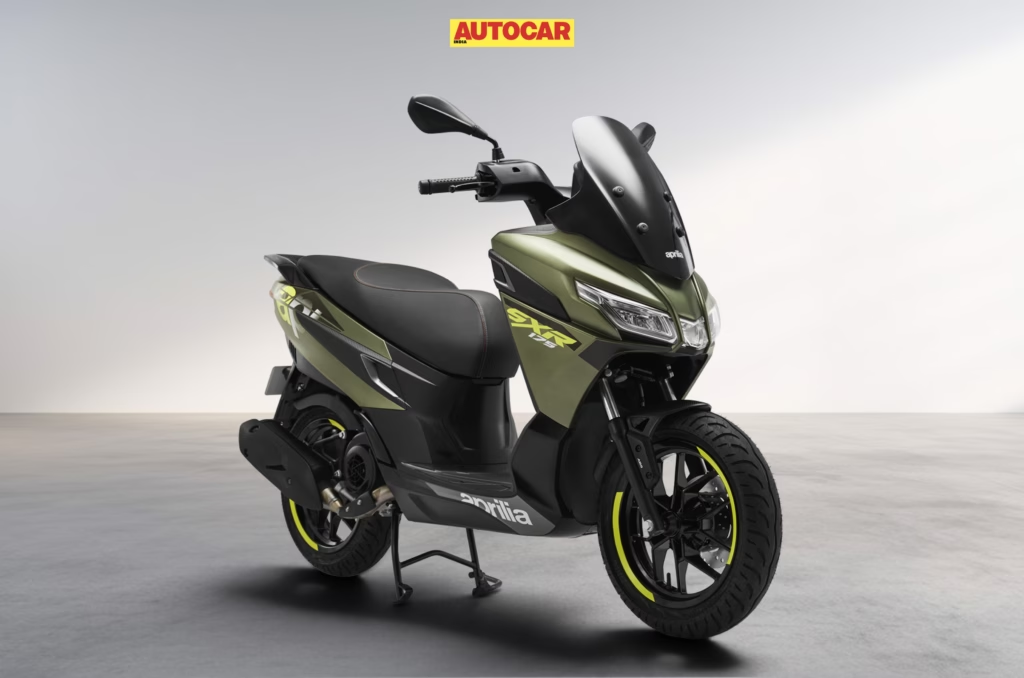
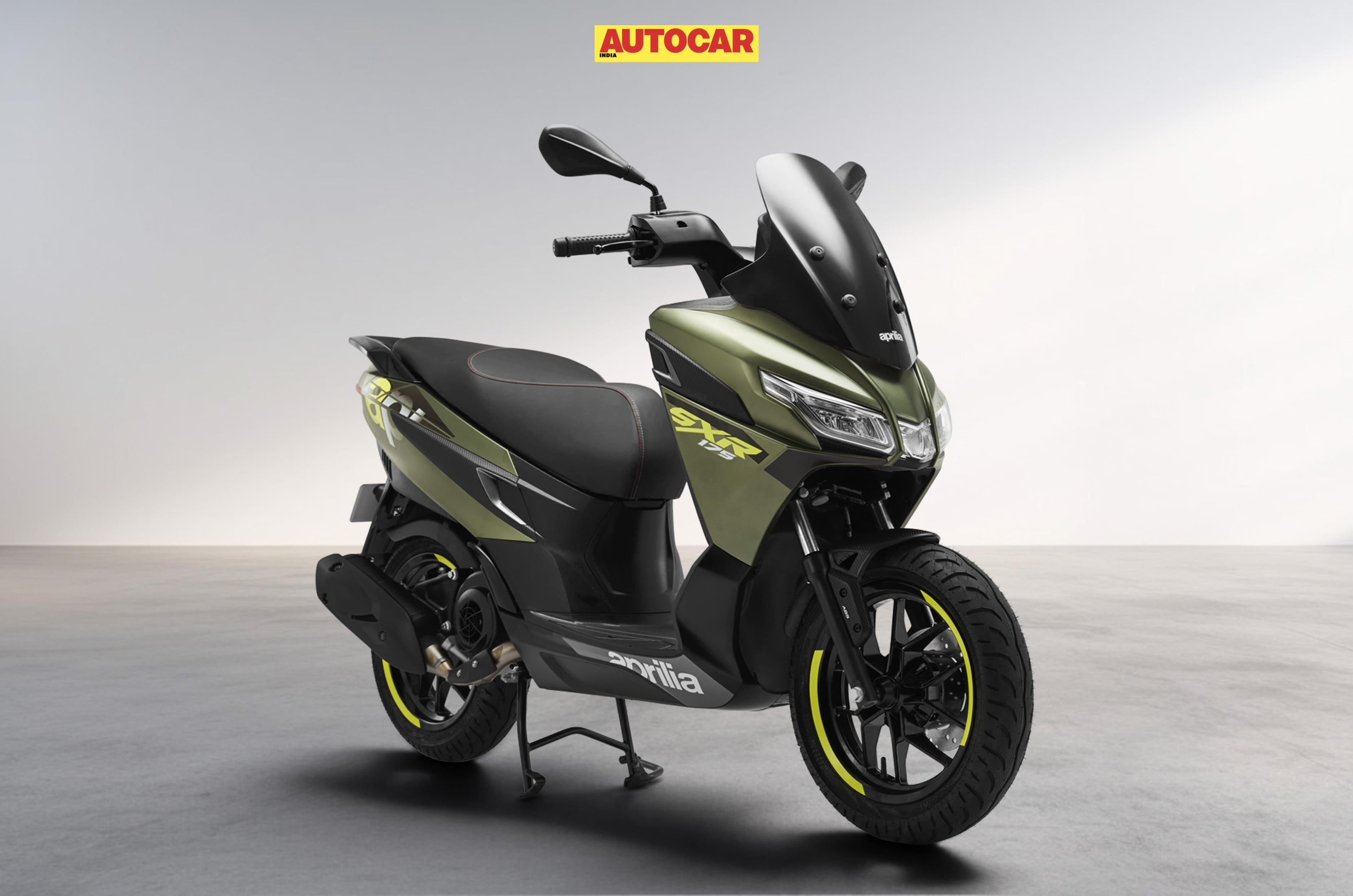
Aprilia has launched the SXR GT range, a repositioned version of its SXR maxi-scooter lineup with some notable updates. The SXR 125 and SXR 160 were discontinued in May without any formal announcement or replacement confirmed at the time. The SXR GT now fills that gap, available in 125cc and 175cc variants, using the updated engines introduced on the SR 125 and SR 175.
Built on the same platform as the SR 125 and SR 175
SXR GT 175 gets 5-inch TFT and single-channel ABS
Both scooters get 14-inch wheels
Aprilia SXR GT scooter details
The SXR scooters featured 12-inch wheels, while these new SXR GT variants come with 14-inch units
The new SXR GT 125 hp-e and SXR GT 175 hp-e are based on the same platform as their corresponding SR siblings that were introduced last year. The SXR GT 125 is powered by a 124.5cc single-cylinder engine that makes 10.6hp at 7,400rpm and 10.4Nm at 6,200rpm. On the other hand, the SXR GT 175 gets a 174.7cc air-cooled single that makes 13.3hp at 7,200rpm and 14.1Nm at 6,000rpm. Aprilia has also confirmed that both engines are BS6 OBD-II Stage B compliant and E20 fuel compatible.
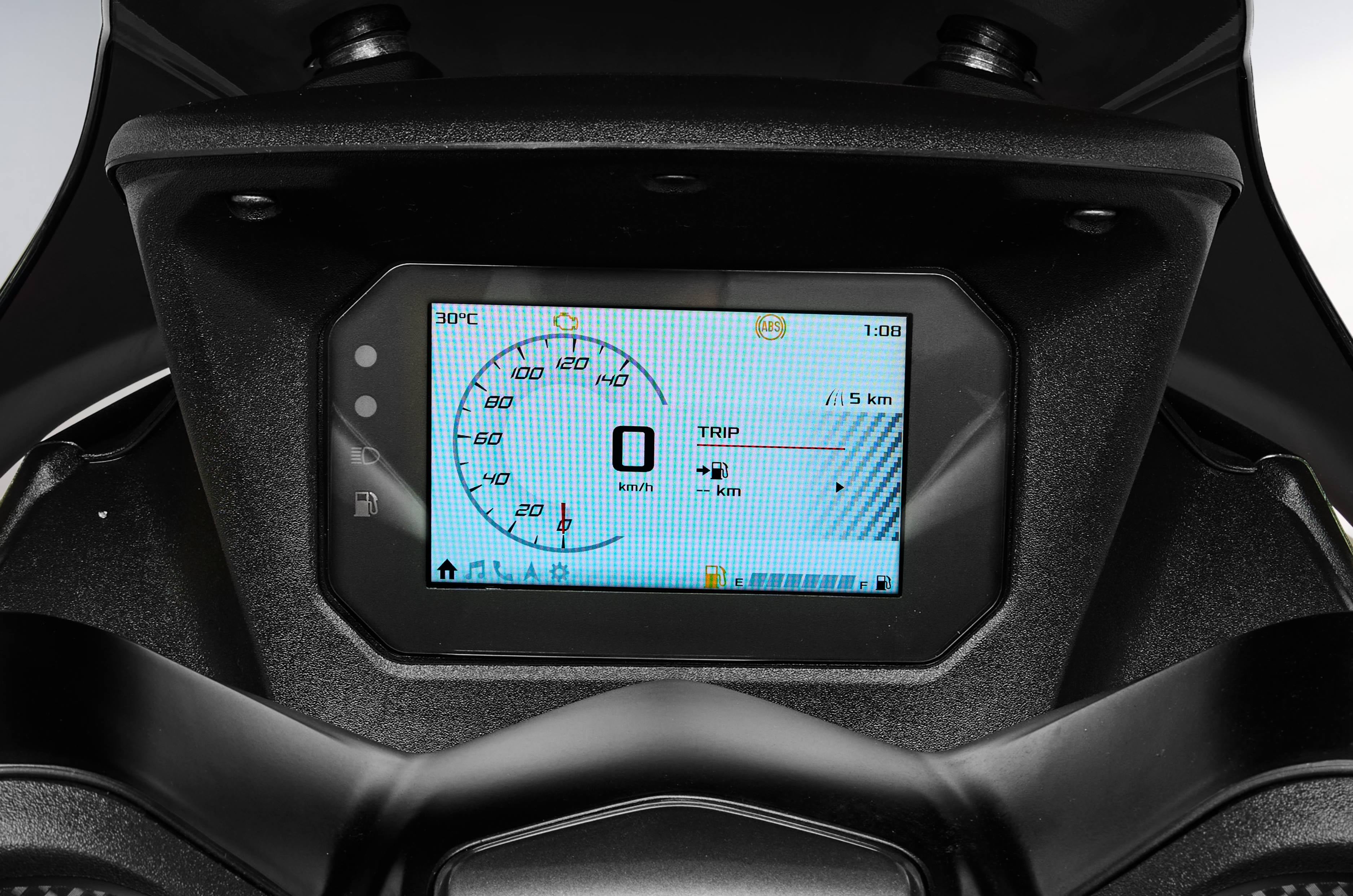
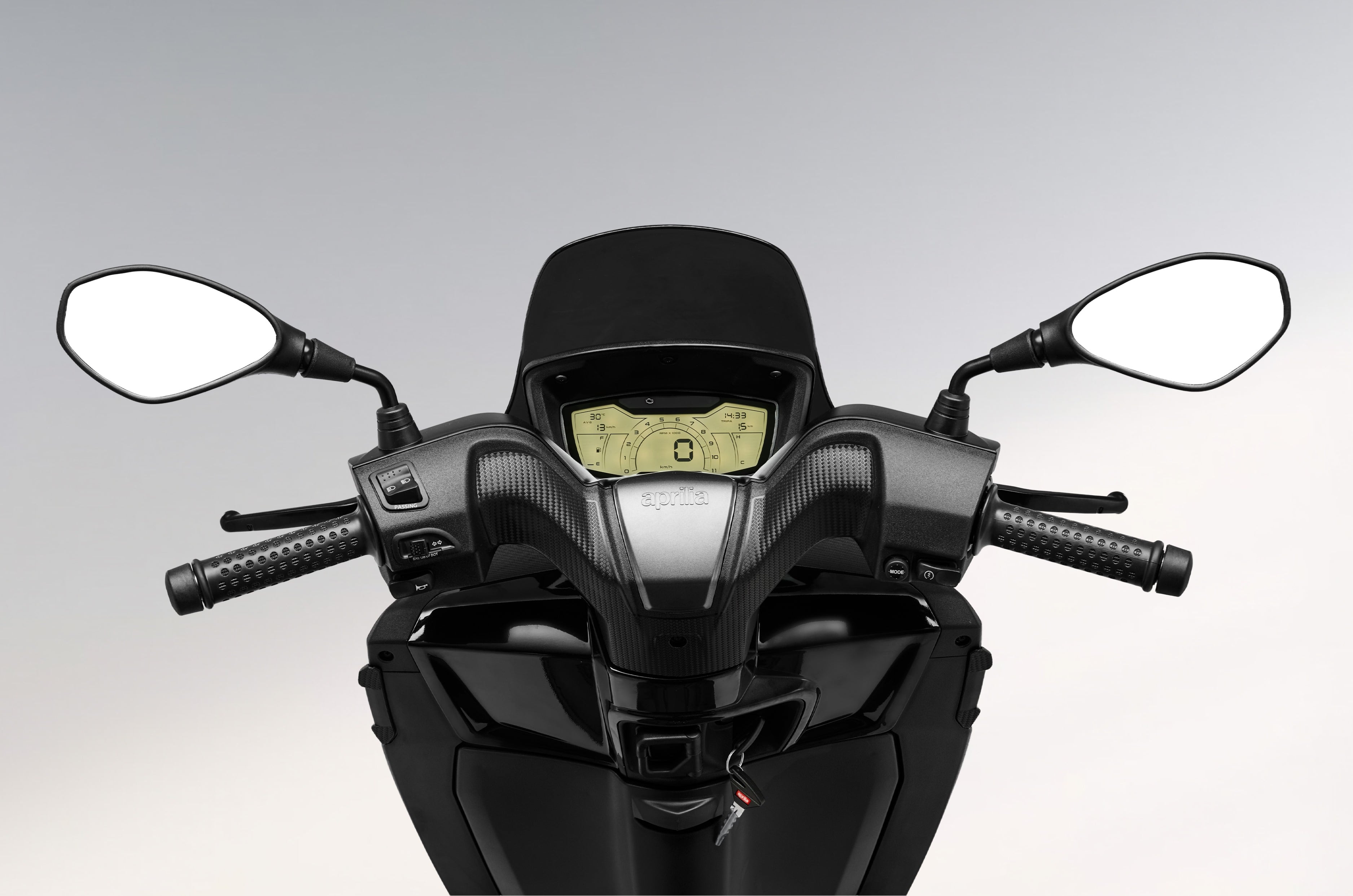
Both scooters retain the overall silhouette of the now-discontinued SXR scooters, but now run on larger 14-inch wheels, which should translate to better stability and comfort. In terms of features, the 175cc variant gets a 5-inch TFT display with Bluetooth connectivity for music and call management, turn-by-turn navigation and additional handlebar-mounted controls. It also features single-channel ABS and a new exhaust end pipe with a heat shield. The 125cc variant gets a 5-inch LCD instrument cluster and CBS.
Aprilia has said bookings have opened nationwide, with the SXR GT 125 priced at Rs 1.11 lakh and the SXR GT 175 priced at Rs 1.31 lakh.
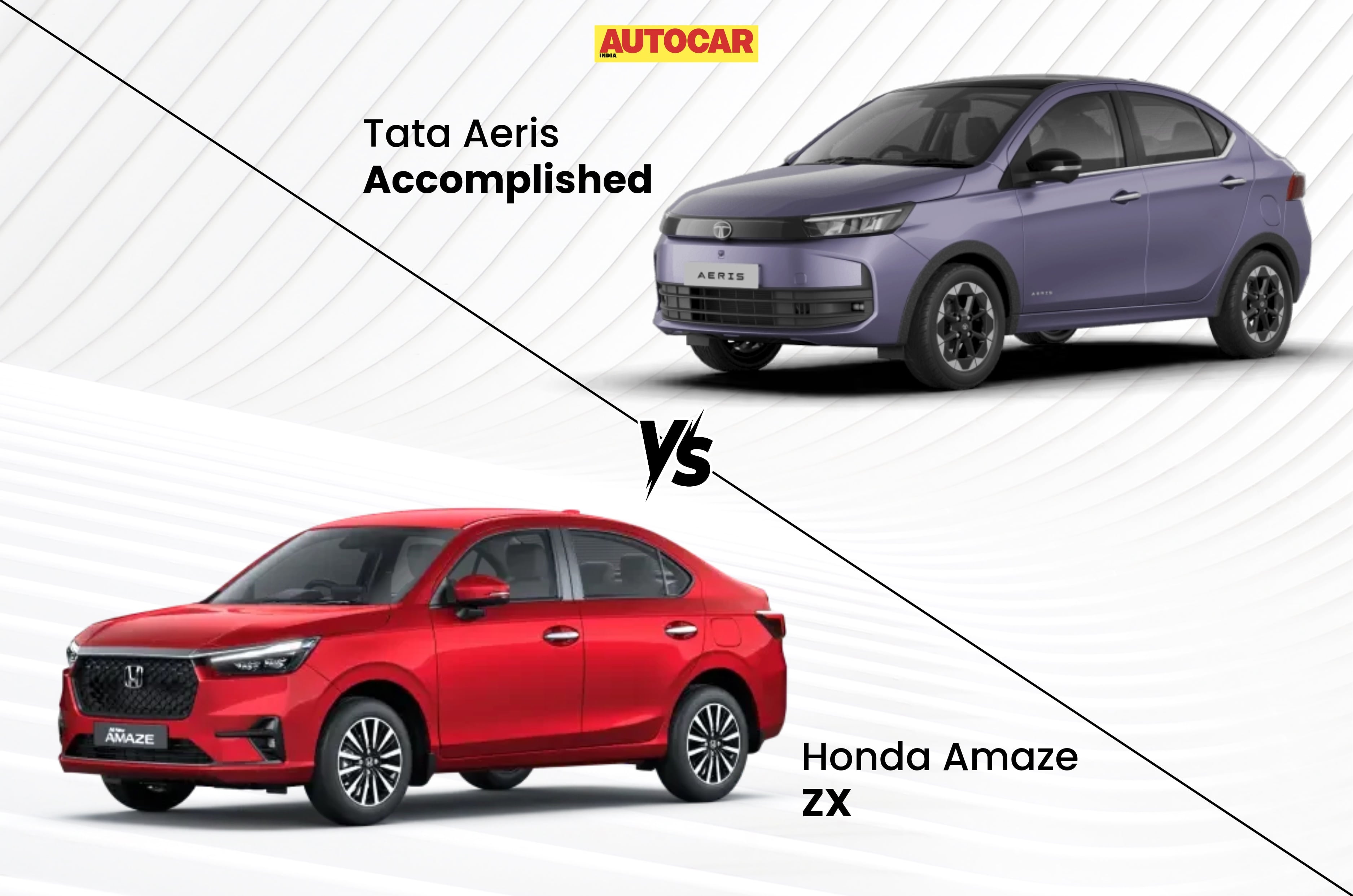
With the arrival of the new Aeris, Tata has made an attempt to strengthen its prowess in the compact sedan space. Though based on the Tigor, the Aeris comes with fresher styling elements and added features. Here, we’ve compared it with the Honda Amaze, which is currently in third-gen form and one of the longstanding contenders in the segment. For this comparison, we’ve chosen the Aeris’ Accomplished trim and the Amaze’s ZX trim.
For full specs, features, and a price breakdown, check our Aeris vs Amaze comparison.
Tata Aeris vs Honda Amaze: Dimensions
Aeris is taller and gets the larger boot; Amaze is wider and has a longer wheelbase
Tata Aeris vs Honda Amaze: Dimensions
Tata Aeris
Honda Amaze
Difference
Length (in mm)
3,995
3,995
–
Width (in mm)
1,684
1,733
-49
Height (in mm)
1,532
1,500
+32
Wheelbase (in mm)
2,450
2,470
-20
Ground clearance (in mm)
170
172
-2
Boot space (litres)
419
416
+3
The Aeris and Amaze have the same length but differ greatly in other dimensions. The Amaze is wider, has a longer wheelbase, and rides a narrow 2mm higher than the Aeris. On the other hand, the Aeris is taller and has a slightly bigger boot. One thing to note is that the Aeris’ boot is likely to have more usable space, as its boot lid uses gas struts to open and close, whereas the Amaze’s trunk lid utilises a hinge mechanism.
Tata Aeris vs Honda Amaze: Powertrain
CNG AMT combo offered only on the Aeris
Tata Aeris vs Honda Amaze: Powertrain
Tata Aeris
Honda Amaze
Engine
1.2-litre 3-cyl petrol | 1.2-litre 3-cyl CNG
1.2-litre 4-cyl petrol
Power (hp)
86 | 76
90
Torque (Nm)
113 | 97
110
Transmission
5MT / 5AMT
5MT / CVT
In petrol guise, both the Aeris and Amaze get a 1.2-litre naturally aspirated unit. The former’s mill uses a 3-cylinder setup, whereas the latter adds an additional cylinder. Amaze’s power output is higher than the Aeris, but the latter delivers slightly more torque. Both models get a 5-speed manual, but automatic variants of the Aeris use an AMT while the Amaze gets a CVT gearbox.
The Aeris offers a factory-fitted CNG kit on its top Accomplished trim with petrol and AMT gearbox choices. In CNG guise, it gets a dual-cylinder setup that doesn’t sacrifice much boot space as opposed to a single large tank. While Honda also offers a CNG kit on the Amaze, it’s exclusively offered with the manual gearbox and is fitted at the dealer level.
Tata Aeris vs Honda Amaze: Exterior
Dual-tone paint options exclusive to the Aeris
Tata Aeris vs Honda Amaze: Exterior
Tata Aeris
Honda Amaze
Headlights
Auto LED
Projector Auto LED
Tail-lights
LED
LED
DRLs
Yes
Yes
Front fog lamps
LED
Projector LED
Wheels
15-inch alloys
15-inch alloys
Powered ORVMs
Yes
Yes
Shark-fin antenna
Yes
Yes
Colour
Dual-tone, 6 options
Monotone, 6 options
On the visual front, the Aeris and Amaze are neck and neck with LED light setups, fog lamps, 15-inch alloy wheels, powered ORVMs, and a sharkfin antenna. However, when it comes to paint options, the Aeris Accomplished is limited to dual-tone finishes with a black roof, and the Amaze gets monotone paint jobs only.
Tata Aeris vs Honda Amaze: Interior
Aeris gets the popular front seat ventilation feature
Tata Aeris vs Honda Amaze: Interior
Tata Aeris
Honda Amaze
Instrument cluster
Digital dials
Part-digital TFT display with analogue dials
Infotainment screen
10.25-inch
8-inch
Android Auto, Apple CarPlay
Wireless
Wireless
Sunroof
No
No
Front seat ventilation
Yes
No
Audio system
4-speaker, 2-tweeter
4-speaker, 2-tweeter
Wireless phone charger
Yes
Yes
Climate control
Automatic
Automatic
Driver seat adjustment
Height, reach (manual)
Height, reach (manual)
Steering adjustment
Tilt
Tilt
Rear AC vents
Yes
Yes
Rear centre armrest
Yes
Yes
Seat upholstery
Leatherette
Fabric
Connected car tech
Yes
Yes
Keyless entry
Yes
Yes
Push-button start
Yes
Yes
Cooled glove box
Yes
No
USB ports
2x Type-C 1x Type-A
2x Type-A ports
Inside is where the odds look in favour of the Aeris. It gets a larger infotainment screen, front seat ventilation, leatherette seat upholstery, and a cooled glovebox over the Aeris. Meanwhile, the Amaze’s instrument cluster has a colour TFT with configurable displays on offer.
Tata Aeris vs Honda Amaze: Driving features
Paddle shifters found on both; Adaptive cruise control exclusive to the Aeris
Tata Aeris vs Honda Amaze: Driving features
Tata Aeris
Honda Amaze
Paddle shifters
Yes
Yes
Cruise control
Regular
Adaptive
As for driving features, both get paddle shifters with their respective automatic versions. But the Aeris gets regular cruise control as opposed to the advanced adaptive cruise control found on the Amaze.
Tata Aeris vs Honda Amaze: Safety features
360-degree camera exclusive to the Aeris; Amaze is the only compact sedan with ADAS
Tata Aeris vs Honda Amaze: Safety features
Tata Aeris
Honda Amaze
BNCAP rating
Not tested
5 stars
Airbags
6
6
ADAS
No
Level 1
Camera setup
360-degree
Rear
Blind view monitor
Yes
Yes
Dashcam recording
Yes
No
Rain sensing wipers
Yes
Yes
Parking sensors
Rear
Rear
Disc brakes
Front
Front
Tyre-pressure monitoring
Yes
Yes
Interior rearview mirror (IRVM)
Manual dimming
Manual dimming
Hill-hold assist
Yes
Yes
ESC
Yes
Yes
Traction control
Yes
Yes
Adjustable headrests
Front only
Front only
The Amaze has achieved a 5-star crash safety rating by BNCAP. While the Aeris is yet to be tested by BNCAP, it’s worth noting that the Tigor that it’s based on achieved a 4-star rating by GNCAP. As for safety equipment, both are well equipped with six airbags, ESC, traction control, rear parking sensors, TPMS, and hill hold assist. Additionally, the Aeris gets a 360-degree camera as opposed to the Amaze’s rear-view only, but the latter offers an ADAS suite which the former misses out on. Meanwhile, both skip adjustable headrests for the rear occupants.
Tata Aeris vs Honda Amaze: Price and verdict
Tata Aeris vs Honda Amaze: Price
Tata Aeris Accomplished
Honda Amaze ZX
Petrol manual
8.20
9.39
Petrol automatic
8.75
10.00
CNG manual
9.20
–
CNG automatic
9.75
–
Comparing like-for-like powertrain combinations, the Aeris is more affordable than the Amaze by up to Rs 1.25 lakh. Interestingly, even its CNG automatic version is cheaper than the Amaze petrol CVT. Between the Aeris and the Amaze, it’s the former we’d pick. Not only is the Aeris more affordable than the Amaze by over a lakh, but it also packs in more features and offers more powertrain combinations. Though in automatic guise the Amaze’s CVT unit delivers a more refined experience than the AMT on the Aeris, the premium that it commands isn’t justified.
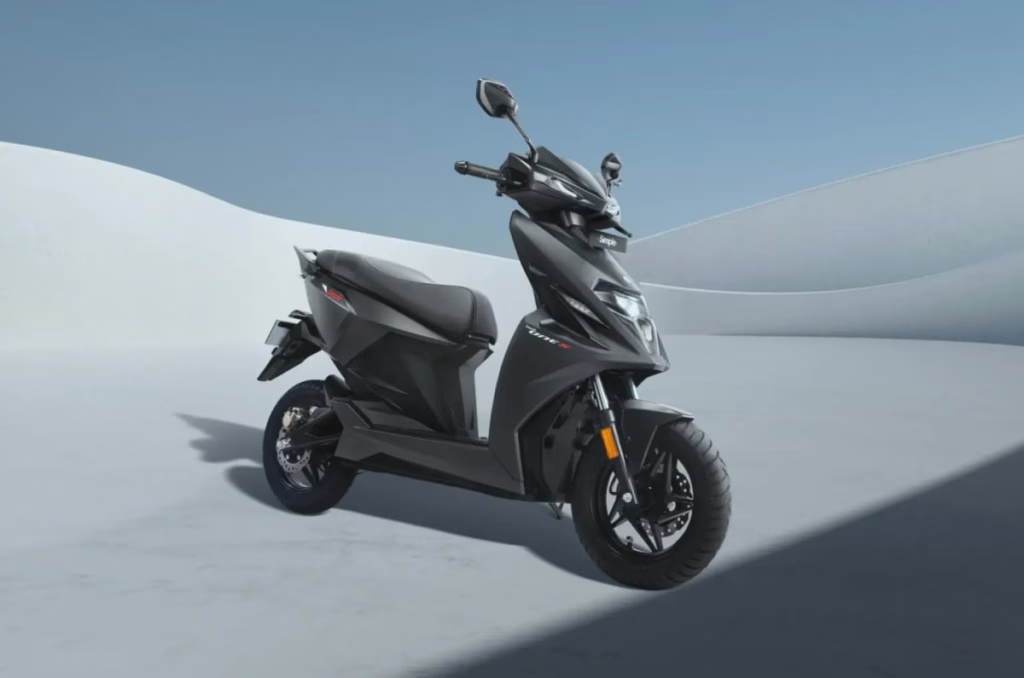
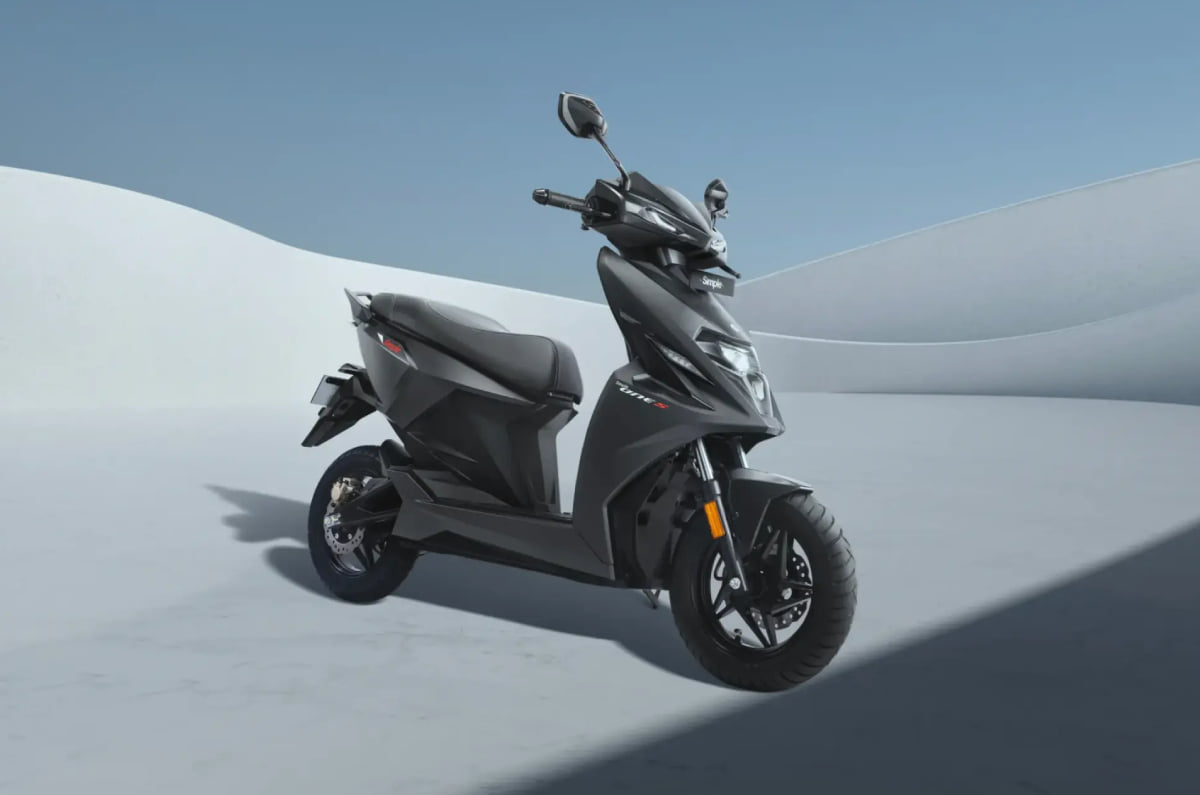
Simple Energy has discontinued the OneS electric scooter, phasing it out in favour of the recently launched Wave family scooter range. The company confirmed the decision, saying the Wave, which was launched last month with prices starting from Rs 1.10 lakh, is a purpose-built product for the segment the OneS served, and that buyers in that price band would naturally move towards it.
Simple OneS discontinued; Wave to serve the same buyer segment
OneS featured a 3.7kWh battery and 190km IDC range
Existing OneS owners will continue to receive full service, warranty and spare-parts support
Simple OneS discontinuation details
Company cites portfolio consolidation and Wave’s stronger fit for the segment
In its statement, Simple Energy said: “With the launch of the Simple Wave, we now have a product purpose-built for the segment OneS served, one where most buyers are families looking for a practical, reliable everyday scooter. Our market research showed that Wave meets those needs more completely, and that customers in this price band would naturally move towards it. Consolidating our portfolio around Wave lets us focus our engineering, manufacturing and retail efforts where they deliver the most value to our customers. Existing OneS owners will continue to receive full service, warranty and spare-parts support across our network.”
The OneS was launched as part of the Simple One Gen 2 range at the start of the year at Rs 1.40 lakh, using a 6.4kW motor producing 52Nm and a 3.7kWh battery offering a claimed IDC range of 190km. At the time, it was the most accessible model in the Simple lineup, sitting below the One and Ultra variants. The Wave, which effectively now takes its place, starts at Rs 1.10 lakh for the base Wave S 2.2 variant and goes up to Rs 1.90 lakh for the Wave+, offering a wider range of battery and feature options across six variants.