
Ather Konarc S 161 review: The next big thing?

Ather Konarc S 161 review: The next big thing?

It’s not a stretch to say that the Konarc is the most important product from Ather yet, because the company hopes this new EV will help it unlock segments and markets hitherto untouched by it. The question then is, will the Konarc live up to the lofty expectations placed on its shoulders?

Konarc Design and Quality – 9/10

Straightforward design with high quality finish
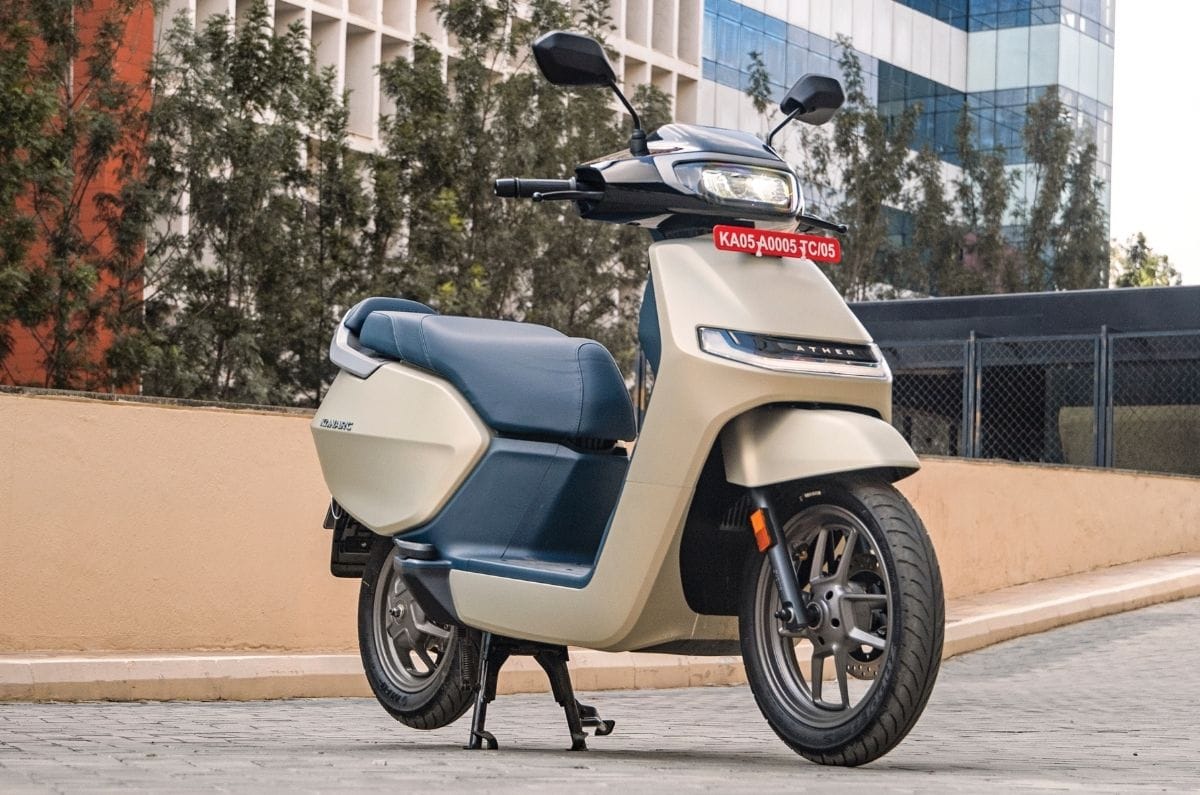
The Konarc S is offered in four classy yet inoffensive colours

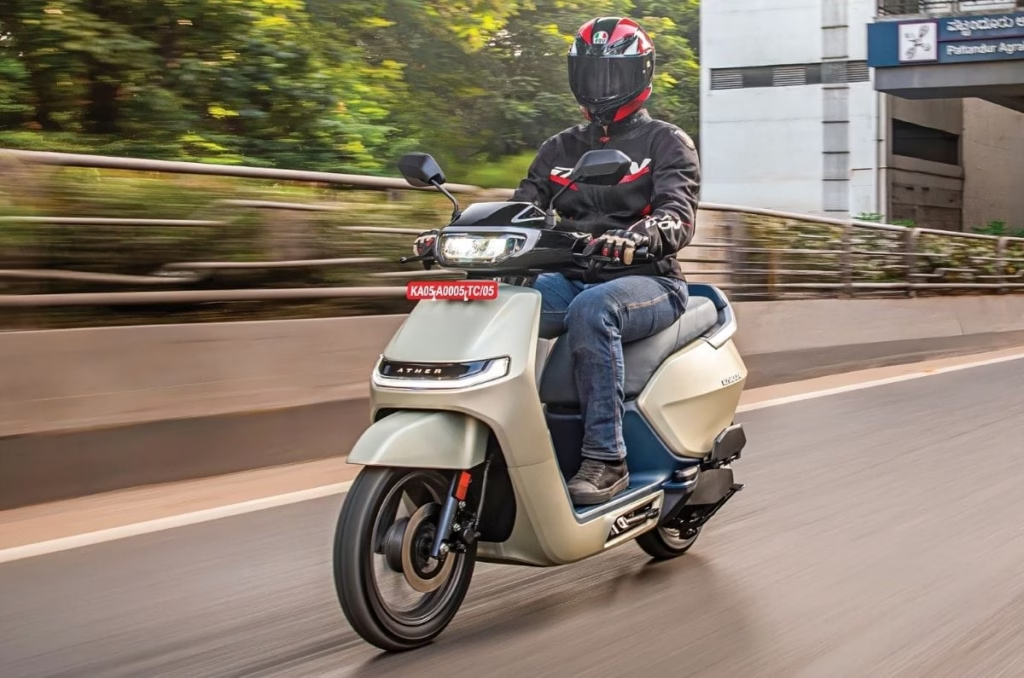
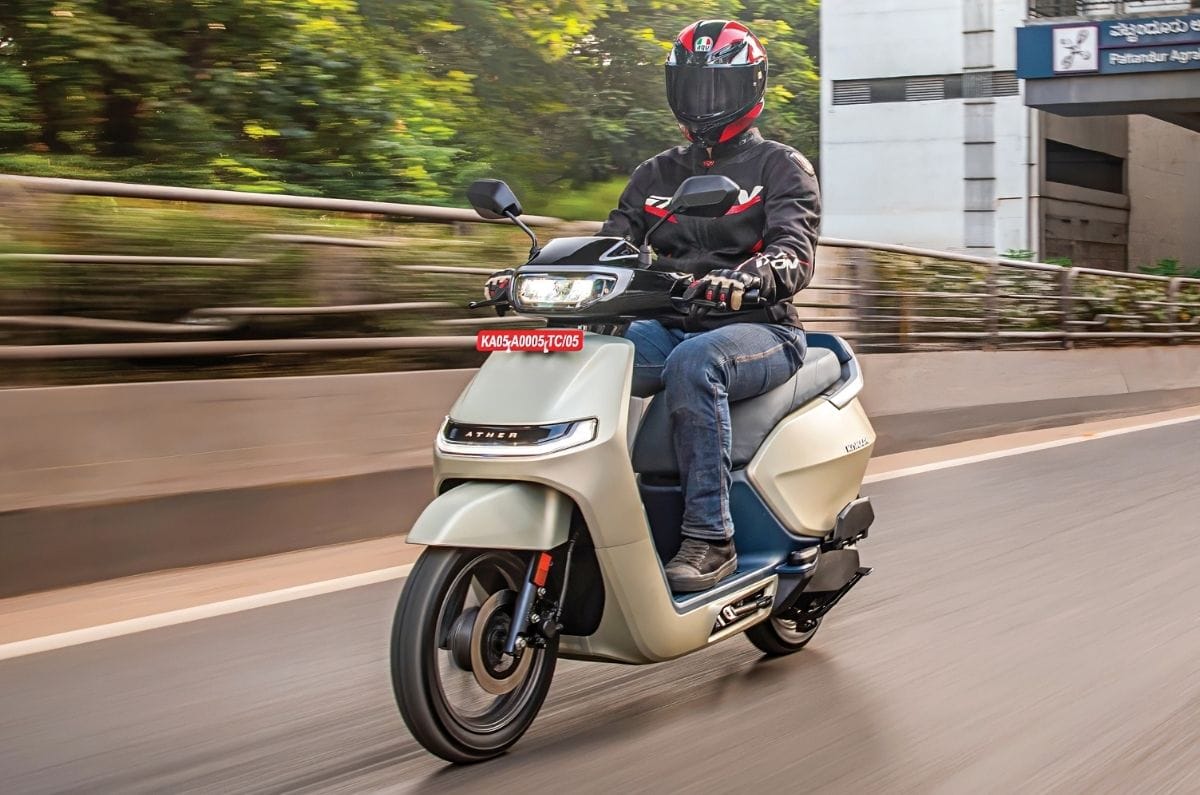
Striking looks aren’t a trait family scooters are known for and Ather wanted to play it very safe with the Konarc to bring in buyers that typically shop for ‘decent-looking’ scooters. While it does look a bit plain, it will still not completely meld into the ocean of humdrum two-wheelers on the road. Further reinforcing its family scooter aspirations are a quartet of very classy, yet inoffensive colours. 

Another aspect that the Konarc’s prospective customers will appreciate is its excellent finish and quality levels all across – a typical Ather trait. 

Konarc Ride and Handling – 9/10

Excellent ride and seating comfort, planted and surefooted handler

One big reason Ather moved to the new EL platform is that its earlier platform was never built for outright comfort and practicality. In this application, the main focus was to maximise comfort for both rider and pillion. The use of a 14-in front wheel and suspension with 90mm/100mm (F/R) of travel are two key factors in providing lovely ride comfort here. 
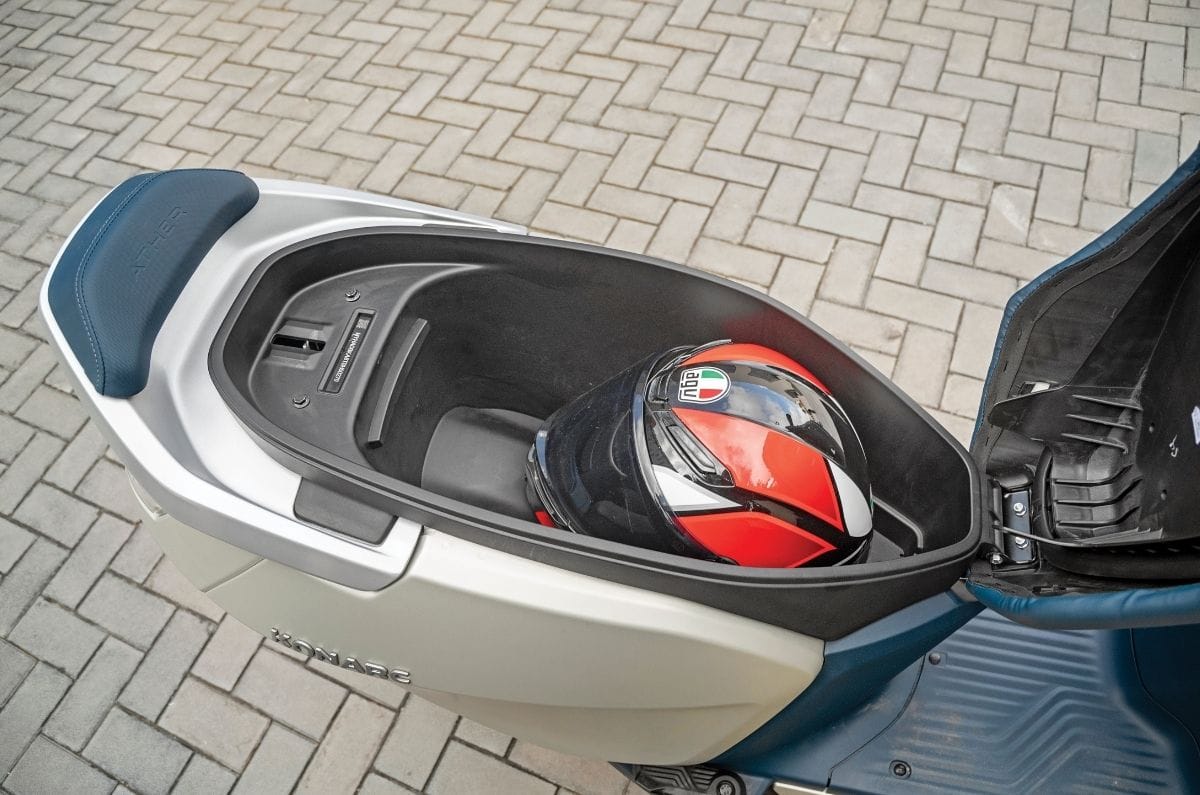
31L boot is deep enough to fit a premium helmet

Point the Konarc towards most bumps and it will round them off without getting unsettled while isolating you from the shock to a great extent. In the scooter space, this is one of the most comfortable options available. Ofcourse, this is still a scooter and really big bumps will filter through – don’t expect motorcycle-like comfort. 

SpecificationsValues
Wheelbase1352 mm
Kerb Weight126.5 kg
Chassis typeMonocoque Full – Steel Body Construction

Something that a typical family scooter buyer values is a centre stand and the Konarc becomes the first Ather to offer it. Like other family scooters, the Konarc’s chassis is geared towards stability and ease of use. Despite the larger 14-in wheel and long 1352mm wheelbase, it felt very straightforward to ride. Its low 770mm seat height will help shorter folks get their feet down comfortably although its wide floorboard will have an impact here. 
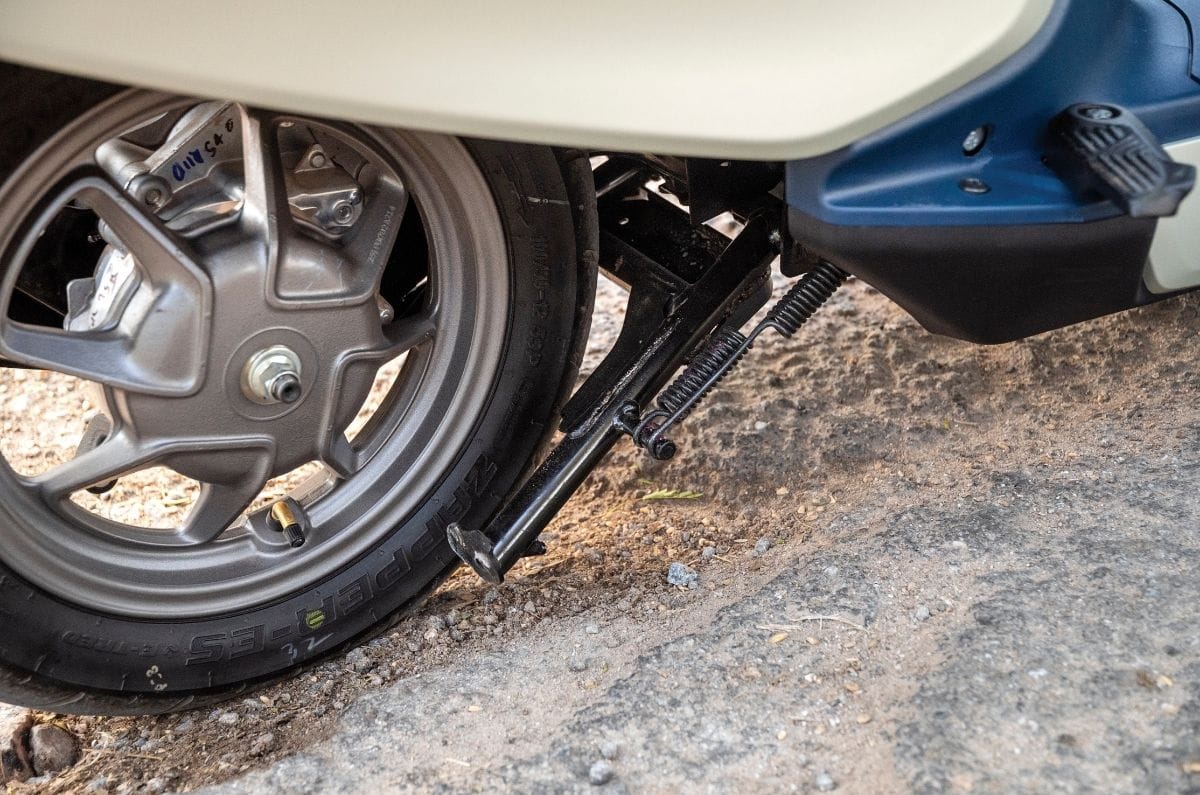
Main stand can touch down in deep ruts

A spacious seat with a padded backrest means two full-size riders will fit comfortably on the Konarc. Another nice feature is that the front end doesn’t get flighty even with a heavy pillion onboard, despite no preload adjustability on the monoshock. The only ergonomic miss is that riders taller than 5’10 will find their knees touching the handlebar during full-lock turns.

SpecificationsValues
Wheel SizeFront – 14 inch, Rear – 12 inch
Front Tyre Size90/90-14
Rear Tyre Size100/90-12
Brake typeFront – Disc, Rear – Drum
Front Brake Size220 mm
Rear Brake Size130 mm
Front Suspension TypeTelescopic Fork, 90mm travel
Rear Suspension TypeDual Hydraulic Coil Spring, 100mm travel

Konarc Performance – 8/10

Has enough performance, new motor has very silent running 

Not only is the Konarc a big leap ahead in terms of comfort, its riding experience is also well-suited to city commuting. A big part of that is down to the comfort but its new swingarm-mounted motor also contributes here. Unlike the Rizta and 450 which used a rather noisy and relatively more maintenance intensive belt final drive, this motor is whisper quiet. It also directly powers the rear wheel without a chain or belt, reducing the number of components in the powertrain. 

SpecificationsValues
Fuel Type/ PropulsionElectric
Motor TypePMSM
Max Motor Power4.7 kW
Max Motor Torque16 Nm
EV Battery Capacity2.7 kWh

With 4.7kW and 16Nm of torque on tap, the Konarc’s performance is best described as sufficient, but only in the top Power mode. Here, the scooter is capable of negotiating its way through big city traffic reasonably quickly. Switching to Eco / SmartEco dulls acceleration significantly and unless you’re running out of juice or you live in a small town, this level of performance will feel out of place. 
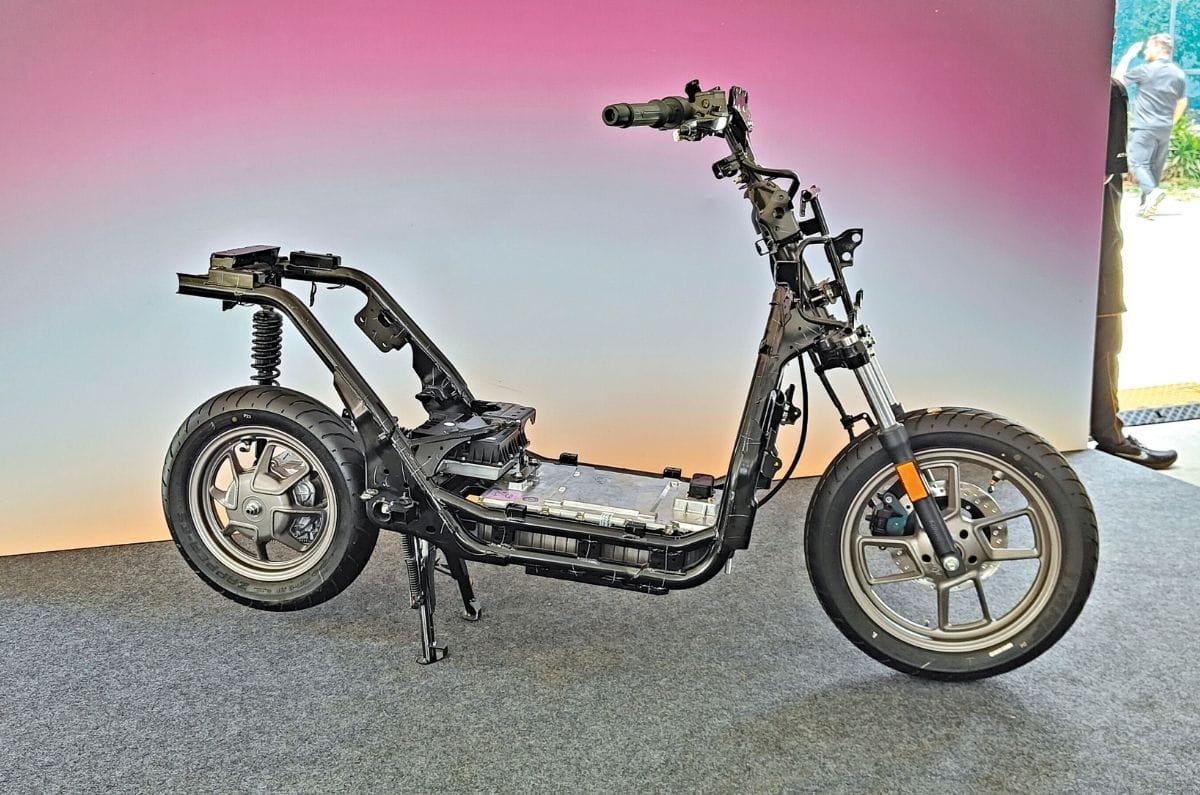
450W onboard charger integrated into motor controller means you only need to carry a small cable around

Except for the bottom 2.1, all S variants come with a front disc brake, a rear drum and CBS. This setup is capable of bringing the Konarc to a halt quickly and safely with almost no hiccups. The one concern with the combined braking system was that the front could lock up when braking on sandy, gravelly loose surfaces using the rear brake lever exclusively. Only the Z variants launching next year come with Ather’s AeBS (Advanced Electronic Braking System) which uses the regen system to shorten braking distances. 

Konarc Features – 8/10

S variants are decently equipped but Z gets all the feel-good ones

And that is a good segue into the way Ather has distributed features across the S and Z. The keyless ignition system, automatic seat opening, AeBS, Magic Twist regen braking, traction control, the colour TFT display and all the smart functions enabled by it are reserved only for the Z. Common to all Konarcs is the 31L underseat storage area, which can easily swallow an imported full-face helmet with room to spare. 
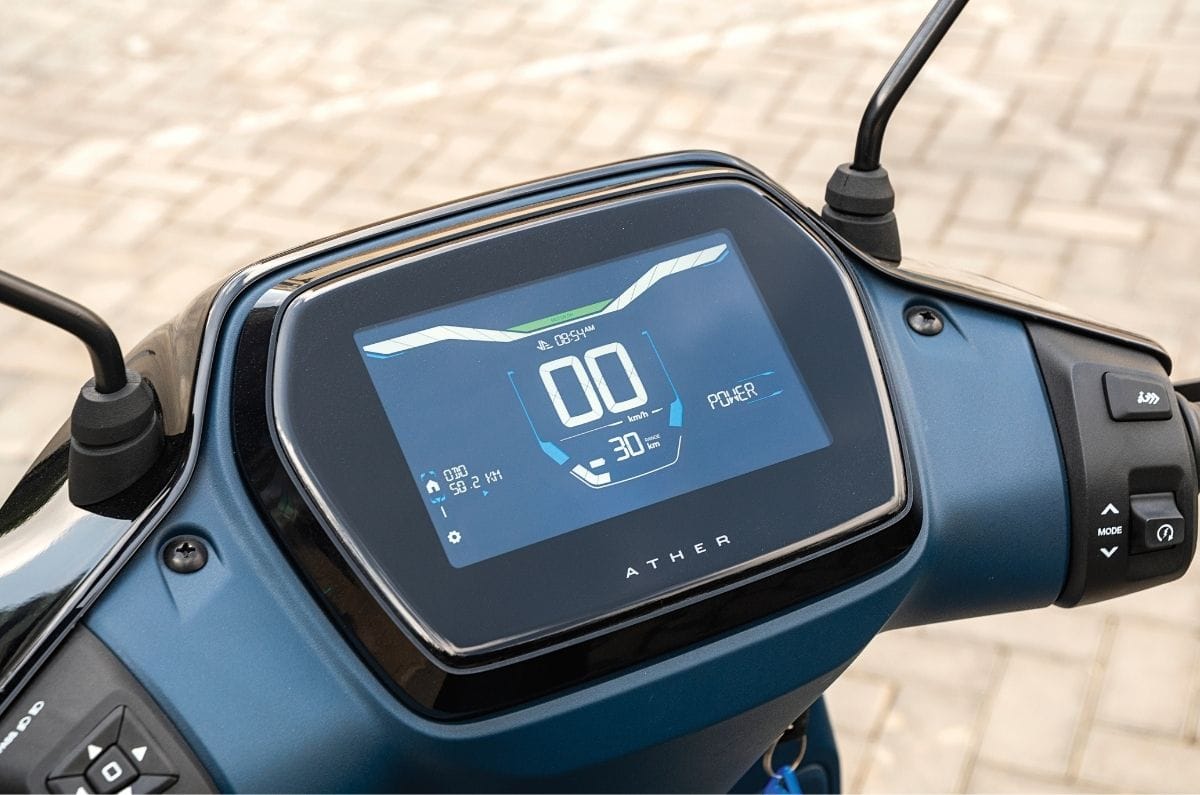
7-inch dash informative and legible but not full colour

What three S variants (except the most affordable one) get is the 7-in simple TFT dash with Bluetooth connectivity, hill hold assist, reverse, several app-based functions, a 450W onboard charger and Airwalk. Airwalk is basically the Konarc’s motor sending a tiny amount of power to the rear wheel when you’re pushing it around to help make your life easier – this is truly effective and makes the 129kg Konarc feel far lighter than it is when moving it around. While the S has a good number of features, when you bring pricing into the equation, it stings a little. 
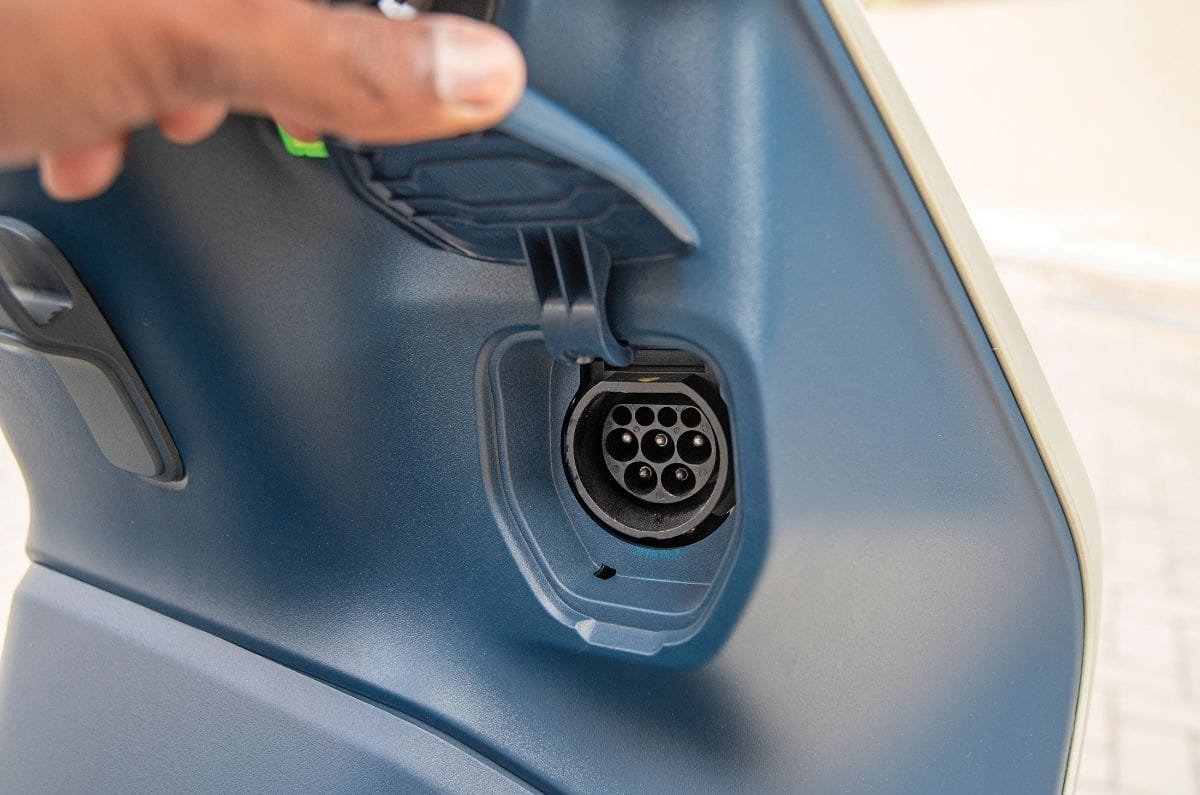
Same charging port for both onboard & portable chargers

Konarc Price and Verdict – 8/10

Not a cutthroat price but this is still a polished and competitive scooter

The two S variants which are on sale right now, S 125 and S 161, are priced at Rs 1.22 lakh and Rs 1.45 lakh, respectively – near identical pricing to the Rizta S. Like the Rizta, you have to pay extra for the Ather StackPro which unlocks many of the smart electronic features. 
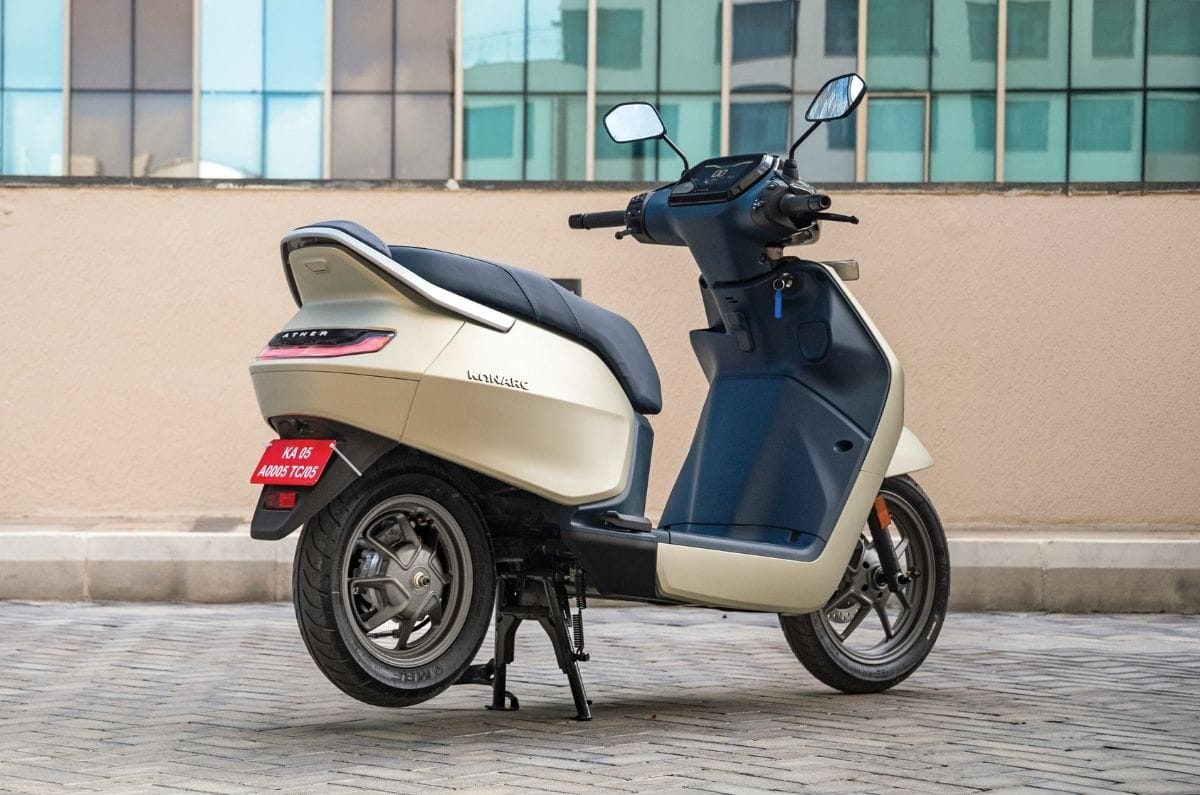
The base S 2.1 (Rs 99,999) misses out on niceties like the disc brake and backrest and comes with rudimentary tech and a basic 4.2-in display. In that sense, the Konarc isn’t really pushing the envelope when it comes to an alluring price. 

VariantPrice (ex-showroom)
Konarc S 100Rs 1 lakh
Konarc S 125Rs 1.22 lakh
Konarc S 161Rs 1.45 lakh

However, as a scooter, the Konarc is a well-thought out product that nails comfort, promises enough performance, predictable range and lower maintenance costs. Ather claims a 10,000km / 1 year service interval and lower service charges owing to fewer parts and quicker turnaround times. 

It may not have made as stellar an impression as it could have with more aggressive pricing, but nonetheless the Konarc definitely has what it takes to elevate Ather to a higher echelon in the market.
Volvo EX90 pros and cons explained

Volvo EX90 pros and cons explained
2 reasons to choose the Volvo EX90, 2 reasons not to

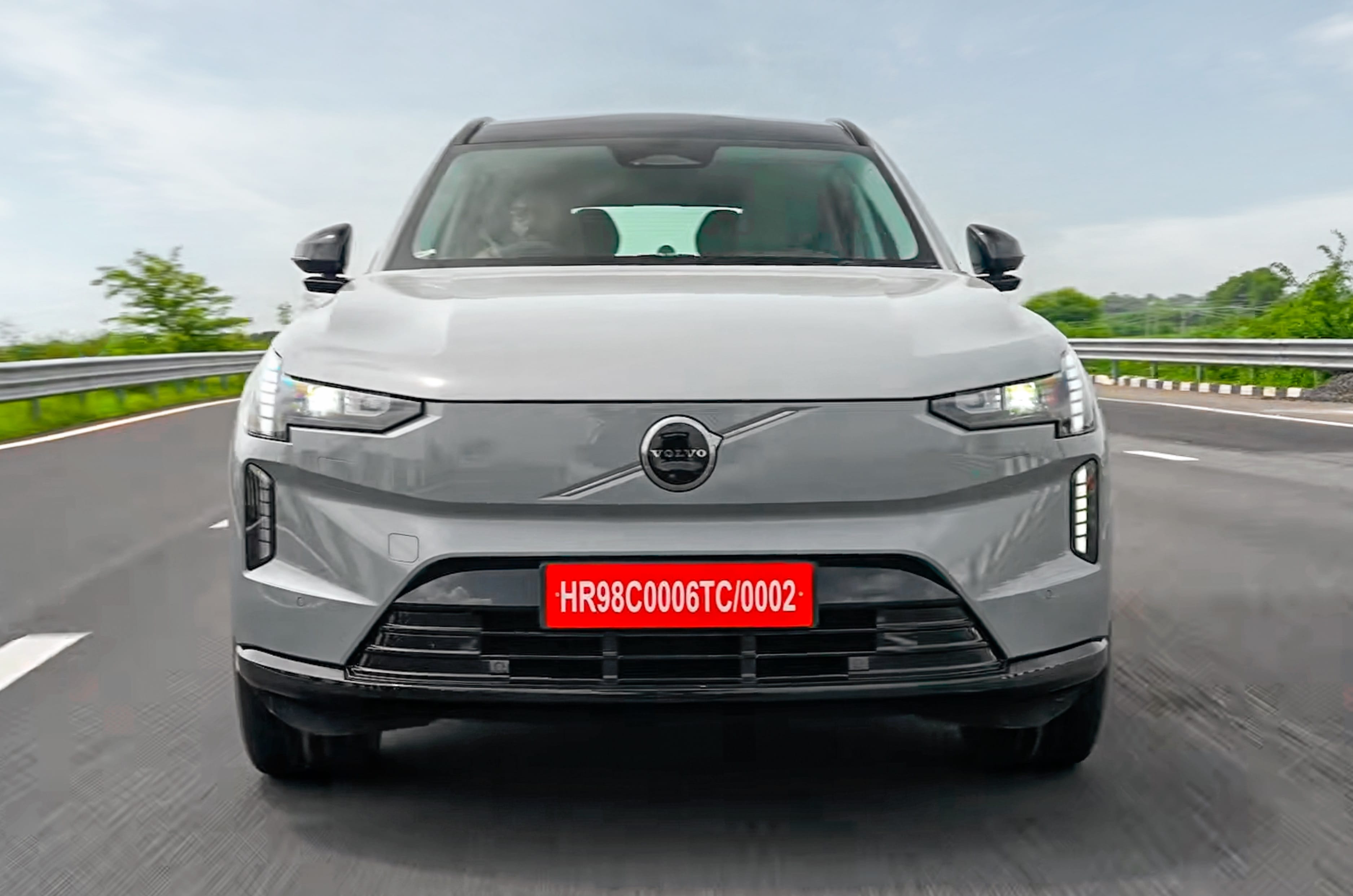
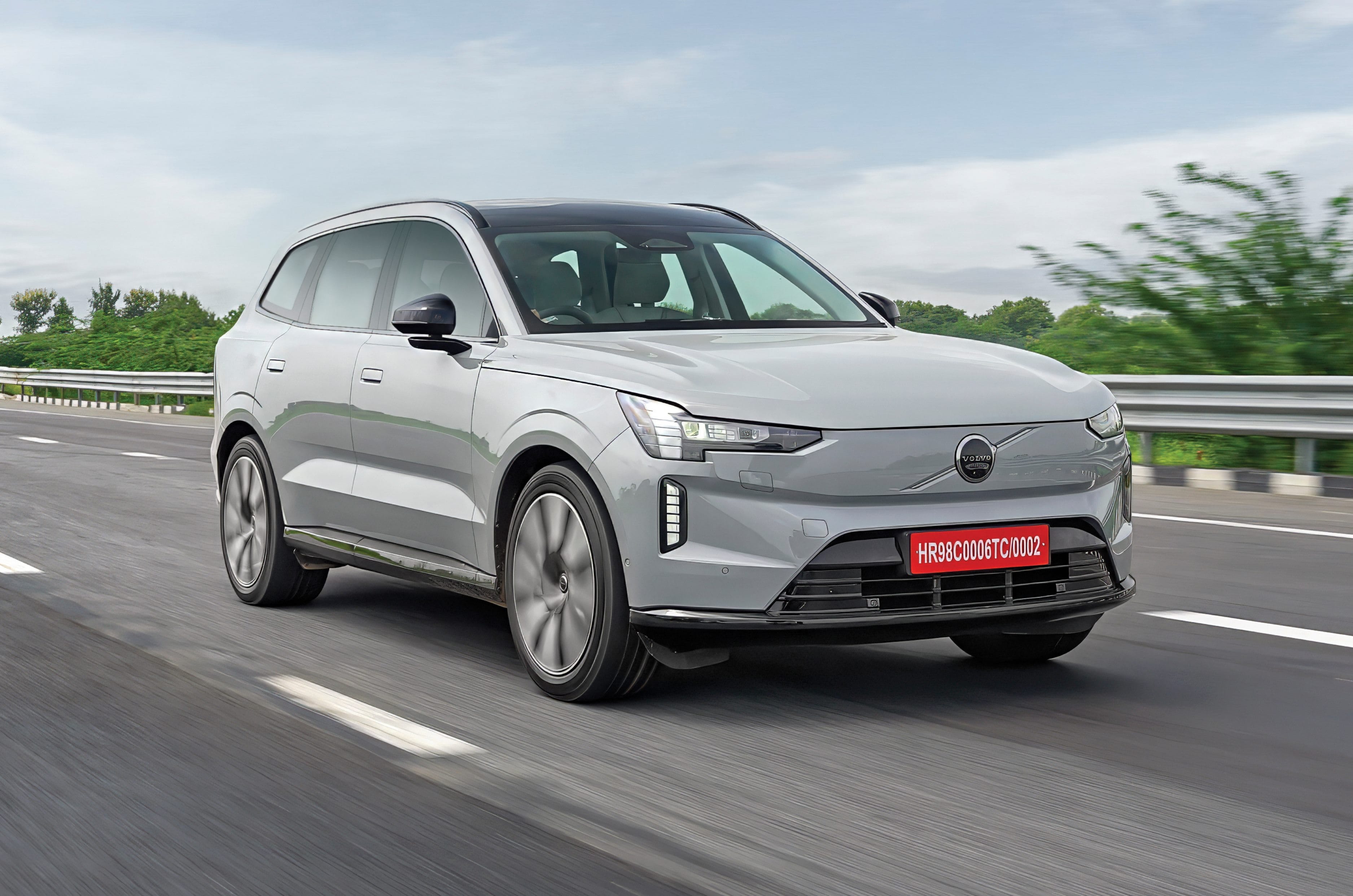
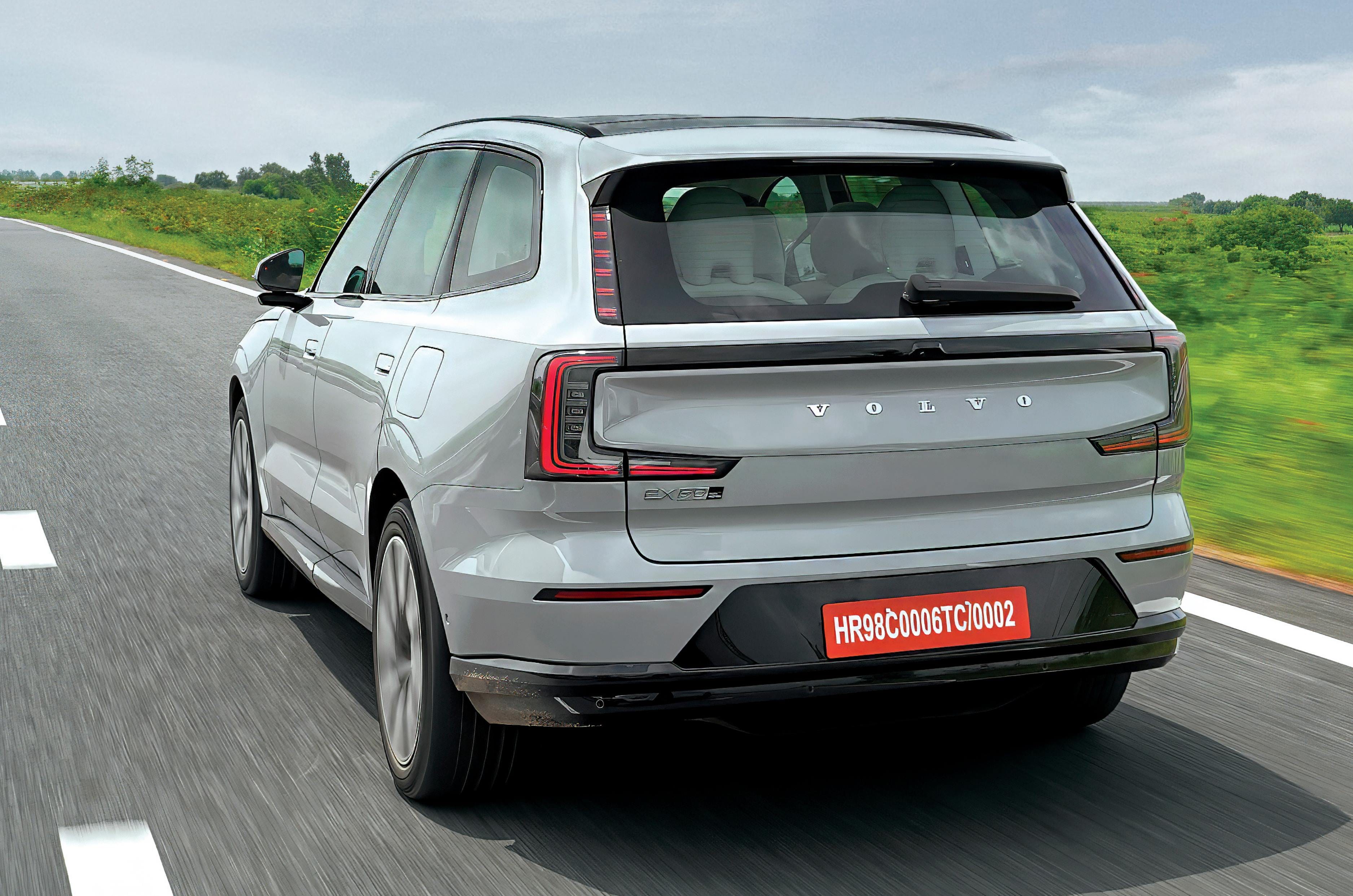
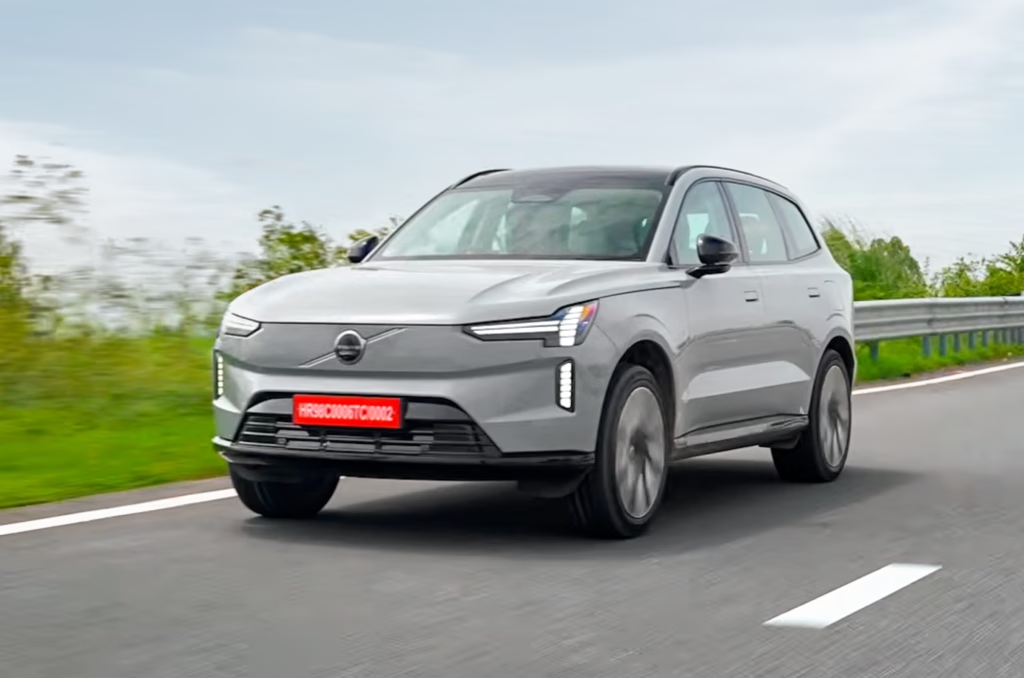
Volvo’s flagship EV, the EX90, has been on sale overseas since 2022. Ahead of its launch on October 12, the manufacturer has revealed details of the India-spec model. It will be sold here in the range-topping ‘Ultra’ variant, which we got to experience recently. If you are interested in the flagship Volvo EX90, here are two reasons to choose it and two reasons to think otherwise.

Reasons to buy the Volvo EX90

Offers a comfortable driving experience on all types of roads 

The Volvo EX90 features an air suspension system that offers a good balance between ride comfort and handling. The car takes microseconds to adjust to the various undulations on the road. Volvo is offering this system with three adjustable modes: Soft, Standard and Firm. ‘Soft’, as the name suggests, offers a comfortable drive over broken roads at medium to high speeds, but it results in a bit more body roll, which does not make it feel confident. ‘Standard’ offers a comfortable ride on bad roads but without feeling overly soft in the corners. ‘Firm’ adds a layer of stability through sharp corners and high speeds.

Has adequate performance and impressive cabin insulation

The India-spec Volvo EX90 Ultra will be offered with a 106kWh battery pack powering dual electric motors producing 456hp and 670Nm. Volvo claims a 0-100kph time of 5.5 seconds, which is fairly quick given its size. However, the SUV builds speed linearly, and the powertrain feels more relaxed and laid-back. Volvo is offering the EX90 with four driving modes: Range, Standard, Performance and Off-road. Even in ‘Performance’ mode, outright zippy acceleration associated with EVs is missing, and the SUV builds up pace gradually. 

As engine sounds are absent on an EV, wind and road noises that filter into the cabin tend to get amplified, especially with larger wheels. However, this is not the case with the Volvo EX90, which offers top-notch cabin insulation. This keeps the cabin feeling near-silent. 

Reasons not to buy the Volvo EX90

Essential drive settings buried within the infotainment system menus

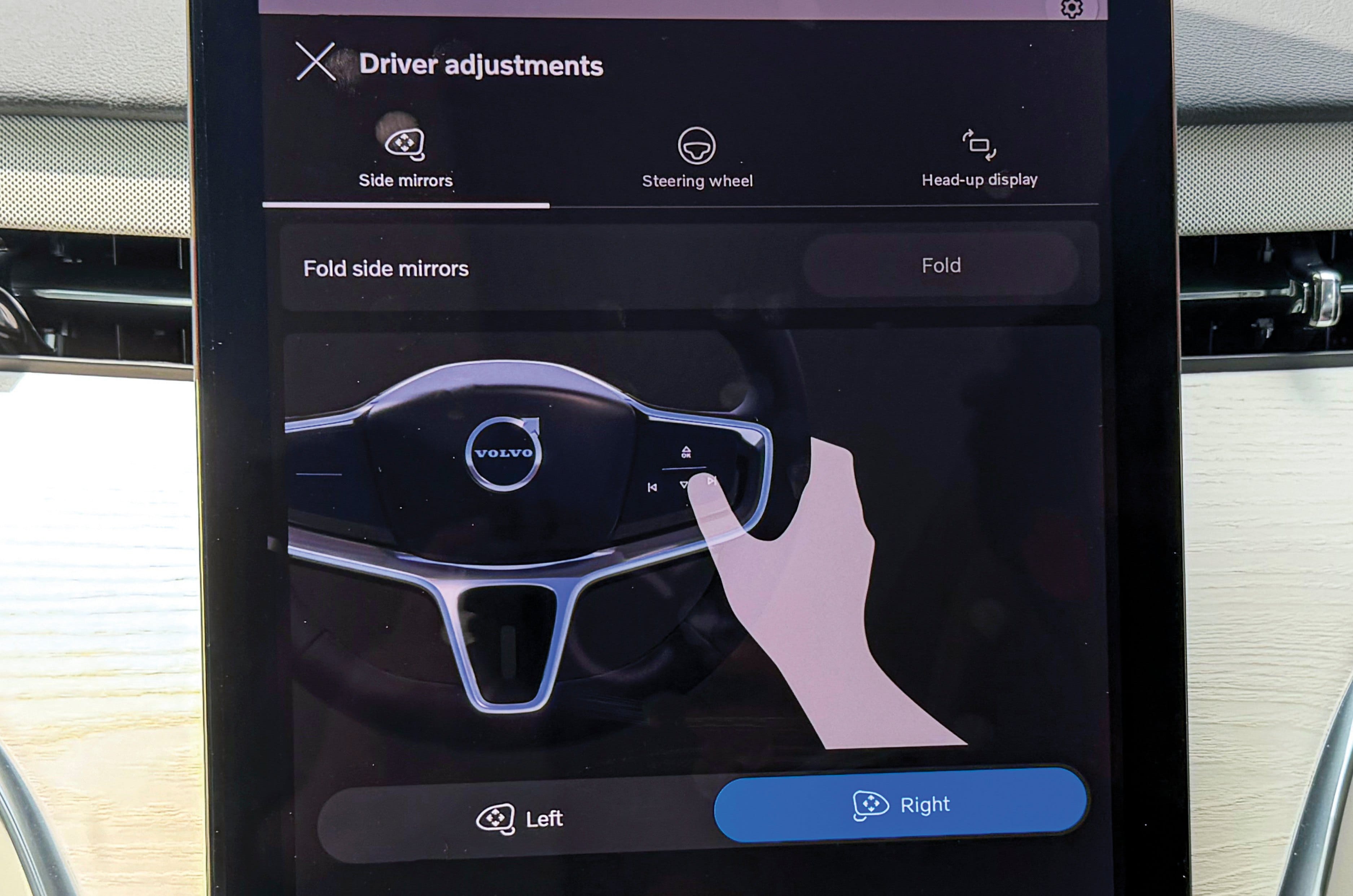
The Volvo EX90’s dashboard is devoid of buttons. All functions can be accessed through the steering-mounted controls or the massive 14.5-inch touchscreen infotainment system that sits in the centre of the dashboard. Simple but essential tasks such as adjusting the outside rearview mirrors (ORVMs) require navigating menus and multiple inputs, which is neither convenient nor safe while on the move. Some hard-coded climate control functions are in the bottom section of the touchscreen, but operating them requires taking your eyes off the road.

Inconsistent brake bite point

Volvos are generally known for offering a strong safety suite, and the flagship EX90 is no different. However, the braking performance is inconsistent due to a variable brake bite point. This is because the EX90 employs regenerative braking with traditional hydraulic brakes, and the transition, depending on the battery’s state of charge and drive modes, causes the bite point to vary.

As mentioned earlier, the Volvo EX90 will launch on October 12. It is expected to have a small premium over its ICE counterpart, the XC90, which currently starts at Rs 98.80 lakh (ex-showroom).

Ather Konarc S 125 vs rivals: Price and specifications compared

Ather Konarc S 125 vs rivals: Price and specifications compared
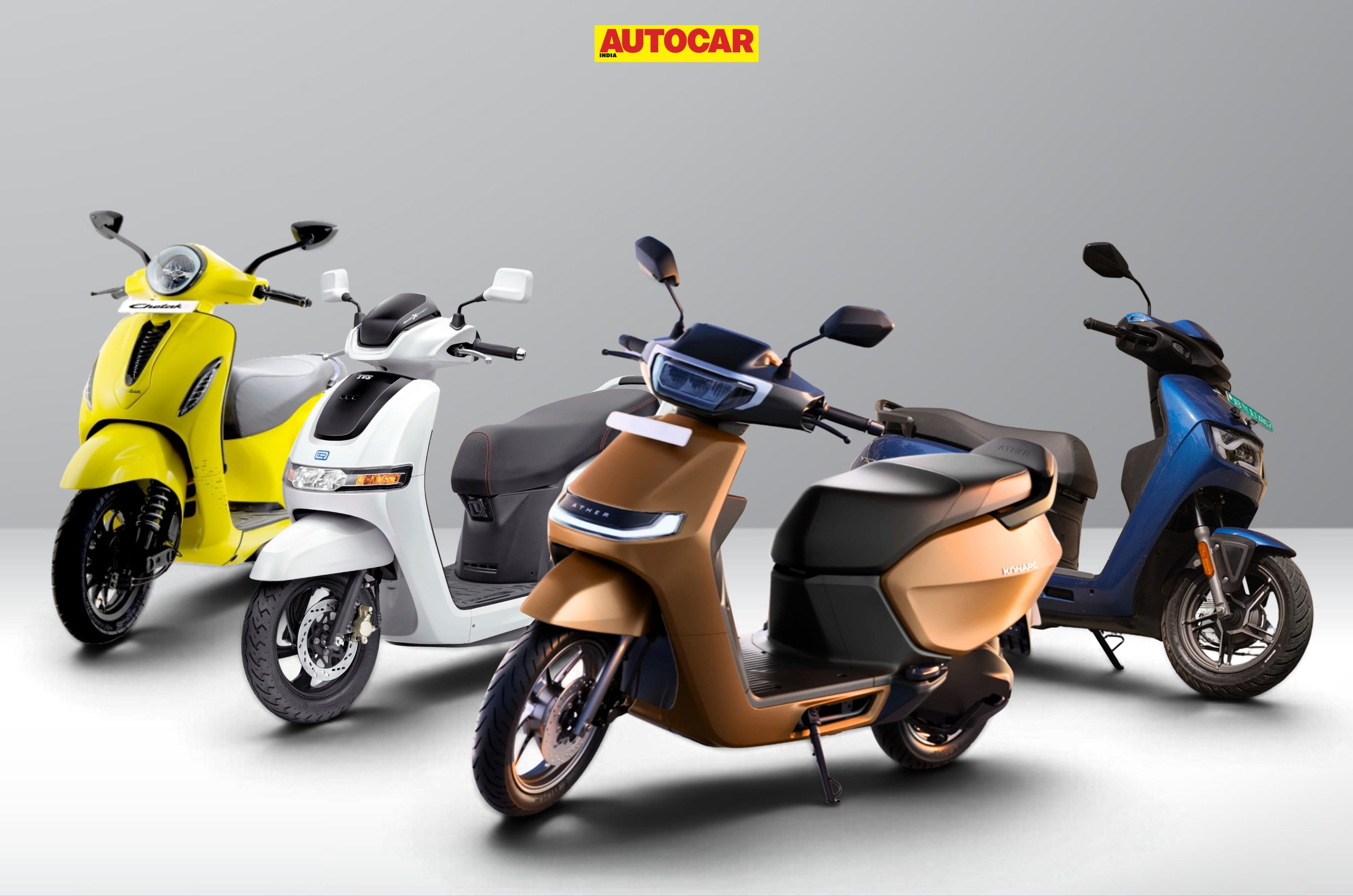
A studio shot showing the Ather Konarc, Chetak C3001, TVS iQube, and Vida VX2 Go.

Ather recently launched its first scooter on the completely new EL platform. Called the Konarc, it is currently available in six variants, starting at Rs 99,999 and going up to Rs 1.45 lakh at the moment. However, it appears that Ather is looking to make sure that there’s a Konarc at every price range. The most affordable Konarc S with 100km range isn’t going to be available until early next year, which makes the Konarc S 125km range variant the entry-level Konarc. So, how does it compare to the offerings from legacy manufacturers? Let’s find out.

Ather Konarc S 125 vs rivals: Motor, battery and charging

Chetak offers the most range


Ather Konarc S 125

TVS iQube 3.1 kWh

Chetak C3001

Vida VX2 Go 3.1

Peak motor power

4kW

4.4kW

3.1kW

6kW

Rated torque

16Nm

33Nm

20Nm

25Nm

Claimed top speed

70kph

82kph

80kph

70kph

Battery capacity

2.7kWh

3.1kWh

3kWh

3.1kWh

Claimed charge time (0-80 percent)

4h30m

4h03m

2h55m

4h45m

IDC range

125km

123km

131km

127km

These scooters rarely compare 1:1 in specifications, but if we take range as the most important factor, these are Ather Konarc’s closest rivals. As such, the Vida VX2 Go is the most powerful here, while the iQube develops the most torque. However, the Chetak quotes the highest range of the lot, and it sweetens the deal further by offering the fastest bundled charger (750W) and the shortest 0-80 charging time.

Ather Konarc S 125 vs rivals: Dimensions and underpinnings

iQube is the lightest and has the lowest seat height


Ather Konarc S 125

TVS iQube 3.1kWh

Chetak C3001

Vida VX2 Go 3.1

Wheelbase

1,352mm

1,301mm

1,355mm

1,301mm

Seat height

770mm

770mm

775mm

777mm

Ground clearance

NA

157mm

NA

155mm

Kerb weight

126.5kg

116.8kg

125kg

118kg

The C3001 and the Konarc have the longest and second-longest wheelbase, respectively, and they’re on the heavier side as well; the latter is explained by their metal body panels. Seat height is more or less on par, but if you care about the minutest of numbers, the Vida VX2’s is the tallest of the bunch. However, we wouldn’t expect that to deter buyers from choosing the Vida.

Ather Konarc S 125 vs rivals: Brakes, tyres and suspension

Konarc is the only one with a 14” wheel


Ather Konarc S 125

TVS iQube 3.1kWh

Chetak C3001

Vida VX2 Go 3.1

Brakes (F,R)

220mm disc, 130mm drum

220mm disc, 130mm drum

130mm drum, 130mm drum

190mm disc, 130mm drum

Tyres (F,R)

90/90-14, 100/90-12

90/90-12, 90/90-12

NA

90/90-12, 100/80-12

Suspension (F,R)

Telescopic, monoshock

Telescopic, twin shock

Leading-link, monoshock

Telescopic, monoshock

Ather’s biggest advantage over the others is its 14-inch front wheel, something none of the other scooters has. It also has the widest rear tyre, even though they all use 12-inch wheels. As for brakes, Chetak is the only one here without a disc brake. It is also the only one to feature a leading-link front suspension, paying homage to the design used on the original petrol-powered Chetak of yesteryear, whereas the others get a more modern telescopic fork.

Ather Konarc S 125 vs rivals: Features

Basics sorted, with more features requiring subscriptions

Ather has reserved the top-shelf feature set for the Konarc Z line, which is slated to release late next year. As standard, the Konarc gets the largest-in-size 7-inch LCD cluster. It also has AirWalk, a feature that will make manually moving the scooter easier. No other scooter in this comparison can match that. The iQube gets a 5-inch TFT instrument cluster, the C3001 gets a monochrome LCD cluster, and the VX2 Go 3.1 gets a 4.2-inch LCD. They all also offer ride modes and basic smartphone connectivity as standard.

However, most of Ather’s tech features require Ather StackPro, which costs Rs 16,000 for the Konarc S 125km variant. This is a big add-on to the overall price of the scooter, but it is a one-time purchase. If you spring for it, you do get a lot of features such as TrueRange, AutoHold and Vehicle FallSafe. Ather also promises yearly software upgrades and new features, a claim no other manufacturer on this list can meet or beat.

The other scooters also require a paid subscription to access the full feature suite. However, Ather’s is the most expensive and has the highest number of features. Chetak offers a lifetime subscription to its TecPac for Rs 3,000. Vida and TVS charge Rs 999 and Rs 900 per year, respectively, for theirs.

Ather Konarc S 125 vs rivals: Price

TVS is the most expensive, while Vida is the most affordable


Ather Konarc S 125

TVS iQube 3.1kWh

Chetak C3001

Vida VX2 Go 3.1

Price

Rs 1.22 lakh

Rs 1.29 lakh

Rs 1.14 lakh

Rs 1.12 lakh

Of this lot, the Konarc S is the second most expensive scooter to buy, behind only the TVS iQube. If you prefer to keep things simpler, both price-wise and features-wise, the Chetak and the Vida offer that: a lean feature set with promising range for the price. However, remember that real-world experience, such as comfort, can change this equation, and we can only comment on that after riding them.

The prices listed are ex-showroom, Bengaluru.

August 2026 car sales: Tata widens monthly lead over Mahindra

August 2026 car sales: Tata widens monthly lead over Mahindra
August

India’s passenger vehicle market remained on a strong growth path in August 2026, with most carmakers reporting higher domestic wholesales compared with the same month last year. Maruti Suzuki retained the top spot, while Tata Motors remained ahead of Mahindra for second place. Hyundai held fourth position, while Kia overtakes Toyota for the fifth spot.

July 2026 carmaker-wise sales in India
CarmakerAug 2026 salesJul 2026 salesMoM changeAug 2025 salesYoY change
Maruti Suzuki1,76,9711,96,203-9.80%1,31,27834.8%
Tata Motors67,75362,6114.22%43,315 56%
Mahindra

59,257

60,048

-1.32%

39,399

50%

Hyundai

54,396

54,210

0.3%

43,966

23.6%

Kia

29,042

28,200

3%

19,608

48.1%

Toyota

28,410 

30,516

-7%

29,302

-3%

MG 

7,508

8,158

-8%

6,687

12.3%

Nissan

3,426

3,006

14%

1,384

147% 

Renault

2,842 

3,293

-14%

3,015 

-5.7%

Maruti Suzuki

Sales: 1,76,971 units. Change: 34.8 percent YoY

Maruti Suzuki retained its position as India’s largest carmaker in August, with domestic passenger vehicle sales rising 34.8 percent year on year. Utility vehicless, including the Brezza, Ertiga, e Vitara, Fronx, Grand Vitara, Invicto, Jimny, Victoris and XL6, accounted for 79,045 units, while compact and mid-size segment, led by the Baleno, Swift, Dzire and WagonR, contributed 77,166 units. The mini segment, comprising the Alto and S-Presso, added 8,799 units, while the Eeco contributed 11,961 units.

The carmaker also crossed one million total sales in the first five months of FY2026-27. Its total August sales, including exports and sales to other OEMs, stood at 2,19,220 units.

Tata Motors

Sales: 67,753 units. Change: 56 percent YoY

Tata Motors retained second place with 67,753 domestic passenger vehicle sales in August, up 56 percent from the same month last year. Electric vehicle sales, including domestic and international volumes, stood at 16,549 units, almost doubling from 8,540 units in August 2025. Tata also announced a price hike across its passenger vehicle range from September 1.

Mahindra

Sales: 59,257 units. Change: 50 percent YoY

Mahindra remained in third place, recording domestic SUV sales of 59,257 units in August, a 50 percent increase over the 39,399 units sold in August 2025. Its overall vehicle sales, including exports, stood at 1,07,648 units, up 42 percent year on year.

During the month, Mahindra launched the updated Scorpio-N and BE 6 SporteQ, and also introduced its Battery-as-a-Service option for the XEV 9e and XEV 9S.

Hyundai

Sales: 54,396 units. Change: 23.6 percent YoY

Hyundai recorded 54,396 domestic sales in August, up 23.6 percent year on year. The company said this was its highest-ever domestic sales figure for an August. Hyundai has introduced an assured buyback programme for the Creta Electric, while the carmaker is also set to increase prices from this September 2026.

Kia

Sales: 29,042 units, Change: 48.1 percent YoY

Kia recorded 29,042 units in August, up 48.1 percent from 19,608 units in the same month last year. This was the carmaker’s highest-ever August wholesale volume since entering India. The Seltos and Sonet continued to account for a large share of Kia’s volumes, while the newly launched Syros EV also contributed to the brand’s performance.

Toyota

Sales: 28,410 units, Change: -3 percent YoY

Toyota recorded domestic sales of 28,410 units in August 2026, down 3 percent from 29,302 units in the same month last year. The company remains optimistic about demand during the upcoming festive season, with the Innova Hycross, Urban Cruiser Hyryder and Glanza continuing to drive sales.

JSW MG Motor India

Sales: 7,508 units. Change: 12.3 percent YoY

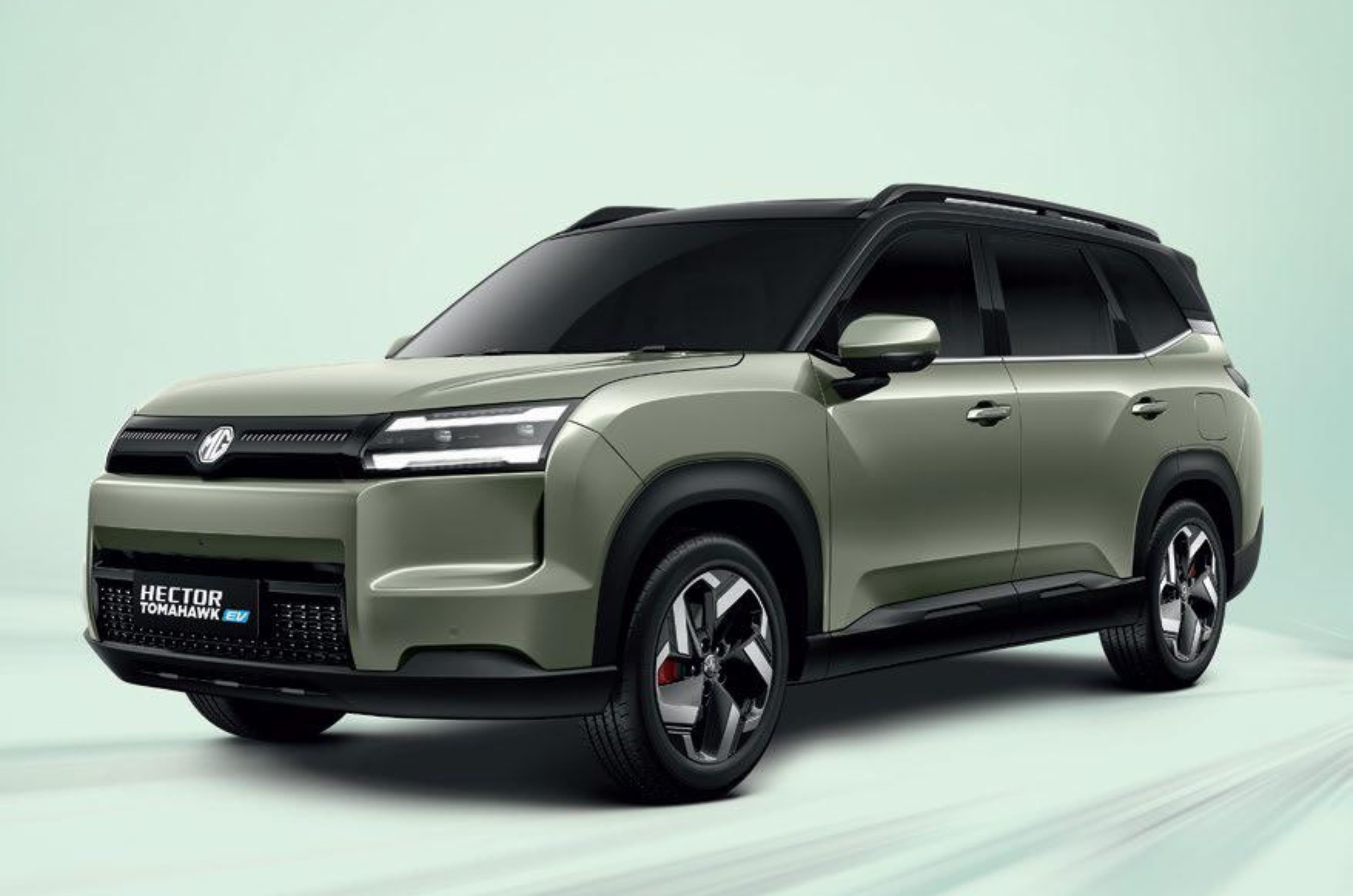
JSW MG Motor recorded sales of 7,508 units in August, up 14 percent year on year. The company launched the Hector Tomahawk in both EV and PHEV forms during the month. Bookings for both versions are open, while deliveries of the Tomahawk EV are scheduled to begin in September. PHEV test drives and deliveries are scheduled to start in November.

Nissan

Sales: 3,426 units. Change: 147 percent YoY

Nissan recorded domestic wholesale sales of 3,426 units in August, up 147 percent year on year. The company attributed the performance to demand for the Magnite and Gravite, along with the response to the recently launched Tekton. Nissan also began exporting the Tekton to South Africa, Bhutan and Nepal during the month, with the first batch comprising more than 1,300 units.

Renault

Sales: 2,842 units, Change: -5.7 percent YoY

Renault recorded sales of 2,842 units in August 2026, down 5.7 percent from 3,015 units in August 2025. The carmaker’s cumulative domestic wholesales for January-August 2026 stood at 31,979 units, up 47.9 percent from 21,621 units in the same period last year. The company will add another powertrain option to the Triber range with the Triber Turbo, which is scheduled to arrive in late September 2026.

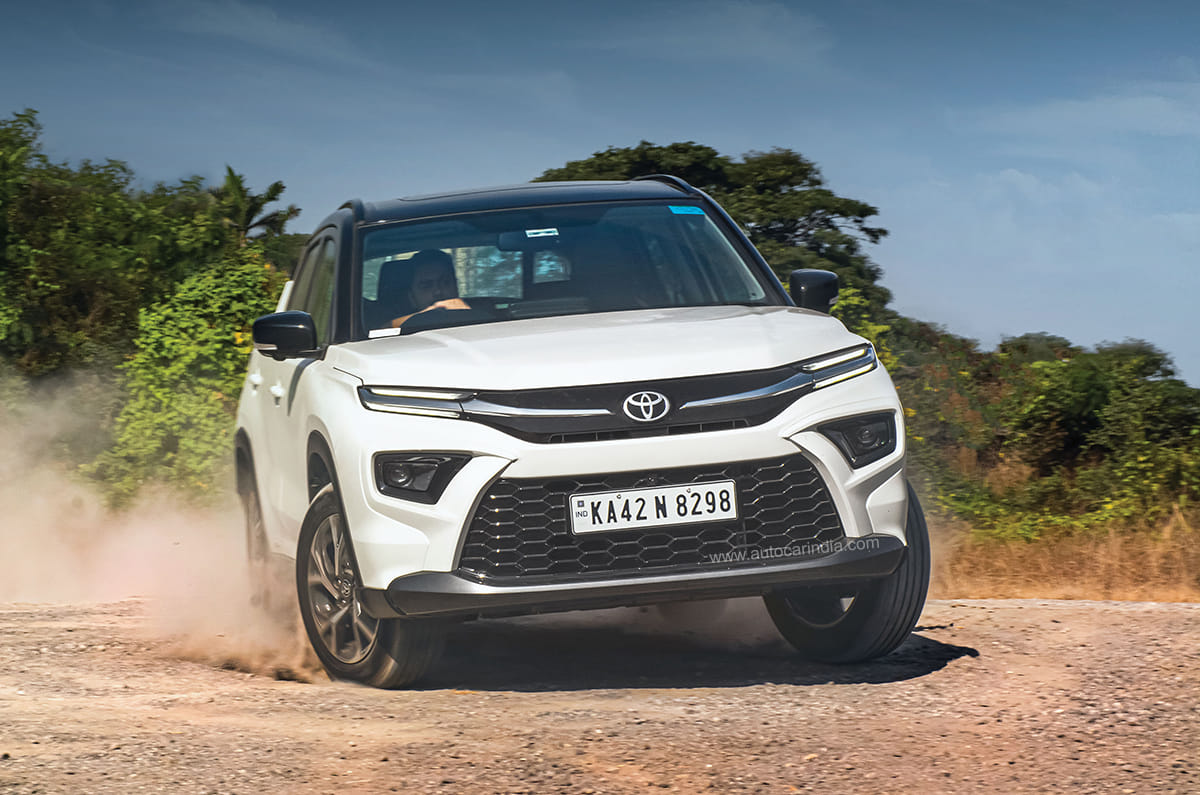
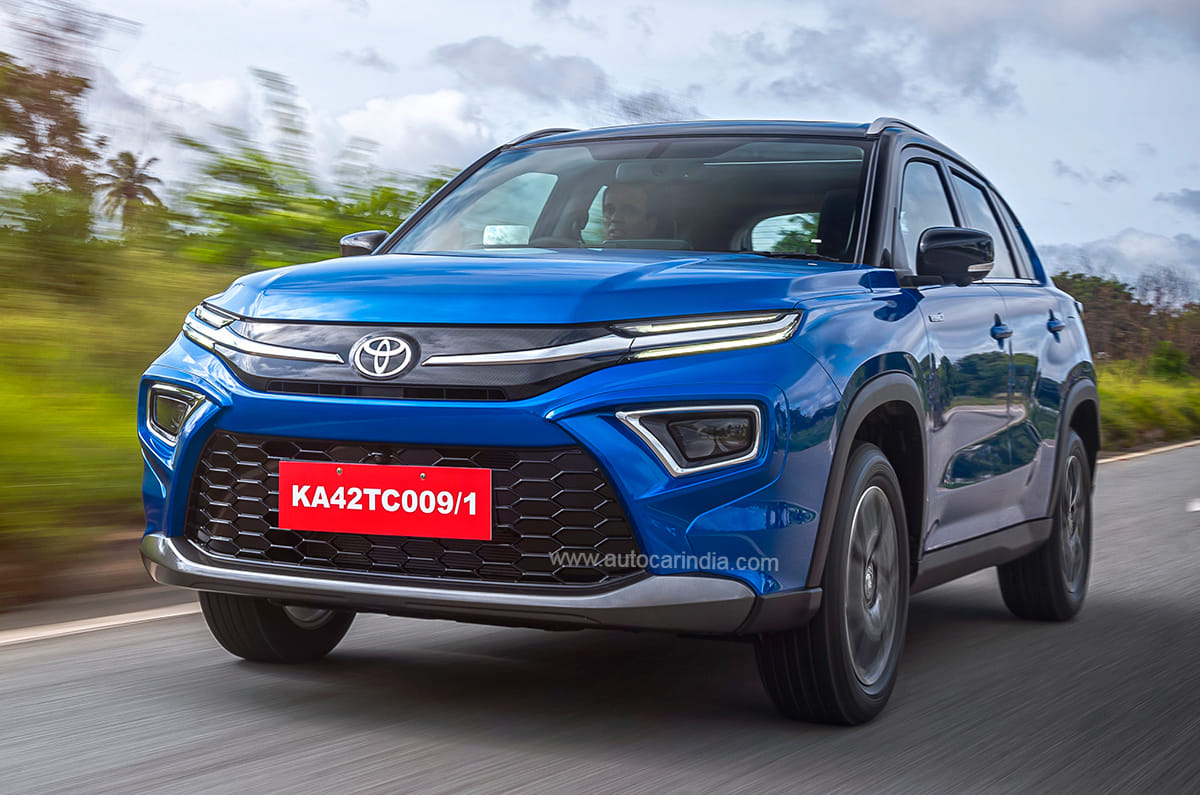
3 reasons to buy the Toyota Hyryder and 2 reasons not to

3 reasons to buy the Toyota Hyryder and 2 reasons not to
Toyota Urban Cruiser Hyryder

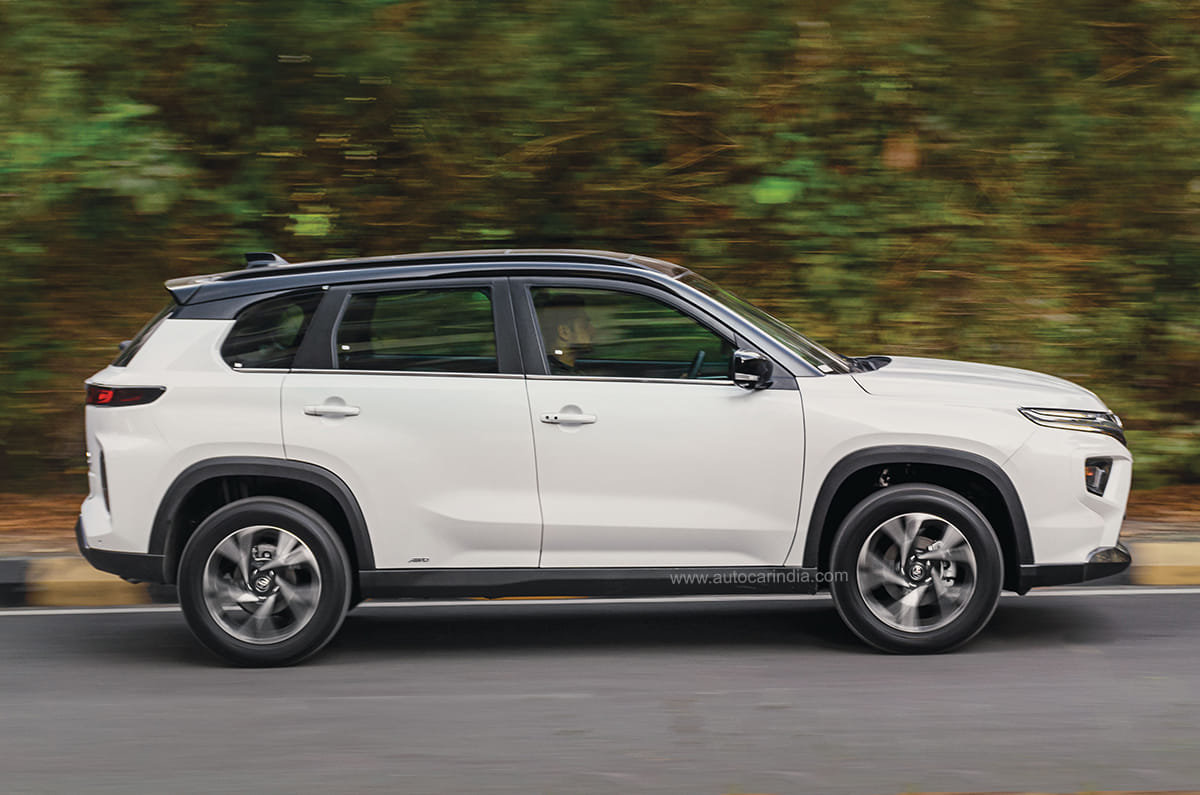
Introduced in 2022, the Urban Cruiser Hyryder and Maruti Grand Vitara were the first products co-developed through the partnership between Toyota and Maruti Suzuki. Currently, the Hyryder is Toyota’s bestselling SUV in India, averaging 7,000-9,000 units a month. If you are considering the Hyryder, we will help you decide whether this midsize SUV is suitable for you or whether you should look elsewhere.  

Reasons to buy the Toyota Hyryder

Efficient strong hybrid engine

The petrol engine in the strong hybrid version runs on the Atkinson cycle that prioritises efficiency. Coupled with the battery and motor, the Hyryder can run temporarily on pure electric power, which helps curb fuel consumption. In our real-world fuel efficiency tests, the Hyryder strong hybrid delivered much higher efficiencies than the mild hybrid petrol automatic version: 20.28kpl in the city and 22.85kpl on the highway compared to 10.83kpl and 15.67kpl, respectively. Do note that this test was done before the rollout of E20 fuel.

Well-judged ride and handling

A combination of tough underpinnings and well-judged suspension helps the Hyryder have a balanced ride and handling setup. It handles tough roads with ease, and even the sharp surfaces are absorbed quite well. At higher speeds, the Hyryder remains glued to the road and composed, while direction changes and cornering abilities are predictable. Even when cornering, body roll is kept to a minimum despite its high 210mm ground clearance, which is remarkable.

AWD availability

The Hyryder is among the few models in the very crowded midsize SUV space to offer AWD. Available solely with an automatic gearbox, it comes with Suzuki’s AllGrip Select all-wheel-drive system, bringing decent off-road capability for the Hyryder, especially for those who regularly drive in snowy or slushy conditions. With the help of terrain modes and the ability to send 50 percent of its power to the rear wheels, it can tackle challenging roads.

Reasons not to buy the Toyota Hyryder

Engines lack outright performance

Strong-hybrid versions of the Hyryder are optimised for fuel efficiency over outright performance. Thus, drivers looking for a turbo-petrol-like exhilaration won’t be satisfied, as it lacks midrange punch. Apart from the strong hybrid, there’s also a mild hybrid version that utilises a 103hp, 139Nm 1.5-litre naturally aspirated petrol engine. Though it has enough pep in the city, as with the strong hybrid, you’ll find yourself longing for more power on the highway. Overtakes will require careful planning and working your way through the gears. At 14.01 seconds, the mild-hybrid’s 0-100kph time is slow by segment standards.

Limited boot space

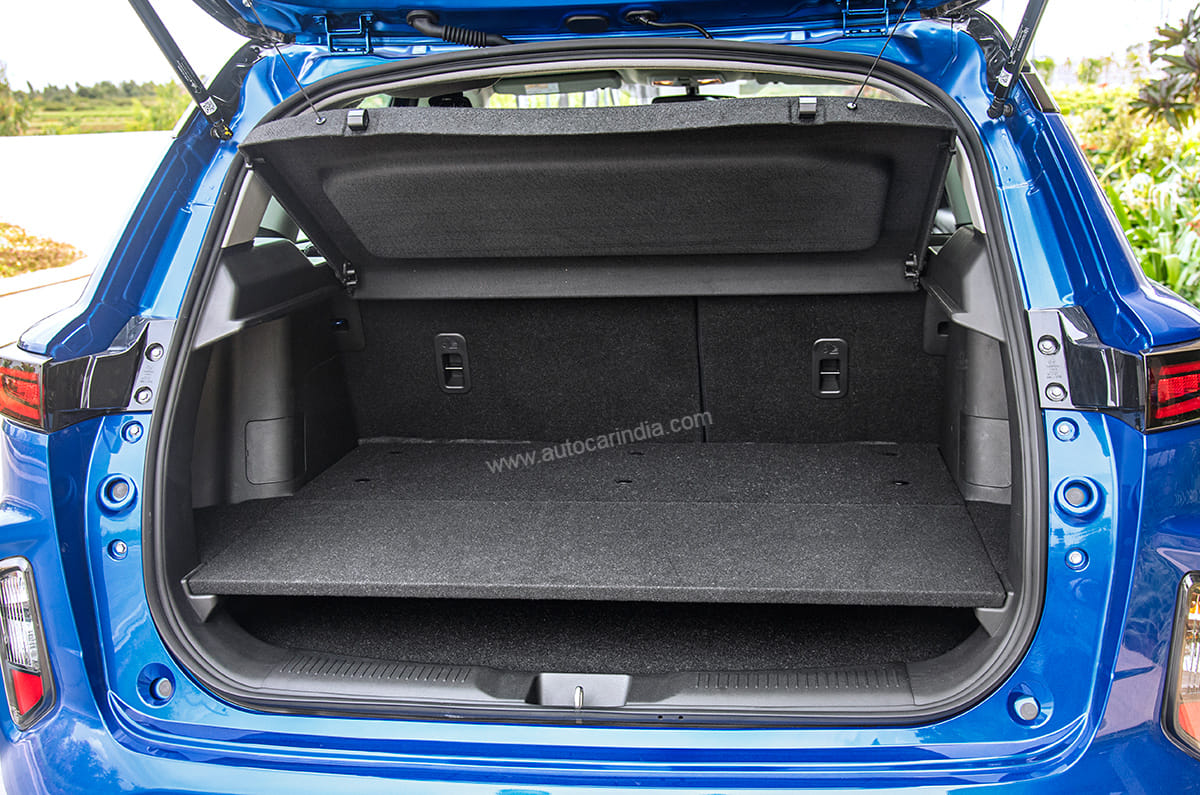
With a capacity of 355 litres, the mild hybrid-powered Toyota Hyryder has one of the smallest trunks in the segment. Additionally, the Hyryder strong hybrid’s high fuel efficiency comes at the cost of boot space, which is reduced further to 255 litres because of the lithium-ion battery pack placed beneath it. This could be a dealbreaker for those who carry large suitcases on road trips.

Smaller EVs will arrive as soon as charging network is ready: Maruti MD Takeuchi

Smaller EVs will arrive as soon as charging network is ready: Maruti MD Takeuchi
Suzuki

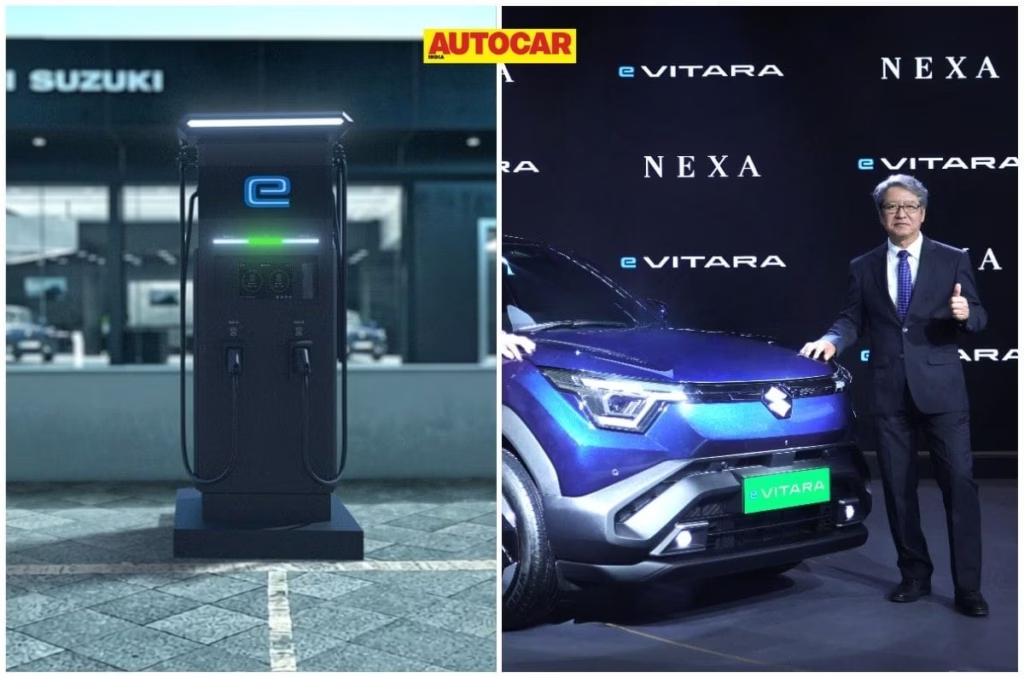
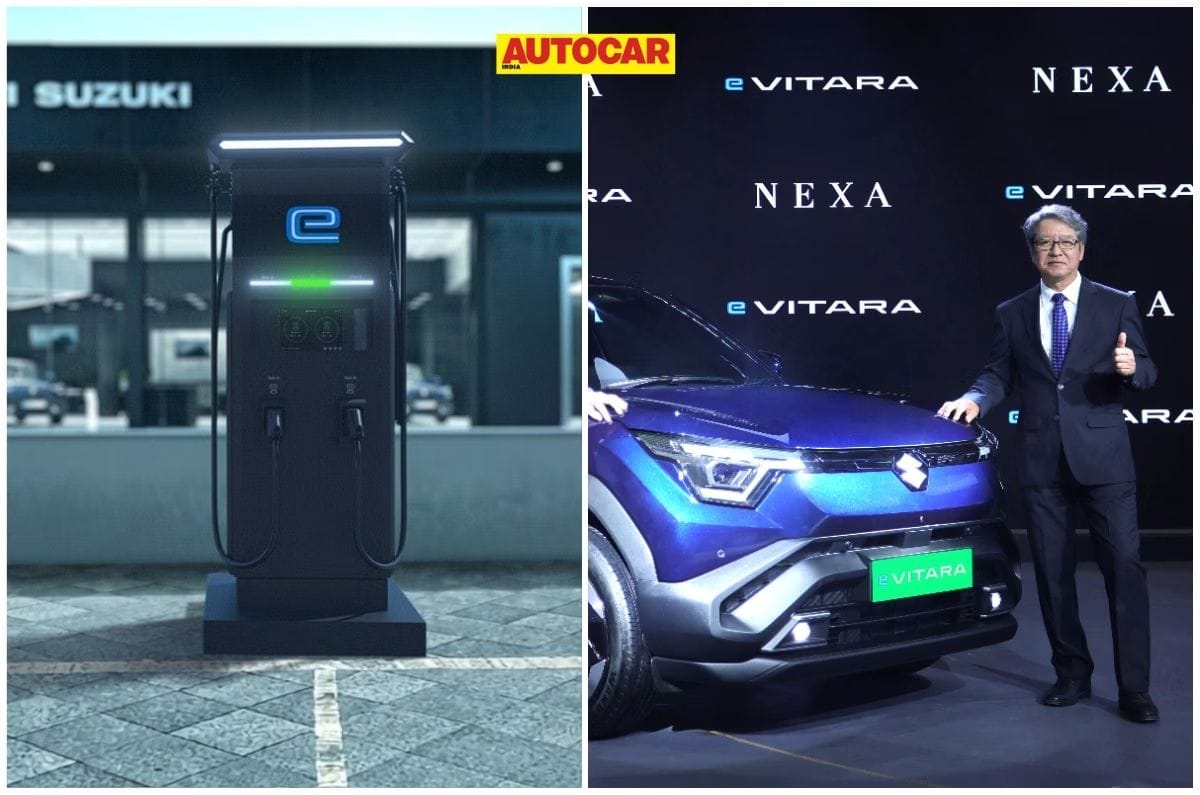
Maruti Suzuki plans to add smaller EVs to its India line-up once it has developed the charging infrastructure needed to support them. At the company’s annual general meeting, Managing director and CEO Hisashi Takeuchi said, “As soon as our EV charging will be ready in India, we will add smaller EVs in our portfolio.”

  1. More than 2,000 exclusive chargers installed across 1,100-plus cities
  2. Claims around 90 percent share of India’s EV exports
  3. Plans to build EVs, hybrids, CNG and ICE cars on the same line

Maruti Suzuki’s charging network plans

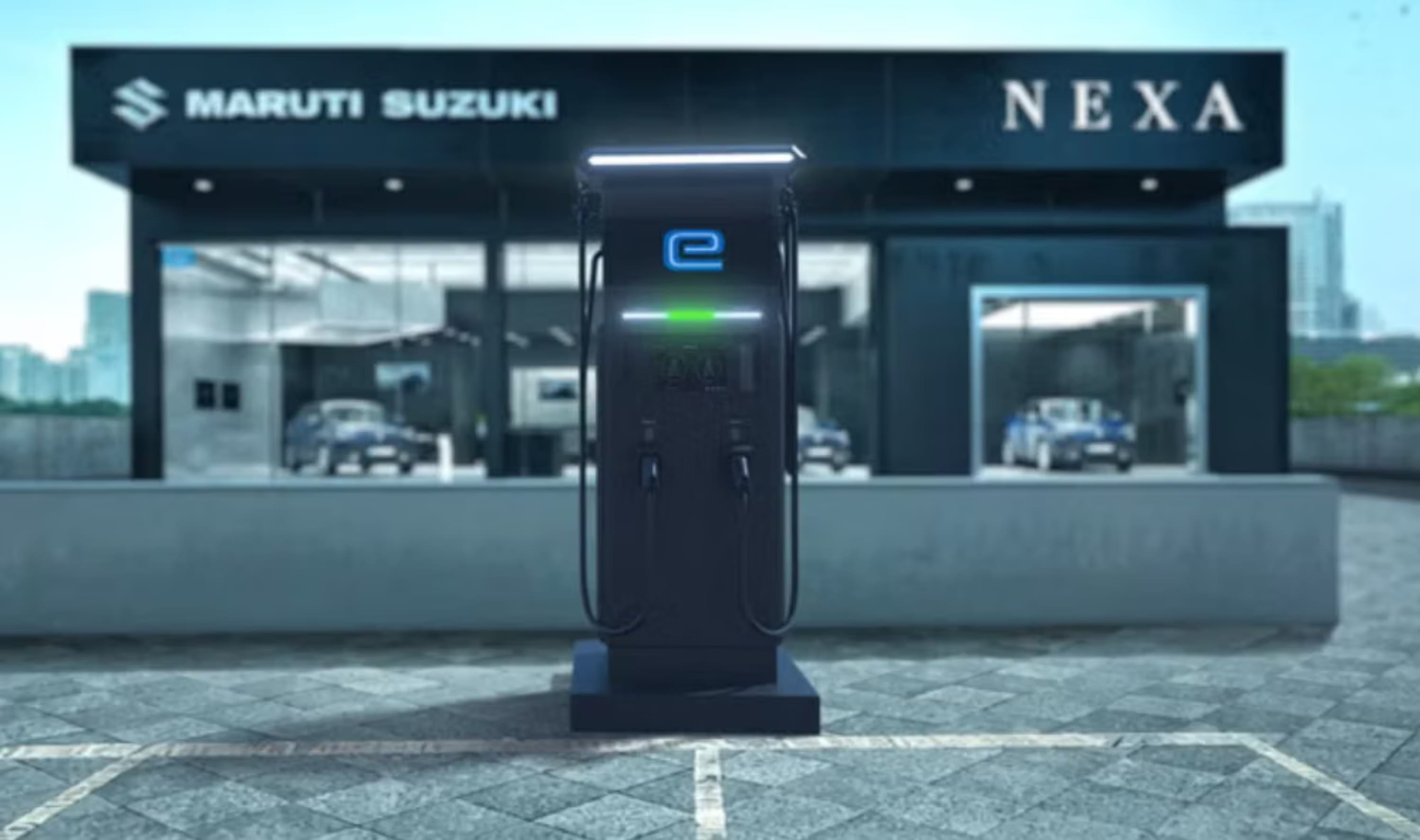
Maruti Suzuki has partnered with 13 charge-point operators and has already installed more than 2,000 exclusive charging points across over 1,100 cities. The company is also working to improve charging coverage on highways and expressways, while its plan for the top 100 cities calls for chargers at key locations around 5-10km apart.

The carmaker has set a larger target of more than 1,00,000 charging points across India by the end of this decade. The company has linked the introduction of smaller EVs to the expansion of this charging network.

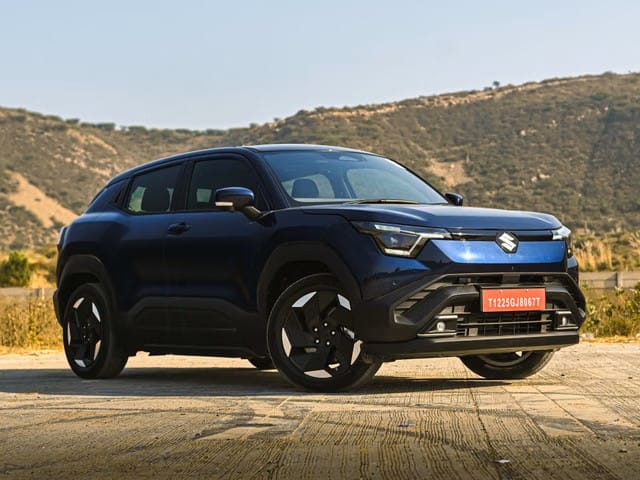
Maruti currently sells the e Vitara as its only EV in India, while competitors Tata Motors and JSW MG Motor India already have smaller electric models on sale.

Maruti Suzuki expands EV exports

Maruti Suzuki is also expanding its electric vehicle exports. “We have started our EV exports to Europe first. Now, we are the largest exporter of EVs from India, with about 90 percent share in total EV exports from India,” he said. Takeuchi said the company exports vehicles to nearly 120 countries and shipped more than 4.4 lakh vehicles last year, a 34 percent increase overall. 

Japan has become Maruti’s second-largest market, according to Takeuchi, while the company expects trade agreements to create further export opportunities in markets including the UK, Germany and France.

ICE, hybrid and CNG investments to continue

Maruti Suzuki will continue investing in internal-combustion engine, hybrid and CNG vehicles alongside EVs. Takeuchi said ICE vehicles would remain an important part of the company’s business, with compressed biogas also expected to support their continued demand.

“Investment in ICE facilities will continue to be an integral part of our manufacturing process,” he said. The company is designing its new manufacturing facilities to build different types of vehicles on the same production line, allowing production to be adjusted as demand changes. “In our new plants, we can make EVs, hybrid vehicles, CNG and ICE vehicles on the same line,” Takeuchi said.

Toyota Ebella vs Hyundai Creta Electric real-world range compared

Toyota Ebella vs Hyundai Creta Electric real-world range compared

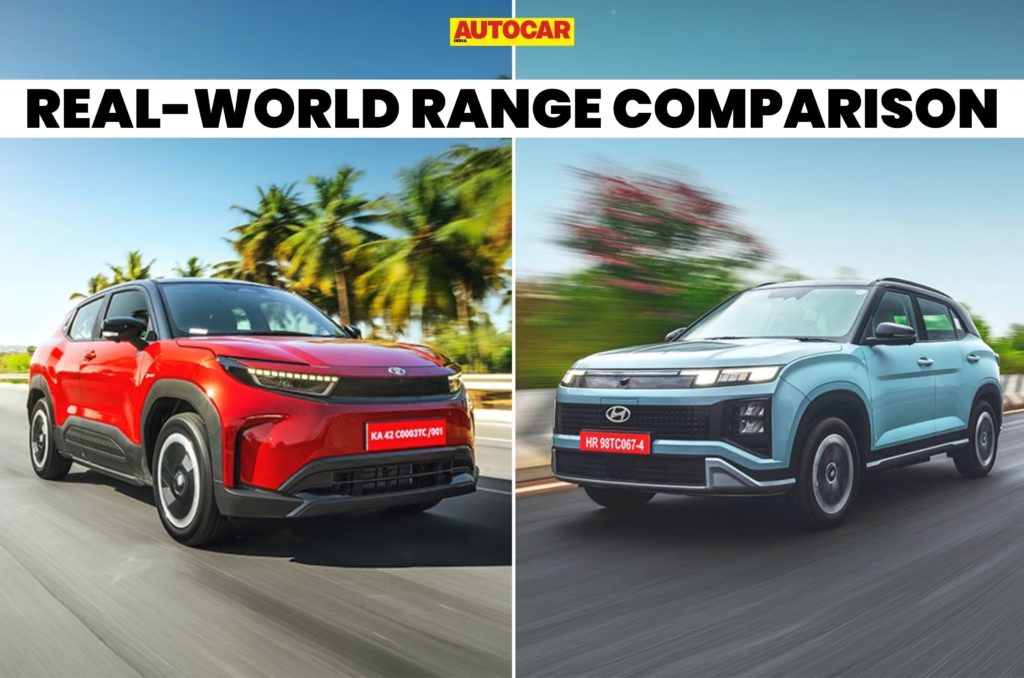
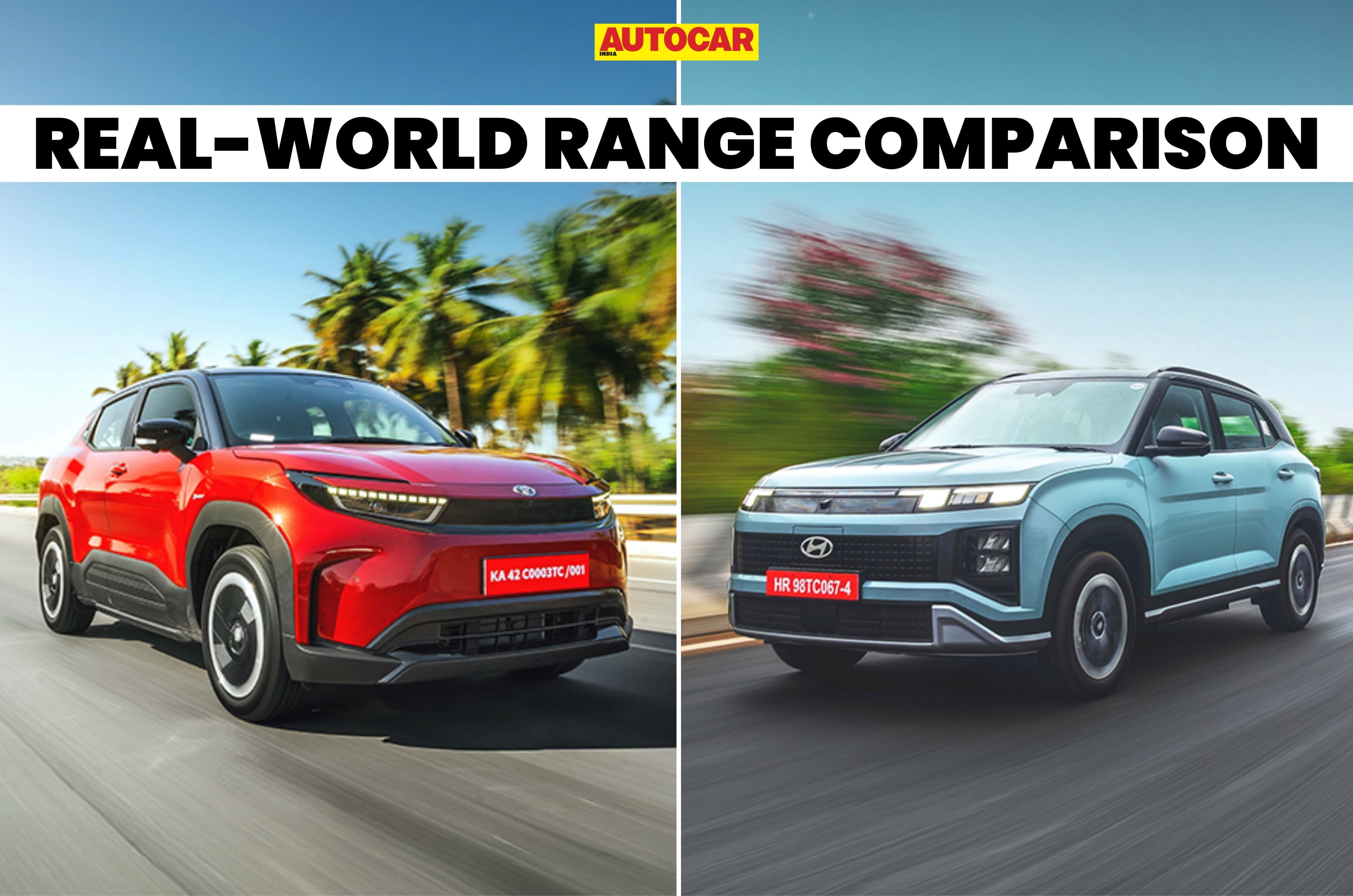
The Toyota Urban Cruiser Ebella is one of the newer entrants in the electric midsize SUV segment, which the Hyundai Creta Electric has been a part of since early 2025. Both electric SUVs are rated at over 500km of range by MIDC, but which one travels further on a single charge in the real world? We put the Urban Cruiser Ebella and Creta Electric through our detailed range tests to find out.

Toyota Ebella vs Hyundai Creta Electric: Specifications

 EbellaCreta Electric
Battery capacity (kWh)6151.4
Motor setupSingle, frontSingle, front
Power (hp)174171
Torque (Nm)193255
MIDC range (km)543510
Kerb weight (kg)1,8151,577

The Ebella’s battery pack is nearly 10kWh larger than that of the Creta Electric, allowing the Toyota EV to claim a higher MIDC range. However, the Ebella is nearly 240kg heavier, which can detract from its real-world range. Both electric SUVs are similar in terms of power output, but the Creta Electric develops over 60Nm more torque.

Toyota Ebella vs Hyundai Creta Electric: Real-world range

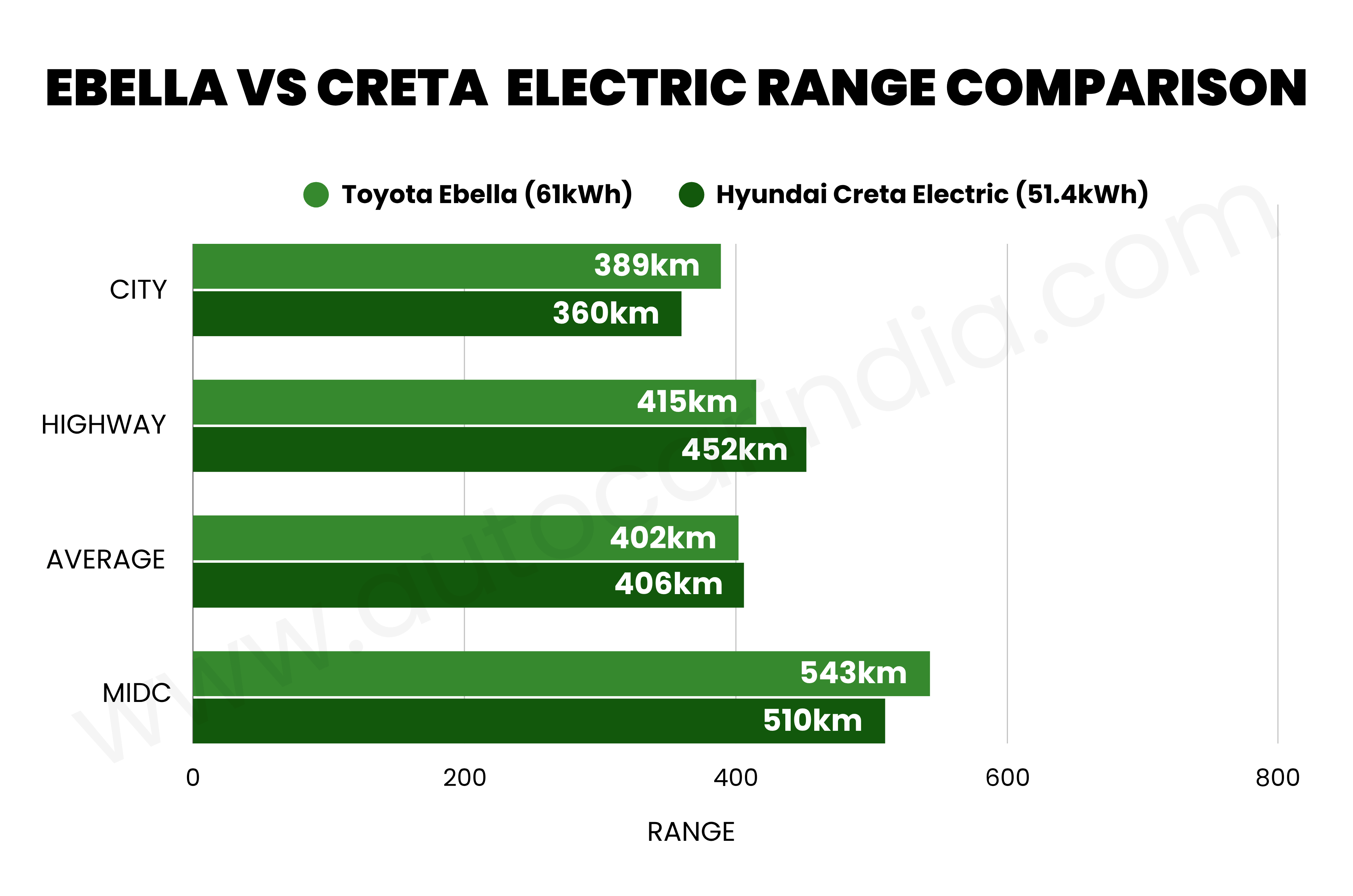
Despite the Ebella’s battery capacity advantage, the Creta Electric emerged as the overall winner in our real-world range tests. The Hyundai EV formed a 37km lead over the Ebella on the highway, while the Toyota SUV was ahead by 29km in urban conditions. In terms of battery efficiency, the Creta Electric achieved higher numbers across the board.

Toyota Ebella vs Hyundai Creta Electric real-world efficiency

 EbellaCreta Electric
Tested city efficiency (km/kWh)6.377.00
Tested highway efficiency (km/kWh)6.808.80
Tested average efficiency (km/kWh)6.597.90

Averaging the range figures above, the Creta Electric beat the Ebella by a slim 6km margin. With a gap of 104km, the Creta Electric’s real-world range adhered better to its MIDC figure too, while the Ebella recorded a 141km deficit for the same.

Toyota Ebella vs Hyundai Creta Electric: Prices

 Price range (Rs, lakh)
Ebella23.60
Creta Electric (51.4kWh)*20.00-23.67

*Prices exclusive of home charger and installation cost.

The Ebella is available in just one 61kWh variant, which is priced on par with the Creta Electric’s top-spec 51.4kWh version. Since the Creta Electric 51.4kWh is sold in multiple variants, it undercuts the Ebella by up to Rs 3.6 lakh. That said, the Ebella comes bundled with a home charger, while Hyundai charges an extra Rs 73,000 for it.

Autocar India’s range testing

Before our real-world range tests, the battery of our test car was fully charged, and we maintained tyre pressures in accordance with the manufacturer’s recommendations. The car was driven on a weekday in Mumbai city and on the adjoining state highway in a fixed loop, and we maintained the set average speeds. At the end of each cycle, we calculated the range based on the percentage charge consumed.

Throughout our tests, the climate control was set to 22deg C in a full-auto setting, and other electricals, such as the audio system, indicators and ventilated front seats, were used when required, just as a regular user would. We take pride in our testing data, which isn’t merely consistent but also gives users an accurate indication of what they can expect in the real world.

All prices are ex-showroom, India.

Nissan, Honda team up to standardise ECUs, software for next-gen vehicles

Nissan, Honda team up to standardise ECUs, software for next-gen vehicles
Honda and Nissan logo

Nissan Motor and Honda Motor have announced a joint development agreement to standardise multiple electronic control units (ECUs) and software for their next-generation software-defined vehicles (SDVs), aiming to reduce development costs and improve R&D efficiency. Under the agreement, the two companies will jointly establish common specifications for multiple core ECUs within the electrical/electronic (E/E) architecture of next-generation SDVs, along with the in-vehicle operating system, key parts of the middleware, and vehicle control software that runs on these ECUs.

  1. Software-defined vehicles (SDVs) identified as a priority for collaboration.
  2. Collaboration aims to mitigate development costs and enhance R&D efficiency.

Common E/E architecture to underpin upcoming Honda and Nissan cars 

The ECUs covered include high-performance main ECUs (High Performance Computers) that use system-on-chips (SoCs), as well as zone ECUs that oversee individual areas of the vehicle. The resulting E/E architecture is planned for application in both companies’ next-generation SDVs starting in fiscal year 2029.

The agreement follows extensive joint studies by Nissan and Honda into potential collaboration in the software domain, conducted as part of their broader strategic partnership. The companies identified the SDV software domain as a priority area for collaboration, citing the pace of technological change and the need to strengthen competitiveness through faster R&D and more efficient investment.

By standardising these foundational technologies, Nissan and Honda said they aim to combine their engineering expertise and development resources to accelerate innovation and achieve economies of scale. The two automakers said they will continue to build on their respective strengths and explore further collaboration opportunities, including efforts related to carbon neutrality and vehicle safety.

With inputs from Shruti Shiraguppi

Renault Triber turbo to launch by September end

Renault Triber turbo to launch by September end
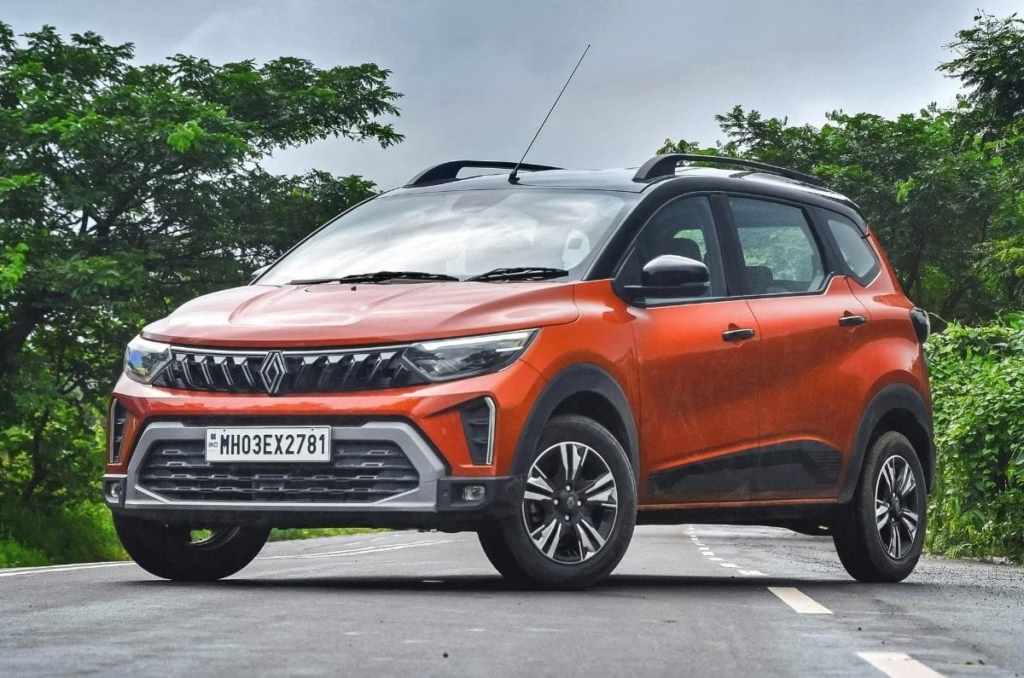
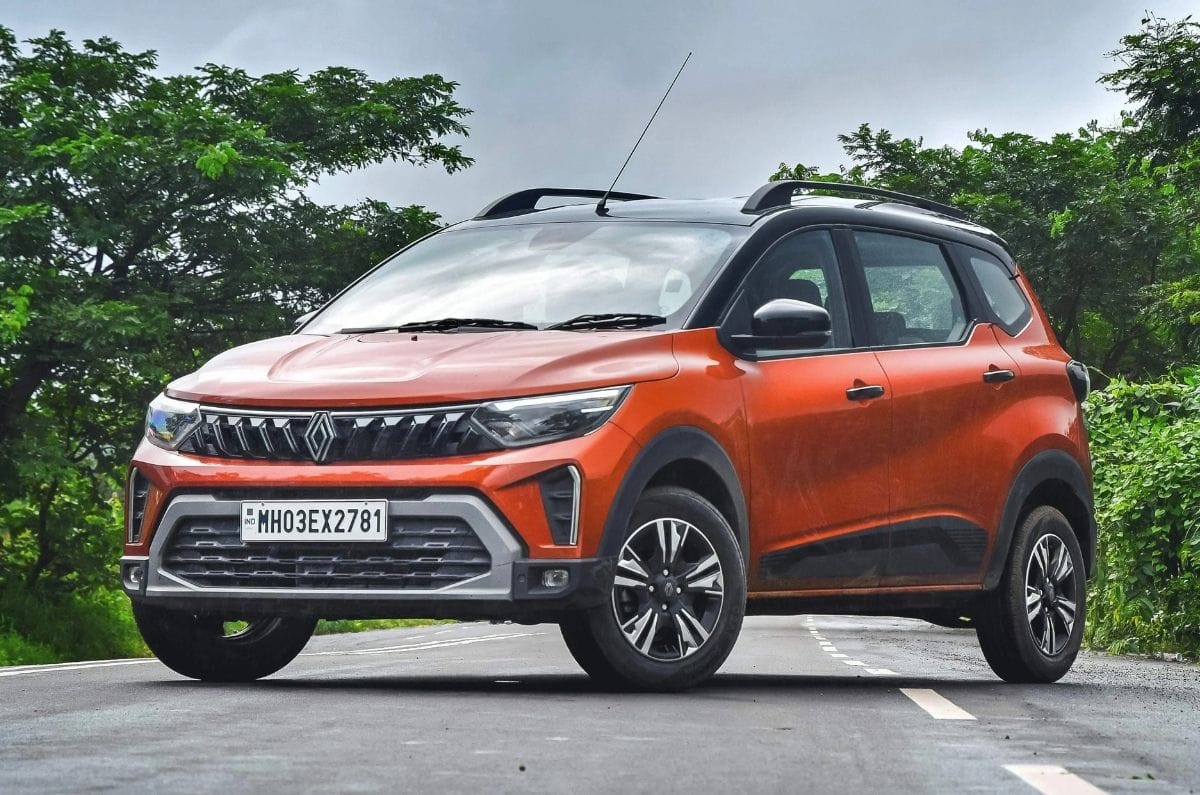
Renault Triber front quarter static

Renault is set to introduce a turbo-petrol powertrain option for the Triber MPV by the end of September. With this engine borrowed from the Kiger, Renault would try to address one of the Triber’s major criticisms – its underpowered naturally aspirated powertrain. A factory-fitted CNG option will also be offered with this turbo-petrol engine. 

  1. 1.0-litre turbo-petrol engine expected to produce around 100hp
  2. Factory-fitted CNG option will utilise dual-cylinder technology

Renault Triber turbo-petrol engine specifications

Three-cylinder turbo-petrol unit will be the same as the one in Kiger

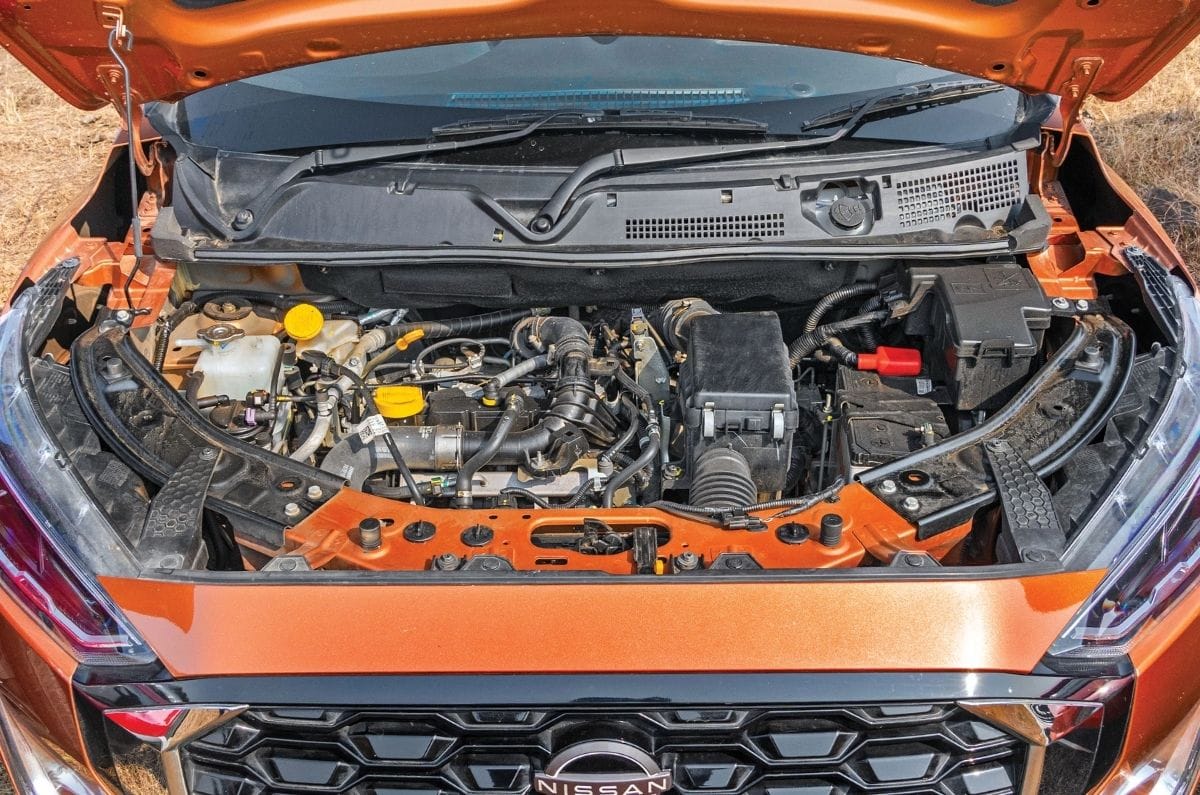
Nissan Magnite’s engine bay shown for representative purposes only. 

The upcoming three-cylinder turbo-petrol engine on the Triber, codenamed HR10, is derived from the Renault Duster’s ‘HR13’ 1.3-litre four-cylinder engine, albeit with one less cylinder. This engine is offered in the Renault Kiger and Nissan Magnite, with the option of a 5-speed manual or a CVT, and produces 100hp and up to 160Nm. This is 28hp and 62Nm more than the Triber’s naturally aspirated petrol engine and is expected to address the Triber’s criticism of being an underpowered MPV. However, it will be interesting to see whether the Triber turbo comes in the same state of tune and is offered with a CVT.  

A factory-fitted dual-cylinder CNG option will be offered with the same engine

Renault will also offer the Triber with a factory-fitted CNG option, which will utilise dual cylinders placed under the boot floor for space utilisation. It is expected to be offered only with a manual transmission. This dual-cylinder CNG option will also be employed in the Kiger at a later date.

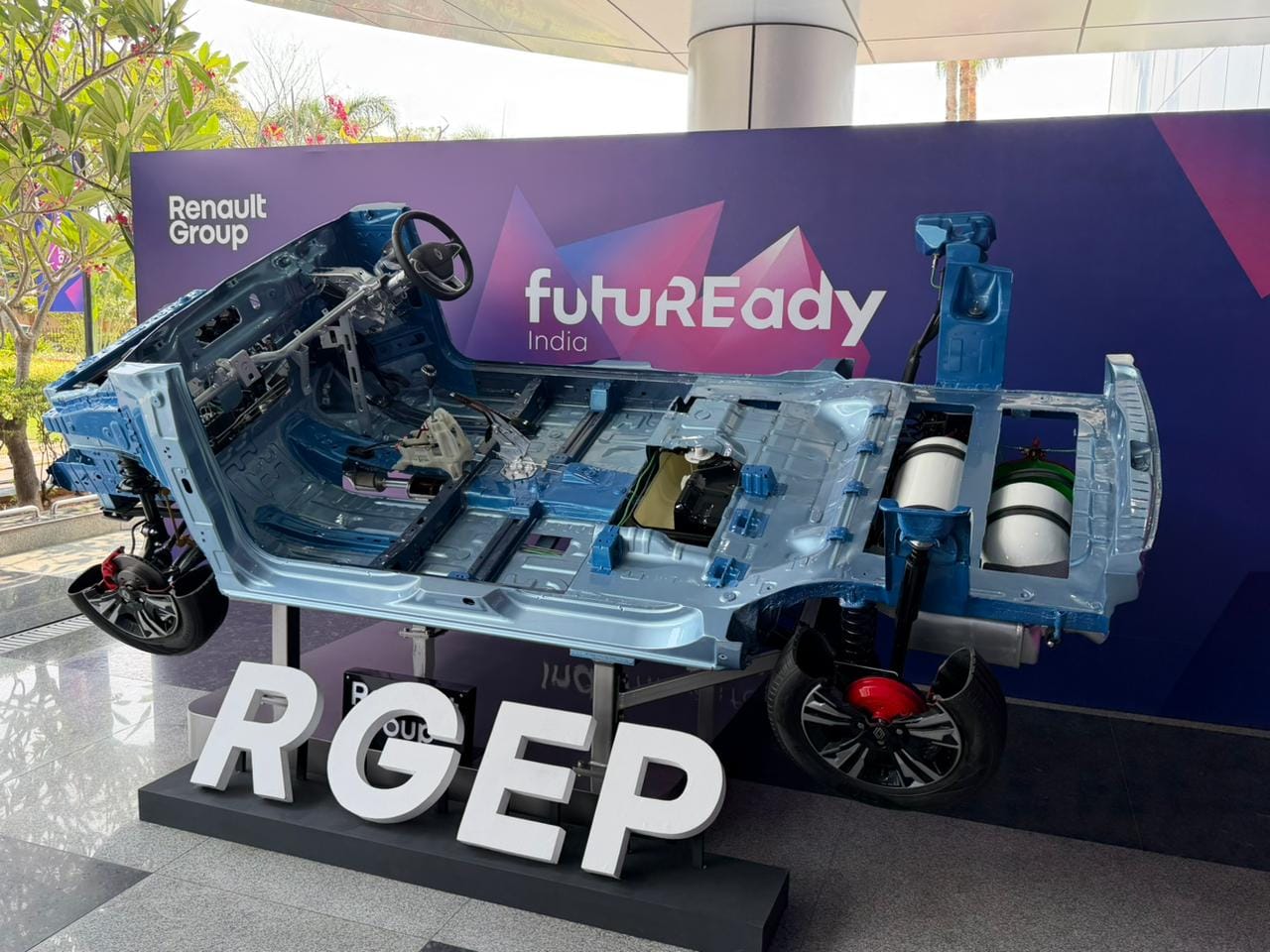
The Triber’s CMF-A platform, now called RGEP, has been modified to accommodate the new powertrains. 

Currently, the Renault Triber is offered with an aftermarket CNG kit that can be retrofitted to the MPV’s manual variants. It comes with a standard 3-year/1 lakh km warranty (whichever is first). 

With the under-the-hood changes, the turbo-petrol-powered Renault Triber is expected to offer everything the naturally aspirated petrol version offers. The prices, however, are expected to rise from the current model’s Rs 5.81 lakh to Rs 8.53 lakh range (ex-showroom).