All you need to know about Lexus ES

All you need to know about Lexus ES
Lexus ES

The Lexus ES is available in India in two forms: the ES 350h strong hybrid and the ES 500e EV. The 350h was added to the ES range in July, joining the 500e that launched earlier this year. Beyond the new powertrain options, the latest ES gets a larger footprint, a redesigned cabin and a host of new features. Here’s everything you need to know.

1. How much do the Lexus ES 350h and ES 500e cost in India
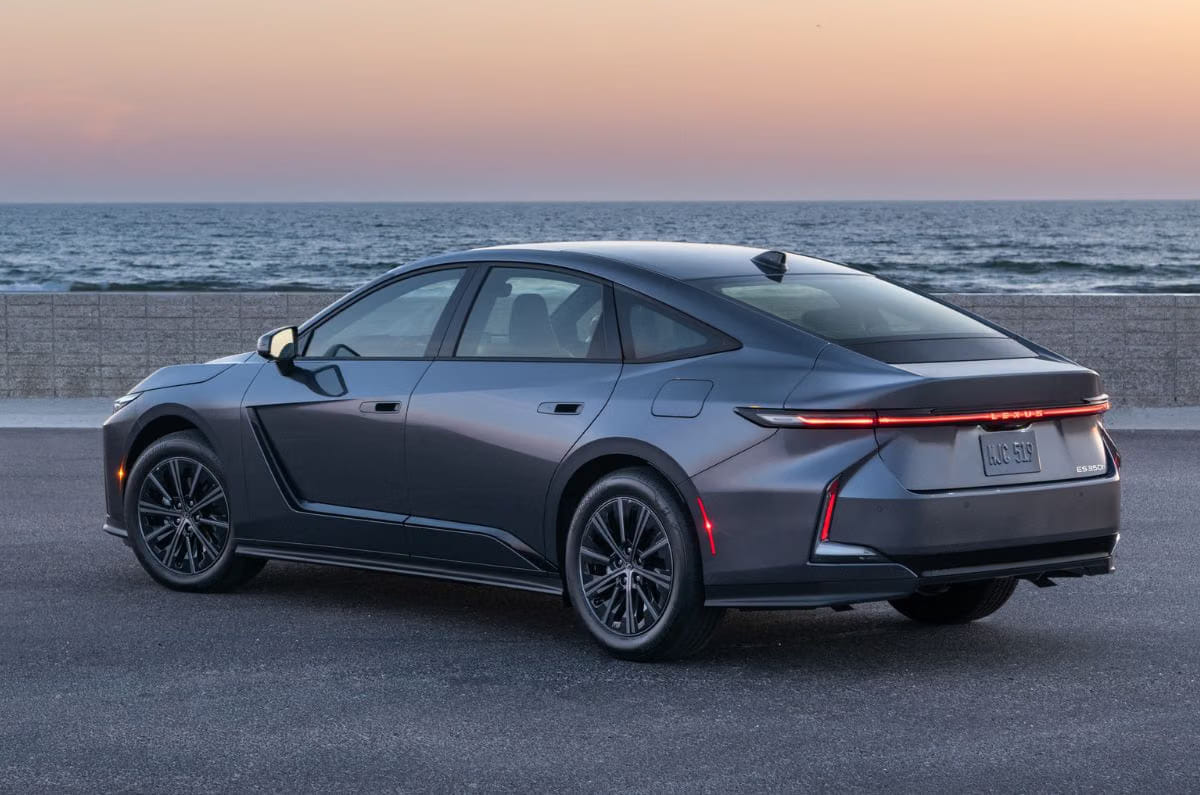
The Lexus ES 350h is priced at Rs 66.10 lakh for the Exquisite variant and Rs 71.80 lakh for the Luxury trim, whereas the ES 500e costs Rs 89.99 lakh (all prices are ex-showroom). Both versions get an eight-year/2,00,000km warranty, covering the vehicle and its battery.

2. What powertrain does the Lexus ES 350h get?
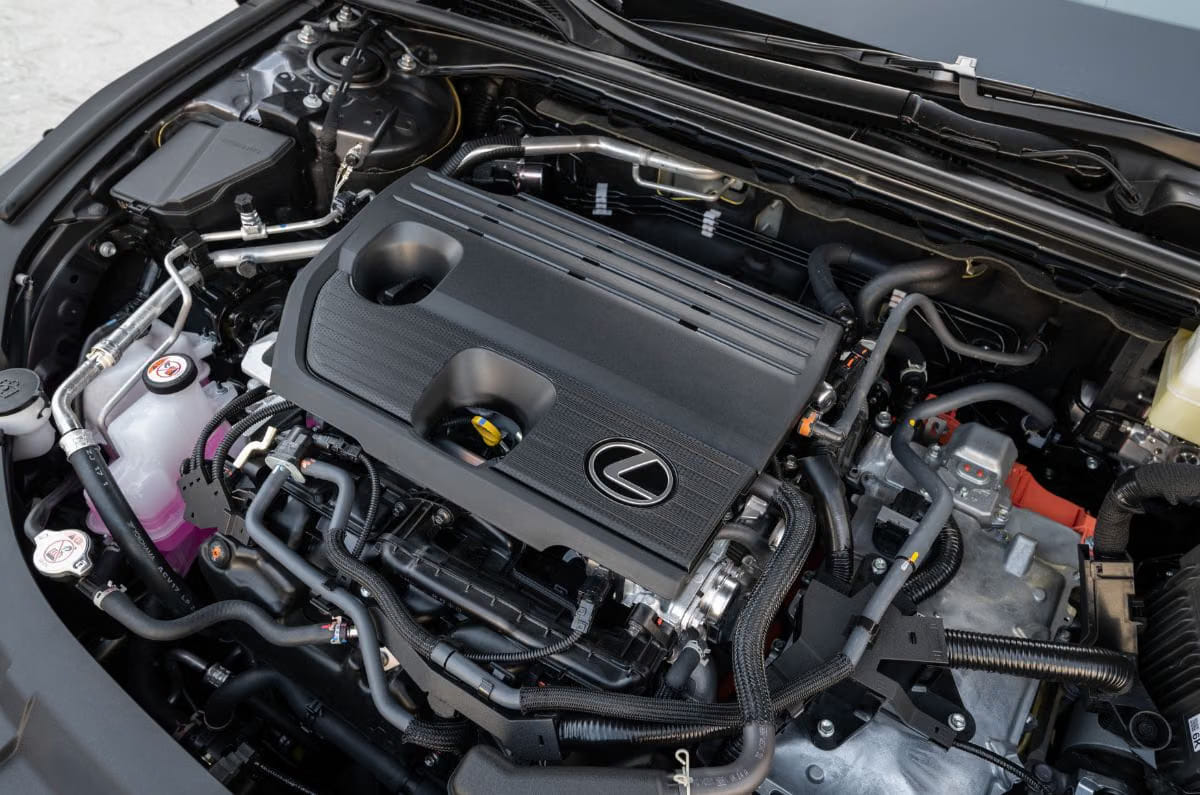
The ES 350h uses a 2.5-litre four-cylinder naturally aspirated petrol engine paired with an electric motor and lithium-ion battery. The petrol engine produces 186hp and 235Nm, while the electric motor develops 201hp and 270Nm in isolation. The combined system output is 244hp. Power is sent to the front wheels through an e-CVT gearbox. Lexus claims an ARAI-certified fuel efficiency of 25.22kpl.

3. What battery, motor and range does the Lexus ES 500e offer?
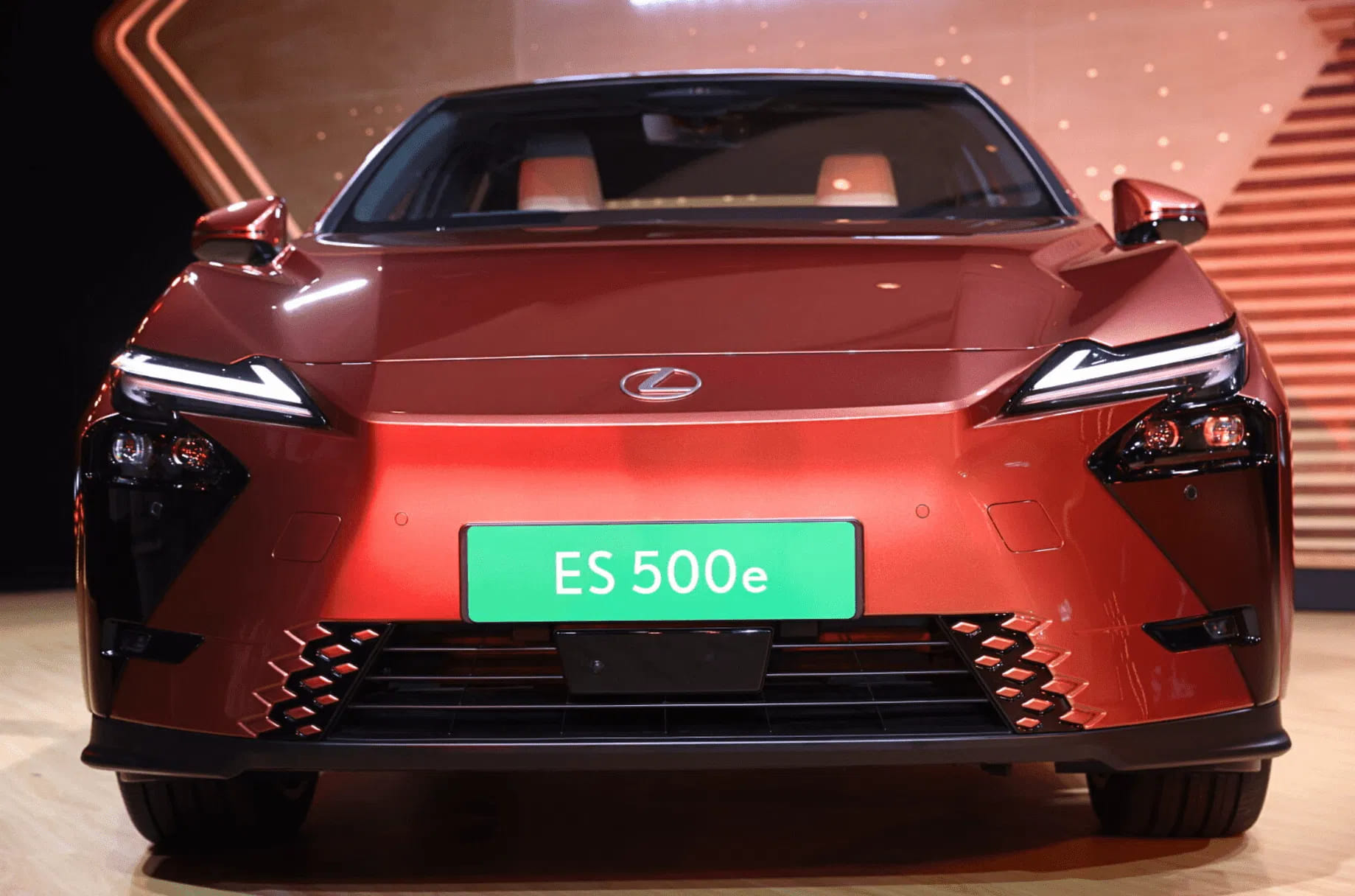
The ES 500e gets a 74.68kWh battery and two electric motors, one on each axle. The front motor produces 227hp and 267Nm, while the rear motor makes 120hp and 170Nm. The combined output is 343hp and 438Nm, with a claimed 0-100kph time of 5.5sec. Lexus claims a range of 580km on a full charge. The ES 500e supports 11kW AC charging, while a 150kW DC fast charger can charge the battery from 10 to 80 percent in 28 minutes. A 2.8kW portable charger is also offered.

4. What are the key features of the Lexus ES?
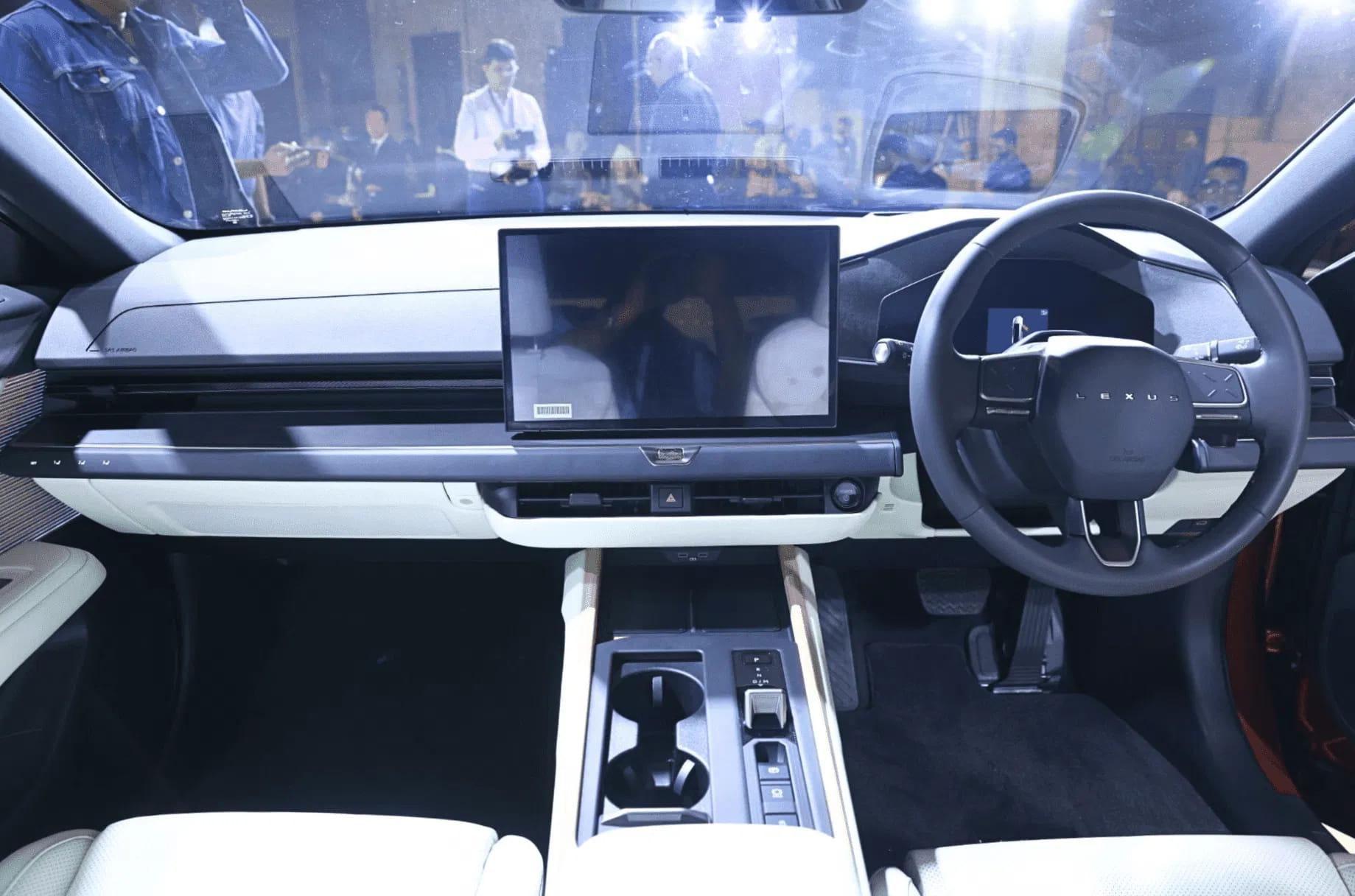
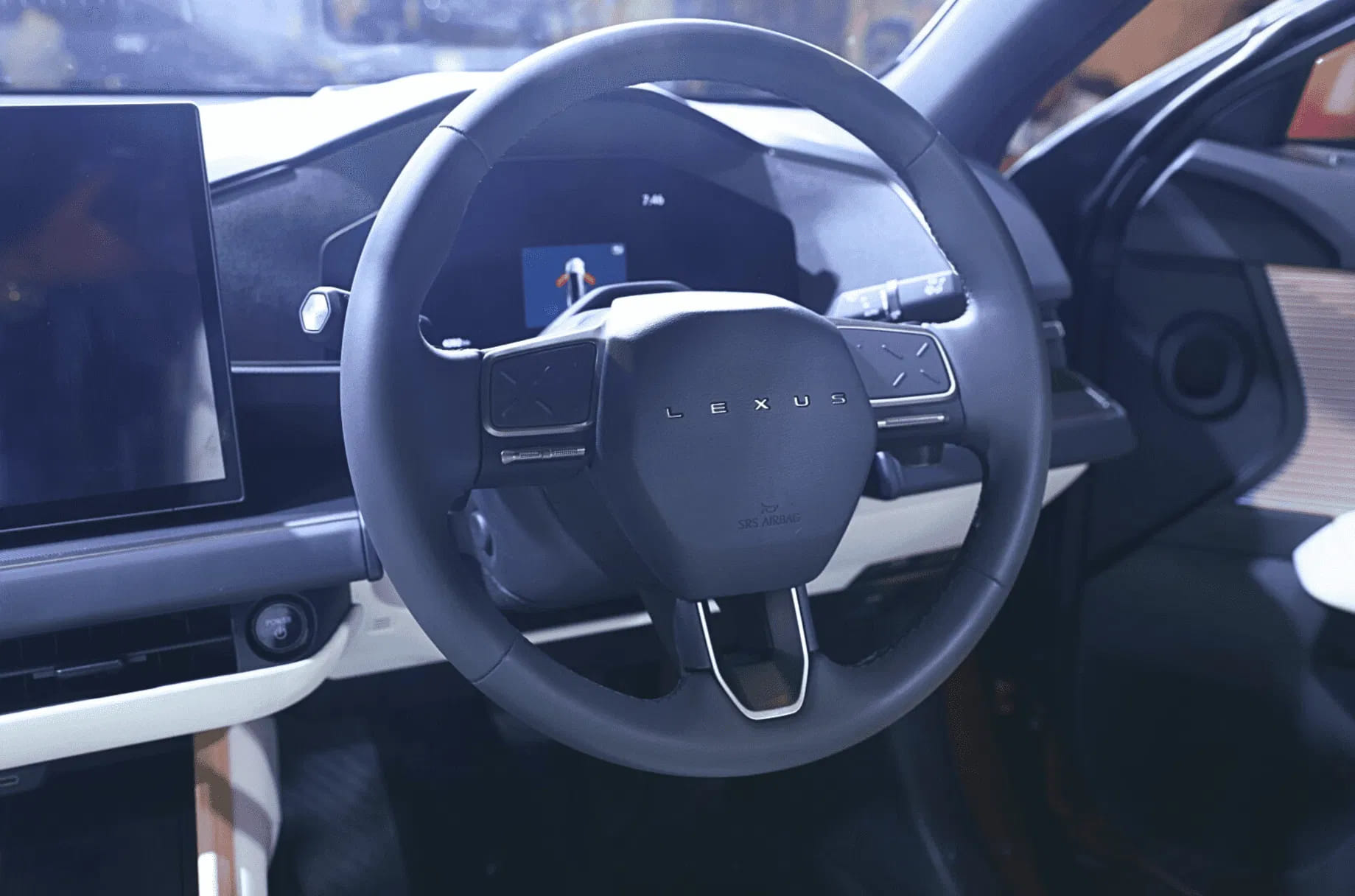
The new ES gets a dual-tone cabin with a 14-inch touchscreen and a 12.3-inch digital driver’s display. It also gets a Mark Levinson premium audio system, wireless Apple CarPlay and Android Auto, wireless phone charging and three-zone climate control. Other features include powered front seats with heating and ventilation, a head-up display, digital inside rearview mirror, ambient lighting, rear window sunshades and a power-operated boot lid.

One of the ES’s standout features is proximity-sensing controls. Physical controls are integrated into the dashboard and steering wheel and illuminate when they detect a hand approaching, combining touch controls with physical switches.

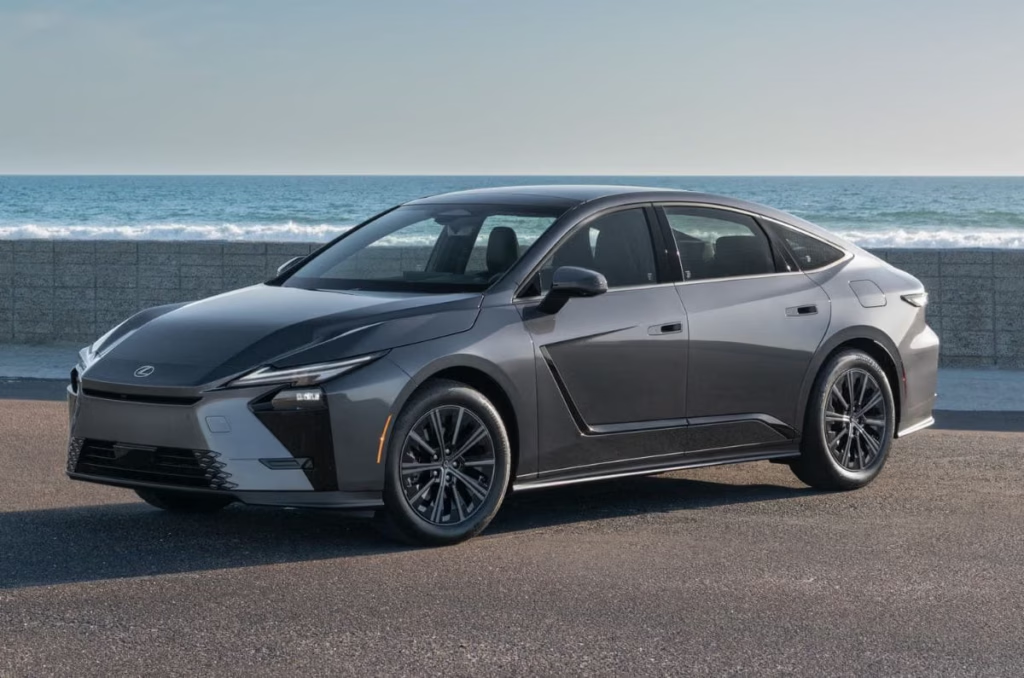
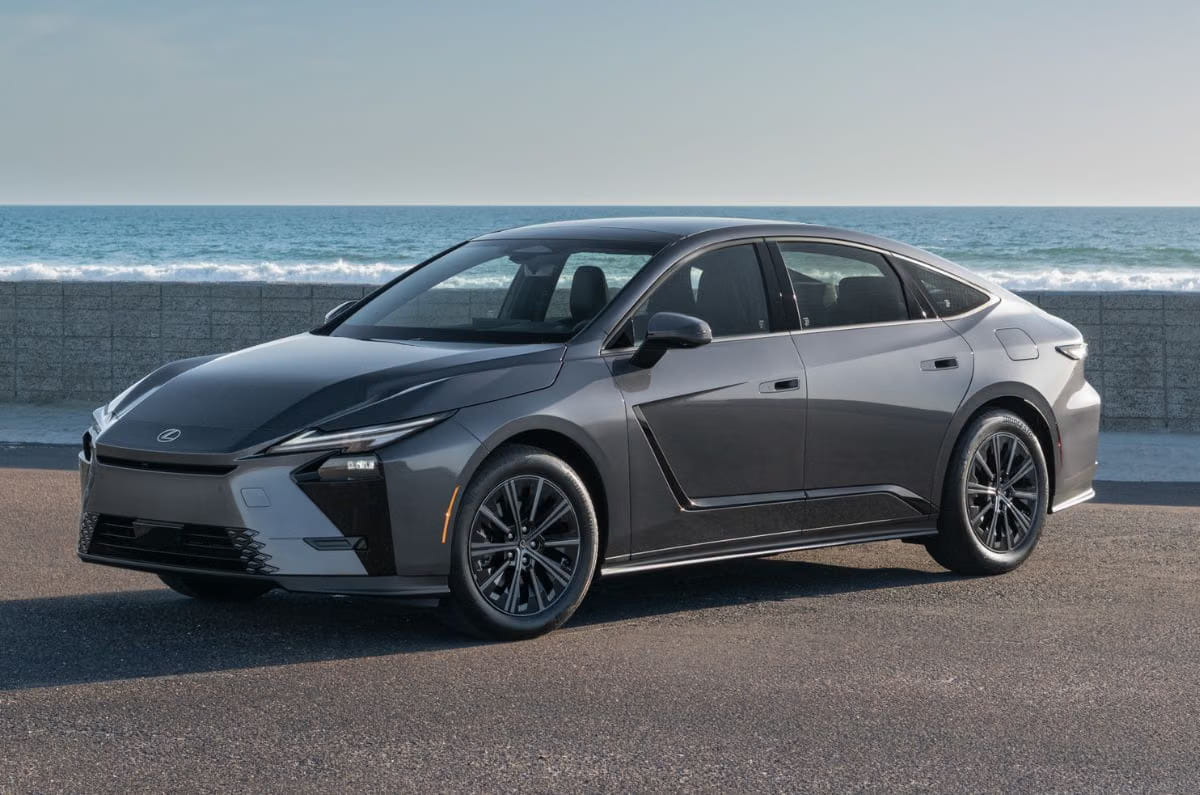
The exterior gets Lexus’s new design language, with a sealed-off front end, Twin L-signature lighting and a connected rear light bar. The new ES also has a coupe-like roofline and a rising beltline.

5. How spacious is the new Lexus ES?
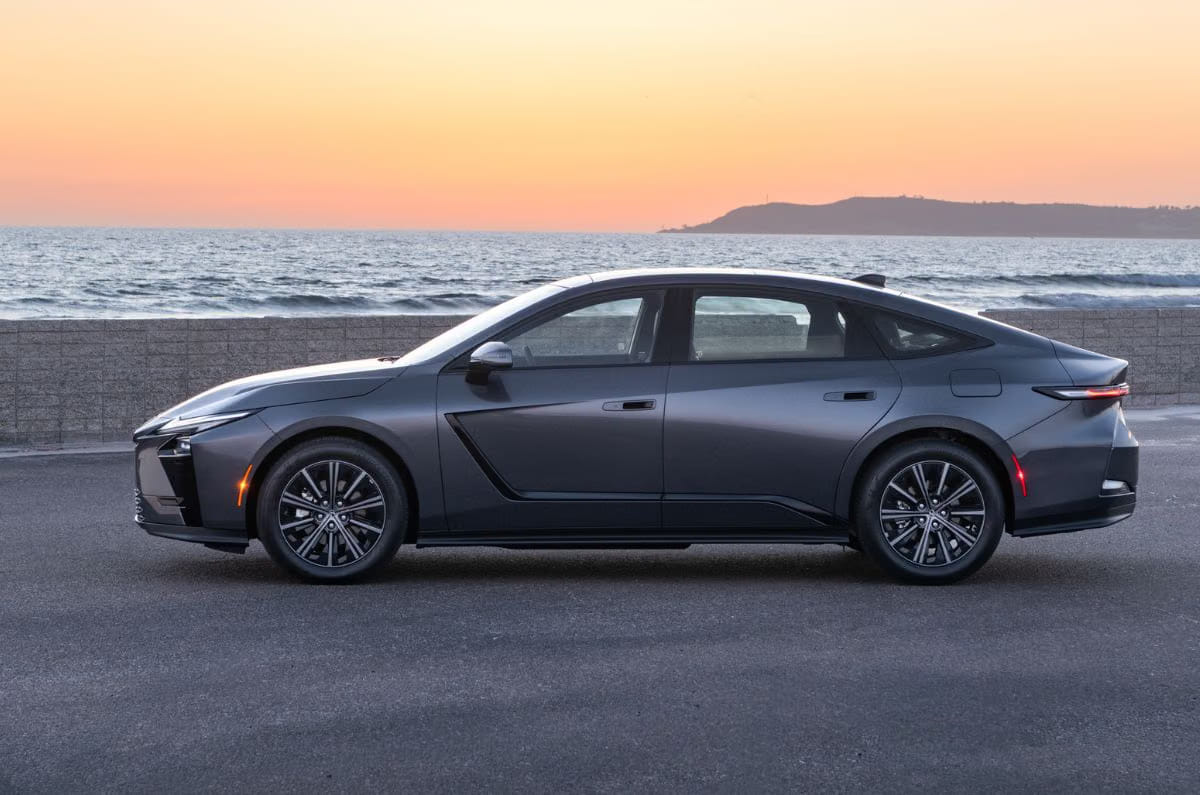
The new ES measures 5,145mm long, 1,920mm wide and 1,575mm tall. It is 170mm longer, 55mm wider and 130mm taller than the previous-generation model, while the wheelbase has increased by 80mm to 2,950mm. Lexus has increased ground clearance for India by 20mm to 158mm. The larger dimensions are complemented by a lower window line and thinner seats and trim pieces, while the longer wheelbase frees up more space inside the cabin.

6. What safety and ADAS features does the Lexus ES get?
The ES 350h gets Lexus Safety System+, which includes a pre-collision system, adaptive cruise control, lane keep assist, lane departure alert, automatic emergency braking, a blind-spot monitor and automatic high beam. It also gets eight airbags, Isofix and top-tether mounts and an emergency brake signal. The Luxury variant additionally gets a drive monitor.

The ES 500e gets 10 airbags, a 360-degree camera setup, blind-spot monitoring, adaptive high-beam assist, radar-guided cruise control, lane-change assist and a driver drowsiness monitor. Electronic stability control and all-round parking sensors are also standard.

7. Where is the Lexus ES made, and which cars does it compete with?
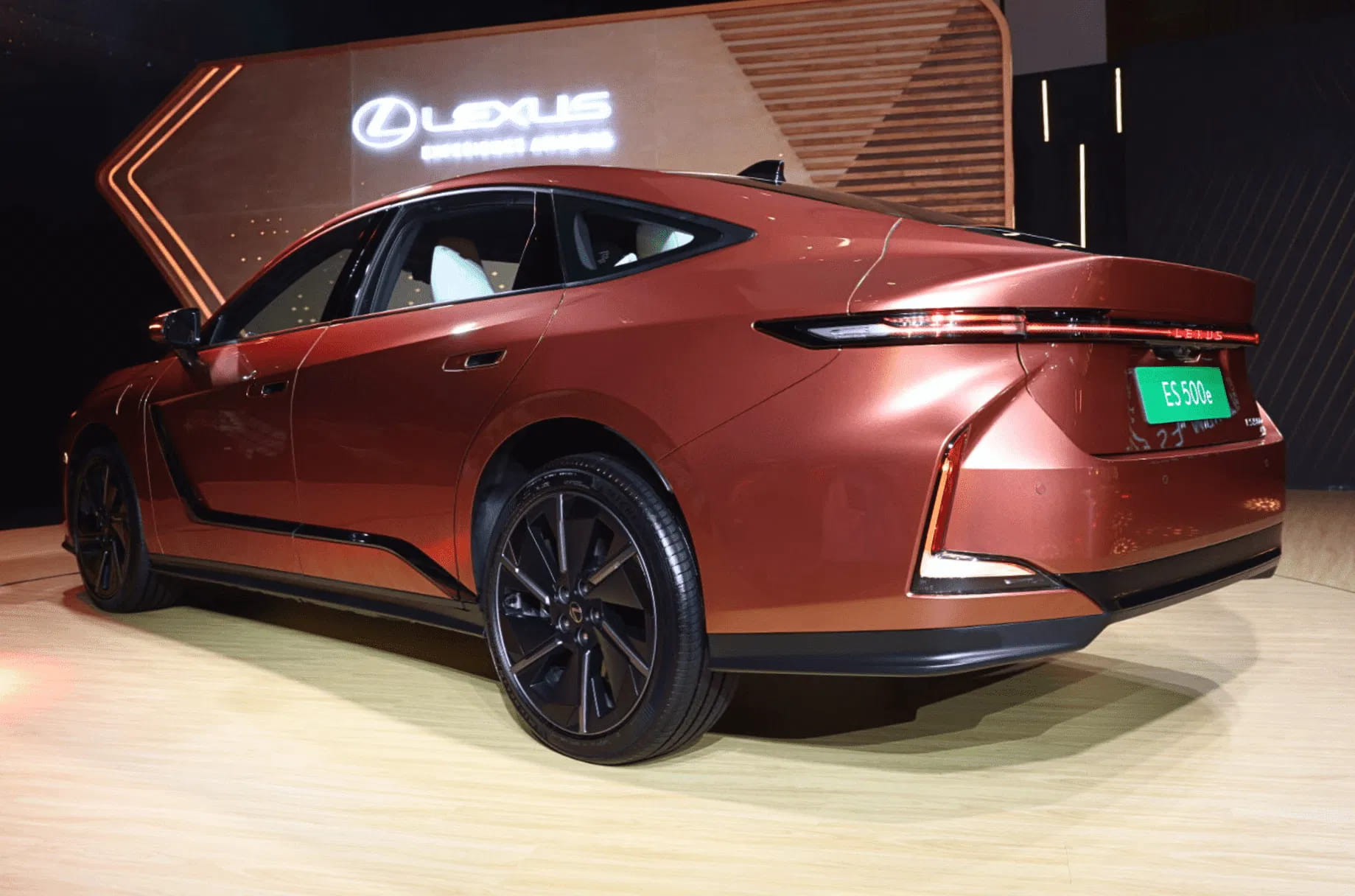
The ES is locally assembled in India. The Lexus ES competes with luxury sedans such as the Mercedes-Benz E-Class, BMW 5 Series and Audi A6. The ES stands out in the segment by offering buyers a choice of hybrid and fully electric powertrains.
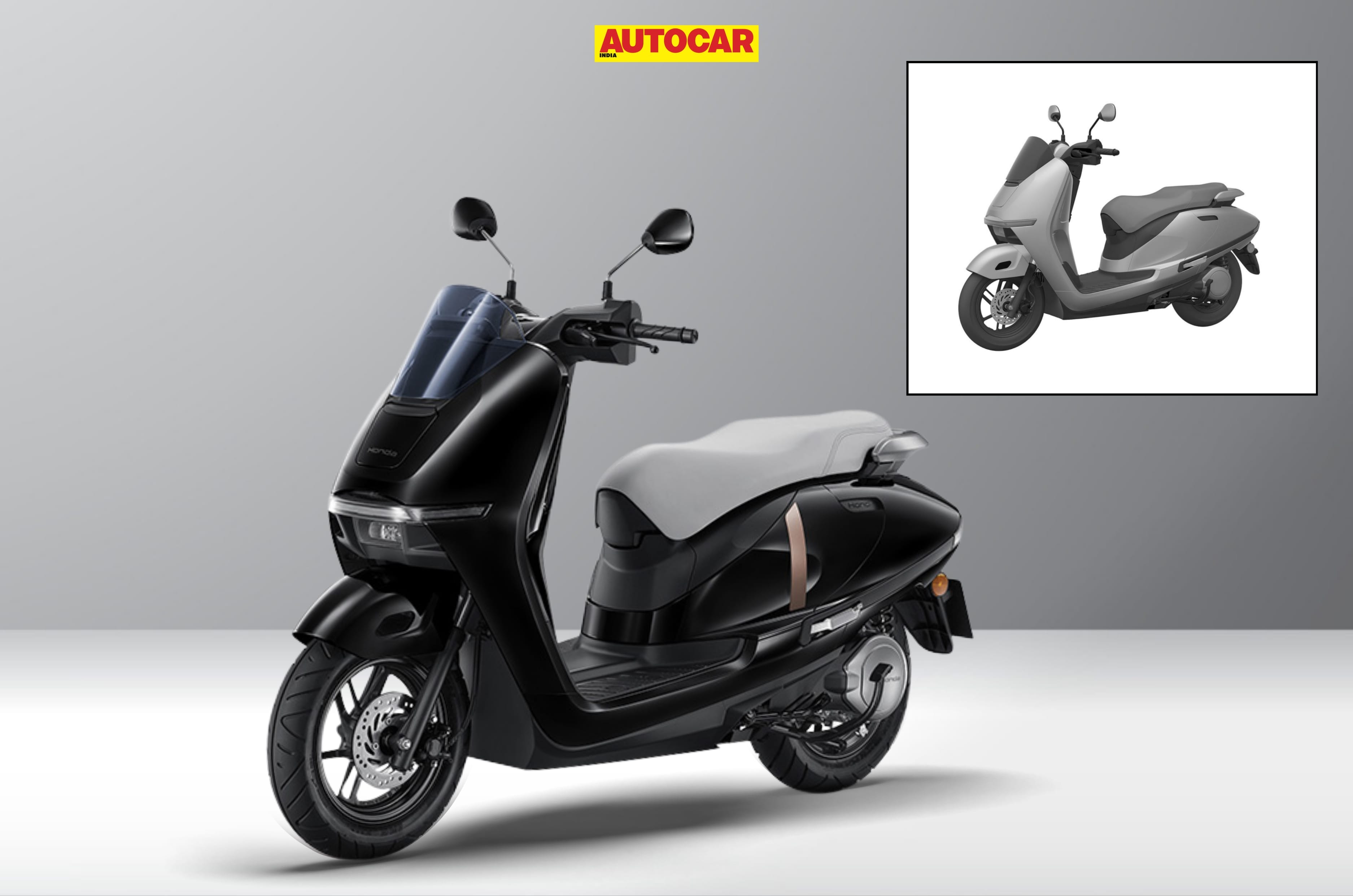
Honda UC3 patented in India

Honda UC3 patented in India

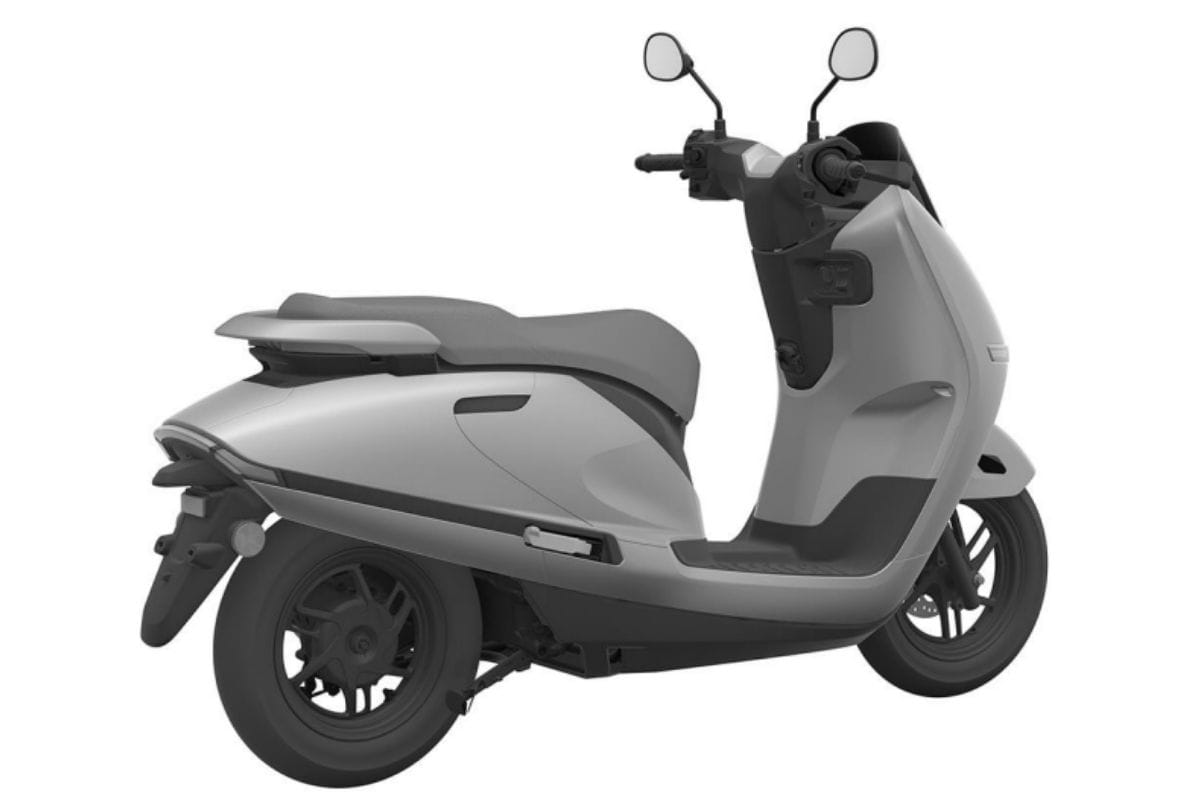
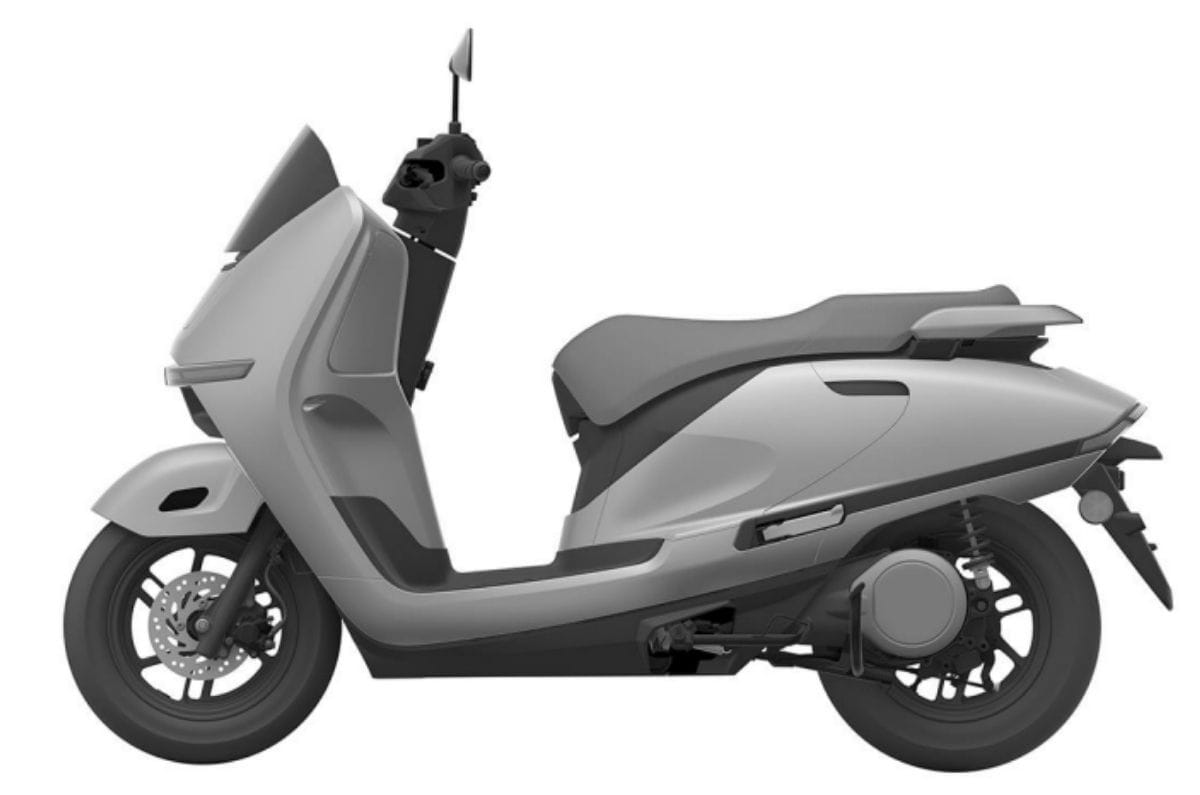
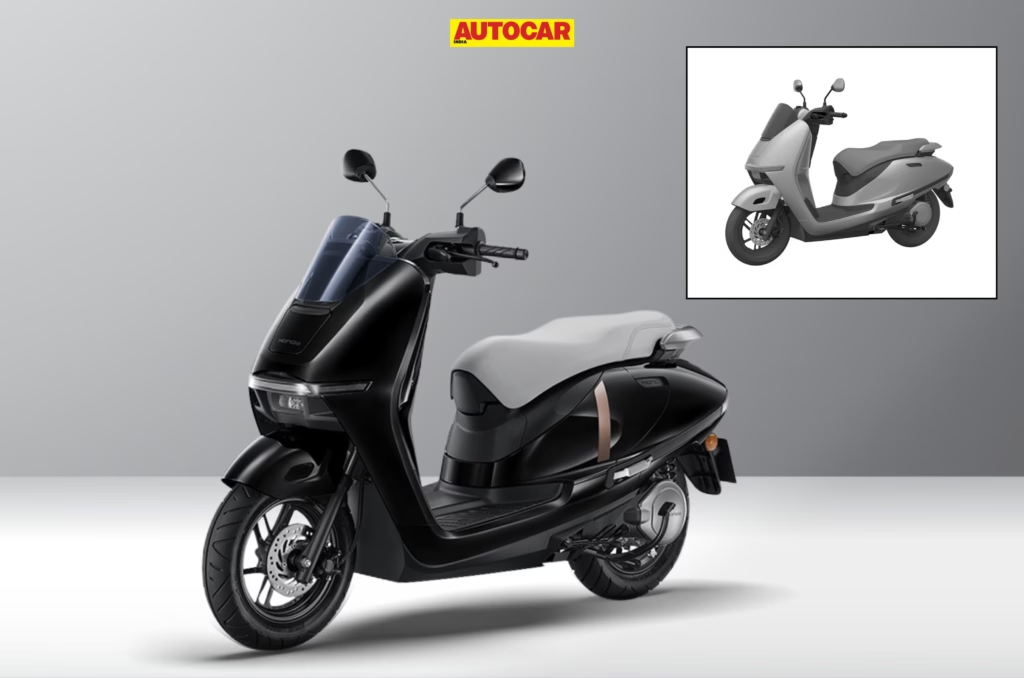
While Honda unveiled the QC3 for our market, the Japanese marque has also patented a ‘UC3’ in our country. It is a more spacious, cruiser-esque electric scooter that also debuts an LFP chemistry battery for the overseas market.

  1. Honda UC3 debuts an LFP battery overseas
  2. It has a peak output of 6kW and a top-speed of 120kph
  3. Runs on 12-inch wheels at both ends

Honda UC3: What to expect?

Honda unveiled the QC3 for our market. 

The biggest headlining point of the UC3 is the battery chemistry that it packs in. While the QC1 and Activa E: come with an Li-ion NMC (Nickel Manganese Cobalt) chemistry battery, the UC3 debuts a Li-ion LFP (Lithium Iron Phosphate) chemistry battery. Honda claims a maximum range of 122km per charge. It has a claimed 20-80 percent charging time of 5 hours using the slower 450W charger and 2 hours using the faster 1200W charger.

It produces a peak output of 6kW and has a top-speed of 120kph. It rides on 12-inch wheels at both ends. It comes with svelte bodywork with flowing lines. Underneath the seemingly spacious seat is a 26 litre storage capacity.

It comes with three riding modes – Standard, Sport and Econ – to suit riding conditions, along with a reverse mode that can be configured via the 5-inch TFT dash. It has a kerb weight of 129kg and a seat height of 779mm. 

It comes with two colours – black and white – with rose gold accents for the black colour. A colourway similar to the brand’s first electric motorcycle – The WN7 – that was unveiled overseas. 

Is the UC3 coming to India

A patent filing from Honda does not directly point to an imminent launch, as this could simply be an IPR (Intellectual Property Rights) safeguard, something the brand routinely exercises. 

MG Hector Tomahawk PHEV powertrain explained

MG Hector Tomahawk PHEV powertrain explained

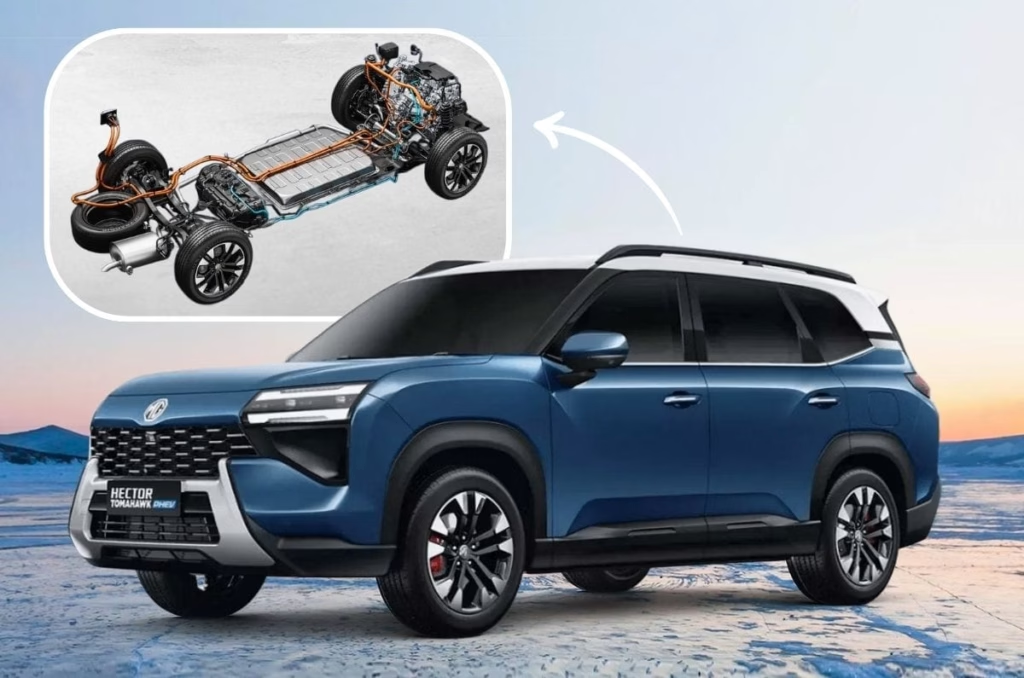
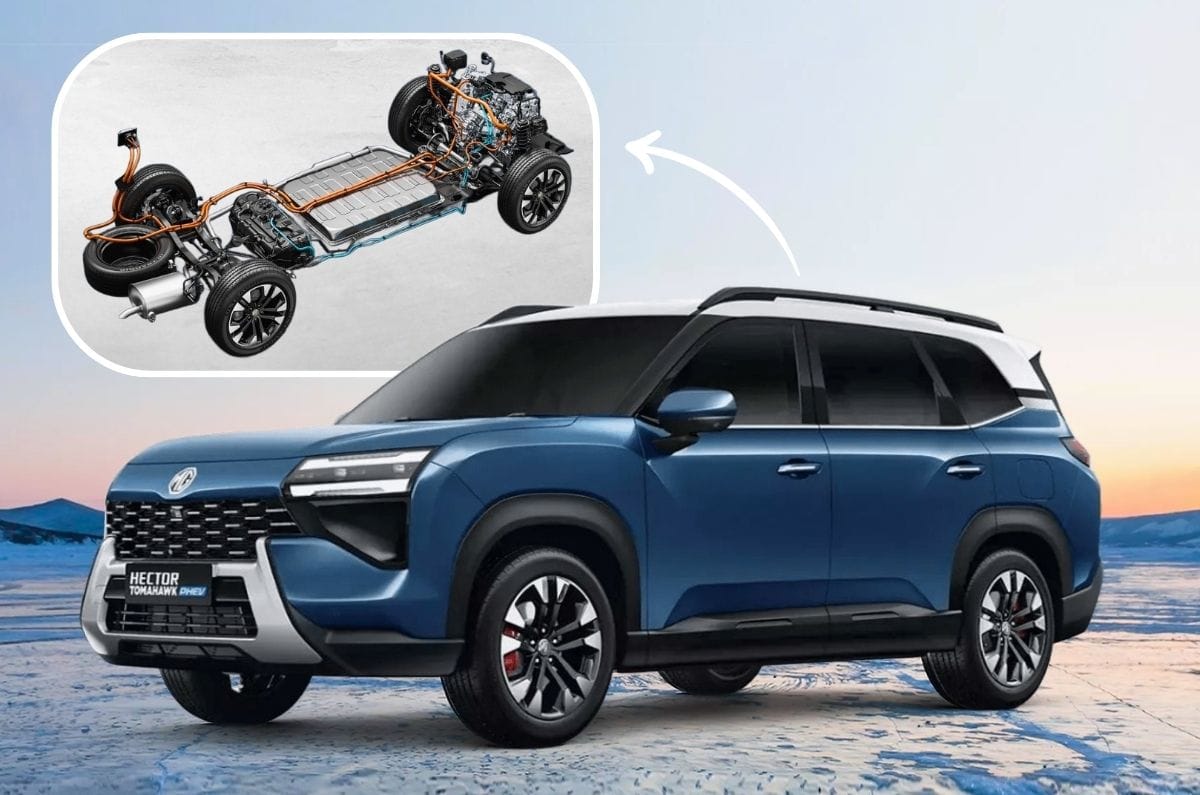
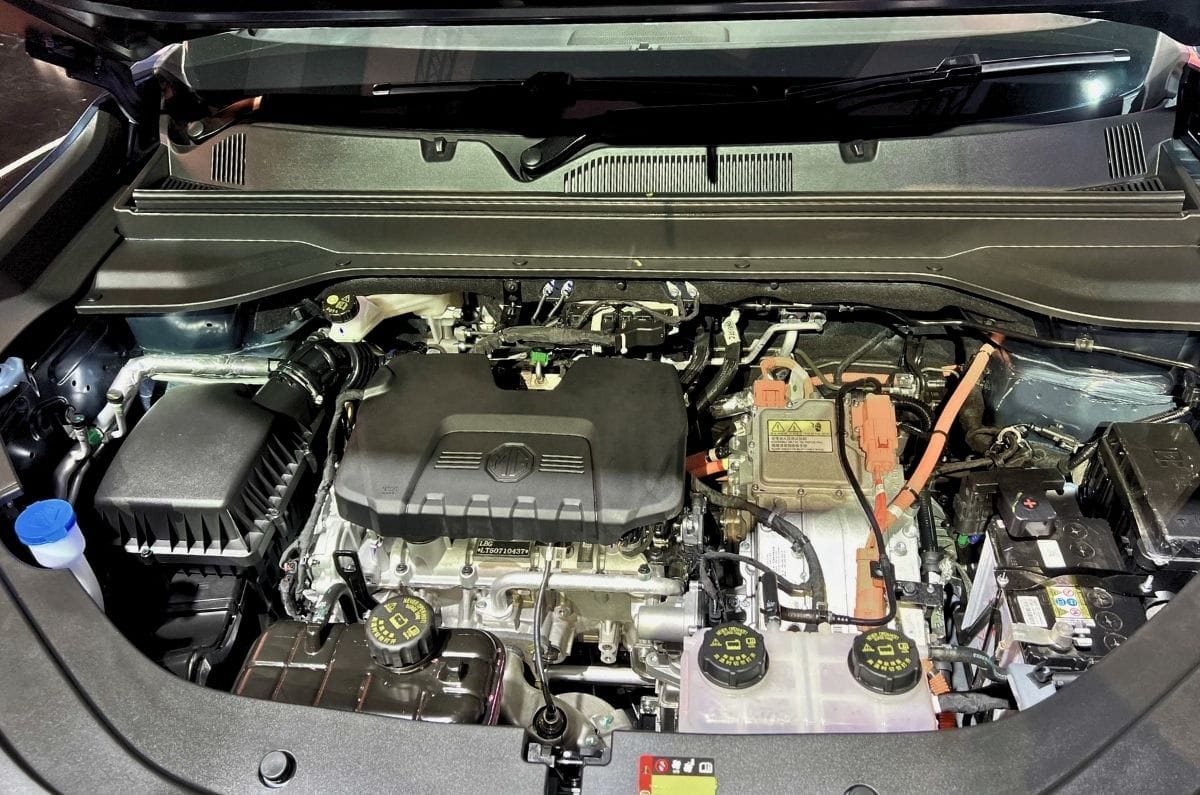
MG has introduced the Hector Tomahawk PHEV as India’s first mass-market plug-in hybrid, with prices ranging from Rs 25.70 lakh to Rs 27.80 lakh (ex-showroom). It combines a 1.5-litre petrol engine with a 20.5kWh battery and electric motor, allowing it to offer electric-only driving as well as the longer range of a petrol engine. But how does the Hector Tomahawk PHEV’s hybrid system work, and how does it differ from the strong-hybrid systems already offered by Maruti Suzuki, Toyota and Honda Let’s take a closer look. 

MG Hector Tomahawk PHEV powertrain: All you need to know

Gets an electric motor powered by a 20.5kWh battery and a 1.5-litre petrol engine

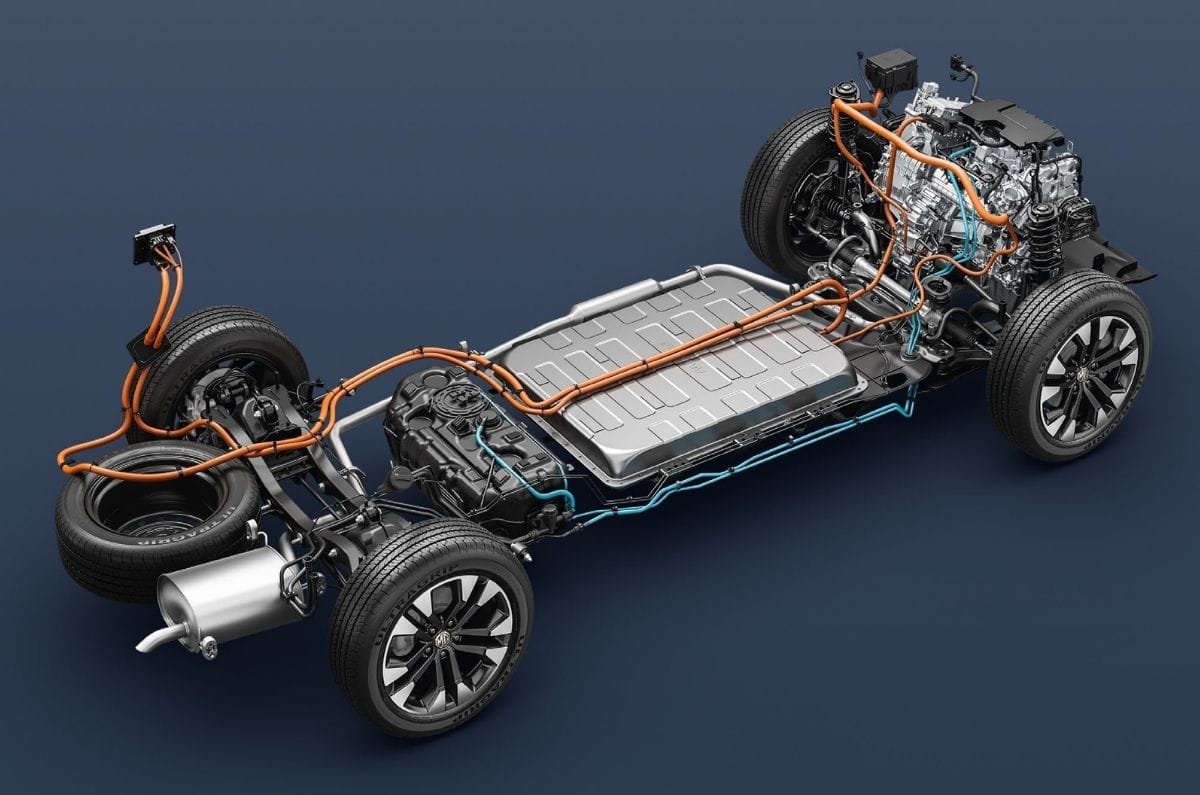
The Hector Tomahawk PHEV combines a 1.5-litre naturally aspirated petrol engine with a 20.5kWh battery and an electric motor. The petrol engine uses the Atkinson cycle and produces 102hp and 125Nm, while the permanent-magnet synchronous motor develops 201hp and 237Nm. The system sends a combined 198hp and 230Nm to the front wheels.

The petrol engine is paired with a Dedicated Hybrid Transmission (DHT) with an e-clutch, while the battery uses lithium iron phosphate (LFP) chemistry. Unlike a conventional hybrid, the Hector Tomahawk PHEV’s battery can be charged externally, allowing it to operate as an EV for more than 115km, according to MG, before the petrol engine kicks in.

How is the Hector Tomahawk PHEV different from a strong-hybrid powertrain?

Honda, Toyota and Maruti Suzuki offer strong-hybrid powertrains in models such as the City Hybrid, Urban Cruiser Hyryder, Innova Hycross, Grand Vitara, Victoris and Invicto. These systems also use an electric motor and battery, but their battery packs are charged through regenerative braking and the combustion engine rather than an external power source. They can drive the wheels on electric power for short periods but do not offer the extended electric driving capability of a plug-in hybrid.

The Hector Tomahawk PHEV’s 20.5kWh battery can be charged from the grid, giving it a greater electric driving capability. It supports 25kW DC charging, which MG claims takes 35 minutes for a 30-80 percent charge. A 3.3kW AC charger is said to take 7.5 hours for a 10-100 percent charge.

MG claims a 43.2 percent thermal efficiency for the petrol engine and around 50kpl combined fuel efficiency. The company pegs the combined range with a fully charged battery and the 52-litre fuel tank brimmed at over 1,100km.

MG offers it with four primary drive modes

The MG Hector Tomahawk PHEV can operate in four primary drive modes: EV, Series Hybrid, Parallel Hybrid and Engine Direct. Each mode uses the petrol engine, electric motor and battery differently. Here is how each one works.

  • EV mode: The battery alone powers the electric motor, which drives the wheels. The petrol engine remains switched off, making this the mode used for electric-only driving.
  • Series Hybrid mode: The petrol engine runs as a generator to produce electricity. It recharges the battery pack, which powers the electric motor driving the front wheels. The engine therefore does not directly power the wheels in this mode.
  • Parallel Hybrid mode: Both the petrol engine and electric motor drive the wheels. This allows the powertrain to combine the engine’s output with electric assistance when higher performance is required.
  • Engine Direct drive mode: The petrol engine drives the wheels directly through the hybrid transmission, reducing energy conversion losses associated with generating electricity and then using the motor to drive the wheels. This mode is primarily suited for high-speed cruising.

However, MG is offering no way to change these drive modes manually. The automaker claims the system shuffles between the modes in just 0.1 seconds, depending on the Hector Tomahawk PHEV’s state of charge, speed, throttle input and road conditions.

MG Hector Tomahawk PHEV prices

Although it’s a plug-in hybrid, the Hector Tomahawk PHEV comes with a BaaS option

MG Hector Tomahawk PHEV prices (ex-showroom)

Trim

Non-BaaS prices

BaaS prices

Upfront cost saving

Exclusive

Rs 25.70 lakh

Rs 21.79 lakh + 3.2 per km

Rs 3.91 lakh

Essence

Rs 27.80 lakh 

Rs 23.89 lakh + 3.2 per km

Rs 3.91 lakh

Both the Exclusive and Essence trims get the same powertrain, but certain features differ. Interestingly, the Hector Tomahawk PHEV is being offered with a Battery-as-a-Service (BaaS) scheme, just like the manufacturer’s EVs. This scheme reduces the upfront cost by a significant Rs 3.91 lakh.

As mentioned earlier, the MG Hector Tomahawk PHEV is the sole plug-in hybrid in India, offering a more fuel-efficient alternative to three-row SUVs such as the Tata Safari and Mahindra XUV 7XO.

Prices are ex-showroom, India.

Toyota Urban Cruiser Ebella real world range tested, explained

Toyota Urban Cruiser Ebella real world range tested, explained
Toyota Urban Cruiser Ebella

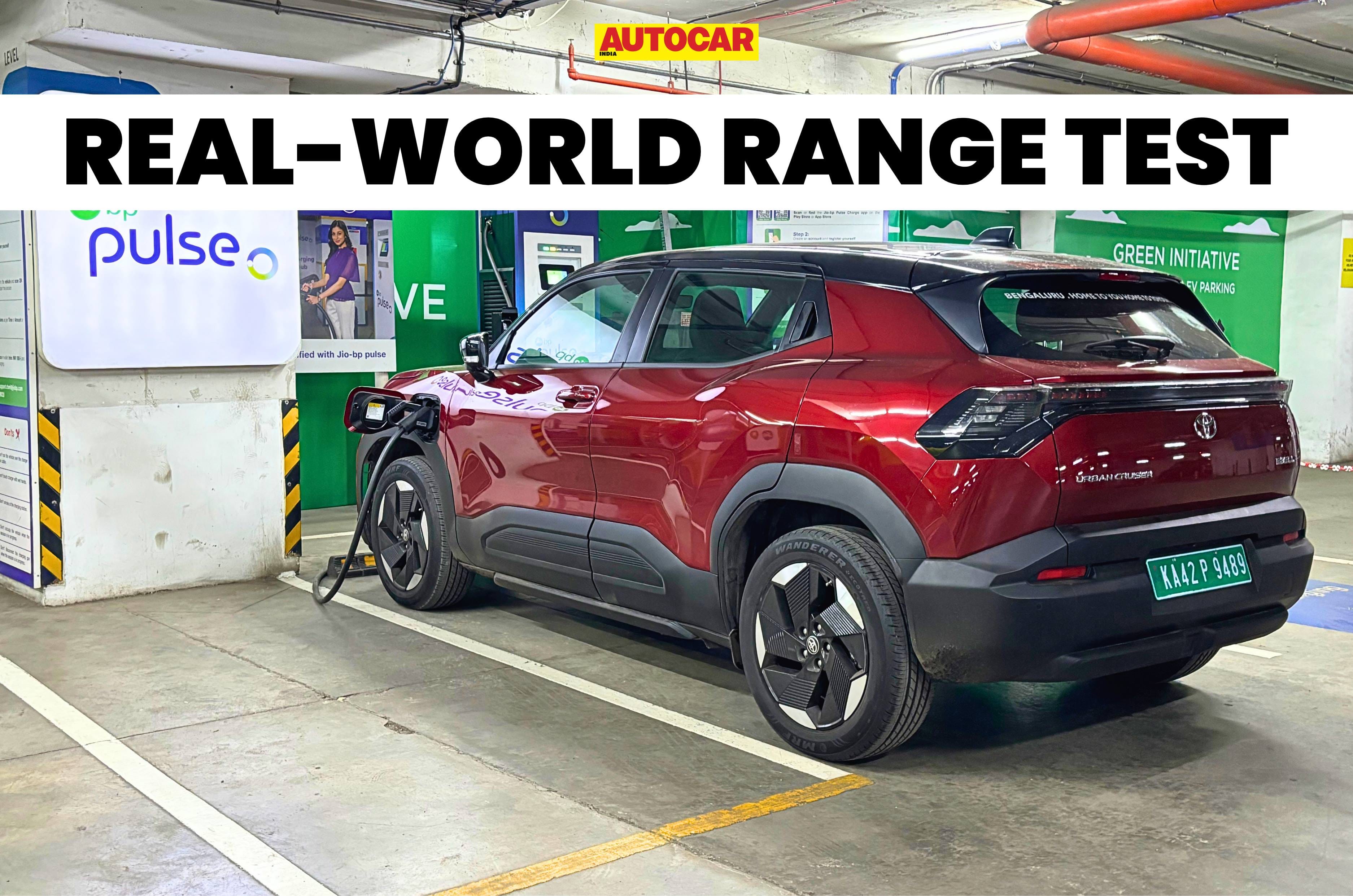
Toyota Urban Cruiser Ebella is the company’s first and only EV sold in the country, and is essentially a badge-engineered Maruti Suzuki eVitara. Toyota has limited the Ebella range to a single variant, priced at Rs. 23.6 lakh. We put the Toyota Urban Cruiser Ebella with the 61kWh battery pack through our range test to find out how it performs.

  1. Three driving and regen modes; no single pedal driving
  2.  Weighs 1,815kg
  3.  20-80 percent recharge takes 35 minutes using a 90kW DC fast charger

Toyota Urban Cruiser Ebella: Real-world range

The Toyota Urban Cruiser Ebella is solely available with a 61kWh lithium-ion LFP battery pack and it is powered by a 174hp/193Nm electric motor driving the front wheels. For our tests, we used the Eco driving mode all throughout, with regen set to ‘High’ in the city and ‘Medium’ on the highway.

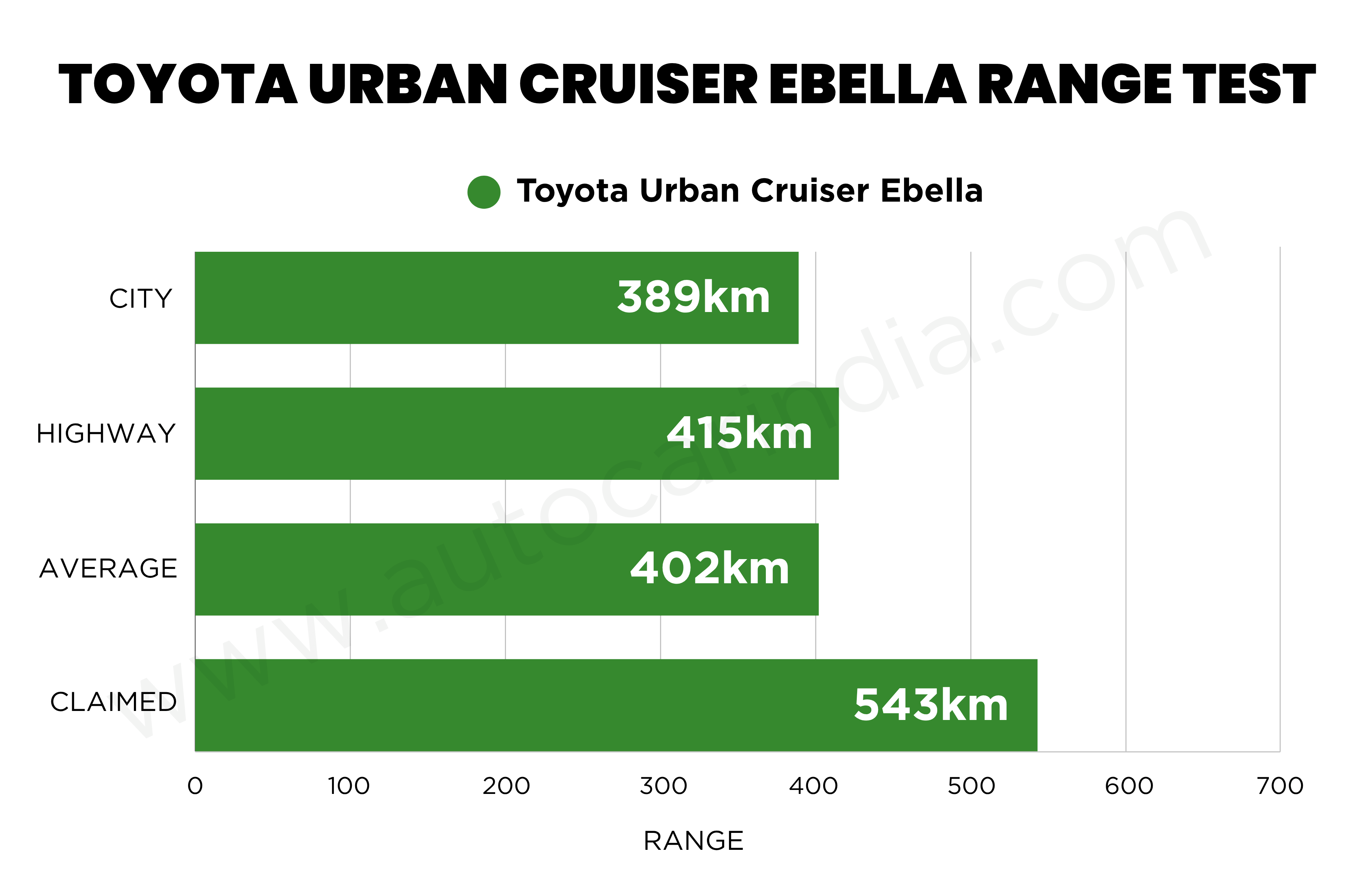
In city conditions, the Toyota Ebella returned 6.37km/kWh which translates to a range of 389km. Interestingly, the efficiency increased on the highway to 6.8km/kWh extrapolating to a range of 415km. With an overall efficiency of 6.59km/kWh, the Toyota Ebella can deliver a real-world range of 402km on a full charge.

Toyota Urban Cruiser Ebella: Charging test

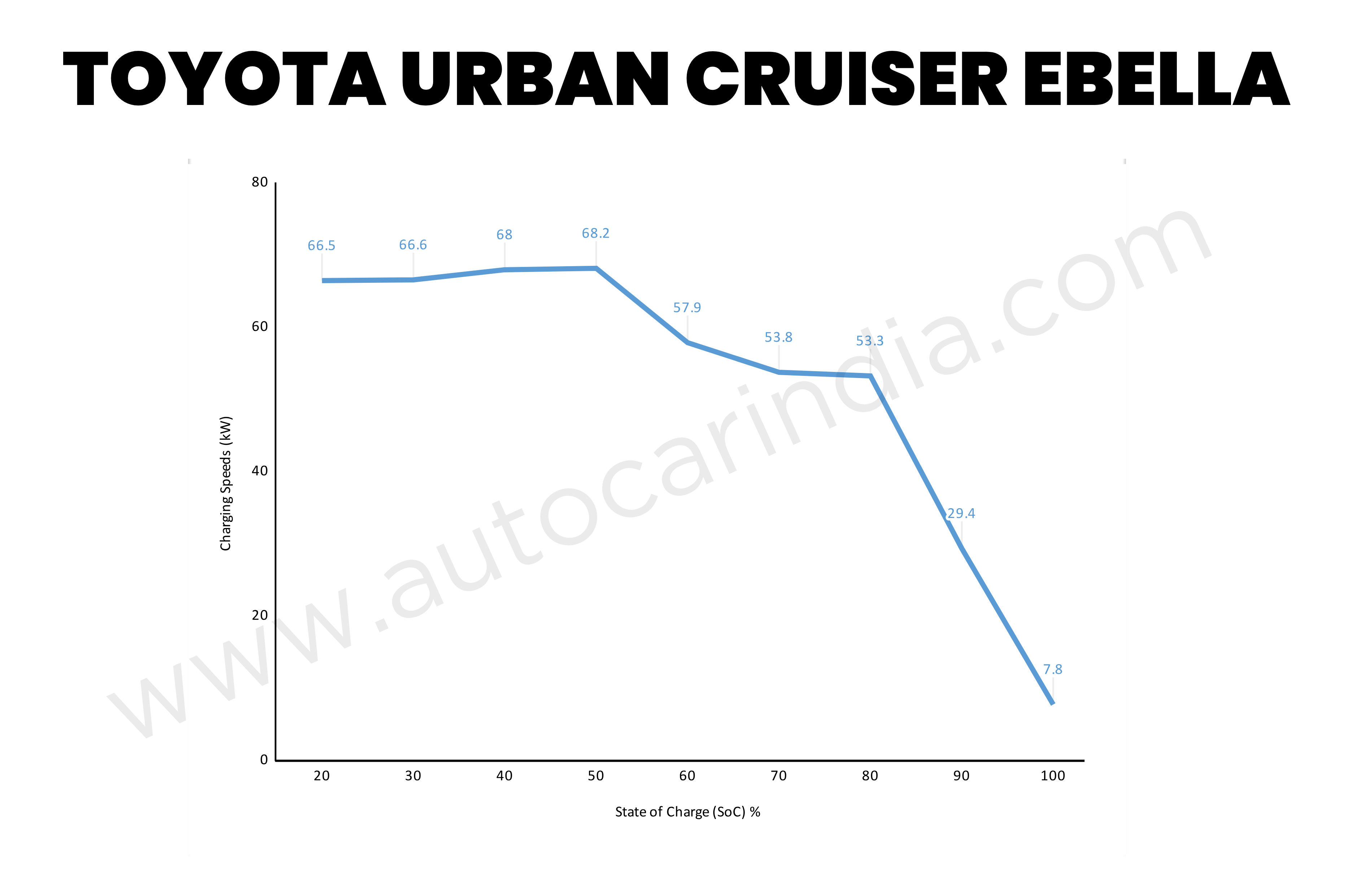
Toyota hasn’t shared any details regarding the Ebella’s DC fast charging capability, but we noted peak charging speeds of around 68.2kW when using a 90kW DC fast charger. In terms of duration, it took 35 minutes to charge from 20-80 percent, and another 36 minutes to reach 100 percent.

Autocar India’s range testing

Before our real-world range tests, the battery of our test car was fully charged, and we maintained tyre pressures in accordance with the manufacturer’s recommendations. The car was driven on a weekday in Mumbai city and on the adjoining state highway in a fixed loop, and we maintained the set average speeds. At the end of each cycle, we calculated the range based on the percentage charge consumed.

Throughout our tests, the climate control was set to 22deg C in a full-auto setting, and other electricals, such as the audio system, indicators and ventilated front seats, were used when required, just as a regular user would. We take pride in our testing data, which isn’t merely consistent but also gives users an accurate indication of what they can expect in the real world.

MotoGP 2026: Marc Marquez wins Aragon GP to close in on championship lead

MotoGP 2026: Marc Marquez wins Aragon GP to close in on championship lead
Marc Marquez wins Aragon GP

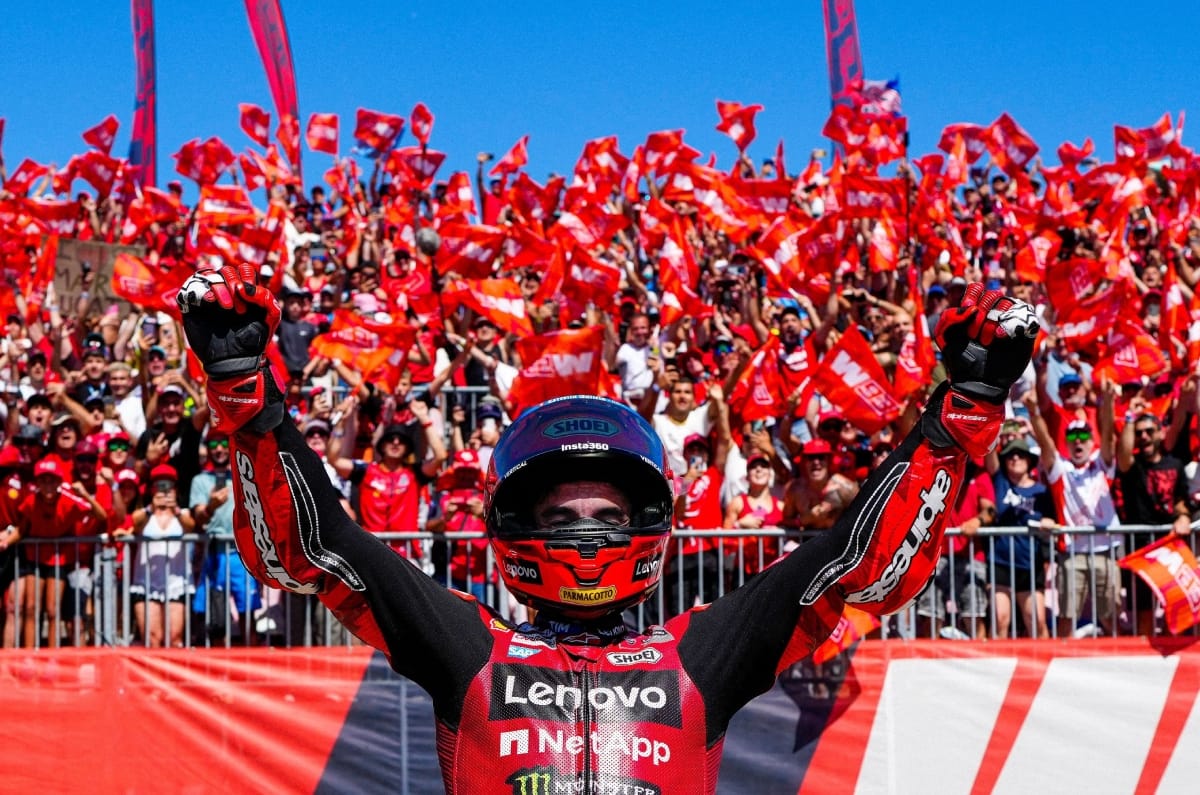
Marc Marquez capped a weekend of retaliation at Aragon with a dominant win, fighting past Marco Bezzecchi and Pedro Acosta in the race’s opening laps before pulling clear in the closing stages. Acosta held on for second after a difficult qualifying the previous day, while Bezzecchi completed the podium from pole.

  1. Marc Marquez moves up to second in the championship
  2. Jorge Martin leads the championship by 19 points
  3. Bagnaia crashes out early

Marquez fights back after early setback

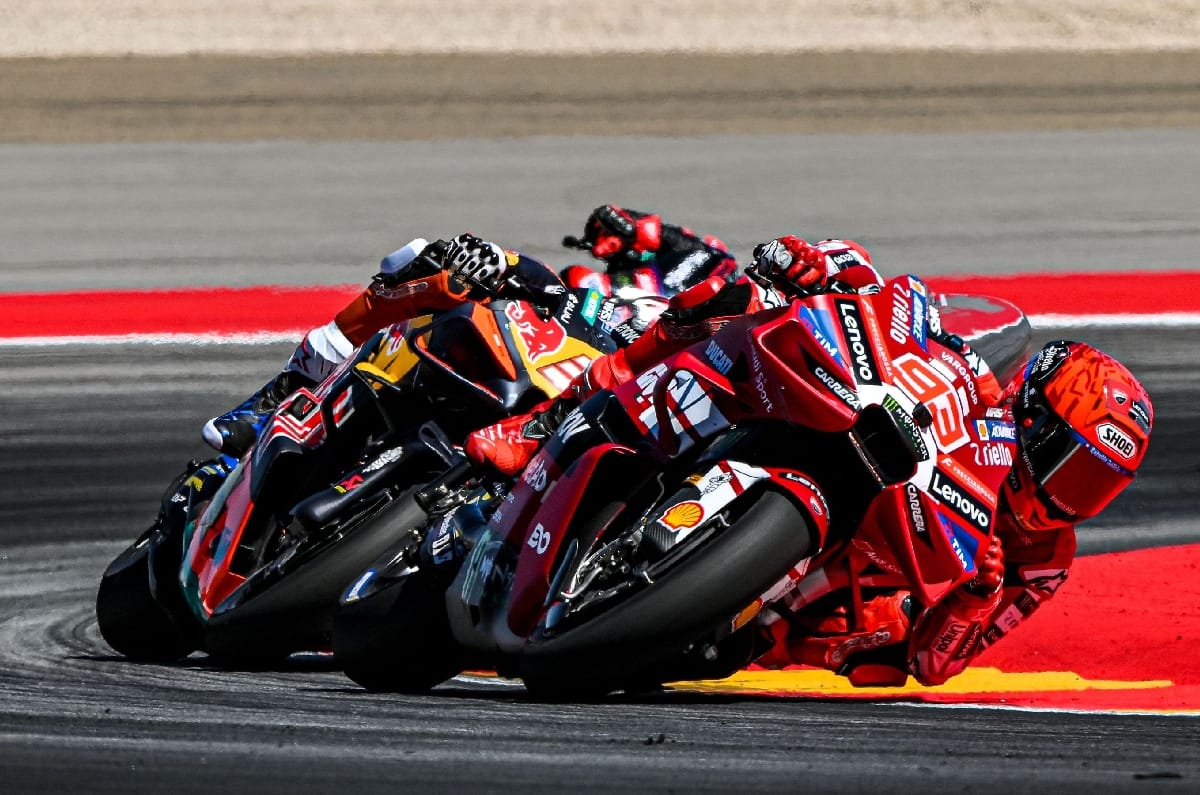
At lights out, Marquez attacked into Turn 1 as he had in the Sprint but admitted afterwards that he had left the rear ride-height device engaged, which caused him to drop back as Bezzecchi swept through to lead. Martin capitalised as well, muscling his way past Marquez to give Aprilia a 1-2 on the first lap.

By the end of Lap 1, however, Marquez had undone some of the damage and made an aggressive yet effective move on Martin, sending him wide and into the clutches of Acosta, who was in pursuit. Bezzecchi still led by around six tenths, but Marquez and Acosta were hot on his tail, and by Lap 5, the gap to Bezzecchi had been all but closed.

A three-way fight for the lead

With Bezzecchi’s lead down to about six-tenths, Marquez found a way past Bezzecchi in a daring battle down the straight, but Acosta immediately swept around the outside to take the lead himself. The three ran nose-to-tail through half-distance, separated by little more than a second, as Alex Marquez and Martin settled into fourth and fifth further back.

Marquez pulls clear

The lead trio kept trading fastest laps deep into the race, but in the closing stages, Acosta and Bezzecchi couldn’t keep up with Marquez’s pace. The current world champion managed to scratch a gap to cross the line comfortably clear, taking the win ahead of Acosta and Bezzecchi, who followed in second and third. Alex Marquez crossed the line in fourth, with championship leader Martin taking fifth and matching his result from the day before.

The rest of the pack

Fermin Aldeguer took sixth, ahead of Fabio Di Giannantonio in seventh. Further back, Enea Bastianini caught and passed Diogo Moreira on the final lap to take eighth, while Brad Binder narrowly beat Jack Miller in a separate scrap for ninth, demoting Miller to 11th. Raul Fernandez, who had been closing on Martin for fifth in the opening laps, retired around a third of the way through the race, while Francesco Bagnaia crashed out early.

Championship standings

Marquez’s win moves him up to second in the standings, now 19 points behind Martin after the Aprilia rider’s double fifth-place weekend. Bezzecchi’s two podiums also close his gap to Martin, and he sits third overall.

Tata Punch EV new vs old real-world range comparison

Tata Punch EV new vs old real-world range comparison
Tata Punch EV new vs old

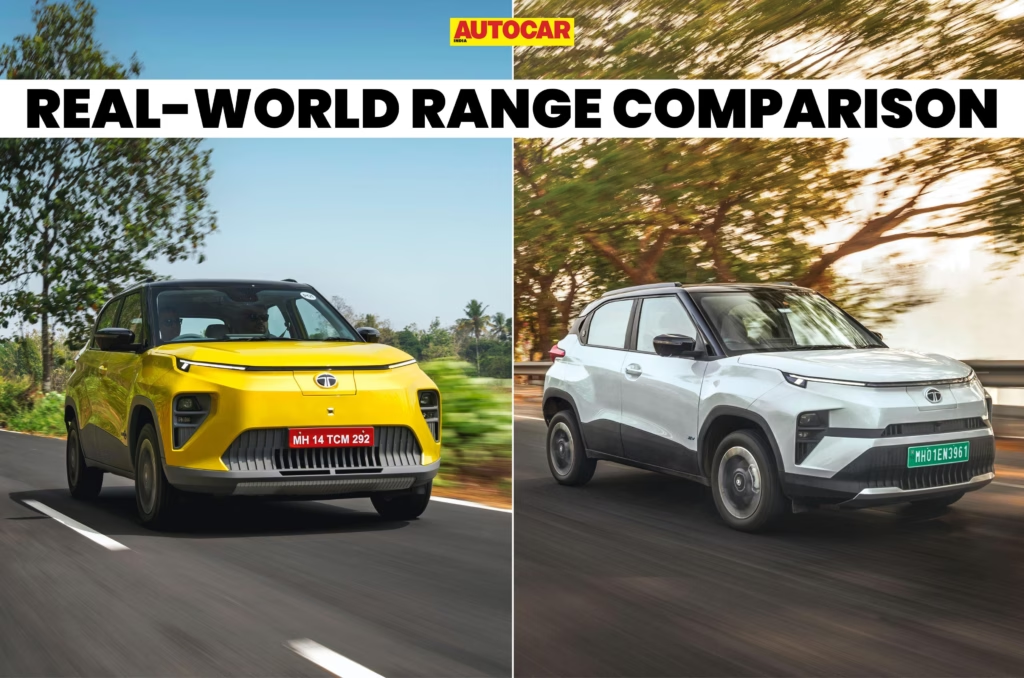
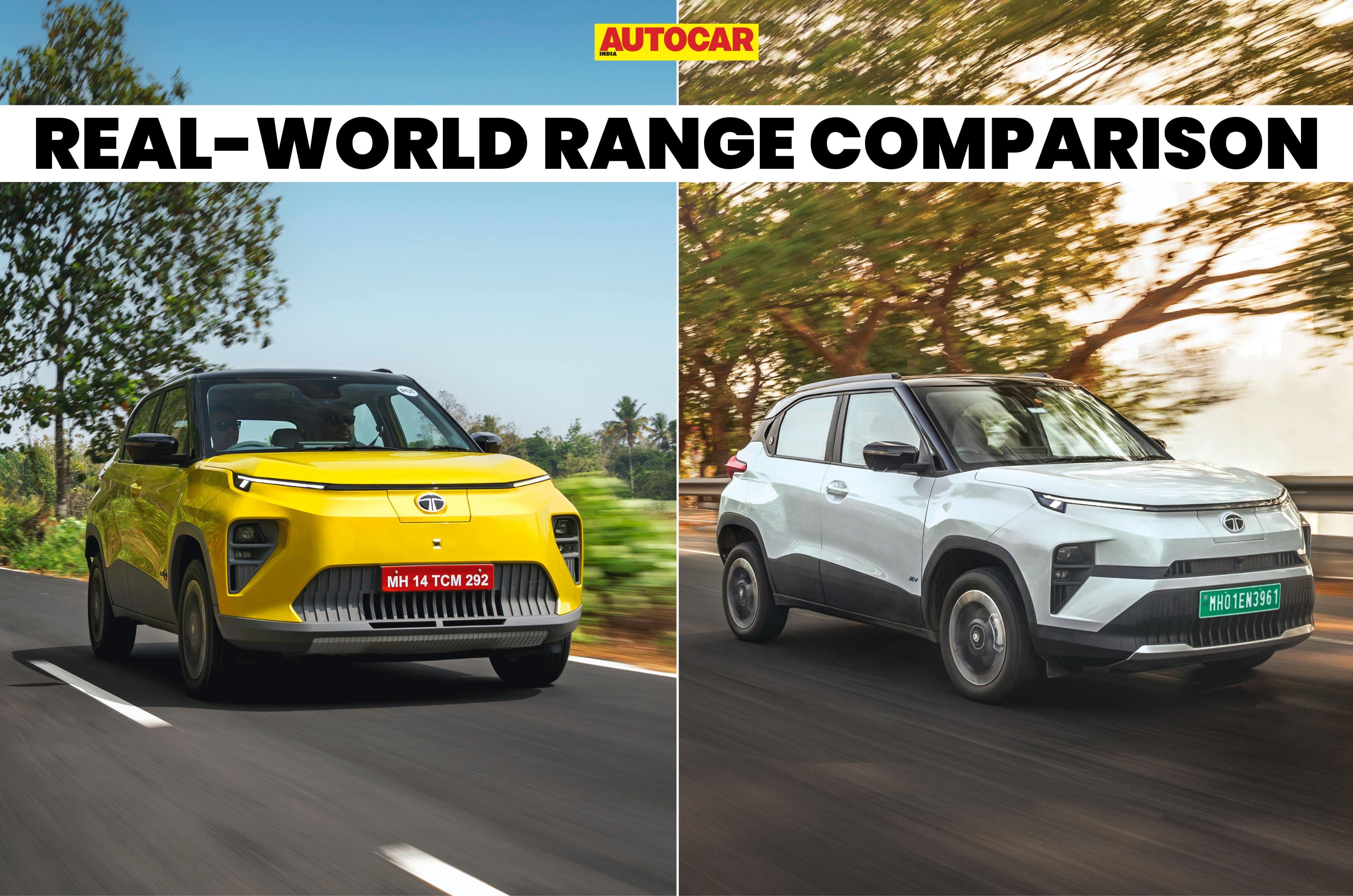
In February 2026, Tata Motors brought incremental updates to the Punch EV. The carmaker’s most affordable electric SUV saw a bump in battery size, subtle cosmetic revisions, and feature additions, while also being more affordable than its predecessor. To see how much the 2026 Punch EV has improved over its older iteration, we put it through our real-world range tests and compare it to its predecessors. 

Tata Punch EV new vs old: Specifications

Tata Punch EV new vs old: Specifications


Tata Punch EV New

Tata Punch EV Old

Battery size

40

35

Electric motor setup

Single motor, front

Single motor, front

Power (hp)

129

122

Torque (Nm)

154

190

ARAI range (km)

468

365

Kerb weight (kg)

1365

1,360

0-100kph time (claimed, in seconds)

9

9.5

With the newer Punch EV, Tata has increased the battery size in its long-range version by 5kWh and bumped the motor’s power slightly. However, the older Punch EV’s motor delivered 36Nm more torque than the newer model. In the new Punch EV, Tata introduced a new 6-in-1 drivetrain setup, replacing the older one’s 3-in-1 unit. With this new setup, Tata claims a 50 percent reduction in packaging size, a 28 percent reduction in weight, and a 6 percent increase in efficiency. Despite the larger battery, this new drivetrain setup on the Punch EV has led to a weight increase of a mere 5kg over its predecessor.

Tata Punch EV new vs old: Real-world range 

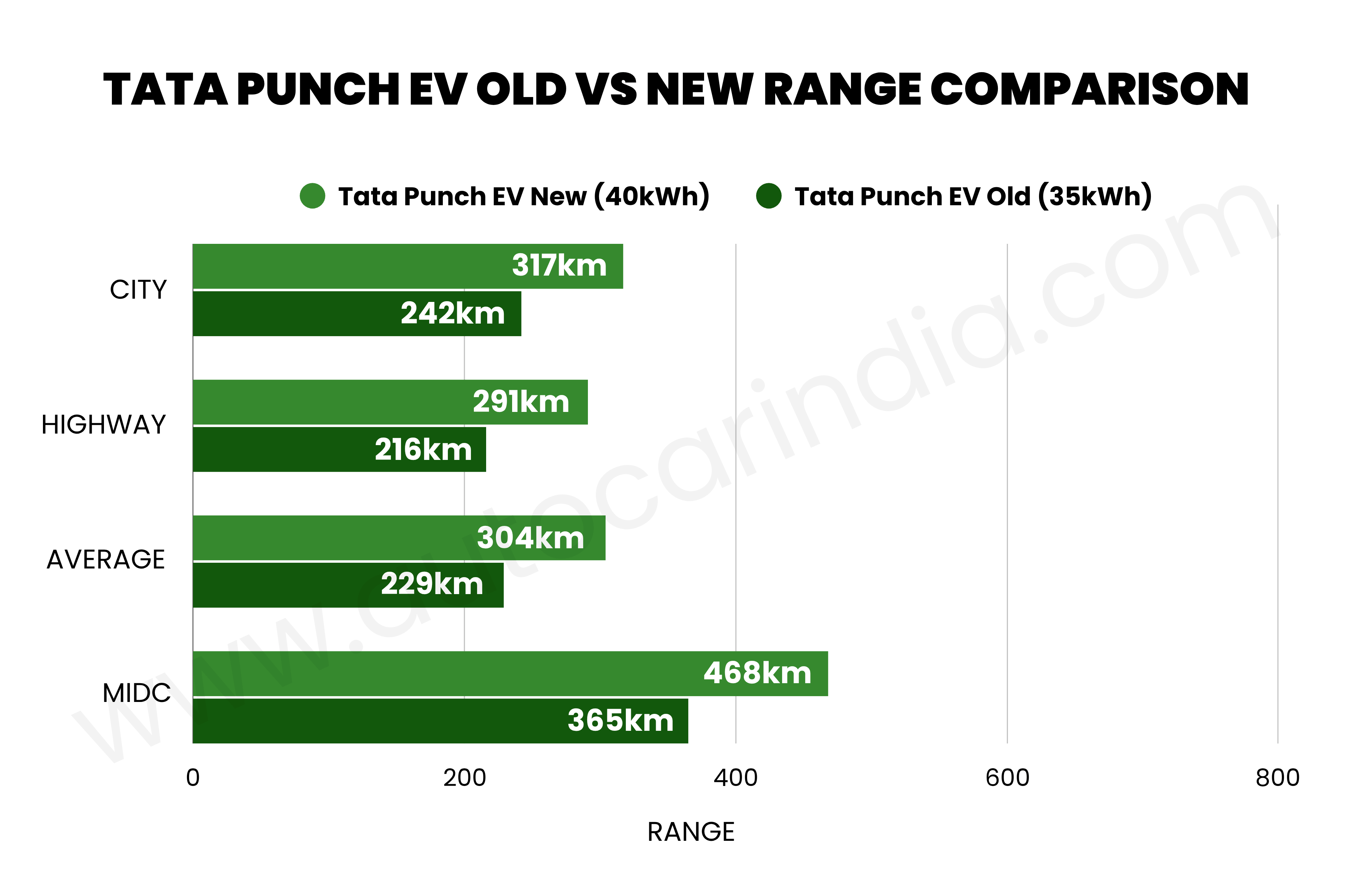
In our real-world range tests, the newer Tata Punch EV delivered much higher range than its predecessor. On average, the former goes 75km further than the latter on a single charge. This is because the more efficient drivetrain setup (see table below), coupled with the larger battery pack on the new Punch EV, has translated into going farther on a single charge. 

Tata Punch EV new vs old: Efficiency 


Tata Punch EV New

Tata Punch EV Old

City efficiency (km/kWh)

7.92

6.92

Highway efficiency (km/kWh)

7.29

6.17

Average efficiency (km/kWh)

7.61

6.54

Tata Punch EV new vs old: Prices

Tata Punch EV new vs old: Prices


Tata Punch EV New

Tata Punch EV Old

Long Range version price range (Rs lakh)

10.99 – 12.79

12.99 to 14.49

Despite the updates and higher real-world range, the new Tata Punch EV is much more affordable than the older model. In fact, depending on the variant chosen, the former is up to Rs 2 lakh cheaper than the latter. 

Autocar India’s range testing

Before our real-world range tests, the battery of our test car was fully charged, and we maintained tyre pressures in accordance with the manufacturer’s recommendations. The car was driven on a weekday in Mumbai city and on the adjoining state highway in a fixed loop, and we maintained the set average speeds. At the end of each cycle, we calculated the range based on the percentage charge consumed.

Throughout our tests, the climate control was set to 22deg C in a full-auto setting, and other electricals, such as the audio system, indicators and ventilated front seats, were used when required, just as a regular user would. We take pride in our testing data, which isn’t merely consistent but also gives users an accurate indication of what they can expect in the real world.

India Bike Week 2026 dates announced

India Bike Week 2026 dates announced
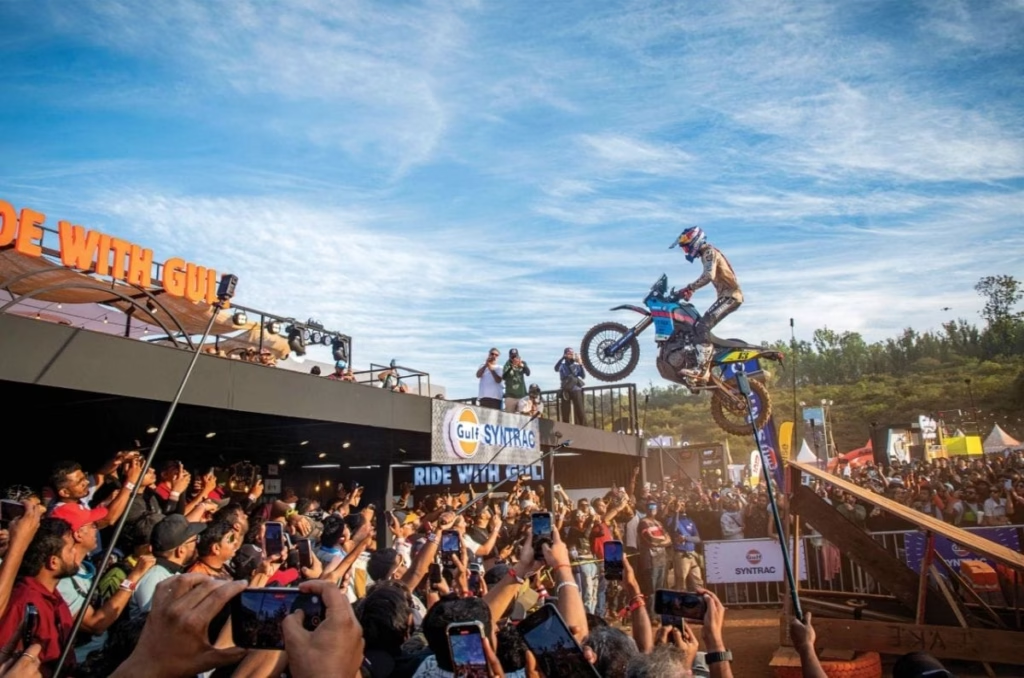
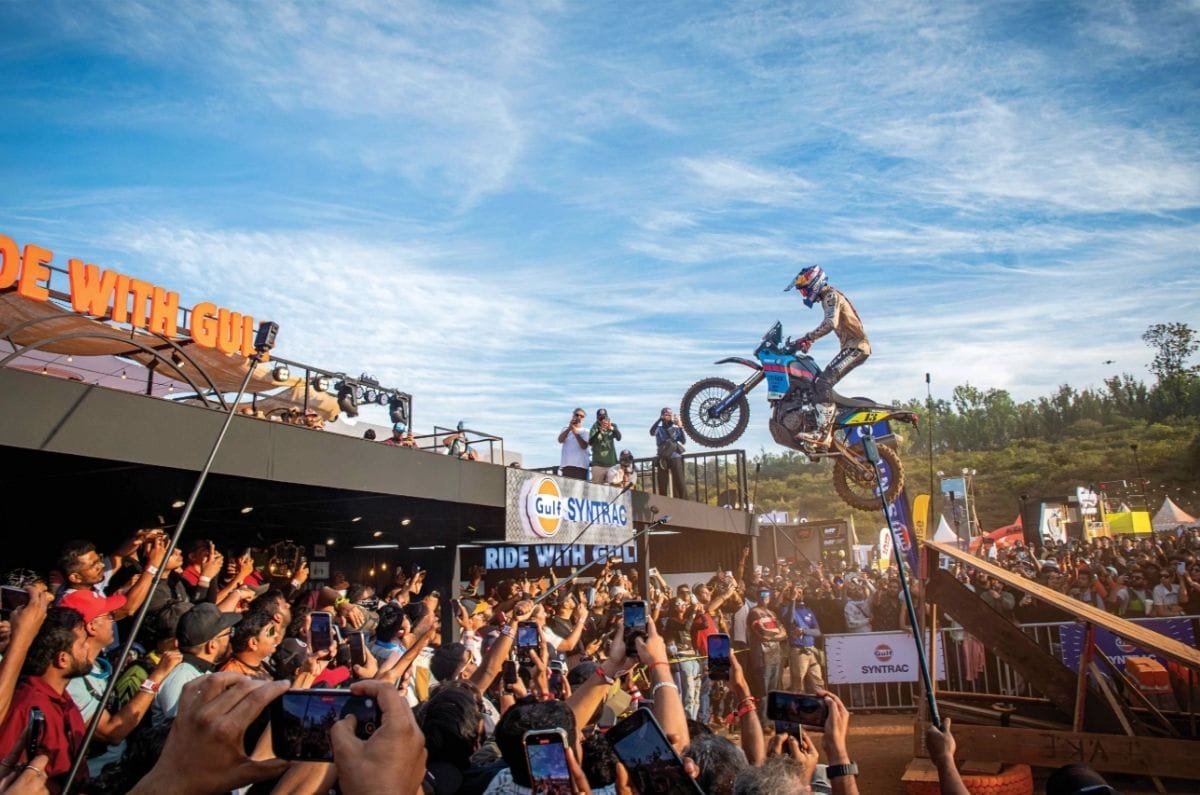
An outside shot showing enduro champion and rally racer Pol Tarrés performing a jump on his Yamaha Ténéré 700 at IBW 2025

The event dates for India Bike Week, touted to be the country’s largest motorcycle festival, has been announced to be December 4 and 5, 2026. The festival is returning to Panchgani, Maharashtra for the second year in a row, away from Vagator, Goa. Last year, the change happened after local zilla parishad election dates conflicted with the event dates.

  1. Consists of races, launches, food and gear stalls and more
  2. Registrations to races are separate from event registrations
  3. Ride to the event and merch have also been teased

India Bike 2026: What’s in store?

Stunt shows, live music, camping, and more

Besides the location change seemingly sticking, the itinerary remains as packed as ever with two days of various events catering to motorcyclists and motorcycle enthusiasts of all kinds. According to the schedule posted on the organisation’s website, there are five different race events, three music performances (artists line-up yet to be revealed), and other staples like food and gear stalls. The races vary between dirt, off-road, time trial, and arena. Each race requires separate registrations and registering to the races are separate from registering for the event itself. Riders interested in racing will need to have an FMSCI licence, although the website clarifies that a one-time licence can be obtained when signing up for one (or more) of the races.

There are also events scheduled for custom builds, stunt shows, and camping and bonfire. IBW is also organising rides to the event from all major cities, and have announced event-specific merch too. However, registrations and further details on all of these are yet to be revealed. If you’re hearing about IBW for the first time, the organisers clarify that owning a motorcycle is not a criterion to attend the event, and it’s open to fans from all walks of life.

Last year, refunds on the tickets were offered when the venue changed from Goa to Maharashtra. This time, the website clarifies that the tickets are non-refundable and non-transferable. More information should be available closer to the dates, and can be found on the brand’s website and social media pages.
 

Bajaj becomes second Indian EV maker to cross 3 lakh sales this year

Bajaj becomes second Indian EV maker to cross 3 lakh sales this year
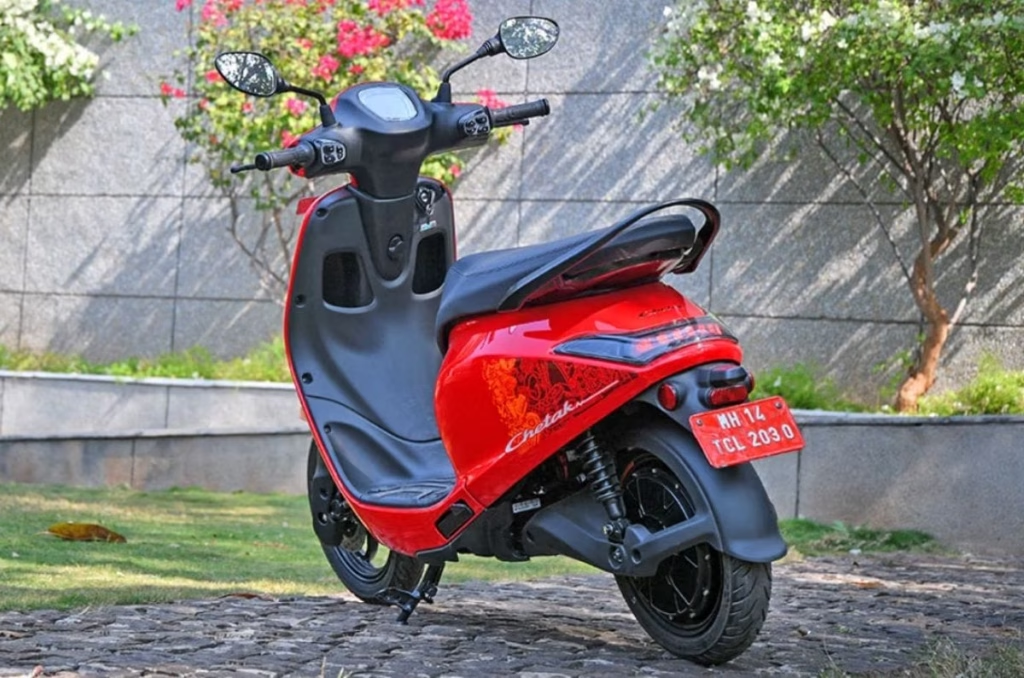
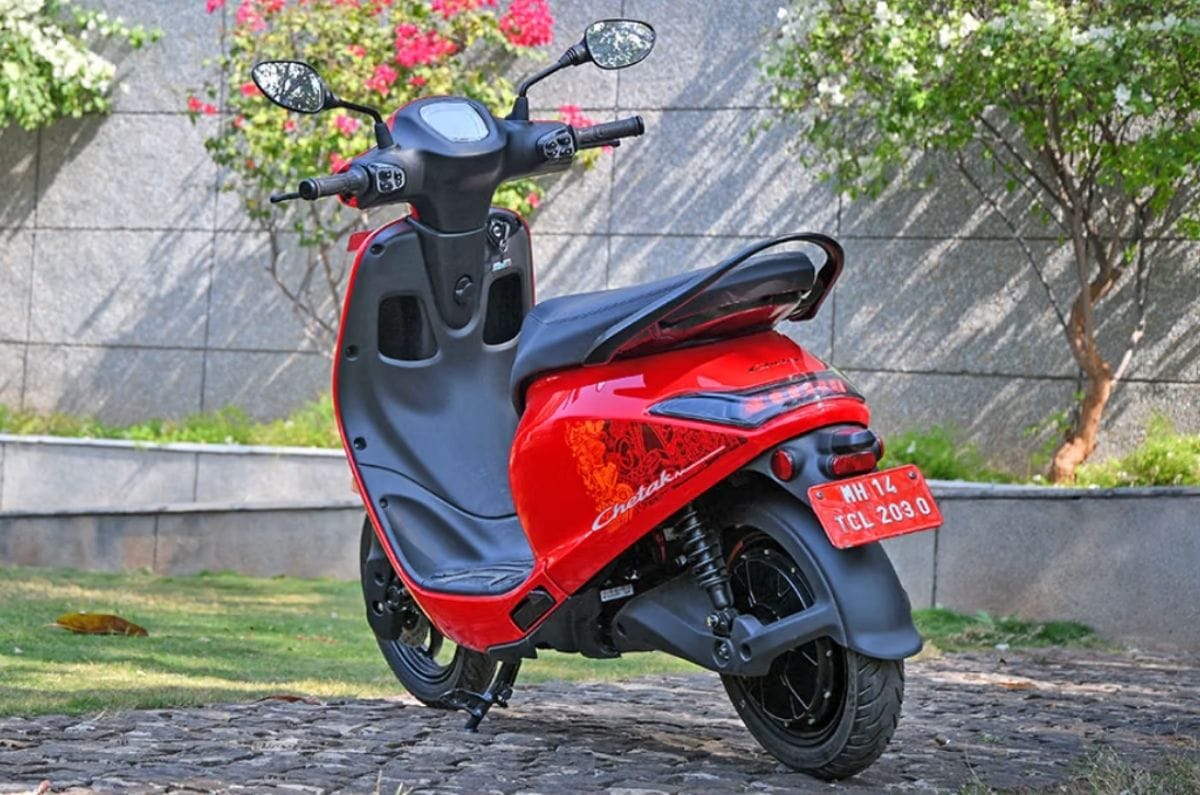
Outside shot showing the rear three quarter of the Chetak C2501

Bajaj has become the second electric vehicle manufacturer in India to cross the 3 lakh sales mark. As per Vahan data, the Pune-based manufacturer of the Chetak e-scooter and Yulu e-bikes has delivered a total of 3.02 lakh units between January and August 2026. This is a first for the brand, and marks a 68 percent growth compared to last year. It also makes Bajaj the second e-2W OEM to do so, after market leader TVS, which crossed the same milestone last month.

  1. Bajaj currently sells five EV scooter models via the Chetak brand
  2. August sales have increased by 210 percent compared to last year

TVS stays ahead of Bajaj by about 50,000 units

Ather is about 75,000 units behind, with the Konarc expected to help

Bajaj Auto retail sales data, Vahan (as of August 30, 2026)

Year

January

February

March

April

May

June

July

August (1-30)

2026

26,575

26,344

47,753

34,600

39,542

43,529

45,860

37,976

2025

22,137

22,242

36,582

19,818

22,641

23,986

20,557

12,246

Percentage increase

20

18

31

75

75

81

123

210

At present, TVS is 51,063 units ahead of Bajaj, having sold 3.53 lakh units till August end. Ather, third in sales at 2.27 lakh units, and has just launched the mass-market Konarc, is also expected to surpass 3 lakh sales close to November this year. The number of units sold so far gives Bajaj a 22 percent share of the market, putting it ahead of Ather Energy (17 percent) and behind TVS (26 percent).

Bajaj currently has a five-variant Chetak portfolio comprising the Chetak C2501 as the entry-level offering and the C3501 as the brand’s current flagship EV. As the monthly retail sales data table above indicates, Bajaj’s highest single-month sales were in March 2026 which was the first time that sales crossed the 40,000 sales mark. Since then, it has crossed that figure two more times, in June and in July.

Upcoming festival season expected to help increase sales

Bajaj is expected to sell up to 4.5 lakh units by year end

With the festive season to kick off soon, expect Bajaj to add another 1.25-1.50 lakh units in the next four months. This will take the company’s total e-2W retail sales to a record 4.25-4.50 lakh sales for the year. The topper, TVS is on track to be the first Indian EV manufacturer to sell 5 lakh units this year. Bajaj will also be well ahead of Ather, which is expected to register record retail sales of an estimated 3.50 lakh units.

Nevertheless, both Bajaj and TVS, will be keenly watching the market response to the Ather Konarc. The Konarc’s base variant has been priced at Rs 99,999, about Rs 4,000-5,000 more than both Bajaj and TVS’ entry level offerings. Vida, fourth in sales, also thus has the incentive to watch the customer response to the Ather Konarc.

With inputs from Stephen Raj Antony.
 

Top 5 most powerful 125cc bikes under Rs 1 lakh in India

Top 5 most powerful 125cc bikes under Rs 1 lakh in India

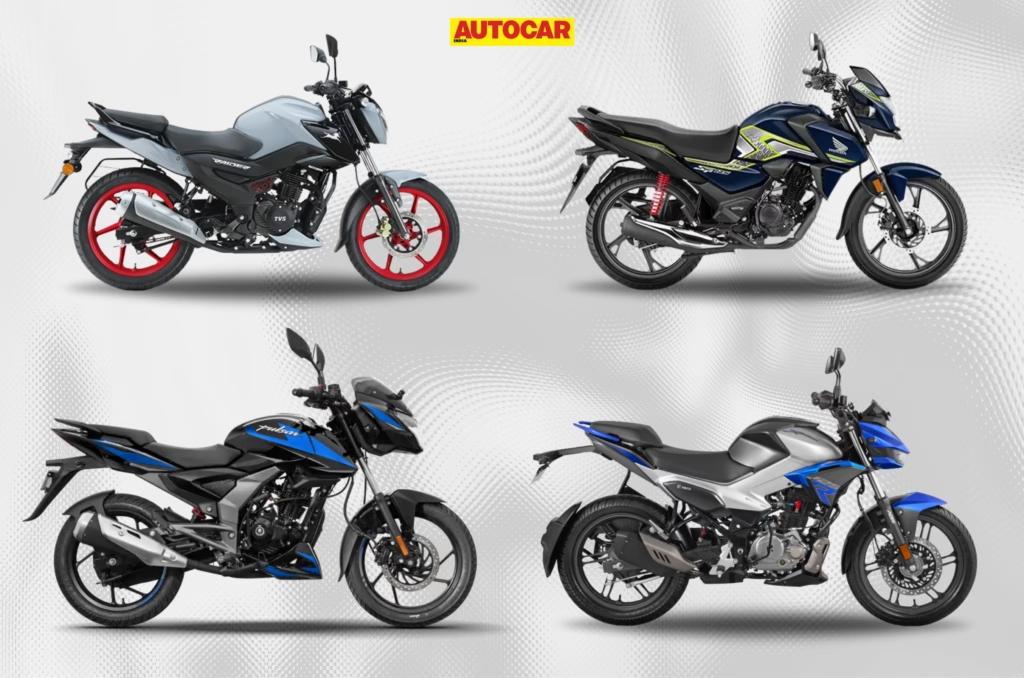
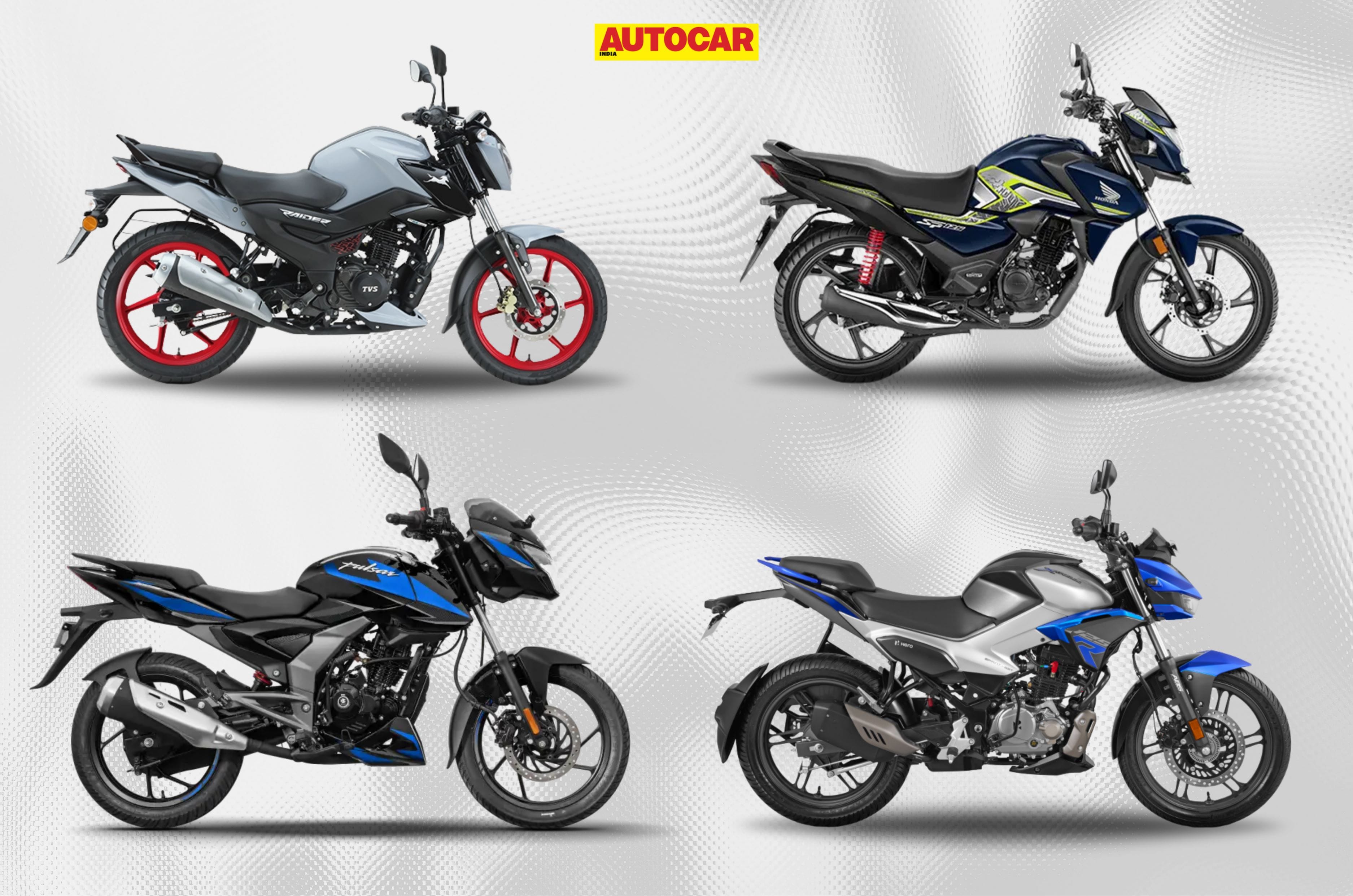
Until fairly recently, the 125cc segment in India was dominated by simple, no-frills commuters. However, that’s begun to change, with manufacturers introducing models that add more character, features and performance to the mix while still keeping prices in check. With that in mind, we’ve rounded up the most powerful 125cc motorcycles you can currently buy in India for under Rs 1 lakh.

All prices are ex-showroom, Delhi.

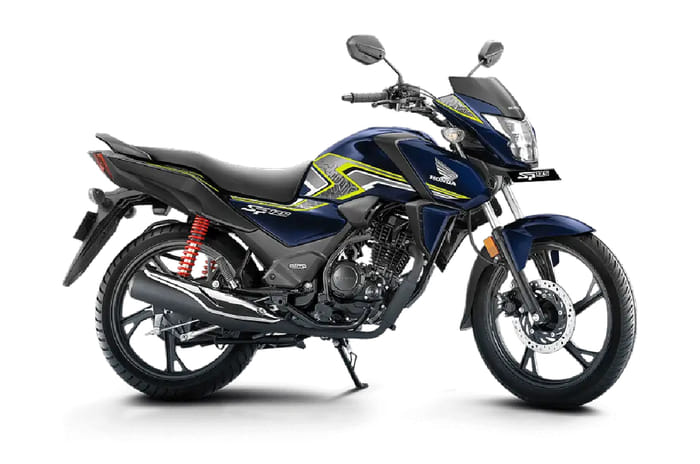
1. Honda SP 125

10.9hp – Rs 97,335 onwards

The 123.94cc single-cylinder air-cooled engine on the Honda SP 125 produces a modest 10.9hp and 10.9Nm. As part of its 2025 update to meet OBD2B emission norms, it also gained the Bluetooth-enabled 4.2-inch TFT display from the Activa 125, along with a USB charging port.

Also see: 

Honda SP 125 BS6 review, test ride

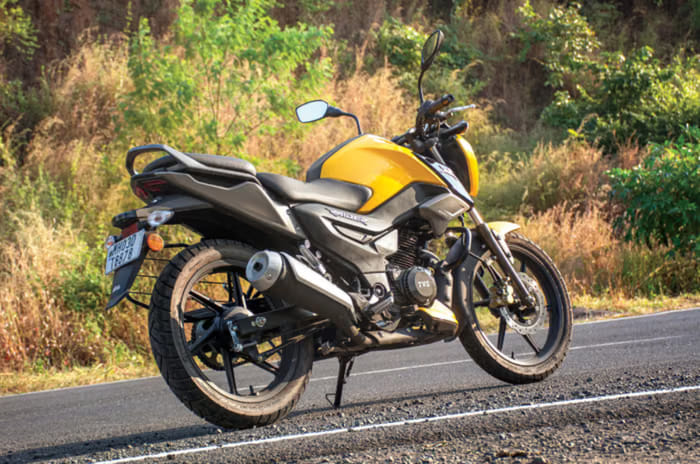
2. TVS Raider 125

11.4hp – Rs 83,910 onwards

Launched in 2021, the TVS Raider 125 played a key role in redefining what a 125cc bike could look and feel like. With its sporty design and a larger-than-usual presence for a commuter, it’s a motorcycle aimed at younger riders.

Power comes from a 124.8cc single-cylinder engine producing 11.4hp and 11.2Nm. We’ve tested the Raider on both the track and the street, and its engine impresses with tractable performance for daily commuting, along with a playful edge that keeps things entertaining. 

Equipment levels are strong too, with an LCD unit, two ride modes (Eco and Power) that adjust the rev limit and TVS’s Glide Through Technology. There are seven variants in total, all using the same engine, and only the top-end SX variant crosses the Rs 1 lakh mark at Rs 1.01 lakh.

Also see:

TVS Raider 125 review, test ride

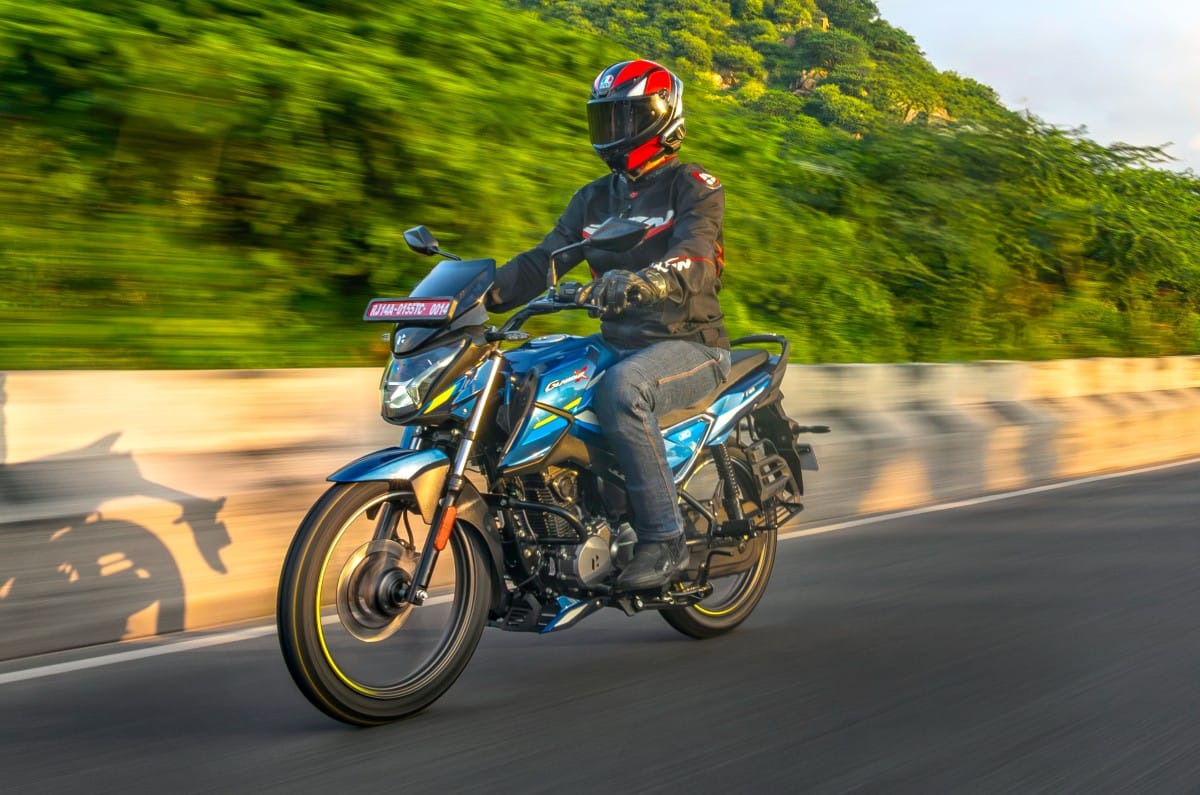
3. Hero Glamour X

11.5hp – Rs 88,517 

The Glamour X launched late last year, with cruise control functionality being the headlining feature for this humble 125cc commuter. Unheard of in two or three segments above, Hero managed to plonk this convenience feature in a 125cc along with a few others such as riding modes and a segmented colour LCD dash. Priced from Rs 88,517, the base variant misses out on a front-disc brake and some standout features. However, the top variant with all the tech is priced at Rs 96,876. It comes powered by a 124.7cc, air-cooled, single-cylinder engine producing 11.5hp and 10.5Nm. This engine is shared with the Xtreme 125R.  

4. Hero Xtreme 125R

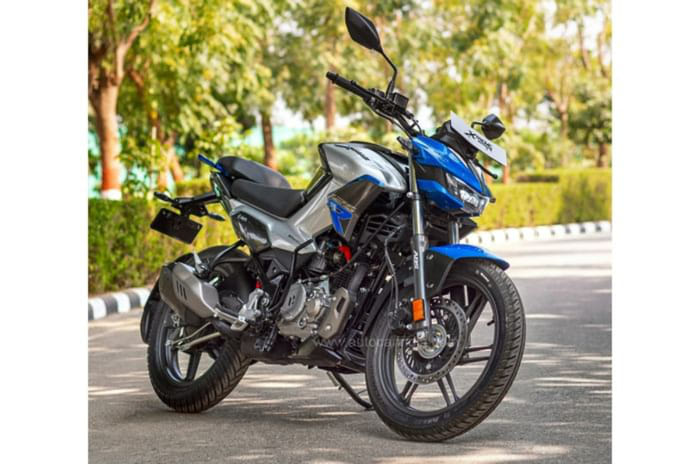
11.5hp – Rs 98,425 onwards

The Hero Xtreme 125R is powered by a 124.7cc single-cylinder air-cooled engine producing 11.5hp and 10.5Nm. Much of its visual appeal comes from the fact that it borrows heavily from its larger sibling, the Xtreme 160 – including a chassis based on that bike and the same 37mm telescopic fork. The Xtreme 125R is offered in three variants, with only the IBS (Integrated Braking System) version priced under Rs 1 lakh.

Also see:

Hero Xtreme 125R vs TVS Raider 125 performance compared

5. Bajaj Pulsar 125

12.1hp – Rs 92,990 onwards

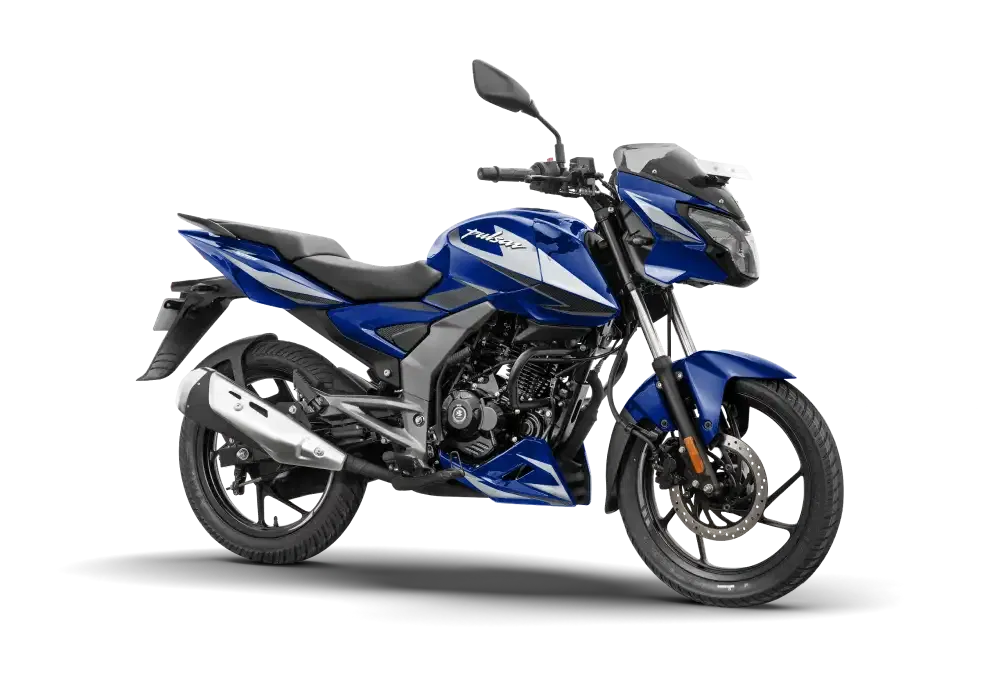
At long last, Bajaj has updated the Classic Pulsar range, and it has moved on to the second generation after 25 years. It would be wrong to say that the models weren’t updated over the years, since the first Pulsar came out with a round headlight, and subsequently, the Classic Pulsar range moved on to the iconic ‘Wolf-eye’ design. Now, in 2026, Bajaj has launched a new generation of the Pulsar 125 that is also the most powerful motorcycle in its segment. It comes with a brand-new 124.58cc single-cylinder air/oil-cooled engine producing 12.1hp at 8,500rpm (a gain of 0.3hp) and 11.4Nm at 6,500rpm (a gain of 0.6Nm). This makes it the most powerful 125cc motorcycle, and it also comes generously equipped with features such as an LED headlight and a TFT dash on the top variants. 

Parth Jindal appointed JSW MG Motor India chairman

Parth Jindal appointed JSW MG Motor India chairman
Parth Jindal

JSW MG Motor India has appointed Parth Jindal as chairman with immediate effect. Jindal has been a board member of the company – a joint venture between JSW Group and SAIC Motor – since its formation and has been involved in its product strategy, manufacturing expansion and localisation programme.

Parth Jindal’s role at JSW

Jindal holds several senior positions across the JSW Group. He is managing director of JSW Cement and JSW Paints, chairman of JSW Dulux and a director on the board of JSW Energy. He is also the founder of JSW Sports and chairman and co-owner of the Indian Premier League team Delhi Capitals.

JSW MG Motor India is a joint venture between JSW Group and SAIC Motor. The company says it has sold more than 1.5 lakh electric vehicles since its first EV launch, with the MG Windsor being its bestselling EV in India.

The appointment comes as JSW MG expands its electric vehicle portfolio and manufacturing operations in India.