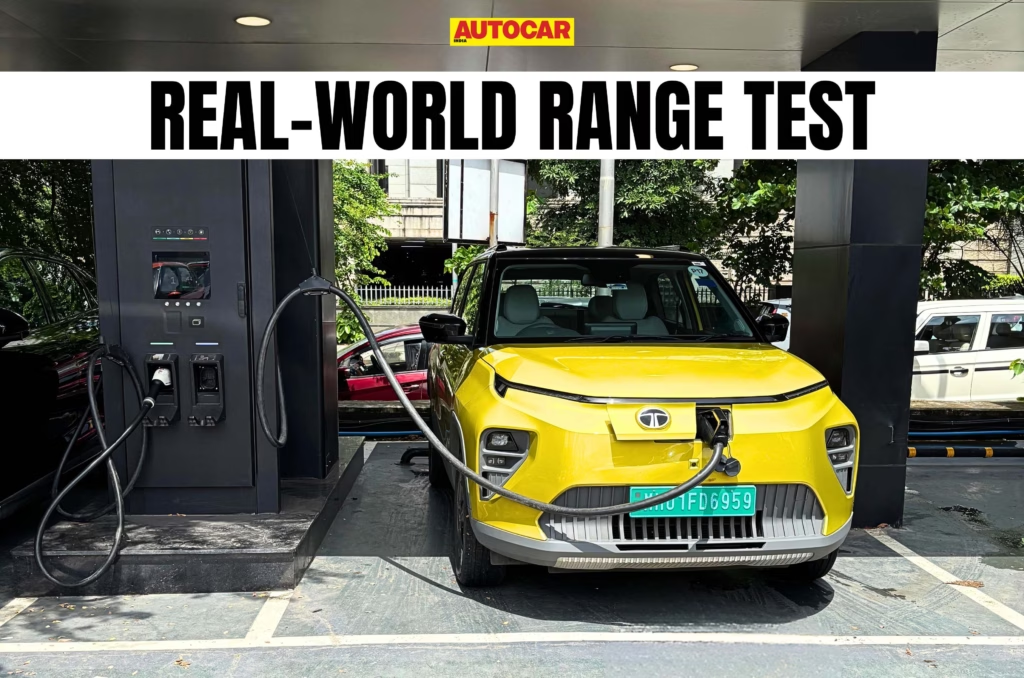
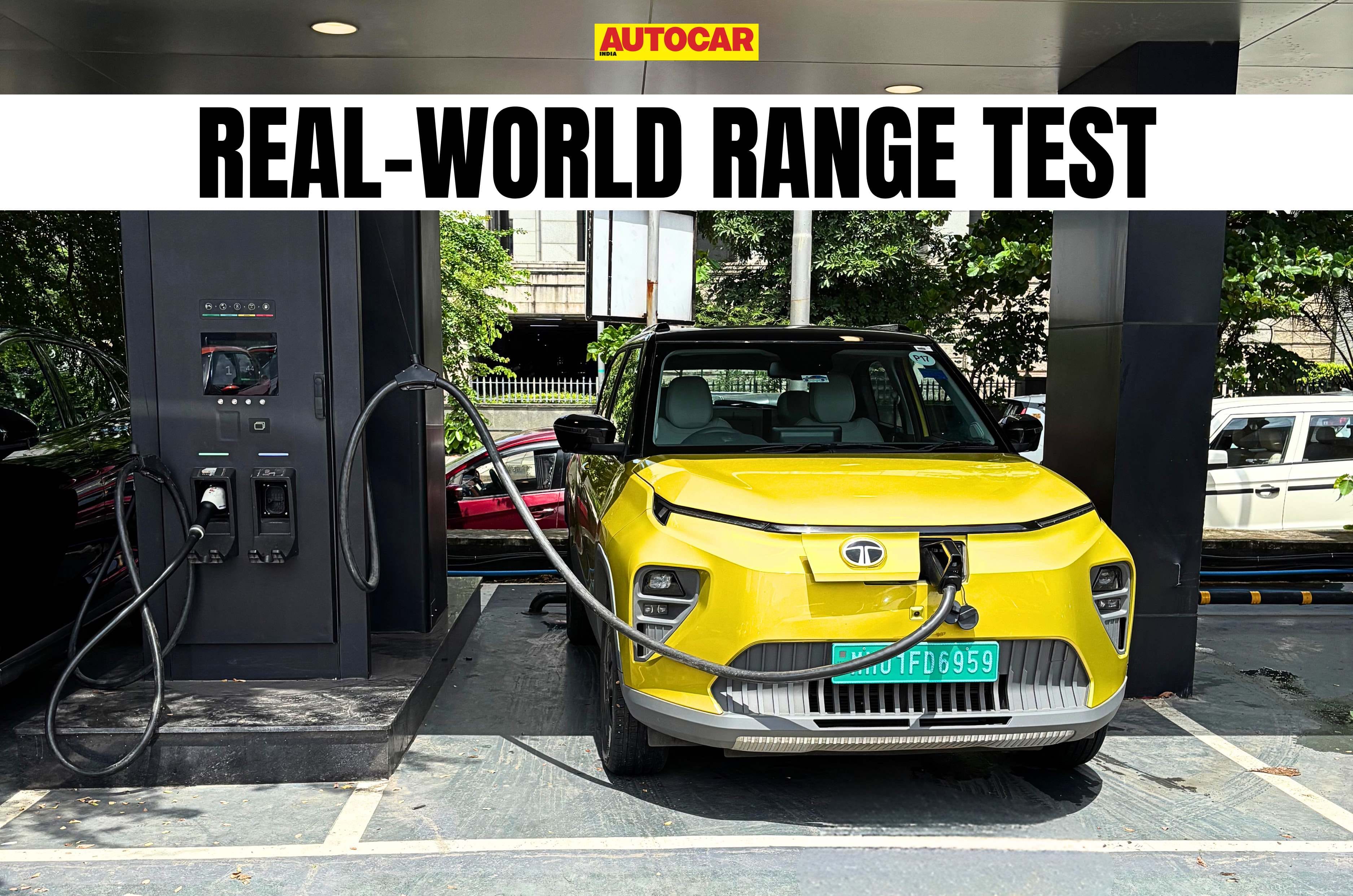
The 2026 Tata Punch EV gets changes to its styling, tweaks to the powertrain and bigger battery options. Interestingly, its starting price is now Rs. 1.65 lakh lower than before and the price range spans Rs. 9.7 lakh and Rs. 12.8 lakh (ex-showroom). We put the Tata Punch EV with the 40kWh battery through our real-world efficiency test to see how it performs.
80 percent recharge takes 27 minutes on a 180kW DC fast charger
Punch EV 40kWh variant weighs 1,365kg
Gets four regen modes; no single pedal driving
Tata Punch EV real-world range and charging explained
The Punch EV currently is available with either a 30kWh or a 40kWh battery pack, up from 25kWh and 35kWh, respectively. We tested the Punch EV with the 40kWh battery pack, which is powered by a PMSM motor producing 129hp and 154Nm. The Punch EV offers three driving modes – Eco, City and Sport. For our tests, we used the Eco driving mode with the regen level set to L3 in the city and L1 on the highway.
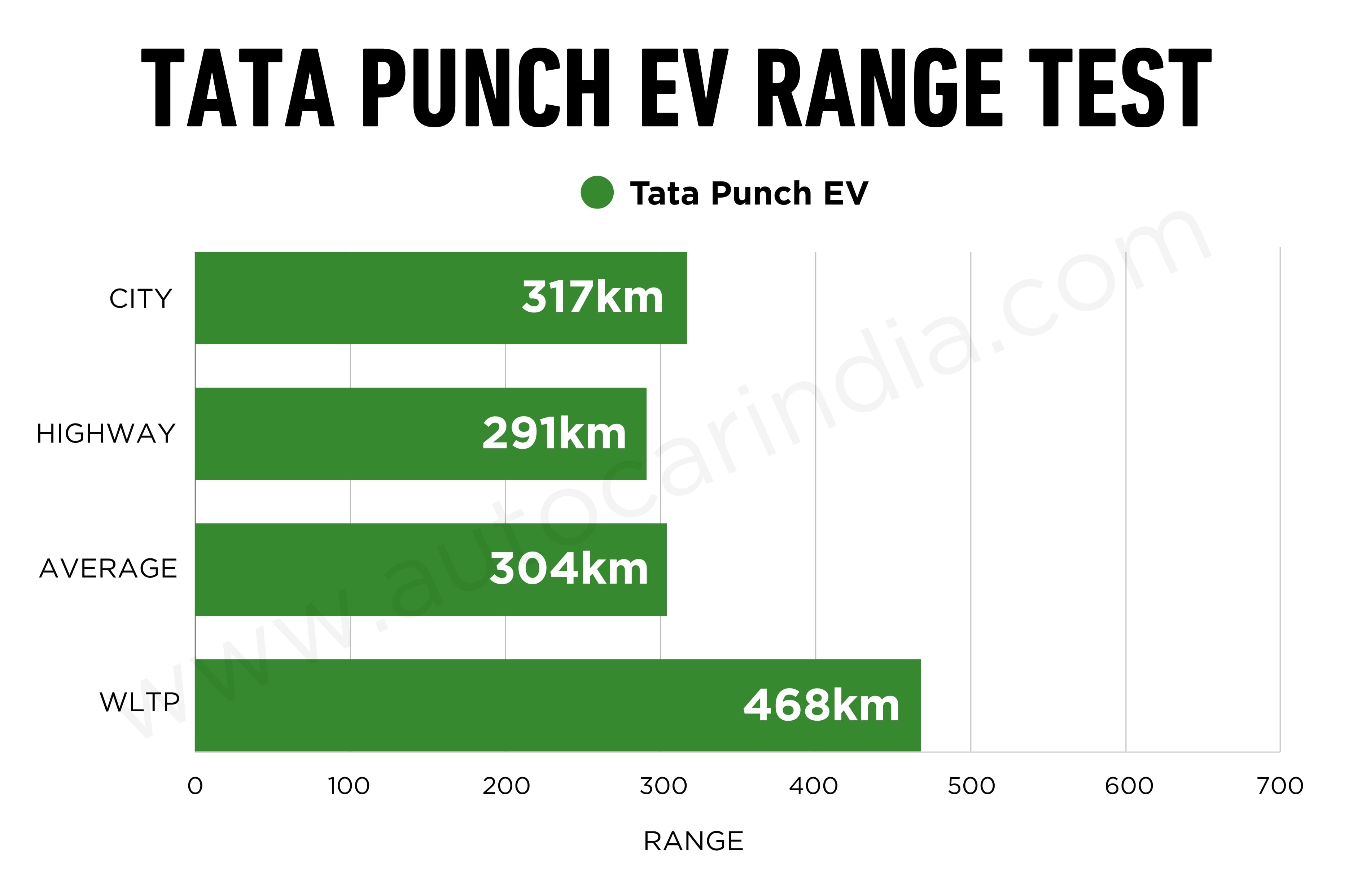
In the city, the Tata Punch EV returned an efficiency of 7.92km/kWh extrapolating to a range of 317km. On the highway, the efficiency dropped to 7.29km/kWh translating to a range of 291km. With an overall efficiency of 7.61km/kWh, the Tata Punch EV can deliver a real-world range of 304km on a full charge.
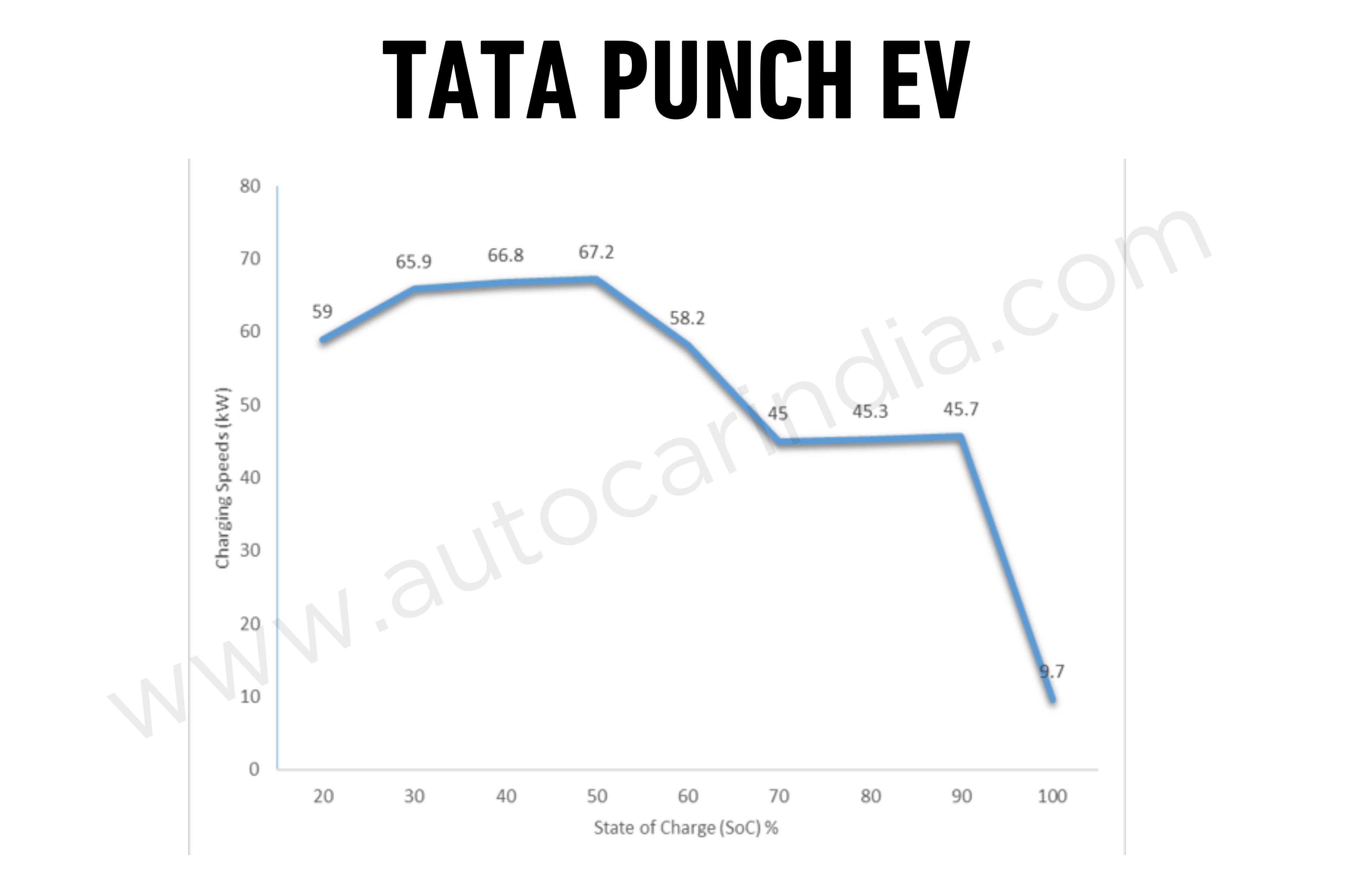
Tata claims that the DC fast capability of the Punch EV has gone up to 65kW from 50kW in the previous model. That said, we charged the car using a 180kW DC fast charger and noted peak charging speeds around 67.3kW. However, the charging speed dropped after 50 percent state of charge, before rapidly dropping after 90 percent. In terms of charging times, the Punch EV took 27 minutes to charge from 20-80 percent, and took another 31 minutes to reach 100 percent.
Autocar India’s range testing
Before our real-world range tests, the battery of our test car was fully charged, and we maintained tyre pressures in accordance with the manufacturer’s recommendations. The car was driven on a weekday in Mumbai city and on the adjoining state highway in a fixed loop, and we maintained the set average speeds. At the end of each cycle, we calculated the range based on the percentage charge consumed.
Throughout our tests, the climate control was set to 22deg C in a full-auto setting, and other electricals, such as the audio system, indicators and ventilated front seats, were used when required, just as a regular user would. We take pride in our testing data, which isn’t merely consistent but also gives users an accurate indication of what they can expect in the real world.
Purchasing an automobile is one of life’s special moments in India. After all, you are not only paying a lot of money but also laying significant faith into a manufacturer’s ability to have properly engineered a safe, reliable and enjoyable product. There’s also the fact that you are entering a long-term relationship with that manufacturer when it comes to service. With three-year warranties becoming common and extended warranties being sold for just a few thousand rupees, the duration of said relationship is now longer than ever. Unfortunately, a lot of customers these days don’t feel like they are being given the treatment they deserve in this ‘relationship’.
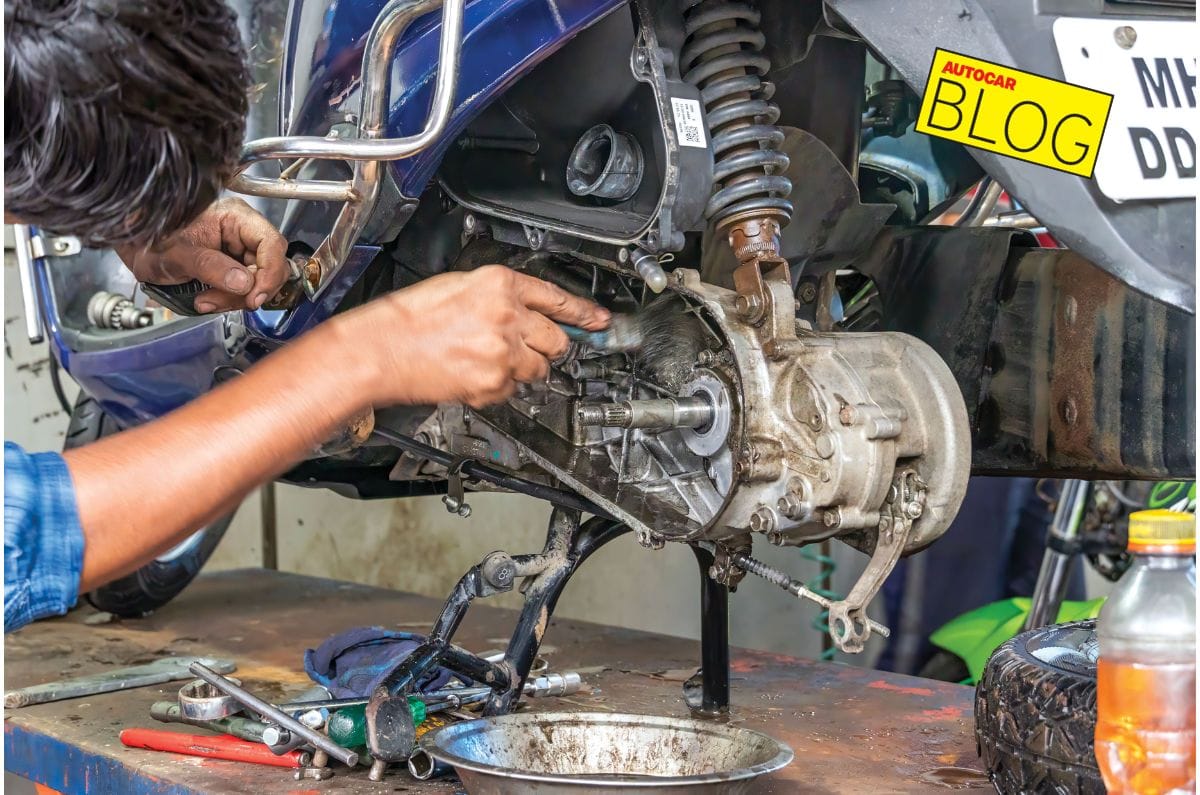
While the quality of products coming from domestic two-wheeler manufacturers has grown tremendously in recent years, the same can’t be said for the service support. While some manufacturers fare worse than others, you will find plenty of reports of shoddy work or general ineptness when it comes to authorised service centres. The reasons behind this are multifold.
The first is that motorcycles today are far more complicated than they used to be. Electronics are everywhere, and even the simplest of commuters now have ECUs, electronic fuel pumps and fuel injectors. 150cc bikes and above are constantly increasing the amount of performance, tech and gadgets on offer, and all of this brings in more complication. Caring for more advanced motorcycles requires a more technical approach.
The “chalta hai/chalega sir” attitude that is a universal truth in India presents a challenge when the job gets more technical. Another cultural aspect at play is that people are far more proud of how quickly a job gets done (or with how much ‘jugaad’) rather than how well the job gets done. Case in point, I once insisted on a torque wrench being used on my KTM 790 Duke at an official service centre a couple of years ago. This led to a stool being brought out to reach an overhead cabinet, from which a dusty torque wrench was liberated. Clearly, that tool was almost never used, and the fact is, most mechanics in India simply use their biceps to decide how much force needs to go into tightening a bolt.
Money is the other big challenge. Time is money, so the more vehicles that are serviced, the better. More so, most junior mechanic salaries are very low, which results in high job attrition. It’s also difficult for dealerships to have enough trained staff and sufficient workshop space for the amount of money that is earned per service. With automobile sales records being broken every other month, there is a big strain on the system.
The ideal scenario is that big cities need more workshops, staff should be trained better and workshop managers need to be more diligent about implementing proper operating procedures. At the end of the day, quality work can only be provided by someone who has been trained well and is remunerated fairly for the job. And that will increase the cost of service for the customer, primarily in terms of the labour cost.
It is inevitable that service costs in India will rise, as does the constantly improving standard of our motorcycles and the ever increasing cost of living. The big challenge for manufacturers is to ensure that customers get their money’s worth for these increasing costs.
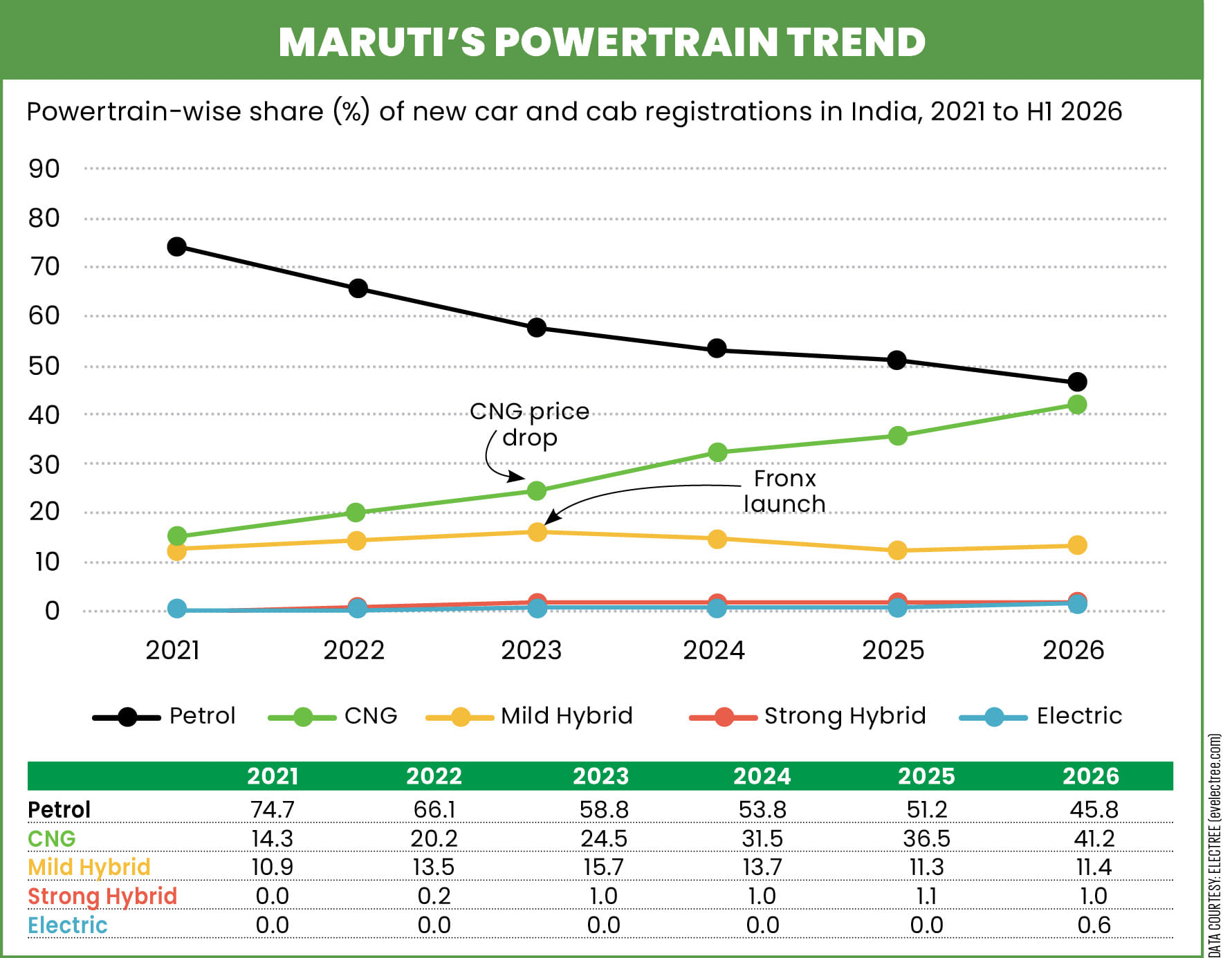
When Maruti Suzuki introduced its first factory-fitted CNG models in 2010, the fuel had little acceptance among private buyers. Availability was largely restricted to Delhi-NCR, Mumbai-Pune and Gujarat, while the filling network was small and uneven. CNG penetration remained at just 1-2 percent until 2016-17, but Maruti continued to improve the technology and expand its range. It began with affordable cars such as the Alto and Eeco before taking CNG to the WagonR, Swift, Baleno, Dzire and Ertiga. Today, its portfolio includes SUVs such as the Brezza, Fronx, Grand Vitara and Victoris.
Fixing what buyers disliked
In the late 1990s, buyers who wanted a CNG car usually had to convert a petrol model using an aftermarket kit. Most kits were imported, often from Italy or Argentina, and a conversion cost around Rs 30,000-32,000.
As demand grew, some dealers began tying up with local retrofitters. But when these cars developed problems, owners often returned to Maruti workshops even though the company had not supplied or installed the kit. Poorly fitted systems raised concerns about gas leaks and vehicle fires. An aftermarket conversion could also invalidate the manufacturer’s warranty, while the engine and fuel system were not always designed to cope with CNG.
Performance was another weakness. Early conversions resulted in a noticeable drop in power. Some owners would switch to petrol before overtaking or climbing steep roads and returned to CNG once the additional performance was no longer needed.
Factory-fitted systems addressed many of these problems. Engines, valve seats, fuel lines and mounting points were designed to work with CNG. Better calibration reduced the performance loss, while the car retained its manufacturer warranty and could be serviced through Maruti’s dealer network.
The financial case was already strong. Around 2010, CNG cost roughly Rs 20-21 per kg, compared with about Rs 48 per litre for petrol and Rs 38 for diesel. A factory-fitted system added around Rs 45,000-54,000 to the price of the car, but offered better engineering, safety and warranty protection than an aftermarket conversion.
Even so, CNG did not take off immediately. Diesel was widely available, delivered better performance and offered low running costs. In 2013, diesel accounted for around 38 percent of India’s passenger vehicle market, making it the easier choice for many high-mileage users.
The network caught up
India had around 1,200 CNG stations in 2016-17. By March 2026, the network had expanded to about 8,900 stations across roughly 350 cities. This made CNG practical beyond its traditional strongholds. Petrol prices also rose sharply after 2020, crossing Rs 100 per litre in several cities and strengthening the case for switching to a cheaper fuel.
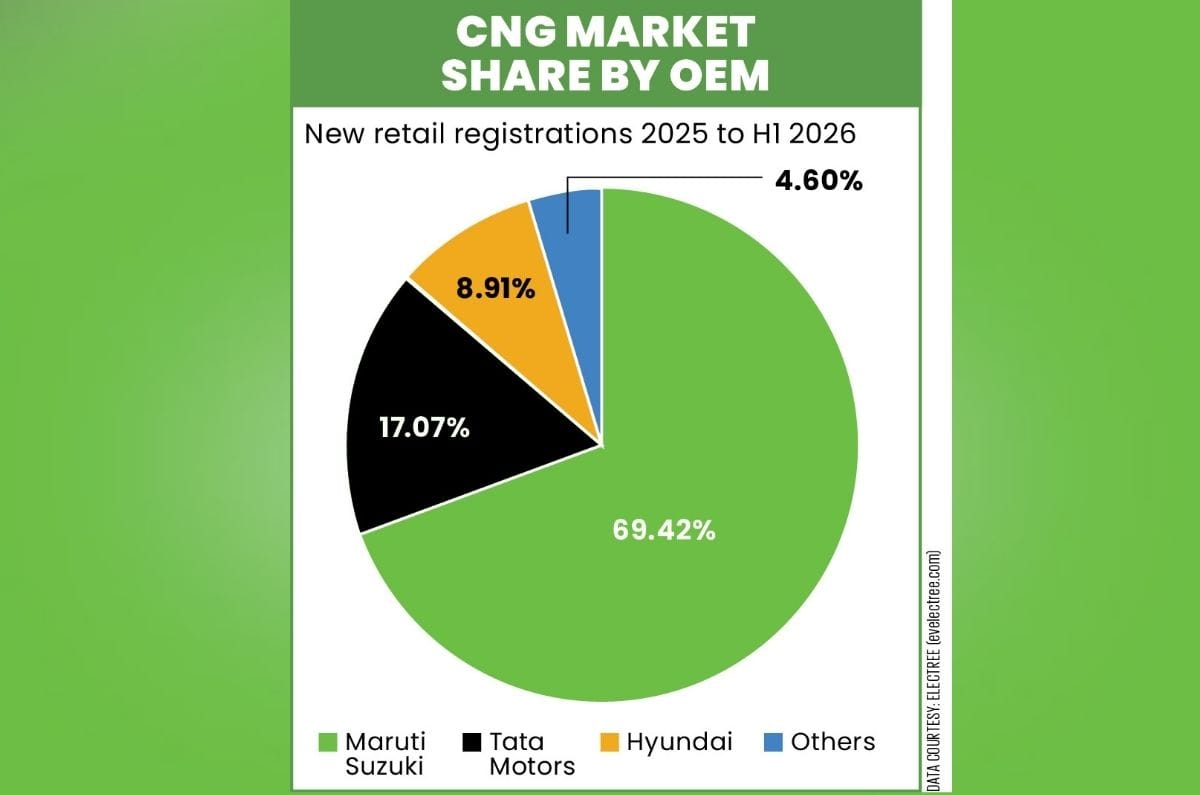
By then, Maruti had already addressed many of the product-related concerns and could respond with a broad factory-fitted portfolio. CNG’s share of Maruti’s new registrations, including private cars and cabs, increased from 14.3 percent in 2021 to 41.2 percent in the first half of 2026. Petrol’s share fell from 76.5 percent to 45.9 percent over the same period. The sharpest jump came between 2023 and 2024, when CNG’s share rose from 24.6 percent to 32 percent.
Commercial vehicles remain important. Cabs account for around 10 percent of Maruti’s cumulative registrations, but contribute more than a quarter of its CNG volumes. However, private buyers now account for the larger part of demand.
“Earlier, if a customer was opting for CNG, the perception was that he was just a very value-conscious customer,” says Maruti Suzuki’s senior executive officer, sales and marketing, Partho Banerjee. “Now, especially with underbody CNG, the profile of customers has changed. They are not only looking for mileage, they also want an aspirational product that feels no different to drive from gasoline.”
CNG moves beyond small cars
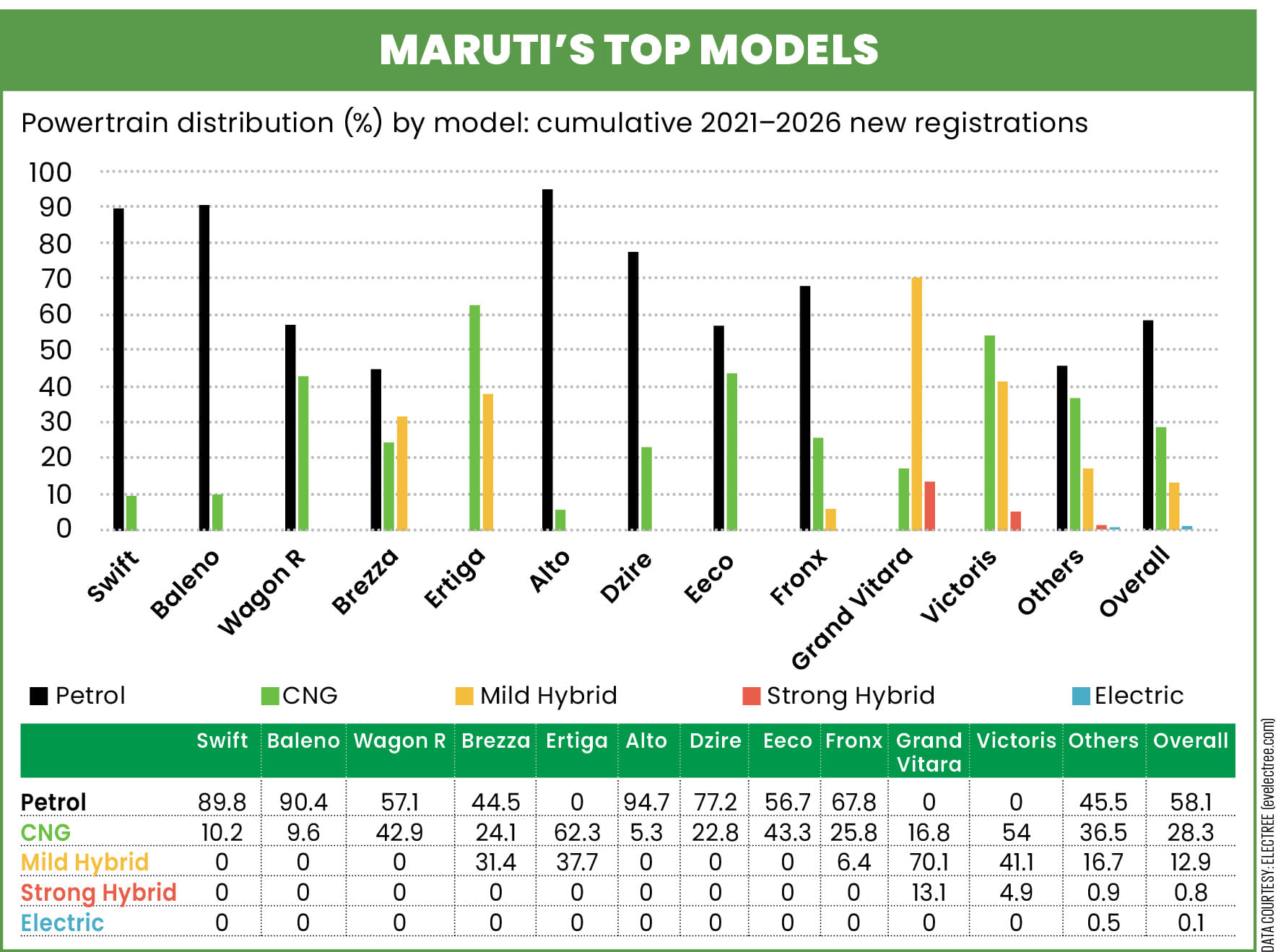
The WagonR remains the quintessential CNG hatchback. Its CNG share has risen from 42.5 percent in 2021 to 49.1 percent in the first half of 2026. Nearly every second WagonR buyer now chooses it. CNG is also gaining ground in models that were once overwhelmingly petrol-powered. Its share in the Swift has increased from 1.9 percent to 18 percent, while the Baleno has moved from 2.1 percent to 14.5 percent.
The Dzire has seen an even sharper change. CNG accounted for just 1.7 percent of its registrations in 2021. Its share reached 33.6 percent in H1 2026.
Adoption is strongest in vehicles that cover longer distances or carry more passengers. CNG’s share of the Ertiga has risen from 39.3 percent to 73.6 percent, while the Eeco has moved from 31 percent to 55.2 percent. Big shifts are now also taking place in the SUV segment, where buyers care as much about design, features and luggage space as they do about mileage.
CNG accounts for 43.4 percent of Brezza registrations, compared with 23.7 percent for its Smart Hybrid powertrain in H1 2026. The Fronx has seen its CNG share rise from 10.9 percent at launch in 2023 to 35.4 percent in the first half of 2026. In the case of the Grand Vitara, it has increased from zero to 23.9 percent.
The Victoris has moved even faster. CNG accounted for 55.2 percent of its registrations in the first half of 2026. Its strong response shows that midsize SUV buyers will accept the fuel when it does not compromise the overall ownership experience.
Better packaging removes a key compromise
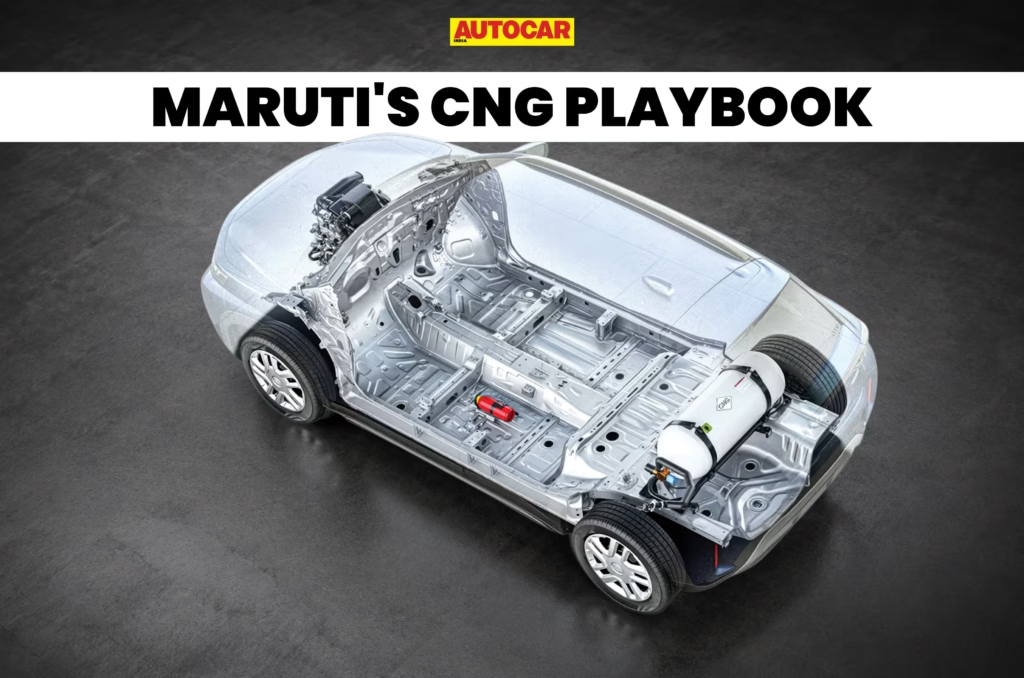
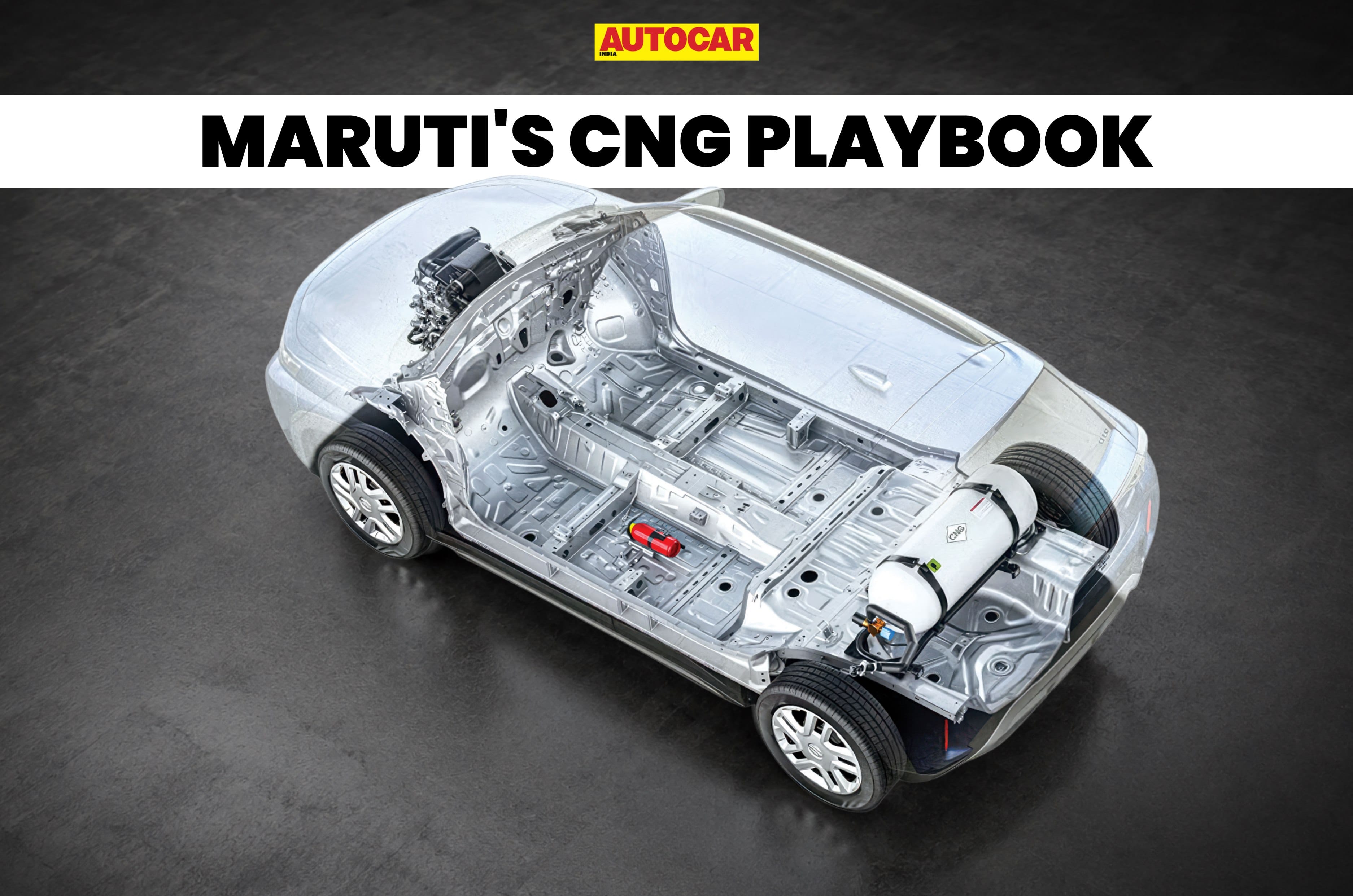
A large cylinder placed across the luggage compartment has long been one of CNG’s biggest drawbacks. Dual-cylinder systems that divide the gas storage between two smaller cylinders positioned lower in the boot, or placing an underbody tank, create a flatter and more usable luggage area.
Maruti’s latest CNG development is the underbody tank on the Victoris and Brezza.
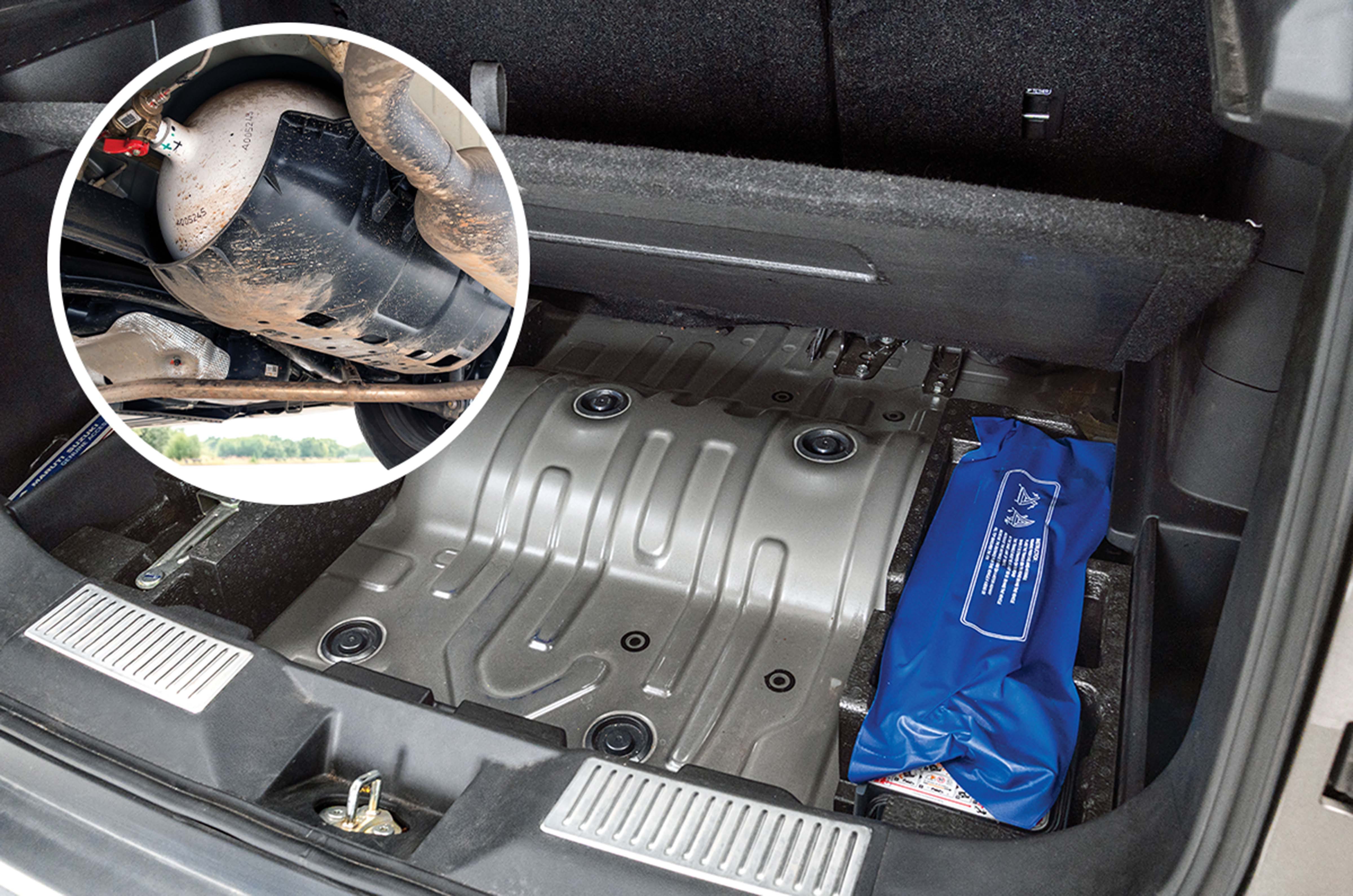
Central to Maruti’s next CNG push is the underbody CNG setup. The newly launched CNG Brezza opts for this setup – just like in the Victoris – where the tank is placed beneath the floor. It does negate the ability to have the spare tyre, but luggage space remains useable with a boot that is pretty much free of intrusions.
“If I don’t compromise on my driving experience, and I don’t lose boot space, and on top of that I reduce my total cost of ownership, then it is ticking all the boxes. Why would I not go for it?” says Banerjee.
Filling the gap left by diesel
Maruti’s exit from diesel in 2020 left a gap for buyers seeking low running costs without moving to an EV. CNG has become the answer. It cannot match a diesel engine’s torque or effortless highway performance, but it can cost substantially less to run than petrol, particularly for buyers covering high monthly distances. The vehicle can also switch to petrol when CNG is unavailable.
CNG will not replace diesel in every situation. Drivers who regularly travel on highways, carry heavy loads or value strong mid-range performance may still prefer diesel where it remains available. But for largely urban use, CNG now delivers much of the economic advantage that once made diesel attractive. The market has moved beyond mileage.
CNG has reached around 20 percent penetration without requiring buyers to completely change the way they use a car. There is no home charger to install, and the vehicle can run on petrol when the gas runs out. But the next stage will require more than savings. Buyers moving onto larger and more expensive vehicles will expect performance, equipment, luggage space and convenience alongside lower running costs.
“Quality, reliability and mileage are now hygiene,” says Banerjee. “You need to give all of that anyway and then still meet their lifestyle expectations.”
With the Victoris establishing CNG in the midsize SUV market and the Brezza addressing the compact SUV space, Maruti is now taking the fuel deeper into India’s largest vehicle segment, and it says there’s more to come.
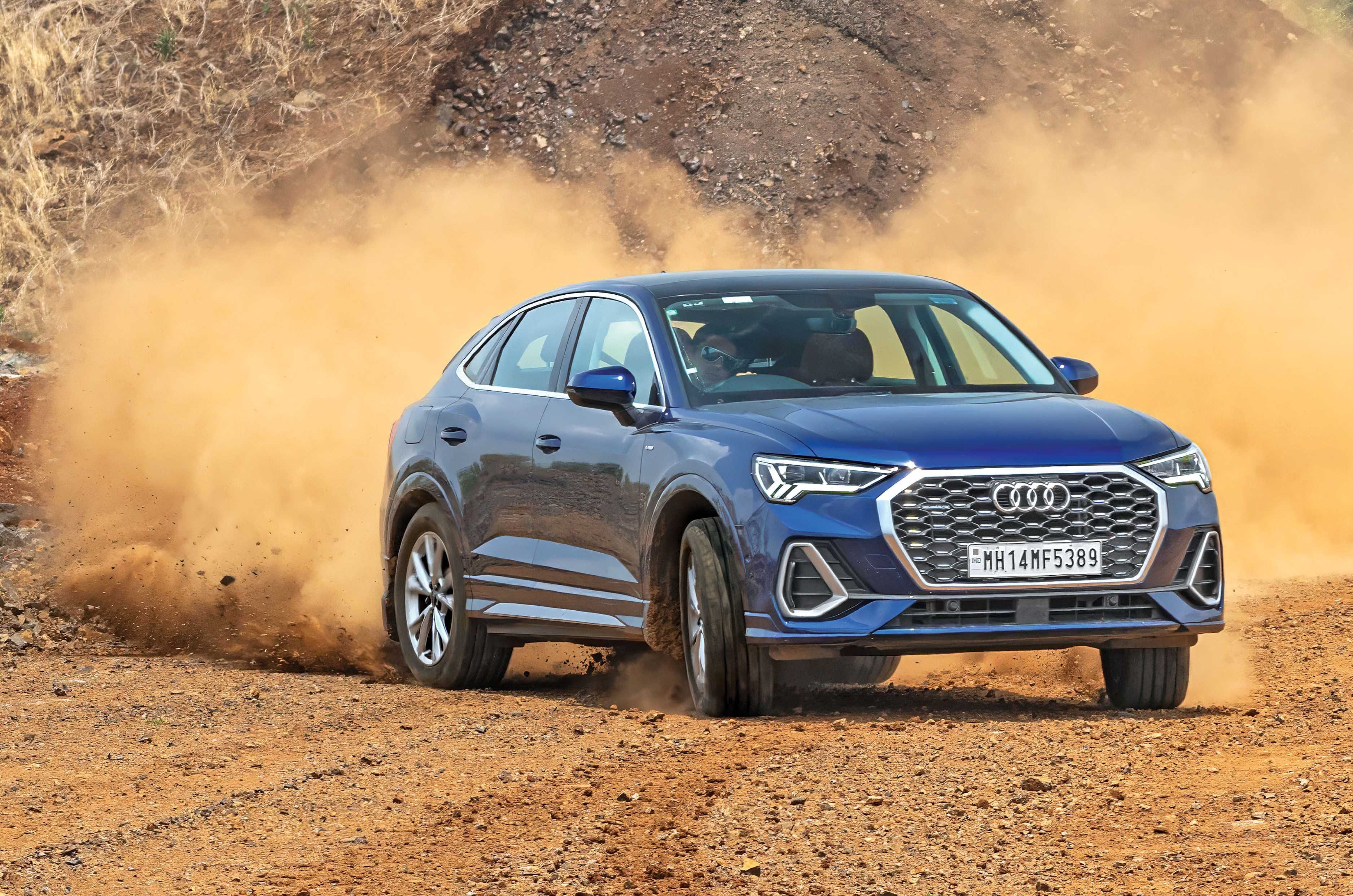
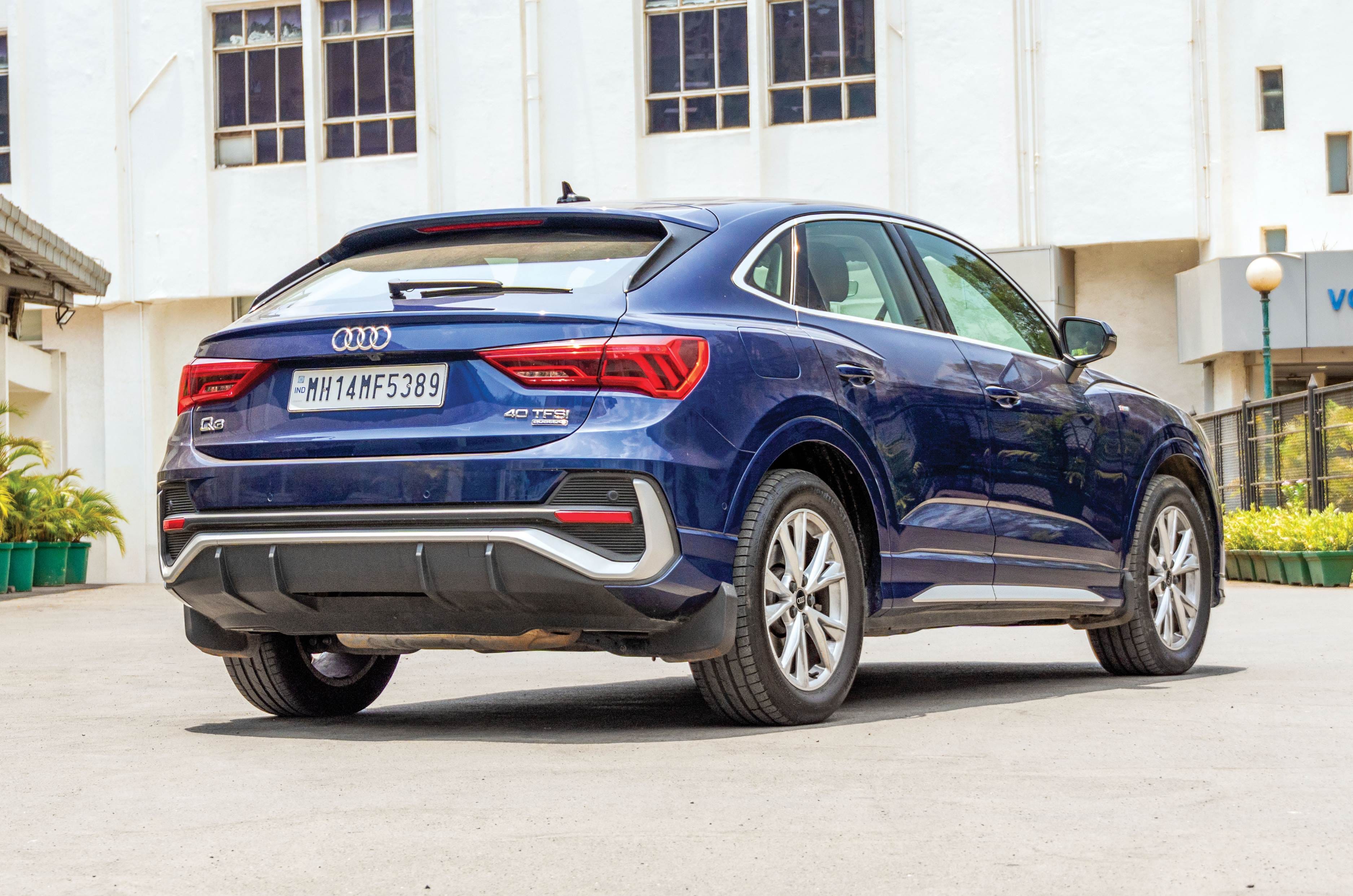
Okay, first, a clarification: that’s not me hooning around in the Audi Q3 Sportback. That’s a certain Mr Saumil Shah, who borrowed the car from me for ‘work’ – in the biggest air quotes imaginable.
The Q3 Sportback was the support car for our Lamborghini Sterrato shoot at Nanoli Speedway. And, naturally, a muddy track with acres of runoff was an opportunity that proved far too tempting for him to resist. Fun cars do have a way of making you do slightly silly things when the right opportunity presents itself. And I’d definitely put the Audi Q3 in that category. It’s got a peppy engine, neat handling and even good ground clearance, all wrapped within a compact footprint. As someone who loves smaller cars, the Q3 is right up my alley.
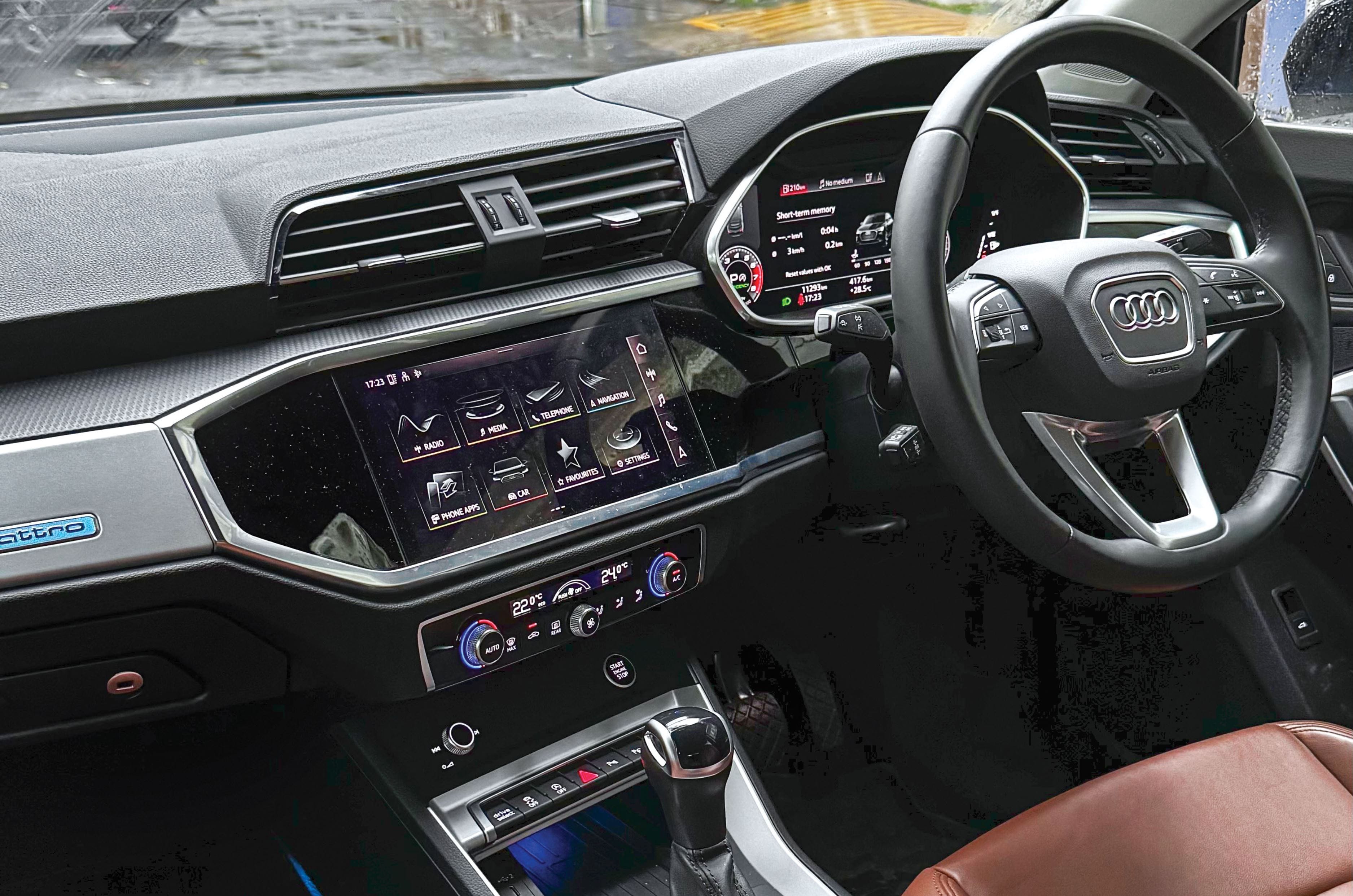
It might not look cutting-edge, but buttons and knobs make the dash very user-friendly.
I’ll admit, life with a luxury car can be a little stressful on Mumbai’s congested roads, where you’re sharing whatever road space is left after all the construction with cars, bikes, battle-hardened buses and everything in between. But the Q3 takes a lot of that stress away. The small size and elevated seating make it very easy to place, and what makes things more relaxing still is the excellent noise insulation. It’s no EV (the engine does get vocal in a good way when rushed), but the Q3 does cut out a lot of the cacophony outside. Another highlight on the Q3 is ride comfort. It makes light work of bad roads with the chunky tyres taking up a lot of the initial impact. Just wish the Q3 got snazzier wheels. The boring alloys undo much of the glamour of the Sportback’s SUV-coupé shape. Gun to my head, I’d still take the standard Q3 with its more conventional derriere.
The Sportback has its fans, but I’d have the conventional Q3.
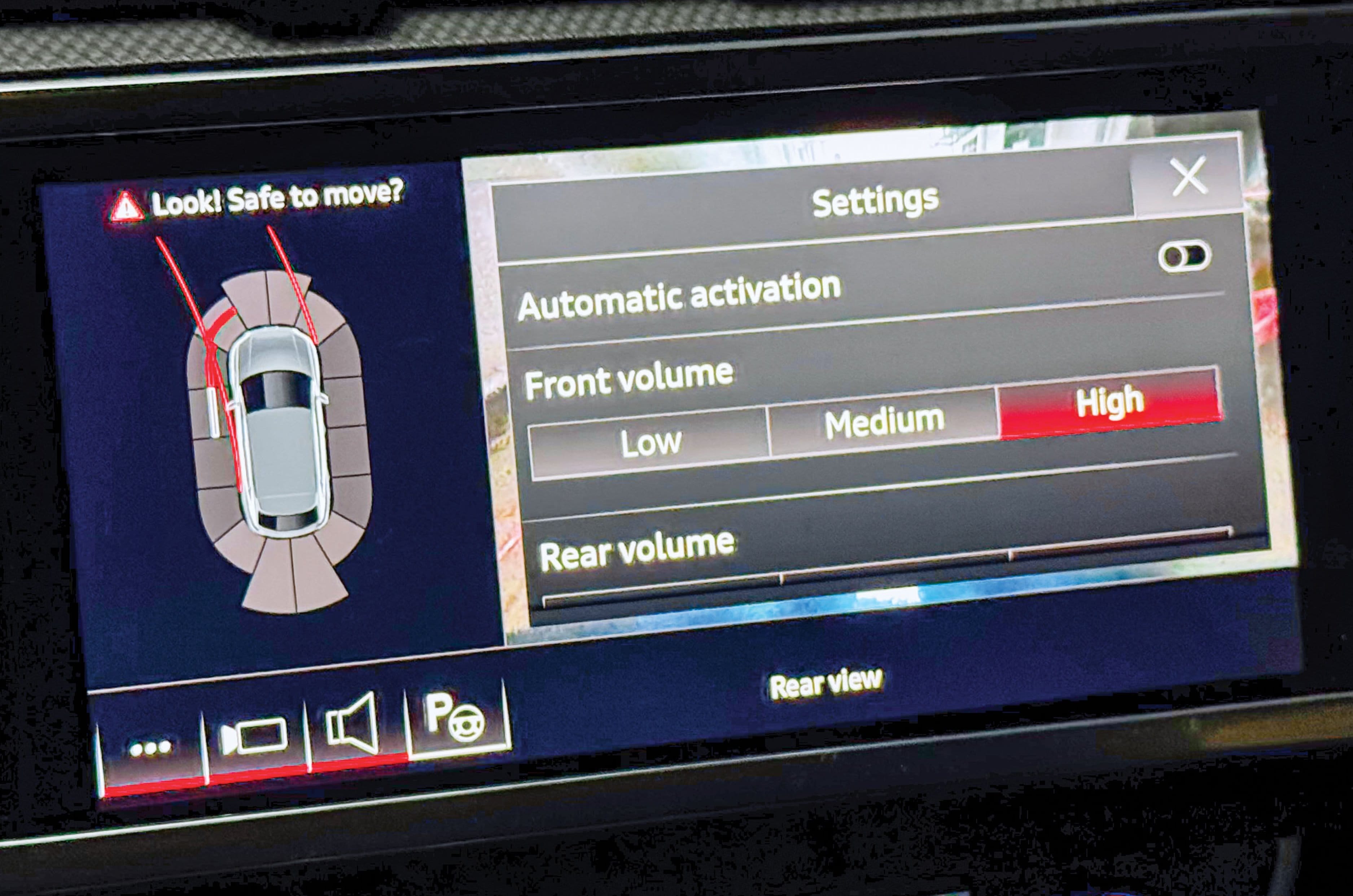
In cars with ADAS, my SOP is to first check if auto-braking functions are off. The Q3 doesn’t have ADAS, but I do still have a pre-flight check. And that is to ensure Automatic Parking Sensor Activation is turned off. The Q3’s overly sensitive proximity sensors seem to react to absolutely everything around the car and the constant beeping can get alarming in heavy traffic. Of course, connecting my phone via a wire is also a requirement because there’s no wireless connectivity in the Audi.
Constant warnings from over-sensitive proximity sensors an irritant. Best kept off in traffic.
Thing is, I don’t want to overplay these small irritants. Because, in the big picture, the Q3 remains a charming option for buyers looking for an entry luxury car. More so now with some great deals going on the model as it makes way for the next-gen Q3 that comes later this year. Having lived with one, I know I won’t get bored of this Q3 for a long time to come. Heck, maybe I need to scout around for a good deal myself.
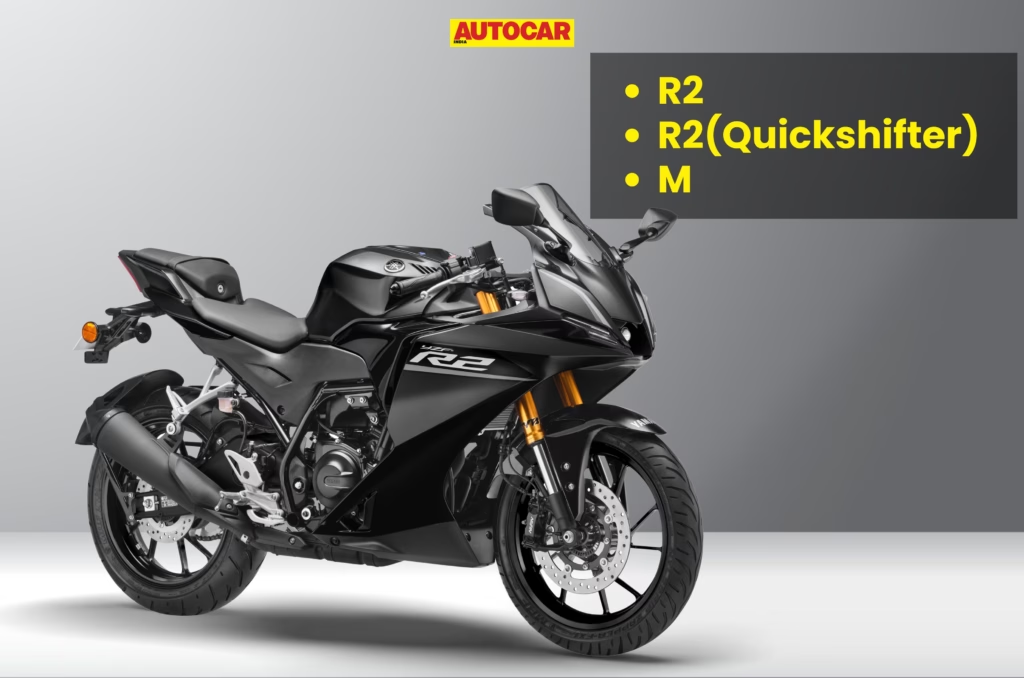
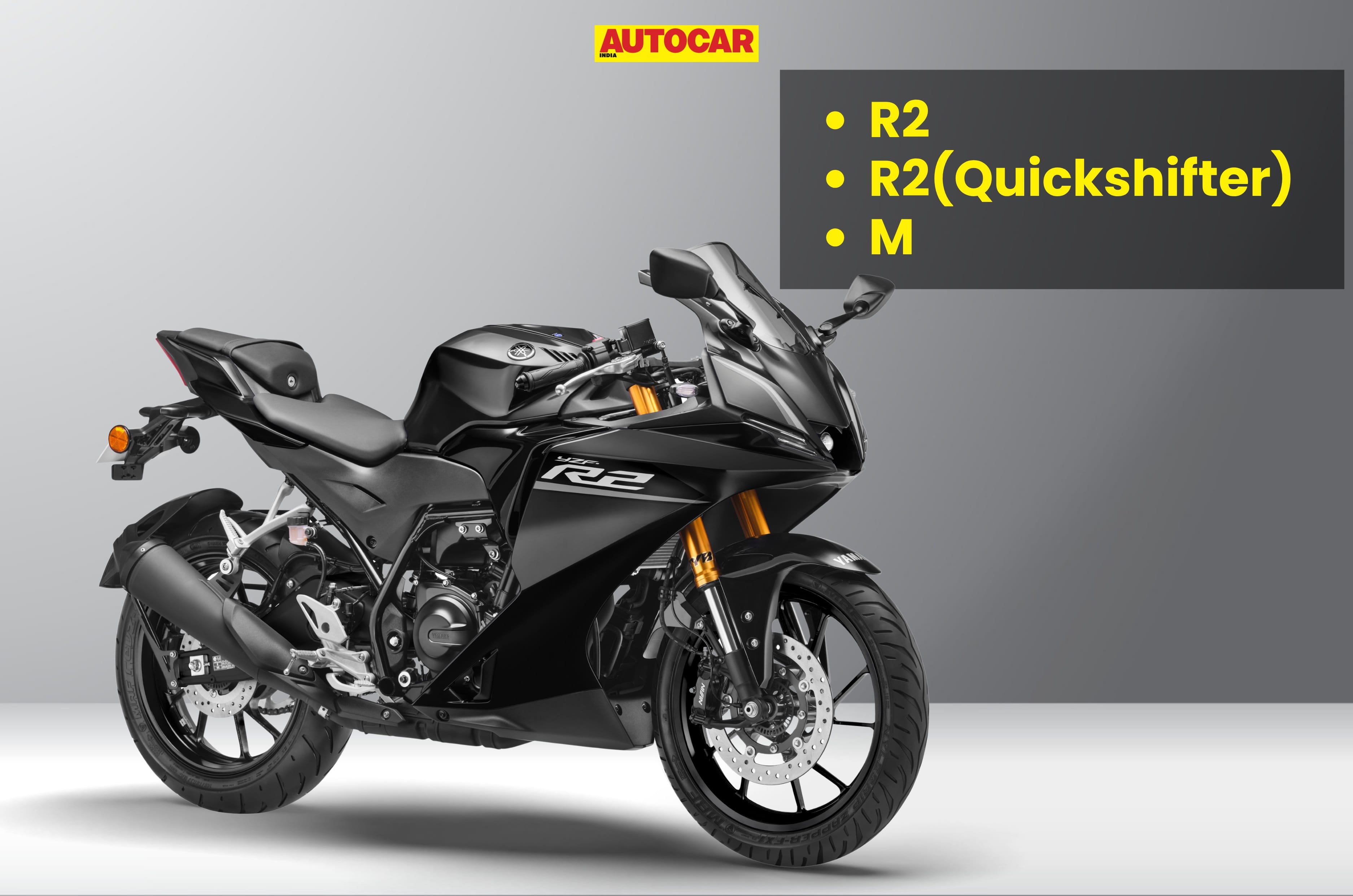
After months of anticipation on the buyers’ part and teasing on Yamaha’s part, the R2 was finally launched on August 27. The brand-new supersport, meant as a step up to the famed R15, does not mean to replace it. Yamaha has packed quite a lot into their first 200cc category entry with the R2 getting three variants with varying levels of features. Here’s a breakdown of what each variant has to offer, so you can decide on which one makes the most sense for you.
All prices mentioned are ex-showroom, Delhi.
Yamaha R2 variant breakdown
Base
Just to set context, all three variants get the new 204cc liquid-cooled engine with 26.5hp at 10,000rpm and 19.1Nm of torque at 8,000rpm. They also share most of the features, including the 5-inch TFT instrument cluster, traction control, an assist and slipper clutch, three riding modes, 37 mm USD front fork and a rear linkage monoshock, and dual-channel ABS.
Each variant gets its own colour choices with no overlap. The base variant gets two colours, Metallic Black and Dark Bluish Gray, and all black wheels with a matt-finish seat for Rs 2.30 lakh. If you intend to take the R2 to the racetrack though, consider the next variant.
Base (with quickshifter)
As the name suggests, the next variant gives you a bi-directional quickshifter as standard. Although the R15 technically gets a quickshifter, it is for up-shifts only whereas the one on the R2 can handle both up and down shifts (hence the name!). It’s certainly useful at a racetrack’s time sensitive environment and fun elsewhere.
Cosmetically, this variant gets body coloured alloy wheels and model specific graphics (read slightly different decals). This variant is currently offered in Matte White Pearl and Racing Blue colours and is priced at Rs 2.39 lakh, Rs 9,500 over the base variant.
M
The absolute minnacle, sorry, pinnacle of the R2 is the M. The main mechanical difference over the previous variant is that the M has adjustable preload for its front fork and the rear linkage monoshock, meaning you can adjust the springs to simulate a certain amount of default weight, named aptly.
Besides the adjustability, the R2 M also gets additional aesthetic touches like a premium 3D embossed emblem, a faux suede-finished seat, a silver-finished swingarm, and a shot-blasted muffler end cap. A few convenient features that’s only afforded to the M variant are adjustable brake and clutch levers and a keyless system. The R2 M is available in a single Metallic Grey colour for Rs 2.53 lakh, Rs 14,000 extra over the middle variant.
Mahindra has extended its Battery-as-a-Service (BaaS) ownership programme to the XEV 9S and the XEV 9e. Under BaaS, prices start at Rs 12.65 lakh for the XEV 9S and at Rs 13.90 lakh for the XEV 9e (all ex-showroom), and an additional Rs 3.75 per km will be charged for the battery. All of Mahindra’s born EVs are now available under the BaaS programme.
XEV 9S and XEV 9e starting price reduced by Rs 8 lakh with BaaS
Rs 3.75 to be charged additionally for each kilometre driven
The BaaS program essentially brings down the entry price of both the XEV 9e and the XEV 9S by Rs 8 lakh, which is significant saving on the upfront cost of the vehicle. For reference, prices for the XE 9S start from Rs 20.65 lakh, while the XEV 9e is priced from Rs 21.90 lakh (ex-showroom, without charger)
Additionally, Mahindra has also extended the BaaS program to all variants of the BE 6 Sporteq – until now, it was only available on the Pack One and Pack Two trims with the smaller 59kWh battery. Mahindra, however, hasn’t revealed the exact variant-wise break up of BaaS prices for each of three EVs.
The separate battery financing model carries an effective running cost calculated at Rs 3.75 per kilometre, based on an initial monthly battery EMI of Rs 6,975 assuming a daily running average of 60 kilometres alongside a specified down payment.
What is BaaS?
BaaS is a pricing structure that excludes the cost of an EV’s battery pack from its ex-showroom price, affording the buyer a substantially lower upfront cost. The battery cost is then financed per kilometre of usage for a certain tenure and interest rate, depending on the financier. It’s worth noting, though, that charging expenditures are not included in the battery usage costs.
JSW-MG Motor India was the first carmaker to offer BaaS with the Windsor. Since then, several other electric carmakers such as Tata Motors, Maruti, Toyota, Hyundai and Citroen have adopted this pricing strategy to advance electric vehicle adoption. Mahindra is now the latest carmaker to adopt the BaaS model, although acceptance of BaaS among EV buyers is still very limited.
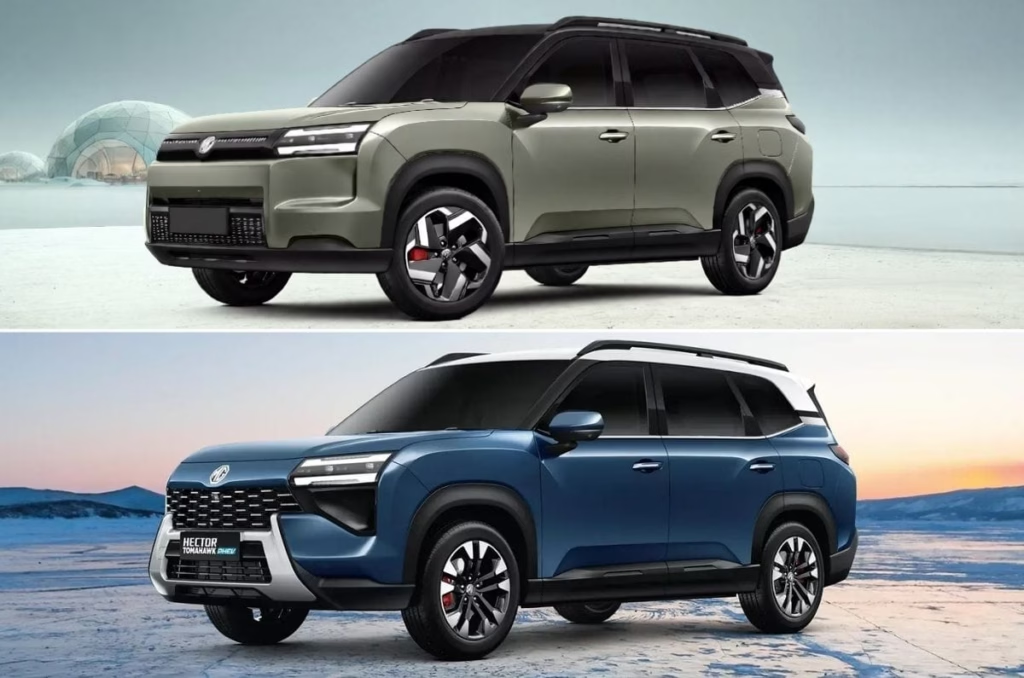
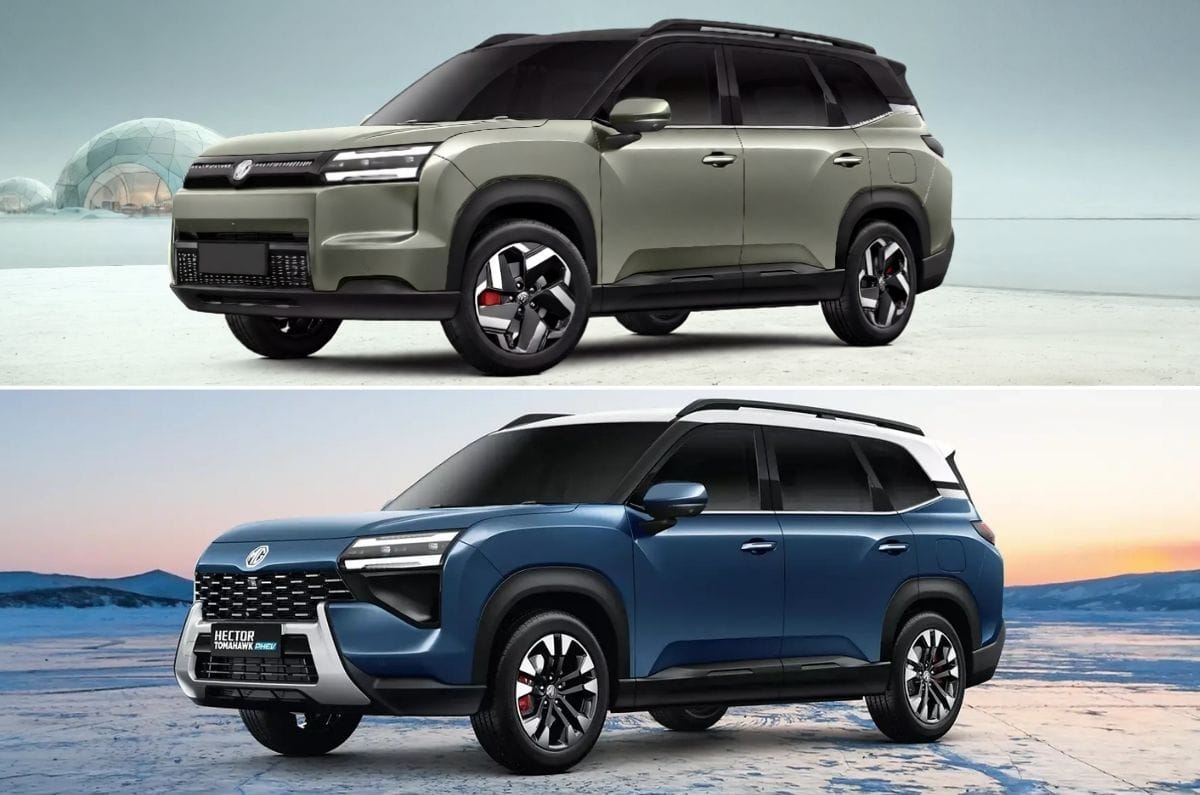
MG launched the Hector Tomahawk in India in both all-electric (EV) and plug-in hybrid (PHEV) versions, with prices starting from Rs 19.50 lakh and Rs 25.70 lakh, respectively. Both models are offered with a lot of new-age technology and have piqued the interest of enthusiasts. Here’s everything you need to know about the MG Hector Tomahawk EV and Hector Tomahawk PHEV.
1. What are the exterior differences between the EV and PHEV?
Both versions get different grilles, front bumpers, and alloy wheels
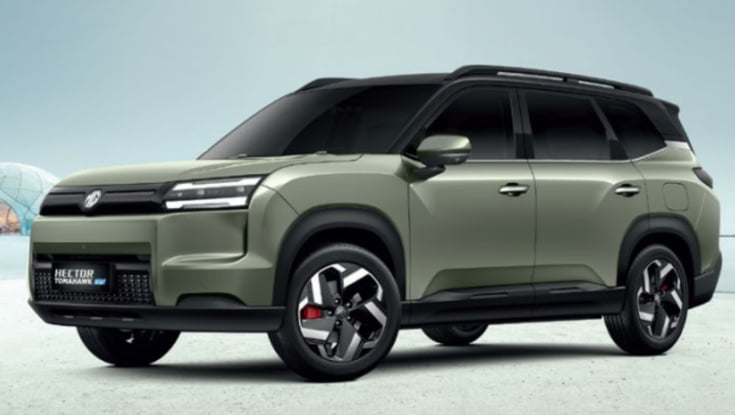
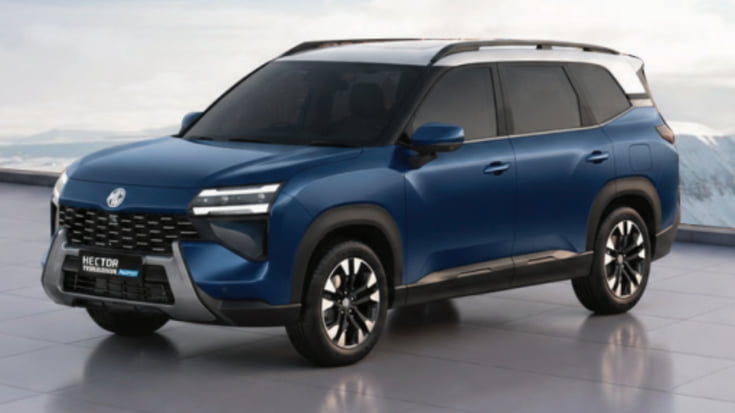
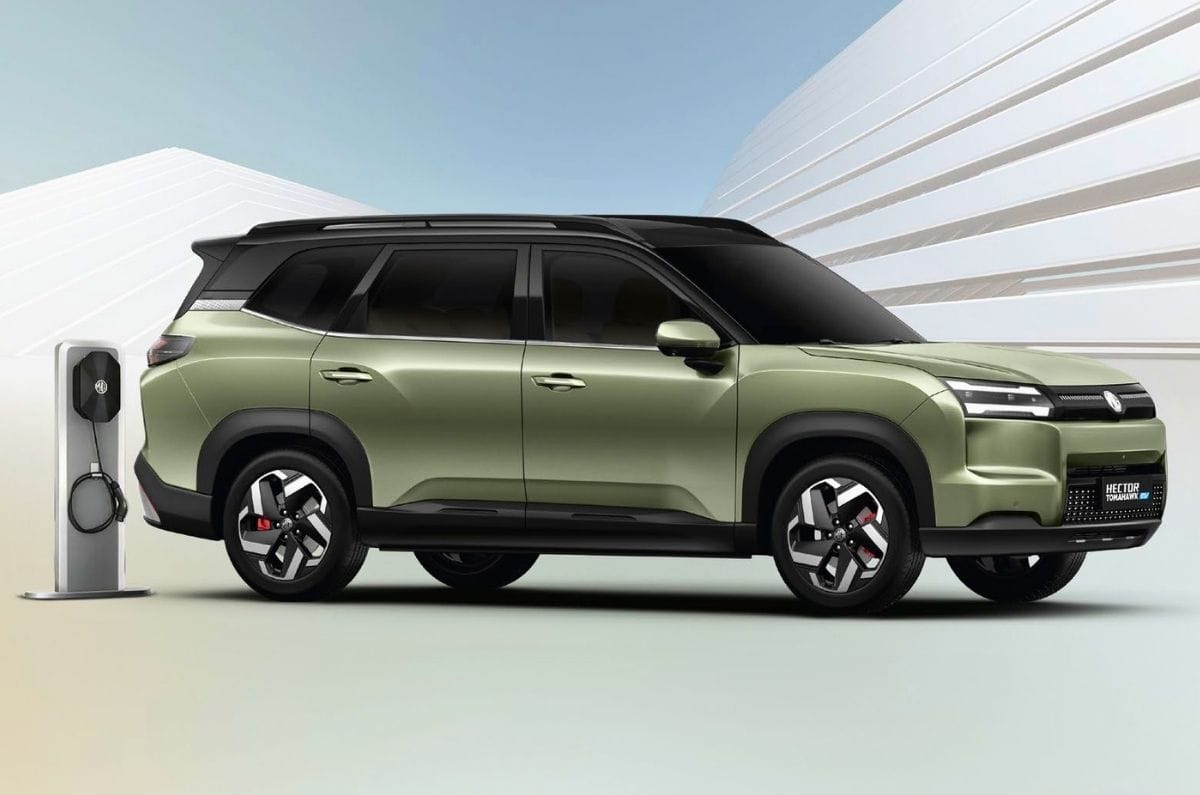
Both the Hector Tomahawk’s EV and PHEV versions have some design differences. While the EV gets a blanked-off gloss-black grille, the PHEV gets a functional grille with chrome inserts and black trims underneath the headlights. The front bumper design is also different, with the PHEV getting a silver bullbar-like element in the centre that the EV misses. The headlights and illuminated MG logo are, however, shared.
Not much is different in the side profile, except for the 18-inch alloy designs and red callipers on the top-spec Hector Tomahawk PHEV. If you opt for a dual-tone shade, the EV will have a black roof, while the PHEV will have a white roof. The rear design, however, is identical for both versions of the SUV.
2. What are the interior differences between the EV and PHEV?
Save for a luggage cover and different cabin themes, everything else is the same
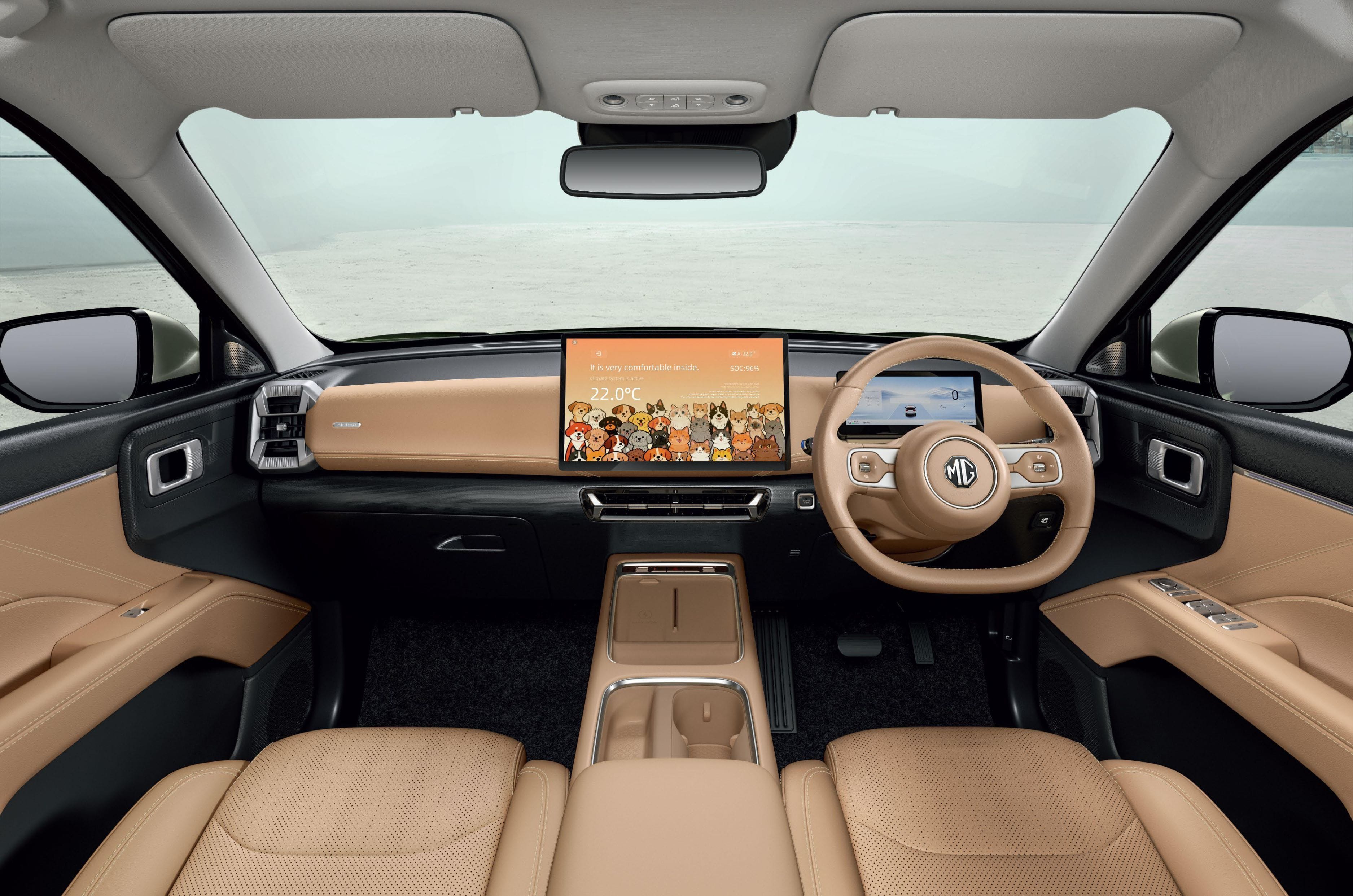
MG Hector Tomahawk EV gets a beige and black cabin theme.
Save for a rolling luggage shade on the 5-seater variants of the EV, and a different cabin theme – brown and black on the EV and a darker brown and black on the PHEV – there is no visible difference. Everything else is the same, including the feature suite: a 15.6-inch touchscreen infotainment system, an 8.8-inch digital driver’s display, a 10-speaker Infinity sound system, a panoramic sunroof, powered and ventilated front seats with memory function for the driver’s seat, and a 50W fast wireless charger.
MG Hector Tomahawk PHEV gets a brown and black cabin theme.
The safety suite is also identical in both Hector Tomahawk versions, which includes 6 airbags, a 360-degree camera with an under-bonnet view, Level 2 advanced driver assistance systems (ADAS) and a tyre pressure monitoring system (TPMS).
3. What is the boot space on the MG Hector Tomahawk EV and PHEV?
EV and PHEV versions offer up to 610 litres and 192 litres of boot space, respectively
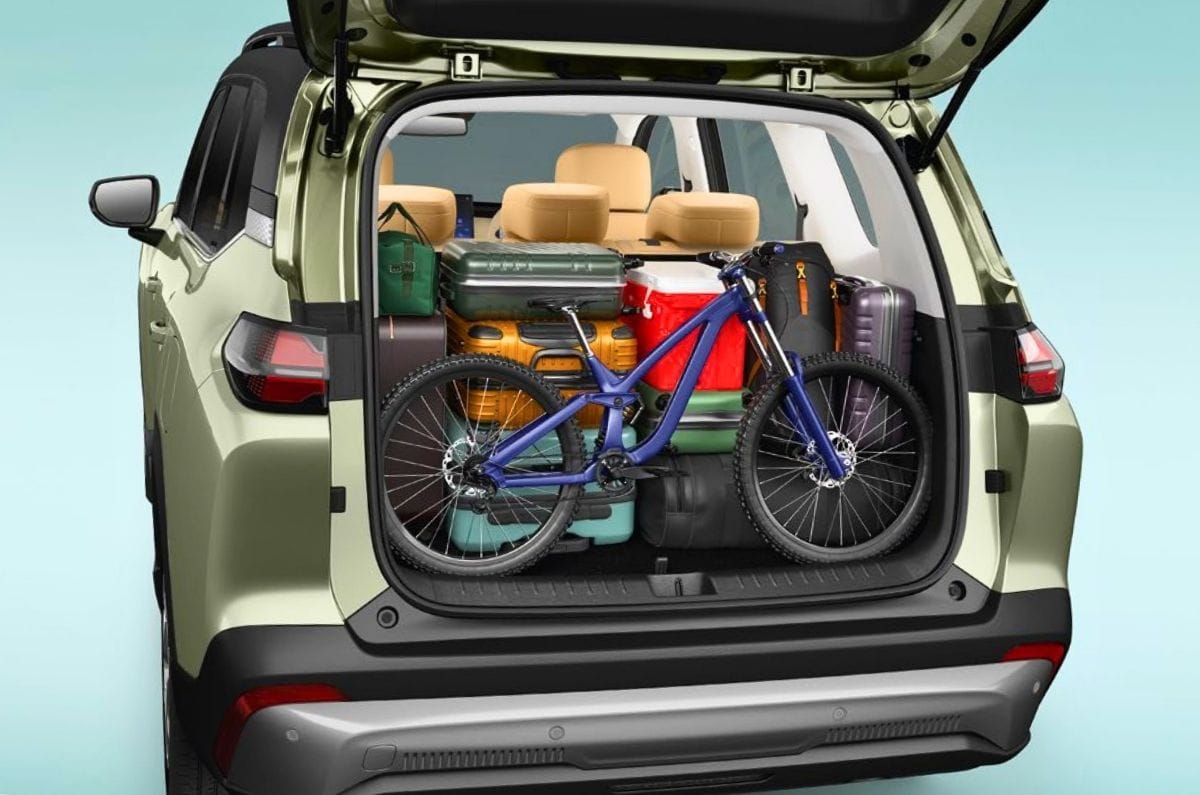
5-seater MG Hector Tomahawk EV’s boot space.
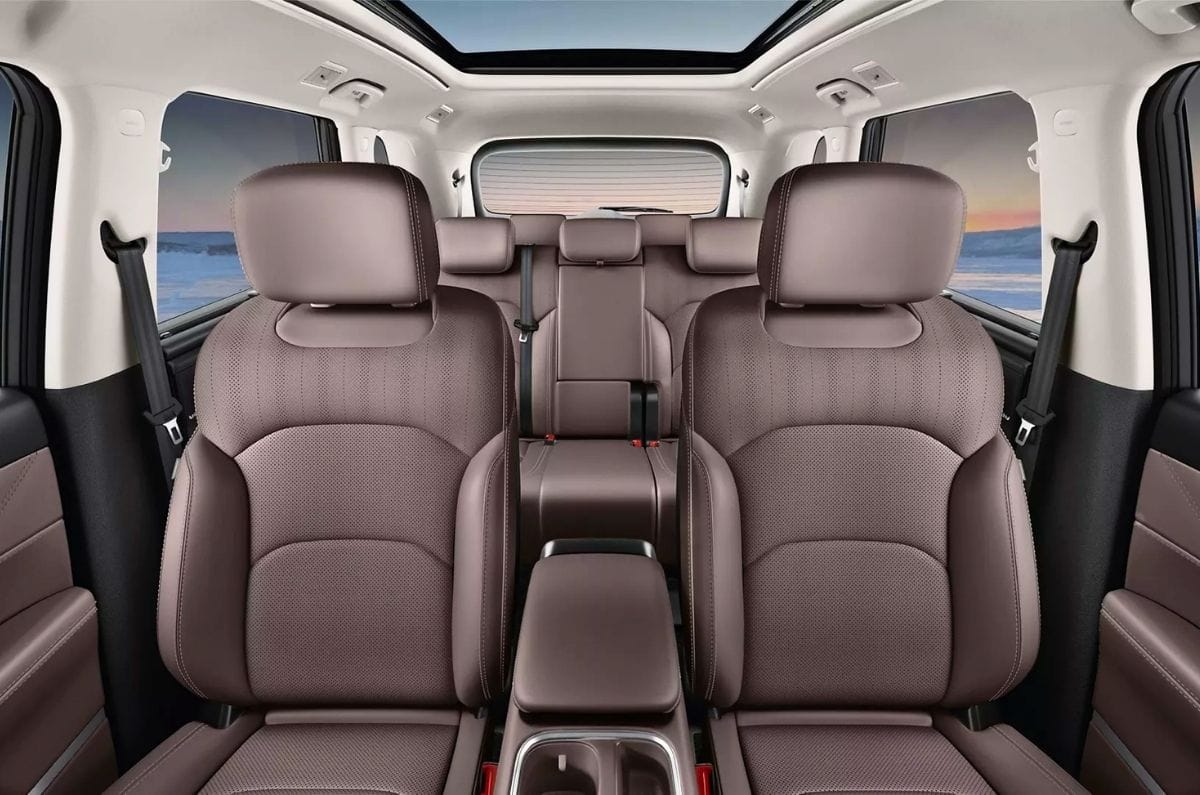
The MG Hector Tomahawk EV is offered in either a 5-seater or a 7-seater version. The 5-seater offers 610-litre boot space, with all rows up, which can be expanded to 1,053 litres by folding down the rear row. The 7-seater version offers a 192-litre boot space with all rows up, and 528 litres when the third row is folded.
The PHEV, offered only as a 7-seater, offers 192-litre boot space like the EV’s 7-seater version, expandable to 528 litres by folding the third row. Neither the EV nor the PHEV version of the Hector Tomahawk are offered with a frunk (storage space under the bonnet).
4. What are the powertrain specifications of the MG Hector Tomahawk PHEV and EV?
PHEV gets a 1.5L engine and 20.5kWh battery; EV offers a 69.2kWh battery pack
The MG Hector Tomahawk PHEV gets a 1.5-litre naturally aspirated petrol engine and a 20.5kWh battery pack, offering a combined output of 198hp and 230Nm. The front-wheel-drive (FWD) SUV has an all-electric range of around 115km and a total range including the petrol engine of around 1,100km.
The MG Hector Tomahawk EV, on the other hand, gets a 69.2kWh battery pack, mated to a front-axle-mounted electric motor producing 204hp and 310Nm. It has a claimed range of 517km.
5. Can the Hector Tomahawk PHEV be charged at a public EV charging station?
It supports 25kW DC fast charging
Yes, being a plug-in hybrid (PHEV), the MG Hector Tomahawk PHEV supports 25kW DC fast charging. This can replenish the battery from 30 to 80 percent in 35 minutes, like a typical EV. MG is also offering it with a 3.3kW home charger, which can recharge the battery pack from 10 to 100 percent in 7.5 hours.
6. Are the MG Tomahawk EV and PHEV more affordable with BaaS?
BaaS reduces the EV’s and PHEV’s initial prices by up to Rs 6.01 lakh and 3.91 lakh, respectively
MG Hector Tomahawk EV, PHEV BaaS vs non-BaaS prices (in Rs, lakh)
Without BaaS
With BaaS
Initial cost difference
EV
19.50 to 23.50
13.99 to 17.49*
Up to 6.01
PHEV
25.70 to 27.80
21.79 to 23.89^
3.91
*Battery subscription fee is Rs 4.9 per km per month
^Asks for a battery subscription fee of Rs 3.2 per km per month
The BaaS (Battery-as-a-Service) option reduces the upfront price of the MG Hector Tomahawk EV by Rs 6.01 lakh and the PHEV by Rs 3.91 lakh. However, you then pay a battery rental fee for every kilometre you drive: Rs 4.90 per km for the EV and Rs 3.20 per km for the PHEV. At these rates, the upfront savings from BaaS are effectively used up after around 1.22 lakh km. The break-even point is 1,22,653 km for the EV and 1,22,187 km for the PHEV.
In simple terms, if you expect to drive less than 1.22 lakh km over the entire ownership period, BaaS could be the more affordable option because of its lower initial cost. However, if you plan to drive more than 1.22 lakh km, buying the Hector Tomahawk with the battery included is likely to save you more money in the long run.
There is also another factor to consider. Under the BaaS plan, you do not own the battery, so your long-term costs depend on the rental agreement. If MG increases the per-kilometre fee or changes the contract in the future, your running costs could also increase. So, while BaaS would be more affordable for most buyers, purchasing the vehicle with the battery included may offer greater certainty in running cost calculations.