Lamborghini Temerario Tricolore image gallery

Lamborghini Temerario Tricolore image gallery
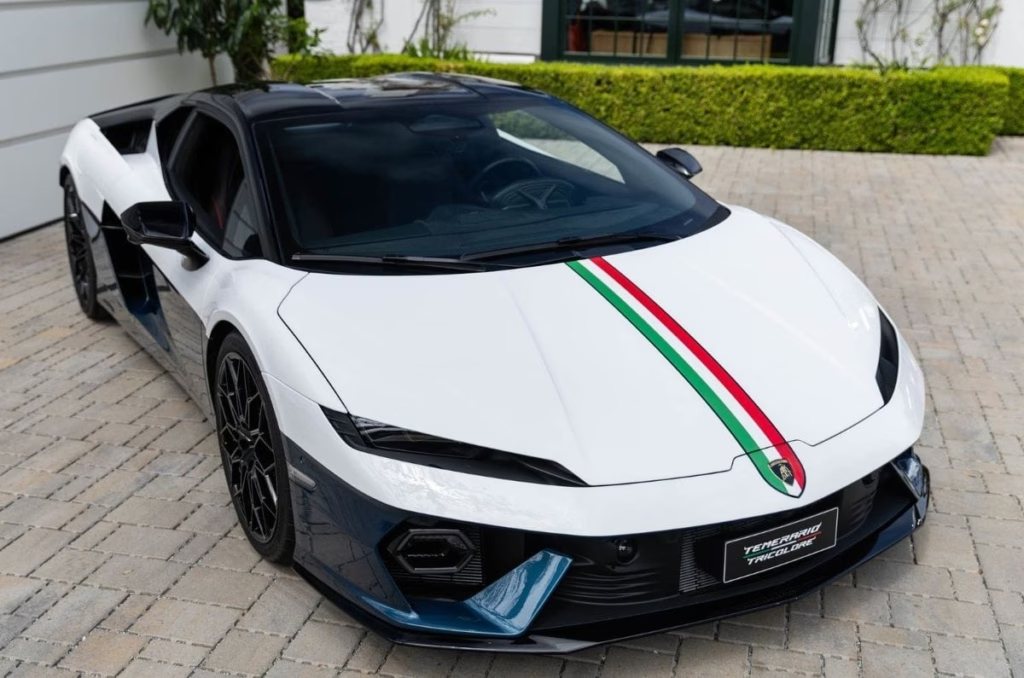
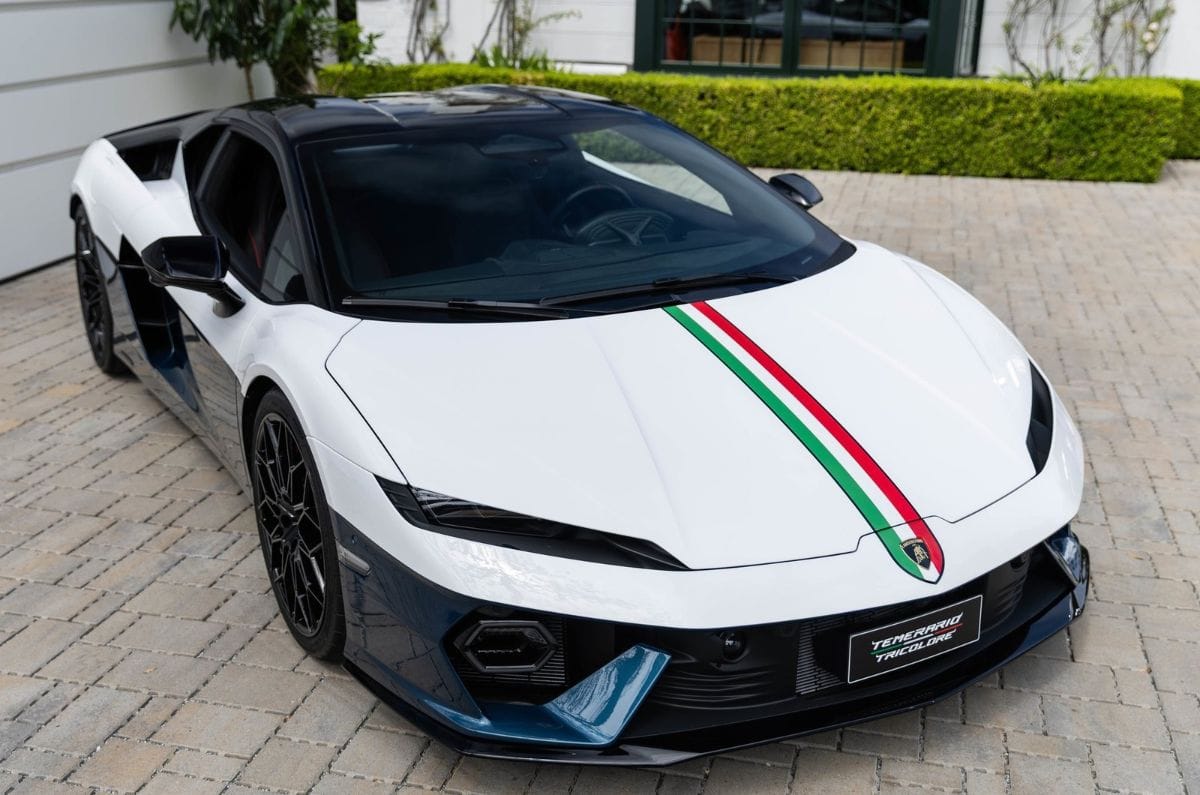
Lamborghini Temerario Tricolore front quarter right

Lamborghini unveiled the Temerario Tricolore at the 2026 Monterey Car Week. With this, the ‘Tricolore’ name returns to Lamborghini after a period of 15 years, with the previous one having been the Gallardo LP 550-2 Tricolore in 2011. This unique example of the Temerario features bespoke exterior and interior design highlights, though it remains mechanically identical to a standard-spec Lamborghini Temerario. The twin-turbo V8 engine is paired with two rear-mounted and one front-mounted electric motors, while transmission duties are handled by an 8-speed dual-clutch automatic gearbox.

Also see

BMW i5 LWB image gallery

MG Hector Tomahawk EV colours gallery

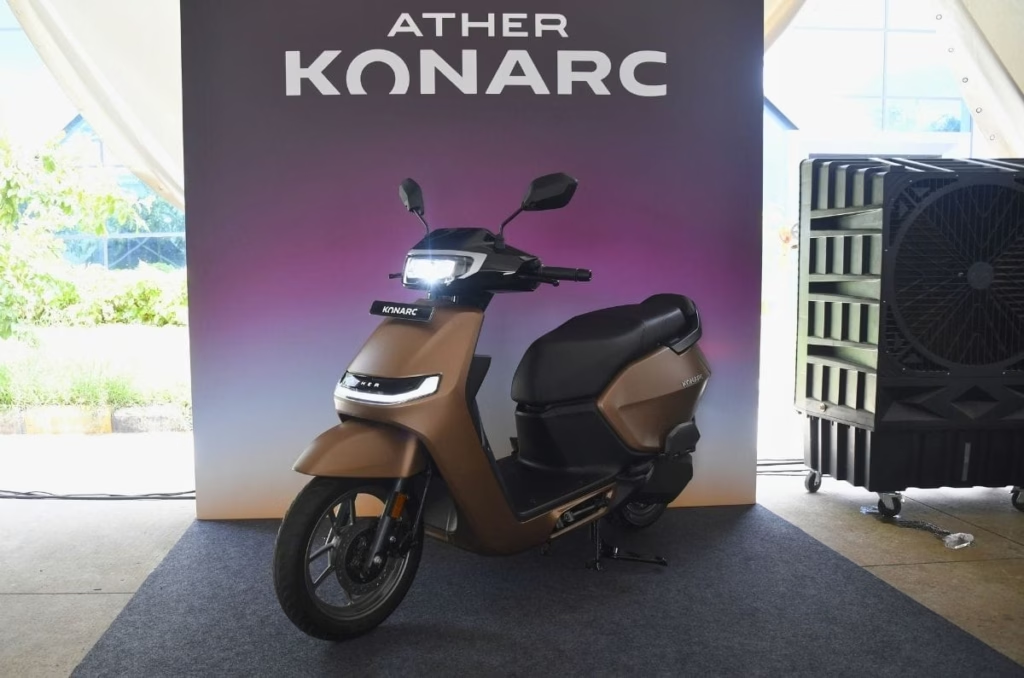
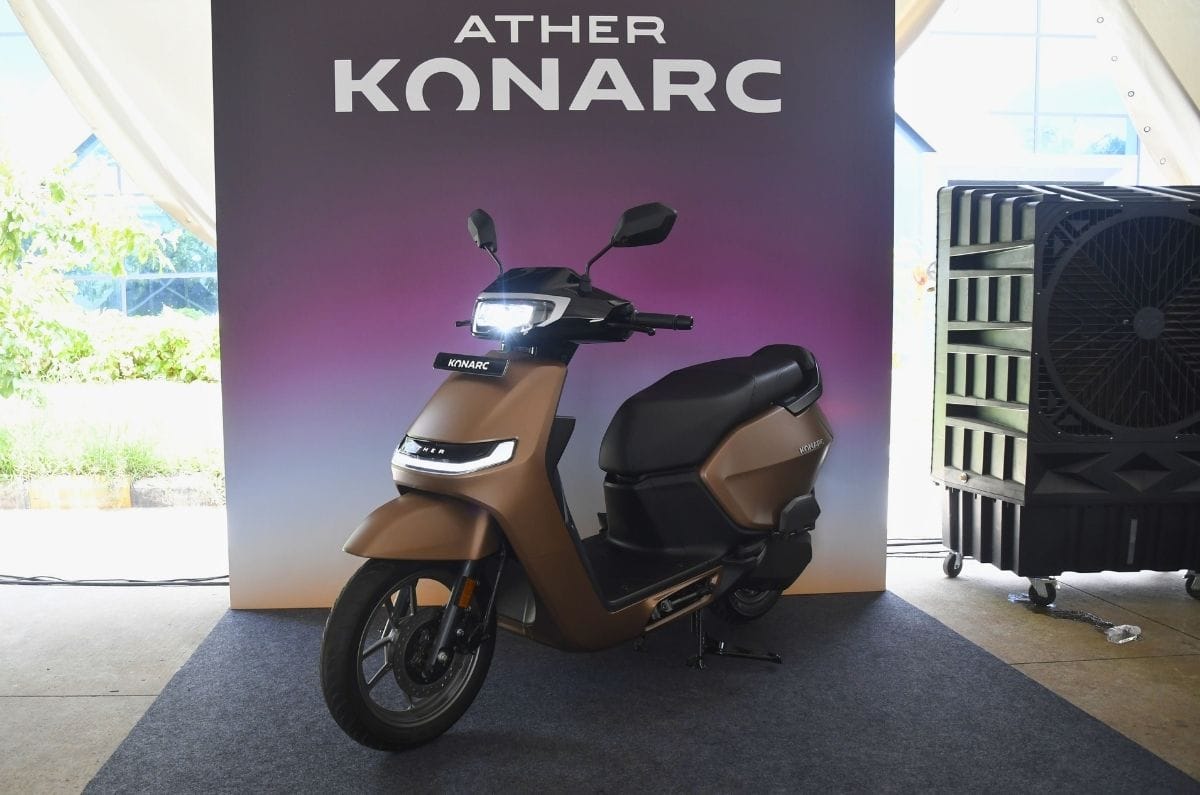
Ather Konarc Image gallery

Ather Konarc Image gallery
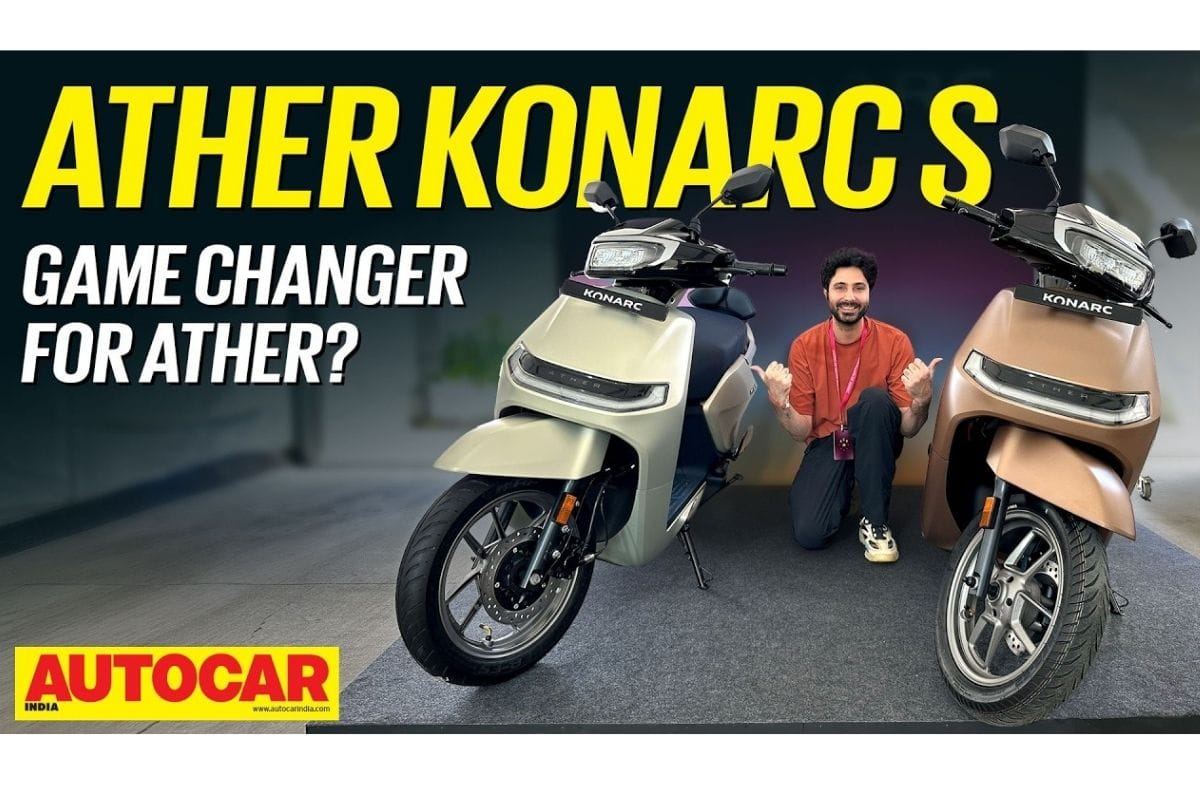
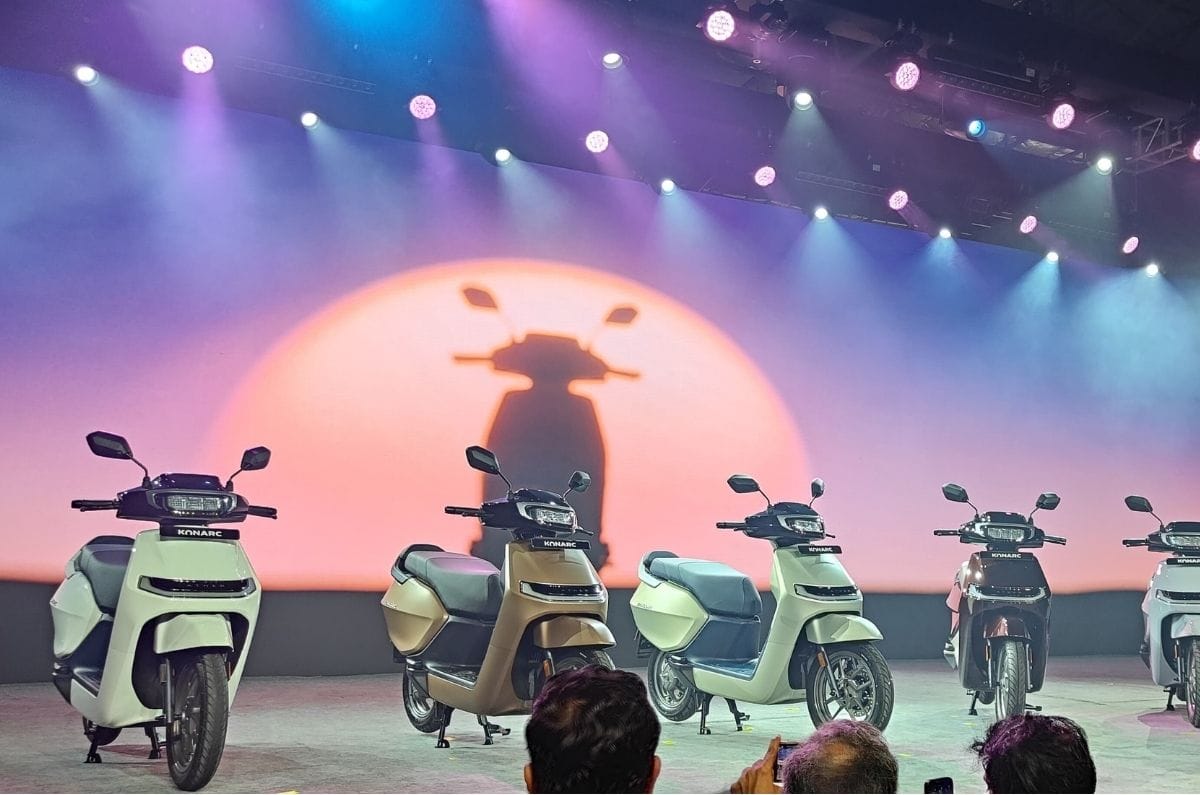
Ather Konarc front three quarter

Ather has launched the Konarc electric scooter in India at its Annual community day, with prices starting at Rs 1 lakh (ex-showroom, Bengaluru). It is available in three variants – S 100, S 125 and S 161 – with the numbers corresponding to their respective IDC range figures.

The Konarc is aimed at delivering improved ride comfort and stability, with 90mm of front and 100mm of rear suspension travel. It has a 1,352mm wheelbase, the longest of any Ather scooter, along with a 14-inch front wheel and 12-inch rear wheel. The S 100 gets drum brakes at both ends, while the S 125 and S 161 get a 220mm front disc and 130mm rear drum.

The S 100 gets a 2.1kWh battery and produces 4kW and 16Nm, while the S 125 and S 161 use 2.7kWh and 3.5kWh batteries, respectively, and produce 4.7kW and 16Nm. All three have a claimed top speed of 70kph. While their TrueRange figures are 80km, 100km and 130km, respectively.

The Konarc offers 31 litres of underseat storage, along with an 18W USB Type-C port and an underseat lamp. The S 100 gets a 4.2-inch DeepView display, while the higher variants get a 7-inch DeepView display. Other features include Park Assist reverse, which uses the motor to help manoeuvre the scooter backwards, and AutoHold, which holds the scooter stationary when stopped.

The Konarc S 100 is priced at Rs 1 lakh, while the S 125 costs Rs 1.22 lakh and the S 161 is priced at Rs 1.45 lakh. Ather has also revealed Konarc Z variants with 125km and 161km IDC range figures, although their prices are yet to be announce


Understanding CNG: Advantages, Disadvantages and Safety Explained

Understanding CNG: Advantages, Disadvantages and Safety Explained
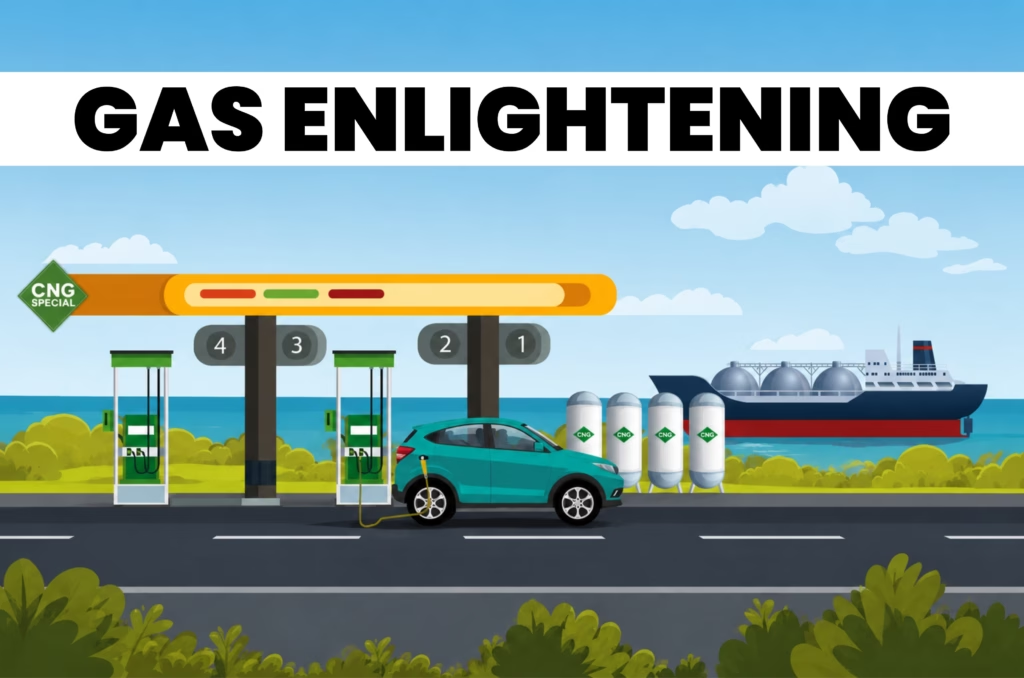
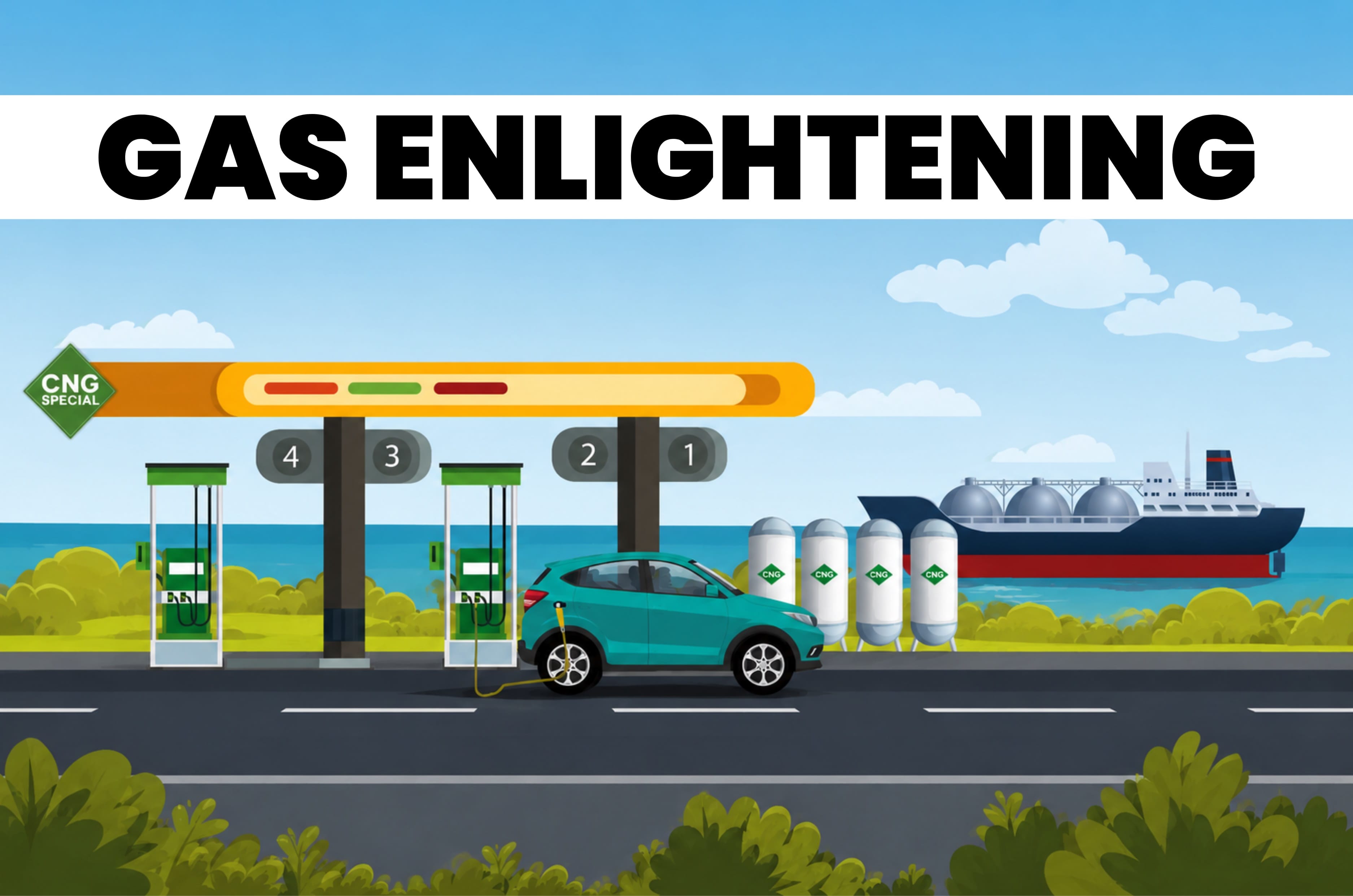
Understanding CNG fuel

Over the last decade, CNG has gone from being a niche fuel used mainly by taxis to becoming the most popular alternative fuel in the Indian passenger vehicle market. Though driven mainly by rising fuel prices, an increasing choice of models with factory-fitted systems has also made CNG a mainstream choice. But what exactly is CNG?

What is CNG?

CNG, or Compressed Natural Gas, is composed primarily of methane (CH4) – typically between 85 and 98 percent. The rest consists of minor amounts of other hydrocarbons like ethane and butane, as well as trace amounts of nitrogen and carbon dioxide. Instead of being stored as a liquid, CNG is kept in a gaseous state.

Why is CNG compressed?

CNG’s volumetric energy density (energy/litre) is significantly less than petrol’s, so an amount sufficient for a decent driving range would take up way too much space. However, by compressing the gas to around 200 to 250 bar, its volume reduces roughly 250 times, thus enabling a manageable tank size.

Where do we get CNG from?

India gets its CNG from a roughly even mix of domestic natural gas production and imported liquefied natural gas (LNG). LNG is essentially CNG super-cooled to -162deg C and stored as a liquid, making it highly dense for easy transportation. Additionally, India also produces CNG from organic matter like food waste, sewage and cattle dung, though for now it is in small amounts. The methane derived from these sources is compressed into Bio-CNG.

How is CNG distributed?

CNG moves through gas distribution pipelines and into refuelling stations. These stations that are connected directly to the pipeline are called online stations and are common in major cities. In areas without a pipeline connection, CNG is supplied via mobile cylinder banks (called cascades) that are filled from a mother station and delivered by truck; the receiving station is referred to as a daughter station.

Is CNG safe?

Modern automotive CNG systems are very safe. The cylinders are designed to withstand pressures well beyond normal operating levels and are equipped with pressure relief and automatic shut-off valves. Methane is lighter than air, thus if a leak occurs, it disperses upward quickly, and while methane is an odourless gas, it is mixed with a chemical to give it a pungent aroma, so you can detect a leak. That said, because CNG is stored at very high pressure, cylinders require periodic inspection and testing as specified by the manufacturer.

What are the advantages of CNG?

1. Lower running costs

CNG’s significantly lower price means the cost per kilometre of running a vehicle on the gas is typically 30-50 percent lower than petrol by today’s fuel prices. The lower cost is, quite simply, the largest contributor to the fuel’s popularity. However, there are other benefits too. 

2. Cleaner emissions

CNG burns cleaner with lower CO2 emissions and minimal particulate matter. The formation of sulphur oxides (SOX) and nitrogen oxides (NOX) is also lower with CNG. Thus, it is considered to be a clean or environmentally friendly fuel. When compared to diesel fuel, the reduction in particulate matter is even more significant.

3. Cleaner engine internals

CNG mixes very uniformly with air and leaves almost no carbon deposits when burned. Thus, an engine running CNG generally stays cleaner than when running on petrol. This can be seen on the spark plugs that stay cleaner. However, the higher combustion temperatures that CNG engines typically run at put extra thermal stress on the plugs. On the whole, though, they tend to last a bit longer and stay cleaner too.

What are the disadvantages 

1. Lower range

Despite being compressed, CNG still stores much less energy per litre than liquid fuels. Thus, the range-to-volume ratio is lower with CNG than with petrol or diesel fuel.

2.Longer refueling

CNG stations are concentrated around major cities and highways, and given the rising popularity of CNG, there are long queues. Furthermore, filling pressure depends on the pump’s pressure and the number of vehicles, so it can take longer to fill than liquid fuels when the station is full.

3.Reduced power

Petrol enters a cylinder as a fine mist, taking up little space. However, CNG, being a gas, occupies more space, leaving less room for air (oxygen). CNG’s lower volumetric energy density also means the air-CNG mix simply holds less energy than an air-petrol mix. Thus, an engine makes less power when running on CNG. Interestingly, CNG has a higher octane rating than petrol – typically above 120 RON, so a CNG-only engine can run a higher compression ratio to produce more power. But since passenger cars are bi-fuel, a lower ratio that’s suitable for petrol is used.


2026 Mahindra Thar 3-door facelift spied with new fascia

2026 Mahindra Thar 3-door facelift spied with new fascia
2026 Mahindra Thar 3-door facelift

A newly spotted test mule of the upcoming Mahindra Thar 3-door facelift previews the off-roader’s revised front end. While the Thar 3-door received a nip-and-tuck with some feature additions in October 2025, this upcoming facelift looks to be more comprehensive in scope. Expect the 2026 Thar 3-door facelift to launch in the coming months, priced slightly higher than the current model, which costs Rs 10.32 lakh-18 lakh (ex-showroom).

2026 Mahindra Thar 3-door facelift exterior updates

Credit: thepathfinder722 via Instagram

Previous test mule sightings of the facelifted Thar 3-door hinted at an all-new grille that heavily resembles the double-stacked 6-slat one of the Thar Roxx. This test mule, however, has a different 5-slot grille with a small horizontal intrusion on the right side, possibly to accommodate a badge. The discrepancy in grille designs is unclear, with one likely explanation being that the Thar 3-door facelift will be sold in different editions with unique grilles. Aside from the grille, new 5-spoke alloy wheels can also be spotted on the test mule.

2026 Mahindra Thar 3-door facelift powertrain updates

Under the bonnet, the facelifted Thar 3-door is expected to retain the current model’s 119hp 1.5-litre diesel, 132hp 2.2-litre diesel, and 152hp 2.0-litre direct-injection turbo-petrol engine options. All engines get a 6-speed manual gearbox as standard, with the 2.2-litre diesel and 2.0-litre turbo-petrol ones additionally offering a 6-speed torque converter automatic. 4×4 can be equipped with those two engines as well, while the 1.5-litre diesel comes with 4×2 (RWD) only. As we exclusively reported last April, An electric power steering system is also expected to replace the current hydraulic setup.

Ather Konarc launched from Rs 1 lakh, up to 200km IDC range

Ather Konarc launched from Rs 1 lakh, up to 200km IDC range

Ather has launched the Konarc electric scooter in India at its Annual community day, with prices starting at Rs 1 lakh (ex-showroom, Bengaluru). It is available in three variants – S 100, S 125 and S 161 – with the numbers corresponding to their respective IDC range figures. A 200km version is also in the pipeline, while a feature-loaded Z variant with a 125km IDC range will also join the line-up.

  1. New AEBS braking system and MagicKey boot access headline the technology package.
  2. 100mm rear suspension travel and a 1,352mm wheelbase are aimed at improving ride comfort and stability.
  3. Up to 200km IDC range, 31-litre boot and 1.35kW combined charging add to its practicality.

Ather Konarc is based on the EL-platform

The Konarc is aimed at delivering improved ride comfort and stability, with 90mm of front and 100mm of rear suspension travel. It has a 1,352mm wheelbase, the longest of any Ather scooter, along with a 14-inch front wheel and 12-inch rear wheel. The S 100 gets drum brakes at both ends, while the S 125 and S 161 get a 220mm front disc and 130mm rear drum.

Ather Konarc Battery and range information

The S 100 gets a 2.1kWh battery and produces 4kW and 16Nm, while the S 125 and S 161 use 2.7kWh and 3.5kWh batteries, respectively, and produce 4.7kW and 16Nm. All three have a claimed top speed of 70kph. While their TrueRange figures are 80km, 100km and 130km, respectively.

The Konarc comes with a 450W onboard charger as standard. Ather says this can be combined with a 900W off-board charger, giving a total charging capacity of 1.35kW. The claimed home charging time from 0-80 percent with the standard charger is 4 hours for the S 100, 4hr 30min for the S 125 and 5hr 40min for the S 161. With the combined charger, these times fall to two hours, 2hr 25min and 3hr 10min, respectively. The charging speed is claimed at 13km in 10 minutes for the S 100 and 15km in 10 minutes for the S 125 and S 161.

Ather described EL as a scalable platform capable of underpinning different scooter formats while sharing major components. Developed using 26 lakh kilometres of field data, it features a new chassis, powertrain and electronics architecture. Ather says reducing the component count could make assembly 15 percent faster and periodic servicing up to twice as quick. The company also demonstrated the platform’s serviceability on stage, with trained technicians dismantling and reassembling the Konarc’s battery and motor in around three minutes, highlighting the potential to significantly reduce workshop time for major component replacement jobs.

The Konarc offers 31 litres of underseat storage, along with an 18W USB Type-C port and an underseat lamp. The S 100 gets a 4.2-inch DeepView display, while the higher variants get a 7-inch DeepView display. Other features include Park Assist reverse, which uses the motor to help manoeuvre the scooter backwards, and AutoHold, which holds the scooter stationary when stopped.

Ather Konarc features

The Konarc Z gets some of Ather’s more significant new technology, including Advanced Electronic Braking System (AEBS). The system uses electronic control to improve braking performance, with Ather saying it reduces stopping distances and minimises rear-wheel lock-ups. It is intended to offer greater braking control, particularly during hard braking.

The Z also gets MagicKey, which allows the rider to unlock the scooter’s boot through the Ather app rather than using a physical key. On the Konarc Z 161, MagicKey works with the boot’s AutoPop function, allowing the boot to open automatically.

Other Z-specific technology includes Google Maps and WhatsApp on the dashboard, while cricket scores can also be displayed when the scooter is stationary. The Konarc gets Ather Connect with features such as theft and tow alerts, ride statistics, Find My Scooter and remote charging-status monitoring. OTA updates are also supported.

The Konarc uses a PMSM motor with IP67 protection, while its battery is also IP67-rated and housed in an aluminium casing. The S 100 weighs 126.5kg, while the S 161 weighs 129kg.

Ather Konarc Price and warranty details

The Konarc also introduces longer service intervals, with periodic maintenance scheduled once every 10,000km or one year, whichever comes first. The Konarc S 100 is priced at Rs 1 lakh, while the S 125 costs Rs 1.22 lakh and the S 161 is priced at Rs 1.45 lakh. Ather has also revealed Konarc Z variants with 125km and 161km IDC range figures, although their prices are yet to be announce

Ather Konarc variants

VariantPrice (ex-showroom)IDC rangeBattery pack
Konarc S 100Rs 1 lakh100km2.1kWh
Konarc S 125Rs 1.22 lakh125km2.7kWh
Konarc S 161Rs 1.45 lakh161km3.5kWh
Konarc Z 125To be announced125kmNot specified in the sheet
Konarc Z 161To be announced161kmNot specified in the sheet

2026 Tata Punch EV real world range tested, explained

2026 Tata Punch EV real world range tested, explained
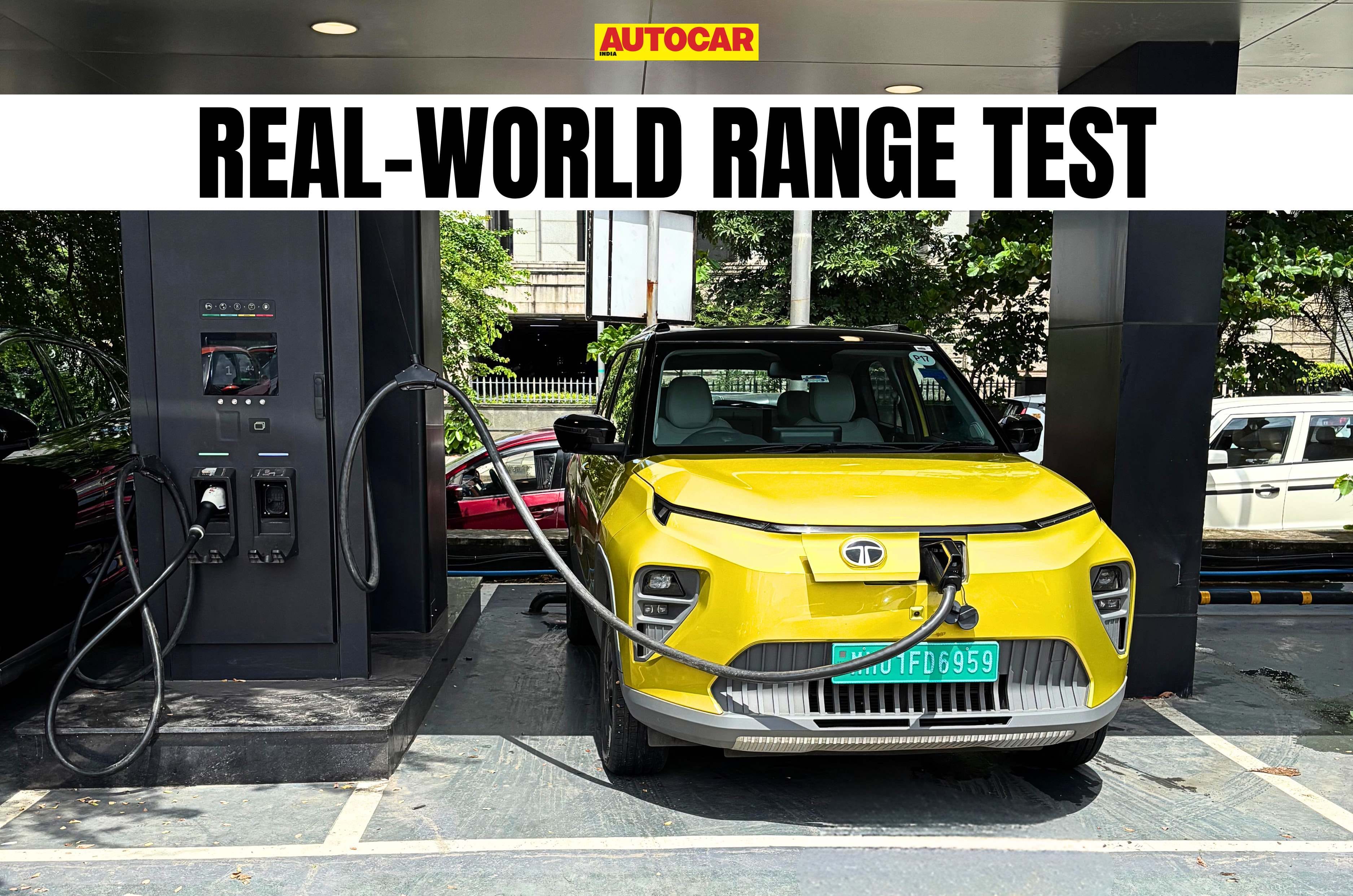
Tata Punch EV real world range

The 2026 Tata Punch EV gets changes to its styling, tweaks to the powertrain and bigger battery options. Interestingly, its starting price is now Rs. 1.65 lakh lower than before and the price range spans Rs. 9.7 lakh and Rs. 12.8 lakh (ex-showroom). We put the Tata Punch EV with the 40kWh battery through our real-world efficiency test to see how it performs.

  1. 80 percent recharge takes 27 minutes on a 180kW DC fast charger
  2. Punch EV 40kWh variant weighs 1,365kg
  3. Gets four regen modes; no single pedal driving

Tata Punch EV real-world range and charging explained 

The Punch EV currently is available with either a 30kWh or a 40kWh battery pack, up from 25kWh and 35kWh, respectively. We tested the Punch EV with the 40kWh battery pack, which is powered by a PMSM motor producing 129hp and 154Nm. The Punch EV offers three driving modes – Eco, City and Sport. For our tests, we used the Eco driving mode with the regen level set to L3 in the city and L1 on the highway.

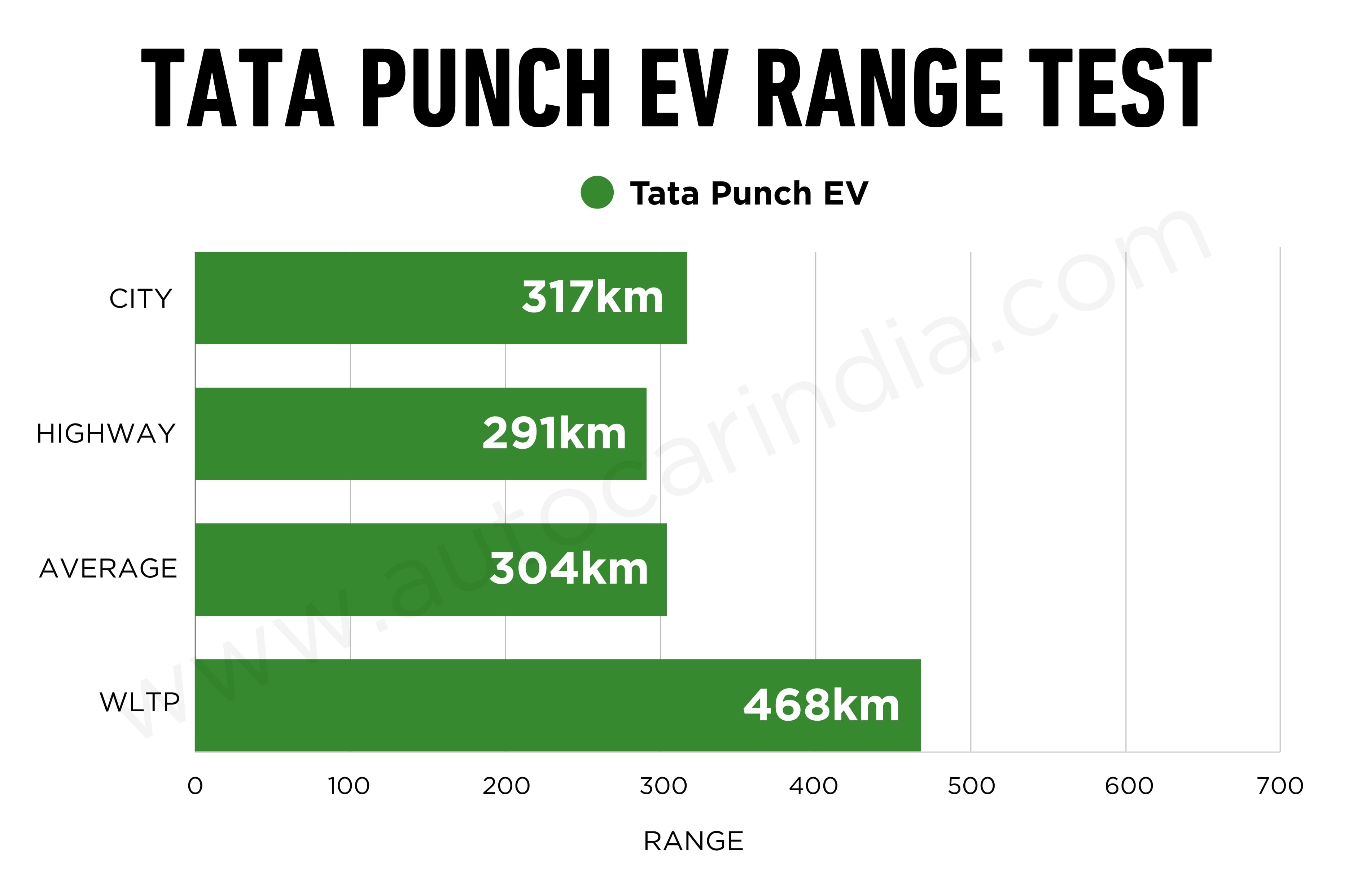
In the city, the Tata Punch EV returned an efficiency of 7.92km/kWh extrapolating to a range of 317km. On the highway, the efficiency dropped to 7.29km/kWh translating to a range of 291km. With an overall efficiency of 7.61km/kWh, the Tata Punch EV can deliver a real-world range of 304km on a full charge.

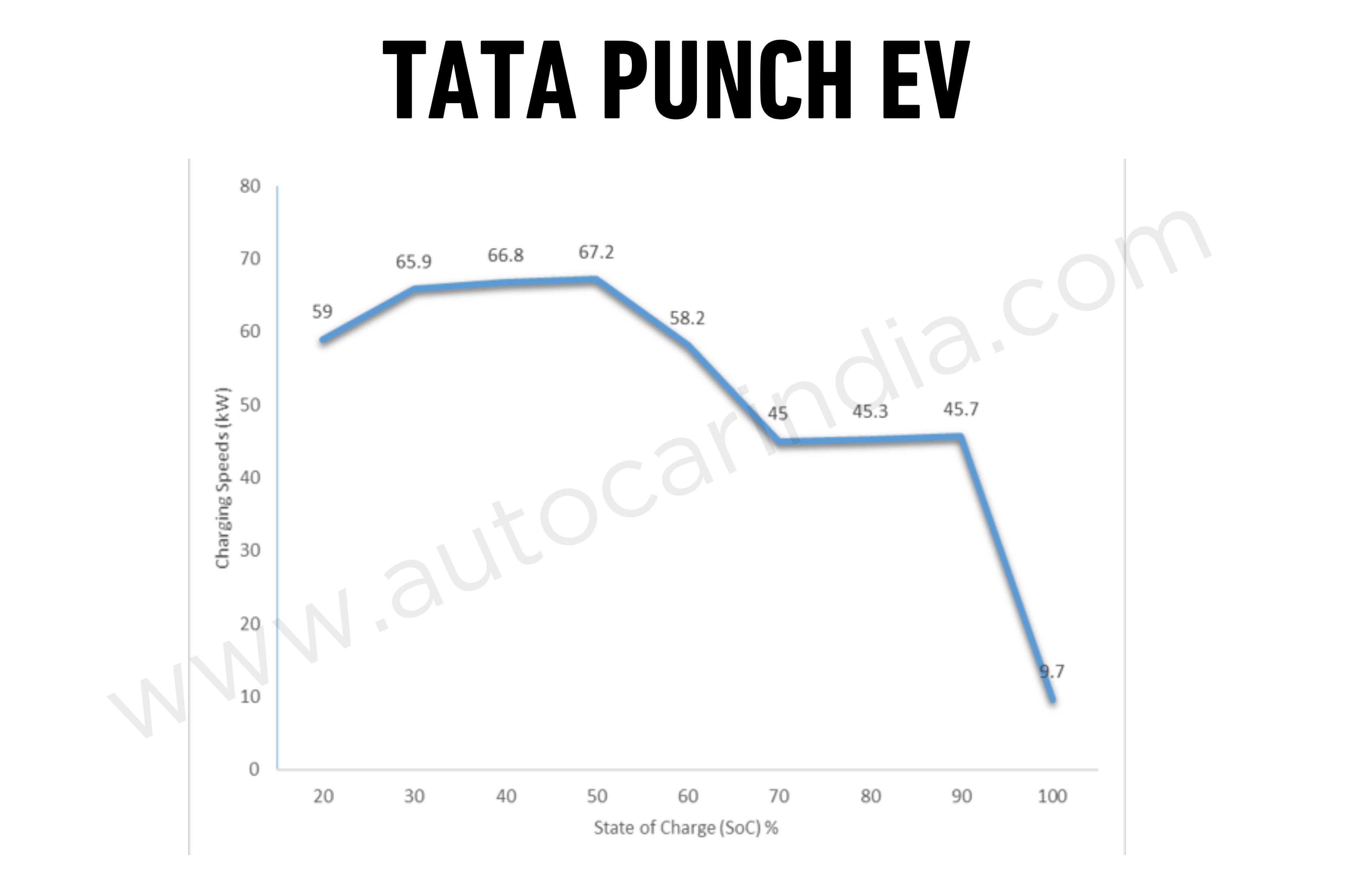
Tata claims that the DC fast capability of the Punch EV has gone up to 65kW from 50kW in the previous model. That said, we charged the car using a 180kW DC fast charger and noted peak charging speeds around 67.3kW. However, the charging speed dropped after 50 percent state of charge, before rapidly dropping after 90 percent. In terms of charging times, the Punch EV took 27 minutes to charge from 20-80 percent, and took another 31 minutes to reach 100 percent. 

Autocar India’s range testing

Before our real-world range tests, the battery of our test car was fully charged, and we maintained tyre pressures in accordance with the manufacturer’s recommendations. The car was driven on a weekday in Mumbai city and on the adjoining state highway in a fixed loop, and we maintained the set average speeds. At the end of each cycle, we calculated the range based on the percentage charge consumed.

Throughout our tests, the climate control was set to 22deg C in a full-auto setting, and other electricals, such as the audio system, indicators and ventilated front seats, were used when required, just as a regular user would. We take pride in our testing data, which isn’t merely consistent but also gives users an accurate indication of what they can expect in the real world.

Opinion: Quality of two-wheeler service in India needs to improve

Opinion: Quality of two-wheeler service in India needs to improve
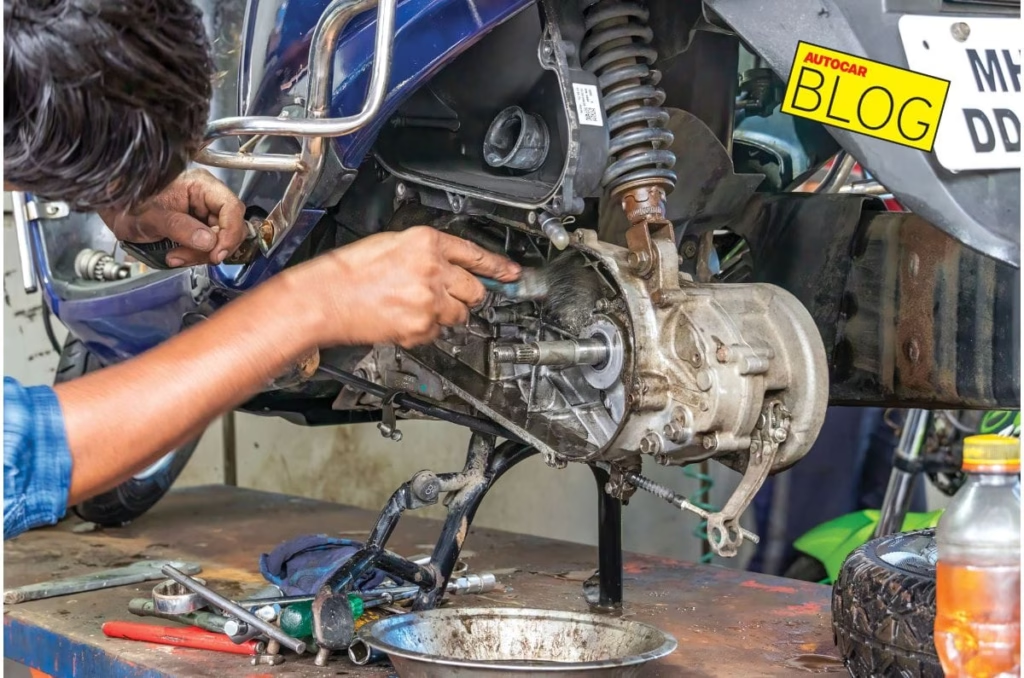
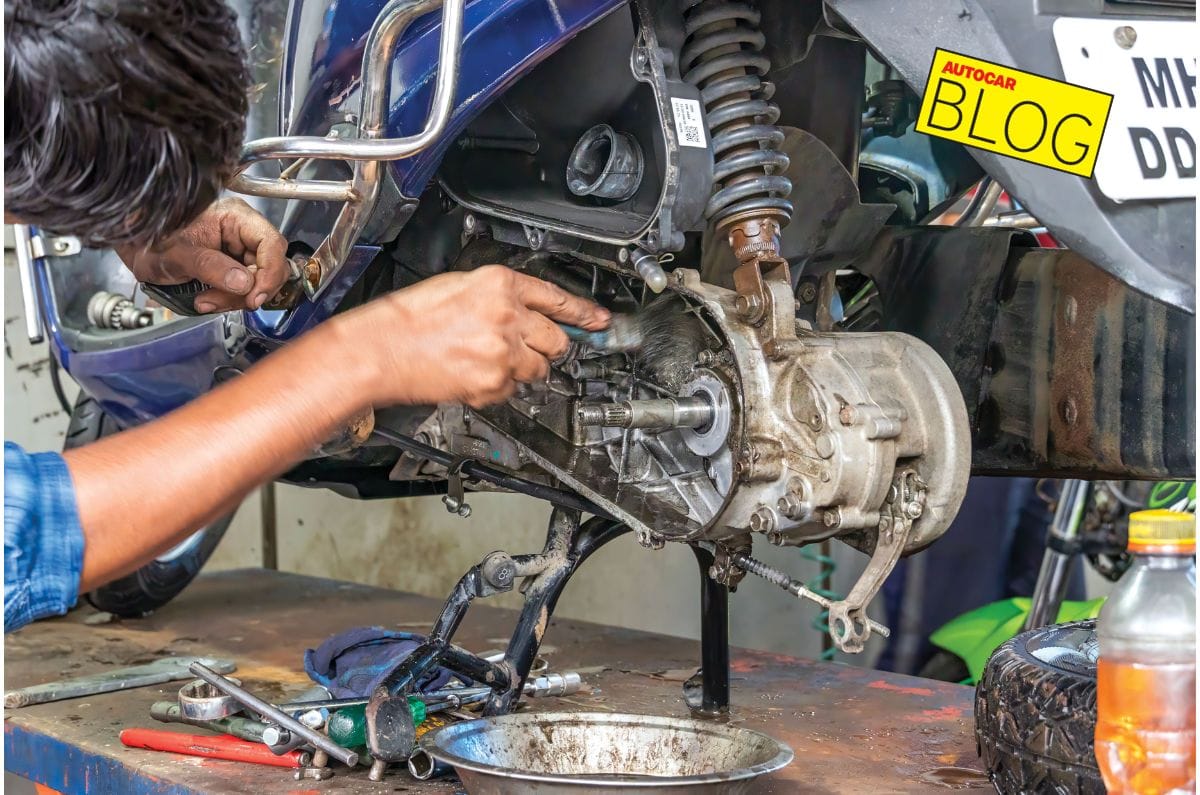
A scooter being serviced at a garage in India

Purchasing an automobile is one of life’s special moments in India. After all, you are not only paying a lot of money but also laying significant faith into a manufacturer’s ability to have properly engineered a safe, reliable and enjoyable product. There’s also the fact that you are entering a long-term relationship with that manufacturer when it comes to service. With three-year warranties becoming common and extended warranties being sold for just a few thousand rupees, the duration of said relationship is now longer than ever. Unfortunately, a lot of customers these days don’t feel like they are being given the treatment they deserve in this ‘relationship’.

While the quality of products coming from domestic two-wheeler manufacturers has grown tremendously in recent years, the same can’t be said for the service support. While some manufacturers fare worse than others, you will find plenty of reports of shoddy work or general ineptness when it comes to authorised service centres. The reasons behind this are multifold.

The first is that motorcycles today are far more complicated than they used to be. Electronics are everywhere, and even the simplest of commuters now have ECUs, electronic fuel pumps and fuel injectors. 150cc bikes and above are constantly increasing the amount of performance, tech and gadgets on offer, and all of this brings in more complication. Caring for more advanced motorcycles requires a more technical approach.

The “chalta hai/chalega sir” attitude that is a universal truth in India presents a challenge when the job gets more technical. Another cultural aspect at play is that people are far more proud of how quickly a job gets done (or with how much ‘jugaad’) rather than how well the job gets done. Case in point, I once insisted on a torque wrench being used on my KTM 790 Duke at an official service centre a couple of years ago. This led to a stool being brought out to reach an overhead cabinet, from which a dusty torque wrench was liberated. Clearly, that tool was almost never used, and the fact is, most mechanics in India simply use their biceps to decide how much force needs to go into tightening a bolt. 

Money is the other big challenge. Time is money, so the more vehicles that are serviced, the better. More so, most junior mechanic salaries are very low, which results in high job attrition. It’s also difficult for dealerships to have enough trained staff and sufficient workshop space for the amount of money that is earned per service. With automobile sales records being broken every other month, there is a big strain on the system.

The ideal scenario is that big cities need more workshops, staff should be trained better and workshop managers need to be more diligent about implementing proper operating procedures. At the end of the day, quality work can only be provided by someone who has been trained well and is remunerated fairly for the job. And that will increase the cost of service for the customer, primarily in terms of the labour cost. 

It is inevitable that service costs in India will rise, as does the constantly improving standard of our motorcycles and the ever increasing cost of living. The big challenge for manufacturers is to ensure that customers get their money’s worth for these increasing costs.