World Motorcycle Day: Riding with TVS’s growing community

World Motorcycle Day: Riding with TVS' growing community

Every year on June 21, riders across the globe observe World Motorcycle Day – a celebration of the simple joy of riding. To mark the occasion, TVS Motor Company organised rides across multiple cities, with the Bengaluru edition bringing together Apache and other TVS motorcycle owners for a 70km ride through the city and towards the base of Nandi Hills.

The morning began at Galleria Mall in north Bengaluru, where riders trickled in well before the scheduled flag-off. The parking lot was soon filled with motorcycles of all kinds, from Apache RTRs and RR 310s to Ronins and even the recently unveiled RTX adventure tourer. Riders caught up with familiar faces, admired each other’s motorcycles and discussed everything from weekend ride plans to upcoming trips. There was an easygoing atmosphere from the outset, with everyone looking forward to the ride rather than treating it as a formal event.
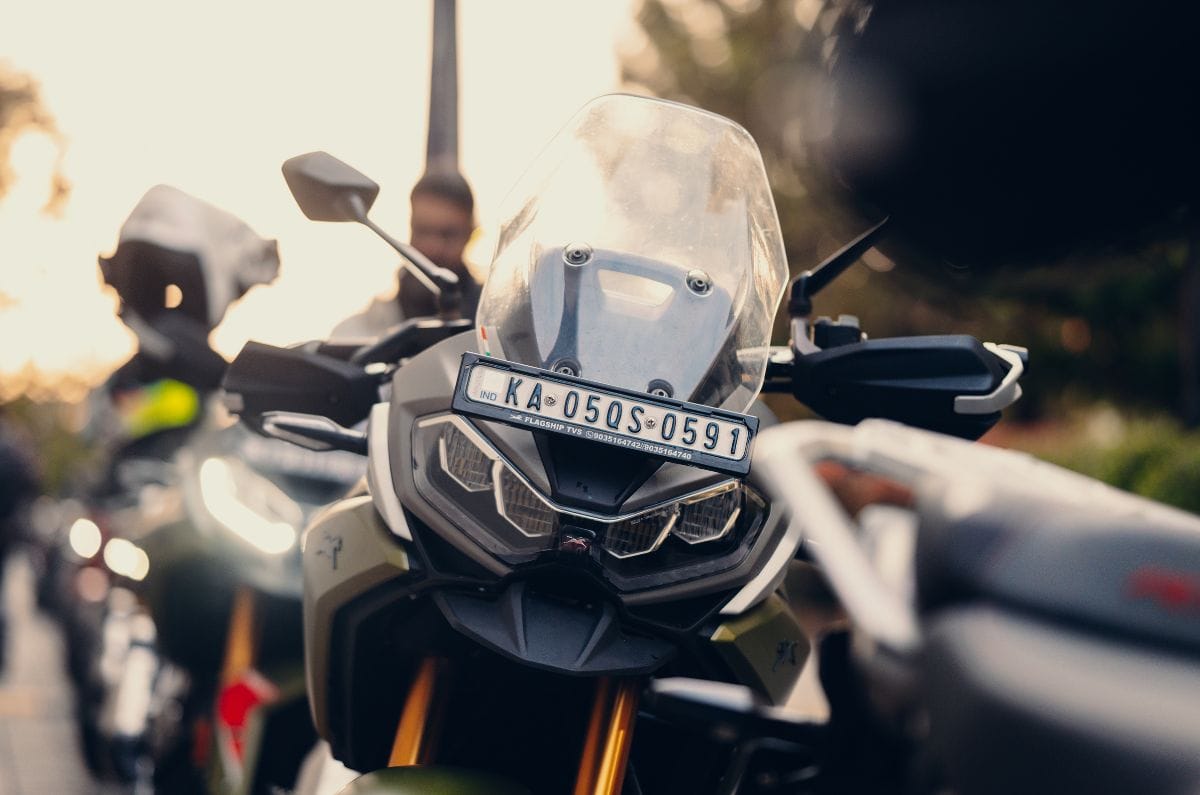
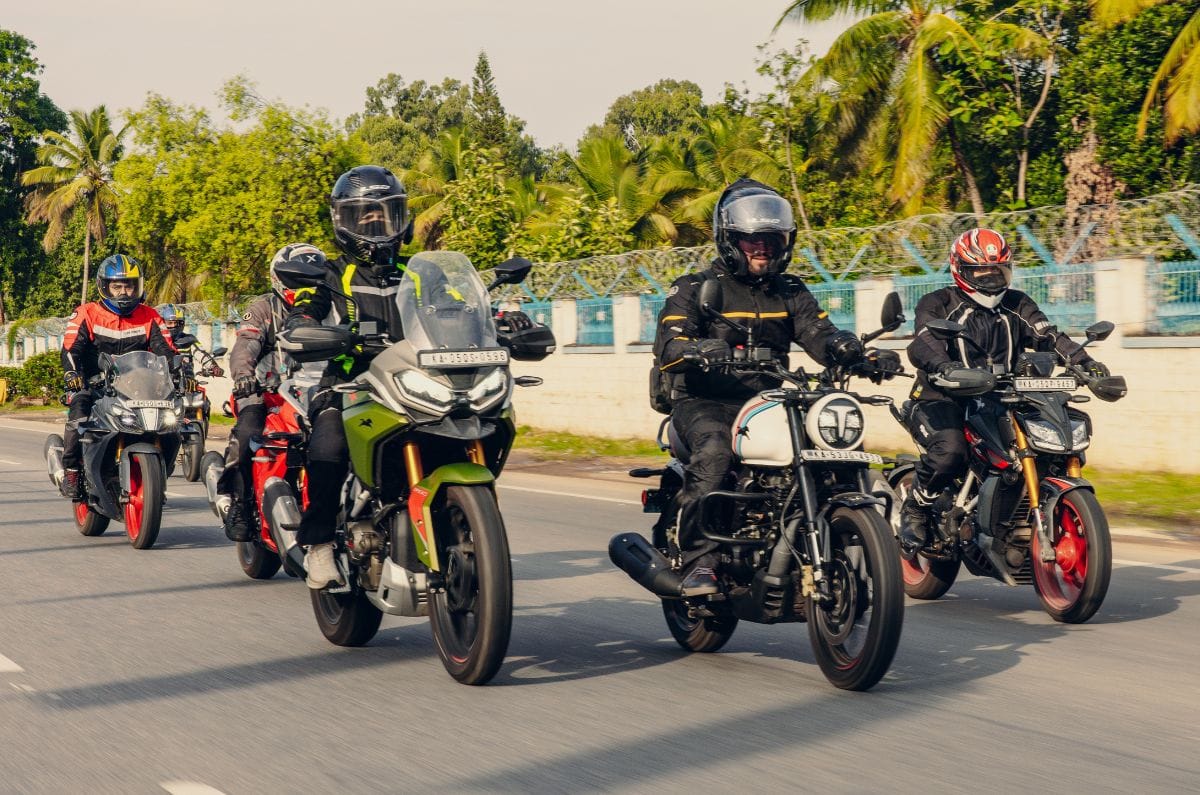
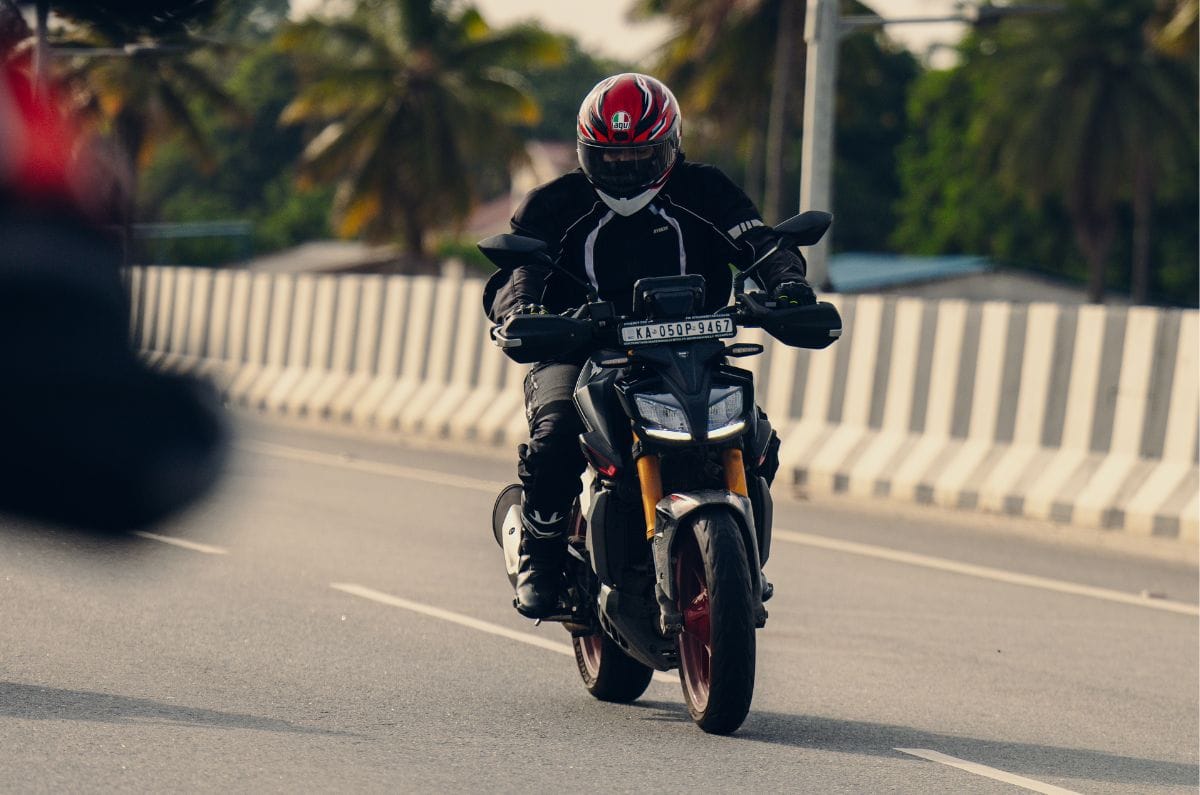
Soon enough, the convoy rolled out of Galleria Mall, making its way towards Kempegowda International Airport before turning onto the sweeping roads leading towards Nandi Hills. I spent the ride aboard an Apache RTR 310, and it proved to be an enjoyable companion for the route. Bengaluru’s cool morning weather, relatively light traffic and impressively smooth roads made every kilometre worthwhile. The wide carriageways and flowing bends allowed the group to settle into a comfortable rhythm, making the ride less about outright speed and more about enjoying the motorcycle and the roads ahead.
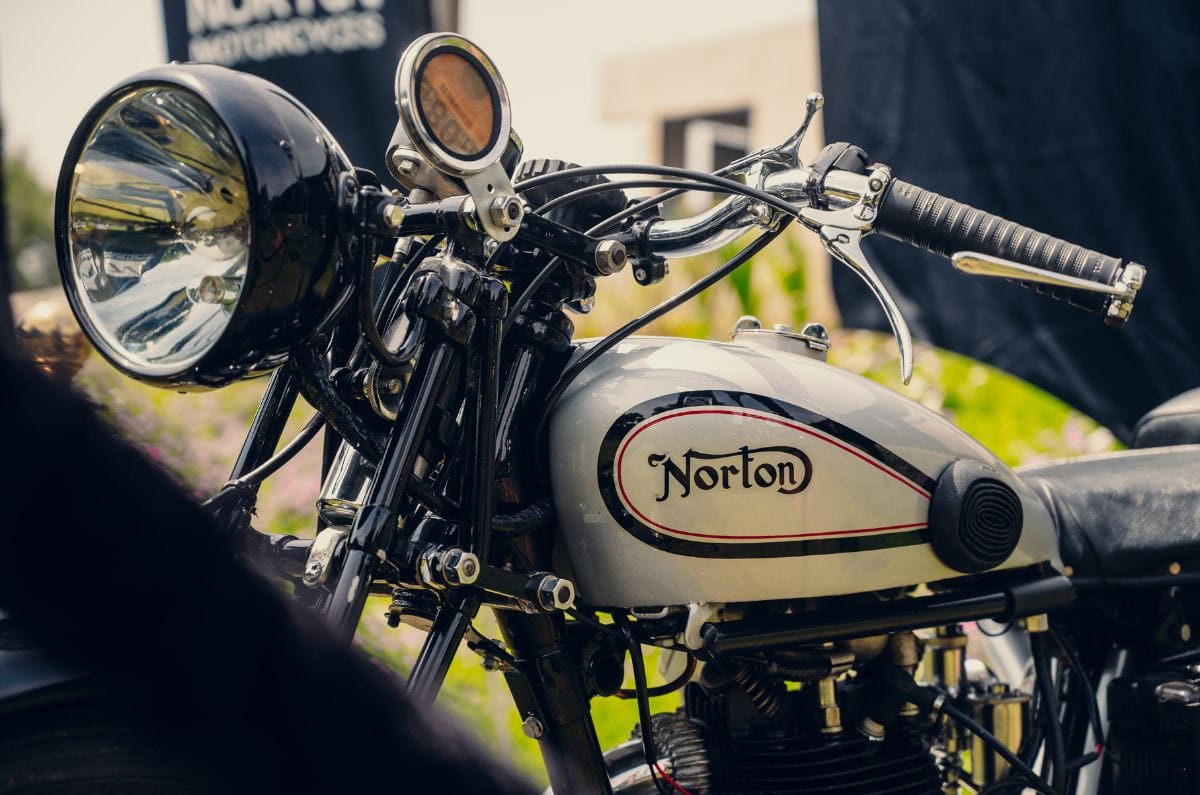
The ride eventually concluded at a breakfast venue, where TVS had organised a relaxed gathering for participants. Two beautifully preserved Norton heritage motorcycles were among the highlights on display, offering a glimpse into the storied past of the British marque. Parked alongside them were a customised TVS Ronin and a one-off Apache RR 310, both attracting plenty of attention as riders gathered around to admire the details. Breakfast was followed by a few light-hearted activities and plenty of conversations, with motorcycles naturally remaining the topic of discussion.
One thing that stood out to me was the enthusiasm of TVS owners. It wasn’t the first time I had noticed it either. Earlier this year, during TVS’s ride in Bhuj, the media had the privilege of riding nearly 180km through the region’s ribbon-like roads. What was equally memorable, however, was the turnout from the Apache Owners Group (AOG). Riders had travelled from Bengaluru and neighbouring states simply to be part of the experience, a testament to the passion that exists within the community.
That enthusiasm is something TVS seems keen to nurture. Throughout its events, the company makes a conscious effort to put the spotlight on its customers, giving riders a chance to share their stories and acknowledging their contribution to the community. It’s a small gesture, but one that goes a long way in making owners feel valued rather than just customers attending another manufacturer event.
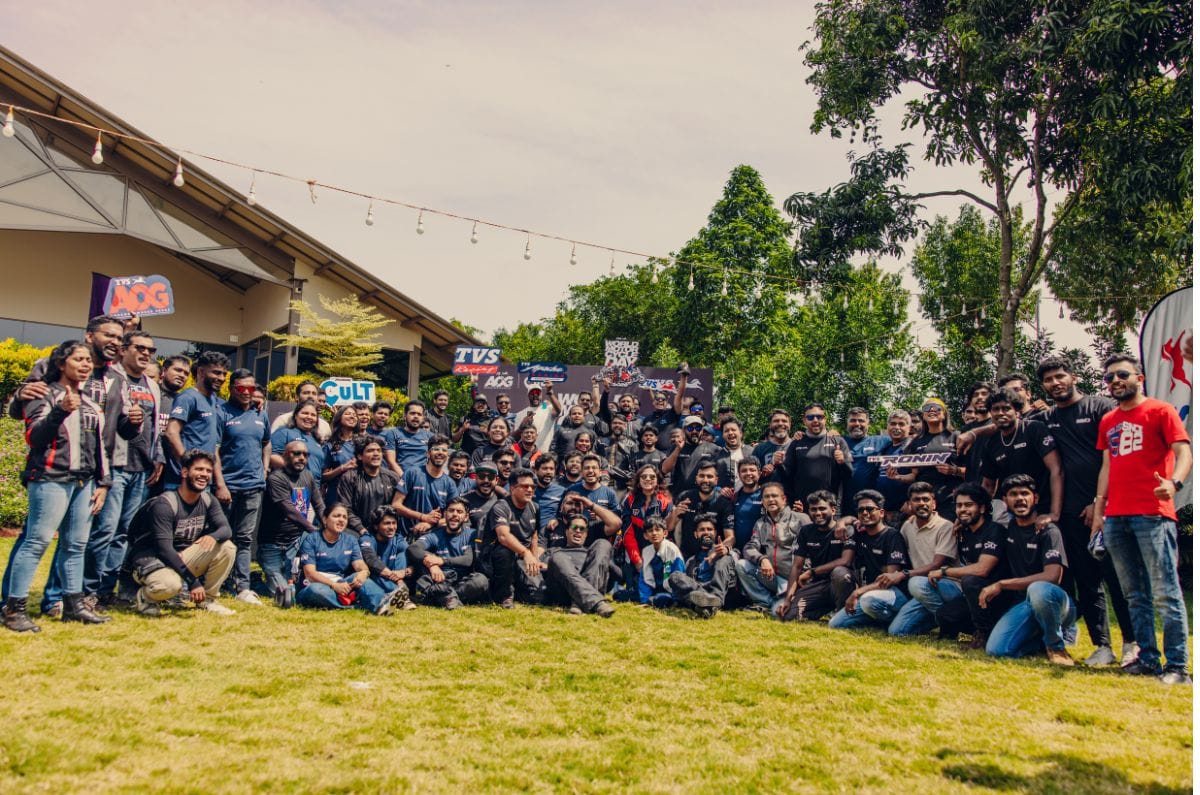
It’s also reflective of a wider trend in the motorcycle industry. Manufacturers are increasingly looking beyond the motorcycle itself and focusing on the experiences that come with ownership. Royal Enfield has long built a lifestyle around its motorcycles; Triumph is expanding its community initiatives through events such as World of Triumph and the Distinguished Gentleman’s Ride, and TVS appears to be taking a similar approach with its growing Apache community. After spending a morning with the riders in Bengaluru, it’s easy to see why these communities continue to grow. The motorcycle may be what brings people together, but it’s the shared experiences that keep them coming back.

Shlok Ghorpade joins Hero MotoSports Dakar programme

Shlok Ghropade Hero Dakar

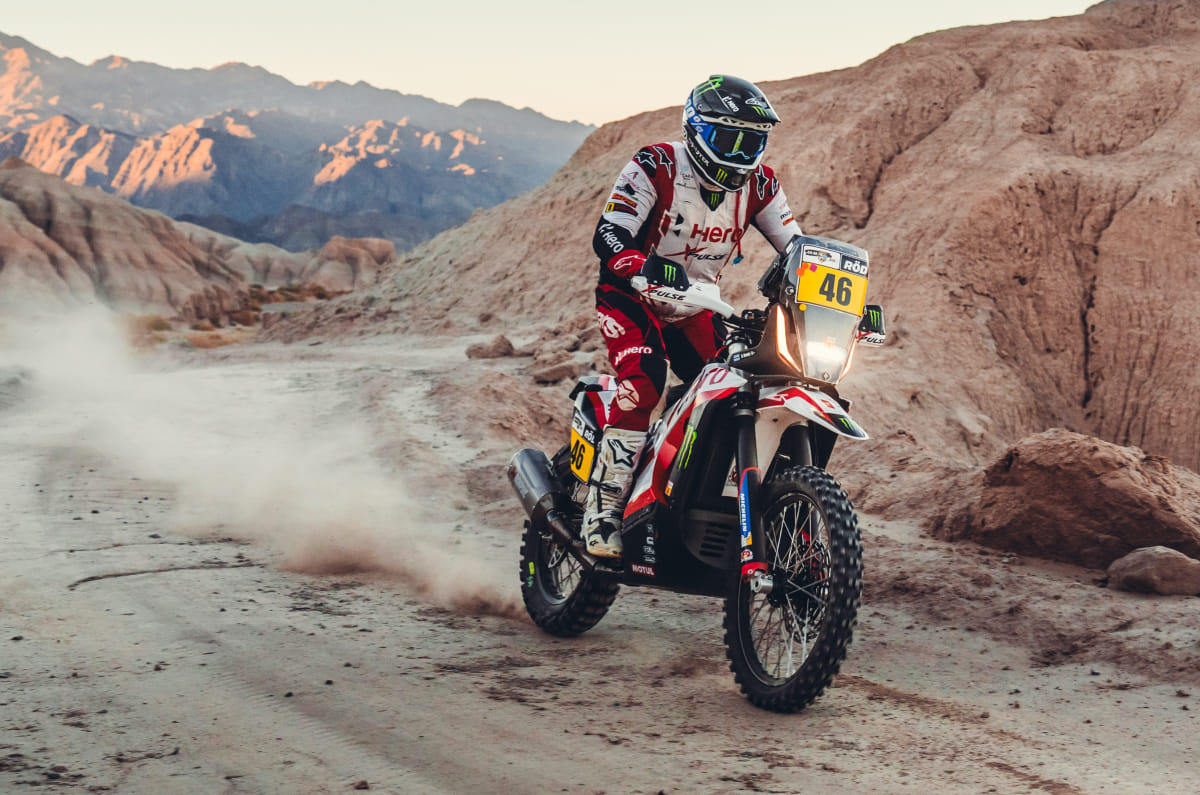
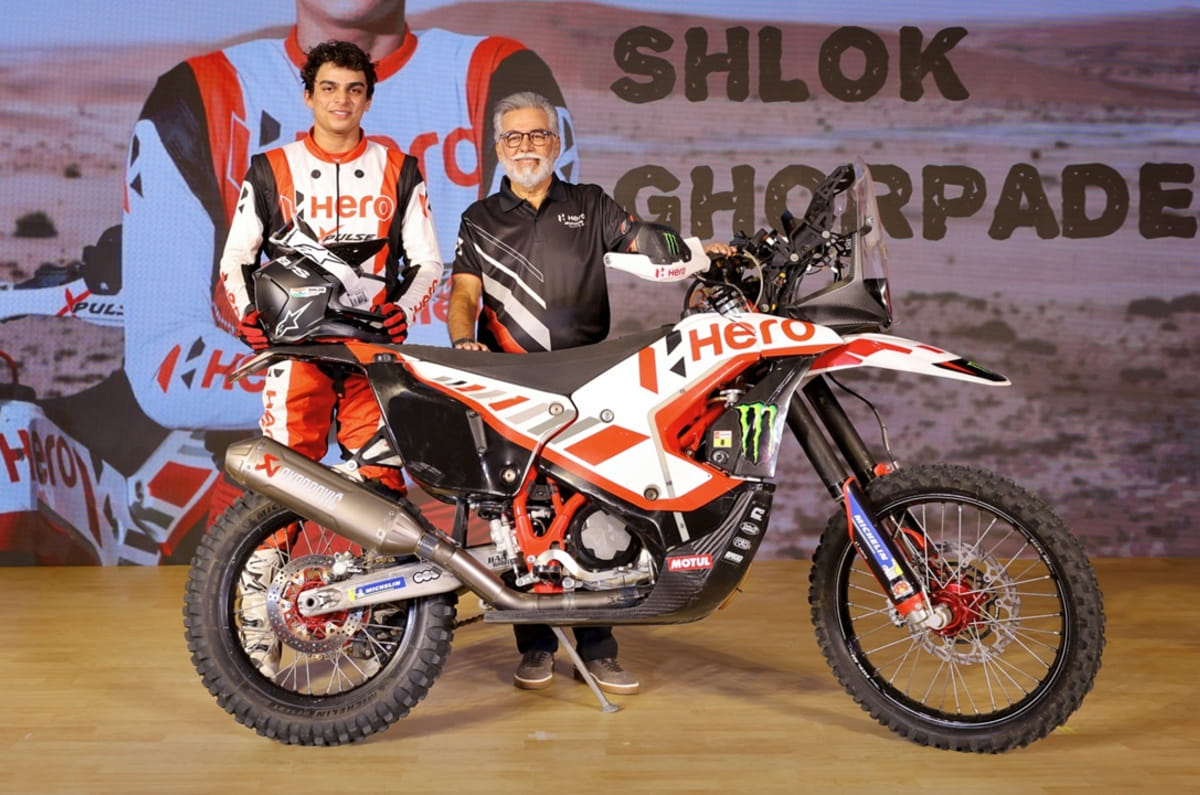
Hero MotoSports remains the only Indian team to compete in the World Rally-Raid Championship, which includes the iconic Dakar Rally. Yet for the past five years, the team’s Dakar roster has featured no Indian riders. That’s all set to change, with the team signing 18-year-old Shlok Ghorpade, who will now undergo an extensive training programme as he charts his path to Dakar. 

As part of its 10th anniversary celebrations, Hero has also launched a new ‘India’s Next Dakar Hero’ programme, aimed at identifying and training the next generation of Indian rally-raid racers.

  1. Ghorpade will participate in a race simulation programme at Morocco
  2. Hero extends partnership with Dakar Rally organiser ASO

Hero launches new India’s Next Dakar Hero programme

Hero MotoSports rally

With over a decade of experience competing in top-level rally-raid, Hero is now looking to develop homegrown rally talent in India. The newly-announced ‘India’s Next Dakar Hero’ programme will focus on identifying, training and developing young off-road racers in India. Crucially, it will also give them a clear pathway from national racing to the international rally-raid scene.

Participants will join a two-to-three year development programme to hone key skills required to compete at the highest level of international rally racing. This includes riding technique, navigation skills, physical conditioning and endurance training.

Ghorpade joins Hero rally team

The first young rider inducted into this programme is Shlok Ghorpade from Satara, Maharashtra. At just 18 years old, he’s already secured seven Indian National titles in Supercross and Dirt Track, as well as seven international motocross trophies. He was also the top national rider in the 2025 Indian Supercross Racing League.

After two years with KTM, Ghorpade has joined Hero MotoSports to take the next step towards his Dakar Rally ambitions. He’s already started training with 2024 FIM World Rally-Raid Champion Ross Branch, along with other Hero rally riders. He’s also set to participate in an intensive race simulation programme at Morocco later this year.

Hero extends partnership with Dakar Rally 

Hero has also renewed its agreement with Amaury Sport Organisation (ASO) – organiser of the Dakar Rally and FIM World Rally-Raid Championship – for another five years.

“The renewal of our partnership with ASO strengthens our long-term commitment to global rally racing,” said Pawan Munjal, executive chairman, Hero MotoCorp. 

“Furthermore, the India’s Next Dakar Hero programme reflects our deep belief that India possesses immense untapped motosports talent waiting to be discovered and nurtured. By welcoming Shlok Ghorpade to the team, we aim to build a sustainable pathway for homegrown Indian riders to compete and excel at the highest levels of the sport. Together, these initiatives represent the next chapter in our journey to create a lasting rally-raid legacy for India.”
 

New Hero MotoCorp commuter motorcycle design patented

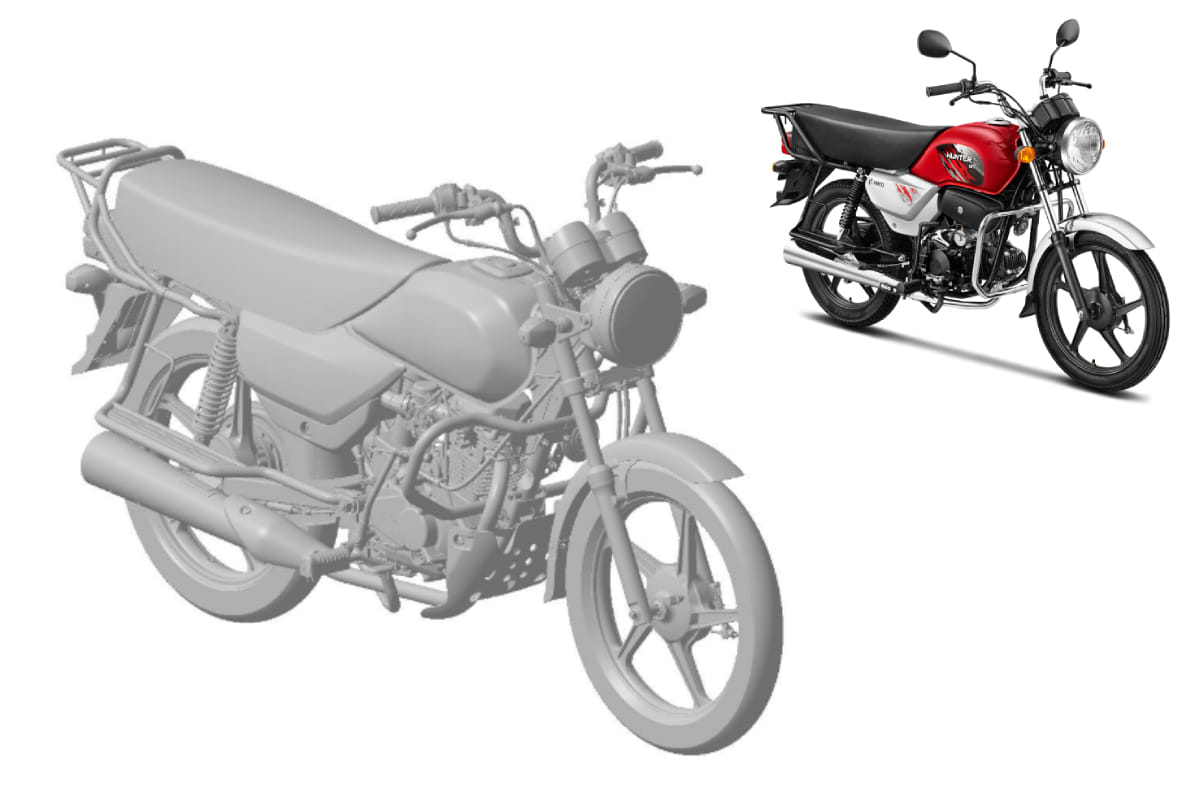
Hero commuter design patent image next to a studio image of the Hunter 125

Hero MotoCorp has filed a design patent in India for a new commuter motorcycle, and a closer look at the patent drawings reveals several interesting details about what the company could be working on. The design bears a strong resemblance to the Hero Hunter 125 currently on sale in select African markets, including Nigeria, but there are enough differences in the engine layout and styling details to suggest this isn’t a straightforward import of that model. 

  1. Design patent filed in India
  2. Closely resembles the Africa-market Hero Hunter 125 in overall silhouette
  3. Engine layout and instrument cluster differ from the Hunter 125

Hero new commuter patent: What the design reveals

The engine layout is different compared to the existing Hunter 125

The overall silhouette and proportions of the patented design are closely aligned with the Hunter 125 sold in Nigeria – a commuter built around a 124.7cc air-cooled single-cylinder engine housed in a simple double-cradle tubular frame. The bike runs on 17-inch alloy wheels and features a flat, boxy single seat. Like Hero’s commuter motorcycles in our market, the Hunter appears to be positioned as a no-nonsense workhorse, reflected in its tagline, “Any load, any road”.

That said, the engine configuration shown in the patent appears to differ from the one used on the existing Hunter 125, which features a slanted ‘sloper’ engine similar to those found in the Splendor, Passion, and HF Deluxe sold in India. The new engine shown in the design patent features a more conventional, upright layout.

The instrument cluster is also a notable detail. Rather than the single-pod console seen on the Hunter 125, the cluster on the patented design appears to be a twin-pod unit similar to the one Hero uses on the Hunter 100 ES in its African line-up.

Taken together, these details suggest this could be a new 125cc commuter intended for the Indian market, drawing styling inspiration from the Hunter family while being built around an updated mechanical package. Whether Hero intends to position this as an addition to an existing line-up here or as an entirely new nameplate remains to be seen. The manufacturer has not made any official announcement regarding this patent, and we will update this story as more information becomes available.

Tata Motors to expand portfolio from 9 to 15 models by FY2031

Tata Motors

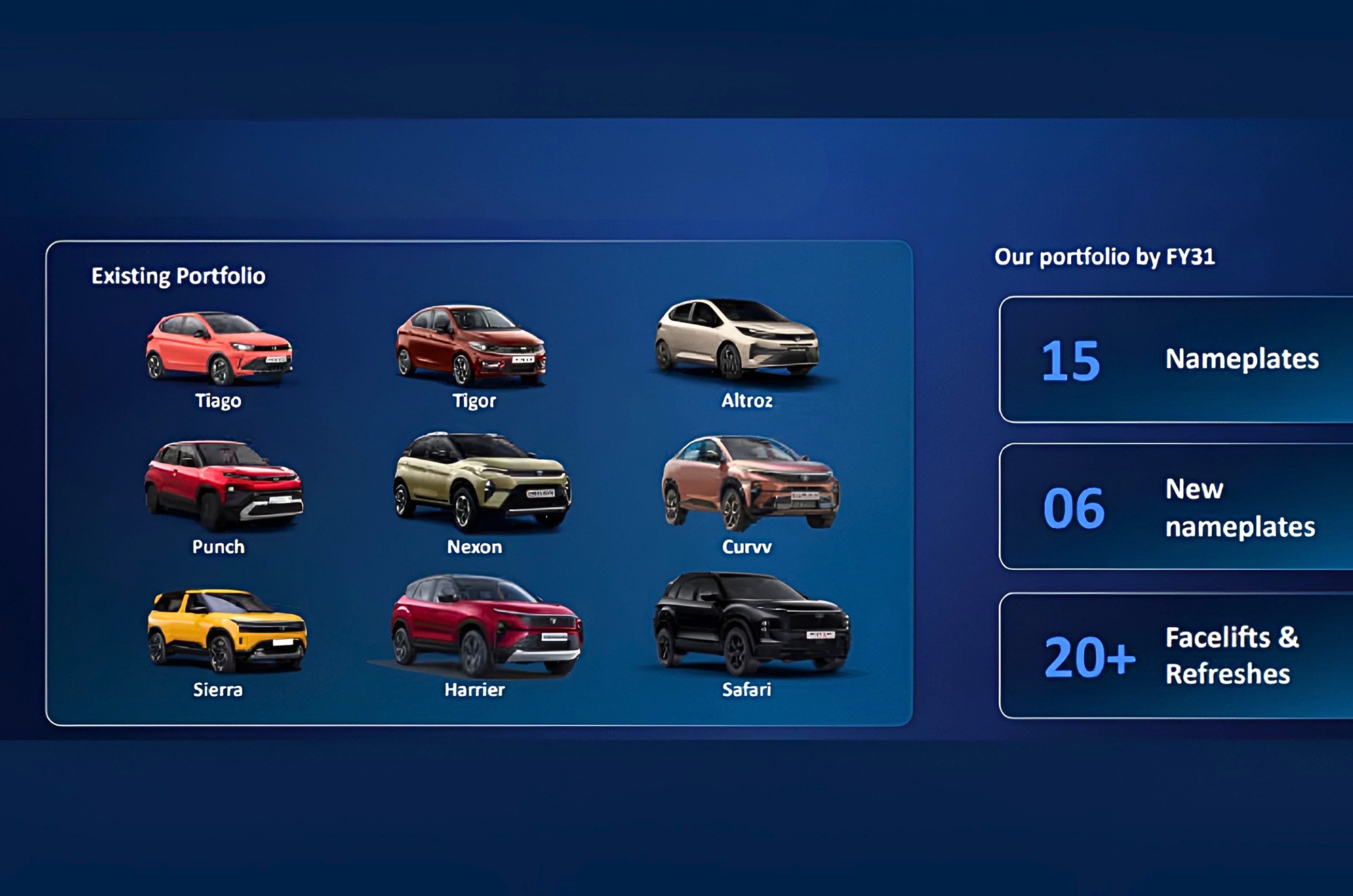
Tata Motors plans to expand its passenger vehicle portfolio from nine models currently to 15 by FY2031 as part of a broader product-led growth strategy. Speaking at its Investor Day presentation, the company said it has lined up more than 20 product interventions, including six all-new nameplates, over the next five years as it targets an 18-20 percent share of the passenger vehicle market.

  1. Annual PV sales target of over 1.2 million units
  2. EV portfolio to expand from six models to 10
  3. Manufacturing capacity to rise to 1.3 million units

Six new models planned

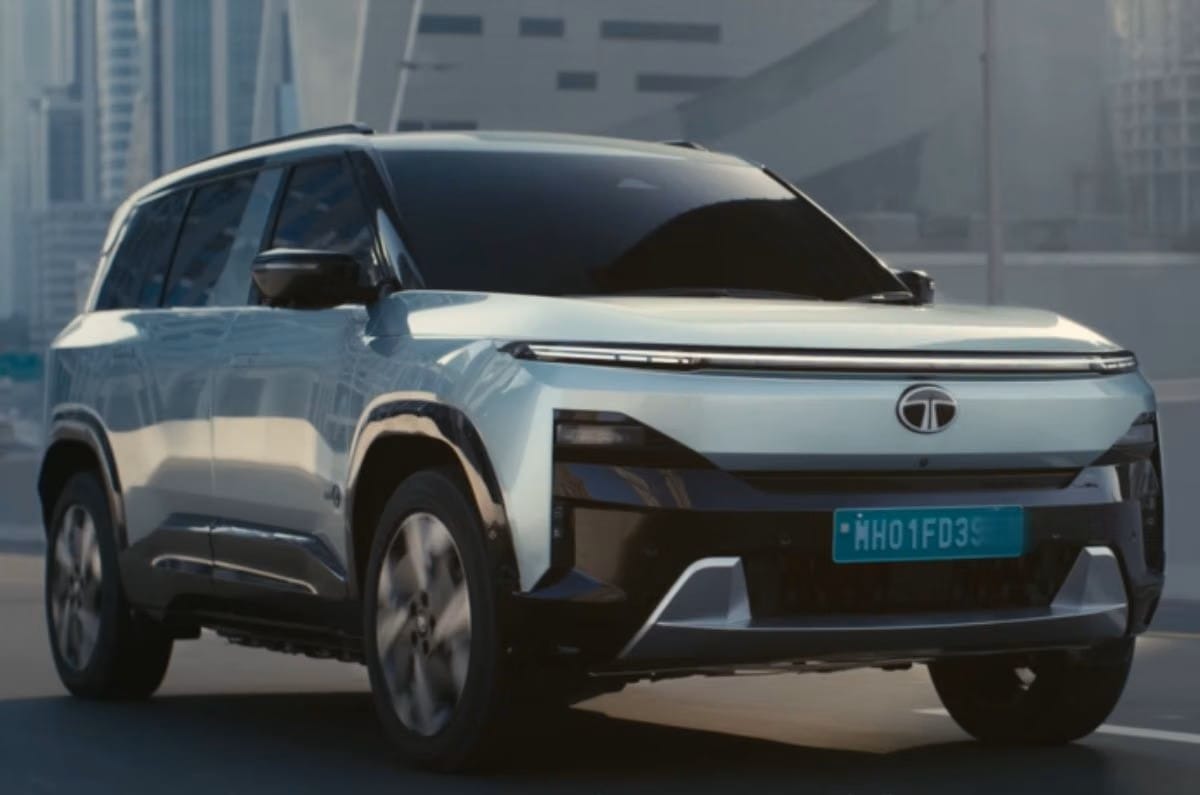
Upcoming Sierra.ev

Tata Motors said the expansion will be supported by six new nameplates, along with facelifts, powertrain updates, feature additions and new derivatives across its existing range. The company said the larger portfolio will help it expand into more segments and offer buyers a wider choice of body styles and powertrains.

Among the upcoming launches are the Sierra.ev, which is scheduled to debut on June 30, and the Safari.ev, expected to launch by the festive season this year. The company is also preparing to introduce the Avinya EV range, which is expected to arrive within the next year.

EVs and CNG to play a larger role

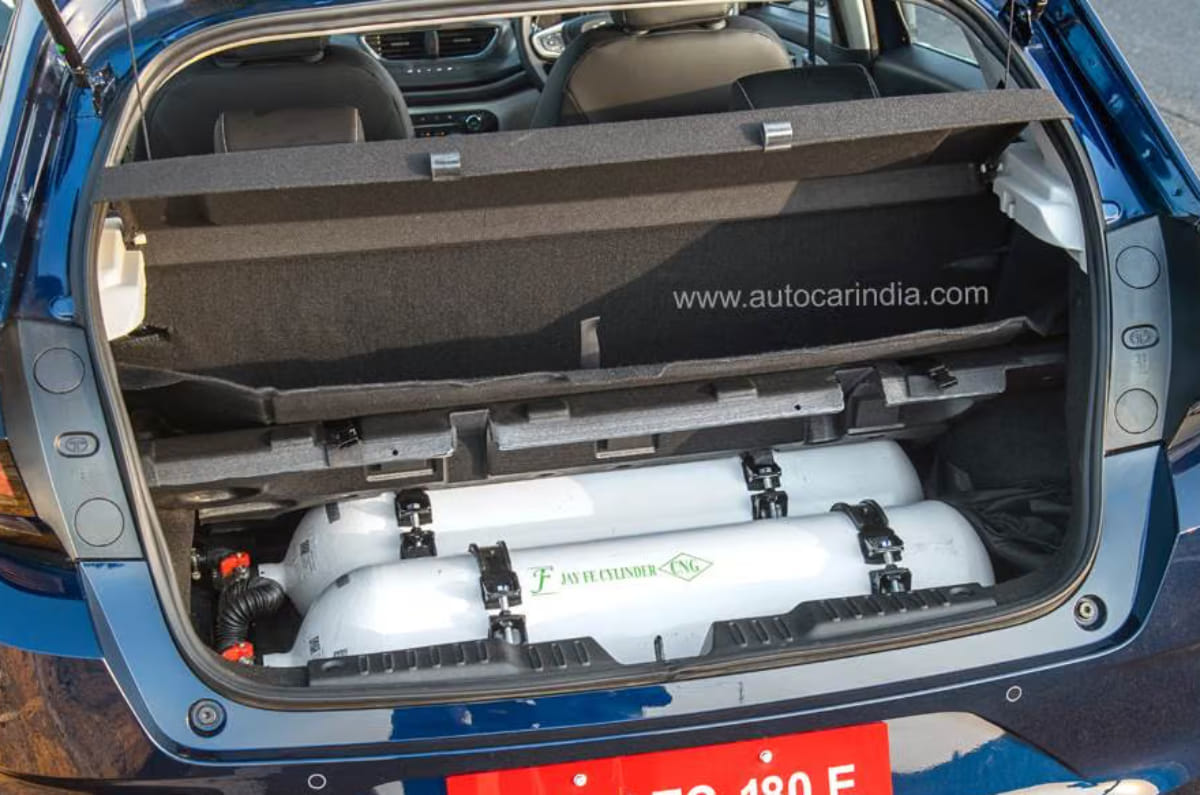
Tata Motors’ twin cylinder CNG setup.

Tata Motors is targeting a 30 percent EV mix within its passenger vehicle portfolio by FY2031. Based on its overall volume ambitions, that translates to annual EV sales of around 350,000-400,000 units, representing a three-to-four-fold increase over current levels.

The company plans to expand its EV portfolio from six models to 10 and expects electric vehicles to account for 15-20 percent of the overall passenger vehicle market by FY2031.

Tata Motors also expects EVs and CNG vehicles together to account for around 45 percent of India’s passenger vehicle market by FY2031, reflecting growing demand for alternative powertrains.

Targets 1.2 million annual sales by FY2031

Tata Motors is targeting annual passenger vehicle sales of more than 1.2 million units by FY2031, up from around 640,000 units currently. The company is also aiming for an 18-20 percent share of the passenger vehicle market by the end of the decade.

The company also plans to increase annual manufacturing capacity from around 900,000 units to 1.3 million units over the next two to three years to support future volume growth.

5 Popular 200cc-250cc Bikes in India 2026

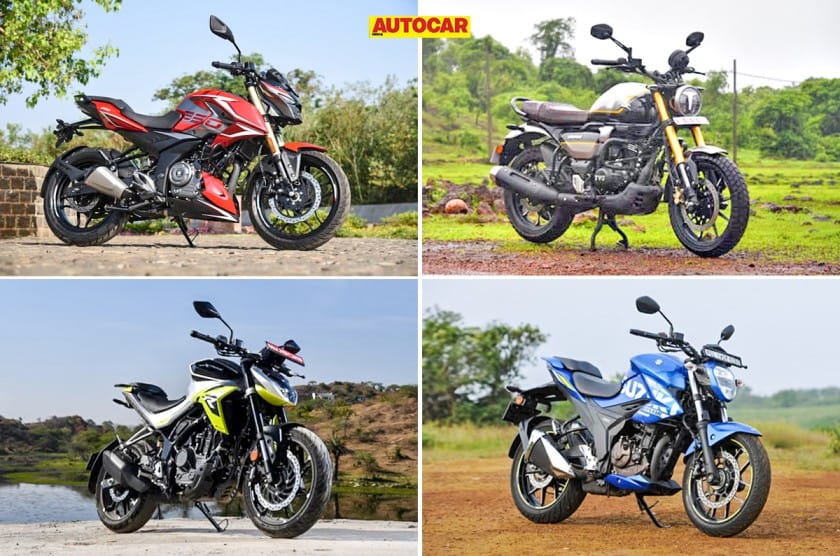
Top 200cc-250cc bikes in India featuring Pulsar N250, Gixxer 250 and KTM 250 Duke

The 200cc-250cc segment continues to be one of the most competitive spaces in the Indian motorcycle market. Buyers today have plenty of choice, ranging from sporty nakeds to relaxed roadsters.

Here are five popular 200cc-250cc bike options in this bracket.

All prices are ex-showroom, Delhi

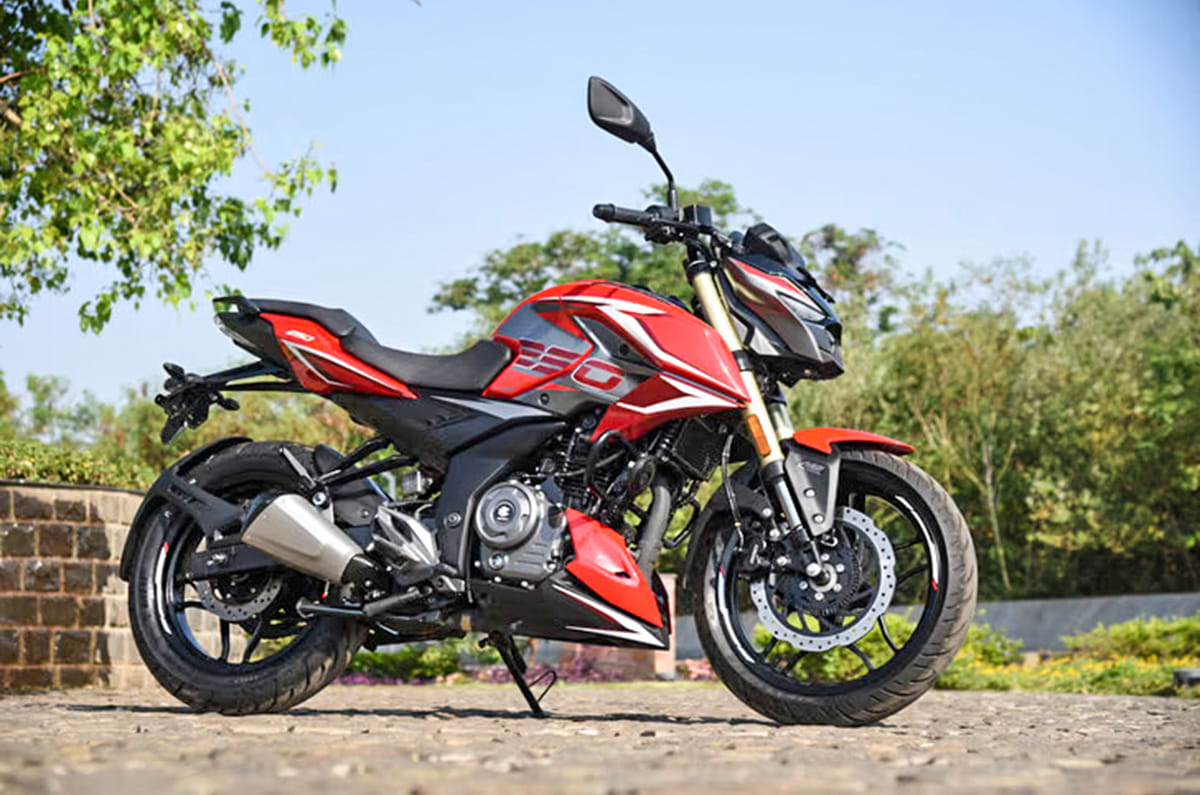
Bajaj Pulsar N250

Rs. 1.34 lakh

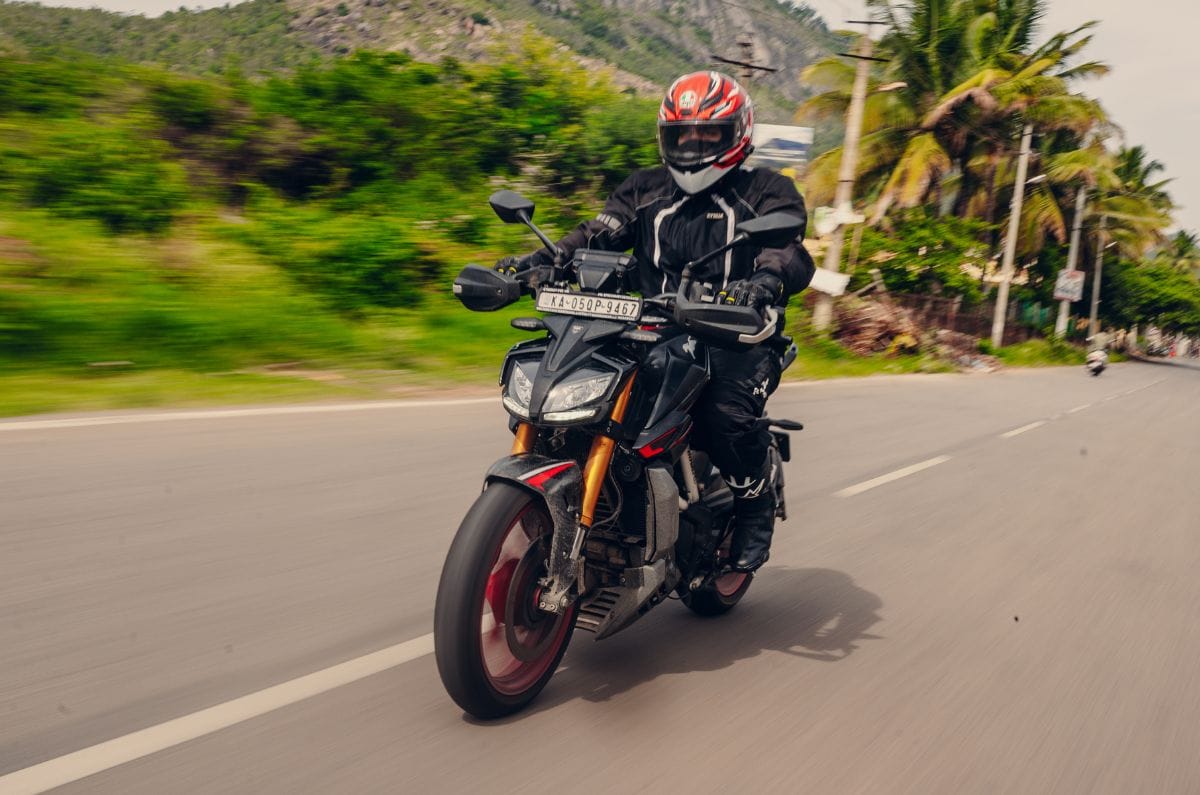
The Pulsar N250 is powered by a 249cc air/oil-cooled single-cylinder engine that produces 24.5hp. Bajaj has focused on making the power delivery approachable and usable for everyday riding, while still offering enough performance for highway duties. With a kerb weight of 162kg and a low 795mm seat height, the N250 feels manageable in traffic and remains easy to ride for most folks.

The latest version also comes equipped with features such as traction control, ABS riding modes, LED lighting and a digital instrument cluster with Bluetooth connectivity. Overall, the Pulsar N250 continues to be a well-rounded option in this segment. You can also browse other Bajaj bikes in India for more choices across different segments.

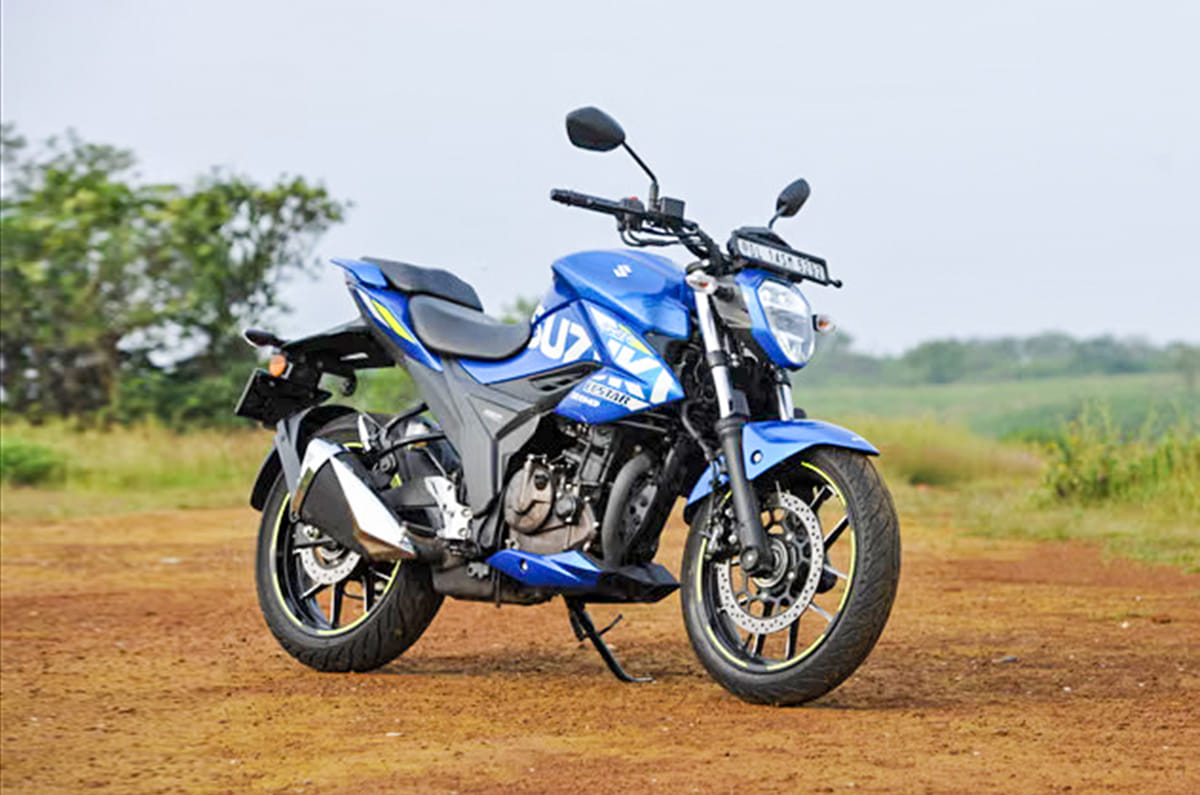
Suzuki Gixxer 250

Rs. 1.82 lakh

The Gixxer 250 is powered by a 249cc oil-cooled single-cylinder engine producing 25.77hp. Suzuki’s quarter-litre motor is known for its strong mid-range performance and refined nature, which makes the bike particularly enjoyable on longer rides and highway runs. At 156kg, it is also among the lighter motorcycles in this class.

Unlike some of its more aggressive rivals, the Gixxer 250 focuses on offering a balanced riding experience. The bike gets sharp, angular styling, a comfortable riding posture and a smooth engine. For more options from the brand, explore all Suzuki bikes in India.

TVS Ronin

Rs. 1.27 lakh – Rs. 1.61 lakh

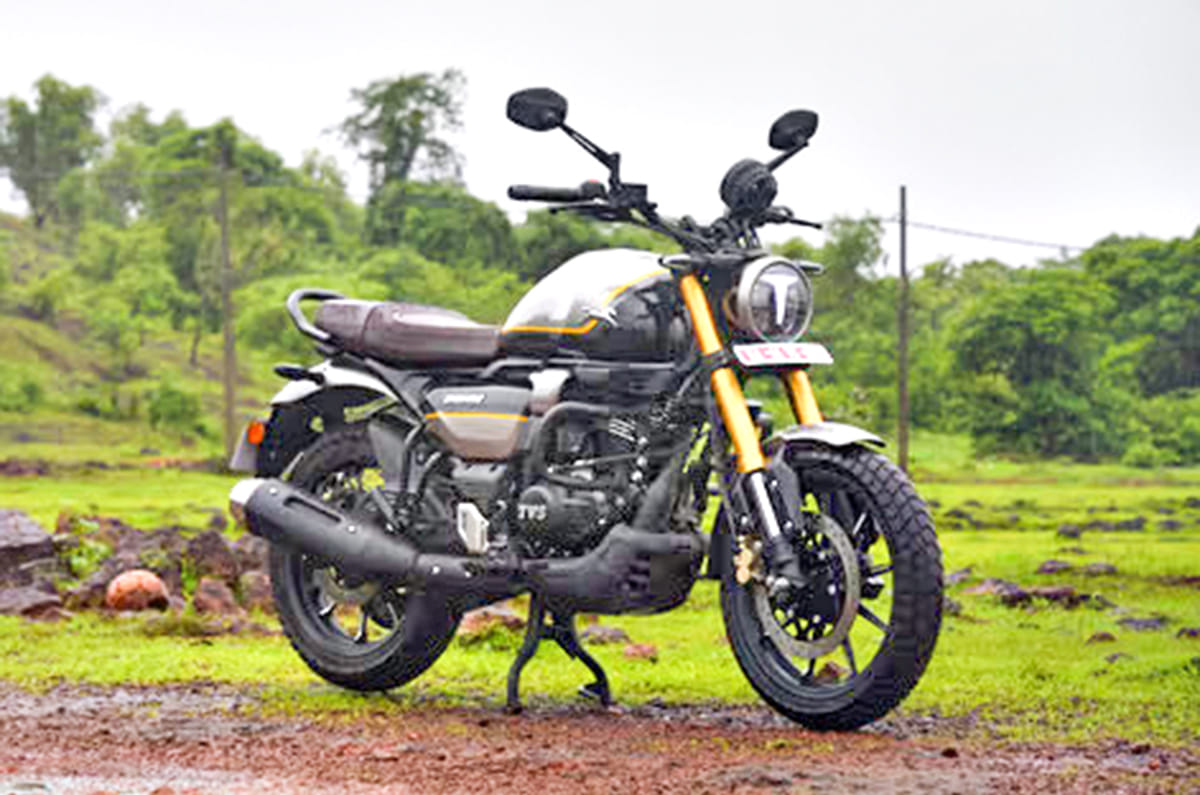
The TVS Ronin adopts a very different approach compared to most motorcycles in this segment. Instead of focusing purely on outright performance, the Ronin blends neo-retrostyling with a relaxed riding experience. Power comes from a 225.9cc oil-cooled single-cylinder engine producing 20.4 hp.

The Ronin also stands out for its accessible nature. With a low 795mm seat height and manageable 159kg kerb weight, it remains easy to handle in everyday conditions. Features such as riding modes, Bluetooth connectivity and dual-channel ABS (on the higher variants) add to its appeal, while the upright ergonomics make it particularly comfortable for city use and relaxed riding. You can also check the complete range of TVS bikes in India for more choices.

Hero Xtreme 250R

Rs. 1.73 lakh

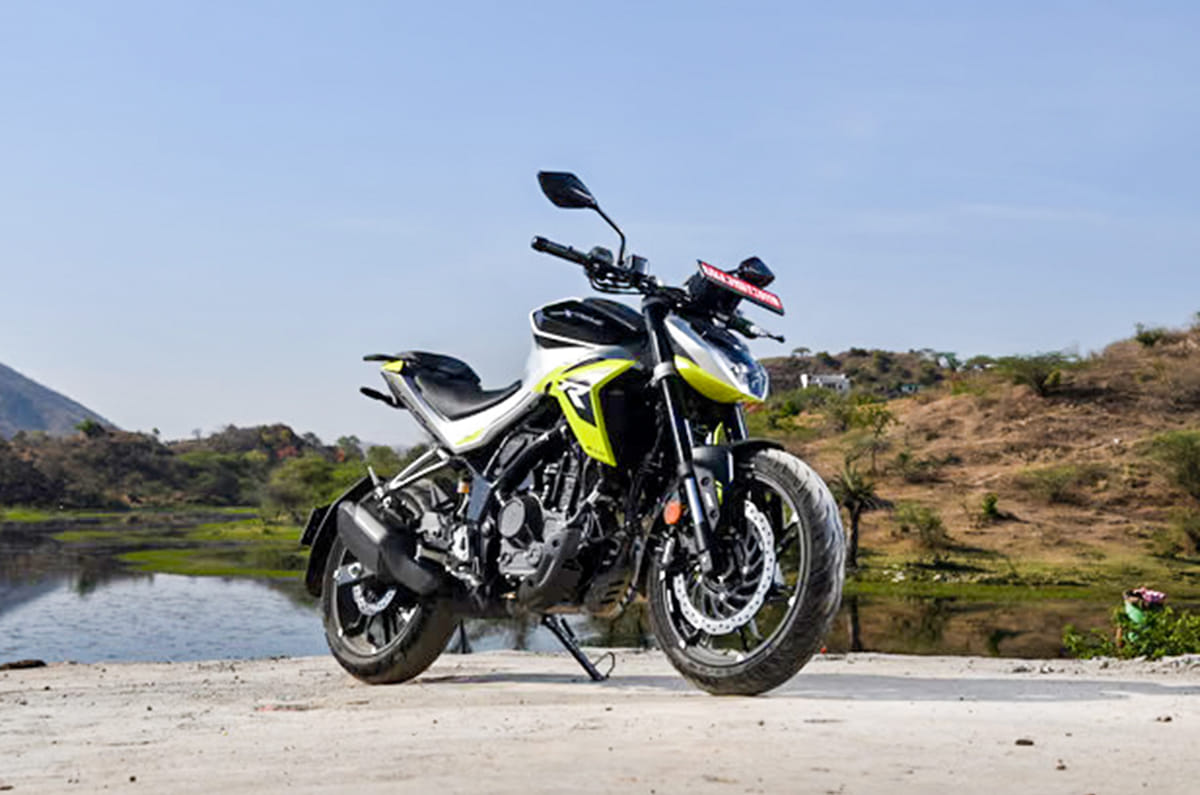
The Xtreme 250R marks Hero’s entry into the quarter-litre naked motorcycle segment. It is powered by a new 249cc liquid-cooled single-cylinder engine producing 30hp, making it one of the most powerful motorcycles in this category.

In terms of design, the Xtreme 250R features sharp bodywork and a muscular stance that gives it a strong road presence. With a kerb weight of 167.7kg and an 806mm seat height, it should be manageable for a wide range of riders. The bike also benefits from USD suspension, disc brakes at both ends and modern features such as a digital display and full LED lighting.

KTM 250 Duke

Rs. 2.22 lakh

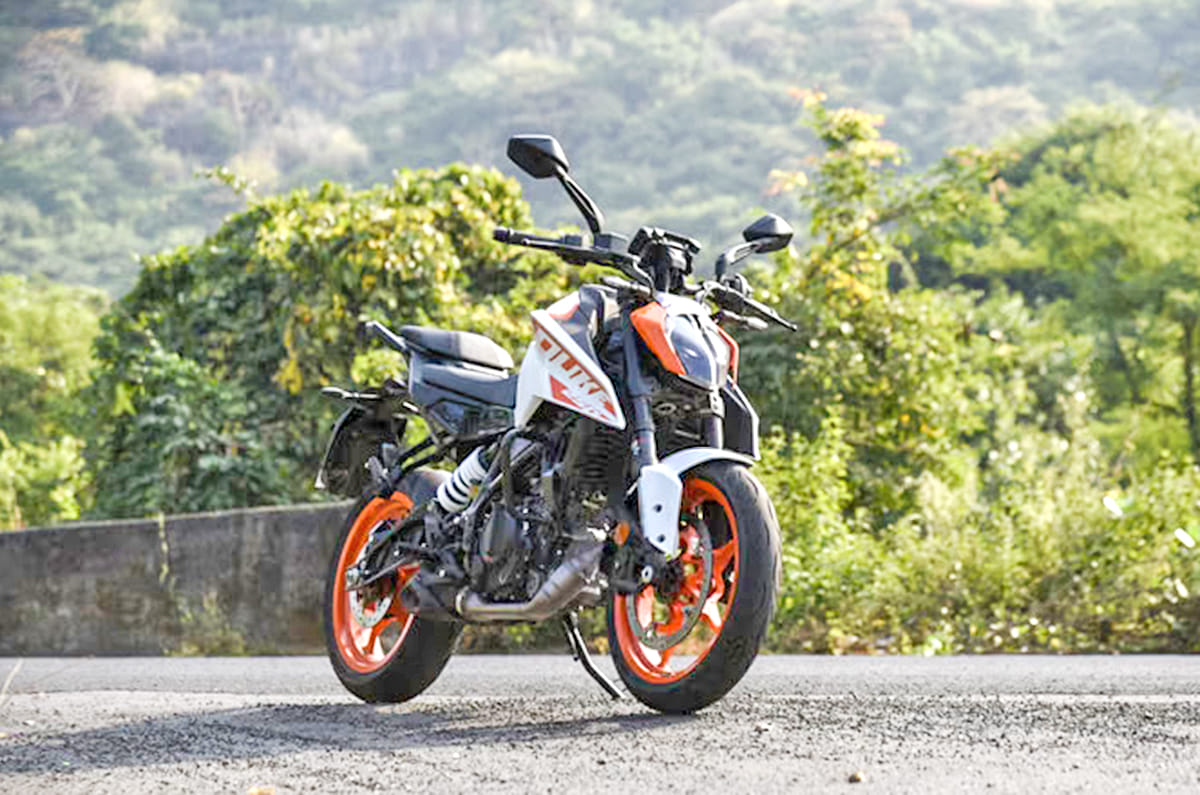
The KTM 250 Duke is the sharpest-handling motorcycle in the quarter-litre class. It is powered by a 249cc liquid-cooled single-cylinder engine producing 31hp, giving it a noticeable performance advantage over most rivals here. The engine is paired with a 6-speed gearbox and a bi-directional quickshifter, further enhancing the riding experience.

The latest-generation 250 Duke also benefits from revised ergonomics, improved electronics and a more aggressive design inspired by the larger 390 Duke. Features such as the TFT display, riding modes and lightweight chassis help make it one of the most feature-rich motorcycles in this segment. Discover the full KTM bikes in India lineup to compare more options across segments.

Autocar India:

Our June 2026 issue is headlined by a landmark story: Jeep will use Tata Motors’ ARGOS platform that underpins the Sierra to develop its next-generation SUV in India. On four wheels, we also drive the facelifted Honda City and the updated Mercedes-Benz S-Class, and put the Mahindra XUV 7XO through our exhaustive road test. We bring together four new midsize SUVs for a mega comparison, line up 12 cars for our annual AC torture test in 40-plus-degree heat, and take to the drag strip for Drag Day 2026. On two wheels, we ride the new Norton Manx R on Spanish roads, ride the new BSA Scrambler 650 and the downsized 350cc KTM 390 Duke and 390 Adventure, and road test the updated Suzuki Burgman Street.

Jeep to use Tata’s ARGOS platform: Cover Story

In a remarkable reversal of the traditional technology flow, Stellantis has confirmed it will develop a new Jeep SUV in India on Tata’s ARGOS architecture. The SUV will be assembled here and exported to over 50 countries. For Tata, it is meaningful validation on a world stage. For Jeep, it could be the boost the brand has been waiting for.

Duster vs Seltos vs Sierra vs Kushaq: Comparison Test

Four of the most exciting midsize SUV launches in recent memory, brought together in top-spec form for the first time. Which one is right for you?

Mega AC Test: Feature

Seven compact and five midsize SUVs, baked under 40-plus-degree heat, then put through our rigorous AC protocol. With temperatures soaring across the country, which SUVs can actually keep their cool?

Mercedes-AMG GT 4-Door Coupé: First Look

Up to 1,169hp, axial flux motors, 600kW charging capability, and a V8 soundtrack built from over 1,600 sound files. The most technically ambitious four-door sports car ever made is heading to India. We have a first look.

Honda City Facelift: First Drive

Honda’s longest-running nameplate gets a sportier face, a bigger touchscreen and ventilated front seats for 2026. But with the segment getting sharper by the day, has the City done enough?

Mercedes-Benz S-Class Facelift: Drive

Half its components are new. There’s a bolder face, an all-new electronic backbone running MB.OS, and a new plug-in hybrid promising up to 100km of electric range. We drive the updated benchmark for luxury sedans.

Mahindra XUV 7XO: Road Test

The XUV700’s successor gets new suspension, a triple-screen layout, and sharper engines. We put the turbo-petrol and diesel automatics through our exhaustive real-world tests to find out how the numbers stack up.

Drag Day 2026: Feature

Compact SUVs, midsize SUVs, EVs, hot hatches and a Porsche 911 GTS, all on a drag strip. There are surprises, upsets and a new all-time record. Who came out on top?

Used Car Study 2026: Feature

Our fourth annual resale study, conducted in association with Spinny and based on over 10,800 real-world transactions, reveals which cars hold their value best over five years.

Norton Manx R: Ride

TVS has taken the iconic Norton nameplate into the future with the Manx R, a 206hp V4 superbike that bucks the current trend of mass-market mediocrity. We ride it on Spanish roads and at the Monteblanco circuit to find out if it’s as special as it looks.

BSA Scrambler 650: First Ride

A more rugged take on the Gold Star 650, the BSA Scrambler brings real character to a class that can feel a little generic. We throw a leg over one to find out if it’s more than just a looker.

350cc KTM 390 Duke and 390 Adventure: First Ride

New GST regulations have forced KTM to downsize the 390 range from 399cc to 349cc. The bikes are more affordable, but have the changes come at a cost to the character that made them such favourites. 

2026 Suzuki Burgman Street: Road Test

Suzuki’s popular 125cc maxi-scooter gets its first major overhaul. We put it through our instrumented tests to find out how it measures up.