350cc Bajaj Dominar 400 review: One of a kind

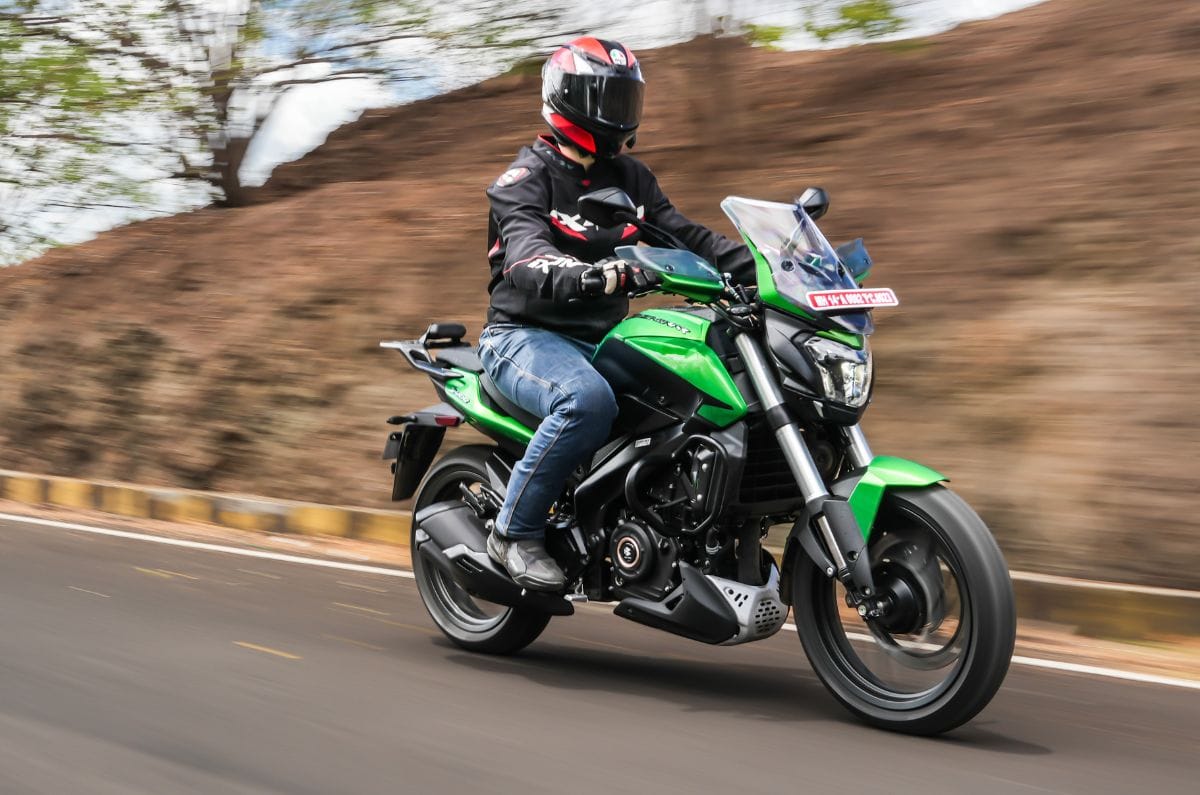
Bajaj Dominar 400 front right side riding shot on road

With the Dominar 400 now powered by a smaller-capacity 349cc engine, Bajaj’s cycle of downsizing all its products, along with the Triumph 400s and select KTM 390s it manufactures, is now complete – an exercise undertaken to benefit from the lower 18 percent GST on two-wheelers under the 350cc threshold. But has this downsizing affected the Dominar 400 in any significant way, and who exactly is this bike for today?

Design and Features – 7/10

It’s been nearly a decade since Bajaj launched the Dominar 400, and in that time, not much has changed visually. While you can call the Dominar a dated-looking machine, you certainly can’t accuse it of being a sparsely equipped one. I don’t mean fancy features and farkles like a laundry list of electronic rider aids or a huge TFT display; instead, the Dominar is well kitted out for its target audience. Things you usually have to purchase as extras on other bikes, such as a pillion backrest integrated into the luggage rack, a comprehensive engine guard, a big front windscreen and knuckle guards, come standard on the Dominar 400.
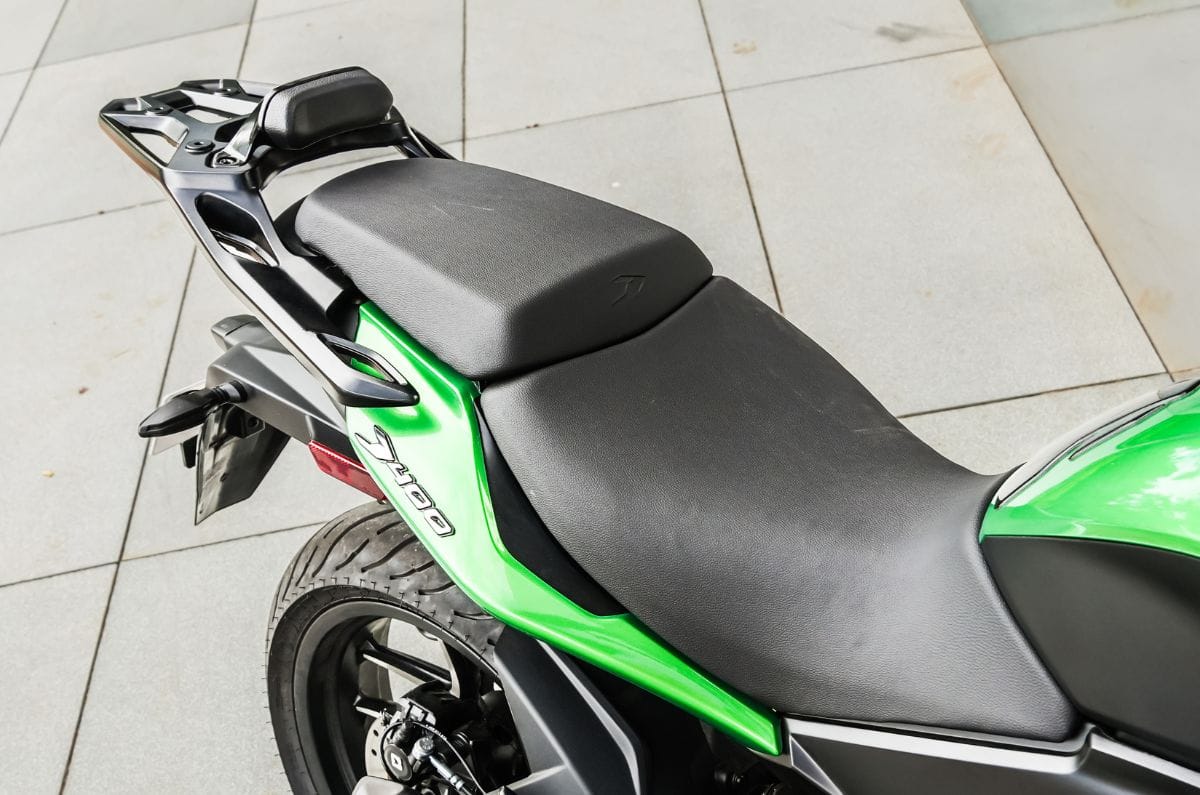
Bajaj Dominar 400 seats
The Dominar is a very practical and comfortable machine.

The biggest change from the rider’s POV is the new Pulsar NS400Z-sourced display and switchgear, which the Dominar received a year ago. With this update, it also got four riding modes (Sport, Road, Rain and Off-road) with distinct ABS calibration for each. One thing that remains exclusive to the Pulsar is the bidirectional quickshifter, which seems like a strange miss on the more expensive Dominar.  
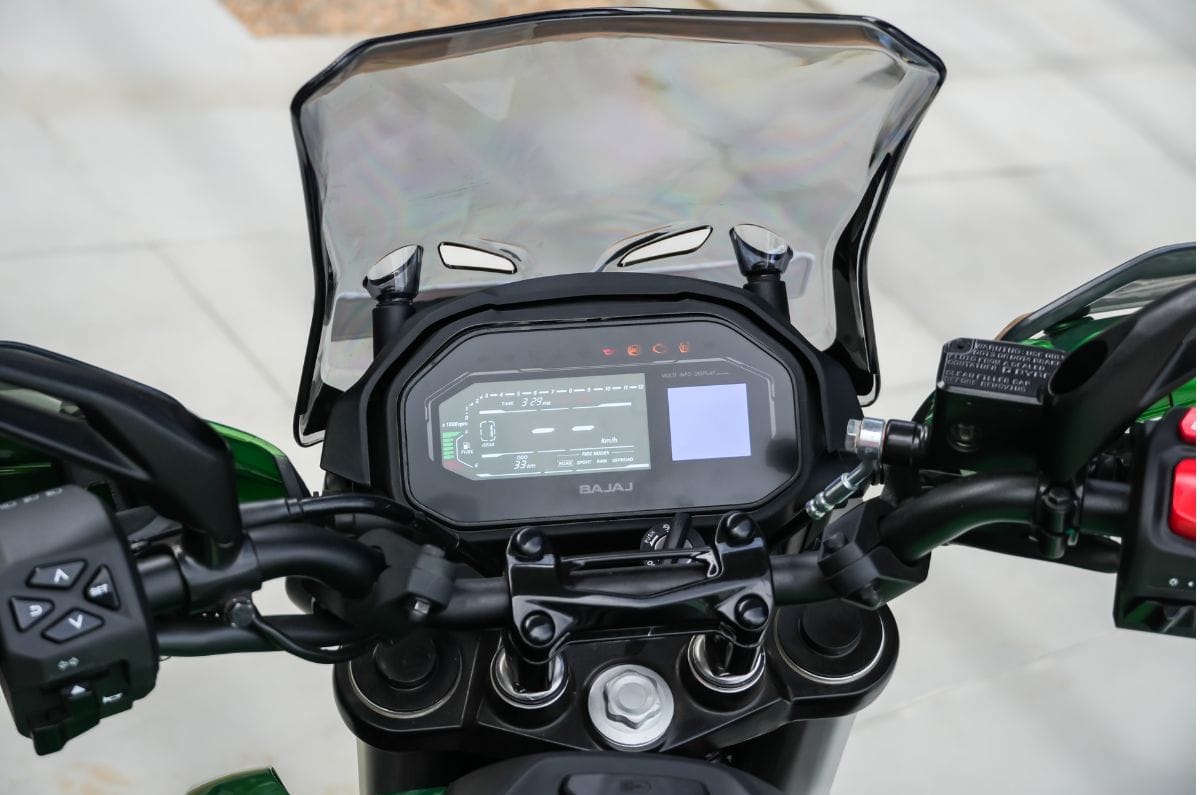
Bajaj Dominar 400 display
The Dominar and Pulsar NS400Z share this display and switchgear.

Performance and Fuel Economy – 8/10

The Dominar’s 373cc engine was downsized to 349cc by reducing the stroke from 60mm to 56.1mm while retaining the 89mm bore. Barring some essential changes necessary for the downsizing process to the engine’s head, the mill retains everything from before, including its compression ratio. While the Dominar and Pulsar NS400Z share this engine, there are some differences. Both have distinct mapping and tuning to suit their different roles, and the Dominar also has different camshafts and a heavier flywheel for a stronger mid-range.
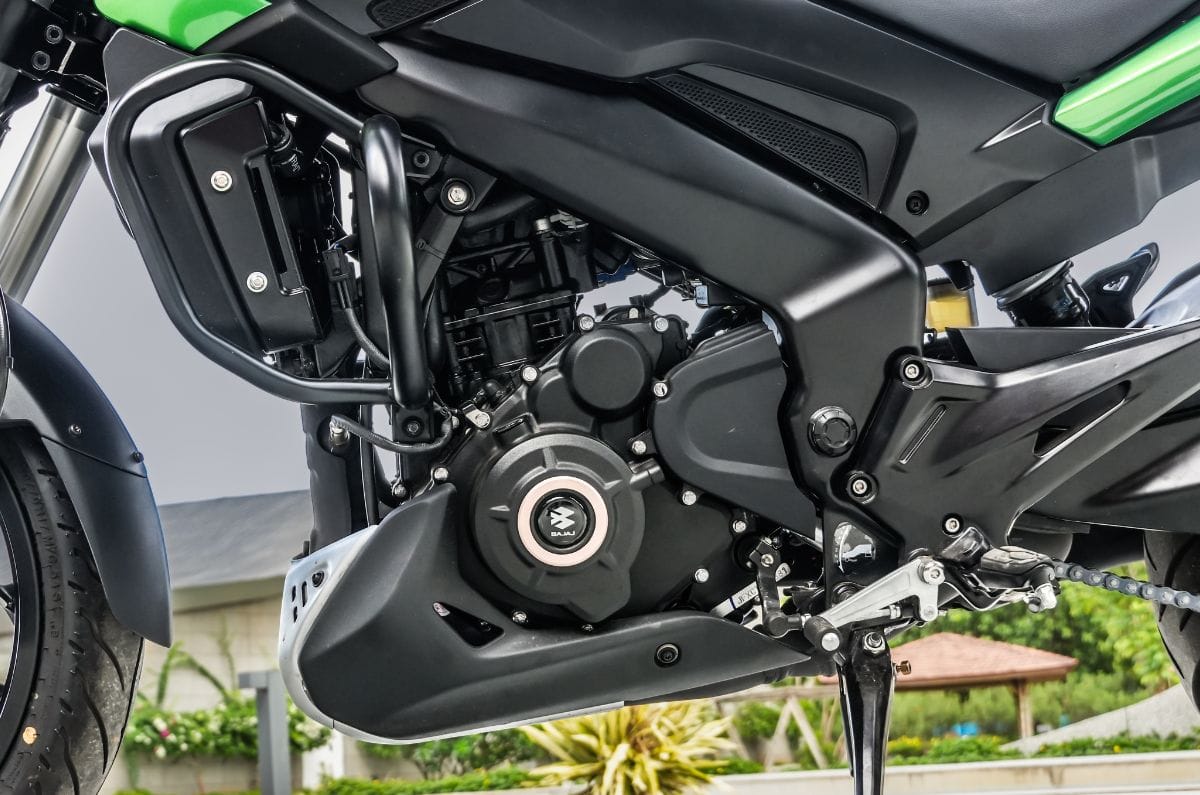
Bajaj Dominar 400 engine
The Dominar’s engine is in a different state of tune from that of the Pulsar NS400Z.

In fact, the Dominar 400 is one of those rare cases where the same engine produces more power after being downsized! It never received the 43hp state of tune as the Pulsar did last year and stayed at 40hp, so now there’s a marginal 0.6hp improvement. Torque, however, has dropped from 35Nm to 33.2Nm on the 349cc version.

On the move, the 349cc Dominar 400 retains its predecessor’s relaxed character, although you do feel the drop in low- and mid-range compared to the 373cc version. Nevertheless, the Dominar 400 still has more than enough performance, and out on wide, open roads, sustaining 100-120kph in top gear is quite a placid affair, and commendable highway performance is one of its biggest USPs. Also worth mentioning is that its engine has a calmer and easier-to-use nature than the one in the NS.

Ride and Handling – 9/10

The Dominar 400 has never been about maximum thrills – look at the Pulsar NS400Z for that – and the engine’s relaxed demeanour carries over to the chassis front as well. This is a surefooted and predictable machine, but you wouldn’t call it a sporty one. Flowing through gentle corners is more up the Dominar’s alley than attacking fast switchbacks. Its foot pegs also touch down without too much effort, and it is best to ride this bike in a relaxed yet brisk fashion.
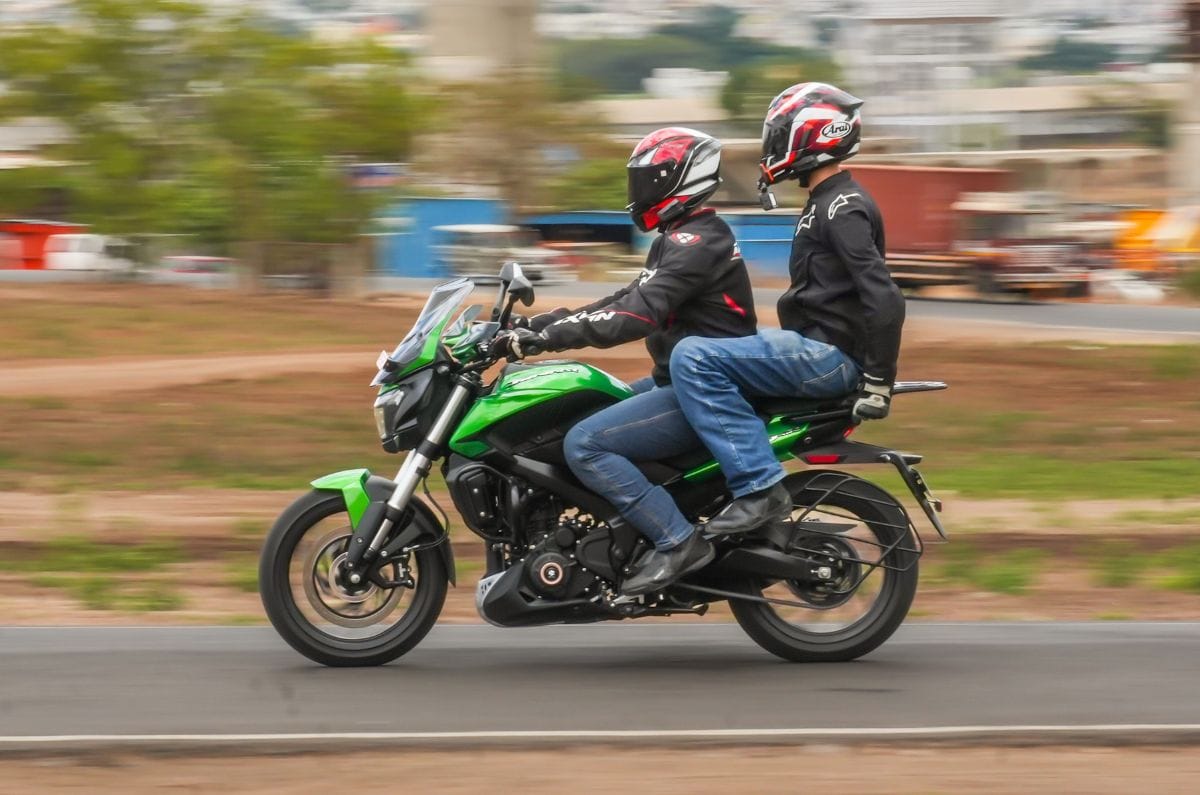
Bajaj Dominar 400 left side profile riding shot on road with two people
Two full-size adults fit comfortably on the Dominar.

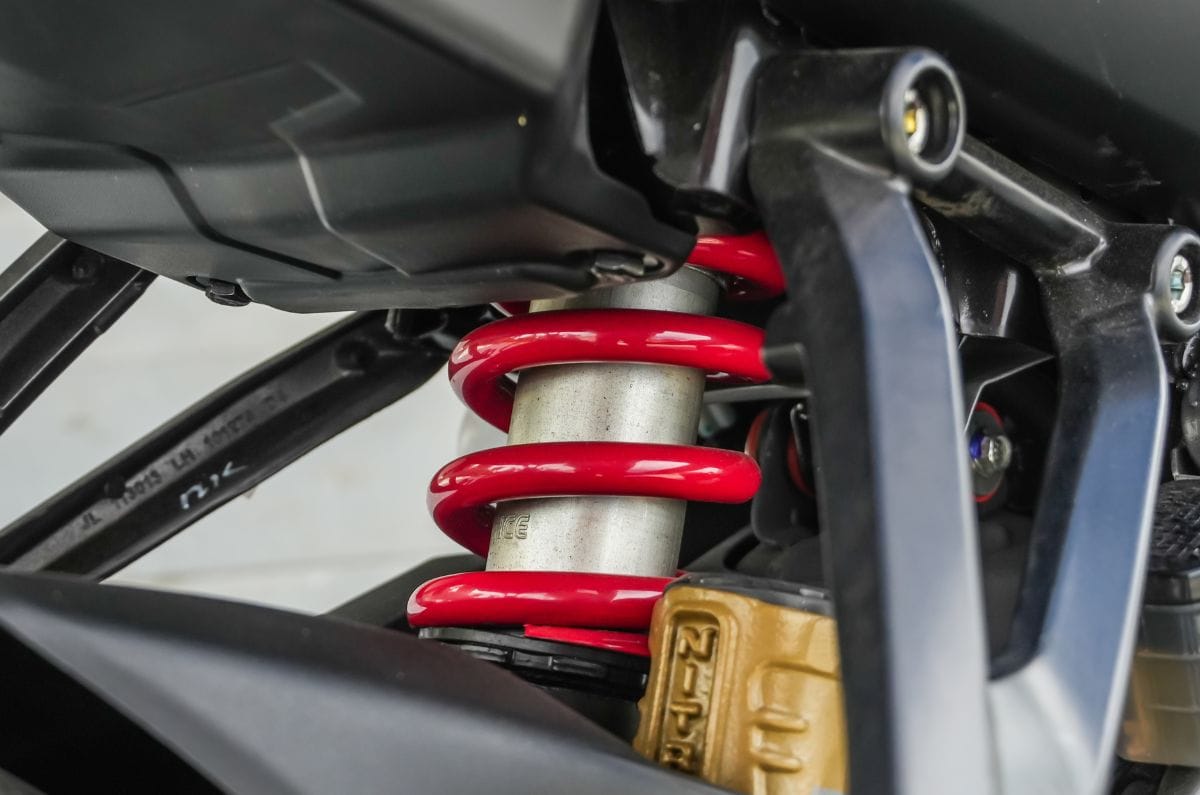
What will put you in that zone is the Dominar’s relaxed riding triangle, plush, well-padded seats for both rider and pillion, and a pliant suspension that rounds off all but the harshest of bumps our roads will throw your way. At 190kg, the Dominar 400 is a heavy machine, and you will feel that at low speeds, but the low 800mm seat height will help most riders get their feet down confidently and manoeuvre the bike as they like. 
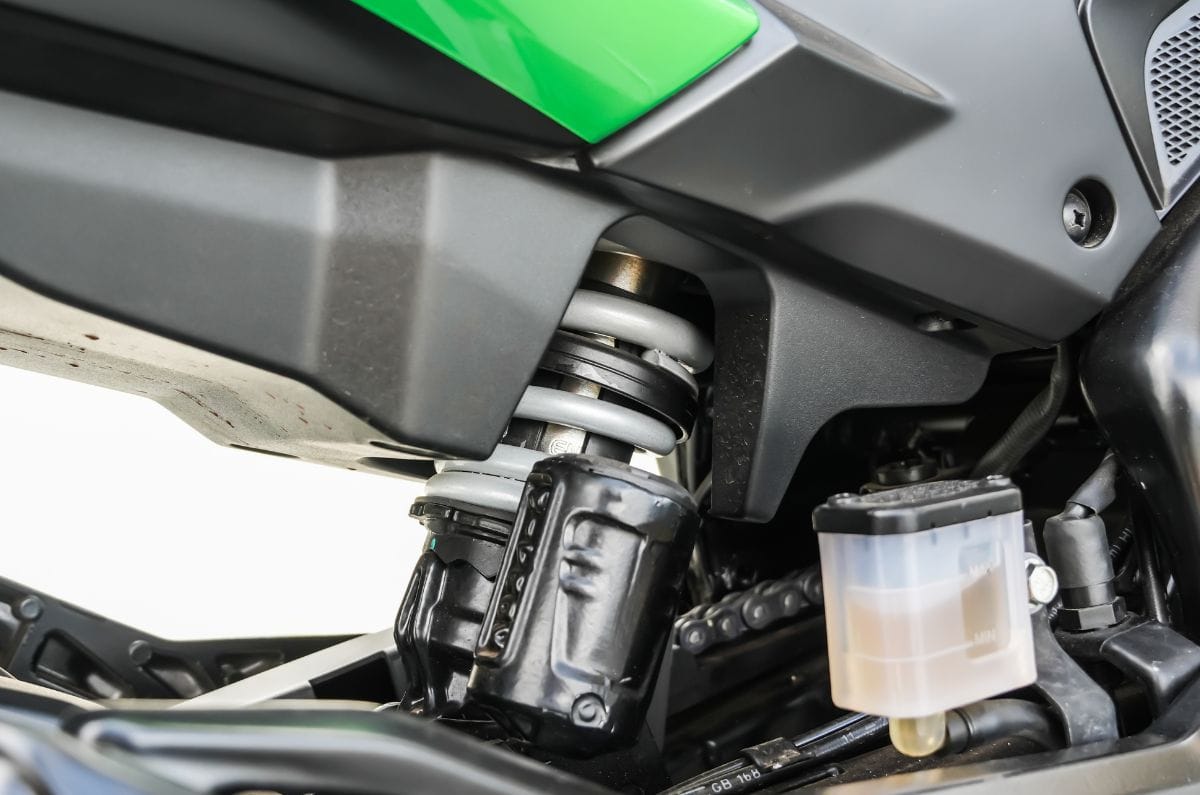
Bajaj Dominar 400 rear suspension
The Dominar’s suspension isolates you from all but the worst bumps Indian roads have to offer.

Price and Verdict – 8/10

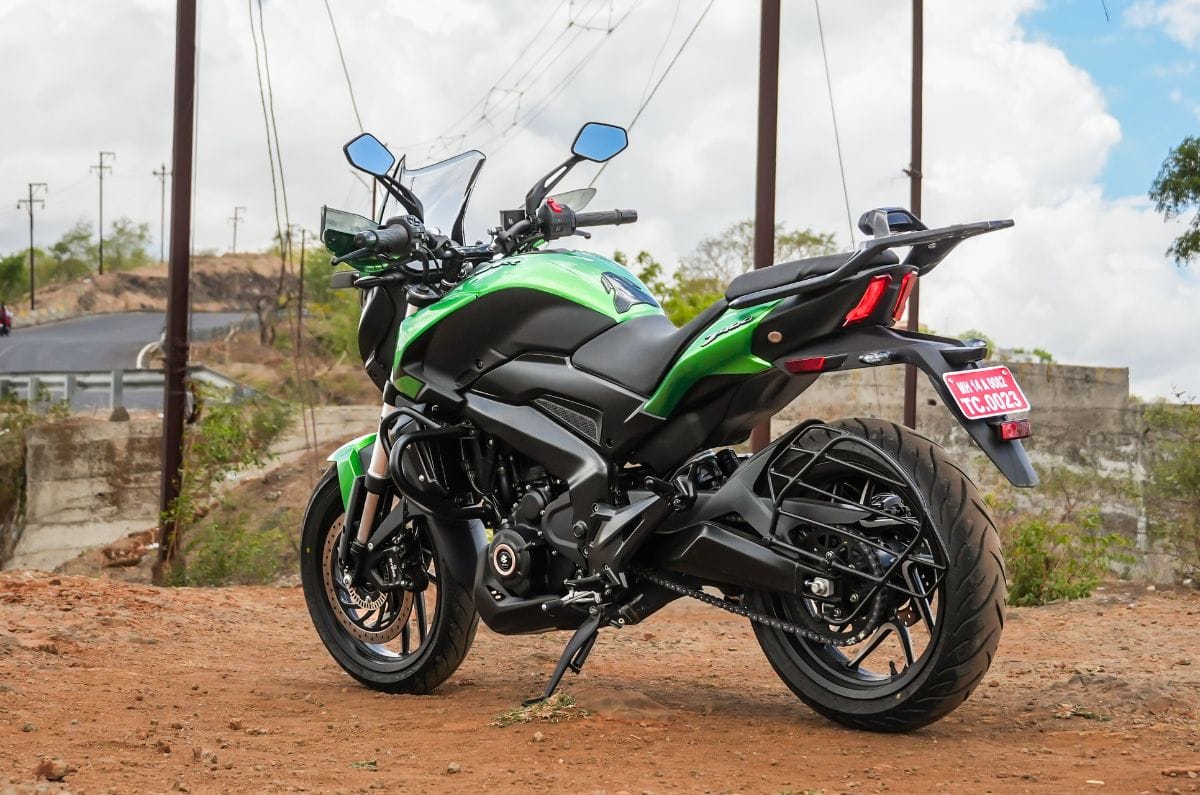
Summing up, of all the Bajaj-made bikes now downsized to 350cc, the Dominar 400 actually benefits the most because its key USP was scoring high on bang for the buck. That quotient has been further enhanced, and at Rs 2.04 lakh (ex-showroom, Delhi), it has very competitive pricing. As for outright performance, it has sacrificed some compared to before, but the big price advantage far outweighs the slight dip.
Bajaj Dominar 400 left rear side static in field
The Dominar is a sensible choice for those looking to go touring on a tight budget. 

And when you look at the overall package as well as the standard equipment on offer, the Bajaj Dominar 400 is one of the most affordable and capable road-focused touring machines on sale at this price point. 
 

350cc Bajaj Pulsar NS400Z review: Remains the VFM king

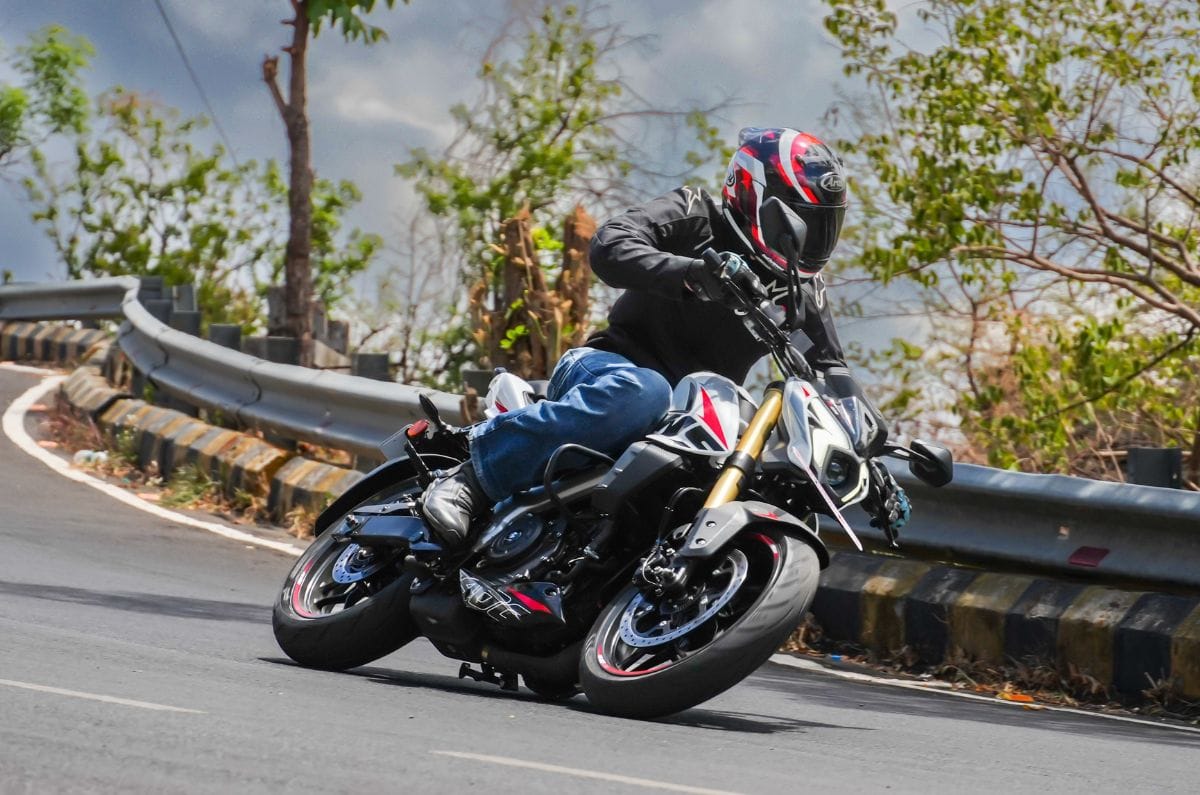
Bajaj Pulsar NS400Z front right side cornering shot on road

With its Pulsar NS400Z, Bajaj offered you one of the strongest VFM propositions in the entry-level performance bike segment. Now that the NS400Z has been downsized to 349cc, has the experience been diluted or does it retain its signature strengths?

Design and Features – 7/10

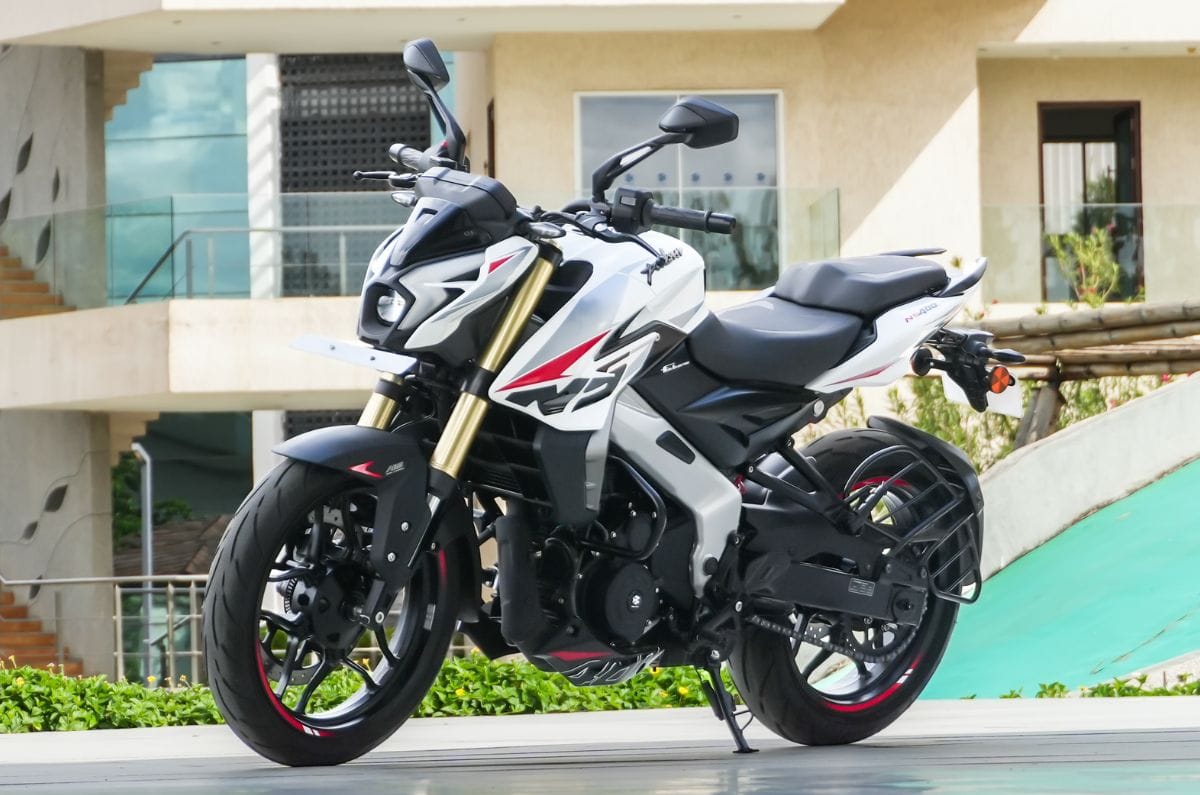
In terms of appearance, quality and features, nothing has changed on the 349cc Pulsar NS400Z. While this design can’t shirk its age off, it is still pleasing to look at, and overall quality is quite decent for the price you pay, although in some areas (like the dated-looking display, rudimentary rear brake pedal and the clicky switchgear) you can tell that this bike was built to meet a target price.

Bajaj Pulsar NS400Z front left side static in field
While old, the Pulsar’s design is quite striking. 

That being said, what is nice to see is that the upgrades the biggest Pulsar received last year (sintered brake pads, radial tyres, 4 riding modes and a software-based bi-directional quickshifter in Sport mode) continue onto the 349cc version as well. 

Performance and Fuel Economy – 8/10

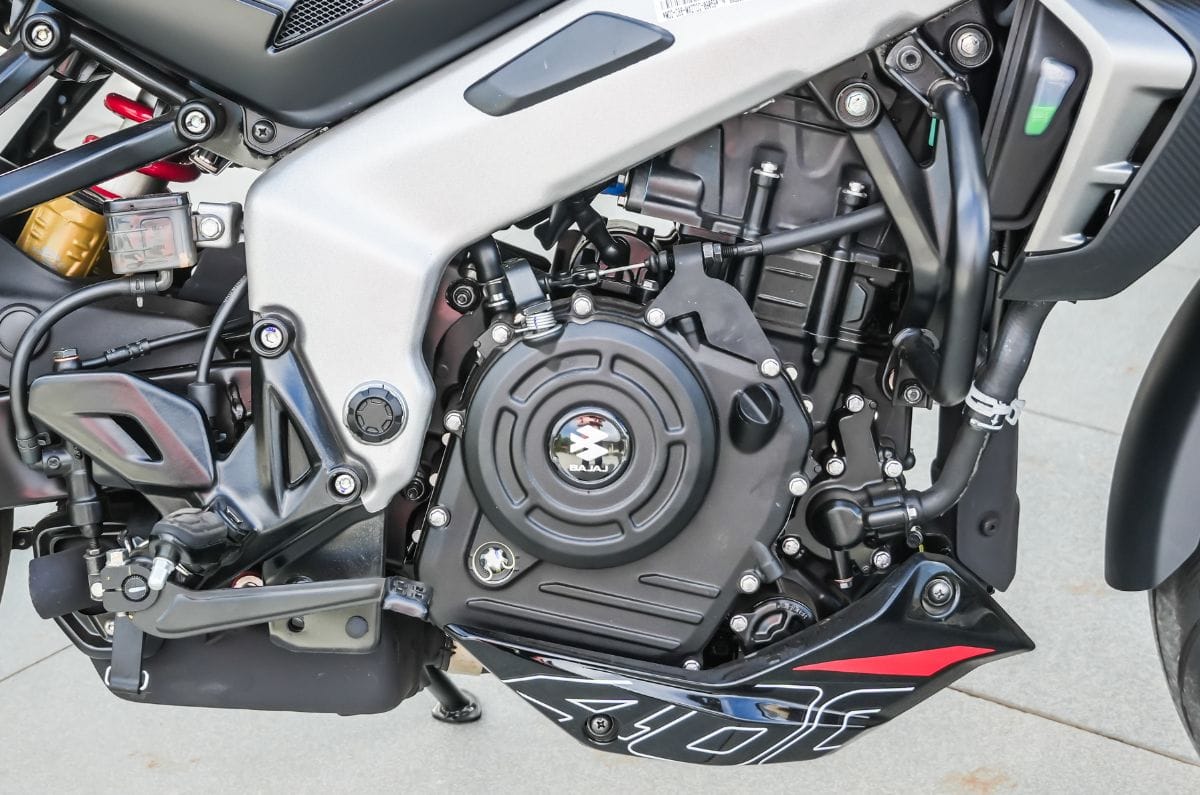
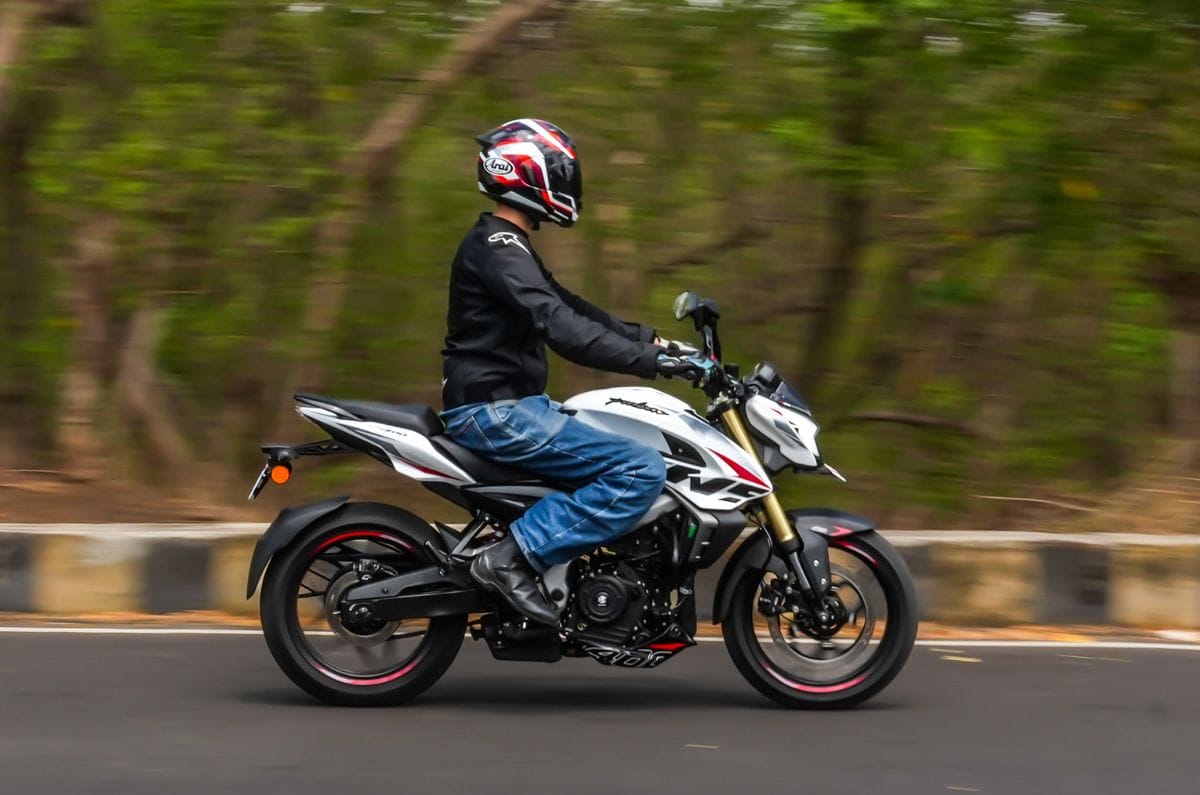
Speaking of the motor, the Pulsar NS400Z’s 373cc capacity was downsized to 349cc by reducing the stroke from 60mm to 56.1mm, while retaining the 89mm bore. Barring some essential changes necessary for the downsizing process to the engine’s head, the mill retains everything from before, including its compression ratio. The end result is that the Pulsar’s peak output has dropped from 43hp and 35Nm of torque to 40.6hp and 33.2Nm, and the motor has also become noticeably more peaky than before.

Bajaj Pulsar NS400Z engine
The downsized 349cc motor has lost some low- and mid-range shove. 

In the real world, the reworked 349cc engine in the Pulsar NS400Z feels a little more mellow than the 373cc motor in the low- and mid-range, but past 7,000rpm, there’s good performance to be had. Of the four riding modes (Sport, Road, Rain and Off-road), we preferred using Road by and large because it had the most consistent and predictable throttle response (helpful in stop-and-go traffic) and the performance drop compared to Sport mode wasn’t a big one. Some oddities that continue from before are that only Sport mode allows the use of the bidirectional quickshifter, and while each riding mode has different ABS intervention, you can’t turn the rear ABS off in any of the four modes.

Depending on the sort of rider you are, the Pulsar’s newfound mellow nature will be a good or bad thing. If you’re someone used to faster machines or even the older 373cc version, this engine may come across as a bit too calm. On the other hand, if you’re a newer rider looking to move up from a 150-250cc machine, there is surely enough performance to keep you interested for quite a while, and in fact, the mellow nature of this engine will be more welcoming and forgiving for newbie riders.

Ride and Handling – 8/10

Even so, it can be seriously quick, both in a straight line as well as when the road goes squiggly. A short 1346mm wheelbase and a light 176kg kerb weight mean that the Pulsar changes direction quickly without too much effort and you can take corners at seriously quick speeds. The one detractor when riding through the twisties is that the Pulsar scrapes its footpegs and bellypan a little too easily.

Bajaj Pulsar NS400Z right side profile riding shot in field
The Pulsar’s riding position strikes a good balance between sportiness and comfort.

Of course, this isn’t a big complaint considering how comfortable the Pulsar’s seating position is, and this would make for a capable and sporty long-distance machine. On open highways, the 349cc motor is capable of sustaining 100-120kph rather easily without any intrusive vibrations at any of the touch points – this is a similar trait to the downsized Triumph 400s, but in contrast to the downsized KTM 390s.

You also need to be aware that while the Pulsar NS400Z is a reasonably comfortable machine that is in the spectrum of sporty naked bikes, over bad roads though, you will feel more of the road surface, although it’s far from being harsh or uncomfortable.

Bajaj Pulsar NS400Z monoshock
The Pulsar’s suspension is set up to be conducive to sporty riding. 

Price and Verdict – 8/10

While the 349cc Pulsar NS400Z has changed in one fundamental way to its 373cc predecessor, it still retains its core strength of being fantastic value for money at Rs 1.82 lakh (ex-showroom, Delhi). There is simply nothing to match up to it in terms of sheer speed and associated giggles under your helmet at this price point. Also, had Bajaj not downsized the NS400Z, it would have cost roughly Rs 30,000 more, which would have eroded its biggest USP, thereby significantly hampering its very existence.

Sure, this bike and platform now seriously feel their age, and the final layer of finesse and polish seen on more premium bikes from other brands is lacking here. However, if you are on a tight budget and want the maximum bang for your buck in terms of sheer performance as well as some bragging rights, the Bajaj Pulsar NS400Z is still top dog.

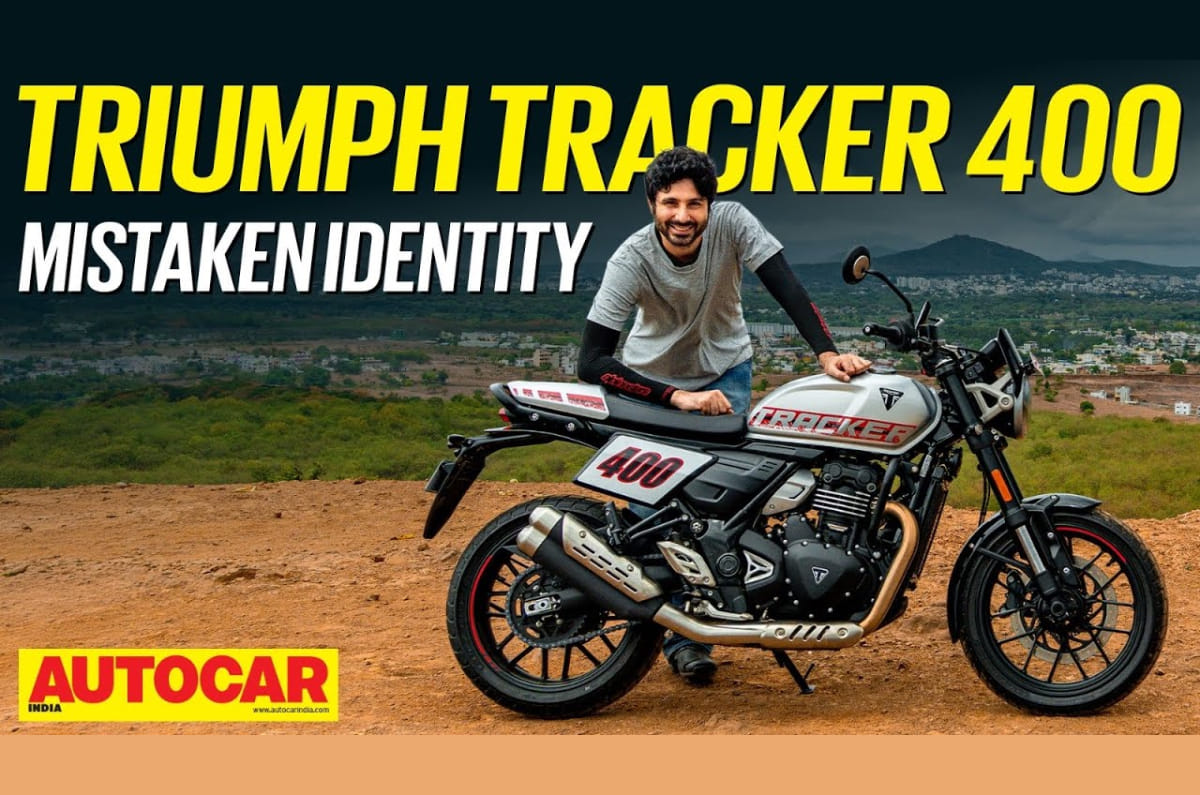
350cc Triumph Tracker 400 review: Mistaken identity

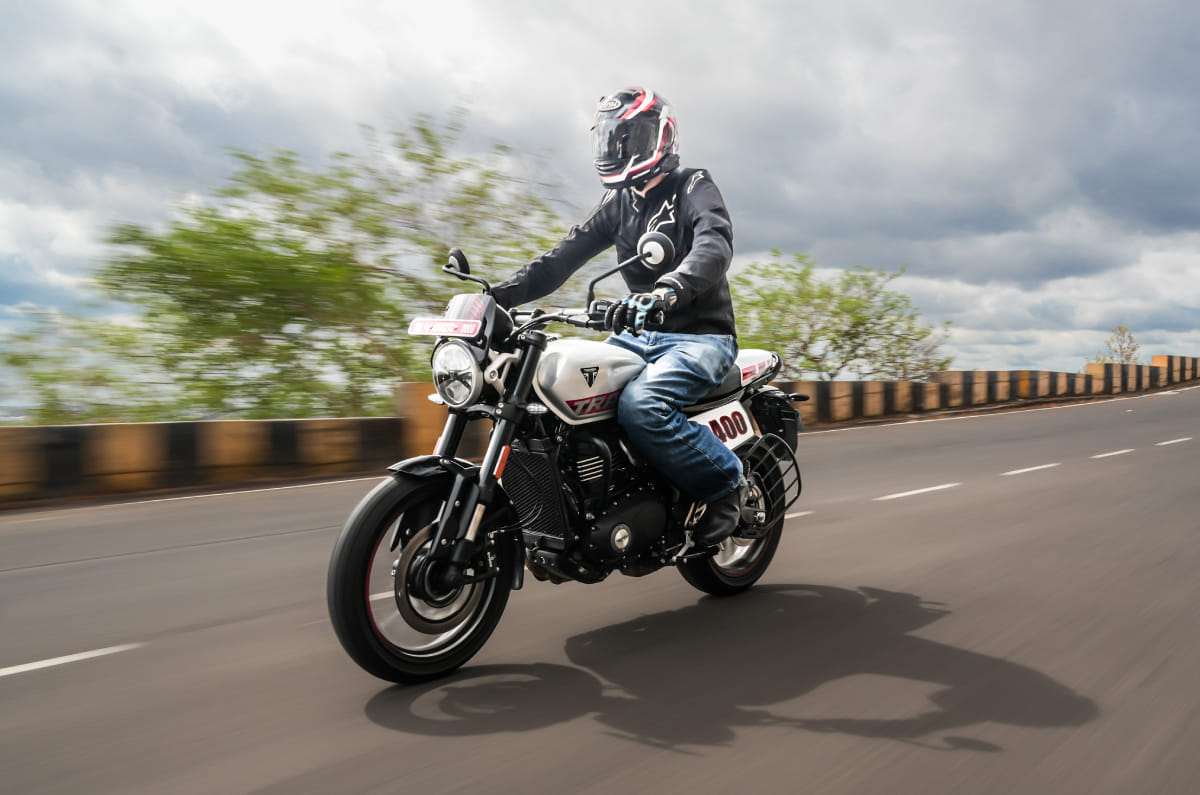
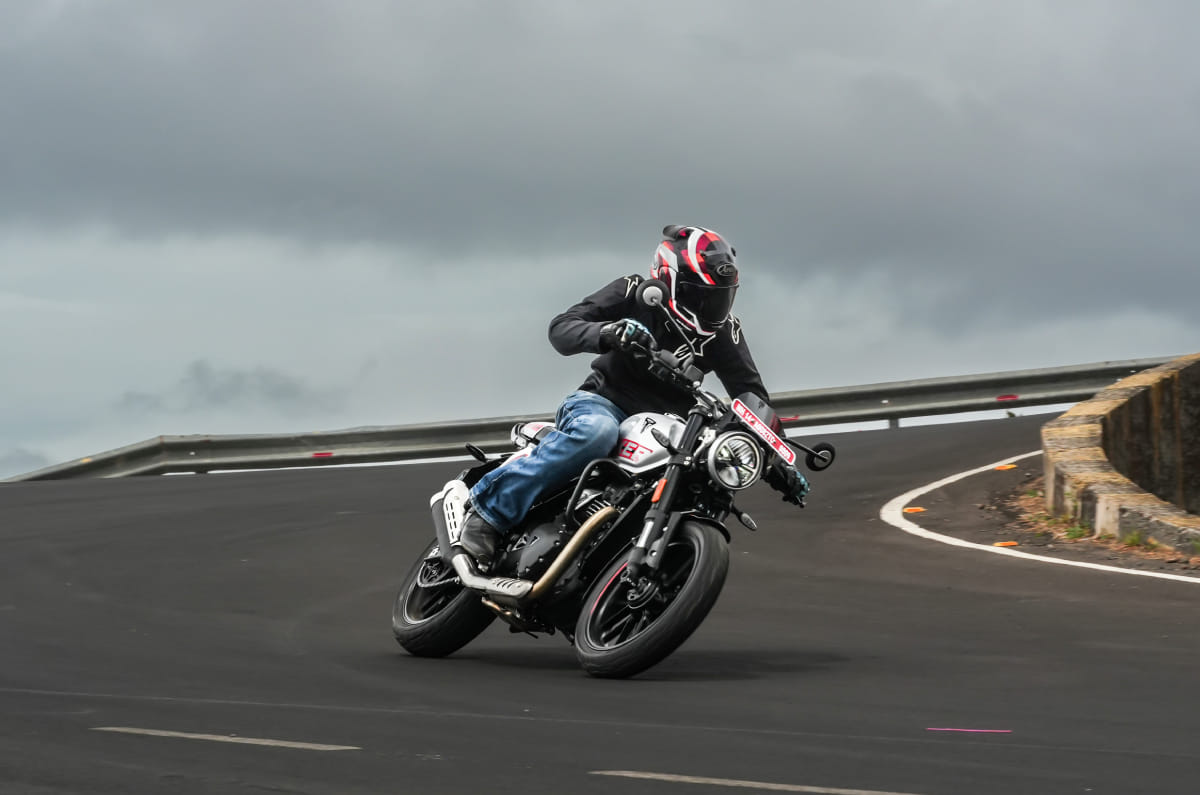
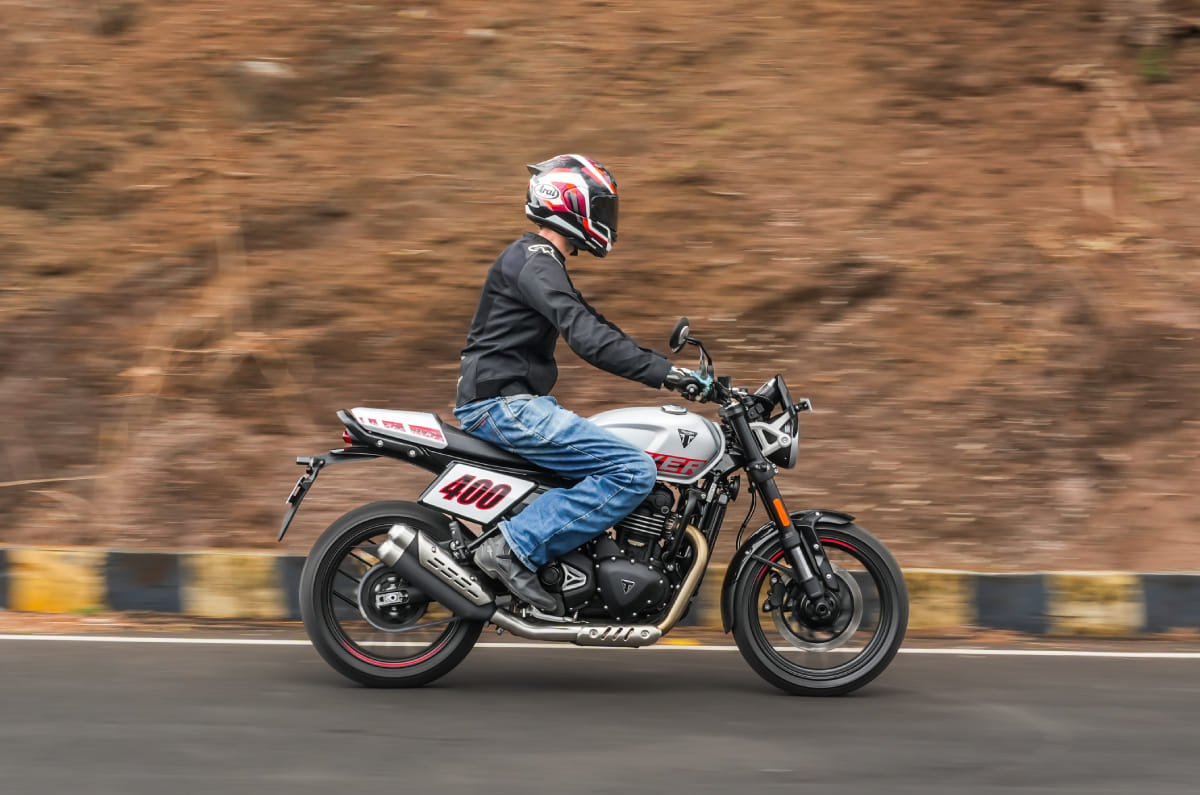
Tracker 400 tracking shot

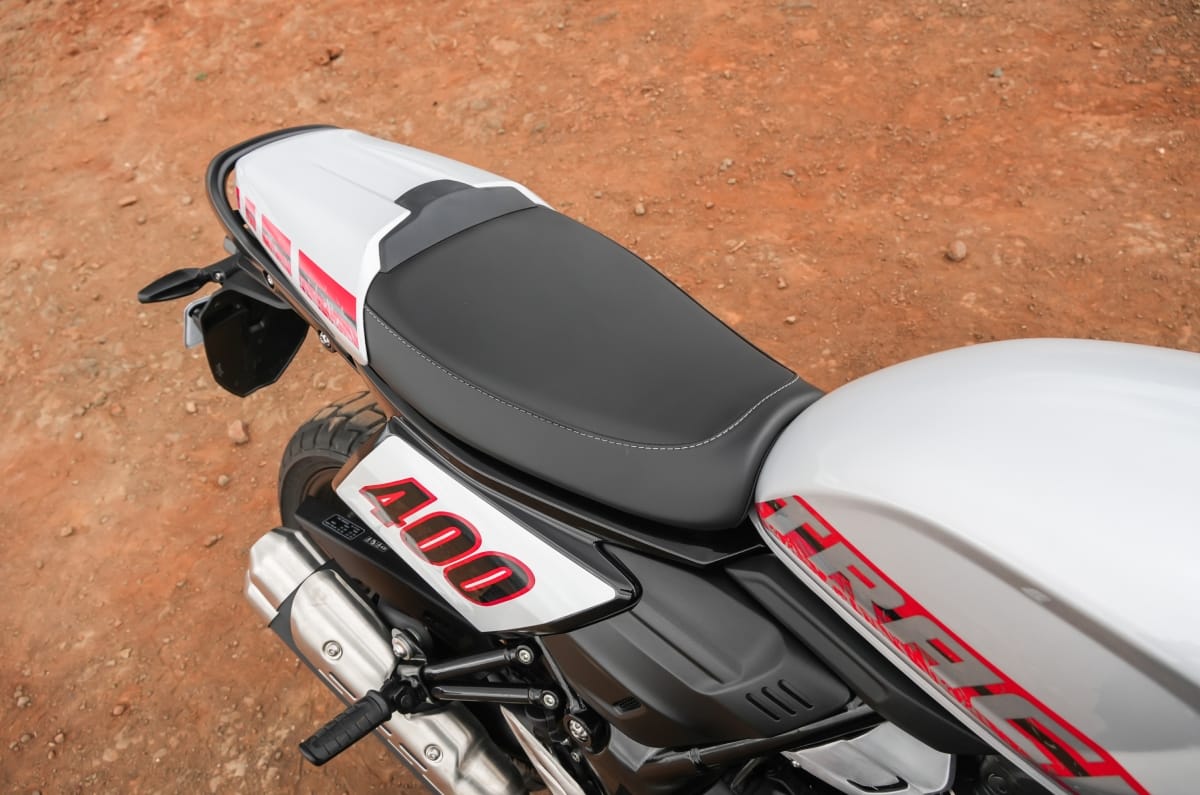
A tracker is essentially a motorcycle inspired by flat track race bikes that are designed to go sideways at ludicrous speeds on an oval dirt track. The Triumph Tracker 400 has some design elements to match that description, but that is where the association ends. 

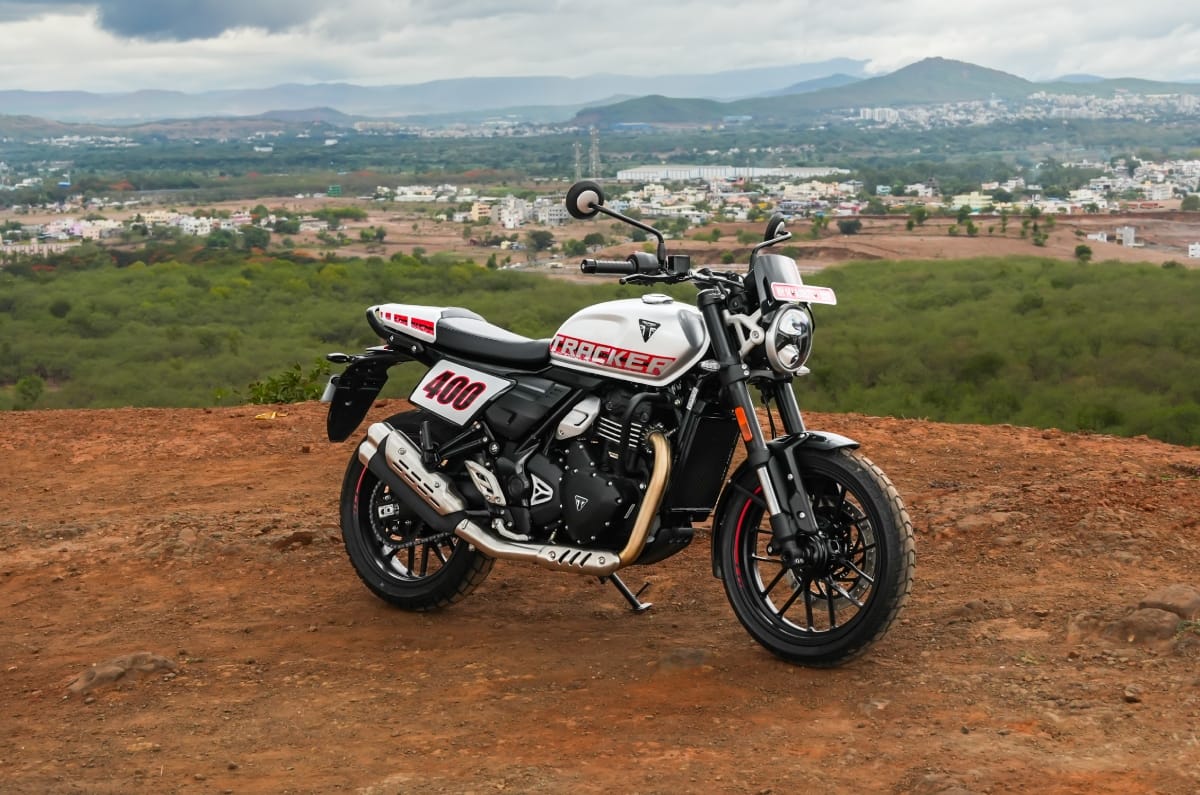
Look beyond the chunky tyres, wider fuel tank (still 13 litres) and flat-track-inspired number board along the sides, and you will discover that instead of having any real ‘dirt-inspired’ underpinnings, this bike is actually based on the most sporty of all the Indian-made Triumphs, the Thruxton 400. That not only applies to the engine’s higher state of tune, but also to the suspension setup and even the sharper 24.5-degree steering rake angle. But you don’t need to study a data sheet to realise that this is actually a sporty roadster above all else.

Triumph Tracker 400 comfort and riding position – 7/10

All you have to do is sit on the bike, and you’ll immediately realise that this is a sporty, leaned-forward riding position. Triumph has achieved this by using a new aluminium handlebar that is 5.2 inches lower than the Speed 400 and nearly an inch wider. The footpegs have also been moved up by just over an inch and back by around 3 inches. These are not small changes, and they create a much more connected riding position while stopping just short of being uncomfortable over longer durations.

Seat height is at a reasonable 805mm, which is similar to the Speed 400. While tall riders will fit on the bike well, a few shorter riders we spoke to said they found some discomfort in how the edges of the tank interact with the inner thighs.

Triumph Tracker 400 engine and performance – 7/10

Like all the Triumph models in India, this bike also uses the new downsized 349cc engine, but in the more powerful Thruxton state of tune, with 40hp and 32Nm. It still lacks some low- and mid-range shove, and you will need to rev it out for quick overtakes, but there’s no doubt that this is a quick motorcycle, and it should clock low 6 second times in the 0-100kph run. While there is more power up top than on the Speed and Scrambler 400 that make 37hp, there is also noticeably more vibration above 8,000rpm. The gear ratios are spread out well, and a cruising speed of 100kph in 6th gear is easy to hold with the buzz only setting in above 110.

Triumph Tracker 400 handling, ride comfort and brakes – 8/10

Despite wearing chunky, off-road-styled MRF Revz AT-03 tyres, the Tracker remains a capable and entertaining handler at heart. The tyres find good grip in dry conditions, and there is plenty of lean-angle clearance available, so you won’t be scraping pegs too easily. Nevertheless, the bike would have been even nicer to ride with more appropriate road tyres.  

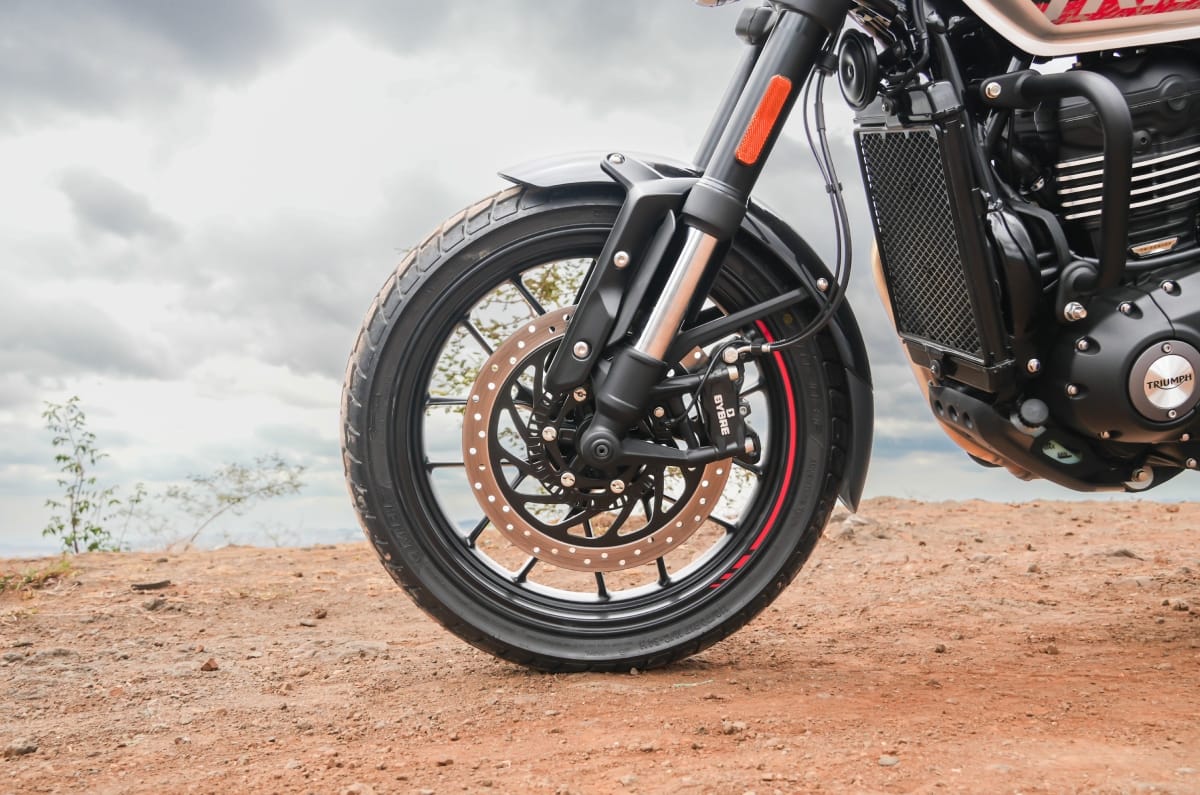
Even so, the Thruxton suspension tune works well here, and while this is a firm setup, it also has a nice amount of pliability to it. This combination enables a good sense of control at high speeds, but also allows the bike to soak up rough roads without a fuss. Thankfully, despite its vague off-road image, the Tracker does not get the sub-par organic pads the Triumph insists on installing in the Scrambler. Instead, it gets the same sintered pads as the Speed and Thruxton, and they work well enough.

Triumph Tracker 400 price and conclusion – 8/10

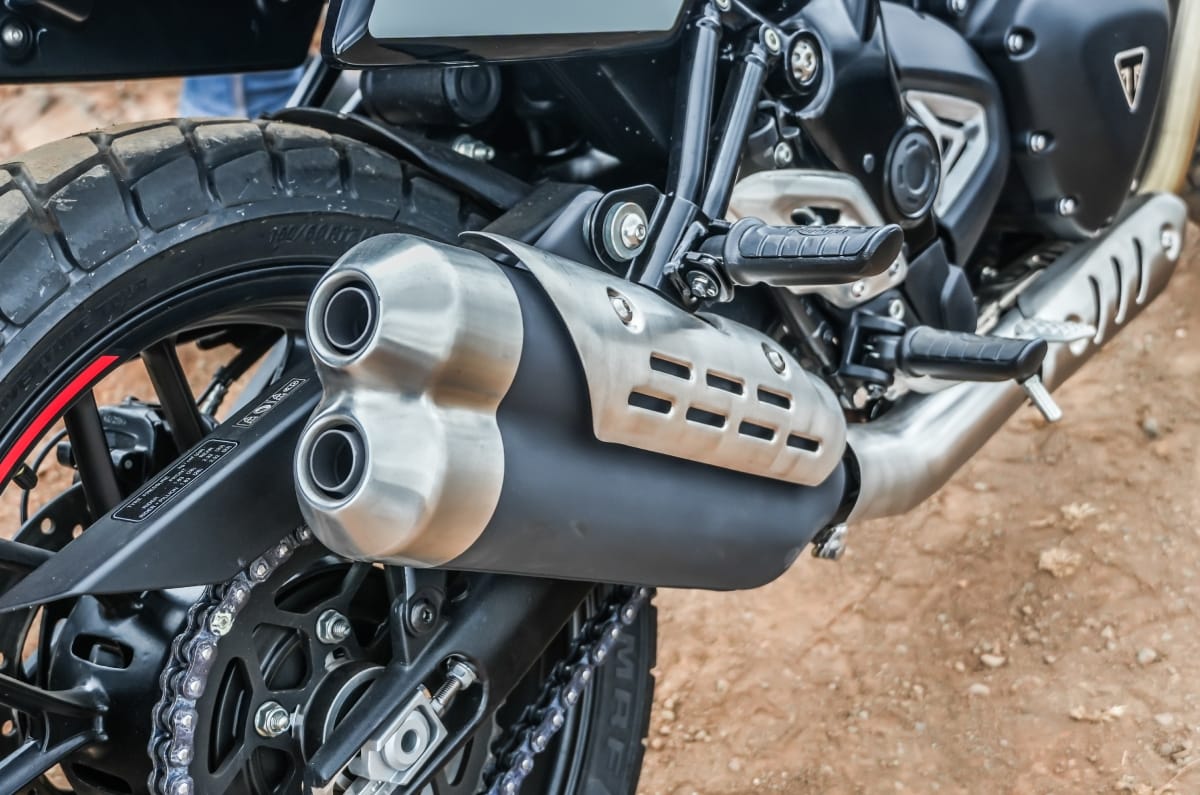
The rest of the bike is familiar with the same semi-digital display and feature set as the other Triumph models, including switchable traction control. With its unique cast aluminium headlamp mount, flyscreen and bigger looking tank, the bike grabs attention, although the tail section with its tail-lamp lifted from the Thruxton does look a little unremarkable.

Priced at Rs 2.46 lakh (ex-showroom, Delhi), the Tracker 400 is positioned neatly in the middle of the single-cylinder Triumph line-up. While it is quite a muddled bike in terms of its identity, it is clear that this bike is good fun to ride. Moreover, it manages that while offering more comfort and practicality than its cafe racer sibling, and that just about earns it a deserved place in the Triumph line-up. 

How Skoda Peaq has evolved from 2022 Vision 7S concept

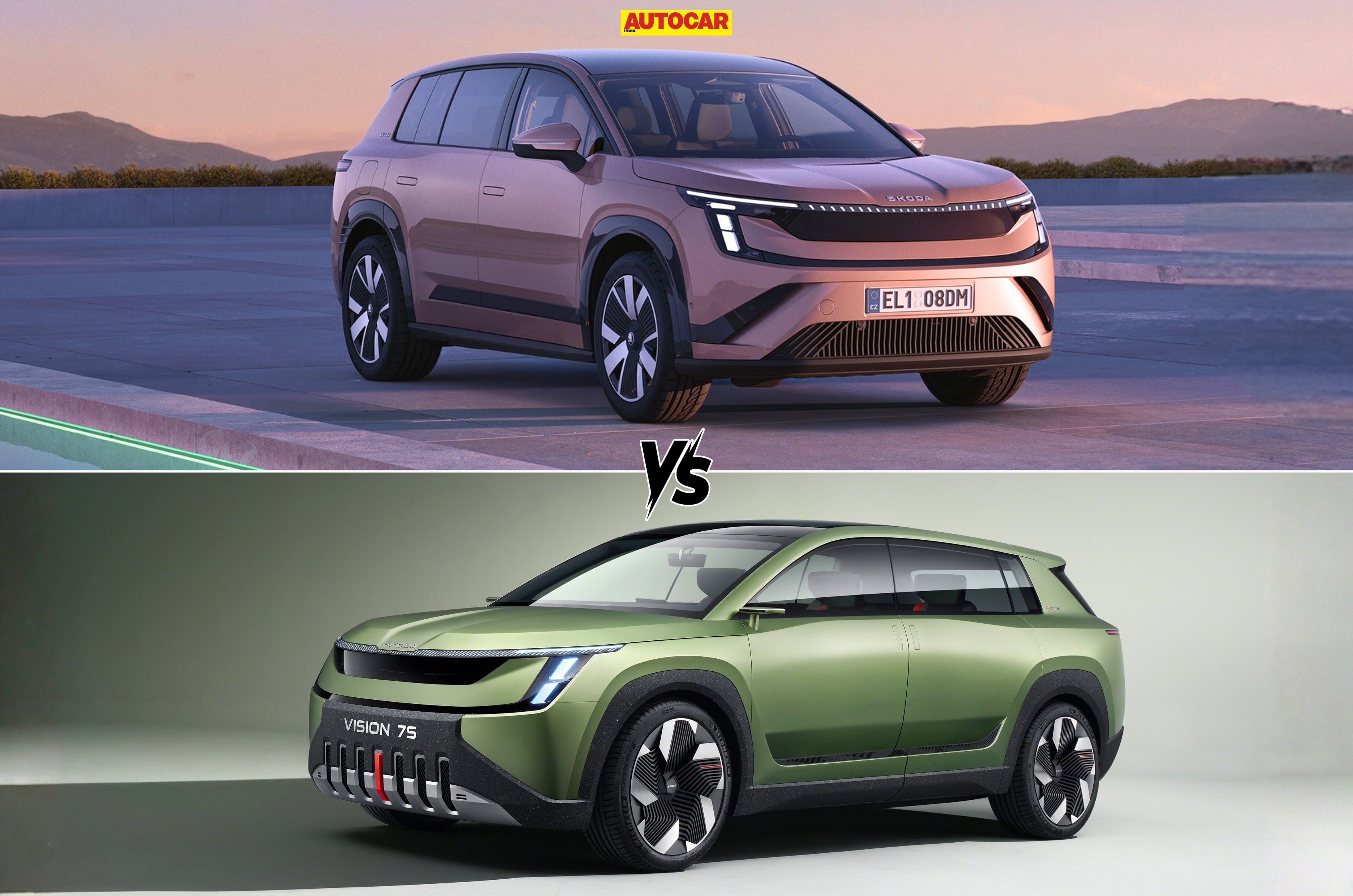
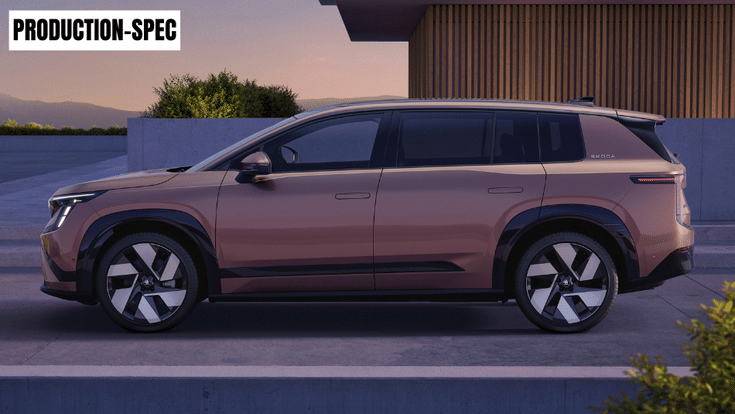
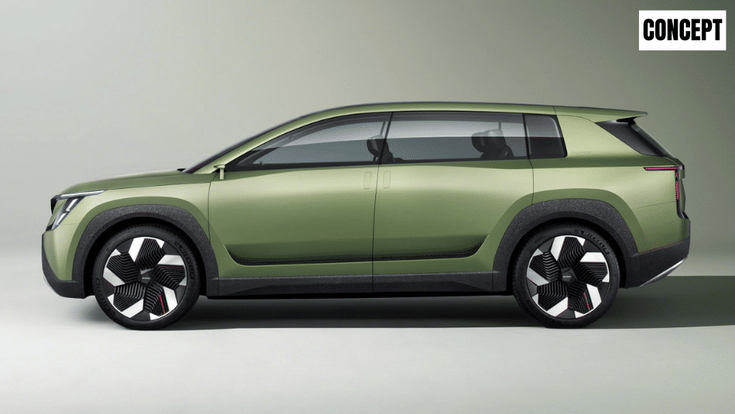
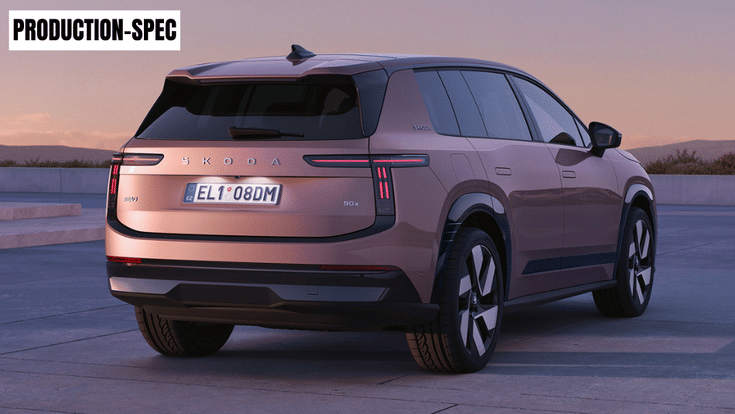
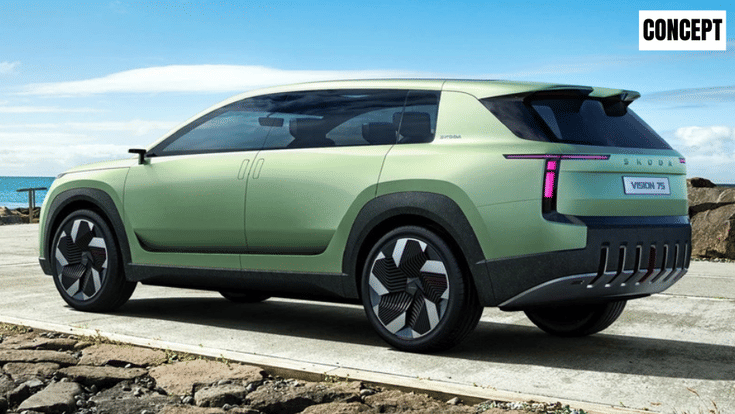
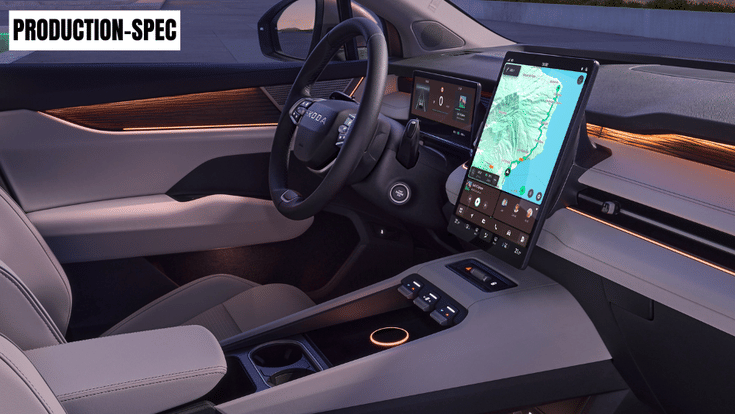
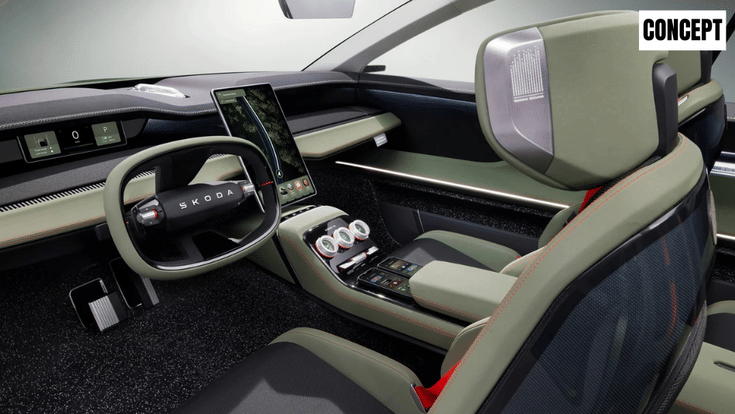
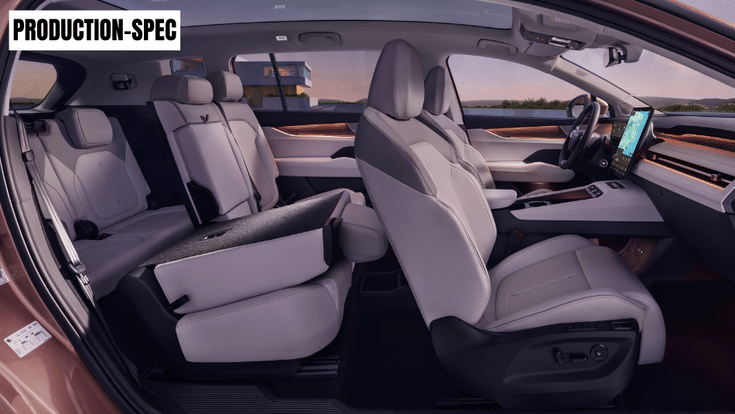
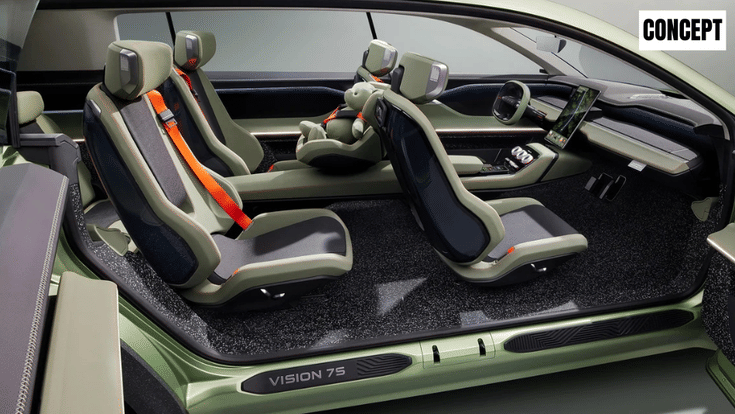
Skoda Peaq vs Vision 7S

The Skoda Vision 7S concept was first revealed in August 2022, and nearly four years later, its production version has finally arrived as the Peaq. Over that fairly long period, the electric SUV’s exterior and interior design have undergone several changes, and in this feature, we take a closer look at how it has evolved from concept to production. Before diving into the design changes, let’s first talk about the names.

While ‘Vision’ denoted that it was a concept car, ‘7S’ gave away that it was a 7-seater vehicle. The name Peaq, derived from the English word peak, was revealed in January 2026, symbolising the top of the range. Notably, Skoda has used an E-start, Q-end naming strategy for its electric SUVs – Enyaq, Elroq and Epiq – but the Peaq is the first model to break this. With that aside, it’s time to look at the exterior design evolution from concept to production version.

Skoda Peaq vs Vision 7S: Exterior differences

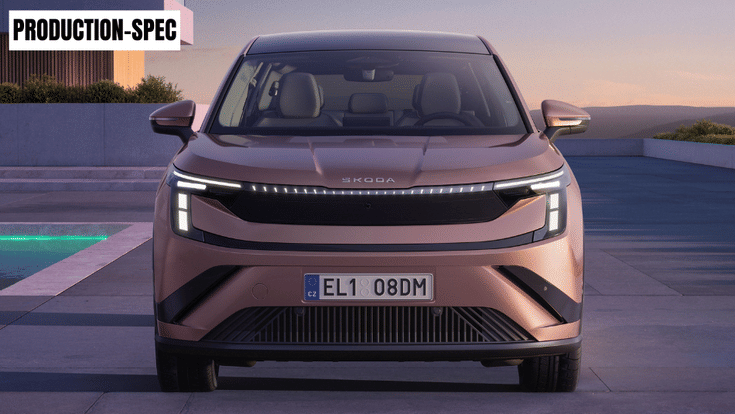
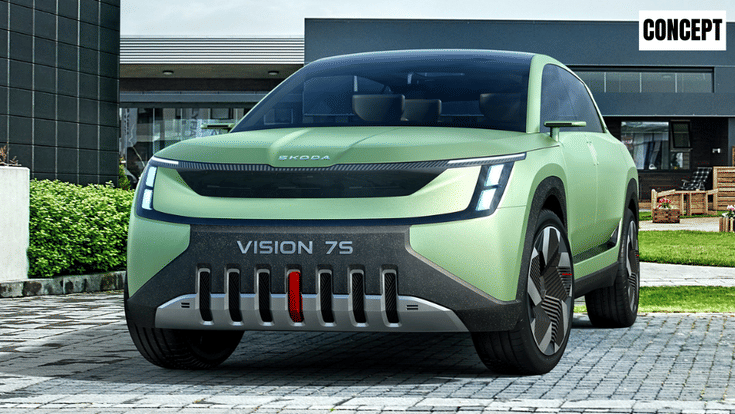
The Vision 7S was the first Skoda model to showcase the brand’s Modern Solid design language, and much of that design has carried over to the production-spec Peaq. The black Tech Deck panel, which houses sensors such as cameras, radar and lidar, has been retained, although the segmented LED elements above it are now spaced slightly further apart. The T-shaped headlamps have also remained largely unchanged.

Skoda Peaq exterior
Skoda Vision 7S exterior
 

Most of the changes are concentrated lower down on the front bumper. The concept’s multi-slot grille design has been replaced by a more conventional layout on the production model. Interestingly, it bears some resemblance to the design seen on the Tata Curvv EV. The prominent bonnet lines have also been retained, although they are spaced slightly wider than before. The ‘SKODA’ lettering continues as well, featuring an integrated hook accent over the letter ‘S’. The use of body cladding has been reduced on the production model, while the silver-painted faux skid plate seen on the concept has been dropped altogether.

The side profile gives the clearest indication of just how large the Peaq is. When unveiling the Vision 7S concept, the carmaker had stated that the production model would become not only its largest EV but also the largest Skoda overall. It measures 4,874mm in length, 1,867mm in width and 1,664mm in height and has a 2,965mm wheelbase.

Skoda Peaq exterior
Skoda Vision 7S exterior
 

The camera-based mirrors of the Vision 7S have made way for conventional outside rearview mirrors (ORVMs), while the flush-fitting door handles now sit horizontally and pop out when required. The glass area appears to have grown slightly as well. More significant changes include the switch from the concept’s rear-hinged suicide doors, frameless windows and pillar-less design to a more conventional setup with a B-pillar.

The wheel arches now feature a gloss-black finish, replacing the unpainted cladding used on the concept. Wheel designs have also changed. Interestingly, the Peaq uses the brand’s old winged-arrow logo on the wheel hub caps, whereas the Vision 7S featured the SKODA lettering. A horizontal black trim piece on the C-pillar gives the Peaq a more upright appearance in profile, replacing the more sloping, coupe-style design of the Vision 7S.

Skoda Peaq exterior
Skoda Vision 7S exterior
 

At the rear, the double-ridged roof spoiler is still present but is less pronounced than before, and a shark-fin antenna has been added. The tailgate now carries ‘Peaq’ lettering on the left side and the variant name on the right. The T-shaped tail-lamps have been retained, mirroring the design of the headlamps. Lower down, the concept’s multi-slot bumper design has been replaced by a cleaner and more conventional treatment. The silver-finished faux skid plate has also made way for a gloss-black trim piece on the lower section of the bumper. Let’s now have a look at the interior.
Skoda Peaq vs Vision 7S: Interior

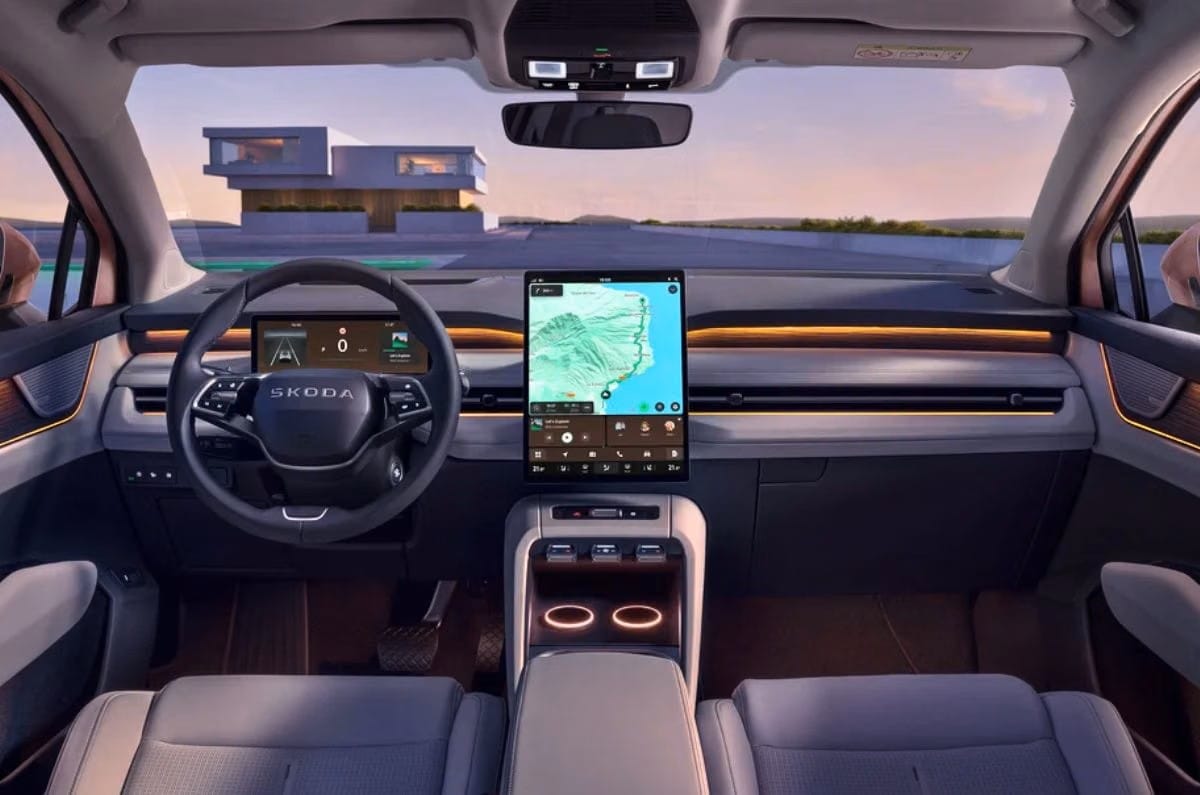
Some of the biggest differences between the Vision 7S and the production-spec Peaq are found inside. The concept’s oval-shaped steering wheel has been replaced by a more conventional unit. The driver’s display has grown from 8.8 inches to 10 inches, while the rotating central touchscreen has shrunk slightly from 14.6 inches to 13.6 inches. Like in the Vision 7S, the central screen can rotate, a feature seen on some BYD EVs too.
Skoda Peaq interior
Skoda Vision 7S interior
 

The Vision 7S allowed the driver to move the dashboard closer or further away, but this is no longer available. Speaking of the dashboard, its layout hasn’t changed much. The centre console has also been redesigned and loses the rotary controls seen on the concept, although the Peaq retains a few physical buttons. Traditional cabin materials have replaced the unpainted recycled-material panels with white flakes used in the Vision 7S. The floating-style seats are gone too, making way for traditional seats. The headrests have been redesigned with a more familiar shape.  

Skoda Peaq interior
Skoda Vision 7S interior
 

The central partition in the second row, which housed a child seat that Skoda claimed was the safest place in the car, is absent. In its place is a conventional three-seat bench. Perhaps one of the most noticeable changes is the removal of the screens integrated into the doors. These were a standout feature of the Vision 7S and were even displayed during the 2025 Auto Expo.

Skoda Peaq powertrains and India launch details

The Peaq is available in three trims: 60, 90 and 90x. The entry-level 60 trim gets a 63kWh battery and a single rear-mounted electric motor producing 204hp. It has a claimed range of 459km. The 90 uses a larger 91kWh battery and a more powerful rear-wheel-drive motor that develops 286hp. Its claimed range stands at 647km. At the top of the range is the 90x, which combines the same 91kWh battery with a dual-motor setup for all-wheel drive. It produces 299hp and offers a claimed range of 613km.

Skoda is currently evaluating the Peaq for India, where it has no EVs on sale. Speaking about the EV earlier, Skoda Auto India’s brand director Ashish Gupta said, “Yes, it is on my radar. We have to look at the specifications of the car, and we need to bring in a premium car, not a bare-bones car at a high price. So that is what we are working on. My ambition is to have our global portfolio in India next year.”

2027 Kawasaki KLX230 prices start at Rs 1.89 lakh

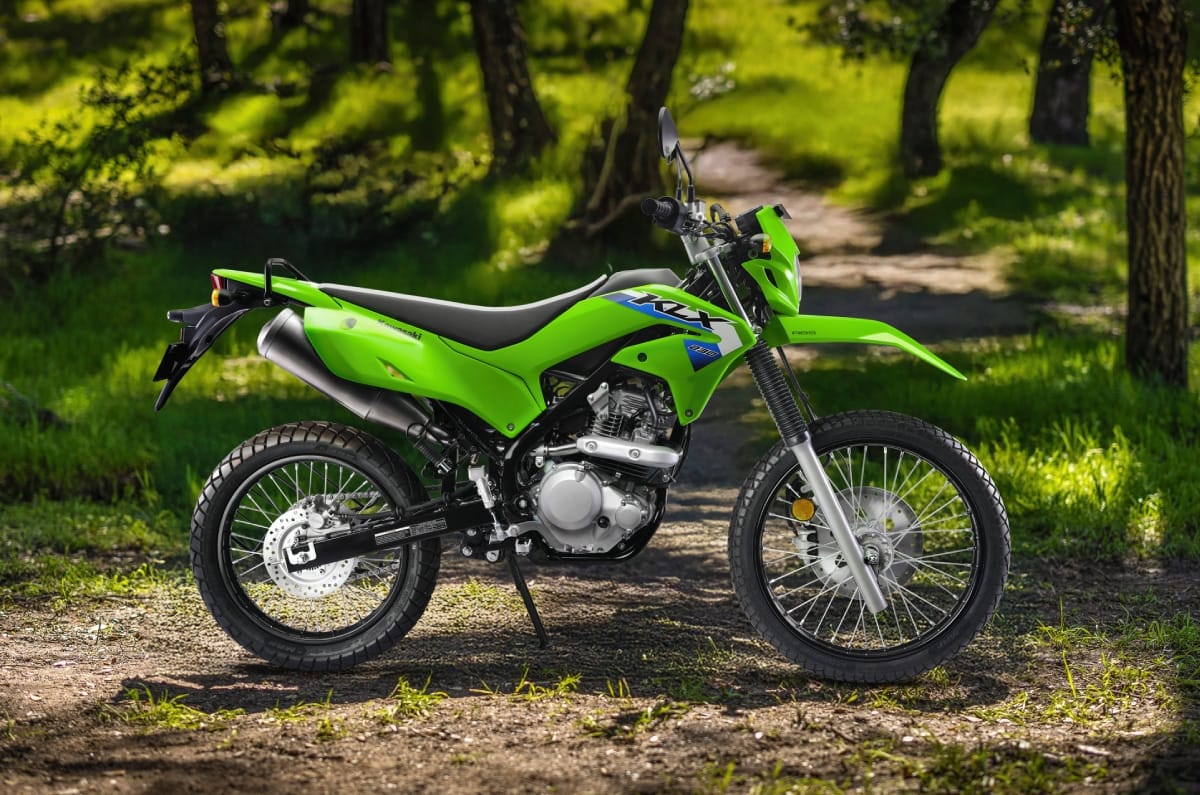
KLX230 S static image

Kawasaki has updated its KLX230 range for 2027, expanding the lineup with the addition of the new KLX230 S. The three-model range now consists of the KLX230, KLX230 S and off-road-only KLX230R S. 

  1. All three models use the same 233cc engine with 19hp and 19Nm
  2. KLX230 price rises from Rs 1.84 lakh to Rs 2.19 lakh
  3. KLX230 S gets a lower seat height but with reduced suspension travel

2027 Kawasaki KLX230 range details

The KLX230 S is mechanically identical to the standard KLX230, but more accessible for shorter riders

All three models in the MY27 KLX230 range share the same 233cc air-cooled, fuel-injected single-cylinder engine producing 19hp at 7,800rpm and 19Nm at 6,200rpm, paired with a 6-speed gearbox. The KLX230 S is the new addition and is mechanically identical to the standard KLX230, with one key distinction – the seat height is 50mm lower at 830mm versus 880mm on the KLX230. This comes at the cost of reduced suspension travel: 160mm front and 163mm rear on the S, compared to 220mm and 223mm on the KLX230, along with lower ground clearance (220mm vs 255mm). 

The KLX230R S, the most off-road-focused machine of the trio and forgoes the headlamp and road-going equipment of the other two models in favour of a more committed off-road setup with a 900mm seat height and 270mm of ground clearance. 

Kawasaki has also revised pricing for the bikes with prices starting at Rs 1.89 lakh for the KLX230R S and going up to Rs 2.19 lakh for both the KLX230 and KLX230 S (all ex-showroom, Delhi). The price hikes are notable – the KLX230 goes up from Rs 1.84 lakh to Rs 2.19 lakh, while the KLX230R S sees a Rs 10,000 increase to Rs 1.89 lakh. The brand has mentioned that deliveries for the KLX230R S begin from mid-August 2026, with the KLX230 and KLX230 S following in mid-September. 

Skoda Peaq exterior image gallery

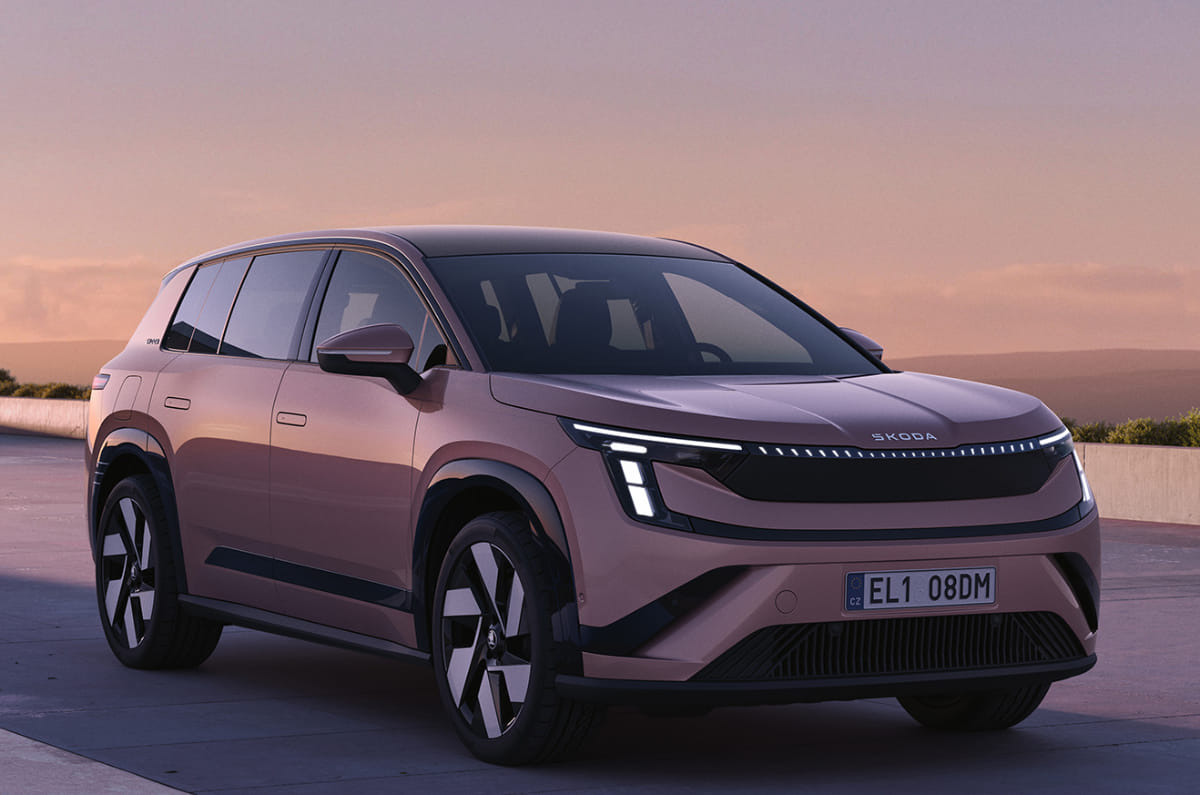
Skoda Peaq

The Skoda Peaq is the brand’s new flagship electric SUV and its largest model to date. Measuring 4,874mm long, the three-row SUV adopts Skoda’s Modern Solid design language, featuring a closed-off ‘Tech-Deck’ front fascia, T-shaped Matrix LED headlights, flush-fitting door handles and 19 to 21-inch alloy wheels. At the rear, slim T-shaped tail-lamps, a roof-mounted spoiler and a sculpted bumper complete the design. The Peaq also gets Skoda’s largest panoramic glass roof yet and a claimed drag coefficient of 0.249. 

Which variant of the Renault Kiger should you buy?

Renault Kiger variant-wise features and powertrain

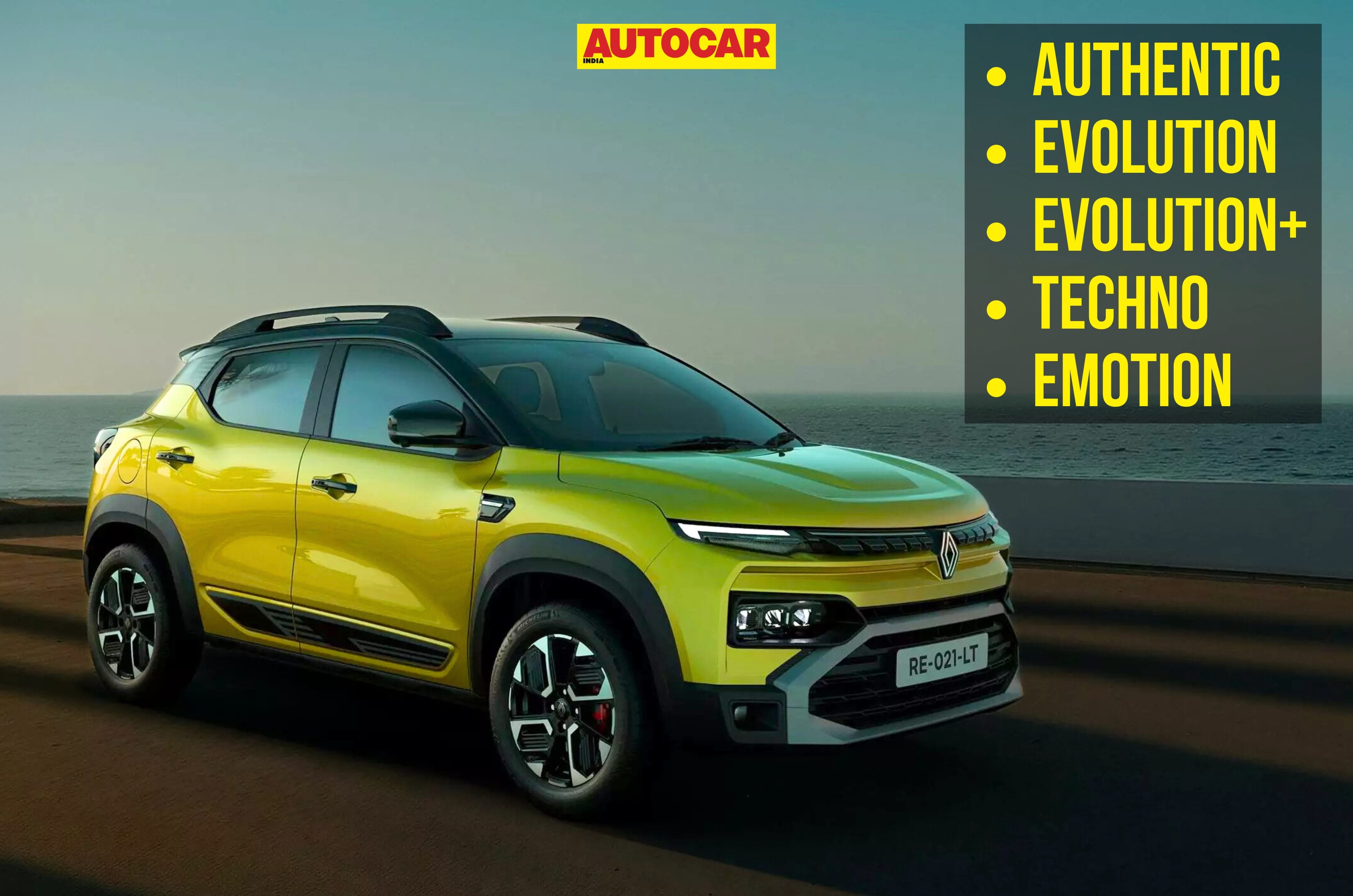
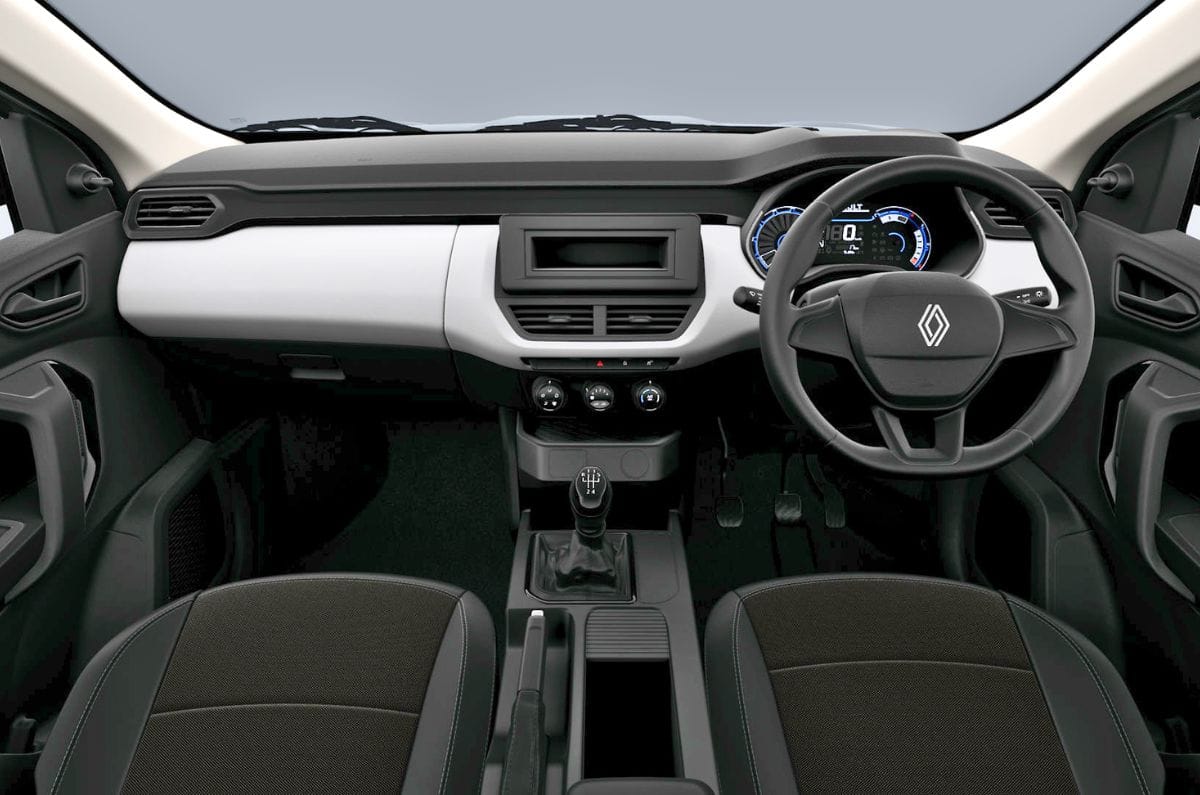
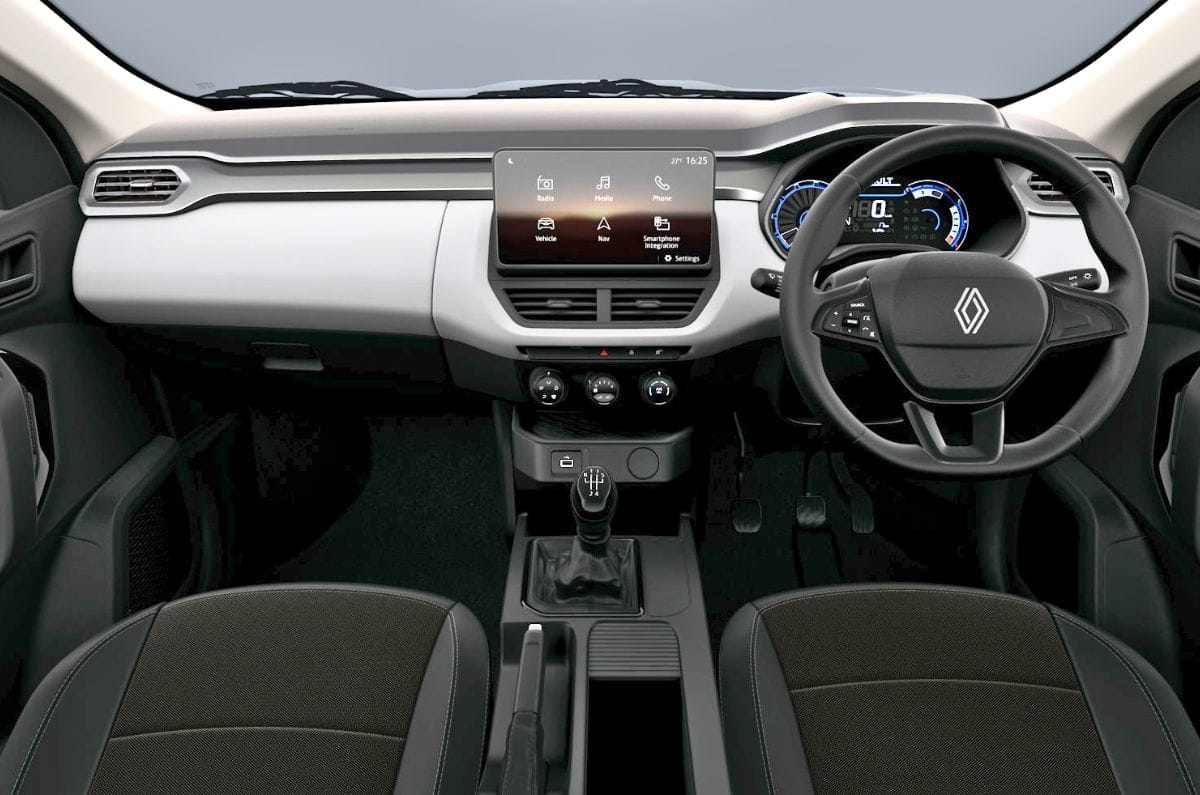
The Renault Kiger is the most affordable SUV in the French manufacturer’s India portfolio. It is available with the choice of a 1.0-litre naturally aspirated petrol or a 1.0-litre turbo-petrol engine, the latter making it one of the most affordable turbo-petrol options in India. The Kiger is a decently equipped model at its price, which starts at Rs 5.81 lakh (ex-showroom), and is offered in five trims: Authentic, Evolution, Evolution+, Techno and Emotion. Let’s take a closer look at the powertrain options and features available with each trim.

Renault Kiger powertrain options and prices

It is offered with two engine options, both of which get manual and automatic gearbox choices

Renault Kiger variant-wise powertrain options and prices (ex-showroom)


1.0P MT

1.0P AMT

1.0TP MT

1.0TP CVT

Authentic

Rs 5.81 lakh

Evolution

Rs 6.55 lakh

Rs 6.99 lakh

Evolution+

Rs 6.99 lakh

Rs 7.89 lakh

Techno

Rs 7.55 lakh

Rs 8.05 lakh

Rs 8.45 lakh

Rs 9.35 lakh

Emotion

Rs 8.45 lakh

– 

Rs 9.35 lakh

Rs 10.35 lakh

*P = Naturally-aspirated petrol engine; TP = Turbo-petrol engine

The Kiger is available with four powertrain options. There’s a 72hp/96Nm, 1.0-litre naturally aspirated petrol engine that’s offered with either a 5-speed manual or a 5-speed AMT. There’s also a 100hp/160Nm, 1.0-litre turbo-petrol unit that’s paired with either the 5-speed manual or a CVT gearbox. The naturally aspirated engine is offered with a CNG option as a dealer-level fitment.

The 72hp petrol engine with the manual gearbox is available across the range, while the AMT is offered on the mid-spec Evolution and Techno trims, but not on the top-spec Emotion. Meanwhile, the turbo-petrol range starts from Rs 7.89 lakh for the manual gearbox and Rs 9.35 lakh for the CVT option.

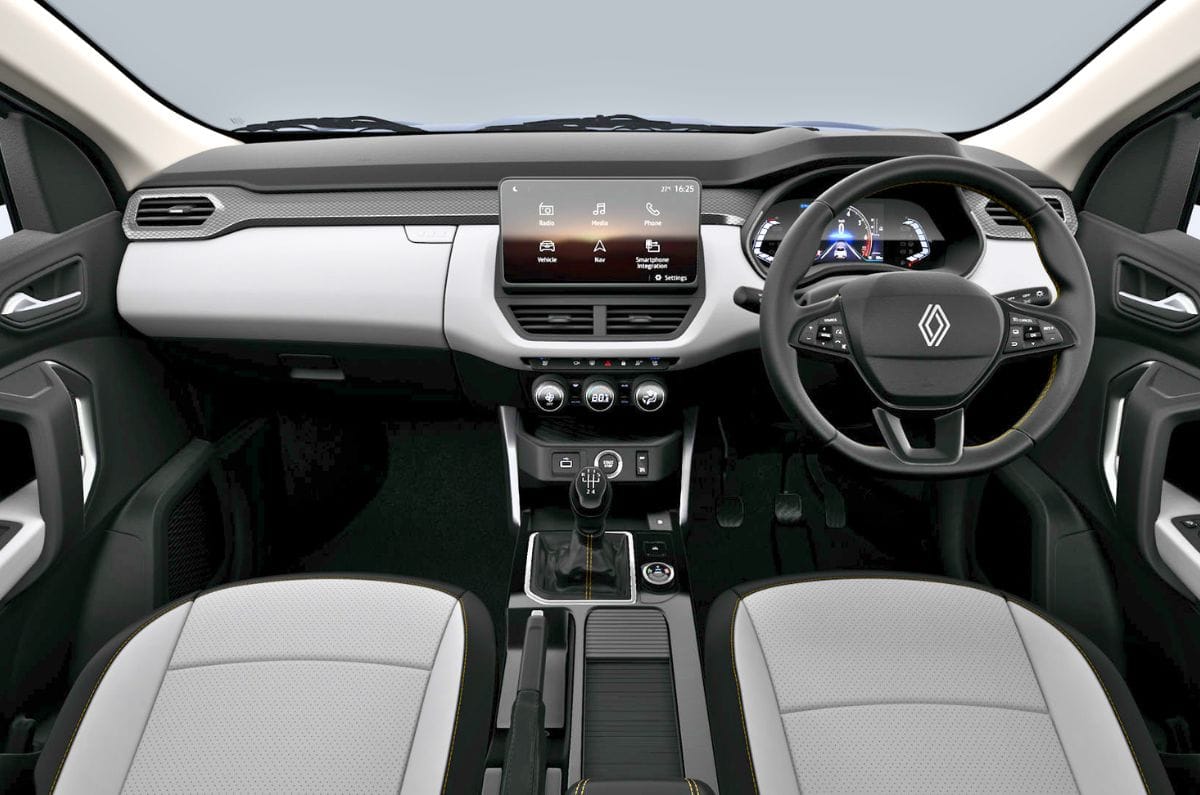
Renault Kiger variant-wise features

Renault Kiger Authentic

Powertrain: 1.0-litre petrol MT

  • LED daytime running lamps
  • LED tail-lamps
  • 16-inch steel wheels
  • Blacked-out wing mirrors
  • Rear spoiler
  • Black fabric upholstery
  • Front centre armrest
  • 60:40 split rear seats with adjustable headrests
  • Analogue instrument cluster with a 3.5-inch MID
  • Manual AC
  • All four power windows
  • Manual adjust for ORVMs
  • Remote keyless entry
  • LED cabin lamps
  • Rear centre armrest with cupholders
  • Seatbelt reminders on rear seats
  • Tyre pressure monitoring system (TPMS)
  • Hill start assist
  • 6 airbags
  • Traction control
  • ESC

Renault Kiger Evolution

Powertrain: 1.0-litre petrol MT, AMT

  • Shark fin antenna
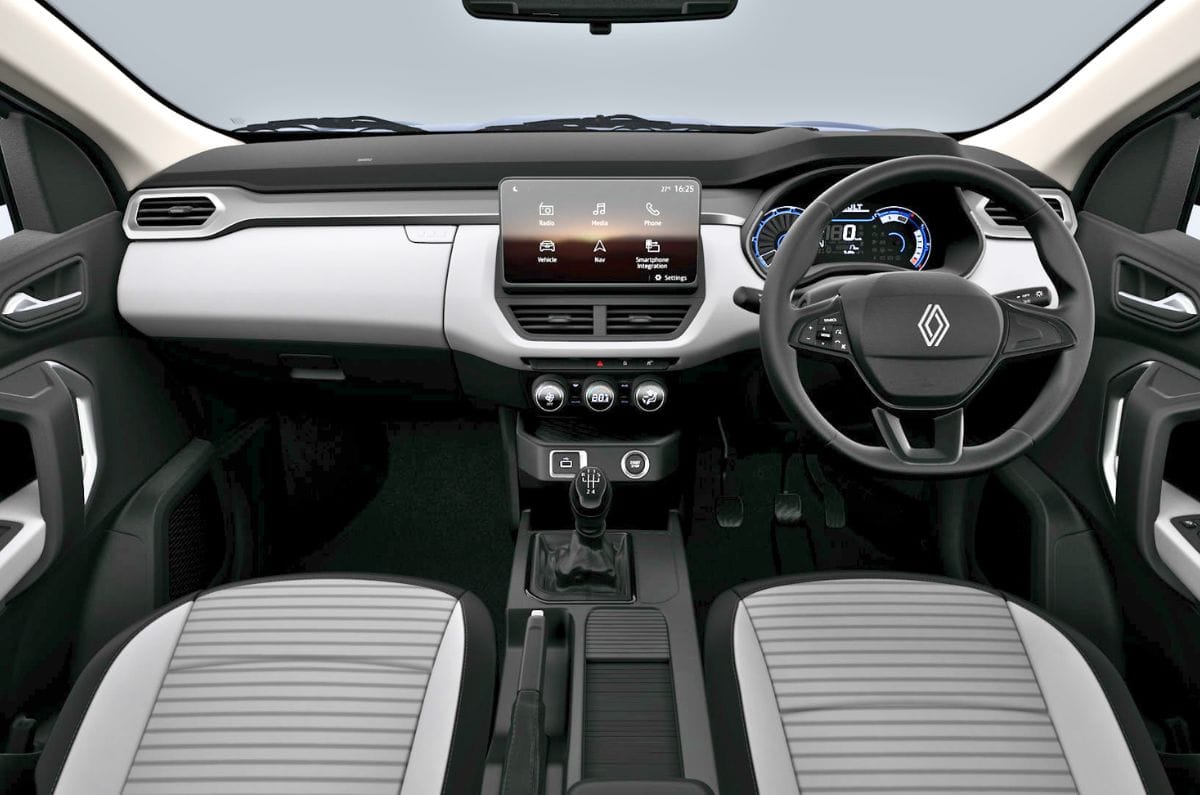
  • 8.0-inch infotainment system
  • Wired Android Auto and Apple CarPlay
  • 4 speakers
  • Steering-mounted audio and phone controls
  • Rear AC vents
  • Electrically adjustable ORVMs
  • Rear parcel shelf
  • Day/night adjustable interior rear-view mirror
  • Tilt-adjustable steering wheel
  • Rear view camera

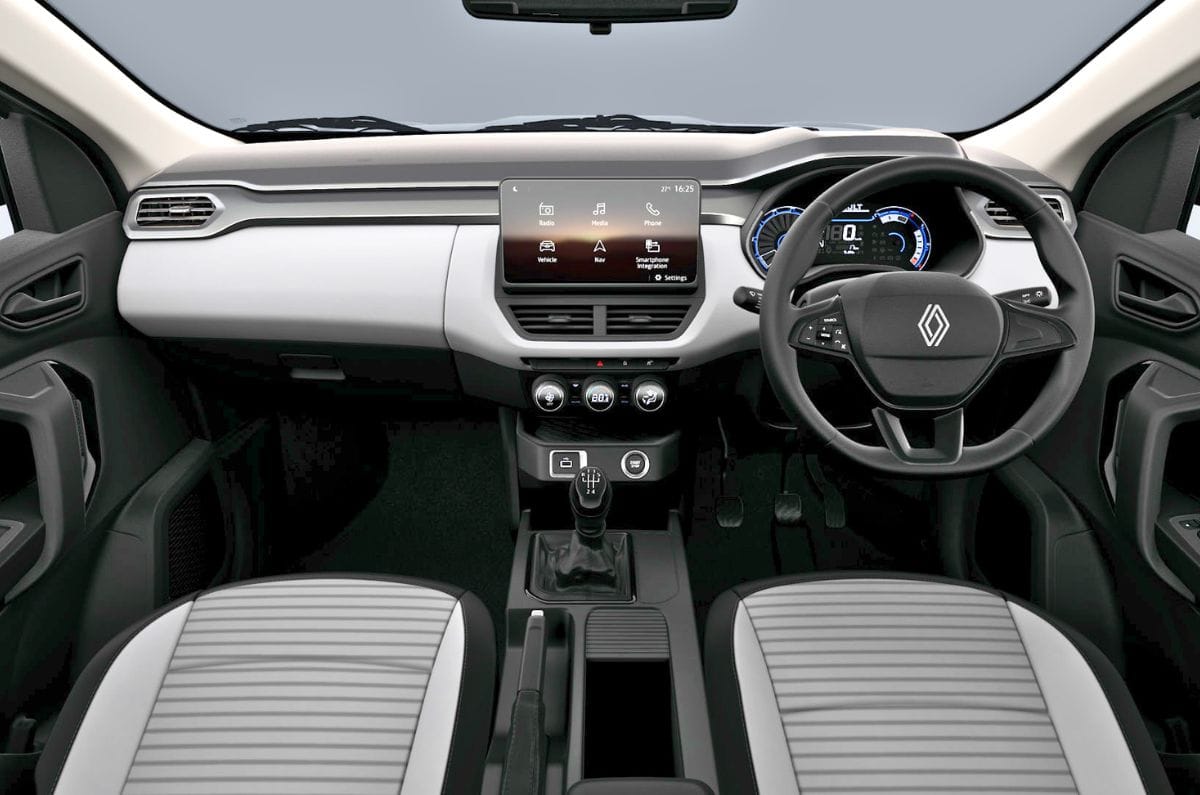
Renault Kiger Evolution+

Powertrain: 1.0-petrol MT; 1.0-litre turbo-petrol MT

  • Automatic climate control
  • Push-button start/stop
  • Wireless Android Auto and Apple CarPlay
  • Dual-tone interior upholstery

Renault Kiger Techno

Powertrain: 1.0-petrol MT, AMT; 1.0-litre turbo-petrol MT, CVT

  • LED headlamps
  • Functional roof rails with 50kg load-bearing capacity
  • 16-inch flex wheels
  • Front and rear silver skid plates
  • Auto-folding wing mirrors
  • Driver’s seat height adjustment
  • Rear wiper and washer
  • Dual glove box
  • One-touch up/down for driver window

Renault Kiger Emotion

Powertrain: 1.0-petrol MT; 1.0-litre turbo-petrol MT, CVT

  • 16-inch alloy wheels
  • LED fog lamps
  • Auto headlamps
  • Red brake callipers (turbo-petrol variants only)
  • Leatherette upholstery
  • Leather-wrapped steering wheel
  • Welcome/goodbye sequences
  • 7.0-inch configurable digital instrument cluster
  • 6-speaker Arkamys sound system
  • Drive modes
  • Cruise control
  • Wireless phone charger
  • Rear defogger
  • Cooled glove box
  • Ambient interior lighting
  • Remote engine start (turbo only)
  • Ventilated front seats
  • 360-degree camera
  • Rain-sensing wipers

2025 Renault Kiger: Which variant should you buy?

Top-spec Emotion is recommended, but budget buyers can also consider the Evolution+

Of the four powertrain choices on offer, we’d recommend the turbo-petrol CVT, which is smooth for city usage and offers decent performance; the naturally aspirated petrol variants’ performance can feel a little underwhelming. As for the trim, we’d recommend the top-spec Emotion, which offers niceties and convenience, including ventilated front seats, a 360-degree camera, leatherette upholstery and a wireless charger, all at a very reasonable price. For those on a strict budget, the mid-spec Evolution+ offers a lot of value with all the necessary comfort and convenience features at a lower price tag. 

The Renault Kiger rivals the Nissan Magnite, Maruti Fronx, Toyota Taisor and Maruti Brezza as well as smaller SUVs such as the Tata Punch and Hyundai Exter.

Prices are ex-showroom, India. 

Skoda Peaq interior image gallery

Skoda Peaq

The Skoda Peaq’s interior features a 13.6-inch portrait touchscreen, a 10-inch digital driver’s display and a dual-tone dashboard with physical climate controls. The three-row electric SUV is available with up to seven seats and offers 299 litres of boot space with all three rows in use, expanding to 935 litres with the third row folded – the largest luggage capacity of any Skoda model. A 37-litre frunk provides additional storage, while other highlights include a 16-speaker Sonos audio system, dual wireless phone chargers, AGR-certified ergonomic front seats and a panoramic roof. An augmented-reality head-up display is available as an option.