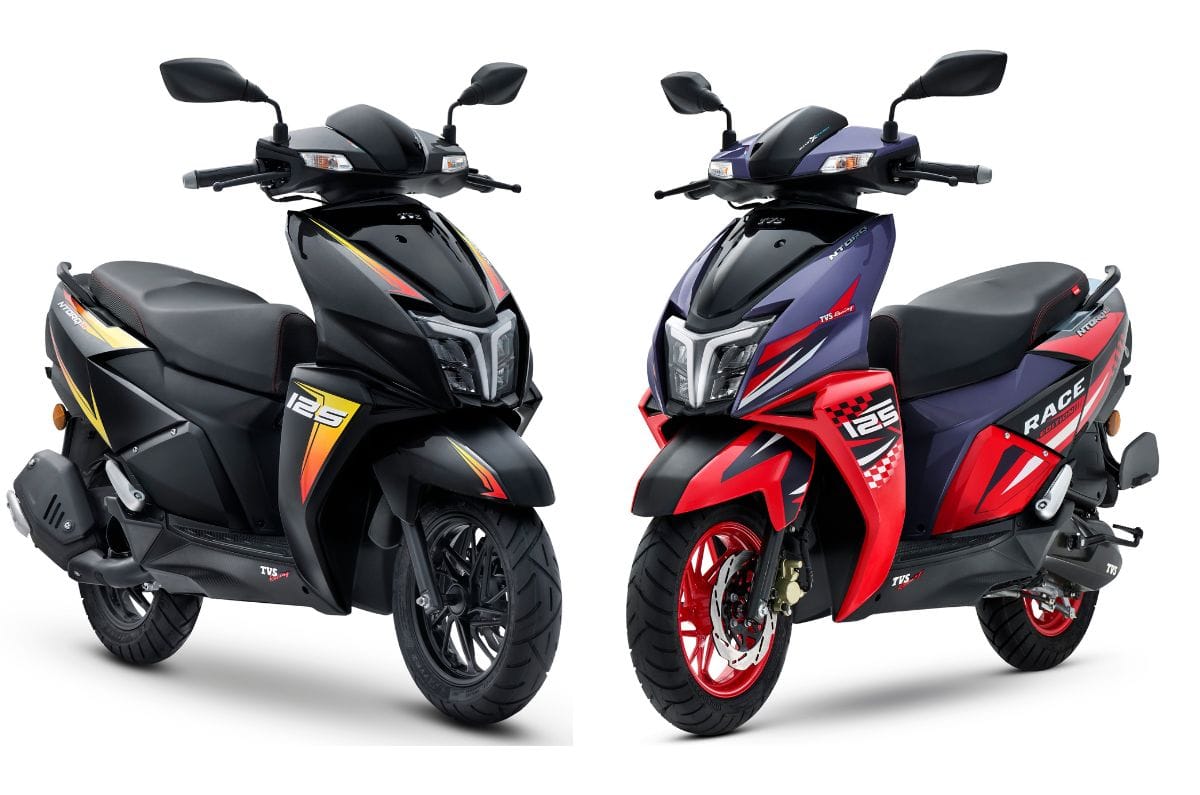
TVS has given a splash of fresh colours and graphics to the Ntorq 125’s most affordable variants – Disc and Race Edition – with prices starting at Rs 82,500 (Ex-showroom, Delhi)
TVS Ntorq 125 base variants get new colour options
It also gets a new LCD display with Bluetooth connection
TVS Ntorq 125: What’s new?
The Race Edition is priced at Rs 87,950
The Disc variant is the most affordable variant of the Ntorq 125 lineup that comes in a total of three colours – Black, White and Grey – all with yellow and orange graphics across the body-work. In contrast, the Race Edition comes with a set of bold, sportier colours such as Blue, Red and Green with contrasting graphics.
Both these models also come with a new negative LCD dash that gets Bluetooth connectivity via the brand’s proprietary app.
Apart from these changes, the Ntorq 125 remains mechanically unchanged. The Disc variant is priced at Rs 82,500 and Rs 87,950 for the Race Edition.
SUVs attract Indian mass-market buyers thanks to their high ground clearances, ease of ingress/egress and greater perception of safety. Compact SUVs particularly hit a sweet spot: their sub-4m proportions enable easier manoeuvrability, and their lower taxation rates are easier on the pocket. With that in mind, let’s take a look at the 10 cheapest SUVs you can currently buy in India, ranked in descending order of their base ex-showroom prices.
10. Mahindra XUV 3XO
Starting price: Rs 7.54 lakh
The XUV 3XO is currently the most affordable Mahindra model in India and among the more enthusiastic options on this list. It’s offered with two 1.2-litre turbo-petrol engines putting out 111hp and 131hp, as well as a 117hp 1.5-litre diesel mill. A 6-speed manual is standard across all three engines, with the petrol ones additionally offering a 6-speed torque-converter automatic and the diesel a 6-speed AMT.
Mahindra XUV 3XO price list (Rs lakh)
Trim
1.2 Turbo P 6MT
1.5 D 6MT
1.2 Turbo P 6AT
1.5 D 6AMT
MX1
7.54
–
–
–
RevX M
8.39
–
–
–
RevX M (O)
8.91
–
–
–
MX2
–
9.22
–
–
MX2 Pro
8.99
9.90
9.94
–
MX3
9.20
10.20
10.74
11.10
MX3 Pro
9.42
10.73
11.02
–
AX5
10.00
11.26
11.76
12.06
RevX A
11.17
–
12.28
–
AX5L
11.91
–
13.15
–
AX7
12.08
12.89
13.21
13.64
AX7L
13.20
13.91
14.89
–
9. Tata Nexon
Starting price: Rs 7.37 lakh
Tata is the only carmaker with two models on this list, and the Nexon is the first of them. Initially launched in September 2017, the Nexon is the oldest SUV here but continues to accrue very strong sales numbers. As it stands, the Nexon is also the cheapest car to offer a panoramic sunroof in India. The Nexon is available with 120hp 1.2-litre turbo-petrol, 100hp 1.2-litre turbo CNG and 115hp 1.5-litre diesel engine options, along with manual and automatic transmissions.
Tata Nexon price list (Rs lakh)
1.2 Turbo P 5MT
1.2 Turbo P 6MT
1.2 Turbo P 6AMT
1.2 Turbo P 7DCT
1.2 CNG 6MT
1.5 D 6MT
1.5 D 6AMT
Smart
7.37
–
–
–
8.30
–
–
Smart +
8.07
–
8.82
–
9.22
9.00
–
Smart + S
8.37
–
–
–
9.52
9.37
–
Pure +
–
8.95
9.60
–
9.85
10.00
10.65
Pure + S
–
9.23
9.88
–
10.00
10.28
–
Pure+ PS
–
9.60
10.15
–
10.40
10.55
11.20
Creative
–
10.00
10.75
11.25
11.05
11.25
11.85
Creative + S
–
10.35
11.05
–
11.35
11.50
12.15
Creative + PS
–
11.32
–
12.47
12.27
12.42
13.07
Fearless + PS
–
12.27
–
–
13.22
13.37
14.02
Fearless + A PS
–
–
–
13.62
–
–
–
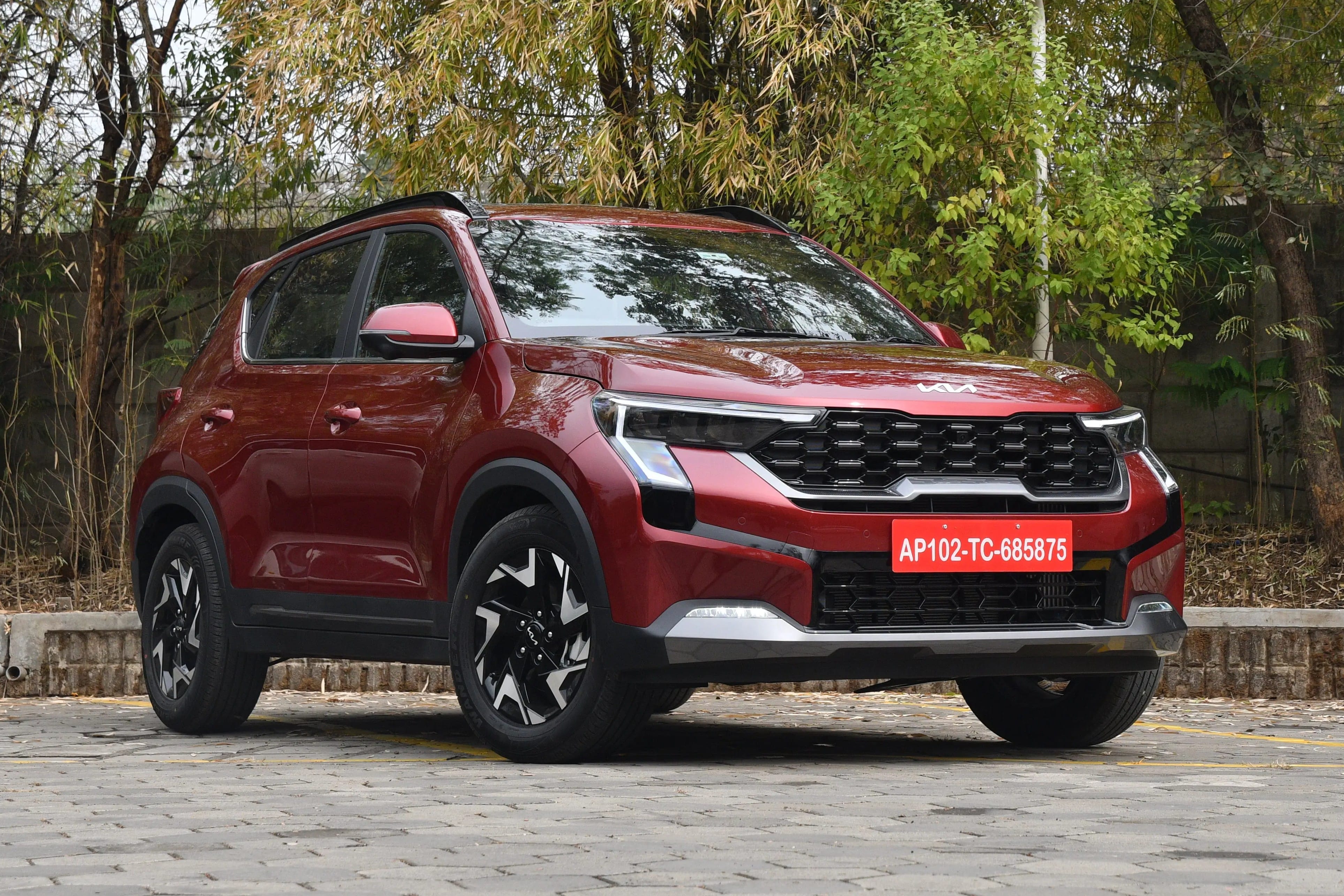
8. Kia Sonet
Starting price: Rs 7.34 lakh
The Kia Sonet narrowly edges ahead of the Nexon to clinch eighth place. Kia offers the Sonet with three engine options: an 83hp 1.2-litre naturally aspirated petrol, a 120hp 1.0-litre turbo-petrol and a 116hp 1.5-litre diesel. Gearbox options comprise a 5-speed manual for the NA petrol, a 6-speed iMT and 7-speed DCT for the turbo-petrol, and a 6-speed manual and 6-speed automatic for the diesel engine.
Kia Sonet price list (Rs lakh)
Trim
1.2 P 5MT
1.0 Turbo P 6iMT
1.0 Turbo P 7DCT
1.5 D 6MT
1.5 D 6AT
HTE
7.34
–
–
–
–
HTE(O)
7.77
–
–
9.02
9.82
HTK
–
–
–
–
–
HTK(O)
8.78
9.17
9.97
10.00
10.82
HTK+
9.15
–
–
10.38
11.18
HTK+(O)
9.65
10.12
10.92
10.88
11.68
HTX
–
–
11.67
11.33
12.12
GTX+
–
–
13.68
–
14.19
X-Line
–
–
13.72
–
–
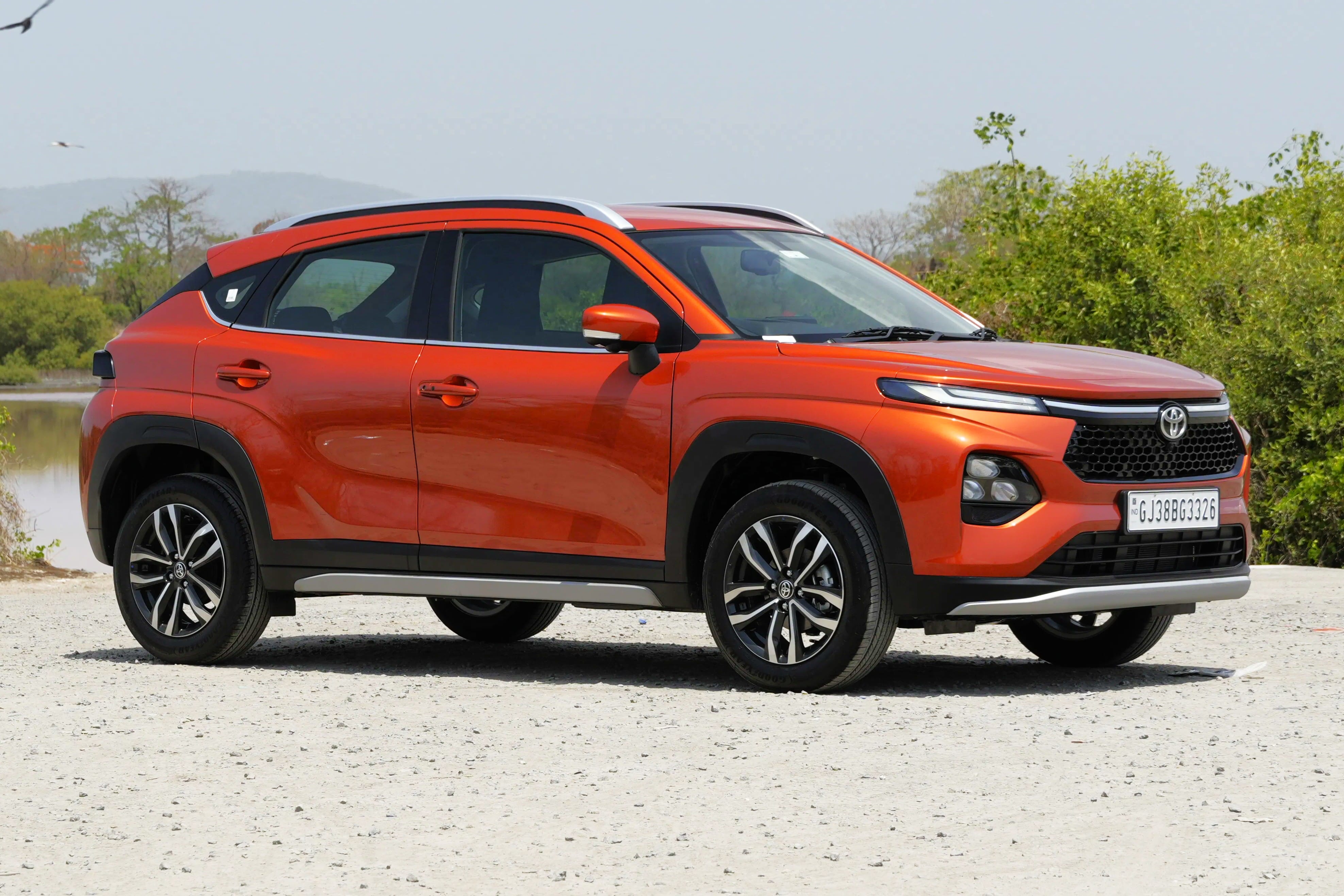
7. Toyota Taisor
Starting price: Rs 7.25 lakh
Toyota’s most affordable SUV, the Taisor, is a rebadged version of the Maruti Fronx. It comes with a 1.2-litre naturally aspirated engine in 90hp petrol and 76hp CNG guises, as well as a 100hp 1.0-litre turbo-petrol motor. A 5-speed manual is standard fit for the NA petrol and CNG engines, with the former additionally getting a 5-speed AMT. The turbo-petrol Taisor can be had with 5-speed manual and 6-speed automatic options.
Toyota Taisor price list (Rs lakh)
Trim
1.2 P 5MT
1.2 P 5AMT
1.2 CNG 5MT
1.0 Turbo P 5MT
1.0 Turbo P 6AT
E
7.25
–
8.24
–
–
S
8.13
8.72
–
–
–
S+
8.47
9.06
–
–
–
G
–
–
–
10.20
11.57
V
–
11.08
12.47
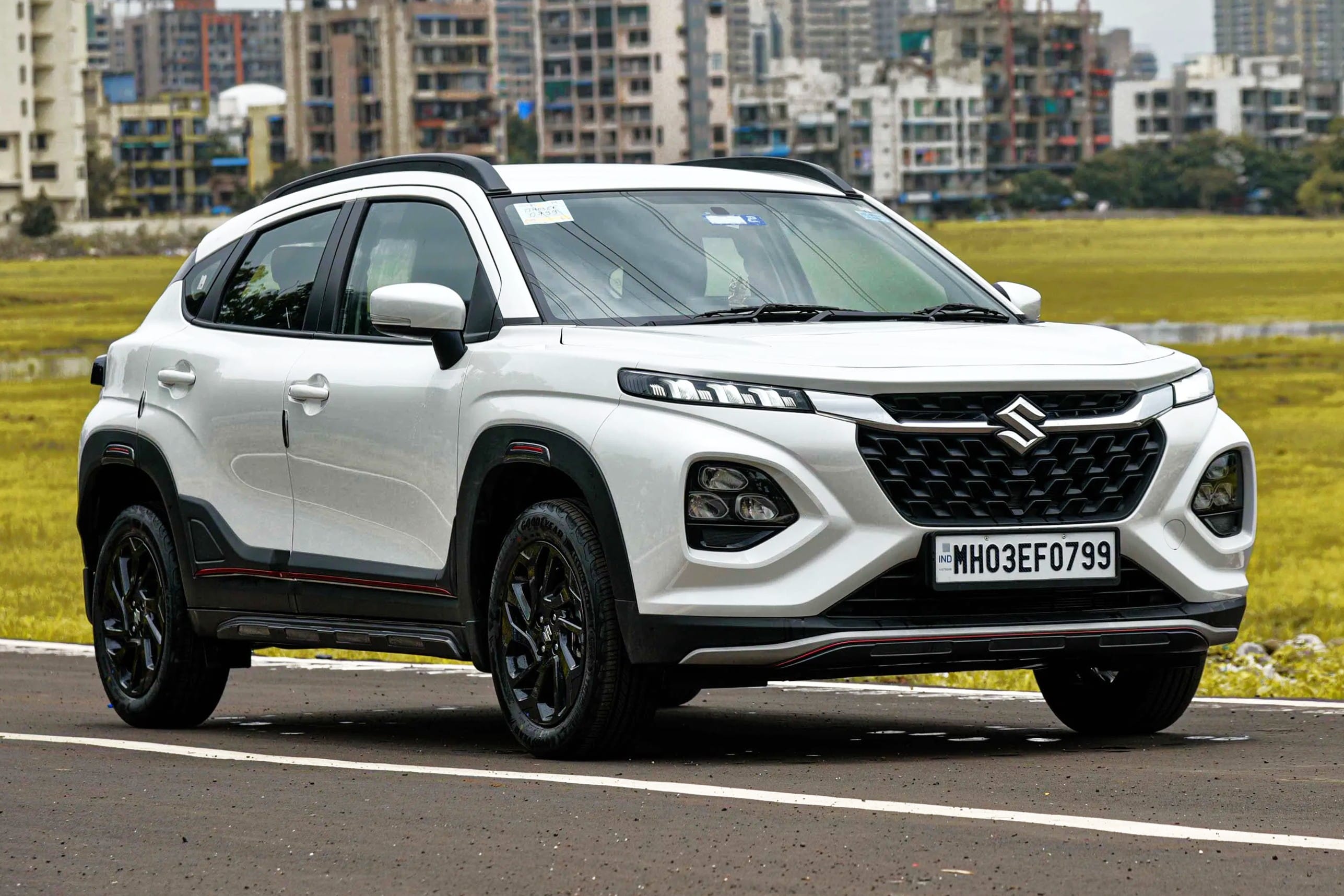
6. Maruti Suzuki Fronx
Starting price: Rs 6.85 lakh
Based on the Baleno hatchback, the Fronx stands as a more stylish (albeit smaller) alternative to the Brezza in Maruti Suzuki’s compact SUV line-up. The Fronx, expectedly, offers the same petrol, turbo-petrol and CNG engine options as the Taisor, along with their respective gearbox options, but is Rs 40,000 cheaper than its Toyota twin at the base level.
Maruti Fronx price list (Rs lakh)
Trim
1.2 P 5MT
1.2 P 5AMT
1.2 CNG 5MT
1.0 Turbo P 5MT
1.0 Turbo P 6AT
Sigma
6.85
–
7.86
–
–
Delta
7.70
8.20
8.66
–
–
Delta+
8.10
8.60
–
8.92
–
Zeta
–
–
–
9.71
10.99
Alpha
–
–
–
10.56
11.84
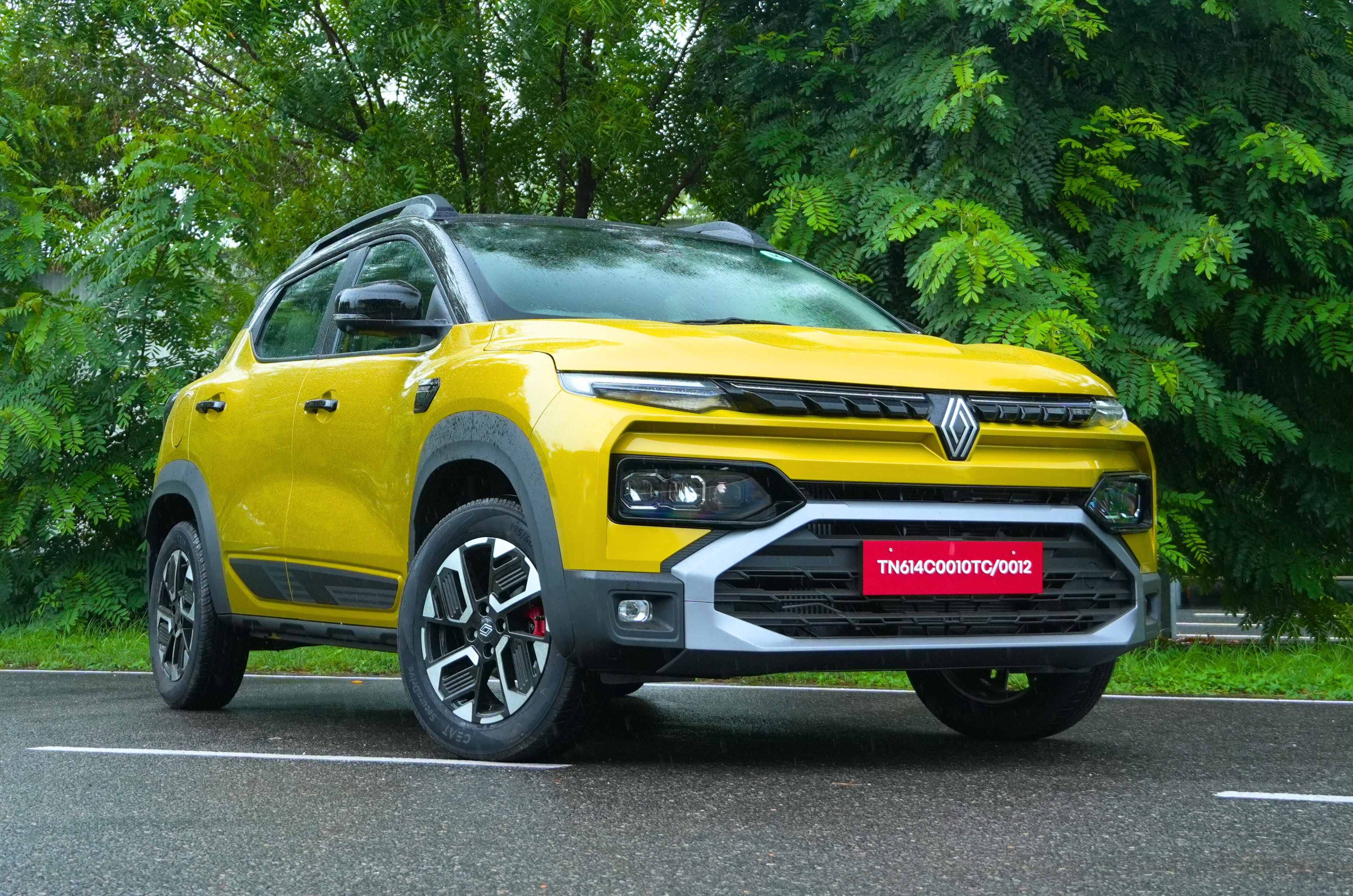
5. Renault Kiger
Starting price: Rs 5.81 lakh
The Renault Kiger, which received a facelift in 2025 with updated styling elements and more features, ranks among the top 5 cheapest SUVs currently available in India. The Kiger comes with a 72hp 1.0-litre petrol engine with manual and AMT options and a 100hp 1.0-litre turbo-petrol with manual and CVT options. A dealer-level CNG kit is also offered for the Kiger, costing an additional Rs 79,500 over the naturally aspirated petrol version.
Renault Kiger price list (Rs lakh)
Trim
1.0 P 5MT
1.0 P 5AMT
1.0 Turbo P 5MT
1.0 Turbo P CVT
Authentic
5.81
–
–
–
Evolution
6.55
6.99
–
–
Evolution+
6.99
7.45
7.89
–
Techno
7.55
8.05
8.45
9.35
Emotion
8.45
–
9.35
10.35
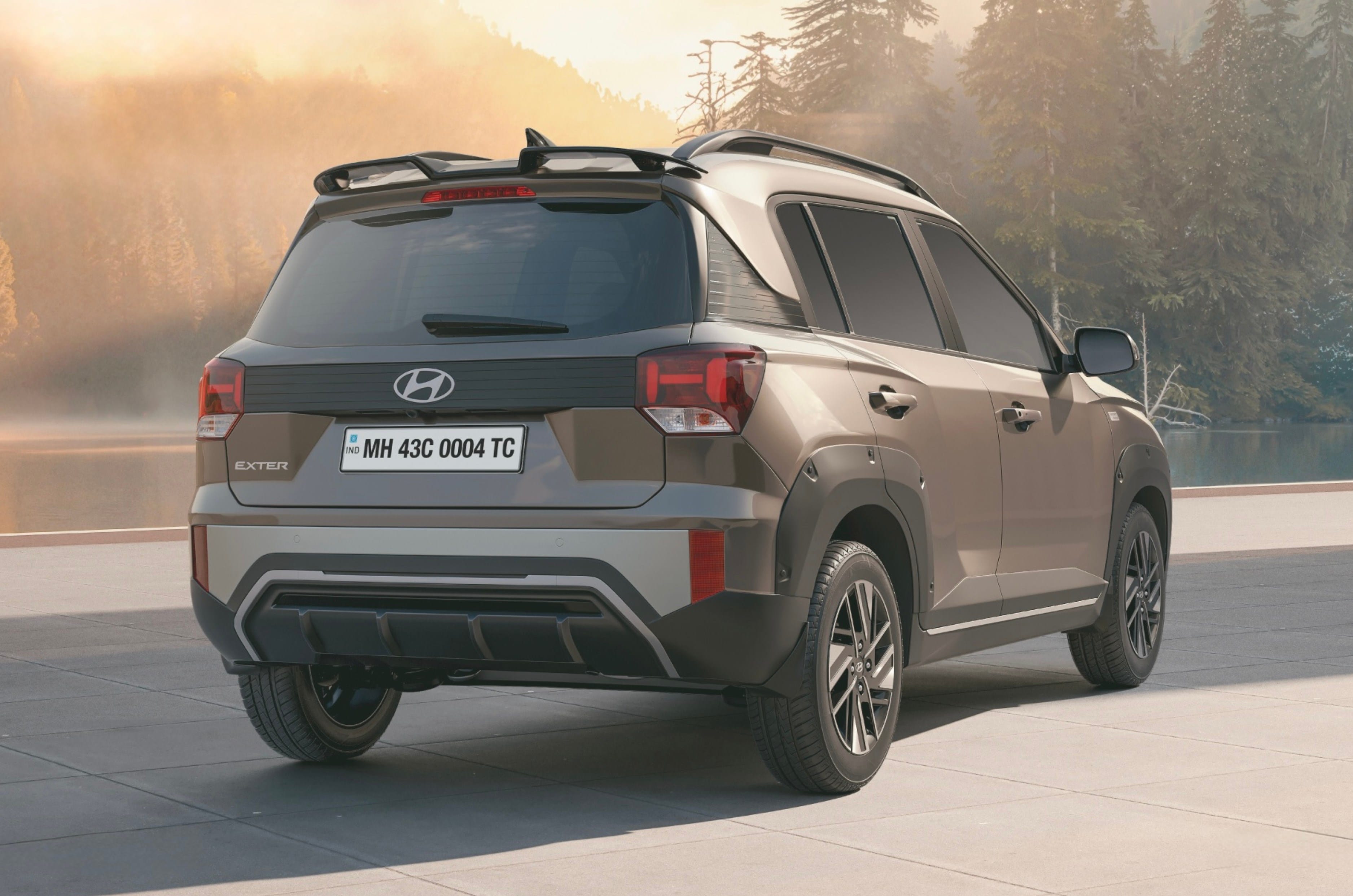
4. Hyundai Exter
Starting price: Rs 5.81 lakh
Hyundai’s entry-level SUV, the Exter, received a facelift in March 2026 that introduced revised styling, updated interior upholstery, some new features and a simplified variant nomenclature. As before, engine options for the Exter include a sole 1.2-litre 4-cylinder engine in 83hp petrol and 69hp CNG states of tune. A 5-speed manual is standard for both engines, with the petrol mill additionally offering a 5-speed AMT.
Hyundai Exter price list (Rs lakh)
Trim
1.2 P 5MT
1.2 P 5AMT
1.2 CNG 5MT
HX2
5.81
–
7.00
HX3
6.30
6.95
7.45
HX4
7.28
–
8.28
HX4+
–
8.10
–
HX6
7.99
8.59
8.95
HX8
8.40
9.12
9.42
HX10
–
9.46
–
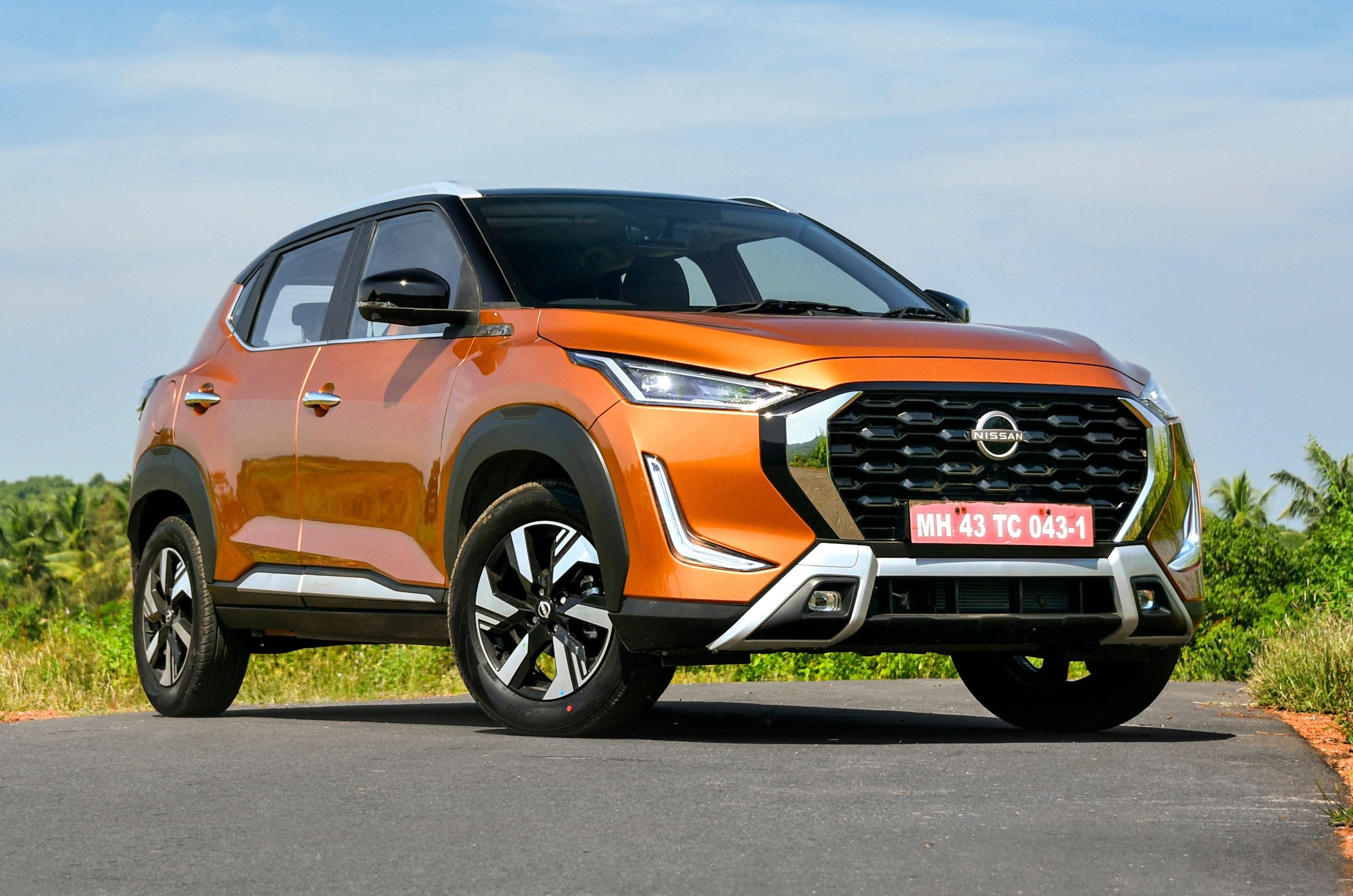
3. Nissan Magnite
Starting price: Rs 5.65 lakh
While the Magniteis essentially Nissan’s version of the Kiger, it outprices the Renault SUV by Rs 14,000 at the base level. Expectedly, the Magnite shares its 1.0-litre 3-cylinder petrol and turbo-petrol engines with the Kiger, as well as the dealer-fit CNG option, priced at Rs 74,999 (all charges included). The Magnite is also one of only two SUVs on this list to offer an AMT gearbox with its CNG powertrain.
Nissan Magnite price list (Rs lakh)
Trim
1.0 P 5MT
1.0 P 5AMT
1.0 Turbo P 5MT
1.0 Turbo P CVT
Visia
5.65
6.24
–
–
Visia+
6.20
–
–
–
Acenta
6.81
7.36
–
9.25
N-Connecta
7.44
7.99
8.71
9.67
Tekna
8.37
8.92
9.55
10.62
Tekna+
8.70
9.25
9.88
10.96
Kuro
7.79
8.34
9.10
9.99
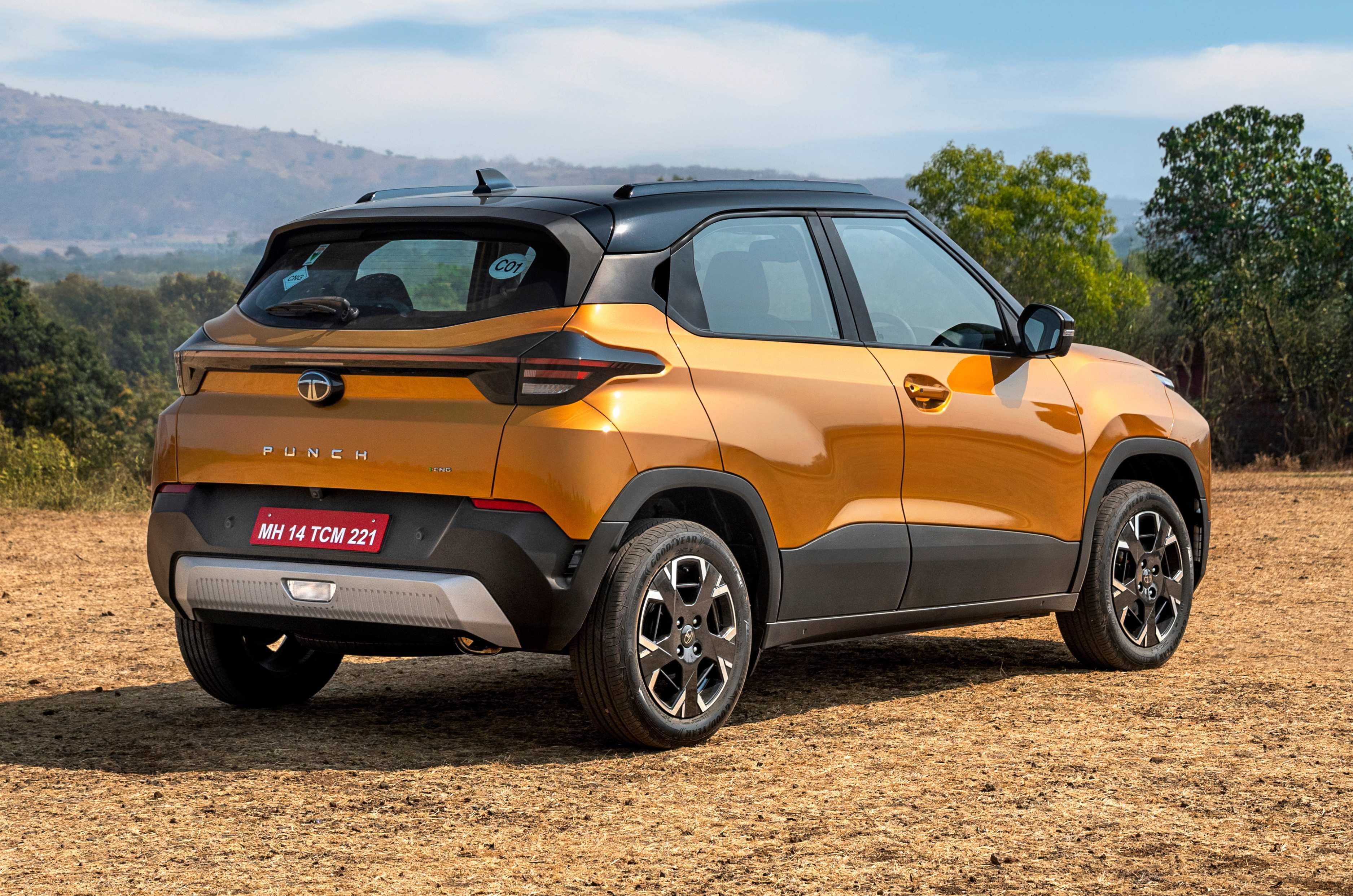
2. Tata Punch
Starting price: Rs 5.65 lakh
With the 2026 Punch facelift, Tata not only introduced several styling tweaks, feature upgrades and a new 120hp turbo-petrol engine, but it also reduced the model’s starting price by Rs 40,000. This makes the Punch the second-cheapest SUV in India right now. Aside from the new turbo-petrol mill, the 2026 Punch retains its prior 1.2-litre 3-cylinder naturally aspirated engine in 88hp petrol and 73hp CNG guises, along with their manual and AMT options.
2026 Tata Punch price list (Rs lakh)
Trim
1.2 P 5MT
1.2 P 5AMT
1.2 CNG MT
1.2 CNG AMT
1.2 Turbo P MT
Smart
5.65
–
6.75
–
–
Pure
6.55
–
7.55
–
–
Pure+
7.05
7.60
8.05
8.60
–
Pure+ S
7.40
7.95
8.40
–
–
Adventure
7.65
8.20
8.65
9.20
8.35
Adventure S
8.00
–
9.00
9.55
–
Accomplished
8.35
8.90
9.35
–
–
Accomplished+ S
9.05
9.60
–
10.60
9.85
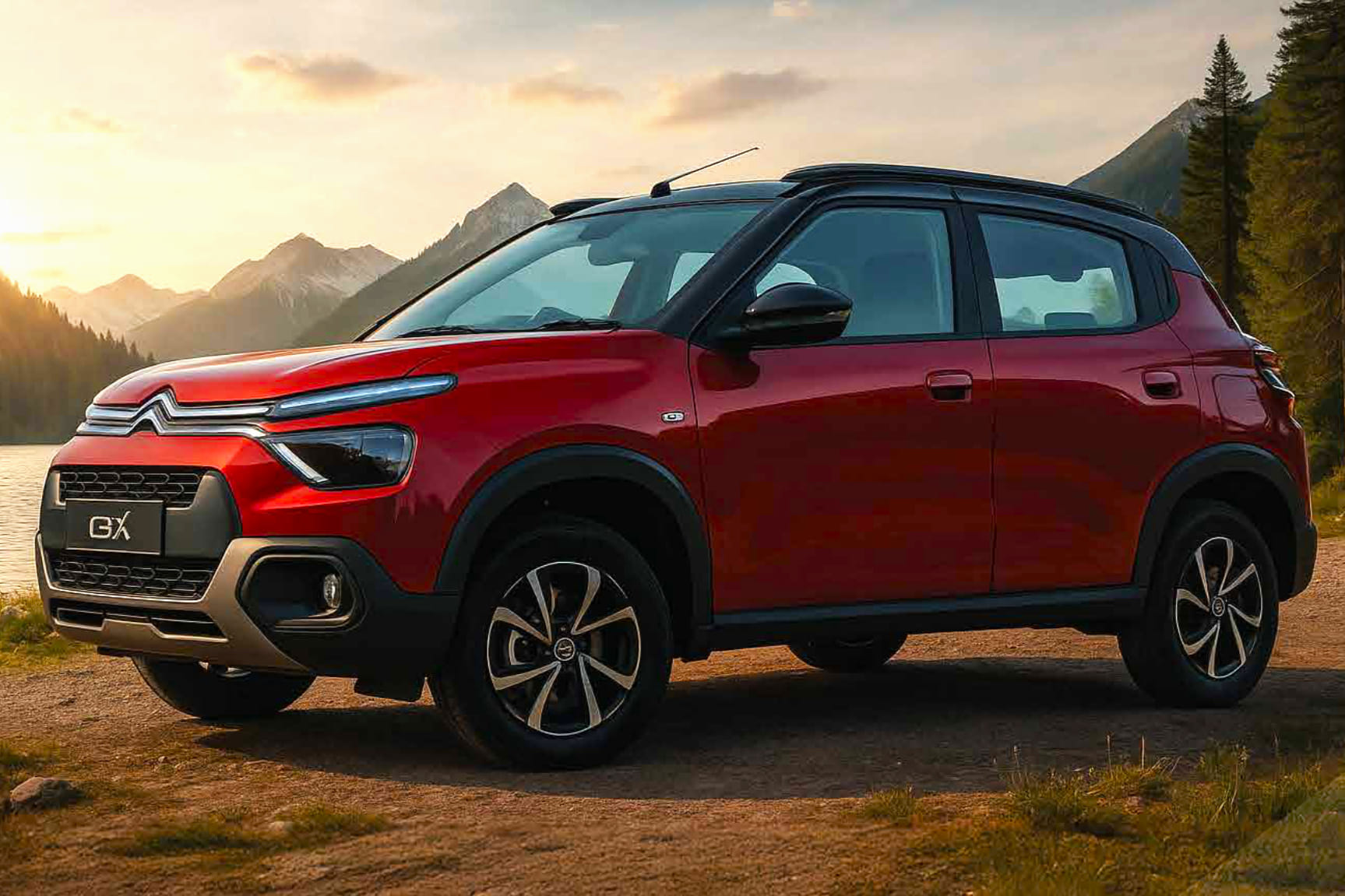
1. Citroen C3
Starting price: Rs 4.99 lakh
Taking top spot on the affordability rankings is the Citroen C3, the French carmaker’s entry-level model for the Indian market. The C3 received an ‘X’ update in 2025 that lowered its pricing and added some useful features. There are two 1.2-litre 3-cylinder petrol engines on offer with the C3: an 82hp naturally aspirated unit and a 110hp turbocharged mill. The NA engine comes with a 5-speed manual only, while the turbo-petrol motor offers either a 6-speed manual or a 6-speed torque-converter automatic.
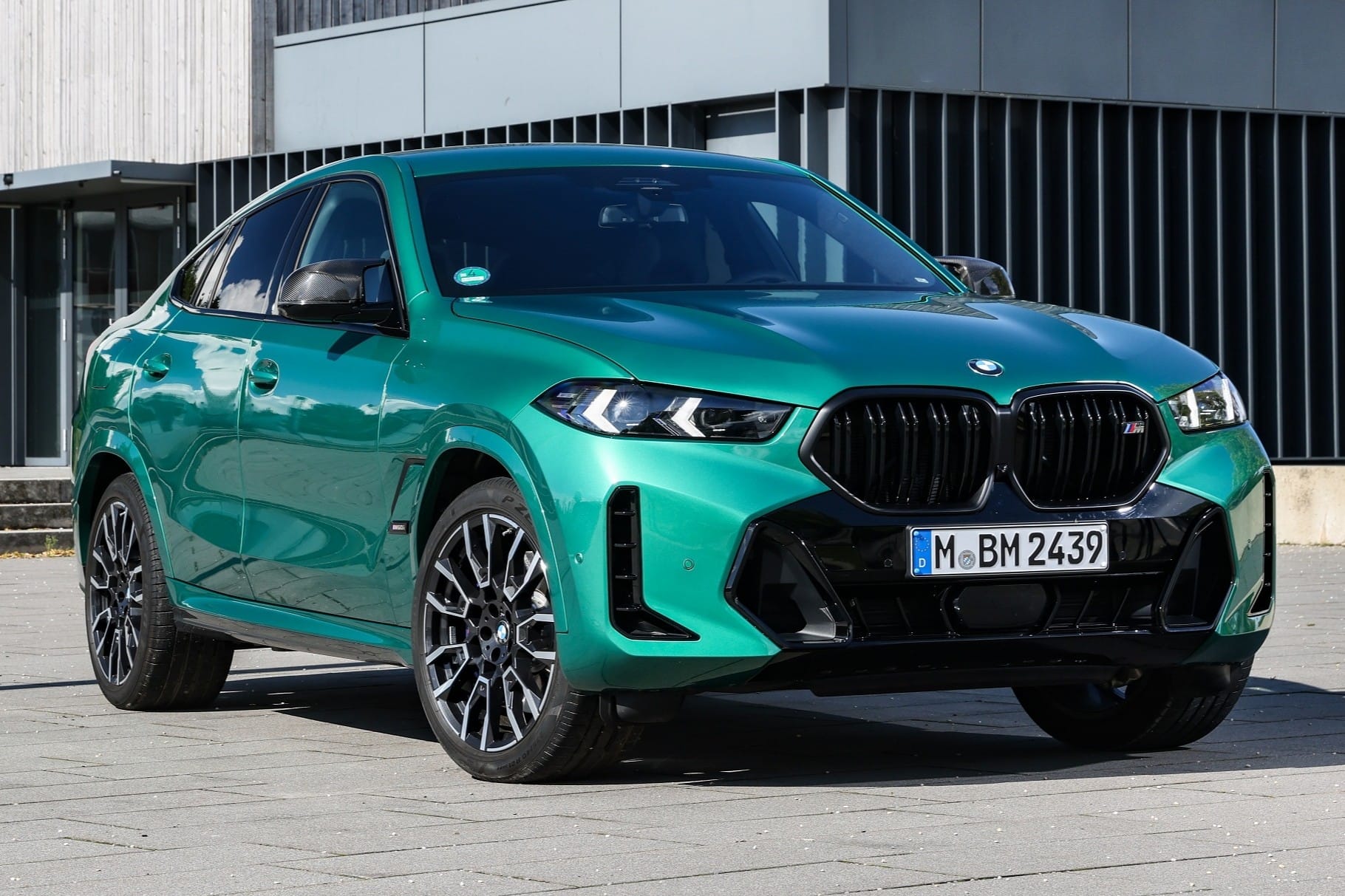
BMW India has brought back the X6 coupe-SUV at an ex-showroom price of Rs 1.78 crore. The model is only available in M60i xDrive guise, and is sold via the CBU route.
Powered by a 530hp, 750Nm 4.4-litre V8 petrol engine.
Does a 0-100kph sprint in 4.3 seconds (claimed).
BMW X6 M60i xDrive powertrain details
Powering the BMW X6 is a 4.4-litre twin-turbo V8 petrol engine with 48V mild-hybrid assist producing 530hp and 750Nm of torque. Power is sent to all four wheels via an 8-speed automatic gearbox. Additionally, there’s rear wheel steering, adaptive suspension, a limited-slip differential, while there’s also an xDrive AWD system thats rear biased. BMW claims a 0-100kph sprint in 4.3 seconds, while it can reach speeds of up to 250kph.
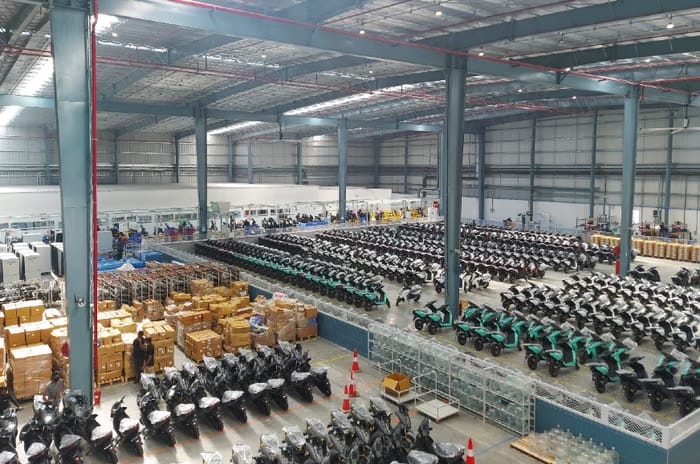
Ather Energy has crossed 7 lakh cumulative retail sales in India, becoming the fourth electric two-wheeler manufacturer to reach the milestone after Ola Electric, TVS Motor Company and Bajaj Auto. According to Vahan data, Ather had delivered 7,04,447 units to customers as of June 25, 2026, since commencing sales in 2018. Notably, the company sold its most recent 2 lakh units in just eight months, highlighting the rapid acceleration in its growth.
Last 2 lakh units sold in just eight months
Rizta accounts for nearly 75 percent of monthly sales
Ather Energy sales milestone details
More than half of all Ather sales have come in the past 18 months
As Autocar Professional reports, Ather’s growth has been far from linear. Sales remained modest between 2018 and 2021, partly due to the pandemic. The company crossed 50,000 annual sales for the first time in 2022 (54,769 units), before doubling that figure in 2023 to 1,11,812 units. It followed that up with 1,36,513 units in 2024, while 2025 marked a significant step forward with 2,14,985 units – up 57 percent year-on-year – giving Ather a 16 percent share of India’s then record 1.34 million-unit electric two-wheeler market.
The momentum has only continued in 2026. Between January 1 and June 25, Ather delivered 1,63,788 units – already 76 percent of its full-year record from 2025 – giving it a 17.53 percent share of the 9,34,141 electric two-wheelers sold in India so far this year. March 2026 was the company’s best-ever month at 36,362 units, and Ather has now crossed the 20,000-unit monthly mark eight times in the past nine months. At its current pace, the company is on track to sell around 3,25,000 units this calendar year.
The Rizta, launched in April 2024, has been the biggest contributor to Ather’s recent growth. It now accounts for nearly 75 percent of the company’s monthly sales and crossed 3 lakh cumulative sales just 25 months after launch.
Ather is now gearing up for its next phase of growth on two fronts. The company’s new EL platform is designed to underpin a wider range of electric scooters, while its third manufacturing plant in Maharashtra, with an eventual annual capacity of 10 lakh units, is expected to begin the first phase of operations (42,000 units per month) by March 2027.
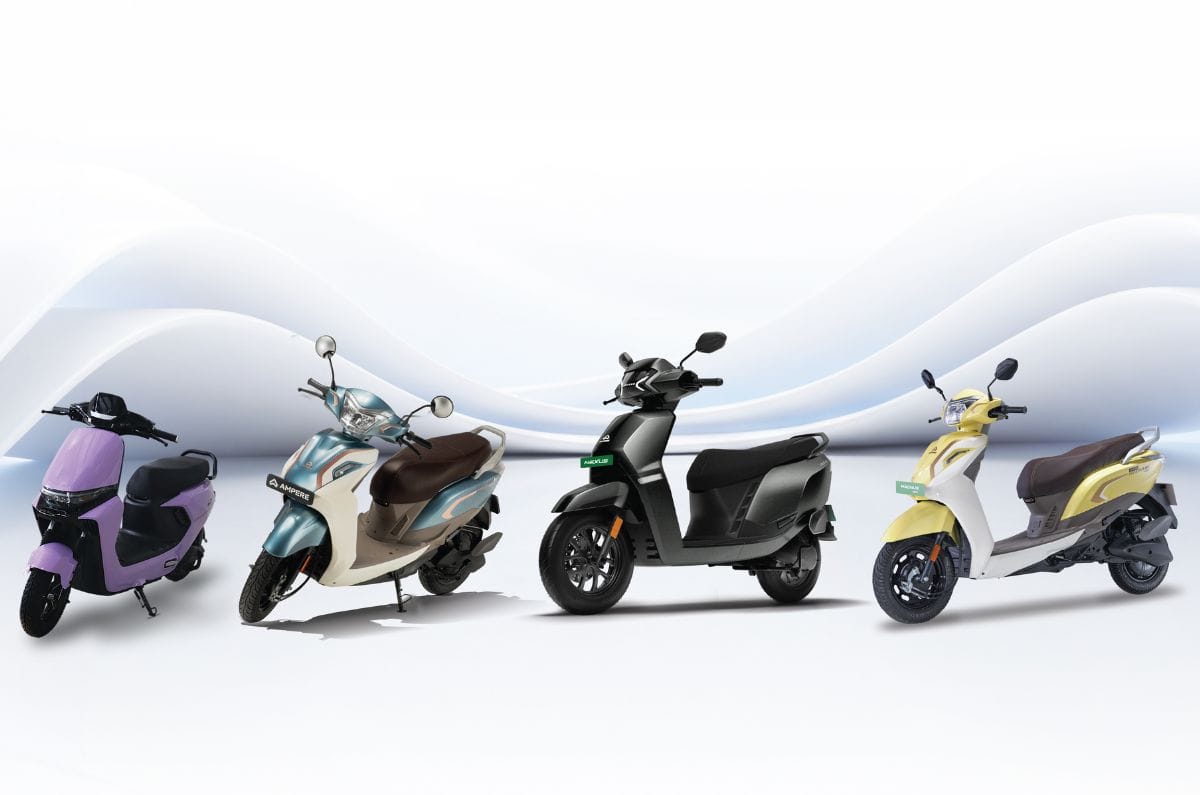
Ampere Electric announced it has crossed the 4-lakh manufacturing and sales milestone. The brand says this milestone underscores the brand’s growing presence in India – including in family-EV scooter and slow-speed vehicles for last-mile workers.
Ampere recently also surpassed 3-lakh milestone for its family-EV scooters
The brand currently holds a 4.4 percent of EV market share in FY26
Ampere sales-milestone: What’s new?
The brand says it has also increased its dealer network by 12-percent compared to FY25
While Ampere recently surpassed the 3-lakh milestone, this 4-lakh milestone also includes ‘slow-speed’ vehicles that do not get captured in VAHAN data. Ampere also recorded a 51 percent year-on-year growth in FY26, with its market share increasing from 3.6 percent in FY25 to 4.4 percent in FY26
The brand claims, to support this momentum, the brand has increased its dealer network by 12-percent compared to FY25. In addition to that, the brand has also revamped its existing showrooms to improve customer experience.
Ampere currently has three electric scooters on sale that includes the Nexus (EX and ST), Magnus (Neo, Grand, G Max) and Reo (80, VYB). Out of these models, the Reo range is the one that has its top speed capped, legally classified as a low-speed EV in India.
Huge dash-mounted touchscreen and smaller driver’s display
Three-spoke flat-bottomed steering wheel with paddle shifters
Array of physical controls on the centre console
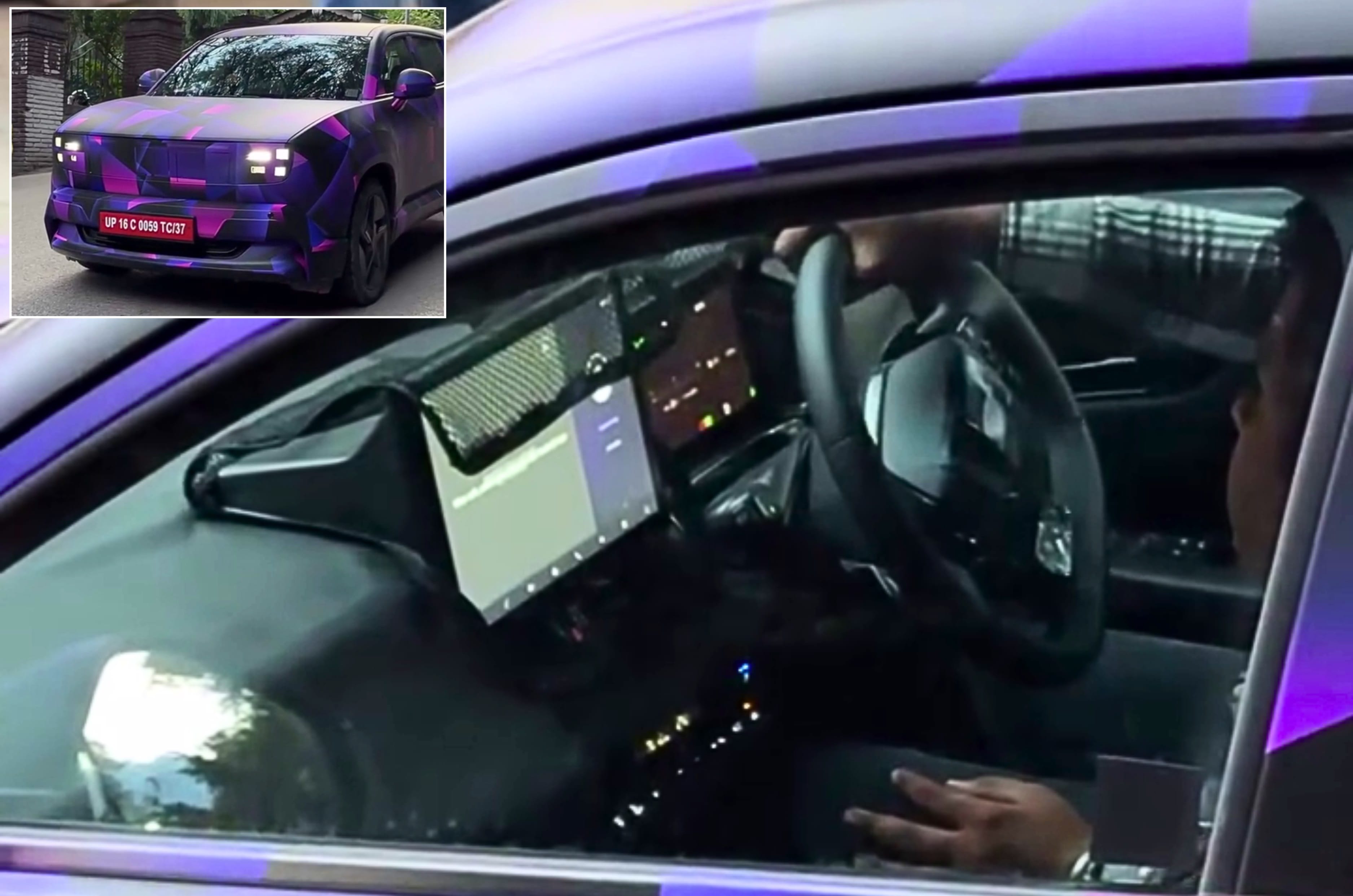
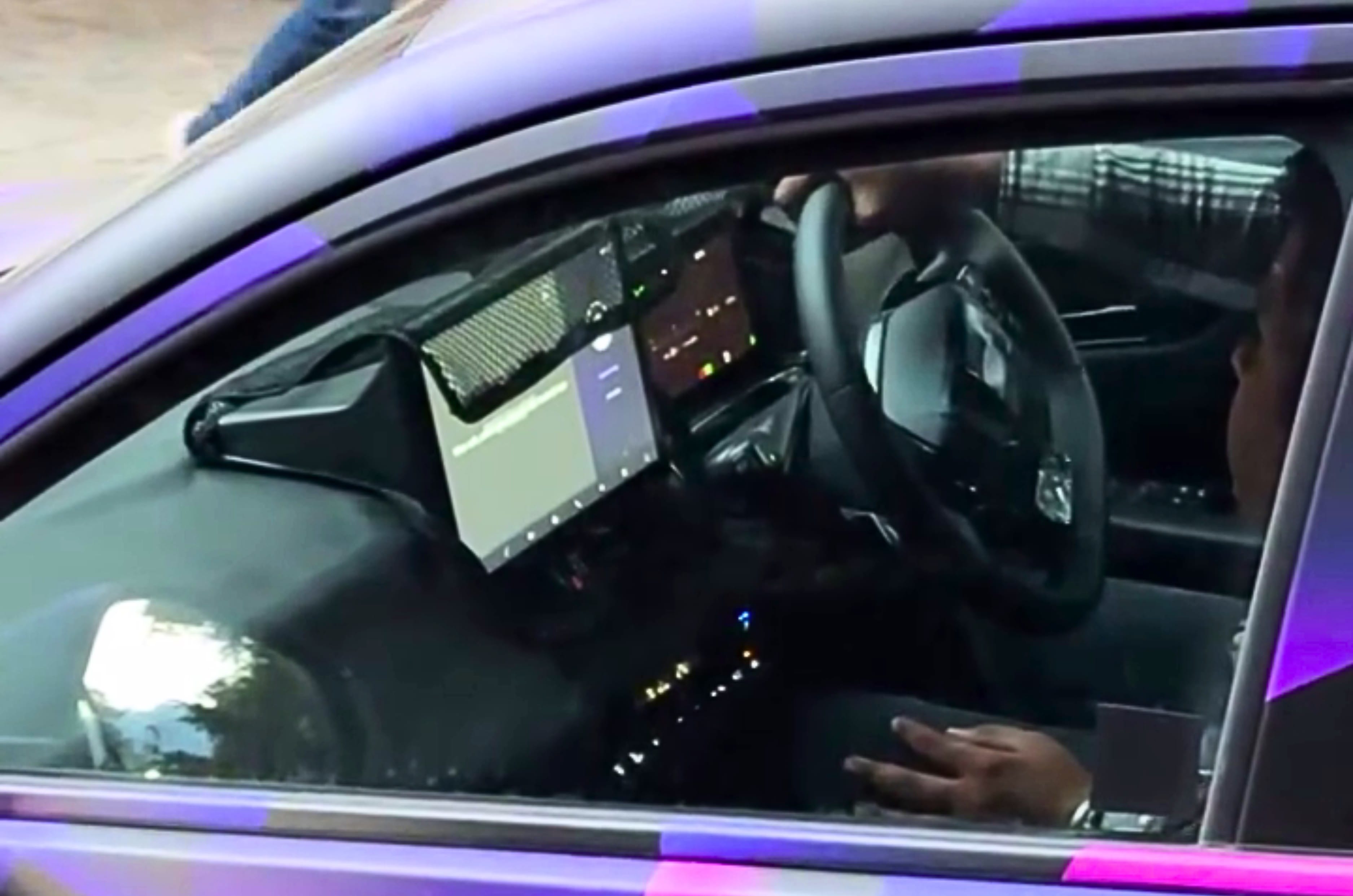
First unofficial look at the Honda 0 Alpha interior
Dual displays take centre stage on the dashboard
While the 0 Alpha concept that Honda unveiled in 2025 did well to preview the exterior design of the upcoming electric SUV, its interior remained under wraps. Courtesy of a fresh set of images, we now know what to expect from the Honda 0 Alpha interior.
Right off the bat, the most prominent element in the 0 Alpha EV interior is a massive central infotainment touchscreen mounted on top of the dashboard. To its right sits a much smaller digital driver’s display, ahead of which there’s a three-spoke flat-bottomed steering wheel with paddle shifters for regeneration.
Despite the inclusion of the colossal touchscreen, the 0 Alpha EV interior incorporates an array of buttons on the centre console, seemingly for functions like the climate control, ventilated seats, and more. The dashboard also has a quirky scooped design, although it’s worth noting that this is a prototype of the 0 Alpha EV and the production-spec version could look different.
What else can we expect from the Honda 0 Alpha EV?
Radically different design language compared to that of the current Honda India line-up
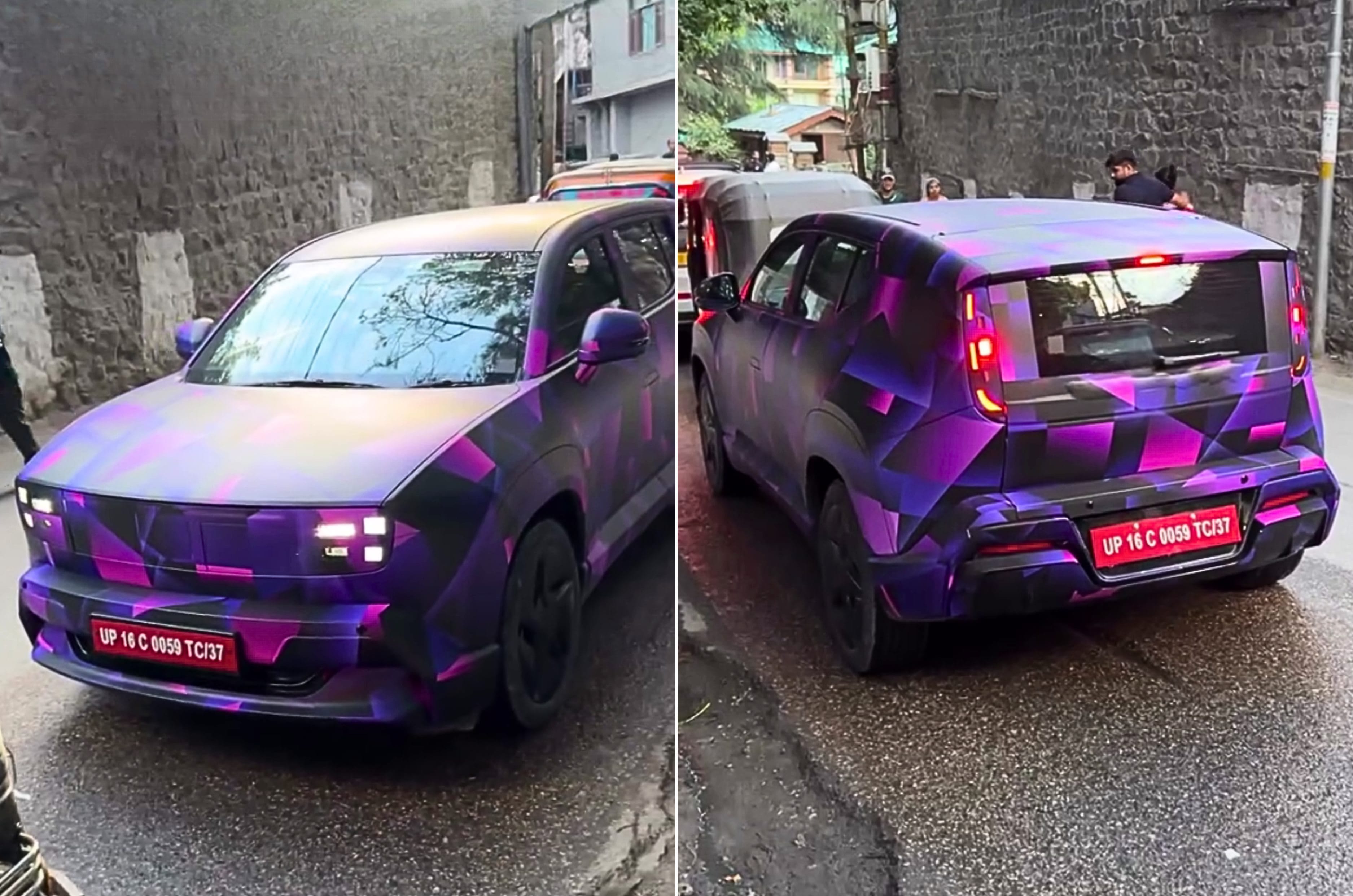
On the outside, the 0 Alpha EV is a complete departure from other Honda models sold in India. Styling highlights for the 0 Alpha include boxy proportions, a rectangular grille section housing the headlights, chunky bumpers, slim high-set vertical tail-lamps, a near-vertical tailgate, and squared-off wheel-arch cladding.
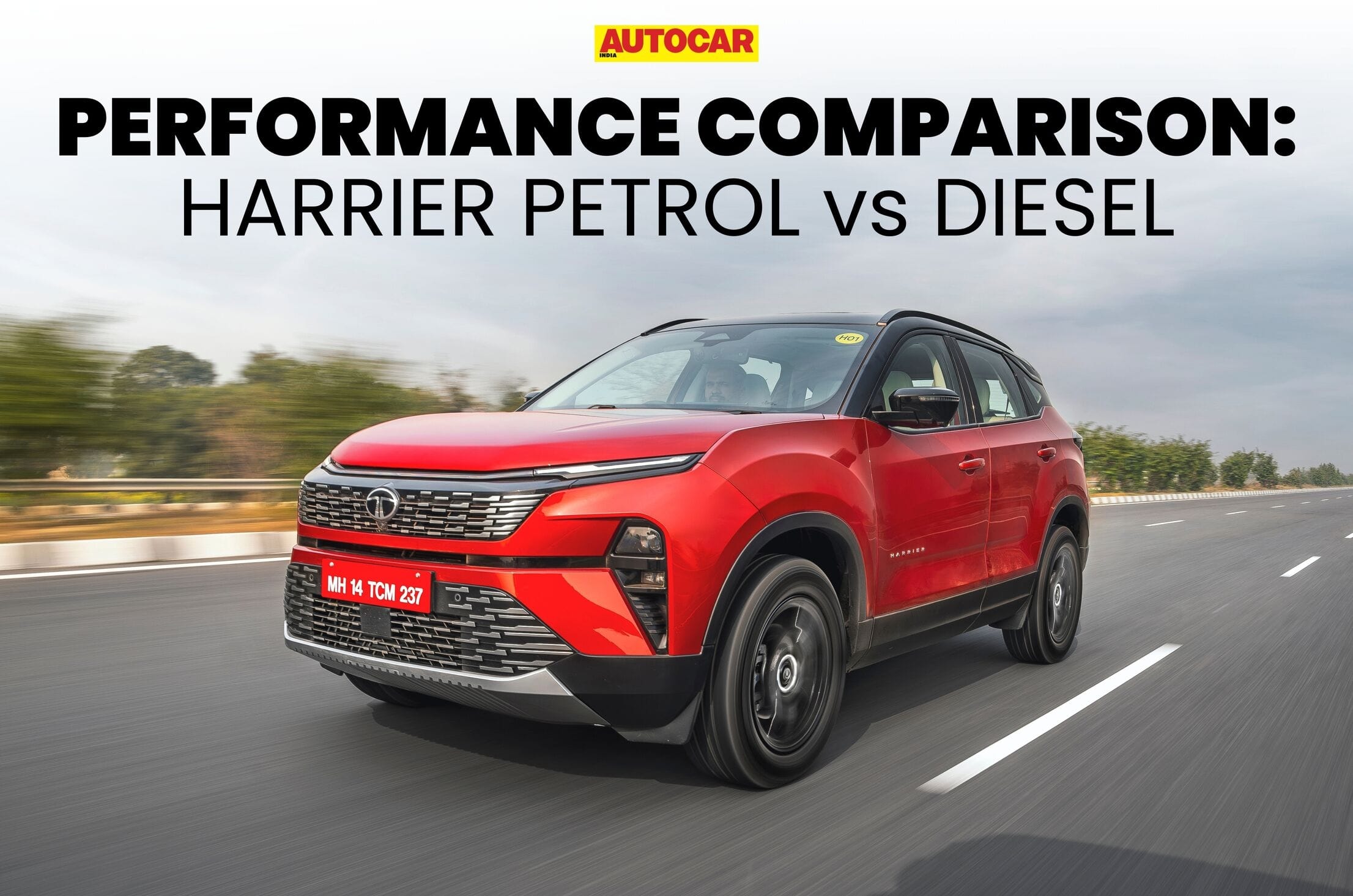
Introduced in 2019, the Harrier was Tata’s first attempt at a premium 5-seat SUV and the first model to utilise the brand’s Land Rover-derived Omega Arc platform. It was initially sold with only a diesel engine, and a petrol-powered version was launched about seven years later, in 2026. We’ve tested both of these in the automatic guise to find out which powertrain offers better real-world performance.
Both engines develop identical power, but the diesel delivers more torque
Tata Harrier petrol vs diesel automatic: Specifications
Harrier Petrol
Harrier Diesel
Engine
4 cyls, 1,498cc, turbocharged
4 cyls, 1,956cc, turbocharged
Power (hp)
170
170
Torque (Nm)
280
350
Gearbox
6AT
6AT
Weight (kg)
1,738
1,823
Tata offers the Harrier with two turbocharged engine options: a 1.5-litre petrol, developed in-house by Tata, and a Fiat-sourced 2.0-litre diesel. While both churn out 170hp, the diesel is torquier, developing 350Nm – 70Nm more than the petrol. These can be paired with a 6-speed torque-converter automatic or a 6-speed manual gearbox.
Tata Harrier petrol vs diesel AT: 0-100kph acceleration test
Tata Harrier petrol vs diesel AT: 0-100kph acceleration test
Harrier petrol (seconds)
Harrier diesel (seconds)
0-20kph
1.51
1.31
0-40kph
3.49
3.14
0-60kph
5.28
5.32
0-80kph
7.70
8.17
0-100kph
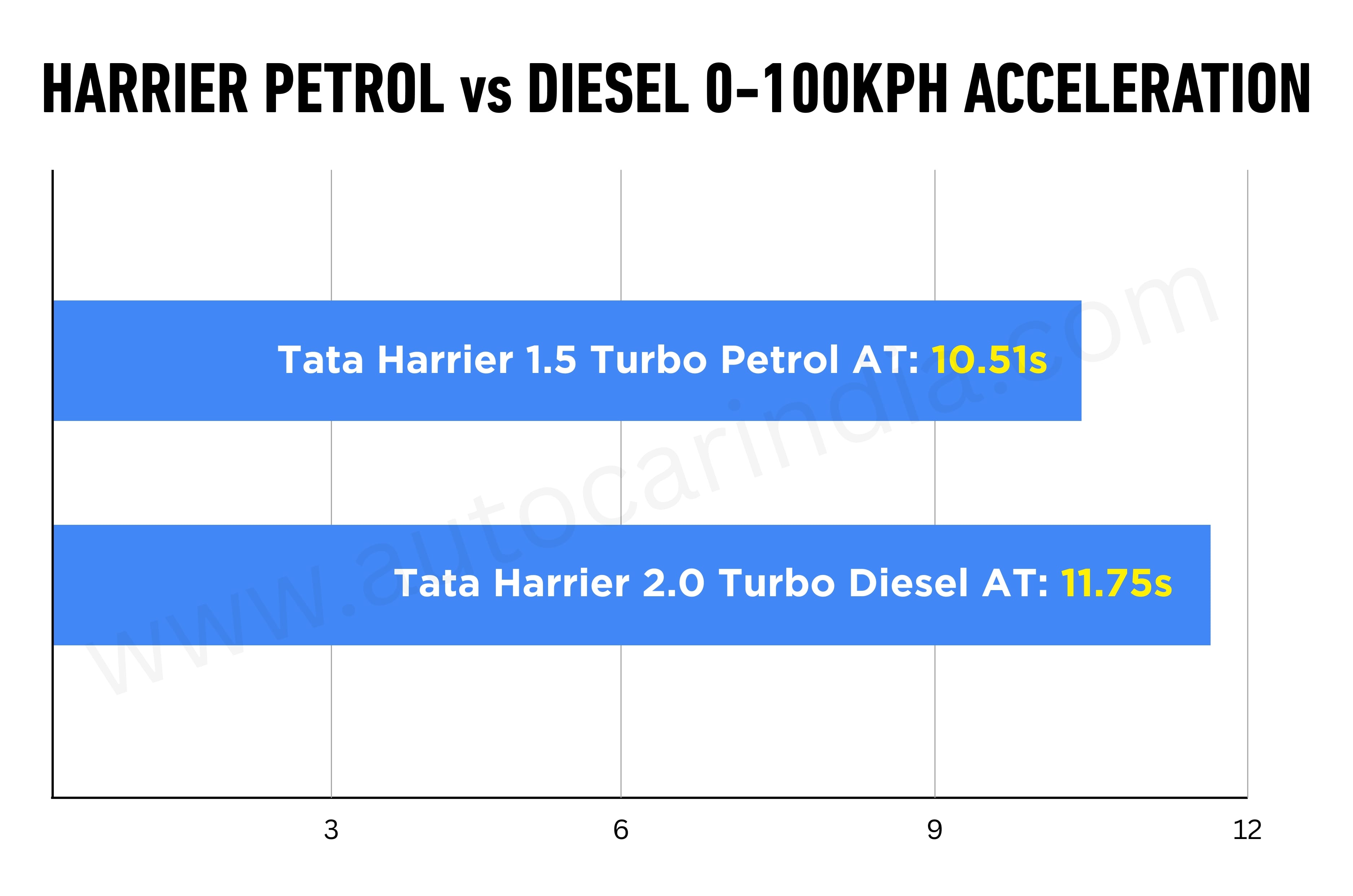
10.51
11.75
0-120kph
15.79
16.84
In our 0-100kph acceleration tests, the Harrier petrol outperformed the diesel by 1.24 seconds despite the latter having a 70Nm torque advantage. Up to 40kph, the diesel’s higher torque and its accessibility from lower revs helped it grab the lead. At about 60kph, the petrol version’s lighter footprint and stronger high-end power delivery helped it pull ahead and stay ahead.
Tata Harrier petrol vs diesel AT: Rolling acceleration test
Tata Harrier petrol vs diesel AT: Rolling acceleration test
Harrier petrol (seconds)
Harrier diesel (seconds)
20-80kph (in kickdown)
6.37
8.32
40-100kph (in kickdown)
8.01
6.82
In our rolling acceleration tests, the Harrier petrol outran the diesel by nearly 2 seconds in the 20-80kph run. However, in the 40-100kph test, the Harrier diesel was ahead by 1.69 seconds.
Tata Harrier petrol vs diesel AT: Prices
Diesel variants cost more than the petrol ones
Tata Harrier petrol vs diesel AT: Prices
Harrier petrol-AT
Harrier diesel-AT
Price (Rs lakh)
17.53-24.69
18.65-25.84
Both engines are available with an automatic gearbox option from the one-above-the-base Pure X trim. However, the Harrier’s petrol-automatic variants are more affordable than the diesel-automatic ones by well over Rs 1 lakh in the same trim levels.
Autocar India’s testing standards
Before we conduct our performance tests, we check and maintain tyre pressures based on the manufacturer’s recommendations and ensure the car has a full tank of fuel. The car is then tested in a controlled environment with two people on board, and the data is collected via highly accurate GPS-based timing equipment.
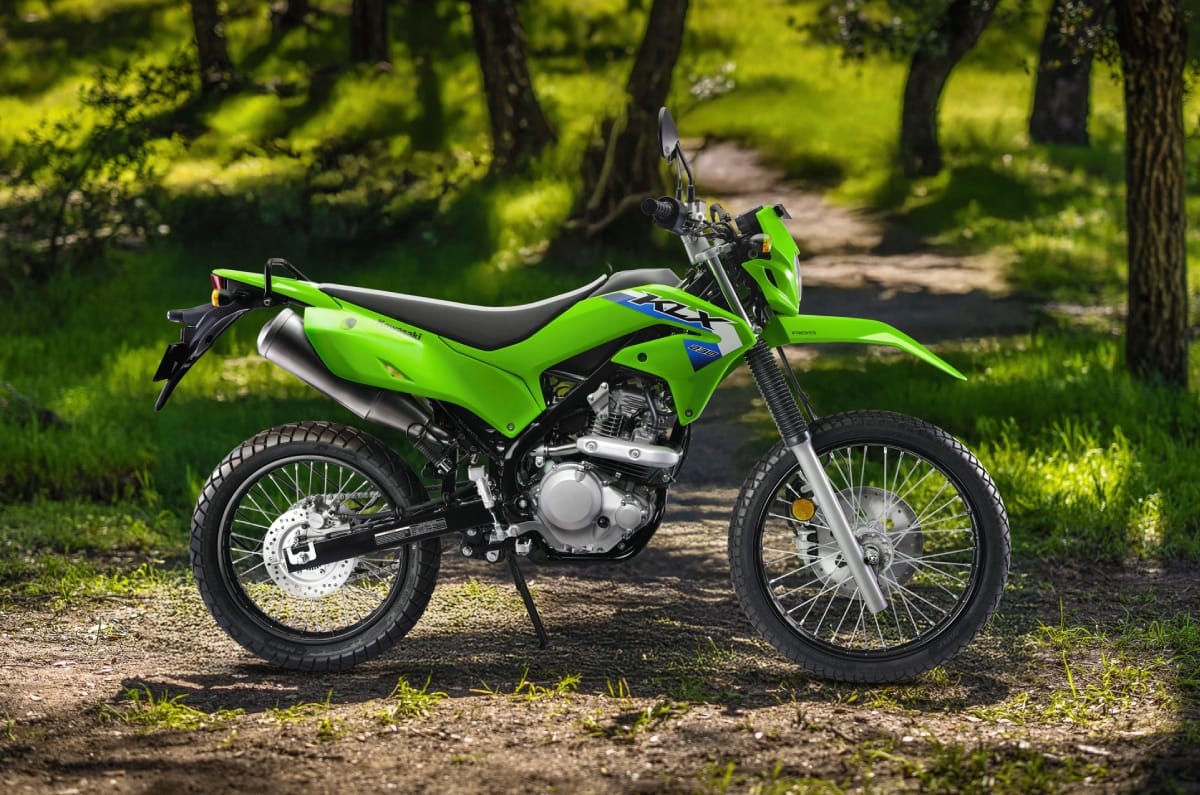
The Kawasaki KLX230 S is the latest addition to the KLX230 lineup in India, joining the standard KLX230 and the off-road-only KLX230R S. Built on the same platform and sharing the same mechanical package as the standard KLX230, the KLX230 S is aimed at riders who want the KLX experience in a more accessible package. Here are answers to some of the most commonly asked questions about it.
What is the price of the Kawasaki KLX230 S in India
The Kawasaki KLX230 S is priced at Rs 2.19 lakh (ex-showroom), the same as the standard KLX230. Deliveries are set to begin in mid-September, and bookings are open at Kawasaki dealerships for a token amount of Rs 5,500.
What engine does the Kawasaki KLX230 S use?
The Kawasaki KLX230 S is powered by the same 233cc air-cooled, single-cylinder engine used across the KLX230 range. It produces 19hp at 7,800rpm and 19Nm at 6,200rpm, paired with a 6-speed gearbox.
What is the suspension travel on the Kawasaki KLX230 S?
The KLX230 S uses a 37mm conventional telescopic fork with 160mm of wheel travel and a Uni-Trak rear monoshock with adjustable preload and 163mm of travel. That’s notably less than the standard KLX230, which offers 220mm of front and 223mm of rear wheel travel – a trade-off made to achieve the lower seat height.
What is the seat height and ground clearance of the Kawasaki KLX230 S?
The KLX230 S has a seat height of 830mm – 50mm lower than the standard KLX230’s 880mm – and 220mm of ground clearance, compared to 255mm on the standard model. The reduction in both figures is a direct result of the shorter suspension travel and is the primary trade-off for the more accessible seat height. The 21-inch front and 18-inch rear wheel combination is retained from the standard KLX230.
How does the Kawasaki KLX230 S differ from the standard KLX230?
The KLX230 S and the standard KLX230 are mechanically identical, sharing the same engine, gearbox, wheels, tyres and features, including an LED headlight, digital instrument cluster and switchable single-channel ABS. The main differences are the lower 830mm seat height (versus 880mm), reduced suspension travel (160/163mm versus 220/223mm) and the resulting reduction in ground clearance.
A pilot trial for blending 2 percent isobutanol with diesel is expected to begin in the second quarter of FY27, Girish Wagh, MD and CEO of Tata Motors stated during a media roundtable on Thursday. A government-led task force, which includes active participation from original equipment manufacturers (OEMs), oil marketing companies, testing agencies and others, is driving the initiative. Tata Motors is currently coordinating with state-run Hindustan Petroleum to secure the specialised blended fuel for the upcoming tests.
Isobutanol has a lower calorific value (energy content) than diesel
A minimal 2 percent blend may have a negligible effect on the vehicle’s performance
The development should be seen in the context of how ethanol is being blended with petrol, with the base blending level now at 20 percent (also called as E20). Amidst fuel supply challenges emanating from the West Asia war, the government recently notified standards for ethanol blending of E22, E25, E27 and E30. Plans are now being prepared to take blending levels up further, and the government also announced the rollout of E85 and E100.
ARAI to lead 10-month-long assessment
Our sister publication Autocar Professional had reported earlier about how commercial vehicle manufacturers, Automotive Research Association of India (ARAI), the Council of Scientific and Industrial Research, oil marketing companies and others are moving to break a decades-long deadlock in diesel decarbonisation by launching a nationwide validation program for isobutanol blending.
The ARAI will lead a 10-month technical assessment alongside bioenergy tech supply major Praj Industries to determine if isobutanol can serve as a seamless “drop-in” replacement for standard diesel. With nearly all major OEMs expected to participate, the initiative indicates a shift away from problematic diesel-blending trials, focusing instead on a molecule that promises better stability and safety for the nation’s critical transport fleet.
Oil majors like Bharat Petroleum have been testing isobutanol for two years, recently completing a three-month trial in stationary Cummins engines. They are now committing significant capital to validate data across 33 different vehicle types in India.
Issues in isobutanol-diesel blending
To understand why isobutanol is causing a stir, one must look at the failures of ethanol-diesel blending. For years, engineers tried to force ethanol into diesel tanks, but the chemistry refused to cooperate. Ethanol is a two-carbon alcohol with a “polar” structure, meaning it doesn’t like to mix with the oily consistency of diesel. Without expensive chemical binders, the two fuels simply separate in the tank.
More critically, ethanol is a fire hazard in a diesel ecosystem. Its flashpoint – the temperature at which it catches fire – is a mere 12 to 13deg C. Diesel, by contrast, is regulated to a minimum of 35deg C. This difference puts them in entirely different petroleum safety classes, making shared storage and transport a logistical nightmare. Even with proprietary binders, OEMs were rarely comfortable going beyond a 5 percent blend before combustion issues emerged.
Technical bridge in the making
Praj Industries, the Pune-based bioenergy giant, has spent the last two years building the technical bridge that ethanol couldn’t cross. As a four-carbon alcohol, isobutanol behaves much more like diesel. Its flashpoint sits between 27 and 30deg C, which allows it to stay within the same Class B petroleum category as diesel. This means the existing network of tankers and pumps doesn’t need a multi-billion-dollar overhaul. Initial investigation found that isobutanol remained stable at 10 percent blends for over 40 days without any separation. Early dynamometer trials on standard Indian driving cycles showed that a 5 percent blend slashed emissions with a negligible 1 to 2 percent impact on fuel mileage, a trade-off most fleet operators would take in a heartbeat.
Shift to blended fuels essential for national energy security: Girish
According to Wagh, isobutanol is a key lever for reducing reliance on imported fuels. While isobutanol has a lower calorific value (energy content) than traditional diesel, the minimal 2 percent blend is expected to have a negligible effect on vehicle performance.
“We do expect that isobutanol, because the calorific value is lower than that of diesel, there would be some impact,” said Girish. “But 2 percent is hardly anything to have an impact. But we will start these trials”. Wagh emphasised that the shift is essential for national energy security, noting that “energy independence is so important that I am sure… everybody will fall in line and do this”.
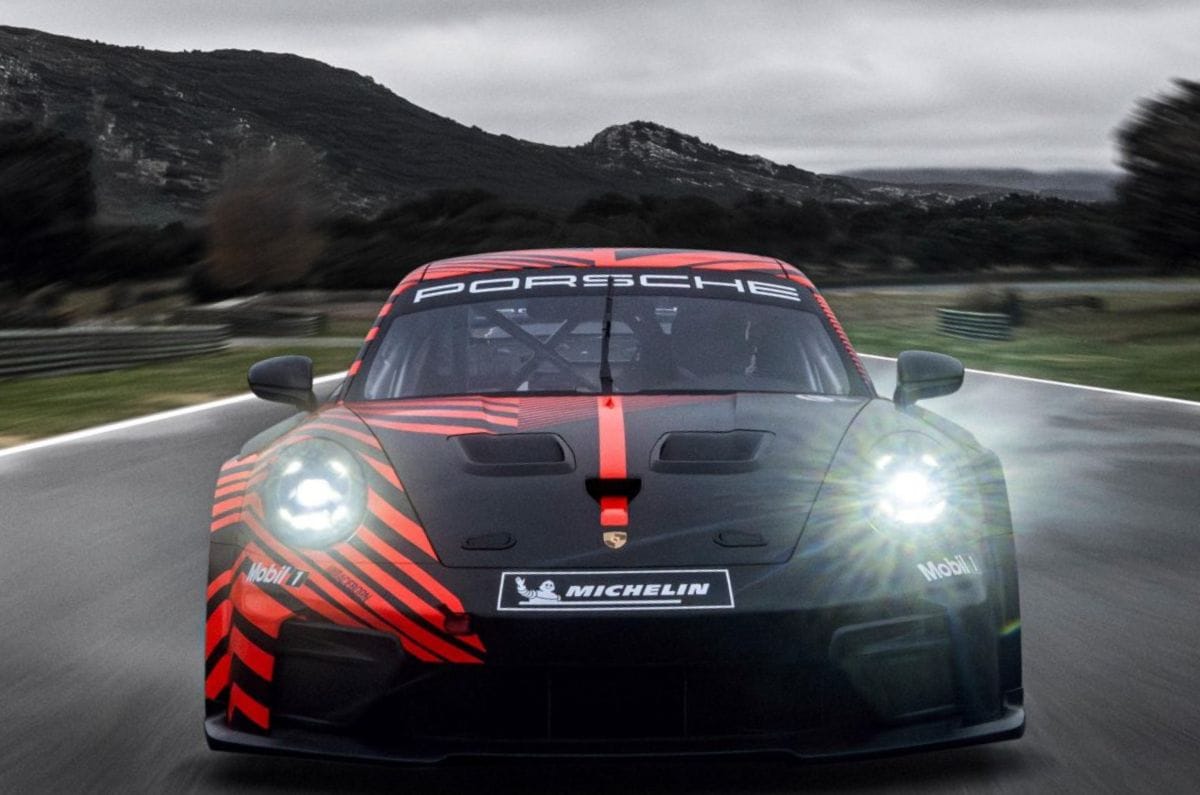
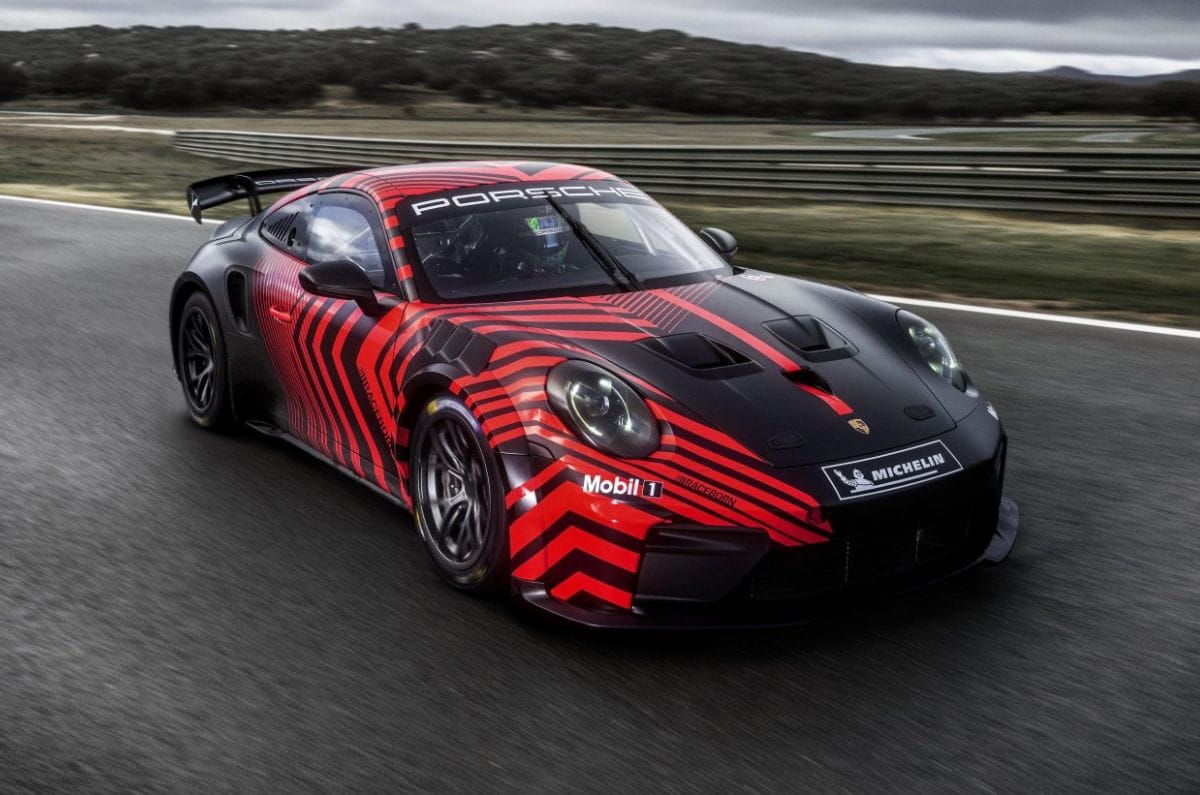
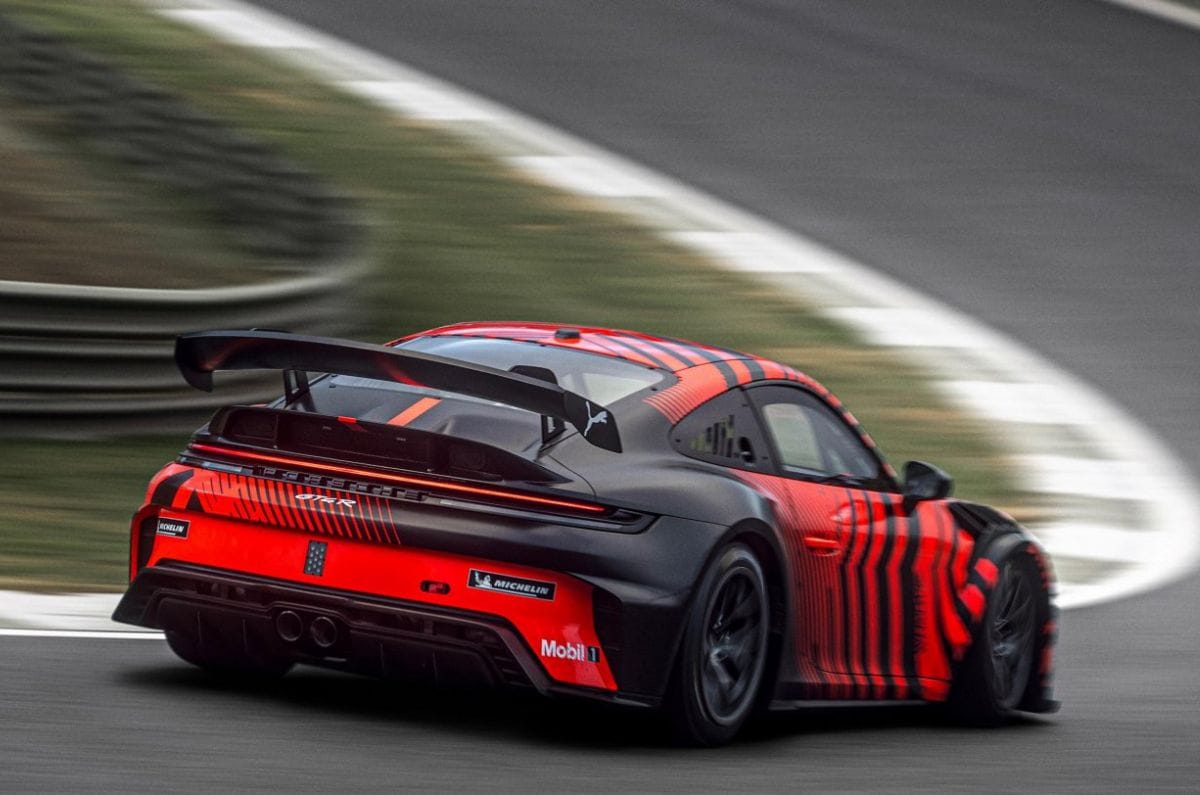
Porsche has revealed the new 911 GT4 R ahead of its race debut in 2027. This is the first time the German automaker is using the 911’s platform for one of its GT4 racers, with the other GT4 being the RS Clubsport based on the 718 Cayman. According to Porsche, the 911 GT4 R in comparison offers a punchier engine, wider track and more advanced motorsport electronics. The 911 GT4 R is expected to start at USD 375,500 in the US, hitting racetracks during the 2027 motorsport season.
Powered by a 4.0-litre flat-six with up to 520hp
Gets a race-spec transmission, adjustable dampers and ballasts
Uses lightweight natural-fibre-reinforced plastic with epoxy resin
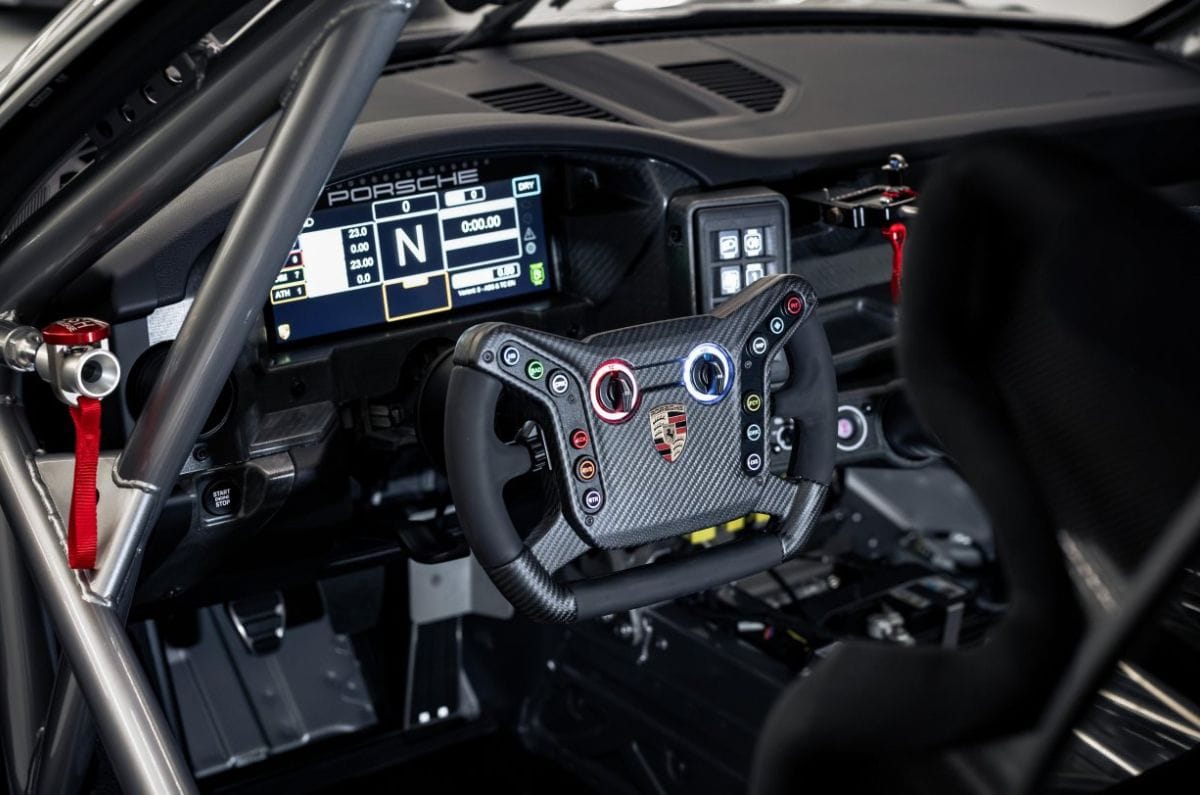
Gets an integrated data logger, GPS equipment and a 10.3-inch gauge cluster
Porsche customer motorsport programme
The 911 GT4 R joins the 718 Cayman GT4 RS Clubsport
While GT4 races made their debut in the mid-2000s, Porsche entered the category in 2016. During this period, Porsche has produced over 1,500 racers based on the 718 Cayman. The new 911 GT4 R is aimed at customers seeking higher performance benchmarks when participating in global motorsport events such as the ADAC GT4 and the GT4 European Series. The new 911 GT4 R is meant to complement the existing Cayman range, thus offering teams another high-performance option new race-spec Porsche 911. Porsche also stated that the 911 GT4 R benefits from the detailed work already carried out during the development of the 911 Cup. The 911 Cup was introduced in July 2025, and it uses the same flat-six engine and sequential gearbox as the new 911 GT4 R.
Porsche 911 GT4 R: Powertrain details
Gets regulation-spec engine tuning and a six-speed sequential gearbox
The new GT4 R gets a 4.0-litre flat-six engine with an output of up to 520hp and 470Nm from the 911 Cup. However, in order to comply with Balance of Performance (BoP) regulations, this high-revving engine is fitted with 53.7mm air flow restrictors that lowers the output to 430hp. Transmission duties are handled by a 6-speed sequential dog-gearbox that’s controlled via paddle shifters and a four-disc racing clutch.
Due to regulations, Porsche has made other changes to the GT4 R over the 911 Cup. These changes include narrower wheels (by one inch) that use a five-hole mounting pattern, dual-adjustable dampers and three selectable spring rates. The 911 GT4 R also features additional ballasts to allow it to participate in different respective weight classifications as specified by BoP regulations.
Porsche 911 GT4 R: Design and interior
Uses lightweight fibre composites and a race-spec interior with an integrated data logger
Some of the key structural elements of the 911 GT4 R are lifted straight from the 911 Cup, especially those that improve aerodynamic efficiency. One of the important ones here is the large manually adjustable rear wing, which has eleven different positions. To minimize excess weight, a type of natural-fibre-reinforced plastic along with epoxy resin has been used for the doors, engine cover and various aerodynamic elements, according to Porsche.
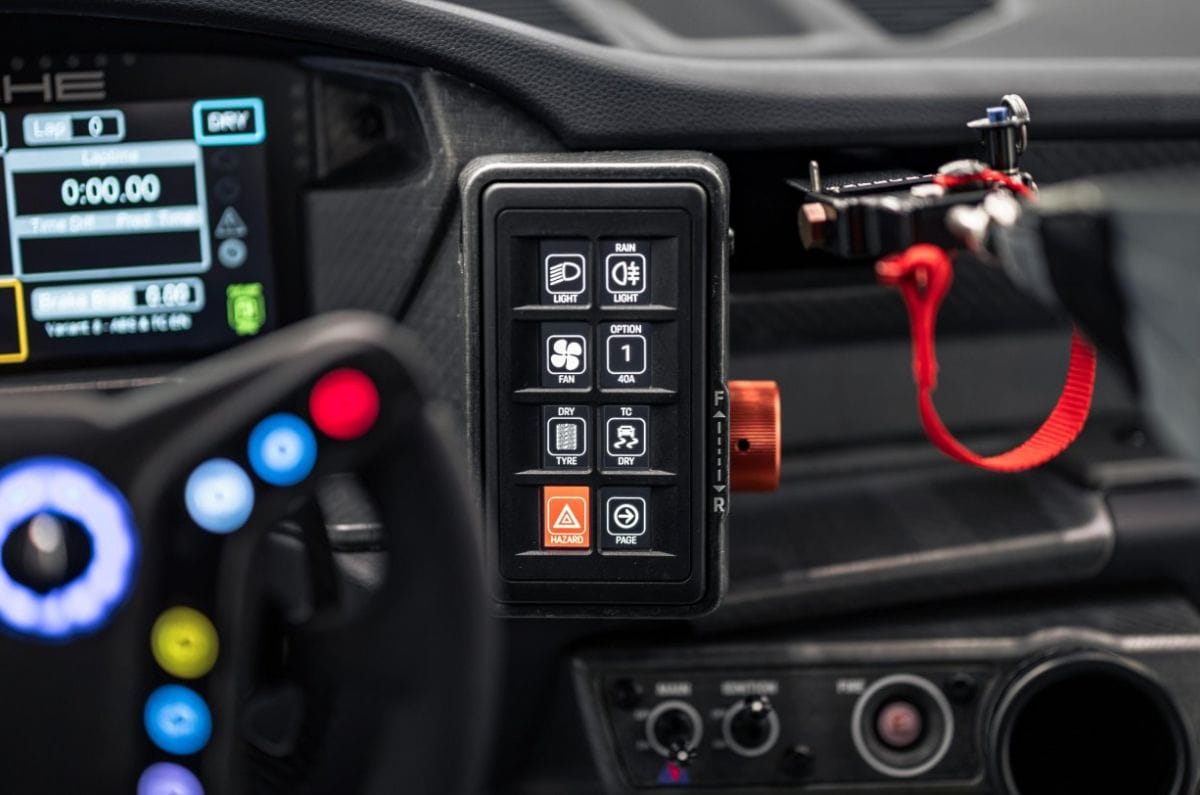
The same lightweight material is also found in the race-spec cabin of the 911 GT4 R. In order to support analysis and performance optimisation during a race, there’s an integrated data logger that’s paired with a precise GPS equipment. The carbon-fibre steering wheel and roll-cage aside, the relatively sparse interior features a 10.3-inch full-colour digital driver’s display and a dash-mounted settings control unit.