Understanding car warranty: All you need to know

Car warranty

While modern cars are more reliable than ever, mechanical and electrical failures can still occur, which is where a warranty is useful. Simply put, it is the carmaker’s assurance that the vehicle is free from manufacturing defects. If a part fails because of such a defect within the specified time or kilometre limit, the company bears the cost of repairing or replacing it. Here’s a closer look at some of the most important questions surrounding car warranties.

Disclaimer: Warranty terms and conditions vary from one manufacturer to another. It is always recommended to check with your carmaker for the exact coverage and exclusions.

What does a car warranty actually cover?

A factory warranty mainly covers key components that are expected to last the life of the vehicle under normal use. These include the powertrain, engine, fuel pumps and transmission. It also covers components such as the steering system, suspension linkages and braking system. Factory-fitted electrical components are covered as well. In short, if there is a manufacturing or assembly defect, the company either repairs or replaces the affected part free of cost.

What isn’t covered under a car warranty?

A warranty does not cover parts that naturally wear out over time. Brake pads, clutch plates, wiper blades, bulbs and tyres are among the common exclusions. Consumables such as engine oil, filters and coolant are covered only if they need to be replaced as part of an approved warranty repair.

Damage caused by certain external factors is also excluded. This includes paint damage caused by bird droppings, tree sap, industrial fallout or acidic rain. Bird droppings, in particular, are highly acidic and can damage the paint if not cleaned off quickly.

What can void your car’s warranty?

Warranty protection depends heavily on following manufacturer-prescribed maintenance schedules using approved procedures and genuine parts. Even a comprehensive warranty can become invalid if the vehicle is modified or misused. Odometer tampering is one such example, as disconnecting or altering the odometer immediately voids the warranty. 

ECU remaps are another common reason. Manufacturers, particularly Volkswagen Group brands such as Skoda and Volkswagen, use OBD scans to detect unauthorised tuning, and a detected remap can result in the loss of powertrain warranty. Aftermarket electrical modifications, such as cutting into the wiring harness to install audio systems, can also create warranty issues. Also, upsizing, using wider tyres or placing wheel spacers could cause issues and therefore void the warranty.
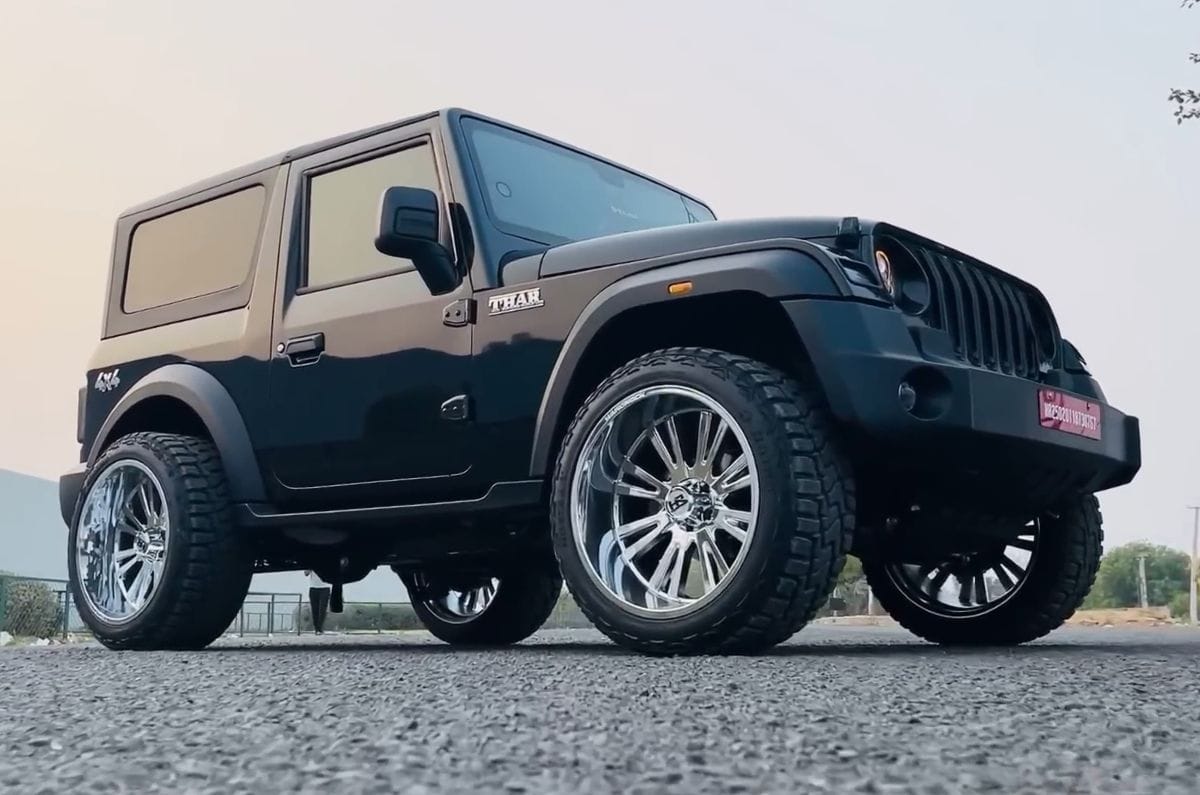
Thar big tyres
Image credit: tarunvlogs3445 via YouTube.

BYD excludes rodent damage, while MG warns against charging its EVs from non-earthed power sources, which can affect the battery management system. Driving through deep water and causing a hydrostatic lock is also considered misuse, so owners should always stay within the manufacturer’s recommended water-wading limit.

How are EV warranties different?

Unlike petrol and diesel cars, where the warranty is generally offered as a single package, EV warranties are split across different components. Manufacturers typically provide separate warranties for the electric motor(s) and battery. Speaking of the latter, the industry standard for high-voltage batteries is 8 years or 1,60,000km, but coverage varies across manufacturers.

For example, Tata Motors offers the Harrier EV with an unlimited-kilometre battery warranty for the vehicle’s lifetime, defining it as 15 years from the date of first registration. Toyota offers an 8-year or 1,60,000km battery warranty for its hybrid vehicles and 8 years or 2,00,000km for its battery electric vehicles.

Should you buy an extended warranty?

As standard, carmakers usually offer a 3-year or 1,00,000km warranty, whichever is earlier. In some cases, manufacturers offer even more. The new Renault Duster, for example, comes with a 7-year or 1,50,000km standard warranty. BYD also offers a 6-year or 1,50,000km warranty across its entire range.

Beyond this, customers can also opt for extended warranty packages, typically ranging from 2 to 7 years or a set number of kilometres. Some manufacturers go further still. For instance, BMW provides warranty extensions of up to 10 years or 2,00,000km. Toyota’s True Warranty can be extended up to 2,20,000km. Nissan offers comprehensive coverage for up to 7 years or 1,70,000km, along with separate engine and transmission-only extensions of up to 10 years.

Some manufacturers take a different approach. Hyundai’s Shield of Trust package covers 14 wear-and-tear parts for up to 5 years or 60,000km. Honda’s Anytime Warranty, meanwhile, can be purchased for cars that are up to 10 years old, even after the original factory warranty has expired.

Whether an extended warranty is worth buying largely depends on how long you plan to keep your car. If you intend to sell it before the standard warranty expires, you may not need one, although it may improve the car’s resale value. However, if you plan to keep the vehicle beyond the factory warranty period, an extended warranty may prove useful.

How do warranties work on used cars?

Beyond vehicle manufacturers, some small-scale dealers and used-car platforms also offer warranty packages. Spinny, for instance, offers different warranties based on the category of the used car: Budget, Assured and Assured+. The Budget category gets a 6-month/6,000km powertrain warranty and a 2-month/2,000km warranty, while the Assured models offer a 1-year/12,000km powertrain warranty and a 3-month/3,000km warranty. 

The Assured+ cars come with a 3-year/36,000km powertrain warranty and a 6-month/6,000km comprehensive warranty, whichever comes first. Notably, Spinny became the first used-car retailer in India to introduce a 3-year warranty on its Assured+ cars in June 2025. 

Spinny ad on wagon r

Spinny’s extended warranty, valid only for Assured and Budget cars, provides additional peace of mind and is available as an additional purchase for your car.

In conclusion, a car warranty protects you against manufacturing and assembly defects, not routine servicing or normal wear and tear. Understanding what is covered, excluded and can void the warranty will help avoid expensive surprises later. Also, an extended warranty may not be necessary for every owner, but if you plan to keep your car for several years beyond the standard warranty period, it can be a worthwhile investment.

Hyundai Creta Electric long-term review, 9,000km report

hyundai creta electric charging

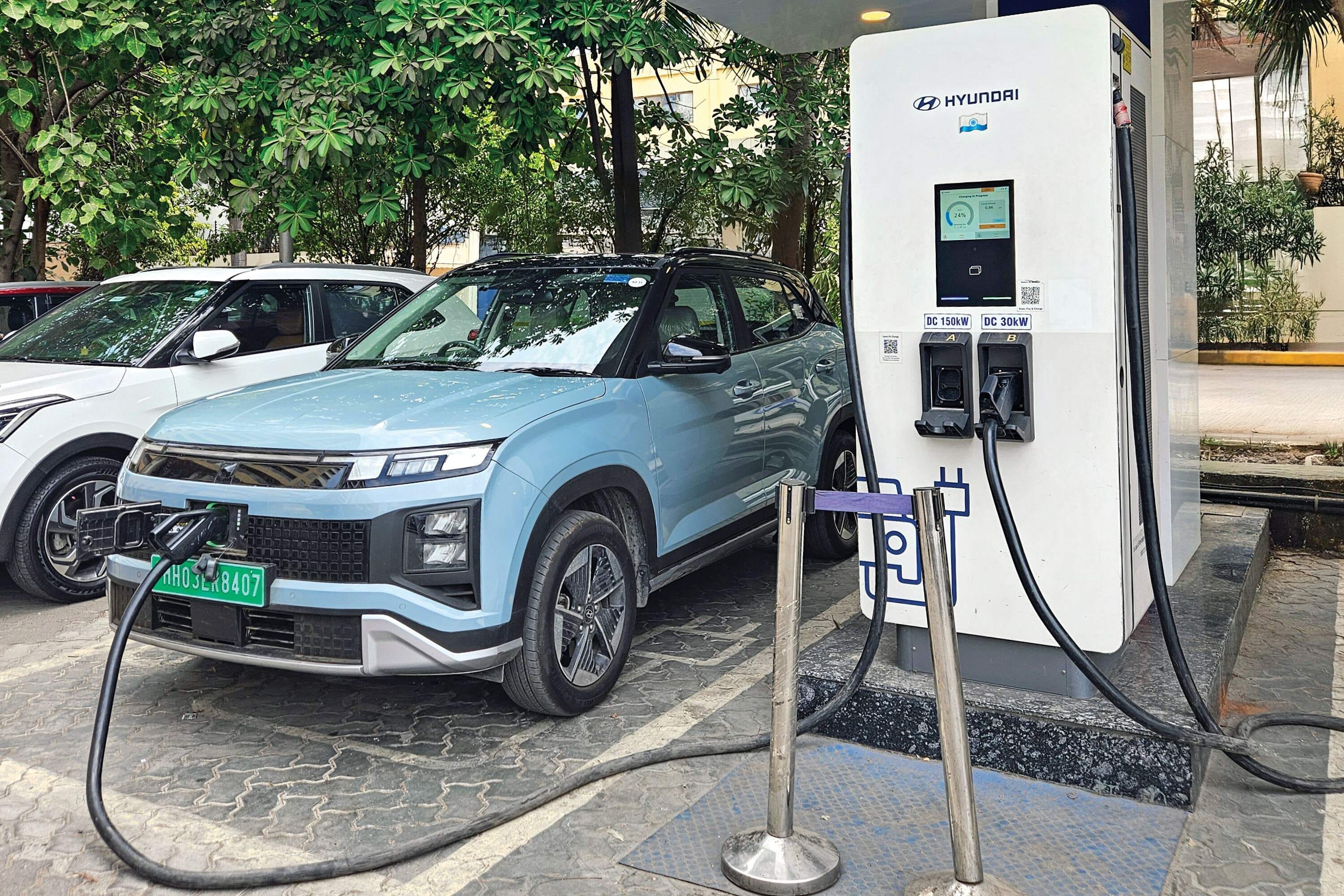
There’s quite a lot happening in the lead image of this story. It captures both India’s steadily improving charging infrastructure and the evolution of the Creta itself – from the first-generation SUV that helped define this segment to the modern electric version that hints at where the future is headed.

But there’s another reason this image felt appropriate. Recently, Hyundai called our long-term Creta Electric back for a software update that promised faster DC charging speeds. Naturally, the first thing I did after getting the car back was put that claim to the test.

DC fast charging speeds have significantly improved, now resulting in quicker charging stops.

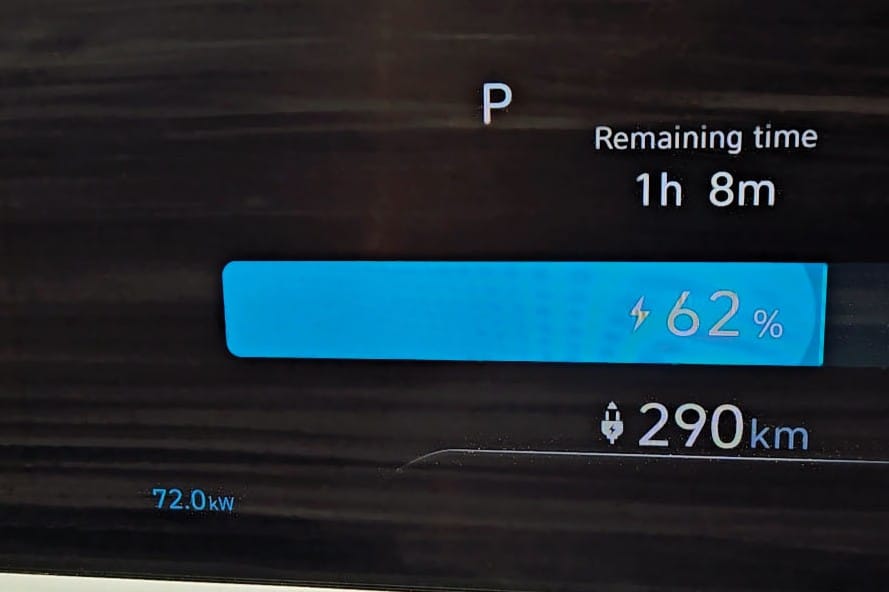
After running the battery down to below 20 percent SoC, I headed to a 150kW DC fast charger located in Mumbai’s Bandra-Kurla Complex. What followed genuinely surprised me. The Creta Electric was now peaking at 72kW while charging, and more importantly, it consistently maintained average charging speeds of 67kW – a massive improvement over before.

For context, prior to the update, the car would peak at roughly 46kW, while averaging about 41kW on 60kW or higher DC chargers. What that means is, quite simply, quicker charging times in the real world. Its 51.4kWh battery can now charge from 20-80 percent in just 28 minutes; earlier, the same would take over 50 minutes.

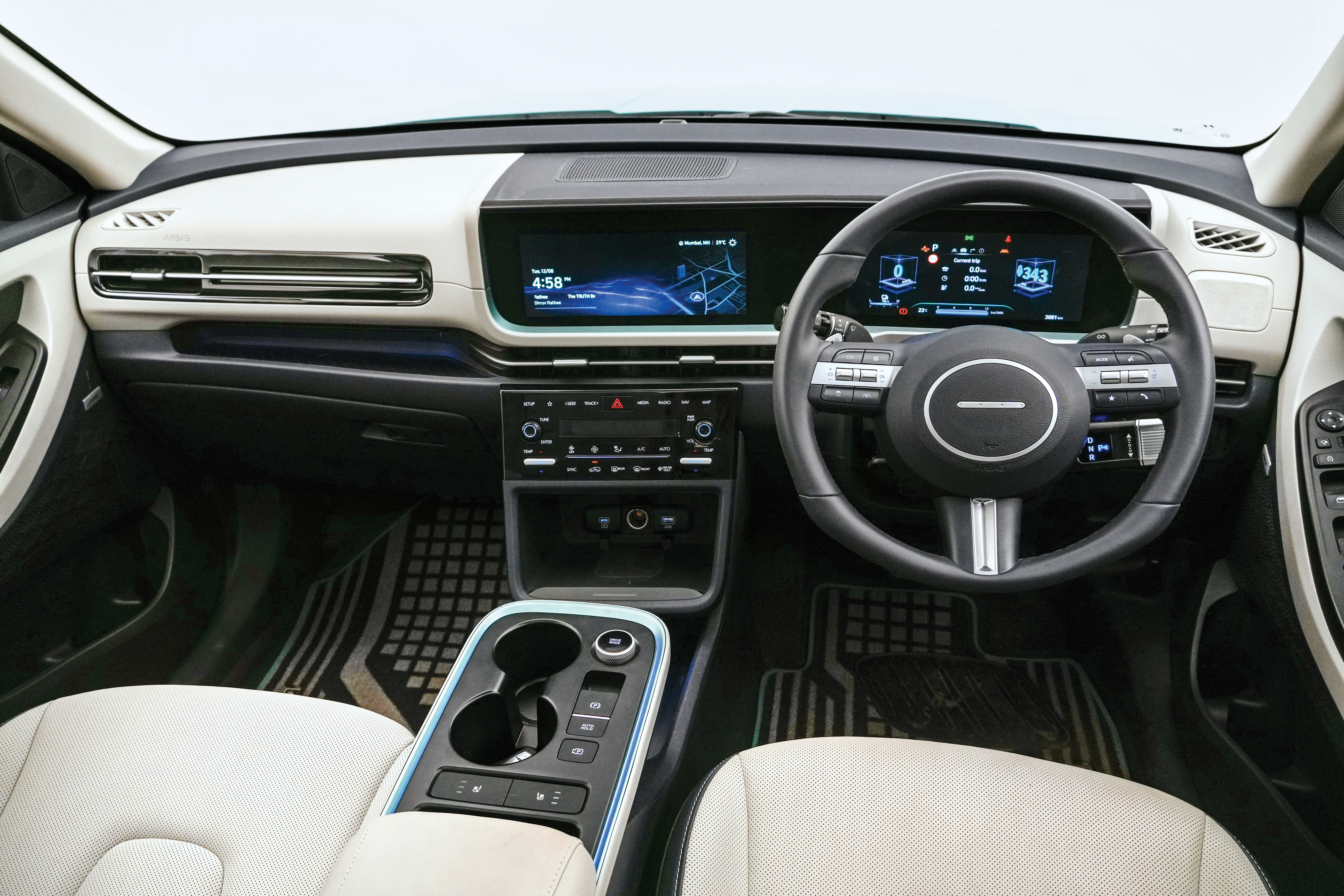
Cabin design, controls, functions – everything is extremely logically laid out. Ergonomics are spot on.

Beyond charging speeds, I also repeated our performance and real-world range tests with the updated software. The results remained largely unchanged, which in this case is a good thing, because the Creta Electric was already impressively efficient and adequately quick to begin with.

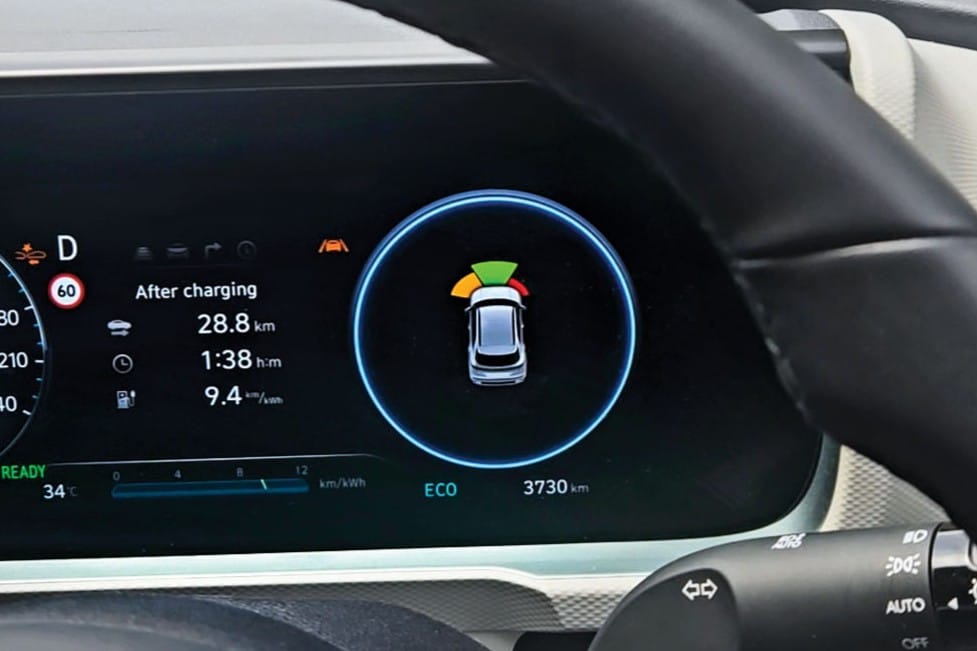
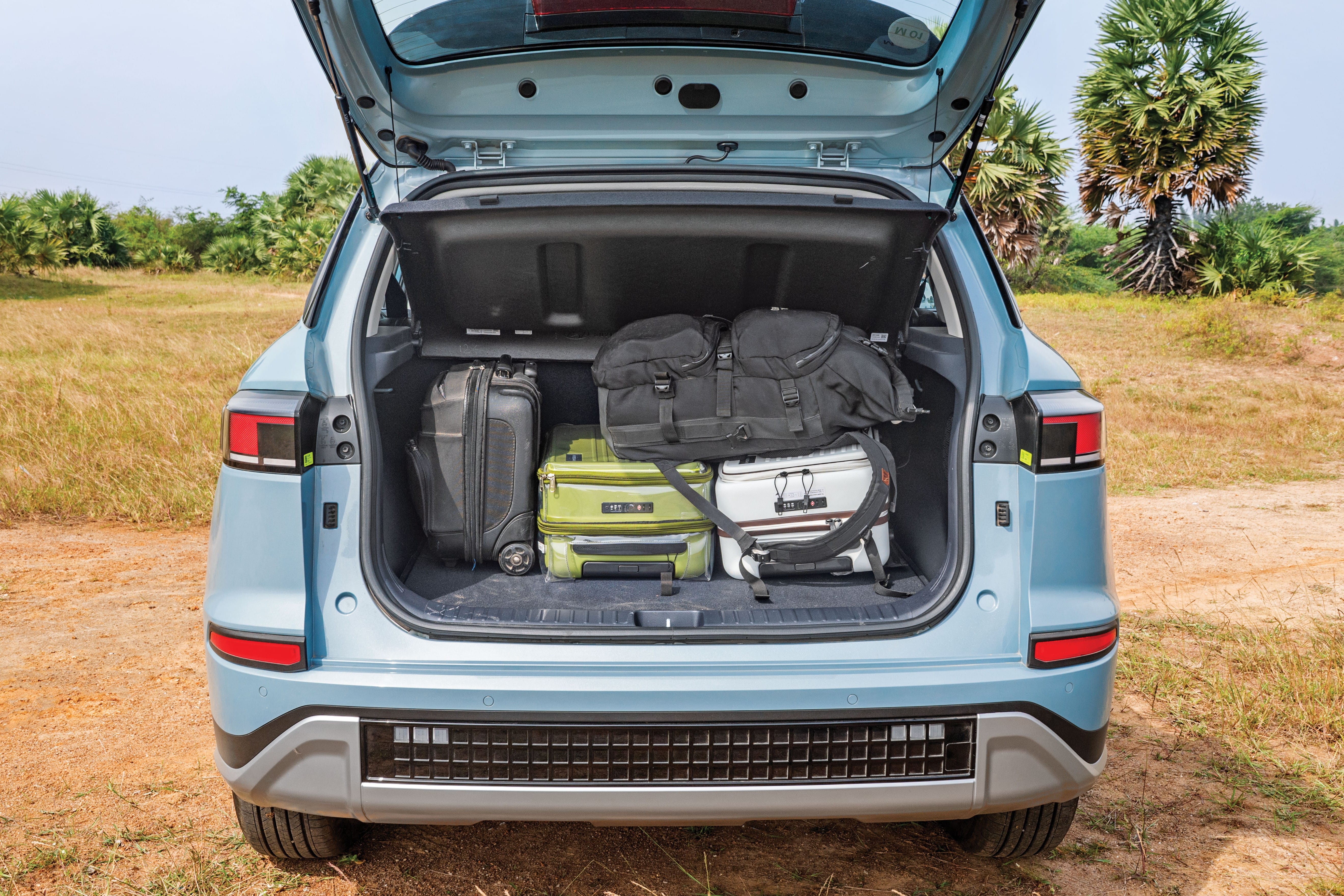
That said, there are a few irritants. The proximity sensors can occasionally behave erratically in traffic, sometimes beeping for no apparent reason. Boot space, though rated at a solid 433 litres (the same as the ICE model), doesn’t feel especially generous in real-world use for airport runs, and newer rivals simply offer more. And then there’s the continued absence of wireless Android Auto and Apple CarPlay – something that feels particularly outdated in an EV that otherwise gets so much right.

Proximity sensors beep erratically in traffic sometimes, even if there is no object close by.

Truth be told, I’ve been a fan of the Creta Electric ever since I first drove it back in January 2025. In my original Creta Electric review, I had said that it “seems to have what it takes to dominate the EV space,” and after living with it for longer, I still stand by my opinion.

What surprises me, however, is how modest its sales have been. The Creta Electric averages barely 500-550 units a month at a time when rivals are comfortably doing far bigger numbers. I suspect it is because this EV doesn’t immediately wow buyers. The battery is smaller than what some rivals offer, pricing tends to get compared to equivalent ICE Creta versions, and it lacks the futuristic visual flair many buyers now associate with EVs.

Even though its boot is rated at 433 litres, space can feel a bit tight for a family’s weekend luggage.

But the more you live with the Creta Electric, the more its strengths begin to shine. The car feels simple, sensible and exceptionally smooth in everyday use. It’s a car that I’d confidently recommend.

Hyundai Creta Electric Excellence LR test data

Odometer9,065km
PriceRs 23.67 lakh (ex-showroom, India)
Economy7.9km/kWh
Maintenance costNone
Faults None
Previous reportsNovember 2025, August 2025

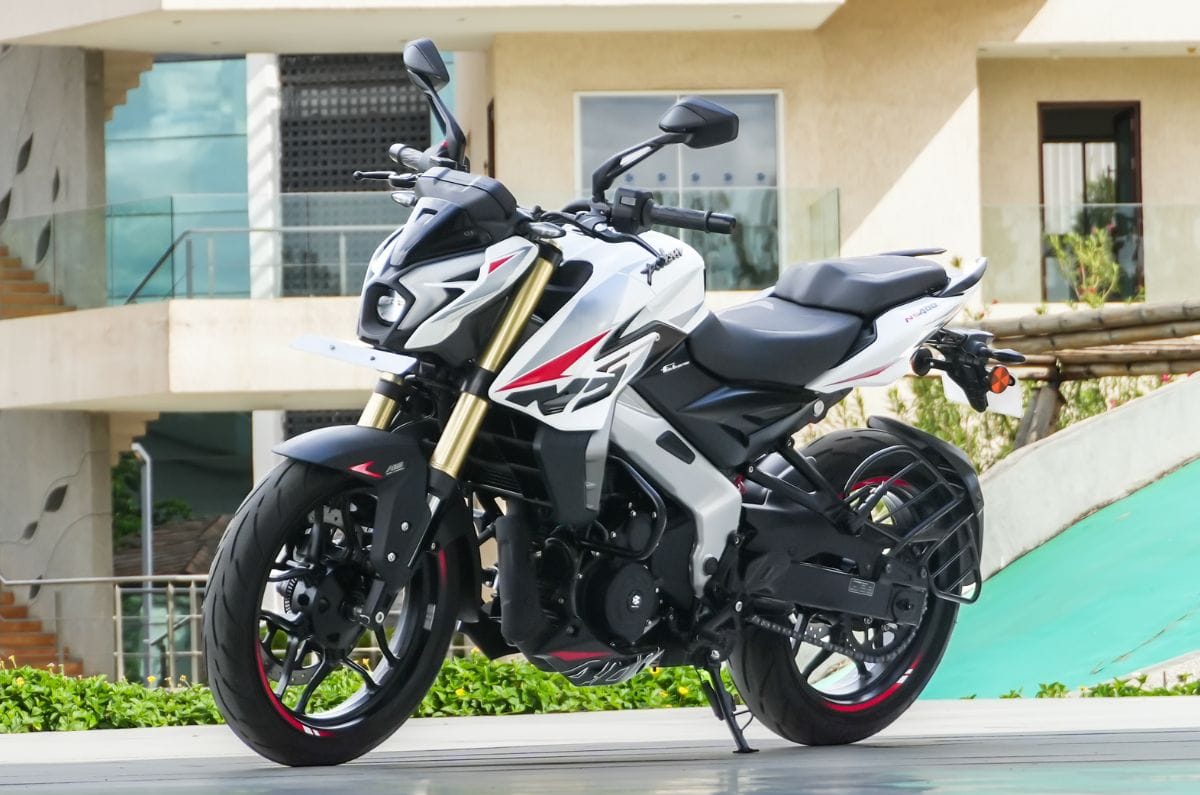
2 reasons to buy the 350cc Bajaj Pulsar NS400Z and 2 not to

Bajaj Pulsar NS400Z front left side static in field

Bajaj recently downsized the Pulsar NS400Z’s engine from 373cc to 349cc, bringing a small reduction in peak output and a big reduction in price. After having ridden it, here are 2 reasons the biggest Pulsar ever should be on your shopping list and 2 why you should look elsewhere.

Reasons to buy the Pulsar NS400Z

Engaging handling, great brakes

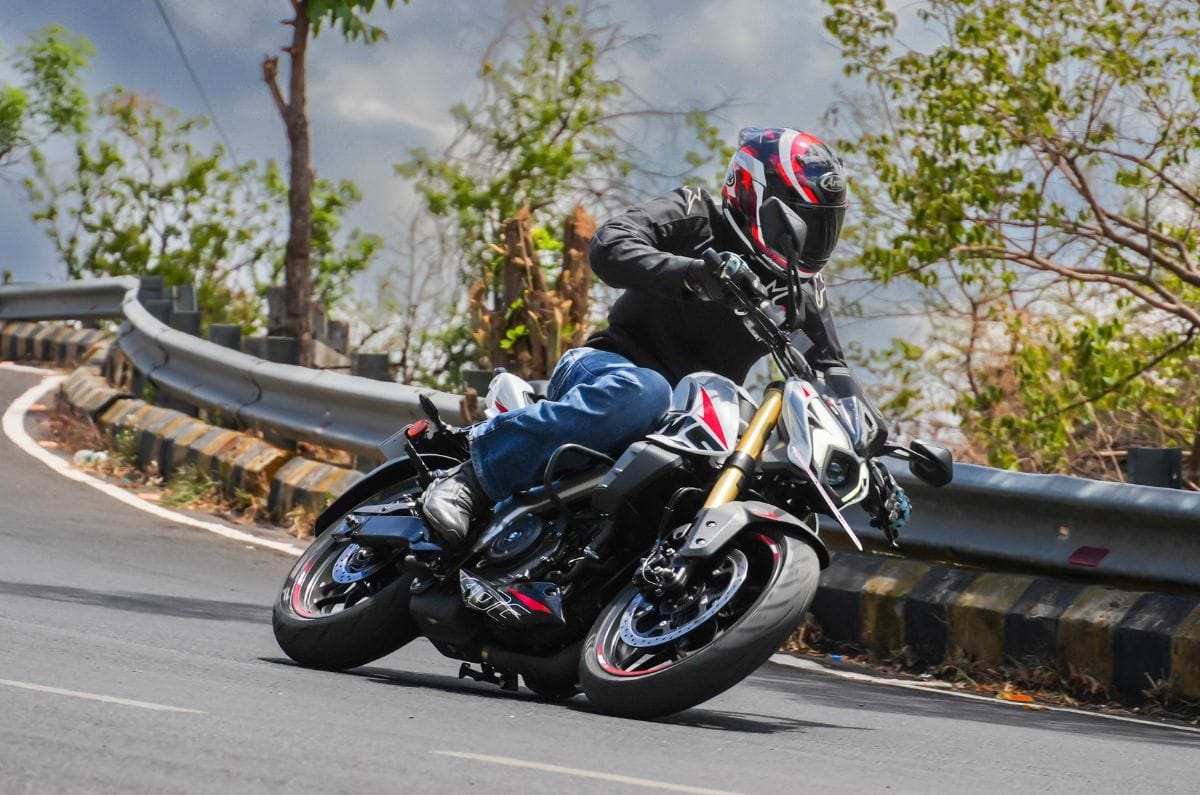
The Pulsar NS400Z was always an engaging machine in the twisties and the downsized 349cc version continues in that vein. It tips in quite quickly and holds the line well once leaned over, inspiring confidence to push harder, although there is one caveat we’ll address later on. What also inspires confidence is that the NS400Z has strong and sharp brakes that help you come to a halt quickly in a controlled fashion, further building confidence when riding spiritedly.

Still a very quick bike

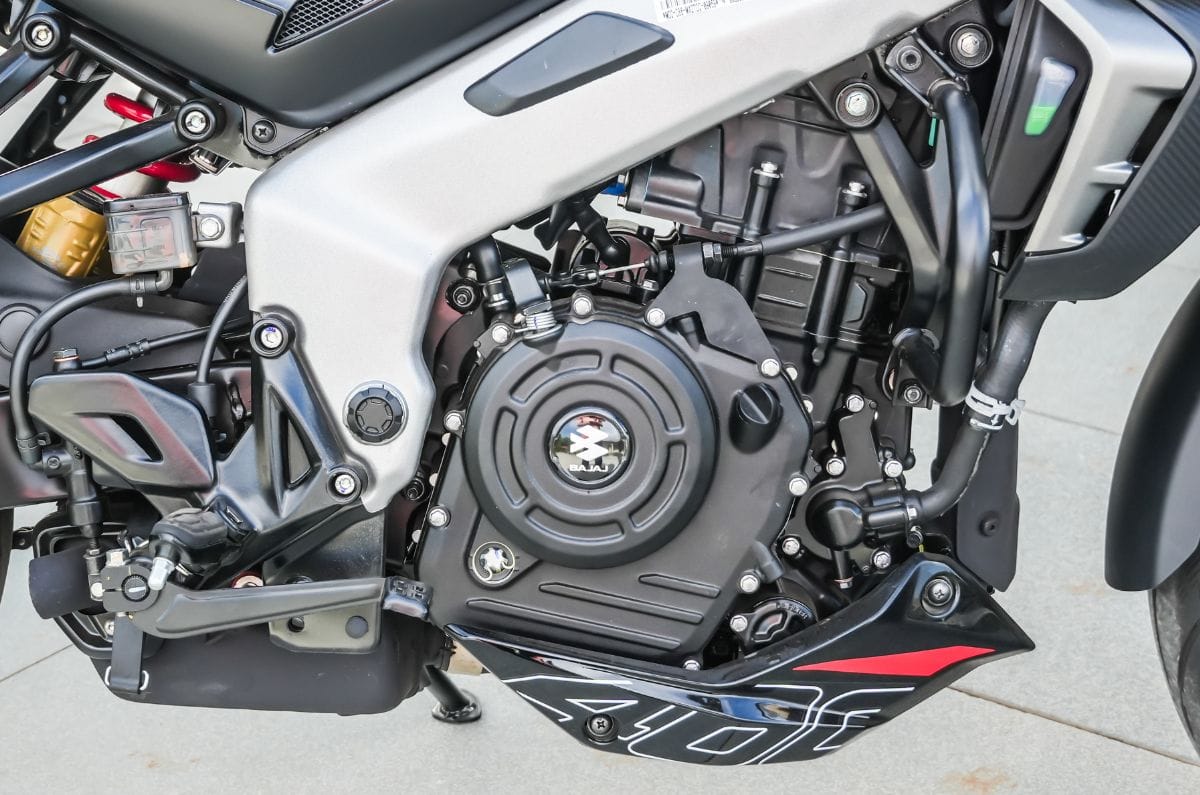
Despite the downsized 349cc now making lower peak output compared to the earlier 373cc version – 40.6hp/33.2Nm vs 43hp/35Nm, respectively – the NS400Z is still a super quick bike. While it has surely lost some low and mid-range grunt compared to before, it can still get up to speed in pretty swiftly and we reckon it’ll be able to manage a sub-7s 0-100kph sprint, although we’ll reserve judgement until we can strap on our Vbox and corroborate the same.

Bajaj Pulsar NS400Z engine

Reasons not to buy the Pulsar NS400Z

Footpegs scrape too easily

The one fly in the ointment when it comes to the handling prowess of the Pulsar NS400Z is that its footpegs scrape quite easily when you’re attacking corners at speed. This is something you’ll have to make your peace with because the lower-set footpegs have an upside in keeping the rider comfortable without folding their legs in an aggressive fashion.

Bajaj Pulsar NS400Z right side corner shot on road

Throttle response in Sport mode inconsistent

While the NS400Z feels its most energetic self in its top Sport riding mode, throttle response in this mode feels inconsistent and doesn’t inspire confidence when riding spiritedly. Switching the bike to Road mode improves things quite significantly but the trouble is that the bidirectional quickshifter can only be used in Sport mode, so you have to choose between using this feature or having a predictable throttle, which is far from ideal.  

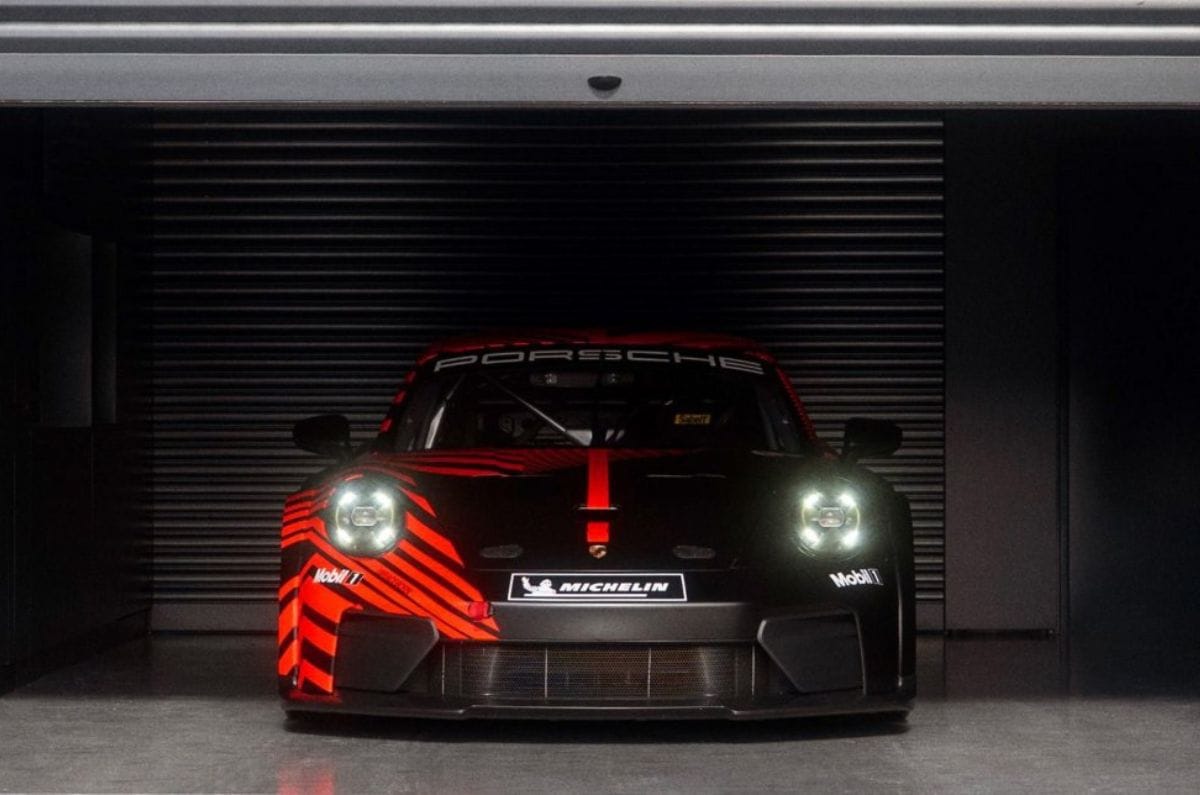
Porsche 911 GT4 R image gallery

Porsche 911 GT4 R front static

Porsche has unveiled the new 911 GT4 R racer as part of its customer motorsport programme, ahead of its 2027 track debut. While the German luxury automaker already offers the 718 Cayman-based RS Clubsport, this is the first time it’s offering a GT4 racer based on the iconic 911.

However, to ensure Balance of Performance (BoP) regulations are met, Porsche has made a few changes to the GT4 R over the 911 Cup. This includes the high-revving 4.0-litre flat-six that’s been down-rated from 520hp to 430hp with the help of airflow restrictors. The Porsche 911 GT4 R is expected to start at USD 375,500.

Also see

Morgan Midsummer Coupe image gallery

2026 Maserati Grecale image gallery

Next-gen BMW X5 to launch in India in LWB guise

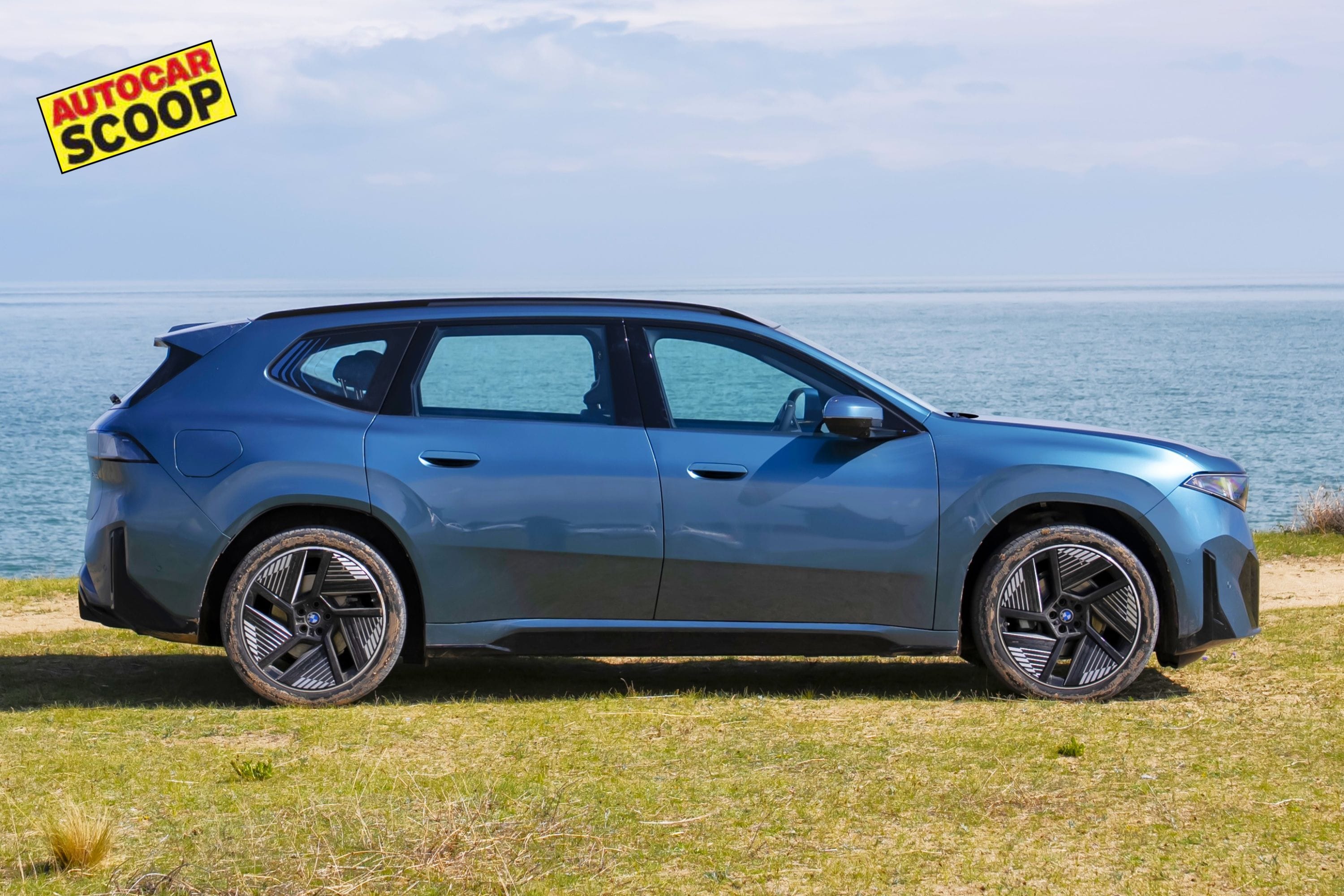
BMW iX3 LWB

BMW will bring the next-generation X5 SUV to India in long wheelbase (LWB) form, our sources have indicated. The next-gen X5 is set to debut in Europe soon in all-electric iX5 guise, and will feature the Neue Klasse design overhaul as seen on the iX3 and i3 EVs.

  1. BMW LWB models currently sold in India garnering healthy demand
  2. Next-gen X5 is being adapted for LWB, and will make it here in this form
  3. i5 LWB and iX3 LWB also headed to India

Next-gen X5 to join growing list of BMW LWB models in India

LWB BMWs resonated well with Indian customers

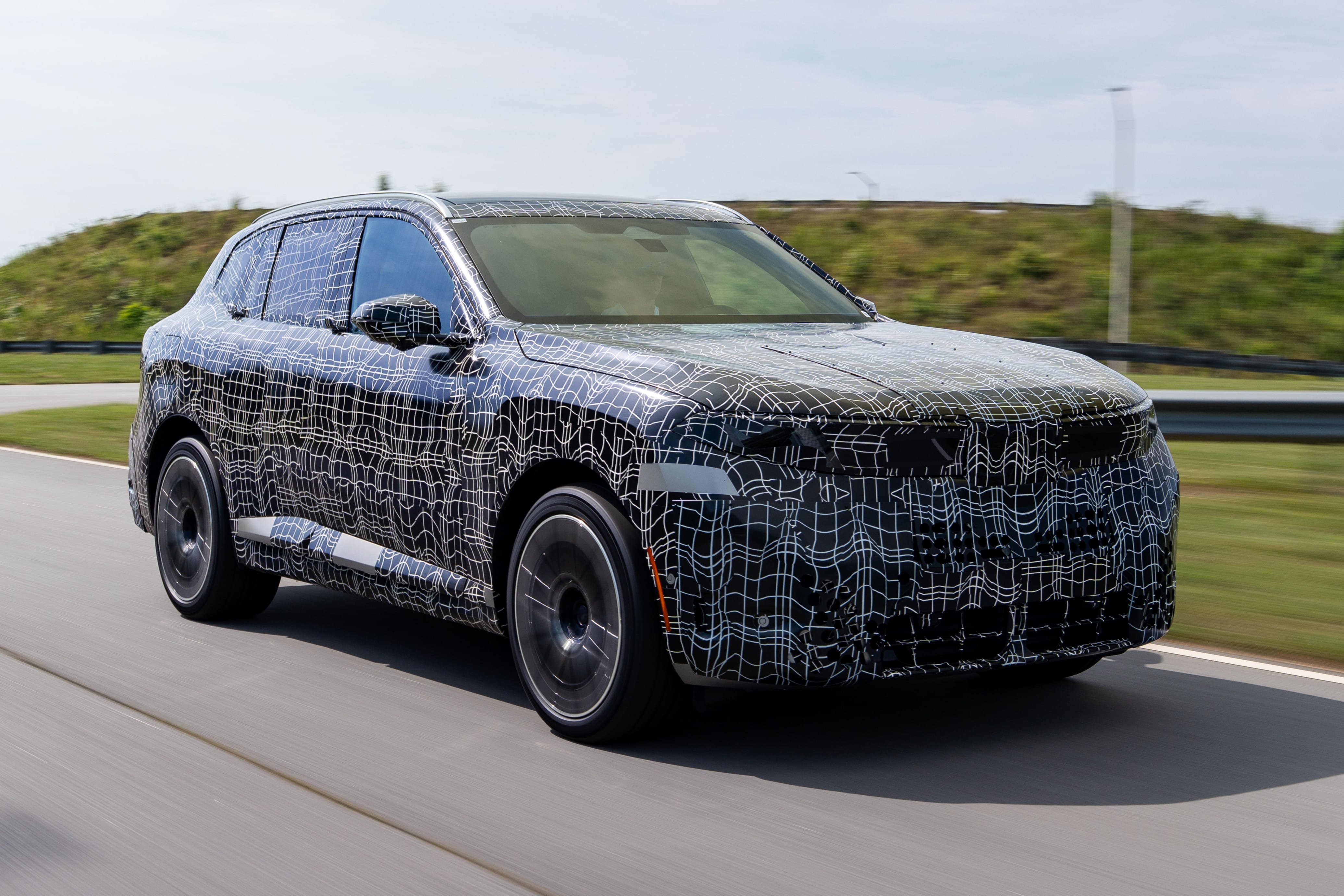
Next-gen BMW X5 (standard wheelbase) prototype. Image used for representation only.

BMW has seen great success with the three LWB models it currently retails in India: the 3 Series LWB, 5 Series LWB, and iX1 LWB. These models were originally designed for the Chinese market, and resonated with Indian luxury car buyers (many of whom are chauffeur-driven) thanks to the extra space they offer in the second row.

The next-gen BMW X5 will be adapted for a China-spec LWB version too, and this will be the one offered in India as well. However, given that the new X5 has yet to be revealed globally and the extra time required for LWB adaptation, don’t expect the BMW SUV to make its way to India before the latter half of 2027.

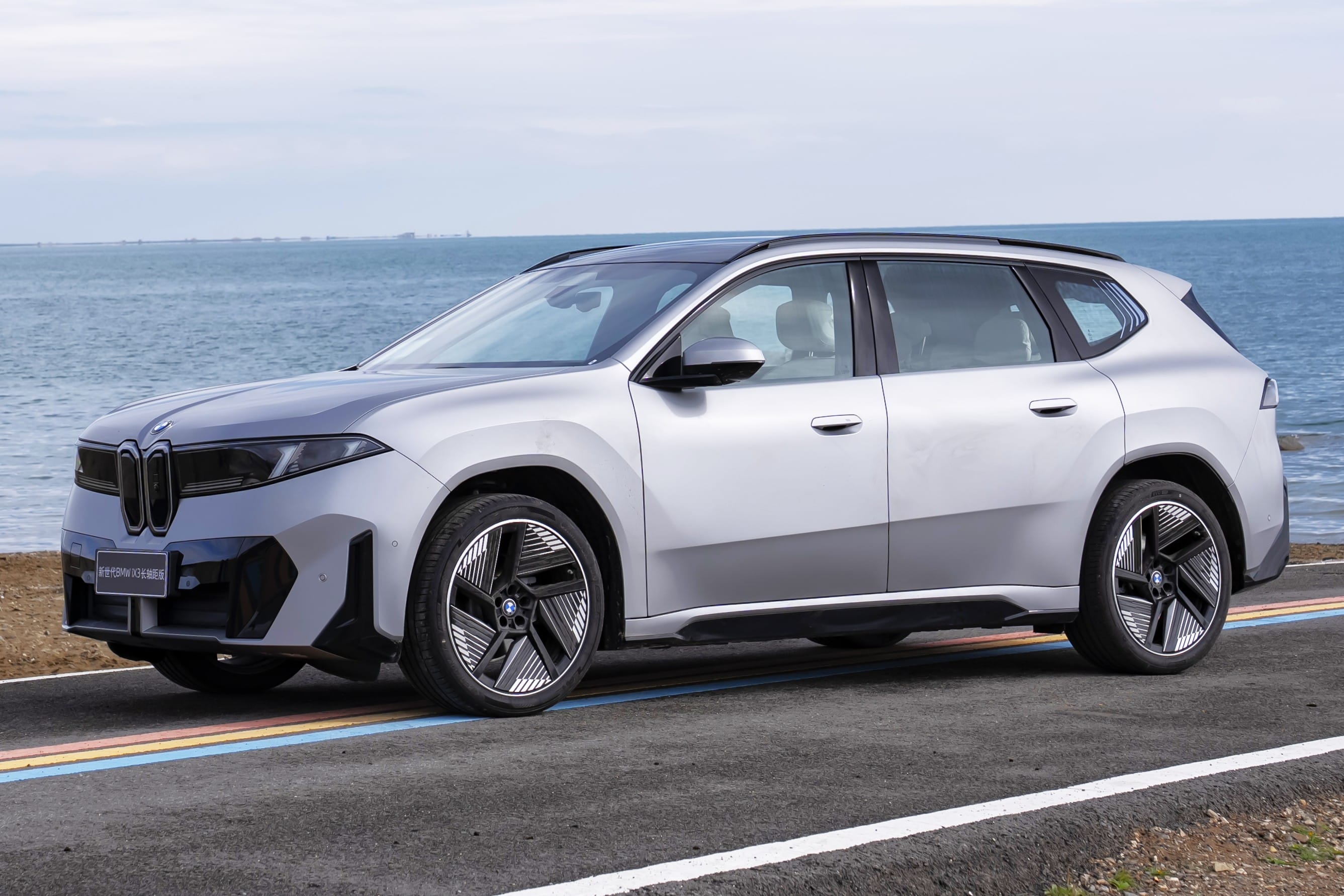
BMW iX3 LWB

BMW India has other LWB models on the way too, including the i5 LWB, which is set to launch this year, and the iX3 LWB, which will go on sale here in 2027.

What to expect from the next-gen BMW X5

One of the first ICE-powered BMWs to adopt Neue Klasse design language

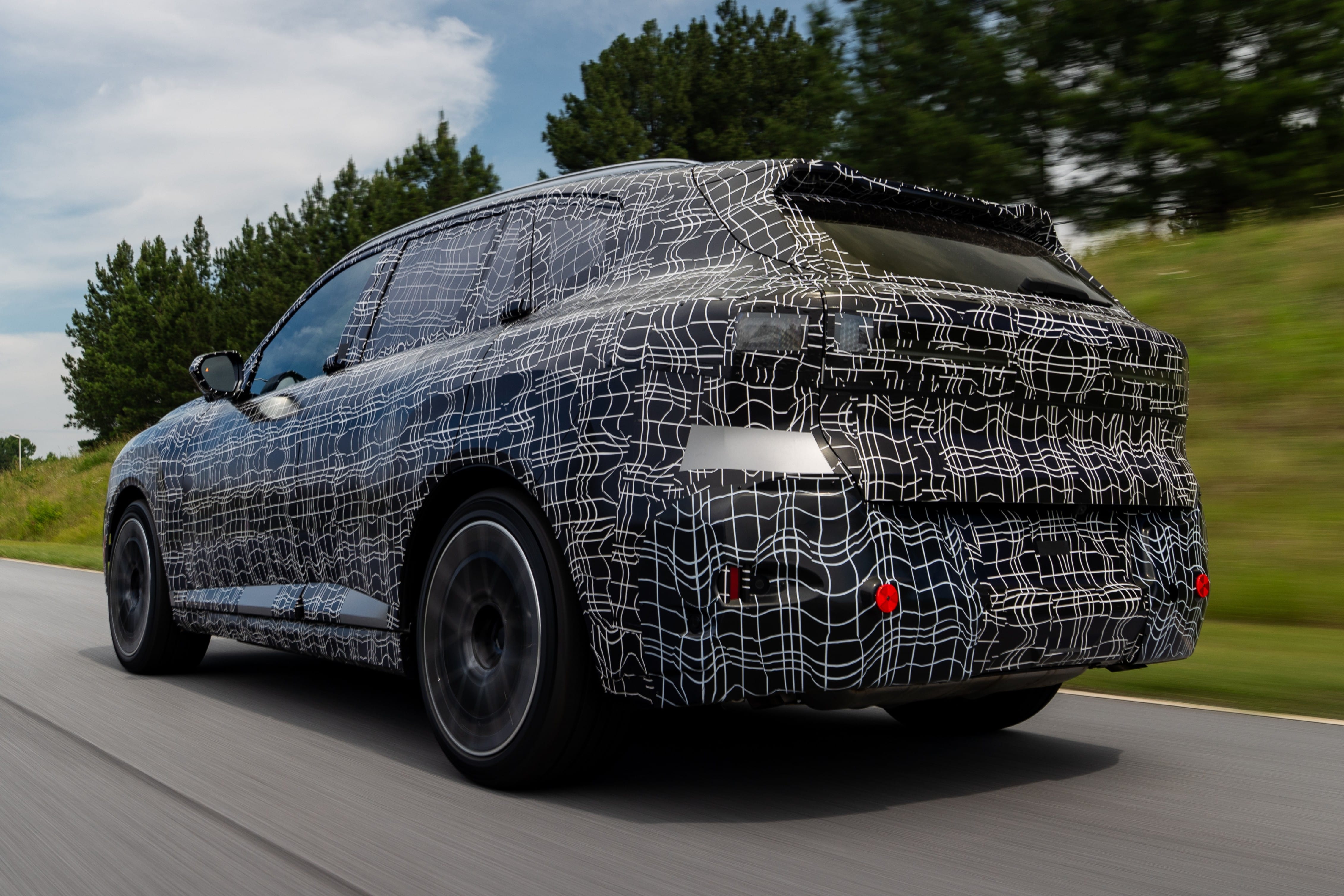
A few months ago, images of the next-gen X5 leaked online, confirming a radical Neue Klasse redesign. Up front, it gets a pair of sharp blacked-out sections housing the headlamps and vertically-arranged illuminated kidney grilles in the centre. At the back, it gets a sporty sloping roofline and wide wraparound LED tail-lamps.

Next-gen BMW X5 (standard wheelbase) prototype. Image used for representation only.

Inside, the next-gen X5 is anticipated to feature an all-new layout with the large rhomboidal touchscreen seen in newer BMWs, along with the pillar-to-pillar Panoramic Vision display and quad-spoke steering wheel.

Expect petrol, diesel, and plug-in hybrid powertrains to be offered for the new X5. As noted previously, there will be an all-electric iX5 on offer in global markets too, which will come with the largest battery pack of any BMW EV to date.

With inputs from Hormazd Sorabjee

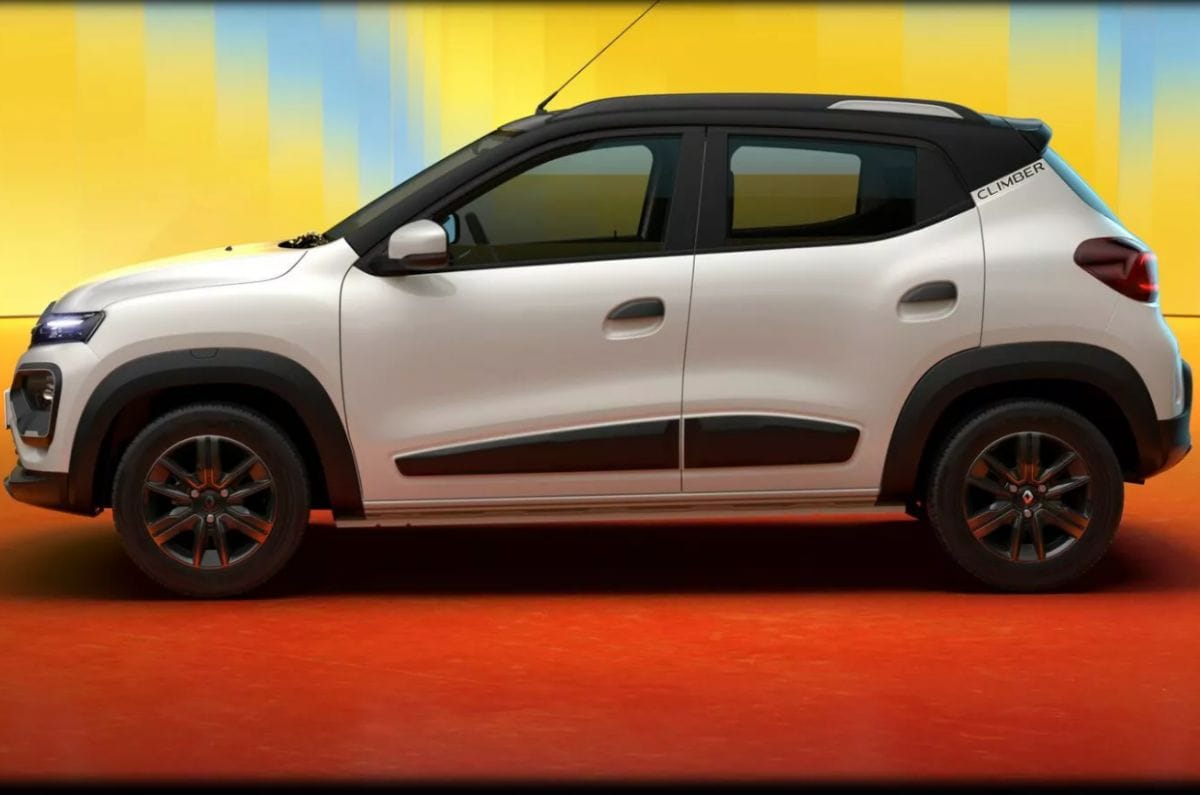
Renault to launch Kwid facelift on July 3

Renault to launch Kwid facelift on July 3

Renault will debut the Kwid facelift on July 3. While further details of the facelifted Kwid are awaited, previous spy shots have hinted that the Kwid facelift could have a Dacia Spring-like exterior design and a revamped interior.

  1. Expected to continue with the same 1-litre engine
  2. Could have Y-shaped lighting elements and fresh alloys
  3. Interior is likely to feature a larger infotainment system


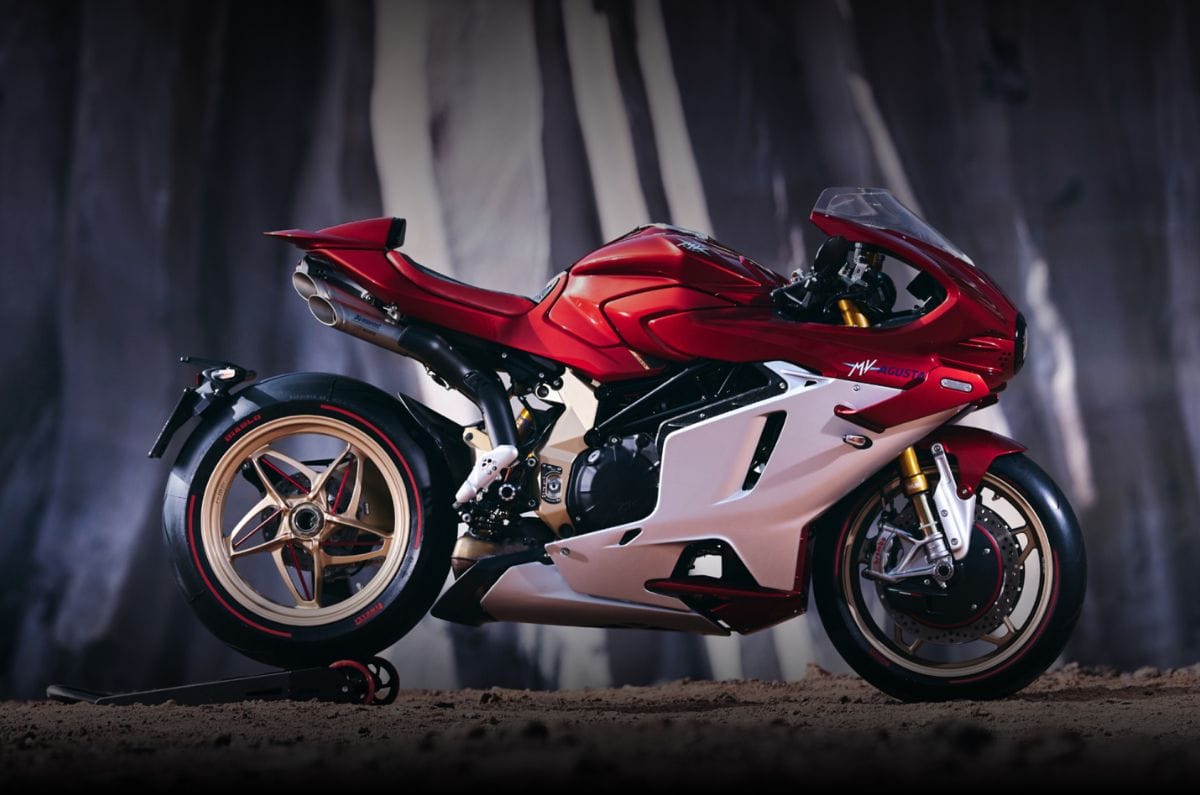
MV Agusta Superveloce 1000 Serie Oro image gallery

MV Agusta Superveloce 1000 Serie Oro right side profile

The MV Agusta Superveloce 1000 Serie Oro is a limited-run sportbike based on the brand’s 998cc inline-four platform. Production is capped at 500 units, with each motorcycle individually numbered. The engine produces 208hp and 116.5Nm and is paired with a six-speed gearbox. Key hardware includes a steel trellis frame, aluminium swingarm, forged wheels, semi-active Öhlins suspension and Brembo Stylema brakes. Carbon-fibre bodywork contributes to a claimed dry weight of 209kg, while aerodynamic winglets and a titanium Akrapovič exhaust further distinguish the model from the standard Superveloce range.

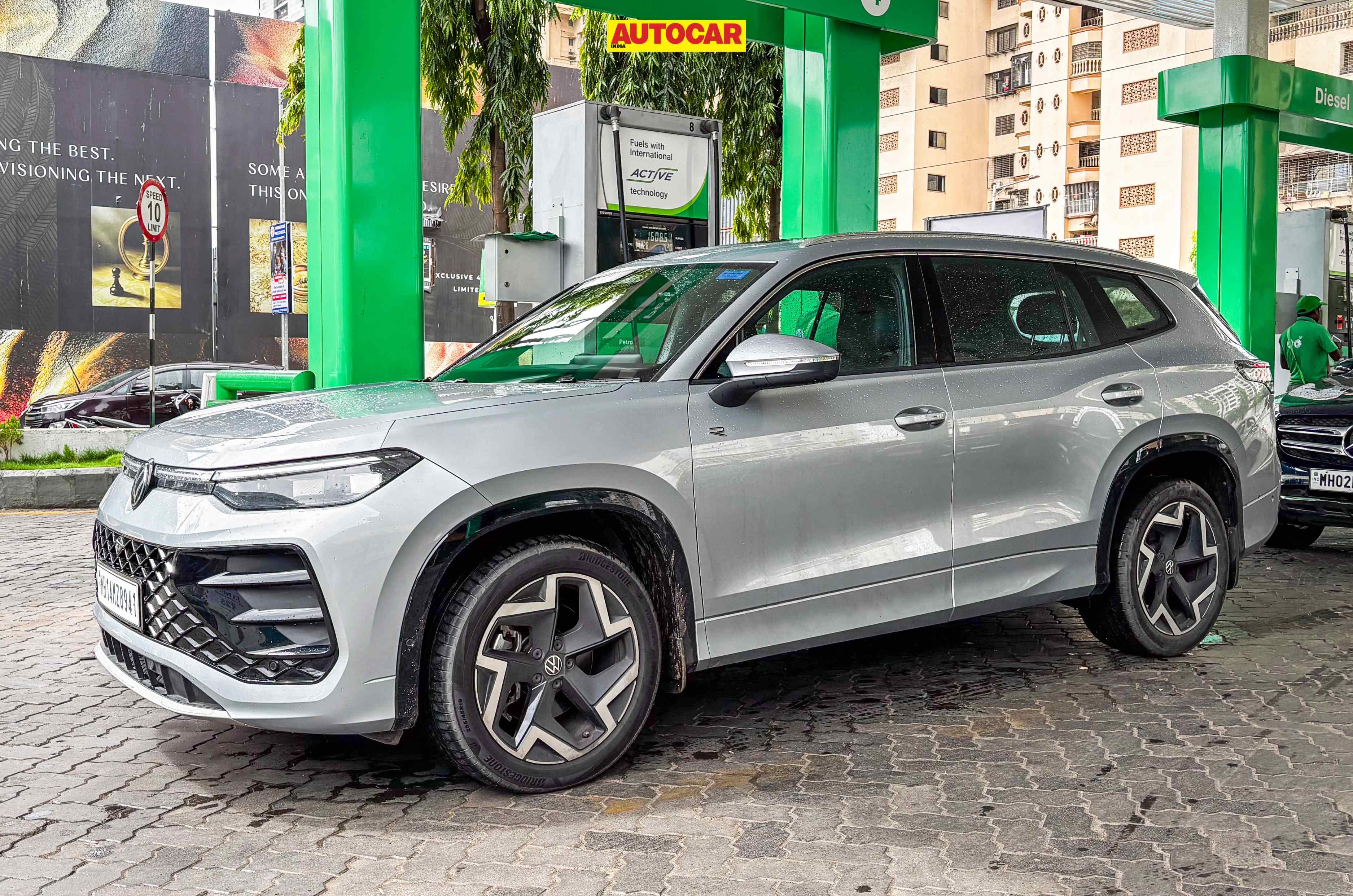
Volkswagen Tayron real world fuel economy tested, explained

Volkswagen Tayron real world fuel economy tested, explained

Volkswagen launched its seven-seater Tayron SUV in India earlier this year. Based on the same platform as the Tiguan, but with an extra row of seats, the Tayron serves as the German carmaker’s flagship SUV offering in India. While it is available with multiple engine options including petrol, diesel and hybrid in international markets, for India, it’s only offered with the 2-litre TSI EA888 turbo-petrol engine, which it shares with the Skoda Kodiaq and Volkswagen Tiguan

  1. Fuel-saving features like Eco-Coasting, auto engine stop-start.
  2. Six driving modes, including an Eco mode.
  3. Weighs 1,864kg.

Volkswagen Tayron mileage explained

The Tayron’s 2.0-litre turbo-petrol engine produces 204hp and 320Nm, and is paired with a 7-speed dual-clutch automatic transmission that sends power to all four wheels. It also offers six drive modes – Eco, Comfort, Sport, Off-Road, Snow and Individual.

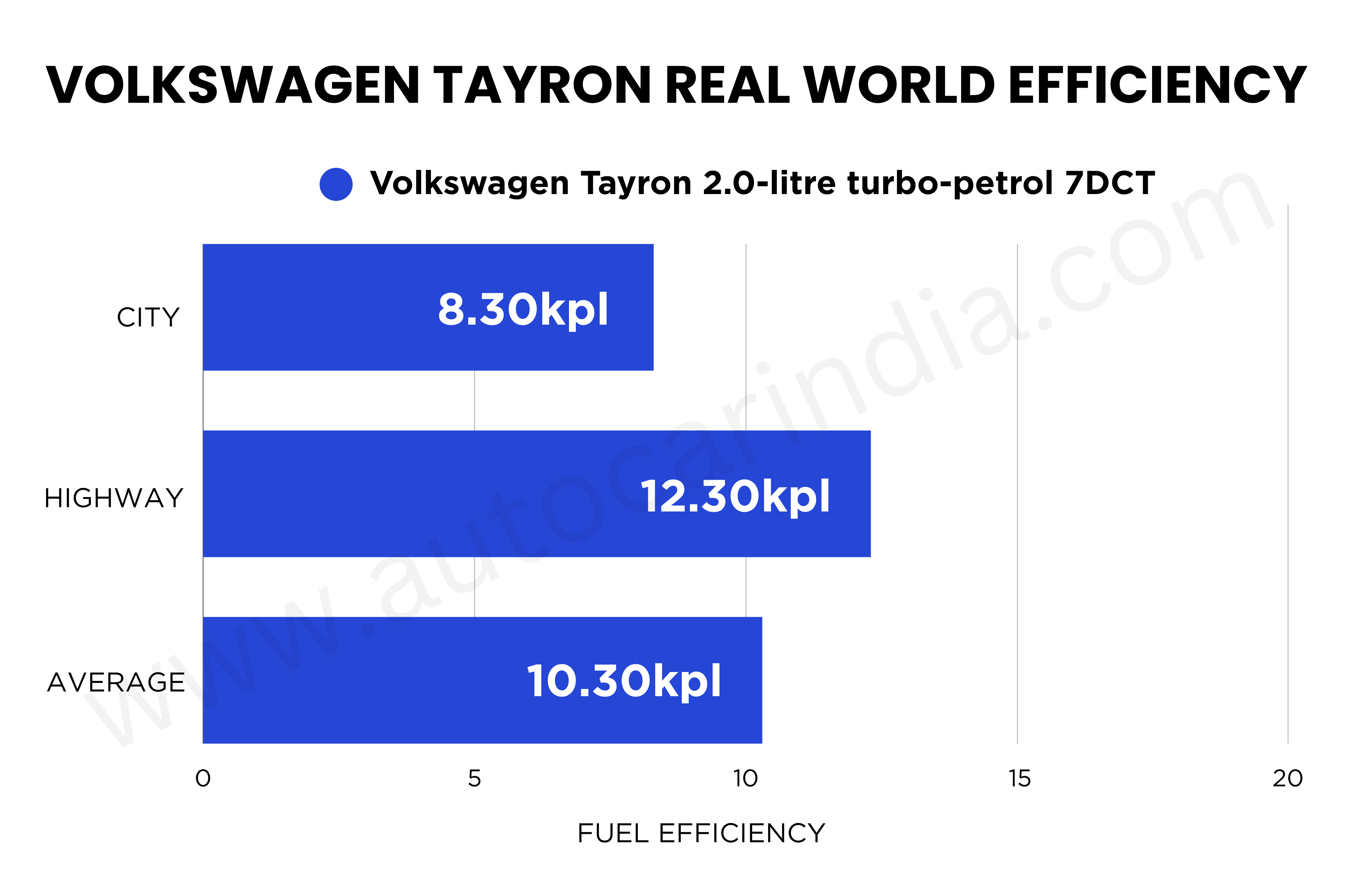
In our fuel-efficiency tests conducted in Eco mode, the Tayron returned 8.3kpl in the city and 12.3kpl on the highway, resulting in an overall average of 10.3kpl.

Several fuel-saving technologies help improve efficiency. In urban conditions, the automatic engine stop-start system reduces fuel consumption during traffic halts. On the highway, the engine remains relaxed, spinning at just 1,900rpm at 100kph in seventh gear. The Tayron also features an Eco-Coasting function, which decouples the engine from the transmission when the driver lifts off the accelerator. This allows the SUV to freewheel with the engine idling, reducing fuel consumption before seamlessly re-engaging a gear when throttle input is applied.

Despite weighing 1,864kg, the Tayron’s efficiency is respectable. Combined with its large 61-litre fuel tank, the SUV can comfortably deliver a real-world touring range of around 600km between fuel stops.

That said, as with most turbo-petrol engines, fuel economy is highly dependent on driving style. Use the engine’s performance enthusiastically and efficiency can easily drop into single-digit territory.

Autocar India’s fuel-efficiency testing

Before conducting our real-world fuel-efficiency tests, we fill our test cars’ tanks to the brim and maintain tyre pressures based on the manufacturer’s recommendation. These cars are then driven on fixed city and highway loops in and around Navi Mumbai, and we maintain certain average speeds. Throughout the tests, we run the aircon at 22 degrees in full-auto mode and other electricals, such as the audio system, indicators and wipers, when required – just as a regular user would. Periodic driver swaps further neutralise variations in driver patterns. At the end of each cycle, we calculate efficiency by filling the tanks to full again.

How to use a puncture repair kit

How to use a puncture repair kit?

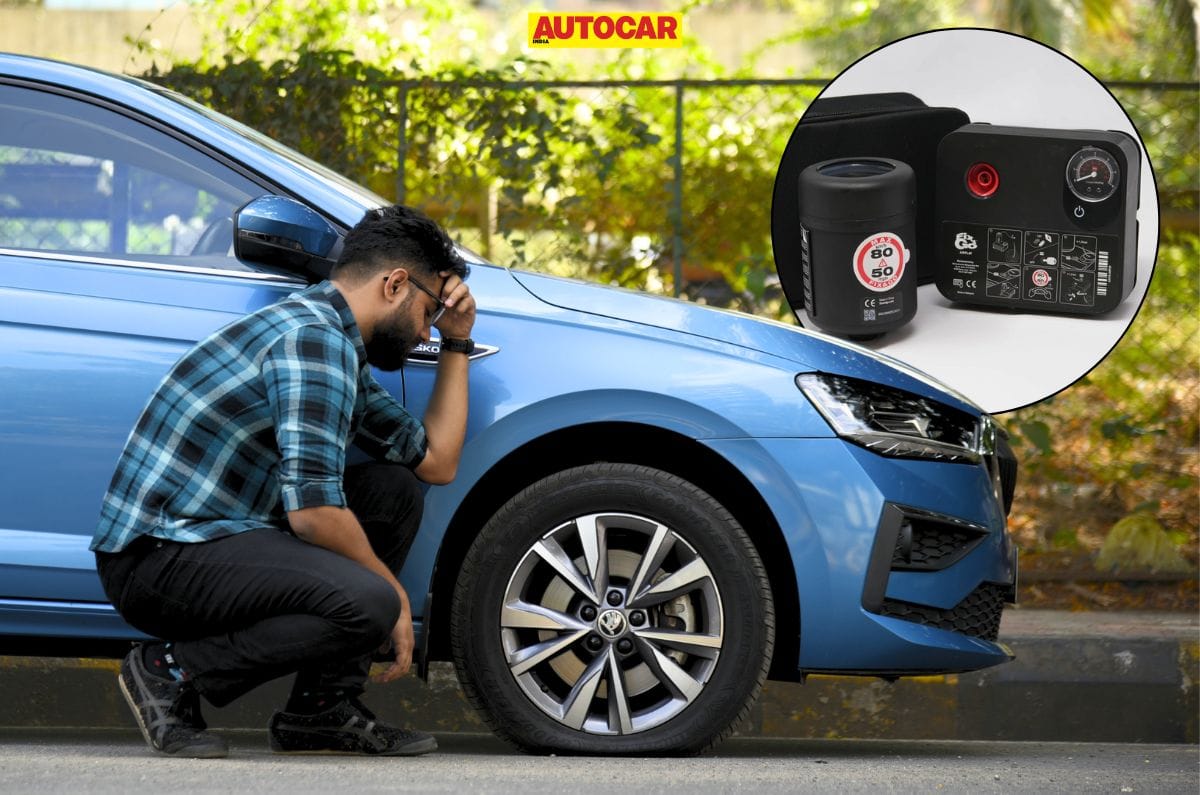
In an effort to save space and reduce car weight, many manufacturers have replaced the traditional spare wheel with a puncture repair kit. While these kits are compact and easy to store, they can seem daunting if you’ve never had to use one before. The good news is that they are designed to get you back on the road quickly, without needing to visit a tyre repair shop, just as a regular spare tyre would. So, let’s look at how to fix a punctured tyre using the different types of puncture repair kits commonly supplied with cars.

How to fix a tyre puncture using a repair kit

Punctures of around 4-6mm in the tyre’s tread area can be fixed with a repair kit

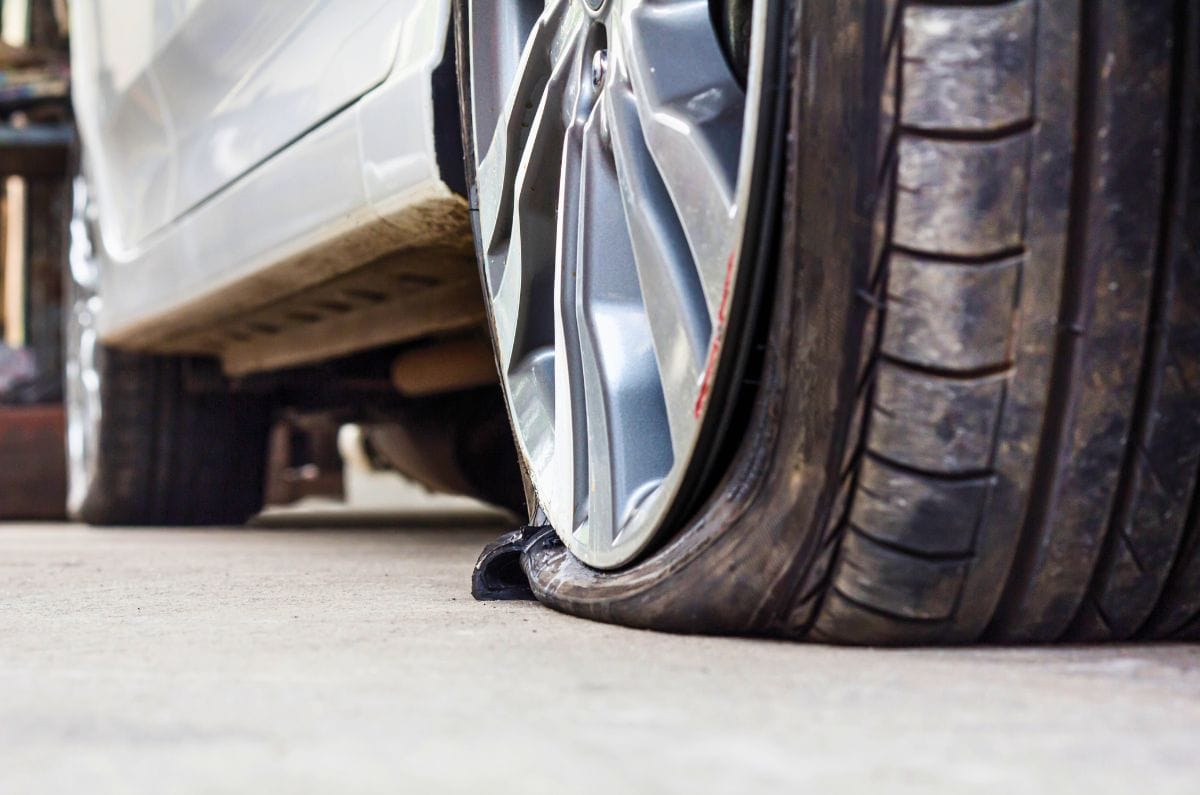
A puncture repair kit can only fix certain types of tyre damage. It is suitable for punctures that are 4mm to 6mm wide, which is about the size of a regular pencil tip. The puncture must also be located in the tread area of the tyre. If the damage is a long cut, a large tear, or a complete blowout, the tyre cannot be repaired and must be replaced. Similarly, punctures in the sidewall cannot be safely repaired with a puncture kit, as the sidewalls flex continuously and lack strong reinforcement. 

A blown-out tyre cannot be fixed with a puncture repair kit and needs to be replaced. 

After confirming that the puncture is no larger than 6mm in diameter and is in the tread area, you can begin the repair. Before you start, park your car safely on the shoulder of the road, switch on the hazard lights, and place a warning triangle behind your vehicle to alert other drivers. Once these safety precautions are in place, you are ready to repair the puncture.

Type 1: Tyre sealant and inflator kit

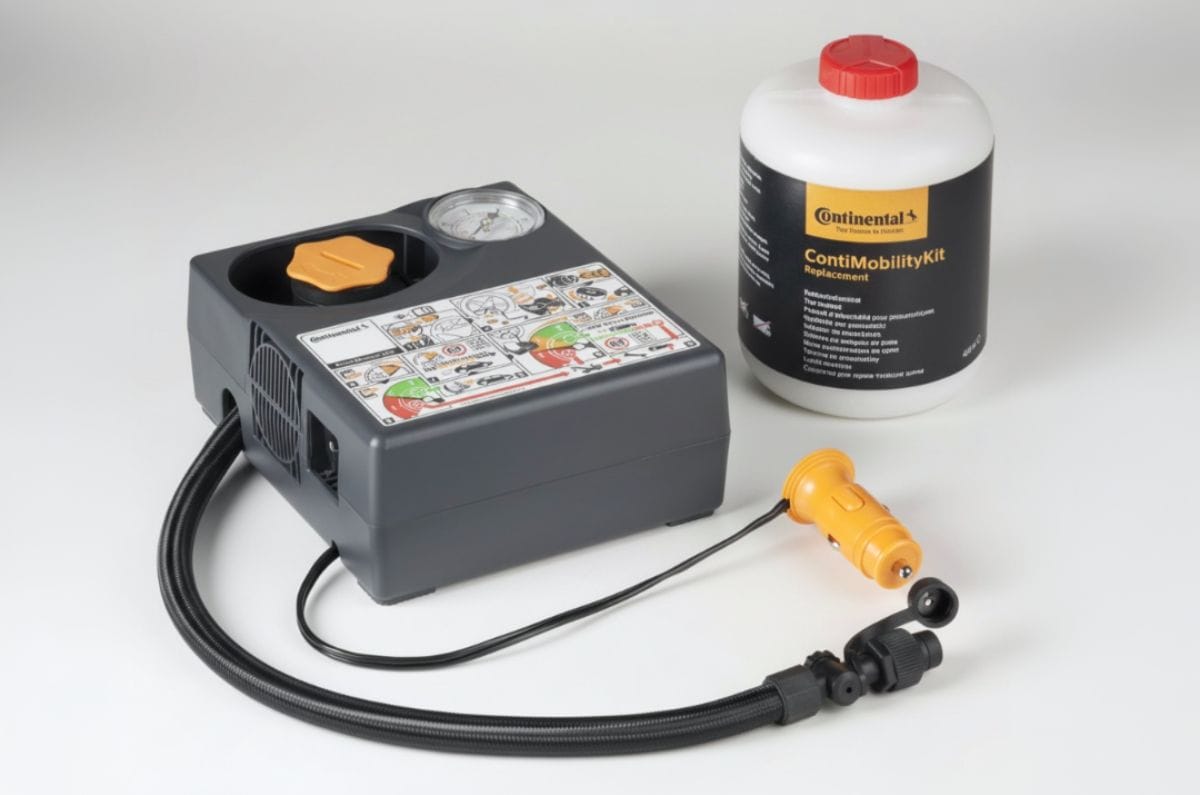
Image source: Continental Aftermarket

A tyre sealant and inflator kit is the most common type of puncture repair kit offered by manufacturers such as Tata, Maruti Suzuki, MG, and Mahindra. The kit includes a tyre inflator and a bottle of liquid sealant.

To use it, insert the sealant bottle into the inflator via the dedicated slot. Then connect the inflator to the valve of the punctured tyre. Do not remove the nail or screw that caused the puncture, as doing so can make the hole larger or cause further damage to the tyre. Start the car, plug the inflator into the 12V accessory socket, and inflate the tyre to the recommended pressure.

Once inflated, you can continue driving. However, keep your speed below 80kph and avoid driving more than 200km, as the sealant provides only a temporary repair. Visit a tyre repair shop as soon as possible, where a technician will remove the nail or screw, clean out the sealant, and install a permanent internal patch (patch-plug).

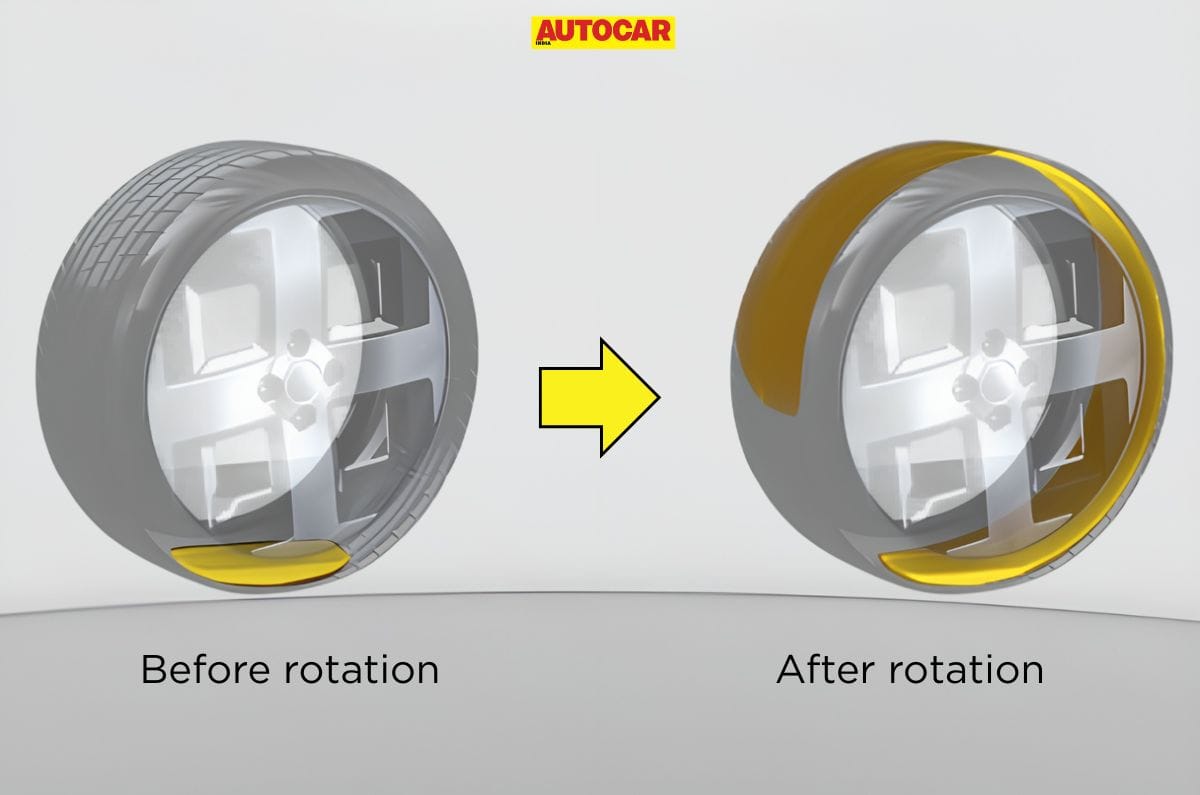
The centrifugal force spreads the sealant inside the tyres. (Image source: Hyundai)

The biggest advantage of this type of repair kit is its convenience. The entire process takes about 10 minutes and does not require lifting the vehicle with a jack. It also helps you get back on the road quickly, reducing time spent waiting on the roadside. The downside is that it is only a temporary solution. The sealant must be cleaned from inside the tyre before a permanent repair can be carried out, which may increase repair costs. In some cases, the sealant can also clog the tyre pressure monitoring system (TPMS) sensor, affecting tyre pressure readings or even causing permanent damage to the sensor.

Type 2: String plug repair kit

Image source: Amazon

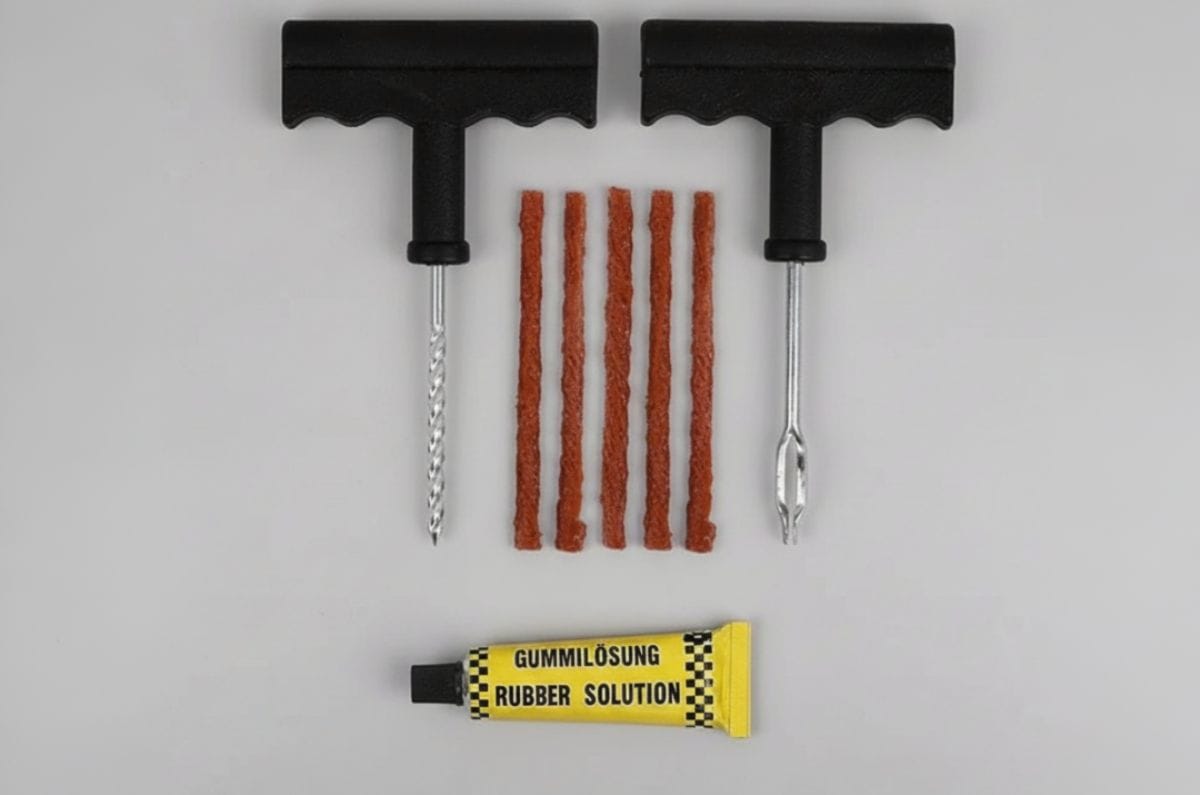
Also known as a tyre plug repair kit, a string plug puncture repair kit is an older, more affordable option because it does not require any electrical equipment. It typically includes rubber string plugs (or worms), an insertion tool, a reamer to clean and prepare the puncture, an adhesive lubricant, and a cutter to trim the excess plug.

Unlike a tyre inflator with a sealant kit, this type of repair requires you to remove the nail or screw that caused the puncture. Once it has been removed, insert the reamer into the puncture and move it up and down several times. This clears away debris, removes jagged steel belt fragments, roughens the rubber surface, and slightly enlarges the hole to help the plug bond securely.

After inserting the rubber string plug, pull the insertion tool firmly. 

Next, thread a rubber string plug halfway through the eye of the insertion tool and apply the adhesive lubricant. Push the plug into the puncture until about an inch remains visible outside the tyre. Then pull the insertion tool out firmly. The tool is designed to release the plug while leaving it securely wedged inside the tyre.

Trim the excess rubber using the cutter and inflate the tyre to the recommended pressure. Finally, apply a soapy water solution to the repaired area. If no bubbles appear, the puncture has been successfully sealed.

One advantage of a string plug repair kit is that it is quick to use and can often last longer than a sealant-based repair. In some cases, the plug may remain effective for a considerable distance. However, it is still considered a temporary repair because it does not provide the same level of sealing as a professional internal repair. There is also a risk that the reaming process may damage the tyre’s internal structure or enlarge the puncture, making a permanent repair more difficult.

What to do after repairing a puncture

Get the tyre professionally inspected

A thorough tyre inspection by a technician is recommended, as a puncture repair kit is a temporary solution. 

Using a puncture repair kit gets you back on the road, but it should not be considered a permanent solution. Visit a tyre repair shop as soon as possible and have the tyre inspected by a qualified technician. They will check for hidden internal damage that may not be visible from the outside and determine whether the tyre can be safely repaired or needs to be replaced. If the puncture is within the repairable tread area and the tyre is otherwise in good condition, a professional repair can be carried out. However, if the damage extends to the sidewall, shoulder, or internal structure of the tyre, replacement is the safest option.