Hero Vida NEX 2 trike design patented

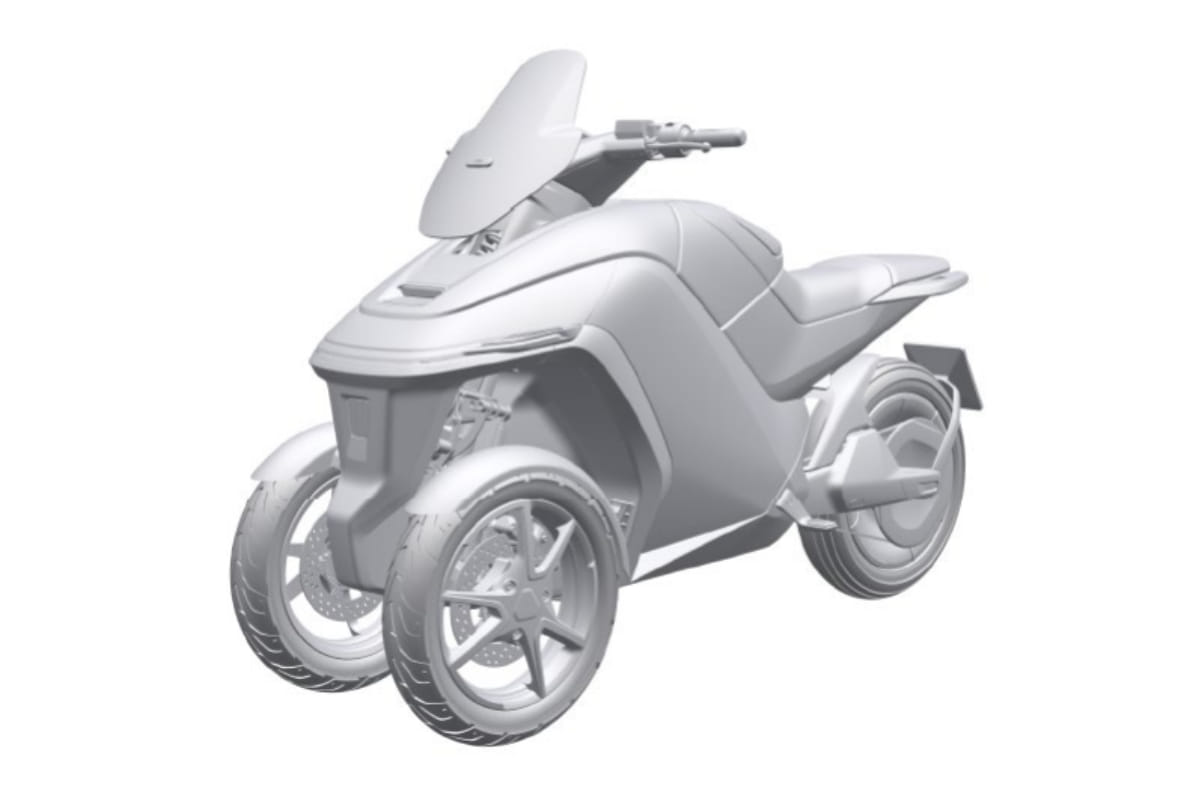
Nex 2 design patent image

Alongside the Xoom 125 Adventure, Hero MotoCorp has filed a design patent in India for another product first showcased at EICMA 2025 – the Vida NEX 2. Part of the Vida Novus concept line-up, the NEX 2 is a self-balancing electric trike designed for urban mobility.

  1. First shown as a concept at EICMA 2025 as part of the Vida Novus line-up
  2. Features a tilting, self-balancing three-wheel setup

Hero Vida NEX 2: What we know

The Nex 2 uses a complex front suspension setup that allows it to lean into corners

The NEX 2 was positioned at EICMA as a compact electric trike designed to combine the riding experience of a conventional two-wheeler with the added stability of three wheels. One of its defining features is a self-balancing system, which allows the vehicle to stabilise itself automatically at low speeds and when stationary.

Looking at the design patent, the NEX 2’s overall silhouette is more akin to the Yamaha Niken than the Piaggio MP3 – you sit on it like a conventional motorcycle rather than in a scooter-like stance with a flat footboard. The design features flowing bodywork with large side panels, a large windscreen and a round, likely TFT display. Power is sent to the rear wheel via a belt drive, and a swingarm-mounted number plate holder is visible. Disc brakes are fitted to both front wheels.

The patent is filed under ‘three-wheel electric motorcycle with storage compartment’, suggesting the fuel tank area may open up to provide usable storage space. The front suspension is where most engineering complexity lies, and the design images reveal an intricate arrangement that will allow the NEX 2 to lean into corners much like a conventional two-wheeler. The complexity of this system, along with the self-balancing hardware, is likely to push the NEX 2 into premium pricing territory if it does make it to production.

If the Vida NEX 2 does eventually launch, it could become the first electric trike from a mass-market manufacturer to go on sale in India, effectively creating a segment of its own. The NEX 2 forms part of the broader Vida Novus sub-brand, which Hero unveiled at EICMA 2025 alongside the NEX 1 personal mobility device and the NEX 3 compact electric car. Hero MotoCorp has not officially confirmed production plans for any of the Novus concepts, including the NEX 2, and we’ll update this story if more information becomes available.

Delhi EV 2.0 policy brings no incentives for hybrid cars

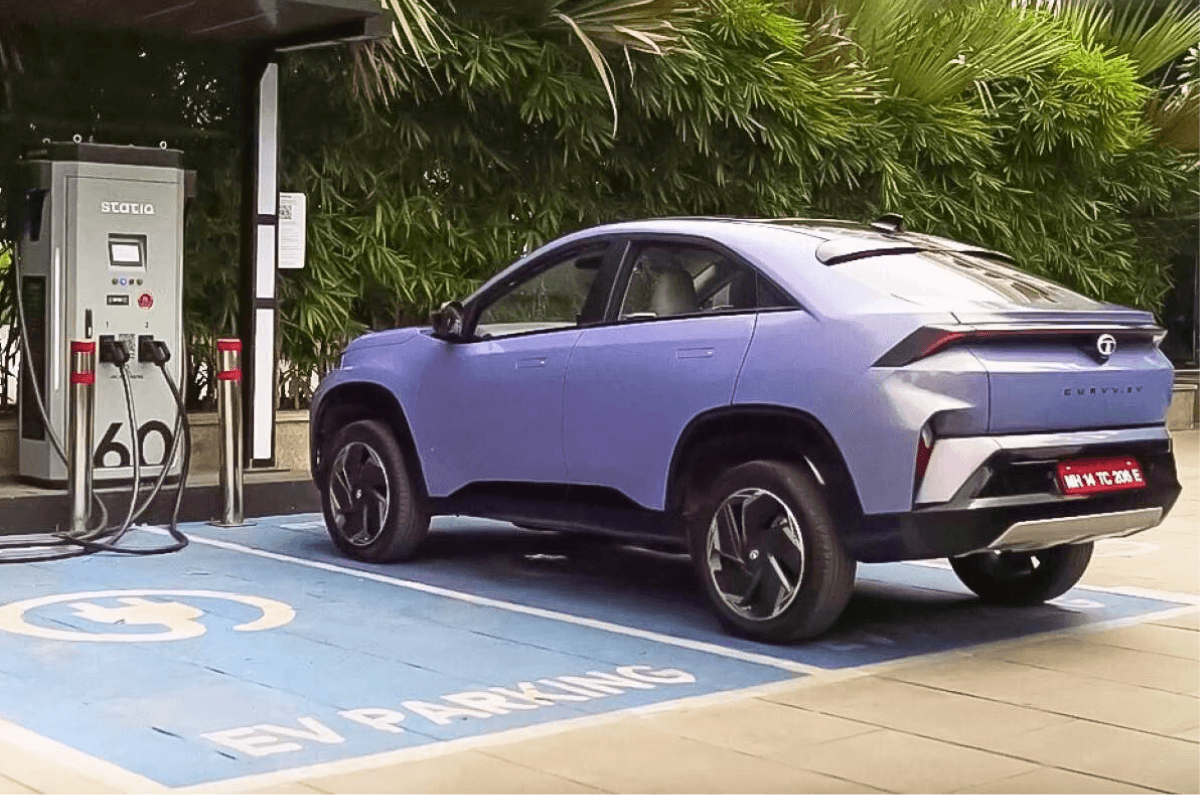
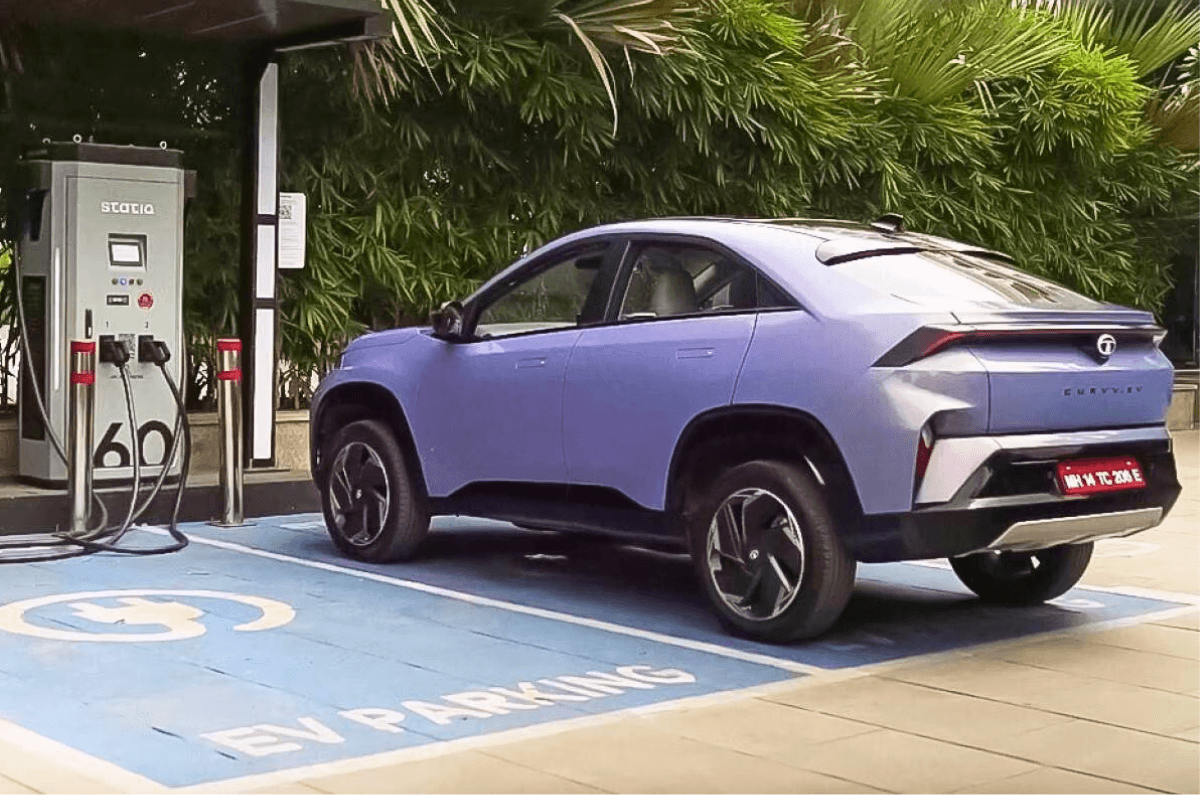
Curvv EV

The Delhi EV 2.0 policy will be implemented from July 1, 2026, and remain in effect till March 31, 2030, Chief Minister Rekha Gupta announced. Over this period, the government plans to invest around Rs 15,000 crore to curb vehicular pollution and accelerate the transition towards electric vehicles in the national capital, however, no incentives will be on offer for strong hybrid vehicles. In fact, 50 percent exemption from both road tax and registration fees for hybrid vehicles priced up to Rs 30 lakh was a major sticking point in the April 2026 draft policy.

  1. 100 percent exemption from road tax and registration charges for EVs up to Rs 30 lakh
  2. Only electric two-wheelers to be registered in Delhi from April 1, 2028

Delhi EV 2.0 policy key highlights

The Delhi EV 2.0 policy comprises a 100 percent exemption on road tax and registration charges for electric cars priced up to Rs 30 lakh, something that was proposed earlier in April. It also offers purchase incentives of up to Rs 30,000 for electric two-wheelers, Rs 50,000 for electric three-wheelers and Rs 1 lakh for electric goods vehicles (N1 category). Owners replacing older vehicles will also be eligible for scrapping incentives ranging from Rs 5,000 to Rs 1 lakh.

The policy also aims to expand Delhi’s EV charging network with more than 30,000 charging points across the city. From January 1, 2027, only new electric auto-rickshaws and N1 goods carriers will be registered, while from April 1, 2028, only new electric two-wheelers will be eligible for registration. Notably, all eligible incentives will be transferred directly to beneficiaries’ bank accounts through the direct benefit transfer.

Investments in charging infrastructure, public transport electrification and supporting infrastructure will be made, Delhi CM said. Detailed allocations for charging infrastructure, incentives and other programmes are expected to be announced in the detailed notification.

Delhi EV 2.0 policy to take effect from July 1

Tata Curvv EV

The Delhi EV 2.0 policy will be implemented from July 1, 2026, and remain in effect till March 31, 2030. Over this period, the government plans to invest around Rs 15,000 crore to curb vehicular pollution and accelerate the transition towards electric vehicles in the national capital. Investments in charging infrastructure, public transport electrification and supporting infrastructure will be made, Delhi Chief Minister Rekha Gupta said.

Delhi EV 2.0 policy key highlights

The Delhi EV 2.0 policy comprises a 100 percent exemption on road tax and registration charges for electric cars priced up to Rs 30 lakh, something that was proposed earlier in April 2026. It also offers purchase incentives of up to Rs 30,000 for electric two-wheelers, Rs 50,000 for electric three-wheelers and Rs 1 lakh for electric goods vehicles (N1 category). Owners replacing older vehicles will also be eligible for scrapping incentives ranging from Rs 5,000 to Rs 1 lakh.

The policy also aims to expand Delhi’s EV charging network with more than 30,000 charging points across the city. From January 1, 2027, only new electric auto-rickshaws and N1 goods carriers will be registered, while from April 1, 2028, only new electric two-wheelers will be eligible for registration. Notably, all eligible incentives will be transferred directly to beneficiaries’ bank accounts through the direct benefit transfer.

No incentive for hybrid cars

The April draft had also proposed a 50 percent exemption from both road tax and registration fees for strong hybrid vehicles priced up to Rs 30 lakh, but that did not materialise. In fact, incentives for hybrid vehicles was a major sticking point in Delhi’s new EV Policy, but the focus is clearly on EVs. 

A traditional strong hybrid vehicle has an internal combustion engine, which works with an electric motor. Power is supplied to the electric motor via a separate battery, allowing the car to run on electric power alone at certain times, reducing both fuel consumption and pollution. Thus, hybrids have the potential to serve as a practical middle ground, effectively bridging the gap until EV infrastructure improves and charging times become more convenient.

Only electric two-wheelers to be registered in Delhi from April 1, 2028

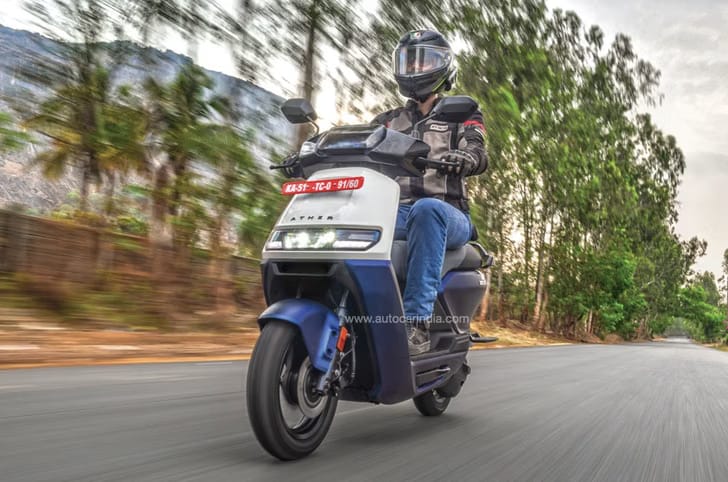
Ather Rizta tracking shot

The Delhi Cabinet has formally approved the Delhi EV Policy 2026, confirming measures that we had earlier reported were under consideration. The policy comes into effect on July 1, 2026, and will remain in force until March 31, 2030. Its most significant provision for the two-wheeler industry is that only new electric two-wheelers will be eligible for registration in Delhi from April 1, 2028.

  1. Delhi EV Policy 2026 approved; comes into effect July 1, 2026
  2. Only electric two-wheelers to be registered in Delhi from April 1, 2028
  3. Purchase incentives of up to Rs 30,000 for electric two-wheelers

Delhi EV Policy 2026: Key details

Electric auto-rickshaws and N1 goods carriers face an earlier January 2027 deadline

The policy introduces a tiered timeline for transitioning different vehicle categories to electric. Electric auto-rickshaws and N1 goods carriers face an earlier deadline – from January 1, 2027, only new electric versions of these vehicles will be registered in Delhi. The two-wheeler deadline follows on April 1, 2028.

To support the transition, the policy offers purchase incentives of up to Rs 30,000 for electric two-wheelers, Rs 50,000 for electric three-wheelers and up to Rs 1 lakh for electric N1 goods vehicles. Scrappage incentives ranging from Rs 5,000 to Rs 1 lakh are also available for replacing older, more polluting vehicles with electric alternatives. All incentives will be transferred directly to beneficiaries’ bank accounts.

On the infrastructure front, the policy targets the installation of more than 30,000 EV charging points across Delhi.

For India’s two-wheeler industry, the April 2028 deadline marks a significant shift. A Crisil impact assessment published in April projected that the move could increase the share of electric two-wheelers in Delhi’s new vehicle sales to 21-23 percent by FY29 and add nearly 6 lakh electric two-wheelers to national sales volumes, compared to a projected 18-20 percent without the policy. With two-wheelers accounting for nearly 67 percent of Delhi’s registered vehicle stock, Crisil also noted that the capital’s move could encourage other states to adopt similar mandates.

Updated Maruti Brezza to debut on July 23

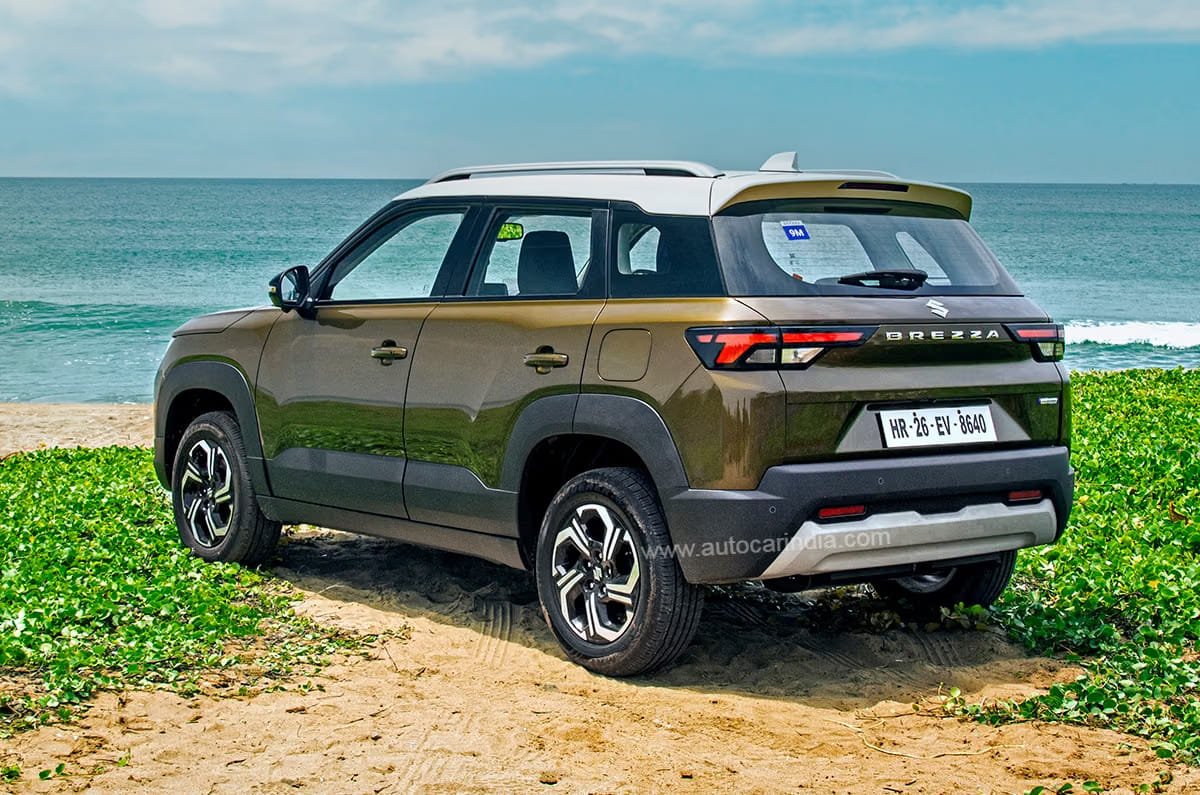
Maruti Brezza rear quarter static

Maruti-Suzuki is slated to introduce a comprehensive update to the Brezza on July 23, 2026. The carmakers’ answer to the compact SUV space is expected to arrive with a fresh exterior, better interiors, new features and most importantly, a new engine option. 

  1. Expected to arrive with a new turbo-petrol engine, likely from the Fronx.
  2. Subtle design revisions and feature additions are in the works.

Maruti Suzuki Brezza update: What to expect?

Credit: @HarshitMakkarvlogs via YouTube

The biggest change to the updated Brezza could be under the hood. It is expected to have a turbo-petrol engine for the first time in its lineup, with the Fronx’s 1.0-litre unit likely to be utilised. The engine could be paired to a 6-speed manual gearbox, as a test mule of the SUV was spied with this gearbox in February 2026. For reference, in the Fronx, the engine churns out 100hp and 148Nm. If introduced with the update, the engine would finally make the Brezza eligible for sub-4m tax benefits, thus reducing its price.  Currently, the Brezza is the only SUV in its segment that does not offer a turbo-petrol engine. In line with Maruti’s standards, the engine can also be expected to be paired to a CNG kit.

To have revised exterior styling and upmarket interior bits

Credit: @HarshitMakkarvlogs via YouTube

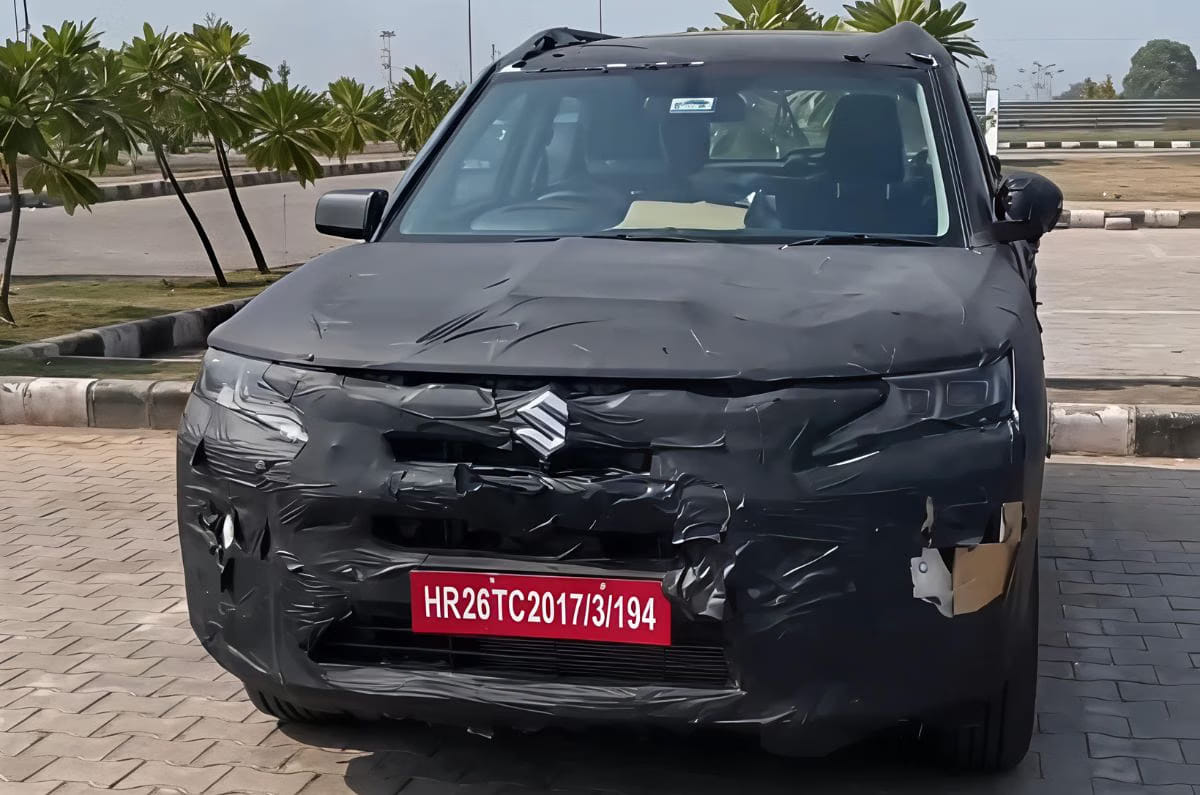
The updated Brezza is likely to arrive with minor cosmetic enhancements. This includes redone bumpers and lighting.  The LED tail-lamps could be connected by a segmented bar, as seen on the larger Victoris SUV. Spy shots of the Brezza also revealed a new 4-spoke alloy wheel design, suggesting that new rim designs for the updated version can be anticipated.

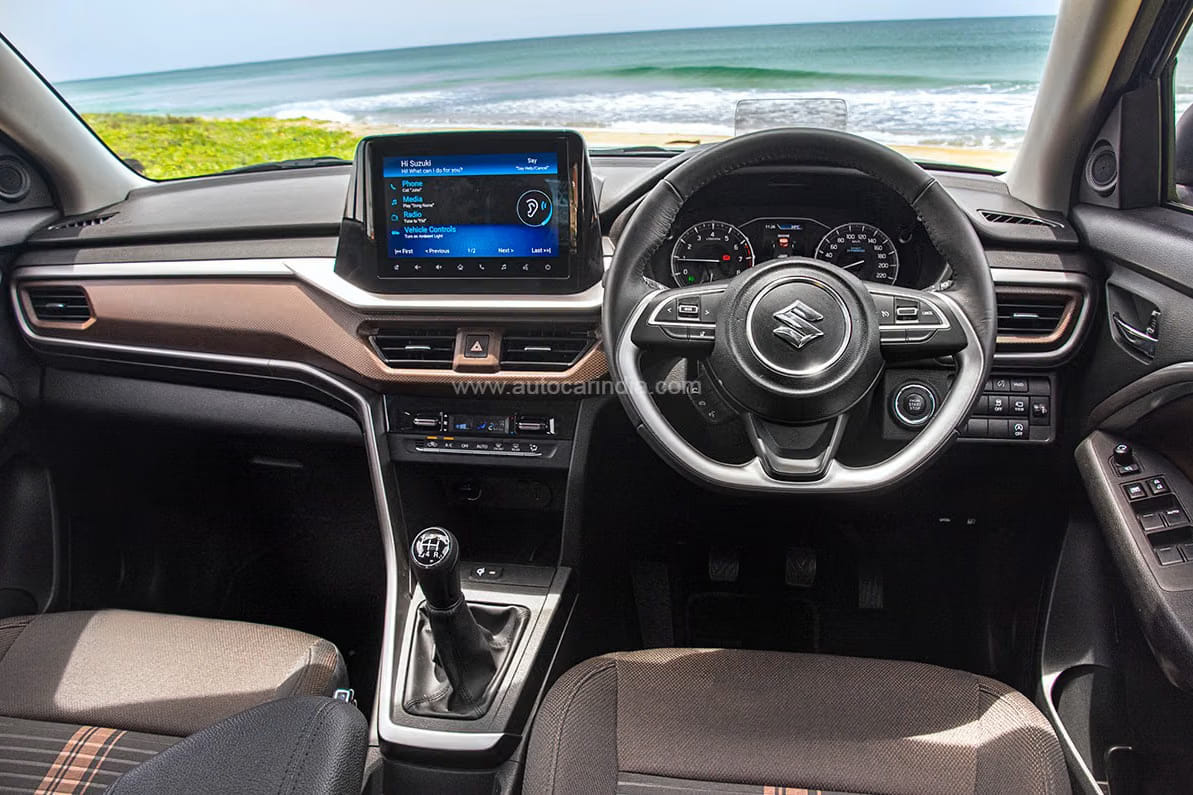
Current Maruti Brezza interior used for representation. 

Not many changes are expected to the overall cabin layout, save for newer trim material and colour scheme. As fr features, Maruti could equip the updated Brezza with the Victoris’ 10.1-inch infotainment screen, a powered driver seat, front seat ventilation and ambient lighting. A level 2 ADAS could also be part of the safety package. Test mules also revealed the presence of front parking sensors on the bumper, which could be a possible inclusion.

Maruti Suzuki Brezza update: Expected price

With the extensive updates, expect the updated Brezza to have a slight premium over the current version, whose price ranges between Rs 8.26 lakh and Rs 12.86 lakh. It will continue to take on the likes of the Hyundai Venue, Tata Nexon, Skoda Kylaq, Mahindra XUV 3XO, Kia Sonet and Syros.

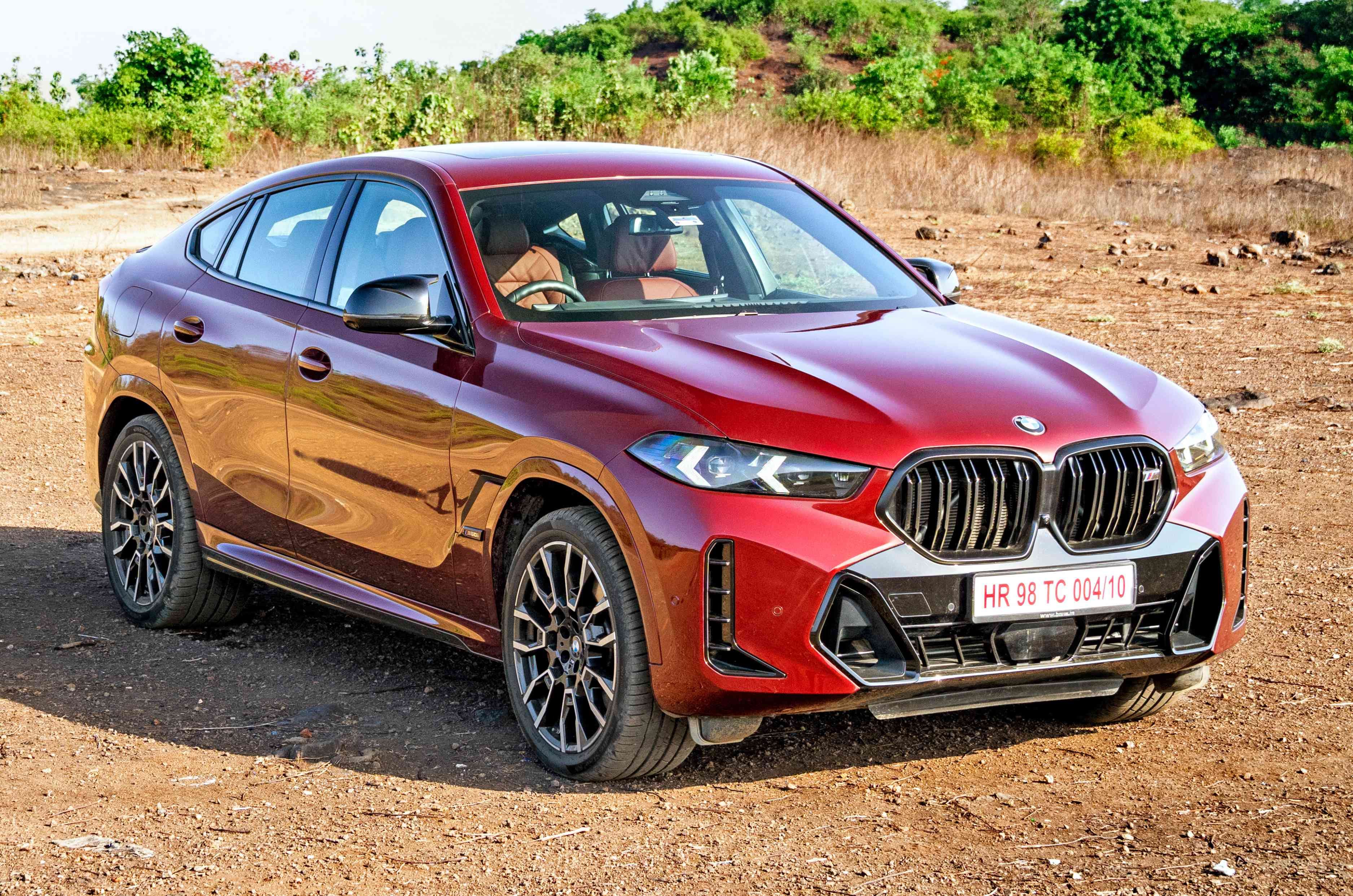
BMW X6 image gallery

BMW X6

The BMW X6 has returned to India exclusively in the range-topping M60i xDrive guise, priced at Rs 1.78 crore (ex-showroom). Imported as a completely built unit (CBU), it is powered by a 530hp, 750Nm 4.4-litre twin-turbo V8 petrol engine with 48V mild-hybrid technology, paired with an 8-speed automatic gearbox and BMW’s xDrive all-wheel-drive system. The coupe-SUV also gets adaptive suspension, rear-wheel steering and an M Sport differential. Along with updated styling, the X6 M60i comes with a refreshed interior, an extensive equipment list and M-specific design elements.

BMW X6 vs rivals: Specifications and prices compared

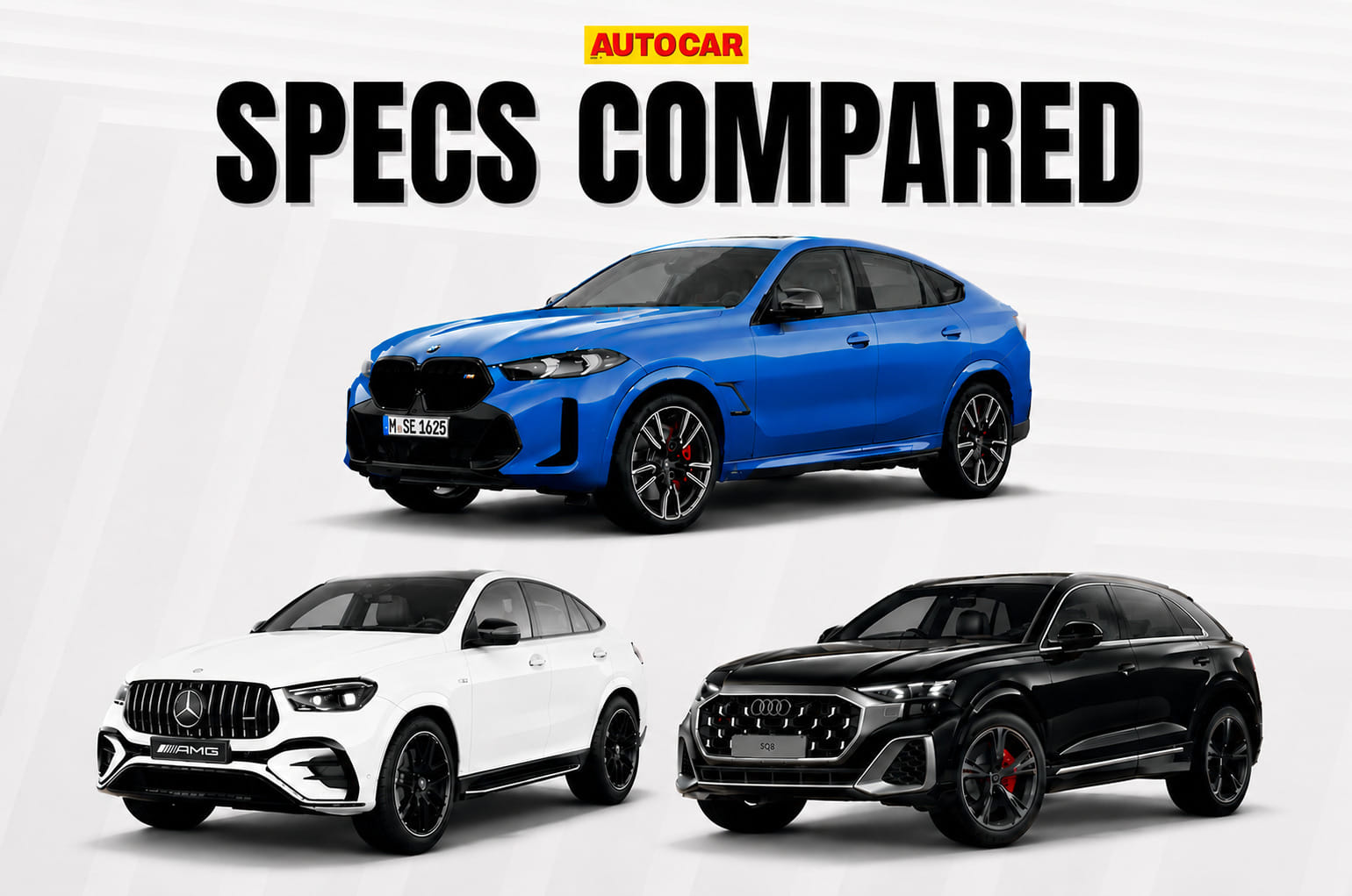
BMW X6 vs Audi SQ8 vs Mercedes GLE Coupe specs comparison

BMW has brought the X6 back to India after a period of about three years, making it available only in the M60i guise. The BMW X6 started the whole ‘Coupe SUV’ segment when it was first introduced in 2007. Since then, Audi and Mercedes-Benz have entered this space with models such as the SQ8 and GLE Coupe, respectively. So, how do these three German SUVs compare against each other in terms of their technical specifications and prices?

BMW X6 vs rivals: Dimensions

The X6 sits between the GLE Coupe and SQ8 in terms of its overall size

BMW X6 vs rivals: Dimensions


BMW X6 M60i

Audi SQ8

Mercedes-AMG GLE 53 Coupe

Length (mm)

4,960

5,005

4,944

Width (mm)

2,004

1,995

2,018

Height (mm)

1,700

1,695

1,720

Wheelbase (mm)

2,975

3,000

2,935

Boot space (litres)

580

604

655

Wheel size (inches)

21

21

21

The BMW X6 M60i is 45mm shorter in length than the Audi SQ8, and its wheelbase also trails behind the Audi. On the other hand, the X6 is wider and slightly taller at the roof than the SQ8, but finds itself slightly narrower and shorter in height than the GLE 53 Coupe. In terms of boot space, the X6’s luggage capacity is considerably lesser than that offered by either the Merc or the Audi. Overall, the BMW X6 M60i sits in between the SQ8 and GLE 53 Coupe in terms of size. All three SUVs come with 21-inch alloy wheels as standard, with Audi and Mercedes offering 22-inch rims as an option.

BMW X6 vs rivals: Powertrain options

The X6 produces the most horsepower and is the second quickest to 100kph

BMW X6 vs rivals: Powertrain options

Specifications

BMW X6 M60i

Audi SQ8

Mercedes-AMG GLE 53 Coupe

Engine

4.4-litre 8-cyl twin-turbocharged petrol

4.0-litre 8-cyl twin-turbocharged petrol

3.0-litre 6-cyl turbocharged petrol

Power (hp)

530

507

435

Torque (Nm)

750

770

560

Transmission

8-speed automatic

8-speed automatic

9-speed automatic

Claimed 0-100kph (sec)

4.3

4.1

5

Top speed (kph)

250

250

250

The BMW X6 M60i’s twin-turbocharged V8 comes with a 48V mild-hybrid system, and it produces 23hp more than the Audi SQ8’s eight-cylinder mill. However, its torque output is lower than the Audi by 20Nm. Despite this, the X6 M60i hits 100kph a claimed 0.2 seconds ahead of the SQ8.

When compared to the Mercedes-AMG GLE 53 Coupe, the X6 has a power and torque advantage of 95hp and 190Nm, respectively. While the GLE Coupe’s integrated starter generator provides an extra 20hp, its lack of outright oomph is noticeable. Then again, with its 3.0-litre inline-six configuration, the Merc’s engine is much smaller than that powering the BMW X6 M60i.

BMW X6 vs rivals: Price

The SQ8 and X6 M60i have near-identical prices, but the GLE Coupe is priced lower

BMW X6 vs rivals: Price (in Rs, crore)

Models

BMW X6 M60i

Audi SQ8

Mercedes-AMG GLE 53 Coupe

Prices

1.78

1.78

1.52

The BMW X6 in its M60i guise costs almost the same as the Audi SQ8. In comparison, the Mercedes-AMG GLE 53 Coupe is Rs 26 lakh more affordable than either. However, it’s relatively older and lacks the outright punch of the X6. As for the SQ8, it’s slightly quicker to 100kph than the X6 M60i while offering a twin-turbo V8 as well.

All prices are ex-showroom, India

Also read

Mini Countryman C vs rivals: Price and specifications compared

3 reasons to buy the BMW X6 and 2 reasons not to

Ninth-gen Toyota Hilux India launch next month

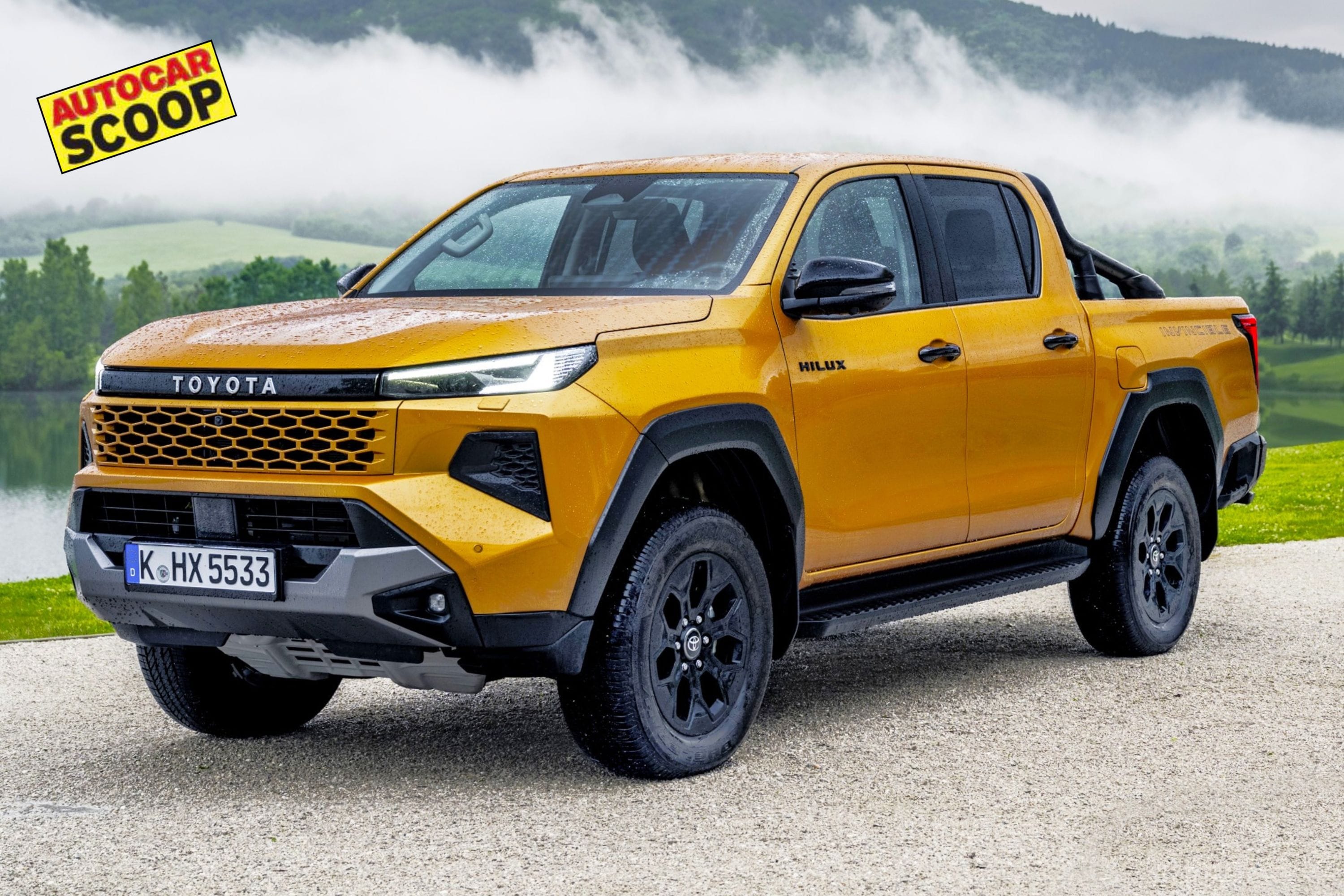
2026 toyota hilux india launch

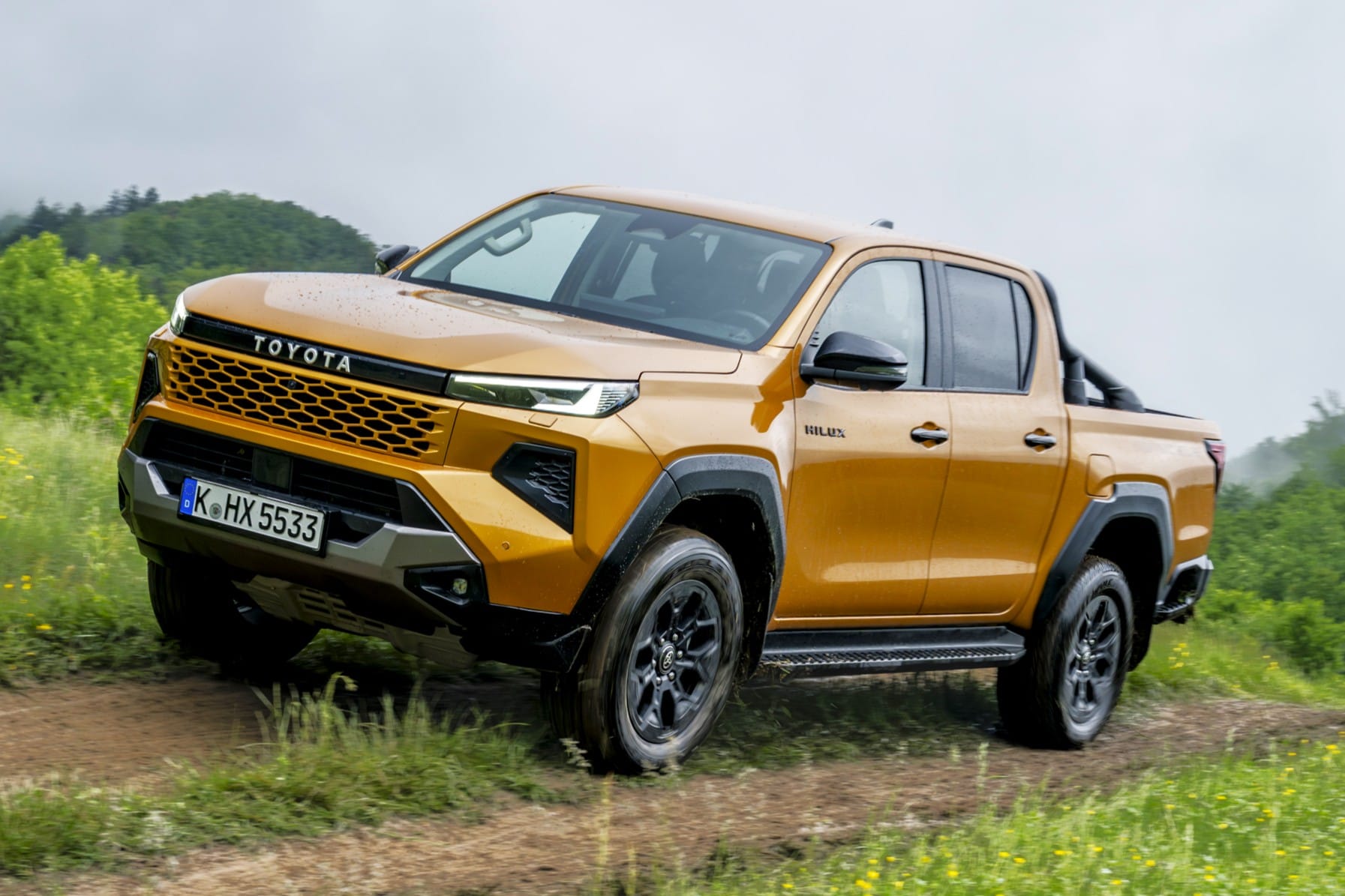
Toyota will launch the ninth-gen Hilux pickup in India next month, our dealer sources have confirmed. This will be just eight months after the new Hilux’s global debut in November 2025. Considering that this is a new-gen model with several mechanical and feature upgrades, expect it to command a significant premium over the outgoing Hilux, which is priced from Rs 28.52 lakh to Rs 36 lakh (ex-showroom).

  1. New Hilux has a sharper, more angular design language
  2. Interior is vastly more premium and feature-loaded than that of the old Hilux
  3. Expected to retain the current 2.8-litre diesel engine and add 48V mild hybrid tech

2026 Toyota Hilux exterior design

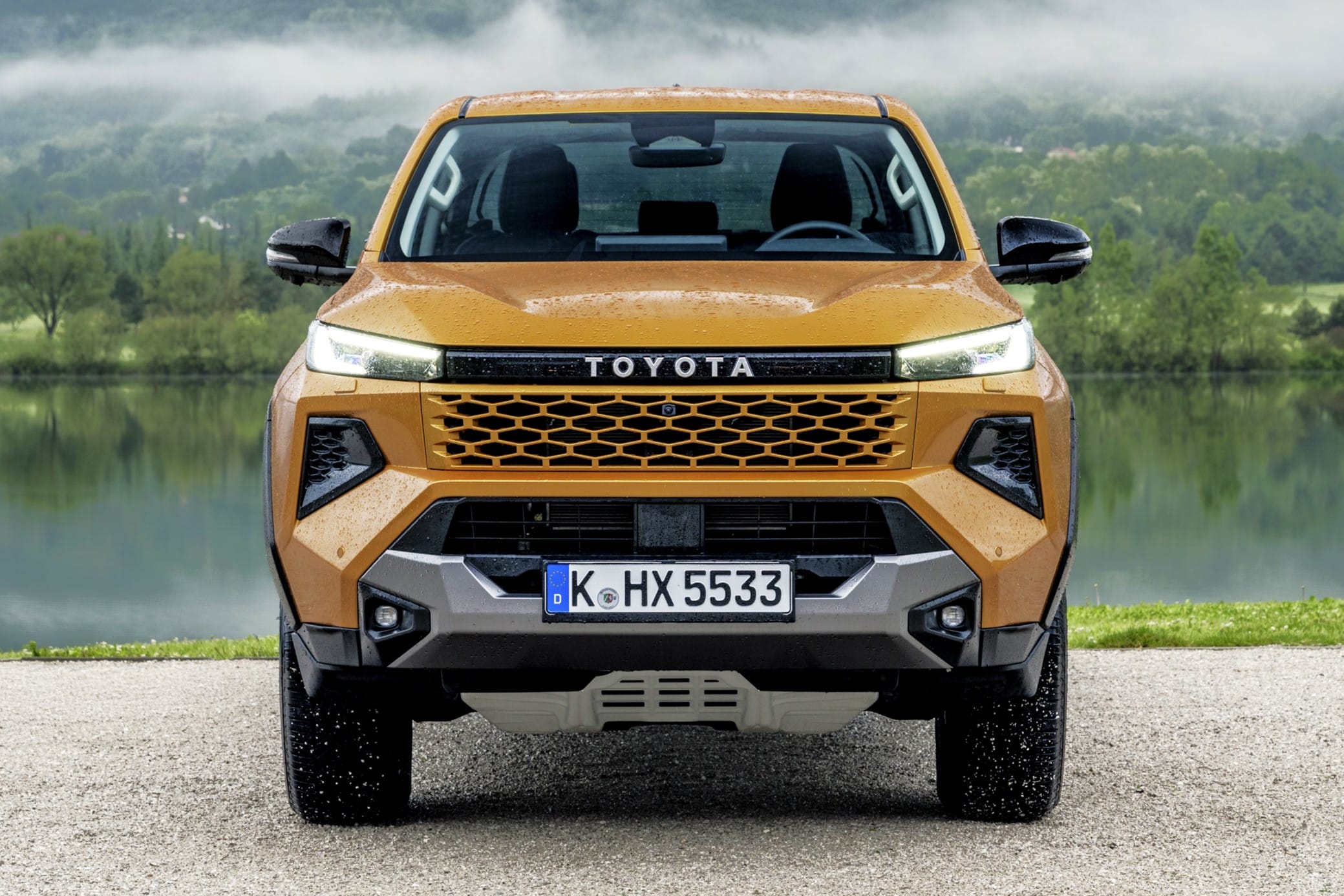
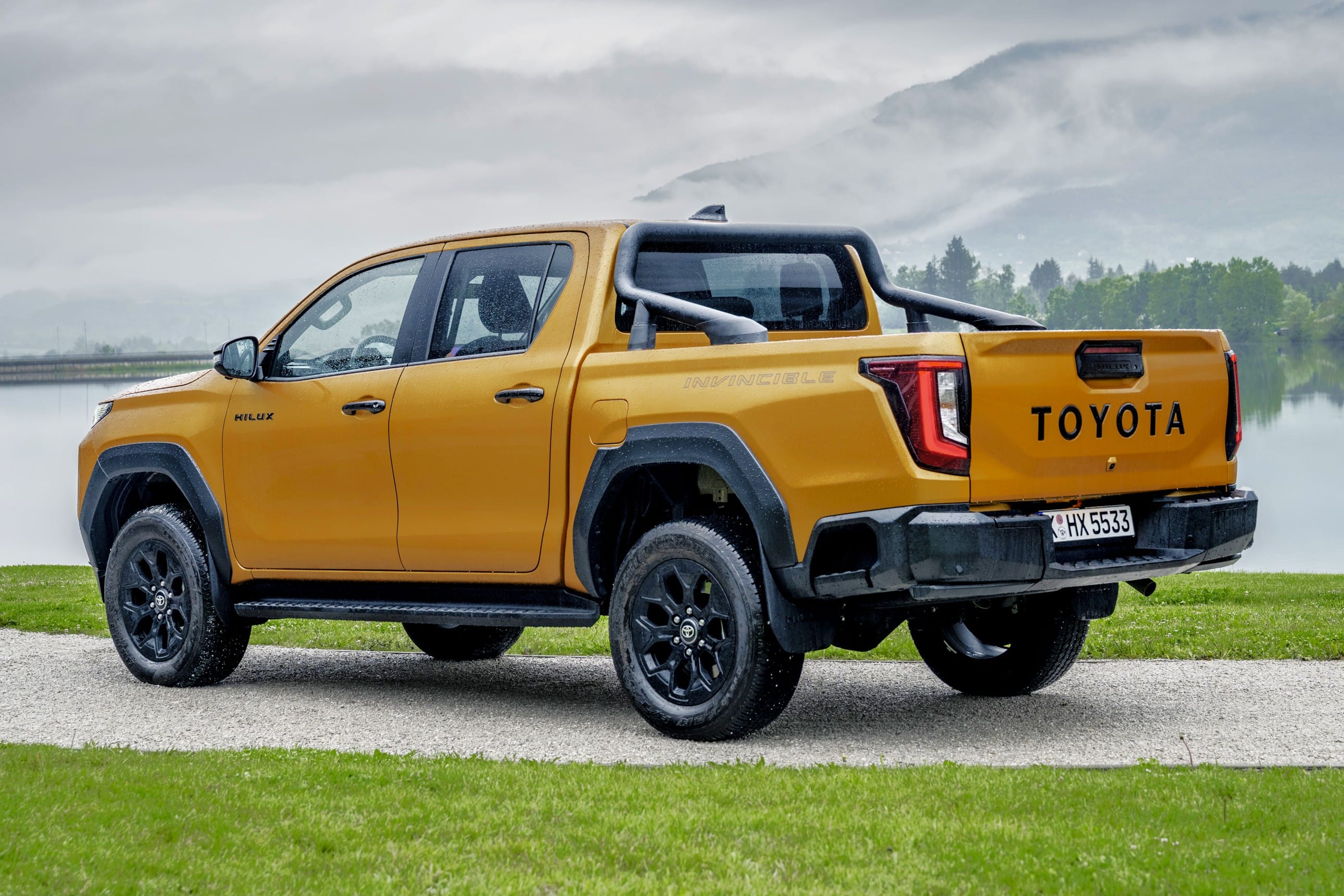
The ninth-gen Hilux introduces an all-new design but retains its predecessor’s rugged ethos. Up front, the pickup features slim high-set LED headlamps bridged by a black trim piece that houses the Toyota wordmark. Below that, there’s a honeycomb-patterned grille flanked by angular air intakes and a chunky bumper.

The side profile is characterised by clean panelling, 17-inch alloy wheels and squared-off body cladding, while the rear gets sizeable vertically oriented tail-lamps with C-shaped DRL signatures. There’s also a large Toyota wordmark on the tailgate and generous cladding on the bumper.

2026 Toyota Hilux interior and features

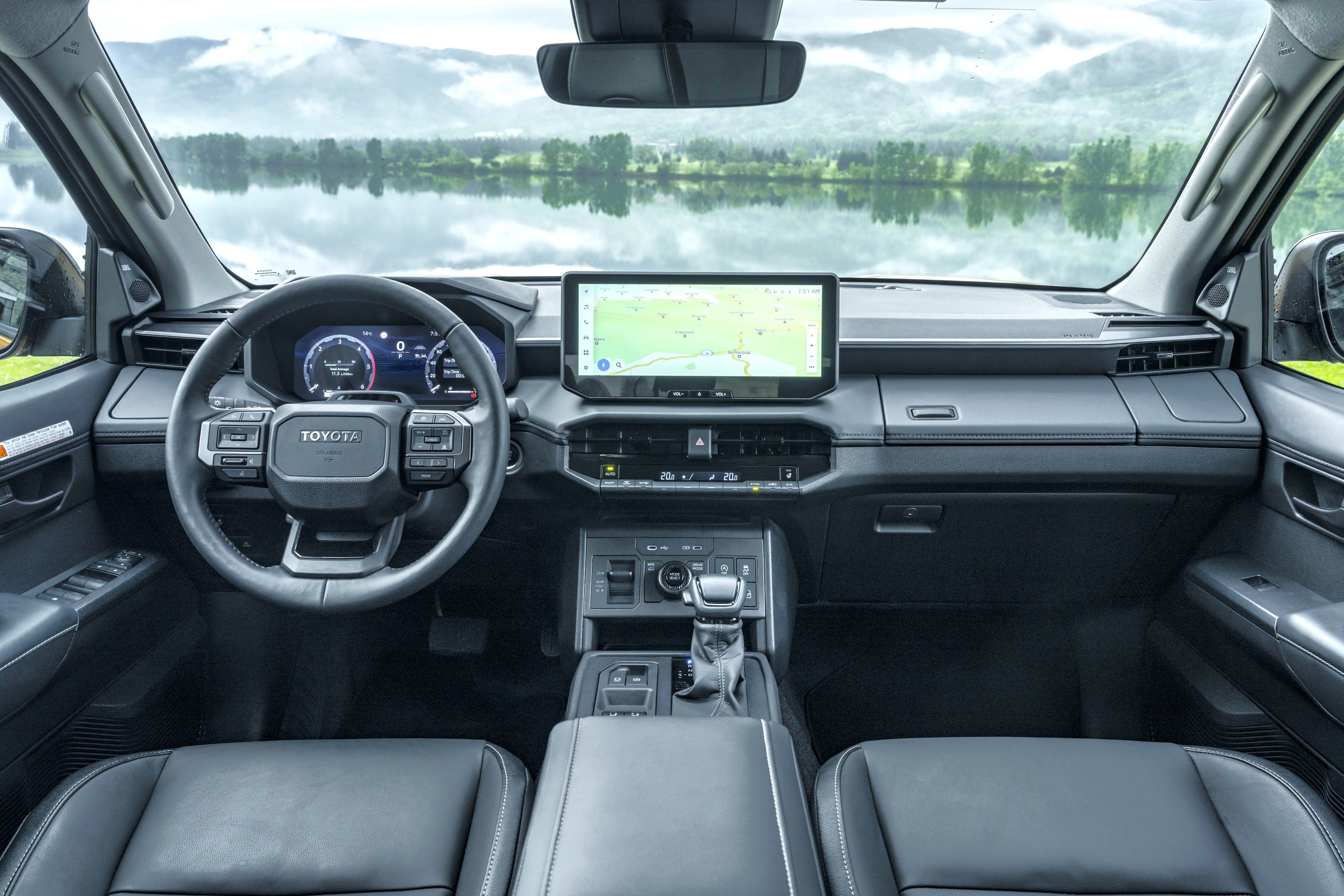
Global-spec Toyota Hilux interior. Image used for representative purposes only.

Inside, the new Hilux is markedly more modern than its predecessor, with dual 12.3-inch displays taking centre stage on the freshly designed dashboard, along with a new three-spoke steering wheel bearing the Toyota lettermark. A welcome sight in the Hilux’s cabin is the abundance of physical controls, spread across the steering wheel, centre console and transmission tunnel.

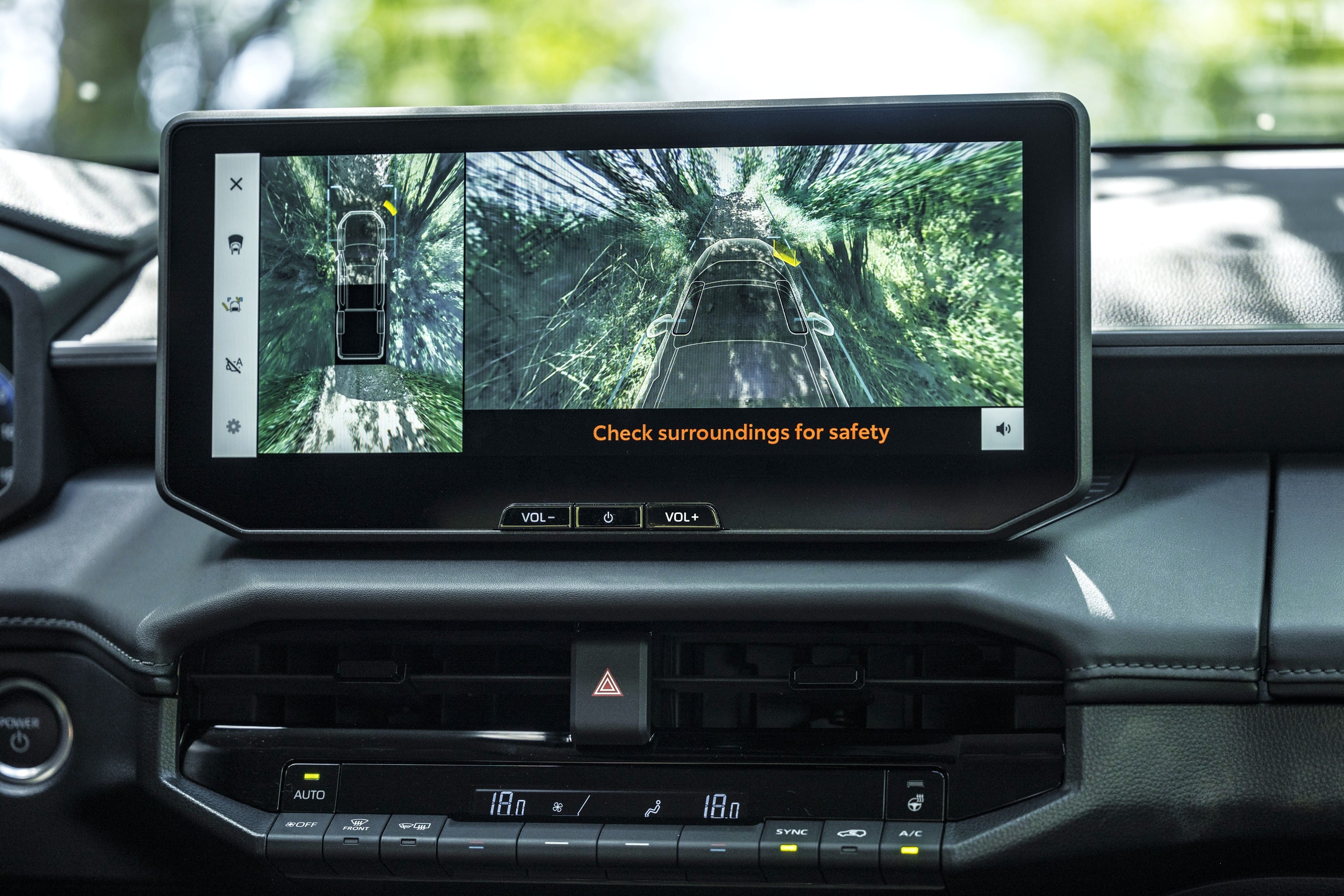
In terms of features, the new Hilux packs terrain and drive modes, dual-zone climate control, a wireless charging pad, a blind-spot monitor, connected car tech, powered and ventilated front seats, multi-terrain and 360-degree cameras, over-the-air (OTA) updates, an advanced driver assistance systems (ADAS) suite, driver drowsiness detection and more.

2026 Toyota Hilux engine and gearbox

The outgoing Hilux is available solely with a 2.8-litre diesel engine that develops 204hp and 500Nm, with gearbox options comprising a 6-speed manual and 6-speed torque converter automatic – 4×4 is fitted as standard. Since the new Hilux is based on the same IMV body-on-frame platform, Toyota is expected to retain the 2.8-litre diesel engine for the India-spec model, and could add the 48V ‘Neo Drive’ mild hybrid system that was introduced with the Fortuner last year.

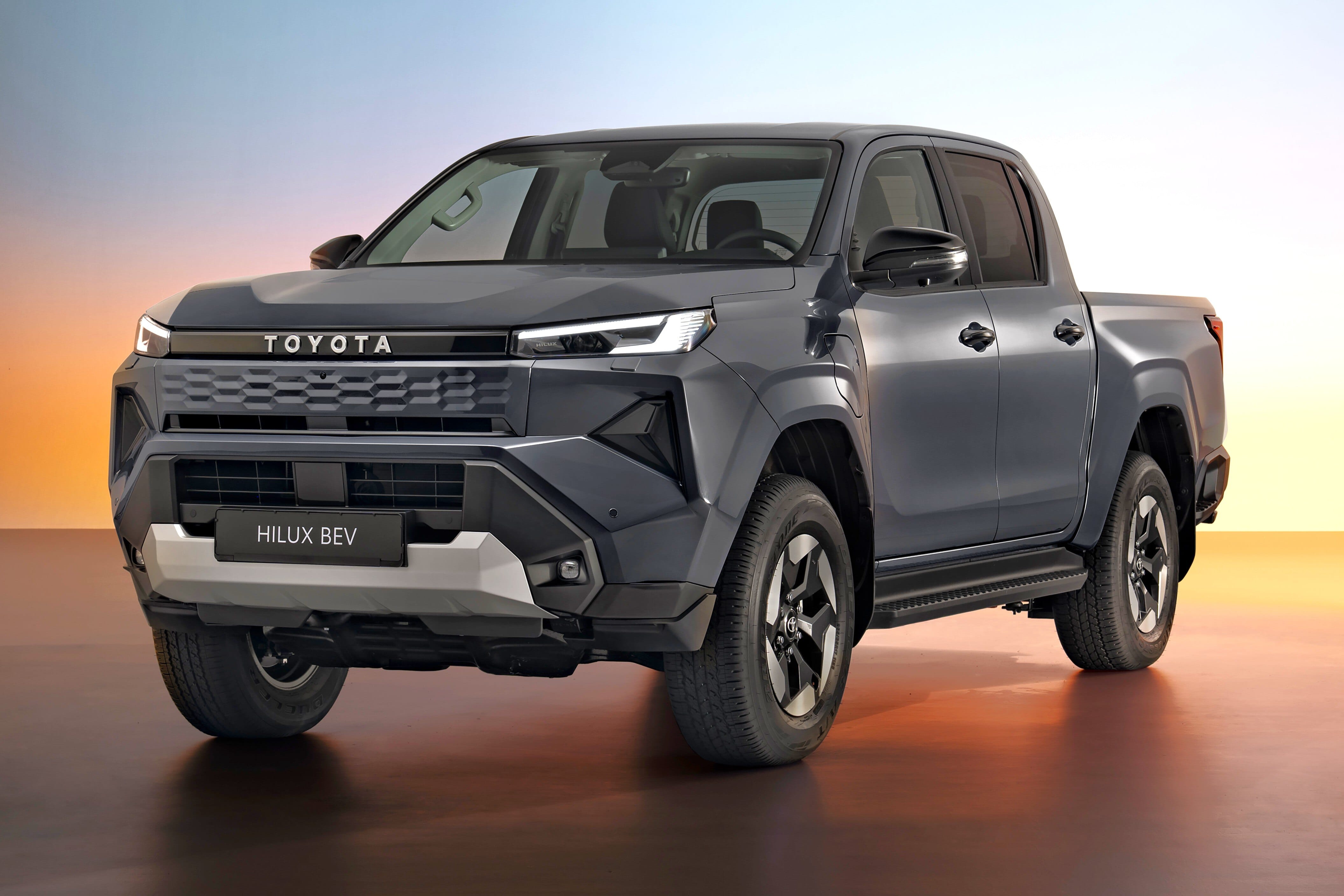
Toyota Hilux EV

In overseas markets, the new Hilux is available in all-electric guise too, making it Toyota’s first body-on-frame EV. The Hilux EV gets a 59.2kWh battery pack powering front and rear motors, with the former outputting 205Nm and the latter producing 269Nm. WLTP-tested range for the Hilux EV is pegged at 240km. It remains to be seen if Toyota will offer the Hilux EV in India.

Hero Xoom 125 Adventure design patented

Xoom 125 design patent sketch

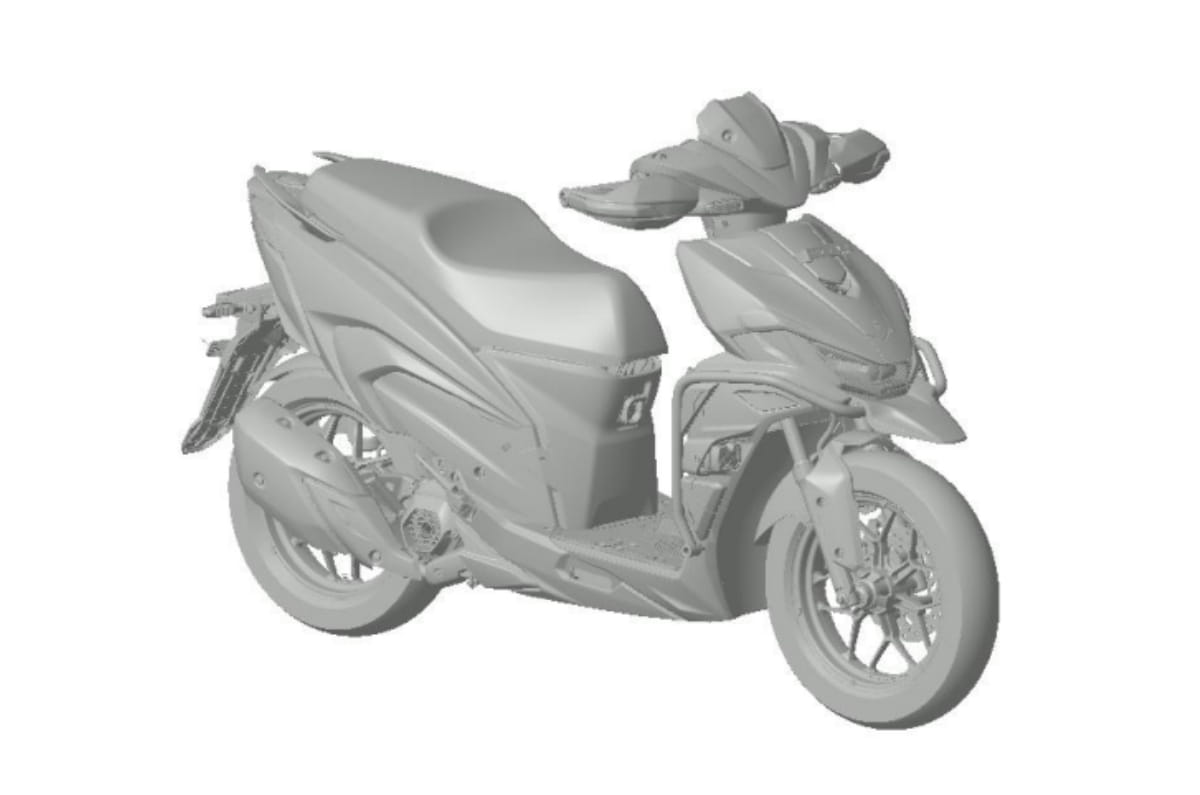
Hero MotoCorp has filed a design patent in India for what appears to be the Xoom 125 Adventure – the adventure-styled derivative of the Xoom 125 scooter that the company first showcased as a concept at EICMA 2024.

  1. First shown at EICMA 2024 alongside the Xoom 160 Adventure concept
  2. Concept featured knobby tyres and crash protection
  3. Expected to be mechanically identical to the standard Xoom 125

Hero Xoom 125 Adventure details

Its overall silhouette closely follows that of the EICMA 2024 concept

The patent drawings closely mirror the Xoom 125 Adventure concept unveiled at EICMA 2024. The most notable visual changes over the standard Xoom 125 include a raised front fender, crash protection around the sides of the front apron, a small flyscreen and knuckle guards. The concept also featured knobby tyres wrapped around the same 14-inch alloy wheels as the standard Xoom 125. Together, these additions give the scooter a more purposeful, adventure-inspired appearance.

The seat profile also appears slightly more aggressive, with a more pronounced distinction between the rider and pillion sections. However, we’ll have to wait until the production model is revealed to confirm whether this design makes it to the final version.

Mechanically, the Xoom 125 Adventure is expected to carry over the standard Xoom 125’s 124cc air-cooled engine producing 9.9hp and 10.4Nm, along with its fully digital instrument cluster with Bluetooth connectivity and navigation.

While filing a design patent does not necessarily confirm an imminent launch, the relatively minor nature of the changes over the already established standard Xoom 125 means a production version cannot be ruled out.

New VinFast electric scooter patented in India

V

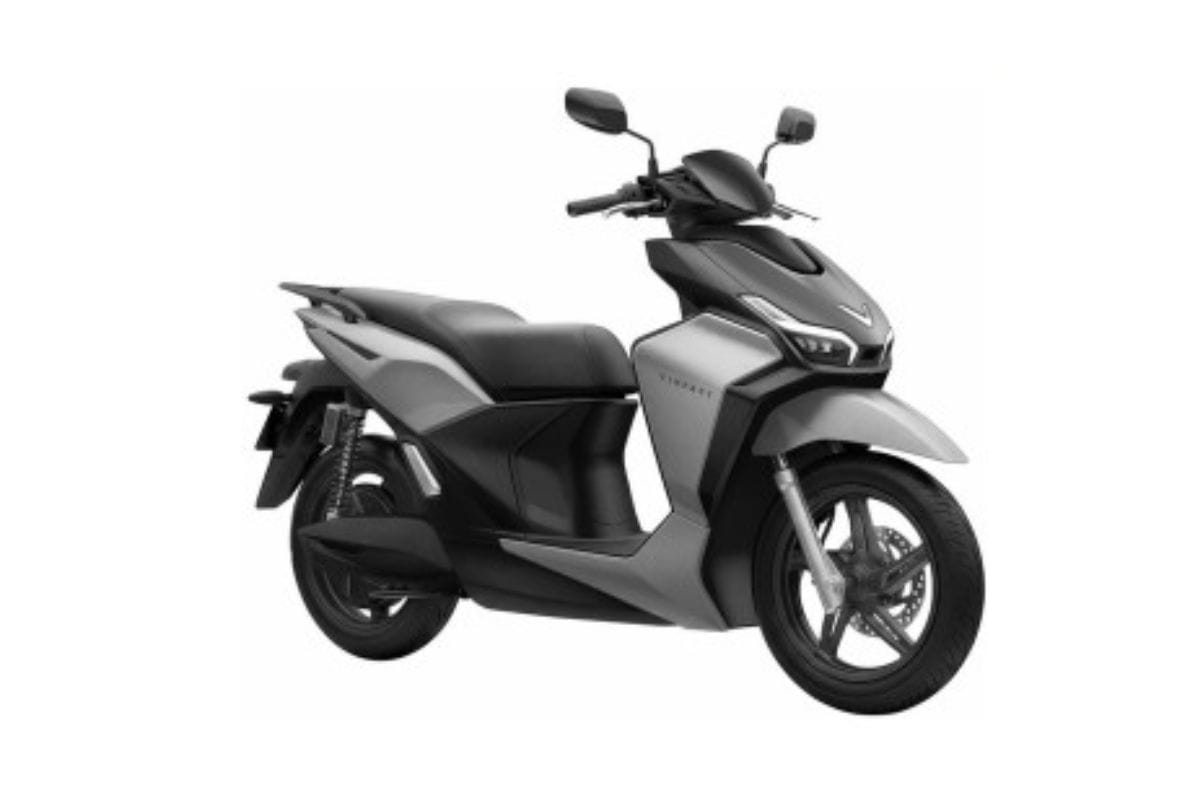
We had earlier reported that VinFast is looking to enter the electric two-wheeler market in India with some e-scooters it sells in its home market of Vietnam. The company has now filed a design patent for a sporty-looking electric scooter in our market, which resembles the Viper it sells overseas, although there are some nuanced differences between the two.

  1. Design resembles that of the Viper, sold overseas
  2. This could also be an updated version of the Viper

Like the Viper, this new VinFast scooter shown in the patent image has angular styling and runs on chunky tyres shod on large rims, presumably 14-inchers. In fact, there are some elements on this scooter that are either remarkably close or in some cases even identical to the Viper such as the tapered handlebar, mirrors, flush mount pillion footpegs, the angular tail section, five-spoke alloy wheel design and some mechanical elements like the hub-mounted motor and front disc brake.

VinFast Viper front right side static in studio
VinFast Viper image used for representative purposes only.

However, there are some visual differences, notably to the front of the scooter. Where the Viper uses a single-piece angular headlight, this new scooter has a twin-pod headlight setup. While its overall silhouette is similar to the Viper, most body panels are now more rounded than the Viper’s rather angular ones. This overarching similarity between both scooters also presents the possibility that the one featured in the design patent could be a facelifted or updated version of the Viper, although that remains to be confirmed.

While specifications for this new model are under wraps, the current-gen Viper listed on VinFast’s Vietnamese website has a 4.8kWh battery capacity, which sends power to a 3kW motor.

The company has previously stated that it is working on new India-specific electric scooters and this could be one of them. However, when VinFast will make its first electric scooter launch in India India is still unknown.