


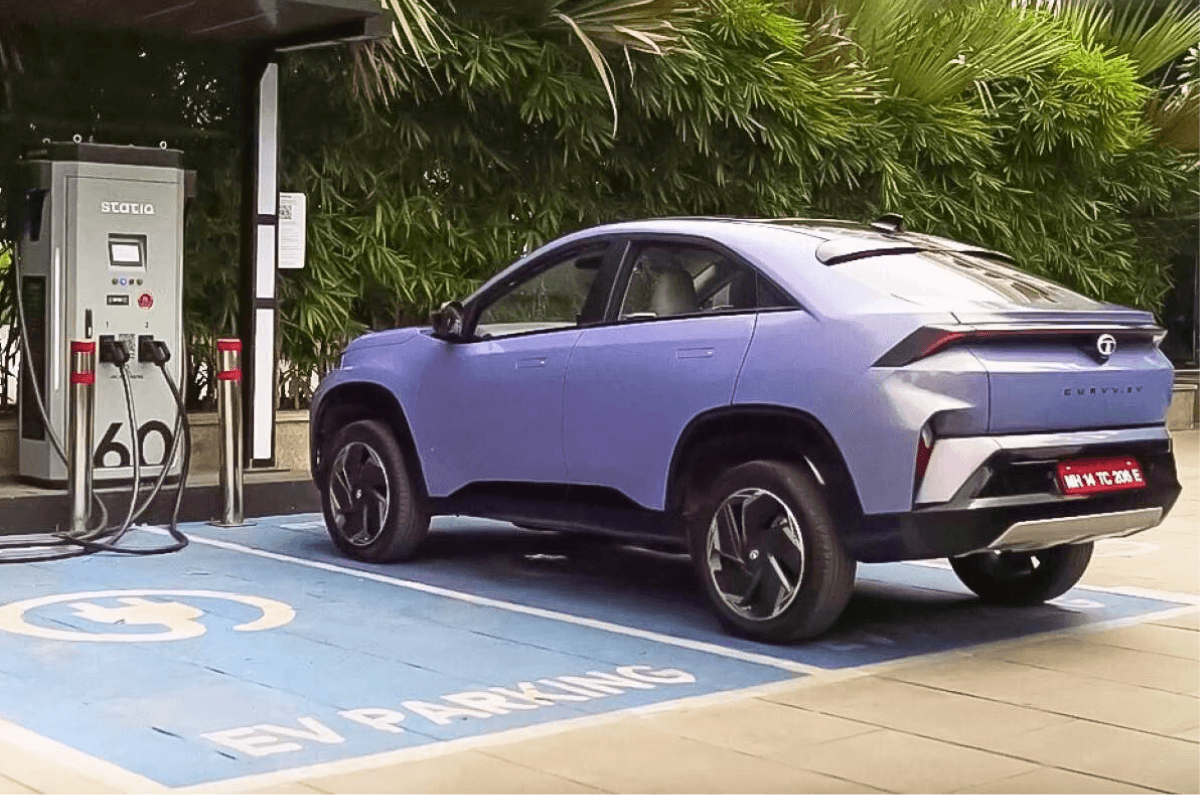
The Delhi EV 2.0 policy will be implemented from July 1, 2026, and remain in effect till March 31, 2030. Over this period, the government plans to invest around Rs 15,000 crore to curb vehicular pollution and accelerate the transition towards electric vehicles in the national capital. Investments in charging infrastructure, public transport electrification and supporting infrastructure will be made, Delhi Chief Minister Rekha Gupta said.
Delhi EV 2.0 policy key highlights
The Delhi EV 2.0 policy comprises a 100 percent exemption on road tax and registration charges for electric cars priced up to Rs 30 lakh, something that was proposed earlier in April 2026. It also offers purchase incentives of up to Rs 30,000 for electric two-wheelers, Rs 50,000 for electric three-wheelers and Rs 1 lakh for electric goods vehicles (N1 category). Owners replacing older vehicles will also be eligible for scrapping incentives ranging from Rs 5,000 to Rs 1 lakh.
The policy also aims to expand Delhi’s EV charging network with more than 30,000 charging points across the city. From January 1, 2027, only new electric auto-rickshaws and N1 goods carriers will be registered, while from April 1, 2028, only new electric two-wheelers will be eligible for registration. Notably, all eligible incentives will be transferred directly to beneficiaries’ bank accounts through the direct benefit transfer.
No incentive for hybrid cars
The April draft had also proposed a 50 percent exemption from both road tax and registration fees for strong hybrid vehicles priced up to Rs 30 lakh, but that did not materialise. In fact, incentives for hybrid vehicles was a major sticking point in Delhi’s new EV Policy, but the focus is clearly on EVs.
A traditional strong hybrid vehicle has an internal combustion engine, which works with an electric motor. Power is supplied to the electric motor via a separate battery, allowing the car to run on electric power alone at certain times, reducing both fuel consumption and pollution. Thus, hybrids have the potential to serve as a practical middle ground, effectively bridging the gap until EV infrastructure improves and charging times become more convenient.