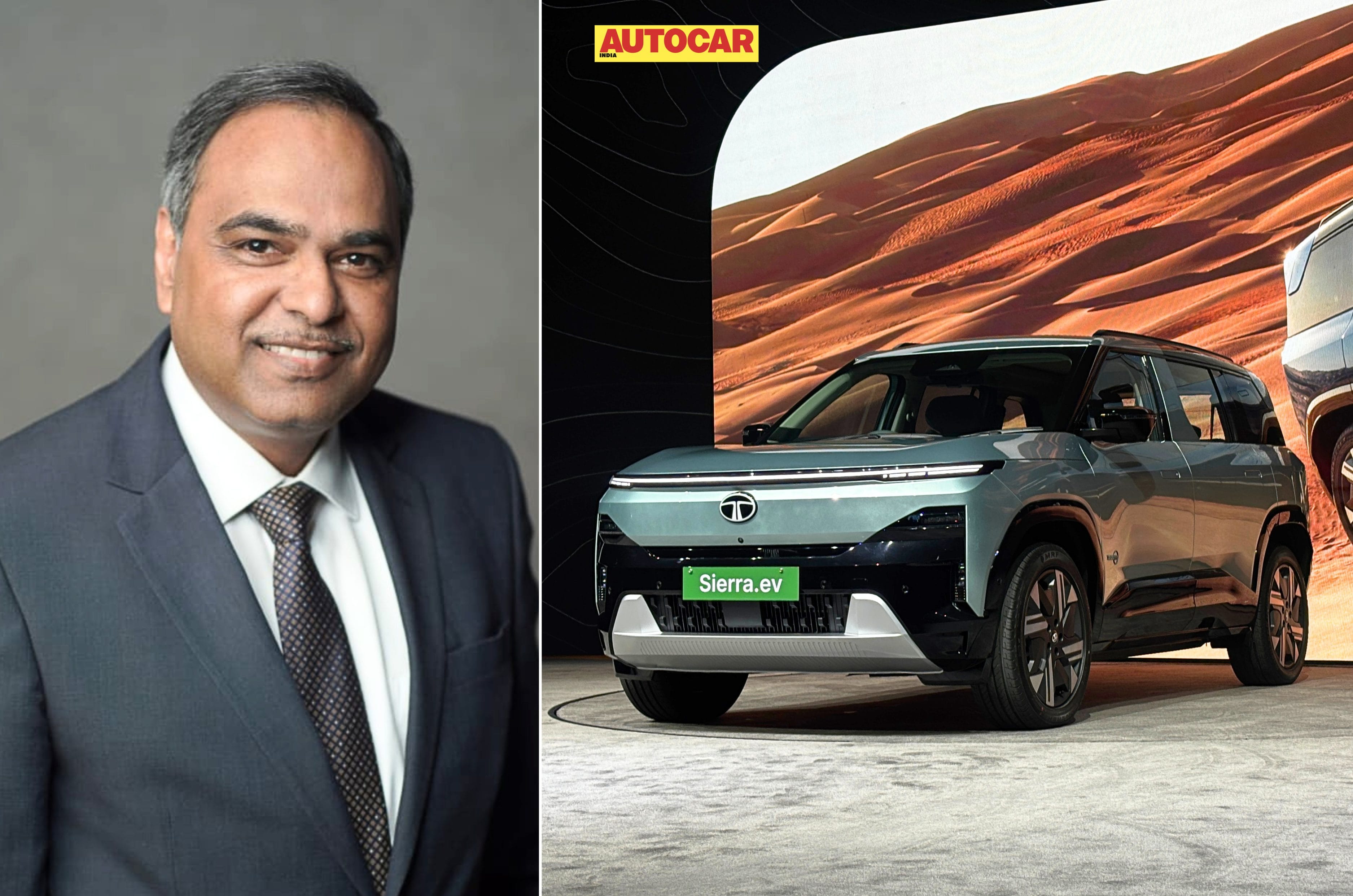
Tata Motors has begun preparations to enter the UK passenger vehicle market, with the company estimating the process will take around two-and-a-half years. The move comes ahead of the India-UK Comprehensive Economic and Trade Agreement (CETA), which will gradually allow duty-free exports of Indian-built electric vehicles to the UK through an annual quota system.
Certification and dealer network planning already underway
Duty-free EV quota to rise to 88,000 units annually under FTA
Avinya EV range being developed with global markets in mind
Preparations underway for UK market entry
Speaking on the sidelines of the Sierra EV launch, Tata Motors Passenger Vehicles Managing Director and CEO Shailesh Chandra said the company has already started work on its UK market entry. “We are starting to tap that market opportunity. The go-to-market plan itself requires about two to two-and-a-half years of work, and that process has now begun,” Chandra said.
Chandra said preparing for the UK market involves a lengthy process that includes vehicle certification, compliance with local regulations and establishing distribution and after-sales operations. He did not indicate when commercial sales would begin.
Trade pact to open phased EV exports
Under the India-UK trade agreement, Indian-built electric vehicles will receive duty-free access to the UK through an annual quota from the sixth year of the agreement. The quota will begin at 17,600 vehicles a year and gradually increase to 88,000 units annually by the fifteenth year.
The UK is expected to be one of Tata Motors’ first new passenger vehicle export markets. As a right-hand-drive market, it requires fewer engineering changes than left-hand-drive markets for vehicles developed in India.
Exports to support future growth
The export plans come as Tata Motors expands its EV portfolio with the Sierra EV and the upcoming Avinya range. Our sister publication, Autocar Professional had earlier reported that the Avinya programme is being developed with global markets in mind, although Tata Motors has not yet disclosed which overseas markets it will enter first.
At its Investor Day earlier this year, Tata Motors said it plans to increase annual passenger vehicle sales to more than 1.2 million units by FY31 while expanding its portfolio from nine to 15 models. Exports are expected to play a bigger role in supporting that growth over the coming years.
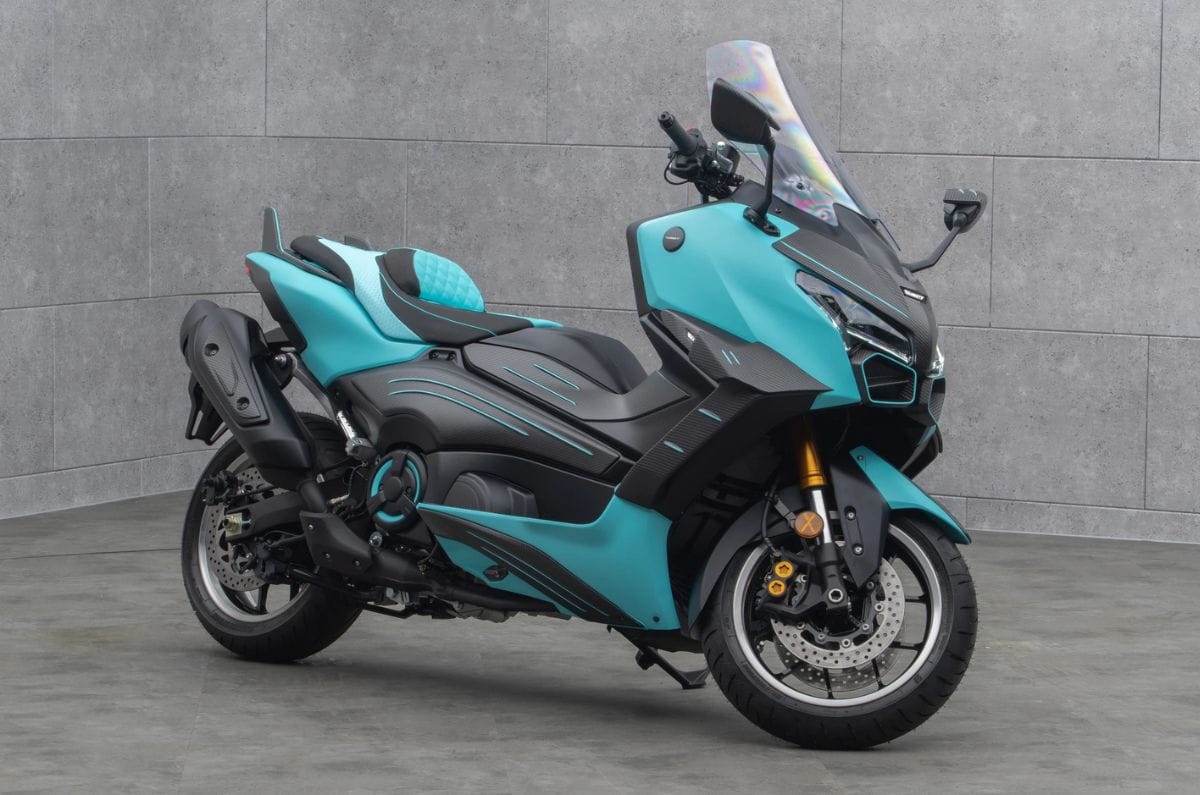
After the Vespa Monaco edition, Mansory have revealed a customized Yamaha T-Max. The maxi scooter gets dual tone colour scheme pairing light blue and black along with a lot of carbon fibre parts all around.
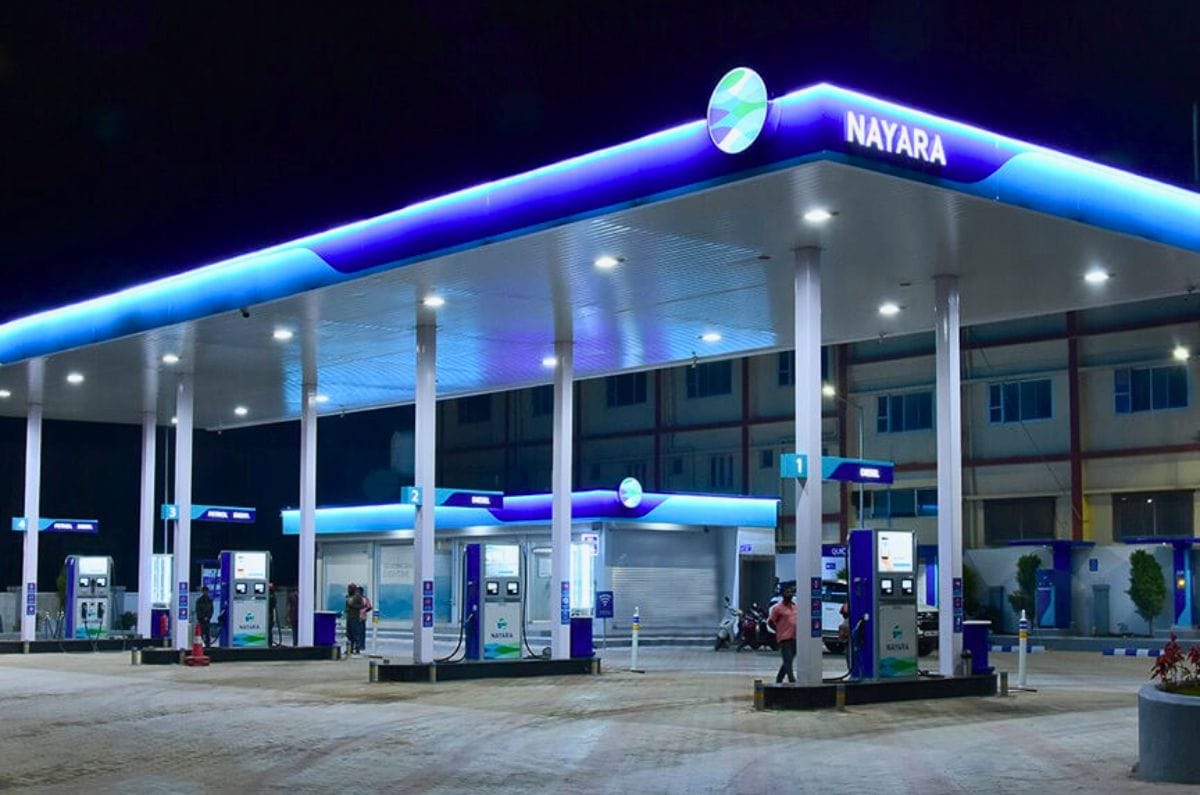
Nayara Energy has slashed its petrol and diesel prices across India by Rs 5 per litre and Rs 3 per litre, respectively. With this, Nayara petrol price in Mumbai stands at Rs 111.66 per litre while diesel is Rs 97.99 per litre, both of which are similar to the fuel prices at the state-owned Indian Oil, HP and Bharat Petroleum pumps.
First price cut after a reduction in global crude oil rates
Marks a full reversal of Nayara’s fuel prices after March 2026 hike
Nayara is the country’s largest privately owned petrol pump network with over 7,000 fuel pumps, and the price cut is effective across India. The latest price cuts essentially reverse the previous hike from March 2026, when petrol and diesel prices rose by Rs 5 per litre and Rs 3 per litre, respectively. However, prices will vary from one state to another based on the taxes imposed on them.
This move comes after global oil prices have fallen due to easing geopolitical conflicts between Iran and the USA, and reduced concerns of oil supply disruptions. Notably, this is the first time retail fuel prices have been reduced after crude oil costs started falling. However, petrol and diesel prices at state-owned fuel pumps, such as Indian Oil, HP and Bharat Petroleum, are yet to be revised.
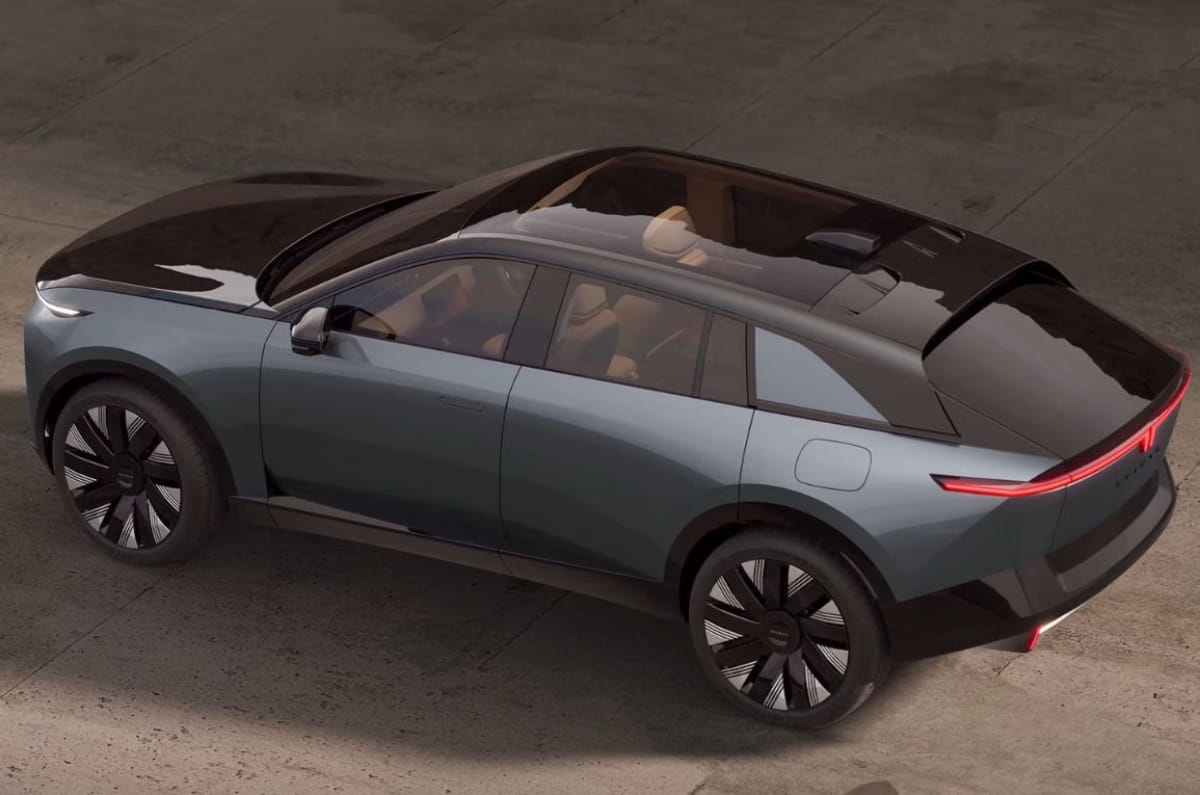
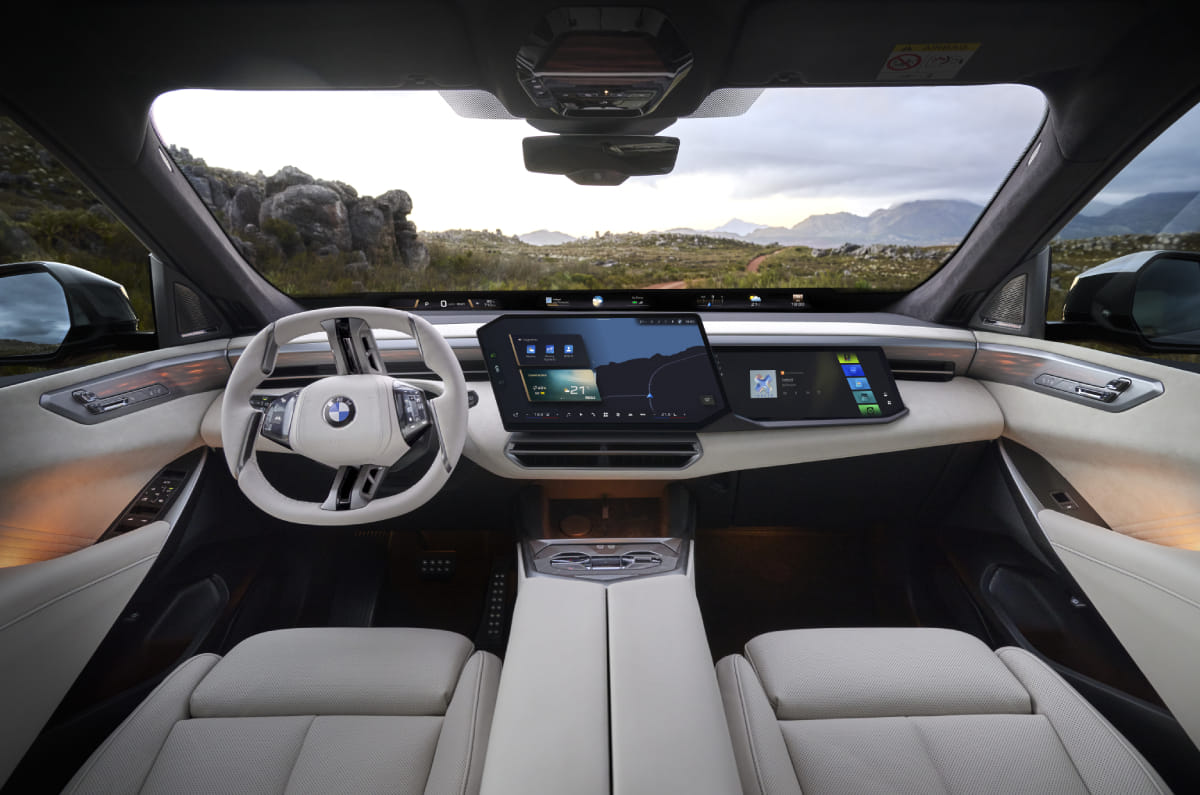
The fifth-generation BMW X5 gets an all-new cabin with fewer physical controls and a stronger focus on digital displays. A new Panoramic iDrive display stretches across the base of the windscreen, complemented by a 17.9-inch central touchscreen, an optional passenger display and a 3D head-up display. The SUV also gets a new steering wheel, fresh trim finishes and extended ambient lighting. Depending on the variant, buyers can opt for ventilated and massage front seats, four-zone climate control, a Bowers & Wilkins audio system, soft-close doors and a dedicated rear climate control touchscreen.
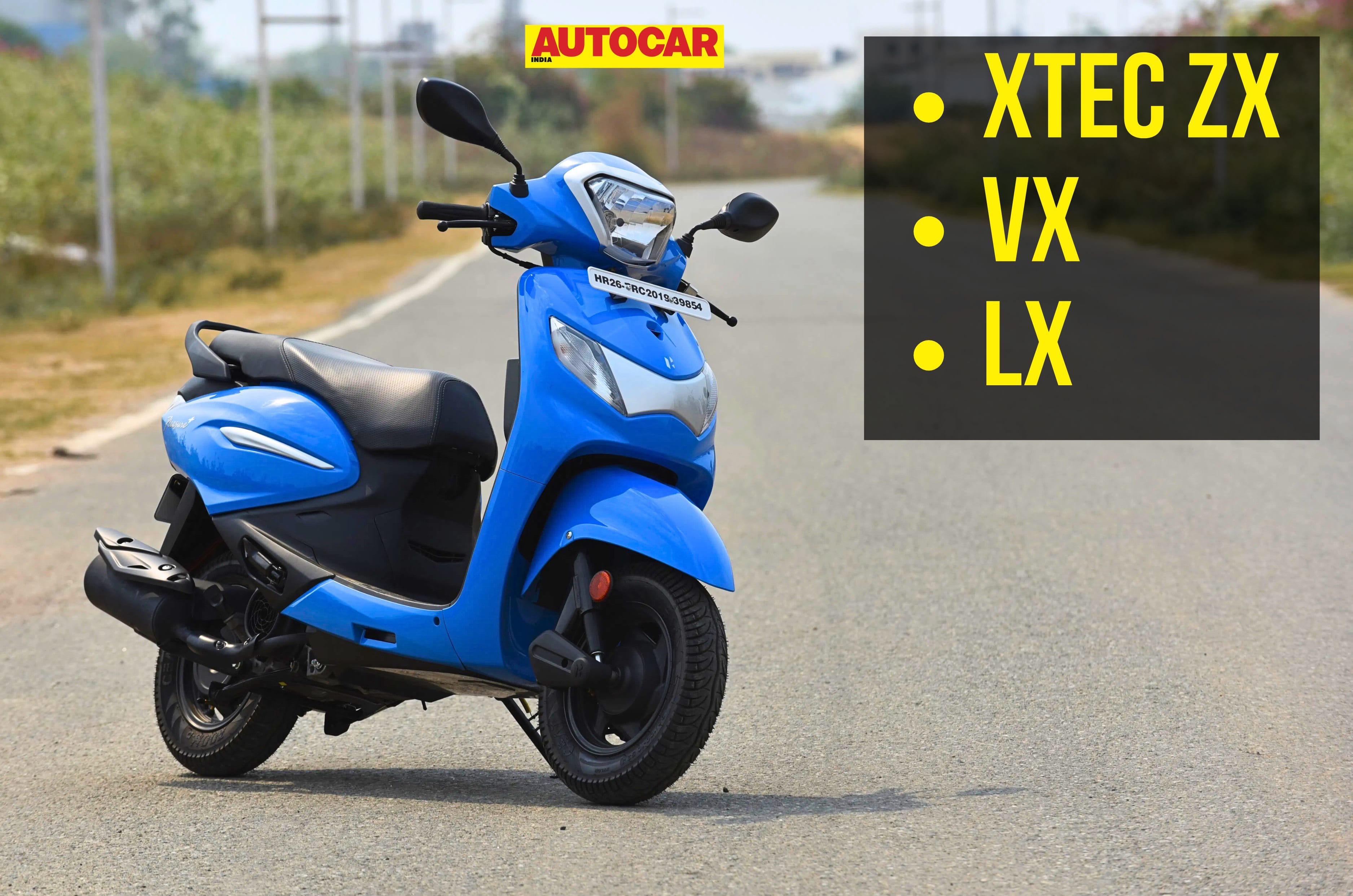
The Pleasure+ is one of Hero’s longest-running scooters on sale. It is also the brand’s most affordable scooter and is available in three variants. Here’s a feature breakdown of those variants.
The Pleasure+ Xtec is available in three variants
LX
All three variants are mechanically identical and powered by the same 109.5cc single-cylinder air-cooled engine. The differences between them are limited to features and equipment.
The LX is the base variant of the Pleasure+. It rides on steel wheels instead of cast alloy wheels and does not get telescopic front suspension. This variant also misses out on Hero’s i3S idle start-stop system and Bluetooth connectivity.
It features a fully analogue instrument cluster and a halogen headlight. While chrome fascia and accents are present, it does not offer a pillion backrest. The inner panel is also finished in black.
The Base LX variant of the Pleasure+ is priced at Rs 69,766 (ex-showroom, Delhi).
VX
The VX sits above the LX and adds telescopic front suspension along with cast alloy wheels. It also gets the i3S idle start-stop system.
The instrument cluster is a digi-analogue unit, but Bluetooth connectivity is still not offered. Lighting duties continue to be handled by a halogen headlight. Like the LX, it does not get a pillion backrest, and the inner panel remains black with chrome accents.
At Rs 72,779, the VX commands a premium of Rs 3,013 over the LX for the added equipment.
XTEC ZX
The XTEC ZX is the top-spec variant in the Pleasure+ line-up. It gets telescopic suspension, cast alloy wheels and the i3S system, similar to the VX.
In addition, it features Bluetooth connectivity paired with a fully digital instrument cluster. It also gets a projector LED headlamp and a dual-textured inner panel finish. This is the only variant to offer a pillion backrest.
At Rs 77,162, the XTEC ZX costs Rs 4,383 more than the VX and Rs 7,396 more than the LX, positioning it as the most feature-rich version in the range.
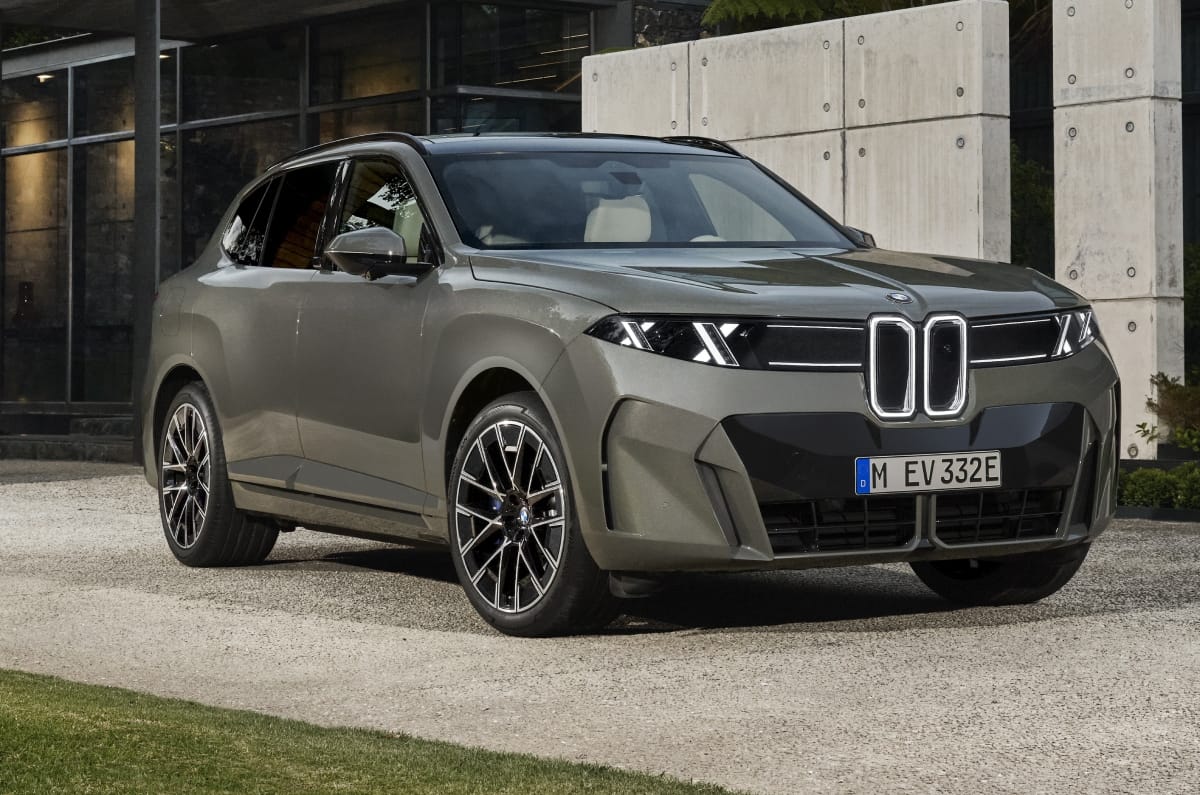
BMW has unveiled the fifth-generation X5 with a completely redesigned exterior based on its latest Neue Klasse design language. While it retains its familiar SUV proportions, the new X5 gets a taller front end, new lighting signatures, cleaner surfacing and new ‘BMW Winglet’ door handles integrated into the bodywork. The luxury SUV gets slimmer tail-lamps, redesigned bumpers, 11 exterior colours and alloy wheels ranging from 21 to 23 inches. The new X5 will be offered globally with petrol, diesel, plug-in hybrid, electric and, later, hydrogen powertrains.
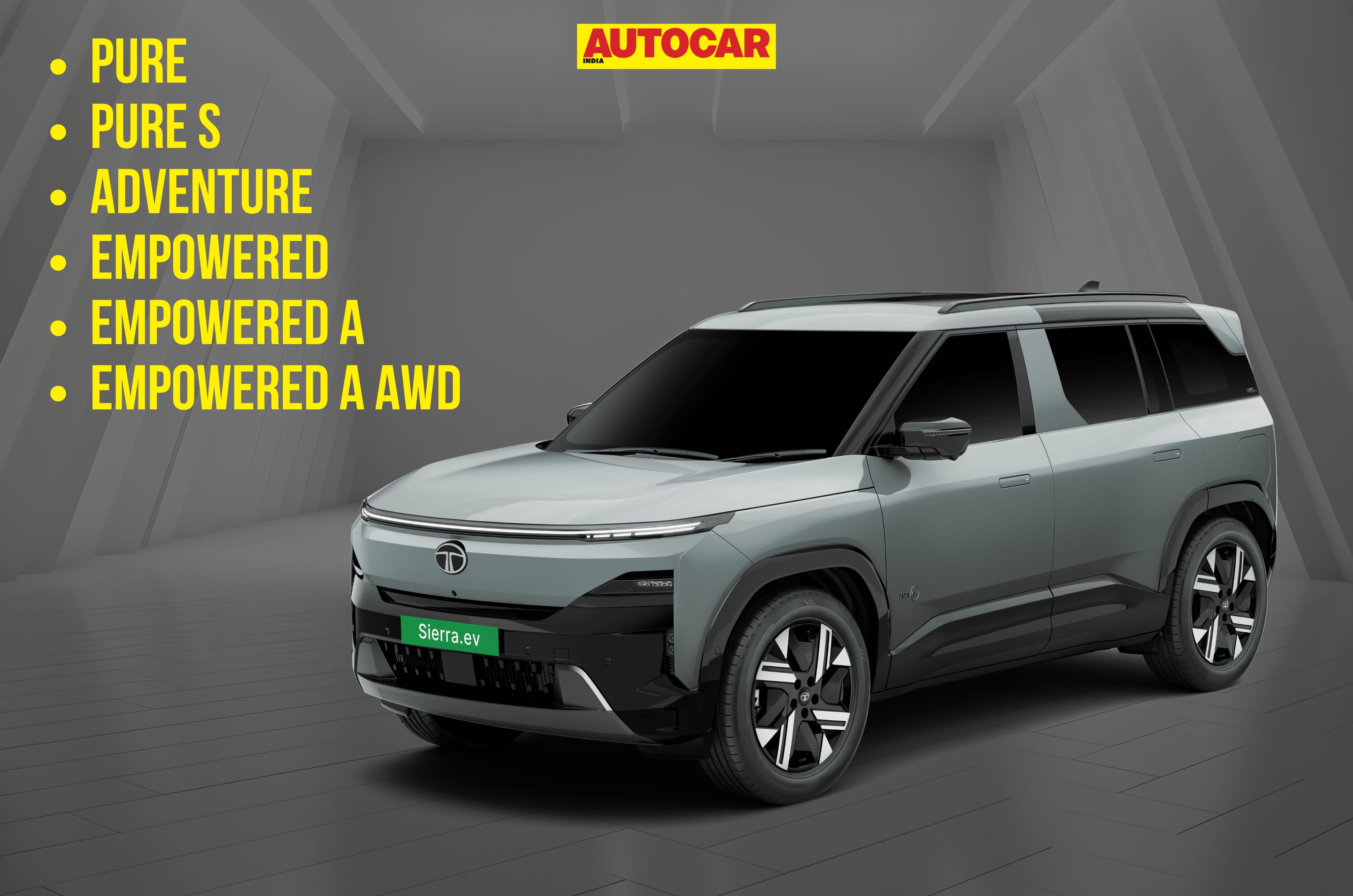
The new Tata Sierra EV is positioned right between the Curvv and Harrier electric SUVs in Tata Motors’ ever expanding EV lineup. Sharing a lot of features and even mechanical underpinnings with the Harrier EV, it is Tata’s second car to now get an optional all-wheel drive (AWD) system. In this feature, we break down what each Sierra EV variant offers and explain which one makes the most sense to buy.
Tata Sierra EV prices and powertrain specs
Tata Sierra EV variant-wise prices (Rs lakh)*
Trim
63kWh
75kWh
Pure
18.79
–
Pure S
19.99
–
Adventure
20.99
22.19
Empowered
22.79
23.79
Empowered A
–
24.79
Empowered A AWD
25.99
*7.2kW home charger and its installation cost an extra Rs 49,000.
The Sierra EV is priced towards the higher end of the midsize electric SUV segment, sitting close to the Mahindra BE 6, which is priced between Rs 18.9 lakh and Rs 26.9 lakh. The Sierra EV is available with 63kWh and 75kWh battery pack options, and both get a rear-mounted electric motor producing 315Nm. The 63kWh variants develop 238hp, while the 75kWh versions produce 209hp. The larger battery is also available with a dual-motor AWD option, which adds a 140hp front motor; combined torque output from this AWD setup is rated at 504Nm. With Boost Mode activated, the AWD version can sprint from 0-100kph in a claimed 5.8 seconds.
Tata Motors claims an MIDC-certified range of 665km for the 75kWh RWD variants, 624km for the 75kWh AWD version and 535km for the 63kWh variants. Using a 120kW DC fast charger, the battery can gain up to 263km of range in 15 minutes, while a 20-80 percent charge takes around 26 minutes. Using a 7.2kW AC charger, the 63kWh battery takes 8.9 hours to charge from 10-100 percent, while the 75kWh battery takes 10.5 hours.
Tata Sierra EV colour options
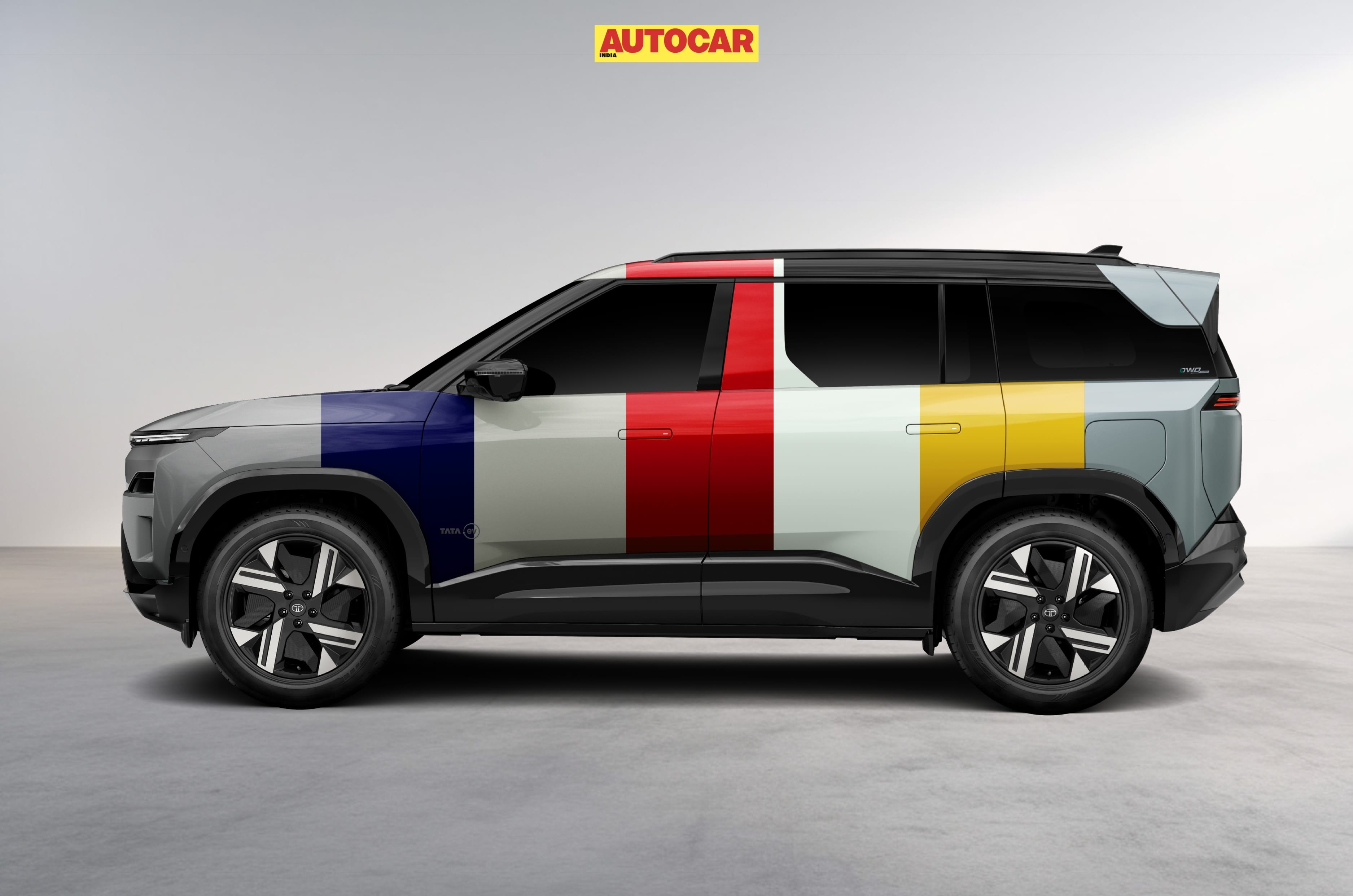
The Tata Sierra EV is offered in seven monotone colour options: Rishikesh Rapids, Nainital Nocturne, Coorg Clouds, Pure Grey, Pristine White, Andaman Adventure and Bengal Rouge. Of these, Rishikesh Rapids and Nainital Nocturne are exclusive to the Sierra EV, while the remaining colours are also available on the ICE-powered Sierra.
The entry-level Pure trim is available in Coorg Clouds, Pure Grey and Pristine White. The Adventure trim adds Andaman Adventure and Bengal Rouge, while the top-spec Empowered variant also gets Rishikesh Rapids. Nainital Nocturne is reserved exclusively for the Sierra EV AWD.
Tata Sierra EV variant-wise features
Pure
Rs 18.79 lakh
6 airbags
All-wheel disc brakes
Electronic stability program (ESP)
Rain-sensing wipers
Hill hold control
Hill descent control
Traction control system (TCS)
Electronic parking brake with auto hold
Electronic brakeforce distribution (EBD)
Antilock braking system (ABS)
Central lock
Tyre pressure monitoring system (TPMS)
Tyre repair kit
Rear wiper and washer
Rear camera
Push button start/ stop
10.25-inch driver’s display
12.3-inch touchscreen
Wireless Android Auto and Apple CarPlay
8 speakers
Amazon Alexa voice assistant
Connected car tech
Over the air (OTA) updates
2 front USB Type-C ports (15W multimedia and 65W charging)
2 rear 65W USB Type-C ports
Tilt and telescopic adjustment for the steering wheel
Steering mounted controls
Paddle shifters for regenerative braking
Cruise control
Manually adjustable front seats
Manual IRVM
Height-adjustable front seatbelts
Front armrest with storage
Cooled glovebox
Automatic AC
PM 2.5 air purifier
Drive modes: Economy, City and Sports
Valet mode
Power windows
EV route planner for Android Auto
Adjustable headrests at the front and rear
Rear AC vents
Rear window sunshade
Automatic LED projector headlamps
LED DRLs and tail lamps
18-inch alloy wheels
Electrically adjustable ORVMs with turn indicators
Which Tata Sierra EV variant should you consider buying?
We recommend the Rs 19.99 lakh-Pure S trim, which packs passenger convenience features such as a panoramic sunroof, a 10.25-inch digital driver’s display, a 12.3-inch touchscreen, wireless Android Auto and Apple CarPlay, an eight-speaker audio system, automatic climate control and cruise control. It comes only with the 63kWh battery pack, which offers a real-world range of 440-460km, according to Tata’s C75 tests (represents a real-world range figure that can be expected by buyers). This should be more than sufficient for daily office commutes as well as highway trips.
However, if your budget allows, the Rs 22.19 lakh-Adventure trim with the 75kWh battery pack is worth considering. It’s the most affordable Sierra EV variant with the larger 75kWh battery pack, which increases the claimed real-world range to 510-530km, as per Tata’s C75 tests. Besides the longer range, it also adds features such as a 360-degree camera with blind-spot view, Boss mode, a wireless phone charger, a 12-speaker JBL Black audio system, Dolby Atmos, AirConsole remote gaming support and more.
Ex-showroom prices mentioned above are as of July 1, 2026.
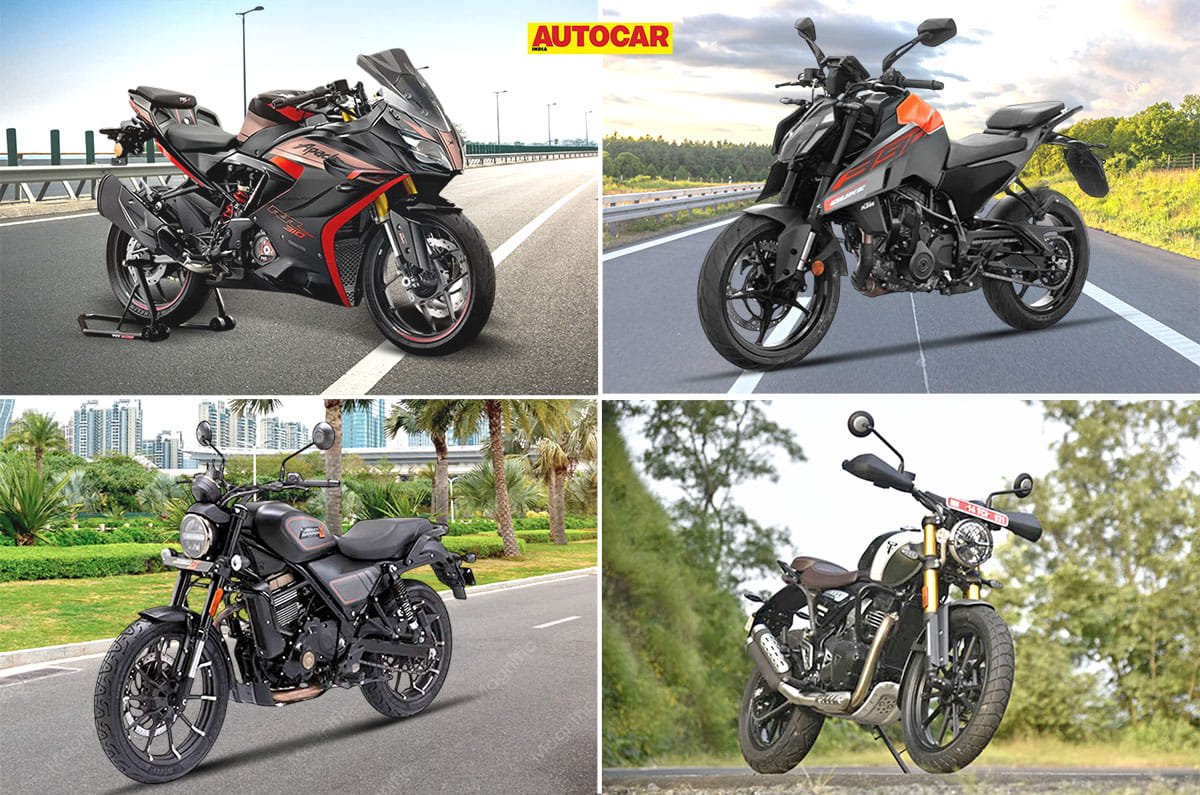
The sub-Rs 3 lakh motorcycle segment offers a wide variety of options today, ranging from performance-focused naked bikes and fully faired sportbikes to modern classics and scramblers.
Here are the 4 standout bikes in this price range and exactly why they stand out.
All prices are ex-showroom, Delhi.
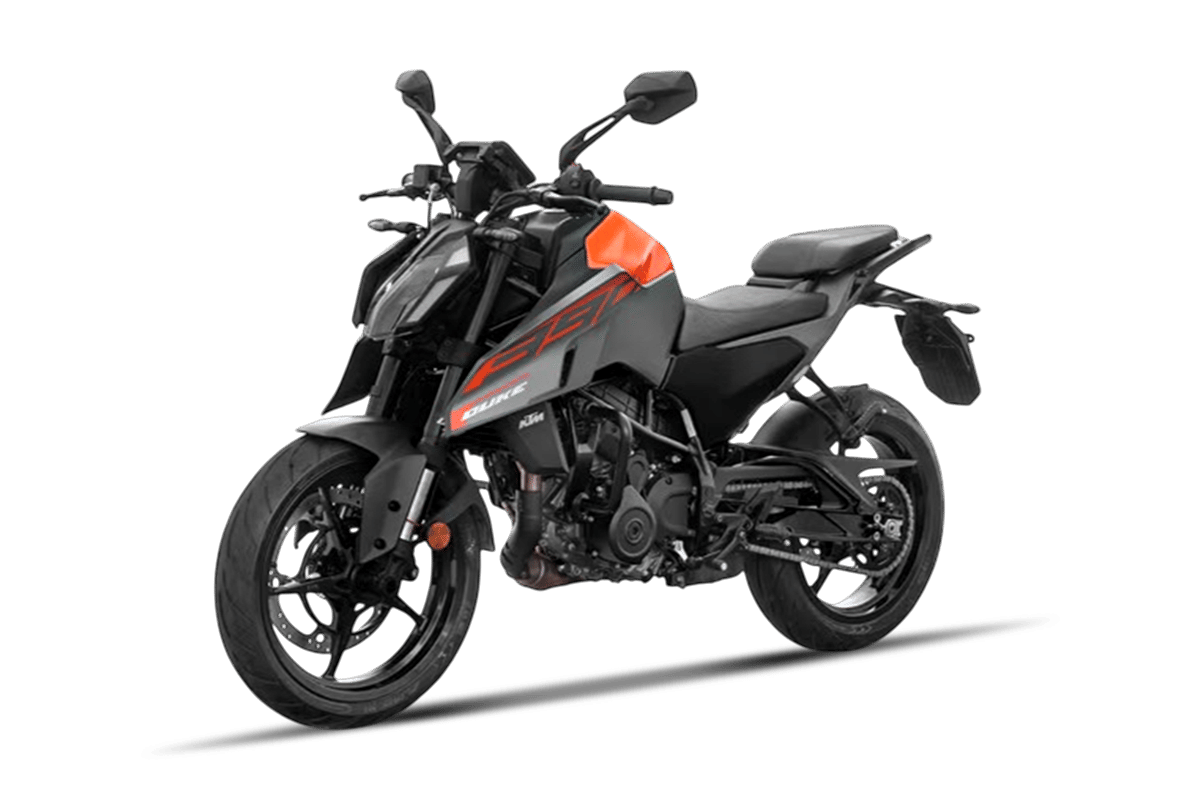
KTM 390 Duke
Price: Rs 2.79 lakh
The KTM 390 Duke remains one of the benchmarks in this price bracket. Powered by a 349cc liquid-cooled single-cylinder engine producing 41.5hp, it is among the most powerful motorcycles available below Rs 3 lakh.
The latest-generation Duke also benefits from a comprehensive electronics package that includes riding modes, launch control, traction control and a TFT display. It also gets a fully adjustable suspension as standard, a feature that remains rare in this price range. Combined with its relatively low kerb weight of 168.3kg, the 390 Duke continues to offer performance and handling that few motorcycles in this segment can match. You can also browse the complete range of KTM bikes in India for more choices.
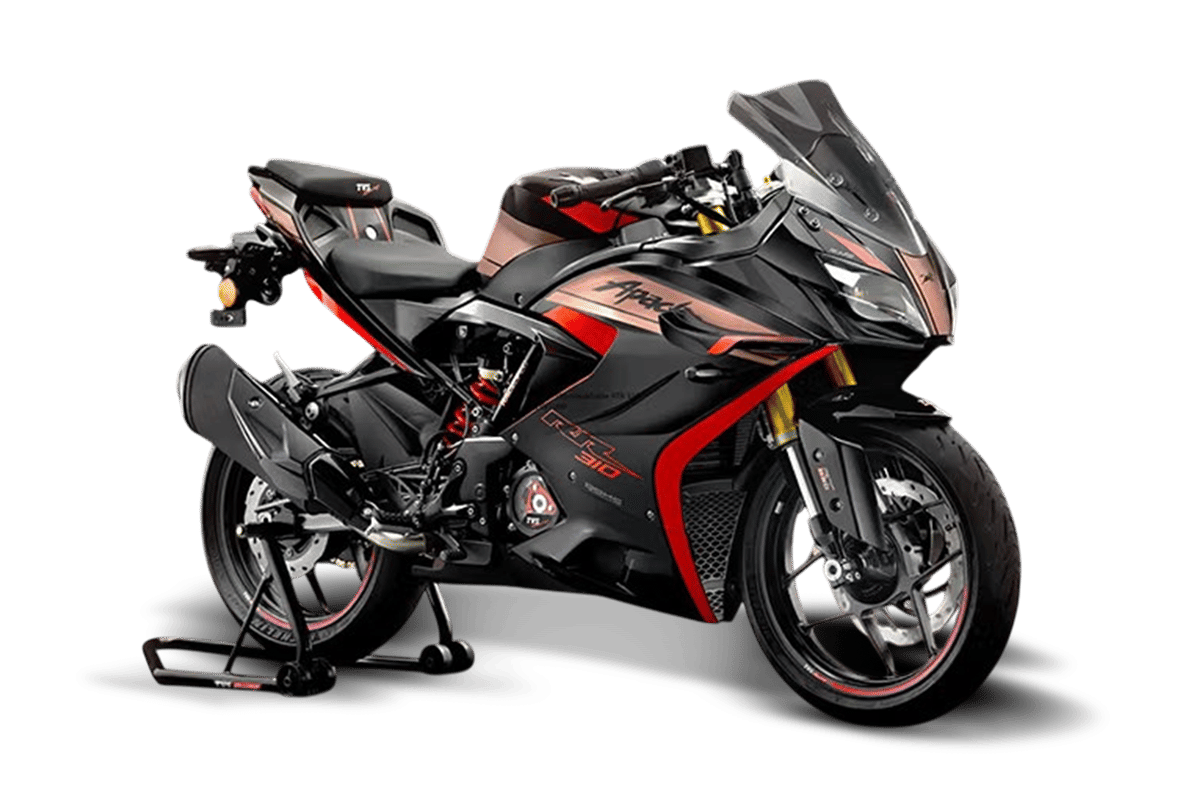
TVS Apache RR 310
Price: Rs. 2.63 – Rs. 2.79 lakh
The Apache RR 310 is TVS’ flagship supersport motorcycle and remains one of the few fully-faired options in this price range. Its 312.2cc liquid-cooled engine produces 38hp, while the fully-faired design helps differentiate it from the plethora of naked bikes available at this price point.
Over the years, TVS has steadily updated the RR 310 with additional features and electronic aids. Performance remains one of its strongest attributes, with TVS claiming the motorcycle can accelerate from 0-60kph in 2.82 seconds and 0-100kph in 6.74 seconds. Combined with its relatively comfortable ergonomics and extensive feature set, the RR 310 continues to offer a balance of everyday usability. For more options from the brand, explore all TVS bikes in India.
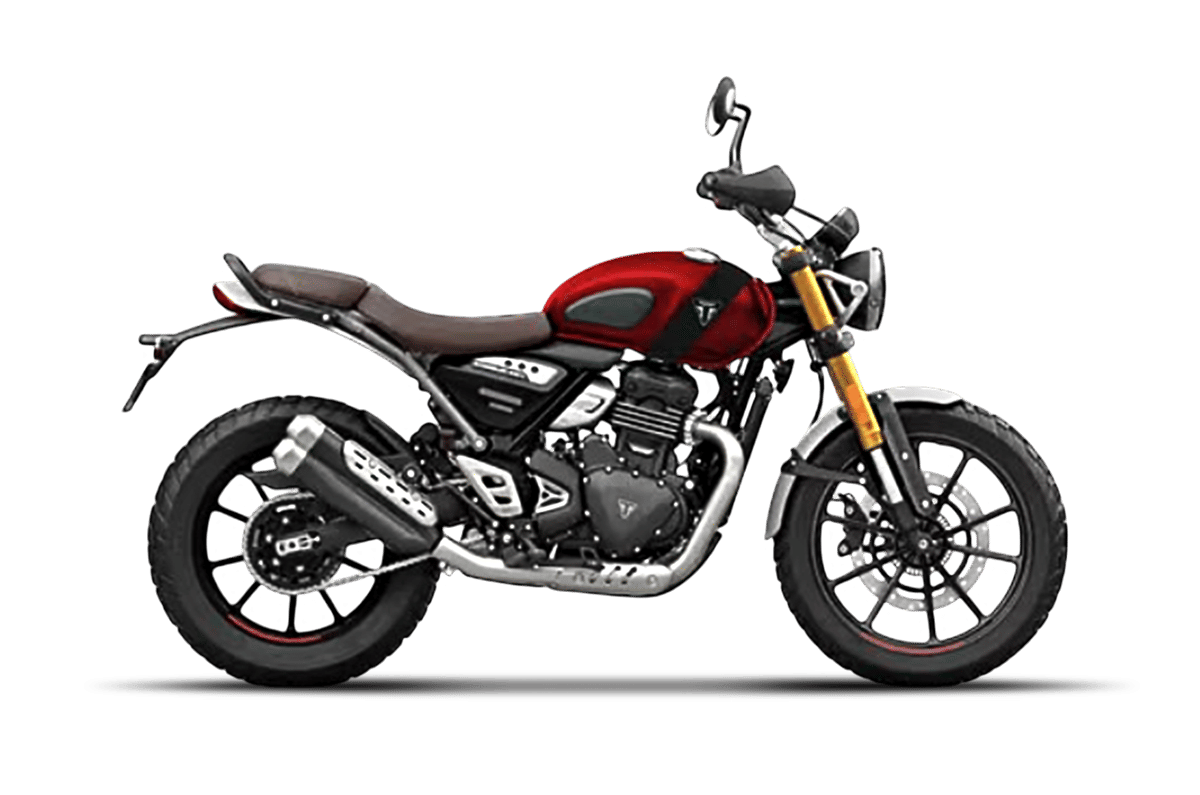
Triumph Scrambler 400 X
Price: Rs 2.60 lakh
The Scrambler 400 X is based on the same platform as the Speed 400 but feels like a noticeably different motorcycle. It gets a 19-inch front wheel, longer-travel suspension and a taller 835mm seat height, which gives it a bigger and more commanding feel on the road.
Power comes from the same 349cc liquid-cooled single-cylinder engine producing 37hp, paired with a six-speed gearbox. It is also one of the more versatile motorcycles in this price range, with wider handlebars, relaxed ergonomics and 195mm ground clearance that help it tackle broken roads. Interested in other models from the brand? Check out all Triumph bikes in India.
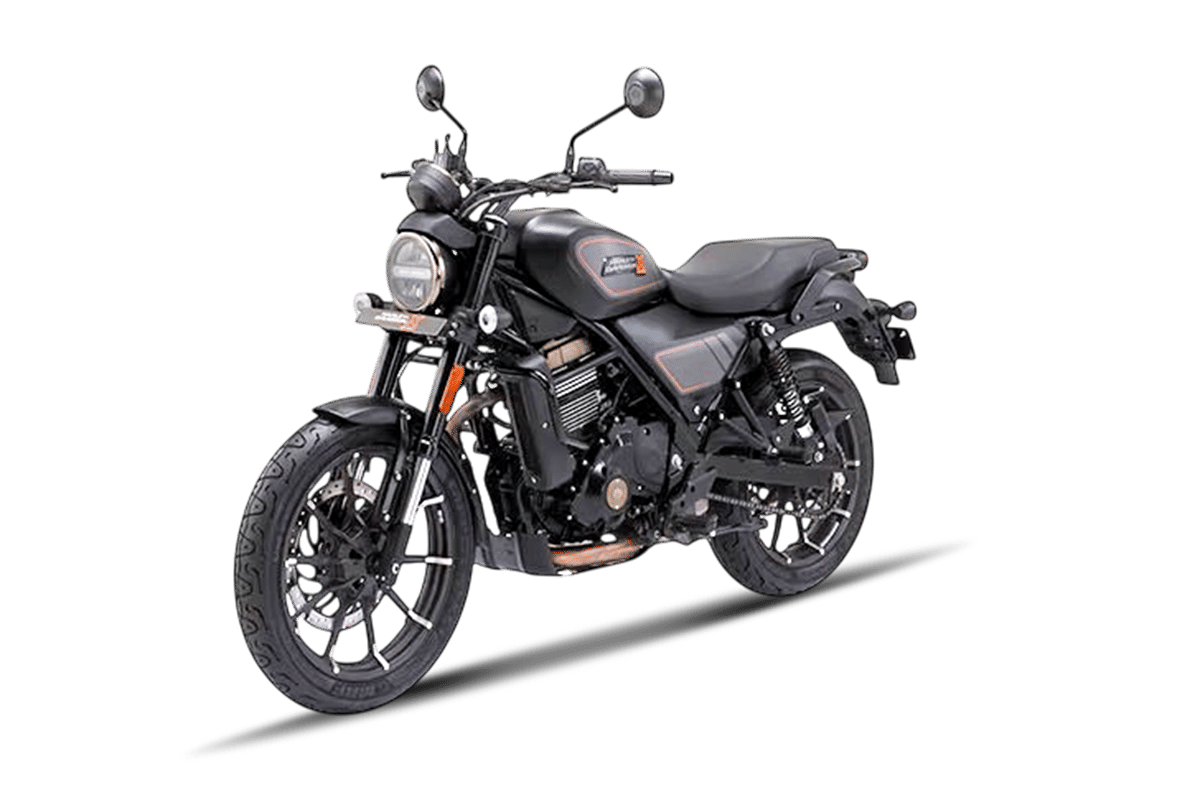
Harley-Davidson X440
Price: Rs. 2.35 lakh – Rs 2.84 lakh
The X440 marked Harley-Davidson’s entry into the accessible single-cylinder segment in India. Its 440cc air/oil-cooled engine produces approx 27hp, but the star of the show here is the 38Nm of torque, spread across the low and mid-range, which is the highlight of the riding experience.
Unlike some of the higher-revving motorcycles on this list, the X440 delivers its performance in a more relaxed manner. The torquey nature of the engine and comfortable ergonomics, as well as pliant suspension, make it particularly well-suited to everyday commuting as well as highway trips. For more options from the brand, explore all Harley-Davidson bikes in India.
Conducted in association with Spinny, India’s leading pre-owned car platform, the fourth edition of our Used Car Study analyses real-world resale values across a broad spectrum of vehicles sold in the Indian market in order to assess depreciation trends over a five-year ownership period. The study is based on actual transactional data shared by Spinny for vehicles sold between January 1 and August 31, 2025.
In this part of the resale value study series, we now take a look at the compact sedan segment:
Compact sedan resale value
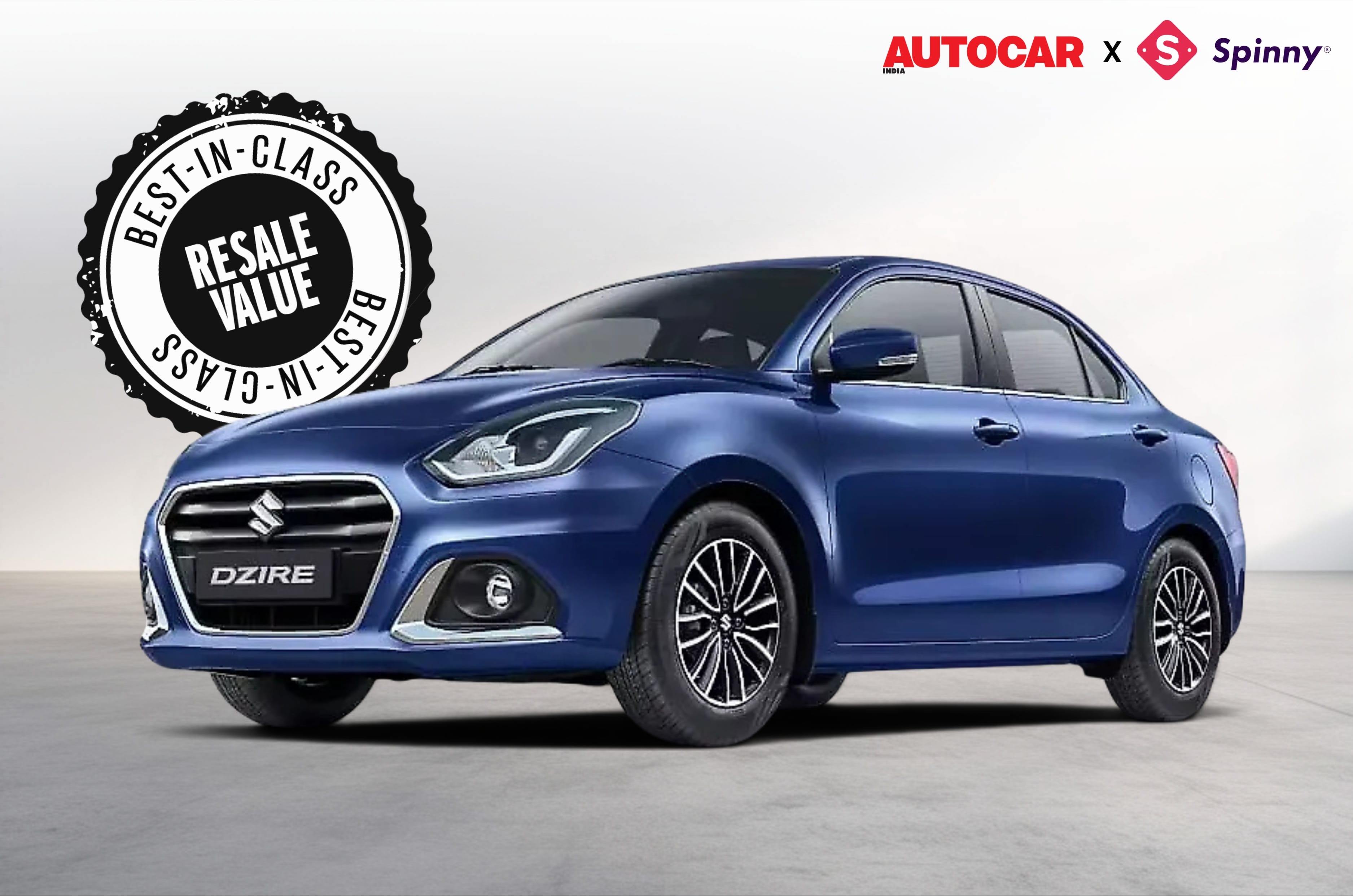
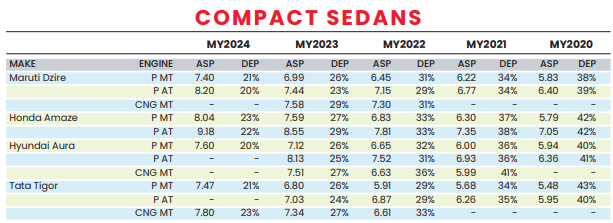
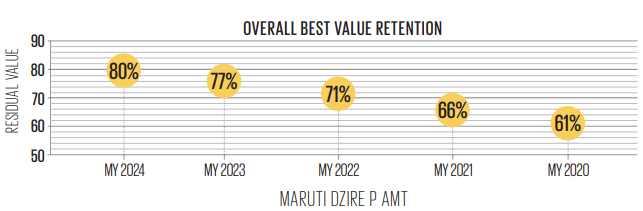
The Maruti Dzire continues to dominate the compact sedan segment in terms of resale value retention. Its immense popularity in the new car market directly translates to strong residuals in the used market, helping it maintain the lowest average depreciation.
Following closely behind is the Tata Tigor petrol-manual, although examples over two years old tend to record the lowest average resale prices in the category, making them attractive value propositions for budget-conscious used car buyers. Meanwhile, though the Honda Amaze depreciates more, its average prices are higher than the Dzire.
As per the study, the average selling price of a five-year-old compact sedan retailed through Spinny was Rs 6.10 lakh. Comparable figures for three-year-old and one-year-old compact sedans were Rs 6.88 lakh and Rs 7.95 lakh, respectively. Average depreciation over the same periods worked out to 46.4 percent, 31.55 percent and 21.4 percent, respectively.
Autocar-Spinny resale value study methodology
The analysis covers the average selling prices (ASPs) of vehicles retailed through Spinny’s network across nine cities – Delhi-NCR, Bengaluru, Hyderabad, Pune, Chennai, Mumbai, Lucknow, Ahmedabad and Kolkata.
For the purposes of this study, depreciation has been defined as the percentage difference between a vehicle’s original on-road price in its year of manufacture and its resale value in 2025. In instances where a model was offered with multiple engine options using the same fuel type, the data has been consolidated and averaged. Variant-wise differences have similarly been averaged out.
Discontinued models and powertrain options have been excluded. Additionally, premium vehicles priced above Rs 30 lakh, electric vehicles and certain low-volume models have not been included due to limited transaction data and insufficient sample sizes.
Conducted in association with Spinny, India’s leading pre-owned car platform, the fourth edition of our Used Car Study analyses real-world resale values across a broad spectrum of vehicles sold in the Indian market in order to assess depreciation trends over a five-year ownership period. The study is based on actual transactional data shared by Spinny for vehicles sold between January 1 and August 31, 2025.
In this part of the resale value study series, we now take a look at the compact sedan segment:
Compact sedan resale value
The Maruti Dzire continues to dominate the compact sedan segment in terms of resale value retention. Its immense popularity in the new car market directly translates to strong residuals in the used market, helping it maintain the lowest average depreciation.
Following closely behind is the Tata Tigor petrol-manual, although examples over two years old tend to record the lowest average resale prices in the category, making them attractive value propositions for budget-conscious used car buyers. Meanwhile, though the Honda Amaze depreciates more, its average prices are higher than the Dzire.
As per the study, the average selling price of a five-year-old compact sedan retailed through Spinny was Rs 6.10 lakh. Comparable figures for three-year-old and one-year-old compact sedans were Rs 6.88 lakh and Rs 7.95 lakh, respectively. Average depreciation over the same periods worked out to 46.4 percent, 31.55 percent and 21.4 percent, respectively.
Autocar-Spinny resale value study methodology
The analysis covers the average selling prices (ASPs) of vehicles retailed through Spinny’s network across nine cities – Delhi-NCR, Bengaluru, Hyderabad, Pune, Chennai, Mumbai, Lucknow, Ahmedabad and Kolkata.
For the purposes of this study, depreciation has been defined as the percentage difference between a vehicle’s original on-road price in its year of manufacture and its resale value in 2025. In instances where a model was offered with multiple engine options using the same fuel type, the data has been consolidated and averaged. Variant-wise differences have similarly been averaged out.
Discontinued models and powertrain options have been excluded. Additionally, premium vehicles priced above Rs 30 lakh, electric vehicles and certain low-volume models have not been included due to limited transaction data and insufficient sample sizes.