Govt clarifies stance on calling E20 programme an ‘experiment’ to Supreme Court

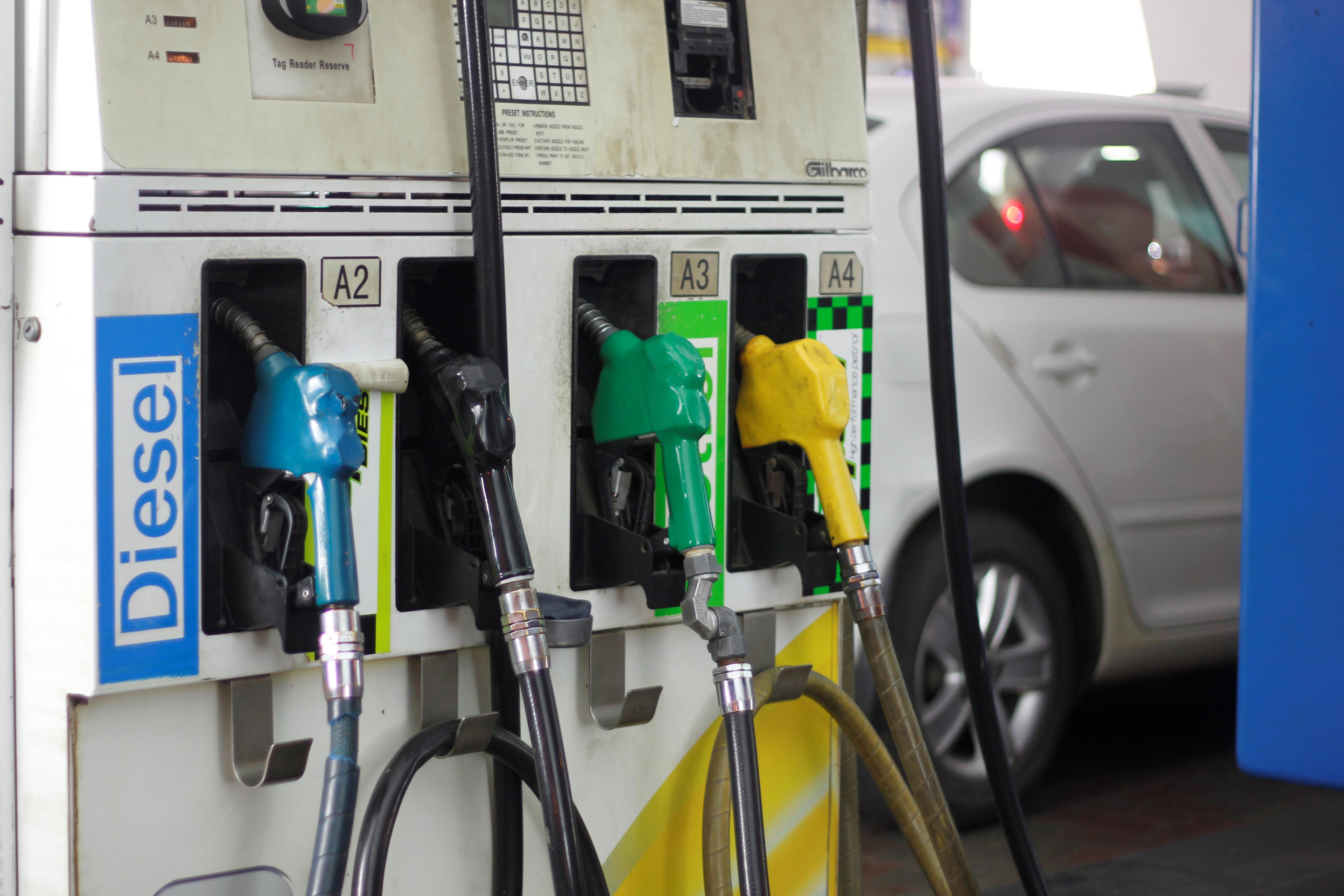
Fuel pump

The Office of the Attorney General for India has issued a clarification stating that media reports published on June 30 claiming the Government described the 20% Ethanol Blended Petrol (E20) programme as an “experiment” before the Supreme Court are incorrect. 

It was previously reported that while hearing Bharat Petroleum Corporation Limited (BPCL)’s appeal against a Karnataka High Court Order, the Attorney General told the court that the E20 programme was, quote unquote, an “experiment” and that its impact would be “clear by next year”. The Karnataka High Court’s order mandates that government-owned oil companies must honour their contractual agreements to purchase specific volumes of ethanol from a dedicated factory, preventing them from unfairly reducing orders. The Supreme Court, however, has put a hold on the order as oil companies argued that it could affect the nationwide E20 rollout policy proposed by the Central government.   

This comes at a time when the rollout of E20 has caused a lot of stir, especially among owners of older vehicles who have been experiencing drops in fuel efficiency. Moreover, it has been a year since the nationwide rollout of E20 blended petrol was implemented.

What did the clarification mention?

According to the statement, reports suggesting that the Attorney General told the Court the E20 programme was “still an ongoing experiment” or that “the impact of the policy would become clearer by next year” are “completely false” and do not reflect the submissions made on behalf of the Union of India. The Attorney General’s Office emphasised that “at no stage was any submission made that the Government’s Ethanol Blended Petrol (EBP) Programme or the E20 blending programme is an ‘experiment’.”

The Attorney General’s Office said that during the hearing, the submissions before the Supreme Court were confined to the litigation surrounding ethanol allocation to Dedicated Ethanol Plants. It informed the Court that similar writ petitions involving identical issues are pending before different High Courts and that Transfer Petitions are being filed to bring the matters before the Supreme Court for a common adjudication.

According to the clarification, the purpose of the proposed transfer is to avoid parallel proceedings and the possibility of conflicting judicial decisions, while enabling an expeditious resolution of the litigation so that ethanol supplies to Oil Marketing Companies for maintaining 20% ethanol blending with petrol under the national Ethanol Blended Petrol Programme are not affected.

The statement further said that, after considering these submissions, the Supreme Court held that the proposed Transfer Petitions should be filed and that status quo should continue with respect to ethanol allocation for the current Ethanol Supply Year 2025-26, insofar as the present matter is concerned.

With inputs from Mukul Yudhveer Singh

Kia Seltos GTX(O), X-Line(O) variants launched at Rs 21.57 lakh

kia seltos

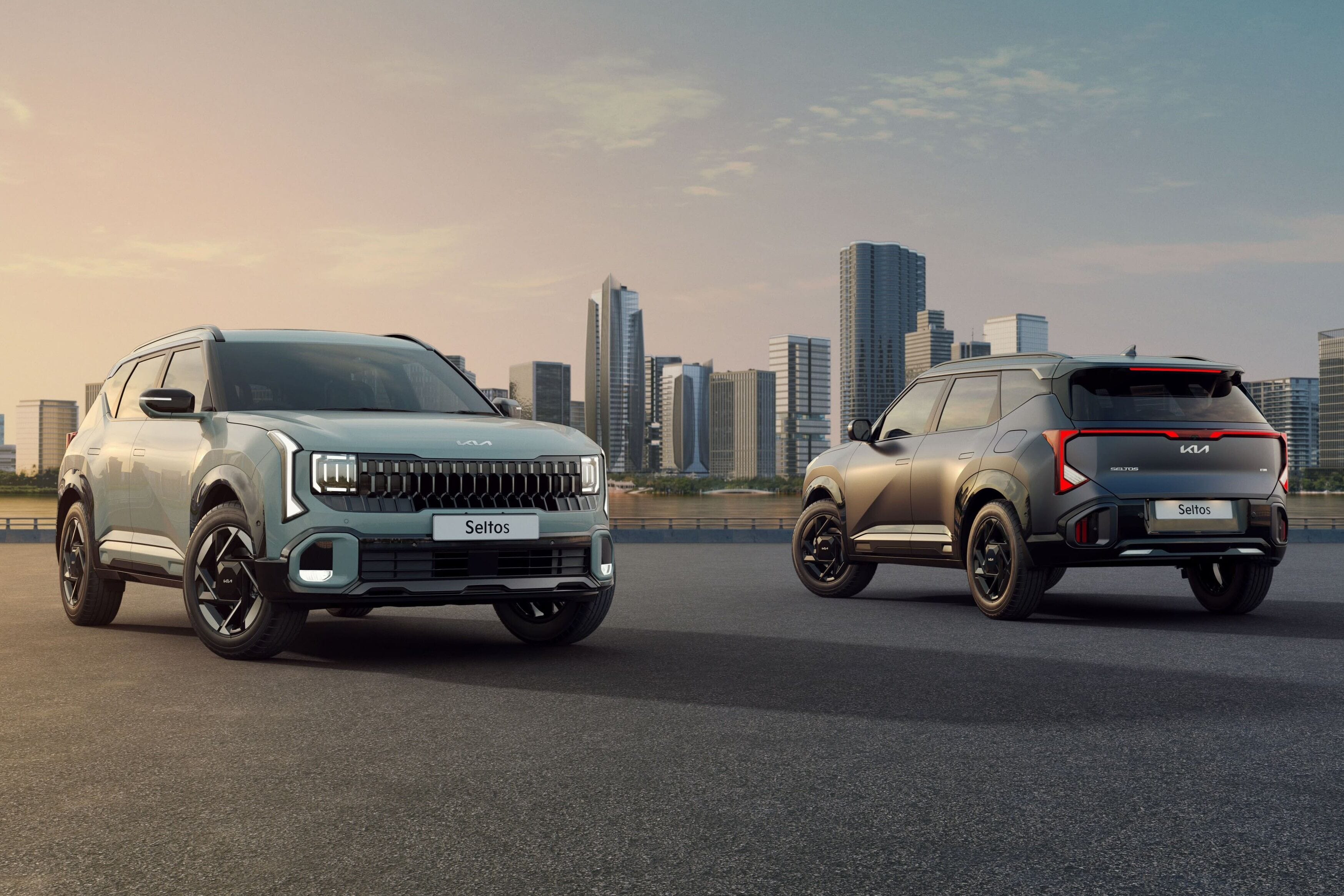
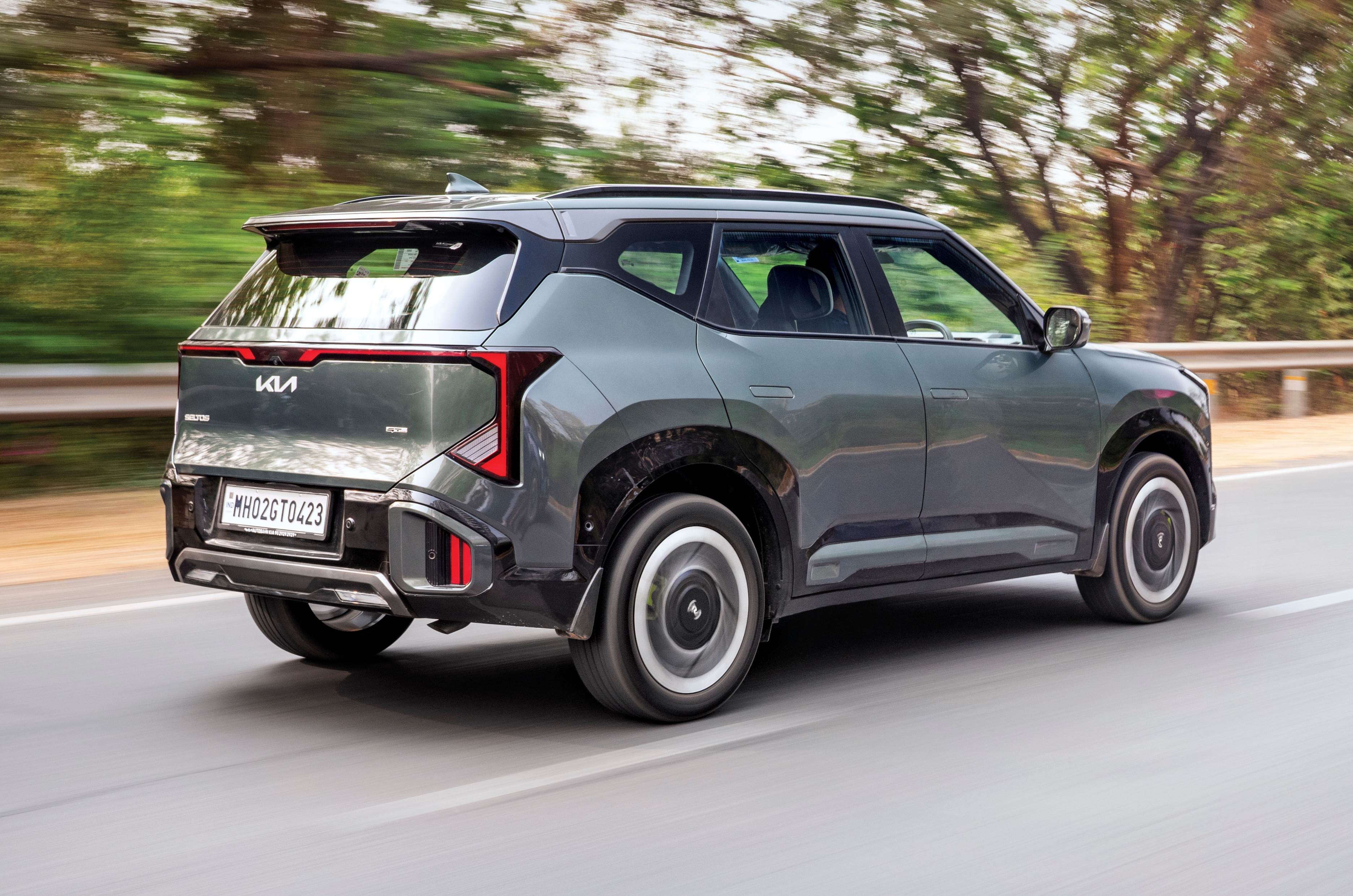
The Kia Seltos variant line-up has been expanded with two new trim levels: GTX(O) and X-Line(O). These pack additional safety kit and creature comforts over the previous top-spec trims of the Seltos, namely the GTX(A) and X-Line(A).

Kia Seltos GTX(O), X-Line(O) variant prices and details

Available only in turbo-petrol DCT and diesel AT guises

Both the Seltos GTX(O) and X-Line(O) can be had with only the automatic versions of the 160hp 1.5-litre turbo-petrol and the 116hp 1.5-litre diesel engines. The turbo-petrol is paired with a 7-speed dual-clutch automatic, while the diesel gets a 6-speed torque converter. Prices for the Seltos GTX(O) and X-Line(O) start at Rs 21.57 lakh.

GTX(O) and X-Line(O) get Level 2+ ADAS

The headliner of the Seltos GTX(O) and X-Line(O) trims is an expanded ‘Level 2+ ADAS’ suite. Compared to the Seltos GTX(A) and its 21-strong list of ADAS features, the GTX(O) adds seven more for a total of 28. The new Seltos ADAS features comprise Junction Crossing, Lane Change Oncoming, Lane Change Side, and Evasive Steering Assist functions for the frontal collision avoidance system, as well as navigation-based adaptive cruise control for corners and speed-limited zones, and highway driving assist.

Alongside the broadened ADAS suite, the Seltos GTX(O) packs a navigation functions for the 12.3-inch digital driver’s display, one-touch auto up/down for all windows, a heads-up display, built-in front and rear dashcams, rain-sensing wipers, and VR and navigation features in the Kia Connect mobile app.

Meanwhile, the Seltos X-Line(O) maintains feature parity with the GTX(O), but with cosmetic upgrades like an exclusive Matte Graphite exterior finish, a black-and-green interior theme, blacked-out exterior trim, and black 18-inch alloy wheels.

All prices are ex-showroom, India.

Features that the Tata Sierra EV gets over its rivals

Tata Sierra EV features

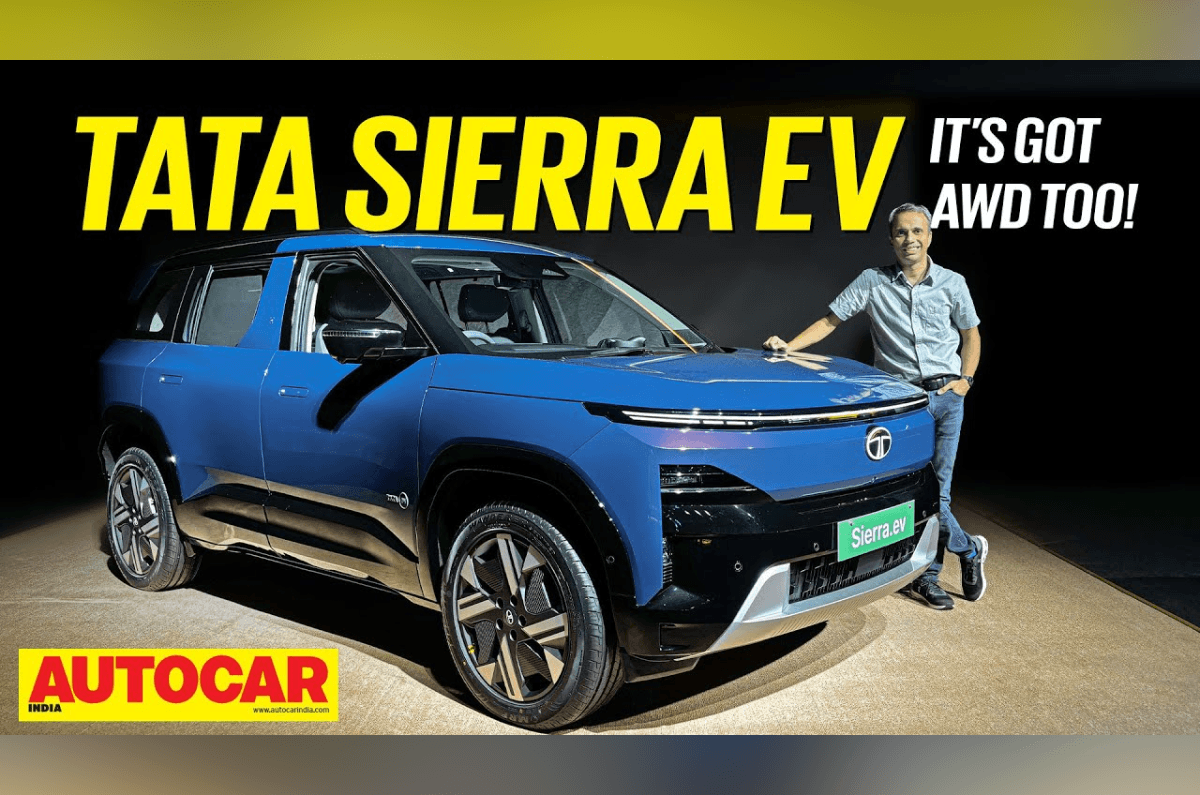
With the new Sierra EV, Tata Motors now has its second entrant in the highly competitive midsize electric SUV segment after the Curvv EV. It takes on rivals such as the Hyundai Creta Electric, Maruti e Vitara, Toyota Ebella, MG ZS EV, Mahindra BE 6 and Vinfast VF6, all of which offer long equipment lists. However, the Sierra EV does have a few standout features that none of its rivals offer. Here’s a closer look at them.

Triple screens

Triple screens

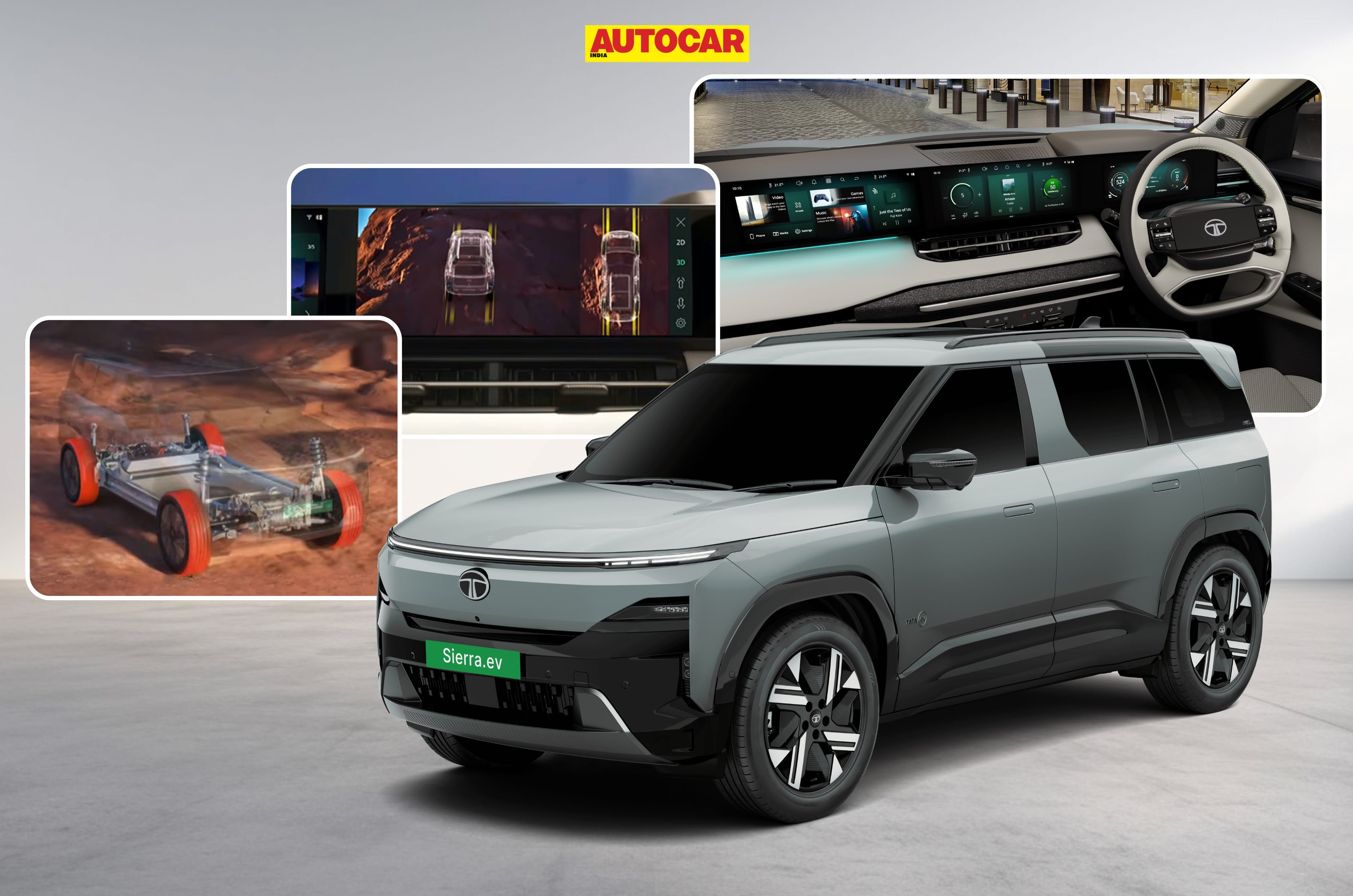
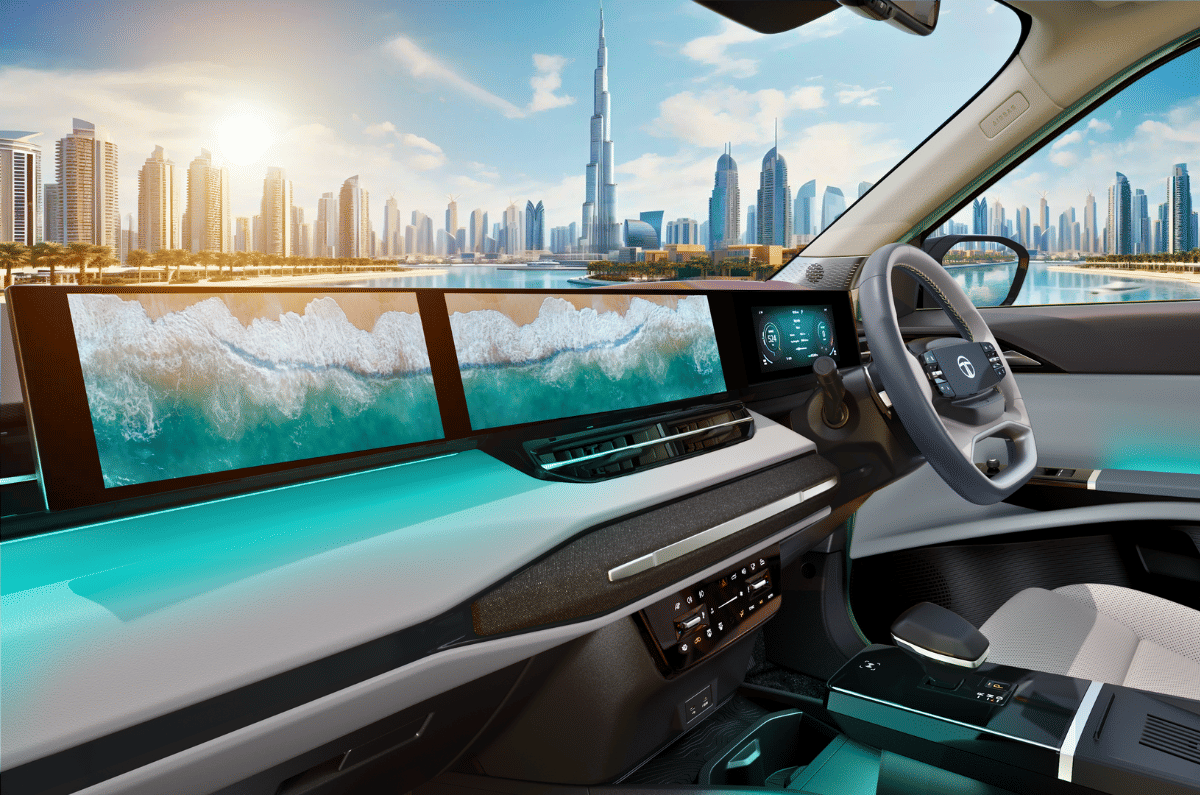
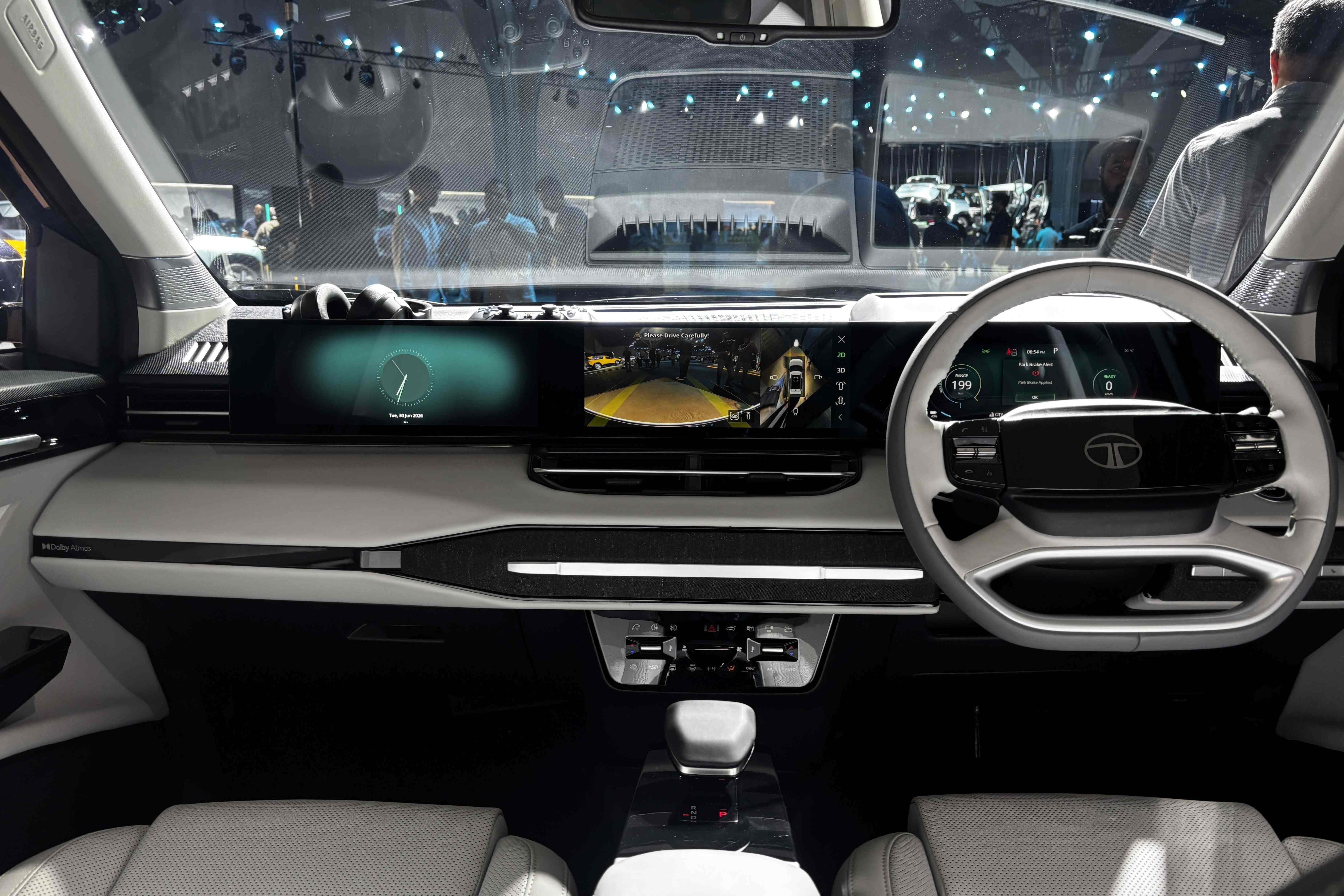
Unlike the dual-screen setup of rivals, the Sierra EV gets three screens: 12.3-inch touchscreen, a 12.3-inch instrument cluster and a 10.25-inch passenger screen. The latter unit gives the co-driver a dedicated touchscreen for entertainment. There’s Dolby Atmos support as well, just like the BE 6, but Tata claims the Sierra EV is the first car in India to bring the surround sound technology to Apple CarPlay.

540-degree camera

540-degree camera

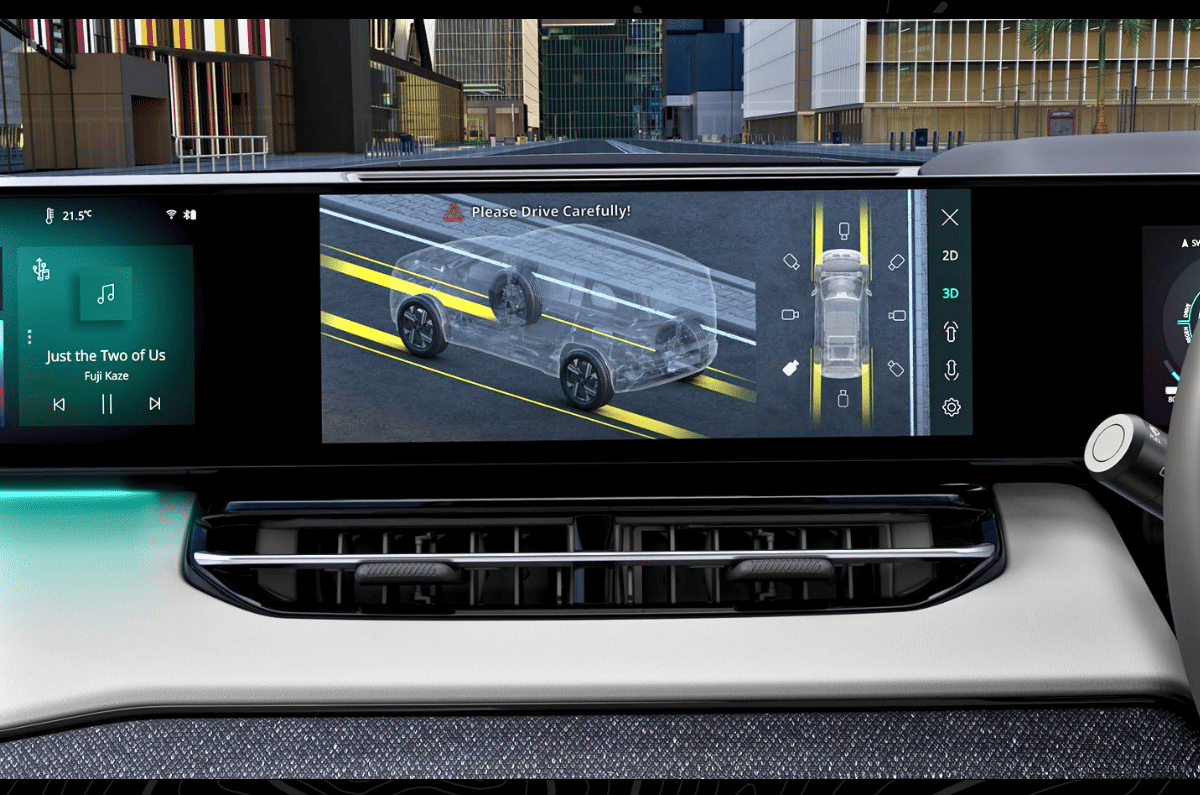
A 360-degree camera, as the name suggests, gives a surround view of the area around the car, but a 540-degree camera goes a step further by showing what’s underneath the vehicle. This can be useful while off-roading, as it helps the driver see where the wheels are placed and better understand the terrain below.

All-wheel drive

All-wheel drive

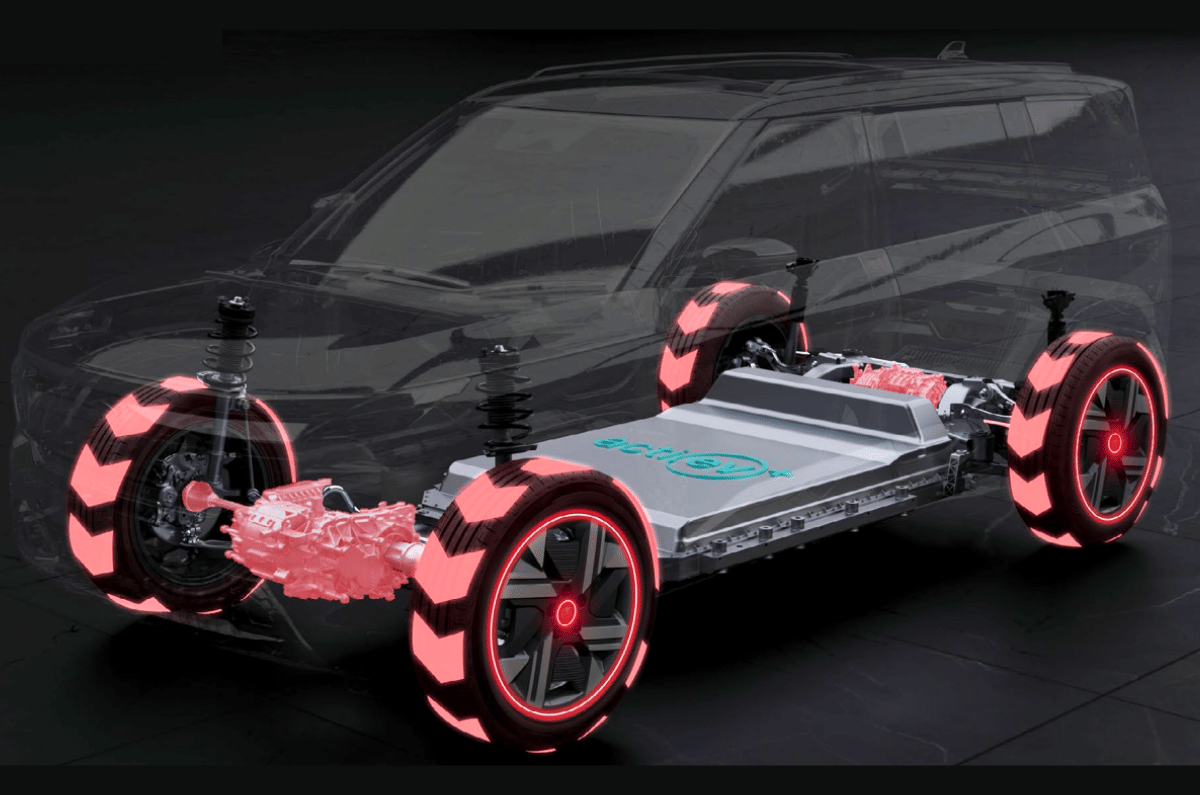
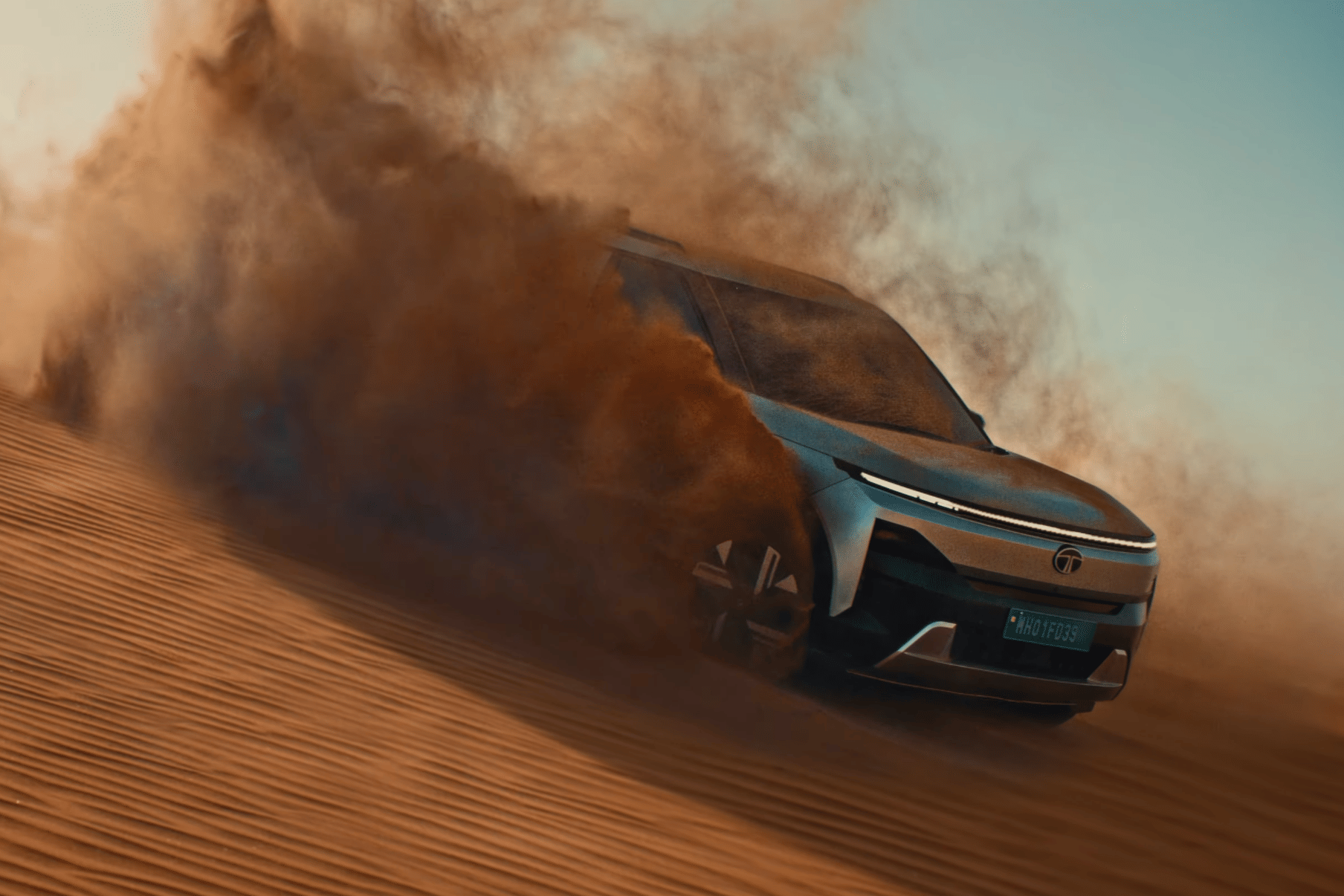
Speaking of off-roading again, Tata Motors has equipped the Sierra EV with electric motors at both the front and rear, which enable all-wheel-drive (AWD). Not only is AWD a standout feature in this segment, it also makes the Sierra EV the quickest among its rivals, with a claimed 0-100kph time of 5.8 seconds; the BE 6 has the next best sprint time at 6.7 seconds (claimed), which is nearly a second more than the Sierra. This is with the 75kWh battery pack, which uses a 140hp front motor and a 209hp rear motor, producing a combined 504Nm of torque.

Remote gaming support

Remote gaming support

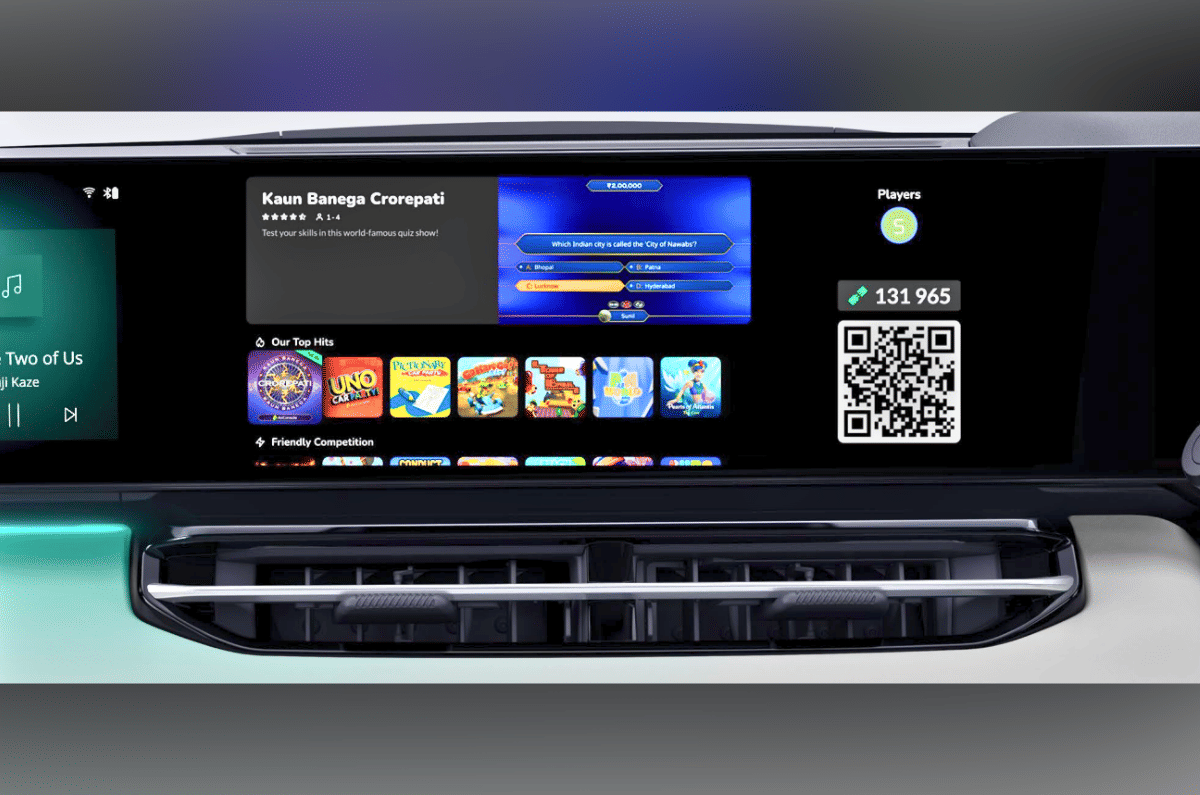
The Sierra EV comes with AirConsole, which turns the infotainment screen into a multiplayer gaming console. Even better, players can use their smartphones as game controllers, eliminating the need to poke at the touchscreen while playing. This can help keep occupants entertained, especially during charging breaks.

Tata Sierra EV price vs rivals

The top-spec Tata Sierra EV Empowered A AWD variant, which gets all of the above mentioned standout features, costs Rs 25.99 lakh, ex-showroom. That makes it costlier than most of it rivals at the top-end, save for the Rs 26.9 lakh-Mahindra BE 6 Pack Three (price is exclusive of home charger and installation costs). Despite being priced Rs 91,000 lower than the Mahindra EV, the Tata Sierra EV makes a strong case for itself by offering both standout features and an AWD setup.

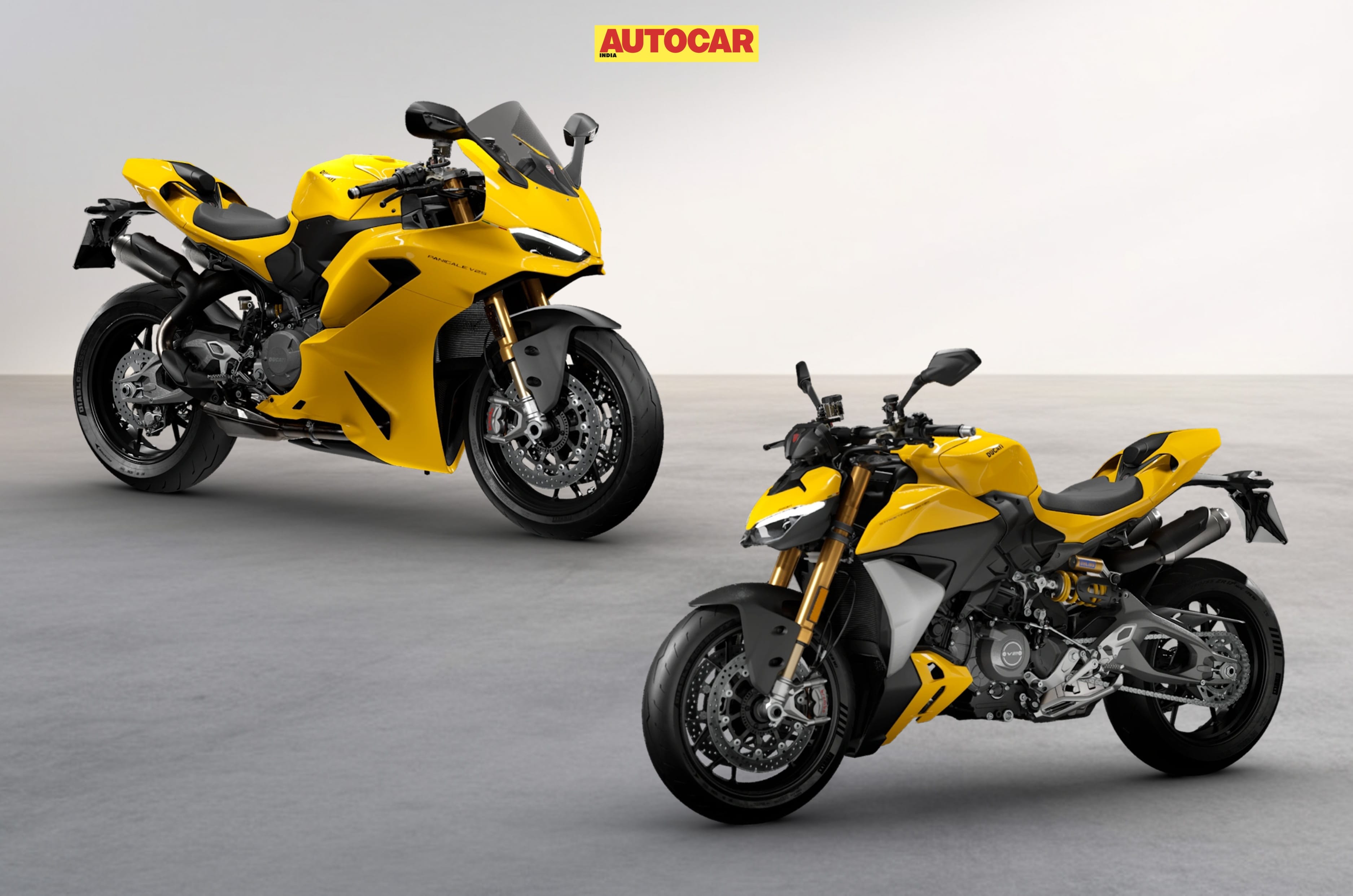
Ducati Panigale and Streetfighter V2 S launched with yellow colour

Ducati Panigale and Streetfighter V2 S launched with yellow colour

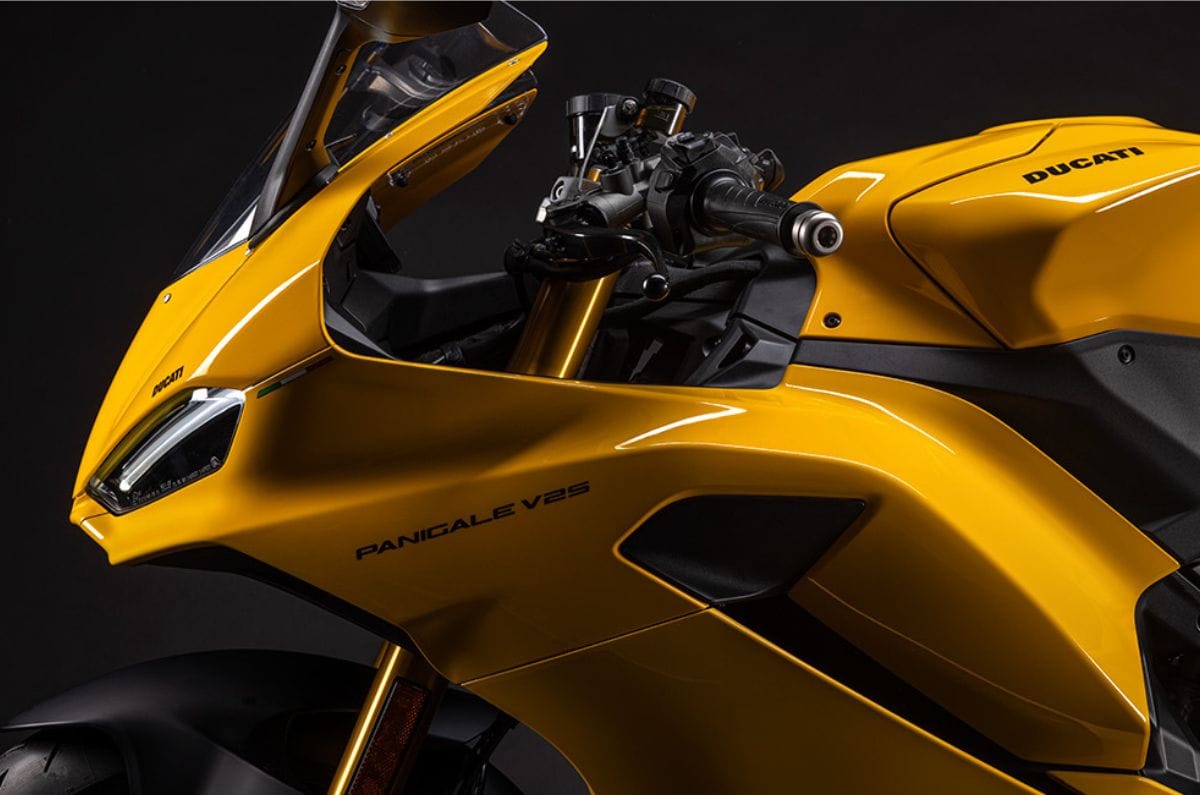
Ducati has launched a new colour – other than red – for its middle-weight duo. Both the Streetfighter V2 S and Panigale V2 S now come with a ‘Ducati Yellow’ colour that commands a premium of over Rs 32,000 compared to the standard Ducati Red colour.

  1. The Panigale V2 S’ Yellow colour commands a premium of Rs 33,000, over the standard model
  2. Whereas, the Streetfighter V2 S commands a premium of Rs 32,000
  3. Both models remain mechanically unchanged

Ducati yellow colour launched

This new colour is only available with the top-spec ‘S’ trim

This new colour is only available with the top-spec ‘S’ trim that comes with front and rear Ohlins suspension setup with weight savings of just under 2kg compared to the standard model. 

This new colour will likely appeal to buyers that want their Ducati middleweight to stand out from the sea of ‘standard’ Red colour, that is offered with virtually every Ducati – barring the Scrambler range. 

Apart from this, both models remain mechanically unchanged and come powered by the same 890cc, V-twin, liquid-cooled engine that produces 120hp at 10,750rpm and 93.3Nm at 8,250rpm, mated to a six-speed gearbox. 

The Panigale V2 S is priced at Rs 21.86 lakh, commanding a premium of Rs 33,000 compared to the standard ‘Ducati Red’ colour. Whereas, the Streetfighter V2 S is priced at Rs 20.20 lakh, reflecting a premium of Rs 32,000 for this paint-shade. 

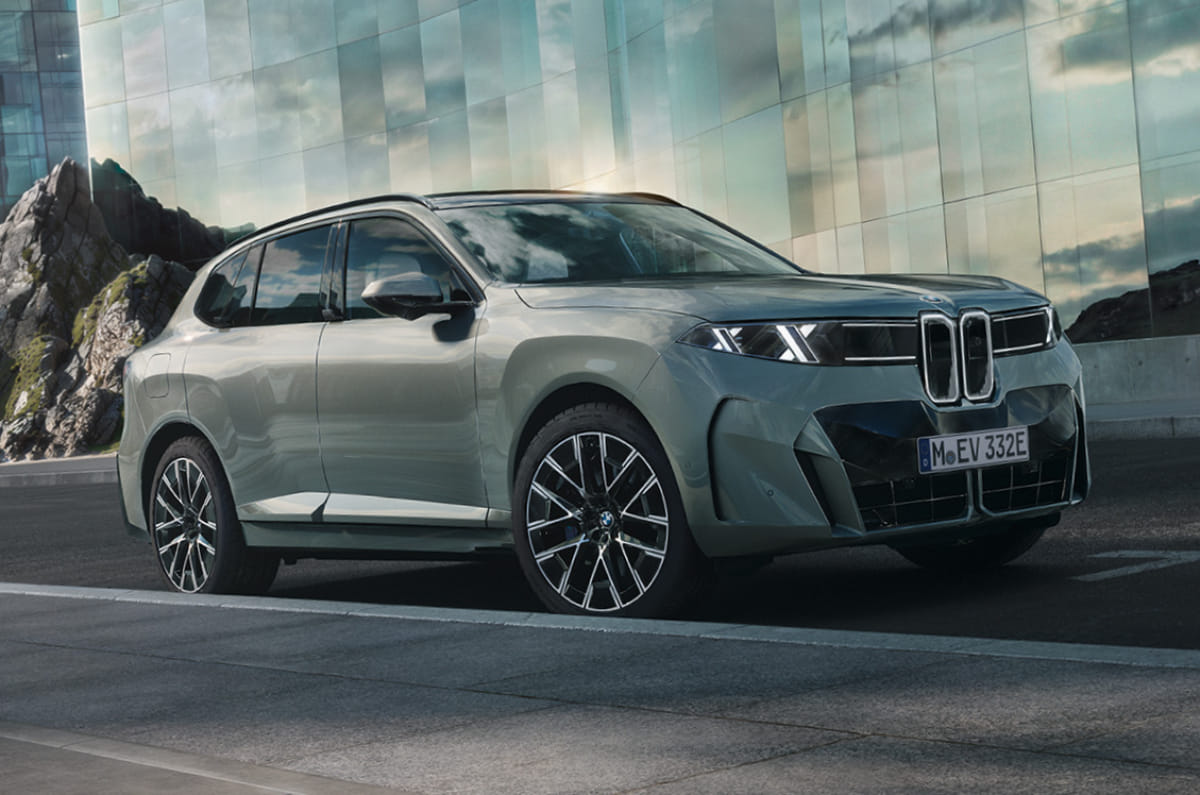
Fifth-gen BMW X5 unveiled with ICE, EV, PHEV and Hyrdogen powetrains

BMW X5

BMW has unveiled the fifth-generation X5 alongside the first-ever all-electric iX5. The new X5 brings a redesigned exterior, an all-new interior and a wider range of powertrains, while the iX5 marks the first fully electric version of BMW’s luxury SUV.

  1. First-ever all-electric BMW iX5 debuts
  2. New X5 gets redesigned exterior and digital cabin
  3. Hydrogen-powered iX5 to join the line-up later

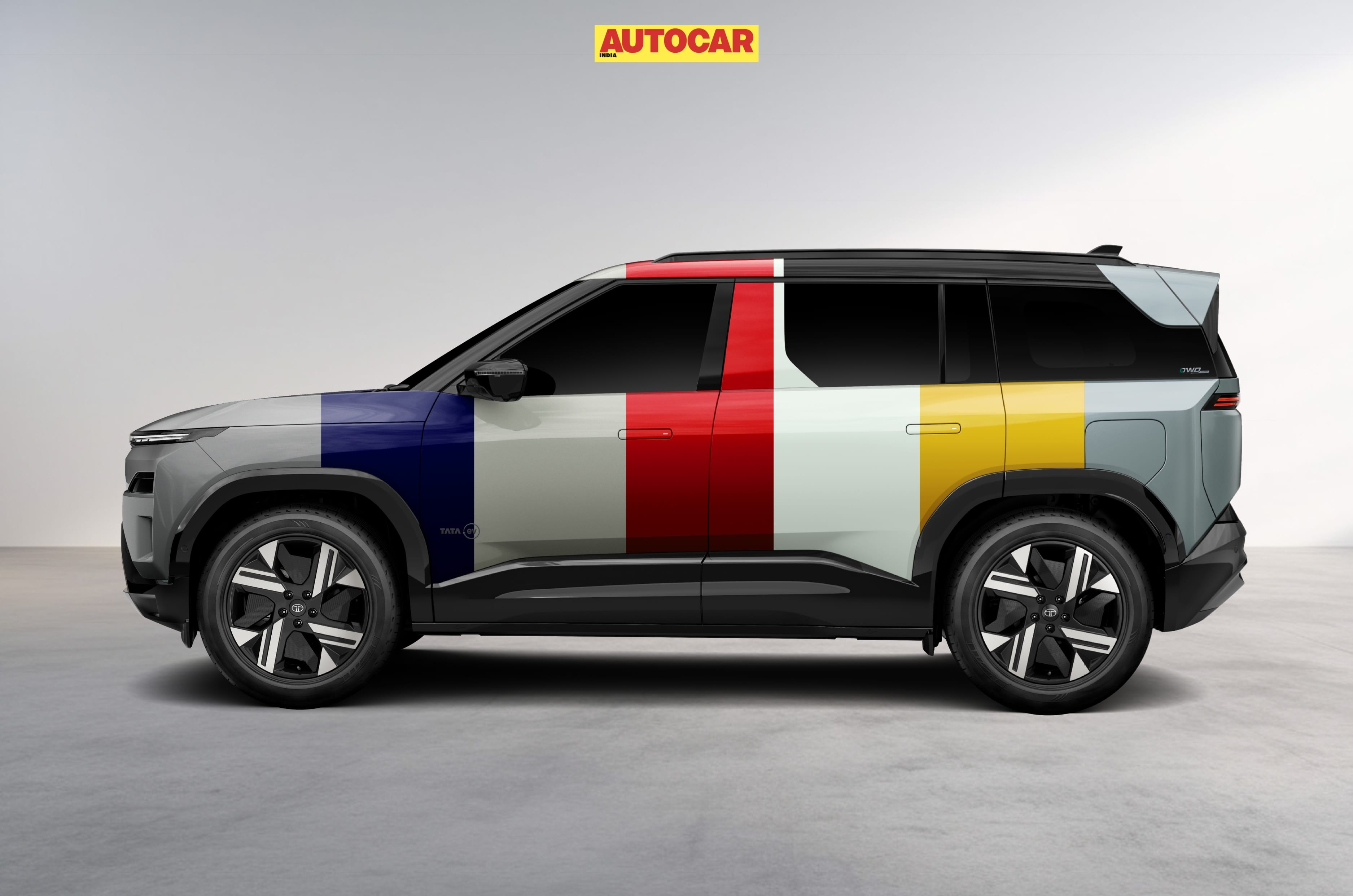
Tata Sierra EV colours in pictures

Tata Sierra EV colour options

The Tata Sierra EV is available in 7 colour options, all of which are monotone options. These include Rishikesh Rapids, Nainital Nocturne, Coorg Clouds, Pure Grey, Prsitine White, Andaman Adventure and Bengal Rouge. Of these, Rishikesh Rapids and Nainital Nocturne are exclusive to the Sierra EV, while the others are shared with the ICE-powered Sierra. The base Pure trim only gets three colour options: Coorg Clouds, Pure Grey and Prsitine White. The mid-spec Adventure trim adds Andaman Adventure and Bengal Rouge, while the top-spec Empowered trim brings in the Rishikesh Rapids shade. The Nainital Nocturne is limited to only the Sierra EV AWD variant. 

Tata Sierra EV interior image gallery

Tata Sierra EV interior

Tata has launched the Sierra EV at a starting price of Rs 18.79 lakh. It gets a similar interior to its ICE counterpart, but gets a black and grey theme this time. The dashboard is dominated by a triple-screen setup for the digital driver’s display, infotainment system, and a passenger display. Other features include ambient lighting, a 12-speaker JBL Black sound system, dual-zone climate control, a panoramic sunroof, manual Boss mode, a cabin air purifier, powered and ventilated front seats, a powered tailgate, Level 2 ADAS, connected car tech, auto park assist, a heads-up display, a digital key, and over-the-air (OTA) updates. Swipe to check out the Tata Sierra EV interior, along with its features, through our image gallery.

Tata Sierra EV exterior in images

Tata-Sierra-EV-front-quarter

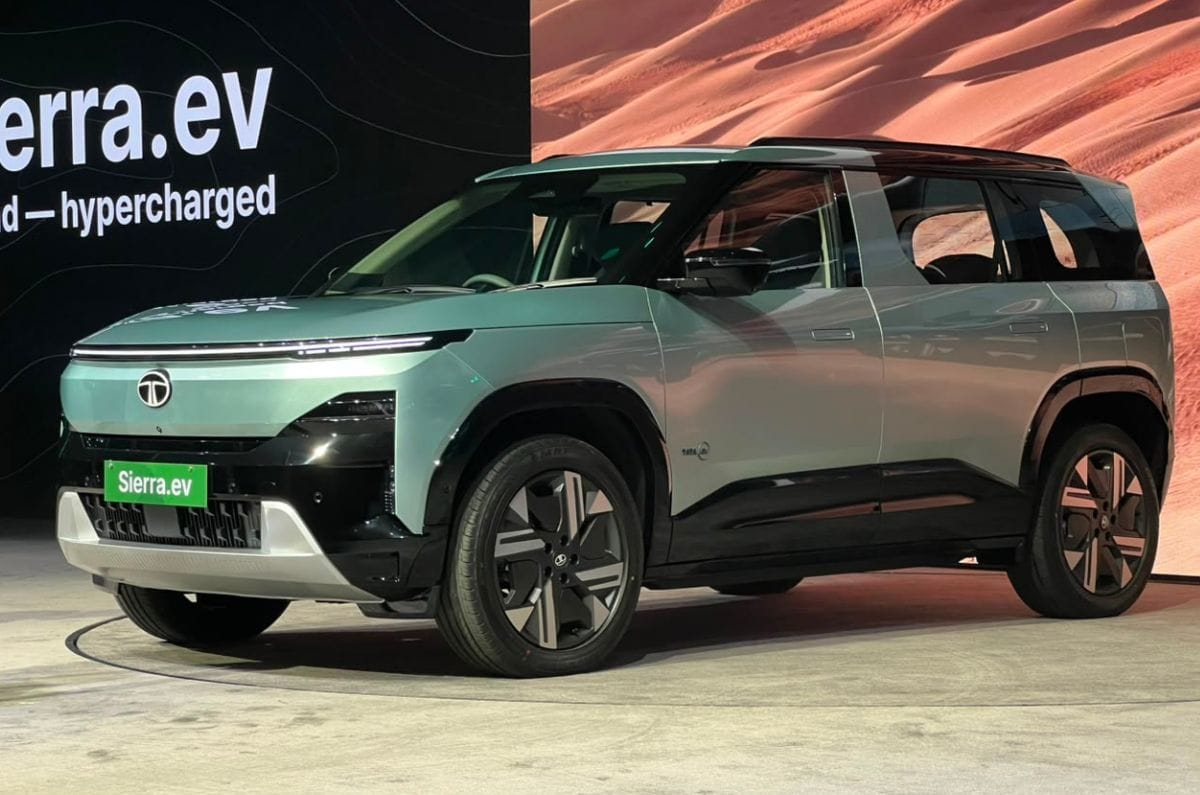
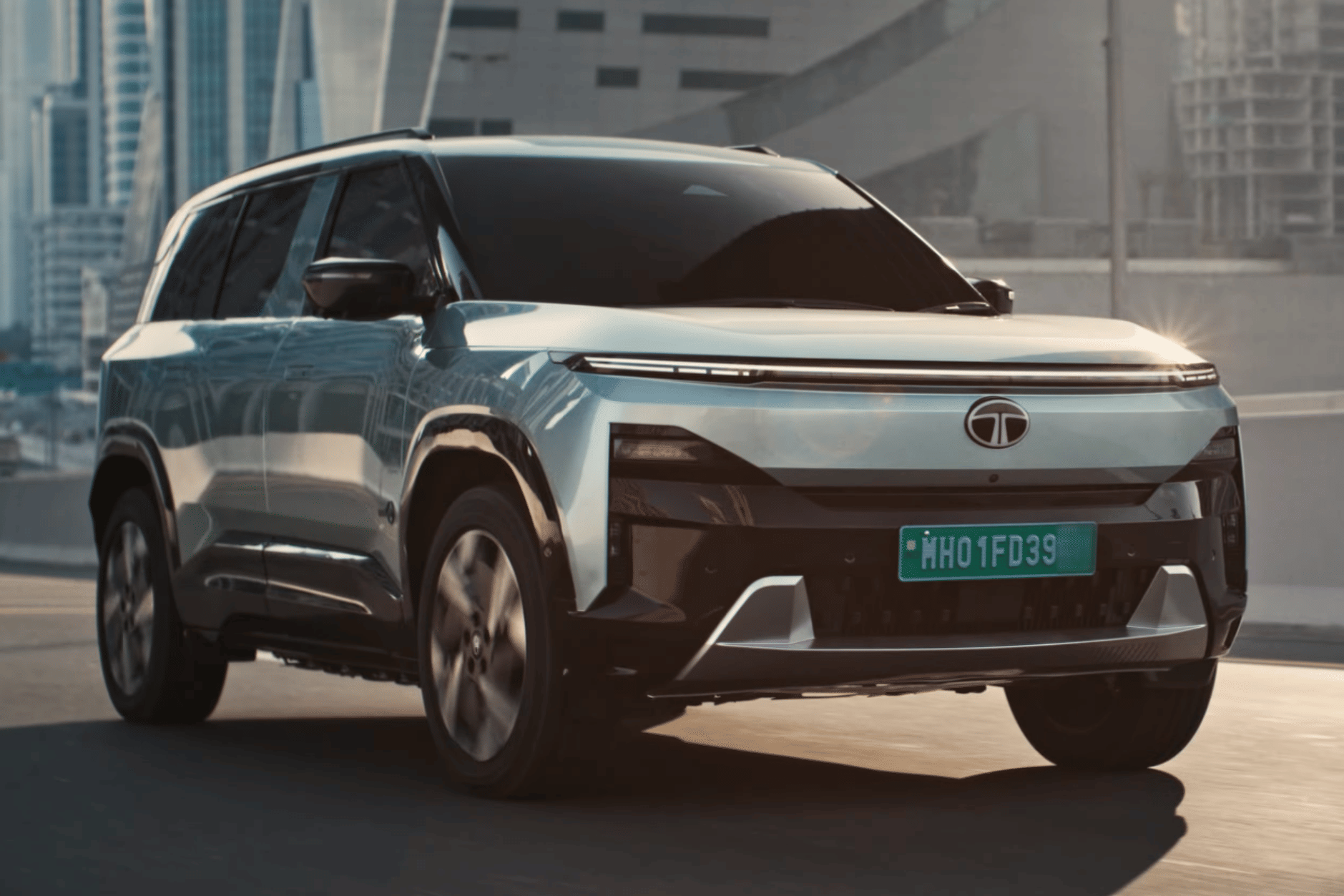
The new Tata Sierra EV largely carries forward the same design as its ICE-powered sibling, save for some ‘.ev’ badging and some changes to the fascia. A body-coloured blanked-off grille has replaced the regular Sierra’s blacked-out, functional unit. The lighting elements remain exactly the same, but unlike the ICE Sierra, the EV lacks the ‘Sierra’ branding just below the LED light bar. Lower down, the bumper has a gloss-black finish and a faux silver skid plate on the chin. In essence, the colourways have been reversed here. Elsewhere, the Sierra’s signature curved-over rear windows, butch stance, slim LED light bands and even the alloy wheels have been carried forward unchanged. Prices for the Sierra EV range between Rs 18.79 lakh and Rs 25.99 lakh (ex-showroom). 

Tata Sierra EV launched at Rs 18.79 lakh

tata sierra ev on stage

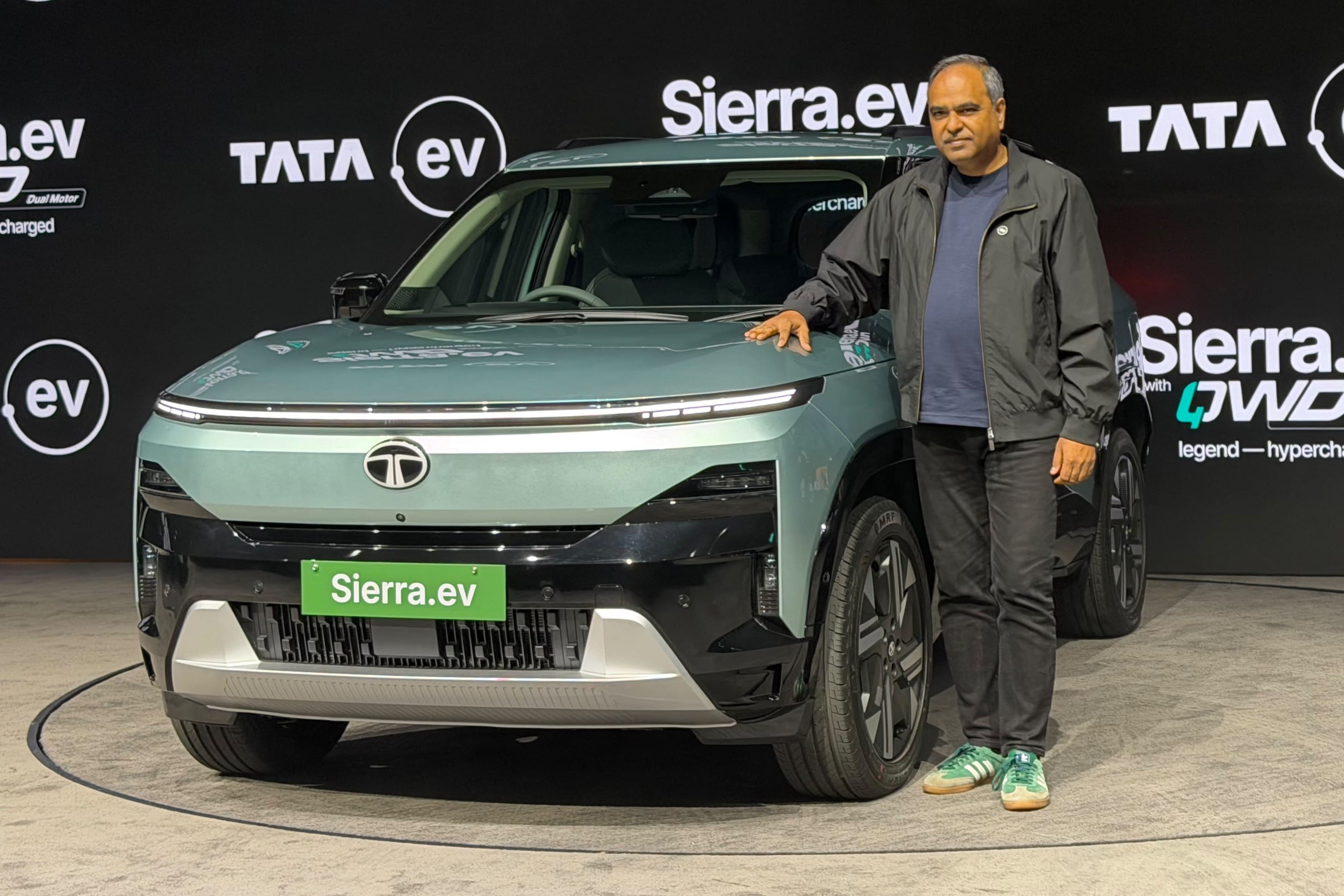
Tata Motors has launched the Sierra EV at a starting price of Rs 18.79 lakh. The electric SUV arrives just over seven months after the ICE-powered Sierra, and serves as a more direct rival to the Mahindra BE 6, Maruti Suzuki e Vitara, Vinfast VF6, Hyundai Creta Electric, and MG ZS EV than the Curvv EV, which was Tata’s prior contender for this segment.

Tata Sierra EV price and variants

Tata Sierra EV price list (Rs, lakh)

Trim63kWh RWD75kWh RWD75kWh AWD
Pure18.79
Pure S19.99
Adventure20.9922.19
Empowered22.7923.79
Empowered A24.7925.99

Tata Sierra EV battery and range

63kWh and 75kWh battery options

Built on the same Acti.ev+ architecture as the Tata Harrier EV, the Sierra EV borrows the larger SUV’s TiDAL E&E architecture. Battery options comprise 63kWh and 75kWh units, both of which get a single rear-mounted motor (RWD) as standard, with the larger pack additionally offering a dual-motor AWD layout as well, which makes 504Nm. With Boost Mode enabled, the Sierra EV AWD accelerates from 0-100kph in a claimed 5.8 seconds.

The Sierra EV AWD also comes with off-road-centric features like six terrain modes (Normal, Grass/Snow, Mud/Gravel, Sand, Rock Crawl, and Custom), low-speed cruise control, and a 540-degree camera (360-degree surround with underfloor view.

Coming to MIDC-certified range, the Sierra EV claims up to 665km for its 75kWh variants and 565km for the 63kWh versions. Tata also boasts a range top-up of up to 263km in 15 minutes when using a 120kW DC fast charger, with a 20-80 percent charge taking around 26 minutes. Like the rest of Tata’s EV line-up, the Sierra EV also comes with a lifetime battery warranty, which actually just refers to the 15-year period from the date of registration.

Tata Sierra EV exterior design

Mostly similar to the ICE Sierra on the outside

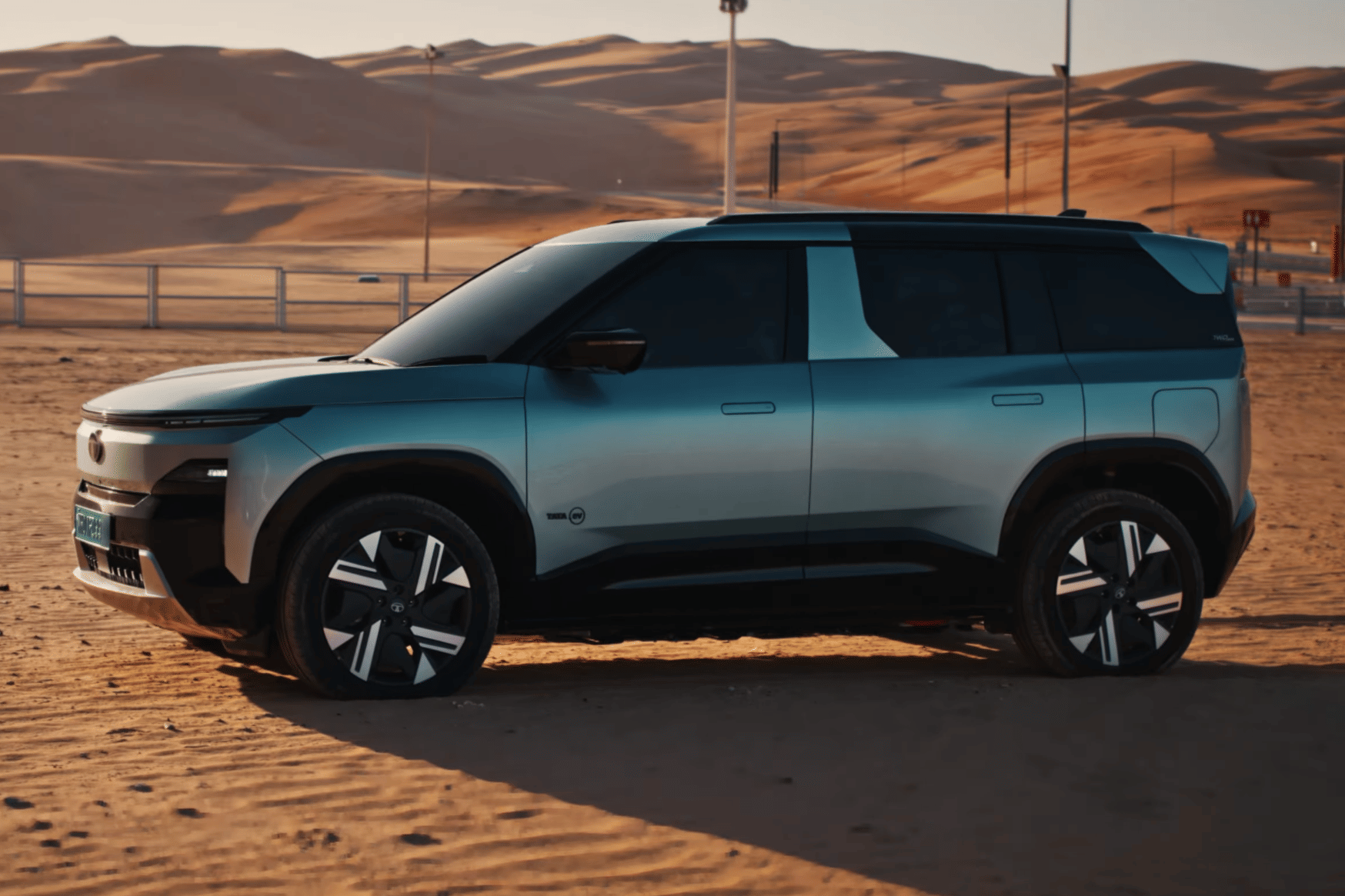
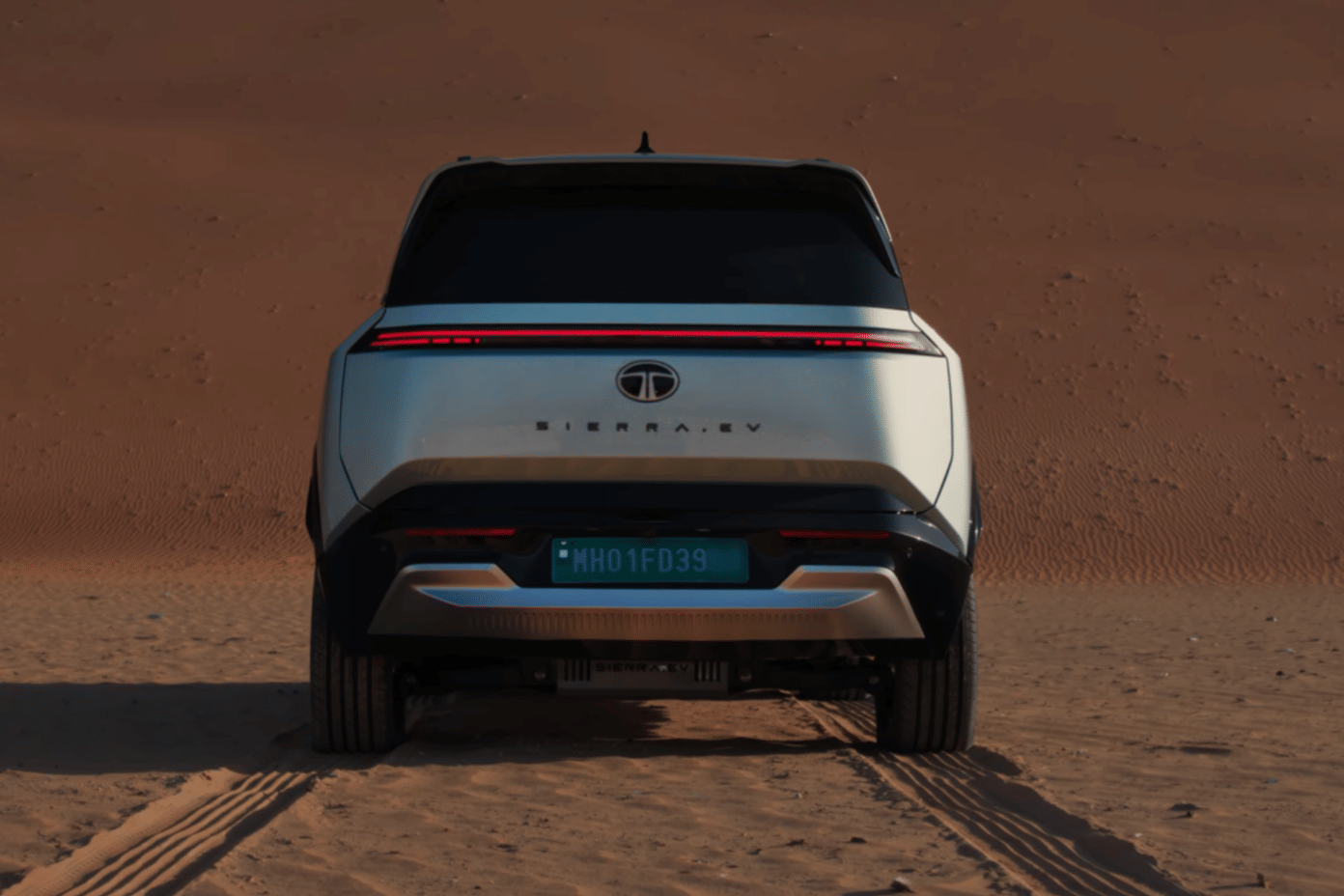
As is the case with Tata’s electric cars, the Sierra EV looks largely similar to its ICE counterpart, but with minor distinctions. The front end of the Sierra EV ditches the full-width blacked-out section between the light bar and headlamps that the ICE version has, and it doesn’t sport ‘SIERRA’ lettering above the Tata emblem too.

Moreover, the Sierra EV’s front bumper design is different, with much more gloss black trim. The side profile and rear end of the Sierra EV are identical to those of its ICE sibling, save for EV-specific badging and lettering. As for ground clearance, the Sierra EV is rated at 205mm.

Tata Sierra EV interior and features

Same feature-loaded and spacious interior layout as its ICE counterpart

Even on the inside, the Sierra EV is identical in layout to the ICE version, but with slight variances in colour scheme. The Sierra EV also claims the same 622-litre boot space (measured up to the roof) as that of the ICE Sierra – when measured up to the parcel shelf, the boot space is 450 litres. Total luggage space with the rear seats folded stands at 1,257 litres.

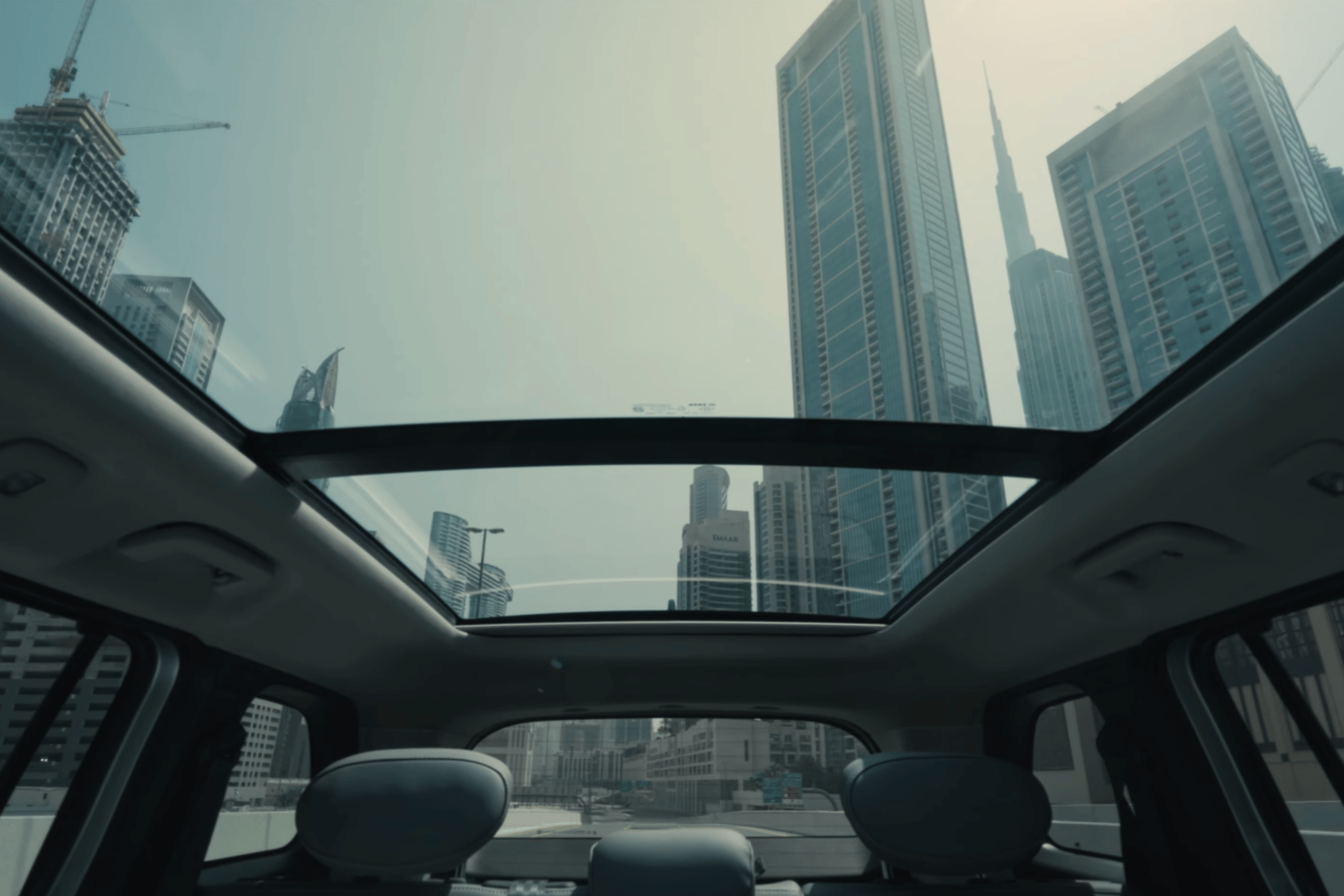
Depending on the variant, the Sierra EV offers features like a triple-screen setup, ambient lighting, a 12-speaker JBL Black sound system, dual-zone climate control, a panoramic sunroof, Boss mode, cabin air purifier, powered and ventilated front seats, a powered tailgate, Level 2 ADAS, connected car tech, auto park assist, a heads-up display, a digital key, over-the-air (OTA) updates, 6 airbags as standard, V2L and V2V functionality, and more. It even borrows the summon mode and DrivePay in-car payment feature from the Harrier EV.

All prices are ex-showroom, India.