Hero MotoCorp to invest over Rs 3,200 crore in Andhra Pradesh

Hero facility

Hero MotoCorp has laid the foundation stone for its second Global Parts Centre (GPC) in Tirupati, Andhra Pradesh, marking the start of an investment roadmap worth over Rs 3,200 crore in the state.

  1. Hero MotoCorp lays foundation stone for second Global Parts Centre in Tirupati
  2. New facility represents an initial investment of over Rs 750 crore
  3. Expected to create around 4,000 employment opportunities in the state

Hero MotoCorp Andhra Pradesh investment

The new Global Parts Centre is expected to support annual production of 12-15 lakh units

The new GPC will serve as a strategic hub for Hero MotoCorp’s domestic and international spare parts operations. With the expansion, the Tirupati plant’s annual production capacity is expected to increase to between 12 lakh and 15 lakh units. Hero MotoCorp also noted that its entire electric vehicle portfolio, including the Vida range, is designed, engineered and manufactured at the Tirupati facility, making the site a key pillar of its EV strategy.

The investment is expected to generate around 4,000 employment opportunities in the region. Alongside the new parts centre, Hero MotoCorp’s broader investment commitment in Andhra Pradesh also includes community welfare and technical education initiatives, including a scholarship programme.

Andhra Pradesh Chief Minister N. Chandrababu Naidu said Hero MotoCorp’s decision to expand in Tirupati reflected the state’s investor-friendly policies and infrastructure, adding that the company’s presence had already generated employment and strengthened local supply chains across the Rayalaseema region.

Hero MotoCorp Executive Chairman Dr. Pawan Munjal said the investment reinforces the company’s “Made in India, for India and the World” commitment. He also noted that the foundation stone ceremony coincided with the 103rd birth anniversary of the company’s founder, Dr. Brijmohan Lall Munjal.

Sarthak Mahajan

Tata Sierra EV prices and specs compared with Harrier EV, Curvv EV

Tata Sierra EV prices and specs compared with Harrier EV and Curvv EV

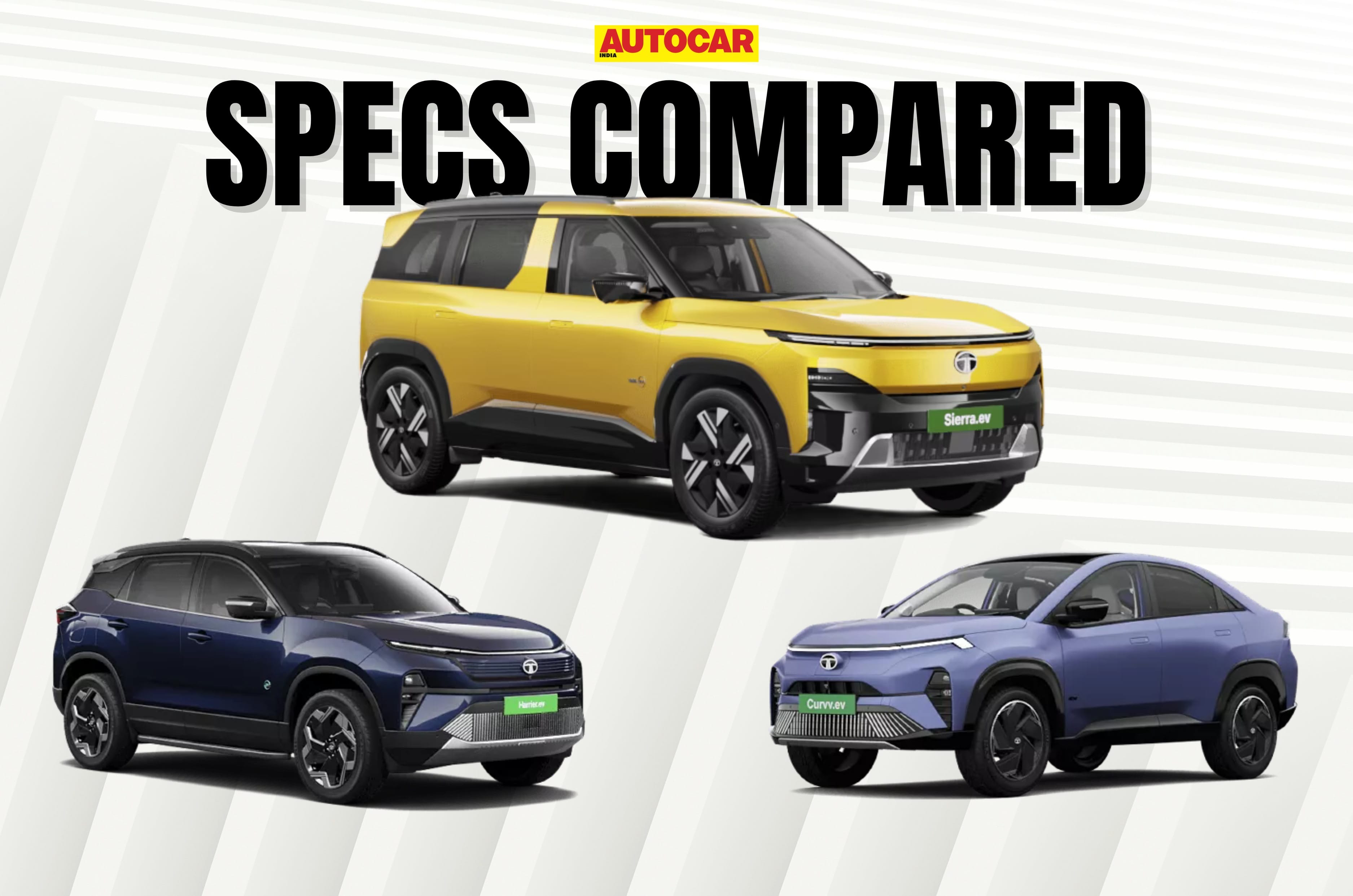
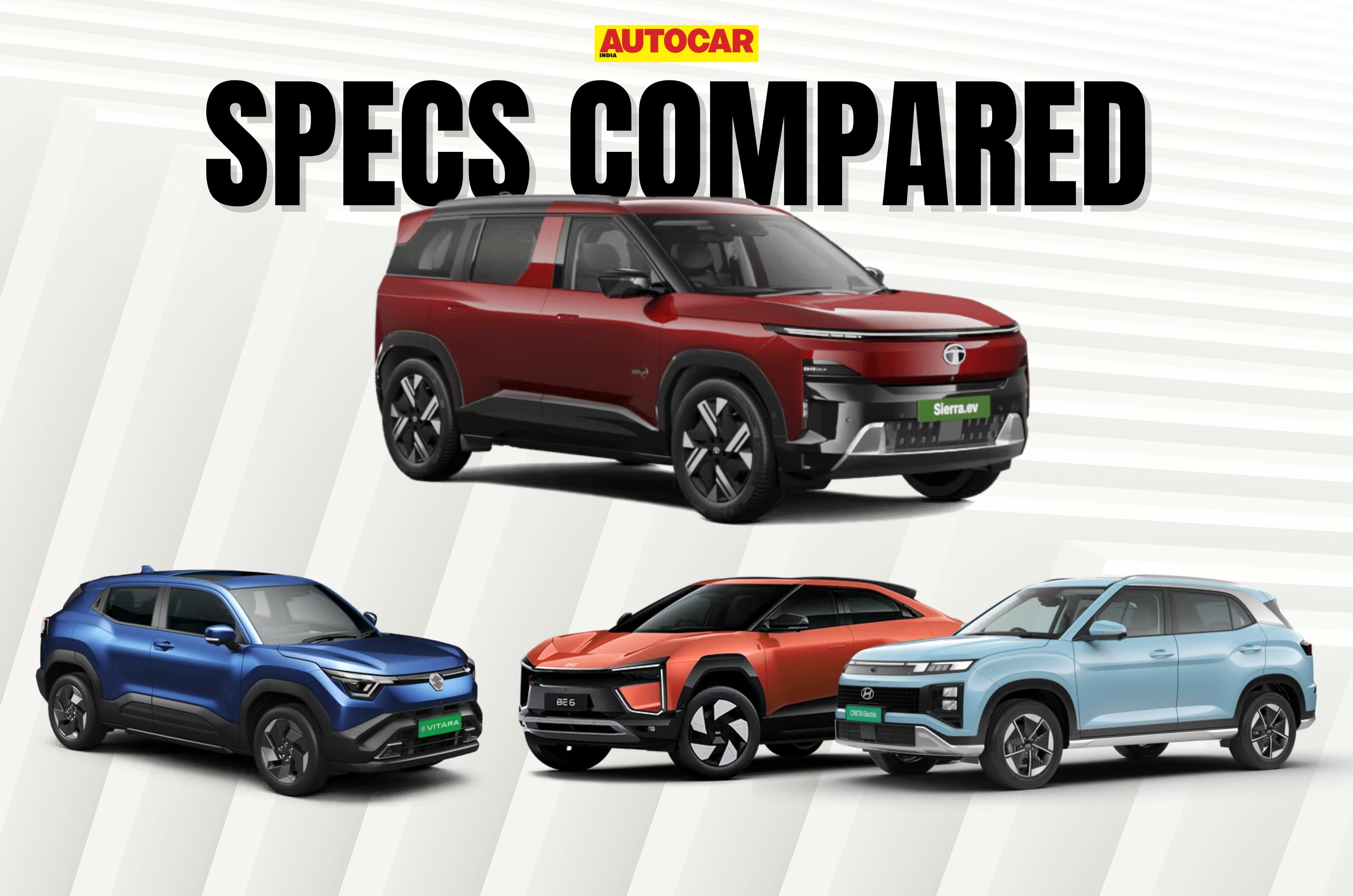
Tata Motors launched the fully electric version of the Sierra on June 30, 2026. Spread across three distinct variants, the Sierra EV joins the automaker’s all-electric line-up and is slotted between the Curvv EV and Harrier EV. The Harrier EV and Sierra EV are in a similar price bracket, with clear price overlaps between some trim levels, with the top-spec Curvv EV coming in close proximity to the latter. Let’s now look at how these cars compare against one another.

Tata Sierra EV dimensions vs Harrier EV, Curvv EV

The frunk and wheel sizes of the Sierra EV and Harrier EV differ based on variants

Tata Sierra EV dimensions vs Harrier EV, Curvv EV


Tata Sierra EV

Tata Harrier EV

Tata Curvv EV

Length (mm)

4,340

4,607

4,310

Width (mm)

1,841

1,922

1,810

Height (mm)

1,750

1,740

1,637

Wheelbase (mm)

2,730

2,741

2,560

Boot space (litres)

450*

502

500

Frunk (litres)

55/35

67/35

Wheel size (inches)

18-19

18-19

18

The Sierra EV is a significant 267mm shorter than the Harrier EV but 30mm longer than the Curvv EV. It’s not only 31mm wider than the Curvv EV but also a noticeable 113mm taller. Not just that, the Sierra EV is slightly taller than the Harrier EV, too. The Sierra EV has a wheelbase that’s 170mm longer than the Curvv’s but falls short of the Harrier’s by 11mm.

The luggage-carrying capacity of the Harrier EV is more than that of the Sierra EV, owing to its size. While we’re yet to measure it, Tata claims that the Sierra EV’s boot is similar in size to its combustion-powered namesake, where it’s 450 litres. This means that the Sierra EV’s boot is smaller than that of the Curvv EV by 50 litres. The frunk capacity of the Sierra EV and Harrier EV change based on the variant chosen, with the lower ones sporting more capacity. While the Sierra and Harrier can be had with 18- or 19-inch wheels, the Curvv EV is only offered with 18-inch rims. 

Tata Sierra EV powertrain vs Harrier EV, Curvv EV

Sierra EV shares its dual-motor configuration, battery size and torque output with the Harrier EV

Tata Sierra EV powertrain vs Harrier EV, Curvv EV

Specifications

Curvv EV 55

Sierra EV

Harrier EV

Battery variant (kWh)

55

63 / 75 / 75 QWD

65 / 75 / 75 QWD

Front electric motor (hp)

167

NA / 140

NA / 158

Rear electric motor (hp)

NA

238 / 209 / 209

238 / 238 / 238

Combined torque (Nm)

215

315 / 315 / 504

315 / 315 / 504

Drive configuration

FWD

RWD / RWD / AWD

RWD / RWD / AWD

Claimed 0-100kph (sec)

8.6

5.8*

6.3*

Claimed range (km)

502

535 / 665 / 624

538 / 627 / 622

AC charging (7.2kW)

7.9 hrs (10-100%)

8.9-10.5 hrs (10-100%)

9.3-10.7 hrs (10-100%)

DC fast charging

40 mins at 70kW (10-80%)

25-26 mins at 120kW (20-80%)

25 mins at 120kW (20-80%)

*Claimed acceleration figures of the top-spec variants.

Both the Sierra and Harrier come in single-motor rear-wheel drive (RWD) and dual-motor all-wheel drive (AWD) versions. The entry-level variant of the Sierra and Harrier have identical outputs, with the torque remaining identical between all variants of these two SUVs. However, the mid-spec and top-spec Sierra’s rear motors make less power than their Harrier counterparts. Meanwhile, the Curvv EV is only offered with one powertrain option.

Since it’s likely less heavy than the larger Harrier, the Sierra EV QWD (Tata’s parlance for AWD) manages to finish the sprint from 0-100kph half-a-second quicker. It’s also 2.8 seconds quicker to 100kph than the single-motor front-wheel drive Curvv EV. The claimed range of the base- and top-spec Sierra EV are comparable to those of the Harrier EV, but the former’s mid-spec 75kWh RWD version has a slight range advantage.

Meanwhile, the Curvv EV’s claimed range is 122km shy of the Sierra EV’s. Both the Sierra and Harrier with the 75kWh battery option can accept DC fast-charging, taking the battery from 20-80 percent in about the same time. When plugged into a 7.2kW AC charger though, the Curvv’s smaller battery can be charged from 10-100 percent in a little over 7 hours. The Sierra EV needs about 1-3 hours extra to do the same, and the Harrier EV take a similar amount of time.

Tata Sierra EV features vs Harrier EV, Curvv EV

Among the top-spec variants of all three, the Sierra EV is the most feature-packed car here

Tata Sierra EV features vs Harrier EV, Curvv EV


Tata Curvv EV 55

Tata Sierra EV 75 QWD

Tata Harrier EV 75 QWD

Infotainment touchscreen

12.3-inch

12.3-inch

14.5-inch

Digital driver’s display

10.25-inch

10.25-inch

10.25-inch

Front passenger screen

No

12.3-inch

No

Voice-assisted sunroof

Panoramic

Panoramic

Panoramic

Multiple voice assistants

Yes

Yes

Yes

Powered seats

Yes (driver only)

Yes

Yes

Driver’s seat memory, welcome functions  

No

Yes

Yes

Ventilated front seats

Yes

Yes

Yes

‘Boss’ mode

No

Yes

Yes (powered)

Wireless Apple CarPlay & Android Auto

Yes

Yes

Yes

Automatic climate control

Single-zone

Dual-zone

Dual-zone

Audio system

9-speaker JBL

12-speaker JBL Black

10-speaker JBL Black

Dolby Atmos

No

Yes

Yes

Wireless charging

Yes

Yes

Yes

Rear sunblinds

Yes

Yes

Yes

Surround-view camera

Yes (360-degree)

Yes (540-degree)

Yes (540-degree)

EV route planner

No

Yes (Android Auto)

No

Arcade.ev suite

Yes

Yes

Yes

‘AirConsole’ in-car gaming

No

Yes

No

‘DrivePay’

No

Yes

Yes

LED ambient lighting

Yes (multi-colour)

Yes (multi-colour)

Yes (multi-colour)

Connected-car features

Yes

Yes

Yes

‘Summon’ mode

No

Yes

Yes

Level 2 ADAS

Yes

Yes

Yes

Auto headlamps

Yes

Yes

Yes

Rain-sensing wipers

No

Yes

Yes

HUD

No

Yes

No

Airbags

6

6

7

SOS

Yes

Yes

Yes

Hill-hold control

Yes

Yes

Yes

Hill-descent control

No

Yes

Yes

Regen modes

4

4

4

Paddle shifters

Yes

Yes

Yes

Terrain modes

No

6

6

Drive modes

3

4

4

Powered tailgate

Gesture activated

Gesture activated

Gesture activated

V2L, V2V

Yes

Yes

Yes

The Sierra EV gets a dedicated 12.3-inch infotainment screen for the front passenger, a JBL Black audio system with the most number of speakers, and a separate route planner meant currently for Android Auto users. It also comes with a new ‘AirConsole’ gaming feature, which syncs the user’s phone with the infotainment screen for playing games. Moreover, it’s only the Sierra EV that can be had with an augmented-reality head-up display (HUD).

The ‘Summon’ mode of the Sierra EV and Harrier EV allows the car to crawl out of parking spots using a key fob, while both models support Dolby Atmos and dual-zone climate control. Features like automatic headlamps & wipers, a driver’s seat with memory & welcome functions, 540-degree cameras, and hill-descent control are found on the Sierra EV as well as the Harrier EV. They also get 6 terrain modes: Normal, Grass/Snow, Mudruts/Gravel, Sand, Rock Crawl and Custom. However, the Harrier EV has 7 airbags and a larger primary touchscreen.

All three EVs come with four levels of regenerative braking, a gesture-activated tailgate, voice-activated panoramic sunroofs, and ventilated front seats. They also get Level 2 ADAS (Advanced Driver Assistance Systems) with adaptive cruise control and auto-emergency braking, plus vehicle-to-load (V2L) and vehicle-to-vehicle (V2V) functions. The Sierra EV has the most number of features here.

Prices of Tata Sierra EV vs Harrier EV, Curvv EV

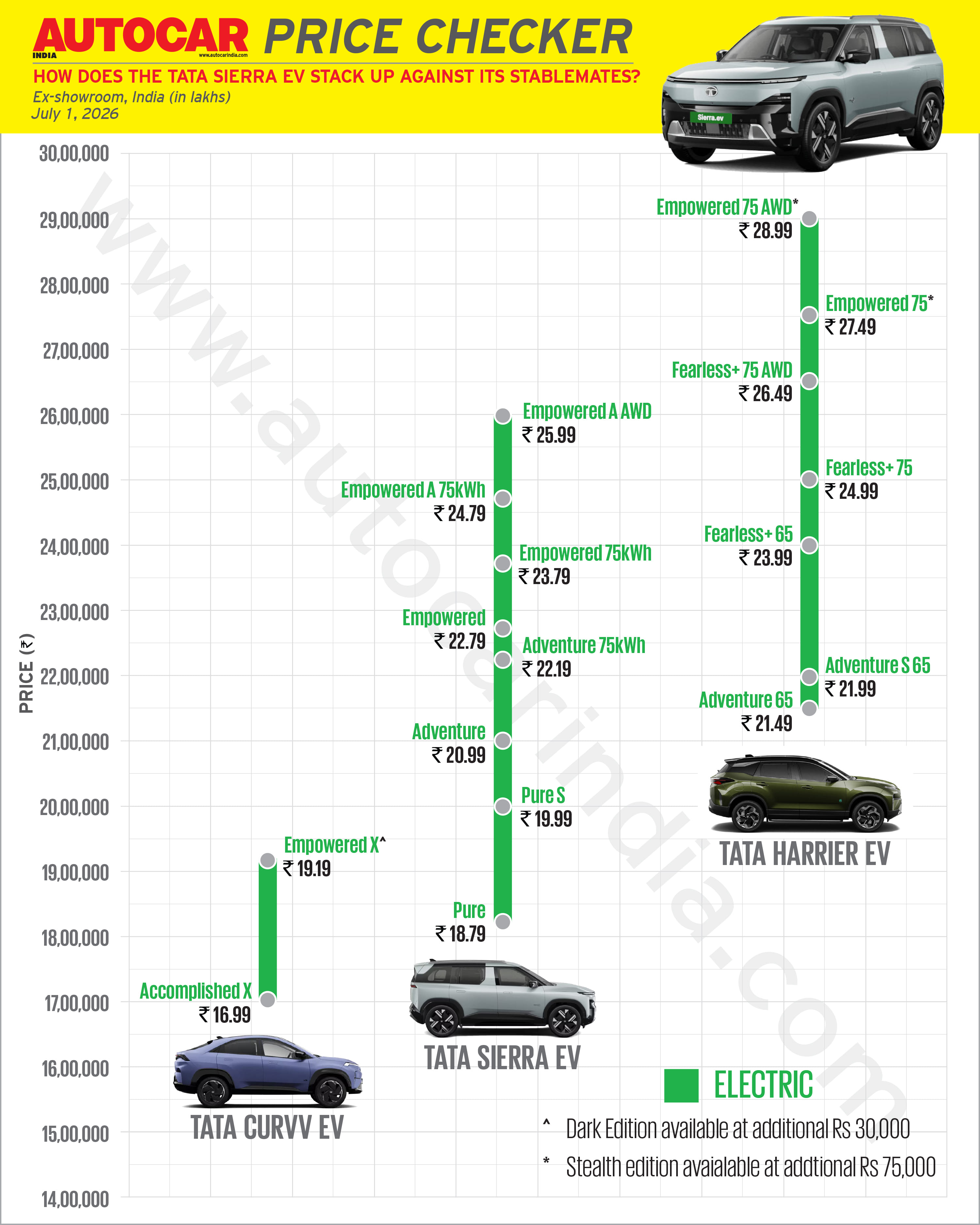
Tata Sierra EV, Harrier EV, Curvv EV price checker

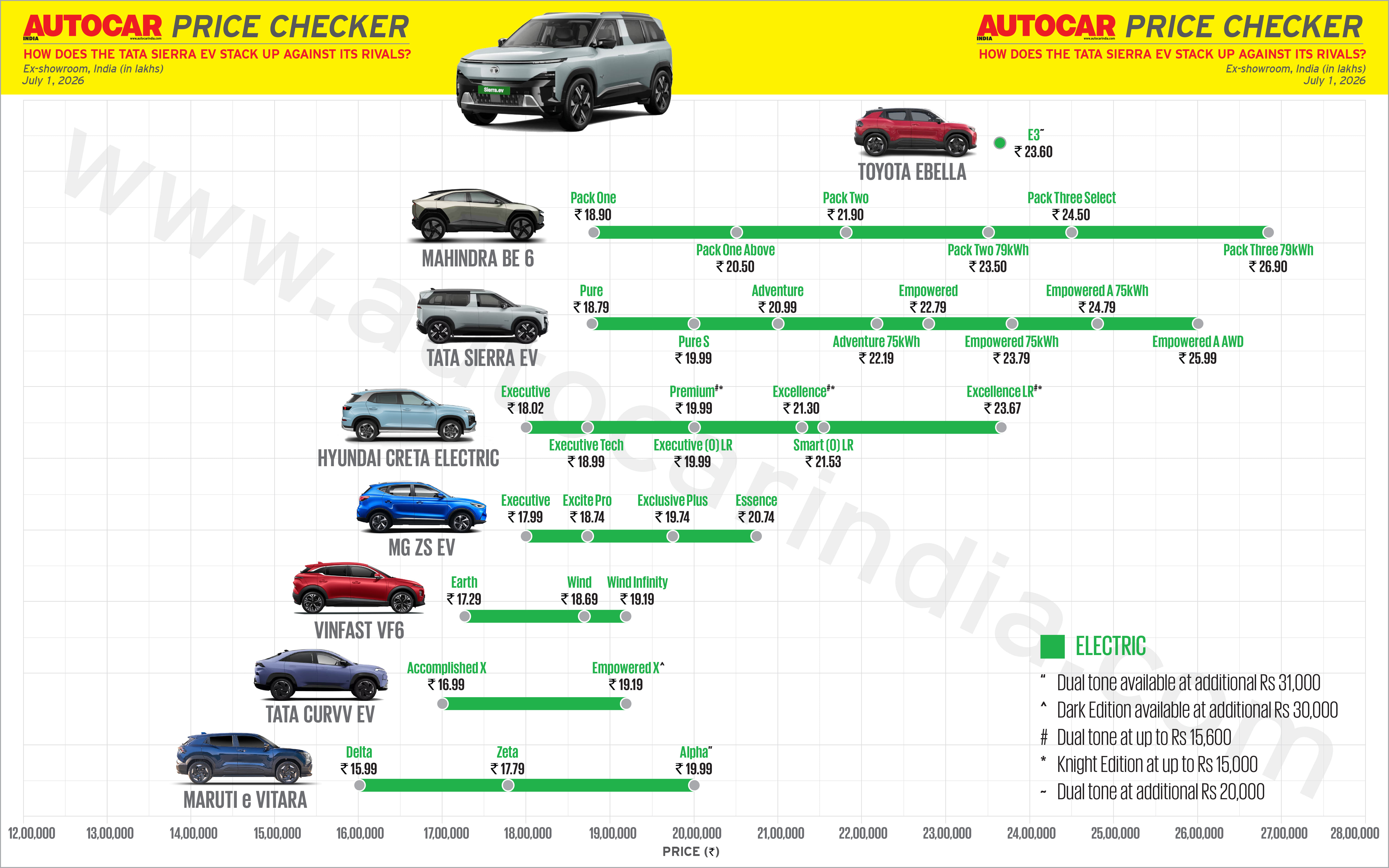
While the top-spec Empowered X trim of the Curvv EV comes closest to the base-spec Sierra EV, the latter is still fairly well-loaded. Moving on to the Sierra EV and Harrier EV, their mid-spec Adventure trims are fairly matched in terms of pricing. At the top end, there’s Rs 3 lakh separating the fully loaded Tata Sierra EV from its equivalent Harrier EV counterpart. Some of the extra cash spent on the Sierra EV goes towards features that are exclusive to it – like the augmented-reality head-up display and dedicated screen for the front passenger. On the other hand, the price difference between the base Sierra EV and Curvv EV is Rs 1.8 lakh, with that gap widening to Rs 6.8 lakh at the top end.

All prices are ex-showroom, India.

Also read

Which Tata Sierra EV variant should you buy?

BMW X6 vs rivals: Specifications and prices compared

Ather 450X overtone series launched

Ather 450X overtone series launched

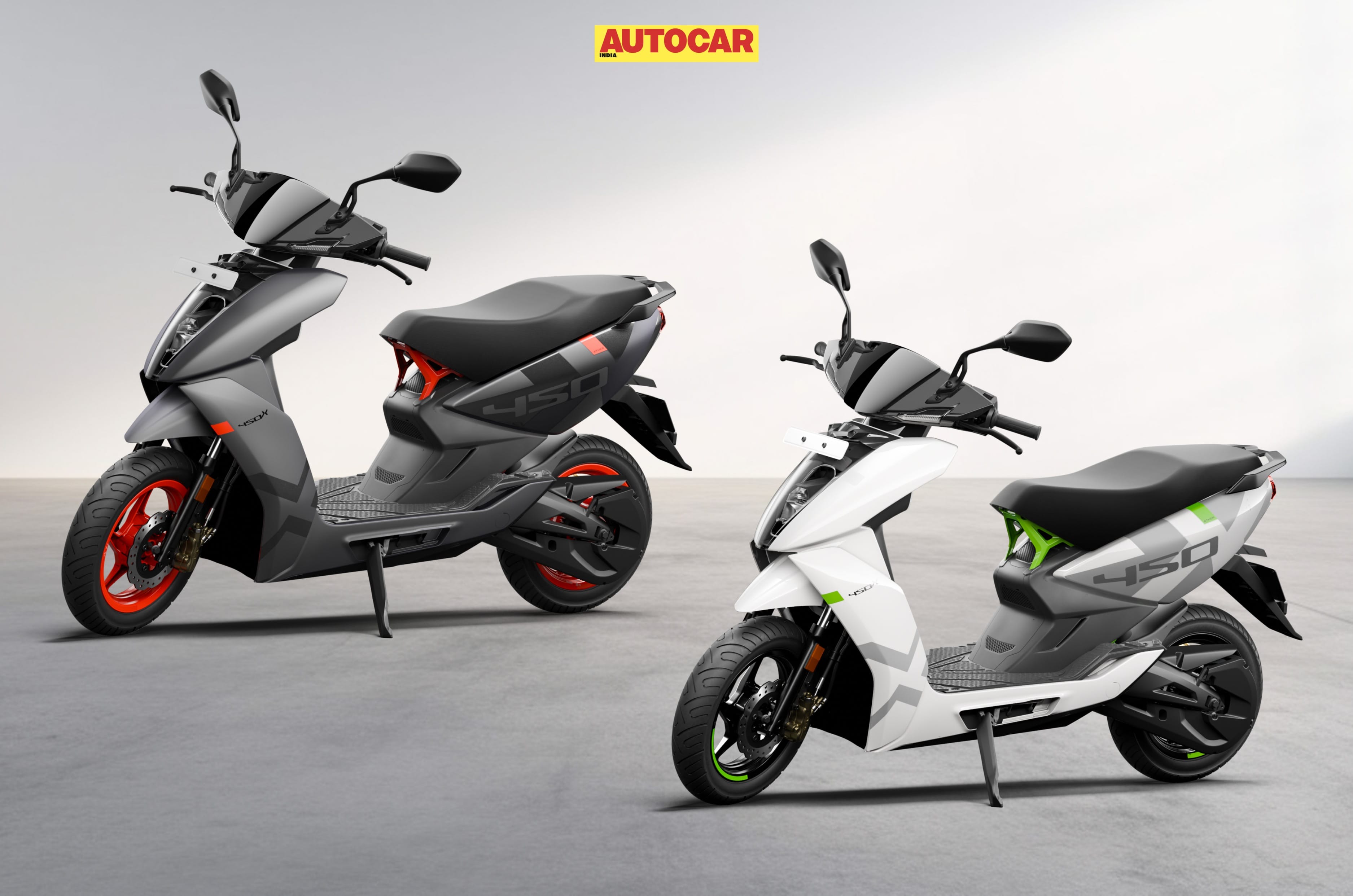
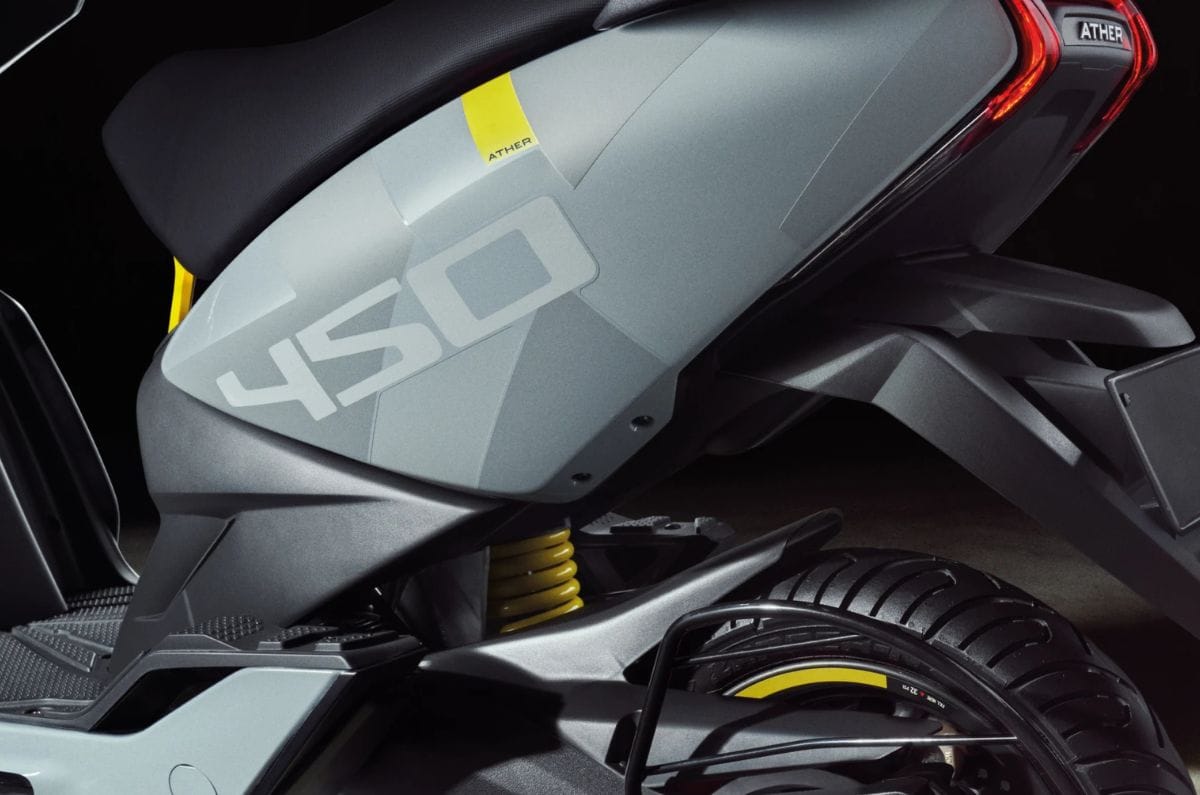
Ather has launched three new colourways, based on its sporty scooter – 450X. Dubbed as ‘overtone series’, it gets three dual-tone colour options that are an interplay between Still White, Space Grey, and Lunar Grey colours.

  1. Ather 450X gets new dual-tone colourways
  2. All three colours get refreshed graphics and 450 lettering 
  3. Ather 450X is priced at Rs 1.52 lakh (ex-showroom, Bengaluru)

Ather overtone series: What’s new?

Apart from this, the scooters remain mechanically unchanged

All three colours come with ‘450’ lettering across the scooter’s side profile in a contrasting shade. The Space Grey colour is the stealthiest of the lot and gets contrasting maroon accents and wheels. The Lunar Grey colour comes with a lighter shade of grey with yellow accents for the frame and wheels. The Still White colour – as the name suggests comes with white colour with light green accents. 

Alongside these new colours for the 450X, the brand continues to offer the – Cosmic Black and True Red – mono colours, alongside the two matte colours – Hyper Sand and Stealth Blue. 

The brand also highlights that it has introduced a new 900W charger that reduces the 450’s charging time by nearly 30 percent. At its community day in 2025, the brand unveiled AtherStack 7 that also included ‘Voice on Ather’ that has started rolling out to customers via an OTA (over-the-air) software update. 

June 2026 EV sales: total monthly sales cross 30,000 units for the first time

June 2026 EV sales

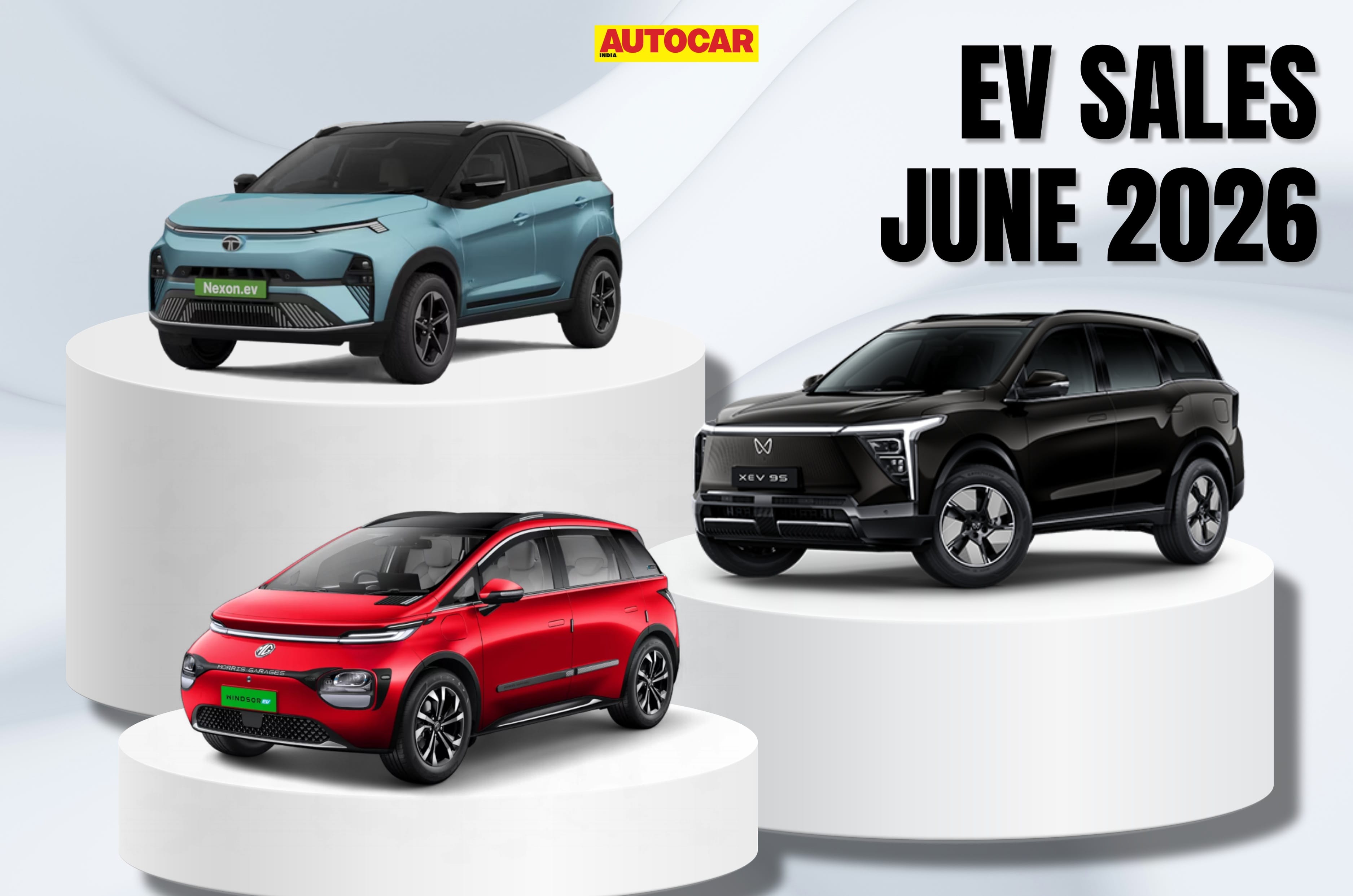
June 2026 has set the new retail benchmark for monthly EV sales. With 31,253 units delivered to buyers last month, June 2026 marks the first time that the EV segment in India has surpassed 30,000 monthly sales. While year-on-year retails have more than doubled to 106 percent (June 2025: 15,203 units), the month-on-month growth of 12 percent beats the previous best of May 2026 (27,977 units).

Tata Motors and Mahindra continue to power the Indian EV growth story. While Tata Motors sold over 10,000 units for the second month in a row and scaled a new high in June, Mahindra has registered 7,000 EV sales for the first time and crossed 6,000 units for two straight months. Maruti Suzuki, Vinfast India and BYD India also registered their highest monthly retails since their market entry. Let’s take a close look at the top players’ market performance in June 2026. 

Tata Motors

June 2026: 12,023 units, up 125 percent YoY

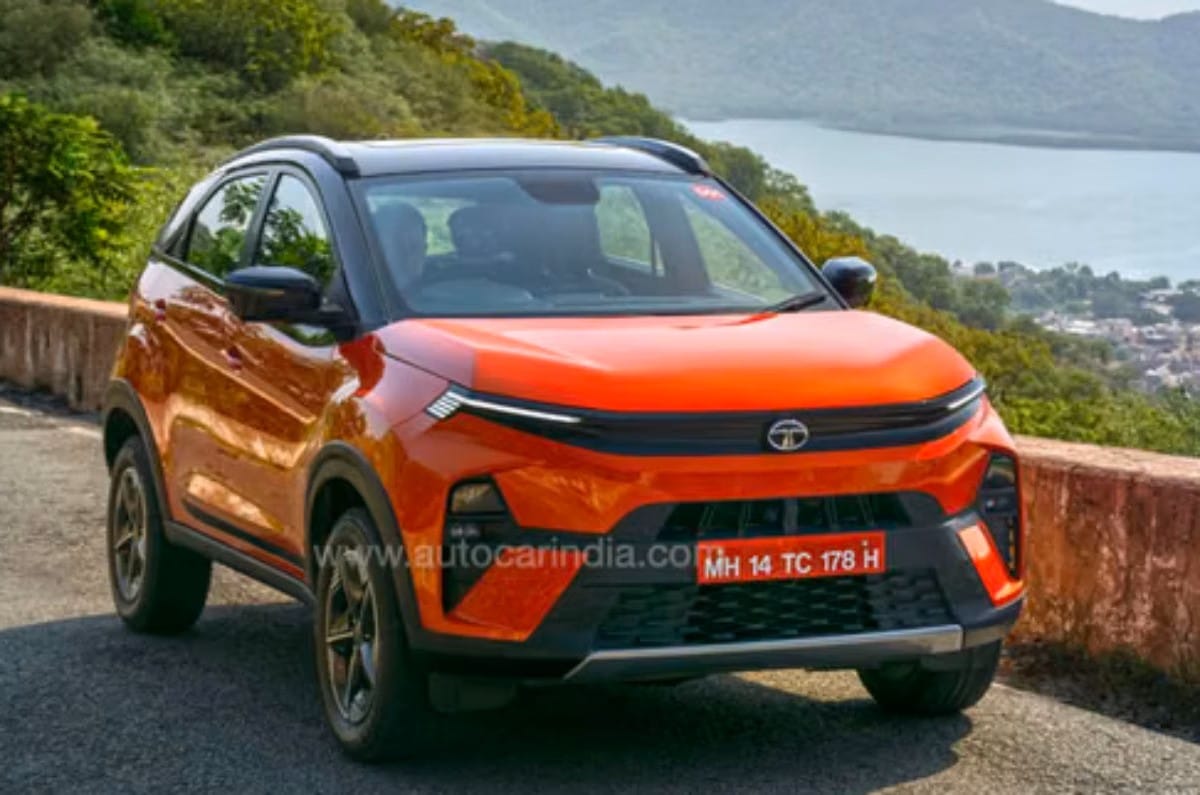
Tata Motors maintains number one position in the market. In June 2026, Tata sold 12,023 EVs, up 125 percent YoY (June 2025: 5,355 units), marking the first time that it has surpassed 12,000 units and the second straight month of over 10,000 sales after the 10,865 units in May. This gives the company a 38 percent EV share, up three percentage points year on year. While the Nexon EV continues to be Tata Motors’ volume driver, the updated Tiago EV has helped accelerate the momentum generated by the rollout of the new Punch EV in February this year. Both models draw a large percentage of first-time EV buyers. 

Nexon EV continues to be Tata’s volume driver. 

Mahindra 

June 2026: 7,645 units, up 118 percent

Mahindra registered its highest monthly sales in June when it surpassed 7,000 units for the first time. The 7,645 units are a 17 percent month-on-month increase (May 2026: 6,530 units) and give Mahindra a market share of 24 percent. Year-on-year growth is 118 percent (June 2025: 3,513 units). While the BE 6 and XEV 9e continue to see demand, the XEV 9S has given Mahindra a new charge. 

JSW MG Motor India

June 2026: 5,785 units, up 23 percent 

Third-ranked JSW MG Motor India sold 5,785 units last month, up 23 percent YoY (June 2025: 4,691 units). This gives it an 18.51 percent EV market share in June 2026, substantially down from the 31 percent it had in June 2025. The Windsor EV remains its best-selling product from a portfolio which includes the M9 MPV, Cyberster roadster, ZS EV and Comet EV.

Maruti Suzuki 

June 2026: 1,896 units

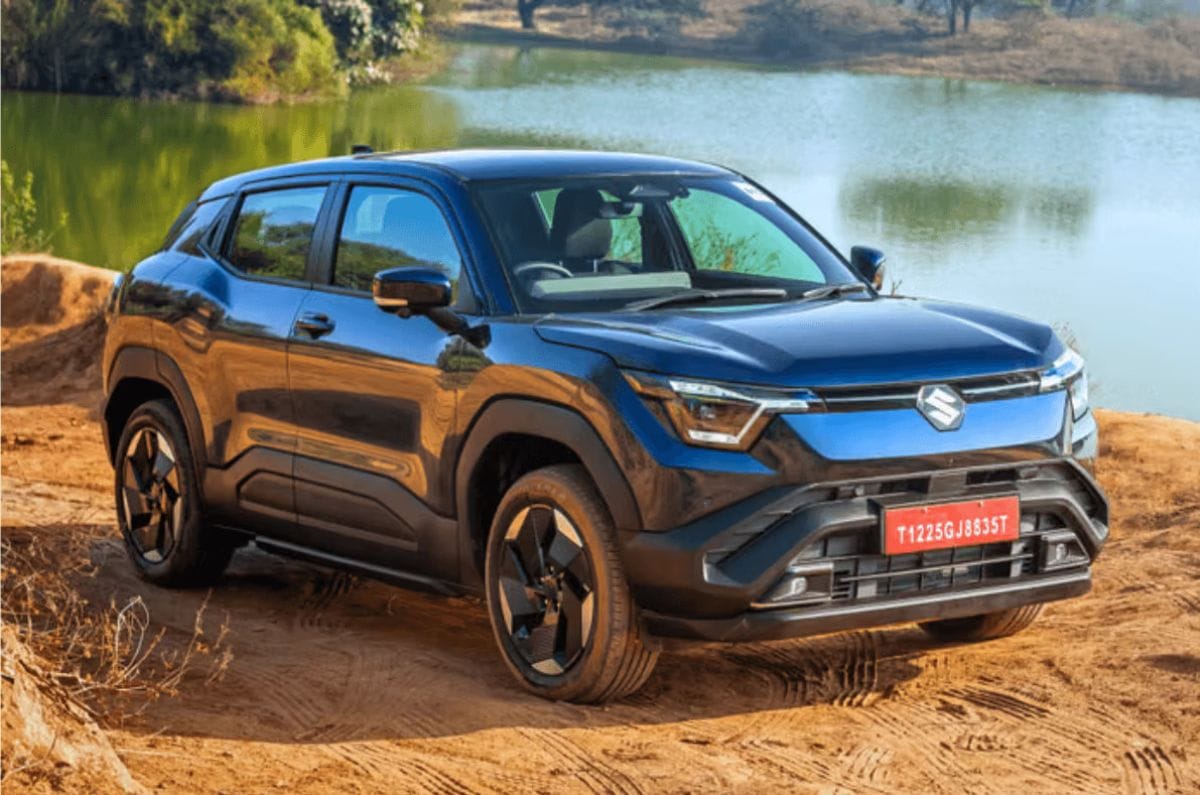
India’s passenger vehicle market leader continues to see MoM growth for its sole EV – the e-Vitara. Maruti Suzuki delivered 1,896 e-Vitaras to buyers in June, its highest monthly score since its launch in January this year. With this, retail sales have crossed the 6,000 mark. It is understood that due to production constraints, the company has allocated between 2,000-2,500 units for the domestic with far more for exports where the e-Vitara is the third most-exported SUV in the current fiscal. It is understood that the company plans to increase the e-Vitara’s production capacity from August or September this year.

e-Vitara achieved its highest monthly sales yet in June

Vinfast India

June 2026: 1,394 units

The local arm of Vietnamese EV major Vinfast also registered its highest-ever monthly sales in June – 1,394 units. This gives it a 4 percent EV market share. Of the four models in its portfolio, two (VF6 and VF7) are SUVs and two (VF MPV 7 and VF Limo Green taxi) are MPVs. On the wholesales front (April-May 2026), the VF7 is outselling the VF6. For the two MPVs, the Limo Green e-taxi is witnessing far more demand than the VF MPV 7. Vinfast will be looking to achieve higher sales traction when it launches the VF5 hatchback, which is likely to go head-to-head against the Tata Tiago EV or Punch EV, depending upon its specifications.

BYD India

June 2026: 860 units, up 69 percent YoY

BYD India also scaled a new monthly high in June with 860 units, up 69 percent YoY (June 2025: 508 units). Its previous best was in October 2025 (615 units). One of the fillips for higher sales last month could be the fact that BYD is raising its EV prices by 1-2 percent from July 1, which is the second time this year. Meanwhile, the Chinese EV maker has confirmed plans to introduce the Seal U PHEV later this year, which will be its first PHEV. 

Kia India

June 2026: 446 units, up 792 percent YoY

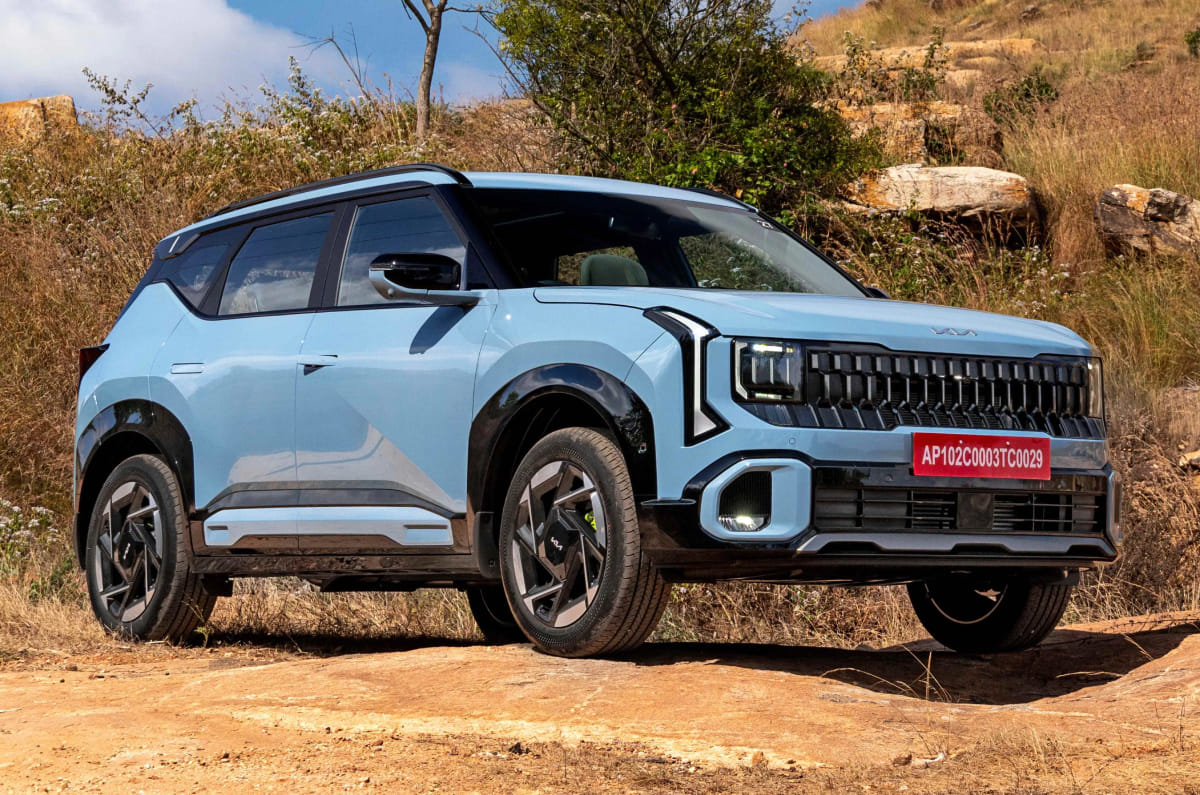
Ranked above Hyundai in June and below seventh-ranked BMW India (486 units), Kia India sold 446 EV, up 792 percent YoY on a low year-ago base (June 2025: 50 units). Following the launch of the Carens Clavis EV MPV, which joined the far more expensive EV6 and EV9 imported as CBUs, Kia has seen its monthly numbers improve compared to last year. 

Hyundai Motor India

June 2026: 347 units, down 42 percent YoY

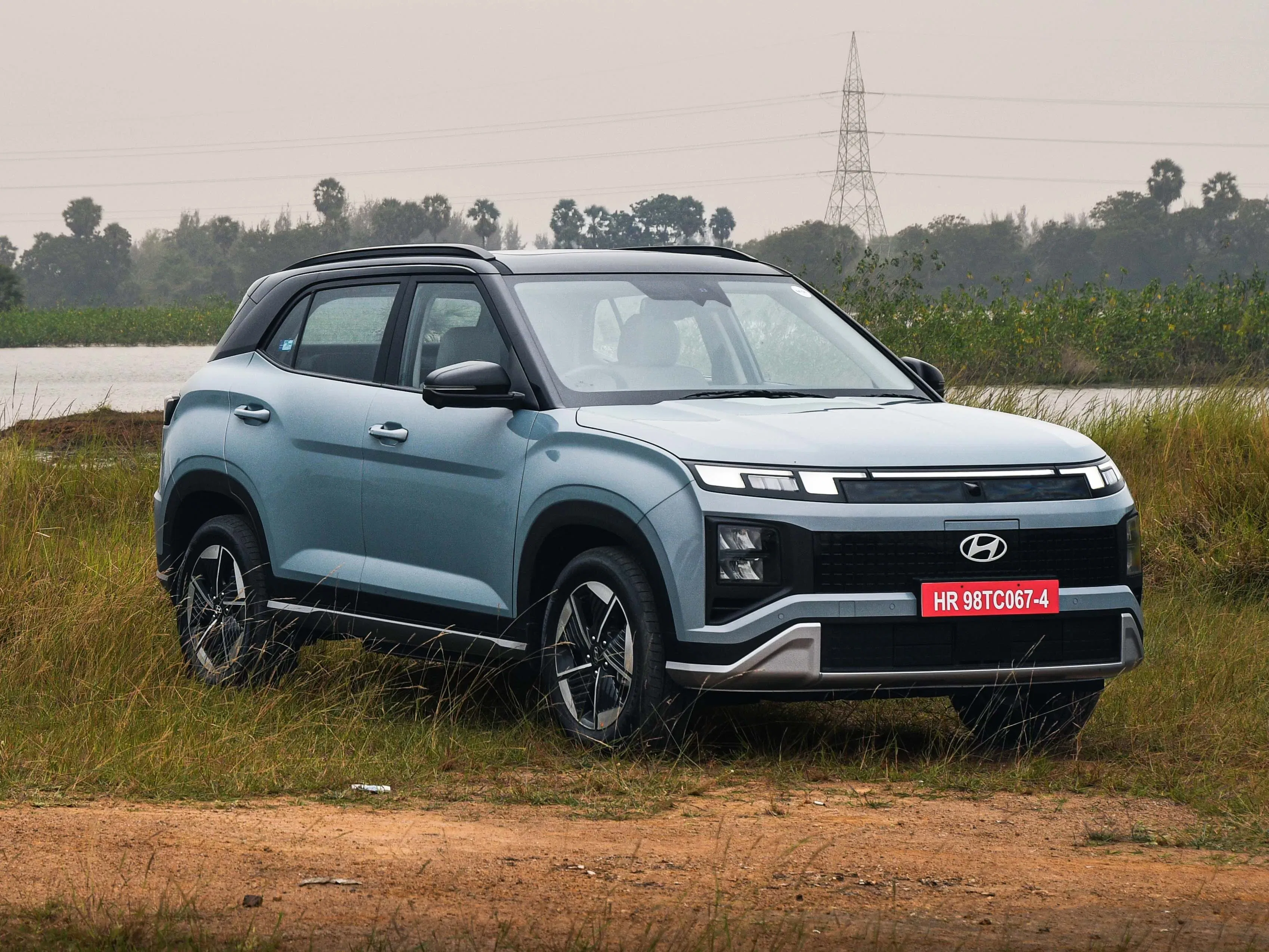
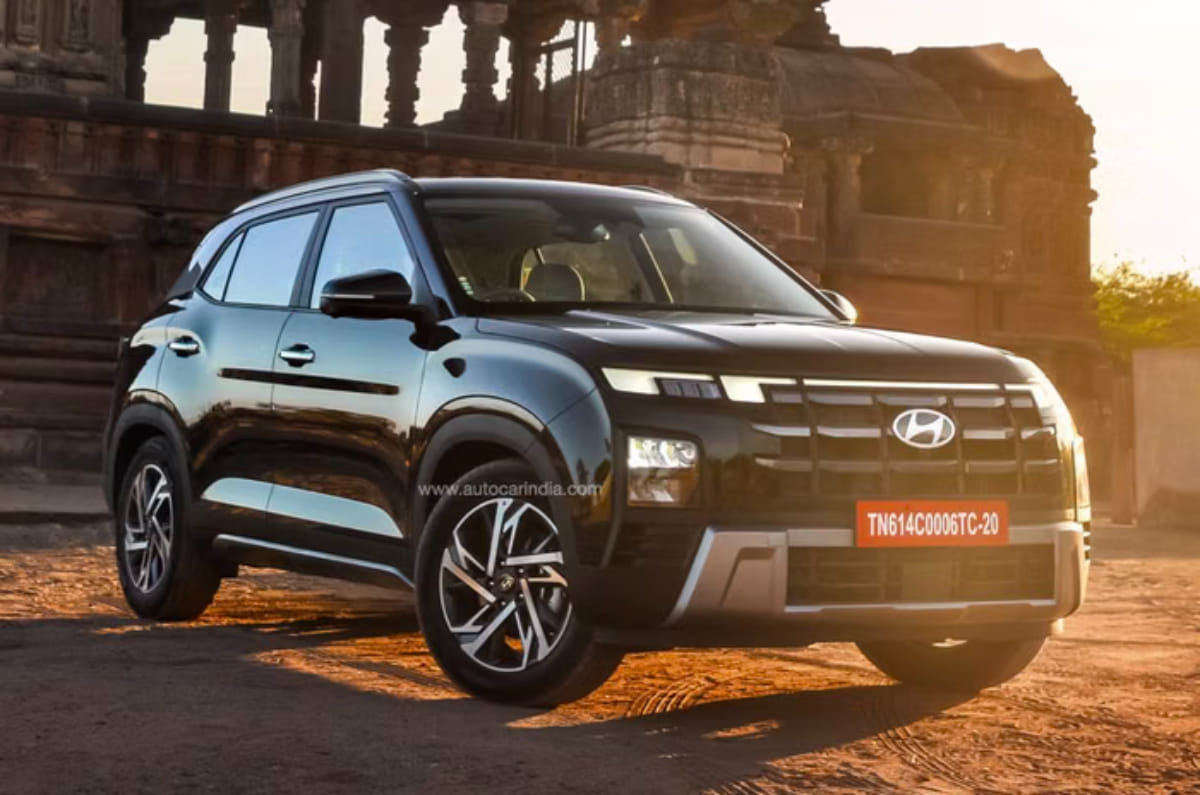
Creta Electric still lags behind its competitors in the midsize SUV segment. 

Hyundai delivered 347 EVs last month, down 42 percent YoY (June 2025: 596 units). The company, which has only two models in its EV portfolio (Creta Electric and Ioniq 5), continues to feel the heat of the intense competition in the EV market where market leaders Tata Motors, M&M and JSW MG Motor have fast expanded their portfolios at multiple price-points to draw more buyers. As a result, Hyundai’s EV share is down to less than 1 percent from 4 percent a year ago.

Toyota Kirloskar Motor

June 2026: 32 units

Toyota Kirloskar Motor, the latest mainstream manufacturer to plug into the EV industry in India, delivered 32 units of the Urban Cruiser Ebella in June. The Toyota Ebella is the badge-engineered version of the Maruti e-Vitara. The Ebella is currently sold in three variants (E1, E2 and E3) albeit priced at a considerable premium over its Maruti cousin.

Carmaker June 2026June 2025YoY Change 
Tata Motors 12,0235,355125%
Mahindra 7,6453,513118%
JSW MG Motor 5,7854,69123%
Maruti Suzuki 1,896
Vinfast 1,394
BYD 86050869%
BMW 486242101%
Kia 44650792%
Hyundai 347596-42%
Mercedes-Benz 234113107%
Volvo362638%
Tesla35
Toyota 32
Citroen 24100-76%
Porsche 83167%
Audi 12-50%
Rolls Royce 14-75%
Jaguar Land Rover 00
Total 31,25315,203106%

Luxury Electric Carmakers Sell Record 801 Units in June

In tandem with the mass-market EV segment, demand for luxury EVs also called a new monthly high in June. Retail sales of the eight OEMs in this sub-segment more than doubled YoY to 801 units (June 2025: 390 units). Month-on-month growth was 20 percent and beat the previous best of 665 units in May 2026. This strong performance continues to be driven by the top two OEMs – BMW and Mercedes-Benz. 

BMW India 

BMW, which topped the luxury EV category in FY2026 with a record 3,898 EVs and is ranked number 7 in the entire EV segment, maintained its number 1 status with a 486 units, up 101 percent YoY (June 2025: 2421 units). That gives it a 61 percent share for last month.

Mercedes-Benz

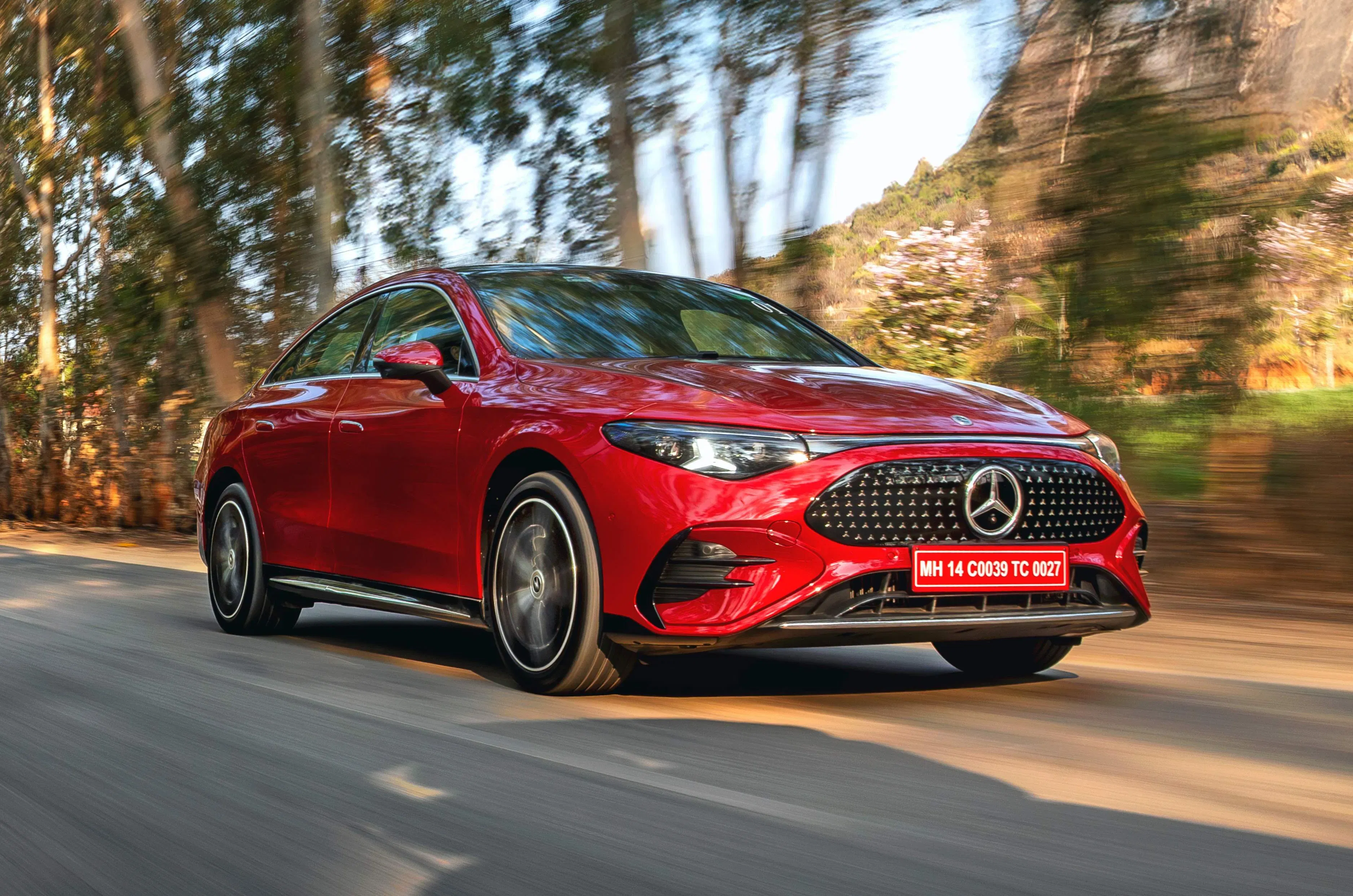
With 234 EVs sold last month, Mercedes more than doubled its sales as demand rose 107 percent YoY (June 2025: 113 units). The luxury carmaker registered strong growth on the back of the launch of the CLA electric sedan in end-April. The CLA EV replaced the combustion-powered A Class sedan, plus the EQA and EQB electric SUVs in India.

CLA Electric is contributing meaningfully to Merc’s EV sales. 

Volvo

Volvo sold 36 EVs in June 2026, up 38 percent YoY (June 2025: 26 units). This gives it a 4 percent share of the luxury EV market, down from the 7 percent it had a year ago.

Tesla

Tesla, which has expanded its portfolio in India with the extended-wheelbase six-seater Model Y L, sold 35 units last month. This takes its cumulative sales in January-June period to 234 units. Tesla India’s highest monthly sales to date were 69 units in September and December 2025. 

Porsche, Audi and Rolls Royce 

While German sports car maker Porsche sold 8 units last month, Audi and Rolls-Royce sold one each while JLR did not sell a single EV last month, as per Vahan. 

In terms of EV market penetration, these eight luxury EV OEMs had a 2.56 percent share of the record 31,253 e-PVs sold in June 2026.

How do the Sierra EV’s price and specifications fare against rivals?

Tata Sierra EV vs rivals: Specifications and price compared

As the electric mid-size SUV space gets highly contested over time, it has witnessed a new entrant in the form of the Sierra EV. With the arrival of the Sierra EV, Tata is now the only carmaker in the segment to have two contenders. But how well do the Sierra EV’s on-paper specifications perform against its competition? We bring along the specs of the Tata Curvv EV, Maruti e Vitara, Toyota Ebella, Hyundai Creta Electric, MG ZS EV, and the Vinfast VF6 to find out.

Tata Sierra EV vs rivals: Price

When it comes to the starting price, the Sierra EV is the third most expensive among rivals. In top-spec guise, it comes across as the second most expensive, undercutting the RWD BE 6 despite additionally offering AWD. The Maruti e Vitara is the most affordable model in the segment, while its badge-engineered Toyota Ebella’s sold variant has the highest starting price. At an identical Rs 19.19 lakh, the Tata Curvv EV and the Vinfast VF6 have the most accessible pricing for top-specification versions here.

Tata Sierra EV vs rivals: Dimensions 

Tata Sierra EV vs rivals: Dimensions 


Sierra EV

e Vitara

Ebella 

Creta Electric 

VF6

Curvv EV

ZS EV

BE 6

Length (mm)

4,340

4,275

4,275

4,340

4,241

4,310

4,323

4,371

Width (mm)

1,841

1,800

1,800

1,790

1,834

1,810

1,809

1,907

Height (mm)

1,750

1,640

1,640

1,655

1,615

1,637

1,649

1,627

Wheelbase (mm)

2,730

2,700

2,700

2,610

2,730

2,560

2,585

2,775

Ground clearance (mm)

205

185

185

200

190

186-190

177

207

Boot space (litres)

450

306

306

433

423

500

448

455

Frunk space (litres)

35-55

N/A

N/A

22

N/A

11.6

N/A

45

Wheel size (inches)

18-19

18

18

17

17-18

17-18

17

18-19

The Sierra EV is the tallest and has the largest frunk capacity in the segment. At the same time, it ranks second concerning length, width, wheelbase, and ground clearance after the BE 6. Despite its coupe SUV bodystyle, the Curvv EV gets the largest boot. A frunk is missing on the ZS EV, e Vitara, Ebella, and the VF6. Wheel sizes are the smallest on the Creta Electric and ZS EV, while the largest ones are on the Sierra EV and BE 6. 

Tata Sierra EV vs rivals: Battery and range

Tata Sierra EV vs rivals: Battery and range


Sierra EV

e Vitara

Ebella

Creta Electric

VF6

Curvv EV

ZS EV

BE 6

Battery size (kWh)

63 / 75

49 / 61

61

42 / 51.4

59.6

55

50.3

59 / 79

Motor setup

RWD / RWD, AWD

FWD

FWD

FWD

FWD

FWD

FWD

RWD

Power (hp)

238 / 209, 140 (front) 240 (rear)

144 / 174

174

135 / 171

177 / 204

167

177

231 / 286

Torque (Nm)

315 / 315, 504

193

193

255

250 / 310

215

280

380

ARAI range (km)

535 / 665, 624

440 / 543

543

420 / 510

468 / 463

502

461

548 / 683

The Sierra EV is the only eSUV to offer an AWD version and has a diverse powertrain lineup. Its 75kWh battery pack is second only to the Mahindra BE 6’s 79kWh unit, while the Creta Electric’s 42kWh battery is the smallest here. The Ebella, Curvv EV, ZS EV, and VF6 only offer a single battery pack option. While the BE 6 and other variants of the Sierra EV are inherently AWD, the remaining eSUVs have a FWD layout. For models with a single-motor setup, the BE 6 79kWh version develops the most power by a healthy margin, followed by the Sierra EV’s RWD 75kWh variant. However, the Sierra EV’s AWD version churns out the highest torque. As for the claimed range, the BE 6’s 79kWh and the Sierra EV’s 75kWh RWD versions grab the first and second spots, respectively. The Creta Electric’s 42kWh version develops the least power and has the lowest claimed range figure among all SUVs here.

Tata Sierra EV vs rivals: Charging times

Tata Sierra EV vs rivals: Charging times


Sierra EV

e Vitara

Ebella

Creta Electric

VF6

Curvv EV

ZS EV

BE 6

Battery size (kWh)

63 / 75

49 / 61

61

42 / 51.4

59.6

55

50.3

59 / 79

AC charging output support (kW)

7.2

7.4 

7.2

11

N/A

7.2

7.4

7.2, 11.2

DC charging output support (kW)

110 / 120

70

N/A

100

100

70

50

140 / 180

AC charging time (hours)

8.9 / 10.5

(10-100%)


6.5 / 9

(10-100%)

N/A

4 / 4.83

(10-100%)

N/A

7.9

(10-100%)

(0-100%)

8.7, 6 / 11.7, 8 

(0-100%)

DC charging time (minutes)

25 / 26

(20-80%)

45

(10-80%)


N/A

39

(10-80%)

25 

(10-70%)

40 

(10-80%)


60 

(0-80%)

20

(20-80%)

Most SUVs here, including the Sierra EV, offer about 7kW AC charging speeds as standard, while the Creta Electric gets faster 11kW support. The BE 6 offers an 11.2kW charger, but at an additional cost. AC charging-wise, the larger battery packs on the Sierra lend it to the slower side of the comparison. As for DC charging, the Sierra EV supports the second-quickest charging outputs, and its charging time isn’t too far behind that of the BE 6s that support faster charging outputs. 

All prices are ex-showroom, India.

June 2026 car sales: Tata narrowly retains second place over Mahindra

June 2026 sales

India’s passenger vehicle market maintained its momentum in June 2026, with most carmakers reporting year-on-year growth despite a month-on-month slowdown for several brands. Maruti Suzuki retained a comfortable lead in domestic sales, while Tata Motors held on to second place ahead of Mahindra. Hyundai remained fourth, with Toyota rounding off the top five.

CarmakerJune 2026 salesMay 2026 salesMoM change (%)June 2025 salesYoY change (%)
Maruti Suzuki147,187190,337-22.67118,90623.78
Tata Motors62,07659,0905.0537,08367.40
Mahindra60,39358,0214.0947,30627.66
Hyundai39,63547,837-17.1544,024-9.97
Toyota28,44130,574-6.9826,4537.52
Kia24,55227,586-11.0020,62519.04
MG Motor7,5686,04825.135,82929.83
Nissan3,0062,9481.972,10742.67

Maruti Suzuki 

Sales: 147,187 units, Change: 23.78 percent YoY

Maruti Suzuki remained India’s largest carmaker in June, selling 147,187 passenger vehicles, more than double the volume of the second-placed Tata Motors. Utility vehicles such as the Brezza, Fronx, Grand Vitara, Ertiga, XL6, Jimny, Invicto, Victoris and e Vitara contributed 61,726 units, while the small car segment, including the Alto, S-Presso, Baleno, Celerio, Dzire, Swift and WagonR, accounted for 75,231 units.

Tata Motors

Sales: 62,076 units, Change: 67.4 percent YoY

Tata Motors retained second place with domestic passenger vehicle sales of 62,076 units in June. The company stayed ahead of Mahindra by 1,683 units, continuing the close contest for the second spot in the passenger vehicle market. During the month, the company launched the Sierra EV and also announced a price increase of up to 1.5 percent across its ICE and EV range from July 1.

Mahindra

Sales: 60,393 units, Change: 27.66 percent YoY

Mahindra recorded domestic SUV sales of 60,393 units in June, remaining close behind Tata Motors. The company continued to report strong demand across its SUV portfolio, with models such as the Scorpio-N, Thar, XUV 3XO and XUV 7XO supporting volumes.

Hyundai

Sales: 39,635 units, Change: -9.97 percent YoY

Hyundai recorded domestic sales of 39,635 units in June. The company said production was affected by a fire at one of its suppliers’ manufacturing facilities, resulting in a loss of around 13,900 units during the month. The company’s volumes continue to be led by the Creta, Venue and Exter, supported by steady demand for its hatchback such as the Grand i10 Nios and i20.

Toyota

Sales: 28,441 units, Change: 7.52 percent YoY

Toyota sold 28,441 vehicles in the domestic market during June, retaining fifth place. The Innova Hycross, Urban Cruiser Hyryder and Glanza continue to account for a significant share of the company’s monthly volumes. Toyota is also set to launch the ninth-gen Hilux pickup in India this July, as per our sources

Kia

Sales: 24,552 units, Change: 19.04 percent YoY

Kia recorded domestic sales of 24,552 units in June. Demand continued to be driven by the Seltos and Sonet, while the Carens Clavis and Syros contributed to the brand’s overall volumes. During the month, Kia also introduced its Battery-as-a-Service (BaaS) programme for the Carens Clavis EV.

MG Motor

Sales: 7,568 units, Change: 29.83 percent YoY

JSW MG Motor reported sales of 7,568 units in June, remaining ahead of Nissan. The company’s portfolio spans both internal combustion engine and electric models, led by the Windsor EV, Comet EV and Hector. MG is also set to unveil a ‘new energy vehicle’ in India on July 16, expected to be the rebadged Wuling Starlight 560 PHEV.

Nissan

Sales: 3,006 units, Change: 42.67 percent YoY

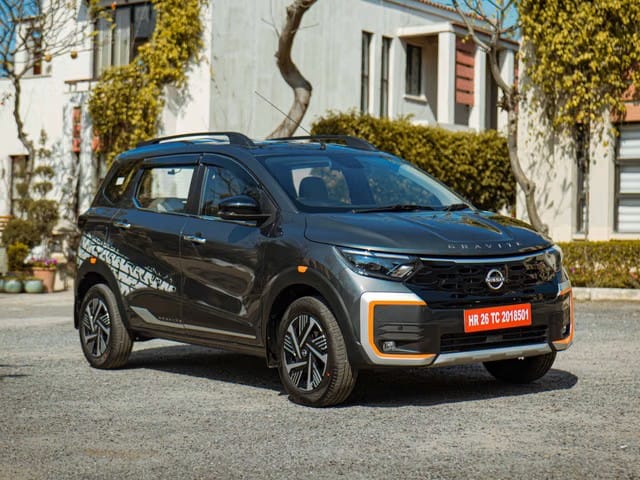
Nissan recorded domestic wholesales of 3,006 units in June, registering a 42.67 percent year-on-year increase and marking its fourth consecutive month of domestic sales growth. The company attributed the growth to continued demand for the Magnite and the recently launched Gravite. Nissan will unveil the Tekton SUV globally on July 9.

Electric scooter market records its second highest monthly sales in June 2026

Electric scooter market records its second highest monthly sales in June 2026

The Indian electric two-wheeler industry has notched its second-highest monthly retail sales total in June. The 1,93,495 e-scooters delivered to customers last month are a 75 percent YoY increase and just 5,891 units short of the record sales in March 2026. 

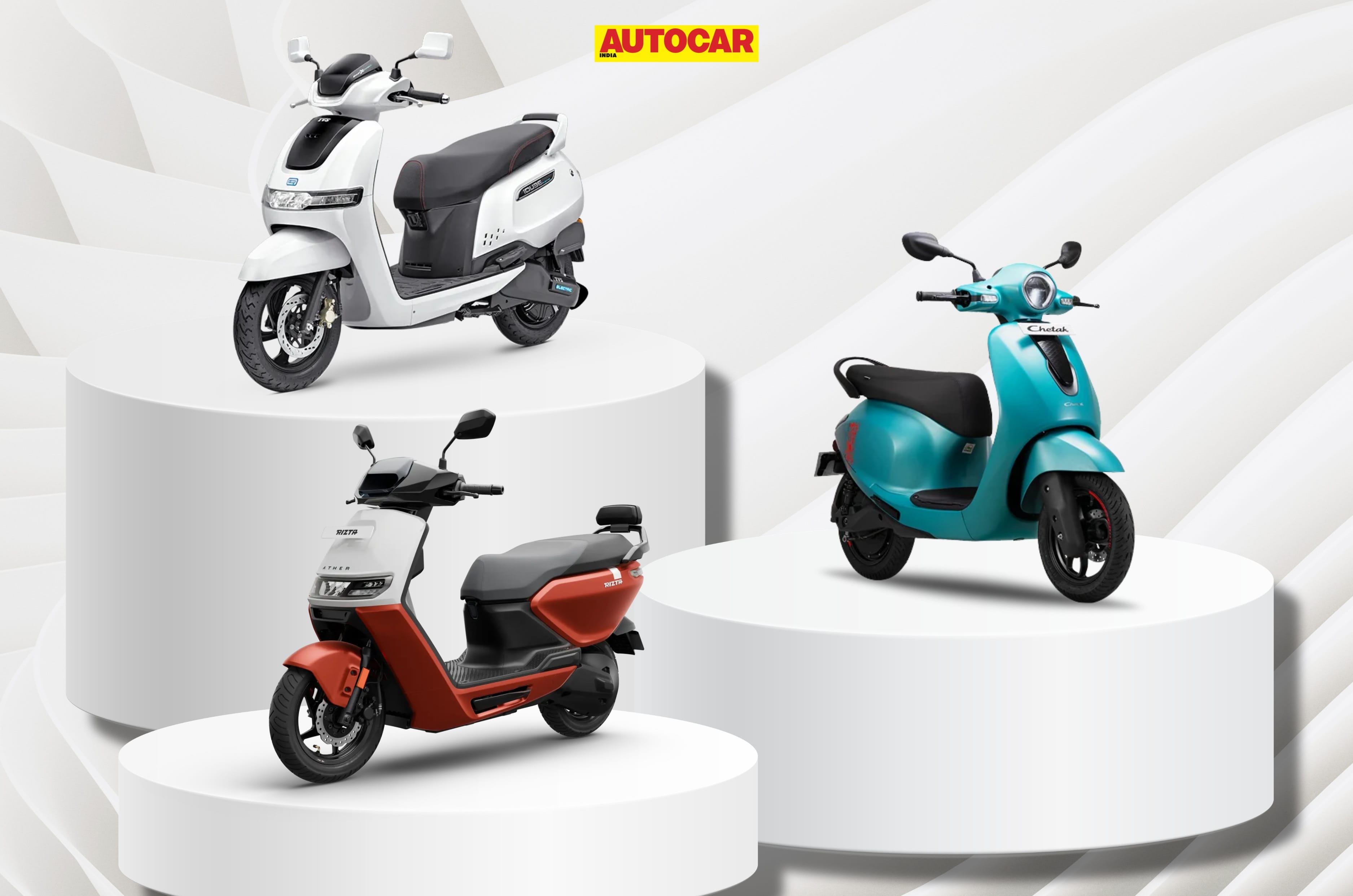
  1. TVS currently holds a 24 percent share of the E-2 wheeler market
  2. Ather records second-highest monthly sales after March 2026
  3. Bajaj records a 80-percent year-over-year increase

May 2026 saw a sales spike due to four petrol price hikes, June 2026 witnessed a 12 percent month-on-month increase to take cumulative January-June 2026 sales to 9,70,611 units, up 53 percent YoY. In a segment which has over 175 players, let’s take a closer look at the Top 10 led by TVS Motor Co. 

TVS Motor Co: 46,999 units

Market share: 24 percent

Electric 2W market leader TVS Motor Co, with 46,999 units and handsome 76 percent YoY growth (June 2026: 26,74 units), registered its second-highest monthly retails after the record 51,630 units it sold in March this year. This gives TVS a 24 percent market share, the same as June 2025. Each of the first three months of the current fiscal year have seen 40,000-plus sales for TVS.  

Among the highlights of June for TVS was achieving the cumulative 1-million sales milestone to be the second OEM to do so after Ola.

With 2,51,335 iQubes and Orbiters sold in January-June this year, TVS looks well set to surpass the 500,000-units or half-a-million annual sales milestone, for the first time in CY2026.

Bajaj Auto: 43,234 units

Market share: 22 percent

Bajaj Auto, the closest challenger to TVS, sold 43,234 units. This marks robust 80 percent YoY growth, giving the Chetak manufacturer a 22 percent market share. Like TVS, this is also Bajaj Auto’s second-highest monthly retail sales after March 2026. The gap between TVS and Bajaj has been narrowing steadily. In June, Bajaj Auto became the third Indian e-2W manufacturer to surpass 800,000 sales.

Ather Energy: 31,188 units

Market share: 16 percent

Like TVS and Bajaj, Ather Energy too has clocked its second-highest monthly sales in June. The 31,188 units are the second time the Bengaluru-based e-2W startup has sold over 30,000 units, with the highest being in March 2026 (36,365 units). Ather’s stellar sales last month are a 95 YoY increase, which sees its market share rise to 16 percent from 14 percent a year ago. 

The Rizta family scooter, which has crossed 300,000 cumulative sales, remains the most popular product for Ather which last week surpassed the 700,000 sales milestone.

Hero MotoCorp (Vida): 21,792 units

Market share: 11 percent

The EV arm of the world’s largest 2W manufacturer continues to shine. Hero Vida e-scooter deliveries of 21,792 units were a 175 percent YoY increase (June 2025: 7,920 units) and only the second instance of over 20,000 monthly sales. June numbers missed the highest Vida sales total of 22,201 by only 409 units.

At 1,05,986 units in the first six months of this year, Hero Vida retail sales are already 94 percent of its CY2025 sales of 113,021 units and indicate that Hero MotoCorp will, for the first time, achieve the 200,000 annual sales milestone for its EVs.

Ola Electric: 16,144 units

Market share: 8 percent

Ola Electric, the longstanding e-2W market leader till April 2025, is witnessing a revival in demand. The company delivered 16,144 units to its customers in June. While this number is down 22 percent YoY (June 2025: 20,697 units), it also marks the fifth straight month-on-month growth for Ola Ranked No. 5 on the OEM ladder, Ola’s current monthly market share is 8 percent, considerably down from the 19 percent it had in June 2025 when it was ranked No. 3 after TVS and Bajaj Auto.

Greaves Electric Mobility: 10,928 units

Market share: 6 percent

The IPO-bound Greaves Electric Mobility, the manufacturer of Ampere e-scooters, is another OEM which is witnessing growing demand for its products. In June 2026, the company delivered 10,928 units, marking a handsome 152 percent YoY growth (June 2025: 4,334 units). This robust performance, which sees GEM breach the 10,000-units monthly retail sales mark after nearly three years, sees the Ampere scooter market share rise to 6 percent from 4 percent a year ago.

At nearly 44,000 units sold in the first six months of this year, GEM is well placed to cross 100,000 units in CY2026. Demand has risen following the launch of the new Ampere Magnus Neo, a lighter and redesigned variant aimed at urban commuter buyers. GEM’s EV portfolio comprises the Nexus (EX and ST), Magnus (G Max, Grand, Neo) and Reo 80 brands. 

River Mobility: 4,391 units

Market share: 2 percent

Bengaluru-based River Mobility, which is witnessing growing demand for its sole product – the River Indie – delivered 4,391 units, up 214 percent YoY. This sees the company double its e-2W market share to 2 percent. The EV startup had clocked its highest monthly sales in March 2026 (4,271 units) and has sold over 43,000 Indies to date since the e-scooter’s rollout in October 2023. 

The last three OEMs in the Top 10 list comprise three startups. At No. 8 is Bgauss Auto, which began sales in August 2022 and is now a regular in the monthly Top 10 OEM list. Bgauss sold 3,916 units last month. Between January and June, Bgauss has sold 19,480 units which gives it a 2 percent share of all-India e-2W sales in H1 CY2026.

The Delhi-based E-Sprinto Green Energy is also registering good demand for its e-scooters. In June, this startup sold 1,878 units and a 1 percent market share to take ninth rank amongst 175 players. 

Wrapping up the Top 10 is Simple Energy which sold 1,365 e-scooters last month. The company has outlined an ambitious future sales target of 10,000 units a month by March 2027. It could be banking on the upcoming e-scooter, understood to be called the Simple Arrive and a family-centric model aimed to rival the TVS iQube, Ather Rizta and Bajaj Chetak.

Promise of Strong Growth Continuing in CY2026

The e-2W segment, the largest volume provider to India EV Inc, is on a roll this year. The 9,70,611 electric scooters, bikes and mopeds sold in the first six months of this year are already 72 percent of the record 1.34 million units sold in CY2025. With petrol prices surging in May as a result of multiple hikes, a growing number of ICE scooter buyers are actively considering a shift to zero-emission models, which leading players like TVS, Bajaj Auto, Ather Energy, Hero Vida, Ola and Greaves Electric Mobility are capitalising on.

In June, these 6 OEMs with combined sales of 170,285 units had an 88 percent share of the total 193,495 e-2Ws sold. Add the remaining four OEMs to the Top 10 list and their 1,81,835 units give these movers and shakers a commanding 94 percent share of last month’s sales, leaving just 6 percent to be fought over by 165 other players.

What will add tailwinds to future growth is the Delhi government’s game-changing EV Policy 2.0, which kicks in from today, July 1 and enables strong demand potential for electric two-wheelers in the capital city. It would not be surprising if other states and UTs in India take the EV-friendly policy cue from Delhi and tweak their existing EV policies or introduce one.


Lamborghini reveals Urus SE Performante as its hottest SUV yet

Lamborghini reveals Urus SE Performante as its hottest SUV yet

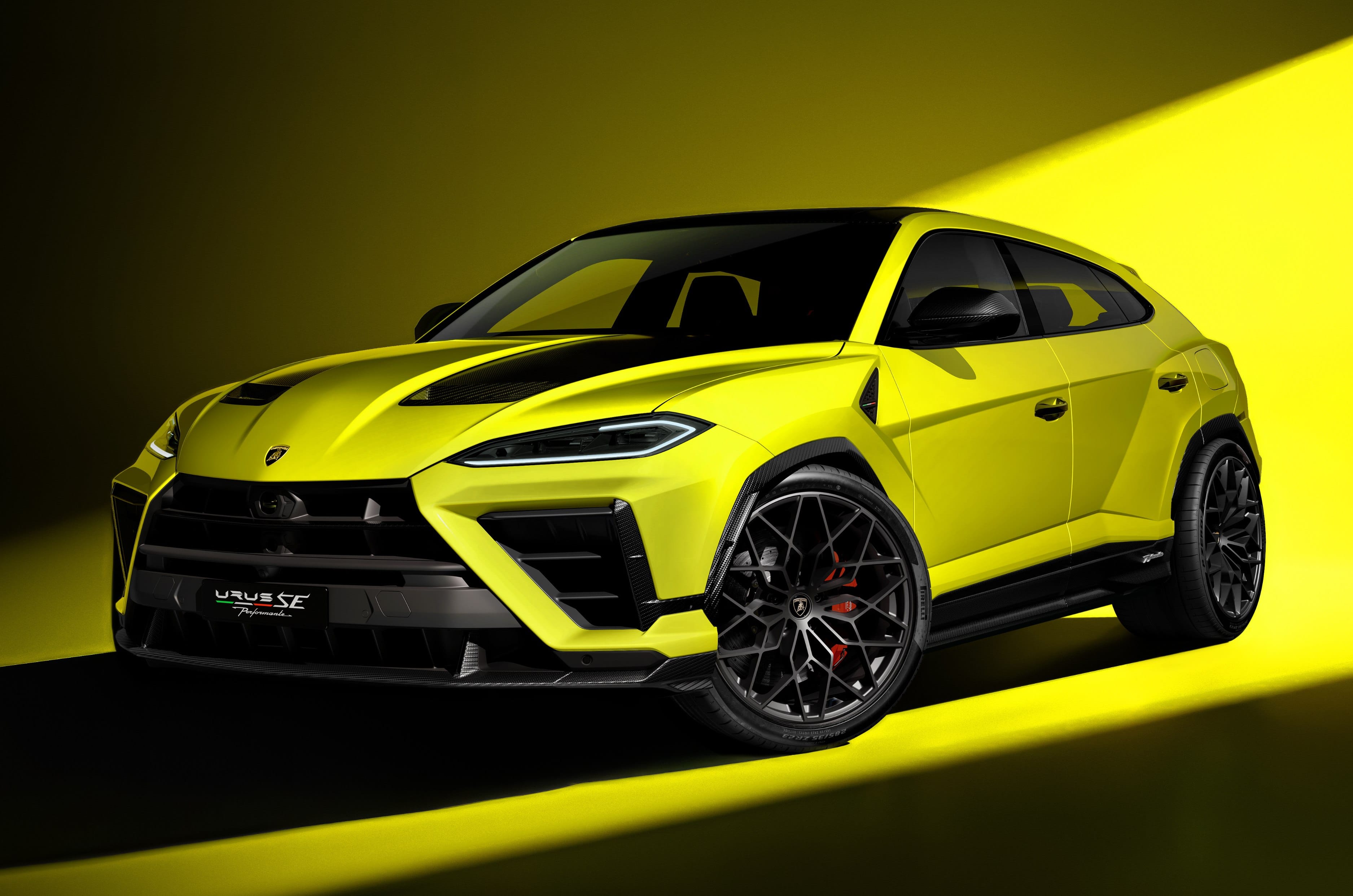
Lamborghini has revealed the Urus SE Performante, marking a comeback for the high-performance version of the Urus, after the non-PHEV Performante was discontinued in 2024. The new Lamborghini Urus SE Performante is currently the Italian manufacturer’s most powerful SUV and gets performance and design upgrades over the standard Urus SE. 

VIDA gets a New Brand Logo alongside an Asia Book of Records Title

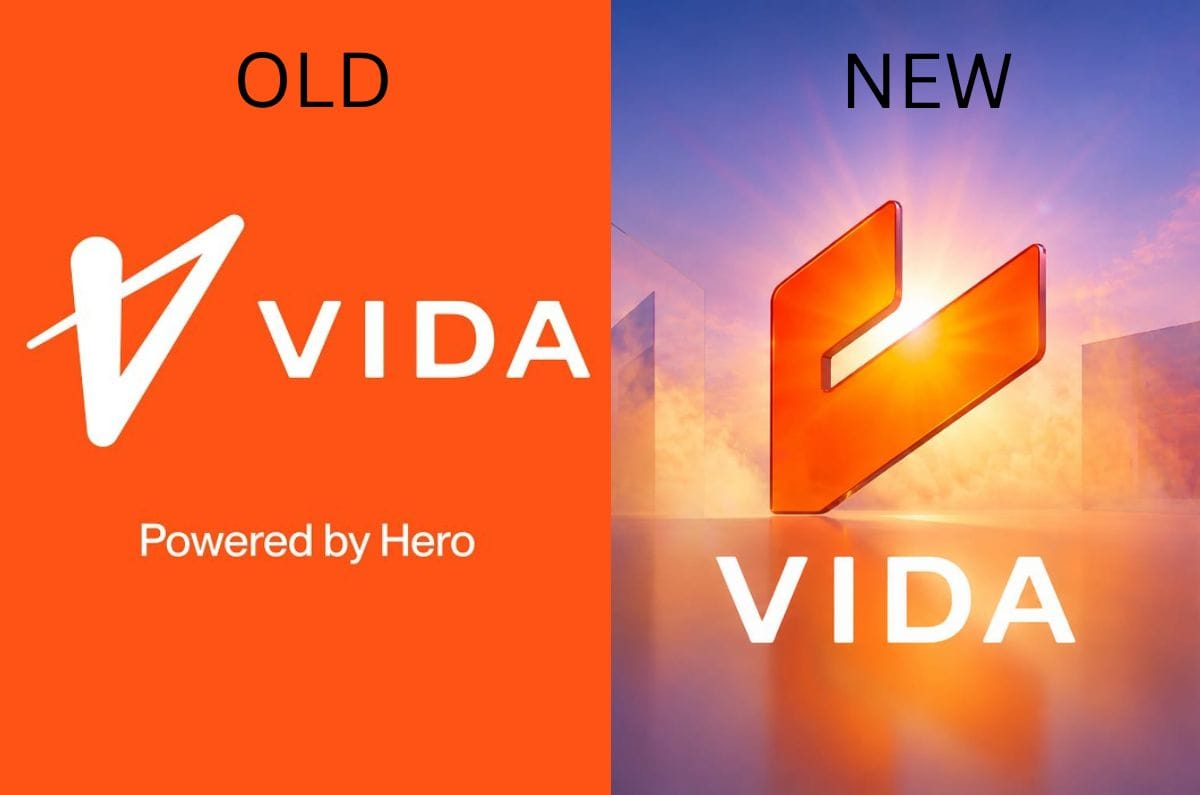
Hero Vida Old and New Logo
  1. The VIDA brand gets a refreshed logo
  2. Secures a spot in the Asia Book of Records for creating the largest brand logo  

Vida unveils refreshed logo: What’s new?

The brand also entered the Asia Book of Records for creating the largest brand logo, covering over 35,000 sq. ft

Since its launch in 2022, the VIDA brand has expanded from offering a premium electric scooter to a broader portfolio that now includes family and commuter electric scooters, the DIRT.E off-road range, and the NOVUS future mobility platform.

The refreshed logo introduces a geometric ‘V’ lettermark that is said to be inspired by Hero’s logo. According to the company, the design represents the connection between Hero’s legacy and VIDA’s future, while “powered by Hero” remains a key part of the brand identity.

To mark the launch, VIDA also entered the Asia Book of Records for creating the largest brand logo, covering over 35,000 sq. ft. The display was created using the VIDA VX2, VIDA DIRT.E K3, NOVUS NEX 1 and Hero XPulse.

The new brand identity will be introduced in phases across VIDA’s dealerships, digital platforms, connected interfaces and future products.