5 things to know before buying the Revolt RVX

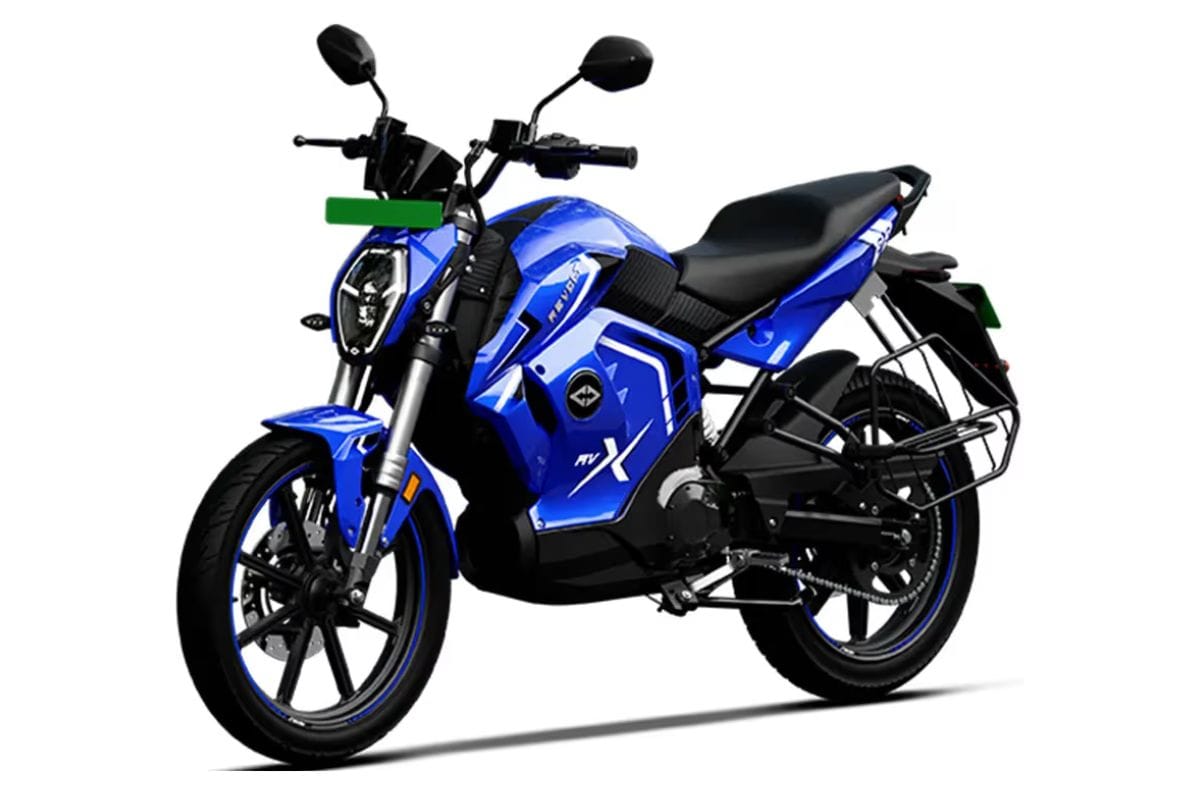
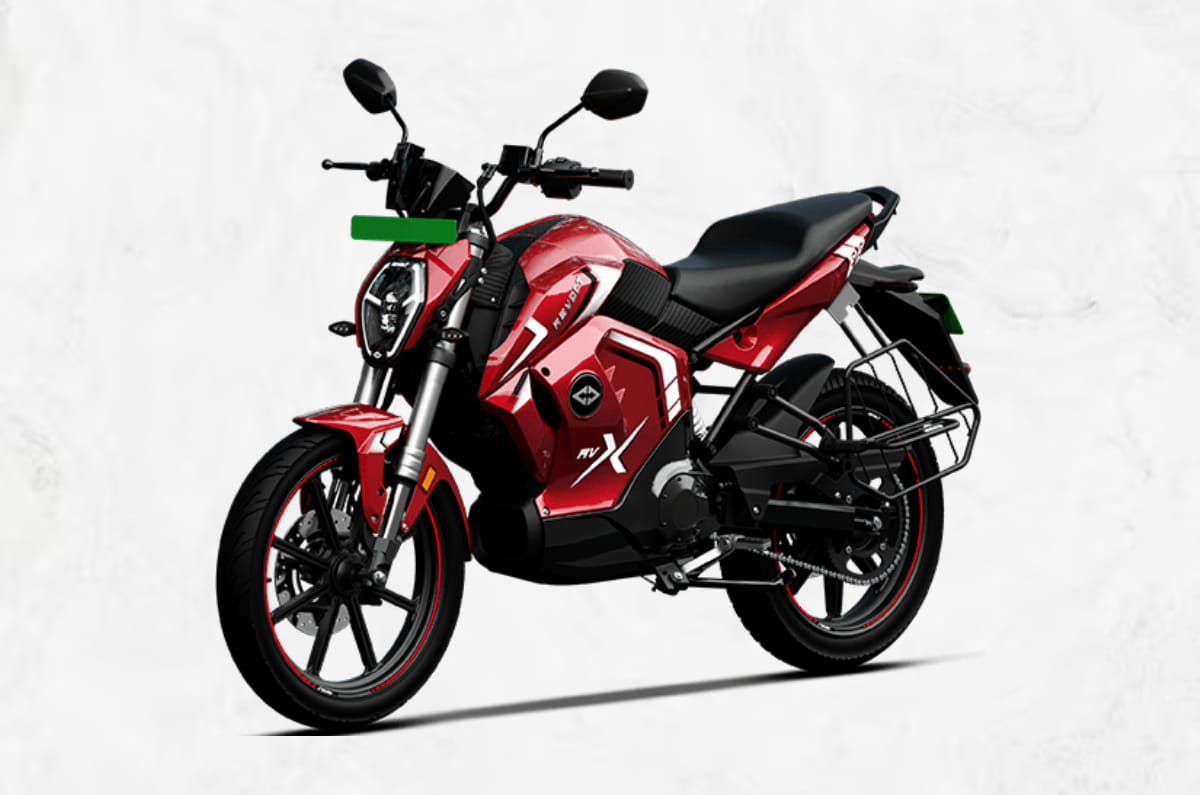
Revolt RVX studio image

The Revolt RVX is the latest addition to the brand’s electric motorcycle lineup and is also its most powerful model yet. It features a new mid-drive motor, a removable battery pack, four riding modes and a suite of connected features. Here are answers to some of the most commonly asked questions about the bike.

What is the price of the Revolt RVX?

The Revolt RVX is priced at Rs 1.30 lakh (ex-showroom, India), but Revolt has described this as an introductory price that is expected to increase in the future. Buyers in Delhi can also take advantage of incentives under the new Delhi EV Policy and the PM E-Drive scheme, bringing the effective ex-showroom price down to Rs 94,990.

What is the range of the Revolt RVX?

The Revolt RVX has a claimed IDC range of 160km on a single charge. It is powered by a 3.24kWh removable battery pack with an IP67 rating for water and dust resistance. The bike uses a 4kW mid-drive permanent magnet synchronous motor with a peak output of 5.3kW and a claimed 230Nm of torque at the rear wheel. Power is transmitted to the rear wheel via a chain drive.

What is the charging time of the Revolt RVX?

Using the standard 10A charger, the Revolt RVX takes 3 hours and 30 minutes to charge from 0 to 80 percent and 4 hours and 45 minutes for a full charge. With the optional 27A fast charger, the 0 to 80 percent charging time drops to 1 hour and 20 minutes.

What is the top speed of the Revolt RVX?

The Revolt RVX has a claimed top speed of 90kph, achievable only in Boost mode. It’s worth noting that Boost mode is available only when motor conditions permit, and the bike automatically reverts to Sport mode when it can no longer sustain the higher performance. In Sport mode, the top speed is limited to 80kph.

What is the seat height and weight of the Revolt RVX?

The Revolt RVX has a seat height of 815mm and a kerb weight of 120kg. It rides on 17-inch alloy wheels at both ends, shod with 90/80-17 front and 110/80-17 rear tubeless tyres, and offers 190mm of ground clearance.

 

Lamborghini Urus SE Performante image gallery

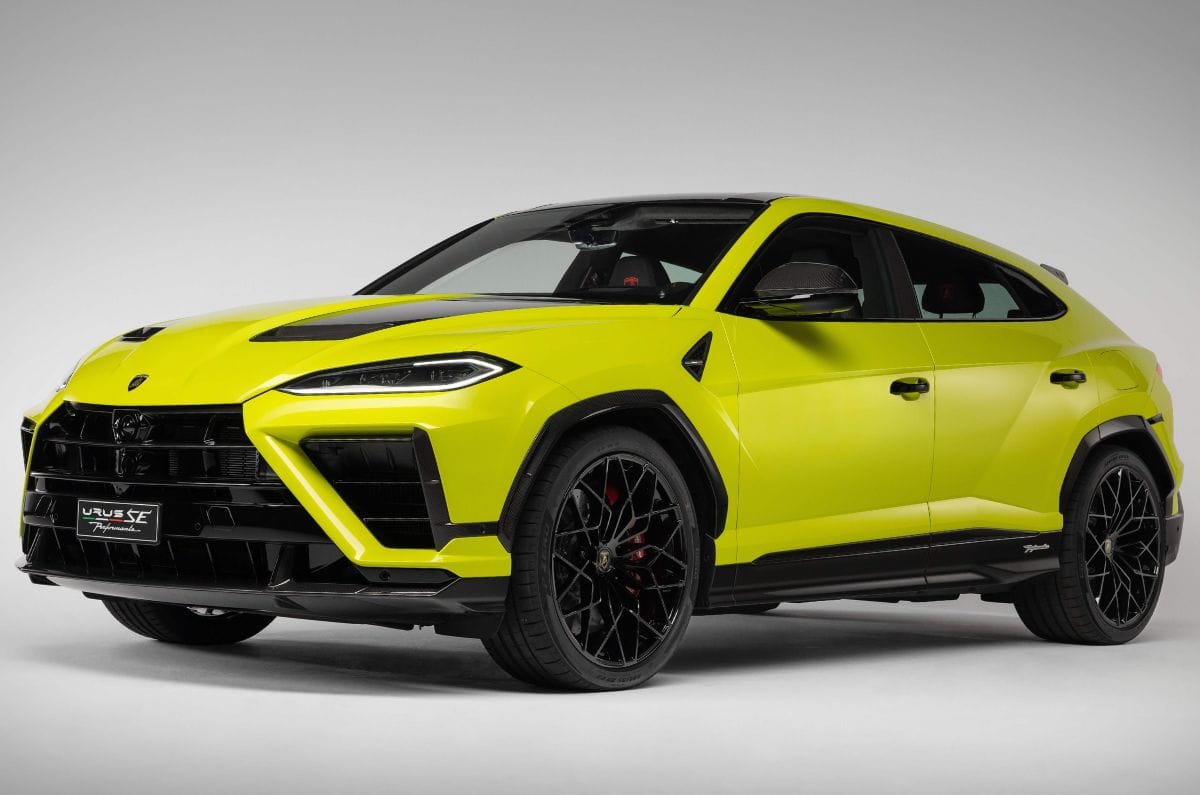
Lamborghini Urus SE Performante front quarter

After its discontinuation in 2024, the Performante nameplate has returned to the Urus, this time as a plug-in-hybrid (PHEV) model. Called the Lamborghini Urus SE Performante, it is based on the standard Urus SE and gets the same 4.0-litre twin-turbo V8 engine with PHEV tech, which has a total output of 812hp and 1000Nm, 12hp and 50Nm more than the standard model. It has a claimed 0-100kph time of 3.3 seconds, 0.1 second faster than the Urus SE. To achieve this, Lamborghini has recalibrated the 8-speed automatic transmission, updated the engine management software, introduced exposed carbonfibre elements outside, and fitted it with a lighter free-flowing exhaust system.

Hyundai Creta Electric prices now start at Rs 10.99 lakh with BaaS

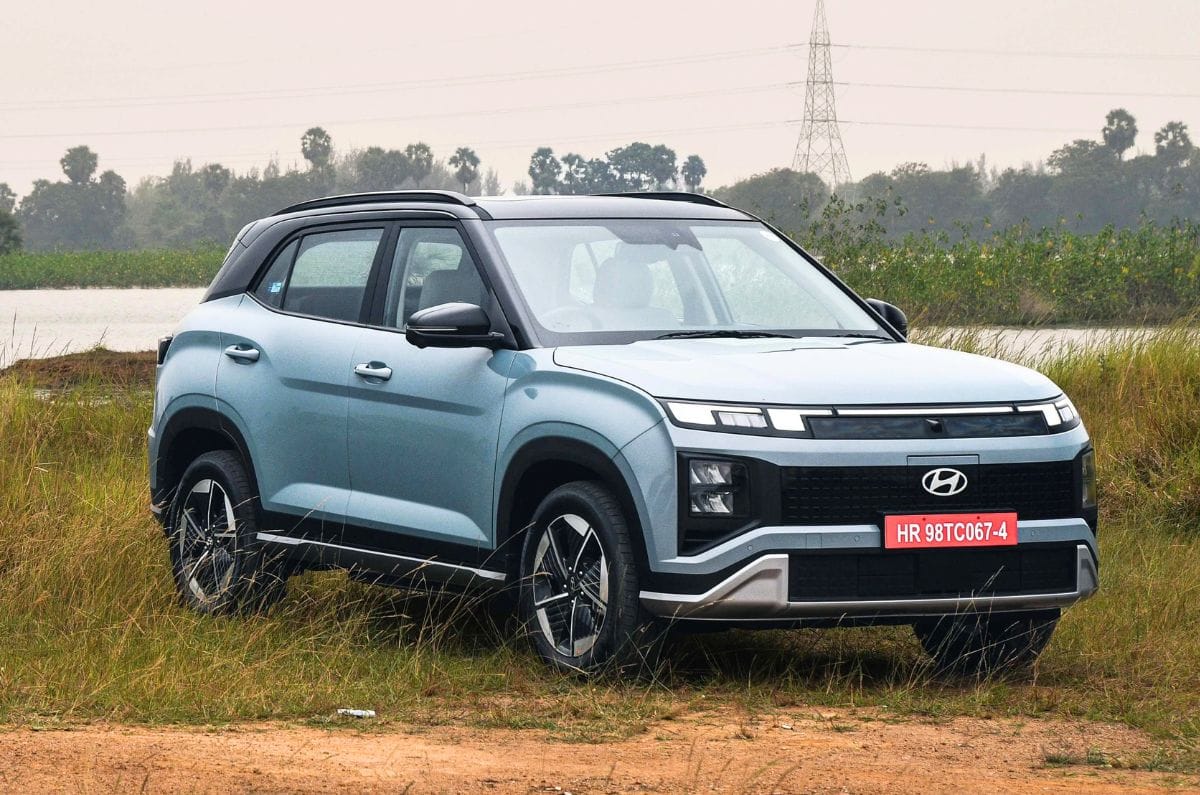
Hyundai Creta Electric

Hyundai has introduced Battery-as-a-Service (BaaS) on the Creta Electric in an effort to reduce the initial acquisition cost. With BaaS, prices for the Creta Electric start from Rs 10.99 lakh, and Hyundai is charging Rs 3.90 for per kilometre usage. The company, however, hasn’t provided a detailed variant-wise breakup of the BaaS prices yet.

  1. Creta Electric also updated with a side step 
  2. Hyundai is now the 7th carmaker to offer BaaS with EVs 

JSW MG Motor was the first to introduce BaaS with the Windsor EV in India in 2024, and since then, several other carmakers like Citroen, Kia, Maruti and Toyota have joined the bandwagon. Hyundai becomes the seventh carmaker to now offer BaaS with its EV. Mahindra and Vinfast, however, are among the only major EV players to not offer BaaS. 

Hyundai Creta Electric: what’s new?

The Creta Electric range is priced from Rs 18.03 lakh – Rs 24.70 lakh (ex-showroom), which means BaaS effectively reduces the entry price by about Rs 7 lakh. Customers will have to pay additionally as per their usage, which is more like an EMI on the battery. 

Alongside BaaS, Hyundai has also updated the Creta Electric with an integrated side step for easier ingress and egress. The carmaker is now also offering a 7.4kW AC wall box charger with the HC variants in the Creta Electric line-up; so long it was only available with an 11kW AC charger. 

Hyundai Creta Electric battery and range 

The Creta Electric is offered with two battery pack options: 42kWh and 51.4kWh. The former returns a claimed range of 420km while the latter has a claimed range of 510km. Powering the Creta Electric is a single motor on the front axle that drives the front wheels. In the Long-Range variant, this motor produces 171hp while the smaller battery gets a 135hp electric motor.

The Creta Electric has new competition in the recently launched Tata Sierra EV, along with other midsize EVs like the Maruti e VitaraMahindra BE 6, and upcoming Toyota Urban Cruiser EV

BYD eMax 7 base trim now called Comfort, prices start at Rs 27.90 lakh

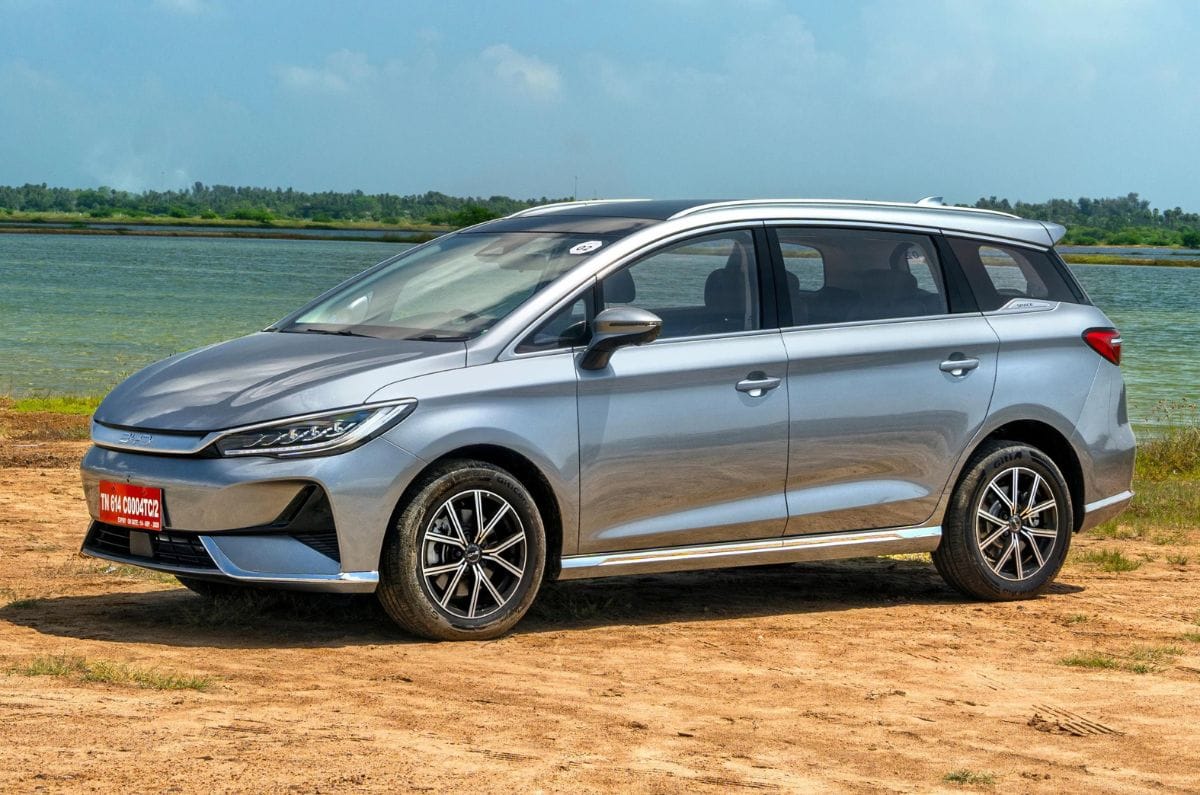
BYD eMAX 7 front quarter static

BYD has renamed the entry-level trim of the eMax 7 and revised their prices upward. Formerly known as the ‘Premium’, the base-spec version of this electric MPV is now called the ‘Comfort’. The 6-seater Comfort trim now costs Rs 27.90 lakh, with the price going up by Rs 1 lakh. The 7-seater Comfort trim has had its price hiked by Rs 80,000, so it now costs Rs 28.30 lakh.

  1. Base 6-seater eMax 7 pricier by Rs 1 lakh, 7-seater by Rs 80,000
  2. Prices of all BYD models hiked
  3. Rising input costs and inflationary pressures cited as key reasons

2026 BYD eMax 7 variants

Aside from the new variant name and higher prices, BYD hasn’t made any mechanical or design changes to the eMax 7. This means the Comfort variants continue to get a 71.8kWh battery pack and a single electric motor that drives the front wheels. The setup results in 163hp for the base 6-seater version and 204hp for the 7-seater version, though both offer the same torque output of 310Nm. 

BYD price hike in July 2026

The price hike is only applicable to select variants within the brand’s line-up

Similar to other automaker who have hiked prices in the recent months, BYD India also cited rising input costs and inflationary pressures as some of the main reasons. The Chinese brand also mentioned continued investments in network expansion as another reason behind the July 2026 price hike. While all four models across BYD’s India portfolio have been affected by this revision, this only applies to select variants within the line-up.

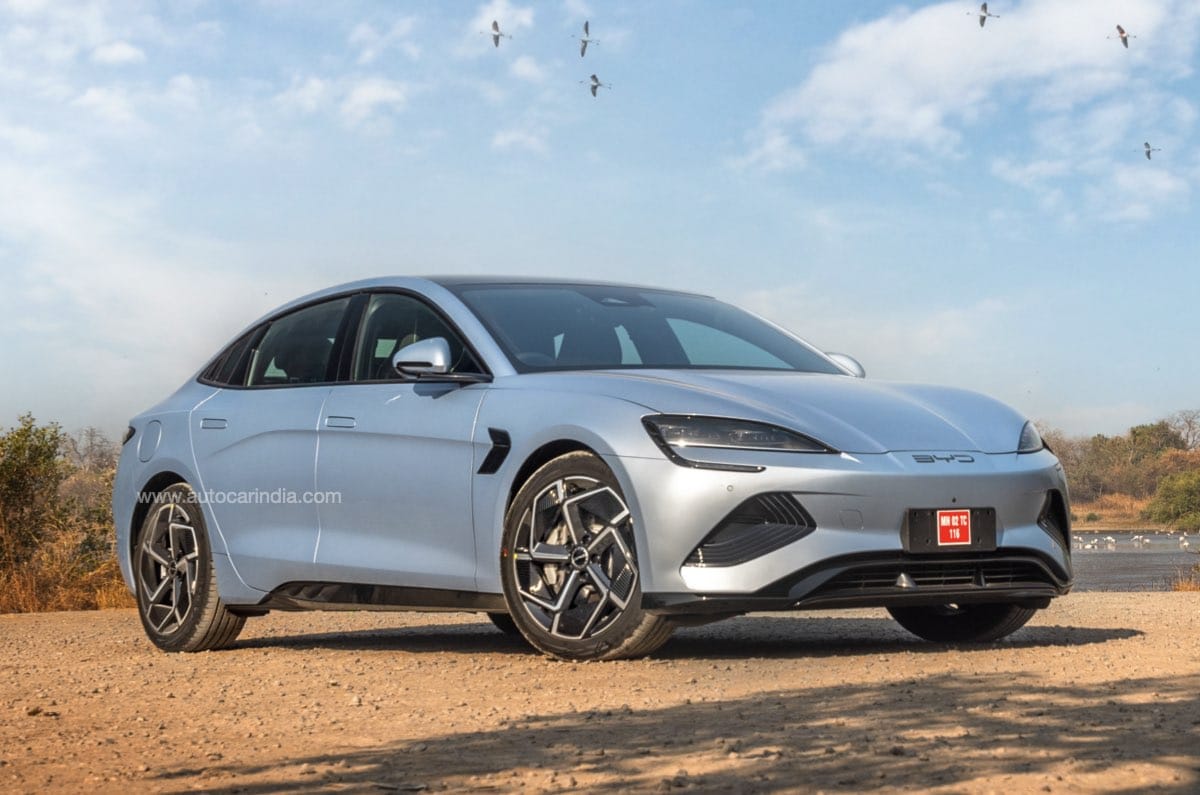
BYD Seal front quarter static
 

The Atto 3’s mid-spec Premium and top-spec Superior variants have had their prices hiked by Rs 50,000. All variants of the BYD Seal sedan are now pricier by Rs 50,000. The entry-level Premium variant of the BYD Sealion 7 SUV is now costlier by Rs 50,000, while the price of its top-spec Performance variant has been hiked by Rs 1 lakh. Check the table below for the prices of all BYD cars after the July 2026 price hike.


Old price range (in Rs)

New price range (in Rs)

Difference (in Rs)

BYD Atto 3

24.99 lakh – 33.99 lakh

24.99 lakh – 34.49 lakh

Up to 50,000

BYD eMAX 7

26.90 lakh – 29.90 lakh

27.90 lakh – 29.90 lakh

Up to 1 lakh

BYD Seal

41.00 lakh – 53.15 lakh

41.50 lakh -53.65 lakh

Up to 50,000

BYD Sealion 7

49.40 lakh – 54.90 lakh

49.90 lakh – 55.90 lakh

Up to 1 lakh

Prices are ex-showroom, India

Also read

Q1 FY27 car sales: Maruti, Tata record highest growth among top 6 carmakers

June 2026 car sales: Tata narrowly retains second place over Mahindra

Up to Rs 1.2 lakh benefits on Tata Curvv in July 2026

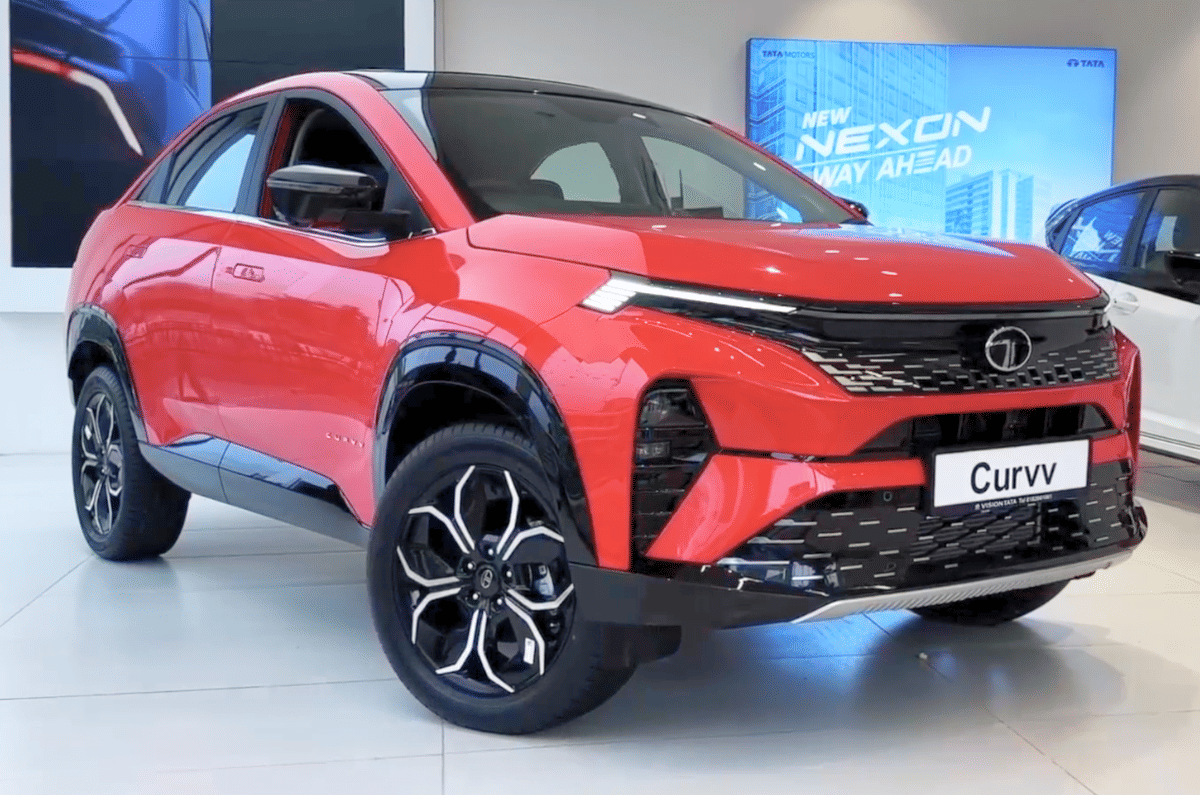
Tata Curvv in red colour

Tata Motors is offering cash discounts, exchange/ scrappage bonuses, loyalty benefits and intervention offers of up to Rs 1.2 lakh on its ICE cars in July, save for the Punch and current Tiago. This also means that for the first time, the Tata Sierra is on sale with an offer. These offers will provide some respite from the recent price hike to buyers. Keep reading to find out model-wise offers that you can avail on an MY26 Tata car this month.

Disclaimer: Offers/ benefits may vary by city and are subject to stock availability. Buyers are advised to check with their local dealer for exact figures.

Tata Curvv offers in July 2026

Benefits of up to Rs 1.2 lakh

The Indian carmaker is offering benefits of up to Rs 1.2 lakh on the entire Curvv range. All Tata Curvv variants come with a cash discount of up to Rs 30,000, along with exchange and loyalty offers of Rs 40,000 and Rs 50,000, respectively. The coupe SUV is priced from Rs 9.76 lakh to Rs 18.96 lakh.

Tata Nexon offers in July 2026

Benefits of up to Rs 60,000

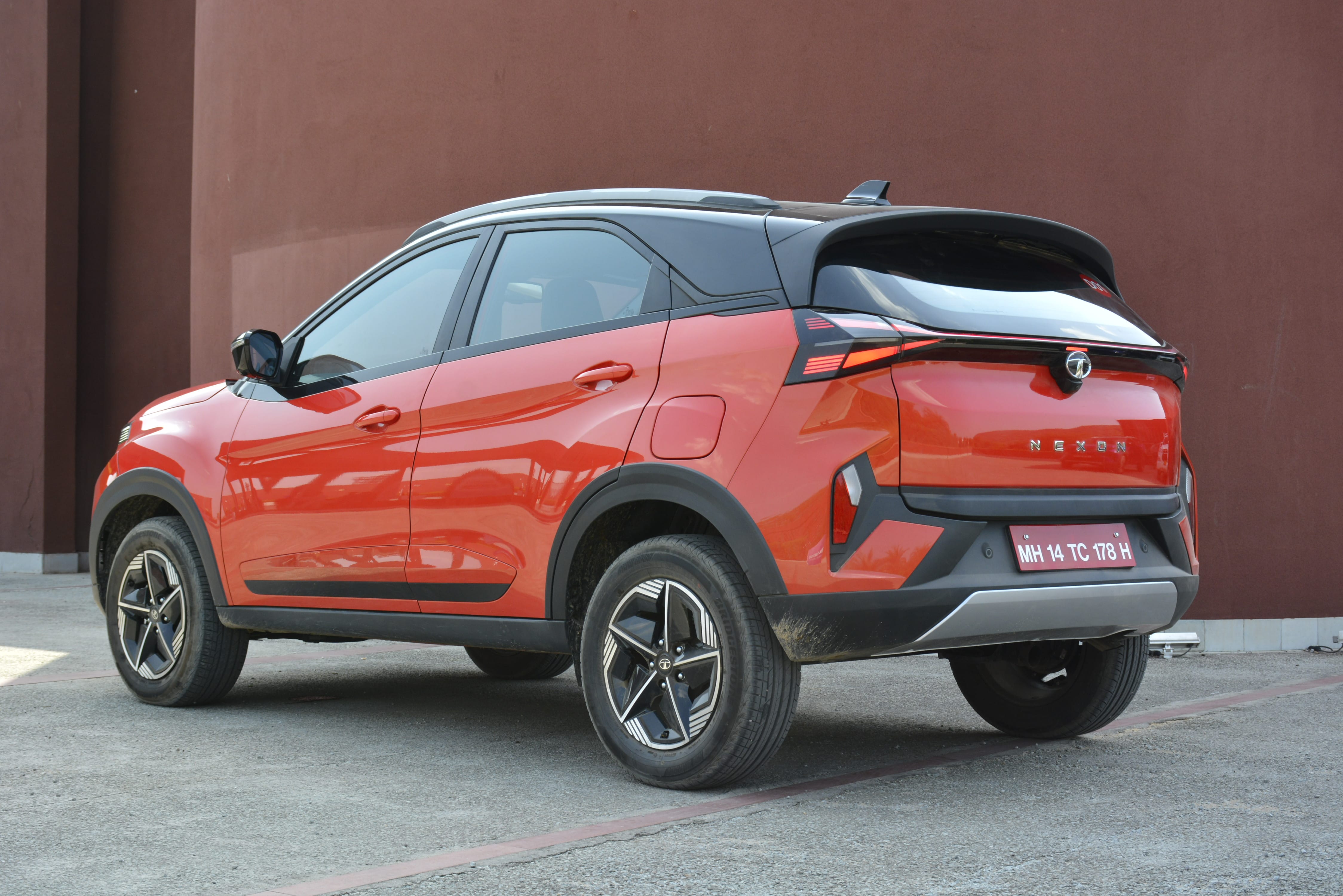
Tata Nexon

Offers of up to Rs 60,000 on the Nexon are available in July 2026, depending on the powertrain. The Tata Nexon petrol gets up to Rs 10,000 cash discount, Rs 20,000 scrappage bonus and Rs 25,000 intervention offer. The Nexon CNG comes with the same discount and intervention offer, but takes up the scrappage bonus to up to Rs 25,000. Meanwhile, the Nexon diesel is available with just a scrappage bonus of up to Rs 20,000. The Nexon starts at Rs 7.37 lakh and goes up to Rs 13.70 lakh.

Tata Altroz offers in July 2026

Benefits of up to Rs 55,000

The Tata Altroz premium hatchback gets offers of up to Rs 55,000 in July. The petrol variants get up to Rs 15,000 cash discount and Rs 20,000 scrappage bonus. The Altroz CNG comes with the same cash discount and scrappage bonus, along with an intervention offer of up to Rs 20,000. Meanwhile, the Altroz diesel is available with up to Rs 15,000 cash discount and a Rs 20,000 scrappage bonus. The Altroz has a price bracket of Rs 6.3 lakh to Rs 10.65 lakh. 

Tata Harrier offers in July 2026

Benefits of up to Rs 45,000

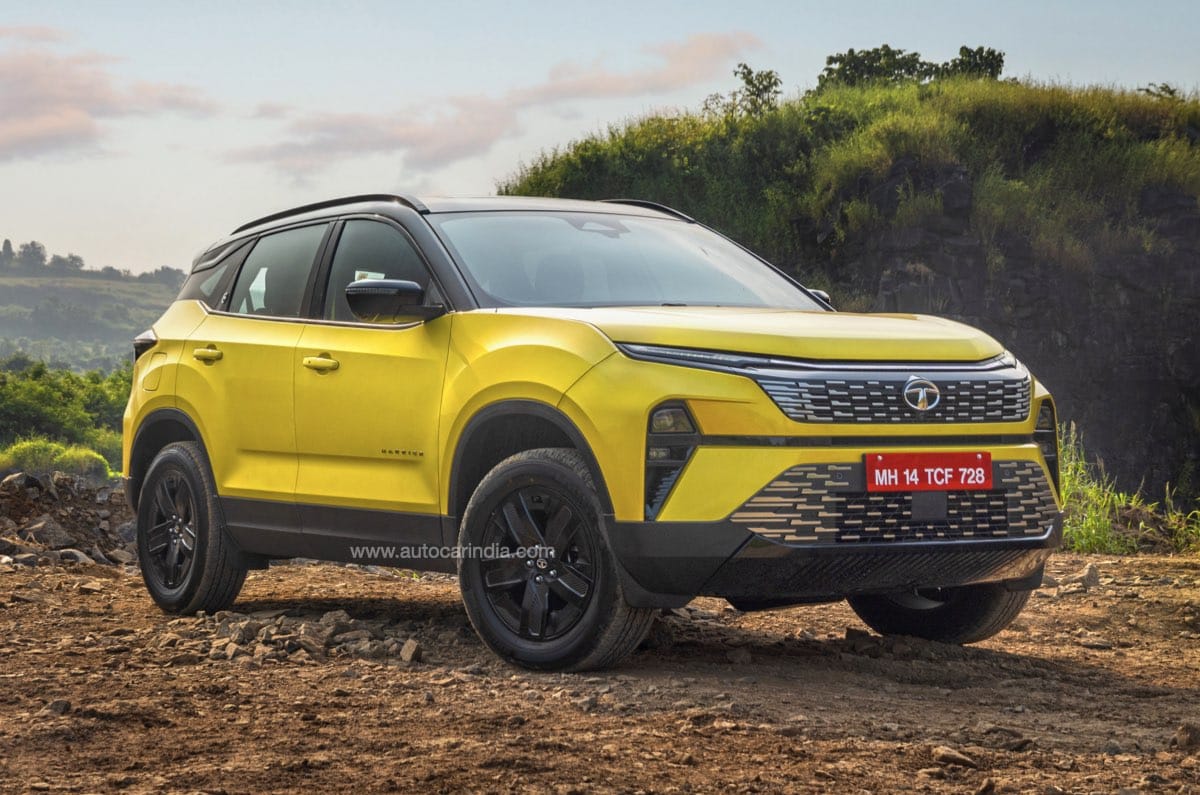
Tata Harrier

Unlike the models so far which have powertrain-wise benefits, the Tata Harrier offers them exclusively on its diesel variants. They get a discount of up to Rs 10,000 and Rs 35,000 scrappage benefit in this month. The Harrier is priced between Rs 13 lakh and Rs 24.25 lakh.

Tata Safari offers in July 2026

Benefits of up to Rs 45,000

Like the Harrier, the same cash discount and scrappage benefit apply to the Tata Safari diesel range. The Safari costs Rs 13.40 lakh at the base level and maxes out at Rs 25 lakh at the top end.

Pre-facelift Tata Tiago offers in July 2026

Benefits of up to Rs 35,000

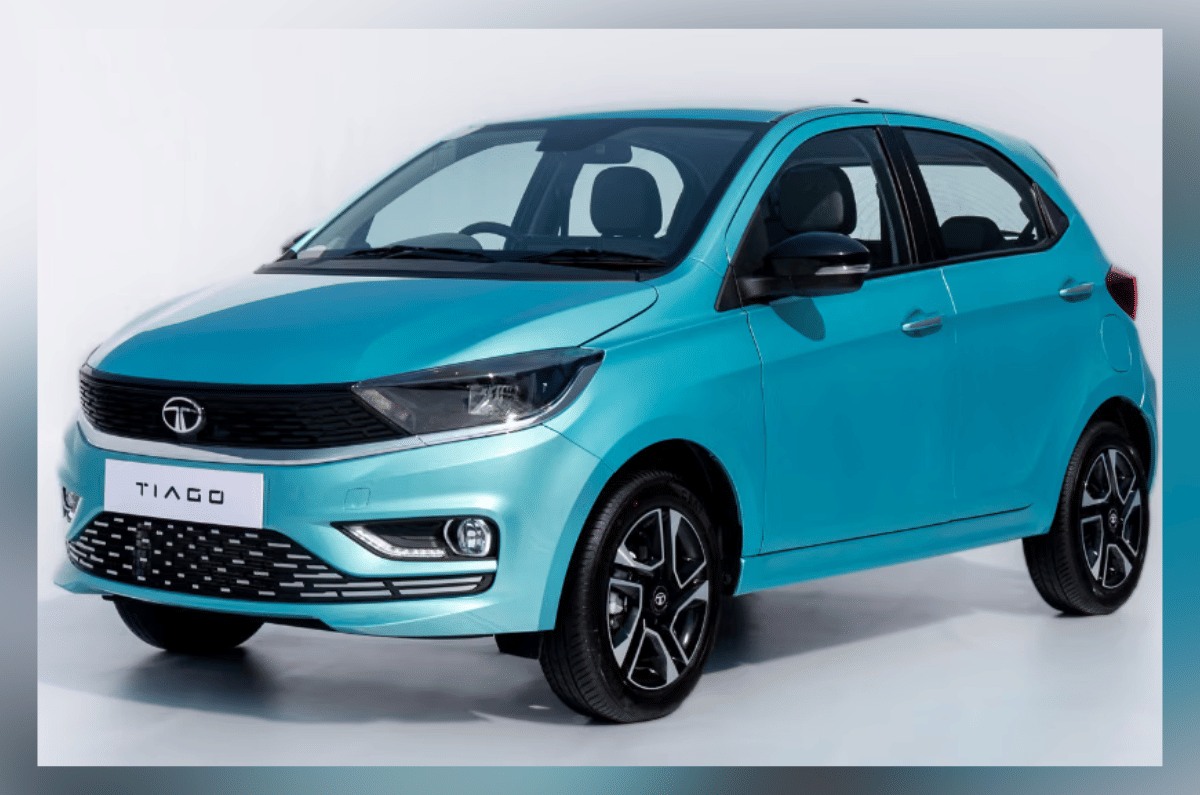
Pre-facelift Tata Tiago

The remaining inventory of the pre-facelift Tata Tiago is on sale with offers of up to Rs 35,000. Excluding the XE variant, both the Tiago petrol and Tiago CNG get up to Rs 15,000 cash discount, Rs 15,000 scrappage bonus and Rs 5,000 intervention offer.

Tata Tigor offers in July 2026

Benefits of up to Rs 30,000

Next, the Tata Tigor sedan comes with offers of up to Rs 30,000, including a cash discount of Rs 15,000, as well as a scrappage benefit of Rs 15,000. The Tigor starts at Rs 5.55 lakh and tops out at Rs 8.84 lakh.

Tata Sierra offers in July 2026

Benefits of up to Rs 25,000

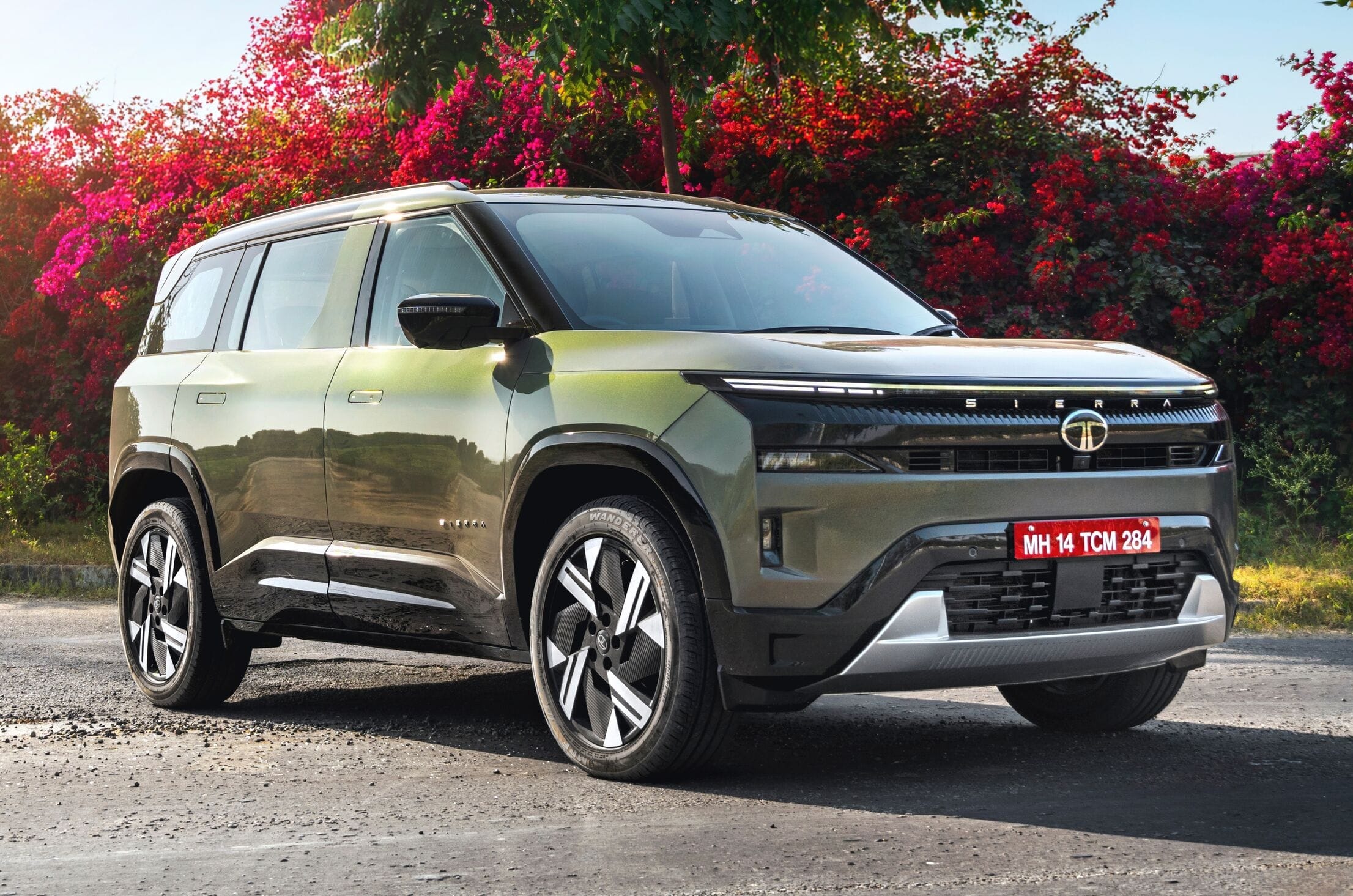
Tata Sierra

A loyalty bonus going up to Rs 25,000 is being offered with the Tata Sierra diesel variants. As mentioned before, this is the first time an offer is available with the Sierra SUV. The Sierra is priced from Rs 11.49 lakh to Rs 21.29 lakh.

Ex-showroom prices mentioned above.

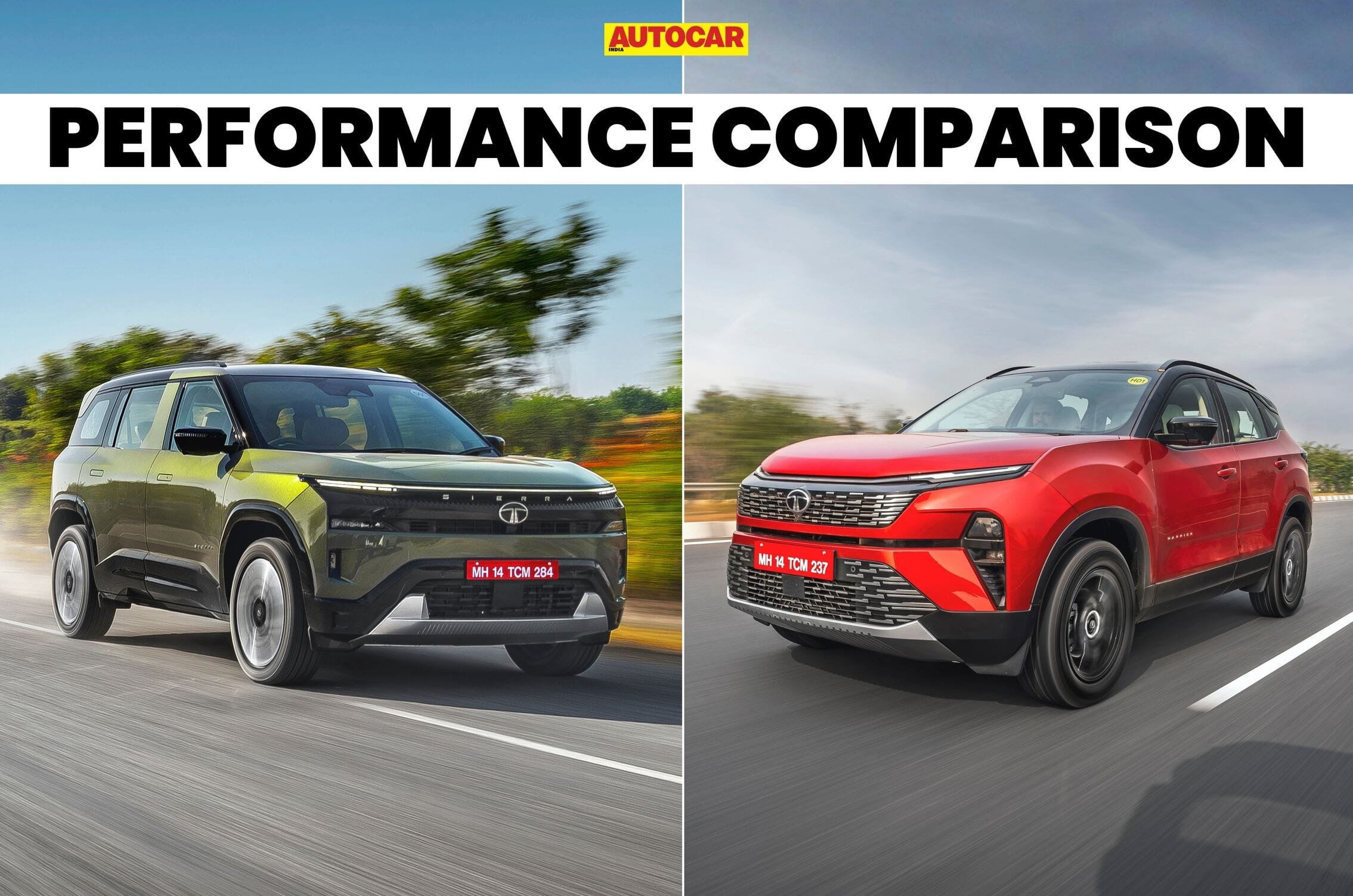
Tata Harrier vs Tata Sierra turbo-petrol automatic performance comparison

Harrier vs Sierra

The Tata Harrier and Sierra are underpinned by different platforms, but both are powered by Tata Motors’ new 1.5-litre turbo-petrol engine paired with a 6-speed torque-converter automatic gearbox. While the Harrier develops more power and torque, the Sierra is significantly lighter. We put both SUVs through our instrumented performance tests to find out which one is quicker in real-world conditions.

Tata Harrier vs Tata Sierra turbo-petrol automatic: specifications

Harrier has more power; Sierra is significantly lighter

SpecificationTata Harrier 1.5 Turbo ATTata Sierra 1.5 Turbo AT
Engine4-cyl turbo-petrol4-cyl turbo-petrol
Displacement1,498cc1,498cc
Power170hp160hp
Torque280Nm255Nm
Gearbox6-speed torque-converter AT6-speed torque-converter AT
Kerb weight1,738kg1,552kg
Power to weight ratio97.81 (hp per tonne)103.09 (hp per tonne)
Torque to weight ratio

161.1 (Nm per tonne)

164.3 (Nm per tonne)

Although both SUVs use Tata’s 1.5-litre TGDi ‘Hyperion’ turbo-petrol engine and a 6-speed torque-converter automatic gearbox, the Harrier develops 10hp and 25Nm more than the Sierra. However, it is also 186kg heavier, giving the Sierra a significant weight advantage.

Tata Harrier vs Tata Sierra turbo-petrol automatic: 0-100kph sprint test

Sierra is quicker despite lower power output

Acceleration (seconds)HarrierSierra
20kph1.511.19
40kph3.492.54
60kph5.284.51
80kph7.706.77
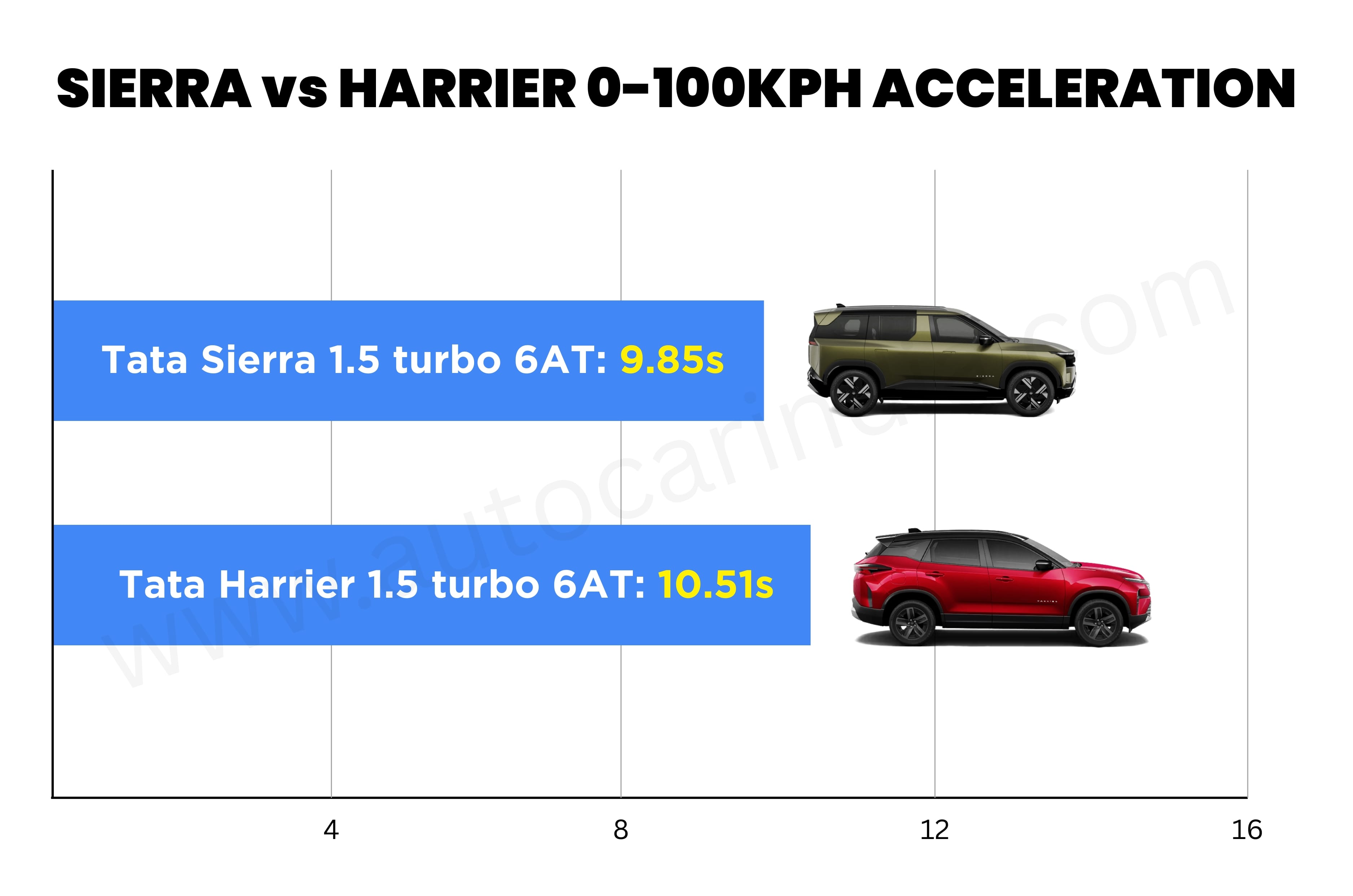
100kph10.519.85
120kph15.7913.72

The Sierra gets off the line much quicker than the Harrier and builds a clear lead in the early stages of the acceleration run. It reaches 20kph 0.32 seconds sooner, with the gap widening to nearly a second by 40kph. As speeds rise, the Harrier begins to claw back some time, but not enough to overturn the Sierra’s advantage. The Sierra reaches 100kph in 9.85 seconds, making it 0.66 seconds quicker than the Harrier. Even at 120kph, it remains ahead by 2.07 seconds.

Tata Harrier vs Tata Sierra turbo-petrol automatic: rolling acceleration tests

Sierra also leads in kickdown acceleration

Rolling acceleration (seconds)HarrierSierra
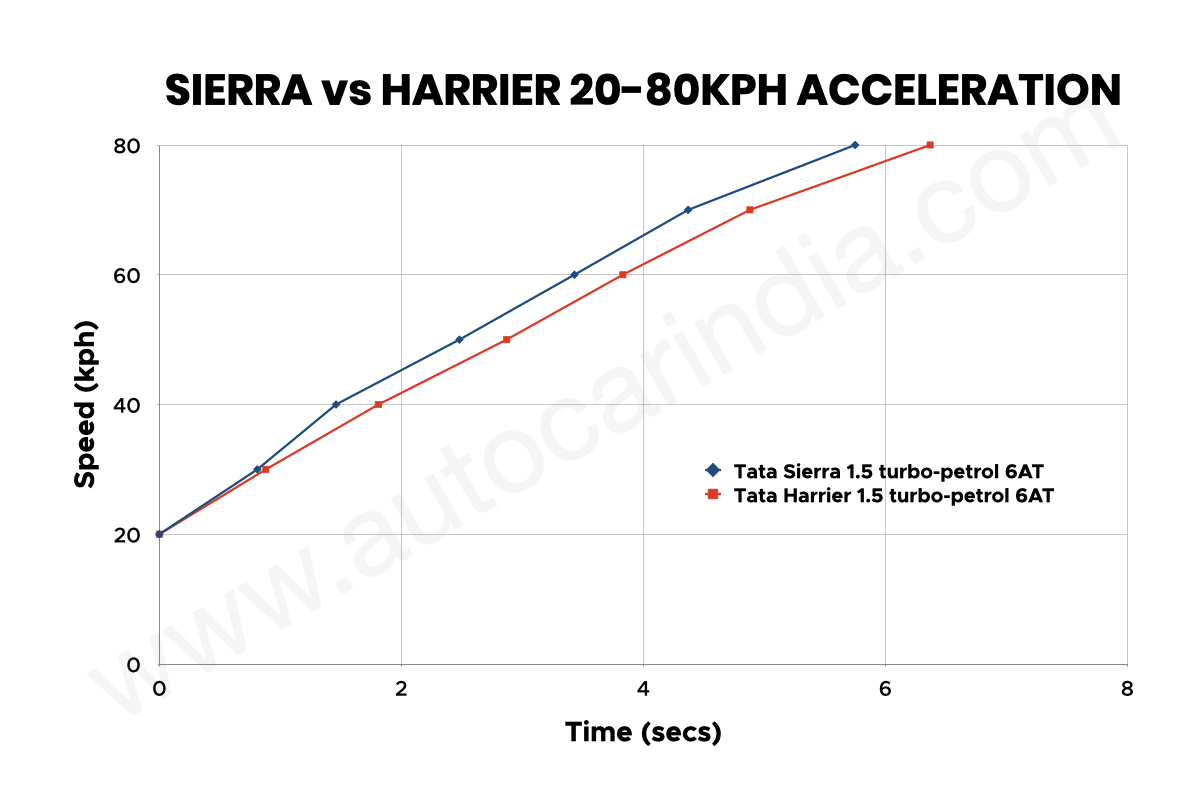
20-80kph6.375.75
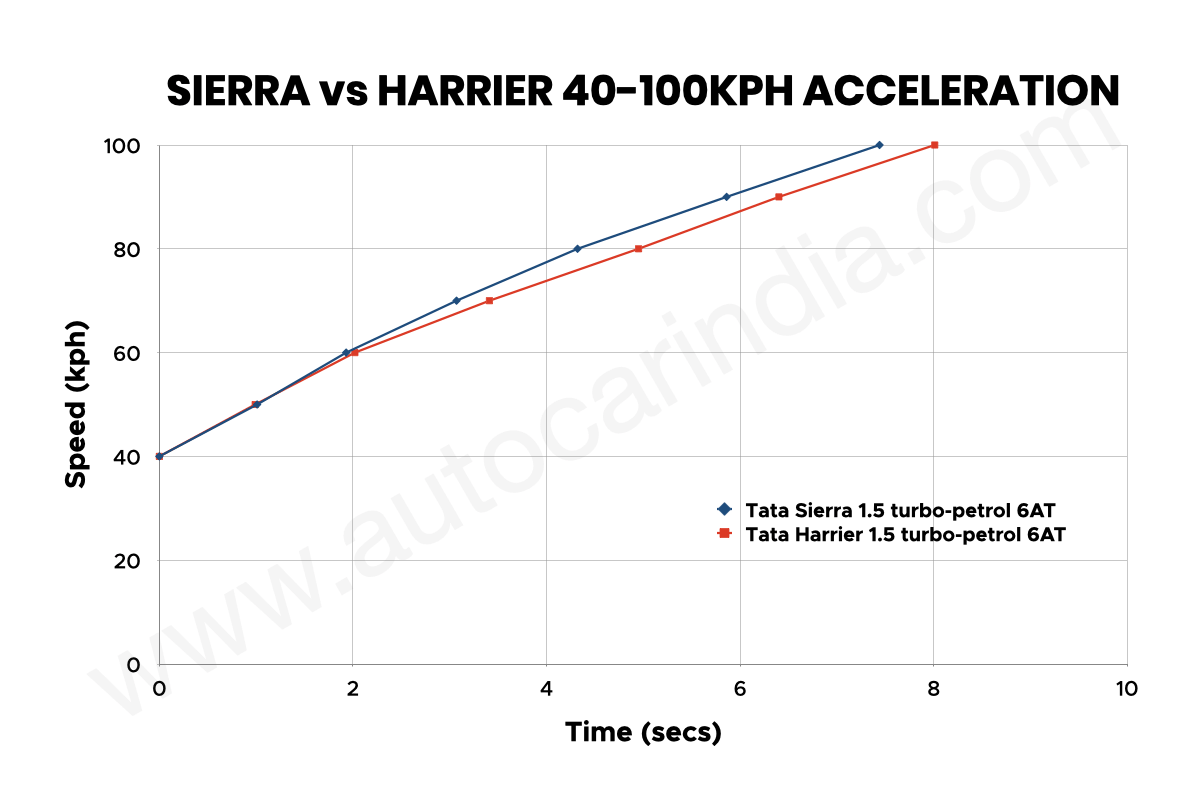
40-100kph8.017.44

The Sierra is also quicker in the rolling acceleration tests. It completes the 20-80kph kickdown run 0.62 seconds faster than the Harrier, while the gap narrows slightly to 0.57 seconds in the 40-100kph test. Although both SUVs use the same gearbox, the Sierra’s lower kerb weight is reflected in the results.

Tata Harrier vs Tata Sierra turbo-petrol automatic: prices

Harrier has a lower entry price; Sierra range tops out lower

Price range (Rs lakh)HarrierSierra
Turbo-petrol automatic17.69-24.7917.99-20.99

The Harrier’s turbo-petrol automatic range starts at Rs 17.69 lakh, undercutting the Sierra by Rs 30,000 at the entry point. However, the Sierra’s range tops out at Rs 20.99 lakh, while the Harrier extends to Rs 24.79 lakh.

Autocar India’s testing standards

Before we conduct our performance tests, we check and maintain tyre pressures based on the manufacturer’s recommendations and ensure the car has a full tank of fuel. The car is then tested in a controlled environment with two people on board, and the data is collected via highly accurate GPS-based timing equipment.

Toyota Fortuner image gallery

Toyota Fortuner front quarter static

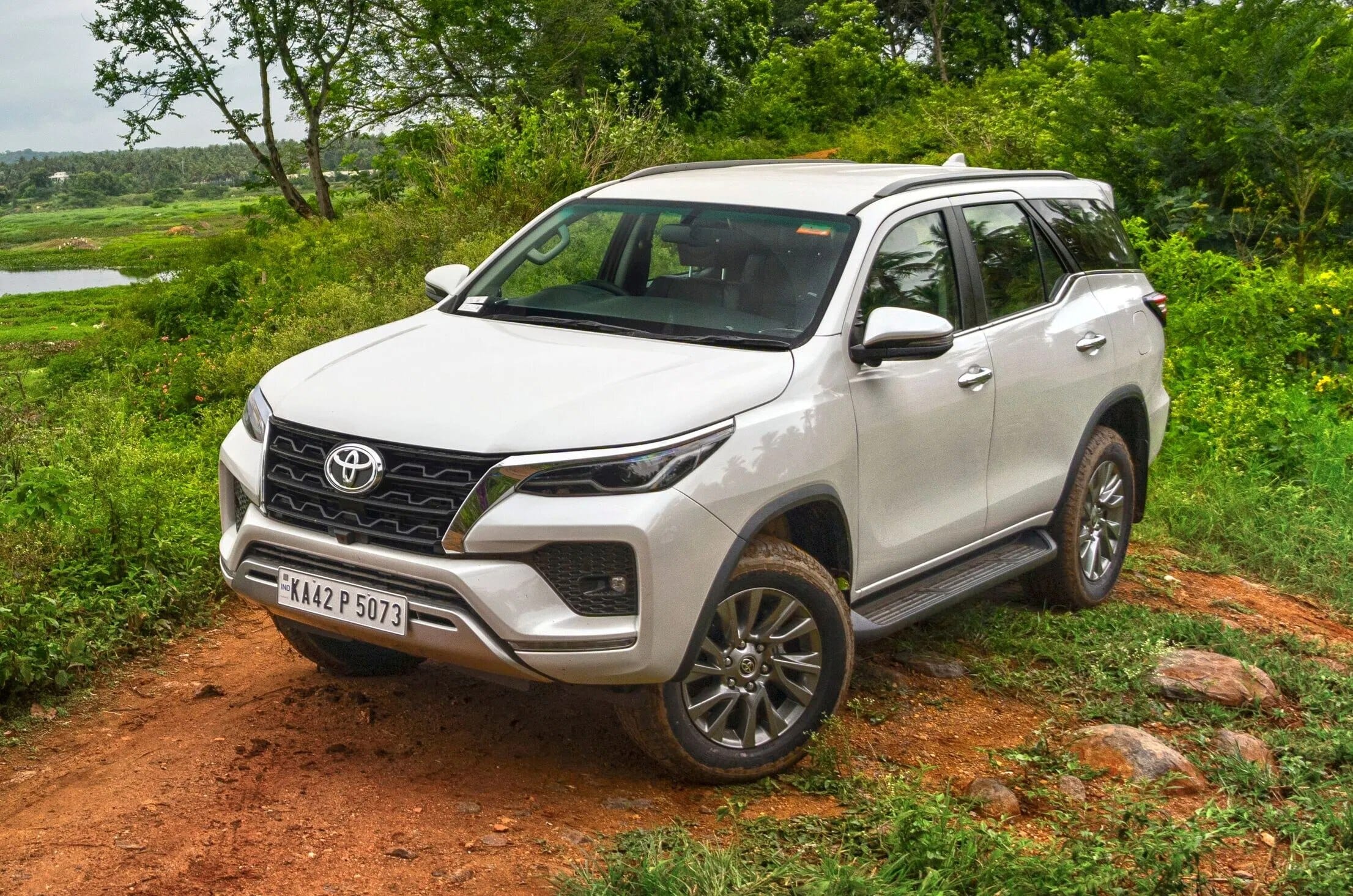
The Fortuner is Toyota’s longstanding premium three-row SUV that’s been on sale since 2009. It sits on a ladder-frame chassis and is one of the best SUVs in its class for serious off-roading. Toyota also sells the Legender, which gets cosmetic upgrades over the Fortuner. Powering the Fortuner is either a 166hp, 245Nm, 2.7-litre petrol engine or a 204hp, 420Nm (500Nm AT) diesel engine. The latter engine is also available with a 48V mild hybrid system but only with an automatic gearbox. A 5-speed manual is offered with the petrol engine, while the diesel is offered with a 6-speed manual or a 6-speed automatic transmission. 4WD is available with the diesel engine. The SUV is priced from Rs 34.76 lakh, and goes all the way up to Rs 50.46 lakh. Swipe to check out images of the exterior and interior of the Fortuner, along with its space on offer.

World Car Awards is the most visible automotive awards globally

World Car Awards become most visible automotive awards globally

Independent media intelligence platform AITASTIC has recognised the World Car Awards as the most visible automotive awards program globally. Notably, this is the 14th consecutive year that World Car Awards has been recognised as the top automotive awards program.

  1. Tops auto awards visibility rankings in the US, Asia, Europe, Africa and Australia
  2. It has entered its 23rd season with a revised jury panel and steering committee

According to the AITASTIC data, during the 2025-2026 season, over 49.3 crore people were reached by the World Car program. Moreover, World Car has not only retained its pinnacle position globally, but also topped the automotive awards visibility rankings in the US, Asia, Europe, Africa and Australia. Steve Fowler, chair of the World Car Steering Committee, commented, “The World Car Awards continues to dominate an increasingly crowded automotive awards landscape, reaching car buyers, car owners and car enthusiasts to really influence opinion and buying habits around the world.”

The World Car Awards has entered its 23rd season (2026-2027), with updates to the jury panel and steering committee while maintaining its established schedule. The program runs from the announcement of eligible vehicles each September to the reveal of the winners at the New York International Auto Show in March, with the Road to World Car featuring the annual LA Test Drives, World Car finalists, World Car Person of the Year, and the Top Three in the World finalists along the way.

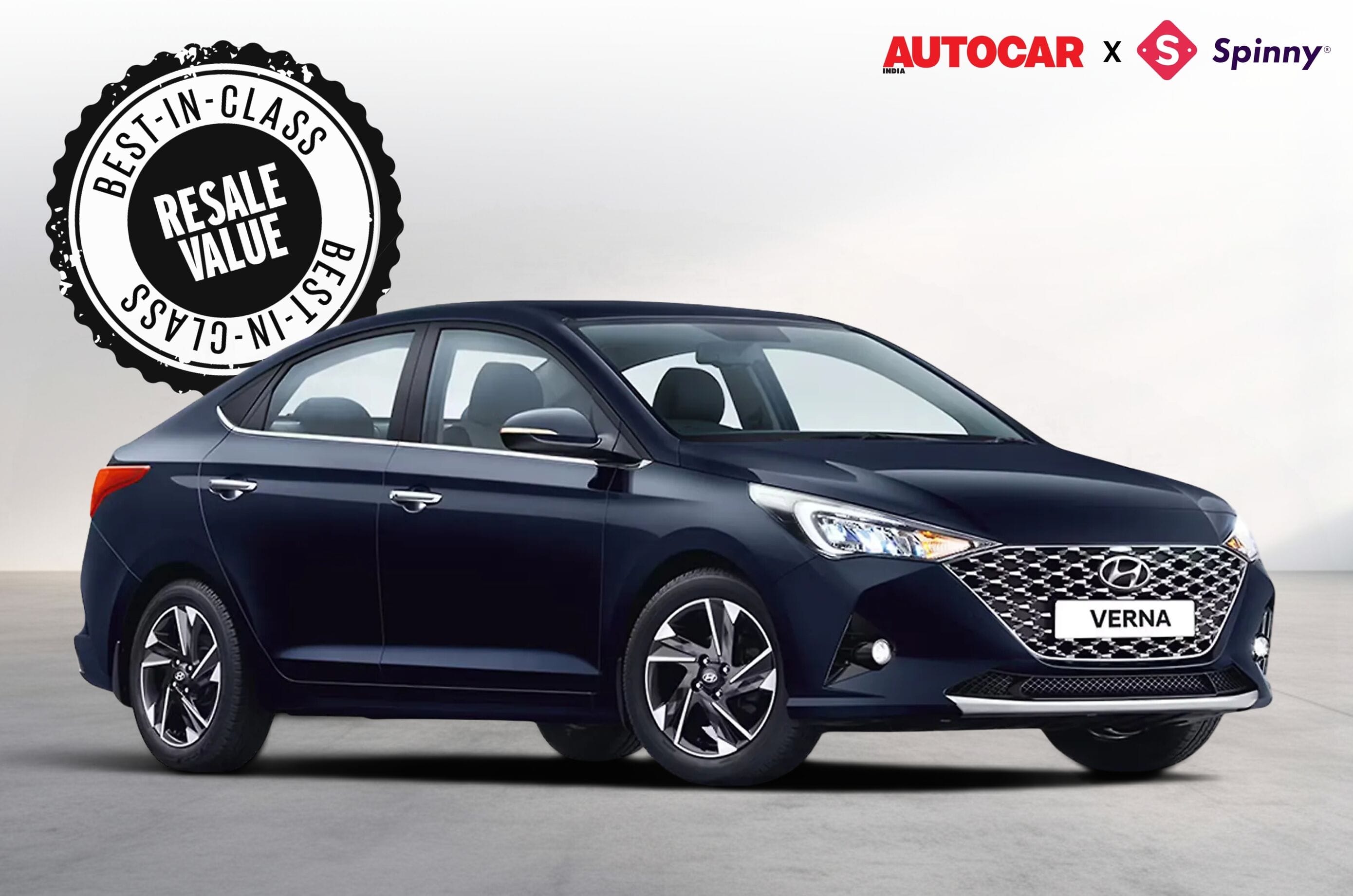
Used Car Study 2026: Hyundai Verna holds its value best among midsize sedans

Hyundai Verna resale value

Conducted in association with Spinny, India’s leading pre-owned car platform, the fourth edition of our Used Car Study analyses real-world resale values across a broad spectrum of vehicles sold in the Indian market to assess depreciation trends over a five-year ownership period. The study is based on actual transactional data shared by Spinny for vehicles sold between January 1 and August 31, 2025.

In this part of the resale value study series, we take a look at the midsize sedan segment:

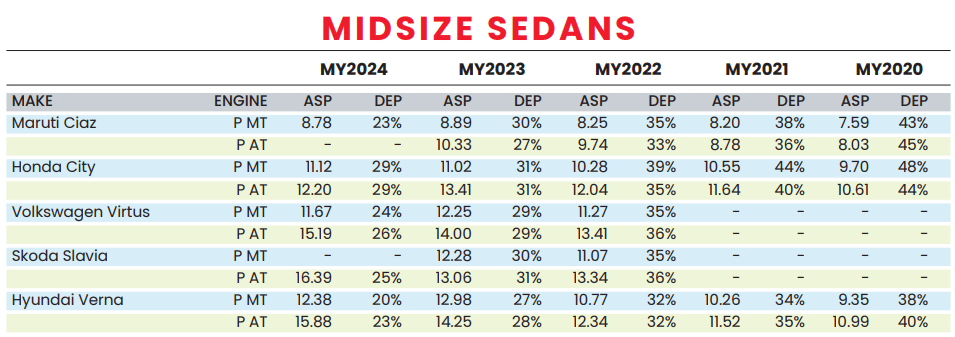
Midsize sedan resale value 

*Average selling price (ASP) in Rs lakh

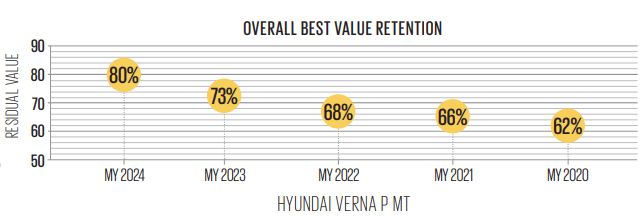
The Hyundai Verna petrol-manual displays the most stable depreciation curve among midsize sedans. Strong demand, modern styling and a well-rounded ownership experience appear to have positively influenced its used-market appeal. In contrast, five-year-old examples of the Honda City petrol-manual are currently trading at nearly half their original on-road prices. 

Between the two European rivals, the Volkswagen Virtus appears to retain value marginally better than the mechanically identical Skoda Slavia. Meanwhile, one-year-old and three-year-old examples of the now-discontinued Maruti Ciaz seem to hold its value relatively better than other midsize sedans of the same age.  

As per the study, the average selling price of a five-year-old midsize sedan retailed through Spinny was Rs 9.38 lakh. Comparable figures for three-year-old and one-year-old midsize sedans were Rs 11.25 lakh and Rs 12.95 lakh, respectively. Average depreciation over the same periods worked out to 43 percent, 34.8 percent and 24.8 percent, respectively.

Autocar-Spinny resale value study methodology 

The analysis covers the average selling prices (ASPs) of vehicles retailed through Spinny’s network across nine cities – Delhi-NCR, Bengaluru, Hyderabad, Pune, Chennai, Mumbai, Lucknow, Ahmedabad and Kolkata.

For the purposes of this study, depreciation has been defined as the percentage difference between a vehicle’s original on-road price in its year of manufacture and its resale value in 2025. In instances where a model was offered with multiple engine options using the same fuel type, the data has been consolidated and averaged. Variant-wise differences have similarly been averaged out.

Discontinued models and powertrain options have been excluded. Additionally, premium vehicles priced above Rs 30 lakh, electric vehicles and certain low-volume models have not been included due to limited transaction data and insufficient sample sizes.

Revolt’s electric motorcycle range explained: Where the RVX slots in

Revolt's electric motorcycle range explained: Where the RVX slots in

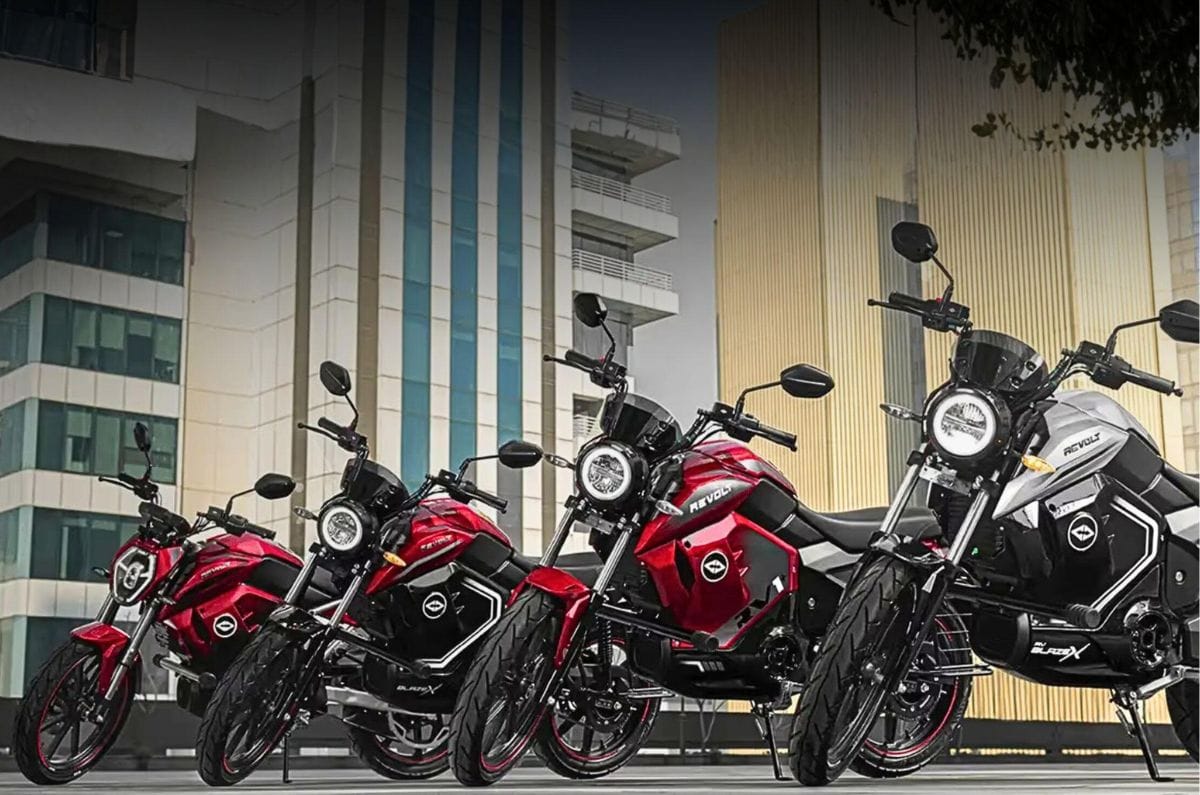
With the launch of the RVX, Revolt Motors has further expanded its electric motorcycle portfolio, strengthening its presence in India’s growing electric motorcycle market. The line-up now spans six models, catering to everyone from first-time EV buyers to those looking for a more performance-oriented electric motorcycle. While the RV1 and RV1+ are aimed at commuters, the BlazeX, RV400 BRZ, RV400 and the new RVX offer progressively higher levels of performance, equipment and styling. Here’s a closer look at where each model fits in the range.

RV1 and RV1+

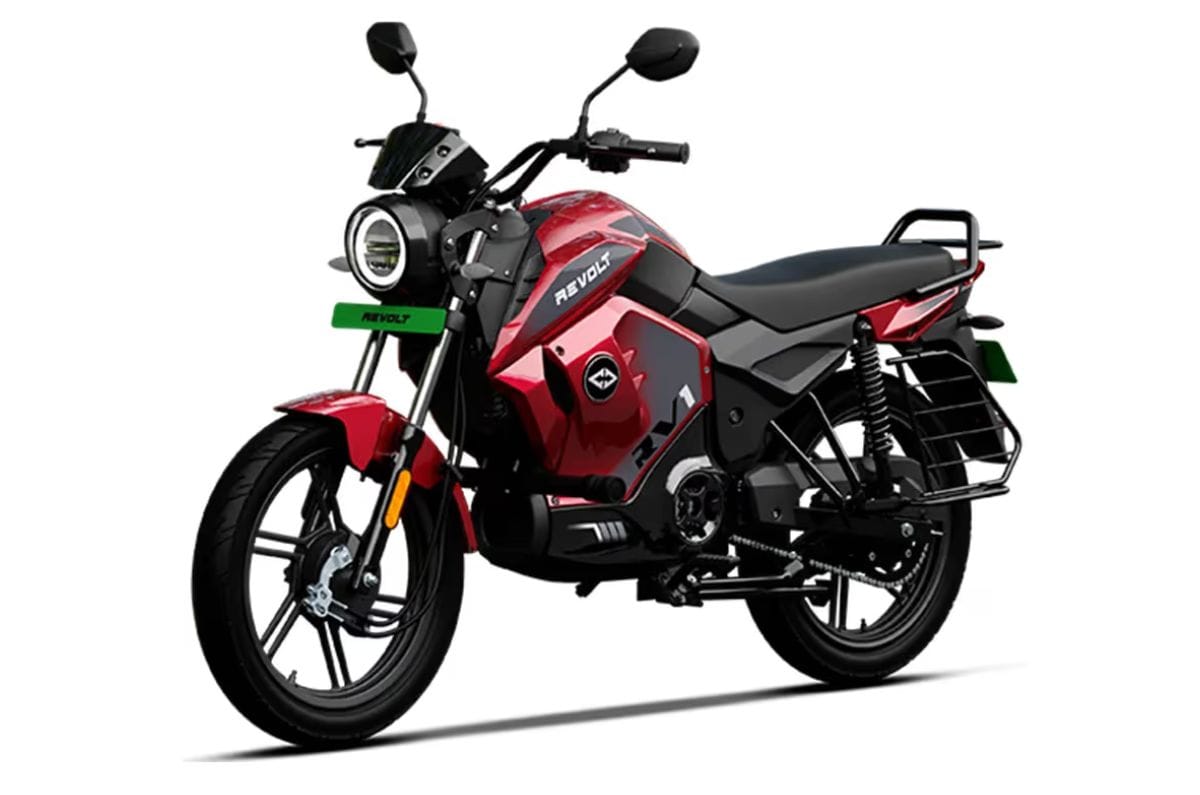
Revolt RV1

The RV1 twins form the entry point into the Revolt range and are aimed squarely at urban riders. Priced at Rs 99,999, the RV1 gets a 2.2kWh removable battery, a 2.8kW mid-drive motor and a claimed 100km IDC range. The motorcycle adopts a straightforward commuter design with upright ergonomics, conventional cycle parts and minimal bodywork, keeping both costs and complexity in check.

For buyers covering longer daily distances, the Rs 1,04,990 RV1+ swaps in a larger 3.24kWh battery, increasing the claimed IDC range to 160km, while retaining the same motor and overall design. In essence, the RV1+ is less about additional performance and more about reducing charging frequency.

BlazeX and RV400 

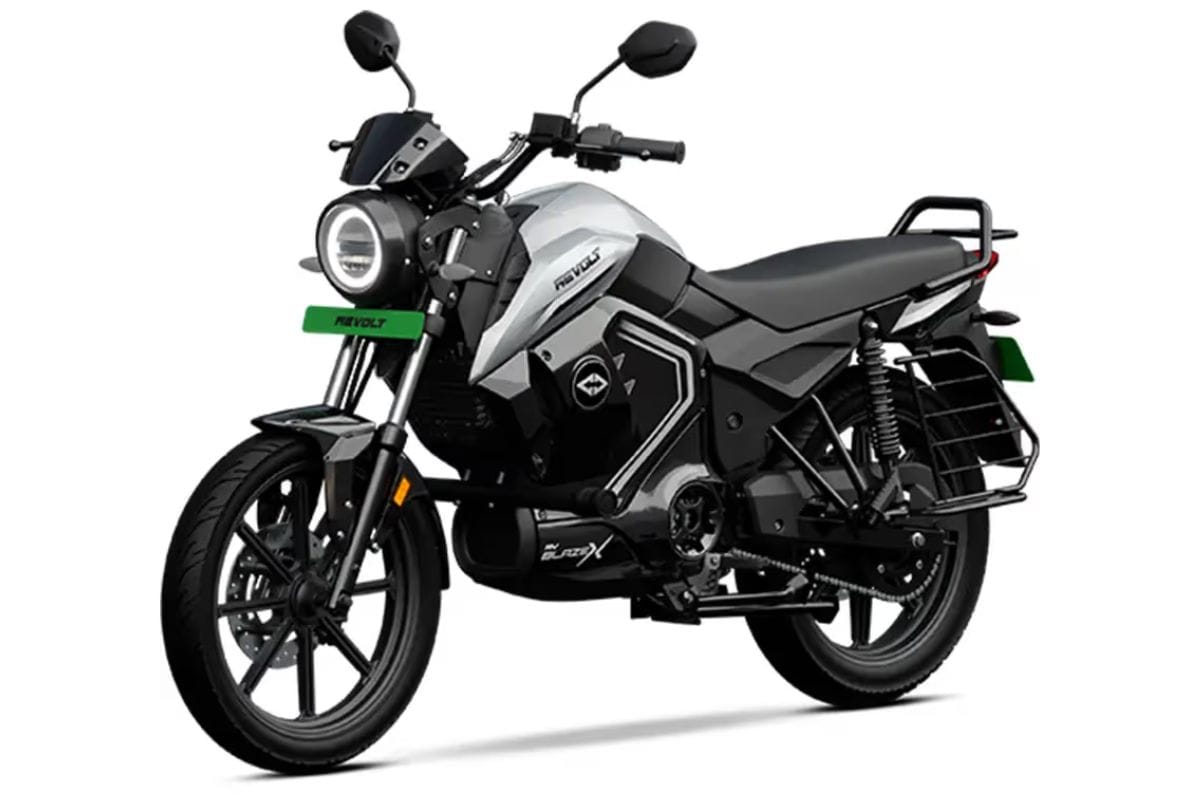
Revolt RV BlazeX

The next step up is the RV BlazeX, priced at Rs 1,19,990. While it shares the 3.24kWh battery with the RV1+, it upgrades to a 4.1kW motor, claimed 150km IDC range and a higher 85kph top speed. Mechanically, it also benefits from upside-down front forks and fast-charging capability, while its styling is noticeably sportier than the commuter-focused RV1 twins.

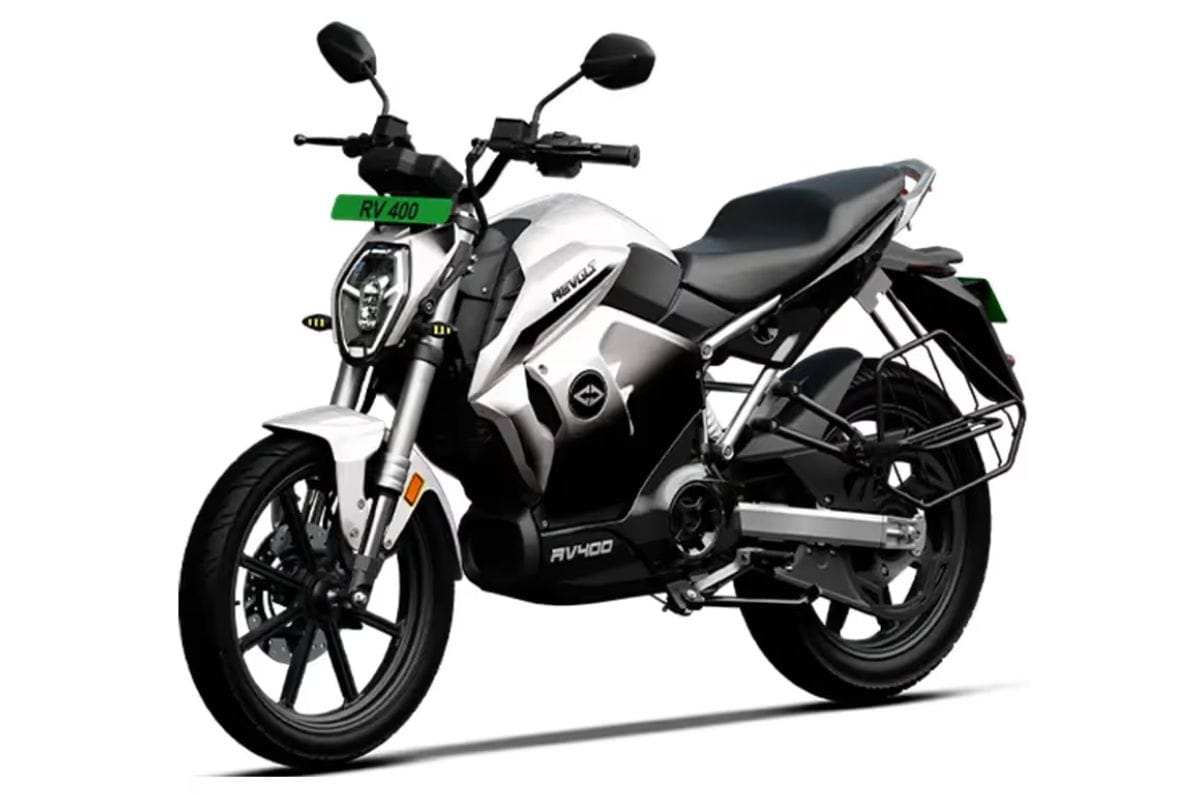
The RV400 BRZ and RV400, priced at Rs 1,29,950 and Rs 1,39,950 respectively, continue with the same 3.24kWh battery and familiar naked streetfighter-inspired styling that has defined Revolt since the original RV400 debuted. The BRZ serves as the more accessible variant, while the standard RV400 continues as the range-topper in terms of price and equipment.

Revolt RV400

RVX

Rather than replacing the RV400, the new RVX introduces an altogether different proposition. Priced at an introductory Rs 1.30 lakh, it debuts a sharper and more aggressive design language, with similar LED headlight, angular body panels, muscular tank shrouds, unique graphics with ‘X’ motif, giving it a refreshed appearance than the rest of the range.

Revolt RVX

Under the bodywork sits a new 4kW mid-drive PMSM motor producing 5.3kW of peak power and 230Nm of torque at the wheel, making it the most powerful electric motorcycle Revolt has built. The motor is paired with a 3.24kWh removable NMC battery, which delivers a claimed 160km IDC range. Performance claims include a 0-40kph time of 3.9 seconds, while the new Boost mode unlocks a 90kph top speed. The battery also supports 0-80 percent charging in 80 minutes with the fast charger.

Where does the RVX fit?

Positioned alongside the RV400 BRZ at the upper end of Revolt’s line-up, the RVX expands the brand’s portfolio rather than replacing any existing model. It distinguishes itself with gold-finished USD forks, contrasting body accents and exclusive colour options, giving it a sportier appearance aimed at younger buyers. While the RV400 remains the most expensive motorcycle in the range, the RVX offers buyers an alternative with a different visual identity and positioning within Revolt’s electric motorcycle portfolio.