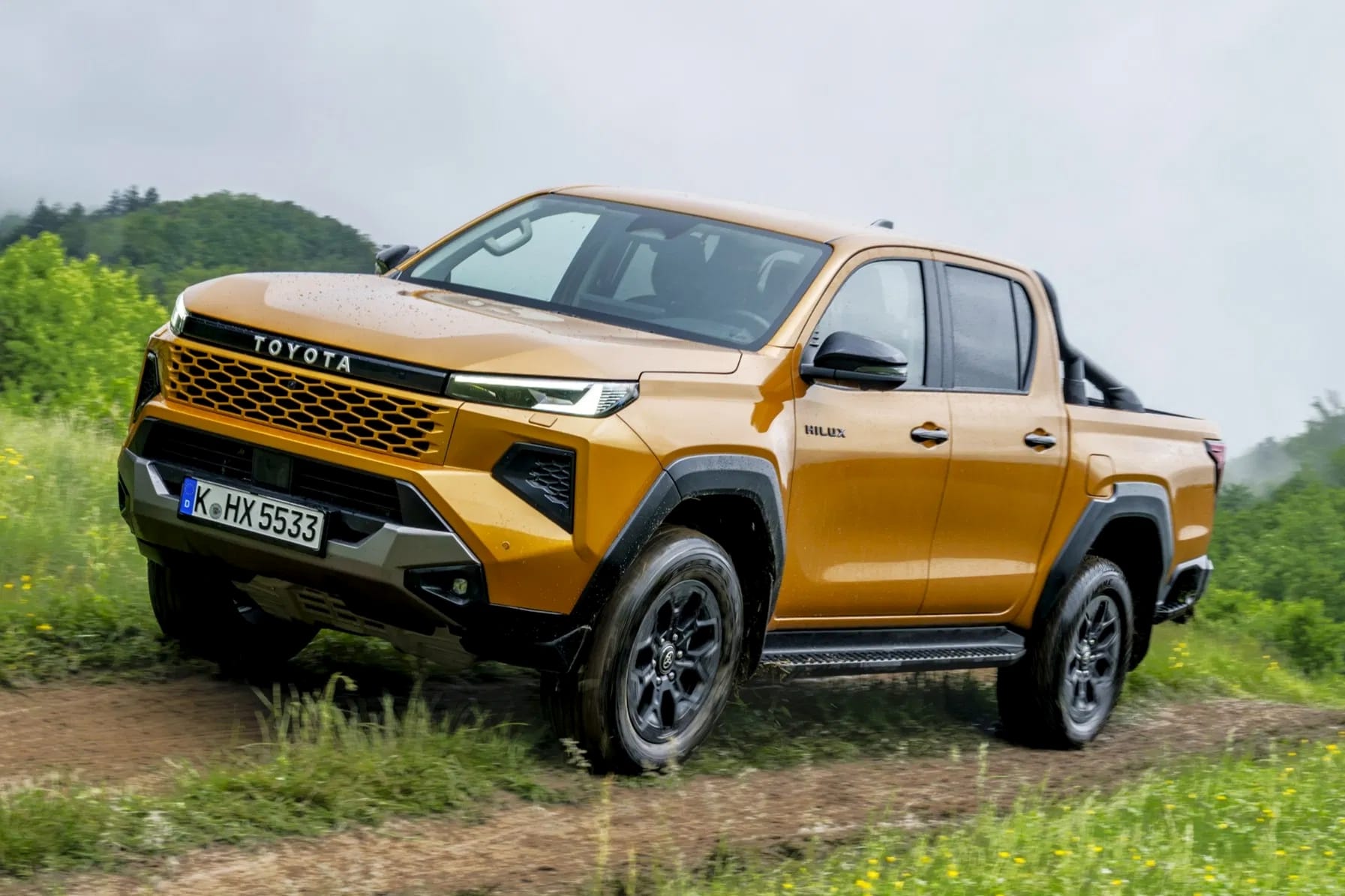
Toyota India is slated to launch the ninth-gen Hilux in India on July 28, 2026. This generational update to the Hilux will bring in a heavily revised exterior and interior design to the pickup truck. We had previously confirmed the arrival of the ninth-gen Hilux from our dealer sources.
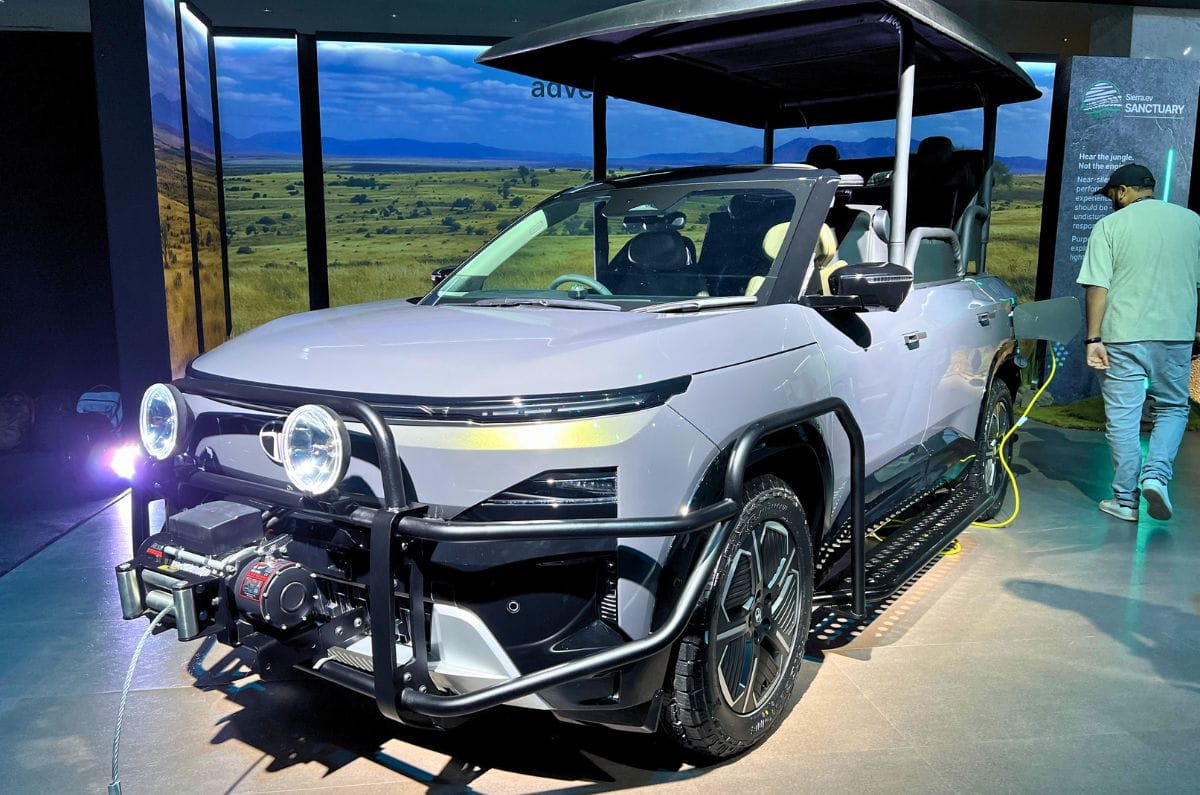
Along with the regular variants of the Sierra EV, Tata Motors has also unveiled the Sanctuary Edition. As its name suggests, the Tata Sierra EV Sanctuary Edition is specifically meant to take occupants out into the wilderness without disturbing the wildlife with the sound and emissions from a combustion-powered vehicle. Tata is yet to disclose the price of the Sierra EV Sanctuary Edition, but it will be offered in multiple colours and various accessories to accommodate a safari outing.
The entry-level segment has long been the backbone of the Indian car market. In recent years, though, the prices of entry-level cars have climbed sharply due to factors such as premiumisation and compliance with stricter safety and emissions norms, hurting the segment’s sales and even nudging some buyers towards used cars. That said, the GST revision implemented in September 2025 brought major relief, lowering the tax rate and creating room for demand to recover.
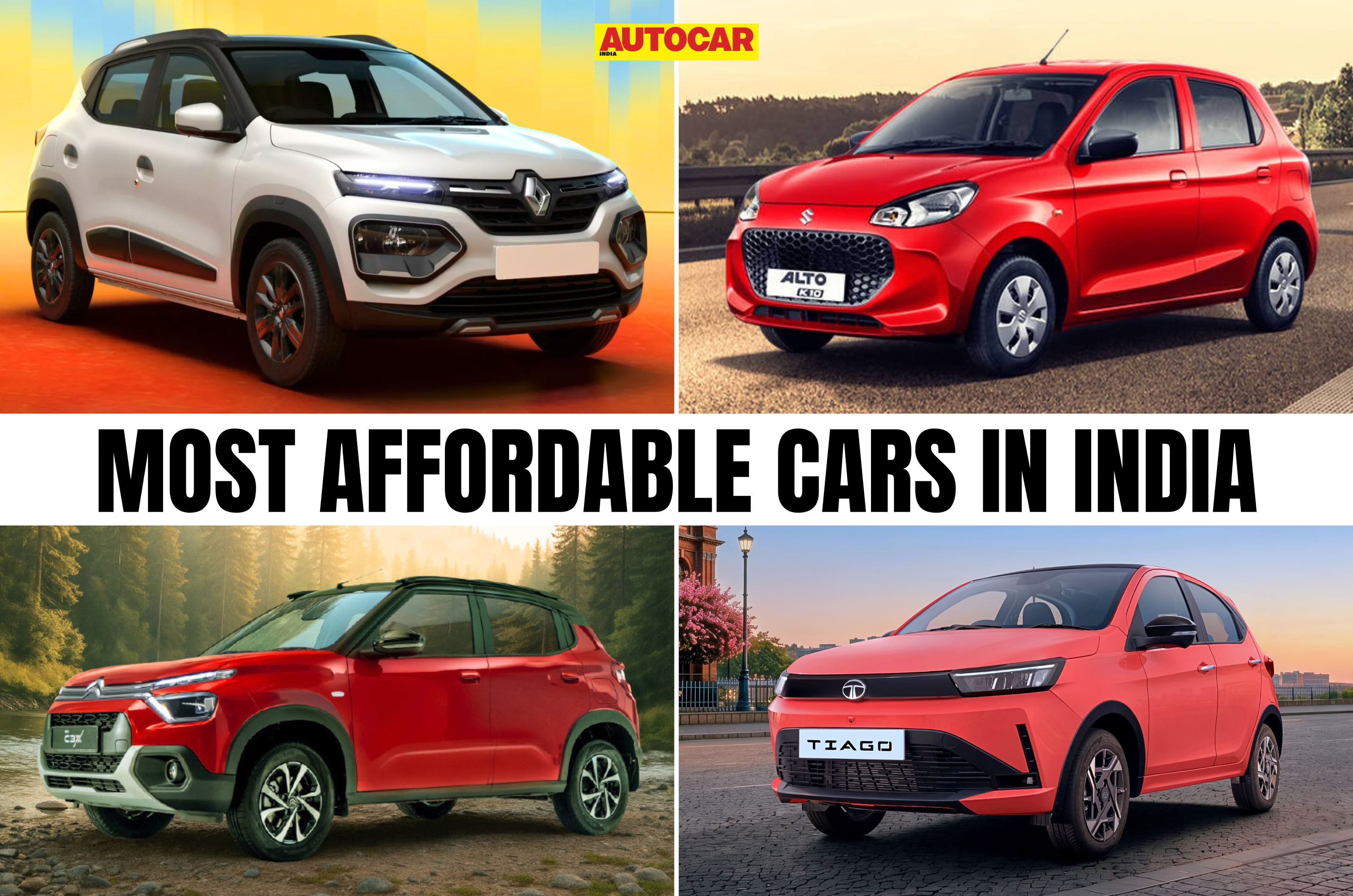
If you are in the market for a brand-new car under Rs 10 lakh, we have compiled 10 of the most affordable options currently available in India. It’s no surprise that Maruti continues to dominate this space, with as many as five models in the list.
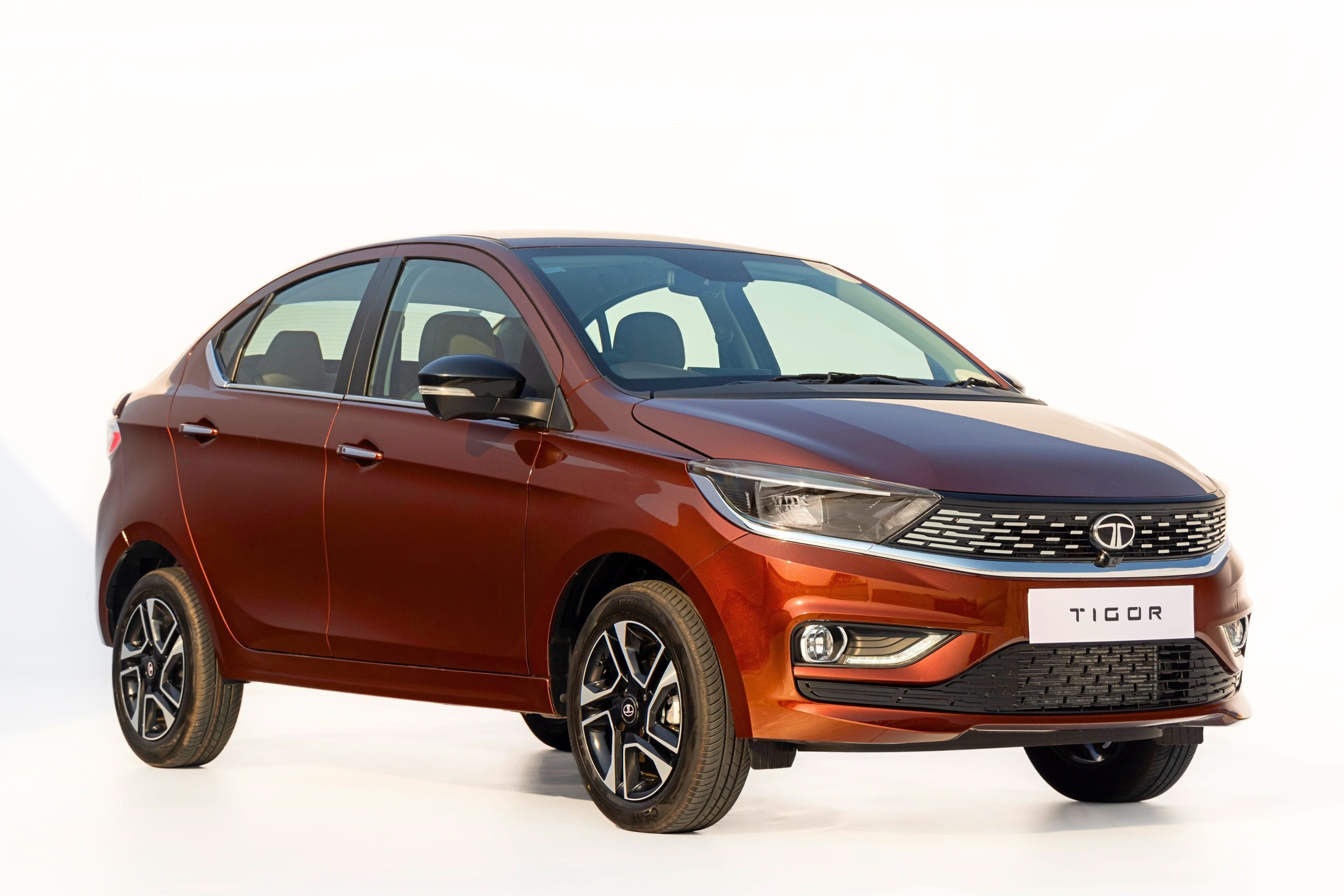
10. Tata Tigor
Starts at Rs 5.55 lakh
With prices starting at Rs 5.55 lakh, the Tata Tigor is the cheapest sedan in India and the only one on this list. While the Tigor has been around for quite a while, Tata has introduced multiple updates for the compact sedan over its lifecycle to keep it fresh. The Tigor is powered by a 1.2-litre 3-cylinder engine, which can be had in an 86hp petrol or a 75.5hp CNG guise. Both fuel types offer 5-speed manual and 5-speed AMT options.
Tata Tigor price and mileage
Price
Rs 5.55 lakh-Rs 8.84 lakh
Mileage (ARAI)
MT: 19.2kpl | AMT: 19.6kpl | CNG: 26.49km/kg
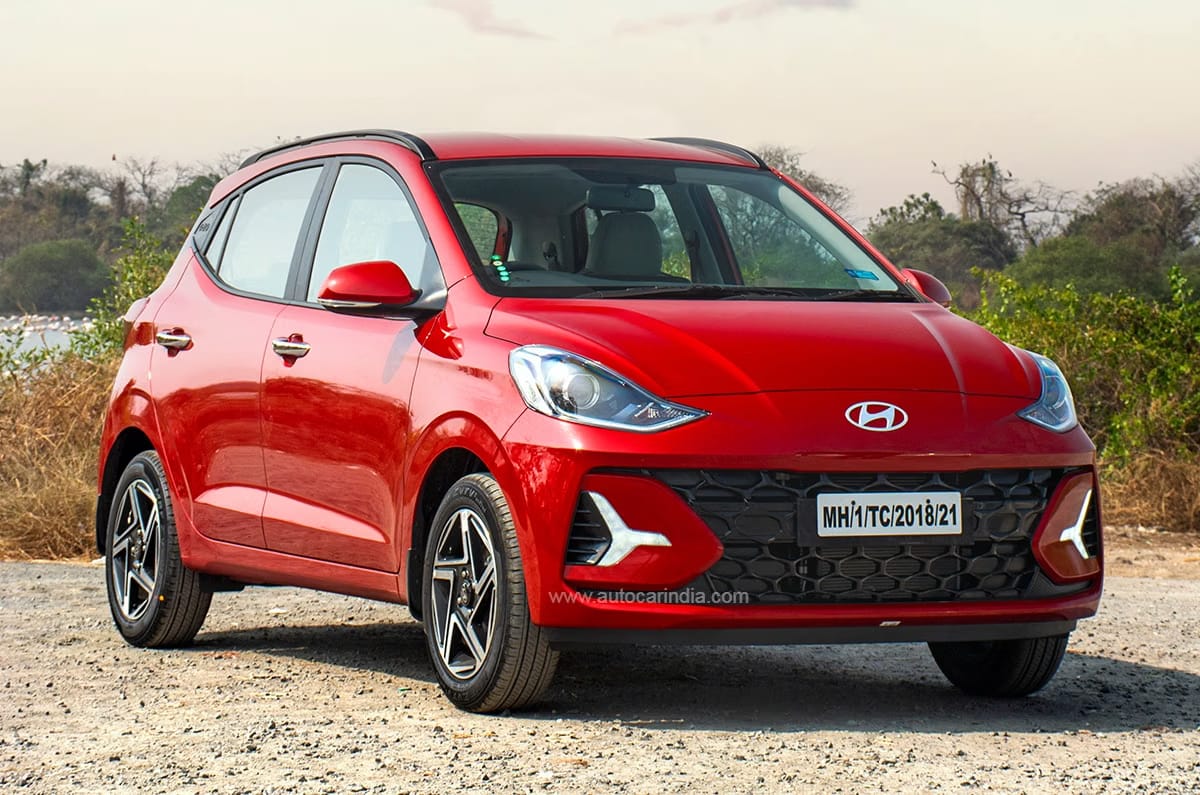
9. Hyundai Grand i10 Nios
Starts at Rs 5.55 lakh
Prices for the Hyundai Grand i10 Nios start at Rs 5.55 lakh and go up to Rs 8.03 lakh for the top-end Asta AMT, making it the most expensive automatic variant on this list; the hatchback is also the entry point to Hyundai’s vast line-up in India. Under the hood, the Grand i10 Nios gets a 1.2-litre naturally aspirated petrol engine producing 83hp and 114Nm; gearbox options include a 5-speed manual or an AMT. The hatchback is also available with a CNG option, which starts at Rs 7.22 lakh.
Hyundai Grand i10 Nios price and mileage
Price
Rs 5.55 lakh-Rs 8.03 lakh
Mileage (ARAI)
MT: 16kpl | AMT: 18kpl
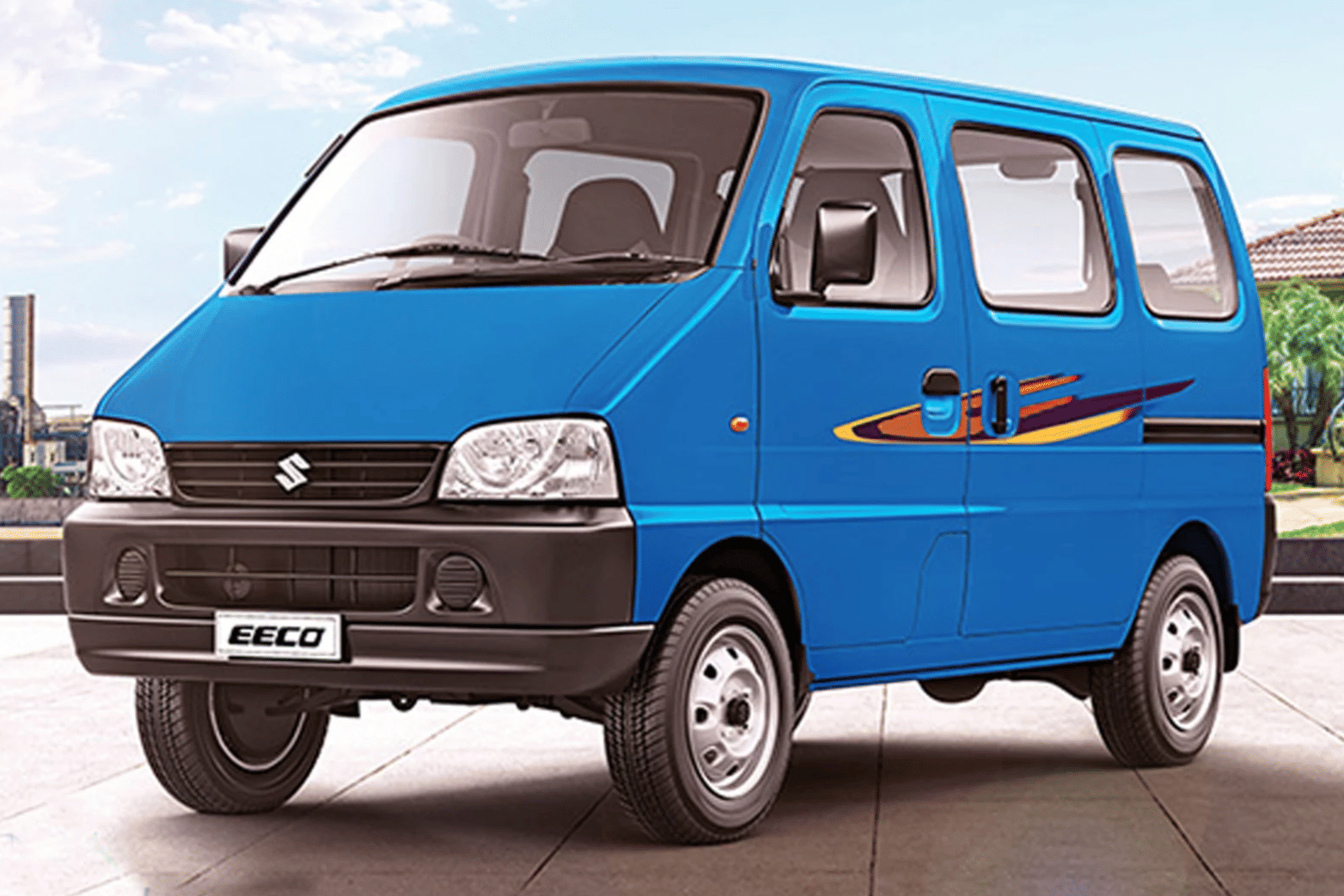
8. Maruti Suzuki Eeco
Starts at Rs 5.21 lakh
The Maruti Eeco is the only van on this list and a dependable vehicle with a versatile use case. It comes with a 1.2-litre 4-cylinder engine that puts out 81hp and 105Nm and is offered only with a manual transmission. Fun fact: the Eeco is the most affordable rear-wheel-drive car on sale in India.
Maruti Suzuki Eeco price and mileage
Price
Rs 5.21 lakh-Rs 6.36 lakh
Mileage (ARAI)
MT : 19.71kpl | CNG : 26.78km/kg
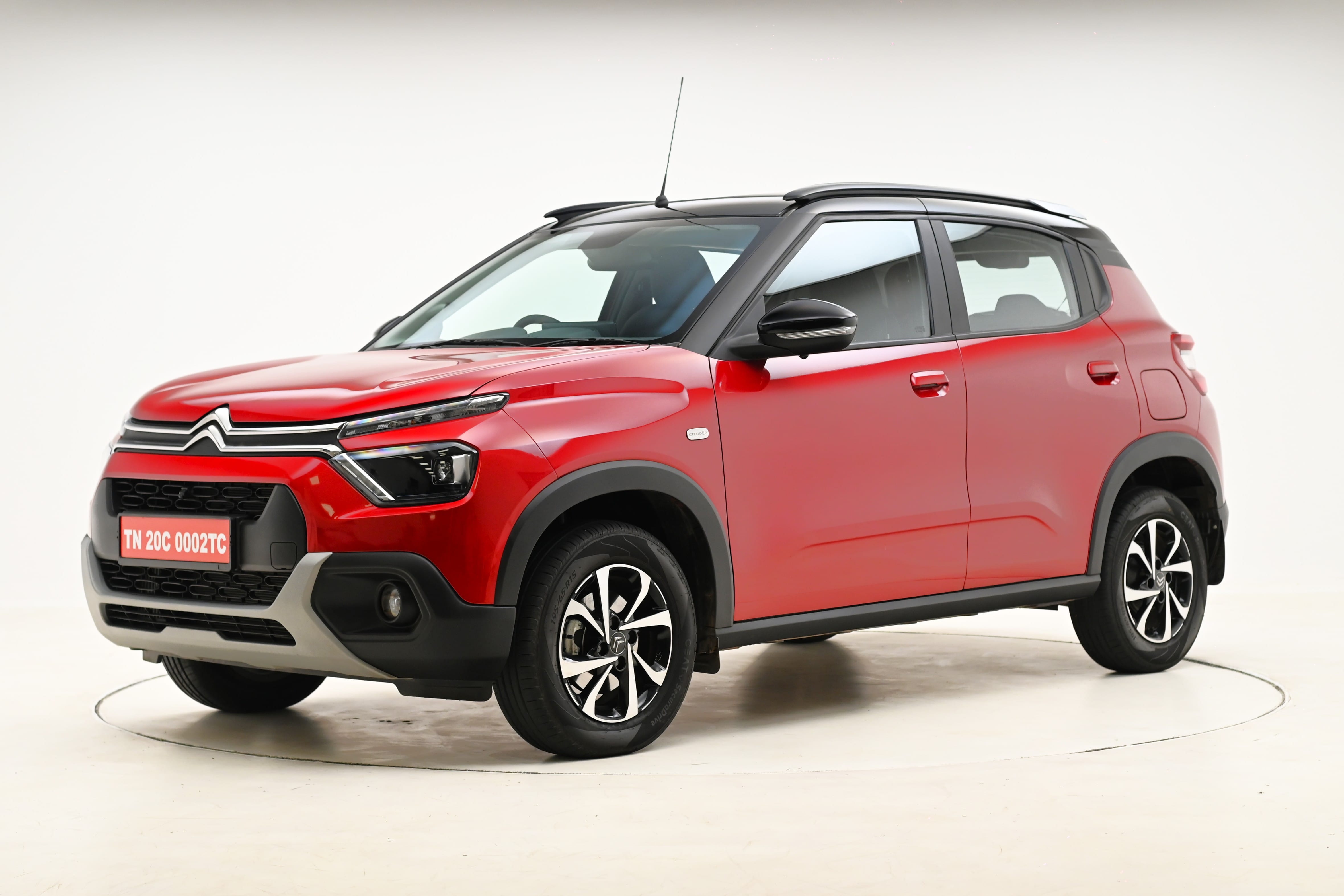
7. Citroen C3
Starts at Rs 4.99 lakh
The Citroen C3 is the entry point to the French carmaker’s line-up in India. Prices for the C3 start from Rs 4.99 lakh for the base 82hp 1.2-litre 3-cylinder naturally aspirated engine. Higher C3 variants offer a stronger 110hp 1.2-litre turbo-petrol engine option, priced at Rs 7.5 lakh for the manual and Rs 9.6 lakh for the torque-converter automatic. The latter makes the C3 the most powerful car on this list, and it is quite a fun little hatchback with peppy performance and tidy handling.
Citroen C3 price and mileage
Price
Rs 4.99 lakh-Rs 9.60 lakh
Mileage (ARAI)
1.2 MT: 19.3kpl | 1.2 turbo AT: 18.3kpl
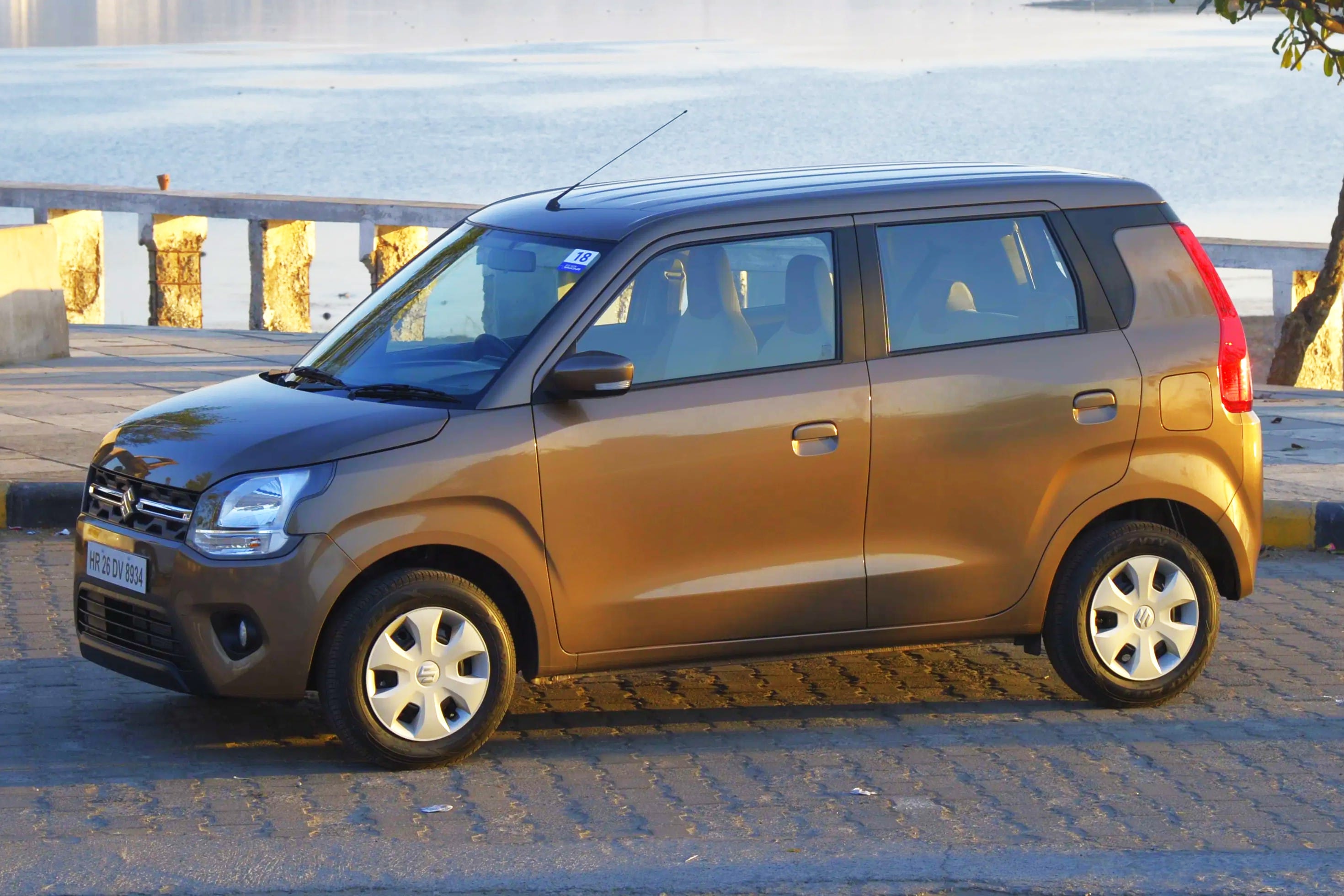
6. Maruti Suzuki Wagon R
Starts at Rs 4.99 lakh
The Maruti Wagon R, one of India’s bestselling cars and the longest surviving nameplates, comes with two petrol engine choices: a 1.0-litre 3-cylinder mill producing 68hp and 89Nm and a 1.2-litre 4-cylinder unit delivering 83hp and 113Nm. Prices for the Wagon R start at Rs 4.99 lakh, and for those seeking convenience, an AMT option is available from Rs 5.97 lakh onwards, making it a practical and affordable Maruti car.
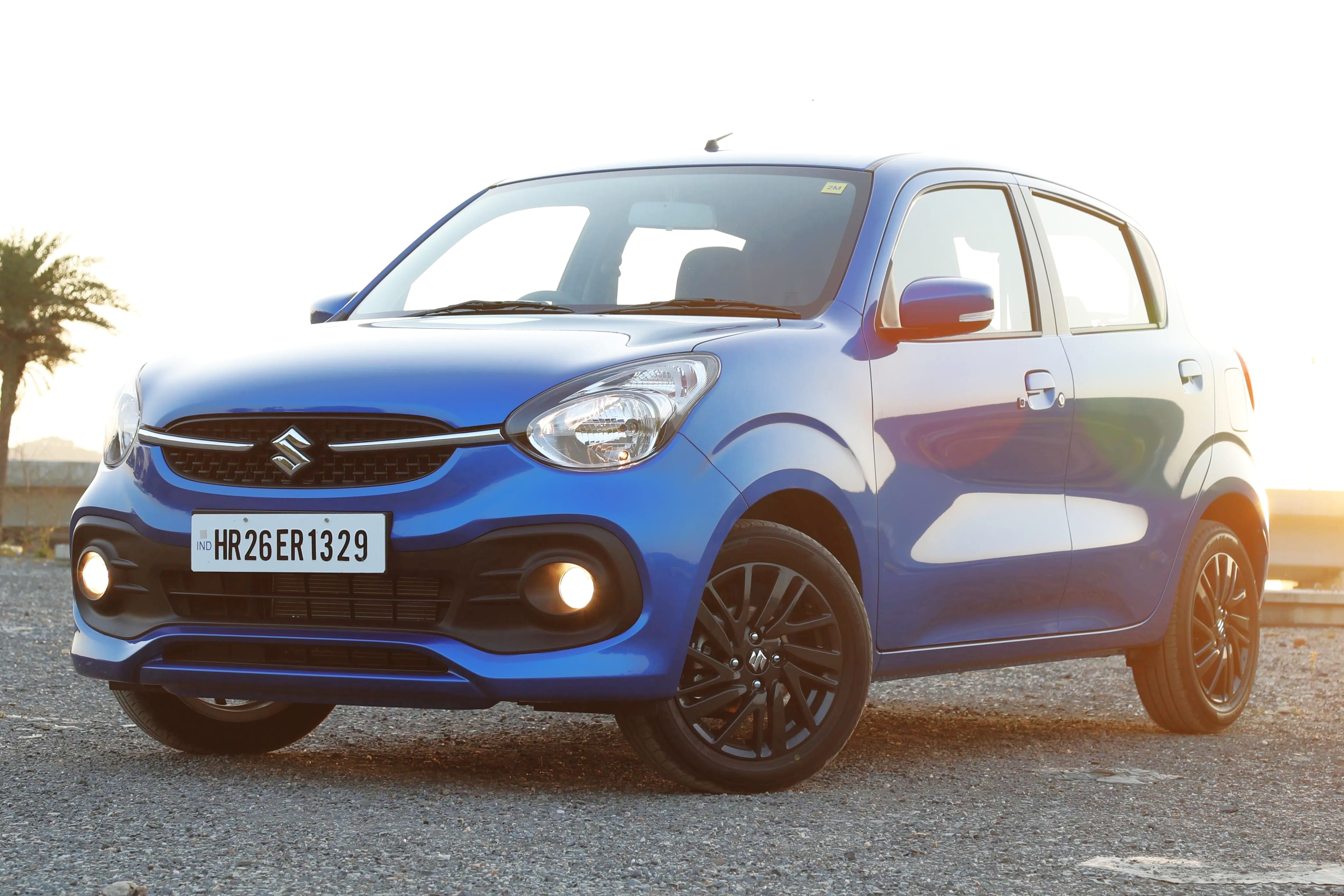
The Maruti Suzuki Celerio is known for offering extremely fuel-efficient petrol and CNG powertrains. It is equipped with a 1.0-litre 3-cylinder engine producing 67hp and 89Nm. The Celerio has a starting price of Rs 4.7 lakh; prices for its AMT option start from Rs 5.61 lakh. The compact dimensions of the Celerio, coupled with its stellar fuel efficiency figures, make it an ideal urban runabout.
Maruti Suzuki Celerio price and mileage
Price
Rs 4.70 lakh-Rs 6.73 lakh
Mileage (ARAI)
MT: 24.97kpl | AMT: 26.68kpl | CNG : 34.43km/kg
4. Tata Tiago
Starts at Rs 4.69 lakh
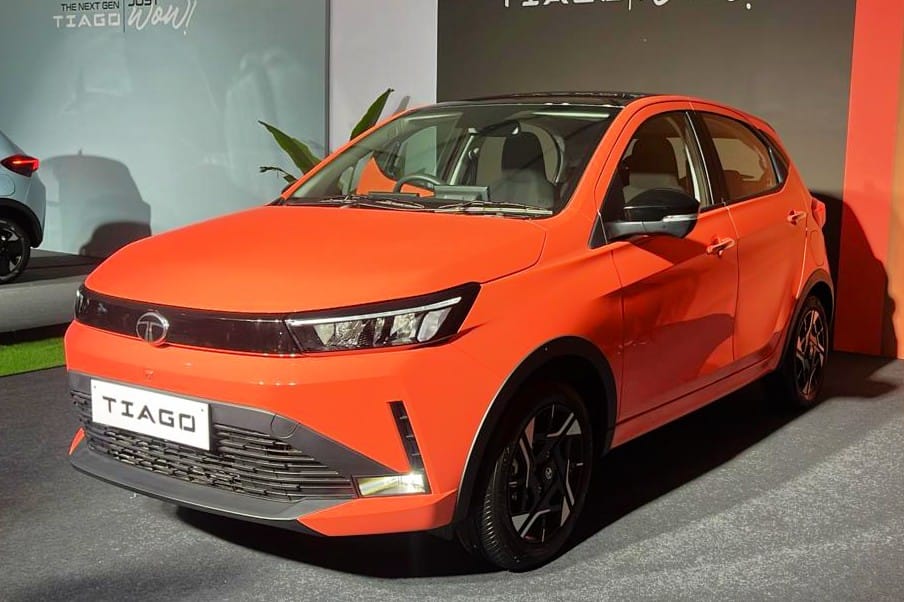
Updated for 2026 and beyond, the Tiago remains the cheapest Tata car you can buy. As part of the update, the hatchback underwent a major revamp inside and out, and it packs more features, too. Under the bonnet, the Tiago comes with the same 1.2-litre 3-cylinder engine in 86hp petrol and 75.5hp CNG versions, both of which are available with 5-speed manual and 5-speed AMT options. The latter makes the Tiago the only car on this list to offer a CNG AMT powertrain. With a strengthened bodyshell and 6 airbags as standard, the Tiago also scores high on safety.
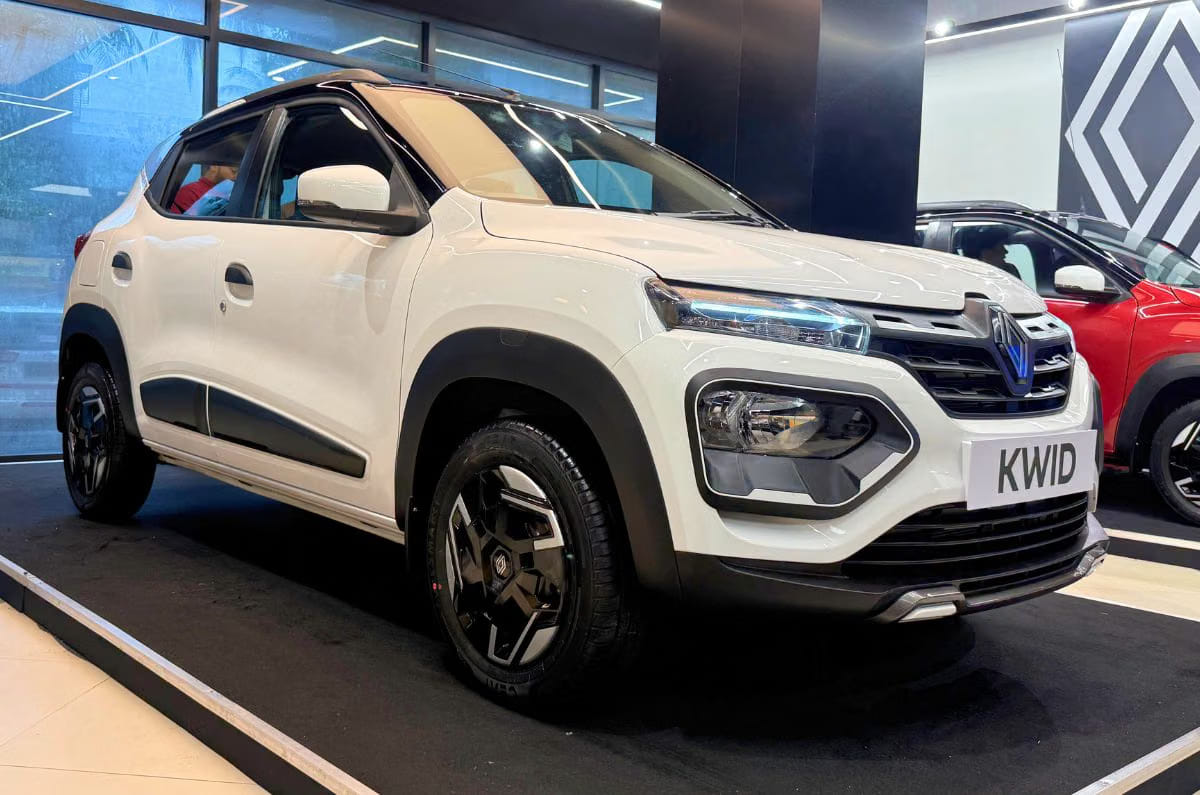
A direct Maruti Alto K10 rival, the Renault Kwid is priced from Rs 4.53 lakh. The Kwid scores well on features, and the Climber variant even brings some rugged appeal. The budget hatchback is powered by a 1.0-litre 3-cylinder petrol engine that produces 69hp and 92.5Nm; it gets both MT and AMT gearbox options. However, unlike Maruti, which offers factory-fitted CNG kits, the Kwid gets it as dealer-level fitment.
Renault Kwid price and mileage
Price
Rs 4.53 lakh-Rs 5.61 lakh
Mileage (ARAI)
MT: 21.7kpl | AMT: 22.5kpl
2. Maruti Suzuki Alto K10
Starts at Rs 3.70 lakh
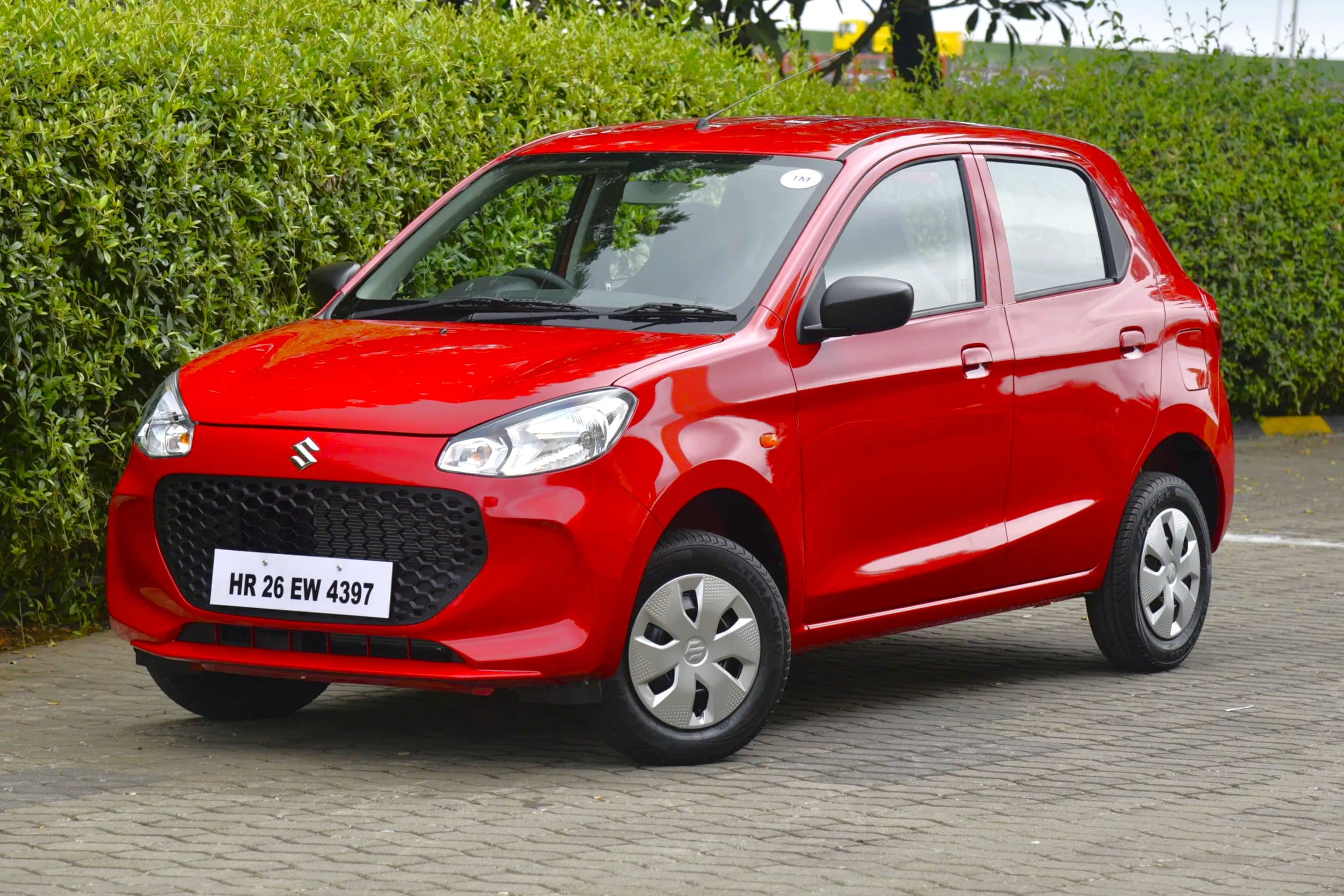
The Maruti Alto K10 prices start from Rs 3.7 lakh. Even as one of the most budget-friendly cars in India, it comes equipped with six airbags as standard and impresses with its frugality and drivability. The Maruti Alto K10 is powered by a 1.0-litre 3-cylinder petrol engine that produces 67hp and 89Nm. Maruti also offers an AMT gearbox option for the Alto K10, starting at Rs 4.95 lakh. There is a CNG variant available, too, priced from Rs 4.82 lakh.
Maruti Suzuki Alto K10 price and mileage
Price
Rs 3.70 lakh-Rs 5.45 lakh
Mileage (ARAI)
MT : 24.39kpl | AMT: 24.9kpl | CNG: 33.40km/kg
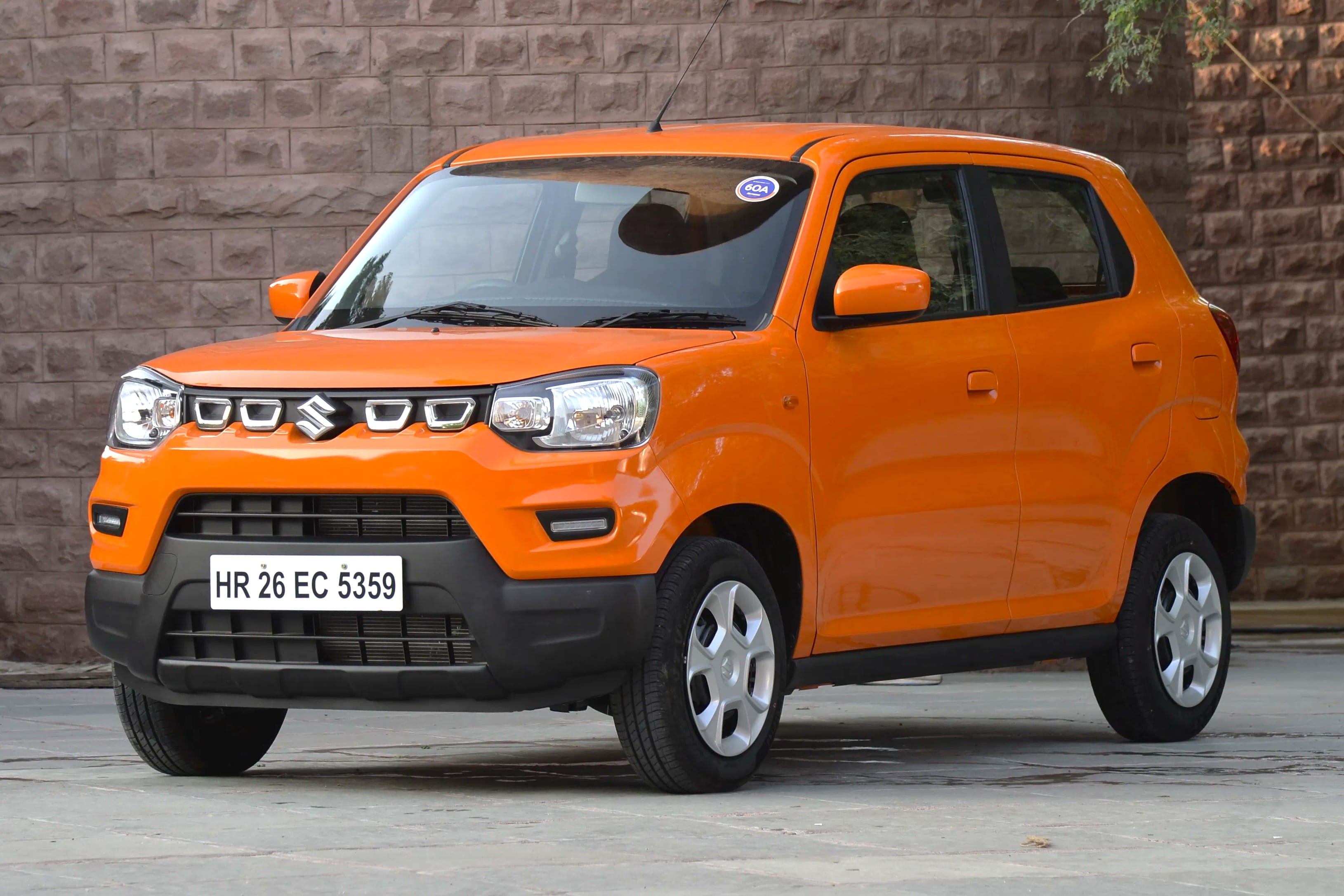
1. Maruti Suzuki S-Presso
Starts at Rs 3.5 lakh
The most affordable car on sale in India is the Maruti S-Presso. Though the carmaker terms it as a ‘mini SUV’, it’s a high-riding hatchback at best. However, the upright stance and shape mean it has a roomy cabin that scores well in terms of practicality. Under the hood is a 1.0-litre 3-cylinder petrol engine that produces 67hp and 89Nm; it is available with MT and AMT gearbox options, as well as a factory-fitted CNG kit. Automatic variants of the S-Presso are priced from Rs 4.75 lakh.
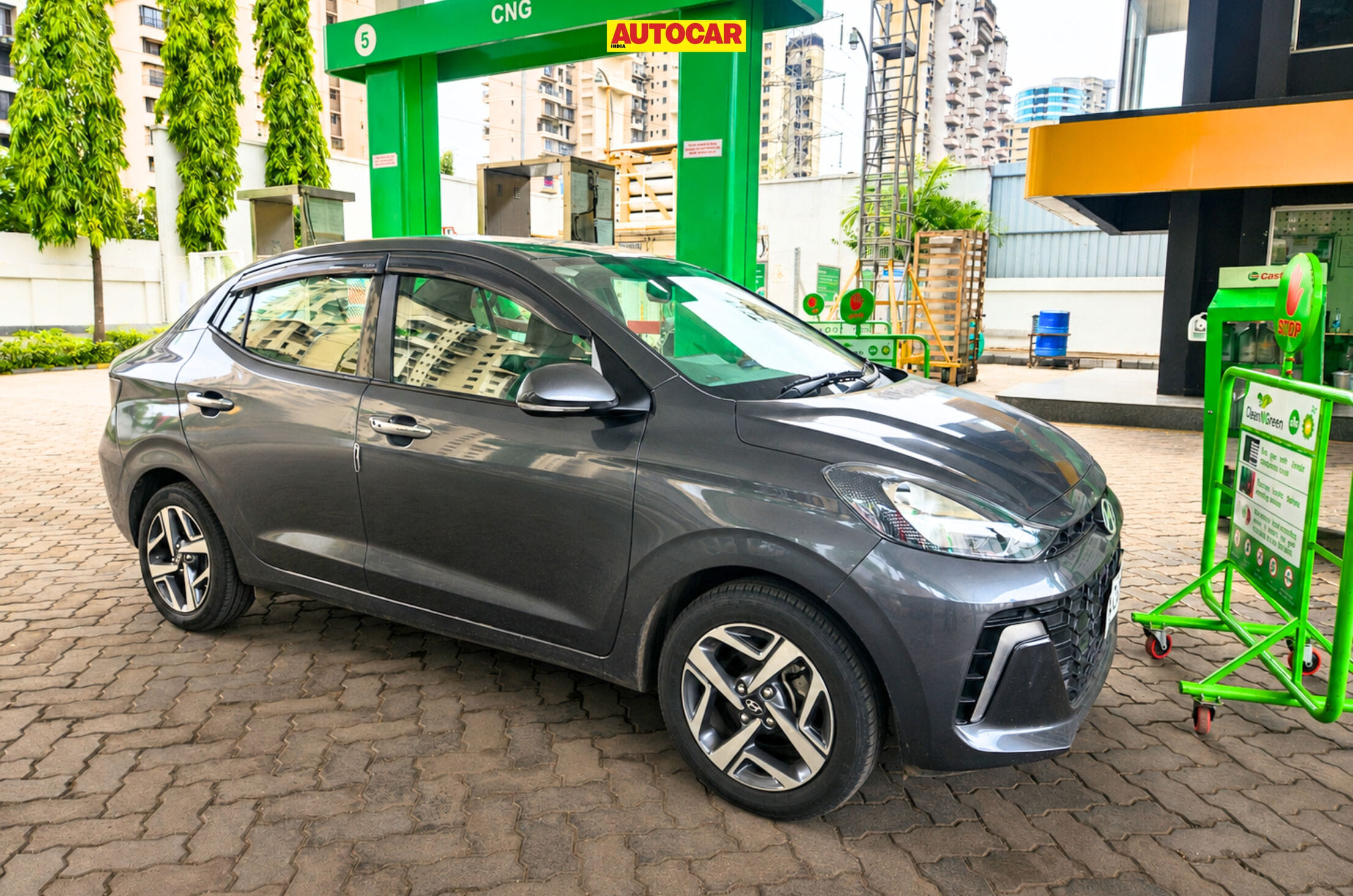
Launched in 2020, the Hyundai Aura has been available with a factory-fitted CNG option since its introduction. It is currently offered in three variants – S CNG (Rs 7.8 lakh), Corporate CNG (Rs 7.9 lakh) and SX CNG (Rs 8.6 lakh). We put the Aura CNG through our real-world fuel-efficiency tests to see how it fares
No automatic engine stop-start system
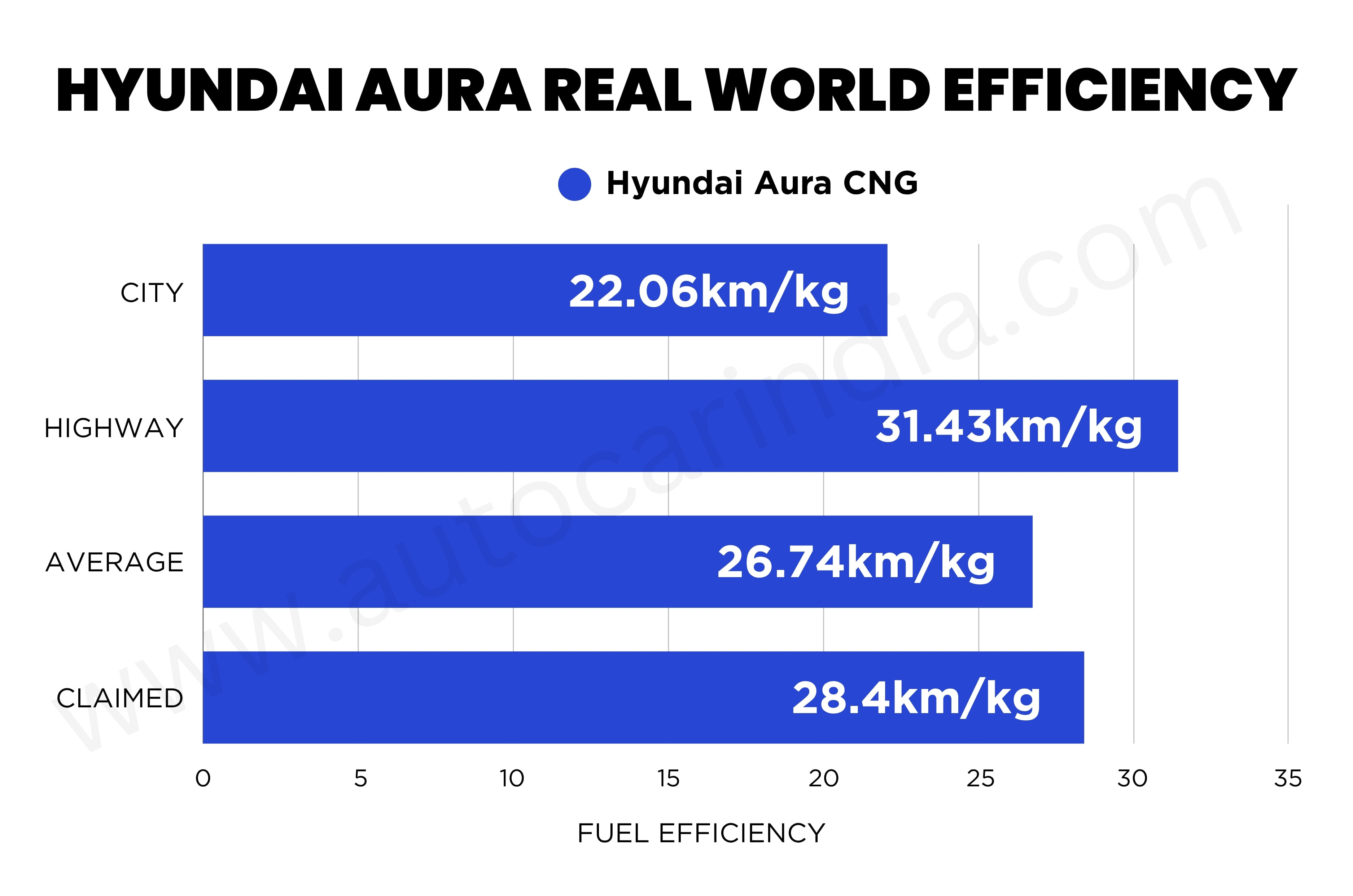
Claimed fuel efficiency: 28.4km/kg
Priced Rs 90,000 higher than comparable petrol variants
Hyundai Aura CNG fuel efficiency explained
Powering the Aura CNG is a 1.2-litre, four-cylinder engine that produces 69hp and 95.2Nm when running on CNG. Transmission duties are handled by a 5-speed manual gearbox.
In our tests, the Aura CNG returned 22.06km/kg in the city and 31.43km/kg on the highway, resulting in an overall average efficiency of 26.74km/kg. Based on these figures, owners can expect a real-world driving range of around 240km on a full tank of CNG.
Interestingly, when refilling the Aura’s empty 65-litre CNG tank, it accommodated 8.95kg of gas. Under favourable conditions, such as higher pump pressure and cooler ambient temperatures, the tank should be able to hold close to 10kg of CNG.
For context, the Maruti Dzire CNG is equipped with a smaller 55-litre CNG tank, while the Tata Tigor CNG features a larger 70-litre dual-cylinder setup.
Autocar India’s fuel-efficiency testing
Since CNG tanks are more difficult to fill consistently due to variables such as ambient temperature and pump pressure, we did not use our standard tankful-to-tankful methodology. Instead, for our real-world tests, we emptied the CNG tank and refilled it with 2kg of CNG. We then drove the vehicle in city conditions until the gas was exhausted. The same process was repeated for the highway run. Throughout both tests, the Aura was driven exclusively in CNG mode.
Before our real-world fuel efficiency tests, we maintain tyre pressures based on the manufacturer’s recommendations. These cars are driven in fixed city and highway loops in and around Navi Mumbai, and we maintain certain average speeds. Throughout the tests, there is only one person in each car, and the aircon is set to fan speed 2 with temperature dialed to the lowest position. We operate other electricals, such as the audio system, indicators and wipers, just like a regular user would. Periodic driver swaps further neutralise variations in driver patterns.
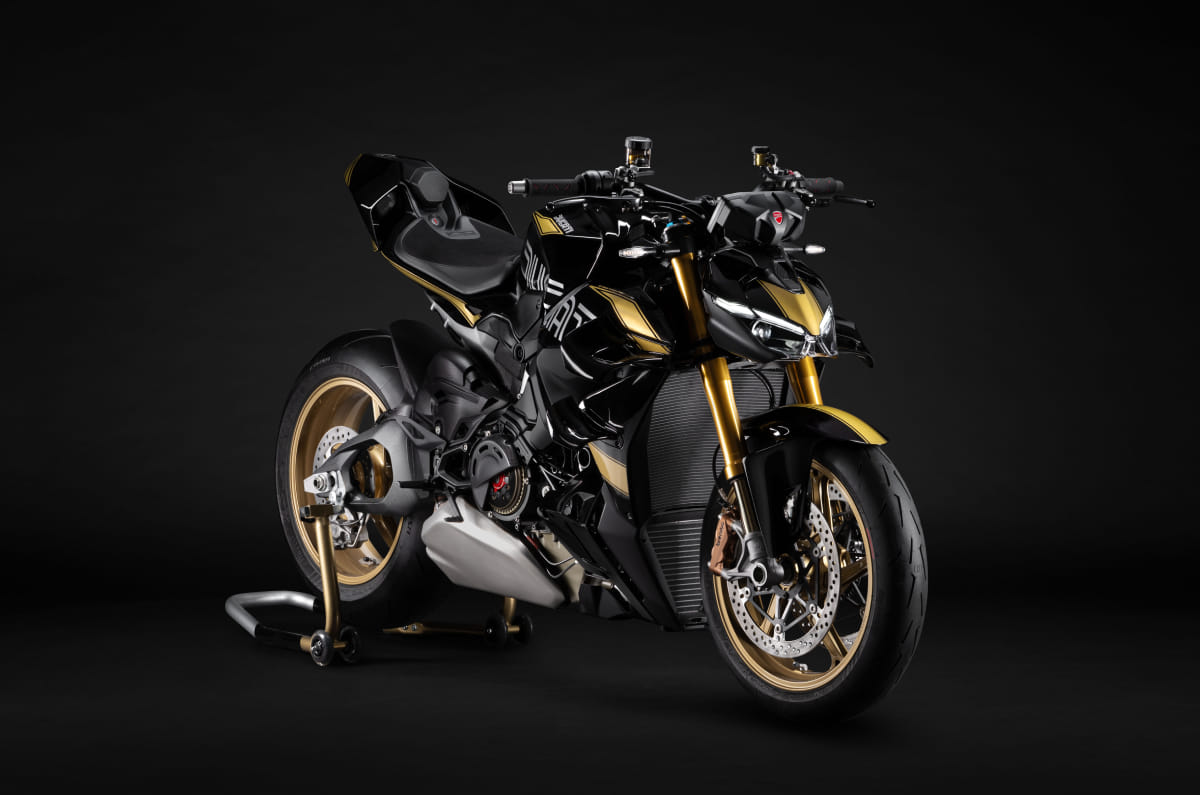
The Ducati Streetfighter V4 S 100 is one of ten motorcycles in the Collezione 100, Ducati’s limited-edition centenary collection, and is limited to just 100 individually numbered units worldwide. Its livery draws from the 1979 900 Sport Desmo Darmah – a motorcycle that was, in many ways, a Streetfighter before the concept existed. The Darmah’s black and gold colour scheme reflected the aesthetic fashions of 1970s and 1980s motorsport, while its name and the distinctive tiger head on its side panels spoke to Italy’s fascination with the exotic at the time. That tiger head reappears on the undertail of the Streetfighter V4 S 100.
Over the standard Streetfighter V4 S, the 100 edition adds an Alcantara seat with an embroidered Ducati 100 logo, carbon fibre rear mudguard, engine cover and exhaust, a dry clutch, and a Centenary Bronze numbered plate on the billet aluminium triple clamp. Standard equipment includes mirror and licence plate removal kits, an open clutch cover and a Centenary Bronze billet aluminium fuel cap crown.
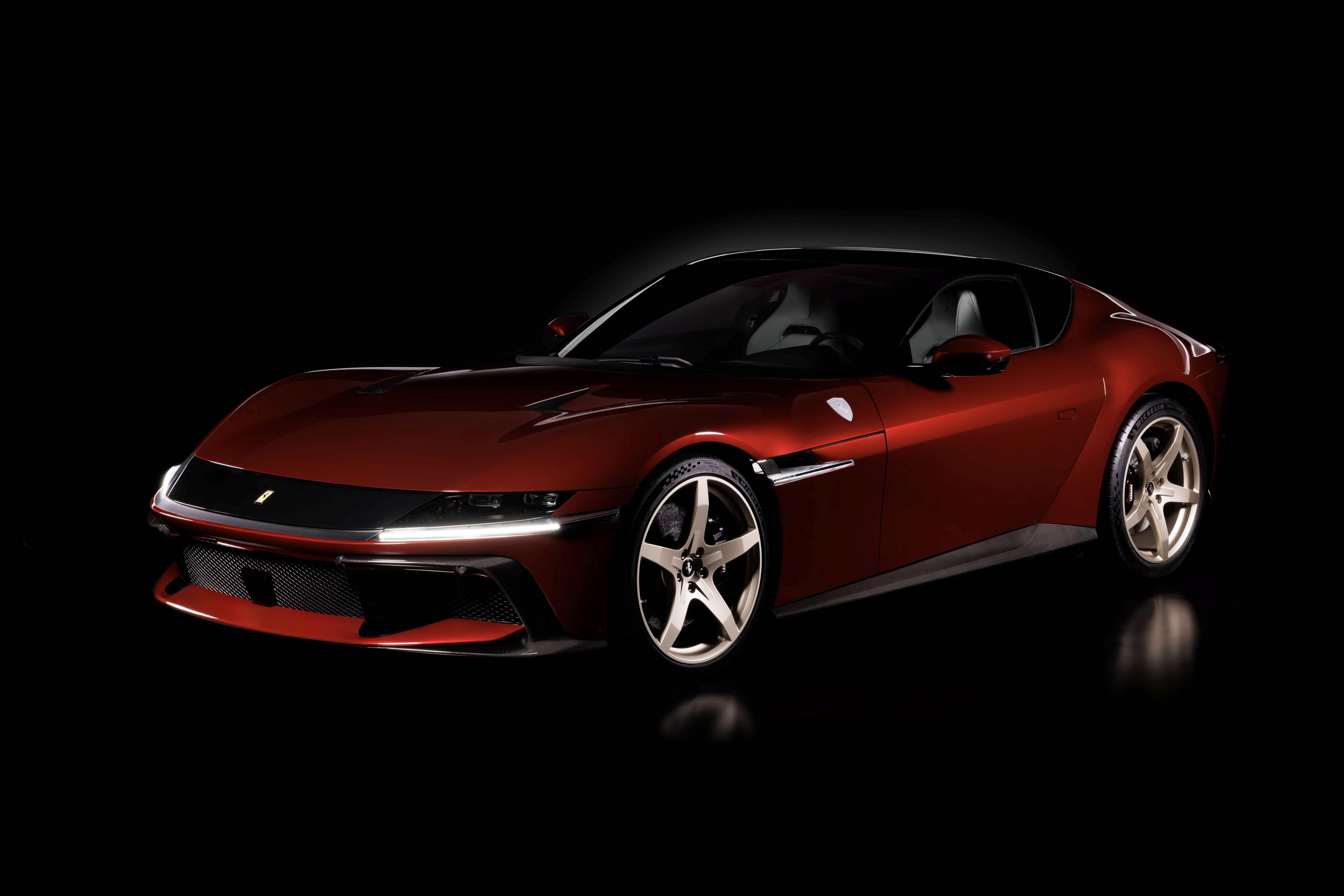
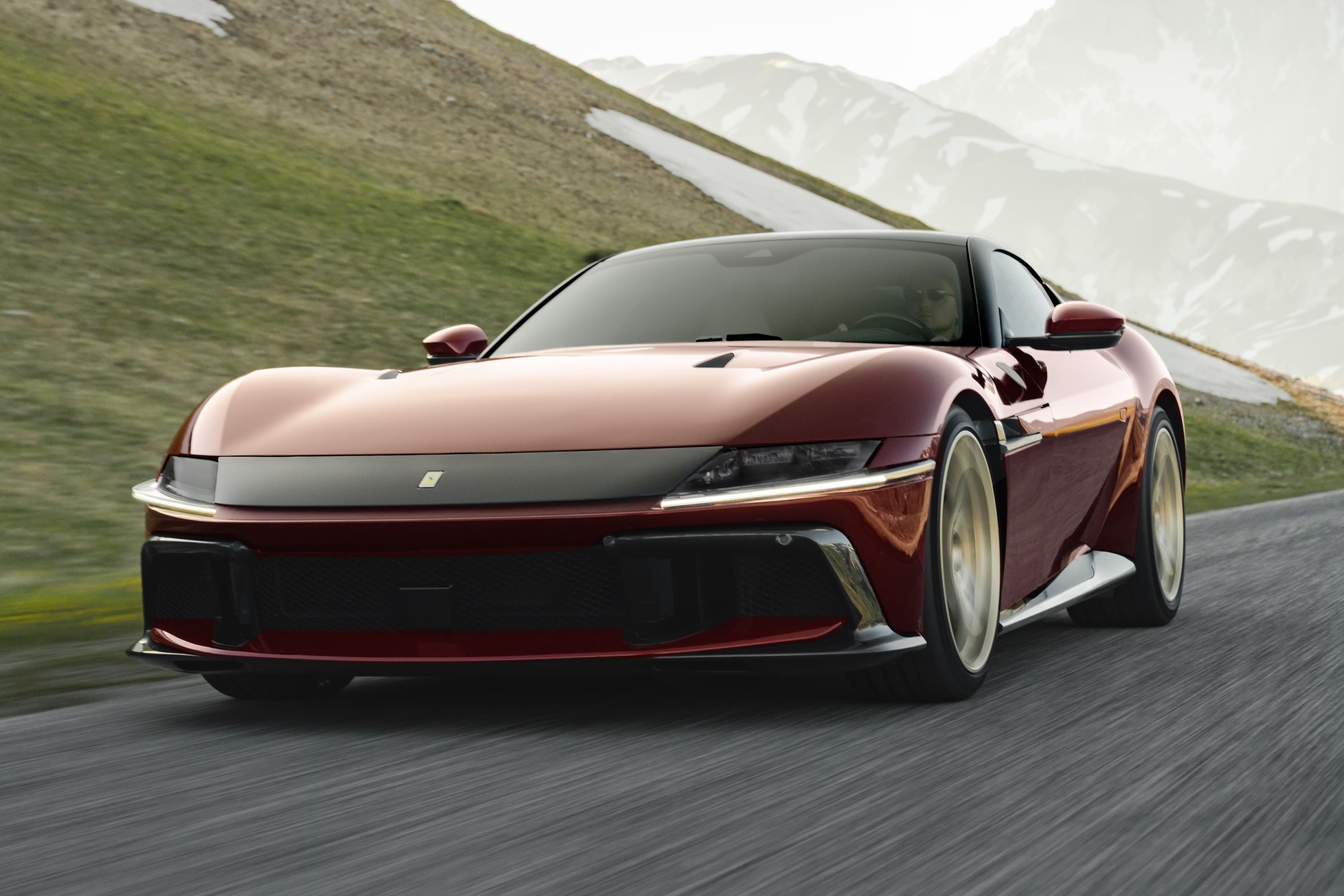
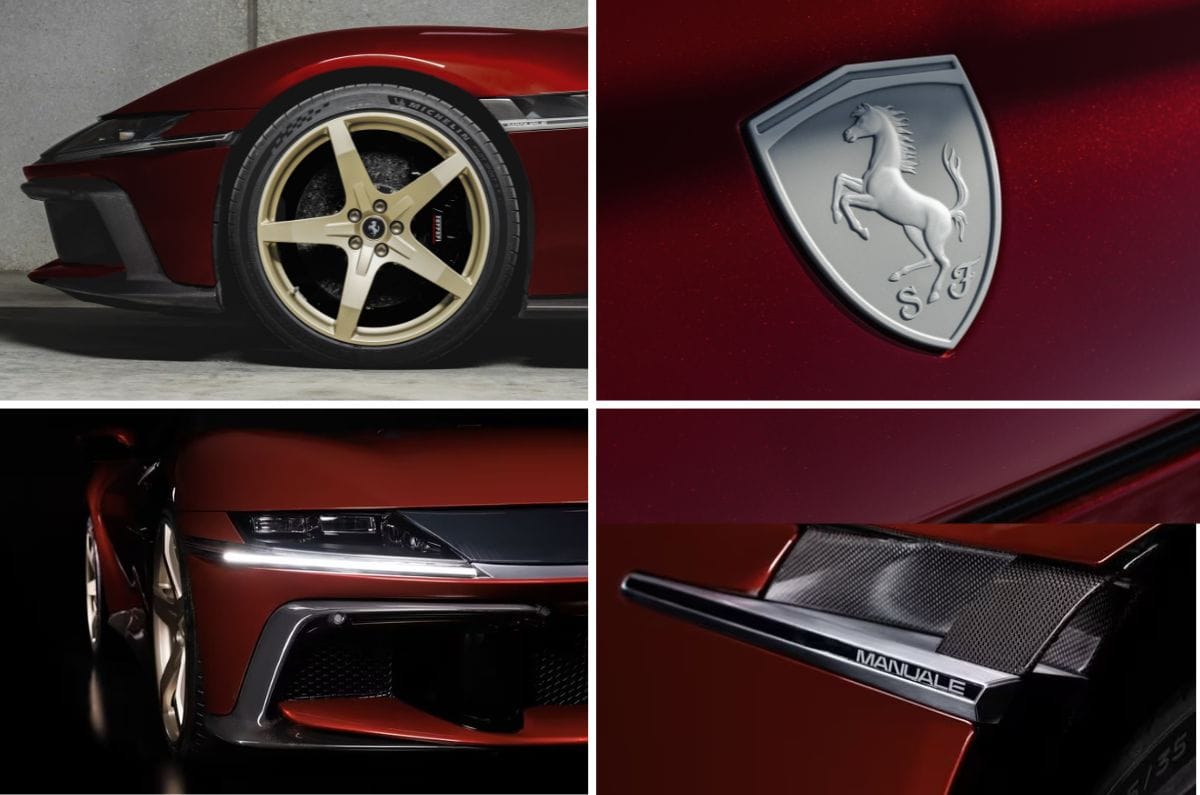
Ferrari has unveiled the 12Cilindri Manuale as the Italian marque’s first car with a manual gearbox in 14 years – the California roadster was the last one. Only 1,499 units of the 12Cilindri Manuale will be built, each retailing for €590,000 (Rs 6.42 crore).
Retains standard models’ 830hp naturally aspirated V12 engine.
Gets a manual gear lever and a three-pedal setup to simulate shifts.
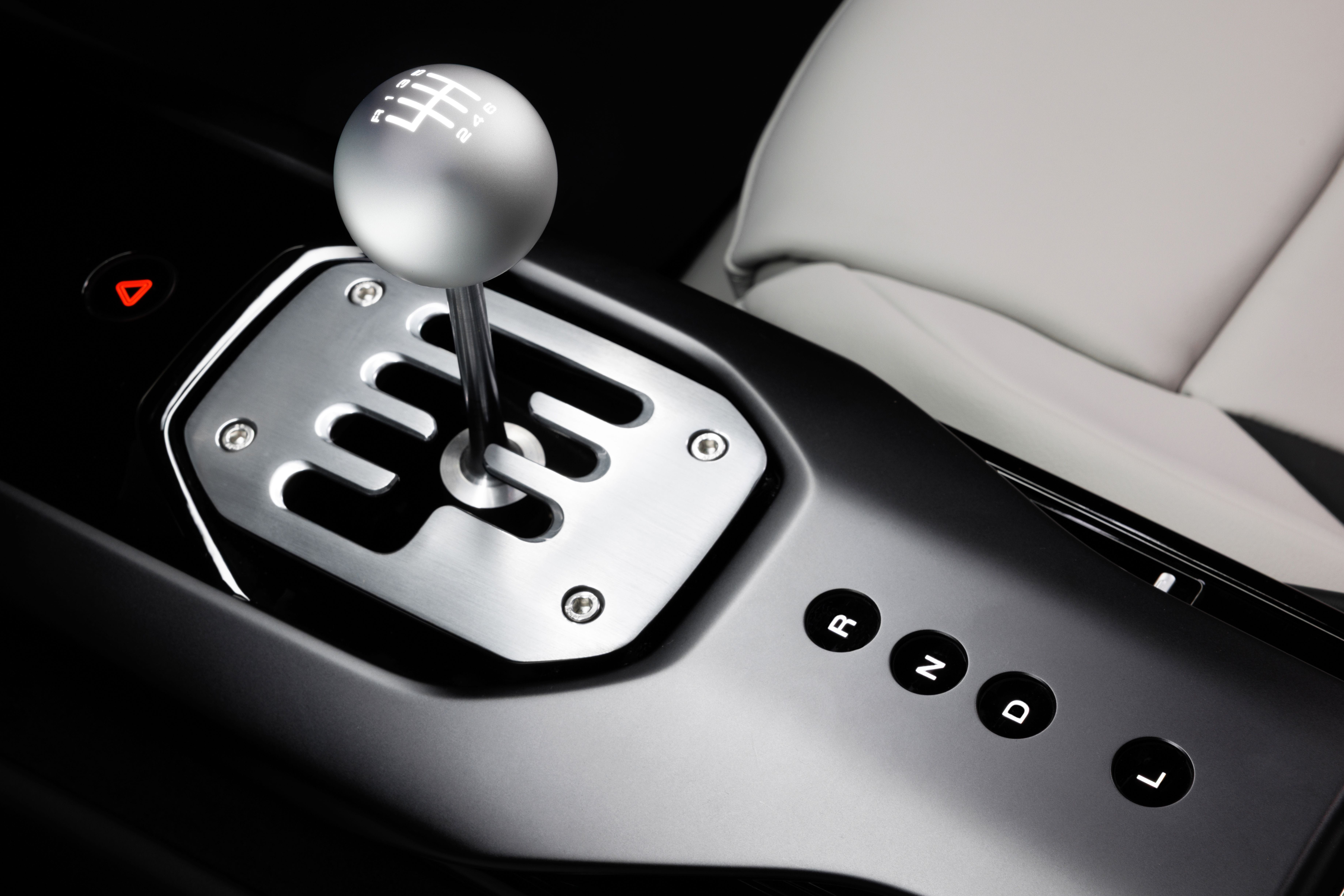
Comes with a revised centre console to accommodate a gated manual gearbox setup.
Ferrari 12Cilindri Manuale engine and gearbox
Not a manual in the conventional sense
The 12Cilindri Manuale continues to be powered by the same 6.5-litre naturally aspirated V12 that chucks out 830hp and 678Nm and can rev all the way up to a howling 9,500rpm. While the standard 12Cilindri funnels that grunt to the rear wheels via an 8-speed dual-clutch automatic, the Manuale uses a ‘Manuale By-Wire’ control system.
That means the 12Cilindri Manuale still gets the 8-speed DCT, but it can behave like a 6-speed manual, complete with a clutch pedal and gated shifter. It’s a similar concept to the Koenigsegg CC850’s Engage Shift System, wherein there’s no clutch or flywheel behind the engine – just a series of sensors to interpret shifter inputs from the driver and pass them on to the DCT, and thereby no physical linkages like a conventional manual gearbox.
Long story short, the 12Cilindri Manuale can be clutch-dumped like a manual, heel-and-toed like a manual, and even stalled like a manual. However, should the driver find themselves in stop-go traffic and don’t feel like rowing through cogs, they can slot the transmission into automatic mode and let the DCT handle gear shifts. One could say it’s the best of both worlds.
0-100kph comes up in a claimed 2.9 seconds, which is exactly the same as that of the pure-DCT 12Cilindri. This is because Ferrari measures the 0-100kph time with launch control enabled, which is possibly only in fully automatic mode. Similarly, the two extra gears in the DCT are what allow the 12Cilindri Manuale to retain its rated 340kph top speed – it would be lower in manual mode as it has six speeds only.
Ferrari 12Cilindri Manuale exterior and interior design
Features subtle design revisions and a redesigned centre console for the interior
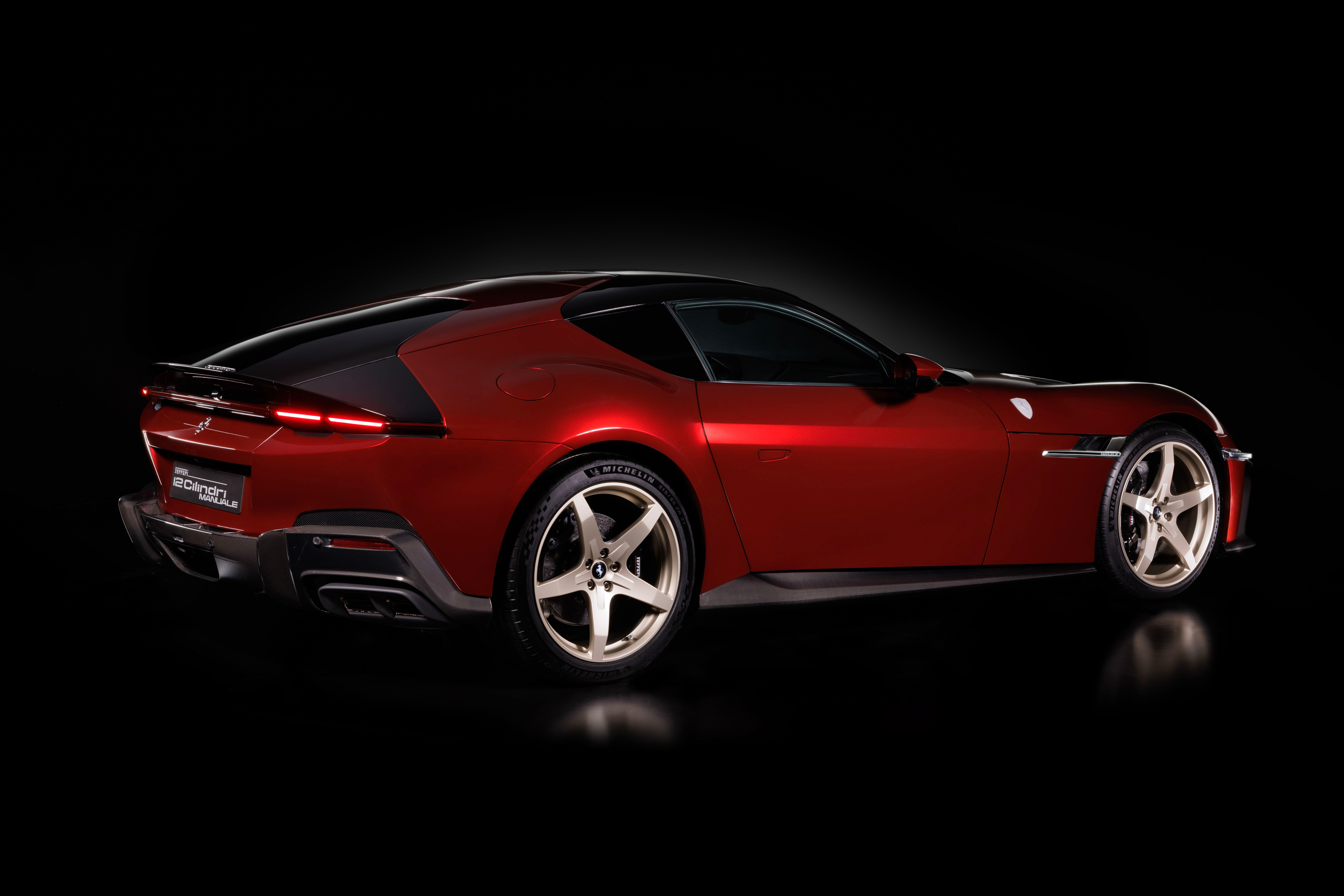
At first instance, one could assume that the Manuale looks like another 12Cilindri. But look closer, and you’ll see that Ferrari has made subtle changes to give it distinction from standard Cilindri’s. For starters, you get Manuale badges on the front fenders. The laser-etched Ferrari logos on the sides get a silver finish, while the front splitter and rear winglets feature a pinstripe finish that pays homage to the 365 GTB4. A noticeable change is an exclusive pair of forged 5-spoke alloy wheels, which are available in four finish options.
For the most part, the Manuale retains the 12Cilindri’s design details. This includes the headlights integrated in a blacked-out portion of the long bonnet, contrasting carbon fibre panels, delta-wing roof motif, quad exhausts, active winglets, and an aggressive diffuser. There’s an optional livery on offer that pays homage to the six-speed gearbox available in multiple colour options.
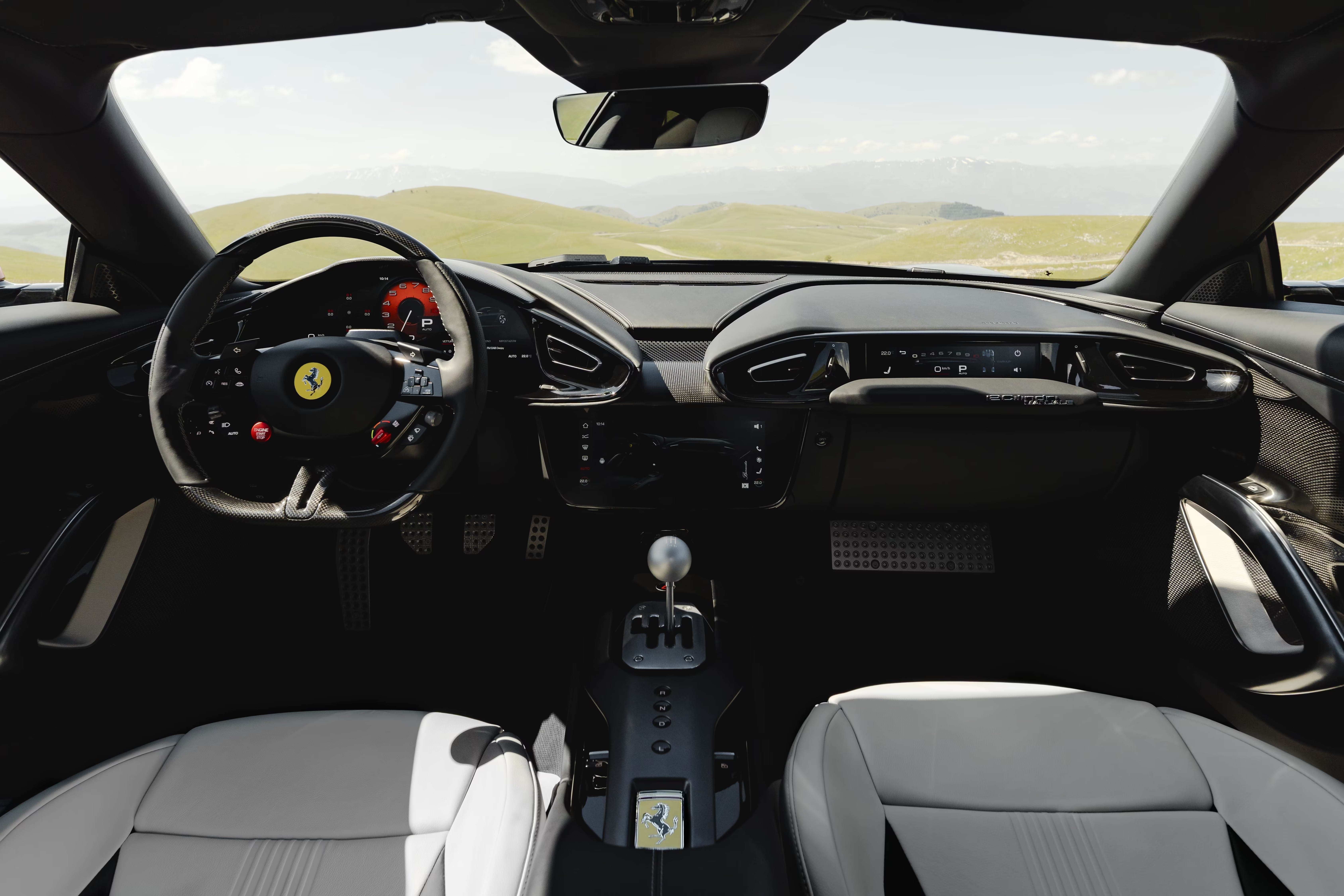
The biggest change to the interior of the 12Cilindir Manuale comes in the form of a revised centre console. It has been redesigned to accommodate the manual gear lever that’s rounded and finished in aluminium, a nod to gated manual gear levers from yesteryear Ferrrari’s. The lever can either be finished in silver or in black. You can either opt for comfort or racing seats that feature a trim with six vertical grooves reminding you that you’re in the Manuale 12Cilindri. The dashboard containing a triple screen setup from the standard 12Cilindri is retained.
Tyres are one of the most important parts of your motorcycle, and they dictate how it turns, stops, and behaves – especially when the road gets tricky. But beyond compound, grip and tread pattern, there’s another crucial distinction for two-wheelers – whether your tyres are tube-type or tubeless. While the car world has more or less completely moved away from tubed tyres, there is still a place for them on some types of motorcycles. Here’s a closer look at what separates tube and tubeless systems, and why it matters more than most riders realise.
So, what’s the difference?
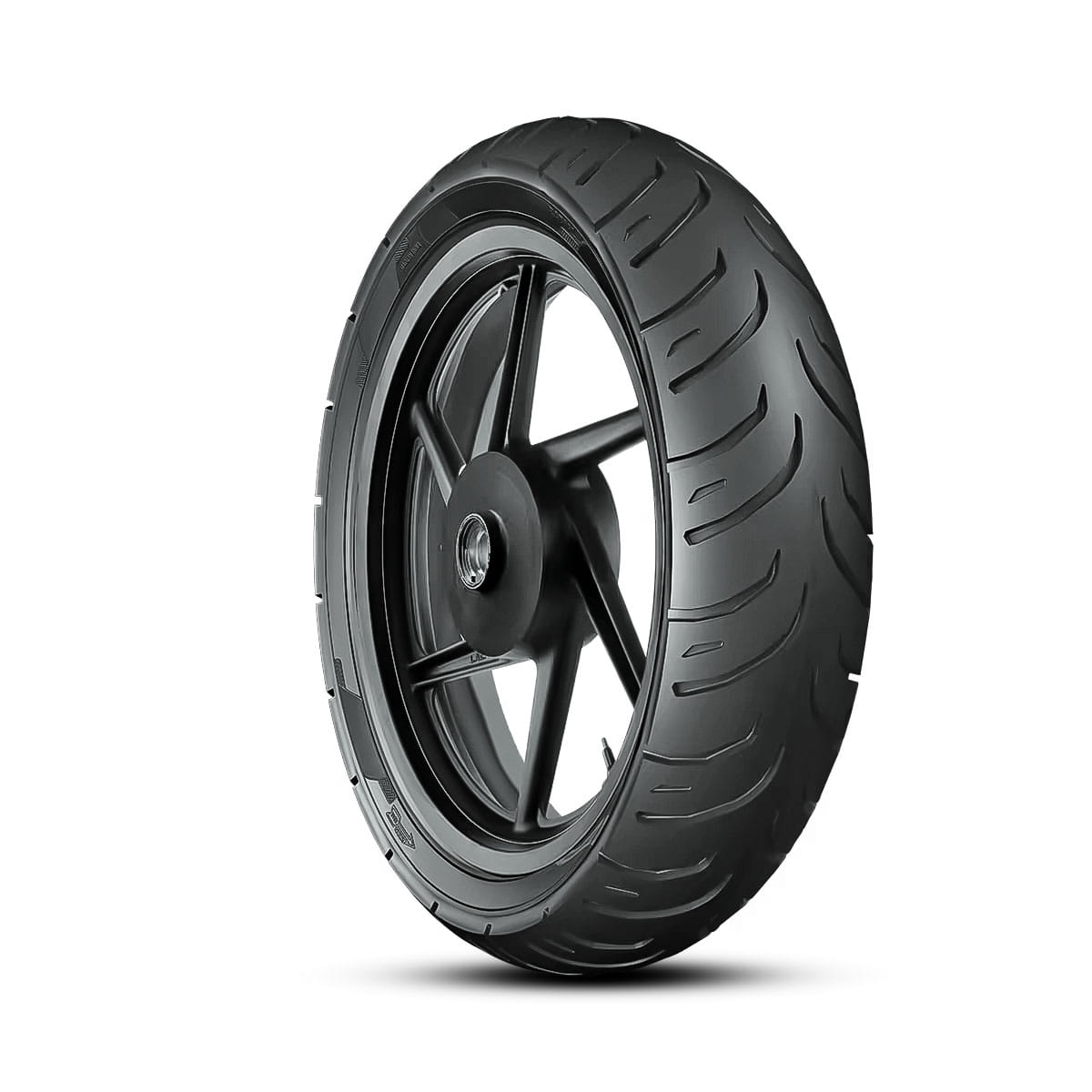
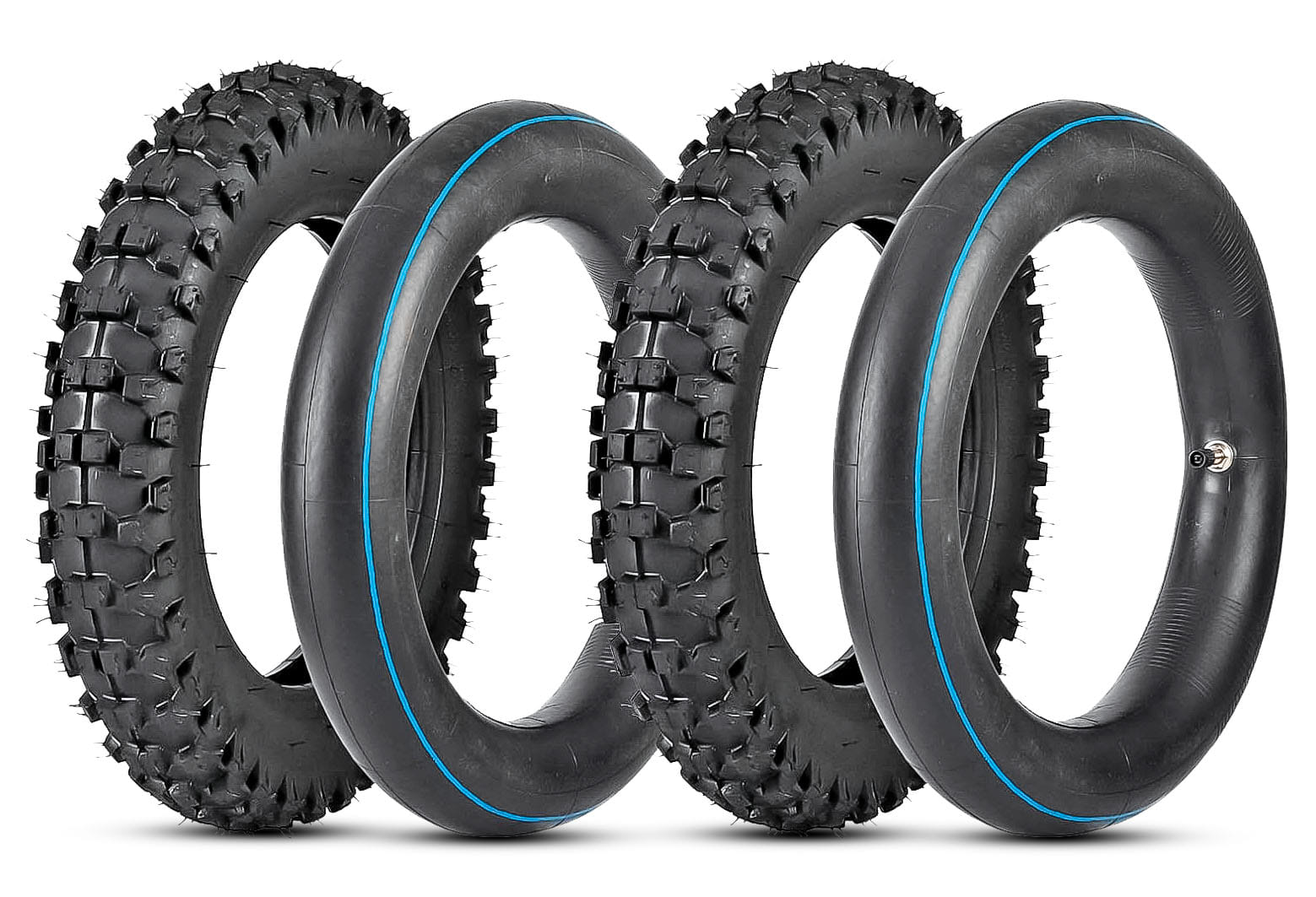
In a tube-type setup, the air sits inside an inflatable rubber tube, which is placed between the tyre and the rim. The tyre and rim are not airtight, as all the air is held inside of the tube, which has a filling valve. A tubeless tyre, on the other hand, seals directly against the rim, with no inner tube involved. The tyre and wheel rim form an airtight seal on their own, and the rim has the valve fitted to it.
Alloy wheels are designed to work without a tube, though they can accommodate a tube in case of rim damage that allows for air to leak.
Pros and Cons
For the most part, tubeless tyres are vastly more appealing, and it’s easy to see why they are fitted to most modern motorcycles. They’re safer in terms of resistance to high-speed blowouts and easier to fix in the event of a puncture. When a tubeless tyre is pierced by a sharp object, the air has to escape past the punctured object, which is most often held in place by the rubebr tyre. Thus, the air loss is slow, giving the rider time to react. With a tubed tyre, a puncture in the inner tube deflates the tube, which collapses inside, and air escapes quickly via the rim and valve hole. This isn’t ideal when you’re mid-corner, carrying high speeds, or in the middle of nowhere.
Tubeless tyres are also easier to repair, and most small punctures can be fixed with a puncture repair kit from the outside, with no need to remove the wheel or open up the tyre. They also run relatively cooler at speed; with no tube, there is less friction, which helps improve longevity. That said, tube-type tyres still have their place on certain motorcycles. The main reason for this is that tubes will still hold air in case the rim gets bent in off-road riding conditions, whereas tubeless tyres would completely deflate in such a situation. Finally, spoked rims that run tube tyres are more affordable than tubeless spoked rims that need to be specially designed to be airtight.
Tube tyres can be tedious to fix, but they are more durable off-road in cases of rim damage.
Why wheel construction matters
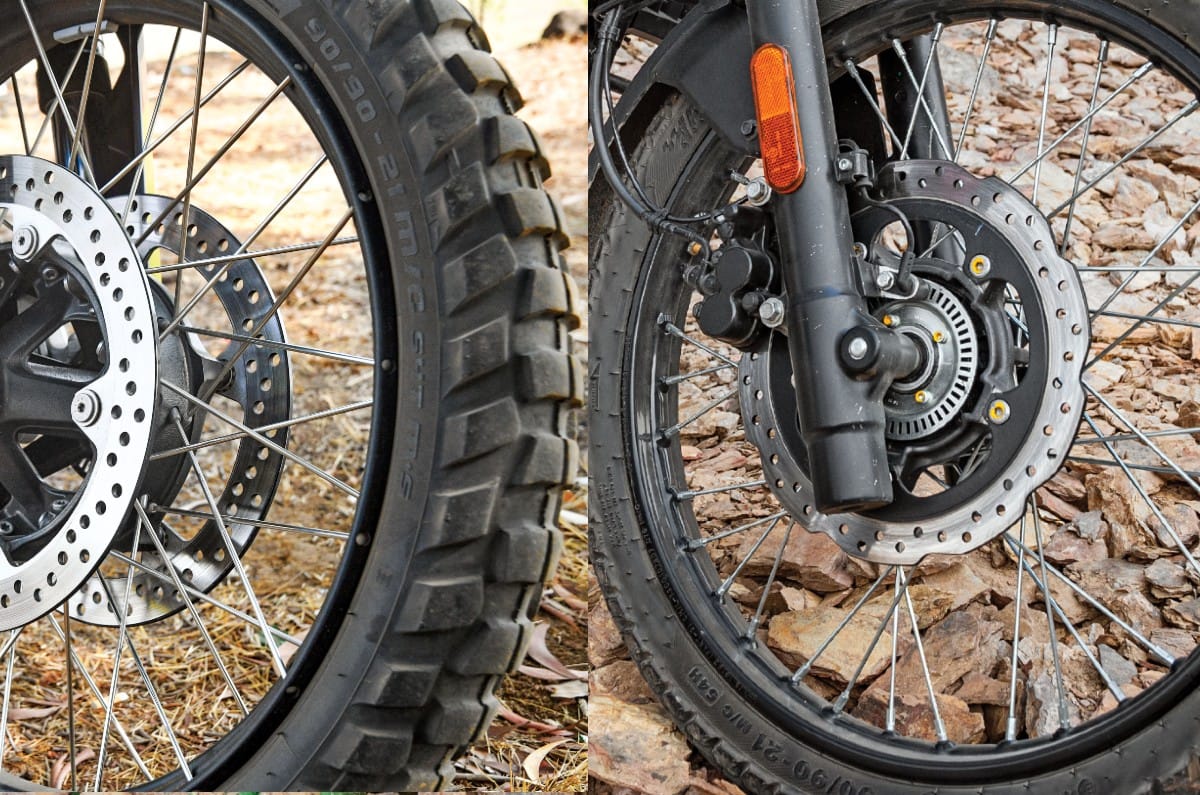
Now here’s where things get interesting, and your wheel design determines what tyre system you can use. Most modern road bikes come with cast alloy wheels, which are completely sealed and specifically designed for tubeless tyres. The inner wall of the rim includes a bead hump that helps keep the tyre seated even when air pressure drops, which is a crucial safety feature.
On the other hand, traditional wire-spoke wheels, like the ones you’ll find on classic motorcycles or serious off-roaders, can’t hold air on their own. The spokes are mounted through the rim, creating small gaps that let air escape. That’s why these wheels rely on an inner tube. There are exceptions, of course, and several premium adventure bikes use tubeless spoked wheels. But these are expensive solutions that either use a cross-laced design with outward-facing spokes that do not compromise the air seal, or a traditional spoked set-up but with a rubber seal lining the rim, and this is something manufacturers like KTM use – the first bike in India to get this is the latest KTM 390 Adventure.
There are aftermarket solutions to convert regular spoke wheels into tubeless using tapes or sealants. However, these solutions have a limited life and require meticulous installation.
Cross-Spoke Wheels vs Spoke Wheels
Which one should you run?
If your bike came with tubeless tyres, stick with them. It’s the safer, more convenient system, and offers better long-term usability for everyday road riding. If you ride a vintage motorcycle or something with traditional spokes, you’ll probably be using tube-type tyres. That’s perfectly fine, but just be aware that punctures are more time-consuming to deal with, and carry spare tubes if you’re far from home on a long road trip.
If you want to take on some serious off-road riding, tube tyres are the way to go. In this case, you’ll need to educate yourself on how to remove the wheel and fix a puncture in the middle of nowhere, because it’s a matter of when it happens, not if.
As you can see, both systems work well when used correctly and in the right setting. So pick the one that’s right for you and your riding conditions.
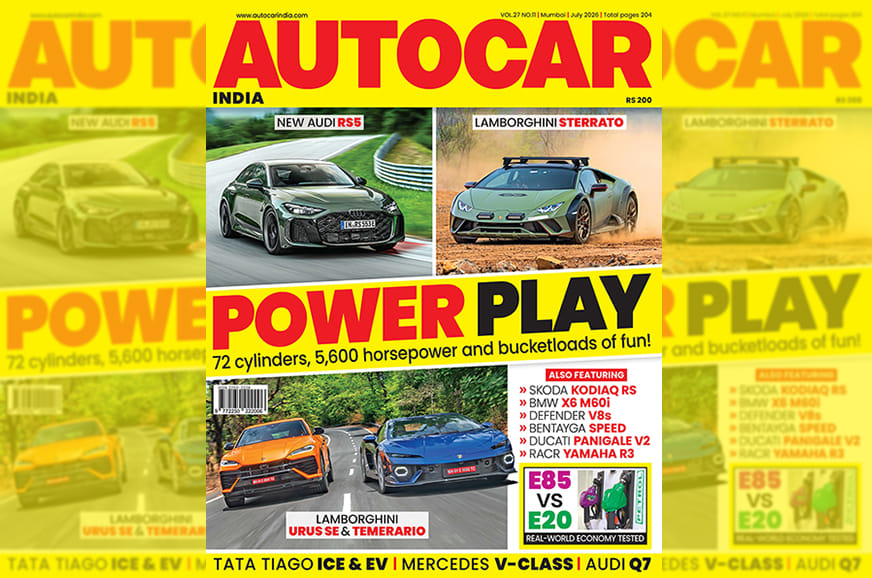
Our July 2026 issue is a celebration of the internal combustion engine in its finest form. The Lamborghini Temerario and Urus SE headline proceedings, both hybrid-powered but no less outrageous for it. We also drive the new Audi RS5 in Austria, road test all three versions of the Renault Duster, and drive the new Skoda Kodiaq RS. On two wheels, we ride the Hero Xoom 160, Royal Enfield Bullet 650 Twin and Ducati Panigale V2 S, and break down the economics of running an E85 vehicle.
Lamborghini Temerario and Urus SE: Cover Story
The Temerario and Urus SE represent Lamborghini’s hybrid future in two very extreme forms. Both pack twin-turbo V8s working in concert with electric motors, yet couldn’t be more different in character. We drive both the cars back-to-back to find out whether the Raging Bull still has its horns.
E85 vs E20 Fuel Test: Feature
India now has E85 pumps dispensing fuel that’s about Rs 20 per litre cheaper than E20. We test both blends back-to-back in the Suzuki Gixxer SF 250 FFV to find out how big the efficiency hit is, and whether E85 actually makes financial sense.
New Audi RS5: Drive
Audi Sport’s first performance PHEV has learnt from the mistakes of its rivals. Retaining the twin-turbo V6 rather than downsizing, adding a 130kW electric motor for 639hp total, and lavishing the chassis with updates, give an Audi something it has rarely had before – an instinct to oversteer. We drive it in Austria.
Tata Tiago Facelift: First Drive
Tata has given both the Tiago and Tiago EV comprehensive updates for 2026, with sharper styling, modernised cabins and a broader feature list. The updated EV gets faster charging and arrives up to Rs 1.15 lakh more affordable than before. Two familiar favourites, freshened up – but have the updates done enough?
Huracán Sterrato at Nanoli Speedway: Feature
Maharashtra’s first race resort is rising on the grounds of the Nanoli Stud Farm near Lonavala, and we got a rare opportunity to drive a Lamborghini Huracán Sterrato on the unfinished dirt track before the tarmac arrives. A lap of honour that will only ever happen once.
Skoda Kodiaq RS: First Drive
The Kodiaq gets the RS treatment for the first time in India, with 265hp, adaptive dampers, progressive steering and 20-inch wheels. It is a practical seven-seater with serious driver appeal, but does the price premium make sense?
Renault Duster: Road Test
We put all three versions of the new Duster – the 1.3 DCT, 1.3 MT, and 1.0 MT – through our exhaustive real-world performance and efficiency tests. The Duster impressed at its first drive, but how does it hold up when the numbers are in?
A Tale of Two V8s: Feature
Land Rover offers not one but two very different V8s in the Defender. Jaguar’s supercharged 5.0-litre AJ133 in the standard P425, and BMW’s twin-turbocharged 4.4-litre S68 in the Octa. We examine both to find out how, and why, they co-exist.
Royal Enfield Bullet 650 Twin: First Ride
The Bullet nameplate has been in continuous production for nearly a century, and the 650 Twin is the largest iteration yet. It shares its 648cc parallel-twin with the Classic 650, but brings its own character to the table. How does it justify its place in the range?
Ducati Panigale V2 S: Ride
The new Panigale V2 drops from 155hp to 120hp and sheds significant weight in the process. The result is a more accessible, friendlier and arguably more enjoyable track machine than its predecessor. We find out if a more sensible Panigale is still a great Panigale.
Le Mans 2026: Motorsport
Toyota returned to the top step of the Le Mans podium after three years, defeating BMW and Cadillac in a finish that was among the four closest in the race’s history. We have the full story from the 94th edition of the world’s greatest endurance race.