Which variant of the 2026 Renault Kwid should you buy?

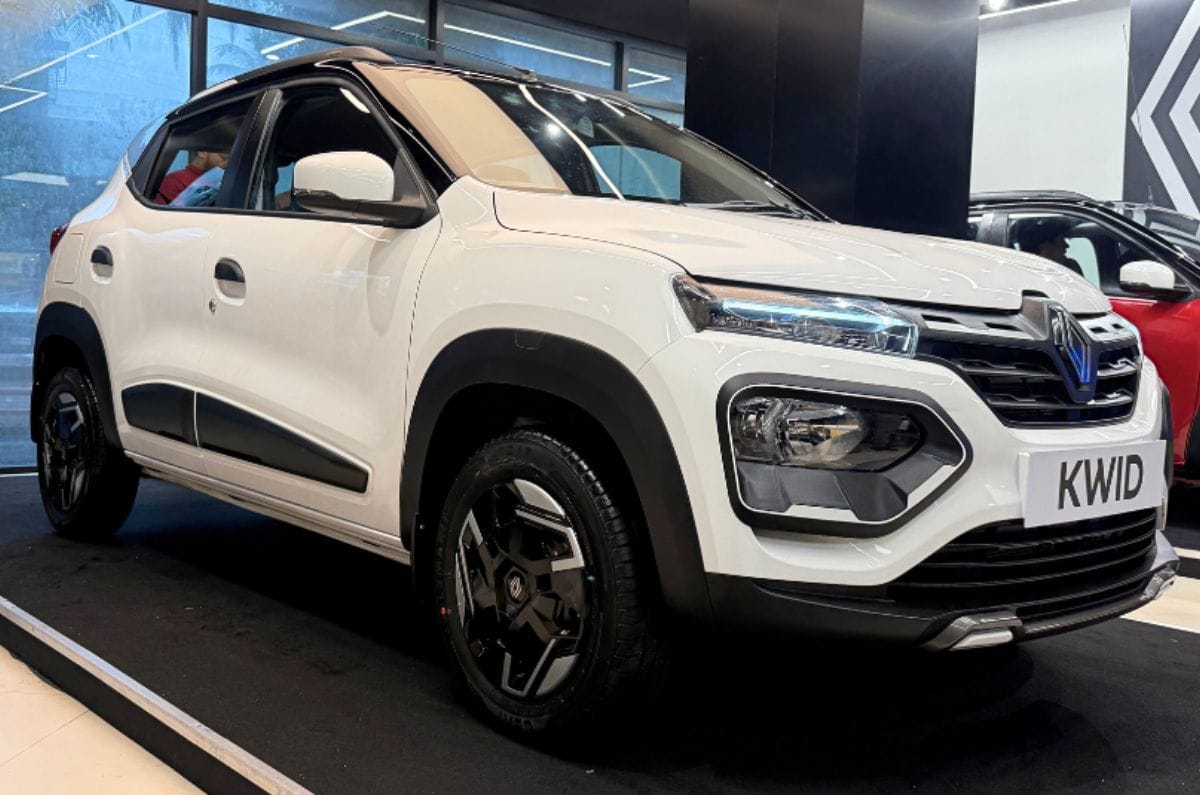
2026 Renault Kwid front quarter

The most affordable model in Renault’s India line-up, the Kwid has undergone a minor lifecycle update for 2026. This brings with it a few styling tweaks over the pre-facelift model, but focusing primarily on the integration of the French brand’s latest logo. However, if you’re in the market for a new Renault Kwid, which variant should be you pick? Let’s find out.

2026 Renault Kwid powertrain options

Powertrain specifications

2026 Renault Kwid

Engine

1.0-litre naturally aspirated three-cylinder

Power

69hp

Torque

92.5Nm

Transmission

5-speed MT / 5-speed AMT

Drive configuration

Front-wheel drive

Fuel capacity

28 litres

The updated Kwid continues with the same three-cylinder petrol engine as its predecessor. This 1.0-litre naturally aspirated mill churns out 69hp at 5,500rpm and 92.5Nm at 4,250rpm. Customers get to choose from a 5-speed manual gearbox and a 5-speed automated manual transmission. Since the powertrain is also the same as in the pre-facelift car, the performance and fuel efficiency of the 2026 Kwid will be familiar too.
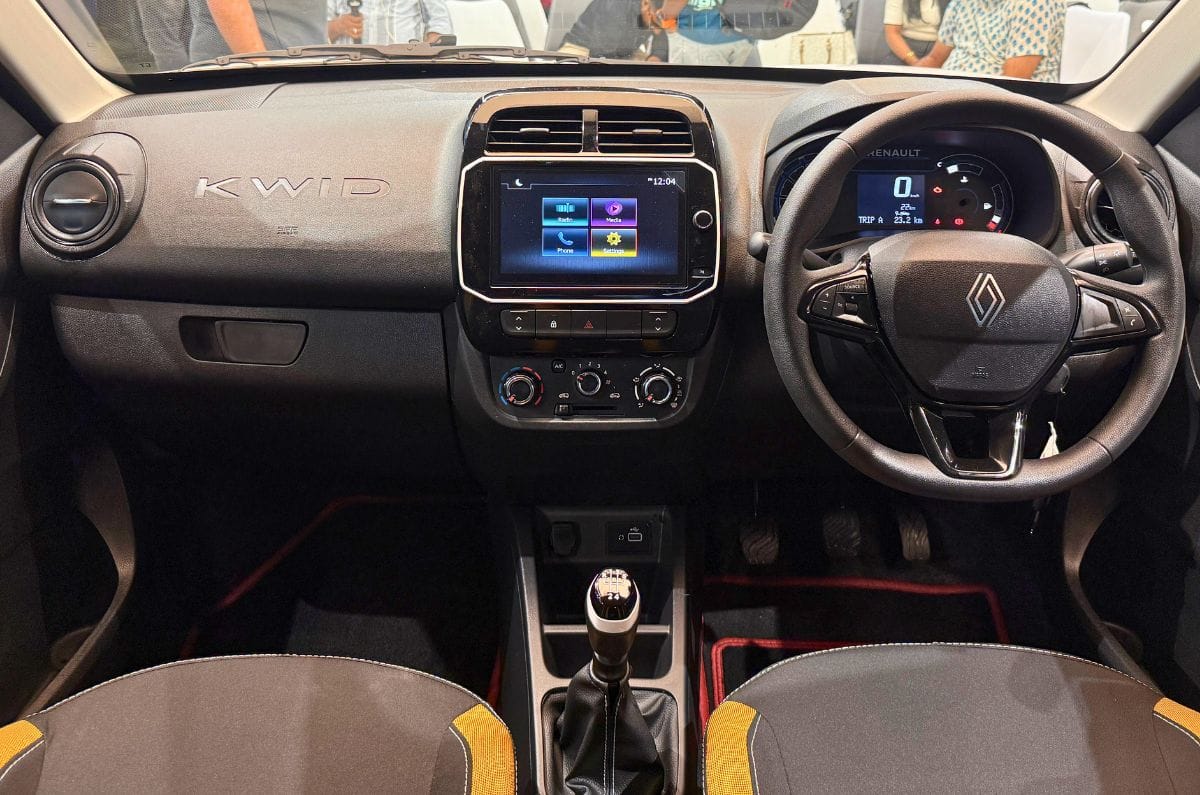
2026 Renault Kwid interior

2026 Renault Kwid variant-wise features

Evolution price: Rs 4.53 lakh – Rs 4.90 lakh

  • Body-coloured bumpers
  • 14-inch steel wheels with cover
  • LED daytime running lights (DRLs)
  • Door decals
  • Rear spoiler
  • Remote keyless entry
  • Fabric seat upholstery
  • Piano black and chrome inserts
  • Internally adjustable outer rearview mirrors (ORVMs)
  • Front power windows
  • LED monochrome instrument cluster
  • Manual AC
  • 8-inch touchscreen infotainment
  • Apple CarPlay and Android Auto
  • 2-speaker audio system
  • USB and AUX ports
  • 12V power socket
  • Dual airbags
  • ABS with EBD
  • Brake assist
  • Hill-start assist (AMT only)
  • Electronic stability programme
  • Traction control system
  • Tyre-pressure monitoring system
  • Rear parking sensors
  • Speed-sensing auto door lock/unlock
  • Rear-door child lock
  • 3-point seatbelts all around
  • Speed alert

Climber price: Rs 4.53 lakh – Rs 4.90 lakh

Features over Evolution

ORVM-integrated turn indicators

Door cladding

Dual-tone wheel cover

Two-tone paint

Faux front and rear skid plates

‘Climber’ branding on C-pillars

Chrome-plated inner door handles

Two-tone cabin trim

Rear power windows

Steering-mounted controls

Electrically adjustable ORVMs

Rear parcel tray

Side airbags

Reversing camera

Manually adjustable inner rearview mirror (IRVM)

2026 Renault Kwid prices

Price: Rs 4.53 lakh-5.61 lakh (ex-showroom)

There only two trim levels of the 2026 Renault Kwid on sale. The most affordable is the Evolution trim, whose manual and AMT variants are priced at Rs 4.53 lakh and Rs 4.90 lakh, respectively. The fully loaded Climber trim’s manual variant is priced at Rs 5.15 lakh, while the AMT variant costs Rs 5.61 lakh. Depending on the variant, prices have dropped by between Rs 10,000 and Rs 32,000 over the pre-facelift Kwid.

2026 Renault Kwid: Which variant should you buy?

The top-end Climber AMT variant offers everyday convenience and more safety features
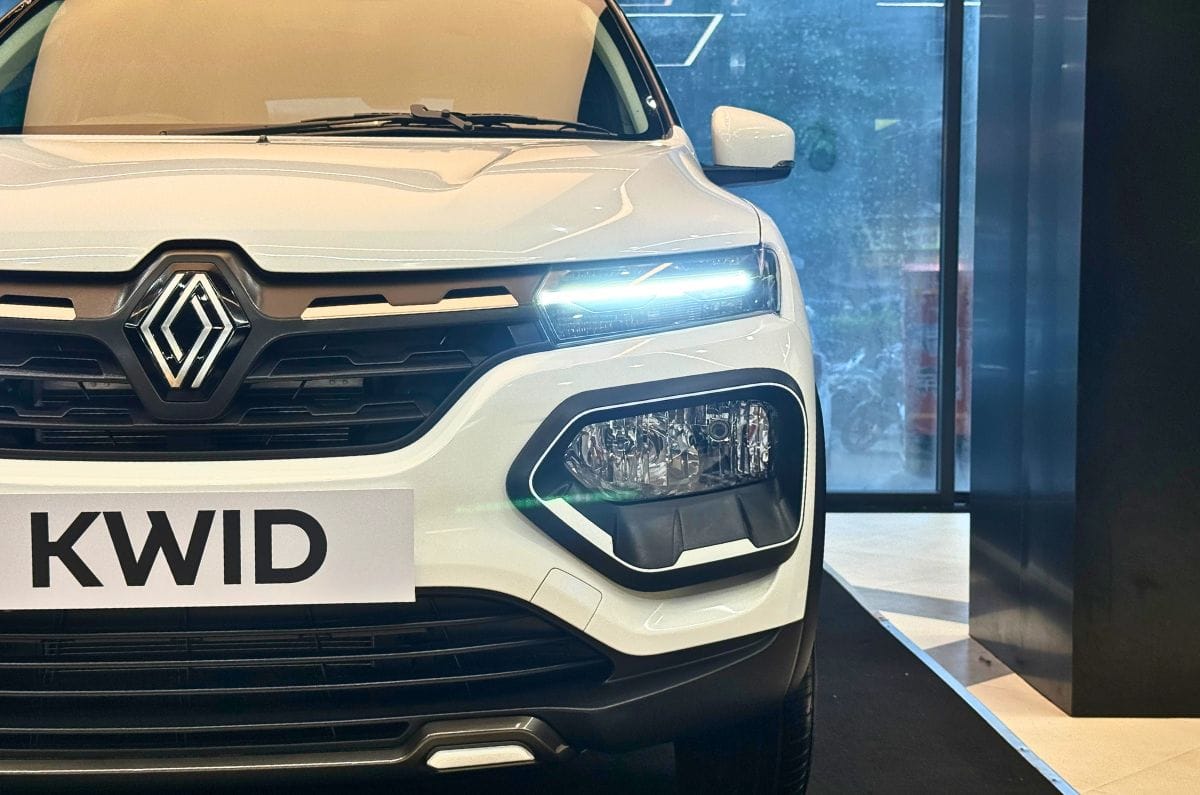
2026 Renault Kwid LED DRLs

While the Kwid’s Climber MT variant costs Rs 1.08 lakh more than its Evolution counterpart, it offers more in the way of safety and everyday convenience tech. Not only does it get six airbags (instead of just two on the Evolution) and a rearview camera, but it also comes with a manually adjustable IRVM that will be handy when driving at night. The Climber also gets power windows for all occupants, steering-mounted audio controls, powered ORVMs and a rear parcel tray. Moreover, its upgraded exterior makes for a nicer-looking car overall. Paying extra for the AMT further adds hill-start assist and the general user-friendliness of an automatic gearbox.

Also read

Which Citroen eC3X variant should you buy?

Renault Kwid new vs old: Differences and similarities explained

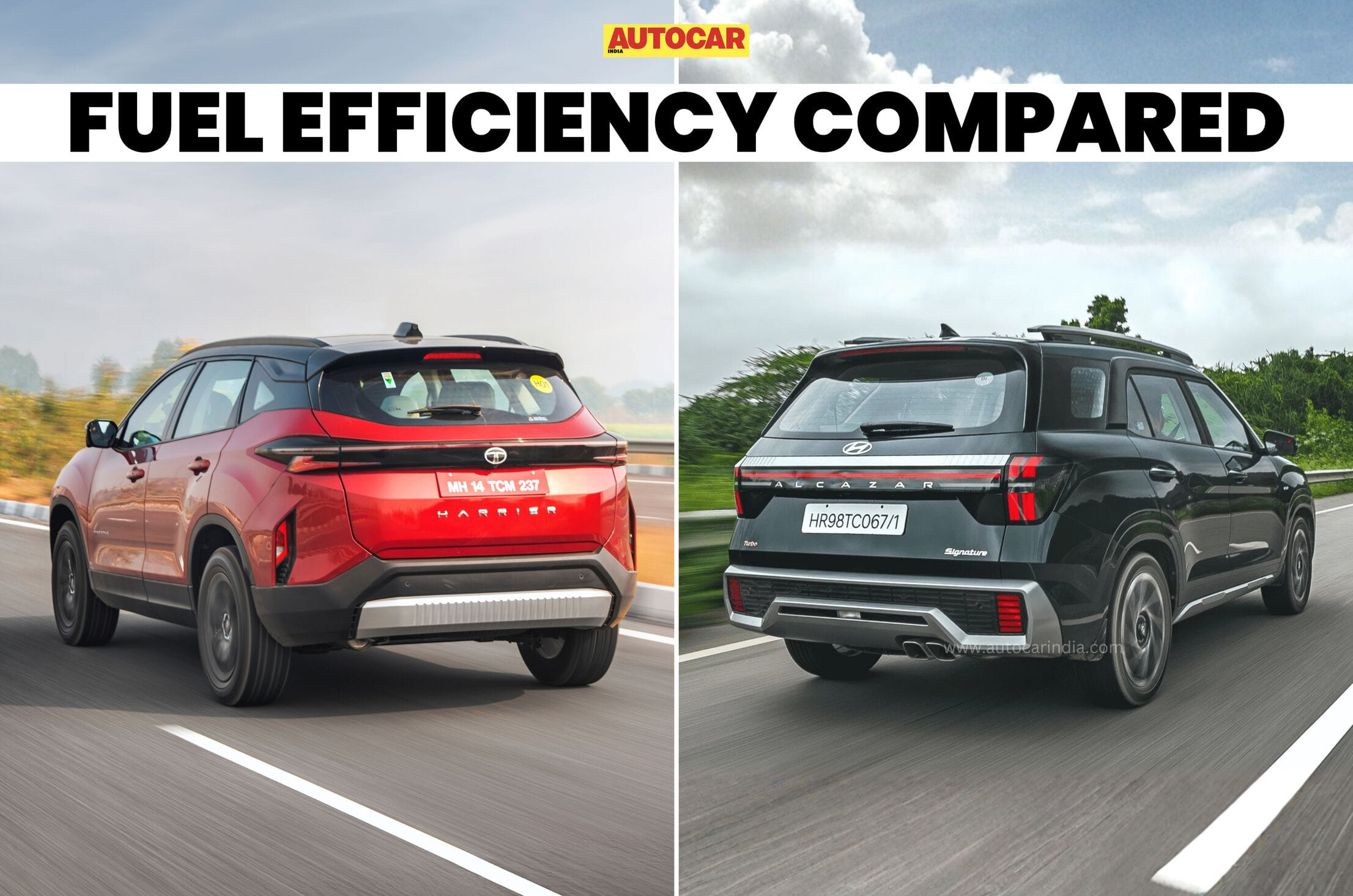
Tata Harrier vs Hyundai Alcazar turbo-petrol AT real-world efficiency compared

Tata Harrier vs Hyundai Alcazar

If you’re in the market for a premium midsize turbo-petrol SUV, the Tata Harrier and Hyundai Alcazar come across as solid options. While the former is a 5-seater, the latter gets an additional 2 seats. Though the SUVs aren’t direct rivals to each other, they come with 1.5-litre turbo-petrol engines and have overlapping price ranges. Here we’ve compared the real-world fuel efficiency figures of both SUVs in turbo-petrol automatic guise to determine the more frugal one.

Explore full specs, features and a  price breakdown in our Harrier vs Alcazar comparison

Tata Harrier vs Hyundai Alcazar turbo-petrol: Specification and price

Tata Harrier vs Hyundai Alcazar turbo-petrol: Specification and price 


Tata Harrier

Hyundai Alcazar

Engine

4 cyls, turbo-petrol

4 cyls, turbo-petrol

Displacement (cc)

1,498

1,482

Power (hp)

170

160

Torque (Nm)

280

253

Gearbox

6AT

7DCT

Fuel tank (litres)

50

50

Price range for turbo-petrol automatic (Rs lakh)

17.70 – 24.80

18.03 – 21.09

Both the Harrier and Alcazar turbo-petrol are powered by 1.5-litre units. While the former’s turbo-petrol unit is paired to a 6-speed torque converter, the latter utilises a 7-speed DCT. Compare their power figures, though, and it’s the Harrier coming across as the more powerful, developing an additional 10hp and 27Nm of torque. Fuel tanks on both SUVs have a 50-litre capacity.

Tata Harrier vs Hyundai Alcazar turbo-petrol: Real-world fuel efficiency

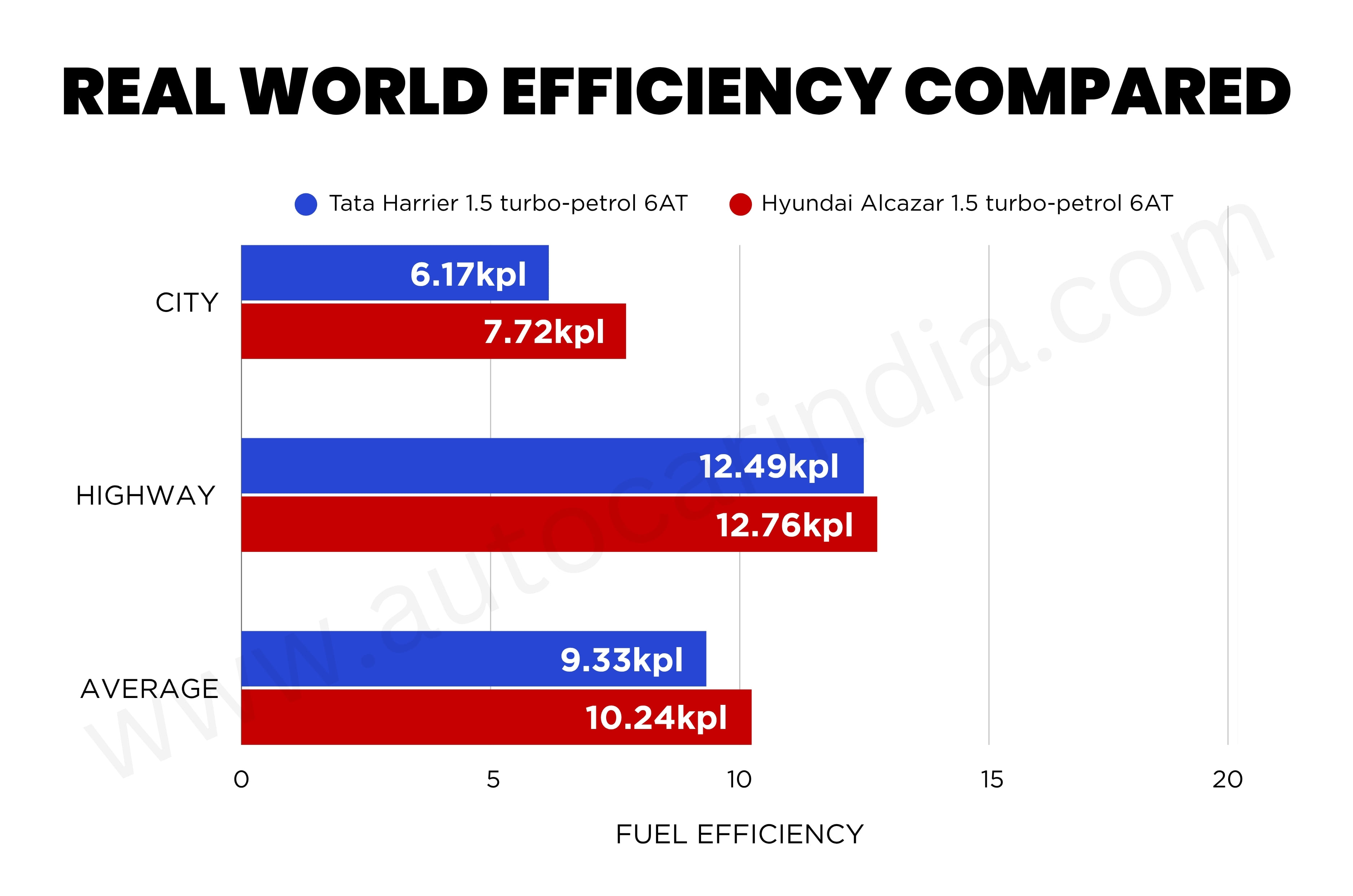
In our tests, the Alcazar outperformed the Harrier in overall efficiency by 0.91km. In the city, the Hyundai was 1.55kpl more efficient, while the gap was reduced to 0.29kpl on the highway. A reason for this could be the fact that the Alcazar gets an auto engine start/stop function, which the Harrier misses out on. Being the more frugal one here, the Alcazar also goes 512km on a single tank of fuel, while the Harrier goes 466.5km. 

Autocar India’s fuel-efficiency testing

Before our real-world fuel-efficiency tests, we fill our test cars’ tanks to the brim and maintain tyre pressures based on the manufacturer’s recommendations. These cars are driven in fixed city and highway loops in and around Navi Mumbai, and we maintain certain average speeds. Throughout the tests, there is only one person in each car, operating the air conditioner and other electricals, such as the audio system, indicators and wipers, when required, just like a regular user would. Periodic driver swaps further neutralise variations in driver patterns. At the end of each cycle, we calculate efficiency by filling the tanks to full again.

All prices are ex-showroom, India.

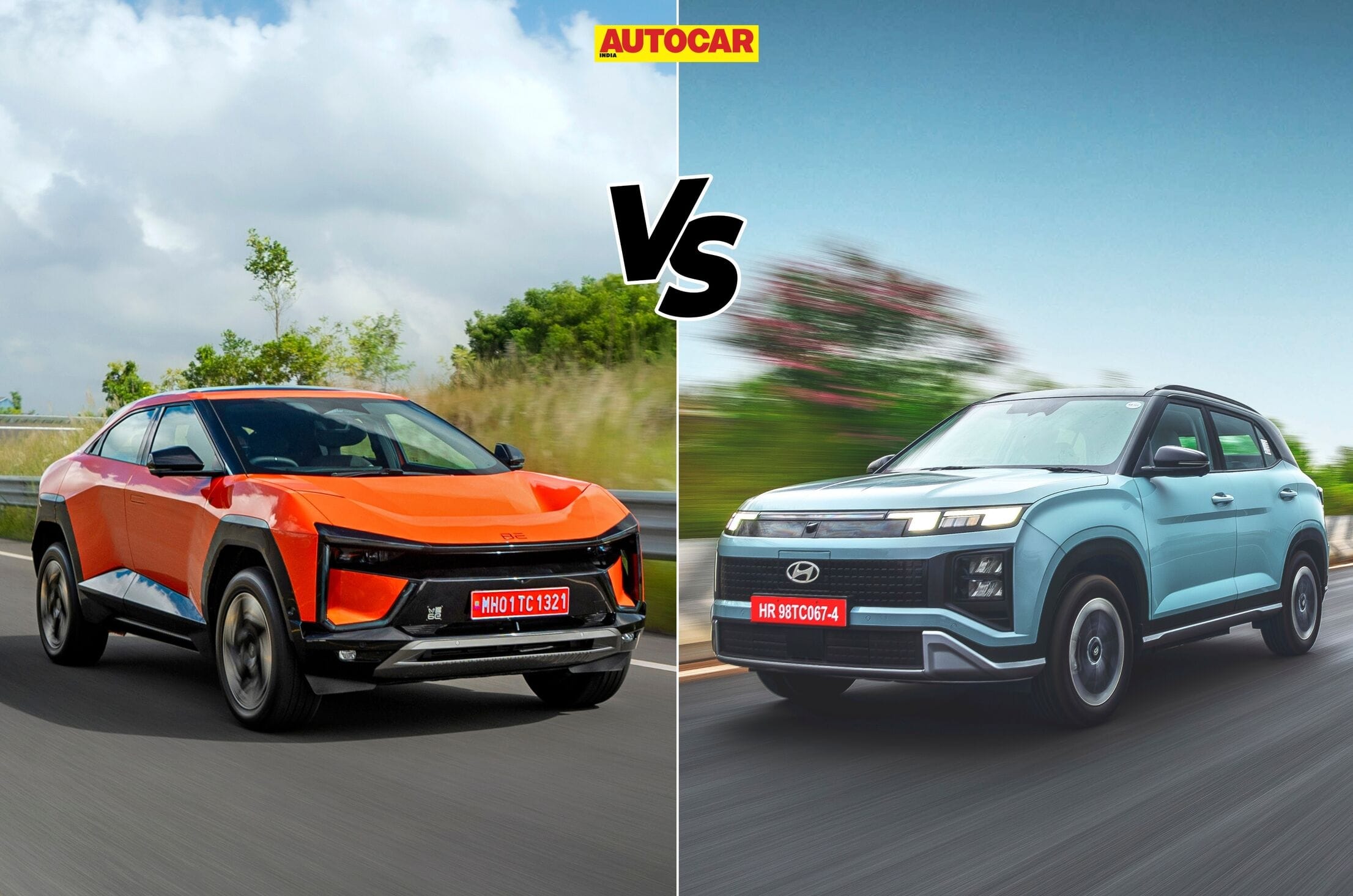
Mahindra BE6 vs Hyundai Creta Electric: The numbers tell an interesting story

Mahindra BE 6 vs Hyundai Creta Electric

The Mahindra BE6 and Hyundai Creta Electric may occupy the same segment, but they have been engineered with very different priorities. The Creta Electric focuses on maximising efficiency, while the BE6 combines a significantly more powerful motor with a larger battery pack to deliver stronger performance and longer overall range. Our instrumented tests reveal how the two electric SUVs compare in the real world.

Real World Efficiency and Range

The Mahindra BE6 and Hyundai Creta Electric arrive at their range figures in different ways. While the BE6 relies on a larger battery pack to maximise outright range, the Creta Electric focuses on getting the most out of every kilowatt hour.

Real World Efficiency & Range

Test

Mahindra BE6

Hyundai Creta Electric

Winner

City efficiency (km/kWh)

5.55

9.45

Creta Electric

City range (km)

439

486

Creta Electric

Highway efficiency (km/kWh)

5.81

7.36

Creta Electric

Highway range (km)

459

379

BE6

Combined efficiency (km/kWh)

5.68

8.65

Creta Electric

Combined range (km)

449

432

BE6

The Creta Electric is clearly the more efficient SUV in urban conditions, returning an impressive 9.45km/kWh and an estimated 486km of city range. The BE6 manages 439km, highlighting the Hyundai’s focus on extracting maximum distance from its battery in stop start traffic.

On the highway, the Creta Electric continues to post the better efficiency figure at 7.36km/kWh. However, the BE6’s larger battery enables it to cover 459km on a charge compared to the Hyundai’s 379km, giving it a clear advantage on longer journeys.

Across our combined cycle, the Mahindra records a range of 449km, 17km ahead of the Creta Electric’s 432km. The results underline the different engineering approaches adopted by the two manufacturers. Hyundai prioritises energy efficiency, while Mahindra leverages a larger battery to deliver greater overall range.

Performance comparison

The performance figures also help explain the differences in efficiency. The BE6’s rear mounted electric motor produces substantially more power than the Creta Electric, resulting in quicker acceleration across every test.

Performance

Test

Mahindra BE6

Hyundai Creta Electric

Winner

0-100kph (sec)

7.14

8.04

BE6

20-80kph (sec)

4.03

4.55

BE6

40-100kph (sec)

4.48

5.23

BE6

Quarter mile (sec)

15.36

16.06

BE6

While a more powerful powertrain typically demands more energy, the larger battery pack ensures the BE6 still delivers the longer overall range. The Creta Electric, meanwhile, demonstrates just how efficiently its powertrain has been tuned, extracting more kilometres from every kilowatt hour without prioritising outright performance.

Regenerative braking

The Mahindra consistently delivers stronger regenerative braking, particularly in the higher settings where it sheds speed over a shorter distance than the Creta Electric. The difference is most noticeable in one pedal mode and High regeneration, while the Mid setting is almost identical between the two SUVs. Hyundai’s gentler calibration may feel more natural to drivers transitioning from an ICE car, whereas the BE6’s stronger regeneration is likely to appeal to those who prefer one pedal driving.

Regenerative Braking (80-20kph)

Mode

Mahindra BE6

Hyundai Creta Electric

Winner

One Pedal / i-Pedal

99.24m / 6.75s

106.42m / 7.75s

BE6

High

122.11m / 8.80s

138.70m / 10.32s

BE6

Mid

190.02m / 13.64s

190.43m / 14.05s

BE6

Low

299.47m / 21.23s

318.83m / 23.67s

BE6

Verdict

The Mahindra BE6 and Hyundai Creta Electric represent two distinct approaches to electric SUV engineering, and our tests show that both succeed in their respective goals.

The Hyundai Creta Electric is the efficiency benchmark, extracting more kilometres from every kWh in city, highway and combined driving. Its exceptional city range and smoother regenerative braking make it particularly well suited to buyers whose driving is predominantly urban.

The Mahindra BE6, on the other hand, takes a more performance-oriented approach. Its substantially more powerful motor delivers noticeably quicker acceleration, while the larger battery pack enables it to offer superior highway and overall driving range. It also features stronger regenerative braking, lending itself to a more engaging one pedal driving experience.

Ultimately, there is no outright winner here. If your priority is extracting the maximum distance from every unit of energy, the Creta Electric has the edge. However, if you value stronger performance, longer highway range and a more involving driving experience, the BE6 makes a compelling case.

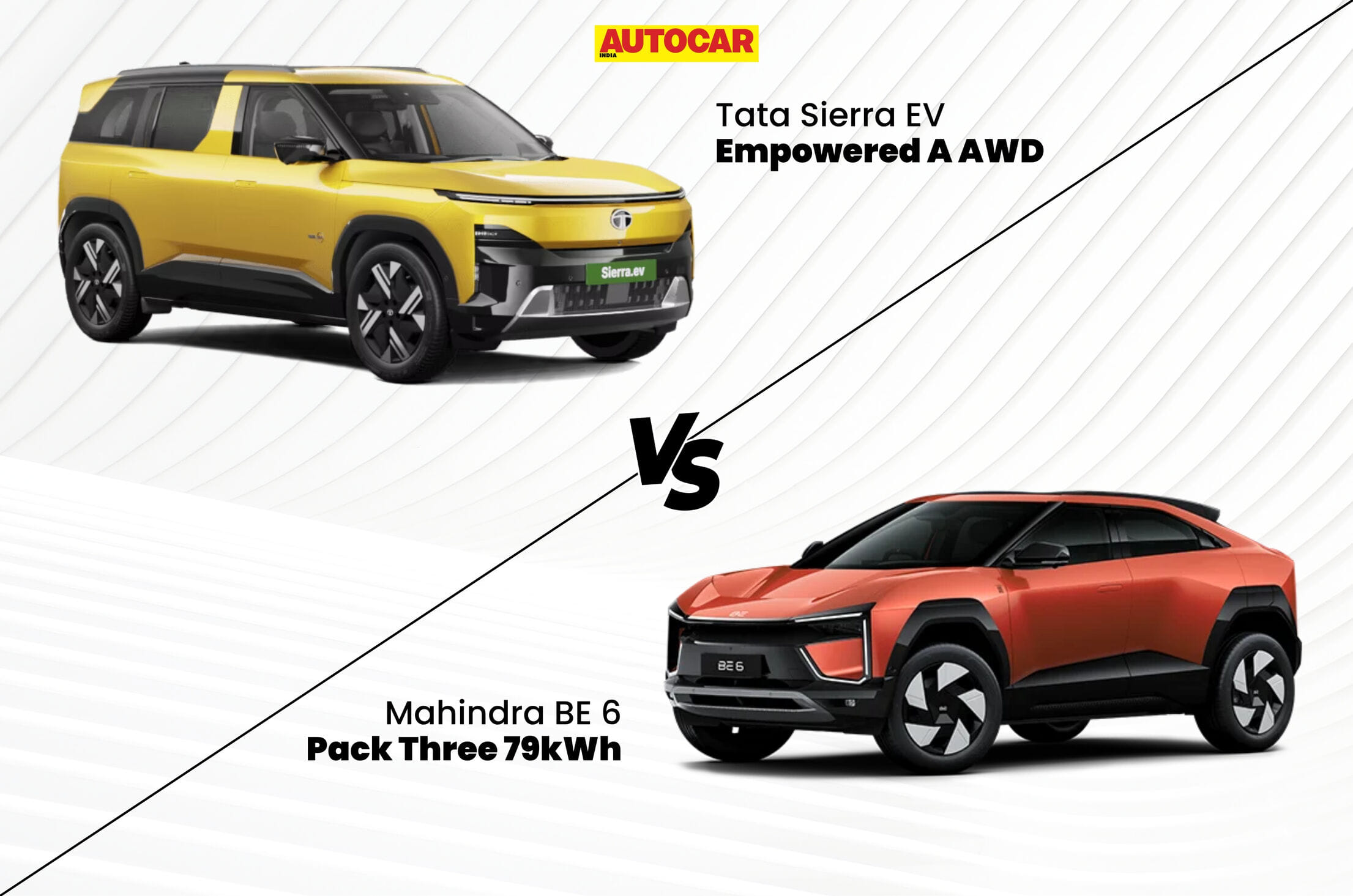
Tata Sierra EV vs Mahindra BE 6: Whose top-spec trim offers better value?  

Tata Sierra EV vs Mahindra BE 6:

With the mid-size electric SUV space getting highly competitive over time, the Mahindra BE 6 comes as a popular option with its futuristic looks, large battery and powerful motor. With the Sierra EV’s arrival, Tata is aiming squarely for the BE 6. From dimensions and powertrains to features and price, we compare both eSUVs’ top-spec versions on paper to determine the better value proposition. Here, we’ve chosen the Empowered A trim of the Sierra EV and the Pack Three trim of the BE 6.

Explore full specs, features, and a price breakdown in our Sierra EV versus Mahindra BE 6 comparison.

Tata Sierra EV vs Mahindra BE 6: Dimensions

Tata Sierra EV vs Mahindra BE 6: Dimensions


Sierra EV

BE 6

Difference 

Length (mm)

4,340

4,371

-31 

Width (mm)

1,841

1,907

-66

Height (mm)

1,750

1,627

+123

Wheelbase (mm)

2,730

2,775

-45

Ground clearance (mm)

205

207

-2

Boot space (litres)

450

455

-5

Frunk space (litres)

35-55

45

+/-10

According to our mid-size eSUV specification comparison, the Sierra EV and the Mahindra BE 6 were among the largest models. While the Sierra EV is taller and has a larger frunk, the BE 6 is longer, wider, has a longer wheelbase, and slightly more ground clearance and boot. Overall, the BE 6 is larger, albeit marginally.

Tata Sierra EV vs Mahindra BE 6: Battery and range 

Tata Sierra EV vs Mahindra BE 6: Battery and range 


Sierra EV

Mahindra BE 6

Battery size (kWh)

75

79

Motor setup

RWD | AWD

RWD 

Power (hp)

209 | 140 (front) 240 (rear)

286

Torque (Nm)

315 | 504

380

ARAI range (km)

665 | 624

683

In top-specification guise, the Sierra EV and Mahindra BE 6 feature among the largest battery packs in the segment, with the latter being slightly bigger. But the Sierra more than makes up for it by being the only eSUV to have an AWD version. There’s also a single-motor RWD version offered on the Empowered A trim of the Sierra EV. While the BE 6’s single motor produces more power than the front and rear motors on the Sierra EV, the Sierra EV delivers 124Nm of additional torque in AWD guise. However, the BE 6 gets higher claimed range figures in comparison to the Sierra EV.

Tata Sierra EV vs Mahindra BE 6: Charging times 

Tata Sierra EV vs Mahindra BE 6: Charging times 


Sierra EV

Mahindra BE 6

Battery size (kWh)

75

79

AC charging output support (kW)

7.2

7.2, 11.2

DC charging output support (kW)

110, 120

180

AC charging time (hours)

8.9 | 10.5 (10-100%)

11.7, 8 (0-100%)

DC charging time (minutes)

25 | 26 (20-80%)

20 (20-80%)

As far as charging is concerned, the BE 6 supports faster AC and DC charging speeds compared to the Sierra EV. Only their DC charging speeds are comparable, with the Sierra EV’s time being up to 6 minutes slower than the BE 6’s.

Tata Sierra EV vs Mahindra BE 6: Exterior features

Tata Sierra EV vs Mahindra BE 6: Exterior features


Sierra EV

Mahindra BE 6

Headlights

Auto LED

Auto LED

Tail-lights

LED

LED

DRLs

Yes

Yes

Welcome/goodbye animation

Yes

Yes

Fog lamps

Front and rear

Front

Puddle lamps

Yes

No

Sequential indicators

Yes

Yes

Flush door handles

Yes

Yes

Rear spoiler

Yes 

Yes

Power-adjustable and folding ORVMs

Yes

Yes

Rain-sensing wipers

Yes

Yes

Rear wiper/washer

Yes

No

Shark-fin antenna

Yes

No

Colours

Monotone

Monotone

Wheels

19-inch

19-inch

On the outside, both the Sierra EV and BE 6 come with LED lighting, welcome and goodbye animations, sequential turn indicators, and the largest-in-segment 19-inch alloys. But the Sierra EV comes with rear fog lamps, puddle lamps, a rear wiper/ washer, and a shark fin antenna. However, the BE 6 gets motorised opening for the front flush door handles, while the Sierra EV’s flush door handles are manually operated.

Tata Sierra EV vs Mahindra BE 6: Interior features

Tata Sierra EV vs Mahindra BE 6: Interior features


Sierra EV

Mahindra BE 6

Infotainment screen

12.3-inch

12.3-inch

Driver’s display

10.25-inch

12.3-inch

Passenger display

12.3-inch

No

Head-up display

Yes

Yes

In-built navigation

Yes

No

Infotainment-based gaming console

Yes

No

In-car payments

Yes

No

Powered driver’s seat 

6-way

6-way

Front seat thigh support

Yes

No

Driver seat memory and welcome function

Yes

Yes

Powered front passenger seat

4-way

No

Cooled front seats

Yes

Yes

Reclining rear seats

Yes

Yes

Boss mode

Yes

No

Wireless Android Auto, Apple CarPlay

Yes

Yes

Audio system

12-speaker JBL Black

16-speaker Harman Kardon

Dolby Atmos

Yes

Yes

Sunroof

Openable panoramic

Fixed-glass panoramic

Rear AC vents

Yes

Yes

Climate control

Dual-zone

Dual-zone

Seat upholstery

Leatherette

Leatherette

Wireless phone charger

Yes

Yes

Ambient lighting

Yes

Yes

Front centre armrest

Yes

Yes

Rear centre armrest

Yes

Yes

USB ports

4x Type-C

4x Type-C

NFC-based key card

Yes

No

Powered tailgate

Yes

Yes

Air purifier

Yes

Yes

Connected car tech

Yes

Yes

Rear sunshades

Yes

No

OTA updates

Yes

Yes

While the BE 6 gets the larger digital driver’s display and more speakers than the Sierra EV, the latter, however, pips the former by offering an additional passenger display, built-in navigation, a powered front passenger seat, boss mode, and rear window sunshades. While the panoramic sunroof in the Sierra EV is openable, the BE 6 gets a fixed glass roof.

Tata Sierra EV vs Mahindra BE 6: Driving tech 

Tata Sierra EV vs Mahindra BE 6: Driving tech 


Sierra EV

BE 6

Boost mode

Yes

No

Drive modes

Normal, Eco, Sport

Default, Range, Everyday, Race

Terrain modes

Normal, Grass, Snow, Mud-ruts, Gravel, Sand, Rock Crawl, Custom

Snow

Off-road assist

Yes

No

Cruise Control

Adaptive

Adaptive

Drift mode

Yes

No

While drive modes and adaptive cruise control are present on both eSUVs, the Sierra EV’s AWD allows more adjustability to your drive. The BE 6 offers only snow mode, while the Sierra EV betters it with Normal, Grass, Snow, Mud-ruts, Gravel, Sand, Rock Crawl, and Custom terrain modes. Additionally, the Sierra EV also offers a drift mode and boost mode, with the latter surging power on demand. 

Tata Sierra EV vs Mahindra BE 6: Safety

Tata Sierra EV vs Mahindra BE 6: Safety


Sierra EV

BE 6

Airbags

6

6

ABS and EBD

Yes

Yes

ADAS

Level 2+

Level 2+

Automatic parking assist 

Yes

Yes

Camera setup

540-degree

360-degree

Parking sensors

Front and rear

Front and rear

Electric parking brake

Yes

Yes

Disc brakes

All-wheels

All-wheels

TPMS

Yes

Yes

IRVM

Auto-dimming

Auto-dimming

Hill-hold control

Yes

Yes

ESC

Yes

Yes

When it comes to safety features, the Sierra EV and BE 6 come loaded. Not only do both eSUVs cover the basics like 6 airbags, hill hold control, and ESC, but they are the segment’s only SUVs with Level 2+ ADAS and automatic parking assist. The latter feature also enables you to park/unpark your vehicle via your smartphone. But the Sierra EV nudges ahead minutely with additional cameras for the under-bonnet area on top of its 360-degree camera setup. 

Tata Sierra EV vs Mahindra BE 6: Price and verdict

Tata Sierra EV vs Mahindra BE 6: Price and verdict


Sierra EV AWD

Mahindra BE 6

Ex-showroom price (Rs lakh)

24.79 – 25.99

26.90

The Sierra EV is up to Rs 2.11 lakh cheaper than the BE 6 in top-spec guise, depending on the chosen variant. Between the two, it is the Sierra EV we recommend. While the BE 6 has larger dimensions and a higher claimed range, the Sierra EV brings more features and an AWD system, all while being more affordable at the same time, making it the better value proposition.

Kia India teases upcoming EV and Hybrid-powered model

Kia India teases upcoming EV and Hybrid-powered model

Kia India has shared a video online hinting at an upcoming all-electric model and a hybrid-powered model. The models will debut in the latter half of July 2026. According to the teasers and our previous reports, the electric model will most likely be the Syros EV, while the hybrid-powered model will be the Sorento. In fact, earlier this year, the carmaker had announced at its global investor day event that it would launch the Syros EV and Sorento Hybrid in India

Kia Syros EV and Sorento Hybrid: What to expect?

Image credit: @RasaCL via Reddit

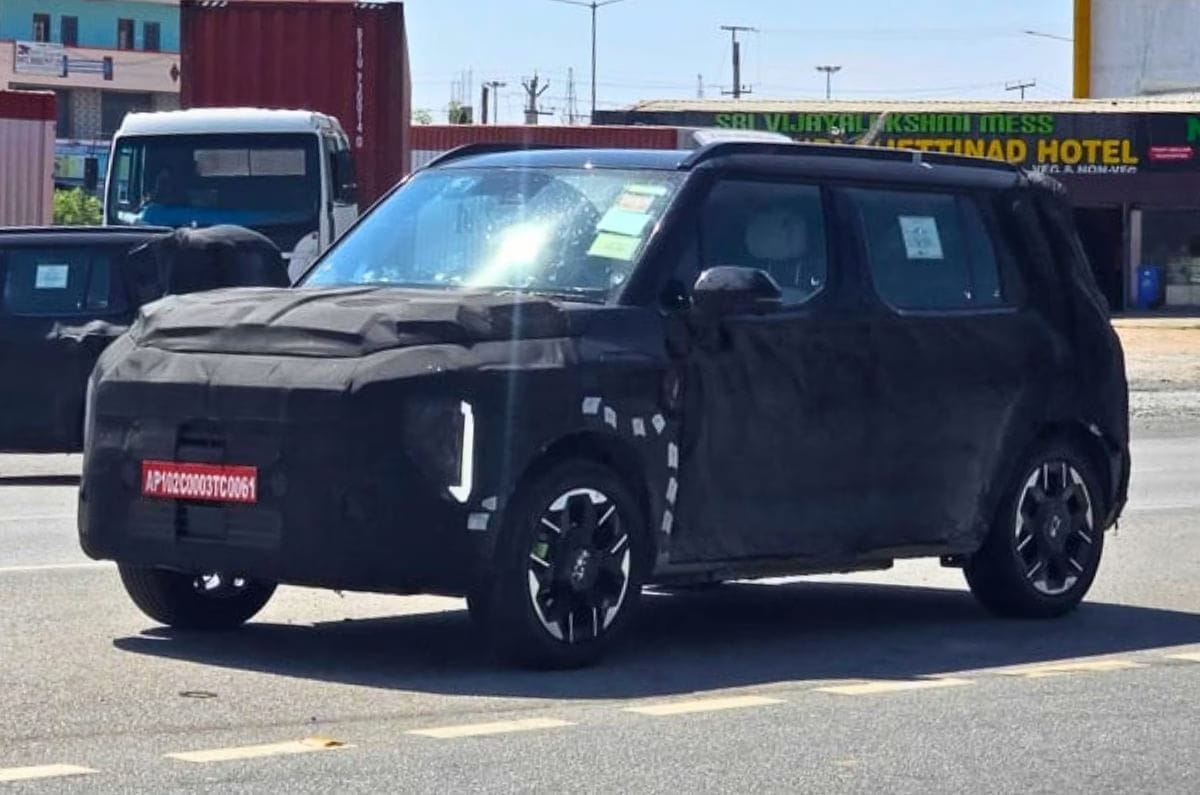
The Syros EV will essentially be the electric counterpart to the ICE Syros and utilise its K1 platform. Test mules of the EV have been spied on our roads. Kia is likely to introduce EV-specific design changes to set it apart from the ICE-powered model and equip it with a long feature list. 

While powertrain specifications of the Syros EV remain unconfirmed, it is likely to utilise the globally sold Hyundai Inster EV’s battery packs. The Inster EV is available with 42kWh and 49kWh battery pack options and offers a claimed range of up to 369km. With an expected price ranging between Rs 15 lakh and Rs 20 lakh, it will take on the likes of the Tata Nexon EV, and the MG Windsor. Once launched, it will be the most affordable EV in Kia India’s lineup, as it will be positioned below the Carens Clavis EV.

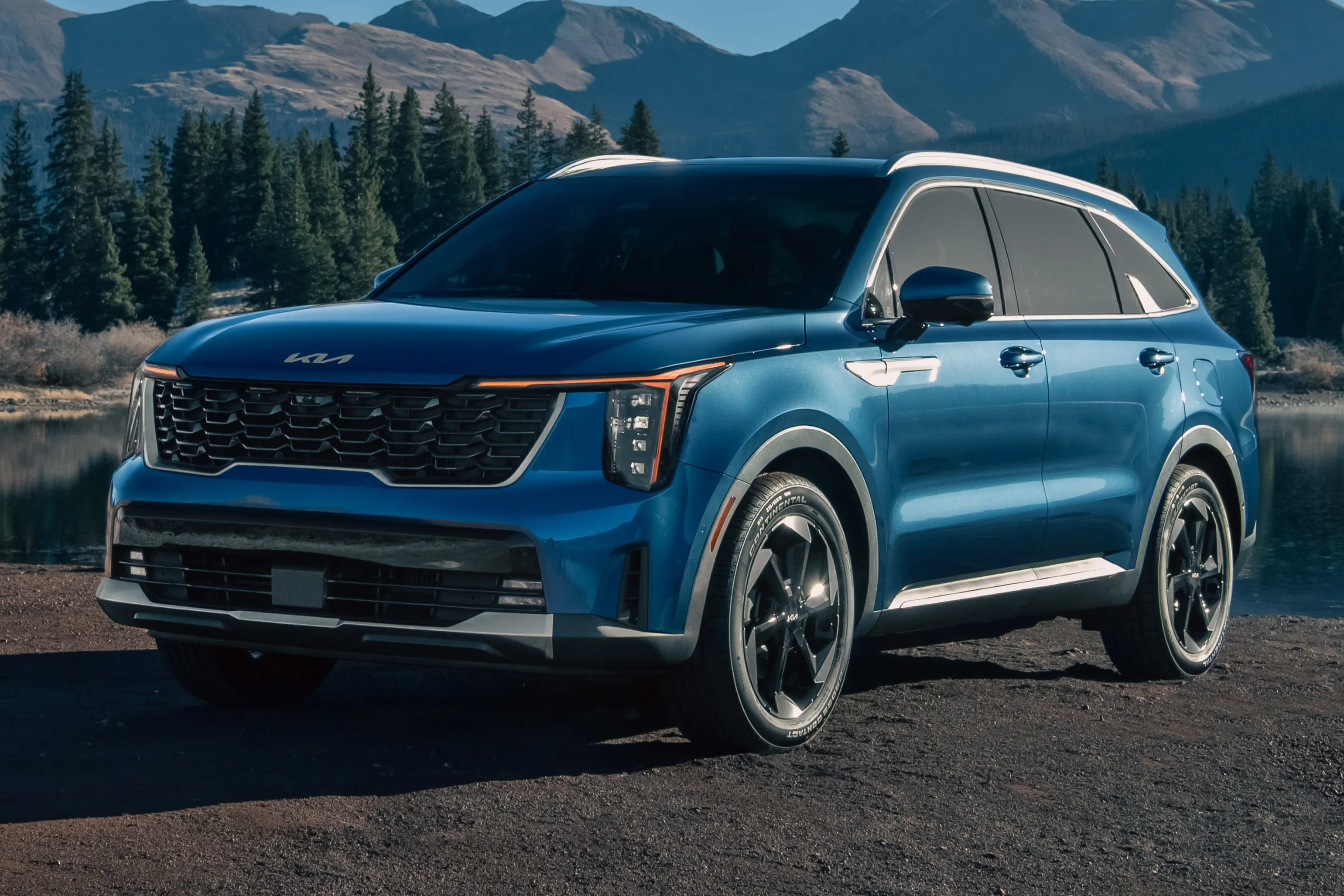
Global-spec Sorento used for representation.

The Sorento is a premium three-row SUV in Kia’s global car lineup. For India, though, the SUV we would get will utilise the global Sorento’s underpinnings, but it’s yet to be known if it bears the Sorento name and its top hat. We had previously reported that the SUV, codenamed MQ4i, was under development by the carmaker and would have a hybridised 1.5-litre petrol engine. While dimensions have not been confirmed, for context, the global-spec Sorento has a length and wheelbase of 4.8 metres and 2 metres, respectively. The Sorento Hybrid is expected to have an ex-showroom price of around Rs 30 lakh. Positioned above the Seltos, it will aim for the likes of the Mahindra XUV 7XO

6 things to know before buying the Hero Xoom 110

6 things to know before buying the Hero Xoom 110

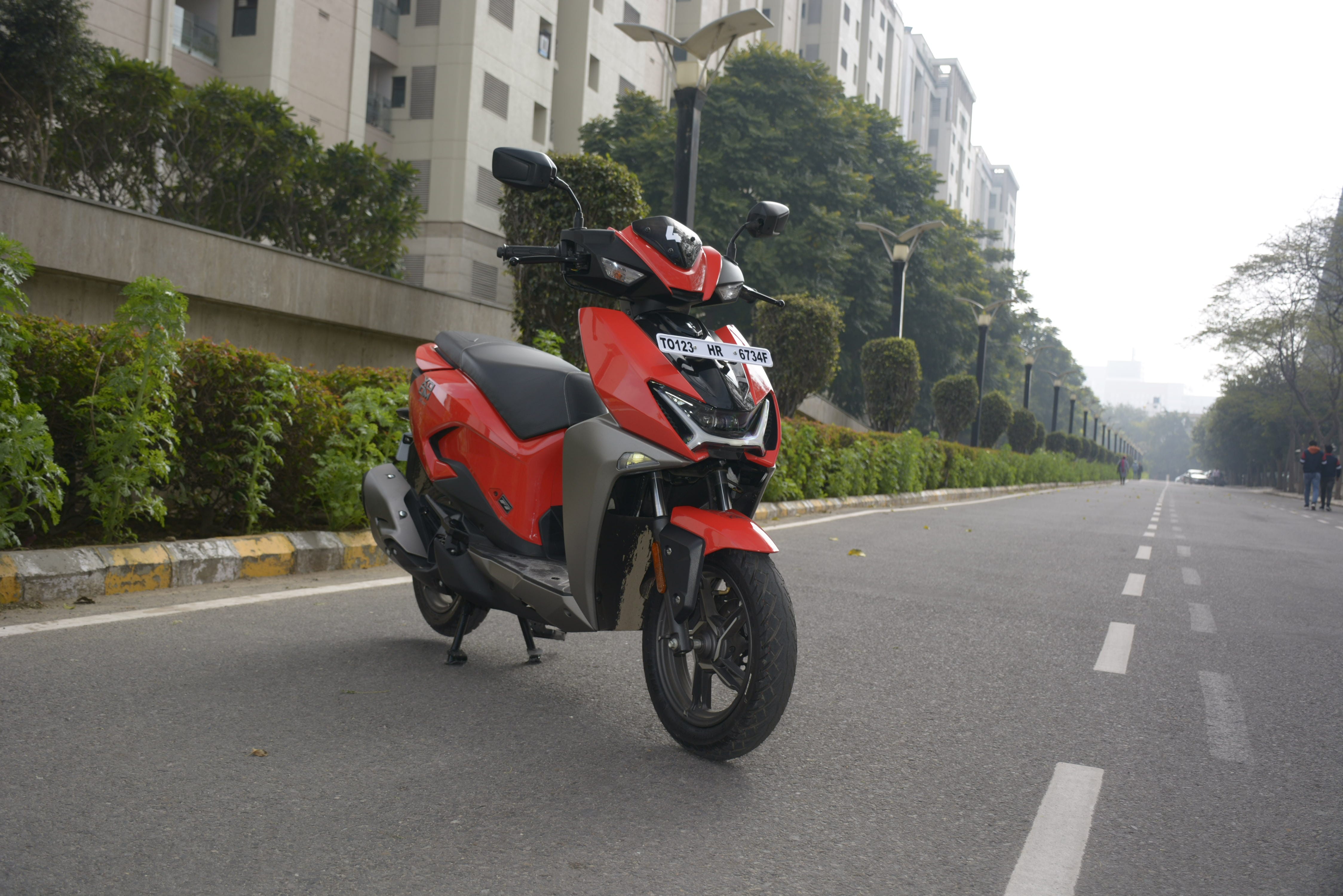
The Xoom 110 is Hero MotoCorp‘s sporty entry-level scooter, taking on rivals like the Honda Dio and TVS Jupiter with its sharp styling and feature list. Here are a few things you should know before buying the Hero Xoom 110.

1. What are the variants available with the Hero Xoom 110?

The Hero Xoom 110 is available in three variants – VX, ZX and Combat Edition. Prices start at Rs 76,212 for the VX and go up to Rs 84,017 for the Combat Edition (ex-showroom, Delhi).

2. What is the difference between the VX, ZX and Combat Edition variants?

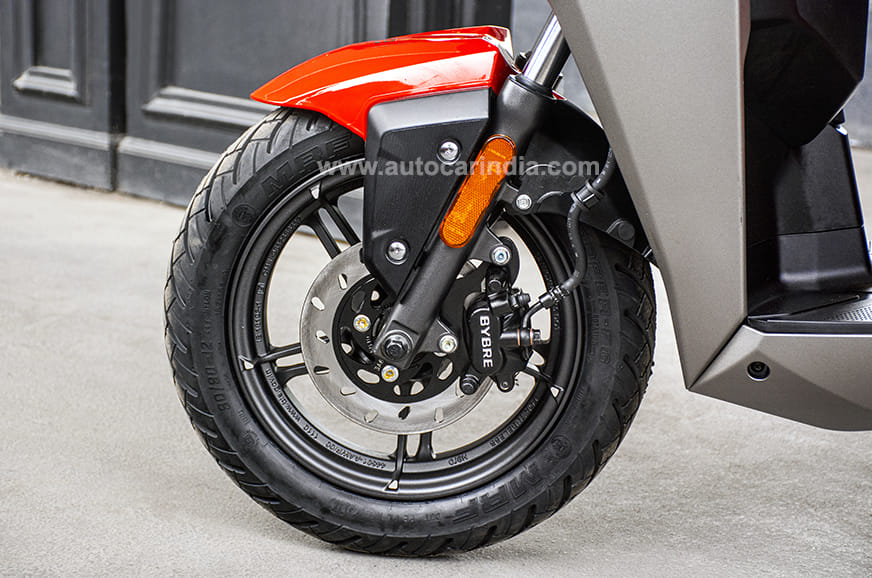
The VX is the entry-level variant and comes with drum brakes at both ends. The ZX adds a front disc brake, Bluetooth connectivity, cornering lights, sequential LED indicators and more colour options. The Combat Edition is based on the ZX and gets a Matte Shadow Grey paint scheme with contrasting graphics.

3. What wheels does the Hero Xoom 110 get?

The Xoom 110 rides on 12-inch alloy wheels at both ends, wrapped in 90/90-12 front and 100/90-12 rear tyres. The larger 12-inch rear wheel is relatively uncommon in the segment and is aimed at improving stability over uneven roads.

4. What is the fuel tank capacity and kerb weight of the Hero Xoom 110?

The Xoom 110 has a 5.2-litre fuel tank and tips the scales at 108kg (kerb). The combination of a relatively low kerb weight and compact dimensions makes it easy to manoeuvre in city traffic.

5. Does the Hero Xoom 110 get Bluetooth connectivity?

Yes, but Bluetooth connectivity is limited to the ZX and Combat Edition variants. The system enables smartphone pairing and provides call and SMS alerts on the instrument cluster.

6. What’s the peak output of the Hero Xoom 110?

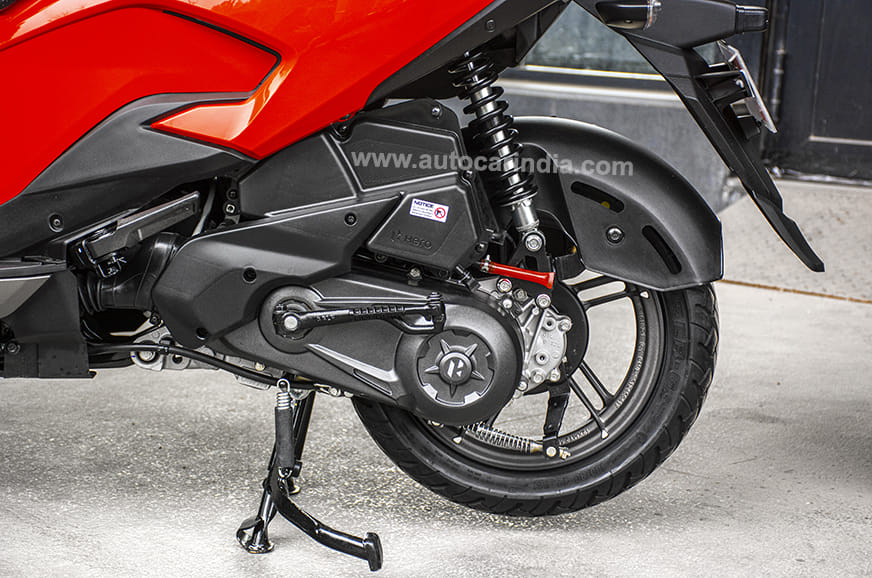
Powering the Xoom 110 is a 110.9cc, single-cylinder, air-cooled engine that develops 8.05hp and 8.7Nm. The engine is paired with a CVT automatic transmission and also benefits from Hero’s i3S idle stop-start system to help improve fuel efficiency in city riding.

Royal Enfield Lightwing multi rays modular helmet review

Royal Enfield Lightwing multi rays modular helmet review

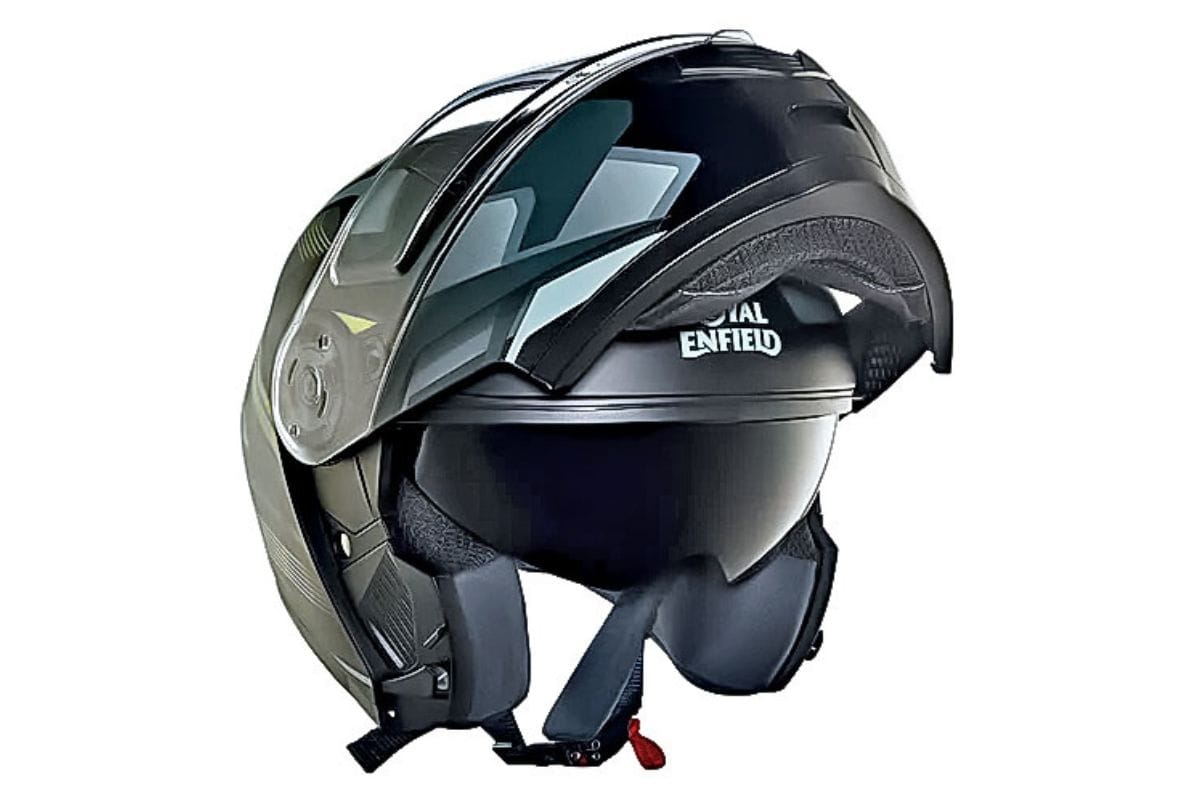
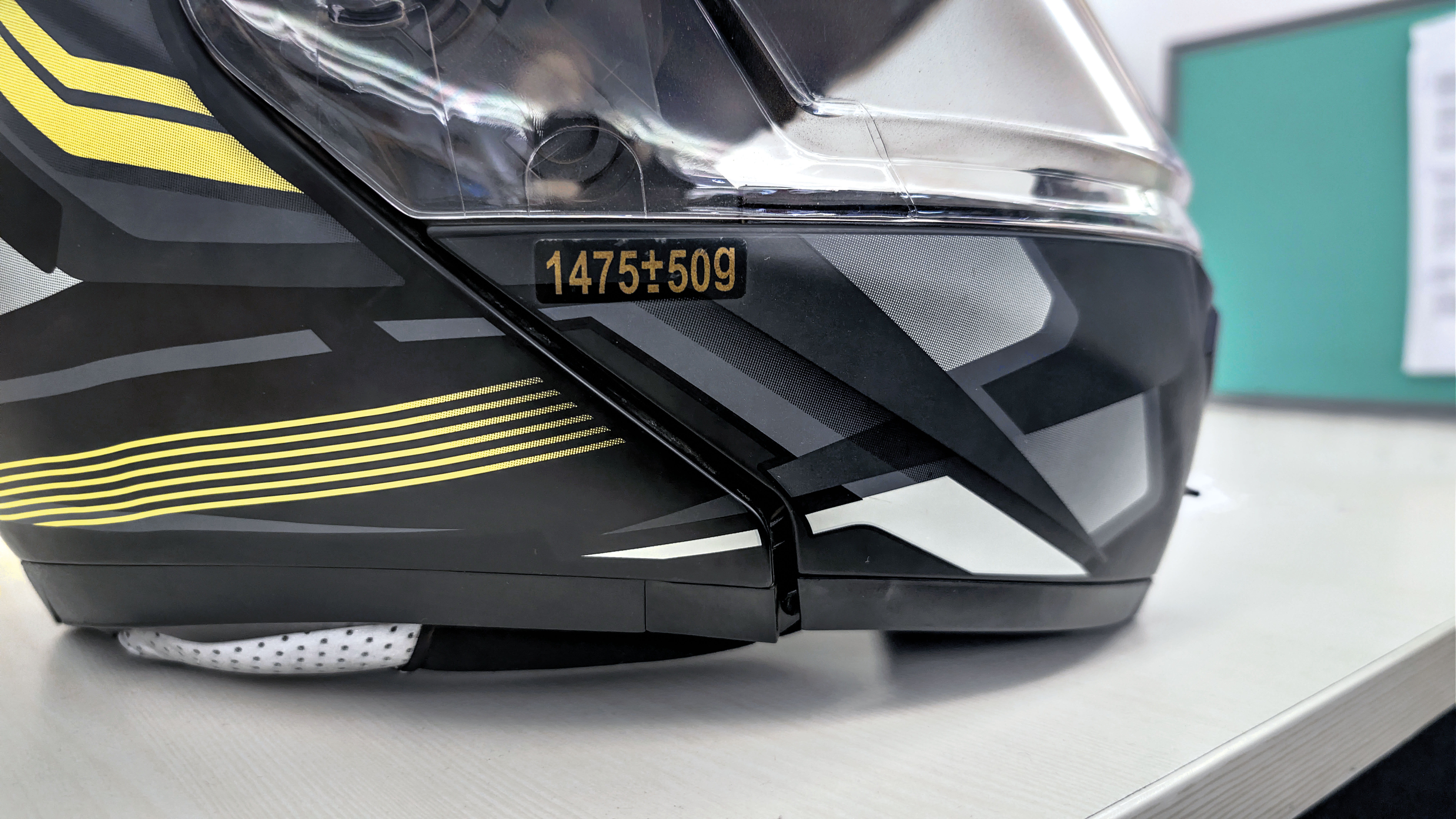
Switching from a half-face helmet to the Royal Enfield Lightwing modular lid was always going to be a step up, and the difference was immediately noticeable, especially in terms of weight. At approximately 1,475g, it’s significantly heavier. The first few rides made that clear, but a week into using it as my daily, the added weight faded into the background. In fact, it now feels like a fair trade-off for the added sense of security and build quality.

It also impresses with its solid construction. The shell feels sturdy, and the matte black and yellow finish has held up well despite being subjected to Mumbai’s harsh summer sun. There’s no fading or visible wear, which says a lot about its durability in real-world conditions. The inclusion of a ratchet strap instead of a double-d ring closure system might disappoint some, but it isn’t a deal-breaker in my books, although I’m primarily confined to the urban jungle.

Chin bar doesn’t sit flush upon closure; demands effort.

The integrated sun visor is genuinely useful in a city like Mumbai, where the sun is relentless. And the fact that it fits neatly over my spectacles makes it even more practical. For my usage – largely city commutes on my TVS Ntorq – I’ve often ridden with the helmet in its open-face configuration to cope with the heat.

That’s because using it as a full-face helmet in peak summer hasn’t been the most comfortable experience. While it does get adjustable vents, ventilation in Mumbai traffic compared to my previous half-face helmet is much lower, though that’s not entirely unexpected.

Comfort, however, is a strong suit. The inner padding is plush and sits well, even on longer rides. It’s easy to remove and clean, a big plus given the amount of sweat and dust helmets endure in daily use. There are a couple of niggles, though. The locking mechanism can be finicky, often requiring you to hold down the unlock button while shutting it, not ideal for something you use multiple times a day. Removing the visor is also easy, but getting it to lock back into place can test your patience. Wind noise is reasonably well contained up to about 70kph, but beyond that, I haven’t tested it enough to comment confidently on highway performance.
At Rs 4,500, this helmet is good value for what it offers. As a stylish, well-built modular helmet for primarily urban use, it largely delivers on expectations, with just a few compromises.

Written by SAGAR JUNEJA
Where: store.royalenfield.com
Price: Rs 4,500

All electric midsize SUVs ranked as per ARAI-claimed range

Electric mid-size SUVs with the highest claimed range in India

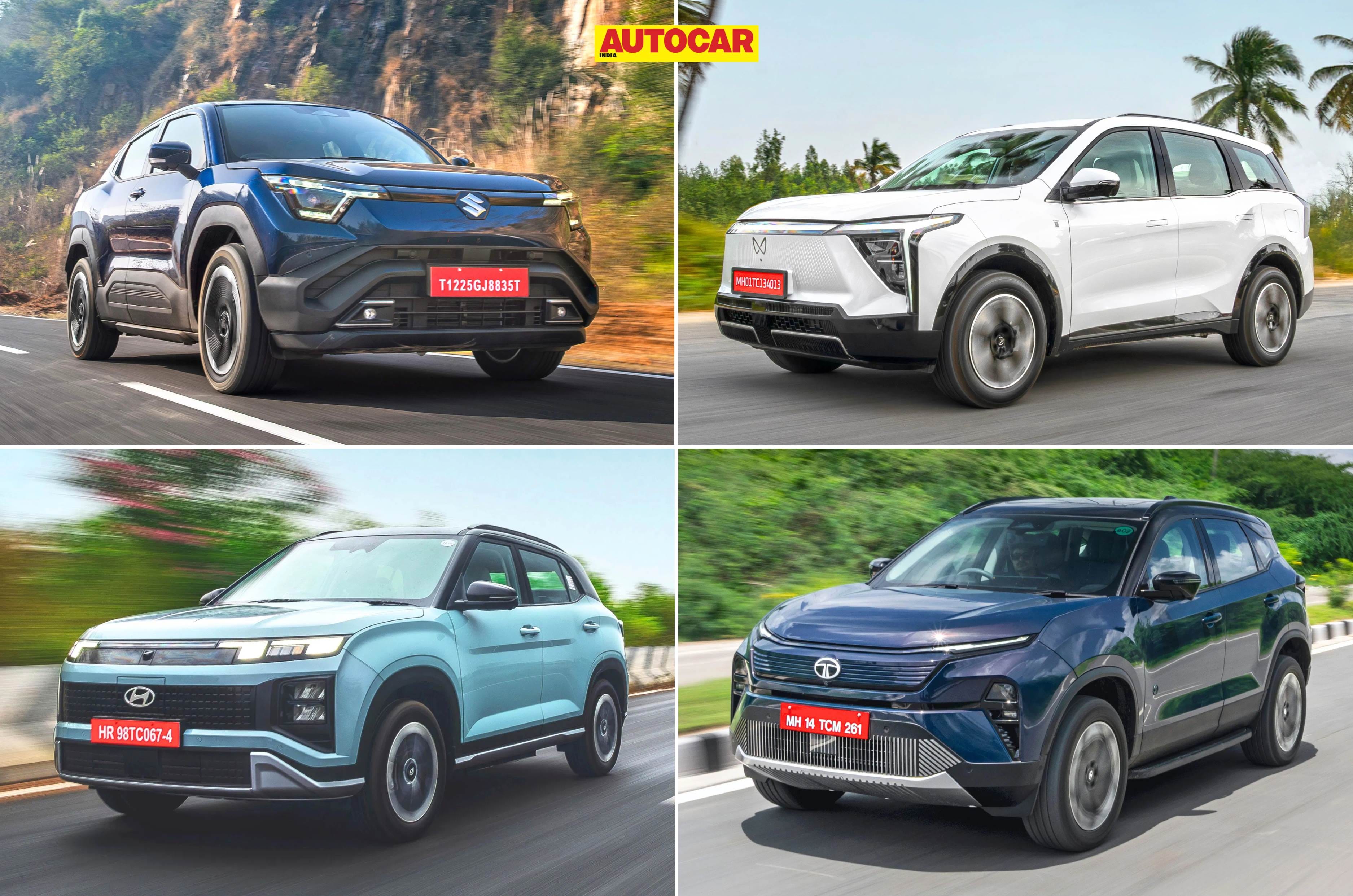
The midsize SUV segment is not only one of the most contested among combustion-powered cars but also among electric vehicles, with 12 different EVs on sale. This form factor allows carmakers to offer large enough batteries for a usable range while also equipping them with the latest in-car tech at a competitive price. Here we have ranked all the midsize electric SUVs currently available in India as per their ARAI-claimed range. Let’s find out which model can go the farthest on a single charge.

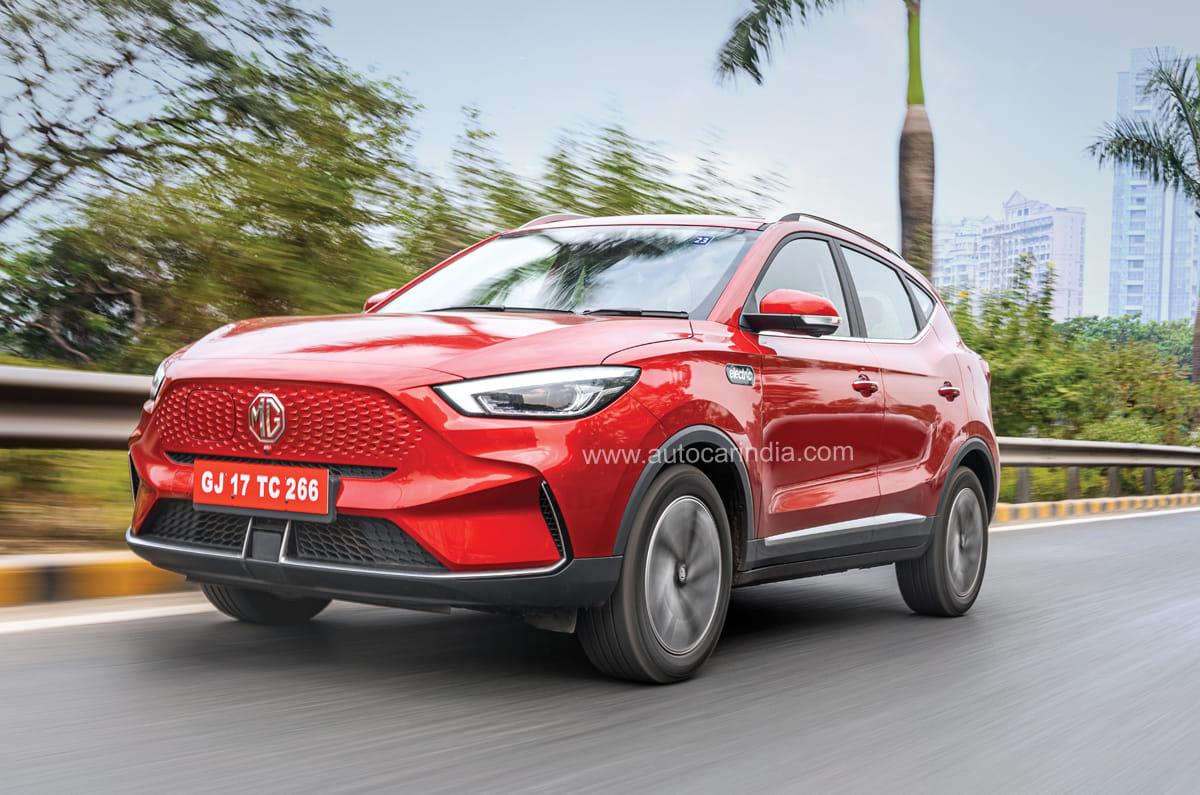
12. MG ZS EV

Up to 461km claimed range  

MG ZS EV battery specifications and ARAI range

Specifications

MG ZS EV

Battery pack (kWh)

50.3

ARAI-claimed range (km)

461

Price (Rs lakh)

17.99-20.75

The ZS EV is the electric equivalent of the MG Astor, adapted from an ICE platform. While it is the oldest midsize electric SUV currently on sale in India, its 50kWh battery pack is on par with even the newer offerings. However, a claimed range of 461km is just fine and places it last on this list. The battery powers a front-axle-mounted (FWD) electric motor that produces 177hp and 280Nm.

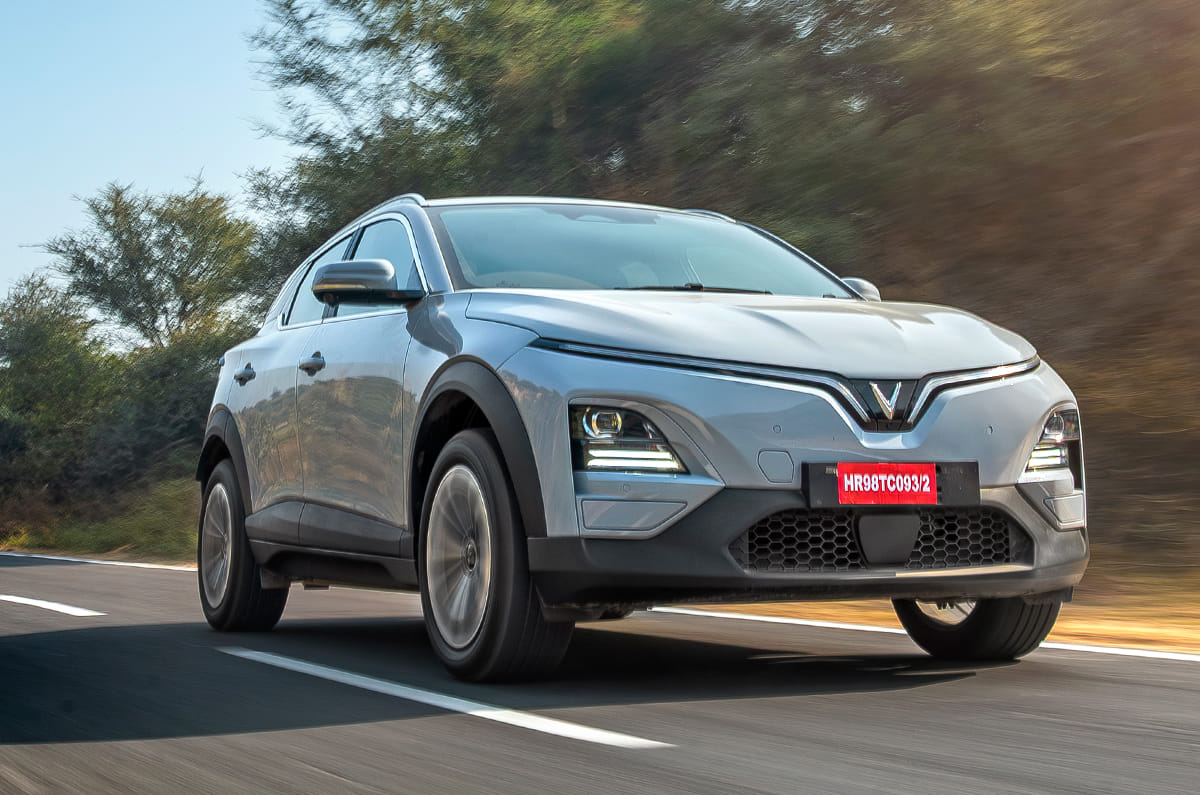
11. Vinfast VF6

Up to 468km claimed range 

Vinfast VF6 battery specifications and ARAI range

Specifications

Vinfast VF6

Battery pack (kWh)

59.6

ARAI-claimed range (km)

463-468

Price (Rs lakh)

17.29-19.19

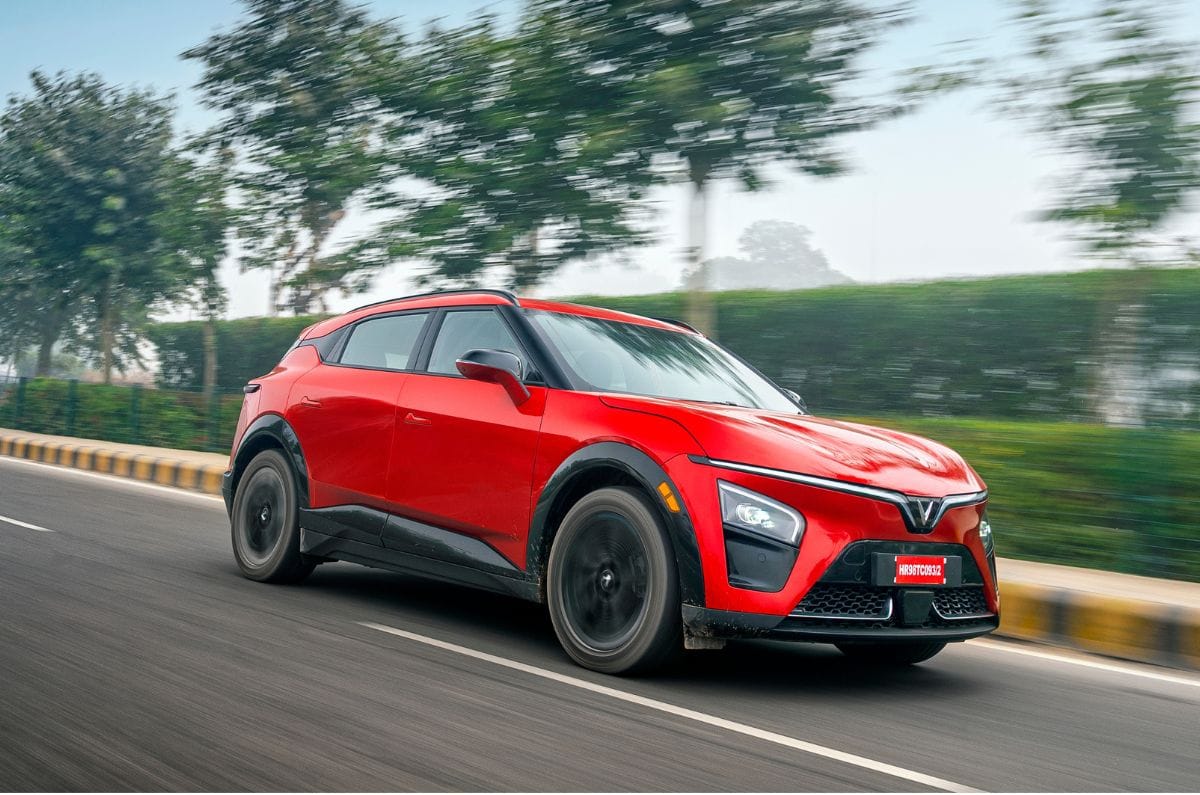
Vinfast’s most affordable EV in India, the VF6, comes with a fairly large battery pack compared to the older ZS EV, but it does not help much in the claimed range department. While the lower trims offer an ARAI-rated range of 463km, the higher ones claim a slightly better 468km. This is likely due to different tuning of the drivetrain, as the lower trims get a 177hp, 250Nm motor, while the higher-spec trims are offered with a 204hp, 310Nm unit.  

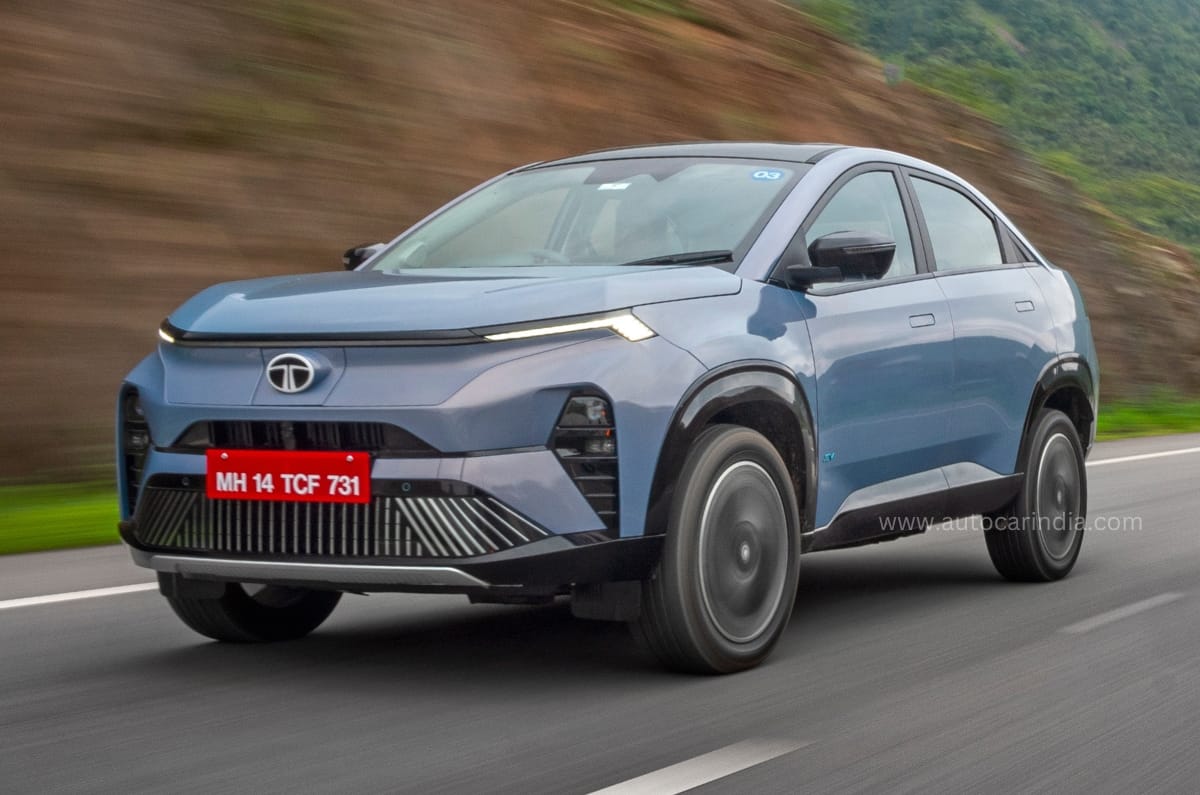
10. Tata Curvv EV

Up to 502km claimed range 

Tata Curvv EV battery specifications and ARAI range

Specifications

Tata Curvv EV

Battery pack (kWh)

55

ARAI-claimed range (km)

502

Price (Rs lakh)

16.99-19.19

In this segment, the Tata Curvv EV sets itself apart with a coupe-SUV body style. It is based on the Nexon platform that has been heavily modified for an electric powertrain. Although its 55kWh smaller than the VF6’s, it has a higher claimed range. The front-mounted motor makes 167hp and 215Nm. The Curvv is also offered in a combustion-powered avatar, with petrol and diesel powertrain options.

9. Hyundai Creta Electric

Up to 510km claimed range 

Hyundai Creta Electric battery specifications and ARAI range

Specifications

Hyundai Creta Electric

Battery pack (kWh)

42 | 51.4

ARAI-claimed range (km)

420 | 510

Price (Rs lakh)

18.02-23.67

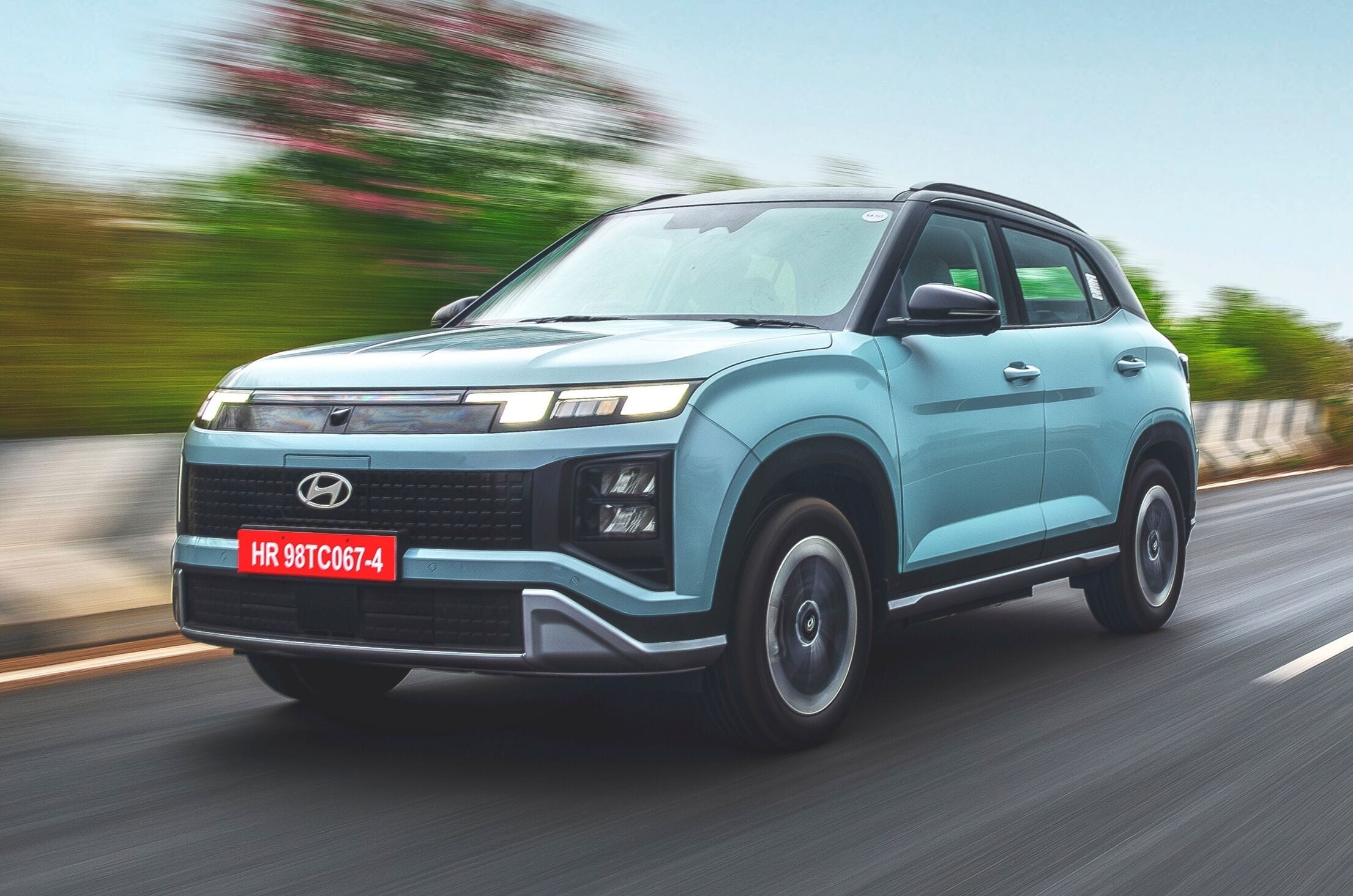
The Creta is a bestseller in its segment by a big margin, and a fraction of its total sales are from the all-electric iteration, the Hyundai Creta Electric. It gets two battery options, 42kWh and 51.4kWh, and the smaller battery’s 420km claimed range is the lowest in the segment. The larger pack’s range improves to a respectable 510km. While power figures are 135hp and 171hp for the 42kWh and 51.4kWh batteries, respectively, the torque is 255Nm for both.

8. BYD Atto 3

Up to 521km claimed range 

BYD Atto 3 battery specifications and ARAI range

Specifications

BYD Atto 3

Battery pack (kWh)

49.92 | 60.48

ARAI-claimed range (km)

468 | 521

Price (Rs lakh)

24.99-33.99

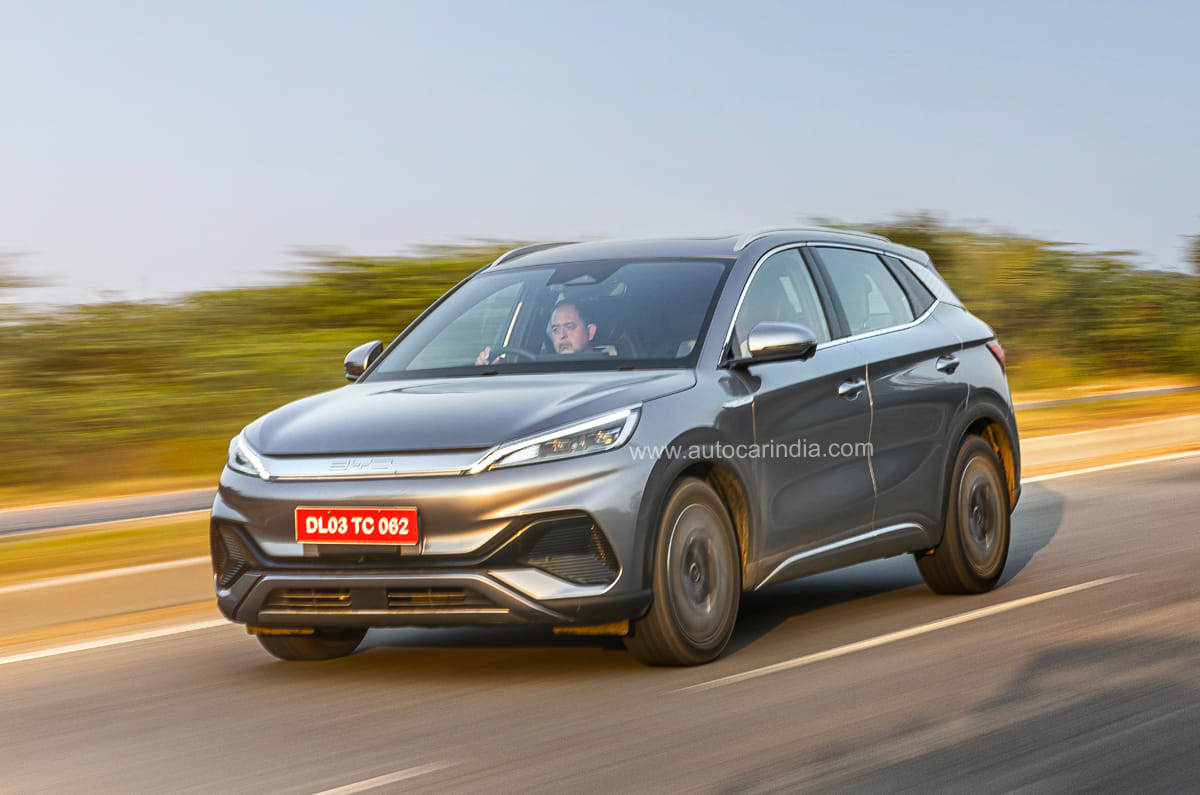
The BYD Atto 3 is the only model here that is not locally made in India. It is brought to India via the CKD (completely knocked down kits) route, which explains its expensive price tag. At the higher end of its price range, it offers the larger battery pack with a claimed range of 521km, which is less than the Tata-Mahindra rivals that offer over 600km of range at a similar price. The Atto 3 is a born EV and therefore does not have an ICE equivalent. At 4.45 metres long, it is also a tad larger than other SUVs on this list. Like the Creta Electric, it gets two battery pack options, both mated to a 204hp, 310Nm front-axle-mounted electric motor. 

7. Vinfast VF7

Up to 532km claimed range 

Vinfast VF7 battery specifications and ARAI range

Specifications

Vinfast VF7

Battery pack (kWh)

59.6 | 70.8

ARAI-claimed range (km)

438 | 510-532

Price (Rs lakh)

21.89-26.79

The Vinfast VF7, launched alongside the VF6, is offered with two battery packs. The smaller battery comes paired with a 177hp, 250Nm front-axle-mounted electric motor, while the larger 70.8kWh unit is available in both FWD and AWD setups. The FWD version produces 204hp and 310Nm, while the AWD iteration puts out 353hp and 500Nm. Interestingly, not only is the VF7 the most affordable EV in India with an AWD setup, but it is also one of the fastest mass-market offerings with a claimed 0-100kph time of 5.8 seconds. Both its battery packs offer a claimed range on par with most other SUVs in this segment. 

6. Maruti Suzuki e Vitara

Up to 543km claimed range

Maruti Suzuki e Vitara battery specifications and ARAI range

Specifications

Maruti Suzuki e Vitara

Battery pack (kWh)

49 | 61

ARAI-claimed range (km)

440 | 543

Price (Rs lakh)

15.99-19.79

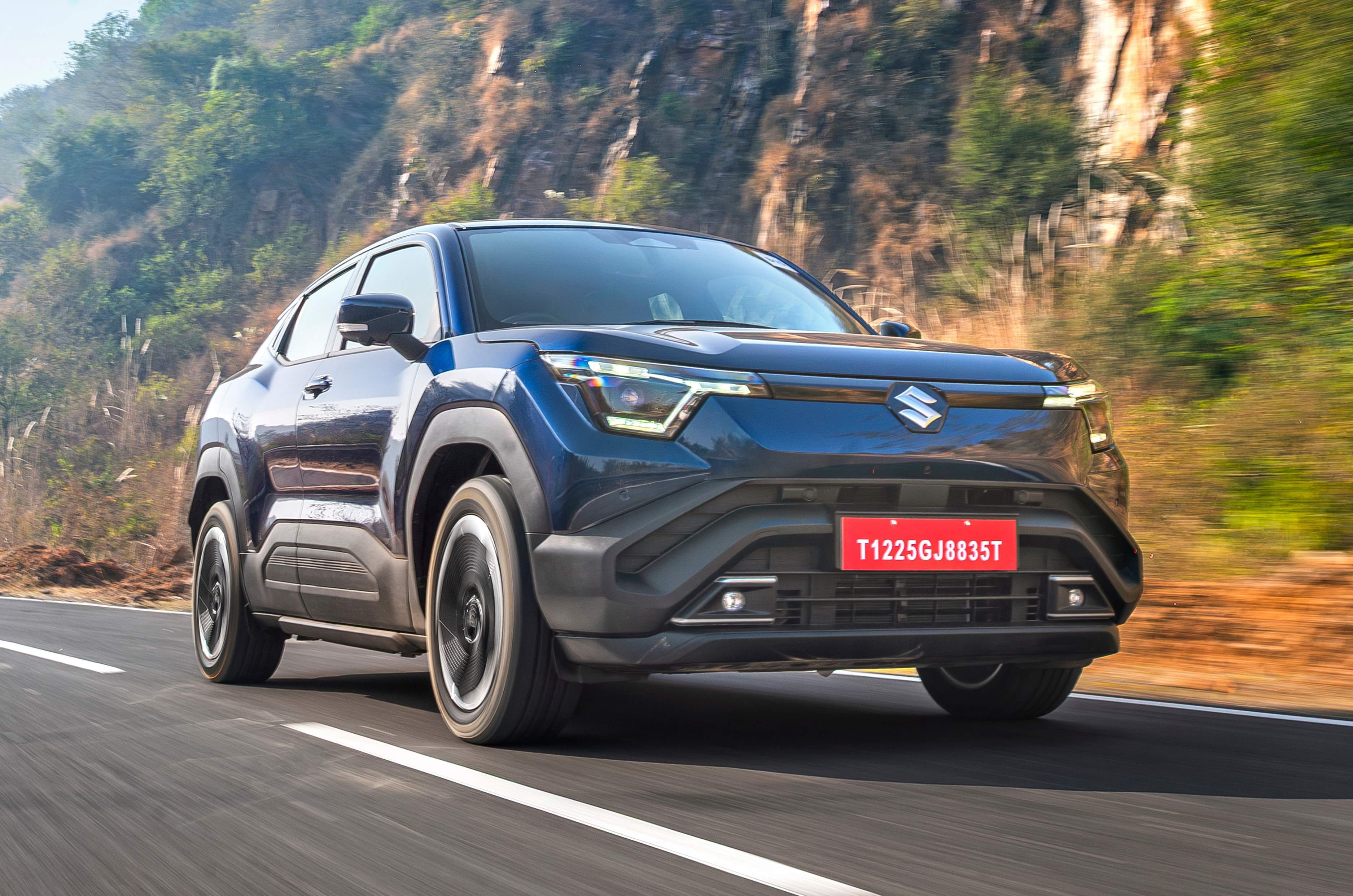
Maruti Suzuki’s first EV in India, the e Vitara, is the most affordable midsize electric SUV in India. Moreover, it is offered with a Battery-as-a-Service (BaaS) scheme, like the ZS EV, which lowers the upfront price. It is available with two battery pack options but only with a front-axle-mounted electric motor, unlike the international-spec EV that gets an AWD option too. While the 49kWh version produces 144hp, the 61kWh makes 174hp; the 193Nm torque is common for both. At a top-end price of Rs 19.79 lakh, the e Vitara’s claimed range of 543km is comparatively higher than similarly priced rivals, which mostly quote sub-500km figures. 

5. Tata Harrier EV

Up to 627km claimed range

Tata Harrier EV battery specifications and ARAI range

Specifications

Tata Harrier EV

Battery pack (kWh)

65 | 75

ARAI-claimed range (km)

538 | 622-627

Price (Rs lakh)

21.49-29.48

The Tata Harrier EV sits at the top of Tata’s EV lineup. It gets an AWD layout, but this drivetrain is offered with the higher-spec trims with the 75kWh battery pack. Lower trims feature an RWD setup that produces 175hp and 315Nm. The AWD version gets the same rear-axle motor along with a 116hp front-axle-mounted unit for a total of 504Nm. With a claimed 0-100kph sprint time of 6.3 seconds, the Harrier EV AWD is slightly slower than the Vinfast VF7 and also costs more. 

4. Mahindra XEV 9e

Up to 656km claimed range

Mahindra XEV 9e battery specifications and ARAI range

Specifications

Mahindra XEV 9e

Battery pack (kWh)

59 | 79

ARAI-claimed range (km)

522 | 656

Price (Rs lakh)

21.90-30.50

The XEV 9e is a born-electric SUV, which, incidentally, uses BYD’s proprietary Blade cell technology in its battery pack. This rear-wheel-drive model’s motor produces 231hp with the 59kWh battery and 286hp with the 79kWh unit; torque is 380Nm for both. The claimed range is over 650km for the 79kWh version. Although the XEV 9e leans towards the expensive side, its specifications help it offer great value for the price.

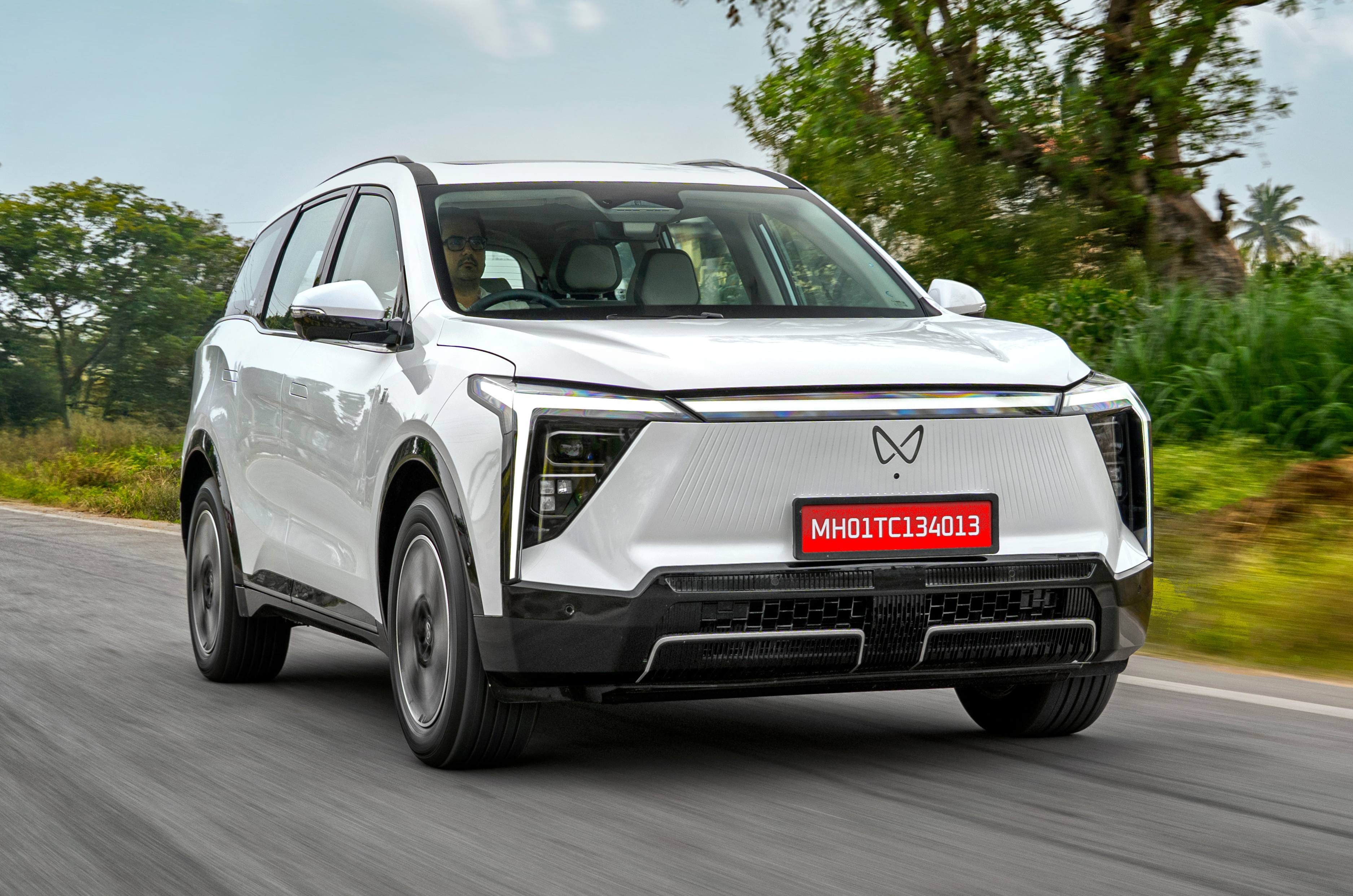
3. Mahindra XEV 9S

Up to 679km claimed range

Mahindra XEV 9S battery specifications and ARAI range

Specifications

Mahindra XEV 9S

Battery pack (kWh)

59 | 70 | 79

ARAI-claimed range (km)

521 | 600 | 679

Price (Rs lakh)

19.95-29.45

The Mahindra XEV 9S is the first mass-market 3-row electric SUV in India, and it is the only model on this list to get three battery pack options. All come paired with a rear-wheel-drive motor that produces 380Nm but have different power outputs – 231hp in the 59kWh version, 245hp in the 70kWh version and 286hp in the 79kWh version. Notably, even though the XEV 9S gets bigger battery packs and an additional row compared to the XEV 9e, it has a lower price tag, making it offer more value for less money. 

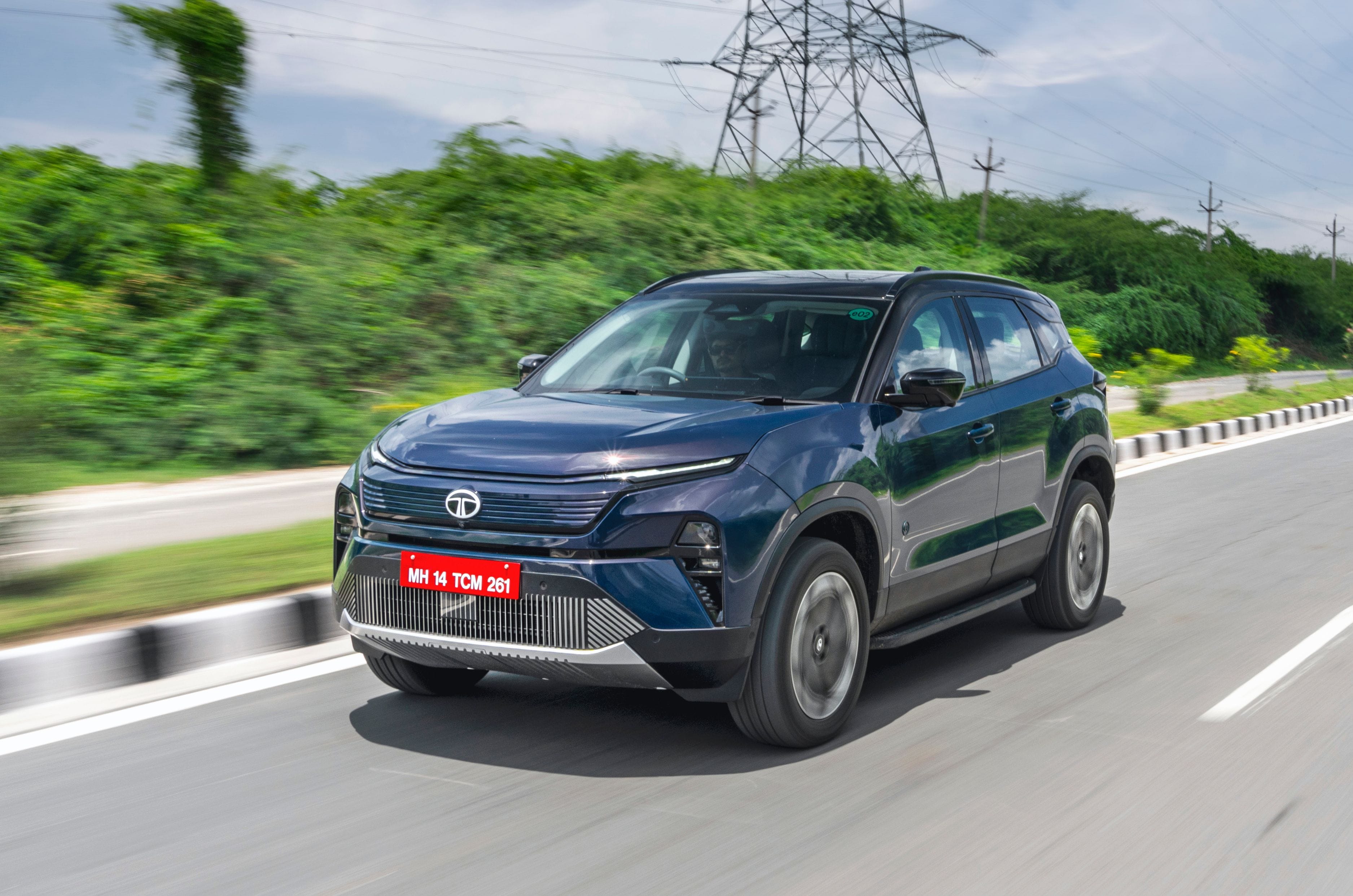
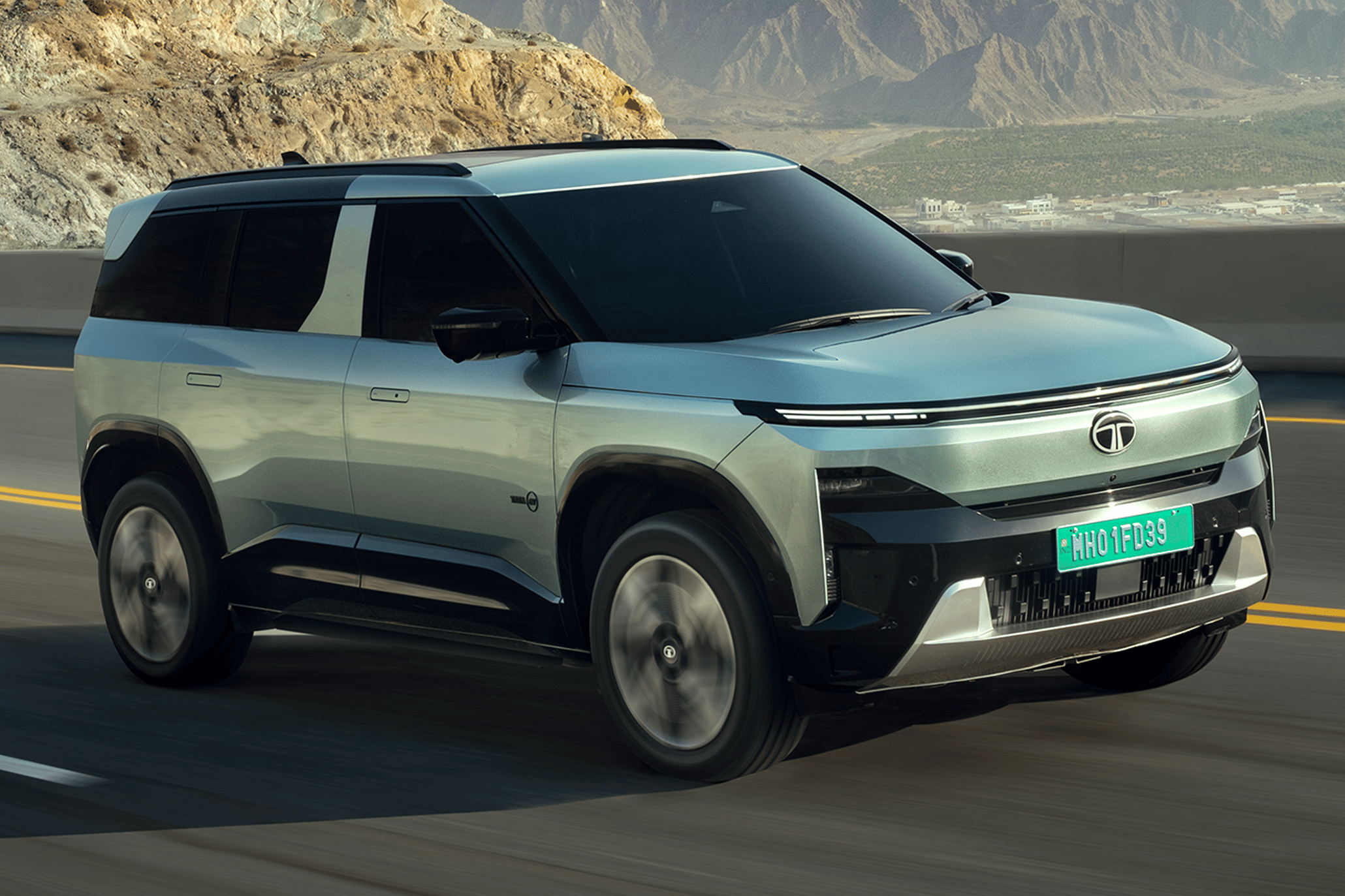
2. Tata Sierra EV

Up to 665km claimed range 

The Sierra EV is Tata’s latest addition to its EV range, slotting between the Cuvv EV and Harrier EV. It is powered by either a 63kWh or a 75kWh battery pack from the Harrier. The latter option also offers an AWD layout, while an RWD layout is standard. With the 63kWh battery pack, the motor produces 238hp, while it delivers 208hp in the 75kWh guise, with torque at 315Nm in both versions. Meanwhile, AWD versions add a front-mounted motor developing 140hp, while torque is bumped to 504Nm. Tata claims a 0-100kph time of 5.8 seconds for the AWD version, equaling that of the VF7’s. 

Tata Sierra EV battery specifications and ARAI range

Specifications

Tata Sierra EV

Battery pack (kWh)

63 | 75

ARAI-claimed range (km)

566 | 665, 624 (AWD)

Price (Rs lakh)

18.49-25.90

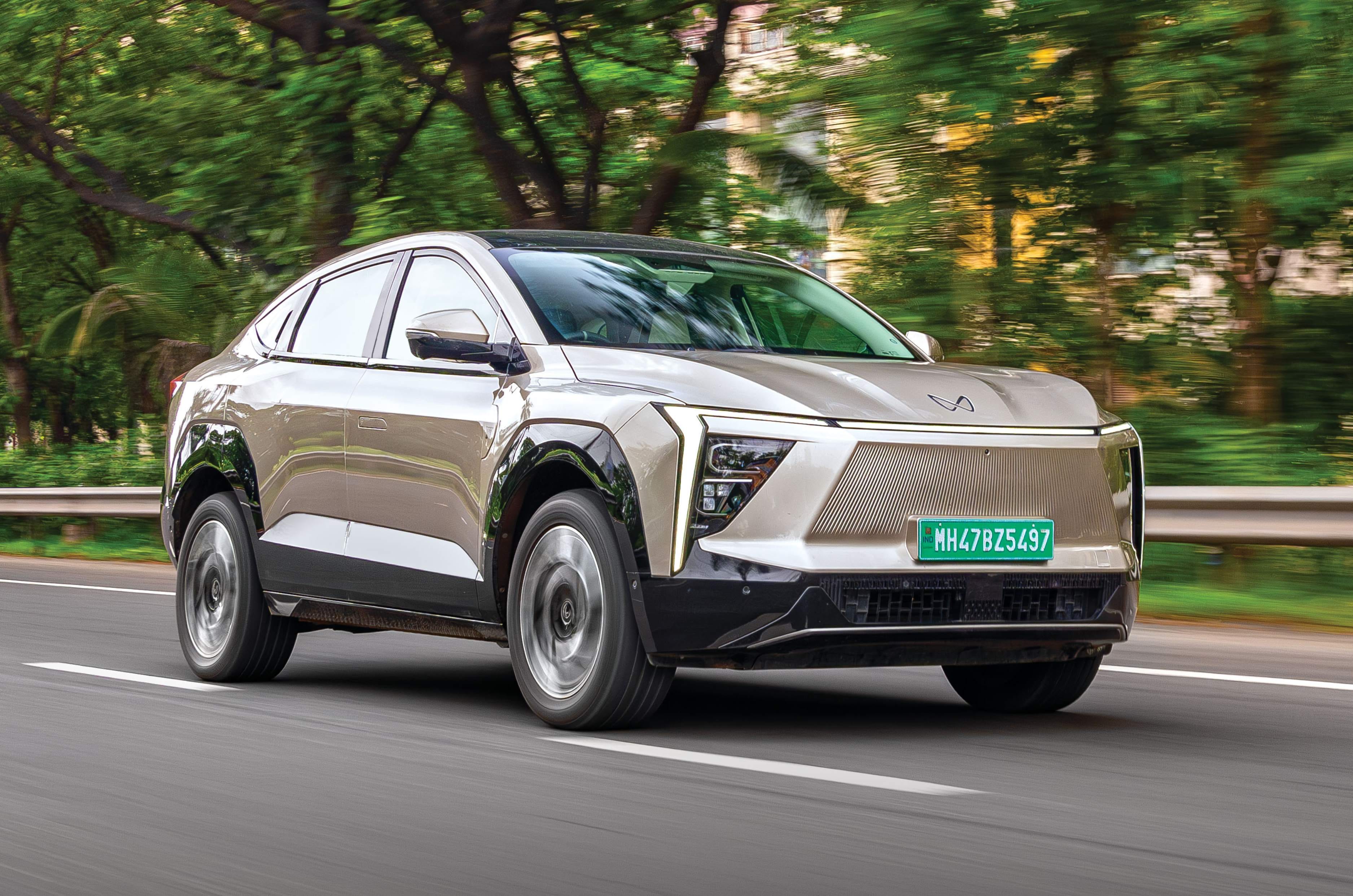
1. Mahindra BE 6

Up to 683km claimed range

Mahindra BE 6 battery specifications and ARAI range

Specifications

Mahindra BE 6

Battery pack (kWh)

59 | 79

ARAI-claimed range (km)

548 | 683

Price (Rs lakh)

18.90-26.90

The BE 6 is identical to the XEV 9e under its skin, so it carries over the same rear-wheel-drive layout and battery pack options, arguably in a more stylish package. It is also slightly smaller and lighter than the XEV 9e, which is what gives it the edge in terms of range. With 683km on a single charge with the larger 79kWh battery pack, it has the highest claimed range among all mainstream electric SUVs in India.

Prices are ex-showroom, India.

Rolls-Royce unveils one-of-a-kind Phantom Regatta

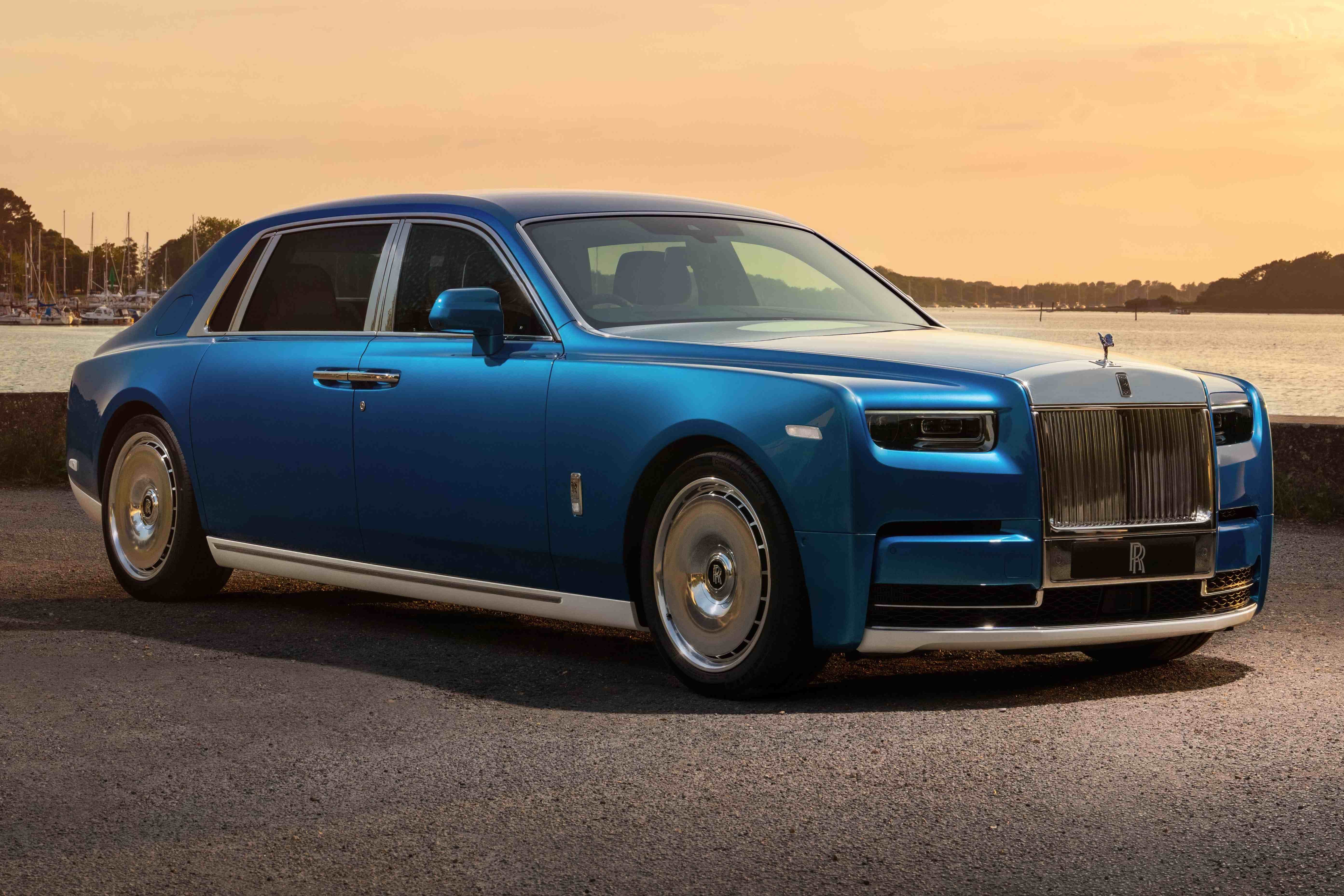
Rolls Royce Phantom Regatta front quarter static

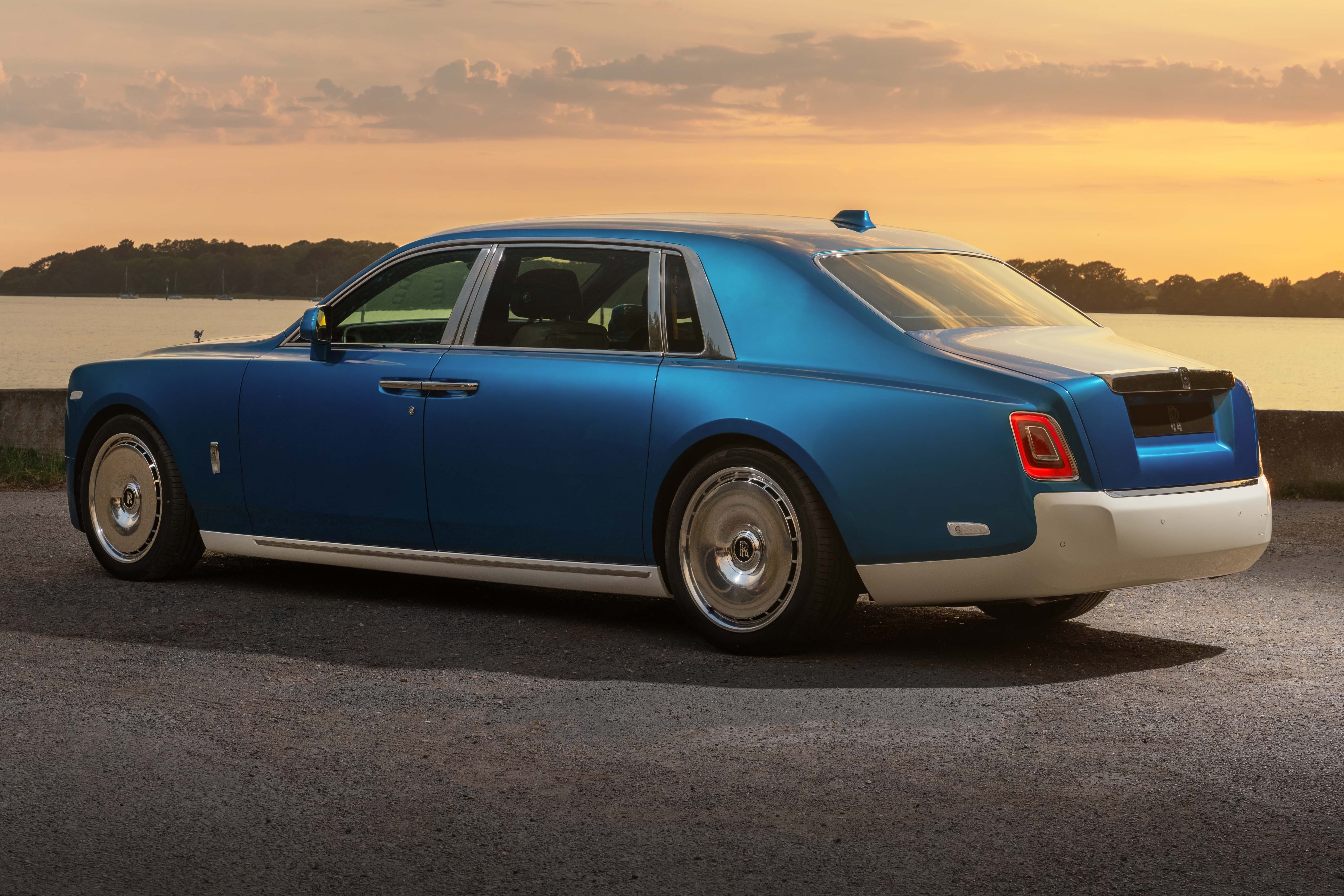
Rolls-Royce has revealed a special edition version of the Phantom luxury saloon. Called the Regatta, it’s based on the Phantom Extended (LWB), and as the brand says, it pays tribute to racing yachts of the English South Coast and the regattas they contest each summer on the Solent. The Phantom Regatta is set to make its public debut at the 2026 Goodwood Festival of Speed.

So what sets the Regatta apart from other Phantoms?

First off, only one example of the Regatta will be made, giving this special edition Phantom a layer of exclusivity. While the Regatta looks largely similar to the standard Phantom with its long bonnet and smooth surfaces, it receives unique design changes. The exterior is finished in Regatta Blue, with the lower sides finished in English White. This paint job, Rolls-Royce says, recalls ‘the line where a yacht’s hull meets the water.’ The sedan rides on 22-inch disc-polished wheels, mimicking the polished steel winches of a racing yacht.

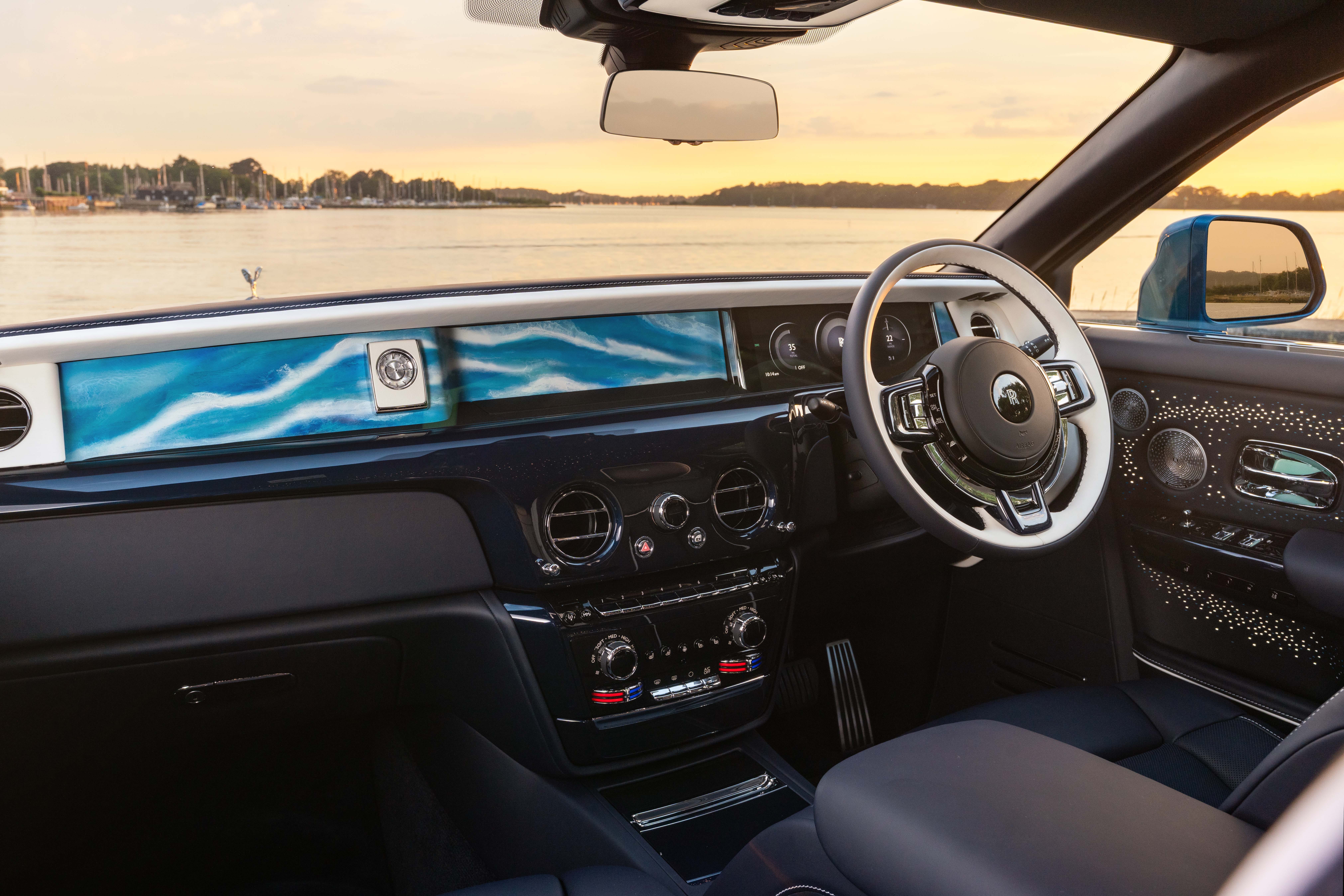
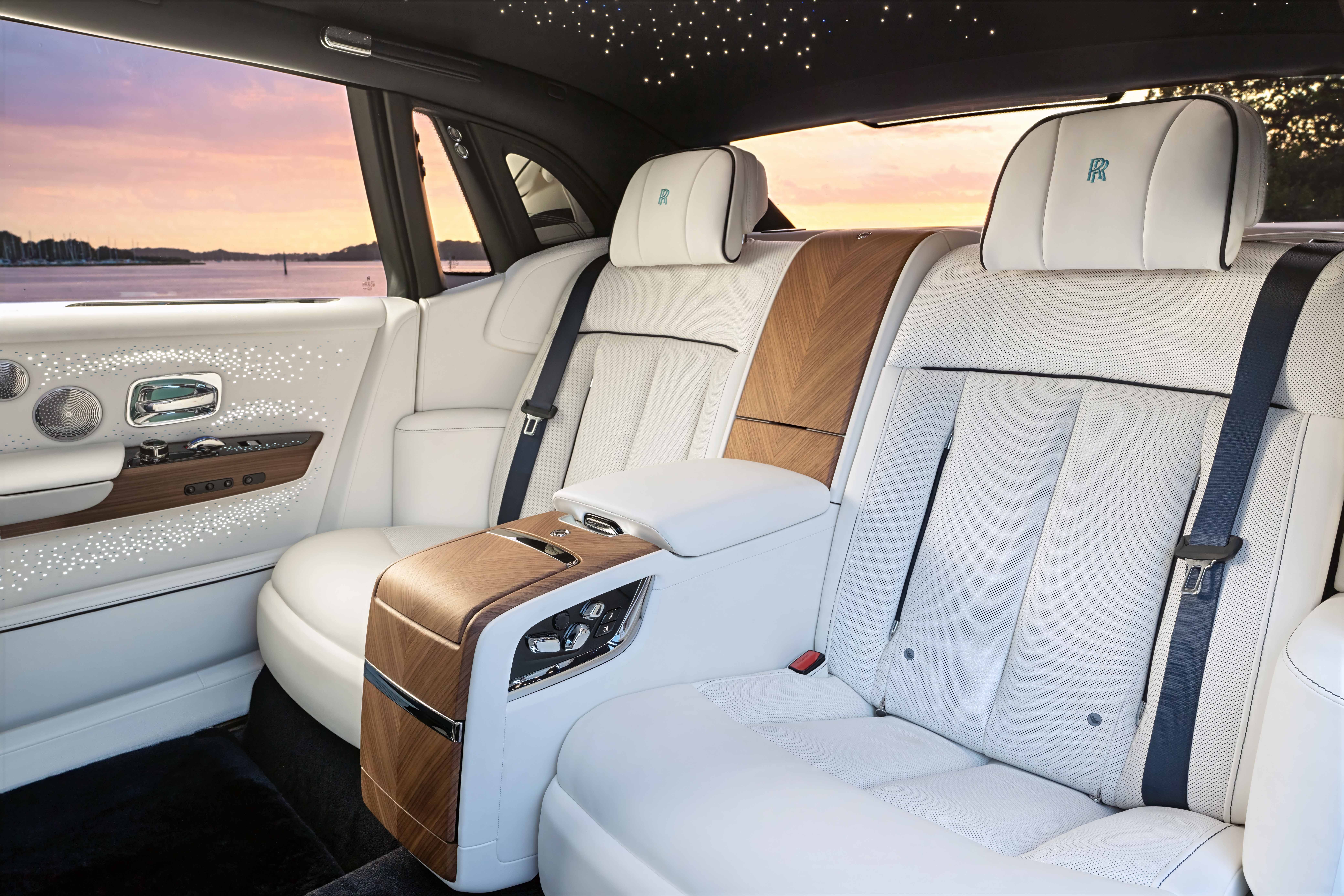
The ‘Southern Coast’ theme is carried to the interior of the Regatta as well. Inspired by a yacht under full sail, the front section of the interior gets a Navy Blue finish while the rear is done in Grace White. The seats, door pads, and steering wheel have contrast stitching in both colours, while Rolls-Royce monograms are stitched in a colour mimicking clear seashore water.

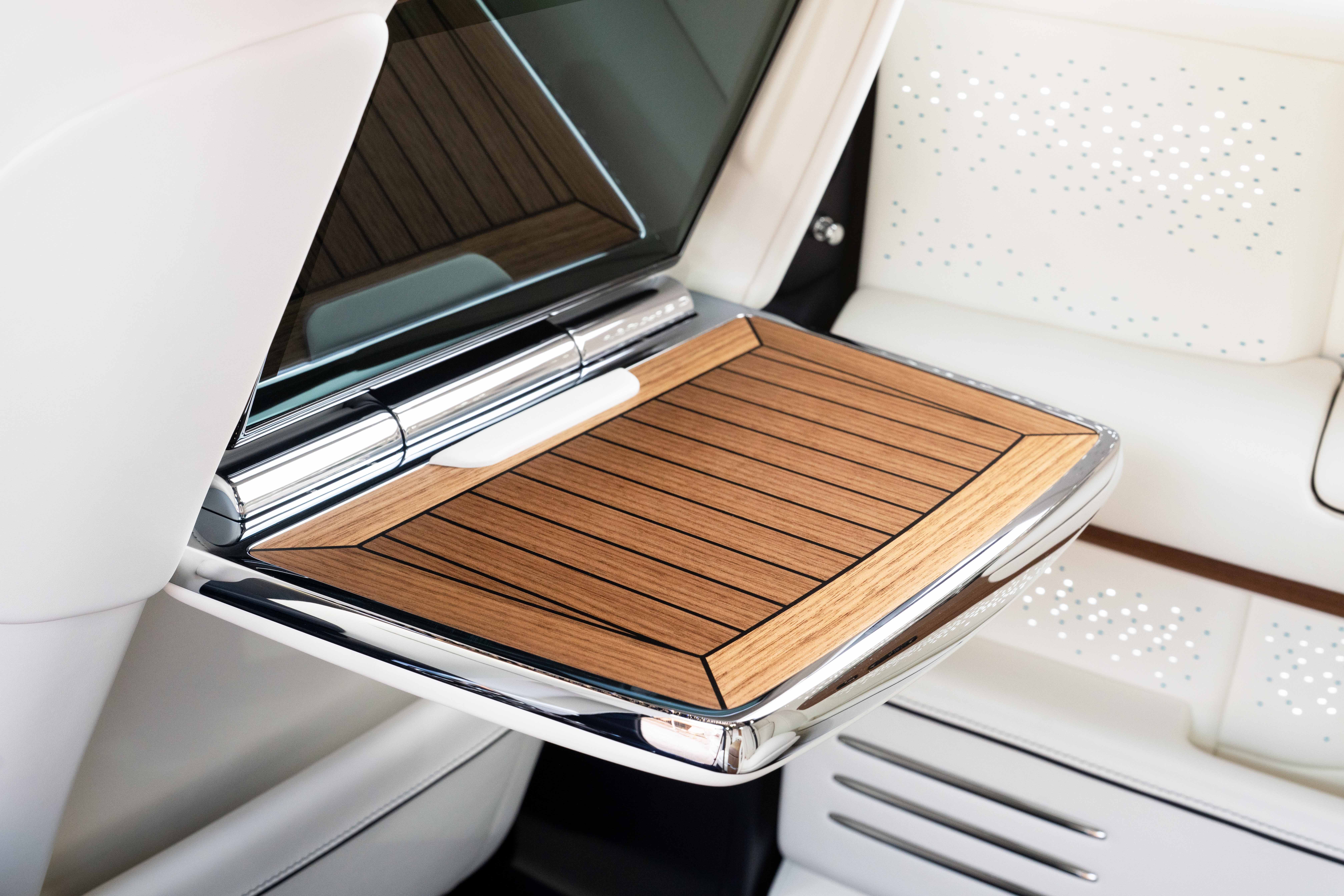
The centrepiece of the interior, says Rolls-Royce , is a hand-painted panel (Gallery) that runs across the width of the dashboard. Dubbed ‘Watercolour,’ the panel was painted by an in-house artist with “specially developed paints on open-pore wood” for a “faithful interpretation of the sea,” stated Rolls-Royce. Also, the headliner gets a bespoke touch with a pattern of 1,307 fibre optic ‘stars’ inspired by the “swirling tidal currents around the Isle of Wight.” You also get picnic tables that take inspiration from yacht decks, which the brand says took 120 hours to complete.

An easter egg is found in the form of geographical coordinates engraved on the air vents. While the passenger side air vent features coordinates of Goodwood House, thedriver’s air vent gets coordinates of the Home of Rolls Royce. The carmaker says that these two geographical coordinates sit within a mile of each other and “together they fix Phantom Regatta to the place from which it came.”  

5 things to know before buying the TVS Ntorq 125

Ntorq 125 front 3/4th static

The TVS Ntorq 125 has been one of India’s most popular sporty scooters since its launch, combining a peppy engine with sharp styling and a feature set that has consistently punched above its weight. It is available in five variants, offering varying levels of equipment along with unique colour schemes and graphics to cater to different buyers. Here are answers to some of the most commonly asked questions about it.

What is the price of the TVS Ntorq 125?

The TVS Ntorq 125 is available in five variants, with prices starting at Rs 82,500 for the base Disc variant and going up to Rs 1,00,650 for the range-topping XT. The Race Edition is priced at Rs 87,950, the Super Squad Edition at Rs 91,550, and the Race XP at Rs 93,650.

All prices are ex-showroom, Delhi.

What engine does the TVS Ntorq 125 use?

The TVS Ntorq 125 is powered by a 124.8cc, single-cylinder, air-cooled engine producing 9.5hp and 10.6Nm in most variants. The Race XP is in a slightly higher state of tune, producing 10.2hp and 11.5Nm. During our tests of the Race XP, we recorded a 0-60kph time of 7.61 seconds.

What is the mileage of the TVS Ntorq 125?

In our fuel-efficiency tests of the Ntorq 125 Race XP (the most recent variant we’ve tested), we recorded 52.4kpl in the city and 56.66kpl on the highway. Since the Race XP is in a higher state of tune than the Disc, Race Edition, Super Squad Edition and XT variants, those models are likely to return marginally better fuel efficiency.

What features does the TVS Ntorq 125 have?

All variants of the Ntorq 125 come with a fully digital instrument console that displays the speedometer, odometer, fuel gauge, trip meter, engine temperature and a lap timer. It remains one of the most comprehensive non-TFT instrument clusters available on any scooter in the segment. The console also features TVS’ SmartXonnect Bluetooth connectivity with call and SMS alerts, along with turn-by-turn navigation. The Race XP adds Street and Race riding modes, while the range-topping XT gets a split-screen display comprising a TFT panel and a negative LCD, adding features such as voice commands, WhatsApp and Instagram notifications, and live cricket scores.

What variants is the TVS Ntorq 125 available in?

The Ntorq 125 is offered in five variants. The base Disc serves as the entry point and is mechanically identical to the Race Edition and Super Squad Edition, both of which add only cosmetic differentiation through racing-inspired and Marvel-themed graphics, respectively. The Race XP is the performance-focused variant with a higher engine tune and two riding modes. The range-topping XT is the most feature-rich, with its split-screen display and the most comprehensive connectivity package, while retaining the same engine tune as the standard variants.