Raida Rover Riding Pants Review

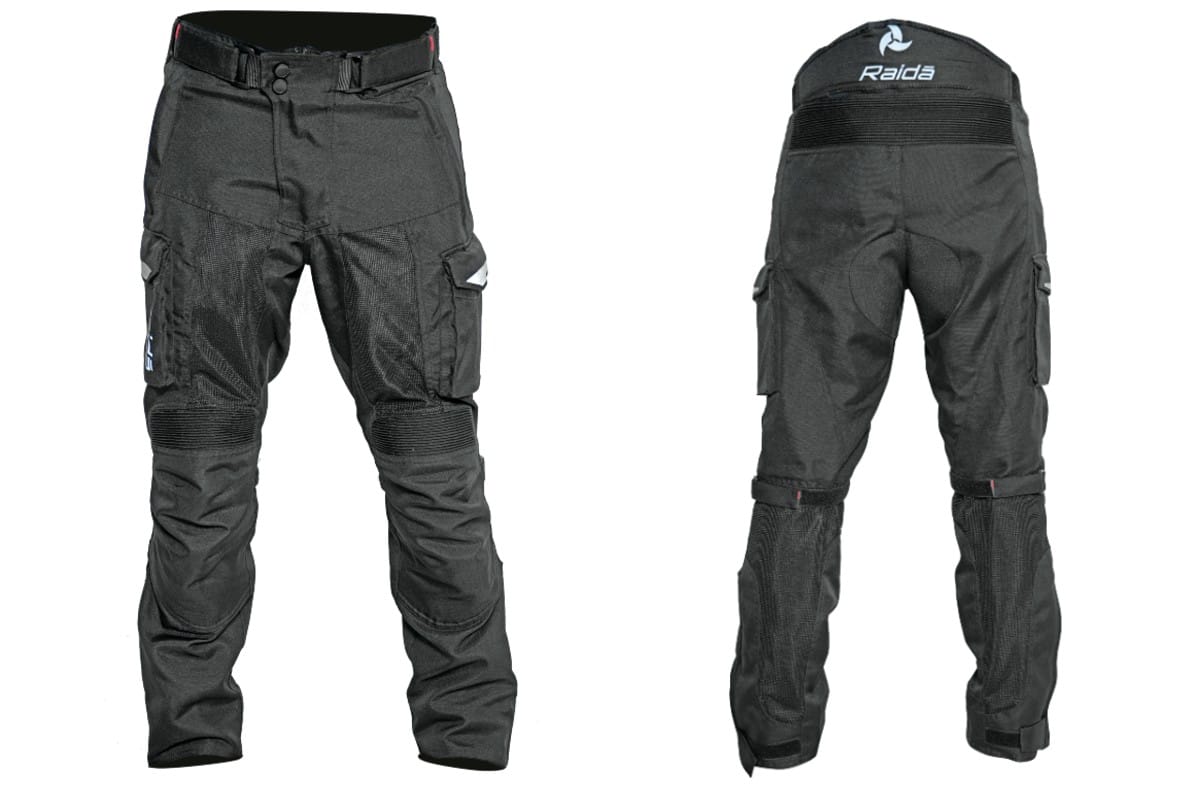
Raida Rover Riding Pants Front and Rear Shot

I have used a variety of riding pants, and a couple of months ago, the Raida Rover caught my attention. My routine consists of riding many different two wheelers, and the relaxed fit and cargo-style pockets seemed like something that would add more practicality to my everyday life. 

The pants are available in nine sizes ranging from XS to 5XL, and as with most brands, I opted for a size S. The fit was relaxed and breathable, and the Velcro adjustment straps at the waist, above the calf and at the ankles allowed me to fine-tune the fit according to my liking. The Raida Rover riding pants get CE Level 2 protection at the knees and hips. A thoughtful addition is a soft foam pad for the tailbone as well. While it isn’t a proper CE protector, it is nice to get at this price point. 

Additionally, at no extra cost, the pants come with a base thermal liner and a rain liner for different riding scenarios. Constructed from a 600D polyurethane-coated polyester chassis with mesh panels running down the thighs and shins, these pants ensured good airflow during the gruelling, humid summer of Mumbai.
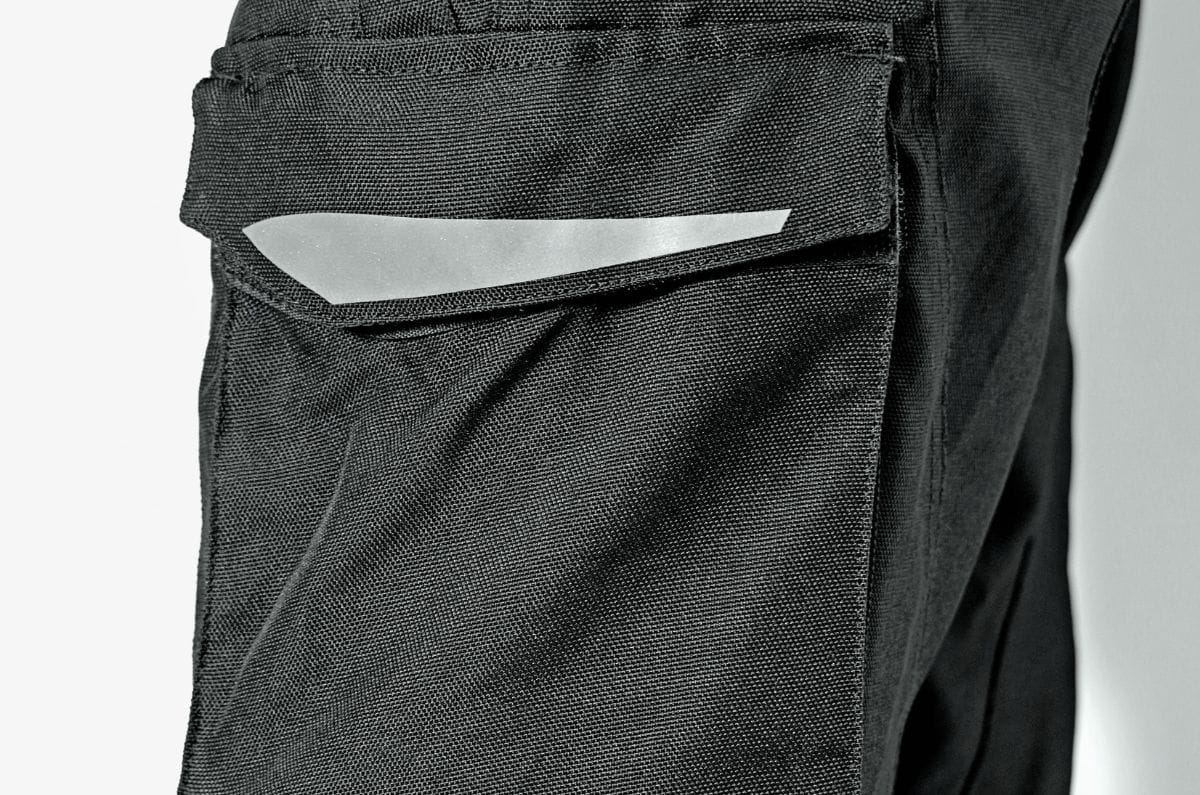
Cargo pockets with velcro closure.

From a practical perspective, the pants punch well above their weight class with a really comfortable fit, featuring expandable accordion stretch panels above the knees and across the lower back. In my time spent with these pants, I have used them on sporty bikes, ADVs, cruisers, and even scooters, making them quite a versatile pair. The storage layout is also smart, pairing zippered waterproof pockets with very easily accessible thigh cargo pockets that allowed me to store my phone, wallet, or keys. I have used the pants in the city, out on the highway, and even while riding off-road. They felt rugged in all situations, held up really well, and I also appreciate the quality of zippers used.

Zippered waterproof pockets.

Of course, with this aggressive price point, there are a few minor trade-offs, most notably in the overall coverage area of the knee armor inserts, which tend to be slightly narrower and less wrap-around than protectors found in some other brands. And because it has a relaxed fit, you have to make sure to adjust the velcro straps properly or the knee inserts will keep moving around. 

Additionally, while the 600D textile fabric is adequate for touring, it misses out on materials with higher abrasion-resistance in high-impact areas, and that might be something that riders are looking for. That said, these minor gripes do little to diminish an otherwise outstanding package. 
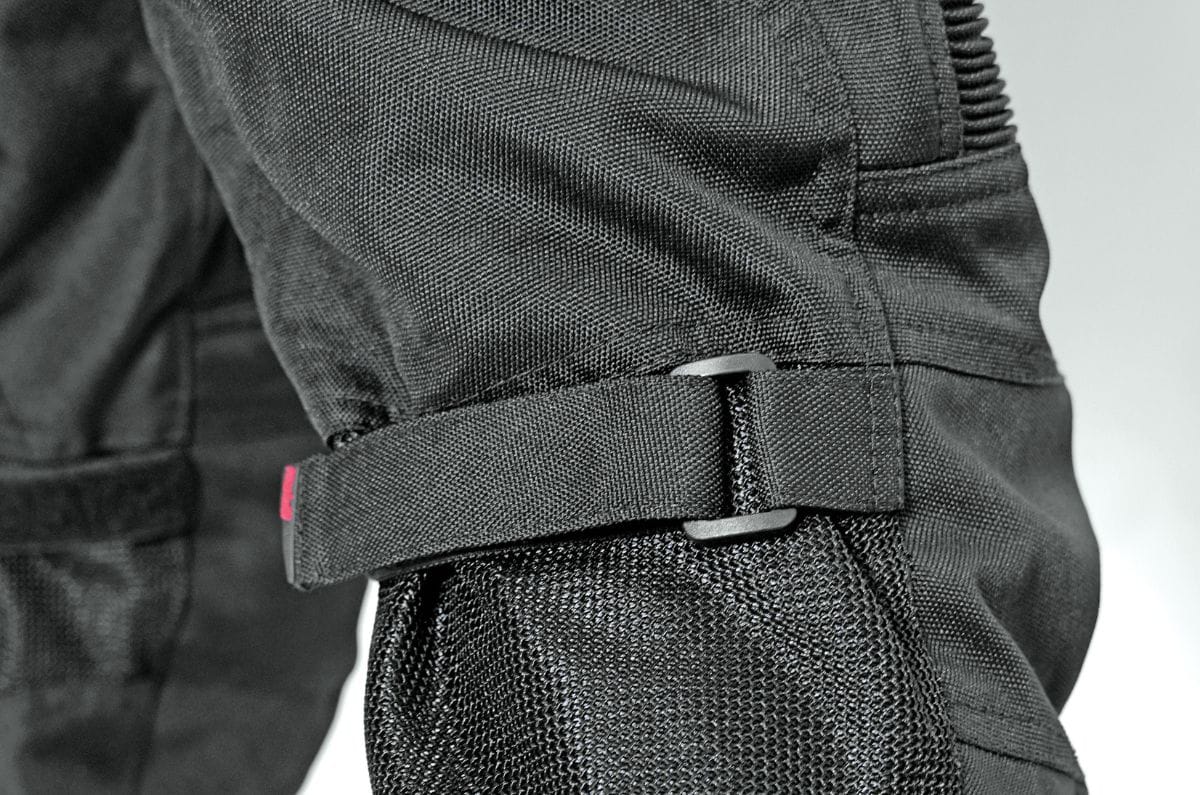
Adjustment velcro straps.

Priced at Rs 7,450, they are one of the most affordable touring pants in the Indian market, and as mentioned earlier, this price includes a thermal and rain liner as well. For anyone searching for reliable and practical riding pants that can be used in many different types of riding scenarios, the Raida Rover pants stand out with the value and real-world usability they offer.

Where: raidagears.com
Price: Rs 7,450

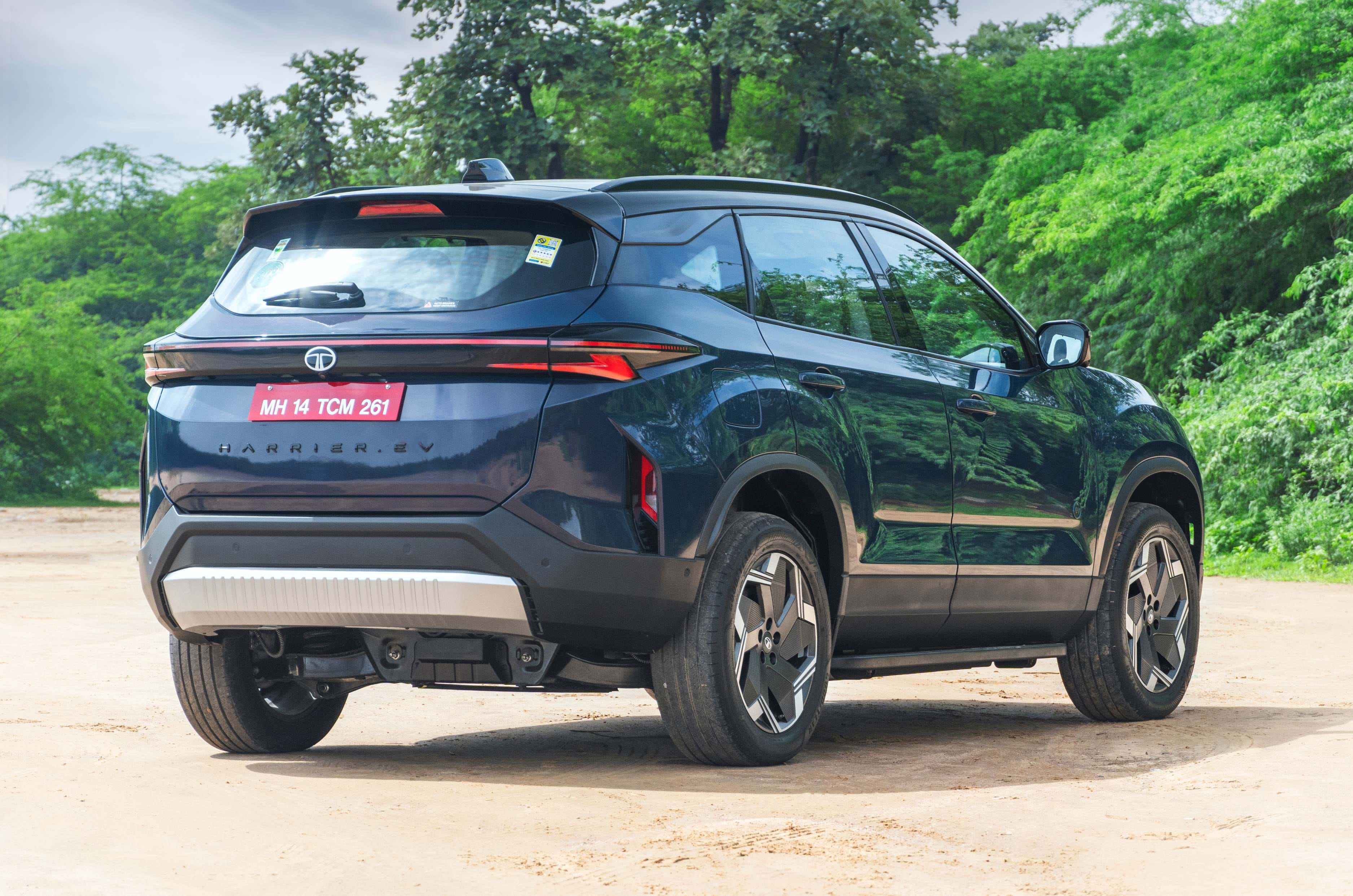
Tata Harrier EV discounts go up to Rs 2.75 lakh in July 2026

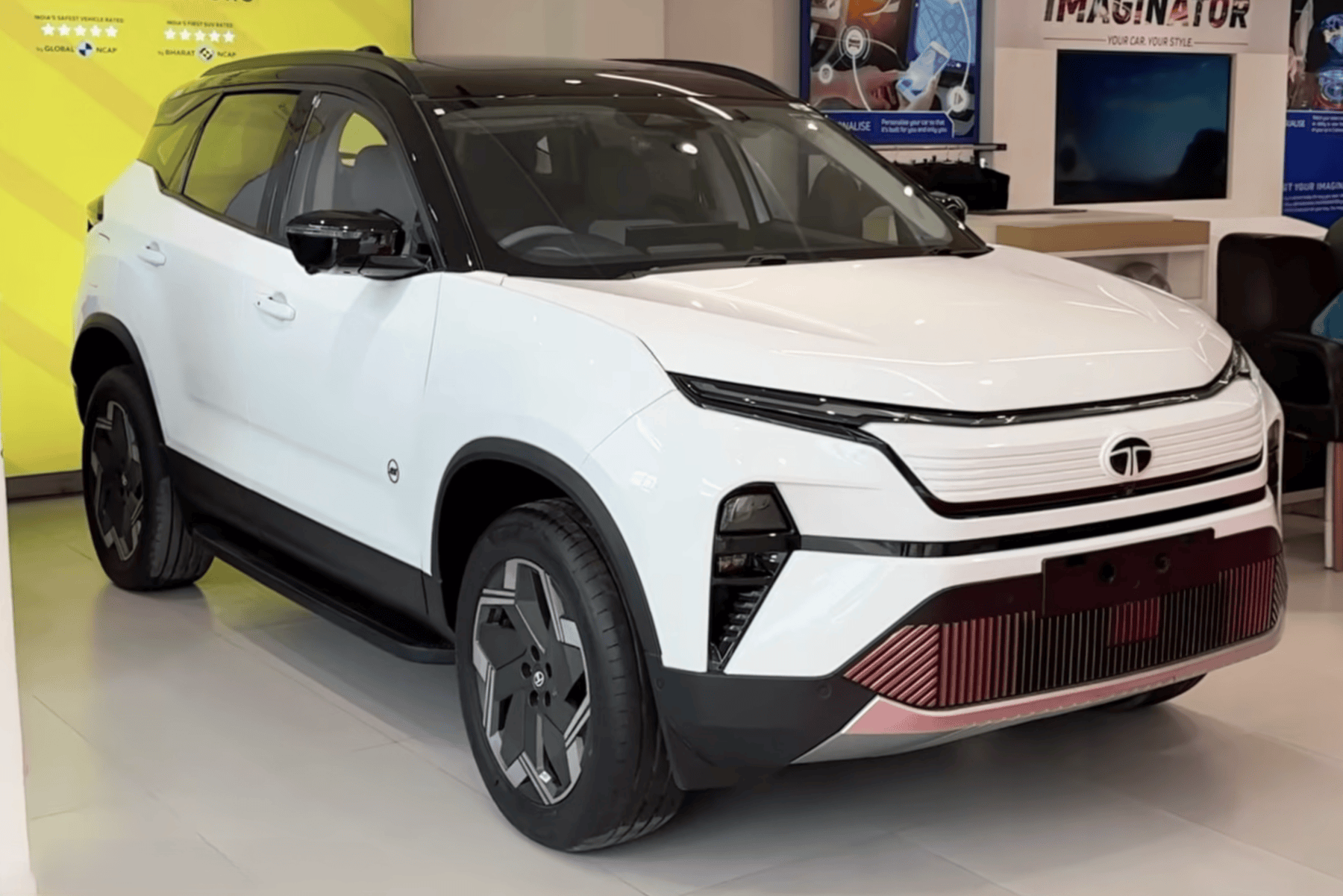
tata harrier ev in showroom

Tata Motors is rolling out compelling benefits on electric offerings like the Harrier EV, Nexon EV, Curvv EV, and more throughout July. Depending on the model, buyers can take advantage of green bonuses (cash discounts), exchange/scrappage offers, loyalty offers, among other benefits. 

Disclaimer: Discounts vary from city to city and are subject to stock availability. Check with your local dealership for exact figures.

Tata Harrier EV discounts in July 2026

Up to Rs 2.75 lakh off

All variants of Tata’s current flagship electric offering, the Harrier EV, are available with discounts of up to Rs 2.75 lakh this month. No cash discount is offered, but you do get an exchange/scrappage offer of up to Rs 75,000, a Rs 1 lakh loyalty bonus and an intervention benefit of Rs 1 lakh. The Harrier EV price starts from Rs 21.49 lakh and tops off at Rs 28.99 lakh, excluding home charger costs and premiums for cosmetic packages.

Tata Curvv EV discounts in July 2026

Up to Rs 3.35 lakh off

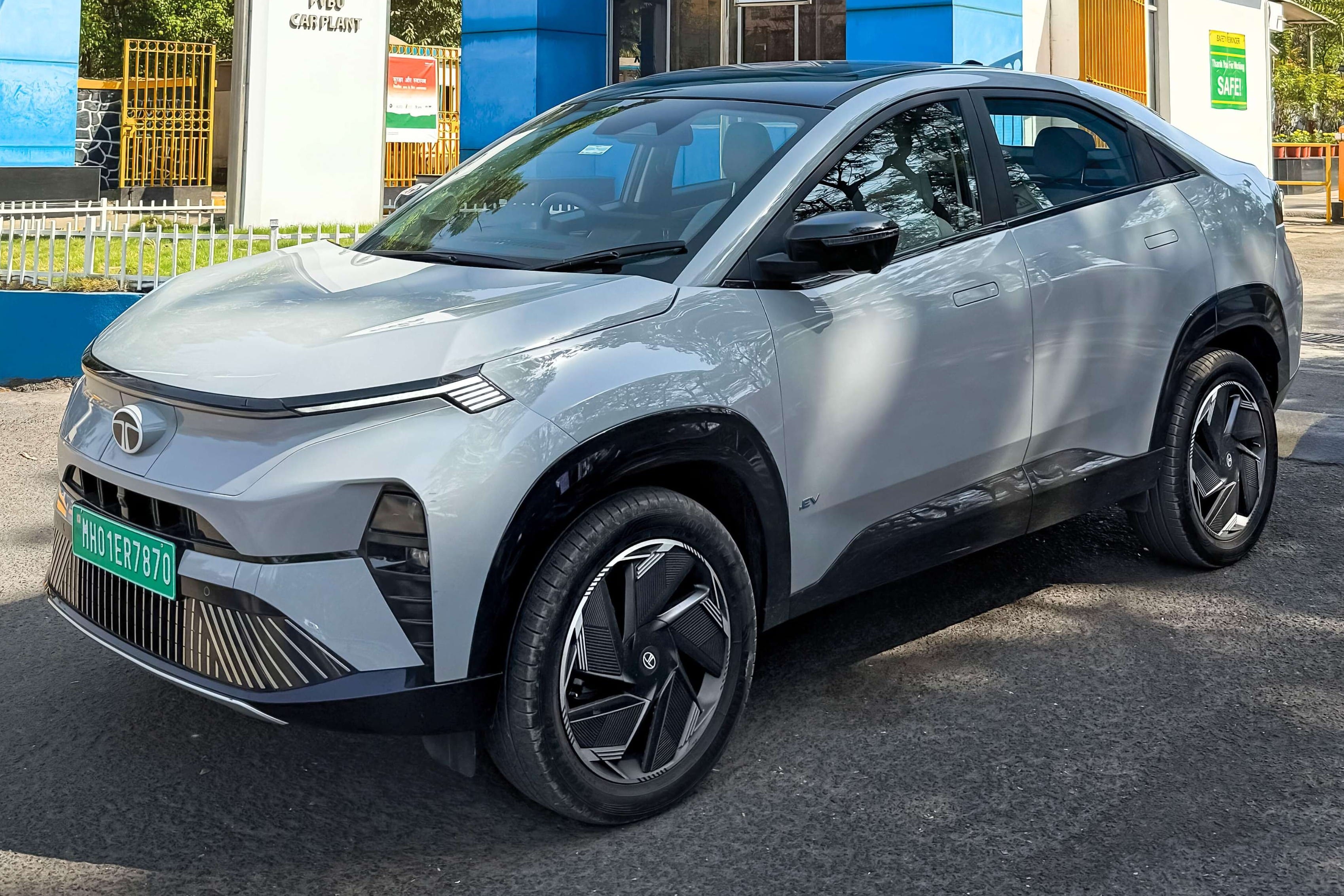
Like last month, the Curvv EV features the highest discounts of any Tata EV in July. The variants that were available prior to the Curvv EV’s SeriesX update in May 2026 can be had with benefits of up to a whopping Rs 3.35 lakh, which includes a Rs 3 lakh cash discount and an exchange/scrappage bonus of up to Rs 35,000.

However, the base Curvv EV Creative variant (pre-SeriesX) gets a lower Rs 2.5 lakh cash discount instead, bringing its total benefit to Rs 2.85 lakh. As for the currently available Curvv X variants, there is no cash discount, only an exchange/scrappage offer of up to Rs 35,000 and a Rs 30,000 loyalty bonus, making for a total benefit of Rs 65,000. The Curvv EV price range is Rs 16.99 lakh-19.19 lakh.

Tata Nexon EV discounts in July 2026

Up to Rs 50,000 off

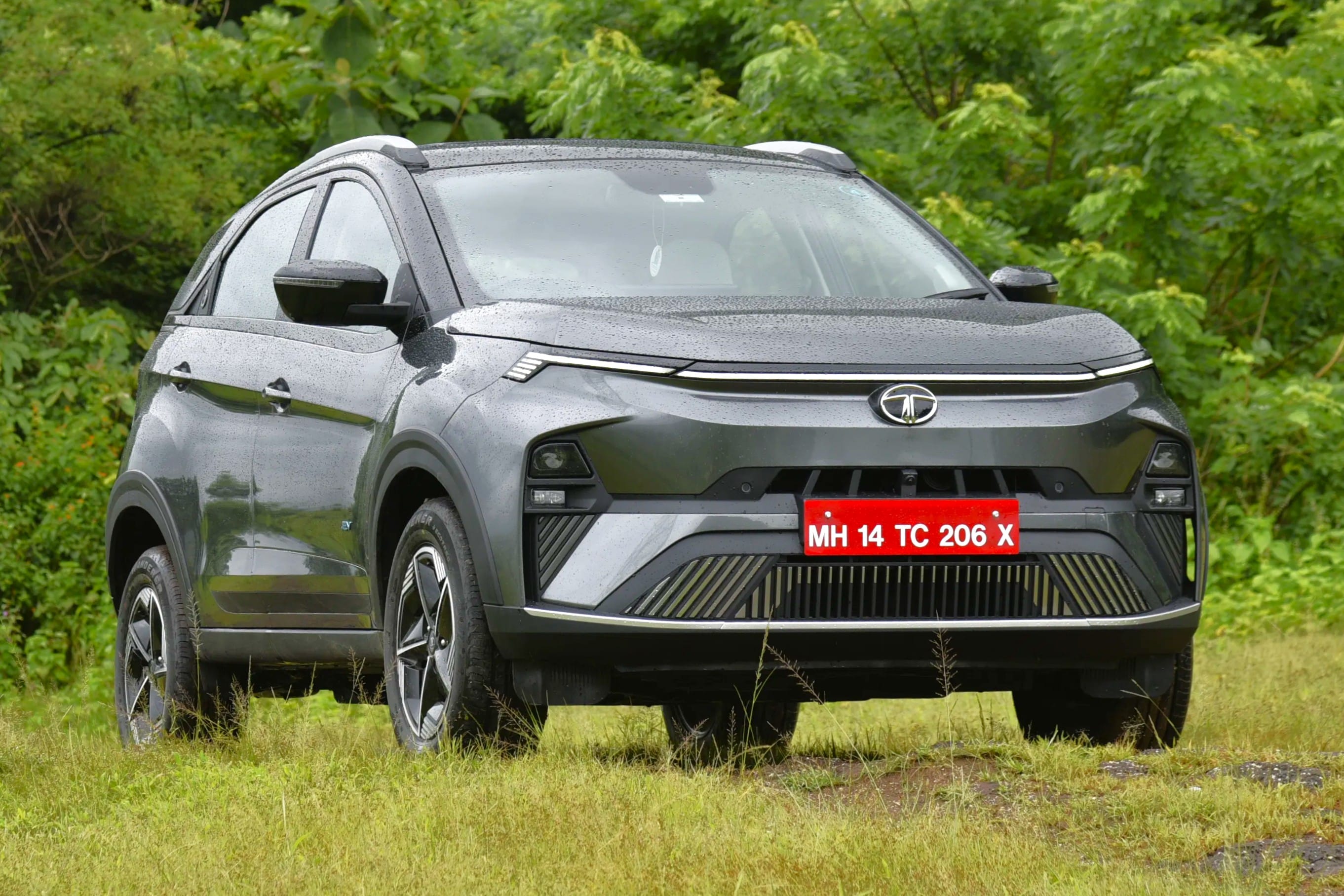
Across all variants, the Nexon EV can be purchased with discounts of up to Rs 50,000, which comprise a Rs 15,000 cash discount and an exchange/scrappage offer of up to Rs 35,000. Prices for the Nexon EV start at Rs 12.49 lakh and extend to Rs 17.49 lakh, excluding premiums for cosmetic packages.

Tata Punch EV discounts in July 2026

Up to Rs 1.45 lakh off

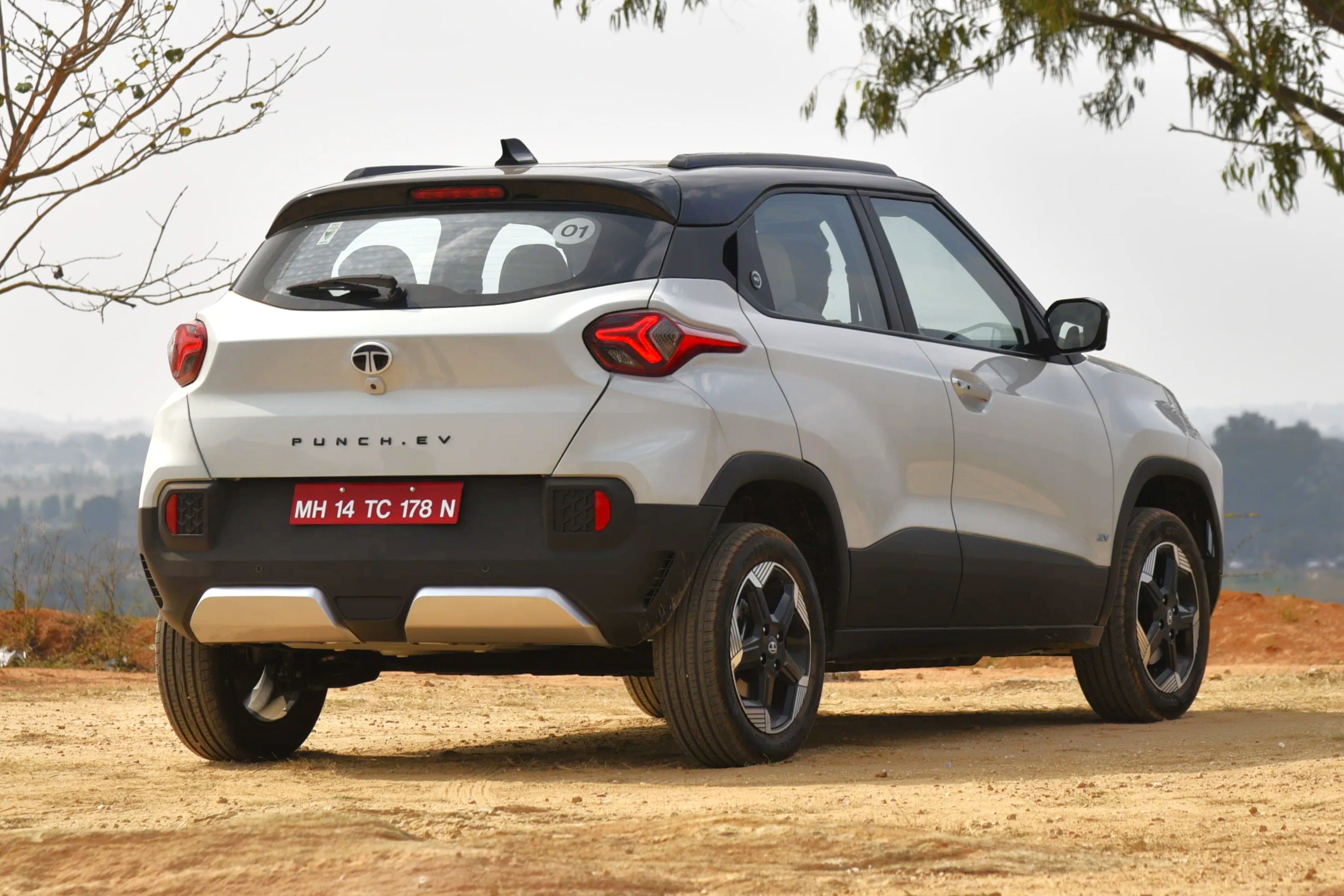
Tata still has inventory of the pre-facelift Punch EV and is offering maximum benefits of Rs 1.45 lakh on its LR variants, comprising a Rs 1.1 lakh cash discount and an exchange/scrappage offer of up to Rs 35,000. The MR variants, excluding the entry-level Smart and Smart+, get a Rs 90,000 cash discount instead, which works out to a total benefit of Rs 1.25 lakh. Lastly, the Smart and Smart+ variants feature a Rs 60,000 cash discount, computing to benefits of up to Rs 95,000.

Tata Tiago EV discounts in July 2026

Up to Rs 1.45 lakh off

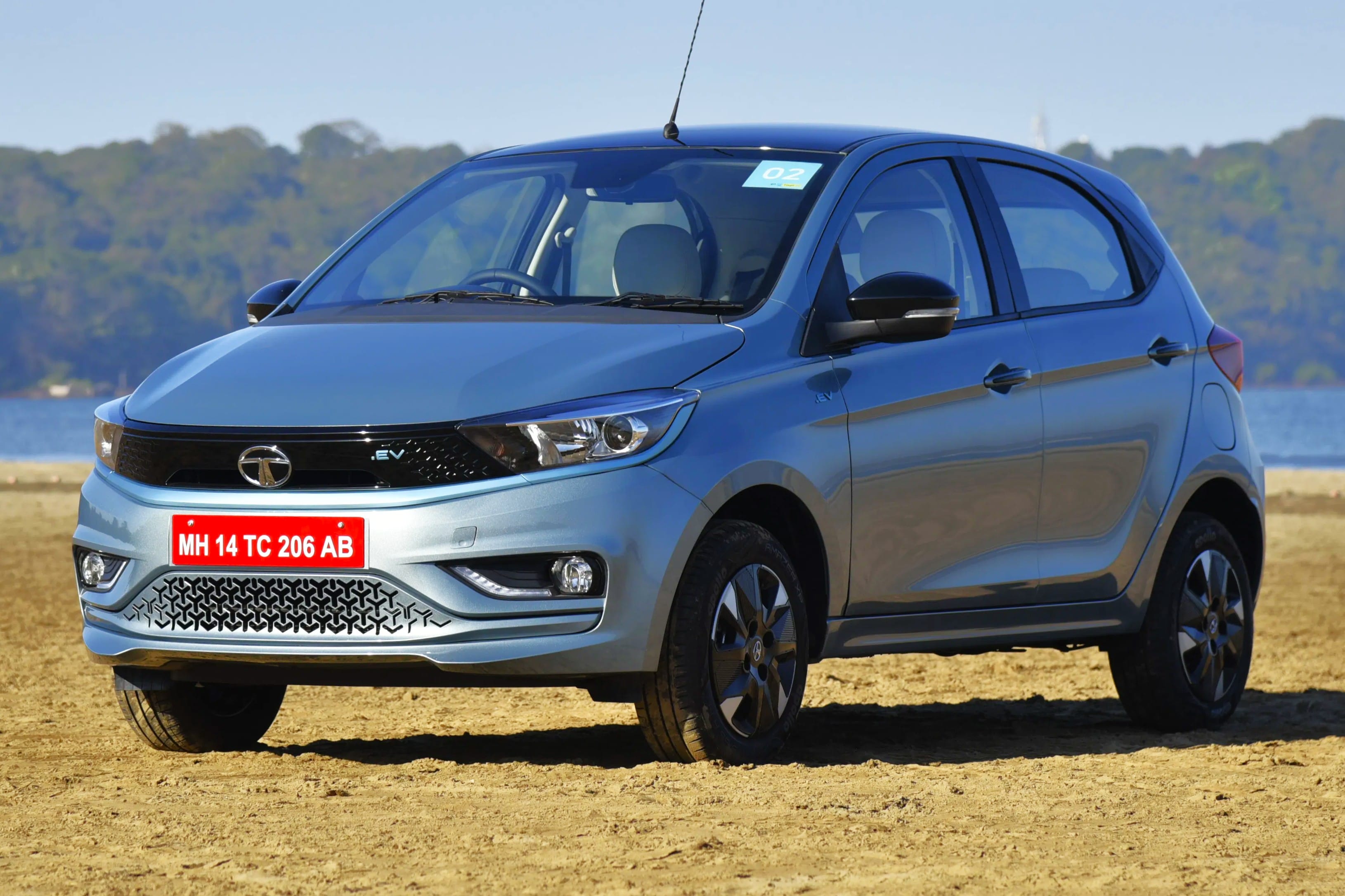
Like the Punch EV, the pre-facelift Tiago EV is also available with benefits of up to Rs 1.45 lakh for the mid-spec LR XT variant, comprising a Rs 70,000 cash discount, an exchange/scrappage offer of up to Rs 25,000, and an intervention benefit of Rs 50,000. The higher-spec XZ+ LR variants get a higher Rs 1 lakh cash discount, but no intervention benefit, leading to a maximum benefit of Rs 1.25 lakh. Finally, all MR variants of the pre-facelift Tiago EV get a Rs 40,000 cash discount instead, which works out to a total benefit of Rs 65,000.

All prices are ex-showroom, India.

Royal Enfield Goan Classic 350 long-term review, 2,600km report

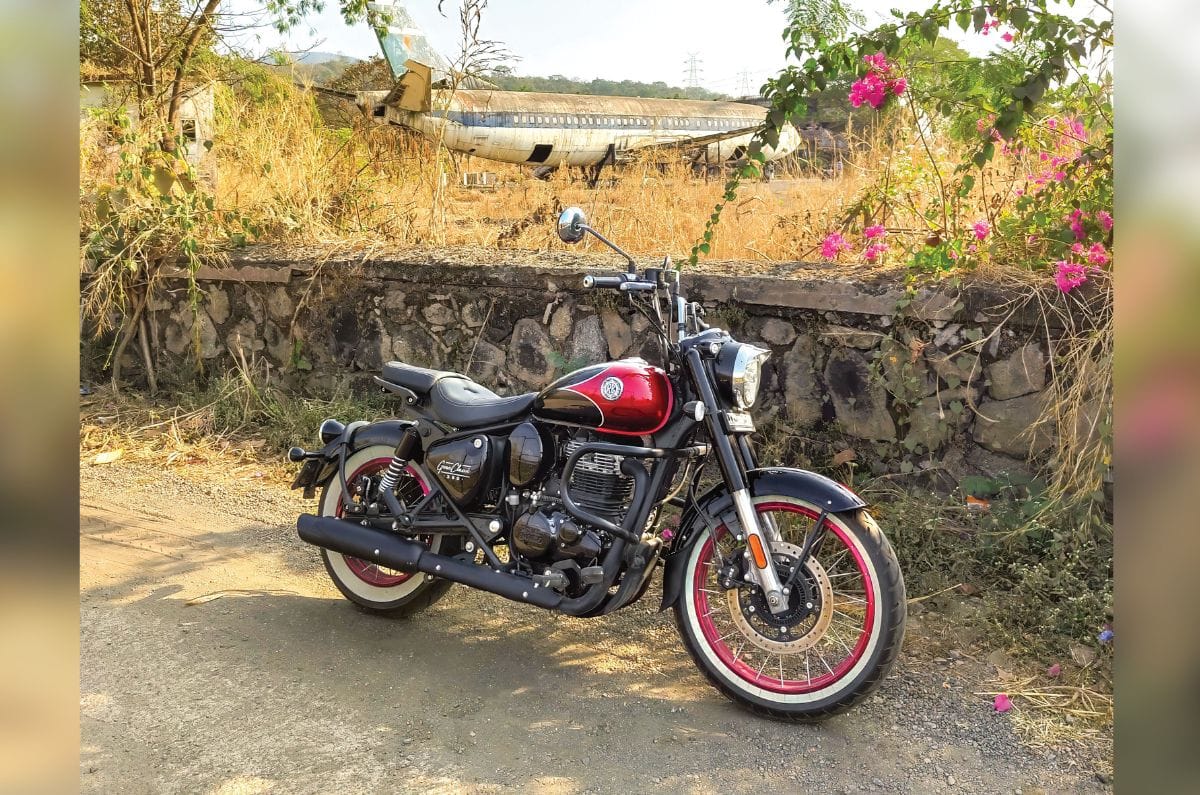
Royal Enfield Goan Classic 350 front right side image on the side of the highway with an aeroplane in the field at the background

Even though the honeymoon period is over, I still very much love my Royal Enfield Goan Classic 350. But like any relationship, some cracks have begun to surface. Since I’ve brought it up, let’s talk about them.

One thing I complained about in my previous report continues to annoy me – the mirrors coming loose. While it was restricted to just the left one earlier, it has now plagued the right mirror too. It’s annoying, to say the least, and I’m considering using Loctite as a permanent solution. For now, I have to stop ever so often on my ride to tighten the mirror in place. 

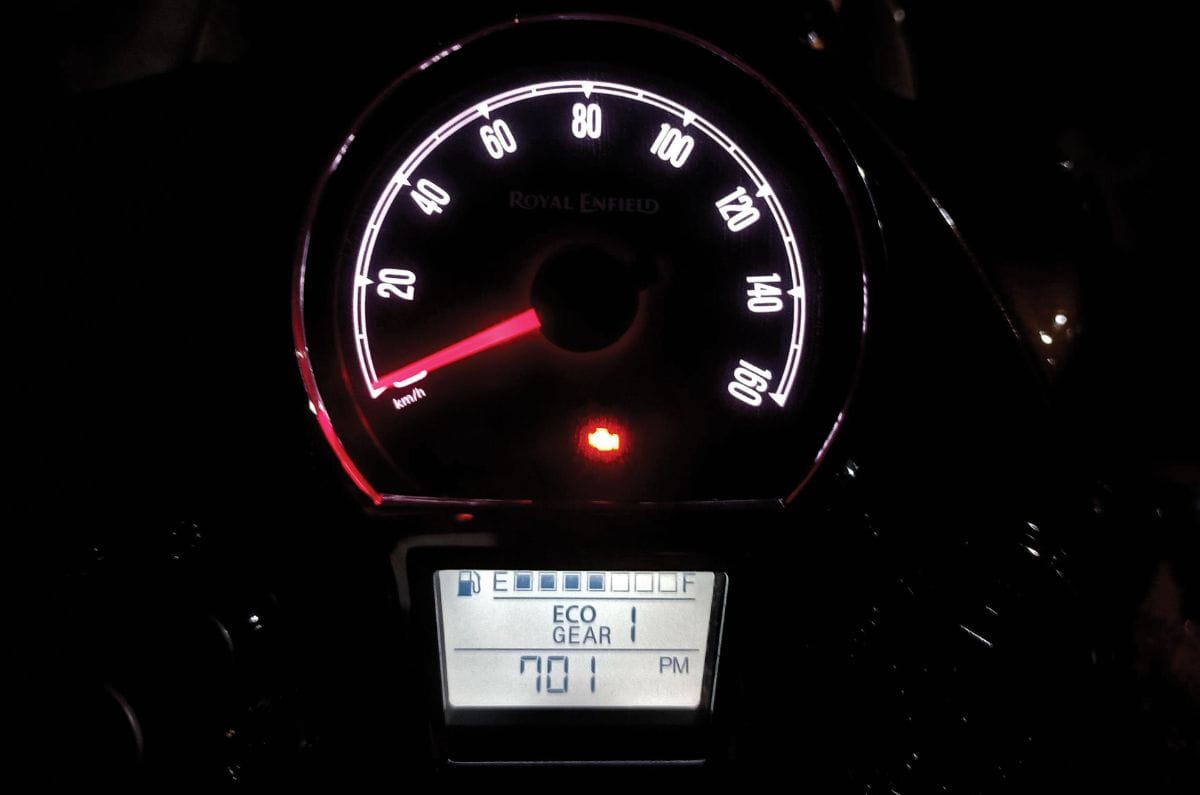
Two new irritants have cropped up too. First is the check engine light, which pops up intermittently. It hasn’t affected the bike in any way that I could tell, but I will get it checked at the next scheduled service. 

Royal Enfield Goan Classic 350 display with check engine light on
Check engine light flashes intermittently; there’s no noticeable issue.

Then there is that stylish rear fender. It still looks super cool and gives the Goan its distinctive style, but of late, there is a creaking sound emerging from it every time I go through a rough patch of road. This is something I’ve read about online as well, and it’s another thing to get inspected at the service appointment. 

Royal Enfield Goan Classic 350 rear fender
Rear fender now makes a creaking sound when riding over bumps.

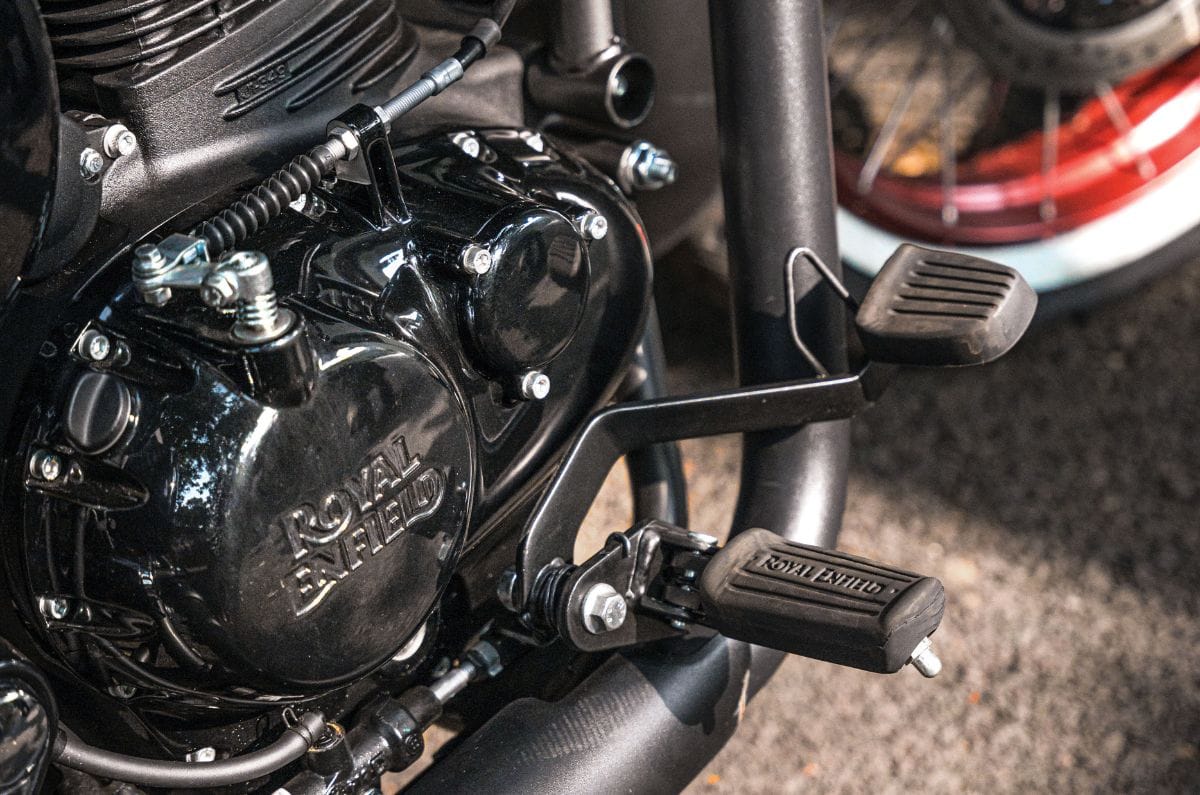
Other than that, it’s been pretty much smooth sailing. I bought a new car recently, which has been handling all of the commuting, so the Goan has been reserved as a weekend machine. Which explains the rather low mileage it has clocked. But if anything, it’s made me appreciate it more, and I now look forward to those weekend rides. The 350cc J-series engine continues to impress me – it’s smooth, characterful, has enough performance and just makes all the right sounds. The second service seems to have made it smoother still, and perhaps even slightly more efficient. I say ‘perhaps’, because I haven’t actually calculated the mileage; I just don’t feel like it matters on a lifestyle motorcycle like this. 

Royal Enfield Goan Classic 350 RH engine casing
Smooth and characterful 350cc J-series engine is an absolute gem.

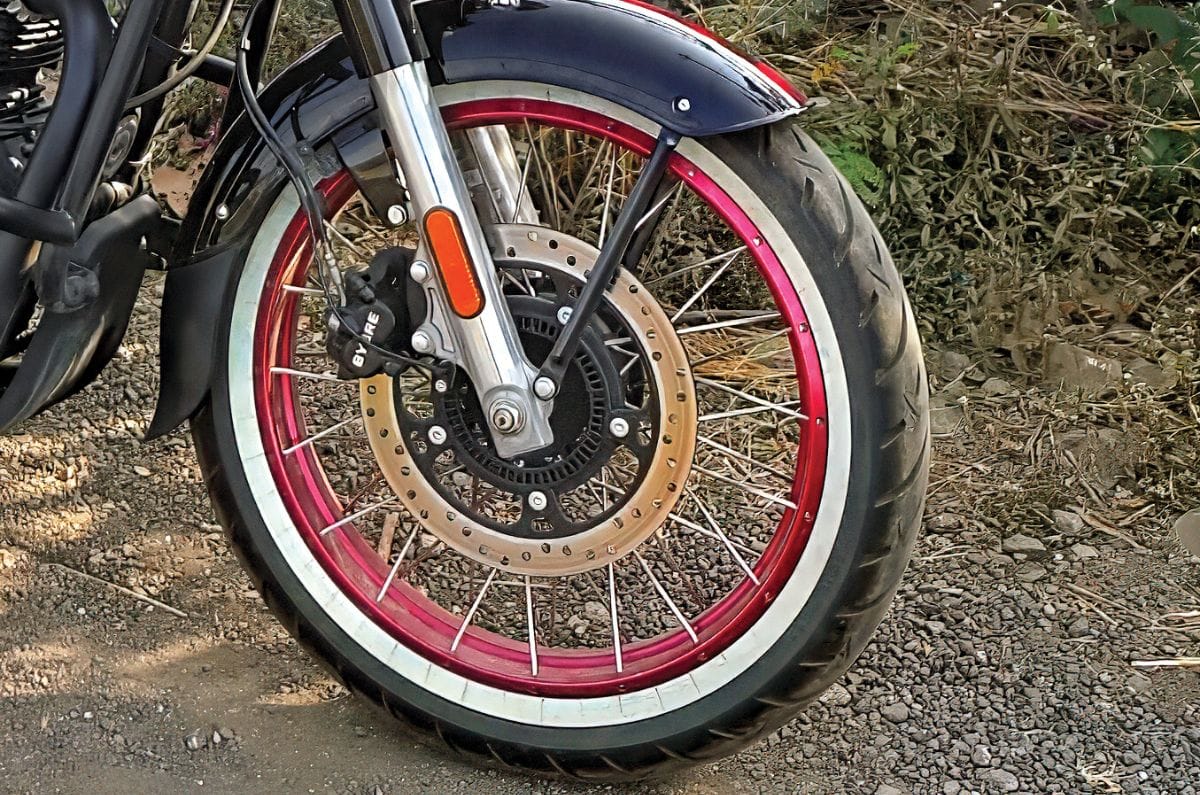
My weekend rides have also made me appreciate the tubeless spoke wheels. Not only do they look sexy in red with the white-wall tyres, but they’re hugely convenient too in the event of a puncture. I haven’t had one yet, but I have lived with a Classic 350, a Scram 411 and an Interceptor 650, all of which had tubed spoke wheels, and they’ve all suffered a puncture, which was a painstaking and time-consuming process to fix. So, it’s nice to have this peace of mind when you’re out on the open road.

Royal Enfield Goan Classic 350 front wheel
Tubeless spoke wheels look amazing and give you peace of mind.

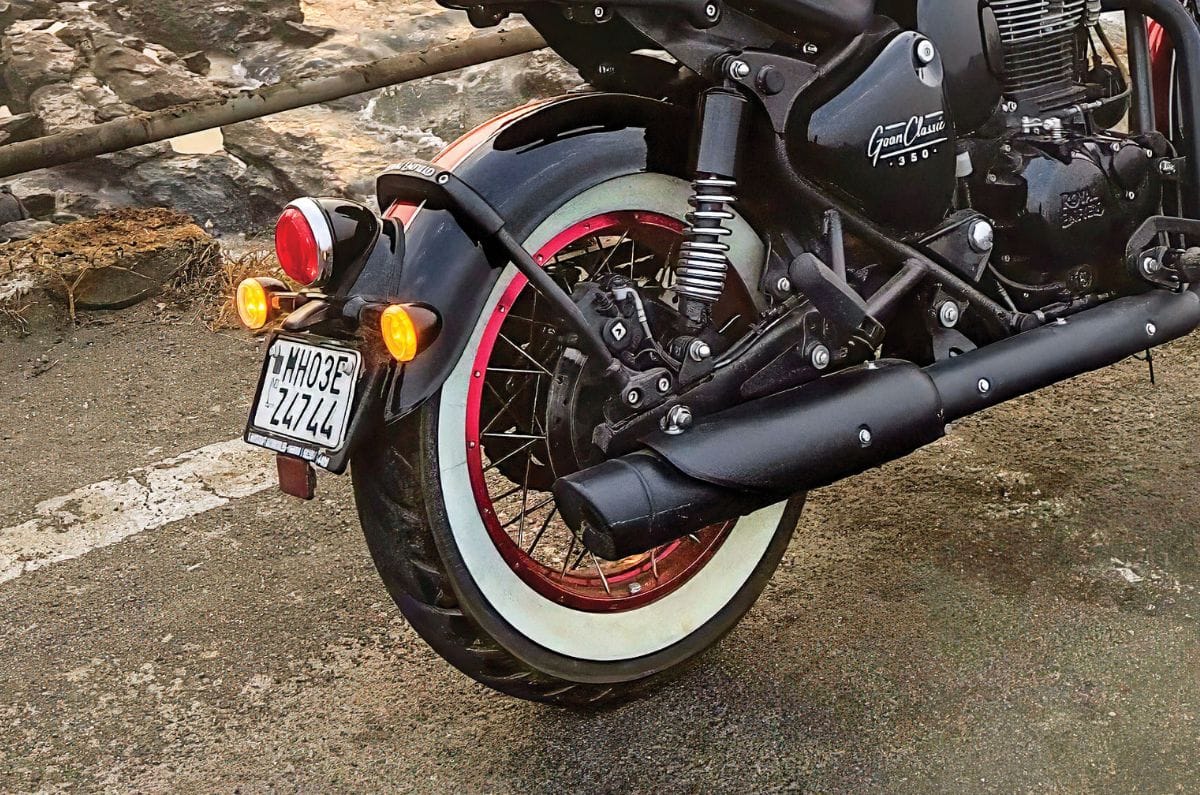
Of course, I still love the way it looks, and I don’t think I’ll ever get tired of just looking at it. It’s not pristine as it once was – there are scratches on the exhaust and mirrors, the number plate bracket is broken, and the lens cap for the rear-right indicator has popped off – but that’s just life in Mumbai for you. 

With the monsoon approaching, the Goan’s going to be used even less now, but that’s not to say I won’t take it out at all. I look forward to seeing how it copes with Mumbai’s rains, especially the white-wall tyres, which have already begun turning brown.  

Odometer2,600km
Price (ex-showroom, Chennai)Rs 2.26 lakh
Maintainance costsRs 1,500 (Oil, Oil filter)
FaultsIntermittent check engine light
Previous reportsNovember 2025

Autocar India:

Our July 2026 issue is a celebration of the internal combustion engine in its finest form. The Lamborghini Temerario and Urus SE headline proceedings – both hybrid-powered, but no less outrageous for it. We also drive the new Audi RS5 in Austria, road test all three versions of the Renault Duster, and drive the new Skoda Kodiaq RS. On two wheels, we ride the Hero Xoom 160, Royal Enfield Bullet 650 Twin and Ducati Panigale V2 S, and break down the economics of running an E85 vehicle.

Lamborghini Temerario and Urus SE: Cover story 

The Temerario and Urus SE represent Lamborghini’s hybrid future in two very extreme forms. Both pack twin-turbo V8s working in concert with electric motors, yet couldn’t be more different in character. We drive both the cars back-to-back to find out whether the Raging Bull still has its horns. 

E85 vs E20 fuel test: Feature

India now has E85 pumps dispensing fuel that’s about Rs 20 per litre cheaper than E20. We test both blends back-to-back in the Suzuki Gixxer SF 250 FFV to find out how big the efficiency hit is and whether E85 actually makes financial sense.

New Audi RS5: Drive 

Audi Sport’s first performance PHEV has learnt from the mistakes of its rivals. The decision to retain the twin-turbo V6 rather than downsizing, add a 130kW electric motor for 639hp total and lavish the chassis with updates gives Audi something it has rarely had before – an instinct to oversteer. We drive it in Austria.

Tata Tiago Facelift: First Drive 

Tata has given both the Tiago and Tiago EV comprehensive updates for 2026, with sharper styling, modernised cabins and a broader feature list. The updated EV gets faster charging and arrives up to Rs 1.15 lakh more affordable than before. Two familiar favourites, freshened up – but have the updates done enough?  

Huracan Sterrato at Nanoli Speedway: Feature

Maharashtra’s first race resort is rising on the grounds of Nanoli Stud Farm near Lonavala, and we got a rare opportunity to drive a Lamborghini Huracan Sterrato on the unfinished dirt track before the tarmac arrives. A lap of honour that will only ever happen once.

Skoda Kodiaq RS: First Drive 

The Kodiaq gets the RS treatment for the first time in India, with 265hp, adaptive dampers, progressive steering and 20-inch wheels. It is a practical seven-seater with serious driver appeal, but does the price premium make sense? 

Renault Duster: Road Test 

We put all three versions of the new Duster – the 1.3 DCT, 1.3 MT, and 1.0 MT – through our exhaustive real-world performance and efficiency tests. The Duster impressed at its first drive, but how does it hold up when the numbers are in?

A tale of two V8s: Feature 

Land Rover offers not one but two very different V8s in the Defender. Jaguar’s supercharged 5.0-litre AJ133 in the standard P425, and BMW’s twin-turbocharged 4.4-litre S68 in the Octa. We examine both to find out how, and why, they co-exist. 

Royal Enfield Bullet 650 Twin: First ride 

The Bullet nameplate has been in continuous production for nearly a century, and the 650 Twin is the largest iteration yet. It shares its 648cc parallel-twin with the Classic 650, but brings its own character to the table. How does it justify its place in the range?

Ducati Panigale V2 S: Ride 

The new Panigale V2 drops from 155hp to 120hp and sheds significant weight in the process. The result is a more accessible, friendlier and arguably more enjoyable track machine than its predecessor. We find out if a more sensible Panigale is still a great Panigale.

Le Mans 2026: Motorsport 

Toyota returned to the top step of the Le Mans podium after three years, defeating BMW and Cadillac in a finish that was among the four closest in the race’s history. We have the full story from the 94th edition of the world’s greatest endurance race.

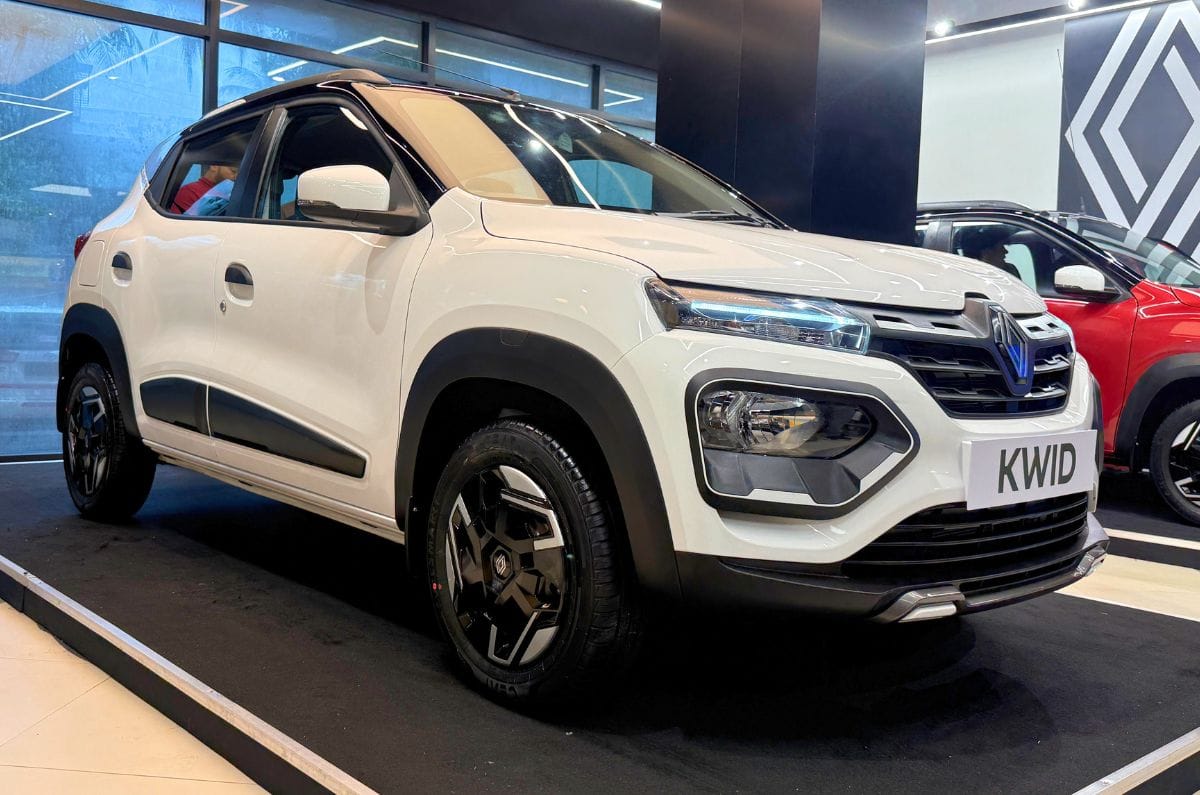
2026 Renault Kwid exterior and interior image gallery

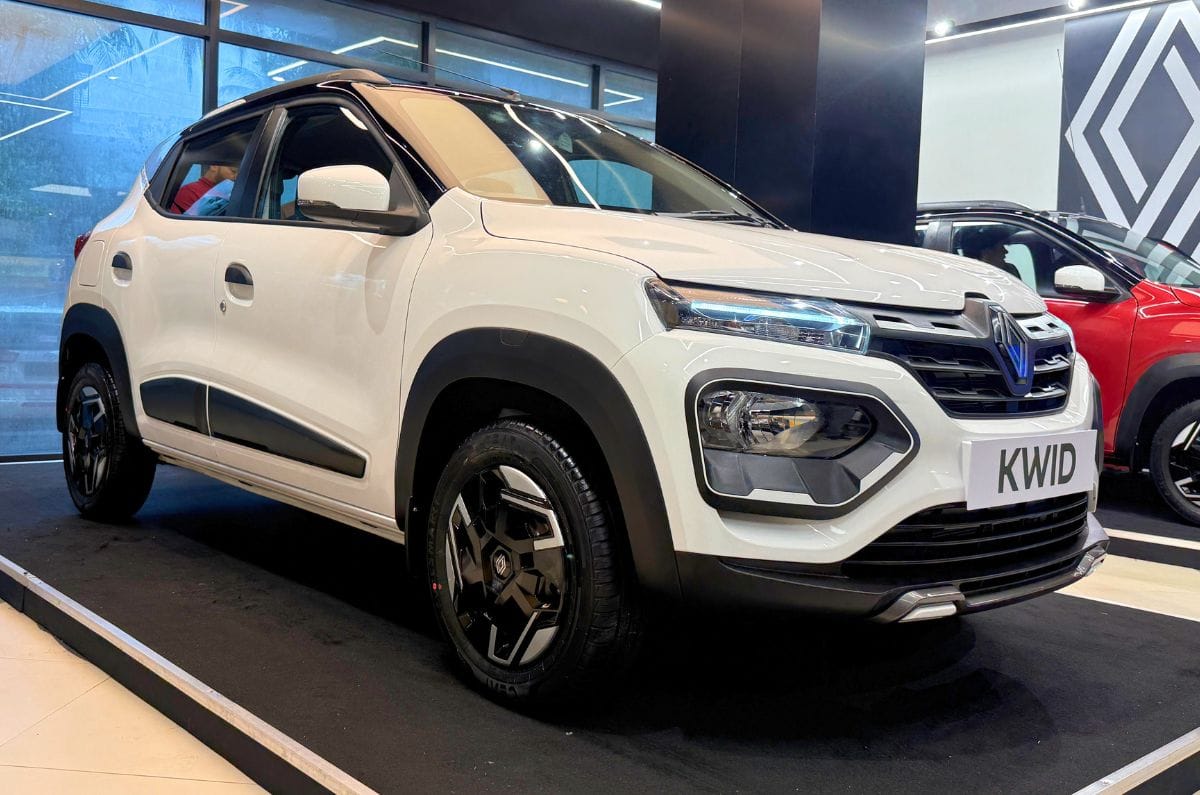
2026 Renault Kwid front quarter static

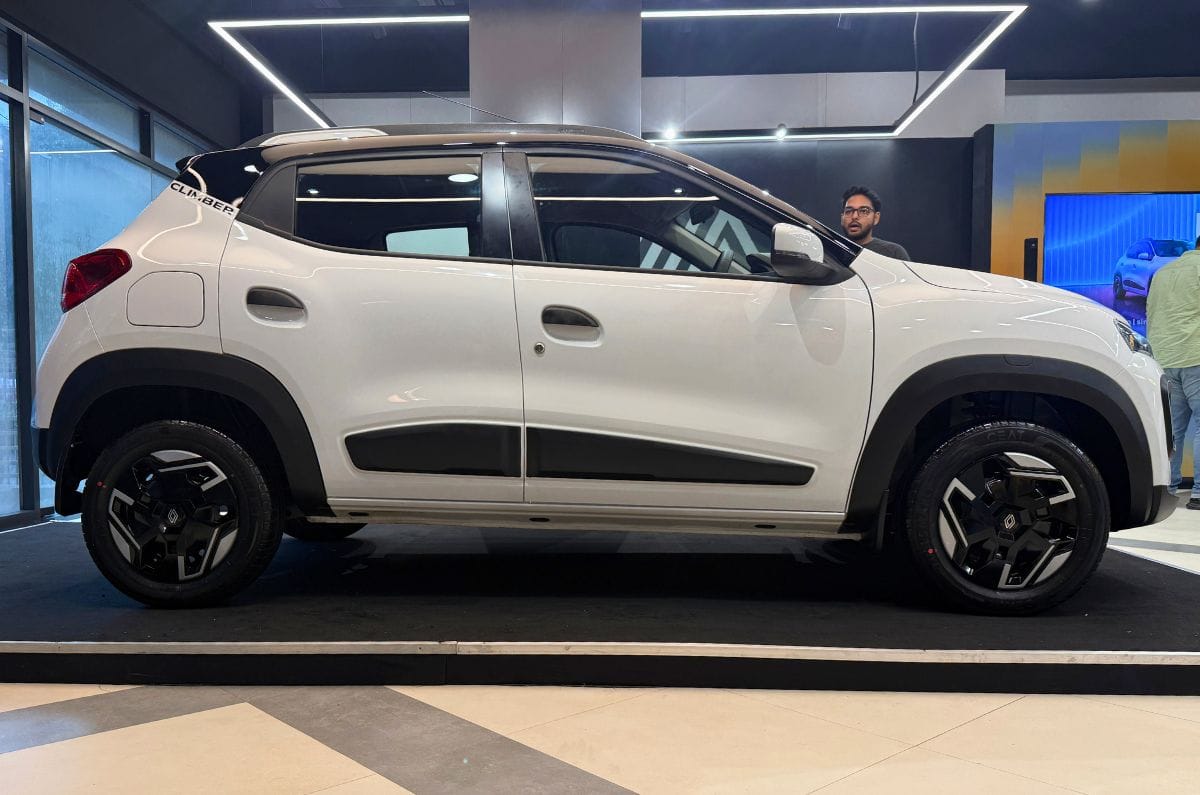
The 2026 Renault Kwid has been launched in India, with prices starting from Rs 4.53 lakh (ex-showroom). Changes include new badges, redesigned wheel covers, and a new steering wheel design. The previously available base-spec Authentic and mid-spec Techno trims are discontinued, and the 2026 Kwid is being offered in two variants: Evolution and Climber, both of which have seen a price decrease with the update. The 1.0-litre 3-cylinder naturally aspirated petrol engine, which produces 69hp and 92.5Nm, is the same as the older model. 

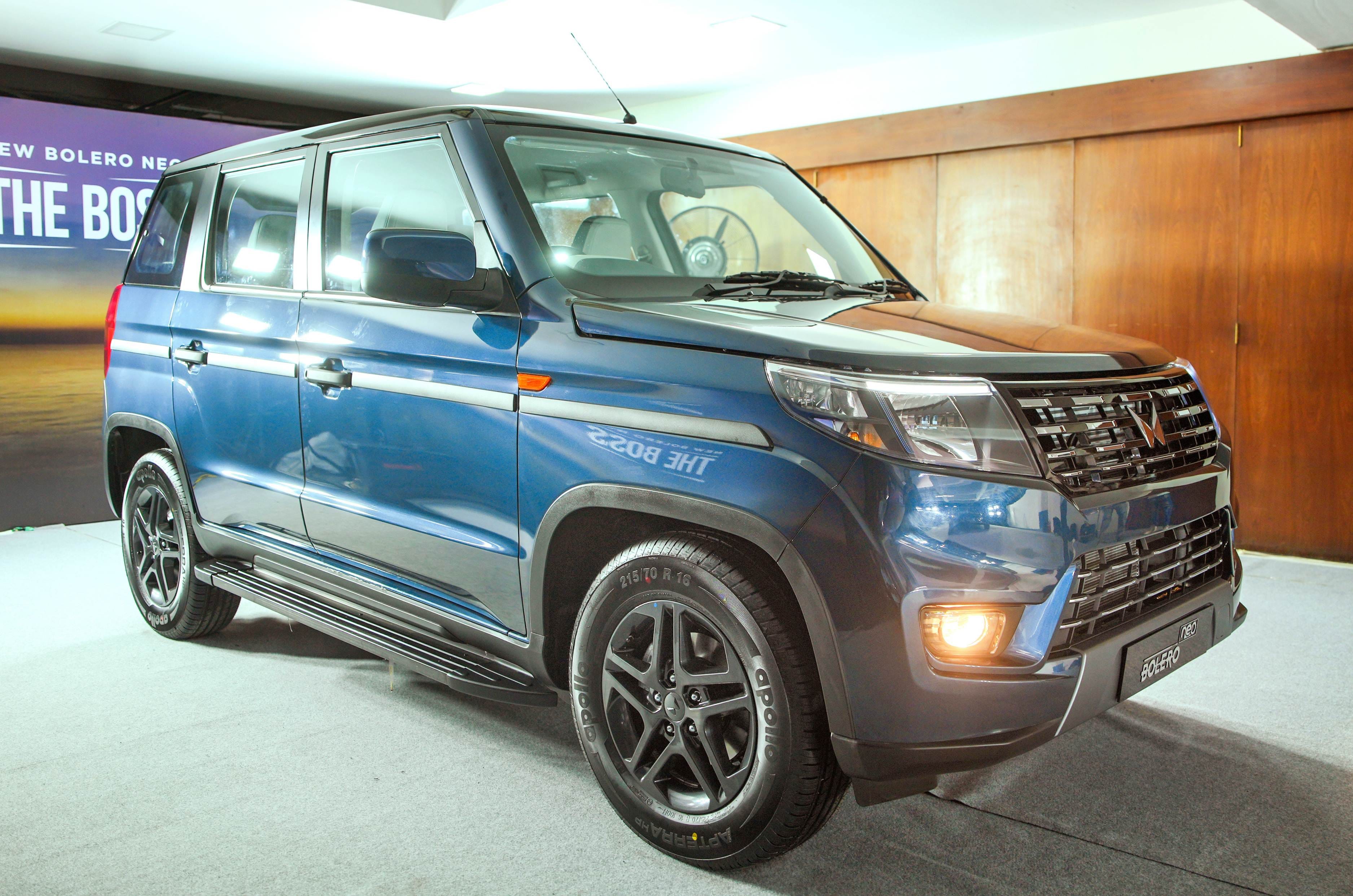
Mahindra Bolero Neo image gallery

mahindra bolero neo in studio

Mahindra rolled out an update for the Bolero Neo and its larger 9-seater derivative, the Bolero Neo+, in October 2025. The Bolero Neo received minor exterior tweaks, like a new grille, wheels, colour options, and more. However, the Bolero Neo+ soldiered on with the old design. Inside, though, both body-on-frame SUVs get the same updates, like a bigger 9-inch touchscreen, new dual-tone black-and-beige upholstery, rearview camera, and a USB Type-C charging port. Under the bonnet, the Bolero Neo is powered by the same 100hp 1.5-litre 3-cylinder diesel engine, while the Neo+ continues with its 120hp 2.2-litre 4-cylinder diesel powerplant. Where the Bolero Neo gets a 5-speed manual, the Neo+ comes with a 6-speed manual gearbox.

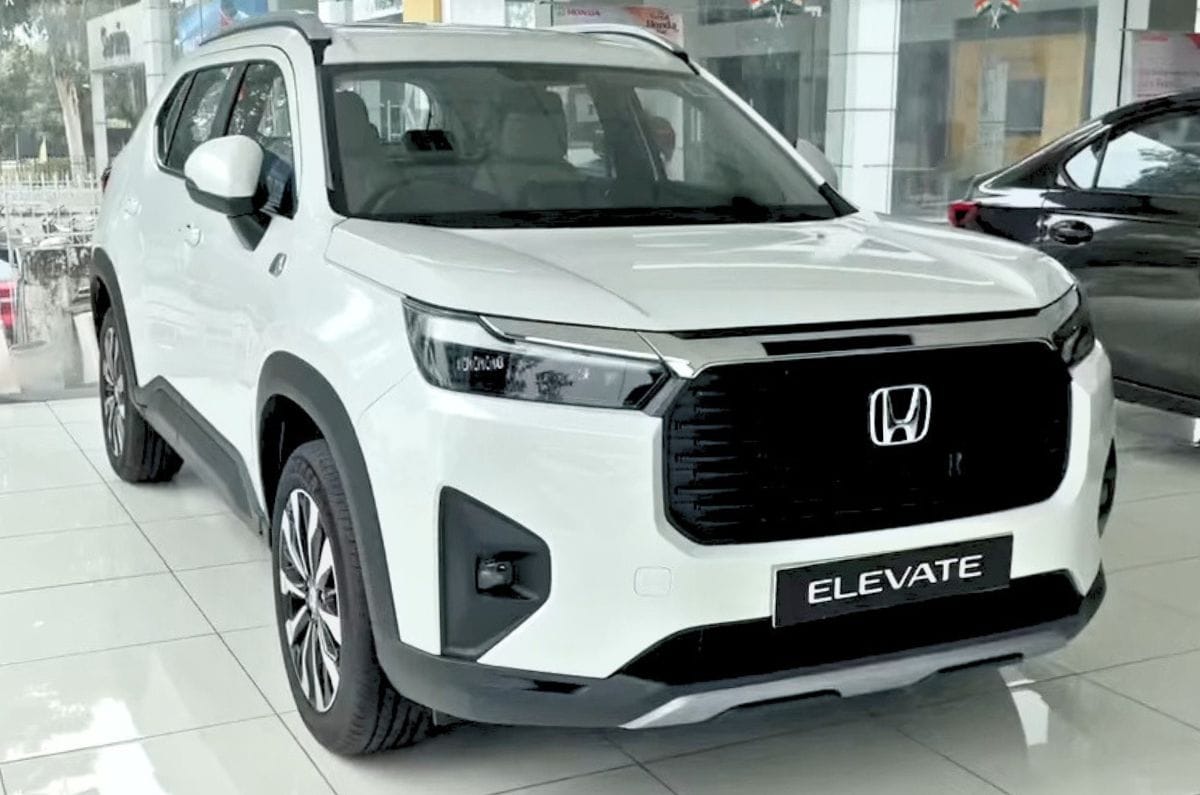
Benefits up to Rs 2.15 lakh on Honda Elevate in July 2026

Honda Elevate front quarter static

Honda has revealed the offers available with its models in July 2026. While the Elevate gets the maximum benefits this month, the Honda City, which received a facelift in June, carries no offers this month. Offers are available on the Honda Amaze’s second- and third-generation models too.

Note: All offers are valid till July 31, 2026 and may vary by city and stock availability. Please check with your nearest Honda dealership for the exact figures.

Honda Elevate July 2026 offers

Benefits up to Rs 2.15 lakh

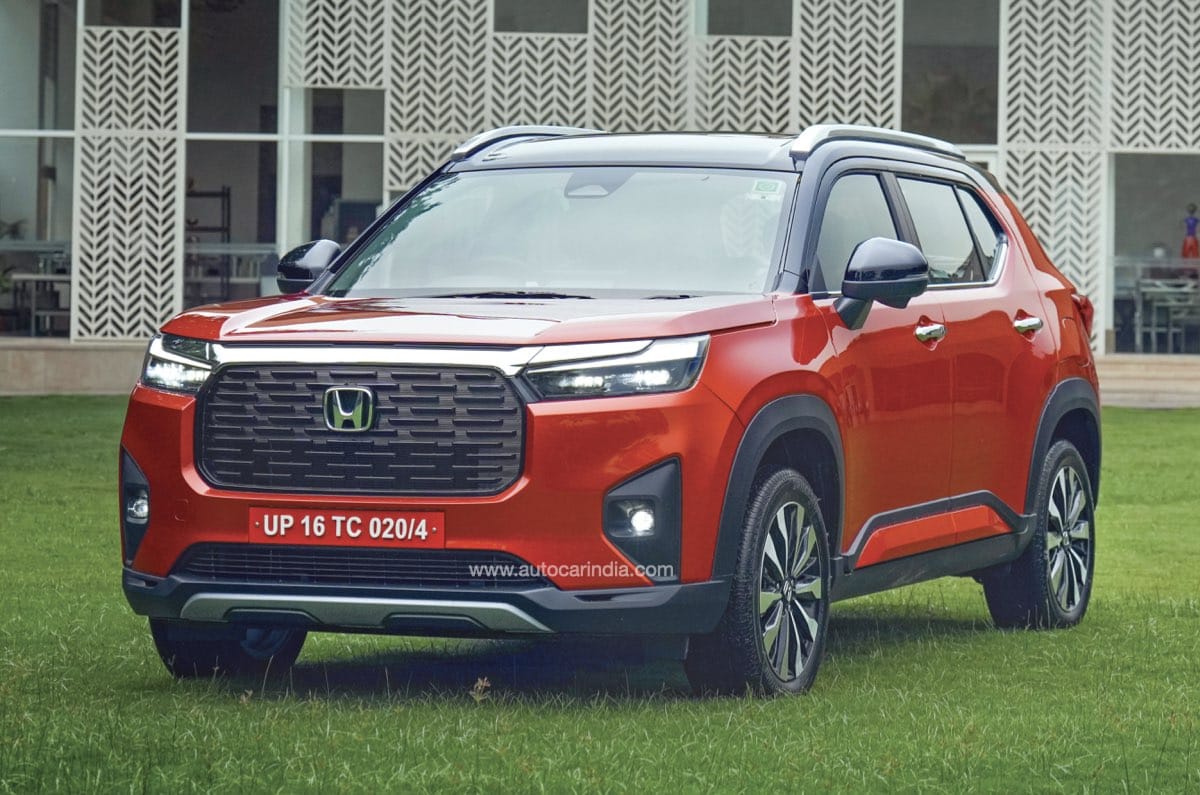
The Elevate is available with benefits of up to Rs 2.15 lakh, the most for any Honda car in July 2026. This includes a cash discount of up to Rs 40,000, an exchange benefit of up to Rs 30,000, corporate offers and loyalty benefits. A 7-year extended warranty is also available at a discounted price. Prices of the Honda Elevate range from Rs 11.60 lakh to Rs 16.16 lakh, and it rivals the Hyundai Creta, Kia Seltos, Tata Sierra, Maruti Victoris, Maruti Grand Vitara and Renault Duster

Honda Amaze July 2026 offers

Benefits up to Rs 67,000

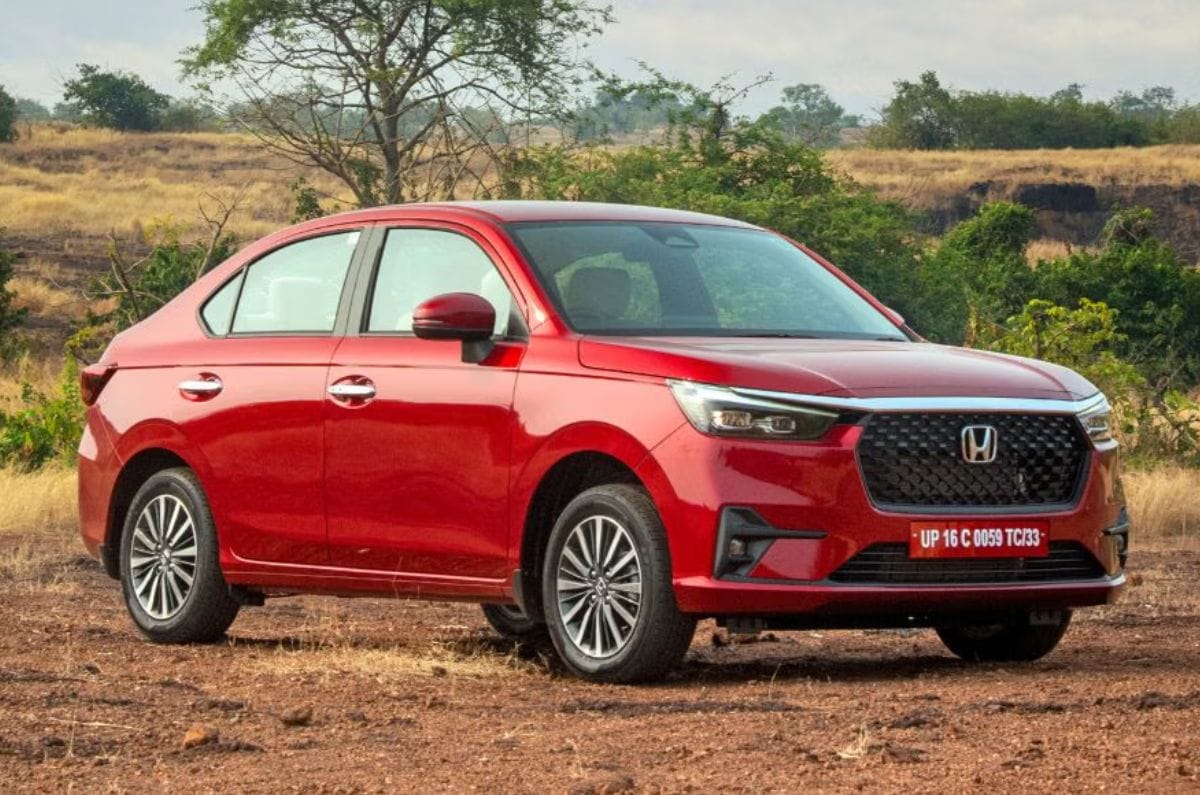
The Amaze’s newer third-generation model is available with the highest benefits of up to Rs 67,000, which include a cash discount of Rs 15,000 and an exchange benefit of up to Rs 15,000. Like the Elevate, the 3rd-gen Amaze is available with some loyalty benefits and a 7-year extended warranty at a discounted price. The second-generation model, in contrast, carries benefits of up to Rs 58,000. 

The second-gen Amaze is priced from Rs 6.98 lakh to Rs 7.80 lakh, while the 3rd-gen model is priced from Rs 7.51 lakh to Rs 10 lakh. Both generations of the Amaze lock horns with the Maruti Dzire, Tata Tigor and Hyundai Aura

Prices are ex-showroom, India.  

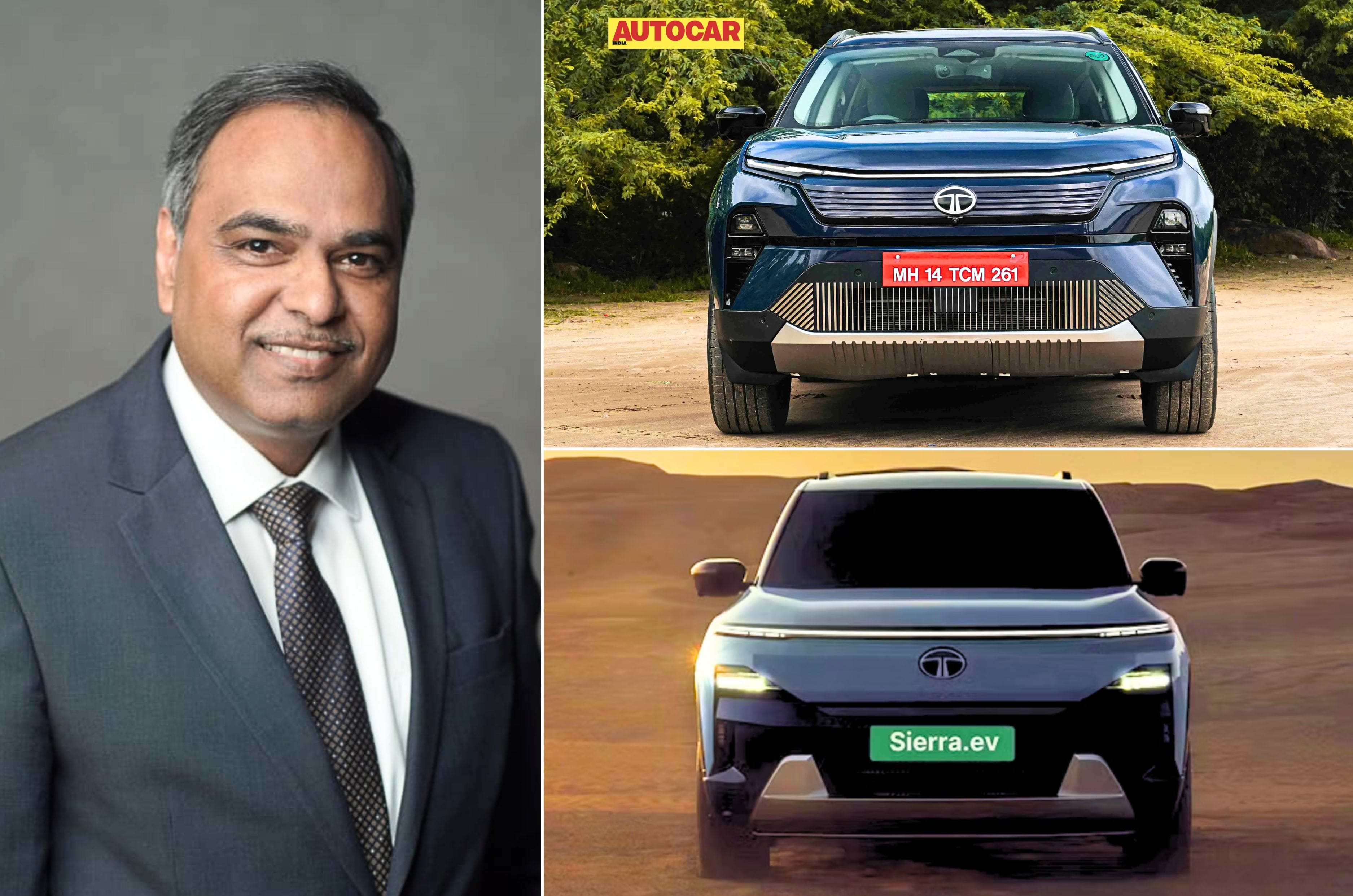
Design and size key differentiators between Sierra and Harrier EVs: Tata Motors

Sierra vs Harrier

Until now, Tata Motors had maintained fairly distinct positioning of each model in its EV portfolio. However, with the new Sierra EV having a sizeable price overlap with the Curvv EV and the Harrier EV at the two ends of its price range, it begs the question is Tata Motors cannibalisation its own products? Shailesh Chandra, Managing Director and Chief Executive Officer of Tata Motors Passenger Vehicles, thinks not, as the company is banking on differences in size, design, cabin experience and vehicle character to mark out the individual models. 

Tata Motors Plays Down Cannibalisation

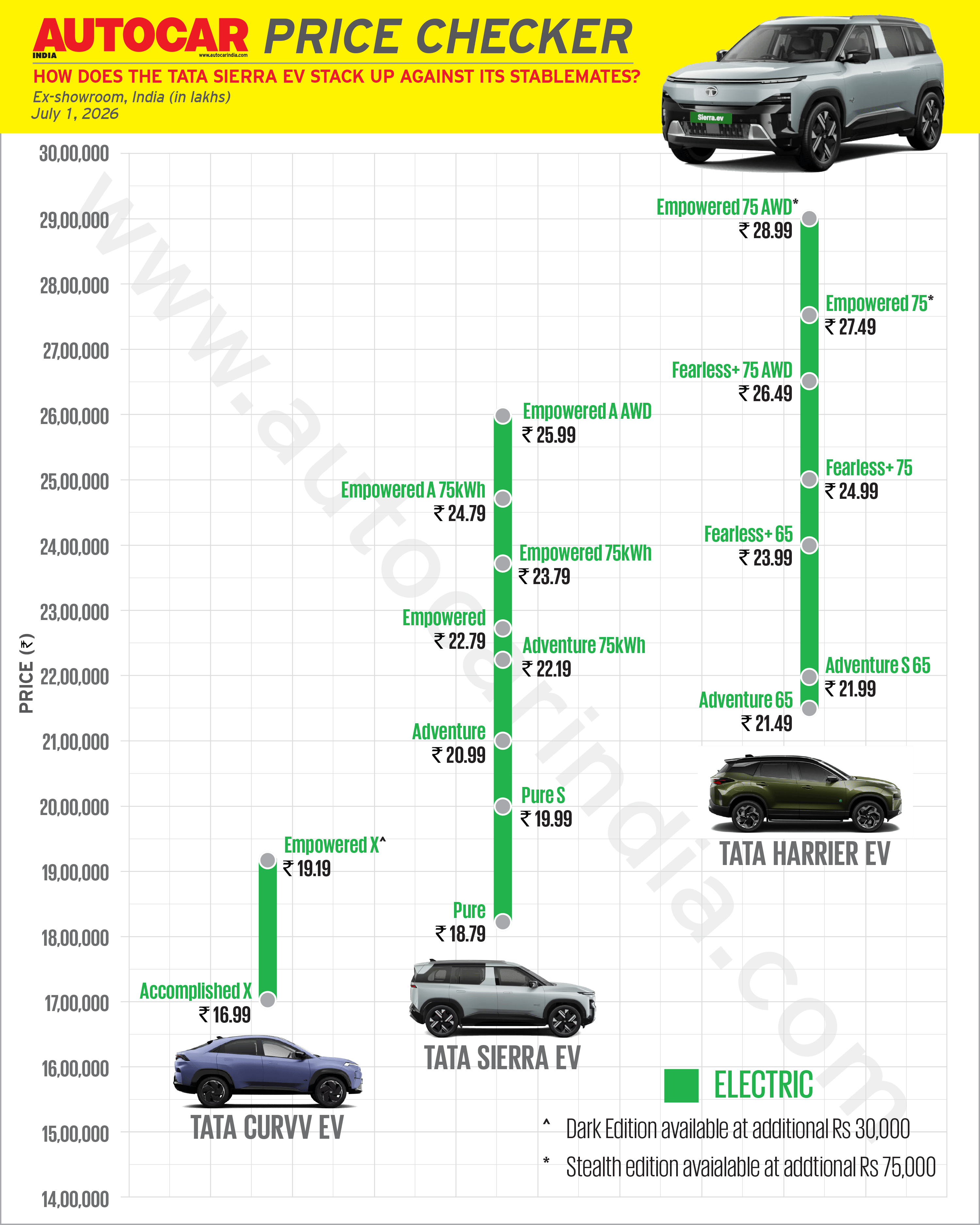
The Sierra EV is, in fact, very closely related to the Harrier EV, sharing similar battery capacities, common front and rear drive units, the thermal management system and also have broadly comparable performance. The former is priced between Rs 18.79 lakh and Rs 25.99 lakh, whereas the latter is priced between Rs 21.49 lakh and Rs 28.99 lakh.

According to Chandra, some movement between models within a broad portfolio was inevitable and is not the company’s primary concern. However, he said buyers do not evaluate models only through price and specifications. Their preferences are also shaped by styling, dimensions and their individual idea of what a model should represent.

“That’s why you see that the buyers of Harriers are very different than Sierra buyers, even in the ICE world,” Chandra said to our sister publication Autocar professional. “Somebody does not like boxy style. Somebody does not like dynamic style. So, first differentiation comes from there.”

Price overlap between Curvv, Sierra and Harrier EVs. 

Chandra also said size plays a particularly important role in India, where buyers often expect the value of a higher-priced vehicle to be visibly reflected in its dimensions and road presence. Different price and accessibility points will further separate the vehicles, he added.

“It’s a combination of all this,” Chandra said. “There is clear separation of what you see in the ICE world also. Same will apply here.”

Any immediate cannibalisation may also be limited by Tata Motors’ supply constraints. “Harrier EV demand is twice of what we are supplying. It is a supply-driven issue,” said Chandra. 

Shared constraints in battery-pack production, power electronics and other aggregates require Tata Motors to allocate components across its electric portfolio, he added. The company is working on capacity expansion and supplier debottlenecking to close the gap between demand and production.

Anand Kulkarni, Chief Product Officer at Tata Passenger Electric Mobility, further reiterated the differences between the two electric SUVs. “These products don’t necessarily compete with each other,” Kulkarni said. “They are enabled by a common underlying technology stack, but they are tuned completely differently and operate differently.”

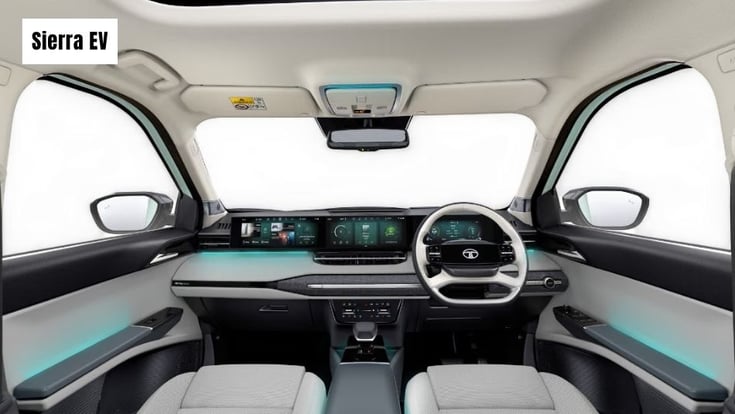
Tata Sierra EV interior
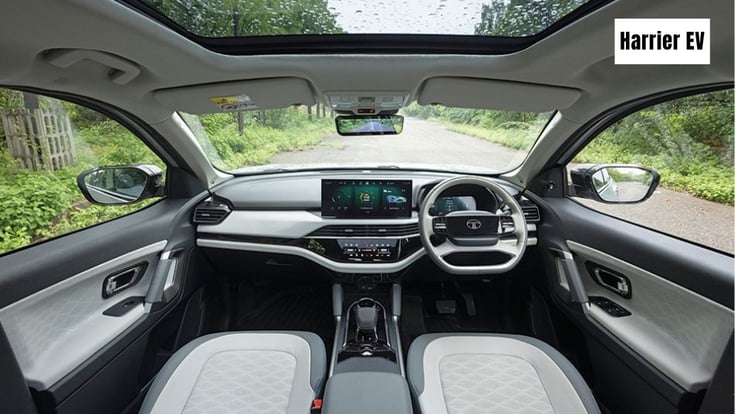
Tata Harrier EV interior


Kulkarni highlighted that the Sierra EV has a different cabin ambience from that of the Harrier EV. He compared this approach with the ICE versions of these SUVs, where they share the engine but deliver different driving and ownership experiences. “Just because two cars have a common engine, that does not make them a choice of one over the other,” he said.

Commonality gives scale and shared costs 

Commonality allows Tata Motors to distribute engineering, supplier-development and localisation investments across more products. “A lot of technologies that we developed in Harrier EV allowed us to also give it in the Sierra EV,” added Chandra, alluding to the ADAS suite, automatic parking and vehicle summoning features, as well as the all-wheel-drive technology,

The Sierra.ev and Harrier.ev will test both sides of Tata Motors’ EV strategy. Shared engineering must deliver scale, localisation and development-cost benefits, while Tata hopes styling, size and positioning creates enough distinction to expand the company’s addressable market. Some cannibalisation may be unavoidable. The larger test is whether the two SUVs collectively attract more customers to Tata Motors than either model could have done on its own.

With inputs from Saptarshi Mondal

TVS outsells Hero and Honda in combined sales for June 2026

TVS Jupiter, Honda Activa, Hero Splendor

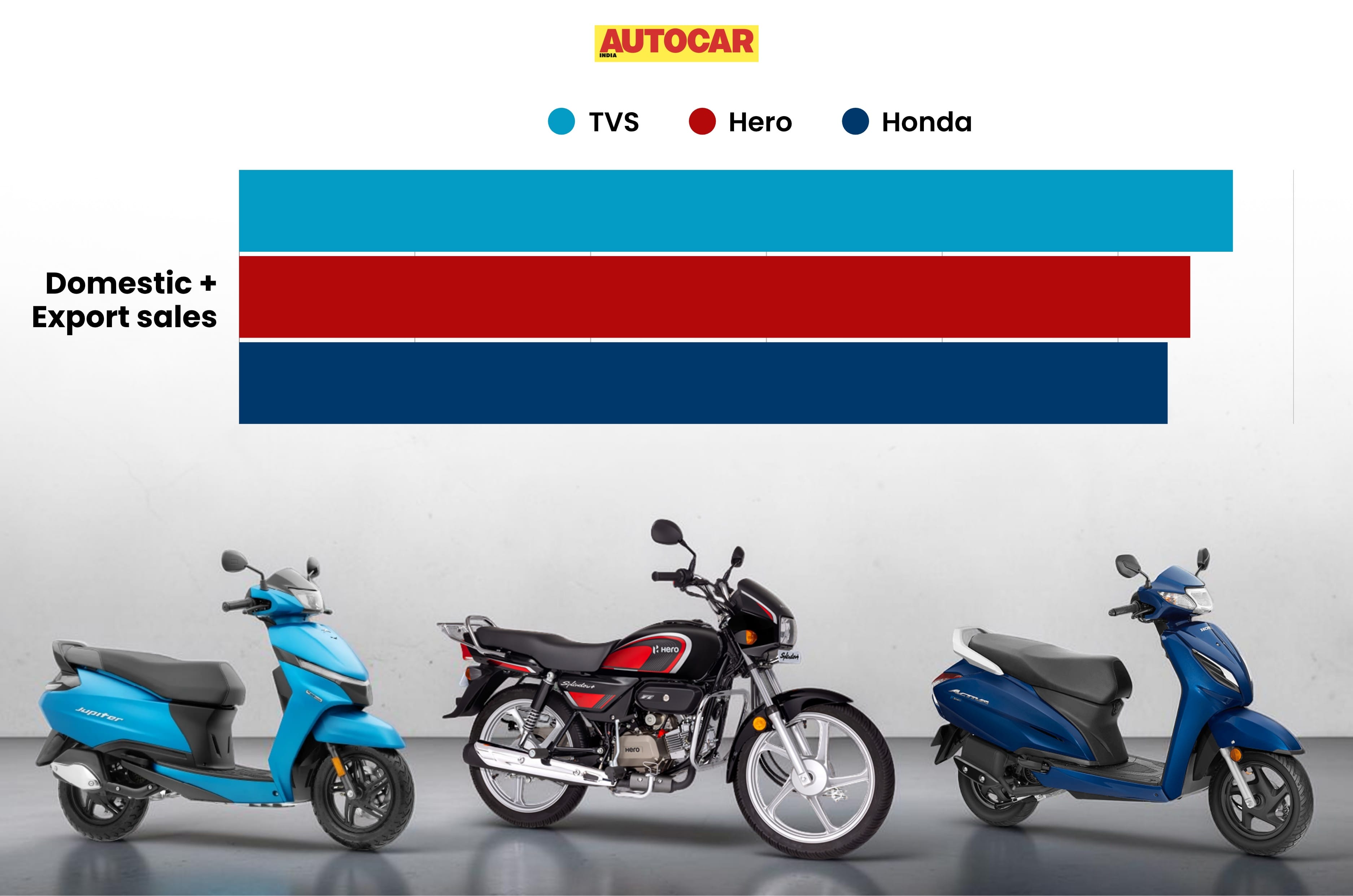
Last month’s domestic two wheeler sales figures paint a familiar picture. At the top is Hero MotoCorp, followed by Honda and then TVS. But if you were to add in export figures for the same period, then its TVS Motor that rises to the top for total two wheelers sold in June 2026.

  1. TVS tops combined domestic and export two-wheeler sales in June 2026
  2. Hero and Honda remain in top two for domestic sales

With 4,11,014 units sold in June 2026 within the Indian market, TVS is nearly a full lakh behind Hero that moved 5,02,890 motorcycles and scooters within the same period. Honda also has a good lead over TVS for second place with 4,68,956 units sold in the same period.

However, TVS has outdone both its rivals by a big margin when it comes to exports in June 2026. The company sold a massive 1,54,403 scooters and bikes overseas while that number dropped to 59,325 units for Honda and 38,269 units for Hero.

With both domestic and international sales tallied up, TVS sold a total of 5,65,417 units last month, slotting it above Hero’s 5,41,159 units and Honda’s 5,28,281 units. Notably, both TVS and Honda registered big increases over their respective sales figures in June 2025 while Hero registered a drop. Total sales for TVS rose by an enormous 47 percent for TVS when compared with the same month last year, while Honda also posted a solid growth of 26 percent. Meanwhile, Hero reported a small drop of around 2.3 percent for the same period.

It will be interesting to see if this is just a monthly blip or a sign of things to come for these companies that happen to be the top three motorcycle manufacturers, not just in India, but also worldwide.
 

2026 Renault Kwid launched in India at Rs 4.53 lakh

2026 Renault Kwid front quarter static

Renault has launched the 2026 Kwid in India with prices starting from Rs 4.53 lakh (ex-showroom). It is available in two trims: Evolution and Climber, offered with both manual and AMT options. Compared to the older model, the 2026 Renault Kwid gets some exterior and interior design changes and comes at a relatively lower price than before.

  1. Retrofitted CNG kit is available with MT variants at Rs 70,450 extra
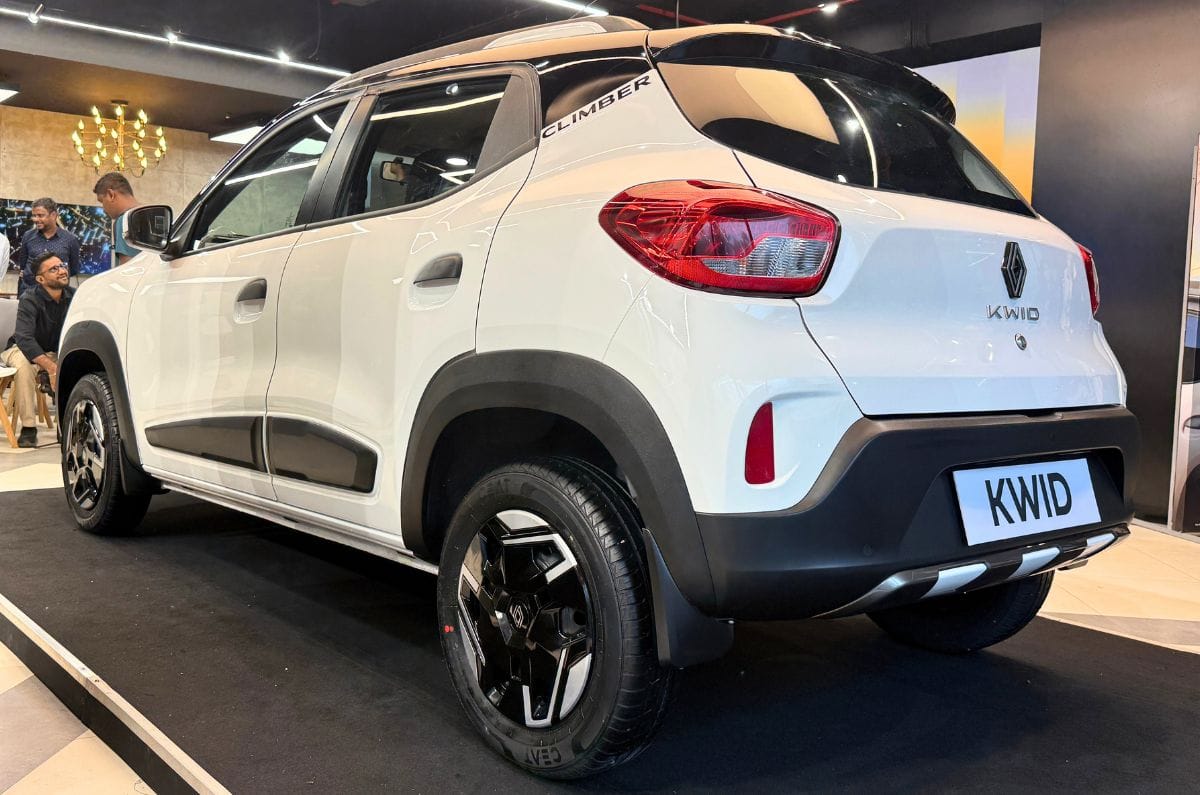
  2. Continues with the same 1-litre 3-cylinder petrol engine (69hp, 92.5Nm)

Renault has also revealed its India plans, announcing 12 product “actions” over the next 18 months, 4 of which will happen in the remainder of 2026. Commenting on the upcoming plans, Renault India CEO Stéphane Deblaise said, “There won’t be more than two consecutive months without a significant update from Renault, whether it’s a limited edition, a design refresh, new technology, a new powertrain, or even an all-new car.”

2026 Renault Kwid: Prices

Offered in Evolution and Climber trims with manual and AMT options

2026 Renault Kwid: Variant-wise ex-showroom prices 


5-speed manual

5-speed AMT

Evolution

Rs 4.53 lakh

Rs 4.90 lakh

Climber

Rs 5.15 lakh

Rs 5.61 lakh

Renault is offering a retrofitted CNG kit for the Kwid’s manual variants at an additional Rs 70,450, with a 3-year/1 lakh km standard warranty (whichever is earlier). If you choose, these CNG kits will be installed at authorised workshops. Consult your nearest Renault dealership for more details.

The starting price of the 2026 Kwid is Rs 22,000 more than the older model’s base-spec Authentic trim. With the 2026 update, however, prices of the Evolution and Climber trims have reduced by up to Rs 14,000 and Rs 32,000, respectively. The previously available entry-spec Authentic and mid-spec Techno trims have been discontinued with the 2026 model.

2026 Renault Kwid: What’s new?

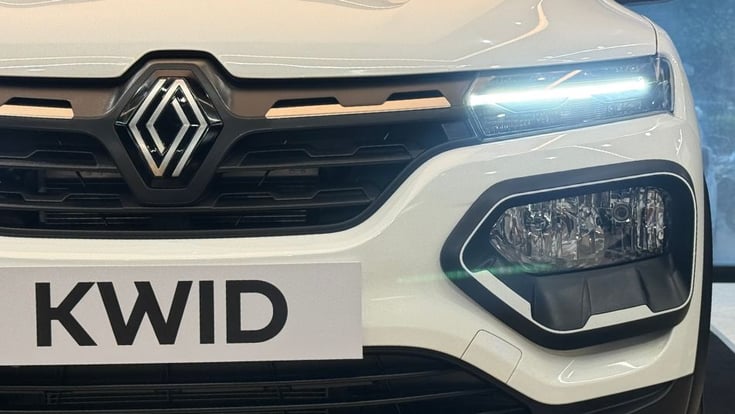
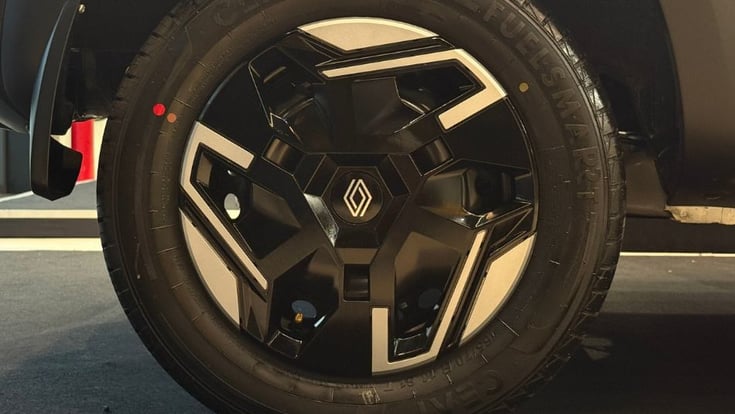
Sports new Renault logos and redesigned plastic wheel covers

2026 Renault Kwid front design
2026 Renault Kwid wheel covers
 

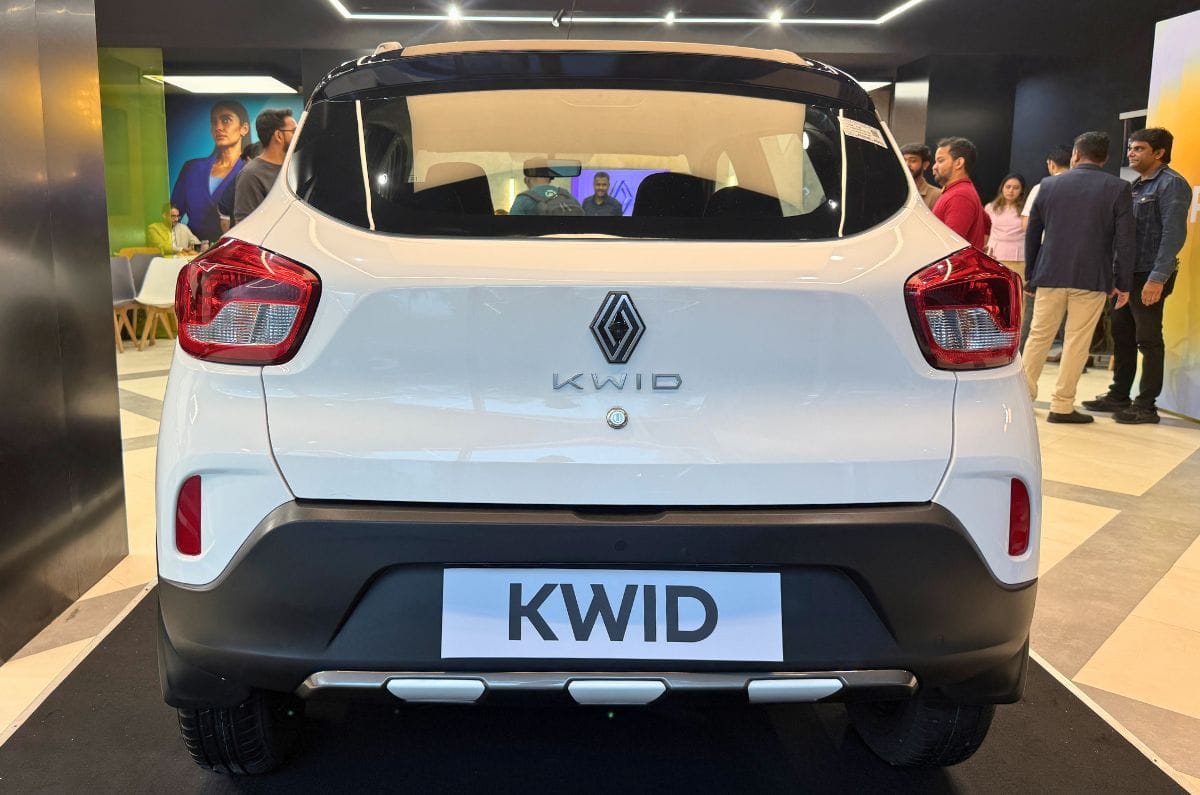
As mentioned earlier, there are only a couple of changes to the 2026 Kwid’s exterior design elements. These include new 3D Renault badges and redesigned dual-tone plastic covers for the 14-inch steel wheels. Keen-eyed viewers can also spot a different font for the Kwid lettering on the tailgate, and it also gets a new silver finish.

Other elements are the same as those on the older Kwid, including the eyebrow-shaped LED DRLs, halogen headlights, front and rear bumpers and halogen taillights.

The 2026 Kwid’s dimensions are identical to the older model, which are as follows:

2026 Renault Kwid dimensions and other specifications

Length 

3,731mm

Width

1,579mm

Height 

1,474mm

Wheelbase

2,422mm

Ground clearance

184mm

Boot space

279 litres

Borrows a steering wheel and gear lever from the Renault Kiger SUV

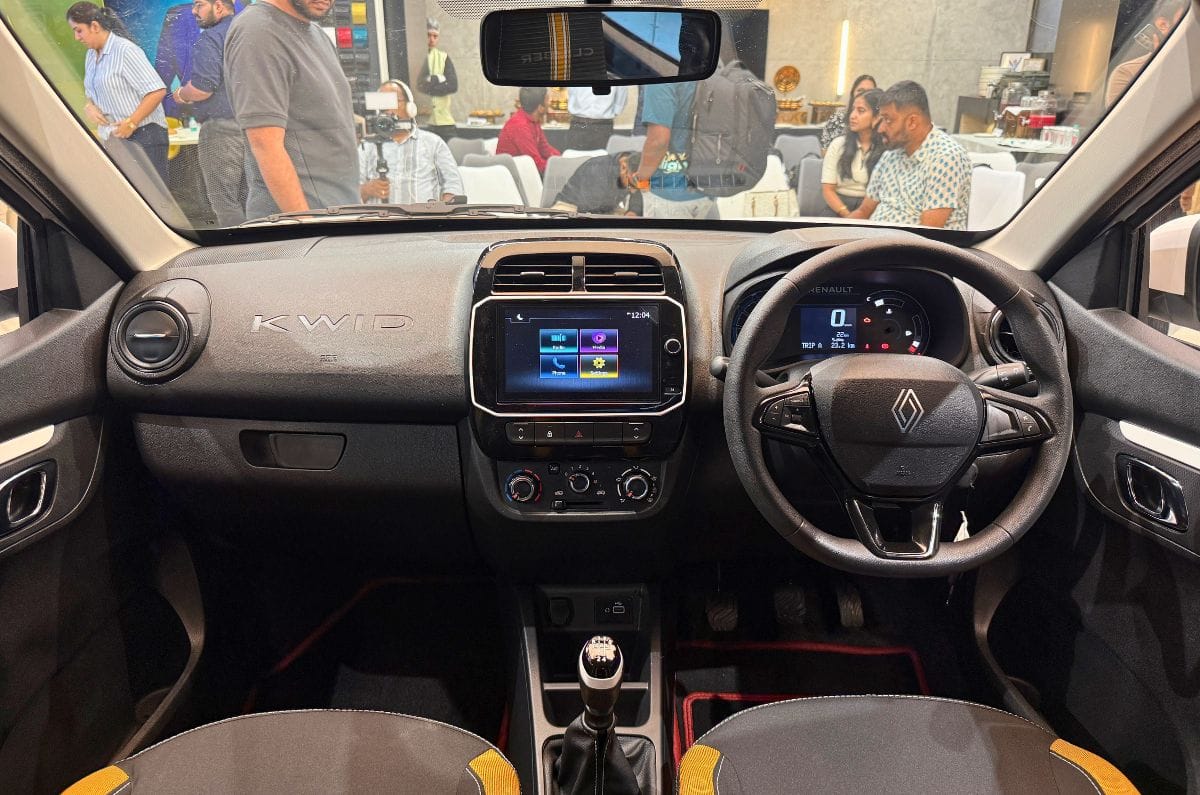
Like the exterior design, not much has changed inside the Renault Kwid’s cabin with the 2026 update. The new 3-spoke steering wheel design is borrowed from the Kiger, featuring buttons for controlling the infotainment system.

Everything else is the same, including the 8-inch touchscreen infotainment system with support for wired Android Auto and Apple CarPlay, a semi-digital instrument cluster with a multi-information display (MID) in the centre, manual AC, and all four power windows. The black fabric seat upholstery with yellow accents is also identical to the older model.

It is offered with dual airbags in the base-spec Evolution trim, while the top-spec Climber gets 6 airbags. Other safety features include a rear parking camera with sensors, a tyre pressure monitoring system (TPMS), hill start assist (with AMT variants only), keyless entry with central locking, ABS with EBD and seatbelt reminders. 

Powered by the same 69hp 1.0L naturally aspirated petrol engine

The 2026 Renault Kwid is powered by the same 1.0-litre 3-cylinder naturally aspirated petrol engine that produces 69hp and 92.5Nm. It is mated to either a 5-speed manual gearbox or a 5-speed automated manual transmission (AMT).

The Renault Kwid continues to rival the Maruti S-Presso and Maruti Alto K10, which start at lower price tags of Rs 3.50 lakh and Rs 3.70 lakh, respectively.

Prices are ex-showroom, Delhi.