All EVs available with BaaS schemes in India

BaaS cars

One of the biggest hurdles to the adoption of electric vehicles is their relatively higher prices compared to combustion-powered cars. To address this, mass-market brands such as Hyundai, Citroen, JSW-MG, Maruti Suzuki, Kia, Tata Motors and Toyota have started offering models with Battery-as-a-Service (BaaS) schemes, which are essentially subscription plans for the battery pack and substantially lower upfront costs. Here is a list of all the EVs offered with the BaaS option.

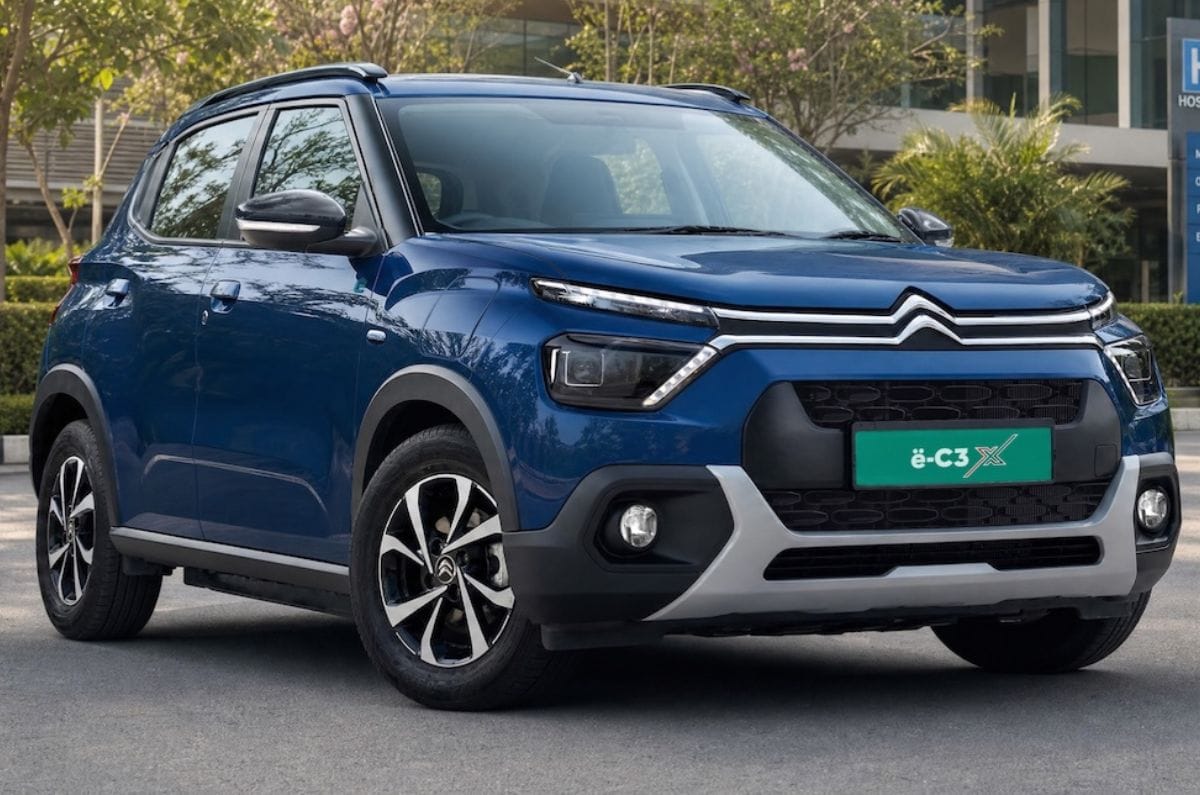
Citroen eC3X

BaaS price: Rs 6.89 lakh + Rs 2.26 per km onwards
Citroen eC3X

Citroen introduced a BaaS scheme option with the June 2026 update for the eC3X, reducing the EV’s upfront price by up to Rs 5.26 lakh. Buyers also have to pay a battery subscription fee of Rs 2.26 per kilometre, the lowest here, with a minimum monthly commitment of 2,000km, which works out to Rs 4,520 per month. If monthly usage exceeds 2,000km, charges apply for the additional distance covered.

For buyers opting out of the BaaS plan, Citroen is offering an introductory consumer discount of up to Rs 1.50 lakh, bringing the eC3X’s starting price down to Rs 10.49 lakh. 

Citroen eC3X ex-showroom prices (in Rs)

Variant

Non-BaaS price

BaaS price

Upfront saving

Live

11.99 lakh

6.89 lakh + 2.26 per km

5.10 lakh

Live (O)

12.35 lakh

7.09 lakh + 2.26 per km

5.26 lakh

Shine

13.26 lakh

8.30 lakh + 2.26 per km

4.96 lakh

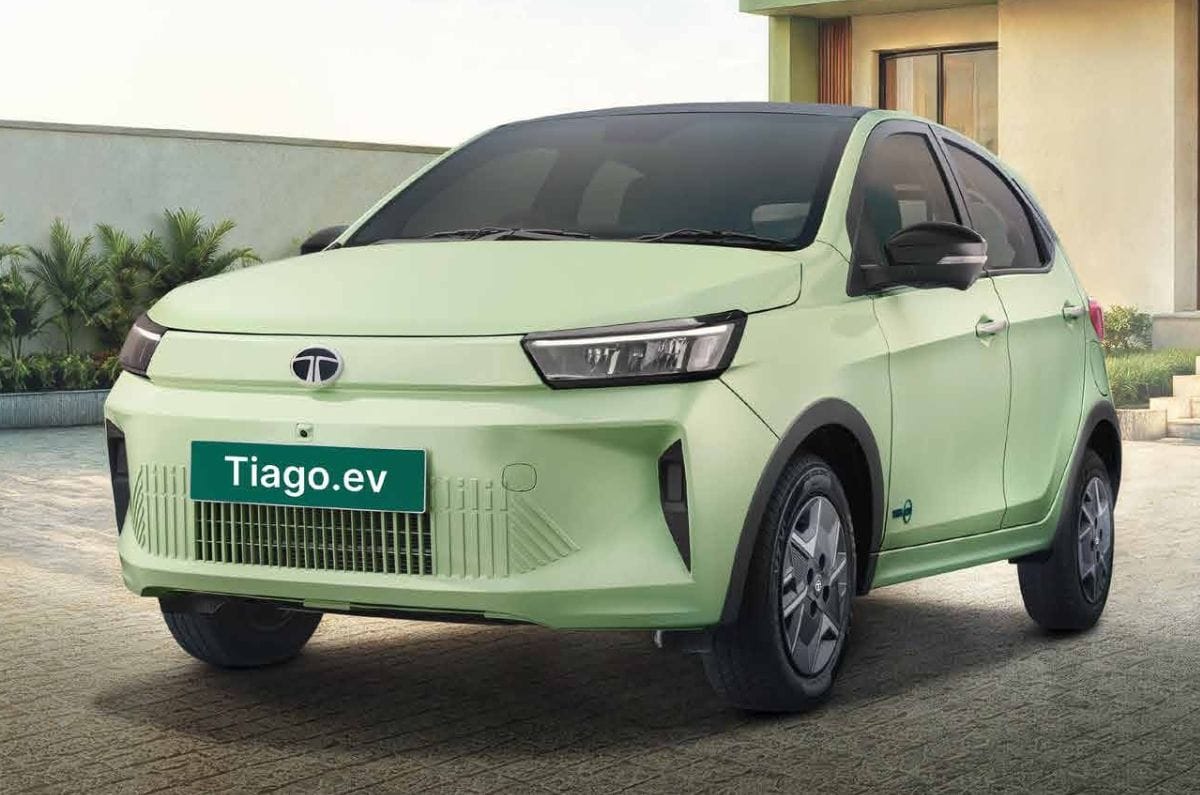
Tata Tiago EV

BaaS price: Rs 4.69 lakh + Rs 2.6 per km onwards
Tata Tiago EV

Priced from Rs 6.99 lakh, the Tata Tiago EV is the most affordable electric car in India. Under the BaaS scheme, it starts at Rs 4.69 lakh, reducing the upfront cost by Rs 2.30 lakh, and users pay an additional Rs 2.6 per km as a subscription fee. Tata has yet to reveal the full variant-wise BaaS prices of the Tiago EV.

Tata Tiago EV ex-showroom prices (in Rs)* 

Variant

Non-BaaS price

BaaS price

Upfront cost saving

Smart 19

6.99 lakh

4.69 lakh + 2.6 per km

2.30 lakh

*Tata hasn’t revealed the BaaS prices for all variants at the time of writing.

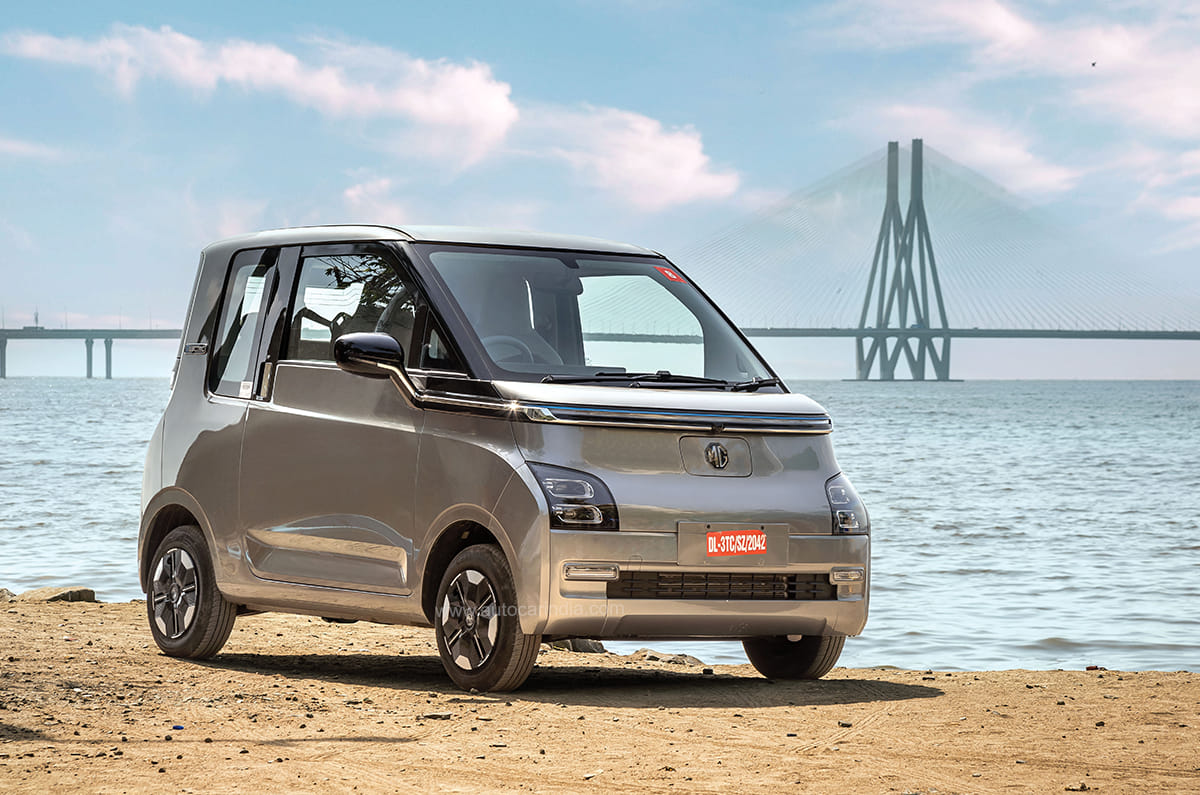
MG Comet EV

BaaS price: Rs 4.99 lakh + Rs 3.2 per km onwards
MG Comet EV

The Comet EV is priced from Rs 7.63 lakh, and its entry-level trims feature a 17.3kWh battery, while higher-spec models get a 17.4kWh unit. The BaaS scheme lowers the price by Rs 2.64 lakh across trims, and buyers opting for this have to pay a Rs 3.2/km subscription cost for the battery pack. Do note that when MG introduced the BaaS plan for the Comet EV in 2024, the subscription fee was slightly lower at Rs 2.5 per km. 

MG Comet EV ex-showroom prices (in Rs)

Variant

Non-BaaS price

BaaS price

Upfront saving

Executive 17.3kWh

7.63 lakh

4.99 lakh + 3.2 per km

2.64 lakh

Excite 17.3kWh

8.73 lakh

6.09 lakh + 3.2 per km

2.64 lakh

Excite 17.4kWh9 lakh6.36 lakh + 3.2 per km2.64 lakh

Exclusive 17.3kWh

9.73 lakh

7.09 lakh + 3.2 per km

2.64 lakh

Exclusive 17.4kWh10 lakh7.36 lakh + 3.2 per km2.64 lakh

Tata Punch EV

BaaS price: Rs 6.49 lakh + Rs 2.6 per km onwards
Tata Punch EV facelift review: More for less

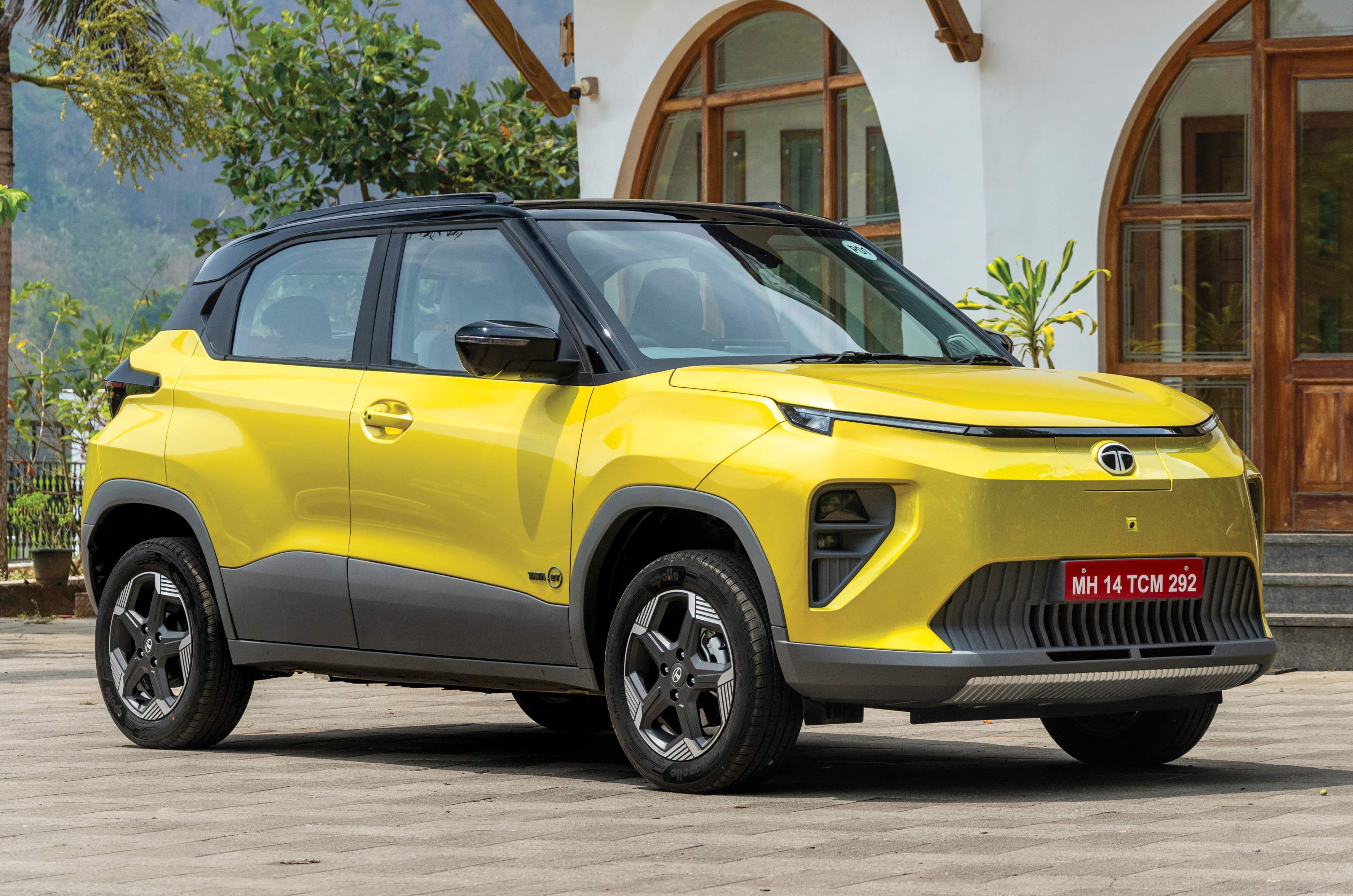
The Tata Punch EV is another electric offering from the Indian manufacturer that is available with a BaaS scheme. Its base trim costs Rs 9.69 lakh but with the BaaS scheme, that can be lowered by Rs 3.2 lakh. However, buyers will have to pay a battery rental fee of Rs 2.6 per km. Tata claims that a monthly running of 1,800km is reasonable for most buyers, which works out to a battery rental of about Rs 4,688.

Tata Punch EV ex-showroom prices (in Rs)

Variant

Non-BaaS price

BaaS price*

Upfront saving

Smart 30kWh

9.69 lakh

6.49 lakh + 4,688 per month

3.2 lakh

Smart+ 30kWh10.297.09 lakh + 4,688 per month3.2 lakh
Smart+ 40kWh10.997.29 lakh + 5,274 per month3.7 lakh
Adventure 40kWh11.747.99 lakh + 5,274 per month3.75 lakh
Empowered 40kWh12.498.69 lakh + 5,274 per month3.8 lakh
Empowered+ S 40kWh12.798.99 lakh + 5,274 per month3.8 lakh

*The battery EMI is assumed on a loan tenure of 8 years.

MG Windsor EV

BaaS price: Rs 9.99 lakh + Rs 3.99 per km onwards
MG Windsor EV

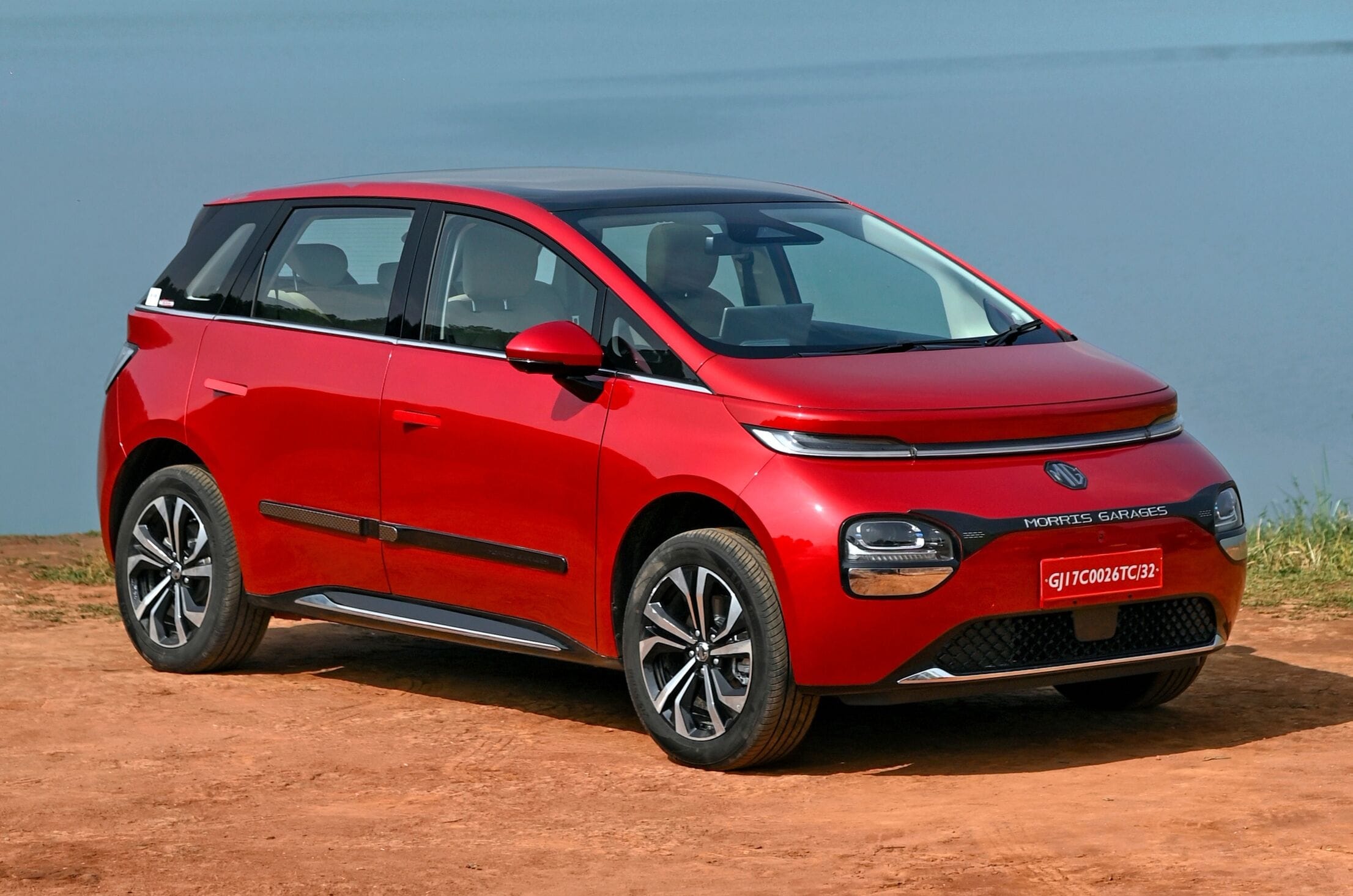
MG first introduced the BaaS ownership plan in India with the Windsor EV, which was launched in September 2024 with a 38kWh battery pack. A larger 52.9kWh pack was added to the line-up in May 2025. The Windsor EV’s battery rental fee depends on the battery pack selected: Rs 3.99 per km for the 38kWh unit and Rs 4.5 per km for the larger 52.9kWh unit. This scheme lowers the upfront cost by up to Rs 5 lakh.

MG Windsor EV ex-showroom prices (in Rs)

Variant

Non-BaaS price

BaaS price

Upfront saving

Excite 38kWh

14.7 lakh

9.99 lakh + 3.99 per km

4.71 lakh

Exclusive 38kWh

16 lakh

11.29 lakh + 3.99 per km

4.71 lakh

Essence 38kWh

17 lakh

12.29 lakh + 3.99 per km

4.71 lakh

Exclusive Pro 52.9kWh

17.9 lakh

12.9 lakh + 4.5 per km

5 lakh

Essence Pro 52.9kWh

19 lakh

14 lakh + 4.5 per km

5 lakh

Hyundai Creta Electric

BaaS price: Rs 10.99 lakh + Rs 3.9 per km onwards
Hyundai Creta Electric

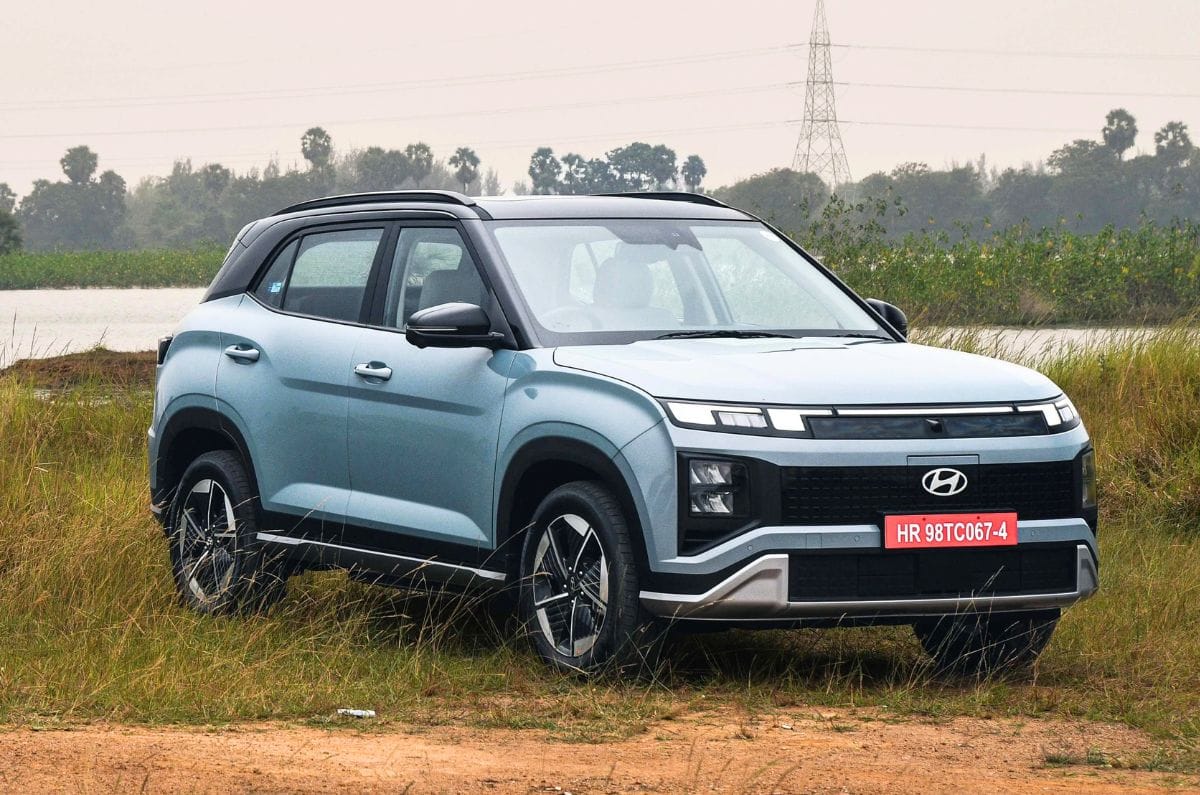
The Hyundai Creta Electric is the latest EV here to get a BaaS scheme option, which was introduced in July 2026. The Creta EV starts with the Rs 18.03 lakh Executive 42kWh variant but with the battery rental option, buyers can save Rs 7.04 lakh up front, one of the highest savings here. Prices for the other 42kWh variants, as well as the 51.4kWh variants are expected to be revealed soon.

Hyundai Creta Electric ex-showroom price (in Rs)*

Variant

Non-BaaS price

BaaS price

Upfront saving

Executive 42kWh

18.03 lakh

10.99 lakh + 3.9 per km

7.04 lakh

*Hyundai hasn’t revealed the BaaS prices for all variants at the time of writing.

Maruti Suzuki e Vitara

BaaS price: Rs 10.99 lakh + Rs 3.99 per km onwards
Maruti Suzuki e Vitara

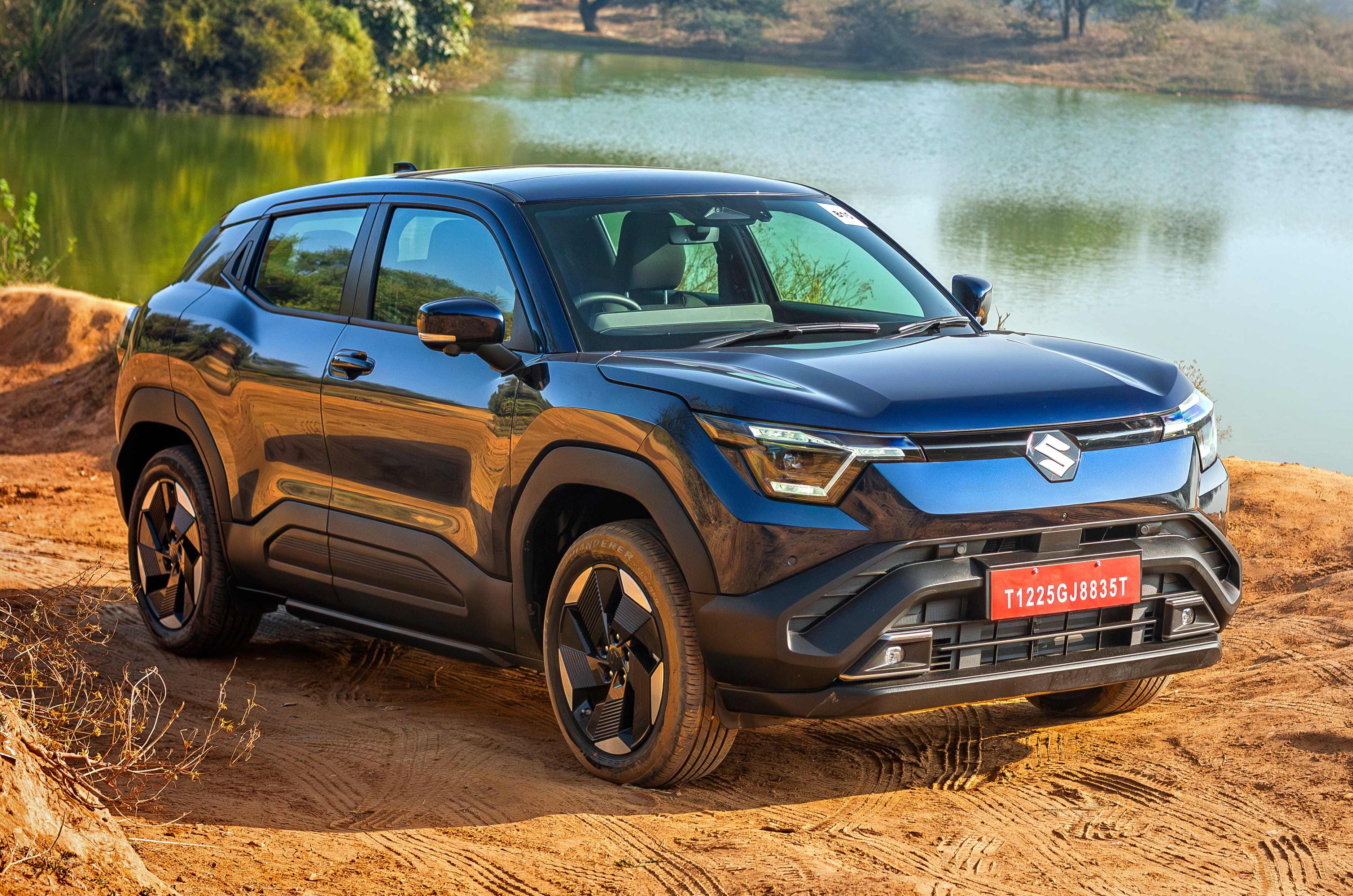
The Maruti e Vitara is also available with the BaaS scheme, the subscription fee of which differs with the chosen battery pack. With the smaller 49kWh battery, Maruti charges Rs 3.99 per km, while with the larger battery pack, a fee of Rs 4.39 per km is charged. 

Maruti Suzuki e Vitara ex-showroom prices (in Rs)

Variant

Non-BaaS price

BaaS price

Upfront saving

Delta 49kWh

15.99 lakh

10.99 lakh + 3.99 per km

5 lakh

Zeta 61kWh

17.79 lakh

12.29 lakh + 4.39 per km 

5.5 lakh

Alpha 61kWh

19.99 lakh

14.49 lakh + 4.39 per km

5.5 lakh

Kia Carens Clavis EV

BaaS price: Rs 12.84 lakh + Rs 3.3 per km onwards
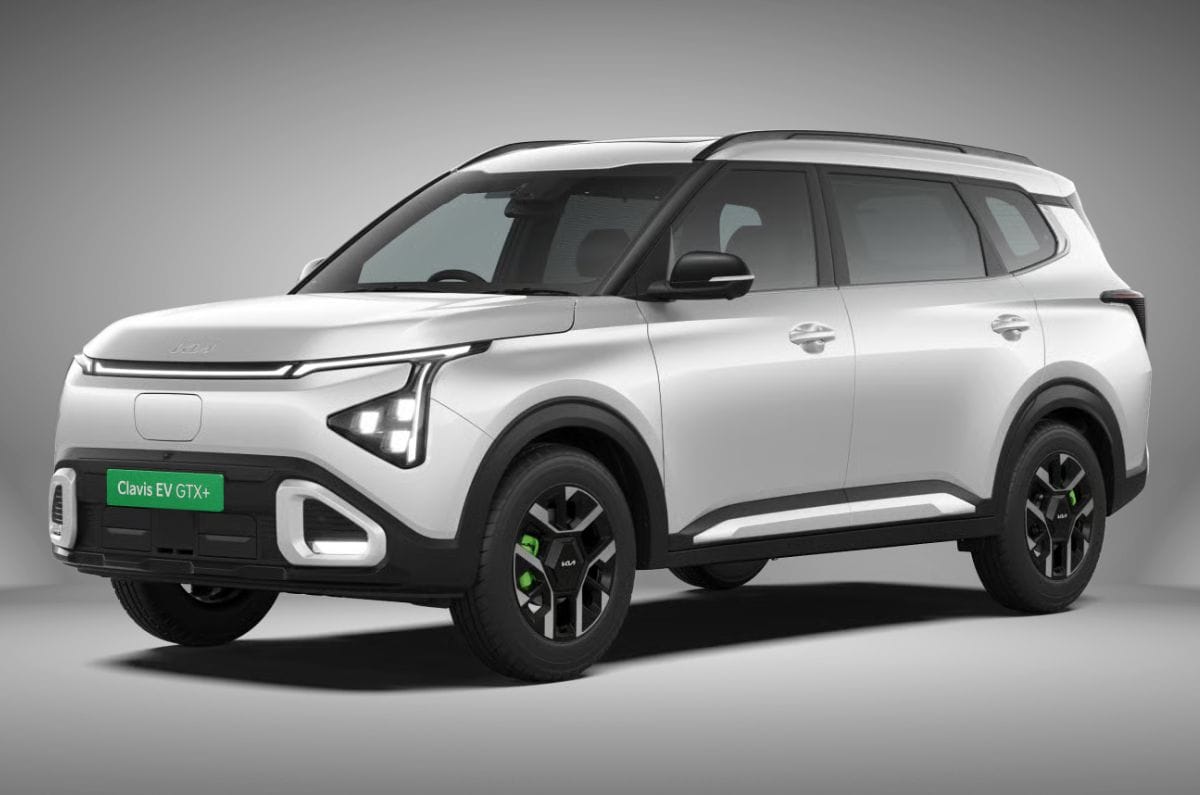
In May 2026, Kia introduced the BaaS scheme for its Carens Clavis EV, which stands out here as the only MPV. Kia charges a rental fee of Rs 3.3 per km for both the 42kWh and 51.4kWh battery pack options. While the entire BaaS price list isn’t out at the time of writing, one can save Rs 5.16 lakh and Rs 6.06 lakh on the HTK+ 42kWh and HTX E ER 51.4kWh variants, respectively. 

Kia Carens Clavis EV ex-showroom prices (in Rs)*

Variant

Non-BaaS price

BaaS price

Upfront saving

HTK+ 42kWh

18 lakh

12.84 lakh + 3.3 per km

5.16 lakh

HTX E ER 51.4kWh

22 lakh

15.94 lakh + 3.3 per km

6.06 lakh

*Kia hasn’t revealed the BaaS prices for all variants at the time of writing.

MG ZS EV

BaaS price: Rs 13 lakh + Rs 4.5 per km onwards
MG ZS EV

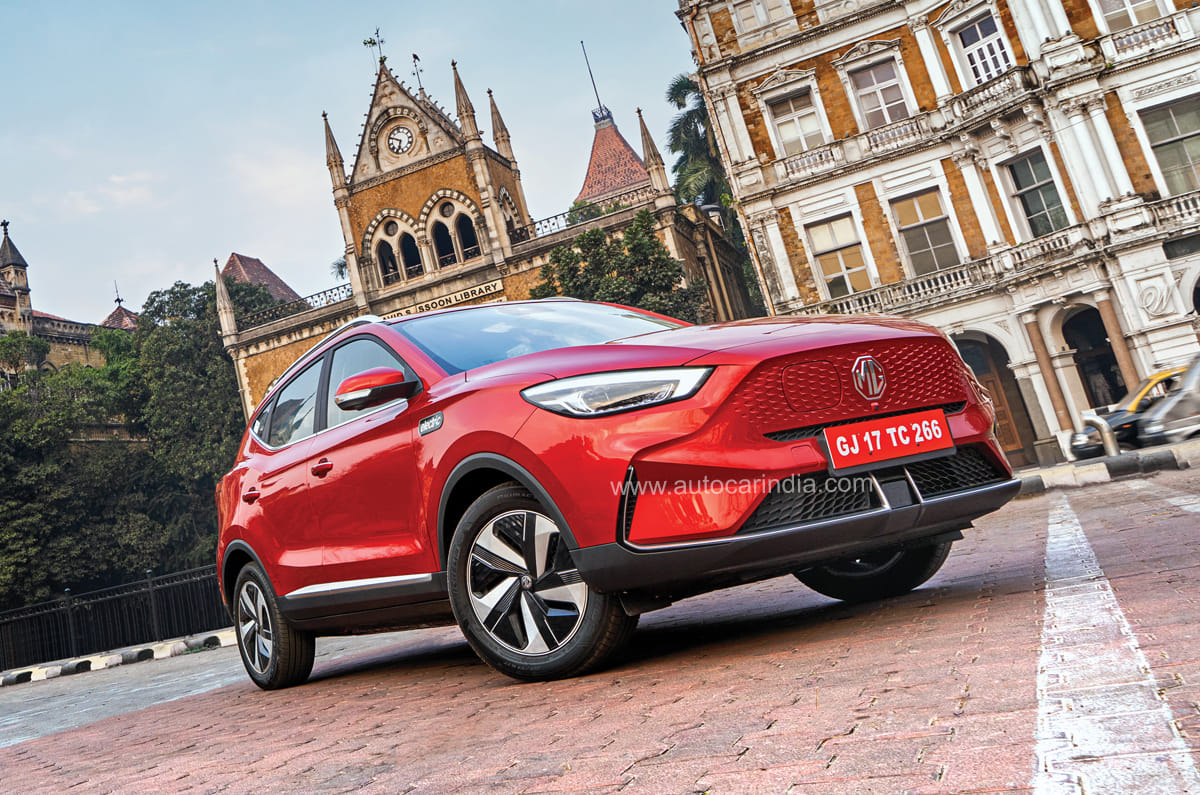
The ZS EV, MG’s first electric offering in India, received its mid-lifecycle update in 2022. However, it was only in September 2024 that MG introduced a BaaS scheme for the midsize electric SUV. The subscription fee for the ZS EV, which comes with a 50.3kWh battery pack, is Rs 4.5 per km – the same as that of the Windsor EV Pro. The upfront cost saving of up to Rs 5.24 lakh is the highest in MG’s electric line-up. 

MG ZS EV ex-showroom prices (in Rs)

Variant

Non-BaaS price

BaaS price

Upfront saving

Executive 50.3kWh

17.99 lakh

13 lakh + 4.5 per km

4.99 lakh

Excite Pro 50.3kWh

18.75 lakh

13.51 lakh + 4.5 per km

5.24 lakh

Exclusive Pro 50.3kWh

19.75 lakh

14.51 lakh + 4.5 per km

5.24 lakh

Essence 50.3kWh

20.75 lakh

15.51 lakh + 4.5 per km

5.24 lakh

Toyota Urban Cruiser Ebella

BaaS price: Rs 15.25 lakh + Rs 4.99 per km
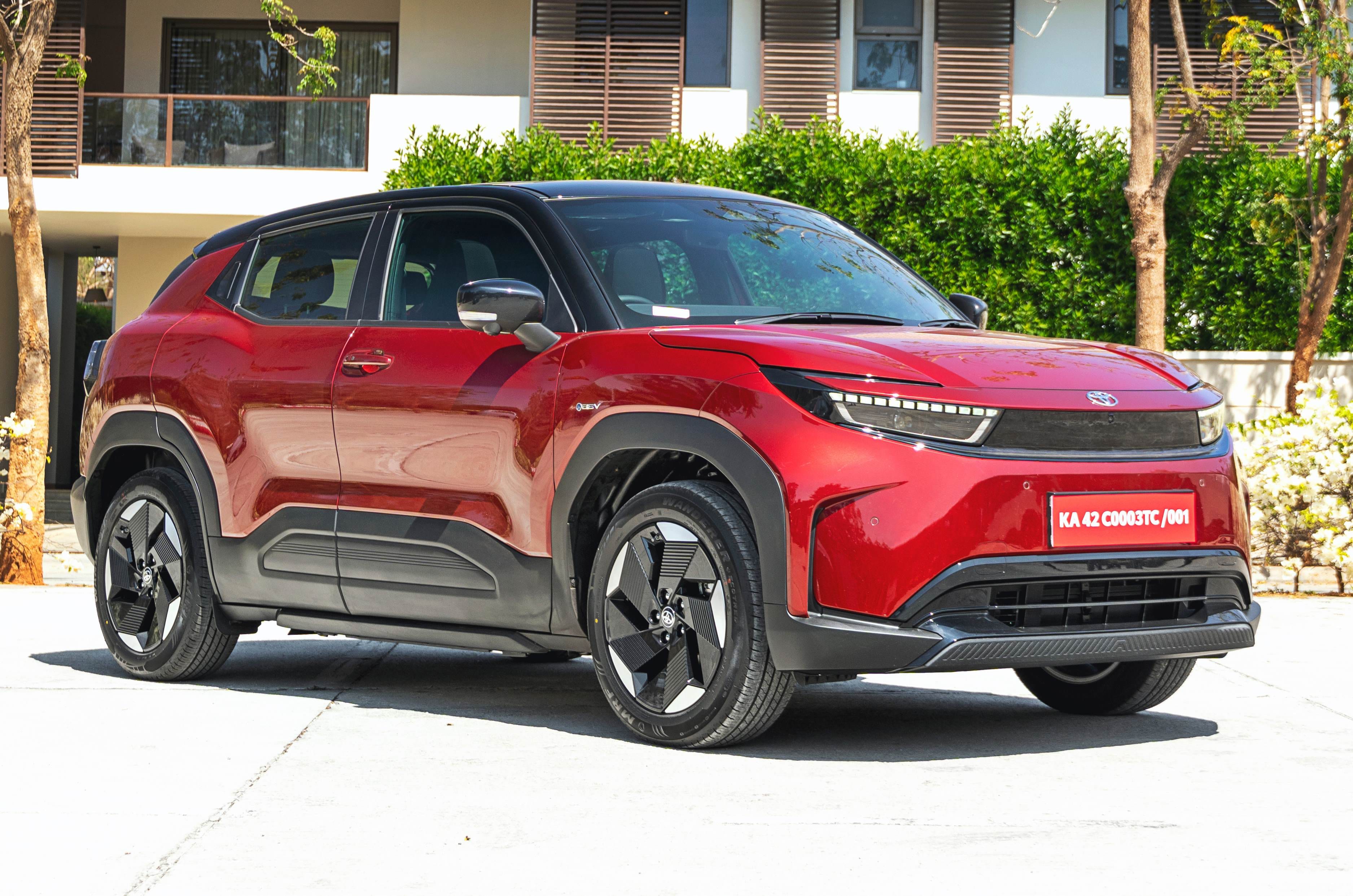
Toyota showcased its first EV for India, the Urban Cruiser Ebella, in January 2026 and revealed the price for its top-spec variant in May 2026. This E3 variant is powered by a 61kWh battery pack and offers a claimed range of 543km. Under the BaaS scheme, the E3’s upfront cost is Rs 15.25 lakh and the battery rental fee is Rs 4.99 per km – higher than the Rs 4.39 per km charged for its Maruti twin, the e Vitara.

Toyota Ebella EV ex-showroom prices (in Rs)* 

Variant

Non-BaaS price

BaaS price

Upfront saving

E3

23.60 lakh

15.25 lakh + 4.99 per km

8.35 lakh

*Toyota hasn’t revealed the BaaS prices for all variants at the time of writing.

Honda and Suzuki post best-ever EV sales in June 2026

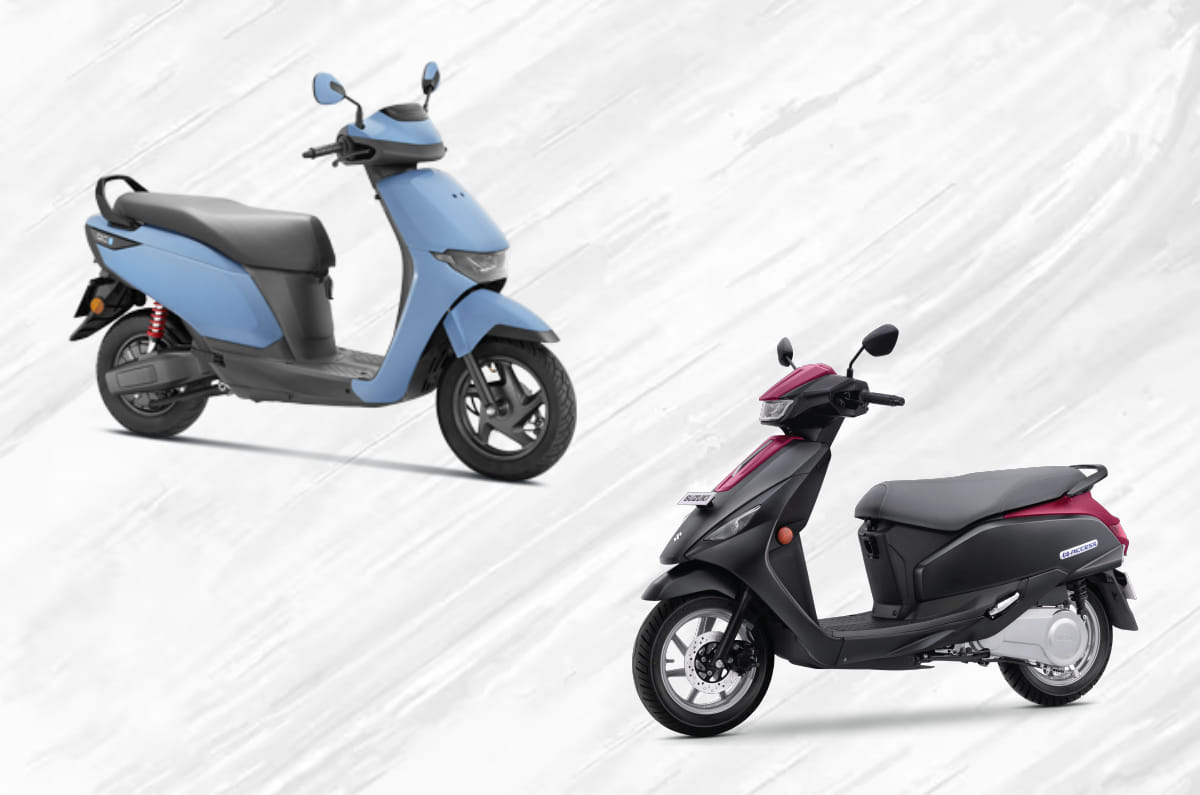
Composite studio image of e-Activa and e-Access

This past June was the strongest month yet for Japanese electric scooters in our market, with Honda and Suzuki both posting their highest-ever monthly retail figures. As per Vahan data, the three Japanese e-2W makers – Honda, Suzuki and Yamaha – collectively sold 1,469 electric scooters in June, giving them a combined 0.74 percent share of the e-2W market for the month.

  1. Honda delivers 810 electric scooters in June, its best-ever month
  2. Suzuki posts best-ever monthly sales of 523 e-Access units in June
  3. Honda leads Suzuki by 347 units after the first six months of 2026

Japanese electric scooter sales in 2026

Honda: 2,389 units

HMSI delivered 810 units of the Activa-e and QC1 in June, marking the first time the company has crossed 800 units in a single month, and a 78 percent year-on-year increase over the 454 units delivered in June last year. Cumulative retail sales of the two models have now crossed 6,000 units, standing at 6,254 units at the end of June. For the first half of 2026, Honda delivered 2,389 units – up 68 percent year-on-year from 1,419 units in H1 2025.

Suzuki: 2,042 units

Suzuki posted its best-ever monthly sales of 523 e-Access units in June, contributing to a first-half total of 2,042 units. Suzuki had actually outsold Honda in the January-April period, but HMSI’s stronger May-June performance – 1,335 units versus Suzuki’s 875 in those two months – has given Honda a 347-unit lead at the halfway point of the year.

Yamaha: 418 units

Yamaha, which entered the India EV market in March 2026 with the EC-06, sold 136 units in June to take its cumulative total to 418 units. Combined six-month sales of all three Japanese brands stand at 4,849 units – a 0.49 percent share of the 9,71,023 electric scooters, motorcycles and mopeds retailed in India in the first half of 2026.


Oben Rorr Evo Deliveries Begin

Oben Rorr Evo Deliveries BEgin at Bengaluru Event

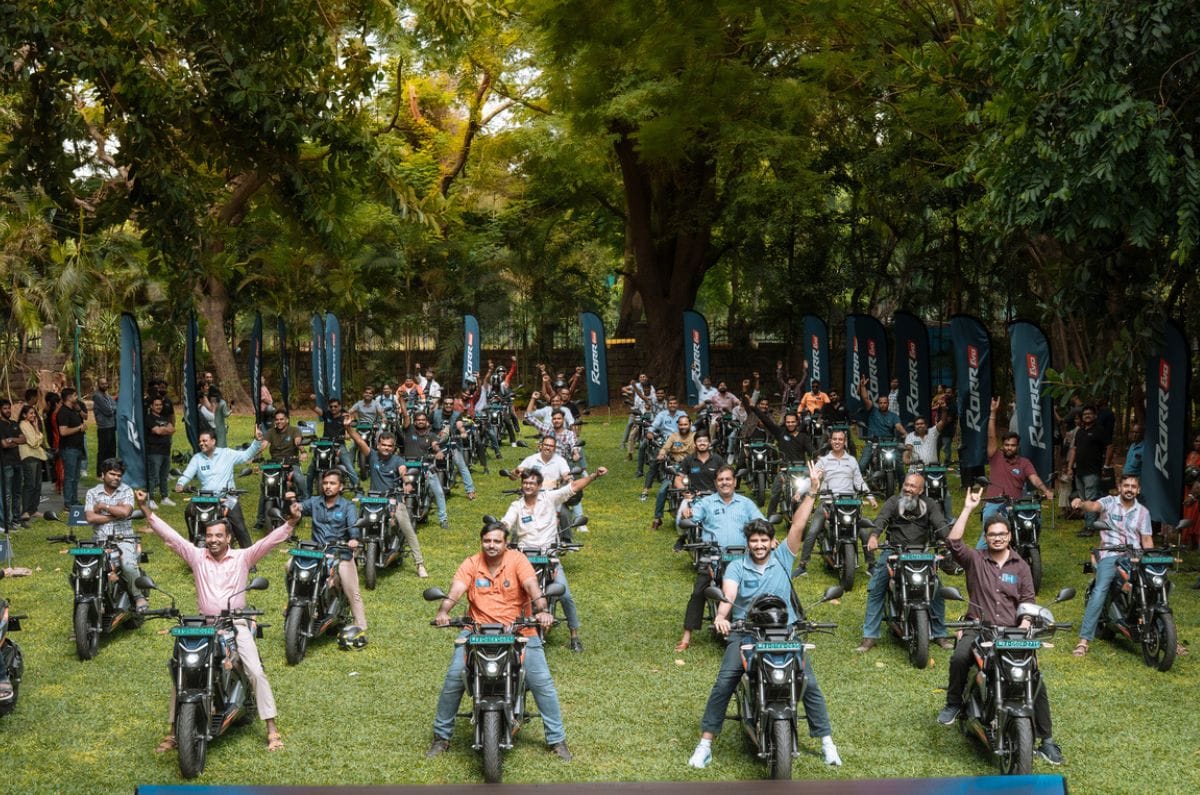
Oben Electric has commenced deliveries of the newly launched Rorr Evo. The first batch of customers in Bengaluru received their motorcycles through the company’s ‘First to Rorr’ delivery event. 

  1. The Rorr Evo received over 25,000 bookings.
  2. The company has an annual production capacity of 1 lakh units.

Deliveries will be rolled out across the country over the coming weeks through Oben’s network of 150 showrooms. Oben says the Rorr Evo crossed 25,000 bookings within 15 days of its launch in May 2026. To meet demand, the company is ramping up production at its facility, which it says has an annual capacity of 1 lakh motorcycles. Its retail and service network now spans over 90 cities across 18 states, including dedicated Oben Care service centres.

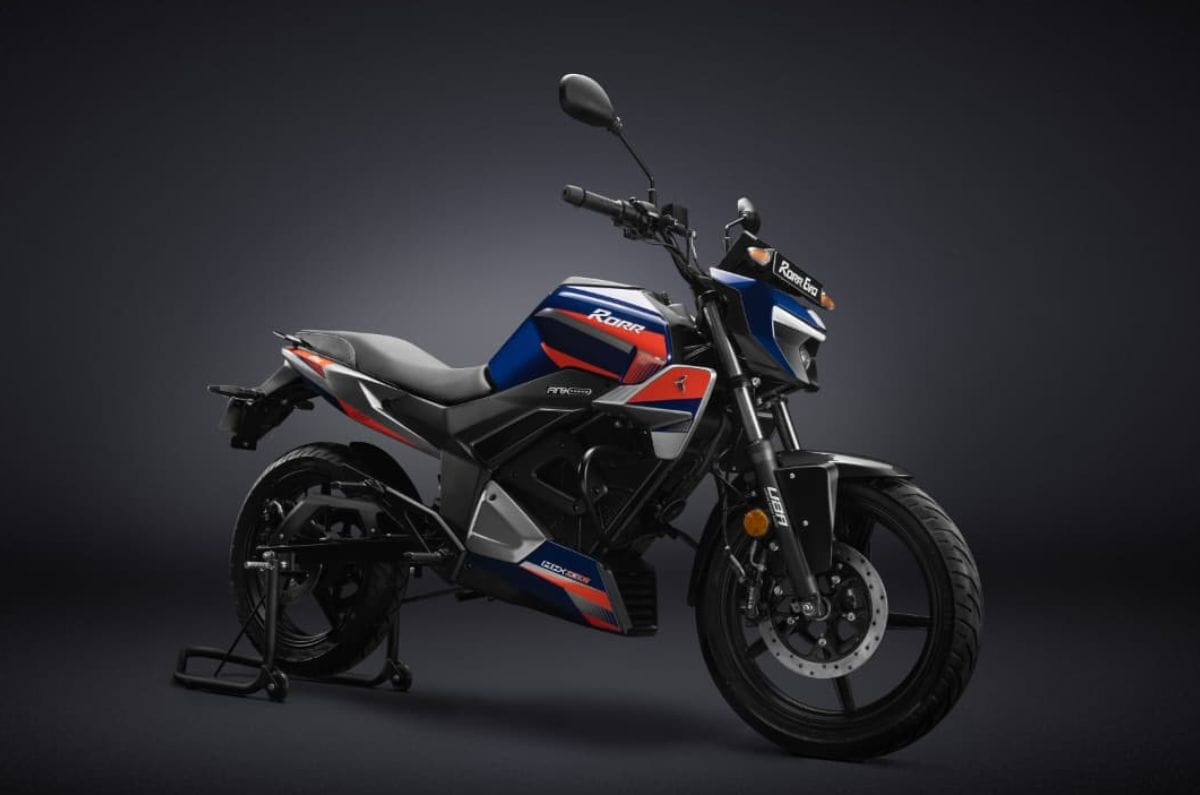
Priced at Rs 1.25 lakh (ex-showroom), the Rorr Evo is powered by a 9kW motor paired with a 3.4kWh LFP battery pack. It features SmartIQ, Oben’s AI-powered ride optimisation technology that claims to improve range by up to 15 percent. Other highlights include a projector LED headlamp and a chain-drive setup, which the company says improves efficiency by 10 percent. The IDC range is rated at 180km, while the real-world range is claimed to be around 150km.

Claimed performance figures include a 110kph top speed, and a 0-40kph sprint in 3 seconds. The battery can be fast charged from 0-80 percent in 90 minutes, and Oben offers an 8-year battery warranty. Features include a 5-inch TFT display, OTA updates, turn-by-turn navigation, geo-fencing, remote immobilisation and fall detection with emergency SOS via the company’s ARGUS connected platform.

BMW Motorrad lineup updated for 2027

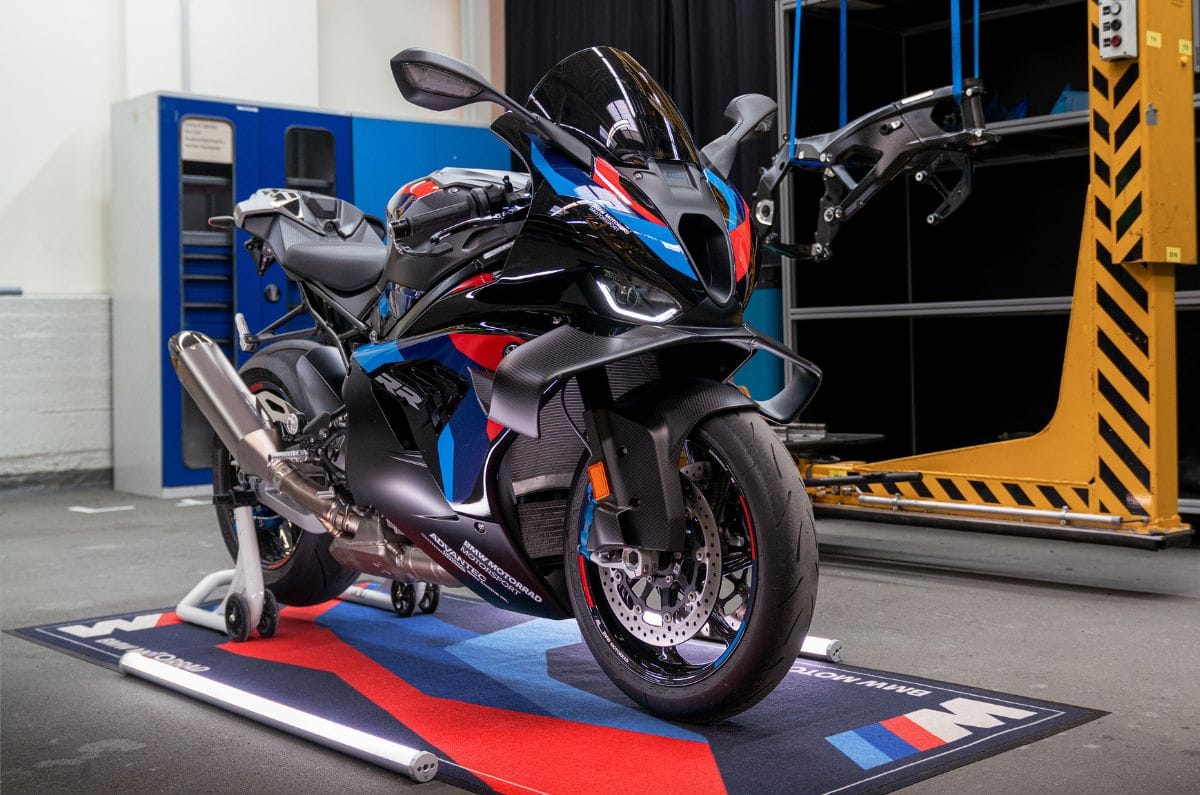
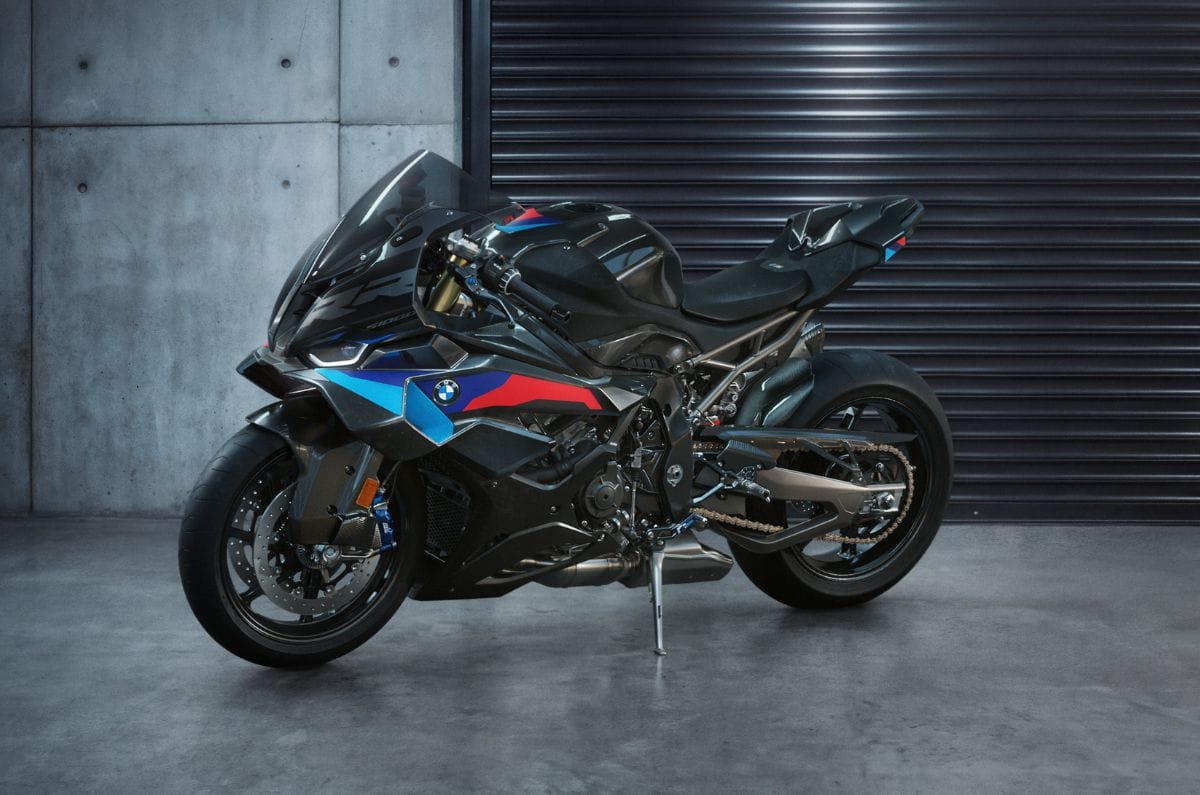
BMW M 1000 RR front right side static in garage

BMW Motorrad has one of the widest model ranges in the industry and for 2027, the company has announced updates to as many as twelve models. The breadth of updates across the range spans new colours and more equipment which was either previously an accessory or not offered at all.

  1. S 1000 RR, K 16 models receive new colours
  2. M 1000 RR sees small chassis improvements
  3. These updates will be available August 2026 onwards at BMW Motorrad dealerships

BMW’s S 1000 RR superbike has received a new Blackstorm Metallic / M Motorsport colour, which actually makes it look very similar to the M 1000 RR WSBK homologation special model. If you opt for the M package when purchasing the S 1000 RR (like quite a few owners do), then you now get the M forged wheels as standard with the M carbon wheels offered as an optional extra.

BMW S 1000 RR left front side static in garage
2027 BMW S 1000 RR

Speaking of the M 1000 RR, BMW has refined its competition-spec model with some chassis revisions such as a refined frame with what the brand claims are ‘clearly improved Flex properties’ and thinner walls by 30 percent. In the process, BMW has shaved 1.3kilos off the M 1000 RR’s kerb weight. Just like the S 1000 RR, the M RR now comes standard with M forged wheels and the M carbon wheels are an optional extra. BMW has also introduced a new M Track package including the M Endurance Chain, Carbon Package, M Billet Package and M Carbon Wheels.

Similarly, the BMW M 1000 XR sporty crossover also sees the introduction of an M Track Package which includes the M Laptrigger, Carbon Package, M Billet Package and M Carbon Wheels.

The R 1300 R sporty naked and the R 1300 RS sport tourer (both of which are based on the same mechanical foundation as the R 1300 GS adventure bike) see similar updates in that the pannier rails are now available on the Style Performance trim, which was previously unavailable. There’s also a new Touring Package on both including the aforementioned pannier rails, Central Lock and a main stand.

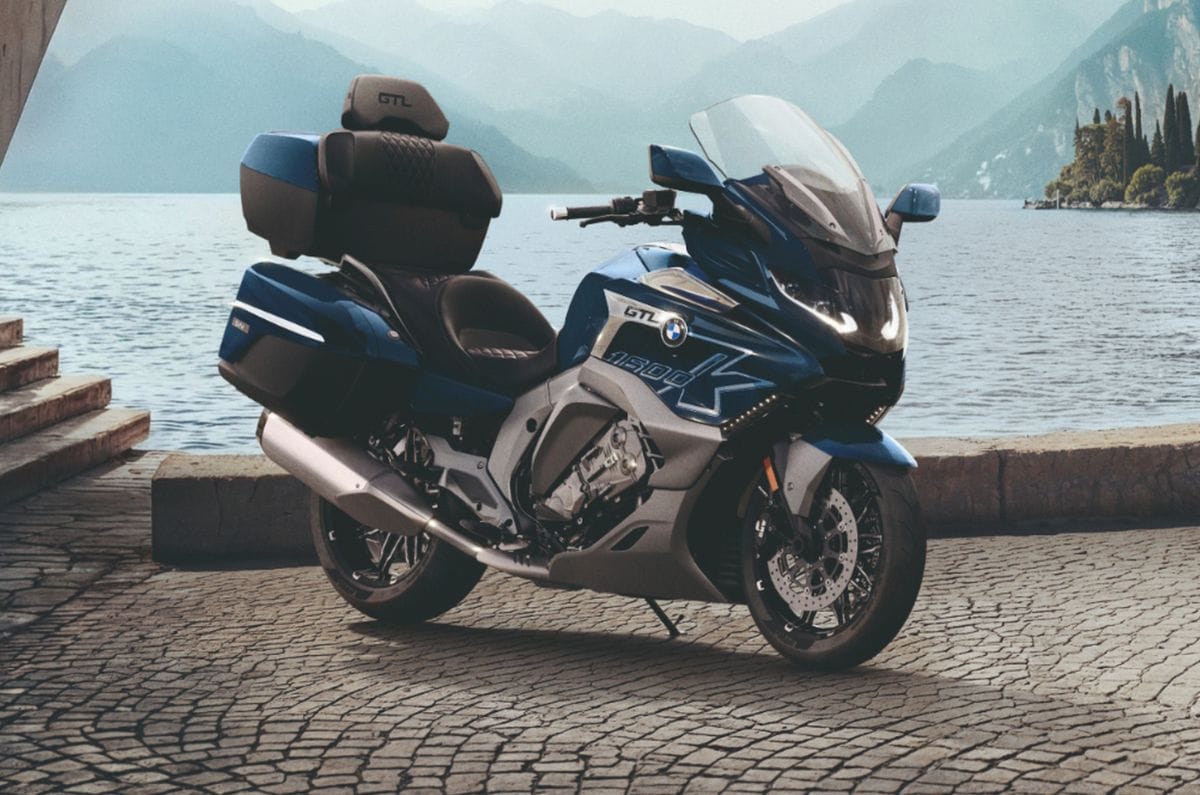
All of the models in the K 1600 six-cylinder grand touring range now come with a Imperial Blue metallic colour option on the Style Edition trim. Additionally, the K 1600 GTL comes with a new bench seat and forged wheels if you opt for the Option 719 trim.

BMW K 1600 GTL front right side static on seashore
BMW K 1600 GTL

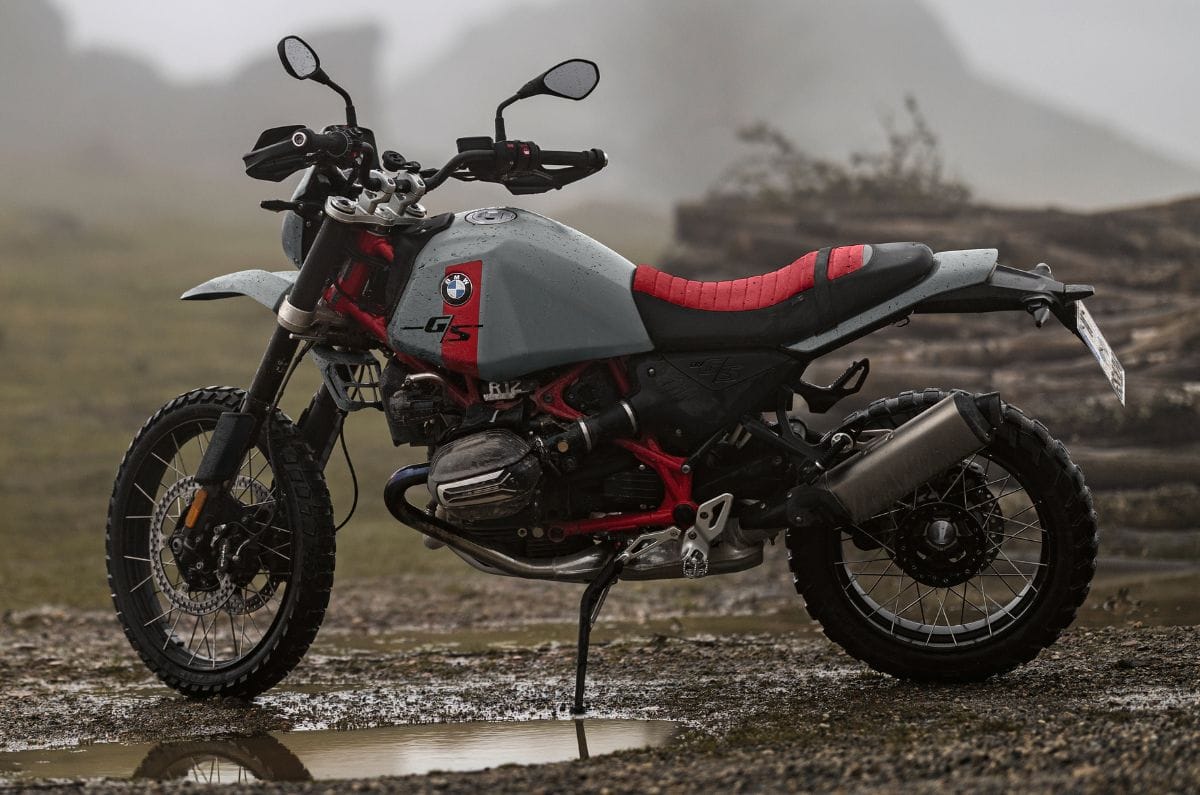
The F 900 R and F 900 XR middleweight roadster and ADV, respectively, can now be had with the M endurance chain if you opt for the accessory comfort package and last but not least, the R 12 GS big-bore scrambler comes with a new Frozen Brooklyn Grey colour on the Option 719 packs.

BMW R 12 GS left side profile static in field
BMW R 12 GS

3 reasons to buy the Flying Flea C6 and 2 reasons to skip it

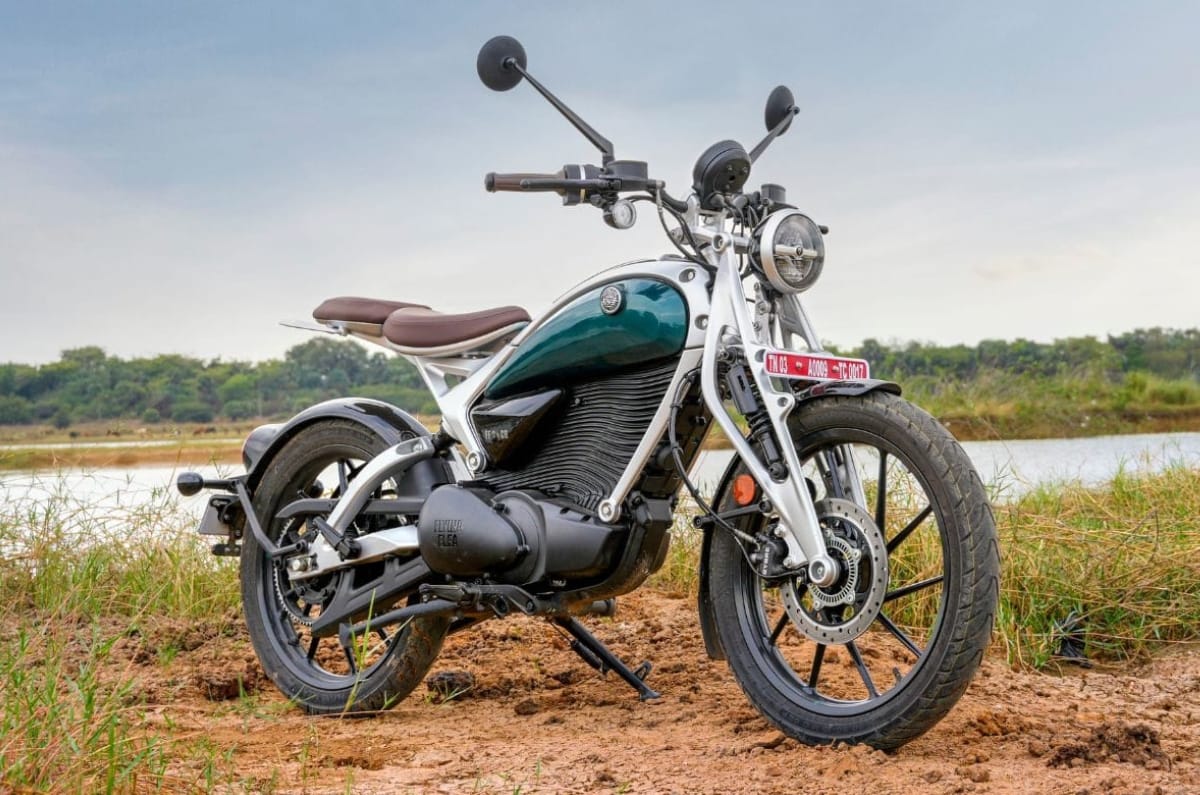
Flying Flea C6 static

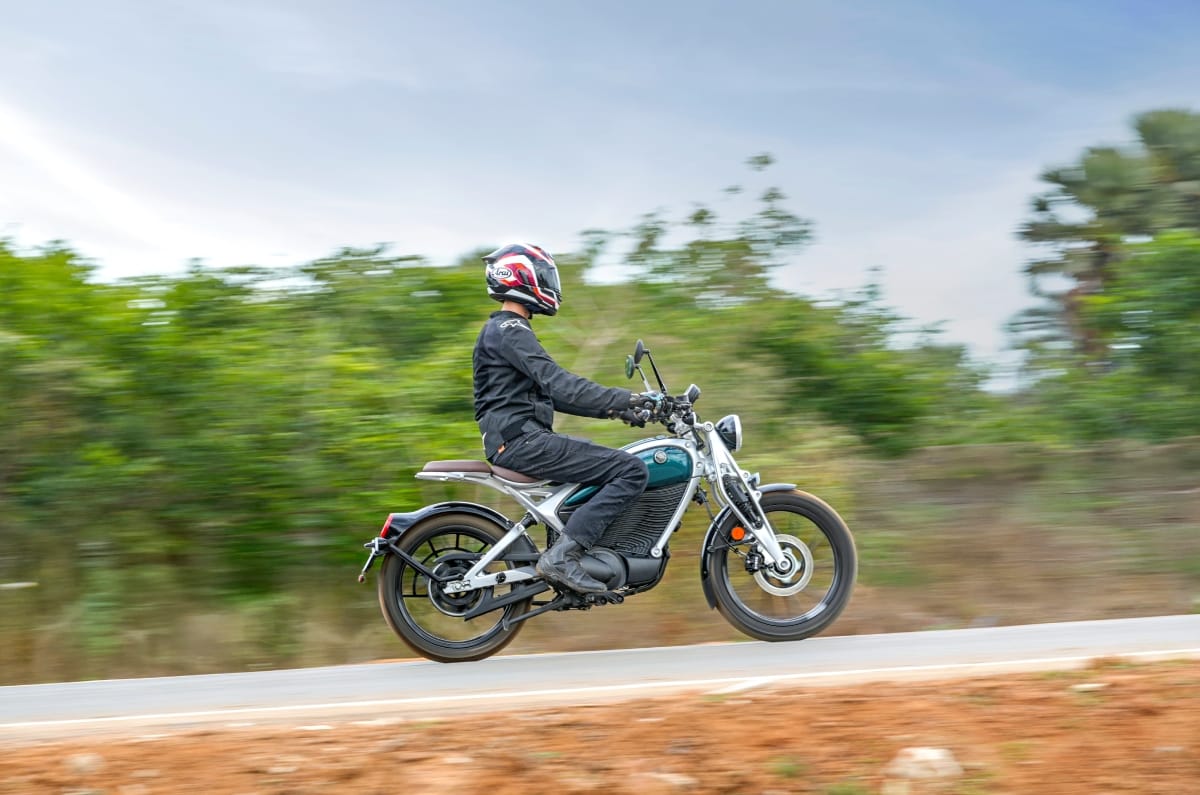
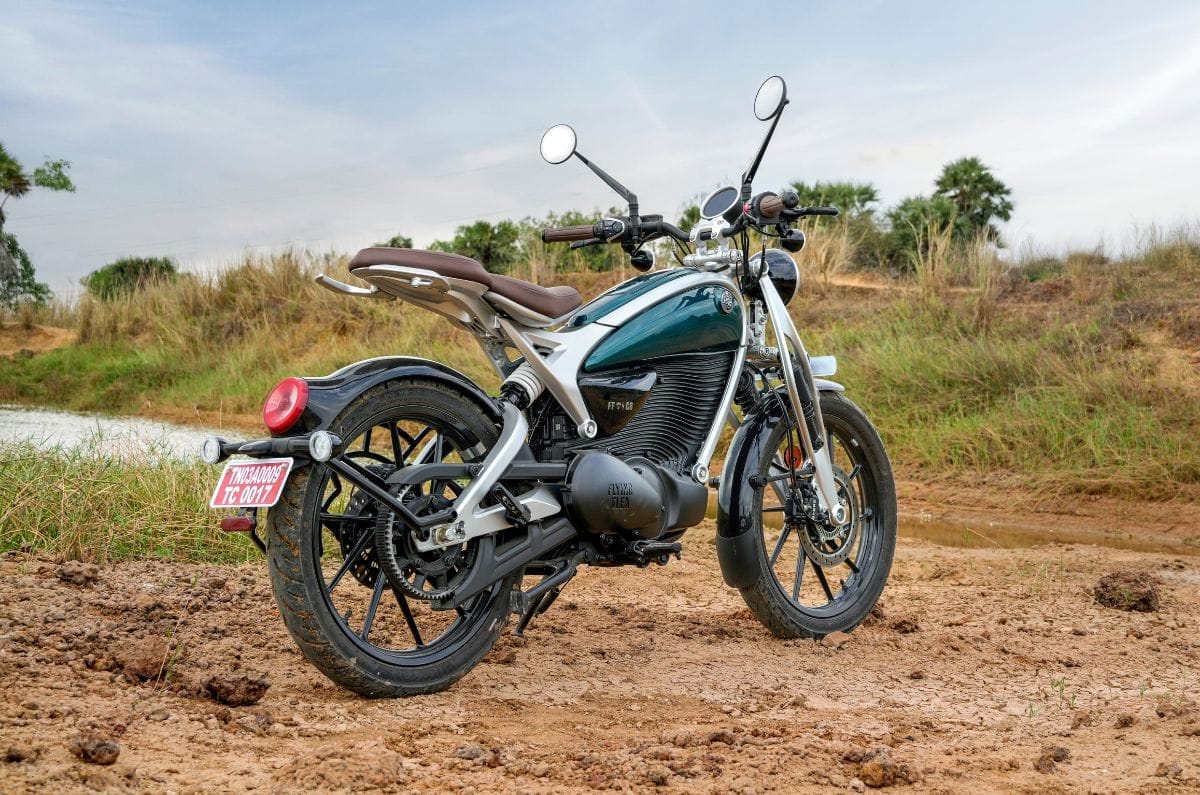
The Flying Flea C6 is Royal Enfield’s first electric motorcycle and, by any measure, one of the most unconventional two-wheelers to come out of an Indian manufacturer. The brand says it isn’t designed to be a high-volume product, but rather as a learning exercise and a statement of intent. During our brief stint with the bike, we found the C6 takes a genuinely different approach to electric mobility. Here’s what works in its favour and a couple of reasons it might not be for everyone.

Reasons to buy the Flying Flea C6

Exciting and engaging to ride

The C6’s performance is more impressive than its compact dimensions might suggest. The 15kW peak motor produces 60Nm and the bike can reach a top speed of around 115kph, which it achieves with ease. More significantly, during our time with the bike we found that this performance is consistently available even as the battery state of charge drops. The motor is capable of 8kW continuous output, which is among the highest of any Indian two-wheeler EV.

Four riding modes – Rain, City, Highway and Sport – are available, along with a custom mode that allows you to tweak throttle response, power level, traction control and regenerative braking independently. 

Beautifully engineered with impressive attention to detail

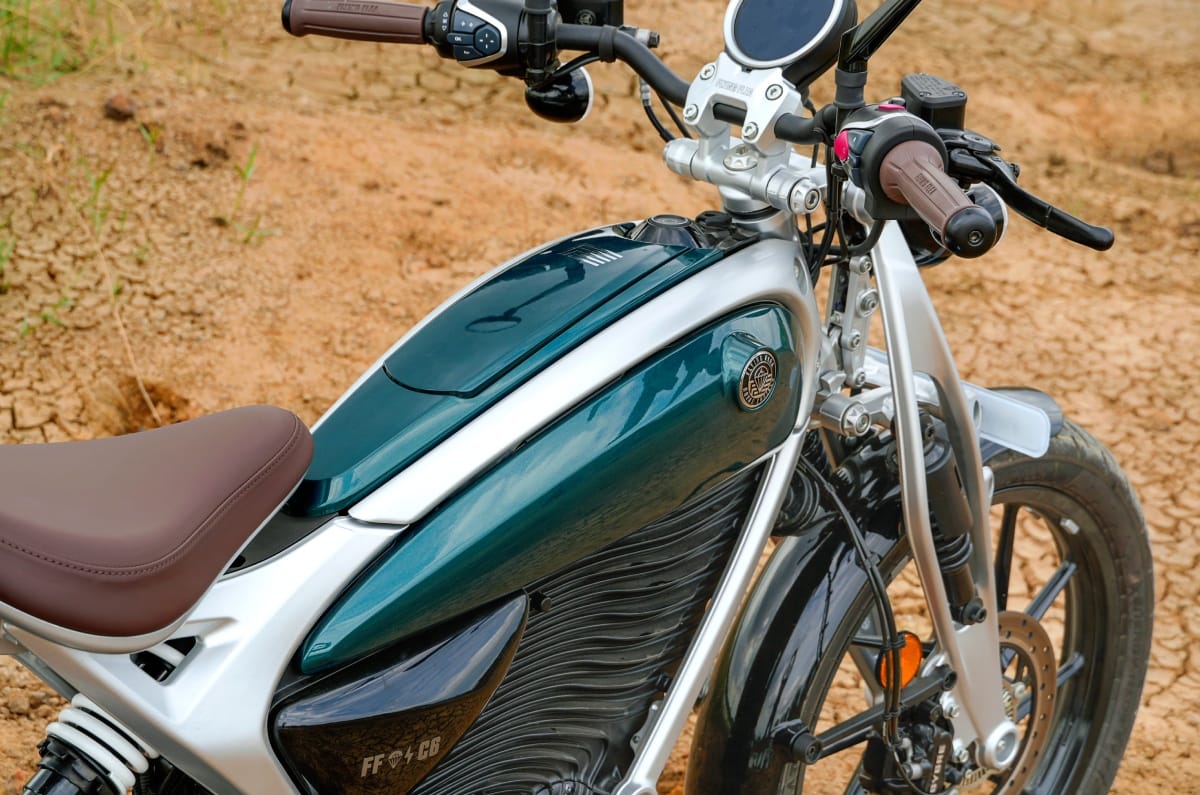
The C6 is a genuinely fascinating piece of engineering to spend time with. Virtually no steel is used in the structural components – the chassis is a forged aluminium exoskeleton, the swingarm is aluminium, and the battery casing is constructed from magnesium alloy, a material that is significantly lighter than aluminium and has never been used in an Indian two-wheeler before. The girder fork, in particular, is a mechanical highlight – it’s virtually extinct on modern motorcycles and is fascinating to observe both at a standstill and in motion. Royal Enfield has addressed magnesium’s combustibility risk by designing the chassis as a protective exoskeleton around the battery casing. 

High-end technology and thoughtful features

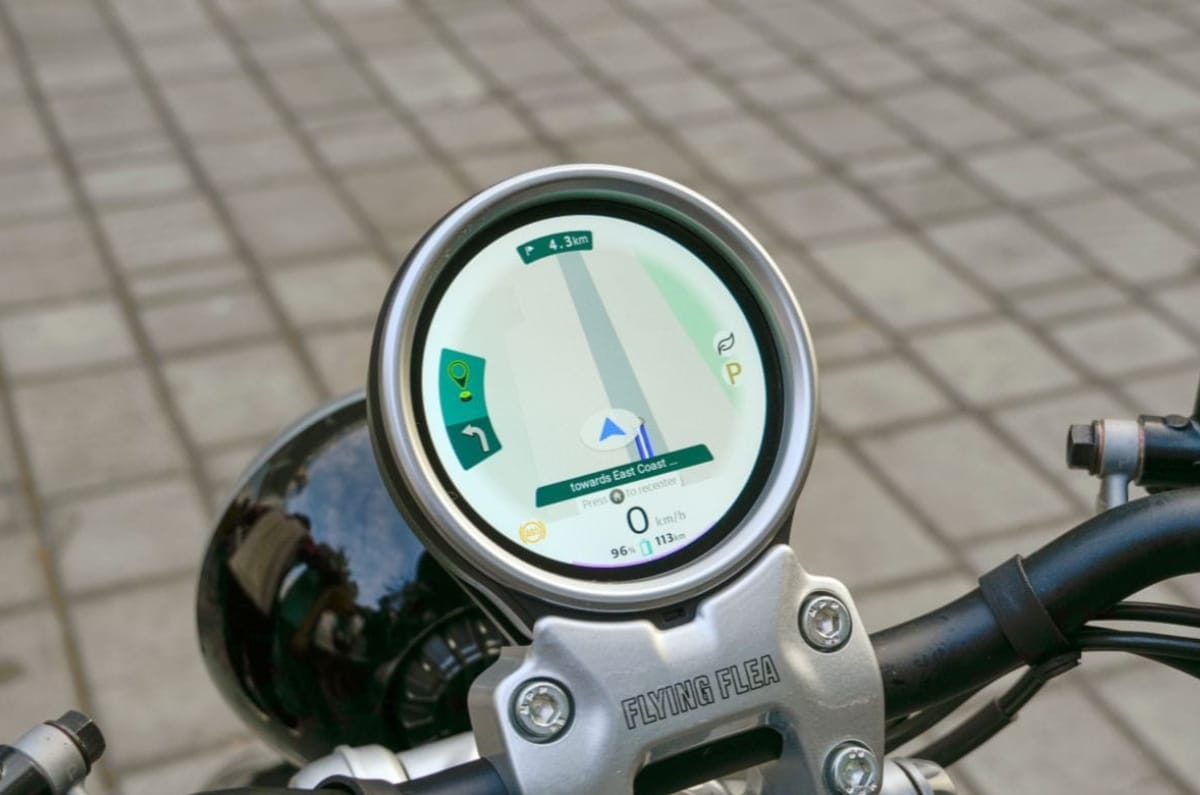
The C6 is the most technically advanced Royal Enfield ever built, by a considerable margin. It comes with cornering ABS, traction control, a 3.5-inch round touchscreen TFT display and keyless operation. A rotary dial on the left switchgear allows riding mode changes on the move and makes for a genuinely intuitive system. App connectivity is standard, and an integrated phone storage compartment with wireless charging allows you to cast Google Maps onto the TFT. An on-board 2kW charger means you only need to carry a cable, not a bulky external unit, and three charging modes let you choose between fast, normal and trickle charging speeds. A notable addition is an optional incognito mode that prevents the bike from relaying data back to the company – a rare and welcome privacy feature for a connected vehicle.

Reasons to skip the Flying Flea C6

Polarising size and limited real-world range

The C6 is a small, compact motorcycle. Deliberately so, given its inspiration from the original World War II-era Flying Flea that needed to be parachute-dropped onto battlefields. Not everyone will find the proportions appealing, and riders expecting a conventional Royal Enfield presence on the road will be surprised by just how compact it feels.

Next, the 3.91kWh battery’s 154km claimed IDC range is modest, and in real-world use the figure varies significantly depending on riding style – aggressive riding can bring it down to 60-70km, while steady riding at 60-70kph makes 100km achievable. The C6 is best suited to urban use; venturing much beyond city limits will require planning. The pillion experience is also compromised, with a small removable rear seat and footpegs mounted on the swingarm that move with the rear suspension.

Price and availability

At Rs 2.79 lakh (ex-showroom), the C6 is a significant ask for a compact, single-speed electric motorcycle with a modest range. That said, given the engineering decisions Royal Enfield has made, it is arguably as reasonable as it could be. More immediately limiting for potential buyers is availability as the C6 is currently only on sale in Bengaluru, with a gradual city-by-city rollout planned. Those outside Bengaluru will have to wait, and there’s no confirmed timeline for when the bike will reach their city.

2026 F1: Leclerc wins chaotic British GP

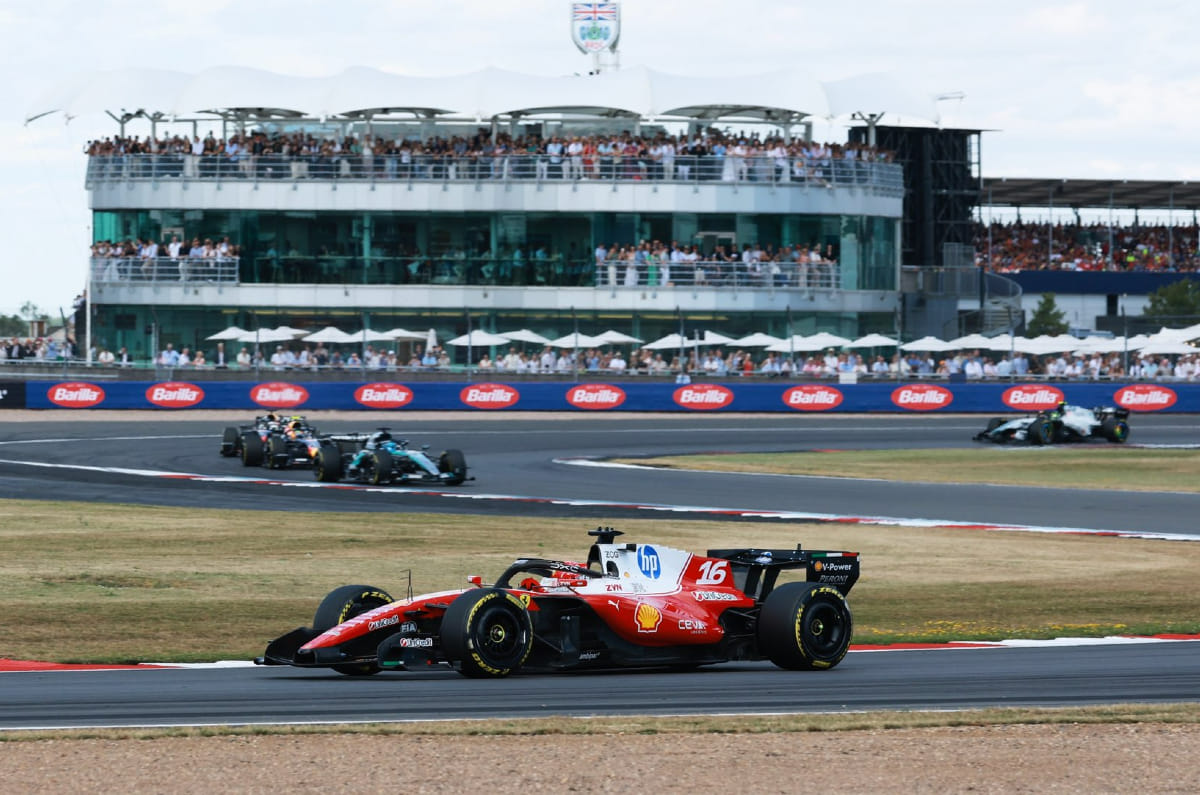
2026 F1 British GP winner Charles Leclerc

Charles Leclerc survived late-race drama to win the 2026 F1 British GP, which ended behind the Safety Sar following Max Verstappen’s crash. With this, the Ferrari driver ends a 624-day winless drought, scoring his first victory since the 2024 US GP.

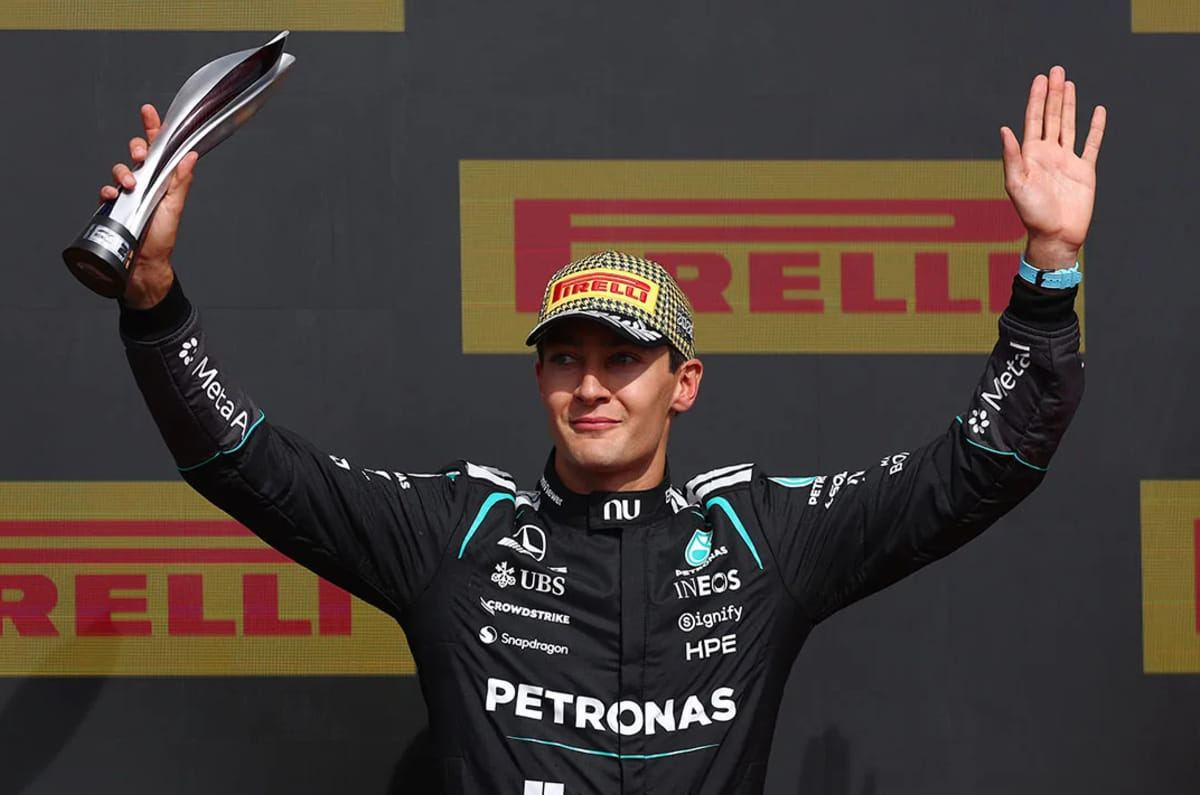
Mercedes’ George Russell benefitted from the late-race Safety Car to finish second. Lewis Hamilton crossed the chequered flag in third place, handing Ferrari a double podium finish.

  1. Leclerc wins ahead of Russell, Hamilton
  2. Antonelli’s championship lead slashed to 25 points

Leclerc ends F1 victory drought

No points for Antonelli after car trouble, penalty

F1 British GP Charles Leclerc

Leclerc aced the race start, grabbing the lead ahead of his teammate Hamilton and polesitter Kimi Antonelli. He then set about further consolidating that lead, only briefly losing it when he made his pit stop. 

Antonelli opted to stretch his first stint till lap 36, and re-joined the track 7.5 sec behind Leclerc. By lap 41, he managed to cut that gap down to just 3.1 sec, but reported car trouble soon after. 

Mercedes brought him into the pits to change his front wing and tyres, but the issues persisted. The team ultimately identified a wheel shield failure, and pitted Antonelli once again to remove the affected part. This dropped Antonelli down to P10, but he was dealt yet another blow as he was handed a five-second penalty for exceeding track limits.

Antonelli’s misfortune cleared the way for Leclerc to take a comfortable win. “It feels incredible,” the Ferrari driver said. “Unfortunately the end was maybe not the one I will have dreamt of but to win after the last few weekends that have been particularly difficult, all the work that we put into trying to get the feeling back in the car.”

Russell benefits from late Safety Car 

F1 British GP George Russell

Hamilton had also been slapped with a five-second penalty, this time for a false start. But he had climbed his way up to second place towards the end of the race. The Briton was just ahead of Russell, who himself had recovered ground after an unscheduled pit stop due to a slow puncture. 

With just five laps to go, Verstappen spun off into the gravel at Stowe, bringing out the Safety Car. While both Ferraris pitted for fresh tyres, Mercedes opted to keep Russell out, handing him P2 ahead of Hamilton. Russell held on to that spot, securing his first F1 podium finish on home soil, as the race ultimately ended behind the Safety Car.

McLaren’s Lando Norris finished P4, followed by Red Bull’s Isack Hadjar and the Racing Bulls duo of Liam Lawson and Arvid Lindblad. Gabriel Bortoleto finished P8, scoring points for Audi. Alpine’s Franco Colapinto and Pierre Gasly, meanwhile, rounded out the top 10.

2026 F1 championship standings

The late Safety Car also hurt Antonelli’s chances. While he was still in the running to score some points, the Safety Car meant he classified down in P16 after his penalty was applied. 
As a result, his championship lead has now been slashed to just 25 points from teammate Russell, who moves back up to second overall. Hamilton is third overall, seven points behind Russell.

F1 will next head to Spa-Francorchamps for the Belgian GP on July 17-19.

2026 F1 British GP results

Pos

Driver

Team

1

Charles Leclerc

Ferrari

2

George Russell

Mercedes

3

Lewis Hamilton

Ferrari

4

Lando Norris

McLaren

5

Isack Hadjar

Red Bull Racing

6

Liam Lawson

Racing Bulls

7

Arvid Lindblad

Racing Bulls

8

Gabriel Bortoleto

Audi

9

Franco Colapinto

Alpine

10

Pierre Gasly

Alpine

11

Oscar Piastri

McLaren

12

Carlos Sainz

Williams

13

Oliver Bearman

Haas

14

Esteban Ocon

Haas

15

Sergio Perez

Cadillac

16

Kimi Antonelli

Mercedes

17

Valtteri Bottas

Cadillac

18

Fernando Alonso

Aston Martin

19

Lance Stroll

Aston Martin

20

Max Verstappen

Red Bull Racing

NC

Alex Albon

Williams

NC

Nico Hulkenberg

Audi


Bugatti Mistral ‘Blanc Eternel’ image gallery

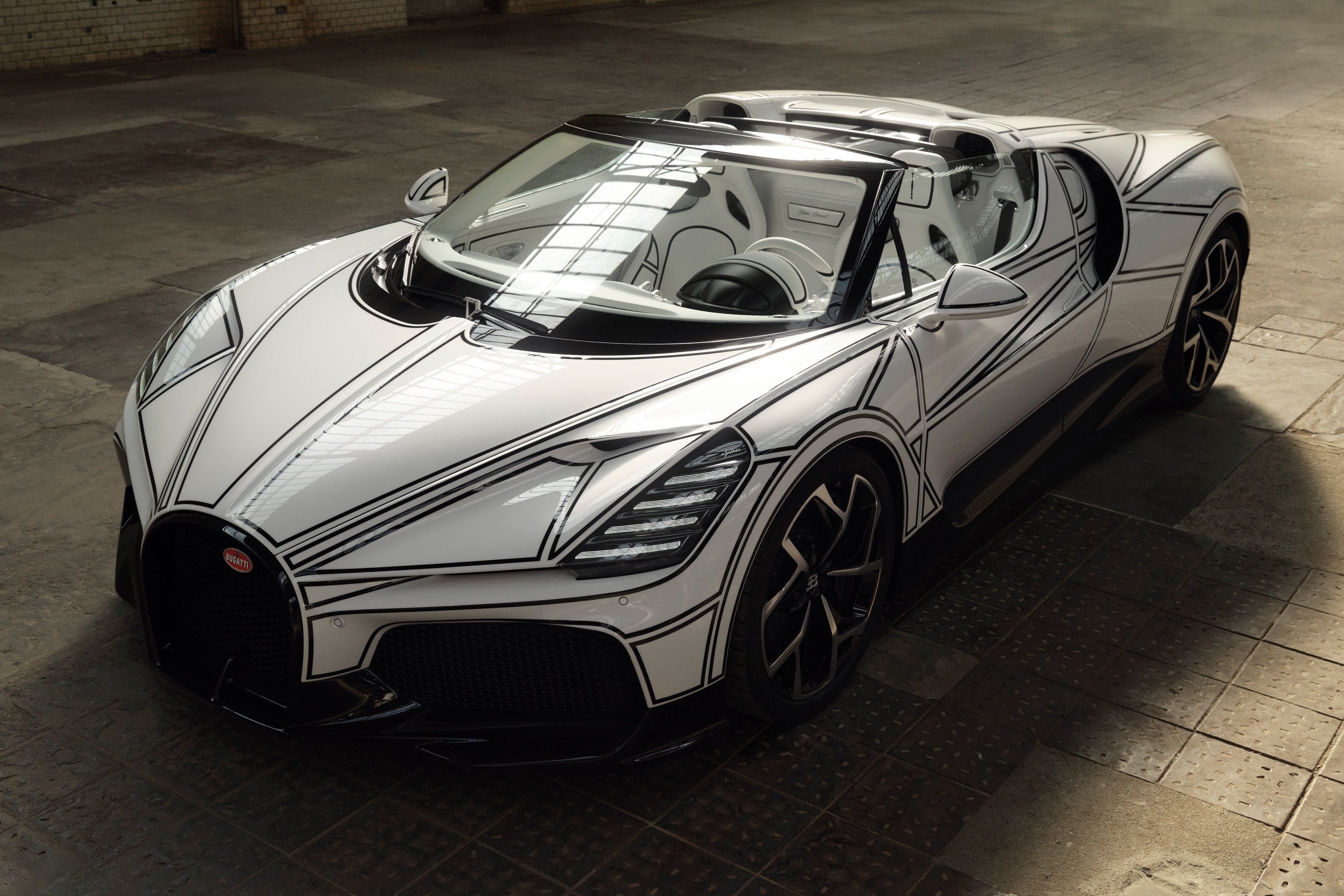
Bugatti Mistral Blanc Eternel front quarter static

Bugatti has unveiled another one-of-one Mistral. Called the ‘Blanc Eternel’ (Eternal White), it is a collaborative effort between Bugatti and Königliche Porzellan-Manufaktur Berlin, a porcelain manufacturer. It is the second time that the two companies have worked together, with the Veyron Grand Sport L’or Blanc unveiled 15 years ago. The Mistral Blanc Eternel also takes inspiration from porcelain. You get an all-white exterior with hand-painted fine black lines that map the underlying digital surface layout of the W16 Mistral, flowing across its bodywork. You get porcelain finishes for the interior parts, like speaker cover plate, two kneepad inlays, gear-shifter shells, centre-console armrest inlay and power window switches. Swipe to have a look at the Bugatti Mistral up close from various angles. 

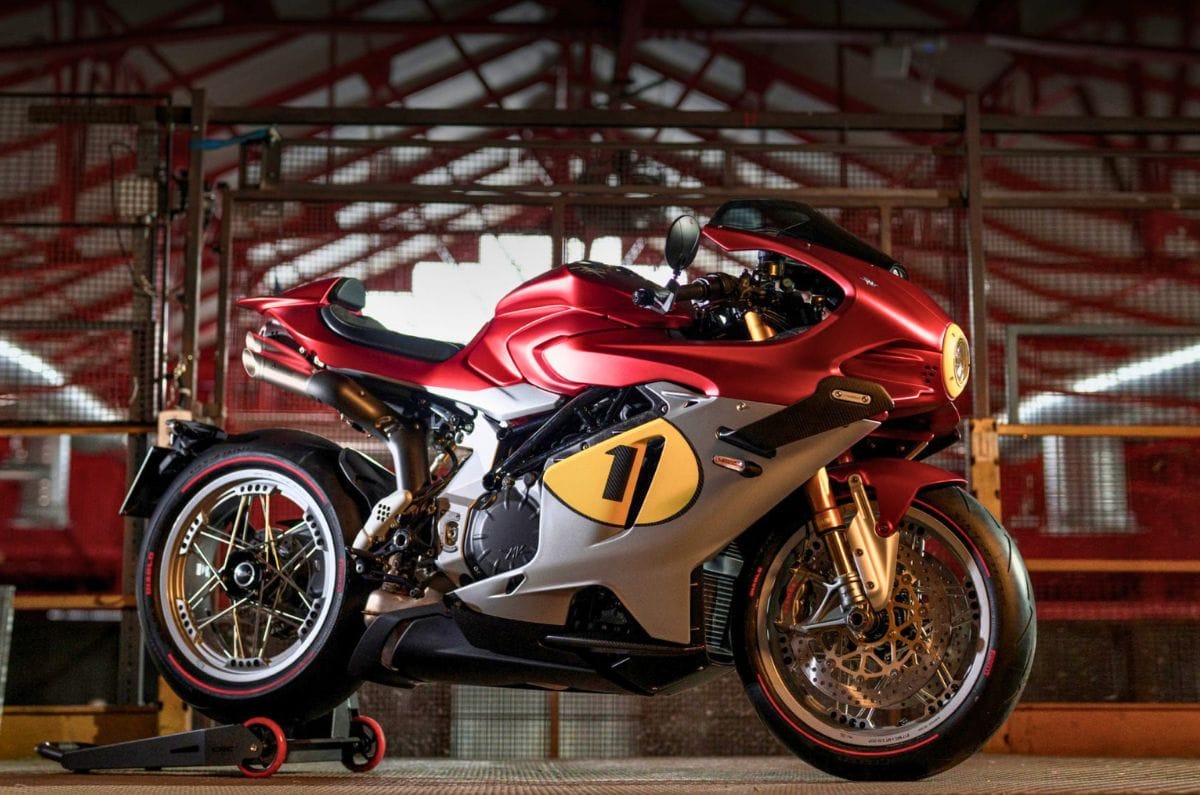
MV Agusta Superveloce 1000 AGO image gallery

MV Agusta Superveloce 1000 AGO front three quarter

The MV Agusta Superveloce 1000 AGO is a limited-edition tribute to legendary racer Giacomo Agostini, celebrating both his 83rd birthday and MV Agusta’s 80th anniversary. Production is capped at 83 units, with bike number one reserved for Agostini himself. Based on the Superveloce 1000 Serie Oro, it is powered by a 998cc inline-four producing 208hp and 116.5Nm, paired with fully electronic Öhlins suspension, Brembo brakes and extensive carbon-fibre bodywork. Each motorcycle is personally signed by Agostini and features a gold plaque commemorating his 15 world titles, underlining its exclusivity and collector appeal.